EP2192183B1 - Triterpen-oxidase aus einer zur gattung glychyrrhiza gehörenden pflanze, die triterpen-oxidase codierendes gen und verwendung des proteins oder des gens - Google Patents
Triterpen-oxidase aus einer zur gattung glychyrrhiza gehörenden pflanze, die triterpen-oxidase codierendes gen und verwendung des proteins oder des gens Download PDFInfo
- Publication number
- EP2192183B1 EP2192183B1 EP08792426.2A EP08792426A EP2192183B1 EP 2192183 B1 EP2192183 B1 EP 2192183B1 EP 08792426 A EP08792426 A EP 08792426A EP 2192183 B1 EP2192183 B1 EP 2192183B1
- Authority
- EP
- European Patent Office
- Prior art keywords
- gene
- seq
- glychyrrhiza
- protein
- amyrin
- Prior art date
- Legal status (The legal status is an assumption and is not a legal conclusion. Google has not performed a legal analysis and makes no representation as to the accuracy of the status listed.)
- Active
Links
Images




Classifications
-
- C—CHEMISTRY; METALLURGY
- C12—BIOCHEMISTRY; BEER; SPIRITS; WINE; VINEGAR; MICROBIOLOGY; ENZYMOLOGY; MUTATION OR GENETIC ENGINEERING
- C12N—MICROORGANISMS OR ENZYMES; COMPOSITIONS THEREOF; PROPAGATING, PRESERVING, OR MAINTAINING MICROORGANISMS; MUTATION OR GENETIC ENGINEERING; CULTURE MEDIA
- C12N9/00—Enzymes; Proenzymes; Compositions thereof; Processes for preparing, activating, inhibiting, separating or purifying enzymes
- C12N9/0004—Oxidoreductases (1.)
- C12N9/0071—Oxidoreductases (1.) acting on paired donors with incorporation of molecular oxygen (1.14)
-
- A—HUMAN NECESSITIES
- A61—MEDICAL OR VETERINARY SCIENCE; HYGIENE
- A61K—PREPARATIONS FOR MEDICAL, DENTAL OR TOILETRY PURPOSES
- A61K31/00—Medicinal preparations containing organic active ingredients
- A61K31/56—Compounds containing cyclopenta[a]hydrophenanthrene ring systems; Derivatives thereof, e.g. steroids
-
- A—HUMAN NECESSITIES
- A61—MEDICAL OR VETERINARY SCIENCE; HYGIENE
- A61K—PREPARATIONS FOR MEDICAL, DENTAL OR TOILETRY PURPOSES
- A61K36/00—Medicinal preparations of undetermined constitution containing material from algae, lichens, fungi or plants, or derivatives thereof, e.g. traditional herbal medicines
- A61K36/18—Magnoliophyta (angiosperms)
- A61K36/185—Magnoliopsida (dicotyledons)
- A61K36/48—Fabaceae or Leguminosae (Pea or Legume family); Caesalpiniaceae; Mimosaceae; Papilionaceae
- A61K36/484—Glycyrrhiza (licorice)
-
- C—CHEMISTRY; METALLURGY
- C07—ORGANIC CHEMISTRY
- C07J—STEROIDS
- C07J53/00—Steroids in which the cyclopenta(a)hydrophenanthrene skeleton has been modified by condensation with a carbocyclic rings or by formation of an additional ring by means of a direct link between two ring carbon atoms, including carboxyclic rings fused to the cyclopenta(a)hydrophenanthrene skeleton are included in this class
-
- C—CHEMISTRY; METALLURGY
- C12—BIOCHEMISTRY; BEER; SPIRITS; WINE; VINEGAR; MICROBIOLOGY; ENZYMOLOGY; MUTATION OR GENETIC ENGINEERING
- C12N—MICROORGANISMS OR ENZYMES; COMPOSITIONS THEREOF; PROPAGATING, PRESERVING, OR MAINTAINING MICROORGANISMS; MUTATION OR GENETIC ENGINEERING; CULTURE MEDIA
- C12N15/00—Mutation or genetic engineering; DNA or RNA concerning genetic engineering, vectors, e.g. plasmids, or their isolation, preparation or purification; Use of hosts therefor
- C12N15/09—Recombinant DNA-technology
- C12N15/63—Introduction of foreign genetic material using vectors; Vectors; Use of hosts therefor; Regulation of expression
- C12N15/79—Vectors or expression systems specially adapted for eukaryotic hosts
- C12N15/82—Vectors or expression systems specially adapted for eukaryotic hosts for plant cells, e.g. plant artificial chromosomes (PACs)
- C12N15/8241—Phenotypically and genetically modified plants via recombinant DNA technology
- C12N15/8242—Phenotypically and genetically modified plants via recombinant DNA technology with non-agronomic quality (output) traits, e.g. for industrial processing; Value added, non-agronomic traits
- C12N15/8243—Phenotypically and genetically modified plants via recombinant DNA technology with non-agronomic quality (output) traits, e.g. for industrial processing; Value added, non-agronomic traits involving biosynthetic or metabolic pathways, i.e. metabolic engineering, e.g. nicotine, caffeine
-
- C—CHEMISTRY; METALLURGY
- C12—BIOCHEMISTRY; BEER; SPIRITS; WINE; VINEGAR; MICROBIOLOGY; ENZYMOLOGY; MUTATION OR GENETIC ENGINEERING
- C12N—MICROORGANISMS OR ENZYMES; COMPOSITIONS THEREOF; PROPAGATING, PRESERVING, OR MAINTAINING MICROORGANISMS; MUTATION OR GENETIC ENGINEERING; CULTURE MEDIA
- C12N9/00—Enzymes; Proenzymes; Compositions thereof; Processes for preparing, activating, inhibiting, separating or purifying enzymes
- C12N9/0004—Oxidoreductases (1.)
- C12N9/0006—Oxidoreductases (1.) acting on CH-OH groups as donors (1.1)
Definitions
- the present invention relates to an enzyme which oxidizes a dammarane-type triterpene derived from a plant belonging to the genus Glychyrrhiza, a gene encoding the same, and use of the enzyme and the gene.
- Plants belonging to the genus Glychyrrhiza are perennial herbaceous plants belonging to the family Fabaceae. Among raw materials for Chinese herbal medicines, underground roots and stolons of plants belonging to the genus Glychyrrhiza are important ones, and they are widely used for pharmaceuticals worldwide.
- a main active ingredient of the plants belonging to the genus Glychyrrhiza, Glychyrrhiza uralensis, Glychyrrhiza glabra, and Glychyrrhiza inflata is glycyrrhizin, which is a triterpene saponin.
- glycyrrhizin Numerous studies have been conducted on glycyrrhizin from various perspectives such as pharmacognostic study, pharmacological study, and breeding study. Yet, regarding the biosynthetic pathway of glycyrrhizin, it has been absolutely unknown how glycyrrhizin is biosynthesized following ⁇ -amyrin, which is a triterpene. In order to stably and continuously supply a good quality herbal medicine, establishment of optimal conditions for production, selection of a high-production strain, and the like are necessary using a biosynthesis gene itself of glycyrrhizin, which is an active ingredient, or a gene expression thereof as a marker.
- Problems targeted by the present invention are to identify a protein having an activity of oxidizing a dammarane-type triterpene and a gene encoding the same, and to provide the protein and the gene as well as use of the protein and the gene.
- P450 gene novel cytochrome P450 gene having such a catalytic function as to oxidize a carbon at the position 11 of a dammarane-type triterpene such as ⁇ -amyrin, thereby completing the present invention.
- the present invention is summarized as follows.
- the protein of the present invention is a triterpene oxidase having an activity of oxidizing a carbon at the position 11 of a dammarane-type triterpene.
- a dammarane-type triterpene refers to a group of compounds produced from dammarene cations, in which 2,3-oxidosqualene is cyclized in a chair-chair-chair-boat conformation, and examples thereof include a tetracyclic compound and a pentacyclic compound.
- dammarane-type triterpene examples include dammarane-type, limonoid-type, quassinoid-type, lupane-type, oleanane-type, and ursane-type triterpenes.
- the dammarane-type triterpene is not particularly limited in the present invention, it is preferably an oleanane-type triterpene.
- the oleanane-type triterpene include ⁇ -amyrin, oleanolic acid, hederagenin, 11-deoxoglycyrrhetinic acid, camelliagenin, soyasapogenol, and saikogenin.
- the oleanane-type triterpene is preferably ⁇ - amyrin and 30-hydroxy- ⁇ -amyrin.
- the protein of the present invention is selected from;
- the protein having the amino acid sequence shown in SEQ ID NO:1 refers to a protein encoded by a gene (SEQ ID NO:3) obtained from stolons of a plant belonging to the genus Glychyrrhiza ( Glychyrrhiza uralensis ).
- an amino acid sequence comprising a deletion(s), substitution(s), or addition(s) of one or several amino acids in the amino acid sequence shown in SEQ ID NO:1 means that, for example, one to ten amino acid(s), preferably one to five amino acid(s), may be deleted from the amino acid sequence shown in SEQ ID NO:1, and one to ten amino acid(s), preferably one to five amino acid(s), may be added to the amino acid sequence shown in SEQ ID NO:1, or one to 10 amino acid(s), preferably one to five amino acid(s) in the amino acid sequence shown in SEQ ID NO:1 may be substituted by other amino acid(s).
- amino acid sequences shown in SEQ ID NO:2 and SEQ ID NO:13 examples include the amino acid sequences shown in SEQ ID NO:2 and SEQ ID NO:13.
- the amino acid sequences shown in SEQ ID NO:2 and SEQ ID NO:13 each differ at four and seven amino acids, respectively, in comparison with the amino acid sequence shown in SEQ ID NO:1.
- proteins having the amino acid sequences shown in SEQ ID NO:2 and SEQ ID NO:13 are each encoded by genes having the nucleotide sequences of SEQ ID NO:4 and SEQ ID NO:14, respectively.
- the "identity” in “an amino acid sequence having an 80% or more identity with the amino acid sequence shown in SEQ ID NO:1" is 80% or more, preferably 85% or more, more preferably 90%, and even more preferably 95% or more.
- an origin of the protein of the present invention is not particularly limited, it is preferably a plant belonging to the genus Glychyrrhiza, and more preferably Glychyrrhiza uralensis or Glychyrrhiza glabra.
- the plant belonging to the genus Glychyrrhiza in the present invention is a plant which is classified into the genus Glychyrrhiza in the family Fabaceae.
- a plant can be exemplified by Glychyrrhiza glabra, Glychyrrhiza inflata, Glychyrrhiza uralensis, Glychyrrhiza aspera, Glychyrrhiza eurycarpa, Glychyrrhiza pallidiflora, Glychyrrhiza yunnanensis, Glychyrrhiza lepidota, Glychyrrhiza echinata, and Glychyrrhiza acanthocarpa.
- glycyrrhizin was detected in Glychyrrhiza glabra, Glychyrrhiza inflata, and Glychyrrhiza uralensis
- the protein of the present invention can be obtained from, for example, stolons or roots of a plant belonging to the genus Glychyrrhiza by using publicly known methods
- a protein having the amino acid sequence shown in SEQ ID NO:1, 2, or 13 can be synthesized by publicly known chemical synthesis methods, or the protein of the present invention can be produced by obtaining a gene encoding the protein, which will be described later, and applying publicly known gene recombination techniques.
- amino acid sequence comprising a deletion(s), substitution(s), or addition(s) of one or several amino acids in the amino acid sequence shown in SEQ ID NO:1, or an amino acid sequence having an 80% or more identity with the amino acid sequence shown in SEQ ID NO:1
- an amino acid sequence having an 80% or more identity with the amino acid sequence shown in SEQ ID NO:1 can be obtained by, for example, modifying a gene described below with techniques publicly known in the art. Introduction of a mutation in a gene can be conducted by using a publicly known technique such as the Kunkel method or the Gapped duplex method, or in accordance with such method.
- a mutation can be introduced by using a kit for introducing a mutation employing a site-directed mutagenesis method (for example, Mutant-K (a product of Takara Shuzo Co., Ltd.) and Mutant-G (a product of Takara Shuzo Co., Ltd.)), or a LA PCR in vitro Mutagenesis series kit (a product of Takara Shuzo Co, Ltd.) Also, a method in which a gene is contacted with a mutagen, and a method of irradiating ultraviolet, and the like can be employed.
- a site-directed mutagenesis method for example, Mutant-K (a product of Takara Shuzo Co., Ltd.) and Mutant-G (a product of Takara Shuzo Co., Ltd.)
- a LA PCR in vitro Mutagenesis series kit a product of Takara Shuzo Co, Ltd.
- the protein of the present invention can be employed in a method for oxidizing a dammarane-type triterpene.
- ⁇ -amyrin which is a substrate for the protein
- a carbon at the position 11 of the ⁇ -amyrin is oxidized.
- Substance obtainable by above oxidation are 11 ⁇ -hydroxy- ⁇ -amyrin and 11-oxo- ⁇ -amyrin for example.
- 30-hydroxy- ⁇ -amyrin which is a substrate for the protein
- a carbon at the position 11 of the 30-hydroxy- ⁇ -amyrin is oxidized.
- Substance obtainable by above oxidation are 11 ⁇ ,30-dihydroxy- ⁇ -amyrin and 30-hydroxy-11-oxo- ⁇ -amyrin for example.
- the gene of the present invention encodes a protein having an activity of oxidizing a carbon at the position 11 of a dammarane-type triterpene.
- the present inventors prepared mRNA from stolons of a plant belonging to the genus Glychyrrhiza and produced a cDNA library to conduct EST analysis. Based on the presumption that P450 gene is involved in the pathway to biosynthesize glycyrrhizin (also called glycyrrhizic acid) from ⁇ -amyrin through multiple steps of oxidation, glycosylation, and the like, the present inventors conducted a search using the nucleotide sequence of a publicly known P450 gene in order to narrow down a candidate gene. The present inventors analyzed the expression of the candidate gene, thereby identifying the gene of the present invention (see Examples described below).
- the gene of the present invention is selected from;
- nucleotide sequence comprising a deletion(s), substitution(s), or addition(s) of one or several nucleotides in the nucleotide sequence shown in SEQ ID NO:3
- phrase "a nucleotide sequence comprising a deletion(s), substitution(s), or addition(s) of one or several nucleotides in the nucleotide sequence shown in SEQ ID NO:3" means that, for example, one to ten nucleotide(s), preferably one to five nucleotide(s), can be deleted from the nucleotide sequence shown in SEQ ID NO:3, and one to ten nucleotide(s), preferably one to five nucleotide(s), can be added to the nucleotide sequence shown in SEQ ID NO:3, and one to ten nucleotide(s), preferably one to five nucleotide(s), in the nucleotide sequence shown in SEQ ID NO:3 can be substituted by other nucleotide(s).
- the "identity” in "a nucleotide sequence having an 80% or more identity with the nucleotide sequence shown in SEQ ID NO:3" is 80% or more, preferably 85% or more, more preferably 90%, and even more preferably 95% or more.
- An example of the above-described gene includes, for example, a gene having the nucleotide sequence shown in SEQ ID NO:4.
- the nucleotide sequence shown in SEQ ID NO:4 differs at 11 nucleotides in comparison with the nucleotide sequence shown in SEQ ID NO:3.
- an example of the above-described gene includes a gene having the nucleotide sequence shown in SEQ ID NO:14, which is derived from Glychyrrhiza glabra.
- the nucleotide sequence shown in SEQ ID NO:14 differs at 14 nucleotides in comparison with the nucleotide sequence shown in SEQ ID NO:3.
- the "stringent conditions” refers to such conditions under which a so-called specific hybrid is formed, while a non-specific hybrid is substantially not formed.
- An example of such conditions includes conditions under which a complementary strand of a highly identical nucleic acid, namely, a DNA composed of a nucleotide sequence having an 80% or more, preferably an 85% or more, more preferably a 90% or more, and even more preferably a 95% or more identity with the nucleotide sequence shown in SEQ ID NO:3, hybridizes, while a complementary strand of a nucleic acid less identical than the above does not hybridizes.
- such conditions refer to conditions in which the sodium salt concentration is 15 to 750 mM, preferably 50 to 750 mM, and more preferably 300 to 750 mM, the temperature is 25 to 70°C, preferably 50 to 70°C, and more preferably 55 to 65°C, and the formamide concentration is 0 to 50%, preferably 20 to 50%, and more preferably 35 to 45%.
- conditions for washing a filter after hybridization normally comprise the following: the sodium salt concentration is 15 to 600 mM, preferably 50 to 600 mM, and more preferably 300 to 600 mM, and the temperature is 50 to 70°C, preferably 55 to 70°C, and more preferably 60 to 65°C.
- the gene of the present invention can be isolated from a plant belonging to the genus Glychyrrhiza using publicly known methods.
- the gene of the present invention can be obtained as a nucleic acid fragment by conducting PCR amplification using a nucleic acid derived from a cDNA library or a genomic DNA library or the like as a template along with primers designed based on the nucleotide sequence shown in SEQ ID NO:3, SEQ ID NO:4, or SEQ ID No: 14.
- the gene of the present invention can be obtained as a nucleic acid fragment by carrying out hybridization using a nucleic acid derived from the aforementioned libraries as a template, and employing a fragment, which is a part of the gene, as a probe.
- the gene of the present invention can be synthesized by a publicly known nucleic acid sequence synthesis method such as a chemical synthesis method.
- nucleotide sequence comprising a deletion(s), substitution(s), or addition(s) of one or several nucleotides in the nucleotide sequence shown in SEQ ID NO:3, or a nucleotide sequence having an 80% or more identity with the nucleotide sequence shown in SEQ ID NO:3 can be produced by introducing a mutation using the above-described methods, and the like.
- the recombinant vector of the present invention can be constructed by introducing the above-described gene into an appropriate vector.
- the kind of the vector is not particularly limited, and pBI-based, pPZP-based, pSMA-based, pUC-based, pBR-based, pBluescript, pKS1, pTriEX TM -based (a product of Takara Shuzo Co., Ltd.) vectors and the like can be used.
- a virus vector such as a cauliflower mosaic virus (CaMV), a bean golden mosaic virus (BGMV), and a tobacco mosaic virus (TMV) can also be used.
- a binary vector such as a pBI-based vector can be used.
- a method in which a purified DNA is cleaved by an appropriate restriction enzyme(s) and connecting the DNA thus obtained to an appropriate vector DNA by inserting it into a restriction site or a multicloning site of the vector, and the like are employed.
- a gene of interest for example a promoter, an enhancer, a terminator, a selection marker gene, and the like can be connected. Further, a ⁇ -amyrin-synthase gene can be contained.
- Examples of a promoter operable in a plant cell include a cauliflower mosaic virus (CaMV) 35S promoter, a promoter of a nopaline-synthase gene (Pnos), a ubiquitin promoter derived from corn, an actin promoter derived from rice, and a PR protein promoter derived from tobacco.
- CaMV cauliflower mosaic virus
- Pnos nopaline-synthase gene
- ubiquitin promoter derived from corn an actin promoter derived from rice
- PR protein promoter derived from tobacco.
- examples of a promoter operable in a bacterial cell include a promoter of a Bacillus stearothermophilus maltogenic amylase gene, a Bacillus licheniformis ⁇ -amylase gene, a Bacillus amyloliquefaciens BAN amylase gene, a Bacillus subtilis alkaline protease gene, or a Bacillus pumilus xylosidase gene, or a P R or P L promoter of a phage ⁇ , and a lac, trp, or tac promoter of an Escherichia coli.
- Examples of a promoter operable in a yeast host cell include a promoter derived from a gene involved in a yeast glycolysis system, an alcohol dehydrogenase gene promoter, a TPI 1 promoter, and an ADH2-4c promoter
- Examples of a promoter operable in a fungus include an ADH3 promoter and a tpiA promoter.
- Examples of a promoter operable in an animal cell include a SV40 early promoter, a SV 40 late promoter, and a CMV promoter
- examples of a promoter operable in an insect cell include a polyhedrin promoter, a P10 promoter, an autographa californica polyhedrosis basic protein promoter, a baculovirus immediate early gene 1 promoter, and a baculovirus 39K delayed-early gene promoter.
- an enhancer examples include an enhancer region in a CaMV 35S promoter containing an upstream sequence, a SV40 enhancer, and a CMV enhancer.
- Examples of a terminator include a terminator of a nopaline-synthase (NOS) gene, a terminator of an octopine-synthase (OCS) gene, a CaMV 35S terminator, a 3' terminator of an Escherichia coli lipopolyprotein 1pp, trp operon terminator, amyB terminator, and a terminator of an ADH1 gene.
- NOS nopaline-synthase
- OCS octopine-synthase
- CaMV 35S terminator a 3' terminator of an Escherichia coli lipopolyprotein 1pp
- trp operon terminator a terminator of an ADH1 gene.
- Examples of a selection marker gene include a drug resistance gene (such as a tetracycline resistance gene, an ampicillin resistance gene, a kanamycin resistance gene, a hygromycin resistance gene, a spectinomycin resistance gene, a chloramphenicol resistance gene, or a neomycin resistance gene), a fluorescent or luminescent reporter gene (such as a luciferase, a ⁇ -galactosidase, a ⁇ -glucuronidase (GUS), or a green fluorescent protein (GFP)), and an enzyme gene such as a neomycin phosphotransferase II (NPT II) or a dihydrofolate reductase.
- a drug resistance gene such as a tetracycline resistance gene, an ampicillin resistance gene, a kanamycin resistance gene, a hygromycin resistance gene, a spectinomycin resistance gene, a chloramphenicol resistance gene, or a neo
- the transformant of the present invention can be produced by introducing the above-described gene or recombinant vector into an appropriate host.
- a host is not limited insofar as an introduced gene can be expressed, and it can be a bacterium such as Escherichia coli or Bacillus subtilis, a yeast such as Saccharomyces cerevisiae, Saccharomyces pombe, or Pichia pastoris, a fungus such as Aspergillus, Neurospora, Fusarium, or Trichoderma, or a monocotyledonous or dicotyledonous plant, for example, a plant belonging to the family Fabaceae, the family Brassicaceae, or the like, a plant cell, or an animal cell, or an insect cell such as sf9 and sf21.
- a bacterium such as Escherichia coli or Bacillus subtilis
- yeast such as Saccharomyces cerevisiae, Saccharomyces pombe, or Pichia pastoris
- a fungus such as Aspergillus, Neurospora, Fusarium, or Trichoderma
- Examples of introduction of a gene or a recombinant vector include a publicly known method, for example, an Agrobacterium method, a PEG-calcium phosphate method, an electroporation method, a liposome method, a particle gun method, and a microinjection method.
- An introduced gene can be incorporated into a host genome DNA or present in the form of being contained in an exogenous vector.
- a transformant in which expression of the gene of the present invention is enhanced can be provided by introducing the gene or recombinant vector of the present invention in such a way that it can be expressed. Therefore, according to the present invention, a transformant which produces an increased amount of glycyrrhizin in association with an enhanced expression of the gene of the present invention can also be provided.
- a transformant is a plant, it is preferably a plant belonging to the family Fabaceae, particularly a plant belonging to the genus Glychyrrhiza (including Glychyrrhiza uralensis, Glychyrrhiza glabra, or Glychyrrhiza inflata ).
- the "plant” as used in the present invention includes a plant body, a plant organ, a plant tissue, a plant cell, a culture of these plant parts, and a seed, and the "transformant" includes a transformed plant produced by genetic engineering and progeny thereof.
- Examples of a subject to be transformed include a plant body, a plant tissue (including, for example, an epidermis, a phloem, a parenchyma, a xylem, a vascular bundle, or a plant organ (for example, leave, petal, stem, root, or seed)), or plant cells, and no particular limitation is imposed thereon.
- a plant tissue including, for example, an epidermis, a phloem, a parenchyma, a xylem, a vascular bundle, or a plant organ (for example, leave, petal, stem, root, or seed)
- plant cells for example, leave, petal, stem, root, or seed
- a tumor tissue, a shoot, a hairy root, and the like obtained as a result of transformation can be employed in cell culture, tissue culture, or organ culture without modification, or, they can be regenerated into a plant body by, for example, administration of an appropriate concentration of a plant hormone (such as auxin, cytokinin, gibberellin, abscisic acid, ethylene, and brassinolide) and the like using a conventionally known plant tissue culture method.
- Regeneration of a plant body is generally conducted by differentiating a root on a medium in which appropriate kinds of auxin and cytokinin are mixed and transplanting it to a medium having cytokinin in abundance to differentiate a shoot, and subsequently transplanting it to hormone-free soil.
- a transformant in which expression of the gene of the present invention is suppressed can be provided.
- Such a transformant can be employed, for example, in a research for revealing the glycyrrhizin biosynthesis pathway.
- Suppression of the expression of the gene of the present invention includes suppression of transcription of the gene and suppression of translation into a protein, and it includes complete silencing of the gene expression as well as reduction in the expression.
- An expression of the gene can be disabled or suppressed when the gene is artificially or naturally mutated or destroyed, or by employing various genetic engineering techniques such as a RNA interference method, an antisense method, a ribozyme method, a co-suppression method, and a method to control a transcription factor.
- the protein of the present invention can be produced by culturing or growing a host in an appropriate medium under such conditions by which an introduced gene can be expressed, and the conditions depend on a host.
- examples of a medium include, for example, a LB medium, a M9 medium, a YPD medium, a YPG medium, a YPM medium, a YPDM medium, and a SMM medium, and the medium appropriately contains a carbon source(s) (for example, glucose, glycerin, mannitol, fructose, and lactose), a nitrogen source(s) (for example, an inorganic nitrogen such as ammonium sulfate and ammonium chloride, an organic nitrogen such as a casein degradation product, a yeast extract, polypeptone, bacto tryptone, and a beef extract), inorganic salts (for example, diphosphate sodium, diphosphate potassium, magnesium chloride, magnesium sulfate, and calcium chloride), vitamins (such as vitamin B1), and a drug agent (an antibiotic such as ampicillin, tetracycline, or kanamycin).
- a carbon source(s) for example, glucose, glycer
- culturing is normally conducted at 10 to 45°C for several hours to several hundred hours with aeration and stirring as needed.
- a protein accumulated in the culture can be extracted by a publicly known method, and then purified as needed.
- the protein of the present invention can be obtained by, for example, employing a solvent extraction method, a salting-out method, a solvent precipitation method, a dialysis method, an ultrafiltration method, a gel electrophoresis method, a gel filtration chromatography, an ion exchange chromatography, a reverse phase chromatography, and an affinity chromatography, either alone or in combination as appropriate.
- the protein of the present invention When the protein of the present invention is produced by growing a transformed plant and the like, the protein of the present invention is extracted from a regenerated plant body or the like by the above-described publicly known method, and purified as needed. Also, in a case of a plant belonging to the genus Glychyrrhiza, the protein of the present invention is contained in stolons and roots in abundance, and the above-described derivatived or glycyrrhizin produced via the biosynthetic pathway of glycyrrhizin can be collected from stolons and roots.
- a method for selecting a plant by determining the presence or absence, or expression, of the gene of the present invention in a plant comprises detecting or quantitating the gene of the present invention by conducting a PCR method, a RT-PCR method, or nucleic acid hybridization using the gene of the present invention or a fragment thereof in a sample containing a nucleic acid prepared from the aforementioned plant.
- a sample containing a nucleic acid of a plant can be prepared using a publicly known method, for example, a phenol extraction method, a phenol-chloroform extraction method, or a CTAB method.
- Presence or absence, or expression, of the gene of the present invention can be detected or quantitated by a PCR (polymerase chain reaction) method, a RT-PCR (reverse transcription-polymerase chain reaction) method, or a nucleic acid hybridization method.
- PCR polymerase chain reaction
- RT-PCR reverse transcription-polymerase chain reaction
- nucleic acid hybridization method examples include, for example, DNA-DNA hybridization, DNA-RNA hybridization, or RNA-RNA hybridization, and for example, Northern hybridization (see Bunshiseibutsugaku jikken protocol I (Short Protocols in Molecular Biology) (1997), joint translation by NISHINO and SANO, Maruzen Co., Ltd.), and a DNA microarray method (see DNA microarray to saishin PCR ho (DNA microarray and the latest PCR method) (2000), MURAMATSU, edited by NAWA, Shujunsha Co., Ltd.) can be employed.
- Northern hybridization see Bunshiseibutsugaku jikken protocol I (Short Protocols in Molecular Biology) (1997), joint translation by NISHINO and SANO, Maruzen Co., Ltd.
- DNA microarray method see DNA microarray to saishin PCR ho (DNA microarray and the latest PCR method) (2000), MURAMATSU, edited by NAWA, Shujunsha Co
- a primer or a probe used in a PCR method, a RT-PCR method, or nucleic acid hybridization can be designed using a gene having a nucleotide sequence of any one of (d) to (g) described above or a fragment thereof.
- a “fragment” as used in the present invention refers to a fragment composed of a consecutive nucleotide sequence of 10 nucleotides at a minimum, 15 nucleotides, 20 nucleotides, 25 nucleotides, 30 nucleotides, 50 nucleotides, 100 nucleotides, or 150 nucleotides of the above-described nucleotide sequences.
- a size of a primer or a probe to be used in the present invention in a case of a primer, it is normally approximately 15 to approximately 50 base-long, preferably approximately 17 to approximately 30 base-long. In a case of a probe, it is at least approximately 10 base-long or more to a full length, preferably approximately 15 base-long or more to a full length, more preferably approximately 30 base-long or more to a full length, and even more preferably approximately 50 base-long or more to a full length in Northern hybridization.
- a probe of approximately 10 to approximately 50 base-long, preferably a probe of approximately 15 to approximately 30 base-long, and more preferably a probe of approximately 20 to approximately 25 base-long is used; however, a size is not limited to the above description.
- a probe is spotted on a solid phase normally with a solution of 0.1 ⁇ g to 0.5 ⁇ g.
- Examples of a primer and a probe include, for example, SEQ ID NO:5 and SEQ ID NO:6, while no particular limitation is imposed thereon.
- Conditions of PCR include, for example, carrying out denaturation of DNA at 94 to 95°C for five seconds to five minutes, annealing of a primer at 50 to 70°C for 10 seconds to one minute, and an extension reaction at 68 to 72°C for 30 seconds to 3 minutes as one cycle, and performing the above cycle for approximately 15 to 40 cycles, followed by an extension reaction at 68 to 72°C for 30 seconds to 10 minutes in the end.
- a PCR product can be detected by using, for example, agarose electrophoresis, polyacrylamide gel electrophoresis, or dot hybridization.
- An example of a method for quantitating an expression level of the gene of the present invention by a PCR method includes a RT-PCR method employing an internal standard substance (see PCR ho saizensen (Recent Advances in PCR Methodology) (1996), edited by SEKIYA and FUJINAGA, Kyoritsu Shuppan Co., Ltd.) A housekeeping gene is frequently employed as an internal standard to be used.
- a comparative result revealing whether an amount of a target mRNA is larger or smaller with respect to an internal standard sample is obtained. While a PCR reaction is conducted on one sample, a reaction liquid is sampled every a few cycles to quantitate an amount of PCR product, and values thus obtained are plotted on a graph.
- an expression level of the gene of the present invention can be quantitated by a RT-PCR method.
- a PCR reaction is carried out in a reaction system in which a PCR product is specifically fluorescently-labeled by a thermal cycler instrument equipped with a device which detects a fluorescence intensity
- an amount of a product in the reaction can be monitored in real time without requiring sampling, and results thus obtained are subjected to regression analysis on a computer.
- Examples of a method for labeling a PCR product include a method employing a fluorescently-labeled probe and a method employing a reagent which specifically binds to a double-stranded DNA.
- a probe is degraded by a 5' ⁇ 3' exonuclease activity of a Taq polymerase and then emits florescence.
- the amount of fluorescence thus observed reflects an amount of a PCR product.
- C r detection limit
- an initial amount of a template is quantitated by measuring C r in a real-time measurement method. If C r is measured using multiple levels of known amounts of templates and a calibration curve is produced, an absolute value of an initial amount of a template of an unknown sample can be calculated.
- reverse transcriptase used in a RT-PCR examples include, for example, M-MLV RTase and ExScript RTase (products of Takara Bio Inc.), and Super Script II RT (a product of GIBCO-BRL).
- a probe, or a nucleic acid in a sample can be labeled with any of an isotope (for example, 32 P, 33 P, and 35 S) or a fluorescein (fluorescamine or a derivative thereof, rhodamine or a derivative thereof, FITC, Cy3, or Cy5), and no particular limitation is imposed thereon.
- an isotope for example, 32 P, 33 P, and 35 S
- a fluorescein fluorescamine or a derivative thereof, rhodamine or a derivative thereof, FITC, Cy3, or Cy5
- hybridization is preferably performed under the above-described stringent conditions.
- a Northern hybridization method is generally used for detection and quantitation of a RNA sequence.
- a RNA sample obtained from a plant by a publicly known method is subjected to agarose gel electrophoresis to be separated by size, and subsequently the RNA thus separated is transferred to a nylon or nitrocellulose membrane. Then, hybridization is performed using labeled cDNA of the gene of the present invention or a fragment thereof as a probe to detect and quantitate the gene of the present invention.
- cDNA encoding the gene of the present invention, or a sense strand or an antisense strand thereof, or fragments of these DNA are immobilized on an array such as a glass or a filter, as a probe.
- a reverse transcription reaction is performed on RNA obtained by a publicly known method, and Cy3-dUTP, Cy5-dUTP, and the like are allowed to be taken up during the reaction, thereby labeled cDNA is provided
- hybridization of the probe immobilized on an array with the labeled cDNA is performed to detect and quantitate the gene of the present invention.
- a plant with a high content of glycyrrhizin can be thus selected and screened.
- RNAWIZ TM a product of Ambion, Inc.
- RNA extraction reagent Trizol (a product of Invitrogen Corporation), and a purification column, RNeasy (a product of Qiagen) following attached protocols. From the total RNA thus obtained, mRNA was prepared, and then cDNA was synthesized by an oligo-capping method ( Murayama, K.
- a strain of Escherichia coli, DH12S (a product of Invitrogen Corporation), or T1 phage resistant DH10B (a product of Invitrogen Corporation) was transformed with the cDNA library obtained in Example 1, and approximately 30,000 single colonies thus obtained were picked up in 384 plates.
- DNA to be used as a template in a sequencing reaction was amplified by a colony PCR, and the DNA thus amplified was purified by ethanol precipitation.
- sequencing reactions were carried out from a 5' end side of each cDNA fragment with BigDye ver 3.1, a product of Applied Biosystems. Subsequent to purification with ethanol precipitation, polynucleotide sequences were analyzed by 3730x1 DNA Analyzer (a product of Applied Biosystems).
- a strain of Escherichia coli, DH5 ⁇ was transformed with the cDNA library obtained in Example 2, and approximately 26,000 single colonies thus obtained were picked up in 384 plates DNA to be used as a template in a sequencing reaction was amplified by a colony PCR, and the DNA thus amplified was purified by ethanol precipitation.
- sequencing reactions were carried out from a 5' end side of each cDNA fragment with BigDye ver 3.1 (a product of Applied Biosystems). Subsequent to purification with ethanol precipitation, polynucleotide sequences of the DNA were analyzed by 3730x1 DNA Analyzer (a product of Applied Biosystems).
- Example 3 Approximately 30,000 EST data obtained from RIKEN (Example 3) and approximately 26,000 EST data obtained from NEDO (New Energy and Industrial Technology Development Organization) (Example 4) were integrated into one set of data, and clustering was performed with a PHRAP program (http://www.phrap.org). As a result, 10,372 unique contigs were obtained.
- a BLASTX search was conducted (Altschul, S. F. et al., Nucleic Acids Res. 25, 3389-3402, 1997) with respect to known proteins registered in a database of NCBI (National Center for Biotechnology Information) using 10,372 contig sequences obtained in Example 5 as queries, and contigs having a high homology to known P450 monooxygenase registered in the database were selected.
- plasmid DNA was prepared for a clone determined to retain a longest 5' terminal region, and full-length polynucleotide sequences of each of cloned cDNA fragments (36 fragments) were determined.
- RNA was prepared from a total of four kinds of different plant tissues including an underground part where glycyrrhizin is highly accumulated (a thickened root and a stolon) and an aboveground part where glycyrrhizin is not detected at all (a leave and a stem).
- a first-strand cDNA synthesis was conducted with a SMART RACE cDNA amplification kit (a product of Clontech Laboratories) following an attached protocol.
- Sense primers and antisense primers specifically annealing to each P450 gene were designed, and PCR was conducted for 25 to 30 cycles with a Takara Ex Taq TM DNA polymerase (a product of Takara Shuzo Co., Ltd.) using four kinds of first strand DNA, each 2 ⁇ l, as templates.
- the PCR fragments thus obtained were analyzed by agarose gel electrophoresis ( Figure 1 ), and P450 molecular species with which the amplification of PCR fragments was observed only in a case when first-strand cDNA templates derived from a root and a stolon were employed were selected.
- P450 molecular species (I) and (II), which were confirmed to have such an enzymatic activity as to oxidize a triterpene are described in the following Examples.
- PCR reactions (30 cycles, using a Pfu-Turbo DNA Polymerase, a product of Stratagene) were carried out with an annealing temperature of 55°C, using oligo DNA (SEQ ID NOs: 5 and 6), which were sites corresponding to N-termini and C-termini of polypeptides of P450 molecular species (I) and (II), as primers.
- nucleotides are attached to a 5' end of the primer of SEQ ID NO:5, which are necessary for cloning into an entry vector, pENTR TM /D-TOPO (trademark) (a product of Invitrogen Corporation).
- DNA fragments amplified by the PCR were cloned into pENTR/D-TOPO entry vectors, and polynucleotide sequences were determined for six independent clones thus obtained.
- Two kinds of polynucleotide sequences thus obtained are SEQ ID NO:3 and SEQ ID NO:4, and polypeptide sequences predicted from each of them are SEQ ID NO: and SEQ ID NO:2, respectively.
- polypeptide shown in SEQ ID NO:3 and the polynucleotide shown in SEQ ID NO:4 differ at 11 nucleotides, namely, at positions 26, 163, 197, 294, 480, 591, 900, 945, 1089, 1373, and 1434.
- polypeptide shown in SEQ ID NO: and the polypeptide shown in SEQ ID NO:2 differ at four amino acids, namely, at positions 9, 55, 66, and 458.
- a strain of Escherichia coli, DH10Bac (a product of Invitrogen Corporation), was transformed with the construct thus obtained by a calcium chloride method.
- Bacmid DNA (a primary recombinant baculovirus) was prepared from colonies thus obtained following an attached protocol
- 3 ml of Grace's Insect Cell Culture Medium a product of GIBCO BRL
- 1.0 ⁇ 10 6 insect cells were suspended, to which 30 ⁇ l of the high titer virus liquid was added, and the mixture was incubated at room temperature for 30 minutes.
- the insect cell culture liquid obtained in Example 10 was centrifuged at 2,330 g for five minutes at 4°C to collect the insect cells.
- the insect cells thus collected were washed three times with ice-cold phosphate-buffered saline and then suspended in 5 ml of 50 mM phosphate-potassium buffer (pH 7.2, containing 1 mM EDTA, 1 mM DTT, and 20% Glycerol).
- the cells were disrupted by sonication with BRANSON SONIFER 250 (a product of Branson Ultrasonics Corporation), followed by centrifugation at 2,330 g for 20 minutes at 4°C.
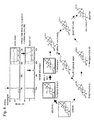
- a triterpenoid to be used in an activation assay employing the microsomal fraction were synthesized by methods shown in Figure 2 and Figure 3 .
- Oleanolic acid (a product of Sigma-Aldrich Corporation) was reacted on trimethylsilyldiazomethane to convert a carboxylic acid into a methyl ester and protect a hydroxyl group as a tert-butyldimethylsilyl group.
- the methyl ester was reduced to an alcohol, on which mesyl chloride was acted to obtain a mesyl ester, which was then converted into a methyl by a reductive substitution reaction.
- the methyl thus obtained was deprotected to provide ⁇ -amyrin. A structure thereof was confirmed by analyzing 1 H-NMR and 13 C-NMR spectra.
- a hydroxyl group at the position 3 of ⁇ -amyrin was protected with a tetrahydropyranyl group, and ruthenium chloride and tert-butyl hydroperoxide were acted thereon to convert a methylene carbon at the position 11 into a carbonyl group. Subsequently, deprotection was conducted to provide 11-oxo- ⁇ -amyrin. A structure thereof was confirmed by analyzing 1 H-NMR and 13 C-NMR spectra.
- Lithium aluminium hydride was acted on 11-oxo- ⁇ -amyrin to reduce a carbonyl group at the position 11, and then the compound thus obtained was separated by silica gel column chromatography to provide 11 ⁇ -hydroxy- ⁇ -amyrin and 11 ⁇ -hydroxy- ⁇ -amyrin. Structures thereof were confirmed by analyzing 1 H-NMR and 13 C-NMR spectra.
- Zinc and hydrochloric acid were acted on glycyrrhetinic acid (a product of Sigma-Aldrich Corporation) to reduce a carbonyl group at the position 11 to provide 11-deoxoglycyrrhetinic acid. A structure thereof was confirmed by analyzing 1 H-NMR and 13 C-NMR spectra.
- Trimethylsilyldiazomethane was acted on 11-deoxoglycyrrhetinic acid to convert a carboxylic acid into a methyl ester, after which the ester was reduced to provide 30-hydroxy- ⁇ -amyrin. A structure thereof was confirmed by analyzing 1 H-NMR and 13 C-NMR spectra.
- a hydroxyl group of 30-hydroxy- ⁇ -amyrin was protected as a tetrahydropyranyl group, and ruthenium chloride and tert-butyl hydroperoxide were acted thereon to convert a methylene carbon at the position 11 into a carbonyl group. Subsequently, deprotection was conducted to provide 30-hydroxy-11-oxo- ⁇ -amyrin. A structure thereof was confirmed by analyzing 1 H-NMR and 13 C-NMR spectra.
- Lithium aluminium hydride was acted on 30-hydroxy-11-oxo- ⁇ -amyrin to reduce a carbonyl group at the position 11, and then the compound thus obtained was separated by silica gel column chromatography to provide 11 ⁇ ,30-dihydroxy- ⁇ -amyrin and 11 ⁇ ,30-dihydroxy- ⁇ -amyrin. Structures thereof were confirmed by analyzing 1 H-NMR and 13 C-NMR spectra.
- Example 13 The reaction solution obtained in Example 13 was extracted on ethyl acetate, after which a solvent was removed by drying from the ethyl acetate part. Subsequently, N-methyl-N-(trimethylsilyl)trifluoroacetamide was added thereto and the mixture was heated at 80°C for 30 minutes for derivatization of products into a trimethylsilyl ether, thereby a sample for a GC-MS analysis was provided. Automass (JEOL)-6890N (a product of Agilent technologies) was used for GC-MS, and HP-5 column (a product of J&W Scientific Inc.; 0.32 mm ⁇ 30 m; 0.25 mm film thickness) was used for a column to analyze converted products. Identification of converted products was determined by comparing retention time of GC and MS spectra using the triterpenoid prepared in Example 12 as an authentic sample.
- JEOL JEOL
- HP-5 column a product of J&W Scientific Inc.; 0.32 mm ⁇
- FIG. 4 shows results obtained by using the polypeptide of SEQ ID NO:1.
- a dotted-line arrow indicates ⁇ -amyrin
- a double-line arrow indicates 11-oxo- ⁇ -amyrin
- a triple-line arrow indicates 11 ⁇ -hydroxy- ⁇ -amyrin in a total ion chromatogram.
- a dotted-line arrow indicates 30-hydroxy- ⁇ -amyrin
- a double-line arrow indicates 30-hydroxy-11-oxo- ⁇ -amyrin
- a triple-line arrow indicates 11 ⁇ ,30-dihydroxy- ⁇ -amyrin in a total ion chromatogram.
- LjCPR ABI PRISM 3100 Genetic Analyzer
- PCR reactions were carried out for 15 cycles with KOD -Plus- (a product of Toyobo, Co, Ltd.), where one cycle included; 94°C for two minutes, followed by 94°C for 20 seconds, 60°C for 40 seconds, and keeping samples at 68°C for two minutes The samples were further kept at 68°C for two minutes.
- KOD -Plus- a product of Toyobo, Co, Ltd.
- the PCR reaction products thus obtained were ligated with pT7Blue T-vectors (a product of Novagen) using TAget Clone -Plus- (a product of Toyobo, Co., Ltd.) After confirming DNA sequences thereof, the ligated vectors thus obtained were digested with NotI and PacI, while yeast expression vectors, pESC-LEU (a product of Stratagene) were as well digested with NotI and PacI. Thereafter, ligation was carried out using a DNA ligation Kit Ver. 2.1 (a product of Takara Bio Inc.) to provide yeast expression vectors for LjCPR, pESC-LEU-LjCPR.
- pYES3-ADH-OSC1 a yeast expression vector for cDNA of Lotus ⁇ -amyrin synthase (OSC1) gene
- PCR reactions were carried out on a region from PADH1 to TADH1 in pAUR123-OSC1 for 20 cycles with KOD -Plus- (a product of Toyobo, Co., Ltd.), where one cycle included; 94°C for two minutes, followed by 94°C for 20 seconds, 55°C for 40 seconds, and keeping samples at 68°C for one and a half minutes.
- KOD -Plus- a product of Toyobo, Co., Ltd.
- PCR reactions were carried out on a region in pYES3/CT (a product of Invitrogen Corporation) excluding from a nucleotide at position 1 to a nucleotide at position 960 (from PGAL1 to CYC1TT) for 20 cycles with KOD -Plus- (a product of Toyobo, Co., Ltd.), where one cycle included; 94°C for two minutes, followed by 94°C for 20 seconds, 55°C for 40 seconds, and keeping samples at 68°C for one and a half minutes.
- Plasmids (an entry clone) containing the polynucleotide shown in SEQ ID NO:3 produced in Example 8 and a destination vector, pYES-DEST TM 52 (a product of Invitrogen Corporation), were mixed, and DNA fragment shown in SEQ ID NO:3 was transferred to the pYES-DEST TM 152 vector by a nucleotide sequence-specific recombination reaction (GATEWAY TM att L ⁇ att R reaction), thereby a construct for expression in an yeast cell was produced.
- GATEWAY TM att L ⁇ att R reaction a nucleotide sequence-specific recombination reaction
- the gene shown in SEQ ID NO:3 which had been cloned into pENTER-D-TOPO was incorporated into the yeast expression vectors, pYES-DEST52 (a product of Invitrogen Corporation), using Gateway LR Clonase IIEnzyme Mix (a product of Invitrogen Corporation), thereby a yeast expression vector for the gene shown in SEQ ID NO:3, pDEST52-GuCYP88, was provided.
- a yeast strain, BJ2168 (a product of Nippon Gene, Co., Ltd) (MATa prc1-407 prb1-1122 pep4-3 leu2 trp1 ura3-52 gal2) was transformed with pYES3-ADH-OSCI, pESC-LEU-LJCPR, pDEST52-GuCYP88, and pYES2 (a product of Invitrogen Corporation.) using Frozen-EZ Yeast Transformation II (a product of Zymo Research Corporation).
- Yeasts containing all three vectors of pYES3-ADH-OSC1, pESC-LEU-LjCPR, and pDEST52-GuCYP88 prepared in Example 18 were cultured in 100 ml of SC-Trp/Leu/Ura medium at 28°C for two days at 135 rpm.
- the yeasts thus cultured were collected by centrifugation at 3000 g for 10 minutes and suspended in 100 ml of SC-Trp/Leu/Ura-glucose medium containing galactose (20 mg/ml) and hemin chloride (13 ⁇ g/ml), and then cultured at 28°C for two days at 135 rpm.
- yeasts were then collected by centrifugation and lyophilized. Then, 5 ml of ethyl acetate was added and both were mixed and an ethyl acetate extract was collected. After repeating the above procedure three times, the ethyl acetate extract was concentrated under reduced pressure. Yeasts containing all three vectors of pYES3-ADH-OSC1, pESC-LEU-LjCPR, and pYES2 were similarly cultured and subjected to extraction.
- Example 14 Similarly to the method described in Example 14, a solvent was removed by drying from the ethyl acetate part, and subsequently, N-methyl-N-(trimethylsilyl)trifluoroacetamide was added thereto and the mixture was heated at 80°C for 30 minutes for derivatization of products into a trimethylsilyl ether, thereby a sample for a GC-MS analysis was provided. Identification of converted products was determined by comparing retention time of GC and MS spectra using the triterpenoid prepared in Example 12 as an authentic sample.
- ⁇ -amyrin, 11 ⁇ -hydroxy- ⁇ -amyrin, and 11-oxo- ⁇ -amyrin were detected from extracts of the yeasts containing all three vectors of pYES3-ADH-OSC1, pESC-LEU-LjCPR, and pDEST52-GuCYP88.
- yeasts containing all tluee vectors of pYES3-ADH-OSC1, pESC-LEU-LjCPR, and pYES2 only ⁇ -amyrin was detected, whereas neither 11 ⁇ -hydroxy- ⁇ -amyrin nor 11-oxo- ⁇ -amyrin was detected from extracts of the yeasts.
- a polypeptide encoded by the gene of the present invention was a triterpene oxidase which oxidized the position 11 of ⁇ -amyrin and converted the same into a hydroxyl group and a carbonyl group in a yeast as well.
- Yeasts containing all three vectors of pYES3-ADH-OSC1, pESC-LEU-LjCPR, and pDEST52-GuCYP88 prepared in Example 18 were cultured in 400 ml of SC-Trp/Leu/Ura medium (six containers, a total of 2.4 L) at 28°C for two days at 125 rpm.
- the yeasts thus cultured were collected by centrifugation at 3000 g for 10 minutes and suspended in 400 ml of SC-Trp/Leu/Ura-glucose medium containing galactose (20 mg/ml) and hemin chloride (13 ⁇ g/ml) (six containers, a total of 2.4 L), and then cultured at 28°C for two days at 125 rpm.
- the yeasts were then collected by centrifugation and lyophilized. Then, 100 ml of chloroform was added to the yeasts thus lyophilized and both were mixed, after which a chloroform extract was collected. After repeating the above procedure three times, the chloroform extract was concentrated under reduced pressure.
- the extract was then fractionated by silica gel chromatography.
- Wako gel C-300 (a product of Wako Pure Chemical Industries, Ltd.) of 2.8 ⁇ 40 cm in size was used as a silica gel.
- a solvent containing hexane : ethyl acetate at 1:1 was flowed through, and an eluate was fractionated into 7 ml-fractions.
- Fractions 22 to 29 were gathered and the solvent was removed, after which the gathered fractions were subjected to a silica gel TLC plate LK6F (a product of Whatman) of 20 ⁇ 20 cm.
- Yeasts containing all three vectors of pYES3-ADH-OSC1, pESC-LEU-LjCPR, and pDEST52-GuCYP88 prepared in Example 18 were cultured in 400 ml of SC-Trp/Leu/Ura medium (12 containers, a total of 4.8 L) at 28°C for two days at 125 rpm.
- the yeasts thus cultured were collected by centrifugation at 3000 g for 10 minutes and suspended in 400 ml of SC-Trp/Leu/Ura-glucose medium containing galactose (20 mg/ml) and hemin chloride (13 ⁇ g/ml) (12 containers, a total of 4.8 L), and then cultured at 28°C for two days at 125 rpm.
- the yeasts were then collected by centrifugation and lyophilized. Then, 100 ml of ethyl acetate was added to the yeasts thus lyophilized and both were mixed, after which an ethyl acetate extract was collected.
- the ethyl acetate extract was concentrated under reduced pressure.
- the extract was then fractionated by silica gel chromatography.
- Wako gel C-200 (a product of Wako Pure Chemical Industries, Ltd.) of 2.8 ⁇ 40 cm in size was used as a silica gel.
- a solvent containing hexane : ethyl acetate at 1:1 was flowed through, and an eluate was fractionated into 7 ml-fractions. Fractions 43 to 57 were taken together to remove the solvent, after which the residue was subjected to a silica gel TLC plate LK6F (a product of Whatman) of 20 ⁇ 20 cm.
- Entry clones having the polynucleotide shown in SEQ ID NO:3 were mixed with binary vectors for plant transformation, pBI-OX-GW (a product of Inplanta Innovations, Inc.) or pHR-OX ( gfp ) (SEKI and MURANAKA, Bioscience & Bioindustry, 64, 17-22, 2006), and DNA fragments shown in SEQ ID NO:3 were incorporated into pBI-OX-GW and pHR-OX ( gfp ) through a nucleotide sequence-specific recombination reaction (GATEWAY TM att L ⁇ att R reaction).
- GATEWAY TM nucleotide sequence-specific recombination reaction
- Example 22 Each plant transformation construct obtained in Example 22 was introduced into an Agrobacterium tumefaciens GV3101 (pMP90) strain. Using Agrobacterium tumefaciens having each plant transformation construct, transformed seeds of Arabidopsis (ecotype Col-0) were obtained by a known method (Clough, S.J. and Bent, A.F., Plant J., 16, 735-743, 1998).
- Individual Arabidopsis plants highly expressing the polypeptide shown in SEQ ID NO:1 can be obtained by transformation using pBI-OX-GW (a product of Inplanta Innovations, Inc.) Also, from individual plants transformed with pHR-OX ( gfp ) vectors having rol gene clusters (a set of genes needed for induction of a hairy root) derived from Agrobacterium rhizogenes on T-DNA, hairy root culture of Arabidopsis highly expressing the polypeptide shown in SEQ ID NO:1 can be produced, which can be then maintained by culture for a long term by a known method ( Seki, H. et al., Plant Mol. Biol., 59, 793-807, 2005 ).
- Glychyrrhiza glabra which is one of plants belonging to the genus Glychyrrhiza, produces glycyrrhizin similarly to Glychyrrhiza uralensis.
- a homologous gene presumed to have a function equivalent to the genes shown in SEQ ID NOs: 3 and 4 was isolated from Glychyrrhiza glabra by a RT-PCR method.
- cDNA was isolated from stolons of Glychyrrhiza glabra provided by Research Center for Medicinal Plant Resources, Hokkaido Division, of National Institute of Biomedical Innovation (Nayoro city, Hokkaido). Polynucleotide sequences of independent six clones thus obtained were determined. The sequence thus obtained is SEQ ID NO:14, and a polypeptide sequence predicted therefrom is SEQ ID NO:13. The SEQ ID NO:13 had a 98.6% identity with the amino acid sequences shown in SEQ ID NO:1 and SEQ ID NO:2.
- polypeptide shown in SEQ ID NO:13 was a triterpene oxidase which oxidized the position 11 of ⁇ -amyrin and converted the same into a hydroxyl group and a carbonyl group similarly to the polypeptides shown in SEQ ID NO:1 and SEQ ID NO:2, which were obtained from Glychyrrhiza uralensis
- a protein which oxidizes a carbon at the position 11 of a dammarane-type triterpene and a gene encoding the same can be provided, and for example, the protein can be applied to synthesis of glycyrrhizin, or a production amount of glycyrrhizin can be increased by introducing the aforementioned gene into a plant belonging to the genus Glychyrrhiza and the like and expressing the gene at a high level.
- the present invention can be applied to elucidation of the biosynthetic pathway of glycyrrhizin from ⁇ -amyrin. Also, The present invention can increase an amount of glycyrrhizin produced by a plant belonging to the genus Glychyrrhiza. Furthermore, the present invention can be applied to an industrial production of glycyrrhizin.
Landscapes
- Health & Medical Sciences (AREA)
- Life Sciences & Earth Sciences (AREA)
- Chemical & Material Sciences (AREA)
- Genetics & Genomics (AREA)
- Engineering & Computer Science (AREA)
- Organic Chemistry (AREA)
- General Health & Medical Sciences (AREA)
- Biotechnology (AREA)
- Bioinformatics & Cheminformatics (AREA)
- Wood Science & Technology (AREA)
- Zoology (AREA)
- Natural Medicines & Medicinal Plants (AREA)
- Medicinal Chemistry (AREA)
- Microbiology (AREA)
- General Engineering & Computer Science (AREA)
- Biomedical Technology (AREA)
- Molecular Biology (AREA)
- Biochemistry (AREA)
- Epidemiology (AREA)
- Veterinary Medicine (AREA)
- Public Health (AREA)
- Animal Behavior & Ethology (AREA)
- Pharmacology & Pharmacy (AREA)
- Alternative & Traditional Medicine (AREA)
- Biophysics (AREA)
- Medical Informatics (AREA)
- Botany (AREA)
- Nutrition Science (AREA)
- Cell Biology (AREA)
- Physics & Mathematics (AREA)
- Mycology (AREA)
- Plant Pathology (AREA)
- Micro-Organisms Or Cultivation Processes Thereof (AREA)
- Preparation Of Compounds By Using Micro-Organisms (AREA)
- Measuring Or Testing Involving Enzymes Or Micro-Organisms (AREA)
- Peptides Or Proteins (AREA)
- Breeding Of Plants And Reproduction By Means Of Culturing (AREA)
- Enzymes And Modification Thereof (AREA)
Claims (19)
- Protein mit einer Aktivität des Oxidierens eines Kohlenstoffs an Position 11 eines dammaranartigen Triterpens,
wobei das Protein eine beliebige der in (a) bis (c) unten gezeigten Aminosäuresequenzen umfasst:(a) die in SEQ. ID. NO: 1 gezeigte Aminosäuresequenz;(b) eine Aminosäuresequenz, umfassend (eine) Deletion(en), Substitution(en) oder Addition(en) von einer bis zehn Aminosäuren in der in SEQ. ID. NO: 1 gezeigten Aminosäuresequenz; und(c) eine Aminosäuresequenz mit 80% oder mehr Identität zu der in SEQ. ID. NO: 1 gezeigten Aminosäuresequenz. - Protein nach Anspruch 1, wobei es sich bei dem dammaranartigen Triterpen um β-Amyrin oder 30-Hydroxy-β-amyrin handelt.
- Protein nach Anspruch 1 oder 2, das aus einer zur Gattung Glycyrrhiza gehörenden Pflanze stammt.
- Protein nach Anspruch 3, wobei es sich bei der zur Gattung Glycyrrhiza gehörenden Pflanze um Glycyrrhiza uralensis oder Glycyrrhiza glabra handelt.
- Protein nach einem der Ansprüche 1 bis 4, umfassend eine in SEQ. ID. NO: 2 oder SEQ. ID. NO: 13 gezeigte Aminosäuresequenz.
- Gen, das für ein Protein mit einer Aktivität des Oxidierens eines Kohlenstoffs an Position 11 eines dammaranartigen Triterpens codiert,
wobei das Gen eine beliebige der in (d) bis (g) unten gezeigten Nukleotidsequenzen umfasst:(d) die in SEQ. ID. NO: 3 gezeigte Nukleotidsequenz;(e) eine Nukleotidsequenz, umfassend (eine) Deletion(en), Substitution(en) oder Addition(en) von einem bis zu zehn Nukleotiden in der in SEQ. ID. NO: 3 gezeigten Nukleotidsequenz;(f) eine Nukleotidsequenz mit 80% oder mehr Identität zu der in SEQ. ID. NO: 3 gezeigten Nukleotidsequenz; und(g) eine Nukleotidsequenz, die mit einer Nukleotidsequenz, die zu der in SEQ. ID. NO: 3 gezeigten Nukleotidsequenz komplementär ist, unter stringenten Bedingungen hybridisiert. - Gen nach Anspruch 6, wobei es sich bei dem dammaranartigen Triterpen um β-Amyrin oder 30-Hydroxy-β-amyrin handelt.
- Gen nach Anspruch 6 oder 7, das aus einer zur Gattung Glycyrrhiza gehörenden Pflanze stammt.
- Gen nach Anspruch 8, wobei es sich bei der zur Gattung Glycyrrhiza gehörenden Pflanze um Glycyrrhiza uralensis oder Glycyrrhiza glabra handelt.
- Gen nach einem der Ansprüche 6 bis 9, umfassend eine in SEQ. ID. NO: 4 oder SEQ. ID. NO: 14 gezeigte Nukleotidsequenz.
- Rekombinanter Vektor, umfassend das Gen nach einem der Ansprüche 6 bis 10.
- Transformante, umfassend das Gen nach einem der Ansprüche 6 bis 10 oder den rekombinanten Vektor nach Anspruch 11.
- Transformante nach Anspruch 12, wobei es sich um eine zur Gattung Glycyrrhiza gehörende Pflanze handelt.
- Transformante nach Anspruch 13, wobei es sich bei der zur Gattung Glycyrrhiza gehörenden Pflanze um Glycyrrhiza uralensis oder Glycyrrhiza glabra handelt.
- Transformante nach einem beliebigen der Ansprüche 12 bis 14, wobei die Expression des Gens nach einem der Ansprüche 6 bis 10 verstärkt ist.
- Transformante nach einem beliebigen der Ansprüche 12 bis 14, wobei die Expression des Gens nach einem der Ansprüche 6 bis 10 supprimiert ist.
- Verfahren zur Herstellung des Proteins nach einem der Ansprüche 1 bis 5, umfassend das Kultivieren oder Heranziehen der Transformante nach einem der Ansprüche 12 bis 15 und Gewinnen des Proteins nach einem der Ansprüche 1 bis 5 aus der erhaltenen Kultur oder dem herangezogenen Produkt.
- Verfahren zum Oxidieren eines dammaranartigen Triterpens, umfassend das Einwirkenlassen des Proteins nach einem der Ansprüche 1 bis 5 auf ein dammaranartiges Triterpen.
- Verfahren zum Selektieren einer Pflanze durch Bestimmen des Vorhandenseins bzw. der Abwesenheit oder der Expression des Gens nach einem der Ansprüche 6 bis 10 in einer Pflanze, umfassend das Nachweisen oder Quantifizieren des Gens durch Durchführen einer PCR-Methode, einer RT-PCR-Methode oder einer Nukleinsäurehybridisierung unter Einsatz des Gens oder eines Fragments davon in einer Probe, umfassend eine aus der Pflanze präparierte Nukleinsäure.
Applications Claiming Priority (2)
| Application Number | Priority Date | Filing Date | Title |
|---|---|---|---|
| JP2007204769 | 2007-08-06 | ||
| PCT/JP2008/064496 WO2009020231A1 (ja) | 2007-08-06 | 2008-08-06 | カンゾウ属植物由来トリテルペン酸化酵素、それをコードする遺伝子およびその利用 |
Publications (3)
| Publication Number | Publication Date |
|---|---|
| EP2192183A1 EP2192183A1 (de) | 2010-06-02 |
| EP2192183A4 EP2192183A4 (de) | 2012-02-22 |
| EP2192183B1 true EP2192183B1 (de) | 2014-05-28 |
Family
ID=40341455
Family Applications (1)
| Application Number | Title | Priority Date | Filing Date |
|---|---|---|---|
| EP08792426.2A Active EP2192183B1 (de) | 2007-08-06 | 2008-08-06 | Triterpen-oxidase aus einer zur gattung glychyrrhiza gehörenden pflanze, die triterpen-oxidase codierendes gen und verwendung des proteins oder des gens |
Country Status (5)
| Country | Link |
|---|---|
| US (2) | US8969654B2 (de) |
| EP (1) | EP2192183B1 (de) |
| JP (1) | JP5526323B2 (de) |
| KR (1) | KR20100061465A (de) |
| WO (1) | WO2009020231A1 (de) |
Families Citing this family (3)
| Publication number | Priority date | Publication date | Assignee | Title |
|---|---|---|---|---|
| WO2014163174A1 (ja) | 2013-04-04 | 2014-10-09 | 独立行政法人理化学研究所 | グルクロン酸転移酵素、それをコードする遺伝子及びその利用方法 |
| JP7716688B2 (ja) * | 2019-10-17 | 2025-08-01 | 国立大学法人大阪大学 | グルクロン酸転移酵素、それをコードする遺伝子及びその利用方法 |
| JP7450867B2 (ja) * | 2020-01-15 | 2024-03-18 | 国立大学法人大阪大学 | 植物形質転換体 |
Family Cites Families (5)
| Publication number | Priority date | Publication date | Assignee | Title |
|---|---|---|---|---|
| US7186884B2 (en) * | 1999-12-22 | 2007-03-06 | Plant Bioscience Limited | Isolated plant gene encoding a β amyrin synthase |
| AU2003231239A1 (en) * | 2002-05-04 | 2003-11-17 | The Samuel Roberts Noble Foundation, Inc. | Methods of identifying genes for the manipulation of triterpene saponins |
| JP4452483B2 (ja) | 2003-11-07 | 2010-04-21 | 独立行政法人理化学研究所 | カンゾウ属植物の組織培養方法 |
| EP2145959A3 (de) | 2004-02-25 | 2010-08-25 | Meiji Seika Kaisha, Ltd. | Triterpenhydroxylase |
| JP2007204769A (ja) | 2006-01-30 | 2007-08-16 | Jfe Steel Kk | 耐食性、耐疵つき性、耐変色性及び耐水性に優れた表面処理鋼板並びにその製造方法 |
-
2008
- 2008-08-06 WO PCT/JP2008/064496 patent/WO2009020231A1/ja not_active Ceased
- 2008-08-06 JP JP2009526512A patent/JP5526323B2/ja active Active
- 2008-08-06 US US12/672,179 patent/US8969654B2/en active Active
- 2008-08-06 EP EP08792426.2A patent/EP2192183B1/de active Active
- 2008-08-06 KR KR1020107005014A patent/KR20100061465A/ko not_active Ceased
-
2015
- 2015-01-23 US US14/603,713 patent/US20150259653A1/en not_active Abandoned
Also Published As
| Publication number | Publication date |
|---|---|
| US20150259653A1 (en) | 2015-09-17 |
| EP2192183A4 (de) | 2012-02-22 |
| EP2192183A1 (de) | 2010-06-02 |
| WO2009020231A1 (ja) | 2009-02-12 |
| KR20100061465A (ko) | 2010-06-07 |
| JP5526323B2 (ja) | 2014-06-18 |
| US8969654B2 (en) | 2015-03-03 |
| US20110173724A1 (en) | 2011-07-14 |
| JPWO2009020231A1 (ja) | 2010-11-04 |
Similar Documents
| Publication | Publication Date | Title |
|---|---|---|
| US20190185824A1 (en) | Triterpene oxidase derived from plant belonging to genus glycyrrhiza, gene encoding the same, and method of using the same | |
| JP6526716B2 (ja) | 高麗人参由来の糖転移酵素を用いた新規なジンセノサイド糖転移方法 | |
| EP1897951B1 (de) | Zusammensetzung und Verfahren zur Herstellung von Steviolglykosiden | |
| De Costa et al. | Molecular cloning of an ester-forming triterpenoid: UDP-glucose 28-O-glucosyltransferase involved in saponin biosynthesis from the medicinal plant Centella asiatica | |
| US12084688B2 (en) | Glucuronosyltransferase, gene encoding same and use thereof | |
| Nakayasu et al. | Identification of furostanol glycoside 26-O-β-glucosidase involved in steroidal saponin biosynthesis from Dioscorea esculenta | |
| US20150259653A1 (en) | Triterpene oxidase derived from plant belonging to genus glychyrrhiza, gene encoding the triterpene oxidase, and use of the protein or the gene | |
| JP2025143470A (ja) | グルクロン酸転移酵素、それをコードする遺伝子及びその利用方法 | |
| WO2024047057A1 (en) | Means and methods to produce triterpene saponins in eukaryotic cells | |
| CA2421911A1 (en) | Monocot seeds with increased lignan content | |
| HK40116762A (en) | Glucuronyltransferase, gene encoding same and method for using same | |
| HK40072102A (en) | Glucuronyltransferase, gene encoding same and method for using same |
Legal Events
| Date | Code | Title | Description |
|---|---|---|---|
| PUAI | Public reference made under article 153(3) epc to a published international application that has entered the european phase |
Free format text: ORIGINAL CODE: 0009012 |
|
| 17P | Request for examination filed |
Effective date: 20100305 |
|
| AK | Designated contracting states |
Kind code of ref document: A1 Designated state(s): AT BE BG CH CY CZ DE DK EE ES FI FR GB GR HR HU IE IS IT LI LT LU LV MC MT NL NO PL PT RO SE SI SK TR |
|
| AX | Request for extension of the european patent |
Extension state: AL BA MK RS |
|
| DAX | Request for extension of the european patent (deleted) | ||
| A4 | Supplementary search report drawn up and despatched |
Effective date: 20120120 |
|
| RIC1 | Information provided on ipc code assigned before grant |
Ipc: A61K 36/484 20060101ALI20120116BHEP Ipc: A61K 31/56 20060101ALI20120116BHEP Ipc: A01H 5/00 20060101ALI20120116BHEP Ipc: C12N 15/09 20060101AFI20120116BHEP Ipc: C12N 9/04 20060101ALI20120116BHEP Ipc: C12N 5/10 20060101ALI20120116BHEP Ipc: C12P 7/02 20060101ALI20120116BHEP Ipc: C07J 53/00 20060101ALI20120116BHEP Ipc: C12Q 1/68 20060101ALI20120116BHEP |
|
| GRAP | Despatch of communication of intention to grant a patent |
Free format text: ORIGINAL CODE: EPIDOSNIGR1 |
|
| INTG | Intention to grant announced |
Effective date: 20131128 |
|
| GRAS | Grant fee paid |
Free format text: ORIGINAL CODE: EPIDOSNIGR3 |
|
| GRAA | (expected) grant |
Free format text: ORIGINAL CODE: 0009210 |
|
| RAP1 | Party data changed (applicant data changed or rights of an application transferred) |
Owner name: RIKEN |
|
| AK | Designated contracting states |
Kind code of ref document: B1 Designated state(s): AT BE BG CH CY CZ DE DK EE ES FI FR GB GR HR HU IE IS IT LI LT LU LV MC MT NL NO PL PT RO SE SI SK TR |
|
| REG | Reference to a national code |
Ref country code: GB Ref legal event code: FG4D |
|
| REG | Reference to a national code |
Ref country code: CH Ref legal event code: EP |
|
| REG | Reference to a national code |
Ref country code: AT Ref legal event code: REF Ref document number: 670324 Country of ref document: AT Kind code of ref document: T Effective date: 20140615 |
|
| REG | Reference to a national code |
Ref country code: IE Ref legal event code: FG4D |
|
| REG | Reference to a national code |
Ref country code: DE Ref legal event code: R096 Ref document number: 602008032505 Country of ref document: DE Effective date: 20140703 |
|
| REG | Reference to a national code |
Ref country code: AT Ref legal event code: MK05 Ref document number: 670324 Country of ref document: AT Kind code of ref document: T Effective date: 20140528 |
|
| REG | Reference to a national code |
Ref country code: NL Ref legal event code: VDEP Effective date: 20140528 |
|
| REG | Reference to a national code |
Ref country code: LT Ref legal event code: MG4D |
|
| PG25 | Lapsed in a contracting state [announced via postgrant information from national office to epo] |
Ref country code: LT Free format text: LAPSE BECAUSE OF FAILURE TO SUBMIT A TRANSLATION OF THE DESCRIPTION OR TO PAY THE FEE WITHIN THE PRESCRIBED TIME-LIMIT Effective date: 20140528 Ref country code: GR Free format text: LAPSE BECAUSE OF FAILURE TO SUBMIT A TRANSLATION OF THE DESCRIPTION OR TO PAY THE FEE WITHIN THE PRESCRIBED TIME-LIMIT Effective date: 20140829 Ref country code: FI Free format text: LAPSE BECAUSE OF FAILURE TO SUBMIT A TRANSLATION OF THE DESCRIPTION OR TO PAY THE FEE WITHIN THE PRESCRIBED TIME-LIMIT Effective date: 20140528 Ref country code: CY Free format text: LAPSE BECAUSE OF FAILURE TO SUBMIT A TRANSLATION OF THE DESCRIPTION OR TO PAY THE FEE WITHIN THE PRESCRIBED TIME-LIMIT Effective date: 20140528 Ref country code: NO Free format text: LAPSE BECAUSE OF FAILURE TO SUBMIT A TRANSLATION OF THE DESCRIPTION OR TO PAY THE FEE WITHIN THE PRESCRIBED TIME-LIMIT Effective date: 20140828 |
|
| PG25 | Lapsed in a contracting state [announced via postgrant information from national office to epo] |
Ref country code: SE Free format text: LAPSE BECAUSE OF FAILURE TO SUBMIT A TRANSLATION OF THE DESCRIPTION OR TO PAY THE FEE WITHIN THE PRESCRIBED TIME-LIMIT Effective date: 20140528 Ref country code: HR Free format text: LAPSE BECAUSE OF FAILURE TO SUBMIT A TRANSLATION OF THE DESCRIPTION OR TO PAY THE FEE WITHIN THE PRESCRIBED TIME-LIMIT Effective date: 20140528 Ref country code: LV Free format text: LAPSE BECAUSE OF FAILURE TO SUBMIT A TRANSLATION OF THE DESCRIPTION OR TO PAY THE FEE WITHIN THE PRESCRIBED TIME-LIMIT Effective date: 20140528 Ref country code: AT Free format text: LAPSE BECAUSE OF FAILURE TO SUBMIT A TRANSLATION OF THE DESCRIPTION OR TO PAY THE FEE WITHIN THE PRESCRIBED TIME-LIMIT Effective date: 20140528 |
|
| PG25 | Lapsed in a contracting state [announced via postgrant information from national office to epo] |
Ref country code: PT Free format text: LAPSE BECAUSE OF FAILURE TO SUBMIT A TRANSLATION OF THE DESCRIPTION OR TO PAY THE FEE WITHIN THE PRESCRIBED TIME-LIMIT Effective date: 20140929 |
|
| PG25 | Lapsed in a contracting state [announced via postgrant information from national office to epo] |
Ref country code: ES Free format text: LAPSE BECAUSE OF FAILURE TO SUBMIT A TRANSLATION OF THE DESCRIPTION OR TO PAY THE FEE WITHIN THE PRESCRIBED TIME-LIMIT Effective date: 20140528 Ref country code: EE Free format text: LAPSE BECAUSE OF FAILURE TO SUBMIT A TRANSLATION OF THE DESCRIPTION OR TO PAY THE FEE WITHIN THE PRESCRIBED TIME-LIMIT Effective date: 20140528 Ref country code: SK Free format text: LAPSE BECAUSE OF FAILURE TO SUBMIT A TRANSLATION OF THE DESCRIPTION OR TO PAY THE FEE WITHIN THE PRESCRIBED TIME-LIMIT Effective date: 20140528 Ref country code: CZ Free format text: LAPSE BECAUSE OF FAILURE TO SUBMIT A TRANSLATION OF THE DESCRIPTION OR TO PAY THE FEE WITHIN THE PRESCRIBED TIME-LIMIT Effective date: 20140528 Ref country code: RO Free format text: LAPSE BECAUSE OF FAILURE TO SUBMIT A TRANSLATION OF THE DESCRIPTION OR TO PAY THE FEE WITHIN THE PRESCRIBED TIME-LIMIT Effective date: 20140528 Ref country code: DK Free format text: LAPSE BECAUSE OF FAILURE TO SUBMIT A TRANSLATION OF THE DESCRIPTION OR TO PAY THE FEE WITHIN THE PRESCRIBED TIME-LIMIT Effective date: 20140528 Ref country code: BE Free format text: LAPSE BECAUSE OF FAILURE TO SUBMIT A TRANSLATION OF THE DESCRIPTION OR TO PAY THE FEE WITHIN THE PRESCRIBED TIME-LIMIT Effective date: 20140528 |
|
| PG25 | Lapsed in a contracting state [announced via postgrant information from national office to epo] |
Ref country code: PL Free format text: LAPSE BECAUSE OF FAILURE TO SUBMIT A TRANSLATION OF THE DESCRIPTION OR TO PAY THE FEE WITHIN THE PRESCRIBED TIME-LIMIT Effective date: 20140528 Ref country code: NL Free format text: LAPSE BECAUSE OF FAILURE TO SUBMIT A TRANSLATION OF THE DESCRIPTION OR TO PAY THE FEE WITHIN THE PRESCRIBED TIME-LIMIT Effective date: 20140528 |
|
| REG | Reference to a national code |
Ref country code: DE Ref legal event code: R097 Ref document number: 602008032505 Country of ref document: DE |
|
| PG25 | Lapsed in a contracting state [announced via postgrant information from national office to epo] |
Ref country code: MC Free format text: LAPSE BECAUSE OF FAILURE TO SUBMIT A TRANSLATION OF THE DESCRIPTION OR TO PAY THE FEE WITHIN THE PRESCRIBED TIME-LIMIT Effective date: 20140528 Ref country code: LU Free format text: LAPSE BECAUSE OF FAILURE TO SUBMIT A TRANSLATION OF THE DESCRIPTION OR TO PAY THE FEE WITHIN THE PRESCRIBED TIME-LIMIT Effective date: 20140806 |
|
| REG | Reference to a national code |
Ref country code: CH Ref legal event code: PL |
|
| PLBE | No opposition filed within time limit |
Free format text: ORIGINAL CODE: 0009261 |
|
| STAA | Information on the status of an ep patent application or granted ep patent |
Free format text: STATUS: NO OPPOSITION FILED WITHIN TIME LIMIT |
|
| PG25 | Lapsed in a contracting state [announced via postgrant information from national office to epo] |
Ref country code: CH Free format text: LAPSE BECAUSE OF NON-PAYMENT OF DUE FEES Effective date: 20140831 Ref country code: IT Free format text: LAPSE BECAUSE OF FAILURE TO SUBMIT A TRANSLATION OF THE DESCRIPTION OR TO PAY THE FEE WITHIN THE PRESCRIBED TIME-LIMIT Effective date: 20140528 Ref country code: LI Free format text: LAPSE BECAUSE OF NON-PAYMENT OF DUE FEES Effective date: 20140831 Ref country code: BE Free format text: LAPSE BECAUSE OF FAILURE TO SUBMIT A TRANSLATION OF THE DESCRIPTION OR TO PAY THE FEE WITHIN THE PRESCRIBED TIME-LIMIT Effective date: 20140831 |
|
| 26N | No opposition filed |
Effective date: 20150303 |
|
| REG | Reference to a national code |
Ref country code: IE Ref legal event code: MM4A |
|
| REG | Reference to a national code |
Ref country code: DE Ref legal event code: R097 Ref document number: 602008032505 Country of ref document: DE Effective date: 20150303 |
|
| PG25 | Lapsed in a contracting state [announced via postgrant information from national office to epo] |
Ref country code: SI Free format text: LAPSE BECAUSE OF FAILURE TO SUBMIT A TRANSLATION OF THE DESCRIPTION OR TO PAY THE FEE WITHIN THE PRESCRIBED TIME-LIMIT Effective date: 20140528 |
|
| PG25 | Lapsed in a contracting state [announced via postgrant information from national office to epo] |
Ref country code: IE Free format text: LAPSE BECAUSE OF NON-PAYMENT OF DUE FEES Effective date: 20140806 |
|
| PG25 | Lapsed in a contracting state [announced via postgrant information from national office to epo] |
Ref country code: BG Free format text: LAPSE BECAUSE OF FAILURE TO SUBMIT A TRANSLATION OF THE DESCRIPTION OR TO PAY THE FEE WITHIN THE PRESCRIBED TIME-LIMIT Effective date: 20140528 |
|
| PG25 | Lapsed in a contracting state [announced via postgrant information from national office to epo] |
Ref country code: MT Free format text: LAPSE BECAUSE OF FAILURE TO SUBMIT A TRANSLATION OF THE DESCRIPTION OR TO PAY THE FEE WITHIN THE PRESCRIBED TIME-LIMIT Effective date: 20140528 Ref country code: IS Free format text: LAPSE BECAUSE OF FAILURE TO SUBMIT A TRANSLATION OF THE DESCRIPTION OR TO PAY THE FEE WITHIN THE PRESCRIBED TIME-LIMIT Effective date: 20140528 |
|
| PG25 | Lapsed in a contracting state [announced via postgrant information from national office to epo] |
Ref country code: TR Free format text: LAPSE BECAUSE OF FAILURE TO SUBMIT A TRANSLATION OF THE DESCRIPTION OR TO PAY THE FEE WITHIN THE PRESCRIBED TIME-LIMIT Effective date: 20140528 Ref country code: HU Free format text: LAPSE BECAUSE OF FAILURE TO SUBMIT A TRANSLATION OF THE DESCRIPTION OR TO PAY THE FEE WITHIN THE PRESCRIBED TIME-LIMIT; INVALID AB INITIO Effective date: 20080806 |
|
| REG | Reference to a national code |
Ref country code: FR Ref legal event code: PLFP Year of fee payment: 9 |
|
| REG | Reference to a national code |
Ref country code: FR Ref legal event code: PLFP Year of fee payment: 10 |
|
| REG | Reference to a national code |
Ref country code: FR Ref legal event code: PLFP Year of fee payment: 11 |
|
| REG | Reference to a national code |
Ref country code: DE Ref legal event code: R082 Ref document number: 602008032505 Country of ref document: DE Representative=s name: D YOUNG & CO LLP, DE |
|
| PGFP | Annual fee paid to national office [announced via postgrant information from national office to epo] |
Ref country code: DE Payment date: 20250820 Year of fee payment: 18 |
|
| PGFP | Annual fee paid to national office [announced via postgrant information from national office to epo] |
Ref country code: GB Payment date: 20250820 Year of fee payment: 18 |
|
| PGFP | Annual fee paid to national office [announced via postgrant information from national office to epo] |
Ref country code: FR Payment date: 20250829 Year of fee payment: 18 |