EP2164501B1 - Sulfierte xylane zur behandlung oder prophylaxe von atemwegserkrankungen - Google Patents
Sulfierte xylane zur behandlung oder prophylaxe von atemwegserkrankungen Download PDFInfo
- Publication number
- EP2164501B1 EP2164501B1 EP08748030.7A EP08748030A EP2164501B1 EP 2164501 B1 EP2164501 B1 EP 2164501B1 EP 08748030 A EP08748030 A EP 08748030A EP 2164501 B1 EP2164501 B1 EP 2164501B1
- Authority
- EP
- European Patent Office
- Prior art keywords
- pps
- sulfated
- cells
- asthma
- csf
- Prior art date
- Legal status (The legal status is an assumption and is not a legal conclusion. Google has not performed a legal analysis and makes no representation as to the accuracy of the status listed.)
- Active
Links
- 0 CC*[C@]1C(*)CC(*)[C@](C(C)(CC)O[C@]2C(*)C(CC*)=C(*)OC2)OC1 Chemical compound CC*[C@]1C(*)CC(*)[C@](C(C)(CC)O[C@]2C(*)C(CC*)=C(*)OC2)OC1 0.000 description 2
Images




Classifications
-
- A—HUMAN NECESSITIES
- A61—MEDICAL OR VETERINARY SCIENCE; HYGIENE
- A61K—PREPARATIONS FOR MEDICAL, DENTAL OR TOILETRY PURPOSES
- A61K31/00—Medicinal preparations containing organic active ingredients
- A61K31/70—Carbohydrates; Sugars; Derivatives thereof
- A61K31/715—Polysaccharides, i.e. having more than five saccharide radicals attached to each other by glycosidic linkages; Derivatives thereof, e.g. ethers, esters
- A61K31/737—Sulfated polysaccharides, e.g. chondroitin sulfate, dermatan sulfate
-
- A—HUMAN NECESSITIES
- A61—MEDICAL OR VETERINARY SCIENCE; HYGIENE
- A61P—SPECIFIC THERAPEUTIC ACTIVITY OF CHEMICAL COMPOUNDS OR MEDICINAL PREPARATIONS
- A61P11/00—Drugs for disorders of the respiratory system
-
- A—HUMAN NECESSITIES
- A61—MEDICAL OR VETERINARY SCIENCE; HYGIENE
- A61P—SPECIFIC THERAPEUTIC ACTIVITY OF CHEMICAL COMPOUNDS OR MEDICINAL PREPARATIONS
- A61P11/00—Drugs for disorders of the respiratory system
- A61P11/06—Antiasthmatics
-
- A—HUMAN NECESSITIES
- A61—MEDICAL OR VETERINARY SCIENCE; HYGIENE
- A61P—SPECIFIC THERAPEUTIC ACTIVITY OF CHEMICAL COMPOUNDS OR MEDICINAL PREPARATIONS
- A61P37/00—Drugs for immunological or allergic disorders
- A61P37/08—Antiallergic agents
Definitions
- the present invention relates generally to agents and medicinal protocols useful in the prophylaxis and/or treatment of respiratory diseases or conditions selected from asthma, allergic rhinitis and chronic obstructive pulmonary disease (COPD). More particularly, the present invention relates to a sulfate xylan in the treatment of these respiratory diseases or conditions., wherein the sulfated xylan is pentosan polysulfate (PPS).
- PPS pentosan polysulfate
- Asthma is characterized by inflammation of the air passages resulting in the temporary narrowing of the airways that transport air from the nose and mouth to the lungs. Asthma symptoms can be caused by allergens or irritants that are inhaled into the lungs, resulting in inflamed, clogged and constricted airways. Symptoms include difficulty breathing, wheezing, coughing, tightness in the chest. In severe cases, asthma can be deadly.
- Asthma is probably not a single disease, but rather a complex of multiple, separate syndromes that overlap. The following classification is based on the reports of Wenzel. Lancet; 368:804-813, 2006 , and Green et al. Curr. Opin. Allergy Immunol. 7:43-50, 2007 .
- asthma Although inflammation is a hallmark of asthma, not all asthma phenotypes have predominately eosinophilic inflammation, although this is the most common and the best studied.
- Allergic rhinitis is an allergen-induced upper-airway disease, characterized by hyperreactive airway mucosa and episodes of symptom chronicity with periods of acute exacerbation. Allergic individuals become sensitized to and may develop IgE antibodies against allergens such as pollens, dust mites, animal dander and mould spores.
- the immediate allergic response to antigen is termed the early phase response.
- the mediators released during this phase are histamine, kinins, neutral proteases and a variety of cytokines.
- Intermittent disease describes a condition whereby symptoms are present less than 4 days per week, or less than 4 weeks at a time. Persistent disease means that symptoms are present for more than 4 days per week and more than 4 week at a time ( Pawanker, Curr. Opin. Allergy Clin. Immunol.; 4:1-4, 2004 .)
- Allergic rhinitis and allergic asthma are diseases that involve an inflammatory response. They have similar underlying etiology and the key cytokines for each disease are the Th2 subset of T-cell cytokines IL-5, IL-4 and IL-13 and GM-CSF. These diseases are characterized by a marked inflammatory cell infiltrate comprising eosinophils, mast cells, T-lymphocytes and cells of the monocytic lineage.
- the adhesion molecules, P-selectin, MAC-1 and PECAM-1 play an important role in the extravasation of leukocytes and are likely to be involved in the inflammatory process.
- the eotaxin family of chemokines plays a key role in these diseases as they are the prime chemotactic factors stimulating eosinophil and CD4 + T lymphocyte infiltration.
- asthma and allergic rhinitis are components of a single inflammatory airway disease.
- epidemiological data showing that more than 80% of persons with allergic asthma have allergic rhinitis, and that up to 50% of patients with allergic rhinitis have asthma ( Gelfand, J. Allergy Clin. Immunol , 114:S135-138, 2004 ; Passalacqua et al, Curr. Opin. Allergy Clin. Immunol. 4:177-183, 2004 ).
- longitudinal and follow-up studies have shown that rhinitis usually precedes asthma and is a risk factor for asthma.
- Allergic Rhinitis increases the risk of developing asthma by at least three-fold and correct treatment of allergic rhinitis with intranasal steroids has a favourable effect on bronchial symptoms, significantly reducing the rate of hospital admittance and emergency department visits for asthma exacerbation ( Passalacqua et al., Curr. Opin. Allergy Clin. Immunol. 4:177-183, 2004 ).
- These diseases are a complex mixture of pathologies, involving at least the various cytokines, chemokines and cell adhesion molecules indicated above.
- mast cells and histamines play an important role during the initial allergic rhinitis response.
- allergic rhinitis progresses the role of histamines diminishes, making anti-histamines less effective as a therapy ( Gelfand, J. Allergy Clin. Immunol 114: S135-138, 2004 ).
- mast cells degranulate within minutes of allergen exposure releasing preformed and newly synthesized mediators including histamine, proteases, cysteinyl leukotrienes, prostaglandins and cytokines.
- Allergic rhinitis progression is dependent upon mediators associated with the infiltration of eosinophils, basophils, neutrophils, mononuclear cells and T-lymphocytes (Passalacqua et al, supra 2004.).
- the association of eosinophils and IL-5 with allergic rhinitis has been appreciated for some time.
- Repeated studies have found increased levels of Th2-type cytokines including IL-5 and IL-4, and increased amounts of eosinophil cationic protein (ECP), a marker of activated eosinophils, following provocation with allergen ( Blaiss Allergy Asthma Proc. 26: 35-40, 2005 .
- ECP eosinophil cationic protein
- Progression to a condition that is refractory to anti-histamines can also occur within an allergy season, for seasonal suffers.
- Progression to a condition that is refractory to anti-histamines can also occur within an allergy season, for seasonal suffers.
- For other patients with mild intermittent disease antihistamines do remain an effective therapy, reflecting intermittent allergen exposures, which are not of sufficient duration to drive disease progression into the anti-histamine-resistant phase.
- ICS corticosteroids
- ⁇ 2 -agonists relieve the symptoms rather than treat the underlying inflammation and have the potential to make asthma worse if used frequently in the absence of ICSs. Nevertheless, this seems to be the therapy preferred (despite its side-effects) because of the immediacy of its effect.
- ⁇ 2 -agonist therapy in the absence of ICS has been given a "black box" listing by the FDA because of the potential cardiac problems associated with this therapy.
- a side effect of corticosteroids is the suppression of the hypothalamic-pituitary-adrenal axis (HPAA): clinically relevant adverse effects are seen and this is more apparent with some medications than others. Bone density and fractures can also be a problem: certain effects of ICS on bone metabolism are detectable but the clinical relevance is unclear. Finally growth retardation in children is another issue that may worry patients ( Allen, Adv Pediatr. 53:101-110, 2006 ). On balance the side effects are acceptable given the severe complications of sustained/uncontrolled asthma.
- HPAA hypothalamic-pituitary-adrenal axis
- Labels for Cetirizine include a warning about the possible adverse effect of somnolence and caution with driving and use of heavy equipment when taking the drug was urged.
- concurrent use of alcohol or other central nervous system (CNS) suppressants should be avoided because additional reduction in alertness and CNS performance may occur.
- anti-histamines are not effective against the congestion associated with chronic allergic rhinitis. Allergic rhinitis progresses to a disease that is primarily eosinophil mediated and refractory to anti-histamine therapy. When this happens intranasal corticosteroids (INCS) are the main therapy.
- ICS intranasal corticosteroids
- INCS are the drugs of choice for treatment of all allergic rhinitis as the corticosteroid acts to reduce eosinophil inflammation.
- INCS are generally considered safe the recommendation is to reduce steroid dose as much as possible and to optimize steroid-sparing strategies ( Skoner, Curr. Opin. Allergy Clin. Immunol. 2:7-10, 2002 ).
- COPD chronic obstructive pulmonary disease
- Alveolar macrophages play a key role in COPD, they are localized to sites of alveolar destruction, and their numbers are positively correlated with disease severity, airway obstruction and degree of alveolar wall damage in emphysema.
- Airway tissue neutrophils are increased in the large and small airways of COPD patients during exacerbations and in severe COPD, or during infections.
- Patients with COPD also display either an increase in the CD8+/CD4+ T cell ratio, or an increase in the total numbers of both CD8+ and CD4+ T cells in the airway wall ( MacNee, Proc. Am. Thorac. Soc. 2:258-266, 2005 ).
- the bronchioles are obstructed by fibrosis and infiltrated with macrophages and T lymphocytes.
- COPD chronic bronchitis
- obstructive bronchiolitis emphysema
- emphysema Szilasi et al., 2006. Pathol. Oncol. Res. 12:52-60 .
- the inflammation associated with chronic bronchitis is located in the epithelium of the central airways.
- the inflammatory process is associated with increased production of mucus and defective mucociliary clearance. Inflammation is observed in the mucosa, in the smooth muscle layers and submucosal glands.
- mononuclear cell, macrophage, CD8+ T cells and plasma cell involvement is common in stable COPD and during exacerbations of chronic bronchitis.
- TNF- ⁇ tumor necrosis factor- ⁇
- the role of the neutrophil is not clear. Neutrophils are seen in the large airways only during exacerbations and in severe COPD, they are however, observed early on in the airway lumen and in the sputum.
- Obstructive bronchiolitis or small airway obstruction is an inflammatory condition that involves the small and peripheral airways.
- the typical feature is collapsed lumen with increased mucus.
- Macrophages and CD8+ T cells dominate small airway inflammation, although the inflammatory changes showed a positive correlation with airflow obstruction in COPD.
- macrophages were dominant, while in severe disease neutrophils were the predominant inflammatory component, whilst during mild exacerbations eosinophils are found.
- Increased numbers of fibrobalsts and myofibroblasts and enhanced extracellular matrix is found in the subepithelium of the small airways in obstructive bronchiolitis. This pathology suggests a mechanism of repetitive injury and healing that leads to fibrosis and scar tissue. The net result is airway narrowing.
- Emphysema is defined by permanent air space enlargement caused by destruction and enlargement of lung tissue beyond the terminal bronchiole.
- the mechanism of the disease involves unregulated inflammation and the release of large amounts of proteolytic enzymes.
- Protease/antiprotease imbalance is the presumed cause for pulmonary emphysema.
- inflammation is dominated by CD8+ T cells, macrophages and neutrophils produce excessive amounts of proteases including leukocyte elastase, cathepsin G, proteinase 3, matrix metalloprotineases (MMPs), cystein proteinases and plasminogen activator.
- MMPs matrix metalloprotineases
- cystein proteinases and plasminogen activator.
- the proinflammatory mediators of these disease processes include leukotriene- B4, IL-8 and other chemokines (e.g. MIP-1 ⁇ , MCP-1), TNF- ⁇ , IL-13 and IL-4 ( Barnes, Pharmacol. Rev. 56:515-548, 2004 ). It has been suggested that the inhibitory effects of TNF- ⁇ and IL-4 on the production of the regulatory cytokine TGF- ⁇ by bronchial epithelial cells may contribute to the progression of the inflammatory response. In addition, increased levels of IL-6, IL-1 ⁇ , TNF- ⁇ , and IL-8 have been measured in sputum with further increases during exacerbations.
- COPD chronic obstructive pulmonary disease
- Inhaled corticosteroids are often used in combination with ⁇ 2 -agonists and improvements in exacerbation rates are greater than that seen with the individual component.
- Theophylline is a useful bronchodilator.
- the mode of action of N-acetyl cysteine is not clear but it may act as a mucolytic or antioxidant to improve cough symptoms and in some patients appear to reduce exacerbation frequency.
- Pentosan polysulfate (PPS) and other sulfated xylan-like compounds are identified as being useful in the treatment and prophylaxis of respiratory conditions selected from asthma, allergic rhinitis and congestive obstructive pulmonary disease (COPD).
- Reference to "COPD” includes emphysema, chronic bronchitis and obstructive bronchiolitis.
- PPS has been suggested for use in the treatment of deep vein thrombosis, it has now been determined that sulfated xylans, i.e. PPS, are useful in the prevention of, or in the amelioration of symptoms for, respiratory disease.
- sulfated xylans i.e.
- respiratory disease or “respiratory condition” includes a pulmonary disease or condition such as an inflammatory and/or allergic respiratory or pulmonary conditions.
- Sulfated xylans may be synthetic or semi-synthetic in origin and/or may be generated from larger sulfated polysaccharides.
- the compounds described herein may undergo a number of other modifications such as the addition of side branches, sulfation and/or phosphorylation of the xylan backbone and changes in length of the polysaccharide chain.
- the agents may also be fused to or be part of amino acid moieties or peptide, polypeptide or protein chains, referred to herein as "composite" molecules.
- a method for the treatment or prophylaxis of a respiratory condition in a subject, the method comprising administering to the subject an effective amount of a sulfated xylan or a derivative or homolog thereof or a salt thereof for a time and under conditions sufficient for amelioration of symptoms of the respiratory condition.
- the sulfated xylan is pentosan polysulfate (PPS).
- a method for the treatment or prophylaxis of a respiratory condition in a subject, the method comprising administering to the subject an effective amount of a PPS or a functional derivative or homolog thereof or a salt thereof for a time and under conditions sufficient for amelioration of symptoms of the respiratory condition.
- the medicament is administered via inhalation or as a nasal spray.
- a "functional" derivative or homolog of a sulfated xylan such as PPS as disclosed herein is a compound, which ameliorates the symptoms being treated or prevented in a manner similar to the sulfated xylan.
- a derivative or homolog also includes a composite molecule comprising a xylan sulfate and an amino acid moiety or a peptide, polypeptide or protein.
- a composite molecule may also comprise multiple sulfated xylan molecules and/or multiple amino acids or multiple peptide, polypeptide or protein entities.
- the respiratory condition is selected from the list comprising asthma, allergic rhinitis and COPD, including emphysema, chronic bronchitis and obstructive bronchiolitis.
- this aspect is directed to a pharmaceutical composition
- a pharmaceutical composition comprising PPS for the treatment or prophylaxis of a respiratory condition selected from the list of asthma, allergic rhinitis and COPD (including emphysema, chronic bronchitis and obstructive bronchiolitis) comprising administering to the subject a sulfated xylan or a derivative or homolog thereof are a salt thereof for a time and under conditions sufficient for amelioration of symptoms of the respiratory condition.
- the purpose of treatment or prophylaxis of a respiratory condition selected from the list of asthma, allergic rhinitis and COPD is contemplated, the purpose being administering to said subject PPS for a time and under conditions sufficient for amelioration of symptoms of the respiratory condition.
- Still another aspect is directed to the use of a sulfated xylan, i.e. PPS, in the manufacture of a medicament for the treatment or prophylaxis of a respiratory condition or disease.
- Respiratory conditions and diseases contemplated herein are asthma, allergic rhinitis and COPD (including emphysema, chronic bronchitis and obstructive bronchiolitis).
- compositions comprising sulfated xylans or their derivatives or homologs for the treatment of respiratory conditions selected from asthma, allergic rhinitis and COPD (including emphysema, chronic bronchitis and obstructive bronchiolitis) are also contemplated herein.
- the protocols include diagnosis of a respiratory condition or disease in a subject, prescription of a type and amount of sulfated xylan such as PPS or a functional derivative or homolog thereof and monitoring of the subject for amelioration of symptoms and/or other signs of the disease condition.
- the protocols may also include prescription of other active agents.
- a subject may be any animal, such as a mammal and in particular a human.
- the xylan sulfate may act as an antagonist of an inflammatory molecule such as a cytokine or growth factor amongst other molecules.
- the present specification also discloses a ligand to which the sulfated xylan such as PPS binds.
- a fraction or derivative of the sulfated xylan such as a PPS or a fraction or derivative thereof may act as an antagonist of a ligand.
- ligands include, but are not limited to: a cytokine including an interleukin (e.g.
- ⁇ -interferon, ⁇ -interferon, ⁇ -interferon) or a growth factor including but not limited to G-CSF, M-CSF, GM-CSF, BDNF, CNTF, EGF, EPO, FGF1, FGF2, FGF3, FGF4, FGF5, FGF6, FGF7, FGF8, FGF9, FGF10, FGF11, FGF12, FGF12, FGF13, FGF14, FGF15, FGF16, FGF17, FGF18, FGF19, FGF20, FGF21, FGF22, FGF23, LIF, PDGF, SCF, TGF ⁇ , TGF ⁇ , TNF ⁇ , TNF ⁇ , TPO, VEGF, GH, NGF, NT 3, NT4, NT5, NT6, NT7, oncostatin M (OSM) and insulin, or a chemokine including but not limited to MCP-1, MCP-2, MCP-3, MCP-4, MCP-5, a member of the
- compositions comprising a fraction or derivative of a sulfated xylan which is an antagonist of a ligand selected from the list comprising IL-5, IL-4, IL-13, IL-6, IL-7, IL-8, IL-9, IL-10, IL-11, IL-12, IL-3, IL-14, IL-15 or IL-17 family of cytokines including IL-25, interferon, G-CSF, M-CSF, GM-CSF, BDNF, CNTF, EGF, EPO, FGF1, FGF2, FGF3, FGF4, FGF5, FGF6, FGF7, FGF8, FGF9, FGF10, FGF11, FGF12, FGF12, FGF13, FGF14, FGF15, FGF16, FGF17, FGF18, FGF19, FGF20, FGF21, FGF22, FGF23, LIF, PDGF, SCF, TGF ⁇ , TGF ⁇ , TNF
- Particular ligands are IL-5, IL-4, IL-13, G-CSF and M-CSF; particular ligands also include IL-8, MCP-1, MIP-1 ⁇ eotaxin-1 and eotaxin-2.
- the sulfated xylan may be in a pharmaceutical composition together with one or more pharmaceutically acceptable carriers, diluents and/or excipients.
- a sulfated xylan includes a single sulfated xylan, as well as two or more sulfated xylans
- an active agent includes a single active agent, as well as two or more active agents
- reference to “the invention” includes a single aspect or multiple aspects of an invention
- the terms “compound”, “active agent”, “chemical agent”, “pharmacologically active agent”, “medicament”, “active”, “drug” and the like are used interchangeably herein to refer to a chemical compound such as a sulfated xylan that induces a desired pharmacological and/or physiological effect.
- the effect includes the treatment or prophylaxis of or the amelioration of symptoms associated with a respiratory condition such as asthma, allergic rhinitis and/or COPD (including emphysema, chronic bronchitis and obstructive bronchiolitis).
- the terms also encompass pharmaceutically acceptable and pharmacologically active ingredients of those active agents specifically mentioned herein including but not limited to salts, esters, amides, prodrugs, active metabolites, analogs and the like.
- pharmaceutically acceptable and pharmacologically active ingredients of those active agents specifically mentioned herein including but not limited to salts, esters, amides, prodrugs, active metabolites, analogs and the like.
- references to a "compound”, “active agent”, “chemical agent” “pharmacologically active agent”, “medicament”, “active”, “drug” and the like includes combinations of two or more actives such as two or more sulfated xylans or sulfated xylan-composite molecules or a sulfated xylan and another therapeutic agent.
- a “combination” also includes multi-part such as a two-part pharmaceutical composition where the agents are provided separately and given or dispensed separately or admixed together prior to dispensation.
- a multi-part pharmaceutical pack may have a sulfated xylan or population of sulfated xylans and/or one or more anti-inflammatory agents.
- an "anti-inflammatory agent” includes an anti-histamine as well as inhibitors of a colony stimulating factor (CSF) or growth factor or cytokine such as an antagonist of IL-5, IL-4" IL-13, G-CSF or M-CSF or inhibitors of a chemokine such as IL-8, MCP-1, a member of the MIP-1 family e.g. MIP-1 ⁇ , or eotaxin or a receptor thereto, or an enzyme like leukocyte elastase,.
- CSF colony stimulating factor
- cytokine such as an antagonist of IL-5, IL-4" IL-13, G-CSF or M-CSF or inhibitors of a chemokine such as IL-8, MCP-1, a member of the MIP-1 family e.g. MIP-1 ⁇ , or eotaxin or a receptor thereto, or an enzyme like leukocyte elastase,.
- antagonists include antibodies and soluble receptors.
- cytokine is IL-5; in another embodiment it is IL-4; in another embodiment it is IL-13; in another embodiment it is IL-8; in another embodiment it is MPC-1; in another embodiment it is MIP-1 ⁇ ; and in another embodiment it is G-CSF, and in another embodiment it is M-CSF.
- an effective amount and “therapeutically effective amount” of an agent as used herein mean a sufficient amount of the agent to provide the desired therapeutic or physiological effect. Undesirable effects, e.g. side effects, are sometimes manifested along with the desired therapeutic effect; hence, a practitioner balances the potential benefits against the potential risks in determining what is an appropriate “effective amount”.
- the exact amount required varies from subject to subject, depending on the species, age and general condition of the subject, mode of administration and the like. Thus, it may not be possible to specify an exact "effective amount”. However, an appropriate "effective amount” in any individual case may be determined by one of ordinary skill in the art using routine experimentation.
- the effective amount in this context includes an amount required to treat or prevent or ameliorate the symptoms of a respiratory condition such as asthma, allergic rhinitis and/or COPD (including emphysema, chronic bronchitis and obstructive bronchiolitis).
- ameliorate is included relieving of adverse symptoms, inducing a state of comfort or wellbeing or removing or reducing biochemical, physiological or clinical markers of the disease.
- composition may also be described inter alia as a medicament, formulation, agent or drug.
- a "pharmacologically acceptable" salt, ester, amide, prodrug or derivative of a compound as provided herein is a salt, ester, amide, prodrug or derivative that this not biologically or otherwise undesirable.
- treating and “treatment” as used herein refer to reduction in severity and/or frequency of symptoms of the disease condition or infection, elimination of symptoms and/or underlying cause, prevention of the occurrence of symptoms of the disease condition or infection and/or their underlying cause and improvement or remediation of damage following a disease or condition.
- the condition being treated or prevented is a respiratory condition.
- respiratory condition and “respiratory disease” may be used interchangeably herein.
- the respiratory disease or condition is a pulmonary disease or condition.
- the respiratory or pulmonary disease or condition is an inflammatory and/or allergic disease or condition.
- Treating" a patient may involve prevention of a disease or condition or adverse physiological event in a susceptible individual as well as treatment of a clinically symptomatic individual by inhibiting a disease or condition.
- Patient refers to an animal, such as mammal including a human who can benefit from the pharmaceutical formulations and methods described herein. There is no limitation on the type of animal that could benefit from the presently described pharmaceutical formulations and methods. A patient regardless of whether a human or non-human animal may be referred to as an individual, subject, animal, host or recipient as well as patient.
- the compounds and methods described herein have applications in human medicine, veterinary medicine as well as in general, domestic or wild animal husbandry as well as the racing industry in relation to respiratory conditions.
- Polyanions have been suggested as treatments for asthma and allergic rhinitis, including heparin and low-molecular weights heparins, modified heparins, oligosaccharides prepared from heparin, sulfated maltohexaose and sulfated saccharides of size D.P. 2-4 [ Suchankova et al, Eur J Pharmacol, 507(1-3):261-71, 2005 . Effects of bemiparin on airway responses to antigen in sensitized Brown-Norway rats; Parish et al, US Patent 6,143,730 ; Kuszmann et al, WO2006017752 ].
- the molecules described in these references have a higher degree of sulfation per monosaccharide residue than those of the present invention.
- Xylans are limited to a maximum of two sulfates per residue, whilst oligosaccharides containing glucose can possess three sulfates per residue.
- Heparins and low molecular weight heparin preparations suffer from the drawback that they are anticoagulants and hence compromise the safety of medicaments for routine use in asthma and allergic rhinitis.
- PPS is cheap to manufacture and readily available commercially in a suitable form for administration.
- due to its long term use as a therapeutic the pharmacology of PPS is well established.
- Pentosan polysulfate has been previously used as a thromboprophylactic to prevent deep vein thrombosis. It has also been investigated for use in prion disease, as an anti-angiogenic agent in oncology, as a reagent to block HIV-1 infection, a reagent to treat inflammatory bowel disease and a treatment for rheumatoid arthritis. It has also been used in veterinary medicine to treat non-infectious joint disease particularly in dogs and horses, and more particularly, osteoarthritis, traumatic joint and peri-articular inflammation, and osteochondrosis dissecans.
- sulfated xylan includes sulfated xylo-oligosaccharides such as those prepared from the ⁇ 1-4 xylo-oligosaccharide as well as sulfated xylan pentasaccharides.
- Sulfated xylans include xylobiose, xylotriose, xylotetraose, xylohexaose, xyloheptaose xylooctaose, xylononaose and xylodecaose (see Figure 2 ).
- the sulfated xylan is pentosan polysulfate or PPS.
- PPS is a heterogenous polysaccharide, prepared by the chemical sulfation of xylan polysaccharide extracted from plants, typically beechwood [ Bayol et al, US Patent 4,713,373 ]. It has been characterized as a sulfated ⁇ 1-4 linked xylan polymer with a 1-2 linked methylglucuronic acid residue occurring approximately every 10 th xylose residue.
- the molecular weight of PPS is reported to be in the range 1000-6000 Da, with an average molecular weight of ⁇ 4500Da ["Elmiron".Pentosan Polysulfate Sodium.
- PPS Protein Monograph.Janssen-Ortho Inc January 2006]. Not withstanding these characteristics, PPS also contains small sulfated xylo- oligosaccharides of degree of polymerization (D.P.) 2-8 [ Degenhardt et al, Arch Pharm (Weinheim), 334(1):27-9, 2001 ]. Reference to "sulfated xylan” includes a purified fraction as well as a heterogeneous mixture. The term also includes derivatives and homologs of sulfated xylans.
- a method for the treatment or prophylaxis of a respiratory condition in a subject comprising administering to the subject an effective amount of a sulfated xylan or a derivative or homolog thereof or a salt thereof for a time and under conditions sufficient for amelioration of symptoms of the respiratory condition.
- Cations substituted for sodium in the formation of salts include, calcium, zinc, ammonium and triethanolamine, but any "pharmacologically acceptable" salt may be used.
- the present disclosure provides a method for the treatment or prophylaxis of a respiratory condition in a subject, the method comprising the administering to the subject an effective amount of a xylan sulfate for a time and under conditions sufficient for amelioration of symptoms of the respiratory condition.
- the sulfated xylan is pentosan polysulfate (PPS), as defined by the claims.
- another aspect discloses for a method for the treatment or prophylaxis of a respiratory condition in a subject, the method comprising administering to the subject an effective amount of PPS or a functional derivative or homolog thereof for a time and under conditions sufficient for amelioration of symptoms of the respiratory condition.
- Yet another aspect discloses a method for the treatment or prophylaxis of a respiratory condition in a subject, the method comprising administering to the subject an effective amount of PPS or a salt thereof for a time and under conditions sufficient for amelioration of symptoms of the respiratory condition.
- the respiratory condition is selected from the list comprising asthma, allergic rhinitis, COPD (including emphysema, chronic bronchitis and obstructive bronchiolitis) and physiologically, biochemically or clinically related conditions.
- the list of respiratory conditions means that in one embodiment, it is asthma; in another embodiment it is allergic rhinitis; and in another embodiment it is COPD.
- this aspect is directed to a pharmaceutical composition for treatment or prophylaxis of a respiratory condition selected from the list comprising asthma, allergic rhinitis, COPD (including emphysema, chronic bronchitis and obstructive bronchiolitis).
- a respiratory condition selected from the list comprising asthma, allergic rhinitis, COPD (including emphysema, chronic bronchitis and obstructive bronchiolitis).
- Another aspect is directed to the treatment or prophylaxis of a respiratory condition selected from the list comprising asthma, allergic rhinitis, COPD (including emphysema) .
- the pharmaceutical composition comprises PPS.
- the condition may also be considered a disease.
- the disease or condition is an inflammatory or allergic respiratory or pulmonary condition.
- a method for the treatment or prophylaxis of an inflammatory or allergic respiratory, including pulmonary, disease or condition in a subject, said method comprising administering to said subject an effective amount of a xylan sulfate or a derivative or homolog thereof for a time and under condition sufficient to ameliorate symptoms or clinical indications of the disease or condition.
- the medicament is administered via inhalation or as a nasal spray or as nasal drops.
- Still another aspect is directed to the use of a sulfated xylan or a derivative or homolog thereof in the manufacture of a medicament for the treatment of a respiratory condition.
- the sulfated xylan is a sulfated xylan pentasaccharide, i.e. PPS.
- respiratory conditions include pulmonary diseases such as allergic or inflammatory pulmonary diseases including asthma, allergic rhinitis, and COPD (including emphysema, chronic bronchitis and obstructive bronchiolitis).
- one particular sulfated xylan is PPS.
- the subject is a human.
- another aspect provides a pharmaceutical composition for the treatment or prophylaxis of an inflammatory or allergic respiratory including pulmonary disease or condition in a human.
- the sulfated xylans described herein may undergo additional sulfation or other modification.
- the degree of sulfation for example, may be modified to modulate binding to protein ligands on cell surfaces.
- Reference to a "sulfated xylan" or a "PPS" includes their salts.
- Another aspect of the present disclosure contemplates a method for producing sulfated xylans or sulfated xylan-like composite molecules that interact with a ligand such as a protein, said method comprising producing a library of sulfated xylans or sulfated xylan-composite molecules and then screening each member of said library or groups of members of said library for any ability to interact with said ligand or to inhibit the interaction between the ligand and sulfated xylan known to interact with the ligand.
- the library may be different fractions or derivatives of the sulfated xylans. As indicated above, PPS is an example of a sulfated xylan.
- ligands include, but are not limited to: a cytokine including an interleukin (e.g. IL-5, IL-4, IL-13, IL-6, IL-7, IL-8, IL-9, IL-10, IL-11, IL-12, IL-3, IL-14, IL-15 or IL-17 family of cytokines including IL-25), interferon (e.g. IL-5, IL-4, IL-13, IL-6, IL-7, IL-8, IL-9, IL-10, IL-11, IL-12, IL-3, IL-14, IL-15 or IL-17 family of cytokines including IL-25), interferon (e.g.
- interleukin e.g. IL-5, IL-4, IL-13, IL-6, IL-7, IL-8, IL-9, IL-10, IL-11, IL-12, IL-3, IL-14, IL-15 or IL-17 family of cytokines including IL-25
- ⁇ -interferon, ⁇ -interferon, ⁇ -interferon) or a growth factor including but not limited to G-CSF, M-CSF, GM-CSF, BDNF, CNTF, EGF, EPO, FGF1, FGF2, FGF3, FGF4, FGF5, FGF6, FGF7, FGF8, FGF9, FGF10, FGF11, FGF12, FGF12, FGF13, FGF14, FGF15, FGF16, FGF17, FGF18, FGF19, FGF20, FGF21, FGF22, FGF23, LIF, PDGF, SCF, TGF ⁇ , TGF ⁇ , TNF ⁇ , TNF ⁇ , TPO, VEGF, GH, NGF, NT 3, NT4, NT5, NT6, NT7, oncostatin M (OSM) and insulin, or a chemokine including but not limited to MCP-1, MCP-2, MCP-3, MCP-4, MCP-5, a member of the
- any number of assays which may be used to screen for interaction between a sulfated xylan or sulfated xylan-like composite molecule and a ligand or used to screen for inhibition of interaction between a ligand and a sulfated xylan.
- One assay is a filter binding assay.
- one of a sulfated xylan, or sulfated xylan-like composite molecule, or a ligand is labeled with a reporter molecule capable of providing an identifiable signal such as a fluorescent dye and both molecules are allowed to interact in solution.
- the resulting mixture is then passed through a filter capable of retarding one of the sulfated xylan or sulfated xylan-like composite molecule or the ligand or only a sulfated xylan-ligand complex or sulfated xylan-like composite molecule-ligand complex.
- the filter is a nitrocellulose filter which retards ligands.
- the sulfated xylan fraction labeled with a reporter molecule, fails to pass through the filter, then the presence of the reporter signal in the filter indicates binding of the sulfated xylan to the ligand.
- Another assay involves the use of affinity columns carrying immobilized ligands.
- the sulfated xylans or sulfated xylan-like composite molecules are then passed through the column and the presence of retardation of the sulfated xylans determined.
- a salt gradient is conveniently used to elute bound sulfated xylans or sulfated xylan-like composite molecules.
- the fraction can be further analyzed to obtain an indication of the number of different structural entities therein.
- analysis may comprise, for example, anion exchange chromatography, mass spectrometry or electrophoresis.
- this fraction itself may be useful as a therapeutic to inhibit interaction between a protein (or other ligand) and a cell surface molecule (such as a HLGAG).
- the protein (or other ligand) may be cell free or associated with a cell or virus such as a cell surface or viral surface.
- the sulfated xylan may also be useful as a therapeutic to modulate interaction between a secreted cellular product and extracellular matrix components or between a cell surface protein and extracellular matrix components, or between a protein and its ligand, both or either of which may be cell surface or cell associated.
- the sulfated xylan may be used as a target to identify natural products or products from a chemical library that mimic the sulfated xylan in terms of binding to a ligand or that inhibits or promotes the interaction between the sulfated xylan and the ligand.
- These molecules may be antagonists or agonist or chemical analogs of the sulfated xylan.
- an "analog" extends to and encompasses any structure which is functionally equivalent in that it binds and/or modulates a ligand in an analogous manner.
- compositions comprising a sulfated xylan and one or more pharmaceutically acceptable carriers, diluents an/or excipients.
- a composition comprising a sulfated xylan which acts as an antagonist to a ligand selected from a cytokine including an interleukin (e.g. IL-5, IL-4, IL-13, IL-6, IL-7, IL-8, IL-9, IL-10, IL-11, IL-12, IL-3, IL-14, IL-15 or IL-17 family of cytokines including IL-25), interferon (e.g.
- a cytokine including an interleukin (e.g. IL-5, IL-4, IL-13, IL-6, IL-7, IL-8, IL-9, IL-10, IL-11, IL-12, IL-3, IL-14, IL-15 or IL-17 family of cytokines including IL-25), interferon (e.g.
- interleukin e.g. IL-5, IL-4, IL-13, IL-6, IL-7, IL-8, IL-9, IL
- ⁇ -interferon, ⁇ -interferon, ⁇ -interferon) or a growth factor including but not limited to G-CSF, M-CSF, GM-CSF, BDNF, CNTF, EGF, EPO, FGF1, FGF2, FGF3, FGF4, FGF5, FGF6, FGF7, FGF8, FGF9, FGF10, FGF11, FGF12, FGF12, FGF13, FGF14, FGF15, FGF16, FGF17, FGF18, FGF19, FGF20, FGF21, FGF22, FGF23, LIF, PDGF, SCF, TGF ⁇ , TGF ⁇ , TNF ⁇ , TNF ⁇ , TPO, VEGF, GH, NGF, NT 3, NT4, NT5, NT6, NT7, oncostatin M (OSM) and insulin, or a chemokine including but not limited to MCP-1, MCP-2, MCP-3, MCP-4, MCP-5, a member of the
- composition further comprising one or more pharmaceutical acceptable carriers, diluents and/or excipients.
- the present disclosure is directed to a composition
- a composition comprising a fraction or derivative of a sulfated xylan which is an antagonist of a ligand selected from the list comprising IL-5, IL-4, IL-13, IL-6, 1L-7, IL-8, IL-9, IL-10, IL-11, IL-12, IL-3, IL-14, IL-15 or IL-17 family of cytokines including IL-25, interferon, G-CSF, M-CSF, GM-CSF, BDNF, CNTF, EGF, EPO, FGF1, FGF2, FGF3, FGF4, FGF5, FGF6, FGF7, FGF8, FGF9, FGF10, FGF11, FGF12, FGF12, FGF13, FGF14, FGF15, FGF16, FGF17, FGF18, FGF19, FGF20, FGF21, FGF22, FGF23, LIF, PDGF, SCF, TGF ⁇ , TGF
- Particular molecules which are antagonized include IL-5, IL-4, IL-13, G-CSF and M-CSF; particular molecules also include IL-8, MCP-1, MIP-1 ⁇ , eotaxin-1 and eotaxin-2.
- compositions are proposed for use as pharmaceutical compositions or formulations.
- compositions include sterile aqueous solutions and sterile powders. Such forms are conveniently stable under the conditions of manufacture and storage and are generally preserved against the contaminating action of microorganisms such as bacteria and fungi.
- the carrier can be a solvent or dilution medium comprising, for example, water, ethanol, polyol (for example, glycerol, propylene glycol and liquid polyethylene glycol, and the like), suitable mixtures thereof and vegetable oils.
- the proper fluidity can be maintained, for example, by the use of surfactants.
- microorganisms can be brought about by various anti-bacterial and anti-fungal agents, for example, parabens, chlorobutanol, phenol, sorbic acid, thimerosal and the like.
- isotonic agents for example, sugars or sodium chloride.
- Prolonged absorption of the injectable compositions can be brought about by the use in the compositions of agents delaying absorption, for example, aluminium monostearate and gelatin.
- Sterile solutions are prepared by incorporating the active ingredients in the required amount in the appropriate solvent with the active ingredient and optionally other active ingredients as required, followed by sterilization or at least a process to reduce contaminating viruses, bacteria or other biological entities to acceptable levels for administration to a human or animal subject.
- suitable methods of preparation include vacuum drying and the freeze-drying technique that yields a powder of active ingredient plus any additionally desired ingredient.
- the active ingredient When the active ingredient is suitably protected, it may be orally administered, for example, with an inert diluent or with an assimilable edible carrier, or it may be enclosed in hard or soft shell gelatin capsule, or it may be compressed into tablets.
- the active ingredient may be incorporated with excipients and used in the form of ingestible tablets, buccal tablets, troches, capsules, elixirs, suspensions, syrups, wafers and the like.
- Such compositions and preparations should contain at least 1% by weight of active compound. The percentage of the compositions and preparations may, of course, be varied and may conveniently be between about 5 to about 80% of the weight of the unit.
- compositions or preparations are prepared so that an oral dosage unit form contains between about 0.1 ⁇ g and 200 mg of active compound.
- Alternative dosage amounts include from about 1 ⁇ g to about 1000 mg and from about 10 ⁇ g to about 500 mg. These dosages may be per individual or per kg body weight. Administration may be per second, minute, hour, day, week, month or year.
- the tablets, troches, pills and capsules and the like may also contain the components as listed hereafter.
- a binder such as gum, acacia, corn starch or gelatin; excipients such as dicalcium phosphate; a disintegrating agent such as corn starch, potato starch, alginic acid and the like; a lubricant such as magnesium stearate; and a sweetening agent such as sucrose, lactose or saccharin may be added.
- the dosage unit form is a capsule, it may contain, in addition to materials of the above type, a liquid carrier.
- Various other materials may be present as coatings or to otherwise modify the physical form of the dosage unit. For instance, tablets, pills or capsules may be coated with shellac, sugar or both.
- a syrup or elixir may contain the active compound, sucrose as a sweetening agent, methyl and propylparabens as preservatives, a dye and flavouring such as cherry or orange flavour.
- any material used in preparing any dosage unit form should be pharmaceutically pure and substantially non-toxic in the amounts employed.
- the active compound(s) may be incorporated into sustained-release preparations and formulations.
- Pharmaceutically acceptable carriers and/or diluents include any and all solvents, dispersion media, coatings, anti-bacterial and anti-fungal agents, isotonic and absorption delaying agents and the like.
- the use of such media and agents for pharmaceutical active substances is well known in the art and except insofar as any conventional media or agent is incompatible with the active ingredient; their use in the therapeutic compositions is contemplated.
- Supplementary active ingredients can also be incorporated into the compositions.
- compositions may also be formulated for local or topical administration.
- Techniques for formulation and administration may be found in " Remington's Pharmaceutical Sciences", Mack Publishing Co., Easton PA., 16th edition, 1980, Ed . By Arthur Osol.
- the subject compositions may be formulated in any suitable manner, including, but not limited to, creams, gels, oils, ointments, solutions, suspensions, powders, mists or aerosols.
- penetrants appropriate to the barrier to be permeated are used in the formulation.
- penetrants are generally known in the art and include, but are not restricted to, benzalkonium chloride, digitonin, dihydrocytochalasin B, and capric acid.
- compositions described herein, in the form of lotions, creams or gels may contain acceptable diluents or carriers to impart the desired texture, consistency, viscosity and appearance.
- Acceptable diluents and carriers are familiar to those skilled in the art and include, but are not restricted to, ethoxylated and nonethoxylated surfactants, fatty alcohols, fatty acids, hydrocarbon oils (such as palm oil, coconut oil, and mineral oil), cocoa butter waxes, silicon oils, buffering agents, cellulose derivatives, emulsifying agents such as non-ionic organic and inorganic bases, preserving agents, wax esters, steroid alcohols, triglyceride esters, phospholipids such as lecithin and cephalin, polyhydric alcohol esters, fatty alcohol esters, hydrophilic lanolin derivatives, and hydrophilic beeswax derivatives.
- Pentosan polysulfate is available under various brand names such as: Elmiron; Elmiron; Fibrase; Fibrezym; Hémoclar; Pentosanpolysulfat SP 54; Polyanion; SP54; Tavan-SP; Thrombocid; Cartorphen Vet; and Pentosan equine.
- One manufacturer of the active ingredient is Bene PharmaChem.
- the chemistry registry numbers for PPS include 37300-21-3, 9014-63-5, 11096-31-4, 39432-58-1, 42613-02-5 and 104783-23-5.
- PPS is used as an example of a sulfated xylan.
- Recombinant human IL-4 and IL-5 are prepared using a baculovirus expression system.
- Recombinant human IL-4 is also expressed in an E. coli expression system.
- Recombinant human IL-4 or IL-5 carrying site directed mutations are expressed using a baculovirus expression system.
- the resulting proteins are then purified by affinity chromatography on HiTrap activated NHS columns derivatized with hydrazine and coupled with either the monoclonal antibody H30, or the monoclonal antibody TRFK-5, both of which recognize IL-5, or the monoclonal antibody, 11B4, which recognizes IL-4.
- Matrix assisted laser desorption ionization mass spectrometry was performed using the procedure described by Venkataraman et al, Science 286(5439):537-542, 1999 .
- the basic peptide (RG) 19 R was prepared as the trifluoroacetate salt by Auspep (Melbourne, Australia).
- Approximately 20 ⁇ g of AG-1 X2 anion exchange resin in the hydroxide form (Bioard, Sydney, Australia) was added to an ice-cold aliquot (100 ⁇ L) of 50 ⁇ M peptide. The resulting suspension was centrifuged briefly and maintained in an icebath.
- Xylo-oligosaccharide mixture (5g) was dissolved in 100ml DMF. Pyridine-sulfur trioxide complex (36g) was added and the solution stirred for 20 hours. The reaction was quenched by addition of water (500ml) and adjusted to pH 6 with tributylamine. This solution was dialyzed in 2 x 10L of water using 3.5kDa MWCO dialysis tubing. The dialysate was concentrated by ultrafiltration using a 1kDa MWCO membrane and was fractionated by preparative reversed-phase ion-pairing HPLC by repeated injection.
- the size of the fractions were assessed by size-exclusion chromatography using two of 250 x 7.8mm BioSep 2000 columns (Phenomenex, or equivalent, e.g. TSK2000W) connected in series and eluted with 0.25 M NH 4 Cl at 0.5ml/min. The eluent was monitored with a refractive index detector. The appropriate size fraction(s) were concentrated in a rotary evaporator and the resulting solution lyophilized to remove excess tributylamine acetate. The tributylamine salts can be used directly, or alternatively converted to the sodium salts by the following procedure. The residue was dissolved in water and the resulting solution adjusted to pH 5.5 with acetic acid.
- oligosaccharides as starting materials these can be prepared by the procedures described in either US Patent Nos. 4,021,544 ; US 6,271,215 and US 5,541,166 . these materials can also be prepared by a procedure analogous to that described above, whether starting from a purified oligosaccharide or a mixture of oligosaccharides.
- maltohexaose 0.1g, Sigma-Aldrich
- DMF 10ml
- pyridine pyridine.sulfur trioxide complex
- the supernatant was decanted and the residue dissolved in water (15ml) and adjusted to pH 6 with tributylamine.
- the crude material was purified by HPLC and further processed as described above for the sulfated xylo-oligosaccharides. Sulfated maltopheptaose was prepared in a similar manner.
- oligosaccharides can also be sulfated and then fractionated as described for the sulfated xylo-oligosaccharides.
- sulfated xylo-oligosaccharides For example, asp syrup from Hayashibara International (5g) was dissolved in 100ml DMF. Pyridine-sulfur trioxide complex (54g) was added and the mixture was stirred at room temperature for 20 hours and the product allowed to separate as an oil. The supernatant was decanted and the residue dissolved in water (15ml) and adjusted to pH 6 with tributylamine. The mixture was fractionated by HPLC and further processed as described above for the sulfated xylo-oligosaccharides.
- the optical phenomenon of surface plasmon resonance is used to monitor physical interactions between molecules. Passing a solution of a potential protein ligand (e.g. IL-4, IL-5 or eotaxin) over a sensor surface to which a target (e.g. heparin) is coupled monitors the real-time binding of protein ligands to the immobilized target. Detection is achieved by measuring refractive index changes very close to the sensor surface. When the refractive index is altered, the angle at which plasmon resonance occurs changes and this change directly correlates with the amount of protein interacting with the surface.
- a BIAcore 2000 is conveniently used. It is very sensitive and its microfluidics ensures that only small amounts of material are required.
- Biotinylated heparin is immobilized on the biosensor chip. Biotinylation occurs via amino groups, or reducing termini modified with ammonia by reductive amination, using sulfo-NHS-biotin. Solutions containing potential protein ligands of interest are injected over the sensor chip surface, and the binding is measured in real time ( Fernig, In: Proteoglycan protocols, Ed. R.V. Iozzo, Humana Press, Totowa, NJ, USA, 2001 ).
- Baculovirus expressed recombinant human IL-4 (rhIL-4) and baculovirus expressed recombinant human IL-5 (rhIL-5) readily bind to heparin immobilized by this method (see PCT/AU2005/000551 ). Binding is specific, as there is little interaction with sensor chips lacking heparin with IL-4 or IL-5, and binding is inhibited by exogenous heparin.
- recombinant human eotaxin (CCL11) expressed in E. coli binds readily to immobilized heparin and binding is specific as there is little eotaxin binding to sensor chips lacking heparin.
- the binding is concentration dependent ( Figure 3C ). The binding of eotaxin to immobilized heparin is inhibited by exogenous heparin with an IC 50 of approximately 160nM.
- Preparations of PPS inhibit the binding of IL-4, IL-5 and eotaxin to heparin immobilized on the BIAcore chip.
- Titration experiments indicate that PPS is a more potent inhibitor of IL-4 binding to immobilized heparin than heparin itself with an IC 50 of around 25-80nM versus the IC 50 of 3.3-1 ⁇ M which is obtained with heparin ( Figure 3A ).
- Similar titration experiments indicate that PPS is also a more potent inhibitor of IL-5 binding to immobilized heparin than heparin itself with an IC 50 of around 4-10nM versus the IC 50 of around 30-100nM which is obtained with heparin ( Figure 3B ).
- PPS is also a more potent inhibitor of eotaxin-1 and eotaxin-2 binding to immobilized heparin than heparin itself with an IC 50 of around 15nM ( Figure 3D and 3E ).
- the size of the sulfated xylose polysaccharides is an important component of its ability to bind to eotaxin and thereby block eotaxin binding to heparin.
- a sulfated xylan of D.P. 8 was less able to inhibit eotaxin-1 binding to immobilized heparin having an IC 50 of approximately 3.5 ⁇ M ( Figure 3D ).
- the Ba/F3 cell line was transformed to be both IL-5 dependent and to express luciferase by co-transfection of the cells with pGL3 control vector (Promega, USA) and pEE6hcmv-IL-5R ⁇ .
- the control vector, pGL3 expresses a modified luciferase under the direct control of the SV40 promoter and enhancer, but contains no selectable marker.
- pEE6hcmv-hIL-5R ⁇ a full length human IL-5 receptor ⁇ chain (hIL-5R- ⁇ ) was cloned by RT PCR from HL60 cells.
- the preparation of the Ba/F-IL-5 cells has been described by Coombe et al, Journal of Immunological Methods 215: 145-150, 1998 .
- the Ba/F-IL-5 cells may be further modified by co-transfection with pPGK-puromycin-luciferase, a vector containing luciferase under the control of the SV40 promotor with the selectable marker puromycin.
- positive transfectants are selected in 3 ⁇ g/ml puromycin.
- the positive transfectants are then cloned to produce a line with detectable luciferase expression.
- the proliferation assays are carried out in 96-well microplates suitable for such assays (Falcon). The wells are flat bottomed, with white sides and a clear bottom. Cells are washed to remove any cytokine in the growth medium and then resuspended in RPMI/5% w/v FCS.
- the cells are counted with a Coulter Z2 Particle Counter and Size Analyzer (Coulter Electronics, England) and routinely 1.6 x 10 4 cells are added to microplate wells that contain either no IL-5 (negative control) or various dilutions of IL-5. When the effect of PPS, or other sulfated polysaccharides is to be measured, the wells also contain various concentrations of these molecules.
- the cells proliferate for 24 hours at 37°C in a humidified atmosphere, after which the luciferase activity is measured by the addition of 50 ⁇ l of luciferase substrate buffer (50 mM Tris-HCl, pH 7.8, 15 mM MgSO 4 , 33.3 mM DTT, 0.1 mM EDTA, 0.5 mM Na-luciferin, 0.5 mM ATP, 0.25 mM lithium Co A and 0.5% v/v Triton X-100).
- luciferase substrate buffer 50 mM Tris-HCl, pH 7.8, 15 mM MgSO 4 , 33.3 mM DTT, 0.1 mM EDTA, 0.5 mM Na-luciferin, 0.5 mM ATP, 0.25 mM lithium Co A and 0.5% v/v Triton X-100.
- the plate is assayed for luciferase activity. Light emissions are detected on a Victor 1420 Multi-l
- the ability of PPS to block the binding of fluorescent-labeled IL-5 (IL-5-Alexa 488) to its receptor is also tested.
- the IL-5 responsive cells TF-1.8 and Ba/F-IL-5 are used for these experiments.
- the TF-1.8 cells are a subclone of the TF-1 cells that have been selected for growth in IL-4 or IL-5.
- TF-1 cells were originally established from a bone marrow sample from a male with severe pancytopenia. These cells are dependent on IL-3 or GM-CSF for long term growth and are responsive to a variety of cytokines including IL-4, but not IL-5.
- the binding of fluorescent-labeled IL-5 to TF-1.8 cells or Ba/F-IL-5 in the presence or absence of PPS is measured by flow cytometry.
- Eosinophil survival is determined by flow cytometry following propidium iodide staining.
- TF-1.8 cells are a subclone of the TF-1 cells that have been selected for growth in IL-4 or IL-5. TF-1 cells were originally established from a bone marrow sample from a male with severe pancytopenia. These cells are dependent on IL-3 or GM-CSF for long term growth and are responsive to a variety of cytokines including IL-4, but not IL-5.
- TF-1.8 cells have been transfected with the firefly luciferase gene contained in the expression vector, pPGK-puromycin-luciferase (Coombe et al, 1998, supra ).
- the positive transfectants are cloned to produce a line with good luciferase expression.
- the proliferation assays are carried out in 96-well microplates suitable for such assays (Falcon). The wells are flat bottomed, with white sides and a clear bottom. Cells are washed to remove any cytokine in the growth medium and then resuspended in RPMI/5% w/v FCS.
- the cells are counted with a Coulter Z2 Particle Counter and Size Analyzer (Coulter Electronics, England) and routinely 2.5 x 10 4 cells are added to microplate wells that contain either no IL-4 (negative control) or various dilutions of IL-4.
- the wells also contain various concentrations of these molecules.
- the cells proliferate for 48 hours at 37°C in a humidified atmosphere, after which the luciferase activity is measured by the addition of 50 ⁇ l of luciferase substrate buffer (50 mM Tris-HCl, pH 7.8, 15 mM MgSO 4 , 33.3 mM DTT, 0.1 mM EDTA, 0.5 mM Na-luciferin, 0.5 mM ATP, 0.25 mM lithium Co A and 0.5% v/v Triton X-100).
- luciferase substrate buffer 50 mM Tris-HCl, pH 7.8, 15 mM MgSO 4 , 33.3 mM DTT, 0.1 mM EDTA, 0.5 mM Na-luciferin, 0.5 mM ATP, 0.25 mM lithium Co A and 0.5% v/v Triton X-100.
- the plate is assayed for luciferase activity. Light emissions are detected on a Victor 1420 Multi-l
- Pentosan polysulfate does not inhibit the activity of GM CSF or IL-2
- TF-1.8 cells were derived from TF-1 cells that respond to human GM-CSF (granulocyte-macrophage colony stimulating factor). TF-1.8 cells retained their responsiveness to GM-CSF. Routinely 2.5 x 10 4 cells are added to microplate wells that contain either no GM-CSF (negative control) or various dilutions of GM-CSF.
- GM-CSF granulocyte-macrophage colony stimulating factor
- the cells are cultured for 48 hours at 37°C in a humidified atmosphere, after which the luciferase activity is measured by the addition of 50 ⁇ l of luciferase substrate buffer (50 mM Tris-HCl, pH 7.8, 15 mM MgSO 4 , 33.3 mM DTT, 0.1 mM EDTA, 0.5 mM Na-luciferin, 0.5 mM ATP, 0.25 mM lithium Co A and 0.5% v/v Triton X-100).
- luciferase substrate buffer 50 mM Tris-HCl, pH 7.8, 15 mM MgSO 4 , 33.3 mM DTT, 0.1 mM EDTA, 0.5 mM Na-luciferin, 0.5 mM ATP, 0.25 mM lithium Co A and 0.5% v/v Triton X-100.
- the plate is assayed for luciferase activity. Light emissions are detected on a Victor 1420 Multi-l
- the murine cytotoxic T lymphocytic line is a subclone of T cells derived from a C57b1/6 mouse.
- the cells require interleukin-2 (IL-2) for growth and are used to assay for its presence in conditioned media.
- IL-2 interleukin-2
- the cells are responsive to both murine and human IL-2.
- CTLL cells have been transfected with the firefly luciferase gene contained in the expression vector, pPGK-puromycin-luciferase (Coombe et al, 1998, supra ).
- the positive transfectants are cloned to produce a line with good luciferase expression and these cells are called CTL-Luc.
- the proliferation assays are carried out in 96-well microplates suitable for such assays (Falcon).
- the wells are flat bottomed, with white sides and a clear bottom.
- Cells are washed to remove any cytokine in the growth medium and then resuspended in RPMI/5% w/v FCS.
- the cells are counted with a Coulter Z2 Particle Counter and Size Analyzer (Coulter Electronics, England) and routinely 1.6 x 10 4 cells are added to microplate wells that contain either no recombinant human IL-2 (rhIL-2) (negative control) or various dilutions of rhIL-2.
- rhIL-2 no recombinant human IL-2
- the wells also contain various concentrations of these molecules.
- the CTL-Luc cells proliferate for 24 hours at 37°C in a humidified atmosphere, after which the luciferase activity is measured by the addition of 50 ⁇ l of luciferase substrate buffer (50 mM Tris-HCl, pH 7.8, 15 mM MgSO 4 , 33.3 mM DTT, 0.1 mM EDTA, 0.5 mM Na-luciferin, 0.5 mM ATP, 0.25 mM lithium Co A and 0.5% v/v Triton X-100).
- luciferase substrate buffer 50 mM Tris-HCl, pH 7.8, 15 mM MgSO 4 , 33.3 mM DTT, 0.1 mM EDTA, 0.5 mM Na-luciferin, 0.5 mM ATP, 0.25 mM lithium Co A and 0.5% v/v Triton X-100.
- the plate is assayed for luciferase activity. Light emissions are detected on a Victor 14
- Sulfated xylans display a size dependent increase in anti-IL-5 and anti-IL-4 activity
- the cells are allowed to proliferate for 24 hours at 37°C in a humidified atmosphere, after which the luciferase activity is measured by the addition of 50 ⁇ l of luciferase substrate buffer (50 mM Tris-HCl, pH 7.8, 15 mM MgSO 4 , 33.3 mM DTT, 0.1 mM EDTA, 0.5 mM Na-luciferin, 0.5 mM ATP, 0.25 mM lithium Co A and 0.5% v/v Triton X-100).
- luciferase substrate buffer 50 mM Tris-HCl, pH 7.8, 15 mM MgSO 4 , 33.3 mM DTT, 0.1 mM EDTA, 0.5 mM Na-luciferin, 0.5 mM ATP, 0.25 mM lithium Co A and 0.5% v/v Triton X-100.
- the plate is assayed for luciferase activity. Light emissions are detected on a Victor 1420
- pentosan polysulfate is an effective inhibitor of IL-5 dependent Ba/F-IL-5 cell proliferation
- small polysaccharides comprising 2, 3 or 4 sulfated xylose units 1-4 linked were not effective inhibitors when used at 1 ⁇ g/ml (Table 2).
- Larger polysaccharides comprising 5, 6 or 7 sulfated xylose units linked 1-4 inhibited IL-5 dependent Ba/F-IL-5 cell by approximately 15-16%, whereas the sulfated xylan of D.P. 8 inhibited by approximately 24% and a mixture of sulfated xylose polysaccharides all larger than an octasaccharide inhibited by 40%.
- PPS was a potent inhibitor at 1 ⁇ g/ml giving an inhibition of around 55% in this assay.
- the size of the sulfated xylose polysaccharides is also an important component of its anti-IL-4 activity.
- These experiments utilise the TF-1.8 cells transfected with luciferase. Routinely, 2.5 x 10 4 cells are added to microplate wells that contain either no IL-4 (negative control) or IL-4 (2.5ng/ml) or IL-4 (2.5ng/ml) and various dilutions of PPS, or one of the different sulfate xylan preparations that possess different numbers of saccharide units.
- the cells are allowed to proliferate for 48 hours at 37°C in a humidified atmosphere, after which the luciferase activity is measured by the addition of 50 ⁇ l of luciferase substrate buffer (50 mM Tris-HCl, pH 7.8, 15 mM MgSO 4 , 33.3 mM DTT, 0.1 mM EDTA, 0.5 mM Na-luciferin, 0.5 mM ATP, 0.25 mM lithium Co A and 0.5% v/v Triton X-100).
- luciferase substrate buffer 50 mM Tris-HCl, pH 7.8, 15 mM MgSO 4 , 33.3 mM DTT, 0.1 mM EDTA, 0.5 mM Na-luciferin, 0.5 mM ATP, 0.25 mM lithium Co A and 0.5% v/v Triton X-100.
- the plate is assayed for luciferase activity. Light emissions are detected on a Victor 1420
- PPS was a potent inhibitor at 2.5 ⁇ g/ml giving an inhibition of around 48% in this assay.
- Table 2 Inhibition of IL-5 induced BA/F cell proliferation in the presence of sulfated xylooligosaccharides of the specified D.P. and PPS.
- Pentosan polysulfate inhibits elastase activity
- Elastase is a protein that is a potential target for the treatment of COPD. Elastase assays were performed in 96-well plastic microplates for easy quantification by the fluorescent plate reader. Human leukocyte elastase (5nM/well) was incubated in the presence of absence of pentosan polysulfate, or other sulfated polysaccharides, with the fluorogenic substrate MeOSuc-Ala-Ala-Pro-Val-amido-methylcoumarin (20 ⁇ M/well) in a sodium phosphate buffer, pH 7.4.
- Elastase activity was also measured using a physiological substrate, collagen.
- collagen was coated onto the wells of a microplate. Tris buffer (50 ⁇ l) was added together with 25 ⁇ l of either inhibitor (PPS or other sulfated polysaccharides) or buffer. The plate was incubated at 37 ° C for 30 minutes, before staining the wells for protein. After drying the wells at room temperature the remaining colour was dissolved by adding 200 ⁇ l of lysis solution (10% w/v SDS in DMSO) and the OD measured at 590 mm. Control experiments include collagen without enzyme digestion as 100% values and with enzyme digestion but without inhibitor as 0% values. In these experiments PPS was an effective elastase inhibitor.
- Pentosan polysulfate inhibits leukocyte infiltration in an allergic rhinitis animal model
- the guinea pigs are sensitized to ovalbumin (OVA) twice (on days 0 and 7) by an intraperitoneal injection of 0.5ml saline containing 100mg Al(OH) 3 and 2 ⁇ g OVA.
- OVA ovalbumin
- animals are anaesthetized and the exposure of the nasal cavity to allergen is performed by dropping OVA solution at 20mg/ml into bilateral nasal cavities.
- OVA solution for the negative control the animals receive sensitization and challenge with saline.
- the animals are pretreated with either vehicle or drug (pentosan polysulfate or Budesonide) 30 min prior to intranasal instillation of OVA. Vehicle or drugs are administered, 25 ⁇ l - 50 ⁇ l/nostril.
- a comparison of the pentosan polysulfate with Budesonide, as the reference compound, is included. Animals are terminated and all parameters measured eight hours after the provocation.
- the nasal mucosal barrier permeability is assessed by measuring the leakage of protein-rich and non-sieved plasma into the nasal cavities. The amount of extravasated plasma is indicated as nasal lavage levels of total protein or albumin.
- Nasal lavage fluid is collected by gently rinsing the nasal cavities with phosphate buffered saline. The cells in this fluid are centrifuged and resuspended in phosphate buffered saline and counted using a semiautomated haematology analyzer. The cell composition of the nasal lavage is determined after a cytospin and staining with May Grynwald Giemsa.
- the most marked leukocytes in the nasal lavage are eosinophils with some evidence of neutrophil infiltration, the levels of other cell types: basophils, lymphocytes, monocytes and nasal epithelial cells are low and not significantly different from that seen in animals sensitized with saline.
- Animals receiving the corticosteroid Budesonide had a marked decrease in plasma exudation in the nasal lavage and also a marked decrease in the total white cell numbers in the nasal lavage fluid, the most pronounced decrease being in the numbers of eosinophils.
- PPS similarly markedly reduced the cellular infiltrate into the nasal lavage fluid and like the corticosteroid its most pronounced effect was a reduction in eosinophils ( Figure 13 ).
- Another sulfated xylan consisting of a mix of tetrasaccharide and pentasaccharide was not as effective an inhibitor of cellular infiltration in to the nasal cavity as PPS ( Figure 13 ).
- a guinea pig model of asthma was used. Guinea-pigs (8 per group) were sensitized to ovalbumin by two intraperitoneal injections of ovalbumin (grade V, 20 ⁇ g) in aluminium hydroxide gel on Days 1 and 11. On day 20 (24 hours prior to assessing airway hyper-reactivity (AHR)) each animal received a challenge dose of OVA - this took the form of a 1 hour aerosol exposure of OVA (10 ⁇ g). The negative control animals received, no sensitization and no challenge. The positive controls were sensitized and challenged but were either given no further treatment or were treated with vehicle (saline).
- Test compounds (PPS and the sulfated xylan pentasaccharide) and vehicle were administered by intratracheal administration as an aqueous microspray using a Penn Century device.
- the device used was the FMJ250 high pressure syringe and a 1A-1C microspray delivery tube. The particle size delivery goes up to 32 ⁇ m. During the study the volume delivered was 100 ul for all test formulations.
- the test compounds were administered 30 min before challenge with OVA.
- the animals underwent surgery 24 hours after challenge to insert a cannula into the trachea, the cannula was connected to the instrumentation which measured pressure and changes in airflow. After surgery the animals were allowed to stabilize for 10 min before baseline readings were taken.
- Bronchoconstriction was evoked with aerosolized methacholine (10 mg/ml and 30 mg/ml) for 20 seconds. The difference between baseline readings and that obtained after methacholine were used to calculate C dyn and R L . Thus, measurements of lung function were taken approximately 25 hours after the drug was administered. Both pentosan polysulfate and the sulfated xylan pentasaccharide when administered at 10 mg/kg were effective in reducing the airway hyper-reactivity readings. Their efficacy was approximately equivalent to that usually seen with 7.5 mg/kg of dexamethasone in this model.
- Guinea pigs were sensitized to OVA twice by an intraperitoneal injection of 0.5 ml saline containing 20 mg Al(OH)3 and 20 ⁇ g OVA. The sensitizations are performed on days 0 and 7. Three weeks after the last sensitization, animals were pre-treated with either vehicle or drugs 30 min prior to inhalation of OVA (at 10 mg/ml) for 6 min (allergen challenge). For the negative control, animals received either sensitization and challenge with saline or sensitization with saline and challenge with OVA. Animals were terminated and all parameters measured 8 hours after the provocation.
- Vehicle or drugs were administered intra-tracheally, 1 ml/kg body weight, 30 min before the intra-tracheal challenge with OVA.
- the vehicle for compounds was saline.
- Budesonide as the reference compound was dissolved in the vehicle at concentrations of 1 mg/ml.
- R L . airway resistance
- C dyn lung compliance
- bronchoconstriction was evoked with aerosolized methacholine (3mg/ml, 10 mg/ml and 30 mg/ml). The difference between baseline readings and that obtained after methacholine were used to calculate C dyn and R L .
- Bronchoalveolar lavage (BAL) was performed immediately after the lung function measurements. BAL was analysed for protein content (as a measure of leakage) and leukocyte number, differential cell counts were performed to indicate what subsets of leukocytes were best affected by the drugs.
- the concentrations tested were 0.1, 0.5, 2.5, and 10 mg/kg body weight. All concentrations of pentosan except 0.1 mg/kg significantly (P ⁇ 0.05) reduced the protein content from that seen when PBS was administered to OVA sensitized animals (positive control) in a dose dependent manner ( Figure 14A ).
- the airway hyperreactivity measurement R L indicated that all doses of pentosan polysulfate showed inhibitory effects of more than 90% after stimulation with 10mg/ml methacholine and the higher doses of 0.5, 2.4 and 10mg/kg of pentosan polysulfate also very significantly inhibited R L (inhibition being 103%, 94% and 100% respectively) ( Figure 15A ). Inhibitory effects of pentosan polysulfate were also observed on alterations of lung compliance, the three lowest concentrations tested are shown in Figure 15B . These effects are represented as an increase in lung compliance.
- mice A mouse model of emphysema was used. Acute and chronic exposure of mice to cigarette smoke lead to lung responses that in part mimic the inflammatory and structural changes observed in COPD.
- male C57B1/6J mice are subjected to acute and chronic smoke exposure, with normal room air being the control situation.
- mice In the acute study mice were exposed to either room air or to the smoke of five cigarettes (approximately 12mg of tar and 0.9mg of nicotine) for 20 minutes.
- the chronic study mice were exposed to either room air or to the smoke of three cigarettes/day for 5 days/week for 6 months. The 4 groups of mice were then further divided so that mice within each group also received PPS via an inhaled route.
- mice pentosan polysulfate was given 30 minutes before exposure to cigarette smoke.
- Assessment of the efficacy of the drug for mice in the acute exposure groups involved assessment of trolox equivalent anti-oxidant capacity of the bronchoalveolar lavage fluid (BALF) at the end of smoke exposure.
- BALF bronchoalveolar lavage fluid
- the BALF was examined for cytokines and chemokines that are associated with an inflammatory response. The levels of these agents were determined at 4 hours after exposure and at 24 hours after cigarette smoke exposure. A range of cytokines and chemokines was measured.
- KC cytokine-induced neutrophil chemoattractant
- TNF- ⁇ and IFN- ⁇ A differential cell count of the cells in the BALF was also determined.
- pentosan polysulfate decreased the cellular infiltrate into BALF of animals exposed to cigarette smoke, in particular the numbers of neutrophils were significantly attenuated in those animals exposed to cigarette smoke and which also received PPS.
- Desmosine is an elastin-specific imino acid; the assessment of desmosine in the lung is taken as an indicator of the lung elastin content.
- a decline in desmosine content is evidence that the emphysematous changes are associated with proteolysis and matrix breakdown.
- Pentosan polysulfate and a DP5 sulfated xylan inhibit the activity of the asthma protein IL-13
- IL-13 is a cytokine with a key role in asthma and allergic disease (including allergic rhinitis) and it seems particularly important in blocking the airway hyperreactivity seen with asthma ( Wills-Karp, Immunol. Rev. 202:175-190, 2004 ). Recent data suggest that IL-13 also has a very important role in COPD ( Tyner et al, J. Clin. Invest. 116:309-321, 2006 ; Lee et al, Respir. Res. 8:64-73, 2007 ). Pentosan polysulfate (PPS) and a DP5 sulfated xylan inhibited the proliferation of a human IL-13 responsive cell line.
- PPS Pentosan polysulfate
- DP5 sulfated xylan inhibited the proliferation of a human IL-13 responsive cell line.
- TF-1 cells were originally established from a bone marrow sample from a male with severe pancytopenia. These cells are dependent on IL-3 or GM-CSF for long term growth and are responsive to a variety of cytokines including IL-4 and IL-13.
- the proliferation assays are carried out in 96-well microplates suitable for such assays (Falcon).
- the wells are flat bottomed, with white sides and a clear bottom.
- Cells are washed to remove any cytokine in the growth medium and then resuspended in RPMI/5% w/v FCS.
- the cells are counted with a Coulter Z2 Particle Counter and Size Analyzer (Coulter Electronics, England) and routinely 2.5 x 10 4 cells are added to microplate wells that contain either no IL-13 (negative control) or various dilutions of IL-13.
- the wells also contain various concentrations of this molecule.
- the cells proliferate for 48 hours at 37°C in a humidified atmosphere, after which the number of cells present is quantified by staining with the AQUEOUS ONE dye (30 ⁇ l/well) for 3 hours and then absorbance is read at 490 nm.
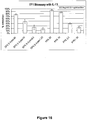
- the inventors demonstrated that PPS and a DP5 sulfated xylan markedly inhibit the IL-13 dependent proliferation of TF-1 cells ( Figure 16 ) with 75-80% of IL-13 mediated cell proliferation blocked at PPS concentrations of 5-10 ⁇ g/ml.
- Pentosan polysulfate and a DP5 sulfated xylan inhibit the activity of various chemokines that play a role in inflammation associated with COPD
- Chemokines known to play an important role in mediating the inflammation associated with COPD include IL-8, MCP-1 and MIP-1 ⁇ (Barnes 2004, supra ). PPS was shown to block cell migration triggered by IL-8. These experiments were performed using DMSO treated human promyelocytic HL-60 cells. These cells were derived from a patient with acute promyelocytic leukemia. The cells were treated with DMSO (1.2%) for 4 days before being used in the experiments.
- the chemotaxis assays were performed in 96-well Costar chemotaxis plates consisting of a bottom chamber to which was added the human IL-8 (+/- inhibitor) and then cells in RPMI and 1% v/v FCS were added to a top chamber and the plate was incubated at 37° C for 1 hour to allow cells to move from the top chamber into the bottom.
- the number of cells migrating into the bottom chamber was quantified by labeling with AQUEOUS ONE (20 ⁇ l/well) for 1.75 hours before absorbance at 490 nm is read.
- IL-8 was used at a final concentration of 20ng/ml and the inhibitors were the sulfated xylan pentasaccharide (10 and 50 ⁇ g/ml) and pentosan polysulfate (10 and 50 ⁇ g/ml). Cell migration is compared with that seen with no IL-8 or with IL-8 and no inhibitor. These data indicate that PPS is a good inhibitor in this assay as cell migration is inhibited by 74% with 50 ⁇ g/ml of PPS ( Figure 17 ).
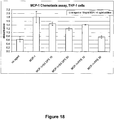
- THP-1 human monocytic cell line THP-1 was used. These cells were originally derived from the peripheral blood of a patient with acute monocytic leukaemia. The assay was very similar to that described above. The chemotaxis assays were performed in 96-well Costar chemotaxis plates and human MCP-1 (+/- inhibitor) was added to the bottom chamber and the THP-1 cells in RPMI/1% FCS were added to the top chamber and the plate was incubated at 37° C for 2.5 hour to allow cells to move from the top chamber into the bottom.
- the number of cells migrating into the bottom chamber was quantified by labeling with AQUEOUS ONE (30 ⁇ l/well) for 4 hours before absorbance at 490 nm is read.
- MCP-1 was used at a final concentration of 10ng/ml and the inhibitors were the sulfated xylan pentasaccharide (10 and 50 ⁇ g/ml) and PPS (10 and 50 ⁇ g/ml).
- PPS sulfated xylan pentasaccharide
- Figure 18 PPS was a better inhibitor as at 50 ⁇ g/ml PPS inhibited cell movement by 89% whereas at the same concentration the sulfated xylan pentasaccharide cell movement by 53%.
- U937 cells were used to examine the cell migration in response to MIP-1 ⁇ .
- U937 cells are a promonocytic human cell line originally derived from the pleural effusion of a patient with histiocytic lymphoma. These cells were treated with DMSO (1.2%) for 4 days before being used in chemotaxis experiments.
- the chemotaxis assays were performed in 96-well Costar chemotaxis plates and human MIP-1 ⁇ (+/- inhibitor) was added to the bottom chamber and the DMSO treated U937 cells in RPMI/HEPES were added to the top chamber and the plate was incubated at 37° C for 3 hour to allow cells to move from the top chamber into the bottom.
- the number of cells migrating into the bottom chamber was quantified by labeling with AQUEOUS ONE (30 ⁇ l/well) for 1 hour before absorbance at 490 nm is read.
- MIP-1 ⁇ was used at a final concentration of 40ng/ml and the inhibitors were the sulfated xylan pentasaccharide (10 and 50 ⁇ g/ml) and PPS (10 and 50 ⁇ g/ml). It is clear from these experiments that both PPS and the sulfated xylan pentasaccharide inhibited MIP-1 ⁇ stimulated cell movement.
- PPS was more effective being a good inhibitor at both 10 and 50 ⁇ g/ml, inhibiting cell movement by respectively 48% and 69%; where as the sulfated xylan pentasaccharide was only effective at 50 ⁇ g/ml, inhibiting cell movement by 44% ( Figure 19 ).
Landscapes
- Health & Medical Sciences (AREA)
- Life Sciences & Earth Sciences (AREA)
- Public Health (AREA)
- Animal Behavior & Ethology (AREA)
- Veterinary Medicine (AREA)
- Chemical & Material Sciences (AREA)
- General Health & Medical Sciences (AREA)
- Pharmacology & Pharmacy (AREA)
- Medicinal Chemistry (AREA)
- Pulmonology (AREA)
- Engineering & Computer Science (AREA)
- General Chemical & Material Sciences (AREA)
- Nuclear Medicine, Radiotherapy & Molecular Imaging (AREA)
- Bioinformatics & Cheminformatics (AREA)
- Chemical Kinetics & Catalysis (AREA)
- Organic Chemistry (AREA)
- Dermatology (AREA)
- Molecular Biology (AREA)
- Epidemiology (AREA)
- Immunology (AREA)
- Pharmaceuticals Containing Other Organic And Inorganic Compounds (AREA)
- Medicines That Contain Protein Lipid Enzymes And Other Medicines (AREA)
- Polysaccharides And Polysaccharide Derivatives (AREA)
Claims (9)
- Pharmazeutische Zusammensetzung, umfassend eine wirksame Menge an sulfatiertem Xylan, wobei das sulfatierte Xylan Pentosanpolysulfat (PPS) ist, zur Verwendung bei der Behandlung oder Prophylaxe einer entzündlichen Atemwegserkrankung, ausgewählt aus der Liste bestehend aus Asthma, allergischer Rhinitis und chronisch obstruktiver Lungenerkrankung (COPD), bei einem Individuum.
- Pharmazeutische Zusammensetzung gemäss Anspruch 1, wobei das Individuum ein Mensch ist.
- Pharmazeutische Zusammensetzung gemäss Anspruch 2, die ferner ein entzündungshemmendes Mittel umfasst.
- Pharmazeutische Zusammensetzung gemäss Anspruch 3, wobei das entzündungshemmende Mittel ein Antihistamin, ein Antagonist von G-CSF, M-CSF und/oder GM-CSF, ein Antagonist von IL-5, IL-4 oder IL-13, ein Antagonist von Eotaxin-1 oder Eotaxin-2 oder ein Antagonist von IL-8, MCP-1 oder MIP-1α ist.
- Verwendung eines sulfatierten Xylans, wobei das sulfatierte Xylan PPS ist, bei der Herstellung eines Arzneimittels zur Behandlung oder Prophylaxe einer entzündlichen Atemwegserkrankung, ausgewählt aus der Liste bestehend aus Asthma, allergischer Rhinitis und chronisch obstruktiver Lungenerkrankung (COPD), bei einem Individuum.
- Verwendung gemäss Anspruch 5, wobei das Individuum ein Mensch ist.
- Verwendung gemäss Anspruch 6, die ferner die Verwendung eines entzündungshemmenden Mittels umfasst.
- Verwendung gemäss Anspruch 7, wobei das
entzündungshemmende Mittel ein Antihistamin, ein Antagonist von G-CSF, M-CSF und/oder GM-CSF, ein Antagonist von IL-4 oder IL-5 oder IL-13, ein Antagonist von Eotaxin-1 oder Eotaxin-2 oder ein Antagonist von IL-8 oder MCP-1 oder MIP-1α ist. - Pharmazeutische Zusammensetzung, umfassend eine wirksame Menge an PPS und einem entzündungshemmenden Mittel, ausgewählt aus der Liste bestehend aus einem Antagonisten von G-CSF, M-CSF, GM-CSF, IL-4, IL-5, IL-13, Eotaxin-1, Eotaxin-2, MCP-1 und MIP-1α, zur Verwendung bei der Behandlung eines Individuums, das an Asthma, allergischer Rhinitis oder COPD leidet.
Applications Claiming Priority (2)
| Application Number | Priority Date | Filing Date | Title |
|---|---|---|---|
| AU2007902930A AU2007902930A0 (en) | 2007-05-31 | Therapeutic agents and uses therefor | |
| PCT/AU2008/000774 WO2008144836A1 (en) | 2007-05-31 | 2008-05-30 | Sulphated xylans for treatment or prophylaxis of respiratory diseases |
Publications (3)
| Publication Number | Publication Date |
|---|---|
| EP2164501A1 EP2164501A1 (de) | 2010-03-24 |
| EP2164501A4 EP2164501A4 (de) | 2010-07-21 |
| EP2164501B1 true EP2164501B1 (de) | 2016-04-20 |
Family
ID=40074469
Family Applications (1)
| Application Number | Title | Priority Date | Filing Date |
|---|---|---|---|
| EP08748030.7A Active EP2164501B1 (de) | 2007-05-31 | 2008-05-30 | Sulfierte xylane zur behandlung oder prophylaxe von atemwegserkrankungen |
Country Status (10)
| Country | Link |
|---|---|
| US (5) | US20100160253A1 (de) |
| EP (1) | EP2164501B1 (de) |
| CN (1) | CN101686996B (de) |
| AU (1) | AU2008255565B2 (de) |
| CA (1) | CA2689027C (de) |
| DK (1) | DK2164501T3 (de) |
| ES (1) | ES2583527T3 (de) |
| NZ (3) | NZ581544A (de) |
| PT (1) | PT2164501E (de) |
| WO (1) | WO2008144836A1 (de) |
Families Citing this family (21)
| Publication number | Priority date | Publication date | Assignee | Title |
|---|---|---|---|---|
| ES2328446T5 (es) * | 2000-02-04 | 2014-02-27 | Children's Hospital Research Foundation | Uso de lipasa ácida lisosomal para tratar la aterosclerosis y enfermedades asociadas |
| US8889127B2 (en) | 2004-07-01 | 2014-11-18 | Icahn School Of Medicine At Mount Sinai | Targeted protein replacement for the treatment of lysosomal storage disorders |
| WO2007030375A2 (en) * | 2005-09-08 | 2007-03-15 | Children's Hospital Medical Center | Lysosomal acid lipase therapy for nafld and related diseases |
| WO2011088418A2 (en) * | 2010-01-15 | 2011-07-21 | Mount Sinai School Of Medicine | Inhibition of tnf-alpha induced activation of nfkb by pentosan polysulfate |
| DK2561069T3 (en) | 2010-04-23 | 2017-05-01 | Alexion Pharma Inc | Enzyme for lysosomal storage disease |
| RS53947B1 (sr) | 2010-09-09 | 2015-08-31 | Synageva Biopharma Corp. | Primena lizozomalne kisele lipaze za lečenje nedostatka lizozomalne kisele lipaze kod pacijenata |
| WO2012112681A1 (en) | 2011-02-15 | 2012-08-23 | Shire Human Genetic Therapies, Inc. | Methods for treating lysosomal acid lipase deficiency |
| WO2012177778A1 (en) * | 2011-06-20 | 2012-12-27 | Mount Sinai School Of Medicine | Anti-tnf- therapy for the mucopolysaccharidoses and other lysosomal disorders |
| PL2753346T3 (pl) | 2011-09-07 | 2020-10-19 | Mount Sinai School Of Medicine | Ceramidaza i różnicowanie komórek |
| PL2854910T3 (pl) | 2012-06-01 | 2020-07-27 | Icahn School Of Medicine At Mount Sinai | Poziomy ceramidu w leczeniu i zapobieganiu infekcjom |
| US9937246B2 (en) | 2013-03-14 | 2018-04-10 | Icahn School Of Medicine At Mount Sinai | Therapeutic acid ceramidase compositions and methods of making and using them |
| CA2986902A1 (en) * | 2015-05-27 | 2016-12-01 | Vanguard Therapeutics, Inc. | Pentosan polysulfate sodium for the treatment of sickle cell disease |
| CN106110301A (zh) * | 2016-07-17 | 2016-11-16 | 李静 | 一种改进的治疗哮喘和慢性阻塞性肺病的药物 |
| NZ797157A (en) | 2017-08-04 | 2025-09-26 | Paradigm Biopharmaceuticals Ltd | Treatment of bone marrow pathologies with polysulfated polysaccharides |
| CN111491641A (zh) * | 2017-10-18 | 2020-08-04 | 格莱科米拉治疗公司 | 治疗慢性鼻窦炎的方法和组合物 |
| EP3758717A4 (de) | 2018-02-28 | 2021-11-24 | Paradigm Biopharmaceuticals Limited | Behandlung von postoperativen gelenkschmerzen mit polysulfatierten polysacchariden |
| CN108434441A (zh) * | 2018-04-17 | 2018-08-24 | 哈尔滨博翱生物医药技术开发有限公司 | 新型成纤维细胞生长因子-21类似物在治疗弥漫性间质性肺脏疾病中的应用 |
| EP3863647B1 (de) | 2018-10-10 | 2024-02-14 | Paradigm Biopharmaceuticals Limited | Behandlung von bösartigen knochenschmerzen mit pentosanpolysulfat |
| JP2023517239A (ja) | 2020-03-12 | 2023-04-24 | デイヴィッド カリス-ヒル、シドニー | コロナウイルス感染症および関連するサイトカイン毒性の治療 |
| EP4132541A4 (de) * | 2020-04-09 | 2024-06-19 | Paradigm Biopharmaceuticals Limited | Behandlung des akuten atemnotsyndroms (ards) mit polysulfatierten polysacchariden |
| FR3144752A1 (fr) | 2023-01-10 | 2024-07-12 | Song Huang | Utilisation de polysulfate de pentosane pour le traitement de la toux seche |
Citations (1)
| Publication number | Priority date | Publication date | Assignee | Title |
|---|---|---|---|---|
| WO1999006025A1 (en) * | 1997-08-04 | 1999-02-11 | Baker Norton Pharmaceuticals, Inc. | Method and compositions for treating late phase allergic reactions and inflammatory diseases |
Family Cites Families (14)
| Publication number | Priority date | Publication date | Assignee | Title |
|---|---|---|---|---|
| ZA756953B (en) * | 1974-11-07 | 1976-10-27 | Rhone Poulenc Ind | 1,4-oxathiino(2,3-c)pyrrole derivatives |
| FR2572731B1 (fr) * | 1984-11-07 | 1987-03-06 | Sanofi Sa | Nouveaux sulfates de xylanes de bas poids moleculaires, leur procede de preparation et leur activite antithrombotique et hypolipemiante par voie orale |
| US5541166A (en) * | 1987-01-23 | 1996-07-30 | The Australian National University | Sulphated polysaccharides having anti-metastatic and/or anti-inflammatory activity |
| WO1991015216A1 (en) * | 1990-04-05 | 1991-10-17 | Kennedy Thomas P | Method and medicament for prevention or medication of human leucocyte elastase-mediated pulmonary diseases |
| AUPN261895A0 (en) * | 1995-04-28 | 1995-05-18 | Australian National University, The | Preparation and use of sulfated oligosaccharides |
| AUPO556297A0 (en) * | 1997-03-11 | 1997-04-10 | Australian National University, The | Sulfated oligosaccharides having anticoagulant/ antithrombotic activity |
| US20060281681A1 (en) * | 1997-05-28 | 2006-12-14 | Pilon Aprile L | Methods and compositions for the reduction of neutrophil influx and for the treatment of bronchpulmonary dysplasia, respiratory distress syndrome, chronic lung disease, pulmonary fibrosis, asthma and chronic obstructive pulmonary disease |
| US6096738A (en) * | 1999-01-28 | 2000-08-01 | Winston Laboratories, Inc. | Method for treatment of headache |
| DE10141106A1 (de) * | 2001-08-22 | 2003-03-13 | Aventis Pharma Gmbh | Verwendung von Heparinoid-Derivaten zur Behandlung und Diagnose von mit Heparinoiden behandelbaren Erkrankungen |
| US7745585B2 (en) * | 2003-09-02 | 2010-06-29 | Boehringer Ingelheim International Gmbh | Antibodies to interleukin-like epithelial-mesenchymal transition inducer (ILEI) |
| US20050282775A1 (en) * | 2004-06-16 | 2005-12-22 | Paringenix, Inc. | Method and medicament for sulfated polysaccharide treatment of inflammation without inducing platelet activation and heparin-induced thrombocytopenia syndrome |
| GB0414441D0 (en) * | 2004-06-28 | 2004-07-28 | Imp College Innovations Ltd | Improved anti-viral compositions |
| TW200616604A (en) * | 2004-08-26 | 2006-06-01 | Nicholas Piramal India Ltd | Nitric oxide releasing prodrugs containing bio-cleavable linker |
| GB0502258D0 (en) * | 2005-02-03 | 2005-03-09 | Argenta Discovery Ltd | Compounds and their use |
-
2008
- 2008-05-30 ES ES08748030.7T patent/ES2583527T3/es active Active
- 2008-05-30 US US12/602,384 patent/US20100160253A1/en not_active Abandoned
- 2008-05-30 NZ NZ581544A patent/NZ581544A/en not_active IP Right Cessation
- 2008-05-30 PT PT08748030T patent/PT2164501E/pt unknown
- 2008-05-30 NZ NZ601148A patent/NZ601148A/xx not_active IP Right Cessation
- 2008-05-30 DK DK08748030.7T patent/DK2164501T3/en active
- 2008-05-30 WO PCT/AU2008/000774 patent/WO2008144836A1/en not_active Ceased
- 2008-05-30 CA CA2689027A patent/CA2689027C/en active Active
- 2008-05-30 EP EP08748030.7A patent/EP2164501B1/de active Active
- 2008-05-30 CN CN2008800246343A patent/CN101686996B/zh active Active
- 2008-05-30 AU AU2008255565A patent/AU2008255565B2/en not_active Ceased
- 2008-05-30 NZ NZ599928A patent/NZ599928A/xx not_active IP Right Cessation
-
2017
- 2017-09-26 US US15/715,636 patent/US20180078576A1/en not_active Abandoned
-
2019
- 2019-08-26 US US16/551,002 patent/US20200054668A1/en not_active Abandoned
-
2021
- 2021-01-08 US US17/144,742 patent/US20210128606A1/en not_active Abandoned
-
2023
- 2023-02-01 US US18/162,956 patent/US20230310492A1/en active Pending
Patent Citations (1)
| Publication number | Priority date | Publication date | Assignee | Title |
|---|---|---|---|---|
| WO1999006025A1 (en) * | 1997-08-04 | 1999-02-11 | Baker Norton Pharmaceuticals, Inc. | Method and compositions for treating late phase allergic reactions and inflammatory diseases |
Non-Patent Citations (2)
| Title |
|---|
| J A NADEL ET AL: "ROLE OF NEUTROPHIL ELASTASE IN HYPERSECRETION IN ASTHMA ROLE OF NEUTROPHIL ELASTASE IN HYPERSECRETION IN ASTHMA", EUR RESPIR J, vol. 13, 1 January 1999 (1999-01-01), pages 190 - 196, XP055089501, Retrieved from the Internet <URL:http://erj.ersjournals.com/content/13/1/190.full.pdf#page=1&view=FitH> [retrieved on 20131121] * |
| OHBAYASHI HIROYUKI: "Neutrophil elastase inhibitors as treatment for COPD", EXPERT OPINION ON INVESTIGATIONAL DRUGS, ASHLEY PUBLICATIONS LTD., LONDON, GB, vol. 11, no. 7, 1 July 2002 (2002-07-01), pages 965 - 980, XP009148446, ISSN: 1354-3784, DOI: 10.1517/13543784.11.7.965 * |
Also Published As
| Publication number | Publication date |
|---|---|
| AU2008255565A1 (en) | 2008-12-04 |
| NZ601148A (en) | 2012-08-31 |
| US20230310492A1 (en) | 2023-10-05 |
| CN101686996A (zh) | 2010-03-31 |
| US20200054668A1 (en) | 2020-02-20 |
| DK2164501T3 (en) | 2016-05-30 |
| CN101686996B (zh) | 2012-12-05 |
| NZ599928A (en) | 2012-08-31 |
| CA2689027C (en) | 2016-07-19 |
| US20100160253A1 (en) | 2010-06-24 |
| EP2164501A4 (de) | 2010-07-21 |
| CA2689027A1 (en) | 2008-12-04 |
| US20180078576A1 (en) | 2018-03-22 |
| AU2008255565B2 (en) | 2013-10-24 |
| NZ581544A (en) | 2012-06-29 |
| EP2164501A1 (de) | 2010-03-24 |
| PT2164501E (pt) | 2016-06-02 |
| WO2008144836A1 (en) | 2008-12-04 |
| US20210128606A1 (en) | 2021-05-06 |
| ES2583527T3 (es) | 2016-09-21 |
Similar Documents
| Publication | Publication Date | Title |
|---|---|---|
| US20230310492A1 (en) | Sulphated xylans for treatment or prophylaxis of respiratory diseases | |
| EP2421878B1 (de) | Anionische oligosaccharidkonjugate | |
| EP1663185B1 (de) | Prävention und behandlung von durch entzündung ausgelöstem und/oder immunvermitteltem knochenschwund | |
| CN1329496A (zh) | 用于预防药物耐受性的方法和组合物 | |
| KR101621863B1 (ko) | 모노아세틸디아실글리세롤 화합물을 유효성분으로 함유하는 만성폐쇄성 폐질환의 예방 또는 치료용 조성물 | |
| US11331335B2 (en) | Sepsis treatment and related compositions methods and systems | |
| CA2191960A1 (en) | Modulators of pneumococcal adherence to pulmonary and vascular cells and diagnostic and therapeutic applications | |
| US20080214442A1 (en) | Anti-Viral Effect of an Extract of Ganoderma Lucidum | |
| US20230227490A1 (en) | Hyaluronan conjugate | |
| CN114948974B (zh) | 肝素五糖化合物在制备脓毒症药物中的应用 | |
| AU2014200346A1 (en) | Sulphated xylans for treatment or prophylaxis of respiratory diseases | |
| CN102665728A (zh) | 用于治疗呼吸病况的医药碳水化合物 | |
| JPH072685A (ja) | 安定化された標準化ヤドリギレクチン製剤、ヤドリギレクチン濃縮物の製法及びヤドリギレクチンフラクションを含有する製剤の製法、及び自然免疫抵抗を高めるため及び腫瘍治療のための医薬品 | |
| Laan et al. | The effect of aerosolized and intravenously administered clenbuterol and aerosolized fluticasone propionate on horses challenged with Aspergillus fumigatus antigen | |
| US7498130B2 (en) | Method of reducing viral load | |
| CA2576173A1 (en) | Direct activation of atiii in whole blood and plasma | |
| JP2005510453A (ja) | 高硫酸化二糖類及び炎症治療のためのそれらの使用方法 | |
| WO2012067322A1 (ko) | 페닐부틸산 또는 이의 약학적으로 허용가능한 염을 유효성분으로 포함하는, 천식 치료용 약학적 조성물 | |
| AU2015261612A1 (en) | Anionic conjugates of glycosylated bacterial metabolite | |
| Pandian | Clinical Utilization of Non-Anticoagulant-A Review. |
Legal Events
| Date | Code | Title | Description |
|---|---|---|---|
| PUAI | Public reference made under article 153(3) epc to a published international application that has entered the european phase |
Free format text: ORIGINAL CODE: 0009012 |
|
| 17P | Request for examination filed |
Effective date: 20091218 |
|
| AK | Designated contracting states |
Kind code of ref document: A1 Designated state(s): AT BE BG CH CY CZ DE DK EE ES FI FR GB GR HR HU IE IS IT LI LT LU LV MC MT NL NO PL PT RO SE SI SK TR |
|
| AX | Request for extension of the european patent |
Extension state: AL BA MK RS |
|
| A4 | Supplementary search report drawn up and despatched |
Effective date: 20100618 |
|
| DAX | Request for extension of the european patent (deleted) | ||
| RIN1 | Information on inventor provided before grant (corrected) |
Inventor name: KETT, WARREN, CHARLES Inventor name: COOMBE, DEIRDRE, ROMA |
|
| RAP1 | Party data changed (applicant data changed or rights of an application transferred) |
Owner name: GLYCAN BIOSCIENCES LLC |
|
| 17Q | First examination report despatched |
Effective date: 20131127 |
|
| GRAP | Despatch of communication of intention to grant a patent |
Free format text: ORIGINAL CODE: EPIDOSNIGR1 |
|
| GRAJ | Information related to disapproval of communication of intention to grant by the applicant or resumption of examination proceedings by the epo deleted |
Free format text: ORIGINAL CODE: EPIDOSDIGR1 |
|
| INTG | Intention to grant announced |
Effective date: 20151027 |
|
| INTG | Intention to grant announced |
Effective date: 20151120 |
|
| GRAS | Grant fee paid |
Free format text: ORIGINAL CODE: EPIDOSNIGR3 |
|
| GRAA | (expected) grant |
Free format text: ORIGINAL CODE: 0009210 |
|
| RAP1 | Party data changed (applicant data changed or rights of an application transferred) |
Owner name: PARADIGM BIOPHARMACEUTICALS LIMITED |
|
| AK | Designated contracting states |
Kind code of ref document: B1 Designated state(s): AT BE BG CH CY CZ DE DK EE ES FI FR GB GR HR HU IE IS IT LI LT LU LV MC MT NL NO PL PT RO SE SI SK TR |
|
| REG | Reference to a national code |
Ref country code: GB Ref legal event code: FG4D |
|
| REG | Reference to a national code |
Ref country code: CH Ref legal event code: EP Ref country code: FR Ref legal event code: PLFP Year of fee payment: 9 |
|
| REG | Reference to a national code |
Ref country code: AT Ref legal event code: REF Ref document number: 791632 Country of ref document: AT Kind code of ref document: T Effective date: 20160515 |
|
| REG | Reference to a national code |
Ref country code: IE Ref legal event code: FG4D |
|
| REG | Reference to a national code |
Ref country code: DK Ref legal event code: T3 Effective date: 20160524 |
|
| REG | Reference to a national code |
Ref country code: CH Ref legal event code: NV Representative=s name: SCHMAUDER AND PARTNER AG PATENT- UND MARKENANW, CH |
|
| REG | Reference to a national code |
Ref country code: DE Ref legal event code: R096 Ref document number: 602008043720 Country of ref document: DE Ref country code: PT Ref legal event code: SC4A Free format text: AVAILABILITY OF NATIONAL TRANSLATION Effective date: 20160525 |
|
| REG | Reference to a national code |
Ref country code: SE Ref legal event code: TRGR |
|
| REG | Reference to a national code |
Ref country code: NO Ref legal event code: T2 Effective date: 20160420 |
|
| REG | Reference to a national code |
Ref country code: NL Ref legal event code: FP |
|
| REG | Reference to a national code |
Ref country code: LT Ref legal event code: MG4D |
|
| REG | Reference to a national code |
Ref country code: ES Ref legal event code: FG2A Ref document number: 2583527 Country of ref document: ES Kind code of ref document: T3 Effective date: 20160921 |
|
| PG25 | Lapsed in a contracting state [announced via postgrant information from national office to epo] |
Ref country code: LT Free format text: LAPSE BECAUSE OF FAILURE TO SUBMIT A TRANSLATION OF THE DESCRIPTION OR TO PAY THE FEE WITHIN THE PRESCRIBED TIME-LIMIT Effective date: 20160420 Ref country code: PL Free format text: LAPSE BECAUSE OF FAILURE TO SUBMIT A TRANSLATION OF THE DESCRIPTION OR TO PAY THE FEE WITHIN THE PRESCRIBED TIME-LIMIT Effective date: 20160420 |
|
| PG25 | Lapsed in a contracting state [announced via postgrant information from national office to epo] |
Ref country code: LV Free format text: LAPSE BECAUSE OF FAILURE TO SUBMIT A TRANSLATION OF THE DESCRIPTION OR TO PAY THE FEE WITHIN THE PRESCRIBED TIME-LIMIT Effective date: 20160420 Ref country code: HR Free format text: LAPSE BECAUSE OF FAILURE TO SUBMIT A TRANSLATION OF THE DESCRIPTION OR TO PAY THE FEE WITHIN THE PRESCRIBED TIME-LIMIT Effective date: 20160420 |
|
| REG | Reference to a national code |
Ref country code: DE Ref legal event code: R097 Ref document number: 602008043720 Country of ref document: DE |
|
| PG25 | Lapsed in a contracting state [announced via postgrant information from national office to epo] |
Ref country code: MC Free format text: LAPSE BECAUSE OF FAILURE TO SUBMIT A TRANSLATION OF THE DESCRIPTION OR TO PAY THE FEE WITHIN THE PRESCRIBED TIME-LIMIT Effective date: 20160420 Ref country code: EE Free format text: LAPSE BECAUSE OF FAILURE TO SUBMIT A TRANSLATION OF THE DESCRIPTION OR TO PAY THE FEE WITHIN THE PRESCRIBED TIME-LIMIT Effective date: 20160420 Ref country code: SK Free format text: LAPSE BECAUSE OF FAILURE TO SUBMIT A TRANSLATION OF THE DESCRIPTION OR TO PAY THE FEE WITHIN THE PRESCRIBED TIME-LIMIT Effective date: 20160420 Ref country code: CZ Free format text: LAPSE BECAUSE OF FAILURE TO SUBMIT A TRANSLATION OF THE DESCRIPTION OR TO PAY THE FEE WITHIN THE PRESCRIBED TIME-LIMIT Effective date: 20160420 Ref country code: RO Free format text: LAPSE BECAUSE OF FAILURE TO SUBMIT A TRANSLATION OF THE DESCRIPTION OR TO PAY THE FEE WITHIN THE PRESCRIBED TIME-LIMIT Effective date: 20160420 |
|
| REG | Reference to a national code |
Ref country code: GR Ref legal event code: EP Ref document number: 20160401492 Country of ref document: GR Effective date: 20161020 |
|
| PLBE | No opposition filed within time limit |
Free format text: ORIGINAL CODE: 0009261 |
|
| STAA | Information on the status of an ep patent application or granted ep patent |
Free format text: STATUS: NO OPPOSITION FILED WITHIN TIME LIMIT |
|
| 26N | No opposition filed |
Effective date: 20170123 |
|
| REG | Reference to a national code |
Ref country code: FR Ref legal event code: PLFP Year of fee payment: 10 |
|
| PG25 | Lapsed in a contracting state [announced via postgrant information from national office to epo] |
Ref country code: SI Free format text: LAPSE BECAUSE OF FAILURE TO SUBMIT A TRANSLATION OF THE DESCRIPTION OR TO PAY THE FEE WITHIN THE PRESCRIBED TIME-LIMIT Effective date: 20160420 |
|
| REG | Reference to a national code |
Ref country code: FR Ref legal event code: PLFP Year of fee payment: 11 |
|
| PG25 | Lapsed in a contracting state [announced via postgrant information from national office to epo] |
Ref country code: HU Free format text: LAPSE BECAUSE OF FAILURE TO SUBMIT A TRANSLATION OF THE DESCRIPTION OR TO PAY THE FEE WITHIN THE PRESCRIBED TIME-LIMIT; INVALID AB INITIO Effective date: 20080530 Ref country code: CY Free format text: LAPSE BECAUSE OF FAILURE TO SUBMIT A TRANSLATION OF THE DESCRIPTION OR TO PAY THE FEE WITHIN THE PRESCRIBED TIME-LIMIT Effective date: 20160420 |
|
| PG25 | Lapsed in a contracting state [announced via postgrant information from national office to epo] |
Ref country code: MT Free format text: LAPSE BECAUSE OF NON-PAYMENT OF DUE FEES Effective date: 20160531 Ref country code: LU Free format text: LAPSE BECAUSE OF NON-PAYMENT OF DUE FEES Effective date: 20160530 Ref country code: IS Free format text: LAPSE BECAUSE OF FAILURE TO SUBMIT A TRANSLATION OF THE DESCRIPTION OR TO PAY THE FEE WITHIN THE PRESCRIBED TIME-LIMIT Effective date: 20160420 |
|
| PG25 | Lapsed in a contracting state [announced via postgrant information from national office to epo] |
Ref country code: BG Free format text: LAPSE BECAUSE OF FAILURE TO SUBMIT A TRANSLATION OF THE DESCRIPTION OR TO PAY THE FEE WITHIN THE PRESCRIBED TIME-LIMIT Effective date: 20160420 |
|
| REG | Reference to a national code |
Ref country code: AT Ref legal event code: UEP Ref document number: 791632 Country of ref document: AT Kind code of ref document: T Effective date: 20160420 |
|
| REG | Reference to a national code |
Ref country code: FR Ref legal event code: PLFP Year of fee payment: 16 |
|
| PGFP | Annual fee paid to national office [announced via postgrant information from national office to epo] |
Ref country code: NL Payment date: 20240415 Year of fee payment: 17 |
|
| PGFP | Annual fee paid to national office [announced via postgrant information from national office to epo] |
Ref country code: FR Payment date: 20240328 Year of fee payment: 17 |
|
| PGFP | Annual fee paid to national office [announced via postgrant information from national office to epo] |
Ref country code: IE Payment date: 20240410 Year of fee payment: 17 |
|
| PGFP | Annual fee paid to national office [announced via postgrant information from national office to epo] |
Ref country code: GB Payment date: 20240402 Year of fee payment: 17 |
|
| PGFP | Annual fee paid to national office [announced via postgrant information from national office to epo] |
Ref country code: DE Payment date: 20240328 Year of fee payment: 17 |
|
| PGFP | Annual fee paid to national office [announced via postgrant information from national office to epo] |
Ref country code: DK Payment date: 20240515 Year of fee payment: 17 |
|
| PGFP | Annual fee paid to national office [announced via postgrant information from national office to epo] |
Ref country code: GR Payment date: 20240412 Year of fee payment: 17 |
|
| PGFP | Annual fee paid to national office [announced via postgrant information from national office to epo] |
Ref country code: CH Payment date: 20240602 Year of fee payment: 17 |
|
| PGFP | Annual fee paid to national office [announced via postgrant information from national office to epo] |
Ref country code: ES Payment date: 20240607 Year of fee payment: 17 |
|
| PGFP | Annual fee paid to national office [announced via postgrant information from national office to epo] |
Ref country code: AT Payment date: 20240425 Year of fee payment: 17 |
|
| PGFP | Annual fee paid to national office [announced via postgrant information from national office to epo] |
Ref country code: NO Payment date: 20240508 Year of fee payment: 17 Ref country code: IT Payment date: 20240411 Year of fee payment: 17 Ref country code: FI Payment date: 20240514 Year of fee payment: 17 |
|
| PGFP | Annual fee paid to national office [announced via postgrant information from national office to epo] |
Ref country code: PT Payment date: 20240514 Year of fee payment: 17 |
|
| PGFP | Annual fee paid to national office [announced via postgrant information from national office to epo] |
Ref country code: TR Payment date: 20240520 Year of fee payment: 17 Ref country code: SE Payment date: 20240328 Year of fee payment: 17 Ref country code: BE Payment date: 20240422 Year of fee payment: 17 |
|
| REG | Reference to a national code |
Ref country code: DE Ref legal event code: R119 Ref document number: 602008043720 Country of ref document: DE |
|
| PG25 | Lapsed in a contracting state [announced via postgrant information from national office to epo] |
Ref country code: PT Free format text: LAPSE BECAUSE OF NON-PAYMENT OF DUE FEES Effective date: 20251202 |
|
| REG | Reference to a national code |
Ref country code: DK Ref legal event code: EBP Effective date: 20250531 |
|
| REG | Reference to a national code |
Ref country code: CH Ref legal event code: H13 Free format text: ST27 STATUS EVENT CODE: U-0-0-H10-H13 (AS PROVIDED BY THE NATIONAL OFFICE) Effective date: 20251223 |
|
| REG | Reference to a national code |
Ref country code: NL Ref legal event code: MM Effective date: 20250601 |
|
| PG25 | Lapsed in a contracting state [announced via postgrant information from national office to epo] |
Ref country code: NO Free format text: LAPSE BECAUSE OF NON-PAYMENT OF DUE FEES Effective date: 20250531 |
|
| PG25 | Lapsed in a contracting state [announced via postgrant information from national office to epo] |
Ref country code: AT Free format text: LAPSE BECAUSE OF NON-PAYMENT OF DUE FEES Effective date: 20250530 |
|
| PG25 | Lapsed in a contracting state [announced via postgrant information from national office to epo] |
Ref country code: FI Free format text: LAPSE BECAUSE OF NON-PAYMENT OF DUE FEES Effective date: 20250530 |
|
| REG | Reference to a national code |
Ref country code: AT Ref legal event code: MM01 Ref document number: 791632 Country of ref document: AT Kind code of ref document: T Effective date: 20250530 |
|
| PG25 | Lapsed in a contracting state [announced via postgrant information from national office to epo] |
Ref country code: GR Free format text: LAPSE BECAUSE OF NON-PAYMENT OF DUE FEES Effective date: 20251205 |
|
| PG25 | Lapsed in a contracting state [announced via postgrant information from national office to epo] |
Ref country code: CH Free format text: LAPSE BECAUSE OF NON-PAYMENT OF DUE FEES Effective date: 20250531 |
|
| PG25 | Lapsed in a contracting state [announced via postgrant information from national office to epo] |
Ref country code: SE Free format text: LAPSE BECAUSE OF NON-PAYMENT OF DUE FEES Effective date: 20250531 |
|
| REG | Reference to a national code |
Ref country code: SE Ref legal event code: EUG |
|
| GBPC | Gb: european patent ceased through non-payment of renewal fee |
Effective date: 20250530 |