EP2146710B1 - P38alpha as a therapeutic target in bladder carcinoma - Google Patents
P38alpha as a therapeutic target in bladder carcinoma Download PDFInfo
- Publication number
- EP2146710B1 EP2146710B1 EP08750333A EP08750333A EP2146710B1 EP 2146710 B1 EP2146710 B1 EP 2146710B1 EP 08750333 A EP08750333 A EP 08750333A EP 08750333 A EP08750333 A EP 08750333A EP 2146710 B1 EP2146710 B1 EP 2146710B1
- Authority
- EP
- European Patent Office
- Prior art keywords
- inhibitor
- fgfr3
- bladder
- tumour
- cells
- Prior art date
- Legal status (The legal status is an assumption and is not a legal conclusion. Google has not performed a legal analysis and makes no representation as to the accuracy of the status listed.)
- Not-in-force
Links
- 206010005003 Bladder cancer Diseases 0.000 title claims description 55
- 201000001531 bladder carcinoma Diseases 0.000 title claims description 50
- 208000010570 urinary bladder carcinoma Diseases 0.000 title claims description 50
- 230000001225 therapeutic effect Effects 0.000 title description 6
- 102100027842 Fibroblast growth factor receptor 3 Human genes 0.000 claims description 120
- 101710182396 Fibroblast growth factor receptor 3 Proteins 0.000 claims description 120
- 206010028980 Neoplasm Diseases 0.000 claims description 114
- 239000003112 inhibitor Substances 0.000 claims description 101
- 230000035772 mutation Effects 0.000 claims description 84
- 238000011282 treatment Methods 0.000 claims description 35
- 102000016914 ras Proteins Human genes 0.000 claims description 32
- 108020004459 Small interfering RNA Proteins 0.000 claims description 30
- 102200143266 rs121913483 Human genes 0.000 claims description 30
- 230000007170 pathology Effects 0.000 claims description 24
- CDMGBJANTYXAIV-UHFFFAOYSA-N SB 203580 Chemical compound C1=CC(S(=O)C)=CC=C1C1=NC(C=2C=CC(F)=CC=2)=C(C=2C=CN=CC=2)N1 CDMGBJANTYXAIV-UHFFFAOYSA-N 0.000 claims description 23
- 239000003814 drug Substances 0.000 claims description 17
- -1 ARQ 101 Chemical compound 0.000 claims description 14
- RQVKVJIRFKVPBF-VWLOTQADSA-N 2-[[(2s)-2-amino-3-phenylpropyl]amino]-3-methyl-5-naphthalen-2-yl-6-pyridin-4-ylpyrimidin-4-one Chemical compound C([C@H](N)CNC=1N(C(C(C=2C=C3C=CC=CC3=CC=2)=C(C=2C=CN=CC=2)N=1)=O)C)C1=CC=CC=C1 RQVKVJIRFKVPBF-VWLOTQADSA-N 0.000 claims description 7
- 201000009030 Carcinoma Diseases 0.000 claims description 7
- MVCOAUNKQVWQHZ-UHFFFAOYSA-N doramapimod Chemical compound C1=CC(C)=CC=C1N1C(NC(=O)NC=2C3=CC=CC=C3C(OCCN3CCOCC3)=CC=2)=CC(C(C)(C)C)=N1 MVCOAUNKQVWQHZ-UHFFFAOYSA-N 0.000 claims description 7
- IUSARDYWEPUTPN-OZBXUNDUSA-N (2r)-n-[(2s,3r)-4-[[(4s)-6-(2,2-dimethylpropyl)spiro[3,4-dihydropyrano[2,3-b]pyridine-2,1'-cyclobutane]-4-yl]amino]-3-hydroxy-1-[3-(1,3-thiazol-2-yl)phenyl]butan-2-yl]-2-methoxypropanamide Chemical compound C([C@H](NC(=O)[C@@H](C)OC)[C@H](O)CN[C@@H]1C2=CC(CC(C)(C)C)=CN=C2OC2(CCC2)C1)C(C=1)=CC=CC=1C1=NC=CS1 IUSARDYWEPUTPN-OZBXUNDUSA-N 0.000 claims description 6
- LNMRSSIMGCDUTP-UHFFFAOYSA-N 1-[5-tert-butyl-2-(4-methylphenyl)pyrazol-3-yl]-3-[[5-fluoro-2-[1-(2-hydroxyethyl)indazol-5-yl]oxyphenyl]methyl]urea Chemical compound C1=CC(C)=CC=C1N1C(NC(=O)NCC=2C(=CC=C(F)C=2)OC=2C=C3C=NN(CCO)C3=CC=2)=CC(C(C)(C)C)=N1 LNMRSSIMGCDUTP-UHFFFAOYSA-N 0.000 claims description 6
- GUTYHDCSDBBMGW-UHFFFAOYSA-N 2-[6-chloro-5-[4-[(4-fluorophenyl)methyl]piperidine-1-carbonyl]-1-methylindol-3-yl]-n,n-dimethyl-2-oxoacetamide Chemical compound C1=C2C(C(=O)C(=O)N(C)C)=CN(C)C2=CC(Cl)=C1C(=O)N(CC1)CCC1CC1=CC=C(F)C=C1 GUTYHDCSDBBMGW-UHFFFAOYSA-N 0.000 claims description 6
- IFGWYHGYNVGVRB-UHFFFAOYSA-N 5-(2,4-difluorophenoxy)-n-[2-(dimethylamino)ethyl]-1-(2-methylpropyl)indazole-6-carboxamide Chemical compound CN(C)CCNC(=O)C=1C=C2N(CC(C)C)N=CC2=CC=1OC1=CC=C(F)C=C1F IFGWYHGYNVGVRB-UHFFFAOYSA-N 0.000 claims description 6
- ZQUSFAUAYSEREK-WKILWMFISA-N SB-239063 Chemical compound COC1=NC=CC(C=2N(C=NC=2C=2C=CC(F)=CC=2)[C@@H]2CC[C@@H](O)CC2)=N1 ZQUSFAUAYSEREK-WKILWMFISA-N 0.000 claims description 6
- VEPKQEUBKLEPRA-UHFFFAOYSA-N VX-745 Chemical compound FC1=CC(F)=CC=C1SC1=NN2C=NC(=O)C(C=3C(=CC=CC=3Cl)Cl)=C2C=C1 VEPKQEUBKLEPRA-UHFFFAOYSA-N 0.000 claims description 6
- 229940125807 compound 37 Drugs 0.000 claims description 6
- ZMELOYOKMZBMRB-DLBZAZTESA-N talmapimod Chemical compound C([C@@H](C)N(C[C@@H]1C)C(=O)C=2C(=CC=3N(C)C=C(C=3C=2)C(=O)C(=O)N(C)C)Cl)N1CC1=CC=C(F)C=C1 ZMELOYOKMZBMRB-DLBZAZTESA-N 0.000 claims description 6
- JBNWDYGOTHQHOZ-UHFFFAOYSA-N 2-[5-[4-[(4-fluorophenyl)methyl]piperidine-1-carbonyl]-6-methoxy-1-methylindol-3-yl]-n,n-dimethyl-2-oxoacetamide Chemical compound COC1=CC=2N(C)C=C(C(=O)C(=O)N(C)C)C=2C=C1C(=O)N(CC1)CCC1CC1=CC=C(F)C=C1 JBNWDYGOTHQHOZ-UHFFFAOYSA-N 0.000 claims description 3
- BHWCZLOXTLWZAQ-UHFFFAOYSA-N 2-methyl-4-phenyl-5-pyridin-4-yloxazole Chemical compound O1C(C)=NC(C=2C=CC=CC=2)=C1C1=CC=NC=C1 BHWCZLOXTLWZAQ-UHFFFAOYSA-N 0.000 claims description 3
- QSUSKMBNZQHHPA-UHFFFAOYSA-N 4-[4-(4-fluorophenyl)-1-(3-phenylpropyl)-5-pyridin-4-ylimidazol-2-yl]but-3-yn-1-ol Chemical compound C=1C=CC=CC=1CCCN1C(C#CCCO)=NC(C=2C=CC(F)=CC=2)=C1C1=CC=NC=C1 QSUSKMBNZQHHPA-UHFFFAOYSA-N 0.000 claims description 3
- PDTYLGXVBIWRIM-UHFFFAOYSA-N 4-[5-(4-fluorophenyl)-3-piperidin-4-ylimidazol-4-yl]-2-methoxypyrimidine Chemical compound COC1=NC=CC(C=2N(C=NC=2C=2C=CC(F)=CC=2)C2CCNCC2)=N1 PDTYLGXVBIWRIM-UHFFFAOYSA-N 0.000 claims description 3
- YOELZIQOLWZLQC-UHFFFAOYSA-N 6-(4-fluorophenyl)-5-pyridin-4-yl-2,3-dihydroimidazo[2,1-b]thiazole Chemical compound C1=CC(F)=CC=C1C1=C(C=2C=CN=CC=2)N2CCSC2=N1 YOELZIQOLWZLQC-UHFFFAOYSA-N 0.000 claims description 3
- ORVNHOYNEHYKJG-UHFFFAOYSA-N 8-(2,6-difluorophenyl)-2-(1,3-dihydroxypropan-2-ylamino)-4-(4-fluoro-2-methylphenyl)pyrido[2,3-d]pyrimidin-7-one Chemical compound CC1=CC(F)=CC=C1C1=NC(NC(CO)CO)=NC2=C1C=CC(=O)N2C1=C(F)C=CC=C1F ORVNHOYNEHYKJG-UHFFFAOYSA-N 0.000 claims description 3
- 102000053642 Catalytic RNA Human genes 0.000 claims description 3
- 108090000994 Catalytic RNA Proteins 0.000 claims description 3
- HEKAIDKUDLCBRU-UHFFFAOYSA-N N-[4-[2-ethyl-4-(3-methylphenyl)-5-thiazolyl]-2-pyridinyl]benzamide Chemical compound S1C(CC)=NC(C=2C=C(C)C=CC=2)=C1C(C=1)=CC=NC=1NC(=O)C1=CC=CC=C1 HEKAIDKUDLCBRU-UHFFFAOYSA-N 0.000 claims description 3
- QHKYPYXTTXKZST-UHFFFAOYSA-N SB-202190 Chemical compound C1=CC(O)=CC=C1C1=NC(C=2C=CC(F)=CC=2)=C(C=2C=CN=CC=2)N1 QHKYPYXTTXKZST-UHFFFAOYSA-N 0.000 claims description 3
- VSPFURGQAYMVAN-UHFFFAOYSA-N SB220025 Chemical compound NC1=NC=CC(C=2N(C=NC=2C=2C=CC(F)=CC=2)C2CCNCC2)=N1 VSPFURGQAYMVAN-UHFFFAOYSA-N 0.000 claims description 3
- RERSCSYZEKLVHG-UHFFFAOYSA-N [2-[5-[2-(cyclopropylamino)pyrimidin-4-yl]-4-(4-fluorophenyl)-1h-imidazol-2-yl]-5-methyl-1,3-dioxan-5-yl]-morpholin-4-ylmethanone Chemical compound O1CC(C)(C(=O)N2CCOCC2)COC1C(N1)=NC(C=2C=CC(F)=CC=2)=C1C(N=1)=CC=NC=1NC1CC1 RERSCSYZEKLVHG-UHFFFAOYSA-N 0.000 claims description 3
- ZMAZXHICVRYLQN-UHFFFAOYSA-N n-cyclopropyl-4-methyl-3-[6-(4-methylpiperazin-1-yl)-4-oxoquinazolin-3-yl]benzamide Chemical compound C1CN(C)CCN1C1=CC=C(N=CN(C=2C(=CC=C(C=2)C(=O)NC2CC2)C)C2=O)C2=C1 ZMAZXHICVRYLQN-UHFFFAOYSA-N 0.000 claims description 3
- 108091092562 ribozyme Proteins 0.000 claims description 3
- 210000004027 cell Anatomy 0.000 description 67
- 102000002574 p38 Mitogen-Activated Protein Kinases Human genes 0.000 description 63
- 108010068338 p38 Mitogen-Activated Protein Kinases Proteins 0.000 description 63
- 230000004913 activation Effects 0.000 description 33
- 238000000034 method Methods 0.000 description 26
- 239000000523 sample Substances 0.000 description 25
- 201000011510 cancer Diseases 0.000 description 23
- 230000000694 effects Effects 0.000 description 23
- 108010029485 Protein Isoforms Proteins 0.000 description 22
- 102000001708 Protein Isoforms Human genes 0.000 description 22
- 210000004894 snout Anatomy 0.000 description 18
- 238000011830 transgenic mouse model Methods 0.000 description 17
- 241000699660 Mus musculus Species 0.000 description 16
- 102000005962 receptors Human genes 0.000 description 15
- 108020003175 receptors Proteins 0.000 description 15
- 230000004663 cell proliferation Effects 0.000 description 14
- 230000026731 phosphorylation Effects 0.000 description 14
- 238000006366 phosphorylation reaction Methods 0.000 description 14
- 150000001875 compounds Chemical class 0.000 description 13
- 230000037361 pathway Effects 0.000 description 13
- 241000699670 Mus sp. Species 0.000 description 12
- 230000010307 cell transformation Effects 0.000 description 12
- 229920001817 Agar Polymers 0.000 description 11
- 239000008272 agar Substances 0.000 description 11
- 230000005764 inhibitory process Effects 0.000 description 11
- 235000018102 proteins Nutrition 0.000 description 11
- 102000004169 proteins and genes Human genes 0.000 description 11
- 108090000623 proteins and genes Proteins 0.000 description 11
- 108091008794 FGF receptors Proteins 0.000 description 10
- 230000003213 activating effect Effects 0.000 description 10
- CSCPPACGZOOCGX-UHFFFAOYSA-N Acetone Chemical compound CC(C)=O CSCPPACGZOOCGX-UHFFFAOYSA-N 0.000 description 9
- 208000007097 Urinary Bladder Neoplasms Diseases 0.000 description 9
- 230000012010 growth Effects 0.000 description 9
- 238000004458 analytical method Methods 0.000 description 8
- 102000052178 fibroblast growth factor receptor activity proteins Human genes 0.000 description 8
- 102100029974 GTPase HRas Human genes 0.000 description 7
- 102100039788 GTPase NRas Human genes 0.000 description 7
- 101000584633 Homo sapiens GTPase HRas Proteins 0.000 description 7
- 101000744505 Homo sapiens GTPase NRas Proteins 0.000 description 7
- 102100023482 Mitogen-activated protein kinase 14 Human genes 0.000 description 7
- 210000004369 blood Anatomy 0.000 description 7
- 239000008280 blood Substances 0.000 description 7
- 230000014509 gene expression Effects 0.000 description 7
- 230000035755 proliferation Effects 0.000 description 7
- 238000001890 transfection Methods 0.000 description 7
- 206010010356 Congenital anomaly Diseases 0.000 description 6
- 102000003971 Fibroblast Growth Factor 1 Human genes 0.000 description 6
- 108090000386 Fibroblast Growth Factor 1 Proteins 0.000 description 6
- 108700012928 MAPK14 Proteins 0.000 description 6
- 208000008919 achondroplasia Diseases 0.000 description 6
- 208000017568 chondrodysplasia Diseases 0.000 description 6
- 229940079593 drug Drugs 0.000 description 6
- 239000003937 drug carrier Substances 0.000 description 6
- 238000003119 immunoblot Methods 0.000 description 6
- 238000000338 in vitro Methods 0.000 description 6
- 239000007788 liquid Substances 0.000 description 6
- 239000006166 lysate Substances 0.000 description 6
- 210000004881 tumor cell Anatomy 0.000 description 6
- 102100030708 GTPase KRas Human genes 0.000 description 5
- 101000584612 Homo sapiens GTPase KRas Proteins 0.000 description 5
- 208000034578 Multiple myelomas Diseases 0.000 description 5
- 241000699666 Mus <mouse, genus> Species 0.000 description 5
- 206010029098 Neoplasm skin Diseases 0.000 description 5
- 102000004022 Protein-Tyrosine Kinases Human genes 0.000 description 5
- 108090000412 Protein-Tyrosine Kinases Proteins 0.000 description 5
- 239000013592 cell lysate Substances 0.000 description 5
- 230000002354 daily effect Effects 0.000 description 5
- 208000037265 diseases, disorders, signs and symptoms Diseases 0.000 description 5
- 230000002401 inhibitory effect Effects 0.000 description 5
- 201000005112 urinary bladder cancer Diseases 0.000 description 5
- WOVKYSAHUYNSMH-RRKCRQDMSA-N 5-bromodeoxyuridine Chemical compound C1[C@H](O)[C@@H](CO)O[C@H]1N1C(=O)NC(=O)C(Br)=C1 WOVKYSAHUYNSMH-RRKCRQDMSA-N 0.000 description 4
- 206010008723 Chondrodystrophy Diseases 0.000 description 4
- 206010035226 Plasma cell myeloma Diseases 0.000 description 4
- 201000010099 disease Diseases 0.000 description 4
- 210000001339 epidermal cell Anatomy 0.000 description 4
- 210000002615 epidermis Anatomy 0.000 description 4
- 210000002919 epithelial cell Anatomy 0.000 description 4
- 238000001727 in vivo Methods 0.000 description 4
- 239000003446 ligand Substances 0.000 description 4
- 239000000203 mixture Substances 0.000 description 4
- 210000003205 muscle Anatomy 0.000 description 4
- 239000000825 pharmaceutical preparation Substances 0.000 description 4
- 210000003491 skin Anatomy 0.000 description 4
- 239000000725 suspension Substances 0.000 description 4
- 210000001519 tissue Anatomy 0.000 description 4
- 230000001131 transforming effect Effects 0.000 description 4
- 210000002700 urine Anatomy 0.000 description 4
- XLYOFNOQVPJJNP-UHFFFAOYSA-N water Substances O XLYOFNOQVPJJNP-UHFFFAOYSA-N 0.000 description 4
- WVDDGKGOMKODPV-UHFFFAOYSA-N Benzyl alcohol Chemical compound OCC1=CC=CC=C1 WVDDGKGOMKODPV-UHFFFAOYSA-N 0.000 description 3
- 108020004414 DNA Proteins 0.000 description 3
- 239000006144 Dulbecco’s modified Eagle's medium Substances 0.000 description 3
- LFQSCWFLJHTTHZ-UHFFFAOYSA-N Ethanol Chemical compound CCO LFQSCWFLJHTTHZ-UHFFFAOYSA-N 0.000 description 3
- 102000019149 MAP kinase activity proteins Human genes 0.000 description 3
- 108040008097 MAP kinase activity proteins Proteins 0.000 description 3
- 229940122696 MAP kinase inhibitor Drugs 0.000 description 3
- 241000124008 Mammalia Species 0.000 description 3
- 241001465754 Metazoa Species 0.000 description 3
- DNIAPMSPPWPWGF-UHFFFAOYSA-N Propylene glycol Chemical compound CC(O)CO DNIAPMSPPWPWGF-UHFFFAOYSA-N 0.000 description 3
- 102000004278 Receptor Protein-Tyrosine Kinases Human genes 0.000 description 3
- 108090000873 Receptor Protein-Tyrosine Kinases Proteins 0.000 description 3
- 206010039796 Seborrhoeic keratosis Diseases 0.000 description 3
- 238000003556 assay Methods 0.000 description 3
- 206010004398 benign neoplasm of skin Diseases 0.000 description 3
- 230000015572 biosynthetic process Effects 0.000 description 3
- JJWKPURADFRFRB-UHFFFAOYSA-N carbonyl sulfide Chemical compound O=C=S JJWKPURADFRFRB-UHFFFAOYSA-N 0.000 description 3
- 230000005754 cellular signaling Effects 0.000 description 3
- 210000003679 cervix uteri Anatomy 0.000 description 3
- 230000003247 decreasing effect Effects 0.000 description 3
- 230000001419 dependent effect Effects 0.000 description 3
- 238000002474 experimental method Methods 0.000 description 3
- 238000010348 incorporation Methods 0.000 description 3
- 230000002601 intratumoral effect Effects 0.000 description 3
- 238000002372 labelling Methods 0.000 description 3
- 230000003211 malignant effect Effects 0.000 description 3
- 239000000463 material Substances 0.000 description 3
- 108020004999 messenger RNA Proteins 0.000 description 3
- 239000002829 mitogen activated protein kinase inhibitor Substances 0.000 description 3
- 238000011580 nude mouse model Methods 0.000 description 3
- 238000012216 screening Methods 0.000 description 3
- 201000003385 seborrheic keratosis Diseases 0.000 description 3
- 210000002966 serum Anatomy 0.000 description 3
- 239000000243 solution Substances 0.000 description 3
- 230000009466 transformation Effects 0.000 description 3
- 238000001262 western blot Methods 0.000 description 3
- 208000005623 Carcinogenesis Diseases 0.000 description 2
- 108020004705 Codon Proteins 0.000 description 2
- 208000032541 Epidermal naevus Diseases 0.000 description 2
- 241000282326 Felis catus Species 0.000 description 2
- 102000044168 Fibroblast Growth Factor Receptor Human genes 0.000 description 2
- 102100022086 GRB2-related adapter protein 2 Human genes 0.000 description 2
- 102000013446 GTP Phosphohydrolases Human genes 0.000 description 2
- 108091006109 GTPases Proteins 0.000 description 2
- DHMQDGOQFOQNFH-UHFFFAOYSA-N Glycine Chemical compound NCC(O)=O DHMQDGOQFOQNFH-UHFFFAOYSA-N 0.000 description 2
- HTTJABKRGRZYRN-UHFFFAOYSA-N Heparin Chemical compound OC1C(NC(=O)C)C(O)OC(COS(O)(=O)=O)C1OC1C(OS(O)(=O)=O)C(O)C(OC2C(C(OS(O)(=O)=O)C(OC3C(C(O)C(O)C(O3)C(O)=O)OS(O)(=O)=O)C(CO)O2)NS(O)(=O)=O)C(C(O)=O)O1 HTTJABKRGRZYRN-UHFFFAOYSA-N 0.000 description 2
- 101000628967 Homo sapiens Mitogen-activated protein kinase 11 Proteins 0.000 description 2
- 102000016844 Immunoglobulin-like domains Human genes 0.000 description 2
- 108050006430 Immunoglobulin-like domains Proteins 0.000 description 2
- 206010069755 K-ras gene mutation Diseases 0.000 description 2
- 102100026929 Mitogen-activated protein kinase 11 Human genes 0.000 description 2
- 239000012826 P38 inhibitor Substances 0.000 description 2
- 201000001079 SADDAN Diseases 0.000 description 2
- 208000017601 Severe achondroplasia-developmental delay-acanthosis nigricans syndrome Diseases 0.000 description 2
- 208000000453 Skin Neoplasms Diseases 0.000 description 2
- FAPWRFPIFSIZLT-UHFFFAOYSA-M Sodium chloride Chemical compound [Na+].[Cl-] FAPWRFPIFSIZLT-UHFFFAOYSA-M 0.000 description 2
- 230000000692 anti-sense effect Effects 0.000 description 2
- 238000011717 athymic nude mouse Methods 0.000 description 2
- 210000000270 basal cell Anatomy 0.000 description 2
- 238000001574 biopsy Methods 0.000 description 2
- 230000037396 body weight Effects 0.000 description 2
- 210000000481 breast Anatomy 0.000 description 2
- 244000309466 calf Species 0.000 description 2
- 230000036952 cancer formation Effects 0.000 description 2
- 231100000504 carcinogenesis Toxicity 0.000 description 2
- 239000000969 carrier Substances 0.000 description 2
- 210000001072 colon Anatomy 0.000 description 2
- 210000002808 connective tissue Anatomy 0.000 description 2
- 230000007423 decrease Effects 0.000 description 2
- 239000000839 emulsion Substances 0.000 description 2
- 238000005516 engineering process Methods 0.000 description 2
- 229940125829 fibroblast growth factor receptor inhibitor Drugs 0.000 description 2
- 239000012530 fluid Substances 0.000 description 2
- 238000009472 formulation Methods 0.000 description 2
- ZDXPYRJPNDTMRX-UHFFFAOYSA-N glutamine Natural products OC(=O)C(N)CCC(N)=O ZDXPYRJPNDTMRX-UHFFFAOYSA-N 0.000 description 2
- 239000008187 granular material Substances 0.000 description 2
- 230000009036 growth inhibition Effects 0.000 description 2
- 239000001963 growth medium Substances 0.000 description 2
- 229960002897 heparin Drugs 0.000 description 2
- 229920000669 heparin Polymers 0.000 description 2
- 230000001939 inductive effect Effects 0.000 description 2
- 239000007924 injection Substances 0.000 description 2
- 238000002347 injection Methods 0.000 description 2
- 230000003834 intracellular effect Effects 0.000 description 2
- 238000007919 intrasynovial administration Methods 0.000 description 2
- 210000004072 lung Anatomy 0.000 description 2
- 239000012139 lysis buffer Substances 0.000 description 2
- 238000004519 manufacturing process Methods 0.000 description 2
- 239000002480 mineral oil Substances 0.000 description 2
- 235000010446 mineral oil Nutrition 0.000 description 2
- 108020004707 nucleic acids Proteins 0.000 description 2
- 102000039446 nucleic acids Human genes 0.000 description 2
- 150000007523 nucleic acids Chemical class 0.000 description 2
- 239000002773 nucleotide Substances 0.000 description 2
- 125000003729 nucleotide group Chemical group 0.000 description 2
- 230000002246 oncogenic effect Effects 0.000 description 2
- 239000003208 petroleum Substances 0.000 description 2
- 229920001184 polypeptide Polymers 0.000 description 2
- 239000000843 powder Substances 0.000 description 2
- 238000002360 preparation method Methods 0.000 description 2
- 102000004196 processed proteins & peptides Human genes 0.000 description 2
- 108090000765 processed proteins & peptides Proteins 0.000 description 2
- 239000000047 product Substances 0.000 description 2
- 108010014186 ras Proteins Proteins 0.000 description 2
- 102220039480 rs104886028 Human genes 0.000 description 2
- 102220014333 rs112445441 Human genes 0.000 description 2
- 102200006539 rs121913529 Human genes 0.000 description 2
- 102200006538 rs121913530 Human genes 0.000 description 2
- 102200006541 rs121913530 Human genes 0.000 description 2
- 230000019491 signal transduction Effects 0.000 description 2
- 150000003384 small molecules Chemical class 0.000 description 2
- 238000007619 statistical method Methods 0.000 description 2
- UCSJYZPVAKXKNQ-HZYVHMACSA-N streptomycin Chemical compound CN[C@H]1[C@H](O)[C@@H](O)[C@H](CO)O[C@H]1O[C@@H]1[C@](C=O)(O)[C@H](C)O[C@H]1O[C@@H]1[C@@H](NC(N)=N)[C@H](O)[C@@H](NC(N)=N)[C@H](O)[C@H]1O UCSJYZPVAKXKNQ-HZYVHMACSA-N 0.000 description 2
- 239000003826 tablet Substances 0.000 description 2
- 238000012360 testing method Methods 0.000 description 2
- 201000003896 thanatophoric dysplasia Diseases 0.000 description 2
- 238000011200 topical administration Methods 0.000 description 2
- 238000010361 transduction Methods 0.000 description 2
- 230000026683 transduction Effects 0.000 description 2
- 230000004614 tumor growth Effects 0.000 description 2
- 229940121358 tyrosine kinase inhibitor Drugs 0.000 description 2
- 239000005483 tyrosine kinase inhibitor Substances 0.000 description 2
- 150000004917 tyrosine kinase inhibitor derivatives Chemical class 0.000 description 2
- 210000003932 urinary bladder Anatomy 0.000 description 2
- QKNYBSVHEMOAJP-UHFFFAOYSA-N 2-amino-2-(hydroxymethyl)propane-1,3-diol;hydron;chloride Chemical compound Cl.OCC(N)(CO)CO QKNYBSVHEMOAJP-UHFFFAOYSA-N 0.000 description 1
- LEACJMVNYZDSKR-UHFFFAOYSA-N 2-octyldodecan-1-ol Chemical compound CCCCCCCCCCC(CO)CCCCCCCC LEACJMVNYZDSKR-UHFFFAOYSA-N 0.000 description 1
- AZKSAVLVSZKNRD-UHFFFAOYSA-M 3-(4,5-dimethylthiazol-2-yl)-2,5-diphenyltetrazolium bromide Chemical compound [Br-].S1C(C)=C(C)N=C1[N+]1=NC(C=2C=CC=CC=2)=NN1C1=CC=CC=C1 AZKSAVLVSZKNRD-UHFFFAOYSA-M 0.000 description 1
- VXPWQNBKEIVYIS-UHFFFAOYSA-N 4-[5-(4-fluorophenyl)-2-methylsulfanyl-1h-imidazol-4-yl]-n-(1-phenylethyl)pyridin-2-amine Chemical compound N1C(SC)=NC(C=2C=C(NC(C)C=3C=CC=CC=3)N=CC=2)=C1C1=CC=C(F)C=C1 VXPWQNBKEIVYIS-UHFFFAOYSA-N 0.000 description 1
- 208000003200 Adenoma Diseases 0.000 description 1
- 206010001233 Adenoma benign Diseases 0.000 description 1
- 108010039627 Aprotinin Proteins 0.000 description 1
- 206010005064 Bladder papilloma Diseases 0.000 description 1
- 238000009010 Bradford assay Methods 0.000 description 1
- 206010008342 Cervix carcinoma Diseases 0.000 description 1
- 102000004127 Cytokines Human genes 0.000 description 1
- 108090000695 Cytokines Proteins 0.000 description 1
- 208000012239 Developmental disease Diseases 0.000 description 1
- KCXVZYZYPLLWCC-UHFFFAOYSA-N EDTA Chemical compound OC(=O)CN(CC(O)=O)CCN(CC(O)=O)CC(O)=O KCXVZYZYPLLWCC-UHFFFAOYSA-N 0.000 description 1
- 108700024394 Exon Proteins 0.000 description 1
- 239000004471 Glycine Substances 0.000 description 1
- 108010084680 Heterogeneous-Nuclear Ribonucleoprotein K Proteins 0.000 description 1
- 101100291373 Homo sapiens MAPK14 gene Proteins 0.000 description 1
- 101000628954 Homo sapiens Mitogen-activated protein kinase 12 Proteins 0.000 description 1
- 101001059454 Homo sapiens Serine/threonine-protein kinase MARK2 Proteins 0.000 description 1
- 208000026350 Inborn Genetic disease Diseases 0.000 description 1
- 206010061218 Inflammation Diseases 0.000 description 1
- GDBQQVLCIARPGH-UHFFFAOYSA-N Leupeptin Natural products CC(C)CC(NC(C)=O)C(=O)NC(CC(C)C)C(=O)NC(C=O)CCCN=C(N)N GDBQQVLCIARPGH-UHFFFAOYSA-N 0.000 description 1
- 206010027476 Metastases Diseases 0.000 description 1
- 102100026932 Mitogen-activated protein kinase 12 Human genes 0.000 description 1
- 102000056248 Mitogen-activated protein kinase 13 Human genes 0.000 description 1
- 108700015928 Mitogen-activated protein kinase 13 Proteins 0.000 description 1
- 229910020700 Na3VO4 Inorganic materials 0.000 description 1
- 208000007256 Nevus Diseases 0.000 description 1
- 108700026244 Open Reading Frames Proteins 0.000 description 1
- 229930182555 Penicillin Natural products 0.000 description 1
- JGSARLDLIJGVTE-MBNYWOFBSA-N Penicillin G Chemical compound N([C@H]1[C@H]2SC([C@@H](N2C1=O)C(O)=O)(C)C)C(=O)CC1=CC=CC=C1 JGSARLDLIJGVTE-MBNYWOFBSA-N 0.000 description 1
- 108091000080 Phosphotransferase Proteins 0.000 description 1
- 229920001214 Polysorbate 60 Polymers 0.000 description 1
- 102100028904 Serine/threonine-protein kinase MARK2 Human genes 0.000 description 1
- HVUMOYIDDBPOLL-XWVZOOPGSA-N Sorbitan monostearate Chemical compound CCCCCCCCCCCCCCCCCC(=O)OC[C@@H](O)[C@H]1OC[C@H](O)[C@H]1O HVUMOYIDDBPOLL-XWVZOOPGSA-N 0.000 description 1
- 239000007983 Tris buffer Substances 0.000 description 1
- 210000001015 abdomen Anatomy 0.000 description 1
- 238000010521 absorption reaction Methods 0.000 description 1
- 239000004480 active ingredient Substances 0.000 description 1
- 230000004075 alteration Effects 0.000 description 1
- 239000003963 antioxidant agent Substances 0.000 description 1
- 235000006708 antioxidants Nutrition 0.000 description 1
- 230000006907 apoptotic process Effects 0.000 description 1
- 229960004405 aprotinin Drugs 0.000 description 1
- 238000000429 assembly Methods 0.000 description 1
- 230000000712 assembly Effects 0.000 description 1
- 239000012298 atmosphere Substances 0.000 description 1
- 235000019445 benzyl alcohol Nutrition 0.000 description 1
- 230000031018 biological processes and functions Effects 0.000 description 1
- 210000005068 bladder tissue Anatomy 0.000 description 1
- 201000011177 bladder transitional cell papilloma Diseases 0.000 description 1
- 230000000903 blocking effect Effects 0.000 description 1
- 210000000988 bone and bone Anatomy 0.000 description 1
- 239000000872 buffer Substances 0.000 description 1
- 210000004899 c-terminal region Anatomy 0.000 description 1
- 230000009460 calcium influx Effects 0.000 description 1
- 230000009702 cancer cell proliferation Effects 0.000 description 1
- 239000002775 capsule Substances 0.000 description 1
- 238000004113 cell culture Methods 0.000 description 1
- 230000010261 cell growth Effects 0.000 description 1
- 230000003833 cell viability Effects 0.000 description 1
- 238000005119 centrifugation Methods 0.000 description 1
- 208000019065 cervical carcinoma Diseases 0.000 description 1
- 229940081733 cetearyl alcohol Drugs 0.000 description 1
- 239000013000 chemical inhibitor Substances 0.000 description 1
- 239000003153 chemical reaction reagent Substances 0.000 description 1
- 210000001612 chondrocyte Anatomy 0.000 description 1
- 239000002299 complementary DNA Substances 0.000 description 1
- 239000006071 cream Substances 0.000 description 1
- 230000001086 cytosolic effect Effects 0.000 description 1
- 229960003964 deoxycholic acid Drugs 0.000 description 1
- KXGVEGMKQFWNSR-LLQZFEROSA-N deoxycholic acid Chemical compound C([C@H]1CC2)[C@H](O)CC[C@]1(C)[C@@H]1[C@@H]2[C@@H]2CC[C@H]([C@@H](CCC(O)=O)C)[C@@]2(C)[C@@H](O)C1 KXGVEGMKQFWNSR-LLQZFEROSA-N 0.000 description 1
- 238000001514 detection method Methods 0.000 description 1
- 230000004069 differentiation Effects 0.000 description 1
- 208000035475 disorder Diseases 0.000 description 1
- 238000009826 distribution Methods 0.000 description 1
- 230000013020 embryo development Effects 0.000 description 1
- 239000008387 emulsifying waxe Substances 0.000 description 1
- 230000003203 everyday effect Effects 0.000 description 1
- 239000000499 gel Substances 0.000 description 1
- 239000007903 gelatin capsule Substances 0.000 description 1
- 238000003197 gene knockdown Methods 0.000 description 1
- 208000016361 genetic disease Diseases 0.000 description 1
- 210000004602 germ cell Anatomy 0.000 description 1
- 239000003102 growth factor Substances 0.000 description 1
- 230000036541 health Effects 0.000 description 1
- 230000002489 hematologic effect Effects 0.000 description 1
- 238000003364 immunohistochemistry Methods 0.000 description 1
- 238000011065 in-situ storage Methods 0.000 description 1
- 230000002779 inactivation Effects 0.000 description 1
- 230000004054 inflammatory process Effects 0.000 description 1
- ZPNFWUPYTFPOJU-LPYSRVMUSA-N iniprol Chemical compound C([C@H]1C(=O)NCC(=O)NCC(=O)N[C@H]2CSSC[C@H]3C(=O)N[C@@H](CCCCN)C(=O)N[C@@H](C)C(=O)N[C@@H](CCCNC(N)=N)C(=O)N[C@H](C(N[C@H](C(=O)N[C@@H](CCCNC(N)=N)C(=O)N[C@@H](CC=4C=CC(O)=CC=4)C(=O)N[C@@H](CC=4C=CC=CC=4)C(=O)N[C@@H](CC=4C=CC(O)=CC=4)C(=O)N[C@@H](CC(N)=O)C(=O)N[C@@H](C)C(=O)N[C@@H](CCCCN)C(=O)N[C@@H](C)C(=O)NCC(=O)N[C@@H](CC(C)C)C(=O)N[C@@H](CSSC[C@H](NC(=O)[C@H](CC(O)=O)NC(=O)[C@H](CCC(O)=O)NC(=O)[C@H](C)NC(=O)[C@H](CO)NC(=O)[C@H](CCCCN)NC(=O)[C@H](CC=4C=CC=CC=4)NC(=O)[C@H](CC(N)=O)NC(=O)[C@H](CC(N)=O)NC(=O)[C@H](CCCNC(N)=N)NC(=O)[C@H](CCCCN)NC(=O)[C@H](C)NC(=O)[C@H](CCCNC(N)=N)NC2=O)C(=O)N[C@@H](CCSC)C(=O)N[C@@H](CCCNC(N)=N)C(=O)N[C@@H]([C@@H](C)O)C(=O)N[C@@H](CSSC[C@H](NC(=O)[C@H](CC=2C=CC=CC=2)NC(=O)[C@H](CC(O)=O)NC(=O)[C@H]2N(CCC2)C(=O)[C@@H](N)CCCNC(N)=N)C(=O)N[C@@H](CC(C)C)C(=O)N[C@@H](CCC(O)=O)C(=O)N2[C@@H](CCC2)C(=O)N2[C@@H](CCC2)C(=O)N[C@@H](CC=2C=CC(O)=CC=2)C(=O)N[C@@H]([C@@H](C)O)C(=O)NCC(=O)N2[C@@H](CCC2)C(=O)N3)C(=O)NCC(=O)NCC(=O)N[C@@H](C)C(O)=O)C(=O)N[C@@H](CCC(N)=O)C(=O)N[C@H](C(=O)N[C@@H](CC=2C=CC=CC=2)C(=O)N[C@H](C(=O)N1)C(C)C)[C@@H](C)O)[C@@H](C)CC)=O)[C@@H](C)CC)C1=CC=C(O)C=C1 ZPNFWUPYTFPOJU-LPYSRVMUSA-N 0.000 description 1
- 238000011081 inoculation Methods 0.000 description 1
- 230000004068 intracellular signaling Effects 0.000 description 1
- 238000007918 intramuscular administration Methods 0.000 description 1
- 238000007913 intrathecal administration Methods 0.000 description 1
- 238000001990 intravenous administration Methods 0.000 description 1
- GDBQQVLCIARPGH-ULQDDVLXSA-N leupeptin Chemical compound CC(C)C[C@H](NC(C)=O)C(=O)N[C@@H](CC(C)C)C(=O)N[C@H](C=O)CCCN=C(N)N GDBQQVLCIARPGH-ULQDDVLXSA-N 0.000 description 1
- 108010052968 leupeptin Proteins 0.000 description 1
- 108020001756 ligand binding domains Proteins 0.000 description 1
- 239000002502 liposome Substances 0.000 description 1
- 239000006210 lotion Substances 0.000 description 1
- 210000001165 lymph node Anatomy 0.000 description 1
- 230000007246 mechanism Effects 0.000 description 1
- 239000012528 membrane Substances 0.000 description 1
- 230000009401 metastasis Effects 0.000 description 1
- 230000005012 migration Effects 0.000 description 1
- 238000013508 migration Methods 0.000 description 1
- 230000003278 mimic effect Effects 0.000 description 1
- 229940042472 mineral oil Drugs 0.000 description 1
- 230000009456 molecular mechanism Effects 0.000 description 1
- 210000001616 monocyte Anatomy 0.000 description 1
- 230000000877 morphologic effect Effects 0.000 description 1
- 230000017095 negative regulation of cell growth Effects 0.000 description 1
- GLDOVTGHNKAZLK-UHFFFAOYSA-N octadecan-1-ol Chemical compound CCCCCCCCCCCCCCCCCCO GLDOVTGHNKAZLK-UHFFFAOYSA-N 0.000 description 1
- 239000003921 oil Substances 0.000 description 1
- 239000002674 ointment Substances 0.000 description 1
- 230000008266 oncogenic mechanism Effects 0.000 description 1
- 230000002018 overexpression Effects 0.000 description 1
- 238000007911 parenteral administration Methods 0.000 description 1
- 230000001575 pathological effect Effects 0.000 description 1
- 210000004197 pelvis Anatomy 0.000 description 1
- 229940049954 penicillin Drugs 0.000 description 1
- 229950000964 pepstatin Drugs 0.000 description 1
- 108010091212 pepstatin Proteins 0.000 description 1
- FAXGPCHRFPCXOO-LXTPJMTPSA-N pepstatin A Chemical compound OC(=O)C[C@H](O)[C@H](CC(C)C)NC(=O)[C@H](C)NC(=O)C[C@H](O)[C@H](CC(C)C)NC(=O)[C@H](C(C)C)NC(=O)[C@H](C(C)C)NC(=O)CC(C)C FAXGPCHRFPCXOO-LXTPJMTPSA-N 0.000 description 1
- 239000008194 pharmaceutical composition Substances 0.000 description 1
- 102000020233 phosphotransferase Human genes 0.000 description 1
- 239000002504 physiological saline solution Substances 0.000 description 1
- 239000013612 plasmid Substances 0.000 description 1
- 229920002401 polyacrylamide Polymers 0.000 description 1
- 239000001818 polyoxyethylene sorbitan monostearate Substances 0.000 description 1
- 235000010989 polyoxyethylene sorbitan monostearate Nutrition 0.000 description 1
- 229920002503 polyoxyethylene-polyoxypropylene Polymers 0.000 description 1
- 229940113124 polysorbate 60 Drugs 0.000 description 1
- 210000002307 prostate Anatomy 0.000 description 1
- 108700042226 ras Genes Proteins 0.000 description 1
- BOLDJAUMGUJJKM-LSDHHAIUSA-N renifolin D Natural products CC(=C)[C@@H]1Cc2c(O)c(O)ccc2[C@H]1CC(=O)c3ccc(O)cc3O BOLDJAUMGUJJKM-LSDHHAIUSA-N 0.000 description 1
- 238000012552 review Methods 0.000 description 1
- 230000003584 silencer Effects 0.000 description 1
- 238000004513 sizing Methods 0.000 description 1
- 238000007390 skin biopsy Methods 0.000 description 1
- 201000000849 skin cancer Diseases 0.000 description 1
- 239000011780 sodium chloride Substances 0.000 description 1
- 238000002415 sodium dodecyl sulfate polyacrylamide gel electrophoresis Methods 0.000 description 1
- 239000001587 sorbitan monostearate Substances 0.000 description 1
- 235000011076 sorbitan monostearate Nutrition 0.000 description 1
- 229940035048 sorbitan monostearate Drugs 0.000 description 1
- 239000007921 spray Substances 0.000 description 1
- 229960005322 streptomycin Drugs 0.000 description 1
- 238000007920 subcutaneous administration Methods 0.000 description 1
- 238000006467 substitution reaction Methods 0.000 description 1
- 239000006228 supernatant Substances 0.000 description 1
- 239000000375 suspending agent Substances 0.000 description 1
- MHXBHWLGRWOABW-UHFFFAOYSA-N tetradecyl octadecanoate Chemical compound CCCCCCCCCCCCCCCCCC(=O)OCCCCCCCCCCCCCC MHXBHWLGRWOABW-UHFFFAOYSA-N 0.000 description 1
- 239000002562 thickening agent Substances 0.000 description 1
- 230000030968 tissue homeostasis Effects 0.000 description 1
- 230000009261 transgenic effect Effects 0.000 description 1
- 230000009495 transient activation Effects 0.000 description 1
- LENZDBCJOHFCAS-UHFFFAOYSA-N tris Chemical compound OCC(N)(CO)CO LENZDBCJOHFCAS-UHFFFAOYSA-N 0.000 description 1
- IHIXIJGXTJIKRB-UHFFFAOYSA-N trisodium vanadate Chemical compound [Na+].[Na+].[Na+].[O-][V]([O-])([O-])=O IHIXIJGXTJIKRB-UHFFFAOYSA-N 0.000 description 1
- 235000002374 tyrosine Nutrition 0.000 description 1
- 150000003668 tyrosines Chemical class 0.000 description 1
- 238000012762 unpaired Student’s t-test Methods 0.000 description 1
- 208000012477 urothelial papilloma Diseases 0.000 description 1
- 210000003741 urothelium Anatomy 0.000 description 1
- 210000001215 vagina Anatomy 0.000 description 1
- 239000008215 water for injection Substances 0.000 description 1
- 230000003442 weekly effect Effects 0.000 description 1
- 239000012130 whole-cell lysate Substances 0.000 description 1
Images


Classifications
-
- A—HUMAN NECESSITIES
- A61—MEDICAL OR VETERINARY SCIENCE; HYGIENE
- A61K—PREPARATIONS FOR MEDICAL, DENTAL OR TOILETRY PURPOSES
- A61K31/00—Medicinal preparations containing organic active ingredients
- A61K31/33—Heterocyclic compounds
- A61K31/395—Heterocyclic compounds having nitrogen as a ring hetero atom, e.g. guanethidine or rifamycins
- A61K31/40—Heterocyclic compounds having nitrogen as a ring hetero atom, e.g. guanethidine or rifamycins having five-membered rings with one nitrogen as the only ring hetero atom, e.g. sulpiride, succinimide, tolmetin, buflomedil
- A61K31/403—Heterocyclic compounds having nitrogen as a ring hetero atom, e.g. guanethidine or rifamycins having five-membered rings with one nitrogen as the only ring hetero atom, e.g. sulpiride, succinimide, tolmetin, buflomedil condensed with carbocyclic rings, e.g. carbazole
- A61K31/404—Indoles, e.g. pindolol
-
- A—HUMAN NECESSITIES
- A61—MEDICAL OR VETERINARY SCIENCE; HYGIENE
- A61K—PREPARATIONS FOR MEDICAL, DENTAL OR TOILETRY PURPOSES
- A61K31/00—Medicinal preparations containing organic active ingredients
- A61K31/33—Heterocyclic compounds
- A61K31/395—Heterocyclic compounds having nitrogen as a ring hetero atom, e.g. guanethidine or rifamycins
- A61K31/435—Heterocyclic compounds having nitrogen as a ring hetero atom, e.g. guanethidine or rifamycins having six-membered rings with one nitrogen as the only ring hetero atom
- A61K31/44—Non condensed pyridines; Hydrogenated derivatives thereof
- A61K31/4427—Non condensed pyridines; Hydrogenated derivatives thereof containing further heterocyclic ring systems
- A61K31/4439—Non condensed pyridines; Hydrogenated derivatives thereof containing further heterocyclic ring systems containing a five-membered ring with nitrogen as a ring hetero atom, e.g. omeprazole
-
- A—HUMAN NECESSITIES
- A61—MEDICAL OR VETERINARY SCIENCE; HYGIENE
- A61P—SPECIFIC THERAPEUTIC ACTIVITY OF CHEMICAL COMPOUNDS OR MEDICINAL PREPARATIONS
- A61P13/00—Drugs for disorders of the urinary system
- A61P13/10—Drugs for disorders of the urinary system of the bladder
-
- A—HUMAN NECESSITIES
- A61—MEDICAL OR VETERINARY SCIENCE; HYGIENE
- A61P—SPECIFIC THERAPEUTIC ACTIVITY OF CHEMICAL COMPOUNDS OR MEDICINAL PREPARATIONS
- A61P17/00—Drugs for dermatological disorders
-
- A—HUMAN NECESSITIES
- A61—MEDICAL OR VETERINARY SCIENCE; HYGIENE
- A61P—SPECIFIC THERAPEUTIC ACTIVITY OF CHEMICAL COMPOUNDS OR MEDICINAL PREPARATIONS
- A61P35/00—Antineoplastic agents
-
- A—HUMAN NECESSITIES
- A61—MEDICAL OR VETERINARY SCIENCE; HYGIENE
- A61P—SPECIFIC THERAPEUTIC ACTIVITY OF CHEMICAL COMPOUNDS OR MEDICINAL PREPARATIONS
- A61P43/00—Drugs for specific purposes, not provided for in groups A61P1/00-A61P41/00
Definitions
- the present invention relates to the field of medicine, in particular to compositions and methods for the treatment of bladder carcinoma or tumor especially linked to FGFR3 mutation,
- FGFR3 fibroblast growth factor receptor 3
- FGFR1-4 structurally related tyrosine kinase receptors
- Ligand binding to the extracellular domain leads to FGFR dimerisation, inducing receptor activation by transphosphorylation of intracellular tyrosines.
- the intracellular domain then interacts with, and phosphorylates various intracellular signalling proteins.
- Alternative mRNA splicings affect different regions of the FGFRs.
- the second part of the juxtamembrane Ig-like domain of FGFR1-3 is encoded by two mutually exclusive exons resulting in two different isoforms, b and c, having different ligand specificity and tissue distribution.
- FGFR3b is mainly expressed in epithelial cells whereas FGFR3c is predominantly found in cells derived from the mesenchyme, including chondrocytes.
- Benign tumours include tumours in the skin (seborrheic keratosis and epidermal nevi) ( WO 2006/053788 ) and in the bladder (bladder papilloma).
- Malignant tumours include a haematological cancer, multiple myeloma, and carcinomas of the bladder and cervix.
- the frequency of FGFR3 mutations is low in multiple myelomas and cervix carcinomas (less than 2% of tumours present these mutations), but much higher in bladder carcinomas (around 50%).
- mutated FGFR3c the main FGFR3 isoform expressed in multiple myeloma
- mutated FGFR3b isoform is found mainly in benign tumours or in tumours of low malignant potential
- the inventors recently clearly demonstrated the oncogenic properties of mutated FGFR3b in NIH-3T3 cells and in a bladder carcinoma cell line.
- FGFR3b-S249C the most common mutated form of FGFR3 in bladder tumours, was able to transform NIH-3T3 cells, inducing their anchorage-independent growth and tumour formation when injected subcutaneously into nude mice and FGFR3b-Y375C knock-down in MGH-U3 cells using siRNA decreased cell growth and inhibited anchorage-independent growth ( Bernard-Pierrot, 2006, Carcinogenesis 4:740-747 ). Nevertheless, the molecular mechanisms associated to (responsible for) these oncogenic properties of mutated FGFR3 receptors were not elucidated.
- Bladder cancer is the fourth cancer in men in term of incidence and the ninth in women. Per patient, it is the most costly cancer for the society. However, the number of available treatments of pathologies linked to FGFR3 mutations is very limited and new treatments are needed.
- p38 ⁇ is a therapeutic target for pathologies linked to FGFR3 mutations, more generally for bladder carcinoma or tumour, for the following reasons:
- p38 ⁇ inhibitors are an attractive treatment against pathologies linked to FGFR3 mutations due to their targeted effect on affected cells.
- p38 ⁇ inhibitors are an attractive treatment against bladder tumours because a drug against FGFR3 mutated tumours could be used to treat 50 % of bladder tumours, whereas a drug against p38 ⁇ could hence be used to treat 75 % of bladder tumours, including the FGFR3 mutated tumours.
- the present invention concerns the use of a p38 ⁇ inhibitor for preparing a medicament for treating a bladder carcinoma or tumour, optionally linked to FGFR3 or RAS mutations.
- the disclosure also relates to a method for treating a subject suffering of a bladder carcinoma or tumour, optionally linked to FGFR3 or RAS mutations, comprising administering a therapeutically efficient amount of a p38 ⁇ inhibitor.
- the p38 ⁇ inhibitor is selected in the group consisting of AMG 548, ARQ 101, ARRY-371797, ARRY-614, AR00182263, AZD6703, RPR200765A, RPR203494, BIRB796, SB242235, SB239063, SB681323, R04402257, R03201195, RWJ67657, RWJ67671, RWJ67568, RWJ67411, RWJ66430, KC706, L-167307, SC-80036, SCIO-469, SCIO-323, SD-282, SCI-496, TAK715, VX-702, VX-850, VX-745, SB202190, SB203580, SB220025, SB239063, SC68376, Compound 37 (Amgen's 657417), SX-011, and SKF-86002.
- the p38 ⁇ inhibitor is specific of p38 ⁇ .
- the specific p38 ⁇ inhibitor can be selected in the group consisting of AMG 548, ARRY-371797, ARRY-614, AR00182263, Compound 37 (Amgen's 657417), SX-011, BIRB796, VX-745, SCIO-469 and SD-282.
- the p38 ⁇ inhibitor is a siRNA directed against p38 ⁇ .
- the p38 ⁇ inhibitor is an antisense, a ribozyme or an antibody.
- a phosphorylated p38 ⁇ is detected in a sample from the subject to be treated.
- a sample from the bladder carcinoma or tumour presents a phosphorylated p38 ⁇ .
- the bladder carcinoma or tumour is linked to FGFR3 or RAS mutations.
- the subject to be treated has a mutated FGFR3, preferably in the tissue affected by the pathology.
- the FGFR3 mutation is selected from the group consisting of R248C, S249C, G372C, S373C, Y375C, K652E, K652M, J809G, J809C, J809R, J809L, P250R, G377C, G382R, A393E, and N542K, preferably R248C, S249C, G372C, K652E and Y375C, more preferably S249C or Y375C (the codon numbering corresponds to the FGFR3b isoform).
- p38 ⁇ inhibitor is administered orally, topically, or parentally.
- the disclosure also relates to a method for selecting a subject suffering of a bladder carcinoma or tumour suitable to be treated by a p38 ⁇ inhibitor comprising determining in a sample from a subject if a FGFR3 or RAS has a mutation, or if phosphorylated form of p38 ⁇ can be detected, and selecting the subject having a mutated FGFR3 or RAS or wherein a phosphorylated form of p38 ⁇ can be detected.
- Figure1 FGFR3b-S249C-induced NIH-3T3 cell transformation is p38-dependent.
- Fig. 1A NIH-3T3 control cells (Neo1.5, Neo2.3), FGFR3-S249C-expressing cells (S249C1.1, S249C1.2) and wild-type FGFR3-expressing cells (R3b1.1, R3b1.3) were serum starved for 24h and stimulated, where indicated, with 20 ng/ml FGF1 in the presence of 50 ⁇ g/ml heparin.
- Fig. 1B Cell lysates (75 ⁇ g of protein) of S249C1.2 cells treated for 24 hours with 30 ⁇ M SU5402 (FGFR inhibitor) and untreated cells were immunoblotted with anti-phospho-p38 (Pp38) and anti-p38 antibodies.
- Fig. 1B Cell lysates (75 ⁇ g of protein) of S249C1.2 cells treated for 24 hours with 30 ⁇ M SU5402 (FGFR inhibitor) and untreated cells were immunoblotted with anti-phospho-p38 (Pp38) and anti-p38 antibodies.
- FIG. 1C Morphological analysis of NIH-3T3 control cells (neo1.5) and NIH-3T3 cells expressing FGFR3-S249C (clone S249C1.2) treated for 48 hours with 30 ⁇ M SU5402 or 20 ⁇ M SB203580 (p38 inhibitor).
- Fig. 1D Soft agar assay of FGFR3-S249C-expressing cells (S249C1.2) in the presence or absence of 30 ⁇ M SU5402 or 20 ⁇ M SB203580. After 21 days, colonies with diameters greater than 50 ⁇ m were counted. Data are the means of two independent experiments carried out in triplicate and the standard errors are indicated.
- Figure 2 p38 depletion or inhibition inhibits MGH-U3 cell proliferation and transformation in vitro and in vivo.
- Fig. 2A FGFR3 inhibition or depletion inhibits p38 activation in MGH-U3 cells.
- Cell lysates (75 ⁇ g of protein) of MGH-U3 cells treated for 24 hours with 30 ⁇ M SU5402 (FGFR inhibitor), untreated cells and siRNA transfected cells (72 h post- transfection) were immunoblotted with anti-phospho-p38 (Pp38) and anti-p38 antibodies.
- Fig. 1A FGFR3 inhibition or depletion inhibits p38 activation in MGH-U3 cells.
- Cell lysates (75 ⁇ g of protein) of MGH-U3 cells treated for 24 hours with 30 ⁇ M SU5402 (FGFR inhibitor), untreated cells and siRNA transfected cells (72 h post- transfection) were immunoblotted with anti-phospho-p38 (Pp38) and anti-
- mice p38 inhibition inhibits MGH-U3 xenograft growth.
- Day O corresponds to 6 days after inoculation of cells when tumour volume was about 50 mm 3 .
- Statistical analyses were performed using Wilcoxon unpaired test. *, p ⁇ 0.05; ** p ⁇ 0.01, *** p ⁇ 0.001.
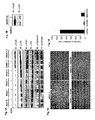
- FIG. 3 p38 activation by FGFR3b-S249C is required to induce snout tumour epidermal cell proliferation in K5-FGFR3-S249C transgenic mice.
- Fig. 3A Phenotypes of K5-FGFR3-S249C transgenic mice (T) and littermate control mice (C).
- Fig. 3B Immunoblot analysis of 75 ⁇ g snout total lysates using phospo-p38 (Pp38) and p38 antibodies.
- T transgenic mouse
- C littermate control mouse.
- Fig. 3C Snout of transgenic mice (T) were treated daily during 2 weeks with acetone or 100 ⁇ M SU5402.
- snout total lysates were immunoblotted using phospo-p38 (Pp38).
- FIG. 4 p38 activation in human bladder tumour.
- P38 phosphorylation was analyzed by western-blot in human bladder tumours of different stages and grade, FGFR3 and RAS mutation status.
- 50 ⁇ g of whole human bladder tumour lysates were immunoblotted with anti-phospho-p38 (Pp38) and anti-p38 antibodies (cell signaling technologies).
- a typical western-blot is shown ( Fig. 4A ) and all the results are summarized in a table ( Fig. 4B ).
- the disclosure relates to the use of a p38 ⁇ inhibitor for preparing a medicament for treating a pathology linked to FGFR3 mutations, in particular a bladder carcinoma or tumour.
- the disclosure also relates to a method for treating a subject suffering of a pathology linked to FGFR3 mutations, in particular a bladder carcinoma or tumour, comprising administering a therapeutically efficient amount of a p38 ⁇ inhibitor.
- the p38 ⁇ inhibitor is specific of p38 ⁇ .
- p38 ⁇ inhibitor is preferably an inhibitor as detailed below.
- the pathology is selected from the group consisting of multiple myeloma, carcinomas (malignant epithelial tumours), benign epithelial tumours and congenital chondrodysplasias.
- the epithelial tumour is selected from the group consisting of bladder, cervix, lung, breast, colon and skin tumours, preferably bladder carcinoma and benign skin tumours.
- the benign skin tumor is a seborrheic keratosis or an epidermal nevus.
- the congenital chondrodysplasia is selected from the group consisting of hypochondrodysplasia, achondroplasia, severe achondroplasia with developmental delay and acanthosis nigricans, and thanatophoric dysplasia.
- the congenital chondrodysplasia is achondroplasia.
- the pathology is a bladder carcinoma.
- the subject to be treated suffering of a pathology linked to FGFR3 mutations in particular of a bladder carcinoma or tumour, has a FGFR3 mutation, in particular an activating FGFR3 mutation.
- the FGFR3 mutation is detected in a tissue affected by the pathology.
- the FGFR3 mutations are further detailed below.
- the FGFR3 mutation can be detected indirectly, in particular through p38 ⁇ activation, for instance by detecting phosphorylated p38 ⁇ .
- the disclosure relates to a method for treating a subject suffering of a disease that can be linked to FGFR3 mutations, in particular a bladder carcinoma or tumour, comprising: determining in a sample from the subject if FGFR3 has a mutation, and administering a therapeutically efficient amount of a p38 ⁇ inhibitor to the subject having a mutated FGFR3.
- the disclosure relates to a method for treating a subject suffering of a disease that can be linked to FGFR3 mutations, in particular a bladder carcinoma or tumour, comprising: determining in a sample from the subject if p38 ⁇ is activated, and administering a therapeutically efficient amount of a p38 ⁇ inhibitor to the subject having an activated p38 ⁇ .
- Activated p38 ⁇ is a phosphorylated p38 ⁇ . It can be detected with an antibody specific against the phosphorylated p38 ⁇ , for instance as detailed in the examples.
- the disclosure further relates to the use of a p38 ⁇ inhibitor for preparing a medicament for treating a pathology linked to FGFR3 mutations, in particular a bladder carcinoma or tumour, in a subject having a mutated FGFR3.
- the present invention concerns the use of a p38 ⁇ inhibitor for preparing a medicament for treating a bladder carcinoma in a subject having a mutated FGFR3.
- the disclosure relates to the use of a p38 ⁇ inhibitor for preparing a medicament for treating a benign skin cancer in a subject having a mutated FGFR3.
- the disclosure also relates to a method for selecting a subject suitable to be treated by a p38 ⁇ inhibitor comprising: determining in a sample from a subject if FGFR3 has a mutation, and selecting the subject having a mutated FGFR3.
- the mutation of FGFR3 is an activating mutation.
- the disease is selected from the group consisting of multiple myeloma, carcinomas (malignant epithelial tumours), benign epithelial tumours and congenital chondrodysplasias.
- the epithelial tumour is selected from the group consisting of bladder, cervix, lung, breast, colon and skin tumours, preferably bladder carcinoma and benign skin tumours.
- the benign skin tumor is a seborrheic keratosis or an epidermal nevus.
- the congenital chondrodysplasia is selected from the group consisting of hypochondrodysplasia, achondroplasia, severe achondroplasia with developmental delay and acanthosis nigricans, and thanatophoric dysplasia.
- the congenital chondrodysplasia is achondroplasia.
- the disease is a bladder carcinoma.
- FGFR3 mutation can be detected at the nucleic acid level with appropriate probe(s) and/or primer(s) or at the polypeptide level with an appropriate antibody. For instance, such a method is described in the patent application WO 00/68424 .
- the sample can be selected from a group consisting of a tissue, bone marrow and a fluid such as blood and urine.
- the sample is preferably a skin biopsy or a blood sample.
- the sample is preferably a bladder tumour biopsy, a blood sample or a urine sample.
- the sample is a blood sample.
- the subject can be an animal, preferably a mammal, more preferably a human.
- the present invention concerns the use of a p38 ⁇ inhibitor for preparing a medicament for treating a bladder carcinoma or tumour, optionally linked to FGFR3 or RAS mutations.
- the disclosure also relates to a method for treating a subject suffering of a bladder carcinoma or tumour, optionally linked to FGFR3 or RAS mutations, comprising administering a therapeutically efficient amount of a p38 ⁇ inhibitor.
- the p38 ⁇ inhibitor is specific of p38 ⁇ .
- p38 ⁇ inhibitor is preferably an inhibitor as detailed below.
- the subject to be treated presents a phosphorylated p38 ⁇ .
- a sample from the bladder carcinoma or tumour presents an activated (i.e., phosphorylated) p38 ⁇ .
- p38 ⁇ activation can be detected for instance by detecting phosphorylated p38 ⁇ .
- the bladder carcinoma or tumour presents or is linked to FGFR3 or RAS mutations.
- the FGFR3 mutations are further detailed below.
- FGFR3 or RAS mutation can be detected indirectly, in particular through p38 ⁇ activation, for instance by detecting phosphorylated p38 ⁇ .
- the disclosure relates to a method for treating a subject suffering of a bladder carcinoma or tumour, comprising: determining in a sample from the subject if FGFR3 or RAS has a mutation, or if phosphorylated form of p38 ⁇ can be detected, and administering a therapeutically efficient amount of a p38 ⁇ inhibitor to the subject having a mutated FGFR3 or RAS.
- disclosure relates to a method for treating a subject suffering of a bladder carcinoma or tumour, comprising: determining in a sample from the subject if p38 ⁇ is phosphorylated, and administering a therapeutically efficient amount of a p38 ⁇ inhibitor to the subject having a phosphorylated p38 ⁇ .
- Activated p38 ⁇ is a phosphorylated p38 ⁇ . It can be detected with an antibody specific against the phosphorylated p38 ⁇ , for instance as detailed in the examples.
- the present invention further concerns the use of a p38 ⁇ inhibitor for preparing a medicament for treating a bladder carcinoma or tumour, in a subject having a mutated FGFR3 or RAS.
- the present invention concerns the use of a p38 ⁇ inhibitor for preparing a medicament for treating a bladder carcinoma or tumour in a subject having a mutated FGFR3. It also concerns the use of a p38 ⁇ inhibitor for preparing a medicament for treating a bladder carcinoma or tumour in a subject having an activated p38 ⁇ .
- the disclosure also relates to a method for selecting a subject suffering of a bladder carcinoma or tumour suitable to be treated by a p38 ⁇ inhibitor comprising: determining in a sample from a subject if FGFR3 or RAS has a mutation, and selecting the subject having a mutated FGFR3 or RAS.
- the disclosure relates to a method for selecting a subject suffering of a bladder carcinoma or tumour suitable to be treated by a p38 ⁇ inhibitor comprising: determining in a sample from a subject if p38 ⁇ is phosphorylated, and selecting the subject having a phosphorylated p38 ⁇ .
- the mutation of FGFR3 is an activating mutation.
- FGFR3 or RAS mutation The step of determining the presence of a FGFR3 or RAS mutation is performed by any method well-known by the man skilled in the art.
- FGFR3 or RAS mutation can be detected at the nucleic acid level with appropriate probe(s) and/or primer(s) or at the polypeptide level with an appropriate antibody.
- probe(s) and/or primer(s) or at the polypeptide level with an appropriate antibody.
- the sample can be selected from a group consisting of a bladder tissue, and a fluid such as blood and urine.
- the sample is preferably a bladder tumour biopsy, a blood sample or a urine sample.
- the subject can be an animal, preferably a mammal, more preferably a human.
- a bladder tumour can be a bladder carcinoma or a bladder adenoma.
- the most common staging system for bladder tumours is the TNM (tumour, node, metastasis) system.
- TNM tumor, node, metastasis
- This staging system takes into account how deep the tumour has grown into the bladder, whether there is cancer in the lymph nodes and whether the cancer has spread to any other part of the body.
- the bladder tumour is a bladder carcinoma.
- the bladder carcinoma to be treated is a T stage.
- the bladder carcinomas of T stage can have sub-stages:
- the bladder tumour or carcinoma that can be treated by the present invention can be superficial (Ta, T1) or invasive (T2 to T4).
- the bladder carcinoma that can be treated at any and all T sub-stages can be treated at any and all T sub-stages.
- the disclosure further relates to a method for identifying/screening a compound suitable for treating a pathology linked to FGFR3 mutations comprising contacting a cell expressing a mutated FGFR3 with a candidate compound, and selecting the candidate compound that reduces or inhibits the proliferation of the cell and/or the ability to form colonies in soft agar.
- the disclosure also relates to a method for identifying/screening a compound suitable for treating a pathology linked to FGFR3 mutations comprising administering a candidate compound to an athymic nude mouse having a xenograft tumor with cells expressing a mutated FGFR3, sizing the xenograft tumor after a period of time, and selecting the candidate compound that reduces or blocks the tumor growth.
- the disclosure further relates to a method for identifying/screening a compound suitable for treating a pathology linked to FGFR3 mutations comprising administering a candidate compound to a transgenic non-human animal expressing a mutated FGFR3, and selecting the candidate compound that reduces or inhibits the proliferation of the tumor cell.
- Mitogen-activated protein kinase p38 is a serine/threonine kinase originally isolated from lipopolysacharide (LPS) stimulated monocytes. There are four isoforms, namely p38 ⁇ , p38 ⁇ , p38 ⁇ and p38 ⁇ . p38 ⁇ may also be referred to as MAPK14 (mitogen-activated protein kinase 14), CSBP, or SAPK2A (GeneID: 1432 ; Uniprot Q16539). This isoform is a therapeutic target for inflammation. Therefore, many p38 ⁇ inhibitors have been developed.
- p38 ⁇ inhibitors can be small molecules, siRNA (e.g., US2005/0239731 ; WO 04/097020 ; WO 03/072590 ), antisenses, ribozymes or antibodies.
- p38 ⁇ inhibitors are siRNA, for instance as described in the examples.
- p38 ⁇ inhibitors are small molecules.
- Examples of p38 ⁇ inhibitors that can be used in the present invention, without being limited thereto, are selected in the group consisting of AMG 548 (Amgen); ARQ 101 (Arqule); ARRY-371797, ARRY-614, and AR00182263 (ARRAY BIO-PHARMA); AZD6703 (Astrazeneca); RPR200765A and RPR203494 (Aventis); BIRB796 (Boehringer Ingelheim); SB242235, SB239063 and SB681323 (Glaxosmithkline); R04402257 and R03201195 (Hoffman-Laroche); RWJ67657, RWJ67671, RWJ67568, RWJ67411, RWJ66430 (Johnson&Johnson Pharmaceutical); KC706 (Kemia); L-167307 (Merck); SC-80036 (Pfizer); SCIO-469, SCIO-323, SD-282 and SCI
- p38 ⁇ inhibitors selective against the isoform ⁇ are preferred in the present invention. Such a p38 ⁇ specificity avoids any potential side effect due to inhibition of other p38 isoforms.
- selective against is intended herein that the inhibitor is more efficient for inhibiting p38 ⁇ than at least one of other isoforms of p38, preferably the three other isoforms. More preferably, selective p38 ⁇ inhibitors have almost no inhibiting effect against the other isoforms, and still more preferably no inhibiting effect at all, in particular at the therapeutically effective amount used for the treatment.
- IC50 of the inhibitor is at least 5, 10, 50, 100, 500, 1000, 5000 or 10000 fold greater for the other p38 isoforms in comparison with the IC50 for p38 ⁇ (IC50 being the dose necessary to have 50 % inhibition of p38 ⁇ kinase activity).
- Examples of p38 ⁇ inhibitors that can be used in the present invention are selected in the group consisting of AMG 548 (Amgen); ARRY-371797, ARRY-614, et AR00182263 (ARRAY BIO-PHARMA); Compound 37 (Amgen's 657417) and SX-011 ( Lee & Dominguez, Curr Med Chem, 2005, 12, 2979-2994 ); BIRB796 (Boehringer Ingelheim); VX-745 (Vertex); and SCIO-469 and SD-282 (Scios).
- the therapeutically effective amount of p38 ⁇ inhibitors varies depending upon the administration mode, the age, body weight, sex and general health of the subject. It will be appreciated that there will be many ways known in the art to determine the therapeutically effective amount for a given application.
- the therapeutically effective amount of p38 ⁇ inhibitors is preferably the amount sufficient for inhibit the cell proliferation, preferably cancer cell proliferation, and/or for reducing or blocking the tumor growth, and/or for reducing or inhibiting the transformed phenotype, and/or for reducing or inhibiting the cell ability to form colonies in soft agar.
- the appropriate dose can be from 0.01 to 1000 mg/day.
- the dose of AMG 548 can be from 0.1 mg to 1000 mg/day, preferably between 1 and 500 mg/day by oral administration.
- the dose of BIRB796 can be from 0.1 mg to 500 mg/day, preferably between 10 and 200 mg/day by oral administration.
- the therapeutically effective amount of p38 ⁇ inhibitors can be administered once, twice, thrice, or four times a day. Alternatively, the therapeutically effective amount of p38 ⁇ inhibitors can be administered every day, every two day, or one, two, or three times a week.
- the p38 ⁇ inhibitor may be administered orally, parenterally, by inhalation spray, topically, rectally, nasally, buccally, vaginally or via an implanted reservoir.
- parenteral as used herein includes subcutaneous, intravenous, intramuscular, intra-tumoral, intra-articular, intra-synovial, intrasternal, intrathecal, intrahepatic, and intralesional.
- the p38 ⁇ inhibitor is administered orally, intraperitoneally, intra-tumoral, intra-articular, intra-synovial, topically, or intravenously.
- p38 ⁇ inhibitor used in the present disclosure can be formulated as a pharmaceutical composition generally comprising a pharmaceutically acceptable carrier.
- a pharmaceutically acceptable carrier is intended a carrier that is physiologically acceptable to the treated mammal while retaining the therapeutic properties of the drug with which it is administered.
- a pharmaceutically acceptable carrier can be physiological saline solution.
- Other pharmaceutically acceptable carriers are known to one skilled in the art and described for instance in Remington: The Science and Practice of Pharmacy (20th ed., ed. A.R. Gennaro AR., 2000, Lippincott Williams & Wilkins ).
- a topical administration is preferred.
- p38 ⁇ inhibitor will be formulated with a suitable ointment containing the active components suspended or dissolved in a carrier.
- Carriers for topical administration of the compounds of this disclosure include, but are not limited to, mineral oil, liquid petroleum, white petroleum, propylene glycol, polyoxyethylene polyoxypropylene compound, emulsifying wax and water.
- p38 ⁇ inhibitor can be formulated with a suitable lotion or cream containing the active compound suspended or dissolved in a carrier.
- Suitable carriers include, but are not limited to, mineral oil, sorbitan monostearate, polysorbate 60, cetyl esters wax, cetearyl alcohol, 2-octyldodecanol, benzyl alcohol and water. Topically-transdermal patches and iontophoretic administration are also included in this disclosure.
- p38 ⁇ inhibitor suitable for oral administration may be presented as discrete units such as capsules, sachets or tablets each containing a predetermined amount of the active ingredient; as a powder or granules; as a solution or a suspension in an aqueous liquid or a non-aqueous liquid; or as an oil-in-water liquid emulsion or a water-in-oil liquid emulsion, or packed in liposomes and as a bolus, etc.
- Soft gelatin capsules can be useful for containing such suspensions, which may beneficially increase the rate of compound absorption.
- compositions suitable for parenteral administration include aqueous and non-aqueous sterile injection solutions which may contain anti-oxidants, buffers, bacteriostats and solutes which render the formulation isotonic with the blood of the intended recipient; and aqueous and non-aqueous sterile suspensions which may include suspending agents and thickening agents.
- the formulations may be presented in unit-dose or multi-dose containers, for example, sealed ampoules and vials, and may be stored in a freeze dried (lyophilized) condition requiring only the addition of the sterile liquid carrier, for example water for injections, immediately prior to use.
- Extemporaneous injection solutions and suspensions may be prepared from sterile powders, granules and tablets.
- FGFR3 refers to the fibroblast growth factor receptor 3.
- FGFR3 is the FGFR3b isoform in carcinomas and benign skin tumors whereas it is the FGFR3c preferred isoform in skeletal pathologies.
- the nucleotidic sequence of the FGFR3-IIIb isoform is described in the European patent 1 208 231 B1 .
- the nucleotidic sequence of the FGFR3-IIIc isoform is the sequence referred in Genebank as NM_000142.
- FGFR3 mutation is preferably an activating mutation.
- activating mutation is intended herein an activating function of a mutation, which can be determined by observation of activating signals such as receptor phosphorylation or indirect effects as calcium influx, phosphorylation of target sequences.
- the target sequence is p38 ⁇ .
- Activating FGFR3 mutations are generally in exon 7, encoding the junction between immunoglobulin-like domains II and III of FGFR3, in exon 10, encoding the transmembrane domain, in exon 15, encoding the tyrosine kinase domain I, and/or in the exon encoding the C-terminal part.
- said mutations are selected in the group consisting of R248C, S249C, G372C, S373C, Y375C, K652E, K652M, J809G, J809C, J809R, J809L, P250R, G377C, G382R, A393E, and N542K.
- Codon and mutated nucleotide are numbered according to the open reading frame of the FGFR3-IIIb cDNA which is the predominant form in epithelial cells. More preferably, the FGFR3 mutation is selected in the group consisting of R248C, S249C, G372C, K652E and Y375C. Still more preferably, the FGFR3 mutation is S249C or Y375C.
- RAS refers to a family of proteins (HRAS, KRAS, NRAS) involved in signal transduction, in particular the signal transduction of tyrosine kinase receptors, including FGF receptors ( Eswarakumar VP, Lax I, Schlessinger J, 2005, Cellular signaling by fibroblast growth factor receptors. Cytokine Growth Factor Rev. 16:139-49 ). They exist in two different states, an active state when bound to GTP and an inactive state when the GTP is converted to GDP because of the GTPase activity of RAS. In cancer, including bladder cancer, mutated form of all three RAS genes have been described. These mutated forms have less GTPase activity so they remain in an active state.
- RAS mutations An estimated rate of 17% of RAS mutations ( HRAS, KRAS and NRAS mutations) in bladder cancer can be deduced from the Cosmic data base of the Sanger Institute (www.sanger.ac.uk/genetics/CGP/cosmic/ ).
- the RAS mutations can be selected among HRAS mutations G12S and G13V, KRAS mutations G12C and G12D and NRAS mutation M72I.
- an overexpression of RAS is also contemplated.
- RAS can be illustrated by the following sequences:
- Transfected NIH-3T3 cells expressing the wild-type FGFR3b isoform (clones R3b1.1, R3b1.3) or expressing the mutated FGFR3b-S249C receptor (clones S249C1.1, S249C 1.2) or those transfected with the control pcDNAI-Neo plasmid (clones Neo1.5, Neo 2.1) were established previously ⁇ Bernard-Pierrot, 2006, Carcinogenesis 4, 740-747 ⁇ and cultured in DMEM with 10% newborn calf serum, 2 mM glutamine, 100 u/ml penicillin, 100 ⁇ g/ml streptomycin, 400 ⁇ g/ml G418.
- the human bladder carcinoma cell line MGH-U3 ⁇ Lin, 1985 #96 ⁇ was cultured in DMEM/F12 with 10% foetal calf serum (FCS), 2 mM glutamine. All cells were cultured at 37°C under an atmosphere containing 5% CO 2 .
- siRNA transfection MGH-U3 cells were seeded at a density of 8000 cells/cm 2 in 6-well or 24-well plates and transfected with 200 nM siRNA, using Oligofectamine ® reagent (Invitrogen, Cergy Pontoise, France) according to the manufacturer's protocol.
- Oligofectamine ® reagent Invitrogen, Cergy Pontoise, France
- FGFR3 siRNAs, P38 ⁇ (MAPK14) siRNAs and nonsense siRNA used as a control were chemically synthesised (Ambion, Huntingdon, United Kingdom).
- P38 ⁇ siRNA the inventors used silencer ® validated siRNA (Ambion): P38 ⁇ siRNA1 (siRNA ID: 1312) and P38 ⁇ siRNA2 (siRNA ID: 1217).
- siRNA For the other siRNA the sequences of the sense strands were: control siRNA, 5'-GGCAAGAUUCUUCUCGUUGTT-3' (SEQ ID No 1); FGFR3 siRNA1, 5'-GCCUUUACCUUUUAUGCAATT-3' (SEQ ID No 2); FGFR3 siRNA2, 5'-GGGAAGCCGUGAAUUCAGUTT-3' (SEQ ID No 3).
- control siRNA 5'-GGCAAGAUUCUUCUCGUUGTT-3'
- FGFR3 siRNA1, 5'-GCCUUUACCUUUUAUGCAATT-3' SEQ ID No 2
- FGFR3 siRNA2, 5'-GGGAAGCCGUGAAUUCAGUTT-3' SEQ ID No 3
- MTT 3-(4,5-dimethylthiazol-2-yl)-2,5-diphenyltetrazolium bromide
- NIH-3T3 cells were cultured 48 h in presence of different inhibitors, SB203580 and SU5402 (Calbiochem, Merck Eurolab, Fontenay Sous Bois, France), and pictures were taken using a phase-contrast microscope.
- Transfected NIH-3T3 cells were washed once with PBS and serum-starved for 24h. Where required, cells were stimulated for 5 min with 20 ng/ml FGF1 in the presence of 50 ⁇ g/ml heparin at 37°C. They were then lysed in lysis buffer (50mM Tris-HCl (pH 7.4), 150mM NaCl, 1% NP-40, 0.25% sodium deoxycholate, 1mM EDTA, 1mM Na 3 VO 4 , 5mM NaF, 1 ⁇ g/ml aprotinin, 1 ⁇ g/ml leupeptin and 1 ⁇ g/ml pepstatin) and the lysates were clarified by centrifugation.
- lysis buffer 50mM Tris-HCl (pH 7.4), 150mM NaCl, 1% NP-40, 0.25% sodium deoxycholate, 1mM EDTA, 1mM Na 3 VO 4 , 5mM NaF, 1 ⁇
- Protein concentrations of the supernatants were determined with the Biorad Bradford Protein Assay Kit (BioRad, Ivry sur Seine, France). Proteins from total cell lysates (75 ⁇ g protein) were resolved by SDS-PAGE on 10 % polyacrylamide gels, electrotransferred to Immobilon-P membrane in 25mM Tris, pH 8.3, 200mM glycine, 10% ethanol and analyzed using antibodies against p38 (#9212), Akt (#9272), p42/p44 (#9102) and the phosphorylated forms of these proteins (phospho AKT (Thr308) #9275; phospho p42/p44 (thr202/tyr204) # 9101; phospho p38 (thr180/tyr182) (cell signaling Technology , Ozyme, Montigny le Bretonneux, France)
- MGH-U3 total cell lysates (75 ⁇ g) were analyzed similarly using antibodies against p38, phospho-p38 and Akt.
- transfected cells were added, in triplicate, to each well of a 12-well plate containing DMEM supplemented with 10% NCS and solidified with agar.
- MGH-U3 20,000 non-transfected or siRNA-transfected cells were added, to triplicate wells of 12-well plates containing MEM supplemented with 10% FCS and agar.
- both cell types were cultured in the presence or absence of different inhibitors in agar and in culture medium. The same amount of inhibitor was added to the culture medium weekly.
- the plates were incubated for 21 or 14 days for NIH-3T3 and MGH-U3 cells respectively, and colonies with diameters greater than 50 ⁇ m were then scored as positive, using a phase-contrast microscope equipped with a measuring grid.
- mice Ten six-week-old female Swiss nu/nu mice were raised in the animal facilities of the Curie Institute in specified pathogen-free conditions. Their care and housing were in accordance with the institutional guidelines of the French National Ethics Committee ( Mini incident de l'Agriculture et de la Forêt, Direction de la Santé et de la Protection Animale, Paris, France) and were supervised by authorised investigators. Each mouse was injected subcutaneously in each flank (dorsal region) with 4 x 10 6 cells/site. When tumours reached 50 mm 3 (+/- 10), mice were randomly separated into two group of 5 mice. 100 ⁇ l of 20 ⁇ M SB203580 or equal volume of PBS were administrated daily in tumours. Tumour formation was monitored for up to 25 days and the size of tumours was measured with Vernier calipers: two perpendicular diameters were used to estimate tumour volumes by the formula ab 2 /2, where a is the largest and b the smallest diameter.
- mice (K5-FGFR3-S249C) expressing mutated receptor FGFR3b-S249C in basal cells of the epidermis were established previously ( Logié et al 2005, Hum. Mol. Genet. 14, 1153-1160 ).
- 40 ⁇ l of 100 ⁇ M SU5402 or of 100 ⁇ M SB203580 or of vehicule (acetone) were applied daily during 2 weeks on snout of 3 to 4 months old transgenic mice who had developed epidermal tumours on snout or of control littermates mice. Two hours prior sacrifice mice were injected (i.p), with 0.25 mg/g body weight Brdu (Sigma, Saint-Quentin Falavier, France).
- Brdu immunohistochemistry was performed on parafine embed snout tissue with BrdU in situ detection kit (BD Pharmingen, San Diego, CA, USA) according to the manufacturer's instructions. The number of BrdU-labeled cells among 500 cells from basal epidermis layer was determined for each mouse. Total snout cells lysate (75 ⁇ g) were analyzed as described above using antibodies against p38 and phospho-p38 (Pp38).
- FGFR3b-S249C-induced NIH-3T3 cell transformation is p38 MAP Kinase activation-dependent
- the inventors have previously shown that contrary to mutated FGFR3b, wild-type FGFR3b even activated by one of its ligand did not transform NIH-3T3 cells despite that the level of phosphorylation of both receptors was similar ⁇ Bernard-Pierrot, 2005 ⁇ .
- the inventors first examined the activation of three signalization pathways in NIH-3T3 cells expressing the mutant FGFR3-S249C (S249C1.1 and S249C1.2) and in FGF1-stimulated clones expressing the wild-type receptor (R3b1.1 and R3b1.3) ( Figure 1A ).
- the inventors detected strong phosphorylation of p38 only in clones expressing the mutant receptor and not in FGF1-stimulated FGFR3-expressing clones ( Figure 1A ) (even when clones were stimulated by FGF1 during 48 hours to mimic a permanent activation of FGFR3 (data not shown)), suggesting a specific activation of p38 MAP Kinase pathway by mutated FGFR3 and the involvement of this pathway in FGFR3-S249C-induced cell transformation.
- the inventors evaluated the effect of SB203580, a p38 MAP Kinase inhibitor, on MGH-U3 cell proliferation and anchorage-independent growth. As a control, they also evaluated the effect of SU5402, an inhibitor of FGFR tyrosine kinase activity. MTT incorporation demonstrated a 40 to 50 % growth inhibition in bladder cancer cells with both inhibitors ( Figure 2B ), and SB203580-treated cells formed one third as many colonies on soft agar as control cells ( Figure 2C ). However, even if SB203580 should inhibit specifically P38 ⁇ (MAPK14) and p38 ⁇ (MAPK11), some doubt could be raised on this specificity.
- the inventors evaluated the effect of p38 ⁇ (MAPK14) depletion using siRNA on MGH-U3 cell proliferation and transformation. Indeed, since MGH-U3 cells do not express p38 ⁇ (MAPK11) mRNA (data not shown), the observed effects using SB203580 were thought to be due to p38 ⁇ (MAPK14) activity inhibition. Immunoblot analysis showed that 48 hours after transfection, both p38 ⁇ siRNAs induced a 90 to 100 % p38 ⁇ expression inhibition (Inset, Figure 2B ).
- p38 activation by FGFR3b-S249C is required to induce basal epithelial cell hyper-proliferation in K5-FGFR3-S249C transgenic mice epidermal snout tumours.
- the inventors have previously established a transgenic mouse model in which they targeted the expression of mutated FGFR3b, FGFR3b-S249C, to the basal cells of epidermis using the keratine 5 promoter ⁇ Logie, 2005, Hum. Mol. Genet. 14, 1153-1160 ⁇ . These mice developed benign epidermal tumors particularly on the snout ( Figure 3A ). The inventors answered so if in this model, tumour cell proliferation could also be due to p38 activation by mutated FGFR3b.
- mutated FGFR3 expression leads to p38 MAP Kinase activation which is required for mutated FGFR3 to induce cell transformation.
- p38 ⁇ activation is observed in more human bladder tumours than FGFR3 mutations and hence p38 ⁇ inhibitors could be used in all these tumours and not only in FGFR3 mutated tumours.
Landscapes
- Health & Medical Sciences (AREA)
- General Health & Medical Sciences (AREA)
- Pharmacology & Pharmacy (AREA)
- Chemical & Material Sciences (AREA)
- Public Health (AREA)
- Veterinary Medicine (AREA)
- Medicinal Chemistry (AREA)
- Animal Behavior & Ethology (AREA)
- Life Sciences & Earth Sciences (AREA)
- Nuclear Medicine, Radiotherapy & Molecular Imaging (AREA)
- Organic Chemistry (AREA)
- Chemical Kinetics & Catalysis (AREA)
- General Chemical & Material Sciences (AREA)
- Epidemiology (AREA)
- Bioinformatics & Cheminformatics (AREA)
- Engineering & Computer Science (AREA)
- Dermatology (AREA)
- Urology & Nephrology (AREA)
- Pharmaceuticals Containing Other Organic And Inorganic Compounds (AREA)
- Medicines That Contain Protein Lipid Enzymes And Other Medicines (AREA)
- Medicines Containing Antibodies Or Antigens For Use As Internal Diagnostic Agents (AREA)
- Peptides Or Proteins (AREA)
- Enzymes And Modification Thereof (AREA)
- Measuring Or Testing Involving Enzymes Or Micro-Organisms (AREA)
- Plural Heterocyclic Compounds (AREA)
Description
- The present invention relates to the field of medicine, in particular to compositions and methods for the treatment of bladder carcinoma or tumor especially linked to FGFR3 mutation,
- FGFR3 (fibroblast growth factor receptor 3) belongs to a family of structurally related tyrosine kinase receptors (FGFR1-4) involved in many aspects of embryogenesis and tissue homeostasis. These receptors regulate various biological processes, including proliferation, differentiation, migration and apoptosis. They are also involved in pathological conditions and many studies have stressed their importance in developmental genetic diseases and benign or malignant tumours. FGFRs have an extracellular ligand-binding domain composed of two or three immunoglobulin-like domains, a transmembrane region and a cytoplasmic domain with tyrosine kinase activity. Ligand binding to the extracellular domain leads to FGFR dimerisation, inducing receptor activation by transphosphorylation of intracellular tyrosines. The intracellular domain then interacts with, and phosphorylates various intracellular signalling proteins. Alternative mRNA splicings affect different regions of the FGFRs. The second part of the juxtamembrane Ig-like domain of FGFR1-3 is encoded by two mutually exclusive exons resulting in two different isoforms, b and c, having different ligand specificity and tissue distribution. FGFR3b is mainly expressed in epithelial cells whereas FGFR3c is predominantly found in cells derived from the mesenchyme, including chondrocytes.
- Specific germline point mutations in FGFR3 are associated with various autosomal dominant human skeletal disorders. All these mutations generate receptors auto-activated by various mechanisms, depending on the position and nature of the nucleotide substitution.
- The same activating mutations of FGFR3 have been identified in benign and malignant tumours (
WO 00/68424 WO 2006/053788 ) and in the bladder (bladder papilloma). Malignant tumours include a haematological cancer, multiple myeloma, and carcinomas of the bladder and cervix. The frequency of FGFR3 mutations is low in multiple myelomas and cervix carcinomas (less than 2% of tumours present these mutations), but much higher in bladder carcinomas (around 50%). The transforming properties of mutated FGFR3c, the main FGFR3 isoform expressed in multiple myeloma, have been clearly demonstrated. Despite the fact that the mutated FGFR3b isoform is found mainly in benign tumours or in tumours of low malignant potential, the inventors recently clearly demonstrated the oncogenic properties of mutated FGFR3b in NIH-3T3 cells and in a bladder carcinoma cell line. Indeed, FGFR3b-S249C, the most common mutated form of FGFR3 in bladder tumours, was able to transform NIH-3T3 cells, inducing their anchorage-independent growth and tumour formation when injected subcutaneously into nude mice and FGFR3b-Y375C knock-down in MGH-U3 cells using siRNA decreased cell growth and inhibited anchorage-independent growth (Bernard-Pierrot, 2006, Carcinogenesis 4:740-747). Nevertheless, the molecular mechanisms associated to (responsible for) these oncogenic properties of mutated FGFR3 receptors were not elucidated. - Bladder cancer is the fourth cancer in men in term of incidence and the ninth in women. Per patient, it is the most costly cancer for the society. However, the number of available treatments of pathologies linked to FGFR3 mutations is very limited and new treatments are needed.
- An abstract of AACR in April 2005 from the inventors discloses an in vitro result relating to a transfected NIH-3T3 laboratory cell line by a mutated FGFR3-S249C. FGFR3-S249C activates ERK1/2 and the P13Kinase and it specifically activates p38 MAPKinase pathway. Treatment of the transfected cell line by LY294002 or SB203580, inhibitors of P13Kinase and p38 MAPKinase, respectively, inhibits the transformed phenotype of the cells and their abilities to form colonies in soft agar. Accordingly, the authors concluded that both P13Kinase and p38 pathways are required to achieve FGFR3-S249C-induced cell transformation. The goal of the authors was the discovery of the oncogenesis mechanisms. There is no suggestion to use one of these inhibitors for any treatment. In addition, these data concerns only in vitro results on a laboratory model cell-line and the man skilled in the art knows that it is impossible to deduce any possible therapeutic efficiency from such in vitro results. Finally, there is no information about the isoform of the p38.
- The inventors established that p38α is a therapeutic target for pathologies linked to FGFR3 mutations, more generally for bladder carcinoma or tumour, for the following reasons:
- p38α isoform is the only isoform involved in proliferation induced by mutated FGFR3.
- p38α inhibitors seem to be specific of mutated FGFR3. Indeed, they do not block the proliferation induced by activated wild-type FGFR3 in 3T3 cells
- using human samples, it has been shown that most of the bladder tumour samples expressed a phosphorylated form of p38α, which is the activated form of p38α. All bladder tumour samples harbouring FGFR3 mutation expressed a phosphorylated form of p38α. Interestingly, some human samples not mutated for FGFR3 also expressed a phosphorylated form of p38 suggesting that, in human bladder tumours, the role of p38α is not limited to the tumours with FGFR3 mutation. For instance, all human bladder tumours presenting RAS mutation also presented a strong phosphorylation of p38α.
- p38α inhibitors block proliferation and ability to form colonies in soft agar induced by mutated FGFR3 in a bladder tumour cell line.
- p38α inhibitors block proliferation in vivo, in particular they reduce bladder tumour xenograft growth in nude mouse and also tumour cell proliferation in a skin mouse tumor model.
- p38α inhibitors are efficient for several FGFR3 mutations, in particular S249C and Y375C.
- Therefore, p38α inhibitors are an attractive treatment against pathologies linked to FGFR3 mutations due to their targeted effect on affected cells. In particular, p38α inhibitors are an attractive treatment against bladder tumours because a drug against FGFR3 mutated tumours could be used to treat 50 % of bladder tumours, whereas a drug against p38α could hence be used to treat 75 % of bladder tumours, including the FGFR3 mutated tumours.
- Accordingly, the present invention concerns the use of a p38α inhibitor for preparing a medicament for treating a bladder carcinoma or tumour, optionally linked to FGFR3 or RAS mutations. The disclosure also relates to a method for treating a subject suffering of a bladder carcinoma or tumour, optionally linked to FGFR3 or RAS mutations, comprising administering a therapeutically efficient amount of a p38α inhibitor.
- In a particular embodiment, the p38α inhibitor is selected in the group consisting of AMG 548, ARQ 101, ARRY-371797, ARRY-614, AR00182263, AZD6703, RPR200765A, RPR203494, BIRB796, SB242235, SB239063, SB681323, R04402257, R03201195, RWJ67657, RWJ67671, RWJ67568, RWJ67411, RWJ66430, KC706, L-167307, SC-80036, SCIO-469, SCIO-323, SD-282, SCI-496, TAK715, VX-702, VX-850, VX-745, SB202190, SB203580, SB220025, SB239063, SC68376, Compound 37 (Amgen's 657417), SX-011, and SKF-86002. In a preferred embodiment, the p38α inhibitor is specific of p38α. For instance, the specific p38α inhibitor can be selected in the group consisting of AMG 548, ARRY-371797, ARRY-614, AR00182263, Compound 37 (Amgen's 657417), SX-011, BIRB796, VX-745, SCIO-469 and SD-282.
- In another particular embodiment, the p38α inhibitor is a siRNA directed against p38α.
- In another particular embodiment, the p38α inhibitor is an antisense, a ribozyme or an antibody.
- In a preferred embodiment, a phosphorylated p38α is detected in a sample from the subject to be treated. In particular, a sample from the bladder carcinoma or tumour presents a phosphorylated p38α. In a more specific embodiment, the bladder carcinoma or tumour is linked to FGFR3 or RAS mutations.
- In a preferred embodiment, the subject to be treated has a mutated FGFR3, preferably in the tissue affected by the pathology.
- In a particular embodiment, the FGFR3 mutation is selected from the group consisting of R248C, S249C, G372C, S373C, Y375C, K652E, K652M, J809G, J809C, J809R, J809L, P250R, G377C, G382R, A393E, and N542K, preferably R248C, S249C, G372C, K652E and Y375C, more preferably S249C or Y375C (the codon numbering corresponds to the FGFR3b isoform).
- In a preferred embodiment, p38α inhibitor is administered orally, topically, or parentally.
- The disclosure also relates to a method for selecting a subject suffering of a bladder carcinoma or tumour suitable to be treated by a p38α inhibitor comprising determining in a sample from a subject if a FGFR3 or RAS has a mutation, or if phosphorylated form of p38α can be detected, and selecting the subject having a mutated FGFR3 or RAS or wherein a phosphorylated form of p38α can be detected.
-
Figure1 : FGFR3b-S249C-induced NIH-3T3 cell transformation is p38-dependent.Fig. 1A ) NIH-3T3 control cells (Neo1.5, Neo2.3), FGFR3-S249C-expressing cells (S249C1.1, S249C1.2) and wild-type FGFR3-expressing cells (R3b1.1, R3b1.3) were serum starved for 24h and stimulated, where indicated, with 20 ng/ml FGF1 in the presence of 50µg/ml heparin. 75 µg whole cell lysate proteins were immunoblotted using the following specific antibodies: anti-phospho-p38 (Pp38), anti-p38, anti-phospho-Akt (PAkt), anti-Akt, anti-phospho-p42/p44 (ERK1/2) (Pp42/p44) and anti-p42/p44 antibodies.Fig. 1B ) Cell lysates (75 µg of protein) of S249C1.2 cells treated for 24 hours with 30 µM SU5402 (FGFR inhibitor) and untreated cells were immunoblotted with anti-phospho-p38 (Pp38) and anti-p38 antibodies.Fig. 1C ) Morphological analysis of NIH-3T3 control cells (neo1.5) and NIH-3T3 cells expressing FGFR3-S249C (clone S249C1.2) treated for 48 hours with 30 µM SU5402 or 20 µM SB203580 (p38 inhibitor).Fig. 1D ) Soft agar assay of FGFR3-S249C-expressing cells (S249C1.2) in the presence or absence of 30 µM SU5402 or 20 µM SB203580. After 21 days, colonies with diameters greater than 50 µm were counted. Data are the means of two independent experiments carried out in triplicate and the standard errors are indicated. -
Figure 2 : p38 depletion or inhibition inhibits MGH-U3 cell proliferation and transformation in vitro and in vivo.Fig. 2A ) FGFR3 inhibition or depletion inhibits p38 activation in MGH-U3 cells. Cell lysates (75 µg of protein) of MGH-U3 cells treated for 24 hours with 30 µM SU5402 (FGFR inhibitor), untreated cells and siRNA transfected cells (72 h post- transfection) were immunoblotted with anti-phospho-p38 (Pp38) and anti-p38 antibodies.Fig. 2B ) Inset, cell lysates (50µg) of siRNA transfected MGH-U3 cells (72 h post- transfection) were immunoblotted with anti-p38 antibodies or anti-Akt antibodies. p38 inhibition or depletion inhibited MGH-U3 cell proliferation. MTT incorporation was evaluated 72 hours after treatment with SB203580 or transfection with 200 nM p38α siRNA.Fig. 2C ) p38 inhibition using SB203580, or p38α depletion using siRNA, inhibited the anchorage-independent growth of MGH-U3 cells. Results are the means of two independent experiments carried out in triplicate and the standard errors are indicated.Fig. 2D ) p38 inhibition inhibits MGH-U3 xenograft growth. Mice (n=5 per groups) were treated daily intratumorally with SB203580 or PBS. Day O corresponds to 6 days after inoculation of cells when tumour volume was about 50 mm3. Tumour diameters were measured at regular interval with callipers and tumour volume was calculated. At the end of the experiment tumours were weighted. Results are the means +/- SE (n=10 tumours). Statistical analyses were performed using Wilcoxon unpaired test. *, p<0.05; ** p<0.01, *** p<0.001. -
Figure 3 : p38 activation by FGFR3b-S249C is required to induce snout tumour epidermal cell proliferation in K5-FGFR3-S249C transgenic mice.Fig. 3A ) Phenotypes of K5-FGFR3-S249C transgenic mice (T) and littermate control mice (C).Fig. 3B ) Immunoblot analysis of 75 µg snout total lysates using phospo-p38 (Pp38) and p38 antibodies. T, transgenic mouse, C, littermate control mouse.Fig. 3C ) Snout of transgenic mice (T) were treated daily during 2 weeks with acetone or 100 µM SU5402. 75 µg snout total lysates were immunoblotted using phospo-p38 (Pp38).Fig. 3D ) Snout of transgenic mice (T) or littermate control mice (C) were treated daily with acetone or 100 µM SB203580 during 2 weeks. Basal epidermal cells proliferation was assessed by BrdU labelling. Typical labelling for transgenic mice snout treated with SB203580 or untreated are pictured, magnification x100. Results are the means +/- SD (n=5 mice). Statistical analysis were performed using unpaired student t test, *** p<0.001. -
Figure 4 : p38 activation in human bladder tumour. P38 phosphorylation was analyzed by western-blot in human bladder tumours of different stages and grade, FGFR3 and RAS mutation status. 50 µg of whole human bladder tumour lysates were immunoblotted with anti-phospho-p38 (Pp38) and anti-p38 antibodies (cell signaling technologies). A typical western-blot is shown (Fig. 4A ) and all the results are summarized in a table (Fig. 4B ). The FGFR3 and RAS mutation status are indicated both inFigure 4A (+ = mutated, - = non mutated) andFigure 4B (black = not mutated, light grey = mutated). - Where "comprising" is used, this can preferably be replaced by "consisting essentially of", more preferably by "consisting of".
- Whenever within this whole specification "treatment of a bladder carcinoma or tumour" or the like is mentioned with reference to a p38α inhibitor, there is meant:
- a) a method of treatment (= for treating) of a bladder carcinoma or tumour, said method comprising the step of administering (for at least one treatment) a p38α inhibitor, (preferably in a pharmaceutically acceptable carrier material) to a subject, especially a human, in need of such treatment, in a dose that allows for the treatment of said bladder carcinoma or tumour (= a therapeutically effective amount);
- b) the use of a p38α inhibitor for the treatment of a bladder carcinoma or tumour; or a p38α inhibitor for use in said treatment (especially in a human);
- c) the use of a p38α inhibitor for the manufacture of a pharmaceutical preparation for the treatment of a bladder carcinoma or tumour;
- d) a pharmaceutical preparation comprising a dose of a p38α inhibitor that is appropriate for the treatment of a bladder carcinoma or tumour; and/or
- e) a product containing a p38α inhibitor and an other drug as a combined preparation for simultaneous, separate or sequential use in the treatment of a bladder carcinoma or tumour.
- Whenever within this whole specification "treatment of a pathology linked to FGFR3 mutation" or the like is mentioned with reference to a p38α inhibitor, there is meant:
- a) a method of treatment (= for treating) of a pathology linked to FGFR3 mutation, said method comprising the step of administering (for at least one treatment) a p38α inhibitor, (preferably in a pharmaceutically acceptable carrier material) to a subject, especially a human, in need of such treatment, in a dose that allows for the treatment of said pathology (= a therapeutically effective amount);
- b) the use of a p38α inhibitor for the treatment of a pathology linked to FGFR3 mutation; or a p38α inhibitor for use in said treatment (especially in a human);
- c) the use of a p38α inhibitor for the manufacture of a pharmaceutical preparation for the treatment of a pathology linked to FGFR3 mutation;
- d) a pharmaceutical preparation comprising a dose of a p38α inhibitor that is appropriate for the treatment of a pathology linked to FGFR3 mutation; and/or
- e) a product containing a p38α inhibitor and an other drug as a combined preparation for simultaneous, separate or sequential use in the treatment of a pathology linked to FGFR3 mutation.
- Therefore, the disclosure relates to the use of a p38α inhibitor for preparing a medicament for treating a pathology linked to FGFR3 mutations, in particular a bladder carcinoma or tumour. The disclosure also relates to a method for treating a subject suffering of a pathology linked to FGFR3 mutations, in particular a bladder carcinoma or tumour, comprising administering a therapeutically efficient amount of a p38α inhibitor. In a preferred aspect, the p38α inhibitor is specific of p38α. p38α inhibitor is preferably an inhibitor as detailed below.
- In a preferred aspect, the pathology is selected from the group consisting of multiple myeloma, carcinomas (malignant epithelial tumours), benign epithelial tumours and congenital chondrodysplasias. In a particular aspect, the epithelial tumour is selected from the group consisting of bladder, cervix, lung, breast, colon and skin tumours, preferably bladder carcinoma and benign skin tumours. In a preferred aspect, the benign skin tumor is a seborrheic keratosis or an epidermal nevus. In a particular aspect, the congenital chondrodysplasia is selected from the group consisting of hypochondrodysplasia, achondroplasia, severe achondroplasia with developmental delay and acanthosis nigricans, and thanatophoric dysplasia. In a preferred aspect, the congenital chondrodysplasia is achondroplasia. In a more preferred aspect, the pathology is a bladder carcinoma.
- In a preferred aspect, the subject to be treated suffering of a pathology linked to FGFR3 mutations, in particular of a bladder carcinoma or tumour, has a FGFR3 mutation, in particular an activating FGFR3 mutation. In a particular aspect, the FGFR3 mutation is detected in a tissue affected by the pathology. The FGFR3 mutations are further detailed below. Alternatively, the FGFR3 mutation can be detected indirectly, in particular through p38α activation, for instance by detecting phosphorylated p38α.
- Accordingly, the disclosure relates to a method for treating a subject suffering of a disease that can be linked to FGFR3 mutations, in particular a bladder carcinoma or tumour, comprising: determining in a sample from the subject if FGFR3 has a mutation, and administering a therapeutically efficient amount of a p38α inhibitor to the subject having a mutated FGFR3. Alternatively, the disclosure relates to a method for treating a subject suffering of a disease that can be linked to FGFR3 mutations, in particular a bladder carcinoma or tumour, comprising: determining in a sample from the subject if p38α is activated, and administering a therapeutically efficient amount of a p38α inhibitor to the subject having an activated p38α. Activated p38α is a phosphorylated p38α. It can be detected with an antibody specific against the phosphorylated p38α, for instance as detailed in the examples.
- The disclosure further relates to the use of a p38α inhibitor for preparing a medicament for treating a pathology linked to FGFR3 mutations, in particular a bladder carcinoma or tumour, in a subject having a mutated FGFR3. In a particular aspect, the present invention concerns the use of a p38α inhibitor for preparing a medicament for treating a bladder carcinoma in a subject having a mutated FGFR3. The disclosure relates to the use of a p38α inhibitor for preparing a medicament for treating a benign skin cancer in a subject having a mutated FGFR3.
- The disclosure also relates to a method for selecting a subject suitable to be treated by a p38α inhibitor comprising: determining in a sample from a subject if FGFR3 has a mutation, and selecting the subject having a mutated FGFR3.
- In a preferred aspect of the methods and uses of the present disclosure, the mutation of FGFR3 is an activating mutation.
- In a preferred aspect, the disease is selected from the group consisting of multiple myeloma, carcinomas (malignant epithelial tumours), benign epithelial tumours and congenital chondrodysplasias. In a particular aspect, the epithelial tumour is selected from the group consisting of bladder, cervix, lung, breast, colon and skin tumours, preferably bladder carcinoma and benign skin tumours. In a preferred aspect, the benign skin tumor is a seborrheic keratosis or an epidermal nevus. In a particular aspect, the congenital chondrodysplasia is selected from the group consisting of hypochondrodysplasia, achondroplasia, severe achondroplasia with developmental delay and acanthosis nigricans, and thanatophoric dysplasia. In a preferred aspect, the congenital chondrodysplasia is achondroplasia. In a more preferred aspect, the disease is a bladder carcinoma.
- The step of determining the presence of a FGFR3 mutation is performed by any method well-known by the man skilled in the art. FGFR3 mutation can be detected at the nucleic acid level with appropriate probe(s) and/or primer(s) or at the polypeptide level with an appropriate antibody. For instance, such a method is described in the patent application
WO 00/68424 - The sample can be selected from a group consisting of a tissue, bone marrow and a fluid such as blood and urine. In case of a skin tumour, the sample is preferably a skin biopsy or a blood sample. In case of a bladder carcinoma, the sample is preferably a bladder tumour biopsy, a blood sample or a urine sample. In case of an achondrodysplasia, the sample is a blood sample.
- The subject can be an animal, preferably a mammal, more preferably a human.
- In addition, the present invention concerns the use of a p38α inhibitor for preparing a medicament for treating a bladder carcinoma or tumour, optionally linked to FGFR3 or RAS mutations. The disclosure also relates to a method for treating a subject suffering of a bladder carcinoma or tumour, optionally linked to FGFR3 or RAS mutations, comprising administering a therapeutically efficient amount of a p38α inhibitor. In a preferred embodiment, the p38α inhibitor is specific of p38α. p38α inhibitor is preferably an inhibitor as detailed below.
- In a preferred aspect, the subject to be treated presents a phosphorylated p38α. In particular, a sample from the bladder carcinoma or tumour presents an activated (i.e., phosphorylated) p38α. p38α activation can be detected for instance by detecting phosphorylated p38α. In a more particular embodiment, the bladder carcinoma or tumour presents or is linked to FGFR3 or RAS mutations. The FGFR3 mutations are further detailed below. FGFR3 or RAS mutation can be detected indirectly, in particular through p38α activation, for instance by detecting phosphorylated p38α.
- Accordingly, the disclosure relates to a method for treating a subject suffering of a bladder carcinoma or tumour, comprising: determining in a sample from the subject if FGFR3 or RAS has a mutation, or if phosphorylated form of p38α can be detected, and administering a therapeutically efficient amount of a p38α inhibitor to the subject having a mutated FGFR3 or RAS. Alternatively, disclosure relates to a method for treating a subject suffering of a bladder carcinoma or tumour, comprising: determining in a sample from the subject if p38α is phosphorylated, and administering a therapeutically efficient amount of a p38α inhibitor to the subject having a phosphorylated p38α. Activated p38α is a phosphorylated p38α. It can be detected with an antibody specific against the phosphorylated p38α, for instance as detailed in the examples.
- The present invention further concerns the use of a p38α inhibitor for preparing a medicament for treating a bladder carcinoma or tumour, in a subject having a mutated FGFR3 or RAS. In a particular embodiment, the present invention concerns the use of a p38α inhibitor for preparing a medicament for treating a bladder carcinoma or tumour in a subject having a mutated FGFR3. It also concerns the use of a p38α inhibitor for preparing a medicament for treating a bladder carcinoma or tumour in a subject having an activated p38α.
- The disclosure also relates to a method for selecting a subject suffering of a bladder carcinoma or tumour suitable to be treated by a p38α inhibitor comprising: determining in a sample from a subject if FGFR3 or RAS has a mutation, and selecting the subject having a mutated FGFR3 or RAS. Alternatively, the disclosure relates to a method for selecting a subject suffering of a bladder carcinoma or tumour suitable to be treated by a p38α inhibitor comprising: determining in a sample from a subject if p38α is phosphorylated, and selecting the subject having a phosphorylated p38α.
- In a preferred aspects of the methods and uses of the present invention, the mutation of FGFR3 is an activating mutation.
- The step of determining the presence of a FGFR3 or RAS mutation is performed by any method well-known by the man skilled in the art. FGFR3 or RAS mutation can be detected at the nucleic acid level with appropriate probe(s) and/or primer(s) or at the polypeptide level with an appropriate antibody. For instance, such a method is described in the patent application
WO 00/68424 - The sample can be selected from a group consisting of a bladder tissue, and a fluid such as blood and urine. The sample is preferably a bladder tumour biopsy, a blood sample or a urine sample.
- The subject can be an animal, preferably a mammal, more preferably a human. A bladder tumour can be a bladder carcinoma or a bladder adenoma.
- The most common staging system for bladder tumours is the TNM (tumour, node, metastasis) system. This staging system takes into account how deep the tumour has grown into the bladder, whether there is cancer in the lymph nodes and whether the cancer has spread to any other part of the body. In a preferred embodiment, the bladder tumour is a bladder carcinoma. In a preferred embodiment, the bladder carcinoma to be treated is a T stage. In addition, the bladder carcinomas of T stage can have sub-stages:
- CIS - very early cancer cells are detected only in the innermost layer of the bladder lining;
- Ta - the cancer is just in the innermost layer of the bladder lining;
- T1 - the cancer has started to grow into the connective tissue beneath the bladder lining;
- T2- the cancer has grown through the connective tissue into the muscle;
- T2a - the cancer has grown into the superficial muscle;
- T2b - the cancer has grown into the deeper muscle;
- T3 - the cancer has grown through the muscle into the fat layer;
- T3a - the cancer in the fat layer can only be seen under a microscope;
- T3b - the cancer in the fat layer can be seen on tests, or felt by the physisian;
- T4 - the cancer has spread outside the bladder;
- T4a - the cancer has spread to the prostate, womb or vagina;
- T4b - the cancer has spread to the wall of the pelvis and abdomen.
- Accordingly, the bladder tumour or carcinoma that can be treated by the present invention can be superficial (Ta, T1) or invasive (T2 to T4). In a particular aspect, the bladder carcinoma that can be treated at any and all T sub-stages.
- However, the other stages of bladder carcinoma are also contemplated by the present invention, in particular N and M stages.
- The disclosure further relates to a method for identifying/screening a compound suitable for treating a pathology linked to FGFR3 mutations comprising contacting a cell expressing a mutated FGFR3 with a candidate compound, and selecting the candidate compound that reduces or inhibits the proliferation of the cell and/or the ability to form colonies in soft agar.
- The disclosure also relates to a method for identifying/screening a compound suitable for treating a pathology linked to FGFR3 mutations comprising administering a candidate compound to an athymic nude mouse having a xenograft tumor with cells expressing a mutated FGFR3, sizing the xenograft tumor after a period of time, and selecting the candidate compound that reduces or blocks the tumor growth.
- The disclosure further relates to a method for identifying/screening a compound suitable for treating a pathology linked to FGFR3 mutations comprising administering a candidate compound to a transgenic non-human animal expressing a mutated FGFR3, and selecting the candidate compound that reduces or inhibits the proliferation of the tumor cell.
- Mitogen-activated protein kinase p38 is a serine/threonine kinase originally isolated from lipopolysacharide (LPS) stimulated monocytes. There are four isoforms, namely p38α, p38β, p38γ and p38δ. p38α may also be referred to as MAPK14 (mitogen-activated protein kinase 14), CSBP, or SAPK2A (GeneID: 1432 ; Uniprot Q16539). This isoform is a therapeutic target for inflammation. Therefore, many p38α inhibitors have been developed.
- p38α inhibitors can be small molecules, siRNA (e.g.,
US2005/0239731 ;WO 04/097020 WO 03/072590 - In a preferred aspect, p38α inhibitors are siRNA, for instance as described in the examples.
- In a preferred aspect, p38α inhibitors are small molecules. Examples of p38α inhibitors that can be used in the present invention, without being limited thereto, are selected in the group consisting of AMG 548 (Amgen); ARQ 101 (Arqule); ARRY-371797, ARRY-614, and AR00182263 (ARRAY BIO-PHARMA); AZD6703 (Astrazeneca); RPR200765A and RPR203494 (Aventis); BIRB796 (Boehringer Ingelheim); SB242235, SB239063 and SB681323 (Glaxosmithkline); R04402257 and R03201195 (Hoffman-Laroche); RWJ67657, RWJ67671, RWJ67568, RWJ67411, RWJ66430 (Johnson&Johnson Pharmaceutical); KC706 (Kemia); L-167307 (Merck); SC-80036 (Pfizer); SCIO-469, SCIO-323, SD-282 and SCI-496 (Scios); TAK715 (Takeda); VX-702, VX-850, and VX-745 (Vertex); and SB202190, SB203580, SB220025, SB239063, SC68376, SKF-86002, Compound 37 (Amgen's 657417), SX-011, P38 MAPKinase inhibitor III (ref cat N°506121) and P38 MAPKinase inhibitor (cat N°506126) (Calbiochem). Other p38α inhibitors are described in the following patents and patent applications
US 5,716,972 ,US 5,686,455 ,US 5,656,644 ,US 5,593,992 ,US 5,593,991 ,US 5,663,334 ,US 5,670,527 ,US 5,559,137 ,5,658,903 ,US 5,739,143 ,US 5,756,499 ,US 6,277,989 ,US 6,340,685 ,US 5,716,955 ,US 7,071,198 ,WO 92/12154 WO 94/19350 WO 95/09853 WO 95/09851 WO 95/09847 WO 95/09852 WO 97/25048 WO 97/25047 WO 97/33883 WO 97/35856 WO 97/35855 WO 97/36587 WO 97/47618 WO 97/16442 WO 97/16441 WO 97/12876 WO 98/25619 WO 98/06715 WO 98/07425 WO 98/28292 WO 98/56377 WO 98/07966 WO 98/56377 WO 98/22109 WO 98/24782 WO 98/24780 WO 98/22457 WO 98/52558 WO 98/52559 WO 98/52941 WO 98/52937 WO 98/52940 WO 98/56788 WO 98/27098 WO 98/47892 WO 98/47899 WO 98/50356 WO 98/32733 WO 99/58523 WO 99/01452 WO 99/01131 WO 99/01130 WO 99/01136 WO 99/17776 WO 99/32121 WO 99/58502 WO 99/58523 WO 99/57101 WO 99/61426 WO 99/59960 WO99/59959 WO 99/00357 WO 99/03837 WO 99/01441 WO99/01449 WO 99/03484 WO 99/15164 WO 99/32110 WO99/32111 WO 99/32463 WO 99/64400 WO 99/43680 WO 99/17204 WO 99/25717 WO 99/50238 WO 99/61437 WO99/61440 WO 00/26209 WO 00/18738 WO 00/17175 WO00/20402 WO 00/01688 WO 00/07980 WO 00/07991 WO00/06563 WO 00/12074 WO 00/12497 WO 00/31072 WO00/31063 WO 00/23072 WO 00/31065 WO 00/35911 WO 00/39116 WO 00/43384 WO 00/41698 WO 00/69848 WO00/26209 WO 00/63204 WO 00/07985 WO 00/59904 WO00/71535 WO 00/10563 WO 00/25791 WO 00/55152 WO00/55139 WO 00/17204 WO 00/36096 WO 00/55120 WO00/55153 WO 00/56738 WO 01/21591 WO 01/29041 WO 01/29042 WO 01/62731 WO 01/05744 WO 01/05745 WO01/05746 WO 01/05749 WO 01/05751 WO 01/27315 WO01/42189 WO 01/00208 WO 01/42241 WO 01/34605 WO01/47897 WO 01/64676 WO 01/37837 WO 01/38312 WO01/38313 WO 01/36403 WO 01/38314 WO 01/47921 WO 01/27089 WO0246158 WO03002542 WO03097062 WO03103590 WO03099796 WO03084539 WO03097062 WO03104223 WO04099156 WO04110990 WO04092144 WO04022712 WO04016267 WO04113348 WO04004725 WO04032874 WO04076450 WO04020440 W004078116 US2004092547 ,WO04020438 WO04014900 WO04014920 WO04091625 WO05077945 WO05100338 WO05061486 WO05060967 WO05105743 WO05000405 WO05073232 WO05073189 WO05073217 WO05073219 WO05033102 WO05012241 WO05030151 WO05105790 WO05032551 WO05075478 WO05076990 W005009973 WO05075425 WO05000298 WO05080380 WO05009367 WO05033086 WO05034869 WO05033072 WO05042540 WO05082862 WO05063766 WO05120509 WO05097758 WO06127678 WO06118914 WO06071456 US2006234911 ,WO06055302 EP1707205 ,WO06099495 WO06116355 WO06122230 WO06084017 WO06067168 WO06104915 WO06062982 WO06112828 WO06028836 WO06018842 WO06047354 WO06020904 WO06040056 WO06006691 WO06009741 WO06044869 WO06018727 WO06018735 WO06052810 US2006058296 ,WO06010082 WO06003517 WO06020365 US2006079461 ,WO06104889 WO06018718 WO06128268 WO06110173 WO06039718 WO06040666 WO06040649 WO06013095 US2006052390 ,WO07015877 WO07015866 WO07000340 WO07000339 WO07000337 WO07016392 DE 19842833 , andJP 2000 86657 - p38α inhibitors selective against the isoform α are preferred in the present invention. Such a p38α specificity avoids any potential side effect due to inhibition of other p38 isoforms. By "selective against" is intended herein that the inhibitor is more efficient for inhibiting p38α than at least one of other isoforms of p38, preferably the three other isoforms. More preferably, selective p38α inhibitors have almost no inhibiting effect against the other isoforms, and still more preferably no inhibiting effect at all, in particular at the therapeutically effective amount used for the treatment. In a particular embodiment, IC50 of the inhibitor is at least 5, 10, 50, 100, 500, 1000, 5000 or 10000 fold greater for the other p38 isoforms in comparison with the IC50 for p38α (IC50 being the dose necessary to have 50 % inhibition of p38α kinase activity). Examples of p38α inhibitors that can be used in the present invention, are selected in the group consisting of AMG 548 (Amgen); ARRY-371797, ARRY-614, et AR00182263 (ARRAY BIO-PHARMA); Compound 37 (Amgen's 657417) and SX-011 (Lee & Dominguez, Curr Med Chem, 2005, 12, 2979-2994); BIRB796 (Boehringer Ingelheim); VX-745 (Vertex); and SCIO-469 and SD-282 (Scios).
- The therapeutically effective amount of p38α inhibitors varies depending upon the administration mode, the age, body weight, sex and general health of the subject. It will be appreciated that there will be many ways known in the art to determine the therapeutically effective amount for a given application.
- The therapeutically effective amount of p38α inhibitors is preferably the amount sufficient for inhibit the cell proliferation, preferably cancer cell proliferation, and/or for reducing or blocking the tumor growth, and/or for reducing or inhibiting the transformed phenotype, and/or for reducing or inhibiting the cell ability to form colonies in soft agar.
- The appropriate dose can be from 0.01 to 1000 mg/day. For instance, the dose of AMG 548 can be from 0.1 mg to 1000 mg/day, preferably between 1 and 500 mg/day by oral administration. The dose of BIRB796 can be from 0.1 mg to 500 mg/day, preferably between 10 and 200 mg/day by oral administration.
- The therapeutically effective amount of p38α inhibitors can be administered once, twice, thrice, or four times a day. Alternatively, the therapeutically effective amount of p38α inhibitors can be administered every day, every two day, or one, two, or three times a week.
- The p38α inhibitor may be administered orally, parenterally, by inhalation spray, topically, rectally, nasally, buccally, vaginally or via an implanted reservoir. The term "parenteral" as used herein includes subcutaneous, intravenous, intramuscular, intra-tumoral, intra-articular, intra-synovial, intrasternal, intrathecal, intrahepatic, and intralesional. Preferably, the p38α inhibitor is administered orally, intraperitoneally, intra-tumoral, intra-articular, intra-synovial, topically, or intravenously.
- p38α inhibitor used in the present disclosure can be formulated as a pharmaceutical composition generally comprising a pharmaceutically acceptable carrier. By a pharmaceutically acceptable carrier is intended a carrier that is physiologically acceptable to the treated mammal while retaining the therapeutic properties of the drug with which it is administered. For example, a pharmaceutically acceptable carrier can be physiological saline solution. Other pharmaceutically acceptable carriers are known to one skilled in the art and described for instance in Remington: The Science and Practice of Pharmacy (20th ed., ed. A.R. Gennaro AR., 2000, Lippincott Williams & Wilkins).
- For the benign skin cancers, a topical administration is preferred. For application topically to the skin, p38α inhibitor will be formulated with a suitable ointment containing the active components suspended or dissolved in a carrier. Carriers for topical administration of the compounds of this disclosure include, but are not limited to, mineral oil, liquid petroleum, white petroleum, propylene glycol, polyoxyethylene polyoxypropylene compound, emulsifying wax and water. Alternatively, p38α inhibitor can be formulated with a suitable lotion or cream containing the active compound suspended or dissolved in a carrier. Suitable carriers include, but are not limited to, mineral oil, sorbitan monostearate,
polysorbate 60, cetyl esters wax, cetearyl alcohol, 2-octyldodecanol, benzyl alcohol and water. Topically-transdermal patches and iontophoretic administration are also included in this disclosure. - p38α inhibitor suitable for oral administration may be presented as discrete units such as capsules, sachets or tablets each containing a predetermined amount of the active ingredient; as a powder or granules; as a solution or a suspension in an aqueous liquid or a non-aqueous liquid; or as an oil-in-water liquid emulsion or a water-in-oil liquid emulsion, or packed in liposomes and as a bolus, etc. Soft gelatin capsules can be useful for containing such suspensions, which may beneficially increase the rate of compound absorption.
- Compositions suitable for parenteral administration include aqueous and non-aqueous sterile injection solutions which may contain anti-oxidants, buffers, bacteriostats and solutes which render the formulation isotonic with the blood of the intended recipient; and aqueous and non-aqueous sterile suspensions which may include suspending agents and thickening agents. The formulations may be presented in unit-dose or multi-dose containers, for example, sealed ampoules and vials, and may be stored in a freeze dried (lyophilized) condition requiring only the addition of the sterile liquid carrier, for example water for injections, immediately prior to use. Extemporaneous injection solutions and suspensions may be prepared from sterile powders, granules and tablets.
- FGFR3 refers to the fibroblast growth factor receptor 3. In particular, FGFR3 is the FGFR3b isoform in carcinomas and benign skin tumors whereas it is the FGFR3c preferred isoform in skeletal pathologies. The nucleotidic sequence of the FGFR3-IIIb isoform is described in the
European patent 1 208 231 B1 . The nucleotidic sequence of the FGFR3-IIIc isoform is the sequence referred in Genebank as NM_000142. - FGFR3 mutation is preferably an activating mutation. By "activating mutation" is intended herein an activating function of a mutation, which can be determined by observation of activating signals such as receptor phosphorylation or indirect effects as calcium influx, phosphorylation of target sequences. In a particular embodiment, the target sequence is p38α.
- Activating FGFR3 mutations are generally in exon 7, encoding the junction between immunoglobulin-like domains II and III of FGFR3, in
exon 10, encoding the transmembrane domain, inexon 15, encoding the tyrosine kinase domain I, and/or in the exon encoding the C-terminal part. Preferably, said mutations are selected in the group consisting of R248C, S249C, G372C, S373C, Y375C, K652E, K652M, J809G, J809C, J809R, J809L, P250R, G377C, G382R, A393E, and N542K. Codon and mutated nucleotide (nt position) are numbered according to the open reading frame of the FGFR3-IIIb cDNA which is the predominant form in epithelial cells. More preferably, the FGFR3 mutation is selected in the group consisting of R248C, S249C, G372C, K652E and Y375C. Still more preferably, the FGFR3 mutation is S249C or Y375C. - RAS refers to a family of proteins (HRAS, KRAS, NRAS) involved in signal transduction, in particular the signal transduction of tyrosine kinase receptors, including FGF receptors (Eswarakumar VP, Lax I, Schlessinger J, 2005, Cellular signaling by fibroblast growth factor receptors. Cytokine Growth Factor Rev. 16:139-49). They exist in two different states, an active state when bound to GTP and an inactive state when the GTP is converted to GDP because of the GTPase activity of RAS. In cancer, including bladder cancer, mutated form of all three RAS genes have been described. These mutated forms have less GTPase activity so they remain in an active state. An estimated rate of 17% of RAS mutations (HRAS, KRAS and NRAS mutations) in bladder cancer can be deduced from the Cosmic data base of the Sanger Institute (www.sanger.ac.uk/genetics/CGP/cosmic/). For instance, the RAS mutations can be selected among HRAS mutations G12S and G13V, KRAS mutations G12C and G12D and NRAS mutation M72I. However, in addition to mutations, an overexpression of RAS is also contemplated.
- RAS can be illustrated by the following sequences:
- RefSeq genomic assemblies:
- HRAS : NC_000011.8 NT_035113.6
- KRAS : NC_000012. 10 NT_009714. 16
- NRAS : NC_000001.9 NT_019273.18
- REFSEQ mRNAs:
- HRAS: NM_005343.2, NM_176795.2
- KRAS : NM_004985.3, NM_033360.2
- NRAS: NM_002524.2
- The references for the different activating mutations of HRAS, KRAS and NRAS can be found in www.sanger.ac.uk/genetics/CGP/cosmic/ and in the review of Schubbert et al. (2007) (Schubbert S, Shannon K, Bollag G, 2007. Hyperactive Ras in developmental disorders and cancer. Nat Rev Cancer. 7:295-308).
- The following examples will serve to further illustrate the present invention.
- Transfected NIH-3T3 cells expressing the wild-type FGFR3b isoform (clones R3b1.1, R3b1.3) or expressing the mutated FGFR3b-S249C receptor (clones S249C1.1, S249C 1.2) or those transfected with the control pcDNAI-Neo plasmid (clones Neo1.5, Neo 2.1) were established previously {Bernard-Pierrot, 2006, } and cultured in DMEM with 10% newborn calf serum, 2 mM glutamine, 100 u/ml penicillin, 100 µg/ml streptomycin, 400 µg/ml G418. The human bladder carcinoma cell line MGH-U3 {Lin, 1985 #96} was cultured in DMEM/F12 with 10% foetal calf serum (FCS), 2 mM glutamine. All cells were cultured at 37°C under an atmosphere containing 5% CO2.
- For siRNA transfection, MGH-U3 cells were seeded at a density of 8000 cells/cm2 in 6-well or 24-well plates and transfected with 200 nM siRNA, using Oligofectamine® reagent (Invitrogen, Cergy Pontoise, France) according to the manufacturer's protocol. FGFR3 siRNAs, P38α (MAPK14) siRNAs and nonsense siRNA used as a control were chemically synthesised (Ambion, Huntingdon, United Kingdom). Concerning P38µ siRNA, the inventors used silencer® validated siRNA (Ambion): P38α siRNA1 (siRNA ID: 1312) and P38α siRNA2 (siRNA ID: 1217). For the other siRNA the sequences of the sense strands were: control siRNA, 5'-GGCAAGAUUCUUCUCGUUGTT-3' (SEQ ID No 1); FGFR3 siRNA1, 5'-GCCUUUACCUUUUAUGCAATT-3' (SEQ ID No 2); FGFR3 siRNA2, 5'-GGGAAGCCGUGAAUUCAGUTT-3' (SEQ ID No 3). The inventors had previously shown that both FGFR3 siRNA lead to 80-90 % depletion of FGFR3 protein in MGH-U3 cells {Bernard-Pierrot, 2005}. They measured MTT (3-(4,5-dimethylthiazol-2-yl)-2,5-diphenyltetrazolium bromide) incorporation 72 h after transfection (24-well plates) to assess cell proliferation/viability or lysed them with lysis buffer (6-well plates).
- NIH-3T3 cells were cultured 48 h in presence of different inhibitors, SB203580 and SU5402 (Calbiochem, Merck Eurolab, Fontenay Sous Bois, France), and pictures were taken using a phase-contrast microscope.
- Transfected NIH-3T3 cells were washed once with PBS and serum-starved for 24h. Where required, cells were stimulated for 5 min with 20 ng/ml FGF1 in the presence of 50 µg/ml heparin at 37°C. They were then lysed in lysis buffer (50mM Tris-HCl (pH 7.4), 150mM NaCl, 1% NP-40, 0.25% sodium deoxycholate, 1mM EDTA, 1mM Na3VO4, 5mM NaF, 1µg/ml aprotinin, 1µg/ml leupeptin and 1µg/ml pepstatin) and the lysates were clarified by centrifugation. The protein concentrations of the supernatants were determined with the Biorad Bradford Protein Assay Kit (BioRad, Ivry sur Seine, France). Proteins from total cell lysates (75µg protein) were resolved by SDS-PAGE on 10 % polyacrylamide gels, electrotransferred to Immobilon-P membrane in 25mM Tris, pH 8.3, 200mM glycine, 10% ethanol and analyzed using antibodies against p38 (#9212), Akt (#9272), p42/p44 (#9102) and the phosphorylated forms of these proteins (phospho AKT (Thr308) #9275; phospho p42/p44 (thr202/tyr204) # 9101; phospho p38 (thr180/tyr182) (cell signaling Technology , Ozyme, Montigny le Bretonneux, France)
- MGH-U3 total cell lysates (75 µg) were analyzed similarly using antibodies against p38, phospho-p38 and Akt.
- For NIH-3T3, 30,000 transfected cells were added, in triplicate, to each well of a 12-well plate containing DMEM supplemented with 10% NCS and solidified with agar. For MGH-U3, 20,000 non-transfected or siRNA-transfected cells were added, to triplicate wells of 12-well plates containing MEM supplemented with 10% FCS and agar. When necessary, both cell types were cultured in the presence or absence of different inhibitors in agar and in culture medium. The same amount of inhibitor was added to the culture medium weekly.
- The plates were incubated for 21 or 14 days for NIH-3T3 and MGH-U3 cells respectively, and colonies with diameters greater than 50 µm were then scored as positive, using a phase-contrast microscope equipped with a measuring grid.
- Ten six-week-old female Swiss nu/nu mice were raised in the animal facilities of the Curie Institute in specified pathogen-free conditions. Their care and housing were in accordance with the institutional guidelines of the French National Ethics Committee (Ministère de l'Agriculture et de la Forêt, Direction de la Santé et de la Protection Animale, Paris, France) and were supervised by authorised investigators. Each mouse was injected subcutaneously in each flank (dorsal region) with 4 x 10⁶ cells/site. When tumours reached 50 mm3 (+/- 10), mice were randomly separated into two group of 5 mice. 100 µl of 20 µM SB203580 or equal volume of PBS were administrated daily in tumours. Tumour formation was monitored for up to 25 days and the size of tumours was measured with Vernier calipers: two perpendicular diameters were used to estimate tumour volumes by the formula ab 2/2, where a is the largest and b the smallest diameter.
- Transgenic mice (K5-FGFR3-S249C) expressing mutated receptor FGFR3b-S249C in basal cells of the epidermis were established previously (Logié et al 2005, Hum. Mol. Genet. 14, 1153-1160). 40 µl of 100 µM SU5402 or of 100 µM SB203580 or of vehicule (acetone) were applied daily during 2 weeks on snout of 3 to 4 months old transgenic mice who had developed epidermal tumours on snout or of control littermates mice. Two hours prior sacrifice mice were injected (i.p), with 0.25 mg/g body weight Brdu (Sigma, Saint-Quentin Falavier, France). Brdu immunohistochemistry was performed on parafine embed snout tissue with BrdU in situ detection kit (BD Pharmingen, San Diego, CA, USA) according to the manufacturer's instructions. The number of BrdU-labeled cells among 500 cells from basal epidermis layer was determined for each mouse. Total snout cells lysate (75 µg) were analyzed as described above using antibodies against p38 and phospho-p38 (Pp38).
- The inventors have previously shown that contrary to mutated FGFR3b, wild-type FGFR3b even activated by one of its ligand did not transform NIH-3T3 cells despite that the level of phosphorylation of both receptors was similar {Bernard-Pierrot, 2005}. The inventors hypothesized that the two receptors (mutated and ligand-stimulated) may be able to activate different transduction pathways accounting for the observed differences in transforming activity.
- The inventors first examined the activation of three signalization pathways in NIH-3T3 cells expressing the mutant FGFR3-S249C (S249C1.1 and S249C1.2) and in FGF1-stimulated clones expressing the wild-type receptor (R3b1.1 and R3b1.3) (
Figure 1A ). - Both clones expressing the mutant FGFR3-S249C (S249C1.1 and S249C1.2) and FGF1-stimulated clones expressing the wild-type receptor (R3b1.1 and R3b1.3) were able to phosporylate Akt and ERK1/2 (p42/p44) but it is noteworthy that the mutated receptor induced a permanent activation of these pathways whereas the stimulated receptor induced a transient activation of these pathways (data not shown). This discrepancy could explain the observed difference in the transforming ability of the two receptors. Furthermore, interestingly, the inventors detected strong phosphorylation of p38 only in clones expressing the mutant receptor and not in FGF1-stimulated FGFR3-expressing clones (
Figure 1A ) (even when clones were stimulated by FGF1 during 48 hours to mimic a permanent activation of FGFR3 (data not shown)), suggesting a specific activation of p38 MAP Kinase pathway by mutated FGFR3 and the involvement of this pathway in FGFR3-S249C-induced cell transformation. - To confirm that p38 activation was due to FGFR3 activation in stably established FGFR3-S249C expressing NIH-3T3 clones, the inventors studied p38 phosphorylation in the two FGFR3-S249C expressing clones (S249C1.1 and S249C1.2) treated with SU5402, a FGFR tyrosine kinase inhibitor. As expected, p38 phosphorylation in FGFR3-S249C expressing clones was inhibited in presence of 30 µM SU5402 demonstrated that p38 activation did depend on FGFR3-S249C activation (
Figure 1B ). - To assess the functional significance of FGFR3-S249C-induced p38 phosphorylation in cell transformation, the evaluated the effect of SB203580, a chemical inhibitor specific for p38 MAP Kinase, on the morphology and anchorage-independent growth of clone S249C1.2. As a control, the inventors also evaluated the effect of SU5402, an inhibitor of FGFR tyrosine kinase activity. Treatment of FGFR3-S249C-expressing cells with 30µM SB203580 or with 30µM SU5402 reverted their transformed phenotype (
Figure 1C ) whereas both drugs had no effect on the control cell phenotype (data not shown). Both treatments also inhibited the ability of FGFR3-S249C-expressing cells to form colonies in a soft agar assay (Figure 1D ). These results demonstrate that transformation of the FGFR3-S249C-expressing NIH-3T3 cells is due to FGFR tyrosine kinase activity and that it is p38-dependent. - The inventors then wondered if this implication of p38 MAPKinase in mutated FGFR3-induced cell transformation was specific to NIH-3T3 cells or of more biological significance in an epithelial cell line. Since they had previously demonstrated that the tumour properties of MGH-U3, bladder carcinoma cells, depended on mutated receptor activity (FGFR3b-Y375C) {Bernard-Pierrot, 2005}, they investigated whether mutated FGFR3 induced p38 activation in this cell line.
- Immunoblot analysis showed a strong phosphorylation of p38 in MGH-U3 cells (
Figure 2A ) and demonstrated that this p38 activation was due to FGFR3-Y375C activity since FGFR3 tyrosine kinase inhibition with SU5402 or decrease in FGFR3 expression following siRNA treatment suppressed p38 phosphorylation (Figure 2A ). - To investigate the role of p38 activation by FGFR3b-Y375C, the inventors evaluated the effect of SB203580, a p38 MAP Kinase inhibitor, on MGH-U3 cell proliferation and anchorage-independent growth. As a control, they also evaluated the effect of SU5402, an inhibitor of FGFR tyrosine kinase activity. MTT incorporation demonstrated a 40 to 50 % growth inhibition in bladder cancer cells with both inhibitors (
Figure 2B ), and SB203580-treated cells formed one third as many colonies on soft agar as control cells (Figure 2C ). However, even if SB203580 should inhibit specifically P38α (MAPK14) and p38β (MAPK11), some doubt could be raised on this specificity. Hence, to confirm the observed effects of p38 inactivation, the inventors evaluated the effect of p38α (MAPK14) depletion using siRNA on MGH-U3 cell proliferation and transformation. Indeed, since MGH-U3 cells do not express p38β (MAPK11) mRNA (data not shown), the observed effects using SB203580 were thought to be due to p38α (MAPK14) activity inhibition. Immunoblot analysis showed that 48 hours after transfection, both p38α siRNAs induced a 90 to 100 % p38α expression inhibition (Inset,Figure 2B ). A 50 to 60 % growth inhibition (Figure 2B ) and a 70 to 80 % anchorage independent growth (Figure 2C ) of p38α siRNA-transfected cells were observed. Thus, decreases in p38α expression or activity lead to the inhibition of cell growth and cell transformation in MGH-U3 bladder cancer cells in vitro. - Furthermore an intratumoral treatment with SB203580 significantly reduced MGH-U3 xenograft growth in athymic nude mice, demonstrating hence the involvement of p38 activation in MGH-U3 cells transformation in vivo (
Figure 2D ). - The inventors have previously established a transgenic mouse model in which they targeted the expression of mutated FGFR3b, FGFR3b-S249C, to the basal cells of epidermis using the
keratine 5 promoter {Logie, 2005, Hum. Mol. Genet. 14, 1153-1160}. These mice developed benign epidermal tumors particularly on the snout (Figure 3A ). The inventors wondered so if in this model, tumour cell proliferation could also be due to p38 activation by mutated FGFR3b. First, the inventors showed by immunoblot analysis that p38 was phosphorylated in transgenic mice snout lysate whereas no phophorylation was observed in control litterates mice snout, suggesting that FGFR3-S249C expression lead to p38 activation in transgenic mice snout (Figure 3B ). To validate this result, snout of transgenic mice were treated with SU5402, a FGFR tyrosine kinase inhibitor, and the phophorylation status of p38 was evaluated. Immunoblot analysis showed a decreased in p38 phosphorylation upon FGFR3 inhibition demonstrating hence that mutated FGFR3 did activate p38 pathway in transgenic mice snout cells (Figure 3C ). Then, the inventors demonstrated that snout treatment with SB203580, a p38 MAP Kinase inhibitor, induced a significant decreased of transgenic mice tumor cell proliferation as assessed by BrdU labelling whereas it had no effect on control mice basal epidermal cells proliferation (Figure 3D ). Taken together those results clearly pointed out the activation of P38 MAP Kinase pathway by mutated FGFR3b in basal epidermal cells and its implication in epidermal tumour cell proliferation in our skin mouse tumour model. - The inventors clearly demonstrated in different in vitro and in vivo models that mutated FGFR3 expression leads to p38 MAP Kinase activation which is required for mutated FGFR3 to induce cell transformation.
- Hence, they wondered whether mutated FGFR3 also leads to p38 MAP kinase activation in human bladder tumors. Therefore, they investigated p38 phosphorylation status, in human bladder tumors of different stages and grades, FGFR3 or RAS mutation status, by western-blot using an anti phospho-p38 antibody and an anti-p38 antibody (
Figure 4 ). All FGFR3 mutated tumors presented a strong phosphorylation of p38 but, interestingly, almost half of tumors without FGFR3 mutation also presented a strong activation of p38 MAP Kinase. Strikingly, all tumors presenting RAS mutation presented a strong activation of p38 MAP Kinase. Among the 5 samples having a RAS mutation and showing a phosphorylated p38, 2 have HRAS mutations G12S and G13V, 2 others have KRAS mutations G12C and G12D and one has a NRAS mutation M72I. Without to be bound by any theory, it is believed that RAS belong to the FGFR3 pathway since 1) the known transduction pathways of different tyrosine kinase receptors, 2) mutation of both proteins are exclusives. Hence, it appears that more generally than FGFR3 mutations, alterations in the FGFR3 pathway in human bladder tumors are likely to be linked to p38α activation. - Accordingly, p38α activation is observed in more human bladder tumours than FGFR3 mutations and hence p38α inhibitors could be used in all these tumours and not only in FGFR3 mutated tumours.
- The inventors clearly demonstrated in three different models that mutated FGFR3 expression lead to p38 MAP Kinase activation which is required for mutated FGFR3 to induce cell transformation. Since the inventors used SB203580 which is an inhibitor more specific of p38 α and β isoforms, it can be assumes that this is one of these two p38 isoforms that is implicated in FGFR3-S249C transforming activity in NIH-3T3 cells and in transgenic mouse epidermis. The inventors demonstrated using specific siRNA that p38 α is involved in MGH-U3 cells transformation. In addition, the fact that p38α is the main form expressed in human bladder urothelium (Affymetrix U95 data, not shown) demonstrates p38α is the protein to target.
-
- <110> INSTITUT CURIE et al.
- <120> p38alpha as a therapeutic target in bladder carcinoma
- <130> B564PC00
- <160> 3
- <170> PatentIn version 3.3
- <210> 1
<211> 21
<212> DNA
<213> artificial sequence - <220>
<223> siRNA - <400> 1
ggcaagauuc uucucguugt t 21 - <210> 2
<211> 21
<212> DNA
<213> artificial sequence - <220>
<223> siRNA - <400> 2
gccuuuaccu uuuaugcaat t 21 - <210> 3
<211> 21
<212> DNA
<213> artificial sequence - <220>
<223> siRNA - <400> 3
gggaagccgu gaauucagut t 21
Claims (12)
- A p38α inhibitor for use in treatment of a bladder tumour or carcinoma.
- Use of a p38α inhibitor for preparing a medicament for treating a bladder tumour or carcinoma.
- p38α inhibitor according to claim 1 or use according to claim 2, wherein the p38α inhibitor is selected in the group consisting of AMG 548, ARQ 101, ARRY-371797, ARRY-614, AR00182263, AZD6703, RPR200765A, RPR203494, BIRB796, SB242235, SB239063, SB681323, R04402257, R03201195, RWJ67657, RWJ67671, RWJ67568, RWJ67411, RWJ66430, KC706, L-167307, SC-80036, SCIO-469, SCIO-323, SD-282, SCI-496, TAK715, VX-702, VX-850, VX-745, SB202190, SB203580, SB220025, SB239063, SC68376, Compound 37 (Amgen's 657417), SX-011, and SKF-86002.
- p38α inhibitor or use according to any one of claims 1-3, wherein the p38α inhibitor is specific of p38α.
- p38α inhibitor or use according to claim 4, wherein the specific p38α inhibitor is selected in the group consisting of AMG 548, ARRY-371797, ARRY-614, AR00182263, Compound 37 (Amgen's 657417), SX-011, BIRB796, VX-745, SCIO-469 and SD-282.
- p38α inhibitor according to claim 1 or use according to claim 2, wherein the p38α inhibitor is a siRNA directed against p38α.
- p38α inhibitor according to claim 1 or use according to claim 2, wherein the p38α inhibitor is selected from the group consisting of an antisens, an antibody and a ribozyme.
- p38α inhibitor or use according to any one of claims 1-7, wherein a phosphorylated p38α is detected in a sample from the subject to be treated
- p38α inhibitor or use according to claim 8, wherein the bladder carcinoma is linked to FGFR3 or RAS mutations.
- p38α inhibitor or use according to any one of claims 1-9, wherein the subject to be treated has a mutated FGFR3, preferably in the tissue affected by the pathology.
- p38α inhibitor or use according to any one of claims 1-10, wherein the FGFR3 mutation is selected from the group consisting of R248C, S249C, G372C, S373C, Y375C, K652E, K652M, J809G, J809C, J809R, J809L, P250R, G377C, G382R, A393E, and N542K, preferably R248C, S249C, G372C, K652E and Y375C, more preferably S249C or Y375C.
- p38α inhibitor or use according to any one of claims 1-11, wherein the p38α inhibitor is administered orally, topically, or parentally.
Priority Applications (1)
| Application Number | Priority Date | Filing Date | Title |
|---|---|---|---|
| EP08750333A EP2146710B1 (en) | 2007-05-18 | 2008-05-16 | P38alpha as a therapeutic target in bladder carcinoma |
Applications Claiming Priority (3)
| Application Number | Priority Date | Filing Date | Title |
|---|---|---|---|
| EP07301049A EP1992344A1 (en) | 2007-05-18 | 2007-05-18 | P38 alpha as a therapeutic target in pathologies linked to FGFR3 mutation |
| EP08750333A EP2146710B1 (en) | 2007-05-18 | 2008-05-16 | P38alpha as a therapeutic target in bladder carcinoma |
| PCT/EP2008/056070 WO2008142031A1 (en) | 2007-05-18 | 2008-05-16 | P38alpha as a therapeutic target in bladder carcinoma |
Publications (2)
| Publication Number | Publication Date |
|---|---|
| EP2146710A1 EP2146710A1 (en) | 2010-01-27 |
| EP2146710B1 true EP2146710B1 (en) | 2013-03-27 |
Family
ID=38325305
Family Applications (2)
| Application Number | Title | Priority Date | Filing Date |
|---|---|---|---|
| EP07301049A Withdrawn EP1992344A1 (en) | 2007-05-18 | 2007-05-18 | P38 alpha as a therapeutic target in pathologies linked to FGFR3 mutation |
| EP08750333A Not-in-force EP2146710B1 (en) | 2007-05-18 | 2008-05-16 | P38alpha as a therapeutic target in bladder carcinoma |
Family Applications Before (1)
| Application Number | Title | Priority Date | Filing Date |
|---|---|---|---|
| EP07301049A Withdrawn EP1992344A1 (en) | 2007-05-18 | 2007-05-18 | P38 alpha as a therapeutic target in pathologies linked to FGFR3 mutation |
Country Status (6)
| Country | Link |
|---|---|
| US (1) | US20100166737A1 (en) |
| EP (2) | EP1992344A1 (en) |
| JP (2) | JP5366934B2 (en) |
| CA (1) | CA2686421A1 (en) |
| ES (1) | ES2415138T3 (en) |
| WO (1) | WO2008142031A1 (en) |
Families Citing this family (1)
| Publication number | Priority date | Publication date | Assignee | Title |
|---|---|---|---|---|
| WO2016154329A2 (en) * | 2015-03-24 | 2016-09-29 | The Trustees Of The University Of Pennsylvania | P38 map kinase inhibitors for treating friedreich's ataxia |
Family Cites Families (240)
| Publication number | Priority date | Publication date | Assignee | Title |
|---|---|---|---|---|
| JPH02109983A (en) * | 1988-10-18 | 1990-04-23 | Mitsubishi Kasei Corp | Human YPT-1-like gene |
| WO1992012154A1 (en) | 1990-12-31 | 1992-07-23 | Fujisawa Pharmaceutical Co., Ltd. | Imidazotriazine derivatives |
| GB9816837D0 (en) | 1998-08-04 | 1998-09-30 | Zeneca Ltd | Amide derivatives |
| MX9300141A (en) | 1992-01-13 | 1994-07-29 | Smithkline Beecham Corp | NOVEL IMIDAZOLE COMPOUNDS, PROCEDURE FOR THE PREPARATION AND PHARMACEUTICAL COMPOSITIONS CONTAINING IT. |
| US5716972A (en) | 1993-01-13 | 1998-02-10 | Smithkline Beecham Corporation | Pyridyl substituted imidazoles |
| US5656644A (en) | 1994-07-20 | 1997-08-12 | Smithkline Beecham Corporation | Pyridyl imidazoles |
| GB9303993D0 (en) | 1993-02-26 | 1993-04-14 | Fujisawa Pharmaceutical Co | New heterocyclic derivatives |
| US5670527A (en) | 1993-07-16 | 1997-09-23 | Smithkline Beecham Corporation | Pyridyl imidazole compounds and compositions |
| US5593991A (en) | 1993-07-16 | 1997-01-14 | Adams; Jerry L. | Imidazole compounds, use and process of making |
| US5593992A (en) | 1993-07-16 | 1997-01-14 | Smithkline Beecham Corporation | Compounds |
| US5728708A (en) | 1993-10-01 | 1998-03-17 | Novartis Corporation | Pharmacologically active pyridine derivatives and processes for the preparation thereof |
| US5543520A (en) | 1993-10-01 | 1996-08-06 | Ciba-Geigy Corporation | Pyrimidine derivatives |
| ES2262137T3 (en) | 1993-10-01 | 2006-11-16 | Novartis Ag | PHARMACOLOGICALLY ACTIVE PIRIMIDINAMINE DERIVATIVES AND PROCEDURES FOR THEIR PREPARATION. |
| JPH08503971A (en) | 1993-10-01 | 1996-04-30 | チバ−ガイギー アクチェンゲゼルシャフト | Pyrimidineamine derivatives and methods for their preparation |
| US5559137A (en) | 1994-05-16 | 1996-09-24 | Smithkline Beecham Corp. | Compounds |
| IL118544A (en) | 1995-06-07 | 2001-08-08 | Smithkline Beecham Corp | Imidazole derivatives, process for their preparation and pharmaceutical compositions comprising them |
| US5739143A (en) | 1995-06-07 | 1998-04-14 | Smithkline Beecham Corporation | Imidazole compounds and compositions |
| DE69637948D1 (en) | 1995-10-06 | 2009-07-23 | Merck & Co Inc | SUBSTITUTED IMIDAZOLE WITH CANCER BREATHERS AND CYTOKININHIBIEREN EFFECT |
| WO1997016442A1 (en) | 1995-10-31 | 1997-05-09 | Merck & Co., Inc. | Substituted pyridyl pyrroles, compositions containing such compounds and methods of use |
| WO1997016441A1 (en) | 1995-10-31 | 1997-05-09 | Merck & Co., Inc. | Substituted aryl pyrroles, compositions containing such compounds and methods of use |
| TR199801361T2 (en) | 1996-01-11 | 1998-10-21 | Smithkline Beecham Corporation | New substituted imidazole compounds. |
| ZA97175B (en) | 1996-01-11 | 1997-11-04 | Smithkline Beecham Corp | Novel substituted imidazole compounds. |
| AP9700912A0 (en) | 1996-01-11 | 1997-01-31 | Smithkline Beecham Corp | Novel cycloalkyl substituted imidazoles |
| JP2001508395A (en) | 1996-01-11 | 2001-06-26 | スミスクライン・ビーチャム・コーポレイション | New cycloalkyl-substituted imidazole |
| WO1997033883A1 (en) | 1996-03-13 | 1997-09-18 | Smithkline Beecham Corporation | Novel pyrimidine compounds useful in treating cytokine mediated diseases |
| WO1997035856A1 (en) | 1996-03-25 | 1997-10-02 | Smithkline Beecham Corporation | Novel treatment for cns injuries |
| WO1997035855A1 (en) | 1996-03-25 | 1997-10-02 | Smithkline Beecham Corporation | Novel treatment for cns injuries |
| JP2000504023A (en) | 1996-04-03 | 2000-04-04 | メルク エンド カンパニー インコーポレーテッド | Cancer treatment methods |
| EP0906307B1 (en) | 1996-06-10 | 2005-04-27 | Merck & Co., Inc. | Substituted imidazoles having cytokine inhibitory activity |
| JP2001506230A (en) | 1996-08-09 | 2001-05-15 | スミスクライン・ビーチャム・コーポレイション | New piperazine-containing compounds |
| DE19633640C2 (en) | 1996-08-21 | 1999-05-06 | Ford Global Tech Inc | Device for angular adjustment of a shaft relative to a drive wheel |
| WO1998007425A1 (en) | 1996-08-21 | 1998-02-26 | Smithkline Beecham Corporation | Imidazole compounds, compositions and use |
| DE69728688T2 (en) | 1996-11-19 | 2004-08-19 | Amgen Inc., Thousand Oaks | ARYL AND HETEROARYL SUBSTITUTED CONDENSED PYRROLE AS AN ANTI-FLAMMING AGENT |
| AU730295B2 (en) | 1996-11-20 | 2001-03-01 | Merck & Co., Inc. | Triaryl substituted imidazoles as glucagon antagonists |
| AR038955A1 (en) | 1996-12-05 | 2005-02-02 | Amgen Inc | PIRIMIDINONE AND PIRIDONA SUBSTITUTED COMPOUNDS AND METHODS FOR USE |
| HUP0001140A3 (en) | 1996-12-05 | 2002-05-28 | Amgen Inc Thousand Oaks | Substituted pyrimidinone and pyridone compounds and methods of use |
| ZA9711092B (en) | 1996-12-11 | 1999-07-22 | Smithkline Beecham Corp | Novel compounds. |
| US6147080A (en) | 1996-12-18 | 2000-11-14 | Vertex Pharmaceuticals Incorporated | Inhibitors of p38 |
| JP3573757B2 (en) | 1997-01-29 | 2004-10-06 | ファイザー・インク | Sulfonylurea derivatives and use of the sulfonylurea derivatives in controlling interleukin-1 activity |
| CA2297176A1 (en) | 1997-04-24 | 1998-10-29 | Ortho-Mcneil Pharmaceutical, Inc. | Substituted imidazoles useful in the treatment of inflammatory diseases |
| WO1998047899A1 (en) | 1997-04-24 | 1998-10-29 | Ortho-Mcneil Corporation, Inc. | Substituted pyrrolopyridines useful in the treatment of inflammatory diseases |
| CA2289102A1 (en) | 1997-05-07 | 1998-11-12 | Sugen, Inc. | 2-indolinone derivatives as modulators of protein kinase activity |
| AR037061A1 (en) | 1997-05-22 | 2004-10-20 | Searle & Co | COMPOSITE DERIVED FROM REPLACED PIRAZOL, PROCESSES TO PREPARE SUCH COMPOUND, PHARMACEUTICAL COMPOSITION CONTAINING IT AND ITS USE IN THE PREPARATION OF MEDICINES |
| US6979686B1 (en) | 2001-12-07 | 2005-12-27 | Pharmacia Corporation | Substituted pyrazoles as p38 kinase inhibitors |
| JP2002502380A (en) | 1997-05-22 | 2002-01-22 | ジー.ディー.サール アンド カンパニー | Pyrazole derivatives as p38 kinase inhibitors |
| US6514977B1 (en) | 1997-05-22 | 2003-02-04 | G.D. Searle & Company | Substituted pyrazoles as p38 kinase inhibitors |
| JP2002508754A (en) | 1997-05-22 | 2002-03-19 | ジー ディ サール アンド カンパニ | Pyrazoles having substituents as p38 kinase inhibitors |
| AU7585498A (en) | 1997-05-23 | 1998-12-11 | Bayer Corporation | Inhibition of p38 kinase activity by aryl ureas |
| ES2153337T3 (en) | 1997-05-23 | 2008-11-01 | Bayer Pharmaceuticals Corporation | QUINASA RAF INHIBITORS. |
| EP0988301B1 (en) | 1997-06-12 | 2006-08-09 | Aventis Pharma Limited | Imidazolyl-cyclic acetals |
| WO1998056377A1 (en) | 1997-06-13 | 1998-12-17 | Smithkline Beecham Corporation | Novel pyrazole and pyrazoline substituted compounds |
| US6093742A (en) | 1997-06-27 | 2000-07-25 | Vertex Pharmaceuticals, Inc. | Inhibitors of p38 |
| GB9713726D0 (en) | 1997-06-30 | 1997-09-03 | Ciba Geigy Ag | Organic compounds |
| US6040320A (en) | 1997-06-30 | 2000-03-21 | Ortho-Mcneil Pharmaceutical, Inc. | 2-substituted imidazoles useful in the treatment of inflammatory diseases |
| US5939421A (en) | 1997-07-01 | 1999-08-17 | Signal Pharmaceuticals, Inc. | Quinazoline analogs and related compounds and methods for treating inflammatory conditions |
| TW517055B (en) | 1997-07-02 | 2003-01-11 | Smithkline Beecham Corp | Novel substituted imidazole compounds |
| WO1999001452A1 (en) | 1997-07-02 | 1999-01-14 | Smithkline Beecham Corporation | Novel cycloalkyl substituted imidazoles |
| AR016294A1 (en) | 1997-07-02 | 2001-07-04 | Smithkline Beecham Corp | IMIDAZOL SUBSTITUTE COMPOSITE, PHARMACEUTICAL COMPOSITION CONTAINING IT, ITS USE IN THE MANUFACTURE OF A MEDICINAL PRODUCT AND PROCEDURE FOR SUPREPARATION |
| US5981710A (en) | 1997-07-21 | 1999-11-09 | Baxter International, Inc. | Therapeutic hemoglobin composition having isotropically increased size |
| CN1271279A (en) | 1997-09-23 | 2000-10-25 | 普尼卡有限公司 | Amide derivatives for the treatment of diseases mediated by cytokines |
| US5975738A (en) | 1997-09-30 | 1999-11-02 | Lsi Logic Corporation | Method for detecting failure in redundant controllers using a private LUN |
| WO1999017776A1 (en) | 1997-10-08 | 1999-04-15 | Smithkline Beecham Corporation | Novel cycloalkenyl substituted compounds |
| EP1031572A4 (en) | 1997-11-14 | 2001-09-19 | Sankyo Co | Pyridylpyrrole derivatives |
| JP2002515891A (en) | 1997-12-19 | 2002-05-28 | スミスクライン・ビーチャム・コーポレイション | New piperidine-containing compounds |
| US6335340B1 (en) | 1997-12-19 | 2002-01-01 | Smithkline Beecham Corporation | compounds of heteroaryl substituted imidazole, their pharmaceutical compositons and uses |
| WO1999032463A1 (en) | 1997-12-22 | 1999-07-01 | Bayer Corporation | INHIBITION OF p38 KINASE USING SYMMETRICAL AND UNSYMMETRICAL DIPHENYL UREAS |
| ES2154253T3 (en) | 1997-12-22 | 2012-01-27 | Bayer Healthcare Llc | INHIBITION OF THE ACTIVITY OF P38 CINASA USING REPLACED HETEROCYCLIC UREAS. |
| WO1999032110A1 (en) | 1997-12-22 | 1999-07-01 | Bayer Corporation | INHIBITION OF p38 KINASE ACTIVITY USING ARYL AND HETEROARYL SUBSTITUTED HETEROCYCLIC UREAS |
| US6147096A (en) | 1998-02-26 | 2000-11-14 | Ortho Mcneil Pharmaceutical, Inc. | Substituted pyrrolobenzimidazoles for treating inflammatory diseases |
| EP1072591A4 (en) | 1998-03-26 | 2005-01-05 | Santen Pharmaceutical Co Ltd | Novel urea derivatives |
| US6316466B1 (en) | 1998-05-05 | 2001-11-13 | Syntex (U.S.A.) Llc | Pyrazole derivatives P-38 MAP kinase inhibitors |
| IL139169A0 (en) | 1998-05-05 | 2001-11-25 | Hoffmann La Roche | Pyrazole derivatives as p-38 map kinase inhibitors |
| MY132496A (en) | 1998-05-11 | 2007-10-31 | Vertex Pharma | Inhibitors of p38 |
| JP2002514640A (en) | 1998-05-14 | 2002-05-21 | ジー・ディー・サール・アンド・カンパニー | 1,5-Diaryl-substituted pyrazoles as p38 kinase inhibitors |
| CN1188389C (en) | 1998-05-15 | 2005-02-09 | 阿斯特拉曾尼卡有限公司 | Benzamide derivatives for the treatment of diseases caused by cytokines |
| ES2232137T3 (en) | 1998-05-15 | 2005-05-16 | Astrazeneca Ab | BENZAMIDE DERIVATIVES FOR THE TREATMENT OF DISEASES MEDIATED BY CYTOKINES. |
| NZ526958A (en) | 1998-05-22 | 2004-12-24 | Smithkline Beecham Corp | Novel 2-alkyl substituted imidazole compounds |
| US6589954B1 (en) | 1998-05-22 | 2003-07-08 | Scios, Inc. | Compounds and methods to treat cardiac failure and other disorders |
| KR100605140B1 (en) | 1998-05-22 | 2006-07-28 | 싸이오스 인크 | Heterocyclic compounds for the treatment of heart disease and other diseases and methods of treating the same |
| US6340685B1 (en) | 1998-05-22 | 2002-01-22 | Scios, Inc. | Compounds and methods to treat cardiac failure and other disorders |
| EP1082320A4 (en) | 1998-05-26 | 2001-11-21 | Smithkline Beecham Corp | Novel substituted imidazole compounds |
| WO1999064400A1 (en) | 1998-06-12 | 1999-12-16 | Vertex Pharmaceuticals Incorporated | INHIBITORS OF p38 |
| AU4395399A (en) | 1998-07-02 | 2000-01-24 | Sankyo Company Limited | Five-membered heteroaryl compounds |
| US6207687B1 (en) | 1998-07-31 | 2001-03-27 | Merck & Co., Inc. | Substituted imidazoles having cytokine inhibitory activity |
| CN1142912C (en) | 1998-08-04 | 2004-03-24 | 阿斯特拉曾尼卡有限公司 | Amide derivatives useful as inhibitors of cytokine production |
| EP1103543A4 (en) | 1998-08-05 | 2005-06-22 | Santen Pharmaceutical Co Ltd | Novel urea derivatives bearing nitrogenous aromatic heterocycles |
| EP1112070B1 (en) | 1998-08-20 | 2004-05-12 | Smithkline Beecham Corporation | Novel substituted triazole compounds |
| AU772477B2 (en) | 1998-08-28 | 2004-04-29 | Scios Inc. | Inhibitors of p38-alpha kinase |
| US6184226B1 (en) | 1998-08-28 | 2001-02-06 | Scios Inc. | Quinazoline derivatives as inhibitors of P-38 α |
| JP4191825B2 (en) | 1998-09-10 | 2008-12-03 | あすか製薬株式会社 | 5-aminoisoxazole derivatives |
| AR023659A1 (en) | 1998-09-18 | 2002-09-04 | Vertex Pharma | AN INHIBITOR COMPOUND OF P38, A PHARMACEUTICAL COMPOSITION THAT INCLUDES IT AND THE USE OF SUCH COMPOSITION IN THE TREATMENT AND PREVENTION OF PATHOLOGICAL STATES |
| JP2002526482A (en) | 1998-09-18 | 2002-08-20 | バーテックス ファーマシューティカルズ インコーポレイテッド | inhibitors of p38 |
| DE19842833B4 (en) | 1998-09-18 | 2005-04-14 | Merckle Gmbh | 2-Arylalkylthio-imidazoles, 2-Arylalkenylthio-imidazoles and 2-Arylalkinylthio-imidazole as anti-inflammatory and inhibitors of cytokine release |
| ES2211172T3 (en) | 1998-09-25 | 2004-07-01 | Astrazeneca Ab | DERIVATIVES OF BENZAMIDA AND ITS USE AS INHIBITORS OF CYTOKINES. |
| DK1117653T3 (en) | 1998-10-01 | 2003-05-26 | Astrazeneca Ab | Quinoline and quinazoline derivatives and their use as inhibitors of cycokin-mediated diseases |
| AU1127700A (en) | 1998-10-20 | 2000-05-08 | Omeros Medical Systems, Inc. | Irrigation solution containing mapk inhibitors and their use for treating pain and inflammation |
| AU6476599A (en) | 1998-11-03 | 2000-05-22 | Novartis Ag | Anti-inflammatory 4-phenyl-5-pyrimidinyl-imidazoles |
| US6548503B1 (en) | 1998-11-04 | 2003-04-15 | Smithkline Beecham Corporation | Pyridin-4-yl or pyrimidin-4-yl substituted pyrazines |
| US6350744B1 (en) | 1998-11-20 | 2002-02-26 | Merck & Co., Inc. | Compounds having cytokine inhibitory activity |
| CA2350081A1 (en) | 1998-11-20 | 2000-06-02 | G.D. Searle & Co. | Process for making 5-substituted pyrazoles using dithietanes |
| AU3114600A (en) | 1998-12-16 | 2000-07-03 | Vertex Pharmaceuticals Incorporated | Crystallized p38 complexes |
| ES2188280T3 (en) | 1998-12-16 | 2003-06-16 | Aventis Pharma Ltd | ACETALES HETEROARIL-CICLICOS. |
| ES2244231T3 (en) | 1998-12-25 | 2005-12-01 | Teikoku Hormone Mfg. Co., Ltd. | DERIVATIVES OF AMINOPIRAZOL. |
| CA2359244C (en) | 1999-01-13 | 2013-10-08 | Bayer Healthcare Llc | .omega.-carboxy aryl substituted diphenyl ureas as p38 kinase inhibitors |
| UA73492C2 (en) | 1999-01-19 | 2005-08-15 | Aromatic heterocyclic compounds as antiinflammatory agents | |
| HUP0202248A3 (en) | 1999-03-12 | 2006-06-28 | Boehringer Ingelheim Pharma | Compounds useful as anti-inflammatory agents |
| EP1163236B1 (en) | 1999-03-12 | 2005-11-09 | Boehringer Ingelheim Pharmaceuticals Inc. | Aromatic heterocyclic compounds as anti-inflammatory agents |
| WO2000055153A1 (en) | 1999-03-17 | 2000-09-21 | Astrazeneca Ab | Amide derivatives |
| RU2284187C2 (en) | 1999-03-17 | 2006-09-27 | Астразенека Аб | Derivatives of amide, methods for their preparing, pharmaceutical composition, method of treatment |
| GB9906566D0 (en) | 1999-03-23 | 1999-05-19 | Zeneca Ltd | Chemical compounds |
| CO5170501A1 (en) | 1999-04-14 | 2002-06-27 | Novartis Ag | USEFUL REPLACED BLUES FOR THE TREATMENT OF DISEASES MEDIATED BY TNFa eIL-1 AND DISEASES OF THE OSEO METABOLISM |
| AU5214500A (en) * | 1999-05-05 | 2000-11-21 | Centre National De La Recherche Scientifique (C.N.R.S.) | Means for detecting and treating pathologies linked to fgfr3 |
| US6492516B1 (en) | 1999-05-14 | 2002-12-10 | Merck & Co., Inc. | Compounds having cytokine inhibitory activity |
| SK16482001A3 (en) | 1999-05-21 | 2002-04-04 | Scios Inc. | Indole-type derivatives as inhibitors of p38 kinase |
| US6403596B1 (en) | 1999-06-28 | 2002-06-11 | Merck & Co., Inc. | Substituted pyridones having cytokine inhibitory activity |
| AU768878B2 (en) | 1999-07-16 | 2004-01-08 | Leo Pharmaceutical Products Ltd. A/S (Lovens Kemiske Fabrik Produktionsaktieselskab) | Aminobenzophenones as inhibitors of IL-1beta and TNF-alpha |
| DK1210320T3 (en) | 1999-07-16 | 2005-01-31 | Leo Pharma As | Aminobenzophenones as inhibitors of IL-1beta and TNF-alpha |
| HUP0201910A3 (en) | 1999-07-16 | 2006-03-28 | Leo Pharm Prod Ltd | Novel aminobenzophenones, pharmaceutical compositions containing them and their use |
| ATE277897T1 (en) | 1999-07-16 | 2004-10-15 | Leo Pharma As | AMINOBENZOPHENONES AS INHIBITORS OF IL-1BETA AND TNF-ALPHA |
| PT1202957E (en) | 1999-07-16 | 2005-01-31 | Leo Pharma As | AMINOBENZOFENONES AS IL-1BETA AND TNF-ALPHA INHIBITORS |
| GB9924092D0 (en) | 1999-10-13 | 1999-12-15 | Zeneca Ltd | Pyrimidine derivatives |
| AU7269600A (en) | 1999-10-13 | 2001-04-23 | Leo Pharmaceutical Products Ltd. A/S (Lovens Kemiske Fabrik Produktionsaktieselskab) | A method of screening for substances acting on MSK1 |
| KR100523120B1 (en) | 1999-10-21 | 2005-10-20 | 에프. 호프만-라 로슈 아게 | Heteroalkylamino-substituted bicyclic nitrogen heterocycles as inhibitors of p38 protein kinase |
| PL357494A1 (en) | 1999-10-21 | 2004-07-26 | F.Hoffmann-La Roche Ag | Alkylamino substituted bicyclic nitrogen heterocycles as inhibitors of p38 protein kinase |
| RU2264403C2 (en) | 1999-11-10 | 2005-11-20 | Орто-Макнейл Фармасьютикал, Инк. | Substituted 2-aryl-3-(heteroaryl)imidazo[1,2-a]-pyrimidines, pharmaceutical compositions comprising thereof and associated methods |
| MXPA02004879A (en) | 1999-11-16 | 2002-08-30 | Boehringer Ingelheim Pharma | Urea derivatives as anti inflammatory agents. |
| WO2001038314A1 (en) | 1999-11-23 | 2001-05-31 | Smithkline Beecham Corporation | 3,4-dihydro-(1h)quinazolin-2-one compounds as csbp/p38 kinase inhibitors |
| US7053099B1 (en) | 1999-11-23 | 2006-05-30 | Smithkline Beecham Corporation | 3,4-dihydro-(1H)quinazolin-2-one compounds as CSBP/p38 kinase inhibitors |
| JP2003528043A (en) | 1999-11-23 | 2003-09-24 | スミスクライン・ビーチャム・コーポレイション | 3,4-Dihydro- (1H) quinazolin-2-one compounds as CSBP / p38 kinase inhibitors |
| EP1248624A4 (en) | 1999-11-23 | 2003-01-22 | Smithkline Beecham Corp | 3,4-DIHYDRO-(1H)-QUINAZOLIN-2-ONES AND THEIR USE AS CSBP/p38 KINASE INHIBITORS |
| ATE362912T1 (en) | 1999-12-06 | 2007-06-15 | Leo Pharma As | AMINOBENZOPHENONES AS INHIBITORS OF IL-1BETA AND TNF-ALPHA |
| US6602872B1 (en) | 1999-12-13 | 2003-08-05 | Merck & Co., Inc. | Substituted pyridazines having cytokine inhibitory activity |
| US20020065270A1 (en) | 1999-12-28 | 2002-05-30 | Moriarty Kevin Joseph | N-heterocyclic inhibitors of TNF-alpha expression |
| ATE449764T1 (en) | 1999-12-28 | 2009-12-15 | Pharmacopeia Inc | CYTOKINE, ESPECIALLY TNF-ALPHA, INHIBITORS |
| WO2001062731A1 (en) | 2000-02-23 | 2001-08-30 | Iconix Pharmaceuticals, Inc. | Pyridine-amidines as modulators of p38 map kinase |
| AU2001241927A1 (en) | 2000-02-28 | 2001-09-12 | Scios Inc. | Inhibitors of p38-alpha kinase |
| ES2279837T3 (en) | 2000-11-20 | 2007-09-01 | Scios Inc. | PIPERIDINE / PIPERAZINE TYPES QUINASA INHIBITORS P38. |
| JP2002272474A (en) * | 2001-03-22 | 2002-09-24 | Zeria Pharmaceut Co Ltd | Test method for squamous epithelial cells |
| WO2003072590A1 (en) | 2002-02-20 | 2003-09-04 | Sirna Therapeutics, Inc. | Rna interference mediated inhibition of map kinase genes |
| WO2004097020A2 (en) | 2003-04-25 | 2004-11-11 | Sirna Therapeutics, Inc. | Rna interference mediated inhibition of map kinase gene expression |
| US20050239731A1 (en) * | 2001-05-18 | 2005-10-27 | Sirna Therapeutics, Inc. | RNA interference mediated inhibition of MAP kinase gene expression using short interfering nucleic acid (siNA) |
| US20030225089A1 (en) | 2002-04-10 | 2003-12-04 | Boehringer Ingelheim Pharma Gmbh & Co. Kg | Pharmaceutical compositions based on anticholinergics and p38 kinase inhibitors |
| US20050165232A1 (en) | 2002-05-13 | 2005-07-28 | Richard Beresis | Phenyl substituted imidaopyridines and phenyl substituted benzimidazoles |
| NZ537155A (en) | 2002-05-23 | 2006-09-29 | Cytopia Pty Ltd | Protein kinase inhibitors |
| WO2003104223A1 (en) | 2002-06-05 | 2003-12-18 | Pharmacia Corporation | Pyrazole-derivatives as p38 kinase inhibitors |
| AU2003238915B2 (en) | 2002-06-11 | 2008-02-21 | Merck & Co., Inc. | (halo-benzo carbonyl)heterobicyclic p38 kinase inhibiting agents |
| WO2004004725A2 (en) | 2002-07-09 | 2004-01-15 | Boehringer Ingelheim Pharma Gmbh & Co. Kg | Pharmaceutical compositions of anticholinergics and p38 kinase inhibitors in the treatment of respiratory diseases |
| AU2003256297A1 (en) | 2002-08-09 | 2004-02-25 | Eli Lilly And Company | Benzimidazoles and benzothiazoles as inhibitors of map kinase |
| GB0218800D0 (en) | 2002-08-13 | 2002-09-18 | Celltech R&D Ltd | Chemical compounds |
| JP2006500365A (en) | 2002-08-14 | 2006-01-05 | ベーリンガー インゲルハイム ファーマシューティカルズ インコーポレイテッド | Anticoagulation and fibrinolytic therapy using p38 MAP kinase inhibitor |
| US20040092547A1 (en) | 2002-08-30 | 2004-05-13 | Pfizer Inc | Alkyl-[4-(difluorophenyl)-oxazol-5-yl]-triazolo-pyridines |
| PA8579601A1 (en) | 2002-08-30 | 2004-05-07 | Pfizer Prod Inc | ANTIINFLAMMATORY COMPOUNDS OF DI AND TRIFLORURO-TRIAZOLO-PIRIDINAS |
| EP1537107A2 (en) | 2002-08-30 | 2005-06-08 | Pfizer Products Inc. | Novel processes and intermediates for preparing triazolo-pyridines |
| JP2006506346A (en) | 2002-09-03 | 2006-02-23 | サイオス インク. | Indole derivatives as p38 kinase inhibitors |
| NZ539390A (en) | 2002-10-09 | 2007-05-31 | Scios Inc | Azaindole derivatives as inhibitors of p38 kinase |
| NZ541836A (en) | 2003-02-27 | 2008-12-24 | Palau Pharma Sa | Pyrazolopyridine derivatives |
| MXPA05009459A (en) | 2003-03-03 | 2006-05-17 | Array Biopharma Inc | P38 inhibitors and methods of use thereof. |
| MXPA05011103A (en) | 2003-04-16 | 2005-12-12 | Hoffmann La Roche | Quinazoline compounds useful as p38 kinase inhibitors. |
| EP1620105B1 (en) | 2003-04-16 | 2007-01-10 | F. Hoffmann-La Roche Ag | (6-(phenoxy)-pyrido¬3,4-d|pyrimidin-2-yl)-amine derivatives as p38 kinase inhibitors for the treatment of inflammatory conditions such as rheumatoid arthritis |
| ES2350837T3 (en) | 2003-05-01 | 2011-01-27 | Bristol-Myers Squibb Company | ARYLUS SUBSTITUTED PIRAZOLE-AMIDE COMPOUNDS USEFUL AS KINASE INHIBITORS. |
| US7902192B2 (en) | 2003-05-15 | 2011-03-08 | Arqule, Inc. | Inhibitors of P38 and methods of using the same |
| DE602004007382T2 (en) * | 2003-05-20 | 2008-04-17 | Bayer Pharmaceuticals Corp., West Haven | DIARYL UREAS FOR PDGFR MEDIATED DISEASES |
| AU2004251668B2 (en) | 2003-06-03 | 2008-03-20 | Triad Therapeutics, Inc | 5-membered heterocycle-based p-38 inhibitors |
| EP1631145A4 (en) | 2003-06-06 | 2009-12-23 | Univ Pennsylvania | P38 KINASEHEMMER COMPOSITION AND METHOD FOR THEIR USE |
| JP2007516162A (en) | 2003-06-20 | 2007-06-21 | セルテック アール アンド ディ リミテッド | Thienopyridone derivatives as kinase inhibitors |
| ES2393950T3 (en) | 2003-06-26 | 2013-01-02 | Novartis Ag | P38 kinase inhibitors based on 5-membered heterocycles |
| US20060234931A1 (en) | 2003-07-17 | 2006-10-19 | Biggs William H Iii | Treatment of diseases with kinase inhibitors |
| DE602004017494D1 (en) | 2003-07-25 | 2008-12-11 | Novartis Ag | INHIBITORS OF P-38 KINASE |
| WO2005032551A1 (en) | 2003-09-30 | 2005-04-14 | Scios Inc. | TREATMENT OF CARDIOVASCULAR DISEASE WITH INHIBITORS OF p38 KINASE |
| CN100412066C (en) | 2003-09-30 | 2008-08-20 | Irm责任有限公司 | Compounds and compositions useful as protein kinase inhibitors |
| WO2005033072A2 (en) | 2003-09-30 | 2005-04-14 | Scios Inc. | Heterocyclic amides and sulfonamides |
| CA2540518A1 (en) | 2003-10-02 | 2005-04-07 | Irm Llc | Compounds and compositions as protein kinase inhibitors |
| US20050085531A1 (en) | 2003-10-03 | 2005-04-21 | Hodge Carl N. | Thiophene-based compounds exhibiting ATP-utilizing enzyme inhibitory activity, and compositions, and uses thereof |
| JP4758349B2 (en) | 2003-10-08 | 2011-08-24 | アイアールエム・リミテッド・ライアビリティ・カンパニー | Compounds and compositions as protein kinase inhibitors |
| EP1680429A1 (en) | 2003-10-24 | 2006-07-19 | Celltech R & D Limited | Thieno-pyridinone derivatives as kinase inhibitors |
| KR20060120205A (en) | 2003-12-18 | 2006-11-24 | 화이자 프로덕츠 인코포레이티드 | p38 How to Treat Acute Inflammation in Animals Using MAP Kinase Inhibitor |
| US20070142412A1 (en) | 2003-12-19 | 2007-06-21 | Schartman Richard R | Crystalline form of 2-{4-['3-(4-chloro-2-fluorophenyl)-4-pyrimidin-4-yl-1h-pyrazol-5-yl]piperidin-1-yl}-2-oxoethanol |
| AU2004309420B2 (en) | 2003-12-23 | 2008-10-30 | Novartis Ag | Bicyclic heterocyclic p-38 kinase inhibitors |
| US20060052390A1 (en) | 2003-12-24 | 2006-03-09 | Scios, Inc. | Treatment of multiple myeloma by p38 MAP kinase and proteasome inhibition |
| US20060058296A1 (en) | 2003-12-24 | 2006-03-16 | Scios, Inc. | Treatment of osteolytic lesions associated with multiple myeloma by inhibition of p38 map kinase |
| US20060079461A1 (en) | 2003-12-24 | 2006-04-13 | Scios, Inc. | Treatment of multiple myeloma by inhibition of p38 MAP kinase |
| TWI332003B (en) | 2004-01-30 | 2010-10-21 | Lilly Co Eli | Kinase inhibitors |
| GB0402137D0 (en) | 2004-01-30 | 2004-03-03 | Smithkline Beecham Corp | Novel compounds |
| GB0402143D0 (en) | 2004-01-30 | 2004-03-03 | Smithkline Beecham Corp | Novel compounds |
| KR20060132882A (en) | 2004-01-30 | 2006-12-22 | 메르크 파텐트 게엠베하 | Bisarylurea derivatives |
| GB0402138D0 (en) | 2004-01-30 | 2004-03-03 | Smithkline Beecham Corp | Novel compounds |
| GB0402140D0 (en) | 2004-01-30 | 2004-03-03 | Smithkline Beecham Corp | Novel compounds |
| WO2005080380A1 (en) | 2004-02-03 | 2005-09-01 | Eli Lilly And Company | Kinase inhibitors |
| TWI338004B (en) | 2004-02-06 | 2011-03-01 | Bristol Myers Squibb Co | Process for preparing 2-aminothiazole-5-aromatic carboxamides as kinase inhibitors |
| US7652146B2 (en) | 2004-02-06 | 2010-01-26 | Bristol-Myers Squibb Company | Process for preparing 2-aminothiazole-5-carboxamides useful as kinase inhibitors |
| US20070191444A1 (en) | 2004-02-26 | 2007-08-16 | Hans-Peter Buchstaller | Benzimidazolyl derivatives |
| WO2005097758A1 (en) | 2004-03-26 | 2005-10-20 | Amphora Discovery Corporation | Certain triazole-based compounds, compositions, and uses thereof |
| US20070208015A1 (en) | 2004-04-13 | 2007-09-06 | Astex Therapeutics, Ltd. | 5-Morpholinylmethylthiophenyl Pharmaceutical Compounds As P38 MAP Kinase Modulators |
| TWI326282B (en) | 2004-04-28 | 2010-06-21 | Mitsubishi Tanabe Pharma Corp | Heterocyclic compound |
| EP1741702A1 (en) | 2004-04-28 | 2007-01-10 | Ono Pharmaceutical Co., Ltd. | Nitrogen-containing heterocyclic compounds and medicinal use thereof |
| CA2569404A1 (en) | 2004-06-04 | 2005-12-22 | Amphora Discovery Corporation | Quinoline- and isoquinoline-based compounds exhibiting atp-utilizing enzyme inhibitory activity, and compositions, and uses thereof |
| ES2308523T3 (en) | 2004-06-23 | 2008-12-01 | Eli Lilly And Company | QUINASE INHIBITORS. |
| CA2572119A1 (en) | 2004-06-29 | 2006-01-12 | Warner-Lambert Company Llc | Combination therapies utilizing benzamide inhibitors of the p2x7 receptor |
| WO2006010082A1 (en) | 2004-07-08 | 2006-01-26 | Arqule, Inc. | 1,4-disubstituted naphtalenes as inhibitors of p38 map kinase |
| JP2007223903A (en) | 2004-07-09 | 2007-09-06 | Takeda Chem Ind Ltd | Novel solid dispersion and its manufacturing method |
| US20080113016A1 (en) | 2004-07-26 | 2008-05-15 | Gary Steven Firestein | Method for Prevention or Treatment of Inflammatory Disease |
| TW200618800A (en) | 2004-08-03 | 2006-06-16 | Uriach Y Compania S A J | Heterocyclic compounds |
| TW200618803A (en) | 2004-08-12 | 2006-06-16 | Bristol Myers Squibb Co | Process for preparing pyrrolotriazine aniline compounds useful as kinase inhibitors |
| DE602005010714D1 (en) | 2004-08-12 | 2008-12-11 | Pfizer | THE P38 MAP KINASE |
| WO2006018842A2 (en) | 2004-08-17 | 2006-02-23 | Jexys Pharmaceuticals Ltd. | Inhibitors of p38-alpha kinase |
| US20090215817A1 (en) | 2004-08-18 | 2009-08-27 | Pfizer Inc | Novel Triazolopyridine Compounds for the Treatment of Inflammation |
| JP2008509987A (en) | 2004-08-18 | 2008-04-03 | ファルマシア アンド アップジョン カンパニー リミテッド ライアビリティ カンパニー | Triazolopyridine compound |
| WO2006028836A1 (en) | 2004-09-01 | 2006-03-16 | Ethicon, Inc. | Wound healing |
| US20070054916A1 (en) | 2004-10-01 | 2007-03-08 | Amgen Inc. | Aryl nitrogen-containing bicyclic compounds and methods of use |
| AR055271A1 (en) | 2004-10-05 | 2007-08-15 | Smithkline Beecham Corp | COMPOSITE OF CARBOXYLIC BIFENIL ACID, PHARMACEUTICAL COMPOSITION THAT INCLUDES IT, ITS USE TO PREPARE THIS LAST AND PROCESS TO PREPARE IT |
| JP2008515964A (en) | 2004-10-13 | 2008-05-15 | ファルマシア・アンド・アップジョン・カンパニー・エルエルシー | Substituted N-alkylpyrimidinone |
| CA2584246C (en) | 2004-10-13 | 2011-08-09 | Pharmacia & Upjohn Company Llc | Crystalline forms of 3-[5-chloro-4-[(2,4-difluorobenzyl)oxy]-6-oxopyrimidin-1(6h)-yl]-n-(2-hydroxyethyl)-4-methylbenzamide |
| AU2005293839B2 (en) | 2004-10-13 | 2012-08-23 | Merck Patent Gmbh | Heterocyclic substituted bisarylurea derivatives as kinase inhibitors |
| EP2258704A1 (en) | 2004-10-19 | 2010-12-08 | ArQule, Inc. | Synthesis of imidazooxazole and imidazothiazole inhibitors of p38 map kinase |
| ATE480542T1 (en) | 2004-10-26 | 2010-09-15 | Novartis Ag | PYRROLOÄ1,2-DÜÄ1,2-4ÜTRIAZINE AS INHIBITORS OF C-JUN-N-TERMINAL KINASES (JNK) AND P-38 KINASES |
| TW200628156A (en) | 2004-11-04 | 2006-08-16 | Bristol Myers Squibb Co | Combination of a SRC kinase inhibitor and a BCR-ABL inhibitor for the treatment of proliferative diseases |
| WO2006055302A2 (en) | 2004-11-04 | 2006-05-26 | Scios Inc. | Method of treating myelodysplastic syndromes |
| EP1659175A1 (en) * | 2004-11-18 | 2006-05-24 | Institut Curie | Alterations in seborrheic keratoses and their applications |
| EP1824336A4 (en) | 2004-12-02 | 2009-10-14 | Univ North Carolina | INHIBITION OF HSP27 PHOSPHORYLATION FOR THE TREATMENT OF BLOWING DISORDER |
| CA2589271A1 (en) | 2004-12-07 | 2006-06-15 | Locus Pharmaceuticals, Inc. | Urea inhibitors of map kinases |
| GB0428082D0 (en) * | 2004-12-22 | 2005-01-26 | Welcome Trust The Ltd | Therapeutic compounds |
| WO2006068424A1 (en) * | 2004-12-23 | 2006-06-29 | Research Institute Of Industrial Science & Technology | Apparatus for continuous casting of magnesium billet or slab using electromagnetic field and the method thereof |
| US20060154939A1 (en) | 2004-12-24 | 2006-07-13 | Boehringer Ingelheim International Gmbh | Medicaments for the Treatment or Prevention of Fibrotic Diseases |
| US20060178388A1 (en) | 2005-02-04 | 2006-08-10 | Wrobleski Stephen T | Phenyl-substituted pyrimidine compounds useful as kinase inhibitors |
| WO2006099495A2 (en) | 2005-03-14 | 2006-09-21 | The Regents Of The University Of California | Method for preventing or treating pain in a mammal |
| US20060234911A1 (en) | 2005-03-24 | 2006-10-19 | Hoffmann F M | Method of reversing epithelial mesenchymal transition |
| PE20061351A1 (en) | 2005-03-25 | 2007-01-14 | Glaxo Group Ltd | 8H-PYRID [2,3-d] PYRIMIDIN-7-ONA 2,4,8-TRISUSTITUTED COMPOUNDS AS CSBP / RK / p38 KINASE INHIBITORS |
| TW200724142A (en) | 2005-03-25 | 2007-07-01 | Glaxo Group Ltd | Novel compounds |
| WO2006112828A1 (en) | 2005-04-15 | 2006-10-26 | Scios, Inc. | Azaindole derivatives as inhibitors of p38 kinase |
| AR056319A1 (en) | 2005-04-22 | 2007-10-03 | Kalypsys Inc | P38 QUINASA ORTO-TERFINIL INHIBITORS, PHARMACEUTICAL COMPOSITION AND INTERMEDIATE COMPOUNDS |
| WO2006118914A2 (en) | 2005-04-29 | 2006-11-09 | Children's Medical Center Corporation | Methods of increasing proliferation of adult mammalian cardiomyocytes through p38 map kinase inhibition |
| TW200716561A (en) | 2005-05-11 | 2007-05-01 | Array Biopharma Inc | P38 inhibitors and methods of use thereof |
| EP1885181A2 (en) | 2005-05-23 | 2008-02-13 | Smithkline Beecham Corporation | Inhibition of p38 mark for treatment of obesity |
| BRPI0502016B8 (en) | 2005-06-03 | 2021-05-25 | Univ Federal Do Rio De Janeiro Ufrj | ureid compounds, pharmaceutical compositions containing them and their use in the treatment of inflammatory diseases |
| WO2007000337A1 (en) | 2005-06-29 | 2007-01-04 | Palau Pharma, S.A. | Bicyclic derivatives as p38 kinase inhibitors |
| TW200728277A (en) | 2005-06-29 | 2007-08-01 | Palau Pharma Sa | Bicyclic derivatives as P38 inhibitors |
| RU2008103218A (en) | 2005-06-29 | 2009-08-10 | Палау Фарма С.А. (Es) | Bicyclic derivatives as p38 kinase inhibitors |
| WO2007015866A2 (en) | 2005-07-20 | 2007-02-08 | Kalypsys, Inc. | Inhibitors of p38 kinase and methods of treating inflammatory disorders |
| WO2007015877A2 (en) | 2005-07-20 | 2007-02-08 | Kalypsys, Inc. | Inhibitors of p38 kinase and methods of treating inflammatory disorders |
| US7473784B2 (en) | 2005-08-01 | 2009-01-06 | Bristol-Myers Squibb Company | Benzothiazole and azabenzothiazole compounds useful as kinase inhibitors |
-
2007
- 2007-05-18 EP EP07301049A patent/EP1992344A1/en not_active Withdrawn
-
2008
- 2008-05-16 WO PCT/EP2008/056070 patent/WO2008142031A1/en not_active Ceased
- 2008-05-16 CA CA002686421A patent/CA2686421A1/en not_active Abandoned
- 2008-05-16 EP EP08750333A patent/EP2146710B1/en not_active Not-in-force
- 2008-05-16 ES ES08750333T patent/ES2415138T3/en active Active
- 2008-05-16 JP JP2010508810A patent/JP5366934B2/en not_active Expired - Fee Related
- 2008-05-16 US US12/597,785 patent/US20100166737A1/en not_active Abandoned
-
2013
- 2013-07-12 JP JP2013146699A patent/JP2013238609A/en not_active Ceased
Also Published As
| Publication number | Publication date |
|---|---|
| JP2010529953A (en) | 2010-09-02 |
| EP1992344A1 (en) | 2008-11-19 |
| EP2146710A1 (en) | 2010-01-27 |
| CA2686421A1 (en) | 2008-11-27 |
| US20100166737A1 (en) | 2010-07-01 |
| JP2013238609A (en) | 2013-11-28 |
| JP5366934B2 (en) | 2013-12-11 |
| WO2008142031A1 (en) | 2008-11-27 |
| ES2415138T3 (en) | 2013-07-24 |
Similar Documents
| Publication | Publication Date | Title |
|---|---|---|
| Boscolo et al. | AKT hyper-phosphorylation associated with PI3K mutations in lymphatic endothelial cells from a patient with lymphatic malformation | |
| Buijs et al. | BMP7, a putative regulator of epithelial homeostasis in the human prostate, is a potent inhibitor of prostate cancer bone metastasis in vivo | |
| Benesch et al. | Regulation of autotaxin expression and secretion by lysophosphatidate and sphingosine 1-phosphate | |
| Kline et al. | Rapamycin inhibits the growth and muscle-sparing effects of clenbuterol | |
| Utermark et al. | The p110α and p110β isoforms of PI3K play divergent roles in mammary gland development and tumorigenesis | |
| Lahdenranta et al. | Endothelial nitric oxide synthase mediates lymphangiogenesis and lymphatic metastasis | |
| Miyake et al. | 1-tert-butyl-3-[6-(3, 5-dimethoxy-phenyl)-2-(4-diethylamino-butylamino)-pyrido [2, 3-d] pyrimidin-7-yl]-urea (PD173074), a selective tyrosine kinase inhibitor of fibroblast growth factor receptor-3 (FGFR3), inhibits cell proliferation of bladder cancer carrying the FGFR3 gene mutation along with up-regulation of p27/Kip1 and G1/G0 arrest | |
| RU2674147C2 (en) | Methods of treating colorectal cancer | |
| Dai et al. | TWEAK promotes ovarian cancer cell metastasis via NF-κB pathway activation and VEGF expression | |
| Jackson II et al. | Sabutoclax, a Mcl-1 antagonist, inhibits tumorigenesis in transgenic mouse and human xenograft models of prostate cancer | |
| Ren et al. | Lysophosphatidic acid suppresses endothelial cell CD36 expression and promotes angiogenesis via a PKD-1–dependent signaling pathway | |
| Zeeh et al. | Proteinase-activated receptor 2 promotes TGF-β-dependent cell motility in pancreatic cancer cells by sustaining expression of the TGF-β type I receptor ALK5 | |
| Tang et al. | Wip1-dependent modulation of macrophage migration and phagocytosis | |
| Marzaioli et al. | Histamine contributes to increased RANKL to osteoprotegerin ratio through altered nuclear receptor 4A activity in human chondrocytes | |
| Aobulikasimu et al. | SIRT6-PAI-1 axis is a promising therapeutic target in aging-related bone metabolic disruption | |
| JP6310470B2 (en) | Methods for treating prostate cancer | |
| Georges et al. | A Disintegrin And Metalloproteinase 12 produced by tumour cells accelerates osteosarcoma tumour progression and associated osteolysis | |
| Saloustros et al. | Celecoxib treatment of fibrous dysplasia (FD) in a human FD cell line and FD-like lesions in mice with protein kinase A (PKA) defects | |
| Bergström et al. | Rat prostate tumor cells progress in the bone microenvironment to a highly aggressive phenotype | |
| US20100166737A1 (en) | P38Alpha as a Therapeutic Target in Bladder Carcinoma | |
| US11077110B2 (en) | Compositions and methods for treating and preventing metabolic disorders | |
| WO2019191493A1 (en) | Cancer chemoprevention with stat3 blockers | |
| Wang et al. | Persistent p21Cip1 induction mediates G1 cell cycle arrest by methylseleninic acid in DU145 prostate cancer cells | |
| Miranda et al. | Set7 deletion prevents glucose intolerance and improves the recovery of cardiac function after ischemia and reperfusion in obese female mice | |
| Miyake et al. | PD173074, a selective tyrosine kinase inhibitor of FGFR3, inhibits cell proliferation of bladder cancer carrying the FGFR3 gene mutation along with up-regulation of p27/Kip1 and G1/G0 arrest |
Legal Events
| Date | Code | Title | Description |
|---|---|---|---|
| PUAI | Public reference made under article 153(3) epc to a published international application that has entered the european phase |
Free format text: ORIGINAL CODE: 0009012 |
|
| 17P | Request for examination filed |
Effective date: 20091027 |
|
| AK | Designated contracting states |
Kind code of ref document: A1 Designated state(s): AT BE BG CH CY CZ DE DK EE ES FI FR GB GR HR HU IE IS IT LI LT LU LV MC MT NL NO PL PT RO SE SI SK TR |
|
| AX | Request for extension of the european patent |
Extension state: AL BA MK RS |
|
| 17Q | First examination report despatched |
Effective date: 20100630 |
|
| DAX | Request for extension of the european patent (deleted) | ||
| GRAP | Despatch of communication of intention to grant a patent |
Free format text: ORIGINAL CODE: EPIDOSNIGR1 |
|
| GRAS | Grant fee paid |
Free format text: ORIGINAL CODE: EPIDOSNIGR3 |
|
| GRAA | (expected) grant |
Free format text: ORIGINAL CODE: 0009210 |
|
| AK | Designated contracting states |
Kind code of ref document: B1 Designated state(s): AT BE BG CH CY CZ DE DK EE ES FI FR GB GR HR HU IE IS IT LI LT LU LV MC MT NL NO PL PT RO SE SI SK TR |
|
| REG | Reference to a national code |
Ref country code: GB Ref legal event code: FG4D |
|
| REG | Reference to a national code |
Ref country code: CH Ref legal event code: EP |
|
| REG | Reference to a national code |
Ref country code: AT Ref legal event code: REF Ref document number: 602919 Country of ref document: AT Kind code of ref document: T Effective date: 20130415 |
|
| REG | Reference to a national code |
Ref country code: IE Ref legal event code: FG4D |
|
| REG | Reference to a national code |
Ref country code: DE Ref legal event code: R096 Ref document number: 602008023246 Country of ref document: DE Effective date: 20130523 |
|
| REG | Reference to a national code |
Ref country code: ES Ref legal event code: FG2A Ref document number: 2415138 Country of ref document: ES Kind code of ref document: T3 Effective date: 20130724 |
|
| PG25 | Lapsed in a contracting state [announced via postgrant information from national office to epo] |
Ref country code: LT Free format text: LAPSE BECAUSE OF FAILURE TO SUBMIT A TRANSLATION OF THE DESCRIPTION OR TO PAY THE FEE WITHIN THE PRESCRIBED TIME-LIMIT Effective date: 20130327 Ref country code: SE Free format text: LAPSE BECAUSE OF FAILURE TO SUBMIT A TRANSLATION OF THE DESCRIPTION OR TO PAY THE FEE WITHIN THE PRESCRIBED TIME-LIMIT Effective date: 20130327 Ref country code: BG Free format text: LAPSE BECAUSE OF FAILURE TO SUBMIT A TRANSLATION OF THE DESCRIPTION OR TO PAY THE FEE WITHIN THE PRESCRIBED TIME-LIMIT Effective date: 20130627 Ref country code: NO Free format text: LAPSE BECAUSE OF FAILURE TO SUBMIT A TRANSLATION OF THE DESCRIPTION OR TO PAY THE FEE WITHIN THE PRESCRIBED TIME-LIMIT Effective date: 20130627 |
|
| REG | Reference to a national code |
Ref country code: AT Ref legal event code: MK05 Ref document number: 602919 Country of ref document: AT Kind code of ref document: T Effective date: 20130327 |
|
| REG | Reference to a national code |
Ref country code: LT Ref legal event code: MG4D |
|
| PG25 | Lapsed in a contracting state [announced via postgrant information from national office to epo] |
Ref country code: LV Free format text: LAPSE BECAUSE OF FAILURE TO SUBMIT A TRANSLATION OF THE DESCRIPTION OR TO PAY THE FEE WITHIN THE PRESCRIBED TIME-LIMIT Effective date: 20130327 Ref country code: SI Free format text: LAPSE BECAUSE OF FAILURE TO SUBMIT A TRANSLATION OF THE DESCRIPTION OR TO PAY THE FEE WITHIN THE PRESCRIBED TIME-LIMIT Effective date: 20130327 Ref country code: GR Free format text: LAPSE BECAUSE OF FAILURE TO SUBMIT A TRANSLATION OF THE DESCRIPTION OR TO PAY THE FEE WITHIN THE PRESCRIBED TIME-LIMIT Effective date: 20130628 Ref country code: FI Free format text: LAPSE BECAUSE OF FAILURE TO SUBMIT A TRANSLATION OF THE DESCRIPTION OR TO PAY THE FEE WITHIN THE PRESCRIBED TIME-LIMIT Effective date: 20130327 |
|
| REG | Reference to a national code |
Ref country code: NL Ref legal event code: VDEP Effective date: 20130327 |
|
| PG25 | Lapsed in a contracting state [announced via postgrant information from national office to epo] |
Ref country code: HR Free format text: LAPSE BECAUSE OF FAILURE TO SUBMIT A TRANSLATION OF THE DESCRIPTION OR TO PAY THE FEE WITHIN THE PRESCRIBED TIME-LIMIT Effective date: 20130327 Ref country code: BE Free format text: LAPSE BECAUSE OF FAILURE TO SUBMIT A TRANSLATION OF THE DESCRIPTION OR TO PAY THE FEE WITHIN THE PRESCRIBED TIME-LIMIT Effective date: 20130327 |
|
| PG25 | Lapsed in a contracting state [announced via postgrant information from national office to epo] |
Ref country code: PT Free format text: LAPSE BECAUSE OF FAILURE TO SUBMIT A TRANSLATION OF THE DESCRIPTION OR TO PAY THE FEE WITHIN THE PRESCRIBED TIME-LIMIT Effective date: 20130729 Ref country code: CZ Free format text: LAPSE BECAUSE OF FAILURE TO SUBMIT A TRANSLATION OF THE DESCRIPTION OR TO PAY THE FEE WITHIN THE PRESCRIBED TIME-LIMIT Effective date: 20130327 Ref country code: IS Free format text: LAPSE BECAUSE OF FAILURE TO SUBMIT A TRANSLATION OF THE DESCRIPTION OR TO PAY THE FEE WITHIN THE PRESCRIBED TIME-LIMIT Effective date: 20130727 Ref country code: AT Free format text: LAPSE BECAUSE OF FAILURE TO SUBMIT A TRANSLATION OF THE DESCRIPTION OR TO PAY THE FEE WITHIN THE PRESCRIBED TIME-LIMIT Effective date: 20130327 Ref country code: RO Free format text: LAPSE BECAUSE OF FAILURE TO SUBMIT A TRANSLATION OF THE DESCRIPTION OR TO PAY THE FEE WITHIN THE PRESCRIBED TIME-LIMIT Effective date: 20130327 Ref country code: NL Free format text: LAPSE BECAUSE OF FAILURE TO SUBMIT A TRANSLATION OF THE DESCRIPTION OR TO PAY THE FEE WITHIN THE PRESCRIBED TIME-LIMIT Effective date: 20130327 Ref country code: SK Free format text: LAPSE BECAUSE OF FAILURE TO SUBMIT A TRANSLATION OF THE DESCRIPTION OR TO PAY THE FEE WITHIN THE PRESCRIBED TIME-LIMIT Effective date: 20130327 Ref country code: EE Free format text: LAPSE BECAUSE OF FAILURE TO SUBMIT A TRANSLATION OF THE DESCRIPTION OR TO PAY THE FEE WITHIN THE PRESCRIBED TIME-LIMIT Effective date: 20130327 |
|
| PG25 | Lapsed in a contracting state [announced via postgrant information from national office to epo] |
Ref country code: CY Free format text: LAPSE BECAUSE OF FAILURE TO SUBMIT A TRANSLATION OF THE DESCRIPTION OR TO PAY THE FEE WITHIN THE PRESCRIBED TIME-LIMIT Effective date: 20130327 Ref country code: PL Free format text: LAPSE BECAUSE OF FAILURE TO SUBMIT A TRANSLATION OF THE DESCRIPTION OR TO PAY THE FEE WITHIN THE PRESCRIBED TIME-LIMIT Effective date: 20130327 |
|
| PG25 | Lapsed in a contracting state [announced via postgrant information from national office to epo] |
Ref country code: MC Free format text: LAPSE BECAUSE OF FAILURE TO SUBMIT A TRANSLATION OF THE DESCRIPTION OR TO PAY THE FEE WITHIN THE PRESCRIBED TIME-LIMIT Effective date: 20130327 |
|
| REG | Reference to a national code |
Ref country code: CH Ref legal event code: PL |
|
| PG25 | Lapsed in a contracting state [announced via postgrant information from national office to epo] |
Ref country code: CH Free format text: LAPSE BECAUSE OF NON-PAYMENT OF DUE FEES Effective date: 20130531 Ref country code: DK Free format text: LAPSE BECAUSE OF FAILURE TO SUBMIT A TRANSLATION OF THE DESCRIPTION OR TO PAY THE FEE WITHIN THE PRESCRIBED TIME-LIMIT Effective date: 20130327 Ref country code: LI Free format text: LAPSE BECAUSE OF NON-PAYMENT OF DUE FEES Effective date: 20130531 |
|
| PLBE | No opposition filed within time limit |
Free format text: ORIGINAL CODE: 0009261 |
|
| STAA | Information on the status of an ep patent application or granted ep patent |
Free format text: STATUS: NO OPPOSITION FILED WITHIN TIME LIMIT |
|
| REG | Reference to a national code |
Ref country code: IE Ref legal event code: MM4A |
|
| 26N | No opposition filed |
Effective date: 20140103 |
|
| REG | Reference to a national code |
Ref country code: DE Ref legal event code: R097 Ref document number: 602008023246 Country of ref document: DE Effective date: 20140103 |
|
| PG25 | Lapsed in a contracting state [announced via postgrant information from national office to epo] |
Ref country code: IE Free format text: LAPSE BECAUSE OF NON-PAYMENT OF DUE FEES Effective date: 20130516 |
|
| PGFP | Annual fee paid to national office [announced via postgrant information from national office to epo] |
Ref country code: GB Payment date: 20140425 Year of fee payment: 7 |
|
| PGFP | Annual fee paid to national office [announced via postgrant information from national office to epo] |
Ref country code: FR Payment date: 20140516 Year of fee payment: 7 Ref country code: DE Payment date: 20140522 Year of fee payment: 7 Ref country code: IT Payment date: 20140527 Year of fee payment: 7 Ref country code: ES Payment date: 20140623 Year of fee payment: 7 |
|
| PG25 | Lapsed in a contracting state [announced via postgrant information from national office to epo] |
Ref country code: MT Free format text: LAPSE BECAUSE OF FAILURE TO SUBMIT A TRANSLATION OF THE DESCRIPTION OR TO PAY THE FEE WITHIN THE PRESCRIBED TIME-LIMIT Effective date: 20130327 |
|
| PG25 | Lapsed in a contracting state [announced via postgrant information from national office to epo] |
Ref country code: TR Free format text: LAPSE BECAUSE OF FAILURE TO SUBMIT A TRANSLATION OF THE DESCRIPTION OR TO PAY THE FEE WITHIN THE PRESCRIBED TIME-LIMIT Effective date: 20130327 |
|
| PG25 | Lapsed in a contracting state [announced via postgrant information from national office to epo] |
Ref country code: HU Free format text: LAPSE BECAUSE OF FAILURE TO SUBMIT A TRANSLATION OF THE DESCRIPTION OR TO PAY THE FEE WITHIN THE PRESCRIBED TIME-LIMIT; INVALID AB INITIO Effective date: 20080516 Ref country code: LU Free format text: LAPSE BECAUSE OF NON-PAYMENT OF DUE FEES Effective date: 20130516 |
|
| REG | Reference to a national code |
Ref country code: DE Ref legal event code: R119 Ref document number: 602008023246 Country of ref document: DE |
|
| GBPC | Gb: european patent ceased through non-payment of renewal fee |
Effective date: 20150516 |
|
| PG25 | Lapsed in a contracting state [announced via postgrant information from national office to epo] |
Ref country code: IT Free format text: LAPSE BECAUSE OF NON-PAYMENT OF DUE FEES Effective date: 20150516 |
|
| REG | Reference to a national code |
Ref country code: FR Ref legal event code: ST Effective date: 20160129 |
|
| PG25 | Lapsed in a contracting state [announced via postgrant information from national office to epo] |
Ref country code: GB Free format text: LAPSE BECAUSE OF NON-PAYMENT OF DUE FEES Effective date: 20150516 Ref country code: DE Free format text: LAPSE BECAUSE OF NON-PAYMENT OF DUE FEES Effective date: 20151201 |
|
| PG25 | Lapsed in a contracting state [announced via postgrant information from national office to epo] |
Ref country code: FR Free format text: LAPSE BECAUSE OF NON-PAYMENT OF DUE FEES Effective date: 20150601 |
|
| REG | Reference to a national code |
Ref country code: ES Ref legal event code: FD2A Effective date: 20160627 |
|
| PG25 | Lapsed in a contracting state [announced via postgrant information from national office to epo] |
Ref country code: ES Free format text: LAPSE BECAUSE OF NON-PAYMENT OF DUE FEES Effective date: 20150517 |