EP2135613B1 - Remedy for mitochondrial dysfunction brain diseases - Google Patents
Remedy for mitochondrial dysfunction brain diseases Download PDFInfo
- Publication number
- EP2135613B1 EP2135613B1 EP08739088.6A EP08739088A EP2135613B1 EP 2135613 B1 EP2135613 B1 EP 2135613B1 EP 08739088 A EP08739088 A EP 08739088A EP 2135613 B1 EP2135613 B1 EP 2135613B1
- Authority
- EP
- European Patent Office
- Prior art keywords
- group
- iron
- aminolevulinic acid
- cerebral
- ferrous
- Prior art date
- Legal status (The legal status is an assumption and is not a legal conclusion. Google has not performed a legal analysis and makes no representation as to the accuracy of the status listed.)
- Active
Links
Images

Classifications
-
- A—HUMAN NECESSITIES
- A61—MEDICAL OR VETERINARY SCIENCE; HYGIENE
- A61K—PREPARATIONS FOR MEDICAL, DENTAL OR TOILETRY PURPOSES
- A61K31/00—Medicinal preparations containing organic active ingredients
- A61K31/28—Compounds containing heavy metals
- A61K31/295—Iron group metal compounds
-
- A—HUMAN NECESSITIES
- A61—MEDICAL OR VETERINARY SCIENCE; HYGIENE
- A61K—PREPARATIONS FOR MEDICAL, DENTAL OR TOILETRY PURPOSES
- A61K31/00—Medicinal preparations containing organic active ingredients
- A61K31/185—Acids; Anhydrides, halides or salts thereof, e.g. sulfur acids, imidic, hydrazonic or hydroximic acids
- A61K31/19—Carboxylic acids, e.g. valproic acid
- A61K31/195—Carboxylic acids, e.g. valproic acid having an amino group
- A61K31/197—Carboxylic acids, e.g. valproic acid having an amino group the amino and the carboxyl groups being attached to the same acyclic carbon chain, e.g. gamma-aminobutyric acid [GABA], beta-alanine, epsilon-aminocaproic acid or pantothenic acid
-
- A—HUMAN NECESSITIES
- A61—MEDICAL OR VETERINARY SCIENCE; HYGIENE
- A61K—PREPARATIONS FOR MEDICAL, DENTAL OR TOILETRY PURPOSES
- A61K31/00—Medicinal preparations containing organic active ingredients
- A61K31/185—Acids; Anhydrides, halides or salts thereof, e.g. sulfur acids, imidic, hydrazonic or hydroximic acids
- A61K31/19—Carboxylic acids, e.g. valproic acid
- A61K31/195—Carboxylic acids, e.g. valproic acid having an amino group
- A61K31/197—Carboxylic acids, e.g. valproic acid having an amino group the amino and the carboxyl groups being attached to the same acyclic carbon chain, e.g. gamma-aminobutyric acid [GABA], beta-alanine, epsilon-aminocaproic acid or pantothenic acid
- A61K31/198—Alpha-amino acids, e.g. alanine or edetic acid [EDTA]
-
- A—HUMAN NECESSITIES
- A61—MEDICAL OR VETERINARY SCIENCE; HYGIENE
- A61K—PREPARATIONS FOR MEDICAL, DENTAL OR TOILETRY PURPOSES
- A61K33/00—Medicinal preparations containing inorganic active ingredients
- A61K33/24—Heavy metals; Compounds thereof
- A61K33/26—Iron; Compounds thereof
-
- A—HUMAN NECESSITIES
- A61—MEDICAL OR VETERINARY SCIENCE; HYGIENE
- A61K—PREPARATIONS FOR MEDICAL, DENTAL OR TOILETRY PURPOSES
- A61K45/00—Medicinal preparations containing active ingredients not provided for in groups A61K31/00 - A61K41/00
- A61K45/06—Mixtures of active ingredients without chemical characterisation, e.g. antiphlogistics and cardiaca
-
- A—HUMAN NECESSITIES
- A61—MEDICAL OR VETERINARY SCIENCE; HYGIENE
- A61K—PREPARATIONS FOR MEDICAL, DENTAL OR TOILETRY PURPOSES
- A61K49/00—Preparations for testing in vivo
- A61K49/0004—Screening or testing of compounds for diagnosis of disorders, assessment of conditions, e.g. renal clearance, gastric emptying, testing for diabetes, allergy, rheuma, pancreas functions
- A61K49/0008—Screening agents using (non-human) animal models or transgenic animal models or chimeric hosts, e.g. Alzheimer disease animal model, transgenic model for heart failure
-
- A—HUMAN NECESSITIES
- A61—MEDICAL OR VETERINARY SCIENCE; HYGIENE
- A61P—SPECIFIC THERAPEUTIC ACTIVITY OF CHEMICAL COMPOUNDS OR MEDICINAL PREPARATIONS
- A61P21/00—Drugs for disorders of the muscular or neuromuscular system
-
- A—HUMAN NECESSITIES
- A61—MEDICAL OR VETERINARY SCIENCE; HYGIENE
- A61P—SPECIFIC THERAPEUTIC ACTIVITY OF CHEMICAL COMPOUNDS OR MEDICINAL PREPARATIONS
- A61P25/00—Drugs for disorders of the nervous system
-
- A—HUMAN NECESSITIES
- A61—MEDICAL OR VETERINARY SCIENCE; HYGIENE
- A61P—SPECIFIC THERAPEUTIC ACTIVITY OF CHEMICAL COMPOUNDS OR MEDICINAL PREPARATIONS
- A61P25/00—Drugs for disorders of the nervous system
- A61P25/06—Antimigraine agents
-
- A—HUMAN NECESSITIES
- A61—MEDICAL OR VETERINARY SCIENCE; HYGIENE
- A61P—SPECIFIC THERAPEUTIC ACTIVITY OF CHEMICAL COMPOUNDS OR MEDICINAL PREPARATIONS
- A61P25/00—Drugs for disorders of the nervous system
- A61P25/14—Drugs for disorders of the nervous system for treating abnormal movements, e.g. chorea, dyskinesia
- A61P25/16—Anti-Parkinson drugs
-
- A—HUMAN NECESSITIES
- A61—MEDICAL OR VETERINARY SCIENCE; HYGIENE
- A61P—SPECIFIC THERAPEUTIC ACTIVITY OF CHEMICAL COMPOUNDS OR MEDICINAL PREPARATIONS
- A61P25/00—Drugs for disorders of the nervous system
- A61P25/18—Antipsychotics, i.e. neuroleptics; Drugs for mania or schizophrenia
-
- A—HUMAN NECESSITIES
- A61—MEDICAL OR VETERINARY SCIENCE; HYGIENE
- A61P—SPECIFIC THERAPEUTIC ACTIVITY OF CHEMICAL COMPOUNDS OR MEDICINAL PREPARATIONS
- A61P25/00—Drugs for disorders of the nervous system
- A61P25/24—Antidepressants
-
- A—HUMAN NECESSITIES
- A61—MEDICAL OR VETERINARY SCIENCE; HYGIENE
- A61P—SPECIFIC THERAPEUTIC ACTIVITY OF CHEMICAL COMPOUNDS OR MEDICINAL PREPARATIONS
- A61P25/00—Drugs for disorders of the nervous system
- A61P25/28—Drugs for disorders of the nervous system for treating neurodegenerative disorders of the central nervous system, e.g. nootropic agents, cognition enhancers, drugs for treating Alzheimer's disease or other forms of dementia
-
- A—HUMAN NECESSITIES
- A61—MEDICAL OR VETERINARY SCIENCE; HYGIENE
- A61P—SPECIFIC THERAPEUTIC ACTIVITY OF CHEMICAL COMPOUNDS OR MEDICINAL PREPARATIONS
- A61P43/00—Drugs for specific purposes, not provided for in groups A61P1/00-A61P41/00
-
- A—HUMAN NECESSITIES
- A61—MEDICAL OR VETERINARY SCIENCE; HYGIENE
- A61P—SPECIFIC THERAPEUTIC ACTIVITY OF CHEMICAL COMPOUNDS OR MEDICINAL PREPARATIONS
- A61P9/00—Drugs for disorders of the cardiovascular system
-
- A—HUMAN NECESSITIES
- A61—MEDICAL OR VETERINARY SCIENCE; HYGIENE
- A61P—SPECIFIC THERAPEUTIC ACTIVITY OF CHEMICAL COMPOUNDS OR MEDICINAL PREPARATIONS
- A61P9/00—Drugs for disorders of the cardiovascular system
- A61P9/10—Drugs for disorders of the cardiovascular system for treating ischaemic or atherosclerotic diseases, e.g. antianginal drugs, coronary vasodilators, drugs for myocardial infarction, retinopathy, cerebrovascula insufficiency, renal arteriosclerosis
Definitions
- the present invention relates to a therapeutic agent for mitochondrial dysfunction brain diseases as defined in the claims.
- Mitochondria is an intracellular organella present in almost all eucaryotic cells and is generally contained in an amount of several hundreds to several thousands per cell. Mitochondria has an elongated elliptic structure surrounded by two layers of an outer layer and an inner layer. As its main roles, it produces adenosine triphosphate (ATP), which is an energy source of cells, through a citric acid cycle and an electron transmitting system and oxidative phosphorylation conjugating both of them and also it plays a primary role in the regulation of cell death. It is said that active oxygen is released from mitochondria to cause decrease in cell function and cell death and it has been reported that the production of active oxygen from mitochondria increases in aged animals.
- ATP adenosine triphosphate
- ALS amyotrophic lateral sclerosis
- mitochondrial diseases such as mitochondrial encephalomyopathy; migraine; Parkinson's disease; Alzheimer's disease; ischemic cerebral disorders such as cerebral infarction, hypoxic encephalopathy, and cerebral arteriosclerosis; manic-depressive psychosis; chronic fatigue syndrome; intracranial hypertension induced by hydrocephalus and head injury; normal pressure hydrocephalus; cerebral vasospasm after subarachnoid hemorrhage; prevention of cerebral ischemia at surgery and intravascular surgery; and the like.
- ALS amyotrophic lateral sclerosis
- cerebral infarction accounts for about 70% of cerebral stroke and the cerebral stroke is third cause next to malignant neoplasm (cancer) and heart disease in statistics in 2004 and accounts for 12.5% of total number of death.
- the cerebral infarction is classified into two types depending on the way of blocking a blood vessel. There are cerebral thrombosis wherein the blood vessel undergoes arteriosclerosis and the inner cavity is gradually narrowed and blocked and cerebral embolism wherein thrombus is formed in the heart or a large blood vessel and the thrombus is carried to the brain to block a blood vessel in the brain. The cerebral cells completely died and their recovery is impossible within several minutes when the blood flow is thoroughly shut out.
- Atherothrombotic cerebral infarction wherein a large blood vessel at the neck or in the head is blocked by arteriosclerosis
- lacunar infarction wherein a fine blood vessel in the brain is blocked
- cardiogenic cerebral embolism wherein thrombus is formed in the heart owing to atrial fibrillation (one kind of arrhythmia), myocardial infarction, a valvular disease of heart, cardiomyopathy, and the like and reaches the brain.
- a rough neurological examination can be performed within 5 minutes by a medical doctor but, in order to help the diagnosis and determine an adequate therapeutic strategy, examinations such as a CT examination (computer tomography), an MRI examination (magnetic resonance imaging), an ultrasonic Doppler examination, cerebral angiography, and a cerebral blood flow examination have been performed. All these examinations are preoperative diagnosis before treatments and it is a current situation that an examination method capable of judging a diseased site while an operation is performing does not exist.
- the treatment of the cerebral infarction varies depending on the type of the cerebral infarction, i.e., atherothrombotic cerebral infarction, lacunar infarction, or cardiogenic cerebral embolism, period of time after its onset, and severity.
- a treatment for reducing dropsy of brain a treatment against thrombus in the blood vessel, a treatment for protecting nerve cells, and the like.
- a thrombolytic therapy tissue plasminogen activator
- a thrombolytic agent should be administered within 3 hours after the onset of the cerebral infarction.
- thrombolytic therapy there is a method of finding out a site where brain blood vessel is blocked by an examination called cerebral angiography and dissolving the thrombus through insertion of a catheter into the site but it is also necessary to perform the method within 3 to 6 hours after the onset of the cerebral infarction. Furthermore, in the case where the thrombolytic therapy is not applicable, there is also a treatment of administering an antiplatelet agent or a blood coagulation inhibitor.
- ⁇ -aminolevulinic acid (ALA) or a derivative thereof when ⁇ -aminolevulinic acid (ALA) or a derivative thereof is administered, it is known that derived protoporphyrin IX is accumulated in a tumor and is effective for intraoperative diagnosis and treatment (Patent Document 1 and Non-Patent Document 1). Moreover, when ⁇ -aminolevulinic acid (ALA) or a derivative thereof is administered to the head in combination with an iron compound, it is known to exhibit a hair growth effect (Patent Document 2). However, an action of ⁇ -aminolevulinic acid (ALA) or a derivative thereof on cerebral diseases has not been reported.
- EP 1 742 038 A1 relates to a method for determining a concentration of a substance in a compartment comprising exciting an endogenous compound, or a functional part, derivative, analogue or precursor thereof, measuring the lifetime of the luminescence and/or transient absorption exhibited by said compound, functional part, derivative, analogue and/or precursor, and correlating said lifetime with the concentration of said substance.
- method for determining a concentration of a substance in a compartment comprising:
- WO 98/32464 A1 relates to a pharmaceutical product that comprises the use of a combination of tyrosine and iron for separate, sequential or simultaneous administration for the treatment of Parkinson's disease or depression.
- the product also contains at least one of a vitamin B6 (e.g. pyridoxine), a folate (e.g. folic acid), a vitamin B3 (e.g. nicotinamide), or zinc.
- a vitamin B6 e.g. pyridoxine
- a folate e.g. folic acid
- vitamin B3 e.g. nicotinamide
- zinc e.g. nicotinamide
- An object of the invention is to provide a therapeutic agent for use in a method for treating or preventing mitochondrial dysfunction brain diseases as defined in the claims.
- the present inventors have prepared a middle cerebral artery-occluded model rat, which is an experimental model of cerebral infarction, and investigated a relationship between a cerebral infarction site and a mitochondrial activity.
- the mitochondrial activity has disappeared at the cerebral infarction site and the inventors have presumed that a correlation may exist between a brain cell disorder induced by cerebral ischemia such as cerebral infarction and the mitochondrial activity.
- ⁇ -ALA blood-brain barrier
- BBB blood-brain barrier
- ⁇ -ALA passes through BBB in a cerebral tumor
- ⁇ -ALA passes through BBB in a normal case and in a case of cerebral infarction.
- a metabolite of ⁇ -ALA, protoporphyrin IX was confirmed specifically in the cerebral infarction site by administration of ⁇ -ALA in the cerebral infarction model rat.
- ⁇ -ALA and an iron compound are administered after middle cerebral artery is occluded in the cerebral infarction model rat, a neurological severity score (NSS), which is an indication of cerebral infarction aftereffects, is remarkably improved, so that it has been found that the combined use of the compounds is useful as a therapeutic agent for mitochondrial dysfunction brain diseases and thus the invention has been accomplished.
- NSS neurological severity score
- the therapeutic agent for a mitochondrial dysfunction brain disease of the invention includes a composition for use in a method for treating a mitochondrial dysfunction brain disease, as defined in the claims.
- the therapeutic agent for use in a method for treating a mitochondrial dysfunction brain disease of the invention by administering it after the onset of cerebral infarction, particularly using it in combination with thrombolytic therapy or the like, aftereffects such as consciousness disorder, movement and perception disorder, higher brain function disorder, attentiveness disorder, and emotional disorder can be improved.
- alkyl groups represented by R 1 and R 2 a linear or branched alkyl group having 1 to 24 carbon atoms is preferred, an alkyl group having 1 to 18 carbon atoms is more preferred, and an alkyl group having 1 to 6 carbon atoms is particularly preferred.
- alkyl group having 1 to 6 carbon atoms there may be mentioned a methyl group, an ethyl group, an n-propyl group, an isopropyl group, an n-butyl group, a sec-butyl group, and the like.
- acyl group a linear or branched alkanoyl group having 1 to 12 carbon atoms, an alkenylcarbonyl group, or an aroyl group is preferred and an alkanoyl group having 1 to 12 carbon atoms is particularly preferred.
- acyl group there may be mentioned a formyl group, an acetyl group, a propionyl group, a butyryl group, and the like.
- alkoxycarbonyl group an alkoxycarbonyl group having 2 to 13 carbon atoms in total is preferred and an alkoxycarbonyl group having 2 to 7 carbon atoms is particularly preferred.
- alkoxycarbonyl group there may be mentioned a methoxycarbonyl group, an ethoxycarbonyl group, an n-propoxycarbonyl group, an isopropoxycarbonyl group, and the like.
- aryl group an aryl group having 6 to 16 carbon atoms is preferred and there may be, for example, mentioned a phenyl group, a naphthyl group, and the like.
- aralkyl group a group consisting of an aryl group having 6 to 16 carbon atoms and the above alkyl group having 1 to 6 carbon atoms is preferred and there may be, for example, mentioned a benzyl group and the like.
- alkoxy group represented by R 3 a linear or branched alkoxy group having 1 to 24 carbon atoms is preferred, an alkoxy group having 1 to 16 carbon atoms is more preferred, and an alkoxy group having 1 to 12 carbon atoms is particularly preferred.
- alkoxy group there may be mentioned a methoxy group, an ethoxy group, an n-propoxy group, an isopropoxy group, an n-butoxy group, a sec-butoxy group, a tert-butoxy group, an n-pentyloxy group, an isopentyloxy group, a neopentyloxy group, a tert-pentyloxy group, a 2-methylbutyloxy group, an n-hexyloxy group, an isohexyloxy group, a 3-methylpentyloxy group, an ethylbutyloxy group, a cyclohexyloxy group, an octyloxy group, a decyloxy group, a dodecyloxy group, and the like.
- acyloxy group a linear or branched alkanoyloxy group having 1 to 12 carbon atoms is preferred and an alkanoyloxy group having 1 to 6 carbon atoms is particularly preferred.
- acyloxy group there may be mentioned an acetoxy group, a propionyloxy group, a butyryloxy group, and the like.
- alkoxycarbonyloxy group an alkoxycarbonyloxy group having 2 to 13 carbon atoms in total is preferred and an alkoxycarbonyloxy group having 2 to 7 carbon atoms is particularly preferred.
- alkoxycarbonyloxy group there may be mentioned a methoxycarbonyloxy group, an ethoxycarbonyloxy group, an n-propoxycarbonyloxy group, an isopropoxycarbonyloxy group, and the like.
- aryloxy group an aryloxy group having 6 to 16 carbon atoms is preferred and there may be, for example, mentioned a phenoxy group, a naphthyloxy group, and the like.
- aralkyloxy group the group having the above aralkyl group is preferred and there may be, for example, mentioned a benzyloxy group and the like.
- R 1 and R 2 a hydrogen atom is preferred.
- R 3 a hydroxy group, an alkoxy group, or an aralkyloxy group is preferred, a hydroxy group or an alkoxy group having 1 to 12 carbon atoms is more preferred, and a methoxy group or a hexyloxy group is particularly preferred.
- the ⁇ -ALA derivative is selected from ⁇ -aminolevulinic acid methyl ester, ⁇ -aminolevulinic acid ethyl ester, ⁇ -aminolevulinic acid propyl ester, ⁇ -aminolevulinic acid butyl ester, ⁇ -aminolevulinic acid pentyl ester, ⁇ -aminolevulinic acid hexyl ester ⁇ -aminolevulinic acid methyl ester or ⁇ -aminolevulinic acid hexyl ester is particularly preferred.
- the salt of ⁇ -ALA or a derivative thereof is not particularly limited but a pharmaceutically acceptable acid addition salt with an inorganic acid or an organic acid is preferred.
- a pharmaceutically acceptable acid addition salt with an inorganic acid there may be mentioned a hydrochloride salt, a hydrobromide salt, a sulfate salt, a nitrate salt, a phosphate salt, and the like and as the addition salt with an organic acid, there may be mentioned an acetate salt, a lactate salt, a citrate salt, a tartrate salt, a succinate salt, a maleate salt, a fumarate salt, an ascorbate salt, and the like.
- ⁇ -aminolevulinic acid hydrochloride or ⁇ -aminolevulinic acid phosphate is preferred.
- ⁇ -ALA, a derivative thereof, and a salt thereof can be produced by any method of chemical synthesis and methods using microorganisms and enzymes. For example, they can be produced by methods described in JP-A-4-9360 , JP-T-11-501914 , JP-A-2006-182753 , JP-A-2005-314361 , and JP-A-2005-314360 .
- the iron compound is not particularly limited and there may be, for example, mentioned, for example, ferric chloride, iron sesquioxide, iron chlorophyllin sodium, ferritin iron, ferrous citrate, sodium iron citrate, ammonium iron citrate, ferrous fumarate, ferrous pyrophosphate, ferric pyrophosphate, saccharated iron oxide, iron acetate, iron oxalate, ferrous succinate, sodium iron succinate citrate, heme iron, dextran iron, iron lactate, ferrous gluconate, sodium iron diethylenetriaminepentaacetate, ammonium iron diethylenetriaminepentaacetate, triethylenetetramine iron, sodium iron dicarboxymethylglutamate, ammonium iron dicarboxymethylglutamate, choline iron citrate, ferrous formate, ferric formate, ammoni
- the therapeutic agent of the invention is characterized by combining the component (A) and the component (B).
- These components (A) and (B) may be incorporated in one composition (preparation) but may be used as two kinds of preparations, i.e., a composition (preparation) containing the component (A) and a composition (preparation) containing the component (B).
- the therapeutic agent of the invention can be prepared by mixing (A) the above ⁇ -ALA, the derivative thereof as specified in claims 1 and 3, or a salt thereof with a pharmaceutically acceptable carrier according to a conventional method.
- a pharmaceutically acceptable carrier for oral administration, such as granules, fine granules, or tablets; formulations for injection, such as liquids and powders to be dissolved in use; formulations for percutaneous use, such as ointments, liquids, creams, and gels; suppositories; and the like.
- the iron compound there may be mentioned formulations for oral administration, such as granules, fine granules, tablets, or capsules; formulations for injection, such as liquids and powders to be dissolved in use; formulations for percutaneous use, such as ointments, liquids, creams, and gels; suppositories; and the like.
- the agents may be any of the above forms containing these components (A) and (B).
- the therapeutic agent of the present invention is for use in a method for treating a mitochondrial brain disease selected from amyotrophic lateral sclerosis, mitochondrial encephalomyopathy, migraine, Parkinson's disease, hypoxic encephalopathy, cerebral arteriosclerosis, manic-depressive psychosis, chronic fatigue syndrome, intracranial hypertension, normal pressure hydrocephalus, cerebral vasospasm after subarachnoid hemorrhage, atherothrombotic cerebral infarction, lacunar infarction, cardiogenic cerebral embolism, or Alzheimer's disease.
- atherothrombotic cerebral infarction, lacunar infarction, cardiogenic cerebral embolism, or Alzheimer's disease is particularly preferred.
- the therapeutic agent may also be for use in a method for prevention of a mitochondrial brain disease selected from cerebral ischemia at surgery and intravascular surgery.
- component (A) of the therapeutic agent as defined in the claims there may be mentioned oral administration, intravenous administration, intramuscular administration, topical administration to the affected area, intraperitoneal administration, percutaneous administration, per-rectal administration, and the like, and intraperitoneal administration, oral administration, topical administration to the affected area, or intravenous administration is preferred.
- administration methods of component (B) of the therapeutic agent as defined in the claims there may be mentioned oral administration, intravenous administration, intramuscular administration, topical administration to the affected area, intraperitoneal administration, percutaneous administration, per-rectal administration, and the like, and intraperitoneal administration, oral administration, topical administration to the affected area, or intravenous administration is preferred.
- the dosage of component (A) of the therapeutic agent of the invention varies depending on the administration method, administration route, symptoms, and body weight. In the case of oral administration, the dosage is 0.001 mg to 10 g, preferably 0.01 to 1000 mg, and particularly preferably 1 to 300 mg per kg-body weight at one dose.
- the dosage of (B) the iron compound of the therapeutic agent of the invention varies depending on the administration method, administration route, symptoms, and body weight. In the case of oral administration, the dosage is 0.001 mg to 10 g, preferably 0.01 to 1000 mg, and particularly preferably 0.1 to 100 mg per kg-body weight at one dose.
- the administration period of the therapeutic agent of the invention is not particularly limited so far as any therapeutic effect is exhibited and can be suitably determined in consideration of the type of the brain disease, sex, body weight, symptoms, and administration method.
- the administration period is not limited but the agent is preferably administered within 24 hours from the onset, more preferably administered within 6 hours from the onset, and particularly preferably administered within 3 hours.
- the therapeutic agent of the invention it is preferred to start the administration as early as possible from the onset and it is preferred to administer the agent once a day and continue, although it depends on a recovered condition, for 2 or more days.
- the reason why the mitochondrial dysfunction brain disease can be treated by the combined use of (A) ⁇ -ALA, a derivative thereof, or a salt thereof and (B) the iron compound is not clear but may be considered that ⁇ -ALA is accumulated at a brain disease site and changed into protoporphyrin IX and the protoporphyrin IX forms a complex with iron at the brain disease site to function as hemoglobin and cytochrome.
- ⁇ -ALA is accumulated at a brain disease site and changed into protoporphyrin IX and the protoporphyrin IX forms a complex with iron at the brain disease site to function as hemoglobin and cytochrome.
- thrombolytic agents such as tissue plasminogen activator (t-PA), urokinase, and streptokinase
- anticoagulant agents such as heparin and warfarin
- antiplatelet agents such as aspirin, ticlopidine, ozagrel sodium, and cilostazol
- blood diluents such as low-molecular-weight dextran
- antithrombin agents such as algatorcban
- anticerebral edema agents such as glyceol and mannitol
- brain-protecting agents such as edaravone; and the like.
- the combined use with a thrombolytic agent is particularly useful in view of the re-perfusion of the blood flow at the cerebral infarction
- TTC 2,3,5-triphenyltetrazolium chloride
- a site affected by a mitochondrial dysfunction brain disease can be identified by taking out a part of the brain of an analyte, dyeing its slice with a TTC solution, taking a picture of the cut surface, and judging an area which is dyed red and has a mitochondrial activity and an area which is whitened (not dyed red) and does not have a mitochondrial activity.
- a slice is preferably prepared.
- the slice can be prepared by a usual method.
- the concentration of the TTC solution, dyeing time, and temperature in the diagnosis of mitochondrial dysfunction brain diseases may be suitably determined so that usual diagnosis becomes possible.
- the concentration of the TTC solution is 0.1 to 5%, preferably 0.5 to 3%, and particularly preferably 1.5 to 2.5%.
- the time for dyeing (incubating) with the TTC solution is 0.1 to 4 hours, preferably 10 to 60 minutes, and particularly preferably 20 to 40 minutes.
- the temperature for dyeing with the TTC solution is 25 to 50°C, preferably 30 to 45°C, and particularly preferably 35 to 39°C.
- the detection method of the red color and the white color is not particularly limited and the detection can be, for example, visually performed.
- the neurological severity score is remarkably improved even when the agent is administered after the formation of cerebral infarction, it is expected that neurological symptoms to be followed, such as consciousness disorder, movement and perception disorder, higher brain function disorder, attentiveness disorder, and emotional disorder can be recovered by the administration particularly at an acute stage of cerebral infarction.
- a nylon thread having a diameter of 1.5 mm was placed in a right middle cerebral artery of a 7-week-old male Wister rat and the blood flow was shut out for 2 hours. Thereafter, the nylon thread was removed to prepare a right middle cerebral artery-occluded model (a cerebral infarction model rat).
- the middle cerebral artery-occluded model rat prepared was evaluated according to NSS (Neurological Severity Scores) before preparation, immediately after preparation (0th day), and on 1st day, 3rd day, 5th day, 7th day, 10th day, and 14th day. As shown in FIG. 1 , it was confirmed that the model rats prepared (6 rats) showed a severe cerebral infarction state.
- a rat was confirmed to be a cerebral infarction model rat based on NSS, the rat was beheaded and immediately the brain was taken out.
- the brain was cut in a constant section having a thickness of 2 to 3 mm by means of a razor.
- the slice was incubated in a TTC (2,3,5-triphenyltetrazolium hydrochloride) solution (2%), which is a mitochondira-active dyeing agent, at 31°C for 30 minutes and immediately, a picture of the cut surface was taken to record an infarction range. From FIG. 2 , it was revealed that an area which had mitochondrial activity was dyed red and an area which lacked mitochondrial activity was whitened. Thus, it was confirmed that the area where occlusion of right middle cerebral artery occurred was whitened.
- transient right middle cerebral artery-occluded model rats prepared in Example 1 two groups, i.e., 1) a group where 5-ALA was intraperitoneally administered immediately after the occlusion in an amount of 100 mg per kg-body weight and after 2 hours, saccharated iron oxide (trade name: FESIN) was intravenously administered in an amount of 2 mg per kg-body weight (3 rats) and 2) a group where physiological saline was intraperitoneally administered immediately after the occlusion and after 2 hours, physiological saline was intravenously administered (3 rats), were compared.
- FESIN saccharated iron oxide
- the therapeutic agent of the invention by administering it after the onset of cerebral infarction, particularly in combination with thrombolytic therapy or the like, aftereffects such as consciousness disorder, movement and perception disorder, higher brain function disorder, attentiveness disorder, and emotional disorder can be improved.
Landscapes
- Health & Medical Sciences (AREA)
- Life Sciences & Earth Sciences (AREA)
- General Health & Medical Sciences (AREA)
- Veterinary Medicine (AREA)
- Public Health (AREA)
- Animal Behavior & Ethology (AREA)
- Chemical & Material Sciences (AREA)
- Medicinal Chemistry (AREA)
- Pharmacology & Pharmacy (AREA)
- Engineering & Computer Science (AREA)
- Bioinformatics & Cheminformatics (AREA)
- Epidemiology (AREA)
- Biomedical Technology (AREA)
- Organic Chemistry (AREA)
- General Chemical & Material Sciences (AREA)
- Chemical Kinetics & Catalysis (AREA)
- Nuclear Medicine, Radiotherapy & Molecular Imaging (AREA)
- Neurology (AREA)
- Neurosurgery (AREA)
- Urology & Nephrology (AREA)
- Psychiatry (AREA)
- Toxicology (AREA)
- Pathology (AREA)
- Inorganic Chemistry (AREA)
- Rheumatology (AREA)
- Gastroenterology & Hepatology (AREA)
- Zoology (AREA)
- Diabetes (AREA)
- Endocrinology (AREA)
- Heart & Thoracic Surgery (AREA)
- Cardiology (AREA)
- Pain & Pain Management (AREA)
- Psychology (AREA)
- Hospice & Palliative Care (AREA)
- Vascular Medicine (AREA)
- Orthopedic Medicine & Surgery (AREA)
- Physical Education & Sports Medicine (AREA)
- Acyclic And Carbocyclic Compounds In Medicinal Compositions (AREA)
- Pharmaceuticals Containing Other Organic And Inorganic Compounds (AREA)
- Medicines Containing Antibodies Or Antigens For Use As Internal Diagnostic Agents (AREA)
Description
- The present invention relates to a therapeutic agent for mitochondrial dysfunction brain diseases as defined in the claims.
- Mitochondria is an intracellular organella present in almost all eucaryotic cells and is generally contained in an amount of several hundreds to several thousands per cell. Mitochondria has an elongated elliptic structure surrounded by two layers of an outer layer and an inner layer. As its main roles, it produces adenosine triphosphate (ATP), which is an energy source of cells, through a citric acid cycle and an electron transmitting system and oxidative phosphorylation conjugating both of them and also it plays a primary role in the regulation of cell death. It is said that active oxygen is released from mitochondria to cause decrease in cell function and cell death and it has been reported that the production of active oxygen from mitochondria increases in aged animals.
- Although the mechanism of onset of Alzheimer's disease has yet been unclear, there has been obtained a finding which suggests that decrease in mitochondrial function closely relates to the omission of the nerve in Alzheimer's disease. Heretofore, as brain diseases induced by mitochondrial dysfunction, there are known, in addition to Alzheimer's disease, amyotrophic lateral sclerosis (ALS); mitochondrial diseases such as mitochondrial encephalomyopathy; migraine; Parkinson's disease; Alzheimer's disease; ischemic cerebral disorders such as cerebral infarction, hypoxic encephalopathy, and cerebral arteriosclerosis; manic-depressive psychosis; chronic fatigue syndrome; intracranial hypertension induced by hydrocephalus and head injury; normal pressure hydrocephalus; cerebral vasospasm after subarachnoid hemorrhage; prevention of cerebral ischemia at surgery and intravascular surgery; and the like.
- Among them, cerebral infarction accounts for about 70% of cerebral stroke and the cerebral stroke is third cause next to malignant neoplasm (cancer) and heart disease in statistics in 2004 and accounts for 12.5% of total number of death. The cerebral infarction is classified into two types depending on the way of blocking a blood vessel. There are cerebral thrombosis wherein the blood vessel undergoes arteriosclerosis and the inner cavity is gradually narrowed and blocked and cerebral embolism wherein thrombus is formed in the heart or a large blood vessel and the thrombus is carried to the brain to block a blood vessel in the brain. The cerebral cells completely died and their recovery is impossible within several minutes when the blood flow is thoroughly shut out. However, since a blood flow from the other blood vessel(s) usually remains to some extent even when one blood vessel is blocked, the blood flow is not suddenly thoroughly shut out. The brain cells gradually die from the area where the blood flow is poor during several hours from the blockage of the blood vessel. In the cerebral thrombosis, the symptoms slowly progress and are completed after 2 to 3 days in some cases but, in the cerebral embolism, the symptoms are suddenly completed and are generally severer than in the case of the cerebral thrombosis. The cerebral infarction is further roughly classified into three types in some cases. There are the following three types: (1) atherothrombotic cerebral infarction wherein a large blood vessel at the neck or in the head is blocked by arteriosclerosis, (2) lacunar infarction wherein a fine blood vessel in the brain is blocked, and (3) cardiogenic cerebral embolism wherein thrombus is formed in the heart owing to atrial fibrillation (one kind of arrhythmia), myocardial infarction, a valvular disease of heart, cardiomyopathy, and the like and reaches the brain.
- At the medical examination of the brain infarction, it is important to adequately grasp the neurological symptoms and accurately diagnose a diseased site. A rough neurological examination can be performed within 5 minutes by a medical doctor but, in order to help the diagnosis and determine an adequate therapeutic strategy, examinations such as a CT examination (computer tomography), an MRI examination (magnetic resonance imaging), an ultrasonic Doppler examination, cerebral angiography, and a cerebral blood flow examination have been performed. All these examinations are preoperative diagnosis before treatments and it is a current situation that an examination method capable of judging a diseased site while an operation is performing does not exist.
- The treatment of the cerebral infarction varies depending on the type of the cerebral infarction, i.e., atherothrombotic cerebral infarction, lacunar infarction, or cardiogenic cerebral embolism, period of time after its onset, and severity. As special treatments, there may be mentioned a treatment for reducing dropsy of brain, a treatment against thrombus in the blood vessel, a treatment for protecting nerve cells, and the like. As the most effective treatment, a thrombolytic therapy (tissue plasminogen activator) is employed overseas but a thrombolytic agent should be administered within 3 hours after the onset of the cerebral infarction. As a thrombolytic therapy, there is a method of finding out a site where brain blood vessel is blocked by an examination called cerebral angiography and dissolving the thrombus through insertion of a catheter into the site but it is also necessary to perform the method within 3 to 6 hours after the onset of the cerebral infarction. Furthermore, in the case where the thrombolytic therapy is not applicable, there is also a treatment of administering an antiplatelet agent or a blood coagulation inhibitor.
- However, even when these treatments are performed, there are cases where some aftereffects (consciousness disorder, movement and perception disorder, higher brain function disorder, attentiveness disorder, and emotional disorder) may remain due to delay of the performance or mistake of the performance and thus it is an actual situation that a medical agent capable of treating the diseased site simultaneously to thrombolytic therapy does not exist.
- On the other hand, when δ-aminolevulinic acid (ALA) or a derivative thereof is administered, it is known that derived protoporphyrin IX is accumulated in a tumor and is effective for intraoperative diagnosis and treatment (Patent Document 1 and Non-Patent Document 1). Moreover, when δ-aminolevulinic acid (ALA) or a derivative thereof is administered to the head in combination with an iron compound, it is known to exhibit a hair growth effect (Patent Document 2). However, an action of δ-aminolevulinic acid (ALA) or a derivative thereof on cerebral diseases has not been reported.
- Patent Document 1:
JP-A-11-501914 - Patent Document 2:
WO2005/105022 - Non-Patent Document 1: Nou Shinkei Geka (Cranial Nerve Surgery), 29(11) : 1019-1031, 2001
-
EP 1 742 038 A1 relates to a method for determining a concentration of a substance in a compartment comprising exciting an endogenous compound, or a functional part, derivative, analogue or precursor thereof, measuring the lifetime of the luminescence and/or transient absorption exhibited by said compound, functional part, derivative, analogue and/or precursor, and correlating said lifetime with the concentration of said substance. According to claim 1, method for determining a concentration of a substance in a compartment comprising: - exciting an endogenous compound or a functional part, derivative, analogue and/or precursor of said compound, wherein said compound or functional part, derivative, analogue and/or precursor, if excited, exhibits a luminescence and/or transient absorption of which the lifetime is dependent on said substance,
- measuring the lifetime of the luminescence and/or transient absorption exhibited by said compound, functional part, derivative, analogue and/or precursor, and
- correlating said lifetime with said concentration. The compound can comprise protoporphyrin IX.
-
WO 98/32464 A1 - An object of the invention is to provide a therapeutic agent for use in a method for treating or preventing mitochondrial dysfunction brain diseases as defined in the claims.
- Thus, the present inventors have prepared a middle cerebral artery-occluded model rat, which is an experimental model of cerebral infarction, and investigated a relationship between a cerebral infarction site and a mitochondrial activity. As a result, the mitochondrial activity has disappeared at the cerebral infarction site and the inventors have presumed that a correlation may exist between a brain cell disorder induced by cerebral ischemia such as cerebral infarction and the mitochondrial activity.
- Incidentally, for using δ-ALA in the treatment of brain diseases such as cerebral infarction, it is necessary to investigate whether δ-ALA passes through blood-brain barrier (BBB) or not. Although δ-ALA passes through BBB in a cerebral tumor, it is not known whether δ-ALA passes through BBB in a normal case and in a case of cerebral infarction. When the inventors investigated whether δ-ALA passes through BBB in a normal rat and a cerebral infarction model rat or not, a metabolite of δ-ALA, protoporphyrin IX, was confirmed specifically in the cerebral infarction site by administration of δ-ALA in the cerebral infarction model rat. On the other hand, in the normal rat, no protoporphyrin IX was observed. Thus, the passage of δ-ALA through BBB has not been observed at a normal state and δ-ALA has passed through BBB in the case of brain diseases such as cerebral infarction and is metabolized to protoporphyrin only at the cerebral infarction site in the brain tissue.
- Furthermore, when δ-ALA and an iron compound are administered after middle cerebral artery is occluded in the cerebral infarction model rat, a neurological severity score (NSS), which is an indication of cerebral infarction aftereffects, is remarkably improved, so that it has been found that the combined use of the compounds is useful as a therapeutic agent for mitochondrial dysfunction brain diseases and thus the invention has been accomplished.
- The present invention is as defined in the claims.
- In this connection, the therapeutic agent for a mitochondrial dysfunction brain disease of the invention includes a composition for use in a method for treating a mitochondrial dysfunction brain disease, as defined in the claims.
- According to the therapeutic agent for use in a method for treating a mitochondrial dysfunction brain disease of the invention, by administering it after the onset of cerebral infarction, particularly using it in combination with thrombolytic therapy or the like, aftereffects such as consciousness disorder, movement and perception disorder, higher brain function disorder, attentiveness disorder, and emotional disorder can be improved.
-
- [
FIG. 1 ]
FIG. 1 is a figure showing a change of neurological severity score (NSS score) in a cerebral infarction model rat. - [
FIG. 2 ]
FIG. 2 is a figure showing a result of TTC dyeing of the brain of a cerebral infarction model rat. - [
FIG. 3 ]
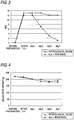
FIG. 3 is a figure showing changes of neurological severity scores in a δ-ALA and iron compound-administered group and in a physiological saline-administered group using a cerebral infarction model rat. - [
FIG. 4 ]
FIG. 4 is a figure showing changes of body weights in a δ-ALA and iron compound-administered group and in a physiological saline-administered group using a cerebral infarction model rat. -
- (A) δ-ALA for use as the therapeutic agent of the invention is represented by formula (1) as defined in claim 1
- In the formula (1), as the alkyl groups represented by R1 and R2, a linear or branched alkyl group having 1 to 24 carbon atoms is preferred, an alkyl group having 1 to 18 carbon atoms is more preferred, and an alkyl group having 1 to 6 carbon atoms is particularly preferred. As the alkyl group having 1 to 6 carbon atoms, there may be mentioned a methyl group, an ethyl group, an n-propyl group, an isopropyl group, an n-butyl group, a sec-butyl group, and the like. As the acyl group, a linear or branched alkanoyl group having 1 to 12 carbon atoms, an alkenylcarbonyl group, or an aroyl group is preferred and an alkanoyl group having 1 to 12 carbon atoms is particularly preferred. As the acyl group, there may be mentioned a formyl group, an acetyl group, a propionyl group, a butyryl group, and the like. As the alkoxycarbonyl group, an alkoxycarbonyl group having 2 to 13 carbon atoms in total is preferred and an alkoxycarbonyl group having 2 to 7 carbon atoms is particularly preferred. As the alkoxycarbonyl group, there may be mentioned a methoxycarbonyl group, an ethoxycarbonyl group, an n-propoxycarbonyl group, an isopropoxycarbonyl group, and the like. As the aryl group, an aryl group having 6 to 16 carbon atoms is preferred and there may be, for example, mentioned a phenyl group, a naphthyl group, and the like. As the aralkyl group, a group consisting of an aryl group having 6 to 16 carbon atoms and the above alkyl group having 1 to 6 carbon atoms is preferred and there may be, for example, mentioned a benzyl group and the like.
- As the alkoxy group represented by R3, a linear or branched alkoxy group having 1 to 24 carbon atoms is preferred, an alkoxy group having 1 to 16 carbon atoms is more preferred, and an alkoxy group having 1 to 12 carbon atoms is particularly preferred. As the alkoxy group, there may be mentioned a methoxy group, an ethoxy group, an n-propoxy group, an isopropoxy group, an n-butoxy group, a sec-butoxy group, a tert-butoxy group, an n-pentyloxy group, an isopentyloxy group, a neopentyloxy group, a tert-pentyloxy group, a 2-methylbutyloxy group, an n-hexyloxy group, an isohexyloxy group, a 3-methylpentyloxy group, an ethylbutyloxy group, a cyclohexyloxy group, an octyloxy group, a decyloxy group, a dodecyloxy group, and the like. As the acyloxy group, a linear or branched alkanoyloxy group having 1 to 12 carbon atoms is preferred and an alkanoyloxy group having 1 to 6 carbon atoms is particularly preferred. As the acyloxy group, there may be mentioned an acetoxy group, a propionyloxy group, a butyryloxy group, and the like. As the alkoxycarbonyloxy group, an alkoxycarbonyloxy group having 2 to 13 carbon atoms in total is preferred and an alkoxycarbonyloxy group having 2 to 7 carbon atoms is particularly preferred. As the alkoxycarbonyloxy group, there may be mentioned a methoxycarbonyloxy group, an ethoxycarbonyloxy group, an n-propoxycarbonyloxy group, an isopropoxycarbonyloxy group, and the like. As the aryloxy group, an aryloxy group having 6 to 16 carbon atoms is preferred and there may be, for example, mentioned a phenoxy group, a naphthyloxy group, and the like. As the aralkyloxy group, the group having the above aralkyl group is preferred and there may be, for example, mentioned a benzyloxy group and the like.
- In the formula (1), as R1 and R2, a hydrogen atom is preferred. As R3, a hydroxy group, an alkoxy group, or an aralkyloxy group is preferred, a hydroxy group or an alkoxy group having 1 to 12 carbon atoms is more preferred, and a methoxy group or a hexyloxy group is particularly preferred.
- The δ-ALA derivative is selected from δ-aminolevulinic acid methyl ester, δ-aminolevulinic acid ethyl ester, δ-aminolevulinic acid propyl ester, δ-aminolevulinic acid butyl ester, δ-aminolevulinic acid pentyl ester, δ-aminolevulinic acid hexyl ester δ-aminolevulinic acid methyl ester or δ-aminolevulinic acid hexyl ester is particularly preferred.
- The salt of δ-ALA or a derivative thereof is not particularly limited but a pharmaceutically acceptable acid addition salt with an inorganic acid or an organic acid is preferred. As the addition salt with an inorganic acid, there may be mentioned a hydrochloride salt, a hydrobromide salt, a sulfate salt, a nitrate salt, a phosphate salt, and the like and as the addition salt with an organic acid, there may be mentioned an acetate salt, a lactate salt, a citrate salt, a tartrate salt, a succinate salt, a maleate salt, a fumarate salt, an ascorbate salt, and the like. Particularly, δ-aminolevulinic acid hydrochloride or δ-aminolevulinic acid phosphate is preferred.
- δ-ALA, a derivative thereof, and a salt thereof can be produced by any method of chemical synthesis and methods using microorganisms and enzymes. For example, they can be produced by methods described in
JP-A-4-9360 JP-T-11-501914 JP-A-2006-182753 JP-A-2005-314361 JP-A-2005-314360 - In the therapeutic agent of the invention, (A) the above δ-ALA, a derivative thereof as defined in claim 1, or a salt thereof and (B) the iron compound are used in combination. The iron compound is not particularly limited and there may be, for example, mentioned, for example, ferric chloride, iron sesquioxide, iron chlorophyllin sodium, ferritin iron, ferrous citrate, sodium iron citrate, ammonium iron citrate, ferrous fumarate, ferrous pyrophosphate, ferric pyrophosphate, saccharated iron oxide, iron acetate, iron oxalate, ferrous succinate, sodium iron succinate citrate, heme iron, dextran iron, iron lactate, ferrous gluconate, sodium iron diethylenetriaminepentaacetate, ammonium iron diethylenetriaminepentaacetate, triethylenetetramine iron, sodium iron dicarboxymethylglutamate, ammonium iron dicarboxymethylglutamate, choline iron citrate, ferrous formate, ferric formate, ammonium ferric potassium oxalate, ferrous sulfate, ferric sulfate, ammonium iron sulfate, ferric carbonate, ferrous chloride, and iron oxide. Particularly, ferrous citrate, ferrous fumarate, ferric pyrophosphate, saccharated iron oxide, or dextran iron is preferred.
- Moreover, the therapeutic agent of the invention is characterized by combining the component (A) and the component (B). These components (A) and (B) may be incorporated in one composition (preparation) but may be used as two kinds of preparations, i.e., a composition (preparation) containing the component (A) and a composition (preparation) containing the component (B).
- The therapeutic agent of the invention can be prepared by mixing (A) the above δ-ALA, the derivative thereof as specified in
claims 1 and 3, or a salt thereof with a pharmaceutically acceptable carrier according to a conventional method. As forms of the agents, there may be mentioned formulations for oral administration, such as granules, fine granules, or tablets; formulations for injection, such as liquids and powders to be dissolved in use; formulations for percutaneous use, such as ointments, liquids, creams, and gels; suppositories; and the like. As forms of (B) the iron compound, there may be mentioned formulations for oral administration, such as granules, fine granules, tablets, or capsules; formulations for injection, such as liquids and powders to be dissolved in use; formulations for percutaneous use, such as ointments, liquids, creams, and gels; suppositories; and the like. Moreover, the agents may be any of the above forms containing these components (A) and (B). - The therapeutic agent of the present invention is for use in a method for treating a mitochondrial brain disease selected from amyotrophic lateral sclerosis, mitochondrial encephalomyopathy, migraine, Parkinson's disease, hypoxic encephalopathy, cerebral arteriosclerosis, manic-depressive psychosis, chronic fatigue syndrome, intracranial hypertension, normal pressure hydrocephalus, cerebral vasospasm after subarachnoid hemorrhage, atherothrombotic cerebral infarction, lacunar infarction, cardiogenic cerebral embolism, or Alzheimer's disease. Of these, atherothrombotic cerebral infarction, lacunar infarction, cardiogenic cerebral embolism, or Alzheimer's disease is particularly preferred. The more the mitochondrial activity is lowered, the more the agents are useful. Particularly, it is preferred to use the agents in an acute stage of cerebral infarction.
- The therapeutic agent may also be for use in a method for prevention of a mitochondrial brain disease selected from cerebral ischemia at surgery and intravascular surgery.
- As administration methods of component (A) of the therapeutic agent as defined in the claims, there may be mentioned oral administration, intravenous administration, intramuscular administration, topical administration to the affected area, intraperitoneal administration, percutaneous administration, per-rectal administration, and the like, and intraperitoneal administration, oral administration, topical administration to the affected area, or intravenous administration is preferred. As administration methods of component (B) of the therapeutic agent as defined in the claims, there may be mentioned oral administration, intravenous administration, intramuscular administration, topical administration to the affected area, intraperitoneal administration, percutaneous administration, per-rectal administration, and the like, and intraperitoneal administration, oral administration, topical administration to the affected area, or intravenous administration is preferred.
- The dosage of component (A) of the therapeutic agent of the invention varies depending on the administration method, administration route, symptoms, and body weight. In the case of oral administration, the dosage is 0.001 mg to 10 g, preferably 0.01 to 1000 mg, and particularly preferably 1 to 300 mg per kg-body weight at one dose. The dosage of (B) the iron compound of the therapeutic agent of the invention varies depending on the administration method, administration route, symptoms, and body weight. In the case of oral administration, the dosage is 0.001 mg to 10 g, preferably 0.01 to 1000 mg, and particularly preferably 0.1 to 100 mg per kg-body weight at one dose.
- The administration period of the therapeutic agent of the invention is not particularly limited so far as any therapeutic effect is exhibited and can be suitably determined in consideration of the type of the brain disease, sex, body weight, symptoms, and administration method. For example, in the case where the therapeutic agent of the invention is applied during an acute stage of cerebral infarction, the administration period is not limited but the agent is preferably administered within 24 hours from the onset, more preferably administered within 6 hours from the onset, and particularly preferably administered within 3 hours. Moreover, in the case where the therapeutic agent of the invention, it is preferred to start the administration as early as possible from the onset and it is preferred to administer the agent once a day and continue, although it depends on a recovered condition, for 2 or more days.
- In the therapeutic agent of the invention, the reason why the mitochondrial dysfunction brain disease can be treated by the combined use of (A) δ-ALA, a derivative thereof, or a salt thereof and (B) the iron compound is not clear but may be considered that δ-ALA is accumulated at a brain disease site and changed into protoporphyrin IX and the protoporphyrin IX forms a complex with iron at the brain disease site to function as hemoglobin and cytochrome. Thereby, a mitochondrial activity is remarkably improved and, as a result, it is considered that the cell damage at the brain disease site is improved.
- Therefore, in the case where the therapeutic agent of the invention is applied at an acute stage of cerebral infarction, it is preferred to use it in combination with a medical agent to be used for the treatment of cerebral infarction at an acute stage. As such a medical agent, there may be mentioned thrombolytic agents such as tissue plasminogen activator (t-PA), urokinase, and streptokinase; anticoagulant agents such as heparin and warfarin; antiplatelet agents such as aspirin, ticlopidine, ozagrel sodium, and cilostazol; blood diluents such as low-molecular-weight dextran; antithrombin agents such as algatorcban; anticerebral edema agents such as glyceol and mannitol; brain-protecting agents such as edaravone; and the like. Of these, the combined use with a thrombolytic agent is particularly useful in view of the re-perfusion of the blood flow at the cerebral infarction site and the accession of the therapeutic agent of the invention to the cerebral infarction site.
- Moreover, it is possible to diagnose mitochondrial dysfunction brain diseases by dyeing with a TTC (2,3,5-triphenyltetrazolium chloride) solution which is a mitochondria-active dyeing agent.
- Specifically, a site affected by a mitochondrial dysfunction brain disease can be identified by taking out a part of the brain of an analyte, dyeing its slice with a TTC solution, taking a picture of the cut surface, and judging an area which is dyed red and has a mitochondrial activity and an area which is whitened (not dyed red) and does not have a mitochondrial activity.
- For taking out a part capable of being dyed, usually, a slice is preferably prepared. The slice can be prepared by a usual method.
- The concentration of the TTC solution, dyeing time, and temperature in the diagnosis of mitochondrial dysfunction brain diseases may be suitably determined so that usual diagnosis becomes possible. For example, the concentration of the TTC solution is 0.1 to 5%, preferably 0.5 to 3%, and particularly preferably 1.5 to 2.5%.
- The time for dyeing (incubating) with the TTC solution is 0.1 to 4 hours, preferably 10 to 60 minutes, and particularly preferably 20 to 40 minutes.
- Moreover, the temperature for dyeing with the TTC solution is 25 to 50°C, preferably 30 to 45°C, and particularly preferably 35 to 39°C.
- The detection method of the red color and the white color (not dyed red) is not particularly limited and the detection can be, for example, visually performed.
- According to the therapeutic agent of the invention, since the neurological severity score is remarkably improved even when the agent is administered after the formation of cerebral infarction, it is expected that neurological symptoms to be followed, such as consciousness disorder, movement and perception disorder, higher brain function disorder, attentiveness disorder, and emotional disorder can be recovered by the administration particularly at an acute stage of cerebral infarction.
- The following will describe the invention further in detail with reference to Examples but the invention is not limited thereto.
- A nylon thread having a diameter of 1.5 mm was placed in a right middle cerebral artery of a 7-week-old male Wister rat and the blood flow was shut out for 2 hours. Thereafter, the nylon thread was removed to prepare a right middle cerebral artery-occluded model (a cerebral infarction model rat).
- The middle cerebral artery-occluded model rat prepared was evaluated according to NSS (Neurological Severity Scores) before preparation, immediately after preparation (0th day), and on 1st day, 3rd day, 5th day, 7th day, 10th day, and 14th day. As shown in
FIG. 1 , it was confirmed that the model rats prepared (6 rats) showed a severe cerebral infarction state.[Table 1] Neurological Severity Scores (NSS) Score Movement test When a rat is picked up with its tail, 3 1 the rat bends its foreleg 1 the rat bends its hind leg 1 the rat moves it head in a perpendicular direction within 30 seconds (>10 seconds) When a rat is placed on a floor (normal=0, maximum=3), 3 0 the rat normally walks 1 the rat cannot straightly walk 2 the rat turns to the paralyzed side 3 the rat falls down to the paralyzed side Sensory test 2 1 stereotactic test (visual test and tactile test) 2 intrinsic perceptive test (deep sensation, a leg is pressed against the edge of the table to irritate muscle of the leg) Beam balance test (normal = 0, maximum = 6), 6 0 the rat balances in a steady stance 1 the rat grasps a side of the beam 2 the rat clings to the beam and one leg drops out of the beam 3 the rat clings to the beam and two legs drop cut of the beam or turns on the beam (>60 seconds) 4 the rat intended to balance on the beam but falls down (>40 seconds) 5 the rat intended to balance on the beam but falls down (>20 seconds) 6 the rat falls down: the rat neither intends to balance nor clings to the beam (<20 seconds) Absence of reflex and movement disorder 1 auricular reflex (when an auditory canal is touched, the rat wags its head) 1 corneous reflex (when a cornea is lightly touched, the rat blinks the eye) 1 escape reflex (motor response against short noise of patting the clipboard paper) 1 stroke, myoclonus, muscular dystonia Maximum score 18 - When the rat cannot perform a task or a reflex tested is absent, one score is given.
- 13 to 18 scores: severe disorder; 7 to 12 scores: middle disorder; 1 to 6: light disorder
- After a rat was confirmed to be a cerebral infarction model rat based on NSS, the rat was beheaded and immediately the brain was taken out. The brain was cut in a constant section having a thickness of 2 to 3 mm by means of a razor. The slice was incubated in a TTC (2,3,5-triphenyltetrazolium hydrochloride) solution (2%), which is a mitochondira-active dyeing agent, at 31°C for 30 minutes and immediately, a picture of the cut surface was taken to record an infarction range. From
FIG. 2 , it was revealed that an area which had mitochondrial activity was dyed red and an area which lacked mitochondrial activity was whitened. Thus, it was confirmed that the area where occlusion of right middle cerebral artery occurred was whitened. - Using transient right middle cerebral artery-occluded model rats prepared in Example 1, two groups, i.e., 1) a group where 5-ALA was intraperitoneally administered immediately after the occlusion in an amount of 100 mg per kg-body weight and after 2 hours, saccharated iron oxide (trade name: FESIN) was intravenously administered in an amount of 2 mg per kg-body weight (3 rats) and 2) a group where physiological saline was intraperitoneally administered immediately after the occlusion and after 2 hours, physiological saline was intravenously administered (3 rats), were compared.
- Before model preparation, after 3 hours, 1 day, 3 days, 5 days, and 7 days from the preparation, evaluation of NSS and measurement of body weight were performed on each rat. As shown in
FIG. 3 , NSS was improved to 6 to 8 scores after 3 days and progressed thereafter in the 1) group as compared with the 2) group. Moreover, with regard to the body weight, no significant difference was observed between the two groups (FIG. 4 ). From the above results, an effect of δ-aminolevulinic acid hydrochloride and the iron compound as a therapeutic agent for a mitochondrial dysfunction brain disease was confirmed. - According to the therapeutic agent of the invention, by administering it after the onset of cerebral infarction, particularly in combination with thrombolytic therapy or the like, aftereffects such as consciousness disorder, movement and perception disorder, higher brain function disorder, attentiveness disorder, and emotional disorder can be improved.
Claims (3)
- A therapeutic agent comprising:(A) a δ-aminolevulinic acid represented by the formula (1), a derivative thereof, or a salt thereof; and(B) an iron compound:
R2R1NCH2COCH2CH2COR3 (1)
wherein R1 and R2 each independently represents a hydrogen atom, an alkyl group, an acyl group, an alkoxycarbonyl group, an aryl group, or an aralkyl group; and R3 represents a hydroxy group, an alkoxy group, an acyloxy group, an alkoxycarbonyloxy group, an aryloxy group, an aralkyloxy group, or an amino group;wherein the derivative of the δ-aminolevulinic acid of formula (1) is selected from δ-aminolevulinic acid methyl ester, δ-aminolevulinic acid ethyl ester, δ-aminolevulinic acid propyl ester, δ-aminolevulinic acid butyl ester, δ-aminolevulinic acid pentyl ester and δ-aminolevulinic acid hexyl ester;wherein the therapeutic agent is for use in(i) a method for treating a mitochondrial dysfunction brain disease, wherein the mitochondrial dysfunction brain disease is selected from amyotrophic lateral sclerosis, mitochondria myopathy, migraine, Parkinson's disease, hypoxic encephalopathy, cerebral arteriosclerosis, manic-depressive psychosis, chronic fatigue syndrome, intracranial hypertension, normal pressure hydrocephalus, cerebral vasospasm after subarachnoid hemorrhage, atherothrombotic cerebral infarction, lacunar infarction, cardiogenic cerebral embolism, or Alzheimer's disease; or(ii) a method for the prevention of a mitochondrial dysfunction brain disease, wherein the mitochondrial dysfunction brain disease is selected from cerebral ischemia at surgery and intravascular surgery. - The therapeutic agent for use in a method for treating a mitochondrial dysfunction brain disease according to claim 1,
wherein (B) the iron compound is one or two or more compounds selected from ferric chloride, iron sesquioxide, iron chlorophyllin sodium, ferritin iron, ferrous citrate, sodium iron citrate, ammonium iron citrate, ferrous fumarate, ferrous pyrophosphate, ferric pyrophosphate, saccharated iron oxide, iron acetate, iron oxalate, ferrous succinate, sodium iron succinate citrate, heme iron, dextran iron, iron lactate, ferrous gluconate, sodium iron diethylenetriaminepentaacetate, ammonium iron diethylenetriaminepentaacetate, triethylenetetramine iron, sodium iron dicarboxymethylglutamate, ammonium iron dicarboxymethylglutamate, choline iron citrate, ferrous formate, ferric formate, ammonium ferric potassium oxalate, ferrous sulfate, ferric sulfate, ammonium iron sulfate, ferric carbonate, ferrous chloride, and iron oxide. - Use of (A) a δ-aminolevulinic acid represented by the formula (1), a derivative thereof as defined in claim 1, or a salt thereof; and (B) an iron compound:
R2R1NCH2COCH2CH2COR3 (1)
wherein R1 and R2 each independently represents a hydrogen atom, an alkyl group, an acyl group, an alkoxycarbonyl group, an aryl group, or an aralkyl group; and R3 represents a hydroxy group, an alkoxy group, an acyloxy group, an alkoxycarbonyloxy group, an aryloxy group, an aralkyloxy group, or an amino group;
for the preparation of a therapeutic agent for use in a method for treating or preventing a mitochondrial dysfunction brain disease according to claim 1 or claim 2.
Priority Applications (1)
| Application Number | Priority Date | Filing Date | Title |
|---|---|---|---|
| EP17193845.9A EP3281642B1 (en) | 2007-04-05 | 2008-03-27 | Diagnostic agent for mitochondrial dysfunction brain diseases |
Applications Claiming Priority (2)
| Application Number | Priority Date | Filing Date | Title |
|---|---|---|---|
| JP2007099508A JP5098051B2 (en) | 2007-04-05 | 2007-04-05 | Mitochondrial disorder brain disease therapeutic agent and diagnostic agent |
| PCT/JP2008/055959 WO2008126693A1 (en) | 2007-04-05 | 2008-03-27 | Remedy and diagnostic for mitochondrial dysfunction brain disease |
Related Child Applications (2)
| Application Number | Title | Priority Date | Filing Date |
|---|---|---|---|
| EP17193845.9A Division EP3281642B1 (en) | 2007-04-05 | 2008-03-27 | Diagnostic agent for mitochondrial dysfunction brain diseases |
| EP17193845.9A Division-Into EP3281642B1 (en) | 2007-04-05 | 2008-03-27 | Diagnostic agent for mitochondrial dysfunction brain diseases |
Publications (3)
| Publication Number | Publication Date |
|---|---|
| EP2135613A1 EP2135613A1 (en) | 2009-12-23 |
| EP2135613A4 EP2135613A4 (en) | 2010-07-21 |
| EP2135613B1 true EP2135613B1 (en) | 2017-11-22 |
Family
ID=39863800
Family Applications (2)
| Application Number | Title | Priority Date | Filing Date |
|---|---|---|---|
| EP17193845.9A Active EP3281642B1 (en) | 2007-04-05 | 2008-03-27 | Diagnostic agent for mitochondrial dysfunction brain diseases |
| EP08739088.6A Active EP2135613B1 (en) | 2007-04-05 | 2008-03-27 | Remedy for mitochondrial dysfunction brain diseases |
Family Applications Before (1)
| Application Number | Title | Priority Date | Filing Date |
|---|---|---|---|
| EP17193845.9A Active EP3281642B1 (en) | 2007-04-05 | 2008-03-27 | Diagnostic agent for mitochondrial dysfunction brain diseases |
Country Status (11)
| Country | Link |
|---|---|
| US (2) | US20100120916A1 (en) |
| EP (2) | EP3281642B1 (en) |
| JP (1) | JP5098051B2 (en) |
| KR (2) | KR101383418B1 (en) |
| CN (1) | CN101678047B (en) |
| AU (1) | AU2008239234B2 (en) |
| BR (1) | BRPI0810081A2 (en) |
| CA (1) | CA2682855C (en) |
| NZ (1) | NZ580138A (en) |
| RU (1) | RU2435595C2 (en) |
| WO (1) | WO2008126693A1 (en) |
Families Citing this family (21)
| Publication number | Priority date | Publication date | Assignee | Title |
|---|---|---|---|---|
| CN106692122A (en) * | 2008-10-27 | 2017-05-24 | 思佰益药业股份有限公司 | Prophylactic/ameliorating agent for adult diseases comprising 5-aminolevulinic acid, its ester, or salt thereof as active ingredient |
| JP5574329B2 (en) * | 2010-05-06 | 2014-08-20 | 国立大学法人 岡山大学 | Mitochondrial fluorescent staining method |
| JPWO2012067152A1 (en) * | 2010-11-16 | 2014-05-12 | 三菱化学株式会社 | Method for examining cerebral infarction with Endothelial Protein C Receptor protein |
| EP2722041B1 (en) * | 2011-06-16 | 2018-10-24 | SBI Pharmaceuticals Co., Ltd. | Therapeutic agent for allergic rhinitis |
| EP2875813B1 (en) * | 2012-07-19 | 2018-04-18 | SBI Pharmaceuticals Co., Ltd. | Prophylactic/therapeutic agent for influenza virus infection |
| WO2014092051A1 (en) * | 2012-12-11 | 2014-06-19 | 国立大学法人熊本大学 | Nuclear magnetic resonance diagnostic agent, and method for detecting or diagnosing state of cell, tissue or organ in subject using same |
| HK1224204A1 (en) * | 2013-10-29 | 2017-08-18 | Tokyo University Of Agriculture | Frataxin enhancer |
| JP6602651B2 (en) * | 2015-11-24 | 2019-11-06 | Sbiファーマ株式会社 | Neurodevelopment disorder improving agent |
| WO2018043240A1 (en) * | 2016-09-02 | 2018-03-08 | Sbiファーマ株式会社 | Aqueous formulation containing 5-aminolevulinic acid or the like |
| US10590496B2 (en) | 2016-11-29 | 2020-03-17 | Wedea Inc. | Composition for preventing and treating degenerative brain disease using novel lactic acid bacteria |
| KR102007980B1 (en) * | 2016-11-29 | 2019-08-06 | (주) 위디어 | Composition for preventing and treating degenerative brain disease using novel lactic acid bacteria |
| WO2018221291A1 (en) * | 2017-05-31 | 2018-12-06 | Sbiファーマ株式会社 | Prophylactic or therapeutic agent for hyperactive bladder |
| JP7104037B2 (en) * | 2017-06-23 | 2022-07-20 | Sbiファーマ株式会社 | Pharmaceutical composition for improving neuropathy |
| RU2693627C2 (en) * | 2017-11-03 | 2019-07-03 | Общество С Ограниченной Ответственностью "Валента - Интеллект" | Edaravon combination for treating ischemic brain injury |
| US11357767B2 (en) * | 2017-11-22 | 2022-06-14 | Khondrion Ip B.V. | Compounds for use in treating depression and migraine |
| JP6717989B2 (en) | 2018-02-05 | 2020-07-08 | テラ・ストーン株式会社 | Use of coenzyme factor for activating intracellular ATP production |
| TW202313054A (en) | 2018-02-05 | 2023-04-01 | 日商泰拉強石股份有限公司 | Pharmaceutical composition including 5-deazaflavin compound |
| WO2019202162A1 (en) * | 2018-04-20 | 2019-10-24 | Fondazione Telethon | Mir-181 inhibitors and uses thereof |
| TWI717139B (en) * | 2018-12-20 | 2021-01-21 | 普惠德生技股份有限公司 | Use of a composition containing ferrous amino acid chelate particles for preparing medicines for treating or slowing down autoimmune related diseases |
| RU2744453C2 (en) * | 2019-09-02 | 2021-03-09 | Федеральное государственное бюджетное учреждение науки Институт теоретической и экспериментальной биофизики Российской академии наук (ИТЭБ РАН) | Targeted non-invasive transplantation into brain of functionally active mitochondria for treating neurodegenerative diseases |
| CN116829138A (en) * | 2021-01-25 | 2023-09-29 | 学校法人顺天堂 | Hypertrophic cardiomyopathy therapeutic agent |
Family Cites Families (16)
| Publication number | Priority date | Publication date | Assignee | Title |
|---|---|---|---|---|
| JPH0331665Y2 (en) * | 1984-09-05 | 1991-07-04 | ||
| US5079262A (en) | 1989-07-28 | 1992-01-07 | Queen's University At Kingston | Method of detection and treatment of malignant and non-malignant lesions utilizing 5-aminolevulinic acid |
| JP2767318B2 (en) | 1990-04-11 | 1998-06-18 | 株式会社コスモ総合研究所 | 5-Aminolevulinic acid alkyl ester or salt thereof, process for producing the same, and herbicide containing the same as active ingredient |
| BR9504090A (en) * | 1994-09-20 | 1996-09-24 | Johnson & Johnson | Pharmaceutical composition transdermally activating process for its preparation and method of treating cancer |
| NZ303251A (en) | 1995-03-10 | 2000-10-27 | Photocure Asa | Use of esters of 5-aminolevulinic acid as photosensitising agents in photochemotherapy |
| GB9701675D0 (en) * | 1997-01-28 | 1997-03-19 | Bridgeman Keith | Composition for the treatment of parkinson's disease |
| JP3644809B2 (en) * | 1997-10-15 | 2005-05-11 | コスモ石油株式会社 | External preparation for head |
| CA2580584C (en) * | 2003-09-19 | 2015-07-28 | Galileo Pharmaceuticals, Inc. | Use of alpha-tocotrienol for treatment of mitochondrial diseases |
| JP4417865B2 (en) | 2004-03-30 | 2010-02-17 | コスモ石油株式会社 | 5-Aminolevulinic acid phosphate, method for producing the same, and use thereof |
| JP4719483B2 (en) | 2004-03-30 | 2011-07-06 | コスモ石油株式会社 | Process for producing 5-aminolevulinic acid sulfonate |
| JP4630087B2 (en) | 2004-03-30 | 2011-02-09 | コスモ石油株式会社 | 5-Aminolevulinic acid nitrate and process for producing the same |
| AU2004318989B2 (en) | 2004-04-28 | 2007-08-09 | Cosmo Ala Co., Ltd. | Hair restorer |
| JP5034032B2 (en) * | 2004-09-29 | 2012-09-26 | Sbiファーマ株式会社 | Tumor diagnostic agent |
| MX2007013623A (en) * | 2005-04-28 | 2008-02-12 | Cosmo Oil Co Ltd | External preparation for skin. |
| EP1742038A1 (en) * | 2005-07-06 | 2007-01-10 | Academisch Medisch Centrum bij de Universiteit van Amsterdam | Device and method for determining the concentration of a substance |
| ITBO20050596A1 (en) | 2005-10-06 | 2006-01-05 | Gd Spa | METHOD AND UNIT FOR TRANSFER OF A PRODUCT INTO AN INTERMITTENT PACKAGING MACHINE |
-
2007
- 2007-04-05 JP JP2007099508A patent/JP5098051B2/en active Active
-
2008
- 2008-03-27 EP EP17193845.9A patent/EP3281642B1/en active Active
- 2008-03-27 KR KR1020127034024A patent/KR101383418B1/en active Active
- 2008-03-27 CA CA2682855A patent/CA2682855C/en active Active
- 2008-03-27 KR KR1020097020513A patent/KR101250576B1/en active Active
- 2008-03-27 NZ NZ580138A patent/NZ580138A/en unknown
- 2008-03-27 CN CN2008800108818A patent/CN101678047B/en active Active
- 2008-03-27 AU AU2008239234A patent/AU2008239234B2/en active Active
- 2008-03-27 US US12/594,672 patent/US20100120916A1/en not_active Abandoned
- 2008-03-27 EP EP08739088.6A patent/EP2135613B1/en active Active
- 2008-03-27 WO PCT/JP2008/055959 patent/WO2008126693A1/en not_active Ceased
- 2008-03-27 RU RU2009136582/15A patent/RU2435595C2/en active
- 2008-03-27 BR BRPI0810081-0A2A patent/BRPI0810081A2/en not_active Application Discontinuation
-
2012
- 2012-09-13 US US13/613,565 patent/US8927532B2/en active Active
Non-Patent Citations (1)
| Title |
|---|
| None * |
Also Published As
| Publication number | Publication date |
|---|---|
| JP5098051B2 (en) | 2012-12-12 |
| EP3281642A1 (en) | 2018-02-14 |
| KR101250576B1 (en) | 2013-04-03 |
| KR20130004943A (en) | 2013-01-14 |
| AU2008239234A1 (en) | 2008-10-23 |
| NZ580138A (en) | 2011-04-29 |
| CA2682855A1 (en) | 2008-10-23 |
| RU2435595C2 (en) | 2011-12-10 |
| AU2008239234B2 (en) | 2012-11-08 |
| BRPI0810081A2 (en) | 2014-10-21 |
| RU2009136582A (en) | 2011-04-10 |
| EP2135613A4 (en) | 2010-07-21 |
| US20130011337A1 (en) | 2013-01-10 |
| KR101383418B1 (en) | 2014-04-08 |
| CA2682855C (en) | 2015-06-23 |
| EP2135613A1 (en) | 2009-12-23 |
| US20100120916A1 (en) | 2010-05-13 |
| CN101678047A (en) | 2010-03-24 |
| KR20100014718A (en) | 2010-02-10 |
| JP2008255059A (en) | 2008-10-23 |
| WO2008126693A1 (en) | 2008-10-23 |
| US8927532B2 (en) | 2015-01-06 |
| EP3281642B1 (en) | 2019-05-01 |
| CN101678047B (en) | 2013-05-22 |
Similar Documents
| Publication | Publication Date | Title |
|---|---|---|
| US8927532B2 (en) | Therapeutic agent and diagnostic agent for mitochondrial dysfunction brain diseases | |
| Hua et al. | Long-term effects of experimental intracerebral hemorrhage: the role of iron | |
| EP0282206B1 (en) | Arylcyclobutylalkylamine-derivative for the treatment of parkinson's disease | |
| US20120015997A1 (en) | Pharmaceutical composition for external use | |
| WO2005010025A2 (en) | Methods of treating cutaneous flushing using selective alpha-2-adrenergic receptor agonists | |
| CA2722578C (en) | Use of .delta.-amino levulinic acid to treat male infertility | |
| WO2004017957A1 (en) | Preventing and/or treating cardiovascular disease and/or associated heart failure | |
| JP2009298739A (en) | Agent for alleviating photoinjury | |
| AU4508601A (en) | Inhibitors of collagen-induced platelet aggregation | |
| US11352382B2 (en) | Mito-lonidamine, compositions and methods of use | |
| AU2012340670B2 (en) | Cysteamine and/or cystamine for treating ischemic injury | |
| US20220296579A1 (en) | Compositions and methods for providing cardioprotective effects | |
| KR20210148078A (en) | Inositol Phosphate Compounds for Use in Increasing Tissue Perfusion | |
| WO2006041805A1 (en) | Polyamine analogs as therapeutic agents for ocular diseases | |
| US20070129350A1 (en) | Methods for treatment of diabetes | |
| EP3487501A1 (en) | Methods, compositions, and compounds for treatment of dermatological and ocular conditions | |
| NZ545724A (en) | Use of a copper chelator for preventing and/or treating cardiovascular disease and/or associated heart failure | |
| Al-Rousan | Efficacy of Deferasirox in Preventing Complications of Iron Overload in the Iron Overloaded Gerbil | |
| WO1985002174A1 (en) | Pharmacological applications of diphenylhalonium ion |
Legal Events
| Date | Code | Title | Description |
|---|---|---|---|
| PUAI | Public reference made under article 153(3) epc to a published international application that has entered the european phase |
Free format text: ORIGINAL CODE: 0009012 |
|
| 17P | Request for examination filed |
Effective date: 20091005 |
|
| AK | Designated contracting states |
Kind code of ref document: A1 Designated state(s): AT BE BG CH CY CZ DE DK EE ES FI FR GB GR HR HU IE IS IT LI LT LU LV MC MT NL NO PL PT RO SE SI SK TR |
|
| RIN1 | Information on inventor provided before grant (corrected) |
Inventor name: TANAKA, TOHRU Inventor name: KUROIWA, TOSHIHIKO Inventor name: MASUBUCHI, TAKAHIRO Inventor name: ISHIZUKA, MASAHIRO Inventor name: KAJIMOTO, YOSHINAGA |
|
| DAX | Request for extension of the european patent (deleted) | ||
| A4 | Supplementary search report drawn up and despatched |
Effective date: 20100617 |
|
| RIC1 | Information provided on ipc code assigned before grant |
Ipc: A61P 25/00 20060101ALI20100611BHEP Ipc: A61P 9/10 20060101ALI20100611BHEP Ipc: A61P 9/00 20060101ALI20100611BHEP Ipc: A61K 33/26 20060101ALI20100611BHEP Ipc: A61P 25/24 20060101ALI20100611BHEP Ipc: A61P 21/00 20060101ALI20100611BHEP Ipc: A61K 31/197 20060101AFI20100611BHEP Ipc: A61P 25/28 20060101ALI20100611BHEP Ipc: A61K 31/198 20060101ALI20100611BHEP Ipc: A61K 49/00 20060101ALI20100611BHEP Ipc: A61K 31/295 20060101ALI20100611BHEP Ipc: A61P 25/06 20060101ALI20100611BHEP Ipc: A61P 25/16 20060101ALI20100611BHEP |
|
| RAP1 | Party data changed (applicant data changed or rights of an application transferred) |
Owner name: SBI PHARMACEUTICALS CO., LTD. |
|
| 17Q | First examination report despatched |
Effective date: 20161108 |
|
| GRAP | Despatch of communication of intention to grant a patent |
Free format text: ORIGINAL CODE: EPIDOSNIGR1 |
|
| INTG | Intention to grant announced |
Effective date: 20170714 |
|
| GRAS | Grant fee paid |
Free format text: ORIGINAL CODE: EPIDOSNIGR3 |
|
| GRAA | (expected) grant |
Free format text: ORIGINAL CODE: 0009210 |
|
| AK | Designated contracting states |
Kind code of ref document: B1 Designated state(s): AT BE BG CH CY CZ DE DK EE ES FI FR GB GR HR HU IE IS IT LI LT LU LV MC MT NL NO PL PT RO SE SI SK TR |
|
| REG | Reference to a national code |
Ref country code: GB Ref legal event code: FG4D |
|
| REG | Reference to a national code |
Ref country code: CH Ref legal event code: EP Ref country code: CH Ref legal event code: NV Representative=s name: BOVARD AG PATENT- UND MARKENANWAELTE, CH |
|
| REG | Reference to a national code |
Ref country code: IE Ref legal event code: FG4D |
|
| REG | Reference to a national code |
Ref country code: AT Ref legal event code: REF Ref document number: 947750 Country of ref document: AT Kind code of ref document: T Effective date: 20171215 |
|
| REG | Reference to a national code |
Ref country code: DE Ref legal event code: R096 Ref document number: 602008053058 Country of ref document: DE |
|
| REG | Reference to a national code |
Ref country code: FR Ref legal event code: PLFP Year of fee payment: 11 |
|
| REG | Reference to a national code |
Ref country code: NL Ref legal event code: MP Effective date: 20171122 |
|
| REG | Reference to a national code |
Ref country code: LT Ref legal event code: MG4D |
|
| REG | Reference to a national code |
Ref country code: AT Ref legal event code: MK05 Ref document number: 947750 Country of ref document: AT Kind code of ref document: T Effective date: 20171122 |
|
| PG25 | Lapsed in a contracting state [announced via postgrant information from national office to epo] |
Ref country code: LT Free format text: LAPSE BECAUSE OF FAILURE TO SUBMIT A TRANSLATION OF THE DESCRIPTION OR TO PAY THE FEE WITHIN THE PRESCRIBED TIME-LIMIT Effective date: 20171122 Ref country code: NO Free format text: LAPSE BECAUSE OF FAILURE TO SUBMIT A TRANSLATION OF THE DESCRIPTION OR TO PAY THE FEE WITHIN THE PRESCRIBED TIME-LIMIT Effective date: 20180222 Ref country code: ES Free format text: LAPSE BECAUSE OF FAILURE TO SUBMIT A TRANSLATION OF THE DESCRIPTION OR TO PAY THE FEE WITHIN THE PRESCRIBED TIME-LIMIT Effective date: 20171122 Ref country code: FI Free format text: LAPSE BECAUSE OF FAILURE TO SUBMIT A TRANSLATION OF THE DESCRIPTION OR TO PAY THE FEE WITHIN THE PRESCRIBED TIME-LIMIT Effective date: 20171122 Ref country code: SE Free format text: LAPSE BECAUSE OF FAILURE TO SUBMIT A TRANSLATION OF THE DESCRIPTION OR TO PAY THE FEE WITHIN THE PRESCRIBED TIME-LIMIT Effective date: 20171122 Ref country code: NL Free format text: LAPSE BECAUSE OF FAILURE TO SUBMIT A TRANSLATION OF THE DESCRIPTION OR TO PAY THE FEE WITHIN THE PRESCRIBED TIME-LIMIT Effective date: 20171122 |
|
| PG25 | Lapsed in a contracting state [announced via postgrant information from national office to epo] |
Ref country code: GR Free format text: LAPSE BECAUSE OF FAILURE TO SUBMIT A TRANSLATION OF THE DESCRIPTION OR TO PAY THE FEE WITHIN THE PRESCRIBED TIME-LIMIT Effective date: 20180223 Ref country code: LV Free format text: LAPSE BECAUSE OF FAILURE TO SUBMIT A TRANSLATION OF THE DESCRIPTION OR TO PAY THE FEE WITHIN THE PRESCRIBED TIME-LIMIT Effective date: 20171122 Ref country code: BG Free format text: LAPSE BECAUSE OF FAILURE TO SUBMIT A TRANSLATION OF THE DESCRIPTION OR TO PAY THE FEE WITHIN THE PRESCRIBED TIME-LIMIT Effective date: 20180222 Ref country code: HR Free format text: LAPSE BECAUSE OF FAILURE TO SUBMIT A TRANSLATION OF THE DESCRIPTION OR TO PAY THE FEE WITHIN THE PRESCRIBED TIME-LIMIT Effective date: 20171122 Ref country code: AT Free format text: LAPSE BECAUSE OF FAILURE TO SUBMIT A TRANSLATION OF THE DESCRIPTION OR TO PAY THE FEE WITHIN THE PRESCRIBED TIME-LIMIT Effective date: 20171122 |
|
| PG25 | Lapsed in a contracting state [announced via postgrant information from national office to epo] |
Ref country code: DK Free format text: LAPSE BECAUSE OF FAILURE TO SUBMIT A TRANSLATION OF THE DESCRIPTION OR TO PAY THE FEE WITHIN THE PRESCRIBED TIME-LIMIT Effective date: 20171122 Ref country code: CY Free format text: LAPSE BECAUSE OF FAILURE TO SUBMIT A TRANSLATION OF THE DESCRIPTION OR TO PAY THE FEE WITHIN THE PRESCRIBED TIME-LIMIT Effective date: 20171122 Ref country code: EE Free format text: LAPSE BECAUSE OF FAILURE TO SUBMIT A TRANSLATION OF THE DESCRIPTION OR TO PAY THE FEE WITHIN THE PRESCRIBED TIME-LIMIT Effective date: 20171122 Ref country code: SK Free format text: LAPSE BECAUSE OF FAILURE TO SUBMIT A TRANSLATION OF THE DESCRIPTION OR TO PAY THE FEE WITHIN THE PRESCRIBED TIME-LIMIT Effective date: 20171122 Ref country code: CZ Free format text: LAPSE BECAUSE OF FAILURE TO SUBMIT A TRANSLATION OF THE DESCRIPTION OR TO PAY THE FEE WITHIN THE PRESCRIBED TIME-LIMIT Effective date: 20171122 |
|
| REG | Reference to a national code |
Ref country code: DE Ref legal event code: R097 Ref document number: 602008053058 Country of ref document: DE |
|
| PG25 | Lapsed in a contracting state [announced via postgrant information from national office to epo] |
Ref country code: IT Free format text: LAPSE BECAUSE OF FAILURE TO SUBMIT A TRANSLATION OF THE DESCRIPTION OR TO PAY THE FEE WITHIN THE PRESCRIBED TIME-LIMIT Effective date: 20171122 Ref country code: RO Free format text: LAPSE BECAUSE OF FAILURE TO SUBMIT A TRANSLATION OF THE DESCRIPTION OR TO PAY THE FEE WITHIN THE PRESCRIBED TIME-LIMIT Effective date: 20171122 Ref country code: PL Free format text: LAPSE BECAUSE OF FAILURE TO SUBMIT A TRANSLATION OF THE DESCRIPTION OR TO PAY THE FEE WITHIN THE PRESCRIBED TIME-LIMIT Effective date: 20171122 |
|
| PLBE | No opposition filed within time limit |
Free format text: ORIGINAL CODE: 0009261 |
|
| STAA | Information on the status of an ep patent application or granted ep patent |
Free format text: STATUS: NO OPPOSITION FILED WITHIN TIME LIMIT |
|
| 26N | No opposition filed |
Effective date: 20180823 |
|
| PG25 | Lapsed in a contracting state [announced via postgrant information from national office to epo] |
Ref country code: MC Free format text: LAPSE BECAUSE OF FAILURE TO SUBMIT A TRANSLATION OF THE DESCRIPTION OR TO PAY THE FEE WITHIN THE PRESCRIBED TIME-LIMIT Effective date: 20171122 Ref country code: SI Free format text: LAPSE BECAUSE OF FAILURE TO SUBMIT A TRANSLATION OF THE DESCRIPTION OR TO PAY THE FEE WITHIN THE PRESCRIBED TIME-LIMIT Effective date: 20171122 |
|
| REG | Reference to a national code |
Ref country code: BE Ref legal event code: MM Effective date: 20180331 |
|
| REG | Reference to a national code |
Ref country code: IE Ref legal event code: MM4A |
|
| PG25 | Lapsed in a contracting state [announced via postgrant information from national office to epo] |
Ref country code: LU Free format text: LAPSE BECAUSE OF NON-PAYMENT OF DUE FEES Effective date: 20180327 |
|
| PG25 | Lapsed in a contracting state [announced via postgrant information from national office to epo] |
Ref country code: IE Free format text: LAPSE BECAUSE OF NON-PAYMENT OF DUE FEES Effective date: 20180327 |
|
| PG25 | Lapsed in a contracting state [announced via postgrant information from national office to epo] |
Ref country code: BE Free format text: LAPSE BECAUSE OF NON-PAYMENT OF DUE FEES Effective date: 20180331 |
|
| PG25 | Lapsed in a contracting state [announced via postgrant information from national office to epo] |
Ref country code: MT Free format text: LAPSE BECAUSE OF NON-PAYMENT OF DUE FEES Effective date: 20180327 |
|
| PG25 | Lapsed in a contracting state [announced via postgrant information from national office to epo] |
Ref country code: TR Free format text: LAPSE BECAUSE OF FAILURE TO SUBMIT A TRANSLATION OF THE DESCRIPTION OR TO PAY THE FEE WITHIN THE PRESCRIBED TIME-LIMIT Effective date: 20171122 |
|
| PG25 | Lapsed in a contracting state [announced via postgrant information from national office to epo] |
Ref country code: HU Free format text: LAPSE BECAUSE OF FAILURE TO SUBMIT A TRANSLATION OF THE DESCRIPTION OR TO PAY THE FEE WITHIN THE PRESCRIBED TIME-LIMIT; INVALID AB INITIO Effective date: 20080327 Ref country code: PT Free format text: LAPSE BECAUSE OF FAILURE TO SUBMIT A TRANSLATION OF THE DESCRIPTION OR TO PAY THE FEE WITHIN THE PRESCRIBED TIME-LIMIT Effective date: 20171122 |
|
| PG25 | Lapsed in a contracting state [announced via postgrant information from national office to epo] |
Ref country code: IS Free format text: LAPSE BECAUSE OF FAILURE TO SUBMIT A TRANSLATION OF THE DESCRIPTION OR TO PAY THE FEE WITHIN THE PRESCRIBED TIME-LIMIT Effective date: 20180322 |
|
| PGFP | Annual fee paid to national office [announced via postgrant information from national office to epo] |
Ref country code: CH Payment date: 20250401 Year of fee payment: 18 |
|
| REG | Reference to a national code |
Ref country code: CH Ref legal event code: U11 Free format text: ST27 STATUS EVENT CODE: U-0-0-U10-U11 (AS PROVIDED BY THE NATIONAL OFFICE) Effective date: 20260401 |
|
| PGFP | Annual fee paid to national office [announced via postgrant information from national office to epo] |
Ref country code: GB Payment date: 20260209 Year of fee payment: 19 |
|
| PGFP | Annual fee paid to national office [announced via postgrant information from national office to epo] |
Ref country code: DE Payment date: 20260128 Year of fee payment: 19 |
|
| PGFP | Annual fee paid to national office [announced via postgrant information from national office to epo] |
Ref country code: FR Payment date: 20260209 Year of fee payment: 19 |