EP2106440B1 - Nichtsimian-zellen für das wachstum des prrs-virus - Google Patents
Nichtsimian-zellen für das wachstum des prrs-virus Download PDFInfo
- Publication number
- EP2106440B1 EP2106440B1 EP08727607.7A EP08727607A EP2106440B1 EP 2106440 B1 EP2106440 B1 EP 2106440B1 EP 08727607 A EP08727607 A EP 08727607A EP 2106440 B1 EP2106440 B1 EP 2106440B1
- Authority
- EP
- European Patent Office
- Prior art keywords
- cell
- virus
- cells
- prrs
- prrs virus
- Prior art date
- Legal status (The legal status is an assumption and is not a legal conclusion. Google has not performed a legal analysis and makes no representation as to the accuracy of the status listed.)
- Active
Links
Images





Classifications
-
- C—CHEMISTRY; METALLURGY
- C12—BIOCHEMISTRY; BEER; SPIRITS; WINE; VINEGAR; MICROBIOLOGY; ENZYMOLOGY; MUTATION OR GENETIC ENGINEERING
- C12N—MICROORGANISMS OR ENZYMES; COMPOSITIONS THEREOF; PROPAGATING, PRESERVING, OR MAINTAINING MICROORGANISMS; MUTATION OR GENETIC ENGINEERING; CULTURE MEDIA
- C12N5/00—Undifferentiated human, animal or plant cells, e.g. cell lines; Tissues; Cultivation or maintenance thereof; Culture media therefor
- C12N5/06—Animal cells or tissues; Human cells or tissues
- C12N5/0602—Vertebrate cells
- C12N5/0688—Cells from the lungs or the respiratory tract
-
- A—HUMAN NECESSITIES
- A61—MEDICAL OR VETERINARY SCIENCE; HYGIENE
- A61P—SPECIFIC THERAPEUTIC ACTIVITY OF CHEMICAL COMPOUNDS OR MEDICINAL PREPARATIONS
- A61P37/00—Drugs for immunological or allergic disorders
-
- C—CHEMISTRY; METALLURGY
- C12—BIOCHEMISTRY; BEER; SPIRITS; WINE; VINEGAR; MICROBIOLOGY; ENZYMOLOGY; MUTATION OR GENETIC ENGINEERING
- C12N—MICROORGANISMS OR ENZYMES; COMPOSITIONS THEREOF; PROPAGATING, PRESERVING, OR MAINTAINING MICROORGANISMS; MUTATION OR GENETIC ENGINEERING; CULTURE MEDIA
- C12N7/00—Viruses; Bacteriophages; Compositions thereof; Preparation or purification thereof
-
- C—CHEMISTRY; METALLURGY
- C12—BIOCHEMISTRY; BEER; SPIRITS; WINE; VINEGAR; MICROBIOLOGY; ENZYMOLOGY; MUTATION OR GENETIC ENGINEERING
- C12N—MICROORGANISMS OR ENZYMES; COMPOSITIONS THEREOF; PROPAGATING, PRESERVING, OR MAINTAINING MICROORGANISMS; MUTATION OR GENETIC ENGINEERING; CULTURE MEDIA
- C12N2501/00—Active agents used in cell culture processes, e.g. differentation
- C12N2501/20—Cytokines; Chemokines
- C12N2501/22—Colony stimulating factors (G-CSF, GM-CSF)
-
- C—CHEMISTRY; METALLURGY
- C12—BIOCHEMISTRY; BEER; SPIRITS; WINE; VINEGAR; MICROBIOLOGY; ENZYMOLOGY; MUTATION OR GENETIC ENGINEERING
- C12N—MICROORGANISMS OR ENZYMES; COMPOSITIONS THEREOF; PROPAGATING, PRESERVING, OR MAINTAINING MICROORGANISMS; MUTATION OR GENETIC ENGINEERING; CULTURE MEDIA
- C12N2770/00—MICROORGANISMS OR ENZYMES; COMPOSITIONS THEREOF; PROPAGATING, PRESERVING, OR MAINTAINING MICROORGANISMS; MUTATION OR GENETIC ENGINEERING; CULTURE MEDIA ssRNA viruses positive-sense
- C12N2770/00011—Details
- C12N2770/10011—Arteriviridae
- C12N2770/10051—Methods of production or purification of viral material
Definitions
- PRRS Porcine Reproductive and Respiratory Syndrome
- simian cells have been the only type of available cell line known to sustain growth of PRRS for vaccine production.
- the simian cell line MA-104 and related derivatives e.g., MARC-145) may represent what until now might have been the only practical option for supporting PRRS virus replication in vitro.
- the present invention improves the state of the art by providing alternative options for working with PRRS virus such as the embodiment of isolated fetal porcine alveolar macrophage cells that can support PRRS growth.
- porcine alveolar macrophages can be used for PRRSV growth; however, the high degree of inherent variability in cells isolated from different pigs is considered a disadvantage (see Vincent et al., 2005; Bautista et al., 1993).
- Weingartl et al. established porcine monomyeloid cell lines following transfection of primary porcine alveolar macrophages obtained from 12-week-old pigs. Those cells were tested but failed to support replication of PRRSV ( Weingartl et al., 2002, Journal of Virological Methods 104:203-216 ).
- the present invention surprisingly discloses, inter alia, the discovery that certain cells from fetal pigs are indeed capable of supporting PRRSV growth.
- Vaccines for PRRSV which are modified live vaccines or inactivated killed/vaccines can be produced by the cells and cell lines of the invention.
- a tool to grow this particular virus and related methods also are significant in the context of generating material useful for diagnostic applications.
- HAV human immunodeficiency virus
- PRRS disease The major limitation to the control of PRRS disease is believed to rest with the availability and efficacy of vaccine technologies.
- the contribution of innovative cells and methods for growth of PRRS virus thus represents a significant advance in the ability to work with PRRS virus, to develop alternative and/or improved vaccine technologies, and to address the problem of PRRS disease.
- the invention broadly relates to isolated fetal porcine alveolar macrophage cells capable of reproducing PRRS virus and methods for reproducing PRRS virus using such cells.
- non-simian cell capable of reproducing the PRRS virus, wherein the non-simian cell is obtained from an individual animal and cultured for at least 5 passages.
- the invention provides an isolated porcine fetal lung cell capable of reproducing the PRRS virus.
- the cell is an alveolar macrophage cell.
- the cell is propagated in culture for at least 5 passages.
- the cell is propagated in culture for at least 10 passages.
- the cell is propagated in culture for at least 20 and/or 50 passages.
- an isolated primary cell or cell population obtained from a lung of a porcine fetus is from about 30 to about 90 days of gestational age.
- the cell may be an alveolar macrophage or the cell population may comprise at least one alveolar macrophage cell.
- the cell may be a macrophage, of macrophage lineage, or progenitor thereof.
- the invention provides a cell or cell line designated herein as ZMAC.
- a cell or cell line designated herein as FBAL-A Disclosed herein is a cell or cell line designated herein as FBAL-A.
- the invention provides a cell represented by a deposit with the American Type Culture Collection designated as ATCC Patent Deposit No. PTA-8764 or derived therefrom.
- the invention provides an immortalized cell variant or derivative of a cell described herein having the capability of supporting PRRSV growth.
- the invention provides a method of generating progeny of a PRRS virus comprising:
- the invention provides a method of producing a PRRS vaccine, comprising providing a modified-live virus (MLV) strain of PRRSV, and growing said MLV strain in an isolated or purified porcine alveolar macrophage cell capable of replicating said PRRSV MLV strain.
- MLV modified-live virus
- the cell is a primary cell, cell population, variant or derivative thereof.
- the cell is represented by a cell designated as ZMAC-1, a deposit with the American Type Culture Collection designated as ATCC Patent Deposit No. PTA-8764 or derived therefrom.
- the invention provides a composition comprising cell or cell line designated as ZMAC-1 or represented by a deposit with the American Type Culture Collection designated as ATCC Patent Deposit No. PTA-8764 or derived therefrom. Disclosed herein is a composition comprising a cell or cell line designated as FBAL-A.
- the invention includes a method of isolating a cell from a porcine fetal lung comprising providing a porcine fetal subject; obtaining a cell-containing bronchoalveolar lavage sample from said subject; and separating a cellular component from said sample; thereby isolating said cell.
- said cell-containing sample is a bronchoalveolar lavage sample.
- said sample may be an excised tissue sample which is optionally processed by maceration and/or homogenization.
- the invention provides a method of growing a PRRS virus, comprising: (a) isolating a cell from a porcine fetal lung; (b) culturing said cell; and (c) contacting said cell with said virus so as to allow viral replication; thereby growing the virus.
- said virus may be an attenuated PRRS virus or a PRRS virus field isolate.
- the field isolate may be virulent or naturally of low virulence or non-virulent.
- said culturing comprises passaging said cell for at least 5 passages and/or growing said cell for at least 10 days of continuous culture.
- a method of growing and isolating PRRSV which comprises inoculating the virus on a culture of non-simian cells in the presence of serum in a suitable growth medium and incubating the inoculated cells until PRRSV progeny virus material is generated.
- the PRRSV may be ATCC-VR2332.
- the non-simian cells may have been previously grown in culture for at least 5 passages.
- the non-simian cells may have been previously cultured for at least 10, 20, and/or 50 passages.
- a method of growing PRRSV comprising (a) inoculating PRRSV on non-simian cells that have been previously cultured for at least 5, 10, 20, and/or 50 passages; and (b) incubating the inoculated non-simian cells.
- the non-simian cells may be porcine alveolar macrophages.
- the non-simian cells may be obtained from a porcine fetal lung sample.
- the PRRSV may be derived from a homogenate of swine tissue infected with the virus.
- the method may comprise incubating the culture until a fixed time period and/or until a cytopathic effect is observed.
- the fixed time period may be from about 16 to about 72 hours.
- an immunogenic composition comprising inactivated PRRSV, wherein the inactivated virus is formed by a process which includes growing PRRSV on non-simian cells prior to inactivating the virus, wherein the non-simian cells have been previously cultured for at least 5, 10, 20, and/or 50 passages.
- growing the virus may comprise: (a) inoculating swine infertility and respiratory syndrome virus on the cells; and (b) incubating the inoculated cells at about 34 to about 37 degrees C.
- growing the virus may involve a growth medium including serum.
- the inactivated virus may be killed PRRSV strain ATCC VR-2332.
- the immunogenic composition may further comprise an adjuvant and/or a pharmaceutically acceptable carrier.
- the invention provides a composition comprising a PRRS virus grown in a cell of the invention.
- a cell of the invention is contacted with a growth factor composition.
- the growth factor composition comprises macrophage colony stimulating factor (MCSF).
- the growth factor composition comprises granulocyte-macrophage colony stimulating factor (GMCSF).
- the invention provides a composition comprising PRRSV in or from a culture of non-simian cells; wherein the non-simian cells have been previously cultured for at least 5, 10, 20, and/or 50 passages, are derived from a porcine alveolar macrophage originating from a fetal porcine lung sample, or both.
- the PRRSV is a fastidious, non-hemagglutinating, enveloped RNA virus and is capable of effecting PRRS in swine.
- the composition may have a virus titer of about 10 3 to about 10 7 TCID 50 /ml. As disclosed herein, the virus titer may be up to about 10 9 TCID 50 /ml.
- the PRRSV may be an MLV strain.
- the PRRSV may be derived from an inoculum comprising a homogenate of tissue from a swine affected with PRRS.
- the inoculum may be derived from a neutralized tissue homogenate, and the neutralized tissue homogenate may be obtained by neutralizing the tissue homogenate with antibody sera to swine diseases selected from the group consisting of hemophilus, brucellosis, leptospira, parvovirus, pseudorabies, encephalomyocarditis, enterovirus, swine influenza, and mixtures thereof.
- the inoculum may be derived from a filtered homogenate of the tissue homogenate, the filtered homogenate containing particles having a size no greater than about 0.45 micron.
- the cell may be derived from a porcine lung.
- the cell may be derived from a porcine fetal lung.
- the porcine fetal lung may be from a porcine fetus of a gestational age from about 20 to about 80 days.
- the porcine fetus may have a gestational age of from about 50 to about 70 days.
- the cell may be obtained from a lung lavage sample from a porcine fetus.
- the cell is a fetal porcine alveolar macrophage cell.
- a mixed cell population may be obtained from a porcine fetal lung.
- there may be at least two cell types in the mixed cell population including a precursor cell of macrophage/monocyte lineage which is self-renewing and relatively less differentiated or undifferentiated; and a differentiated cell of macrophage/monocyte lineage which is relatively more differentiated.
- there may be at least a third cell type in the mixed cell population which is a feeder/helper cell type.
- the third cell type may be either from an endogenous sample or is added exogenously.
- a cell and/or cell population of the invention can be described as having a population of precursors of endothelial cells that can be made to produce endothelial cells under appropriate culture conditions.
- the culture conditions can include the type of plasticware and/or surface treatments.
- the fraction can be about 30% or at least 30%.
- isolated fetal porcine alveolar macrophage cell of the invention is used to produce a vaccine against Porcine Reproductive and Respiratory Syndrome Virus (PRRSV).
- PRRSV Porcine Reproductive and Respiratory Syndrome Virus
- a cell or cell line capable of supporting growth of a PRRS virus which is a wild-type virus or a laboratory strain.
- the invention supports growth of a PRRS modified live virus.
- the virus may be a strain corresponding to or derived from a Boehringer Ingelheim product lines such as Ingelvac® PRRS and ReproCyc® PRRS swine vaccines.
- the virus may be a strain corresponding to or derived from a Schering-Ploug product line of Prime-Pac® PRRS vaccine.
- the virus may be an isolate used in United States Veterinary Biological Product License (03/29/96) for Porcine Reproductive and Respiratory Syndrome Vaccine, Reproductive Form, Killed Virus, Code 19S5.20.
- the PRRS virus may be an attenuated virus.
- the PRRS virus may be a field isolate.
- the field isolate may be a virulent strain or a strain of naturally low virulence or non-virulent.
- the compositions or methods as disclosed herein may be applicable for growth of PRRS virus material which is used for manufacture of live, attenuated, or inactivated vaccine.
- an immortalized derivative may be established from starting material of a non-immortalized or already immortalized cell or cell line.
- an immortalized cell line or cell line may be established using one or more transformation or other immortalization techniques as is understood in the art.
- one or more subclones may be established.
- a subclone may be isolated and reproduced according to conventional techniques such as by limiting dilution in culture.
- a cell or cell line is cultured for at least 5 passages. In other embodiments, a cell or cell line is cultured for at least 10 passages, at least 20 passages, and/or at least 50 passages. As disclosed herein, a primary cell or cell line may be cultured for at least one week. As disclosed herein, a primary cell or cell line may be cultured for at least two weeks. As disclosed herein, a primary cell or cell line may be cultured for at least four weeks, at least eight weeks, and/or at least sixteen weeks.
- composition such as a cell or cell line may be isolated or purified.
- a process for growing a porcine reproductive and respiratory syndrome virus by growing the virus in a tissue culture to an amount sufficient to protect animals against PRRS to diagnose PRRS or to identify the molecular structure of PRRSV for subunit or recombinant products, comprising inoculating PRRSV onto a tissue culture of a non-simian cell or cell line and harvesting the grown virus.
- the cell or cell line may be porcine.
- the cell or cell line may be a porcine alveolar macrophage.
- Disclosed herein is a process for preparing an effective vaccine for protecting pigs against PRRS comprising providing PRRSV as described herein, releasing the PRRSV from the tissue culture cells and adjusting antigenic mass by dilution, concentration or extraction to produce an immunologically effective amount of the antigenic mass for a relatively intact, subunit, or recombinant product.
- a non-simian cell or cell line of the invention may be used to produce live PRRSV or inactivated/killed PRRSV.
- a purified non-simian cell or cell line of macrophage lineage derived from a fetal porcine organism Disclosed herein is a method of generating a purified non-simian cell or cell line of macrophage lineage derived from a fetal porcine organism. As disclosed herein, the cell or cell line may be cultured in vitro for at least three, five, or 10 passages.
- PRRS Porcine Reproductive and Respiratory Syndrome
- PRRSV PRRS Virus
- TCID 50 tissue culture infectious dose 50% level
- ATCC American Type Culture Collection
- MOI multiplicity of infection.
- the term "cell” can refer to a biological entity as would be understood in the art and which is intended to encompass specific entities that may be described as a primary cell or a cell line.
- a cell or cell line may emphasize the contrast between an original primary isolate versus an immortalized version which could be a direct derivative of the original primary isolate.
- isolated refers to a manipulated state that is different than that which is the natural state and/or is modified relative to a starting material, in which case the term is meant to be consistent with the concept of being purified.
- an isolated primary cell is excised from a natural tissue or other source in a host organism and maintained apart from the original source.
- a cell component can be placed in culture or further separated from a lung lavage fluid-based sample, thus achieving a relatively isolated cell.
- the term “purified” refers to a condition wherein there has been a relative enrichment, separation, and/or removal of a substance relative to a starting material.
- the term can encompass conditions of an at least partial purification and does not necessarily imply an absolute state of purity.
- the term can apply to a cell that is capable of reproducing a PRRS virus and present in a mixed culture and independently can be applicable to what may customarily be considered a pure culture.
- the term can apply to a primary cell culture which is optionally a mixed culture.
- the term can apply to a cell line.
- the invention provides a fetal porcine alveolar macrophage cell line which is capable of supporting the growth of PRRSV.
- An exemplary composition disclosed herein is a non-simian cell line.
- Particular compositions disclosed herein include a cell or cell population obtained from porcine fetal lung samples.
- a further composition disclosed herein includes a fetal porcine alveolar macrophage.
- the invention provides methods of growing PRRSV in a fetal porcine alveolar macrophage cell or cell line.
- EXAMPLE 1 The non-simian cell isolate UIMAC FBAL-A is capable of supporting PRRSV growth.
- the porcine alveolar macrophage cell line UIMAC FBAL-A was derived from the lung of a 45 day old porcine fetus by bronchoalveolar lavage with culture medium.
- the initial culture was expanded in vitro from the initial few thousands of cells to several million over a period of 6 months.
- experiments were conducted to measure the growth of PRRS virus.
- These experiments showed that the FBAL-A cells were able to support the replication of the virus.
- This isolate was not deliberately transformed yet demonstrated an ability to grow and propagate in culture and a phenotype for the ability to support infectivity and growth of PRRS virus.
- the cell culture conditions were as follows. Culture medium: RPMI 1640 supplemented with L-glutamine and 25 mM HEPES. The medium is supplemented with non-essential amino acids, sodium pyruvate, gentamicin, and 10% fetal bovine serum. Cells were incubated at 37°C with 5% CO 2 at 100% humidity. Tissue culture grade 6 well plates were used for the culture surface. A culture volume of 4-6 ml of culture medium/well was used. For passages, cells were selected for being non-adherent or weakly adherent.
- Figure 1 illustrates the growth of PRRSV attenuated strains PrimePac and Syva in UIMAC FBAL-A. The results demonstrate that the porcine cells can be used to produce PRRS vaccine virus in quantities sufficient for vaccine production.
- the isolated porcine cells can be identified and/or isolated by expression of certain surface molecules.
- the surface molecule pattern of expression can be used to isolate other independent porcine cells or to screen cell lines as potential indicators for the capability of supporting PRRSV growth. For instance, cells are optionally screened for CD163 expression. In a particular example, cells or cell lines are subjected to staining and/or separation techniques by virtue of cell surface molecules.
- Figure 2 illustrates the phenotype of UIMAC-FBAL-A cells including the expression of characteristic macrophage cell surface markers.
- the FBAL-A cells express CD14, CD163, and CD172.
- the protein molecule CD163 is indicative of monocyte/macrophage lineage and correlates with permissiveness of infection by African swine fever virus.
- the cells also express MHC class II molecules at low level.
- the red line towards the left side represents the staining results of the negative control sample.
- expression of certain marker including such described herein, can be used for characterization of the cells, but independently can also be used for enrichment, separation (e.g., by sorting), and other purposes.
- a cell such as a macrophage cell of the invention may not necessarily express one or more given certain markers, or its expression pattern may change over time, but may nonetheless be capable of replicating PRRSV.
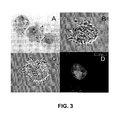
- Figure 3 illustrates morphological features of FBAL-A cells using microscopy techniques: A) Giemsa stain to show morphological appearance (cytospin); B) Confocal microscopy of FBAL-A stained for CD14; C) Confocal fluorescence microscopy staining for CD172; and D) Staining of FBAL-A infected with PRRSV staining for nucleocapside antigen which indicates a characteristic localization of N antigen to nucleus and association with nucleolus.
- Fig. 3B and Fig. 3C illustrate the actual morphology of fresh cells stained for CD14 or CD172 with characteristic filopodia and lamellipodia.
- cells described herein derived from porcine fetal lungs can contain self-regenerating progenitors. These self-regenerating progenitors can produce progeny macrophages, which can further differentiate, and moreover can have the ability to produce additional progenitor cells allowing continuing propagation.
- the non-simian cell isolate ZMAC is capable of supporting PRRSV growth.
- ZMAC ZMAC cells were characterized and observed to have the capability of supporting PRRSV infectivity and growth.
- Cells in the airways of the lungs from each of the 6 fetuses were isolated separately by bronchoalveolar lavage. Approximately 100,000 cells were obtained from the lung of each fetus. The cells from each fetus were cultured separately in different wells of a 6-well tissue culture plate. After an initial 4-day culture, the cells were purified via a Ficoll-Hypaque density gradient. In an embodiment, cells can be purified by Ficoll-Hypaque either the day of isolation or at a later time, e.g., 1, 2, or 3 weeks later, it is recognized that this can facilitate removal of certain components such as red cells, and potentially other material, present in an original preparation).
- the cells were exhibiting robust growth and were split into additional 6-well plates. These cells were named ZMAC/FBAL-II and further designated as sublines 1-6 to identify the cells isolated from the 6 different fetuses. Subsequently the cells were split approximately every 4-5 days. The robust growth of cells was evident by the presence of cell clusters which started to double in terms of cells per cluster about every 2.5 to 3 days. By 60 days after the initiation of the culture, the ZMAC/FBAL-II.1, and ZMAC/FBAL-II.2 cells exhibited better growth than the other four lines.
- the ZMAC/FBAL-II.1, and ZMAC/FBAL-II.2 lines were growing sufficiently well to be transferred to 75 cm 2 tissue culture flasks. Culture conditions were generally as described above. In this experiment, Sarstedt flasks for suspension cultures were used.
- the cells Upon multiple passages, the cells exhibited vigorous growth; several million cells were able to be harvested every 10-12 days. Growth curves indicated that the cells are capable of replicating PRRS virus as well as the FBAL-1 (FBAL-A) cells. In one assay, the yield of virus was approximately 0.2 TCID 50 /cell. Two types of modified live PRRS virus isolates were tested for growth in these cells (PrimePac strain of Schering-Plough and the Spanish vaccine isolate of Syva in Europe).
- the ZMAC population has been found to be 70% susceptible to infection with PRRS virus as determined immunofluorescence staining for viral proteins within 18 hours after infection at an MOI of 0.01. In another assessment, we determined that the ZMAC cell line is 100% susceptible to infection by PRRS virus, as determined by immunofluorescence staining for viral proteins 12 hours after infection at an MOI of 10.
- Fig. 4A shows results of growth kinetics of the ZMAC cells.
- Established cultures of ZMAC cells were grown in 75 cm 2 culture flasks containing 15 ml of cells at 2-3.2 x 10 5 cells/ml; cells were fed with an equal volume of fresh culture medium to achieve a cell density of 1-1.6 x 10 5 cells/ml. Cells were counted at 0, 3, and 6 days after fresh medium was provided. Each flask is capable of producing 2-3 x 10 6 cells every four days.
- Figure 4B illustrates a multiple step growth curve of PRRS virus on ZMAC cells.
- the results indicate the viral yields and kinetics of PRRSV growth on ZMAC cells.
- a suspension of ZMAC cells at 1x10 6 /ml were infected at an MOI of 0.02 with attenuated PRRS virus isolate PrimePac. After one-hour incubation at 37C the inoculum was removed by centrifugation, and the cells were suspended at 1x10 6 /ml. A 0.1 ml volume was removed at the indicated times after infection and the number of TCID 50 units determined in MARC-145 cells.
- the attenuated PRRS virus strain PrimePac potentially suitable as a vaccine material, grows well in the ZMAC cell line.
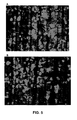
- Figure 5 illustrates ZMAC cells at 20 hours after being infected with PRRS virus strain NADC20 at an MOI of 1 ( Fig. 5A ) and 0.1 ( Fig. 5B ). A negative control with mock infected cells was also observed (not shown). Cells were fixed and stained with FITC labeled SDOW17 mAb that is specific for the nucleocapsid (N) protein. Phase contrast microscopy was also performed to observe the cells. Generally these cells do not show CPE until about 28-36 hours after infection. A substantial amount of virus material, however, is released from the cells much earlier, for example by about 18-20 hours after infection.
- Samples of cells are used to adapt cell growth conditions and viral growth conditions for purposes of maximizing and/or optimizing virus titers.
- PRRS viral stocks are generated accordingly and can be used for vaccine development and vaccination purposes.
- EXAMPLE 3 Immortalized non-simian cell lines capable of supporting PRRSV growth.
- a cell or cell line of the invention is established as one or more of a spontaneous immortalized variant, deliberately transformed derivative, other variant or derivative, and an otherwise immortalized version of a primary cell or cell line as described herein.
- telomere function a cell or cell line which can avoid, delay, or otherwise alter senescence. See, e.g., Carrillo et al., Veterinary Immunology and Immunopathology 89 (2002) 91-98 ; Deank S et al., 2006 Animal Biotechnology, 17: 51-58; http://www.atcc.org/common/products/CellImmortProducts.cfm.
- aspects such as purification and/or subcloning are facilitated by fluorescence activated cell sorting or other flow cytometry separation or analysis technique.
- Other techniques such as magnetic cell separation are adaptable for use with cells and methods herein.
- EXAMPLE 4 Determination of immunogenicity and efficacy of a PRRS modified live vaccine.
- the immunogenicity and efficacy of a PRRS modified live virus vaccine produced using a porcine macrophage cell line is determined.
- a porcine alveolar macrophage cell line is tested.
- the porcine macrophage primary cell lines UIMAC-FBAL-A and/or ZMAC are used.
- a PRRS MLV candidate is selected and produced in connection with a cell or cell line as described herein to generate PRRS MLV material for clinical trial evaluation.
- Animals in groups 1 and 2 are immunized once in the rump area with a dose of 5 x 10 4 TCID 50 units in a 2 ml volume of the MLV stock grown in either the UIMAC-FBAL-A cells or in MARC-145 cells.
- Animals in group 3 are injected with a 50:50 mixture of 2 ml of spent culture supernatant from UIMAC-FBAL-A and simian MARC-145 cells.
- the animals in group 4 are not treated and serve as controls.
- peripheral blood samples are collected from each animal at weeks 0, 2, 4, 6 and 8 weeks post-immunization. From these samples, serum and PBMC are obtained and the intensity of the humoral and cell-mediated immune responses measured.
- mice in groups 1-3 are challenged at 6 weeks post-immunization by instillation of 2 ml of the virulent PRRS virus strain VR2385 (10 5 TCID 50 doses per 2 ml, administered in aliquots of 1 ml per nostril). Animals in group 4 remain unvaccinated and are not challenged in order to determine normal clinical parameters as well as normal lung appearance.
- the PRRS virus-na ⁇ ve animals in group3 will serve as the challenge controls to determine the severity of the challenge.
- the degree of protective immunity elicited by the vaccine is established based on factors including the measurement of body temperature and weight change and the observance of clinical signs such as depression and respiratory signs. These parameters are monitored daily for fourteen days.
- the level of viremia, IFN-gamma response, and body weight are determined at 0, 4, 7, 10 and 14 days post-challenge. Fourteen days after challenge, the animals are euthanized, and the viral load in lung tissue and bronchoalveolar lavage fluid determined. Pathological changes in the lung are assessed at the macro and microscopic levels.
- the immunogenicity and efficacy of biologic material generated from ZMAC is evaluated.
- the ZMAC material is compared to the same vaccine virus but grown in the MARC-145 cells.
- the third passage of this virus in the ZMAC cells is utilized to conduct the comparative vaccination study of this biologic to the PrimePac virus grown in MARC-145 cells.
- Stocks of the PrimePac vaccine grown in either the ZMAC or MARC-145 cells are prepared to a titer of 10 6 TCID 50 /ml.
- Groups of pigs are immunized at 5 x 10 4 TCID50 dose in a 2 ml volume of the MLV stock grown in either the UIMAC-FBAL-A cells or in MARC-145 cells.
- EXAMPLE 5 Use of a porcine alveolar macrophage cell line to produce a PRRS modified live virus vaccine.
- a porcine alveolar macrophage cell line designated ZMAC-1
- ZMAC-1 a porcine alveolar macrophage cell line
- MMV modified live virus
- the efficacy of vaccine virus grown in this porcine host is compared to that propagated in the only other cell line known at the initiation of this study to support the growth of PRRS virus, namely the simian cell line MA-104 and/or its derivative the MARC-145 line.
- the ZMAC-1 cells were found to be readily susceptible to the MLV vaccine Prime Pac PRRS (Schering-Plough Animal Health). Moreover, after the third passage of the virus in ZMAC-1 cells, a yield comparable to that achieved when using MARC-145 cells was obtained.
- a standard immunization-challenge study was conducted. In this case, six 8 week-old pigs were injected with an equivalent dose of the Prime Pac vaccine grown in either ZMAC-1 or MARC-145 cells while two additional groups of three animals were not immunized. Four weeks later, all vaccinated and one of the PRRS virus-na ⁇ ve groups were challenged with the "atypical PRRS abortion storm" virus isolate NADC-20.
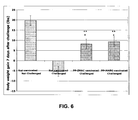
- the Prime Pac MLV vaccine grown in either cell line was equally effective at preventing the body weight loss of PRRS virus-na ⁇ ve pigs that had been exposed to the heterologous virus 7 days earlier.
- the vaccine virus grown in ZMAC-1 cells was significantly more effective than that grown in MARC-145 at reducing the extent of viremia and also at eliminating virulent virus from the lungs at 7 and 10 days post-challenge, respectively.
- a porcine alveolar macrophage cell line designated ZMAC-1, was generated and its utility to manufacture an effective PRRS modified live virus (MLV) vaccine was examined.
- MMV PRRS modified live virus
- This cell line was found to be 100% susceptible to infection by PRRS virus, as evidenced by the successful immunofluorescence staining for viral proteins at 20 hr after infection.
- the first round of PRRS virus replication was determined to be completed by 9 hr after infection and the yield of virus progeny during the second round of replication at 19 hr after infection.
- Objectives of this study included the determination of (1) the growth characteristics of attenuated PRRS virus strains in the porcine macrophage cell line ZMAC-1; and (2) the immunogencity and efficacy of a PRRS modified live virus vaccine produced in the porcine macrophage cell line ZMAC-1.
- Porcine alveolar macrophage cells were selected, e.g., as further described herein, from the lung lavage of a 58 day-old fetus obtained from an SPF (specific pathogen free) sow.
- the cells were cultured in RPMI-1640 medium, supplemented with 10% fetal bovine serum, sodium pyruvate and non-essential amino acids, and maintained at 37°C in a 5% CO 2 atmosphere.
- a cell line, designated ZMAC-1 was established in May of 2006 and has since been continuously growing. Stocks representative of different temporal subdivisions of this cell line have been cryo-preserved.
- the MLV vaccine Prime Pac PRRS (Schering-Plough Animal Health) was sequentially passaged three times in ZMAC-1 cells. Although the titer was only 10 4 TCID 50 /ml after the first two passages, the virus appeared to have adapted during the third passage as the titer had increased to 10 6.25 TCID 50 /ml. Accordingly, this progeny was used for vaccination.
- Stocks of the Prime Pac vaccine were also prepared in MARC-145 cells as previously described (Osorio et al., 2006) and attained a titer of 10 6 TCID 50 /ml.
- the "atypical PRRS abortion storm" virus isolate NADC-20 (Harms et al., 2001) was grown in ZMAC-1 cells and exhibited a maximum titer of 10 7.6 TCID 50 /ml.
- Vaccination and challenge study Eighteen 8-week-old SPF pigs (free of all major swine pathogens including PRRS virus, mycoplasma and circovirus) were randomly allocated into 6 isolation cubicles (3 pigs per cubicle) at a suite in the Biocontainment Facility at the University of Illinois. Animals from four cubicles were injected once in the rump area with a 2 ml solution containing 10 4 TCID 50 of Prime Pac virus grown in either ZMAC-1 or MARC-145 cells, for a total of 2 cubicles per vaccine formulation (6 pigs total). The six remaining pigs in the two other cubicles were not immunized and served as unvaccinated controls.
- Objective 1 Determine the growth characteristics of attenuated PRRS virus strains in the porcine macrophage cell line ZMAC-1. The goal of this aim was to ascertain the robustness of the ZMAC-1 cell line and its susceptibility to infection by PRRS virus. In addition, we sought to determine optimal conditions for the growth of attenuated PRRS virus in the ZMAC-1 cells and to demonstrate that stocks of MLV vaccine prepared in this cell line could be used for commercial purposes.
- the ZMAC-1 macrophage line has exhibited a very robust growth pattern with a doubling time of approximately 72 hours (Fig. B1; this corresponds to Fig. 4A ).
- Fig. B1 this corresponds to Fig. 4A .
- more than 100 frozen cells stocks have been prepared. Every lot has at least 10 vials, and each vial contains at least 2-3 million cells.
- Figure B1 (corresponds to Fig. 4A ). Growth kinetics of the ZMAC-1 cell line. Established cultures of ZMAC-1 cells in 75cm 2 flasks containing 2-3.2 x 10 5 cells/ml medium were combined with an equal volume of fresh medium to achieve a cell density of 1-1.6 x 10 5 cells/ml. Cells were counted at day 0, 3 and 6 days after fresh medium was delivered into the culture flask.
- the ZMAC-1 cell line is 100% susceptible to infection by PRRS virus, as evidenced by the successful immunofluorescence staining for viral proteins at 20 hr after infection (Fig. B2; corresponds to Fig. 5A ). Moreover, we have determined that the first round of replication of PRRS virus is completed by 9 hr after infection (data not shown) and that the peak yield of virus progeny is achieved by the second round of replication at 19 hr after infection (Fig. B3; corresponds to Fig. 4B ).
- Figure B2 (corresponds to Fig. 5A ). Expression of PRRS virus nucleocapsid protein in ZMAC-1 cells. At 20 hr after infection with PRRS virus strain NADC-20 at MOI of 1, the cells were fixed and stained with FITC-labeled, anti-PRRS virus nucleocapsid mAb SDOW17.
- Figure B3 (corresponds to Fig. 4B ). Multiple step growth curves of PRRS virus in ZMAC-1 cells.
- a suspension of ZMAC-1 cells at 1x10 6 /ml was infected at an MOI of 0.02 with the attenuated PRRS virus isolate Prime Pac. After a one-hr incubation at 37°C the inoculum was removed by centrifugation and the cells suspended in medium at a concentration of 1x10 6 /ml. One-tenth ml aliquots were removed at the indicated times after infection and used for determining the presence of infectious virus (TCID 50 in MARC-145 cells).
- Objective 2 Determine the immunogencity and efficacy of a PRRS modified live virus vaccine produced in the porcine macrophage cell line ZMAC-1.
- the goal of this aim was to compare the levels of protective immunity elicited by the same PRRS MLV vaccine, in this case the Prime Pac PRRS virus, produced in either the ZMAC-1 cell line or in MARC-145 cell line.
- the Prime Pac MLV vaccine was equally effective at diminishing the negative effect of the exposure to virulent PRRS virus on growth, as evidenced by the significant BW loss of PRRS virus-na ⁇ ve pigs that had been exposed to a heterologous virulent virus 7 days earlier.
- FIG. 6 Weight change in pigs after exposure to wild-type PRRS virus.
- An asterisk (*) Indicates that the group mean is statistically different (P ⁇ 0.01) from the challenged, PRRS virus-na ⁇ ve control animals.
- Two asterisks (**) are used to indicate that the group mean is statistically different (P ⁇ 0.01) from the unchallenged, PRRS virus-na ⁇ ve control animals.
- Figure 7 Extent and frequency of viremia in pigs after exposure to wild-type PRRS virus. Serum samples were collected from PRRS virus-na ⁇ ve and immunized animals immediately prior to and at the indicated days after challenge with the wild-type PRRS virus isolate NADC-20. Samplings were also taken at these time points for the unchallenged, PRRS virus-na ⁇ ve animals. The level of virus load in the serum was determined by performing titration in MARC-145 cells and then averaged. The data represents the average level of viremia for each group. The ratio next to the symbols indicates the number of viremic pigs (numerator) and the total number of pigs per group (denominator).
- FIG 8 Virus load in the bronchalveolar lavage of pigs after exposure to wild-type PRRS virus. Bronchoalveolar lavage was collected from the lungs of PRRS virus-na ⁇ ve and previously immunized pigs at 10 days after challenge with the wild-type PRRS virus isolate NADC-20. Samples were also obtained at this time from unchallenged, PRRS virus-na ⁇ ve animals. The level of virus load in the BAL of each animal was determined by performing titration in MARC-145 cells.
- EXAMPLE 6 Cell materials and growth of cells.
- Cell materials Cells designated as ZMAC-1 were prepared and deposited with a recognized International Depositary Authority, the American Type Culture Collection (ATCC; 10801 University Boulevard, Manassas, Virginia, United States of America) under the Budapest Treaty. The accession number is ATCC Patent Deposit No. PTA-8764 for cells characterized as being of Sus scrofa (pig/swine) lung tissue origin.
- ATCC American Type Culture Collection
- PTA-8764 for cells characterized as being of Sus scrofa (pig/swine) lung tissue origin.
- cells such as ZMAC-1 cells are cultivated in vitro.
- principles of mammalian cell culture are applied.
- cells can be cultured in the presence of antibiotics; gentamicin is used but not necessarily required.
- Cells are prepared as follows (culture medium: RPMI-1640 supplemented with 10% fetal bovine serum, sodium pyruvate (1 mM; Mediatech Cellgro, Cat. No. 25-000-C1), non-essential amino acids (1 X; Mediatech Cellgro Cat. No. 25-025-C1), and Gentamicin (50 mcg/ml; Gibco, Cat. No. 15750-060).
- the cells are maintained at cell concentrations of about 1 to 5 x 10e5 per ml. These cells generally grow in suspension. Discrete colonies of loosely adherent cells can develop but most of the cells will be growing in suspension. Normal cultures will produce floating cell clumps.
- the preferred type of culture flask is Sarstedt Tissue Culture Flask for suspension cell with PE vented cap (Cat. No. 83.1813.502).
- Established flasks can be harvested every 4-5 days with removal of 2/3 of the fluid and addition of fresh culture medium.
- New flasks are established by adding at least 3-6 million cells in a 20 ml volume in a T25 flask (minimum of 1.5 x 10e5 cells/ml). Growth can be enhanced by adding 2-10 ng/ml of macrophage colony-stimulating factor (mouse; Sigma-Aldrich Product No. M9170).
- Cell freezing can be accomplished by mixing equal volumes of ice-cold suspensions of cells at 4-8 million cells per ml and ice-cold freezing medium (90% serum, 10% DMSO). Chilled cryovials are filled with the cells suspended in freezing medium and maintained at ice-cold temperature during the process.
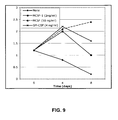
- Figure 9 illustrates growth of ZMAC-1 cells in the presence of growth factors.
- ZMAC-1 cells at 1.2 x 10 5 cell per ml were cultured for 8 days without exogenous growth factor or in the presence of the indicated concentration of either macrophage colony stimulating factor (MCSF) or granulocyte-macrophage colony stimulating factor (GMCSF).
- MCSF macrophage colony stimulating factor
- GMCSF granulocyte-macrophage colony stimulating factor
- the cell concentration was determined with the aid of a hemocytometer at the fourth and eighth day of culture.
- the y-axis indicates cells/ml (x10 5 ).
- a cell of the invention is represented by a cell designated as ZMAC-1 or a deposit with the American Type Culture Collection designated as ATCC Patent Deposit No. PTA-8764 or derived therefrom.
- EXAMPLE 7 Generation of cell materials and methods of isolation from fetal porcine samples.
- compositions and methods were developed.
- materials were derived from a sow at 60 days of gestation from the swine herd at the University of Illinois Veterinary Medicine Research Farm (identified as Sow number 5850).
- Sow number 5850 the University of Illinois Veterinary Medicine Research Farm
- the uterus was aseptically removed from the abdominal cavity and transported to the cell culture laboratory.
- Manipulations were generally performed using a bio-safety cabinet under sterile conditions.
- Six fetuses were aseptically harvested from the uterus and placed in plastic Petri dishes. Lung organs, with the trachea intact and attached to the lung, was dissected away from the heart, esophagus and other membranes.
- HBSS Hank's balanced salt solution
- the fluid was gently propelled through the trachea while constraining it via compression with forceps to prevent backflow of the HBSS, resulting in the lungs becoming visibly inflated with the fluid. Afterwards the fluid containing the lung lavage cells was self-expelled from the lung by simply releasing the tracheal compression.
- the cell suspension collected in the Petri dish was transferred to a sterile 15 ml conical plastic tube, and was underlayed with 3-4 ml of warm Ficoll-Hypaque 1077. Immediately afterwards cell suspension was purified via isopycnic centrifugation (400 g for 30 minutes at room temperature).
- cells can be purified by isopycnic centrifugation using Ficoll-Hypaque 1077 either the day of isolation or at a later time, e.g., 1, 2, or 3 weeks later. It is recognized that this purification procedure can facilitate removal of certain components such as red cells, and potentially other material, present in an original preparation.
- the band of cells obtained after centrifugation at the interface between the Ficoll-Hypaque 1077 and medium was harvested and washed with HBSS twice and the cells recovered each time by centrifugation.
- the recovered cell pellet from each fetal lung lavage was suspended in culture medium: RPMI-1640 supplemented with 10% fetal bovine serum, sodium pyruvate (1 mM; Mediatech Cellgro, Cat. No. 25-000-C1), non-essential amino acids (1X; Mediatech Cellgro Cat. No. 25-025-C1), and placed independently in one well of 6-well plate (Sarstedt) for suspension culture. Each well was labeled from 1-6 to identify the cells purified independently from each of the six fetuses. Although in this attempt very few and very small cells ( ⁇ 100) were recovered after the isopycnic centrifugation procedure, within 14 days after establishment of the initial cultures, significant growth was observed in every well.
- the macrophage progenitors harvested from the fetal lung were apparently very small and could have a density grater than 1.077 (thus going through the density medium to the bottom of the tube during the isopycnic centrifugation), in the case of fetus #1, the red cell pellet obtained after the isopycnic centrifugation was also harvested and placed in culture and labeled P1.
- the predominant cell type at the initiation of the culture consisted of red blood cells, a small number of very small mononuclear cells was observed.
- the growth in cells derived from the lung lavage of fetus #4 exhibited sufficient growth to merit splitting into new wells of a 6 well plate.
- Cells derived from this culture were named ZMAC1107-4.
- growth in the well labeled as P1 which was derived from the red blood cell pellet was clearly evident at 36 days after the initiation of the culture and was also split into 2 wells.
- Cells derived from this culture were named ZMAC1107-P1.
- the growth of cells was evident by the presence of cell clusters comprised of 2, 4, 8, 16 or more cells per cluster.
- the culture medium for this cell line was supplemented in one of duplicate wells with 10 ng/ml of macrophage colony stimulating factor (mouse; Sigma-Aldrich Product No. M9170). Seven days later it was clear that the growth of the ZMAC1107-4 cells had been significantly aided at this early stage of culture by the exogenous supplementation with the growth factor, and thereafter the medium of all cultures was supplemented with MCSF at 5-10 ng/ml. Cultures are fed every 4-6 days by removing by aspiration half the volume of the cell culture and replacing it with fresh medium supplemented with the growth factor. The robust growth of both the ZMAC 1107-4 and ZMAC 1107-P1 lines was evident by the formation of cell colonies growing in suspension and loosely attached to the culture surface.
- macrophage colony stimulating factor mouse
- compositions and methods were developed.
- a sow identified as number 9093, at 54 days of gestation was obtained from the swine herd at the University of Illinois Veterinary Medicine Research Farm. Following euthanasia, the uterus was aseptically removed from the abdominal cavity and transported to the cell culture laboratory. All manipulations from this point forward were done inside of a bio-safety cabinet under sterile conditions. Eight fetuses were aseptically harvested from the uterus and placed in plastic Petri dishes and their lungs, with the trachea intact and attached to the lung, dissected away from the heart, esophagus and other membranes. The outside of the lung was thoroughly rinsed with HBSS to remove any visible blood and other contaminating remaining tissue.
- HBSS Hank's balanced salt solution
- the fluid containing the lung lavage cells was self-expelled from the lung by simply reducing compression of the trachea. In some cases the lung was gently pressed down with the blunt end of scissors to help expel the remaining lavage fluid.
- the cell suspension collected in the Petri dish was transferred to a sterile 15 ml conical plastic tube, and centrifuged for 10 minutes at 1,500 RPM in a table top clinical centrifuge.
- the recovered cell pellet from each fetal lung lavage was suspended in culture medium: RPMI-1640 supplemented with 10% fetal bovine serum, sodium pyruvate (1 mM; Mediatech Cellgro, Cat. No. 25-000-C1), non-essential amino acids (1X; Mediatech Cellgro Cat. No.
- the non-adherent and loosely adherent cells from all 8 fetal lung lavage cell cultures were harvested by gently pipetting and purified by isopycnic centrifugation using Ficoll-Hypaque 1077. This was accomplished by transferring the cell suspension to a sterile 15 ml conical plastic tube, which was underlay with 3-4 ml of warm Ficoll-Hypaque 1077 and then centrifuged at 400 g for 30 minutes at room temperature. A clearly visible band of cells was obtained after centrifugation at the interface between the Ficoll-Hypaque 1077. Medium was harvested and washed with HBSS twice, and the cells were recovered each time by centrifugation.
- the recovered cell pellet from each individual fetal lung lavage culture was suspended in 3 ml of culture medium: RPMI-1640 supplemented with 10% fetal bovine serum, sodium pyruvate (1 mM; Mediatech Cellgro, Cat. No. 25-000-C1), non-essential amino acids (1X; Mediatech Cellgro Cat. No. 25-025-C1), and placed independently in one well of 6-well plates (Sarstedt) for suspension culture and labeled 1-8, which corresponded directly to the original labeling of the cultures. Five days later all cell cultures were fed 2 cc of fresh culture medium.
- references provided herein are incorporated by reference to provide information, e.g., details concerning sources of starting materials, additional starting materials, additional reagents, additional methods of synthesis, additional methods of analysis, additional biological materials, additional cells, and additional uses of the invention.
- any of the terms “comprising”, “consisting essentially of” and “consisting of” may be replaced with either of the other two terms, thereby disclosing separate embodiments and/or scopes which are not necessarily coextensive.
- the invention illustratively described herein suitably may be practiced in the absence of any element or elements or limitation or limitations not specifically disclosed herein.
- compositions, methods, devices, device elements, materials, procedures and techniques other than those specifically described herein can be employed in the practice of the invention as broadly disclosed herein without resort to undue experimentation; this can extend, for example, to starting materials, biological materials, reagents, synthetic methods, purification methods, analytical methods, assay methods, and biological methods other than those specifically exemplified. All art-known functional equivalents of the foregoing (e.g., compositions, methods, devices, device elements, materials, procedures and techniques, etc.) described herein are intended to be encompassed by this invention.
Landscapes
- Health & Medical Sciences (AREA)
- Life Sciences & Earth Sciences (AREA)
- Engineering & Computer Science (AREA)
- Chemical & Material Sciences (AREA)
- Bioinformatics & Cheminformatics (AREA)
- Organic Chemistry (AREA)
- Zoology (AREA)
- Wood Science & Technology (AREA)
- Genetics & Genomics (AREA)
- Biomedical Technology (AREA)
- Biotechnology (AREA)
- General Health & Medical Sciences (AREA)
- Biochemistry (AREA)
- Microbiology (AREA)
- General Engineering & Computer Science (AREA)
- Medicinal Chemistry (AREA)
- Immunology (AREA)
- Virology (AREA)
- Cell Biology (AREA)
- Pulmonology (AREA)
- Animal Behavior & Ethology (AREA)
- Nuclear Medicine, Radiotherapy & Molecular Imaging (AREA)
- General Chemical & Material Sciences (AREA)
- Chemical Kinetics & Catalysis (AREA)
- Pharmacology & Pharmacy (AREA)
- Public Health (AREA)
- Veterinary Medicine (AREA)
- Medicines Containing Antibodies Or Antigens For Use As Internal Diagnostic Agents (AREA)
- Micro-Organisms Or Cultivation Processes Thereof (AREA)
Claims (11)
- Isolierte fetale porcine alveoläre Makrophagenzelle, imstande, das PRRS-Virus zu reproduzieren, wobei die Zelle ZMAC-1, eine Hinterlegung bei der American Type Culture Collection, bezeichnet als ATCC-Patenthinterlegung Nr. PTA-8764, oder davon abgeleitet, oder eine immortalisierte Zellvariante oder ein Abkömmling der Zelle ist, wobei die davon abgeleitete Zelle, Variante oder der Abkömmling imstande ist, das PRRS-Virus zu reproduzieren.
- Verfahren zum Generieren von Nachkommenschaft eines PRRS-Virus, umfassend:a) Bereitstellen einer isolierten oder gereinigten fetalen porcinen alveolären Makrophagenzelle, imstande, das PRRS-Virus zu replizieren, wobei die Zelle für mindestens 5 Passagen kultiviert wird, wobei gegebenenfalls die Zelle von einem individuellen Tier erhalten wird;b) Einwirken des PRRS-Virus auf die Zelle; undc) Erlauben, dass das PRRS-Virus in der Zelle repliziert wird;dadurch Generieren von Nachkommenschaft des PRRS-Virus.
- Verfahren zum Erzeugen eines PRRS-Impfstoffes, umfassend Bereitstellen eines modifizierten Lebendvirus-(MLV)-Stammes von PRRSV und Züchten des MLV-Stammes in einer isolierten oder gereinigten fetalen porcinen alveolären Makrophagenzelle, imstande, den PRRSV-MLV-Stamm zu replizieren, wobei die Zelle eine primäre Zelle, Zellpopulation, Zelllinie oder Variante oder ein Abkömmling davon ist und wobei die Zelle oder Variante oder der Abkömmling imstande ist, das PRRS-Virus zu reproduzieren.
- Verfahren gemäß Anspruch 2 oder 3, wobei die Zelle durch die Zelle gemäß Anspruch 1 dargestellt wird.
- Verfahren zum Züchten eines PRRS-Virus, umfassend:a) Isolieren einer Makrophagenzelle aus einer porcinen fetalen Lunge, wobei das Isolieren durch Schritte, umfassend Bereitstellen eines porcinen fetalen Subjekts; Gewinnen einer Zellen enthaltenden bronchoalveolären Lavage-Probe von dem Subjekt und Abtrennen einer zellulären Komponente von der Probe, geschieht;b) Kultivieren der Zelle; undc) Inkontaktbringen der Zelle mit dem Virus, um virale Replikation zu erlauben;dadurch Züchten des Virus.
- Verfahren gemäß Anspruch 5, wobei das Kultivieren Passagieren der Zelle für mindestens 5 Passagen und/oder Züchten der Zelle für mindestens 10 Tage kontinuierlicher Kultur umfasst.
- Zusammensetzung, umfassend ein PRRS-Virus, gezüchtet in einer isolierten fetalen porcinen alveolären Makrophagenzelle, imstande, das PRRS-Virus zu reproduzieren, wobei die Zelle von einem individuellen Tier erhalten und für mindestens 5, 10, 20 oder 50 Passagen kultiviert wird.
- Verfahren gemäß einem der Ansprüche 2 bis 6, weiterhin umfassend Inkontaktbringen der Zelle mit einer Wachstumsfaktor-Zusammensetzung.
- Verfahren gemäß Anspruch 8, wobei die Wachstumsfaktor-Zusammensetzung Makrophagenkolonie-stimulierenden Faktor (MCSF) oder Granulozyten-Makrophagenkolonie-stimulierenden Faktor (GMCSF) umfasst.
- Impfstoff, erzeugt aus Züchten eines Virus, welches ein PRRS-Virus, ein PRRS-Virus-Impfstoff-Stamm oder ein PRRS-modifiziertes Lebendvirus in einer Zelle der ATCC-Patenthinterlegung Nr. PTA-8764 oder einer davon abgeleiteten Zelle ist, wobei die Zelle oder davon abgeleitete Zelle imstande ist, das PRRS-Virus zu reproduzieren.
- Zusammensetzung gemäß Anspruch 7, wobei das PRRS-Virus in der Zelle gemäß Anspruch 1 gezüchtet wird.
Priority Applications (1)
| Application Number | Priority Date | Filing Date | Title |
|---|---|---|---|
| PL08727607T PL2106440T3 (pl) | 2007-01-12 | 2008-01-11 | Komórki niepochodzące od małp do hodowli wirusa zespołu rozrodczo-oddechowego świń (PRRS) |
Applications Claiming Priority (3)
| Application Number | Priority Date | Filing Date | Title |
|---|---|---|---|
| US88478207P | 2007-01-12 | 2007-01-12 | |
| US95659707P | 2007-08-17 | 2007-08-17 | |
| PCT/US2008/050908 WO2008089094A2 (en) | 2007-01-12 | 2008-01-11 | Non-simian cells for growth of porcine reproductive and respiratory syndrome (prrs) virus |
Publications (3)
| Publication Number | Publication Date |
|---|---|
| EP2106440A2 EP2106440A2 (de) | 2009-10-07 |
| EP2106440A4 EP2106440A4 (de) | 2010-11-24 |
| EP2106440B1 true EP2106440B1 (de) | 2015-09-16 |
Family
ID=39636639
Family Applications (1)
| Application Number | Title | Priority Date | Filing Date |
|---|---|---|---|
| EP08727607.7A Active EP2106440B1 (de) | 2007-01-12 | 2008-01-11 | Nichtsimian-zellen für das wachstum des prrs-virus |
Country Status (11)
| Country | Link |
|---|---|
| US (4) | US8202717B2 (de) |
| EP (1) | EP2106440B1 (de) |
| CN (1) | CN101668846B (de) |
| AR (1) | AR064888A1 (de) |
| BR (1) | BRPI0806697B8 (de) |
| CA (1) | CA2675139C (de) |
| DK (1) | DK2106440T3 (de) |
| ES (1) | ES2560432T3 (de) |
| MX (1) | MX2009007457A (de) |
| PL (1) | PL2106440T3 (de) |
| WO (1) | WO2008089094A2 (de) |
Cited By (1)
| Publication number | Priority date | Publication date | Assignee | Title |
|---|---|---|---|---|
| CN112079921A (zh) * | 2020-09-27 | 2020-12-15 | 中国兽医药品监察所 | 一种猪繁殖与呼吸综合征病毒阳性血清及其制备方法 |
Families Citing this family (11)
| Publication number | Priority date | Publication date | Assignee | Title |
|---|---|---|---|---|
| US8202717B2 (en) * | 2007-01-12 | 2012-06-19 | The Board Of Trustees Of The University Of Illinois | Non-simian cells for growth of porcine reproductive and respiratory syndrome (PRRS) virus |
| AU2008290914A1 (en) * | 2007-07-27 | 2009-02-26 | Universiteit Gent | Permissive cells and uses thereof |
| CA2872789C (en) | 2012-05-17 | 2019-09-03 | Zoetis Llc | Effective vaccination against porcine reproductive and respiratory syndrome (prrs) virus prior to weaning |
| WO2014089117A1 (en) | 2012-12-07 | 2014-06-12 | The Board Of Trustees Of The University Of Illinois | Porcine reproductive and respiratory syndrome virus compositions and uses thereof |
| CA2932230A1 (en) * | 2013-12-12 | 2015-06-18 | Intervet International B.V. | Immortalized porcine alveolar macrophage |
| US10583189B2 (en) * | 2014-08-22 | 2020-03-10 | Investigacion Aplicada, S.A. De C.V. | Emulsified vaccine to obtain formulations of concentrated IgY immunoglobulins; processes and uses for the same |
| CN110072547B (zh) | 2016-12-14 | 2024-04-30 | 硕腾服务有限责任公司 | 断奶前对抗欧洲猪繁殖与呼吸综合征(prrs)病毒株的有效疫苗接种 |
| CN106701675A (zh) * | 2017-01-22 | 2017-05-24 | 浙江省淡水水产研究所 | 一种中华鳖肺巨噬细胞的原代培养方法 |
| CA3146409A1 (en) | 2019-07-11 | 2021-01-14 | Aptimmune Biologics, Inc. | Methods for growing african swine fever virus in fetal porcine lung alveolar macrophage cells |
| CN112941036B (zh) * | 2021-02-08 | 2023-06-09 | 吉林惠康生物药业有限公司 | 一种提高狂犬病毒在人二倍体细胞中复制水平的方法 |
| CN113151171B (zh) * | 2021-03-01 | 2024-04-05 | 泰州天蓝生物工程合伙企业(有限合伙) | 猪肺泡巨噬细胞健康细胞系及构建方法与应用 |
Family Cites Families (20)
| Publication number | Priority date | Publication date | Assignee | Title |
|---|---|---|---|---|
| DE69201441T3 (de) | 1991-06-06 | 2008-12-04 | Boehringer Ingelheim Vetmedica Gmbh | Erreger der mysteriösen schweinekrankheit,impfstoff-zusammensetzungen und diagnose kits. |
| US5846805A (en) | 1991-08-26 | 1998-12-08 | Boehringer Ingelheim Animal Health, Inc. | Culture of swine infertility and respiratory syndrome virus in simian cells |
| CA2076744C (en) | 1991-08-26 | 2000-06-27 | Danny W. Chladek | Viral agent associated with mystery swine disease |
| US6042830A (en) * | 1992-08-05 | 2000-03-28 | Boehringer Ingelheim Vetmedica, Inc. | Viral agent associated with mystery swine disease |
| AU2684792A (en) | 1991-10-14 | 1993-05-21 | Akzo Nobel N.V. | Porcine reproductive respiratory syndrome vaccine and diagnostic |
| US5583053A (en) | 1992-07-21 | 1996-12-10 | Kim; Think Y. | Macrophage cell line for use in the detection of antinuclear antibodies |
| US5695766A (en) | 1992-10-30 | 1997-12-09 | Iowa State University Research Foundation | Highly virulent porcine reproductive and respiratory syndrome viruses which produce lesions in pigs and vaccines that protect pigs against said syndrome |
| KR100374295B1 (ko) | 1993-02-08 | 2003-12-24 | 바이엘 코포레이션 | 돼지생식및호흡증후군바이러스의생육방법과백신에서그의용도 |
| FR2709309B1 (fr) | 1993-08-25 | 1995-11-10 | Centre Nat Rech Scient | Compositions cellulaires, préparation et utilisations thérapeutiques. |
| ES2165405T3 (es) | 1994-04-11 | 2002-03-16 | Akzo Nobel Nv | Cepas de vacuna europeas del virus del sindrome reproductor y respiratorio porcino (prrsv). |
| ATE199022T1 (de) | 1996-10-09 | 2001-02-15 | Akzo Nobel Nv | Europäische vakzinstämme des fortplanzungs- atmungs-syndromsvirus des sweins (prrsv) |
| WO1998035023A1 (en) * | 1997-02-07 | 1998-08-13 | Origen, Inc. | Method for growing porcine reproductive and respiratory syndrome virus for use as vaccines and diagnostic assays |
| AU7960598A (en) | 1997-06-05 | 1998-12-21 | Origen, Inc. | Recombinant porcine reproductive and respiratory syndrome virus (prrsv) for use as a vaccine |
| CA2290220C (en) | 1998-12-22 | 2013-11-19 | Pfizer Products Inc. | An infectious cdna clone of north american porcine reproductive and respiratory syndrome (prrs) virus and uses thereof |
| MXPA01010681A (es) | 1999-04-22 | 2003-08-20 | Us Agriculture | Vacuna de sindrome respiratorio y reproductiva porcina a base de ja-142 aislado. |
| US7388087B2 (en) | 2000-11-09 | 2008-06-17 | The Board Of Trustees Of The University Of Illinois | Enhancement of immune response to vaccine by interferon alpha |
| US7906311B2 (en) | 2002-03-20 | 2011-03-15 | Merial Limited | Cotton rat lung cells for virus culture |
| CA2564769C (en) | 2004-04-23 | 2013-12-17 | Pharmacia & Upjohn Company Llc | Cellular permissivity factor for viruses, and uses thereof |
| US20060063151A1 (en) | 2004-09-21 | 2006-03-23 | Michael Roof | Porcine reproductive and respiratory syndrome isolates and methods of use |
| US8202717B2 (en) | 2007-01-12 | 2012-06-19 | The Board Of Trustees Of The University Of Illinois | Non-simian cells for growth of porcine reproductive and respiratory syndrome (PRRS) virus |
-
2008
- 2008-01-11 US US12/013,236 patent/US8202717B2/en active Active
- 2008-01-11 PL PL08727607T patent/PL2106440T3/pl unknown
- 2008-01-11 DK DK08727607.7T patent/DK2106440T3/en active
- 2008-01-11 AR ARP080100154A patent/AR064888A1/es unknown
- 2008-01-11 MX MX2009007457A patent/MX2009007457A/es active IP Right Grant
- 2008-01-11 WO PCT/US2008/050908 patent/WO2008089094A2/en not_active Ceased
- 2008-01-11 CN CN200880007410.1A patent/CN101668846B/zh active Active
- 2008-01-11 BR BRPI0806697A patent/BRPI0806697B8/pt active IP Right Grant
- 2008-01-11 CA CA2675139A patent/CA2675139C/en active Active
- 2008-01-11 ES ES08727607.7T patent/ES2560432T3/es active Active
- 2008-01-11 EP EP08727607.7A patent/EP2106440B1/de active Active
-
2012
- 2012-05-18 US US13/475,444 patent/US8663984B2/en active Active
-
2014
- 2014-02-14 US US14/181,460 patent/US9169465B2/en active Active
-
2015
- 2015-10-14 US US14/882,904 patent/US20160115452A1/en not_active Abandoned
Cited By (1)
| Publication number | Priority date | Publication date | Assignee | Title |
|---|---|---|---|---|
| CN112079921A (zh) * | 2020-09-27 | 2020-12-15 | 中国兽医药品监察所 | 一种猪繁殖与呼吸综合征病毒阳性血清及其制备方法 |
Also Published As
| Publication number | Publication date |
|---|---|
| MX2009007457A (es) | 2009-08-12 |
| US20120231540A1 (en) | 2012-09-13 |
| CN101668846B (zh) | 2014-03-12 |
| US9169465B2 (en) | 2015-10-27 |
| AR064888A1 (es) | 2009-04-29 |
| WO2008089094A2 (en) | 2008-07-24 |
| US20160115452A1 (en) | 2016-04-28 |
| ES2560432T3 (es) | 2016-02-19 |
| PL2106440T3 (pl) | 2016-02-29 |
| US20140162362A1 (en) | 2014-06-12 |
| EP2106440A4 (de) | 2010-11-24 |
| WO2008089094A3 (en) | 2008-11-20 |
| BRPI0806697B8 (pt) | 2023-10-24 |
| US20110177118A1 (en) | 2011-07-21 |
| CA2675139C (en) | 2019-02-19 |
| US8663984B2 (en) | 2014-03-04 |
| BRPI0806697A2 (pt) | 2014-06-03 |
| CA2675139A1 (en) | 2008-07-24 |
| DK2106440T3 (en) | 2015-12-14 |
| US8202717B2 (en) | 2012-06-19 |
| EP2106440A2 (de) | 2009-10-07 |
| WO2008089094A9 (en) | 2009-08-20 |
| BRPI0806697B1 (pt) | 2023-01-24 |
| CN101668846A (zh) | 2010-03-10 |
Similar Documents
| Publication | Publication Date | Title |
|---|---|---|
| EP2106440B1 (de) | Nichtsimian-zellen für das wachstum des prrs-virus | |
| AU2012217169B2 (en) | Novel european PRRSV strain | |
| US6001370A (en) | Attenuated strain of the virus causing the porcine reproductive respiratory syndrome (PRRS), and vaccines | |
| HU216311B (hu) | Eljárás sertésterméketlenség- és légzésibetegség-vírus izolálására, tenyésztésére és legyengítésére, valamint az ilyen vírust tartalmazó vakcina előállítására | |
| US12606803B2 (en) | Methods for growing African swine fever virus in fetal porcine lung alveolar macrophage cells | |
| Welch et al. | Construction and evaluation of genetically engineered replication-defective porcine reproductive and respiratory syndrome virus vaccine candidates | |
| WO1998035023A1 (en) | Method for growing porcine reproductive and respiratory syndrome virus for use as vaccines and diagnostic assays | |
| TW202608475A (zh) | 製造無豬內源性反轉錄病毒(perv)之動物健康疫苗的方法 | |
| MXPA97007302A (en) | New attenuated cepa of the virus causing the respiratory and reproductive swine syndrome (prrs), vaccines and diagnostic media obtained with the same and the procedures for your obtenc |
Legal Events
| Date | Code | Title | Description |
|---|---|---|---|
| PUAI | Public reference made under article 153(3) epc to a published international application that has entered the european phase |
Free format text: ORIGINAL CODE: 0009012 |
|
| 17P | Request for examination filed |
Effective date: 20090811 |
|
| AK | Designated contracting states |
Kind code of ref document: A2 Designated state(s): AT BE BG CH CY CZ DE DK EE ES FI FR GB GR HR HU IE IS IT LI LT LU LV MC MT NL NO PL PT RO SE SI SK TR |
|
| DAX | Request for extension of the european patent (deleted) | ||
| A4 | Supplementary search report drawn up and despatched |
Effective date: 20101022 |
|
| 17Q | First examination report despatched |
Effective date: 20120926 |
|
| GRAP | Despatch of communication of intention to grant a patent |
Free format text: ORIGINAL CODE: EPIDOSNIGR1 |
|
| INTG | Intention to grant announced |
Effective date: 20150324 |
|
| GRAS | Grant fee paid |
Free format text: ORIGINAL CODE: EPIDOSNIGR3 |
|
| GRAA | (expected) grant |
Free format text: ORIGINAL CODE: 0009210 |
|
| AK | Designated contracting states |
Kind code of ref document: B1 Designated state(s): AT BE BG CH CY CZ DE DK EE ES FI FR GB GR HR HU IE IS IT LI LT LU LV MC MT NL NO PL PT RO SE SI SK TR |
|
| REG | Reference to a national code |
Ref country code: GB Ref legal event code: FG4D |
|
| REG | Reference to a national code |
Ref country code: CH Ref legal event code: EP |
|
| REG | Reference to a national code |
Ref country code: IE Ref legal event code: FG4D |
|
| REG | Reference to a national code |
Ref country code: AT Ref legal event code: REF Ref document number: 749846 Country of ref document: AT Kind code of ref document: T Effective date: 20151015 |
|
| REG | Reference to a national code |
Ref country code: DE Ref legal event code: R096 Ref document number: 602008040192 Country of ref document: DE |
|
| REG | Reference to a national code |
Ref country code: RO Ref legal event code: EPE |
|
| REG | Reference to a national code |
Ref country code: DK Ref legal event code: T3 Effective date: 20151211 |
|
| REG | Reference to a national code |
Ref country code: FR Ref legal event code: PLFP Year of fee payment: 9 |
|
| PG25 | Lapsed in a contracting state [announced via postgrant information from national office to epo] |
Ref country code: GR Free format text: LAPSE BECAUSE OF FAILURE TO SUBMIT A TRANSLATION OF THE DESCRIPTION OR TO PAY THE FEE WITHIN THE PRESCRIBED TIME-LIMIT Effective date: 20151217 Ref country code: LV Free format text: LAPSE BECAUSE OF FAILURE TO SUBMIT A TRANSLATION OF THE DESCRIPTION OR TO PAY THE FEE WITHIN THE PRESCRIBED TIME-LIMIT Effective date: 20150916 Ref country code: NO Free format text: LAPSE BECAUSE OF FAILURE TO SUBMIT A TRANSLATION OF THE DESCRIPTION OR TO PAY THE FEE WITHIN THE PRESCRIBED TIME-LIMIT Effective date: 20151216 Ref country code: LT Free format text: LAPSE BECAUSE OF FAILURE TO SUBMIT A TRANSLATION OF THE DESCRIPTION OR TO PAY THE FEE WITHIN THE PRESCRIBED TIME-LIMIT Effective date: 20150916 Ref country code: FI Free format text: LAPSE BECAUSE OF FAILURE TO SUBMIT A TRANSLATION OF THE DESCRIPTION OR TO PAY THE FEE WITHIN THE PRESCRIBED TIME-LIMIT Effective date: 20150916 |
|
| REG | Reference to a national code |
Ref country code: LT Ref legal event code: MG4D |
|
| REG | Reference to a national code |
Ref country code: AT Ref legal event code: MK05 Ref document number: 749846 Country of ref document: AT Kind code of ref document: T Effective date: 20150916 |
|
| REG | Reference to a national code |
Ref country code: NL Ref legal event code: FP |
|
| REG | Reference to a national code |
Ref country code: ES Ref legal event code: FG2A Ref document number: 2560432 Country of ref document: ES Kind code of ref document: T3 Effective date: 20160219 |
|
| PG25 | Lapsed in a contracting state [announced via postgrant information from national office to epo] |
Ref country code: HR Free format text: LAPSE BECAUSE OF FAILURE TO SUBMIT A TRANSLATION OF THE DESCRIPTION OR TO PAY THE FEE WITHIN THE PRESCRIBED TIME-LIMIT Effective date: 20150916 Ref country code: SE Free format text: LAPSE BECAUSE OF FAILURE TO SUBMIT A TRANSLATION OF THE DESCRIPTION OR TO PAY THE FEE WITHIN THE PRESCRIBED TIME-LIMIT Effective date: 20150916 |
|
| PG25 | Lapsed in a contracting state [announced via postgrant information from national office to epo] |
Ref country code: IS Free format text: LAPSE BECAUSE OF FAILURE TO SUBMIT A TRANSLATION OF THE DESCRIPTION OR TO PAY THE FEE WITHIN THE PRESCRIBED TIME-LIMIT Effective date: 20160116 Ref country code: EE Free format text: LAPSE BECAUSE OF FAILURE TO SUBMIT A TRANSLATION OF THE DESCRIPTION OR TO PAY THE FEE WITHIN THE PRESCRIBED TIME-LIMIT Effective date: 20150916 Ref country code: SK Free format text: LAPSE BECAUSE OF FAILURE TO SUBMIT A TRANSLATION OF THE DESCRIPTION OR TO PAY THE FEE WITHIN THE PRESCRIBED TIME-LIMIT Effective date: 20150916 Ref country code: CZ Free format text: LAPSE BECAUSE OF FAILURE TO SUBMIT A TRANSLATION OF THE DESCRIPTION OR TO PAY THE FEE WITHIN THE PRESCRIBED TIME-LIMIT Effective date: 20150916 |
|
| PG25 | Lapsed in a contracting state [announced via postgrant information from national office to epo] |
Ref country code: PT Free format text: LAPSE BECAUSE OF FAILURE TO SUBMIT A TRANSLATION OF THE DESCRIPTION OR TO PAY THE FEE WITHIN THE PRESCRIBED TIME-LIMIT Effective date: 20160118 Ref country code: AT Free format text: LAPSE BECAUSE OF FAILURE TO SUBMIT A TRANSLATION OF THE DESCRIPTION OR TO PAY THE FEE WITHIN THE PRESCRIBED TIME-LIMIT Effective date: 20150916 |
|
| REG | Reference to a national code |
Ref country code: DE Ref legal event code: R097 Ref document number: 602008040192 Country of ref document: DE |
|
| PLBE | No opposition filed within time limit |
Free format text: ORIGINAL CODE: 0009261 |
|
| STAA | Information on the status of an ep patent application or granted ep patent |
Free format text: STATUS: NO OPPOSITION FILED WITHIN TIME LIMIT |
|
| 26N | No opposition filed |
Effective date: 20160617 |
|
| PG25 | Lapsed in a contracting state [announced via postgrant information from national office to epo] |
Ref country code: LU Free format text: LAPSE BECAUSE OF FAILURE TO SUBMIT A TRANSLATION OF THE DESCRIPTION OR TO PAY THE FEE WITHIN THE PRESCRIBED TIME-LIMIT Effective date: 20160111 |
|
| REG | Reference to a national code |
Ref country code: CH Ref legal event code: PL |
|
| PG25 | Lapsed in a contracting state [announced via postgrant information from national office to epo] |
Ref country code: MC Free format text: LAPSE BECAUSE OF FAILURE TO SUBMIT A TRANSLATION OF THE DESCRIPTION OR TO PAY THE FEE WITHIN THE PRESCRIBED TIME-LIMIT Effective date: 20150916 |
|
| PG25 | Lapsed in a contracting state [announced via postgrant information from national office to epo] |
Ref country code: LI Free format text: LAPSE BECAUSE OF NON-PAYMENT OF DUE FEES Effective date: 20160131 Ref country code: CH Free format text: LAPSE BECAUSE OF NON-PAYMENT OF DUE FEES Effective date: 20160131 |
|
| REG | Reference to a national code |
Ref country code: IE Ref legal event code: MM4A |
|
| PG25 | Lapsed in a contracting state [announced via postgrant information from national office to epo] |
Ref country code: SI Free format text: LAPSE BECAUSE OF FAILURE TO SUBMIT A TRANSLATION OF THE DESCRIPTION OR TO PAY THE FEE WITHIN THE PRESCRIBED TIME-LIMIT Effective date: 20150916 |
|
| REG | Reference to a national code |
Ref country code: FR Ref legal event code: PLFP Year of fee payment: 10 |
|
| PG25 | Lapsed in a contracting state [announced via postgrant information from national office to epo] |
Ref country code: IE Free format text: LAPSE BECAUSE OF NON-PAYMENT OF DUE FEES Effective date: 20160111 |
|
| PG25 | Lapsed in a contracting state [announced via postgrant information from national office to epo] |
Ref country code: MT Free format text: LAPSE BECAUSE OF FAILURE TO SUBMIT A TRANSLATION OF THE DESCRIPTION OR TO PAY THE FEE WITHIN THE PRESCRIBED TIME-LIMIT Effective date: 20150916 |
|
| REG | Reference to a national code |
Ref country code: FR Ref legal event code: PLFP Year of fee payment: 11 |
|
| PG25 | Lapsed in a contracting state [announced via postgrant information from national office to epo] |
Ref country code: HU Free format text: LAPSE BECAUSE OF FAILURE TO SUBMIT A TRANSLATION OF THE DESCRIPTION OR TO PAY THE FEE WITHIN THE PRESCRIBED TIME-LIMIT; INVALID AB INITIO Effective date: 20080111 Ref country code: CY Free format text: LAPSE BECAUSE OF FAILURE TO SUBMIT A TRANSLATION OF THE DESCRIPTION OR TO PAY THE FEE WITHIN THE PRESCRIBED TIME-LIMIT Effective date: 20150916 |
|
| PG25 | Lapsed in a contracting state [announced via postgrant information from national office to epo] |
Ref country code: TR Free format text: LAPSE BECAUSE OF FAILURE TO SUBMIT A TRANSLATION OF THE DESCRIPTION OR TO PAY THE FEE WITHIN THE PRESCRIBED TIME-LIMIT Effective date: 20150916 Ref country code: MT Free format text: LAPSE BECAUSE OF FAILURE TO SUBMIT A TRANSLATION OF THE DESCRIPTION OR TO PAY THE FEE WITHIN THE PRESCRIBED TIME-LIMIT Effective date: 20160131 |
|
| PG25 | Lapsed in a contracting state [announced via postgrant information from national office to epo] |
Ref country code: BG Free format text: LAPSE BECAUSE OF FAILURE TO SUBMIT A TRANSLATION OF THE DESCRIPTION OR TO PAY THE FEE WITHIN THE PRESCRIBED TIME-LIMIT Effective date: 20150916 |
|
| PGFP | Annual fee paid to national office [announced via postgrant information from national office to epo] |
Ref country code: GB Payment date: 20251212 Year of fee payment: 19 |
|
| PGFP | Annual fee paid to national office [announced via postgrant information from national office to epo] |
Ref country code: DK Payment date: 20251228 Year of fee payment: 19 |
|
| PGFP | Annual fee paid to national office [announced via postgrant information from national office to epo] |
Ref country code: NL Payment date: 20251212 Year of fee payment: 19 Ref country code: FR Payment date: 20251212 Year of fee payment: 19 |
|
| PGFP | Annual fee paid to national office [announced via postgrant information from national office to epo] |
Ref country code: BE Payment date: 20251212 Year of fee payment: 19 |
|
| PGFP | Annual fee paid to national office [announced via postgrant information from national office to epo] |
Ref country code: PL Payment date: 20251216 Year of fee payment: 19 |
|
| PGFP | Annual fee paid to national office [announced via postgrant information from national office to epo] |
Ref country code: RO Payment date: 20251215 Year of fee payment: 19 |
|
| PGFP | Annual fee paid to national office [announced via postgrant information from national office to epo] |
Ref country code: ES Payment date: 20260202 Year of fee payment: 19 |
|
| PGFP | Annual fee paid to national office [announced via postgrant information from national office to epo] |
Ref country code: DE Payment date: 20260203 Year of fee payment: 19 |
|
| PGFP | Annual fee paid to national office [announced via postgrant information from national office to epo] |
Ref country code: IT Payment date: 20260128 Year of fee payment: 19 |