EP2046876B1 - Modifizierte offenzellige schaumstoffe und deren verwendung in staubsaugern - Google Patents
Modifizierte offenzellige schaumstoffe und deren verwendung in staubsaugern Download PDFInfo
- Publication number
- EP2046876B1 EP2046876B1 EP07787359A EP07787359A EP2046876B1 EP 2046876 B1 EP2046876 B1 EP 2046876B1 EP 07787359 A EP07787359 A EP 07787359A EP 07787359 A EP07787359 A EP 07787359A EP 2046876 B1 EP2046876 B1 EP 2046876B1
- Authority
- EP
- European Patent Office
- Prior art keywords
- range
- groups
- compound
- aqueous formulation
- foams
- Prior art date
- Legal status (The legal status is an assumption and is not a legal conclusion. Google has not performed a legal analysis and makes no representation as to the accuracy of the status listed.)
- Not-in-force
Links
- 239000006261 foam material Substances 0.000 title 1
- 239000006260 foam Substances 0.000 claims abstract description 153
- 150000001875 compounds Chemical class 0.000 claims abstract description 97
- 239000000428 dust Substances 0.000 claims abstract description 72
- 239000013011 aqueous formulation Substances 0.000 claims abstract description 60
- 238000000465 moulding Methods 0.000 claims abstract description 55
- 229920001577 copolymer Polymers 0.000 claims abstract description 35
- 238000007493 shaping process Methods 0.000 claims abstract description 22
- 125000002887 hydroxy group Chemical group [H]O* 0.000 claims abstract description 20
- 150000007854 aminals Chemical group 0.000 claims abstract description 19
- 239000011230 binding agent Substances 0.000 claims abstract description 18
- 239000011148 porous material Substances 0.000 claims abstract description 18
- 125000003700 epoxy group Chemical group 0.000 claims abstract 11
- 150000002374 hemiaminals Chemical class 0.000 claims abstract 11
- 238000000034 method Methods 0.000 claims description 24
- UFHFLCQGNIYNRP-UHFFFAOYSA-N Hydrogen Chemical compound [H][H] UFHFLCQGNIYNRP-UHFFFAOYSA-N 0.000 claims description 21
- 239000001257 hydrogen Substances 0.000 claims description 18
- 229910052739 hydrogen Inorganic materials 0.000 claims description 18
- 125000004400 (C1-C12) alkyl group Chemical group 0.000 claims description 15
- 238000004519 manufacturing process Methods 0.000 claims description 14
- 125000004178 (C1-C4) alkyl group Chemical group 0.000 claims description 10
- 229920005830 Polyurethane Foam Polymers 0.000 claims description 8
- 239000011496 polyurethane foam Substances 0.000 claims description 8
- 150000002431 hydrogen Chemical class 0.000 claims description 7
- 238000004140 cleaning Methods 0.000 claims description 3
- 238000005520 cutting process Methods 0.000 claims description 2
- -1 polymethylene Polymers 0.000 description 92
- 125000004108 n-butyl group Chemical group [H]C([H])([H])C([H])([H])C([H])([H])C([H])([H])* 0.000 description 39
- 125000001495 ethyl group Chemical group [H]C([H])([H])C([H])([H])* 0.000 description 38
- 125000002496 methyl group Chemical group [H]C([H])([H])* 0.000 description 38
- 125000004123 n-propyl group Chemical group [H]C([H])([H])C([H])([H])C([H])([H])* 0.000 description 33
- 125000001972 isopentyl group Chemical group [H]C([H])([H])C([H])(C([H])([H])[H])C([H])([H])C([H])([H])* 0.000 description 30
- 125000001280 n-hexyl group Chemical group C(CCCCC)* 0.000 description 24
- 125000000740 n-pentyl group Chemical group [H]C([H])([H])C([H])([H])C([H])([H])C([H])([H])C([H])([H])* 0.000 description 23
- 238000001035 drying Methods 0.000 description 22
- 125000000959 isobutyl group Chemical group [H]C([H])([H])C([H])(C([H])([H])[H])C([H])([H])* 0.000 description 20
- 125000001449 isopropyl group Chemical group [H]C([H])([H])C([H])(*)C([H])([H])[H] 0.000 description 20
- 239000000203 mixture Substances 0.000 description 20
- 239000006185 dispersion Substances 0.000 description 19
- 239000003054 catalyst Substances 0.000 description 17
- 238000002360 preparation method Methods 0.000 description 16
- 239000007858 starting material Substances 0.000 description 13
- 125000003542 3-methylbutan-2-yl group Chemical group [H]C([H])([H])C([H])(*)C([H])(C([H])([H])[H])C([H])([H])[H] 0.000 description 12
- 229920000877 Melamine resin Polymers 0.000 description 12
- 125000004491 isohexyl group Chemical group C(CCC(C)C)* 0.000 description 12
- 230000009021 linear effect Effects 0.000 description 12
- 125000003136 n-heptyl group Chemical group [H]C([H])([H])C([H])([H])C([H])([H])C([H])([H])C([H])([H])C([H])([H])C([H])([H])* 0.000 description 12
- 125000001971 neopentyl group Chemical group [H]C([*])([H])C(C([H])([H])[H])(C([H])([H])[H])C([H])([H])[H] 0.000 description 12
- 239000000654 additive Substances 0.000 description 10
- 125000002914 sec-butyl group Chemical group [H]C([H])([H])C([H])([H])C([H])(*)C([H])([H])[H] 0.000 description 10
- 238000003490 calendering Methods 0.000 description 9
- 150000001728 carbonyl compounds Chemical class 0.000 description 8
- 238000007906 compression Methods 0.000 description 8
- 230000006835 compression Effects 0.000 description 8
- JDSHMPZPIAZGSV-UHFFFAOYSA-N melamine Chemical compound NC1=NC(N)=NC(N)=N1 JDSHMPZPIAZGSV-UHFFFAOYSA-N 0.000 description 8
- 229910052757 nitrogen Inorganic materials 0.000 description 8
- 150000002924 oxiranes Chemical group 0.000 description 8
- 239000005056 polyisocyanate Substances 0.000 description 8
- 229920001228 polyisocyanate Polymers 0.000 description 8
- 125000000999 tert-butyl group Chemical group [H]C([H])([H])C(*)(C([H])([H])[H])C([H])([H])[H] 0.000 description 8
- XLYOFNOQVPJJNP-UHFFFAOYSA-N water Substances O XLYOFNOQVPJJNP-UHFFFAOYSA-N 0.000 description 8
- 230000000996 additive effect Effects 0.000 description 7
- 229910052751 metal Inorganic materials 0.000 description 7
- 239000002184 metal Substances 0.000 description 7
- 125000004169 (C1-C6) alkyl group Chemical group 0.000 description 6
- 125000003229 2-methylhexyl group Chemical group [H]C([H])([H])C([H])([H])C([H])([H])C([H])([H])C([H])(C([H])([H])[H])C([H])([H])* 0.000 description 6
- 239000004604 Blowing Agent Substances 0.000 description 6
- LYCAIKOWRPUZTN-UHFFFAOYSA-N Ethylene glycol Chemical compound OCCO LYCAIKOWRPUZTN-UHFFFAOYSA-N 0.000 description 6
- TWRXJAOTZQYOKJ-UHFFFAOYSA-L Magnesium chloride Chemical compound [Mg+2].[Cl-].[Cl-] TWRXJAOTZQYOKJ-UHFFFAOYSA-L 0.000 description 6
- DNIAPMSPPWPWGF-UHFFFAOYSA-N Propylene glycol Chemical compound CC(O)CO DNIAPMSPPWPWGF-UHFFFAOYSA-N 0.000 description 6
- 150000003863 ammonium salts Chemical class 0.000 description 6
- MTHSVFCYNBDYFN-UHFFFAOYSA-N diethylene glycol Chemical compound OCCOCCO MTHSVFCYNBDYFN-UHFFFAOYSA-N 0.000 description 6
- 238000009826 distribution Methods 0.000 description 6
- WSFSSNUMVMOOMR-UHFFFAOYSA-N formaldehyde Substances O=C WSFSSNUMVMOOMR-UHFFFAOYSA-N 0.000 description 6
- IVJISJACKSSFGE-UHFFFAOYSA-N formaldehyde;1,3,5-triazine-2,4,6-triamine Chemical compound O=C.NC1=NC(N)=NC(N)=N1 IVJISJACKSSFGE-UHFFFAOYSA-N 0.000 description 6
- LEQAOMBKQFMDFZ-UHFFFAOYSA-N glyoxal Chemical compound O=CC=O LEQAOMBKQFMDFZ-UHFFFAOYSA-N 0.000 description 6
- 229910052500 inorganic mineral Inorganic materials 0.000 description 6
- BDAGIHXWWSANSR-UHFFFAOYSA-N methanoic acid Natural products OC=O BDAGIHXWWSANSR-UHFFFAOYSA-N 0.000 description 6
- 239000011707 mineral Substances 0.000 description 6
- 235000010755 mineral Nutrition 0.000 description 6
- OFBQJSOFQDEBGM-UHFFFAOYSA-N n-pentane Natural products CCCCC OFBQJSOFQDEBGM-UHFFFAOYSA-N 0.000 description 6
- WERYXYBDKMZEQL-UHFFFAOYSA-N butane-1,4-diol Chemical compound OCCCCO WERYXYBDKMZEQL-UHFFFAOYSA-N 0.000 description 5
- 125000004432 carbon atom Chemical group C* 0.000 description 5
- 238000009472 formulation Methods 0.000 description 5
- NIMLQBUJDJZYEJ-UHFFFAOYSA-N isophorone diisocyanate Chemical compound CC1(C)CC(N=C=O)CC(C)(CN=C=O)C1 NIMLQBUJDJZYEJ-UHFFFAOYSA-N 0.000 description 5
- 239000002245 particle Substances 0.000 description 5
- 239000004814 polyurethane Substances 0.000 description 5
- 229920002635 polyurethane Polymers 0.000 description 5
- 150000003839 salts Chemical class 0.000 description 5
- 238000005507 spraying Methods 0.000 description 5
- NIXOWILDQLNWCW-UHFFFAOYSA-M Acrylate Chemical compound [O-]C(=O)C=C NIXOWILDQLNWCW-UHFFFAOYSA-M 0.000 description 4
- CURLTUGMZLYLDI-UHFFFAOYSA-N Carbon dioxide Chemical compound O=C=O CURLTUGMZLYLDI-UHFFFAOYSA-N 0.000 description 4
- CSNNHWWHGAXBCP-UHFFFAOYSA-L Magnesium sulfate Chemical compound [Mg+2].[O-][S+2]([O-])([O-])[O-] CSNNHWWHGAXBCP-UHFFFAOYSA-L 0.000 description 4
- QAOWNCQODCNURD-UHFFFAOYSA-N Sulfuric acid Chemical compound OS(O)(=O)=O QAOWNCQODCNURD-UHFFFAOYSA-N 0.000 description 4
- XSQUKJJJFZCRTK-UHFFFAOYSA-N Urea Chemical class NC(N)=O XSQUKJJJFZCRTK-UHFFFAOYSA-N 0.000 description 4
- 238000006243 chemical reaction Methods 0.000 description 4
- 125000003548 sec-pentyl group Chemical group [H]C([H])([H])C([H])([H])C([H])([H])C([H])(*)C([H])([H])[H] 0.000 description 4
- JIAARYAFYJHUJI-UHFFFAOYSA-L zinc dichloride Chemical compound [Cl-].[Cl-].[Zn+2] JIAARYAFYJHUJI-UHFFFAOYSA-L 0.000 description 4
- OSWFIVFLDKOXQC-UHFFFAOYSA-N 4-(3-methoxyphenyl)aniline Chemical compound COC1=CC=CC(C=2C=CC(N)=CC=2)=C1 OSWFIVFLDKOXQC-UHFFFAOYSA-N 0.000 description 3
- QTBSBXVTEAMEQO-UHFFFAOYSA-N Acetic acid Chemical compound CC(O)=O QTBSBXVTEAMEQO-UHFFFAOYSA-N 0.000 description 3
- CSCPPACGZOOCGX-UHFFFAOYSA-N Acetone Chemical compound CC(C)=O CSCPPACGZOOCGX-UHFFFAOYSA-N 0.000 description 3
- 239000007848 Bronsted acid Substances 0.000 description 3
- LFQSCWFLJHTTHZ-UHFFFAOYSA-N Ethanol Chemical compound CCO LFQSCWFLJHTTHZ-UHFFFAOYSA-N 0.000 description 3
- IAYPIBMASNFSPL-UHFFFAOYSA-N Ethylene oxide Chemical compound C1CO1 IAYPIBMASNFSPL-UHFFFAOYSA-N 0.000 description 3
- PEDCQBHIVMGVHV-UHFFFAOYSA-N Glycerine Chemical compound OCC(O)CO PEDCQBHIVMGVHV-UHFFFAOYSA-N 0.000 description 3
- 239000005058 Isophorone diisocyanate Substances 0.000 description 3
- CERQOIWHTDAKMF-UHFFFAOYSA-N Methacrylic acid Chemical compound CC(=C)C(O)=O CERQOIWHTDAKMF-UHFFFAOYSA-N 0.000 description 3
- OKKJLVBELUTLKV-UHFFFAOYSA-N Methanol Chemical compound OC OKKJLVBELUTLKV-UHFFFAOYSA-N 0.000 description 3
- SJRJJKPEHAURKC-UHFFFAOYSA-N N-Methylmorpholine Chemical compound CN1CCOCC1 SJRJJKPEHAURKC-UHFFFAOYSA-N 0.000 description 3
- MUBZPKHOEPUJKR-UHFFFAOYSA-N Oxalic acid Chemical compound OC(=O)C(O)=O MUBZPKHOEPUJKR-UHFFFAOYSA-N 0.000 description 3
- ZMANZCXQSJIPKH-UHFFFAOYSA-N Triethylamine Chemical compound CCN(CC)CC ZMANZCXQSJIPKH-UHFFFAOYSA-N 0.000 description 3
- 238000010521 absorption reaction Methods 0.000 description 3
- 239000000853 adhesive Substances 0.000 description 3
- 230000001070 adhesive effect Effects 0.000 description 3
- 125000000217 alkyl group Chemical group 0.000 description 3
- 229940045714 alkyl sulfonate alkylating agent Drugs 0.000 description 3
- 125000003118 aryl group Chemical group 0.000 description 3
- 239000003139 biocide Substances 0.000 description 3
- KRKNYBCHXYNGOX-UHFFFAOYSA-N citric acid Chemical compound OC(=O)CC(O)(C(O)=O)CC(O)=O KRKNYBCHXYNGOX-UHFFFAOYSA-N 0.000 description 3
- 238000005056 compaction Methods 0.000 description 3
- 238000009833 condensation Methods 0.000 description 3
- 230000005494 condensation Effects 0.000 description 3
- 239000003995 emulsifying agent Substances 0.000 description 3
- 239000004744 fabric Substances 0.000 description 3
- 238000005187 foaming Methods 0.000 description 3
- 235000019253 formic acid Nutrition 0.000 description 3
- 229940015043 glyoxal Drugs 0.000 description 3
- 150000002576 ketones Chemical class 0.000 description 3
- 229910001629 magnesium chloride Inorganic materials 0.000 description 3
- 239000000463 material Substances 0.000 description 3
- 150000007522 mineralic acids Chemical class 0.000 description 3
- 150000007524 organic acids Chemical class 0.000 description 3
- ZWLUXSQADUDCSB-UHFFFAOYSA-N phthalaldehyde Chemical compound O=CC1=CC=CC=C1C=O ZWLUXSQADUDCSB-UHFFFAOYSA-N 0.000 description 3
- 229920005862 polyol Polymers 0.000 description 3
- 150000003077 polyols Chemical class 0.000 description 3
- 238000003825 pressing Methods 0.000 description 3
- 239000003380 propellant Substances 0.000 description 3
- 238000005096 rolling process Methods 0.000 description 3
- PUPZLCDOIYMWBV-UHFFFAOYSA-N (+/-)-1,3-Butanediol Chemical compound CC(O)CCO PUPZLCDOIYMWBV-UHFFFAOYSA-N 0.000 description 2
- RXYPXQSKLGGKOL-UHFFFAOYSA-N 1,4-dimethylpiperazine Chemical compound CN1CCN(C)CC1 RXYPXQSKLGGKOL-UHFFFAOYSA-N 0.000 description 2
- 125000000954 2-hydroxyethyl group Chemical group [H]C([*])([H])C([H])([H])O[H] 0.000 description 2
- QOXOZONBQWIKDA-UHFFFAOYSA-N 3-hydroxypropyl Chemical group [CH2]CCO QOXOZONBQWIKDA-UHFFFAOYSA-N 0.000 description 2
- UPMLOUAZCHDJJD-UHFFFAOYSA-N 4,4'-Diphenylmethane Diisocyanate Chemical compound C1=CC(N=C=O)=CC=C1CC1=CC=C(N=C=O)C=C1 UPMLOUAZCHDJJD-UHFFFAOYSA-N 0.000 description 2
- IKHGUXGNUITLKF-UHFFFAOYSA-N Acetaldehyde Chemical compound CC=O IKHGUXGNUITLKF-UHFFFAOYSA-N 0.000 description 2
- HGINCPLSRVDWNT-UHFFFAOYSA-N Acrolein Chemical compound C=CC=O HGINCPLSRVDWNT-UHFFFAOYSA-N 0.000 description 2
- NLXLAEXVIDQMFP-UHFFFAOYSA-N Ammonia chloride Chemical compound [NH4+].[Cl-] NLXLAEXVIDQMFP-UHFFFAOYSA-N 0.000 description 2
- PAYRUJLWNCNPSJ-UHFFFAOYSA-N Aniline Chemical compound NC1=CC=CC=C1 PAYRUJLWNCNPSJ-UHFFFAOYSA-N 0.000 description 2
- IJGRMHOSHXDMSA-UHFFFAOYSA-N Atomic nitrogen Chemical compound N#N IJGRMHOSHXDMSA-UHFFFAOYSA-N 0.000 description 2
- 0 CNC(N*)=O Chemical compound CNC(N*)=O 0.000 description 2
- OKTJSMMVPCPJKN-UHFFFAOYSA-N Carbon Chemical compound [C] OKTJSMMVPCPJKN-UHFFFAOYSA-N 0.000 description 2
- RGSFGYAAUTVSQA-UHFFFAOYSA-N Cyclopentane Chemical compound C1CCCC1 RGSFGYAAUTVSQA-UHFFFAOYSA-N 0.000 description 2
- LCGLNKUTAGEVQW-UHFFFAOYSA-N Dimethyl ether Chemical compound COC LCGLNKUTAGEVQW-UHFFFAOYSA-N 0.000 description 2
- VGGSQFUCUMXWEO-UHFFFAOYSA-N Ethene Chemical compound C=C VGGSQFUCUMXWEO-UHFFFAOYSA-N 0.000 description 2
- JOYRKODLDBILNP-UHFFFAOYSA-N Ethyl urethane Chemical compound CCOC(N)=O JOYRKODLDBILNP-UHFFFAOYSA-N 0.000 description 2
- 239000005977 Ethylene Substances 0.000 description 2
- XPDWGBQVDMORPB-UHFFFAOYSA-N Fluoroform Chemical compound FC(F)F XPDWGBQVDMORPB-UHFFFAOYSA-N 0.000 description 2
- ZRALSGWEFCBTJO-UHFFFAOYSA-N Guanidine Chemical compound NC(N)=N ZRALSGWEFCBTJO-UHFFFAOYSA-N 0.000 description 2
- VEXZGXHMUGYJMC-UHFFFAOYSA-N Hydrochloric acid Chemical compound Cl VEXZGXHMUGYJMC-UHFFFAOYSA-N 0.000 description 2
- BAPJBEWLBFYGME-UHFFFAOYSA-N Methyl acrylate Chemical compound COC(=O)C=C BAPJBEWLBFYGME-UHFFFAOYSA-N 0.000 description 2
- BZLVMXJERCGZMT-UHFFFAOYSA-N Methyl tert-butyl ether Chemical compound COC(C)(C)C BZLVMXJERCGZMT-UHFFFAOYSA-N 0.000 description 2
- LRHPLDYGYMQRHN-UHFFFAOYSA-N N-Butanol Chemical compound CCCCO LRHPLDYGYMQRHN-UHFFFAOYSA-N 0.000 description 2
- ISWSIDIOOBJBQZ-UHFFFAOYSA-N Phenol Chemical compound OC1=CC=CC=C1 ISWSIDIOOBJBQZ-UHFFFAOYSA-N 0.000 description 2
- NBIIXXVUZAFLBC-UHFFFAOYSA-N Phosphoric acid Chemical compound OP(O)(O)=O NBIIXXVUZAFLBC-UHFFFAOYSA-N 0.000 description 2
- 239000004721 Polyphenylene oxide Substances 0.000 description 2
- ATUOYWHBWRKTHZ-UHFFFAOYSA-N Propane Chemical compound CCC ATUOYWHBWRKTHZ-UHFFFAOYSA-N 0.000 description 2
- NBBJYMSMWIIQGU-UHFFFAOYSA-N Propionic aldehyde Chemical compound CCC=O NBBJYMSMWIIQGU-UHFFFAOYSA-N 0.000 description 2
- GOOHAUXETOMSMM-UHFFFAOYSA-N Propylene oxide Chemical compound CC1CO1 GOOHAUXETOMSMM-UHFFFAOYSA-N 0.000 description 2
- PPBRXRYQALVLMV-UHFFFAOYSA-N Styrene Chemical compound C=CC1=CC=CC=C1 PPBRXRYQALVLMV-UHFFFAOYSA-N 0.000 description 2
- 239000002253 acid Substances 0.000 description 2
- 150000007513 acids Chemical class 0.000 description 2
- 150000001299 aldehydes Chemical class 0.000 description 2
- 150000001335 aliphatic alkanes Chemical class 0.000 description 2
- 125000001931 aliphatic group Chemical group 0.000 description 2
- 125000002947 alkylene group Chemical group 0.000 description 2
- DIZPMCHEQGEION-UHFFFAOYSA-H aluminium sulfate (anhydrous) Chemical compound [Al+3].[Al+3].[O-]S([O-])(=O)=O.[O-]S([O-])(=O)=O.[O-]S([O-])(=O)=O DIZPMCHEQGEION-UHFFFAOYSA-H 0.000 description 2
- VSCWAEJMTAWNJL-UHFFFAOYSA-K aluminium trichloride Chemical compound Cl[Al](Cl)Cl VSCWAEJMTAWNJL-UHFFFAOYSA-K 0.000 description 2
- 229920003180 amino resin Polymers 0.000 description 2
- 239000007864 aqueous solution Substances 0.000 description 2
- DMSMPAJRVJJAGA-UHFFFAOYSA-N benzo[d]isothiazol-3-one Chemical compound C1=CC=C2C(=O)NSC2=C1 DMSMPAJRVJJAGA-UHFFFAOYSA-N 0.000 description 2
- 238000009835 boiling Methods 0.000 description 2
- WTEOIRVLGSZEPR-UHFFFAOYSA-N boron trifluoride Chemical compound FB(F)F WTEOIRVLGSZEPR-UHFFFAOYSA-N 0.000 description 2
- 125000000484 butyl group Chemical group [H]C([*])([H])C([H])([H])C([H])([H])C([H])([H])[H] 0.000 description 2
- 239000004202 carbamide Chemical class 0.000 description 2
- 239000001569 carbon dioxide Substances 0.000 description 2
- 229910002092 carbon dioxide Inorganic materials 0.000 description 2
- 239000003795 chemical substances by application Substances 0.000 description 2
- DHNRXBZYEKSXIM-UHFFFAOYSA-N chloromethylisothiazolinone Chemical compound CN1SC(Cl)=CC1=O DHNRXBZYEKSXIM-UHFFFAOYSA-N 0.000 description 2
- 239000003086 colorant Substances 0.000 description 2
- RWRIWBAIICGTTQ-UHFFFAOYSA-N difluoromethane Chemical compound FCF RWRIWBAIICGTTQ-UHFFFAOYSA-N 0.000 description 2
- 125000005442 diisocyanate group Chemical group 0.000 description 2
- 238000007598 dipping method Methods 0.000 description 2
- SZXQTJUDPRGNJN-UHFFFAOYSA-N dipropylene glycol Chemical compound OCCCOCCCO SZXQTJUDPRGNJN-UHFFFAOYSA-N 0.000 description 2
- GHLKSLMMWAKNBM-UHFFFAOYSA-N dodecane-1,12-diol Chemical compound OCCCCCCCCCCCCO GHLKSLMMWAKNBM-UHFFFAOYSA-N 0.000 description 2
- 239000000975 dye Substances 0.000 description 2
- 125000003055 glycidyl group Chemical group C(C1CO1)* 0.000 description 2
- NAQMVNRVTILPCV-UHFFFAOYSA-N hexane-1,6-diamine Chemical compound NCCCCCCN NAQMVNRVTILPCV-UHFFFAOYSA-N 0.000 description 2
- XXMIOPMDWAUFGU-UHFFFAOYSA-N hexane-1,6-diol Chemical compound OCCCCCCO XXMIOPMDWAUFGU-UHFFFAOYSA-N 0.000 description 2
- 150000004677 hydrates Chemical class 0.000 description 2
- 239000011261 inert gas Substances 0.000 description 2
- QWTDNUCVQCZILF-UHFFFAOYSA-N iso-pentane Natural products CCC(C)C QWTDNUCVQCZILF-UHFFFAOYSA-N 0.000 description 2
- IQPQWNKOIGAROB-UHFFFAOYSA-N isocyanate group Chemical group [N-]=C=O IQPQWNKOIGAROB-UHFFFAOYSA-N 0.000 description 2
- 239000007788 liquid Substances 0.000 description 2
- AMXOYNBUYSYVKV-UHFFFAOYSA-M lithium bromide Chemical compound [Li+].[Br-] AMXOYNBUYSYVKV-UHFFFAOYSA-M 0.000 description 2
- KWGKDLIKAYFUFQ-UHFFFAOYSA-M lithium chloride Chemical compound [Li+].[Cl-] KWGKDLIKAYFUFQ-UHFFFAOYSA-M 0.000 description 2
- 235000011147 magnesium chloride Nutrition 0.000 description 2
- 229910052943 magnesium sulfate Inorganic materials 0.000 description 2
- 235000019341 magnesium sulphate Nutrition 0.000 description 2
- 235000012054 meals Nutrition 0.000 description 2
- WSFSSNUMVMOOMR-NJFSPNSNSA-N methanone Chemical compound O=[14CH2] WSFSSNUMVMOOMR-NJFSPNSNSA-N 0.000 description 2
- TZIHFWKZFHZASV-UHFFFAOYSA-N methyl formate Chemical compound COC=O TZIHFWKZFHZASV-UHFFFAOYSA-N 0.000 description 2
- 238000002156 mixing Methods 0.000 description 2
- 235000005985 organic acids Nutrition 0.000 description 2
- 239000011368 organic material Substances 0.000 description 2
- 125000001147 pentyl group Chemical group C(CCCC)* 0.000 description 2
- 239000000049 pigment Substances 0.000 description 2
- 229920001515 polyalkylene glycol Polymers 0.000 description 2
- 229920000570 polyether Polymers 0.000 description 2
- 239000004848 polyfunctional curative Substances 0.000 description 2
- 238000006116 polymerization reaction Methods 0.000 description 2
- 229920006389 polyphenyl polymer Polymers 0.000 description 2
- 239000000047 product Substances 0.000 description 2
- BDERNNFJNOPAEC-UHFFFAOYSA-N propan-1-ol Chemical compound CCCO BDERNNFJNOPAEC-UHFFFAOYSA-N 0.000 description 2
- 230000008707 rearrangement Effects 0.000 description 2
- 229920005989 resin Polymers 0.000 description 2
- 239000011347 resin Substances 0.000 description 2
- 238000000926 separation method Methods 0.000 description 2
- 239000010454 slate Substances 0.000 description 2
- 238000002791 soaking Methods 0.000 description 2
- XFNJVJPLKCPIBV-UHFFFAOYSA-N trimethylenediamine Chemical class NCCCN XFNJVJPLKCPIBV-UHFFFAOYSA-N 0.000 description 2
- 239000011592 zinc chloride Substances 0.000 description 2
- 235000005074 zinc chloride Nutrition 0.000 description 2
- ONDPHDOFVYQSGI-UHFFFAOYSA-N zinc nitrate Chemical compound [Zn+2].[O-][N+]([O-])=O.[O-][N+]([O-])=O ONDPHDOFVYQSGI-UHFFFAOYSA-N 0.000 description 2
- DNIAPMSPPWPWGF-VKHMYHEASA-N (+)-propylene glycol Chemical compound C[C@H](O)CO DNIAPMSPPWPWGF-VKHMYHEASA-N 0.000 description 1
- LVGUZGTVOIAKKC-UHFFFAOYSA-N 1,1,1,2-tetrafluoroethane Chemical compound FCC(F)(F)F LVGUZGTVOIAKKC-UHFFFAOYSA-N 0.000 description 1
- WZLFPVPRZGTCKP-UHFFFAOYSA-N 1,1,1,3,3-pentafluorobutane Chemical compound CC(F)(F)CC(F)(F)F WZLFPVPRZGTCKP-UHFFFAOYSA-N 0.000 description 1
- BOSAWIQFTJIYIS-UHFFFAOYSA-N 1,1,1-trichloro-2,2,2-trifluoroethane Chemical compound FC(F)(F)C(Cl)(Cl)Cl BOSAWIQFTJIYIS-UHFFFAOYSA-N 0.000 description 1
- AJDIZQLSFPQPEY-UHFFFAOYSA-N 1,1,2-Trichlorotrifluoroethane Chemical compound FC(F)(Cl)C(F)(Cl)Cl AJDIZQLSFPQPEY-UHFFFAOYSA-N 0.000 description 1
- NPNPZTNLOVBDOC-UHFFFAOYSA-N 1,1-difluoroethane Chemical class CC(F)F NPNPZTNLOVBDOC-UHFFFAOYSA-N 0.000 description 1
- QVCUKHQDEZNNOC-UHFFFAOYSA-N 1,2-diazabicyclo[2.2.2]octane Chemical compound C1CC2CCN1NC2 QVCUKHQDEZNNOC-UHFFFAOYSA-N 0.000 description 1
- JLHMJWHSBYZWJJ-UHFFFAOYSA-N 1,2-thiazole 1-oxide Chemical class O=S1C=CC=N1 JLHMJWHSBYZWJJ-UHFFFAOYSA-N 0.000 description 1
- LYBCPJIYBPKTHI-UHFFFAOYSA-N 1,3,5-oxadiazinan-4-one Chemical class O=C1NCOCN1 LYBCPJIYBPKTHI-UHFFFAOYSA-N 0.000 description 1
- NQPJDJVGBDHCAD-UHFFFAOYSA-N 1,3-diazinan-2-one Chemical class OC1=NCCCN1 NQPJDJVGBDHCAD-UHFFFAOYSA-N 0.000 description 1
- YPFDHNVEDLHUCE-UHFFFAOYSA-N 1,3-propanediol Substances OCCCO YPFDHNVEDLHUCE-UHFFFAOYSA-N 0.000 description 1
- CDMDQYCEEKCBGR-UHFFFAOYSA-N 1,4-diisocyanatocyclohexane Chemical compound O=C=NC1CCC(N=C=O)CC1 CDMDQYCEEKCBGR-UHFFFAOYSA-N 0.000 description 1
- OAAZUWWNSYWWHG-UHFFFAOYSA-N 1-phenoxypropan-1-ol Chemical compound CCC(O)OC1=CC=CC=C1 OAAZUWWNSYWWHG-UHFFFAOYSA-N 0.000 description 1
- VILCJCGEZXAXTO-UHFFFAOYSA-N 2,2,2-tetramine Chemical class NCCNCCNCCN VILCJCGEZXAXTO-UHFFFAOYSA-N 0.000 description 1
- RLYCRLGLCUXUPO-UHFFFAOYSA-N 2,6-diaminotoluene Chemical compound CC1=C(N)C=CC=C1N RLYCRLGLCUXUPO-UHFFFAOYSA-N 0.000 description 1
- PAWQVTBBRAZDMG-UHFFFAOYSA-N 2-(3-bromo-2-fluorophenyl)acetic acid Chemical compound OC(=O)CC1=CC=CC(Br)=C1F PAWQVTBBRAZDMG-UHFFFAOYSA-N 0.000 description 1
- OHKOAJUTRVTYSW-UHFFFAOYSA-N 2-[(2-aminophenyl)methyl]aniline Chemical compound NC1=CC=CC=C1CC1=CC=CC=C1N OHKOAJUTRVTYSW-UHFFFAOYSA-N 0.000 description 1
- LCZVSXRMYJUNFX-UHFFFAOYSA-N 2-[2-(2-hydroxypropoxy)propoxy]propan-1-ol Chemical compound CC(O)COC(C)COC(C)CO LCZVSXRMYJUNFX-UHFFFAOYSA-N 0.000 description 1
- YSAANLSYLSUVHB-UHFFFAOYSA-N 2-[2-(dimethylamino)ethoxy]ethanol Chemical compound CN(C)CCOCCO YSAANLSYLSUVHB-UHFFFAOYSA-N 0.000 description 1
- FZZMTSNZRBFGGU-UHFFFAOYSA-N 2-chloro-7-fluoroquinazolin-4-amine Chemical compound FC1=CC=C2C(N)=NC(Cl)=NC2=C1 FZZMTSNZRBFGGU-UHFFFAOYSA-N 0.000 description 1
- QAQJKDRAJZWQCM-UHFFFAOYSA-N 2-methoxyethyl carbamate Chemical class COCCOC(N)=O QAQJKDRAJZWQCM-UHFFFAOYSA-N 0.000 description 1
- QCDWFXQBSFUVSP-UHFFFAOYSA-N 2-phenoxyethanol Chemical compound OCCOC1=CC=CC=C1 QCDWFXQBSFUVSP-UHFFFAOYSA-N 0.000 description 1
- CAAMSDWKXXPUJR-UHFFFAOYSA-N 3,5-dihydro-4H-imidazol-4-one Chemical class O=C1CNC=N1 CAAMSDWKXXPUJR-UHFFFAOYSA-N 0.000 description 1
- JCQKQWAONVEFJC-UHFFFAOYSA-N 3-hydroxy-2,2-bis(hydroxymethyl)propanal Chemical compound OCC(CO)(CO)C=O JCQKQWAONVEFJC-UHFFFAOYSA-N 0.000 description 1
- XFIPRDRBFGJGIZ-UHFFFAOYSA-N 5-chloro-1,2-thiazol-3-one Chemical compound ClC1=CC(=O)NS1 XFIPRDRBFGJGIZ-UHFFFAOYSA-N 0.000 description 1
- HRPVXLWXLXDGHG-UHFFFAOYSA-N Acrylamide Chemical compound NC(=O)C=C HRPVXLWXLXDGHG-UHFFFAOYSA-N 0.000 description 1
- NLHHRLWOUZZQLW-UHFFFAOYSA-N Acrylonitrile Chemical compound C=CC#N NLHHRLWOUZZQLW-UHFFFAOYSA-N 0.000 description 1
- UMHJEEQLYBKSAN-UHFFFAOYSA-N Adipaldehyde Chemical compound O=CCCCCC=O UMHJEEQLYBKSAN-UHFFFAOYSA-N 0.000 description 1
- 229910015900 BF3 Inorganic materials 0.000 description 1
- LSNNMFCWUKXFEE-UHFFFAOYSA-M Bisulfite Chemical compound OS([O-])=O LSNNMFCWUKXFEE-UHFFFAOYSA-M 0.000 description 1
- PMPVIKIVABFJJI-UHFFFAOYSA-N Cyclobutane Chemical compound C1CCC1 PMPVIKIVABFJJI-UHFFFAOYSA-N 0.000 description 1
- 229920000858 Cyclodextrin Polymers 0.000 description 1
- XDTMQSROBMDMFD-UHFFFAOYSA-N Cyclohexane Chemical compound C1CCCCC1 XDTMQSROBMDMFD-UHFFFAOYSA-N 0.000 description 1
- FEWJPZIEWOKRBE-JCYAYHJZSA-N Dextrotartaric acid Chemical compound OC(=O)[C@H](O)[C@@H](O)C(O)=O FEWJPZIEWOKRBE-JCYAYHJZSA-N 0.000 description 1
- 239000005696 Diammonium phosphate Substances 0.000 description 1
- RPNUMPOLZDHAAY-UHFFFAOYSA-N Diethylenetriamine Chemical class NCCNCCN RPNUMPOLZDHAAY-UHFFFAOYSA-N 0.000 description 1
- 241000196324 Embryophyta Species 0.000 description 1
- 241000289669 Erinaceus europaeus Species 0.000 description 1
- JIGUQPWFLRLWPJ-UHFFFAOYSA-N Ethyl acrylate Chemical compound CCOC(=O)C=C JIGUQPWFLRLWPJ-UHFFFAOYSA-N 0.000 description 1
- PIICEJLVQHRZGT-UHFFFAOYSA-N Ethylenediamine Chemical class NCCN PIICEJLVQHRZGT-UHFFFAOYSA-N 0.000 description 1
- YCKRFDGAMUMZLT-UHFFFAOYSA-N Fluorine atom Chemical compound [F] YCKRFDGAMUMZLT-UHFFFAOYSA-N 0.000 description 1
- SXRSQZLOMIGNAQ-UHFFFAOYSA-N Glutaraldehyde Chemical compound O=CCCCC=O SXRSQZLOMIGNAQ-UHFFFAOYSA-N 0.000 description 1
- OWIKHYCFFJSOEH-UHFFFAOYSA-N Isocyanic acid Chemical compound N=C=O OWIKHYCFFJSOEH-UHFFFAOYSA-N 0.000 description 1
- 239000002841 Lewis acid Substances 0.000 description 1
- XOBKSJJDNFUZPF-UHFFFAOYSA-N Methoxyethane Chemical compound CCOC XOBKSJJDNFUZPF-UHFFFAOYSA-N 0.000 description 1
- MGJKQDOBUOMPEZ-UHFFFAOYSA-N N,N'-dimethylurea Chemical compound CNC(=O)NC MGJKQDOBUOMPEZ-UHFFFAOYSA-N 0.000 description 1
- SVYKKECYCPFKGB-UHFFFAOYSA-N N,N-dimethylcyclohexylamine Chemical compound CN(C)C1CCCCC1 SVYKKECYCPFKGB-UHFFFAOYSA-N 0.000 description 1
- CHJJGSNFBQVOTG-UHFFFAOYSA-N N-methyl-guanidine Natural products CNC(N)=N CHJJGSNFBQVOTG-UHFFFAOYSA-N 0.000 description 1
- CBENFWSGALASAD-UHFFFAOYSA-N Ozone Chemical compound [O-][O+]=O CBENFWSGALASAD-UHFFFAOYSA-N 0.000 description 1
- 229920001744 Polyaldehyde Polymers 0.000 description 1
- 239000004698 Polyethylene Substances 0.000 description 1
- OFOBLEOULBTSOW-UHFFFAOYSA-N Propanedioic acid Natural products OC(=O)CC(O)=O OFOBLEOULBTSOW-UHFFFAOYSA-N 0.000 description 1
- BQCADISMDOOEFD-UHFFFAOYSA-N Silver Chemical compound [Ag] BQCADISMDOOEFD-UHFFFAOYSA-N 0.000 description 1
- PCSMJKASWLYICJ-UHFFFAOYSA-N Succinic aldehyde Chemical compound O=CCCC=O PCSMJKASWLYICJ-UHFFFAOYSA-N 0.000 description 1
- FEWJPZIEWOKRBE-UHFFFAOYSA-N Tartaric acid Natural products [H+].[H+].[O-]C(=O)C(O)C(O)C([O-])=O FEWJPZIEWOKRBE-UHFFFAOYSA-N 0.000 description 1
- UWHCKJMYHZGTIT-UHFFFAOYSA-N Tetraethylene glycol, Natural products OCCOCCOCCOCCO UWHCKJMYHZGTIT-UHFFFAOYSA-N 0.000 description 1
- WYURNTSHIVDZCO-UHFFFAOYSA-N Tetrahydrofuran Chemical compound C1CCOC1 WYURNTSHIVDZCO-UHFFFAOYSA-N 0.000 description 1
- ATJFFYVFTNAWJD-UHFFFAOYSA-N Tin Chemical class [Sn] ATJFFYVFTNAWJD-UHFFFAOYSA-N 0.000 description 1
- 229920001807 Urea-formaldehyde Polymers 0.000 description 1
- ISKQADXMHQSTHK-UHFFFAOYSA-N [4-(aminomethyl)phenyl]methanamine Chemical compound NCC1=CC=C(CN)C=C1 ISKQADXMHQSTHK-UHFFFAOYSA-N 0.000 description 1
- UKLDJPRMSDWDSL-UHFFFAOYSA-L [dibutyl(dodecanoyloxy)stannyl] dodecanoate Chemical compound CCCCCCCCCCCC(=O)O[Sn](CCCC)(CCCC)OC(=O)CCCCCCCCCCC UKLDJPRMSDWDSL-UHFFFAOYSA-L 0.000 description 1
- IKHGUXGNUITLKF-XPULMUKRSA-N acetaldehyde Chemical compound [14CH]([14CH3])=O IKHGUXGNUITLKF-XPULMUKRSA-N 0.000 description 1
- 125000002777 acetyl group Chemical class [H]C([H])([H])C(*)=O 0.000 description 1
- 238000004378 air conditioning Methods 0.000 description 1
- 150000007933 aliphatic carboxylic acids Chemical class 0.000 description 1
- 239000003513 alkali Substances 0.000 description 1
- 229910052783 alkali metal Inorganic materials 0.000 description 1
- 150000001340 alkali metals Chemical class 0.000 description 1
- 150000008052 alkyl sulfonates Chemical class 0.000 description 1
- 230000002009 allergenic effect Effects 0.000 description 1
- 229910000147 aluminium phosphate Inorganic materials 0.000 description 1
- 235000019270 ammonium chloride Nutrition 0.000 description 1
- VBIXEXWLHSRNKB-UHFFFAOYSA-N ammonium oxalate Chemical compound [NH4+].[NH4+].[O-]C(=O)C([O-])=O VBIXEXWLHSRNKB-UHFFFAOYSA-N 0.000 description 1
- BFNBIHQBYMNNAN-UHFFFAOYSA-N ammonium sulfate Chemical compound N.N.OS(O)(=O)=O BFNBIHQBYMNNAN-UHFFFAOYSA-N 0.000 description 1
- 229910052921 ammonium sulfate Inorganic materials 0.000 description 1
- 235000011130 ammonium sulphate Nutrition 0.000 description 1
- 125000000129 anionic group Chemical group 0.000 description 1
- 239000003963 antioxidant agent Substances 0.000 description 1
- 230000015572 biosynthetic process Effects 0.000 description 1
- KGBXLFKZBHKPEV-UHFFFAOYSA-N boric acid Chemical compound OB(O)O KGBXLFKZBHKPEV-UHFFFAOYSA-N 0.000 description 1
- 239000004327 boric acid Substances 0.000 description 1
- 230000001680 brushing effect Effects 0.000 description 1
- ZTQSAGDEMFDKMZ-UHFFFAOYSA-N butyric aldehyde Natural products CCCC=O ZTQSAGDEMFDKMZ-UHFFFAOYSA-N 0.000 description 1
- 150000001732 carboxylic acid derivatives Chemical class 0.000 description 1
- 239000012876 carrier material Substances 0.000 description 1
- 125000002091 cationic group Chemical group 0.000 description 1
- 235000013339 cereals Nutrition 0.000 description 1
- 235000015165 citric acid Nutrition 0.000 description 1
- 239000011538 cleaning material Substances 0.000 description 1
- 238000003776 cleavage reaction Methods 0.000 description 1
- 239000011248 coating agent Substances 0.000 description 1
- 238000000576 coating method Methods 0.000 description 1
- 239000007859 condensation product Substances 0.000 description 1
- 238000006482 condensation reaction Methods 0.000 description 1
- 150000001924 cycloalkanes Chemical class 0.000 description 1
- 229940097362 cyclodextrins Drugs 0.000 description 1
- PNOXNTGLSKTMQO-UHFFFAOYSA-L diacetyloxytin Chemical compound CC(=O)O[Sn]OC(C)=O PNOXNTGLSKTMQO-UHFFFAOYSA-L 0.000 description 1
- 150000001983 dialkylethers Chemical class 0.000 description 1
- 150000004985 diamines Chemical class 0.000 description 1
- MNNHAPBLZZVQHP-UHFFFAOYSA-N diammonium hydrogen phosphate Chemical compound [NH4+].[NH4+].OP([O-])([O-])=O MNNHAPBLZZVQHP-UHFFFAOYSA-N 0.000 description 1
- 229910000388 diammonium phosphate Inorganic materials 0.000 description 1
- 235000019838 diammonium phosphate Nutrition 0.000 description 1
- 239000012975 dibutyltin dilaurate Substances 0.000 description 1
- 150000001991 dicarboxylic acids Chemical class 0.000 description 1
- QGBSISYHAICWAH-UHFFFAOYSA-N dicyandiamide Chemical compound NC(N)=NC#N QGBSISYHAICWAH-UHFFFAOYSA-N 0.000 description 1
- AFABGHUZZDYHJO-UHFFFAOYSA-N dimethyl butane Natural products CCCC(C)C AFABGHUZZDYHJO-UHFFFAOYSA-N 0.000 description 1
- SWSQBOPZIKWTGO-UHFFFAOYSA-N dimethylaminoamidine Natural products CN(C)C(N)=N SWSQBOPZIKWTGO-UHFFFAOYSA-N 0.000 description 1
- PYBNTRWJKQJDRE-UHFFFAOYSA-L dodecanoate;tin(2+) Chemical compound [Sn+2].CCCCCCCCCCCC([O-])=O.CCCCCCCCCCCC([O-])=O PYBNTRWJKQJDRE-UHFFFAOYSA-L 0.000 description 1
- 239000000839 emulsion Substances 0.000 description 1
- 230000032050 esterification Effects 0.000 description 1
- 238000005886 esterification reaction Methods 0.000 description 1
- 150000002148 esters Chemical class 0.000 description 1
- 238000006266 etherification reaction Methods 0.000 description 1
- 238000002474 experimental method Methods 0.000 description 1
- 239000000945 filler Substances 0.000 description 1
- 238000011049 filling Methods 0.000 description 1
- 239000003063 flame retardant Substances 0.000 description 1
- 235000013312 flour Nutrition 0.000 description 1
- 239000011737 fluorine Substances 0.000 description 1
- 229910052731 fluorine Inorganic materials 0.000 description 1
- 239000003205 fragrance Substances 0.000 description 1
- XPFVYQJUAUNWIW-UHFFFAOYSA-N furfuryl alcohol Chemical compound OCC1=CC=CO1 XPFVYQJUAUNWIW-UHFFFAOYSA-N 0.000 description 1
- 239000007789 gas Substances 0.000 description 1
- 239000011521 glass Substances 0.000 description 1
- 239000008187 granular material Substances 0.000 description 1
- 238000000227 grinding Methods 0.000 description 1
- 238000010438 heat treatment Methods 0.000 description 1
- UKACHOXRXFQJFN-UHFFFAOYSA-N heptafluoropropane Chemical compound FC(F)C(F)(F)C(F)(F)F UKACHOXRXFQJFN-UHFFFAOYSA-N 0.000 description 1
- DMEGYFMYUHOHGS-UHFFFAOYSA-N heptamethylene Natural products C1CCCCCC1 DMEGYFMYUHOHGS-UHFFFAOYSA-N 0.000 description 1
- IIRDTKBZINWQAW-UHFFFAOYSA-N hexaethylene glycol Chemical compound OCCOCCOCCOCCOCCOCCO IIRDTKBZINWQAW-UHFFFAOYSA-N 0.000 description 1
- 150000004687 hexahydrates Chemical class 0.000 description 1
- RRAMGCGOFNQTLD-UHFFFAOYSA-N hexamethylene diisocyanate Chemical compound O=C=NCCCCCCN=C=O RRAMGCGOFNQTLD-UHFFFAOYSA-N 0.000 description 1
- 230000036571 hydration Effects 0.000 description 1
- 238000006703 hydration reaction Methods 0.000 description 1
- 238000007654 immersion Methods 0.000 description 1
- 150000002506 iron compounds Chemical class 0.000 description 1
- AQBLLJNPHDIAPN-LNTINUHCSA-K iron(3+);(z)-4-oxopent-2-en-2-olate Chemical compound [Fe+3].C\C([O-])=C\C(C)=O.C\C([O-])=C\C(C)=O.C\C([O-])=C\C(C)=O AQBLLJNPHDIAPN-LNTINUHCSA-K 0.000 description 1
- NNPPMTNAJDCUHE-UHFFFAOYSA-N isobutane Chemical compound CC(C)C NNPPMTNAJDCUHE-UHFFFAOYSA-N 0.000 description 1
- 239000012948 isocyanate Substances 0.000 description 1
- 150000002513 isocyanates Chemical class 0.000 description 1
- HLJDOURGTRAFHE-UHFFFAOYSA-N isocyanic acid;3,5,5-trimethylcyclohex-2-en-1-one Chemical compound N=C=O.N=C=O.CC1=CC(=O)CC(C)(C)C1 HLJDOURGTRAFHE-UHFFFAOYSA-N 0.000 description 1
- 150000007517 lewis acids Chemical class 0.000 description 1
- 230000014759 maintenance of location Effects 0.000 description 1
- VZCYOOQTPOCHFL-UPHRSURJSA-N maleic acid Chemical compound OC(=O)\C=C/C(O)=O VZCYOOQTPOCHFL-UPHRSURJSA-N 0.000 description 1
- 239000011976 maleic acid Substances 0.000 description 1
- 150000007974 melamines Chemical class 0.000 description 1
- 239000000155 melt Substances 0.000 description 1
- 150000002736 metal compounds Chemical class 0.000 description 1
- 229910001507 metal halide Inorganic materials 0.000 description 1
- 150000005309 metal halides Chemical class 0.000 description 1
- 229910001960 metal nitrate Inorganic materials 0.000 description 1
- 229910001463 metal phosphate Inorganic materials 0.000 description 1
- BEGLCMHJXHIJLR-UHFFFAOYSA-N methylisothiazolinone Chemical compound CN1SC=CC1=O BEGLCMHJXHIJLR-UHFFFAOYSA-N 0.000 description 1
- 244000005700 microbiome Species 0.000 description 1
- IJDNQMDRQITEOD-UHFFFAOYSA-N n-butane Chemical compound CCCC IJDNQMDRQITEOD-UHFFFAOYSA-N 0.000 description 1
- QJGQUHMNIGDVPM-UHFFFAOYSA-N nitrogen group Chemical group [N] QJGQUHMNIGDVPM-UHFFFAOYSA-N 0.000 description 1
- 229910052756 noble gas Inorganic materials 0.000 description 1
- 150000002835 noble gases Chemical class 0.000 description 1
- 230000010355 oscillation Effects 0.000 description 1
- 235000006408 oxalic acid Nutrition 0.000 description 1
- 239000013618 particulate matter Substances 0.000 description 1
- 239000008188 pellet Substances 0.000 description 1
- JLFNLZLINWHATN-UHFFFAOYSA-N pentaethylene glycol Chemical compound OCCOCCOCCOCCOCCO JLFNLZLINWHATN-UHFFFAOYSA-N 0.000 description 1
- MSSNHSVIGIHOJA-UHFFFAOYSA-N pentafluoropropane Chemical compound FC(F)CC(F)(F)F MSSNHSVIGIHOJA-UHFFFAOYSA-N 0.000 description 1
- PNJWIWWMYCMZRO-UHFFFAOYSA-N pent‐4‐en‐2‐one Natural products CC(=O)CC=C PNJWIWWMYCMZRO-UHFFFAOYSA-N 0.000 description 1
- 239000002304 perfume Substances 0.000 description 1
- 229920001568 phenolic resin Polymers 0.000 description 1
- 150000002989 phenols Chemical class 0.000 description 1
- 229960005323 phenoxyethanol Drugs 0.000 description 1
- 150000004986 phenylenediamines Chemical class 0.000 description 1
- 229920000573 polyethylene Polymers 0.000 description 1
- 229920001223 polyethylene glycol Polymers 0.000 description 1
- 229920001451 polypropylene glycol Polymers 0.000 description 1
- 229920001296 polysiloxane Polymers 0.000 description 1
- 229920000909 polytetrahydrofuran Polymers 0.000 description 1
- 229920000166 polytrimethylene carbonate Polymers 0.000 description 1
- 238000011045 prefiltration Methods 0.000 description 1
- 239000001294 propane Substances 0.000 description 1
- 238000004080 punching Methods 0.000 description 1
- 238000000746 purification Methods 0.000 description 1
- KIDHWZJUCRJVML-UHFFFAOYSA-N putrescine Chemical compound NCCCCN KIDHWZJUCRJVML-UHFFFAOYSA-N 0.000 description 1
- 150000003254 radicals Chemical class 0.000 description 1
- 230000002940 repellent Effects 0.000 description 1
- 239000005871 repellent Substances 0.000 description 1
- 239000004576 sand Substances 0.000 description 1
- 238000005204 segregation Methods 0.000 description 1
- 229910052709 silver Inorganic materials 0.000 description 1
- 239000004332 silver Substances 0.000 description 1
- 159000000000 sodium salts Chemical class 0.000 description 1
- 229910001495 sodium tetrafluoroborate Inorganic materials 0.000 description 1
- 239000007787 solid Substances 0.000 description 1
- 239000000243 solution Substances 0.000 description 1
- 239000002904 solvent Substances 0.000 description 1
- 239000004071 soot Substances 0.000 description 1
- 238000001179 sorption measurement Methods 0.000 description 1
- 238000009987 spinning Methods 0.000 description 1
- 239000007921 spray Substances 0.000 description 1
- 238000004544 sputter deposition Methods 0.000 description 1
- 238000003756 stirring Methods 0.000 description 1
- 238000003860 storage Methods 0.000 description 1
- 239000000126 substance Substances 0.000 description 1
- 125000001424 substituent group Chemical group 0.000 description 1
- 150000005846 sugar alcohols Polymers 0.000 description 1
- NVBFHJWHLNUMCV-UHFFFAOYSA-N sulfamide Chemical compound NS(N)(=O)=O NVBFHJWHLNUMCV-UHFFFAOYSA-N 0.000 description 1
- 150000003467 sulfuric acid derivatives Chemical class 0.000 description 1
- 239000004094 surface-active agent Substances 0.000 description 1
- 229920002994 synthetic fiber Polymers 0.000 description 1
- 238000010345 tape casting Methods 0.000 description 1
- 239000011975 tartaric acid Substances 0.000 description 1
- 235000002906 tartaric acid Nutrition 0.000 description 1
- KUCOHFSKRZZVRO-UHFFFAOYSA-N terephthalaldehyde Chemical compound O=CC1=CC=C(C=O)C=C1 KUCOHFSKRZZVRO-UHFFFAOYSA-N 0.000 description 1
- 150000003512 tertiary amines Chemical class 0.000 description 1
- CZDYPVPMEAXLPK-UHFFFAOYSA-N tetramethylsilane Chemical compound C[Si](C)(C)C CZDYPVPMEAXLPK-UHFFFAOYSA-N 0.000 description 1
- 229920001187 thermosetting polymer Polymers 0.000 description 1
- 150000008334 thiadiazines Chemical class 0.000 description 1
- 150000003606 tin compounds Chemical class 0.000 description 1
- KSBAEPSJVUENNK-UHFFFAOYSA-L tin(ii) 2-ethylhexanoate Chemical compound [Sn+2].CCCCC(CC)C([O-])=O.CCCCC(CC)C([O-])=O KSBAEPSJVUENNK-UHFFFAOYSA-L 0.000 description 1
- LLZRNZOLAXHGLL-UHFFFAOYSA-J titanic acid Chemical class O[Ti](O)(O)O LLZRNZOLAXHGLL-UHFFFAOYSA-J 0.000 description 1
- DVKJHBMWWAPEIU-UHFFFAOYSA-N toluene 2,4-diisocyanate Chemical class CC1=CC=C(N=C=O)C=C1N=C=O DVKJHBMWWAPEIU-UHFFFAOYSA-N 0.000 description 1
- RUELTTOHQODFPA-UHFFFAOYSA-N toluene 2,6-diisocyanate Chemical compound CC1=C(N=C=O)C=CC=C1N=C=O RUELTTOHQODFPA-UHFFFAOYSA-N 0.000 description 1
- JOXIMZWYDAKGHI-UHFFFAOYSA-N toluene-4-sulfonic acid Chemical compound CC1=CC=C(S(O)(=O)=O)C=C1 JOXIMZWYDAKGHI-UHFFFAOYSA-N 0.000 description 1
- VZCYOOQTPOCHFL-UHFFFAOYSA-N trans-butenedioic acid Natural products OC(=O)C=CC(O)=O VZCYOOQTPOCHFL-UHFFFAOYSA-N 0.000 description 1
- 238000003420 transacetalization reaction Methods 0.000 description 1
- ZIBGPFATKBEMQZ-UHFFFAOYSA-N triethylene glycol Chemical compound OCCOCCOCCO ZIBGPFATKBEMQZ-UHFFFAOYSA-N 0.000 description 1
- 239000005436 troposphere Substances 0.000 description 1
- 238000009827 uniform distribution Methods 0.000 description 1
- 238000001291 vacuum drying Methods 0.000 description 1
- 229920002554 vinyl polymer Polymers 0.000 description 1
- 230000004584 weight gain Effects 0.000 description 1
- 235000019786 weight gain Nutrition 0.000 description 1
- 239000011701 zinc Substances 0.000 description 1
Classifications
-
- C—CHEMISTRY; METALLURGY
- C08—ORGANIC MACROMOLECULAR COMPOUNDS; THEIR PREPARATION OR CHEMICAL WORKING-UP; COMPOSITIONS BASED THEREON
- C08J—WORKING-UP; GENERAL PROCESSES OF COMPOUNDING; AFTER-TREATMENT NOT COVERED BY SUBCLASSES C08B, C08C, C08F, C08G or C08H
- C08J9/00—Working-up of macromolecular substances to porous or cellular articles or materials; After-treatment thereof
- C08J9/22—After-treatment of expandable particles; Forming foamed products
-
- C—CHEMISTRY; METALLURGY
- C08—ORGANIC MACROMOLECULAR COMPOUNDS; THEIR PREPARATION OR CHEMICAL WORKING-UP; COMPOSITIONS BASED THEREON
- C08J—WORKING-UP; GENERAL PROCESSES OF COMPOUNDING; AFTER-TREATMENT NOT COVERED BY SUBCLASSES C08B, C08C, C08F, C08G or C08H
- C08J9/00—Working-up of macromolecular substances to porous or cellular articles or materials; After-treatment thereof
- C08J9/36—After-treatment
- C08J9/40—Impregnation
-
- A—HUMAN NECESSITIES
- A47—FURNITURE; DOMESTIC ARTICLES OR APPLIANCES; COFFEE MILLS; SPICE MILLS; SUCTION CLEANERS IN GENERAL
- A47L—DOMESTIC WASHING OR CLEANING; SUCTION CLEANERS IN GENERAL
- A47L9/00—Details or accessories of suction cleaners, e.g. mechanical means for controlling the suction or for effecting pulsating action; Storing devices specially adapted to suction cleaners or parts thereof; Carrying-vehicles specially adapted for suction cleaners
- A47L9/10—Filters; Dust separators; Dust removal; Automatic exchange of filters
-
- C—CHEMISTRY; METALLURGY
- C08—ORGANIC MACROMOLECULAR COMPOUNDS; THEIR PREPARATION OR CHEMICAL WORKING-UP; COMPOSITIONS BASED THEREON
- C08J—WORKING-UP; GENERAL PROCESSES OF COMPOUNDING; AFTER-TREATMENT NOT COVERED BY SUBCLASSES C08B, C08C, C08F, C08G or C08H
- C08J9/00—Working-up of macromolecular substances to porous or cellular articles or materials; After-treatment thereof
-
- C—CHEMISTRY; METALLURGY
- C08—ORGANIC MACROMOLECULAR COMPOUNDS; THEIR PREPARATION OR CHEMICAL WORKING-UP; COMPOSITIONS BASED THEREON
- C08J—WORKING-UP; GENERAL PROCESSES OF COMPOUNDING; AFTER-TREATMENT NOT COVERED BY SUBCLASSES C08B, C08C, C08F, C08G or C08H
- C08J9/00—Working-up of macromolecular substances to porous or cellular articles or materials; After-treatment thereof
- C08J9/22—After-treatment of expandable particles; Forming foamed products
- C08J9/224—Surface treatment
-
- C—CHEMISTRY; METALLURGY
- C08—ORGANIC MACROMOLECULAR COMPOUNDS; THEIR PREPARATION OR CHEMICAL WORKING-UP; COMPOSITIONS BASED THEREON
- C08J—WORKING-UP; GENERAL PROCESSES OF COMPOUNDING; AFTER-TREATMENT NOT COVERED BY SUBCLASSES C08B, C08C, C08F, C08G or C08H
- C08J2205/00—Foams characterised by their properties
- C08J2205/04—Foams characterised by their properties characterised by the foam pores
- C08J2205/05—Open cells, i.e. more than 50% of the pores are open
-
- C—CHEMISTRY; METALLURGY
- C08—ORGANIC MACROMOLECULAR COMPOUNDS; THEIR PREPARATION OR CHEMICAL WORKING-UP; COMPOSITIONS BASED THEREON
- C08J—WORKING-UP; GENERAL PROCESSES OF COMPOUNDING; AFTER-TREATMENT NOT COVERED BY SUBCLASSES C08B, C08C, C08F, C08G or C08H
- C08J2361/00—Characterised by the use of condensation polymers of aldehydes or ketones; Derivatives of such polymers
- C08J2361/20—Condensation polymers of aldehydes or ketones with only compounds containing hydrogen attached to nitrogen
- C08J2361/32—Modified amine-aldehyde condensateS
-
- C—CHEMISTRY; METALLURGY
- C08—ORGANIC MACROMOLECULAR COMPOUNDS; THEIR PREPARATION OR CHEMICAL WORKING-UP; COMPOSITIONS BASED THEREON
- C08J—WORKING-UP; GENERAL PROCESSES OF COMPOUNDING; AFTER-TREATMENT NOT COVERED BY SUBCLASSES C08B, C08C, C08F, C08G or C08H
- C08J2375/00—Characterised by the use of polyureas or polyurethanes; Derivatives of such polymers
- C08J2375/04—Polyurethanes
-
- C—CHEMISTRY; METALLURGY
- C08—ORGANIC MACROMOLECULAR COMPOUNDS; THEIR PREPARATION OR CHEMICAL WORKING-UP; COMPOSITIONS BASED THEREON
- C08J—WORKING-UP; GENERAL PROCESSES OF COMPOUNDING; AFTER-TREATMENT NOT COVERED BY SUBCLASSES C08B, C08C, C08F, C08G or C08H
- C08J2433/00—Characterised by the use of homopolymers or copolymers of compounds having one or more unsaturated aliphatic radicals, each having only one carbon-to-carbon double bond, and only one being terminated by only one carboxyl radical, or of salts, anhydrides, esters, amides, imides, or nitriles thereof; Derivatives of such polymers
-
- C—CHEMISTRY; METALLURGY
- C08—ORGANIC MACROMOLECULAR COMPOUNDS; THEIR PREPARATION OR CHEMICAL WORKING-UP; COMPOSITIONS BASED THEREON
- C08J—WORKING-UP; GENERAL PROCESSES OF COMPOUNDING; AFTER-TREATMENT NOT COVERED BY SUBCLASSES C08B, C08C, C08F, C08G or C08H
- C08J2457/00—Characterised by the use of unspecified polymers obtained by reactions only involving carbon-to-carbon unsaturated bonds
-
- C—CHEMISTRY; METALLURGY
- C08—ORGANIC MACROMOLECULAR COMPOUNDS; THEIR PREPARATION OR CHEMICAL WORKING-UP; COMPOSITIONS BASED THEREON
- C08J—WORKING-UP; GENERAL PROCESSES OF COMPOUNDING; AFTER-TREATMENT NOT COVERED BY SUBCLASSES C08B, C08C, C08F, C08G or C08H
- C08J2459/00—Characterised by the use of polyacetals containing polyoxymethylene sequences only
Definitions
- the present invention relates to moldings and a process for their preparation. Furthermore, the present invention relates to vacuum cleaners, comprising moldings according to the invention.
- Foams especially so-called open-cell foams, find applications in numerous applications.
- open-cell foams of synthetic materials have proven to be versatile. Examples include seat cushions, filter materials, air conditioning systems and automotive parts, and cleaning materials.
- vacuum cleaners in particular vacuum cleaners
- dust retention systems are used in many cases, which are arranged between the air inlet of a dust collection chamber and the suction side of a blower and hold back the dust before it enters the blower.
- a particularly well-known variant is a bag-shaped filter, which is internally charged, ie, the dust is deposited inside the designed as a bag filter. Such filters must be replaced regularly.
- vacuum cleaners especially in micro-vacuum cleaners, multi-purpose vacuum cleaners or commercial appliances, there are externally charged filters surrounding the blower.
- WO 01/77247 and WO 01/77246 relate to the preparation of adhesive formulations containing, inter alia, a polyurethane and which are particularly suitable for automobile seats.
- the adhesive formulation may, for example, be applied to a foam (page 9, line 17 or page 9, line 13).
- WO 01/77247 and WO 01/77246 in that an adhesive formulation is applied to a foam measuring 7.6 x 7.6 cm.
- JP 2002 167459 discloses foams treated with a fluorine-based or silicone-based water repellent and their use as waterproof non-deformable materials.
- bagless vacuum cleaners In addition to the vacuum cleaners described above, which have a bag or a bag, so-called “bagless vacuum cleaners” are used, which work without dust bags. They usually contain a cyclone for dust separation or dust pre-separation and a downstream fine dust filter. Previously known bagless systems have the disadvantage that when emptying the cyclone - usually this is done via a flap on the bottom of the dust collector - a dust cloud is formed, which give this system an unhygienic aspect.
- the object was to provide a dust binder, which is particularly suitable for use in vacuum cleaners, for example, has a high dust storage capacity, has a hygienic arrangement and has the ability to bind fine dust. Furthermore, the object was to provide a process for the preparation of dust binders according to the invention.
- aqueous formulation for solutions, emulsions or dispersions.
- Shaped bodies used in the present invention have dimensions of length x width x height, each in the range of 1 mm to 3 cm, with at least one dimension, i. Length or width or height, greater than 5.5mm. At least two or all three dimensions may be greater than 5.5 mm.
- moldings according to the invention are designed as cylinders, square columns, saddles, spheres, flakes, granules, cuboids, cubes, preferably in the form of tablets or slices (pellets), but also as stars, letters, hedgehog or cavities moldings.
- shaped bodies according to the invention are designed flat, with a thickness in the range of 0.5 to 1.5 cm.
- the length and width are preferably significantly greater than the thickness, for example, in each case five times as large, preferably at least ten times as large. Length and width can be the same or different.
- flat shaped bodies according to the invention are designed, for example, as a mat, as a fleece or as a cloth.
- the moldings used in the invention are approximately the same size, that is, the dimensions can vary by up to ⁇ 10%.
- open-cell foams used according to the invention are those based on synthetic organic foam, for example based on organic unmodified foams such as foams based on polyurethane foams or aminoplast foams, for example urea-formaldehyde resins, and also foams based on phenol-formaldehyde resins and in particular foams based on polyurethanes or aminoplast-formaldehyde resins, in particular melamine-formaldehyde resins, where polyurethanes-based foams are also used as polyurethane foams and foams based on melamine in the context of the present invention.
- Formaldehyde resins are also referred to as melamine foams.
- moldings used according to the invention are produced from open-celled foams which comprise synthetic organic materials, preferably polyurethane foams or aminoplast foams and in particular melamine foams.
- the unmodified open-cell foams (a) used for the production of moldings according to the invention are generally also referred to as unmodified foams (a) in the context of the present invention.
- the unmodified open-cell foams (a) used for carrying out the process according to the invention are described in more detail below.
- open-cell foams in particular of foams in which at least 50% of all lamellae are open, preferably 60 to 100% and particularly preferably 65 to 99.9%, determined according to DIN ISO 4590.
- Foams used as starting material (a) are preferably hard foams, which are in the context of the present invention foams which have a compressive strength of 1 kPa or more at a compression of 40%, determined according to DIN 53577.
- Foams used as starting material (a) have a density in the range of 3 to 500 kg / m 3 , preferably 6 to 300 kg / m 3 and particularly preferably in the range of 7 to 300 kg / m 3 .
- Open-celled foams (a) used as starting material may have an average pore diameter (number average) in the range from 1 .mu.m to 1 mm, preferably from 50 to 500 .mu.m, determined by evaluating microscopic images of sections.
- open-cell foams (a) used as starting material may have a maximum of 20, preferably a maximum of 15 and more preferably a maximum of 10 pores per m 2 , which have a diameter in the range of up to 20 mm. The remaining pores usually have a smaller diameter.
- open-cell foams (a) used as starting material have a BET surface area in the range from 0.1 to 50 m 2 / g, preferably 0.5 to 20 m 2 / g, determined according to DIN 66131.
- Starter iv) and propellant iii) may be identical.
- polyisocyanates i) are known per se aliphatic, cycloaliphatic, araliphatic and preferably aromatic polyvalent compounds having two or more isocyanate groups.
- Examples of ii) compounds having at least two groups which are reactive toward isocyanate are di- and polyols, in particular polyether polyols (polyalkylene glycols), which are prepared by methods known per se, for example by alkali metal hydroxide-catalyzed polymerization of one or more alkylene oxides such as For example, ethylene oxide, propylene oxide or butylene oxide are available.
- polyether polyols polyalkylene glycols
- alkali metal hydroxide-catalyzed polymerization of one or more alkylene oxides such as For example, ethylene oxide, propylene oxide or butylene oxide are available.
- Very particularly preferred compounds ii) are ethylene glycol, propylene glycol, butylene glycol, 1,3-propanediol, 1,4-butanediol, 1,6-hexanediol, diethylene glycol, dipropylene glycol, triethylene glycol, tripropylene glycol, tetraethylene glycol, pentaethylene glycol, hexaethylene glycol.
- Suitable blowing agents iii) are: water, inert gases, in particular carbon dioxide, and so-called physical blowing agents.
- Physical blowing agents are compounds which are inert to the starting components and which are usually liquid at room temperature and evaporate under the conditions of the urethane reaction. The boiling point of these compounds is preferably below 110 ° C., in particular below 80 ° C.
- the physical blowing agents also include inert gases which are introduced into or dissolved in the starting components i) and ii), for example carbon dioxide, nitrogen or noble gases.
- Suitable liquid at room temperature compounds are usually selected from the group comprising alkanes and / or cycloalkanes having at least 4 carbon atoms, dialkyl ethers, esters, ketones, acetals, fluoroalkanes having 1 to 8 carbon atoms, and tetraalkylsilanes having 1 to 3 carbon atoms in the alkyl chain, in particular tetramethylsilane.
- Examples which may be mentioned are: propane, n-butane, iso- and cyclobutane, n-, iso- and cyclopentane, cyclohexane, dimethyl ether, methyl ethyl ether, methyl tert-butyl ether, methyl formate, acetone and fluorinated alkanes, which are degraded in the troposphere and are therefore harmless to the ozone layer, such as trifluoromethane, difluoromethane, 1,1,1,3,3-pentafluorobutane, 1,1,1,3,3-pentafluoropropane, 1,1,1,2-tetrafluoroethane, 1, 1,1-trifluoro-2,2,2-trichloroethane, 1,1,2-trifluoro-1,2,2-trichloroethane, difluoroethanes and heptafluoropropane.
- the said physical blowing agents can be used alone or in any combination with
- Suitable starters iv) are, for example: water, organic dicarboxylic acids, aliphatic and aromatic, optionally N-mono-, N, N- and N, N'-dialkyl-substituted diamines having 1 to 4 carbon atoms in the alkyl radical, such as.
- Suitable catalysts (v) are the catalysts known in polyurethane chemistry, for example tertiary amines, e.g. Triethylamine, dimethylcyclohexylamine, N-methylmorpholine, N, N'-dimethylpiperazine, 2- (dimethylaminoethoxy) ethanol, diazabicyclo- (2,2,2) octane and the like, and especially organic metal compounds such as titanic acid esters, iron compounds e.g. Iron (III) acetylacetonate, tin compounds, e.g.
- tertiary amines e.g. Triethylamine, dimethylcyclohexylamine, N-methylmorpholine, N, N'-dimethylpiperazine, 2- (dimethylaminoethoxy) ethanol, diazabicyclo- (2,2,2) octane and the like
- organic metal compounds such as titanic acid esters, iron compounds e.g
- Tin diacetate, tin dioctoate, tin dilaurate or the dialkyl derivatives of tin dialkyl salts of aliphatic carboxylic acids such as dibutyltin diacetate and dibutyltin dilaurate.
- Melamine-formaldehyde precondensates vii) may be unmodified, but may also be modified; for example, up to 20 mol% of the melamine may be replaced by other thermoset agents known per se, for example alkyl-substituted melamine, urea, urethane, carboxylic acid amides, dicyandiamide, guanidine , Sulfurylamide, Sulfonic acid amides, aliphatic amines, phenol and phenol derivatives.
- other thermoset agents known per se, for example alkyl-substituted melamine, urea, urethane, carboxylic acid amides, dicyandiamide, guanidine , Sulfurylamide, Sulfonic acid amides, aliphatic amines, phenol and phenol derivatives.
- modified melamine-formaldehyde precondensates may contain, for example, acetaldehyde, trimethylolacetaldehyde, acrolein, furfurol, glyoxal, phthalaldehyde and terephthalaldehyde.
- blowing agent viii one can use the same compounds as described under iii).
- emulsifiers ix it is possible to use customary nonionic, anionic, cationic or betainic surfactants, in particular C 12 -C 30 -alkyl sulfonates, preferably C 12 -C 18 -alkyl sulfonates and poly-ethoxylated C 10 -C 20 -alkyl alcohols, in particular of the formula R 6 is -O (CH 2 -CH 2 -O) y -H, wherein R 6 is selected from C 10 -C 20 alkyl and y may, for example, be an integer in the range of 5 to 100.
- Suitable hardeners x are, in particular, acidic compounds, such as, for example, inorganic Bronsted acids, e.g. Sulfuric acid or phosphoric acid, organic Bronsted acids such as acetic acid or formic acid, Lewis acids and so-called latent acids.
- inorganic Bronsted acids e.g. Sulfuric acid or phosphoric acid
- organic Bronsted acids such as acetic acid or formic acid
- Lewis acids and so-called latent acids.
- foams (a) may contain additives and additives that are common in foam chemistry, such as antioxidants, flame retardants, fillers, colorants such as pigments or dyes and biocides, for example
- compound (b) compounds having at least one semiaminal or aminal group per molecule and copolymers which contain at least one comonomer containing OH groups or containing ⁇ -dicarbonyl groups or containing comonomers are also referred to as compound (b) or (b) for short.
- Suitable examples of compound (b) are obtainable, for example, by Condensation of at least one nitrogen-containing compound (B1) and at least one carbonyl compound (B2) and optionally further compounds (B3) and optionally further reactions after the condensation.
- At least one compound in step (b) is preferably a compound which has not been used in the preparation of unmodified foam (a).
- nitrogen-containing compounds (B1) are urea, N, N'-dimethylurea, (meth) acrylic acid, triazone, tetrahydropyrimidinones, imidazolinones, tetrahydro-4H-1,3,5-oxadiazin-4-ones, alkylcarbamates, methoxyethyl carbamates and (meth) acryl Acidmethylolamid.
- carbonyl compounds (B2) are ketones, in particular di (C 1 -C 10 -alkyl) ketones, preferably monodi- and polyaldehydes, in particular C 1 -C 10 -alkyl monoaldehydes, such as, for example, acetaldehyde or propionaldehyde and very particularly preferably formaldehyde, also dialdehydes such as glyoxal or phthalaldehyde such as 1,2-phthaldialdehyde, butanedial, glutardialdehyde and hexane-1,6-dial.
- ketones in particular di (C 1 -C 10 -alkyl) ketones, preferably monodi- and polyaldehydes, in particular C 1 -C 10 -alkyl monoaldehydes, such as, for example, acetaldehyde or propionaldehyde and very particularly preferably formaldehyde, also dialdehydes such as glyoxal
- Examples of particularly preferred further compounds (B3) are monohydric or polyhydric alcohols, for example C 1 -C 10 -alkanols, in particular methanol, ethanol, n-propanol and n-butanol, furthermore ethylene glycol, propylene glycol, butylene glycol, 1,4-butanediol , 1,6-hexanediol, 1,12-dodecanediol, glycerol, diethylene glycol, dipropylene glycol, polyethylene glycols having an average of up to 200, preferably from 3 to 20 ethylene oxide units per molecule (number average), polypropylene glycols having an average of up to 200, preferably from 3 up to 20 propylene oxide units per molecule (number average), polytetrahydrofuran having an average of up to 200, preferably from 3 to 20 1,4-butanediol units per molecule (number average) as well as mono-C 1 -C 10 al
- compound (b) can be prepared from at least one nitrogen-containing compound (B1), at least two carbonyl compounds (B2) and, for example, up to 3 different further compounds (B3).
- Compounds (b) in particular of the general formula I a and I b are known per se.
- Compounds (b) in particular of the general formula I a and I b are generally not pure according to a defined formula; Usually, intermolecular rearrangements of the radicals R 1 to R 4 , ie, trans-acetalization reactions and re-aminalization reactions, and also, to a certain extent, condensation reactions and cleavage reactions are observed.
- the formula I a or I b given above is to be understood in the sense that it defines the stoichiometric ratios of the substituents and also includes intermolecular rearrangement products and condensation products.
- homo- and copolymers of compounds of general formula II for example, molecular weights M w in the range of 500 to 100,000 g / mol, preferably 1,000 to 50,000 g / mol.
- copolymers of one or more compounds of the general formula II with one or preferably at least two comonomers are preferably selected one or more (meth) acrylic acid C 1 -C 10 -alkyl esters, in particular with methyl acrylate, ethyl acrylate, n-butyl (meth) acrylate, 2-ethylhexyl (meth) acrylate, (meth) acrylic acid, vinyl aromatic compounds such as styrene, (Meth) acrylonitrile and (Meth) acrylamide.
- aqueous formulation used in step (b) contains in the range from 1 to 60% by weight, preferably 10 to 40% by weight, of compound (b).
- Contacting may be accomplished, for example, by dipping unmodified foam (a) in aqueous formulation of compound (b), by impregnating unmodified foam (a) with aqueous formulation of compound (b), by impregnating unmodified foam (a) with aqueous Formulation of compound (b) by incomplete or preferably complete spraying of unmodified foam (a) with aqueous formulation of compound (b), or by calendering aqueous formulation of compound (b) onto unmodified foam (a).
- the contacting is carried out by doctoring the aqueous formulation of compound (b) onto unmodified foam (a). After soaking and spraying, the uniform distribution of the formulation and setting of the desired concentration between at least two, for example, rotating rolls can be squeezed off.
- unmodified foam (a) and aqueous formulation of compound (b) may be allowed to act on each other, for example over a period of time ranging from 0.1 second to 24 hours, preferably 0.5 second to 10 hours and more preferably 1 second to 6 hours.
- unmodified foam (a) and aqueous formulation of compound (b) are contacted at temperatures in the range of 0 ° C to 250 ° C, preferably 5 ° C to 190 ° C and more preferably 10 to 165 ° C ,
- unmodified foam (a) and aqueous formulation of compound (b) are first contacted at temperatures in the range of 0 ° C to 50 ° C and thereafter the temperature is changed, for example, to temperatures in the range of 60 ° C up to 250 ° C, preferably from 65 ° C to 180 ° C.
- unmodified foam (a) and aqueous formulation of compound (b) are first contacted at temperatures in the range of 0 ° C to 120 ° C and thereafter the temperature is changed, for example, to temperatures in the range of 30 ° C to 250 ° C, preferably from 125 ° C to 200 ° C.
- the amounts of starting materials unmodified foam (a) and aqueous formulation of compound (b) are selected such that product according to the invention has a significantly higher density than the relevant unmodified foam (a).
- the process according to the invention while contacting unmodified foam (a) with aqueous formulation of compound (b), it is operated at atmospheric pressure.
- the process according to the invention is carried out under elevated pressure, for example at pressures in the range from 1.1 bar to 10 bar.
- the process according to the invention is carried out under reduced pressure, for example at pressures in the range from 0.1 mbar to 900 mbar, preferably up to 100 mbar.
- unmodified foam (a) is contacted with aqueous formulation of compound (b) so that compound (b) is distributed as evenly as possible in all dimensions over unmodified foam (a).
- Suitable methods are methods with a high application efficiency. Examples include: complete soaking, dipping, flooding, drumming, spraying, e.g. Compressed air spraying, airless spraying, further high-speed sputtering, coating, knife coating, calendering, brushing, rolling, wiping, rolling, spinning, centrifuging.
- unmodified foam (a) is contacted with aqueous formulation of compound (b) to form causing an uneven distribution of aqueous formulation of compound (b) onto unmodified foam (a).
- unmodified foam (a) may be sprayed unevenly with aqueous formulation of compound (b) and allowed to act subsequently.
- unmodified foam (a) may be incompletely impregnated with aqueous formulation of compound (b).
- one part of unmodified foam (a) may contact once and another part of unmodified foam (a) at least twice with aqueous formulation of compound (b).
- unmodified foam (a) is impregnated completely with aqueous formulation of compound (b) and rinsed cleanly the top layer with, for example, water. Then let it act. As a result, unmodified foam (a) is coated in the core; the outer surface remains uncoated.
- unmodified foam (a) When unmodified foam (a) is contacted with aqueous formulation of compound (b) to cause uneven distribution of aqueous formulation of compound (b) on unmodified foam (a), it is achieved, for example, by exposure to each other over a period of 2 Minutes or more that not only the outermost layer of unmodified foam (a) is contacted with aqueous formulation of compound (b).
- modified foam can vary in mechanical consistency over its cross-section Have properties. For example, it is possible for the present invention to be softer where it has been contacted with relatively large amounts of aqueous formulation of compound (b) than at those sites where it contacts with less aqueous formulation of compound (b) has been.
- uneven distribution of the aqueous formulation of compound (b) can be achieved by calendering on perforated rolls or perforated sheets.
- the formation of an uneven distribution of aqueous formulation of compound (b) can be enhanced by performing a vacuum suction on at least one perforated roll or at least one perforated plate.
- one sets to a defined liquor pick-up for example in the range from 20 to 800 Wt .-%, based on the weight of the unmodified foam (a).
- concentration of compound (b) in the formulation is between 1 and 99% by weight.
- drying for example mechanically by e.g. B. wringing or calendering, in particular by squeezing by two rollers, or thermally, for example in microwave ovens, hot air or in drying cabinets, especially vacuum ovens, where you can operate drying cabinets, for example, at temperatures in the range of 30 to 150 ° C.
- Under vacuum can be understood in connection with vacuum drying a pressure, for example in the range of 0.1 to 850 mbar.
- the time spent on drying steps does not belong to the exposure time in the sense of the present invention.
- thermal drying can be accomplished by heating to temperatures in the range of 20 ° C to 150 ° C, for example, over a period of 10 seconds to 20 hours.
- unmodified foam (a) can be contacted with at least one catalyst (d).
- catalyst (d) Suitable examples are metal and ammonium salts and inorganic or organic acids.
- Suitable metal salts are, for example, metal halides, metal sulfates, metal nitrates, metal tetrafluoroborates, metal phosphates or mixtures thereof.
- Examples are magnesium chloride, magnesium sulfate, zinc chloride, lithium chloride, lithium bromide, boron trifluoride, aluminum chloride, aluminum sulfate, alums such as KAl (SO 4 ) 2 .12H 2 O, zinc nitrate, sodium tetrafluoroborate, and mixtures of the metal salts described above.
- Ammonium salts suitable as catalyst (d) are ammonium salts from the group of ammonium chloride, ammonium nitrate, ammonium sulfate, ammonium oxalate, diammonium phosphate or mixtures of the ammonium salts described above.
- suitable inorganic and organic acids are maleic acid, formic acid, citric acid, tartaric acid, oxalic acid, para-toluenesulfonic acid, hydrochloric acid, sulfuric acid, boric acid and mixtures thereof.
- catalyst (d) are Br ⁇ nsted acid catalysts, for example ZnCl 2 , Zn (NO 3 ) 2 , in each case also in the form of their hydrates, NH 4 Cl, MgSO 4 , Al 2 (SO 4 ) 3 , in each case also in Form of their hydrates, and most preferably MgCl 2 , in particular in the form of its hexahydrate.
- Br ⁇ nsted acid catalysts for example ZnCl 2 , Zn (NO 3 ) 2 , in each case also in the form of their hydrates, NH 4 Cl, MgSO 4 , Al 2 (SO 4 ) 3 , in each case also in Form of their hydrates, and most preferably MgCl 2 , in particular in the form of its hexahydrate.
- one third to one twentieth of the weight of catalyst (d) is preferably used, determined in each case without any water of hydration present if appropriate.
- magnesium chloride zinc chloride, magnesium sulfate, aluminum sulfate are used. Particularly preferred is magnesium chloride.
- unmodified foam (a) is contacted with aqueous solution of compound (b) and optionally catalyst (d) at a pH in the range of 3.0 to 7.5, the desired pH optionally can be adjusted by adding acid, alkali or a buffer.
- a buffer is preferred.
- At least one unmodified foam (a) can be contacted not only with aqueous formulation of compound (b) and optionally catalyst (d), but also with at least one additive (s) selected from
- Biocides such as silver particles or monomeric or polymeric organic biocides such as phenoxyethanol, phenoxypropanol, glyoxal, thiadiazines, 2,4-dichlorobenzyl alcohols and preferably isothiazolone derivatives such as MIT (2-methyl-3 (2H) -isothiazolone), CMIT (5 -Chloro-2-methyl-3 (2H) -isothiazolone), CIT (5-chloro-3 (2H) -isothiazolone), BIT (1,2-benzisothiazol-3 (2H) -one), furthermore copolymers of N, N-di-C 1 -C 10 -alkyl- ⁇ -amino-C 2 -C 4 -alkyl (meth) acrylate, in particular copolymers of ethylene with N, N-di-methyl-2-aminoethyl (meth) acrylate, Activated carbon, Colorants such as dyes or pigments, Fragran
- one or more additives can be added to aqueous formulation of compound (b), for example in proportions of 0 to a total of 50% by weight, based on (b), preferably 0.001 to 30% by weight. %, more preferably 0.01 to 25 wt .-%, most preferably 0.1 to 20 wt .-%.
- aqueous formulation of compound (b) and optionally catalyst (d) and, if appropriate, at least one additive (s) to be unmodified can be carried out batchwise or preferably continuously, batchwise, for example by pressing or plates, continuously, for example by means of rollers or calenders. If one wishes to calender, one can perform one or more calendering passes, for example one to twenty calendering passes, preferred are five to ten calendering passes.
- calendering is performed prior to drying.
- the procedure is followed by first drying after contacting and allowing aqueous formulation of compound (b) and optionally catalyst (d) and optionally at least one additive (s), then moistening with water and then mechanically compressed, for example calendered.
- the aqueous formulation of compound (b) and optionally catalyst (d) and optionally at least one additive (s) to unmodified foam (a) may be thermally fixed, before or after exposure mechanical compression or between two mechanical compression steps.
- thermally fix at temperatures of 120 ° C. to 250 ° C. over a period of 5 seconds to 5 minutes.
- Suitable apparatuses are, for example, microwave ovens, plate pressing plants, drying ovens heated electrically or with gas flames, heated rolling mills or continuously operated drying devices using hot air blowers. It is possible to dry before the thermal fixing, as described above.
- the aqueous formulation of compound (b) and optionally catalyst (d) and optionally at least one additive (s) to unmodified foam (a) may be thermally fixed, after or preferably before mechanical compression or between two mechanical compression steps.
- thermally fix at temperatures of 150 ° C. to 200 ° C. over a period of 30 seconds to 5 minutes.
- Suitable apparatus are, for example, drying cabinets.
- the mechanical compression and the thermal fixing are combined, for example by passing foam one or more times over hot rolls or calenders after being soaked in and optionally drying, or pressing it one or more times between hot plates.
- hot temperatures are understood to mean temperatures in the range from 100 to 250.degree. C., preferably from 120 to 200.degree.
- At least one shaping step (c) is carried out.
- the shaping step (c) is carried out mechanically, for example by grinding, shredding, granulating, preferably by tearing correspondingly larger parts, by punching or by cutting.
- unmodified foam (a) is produced as a shaped body having the dimensions defined at the outset; in particular, foaming can be carried out in molds to give moldings of unmodified foam (a), which are subsequently treated with aqueous formulation contacted by at least one compound (b).
- Another object of the present invention are moldings, which are hereinafter also referred to as moldings according to the invention, obtainable by the method described above.
- molded articles of the invention are essentially made of open-cell foam, i. those foams in which at least 50% of all lamellae are open, preferably 60 to 100% and particularly preferably 65 to 99.8%, determined according to DIN ISO 4590.
- Moldings according to the invention have a density in the range of 5 to 1000 kg / m 3 , preferably 6 to 500 kg / m 3 and particularly preferably in the range of 7 to 300 kg / m 3 .
- the density of the foam of the invention is on the one hand by the degree of occupancy with compound (b) and optionally catalyst (d) and optionally at least one additive (s) influenced and on the other hand by the degree of compaction of the starting material.
- degree of occupancy with compound (b) and optionally catalyst (d) and optionally at least one additive (s) influenced and on the other hand by the degree of compaction of the starting material.
- Moldings according to the invention preferably contain in the range from 0.1 to 95 wt .-%, preferably 5 to 30 wt .-%, particularly preferably 10 to 25 wt .-%, based on the weight of the corresponding unmodified foam (a), of solids from (b).
- open-celled foams (a) are foams of synthetic organic foam, preferably polyurethane foam or melamine foam.
- Moldings according to the invention can be used in particular in vacuum cleaners, in particular in so-called bagless vacuum cleaners, for example as dust binders.
- Dust binders for the purposes of the present invention are capable of binding coarse dust and preferably also the fine dust sucked into the vacuum cleaner, partially or preferably predominantly, for example more than 50% by weight.
- several moldings are metered directly into the dust collecting vessel.
- one or more addition devices which can be integrated within the vacuum cleaner or in a suction attachment or can be designed as an external apparatus with a receiving device for the dust collection vessel. So you need no more active elements in the vacuum cleaner.
- the adding device or the adding devices can be designed, for example, as a flap, piston, screw or nozzle.
- the addition of dust binder can be done directly or via a lock.
- moldings according to the invention are added directly into the dust collecting vessel and the dust collecting vessel is placed in the vacuum cleaner together with the moldings.
- molded articles are automatically metered into the dust collecting vessel.
- certain proportions of dust binder are continuously metered in and corresponding amounts are metered in continuously.
- Such automatic replenishment can also be carried out depending on the amount of dust.
- Dust collectors can have any shape and any size depending on the type of vacuum cleaner.
- dust collecting vessels in the sense of the present invention may be cube-shaped, cylindrical, conical or irregularly shaped. Examples for suitable volumes are 0.1 dm 3 to 2 dm 3 , but also larger volumes up to 10 dm 3 are conceivable.
- the dust collecting vessel may be formed, for example, as a bag or a bag, as a box or as a cyclone (centrifugal separator).
- the filling level of the dust collecting vessel can be monitored electronically or mechanically, for example with sensors.
- the dust collecting vessel may be formed as a box or as a cyclone.
- the dust collecting vessel includes a device for mixing, for example, a mechanical device such as a stirrer, or a motor which sets the dust collecting vessel in motion, for example in oscillations or rotations.
- a device for mixing for example, a mechanical device such as a stirrer, or a motor which sets the dust collecting vessel in motion, for example in oscillations or rotations.
- the dust collection vessel does not include a mixing device.
- moldings according to the invention can be configured flat, for example as a cloth or mat or fleece layer, which serves as a filter to clean the air stream of the vacuum cleaner before the air stream leaves the vacuum cleaner and is blown back into the environment.
- Inventive plan shaped moldings may have a thickness in the range of 0.5 to 1.5 cm.
- the length and width of surface-shaped moldings according to the invention are preferably significantly greater than the thickness, for example, in each case five times as large, preferably at least ten times as large. Length and width can be the same or different.
- flat shaped bodies according to the invention have a thickness in the range of 0.5 to 1.5 cm and a length and width in the range from 150 to 250 mm, preferably 170 to 230 mm.
- the surface of flat shaped bodies according to the invention can be designed without further changes or else pleated.
- Inventive flat moldings can be fixed in vacuum cleaners according to the invention by methods known per se, for example with a filter frame or in air-permeable or air-impermeable dust collecting vessels.
- Inventive flat moldings can be used in vacuum cleaners according to the invention, for example as a depth filter or surface filter or - depending on the pore diameter - as a pre-filter or final filter.
- the dust collecting vessel is filled to 10 to 60% by volume with moldings according to the invention, preferably from 25 to 50% by volume.
- moldings according to the invention are capable of binding up to 3000% by weight of dust, based on their own weight, for example 500 to 3000% by weight.
- the dust-binding capacity can be determined gravimetrically, for example.
- Another object of the present invention are vacuum cleaners, in particular bagless vacuum cleaner, comprising at least one molded body according to the invention.
- Another object of the present invention are vacuum cleaners, in particular bagless vacuum cleaner, comprising at least one flat shaped body according to the invention.
- Bagless vacuum cleaners comprising at least one shaped body according to the invention, hereinafter also referred to as bagless vacuum cleaners according to the invention, are preferred.
- the molding or bodies of the invention work in this application practically as a dust binder (dust collector), in particular for u. U. allergieauslösenden fine dust.
- dust binder dust collector
- the dust particles adhere to moldings according to the invention and are therefore no longer freely movable, ie. H. they can no longer stir up as dust cloud when emptying the cyclone. Instead, they fall together with inventive molding on the floor.
- essentially the surface properties (adsorption) of the shaped bodies according to the invention are used. Their advantageous filter properties are rather secondary in this case.
- moldings according to the invention also in or as a fine dust filter in order to extend its service life; The same applies to dust bags.
- Another object of the present invention is a method for cleaning surfaces, in particular floors, using vacuum cleaners according to the invention, hereinafter also called cleaning process according to the invention.
- vacuum cleaners according to the invention
- Vacuum cleaner (s) is produced very pure exhaust air and swirled only a little fine dust.
- a spray dried melamine / formaldehyde precondensate (molar ratio 1: 3, molecular weight about 500 g / mol) was added to an aqueous solution containing 3% by weight of formic acid and 1.5% of the sodium salt of a mixture of alkyl sulfonates having 12 to 18 C-atoms in the alkyl radical (emulsifier K 30 Fa. Bayer AG), wherein the percentages are based on the melamine / formaldehyde precondensate given.
- concentration of the melamine / formaldehyde precondensate based on the total mixture of melamine / formaldehyde precondensate and water, was 74% by weight.
- the mixture thus obtained was vigorously stirred, then 20% by weight of n-pentane was added. It was stirred (about 3 minutes) until a homogeneous-looking dispersion was formed. This was knife-coated onto a Teflonized glass fabric as a carrier material and foamed and cured in a drying cabinet in which an air temperature of 150 ° C prevailed. The boiling temperature of the n-pentane, which is 37.0 ° C. under these conditions, was established as the melt temperature in the foam. After 7 to 8 minutes, the maximum height of rise of the foam was reached. The foam was left for a further 10 min at 150 ° C in a drying oven; then it was annealed at 180 ° C for 30 minutes. Unmodified foam (a.1) was obtained.
- Unmodified foam (a.1) from Example I.1 was cut into foam blocks with the dimensions 9 cm ⁇ 4 cm ⁇ 4 cm. The foam cubes weighed in the range of 1.00 to 1.33 g. Subsequently, several unmodified foam pieces with a weight according to Table 1 were contacted with an aqueous dispersion containing 81 g / l N, N'-dimethyl-4,5-dihydroxyimidazolinone (I b.1) and 18 g / l MgCl 2 .6H 2 O, by completely immersing a foam cuboid in the aqueous dispersion and allowing it to be covered with aqueous dispersion for 2 minutes.
- the foam cubes were then removed from the aqueous dispersion concerned and the excess aqueous dispersion was squeezed off by passing through two counter-rotating rollers having a diameter of 150 mm and a spacing of 8 mm and moving at a speed of 32 revolutions / min turned. As a result, a liquor pickup of 520 wt .-% was achieved.
- Example I.1 Several unmodified foam pieces from Example I.1 were contacted with a weight according to Table 1 with an aqueous dispersion containing 112.5 g / l (I b.2) and 61.4 g / l M 9 Cl 2 .6 H 2 O, by completely immersing a foam cuboid in the aqueous dispersion and allowing it to be covered with aqueous dispersion for 2 minutes. The foam cubes were then removed from the aqueous dispersion concerned and the excess aqueous dispersion was squeezed off by passing through two counter-rotating rollers having a diameter of 150 mm and a spacing of 8 mm and moving at a speed of 32 revolutions / min turned. As a result, a liquor uptake of 110 wt .-% was achieved.
- modified foam S2.4 The procedure was as described in Example II.4, but dried before fixing for 2 hours at 80 ° C in a drying oven and fixed thermally for 5 minutes at 180 ° C. There was obtained modified foam S2.4.
- Table 1 Modified foams (stated in% by weight based on the weight of the unmodified foam)
- B Modified foam no. Weight of unmodified foam cuboid [g] Weight modified foam [g] ⁇ [% by weight] (b I.1) S1.1 1.09 1.57 44 (b I.1) S1.2 1.21 2.0 65 (b I.2) S2.1 1.13 1.67 48 (b I.2) S2.2 1.22 1.37 12 (b I.2) S2.3 1.15 1.32 15 (b I.2) S2.4 1.11 1.41 27
Landscapes
- Chemical & Material Sciences (AREA)
- Engineering & Computer Science (AREA)
- Materials Engineering (AREA)
- Health & Medical Sciences (AREA)
- Chemical Kinetics & Catalysis (AREA)
- Medicinal Chemistry (AREA)
- Polymers & Plastics (AREA)
- Organic Chemistry (AREA)
- Mechanical Engineering (AREA)
- Polyurethanes Or Polyureas (AREA)
- Manufacture Of Porous Articles, And Recovery And Treatment Of Waste Products (AREA)
- Treatments Of Macromolecular Shaped Articles (AREA)
- Filters For Electric Vacuum Cleaners (AREA)
- Filtering Materials (AREA)
- Filtering Of Dispersed Particles In Gases (AREA)
Description
- Die vorliegende Erfindung betrifft die Verwendung von Formkörpern mit Abmessungen Länge-Breite-Höhe jeweils im Bereich von 1 mm bis 3 cm, wobei mindestens eine Dimension größer ist als 5,5 mm, hergestellt durch Behandeln von
- (a) offenzelligem Schaumstoff mit einer Dichte im Bereich von 5 bis 500 kg/m3 und einem mittleren Porendurchmesser im Bereich von 1 µm bis 1 mm
- (b) mit wässriger Formulierung von mindestens einer Verbindung mit mindestens einer Halbaminal- oder Aminalgruppe pro Molekül oder mindestens einem Copolymer, das mindestens ein OH-gruppenhaltiges oder β-Dicarbonylgruppen-haltiges oder Epoxidgruppenhaltiges Comonomer einpolymerisiert enthält,
- (c) und einem formgebenden Schritt,
als Staubbindemittel in Staubsaugern. - Weiterhin betrifft die vorliegende Erfindung die Verwendung von flächigen Formkörpern mit einer Dicke im Bereich von 0,5 bis 1,5 cm, hergestellt durch Behandeln von
- (a) offenzelligem Schaumstoff mit einer Dichte im Bereich von 5 bis 500 kg/m3 und einem mittleren Porendurchmesser im Bereich von 1 µm bis 1 mm
- (b) mit wässriger Formulierung von mindestens einer Verbindung mit mindestens einer Halbaminal- oder Aminalgruppe pro Molekül oder mindestens einem Copolymer, das mindestens ein OH-gruppenhaltiges oder β-Dicarbonylgruppen-haltiges oder Epoxidgruppenhaltiges Comonomer einpolymerisiert enthält, und
- (c) einem formgebenden Schritt,
als Staubbindemittel in Staubsaugern. - Weiterhin betrifft die vorliegende Erfindung Formkörper und ein Verfahren zu ihrer Herstellung. Weiterhin betrifft die vorliegende Erfindung Staubsauger, umfassend erfindungsgemäße Formkörper.
- Schaumstoffe, speziell sogenannte offenzellige Schaumstoffe, finden Anwendungen in zahlreichen Anwendungen. Insbesondere offenzellige Schaumstoffe aus synthetischen Materialien haben sich als vielseitig erwiesen. Genannt seien beispielhaft Sitzkissen, Filtermaterialien, Klimaanlagen und Automobilteile, weiterhin Reinigungsmaterialien.
- Bei Staubsaugern, insbesondere bei Bodenstaubsaugem, kommen in vielen Fällen Staubrückhaltesysteme zum Einsatz, die zwischen dem Lufteinlass eines Staubsammelraums und der Saugseite eines Gebläses angeordnet sind und den Staub vor dem Eintritt in das Gebläse zurückhalten. Eine besonders bekannte Variante ist ein als Beutel geformter Filter, der innenbeaufschlagt ist, d.h., der Staub lagert sich im Inneren des als Beutel ausgebildeten Filters ab. Derartige Filter müssen regelmäßig ausgetauscht werden. In manchen Staubsaugern, insbesondere in Kleinstsaugern, Mehrzwecksaugern oder Gewerbegeräten, gibt es außenbeaufschlagte Filter, die das Gebläse umgeben. Vorteilhaft daran ist die größere Aufnahmekapazität; nachteilig ist, dass derartige Filter nur für Grobstaub ausgelegt sind und dass Feinstaub, der allergieauslösende Pollen und Mikroorganismen beinhalten kann, den betreffenden Filter passiert und vom Gebläse in den zu saugenden Raum zurückgeblasen und dabei sogar aufgewirbelt wird.
- In
WO 06/58675 -
WO 01/77247 WO 01/77246 WO 01/77247 WO 01/77246 -
JP 2002 167459 - Neben den oben beschriebenen Staubsaugern, die einen Beutel oder eine Tüte aufweisen, kommen sogenannte "Bagless-Staubsauger" zum Einsatz, die ohne Staubbeutel arbeiten. Sie enthalten in der Regel einen Zyklon zur Staubtrennung bzw. Staubvorabscheidung und ein nachgeschaltetes Feinstaubfilter. Bisher bekannte Bagless-Systeme weisen den Nachteil auf, dass beim Entleeren des Zyklons - meistens geschieht dies über eine Klappe am Boden des Staubsammelgefäßes - eine Staubwolke entsteht, die diesem System einen unhygienischen Aspekt geben.
- Es bestand die Aufgabe, ein Staubbindemittel bereit zu stellen, das in besonderer Weise für den Einsatz in Staubsaugern geeignet ist, das beispielsweise eine hohe Staubspeicherkapazität hat, eine hygienisch einwandfreie Anordnung aufweist und das die Fähigkeit hat, Feinstaub zu binden. Weiterhin bestand die Aufgabe, ein Verfahren zur Herstellung von erfindungsgemäßen Staubbindemitteln bereit zu stellen.
- Dementsprechend wurde die eingangs definierte Verwendung von Formkörpern gefunden.
- Erfindungsgemäß verwendet man Formkörper mit Abmessungen Länge·Breite·Höhe jeweils im Bereich von 1 mm bis 3 cm, wobei mindestens eine Dimension größer ist als 5,5 mm, hergestellt durch Behandeln von
- (a) offenzelligem Schaumstoff mit einer Dichte im Bereich von 5 bis 500 kg/m3 und einem mittleren Porendurchmesser im Bereich von 1 µm bis 1 mm
- (b) mit wässriger Formulierung von mindestens einer Verbindung mit mindestens einer Halbaminal- oder Aminalgruppe pro Molekül oder mindestens einem Copolymer, das mindestens ein OH-gruppenhaltiges oder β-Dicarbonylgruppen-haltiges oder Epoxidgruppenhaltiges Comonomer einpolymerisiert enthält,
- (c) und einem formgebenden Schritt,
als Staubbindemittel in Staubsaugern. - Man kann erfindungsgemäß flächige Formkörper mit einer Dicke im Bereich von 0,5 bis 1,5 cm, hergestellt durch Behandeln von
- (a) offenzelligem Schaumstoff mit einer Dichte im Bereich von 5 bis 500 kg/m3 und einem mittleren Porendurchmesser im Bereich von 1 µm bis 1 mm
- (b) mit wässriger Formulierung von mindestens einer Verbindung mit mindestens einer Halbaminal- oder Aminalgruppe pro Molekül oder mindestens einem Copolymer, das mindestens ein OH-gruppenhaltiges oder β-Dicarbonylgruppen-haltiges oder Epoxidgruppenhaltiges Comonomer einpolymerisiert enthält,
- (c) und einem formgebenden Schritt,
als Staubbindemittel in Staubsaugern verwenden. - Im Rahmen der vorliegenden Erfindung kann dabei wässrige Formulierung für Lösungen, Emulsionen oder Dispersionen stehen.
- Erfindungsgemäß verwendete Formkörper haben Abmessungen von Länge·Breite·Höhe jeweils im Bereich von 1 mm bis 3 cm, wobei mindestens eine Dimension, d.h. Länge oder Breite oder Höhe, größer ist als 5,5 mm. Es können auch mindestens zwei oder alle drei Dimensionen größer sein als 5,5 mm.
- In einer Ausführungsform der vorliegenden Erfindung sind erfindungsgemäße Formkörper ausgebildet als Zylinder, quadratische Säulen, Sattelkörper, Kugeln, Flocken, Granulat, Quader, Würfel, bevorzugt in Form von Tabletten oder Scheiben (Pellets), aber auch als Sterne, Buchstaben, igelförmige oder Hohlräume enthaltende Formkörper.
- In einer anderen Ausführungsform der vorliegenden Erfindung sind erfindungsgemäße Formkörper flächig ausgestaltet, mit einer Dicke im Bereich von 0,5 bis 1,5 cm. Dabei sind Länge und Breite vorzugsweise deutlich größer als die Dicke, beispielsweise jeweils fünfmal so groß, bevorzugt mindestens zehnmal so groß. Länge und Breite können gleich oder verschieden groß sein.
- In der letztgenannten Ausführungsform sind erfindungsgemäße flächige Formkörper beispielsweise als Matte, als Vlies oder als Tuch ausgestaltet.
- In einer Ausführungsform der vorliegenden Erfindung sind die erfindungsgemäß verwendeten Formkörper ungefähr gleich groß, das heißt, die Abmessungen können um bis zu ± 10% variieren.
- Zur Herstellung von erfindungsgemäß verwendeten Formkörpern geht man von offenzelligem Schaumstoff aus.
- In einer Ausführungsform der vorliegenden Erfindung handelt es sich bei erfindungsgemäß verwendeten offenzelligen Schaumstoffen um solche auf Basis von synthetischem organischen Schaumstoff, beispielsweise auf Basis von organischem unmodifiziertem Schaumstoffen wie beispielsweise Schaumstoffen auf Basis von Polyurethanschaumstoffen oder Aminoplastschaumstoffen, beispielsweise aus Harnstoff-Formaldehyd-Harzen, weiterhin Schaumstoffen auf Basis von Phenol-Formaldehyd-Harzen und insbesondere Schaumstoffen auf Basis von Polyurethanen oder Aminoplast-Formaldehyd-Harzen, insbesondere Melamin-Formaldehyd-Harzen, wobei Schaumstoffe auf Basis von Polyurethanen im Rahmen der vorliegenden Erfindung auch als Polyurethanschaumstoffe und Schaumstoffe auf Basis von Melamin-Formaldehyd-Harzen auch als Melamin-Schaumstoffe bezeichnet werden.
- Darunter ist zu verstehen, dass man erfindungsgemäß verwendete Formkörper aus offenzelligen Schaumstoffen herstellt, die synthetische organische Materialien umfassen, bevorzugt Polyurethanschaumstoffe oder Aminoplastschaumstoffe und insbesondere Melamin-Schaumstoffe.
- Die zur Herstellung von erfindungsgemäßen Formkörpern eingesetzten unmodifizierten offenzelligen Schaumstoffe (a) werden im Rahmen der vorliegenden Erfindung ganz allgemein auch als unmodifizierte Schaumstoffe (a) bezeichnet. Die zur Ausübung des erfindungsgemäßen Verfahrens eingesetzten unmodifizierten offenzelligen Schaumstoffe (a) werden im Folgenden näher beschrieben.
- Zur Ausübung des erfindungsgemäßen Herstellverfahrens geht man aus von offenzelligen Schaumstoffen (a), insbesondere von Schaumstoffen, in denen mindestens 50% aller Lamellen offen sind, bevorzugt 60 bis 100% und besonders bevorzugt 65 bis 99,9%, bestimmt nach DIN ISO 4590.
- Als Ausgangsmaterial eingesetzte Schaumstoffe (a) sind vorzugsweise harte Schaumstoffe, das sind im Sinne der vorliegenden Erfindung Schaumstoffe, die bei einer Stauchung von 40% eine Stauchhärte von 1 kPa oder mehr aufweisen, bestimmt nach DIN 53577.
- Als Ausgangsmaterial eingesetzte Schaumstoffe (a) haben eine Dichte im Bereich von 3 bis 500 kg/m3, bevorzugt 6 bis 300 kg/m3 und besonders bevorzugt im Bereich von 7 bis 300 kg/m3.
- Als Ausgangsmaterial eingesetzte offenzellige Schaumstoffe (a) können einen mittleren Porendurchmesser (Zahlenmittel) im Bereich von 1 µm bis 1 mm aufweisen, bevorzugt 50 bis 500 µm, bestimmt durch Auswertung mikroskopischer Aufnahmen an Schnitten.
- In einer Ausführungsform der vorliegenden Erfindung können als Ausgangsmaterial eingesetzte offenzellige Schaumstoffe (a) maximal 20, bevorzugt maximal 15 und besonders bevorzugt maximal 10 Poren pro m2 aufweisen, die einen Durchmesser im Bereich von bis zu 20 mm haben. Die übrigen Poren haben üblicherweise einen geringeren Durchmesser.
- In einer Ausführungsform der vorliegenden Erfindung weisen als Ausgangsmaterial eingesetzte offenzellige Schaumstoffe (a) eine BET-Oberfläche im Bereich von 0,1 bis 50 m2/g auf, bevorzugt 0,5 bis 20 m2/g, bestimmt nach DIN 66131.
- In einer Ausführungsform der vorliegenden Erfindung geht man von offenzelligen Schaumstoffen (a) aus synthetischem organischen Material aus, bevorzugt von Polyurethanschaumstoffen oder von Melamin-Schaumstoffen.
- Als Ausgangsmaterial zur Durchführung des erfindungsgemäßen Verfahrens besonders geeignete Polyurethanschaumstoffe sind als solche bekannt. Ihre Herstellung gelingt beispielsweise durch Umsetzung von
- i) einem oder mehreren Polyisocyanaten, d.h. Verbindungen mit zwei oder mehr Isocyanatgruppen,
- ii) mit einer oder mehreren Verbindungen mit mindestens zwei Gruppen, die gegenüber Isocyanat reaktiv sind, in Gegenwart von
- iii) einem oder mehreren Treibmitteln,
- iv) einem oder mehreren Startern
- v) und einem oder mehreren Katalysatoren sowie
- vi) sogenannten Zellöffnern.
- Dabei können Starter iv) und Treibmittel iii) identisch sein.
- Beispiele für geeignete Polyisocyanate i) sind an sich bekannte aliphatische, cycloaliphatische, araliphatische und vorzugsweise aromatischen mehrwertigen Verbindungen mit zwei oder mehr Isocyanatgruppen.
- Im einzelnen seien beispielhaft genannt:
- C4-C12-Alkylendiisocyanate, vorzugsweise Hexamethylen-1,6-diisocyanat;
- cycloaliphatische Diisocyanate, wie z.B. Cyclohexan-1,3- und Cyclohexan-1,4-diisocyanat sowie beliebige Gemische dieser Isomeren, 1-Isocyanato-3,3,5-trimethyl-5-isocyanatomethyl-cyclohexan (Isophorondiisocyanat, IPDI), vorzugsweise aromatische Di- und Polyisocyanate, wie z.B. 2,4- und 2,6-Toluylendiisocyanat und entsprechende Isomerengemische, 4,4'-, 2,4'- und 2,2'-Diphenylmethan-diisocyanat und entsprechende Isomerengemische, Mischungen aus 4,4'- und 2,4'-Diphenylmethan-diisocyanaten, Polyphenyl-polymethylenpolyisocyanate, Mischungen aus 4,4'-, 2,4'- und 2,2'-Diphenylmethan-diisocyanaten und Polyphenyl-polymethylen-polyisocyanaten (Roh-MDI) und Mischungen von Roh-MDI mit Toluylen-diisocyanaten. Polyisocyanate können einzeln oder in Form von Mischungen eingesetzt werden.
- Als Beispiele für ii) Verbindungen mit mindestens zwei Gruppen, die gegenüber Isocyanat reaktiv sind, seien Di- und Polyole, insbesondere Polyetherpolyole (Polyalkylenglykole), die nach an sich bekannten Methoden hergestellt werden, beispielsweise durch Alkalimetallhydroxid-katalysierte Polymerisation von einem oder mehreren Alkylenoxiden wie beispielsweise Ethylenoxid, Propylenoxid oder Butylenoxid erhältlich sind.
- Ganz besonders bevorzugte Verbindungen ii) sind Ethylenglykol, Propylenglykol, Butylenglykol, 1,3-Propandiol, 1,4-Butandiol, 1,6-Hexandiol, Diethylenglykol, Dipropylenglykol, Triethylenglykol, Tripropylenglykol, Tetraethylenglykol, Pentaethylenglykol, Hexaethylengykol.
- Als Treibmittel iii) sind geeignet: Wasser, inerte Gase, insbesondere Kohlendioxid, und sogenannte physikalische Treibmittel. Bei physikalischen Treibmitteln handelt es sich um gegenüber den Einsatzkomponenten inerte Verbindungen, die zumeist bei Raumtemperatur flüssig sind und bei den Bedingungen der Urethanreaktion verdampfen. Vorzugsweise liegt der Siedepunkt dieser Verbindungen unter 110°C, insbesondere unter 80 °C. Zu den physikalischen Treibmitteln zählen auch inerte Gase, die in die Einsatzkomponenten i) und ii) eingebracht bzw. in ihnen gelöst werden, beispielsweise Kohlendioxid, Stickstoff oder Edelgase.
- Geeignete bei Raumtemperatur flüssigen Verbindungen werden zumeist ausgewählt aus der Gruppe, enthaltend Alkane und/oder Cycloalkane mit mindestens 4 Kohlenstoffatomen, Dialkylether, Ester, Ketone, Acetale, Fluoralkane mit 1 bis 8 Kohlenstoffatomen, und Tetraalkylsilane mit 1 bis 3 Kohlenstoffatomen in der Alkylkette, insbesondere Tetramethylsilan.
- Als Beispiele seien genannt: Propan, n-Butan, iso- und Cyclobutan , n-, iso- und Cyclopentan, Cyclohexan, Dimethylether, Methylethylether, Methyl-tert.-butylether, Ameisensäuremethylester, Aceton sowie fluorierte Alkane, die in der Troposphäre abgebaut werden können und deshalb für die Ozonschicht unschädlich sind, wie Trifluormethan, Difluormethan, 1,1,1,3,3-Pentafluorbutan, 1,1,1,3,3-Pentafluorpropan, 1,1,1,2-Tetrafluorethan, 1,1,1-Trifluor-2,2,2-trichlorethan, 1,1,2-Trifluor-1,2,2-trichlorethan, Difluorethane und Heptafluorpropan. Die genannten physikalischen Treibmittel können allein oder in beliebigen Kombinationen untereinander eingesetzt werden.
- Der Einsatz von Perfluoralkanen zur Erzeugung offener Zellen ist aus
EP-A 0 351 614 bekannt. - Als Starter iv) sind beispielsweise geeignet: Wasser, organische Dicarbonsäuren, aliphatische und aromatische, gegebenenfalls N-mono-, N,N- und N,N'-dialkylsubstituierte Diamine mit 1 bis 4 Kohlenstoffatomen im Alkylrest, wie z.B. gegebenenfalls N-mono- und N,N-dialkylsubstituiertes Ethylendiamin, Diethylentriamin, Triethylentetramin, 1,3-Propylendiamin, 1,3- bzw. 1,4-Butylendiamin, 1,2-, 1,3-, 1,4-, 1,5- und 1,6-Hexamethylendiamin, Anilin, Phenylendiamine, 2,3-, 2,4-, 3,4- und 2,6-Toluylendiamin und 4,4'-, 2,4'- und 2,2'-Diamino-diphenylmethan.
- Als Katalysatoren v) sind die in der Polyurethanchemie bekannten Katalysatoren geeignet, beispielsweise tertiäre Amine, wie z.B. Triethylamin, Dimethylcyclohexylamin, N-Methylmorpholin, N,N'-Dimethylpiperazin, 2-(Dimethylaminoethoxy)-ethanol, Diazabicyclo-(2,2,2)-octan und ähnliche sowie insbesondere organische Metallverbindungen wie Titansäureester, Eisenverbindungen wie z.B. Eisen-(III)-acetylacetonat, Zinnverbindungen, z.B. Zinndiacetat, Zinndioctoat, Zinndilaurat oder die Dialkylderivate von Zinndialkylsalzen aliphatischer Carbonsäuren wie Dibutylzinndiacetat und Dibutylzinndilaurat.
- Als Zellöffner vi) sind beispielhaft polare Polyetherpolyole (Polyalkylenglykole) zu nennen, das sind solche mit einem hohen Gehalt an Ethylenoxid in der Kette, vorzugsweise von mindestens 50 Gew.-%. Diese wirken durch Entmischung und Einfluss auf die Oberflächenspannung während der Verschäumung zellöffnend.
- i) bis vi) werden in den in der Polyurethanchemie üblichen Mengenverhältnissen eingesetzt.
- Als Ausgangsmaterial zur Durchführung des erfindungsgemäßen Herstellverfahrens besonders geeignete Melamin-Schaumstoffe sind als solche bekannt. Ihre Herstellung gelingt beispielsweise durch Verschäumung von
- vii) einem Melamin-Formaldehyd-Vorkondensat, das neben Formaldehyd weitere Carbonylverbindungen wie beispielsweise Aldehyde einkondensiert enthalten können,
- viii) ein oder mehrere Treibmittel,
- ix) einen oder mehrere Emulgatoren,
- x) einen oder mehrere Härter.
- Melamin-Formaldehyd-Vorkondensate vii) können unmodifiziert sein, sie können aber auch modifiziert sein, beispielsweise können bis zu 20 mol-% des Melamins durch andere an sich bekannte Duroplastbildner ersetzt sein, beispielsweise alkylsubstituiertes Melamin, Harnstoff, Urethan, Carbonsäureamide, Dicyandiamid, Guanidin, Sulfurylamid, Sulfonsäureamide, aliphatische Amine, Phenol und Phenolderivate. Als weitere Carbonylverbindungen neben Formaldehyd können modifizierte Melamin-Formaldehyd-Vorkondensate beispielsweise Acetaldehyd, Trimethylolacetaldehyd, Acrolein, Furfurol, Glyoxal, Phthaldialdehyd und Terephthaldialdehyd einkondensiert enthalten.
- Als Treibmittel viii) kann man die gleichen Verbindungen einsetzen wie unter iii) beschrieben.
- Als Emulgatoren ix) kann man übliche nicht-ionogene, anionische, kationische oder betainische Tenside einsetzen, insbesondere C12-C30-Alkylsulfonate, bevorzugt C12-C18-Alkylsulfonate und mehrfach ethoxylierte C10-C20-Alkylalkohole, insbesondere der Formel R6-O(CH2-CH2-O)y-H, wobei R6 gewählt wird aus C10-C20-Alkyl und y beispielsweise eine ganze Zahl im Bereich von 5 bis 100 bedeuten kann.
- Als Härter x) kommen insbesondere saure Verbindungen in Frage, wie beispielsweise anorganische Bronstedsäuren, z.B. Schwefelsäure oder Phosphorsäure, organische Bronstedsäuren wie beispielsweise Essigsäure oder Ameisensäure, Lewissäuren und auch sogenannte latente Säuren.
- Beispiele für geeignete Melamin-Schaumstoffe finden sich in
EP-A 0 017 672 . - Natürlich können als Ausgangsmaterial eingesetzte Schaumstoffe (a) Additive und Zuschlagstoffe enthalten, die in der Schaumstoffchemie üblich sind, beispielsweise Antioxidantien, Flammschutzmittel, Füllstoffe, Farbmittel wie beispielsweise Pigmente oder Farbstoffe und Biozide, beispielsweise

- Weiterhin geht man zur Herstellung der erfindungsgemäßen Formkörper von mindestens einer Verbindung mit mindestens einer Halbaminal- oder Aminalgruppe pro Molekül aus oder von mindestens einem Copolymer, das mindestens ein OH-gruppenhaltiges oder β-Dicarbonylgruppen-haltiges oder Epoxidgruppenhaltiges Comonomer einpolymerisiert enthält.
- Im Folgenden werden eingesetzte Verbindungen mit mindestens einer Halbaminal- oder Aminalgruppe pro Molekül und Copolymere, die mindestens ein OH-gruppenhaltiges oder β-Dicarbonylgruppen-haltiges oder Epoxidgruppenhaltiges Comonomer einpolymerisiert enthalten, auch kurz als Verbindung (b) oder als (b) bezeichnet. Geeignete Beispiele für Verbindung (b) sind beispielsweise erhältlich durch Kondensation von mindestens einer Stickstoff-haltigen Verbindung (B1) und mindestens einer Carbonylverbindung (B2) und gegebenenfalls weiteren Verbindungen (B3) und gegebenenfalls weiteren Umsetzungen nach der Kondensation.
- In einer Ausführungsform der vorliegenden Erfindung handelt es sich bei mindestens einer Verbindung in Schritt (b) vorzugsweise um eine Verbindung, die nicht bei der Herstellung von unmodifiziertem Schaumstoff (a) eingesetzt wurde.
- Beispiele für Stickstoff-haltige Verbindungen (B1) sind Harnstoff, N,N'-Dimethylharnstoff, (Meth)acrylsäure, Triazone, Tetrahydropyrimidinone, Imidazolinone, Tetrahydro-4H-1,3,5-oxadiazin-4-one, Alkylcarbamate, Methoxyethylcarbamate und (Meth)acrylsäuremethylolamid.
- Beispiele für Carbonylverbindungen (B2) sind Ketone, insbesondere Di-(C1-C10-alkyl)ketone, bevorzugt Mono- Di- und Polyaldehyde, insbesondere C1-C10-Alkylmonoaldehyde wie beispielsweise Acetaldehyd oder Propionaldehyd und ganz besonders bevorzugt Formaldehyd, weiterhin Dialdehyde wie beispielsweise Glyoxal oder Phthaldialdehyd wie beispielsweise 1,2-Phthaldialdehyd, Butandial, Glutardialdehyd und Hexan-1,6-dial.
- Beispiele für besonders bevorzugte weitere Verbindungen (B3) sind ein- oder mehrwertige Alkohole wie beispielsweise C1-C10-Alkanole, insbesondere Methanol, Ethanol, n-Propanol und n-Butanol, weiterhin Ethylenglykol, Propylenglykol, Butylenglykol, 1,4-Butandiol, 1,6-Hexandiol, 1,12-Dodecandiol, Glycerin, Diethylenglykol, Dipropylenglykol, Polyethylenglykole mit im Mittel bis zu 200, bevorzugt von 3 bis zu 20 Ethylenoxideinheiten pro Molekül (Zahlenmittel), Polypropylenglykole mit im Mittel bis zu 200, bevorzugt von 3 bis zu 20 Propylenoxideinheiten pro Molekül (Zahlenmittel), Polytetrahydrofuran mit im Mittel bis zu 200, bevorzugt von 3 bis zu 20 1,4-Butandiol-einheiten pro Molekül (Zahlenmittel) sowie einfach C1-C10-Alkyl-verkappte Mono-, Di- oder Polyethylen- bzw. -propylenglykole mit im Mittel bis zu 200, bevorzugt von 3 bis zu 20 Alkylenoxideinheiten pro Molekül (Zahlenmittel).
- Beispiele für weitere Umsetzungen nach der Kondensation sind Veresterungen, Veretherungen und radikalische (Co)polymerisationen.
- In einer Ausführungsform der vorliegenden Erfindung kann man Verbindung (b) aus mindestens einer Stickstoff-haltigen Verbindung (B1), mindestens zwei Carbonylverbindungen (B2) und beispielsweise bis zu 3 verschiedenen weiteren Verbindungen (B3) herstellen.
- Besonders bevorzugte Beispiele für Verbindungen (b) sind solche der allgemeinen Formel I a bis I b

- R1, R2
- verschieden oder vorzugsweise gleich und gewählt aus Wasserstoff, C1-C12-Alkyl, verzweigt oder unverzweigt, ausgewählt aus Methyl, Ethyl, n- Propyl, iso-Propyl, n-Butyl, iso-Butyl, sec.-Butyl, tert.-Butyl, n-Pentyl, iso-Pentyl, sec.-Pentyl, neo-Pentyl, 1,2-Dimethylpropyl, iso-Amyl, n-Hexyl, iso-Hexyl, sec.- Hexyl, n-Heptyl, iso-Heptyl, n-Octyl, n-Nonyl, n-Decyl und n-Dodecyl; bevorzugt C1-C6-Alkyl wie Methyl, Ethyl, n-Propyl, iso-Propyl, n-Butyl, iso-Butyl, sec.-Butyl, tert.-Butyl, n-Pentyl, iso-Pentyl, sec.-Pentyl, neo-Pentyl, 1,2-Dimethylpropyl, iso- Amyl, n-Hexyl, iso-Hexyl, sec.-Hexyl, besonders bevorzugt C1-C4-Alkyl wie Me- thyl, Ethyl, n-Propyl, iso-Propyl, n-Butyl, iso-Butyl, sec.-Butyl und tert.-Butyl, (-CH2-CH2-O)m-R5, (-CHCH3-CH2-O)m-R5, (-CH2-CHCH3-O)m-R5, (-CH2-CH2-CH2-O)m-R5, (-CH2-CH2-CH2-CH2-O)m-R5,
- x
- gleich oder verschieden und eine ganze Zahl gewählt aus null und eins, wobei in Formel I a mindestens ein x gleich eins gewählt wird; in Formel I b können beide x gleich null gewählt werden,
- m
- ist eine ganze Zahl im Bereich von 1 bis 20,
- R3, R4
- verschieden oder vorzugsweise gleich und gewählt aus Wasserstoff, C1-C12-Alkyl, verzweigt oder unverzweigt, ausgewählt aus Methyl, Ethyl, n-Propyl, iso- Propyl, n-Butyl, iso-Butyl, sec.-Butyl, tert.-Butyl, n-Pentyl, iso-Pentyl, sec.- Pentyl, neo-Pentyl, 1,2-Dimethylpropyl, iso-Amyl, n-Hexyl, iso-Hexyl, sec.- Hexyl, n-Heptyl, iso-Heptyl, n-Octyl, n-Nonyl, n-Decyl und n-Dodecyl; bevorzugt C1-C6-Alkyl wie Methyl, Ethyl, n-Propyl, iso-Propyl, n-Butyl, iso-Butyl, sec.-Butyl, tert.-Butyl, n-Pentyl, iso-Pentyl, sec.-Pentyl, neo-Pentyl, 1,2-Dimethylpropyl, iso- Amyl, n-Hexyl, iso-Hexyl, sec.-Hexyl, besonders bevorzugt C1-C4-Alkyl wie Me- thyl, Ethyl, n-Propyl, iso-Propyl, n-Butyl, iso-Butyl, sec.-Butyl und tert.-Butyl,
- R5
- gleich oder verschieden und gewählt aus C1-C4-Alkyl wie Methyl, Ethyl, n- Propyl, iso-Propyl, n-Butyl, iso-Butyl, sec.-Butyl und tert.-Butyl und insbesondere Wasserstoff.
- Verbindungen (b) insbesondere der allgemeinen Formel I a und I b sind an sich bekannt. Verbindungen (b) insbesondere der allgemeinen Formel I a und I b liegen im Allgemeinen nicht rein gemäß einer definierten Formel vor; üblicherweise werden intermolekulare Umlagerungen der Reste R1 bis R4, also Um-Acetalisierungsreaktionen und Um-Aminalisierungsreaktionen, und auch zu einem gewissen Grade Kondensationsreaktionen und Abspaltungsreaktionen beobachtet. Die oben angegebene Formel I a bzw. I b ist in dem Sinne zu verstehen, dass sie die stöchiometrischen Verhältnisse der Substituenten definiert und auch intermolekulare Umlagerungsprodukte und Kondensationsprodukte mit umfasst.
- Eine andere Gruppe von bevorzugt eingesetzten Verbindungen (b) sind Homo- und insbesondere Copolymere von Verbindungen der allgemeinen Formel II

- R6
- gewählt aus Wasserstoff und C1-C12-Alkyl, bevorzugt lineares C1-C12-Alkyl, aus- gewählt aus Methyl, Ethyl, n-Propyl, n-Butyl, n-Pentyl, n-Hexyl, n-Heptyl, n- Octyl, n-Nonyl, n-Decyl und n-Dodecyl; bevorzugt lineares C1-C6-Alkyl wie Me- thyl, Ethyl, n-Propyl, n-Butyl, n-Pentyl, iso-Pentyl, n-Hexyl, besonders bevorzugt C1-C4-Alkyl wie Methyl, Ethyl, n-Propyl und n-Butyl, wobei Wasserstoff und Me- thyl ganz besonders bevorzugt sind,
- R7
- verschieden oder vorzugsweise gleich und gewählt aus C1-C12-Alkyl, bevorzugt lineares C1-C12-Alkyl, ausgewählt aus Methyl, Ethyl, n-Propyl, n-Butyl, n-Pentyl, n-Hexyl, n-Heptyl, n-Octyl, n-Nonyl, n-Decyl und n-Dodecyl; bevorzugt lineares C1-C6-Alkyl wie Methyl, Ethyl, n-Propyl, n-Butyl, n-Pentyl, iso-Pentyl, n-Hexyl, besonders bevorzugt C1-C4-Alkyl wie Methyl, Ethyl, n-Propyl und n-Butyl, und besonders bevorzugt Wasserstoff.
- Ganz besonders bevorzugt sind in Formel II beide Variablen R7 gleich Wasserstoff und R6 gewählt aus Methyl oder Wasserstoff.
- Bevorzugt eingesetzte Homo- und Copolymere von Verbindungen der allgemeinen Formel II können beispielsweise Molekulargewichte Mw im Bereich von 500 bis 100.000 g/mol aufweisen, bevorzugt 1.000 bis 50.000 g/mol.
- Wünscht man Copolymere von einer oder mehreren Verbindungen der allgemeinen Formel II einzusetzen, so kommen insbesondere Copolymere von einer oder mehreren Verbindungen der allgemeinen Formel II mit einem oder vorzugsweise mindestens zwei Comonomeren in Betracht, gewählt aus
einem oder mehreren (Meth)acrylsäure-C1-C10-Alkylester, insbesondere mit Methylacrylat, Ethylacrylat, n-Butyl(meth)acrylat, 2-Ethylhexyl(meth)acrylat, (Meth)acrylsäure,
vinylaromatischen Verbindungen wie beispielsweise Styrol,
(Meth)acrylnitril und
(Meth)acrylamid. - Wünscht man Copolymere einzusetzen, die mindestens ein OH-gruppenhaltiges oder β-Dicarbonylgruppen-haltiges oder Epoxidgruppenhaltiges Comonomer einpolymerisiert enthalten, so verwendet man bevorzugt Copolymere, die mindestens ein Comonomer der allgemeinen Formel III

- R8
- gewählt aus C1-C12-Alkyl, bevorzugt lineares C1-C12-Alkyl, ausgewählt aus Me- thyl, Ethyl, n-Propyl, n-Butyl, n-Pentyl, n-Hexyl, n-Heptyl, n-Octyl, n-Nonyl, n- Decyl und n-Dodecyl; bevorzugt lineares C1-C6-Alkyl wie Methyl, Ethyl, n- Propyl, n-Butyl, n-Pentyl, iso-Pentyl, n-Hexyl, besonders bevorzugt C1-C4-Alkyl wie Methyl, Ethyl, n-Propyl und n-Butyl, und ganz besonders bevorzugt Wasserstoff,
- X
- gewählt aus OH, Glycidyl, 2-Hydroxyethyl, 3-Hydroxypropyl,
- R9
- gewählt aus C1-C12-Alkyl, verzweigt oder unverzweigt, ausgewählt aus Methyl, Ethyl, n-Propyl, iso-Propyl, n-Butyl, iso-Butyl, sec.-Butyl, tert.-Butyl, n-Pentyl, iso-Pentyl, sec.-Pentyl, neo-Pentyl, 1,2-Dimethylpropyl, iso-Amyl, n-Hexyl, iso- Hexyl, sec.-Hexyl, n-Heptyl, iso-Heptyl, n-Octyl, n-Nonyl, n-Decyl und n- Dodecyl, bevorzugt C1-C6-Alkyl wie Methyl, Ethyl, n-Propyl, iso-Propyl, n-Butyl, iso-Butyl, sec.-Butyl, tert.-Butyl, n-Pentyl, iso-Pentyl, sec.-Pentyl, neo-Pentyl, 1,2-Dimethylpropyl, iso-Amyl, n-Hexyl, iso-Hexyl, sec.-Hexyl, besonders bevor- zugt C1-C4-Alkyl wie Methyl, Ethyl, n-Propyl, iso-Propyl, n-Butyl, iso-Butyl, sec.- Butyl und tert.-Butyl, ganz besonders bevorzugt Methyl.
- Wünscht man solche Copolymere als (b) einzusetzen, die eine Verbindung der allgemeinen Formel III mit X = OH einpolymerisiert enthalten, so sind solche Copolymere bevorzugt, die kein Ethylen als Comonomer einpolymerisiert enthalten.
- In einer Ausführungsform der vorliegenden Erfindung enthalten in Schritt (b) eingesetzte wässrige Formulierung im Bereich von 1 bis 60 Gew.-%, bevorzugt 10 bis 40 Gew.-% Verbindung (b).
- Um unmodifizierte Schaumstoffe (a) mit Verbindung (b) zu kontaktieren, sind verschiedene Techniken denkbar.
- Das Kontaktieren kann man beispielsweise bewerkstelligen durch Eintauchen von unmodifiziertem Schaumstoff (a) in wässrige Formulierung von Verbindung (b), durch Imprägnieren von unmodifiziertem Schaumstoff (a) mit wässriger Formulierung von Verbindung (b), durch Tränken von unmodifiziertem Schaumstoff (a) mit wässriger Formulierung von Verbindung (b), durch unvollständiges oder vorzugsweise vollständiges Besprühen von unmodifiziertem Schaumstoff (a) mit wässriger Formulierung von Verbindung (b), oder durch Aufkalandrieren von wässriger Formulierung von Verbindung (b) auf unmodifizierten Schaumstoff (a).
- In einer anderen Ausführungsform der vorliegenden Erfindung geht man zum Kontaktieren so vor, dass man wässrige Formulierung von Verbindung (b) auf unmodifizierten Schaumstoff (a) aufrakelt. Nach Tränken und Besprühen kann zur gleichmäßigen Verteilung der Formulierung und Einstellen der gewünschten Konzentration zwischen mindestens zwei sich beispielsweise drehenden Walzen abgequetscht werden.
- In einer Ausführungsform der vorliegenden Erfindung kann man im Anschluss an das Kontaktieren unmodifizierten Schaumstoff (a) und wässrige Formulierung von Verbindung (b) aufeinander einwirken lassen, beispielsweise über einen Zeitraum im Bereich von 0,1 Sekunden bis 24 Stunden, bevorzugt 0,5 Sekunden bis 10 Stunden und besonders bevorzugt 1 Sekunde bis 6 Stunden.
- In einer Ausführungsform der vorliegenden Erfindung kontaktiert man unmodifizierten Schaumstoff (a) und wässrige Formulierung von Verbindung (b) bei Temperaturen im Bereich von 0°C bis 250°C, bevorzugt 5°C bis 190°C und besonders bevorzugt 10 bis 165°C.
- In einer Ausführungsform der vorliegenden Erfindung kontaktiert man unmodifizierten Schaumstoff (a) und wässrige Formulierung von Verbindung (b) zunächst bei Temperaturen im Bereich von 0°C bis 50°C und ändert danach die Temperatur, beispielsweise erwärmt man auf Temperaturen im Bereich von 60°C bis 250°C, bevorzugt von 65°C bis 180°C.
- In einer anderen Ausführungsform der vorliegenden Erfindung kontaktiert man unmodifizierten Schaumstoff (a) und wässrige Formulierung von Verbindung (b) zunächst bei Temperaturen im Bereich von 0°C bis 120°C und ändert danach die Temperatur, beispielsweise erwärmt man auf Temperaturen im Bereich von 30°C bis 250°C, bevorzugt von 125°C bis 200°C.
- In einer bevorzugten Ausführungsform der vorliegenden Erfindung wählt man die Mengen der Einsatzstoffe unmodifizierte Schaumstoff (a) und wässriger Formulierung von Verbindung (b) so, dass erfindungsgemäßes Produkt eine deutlich höhere Dichte hat als der betreffende unmodifizierte Schaumstoff (a).
- In einer Ausführungsform der vorliegenden Erfindung arbeitet man während des Kontaktierens von unmodifiziertem Schaumstoff (a) mit wässriger Formulierung von Verbindung (b) bei Atmosphärendruck. In einer anderen Ausführungsform der vorliegenden Erfindung arbeitet man zur Durchführung des erfindungsgemäßen Verfahrens unter erhöhtem Druck, beispielsweise bei Drücken im Bereich von 1,1 bar bis 10 bar. In einer anderen Ausführungsform der vorliegenden Erfindung arbeitet man zur Durchführung des erfindungsgemäßen Verfahrens unter erniedrigtem Druck, beispielsweise bei Drücken im Bereich von 0,1 mbar bis 900 mbar, bevorzugt bis 100 mbar.
- In einer Ausführungsform der vorliegenden Erfindung kontaktiert man unmodifizierten Schaumstoff (a) mit wässriger Formulierung von Verbindung (b) so, dass Verbindung (b) möglichst gleichmäßig in allen Dimensionen über unmodifizierten Schaumstoff (a) verteilt wird. Geeignete Methoden sind Methoden mit einem hohen Auftragswirkungsgrad. Beispielhaft seien genannt: vollständiges Tränken, Tauchen, Fluten, Trommeln, Aufspritzen wie z.B. Druckluftspritzen, Airless-Spritzen, weiterhin Hochrotationszerstäubung, Beschichten, Aufrakeln, Aufkalandrieren, Bestreichen, Aufrollen, Aufwischen, Walzen, Schleudern, Zentrifugieren.
- In einer anderen Ausführungsform der vorliegenden Erfindung kontaktiert man unmodifizierten Schaumstoff (a) mit wässriger Formulierung von Verbindung (b) so, dass man eine ungleichmäßige Verteilung von wässriger Formulierung von Verbindung (b) auf unmodifizierten Schaumstoff (a) bewirkt. So kann man in einer Ausführungsform der vorliegenden Erfindung beispielsweise unmodifizierten Schaumstoff (a) mit wässriger Formulierung von Verbindung (b) ungleichmäßig besprühen und anschließendes Einwirken lassen. In einer anderen Ausführungsform der vorliegenden Erfindung kann man unmodifizierten Schaumstoff (a) unvollständig mit wässriger Formulierung von Verbindung (b) tränken. In einer anderen Ausführungsform der vorliegenden Erfindung kann man einen Teil von unmodifiziertem Schaumstoff (a) einmal und einen anderen Teil von unmodifiziertem Schaumstoff (a) mindestens zweimal mit wässriger Formulierung von Verbindung (b) kontaktieren. In einer anderen Ausführungsform tränkt man unmodifizierten Schaumstoff (a) mit wässriger Formulierung von Verbindung (b) vollständig und spült die oberste Schicht mit beispielsweise Wasser wieder sauber. Anschließend lässt man einwirken. Dadurch beschichtet man unmodifizierten Schaumstoff (a) im Kern; die äußere Oberfläche bleibt unbeschichtet.
- Wenn man unmodifizierten Schaumstoff (a) mit wässriger Formulierung von Verbindung (b) so kontaktiert, dass man eine ungleichmäßige Verteilung wässriger Formulierung von Verbindung (b) auf unmodifiziertem Schaumstoff (a) bewirkt hat, so erreicht man beispielsweise durch Aufeinandereinwirkenlassen über einen Zeitraum von 2 Minuten oder mehr, dass nicht nur die äußerste Schicht von unmodifiziertem Schaumstoff (a) mit wässriger Formulierung von Verbindung (b) kontaktiert wird.
- Wenn man unmodifizierten Schaumstoff (a) mit wässriger Formulierung von Verbindung (b) so kontaktiert, dass man eine ungleichmäßige Verteilung von wässriger Formulierung von Verbindung (b) auf unmodifiziertem Schaumstoff (a) bewirkt hat, so kann erfindungsgemäß modifizierter Schaumstoff über seinen Querschnitt uneinheitliche mechanische Eigenschaften aufweisen. So ist es beispielsweise möglich, dass erfindungsgemäß an den Stellen, an denen er mit größeren Anteilen an wässriger Formulierung von Verbindung (b) kontaktiert worden ist, weicher ist als an den Stellen, an denen er mit weniger wässriger Formulierung von Verbindung (b) kontaktiert worden ist.
- In einer Ausführungsform der vorliegenden Erfindung kann man eine ungleichmäßige Verteilung der wässrigen Formulierung von Verbindung (b) durch Kalandrieren an perforierten Walzen oder Lochblechen erreichen. Die Ausbildung einer ungleichmäßigen Verteilung von wässriger Formulierung von Verbindung (b) kann man dadurch verstärken, dass man eine Vakuumabsaugung an mindestens einer perforierten Walze bzw. mindestens einem Lochblech durchführt.
- In einer speziellen Ausführungsform der vorliegenden Erfindung stellt man nach dem Kontaktieren durch Abquetschen zwischen zwei gegenläufig sich drehenden Walzen auf eine definierte Flottenaufnahme ein, beispielsweise im Bereich von 20 bis 800 Gew.-%, bezogen auf das Gewicht des unmodifizierten Schaumstoffs (a). Die Konzentration von Verbindung (b) in der Formulierung beträgt zwischen 1 und 99 Gew.-%.
- In einer Ausführungsform der vorliegenden Erfindung kann man im Anschluss an das Kontaktieren spülen, beispielsweise mit einem oder mehreren Lösungsmitteln und bevorzugt mit Wasser.
- In einer Ausführungsform der vorliegenden Erfindung kann man im Anschluss an das Kontaktieren und gegebenenfalls das Spülen trocknen, beispielsweise mechanisch durch z. B. Auswringen oder Kalandrieren, insbesondere durch Abquetschen durch zwei Rollen, oder thermisch, beispielsweise in Mikrowellenöfen, Heißluftgebtäsen oder in Trockenschränken, insbesondere Vakuumtrockenschränken, wobei man Trockenschränke beispielsweise bei Temperaturen im Bereich von 30 bis 150°C betreiben kann. Unter Vakuum kann man im Zusammenhang mit Vakuumtrockenschränken einen Druck beispielsweise im Bereich von 0,1 bis 850 mbar verstehen.
- Die Zeit, die man für gewünschtenfalls durchgeführte Trockenschritte aufwendet, gehören definitionsgemäß nicht zur Einwirkzeit im Sinne der vorliegenden Erfindung.
- In einer Ausführungsform der vorliegenden Erfindung kann man thermisches Trocknen bewerkstelligen durch Erwärmen auf Temperaturen im Bereich von 20°C bis 150°C, beispielsweise über einen Zeitraum von 10 Sekunden bis 20 Stunden.
- Zusätzlich zu wässriger Formulierung von Verbindung (b) kann man erfindungsgemäß unmodifizierten Schaumstoff (a) mit mindestens einem Katalysator (d) kontaktieren. Geeignet sind beispielsweise Metall- und Ammoniumsalze und anorganische oder organische Säuren. Geeignete Metallsalze sind beispielweise Metallhalogenide, Metallsulfate, Metallnitrate, Metalltetrafluoroborate, Metallphosphate oder deren Gemische. Beispiele sind Magnesiumchlorid, Magnesiumsulfat, Zinkchlorid, Lithiumchlorid, Lithiumbromid, Bortrifluorid, Aluminiumchlorid, Aluminiumsulfat, Alaune wie beispielsweise KAl(SO4)2·12 H2O, Zinknitrat, Natriumtetrafluoroborat und Gemische der vorstehend beschriebenen Metallsalze.
- Als Katalysator (d) geeignete Ammoniumsalze sind Ammoniumsalze aus der Gruppe Ammoniumchlorid, Ammoniumnitrat, Ammoniumsulfat, Ammoniumoxalat, Diammoniumphosphat oder Gemische der vorstehend beschriebenen Ammoniumsalze.
- Als Katalysator (d) geeignete anorganische und organische Säuren sind Maleinsäure, Ameisensäure, Zitronensäure, Weinsäure, Oxalsäure, para-Toluolsulfonsäure, Salzsäure, Schwefelsäure, Borsäure und deren Gemische.
- Natürlich kann man auch Mischungen von beispielsweise mindestens einem Metallsalz und mindestens einem Ammoniumsalz oder mindestens einem Metallsalz oder Ammoniumsalz und mindestes einer organischen oder anorganischen Säure als Katalysator (d) einsetzen.
- Ganz besonders bevorzugt als Katalysator (d) sind Brønsted-saure Katalysatoren, beispielsweise ZnCl2, Zn(NO3)2, jeweils auch in Form ihrer Hydrate, NH4Cl, MgSO4, Al2(SO4)3, jeweils auch in Form ihrer Hydrate, und ganz besonders bevorzugt MgCl2, insbesondere in Form seines Hexahydrats.
- Bezogen auf Verbindung (b) setzt man vorzugsweise ein Drittel bis ein Zwanzigstel des Gewichts an Katalysator (d) ein, bestimmt jeweils ohne gegebenenfalls vorhandenes Hydratwasser.
- Bevorzugt werden Magnesiumchlorid, Zinkchlorid, Magnesiumsulfat, Aluminiumsulfat verwendet. Besonders bevorzugt ist Magnesiumchlorid.
- In einer Ausführungsform der vorliegenden Erfindung kontaktiert man unmodifizierten Schaumstoff (a) mit wässriger Lösung von Verbindung (b) und gegebenenfalls Katalysator (d) bei einem pH-Wert im Bereich von 3,0 bis 7,5, wobei der gewünschte pH-Wert gegebenenfalls durch Zugabe von Säure, Lauge oder eines Puffers eingestellt werden kann. Die Verwendung eines Puffers wird bevorzugt.
- In einer Ausführungsform der vorliegenden Erfindung kann man mindestens einen unmodifizierten Schaumstoff (a) nicht nur mit wässriger Formulierung von Verbindung (b) und gegebenenfalls Katalysator (d), sondern auch mit mindestens einem Zuschlagstoff (e) kontaktieren, gewählt aus
- Bioziden, wie beispielsweise Silberpartikeln oder monomeren oder polymeren organischen Bioziden wie beispielsweise Phenoxyethanol, Phenoxypropanol, Glyoxal, Thiadiazine, 2,4-Dichlorbenzylalkohole und bevorzugt Isothiazolon-Derivate wie beispielsweise MIT (2-Methyl-3(2H)-isothiazolon), CMIT (5-Chlor-2-methyl-3(2H)-isothiazolon), CIT (5-Chlor-3(2H)-isothiazolon), BIT (1,2-Benzisothiazol-3(2H)-on), weiterhin Copolymere von N,N-Di-C1-C10-Alkyl-ω-amino-C2-C4-alkyl(meth)acrylat, insbesondere Copolymere von Ethylen mit N,N-Di-Methyl-2-aminoethyl(meth)acrylat,
Aktivkohle,
Farbmitteln wie beispielsweise Farbstoffen oder Pigmenten,
Riechstoffen wie beispielsweise Parfüm,
Geruchsfängern, beispielsweise Cyclodextrine. - Dazu kann man beispielsweise so vorgehen, dass man mindestens einen unmodifizierten Schaumstoff (a) in verschiedenen Arbeitsgängen oder vorzugsweise gleichzeitig mit wässriger Formulierung von Verbindung (b) und mit mindestens einem Zuschlagstoff (e) kontaktiert.
- In einer Ausführungsform der vorliegenden Erfindung kann man wässriger Formulierung von Verbindung (b) einen oder mehrere Zuschlagstoffe (e) zusetzen, beispielsweise in Anteilen von 0 bis insgesamt 50 Gew.-%, bezogen auf (b), bevorzugt 0,001 bis 30 Gew.-%, besonders bevorzugt 0,01 bis 25 Gew.-%, ganz besonders bevorzugt 0,1 bis 20 Gew.-%.
- Zur Herstellung von erfindungsgemäß verwendeten Formkörpern kann man weiterhin nach dem Einwirkenlassen von wässriger Formulierung von Verbindung (b) und gegebenenfalls Katalysator (d) und gegebenenfalls mindestens einem Zuschlagstoff (e) auf unmodifiziertem Schaumstoff (a) ein- oder mehrfach mechanisch komprimieren. Das mechanische Komprimieren kann man diskontinuierlich oder vorzugsweise kontinuierlich durchführen, diskontinuierlich beispielsweise durch Pressen oder Platten, kontinuierlich beispielsweise durch Walzen oder Kalander. Wenn man zu kalandrieren wünscht, so kann man einen oder mehrere Kalanderdurchgänge durchführen, beispielsweise einen bis zwanzig Kalanderdurchgänge, bevorzugt sind fünf bis zehn Kalanderdurchgänge.
- In einer Ausführungsform der vorliegenden Erfindung komprimiert man mechanisch auf einen Verdichtungsgrad im Bereich von 1 : 1,2 bis 1 : 12, bevorzugt 1 : 2,5 bis 1 : 5.
- In einer Ausführungsform der vorliegenden Erfindung kalandriert man vor dem Trocknen.
- In einer Ausführungsform der vorliegenden Erfindung geht man so vor, dass man nach dem Kontaktieren und Einwirkenlassen von wässriger Formulierung von Verbindung (b) und gegebenenfalls Katalysator (d) und gegebenenfalls mindestens einem Zuschlagstoff (e) zunächst trocknet, danach mit Wasser befeuchtet und danach mechanisch komprimiert, beispielsweise kalandert.
- In einer Ausführungsform der vorliegenden Erfindung kann man nach dem Kontaktieren und Einwirkenlassen von wässriger Formulierung von Verbindung (b) und gegebenenfalls Katalysator (d) und gegebenenfalls mindestens einem Zuschlagstoff (e) auf unmodifiziertem Schaumstoff (a) thermisch fixieren, und zwar vor oder nach dem mechanischen Komprimieren oder auch zwischen zwei mechanischen Kompressionsschritten. Man kann beispielsweise bei Temperaturen von 120 °C bis 250 °C über einen Zeitraum von 5 Sekunden bis 5 Minuten thermisch fixieren. Geeignete Apparaturen sind beispielsweise Mikrowellenöfen, Plattenpresswerke, mit Heißluftgebläsen, elektrisch oder mit Gasflammen beheizte Trockenschränke, beheizte Walzwerke oder kontinuierlich betriebene Trockeneinrichtungen.
Man kann vor dem thermischen Fixieren trocknen, wie vorstehend beschrieben. - In einer Ausführungsform der vorliegenden Erfindung kann man nach dem Kontaktieren und Einwirkenlassen von wässriger Formulierung von Verbindung (b) und gegebenenfalls Katalysator (d) und gegebenenfalls mindestens einem Zuschlagstoff (e) auf unmodifiziertem Schaumstoff (a) thermisch fixieren, und zwar nach oder vorzugsweise vor dem mechanischen Komprimieren oder auch zwischen zwei mechanischen Kompressionsschritten. Man kann beispielsweise bei Temperaturen von 150°C bis 200°C über einen Zeitraum von 30 Sekunden bis 5 Minuten thermisch fixieren. Geeignete Apparaturen sind beispielsweise Trockenschränke.
- In einer speziellen Ausführungsform kombiniert man das mechanische Komprimieren und das thermische Fixieren, beispielsweise indem man Schaumstoff nach dem Einwirkenlassen und gegebenenfalls dem Trocknen ein- oder mehrfach über heiße Walzen oder Kalander führt oder ein- oder mehrfach zwischen heiße Platten presst. Natürlich kann man auch mehrfach kalandern und dabei ein- oder mehrfach mit kalten Walzen und ein- oder mehrfach mit heißen Walzen komprimieren. Unter heiß sollen im Zusammenhang mit der vorliegenden Erfindung Temperaturen im Bereich von 100 bis 250°C, bevorzugt 120 bis 200°C verstanden werden.
- Weiterhin führt man mindestens einen formgebenden Schritt (c) durch. Dabei kann man das Kontaktieren mit wässriger Formulierung von mindestens einer Verbindung (b) und den formgebenden Schritt (c) in beliebiger Reihenfolge durchführen. Dabei ist es bevorzugt, zunächst mit wässriger Formulierung von Verbindung (b) zu kontaktieren und danach den formgebenden Schritt (c) durchzuführen.
- In einer Ausführungsform der vorliegenden Erfindung führt man den formgebenden Schritt (c) mechanisch durch, beispielsweise durch Zermahlen, Schreddern, Granulieren, bevorzugt durch Zerreißen entsprechend größerer Teile, durch Stanzen oder durch Schneiden.
- In einer anderen Ausführungsform der vorliegenden Erfindung stellt man unmodifizierten Schaumstoff (a) als Formkörper mit den eingangs definierten Abmessungen her, insbesondere kann man das Aufschäumen in Formen durchführen, so dass man Formkörper von unmodifziertem Schaumstoff (a) erhält, die man anschließend mit wässriger Formulierung von mindestens einer Verbindung (b) kontaktiert.
- Ein weiterer Gegenstand der vorliegenden Erfindung sind Formkörper, die im Folgenden auch als erfindungsgemäße Formkörper bezeichnet werden, erhältlich nach dem vorstehend beschriebenen Verfahren.
- In einer Ausführungsform der vorliegenden Erfindung sind erfindungsgemäße Formkörper im wesentlichen aus offenzelligem Schaumstoff, d.h. solche Schaumstoffe, in denen mindestens 50% aller Lamellen offen sind, bevorzugt 60 bis 100% und besonders bevorzugt 65 bis 99,8%, bestimmt nach DIN ISO 4590.
- Erfindungsgemäße Formkörper haben eine Dichte im Bereich von 5 bis 1.000 kg/m3, bevorzugt 6 bis 500 kg/m3 und besonders bevorzugt im Bereich von 7 bis 300 kg/m3. Die Dichte des erfindungsgemäßen Schaumstoffs wird einerseits durch den Grad der Belegung mit Verbindung (b) und gegebenenfalls Katalysator (d) und gegebenenfalls mindestens einem Zuschlagstoff (e) beeinflusst und andererseits durch den Verdichtungsgrad des Ausgangsmaterials. Durch geeignete Wahl von Belegungs- und Verdichtungsgrad lassen sich Dichte und Härte oder Flexibilität wie gewünscht einstellen.
- Erfindungsgemäße Formkörper enthalten vorzugsweise im Bereich von 0,1 bis 95 Gew.-%, bevorzugt 5 bis 30 Gew.-%, besonders bevorzugt 10 bis 25 Gew.-%, bezogen auf das Gewicht des entsprechenden unmodifizierten Schaumstoffs (a), an Feststoff aus (b).
- In einer Ausführungsform der vorliegenden Erfindung handelt es sich bei offenzelligen Schaumstoffen (a) um Schaumstoffe aus synthetischem organischem Schaumstoff handelt, bevorzugt um Polyurethanschaumstoff oder Melaminschaumstoff.
- In einer Ausführungsform der vorliegenden Erfindung kontaktiert man in Schritt (b) mit mindestens einer Verbindung der allgemeinen Formel I a oder I b

- R1, R2
- gleich oder verschieden und gewählt aus Wasserstoff, C1-C12-Alkyl, verzweigt oder unverzweigt, (-CH2-CH2-O)m-R5, (-CHCH3-CH2-O)m-R5, (-CH2-CHCH3-O)m-R5, (-CH2-CH2-CH2-O)m-R5, (-CH2-CH2-CH2-CH2-O)m-R5,
- x
- gleich oder verschieden und eine ganze Zahl gewählt aus null und eins, wobei in Formel I a mindestens ein x gleich 1 gewählt wird,
- m
- ist eine ganze Zahl im Bereich von 1 bis 20,
- R3, R4
- gleich oder verschieden und gewählt aus Wasserstoff, C1-C12-Alkyl, verzweigt oder unverzweigt,
- R5
- gleich oder verschieden und gewählt aus C1-C4-Alkyl und Wasserstoff.
- Erfindungsgemäße Formkörper lassen sich insbesondere in Staubsaugern verwenden, insbesondere in sogenannten Bagless-Staubsaugern, beispielsweise als Staubbindemittel.
- Staubbindemittel im Sinne der vorliegenden Erfindung vermögen, Grobstaub zu binden und vorzugsweise auch den in den Staubsauger eingesaugten Feinstaub, partiell oder vorzugsweise zum überwiegenden Anteil, beispielsweise mehr als 50 Gew.-%.
- Zur Verwendung von erfindungsgemäßen Formkörpern als Staubbindemittel kann man beispielsweise wie folgt vorgehen:
- Man stellt einen Staubsauger bereit, insbesondere einen Bagless-Staubsauger, der ein Staubsammelgefäß aufweist, das sich im Luftstrom befindet. Das Staubsammelgefäß kann beispielsweise als Zyklon ausgebildet sein.
- Man dosiert in einer Ausführungsform der vorliegenden Erfindung mehrere Formkörper direkt in das Staubsammelgefäß. Zur Dosierung nutzt man eine oder mehrere Zugabevorrichtungen, die innerhalb des Staubsaugers oder in einem Saugvorsatz integriert sein kann oder als externe Apparatur mit einer Aufnahmevorrichtung für das Staubsammelgefäß ausgebildet sein kann. Man benötigt also keine weiteren Wirkelemente im Staubsauger. Die Zugabevorrichtung bzw. die Zugabevorrichtungen kann beispielsweise als Klappe, Kolben, Schnecke oder Düse ausgebildet sein. Die Zugabe von Staubbindemittel kann direkt oder über eine Schleuse erfolgen.
- In einer anderen Ausführungsform gibt man erfindungsgemäße Formkörper direkt in das Staubsammelgefäß und setzt das Staubsammelgefäß zusammen mit den Formkörpern in den Staubsauger.
- In einer anderen Ausführungsform der vorliegenden Erfindung dosiert man Formkörper automatisch in das Staubsammelgefäß. Dabei werden kontinuierlich gewisse Anteile an Staubbindemittel dosiert und kontinuierlich entsprechende Mengen nachdosiert. Eine derartige automatische Nachdosierung kann man zusätzlich staubmengenabhängig durchführen.
- Staubsammelgefäße können je nach Staubsaugertyp beliebige Form und beliebige Größe aufweisen. So können Staubsammelgefäße im Sinne der vorliegenden Erfindung würfelförmig, zylinderförmig, kegelförmig oder unregelmäßig geformt sein. Beispiele für geeignete Volumina sind 0,1 dm3 bis 2 dm3, aber auch größere Volumina bis zu 10 dm3 sind denkbar.
- Das Staubsammelgefäß kann beispielsweise als Beutel oder Tüte ausgebildet sein, als Kasten oder wie ein Zyklon (Fliehkraftabscheider). Der Füllstand des Staubsammelgefäßes kann beispielsweise elektronisch oder mechanisch überwacht werden, beispielsweise mit Sensoren.
- In einer anderen Ausführungsform, insbesondere bei Bagless-Staubsaugern, die keine Tüte enthalten, kann das Staubsammelgefäß als Kasten oder wie ein Zyklon ausgebildet sein.
- In einer Ausführungsform der vorliegenden Erfindung enthält das Staubsammelgefäß eine Vorrichtung zum Durchmischen, beispielsweise eine mechanische Vorrichtung wie beispielsweise einen Rührer, oder einen Motor, der das Staubsammelgefäß in Bewegung versetzt, beispielsweise in Schwingungen oder Drehungen. In einer anderen Ausführungsform der vorliegenden Erfindung enthält das Staubsammelgefäß keine Vorrichtung zum Durchmischen.
- In einer anderen speziellen Ausführungsform der vorliegenden Erfindung kann man erfindungsgemäße Formkörper flächig ausgestalten, beispielsweise als Tuch oder Matte oder Vlieslage, welches als Filter dient, um den Luftstrom des Staubsaugers zu reinigen, bevor der Luftstrom den Staubsauger verlässt und wieder in die Umgebung geblasen wird. Erfindungsgemäße flächig ausgestaltete Formkörper können eine Dicke im Bereich von 0,5 bis 1,5 cm haben. Dabei sind Länge und Breite von erfindungsgemäßen flächig ausgestalteten Formkörpern vorzugsweise deutlich größer als die Dicke, beispielsweise jeweils fünfmal so groß, bevorzugt mindestens zehnmal so groß. Länge und Breite können gleich oder verschieden groß sein.
- In einer Ausführungsform der vorliegenden Erfindung weisen erfindungsgemäße flächige Formkörper eine Dicke im Bereich von 0,5 bis 1,5 cm und eine Länge und Breite jeweils im Bereich von 150 bis 250 mm, bevorzugt 170 bis 230 mm auf.
- Die Oberfläche von erfindungsgemäßen flächigen Formkörpern kann ohne weitere Veränderungen ausgestaltet sein oder aber plissiert.
- Erfindungsgemäße flächige Formkörper können in erfindungsgemäßen Staubsaugern nach an sich bekannten Methoden fixiert werden, beispielsweise mit einem Filterrahmen oder in luftdurchlässigen oder luftundurchlässigen Staubsammelgefäßen. Erfindungsgemäße flächige Formkörper können in erfindungsgemäßen Staubsaugern beispielsweise als Tiefenfilter oder Flächenfilter eingesetzt werden oder - je nach Porendurchmesser - als Vorfilter oder Endfilter.
- In einer Ausführungsform der vorliegenden Erfindung füllt man das Staubsammelgefäß zu 10 bis 60 Vol.-% mit erfindungsgemäßen Formkörpern, bevorzugt zu 25 bis 50 Vol.-%.
- In einer Ausführungsform der vorliegenden Erfindung vermögen erfindungsgemäße Formkörper bis zu 3000 Gew.-% Staub zu binden, bezogen auf ihr eigenes Gewicht, beispielsweise 500 bis 3000 Gew.-%. Das Staubbindevermögen kann man beispielsweise gravimetrisch bestimmen.
- Ein weiterer Gegenstand der vorliegenden Erfindung sind Staubsauger, insbesondere Bagless-Staubsauger, umfassend mindestens einen erfindungsgemäßen Formkörper. Ein weiterer Gegenstand der vorliegenden Erfindung sind Staubsauger, insbesondere Bagless-Staubsauger, umfassend mindestens einen erfindungsgemäßen flächigen Formkörper.
- Bevorzugt sind Bagless-Staubsauger, umfassend mindestens einen erfindungsgemäßen Formkörper, im Folgenden auch als erfindungsgemäße Bagless-Staubsauger bezeichnet. Beim Betreiben des erfindungsgemäßen Bagless-Staubsaugers wird bzw. werden erfindungsgemäße Formkörper im Zyklon zusammen mit dem Staub verwirbelt. Der bzw. die erfindungsgemäßen Formkörper arbeiten in dieser Anwendung praktisch als Staubbindemittel (Staubfänger), insbesondere für u. U. allergieauslösenden Feinstaub. Durch das gemeinsame Verwirbeln von Staub und erfindungsgemäßem Formkörper haften die Staubpartikel an erfindungsgemäßem Formkörper und sind demzufolge nicht mehr frei beweglich, d. h. sie können beim Ausleeren des Zyklons nicht mehr als Staubwolke aufwirbeln. Sie fallen stattdessen zusammen mit erfindungsgemäßem Formkörper auf den Boden. In dieser Anwendung kommen im wesentlichen die Oberflächeneigenschaften (Adsorption) der erfindungsgemäßen Formkörper zum Einsatz. Ihre vorteilhaften Filtereigenschaften sind in diesem Fall eher sekundär.
- Des weiteren besteht die Möglichkeit, erfindungsgemäße Formkörper auch im oder als Feinstaubfilter zu verwenden, um dessen Standzeit zu verlängern; gleiches gilt für Staubbeutel.
- Ein weiterer Gegenstand der vorliegenden Erfindung ist ein Verfahren zur Herstellung von Formkörpern, im Folgenden auch erfindungsgemäßes Herstellverfahren genannt, umfassend
- (a) Bereitstellen eines offenzelligen Schaumstoffs mit einer Dichte im Bereich von 5 bis 500 kg/m3 und einem mittleren Porendurchmesser im Bereich von 1 µm bis 1 mm,
- (b) Kontaktieren mit wässriger Formulierung von mindestens einer Verbindung mit mindestens einer Halbaminal- oder Aminalgruppe pro Molekül oder mindestens einem Copolymer, das mindestens ein OH-gruppenhaltiges oder β-Dicarbonylgruppen-haltiges oder Epoxidgruppenhaltiges Comonomer einpolymerisiert enthält, und
- (c) Durchführen eines formgebenden Schrittes, durch den die betreffenden Formkörper Abmessungen im Bereich von Länge·Breite·Höhe jeweils im Bereich von 1 mm bis 3 cm erhalten, wobei mindestens eine Dimension größer ist als 5,5 mm,
wobei das Kontaktieren mit wässriger Formulierung von mindestens einer Verbindung (b) und der formgebende Schritt (c) in beliebiger Reihenfolge durchgeführt werden können. - Ein weiterer Gegenstand der vorliegenden Erfindung ist ein Verfahren zur Herstellung von flächigen Formkörpern mit einer Dicke im Bereich von 0,5 bis 1,5 cm, im Folgenden ebenfalls unter dem Begriff "erfindungsgemäßes Herstellverfahren" subsummiert, umfassend
- (a) Bereitstellen eines offenzelligen Schaumstoffs mit einer Dichte im Bereich von 5 bis 500 kg/m3 und einem mittleren Porendurchmesser im Bereich von 1 µm bis 1 mm,
- (b) Kontaktieren mit wässriger Formulierung von mindestens einer Verbindung mit mindestens einer Halbaminal- oder Aminalgruppe pro Molekül oder mindestens einem Copolymer, das mindestens ein OH-gruppenhaltiges oder β-Dicarbonylgruppen-haltiges oder Epoxidgruppenhaltiges Comonomer einpolymerisiert enthält, und
- (c) Durchführen eines formgebenden Schrittes,
wobei das Kontaktieren mit wässriger Formulierung von mindestens einer Verbindung (b) und der formgebende Schritt (c) in beliebiger Reihenfolge durchgeführt werden können. - Einzelheiten zum erfindungsgemäßen Herstellverfahren sind vorstehend aufgeführt.
- Ein weiterer Gegenstand der vorliegenden Erfindung ist ein Verfahren zum Reinigen von Oberflächen, insbesondere Fußböden, unter Verwendung von erfindungsgemäßen Staubsaugern, im Folgenden auch erfindungsgemäßes Reinigungsverfahren genannt. Zur Durchführung des erfindungsgemäßen Reinigungsverfahrens kann man wie an sich bekannt vorgehen. Durch die Verwendung von einem oder mehreren erfindungsgemäßen Staubsauger(n) wird sehr reine Abluft produziert und nur wenig Feinstaub verwirbelt.
- Die Erfindung wird durch Arbeitsbeispiele erläutert. In den Arbeitsbeispielen wurde jeweils mit Mineral-Teststaub "Schiefermehl" mit Korndurchmesserband < 200 µm und dem 50%-Wert < 30 µm getestet. Man kann jedoch auch anderen Staub einsetzen, zum Beispiel Hausstaub, Staub aus dem Garten, Sand, Mehl (Küchenstaub), Blütenpollen und Ruß.
- In einem offenen Gefäß wurde ein sprühgetrocknetes Melamin/Formaldehyd-Vorkondensat (Molverhältnis 1:3, Molekulargewicht etwa 500 g/mol) zu einer wässerigen Lösung mit 3 Gew.-% Ameisensäure und 1,5 % des Natriumsalzes eines Gemisches von Alkylsulfonaten mit 12 bis 18 C-Atomen im Alkylrest (Emulgator K 30 der Fa. Bayer AG), wobei die Prozentzahlen auf das Melamin/Formaldehyd-Vorkondensat bezogen sind, gegeben. Die Konzentration des Melamin/Formaldehyd-Vorkondensats, bezogen auf die gesamte Mischung aus Melamin/Formaldehyd-Vorkondensat und Wasser, betrug 74 Gew.-%. Die so erhältliche Mischung wurde kräftig gerührt, dann wurden 20 Gew.-% n-Pentan zugegeben. Es wurde so lange (etwa 3 min lang) weitergerührt, bis eine homogen aussehende Dispersion entstand. Diese wurde auf ein teflonisiertes Glasgewebe als Trägermaterial aufgerakelt und in einem Trockenschrank, in dem eine Lufttemperatur von 150°C herrschte, aufgeschäumt und gehärtet. Dabei stellte sich als Massetemperatur im Schaumstoff die Siedetemperatur des n-Pentans ein, die unter diesen Bedingungen bei 37,0 °C liegt. Nach 7 bis 8 min war die maximale Steighöhe des Schaumstoffs erreicht. Der Schaumstoff wurde noch weitere 10 min bei 150 °C im Trockenschrank belassen; anschließend wurde er 30 min lang bei 180° C getempert. Man erhielt unmodifizierten Schaumstoff (a.1).
- Es wurden am unmodifizierten Schaumstoff (a.1) aus Beispiel I.1 die folgenden Eigenschaften ermittelt:
- 99,6% offenzellig nach DIN ISO 4590,
- Stauchhärte (40%) 1,3 kPa bestimmt nach DIN 53577,
- Dichte 7,6 kg/m3 bestimmt nach EN ISO 845,
- mittlerer Porendurchmesser 210 µm, bestimmt durch Auswertung mikroskopischer Aufnahmen an Schnitten,
- BET-Oberfläche von 6,4 m2/g, bestimmt nach DIN 66131,
- Schallabsorption von 93 %, bestimmt nach DIN 52215,
- Schallabsorption von mehr als 0,9, bestimmt nach DIN 52212.
- Man schnitt unmodifizierten Schaumstoff (a.1) aus Beispiel I.1 zu Schaumstoffquadern mit den Abmessungen 9 cm·4 cm·4 cm. Die Schaumstoffquader wogen im Bereich von 1,00 bis 1,33 g. Anschließend kontaktierte man mehrere unmodifizierte Schaumstoffstücke mit einem Gewicht gemäß Tabelle 1 mit einer wässrigen Dispersion, enthaltend 81 g/l N,N'-Dimethyl-4,5-dihydroxyimidazolinon (I b.1 ) und 18 g/l MgCl2·6 H2O,

- Danach trocknete man über einen Zeitraum von 4 Stunden bei 80°C im Trockenschrank. Anschließend wurde im Trockenschrank 10 Minuten bei 150 °C thermisch fixiert. Man erhielt modifizierten Schaumstoff S1.1.
- Das Experiment gemäß I.2.1 wurde wiederholt, jedoch kontaktierte man mit einer wässrigen Dispersion von
120 g/l (I b.1) und
106,8 g/l MgCl2·6 H2O.
Man entnahm die Schaumstoffquader sofort nach dem Eintauchen, quetschte wie oben beschrieben ab und erreichte eine Flottenaufnahme von 540 Gew.-%. Anschließend fixierte man thermisch ohne vorheriges Trocknen 15 Minuten bei 150 °C im Trockenschrank.
Man erhielt modifizierten Schaumstoff S1.2. - Man besprühte Quader (Abmessungen: 9 cm·4 cm·4 cm ) von unmodifiziertem Schaumstoff (a.1) mit dem 3,9-fachen einer wässrigen Dispersion, enthaltend 112,5 g/l (I b.2) und
61,4 g/l MgCl2·6 H2O.
Man ließ 2 Minuten einwirken, quetschte anschließend wie unter 1.2 beschrieben ab und fixierte thermisch 20 Minuten bei 140°C im Trockenschrank. Man erreichte eine Flottenaufnahme von 425 Gew.-%.
- Man kontaktierte mehrere unmodifizierte Schaumstoffstücke aus Beispiel I.1 mit einem Gewicht gemäß Tabelle 1 mit einer wässrigen Dispersion, enthaltend
112,5 g/l (I b.2) und
61,4 g/l M9Cl2·6 H2O,
indem man je einen Schaumstoffquader vollständig in die wässrige Dispersion tauchte und 2 Minuten mit wässriger Dispersion bedeckt ließ. Anschließend entnahm man die Schaumstoffquader aus der betreffenden wässrigen Dispersion und quetschte überschüssige wässrige Dispersion ab, indem man durch zwei sich gegenläufig drehende Walzen führte, die einen Durchmesser von 150 mm und einen Abstand von 8 mm aufwiesen und sich mit einer Geschwindigkeit von 32 Umdrehungen/min drehten. Dadurch wurde eine Flottenaufnahme von 110 Gew.-% erreicht. - Danach trocknete man über einen Zeitraum von einer Stunde bei 80°C im Trockenschrank. Anschließend wurde im Trockenschrank 10 Minuten bei 160 °C thermisch fixiert. Man erhielt modifizierten Schaumstoff S2.2.
- Man kontaktierte mehrere unmodifizierte Schaumstoffstücke aus Beispiel I.1 mit einem Gewicht gemäß Tabelle 1 mit einer wässrigen Dispersion, enthaltend
60 g/l (I b.2) und
25 g/l MgCl2·6 H2O,
indem man je einen Schaumstoffquader vollständig in die wässrige Dispersion tauchte und 2 Minuten mit wässriger Dispersion bedeckt ließ. Anschließend entnahm man die Schaumstoffquader aus der betreffenden wässrigen Dispersion und quetschte überschüssige wässrige Dispersion ab, indem man durch zwei sich gegenläufig drehende
Walzen führte, die einen Durchmesser von 150 mm und einen Abstand von 6 mm aufwiesen und sich mit einer Geschwindigkeit von 32 Umdrehungen/min drehten. Dadurch wurde eine Flottenaufnahme von 273 Gew.-% erreicht.
Danach fixierte man thermisch im Trockenschrank 10 Minuten bei 150 °C (ohne vorheriges Trocknen). Man erhielt modifizierten Schaumstoff S2.3. - Man ging vor wie in Beispiel II.4 beschrieben, jedoch trocknete man vor dem Fixieren 2 Stunden bei 80°C im Trockenschrank und fixierte thermisch 5 Minuten bei 180°C. Man erhielt modifizierten Schaumstoff S2.4.
Tabelle 1: Modifizierte Schaumstoffe (Angabe in Gew.-% bezogen auf das Gewicht des unmodifizierten Schaumstoffs) (b) Modifizierter Schaumstoff Nr. Gewicht unmodifizierter Schaumstoffquader [g] Gewicht modifizierter Schaumstoff [g] Δ [Gew.-%] (b I.1) S1.1 1,09 1,57 44 (b I.1) S1.2 1,21 2,0 65 (b I.2) S2.1 1,13 1,67 48 (b I.2) S2.2 1,22 1,37 12 (b I.2) S2.3 1,15 1,32 15 (b I.2) S2.4 1,11 1,41 27 - Aus einem Schaumstoffstück von S2.3, das als Matte mit einer Dicke von 3 cm ausgestaltet war, wurden mit Hammer und Henkellocheisen erfindungsgemäße Formkörper ausgestanzt: Zylinder mit einem Durchmesser von 5 mm und einer Höhe von 1 cm (F.1) und Zylinder mit einem Durchmesser von 10 mm und einer Höhe von 3 cm (F.2).
- Ein erfindungsgemäßer Formkörper gemaß II. und 40 g Mineral-Teststaub "Schiefermehl" wurde in einen Zyklon mit den Außen-Abmessungen (Höhe = 260 mm, Durchmesser = 150 mm) gefüllt und mit einem Luftstrom mit der Geschwindigkeit 20 m/s über einen Zeitraum von einer Minute verwirbelt. Dabei kollidierten die Mineral-Teststaubpartikel mit dem erfindungsgemäßen Formkörper und wurden adsorbiert. Anschließend wurde die Gewichtszunahme der mit Mineral-Teststaub beladenen erfindungsgemäßen Formkörper gravimetrisch ermittelt. Man fand, dass das Gewicht von erfindungsgemäßem Formkörper etwa um den Faktor 15 zugenommen hatte. Mittels Streulichtverfahren ließen sich weitere Aussagen machen bezüglich der Partikeldurchmesser von adsorbiertem Mineral-Teststaub (s. Tabelle 2) und der chemischen Beschaffenheit (anorganische oder organische Natur). Erfindungsgemäße Formkörper zeigten ein ausgezeichnetes Staubbindevermögen beispielsweise im Vergleich zu Formkörpern aus nicht modifiziertem Schaumstoff (a.1) derselben Gestalt.
Tabelle 2: Partikeldurchmesserverteilung von adsorbiertem Mineral-Teststaub, rel. Gewichtszunahme der Probe: 15-fach. Korngrenzen [µm] Gewichtsprozent 0,5 - 1 50,05 1 -2 33,82 2 - 3 6,49 3 - 4 4,14 4 - 5 2,41 5 - 6 1,08 6 - 150 2,01

Claims (19)
- Verwendung von Formkörpern mit Abmessungen Länge·Breite·Höhe jeweils im Bereich von 1 mm bis 3 cm, wobei mindestens eine Dimension größer ist als 5,5 mm, hergestellt durch Behandeln von(a) offenzelligem Schaumstoff mit einer Dichte im Bereich von 5 bis 500 kg/m3 und einem mittleren Porendurchmesser im Bereich von 1 µm bis 1 mm(b) mit wässriger Formulierung von mindestens einer Verbindung mit mindestens einer Halbaminal- oder Aminalgruppe pro Molekül oder mindestens einem Copolymer, das mindestens ein OH-gruppenhaltiges oder β-Dicarbonylgruppen-haltiges oder Epoxidgruppenhaltiges Comonomer einpolymerisiert enthält,(c) und einem formgebenden Schritt,
als Staubbindemittel in Staubsaugern. - Verwendung von flächigen Formkörpern mit einer Dicke im Bereich von 0,5 bis 1,5 cm, hergestellt durch Behandeln von(a) offenzelligem Schaumstoff mit einer Dichte im Bereich von 5 bis 500 kg/m3 und einem mittleren Porendurchmesser im Bereich von 1 µm bis 1 mm(b) mit wässriger Formulierung von mindestens einer Verbindung mit mindestens einer Halbaminal- oder Aminalgruppe pro Molekül oder mindestens einem Copolymer, das mindestens ein OH-gruppenhaltiges oder β-Dicarbonylgruppen-haltiges oder Epoxidgruppenhaltiges Comonomer einpolymerisiert enthält,(c) und einem formgebenden Schritt,
als Staubbindemittel in Staubsaugern. - Verwendung nach Anspruch 1 oder 2, dadurch gekennzeichnet, dass mindestens eine Verbindung aus Schritt (b) nicht bei der Herstellung von offenzelligem Schaumstoff (a) eingesetzt worden ist.
- Verwendung nach einem der Ansprüche 1 bis 3, dadurch gekennzeichnet, dass es sich bei offenzelligen Schaumstoffen (a) um Schaumstoffe aus synthetischem organischem Schaumstoff handelt.
- Verwendung nach einem der Ansprüche 1 bis 4, dadurch gekennzeichnet, dass es sich bei offenzelligen Schaumstoffen (a) um Polyurethanschaumstoffe oder um Aminoplastschaumstoffe handelt.
- Verwendung nach einem der Ansprüche 1 bis 5, dadurch gekennzeichnet, dass man in Schritt (b) mit mindestens einer Verbindung der allgemeinen Formel I a bis I b
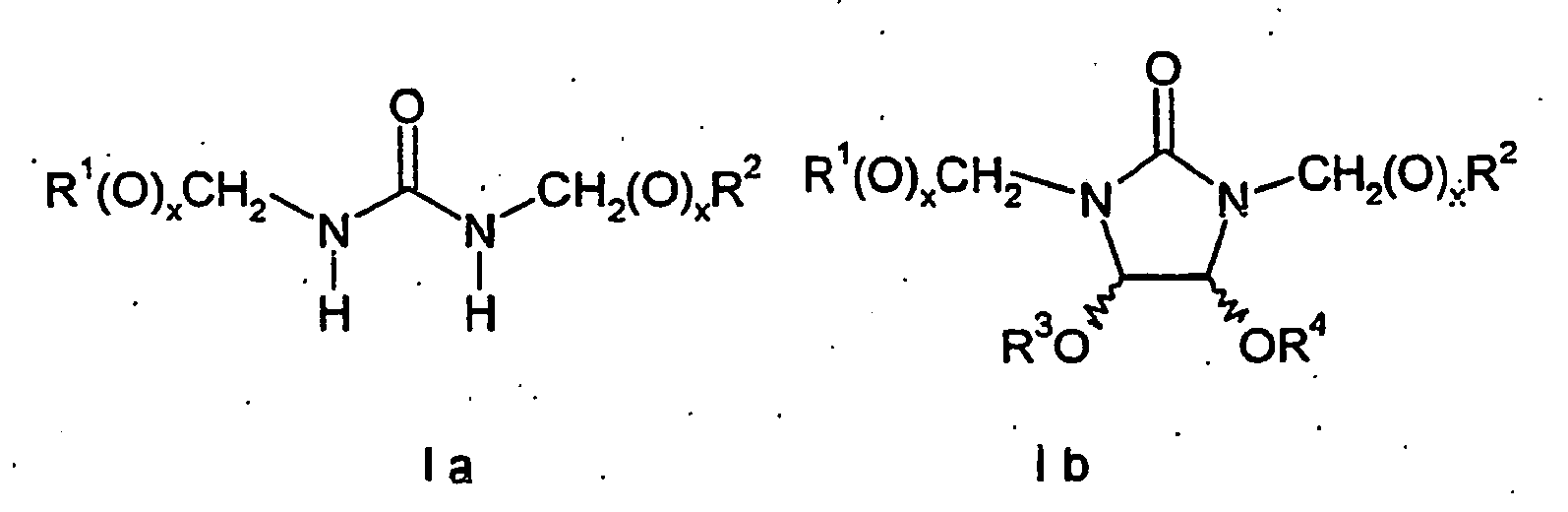 R1, R2 gleich oder verschieden und gewählt aus Wasserstoff, C1-C12-Alkyl, ver- zweigt oder unverzweigt, (-CH2-CH2-O)m-R5, (-CHCH3-CH2-O)m-R5, (-CH2-CHCH3-O)m-R5, (-CH2-CH2-CH2-O)m-R5, (-CH2-CH2-CH2-CH2-O)m-R5,x gleich oder verschieden und eine ganze Zahl gewählt aus null und eins, wobei in Formel I a mindestens ein x gleich 1 gewählt wird,m ist eine ganze Zahl im Bereich von 1 bis 20,R3, R4 gleich oder verschieden und gewählt aus Wasserstoff, C1-C12-Alkyl, ver- zweigt oder unverzweigt,R5 gleich oder verschieden und gewählt aus C1-C4-Alkyl und Wasserstoff.
 - Verwendung nach einem der Ansprüche 1 bis 6, dadurch gekennzeichnet, dass der formgebende Schritt (c) gewählt ist aus Zerreißen, Stanzen oder Schneiden.
- Formkörper mit den Abmessungen Länge·Breite·Höhe jeweils im Bereich von 1 mm bis 3 cm, wobei mindestens eine Dimension größer ist als 5,5 mm, erhältlich durch(a) Bereitstellen eines offenzelligen Schaumstoffs mit einer Dichte im Bereich von 5 bis 500 kg/m3 und einem mittleren Porendurchmesser im Bereich von 1 µm bis 1 mm,(b) Kontaktieren mit wässriger Formulierung von mindestens einer Verbindung mit mindestens einer Halbaminal- oder Aminalgruppe pro Molekül oder mindestens einem Copolymer, das mindestens ein OH-gruppenhaltiges oder β-Dicarbonylgruppen-haltiges oder Epoxidgruppenhaltiges Comonomer einpolymerisiert enthält,(c) und einem formgebenden Schritt,
wobei das Kontaktieren mit wässriger Formulierung von mindestens einer Verbindung mit mindestens einer Halbaminal- oder Aminalgruppe pro Molekül oder mindestens einem Copolymer, das mindestens ein OH-gruppenhaltiges oder β-Dicarbonylgruppen-haltiges oder cpoxidgruppenhaltiges Comonomer ein polymerisiert enthält, und der formgebende Schritt in beliebiger Reihenfolge durchgeführt werden können. - Flächige Formkörper nach Auspruch 8 mit einer Dicke im Bereich von 0,5 bis 1,5 cm, hergestellt durch Behandeln von(a) offenzelligem Schaumstoff mit einer Dichte im Bereich von 5 bis 500 kg/m3 und einem mittleren Porendurchmesser im Bereich von 1 µm bis 1 mm(b) mit wässriger Formulierung von mindestens einer Verbindung mit mindestens einer Halbaminal- oder Aminalgruppe pro Molekül oder mindestens einem Copolymer, das mindestens ein OH-gruppenhaltiges oder β-Dicarbonylgruppen-haltiges oder Epoxidgruppenhaltiges Comonomer einpolymerisiert enthält,(c) und einem formgebenden Schritt,
wobei das Kontaktieren mit wässriger Formulierung von mindestens einer Verbindung mit mindestens einer Halbaminal- oder Aminalgruppe pro Molekül oder mindestens einem Copolymer, das mindestens ein OH-gruppenhaltiges oder β-Dicarbonylgruppen-haltiges oder Epoxidgrupperihaltiges Comonomer ein polymerisiert enthält, und der formgebende Schritt in beliebiger Reihenfolge durchgeführt werden können. - Formkörper nach Anspruch 8 oder 9, dadurch gekennzeichnet, dass es sich bei offenzelligen Schaumstoffen (a) um Schaumstoffe aus synthetischem organischem Schaumstoff handelt.
- Formkörper nach einem der Ansprüche 8 bis 10, dadurch gekennzeichnet, dass es sich bei offenzelligen Schaumstoffen (a) um Polyurethanschaumstoffe oder um Aminoplastschaumstoffe handelt.
- Formkörper nach einem der Ansprüche 8 bis 11, dadurch gekennzeichnet, dass man in Schritt (b) mit mindestens einer Verbindung der allgemeinen Formel I a oder I b
 R1, R2 gleich oder verschieden und gewählt aus Wasserstoff, C1-C12-Alkyl, ver- zweigt oder unverzweigt, (-CH2-CH2-O)m-R5, (-CHCH3-CH2-O)m-R5, (-CH2-CHCH3-O)m-R5, (-CH2-CH2-CH2-P)m-R5, (-CH2-CH2-CH2-CH2-O)m-R5,x gleich oder verschieden und eine ganze Zahl gewählt aus null und eins, wobei in Formel I a mindestens ein x gleich 1 gewählt wird,m ist eine ganze Zahl im Bereich von 1 bis 20,R3, R4 gleich oder verschieden und gewählt aus Wasserstoff, C1-C12-Alkyl, ver- zweigt oder unverzweigt,R5 gleich oder verschieden und gewählt aus C1-C4-Alkyl und Wasserstoff.
 - Verwendung von Formkörpern nach einem der Ansprüche 8 bis 12 als Staubbindemittel.
- Verwendung von Formkörpern nach einem der Ansprüche 8 bis 12 in Staubsaugern.
- Staubsauger, umfassend mindestens einen Formkörper nach einem der Ansprüche 8 bis 12.
- Verfahren zur Herstellung von Formkörpern, umfassend(a) Bereitstellen eines offenzelligen Schaumstoffs mit einer Dichte im Bereich von 5 bis 500 kg/m3 und einem mittleren Porendurchmesser im Bereich von 1 µm bis 1 mm,(b) Kontaktieren mit wässriger Formulierung von mindestens einer Verbindung mit mindestens einer Halbaminal- oder Aminalgruppe pro Molekül oder mindestens einem Copolymer, das mindestens ein OH-gruppenhaltiges oder β-Dicarbonylgruppen-haltiges oder Epoxidgruppenhaltiges Comonomer einpolymerisiert enthält, und(c) Durchführen eines formgebenden Schrittes, durch den die betreffenden Formkörper Abmessungen im Bereich von Länge·Breite·Höhe jeweils im Bereich von 1 mm bis 3 cm erhalten, wobei mindestens eine Dimension größer ist als 5,5 mm,
wobei das Kontaktieren mit wässriger Formulierung von mindestens einer Verbindung mit mindestens einer Halbaminal- oder Aminalgruppe pro Molekül oder mindestens einem Copolymer, das mindestens ein OH-gruppenhaltiges oder β-Dicarbonylgruppen-haltiges oder Epoxidgruppenhaltiges Comonomer einpolymerisiert enthält, und der formgebende Schritt in beliebiger Reihenfolge durchgeführt werden können. - Verfahren zur Herstellung von flächigen Formkörpern mit einer Dicke im Bereich von 0,5 bis 1,5 cm, umfassend(a) Bereitstellen eines offenzelligen Schaumstoffs mit einer Dichte im Bereich von 5 bis 500 kg/m3 und einem mittleren Porendurchmesser im Bereich von 1 µm bis 1 mm,(b) Kontaktieren mit wässriger Formulierung von mindestens einer Verbindung mit mindestens einer Halbaminal- oder Aminalgruppe pro Moleküi oder mindestens einem Copolymer, das mindestens ein OH-gruppenhaltiges oder β-Dicarbonylgruppen-haltiges oder Epoxidgruppenhaltiges Comonomer einpolymerisiert enthält, und(c) Durchführen eines formgebenden Schrittes,
wobei das Kontaktieren mit wässriger Formulierung von mindestens einer Verbindung mit mindestens einer Halbaminal- oder Aminalgruppe pro Molekül oder mindestens einem Copolymer, das mindestens ein OH-gruppenhaltiges oder β-Dicarbonylgruppen-haltiges oder Epoxidgruppenhaltiges Comonomer einpolymerisiert enthält, und der formgebende Schritt in beliebiger Reihenfolge durchgeführt werden können. - Verfahren zur Reinigung von Oberflächen unter Verwendung von mindestens einem Staubsauger nach Anspruch 15.
- Verfahren nach Anspruch 18, dadurch gekennzeichnet, dass es sich bei Oberflächen um Fußböden handelt.
Applications Claiming Priority (2)
| Application Number | Priority Date | Filing Date | Title |
|---|---|---|---|
| DE102006034312A DE102006034312A1 (de) | 2006-07-21 | 2006-07-21 | Verwendung von modifizierten offenzelligen Schaumstoffen in Staubsaugern |
| PCT/EP2007/057085 WO2008009601A1 (de) | 2006-07-21 | 2007-07-11 | Modifizierte offenzellige schaumstoffe und deren verwendung in staubsaugern |
Publications (2)
| Publication Number | Publication Date |
|---|---|
| EP2046876A1 EP2046876A1 (de) | 2009-04-15 |
| EP2046876B1 true EP2046876B1 (de) | 2010-11-24 |
Family
ID=38477362
Family Applications (1)
| Application Number | Title | Priority Date | Filing Date |
|---|---|---|---|
| EP07787359A Not-in-force EP2046876B1 (de) | 2006-07-21 | 2007-07-11 | Modifizierte offenzellige schaumstoffe und deren verwendung in staubsaugern |
Country Status (10)
| Country | Link |
|---|---|
| US (1) | US20100005610A1 (de) |
| EP (1) | EP2046876B1 (de) |
| JP (1) | JP2009544462A (de) |
| KR (1) | KR20090045228A (de) |
| CN (1) | CN101495550A (de) |
| AT (1) | ATE489422T1 (de) |
| CA (1) | CA2656755A1 (de) |
| DE (2) | DE102006034312A1 (de) |
| ES (1) | ES2355616T3 (de) |
| WO (1) | WO2008009601A1 (de) |
Families Citing this family (10)
| Publication number | Priority date | Publication date | Assignee | Title |
|---|---|---|---|---|
| DE102008011723B4 (de) * | 2008-02-28 | 2015-08-20 | Vorwerk & Co. Interholding Gmbh | Staubsauger, insbesondere Haushalts-Staubsauger, sowie Verfahren zum Betreiben eines Staubsaugers |
| DE102009045648A1 (de) | 2008-08-21 | 2010-04-29 | Basf Se | Mischungen von Formkörpern und ihre Verwendung |
| DE102009045647A1 (de) | 2008-10-22 | 2010-05-06 | Basf Se | Formkörper und ihre Verwendung in Staubsaugern |
| DE102009005597B3 (de) * | 2009-01-21 | 2010-06-17 | Miele & Cie. Kg | Vorrichtung zum Abscheiden von Staub aus staubbeladener Luft, Verfahren zur Herstellung einer solchen Vorrichtung und Verfahren zur zumindest teilweisen Reduktion einer Sedimentation |
| DE102009009324B4 (de) * | 2009-02-17 | 2013-04-25 | Miele & Cie. Kg | Feinstaub-Filterkassette für Staubsauger |
| DE102009009326B4 (de) | 2009-02-17 | 2014-12-04 | Miele & Cie. Kg | Staubabscheidevorrichtung mit festwandigem Gehäuse |
| US9145479B2 (en) * | 2010-04-28 | 2015-09-29 | Dreamwell, Ltd. | Odorless foam mattress assembly |
| WO2013020914A1 (en) | 2011-08-10 | 2013-02-14 | Celares Gmbh | Peg-conjugated peptides |
| US20140144319A1 (en) * | 2012-11-27 | 2014-05-29 | John J. Paoluccio | Orbit filter magnets for cyclonic cleaners |
| US9777116B2 (en) * | 2014-10-16 | 2017-10-03 | International Business Machines Corporation | Porous/nanoporous PHT |
Family Cites Families (10)
| Publication number | Priority date | Publication date | Assignee | Title |
|---|---|---|---|---|
| JPS4510307Y1 (de) * | 1966-02-16 | 1970-05-12 | ||
| JPS4965560A (de) * | 1972-10-27 | 1974-06-25 | ||
| JPS62110721A (ja) * | 1985-11-06 | 1987-05-21 | Nitto Electric Ind Co Ltd | 空気清浄用フイルタ− |
| US6541550B1 (en) * | 2000-04-05 | 2003-04-01 | 3M Innovative Properties Company | Low temperature thermally activated water-dispersed adhesive compositions |
| US6306942B1 (en) * | 2000-04-05 | 2001-10-23 | 3M Innovative Properties Company | Low temperature thermally activated water-dispersed adhesives |
| JP4733257B2 (ja) * | 2000-11-29 | 2011-07-27 | 株式会社東洋クオリティワン | ゴム発泡体 |
| EP1684887A2 (de) * | 2003-10-15 | 2006-08-02 | INVISTA Technologies S.à.r.l. | Luftfilter zur abtrennung von teilchenförmigem material und leichtflüchtigen organischen verbindungen |
| EP1819760B1 (de) * | 2004-11-29 | 2011-06-15 | Basf Se | Modifizierte offenzellige schaumstoffe und verfahren zu ihrer herstellung |
| CA2595297A1 (en) * | 2005-01-24 | 2006-07-27 | Basf Aktiengesellschaft | Method for cleaning surfaces |
| EP1808116A1 (de) * | 2006-01-12 | 2007-07-18 | The Procter and Gamble Company | Reinigungsgerät mit einem offenzelliger Schaumstoff |
-
2006
- 2006-07-21 DE DE102006034312A patent/DE102006034312A1/de not_active Withdrawn
-
2007
- 2007-07-11 AT AT07787359T patent/ATE489422T1/de active
- 2007-07-11 KR KR1020097002609A patent/KR20090045228A/ko not_active Withdrawn
- 2007-07-11 JP JP2009521201A patent/JP2009544462A/ja active Pending
- 2007-07-11 CA CA002656755A patent/CA2656755A1/en not_active Abandoned
- 2007-07-11 DE DE502007005775T patent/DE502007005775D1/de active Active
- 2007-07-11 ES ES07787359T patent/ES2355616T3/es active Active
- 2007-07-11 WO PCT/EP2007/057085 patent/WO2008009601A1/de not_active Ceased
- 2007-07-11 CN CNA2007800277328A patent/CN101495550A/zh active Pending
- 2007-07-11 EP EP07787359A patent/EP2046876B1/de not_active Not-in-force
- 2007-07-11 US US12/374,204 patent/US20100005610A1/en not_active Abandoned
Also Published As
| Publication number | Publication date |
|---|---|
| ATE489422T1 (de) | 2010-12-15 |
| CA2656755A1 (en) | 2008-01-24 |
| JP2009544462A (ja) | 2009-12-17 |
| ES2355616T3 (es) | 2011-03-29 |
| WO2008009601A1 (de) | 2008-01-24 |
| KR20090045228A (ko) | 2009-05-07 |
| US20100005610A1 (en) | 2010-01-14 |
| CN101495550A (zh) | 2009-07-29 |
| DE102006034312A1 (de) | 2008-01-24 |
| DE502007005775D1 (de) | 2011-01-05 |
| EP2046876A1 (de) | 2009-04-15 |
Similar Documents
| Publication | Publication Date | Title |
|---|---|---|
| EP2046876A1 (de) | Modifizierte offenzellige schaumstoffe und deren verwendung in staubsaugern | |
| EP2046878B1 (de) | Verwendung von modifizierten offenzelligen schaumstoffen in staubsaugern | |
| EP1819760B1 (de) | Modifizierte offenzellige schaumstoffe und verfahren zu ihrer herstellung | |
| KR100817379B1 (ko) | 개방셀 발포체, 이를 구비하는 물품, 그 제조방법 및 개방셀 발포체를 이용한 표면 세정 방법 | |
| EP2035112A1 (de) | Poröses material mit nanoporöser beschichtung | |
| EP2101624A1 (de) | Verwendung von offenzelligen schaumstoffen in staubsaugern | |
| DE102004034604A1 (de) | Modifizierte offenzellige Schaumstoffe und Verfahren zu ihrer Herstellung | |
| WO2008110475A1 (de) | Antimikrobiell modifizierter melamin/formaldehyd-schaumstoff | |
| CA2595297A1 (en) | Method for cleaning surfaces | |
| DE102005023801A1 (de) | Verfahren zur Reinigung von Oberflächen | |
| DE102004057588A1 (de) | Modifizierte offenzellige Schaumstoffe und Verfahren zu ihrer Herstellung | |
| DE102009045648A1 (de) | Mischungen von Formkörpern und ihre Verwendung | |
| DE102009045647A1 (de) | Formkörper und ihre Verwendung in Staubsaugern | |
| WO2007082784A1 (de) | Modifizierte offenzellige schaumstoffe und verfahren zu ihrer herstellung | |
| DE102005003316A1 (de) | Modifizierte offenzellige Schaumstoffe und Verfahren zu ihrer Herstellung | |
| WO2022164497A1 (en) | Polyurethane-based foams | |
| DE102005003308A1 (de) | Verfahren zur Reinigung von Oberflächen | |
| DE102005029745A1 (de) | Verfahren zur Reinigung von Oberflächen |
Legal Events
| Date | Code | Title | Description |
|---|---|---|---|
| PUAI | Public reference made under article 153(3) epc to a published international application that has entered the european phase |
Free format text: ORIGINAL CODE: 0009012 |
|
| 17P | Request for examination filed |
Effective date: 20090223 |
|
| AK | Designated contracting states |
Kind code of ref document: A1 Designated state(s): AT BE BG CH CY CZ DE DK EE ES FI FR GB GR HU IE IS IT LI LT LU LV MC MT NL PL PT RO SE SI SK TR |
|
| AX | Request for extension of the european patent |
Extension state: AL BA HR MK RS |
|
| 17Q | First examination report despatched |
Effective date: 20090602 |
|
| GRAP | Despatch of communication of intention to grant a patent |
Free format text: ORIGINAL CODE: EPIDOSNIGR1 |
|
| DAX | Request for extension of the european patent (deleted) | ||
| GRAS | Grant fee paid |
Free format text: ORIGINAL CODE: EPIDOSNIGR3 |
|
| GRAA | (expected) grant |
Free format text: ORIGINAL CODE: 0009210 |
|
| AK | Designated contracting states |
Kind code of ref document: B1 Designated state(s): AT BE BG CH CY CZ DE DK EE ES FI FR GB GR HU IE IS IT LI LT LU LV MC MT NL PL PT RO SE SI SK TR |
|
| REG | Reference to a national code |
Ref country code: GB Ref legal event code: FG4D Free format text: NOT ENGLISH |
|
| REG | Reference to a national code |
Ref country code: CH Ref legal event code: EP |
|
| REG | Reference to a national code |
Ref country code: IE Ref legal event code: FG4D |
|
| REF | Corresponds to: |
Ref document number: 502007005775 Country of ref document: DE Date of ref document: 20110105 Kind code of ref document: P |
|
| REG | Reference to a national code |
Ref country code: NL Ref legal event code: T3 |
|
| REG | Reference to a national code |
Ref country code: ES Ref legal event code: FG2A Ref document number: 2355616 Country of ref document: ES Kind code of ref document: T3 Effective date: 20110329 |
|
| LTIE | Lt: invalidation of european patent or patent extension |
Effective date: 20101124 |
|
| PG25 | Lapsed in a contracting state [announced via postgrant information from national office to epo] |
Ref country code: LT Free format text: LAPSE BECAUSE OF FAILURE TO SUBMIT A TRANSLATION OF THE DESCRIPTION OR TO PAY THE FEE WITHIN THE PRESCRIBED TIME-LIMIT Effective date: 20101124 |
|
| PG25 | Lapsed in a contracting state [announced via postgrant information from national office to epo] |
Ref country code: IS Free format text: LAPSE BECAUSE OF FAILURE TO SUBMIT A TRANSLATION OF THE DESCRIPTION OR TO PAY THE FEE WITHIN THE PRESCRIBED TIME-LIMIT Effective date: 20110324 Ref country code: SE Free format text: LAPSE BECAUSE OF FAILURE TO SUBMIT A TRANSLATION OF THE DESCRIPTION OR TO PAY THE FEE WITHIN THE PRESCRIBED TIME-LIMIT Effective date: 20101124 Ref country code: CY Free format text: LAPSE BECAUSE OF FAILURE TO SUBMIT A TRANSLATION OF THE DESCRIPTION OR TO PAY THE FEE WITHIN THE PRESCRIBED TIME-LIMIT Effective date: 20101124 Ref country code: PT Free format text: LAPSE BECAUSE OF FAILURE TO SUBMIT A TRANSLATION OF THE DESCRIPTION OR TO PAY THE FEE WITHIN THE PRESCRIBED TIME-LIMIT Effective date: 20110324 Ref country code: FI Free format text: LAPSE BECAUSE OF FAILURE TO SUBMIT A TRANSLATION OF THE DESCRIPTION OR TO PAY THE FEE WITHIN THE PRESCRIBED TIME-LIMIT Effective date: 20101124 Ref country code: BG Free format text: LAPSE BECAUSE OF FAILURE TO SUBMIT A TRANSLATION OF THE DESCRIPTION OR TO PAY THE FEE WITHIN THE PRESCRIBED TIME-LIMIT Effective date: 20110224 Ref country code: LV Free format text: LAPSE BECAUSE OF FAILURE TO SUBMIT A TRANSLATION OF THE DESCRIPTION OR TO PAY THE FEE WITHIN THE PRESCRIBED TIME-LIMIT Effective date: 20101124 Ref country code: SI Free format text: LAPSE BECAUSE OF FAILURE TO SUBMIT A TRANSLATION OF THE DESCRIPTION OR TO PAY THE FEE WITHIN THE PRESCRIBED TIME-LIMIT Effective date: 20101124 |
|
| REG | Reference to a national code |
Ref country code: IE Ref legal event code: FD4D |
|
| PG25 | Lapsed in a contracting state [announced via postgrant information from national office to epo] |
Ref country code: GR Free format text: LAPSE BECAUSE OF FAILURE TO SUBMIT A TRANSLATION OF THE DESCRIPTION OR TO PAY THE FEE WITHIN THE PRESCRIBED TIME-LIMIT Effective date: 20110225 |
|
| PG25 | Lapsed in a contracting state [announced via postgrant information from national office to epo] |
Ref country code: IE Free format text: LAPSE BECAUSE OF FAILURE TO SUBMIT A TRANSLATION OF THE DESCRIPTION OR TO PAY THE FEE WITHIN THE PRESCRIBED TIME-LIMIT Effective date: 20101124 Ref country code: CZ Free format text: LAPSE BECAUSE OF FAILURE TO SUBMIT A TRANSLATION OF THE DESCRIPTION OR TO PAY THE FEE WITHIN THE PRESCRIBED TIME-LIMIT Effective date: 20101124 Ref country code: EE Free format text: LAPSE BECAUSE OF FAILURE TO SUBMIT A TRANSLATION OF THE DESCRIPTION OR TO PAY THE FEE WITHIN THE PRESCRIBED TIME-LIMIT Effective date: 20101124 |
|
| PG25 | Lapsed in a contracting state [announced via postgrant information from national office to epo] |
Ref country code: RO Free format text: LAPSE BECAUSE OF FAILURE TO SUBMIT A TRANSLATION OF THE DESCRIPTION OR TO PAY THE FEE WITHIN THE PRESCRIBED TIME-LIMIT Effective date: 20101124 Ref country code: DK Free format text: LAPSE BECAUSE OF FAILURE TO SUBMIT A TRANSLATION OF THE DESCRIPTION OR TO PAY THE FEE WITHIN THE PRESCRIBED TIME-LIMIT Effective date: 20101124 Ref country code: PL Free format text: LAPSE BECAUSE OF FAILURE TO SUBMIT A TRANSLATION OF THE DESCRIPTION OR TO PAY THE FEE WITHIN THE PRESCRIBED TIME-LIMIT Effective date: 20101124 Ref country code: SK Free format text: LAPSE BECAUSE OF FAILURE TO SUBMIT A TRANSLATION OF THE DESCRIPTION OR TO PAY THE FEE WITHIN THE PRESCRIBED TIME-LIMIT Effective date: 20101124 |
|
| PLBE | No opposition filed within time limit |
Free format text: ORIGINAL CODE: 0009261 |
|
| STAA | Information on the status of an ep patent application or granted ep patent |
Free format text: STATUS: NO OPPOSITION FILED WITHIN TIME LIMIT |
|
| 26N | No opposition filed |
Effective date: 20110825 |
|
| REG | Reference to a national code |
Ref country code: DE Ref legal event code: R097 Ref document number: 502007005775 Country of ref document: DE Effective date: 20110825 |
|
| PG25 | Lapsed in a contracting state [announced via postgrant information from national office to epo] |
Ref country code: MT Free format text: LAPSE BECAUSE OF FAILURE TO SUBMIT A TRANSLATION OF THE DESCRIPTION OR TO PAY THE FEE WITHIN THE PRESCRIBED TIME-LIMIT Effective date: 20101124 |
|
| BERE | Be: lapsed |
Owner name: BASF SE Effective date: 20110731 |
|
| REG | Reference to a national code |
Ref country code: NL Ref legal event code: V1 Effective date: 20120201 |
|
| PG25 | Lapsed in a contracting state [announced via postgrant information from national office to epo] |
Ref country code: MC Free format text: LAPSE BECAUSE OF NON-PAYMENT OF DUE FEES Effective date: 20110731 |
|
| REG | Reference to a national code |
Ref country code: CH Ref legal event code: PL |
|
| GBPC | Gb: european patent ceased through non-payment of renewal fee |
Effective date: 20110711 |
|
| REG | Reference to a national code |
Ref country code: FR Ref legal event code: ST Effective date: 20120330 |
|
| PG25 | Lapsed in a contracting state [announced via postgrant information from national office to epo] |
Ref country code: FR Free format text: LAPSE BECAUSE OF NON-PAYMENT OF DUE FEES Effective date: 20110801 Ref country code: BE Free format text: LAPSE BECAUSE OF NON-PAYMENT OF DUE FEES Effective date: 20110731 Ref country code: CH Free format text: LAPSE BECAUSE OF NON-PAYMENT OF DUE FEES Effective date: 20110731 Ref country code: LI Free format text: LAPSE BECAUSE OF NON-PAYMENT OF DUE FEES Effective date: 20110731 Ref country code: DE Free format text: LAPSE BECAUSE OF NON-PAYMENT OF DUE FEES Effective date: 20120201 |
|
| REG | Reference to a national code |
Ref country code: DE Ref legal event code: R119 Ref document number: 502007005775 Country of ref document: DE Effective date: 20120201 |
|
| PG25 | Lapsed in a contracting state [announced via postgrant information from national office to epo] |
Ref country code: NL Free format text: LAPSE BECAUSE OF NON-PAYMENT OF DUE FEES Effective date: 20120201 Ref country code: IT Free format text: LAPSE BECAUSE OF NON-PAYMENT OF DUE FEES Effective date: 20110711 |
|
| PG25 | Lapsed in a contracting state [announced via postgrant information from national office to epo] |
Ref country code: GB Free format text: LAPSE BECAUSE OF NON-PAYMENT OF DUE FEES Effective date: 20110711 |
|
| REG | Reference to a national code |
Ref country code: ES Ref legal event code: FD2A Effective date: 20121122 |
|
| PG25 | Lapsed in a contracting state [announced via postgrant information from national office to epo] |
Ref country code: ES Free format text: LAPSE BECAUSE OF NON-PAYMENT OF DUE FEES Effective date: 20110712 |
|
| PG25 | Lapsed in a contracting state [announced via postgrant information from national office to epo] |
Ref country code: LU Free format text: LAPSE BECAUSE OF NON-PAYMENT OF DUE FEES Effective date: 20110711 |
|
| REG | Reference to a national code |
Ref country code: AT Ref legal event code: MM01 Ref document number: 489422 Country of ref document: AT Kind code of ref document: T Effective date: 20120731 |
|
| PG25 | Lapsed in a contracting state [announced via postgrant information from national office to epo] |
Ref country code: TR Free format text: LAPSE BECAUSE OF FAILURE TO SUBMIT A TRANSLATION OF THE DESCRIPTION OR TO PAY THE FEE WITHIN THE PRESCRIBED TIME-LIMIT Effective date: 20101124 |
|
| PG25 | Lapsed in a contracting state [announced via postgrant information from national office to epo] |
Ref country code: HU Free format text: LAPSE BECAUSE OF FAILURE TO SUBMIT A TRANSLATION OF THE DESCRIPTION OR TO PAY THE FEE WITHIN THE PRESCRIBED TIME-LIMIT Effective date: 20101124 Ref country code: AT Free format text: LAPSE BECAUSE OF NON-PAYMENT OF DUE FEES Effective date: 20120731 |