EP2010660B1 - Zusammensetzungen und verfahren zur epigenetischen modifikation von nukleinsäuresequenzen in vivo - Google Patents
Zusammensetzungen und verfahren zur epigenetischen modifikation von nukleinsäuresequenzen in vivo Download PDFInfo
- Publication number
- EP2010660B1 EP2010660B1 EP07732348.3A EP07732348A EP2010660B1 EP 2010660 B1 EP2010660 B1 EP 2010660B1 EP 07732348 A EP07732348 A EP 07732348A EP 2010660 B1 EP2010660 B1 EP 2010660B1
- Authority
- EP
- European Patent Office
- Prior art keywords
- cell
- sequence
- domain
- demethylation
- molecule
- Prior art date
- Legal status (The legal status is an assumption and is not a legal conclusion. Google has not performed a legal analysis and makes no representation as to the accuracy of the status listed.)
- Not-in-force
Links
- 150000007523 nucleic acids Chemical group 0.000 title claims description 23
- 238000000034 method Methods 0.000 title claims description 21
- 238000001727 in vivo Methods 0.000 title description 17
- 239000000203 mixture Substances 0.000 title description 8
- 230000004049 epigenetic modification Effects 0.000 title description 3
- 210000004027 cell Anatomy 0.000 claims description 81
- 206010028980 Neoplasm Diseases 0.000 claims description 73
- 230000017858 demethylation Effects 0.000 claims description 58
- 238000010520 demethylation reaction Methods 0.000 claims description 58
- 108090000623 proteins and genes Proteins 0.000 claims description 49
- 201000011510 cancer Diseases 0.000 claims description 45
- 230000004568 DNA-binding Effects 0.000 claims description 43
- 108010031325 Cytidine deaminase Proteins 0.000 claims description 32
- 230000000694 effects Effects 0.000 claims description 32
- 108090000765 processed proteins & peptides Proteins 0.000 claims description 32
- 229920001184 polypeptide Polymers 0.000 claims description 30
- 102000004196 processed proteins & peptides Human genes 0.000 claims description 30
- 102100026846 Cytidine deaminase Human genes 0.000 claims description 29
- 230000014509 gene expression Effects 0.000 claims description 27
- 239000013598 vector Substances 0.000 claims description 24
- 108091028043 Nucleic acid sequence Proteins 0.000 claims description 20
- 230000001973 epigenetic effect Effects 0.000 claims description 16
- 210000001082 somatic cell Anatomy 0.000 claims description 16
- 102000039446 nucleic acids Human genes 0.000 claims description 12
- 108020004707 nucleic acids Proteins 0.000 claims description 12
- 230000000977 initiatory effect Effects 0.000 claims description 10
- 108700039691 Genetic Promoter Regions Proteins 0.000 claims description 9
- 210000004962 mammalian cell Anatomy 0.000 claims description 9
- 210000003527 eukaryotic cell Anatomy 0.000 claims description 8
- 108091026890 Coding region Proteins 0.000 claims description 7
- 239000013604 expression vector Substances 0.000 claims description 6
- 210000005260 human cell Anatomy 0.000 claims description 6
- 238000000338 in vitro Methods 0.000 claims description 5
- 230000004807 localization Effects 0.000 claims description 5
- 230000004913 activation Effects 0.000 claims description 4
- 238000001890 transfection Methods 0.000 claims description 4
- 108091092195 Intron Proteins 0.000 claims description 3
- UHDGCWIWMRVCDJ-ZAKLUEHWSA-N cytidine Chemical compound O=C1N=C(N)C=CN1[C@H]1[C@H](O)[C@@H](O)[C@H](CO)O1 UHDGCWIWMRVCDJ-ZAKLUEHWSA-N 0.000 claims description 3
- 239000003550 marker Substances 0.000 claims description 3
- UHDGCWIWMRVCDJ-UHFFFAOYSA-N 1-beta-D-Xylofuranosyl-NH-Cytosine Natural products O=C1N=C(N)C=CN1C1C(O)C(O)C(CO)O1 UHDGCWIWMRVCDJ-UHFFFAOYSA-N 0.000 claims description 2
- UHDGCWIWMRVCDJ-PSQAKQOGSA-N Cytidine Natural products O=C1N=C(N)C=CN1[C@@H]1[C@@H](O)[C@@H](O)[C@H](CO)O1 UHDGCWIWMRVCDJ-PSQAKQOGSA-N 0.000 claims description 2
- 108700008625 Reporter Genes Proteins 0.000 claims description 2
- 108010079649 APOBEC-1 Deaminase Proteins 0.000 claims 1
- 102100040397 C->U-editing enzyme APOBEC-1 Human genes 0.000 claims 1
- 108020004414 DNA Proteins 0.000 description 36
- 102000004169 proteins and genes Human genes 0.000 description 19
- 230000011987 methylation Effects 0.000 description 17
- 238000007069 methylation reaction Methods 0.000 description 17
- 230000009261 transgenic effect Effects 0.000 description 17
- 241001465754 Metazoa Species 0.000 description 14
- 108700019146 Transgenes Proteins 0.000 description 13
- OPTASPLRGRRNAP-UHFFFAOYSA-N cytosine Chemical compound NC=1C=CNC(=O)N=1 OPTASPLRGRRNAP-UHFFFAOYSA-N 0.000 description 13
- 238000010374 somatic cell nuclear transfer Methods 0.000 description 13
- 210000000130 stem cell Anatomy 0.000 description 13
- 108700028369 Alleles Proteins 0.000 description 12
- 230000007067 DNA methylation Effects 0.000 description 12
- 102100039556 Galectin-4 Human genes 0.000 description 12
- 230000008685 targeting Effects 0.000 description 12
- 230000027455 binding Effects 0.000 description 11
- 230000008775 paternal effect Effects 0.000 description 11
- 108010001515 Galectin 4 Proteins 0.000 description 10
- 108700025695 Suppressor Genes Proteins 0.000 description 10
- 230000009615 deamination Effects 0.000 description 10
- 238000006481 deamination reaction Methods 0.000 description 10
- 238000011161 development Methods 0.000 description 10
- 230000018109 developmental process Effects 0.000 description 10
- 108020001507 fusion proteins Proteins 0.000 description 10
- 102000037865 fusion proteins Human genes 0.000 description 10
- 210000001519 tissue Anatomy 0.000 description 10
- 241000282414 Homo sapiens Species 0.000 description 9
- 230000001105 regulatory effect Effects 0.000 description 9
- 230000008672 reprogramming Effects 0.000 description 9
- 241000699670 Mus sp. Species 0.000 description 8
- 108010066154 Nuclear Export Signals Proteins 0.000 description 8
- 230000004927 fusion Effects 0.000 description 8
- 230000001939 inductive effect Effects 0.000 description 8
- 230000007246 mechanism Effects 0.000 description 8
- 230000035772 mutation Effects 0.000 description 8
- 210000004940 nucleus Anatomy 0.000 description 8
- 210000000287 oocyte Anatomy 0.000 description 8
- 238000011282 treatment Methods 0.000 description 8
- 210000000349 chromosome Anatomy 0.000 description 7
- 230000001965 increasing effect Effects 0.000 description 7
- LRSASMSXMSNRBT-UHFFFAOYSA-N 5-methylcytosine Chemical compound CC1=CNC(=O)N=C1N LRSASMSXMSNRBT-UHFFFAOYSA-N 0.000 description 6
- 229940104302 cytosine Drugs 0.000 description 6
- 230000008774 maternal effect Effects 0.000 description 6
- 230000033607 mismatch repair Effects 0.000 description 6
- 230000000392 somatic effect Effects 0.000 description 6
- 238000011144 upstream manufacturing Methods 0.000 description 6
- 108091032973 (ribonucleotides)n+m Proteins 0.000 description 5
- 102100025064 Cellular tumor antigen p53 Human genes 0.000 description 5
- 102000004190 Enzymes Human genes 0.000 description 5
- 108090000790 Enzymes Proteins 0.000 description 5
- 241000124008 Mammalia Species 0.000 description 5
- 241000699666 Mus <mouse, genus> Species 0.000 description 5
- 102000040945 Transcription factor Human genes 0.000 description 5
- 108091023040 Transcription factor Proteins 0.000 description 5
- 150000001413 amino acids Chemical class 0.000 description 5
- 210000004899 c-terminal region Anatomy 0.000 description 5
- 239000002299 complementary DNA Substances 0.000 description 5
- 239000012634 fragment Substances 0.000 description 5
- 230000006870 function Effects 0.000 description 5
- 230000030279 gene silencing Effects 0.000 description 5
- 238000012423 maintenance Methods 0.000 description 5
- 238000011275 oncology therapy Methods 0.000 description 5
- 102000012758 APOBEC-1 Deaminase Human genes 0.000 description 4
- 101150012656 APOBEC1 gene Proteins 0.000 description 4
- 108010014064 CCCTC-Binding Factor Proteins 0.000 description 4
- 241000699660 Mus musculus Species 0.000 description 4
- 101710126211 POU domain, class 5, transcription factor 1 Proteins 0.000 description 4
- NKANXQFJJICGDU-QPLCGJKRSA-N Tamoxifen Chemical compound C=1C=CC=CC=1C(/CC)=C(C=1C=CC(OCCN(C)C)=CC=1)/C1=CC=CC=C1 NKANXQFJJICGDU-QPLCGJKRSA-N 0.000 description 4
- 102100027671 Transcriptional repressor CTCF Human genes 0.000 description 4
- ISAKRJDGNUQOIC-UHFFFAOYSA-N Uracil Chemical compound O=C1C=CNC(=O)N1 ISAKRJDGNUQOIC-UHFFFAOYSA-N 0.000 description 4
- 238000010367 cloning Methods 0.000 description 4
- 238000001514 detection method Methods 0.000 description 4
- 210000002257 embryonic structure Anatomy 0.000 description 4
- 210000004602 germ cell Anatomy 0.000 description 4
- UYTPUPDQBNUYGX-UHFFFAOYSA-N guanine Chemical compound O=C1NC(N)=NC2=C1N=CN2 UYTPUPDQBNUYGX-UHFFFAOYSA-N 0.000 description 4
- 210000004185 liver Anatomy 0.000 description 4
- 230000001404 mediated effect Effects 0.000 description 4
- 239000000825 pharmaceutical preparation Substances 0.000 description 4
- 239000013612 plasmid Substances 0.000 description 4
- 239000002243 precursor Substances 0.000 description 4
- RWQNBRDOKXIBIV-UHFFFAOYSA-N thymine Chemical compound CC1=CNC(=O)NC1=O RWQNBRDOKXIBIV-UHFFFAOYSA-N 0.000 description 4
- -1 Brachyury Proteins 0.000 description 3
- 101100257359 Caenorhabditis elegans sox-2 gene Proteins 0.000 description 3
- 241000283707 Capra Species 0.000 description 3
- 102000005381 Cytidine Deaminase Human genes 0.000 description 3
- 101100257363 Mus musculus Sox2 gene Proteins 0.000 description 3
- 102100035423 POU domain, class 5, transcription factor 1 Human genes 0.000 description 3
- HCHKCACWOHOZIP-UHFFFAOYSA-N Zinc Chemical compound [Zn] HCHKCACWOHOZIP-UHFFFAOYSA-N 0.000 description 3
- 238000004458 analytical method Methods 0.000 description 3
- 210000004102 animal cell Anatomy 0.000 description 3
- 230000006907 apoptotic process Effects 0.000 description 3
- 238000003556 assay Methods 0.000 description 3
- 238000010364 biochemical engineering Methods 0.000 description 3
- 208000035269 cancer or benign tumor Diseases 0.000 description 3
- 210000000805 cytoplasm Anatomy 0.000 description 3
- 230000034994 death Effects 0.000 description 3
- 231100000517 death Toxicity 0.000 description 3
- 230000004069 differentiation Effects 0.000 description 3
- 201000010099 disease Diseases 0.000 description 3
- 208000037265 diseases, disorders, signs and symptoms Diseases 0.000 description 3
- 239000003814 drug Substances 0.000 description 3
- 238000010228 ex vivo assay Methods 0.000 description 3
- 238000004519 manufacturing process Methods 0.000 description 3
- 239000008194 pharmaceutical composition Substances 0.000 description 3
- 230000004044 response Effects 0.000 description 3
- 238000011830 transgenic mouse model Methods 0.000 description 3
- 239000011701 zinc Substances 0.000 description 3
- 229910052725 zinc Inorganic materials 0.000 description 3
- LSNNMFCWUKXFEE-UHFFFAOYSA-M Bisulfite Chemical compound OS([O-])=O LSNNMFCWUKXFEE-UHFFFAOYSA-M 0.000 description 2
- 201000009030 Carcinoma Diseases 0.000 description 2
- 108010009540 DNA (Cytosine-5-)-Methyltransferase 1 Proteins 0.000 description 2
- 102000052510 DNA-Binding Proteins Human genes 0.000 description 2
- 108700034637 EC 3.2.-.- Proteins 0.000 description 2
- 241000196324 Embryophyta Species 0.000 description 2
- 241000588724 Escherichia coli Species 0.000 description 2
- 108010033040 Histones Proteins 0.000 description 2
- 101000608765 Homo sapiens Galectin-4 Proteins 0.000 description 2
- 101000615488 Homo sapiens Methyl-CpG-binding domain protein 2 Proteins 0.000 description 2
- 101150002416 Igf2 gene Proteins 0.000 description 2
- 108060003951 Immunoglobulin Proteins 0.000 description 2
- 108700005091 Immunoglobulin Genes Proteins 0.000 description 2
- 102100034343 Integrase Human genes 0.000 description 2
- 102100021299 Methyl-CpG-binding domain protein 2 Human genes 0.000 description 2
- 241001529936 Murinae Species 0.000 description 2
- 241000283973 Oryctolagus cuniculus Species 0.000 description 2
- 108010092799 RNA-directed DNA polymerase Proteins 0.000 description 2
- 102100022433 Single-stranded DNA cytosine deaminase Human genes 0.000 description 2
- 101710143275 Single-stranded DNA cytosine deaminase Proteins 0.000 description 2
- 125000000539 amino acid group Chemical group 0.000 description 2
- 230000003321 amplification Effects 0.000 description 2
- 230000001093 anti-cancer Effects 0.000 description 2
- 239000002246 antineoplastic agent Substances 0.000 description 2
- 238000013459 approach Methods 0.000 description 2
- 238000001369 bisulfite sequencing Methods 0.000 description 2
- 230000003197 catalytic effect Effects 0.000 description 2
- 230000022131 cell cycle Effects 0.000 description 2
- 239000007795 chemical reaction product Substances 0.000 description 2
- 238000012217 deletion Methods 0.000 description 2
- 230000037430 deletion Effects 0.000 description 2
- 238000010790 dilution Methods 0.000 description 2
- 239000012895 dilution Substances 0.000 description 2
- 239000003937 drug carrier Substances 0.000 description 2
- 238000001378 electrochemiluminescence detection Methods 0.000 description 2
- 239000003623 enhancer Substances 0.000 description 2
- 230000008995 epigenetic change Effects 0.000 description 2
- 230000006846 excision repair Effects 0.000 description 2
- 238000002474 experimental method Methods 0.000 description 2
- 238000010195 expression analysis Methods 0.000 description 2
- 239000000499 gel Substances 0.000 description 2
- 238000012226 gene silencing method Methods 0.000 description 2
- 230000002068 genetic effect Effects 0.000 description 2
- 238000010166 immunofluorescence Methods 0.000 description 2
- 102000018358 immunoglobulin Human genes 0.000 description 2
- 230000006872 improvement Effects 0.000 description 2
- 230000002779 inactivation Effects 0.000 description 2
- 239000000463 material Substances 0.000 description 2
- 239000012528 membrane Substances 0.000 description 2
- 108020004999 messenger RNA Proteins 0.000 description 2
- 125000002496 methyl group Chemical group [H]C([H])([H])* 0.000 description 2
- 239000003068 molecular probe Substances 0.000 description 2
- 238000010172 mouse model Methods 0.000 description 2
- 230000030147 nuclear export Effects 0.000 description 2
- 238000003199 nucleic acid amplification method Methods 0.000 description 2
- 210000001672 ovary Anatomy 0.000 description 2
- 210000002826 placenta Anatomy 0.000 description 2
- 230000008569 process Effects 0.000 description 2
- 239000000047 product Substances 0.000 description 2
- 108020001580 protein domains Proteins 0.000 description 2
- 238000011002 quantification Methods 0.000 description 2
- 230000006798 recombination Effects 0.000 description 2
- 238000005215 recombination Methods 0.000 description 2
- 230000001172 regenerating effect Effects 0.000 description 2
- 230000008439 repair process Effects 0.000 description 2
- 230000010076 replication Effects 0.000 description 2
- 238000012163 sequencing technique Methods 0.000 description 2
- 241000894007 species Species 0.000 description 2
- 238000009168 stem cell therapy Methods 0.000 description 2
- 238000009580 stem-cell therapy Methods 0.000 description 2
- 239000003270 steroid hormone Substances 0.000 description 2
- 102000005969 steroid hormone receptors Human genes 0.000 description 2
- 230000002459 sustained effect Effects 0.000 description 2
- 229960001603 tamoxifen Drugs 0.000 description 2
- 230000001225 therapeutic effect Effects 0.000 description 2
- 238000002560 therapeutic procedure Methods 0.000 description 2
- 229940113082 thymine Drugs 0.000 description 2
- 238000013518 transcription Methods 0.000 description 2
- 230000035897 transcription Effects 0.000 description 2
- 230000009466 transformation Effects 0.000 description 2
- 229940035893 uracil Drugs 0.000 description 2
- 239000013603 viral vector Substances 0.000 description 2
- 238000001262 western blot Methods 0.000 description 2
- HWPZZUQOWRWFDB-UHFFFAOYSA-N 1-methylcytosine Chemical compound CN1C=CC(N)=NC1=O HWPZZUQOWRWFDB-UHFFFAOYSA-N 0.000 description 1
- FWBHETKCLVMNFS-UHFFFAOYSA-N 4',6-Diamino-2-phenylindol Chemical compound C1=CC(C(=N)N)=CC=C1C1=CC2=CC=C(C(N)=N)C=C2N1 FWBHETKCLVMNFS-UHFFFAOYSA-N 0.000 description 1
- 208000000058 Anaplasia Diseases 0.000 description 1
- 241000219194 Arabidopsis Species 0.000 description 1
- 241000283690 Bos taurus Species 0.000 description 1
- 238000009010 Bradford assay Methods 0.000 description 1
- 206010006187 Breast cancer Diseases 0.000 description 1
- 208000026310 Breast neoplasm Diseases 0.000 description 1
- 108091007854 Cdh1/Fizzy-related Proteins 0.000 description 1
- 102000038594 Cdh1/Fizzy-related Human genes 0.000 description 1
- 108020004635 Complementary DNA Proteins 0.000 description 1
- 108091035707 Consensus sequence Proteins 0.000 description 1
- 102000012666 Core Binding Factor Alpha 3 Subunit Human genes 0.000 description 1
- 108010079362 Core Binding Factor Alpha 3 Subunit Proteins 0.000 description 1
- 108010009392 Cyclin-Dependent Kinase Inhibitor p16 Proteins 0.000 description 1
- 102000053602 DNA Human genes 0.000 description 1
- 108020001738 DNA Glycosylase Proteins 0.000 description 1
- 102000028381 DNA glycosylase Human genes 0.000 description 1
- 230000004543 DNA replication Effects 0.000 description 1
- 238000001712 DNA sequencing Methods 0.000 description 1
- 108700020911 DNA-Binding Proteins Proteins 0.000 description 1
- 101710096438 DNA-binding protein Proteins 0.000 description 1
- 108090000626 DNA-directed RNA polymerases Proteins 0.000 description 1
- 102000004163 DNA-directed RNA polymerases Human genes 0.000 description 1
- 101100447432 Danio rerio gapdh-2 gene Proteins 0.000 description 1
- 101150112014 Gapdh gene Proteins 0.000 description 1
- 241000590002 Helicobacter pylori Species 0.000 description 1
- 102000006947 Histones Human genes 0.000 description 1
- 102000009331 Homeodomain Proteins Human genes 0.000 description 1
- 108010048671 Homeodomain Proteins Proteins 0.000 description 1
- 241000282412 Homo Species 0.000 description 1
- 101150003028 Hprt1 gene Proteins 0.000 description 1
- 108020004684 Internal Ribosome Entry Sites Proteins 0.000 description 1
- ROHFNLRQFUQHCH-YFKPBYRVSA-N L-leucine Chemical compound CC(C)C[C@H](N)C(O)=O ROHFNLRQFUQHCH-YFKPBYRVSA-N 0.000 description 1
- ROHFNLRQFUQHCH-UHFFFAOYSA-N Leucine Natural products CC(C)CC(N)C(O)=O ROHFNLRQFUQHCH-UHFFFAOYSA-N 0.000 description 1
- 206010025323 Lymphomas Diseases 0.000 description 1
- 102000055601 Nanog Homeobox Human genes 0.000 description 1
- 108700026371 Nanog Homeobox Proteins 0.000 description 1
- 206010061902 Pancreatic neoplasm Diseases 0.000 description 1
- 229930040373 Paraformaldehyde Natural products 0.000 description 1
- 241001494479 Pecora Species 0.000 description 1
- 208000037062 Polyps Diseases 0.000 description 1
- 229920001213 Polysorbate 20 Polymers 0.000 description 1
- 241000288906 Primates Species 0.000 description 1
- 108010076504 Protein Sorting Signals Proteins 0.000 description 1
- 238000011529 RT qPCR Methods 0.000 description 1
- 241000283984 Rodentia Species 0.000 description 1
- 206010039491 Sarcoma Diseases 0.000 description 1
- 108091081024 Start codon Proteins 0.000 description 1
- 108010085012 Steroid Receptors Proteins 0.000 description 1
- 208000005718 Stomach Neoplasms Diseases 0.000 description 1
- 241000282887 Suidae Species 0.000 description 1
- 239000013504 Triton X-100 Substances 0.000 description 1
- 229920004890 Triton X-100 Polymers 0.000 description 1
- 108091023045 Untranslated Region Proteins 0.000 description 1
- 241000700605 Viruses Species 0.000 description 1
- 101710185494 Zinc finger protein Proteins 0.000 description 1
- 102100023597 Zinc finger protein 816 Human genes 0.000 description 1
- 230000001594 aberrant effect Effects 0.000 description 1
- 230000002159 abnormal effect Effects 0.000 description 1
- 230000005856 abnormality Effects 0.000 description 1
- 230000002378 acidificating effect Effects 0.000 description 1
- 230000009471 action Effects 0.000 description 1
- 230000033115 angiogenesis Effects 0.000 description 1
- 238000000137 annealing Methods 0.000 description 1
- 230000002622 anti-tumorigenesis Effects 0.000 description 1
- 229940041181 antineoplastic drug Drugs 0.000 description 1
- 210000004507 artificial chromosome Anatomy 0.000 description 1
- 210000001106 artificial yeast chromosome Anatomy 0.000 description 1
- 230000008901 benefit Effects 0.000 description 1
- 230000008238 biochemical pathway Effects 0.000 description 1
- 230000005540 biological transmission Effects 0.000 description 1
- 238000013406 biomanufacturing process Methods 0.000 description 1
- 230000015572 biosynthetic process Effects 0.000 description 1
- 230000000903 blocking effect Effects 0.000 description 1
- 238000010804 cDNA synthesis Methods 0.000 description 1
- 230000025084 cell cycle arrest Effects 0.000 description 1
- 230000024245 cell differentiation Effects 0.000 description 1
- 230000022323 cell fate commitment Effects 0.000 description 1
- 230000009134 cell regulation Effects 0.000 description 1
- 230000008859 change Effects 0.000 description 1
- 238000006243 chemical reaction Methods 0.000 description 1
- 230000000973 chemotherapeutic effect Effects 0.000 description 1
- 238000003776 cleavage reaction Methods 0.000 description 1
- 238000012733 comparative method Methods 0.000 description 1
- 238000011109 contamination Methods 0.000 description 1
- 230000001276 controlling effect Effects 0.000 description 1
- 238000007796 conventional method Methods 0.000 description 1
- 229940127089 cytotoxic agent Drugs 0.000 description 1
- 238000003745 diagnosis Methods 0.000 description 1
- 230000003292 diminished effect Effects 0.000 description 1
- 230000019975 dosage compensation by inactivation of X chromosome Effects 0.000 description 1
- 238000007877 drug screening Methods 0.000 description 1
- 210000002308 embryonic cell Anatomy 0.000 description 1
- 210000001671 embryonic stem cell Anatomy 0.000 description 1
- 238000005516 engineering process Methods 0.000 description 1
- 230000002255 enzymatic effect Effects 0.000 description 1
- 230000007247 enzymatic mechanism Effects 0.000 description 1
- 208000010932 epithelial neoplasm Diseases 0.000 description 1
- 230000001747 exhibiting effect Effects 0.000 description 1
- 239000000284 extract Substances 0.000 description 1
- 238000009472 formulation Methods 0.000 description 1
- 230000013595 glycosylation Effects 0.000 description 1
- 238000006206 glycosylation reaction Methods 0.000 description 1
- 231100001261 hazardous Toxicity 0.000 description 1
- 229940037467 helicobacter pylori Drugs 0.000 description 1
- 238000007654 immersion Methods 0.000 description 1
- 238000000099 in vitro assay Methods 0.000 description 1
- 208000015181 infectious disease Diseases 0.000 description 1
- 238000002347 injection Methods 0.000 description 1
- 239000007924 injection Substances 0.000 description 1
- 238000003780 insertion Methods 0.000 description 1
- 230000037431 insertion Effects 0.000 description 1
- 239000012212 insulator Substances 0.000 description 1
- 230000010354 integration Effects 0.000 description 1
- 230000003993 interaction Effects 0.000 description 1
- 238000002372 labelling Methods 0.000 description 1
- 208000032839 leukemia Diseases 0.000 description 1
- 239000002502 liposome Substances 0.000 description 1
- 239000007788 liquid Substances 0.000 description 1
- 244000144972 livestock Species 0.000 description 1
- 235000011475 lollipops Nutrition 0.000 description 1
- 239000006210 lotion Substances 0.000 description 1
- 230000001926 lymphatic effect Effects 0.000 description 1
- 229920002521 macromolecule Polymers 0.000 description 1
- 230000036210 malignancy Effects 0.000 description 1
- 208000015486 malignant pancreatic neoplasm Diseases 0.000 description 1
- 230000035800 maturation Effects 0.000 description 1
- 239000011859 microparticle Substances 0.000 description 1
- 230000004048 modification Effects 0.000 description 1
- 238000012986 modification Methods 0.000 description 1
- 238000010369 molecular cloning Methods 0.000 description 1
- 230000009456 molecular mechanism Effects 0.000 description 1
- 231100000350 mutagenesis Toxicity 0.000 description 1
- 238000002703 mutagenesis Methods 0.000 description 1
- 231100000219 mutagenic Toxicity 0.000 description 1
- 230000003505 mutagenic effect Effects 0.000 description 1
- 239000002773 nucleotide Substances 0.000 description 1
- 125000003729 nucleotide group Chemical group 0.000 description 1
- 238000011580 nude mouse model Methods 0.000 description 1
- 210000000056 organ Anatomy 0.000 description 1
- 238000010373 organism cloning Methods 0.000 description 1
- 201000002528 pancreatic cancer Diseases 0.000 description 1
- 208000008443 pancreatic carcinoma Diseases 0.000 description 1
- 229920002866 paraformaldehyde Polymers 0.000 description 1
- 230000037361 pathway Effects 0.000 description 1
- 230000007030 peptide scission Effects 0.000 description 1
- 230000026731 phosphorylation Effects 0.000 description 1
- 238000006366 phosphorylation reaction Methods 0.000 description 1
- 239000006187 pill Substances 0.000 description 1
- 210000001778 pluripotent stem cell Anatomy 0.000 description 1
- 229920002401 polyacrylamide Polymers 0.000 description 1
- 230000008488 polyadenylation Effects 0.000 description 1
- 229920000642 polymer Polymers 0.000 description 1
- 102000040430 polynucleotide Human genes 0.000 description 1
- 108091033319 polynucleotide Proteins 0.000 description 1
- 239000002157 polynucleotide Substances 0.000 description 1
- 239000000256 polyoxyethylene sorbitan monolaurate Substances 0.000 description 1
- 235000010486 polyoxyethylene sorbitan monolaurate Nutrition 0.000 description 1
- 230000004481 post-translational protein modification Effects 0.000 description 1
- 239000000843 powder Substances 0.000 description 1
- 230000002265 prevention Effects 0.000 description 1
- 230000002250 progressing effect Effects 0.000 description 1
- 238000001742 protein purification Methods 0.000 description 1
- 230000006337 proteolytic cleavage Effects 0.000 description 1
- 230000007420 reactivation Effects 0.000 description 1
- 230000009467 reduction Effects 0.000 description 1
- 230000009711 regulatory function Effects 0.000 description 1
- 230000001718 repressive effect Effects 0.000 description 1
- 238000011160 research Methods 0.000 description 1
- 238000003757 reverse transcription PCR Methods 0.000 description 1
- 102220281736 rs1555606104 Human genes 0.000 description 1
- 102200097257 rs199472847 Human genes 0.000 description 1
- 102220061201 rs786201790 Human genes 0.000 description 1
- 239000000523 sample Substances 0.000 description 1
- 230000007017 scission Effects 0.000 description 1
- 238000012216 screening Methods 0.000 description 1
- 239000000243 solution Substances 0.000 description 1
- 238000010186 staining Methods 0.000 description 1
- 238000010561 standard procedure Methods 0.000 description 1
- 108020003113 steroid hormone receptors Proteins 0.000 description 1
- 239000000829 suppository Substances 0.000 description 1
- 230000001629 suppression Effects 0.000 description 1
- 230000004083 survival effect Effects 0.000 description 1
- 239000000725 suspension Substances 0.000 description 1
- 239000003826 tablet Substances 0.000 description 1
- 230000007704 transition Effects 0.000 description 1
- 230000014621 translational initiation Effects 0.000 description 1
- 210000004881 tumor cell Anatomy 0.000 description 1
- 230000004614 tumor growth Effects 0.000 description 1
Images




Classifications
-
- A—HUMAN NECESSITIES
- A01—AGRICULTURE; FORESTRY; ANIMAL HUSBANDRY; HUNTING; TRAPPING; FISHING
- A01K—ANIMAL HUSBANDRY; AVICULTURE; APICULTURE; PISCICULTURE; FISHING; REARING OR BREEDING ANIMALS, NOT OTHERWISE PROVIDED FOR; NEW BREEDS OF ANIMALS
- A01K67/00—Rearing or breeding animals, not otherwise provided for; New or modified breeds of animals
- A01K67/027—New or modified breeds of vertebrates
- A01K67/0275—Genetically modified vertebrates, e.g. transgenic
-
- A—HUMAN NECESSITIES
- A61—MEDICAL OR VETERINARY SCIENCE; HYGIENE
- A61P—SPECIFIC THERAPEUTIC ACTIVITY OF CHEMICAL COMPOUNDS OR MEDICINAL PREPARATIONS
- A61P35/00—Antineoplastic agents
-
- A—HUMAN NECESSITIES
- A61—MEDICAL OR VETERINARY SCIENCE; HYGIENE
- A61P—SPECIFIC THERAPEUTIC ACTIVITY OF CHEMICAL COMPOUNDS OR MEDICINAL PREPARATIONS
- A61P43/00—Drugs for specific purposes, not provided for in groups A61P1/00-A61P41/00
-
- C—CHEMISTRY; METALLURGY
- C12—BIOCHEMISTRY; BEER; SPIRITS; WINE; VINEGAR; MICROBIOLOGY; ENZYMOLOGY; MUTATION OR GENETIC ENGINEERING
- C12N—MICROORGANISMS OR ENZYMES; COMPOSITIONS THEREOF; PROPAGATING, PRESERVING, OR MAINTAINING MICROORGANISMS; MUTATION OR GENETIC ENGINEERING; CULTURE MEDIA
- C12N15/00—Mutation or genetic engineering; DNA or RNA concerning genetic engineering, vectors, e.g. plasmids, or their isolation, preparation or purification; Use of hosts therefor
- C12N15/09—Recombinant DNA-technology
- C12N15/63—Introduction of foreign genetic material using vectors; Vectors; Use of hosts therefor; Regulation of expression
- C12N15/79—Vectors or expression systems specially adapted for eukaryotic hosts
- C12N15/85—Vectors or expression systems specially adapted for eukaryotic hosts for animal cells
- C12N15/8509—Vectors or expression systems specially adapted for eukaryotic hosts for animal cells for producing genetically modified animals, e.g. transgenic
-
- C—CHEMISTRY; METALLURGY
- C12—BIOCHEMISTRY; BEER; SPIRITS; WINE; VINEGAR; MICROBIOLOGY; ENZYMOLOGY; MUTATION OR GENETIC ENGINEERING
- C12N—MICROORGANISMS OR ENZYMES; COMPOSITIONS THEREOF; PROPAGATING, PRESERVING, OR MAINTAINING MICROORGANISMS; MUTATION OR GENETIC ENGINEERING; CULTURE MEDIA
- C12N15/00—Mutation or genetic engineering; DNA or RNA concerning genetic engineering, vectors, e.g. plasmids, or their isolation, preparation or purification; Use of hosts therefor
- C12N15/09—Recombinant DNA-technology
- C12N15/87—Introduction of foreign genetic material using processes not otherwise provided for, e.g. co-transformation
- C12N15/873—Techniques for producing new embryos, e.g. nuclear transfer, manipulation of totipotent cells or production of chimeric embryos
- C12N15/877—Techniques for producing new mammalian cloned embryos
-
- C—CHEMISTRY; METALLURGY
- C12—BIOCHEMISTRY; BEER; SPIRITS; WINE; VINEGAR; MICROBIOLOGY; ENZYMOLOGY; MUTATION OR GENETIC ENGINEERING
- C12N—MICROORGANISMS OR ENZYMES; COMPOSITIONS THEREOF; PROPAGATING, PRESERVING, OR MAINTAINING MICROORGANISMS; MUTATION OR GENETIC ENGINEERING; CULTURE MEDIA
- C12N9/00—Enzymes; Proenzymes; Compositions thereof; Processes for preparing, activating, inhibiting, separating or purifying enzymes
- C12N9/14—Hydrolases (3)
- C12N9/78—Hydrolases (3) acting on carbon to nitrogen bonds other than peptide bonds (3.5)
-
- A—HUMAN NECESSITIES
- A01—AGRICULTURE; FORESTRY; ANIMAL HUSBANDRY; HUNTING; TRAPPING; FISHING
- A01K—ANIMAL HUSBANDRY; AVICULTURE; APICULTURE; PISCICULTURE; FISHING; REARING OR BREEDING ANIMALS, NOT OTHERWISE PROVIDED FOR; NEW BREEDS OF ANIMALS
- A01K2217/00—Genetically modified animals
- A01K2217/05—Animals comprising random inserted nucleic acids (transgenic)
-
- A—HUMAN NECESSITIES
- A01—AGRICULTURE; FORESTRY; ANIMAL HUSBANDRY; HUNTING; TRAPPING; FISHING
- A01K—ANIMAL HUSBANDRY; AVICULTURE; APICULTURE; PISCICULTURE; FISHING; REARING OR BREEDING ANIMALS, NOT OTHERWISE PROVIDED FOR; NEW BREEDS OF ANIMALS
- A01K2227/00—Animals characterised by species
- A01K2227/10—Mammal
- A01K2227/105—Murine
-
- A—HUMAN NECESSITIES
- A01—AGRICULTURE; FORESTRY; ANIMAL HUSBANDRY; HUNTING; TRAPPING; FISHING
- A01K—ANIMAL HUSBANDRY; AVICULTURE; APICULTURE; PISCICULTURE; FISHING; REARING OR BREEDING ANIMALS, NOT OTHERWISE PROVIDED FOR; NEW BREEDS OF ANIMALS
- A01K2267/00—Animals characterised by purpose
- A01K2267/03—Animal model, e.g. for test or diseases
-
- A—HUMAN NECESSITIES
- A61—MEDICAL OR VETERINARY SCIENCE; HYGIENE
- A61K—PREPARATIONS FOR MEDICAL, DENTAL OR TOILETRY PURPOSES
- A61K48/00—Medicinal preparations containing genetic material which is inserted into cells of the living body to treat genetic diseases; Gene therapy
-
- C—CHEMISTRY; METALLURGY
- C07—ORGANIC CHEMISTRY
- C07K—PEPTIDES
- C07K2319/00—Fusion polypeptide
- C07K2319/01—Fusion polypeptide containing a localisation/targetting motif
- C07K2319/09—Fusion polypeptide containing a localisation/targetting motif containing a nuclear localisation signal
-
- C—CHEMISTRY; METALLURGY
- C07—ORGANIC CHEMISTRY
- C07K—PEPTIDES
- C07K2319/00—Fusion polypeptide
- C07K2319/80—Fusion polypeptide containing a DNA binding domain, e.g. Lacl or Tet-repressor
Definitions
- the invention relates to the field of epigenetic modification of genomic DNA in animal cells.
- methods and compositions for controlling methylation of genomic DNA in mammalian cells are particularly useful.
- Epigenetics concerns the transmission of information from a cell or multicellular organism to its descendants without that information being encoded in the nucleotide sequence of genes.
- One mechanism by which epigenetic information is transmitted is via methylation of cytosine (C) bases in the genomic DNA of multicellular organisms.
- DNA methylation in multicellular organisms occurs mainly at CpG dinucleotides, and has important regulatory functions in development and in the epigenetic control of gene expression, including genomic imprinting, X chromosome inactivation, the silencing of transposable elements, and possibly wider roles in silencing of genes in development. Loss of DNA methylation can occur during DNA replication by inactivation of the major maintenance methyltransferase Dnmt1. In addition, there are a number of examples in mammals and plants where demethylation occurs without replication of DNA, and hence is likely to be an active enzymatic process.
- tumour suppressor genes within cancer cells are silenced by DNA methylation (Lyko and Brown, 2005).
- inactivation of the genes CDKN2A, CDH1, hMLH1 and RUNX3 has been described as resulting from DNA methylation in their respective promoters and it is believed that these and other genes may be methylated in response to infection by Helicobacter pylori (Ushijima, 2007).
- Cancer is the second leading cause of death in the United States. An estimated 10.1 million Americans are living with a previous diagnosis of cancer. In 2002, 1,240,046 people were diagnosed with cancer in the United States (information from Centres for Disease Control and Prevention, 2004 and 2005, and National Cancer Institute, 2005). By way of example, according to Cancer Research UK, almost 44,100 cases of breast cancer are diagnosed in the UK each year (i.e. 16% of all new cancer cases), and over 12,400 deaths result annually from this disease in the UK. In the same period almost 7,000 new cases of pancreatic cancer are diagnosed in the UK (3% of all new cases), and approximately the same number of deaths result. An appreciation of why and how epigenetic changes are regulated is critical to the understanding, detection and treatment of cancer.
- Methylation and resultant gene silencing plays an important role in cancer development and also in cancer progression. Reversal of the aberrant methylation patterns induced in cancer cells represents a way in which types of cancers that are poorly responsive to conventional chemotherapeutic treatments could be targeted. In addition, epigenetic treatment factors that target DNA methylation could also be used to treat advanced or inoperable cancers, or as a adjunct to other conventional existing therapies.
- Somatic cell nuclear transfer is used to generate animals for livestock production (for cloning or for stem cell therapy), biomanufacturing of proteins and for disease modelling (Wilmut et al, 2002).
- SCNT Somatic cell nuclear transfer
- a major obstacle to the application of SCNT in order to reprogramme somatic donor nuclei to a pluripotent state is the inefficient demethylation of the donor genome by the recipient oocyte. It has been found that genomic patterns of DNA methylation are reprogrammed genome-wide in early embryos and in primordial germ cells. The ability to manipulate in a targeted fashion epigenetic reprogramming in vivo may thus have important applications in regenerative medicine and in cancer therapy.
- Aid in antibody gene diversification and somatic hypermutation (SMH), via deamination of cytosines in specific regions of the immunoglobulin locus, has been previously characterised (Neuberger et al. 2003). In the organism, Aid is usually located in the cytoplasm where it is tightly regulated (Rada et al. 2002). It is believed that Aid activity is moderated by interactions with other proteins in the cell. Thus, it is generally thought that, in vivo, Aid is tightly controlled because an 'unregulated' deamination activity would be potentially hazardous to the cell since it could result in an increased rate of mutation in the genome and/or activation of epigenetically silenced genes.
- the invention provides an isolated polypeptide molecule capable of initiating a demethylation of a methylated DNA sequence within the genome of a eukaryotic cell, the molecule comprising at least a first domain that exhibits a nuclear localised cytidine deaminase activity and at least a second domain that confers a DNA binding activity.
- the molecule of the invention further comprises a nuclear localisation signal, which may or may not be comprised within the first domain.
- the first domain comprises the cytidine deaminase domain of an Activation induced cytidine deaminase (Aid).
- the first domain comprises the Aid ⁇ NES sequence set out in SEQ ID NO: 1.
- the first domain comprises the cytidine deaminase domain of Apobec1.
- the second domain comprises either a non-sequence specific DNA binding domain, or a sequence specific DNA binding domain.
- a sequence specific DNA binding domain may comprise a domain selected from: a zinc finger domain; a leucine zipper domain; a helix-turn-helix domain; a steroid receptor DNA binding domain; and a homeodomain.
- the sequence specific DNA binding domain is targeted to a bind sequence present in the promoter region of one or more genes whose expression is associated with a pluripotent phenotype.
- the sequence specific DNA binding domain is targeted to bind a sequence present in the promoter region of one or more genes whose expression is associated with a tumour suppression phenotype.
- the cell is a mammalian cell, optionally a human cell.
- the cell can be a pluripotent cell, a somatic cell or a cancer cell.
- a second aspect of the invention provides for an isolated nucleic acid molecule that encodes a polypeptide molecule as described in any of the embodiments mentioned above.
- a third aspect of the invention provides for an expression vector for transfection of, and expression within a eukaryotic cell of, a polypeptide molecule capable of initiating a demethylation of a methylated DNA sequence within the genome of the cell, the vector comprising a coding sequence that encodes a polypeptide molecule as described in any of the embodiments described above, the coding sequence being operably linked to a promoter sequence.
- nucleic acid vector for transfection of a eukaryotic cell comprising a sequence that encodes a molecule that is capable of initiating demethylation of methylated genomic DNA within the mammalian cell, the vector comprising a first nucleic acid sequence that encodes a polypeptide that exhibits a cytidine deaminase activity linked to a second nucleic acid sequence that encodes a polypeptide sequence that exhibits a DNA binding activity, the first, and second sequences being operably linked to a promoter sequence.
- the vectors further comprise one or more selection marker sequences and/or reporter gene sequences.
- the first and second nucleic acid sequences are separated by one or more intervening sequences.
- the promoter sequence is selected from either a constitutive promoter or an inducible promoter.
- the inducible promoter is selected from: a Tet regulated promoter; a Tamoxifen regulated promoter; and a steroid hormone regulated promoter.
- the vectors further comprise a sequence that encodes a nuclear localisation signal.
- the vectors of the invention comprise a nucleic acid molecule that encodes a polypeptide of the invention.
- the vectors are selected from: a plasmid; a cosmid; a viral vector; and an artificial chromosome.
- vectors are suitable for use in a mammalian cell, optionally a human cell.
- the cell is a pluripotent cell, a somatic cell, and/or a cancer cell.
- eukaryotic cell is selected from: a mammalian cell; a human cell; a pluripotent cell; a somatic cell; and a cancer cell.
- a method for undertaking a somatic cell nuclear transplant (SCNT) procedure comprising expressing within a somatic cell nuclear donor a polypeptide molecule capable of initiating a demethylation of at least one methylated DNA sequence located in the genome of the somatic cell, the molecule comprising at least a first domain that exhibits a cytidine deaminase activity and at least a second domain that confers a DNA binding activity.
- SCNT somatic cell nuclear transplant
- a method for treating cancer present within a patient comprising expressing within at least one cancer cell in the patient, a polypeptide molecule capable of initiating a demethylation of at least one methylated DNA sequence located in the genome of the cancer cell, the molecule comprising at least a first domain that exhibits a cytidine deaminase activity and at least a second domain that confers a DNA binding activity.
- transgenic non-human animal that comprises a nucleic acid molecule of the invention that is stably integrated within the genome of the non-human animal.
- expression of the nucleic acid molecule is under the control of a heterologous inducible promoter.
- expression of the nucleic acid molecule is under the control of an endogenous inducible promoter.
- the non-human animal is a mouse.
- composition comprising a polypeptide or nucleic acid molecule described above and a pharmaceutically acceptable carrier.
- the methods and compositions of the invention are suitable for use in animal cells, suitably mammalian cell systems.
- the invention is intended to be worked in human cells, although it should be appreciated that the invention is in no way intended to encompass reproductive cloning of human beings.
- reprogramming refers to the step of modifying or removing epigenetic imprints from the nucleus of a cell. Reprogramming facilitates a reduction in cell fate commitment and, thus, the differentiation state of the cell as a whole and in particular the nucleus. In essence, reprogramming consists of returning a somatic differentiated or committed nucleus to a gene expression, epigenetic, and functional state characteristic of an embryonic, germ, or stem cell. Reprogramming of somatic cell nuclei is a preferred first step in procedures such as SCNT, but is also of interest in other procedures where control of cell differentiation state - i.e. potency - is important.
- 'imprinting' refers to the "memory" held by a chromosome as to which parent it was inherited from. This memory is brought about by epigenetic marks, including DNA methylation, chemically imprinted onto the DNA and can result in chromosomes behaving differently, depending on the parent of origin. Parent-of-origin-specific gene expression (either from the maternal or paternal chromosome) is often observed in mammals. This is in the parental germlines, which lead to stable gene silencing or activation.
- DNA methylation refers to the addition of a methyl (CH 3 ) group to a specific base in the DNA. In mammals, methylation occurs almost exclusively at the 5 position on a cytosine when this is followed by a guanine (CpG). DNA methylation acts as an epigenetic mark, which has important roles in regulating genome function and expression.
- Cytidine deaminases are a family of enzymes found from prokaryotic organisms such as E. coli through to mammals. These enzymes deaminate the free cytidine or the cytosine in DNA or RNA to uracil, or as shown for Aid and Apobec1 (two members of the family) the methylated cytosine to thymine.
- DNA mismatch repair' refers to a repair process present in the cell of a host organism that recognises and corrects base pairs in DNA that are mismatched, i.e. deviate from the normal C:G and A:T Watson-Crick DNA base pairing rules.
- 'cancer' is used herein to denote a tissue or a cell located within a neoplasm or with properties associated with a neoplasm.
- Neoplasms typically possess characteristics that differentiate them from normal tissue and normal cells. Among such characteristics are included, but not limited to: a degree of anaplasia, changes in cell morphology, irregularity of shape, reduced cell adhesiveness, the ability to metastasise, increased levels of angiogenesis, increased cell invasiveness, reduced levels of cellular apoptosis and generally increased cell malignancy.
- Terms pertaining to and often synonymous with 'cancer' include sarcoma, carcinoma, tumour, epithelioma, leukaemia, lymphoma, polyp, transformation, neoplasm and the like.
- Bioprocessing' refers to techniques in which living cells, or their components are used to produce a desired end product.
- epigenetic modifications to cells can be used to enhance these cells ability to be used in bioprocessing.
- targeted demethylation of the genome can be used to improve efficiency of cloned animal production via SCNT, where the cloned animals are transgenic and produce a desired end product.
- Somatic cells typically develop along a differentiation pathway progressing from a less specialised to a more specialised or committed state. Less specialised somatic cells can demonstrate the ability to act as progenitor stem cells giving rise to several different cell types. The amount of these different cell types that a given stem cell can act as a progenitor for is typically referred to as the 'potency' of that stem cell.
- pluripotent stem cells can act as progenitors for very many different differentiated cell types. If a cell can differentiate into all cells in the body, it is totipotent. If it can differentiate into most cell types, it is pluripotent. Embryonic stem cells are usually referred to as pluripotent as they can generate most cell types in mammals with the exception of extra-embryonic tissues (i.e. trophectoderm).
- 'derivative or homologues' of Aid refer to mRNA and polypeptides that have substantially similar sequence identity to that of human or murine Aid.
- Derivatives and homologues are considered to include orthologues of the sequences from other species and mutants that nonetheless exhibit a high level of functional equivalence - i.e. cytidine deaminase activity in vivo.
- substantially similar sequence identity it is meant that the level of sequence identity is from about 50%, 60%, 70%, 80%, 90%, 95% to about 99% identical.
- Percent sequence identity can be determined using conventional methods (e.g. Henikoff & Henikoff, 1992; and Altschul et al., 1997). It will be appreciated that the level of sequence identity described herein refers to both polypeptide sequences and polynucleotide sequences (DNA or RNA). Alternatively, homologues of the cytidine deaminase domains - e.g. Aid ⁇ NES - can be those sequences that are able to demonstrate the ability to hybridise with the Aid sequences described herein, under conditions of high, medium or low stringency.
- polypeptide is a polymer of amino acid residues joined by peptide bonds, whether produced naturally or in vitro by synthetic means. Polypeptide of less than approximately 12 amino acid residues in length is typically referred to as a "peptide".
- polypeptide denotes the product of a naturally occurring polypeptide, precursor form or proprotein. Polypeptides also undergo maturation or post-translational modification processes that may include, but are not limited to: glycosylation, proteolytic cleavage, lipidization, signal peptide cleavage, propeptide cleavage, phosphorylation, and such like.
- a “protein” is a macromolecule comprising one or more polypeptide chains.
- promoter denotes a region within a gene to which transcription factors and/or RNA polymerase can bind so as to control expression of an associated coding sequence. Promoters are commonly, but not always, located in the 5' non-coding regions of genes, upstream of the translation initiation codon.
- the promoter region of a gene may comprise one or more consensus sequences that act as recognisable binding sites for sequence specific DNA binding domains of DNA binding proteins. Nevertheless, such binding sites may also be located in regions outside of the promoter, for example in enhancer regions located in introns or downstream of the coding sequence.
- the present invention resides in part in the identification of a modified form of a cytidine deaminase, termed Aid ⁇ NES, that when expressed in mammalian cells leads to demethylation of imprinted regions within the genome.
- Aid ⁇ NES a modified form of a cytidine deaminase
- the modified form of Aid lacks a nuclear export signal ( ⁇ NES) and as a result when heterologously expressed in cells the enzyme remains localised to the nuclei of the cells, whereas wild type Aid would be usually found mainly in the cytoplasm.
- ⁇ NES nuclear export signal
- the present C terminal truncation is novel and more extensive than that performed previously.
- CSR class switch recombination
- SHM somatic hypermutation
- a fusion of Aid ⁇ NES and the GAL4 DNA binding protein bound to a UAS sequence placed upstream of the H19 gene in mouse cells resulted in demethylation of cytidine residues in a DMR up to approximately 600 bases on either side of the UAS.
- the demethylation of this region results in switching on of H19 gene expression.
- Sequencing of the promoter sequence afterwards indicated that the level of mismatch point mutation was not increased to statistically significant levels. This is an important and surprising result, as Aid is a deaminase and relies essentially on host excision repair mechanism to correct the T-G mismatch following the deamination of the methylated C to a T.
- Aid represents a part of a notional 'demethylase' function characterised by deamination of methylcytosine followed by excision repair by the host's own mechanisms. It is believed that this is the first time that the Aid mediated demethylation of DNA has been shown to work in-vivo and in a targeted manner.
- the present invention has demonstrated a number of important factors. First, it shows that local targeting of a cytidine deaminase activity, such as that of Aid or Apobec, to a methylated region in the genome in vivo can lead to its efficient demethylation without causing potentially catastrophic point mutations. Second, it demonstrates that full methylation in a DMR of an imprinted gene can be erased by an enzymatic mechanism; such erasure normally occurs during the development of primordial germ cells at E11.5 to E12.5 (in the mouse model) and may also involve active demethylation.
- a cytidine deaminase activity such as that of Aid or Apobec
- the current system has been shown to work in a transgenic system, whereby expression in mice of a Gal4-Aid ⁇ NES fusion gene together with a UAS (Gal4-binding site) into a methylated region (H19 DMR) results in its demethylation, without apparent mutations.
- the suggested mechanism is by deamination of 5 methylcytosine by Aid to T, followed by T:G mismatch repair (by mismatch glycosylases). This therefore establishes a system by which methylated genes can be targeted for demethylation in vivo, which may lead to their expression (methylation being a repressive modification most of the time).
- the model system exemplified in the present example relies on the fact that the target gene in question (H19) has been modified by addition of a UAS sequence, to its promoter region.
- a UAS sequence for example Aid ⁇ NES
- this is not a requirement of the embodiments of the present invention which can also work by using fusions of a cytidine deaminase domain, for example Aid ⁇ NES, to specific or non-specific DNA binding domains, for example, zinc finger proteins that have specific DNA binding properties or simply protein domains with a net positive charge that favour non-specific DNA binding.
- a site specific DNA binding domain allows for targeted demethylation of specific subsets of genes activated at particular times in development or during the cell cycle.
- the DNA binding domains of the Oct4, SOX-2 or Nanog proteins when fused to Aid ⁇ NES could provide for a demethylation activity that is directed towards genes that are involved in cell fate decisions relating to promotion of a pluripotent or stem cell-like phenotype.
- Alternative DNA binding domains that could optionally be utilised include those from T-box transcription factors such as Brachyury, or steroid hormone receptor DNA binding domains such as the RAR and RXR DNA binding domains.
- Aid ⁇ NES expression alone (without targeting domain) could be also sufficient to demethylate the promoters of the pluripotent marker genes Oct4 and Nanog as it has been found that there are several putative binding sites for Aid itself in the upstream regions of these genes.
- the cytidine deaminase domain is suitably fused to a protein domain of net positive charge - for example, comprising a histone tail sequence from histones H2A/B, H3 and/or H4.
- Custom peptide sequences that permit non-specific DNA binding can also be incorporated, in accordance with this embodiment of the invention.
- Cytidine deaminase activity combined with DNA binding is therefore an epigenetic reprogramming, or imprint erasure, factor.
- the identification of such factors is of great interest for the improvement of somatic cell nuclear transfer techniques (cloning), stem cells and regenerative medicine, and certain approaches to cancer therapy. Indeed, according to the Examples of the present invention in use (see below) it is clear that exposure of a fully methylated H19 DMR to Aid activity by direct targeting in vivo of the Aid ⁇ NES protein to the DNA in the zygote results in efficient and almost complete demethylation at this locus.
- the DNA binding region from any one of these transcription factors can be combined with a cytidine deaminase activity, such as that mediated by Aid, in order to obtain a demethylation factor that targets the nanog promoter.
- tumour suppressor genes can ameliorate cancer phenotype.
- a method of targeting demethylation in vivo to tumour suppressor genes is a very promising avenue to cancer therapy.
- the invention has particular relevance to therapeutics directed at targeting putative cancer stem cells since they are believed to aberrantly reproduce many aspects of the normal developmental programme.
- Targeting of cytidine deaminase activity to genes of interest in cancer can include, for example, fusion of the cytidine deaminase to a tumour suppressor DNA binding domain - such as the zinc finger DNA core binding region of the p53 protein. It is believed that in many cancers, mutation of the DNA binding domain of p53 can contribute to transformation. In addition, the promoter regions of many tumour suppressor genes, including p53 targets, are methylated in cancer cells.
- compositions that can be directed towards the treatment of cancer - for both solid tumours and lymphatic cancers.
- a fusion polypeptide comprising at least a cytidine deaminase domain and at least a DNA binding domain.
- the DNA binding domain may be either specific to a target DNA sequence or a non-specific polypeptide domain with DNA binding affinity.
- the therapeutic compositions also typically comprise a pharmaceutically acceptable carrier.
- compositions are formulated to conform with regulatory standards and can be administered orally, intravenously, topically, or via other standard routes.
- the pharmaceutical preparations may be in the form of tablets, pills, lotions, gels, liquids, powders, suppositories, suspensions, liposomes, microparticles or other suitable formulations known in the art.
- the pharmaceutical preparations may be utilised as the primary form of cancer therapy.
- the demethylation activity is targeted to sites in the promoters of tumour suppressor genes that are known to be methylated in the specific cancer cell to be treated (including p53) so as to induce 'reactivation' of these tumour suppressor genes and consequent apoptosis or cell cycle arrest in the target cancer cell.
- the pharmaceutical preparations can be used as adjuncts to conventional cancer chemotherapeutics and other anti-cancer drugs. In this way, the pharmaceutical compositions can increase the susceptibility of the cancer cells to treatment with the conventional pharmaceutical approach, by reducing the inherent 'resistance' of the cancer cells to the chemotherapeutic agent.
- compositions provide a unique epigenetic route to treatment of cancers.
- the molecules of the present invention can be assessed for their anti-cancer/anti-tumorigenic effects by utilising in vitro and ex vivo assays.
- a nucleic acid vector that expresses a molecule of the invention is transfected into a cancer cell line (e.g. HeLa cell line).
- Appropriate controls are established comprising the cancer cell line transfected with vector backbone only, or vector plus a molecule of the invention in which the cytidine deaminase domain is rendered non-functional (e.g. see the ⁇ Aid2 domain) described in more detail below.
- Induced apoptosis in the cancer cell line transfected with the molecules of the invention but not in the control cells would be indicative of an anti-cancer effect for the molecule of the invention.
- a suitable ex vivo assay assesses the ability of the molecules of the invention to inhibit tumour formation in an organism.
- the assay involves transfecting a cancer cell line (e.g. NIH-3T3 cells) with nucleic acid vectors, such as those described above, and then injecting the transfected cells sub-cutaneously into nude mice. Rapidly growing tumours would be expected in mice injected with the vector backbone only or a molecule with a non-functional cytidine deaminase domain by 21 days post injection.
- the animals injected with cells transfected with molecules of the invention that exhibit targeted cytidine deaminase activity and which successfully demethylate promoter regions of silenced tumour suppressor genes, would be expected to either not exhibit tumour growth, or exhibit reduced or diminished tumours.
- This assay could be used to screen many targeted and non-targeted variants of the molecules of the invention.
- the ex vivo assay is particularly suited for screening of several fusion molecules comprising the cytidine deaminase domain of Aid (e.g. Aid ⁇ NES) with different DNA binding domains (e.g. zinc finger domains).
- transgenic animal comprising a nucleic acid sequence that expresses a molecule of the invention.
- Methods suitable for producing transgenic animals are described, for example in European Patent No. 419621 .
- the nucleic acid sequence is inducible in response to an exogenous factor.
- the inducible promoter sequence may be a heterologous sequence that is introduced at the same time as the nucleic acid sequence that expresses a molecule of the invention.
- the inducible promoter sequence may be an endogenous sequence that is present normally in the genome of the target cell.
- Transgenic animals can express molecules exhibiting either targeted or non-targeted demethylation activity and are therefore of considerable use in drug screening models or as a system for investigating systems biology associated with erasure of genetic imprints.
- the transgenic animal is a mouse comprising a stably integrated gene that expresses a polypeptide including an Aid ⁇ NES domain and a non-specific DNA binding domain.
- the integrated gene comprises a heterologous promoter that is inducible in response to exposure of the animal to an exogenous factor, such as a steroid hormone or a molecule such as tamoxifen or Tet.
- an exogenous factor such as a steroid hormone or a molecule such as tamoxifen or Tet.
- Nucleic acid vectors suitable for transfection of the target cell of interest are also described.
- the vectors are designed according to conventional protocols for the intended use, such as for expression of the molecules of the invention, and/or stable integration into the genome of the target cell ( Sambrook J. et al, Molecular Cloning: a Laboratory Manual, Cold Spring Harbor Press, Cold Spring Harbor, NY ).
- the vectors encompass a DNA molecule that is either linear or circular, into which other DNA sequence fragment(s) of appropriate size can be integrated, and wherein the DNA fragment(s) include the nucleic acid sequences encoding the molecules of the invention and, optionally, additional segments that provide for transcription of the sequence encoded by the DNA sequence fragment.
- the additional segments can include and are not limited to: promoters, transcription terminators, enhancers, internal ribosome entry sites, untranslated regions, polyadenylation signals, selectable markers, origins of replication, homologous DNA flanking regions and such like.
- Suitable vectors are often derived from plasmids, cosmids, viral vectors and yeast artificial chromosomes; vectors are often recombinant molecules containing DNA sequences from several sources.
- an expression vector comprises a first nucleic acid sequence that encodes a polypeptide sequence that exhibits a cytidine deaminase activity, the first sequence being linked to at least a second nucleic acid sequence that encodes a polypeptide sequence that confers a DNA binding activity.
- the ⁇ linkage' between the first and second sequences can be direct in the sense that the two domains are spatially proximate. Alternatively, the linkage may be less direct in the sense that one or more intervening polypeptide sequences can be included to assist with tertiary conformation, cellular regulation, labelling or protein purification.
- Aid and Apobec1 and 3 can deaminate cytosine in DNA leading to hypermutation of DNA in immunoglobulin genes and viruses (Petersen-Mahrt 2005). Deamination of cytosine results in uracil which is normally efficiently repaired by the mismatch glycosylases Ung and Smug, but this repair may be rate limiting in somatic hypermutation of immunoglobulin genes (DiNoia et al 2006). Similarly, deamination of 5 methylcytosine can be mutagenic if the resulting T:G mismatches are not repaired efficiently within the same cell cycle.
- the generation of the H19 DMR UAS and of the CMV Gal4-myc mice have been described ( Murrell et al 2004 also WO-A-04106550 ).
- the CMV Gal4-Aid ⁇ NES transgene was constructed by fusing Aid in-frame with the Gal4 DNA binding domain.
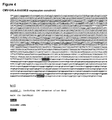
- the construct was verified by DNA sequencing (see Fig. 4 ).
- the CMV Gal4-Aid ⁇ NES DNA fragment (see Fig. 1b ) was then linearized by Nrul and DraIII enzymes and microinjected into F1xF1 mouse zygotes. From five positive founder mice, three permanent transgenic lines were established (termed lines 4, 5, and 7). These were bred with the H19 DMR UAS mice as described in the text. DNA was isolated from neonatal organs by standard methods, was bisulphite treated as described (Oswald et al., 2000) and amplified with outer and inner primers;
- PCR products were cloned into PCR2.1 using TOPO TA cloning kit (Invitrogen) according to the manufacturer's instructions. The cloned PCR fragments were then sequenced with M13 forward primers.
- CMV Gal4- ⁇ Aid1 carries two amino-acid changes, which were designed to affect its catalytic function and its DNA binding, respectively
- CMV Gal4- ⁇ Aid2 has a single amino acid change in the catalytic domain (see Figure 5a ).
- Both CMV Gal4- ⁇ Aid1 and CMV Gal4- ⁇ Aid2 lack the C-terminal NES.
- Plasmids CMV Gal4- ⁇ Aid1 and CMV Gal4- ⁇ Aid2 were derived from CMV Gal4-Aid ⁇ NES by standard in vitro mutagenesis and were verified by sequencing.
- transgenic lines Four independent transgenic lines were established. Two of the lines were made (as described above in Example 1) with CMV Gal4-Aid ⁇ NES (denoted as lines TG 4 and 5), the third with CMV Gal4- ⁇ Aid1 (denoted as line TG7), and the fourth with CMV Gal4- ⁇ Aid 2 (denoted as line TG8). In all lines the transgenes were expressed in embryos and placentas on E12.5, and in postnatal tissues notably in the ovary, with some exceptions such as the liver ( Figure 5b , see further discussion in Example 3 below). The RT PCR results were confirmed by Western blotting using an antibody against the DNA binding domain of Gal4 (data not shown).
- Gal4-Aid ⁇ NES protein expression was confirmed by western blotting of total protein extracted from different tissues of transgenic mice. Briefly, tissue extracts were prepared using standard protocols and the protein concentration was determined by Bradford assay. Protein samples were run on 10% SDS-polyacrylamide gels, electroblotted onto Hybond-P membranes (Amersham), blocked and incubated with 1:200 dilution of the anti-Gal4 primary antibody (Santa Cruz) and 1:2000 anti-tubulin antibody (Abcam®). The membrane was then incubated with 1:2000/1:10000 dilution of secondary antibody (Amersham) against rabbit/goat immunoglobulin. Detection was done with the enhanced chemiluminescence system (ECL, Amersham).
- ECL enhanced chemiluminescence system
- Igf2 (Mm00439565_g1), H19 (Mm01156721_g1), and Gapdh (Mm99999915_g1) transcripts were determined by TaqMan® probes purchased from Applied Biosystems. Quantitative real time PCR experiments were performed in triplicate with a ABI PRISM 7700 thermocycler (Applied Biosystems); the relative quantification, amplification efficiencies, and comparative method of relative quantification were done according to instructions supplied by Qiagen.
- Fertilised oocytes were washed in PBS, and after fixation in 4% paraformaldehyde in PBS for 15 minutes, the zonae were removed with Tyrode's Solution Acidic (Sigma) and the oocytes permeabilised with 0.2% Triton X-100 in PBS for 1 hour, at room temperature. After blocking in 0.05% Tween-20 in PBS containing 1% BSA (BS) overnight at 4°C, the oocytes were incubated with anti-Gal4 rabbit polyclonal antibody (Santa Cruz, sc-577) diluted 1:30 (BS) for 3 hours at room temperature. Detection was achieved using goat ⁇ -rabbit IgG-Alexa (Molecular Probes) as secondary antibody.
Landscapes
- Life Sciences & Earth Sciences (AREA)
- Health & Medical Sciences (AREA)
- Genetics & Genomics (AREA)
- Engineering & Computer Science (AREA)
- Chemical & Material Sciences (AREA)
- Organic Chemistry (AREA)
- Zoology (AREA)
- Bioinformatics & Cheminformatics (AREA)
- Wood Science & Technology (AREA)
- Biotechnology (AREA)
- General Health & Medical Sciences (AREA)
- Biomedical Technology (AREA)
- General Engineering & Computer Science (AREA)
- Veterinary Medicine (AREA)
- Molecular Biology (AREA)
- Biochemistry (AREA)
- Microbiology (AREA)
- Medicinal Chemistry (AREA)
- Plant Pathology (AREA)
- Biophysics (AREA)
- Physics & Mathematics (AREA)
- Developmental Biology & Embryology (AREA)
- Environmental Sciences (AREA)
- Animal Behavior & Ethology (AREA)
- General Chemical & Material Sciences (AREA)
- Chemical Kinetics & Catalysis (AREA)
- Animal Husbandry (AREA)
- Biodiversity & Conservation Biology (AREA)
- Nuclear Medicine, Radiotherapy & Molecular Imaging (AREA)
- Pharmacology & Pharmacy (AREA)
- Public Health (AREA)
- Micro-Organisms Or Cultivation Processes Thereof (AREA)
- Enzymes And Modification Thereof (AREA)
- Pharmaceuticals Containing Other Organic And Inorganic Compounds (AREA)
- Peptides Or Proteins (AREA)
- Medicines That Contain Protein Lipid Enzymes And Other Medicines (AREA)
Claims (15)
- Isoliertes Polypeptidmolekül, das dazu in der Lage ist, eine Demethylierung einer methylierten DNA-Sequenz in dem Genom einer eukaryotischen Zelle auszulösen, wobei das Molekül mindestens eine erste Domäne, die eine im Kern lokalisierte Cytidindeaminase-Aktivität aufweist, und mindestens eine zweite Domäne, die DNA-Bindungsaktivität verleiht, umfasst.
- Molekül nach Anspruch 1, ferner umfassend ein Kernlokalisierungssignal.
- Molekül nach Anspruch 2, wobei das Kernlokalisierungssignal in der ersten Domäne enthalten ist.
- Molekül nach einem der vorhergehenden Ansprüche, wobei die erste Domäne eine im Kern lokalisierte Cytidindeaminase-Domäne umfasst, ausgewählt aus: einer aktivierungsinduzierten Cytidindeaminase (AID) oder der Cytidindeaminase-Domäne von APOBEC1.
- Molekül nach Anspruch 4, wobei die erste Domäne die in SEQ ID NO:1 dargestellte AidΔNES-Sequenz umfasst.
- Molekül nach einem der vorhergehenden Ansprüche, wobei die zweite Domäne entweder eine nicht sequenzspezifische DNA-Bindungsdomäne oder eine sequenzspezifische DNA-Bindungsdomäne umfasst.
- Molekül nach Anspruch 6, wobei die sequenzspezifische DNA-Bindungsdomäne darauf ausgerichtet ist, zielgenau an eine Sequenz zu binden, die in der Promotorregion von einem oder mehreren Gen(en) vorhanden ist, deren Expression mit einem pluripotenten Phänotyp in Zusammenhang steht.
- Molekül nach einem der vorhergehenden Ansprüche, wobei die Zelle ausgewählt ist aus: einer Säugetierzelle, einer Humanzelle, einer pluripotenten Zelle, einer Körperzelle und einer Krebszelle.
- Isoliertes Nukleinsäuremolekül, das ein Polypeptidmolekül kodiert, wie in einem der Ansprüche 1 bis 8 beschrieben.
- Expressionsvektor zur Transfektion eines Polypeptidmoleküls und dessen Expression in einer eukaryotischen Zelle, welches dazu in der Lage ist, eine Demethylierung einer methylierten DNA-Sequenz im Genom der Zelle auszulösen, wobei der Vektor eine Kodierungssequenz nach Anspruch 9 umfasst, die ein Polypeptidmolekül kodiert, wie in einem der Ansprüche 1 bis 8 beschrieben, wobei die Kodierungssequenz funktionsfähig mit einer Promotorsequenz verknüpft ist.
- Expressionsvektor nach Anspruch 10, ferner umfassend eine oder mehrere Selektionsmarkersequenz(en) und/oder Reportergensequenz(en).
- Expressionsvektor nach Ansprüchen 10 und 11, wobei die erste und die zweite Nukleinsäuresequenz durch eine oder mehrere intervenierende Sequenzen getrennt sind.
- In-Vitro-Verfahren zum Auslösen der Demethylierung einer methylierten DNA-Sequenz in dem Genom einer eukaryotischen Zielzelle, umfassend:Transfizieren der Zielzelle mit einem Expressionsvektor nach einem der Ansprüche 10 bis 12 undExprimieren eines Polypeptidmoleküls nach einem der Ansprüche 1 bis 8 in der Zielzelle.
- Verfahren nach Anspruch 13, wobei die Demethylierung dazu dient, epigenetische Markierungen aus dem Genom der Zielzelle zu entfernen.
- Verfahren nach Anspruch 13 oder 14, wobei die eukaryotische Zelle ausgewählt ist aus: einer Säugetierzelle, einer Humanzelle, einer pluripotenten Zelle, einer Körperzelle und einer Krebszelle.
Applications Claiming Priority (5)
| Application Number | Priority Date | Filing Date | Title |
|---|---|---|---|
| US79027306P | 2006-04-07 | 2006-04-07 | |
| GBGB0607063.5A GB0607063D0 (en) | 2006-04-07 | 2006-04-07 | Compositions and methods for epigenetic modification of nucleic acid sequences in vivo |
| US79794206P | 2006-05-05 | 2006-05-05 | |
| GBGB0623644.2A GB0623644D0 (en) | 2006-04-07 | 2006-11-27 | Compositions and methods for epigenetic modification of nucleic acid sequences in vivo |
| PCT/GB2007/001304 WO2007128982A2 (en) | 2006-04-07 | 2007-04-10 | Compositions and methods for epigenetic modification of nucleic acid sequences in vivo |
Publications (2)
| Publication Number | Publication Date |
|---|---|
| EP2010660A2 EP2010660A2 (de) | 2009-01-07 |
| EP2010660B1 true EP2010660B1 (de) | 2013-06-05 |
Family
ID=36539563
Family Applications (1)
| Application Number | Title | Priority Date | Filing Date |
|---|---|---|---|
| EP07732348.3A Not-in-force EP2010660B1 (de) | 2006-04-07 | 2007-04-10 | Zusammensetzungen und verfahren zur epigenetischen modifikation von nukleinsäuresequenzen in vivo |
Country Status (5)
| Country | Link |
|---|---|
| US (2) | US8298529B2 (de) |
| EP (1) | EP2010660B1 (de) |
| JP (1) | JP2009532053A (de) |
| GB (2) | GB0607063D0 (de) |
| WO (1) | WO2007128982A2 (de) |
Families Citing this family (21)
| Publication number | Priority date | Publication date | Assignee | Title |
|---|---|---|---|---|
| US10316288B2 (en) * | 2008-04-30 | 2019-06-11 | Sanbio, Inc. | Neural regenerating cells with alterations in DNA methylation |
| EP2128259A1 (de) | 2008-05-27 | 2009-12-02 | Koninklijke Philips Electronics N.V. | Therapieverabreichung und Überwachung mittels eines Fusionsproteins eines relevanten Reportergens und optischer Bildgebung |
| RU2537264C2 (ru) * | 2009-04-03 | 2014-12-27 | Медикал Рисерч Каунсил | Мутанты индуцируемой активацией цитидиндеаминазы (aid) и способы их применения |
| EP2258858A1 (de) * | 2009-06-05 | 2010-12-08 | Universitätsklinikum Freiburg | Für LSD1 transgenisches Tiermodell für Krebs |
| US20110104787A1 (en) * | 2009-11-05 | 2011-05-05 | President And Fellows Of Harvard College | Fusion Peptides That Bind to and Modify Target Nucleic Acid Sequences |
| EP2513296A4 (de) * | 2009-12-18 | 2013-05-22 | Univ Leland Stanford Junior | Verwendung von cytidindeaminase-assoziierten wirkstoffen zur förderung der demethylierung und zellneuprogrammeirung |
| CA2841710C (en) | 2011-07-15 | 2021-03-16 | The General Hospital Corporation | Methods of transcription activator like effector assembly |
| US9890364B2 (en) | 2012-05-29 | 2018-02-13 | The General Hospital Corporation | TAL-Tet1 fusion proteins and methods of use thereof |
| EP3789405A1 (de) | 2012-10-12 | 2021-03-10 | The General Hospital Corporation | Transkriptionsaktivator-like-effektor-lysinspezifische demethylase-1 (lsd1)-fusionsproteine |
| EP2954042B1 (de) | 2013-02-07 | 2017-12-06 | The General Hospital Corporation | Tale-transkriptionsaktivatoren |
| US9721248B2 (en) | 2014-03-04 | 2017-08-01 | Bank Of America Corporation | ATM token cash withdrawal |
| GB201418965D0 (de) | 2014-10-24 | 2014-12-10 | Ospedale San Raffaele And Fond Telethon | |
| US10460367B2 (en) | 2016-04-29 | 2019-10-29 | Bank Of America Corporation | System for user authentication based on linking a randomly generated number to the user and a physical item |
| US10268635B2 (en) | 2016-06-17 | 2019-04-23 | Bank Of America Corporation | System for data rotation through tokenization |
| DK3562946T3 (da) * | 2016-12-28 | 2022-01-31 | Transgene Sa | Oncolytiske virusser og terapeutiske molekyler |
| CN117534769A (zh) | 2018-04-19 | 2024-02-09 | 加利福尼亚大学董事会 | 用于基因编辑的组合物和方法 |
| US11834686B2 (en) | 2018-08-23 | 2023-12-05 | Sangamo Therapeutics, Inc. | Engineered target specific base editors |
| JP7059965B2 (ja) | 2019-02-21 | 2022-04-26 | 株式会社豊田中央研究所 | エピゲノム状態を制御する融合タンパク質及びその利用 |
| US11680109B2 (en) | 2019-05-29 | 2023-06-20 | Duke University | Compositions and methods for detection and measurement of RNA modifications through targeted RNA editing |
| CN113383749B (zh) * | 2020-03-12 | 2025-11-18 | 中国医学科学院基础医学研究所 | 一种使用单个肿瘤细胞构建小鼠肿瘤模型的方法 |
| JPWO2022244544A1 (de) * | 2021-05-20 | 2022-11-24 |
Family Cites Families (12)
| Publication number | Priority date | Publication date | Assignee | Title |
|---|---|---|---|---|
| FR2646438B1 (fr) | 1989-03-20 | 2007-11-02 | Pasteur Institut | Procede de remplacement specifique d'une copie d'un gene present dans le genome receveur par l'integration d'un gene different de celui ou se fait l'integration |
| AU5722398A (en) * | 1996-12-30 | 1998-07-31 | Johns Hopkins University School Of Medicine, The | Compositions and methods for restoring a normal pattern of imprinting to cells |
| US6534261B1 (en) * | 1999-01-12 | 2003-03-18 | Sangamo Biosciences, Inc. | Regulation of endogenous gene expression in cells using zinc finger proteins |
| EP1174509A4 (de) * | 1999-03-29 | 2003-10-22 | Kansai Tech Licensing Org Co | Cytidindesaminase |
| AUPQ655100A0 (en) * | 2000-03-29 | 2000-04-20 | Am Asset Management Pty Ltd | Device and method for cleaning golf balls |
| ATE353361T1 (de) * | 2000-04-28 | 2007-02-15 | Sangamo Biosciences Inc | Gezielten modifikation der chromatinstruktur |
| US20040091878A1 (en) * | 2000-07-21 | 2004-05-13 | Takashi Sera | Zinc finger domain recognition code and uses thereof |
| JP2004537260A (ja) * | 2000-12-07 | 2004-12-16 | サンガモ バイオサイエンシーズ, インコーポレイテッド | ジンクフィンガータンパク質による血管新生の調節 |
| AU2002322805B2 (en) * | 2001-07-31 | 2007-11-08 | The Government Of The United States Of America As Represented By The Secretary Of The Department Of Health And Human Services | Inhibitor of DNA methylation |
| EP1506288B1 (de) * | 2002-05-10 | 2013-04-17 | Medical Research Council | Aktivierungsinduzierte deaminase (aid) |
| GB0312676D0 (en) | 2003-06-02 | 2003-07-09 | Babraham Inst | Binding assay |
| FR2875239B1 (fr) * | 2004-09-10 | 2007-07-20 | Inst Necker Ass Loi De 1901 | Procede pour l'acceleration des mutations somatiques et son application en proteomique |
-
2006
- 2006-04-07 GB GBGB0607063.5A patent/GB0607063D0/en not_active Ceased
- 2006-11-27 GB GBGB0623644.2A patent/GB0623644D0/en not_active Ceased
-
2007
- 2007-04-10 JP JP2009503661A patent/JP2009532053A/ja active Pending
- 2007-04-10 WO PCT/GB2007/001304 patent/WO2007128982A2/en not_active Ceased
- 2007-04-10 EP EP07732348.3A patent/EP2010660B1/de not_active Not-in-force
- 2007-04-10 US US12/226,094 patent/US8298529B2/en not_active Expired - Fee Related
-
2012
- 2012-10-05 US US13/646,008 patent/US8658393B2/en not_active Expired - Fee Related
Non-Patent Citations (10)
| Title |
|---|
| BESMER EVA ET AL: "Transcription elongation complex directs activation-induced cytidine deaminase-mediated DNA deamination", MOLECULAR AND CELLULAR BIOLOGY, vol. 26, no. 11, June 2006 (2006-06-01), pages 4378 - 4385, ISSN: 0270-7306 * |
| DATABASE BIOSIS [online] BIOSCIENCES INFORMATION SERVICE, PHILADELPHIA, PA, US; May 2004 (2004-05-01), YU QIN ET AL: "Single-strand specificity of APOBEC3G accounts for minus-strand deamination of the HIV genome", Database accession no. PREV200400331983 * |
| DICKERSON SARAH K ET AL: "AID mediates hypermutation by deaminating single stranded DNA.", JOURNAL OF EXPERIMENTAL MEDICINE, vol. 197, no. 10, 19 May 2003 (2003-05-19), pages 1291 - 1296, ISSN: 0022-1007 * |
| HONJO TASUKU ET AL: "AID to overcome the limitations of genomic information", NATURE IMMUNOLOGY, vol. 6, no. 7, July 2005 (2005-07-01), pages 655 - 661, ISSN: 1529-2908 * |
| LANGLOIS MARC-ANDRE ET AL: "Mutational comparison of the single-domained APOBEC3C and double-domained APOBEC3F/G anti-retroviral cytidine deaminases provides insight into their DNA target site specificities", NUCLEIC ACIDS RESEARCH, vol. 33, no. 6, 2005, pages 1913 - 1923, ISSN: 0305-1048 * |
| MARTIN ET AL: "Activation-induced cytidine deaminase turns on somatic hypermutation in hybridomas", NATURE, NATURE PUBLISHING GROUP, LONDON, GB, vol. 415, 14 February 2002 (2002-02-14), pages 802 - 806, XP002253537, ISSN: 0028-0836 * |
| NATURE STRUCTURAL & MOLECULAR BIOLOGY, vol. 11, no. 5, May 2004 (2004-05-01), pages 435 - 442, ISSN: 1545-9993 * |
| NAVARRO F ET AL: "Complementary function of the two catalytic domains of APOBEC3G", VIROLOGY, ACADEMIC PRESS,ORLANDO, US LNKD- DOI:10.1016/J.VIROL.2005.01.011, vol. 333, no. 2, 15 March 2005 (2005-03-15), pages 374 - 386, XP004757152, ISSN: 0042-6822 * |
| YOSHIKAWA KIYOTSUGU ET AL: "AID enzyme-induced hypermutation in an actively transcribed gene in fibroblasts", SCIENCE (WASHINGTON D C), vol. 296, no. 5575, 14 June 2002 (2002-06-14), pages 2033 - 2036, ISSN: 0036-8075 * |
| YU QIN ET AL: "Single-strand specificity of APOBEC3G accounts for minus-strand deamination of the HIV genome", NATURE STRUCTURAL & MOLECULAR BIOLOGY, vol. 11, no. 5, May 2004 (2004-05-01), pages 435 - 442, ISSN: 1545-9993 * |
Also Published As
| Publication number | Publication date |
|---|---|
| US8658393B2 (en) | 2014-02-25 |
| EP2010660A2 (de) | 2009-01-07 |
| GB0607063D0 (en) | 2006-05-17 |
| JP2009532053A (ja) | 2009-09-10 |
| GB0623644D0 (en) | 2007-01-03 |
| US20130034881A1 (en) | 2013-02-07 |
| WO2007128982A3 (en) | 2008-02-21 |
| WO2007128982A2 (en) | 2007-11-15 |
| US20110138491A1 (en) | 2011-06-09 |
| US8298529B2 (en) | 2012-10-30 |
Similar Documents
| Publication | Publication Date | Title |
|---|---|---|
| EP2010660B1 (de) | Zusammensetzungen und verfahren zur epigenetischen modifikation von nukleinsäuresequenzen in vivo | |
| JP7731156B2 (ja) | Dnaが編集された真核細胞を製造する方法、および当該方法に用いられるキット | |
| JP7257062B2 (ja) | ゲノム編集方法 | |
| CN108291218B (zh) | 核酸酶非依赖性靶向基因编辑平台及其用途 | |
| JP6700306B2 (ja) | 受精前の卵細胞、受精卵、及び標的遺伝子の改変方法 | |
| KR102531016B1 (ko) | 쌍 형성된 가이드 rna를 사용하는 표적화된 유전자 변형을 위한 방법 및 조성물 | |
| CN102625655B (zh) | 使用锌指核酸酶在大鼠中进行基因组编辑 | |
| CA2922084C (en) | Efficient non-meiotic allele introgression | |
| JP6446360B2 (ja) | 対立遺伝子置換によるfmdv抵抗性家畜の産生 | |
| JP7219972B2 (ja) | Dna二本鎖切断に非依存的な標的化遺伝子編集プラットフォームおよびその用途 | |
| US20110023157A1 (en) | Equine genome editing with zinc finger nucleases | |
| JP2020010692A (ja) | 遺伝子改変動物、およびそれを作製する方法 | |
| MX2014015204A (es) | Metodos y composiciones para generar alelos con inactivacion condicional. | |
| CN108347908A (zh) | 具有增加的热耐受性的经遗传修饰的动物 | |
| JP2018531003A6 (ja) | 向上した耐暑性を有する遺伝子改変動物 | |
| WO2020198541A1 (en) | Porcine reproductive and respiratory syndrome virus (prrsv) resistant swine | |
| Jin et al. | Haploid male germ cell‐and oocyte‐specific Mbd3l1 and Mbd3l2 genes are dispensable for early development, fertility, and zygotic DNA demethylation in the mouse | |
| Wise et al. | The undermethylated state of a CpG island region in igf2 transgenes is dependent on the H19 enhancers | |
| JP2001523449A (ja) | レスポンダー表現型に関わる核酸およびその適用 | |
| US20230175019A1 (en) | Scalable trio guide rna approach for integration of large donor dna | |
| EA040859B1 (ru) | Способ получения эукариотических клеток с отредактированной днк и набор, используемый в этом способе | |
| Uh | Maintaining Proper Levels of DNA Methylation Marks Through the TET Family is Critical for Normal Embryo Development in Pigs | |
| HK40021189B (zh) | Dna被编辑了的真核细胞的制造方法、和在该方法中使用的试剂盒 | |
| Yang | Expression and methylation patterns of imprinted genes in deceased newborn clones and surviving adult clones in cattle | |
| HK40021189A (en) | Method for manufacturing dna-edited eukaryotic cell, and kit used in method |
Legal Events
| Date | Code | Title | Description |
|---|---|---|---|
| PUAI | Public reference made under article 153(3) epc to a published international application that has entered the european phase |
Free format text: ORIGINAL CODE: 0009012 |
|
| 17P | Request for examination filed |
Effective date: 20081106 |
|
| AK | Designated contracting states |
Kind code of ref document: A2 Designated state(s): AT BE BG CH CY CZ DE DK EE ES FI FR GB GR HU IE IS IT LI LT LU LV MC MT NL PL PT RO SE SI SK TR |
|
| AX | Request for extension of the european patent |
Extension state: AL BA HR MK RS |
|
| RIN1 | Information on inventor provided before grant (corrected) |
Inventor name: CHAN, ANTHONY, CHUNG-FUNG Inventor name: REIK, WOLF Inventor name: MORGAN, HUGH |
|
| 17Q | First examination report despatched |
Effective date: 20090303 |
|
| DAX | Request for extension of the european patent (deleted) | ||
| GRAP | Despatch of communication of intention to grant a patent |
Free format text: ORIGINAL CODE: EPIDOSNIGR1 |
|
| GRAS | Grant fee paid |
Free format text: ORIGINAL CODE: EPIDOSNIGR3 |
|
| GRAA | (expected) grant |
Free format text: ORIGINAL CODE: 0009210 |
|
| AK | Designated contracting states |
Kind code of ref document: B1 Designated state(s): AT BE BG CH CY CZ DE DK EE ES FI FR GB GR HU IE IS IT LI LT LU LV MC MT NL PL PT RO SE SI SK TR |
|
| REG | Reference to a national code |
Ref country code: GB Ref legal event code: FG4D |
|
| REG | Reference to a national code |
Ref country code: CH Ref legal event code: EP |
|
| REG | Reference to a national code |
Ref country code: AT Ref legal event code: REF Ref document number: 615712 Country of ref document: AT Kind code of ref document: T Effective date: 20130615 |
|
| REG | Reference to a national code |
Ref country code: IE Ref legal event code: FG4D |
|
| REG | Reference to a national code |
Ref country code: DE Ref legal event code: R096 Ref document number: 602007030877 Country of ref document: DE Effective date: 20130801 |
|
| REG | Reference to a national code |
Ref country code: AT Ref legal event code: MK05 Ref document number: 615712 Country of ref document: AT Kind code of ref document: T Effective date: 20130605 |
|
| PG25 | Lapsed in a contracting state [announced via postgrant information from national office to epo] |
Ref country code: LT Free format text: LAPSE BECAUSE OF FAILURE TO SUBMIT A TRANSLATION OF THE DESCRIPTION OR TO PAY THE FEE WITHIN THE PRESCRIBED TIME-LIMIT Effective date: 20130605 Ref country code: SI Free format text: LAPSE BECAUSE OF FAILURE TO SUBMIT A TRANSLATION OF THE DESCRIPTION OR TO PAY THE FEE WITHIN THE PRESCRIBED TIME-LIMIT Effective date: 20130605 Ref country code: SE Free format text: LAPSE BECAUSE OF FAILURE TO SUBMIT A TRANSLATION OF THE DESCRIPTION OR TO PAY THE FEE WITHIN THE PRESCRIBED TIME-LIMIT Effective date: 20130605 Ref country code: GR Free format text: LAPSE BECAUSE OF FAILURE TO SUBMIT A TRANSLATION OF THE DESCRIPTION OR TO PAY THE FEE WITHIN THE PRESCRIBED TIME-LIMIT Effective date: 20130906 Ref country code: ES Free format text: LAPSE BECAUSE OF FAILURE TO SUBMIT A TRANSLATION OF THE DESCRIPTION OR TO PAY THE FEE WITHIN THE PRESCRIBED TIME-LIMIT Effective date: 20130916 Ref country code: AT Free format text: LAPSE BECAUSE OF FAILURE TO SUBMIT A TRANSLATION OF THE DESCRIPTION OR TO PAY THE FEE WITHIN THE PRESCRIBED TIME-LIMIT Effective date: 20130605 Ref country code: FI Free format text: LAPSE BECAUSE OF FAILURE TO SUBMIT A TRANSLATION OF THE DESCRIPTION OR TO PAY THE FEE WITHIN THE PRESCRIBED TIME-LIMIT Effective date: 20130605 |
|
| REG | Reference to a national code |
Ref country code: NL Ref legal event code: VDEP Effective date: 20130605 |
|
| REG | Reference to a national code |
Ref country code: LT Ref legal event code: MG4D |
|
| PG25 | Lapsed in a contracting state [announced via postgrant information from national office to epo] |
Ref country code: BG Free format text: LAPSE BECAUSE OF FAILURE TO SUBMIT A TRANSLATION OF THE DESCRIPTION OR TO PAY THE FEE WITHIN THE PRESCRIBED TIME-LIMIT Effective date: 20130905 Ref country code: PL Free format text: LAPSE BECAUSE OF FAILURE TO SUBMIT A TRANSLATION OF THE DESCRIPTION OR TO PAY THE FEE WITHIN THE PRESCRIBED TIME-LIMIT Effective date: 20130605 |
|
| PG25 | Lapsed in a contracting state [announced via postgrant information from national office to epo] |
Ref country code: LV Free format text: LAPSE BECAUSE OF FAILURE TO SUBMIT A TRANSLATION OF THE DESCRIPTION OR TO PAY THE FEE WITHIN THE PRESCRIBED TIME-LIMIT Effective date: 20130605 |
|
| PG25 | Lapsed in a contracting state [announced via postgrant information from national office to epo] |
Ref country code: BE Free format text: LAPSE BECAUSE OF FAILURE TO SUBMIT A TRANSLATION OF THE DESCRIPTION OR TO PAY THE FEE WITHIN THE PRESCRIBED TIME-LIMIT Effective date: 20130605 Ref country code: PT Free format text: LAPSE BECAUSE OF FAILURE TO SUBMIT A TRANSLATION OF THE DESCRIPTION OR TO PAY THE FEE WITHIN THE PRESCRIBED TIME-LIMIT Effective date: 20131007 Ref country code: SK Free format text: LAPSE BECAUSE OF FAILURE TO SUBMIT A TRANSLATION OF THE DESCRIPTION OR TO PAY THE FEE WITHIN THE PRESCRIBED TIME-LIMIT Effective date: 20130605 Ref country code: CZ Free format text: LAPSE BECAUSE OF FAILURE TO SUBMIT A TRANSLATION OF THE DESCRIPTION OR TO PAY THE FEE WITHIN THE PRESCRIBED TIME-LIMIT Effective date: 20130605 Ref country code: EE Free format text: LAPSE BECAUSE OF FAILURE TO SUBMIT A TRANSLATION OF THE DESCRIPTION OR TO PAY THE FEE WITHIN THE PRESCRIBED TIME-LIMIT Effective date: 20130605 Ref country code: IS Free format text: LAPSE BECAUSE OF FAILURE TO SUBMIT A TRANSLATION OF THE DESCRIPTION OR TO PAY THE FEE WITHIN THE PRESCRIBED TIME-LIMIT Effective date: 20131005 |
|
| PG25 | Lapsed in a contracting state [announced via postgrant information from national office to epo] |
Ref country code: NL Free format text: LAPSE BECAUSE OF FAILURE TO SUBMIT A TRANSLATION OF THE DESCRIPTION OR TO PAY THE FEE WITHIN THE PRESCRIBED TIME-LIMIT Effective date: 20130605 Ref country code: RO Free format text: LAPSE BECAUSE OF FAILURE TO SUBMIT A TRANSLATION OF THE DESCRIPTION OR TO PAY THE FEE WITHIN THE PRESCRIBED TIME-LIMIT Effective date: 20130605 |
|
| PLBE | No opposition filed within time limit |
Free format text: ORIGINAL CODE: 0009261 |
|
| STAA | Information on the status of an ep patent application or granted ep patent |
Free format text: STATUS: NO OPPOSITION FILED WITHIN TIME LIMIT |
|
| PG25 | Lapsed in a contracting state [announced via postgrant information from national office to epo] |
Ref country code: DK Free format text: LAPSE BECAUSE OF FAILURE TO SUBMIT A TRANSLATION OF THE DESCRIPTION OR TO PAY THE FEE WITHIN THE PRESCRIBED TIME-LIMIT Effective date: 20130605 |
|
| 26N | No opposition filed |
Effective date: 20140306 |
|
| REG | Reference to a national code |
Ref country code: DE Ref legal event code: R082 Ref document number: 602007030877 Country of ref document: DE Representative=s name: MAIWALD PATENTANWALTS GMBH, DE Ref country code: DE Ref legal event code: R082 Ref document number: 602007030877 Country of ref document: DE Representative=s name: MAIWALD PATENTANWALTS- UND RECHTSANWALTSGESELL, DE |
|
| PG25 | Lapsed in a contracting state [announced via postgrant information from national office to epo] |
Ref country code: IT Free format text: LAPSE BECAUSE OF FAILURE TO SUBMIT A TRANSLATION OF THE DESCRIPTION OR TO PAY THE FEE WITHIN THE PRESCRIBED TIME-LIMIT Effective date: 20130605 |
|
| REG | Reference to a national code |
Ref country code: DE Ref legal event code: R097 Ref document number: 602007030877 Country of ref document: DE Effective date: 20140306 |
|
| PG25 | Lapsed in a contracting state [announced via postgrant information from national office to epo] |
Ref country code: LU Free format text: LAPSE BECAUSE OF FAILURE TO SUBMIT A TRANSLATION OF THE DESCRIPTION OR TO PAY THE FEE WITHIN THE PRESCRIBED TIME-LIMIT Effective date: 20140410 Ref country code: MC Free format text: LAPSE BECAUSE OF FAILURE TO SUBMIT A TRANSLATION OF THE DESCRIPTION OR TO PAY THE FEE WITHIN THE PRESCRIBED TIME-LIMIT Effective date: 20130605 |
|
| REG | Reference to a national code |
Ref country code: CH Ref legal event code: PL |
|
| REG | Reference to a national code |
Ref country code: IE Ref legal event code: MM4A |
|
| PG25 | Lapsed in a contracting state [announced via postgrant information from national office to epo] |
Ref country code: LI Free format text: LAPSE BECAUSE OF NON-PAYMENT OF DUE FEES Effective date: 20140430 Ref country code: CH Free format text: LAPSE BECAUSE OF NON-PAYMENT OF DUE FEES Effective date: 20140430 |
|
| PG25 | Lapsed in a contracting state [announced via postgrant information from national office to epo] |
Ref country code: IE Free format text: LAPSE BECAUSE OF NON-PAYMENT OF DUE FEES Effective date: 20140410 |
|
| PG25 | Lapsed in a contracting state [announced via postgrant information from national office to epo] |
Ref country code: MT Free format text: LAPSE BECAUSE OF FAILURE TO SUBMIT A TRANSLATION OF THE DESCRIPTION OR TO PAY THE FEE WITHIN THE PRESCRIBED TIME-LIMIT Effective date: 20130605 |
|
| PG25 | Lapsed in a contracting state [announced via postgrant information from national office to epo] |
Ref country code: CY Free format text: LAPSE BECAUSE OF FAILURE TO SUBMIT A TRANSLATION OF THE DESCRIPTION OR TO PAY THE FEE WITHIN THE PRESCRIBED TIME-LIMIT Effective date: 20130605 |
|
| PG25 | Lapsed in a contracting state [announced via postgrant information from national office to epo] |
Ref country code: HU Free format text: LAPSE BECAUSE OF FAILURE TO SUBMIT A TRANSLATION OF THE DESCRIPTION OR TO PAY THE FEE WITHIN THE PRESCRIBED TIME-LIMIT; INVALID AB INITIO Effective date: 20070410 Ref country code: TR Free format text: LAPSE BECAUSE OF FAILURE TO SUBMIT A TRANSLATION OF THE DESCRIPTION OR TO PAY THE FEE WITHIN THE PRESCRIBED TIME-LIMIT Effective date: 20130605 |
|
| REG | Reference to a national code |
Ref country code: FR Ref legal event code: PLFP Year of fee payment: 10 |
|
| REG | Reference to a national code |
Ref country code: FR Ref legal event code: PLFP Year of fee payment: 11 |
|
| PGFP | Annual fee paid to national office [announced via postgrant information from national office to epo] |
Ref country code: DE Payment date: 20170418 Year of fee payment: 11 Ref country code: GB Payment date: 20170426 Year of fee payment: 11 Ref country code: FR Payment date: 20170417 Year of fee payment: 11 |
|
| REG | Reference to a national code |
Ref country code: DE Ref legal event code: R082 Ref document number: 602007030877 Country of ref document: DE Representative=s name: MAIWALD PATENTANWALTS- UND RECHTSANWALTSGESELL, DE |
|
| REG | Reference to a national code |
Ref country code: DE Ref legal event code: R119 Ref document number: 602007030877 Country of ref document: DE |
|
| GBPC | Gb: european patent ceased through non-payment of renewal fee |
Effective date: 20180410 |
|
| PG25 | Lapsed in a contracting state [announced via postgrant information from national office to epo] |
Ref country code: DE Free format text: LAPSE BECAUSE OF NON-PAYMENT OF DUE FEES Effective date: 20181101 |
|
| PG25 | Lapsed in a contracting state [announced via postgrant information from national office to epo] |
Ref country code: GB Free format text: LAPSE BECAUSE OF NON-PAYMENT OF DUE FEES Effective date: 20180410 |
|
| PG25 | Lapsed in a contracting state [announced via postgrant information from national office to epo] |
Ref country code: FR Free format text: LAPSE BECAUSE OF NON-PAYMENT OF DUE FEES Effective date: 20180430 |