EP1990047A1 - Use of a monoterpene to treat or prevent stress - Google Patents
Use of a monoterpene to treat or prevent stress Download PDFInfo
- Publication number
- EP1990047A1 EP1990047A1 EP07290602A EP07290602A EP1990047A1 EP 1990047 A1 EP1990047 A1 EP 1990047A1 EP 07290602 A EP07290602 A EP 07290602A EP 07290602 A EP07290602 A EP 07290602A EP 1990047 A1 EP1990047 A1 EP 1990047A1
- Authority
- EP
- European Patent Office
- Prior art keywords
- limonene
- stress
- treatment
- stress condition
- monoterpene
- Prior art date
- Legal status (The legal status is an assumption and is not a legal conclusion. Google has not performed a legal analysis and makes no representation as to the accuracy of the status listed.)
- Withdrawn
Links
- 229930003658 monoterpene Natural products 0.000 title claims abstract description 32
- 150000002773 monoterpene derivatives Chemical class 0.000 title claims abstract description 32
- 235000002577 monoterpenes Nutrition 0.000 title claims abstract description 32
- 230000001575 pathological effect Effects 0.000 claims abstract description 37
- 230000002265 prevention Effects 0.000 claims abstract description 20
- XMGQYMWWDOXHJM-UHFFFAOYSA-N limonene Chemical compound CC(=C)C1CCC(C)=CC1 XMGQYMWWDOXHJM-UHFFFAOYSA-N 0.000 claims description 88
- 241001465754 Metazoa Species 0.000 claims description 48
- NDTYTMIUWGWIMO-SNVBAGLBSA-N (-)-perillyl alcohol Chemical compound CC(=C)[C@H]1CCC(CO)=CC1 NDTYTMIUWGWIMO-SNVBAGLBSA-N 0.000 claims description 40
- 235000001510 limonene Nutrition 0.000 claims description 36
- 229940087305 limonene Drugs 0.000 claims description 36
- CDSMSBUVCWHORP-UHFFFAOYSA-N perillic acid Chemical compound CC(=C)C1CCC(C(O)=O)=CC1 CDSMSBUVCWHORP-UHFFFAOYSA-N 0.000 claims description 10
- 241000272517 Anseriformes Species 0.000 claims description 8
- 239000003814 drug Substances 0.000 claims description 8
- 239000002207 metabolite Substances 0.000 claims description 7
- 241000283086 Equidae Species 0.000 claims description 6
- 241000282326 Felis catus Species 0.000 claims description 5
- 238000010171 animal model Methods 0.000 claims description 4
- 238000004519 manufacturing process Methods 0.000 claims description 3
- 239000000203 mixture Substances 0.000 claims description 3
- 150000000134 (4S)-limonene derivatives Chemical class 0.000 claims 1
- 230000035882 stress Effects 0.000 description 66
- 238000012360 testing method Methods 0.000 description 39
- 241000700159 Rattus Species 0.000 description 24
- 238000000034 method Methods 0.000 description 17
- XMGQYMWWDOXHJM-JTQLQIEISA-N (+)-α-limonene Chemical compound CC(=C)[C@@H]1CCC(C)=CC1 XMGQYMWWDOXHJM-JTQLQIEISA-N 0.000 description 14
- 238000012313 Kruskal-Wallis test Methods 0.000 description 14
- 230000004044 response Effects 0.000 description 13
- 230000000694 effects Effects 0.000 description 12
- 230000011514 reflex Effects 0.000 description 12
- 150000003505 terpenes Chemical class 0.000 description 11
- 206010022998 Irritability Diseases 0.000 description 10
- RRHGJUQNOFWUDK-UHFFFAOYSA-N Isoprene Chemical group CC(=C)C=C RRHGJUQNOFWUDK-UHFFFAOYSA-N 0.000 description 9
- 230000036760 body temperature Effects 0.000 description 8
- 235000007586 terpenes Nutrition 0.000 description 8
- 230000037328 acute stress Effects 0.000 description 7
- NDTYTMIUWGWIMO-UHFFFAOYSA-N perillyl alcohol Chemical compound CC(=C)C1CCC(CO)=CC1 NDTYTMIUWGWIMO-UHFFFAOYSA-N 0.000 description 7
- 208000024891 symptom Diseases 0.000 description 7
- 241000283690 Bos taurus Species 0.000 description 6
- 238000013459 approach Methods 0.000 description 6
- 241000282472 Canis lupus familiaris Species 0.000 description 5
- 235000013305 food Nutrition 0.000 description 5
- 230000036407 pain Effects 0.000 description 5
- 208000019901 Anxiety disease Diseases 0.000 description 4
- GLZPCOQZEFWAFX-UHFFFAOYSA-N Geraniol Chemical compound CC(C)=CCCC(C)=CCO GLZPCOQZEFWAFX-UHFFFAOYSA-N 0.000 description 4
- 208000002193 Pain Diseases 0.000 description 4
- 230000004075 alteration Effects 0.000 description 4
- 230000036506 anxiety Effects 0.000 description 4
- 201000011510 cancer Diseases 0.000 description 4
- 230000001965 increasing effect Effects 0.000 description 4
- NUHSROFQTUXZQQ-UHFFFAOYSA-N isopentenyl diphosphate Chemical compound CC(=C)CCO[P@](O)(=O)OP(O)(O)=O NUHSROFQTUXZQQ-UHFFFAOYSA-N 0.000 description 4
- CBIDRCWHNCKSTO-UHFFFAOYSA-N prenyl diphosphate Chemical compound CC(C)=CCO[P@](O)(=O)OP(O)(O)=O CBIDRCWHNCKSTO-UHFFFAOYSA-N 0.000 description 4
- 238000003307 slaughter Methods 0.000 description 4
- 229930007631 (-)-perillyl alcohol Natural products 0.000 description 3
- 241000282465 Canis Species 0.000 description 3
- 241000196324 Embryophyta Species 0.000 description 3
- 241000283073 Equus caballus Species 0.000 description 3
- 241000282324 Felis Species 0.000 description 3
- 241000287828 Gallus gallus Species 0.000 description 3
- 241000124008 Mammalia Species 0.000 description 3
- 206010028980 Neoplasm Diseases 0.000 description 3
- 241000288906 Primates Species 0.000 description 3
- 241000283984 Rodentia Species 0.000 description 3
- 230000006399 behavior Effects 0.000 description 3
- 235000013330 chicken meat Nutrition 0.000 description 3
- 230000037326 chronic stress Effects 0.000 description 3
- 230000000295 complement effect Effects 0.000 description 3
- 235000005687 corn oil Nutrition 0.000 description 3
- 230000003247 decreasing effect Effects 0.000 description 3
- 208000037265 diseases, disorders, signs and symptoms Diseases 0.000 description 3
- 230000001667 episodic effect Effects 0.000 description 3
- 206010016256 fatigue Diseases 0.000 description 3
- 230000003137 locomotive effect Effects 0.000 description 3
- 235000013372 meat Nutrition 0.000 description 3
- 230000003340 mental effect Effects 0.000 description 3
- 235000005693 perillyl alcohol Nutrition 0.000 description 3
- 230000033764 rhythmic process Effects 0.000 description 3
- 230000008925 spontaneous activity Effects 0.000 description 3
- XZOBEDLKVOHSSH-UHFFFAOYSA-N 4-prop-1-en-2-ylcyclohexane-1-carboxylic acid Chemical compound CC(=C)C1CCC(C(O)=O)CC1 XZOBEDLKVOHSSH-UHFFFAOYSA-N 0.000 description 2
- 208000032841 Bulimia Diseases 0.000 description 2
- 206010006550 Bulimia nervosa Diseases 0.000 description 2
- 239000005792 Geraniol Substances 0.000 description 2
- GLZPCOQZEFWAFX-YFHOEESVSA-N Geraniol Natural products CC(C)=CCC\C(C)=C/CO GLZPCOQZEFWAFX-YFHOEESVSA-N 0.000 description 2
- 241000282412 Homo Species 0.000 description 2
- 206010020772 Hypertension Diseases 0.000 description 2
- 241001494479 Pecora Species 0.000 description 2
- 208000013738 Sleep Initiation and Maintenance disease Diseases 0.000 description 2
- 241000779819 Syncarpia glomulifera Species 0.000 description 2
- 239000004480 active ingredient Substances 0.000 description 2
- 230000016571 aggressive behavior Effects 0.000 description 2
- 208000022531 anorexia Diseases 0.000 description 2
- 238000003556 assay Methods 0.000 description 2
- 230000003542 behavioural effect Effects 0.000 description 2
- 230000008901 benefit Effects 0.000 description 2
- 235000013361 beverage Nutrition 0.000 description 2
- 230000006696 biosynthetic metabolic pathway Effects 0.000 description 2
- 235000015895 biscuits Nutrition 0.000 description 2
- RYYVLZVUVIJVGH-UHFFFAOYSA-N caffeine Chemical compound CN1C(=O)N(C)C(=O)C2=C1N=CN2C RYYVLZVUVIJVGH-UHFFFAOYSA-N 0.000 description 2
- 239000002775 capsule Substances 0.000 description 2
- ULDHMXUKGWMISQ-UHFFFAOYSA-N carvone Chemical compound CC(=C)C1CC=C(C)C(=O)C1 ULDHMXUKGWMISQ-UHFFFAOYSA-N 0.000 description 2
- 230000008859 change Effects 0.000 description 2
- 238000006243 chemical reaction Methods 0.000 description 2
- 239000003795 chemical substances by application Substances 0.000 description 2
- 230000000973 chemotherapeutic effect Effects 0.000 description 2
- BHQCQFFYRZLCQQ-OELDTZBJSA-N cholic acid Chemical compound C([C@H]1C[C@H]2O)[C@H](O)CC[C@]1(C)[C@@H]1[C@@H]2[C@@H]2CC[C@H]([C@@H](CCC(O)=O)C)[C@@]2(C)[C@@H](O)C1 BHQCQFFYRZLCQQ-OELDTZBJSA-N 0.000 description 2
- 206010061428 decreased appetite Diseases 0.000 description 2
- 201000010099 disease Diseases 0.000 description 2
- 229940079593 drug Drugs 0.000 description 2
- 239000003937 drug carrier Substances 0.000 description 2
- 238000011156 evaluation Methods 0.000 description 2
- 229940113087 geraniol Drugs 0.000 description 2
- 230000029251 gravitaxis Effects 0.000 description 2
- 230000036541 health Effects 0.000 description 2
- 229930195733 hydrocarbon Natural products 0.000 description 2
- 150000002430 hydrocarbons Chemical class 0.000 description 2
- 208000022119 inability to concentrate Diseases 0.000 description 2
- 208000015181 infectious disease Diseases 0.000 description 2
- 239000003112 inhibitor Substances 0.000 description 2
- 206010022437 insomnia Diseases 0.000 description 2
- 231100000682 maximum tolerated dose Toxicity 0.000 description 2
- 150000004702 methyl esters Chemical class 0.000 description 2
- 235000013336 milk Nutrition 0.000 description 2
- 239000008267 milk Substances 0.000 description 2
- 210000004080 milk Anatomy 0.000 description 2
- 230000000926 neurological effect Effects 0.000 description 2
- 230000007170 pathology Effects 0.000 description 2
- 239000006187 pill Substances 0.000 description 2
- 239000001739 pinus spp. Substances 0.000 description 2
- 230000003389 potentiating effect Effects 0.000 description 2
- 230000008569 process Effects 0.000 description 2
- 239000011347 resin Substances 0.000 description 2
- 229920005989 resin Polymers 0.000 description 2
- 230000000391 smoking effect Effects 0.000 description 2
- 231100000331 toxic Toxicity 0.000 description 2
- 230000002588 toxic effect Effects 0.000 description 2
- 231100000419 toxicity Toxicity 0.000 description 2
- 230000001988 toxicity Effects 0.000 description 2
- 229940036248 turpentine Drugs 0.000 description 2
- 239000000341 volatile oil Substances 0.000 description 2
- 230000004580 weight loss Effects 0.000 description 2
- NOOLISFMXDJSKH-UTLUCORTSA-N (+)-Neomenthol Chemical compound CC(C)[C@@H]1CC[C@@H](C)C[C@@H]1O NOOLISFMXDJSKH-UTLUCORTSA-N 0.000 description 1
- NFLGAXVYCFJBMK-IUCAKERBSA-N (-)-isomenthone Chemical compound CC(C)[C@@H]1CC[C@H](C)CC1=O NFLGAXVYCFJBMK-IUCAKERBSA-N 0.000 description 1
- 150000000133 (4R)-limonene derivatives Chemical class 0.000 description 1
- KJTLQQUUPVSXIM-ZCFIWIBFSA-N (R)-mevalonic acid Chemical compound OCC[C@](O)(C)CC(O)=O KJTLQQUUPVSXIM-ZCFIWIBFSA-N 0.000 description 1
- 206010000117 Abnormal behaviour Diseases 0.000 description 1
- QTBSBXVTEAMEQO-UHFFFAOYSA-M Acetate Chemical compound CC([O-])=O QTBSBXVTEAMEQO-UHFFFAOYSA-M 0.000 description 1
- 201000004384 Alopecia Diseases 0.000 description 1
- 206010002091 Anaesthesia Diseases 0.000 description 1
- 108010087765 Antipain Proteins 0.000 description 1
- 206010002942 Apathy Diseases 0.000 description 1
- 206010006187 Breast cancer Diseases 0.000 description 1
- 208000026310 Breast neoplasm Diseases 0.000 description 1
- 206010006895 Cachexia Diseases 0.000 description 1
- OKTJSMMVPCPJKN-UHFFFAOYSA-N Carbon Chemical group [C] OKTJSMMVPCPJKN-UHFFFAOYSA-N 0.000 description 1
- 208000005623 Carcinogenesis Diseases 0.000 description 1
- 239000005973 Carvone Substances 0.000 description 1
- 206010008479 Chest Pain Diseases 0.000 description 1
- 208000017667 Chronic Disease Diseases 0.000 description 1
- WTEVQBCEXWBHNA-UHFFFAOYSA-N Citral Natural products CC(C)=CCCC(C)=CC=O WTEVQBCEXWBHNA-UHFFFAOYSA-N 0.000 description 1
- 241000218631 Coniferophyta Species 0.000 description 1
- 206010010904 Convulsion Diseases 0.000 description 1
- OMFXVFTZEKFJBZ-UHFFFAOYSA-N Corticosterone Natural products O=C1CCC2(C)C3C(O)CC(C)(C(CC4)C(=O)CO)C4C3CCC2=C1 OMFXVFTZEKFJBZ-UHFFFAOYSA-N 0.000 description 1
- NOOLISFMXDJSKH-UHFFFAOYSA-N DL-menthol Natural products CC(C)C1CCC(C)CC1O NOOLISFMXDJSKH-UHFFFAOYSA-N 0.000 description 1
- KJTLQQUUPVSXIM-UHFFFAOYSA-N DL-mevalonic acid Natural products OCCC(O)(C)CC(O)=O KJTLQQUUPVSXIM-UHFFFAOYSA-N 0.000 description 1
- 206010012735 Diarrhoea Diseases 0.000 description 1
- 238000001061 Dunnett's test Methods 0.000 description 1
- 208000000059 Dyspnea Diseases 0.000 description 1
- 206010013975 Dyspnoeas Diseases 0.000 description 1
- 108090000790 Enzymes Proteins 0.000 description 1
- 102000004190 Enzymes Human genes 0.000 description 1
- LFQSCWFLJHTTHZ-UHFFFAOYSA-N Ethanol Chemical compound CCO LFQSCWFLJHTTHZ-UHFFFAOYSA-N 0.000 description 1
- 108010007508 Farnesyltranstransferase Proteins 0.000 description 1
- 102000007317 Farnesyltranstransferase Human genes 0.000 description 1
- GVVPGTZRZFNKDS-YFHOEESVSA-N Geranyl diphosphate Natural products CC(C)=CCC\C(C)=C/COP(O)(=O)OP(O)(O)=O GVVPGTZRZFNKDS-YFHOEESVSA-N 0.000 description 1
- WQZGKKKJIJFFOK-GASJEMHNSA-N Glucose Natural products OC[C@H]1OC(O)[C@H](O)[C@@H](O)[C@@H]1O WQZGKKKJIJFFOK-GASJEMHNSA-N 0.000 description 1
- 108010051696 Growth Hormone Proteins 0.000 description 1
- 206010019233 Headaches Diseases 0.000 description 1
- 241000238631 Hexapoda Species 0.000 description 1
- LPHGQDQBBGAPDZ-UHFFFAOYSA-N Isocaffeine Natural products CN1C(=O)N(C)C(=O)C2=C1N(C)C=N2 LPHGQDQBBGAPDZ-UHFFFAOYSA-N 0.000 description 1
- XMGQYMWWDOXHJM-SNVBAGLBSA-N L-limonene Natural products CC(=C)[C@H]1CCC(C)=CC1 XMGQYMWWDOXHJM-SNVBAGLBSA-N 0.000 description 1
- 206010023644 Lacrimation increased Diseases 0.000 description 1
- 206010049816 Muscle tightness Diseases 0.000 description 1
- 208000000112 Myalgia Diseases 0.000 description 1
- 244000061176 Nicotiana tabacum Species 0.000 description 1
- 235000002637 Nicotiana tabacum Nutrition 0.000 description 1
- 206010057342 Onychophagia Diseases 0.000 description 1
- 241000283903 Ovis aries Species 0.000 description 1
- 206010033433 Pain in jaw Diseases 0.000 description 1
- 241000255947 Papilionidae Species 0.000 description 1
- 206010035039 Piloerection Diseases 0.000 description 1
- 206010063493 Premature ageing Diseases 0.000 description 1
- 208000032038 Premature aging Diseases 0.000 description 1
- 102100024819 Prolactin Human genes 0.000 description 1
- 108010057464 Prolactin Proteins 0.000 description 1
- 208000001431 Psychomotor Agitation Diseases 0.000 description 1
- 206010038743 Restlessness Diseases 0.000 description 1
- 206010039424 Salivary hypersecretion Diseases 0.000 description 1
- 208000032140 Sleepiness Diseases 0.000 description 1
- 102100038803 Somatotropin Human genes 0.000 description 1
- 206010041349 Somnolence Diseases 0.000 description 1
- 206010042209 Stress Diseases 0.000 description 1
- 241000282887 Suidae Species 0.000 description 1
- 206010044565 Tremor Diseases 0.000 description 1
- 230000003187 abdominal effect Effects 0.000 description 1
- 239000003070 absorption delaying agent Substances 0.000 description 1
- 239000002253 acid Substances 0.000 description 1
- 150000007513 acids Chemical class 0.000 description 1
- 239000013543 active substance Substances 0.000 description 1
- 230000001154 acute effect Effects 0.000 description 1
- 125000002015 acyclic group Chemical group 0.000 description 1
- 230000003044 adaptive effect Effects 0.000 description 1
- 230000002411 adverse Effects 0.000 description 1
- 230000032683 aging Effects 0.000 description 1
- 230000000172 allergic effect Effects 0.000 description 1
- 229940126675 alternative medicines Drugs 0.000 description 1
- 230000037005 anaesthesia Effects 0.000 description 1
- 238000000540 analysis of variance Methods 0.000 description 1
- 239000003242 anti bacterial agent Substances 0.000 description 1
- 230000000844 anti-bacterial effect Effects 0.000 description 1
- 230000002180 anti-stress Effects 0.000 description 1
- 239000003429 antifungal agent Substances 0.000 description 1
- 229940121375 antifungal agent Drugs 0.000 description 1
- SDNYTAYICBFYFH-TUFLPTIASA-N antipain Chemical compound NC(N)=NCCC[C@@H](C=O)NC(=O)[C@H](C(C)C)NC(=O)[C@H](CCCN=C(N)N)NC(=O)N[C@H](C(O)=O)CC1=CC=CC=C1 SDNYTAYICBFYFH-TUFLPTIASA-N 0.000 description 1
- 235000019568 aromas Nutrition 0.000 description 1
- 238000000222 aromatherapy Methods 0.000 description 1
- 208000006673 asthma Diseases 0.000 description 1
- 208000010668 atopic eczema Diseases 0.000 description 1
- 208000013404 behavioral symptom Diseases 0.000 description 1
- WQZGKKKJIJFFOK-VFUOTHLCSA-N beta-D-glucose Chemical compound OC[C@H]1O[C@@H](O)[C@H](O)[C@@H](O)[C@@H]1O WQZGKKKJIJFFOK-VFUOTHLCSA-N 0.000 description 1
- 125000002619 bicyclic group Chemical group 0.000 description 1
- 230000015572 biosynthetic process Effects 0.000 description 1
- 239000008280 blood Substances 0.000 description 1
- 210000004369 blood Anatomy 0.000 description 1
- 230000036772 blood pressure Effects 0.000 description 1
- 229960001948 caffeine Drugs 0.000 description 1
- VJEONQKOZGKCAK-UHFFFAOYSA-N caffeine Natural products CN1C(=O)N(C)C(=O)C2=C1C=CN2C VJEONQKOZGKCAK-UHFFFAOYSA-N 0.000 description 1
- 230000036952 cancer formation Effects 0.000 description 1
- 229910052799 carbon Inorganic materials 0.000 description 1
- 231100000504 carcinogenesis Toxicity 0.000 description 1
- 230000015556 catabolic process Effects 0.000 description 1
- 230000002113 chemopreventative effect Effects 0.000 description 1
- 235000019504 cigarettes Nutrition 0.000 description 1
- 229940043350 citral Drugs 0.000 description 1
- 238000004140 cleaning Methods 0.000 description 1
- 238000000576 coating method Methods 0.000 description 1
- -1 coatings Substances 0.000 description 1
- 150000001875 compounds Chemical class 0.000 description 1
- 239000000470 constituent Substances 0.000 description 1
- 230000036461 convulsion Effects 0.000 description 1
- 230000002596 correlated effect Effects 0.000 description 1
- OMFXVFTZEKFJBZ-HJTSIMOOSA-N corticosterone Chemical compound O=C1CC[C@]2(C)[C@H]3[C@@H](O)C[C@](C)([C@H](CC4)C(=O)CO)[C@@H]4[C@@H]3CCC2=C1 OMFXVFTZEKFJBZ-HJTSIMOOSA-N 0.000 description 1
- 230000013872 defecation Effects 0.000 description 1
- 230000003412 degenerative effect Effects 0.000 description 1
- 230000002542 deteriorative effect Effects 0.000 description 1
- 235000005911 diet Nutrition 0.000 description 1
- 230000000378 dietary effect Effects 0.000 description 1
- 230000001079 digestive effect Effects 0.000 description 1
- 208000035475 disorder Diseases 0.000 description 1
- 239000002612 dispersion medium Substances 0.000 description 1
- 230000009429 distress Effects 0.000 description 1
- 238000009826 distribution Methods 0.000 description 1
- 229930004069 diterpene Natural products 0.000 description 1
- 125000000567 diterpene group Chemical group 0.000 description 1
- 235000013601 eggs Nutrition 0.000 description 1
- 230000002996 emotional effect Effects 0.000 description 1
- 230000003203 everyday effect Effects 0.000 description 1
- 210000003746 feather Anatomy 0.000 description 1
- 239000000796 flavoring agent Substances 0.000 description 1
- 235000019634 flavors Nutrition 0.000 description 1
- 235000013373 food additive Nutrition 0.000 description 1
- 239000002778 food additive Substances 0.000 description 1
- 235000013355 food flavoring agent Nutrition 0.000 description 1
- 239000003205 fragrance Substances 0.000 description 1
- 230000008014 freezing Effects 0.000 description 1
- 238000007710 freezing Methods 0.000 description 1
- 238000003304 gavage Methods 0.000 description 1
- WTEVQBCEXWBHNA-JXMROGBWSA-N geranial Chemical compound CC(C)=CCC\C(C)=C\C=O WTEVQBCEXWBHNA-JXMROGBWSA-N 0.000 description 1
- HIGQPQRQIQDZMP-UHFFFAOYSA-N geranil acetate Natural products CC(C)=CCCC(C)=CCOC(C)=O HIGQPQRQIQDZMP-UHFFFAOYSA-N 0.000 description 1
- HIGQPQRQIQDZMP-DHZHZOJOSA-N geranyl acetate Chemical compound CC(C)=CCC\C(C)=C\COC(C)=O HIGQPQRQIQDZMP-DHZHZOJOSA-N 0.000 description 1
- GVVPGTZRZFNKDS-JXMROGBWSA-N geranyl diphosphate Chemical compound CC(C)=CCC\C(C)=C\CO[P@](O)(=O)OP(O)(O)=O GVVPGTZRZFNKDS-JXMROGBWSA-N 0.000 description 1
- 108010050749 geranylgeranyltransferase type-I Proteins 0.000 description 1
- 239000008103 glucose Substances 0.000 description 1
- 239000000122 growth hormone Substances 0.000 description 1
- 210000004209 hair Anatomy 0.000 description 1
- 208000024963 hair loss Diseases 0.000 description 1
- 230000003676 hair loss Effects 0.000 description 1
- 231100000869 headache Toxicity 0.000 description 1
- 235000003642 hunger Nutrition 0.000 description 1
- 230000028993 immune response Effects 0.000 description 1
- 230000008629 immune suppression Effects 0.000 description 1
- 230000000899 immune system response Effects 0.000 description 1
- 230000002458 infectious effect Effects 0.000 description 1
- 208000027866 inflammatory disease Diseases 0.000 description 1
- 230000002401 inhibitory effect Effects 0.000 description 1
- 230000001788 irregular Effects 0.000 description 1
- 238000002955 isolation Methods 0.000 description 1
- NFLGAXVYCFJBMK-UHFFFAOYSA-N isomenthone Natural products CC(C)C1CCC(C)CC1=O NFLGAXVYCFJBMK-UHFFFAOYSA-N 0.000 description 1
- 230000006122 isoprenylation Effects 0.000 description 1
- 239000007951 isotonicity adjuster Substances 0.000 description 1
- 230000004317 lacrimation Effects 0.000 description 1
- 239000000463 material Substances 0.000 description 1
- 230000008774 maternal effect Effects 0.000 description 1
- 229940041616 menthol Drugs 0.000 description 1
- 231100000324 minimal toxicity Toxicity 0.000 description 1
- 125000002950 monocyclic group Chemical group 0.000 description 1
- 230000036651 mood Effects 0.000 description 1
- 208000013465 muscle pain Diseases 0.000 description 1
- 239000003921 oil Substances 0.000 description 1
- 235000019198 oils Nutrition 0.000 description 1
- 230000003647 oxidation Effects 0.000 description 1
- 238000007254 oxidation reaction Methods 0.000 description 1
- 208000028169 periodontal disease Diseases 0.000 description 1
- 238000009520 phase I clinical trial Methods 0.000 description 1
- 230000001766 physiological effect Effects 0.000 description 1
- 230000005371 pilomotor reflex Effects 0.000 description 1
- 230000036470 plasma concentration Effects 0.000 description 1
- 229940097325 prolactin Drugs 0.000 description 1
- 230000010346 psychosocial stress Effects 0.000 description 1
- 230000001179 pupillary effect Effects 0.000 description 1
- 230000009257 reactivity Effects 0.000 description 1
- 230000008707 rearrangement Effects 0.000 description 1
- 230000002829 reductive effect Effects 0.000 description 1
- 230000002040 relaxant effect Effects 0.000 description 1
- 230000003252 repetitive effect Effects 0.000 description 1
- 230000001850 reproductive effect Effects 0.000 description 1
- 238000011160 research Methods 0.000 description 1
- 230000000241 respiratory effect Effects 0.000 description 1
- 238000007363 ring formation reaction Methods 0.000 description 1
- 208000026451 salivation Diseases 0.000 description 1
- 238000000926 separation method Methods 0.000 description 1
- 210000002966 serum Anatomy 0.000 description 1
- 229930004725 sesquiterpene Natural products 0.000 description 1
- 150000004354 sesquiterpene derivatives Chemical class 0.000 description 1
- 229930002368 sesterterpene Natural products 0.000 description 1
- 150000002653 sesterterpene derivatives Chemical class 0.000 description 1
- 208000013220 shortness of breath Diseases 0.000 description 1
- 230000005808 skin problem Effects 0.000 description 1
- 208000019116 sleep disease Diseases 0.000 description 1
- 208000022925 sleep disturbance Diseases 0.000 description 1
- 239000002904 solvent Substances 0.000 description 1
- 241000894007 species Species 0.000 description 1
- 230000002269 spontaneous effect Effects 0.000 description 1
- 230000024188 startle response Effects 0.000 description 1
- 230000009885 systemic effect Effects 0.000 description 1
- 150000003535 tetraterpenes Chemical class 0.000 description 1
- 235000009657 tetraterpenes Nutrition 0.000 description 1
- 229940126672 traditional medicines Drugs 0.000 description 1
- 150000003648 triterpenes Chemical class 0.000 description 1
- 230000004865 vascular response Effects 0.000 description 1
- 239000003981 vehicle Substances 0.000 description 1
- 230000003313 weakening effect Effects 0.000 description 1
- 230000004584 weight gain Effects 0.000 description 1
- 235000019786 weight gain Nutrition 0.000 description 1
- 208000016261 weight loss Diseases 0.000 description 1
- 210000002268 wool Anatomy 0.000 description 1
Images




Classifications
-
- A—HUMAN NECESSITIES
- A61—MEDICAL OR VETERINARY SCIENCE; HYGIENE
- A61K—PREPARATIONS FOR MEDICAL, DENTAL OR TOILETRY PURPOSES
- A61K31/00—Medicinal preparations containing organic active ingredients
- A61K31/01—Hydrocarbons
- A61K31/015—Hydrocarbons carbocyclic
-
- A—HUMAN NECESSITIES
- A61—MEDICAL OR VETERINARY SCIENCE; HYGIENE
- A61K—PREPARATIONS FOR MEDICAL, DENTAL OR TOILETRY PURPOSES
- A61K31/00—Medicinal preparations containing organic active ingredients
- A61K31/045—Hydroxy compounds, e.g. alcohols; Salts thereof, e.g. alcoholates
-
- A—HUMAN NECESSITIES
- A61—MEDICAL OR VETERINARY SCIENCE; HYGIENE
- A61K—PREPARATIONS FOR MEDICAL, DENTAL OR TOILETRY PURPOSES
- A61K31/00—Medicinal preparations containing organic active ingredients
- A61K31/185—Acids; Anhydrides, halides or salts thereof, e.g. sulfur acids, imidic, hydrazonic or hydroximic acids
- A61K31/19—Carboxylic acids, e.g. valproic acid
-
- A—HUMAN NECESSITIES
- A61—MEDICAL OR VETERINARY SCIENCE; HYGIENE
- A61P—SPECIFIC THERAPEUTIC ACTIVITY OF CHEMICAL COMPOUNDS OR MEDICINAL PREPARATIONS
- A61P25/00—Drugs for disorders of the nervous system
-
- A—HUMAN NECESSITIES
- A61—MEDICAL OR VETERINARY SCIENCE; HYGIENE
- A61P—SPECIFIC THERAPEUTIC ACTIVITY OF CHEMICAL COMPOUNDS OR MEDICINAL PREPARATIONS
- A61P25/00—Drugs for disorders of the nervous system
- A61P25/18—Antipsychotics, i.e. neuroleptics; Drugs for mania or schizophrenia
-
- A—HUMAN NECESSITIES
- A61—MEDICAL OR VETERINARY SCIENCE; HYGIENE
- A61P—SPECIFIC THERAPEUTIC ACTIVITY OF CHEMICAL COMPOUNDS OR MEDICINAL PREPARATIONS
- A61P25/00—Drugs for disorders of the nervous system
- A61P25/22—Anxiolytics
Definitions
- the invention relates to the use of a monoterpene to treat or prevent stress.
- Stress can be defined as the sum of physical and mental responses to an unacceptable disparity between real or imagined personal experience and personal expectations.
- Mental responses to stress include adaptive stress, anxiety, and depression.
- stress persists associated to the inevitable process of aging, it may lead to various chronic diseases, going from infectious to inflammatory diseases, from cancer to degenerative and age-related diseases.
- only "extreme" stress has been acknowledged to induce immune and vascular responses, such as infection or hypertension.
- Farm animals become stressed, too. In domesticated food animals, stress can affect meat quality, milk production, and general health. But animal stress must often be intuited from clues such as lower-than-anticipated weights and increased illness. Transport of animals (cows, lambs, pigs, ...) to the slaughterhouse, for example, or to a competition (horses, dogs, chicken) are associated to a number of potentially stressing factors. These factors have a physical origin (truck moves, impacts by stability loss) and a psychological origin because every change in the common situation is susceptible to cause fear. Meat qualities in one case and performances in the second case are highly influenced by the psychological state of animals during the pre-slaughter / slaughter and pre-competition/ competition periods.
- Laboratory procedures have also been studied to evaluate their impact on laboratory animals. Significant changes in physiologic parameters correlated with stress (e.g., serum or plasma concentrations of corticosterone, glucose, growth hormone or prolactin, heart rate, blood pressure, and behavior) were associated in multiple species with three procedures : handling (any non-invasive manipulation occurring as part of routine husbandry, including lifting an animal and cleaning or moving an animal's cage), blood collection, and orogastric gavage (Balcombe et al., 2004). Animals responded with rapid, pronounced, and statistically significant elevations in stress-related responses for each of the procedures, although handling elicited variable alterations in immune system responses. These findings indicate that laboratory routines are associated with stress, and that animals do not readily habituate to them. These data suggest that significant fear, stress, and possibly distress are predictable consequences of routine laboratory procedures, and that these phenomena have substantial scientific and human implications for the use of animals in laboratory research.
- stress e.g., serum or plasma concentrations of corticosterone, glucose, growth hormone or
- Terpenes are a large and varied class of hydrocarbons, produced primarily by a wide variety of plants, particularly conifers, though also by some insects such as swallowtail butterflies, which emit terpenes from their osmeterium. They are the major components of resin, and of turpentine produced from resin. The name “terpene” is derived from the word “turpentine”. When terpenes are modified chemically, such as by oxidation or rearrangement of the carbon skeleton, the resulting compounds are generally referred to as terpenoids. Some authors will use the term terpene to include all terpenoids. Terpenes and terpenoids are the primary constituents of the essential oils of many types of plants and flowers.
- Essential oils are used widely as natural flavor additives for food, as fragrances in perfumery, in aromatherapy, and in traditional and alternative medicines. Synthetic variations and derivatives of natural terpenes and terpenoids also greatly expand the variety of aromas used in perfumery and flavors used in food additives.
- Terpenes are derived biosynthetically from units of isoprene, which has the molecular formula C 5 H 8 .
- the basic molecular formulas of terpenes are multiples of that, (C 5 H 8 ) n where n is the number of linked isoprene units.
- Isoprene itself does not undergo the building process, but rather activated forms, isopentenyl pyrophosphate (IPP or also isopentenyl diphosphate) and dimethylallyl pyrophosphate (DMAPP or also dimethylallyl diphosphate), are the components in the biosynthetic pathway.
- IPP isopentenyl pyrophosphate
- DMAPP dimethylallyl pyrophosphate
- terpenes As chains of isoprene units are built up, the resulting terpenes are classified sequentially by size as hemiterpenes, monoterpenes, sesquiterpenes, diterpenes, sesterterpenes, triterpenes, and tetraterpenes.
- Monoterpenes consist of two isoprene units and have the molecular formula C 10 H 16 .
- Examples of monoterpenes are: geraniol and limonene.
- Monoterpenes occur in monocyclic, bicyclic, and acyclic forms and are either simple or modified hydrocarbons. They are a class of isoprenoid molecules derived from the anabolism of acetate by the mevalonic acid branch biosynthetic pathways of plants.
- D-Limonene ((4R)-1-methyl-4-isopropenylcyclohex-1-ene), a major component of orange peel oil and the prototype of monoterpenes in carcinogenesis studies, is formed by the cyclization of the 10-carbon isoprene intermediate geranylpyrophosphate.
- D-Limonene and its derived metabolites have been shown to possess cancer chemotherapeutic and chemopreventive efficacy in various preclinical model systems.
- Crowell PL et al. identified plasma metabolites of limonene in blood of seven healthy human volunteers having ingested 100 mg/kg limonene in a custard.
- On-line capillary gas chromatography/mass spectrometry analysis indicated that at least five compounds were present at 4 h after ingestion. Two major peaks were identified as the rat limonene metabolites dihydroperillic acid and perillic acid, and two minor peaks were found to be the respective methyl esters of these acids (Crowell PL et al., 1994).
- R- and S-limonene are only weak inhibitors of the isoprenylation enzymes, their major metabolites, perillic acid and perillyl alcohol, are more potent inhibitors, with IC50 values in the low mM range.
- the metabolites possess greater activity towards the geranylgeranyltransferase type I enzyme than farnesyltransferase, while the novel metabolite displays IC50 values similar to those of perillic acid (Hardcastle IR et al., 1999).
- D-Limonene has a pronounced chemotherapeutic activity and minimal toxicity in preclinical studies.
- D-Limonene is well tolerated in cancer patients at doses which may have clinical activity (Vigushin DM et al., 1998).
- Limonene and perillic alcohol show a rapid response in less than one hour.
- Limonene shows an increasing effect during at least 3 hours whereas the effect of perillic alcohol has already decreased after 2 hours. This is consistent with the fact that a metabolite is assimilated faster than its original molecule.
- the present invention relates to the use of a monoterpene for the prevention, alleviation or treatment of a stress condition of an individual.
- a "stress condition” means the condition of an individual in response to stressing conditions.
- Stress conditions comprise pathological and non-pathological stress conditions.
- a pathological stress condition means an episodic acute stress condition or a chronic stress condition.
- Episodic acute stress means a frequently acute stress. People who endure acute stress frequently always seem to be facing multiple stressful situations. They're always in a rush, always late, always taking on too many projects, handling too many demands. Unlike people for whom stress is a once-in-a-while spike, these folks are experiencing episodic acute stress.
- Chronic stress means herein unrelenting demands and pressures for seemingly interminable periods of time. Chronic stress is stress that wears you down day after day and year after year, with no visible escape. It grinds away at both mental and physical health, leading to breakdown and even death and altogether to premature aging.
- a “non-pathological stress condition” means "acute stress", i.e. a punctual stress condition in response to a change in the familiar environment.
- Acute stress is the most common and most recognizable form of stress, the kind in which you know exactly why you're stressed: you were just in a car accident; the school nurse just called; a bear just ambled onto your campsite. Or it can be something scary but thrilling, such as a parachute jump.
- common causes of acute stressors include noise, isolation, crowding, and hunger. Normally, your body rests when these types of stressful events cease and your life gets back to normal.
- the term "individual” denotes an animal or a human, preferably a bird or a mammal, such as a rodent, a feline, an equine, a bovine, a caprine, a canine, a porcine and a primate.
- an individual according to the invention is a human.
- an individual according to the invention is a cat or a dog.
- to prevent means to allow avoiding a stress condition.
- to treat means reversing, alleviating, or inhibiting the course of a pathological stress condition or one or more symptoms thereof.
- Intellectual symptoms of stress include: problems with memory, difficulty making decisions, inability to concentrate, shortened attention span, confusion, repetitive or continual thoughts, misunderstanding of what others tell you, poor judgment, thoughts of escaping, running away, inability to slow down thought process, and/or loss of objectivity.
- Physical symptoms of stress include: headaches, digestive disorders, muscle tension and pain, sleep disturbances, fatigue, chest pain, irregular heartbeat, high blood pressure, weight gain or loss, hair loss, asthma or shortness of breath, skin problems, periodontal disease, jaw pain, reproductive problems, such as missed periods, immune system suppression, and/or sweatiness.
- Emotional symptoms of stress include: less interest in hobbies or fun, sudden shifts in mood, frequent uneasiness, restlessness, frustration, anger, resentment, unwarranted ashamedy, quick irritability with others, oversensitivity, overreaction to unexpected situations or events, sense of being overwhelmed or swamped, anxiety, increased fear of failure, inadequacy, reduced confidence, depression, apathy, and/or desire to cry.
- Behavioral symptoms of stress include: eat more or less, sleep too much or too little, isolate yourself from others, including people close to you, stay home from work or stay at work extended hours, increase use of tobacco, alcohol, drugs, caffeine, have sex more or less, engage in nervous habits such as nail biting, hair twisting, pacing, grind your teeth, laugh or cry at inappropriate times, overdo activities such as exercising or shopping, become bossy or inflexible with others, lose your temper, argue with people, become violent, take inappropriate risks, and/or exhibit road rage.
- the monoterpene may be administered by a systemic way, preferably by the oral way.
- a further object of the present invention relates to the use of a monoterpene for the manufacture of a medicament for the prevention, alleviation or treatment of a pathological stress condition of an individual.
- said prevention, alleviation or treatment concerns a human, a pet, a laboratory animal or a farm animal. More preferably, said prevention, alleviation or treatment concerns an individual selected in the group consisting of a bird or a mammal, such as a rodent, a feline, an equine, a bovine, a caprine, a canine, a porcine and a primate. Most preferably, said prevention, alleviation or treatment concerns a human, a cat or a dog.
- the symptoms of said pathological stress condition are anxiety, depression, problems with memory, inability to concentrate, sleep alterations, insomnia or exaggerated sleep, troubled sleep, eating problems, either bulimia or anorexia, with no respect of feeding rhythms, recurrence to drugs, comprehensive of cigarette smoking, chronic fatigue, demotivation, resignation, and/or any symptom able to reduce the performance of an individual having no detectable pathology.
- Such medicaments comprise a monoterpene as active ingredient and pharmaceutically acceptable carriers.
- “Pharmaceutically acceptable” refer to molecular entities and compositions that do not produce an adverse, allergic or other untoward reaction when administered to an animal, or a human, as appropriate.
- pharmaceutically acceptable carrier includes any and all solvents, dispersion media, coatings, antibacterial and antifungal agents, isotonic and absorption delaying agents and the like.
- the use of such media and agents for pharmaceutical active substances is well known in the art. Except insofar as any conventional media or agent is incompatible with the monoterpene used according to the invention, its use in the medicaments, or for implementing the methods for preventing or treating a pathological stress condition in an individual according to the invention is contemplated. Supplementary active ingredients can also be incorporated into the medicaments.
- the invention relates to a method for preventing, alleviating or treating a pathological stress condition in an individual.
- a method for preventing, alleviating or treating a pathological stress condition in an individual according to the invention comprises the administration of a medicament comprising a monoterpene, in one dose or in repeated doses and at specified intervals of time.
- the administration regimen may be orally.
- the administration regimen may be for instance for a period of more than 4 weeks, or more than 8 weeks.
- the molecule not being toxic the treatment can be continued until the patient resents its benefits i.e. for years or his whole life-time. This is particularly valid for those populations who are at risk to develop stress, so that they would take the molecules as stress prevention.
- the range of dose of monoterpene may be between 0.1 mg/kg to 100 mg/kg/day. More preferably, the dose range is between 1 mg to 100 mg/kg. Most preferably, the dose range is between 10 mg to 50 mg/kg. More preferably, the dose range is between 10 mg/kg/day to 50 mg/kg/day.
- the use of a monoterpene for the prevention, alleviation or treatment of a pathological stress condition of an individual may be by oral route, mucosal route or cutaneous route.
- a monoterpene for the prevention, alleviation or treatment of a pathological stress condition of an individual is preferably in a way adapted for such administration routes.
- a monoterpene for the prevention, alleviation or treatment of a pathological stress condition of an individual may be in a form selected in the group consisting of food complement, patch, capsule, pill, beverage and biscuit.
- a further object of the present invention relates to the use of a monoterpene for the prevention, alleviation or treatment of a non-pathological stress condition of an individual.
- said prevention, alleviation or treatment concerns a human, a pet, a laboratory animal or a farm animal. More preferably, said prevention, alleviation or treatment concerns an individual selected in the group consisting of a bird or a mammal, such as a rodent, a feline, an equine, a bovine, a caprine, a canine, a porcine and a primate. Most preferably, said prevention, alleviation or treatment concerns a human, a cat or a dog.
- said non-pathological stress condition is due to force-feeding in ducks or geese or bovine or horses or sheep or chickens. More preferably, said non-pathological stress condition is due to force-feeding in ducks or geese.
- said non-pathological stress condition is due to carriage in animals transported for slaughter (ducks or geese or bovine or horses or sheep or chickens) or competition (horses or cats or dogs) purposes. More preferably, said non-pathological stress condition is due to carriage in horses.
- said non-pathological stress condition is due to a performance stress at school, theatre, sport, more preferably is due to an exam in human (called “academic stress").
- the invention relates to a method for preventing, alleviating or treating a non-pathological stress condition of an individual.
- a method for preventing, alleviating or treating a non-pathological stress condition of an individual according to the invention comprises the administration of a food complement comprising a monoterpene, in one dose or in repeated doses and at specified intervals of time.
- the administration regimen may be for instance for a period of more than 4 weeks, or more than 8 weeks.
- the administration period can extend to years if the individual resents benefits from the treatment.
- the range of dose of monoterpene may be between 0.1 mg/kg to 100 mg/kg/day. More preferably, the dose range is between 1 mg to 100 mg/kg. Most preferably, the dose range is between 10 mg/kg to 50 mg/kg.
- the use of a monoterpene for the prevention, alleviation or treatment of a non-pathological stress condition of an individual may be by oral route, mucosal route or cutaneous route.
- a monoterpene for the prevention, alleviation or treatment of a non-pathological stress condition of an individual is preferably in a way adapted for such administration routes.
- a monoterpene for the prevention, alleviation or treatment of a non-pathological stress condition of an individual may be in a form selected in the group consisting of food complement, patch, capsule, pill, beverage and biscuit.
- Monoterpenes used in the present invention include limonene, geraniol, geranyl acetate, isomenthone, perillyl alcohol, perillic acid, dihydroperillic acid, the respective methyl esters of these acids, carvone, citral, menthol.
- limonene means (R)-(+)-Limonen, i.e. D-limonene.
- monoterpenes used in the present invention are limonene, one of its metabolites or a mixture thereof.
- Limonene metabolites include perillyl alcohol, perillic acid, dihydroperillic acid, and their respective methyl esters.
- Figure 1 is a graph showing the average of the body temperature of the animals 60 minutes before and 60, 120, 180 minutes after treatment for the three control, Limonen 10 and Perillic alcohol 10 groups.
- Figure 2 is a graph showing the average of the number of squares crossed by the animals 60 minutes before and 60, 120, 180 minutes after treatment for the three control, Limonen 10 and Perillic alcohol 10 groups.
- Figure 5 is a graph showing the average of the number of squares crossed on one way of the animals 60 minutes before and 60, 120, 180 minutes after treatment for the three control, Limonen 10 and Perillic alcohol 10 groups.
- Table 1 Summary of the treatment conditions Groups rats Nr Assayed product Dosis (mg/kg) FOB (minutes after administration) Control 6 Maize oil - 0, +60, +120, +180 Limonene 10 6 Limonene 10 Perillic alcohol 10 6 Perillic alcohol 10
- the observations are carried out 60 minutes before treatment and 60, 120 and 180 minutes after the administration orally of the assayed products and comprise three observation phases :
- the animals are weighed on the day of the administration of the assayed products. During the experimentation, the animals are killed under anesthesia and autopsied if one of the following signs is observed :
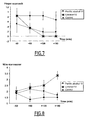
- the Mann-Whitney test shows that the rats of the group Limonene 10 have an interest significantly more important for an object than those of the control group.
- the Mann-Whitney test shows that the rats of perillic alcohol 10 group have a tendency to have a more important interest for an object than those of the control group.
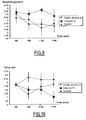
- the Mann-Whitney test shows that the rats of the Limonene 10 and perillic alcohol 10 groups are significantly less reactive of toe pinch than those of the control group.
- the Mann-Whitney test shows that the rats of the Limonene 10 and perillic alcohol 10 groups are significantly less irritable than those of the control group.
- the Mann-Whitney test shows that the rats of the Limonene 10 group emit significantly less vocalization than those of the control group.
- the Mann-Whitney test shows that the rats of the perillic alcohol 10 group have a tendancy to emit less vocalization than those of the control group.
- Table 2 FOB results 60 minutes after treatment (T+60) Kruskal-Wallis test and Mann-Whitney test vs.
- the Mann-Whitney test shows that the rats of the group Limonene 10 have an interest significantly more important for an object than those of the control group.
- the Mann-Whitney test shows that the rats of the Limonene 10 and Perillic alcohol 10 groups have significantly less escapes after finger approach than those of the control group.
- the Mann-Whitney test shows that the rats of the Limonene 10 group are significantly less irritable than those of the control group.
- the Mann-Whitney test shows that the rats of the Limonene 10 group emit significantly less vocalization than those of the control group.
- the Mann-Whitney test shows that the rats of the Limonene 10 group have a body temperature significantly lower than those of the control group.
- the Mann-Whitney test shows that the rats of the Limonene 10 group cross significantly more squares than those of the control group.
- the Mann-Whitney test shows that the rats of the Limonene 10 group have an interest for an object significantly higher than those of the control group.
- the Mann-Whitney test shows that the rats of the Limonene 10 group manoeuvre on the wire significantly more often than those of the control group.
- the Mann-Whitney test shows that the rats of the Limonene 10 group emit significantly less vocalization than those of the control group.
- the Mann-Whitney test shows that the rats of the Perillic alcohol 10 group have a tendency to emit less vocalization than those of the control group.
Landscapes
- Health & Medical Sciences (AREA)
- Pharmacology & Pharmacy (AREA)
- Veterinary Medicine (AREA)
- Chemical & Material Sciences (AREA)
- Public Health (AREA)
- General Health & Medical Sciences (AREA)
- Medicinal Chemistry (AREA)
- Animal Behavior & Ethology (AREA)
- Life Sciences & Earth Sciences (AREA)
- Epidemiology (AREA)
- Engineering & Computer Science (AREA)
- Bioinformatics & Cheminformatics (AREA)
- Neurosurgery (AREA)
- Organic Chemistry (AREA)
- Nuclear Medicine, Radiotherapy & Molecular Imaging (AREA)
- General Chemical & Material Sciences (AREA)
- Chemical Kinetics & Catalysis (AREA)
- Neurology (AREA)
- Biomedical Technology (AREA)
- Psychiatry (AREA)
- Acyclic And Carbocyclic Compounds In Medicinal Compositions (AREA)
Abstract
The present invention relates to the use of a monoterpene for the prevention, alleviation or treatment of a pathological or non-pathological stress condition of an individual.
Description
- The invention relates to the use of a monoterpene to treat or prevent stress.
- Stress can be defined as the sum of physical and mental responses to an unacceptable disparity between real or imagined personal experience and personal expectations. Mental responses to stress include adaptive stress, anxiety, and depression. However, if stress persists, associated to the inevitable process of aging, it may lead to various chronic diseases, going from infectious to inflammatory diseases, from cancer to degenerative and age-related diseases. For a long time, only "extreme" stress has been acknowledged to induce immune and vascular responses, such as infection or hypertension. Now we know that even "moderate" stress, independent from conventional risk factors (psycho-social stress, dietary stress, smoking,...), such as maternal separation, psychological and immobilization stresses, stressful life events in the middle aged and the ederly, academic stress (Zimecki et al., 2005), can induce a potent alteration of healthy conditions and consequently shorten life quality and lifespan (Zimecki and Artym, 2004).
- Farm animals become stressed, too. In domesticated food animals, stress can affect meat quality, milk production, and general health. But animal stress must often be intuited from clues such as lower-than-anticipated weights and increased illness. Transport of animals (cows, lambs, pigs, ...) to the slaughterhouse, for example, or to a competition (horses, dogs, chicken) are associated to a number of potentially stressing factors. These factors have a physical origin (truck moves, impacts by stability loss) and a psychological origin because every change in the common situation is susceptible to cause fear. Meat qualities in one case and performances in the second case are highly influenced by the psychological state of animals during the pre-slaughter / slaughter and pre-competition/ competition periods.
- Laboratory procedures have also been studied to evaluate their impact on laboratory animals. Significant changes in physiologic parameters correlated with stress (e.g., serum or plasma concentrations of corticosterone, glucose, growth hormone or prolactin, heart rate, blood pressure, and behavior) were associated in multiple species with three procedures : handling (any non-invasive manipulation occurring as part of routine husbandry, including lifting an animal and cleaning or moving an animal's cage), blood collection, and orogastric gavage (Balcombe et al., 2004). Animals responded with rapid, pronounced, and statistically significant elevations in stress-related responses for each of the procedures, although handling elicited variable alterations in immune system responses. These findings indicate that laboratory routines are associated with stress, and that animals do not readily habituate to them. These data suggest that significant fear, stress, and possibly distress are predictable consequences of routine laboratory procedures, and that these phenomena have substantial scientific and human implications for the use of animals in laboratory research.
- In humans, by decreasing normal resistance, stressful life conditions shorten the individual's lifespan and support the emergence of various diseases. Moreover, in humans, the outcome of stressful life conditions might be more complex than in animals at least because of the role of language, written or spoken, and belief (religion, tradition and other social containers that make stress tolerable or intolerable).
- Terpenes are a large and varied class of hydrocarbons, produced primarily by a wide variety of plants, particularly conifers, though also by some insects such as swallowtail butterflies, which emit terpenes from their osmeterium. They are the major components of resin, and of turpentine produced from resin. The name "terpene" is derived from the word "turpentine". When terpenes are modified chemically, such as by oxidation or rearrangement of the carbon skeleton, the resulting compounds are generally referred to as terpenoids. Some authors will use the term terpene to include all terpenoids. Terpenes and terpenoids are the primary constituents of the essential oils of many types of plants and flowers. Essential oils are used widely as natural flavor additives for food, as fragrances in perfumery, in aromatherapy, and in traditional and alternative medicines. Synthetic variations and derivatives of natural terpenes and terpenoids also greatly expand the variety of aromas used in perfumery and flavors used in food additives.
- Terpenes are derived biosynthetically from units of isoprene, which has the molecular formula C5H8. The basic molecular formulas of terpenes are multiples of that, (C5H8)n where n is the number of linked isoprene units. Isoprene itself does not undergo the building process, but rather activated forms, isopentenyl pyrophosphate (IPP or also isopentenyl diphosphate) and dimethylallyl pyrophosphate (DMAPP or also dimethylallyl diphosphate), are the components in the biosynthetic pathway. As chains of isoprene units are built up, the resulting terpenes are classified sequentially by size as hemiterpenes, monoterpenes, sesquiterpenes, diterpenes, sesterterpenes, triterpenes, and tetraterpenes.
- Monoterpenes consist of two isoprene units and have the molecular formula C10H16. Examples of monoterpenes are: geraniol and limonene. Monoterpenes occur in monocyclic, bicyclic, and acyclic forms and are either simple or modified hydrocarbons. They are a class of isoprenoid molecules derived from the anabolism of acetate by the mevalonic acid branch biosynthetic pathways of plants.
D-Limonene ((4R)-1-methyl-4-isopropenylcyclohex-1-ene), a major component of orange peel oil and the prototype of monoterpenes in carcinogenesis studies, is formed by the cyclization of the 10-carbon isoprene intermediate geranylpyrophosphate.
- D-Limonene and its derived metabolites have been shown to possess cancer chemotherapeutic and chemopreventive efficacy in various preclinical model systems. Crowell PL et al. identified plasma metabolites of limonene in blood of seven healthy human volunteers having ingested 100 mg/kg limonene in a custard. On-line capillary gas chromatography/mass spectrometry analysis indicated that at least five compounds were present at 4 h after ingestion. Two major peaks were identified as the rat limonene metabolites dihydroperillic acid and perillic acid, and two minor peaks were found to be the respective methyl esters of these acids (Crowell PL et al., 1994).
- Although R- and S-limonene are only weak inhibitors of the isoprenylation enzymes, their major metabolites, perillic acid and perillyl alcohol, are more potent inhibitors, with IC50 values in the low mM range. The metabolites possess greater activity towards the geranylgeranyltransferase type I enzyme than farnesyltransferase, while the novel metabolite displays IC50 values similar to those of perillic acid (Hardcastle IR et al., 1999).
- D-Limonene has a pronounced chemotherapeutic activity and minimal toxicity in preclinical studies. A phase I clinical trial to assess toxicity, the maximum tolerated dose (MTD) and pharmacokinetics in patients with advanced cancer was followed by a limited phase II evaluation in breast cancer. D-Limonene is well tolerated in cancer patients at doses which may have clinical activity (Vigushin DM et al., 1998).
- Unexpectedly, the present inventors have shown an anti-stress effect of limonene.
- By a Functional Observation Battery (FOB, 44 parameters addressing behavioural, physiological and neurological parameters) in rats submitted to several stressful conditions (MacPhail, 1987), limonene and perillic alcohol have shown an important effect leading to the capacity to tolerate stress when compared to vehicle-treated animals.
- Eighteen female rats per condition received orally 10 mg/kg of limonene, 10 mg/kg of perillic alcohol or a control carrier. 1, 2 or 3 hours later, a Functional Observation Battery (FOB) was carried out. The animals treated by limonene and perillic alcohol in comparison with the control showed :
- 1/ Changes in the reaction to pain and stress
- an increase in interest for an object, curiosity
- less quickly escapes after finger approach,
- an increase in time before the rat falls,
- a decrease in toe pinch reflex,
- a high decrease in pain response,
- no aggression,
- no irritability,
- very poor audible vocalization,
- an important decrease in the startle response.
- 2/ Changes in locomotive activity
- an increase of the number of squares crossed,
- an increase in spontaneous activity,
- an increase in wire manoeuvre
- 3/ Physiological reactions
- a decrease of the body temperature,
- an increase of the mictions
- These results indicate an appeasing, relaxing effect, an anti-pain effect and an effect on temper giving a cheerful character of limonen and perillic alcohol with an increased physical condition.
- Limonene and perillic alcohol show a rapid response in less than one hour.
- Limonene shows an increasing effect during at least 3 hours whereas the effect of perillic alcohol has already decreased after 2 hours. This is consistent with the fact that a metabolite is assimilated faster than its original molecule.
- Thus, the present invention relates to the use of a monoterpene for the prevention, alleviation or treatment of a stress condition of an individual. A "stress condition" means the condition of an individual in response to stressing conditions.
- Stress conditions comprise pathological and non-pathological stress conditions.
- In the context of the invention, a "pathological stress condition" means an episodic acute stress condition or a chronic stress condition.
- "Episodic acute stress" means a frequently acute stress. People who endure acute stress frequently always seem to be facing multiple stressful situations. They're always in a rush, always late, always taking on too many projects, handling too many demands. Unlike people for whom stress is a once-in-a-while spike, these folks are experiencing episodic acute stress.
- "Chronic stress" means herein unrelenting demands and pressures for seemingly interminable periods of time. Chronic stress is stress that wears you down day after day and year after year, with no visible escape. It grinds away at both mental and physical health, leading to breakdown and even death and altogether to premature aging.
- In the context of the invention, a "non-pathological stress condition" means "acute stress", i.e. a punctual stress condition in response to a change in the familiar environment. Acute stress is the most common and most recognizable form of stress, the kind in which you know exactly why you're stressed: you were just in a car accident; the school nurse just called; a bear just ambled onto your campsite. Or it can be something scary but thrilling, such as a parachute jump. Along with obvious dangers and threats, common causes of acute stressors include noise, isolation, crowding, and hunger. Normally, your body rests when these types of stressful events cease and your life gets back to normal.
- As used herein, the term "individual" denotes an animal or a human, preferably a bird or a mammal, such as a rodent, a feline, an equine, a bovine, a caprine, a canine, a porcine and a primate. Preferably, an individual according to the invention is a human. Preferably, an individual according to the invention is a cat or a dog.
- In the context of the invention, the terms "to prevent", "preventing" or "prevention" means to allow avoiding a stress condition.
- In the context of the invention, the terms "to alleviate", "alleviating" or "alleviation" means to allow decreasing one or more stress symptoms.
- In the context of the invention, the terms "to treat", "treating" or "treatment", means reversing, alleviating, or inhibiting the course of a pathological stress condition or one or more symptoms thereof.
- Intellectual symptoms of stress include: problems with memory, difficulty making decisions, inability to concentrate, shortened attention span, confusion, repetitive or continual thoughts, misunderstanding of what others tell you, poor judgment, thoughts of escaping, running away, inability to slow down thought process, and/or loss of objectivity.
- Physical symptoms of stress include: headaches, digestive disorders, muscle tension and pain, sleep disturbances, fatigue, chest pain, irregular heartbeat, high blood pressure, weight gain or loss, hair loss, asthma or shortness of breath, skin problems, periodontal disease, jaw pain, reproductive problems, such as missed periods, immune system suppression, and/or sweatiness.
- Emotional symptoms of stress include: less interest in hobbies or fun, sudden shifts in mood, frequent uneasiness, restlessness, frustration, anger, resentment, unwarranted jealousy, quick irritability with others, oversensitivity, overreaction to unexpected situations or events, sense of being overwhelmed or swamped, anxiety, increased fear of failure, inadequacy, reduced confidence, depression, apathy, and/or desire to cry.
- Behavioral symptoms of stress include: eat more or less, sleep too much or too little, isolate yourself from others, including people close to you, stay home from work or stay at work extended hours, increase use of tobacco, alcohol, drugs, caffeine, have sex more or less, engage in nervous habits such as nail biting, hair twisting, pacing, grind your teeth, laugh or cry at inappropriate times, overdo activities such as exercising or shopping, become bossy or inflexible with others, lose your temper, argue with people, become violent, take inappropriate risks, and/or exhibit road rage.
- In the frame of the use of a monoterpene according to the invention, the monoterpene may be administered by a systemic way, preferably by the oral way.
- A further object of the present invention relates to the use of a monoterpene for the manufacture of a medicament for the prevention, alleviation or treatment of a pathological stress condition of an individual.
- In a preferred embodiment, said prevention, alleviation or treatment concerns a human, a pet, a laboratory animal or a farm animal. More preferably, said prevention, alleviation or treatment concerns an individual selected in the group consisting of a bird or a mammal, such as a rodent, a feline, an equine, a bovine, a caprine, a canine, a porcine and a primate. Most preferably, said prevention, alleviation or treatment concerns a human, a cat or a dog.
- Preferably, the symptoms of said pathological stress condition are anxiety, depression, problems with memory, inability to concentrate, sleep alterations, insomnia or exaggerated sleep, troubled sleep, eating problems, either bulimia or anorexia, with no respect of feeding rhythms, recurrence to drugs, comprehensive of cigarette smoking, chronic fatigue, demotivation, resignation, and/or any symptom able to reduce the performance of an individual having no detectable pathology.
- For animals this implies also sleep alterations, insomnia or exaggerated sleep, troubled sleep, eating problems, either bulimia or anorexia, with no respect of feeding rhythms, chronic fatigue, resignation, depression and/or any symptom deteriorating the quality of the meat in the case of slaughter animals having no detectable pathology, but also animal derived products such as eggs, milk or other products such as wool or feathers, and of performance in the case of competition animals.
- Such medicaments comprise a monoterpene as active ingredient and pharmaceutically acceptable carriers.
- "Pharmaceutically acceptable" refer to molecular entities and compositions that do not produce an adverse, allergic or other untoward reaction when administered to an animal, or a human, as appropriate.
- As used herein, "pharmaceutically acceptable carrier" includes any and all solvents, dispersion media, coatings, antibacterial and antifungal agents, isotonic and absorption delaying agents and the like. The use of such media and agents for pharmaceutical active substances is well known in the art. Except insofar as any conventional media or agent is incompatible with the monoterpene used according to the invention, its use in the medicaments, or for implementing the methods for preventing or treating a pathological stress condition in an individual according to the invention is contemplated. Supplementary active ingredients can also be incorporated into the medicaments.
- In a further embodiment, the invention relates to a method for preventing, alleviating or treating a pathological stress condition in an individual.
- Preferably, a method for preventing, alleviating or treating a pathological stress condition in an individual according to the invention comprises the administration of a medicament comprising a monoterpene, in one dose or in repeated doses and at specified intervals of time.
- In the frame of methods for preventing, alleviating or treating a pathological stress condition in an individual according to the invention, the administration regimen may be orally.
- In the frame of methods for preventing, alleviating or treating a pathological stress condition in an individual according to the invention, the administration regimen may be for instance for a period of more than 4 weeks, or more than 8 weeks. The molecule not being toxic the treatment can be continued until the patient resents its benefits i.e. for years or his whole life-time. This is particularly valid for those populations who are at risk to develop stress, so that they would take the molecules as stress prevention.
- Preferably, in the frame of methods for preventing, alleviating or treating a pathological stress condition in an individual according to the invention, the range of dose of monoterpene may be between 0.1 mg/kg to 100 mg/kg/day. More preferably, the dose range is between 1 mg to 100 mg/kg. Most preferably, the dose range is between 10 mg to 50 mg/kg. More preferably, the dose range is between 10 mg/kg/day to 50 mg/kg/day.
- Preferably, the use of a monoterpene for the prevention, alleviation or treatment of a pathological stress condition of an individual may be by oral route, mucosal route or cutaneous route. As such the use of a monoterpene for the prevention, alleviation or treatment of a pathological stress condition of an individual is preferably in a way adapted for such administration routes.
- Preferably, the use of a monoterpene for the prevention, alleviation or treatment of a pathological stress condition of an individual may be in a form selected in the group consisting of food complement, patch, capsule, pill, beverage and biscuit.
- A further object of the present invention relates to the use of a monoterpene for the prevention, alleviation or treatment of a non-pathological stress condition of an individual.
- In a preferred embodiment, said prevention, alleviation or treatment concerns a human, a pet, a laboratory animal or a farm animal. More preferably, said prevention, alleviation or treatment concerns an individual selected in the group consisting of a bird or a mammal, such as a rodent, a feline, an equine, a bovine, a caprine, a canine, a porcine and a primate. Most preferably, said prevention, alleviation or treatment concerns a human, a cat or a dog.
- Preferably, said non-pathological stress condition is due to force-feeding in ducks or geese or bovine or horses or sheep or chickens. More preferably, said non-pathological stress condition is due to force-feeding in ducks or geese.
- Preferably, said non-pathological stress condition is due to carriage in animals transported for slaughter (ducks or geese or bovine or horses or sheep or chickens) or competition (horses or cats or dogs) purposes. More preferably, said non-pathological stress condition is due to carriage in horses.
- Preferably, said non-pathological stress condition is due to a performance stress at school, theatre, sport, more preferably is due to an exam in human (called "academic stress").
- In a further embodiment, the invention relates to a method for preventing, alleviating or treating a non-pathological stress condition of an individual.
- Preferably, a method for preventing, alleviating or treating a non-pathological stress condition of an individual according to the invention comprises the administration of a food complement comprising a monoterpene, in one dose or in repeated doses and at specified intervals of time.
- In the frame of methods for preventing, alleviating or treating a non-pathological stress condition of an individual according to the invention, the administration regimen may be for instance for a period of more than 4 weeks, or more than 8 weeks. As the molecule is not toxic under no circumstances at the preferential dose indicated, the administration period can extend to years if the individual resents benefits from the treatment.
- Preferably, in the frame of methods for preventing, alleviating or treating a non-pathological stress condition of an individual according to the invention, the range of dose of monoterpene may be between 0.1 mg/kg to 100 mg/kg/day. More preferably, the dose range is between 1 mg to 100 mg/kg. Most preferably, the dose range is between 10 mg/kg to 50 mg/kg.
- Preferably, the use of a monoterpene for the prevention, alleviation or treatment of a non-pathological stress condition of an individual may be by oral route, mucosal route or cutaneous route. As such the use of a monoterpene for the prevention, alleviation or treatment of a non-pathological stress condition of an individual is preferably in a way adapted for such administration routes.
- Preferably, the use of a monoterpene for the prevention, alleviation or treatment of a non-pathological stress condition of an individual may be in a form selected in the group consisting of food complement, patch, capsule, pill, beverage and biscuit.
- Monoterpenes used in the present invention include limonene, geraniol, geranyl acetate, isomenthone, perillyl alcohol, perillic acid, dihydroperillic acid, the respective methyl esters of these acids, carvone, citral, menthol.
- In the context of the invention, limonene means (R)-(+)-Limonen, i.e. D-limonene.
- More preferably, monoterpenes used in the present invention are limonene, one of its metabolites or a mixture thereof.
- Limonene metabolites include perillyl alcohol, perillic acid, dihydroperillic acid, and their respective methyl esters.
- The invention will be further illustrated in view of the following figures and examples.
-
Figure 1 : is a graph showing the average of the body temperature of theanimals 60 minutes before and 60, 120, 180 minutes after treatment for the three control,Limonen 10 andPerillic alcohol 10 groups. -
Figure 2 : is a graph showing the average of the number of squares crossed by theanimals 60 minutes before and 60, 120, 180 minutes after treatment for the three control,Limonen 10 andPerillic alcohol 10 groups. -
Figure 3 : is a graph showing the average of the scores of mictions of theanimals 60 minutes before and 60, 120, 180 minutes after treatment for the three control,Limonen 10 andPerillic alcohol 10 groups. Legend : 0 = no; 1 = yes -
Figure 4 : is a graph showing the average of the scores for the spontaneous activity test of theanimals 60 minutes before and 60, 120, 180 minutes after treatment for the three control,Limonen 10 andPerillic alcohol 10 groups. Legend : 0 = nothing; 1 = small moves ; 2= moderate moves ; 3 = fast moves ; 4 = excited. -
Figure 5 : is a graph showing the average of the number of squares crossed on one way of theanimals 60 minutes before and 60, 120, 180 minutes after treatment for the three control,Limonen 10 andPerillic alcohol 10 groups. -
Figure 6 : is a graph showing the average of the scores for the object interest test of theanimals 60 minutes before and 60, 120, 180 minutes after treatment for the three control,Limonen 10 andPerillic alcohol 10 groups. Legend : 0 = no; 1 = look at ; 2 = follow. -
Figure 7 : is a graph showing the average of the scores for the finger approach test of theanimals 60 minutes before and 60, 120, 180 minutes after treatment for the three control,Limonen 10 andPerillic alcohol 10 groups. Legend : 0 = no; 1 = small escape ; 2 = moderate escape ; 3 = vigorous escape. -
Figure 8 : is a graph showing the average of the scores for the wire manoeuver test of theanimals 60 minutes before and 60, 120, 180 minutes after treatment for the three control,Limonen 10 andPerillic alcohol 10 groups. Legend : 0 = fall; 1 = fall after some seconds ; 2 = no success ; 3 =laboured success ; 4 = success. -
Figure 9 : is a graph showing the average of the scores for the negative geotaxis test of theanimals 60 minutes before and 60, 120, 180 minutes after treatment for the three control,Limonen 10 andPerillic alcohol 10 groups. Legend : 0 = fall; 1 = no move; 2 = move but no look back ; 3 =look back and no further move ; 4 = look back and climb. -
Figure 10 : is a graph showing the average of the scores for the toe pinch test of theanimals 60 minutes before and 60, 120, 180 minutes after treatment for the three control,Limonen 10 andPerillic alcohol 10 groups. Legend : 0 = light; 1 = moderate ; 2 = fast ; 3 = repeted. -
Figure 11 : is a graph showing the average of the scores for the pain response test of theanimals 60 minutes before and 60, 120, 180 minutes after treatment for the three control,Limonen 10 andPerillic alcohol 10 groups. Legend : 0 = no; 1 = yes. -
Figure 12 : is a graph showing the average of the scores for the agression test of theanimals 60 minutes before and 60, 120, 180 minutes after treatment for the three control,Limonen 10 andPerillic alcohol 10 groups. Legend : 0 = no; 1 = yes. -
Figure 13 : is a graph showing the average of the scores for the irritability test of theanimals 60 minutes before and 60, 120, 180 minutes after treatment for the three control,Limonen 10 andPerillic alcohol 10 groups. Legend : 0 = no; 1 = yes. -
Figure 14 : is a graph showing the average of the scores for the audible vocalization test of theanimals 60 minutes before and 60, 120, 180 minutes after treatment for the three control,Limonen 10 andPerillic alcohol 10 groups. Legend : 0 = no; 1 = yes. -
Figure 15 : is a graph showing the average of the scores for the startle test of theanimals 60 minutes before and 60, 120, 180 minutes after treatment for the three control,Limonen 10 andPerillic alcohol 10 groups. Legend : 0 = no; 1 = yes. - Eighteen female rats Wistar HsdBrlHan EOPS (Ganat, France) with an average weight of 175-200 g are used.
- The 18 rats are weighed, marked and shared in 3 groups of 6 (n = 6) :
- "control" group = oral treatment with maize oil ;
- "
Limonene 10" group = oral treatment with Limonene at 10 mg/kg ; - "
Perillic alcohol 10" group = oral treatment with perillic alcohol at 10 mg/kg ; - Limonene ((R)-(+)-Limonene, MW = 136.23, purity = 97%) from SIGMA-ALDRICH (Saint-Quentin Fallavier, France) has been used and stored according to SIGMA-FLUKA instructions.
- Perillic alcohol ((S)-4-Isopropenyl-1-cyclohexenylmethanol; (S)-p-Mentha-1,8-dien-7-ol, MW = 152,23, purity = 98%) from SIGMA-ALDRICH (Saint-Quentin Fallavier, France) has been used and stored according to SIGMA-FLUKA instructions.
- Limonene and perillic alcohol have been prepared in maize oil extemporarily every day of treatment at 4 mg/ml and administered par orally at 10 mg/kg for a volume of 2.5 ml/kg, just after the first assay at t = 0.
Table 1 Summary of the treatment conditions Groups rats Nr Assayed product Dosis (mg/kg) FOB (minutes after administration) Control 6 Maize oil - 0, +60, +120, +180 Limonene 106 Limonene 10 Perillic alcohol 106 Perillic alcohol 10 - The observations are carried out 60 minutes before treatment and 60, 120 and 180 minutes after the administration orally of the assayed products and comprise three observation phases :
- a first direct observation phase during which the animal is not disturbed ;
- an active observation phase during which the animal is manipulated ;
- a phase dedicated to the evaluation of the responses of the animals towards the reactivity assays.
- behavioural effects : spontaneous locomotive activity, locomotive behaviour troubles, anxiety, touch response, irritability, aggression and freezing caused behaviours, somnolence, number of defecations, number of mictions, sensor-motor responses (toe pinch response and sound response) ;
- neurological effects: pupillary reflex, palpebral closure, pelvic elevation, tail position, limb and abdominal tones, reversal test, grip test, tremors and piloerection ;
- physiological effects: salivation, lacrimation, diarrhea, body temperature, respiratory rhythm.
- The animals are weighed on the day of the administration of the assayed products.
During the experimentation, the animals are killed under anesthesia and autopsied if one of the following signs is observed : - pain (cachexia, weakening, ...) ;
- products toxicity (abnormal behavior, convulsions, ...) ;
- weight loss of at least 25% through three consecutive days or 20% in one day.
- Considering the Gaussian distribution or not of the data, parametric (P) or non-parametric (NP) tests are used : ANOVA (P) or Kruskal-Wallis test (NP) followed possibly by the Dunnett test (P) or the Mann-Whitney test (NP) to compare the treated groups with the control group. Statistics are carried out with the
Statview 5 software (SAS, Institute Inc., USA). - At T-60, the Kruskal-Wallis test does not show any significant heterogeneity between the different groups for all the studied variables.
- At T+60, the Kruskal-Wallis test shows significant heterogeneities between the different groups for the following variables :
- Interest for an object : H(ddl = 2) = 9.316 ; p < 0.01 ;
- Toe pinch reflex : H(ddl = 2) = 6.591 ; p < 0.05 ;
- Irritability : H(ddl = 2) = 11.900 ; P < 0.01 ;
- Audible vocalization : H(ddl = 2) = 8.075 ; p < 0.05.
- The Kruskal-Wallis test shows heterogeneity tendencies between the different groups for the following variables :
- Wire manoeuver : H(ddl=2) = 5.360 ; p < 0.10 ;
- Startles : H(ddl=2) = 5.377 ; p < 0.10.
- The Kruskal-Wallis test does not show any significant heterogeneity between the different groups for the other studied variables.
- • The Mann-Whitney test is carried out to provide comparisons from one group to another.
- The Mann-Whitney test shows that the rats of the
group Limonene 10 have an interest significantly more important for an object than those of the control group.
The Mann-Whitney test shows that the rats ofperillic alcohol 10 group have a tendency to have a more important interest for an object than those of the control group. - The Mann-Whitney test shows that the rats of the
Limonene 10 andperillic alcohol 10 groups are significantly less reactive of toe pinch than those of the control group. - The Mann-Whitney test shows that the rats of the
Limonene 10 andperillic alcohol 10 groups are significantly less irritable than those of the control group. - The Mann-Whitney test shows that the rats of the
Limonene 10 group emit significantly less vocalization than those of the control group.
The Mann-Whitney test shows that the rats of theperillic alcohol 10 group have a tendancy to emit less vocalization than those of the control group.Table 2 FOB results 60 minutes after treatment (T+60) Kruskal-Wallis test and Mann-Whitney test vs. Control Groups Control Limonene 10 Perillic alcohol 10Variables (n = 6) (n = 6) (n = 6) Interest for an object > > p < 0.01 p < 0.10 Toe pinch reflex < < p < 0.05 p < 0.05 Irritability < < p < 0.01 p < 0.05 Audible vocalization < < p < 0.01 p < 0.10 Legend of Table 2 : « > » means a reflex higher than the control group
"<" means a reflex lower than the control group boldface symbols mean a significant effect - At T+120, the Kruskal-Wallis test shows significant heterogeneities between the different groups for the following variables :
- Interest for an object : H(ddl = 2) = 6.800 ; p < 0.05 ;
- Finger approach : H(ddl = 2) = 9.917 ; p < 0.01 ;
- Irritability : H(ddl = 2) = 11.900 ; p < 0.01 ;
- Audible vocalization : H(ddl = 2) = 6.800 ; p < 0.05 ;
- Startles : H(ddl = 2) = 7.200 ; p < 0.05.
- The Kruskal-Wallis test shows heterogeneity tendencies between the different groups for the following variables :
- Body temperature : H(ddl=2) = 5.673 ; p < 0.10 ;
- Spontaneous activity : H(ddl=2) = 5.740 ; p < 0.10 ;
- Negative geotaxis : H(ddl=2) = 5.699 ; p < 0.10.
- The Kruskal-Wallis test does not show any significant heterogeneity between the different groups for the other studied variables.
- • The Mann-Whitney test is carried out to provide comparisons from one group to another.
- The Mann-Whitney test shows that the rats of the
group Limonene 10 have an interest significantly more important for an object than those of the control group. - The Mann-Whitney test shows that the rats of the
Limonene 10 andPerillic alcohol 10 groups have significantly less escapes after finger approach than those of the control group. - The Mann-Whitney test shows that the rats of the
Limonene 10 group are significantly less irritable than those of the control group. - The Mann-Whitney test shows that the rats of the
Limonene 10 group emit significantly less vocalization than those of the control group. - The Mann-Whitney test shows that the rats of the
Limonene 10 group have significantly less startles than those of the control group.Table 3 FOB results 120 minutes after treatment (T+120) Kruskal-Wallis test and Mann-Whitney test vs. Control Groups Control Limonene 10 Perillic alcohol 10Variables (n = 6) (n = 6) (n = 6) Interest for an object > N.S. p < 0.05 Finger approach < < p < 0.01 p < 0.05 Irritability < N.S. p < 0.05 Audible vocalization < N.S. p < 0.05 Startles < N.S. p < 0.01 Legend of Table 3 : ">" means a reflex higher than the control group
"<" means a reflex lower than the control group boldface symbols mean a significant effect
"N.S." = no difference with the control group -
- • At T+180, the Kruskal-Wallis test shows significant heterogeneities between the different groups for the following variables :
- Body temperature: H(ddl = 2) = 7.616 ; p < 0.05 ;
- Number of squares crossed : H(ddl = 2) = 6.125 ; p < 0.05 ;
- Interest for an object: H(ddl = 2) = 6.656 ; p < 0.05 ;
- Wire manoeuver: H(ddl = 2) = 10.579 ; p < 0.01 ;
- Audible vocalization: H(ddl = 2) = 11.333 ; p < 0.01 ;
- Startles: H(ddl = 2) = 7.766 ; p < 0.05.
- The Kruskal-Wallis test shows heterogeneity tendencies between the different groups for the following variables :
- Miction : H(ddl=2) = 5.037 ; p < 0.10 ;
- Toe pinch : H(ddl=2) = 5.217 ; p < 0.10.
- The Kruskal-Wallis test does not show any significant heterogeneity between the different groups for the other studied variables.
- • The Mann-Whitney test is carried out to provide comparisons from one group to another.
- The Mann-Whitney test shows that the rats of the
Limonene 10 group have a body temperature significantly lower than those of the control group. - The Mann-Whitney test shows that the rats of the
Limonene 10 group cross significantly more squares than those of the control group. - The Mann-Whitney test shows that the rats of the
Limonene 10 group have an interest for an object significantly higher than those of the control group. - The Mann-Whitney test shows that the rats of the
Limonene 10 group manoeuvre on the wire significantly more often than those of the control group. - The Mann-Whitney test shows that the rats of the
Limonene 10 group emit significantly less vocalization than those of the control group.
The Mann-Whitney test shows that the rats of thePerillic alcohol 10 group have a tendency to emit less vocalization than those of the control group. - The Mann-Whitney test shows that the rats of the
Limonene 10 group have significantly less startles than those of the control group.Table 4 FOB Results 180 minutes after treatment (T+180) Kruskal-Wallis test and Mann-Whitney test vs. ControlGroups Control Limonene 10 Perillic alcohol 10Variables (n = 6) (n = 6) (n = 6) Body temperature < N.S. p < 0.01 Number of squares crossed > N.S. p < 0.05 Interest for an object > N.S. p < 0.05 Wire manoeuver > N.S. p < 0.01 Audible vocalization < < p<0.001 p<0.10 Startles < N.S. p < 0.01 Legend of Table 4 : ">" means a reflex higher than the control group
"<" means a reflex lower than the control group boldface symbols mean a significant effect
"N.S." = no difference with the control group -
- Balcombe JP et al., Laboratory routines cause animal stress, Contemp Top Lab Anim Sci. 2004 Nov;43(6):42-51);
- Zimecki M et al., Effects of lactoferrin on the immune response modified by the immobilization stress. Pharmacol Rep. 2005 Nov-Dec;57(6):811-7;
- Zimecki M and Artym J, 2004; [The effect of psychic stress on the immune response] Postepy Hig Med Dosw (Online). Review. Polish 2004 Mar 24;58:166-75.
- Crowell PL et al., "Human metabolism of the experimental cancer therapeutic agent d-limonene", Cancer Chemother Pharmacol. 1994;35(1):31-7;
- Hardcastle IR et al., "Inhibition of protein prenylation by metabolites of limonene", Biochem Pharmacol. 1999 ;
- Vigushin DM et al., « Phase I and pharmacokinetic study of D-limonene in patients with advanced cancer. Cancer Research Campaign Phase I/II Clinical Trials Committee", Cancer Chemother Pharmacol. 1998;42(2):111-7;
- MacPhail RC, Observational batteries and motor activity. Zentralbl Bakteriol Mikrobiol Hyg [B]. 1987 Oct;185(1-2):21-7.
Claims (10)
- Use of a monoterpene for the prevention or alleviation of a stress condition of an individual.
- Use of a monoterpene for the manufacture of a medicament for the treatment of a pathological stress condition of an individual.
- The use according to claim 1, said stress condition being a non-pathological stress condition.
- The use according to any one of claims 1 to 3, said individual being selected in the group consisting of a human, a pet, a laboratory animal or a farm animal.
- The use according to claim 4, said individual being a cat or a dog.
- The use according to any one of claims 1 to 5, said monoterpene being limonene, one of its metabolites or a mixture thereof.
- The use according to claim 6, said limonene metabolite being perillic alcohol or perillic acid.
- The use according to claim 3, wherein said non-pathological stress condition is due to force-feeding in ducks or geese.
- The use according to claim 3, wherein said non-pathological stress condition is due to carriage in horses.
- The use according to claim 3, wherein said non-pathological stress condition is due to an exam in human.
Priority Applications (5)
| Application Number | Priority Date | Filing Date | Title |
|---|---|---|---|
| EP07290602A EP1990047A1 (en) | 2007-05-11 | 2007-05-11 | Use of a monoterpene to treat or prevent stress |
| EP08759505.4A EP2144603B1 (en) | 2007-05-11 | 2008-05-09 | Use of a monoterpene to treat or prevent stress |
| PCT/EP2008/055781 WO2008138905A1 (en) | 2007-05-11 | 2008-05-09 | Use of a monoterpene to treat or prevent stress |
| US12/599,578 US20110028549A1 (en) | 2007-05-11 | 2008-05-09 | Use of a monoterpene to treat or prevent stress |
| JP2010507892A JP2010529951A (en) | 2007-05-11 | 2008-05-09 | Use of monoterpenes to treat or prevent stress |
Applications Claiming Priority (1)
| Application Number | Priority Date | Filing Date | Title |
|---|---|---|---|
| EP07290602A EP1990047A1 (en) | 2007-05-11 | 2007-05-11 | Use of a monoterpene to treat or prevent stress |
Publications (1)
| Publication Number | Publication Date |
|---|---|
| EP1990047A1 true EP1990047A1 (en) | 2008-11-12 |
Family
ID=38335575
Family Applications (2)
| Application Number | Title | Priority Date | Filing Date |
|---|---|---|---|
| EP07290602A Withdrawn EP1990047A1 (en) | 2007-05-11 | 2007-05-11 | Use of a monoterpene to treat or prevent stress |
| EP08759505.4A Active EP2144603B1 (en) | 2007-05-11 | 2008-05-09 | Use of a monoterpene to treat or prevent stress |
Family Applications After (1)
| Application Number | Title | Priority Date | Filing Date |
|---|---|---|---|
| EP08759505.4A Active EP2144603B1 (en) | 2007-05-11 | 2008-05-09 | Use of a monoterpene to treat or prevent stress |
Country Status (4)
| Country | Link |
|---|---|
| US (1) | US20110028549A1 (en) |
| EP (2) | EP1990047A1 (en) |
| JP (1) | JP2010529951A (en) |
| WO (1) | WO2008138905A1 (en) |
Families Citing this family (5)
| Publication number | Priority date | Publication date | Assignee | Title |
|---|---|---|---|---|
| US9265458B2 (en) | 2012-12-04 | 2016-02-23 | Sync-Think, Inc. | Application of smooth pursuit cognitive testing paradigms to clinical drug development |
| US9380976B2 (en) | 2013-03-11 | 2016-07-05 | Sync-Think, Inc. | Optical neuroinformatics |
| KR101993510B1 (en) * | 2017-01-06 | 2019-06-26 | 연세대학교 산학협력단 | Composition comprising Geranic acid or as active ingredients for Preventing or treating muscle disease |
| RU2637211C1 (en) * | 2017-03-16 | 2017-12-01 | Общество с ограниченной ответственностью "Академия-Т" | Functional food product "antistress" |
| RU2656544C1 (en) * | 2017-07-07 | 2018-06-05 | Общество с ограниченной ответственностью "Академия-Т" | Functional food product for correction of psychophysiological state and neuromuscular transmission of athletes |
Citations (4)
| Publication number | Priority date | Publication date | Assignee | Title |
|---|---|---|---|---|
| JP2001233723A (en) * | 2000-02-25 | 2001-08-28 | Pola Chem Ind Inc | Mind and body cosmetic set |
| US20030180349A1 (en) * | 2001-12-07 | 2003-09-25 | Franklin Lanny U. | Respiratory infection prevention and treatment with terpene-containing compositions |
| EP1424071A1 (en) * | 2001-08-08 | 2004-06-02 | Shiseido Company Limited | Perfume compositions |
| WO2005105074A2 (en) * | 2004-04-23 | 2005-11-10 | D Alessio Patrizia | Composition for treating or preventing cell degeneration using at least one molecule capable of maintaining adhesion molecule expression reversibility and vascular endothelium actin fibre polymerisation |
Family Cites Families (5)
| Publication number | Priority date | Publication date | Assignee | Title |
|---|---|---|---|---|
| IT1320180B1 (en) * | 2000-12-29 | 2003-11-26 | Hunza Di Marazzita Maria Carme | NUTRITIONAL AND THERAPEUTIC PREPARATIONS EQUIPPED WITH ANTI-OXIDANT ACTIVITY AND ABLE TO CONTROL THE PONDERAL EXCESSES AND |
| JP2003119490A (en) * | 2001-08-08 | 2003-04-23 | Shiseido Co Ltd | Psychosedative perfume composition |
| WO2003070181A2 (en) * | 2002-02-19 | 2003-08-28 | Eden Research Plc | Compositions and methods for preservation of food |
| JP2006241051A (en) * | 2005-03-02 | 2006-09-14 | Pokka Corp | Anti-stress agent |
| US20080145409A1 (en) * | 2006-12-19 | 2008-06-19 | Min Chang Huang | Composition for the treatment and prevention of peptic ulcer |
-
2007
- 2007-05-11 EP EP07290602A patent/EP1990047A1/en not_active Withdrawn
-
2008
- 2008-05-09 JP JP2010507892A patent/JP2010529951A/en active Pending
- 2008-05-09 US US12/599,578 patent/US20110028549A1/en not_active Abandoned
- 2008-05-09 EP EP08759505.4A patent/EP2144603B1/en active Active
- 2008-05-09 WO PCT/EP2008/055781 patent/WO2008138905A1/en not_active Ceased
Patent Citations (4)
| Publication number | Priority date | Publication date | Assignee | Title |
|---|---|---|---|---|
| JP2001233723A (en) * | 2000-02-25 | 2001-08-28 | Pola Chem Ind Inc | Mind and body cosmetic set |
| EP1424071A1 (en) * | 2001-08-08 | 2004-06-02 | Shiseido Company Limited | Perfume compositions |
| US20030180349A1 (en) * | 2001-12-07 | 2003-09-25 | Franklin Lanny U. | Respiratory infection prevention and treatment with terpene-containing compositions |
| WO2005105074A2 (en) * | 2004-04-23 | 2005-11-10 | D Alessio Patrizia | Composition for treating or preventing cell degeneration using at least one molecule capable of maintaining adhesion molecule expression reversibility and vascular endothelium actin fibre polymerisation |
Also Published As
| Publication number | Publication date |
|---|---|
| EP2144603A1 (en) | 2010-01-20 |
| WO2008138905A1 (en) | 2008-11-20 |
| JP2010529951A (en) | 2010-09-02 |
| US20110028549A1 (en) | 2011-02-03 |
| EP2144603B1 (en) | 2019-01-02 |
Similar Documents
| Publication | Publication Date | Title |
|---|---|---|
| US20230404965A1 (en) | Terpene-based compositions, methods of preparations and uses thereof | |
| Khanum et al. | Rhodiola rosea: a versatile adaptogen | |
| Allen et al. | Effects of components of Artemisia annua on coccidia infections in chickens | |
| CN101883568B (en) | Nutraceutical compositions containing stevia extract or stevia extract constituents and uses thereof | |
| US20040115309A1 (en) | Food supplement | |
| JP2021521277A (en) | Hemp extract for the treatment of pain in animals | |
| US20240050454A1 (en) | Compositions and Methods For Treating Neurological Conditions | |
| WO2016004121A1 (en) | High cannabidiol cannabis strains | |
| EP2144603B1 (en) | Use of a monoterpene to treat or prevent stress | |
| US20140314870A1 (en) | Biologically active food supplement | |
| US11337933B2 (en) | Compositions and methods for treatment of erectile dysfunction | |
| US20240245649A1 (en) | Method and Composition for Mimicking Caloric Restriction by Administration of Ergothioneine | |
| EP3259029B1 (en) | Medium chain fatty acids and their triglycerides for treating anxiety | |
| Downs et al. | Supersensitive endocrine response to physostigmine in dopamine-depleted rats: A model of depression? | |
| CN111920878A (en) | Anti-aging composition and application thereof | |
| EP4205734A1 (en) | Application of ?-asarone in preparation of medicine for preventing or treating hemorrhagic stroke | |
| Vora et al. | Vinpocetine: hype, hope and hurdles towards neuroprotection | |
| JP5849368B2 (en) | Novel nutritional food composition containing thymol and / or p-cymene or plant extract for cognitive ability | |
| US20250108085A1 (en) | Compositions comprising hemp extract and related teatment methods | |
| CN1311665A (en) | Novel analgesic, anti-inflammatory and wound healing agent | |
| RU2561689C1 (en) | Agent for treating diseases of liver in cattle and pigs, increasing their safety and productivity | |
| WO2021212700A1 (en) | Pharmaceutical composition for improving motion sickness of pets, preparation method therefor and use method thereof | |
| US20210085742A1 (en) | Fruit extract and uses thereof | |
| McKinley | Marijuana, a Journey through the Endocannabinoid System: Unmasking the Paradoxical | |
| CN108245510B (en) | The composition of cannabidiol and levulinic urea antiepileptic drug and its use |
Legal Events
| Date | Code | Title | Description |
|---|---|---|---|
| PUAI | Public reference made under article 153(3) epc to a published international application that has entered the european phase |
Free format text: ORIGINAL CODE: 0009012 |
|
| AK | Designated contracting states |
Kind code of ref document: A1 Designated state(s): AT BE BG CH CY CZ DE DK EE ES FI FR GB GR HU IE IS IT LI LT LU LV MC MT NL PL PT RO SE SI SK TR |
|
| AX | Request for extension of the european patent |
Extension state: AL BA HR MK RS |
|
| AKX | Designation fees paid | ||
| REG | Reference to a national code |
Ref country code: DE Ref legal event code: 8566 |
|
| STAA | Information on the status of an ep patent application or granted ep patent |
Free format text: STATUS: THE APPLICATION IS DEEMED TO BE WITHDRAWN |
|
| 18D | Application deemed to be withdrawn |
Effective date: 20090513 |