EP1926086B1 - Dekodierungsvorrichtung und Dekodierungsverfahren - Google Patents
Dekodierungsvorrichtung und Dekodierungsverfahren Download PDFInfo
- Publication number
- EP1926086B1 EP1926086B1 EP07020285.8A EP07020285A EP1926086B1 EP 1926086 B1 EP1926086 B1 EP 1926086B1 EP 07020285 A EP07020285 A EP 07020285A EP 1926086 B1 EP1926086 B1 EP 1926086B1
- Authority
- EP
- European Patent Office
- Prior art keywords
- frequency component
- data
- aac
- audio signal
- attack
- Prior art date
- Legal status (The legal status is an assumption and is not a legal conclusion. Google has not performed a legal analysis and makes no representation as to the accuracy of the status listed.)
- Ceased
Links
Images








Classifications
-
- G—PHYSICS
- G10—MUSICAL INSTRUMENTS; ACOUSTICS
- G10L—SPEECH ANALYSIS TECHNIQUES OR SPEECH SYNTHESIS; SPEECH RECOGNITION; SPEECH OR VOICE PROCESSING TECHNIQUES; SPEECH OR AUDIO CODING OR DECODING
- G10L19/00—Speech or audio signals analysis-synthesis techniques for redundancy reduction, e.g. in vocoders; Coding or decoding of speech or audio signals, using source filter models or psychoacoustic analysis
- G10L19/04—Speech or audio signals analysis-synthesis techniques for redundancy reduction, e.g. in vocoders; Coding or decoding of speech or audio signals, using source filter models or psychoacoustic analysis using predictive techniques
- G10L19/16—Vocoder architecture
- G10L19/18—Vocoders using multiple modes
- G10L19/24—Variable rate codecs, e.g. for generating different qualities using a scalable representation such as hierarchical encoding or layered encoding
-
- G—PHYSICS
- G10—MUSICAL INSTRUMENTS; ACOUSTICS
- G10L—SPEECH ANALYSIS TECHNIQUES OR SPEECH SYNTHESIS; SPEECH RECOGNITION; SPEECH OR VOICE PROCESSING TECHNIQUES; SPEECH OR AUDIO CODING OR DECODING
- G10L21/00—Speech or voice signal processing techniques to produce another audible or non-audible signal, e.g. visual or tactile, in order to modify its quality or its intelligibility
- G10L21/02—Speech enhancement, e.g. noise reduction or echo cancellation
- G10L21/038—Speech enhancement, e.g. noise reduction or echo cancellation using band spreading techniques
Definitions
- the present invention relates to a technology for decoding an audio signal.
- the High-Efficiency Advanced Audio Coding (HE-AAC) method is used for encoding voice, sound, and music.
- the HE-AAC method is an audio compression method, which is principally used, for example, by the Moving Picture Experts Group phase 2 (MPEG-2), or the Moving Picture Experts Group phase 4 (MPEG-4).
- a low-frequency component of an audio signal to be encoded (a signal related to voice, sound, and music etc) is encoded by the Advanced Audio Coding (AAC) method, and a high-frequency component of the audio signal is encoded by the Spectral Band Replication (SBR) method.
- AAC Advanced Audio Coding
- SBR Spectral Band Replication
- a high-frequency component of an audio signal can be encoded with bit counts fewer than usual by encoding only a portion that cannot be estimated from a low-frequency component of the audio signal.
- AAC data data encoded by the SBR method
- SBR data data encoded by the SBR method
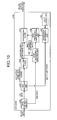
- a decoder 10 includes a data separating unit 11, an AAC decoding unit 12, an analyzing filter 13, a high-frequency creating unit 14, and a synthesizing filter 15.
- the data separating unit 11 When the data separating unit 11 acquires HE-AAC data, the data separating unit 11 separates the acquired HE-AAC data into the AAC data and the SBR data, outputs the AAC data to the AAC decoding unit 12, and outputs the SBR data to the high-frequency creating unit 14.
- the AAC decoding unit 12 decodes the AAC data, and outputs the decoded AAC data to the analyzing filter 13 as AAC decoded audio data.
- the analyzing filter 13 calculates characteristics of time and frequencies related to a low-frequency component of the audio signal based on the AAC decoded audio data acquired from the AAC decoding unit 12, and outputs a calculation result to the synthesizing filter 15 and the high-frequency creating unit 14.
- a calculation result output from the analyzing filter 13 is referred to as low-frequency component data.
- the high-frequency creating unit 14 creates a high-frequency component of the audio signal based on the SBR data acquired from the data separating unit 11, and the low-frequency component data acquired from the analyzing filter 13. The high-frequency creating unit 14 then outputs the data of the created high-frequency component as a high-frequency component data to the synthesizing filter 15.
- the synthesizing filter 15 synthesizes the low-frequency component data acquired from the analyzing filter 13 and the high-frequency component data acquired from the high-frequency creating unit 14, and outputs the synthesized data as HE-AAC output audio data.
- the analyzing filter 13 creates low-frequency component data as shown in the left part of Fig. 15 .
- the high-frequency creating unit 14 creates high-frequency component data from the low-frequency component data, and the synthesizing filter 15 synthesizes the low-frequency component data and the high-frequency component data, so that HE-AAC output audio data is created.
- the audio signal encoded by the HE-AAC data method is decoded to the HE-AAC output audio data by the decoder 10.
- Japanese Patent Application Laid-open No. 2006-126372 discloses an encoding method, according to which when an audio signal is received, and if the audio signal includes an abrupt amplitude change, frequency spectra of the audio signal are divided into a plurality of groups, and bit assignment and quantization are performed on each of the groups.
- an audio signal that includes attack sound (a signal including an abrupt amplitude change) is encoded (for example, by the HE-AAC method), and the encoded audio signal is decoded afterward, the above conventional technology cannot properly encode high-frequency component of the audio signal.
- FIG. 16 when encoding an audio signal that includes an abrupt amplitude change within an extremely short time by the SBR method, there is a case where a time region in which the attack sound occurs is extremely short compared with a time region divided by the SBR method due to a characteristic of the SBR method (or the time resolution according to the SBR method is rougher than the time resolution according to the AAC method).
- the reason for this is because the power of the time region that includes attack sound is evened out, so that attack sound is encoded in a rather slower pace.
- the time resolution according to the SBR method is rougher than the time resolution according to the AAC method is explained below.
- encoding of an audio signal by the HE-AAC method encoding is performed by the SBR method at first, and then encoding is performed by the AAC method.
- encoding is performed by determining whether the audio signal include attack sound, and adjusting the time resolution based on a determination result (if an attack sound is included, the time resolution is set to fine, and if attack sound is not included, the time resolution is set to rough).
- the time resolution according to the SBR method is rougher than the time resolution according to the AAC method.
- G.729 based Embedded Variable bit-rate coder An 8-32 kbit/s scalable wideband coder bitstream interoperable with G.729.1 (05/06)", ITU-T STANDARD, INTERNATIONAL TELECOMMUNICATION UNION; GENEVA; CH, no. G.729.1 (05/06), 29 May 2006 (2006-05-29), pages 1 - 100 , describes a method of removing echoes which appear before an onset or after an offset in a signal. The echoes are detected and the associated samples of the signal are scaled by a computed scaling factor.
- a decoding apparatus decodes a first encoded data that is encoded into a first time range from a low-frequency component of an audio signal, and a second encoded data that is used when creating a high-frequency component of the audio signal from the low-frequency component and encoded into a second time range, into the audio signal.
- the decoding apparatus includes a high-frequency component compensating unit that compensates the high-frequency component created from the second encoded data based on the first time range, and a decoding unit that decodes into the audio signal by synthesizing the high-frequency component compensated by the high-frequency component compensating unit, and the low-frequency component decoded from the first encoded data.
- a decoding method decodes a first encoded data that is encoded into a first time range from a low-frequency component of an audio signal, and a second encoded data that is used when creating a high-frequency component of the audio signal from the low-frequency component and encoded into a second time range, into the audio signal.
- the decoding method includes high-frequency compensating the high-frequency component created from the second encoded data based on the first time range, and decoding into the audio signal by synthesizing the high-frequency component compensated at the high-frequency compensating, and the low-frequency component decoded from the first encoded data.
- a decoder 100 when the decoder 100 acquires and decodes an audio signal encoded by the High-Efficiency Advanced Audio Coding (HE-AAC) method (hereinafter, "HE-AAC data"), the decoder 100 corrects the time range of high-frequency component data included in HE-AAC data to the time range of low-frequency component data included in the HE-AAC data, and the power of a high-frequency component, which has been evened out in the time range before correction, is compensated in accordance with the time range after correction.
- HE-AAC High-Efficiency Advanced Audio Coding
- the time range of the high-frequency component data corresponds to time resolution for encoding data by the Spectral Band Replication (SBR) method
- the time range of the low-frequency component data corresponds to time resolution for encoding data by the Advanced Audio Coding (AAC) method
- SBR Spectral Band Replication
- AAC Advanced Audio Coding
- data encoded by the SBR method is referred to as SBR data
- data encoded by the AAC method is referred to as AAC data.
- the SBR data and the AAC data are included in the HE-AAC data.
- the decoder 100 can properly decode an audio signal, even if a high-frequency component of the audio signal (SBR data) is not properly encoded by the HE-AAC method.
- the decoder 100 includes a data separating unit 110, an AAC decoding unit 120, an analyzing filter 130, a high-frequency creating unit 140, a transience determining unit 150, a high-frequency compensating unit 160, and a synthesizing filter 170.
- the data separating unit 110 acquires data encoded according to the HE-AAC method (hereinafter, "HE-AAC data")
- the data separating unit 110 separates the acquired HE-AAC data into the Advanced Audio Coding (AAC) data and the SBR data, outputs the AAC data to the AAC decoding unit 120, and outputs the SBR data to the high-frequency creating unit 140.
- AAC Advanced Audio Coding
- the AAC decoding unit 120 decodes AAC data, and outputs the decoded AAC data as AAC output audio data to the analyzing filter 130 and the transience determining unit 150.
- the analyzing filter 130 calculates characteristics of time and frequency related to a low-frequency component of an audio signal based on AAC output audio data acquired from the AAC decoding unit 120, and outputs a calculation result to the synthesizing filter 170 and the high-frequency creating unit 140.
- the calculation result output from the analyzing filter 130 is referred to as low-frequency component data.
- the high-frequency creating unit 140 creates a high-frequency component of the audio signal based on SBR data acquired from the data separating unit 110 and low-frequency component data acquired from the analyzing filter 130. The high-frequency creating unit 140 then outputs the data of the created high-frequency component as the high-frequency component data of the audio signal to the high-frequency compensating unit 160.
- the transience determining unit 150 acquires AAC output audio data from the AAC decoding unit 120, determines whether HE-AAC data includes any attack sound (a signal including an abrupt amplitude change), and outputs a determination result to the high-frequency compensating unit 160.
- the high-frequency compensating unit 160 acquires a determination result from the transience determining unit 150, and compensates high-frequency component data based on the acquired determination result. If the high-frequency compensating unit 160 acquires a determination result such that an attack sound is included, the high-frequency compensating unit 160 compensates the high-frequency component data, and outputs the compensated high-frequency component data to the synthesizing filter 170. By contrast, if the high-frequency compensating unit 160 acquires a determination result such that attack sound is not included, the high-frequency compensating unit 160 outputs directly the high-frequency component data to the synthesizing filter 170 without compensating the high-frequency component data.
- the high-frequency compensating unit 160 adjusts the time range of the high-frequency component data to the same time range as the low-frequency component data.
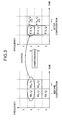
- Fig. 3 presents a case where an example of low-frequency component data acquired from the analyzing filter 130 and high-frequency component data acquired from the high-frequency creating unit 140 are simultaneously drawn on the plane of time and frequency.
- E t i f 0 E ⁇ t i ⁇ f 0
- E(t i , f 0 ) denotes the power of the low-frequency component before compensation
- E'(t i , f 0 ) denotes the power of the low-frequency component after compensation.
- E(t i , f 1 ), E(t i , f 2 ), E(t i+1 , f 1 ), and E(t i+1 , f 2 ) denote the power of the high-frequency components before compensation
- E'(t i , f 1 ), E'(t i , f 2 ), E'(t i+1 , f 1 ), and E'(t i+1 , f 2 ) denote the electric power of the high-frequency components after compensation.
- the electric power in the all time ranges of each of the high-frequency components before compensation is concentrated into the same time range as the low-frequency component (the time range i in Fig. 3 ).
- the electric power of the high-frequency component that does not exist in the time range of the low-frequency component is changed to zero.
- E ⁇ t i f 1 E t i ⁇ f 1 + E t i + 1 ⁇ f 1
- E ⁇ t i f 2 E t i ⁇ f 2 + E t i + 1 ⁇ f 2
- E ⁇ t i + 1 f 1 0
- E ⁇ t i + 1 f 2 0
- the present invention is not limited to this. Even if time ranges are more than two, the electric power of a high-frequency component is also concentrated into the time range of a low-frequency component likewise.
- a method of compensating the electric power of a high-frequency component is not limited to the above method. For example, the electric power may be compensated by weighting each of time range.
- the synthesizing filter 170 synthesizes low-frequency component data acquired from the analyzing filter 130 and high-frequency component data (or compensated high-frequency component data, if an attack sound is included) acquired from the high-frequency compensating unit 160, and outputs the synthesized data as HE-AAC output audio data.
- the HE-AAC output audio data is a result of decoding HE-AAC data.
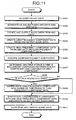
- the data separating unit 110 acquires HE-AAC data (step S101), and separates the acquired HE-ACC data into the AAC data and the SBR data (step S102).
- the AAC decoding unit 120 then decodes the AAC data, and creates AAC output audio data (step S103), and the analyzing filter 130 creates low-frequency component data from the AAC output audio data (step S104).
- the high-frequency creating unit 140 creates high-frequency component data from the SBR data and the low-frequency component data (step S105).
- the transience determining unit 150 determines whether attack sound is included based on the AAC output audio data (step S106).
- the high-frequency compensating unit 160 compensates the high-frequency component data based on the time range of the low-frequency component data (step S108).
- the synthesizing filter 170 then synthesizes the low-frequency component data and the high-frequency component data, creates HE-AAC output audio data (step S109), and outputs the HE-AAC output audio data (step S110).
- the transience determining unit 150 determines that attack sound is not included (No at step S107)
- the process control directly goes to step S109.
- the high-frequency compensating unit 160 compensates the high-frequency component data, so that an HE-AAC data can be properly decoded by compensating a high-frequency component of the HE-AAC data, even if the high-frequency component is not properly encoded.
- the decoder 100 can compensate the high-frequency component of the HE-AAC data, and can improve the sound quality of HE-AAC output audio data.
- the decoder 100 can compensate a drawback of an encoder such that a high-frequency component of HE-AAC data is not properly encoded, so that the decoder 100 does not need to cope with such problem in the encoder, thereby reducing costs required for designing the encoder.
- the decoder 100 corrects the time range of the high-frequency component data to the time range of the low-frequency component data when the high-frequency compensating unit 160 compensates the high-frequency component data
- the present invention is not limited to this.
- the time range of the high-frequency component data may be changed such that a difference between the time range of the high-frequency component data and the time range of the low-frequency component data is to be equal to or less than a threshold, and then the high-frequency component data corresponding to the time range before compensation may be concentrated to fit into the time range after compensation.
- the decoder 200 determines whether HE-AAC data includes attack sound based on window data included in the HE-AAC data; and if it is determined that an attack sound is included, a high-frequency component is compensated in accordance with the time range of a low-frequency component.
- the window data indicates a determination result of whether an audio signal includes attack sound, when an encoder (not shown, which encodes an audio signal) encodes a low-frequency component of the audio signal by the AAC method. If the window data is LONG, attack sound is not included in the audio signal, which means that time resolution (time range) of the AAC data is wide. In contrast, if the window data is SHORT, an attack sound is included in the audio signal, which means that time resolution (time range) of the AAC data is narrow.
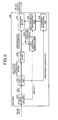
- the decoder 200 includes a data separating unit 210, an AAC decoding unit 220, an analyzing filter 230, a high-frequency creating unit 240, a transience determining unit 250, a high-frequency compensating unit 260, and a synthesizing filter 270.
- the data separating unit 210 When the data separating unit 210 acquires HE-AAC data, the data separating unit 210 separates the acquired HE-AAC data into the AAC data and the SBR data, outputs the AAC data to the AAC decoding unit 220, and outputs the SBR data to the high-frequency creating unit 240.
- the AAC decoding unit 220 decodes AAC data, outputs the decoded AAC data as AAC output audio data to the analyzing filter 230, and outputs window data included in the AAC data to the transience determining unit 250.
- the analyzing filter 230 calculates characteristics of time and frequency related to a low-frequency component of an audio signal based on AAC output audio data acquired from the AAC decoding unit 220, and outputs a calculation result to the synthesizing filter 270 and the high-frequency creating unit 240.
- the calculation result output from the analyzing filter 230 is referred to as low-frequency component data.
- the high-frequency creating unit 240 creates a high-frequency component of the audio signal based on SBR data acquired from the data separating unit 210 and low-frequency component data acquired from the analyzing filter 230.
- the high-frequency creating unit 240 then outputs the data of the created high-frequency component as the high-frequency component data of the audio signal to the high-frequency compensating unit 260.
- the transience determining unit 250 acquires window data from the AAC decoding unit 220, determines whether HE-AAC data includes any attack sound, and outputs a determination result to the high-frequency compensating unit 260. Specifically, if the window data is LONG, the transience determining unit 250 determines that attack sound is not included; and if the window data is SHORT, determines that an attack sound is included.
- the high-frequency compensating unit 260 acquires a determination result from the transience determining unit 250, and compensates high-frequency component data based on the acquired determination result. If the high-frequency compensating unit 260 acquires a determination result such that an attack sound is included, the high-frequency compensating unit 260 compensates the high-frequency component data, and outputs the compensated high-frequency component data to the synthesizing filter 270. By contrast, if the high-frequency compensating unit 260 acquires a determination result such that attack sound is not included, the high-frequency compensating unit 260 outputs directly the high-frequency component data to the synthesizing filter 270 without compensating the high-frequency component data.
- the synthesizing filter 270 synthesizes low-frequency component data acquired from the analyzing filter 230 and high-frequency component data (or compensated high-frequency component data, if an attack sound is included) acquired from the high-frequency compensating unit 260, and outputs the synthesized data as HE-AAC output audio data.
- the HE-AAC output audio data is a result of decoding HE-AAC data.
- the data separating unit 210 acquires HE-AAC data (step S201), and separates the acquired HE-AAC data into the AAC data and the SBR data (step S202).
- the AAC decoding unit 220 then decodes the AAC data, and creates AAC output audio data (step S203), and the analyzing filter 230 creates low-frequency component data from the AAC output audio data (step S204).
- the high-frequency creating unit 240 creates high-frequency component data from the SBR data and the low-frequency component data (step S205).
- the transience determining unit 250 determines whether attack sound is included based on the window data (step S206).
- the high-frequency compensating unit 260 compensates the high-frequency component data based on the time range of the low-frequency component data (step S208).
- the synthesizing filter 270 then synthesizes the low-frequency component data and the high-frequency component data, creates HE-AAC output audio data (step S209), and outputs the HE-AAC output audio data (step S210).
- the transience determining unit 250 determines that attack sound is not included (when the window data is LONG) (No at step S207) (No at step S207) (No at step S207), the process control goes to step S209.
- the transience determining unit 250 determines whether attack sound is included based on the window data, so that detection of attack sound can be performed efficiently.
- the decoder 200 can compensate the high-frequency component of the HE-AAC data, and can improve the sound quality of HE-AAC output audio data.
- the decoder 300 detects a time range in which attack sound occurs based on grouping data included in HE-AAC data.
- the decoder 300 corrects the time range of a high-frequency component based on the time range detected from the grouping data, and compensates the power of the high-frequency component, which is evened out within the time range before correction, in accordance with the time range after correction.
- the time range detected from the grouping data is referred to as detected time range.
- the grouping data is data that a single frame of an audio signal is divided into a certain number of samples (for example, 1024 samples), and included in HE-AAC data.
- the single frame includes, for example, relation between the time and the power of one frame of the audio signal.
- the decoder 300 can compensate a high-frequency component more accurately, and can improve the sound quality of decoded HE-AAC output audio data.
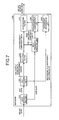
- the decoder 300 includes a data separating unit 310, an AAC decoding unit 320, an analyzing filter 330, a high-frequency creating unit 340, a transience determining unit 350, a high-frequency compensating unit 360, and a synthesizing filter 370.
- the data separating unit 310 When the data separating unit 310 acquires HE-AAC data, the data separating unit 310 separates the acquired HE-AAC data into the AAC data and the SBR data, outputs the AAC data to the AAC decoding unit 320, and outputs the SBR data to the high-frequency creating unit 340.
- the AAC decoding unit 320 decodes AAC data, outputs the decoded AAC data as AAC output audio data to the analyzing filter 330, and outputs window data and grouping data included in the AAC data to the transience determining unit 350.
- the window data is similar to the window data explained in the second embodiment, therefore explanation for it is omitted.
- the analyzing filter 330 calculates characteristics of time and frequency related to a low-frequency component of an audio signal based on AAC output audio data acquired from the AAC decoding unit 320, and outputs a calculation result to the synthesizing filter 370 and the high-frequency creating unit 340.
- the calculation result output from the analyzing filter 330 is referred to as low-frequency component data.
- the high-frequency creating unit 340 creates a high-frequency component of the audio signal based on SBR data acquired from the data separating unit 310 and low-frequency component data acquired from the analyzing filter 330.
- the high-frequency creating unit 340 then outputs the data of the created high-frequency component as the high-frequency component data of the audio signal to the high-frequency compensating unit 360.
- the transience determining unit 350 acquires window data from the AAC decoding unit 320, determines whether HE-AAC data includes any attack sound, and outputs a determination result to the high-frequency compensating unit 360. Specifically, if the window data is LONG, the transience determining unit 350 determines that attack sound is not included; and if the window data is SHORT, determines that an attack sound is included.
- the transience determining unit 350 detects a detected time range based on grouping data, and outputs data of the detected time range to the high-frequency compensating unit 360.
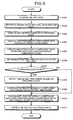
- the transience determining unit 350 divides grouping data made of 1024 samples into subframes #0 to #7, each of which includes 128 samples. The transience determining unit 350 then groups the subframes by comparing adjoining subframes.
- the transience determining unit 350 compares adjoining subframes, and groups the subframes in accordance with a change point at which a difference between the values (for example, the electric power of the audio signal) of the compared subframes is equal to or more than a threshold.
- a difference between the value of the subframe #2 and the value of the subframe #3 is equal to or more than a threshold
- a difference between the value of the subframe #3 and the value of the subframe #4 is equal to or more than the threshold.
- the subframes are grouped, namely, the subframes #0 to #2 making a group 1, the subframes #3 making a group 2, the subframes #4 to #7 making a group 3.
- the transience determining unit 350 then detects a time range (i.e., the time range of 128 samples in the example shown in Fig. 8 ) corresponding to the group 2 as a detected time range, and outputs data of the detected time range to the high-frequency compensating unit 360.
- a time range i.e., the time range of 128 samples in the example shown in Fig. 8
- the transience determining unit 350 detects a time range (i.e., the time range of 128 samples in the example shown in Fig. 8 ) corresponding to the group 2 as a detected time range, and outputs data of the detected time range to the high-frequency compensating unit 360.
- the high-frequency compensating unit 360 acquires a determination result from the transience determining unit 350, and compensates high-frequency component data based on the acquired determination result. If the high-frequency compensating unit 360 acquires a determination result such that an attack sound is included, the high-frequency compensating unit 360 compensates the high-frequency component data based on a detected time range, and outputs the compensated high-frequency component data to the synthesizing filter 370. By contrast, if the high-frequency compensating unit 360 a determination result such that attack sound is not included, the high-frequency compensating unit 360 outputs directly the high-frequency component data to the synthesizing filter 370 without compensating the high-frequency component data.
- a method of compensating high-frequency component data by the high-frequency compensating unit 360 based on a detected time range is similar to the method of compensating high-frequency component data by the high-frequency compensating unit 160 based on the time range of low-frequency component data (the time range of low-frequency component data is substituted for the detected time range), therefore explanation for it is omitted.
- the synthesizing filter 370 synthesizes low-frequency component data acquired from the analyzing filter 330 and high-frequency component data (or compensated high-frequency component data, if an attack sound is included) acquired from the high-frequency compensating unit 360, and outputs the synthesized data as HE-AAC output audio data.
- the HE-AAC output audio data is a result of decoding HE-AAC data.
- the data separating unit 310 acquires HE-AAC data (step S301), and separates the acquired HE-ACC data into the AAC data and the SBR data (step S302).
- the AAC decoding unit 320 then decodes the AAC data, and creates AAC output audio data (step S303), and the analyzing filter 330 creates low-frequency component data from the AAC output audio data (step S304).
- the high-frequency creating unit 340 creates high-frequency component data from the SBR data and the low-frequency component data (step S305).
- the transience determining unit 350 determines whether attack sound is included based on the AAC output audio data (step S306).
- the high-frequency compensating unit 360 detects a detected time range based on the grouping data (step S308), and compensates the high-frequency component data based on the detected time range (step S309).
- the synthesizing filter 370 then synthesizes the low-frequency component data and the high-frequency component data, creates HE-AAC output audio data (step S310), and outputs the HE-AAC output audio data (step S311).
- the transience determining unit 350 determines that the window data is LONG (No at step S307), the process control goes to step S310.
- the transience determining unit 350 detects an accurate time range in which an attack sound is included based on the grouping data, so that the sound quality of the HE-AAC output audio data can be improved.
- the decoder 300 can compensate a high-frequency component more accurately, and can improve the sound quality of decoded HE-AAC output audio data.
- the decoder 400 stores therein a modified discrete cosine transform (MDCT) coefficient in a certain period, and compares the stored MDCT coefficient with another MDCT coefficient included HE-AAC data. If a difference between the compared MDCT coefficients is equal to or more than a threshold, it is determined that the HE-AAC data includes an attack sound, and the decoder 400 compensates a high-frequency component in accordance with the time range of a low-frequency component.
- MDCT modified discrete cosine transform
- the MDCT coefficient is a value that the relation between the power (electric power) and the frequency of the low-frequency component of an audio signal is intermittently extracted.
- the decoder 400 prestores therein an average of MDCT coefficients in a certain period.
- a MDCT coefficient prestored in a decoder is referred to as a reference MDCT coefficient
- a MDCT coefficient included in HE-AAC data is referred to as a comparative MDCT coefficient.
- the decoder 400 determines whether HE-AAC data includes attack sound (whether an audio signal before encoded includes attack sound) based on a comparative MDCT coefficient included in the HE-AAC data and a reference MDCT coefficient, so that a processing load required for detecting attack sound is reduced, and a high-frequency component can be compensated efficiently.
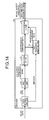
- the decoder 400 includes a data separating unit 410; an AAC decoding unit 420, an analyzing filter 430, a high-frequency creating unit 440, a transience determining unit 450, a high-frequency compensating unit 460, and a synthesizing filter 470.
- the data separating unit 410 When the data separating unit 410 acquires HE-AAC data, the data separating unit 410 separates the acquired HE-ACC data into the AAC data and the SBR data, outputs the AAC data to the AAC decoding unit 420, and outputs the SBR data to the high-frequency creating unit 440.
- the AAC decoding unit 420 decodes AAC data, outputs the decoded AAC data as AAC output audio data to the analyzing filter 430, and outputs comparative MDCT coefficient included in the AAC data to the transience determining unit 450.
- the analyzing filter 430 calculates characteristics of time and frequency related to a low-frequency component of an audio signal based on AAC output audio data acquired from the AAC decoding unit 420, and outputs a calculation result to the synthesizing filter 470 and the high-frequency creating unit 440.
- the calculation result output from the analyzing filter 430 is referred to as low-frequency component data.
- the high-frequency creating unit 440 creates a high-frequency component of the audio signal based on SBR data acquired from the data separating unit 410 and low-frequency component data acquired from the analyzing filter 430.
- the high-frequency creating unit 440 then outputs the data of the created high-frequency component as the high-frequency component data of the audio signal to the high-frequency compensating unit 460.
- the transience determining unit 450 acquires a MDCT coefficient from the AAC decoding unit 420, determines whether HE-AAC data includes any attack sound, and outputs a determination result to the high-frequency compensating unit 460. Specifically, the transience determining unit 450 compares a comparative MDCT coefficient with a reference MDCT coefficient stored in the MDCT storing unit 455, and if a difference obtained from the comparison is equal to or more than a threshold, the transience determining unit 450 determines that an attack sound is included. By contrast, if a difference between the comparative MDCT coefficient and the reference MDCT coefficient is less than the threshold, the transience determining unit 450 determines that attack sound is not included.
- the MDCT storing unit 455 stores therein the reference MDCT coefficient.
- the synthesizing filter 470 synthesizes low-frequency component data acquired from the analyzing filter 430 and high-frequency component data (or compensated high-frequency component data, if an attack sound is included) acquired from the high-frequency compensating unit 460, and outputs the synthesized data as HE-AAC output audio data.
- the HE-AAC output audio data is a result of decoding HE-AAC data.
- the data separating unit 410 acquires HE-AAC data (step S401), and separates the acquired HE-ACC data into the AAC data and the SBR data (step S402).
- the AAC decoding unit 420 then decodes the AAC data, and creates AAC output audio data (step S403), and the analyzing filter 430 creates low-frequency component data from the AAC output audio data (step S404).
- the high-frequency creating unit 440 creates high-frequency component data from the SBR data and the low-frequency component data (step S405).
- the transience determining unit 450 acquires a comparative MDCT coefficient (step S406), and determines whether attack sound is included by comparing the comparative MDCT coefficient and the reference MDCT coefficient (step S407).
- the high-frequency compensating unit 460 compensates the high-frequency component data based on the time range of the low-frequency component data (step S409).
- the synthesizing filter 470 then synthesizes the low-frequency component data and the high-frequency component data, creates HE-AAC output audio data (step S410), and outputs the HE-AAC output audio data (step S411).
- the transience determining unit 450 determines that attack sound is not included (No at step S408), the process control directly goes to step S410.
- the transience determining unit 450 determines whether attack sound is included based on the comparative MDCT coefficient and the reference MDCT coefficient, so that detection of attack sound can be performed efficiently.
- the decoder 400 can compensate the high-frequency component of the HE-AAC data, and can improve the sound quality of HE-AAC output audio data efficiently.
- the transience determining unit 450 may renew the reference MDCT coefficient stored in the MDCT storing unit 455 based on the comparative MDCT coefficient acquired from the AAC decoding unit 420, if the comparison result between the comparative MDCT coefficient and the reference MDCT coefficient is less than the threshold. Any method of renewing may be used, for example, an average of the comparative MDCT coefficient and the reference MDCT coefficient can be a new reference MDCT coefficient.
- detection of attack sound can be performed more accurately by renewing the reference MDCT coefficient stored in the MDCT storing unit 455.
- the decoder 500 determines whether HE-AAC data includes attack sound based on data of a low-frequency component and a high-frequency component included in the HE-AAC data, and if it is determined that an attack sound is included, the decoder 500 compensates the high-frequency component in accordance with the time range of the low-frequency component.
- the decoder 500 can detect attack sound more accurately.
- the decoder 500 includes a data separating unit 510, an AAC decoding unit 520, an analyzing filter 530, a high-frequency creating unit 540, a transience determining unit 550, a high-frequency component data storing unit 555, a high-frequency compensating unit 560, and a synthesizing filter 570.
- the data separating unit 510 When the data separating unit 510 acquires HE-AAC data, the data separating unit 510 separates the acquired HE-ACC data into the AAC data and the SBR data, outputs the AAC data to the AAC decoding unit 520, and outputs the SBR data to the high-frequency creating unit 540.
- the AAC decoding unit 520 decodes AAC data, outputs the decoded AAC data as AAC output audio data to the analyzing filter 530 and the transience determining unit 550.
- the analyzing filter 530 calculates characteristics of time and frequency related to a low-frequency component of an audio signal based on AAC output audio data acquired from the AAC decoding unit 520, and outputs a calculation result to the synthesizing filter 570 and the high-frequency creating unit 540.
- the calculation result output from the analyzing filter 530 is referred to as low-frequency component data.
- the high-frequency creating unit 540 creates a high-frequency component of the audio signal based on SBR data acquired from the data separating unit 510 and low-frequency component data acquired from the analyzing filter 530.
- the high-frequency creating unit 540 then outputs the data of the created high-frequency component as the high-frequency component data of the audio signal to the high-frequency compensating unit 560.
- the transience determining unit 550 acquires AAC output audio data from the AAC decoding unit 520 and high-frequency component data from the high-frequency creating unit 540, determines whether HE-AAC data includes any attack sound, and outputs a determination result to the high-frequency compensating unit 560.
- the transience determining unit 550 determines that an attack sound is included based on the AAC output audio data, and additionally determines that attack sound is included based on the high-frequency component data, the transience determining unit 550 concludes that attack sound is included.
- the transience determining unit 550 determines that attack sound is not included based on either of the AAC output audio data or the high-frequency component data, the transience determining unit 550 concludes that attack sound is not included.
- a method of determining whether attack sound is included based on AAC output audio data is similar to the methods described in the first to fourth embodiments, therefore explanation for it is omitted.
- the transience determining unit 550 acquires an average of high-frequency component data within a certain period in the past stored in the high-frequency-component-data storing unit 555 (hereinafter, "reference high-frequency component data"), compares the acquired reference high-frequency component data with high-frequency component data output from the high-frequency creating unit 540. If a difference as a result of the comparison is equal to or more than a threshold, the transience determining unit 550 determines that an attack sound is included.
- the high-frequency-component-data storing unit 555 stores therein reference high-frequency component data.
- the transience determining unit 550 renews the reference high-frequency component data stored in the high-frequency-component-data storing unit 555 based on the high-frequency component data acquired from the high-frequency creating unit 540. For example, the transience determining unit 550 makes an average of the reference high-frequency component data and the high-frequency component data acquired from the high-frequency creating unit 540 as a new reference high-frequency component data.
- the high-frequency compensating unit 560 acquires a determination result from the transience determining unit 550, and compensates high-frequency component data based on the acquired determination result. If the high-frequency compensating unit 560 acquires a determination result such that an attack sound is included, the high-frequency compensating unit 560 compensates the high-frequency component data, and outputs the compensated high-frequency component data to the synthesizing filter 570. By contrast, if the high-frequency compensating unit 560 acquires a determination result such that attack sound is not included, the high-frequency compensating unit 560 outputs directly the high-frequency component data to the synthesizing filter 570 without compensating the high-frequency component data.
- the synthesizing filter 570 synthesizes low-frequency component data acquired from the analyzing filter 530 and high-frequency component data (or compensated high-frequency component data, if an attack sound is included) acquired from the high-frequency compensating unit 560, and outputs the synthesized data as HE-AAC output audio data.
- the HE-AAC output audio data is a result of decoding HE-AAC data.
- the data separating unit 510 acquires HE-AAC data (step S501), and separates the acquired HE-AAC data into the AAC data and the SBR data (step S502).
- the AAC decoding unit 520 then decodes the AAC data, and creates AAC output audio data (step S503), and the analyzing filter 530 creates low-frequency component data from the AAC output audio data (step S504).
- the high-frequency creating unit 540 creates high-frequency component data from the SBR data and the low-frequency component data (step S505).
- the transience determining unit 550 determines whether attack sound is included based on the AAC output audio data (step S506).
- the transience determining unit 550 determines whether attack sound is included based on AAC output audio data (Yes at step S507), the transience determining unit 550 determines whether attack sound is included based on the high-frequency component data (step S508). If it is determined that an attack sound is included (Yes at step S509), the high-frequency compensating unit 560 compensates the high-frequency component data based on the time range of the low-frequency component data (step S510).
- the synthesizing filter 570 then synthesizes the low-frequency component data and the high-frequency component data, creates HE-AAC output audio data (step S511), and outputs the HE-AAC output audio data (step S512).
- the process control directly goes to step S511. If it is determined that attack sound is not included based on the high-frequency component data (No at step S509), the transience determining unit 550 renews the reference high-frequency component data (step S513), and then the process control goes to step S511.
- the transience determining unit 550 determines whether attack sound is included based on the AAC output audio data and the high-frequency component data, the transience determining unit 550 can determines whether attack sound is included more accurately.
- the decoder 500 can accurately detect attack sound, compensate high-frequency component of HE-AAC data, and improve the sound quality of HE-AAC output audio data efficiently.
- the whole or part of the processing explained as processing to be automatically performed may be performed manually, and the whole or part of the processing explained as processing to be manually performed may be automatically performed in a known manner.
- each of the configuration elements of each device shown in the drawings is functional and conceptual, and not necessarily to be physically configured as shown in the drawings. In other words, a practical form of separation and integration of each device is not limited to that shown in the drawings. The whole or part of the device may be configured by separating or integrating functionally or physically by any scale unit depending on various loads or use conditions.
- an audio signal can be properly decoded, and the sound quality of a high-frequency component can be improved.
- a high-frequency component can be properly compensated.
- an audio signal can be properly decoded while reducing a load on a decoding apparatus.
- attack sound can be detected more efficiently.
- attack sound can be detected more efficiently while reducing a load on a decoding apparatus.
- erroneous detection of attack sound can be prevented, and attack sound can be detected more accurately.
Landscapes
- Engineering & Computer Science (AREA)
- Quality & Reliability (AREA)
- Computational Linguistics (AREA)
- Signal Processing (AREA)
- Health & Medical Sciences (AREA)
- Audiology, Speech & Language Pathology (AREA)
- Human Computer Interaction (AREA)
- Physics & Mathematics (AREA)
- Acoustics & Sound (AREA)
- Multimedia (AREA)
- Compression, Expansion, Code Conversion, And Decoders (AREA)
- Telephone Function (AREA)
- Soundproofing, Sound Blocking, And Sound Damping (AREA)
Claims (10)
- Decodiervorrichtung (100), die erste codierte Daten, die aus einer Niederfrequenzkomponente eines Audiosignals in einen ersten Zeitbereich hinein codiert sind, und zweite codierte Daten, die verwendet werden, wenn aus der Niederfrequenzkomponente eine Hochfrequenzkomponente des Audiosignals erzeugt wird, und die in einen zweiten Zeitbereich hinein codiert sind, in das Audiosignal hinein decodiert, wobei die Decodiervorrichtung (100) gekennzeichnet ist durch:eine Hochfrequenzkomponenten-Ausgleichseinheit (160), welche den zweiten Zeitbereich derart verkürzt, dass die Länge des Anteils des verkürzten zweiten Zeitbereichs, der nicht durch den ersten Zeitbereich überdeckt ist, gleich null ist, und die Hochfrequenzkomponente, die aus den zweiten codierten Daten erzeugt ist, derart ausgleicht, dass eine elektrische Leistung der Hochfrequenzkomponente in dem verkürzten zweiten Zeitbereich nach dem Ausgleich zu einer elektrischen Leistung der Hochfrequenzkomponente in dem zweiten Zeitbereich vor dem Ausgleich wird, und die elektrische Leistung der Hochfrequenzkomponente in einem Anteil des zweiten Zeitbereichs, der nicht durch den verkürzten zweiten Zeitbereich überdeckt ist, auf null verändert;eine Decodiereinheit (170), die in das Audiosignal hinein decodiert, indem die Hochfrequenzkomponente, die durch die Hochfrequenzkomponenten-Ausgleichseinheit ausgeglichen ist, und die Niederfrequenzkomponente, die aus den ersten codierten Daten decodiert ist, synthetisiert werden; undeine Attack-Sound-Bestimmungseinheit (150), die bestimmt, ob das Audiosignal einen Attack-Sound enthält, der eine Komponente des Audiosignals ist, die sich innerhalb eines gewissen Zeitbereichs um so viel wie oder mehr als ein Schwellenwert verändert, wobei die Hochfrequenzkomponenten-Ausgleichseinheit die Hochfrequenzkomponente ausgleicht, wenn das Audiosignal den Attack-Sound enthält.
- Decodiervorrichtung (100) nach Anspruch 1, wobei die Attack-Sound-Bestimmungseinheit (150) auf Basis eines decodierten Ergebnisses der ersten codierten Daten bestimmt, ob das Audiosignal den Attack-Sound enthält.
- Decodiervorrichtung (100) nach Anspruch 1, wobei
die ersten codierten Daten Attack-Sound-Präsenzdaten enthalten, die anzeigen, ob der Attack-Sound im Audiosignal enthalten ist, und
die Attack-Sound-Bestimmungseinheit (150) auf Basis der Attack-Sound-Präsenzdaten bestimmt, ob das Audiosignal den Attack-Sound enthält. - Decodiervorrichtung (100) nach Anspruch 1, ferner mit einer Niederfrequenzkomponenten-Speichereinheit, welche darin Daten der Niederfrequenzkomponente in einem gewissen Zeitabschnitt speichert, wobei die Attack-Sound-Bestimmungseinheit (150) auf Basis der Niederfrequenzkomponente, die aus den ersten codierten Daten decodiert ist, und der Niederfrequenzkomponente, die in der Niederfrequenzkomponenten-Speichereinheit gespeichert ist, bestimmt, ob das Audiosignal den Attack-Sound enthält.
- Decodiervorrichtung (100) nach Anspruch 1, wobei die Attack-Sound-Bestimmungseinheit (150) bestimmt, ob das Audiosignal den Attack-Sound enthält, indem ferner die Hochfrequenzkomponente verwendet wird.
- Decodierverfahren, um erste codierte Daten, die aus einer Niederfrequenzkomponente eines Audiosignals in einen ersten Zeitbereich hinein codiert sind, und weite codierte Daten, die verwendet werden, wenn aus der Niederfrequenzkomponente eine Hochfrequenzkomponente des Audiosignals erzeugt wird, und die in einen zweiten Zeitbereich hinein codiert sind, in das Audiosignal hinein zu decodieren, wobei das Decodierverfahren gekennzeichnet ist durch:Verkürzen des zweiten Zeitbereichs derart, dass die Länge eines Anteils des verkürzten zweiten Zeitbereichs, der nicht durch den ersten Zeitbereich überdeckt ist, gleich null ist;Hochfrequenzausgleichen der Hochfrequenzkomponente, die aus den zweiten codierten Daten erzeugt ist, derart, dass eine elektrische Leistung der Hochfrequenzkomponente in dem verkürzten zweiten Zeitbereich nach dem Ausgleich zu einer elektrischen Leistung der Hochfrequenzkomponente in dem zweiten Zeitbereich vor dem Ausgleich wird,Verändern der elektrischen Leistung der Hochfrequenzkomponente in einem Anteil des zweiten Zeitbereichs, der nicht durch den verkürzten zweiten Zeitbereich überdeckt ist, auf null;Decodieren in das Audiosignal hinein, indem die Hochfrequenzkomponente, die bei dem Hochfrequenzkomponenten-Ausgleich ausgeglichen wird, und die Niederfrequenzkomponente, die aus den ersten codierten Daten decodiert wird, synthetisiert werden; undBestimmen, ob das Audiosignal einen Attack-Sound enthält, der eine Komponente des Audiosignals ist, die sich innerhalb eines gewissen Zeitbereichs um so viel wie oder mehr als ein Schwellenwert verändert, wobei der Hochfrequenzkomponenten-Ausgleich einen Ausgleich der Hochfrequenzkomponente umfasst, wenn das Audiosignal den Attack-Sound enthält.
- Decodierverfahren nach Anspruch 6, wobei die Attack-Sound-Bestimmung ein Bestimmen auf Basis eines decodierten Ergebnisses der ersten codierten Daten umfasst, ob das Audiosignal den Attack-Sound enthält.
- Decodierverfahren nach Anspruch 6, wobei
die ersten codierten Daten Attack-Sound-Präsenzdaten enthalten, die anzeigen, ob der Attack-Sound im Audiosignal enthalten ist, und
die Attack-Sound-Bestimmung ein Bestimmen auf Basis der Attack-Sound-Präsenzdaten umfasst, ob das Audiosignal den Attack-Sound enthält. - Decodierverfahren nach Anspruch 6, ferner ein Speichern von Daten der Niederfrequenzkomponente in einem gewissen Zeitabschnitt umfassend, wobei die Attack-Sound-Bestimmung umfasst, dass auf Basis der Niederfrequenzkomponente, die aus den ersten codierten Daten decodiert ist, und der Niederfrequenzkomponente, die beim Speichern gespeichert ist, bestimmt wird, ob das Audiosignal den Attack-Sound enthält.
- Decodierverfahren nach Anspruch 6, wobei die Attack-Sound-Bestimmung ein Bestimmen umfasst, ob das Audiosignal den Attack-Sound enthält, indem ferner die Hochfrequenzkomponente verwendet wird.
Applications Claiming Priority (1)
| Application Number | Priority Date | Filing Date | Title |
|---|---|---|---|
| JP2006317646A JP5103880B2 (ja) | 2006-11-24 | 2006-11-24 | 復号化装置および復号化方法 |
Publications (3)
| Publication Number | Publication Date |
|---|---|
| EP1926086A2 EP1926086A2 (de) | 2008-05-28 |
| EP1926086A3 EP1926086A3 (de) | 2011-09-21 |
| EP1926086B1 true EP1926086B1 (de) | 2013-09-04 |
Family
ID=38829573
Family Applications (1)
| Application Number | Title | Priority Date | Filing Date |
|---|---|---|---|
| EP07020285.8A Ceased EP1926086B1 (de) | 2006-11-24 | 2007-10-17 | Dekodierungsvorrichtung und Dekodierungsverfahren |
Country Status (4)
| Country | Link |
|---|---|
| US (1) | US8249882B2 (de) |
| EP (1) | EP1926086B1 (de) |
| JP (1) | JP5103880B2 (de) |
| CN (1) | CN101188111B (de) |
Families Citing this family (14)
| Publication number | Priority date | Publication date | Assignee | Title |
|---|---|---|---|---|
| KR101373004B1 (ko) * | 2007-10-30 | 2014-03-26 | 삼성전자주식회사 | 고주파수 신호 부호화 및 복호화 장치 및 방법 |
| US9177569B2 (en) | 2007-10-30 | 2015-11-03 | Samsung Electronics Co., Ltd. | Apparatus, medium and method to encode and decode high frequency signal |
| JP5551694B2 (ja) * | 2008-07-11 | 2014-07-16 | フラウンホッファー−ゲゼルシャフト ツァ フェルダールング デァ アンゲヴァンテン フォアシュンク エー.ファオ | 多くのスペクトルエンベロープを計算するための装置および方法 |
| ES3051142T3 (en) | 2009-10-21 | 2025-12-26 | Dolby Int Ab | Oversampling in a combined transposer filter bank |
| EP4120264B1 (de) | 2010-01-19 | 2023-08-09 | Dolby International AB | Verbesserte block-basierte harmonische teilband-transposition |
| JP6103324B2 (ja) * | 2010-04-13 | 2017-03-29 | ソニー株式会社 | 信号処理装置および方法、並びにプログラム |
| CN102800317B (zh) * | 2011-05-25 | 2014-09-17 | 华为技术有限公司 | 信号分类方法及设备、编解码方法及设备 |
| JP5807453B2 (ja) * | 2011-08-30 | 2015-11-10 | 富士通株式会社 | 符号化方法、符号化装置および符号化プログラム |
| CN103928029B (zh) * | 2013-01-11 | 2017-02-08 | 华为技术有限公司 | 音频信号编码和解码方法、音频信号编码和解码装置 |
| CN103065641B (zh) * | 2013-02-01 | 2014-12-10 | 飞天诚信科技股份有限公司 | 一种解析音频数据的方法 |
| US9613628B2 (en) * | 2015-07-01 | 2017-04-04 | Gopro, Inc. | Audio decoder for wind and microphone noise reduction in a microphone array system |
| US10375131B2 (en) * | 2017-05-19 | 2019-08-06 | Cisco Technology, Inc. | Selectively transforming audio streams based on audio energy estimate |
| CN113439302B (zh) | 2019-02-21 | 2025-06-24 | 瑞典爱立信有限公司 | 用于频域分组丢失隐藏的方法及相关解码器 |
| CN112767954B (zh) | 2020-06-24 | 2024-06-14 | 腾讯科技(深圳)有限公司 | 音频编解码方法、装置、介质及电子设备 |
Family Cites Families (22)
| Publication number | Priority date | Publication date | Assignee | Title |
|---|---|---|---|---|
| US5956674A (en) * | 1995-12-01 | 1999-09-21 | Digital Theater Systems, Inc. | Multi-channel predictive subband audio coder using psychoacoustic adaptive bit allocation in frequency, time and over the multiple channels |
| US5848164A (en) * | 1996-04-30 | 1998-12-08 | The Board Of Trustees Of The Leland Stanford Junior University | System and method for effects processing on audio subband data |
| SE512719C2 (sv) * | 1997-06-10 | 2000-05-02 | Lars Gustaf Liljeryd | En metod och anordning för reduktion av dataflöde baserad på harmonisk bandbreddsexpansion |
| US6978236B1 (en) | 1999-10-01 | 2005-12-20 | Coding Technologies Ab | Efficient spectral envelope coding using variable time/frequency resolution and time/frequency switching |
| US7110953B1 (en) * | 2000-06-02 | 2006-09-19 | Agere Systems Inc. | Perceptual coding of audio signals using separated irrelevancy reduction and redundancy reduction |
| DE60214027T2 (de) * | 2001-11-14 | 2007-02-15 | Matsushita Electric Industrial Co., Ltd., Kadoma | Kodiervorrichtung und dekodiervorrichtung |
| JP3870193B2 (ja) * | 2001-11-29 | 2007-01-17 | コーディング テクノロジーズ アクチボラゲット | 高周波再構成に用いる符号器、復号器、方法及びコンピュータプログラム |
| CN1288625C (zh) * | 2002-01-30 | 2006-12-06 | 松下电器产业株式会社 | 音频编码与解码设备及其方法 |
| JP2003255973A (ja) * | 2002-02-28 | 2003-09-10 | Nec Corp | 音声帯域拡張システムおよび方法 |
| US20030187663A1 (en) * | 2002-03-28 | 2003-10-02 | Truman Michael Mead | Broadband frequency translation for high frequency regeneration |
| CN1328707C (zh) * | 2002-07-19 | 2007-07-25 | 日本电气株式会社 | 音频解码设备以及解码方法 |
| SE0301273D0 (sv) * | 2003-04-30 | 2003-04-30 | Coding Technologies Sweden Ab | Advanced processing based on a complex-exponential-modulated filterbank and adaptive time signalling methods |
| JP2004350077A (ja) * | 2003-05-23 | 2004-12-09 | Matsushita Electric Ind Co Ltd | アナログオーディオ信号送信装置および受信装置並びにアナログオーディオ信号伝送方法 |
| DE10328777A1 (de) * | 2003-06-25 | 2005-01-27 | Coding Technologies Ab | Vorrichtung und Verfahren zum Codieren eines Audiosignals und Vorrichtung und Verfahren zum Decodieren eines codierten Audiosignals |
| WO2005036527A1 (ja) * | 2003-10-07 | 2005-04-21 | Matsushita Electric Industrial Co., Ltd. | スペクトル包絡線符号化のための時間境界及び周波数分解能の決定方法 |
| ATE447226T1 (de) * | 2004-01-28 | 2009-11-15 | Koninkl Philips Electronics Nv | Verfahren und vorrichtung zur zeitskalierung eines signals |
| BRPI0510400A (pt) * | 2004-05-19 | 2007-10-23 | Matsushita Electric Industrial Co Ltd | dispositivo de codificação, dispositivo de decodificação e método dos mesmos |
| JP2006126372A (ja) | 2004-10-27 | 2006-05-18 | Canon Inc | オーディオ信号符号化装置、方法及びプログラム |
| SE0402652D0 (sv) * | 2004-11-02 | 2004-11-02 | Coding Tech Ab | Methods for improved performance of prediction based multi- channel reconstruction |
| KR100803205B1 (ko) * | 2005-07-15 | 2008-02-14 | 삼성전자주식회사 | 저비트율 오디오 신호 부호화/복호화 방법 및 장치 |
| KR100717058B1 (ko) * | 2005-11-28 | 2007-05-14 | 삼성전자주식회사 | 고주파 성분 복원 방법 및 그 장치 |
| US7869994B2 (en) * | 2007-01-30 | 2011-01-11 | Qnx Software Systems Co. | Transient noise removal system using wavelets |
-
2006
- 2006-11-24 JP JP2006317646A patent/JP5103880B2/ja not_active Expired - Fee Related
-
2007
- 2007-09-25 US US11/902,732 patent/US8249882B2/en not_active Expired - Fee Related
- 2007-10-17 EP EP07020285.8A patent/EP1926086B1/de not_active Ceased
- 2007-10-22 CN CN2007101668462A patent/CN101188111B/zh not_active Expired - Fee Related
Also Published As
| Publication number | Publication date |
|---|---|
| JP5103880B2 (ja) | 2012-12-19 |
| US20080288262A1 (en) | 2008-11-20 |
| EP1926086A2 (de) | 2008-05-28 |
| CN101188111B (zh) | 2012-02-22 |
| JP2008129541A (ja) | 2008-06-05 |
| US8249882B2 (en) | 2012-08-21 |
| EP1926086A3 (de) | 2011-09-21 |
| CN101188111A (zh) | 2008-05-28 |
Similar Documents
| Publication | Publication Date | Title |
|---|---|---|
| EP1926086A2 (de) | Dekodierungsvorrichtung und Dekodierungsverfahren | |
| EP1926084B1 (de) | Dekodierungsvorrichtung und Dekodierungsverfahren | |
| EP3696813B1 (de) | Audiocodierer zum codieren eines audiosignals, verfahren zum codieren eines audiosignals und computerprogramm unter berücksichtigung eines detektierten spitzenspektralbereichs in einem oberen frequenzband | |
| JP5485909B2 (ja) | オーディオ信号処理方法及び装置 | |
| US9153245B2 (en) | Pitch detection method and apparatus | |
| AU2026201254A1 (en) | Audio encoder and decoder | |
| US9437197B2 (en) | Encoding device, encoding method, and program | |
| EP2381438B1 (de) | Signalklassifizierungsverarbeitungsverfahren, klassifizierungsverarbeitungsvorrichtung und kodiersystem | |
| EP1922718A2 (de) | Verfahren und vorrichtung zum codieren eines informationssignals unter verwedung einer tonhöhenverzögerungskontur-einstellung | |
| US20100010810A1 (en) | Post filter and filtering method | |
| JP2001094433A (ja) | サブバンド符号化・復号方法 | |
| KR100218214B1 (ko) | 음성 부호화 장치 및 음성 부호화 복호화 장치 | |
| EP1274070A2 (de) | Verfahren und Vorrichtung zur Bitratenkonversion | |
| EP2187390B1 (de) | Sprachdekodierung | |
| US6647365B1 (en) | Method and apparatus for detecting noise-like signal components | |
| US20030093266A1 (en) | Speech coding apparatus, speech decoding apparatus and speech coding/decoding method | |
| US6470310B1 (en) | Method and system for speech encoding involving analyzing search range for current period according to length of preceding pitch period | |
| KR20010073149A (ko) | 지연 윤곽 조정을 사용하여 정보 신호를 코딩하는 방법 및장치 | |
| US6012025A (en) | Audio coding method and apparatus using backward adaptive prediction | |
| US20260105925A1 (en) | Audio decoder, audio encoder and method for coding of frames using a quantization noise shaping | |
| US20100042415A1 (en) | Audio signal coding method and decoding method | |
| KR101644883B1 (ko) | 오디오 신호 처리 방법 및 장치 | |
| WO1998035447A2 (en) | Audio coding method and apparatus | |
| Niamut et al. | RD Optimal Temporal Noise Shaping for Transform Audio Coding | |
| Li et al. | Perceptual enhancement for fully scalable audio |
Legal Events
| Date | Code | Title | Description |
|---|---|---|---|
| PUAI | Public reference made under article 153(3) epc to a published international application that has entered the european phase |
Free format text: ORIGINAL CODE: 0009012 |
|
| AK | Designated contracting states |
Kind code of ref document: A2 Designated state(s): AT BE BG CH CY CZ DE DK EE ES FI FR GB GR HU IE IS IT LI LT LU LV MC MT NL PL PT RO SE SI SK TR |
|
| AX | Request for extension of the european patent |
Extension state: AL BA HR MK RS |
|
| PUAL | Search report despatched |
Free format text: ORIGINAL CODE: 0009013 |
|
| AK | Designated contracting states |
Kind code of ref document: A3 Designated state(s): AT BE BG CH CY CZ DE DK EE ES FI FR GB GR HU IE IS IT LI LT LU LV MC MT NL PL PT RO SE SI SK TR |
|
| AX | Request for extension of the european patent |
Extension state: AL BA HR MK RS |
|
| RIC1 | Information provided on ipc code assigned before grant |
Ipc: G10L 19/14 20060101ALI20110817BHEP Ipc: G10L 19/02 20060101ALI20110817BHEP Ipc: G10L 21/02 20060101AFI20110817BHEP |
|
| 17P | Request for examination filed |
Effective date: 20120321 |
|
| AKX | Designation fees paid |
Designated state(s): DE FR GB |
|
| 17Q | First examination report despatched |
Effective date: 20120710 |
|
| REG | Reference to a national code |
Ref country code: DE Ref legal event code: R079 Ref document number: 602007032617 Country of ref document: DE Free format text: PREVIOUS MAIN CLASS: G10L0021020000 Ipc: G10L0019240000 |
|
| GRAP | Despatch of communication of intention to grant a patent |
Free format text: ORIGINAL CODE: EPIDOSNIGR1 |
|
| RIC1 | Information provided on ipc code assigned before grant |
Ipc: G10L 21/02 20130101ALI20130212BHEP Ipc: G10L 19/24 20130101AFI20130212BHEP |
|
| GRAS | Grant fee paid |
Free format text: ORIGINAL CODE: EPIDOSNIGR3 |
|
| GRAA | (expected) grant |
Free format text: ORIGINAL CODE: 0009210 |
|
| AK | Designated contracting states |
Kind code of ref document: B1 Designated state(s): DE FR GB |
|
| REG | Reference to a national code |
Ref country code: GB Ref legal event code: FG4D |
|
| REG | Reference to a national code |
Ref country code: DE Ref legal event code: R096 Ref document number: 602007032617 Country of ref document: DE Effective date: 20131031 |
|
| REG | Reference to a national code |
Ref country code: DE Ref legal event code: R097 Ref document number: 602007032617 Country of ref document: DE |
|
| PLBE | No opposition filed within time limit |
Free format text: ORIGINAL CODE: 0009261 |
|
| STAA | Information on the status of an ep patent application or granted ep patent |
Free format text: STATUS: NO OPPOSITION FILED WITHIN TIME LIMIT |
|
| 26N | No opposition filed |
Effective date: 20140605 |
|
| REG | Reference to a national code |
Ref country code: DE Ref legal event code: R097 Ref document number: 602007032617 Country of ref document: DE Effective date: 20140605 |
|
| REG | Reference to a national code |
Ref country code: FR Ref legal event code: PLFP Year of fee payment: 10 |
|
| REG | Reference to a national code |
Ref country code: FR Ref legal event code: PLFP Year of fee payment: 11 |
|
| PGFP | Annual fee paid to national office [announced via postgrant information from national office to epo] |
Ref country code: FR Payment date: 20170918 Year of fee payment: 11 |
|
| PGFP | Annual fee paid to national office [announced via postgrant information from national office to epo] |
Ref country code: DE Payment date: 20171011 Year of fee payment: 11 |
|
| PGFP | Annual fee paid to national office [announced via postgrant information from national office to epo] |
Ref country code: GB Payment date: 20171011 Year of fee payment: 11 |
|
| REG | Reference to a national code |
Ref country code: DE Ref legal event code: R119 Ref document number: 602007032617 Country of ref document: DE |
|
| GBPC | Gb: european patent ceased through non-payment of renewal fee |
Effective date: 20181017 |
|
| PG25 | Lapsed in a contracting state [announced via postgrant information from national office to epo] |
Ref country code: DE Free format text: LAPSE BECAUSE OF NON-PAYMENT OF DUE FEES Effective date: 20190501 |
|
| PG25 | Lapsed in a contracting state [announced via postgrant information from national office to epo] |
Ref country code: FR Free format text: LAPSE BECAUSE OF NON-PAYMENT OF DUE FEES Effective date: 20181031 |
|
| PG25 | Lapsed in a contracting state [announced via postgrant information from national office to epo] |
Ref country code: GB Free format text: LAPSE BECAUSE OF NON-PAYMENT OF DUE FEES Effective date: 20181017 |