EP1904073B1 - Entzündung - Google Patents
Entzündung Download PDFInfo
- Publication number
- EP1904073B1 EP1904073B1 EP06809040.6A EP06809040A EP1904073B1 EP 1904073 B1 EP1904073 B1 EP 1904073B1 EP 06809040 A EP06809040 A EP 06809040A EP 1904073 B1 EP1904073 B1 EP 1904073B1
- Authority
- EP
- European Patent Office
- Prior art keywords
- ansc
- use according
- cells
- cell
- nervous system
- Prior art date
- Legal status (The legal status is an assumption and is not a legal conclusion. Google has not performed a legal analysis and makes no representation as to the accuracy of the status listed.)
- Active
Links
Images




Classifications
-
- C—CHEMISTRY; METALLURGY
- C12—BIOCHEMISTRY; BEER; SPIRITS; WINE; VINEGAR; MICROBIOLOGY; ENZYMOLOGY; MUTATION OR GENETIC ENGINEERING
- C12N—MICROORGANISMS OR ENZYMES; COMPOSITIONS THEREOF; PROPAGATING, PRESERVING, OR MAINTAINING MICROORGANISMS; MUTATION OR GENETIC ENGINEERING; CULTURE MEDIA
- C12N5/00—Undifferentiated human, animal or plant cells, e.g. cell lines; Tissues; Cultivation or maintenance thereof; Culture media therefor
- C12N5/06—Animal cells or tissues; Human cells or tissues
- C12N5/0602—Vertebrate cells
- C12N5/0618—Cells of the nervous system
- C12N5/0623—Stem cells
-
- A—HUMAN NECESSITIES
- A61—MEDICAL OR VETERINARY SCIENCE; HYGIENE
- A61P—SPECIFIC THERAPEUTIC ACTIVITY OF CHEMICAL COMPOUNDS OR MEDICINAL PREPARATIONS
- A61P19/00—Drugs for skeletal disorders
- A61P19/02—Drugs for skeletal disorders for joint disorders, e.g. arthritis, arthrosis
-
- A—HUMAN NECESSITIES
- A61—MEDICAL OR VETERINARY SCIENCE; HYGIENE
- A61P—SPECIFIC THERAPEUTIC ACTIVITY OF CHEMICAL COMPOUNDS OR MEDICINAL PREPARATIONS
- A61P19/00—Drugs for skeletal disorders
- A61P19/08—Drugs for skeletal disorders for bone diseases, e.g. rachitism, Paget's disease
-
- A—HUMAN NECESSITIES
- A61—MEDICAL OR VETERINARY SCIENCE; HYGIENE
- A61P—SPECIFIC THERAPEUTIC ACTIVITY OF CHEMICAL COMPOUNDS OR MEDICINAL PREPARATIONS
- A61P21/00—Drugs for disorders of the muscular or neuromuscular system
- A61P21/04—Drugs for disorders of the muscular or neuromuscular system for myasthenia gravis
-
- A—HUMAN NECESSITIES
- A61—MEDICAL OR VETERINARY SCIENCE; HYGIENE
- A61P—SPECIFIC THERAPEUTIC ACTIVITY OF CHEMICAL COMPOUNDS OR MEDICINAL PREPARATIONS
- A61P25/00—Drugs for disorders of the nervous system
-
- A—HUMAN NECESSITIES
- A61—MEDICAL OR VETERINARY SCIENCE; HYGIENE
- A61P—SPECIFIC THERAPEUTIC ACTIVITY OF CHEMICAL COMPOUNDS OR MEDICINAL PREPARATIONS
- A61P25/00—Drugs for disorders of the nervous system
- A61P25/14—Drugs for disorders of the nervous system for treating abnormal movements, e.g. chorea, dyskinesia
-
- A—HUMAN NECESSITIES
- A61—MEDICAL OR VETERINARY SCIENCE; HYGIENE
- A61P—SPECIFIC THERAPEUTIC ACTIVITY OF CHEMICAL COMPOUNDS OR MEDICINAL PREPARATIONS
- A61P25/00—Drugs for disorders of the nervous system
- A61P25/14—Drugs for disorders of the nervous system for treating abnormal movements, e.g. chorea, dyskinesia
- A61P25/16—Anti-Parkinson drugs
-
- A—HUMAN NECESSITIES
- A61—MEDICAL OR VETERINARY SCIENCE; HYGIENE
- A61P—SPECIFIC THERAPEUTIC ACTIVITY OF CHEMICAL COMPOUNDS OR MEDICINAL PREPARATIONS
- A61P25/00—Drugs for disorders of the nervous system
- A61P25/28—Drugs for disorders of the nervous system for treating neurodegenerative disorders of the central nervous system, e.g. nootropic agents, cognition enhancers, drugs for treating Alzheimer's disease or other forms of dementia
-
- A—HUMAN NECESSITIES
- A61—MEDICAL OR VETERINARY SCIENCE; HYGIENE
- A61P—SPECIFIC THERAPEUTIC ACTIVITY OF CHEMICAL COMPOUNDS OR MEDICINAL PREPARATIONS
- A61P29/00—Non-central analgesic, antipyretic or antiinflammatory agents, e.g. antirheumatic agents; Non-steroidal antiinflammatory drugs [NSAID]
-
- A—HUMAN NECESSITIES
- A61—MEDICAL OR VETERINARY SCIENCE; HYGIENE
- A61P—SPECIFIC THERAPEUTIC ACTIVITY OF CHEMICAL COMPOUNDS OR MEDICINAL PREPARATIONS
- A61P3/00—Drugs for disorders of the metabolism
- A61P3/08—Drugs for disorders of the metabolism for glucose homeostasis
- A61P3/10—Drugs for disorders of the metabolism for glucose homeostasis for hyperglycaemia, e.g. antidiabetics
-
- A—HUMAN NECESSITIES
- A61—MEDICAL OR VETERINARY SCIENCE; HYGIENE
- A61P—SPECIFIC THERAPEUTIC ACTIVITY OF CHEMICAL COMPOUNDS OR MEDICINAL PREPARATIONS
- A61P35/00—Antineoplastic agents
-
- A—HUMAN NECESSITIES
- A61—MEDICAL OR VETERINARY SCIENCE; HYGIENE
- A61P—SPECIFIC THERAPEUTIC ACTIVITY OF CHEMICAL COMPOUNDS OR MEDICINAL PREPARATIONS
- A61P9/00—Drugs for disorders of the cardiovascular system
- A61P9/10—Drugs for disorders of the cardiovascular system for treating ischaemic or atherosclerotic diseases, e.g. antianginal drugs, coronary vasodilators, drugs for myocardial infarction, retinopathy, cerebrovascula insufficiency, renal arteriosclerosis
-
- A—HUMAN NECESSITIES
- A61—MEDICAL OR VETERINARY SCIENCE; HYGIENE
- A61K—PREPARATIONS FOR MEDICAL, DENTAL OR TOILETRY PURPOSES
- A61K35/00—Medicinal preparations containing materials or reaction products thereof with undetermined constitution
- A61K35/12—Materials from mammals; Compositions comprising non-specified tissues or cells; Compositions comprising non-embryonic stem cells; Genetically modified cells
- A61K2035/124—Materials from mammals; Compositions comprising non-specified tissues or cells; Compositions comprising non-embryonic stem cells; Genetically modified cells the cells being hematopoietic, bone marrow derived or blood cells
-
- C—CHEMISTRY; METALLURGY
- C12—BIOCHEMISTRY; BEER; SPIRITS; WINE; VINEGAR; MICROBIOLOGY; ENZYMOLOGY; MUTATION OR GENETIC ENGINEERING
- C12N—MICROORGANISMS OR ENZYMES; COMPOSITIONS THEREOF; PROPAGATING, PRESERVING, OR MAINTAINING MICROORGANISMS; MUTATION OR GENETIC ENGINEERING; CULTURE MEDIA
- C12N2501/00—Active agents used in cell culture processes, e.g. differentation
- C12N2501/10—Growth factors
- C12N2501/11—Epidermal growth factor [EGF]
-
- C—CHEMISTRY; METALLURGY
- C12—BIOCHEMISTRY; BEER; SPIRITS; WINE; VINEGAR; MICROBIOLOGY; ENZYMOLOGY; MUTATION OR GENETIC ENGINEERING
- C12N—MICROORGANISMS OR ENZYMES; COMPOSITIONS THEREOF; PROPAGATING, PRESERVING, OR MAINTAINING MICROORGANISMS; MUTATION OR GENETIC ENGINEERING; CULTURE MEDIA
- C12N2501/00—Active agents used in cell culture processes, e.g. differentation
- C12N2501/10—Growth factors
- C12N2501/115—Basic fibroblast growth factor (bFGF, FGF-2)
Definitions
- the present disclosure relates to the use of multipotent somatic stem cells for reducing inflammation, and in particular, to the use of adult neural stem cells (aNSC) for treating inflammation associated with central nervous system disorders and for inducing central and/or peripheral tolerance in a neurodegenerative disorder.
- aNSC adult neural stem cells
- a stem cell is an unspecialised cell which has the ability to renew itself indefinitely, and, under appropriate conditions, can give rise to a wide range of mature cell types in the human body. As any disorder involving loss of, or injury to, normal cells could be a candidate for stem cell replacement therapy, the potential of stem cells is profound. Organ and tissue generation from stem cells, and their subsequent transplantation provide promising treatments for a number of pathologies, including diabetes, central nervous system (CNS) disorders, liver disease, heart disease, and autoimmune disorders.
- CNS central nervous system
- HSC hematopoietic stem cell
- aNSC Another adult stem cell that has been studied is the aNSC.
- aNSCs were initially identified in the subventricular zone and the olfactory bulb of fetal brain. Until recently, it was believed that the adult brain no longer contained cells with stem cell potential. However, several studies in rodents, and more recently also non-human primates and humans, have shown that stem cells continue to be present in the adult brain. These stem cells can proliferate in vivo and continuously regenerate at least some neuronal cells in vivo.
- CNS disorders encompass numerous acute and chronic afflictions which are characterized either by primary inflammation that leads to secondary neurodegeneration (for example, Multiple Sclerosis (MS), spinal cord injury (SCI), brain trauma and stroke), or by the primary neurodegeneration that is accompanied by secondary reactive inflammation (for example, Parkinson's Disease (PD), Alzheimer's Disease (AD), Huntington's Disease (HD) and epilepsy).
- MS Multiple Sclerosis
- SCI spinal cord injury
- HD Huntington's Disease
- epilepsy epilepsy
- CNS disorders have been primarily via the administration of pharmaceutical compounds.
- this type of treatment has been fraught with many complications including the limited ability to transport drugs across the blood-brain barrier and the drug-tolerance which is acquired by patients to whom these drugs are administered long-term.
- stem cell has exciting potential in the treatment of these disorders.
- transplantation of aNSCs in patients affected by CNS disorders characterised by chronic inflammation may have little therapeutic impact due to recurrent or persisting inflammation that may target and destroy both CNS-resident, as well as transplanted therapeutic, cells.
- Inflammation is a self-defensive reaction aimed at eliminating or neutralising injurious stimuli, and restoring tissue integrity.
- neuroinflammation can become a harmful process, and it is now widely accepted that it may contributes to the pathogenesis of many central nervous system disorders.
- CNS inflammation is commonly associated with some degree of tissue damage including, loss of myelin sheaths or loss of axons, and is a central theme in human patients with MS.
- EAE experimental autoimmune encephalomyelitis
- cytokines playing a prominent role as mediators of intercellular signalling and effector function.
- Cell adhesion molecules, costimulator ligands and matrix metalloproteinases are also upregulated during the autoimmune response, and are implicated in leukocyte infiltration to the CNS ( Owens et al., Neurol. Clin. 13, 51-73 (1995 )).
- the inflammatory responses that arise as a result of tissue injury can contribute to further injury.
- cytokine IL-12 A number of cytokines, chemokines and related mediators have been implicated in EAE. Notably, the Th1-associated cytokines IFN- ⁇ , TNF- ⁇ , IL-6 and the Th-1-inducing, cytokine IL-12 are associated with active disease or relapse, whereas the Th-2 cytokines IL-4, IL-10 and IL-13 are associated either with remission or suppression of the disease ( Owens et al., Nature Medicine 7 161-166 (2001 )).
- the present invention surprisingly shows that stem cells have significant therapeutic application in chronic inflammatory CNS (and non-CNS) disorders by virtue of their ability to induce tissue protection by reducing inflammation.
- transplanted aNSCs survive to recurrent inflammatory episodes by retaining both an undifferentiated phenotype and notable proliferating and immunomodulatory capacities thus being able to protecting for long term from chronic neural tissue loss as well as disease-related disability [ Pluchino et al., Nature 436: 266-271 (2005 )].
- the CNS inflammatory microenvironment dictates the fate (and the mechanism(s) of therapeutic efficacy) of aNSCs injected trough biological routes (e.g., cerebrospinal fluid, blood-stream).
- C-EAE chronic EAE
- B6 mice - transplanted aNSCs may also favour endogenous myelin-producing cells to acquire a mature phenotype and replace damaged neural cells [ Pluchino et al., Nature 422: 688-694 (2003 )].
- the present invention relates to the stem cell-mediated immunomodulatory mechanisms.
- adult neural stem cells display ability to induce both central as well as peripheral tolerance in inflammatory CNS diseases and neurodegenerative diseases.
- neural-committed stem cells are able to prevent or decrease inflammation in chronic inflammatory CNS diseases through either the induction of programmed cell death (apoptosis) of blood-borne CNS-infiltrating pro-inflammatory Th1 cells ( central tolerance ) ( Pluchino et al (1995) Nature 436:266-271 ) or/and through a second immunomodulatory mechanism leading to immune tolerance in periphery (e.g. secondary lymphoid organs) tolerance in, for example, MS.
- periphery e.g. secondary lymphoid organs
- an adult neural stem cell for use in the treatment of inflammation associated with central nervous system disorders.
- an adult neural stem cell for the preparation of a medicament for the treatment of inflammation associated with central nervous system disorders.
- an aNSC for the preparation of a medicament for treating central nervous system disorders.
- a method of treating central nervous system disorders in a patient suffering from said disease which comprises administering to the patient a therapeutically effective amount of aNSCs.
- a stem cell for the preparation of a medicament for inducing central and/or peripheral tolerance.
- a method of inducing central and/or peripheral tolerance in a patient which comprises administering to the patient a therapeutic amount of a stem cell.
- a stem cell for the preparation of a medicament for inducing tissue protection by reducing inflammation.
- a method of reducing inflammation in a patient suffering from inflammation which comprises administering to the patient a therapeutically effective amount of stem cells.
- the inflammation is associated with a chronic central nervous system disorder.
- the disease is a systemic or organ-specific disorder characteristed by chronic inflammation, such a rheumatoid arthritis or type 1 diabetes.
- a stem cell for the preparation of a medicament for inducing apoptosis of central nervous system infiltrating pro-inflammatory T cells.
- a method of treating central nervous system disorders in a patient suffering from said disease which comprises inducing apoptosis of central nervous system infiltrating pro-inflammatory T cells by administering to the patient a therapeutically effective amount stem cells.
- the pro-inflammatory T cells are blood-borne CD45 + inflammatory cells.
- the stem cell of the disclosure is not an embryonic stem cell, more preferably not a human embryonic stem cell.
- the stem cell of the disclosure is not a pluripotent cell, more preferably not a human pluripotent cell.
- the stem cell of the disclosure is not a totipotent cell, more preferably not a human totipotent cell.
- the stem cell of the disclosure is a multipotent stem cell.
- the stem cell is a multipotent somatic stem cell.
- the multipotent somatic stem cell of the disclosure is a neural cell.
- the aNSC is derived from adult brain or spinal cord. This includes aNSC derived from foetal brain or spinal cord.
- the aNSC is derived from the subventricular zone.
- the stem cell as previously defined expresses a targeting moiety for a site of inflammation, such as a CNS inflamed lesion.
- the stem cell may be genetically modified to express the targeting moiety.
- the stem cell expresses an integrin, a cell adhesion molecule (CAM) or a functional chemokine receptor that allow for the selective targeting of an inflamed area.
- integrin a cell adhesion molecule (CAM) or a functional chemokine receptor that allow for the selective targeting of an inflamed area.
- CAM cell adhesion molecule
- chemokine receptor a functional chemokine receptor that allow for the selective targeting of an inflamed area.
- the integrin is ⁇ 4 integrin very late antigen (VLA)-4.
- the CAM is the CD44, a widely expressed molecule that binds hyaluronate.
- the chemokine receptor is selected form the group comprising CCR2, CCR5, CXCR3 and CXCR4.
- the stem cell used in the present invention expresses a pro-apoptotic molecule.
- the stem cell may be genetically modified to express the pro-apoptotic molecule.
- the pro-apoptotic molecule is a major death receptor ligand, such as FasL, Apo3L and TRAIL.
- a major death receptor ligand such as FasL, Apo3L and TRAIL.
- the stem cells are mammalian - e.g. murine, human, primate, porcine, feline or canine.
- the medicament and/or treatment is given after onset of a central nervous system disorder.
- the central nervous system disorder is a chronic central nervous system disorder.
- the central nervous system disorder is a neurodegenerative disorder.
- central nervous system disorders include, but are not limited to, dementia, multiple sclerosis, amyotrophic lateral sclerosis, Alzheimer's Disease, Huntington's Disease, Parkinson's Disease, brain tumour, acute spinal cord injury and ischemic stroke.
- stem cells used in the present invention are administered intravenously or intrathecally.
- a method of inducing tissue protection by reducing inflammation associated with central nervous system disorders comprising:
- the inflammation is identified using magnetic resonance imaging.
- the stem cell used in the method of the disclosure may be any stem cell as defined above.
- the stem cell used in the method of the disclosure is not an embryonic stem cell, more preferably not a human embryonic stem cell.
- the stem cell used in the method of the disclosure is not a pluripotent cell, more preferably not a human pluripotent stem cell.
- the stem cell used in the method of the disclosure is not a totipotent cell, more preferably not a human totipotent stem cell.
- the stem cells are administered after the onset of a central nervous system disorder, preferably a chronic central nervous system disorder.
- the central nervous system disorder treated by the method of the disclosure is selected from the group comprising multiple sclerosis, amyotrophic lateral sclerosis, Alzheimer's Disease, Huntington's Disease, Parkinson's Disease, brain tumour, acture spinal cord injury and ischemic stroke.
- the central nervous system disorder is selected from the group comprising multiple sclerosis, brain tumour, spinal cord injury and ischemic stroke.
- stem cells administered in the method of the disclosure are administered intravenously or intrathecally.
- Mammalian stem cells are undifferentiated, primitive cells with the ability both to multiply for indefinite periods and differentiate into specific kinds of cells.
- Mammalian stem cells can be pluripotent cell lines derived from mammalian embryos, such as ES, EG or EC cells, or can be multipotent and derived from adults.
- Mammalian stem cells may be derived from any mammalian species, such as murine, human or other primate (e.g. chimpanzee, cynomolgus monkey, baboon, and other Old World monkey), porcine, canine, equine and feline.
- Pluripotent stem cells are stem cells, with the potential to make any differentiated cell in the body.
- Multipotent stem cells are characterised as undifferentiated cells with the capacity for extensive proliferation that gives rise to more stem cells (exhibit self-renewal) as well as progeny that will terminally differentiate into cell types of the tissue from which they are obtained.
- a totipotent cell is defined as a cell which has the potential to develop into an entire organism.
- Embryonic stem (ES) cells are stem cells derived from the pluripotent inner cell mass (ICM) cells of the pre-implantation, blastocyst-stage embryo. Outgrowth cultures of blastocysts give rise to different types of colonies of cells, some of which have an undifferentiated phenotype. If these undifferentiated cells are sub-cultured onto feeder layers they can be expanded to form established ES cell lines that seem immortal. These pluripotent stem cells can differentiate in vitro into a wide variety of cell types representative the three primary germ layers in the embryo. Methods for deriving ES cells are known for example from Evans et al. 1981; Nature; 29; 154-156 .
- stem cell-like lines may be produced by cross species nuclear transplantation as described, for example, in WO 01/19777 , by cytoplasmic transfer to de-differentiate recipient cells as described, for example, in WO 01/00650 or by "reprogramming" cells for enhanced differentiation capacity using pluripotent stem cells (see WO 02/14469 ).
- the stem cell used in the present invention is an adult stem cell.
- An adult stem cell is an undifferentiated cell found among differentiated cells in a tissue or organ, can renew itself, and can differentiate to yield the major specialized cell types of the tissue or organ.
- Adult stem cells include mesenchymal, haematopoeitic, neural and epithelial cells.
- the stem cells are suitably murine, human, porcine, primate, feline or canine although any mammalian stem cells may be used.
- the adult stem cell is a neural stem cell.
- the adult stem cells are multipotent.
- a neural stem cell is a stem cell found in adult neural tissue and may give rise to neurons, astrocytes, and oligodendrocytes.
- a review of neural stem cells is given in Galli et al., Circulation Research 92 (6):598 ; Gage FH. Science. 2000; 287: 1433-1438 .
- Stem cells can be isolated from both the subventricular zone (SVZ), a thin layer of dividing cells that lies along the length of the lateral wall of the lateral ventricles, and the hippocampus, a cortical structure in the medial portion of the temporal lobe.
- SVZ subventricular zone
- hippocampus a cortical structure in the medial portion of the temporal lobe.
- the SVZ contains four main cell types: newly generated neurons, astrocytes, rapidly dividing precursors, and ependymal cells.
- the rapidly dividing immature precursors are closely associated with the chains of newly generated neurons that migrate through the glial tubes formed by the processes of SVZ astrocytes. They are scattered in focal clusters along the network of chains.
- the multiciliated ependymal cells line the ventricular cavity.
- a series of observations indicate that a specific subtype of SVZ astroglial cells is the actual neural stem cell ( Alvarez-Buylla A., J Neurosci. 2002; 22: 629-34 ).
- NSCs can be isolated and grown in vitro from non-canonical neurogenic periventricular regions, in which the mature parenchyma is directly in contact with the ependymal monolayer, such as the fourth ventricle or the spinal cord ( Johansson et al., Cell. 1999; 96: 25-34 ).
- EGF epidermal growth factor
- FGF fibroblast growth factor
- NSCs represent a selective system by which, in a heterogeneous primary culture, the more committed progenitors and/or differentiated mature cells rapidly die and thus are eliminated, whereas the undifferentiated NSCs are positively selected and forced to access a state of active proliferation.
- NSCs start proliferating initially as adherent cells and attach to each other, eventually giving rise to spherical clusters that float in suspension and form the so-called "neurospheres". In giving rise to neurospheres, NSCs undergo multiple symmetric cell divisions by which two new NSCs are generated at each cycle. Not all the NSC progeny found in a neurosphere are stem cells.
- a neurosphere is a mixture of neural stem cells, transit-amplifying neural progenitors, differentiating progenitors, and even differentiated neurons and glia, depending on the neurosphere size and time in culture. This is the reason why neurospheres are subcultured by harvesting, followed by mechanical dissociation and by re-plating under the same growth conditions. As in the primary culture, differentiating/differentiated cells rapidly die while the NSCs continue to proliferate, giving rise to many secondary spheres and exponential growth in vitro. In this way, stable though heterogeneous NSCs cell lines can be obtained ( Galli et al., Circ.
- aNSC adult neural precursor cell
- aNPC adult neural precursor cell
- a mixed population of cells derivable for example from the neurosphere, and including at least one of aNSCs and aNPCs or a combination thereof.
- CNS disorders include any disease or disorder associated with the CNS.
- CNS disorders encompass numerous acute and chronic afflictions which are characterized either by primary inflammation that leads to secondary neurodegeneration (for example, Multiple Sclerosis (MS), spinal cord injury (SCI), brain trauma and stroke), or by the primary neurodegeneration that is accompanied by secondary reactive inflammation (for example, Parkinson's Disease (PD), Alzheimer's Disease (AD), Huntington's Disease (HD) and epilepsy).
- MS Multiple Sclerosis
- SCI spinal cord injury
- HD Huntington's Disease
- epilepsy epilepsy
- Inflammation is a self-defensive reaction aimed at eliminating or neutralising injurious stimuli, and restoring tissue integrity. Like peripheral inflammation, neuroinflammation can become a harmful process, and it is now widely accepted that it may contributes to the pathogenesis of CNS disorders.
- CNS inflammation is commonly associated with some degree of tissue damage including, loss of myelin sheaths or loss of axons. For example, such loss is a central theme in human patients with MS. In MS, the immune system attacks the white matter of the brain and spinal cord, leading to disability and/or paralysis. Myelin, oligodendrocytes and neurons are lost due to the release by immune cells of cytotoxic cytokines, autoantibodies and toxic amounts of the excitatory neurotransmitter glutamate.
- CNS inflammation neuroinflammation
- MS and EAE are associated with inflammatory, delayed-type hypersensitivity (Th1) responses, with cytokines playing a prominent role as mediators of intercellular signaling and effector function.
- Th1 delayed-type hypersensitivity
- Cell adhesion molecules, costimulator ligands and matrix metalloproteinases are also upregulated during the autoimmune response, and are implicated in leukocyte infiltration to the CNS.
- the inflammatory responses that arise as a result of tissue injury can contribute to further injury ( Owens et al., Nature Medicine 7 161-166 (2001 )).
- EAE and MS are characterised by elevated expression of Th1 and Th1-associated cytokines, chemokines and reactive mediators in the CNS.
- Cellular sources of these mediators include infiltrating T cells and macrophages, and reactive glia.
- Expression of pathology-associated molecules tends to diminish in remission or recovery and to reappear in relapse.
- cytokine IL-12 A number of cytokines, chemokines and related mediators that have been implicated in EAE.
- the Th1-associated cytokines IFN- ⁇ , TNF- ⁇ , IL-6 and the Th-1-inducing, cytokine IL-12 are associated with active disease or relapse
- the Th-2 cytokines IL-4, IL-10 and IL-13 are associated either with remission or suppression of the disease ( Owens et al., Nature Medicine 7 161-166 (2001 )).
- Detection methods such as, but not limited to magnetic resonance imaging (MRI)-based techniques may significantly help into assessing timing and characteristics of CNS (brain and spinal cord) inflammation, thus allowing the identification of a tight narrow inflammation-related time window for neural stem cell administration.
- the technique is highly sensitive for the definition of inflammation in MS, stroke, head and spinal cord trauma, and brain tumours.
- MRI has the ability to detect multifocal white and grey matter lesions, diffuse (occult) disease, and macroscopic tissue atrophy in vivo ( Bakshi et al., Neurology 63, S3-11 (2004 )).
- contrast-enhanced MRI allows early depiction of active demyelinating lesions in patients suffering from MS, and permits the differentiation of old gliotic lesions from the inflamed new or active ones.
- Triple dose of gadolinium may enable better assessment of the presence and extent of even "low-grade" MS inflammation ( Gasperini, C. et al. Magn Reson Imaging 18, 761-3 (2000 )).
- MRI Magnetic resonance Imaging
- the present invention may be used to treat primary inflammatory disorders leading to neurodegeneration or primary neurodegenerative disorders in which secondary reactive inflammation is a common accompanying feature.
- Those diseases are conditions which affect brain function.
- Neurodegeneration results from deterioration of neurons and/or glia. They are divided into two groups:
- the diseases which may be treated by the present invention include the following:
- Inflammatory disorders are characterized by their systemic effects.
- the immune response in these illnesses may cause dysfunction in tissues other than the typically affected organs.
- CNS When the CNS is involved, a wide range of neurologic symptoms occurs, including epileptic seizures as well as headaches, confusion, and coma. Seizures or other neurologic abnormalities sometimes may be the initial or even the only manifestation of a systemic inflammatory disorder.
- the present disclosure may also be useful in the treatment of systemic or organ specific disorders characterised by chronic inflammation, such as rheumatoid arthritis and type 1 diabetes.
- CAMs cell surface adhesion molecules
- Integrins represent a family of cell surface heterodimeric proteins that mediate cell adhesion to other cells and to extracellular matrix constituents, including fibronectin.
- SVZ-derived aNSCs express ⁇ 4 integrin very late antigen (VLA)-4, and CD44 a finding similar to that described in immune cells.
- VLA very late antigen
- aNSCs spontaneously adhere to purified vascular cell adhesion molecule (VCAM)-1, the VLA-4 counter-ligand.
- VCAM vascular cell adhesion molecule
- aNSCs selectively enter the inflamed CNS through constitutively activated integrins such as VLA-4 and/or functional chemokine receptors such as CCR2, CCR5, CXCR3 and CXCR4.
- the aNSCs used in the present invention may use GPCRs along with CAMs, to further improve their migratory efficacy toward CNS inflamed lesions.
- the stem cells used in the present invention may be genetically modified. For, example, they may be modified to express a cell surface adhesion molecule as described above.
- Genetic modification may be achieved by introducing into the stem cells vectors and polynucleotides encoding the gene of interest.
- the vector and/or polynucleotide expresses the gene of interest.
- Death receptor ligands such as Fas ligand (FasL) and TNF-related apoptosis-inducing ligand (TRAIL) are able to induce apoptosis by binding to their cell membrane receptors. Recombinant forms of these ligands are capable to potentiate the effect of chemotherapeutic drugs in vitro and in vivo in the animal model (see Jong et al., Cancer Metastasis Rev. 2001;20(1-2):51-6 ).
- a vector is a tool that allows or facilitates the transfer of an entity from one environment to another.
- some vectors used in recombinant DNA techniques allow entities, such as a segment of DNA to be transferred into a host and/or a target cell for the purpose of replicating the vectors comprising the nucleotide sequences used in the invention and/or expressing the proteins used in the invention.
- examples of vectors used in recombinant DNA techniques include but are not limited to plasmids, chromosomes, artificial chromosomes or viruses.
- Polynucleotides used in the invention are preferably incorporated into a vector.
- a polynucleotide in a vector for use in the invention is operably linked to a control sequence that is capable of providing for the expression of the coding sequence by the host cell, i.e. the vector is an expression vector.
- operably linked means that the components described are in a relationship permitting them to function in their intended manner.
- a regulatory sequence "operably linked" to a coding sequence is ligated in such a way that expression of the coding sequence is achieved under conditions compatible with the control sequences.
- control sequences may be modified, for example by the addition of further transcriptional regulatory elements to make the level of transcription directed by the control sequences more responsive to transcriptional modulators.
- the vectors used in the present invention may be for example, plasmid or virus vectors provided with an origin of replication, optionally a promoter for the expression of a polynucleotide and optionally a regulator of the promoter.
- the vectors may contain one or more selectable marker genes, and/or a traceable marker such as GFP. Vectors may be used, for example, to transfect or transform a host cell.
- Control sequences operably linked to sequences encoding proteins for use in the invention include promoters/enhancers and other expression regulation signals. These control sequences may be selected to be compatible with the host cell for which the expression vector is designed to be used in.
- promoter is well-known in the art and encompasses nucleic acid regions ranging in size and complexity from minimal promoters to promoters including upstream elements and enhancers.
- the promoter is typically selected from promoters which are functional in mammalian cells, although prokaryotic promoters and promoters functional in other eukaryotic cells may be used.
- the promoter is typically derived from promoter sequences of viral or eukaryotic genes. For example, it may be a promoter derived from the genome of a cell in which expression is to occur. With respect to eukaryotic promoters, they may be promoters that function in a ubiquitous manner (such as promoters of ⁇ -actin, ⁇ -actin, tubulin) or, alternatively, a tissue-specific manner (such as promoters of the genes for pyruvate kinase).
- Viral promoters may also be used, for example the Moloney murine leukaemia virus long terminal repeat (MMLV LTR) promoter, the rous sarcoma virus (RSV) LTR promoter or the human cytomegalovirus (CMV) IE promoter.
- MMLV LTR Moloney murine leukaemia virus long terminal repeat
- RSV rous sarcoma virus
- CMV human cytomegalovirus
- protein includes single-chain polypeptide molecules as well as multiple-polypeptide complexes where individual constituent polypeptides are linked by covalent or non-covalent means.
- polypeptide and peptide refer to a polymer in which the monomers are amino acids and are joined together through peptide or disulfide bonds.
- subunit and domain may also refer to polypeptides and peptides having biological function.
- Polynucleotides used in the invention may comprise DNA or RNA. They may be single-stranded or double-stranded. It will be understood by a skilled person that numerous different polynucleotides can encode the same polypeptide as a result of the degeneracy of the genetic code. In addition, it is to be understood that skilled persons may, using routine techniques, make nucleotide substitutions that do not affect the polypeptide sequence encoded by the polynucleotides used in the invention to reflect the codon usage of any particular host organism in which the polypeptides are to be expressed.
- the polynucleotides may be modified by any method available in the art. Such modifications may be carried out in order to enhance the in vivo activity or life span of polynucleotides of the invention.
- the present invention also encompasses the use of variants, derivatives, analogues, homologues and fragments thereof.
- a variant of any given sequence is a sequence in which the specific sequence of residues (whether amino acid or nucleic acid residues) has been modified in such a manner that the polypeptide or polynucleotide in question retains at least one of its endogenous functions.
- a variant sequence can be obtained by addition, deletion, substitution modification replacement and/or variation of at least one residue present in the naturally-occurring protein.
- derivative in relation to proteins or polypeptides of the present invention includes any substitution of, variation of, modification of, replacement of, deletion of and/or addition of one (or more) amino acid residues from or to the sequence providing that the resultant protein or polypeptide retains at least one of its endogenous functions.
- analogue in relation to polypeptides or polynucleotides includes any mimetic, that is, a chemical compound that possesses at least one of the endogenous functions of the polypeptides or polynucleotides which it mimics.
- treatment is given after the onset of a CNS disorder.
- the stem cells used in the present invention may be in the form of a pharmaceutical composition.
- a pharmaceutical composition is a composition that comprises or consists of a therapeutically effective amount of a pharmaceutically active agent. It preferably includes a pharmaceutically acceptable carrier, diluent or excipients (including combinations thereof). Acceptable carriers or diluents for therapeutic use are well known in the pharmaceutical art, and are described, for example, in Remington's Pharmaceutical Sciences, Mack Publishing Co. (A. R. Gennaro edit. 1985 ). The choice of pharmaceutical carrier, excipient or diluent can be selected with regard to the intended route of administration and standard pharmaceutical practice.
- the pharmaceutical compositions may comprise as - or in addition to - the carrier, excipient or diluent any suitable binder(s), lubricant(s), suspending agent(s), coating agent(s), solubilising agent(s).
- Examples of pharmaceutically acceptable carriers include, for example, water, salt solutions, alcohol, silicone, waxes, petroleum jelly, vegetable oils, polyethylene glycols, propylene glycol, liposomes, sugars, gelatin, lactose, amylose, magnesium stearate, talc, surfactants, silicic acid, viscous paraffin, perfume oil, fatty acid monoglycerides and diglycerides, petroethral fatty acid esters, hydroxymethyl-cellulose, polyvinylpyrrolidone, and the like.
- the stem cells used in the present invention may be administered by any suitable method. Such methods are well known to persons skilled in the art.
- the stem cells are administered parentally, for example intracavernosally, intravenously, into the cerebrospinal fluid (intrathecally and/or intracisternaly), intramuscularly or subcutaneously.
- the compositions may be best used in the form of a sterile aqueous solution which may contain other substances, for example enough salts or monosaccharides to make the solution isotonic with blood.
- the stem cells may be administered directly to the location in which the stem cells reside in the body.
- the aNSCs used in the present invention are administered intravenously or intrathecally.
- mice were anesthetized by intraperitoneal injection of pentobarbital (120 mg/kg) and killed by cervical dislocation.
- the brains were removed and placed in artificial CSF (aCSF) (124 mM NaCl, 5 mM KCl, 1.3 mM MgCl 2 , 0.1 mM CaCl 2 , 26 mM NaHCO 3 , and 10 mM D-glucose, pH 7.3) aerated with 95% O2/5% CO 2 at room temperature.
- CSF artificial CSF
- SVZ neural tissue - excluding subependyma - was isolated after coronal sectioning and cut into 1 mm 3 pieces.
- Pieces were transferred into 30 ml of aCSF containing 1.3 mg/ml trypsin, 0.67 mg/ml hyaluronidase, and 0.2 mg/ml kynurenic acid (all from Sigma) and incubated, under continuous oxygenation and stirring, for 90 min at 32-34°C. Tissue sections were then rinsed in aCSF for 10 min, transferred to DMEM/F12 (Life Technologies) medium containing 0.7 mg/ml ovomucoid (Sigma), and carefully triturated with a fire-polished Pasteur pipette.
- DMEM/F12 medium containing 2 mM L-glutamine, 0.6% glucose, 9.6 mg/ml putrescine, 6.3 ng/ml progesterone, 5.2 ng/ml sodium selenite, 0.025 mg/ml insulin, 0.1 mg/ml transferrin, and 2 ⁇ g/ml heparin (Sigma).
- Cells were then cultured in NS-A medium (Euroclone) containing 20 ng/ml of epidermal growth factor (EGF) and 10 ng/ml fibroblast growth factor (FGF)-II ( growth medium ) (both from Peprotech).
- EGF epidermal growth factor
- FGF fibroblast growth factor
- the number of primary spheres was counted after 7-12 days in vitro (DIV).
- DIV 7-12 days in vitro
- 8000 cells/cm 2 were plated at each sub-culturing passage in untreated tissue culture flasks. After 3-4 days (time estimated to obtain the doubling of cell number), neurospheres were harvested, mechanically dissociated, counted and re-plated under the same culture conditions.
- aNPCs at passage number ⁇ 15 were used in all in vivo and in vitro experiments.
- aNPCs were labelled in vitro using a third-generation lentiviral vector pRRLsin.PPT-hCMV engineered with the E. Coli-derived ⁇ -galactosidase ( LacZ ) gene containing a nuclear localization signal ( nls ) ( Pluchino, S. et al. Injection of adult neurospheres induces recovery in a chronic model of multiple sclerosis. Nature 422, 688-94 (2003 )). Single cell dissociated aNPCs (from 1 to 2 x10 6 cells in 150 ⁇ l PBS) were injected intravenously (i.v.) trough the tail vein. Sham-treated age-, sex- and strain-matched mice injected i.v.
- Paraffin embedded tissue section (5 ⁇ m) were stained with haematoxilin and eosin, Luxol fast blue and Bielshowsky to detect inflammatory infiltrates, demyelination and axonal loss, respectively ( Lindvall, O., Kokaia, Z. & Martinez-Serrano, A. Stem cell therapy for human neurodegenerative disorders-how to make it work. Nat Med 10 Suppl, S42-50 (2004 )). To detect in vivo i.v.-injected aNPCs two different protocols were used.
- a total of 1204 ⁇ -gal + cells were counted. Using both protocols, 40 brain and 70 spinal cord sections per mouse (taken at 100 ⁇ m intervals) were analysed; 5 mice per group were evaluated. Quantification of CNS damage was performed using IM-50 image analyser software (Leica) on a total of 315 spinal cord sections (21 sections per mouse, 5 mice per group). Confocal (Bio Rad, MRC 1024) and light (Olympus, BX51) microscopy was performed to analyse tissue stainings. Tissue sections processed for confocal imaging were analyzed at 0.5 ⁇ m intervals.
- rabbit anti-Ash 1 (Mash 1) (1:250, Chemicon International), rat anti-CDllb (MAC-1) (1:400, Abeam), rabbit anti-Dlx-2 (CeMines, Evergreen, CO, USA), goat anti-Jagged (1:100, Santa Cruz Biotechnology), rat anti-mouse CD45 (1:100, BD Biosciences), rat anti-mouse Embryonic NCAM (CD56) (1:100, BD Biosciences), rabbit anti-Laminin (1:500, Sigma), rat anti-mouse CD31 (1:100, BD Biosciences), rat anti-BrdU (1:40, Abeam), rabbit anti-neuronal class III ⁇ -Tubulin (1:1000, Covance), mouse anti- Nestin (1:500, Chemicon International), mouse anti-neuronal nuclei (NeuN) (1:1000, Chemicon International), rabbit anti-NG2 (1:100, Chemicon International), rabbit anti-GF
- mice anti-mouse nestin (1:200, Chemicon)
- goat anti-mouse CCR2 (1:50)
- goat anti-mouse CCR5 (1:50)
- rabbit anti-mouse CXCR3 (1:100
- rabbit anti-mouse CXCR4 (1:100, all from Santa Cruz Biotechnology
- rat anti-mouse VLA-4 (20 ⁇ g/ml, PS/2, ATCC
- rabbit anti-mouse FasL/CD95-ligand (1:10)
- rabbit anti-mouse Tweak (1:10, both from Santa Cruz).
- Appropriate anti-mouse, -goat or - rabbit fluorophore-conjugated (Alexa-fluor 488, 546, 350, Molecular Probes) secondary antibodies were used.
- VCAM-1 Mabs anti-VCAM-1 (MK 2.7 and PS/2), anti-ICAM-1 (Y.N.1.7), and anti-MAdCAM-1 (MECA 367) and isotype-matched control abs were labelled using Alexa Fluor 488 labeling kit (Molecular Probes).
- Alexa Fluor 488 labeling kit Molecular Probes.
- Single-cell dissociated or sphere-aggregated aNPCs were plated at 3 x10 4 cells/cm 2 onto matrigel-coated glass chamber slides in growth medium and incubated 1 hour at 37°C. Fluorescent samples were analyzed with BioRad, MRC 1024 confocal image microscope. Image Pro plus software was used for VLA-4 distribution analysis.
- aNPCs (2x10 6 cells/mouse) were incubated 4 hours at 37°C, in growth medium, with 100 ⁇ Ci/ml 2,3-[ 3 H]glycerol (MP Biomedicals), and then injected i.v. into both C57B1/6 mice - immunized with 200 ⁇ g of myelin oligodendrocyte glycoprotein (MOG)35-55 (Espikem) in CFA (plus 500ng pertussis toxin)2- and SJL mice - immunized with PLP139-151 ( McRae, B. L. et al.
- MOG myelin oligodendrocyte glycoprotein
- aNPCs were added at 70x10 3 /25 ⁇ l/well on 18-well glass slides coated overnight at 4°C with (1 ⁇ g/ml) purified mouse VCAM-1 (RAND D), as previously described ( Constantin, G. et al. Chemokines trigger immediate beta2 integrin affinity and mobility changes: differential regulation and roles in lymphocyte arrest under flow. Immunity 13, 759-69 (2000 )). Spleen-derived CD4+ T cells stimulated for 10 minutes with mitogens (phorbol 12-myristate 13-acetate [PMA]) (100ng/ml) were used as positive control.
- mitogens phorbol 12-myristate 13-acetate [PMA]
- pro-inflammatory chemokines i.e., CCL2/MCP-1, CXCL9/MIG, CXCL10/IP-10, CXCL11/I-TAC, CXCL12/SDF1 ⁇
- ⁇ SE mean numbers of adherent cells
- chemotactic response of aNPCs to different chemokines was evaluated using a modified 48-well microchemotaxis Boyden chamber system (Neuro Probe), as previously described ( Lazarini, F. et al. Differential signalling of the chemokine receptor CXCR4 by stromal cell-derived factor 1 and the HIV glycoprotein in rat neurons and astrocytes. Eur J Neurosci 12, 117-25 (2000 )).
- Spleen-derived CD3+ cells from naive SJL mice or encephalitogenic CD4 + PLP139-151-specific T cell lines were co-cultured in vitro with titrated concentrations of aNPCs for 18 hours at 37°C, 7% CO 2 . T cells were then harvested and FACS analysis was performed to enumerate apoptotic and necrotic CD3 + cells using the appropriate antibodies. In vitro pre-treatment (30 min.
- hrTRAIL-R2 Fc (10 ⁇ g/ml), mrFn14:Fc (10 ⁇ g/ml), or Fas:Fc (20 ⁇ g/ml) (all from Alexis).
- IPN ⁇ and iNOS were also blocked before performing apoptosis experiments using either a rabbit anti-mouse IFN ⁇ blocking antibody (10 ⁇ g/ml 30 min at r.t., Pharmingen) or by adding the 5-methylisothiourea sulfate (SMT) iNOS inhibitor (500 ⁇ M, Santa Cruz) to the co-culture wells, respectively.
- SMT 5-methylisothiourea sulfate
- Data are expressed as mean percentage of positive cells over basal ( ⁇ SE) of at least three mice per group from a minimum of three independent experiments for each protocol.
- PLP139-151-specific T cell lines were obtained from draining lymph nodes of PLP139-151- immunized SJL mice at 10 dpi, as described ( Parras, C. M. et al. Mash1 specifies neurons and oligodendrocytes in the postnatal brain. Embo J 23, 4495-505 (2004 )).
- T cells were re-stimulated for three days with 30 ⁇ g/ml PLP139-151 - in the presence of antigen presenting cells (APC) at a 1:5 T cells/APC ratio - and, then, characterized for either Th1 (IFN ⁇ + /TNF ⁇ + /IL-4 - ) or Th2 (IFN ⁇ - /TNF ⁇ - /IL-4 + ) cytokine production using intracellular staining followed by FACS analysis.
- APC antigen presenting cells
- LNC Lympho/monocyte
- lympho/monocytes for proliferation assays were obtained from the draining lymph nodes of PLP139-151-immunized SJL mice, at 10 days after immunization.
- LNC suspensions were prepared using 70 ⁇ m cell strainers (Becton Dickinson, Franklin Lakes, NJ, USA). Cells were suspended in complete RPMI medium containing 2 mM glutamine (Sigma-Aldrich, St.
- Basal 3H-thymidine incorporation was examined, as well as in response to 1-30 ⁇ g/ml of PLP139-155 peptide (Espikem, Florence, Italy).
- single-cell dissociated mouse NPCs were transferred to the 96 well plates (1:2 NPC/LNC ratio) and then and co-cultured with LNCs.
- Supernatants were collected from 3-day cultures and T-cell proliferation was studied in RPMI medium by standard 3H-thymidine incorporation assay as early as after 72 hours of incubation.
- Cells were harvested on fiberglass filters using a multiharvester (Dynatech Laboratories, Alexandria, VA, USA) and radioactivity was measured by standard scintillation technique.
- Real-time quantitative PCR was performed using pre-developed TaqmanTM Assay Reagents on an ABI PrismTM 7700 Sequence Detection System (Applied Biosystems) according to manufacturers protocol. Cell samples for relative quantification were collected. Two million cell samples were lysed in lysis buffer (Qiagen) and stored at - 80°C until the RNA was extracted following manufacture's instructions. Residual genomic DNA was removed by incubating with Dnase I, RNase-free (Qiagen) and eluted from the RNeasy mini columns with RNase-free water.
- RNA samples were diluted 1:6 prior use in QPCR. Twenty-five ng of cDNA were used for Real-time PCR using pre-developed Taqman Assay Reagents (Applied Biosystems). Real-time quantitative PCR was performed with an ABI PrismTM 7700 Sequence Detection System (Applied Biosystems) according to manufacturers protocol.
- Th1/Th2 cytokines IL-2, IL-4, IL-10, IFN ⁇ , TNF ⁇ . These molecules were determined with multiple immunochemiluminescence ELISAs (SearchLightTM, Pierce Biotechnology Inc., Rockford, IL, USA), in accordance with the manufacturer's instructions. Each well of the ELISA microplate was pre-spotted with nine Th1/Th2 cytokine-specific (mouse Th1/Th2 Array), capture antibodies. Co-culture supernatants were ten-fold diluted with Sample Diluent for the mouse Th1/Th2 array. Fifty ⁇ L of standards and supernatants were added to the wells.
- Detection limits were as follows: IL-2, 0.2 pg/mL; IL-4, 0.4 pg/mL; IL-10, 0.2 pg/mL; IFN ⁇ , 0.2 pg/mL; TNF ⁇ , 1.6 pg/mL. All samples were analysed in duplicate. Intra- and inter-assay imprecision was below 15% (manufacturer's instructions).
- FITC Fluorescein isothiocyanate
- PE phycoerythrin
- APC allophycocyanin Cyanine5.5
- Cy Cyanine5.5 conjugated antibody against mouse CD4, CD27, CD
- FACS Fluorescence-activated cell sorting
- Example 2 Therapeutic potential of subventricular zone (SVZ)-derived syngenic adult NPCs
- SVZ subventricular zone
- R-EAE experimental autoimmune encephalomyelitis
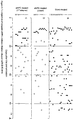
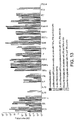
- mice with R-EAE were intravenously (i.v.)-injected with ⁇ - galactosidase ( ⁇ -gal)-labelled aNPCs (1x10 6 cells/mouse) either at the first disease episode (13.1 ⁇ 0.3 days post immunization [dpi]) or at the occurrence of first clinical relapse (30.9 ⁇ 1.1 dpi). Mice were followed up to three months post-transplantation (p.t.). Clinical amelioration was observed using both treatment protocols (Table 1 and Figure 1 ). Mice transplanted at disease onset started to recover between 30 and 60 dpi, a period in which they developed significantly 2-fold less clinical relapses (p ⁇ 0.05), when compared to sham-treated mice.
- both groups of mice showed a significantly lower R-EAE cumulative score and a significant reduction (from 58 to 80%) of the extent of demyelination and axonal loss, when compared to sham-treated mice.
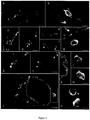
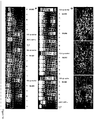
- ⁇ -gal + cells were nestin + (0.28 ⁇ 0.1 cell/mm 2 ) ( Figure 2c and d ), NeuN + (0.21 ⁇ 0.1 cell/mm 2 ) ( Figure 2e and f ) or distal-less-related (Dlx)-2 + (0.12 ⁇ 0.1 cell/mm 2 ) ( Figure 2h and i ), while few of them were immunoreactive for the pro-neural transcription factor mammalian achaete-scute homolog (Mash)-1 ( Parras, C. M. et al. Embo J 23, 4495-505 (2004 )).
- Mash mammalian achaete-scute homolog
- Example 3 Mechanism(s) favouring aNPC survival within inflamed perivascular CNS areas
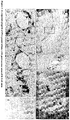
- BMP-4 and Noggin were secreted not only by ⁇ -gal - /GFAP + astrocytes ( Figure 6 a and b) and ⁇ -gal - /Laminin + endothelial cells ( Figure 6 c and d), but also by blood-borne CNS-infiltrating CD45 + inflammatory cells ( Figure 6e ). This latter result was confirmed, at mRNA level, on spleen-derived lymphocytes ( Figure 6 f) .
- Example 4 Cellular and molecular basis by which i.v.-injected aNPCs selectively reached inflamed perivascular CNS areas from R-EAE mice
- VCAM-1 vascular cell adhesion molecule
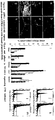
- VLA-4 counterligand - the VLA-4 counterligand - was basally high and comparable to that obtained with mitogen-activated CD4 + cells ( Figure 8 c) .
- adhesion was not significantly increased after stimulation with chemokines such as CCL2/MCP-1, CXCL9/MIG, CXCL10/IP-10, CXCL11/ITAC, and CXCL12/SDF-1 ⁇ ( Figure 8 c) .
- aNPCs 3 H-glycerol-labelled aNPCs (2x10 6 cells/mouse) were i.v.-injected into proteolipid protein (PLP)139-151-immunized SJL mice at the time of the first disease episode.
- PBP proteolipid protein
- aNPCs were found into various bodily organs, while 3.1% ( ⁇ 0.2) of the cells accumulated within the CNS ( Figure 8 h) .
- a significant reduction of cell recruitment within the CNS 39-54%; p ⁇ 0.005) was obtained after in vitro pretreatment of aNPCs with an anti-VLA-4-blocking antibody ( Figure 8 h) .
- GPCR G-protein coupled receptor
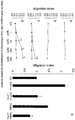
- aNPCs express a wide range of pro-inflammatory chemokine receptors, at both mRNA and protein levels. Most cells within neurospheres express CCR1, CCR2, CCR5, CXCR3 and CXCR4, but do not express CCR3 and CCR7 ( Figure 8 i-m ). These receptors were functionally active since aNPCs responded with significant dose-dependent chemotaxis to CCL5/Rantes and CXCL12/SDF-1 ⁇ ( Figure 10 ). The response was clearly GPCR-dependent as it was completely inhibited by aNPC pre-treatment with the Gi-protein blocker pertussis toxin ( Figure 10 ).
- aNPCs may use GPCRs - along with CAMs - to further improve their migratory capacity toward CNS inflamed lesions, and explain the partial inhibition on aNPCs extravasation obtained in R-EAE mice using an anti- ⁇ 4 integrin-blocking antibody.
- inflammation is acting as the " danger signal" determining both selective recruitment and long-term survival of i.v.-injected aNPCs in the CNS of R-EAE mice.
- Apoptosis is considered as one of the major mechanisms to promote recovery from EAE by inducing programmed cell death of CNS-infiltrating encephalitogenic T cells ( Furlan, R. et al. J Immunol 167, 1821-9 (2001 ); Weishaupt, A. et al. J Immunol 165, 7157-63 (2000 )).
- CNS infiltrating CD3 + cells did not show any sign of immunological anergy as indicated by the non-significant difference in the percentage of IFN ⁇ + (17.6 ⁇ 2.26%, sham-treated vs. 12.2 ⁇ 3.53% aNPC-treated), IL-2 + (17.8 ⁇ 1.64%, shamtreated vs. 33.6 ⁇ 10.7%, aNPC-treated), and IFN ⁇ +/IL-2 + (59.3 ⁇ 1.96% sham-treated vs. 41.0 ⁇ 15.7%, aNPC-treated) producing cells.
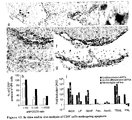
- the pro-apoptotic effect of aNPCs on T cells was then confirmed by in vitro analyses.
- Th1 e.g., TNF ⁇ , IFN ⁇
- Th2 e.g., IL-4
- aNPCs - in vitro conditioned with pro-inflammatory cytokines e.g., tumor necrosis factor [TNF ⁇ , IFN ⁇ , and interleukin [IL]-1 ⁇ - greatly increased (both at protein and mRNA level) not only the membrane expression of death receptor ligands (e.g. FasL, Trail, Apo3L) ( Figure 11 e-g ) but also the production of soluble factors potentially involved in mitochondrialmediated apoptosis (e.g., iNOS, IFN ⁇ , glial-derived neurotrophic factor [GDNF] and leukaemia inhibitory factor [LIF]) ( Weissburg, A.
- pro-inflammatory cytokines e.g., tumor necrosis factor [TNF ⁇ , IFN ⁇ , and interleukin [IL]-1 ⁇ - greatly increased (both at protein and mRNA level) not only the membrane expression of death receptor ligands (e.g. FasL, Trail, Apo3L) ( Figure 11 e-
- CNS-resident glial cells might also contribute to promote T cell apoptosis, as previously suggested ( Pender, M. P. & Rist, M. J. Glia 36, 137-44 (2001 )).
- inflammation represents the key “ danger signal” orchestrating recruitment as well as long-term persistence of aNSCs within areas of CNS damage.
- Recruitment is possible because of the innate capacity of "circulating" aNSCs to recapitulate selected molecular pathways (e.g. VLA-4, GPCRs) used by bloodborne/ derived lymphocytes to patrol the CNS, while long-lasting CNS persistence is due to a continuous cross-talk occurring, within perivascular niche-like areas, between transplanted aNSCs and inflammatory CNS-infiltrating T cells - as well as CNS resident cells forming the inflammatory infiltrate - producing glio- and neuro-genic regulators (i.e.
- aNSCs survive undifferentiated and exert their neuroprotective effect by inducing in situ programmed cell death of blood-borne CNS-infiltrating pro-inflammatory Th1 - but not anti-inflammatory Th2 - cells ( Vandenbark, A. A. et al. Int Immunol 12, 57-66 (2000 ); Zhang, X. et al. J Exp Med 185, 1837-49 (1997 )).
- aNPCs transplantation of undifferentiated aNPCs promotes long-lasting neuroprotection in experimental multiple sclerosis by remyelination of injured CNS axons as well as by immunomodulatory functions.
- aNPCs enter brain and spinal cord, selectively reach inflamed CNS areas - the "atypical perivascular niches" - where major stem cell regulators are focally (re)expressed - and survive in vivo for up to 120 days after transplantation.
- i.v.-injected aNPCs significantly exert neuroprotection by inducing in situ programmed cell death of blood-borne CNS-infiltrating pro-inflammatory Th1, but not anti-inflammatory Th2 cells.
- systemically-injected aNPCs may survive in vivo even for long periods of time owing to their capability of accumulating and persisting within both canonical central (e.g. the CNS) as well as non-canonical peripheral (e.g., lymph nodes) bodily site(s), where major stem cell surviving factors are ectopically (re)expressed in response to inflammation.
- canonical central e.g. the CNS
- non-canonical peripheral e.g., lymph nodes
- aNPCs have a common functional immune-like signature, which may allow them to exert critical immunomodulatory functions responsible for the induction of both central as well as peripheral tolerance in MS as well as other CNS inflammatory diseases.
Landscapes
- Health & Medical Sciences (AREA)
- Engineering & Computer Science (AREA)
- Life Sciences & Earth Sciences (AREA)
- Bioinformatics & Cheminformatics (AREA)
- Organic Chemistry (AREA)
- Chemical & Material Sciences (AREA)
- Biomedical Technology (AREA)
- General Health & Medical Sciences (AREA)
- Animal Behavior & Ethology (AREA)
- Veterinary Medicine (AREA)
- Medicinal Chemistry (AREA)
- Nuclear Medicine, Radiotherapy & Molecular Imaging (AREA)
- Chemical Kinetics & Catalysis (AREA)
- Pharmacology & Pharmacy (AREA)
- General Chemical & Material Sciences (AREA)
- Public Health (AREA)
- Neurology (AREA)
- Neurosurgery (AREA)
- Wood Science & Technology (AREA)
- Genetics & Genomics (AREA)
- Biotechnology (AREA)
- Physical Education & Sports Medicine (AREA)
- Zoology (AREA)
- Orthopedic Medicine & Surgery (AREA)
- Diabetes (AREA)
- Rheumatology (AREA)
- Microbiology (AREA)
- Developmental Biology & Embryology (AREA)
- General Engineering & Computer Science (AREA)
- Biochemistry (AREA)
- Cell Biology (AREA)
- Psychology (AREA)
- Cardiology (AREA)
- Hospice & Palliative Care (AREA)
- Obesity (AREA)
- Hematology (AREA)
- Heart & Thoracic Surgery (AREA)
- Psychiatry (AREA)
- Vascular Medicine (AREA)
- Pain & Pain Management (AREA)
Claims (28)
- Adulte neurale Stammzelle (aNSC) zur Verwendung bei der Behandlung einer Entzündung im Zusammenhang mit Erkrankungen des zentralen Nervensystems.
- aNSC zur Verwendung nach Anspruch 1, wobei die Verwendung beim Induzieren von zentraler und/oder peripherer Toleranz im zentralen Nervensystem oder bei einer entzündlichen und/oder einer neurodegenerativen Erkrankung erfolgt.
- aNSC zur Verwendung nach Anspruch 1, wobei die Verwendung beim Induzieren von Apoptose das zentrale Nervensystem infiltrierender entzündungsfördernder T-Zellen erfolgt.
- aNSC zur Verwendung nach Anspruch 3, wobei es sich bei den entzündungsfördernden T-Zellen um CD45+-Entzündungszellen handelt.
- aNSC zur Verwendung nach einem vorhergehenden Anspruch, wobei es sich bei der aNSC um eine adulte neurale Vorläuferzelle handelt.
- aNSC zur Verwendung nach einem der Ansprüche 1 bis 4, wobei die aNSC aus adultem Gehirn oder Rückenmark stammt.
- aNSC zur Verwendung nach einem vorhergehenden Anspruch, wobei die aNSC eine Targeting-Gruppierung für eine Entzündungsstelle umfasst.
- aNSC zur Verwendung nach Anspruch 7, wobei es sich bei der Entzündungsstelle um eine entzündete Läsion des zentralen Nervensystems handelt.
- aNSC zur Verwendung nach Anspruch 7 oder 8, wobei die aNSC gentechnisch verändert ist, so dass sie die Zielgruppierung exprimiert.
- aNSC zur Verwendung nach einem der Ansprüche 7 bis 9, wobei die es sich bei der Targeting-Gruppierung um ein Integrin, ein Zelladhäsionsmolekül (CAM) oder einen funktionellen Chemokin-Rezeptor handelt, was ein selektives Targeting eines entzündeten Bereichs ermöglicht.
- aNSC zur Verwendung nach Anspruch 10, wobei es sich bei dem Integrin um α4-Integrin VLA(Very Late Antigen)-4 handelt.
- aNSC zur Verwendung nach Anspruch 10, wobei es sich bei dem CAM um CD44 handelt.
- aNSC zur Verwendung nach Anspruch 10, wobei der Chemokin-Rezeptor aus der Gruppe umfassend CCR2, CCR5, CXCR3 und CXCR4 ausgewählt ist.
- aNSC zur Verwendung nach einem vorhergehenden Anspruch, wobei die aNSC ein Apoptose förderndes Molekül exprimiert.
- aNSC zur Verwendung nach Anspruch 14, wobei die aNSC gentechnisch verändert ist, so dass sie das Apoptose fördernde Molekül exprimiert.
- aNSC zur Verwendung nach Anspruch 14 oder 15, wobei es sich bei dem Apoptose fördernden Molekül um einen MDR(Major Death Receptor)-Liganden handelt.
- aNSC zur Verwendung nach Anspruch 16, wobei der MDR-Ligand aus FasL, Apo3L und TRAIL ausgewählt ist.
- aNSC zur Verwendung nach einem vorhergehenden Anspruch, wobei es sich um eine aNSC von Maus, Mensch, Schwein, Katze oder Hund handelt.
- aNSC zur Verwendung nach einem der Ansprüche 1 bis 18, wobei die Behandlung nach Ausbruch einer Erkrankung des zentralen Nervensystems erfolgt.
- aNSC zur Verwendung nach einem vorhergehenden Anspruch, wobei bei dem Individuum eine neurodegenerative Erkrankung vorliegt.
- aNSC zur Verwendung nach einem vorhergehenden Anspruch, wobei die Erkrankung des zentralen Nervensystems aus der Gruppe bestehend aus Demenz, multipler Sklerose, amyotropher Lateralsklerose, Morbus Alzheimer, Morbus Huntington, Morbus Parkinson, Hirntumor, Rückenmarksverletzung und ischämischem Schlaganfall ausgewählt ist.
- aNSC zur Verwendung nach Anspruch 21, wobei die Erkrankung des zentralen Nervensystems aus der Gruppe bestehend aus multipler Sklerose, Hirntumor, Rückenmarksverletzung und ischämischem Schlaganfall ausgewählt ist.
- aNSC zur Verwendung nach einem vorhergehenden Anspruch, wobei die aNSC intravenös oder intrathekal verabreicht wird.
- Verwendung einer adulten neuralen Stammzelle (aNSC) zur Herstellung eines Arzneimittels für die Behandlung einer Entzündung im Zusammenhang mit Erkrankungen des zentralen Nervensystems.
- aNSC zur Verwendung nach Anspruch 1 oder 2, wobei die aNSC für eine Verabreichung innerhalb eines entzündungsbezogenen Zeitfensters bei einem an einer Erkrankung des zentralen Nervensystems leidenden Patienten vorgesehen ist.
- aNSC zur Verwendung nach Anspruch 25, wobei die aNSC die in einem der Ansprüche 5 bis 23 angegebene Bedeutung aufweist.
- aNSC zur Verwendung nach Anspruch 25 oder 26, wobei es sich bei der Erkrankung des zentralen Nervensystems um eine entzündliche und/oder eine neurodegenerative Erkrankung handelt.
- Verwendung nach Anspruch 24, wobei das Arzneimittel für eine Verabreichung innerhalb eines entzündungszeitbezogenen Fensters bei einem an einer Erkrankung des zentralen Nervensystems leidenden Patienten zugeschnitten ist.
Applications Claiming Priority (2)
| Application Number | Priority Date | Filing Date | Title |
|---|---|---|---|
| GBGB0514300.3A GB0514300D0 (en) | 2005-07-12 | 2005-07-12 | Imflammation |
| PCT/IB2006/002896 WO2007015173A2 (en) | 2005-07-12 | 2006-07-12 | Inflammation |
Publications (2)
| Publication Number | Publication Date |
|---|---|
| EP1904073A2 EP1904073A2 (de) | 2008-04-02 |
| EP1904073B1 true EP1904073B1 (de) | 2018-05-16 |
Family
ID=34897117
Family Applications (1)
| Application Number | Title | Priority Date | Filing Date |
|---|---|---|---|
| EP06809040.6A Active EP1904073B1 (de) | 2005-07-12 | 2006-07-12 | Entzündung |
Country Status (7)
| Country | Link |
|---|---|
| US (1) | US20080274089A1 (de) |
| EP (1) | EP1904073B1 (de) |
| JP (1) | JP2009501208A (de) |
| AU (1) | AU2006274653A1 (de) |
| CA (1) | CA2614666A1 (de) |
| GB (1) | GB0514300D0 (de) |
| WO (1) | WO2007015173A2 (de) |
Families Citing this family (4)
| Publication number | Priority date | Publication date | Assignee | Title |
|---|---|---|---|---|
| GB0109940D0 (en) | 2001-04-23 | 2001-06-13 | Mcgill Tech Ltd | Dispensing means |
| WO2009023795A2 (en) * | 2007-08-14 | 2009-02-19 | The Johns Hopkins University | Cell-based compositions and method for treating conditions of the nervous system |
| GB201011589D0 (en) * | 2010-07-09 | 2010-08-25 | Reneuron Ltd | Therapeutic cells |
| KR101675123B1 (ko) * | 2014-06-27 | 2016-11-14 | 연세대학교 산학협력단 | Psa-ncam-양성 신경전구세포를 유효성분으로 포함하는 허혈성 질환 또는 신경염증 질환 치료용 조성물 |
Family Cites Families (5)
| Publication number | Priority date | Publication date | Assignee | Title |
|---|---|---|---|---|
| US6812027B2 (en) * | 1998-03-25 | 2004-11-02 | Cornell Research Foundation, Inc. | Discovery, localization, harvest, and propagation of an FGF2 and BDNF-responsive population of neural and neuronal progenitor cells in the adult human forebrain |
| US6900185B1 (en) * | 2000-04-12 | 2005-05-31 | University Of Iowa Research Foundation | Method of inducing tumor cell apoptosis using trail/Apo-2 ligand gene transfer |
| WO2002036749A2 (en) * | 2000-11-06 | 2002-05-10 | The Salk Institute For Biological Studies | Postmortem stem cells |
| EP1480521B1 (de) * | 2002-02-15 | 2015-02-25 | Cornell Research Foundation, Inc. | Myelinisierung von kongenital dysmyelinisiertem vorderhirn mit oligodendrozyten-vorläuferzellen |
| US20050271639A1 (en) * | 2002-08-22 | 2005-12-08 | Penn Marc S | Genetically engineered cells for therapeutic applications |
-
2005
- 2005-07-12 GB GBGB0514300.3A patent/GB0514300D0/en not_active Ceased
-
2006
- 2006-07-12 WO PCT/IB2006/002896 patent/WO2007015173A2/en not_active Ceased
- 2006-07-12 EP EP06809040.6A patent/EP1904073B1/de active Active
- 2006-07-12 JP JP2008520984A patent/JP2009501208A/ja not_active Withdrawn
- 2006-07-12 US US11/995,598 patent/US20080274089A1/en not_active Abandoned
- 2006-07-12 AU AU2006274653A patent/AU2006274653A1/en not_active Abandoned
- 2006-07-12 CA CA002614666A patent/CA2614666A1/en not_active Abandoned
Non-Patent Citations (1)
| Title |
|---|
| None * |
Also Published As
| Publication number | Publication date |
|---|---|
| GB0514300D0 (en) | 2005-08-17 |
| WO2007015173A2 (en) | 2007-02-08 |
| AU2006274653A1 (en) | 2007-02-08 |
| CA2614666A1 (en) | 2007-02-08 |
| JP2009501208A (ja) | 2009-01-15 |
| EP1904073A2 (de) | 2008-04-02 |
| WO2007015173A3 (en) | 2007-07-12 |
| US20080274089A1 (en) | 2008-11-06 |
Similar Documents
| Publication | Publication Date | Title |
|---|---|---|
| Jung et al. | Human bone marrow–derived clonal mesenchymal stem cells inhibit inflammation and reduce acute pancreatitis in rats | |
| Einstein et al. | Neural precursors attenuate autoimmune encephalomyelitis by peripheral immunosuppression | |
| RU2612391C2 (ru) | Лечение амиотрофического бокового склероза с использованием полученных из пуповины клеток | |
| Melero‐Jerez et al. | Myeloid‐derived suppressor cells support remyelination in a murine model of multiple sclerosis by promoting oligodendrocyte precursor cell survival, proliferation, and differentiation | |
| Yang et al. | Evaluation of bone marrow-and brain-derived neural stem cells in therapy of central nervous system autoimmunity | |
| Vanderlocht et al. | Leukemia inhibitory factor is produced by myelin‐reactive T cells from multiple sclerosis patients and protects against tumor necrosis factor‐α‐induced oligodendrocyte apoptosis | |
| De Jong et al. | Expression of CXCL4 in microglia in vitro and in vivo and its possible signaling through CXCR3 | |
| RU2492234C2 (ru) | Композиции для лечения рассеянного склероза | |
| EP2424977B1 (de) | Mikrogliale vorläuferzellen zur behandlung maligner neoplasmen des zentralen nervensystems | |
| JP2004500824A (ja) | 脳および脊髄の修復のための神経組織源としてのヒト臍帯血 | |
| Jung et al. | Region‐specific plasticity in the epileptic rat brain: A hippocampal and extrahippocampal analysis | |
| KR102768442B1 (ko) | CD8+CD45RClow TREGS의 신규한 아집단 및 이들의 용도 | |
| Shu et al. | The beneficial effect of human amnion mesenchymal cells in inhibition of inflammation and induction of neuronal repair in EAE mice | |
| Recasens et al. | Astrocyte‐targeted IL‐10 production decreases proliferation and induces a downregulation of activated microglia/macrophages after PPT | |
| Cifù et al. | The exposure to osteoarthritic synovial fluid enhances the immunomodulatory profile of adipose mesenchymal stem cell secretome | |
| Qu et al. | Bromodeoxyuridine increases multipotency of human bone marrow-derived stem cells | |
| KR20130106432A (ko) | 중간엽 줄기세포로 췌장염을 치료하는 방법 | |
| EP1904073B1 (de) | Entzündung | |
| CN109152799B (zh) | 胰腺干细胞及其用途 | |
| Yin et al. | Expression and regulation of major histocompatibility complex on neural stem cells and their lineages | |
| Popa et al. | RAE‐1 is expressed in the adult subventricular zone and controls cell proliferation of neurospheres | |
| Duncan et al. | Myelin repair and neuroprotection in multiple sclerosis | |
| Xiang et al. | Ex vivo expansion of antigen-specific CD4+ CD25+ regulatory T cells from autologous naïve CD4+ T cells of multiple sclerosis patients as a potential therapeutic approach | |
| Hudson et al. | Green fluorescent protein bone marrow cells express hematopoietic and neural antigens in culture and migrate within the neonatal rat brain | |
| WO2010135610A2 (en) | Cell therapy for brain tissue damage |
Legal Events
| Date | Code | Title | Description |
|---|---|---|---|
| PUAI | Public reference made under article 153(3) epc to a published international application that has entered the european phase |
Free format text: ORIGINAL CODE: 0009012 |
|
| 17P | Request for examination filed |
Effective date: 20080207 |
|
| AK | Designated contracting states |
Kind code of ref document: A2 Designated state(s): AT BE BG CH CY CZ DE DK EE ES FI FR GB GR HU IE IS IT LI LT LU LV MC NL PL PT RO SE SI SK TR |
|
| DAX | Request for extension of the european patent (deleted) | ||
| 17Q | First examination report despatched |
Effective date: 20100223 |
|
| DAX | Request for extension of the european patent (deleted) | ||
| RAP1 | Party data changed (applicant data changed or rights of an application transferred) |
Owner name: OSPEDALE SAN RAFFAELE S.R.L. |
|
| STAA | Information on the status of an ep patent application or granted ep patent |
Free format text: STATUS: EXAMINATION IS IN PROGRESS |
|
| GRAP | Despatch of communication of intention to grant a patent |
Free format text: ORIGINAL CODE: EPIDOSNIGR1 |
|
| STAA | Information on the status of an ep patent application or granted ep patent |
Free format text: STATUS: GRANT OF PATENT IS INTENDED |
|
| INTG | Intention to grant announced |
Effective date: 20171205 |
|
| GRAS | Grant fee paid |
Free format text: ORIGINAL CODE: EPIDOSNIGR3 |
|
| GRAA | (expected) grant |
Free format text: ORIGINAL CODE: 0009210 |
|
| STAA | Information on the status of an ep patent application or granted ep patent |
Free format text: STATUS: THE PATENT HAS BEEN GRANTED |
|
| AK | Designated contracting states |
Kind code of ref document: B1 Designated state(s): AT BE BG CH CY CZ DE DK EE ES FI FR GB GR HU IE IS IT LI LT LU LV MC NL PL PT RO SE SI SK TR |
|
| REG | Reference to a national code |
Ref country code: GB Ref legal event code: FG4D |
|
| REG | Reference to a national code |
Ref country code: CH Ref legal event code: EP |
|
| REG | Reference to a national code |
Ref country code: DE Ref legal event code: R096 Ref document number: 602006055413 Country of ref document: DE |
|
| REG | Reference to a national code |
Ref country code: IE Ref legal event code: FG4D |
|
| REG | Reference to a national code |
Ref country code: AT Ref legal event code: REF Ref document number: 998931 Country of ref document: AT Kind code of ref document: T Effective date: 20180615 |
|
| REG | Reference to a national code |
Ref country code: FR Ref legal event code: PLFP Year of fee payment: 13 |
|
| REG | Reference to a national code |
Ref country code: NL Ref legal event code: MP Effective date: 20180516 |
|
| REG | Reference to a national code |
Ref country code: LT Ref legal event code: MG4D |
|
| PG25 | Lapsed in a contracting state [announced via postgrant information from national office to epo] |
Ref country code: SE Free format text: LAPSE BECAUSE OF FAILURE TO SUBMIT A TRANSLATION OF THE DESCRIPTION OR TO PAY THE FEE WITHIN THE PRESCRIBED TIME-LIMIT Effective date: 20180516 Ref country code: ES Free format text: LAPSE BECAUSE OF FAILURE TO SUBMIT A TRANSLATION OF THE DESCRIPTION OR TO PAY THE FEE WITHIN THE PRESCRIBED TIME-LIMIT Effective date: 20180516 Ref country code: LT Free format text: LAPSE BECAUSE OF FAILURE TO SUBMIT A TRANSLATION OF THE DESCRIPTION OR TO PAY THE FEE WITHIN THE PRESCRIBED TIME-LIMIT Effective date: 20180516 Ref country code: FI Free format text: LAPSE BECAUSE OF FAILURE TO SUBMIT A TRANSLATION OF THE DESCRIPTION OR TO PAY THE FEE WITHIN THE PRESCRIBED TIME-LIMIT Effective date: 20180516 Ref country code: BG Free format text: LAPSE BECAUSE OF FAILURE TO SUBMIT A TRANSLATION OF THE DESCRIPTION OR TO PAY THE FEE WITHIN THE PRESCRIBED TIME-LIMIT Effective date: 20180816 |
|
| PG25 | Lapsed in a contracting state [announced via postgrant information from national office to epo] |
Ref country code: GR Free format text: LAPSE BECAUSE OF FAILURE TO SUBMIT A TRANSLATION OF THE DESCRIPTION OR TO PAY THE FEE WITHIN THE PRESCRIBED TIME-LIMIT Effective date: 20180817 Ref country code: LV Free format text: LAPSE BECAUSE OF FAILURE TO SUBMIT A TRANSLATION OF THE DESCRIPTION OR TO PAY THE FEE WITHIN THE PRESCRIBED TIME-LIMIT Effective date: 20180516 Ref country code: NL Free format text: LAPSE BECAUSE OF FAILURE TO SUBMIT A TRANSLATION OF THE DESCRIPTION OR TO PAY THE FEE WITHIN THE PRESCRIBED TIME-LIMIT Effective date: 20180516 |
|
| REG | Reference to a national code |
Ref country code: AT Ref legal event code: MK05 Ref document number: 998931 Country of ref document: AT Kind code of ref document: T Effective date: 20180516 |
|
| PG25 | Lapsed in a contracting state [announced via postgrant information from national office to epo] |
Ref country code: RO Free format text: LAPSE BECAUSE OF FAILURE TO SUBMIT A TRANSLATION OF THE DESCRIPTION OR TO PAY THE FEE WITHIN THE PRESCRIBED TIME-LIMIT Effective date: 20180516 Ref country code: SK Free format text: LAPSE BECAUSE OF FAILURE TO SUBMIT A TRANSLATION OF THE DESCRIPTION OR TO PAY THE FEE WITHIN THE PRESCRIBED TIME-LIMIT Effective date: 20180516 Ref country code: AT Free format text: LAPSE BECAUSE OF FAILURE TO SUBMIT A TRANSLATION OF THE DESCRIPTION OR TO PAY THE FEE WITHIN THE PRESCRIBED TIME-LIMIT Effective date: 20180516 Ref country code: DK Free format text: LAPSE BECAUSE OF FAILURE TO SUBMIT A TRANSLATION OF THE DESCRIPTION OR TO PAY THE FEE WITHIN THE PRESCRIBED TIME-LIMIT Effective date: 20180516 Ref country code: PL Free format text: LAPSE BECAUSE OF FAILURE TO SUBMIT A TRANSLATION OF THE DESCRIPTION OR TO PAY THE FEE WITHIN THE PRESCRIBED TIME-LIMIT Effective date: 20180516 Ref country code: EE Free format text: LAPSE BECAUSE OF FAILURE TO SUBMIT A TRANSLATION OF THE DESCRIPTION OR TO PAY THE FEE WITHIN THE PRESCRIBED TIME-LIMIT Effective date: 20180516 Ref country code: CZ Free format text: LAPSE BECAUSE OF FAILURE TO SUBMIT A TRANSLATION OF THE DESCRIPTION OR TO PAY THE FEE WITHIN THE PRESCRIBED TIME-LIMIT Effective date: 20180516 |
|
| REG | Reference to a national code |
Ref country code: DE Ref legal event code: R097 Ref document number: 602006055413 Country of ref document: DE |
|
| REG | Reference to a national code |
Ref country code: CH Ref legal event code: PL |
|
| PLBE | No opposition filed within time limit |
Free format text: ORIGINAL CODE: 0009261 |
|
| STAA | Information on the status of an ep patent application or granted ep patent |
Free format text: STATUS: NO OPPOSITION FILED WITHIN TIME LIMIT |
|
| PG25 | Lapsed in a contracting state [announced via postgrant information from national office to epo] |
Ref country code: LU Free format text: LAPSE BECAUSE OF NON-PAYMENT OF DUE FEES Effective date: 20180712 Ref country code: MC Free format text: LAPSE BECAUSE OF FAILURE TO SUBMIT A TRANSLATION OF THE DESCRIPTION OR TO PAY THE FEE WITHIN THE PRESCRIBED TIME-LIMIT Effective date: 20180516 |
|
| REG | Reference to a national code |
Ref country code: BE Ref legal event code: MM Effective date: 20180731 |
|
| REG | Reference to a national code |
Ref country code: IE Ref legal event code: MM4A |
|
| 26N | No opposition filed |
Effective date: 20190219 |
|
| PG25 | Lapsed in a contracting state [announced via postgrant information from national office to epo] |
Ref country code: CH Free format text: LAPSE BECAUSE OF NON-PAYMENT OF DUE FEES Effective date: 20180731 Ref country code: LI Free format text: LAPSE BECAUSE OF NON-PAYMENT OF DUE FEES Effective date: 20180731 Ref country code: IE Free format text: LAPSE BECAUSE OF NON-PAYMENT OF DUE FEES Effective date: 20180712 |
|
| PG25 | Lapsed in a contracting state [announced via postgrant information from national office to epo] |
Ref country code: BE Free format text: LAPSE BECAUSE OF NON-PAYMENT OF DUE FEES Effective date: 20180731 Ref country code: SI Free format text: LAPSE BECAUSE OF FAILURE TO SUBMIT A TRANSLATION OF THE DESCRIPTION OR TO PAY THE FEE WITHIN THE PRESCRIBED TIME-LIMIT Effective date: 20180516 |
|
| PG25 | Lapsed in a contracting state [announced via postgrant information from national office to epo] |
Ref country code: TR Free format text: LAPSE BECAUSE OF FAILURE TO SUBMIT A TRANSLATION OF THE DESCRIPTION OR TO PAY THE FEE WITHIN THE PRESCRIBED TIME-LIMIT Effective date: 20180516 |
|
| PG25 | Lapsed in a contracting state [announced via postgrant information from national office to epo] |
Ref country code: HU Free format text: LAPSE BECAUSE OF FAILURE TO SUBMIT A TRANSLATION OF THE DESCRIPTION OR TO PAY THE FEE WITHIN THE PRESCRIBED TIME-LIMIT; INVALID AB INITIO Effective date: 20060712 Ref country code: PT Free format text: LAPSE BECAUSE OF FAILURE TO SUBMIT A TRANSLATION OF THE DESCRIPTION OR TO PAY THE FEE WITHIN THE PRESCRIBED TIME-LIMIT Effective date: 20180516 |
|
| PG25 | Lapsed in a contracting state [announced via postgrant information from national office to epo] |
Ref country code: CY Free format text: LAPSE BECAUSE OF FAILURE TO SUBMIT A TRANSLATION OF THE DESCRIPTION OR TO PAY THE FEE WITHIN THE PRESCRIBED TIME-LIMIT Effective date: 20180516 |
|
| PG25 | Lapsed in a contracting state [announced via postgrant information from national office to epo] |
Ref country code: IS Free format text: LAPSE BECAUSE OF FAILURE TO SUBMIT A TRANSLATION OF THE DESCRIPTION OR TO PAY THE FEE WITHIN THE PRESCRIBED TIME-LIMIT Effective date: 20180916 |
|
| P01 | Opt-out of the competence of the unified patent court (upc) registered |
Effective date: 20230518 |
|
| PGFP | Annual fee paid to national office [announced via postgrant information from national office to epo] |
Ref country code: DE Payment date: 20240718 Year of fee payment: 19 |
|
| PGFP | Annual fee paid to national office [announced via postgrant information from national office to epo] |
Ref country code: GB Payment date: 20240718 Year of fee payment: 19 |
|
| PGFP | Annual fee paid to national office [announced via postgrant information from national office to epo] |
Ref country code: FR Payment date: 20240708 Year of fee payment: 19 |
|
| PGFP | Annual fee paid to national office [announced via postgrant information from national office to epo] |
Ref country code: IT Payment date: 20240715 Year of fee payment: 19 |