EP1827488B1 - Zusammensetzung mit phosphatidylserin und einem antigen oder allergen und ihre verwendung - Google Patents
Zusammensetzung mit phosphatidylserin und einem antigen oder allergen und ihre verwendung Download PDFInfo
- Publication number
- EP1827488B1 EP1827488B1 EP05813465A EP05813465A EP1827488B1 EP 1827488 B1 EP1827488 B1 EP 1827488B1 EP 05813465 A EP05813465 A EP 05813465A EP 05813465 A EP05813465 A EP 05813465A EP 1827488 B1 EP1827488 B1 EP 1827488B1
- Authority
- EP
- European Patent Office
- Prior art keywords
- group
- phosphatidyl serine
- composition according
- receptor ligand
- alkyl
- Prior art date
- Legal status (The legal status is an assumption and is not a legal conclusion. Google has not performed a legal analysis and makes no representation as to the accuracy of the status listed.)
- Expired - Lifetime
Links
Classifications
-
- A—HUMAN NECESSITIES
- A61—MEDICAL OR VETERINARY SCIENCE; HYGIENE
- A61K—PREPARATIONS FOR MEDICAL, DENTAL OR TOILETRY PURPOSES
- A61K39/00—Medicinal preparations containing antigens or antibodies
- A61K39/39—Medicinal preparations containing antigens or antibodies characterised by the immunostimulating additives, e.g. chemical adjuvants
-
- A—HUMAN NECESSITIES
- A61—MEDICAL OR VETERINARY SCIENCE; HYGIENE
- A61P—SPECIFIC THERAPEUTIC ACTIVITY OF CHEMICAL COMPOUNDS OR MEDICINAL PREPARATIONS
- A61P11/00—Drugs for disorders of the respiratory system
- A61P11/06—Antiasthmatics
-
- A—HUMAN NECESSITIES
- A61—MEDICAL OR VETERINARY SCIENCE; HYGIENE
- A61P—SPECIFIC THERAPEUTIC ACTIVITY OF CHEMICAL COMPOUNDS OR MEDICINAL PREPARATIONS
- A61P17/00—Drugs for dermatological disorders
-
- A—HUMAN NECESSITIES
- A61—MEDICAL OR VETERINARY SCIENCE; HYGIENE
- A61P—SPECIFIC THERAPEUTIC ACTIVITY OF CHEMICAL COMPOUNDS OR MEDICINAL PREPARATIONS
- A61P31/00—Antiinfectives, i.e. antibiotics, antiseptics, chemotherapeutics
- A61P31/04—Antibacterial agents
-
- A—HUMAN NECESSITIES
- A61—MEDICAL OR VETERINARY SCIENCE; HYGIENE
- A61P—SPECIFIC THERAPEUTIC ACTIVITY OF CHEMICAL COMPOUNDS OR MEDICINAL PREPARATIONS
- A61P31/00—Antiinfectives, i.e. antibiotics, antiseptics, chemotherapeutics
- A61P31/12—Antivirals
-
- A—HUMAN NECESSITIES
- A61—MEDICAL OR VETERINARY SCIENCE; HYGIENE
- A61P—SPECIFIC THERAPEUTIC ACTIVITY OF CHEMICAL COMPOUNDS OR MEDICINAL PREPARATIONS
- A61P35/00—Antineoplastic agents
-
- A—HUMAN NECESSITIES
- A61—MEDICAL OR VETERINARY SCIENCE; HYGIENE
- A61P—SPECIFIC THERAPEUTIC ACTIVITY OF CHEMICAL COMPOUNDS OR MEDICINAL PREPARATIONS
- A61P37/00—Drugs for immunological or allergic disorders
-
- A—HUMAN NECESSITIES
- A61—MEDICAL OR VETERINARY SCIENCE; HYGIENE
- A61P—SPECIFIC THERAPEUTIC ACTIVITY OF CHEMICAL COMPOUNDS OR MEDICINAL PREPARATIONS
- A61P37/00—Drugs for immunological or allergic disorders
- A61P37/02—Immunomodulators
- A61P37/06—Immunosuppressants, e.g. drugs for graft rejection
-
- A—HUMAN NECESSITIES
- A61—MEDICAL OR VETERINARY SCIENCE; HYGIENE
- A61P—SPECIFIC THERAPEUTIC ACTIVITY OF CHEMICAL COMPOUNDS OR MEDICINAL PREPARATIONS
- A61P37/00—Drugs for immunological or allergic disorders
- A61P37/08—Antiallergic agents
-
- A—HUMAN NECESSITIES
- A61—MEDICAL OR VETERINARY SCIENCE; HYGIENE
- A61P—SPECIFIC THERAPEUTIC ACTIVITY OF CHEMICAL COMPOUNDS OR MEDICINAL PREPARATIONS
- A61P43/00—Drugs for specific purposes, not provided for in groups A61P1/00-A61P41/00
-
- A—HUMAN NECESSITIES
- A61—MEDICAL OR VETERINARY SCIENCE; HYGIENE
- A61K—PREPARATIONS FOR MEDICAL, DENTAL OR TOILETRY PURPOSES
- A61K39/00—Medicinal preparations containing antigens or antibodies
- A61K2039/555—Medicinal preparations containing antigens or antibodies characterised by a specific combination antigen/adjuvant
- A61K2039/55511—Organic adjuvants
Definitions
- the present invention relates to a novel composition for use in therapy.
- the immune system has evolved specifically to detect and eliminate foreign or new material from a host.
- This material may be of viral, bacterial, or parasitic origin and may reside outside or within the cells of the host, or be of neoplastic origin.
- the non-specific or innate immune system is usually the first line of defence to a new challenge. It is comprised of barriers such as skin and mucous and specialist cells such as neutrophils and macrophages which are programmed to destroy foreign material by the secretion of enzymes or by engulfing it (phagocytosis).
- the innate immune system can be triggered by receptors on the surfaces of phagocytes (pattern receptors or Toll like receptors) which recognise general features of the foreign substances (PAMPS). At least 10 toll receptors are known, for example, TLR4 recognises lipopolysaccharides (LPS) from bacterial cell walls and TLR9 recognises the CpG DNA sequence.
- Phagocytes when activated, release inflammatory cytokines which recruit cells involved with the primary specific immune response, such as T-cells.
- many phagocytes can also act as antigen presenting cells (APC's) by internally processing foreign proteins and presenting fragments (epitopes) of them to the recruited specific cells of the acquired immune system as a prelude to the development of a specific immune response.
- APC's antigen presenting cells
- the specific immune response is generally either cell mediated, wherein killer T-cells destroy infected cells, or humoral, in which antibodies such as IgG bind to the foreign material and aid the process of destruction and removal from the body by the complement system and phagocytosis.
- APCs present the epitopes to T-helper cells (Th) which, depending on the signalling cytokine profile from the APC and the T-helper cell type, produces a range of Th-cell responses.
- Th1-like responses are cell mediated and the T-cell secretes y interferon as the primary cytokine.
- Th2-like responses are humoral and are mediated in part by the secreted cytokine interleukin 4.
- Activated Tb2 cells help to activate resting B-cells ultimately resulting in antibody production.
- the specific immune response normally takes 10-14 days to develop.
- IgG1 and IgE are known as inflammatory antibodies because they either activate the complement system or initiate the release of inflammatory cytokines from mast cells or basophils.
- the complement system is a set of plasma proteins that act together to attack extracellular forms of pathogens. Complement results in the opsonization of pathogens, the recruitment of inflammatory cells and directs the killing of pathogens.
- the complement system can be activated by two different pathways: the classical complement pathway and the alternative complement pathway.
- the classical pathway is antibody-dependent and is activated by the binding of antibody molecules (specifically IgM and IgG1, 2 and 3) to a foreign particle.
- the role of complement in inflammation and tissue injury has become apparent through clinical investigations and discoveries that the pathogenesis of certain experimental inflammatory diseases is complement-dependent.
- Type I allergic disease is a disease of the developed world which affects up to 30% of the population of the USA and Europe.
- IgE mediated allergy is also implicated in asthma and over 70% of asthmatics are allergic to one or more allergen. The cost of allergic disease probably exceeds $10 billion in the USA alone.
- pollens release proteins (allergens) which, in some individuals, results in an acute inflammatory response mediated by allergen specific IgE antibodies bound to mast cells.
- the allergic reaction is triggered when the allergens cross-link preformed IgE, bound to mast cells, resulting in de-granulation of the mast cell and the release of copious amount of inflammatory mediators including histamine.
- allergic disease can result in asthma and anaphylaxis, a life threatening condition.
- T-cell In contrast to the initiation of the immune response, much less is known about the resolution of inflammation following an antigen or allergen challenge. It is thought that another class of T-cell is involved, the so called regulatory T-cell or T-reg. These cells under the influence of anti-inflammatory cytokines TNF ⁇ and interleukin 10, which are involved in dampening down the T-cell responses, switch the antibody responses to IgA and IgG4 both of which are non-inflammatory antibodies and do not activate the complement system.
- Secretory IgA secretory IgA (sIgA) is found on mucous membranes and has been shown to neutralize viruses and prevent their adherence to the epithelial cells lining the mucous ( McCluskie et al., Microbes Infect.
- phosphatidylserine may be a general recognition marker for the removal of apoptotic cells, such as neutrophils, by phagocytes ( Fadok et al., Nature 405:85-90, 2000 ), while US patent application number 09/957,698 discloses the use of phosphatidylserine for treating T-cell-mediated diseases.
- Formulations are provided which modulate an immune response.
- formulations are provided which may down regulate immune hypersensitivity reactions and may stimulate antigen or allergen specific IgG4 and/or IgA to provide protection against the invasion of infective agents or allergic substances systemically or via mucosal surfaces, respectively.
- Formulations are provided which comprise a phosphatidyl serine receptor ligand. Such formulations may modulate an immune response to an environmental antigen/allergen.
- the phosphatidyl serine receptor ligand may be administered prior to, simultaneously or after encounter with the antigen/allergen.
- Formulations are also provided which comprise both a phosphatidyl serine receptor ligand and an antigen or allergen.
- composition comprising a phosphatidyl serine receptor ligand herein defined.
- composition comprising:
- composition comprising:
- R 1 and R 2 are independently selected from hydrogen, alkyl or an alkenyl group and R 3 is a polar group
- R 3 comprises at least one atom that has a greater electronegativity than carbon.
- R 1 and/or R 2 is substituted (mono- or poly-) with a C 1 -C 6 alkoxy, hydroxyl, amino and/or a halogeno group.
- R 3 is substituted (mono- or poly-) with a hyroxyl, carboxyl, carboxylate, NR'R'' wherein R' and R" are independently selected form H or C 1 -c 6 alkyl, C 1 -C 6 alcoxy, C 1 -C 6 alkyl optionally substituted with hydroxyl or carboxyl, C(O)NH 2 , CF 3 or a C 1 -C 6 allcyl-COOH group.
- R 3 is substituted (mono- or poly-) with a carboxy, hydroxy and/or amino group.
- R 1 and/or R 2 and/or R 3 is optionally substituted with 1 to 3 groups.
- R 1 and/or R 2 is an unbranched alkyl or alkenyl group.
- R 1 and or R 2 may be an alkyl or alkenyl group that additionally contains 1 or more, preferably 1 to 3, heteroatoms independently selected from N, O or S.
- R 2 is an unbranched alkyl or alkenyl group.
- R 1 and R 2 may independently comprise 1 to 60, more preferably 1 to 26, more preferably 14 to 26, more preferably 16 to 22, more preferably 18 to 22 carbon atoms.
- R 1 is an alkenyl group comprising 1 to 6 double bonds.
- R 1 is an alkenyl group comprising 1 to 4 double bonds.
- R 1 is an alkenyl group comprising 1 double bond.
- R 2 is an alkenyl group comprising 1 to 6 double bonds.
- R 2 is an alkenyl group comprising 1 to 4 double bonds.
- R 2 is an alkenyl group comprising 4 double bonds.
- R 2 is an alkenyl group comprising 1 double bond.
- X 1 and X 2 are each, independently selected from hydrogen and a saturated or unsaturated fatty acid acyl group or a derivative or salt thereof.
- fatty acid acyl groups are hexanoyl, caproyl, auroyl, phytanoyl, heptadecanoyl, linoleoyl, erucoyl, docosahexanenoyl, heptanoyl, octanoyl, nonanoyl, decanoyl, undecanoyl, lauroyl, tridecanoyl, myristoyl, pentadecanoyl, palmitoyl, heptadecanoyl, stearoyl, oleoyl, nonadecanoyl, arachidoyl, behenoyl and lignoceroyl.
- X 1 is selected from a stearoyl group or a derivative or salt thereof, an oleoyl group or a derivative or salt thereof and hydrogen.
- X 2 is selected from an arachidonoyl, or a derivative or salt thereof, an oleoyl group or a derivative or salt thereof, or hydrogen.
- R 3 may comprises 1 to 8, 1 to 6, 1 to 3 or 1 atom that has a greater electronegativity than carbon.
- the atom that has a greater electronegativity than carbon is selected from the group comprising O N, S or halogen. More preferably the atom that has a greater electronegativity than carbon is selected from the group comprising O or N.
- R 3 comprises an alkyl group.
- R 3 comprises a cycloalkyl group.
- R 3 comprises an aryl group.
- R 3 comprises 1 to 15, 1 to 12, 3 to 9, 2 to 8 or 3 to 6 carbon atoms.
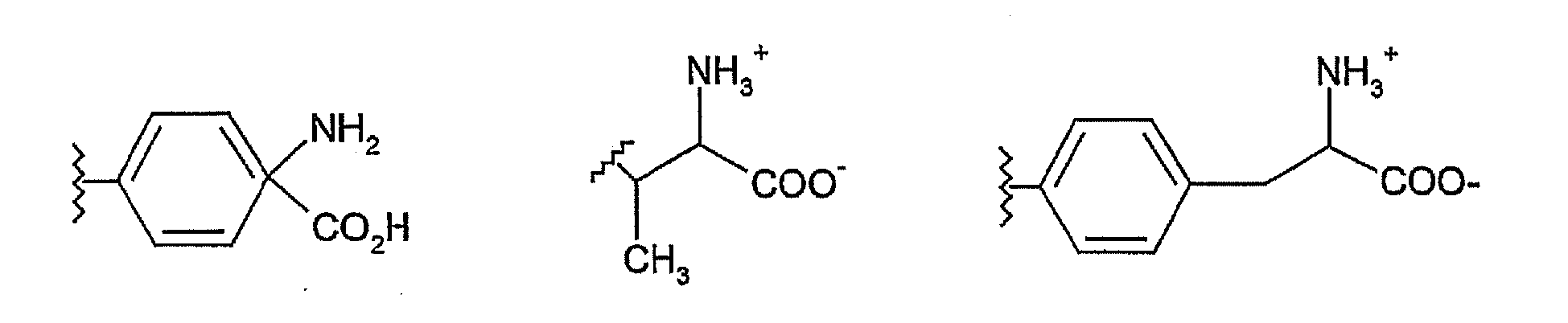
- R 3 is selected from the group consisting of: and derivatives thereof.
- R 3 may be an amino acid or a derivative thereof.
- the amino acid is a natural amino acid.
- the phosphorous oxygen is attached to the ⁇ carbon of the amino acid.
- R 3 is or a derivative thereof
- the phosphatidyl serine receptor ligand is phosphatidyl serine or a derivative or salt thereof.
- the ligand is selected from the group consisting of di-oleoyl phosphatidyl serine, lyso-oleoyl phosphatidyl serine and stearoyl-arachidonoyl phosphatidyl serine.
- the antigen or allergen used in the present invention may be derived from a bacterium, virus or neoplasm.
- the antigen or allergen may be in the form of a polypeptide, or a vector comprising a polynucleotide encoding an antigenic polypeptide and operably linked to a regulatory sequence permitting expression of the polynucleotide.
- composition comprising a phosphatidyl serine receptor ligand herein defined.
- a composition may comprise no antigen or allergen.
- such a composition does not comprise a pharmaceutically effective amount of an antigen or allergen.
- compositions of the present invention preferably comprise a pharmaceutically effective amount of phosphatidyl serine receptor ligand, and/or allergen or antigen.
- composition of the present invention may comprise an adjuvant.
- Suitable adjuvants include, for example, monophosphoryl lipid A and it's derivatives and analogues and the CpG DNA motif and its derivatives and analogues.
- composition of the present invention comprises a pharmaceutically acceptable carrier, diluent or excipient.
- composition of the present invention in the form of a vaccine.
- the vaccine may be a prophylactic vaccine or a therapeutic vaccine.
- composition of the present invention may be a non-oral composition i.e., a composition that is not swallowed by the recipient.
- the phosphatidyl serine receptor ligand is present in a composition to provide a dosage in the range of 5-500 ⁇ g.
- the phosphatidyl serine receptor ligand is present in a composition to provide a dosage in the range of 10-100 ⁇ g.
- the phosphatidyl serine receptor ligand is present in a composition to provide a dosage in the range of 10-50 ⁇ g.
- composition of the present invention for use in medicine.
- products containing an allergen or an antigen and a phosphatidyl serine receptor ligand of the present invention as a combined preparation for simultaneous, separate or sequential use in medicine.
- the allergen or antigen and phosphatidyl serine receptor ligand are administered simultaneously.
- the allergen or antigen and phosphatidyl serine receptor ligand are administered sequentially.
- the phosphitdyl serine receptor ligand may be administered prior to the allergen or antigen of after.
- allergen or antigen and phosphatidyl serine receptor ligand are administered subcutaneously.
- the phosphatidyl serine receptor ligand and/or allergen may be administered to an organ which is exposed to a high natural allergen challenge, such as, but not limited to, the skin, nose or mouth.
- compositions or a product of the present invention for the preparation of a medicament for modulating an immune response.
- compositions or a product of the present invention for the preparation of a medicament for treating, or preventing, or reducing the susceptibility to, bacterial or viral infection or cancer.
- compositions or a product of the present invention for the manufacture of a medicament for treating or preventing an allergic reaction.
- compositions or a product of the present invention for the manufacture of a medicament for treating or preventing an immune hypersensitivity reaction, preferably type 1-4, more preferably type 1 or 4, more preferably type 1.
- the immune hypersensitivity reaction is a pre-existing disorder i.e., a disorder that the subject suffers or has suffered from.
- the immune hypersensitivity reaction is a Type 1 hypersensitivity reaction
- composition of the present invention comprising a phosphatidyl serine receptor ligand and an antigen or allergen, or a product of the present invention for the manufacture of a medicament for raising an anti-inflammatory immune response to said allergen or antigen.
- composition comprising a phosphatidyl serine receptor ligand for the manufacture of a medicament for raising an anti-inflammatory immune response to an allergen or antigen.
- a use in raising an anti-inflammatory immune response in a subject comprising administering a composition comprising a phosphatidyl serine receptor ligand and an antigen or allergen, or product of the present invention to a subject.
- the anti-inflammatory immune response involves an anti-inflammatory antibody response wherein the antibodies include those that do not activate complement.
- the antibodies raised in the anti-inflammatory antibody response include IgA and/or IgG4.
- composition comprising a phosphatidyl serine receptor ligand and an antigen or allergen, or a product of the present invention for the manufacture of a medicament for reducing the levels of inflammatory antibodies in an immune response to the antigen or allergen.
- composition comprising a phosphatidyl serine receptor ligand for the manufacture of a medicament for reducing the levels of inflammatory antibodies in an immune response to an antigen or allergen.
- a use of reducing the levels of inflammatory antibodies in an immune response to an antigen or allergen in a subject comprising administering a composition comprising a phosphatidyl serine receptor ligand to a subject prior to, simultaneously or after exposure of the subject to an allergen or antigen.
- compositions or a product of the present invention for the manufacture of a medicament for inducing an immune response which is associated with reduced levels of inflammatory antibodies.
- the inflammatory antibodies are those that activate complement.
- the inflammatory antibodies are IgE or IgG1, or both.
- compositions or a product of the present invention for the manufacture of a medicament for treating or preventing autoimmune disease.
- compositions or a product of the present invention in a method for producing antibodies which recognise the antigen or allergen of the Composition.
- the antibodies are selected from IgG4 and IgA.
- an antibody produced according to the above method for the preparation of a medicament for treating or preventing a bacterial or viral infection, cancer or an immune hypersensitivity reaction.
- antigen is used to indicate any molecule that can be specifically recognised by the adaptive elements of the immune response, i.e. by B cells or T cells, or both.
- the antigen used in the present invention is preferably an immunogen, i.e. an antigen which activates immune cells to generate an immune response against itself.
- the antigen may be obtained by recombinant means or peptide synthesis, or from natural sources or extracts and may be derived from any living or non-living organisms.
- the antigen may be derived from bacteria, such as, for example anthrax, campylobacter, cholera, diphtheria, enterotoxigenic E. coli, giardia, gonococcus, Helicobacter pylori, Hemophilus influenza B, Hemophilus influenza non-typable, meningococcus, pertussis, pneumococcus, salmonella, shigella, Streptococcus B, group A Streptococcus, tetanus, Vibrio cholerae, yersinia, Staphylococcus, Pseudomonas species and Clostridia species.
- bacteria such as, for example anthrax, campylobacter, cholera, diphtheria, enterotoxigenic E. coli, giardia, gonococcus, Helicobacter pylori, Hemophilus influenza B, Hemophilus influenza non-typable, meningococcus,
- the antigen may be derived from viruses, such as, for example adenovirus, dengue serotypes 1 to 4, ebola ( Jahrling et al., Arch Virol Suppl, 11:135-140, 1996 ), enterovirus, hepatitis serotypes A to E ( Blum, Digestion 56:85-95,1995 ; Katkov, Med Clin North Am 80:189-200, 1996 ; Lieberman and Greenberg, Adv Pediatr Infect Dis 11:333-3631996 ; Mast et al., Annu Rev Med 47:257-266, 1996 ) herpes simplex virus 1 or 2, human immunodeficiency virus ( Deprez et al., Vaccine 14:375-382, 1996 ), influenza, Japanese equine encephalitis, measles, Norwalk, papilloma virus, parvovirus B19, polio, rabies, rotavirus, rubella, rubeola, vaccinia,
- Parasites include, for example: Entamoeba histolytica ( Zhang et al., Infect Immun 63:1349-1355 ); Plasmodium ( Bathurst et al., Vaccine 11:449-456, 1993 ), Toxoplasmosis, and the Helminths.
- a multivalent antigen formulation may be used to induce an immune response to more than one antigen at the same time.
- Conjugates may be used to induce an immune response to multiple antigens, to boost the immune response, or both.
- allergen is used to describe an antigen that elicits an unwanted immune hypersensitivity or allergic reaction.
- An allergy is a hypersensitivity response to an environmental antigen (allergen).
- the allergen used in the present invention may be derived from any allergy causing substance, such as, to pollen (e,g, ragweed or birch pollen), food, insect venom, mould and animal derived material such as animal fur or mites such as house dusts (e.g., D. farinae or D. pteronyssinus ) .
- the antigen or allergen may be chemically modified by reaction with known substances, for example, but not limited to formaldehyde or glutaraldehyde, which retain or enhance the desired immunogenic properties of the antigen whilst helping to avoid unwanted adverse effects, Such modifications are known in the art
- An example of a modified antigen is tetanus toxoid derived from tetanus toxin by reaction with formaldehyde.
- immune hypersensitivity means a state of altered reactivity in which the body reacts with an exaggerated immune response to a foreign substance (allergen).
- allergen an exaggerated immune response to a foreign substance
- hypersensitivity reaction There are four types of hypersensitivity reaction (Types I, II, III and IV). The first three are antibody-mediated; the fourth is mediated mainly by T cells and macroploages.
- anaphylactic or immediate-type hypersensitivity is an allergic reaction provoked by re-exposure to an allergen. Exposure may be by ingestion, inhalation, injection or direct contact. The reaction is mediated by IgE antibodies and produced by the immediate release of histamine, arachidonate and derivatives by basophils and mast cells. This causes an inflammatory response leading to an immediate (seconds to minutes) reaction which may be followed by a late phase response or reaction, causing, for example, asthma, hay fever, systematic anaphylaxis or contact dermatitis.
- composition of the present invention comprises a ligand capable of binding, preferably selectively, to a phosphatidyl serine receptor.
- a ligand capable of binding, preferably selectively, to a phosphatidyl serine receptor Preferably the ligands are recognised by the phosphatidyl serine receptor on the surface of phagocytes or endocytes, thereby up-regulating cytokine production.
- Phosphatidyl serines as part of their function in signalling apoptosis, are recognized by a receptor on phagocytic cells which may be a specific receptor co-located with CD14 or part of the CD 14 complex and subsequently may down regulate the phagocyte via presentation to toll like receptors such as TLR2 and TLR4.
- Phosphatidyl serine receptor ligands may prevent the expression of inflammatory cytokines by phagocytic cells resulting from activation by lipo-polysaccharide derived from bacteria or prevent pro-inflammatory cytokines activating smooth muscle cells found in human airways.
- phosphatidyl serine receptor refers to a receptor present on the surface of phagocytes and endocytes that recognises phosphatidyl serine ( Fadok, V, A. et al. Nature 405, 85-90 (2000 )).
- Assays for screening for such ligands may employ a phosphatidyl serine receptor which may be free in solution, affixed to a solid support, borne on a cell surface, or located intracellularly, wherein the formation of complexes between the receptor and the target may be measured by appropriately adapting methods well known in the art.
- Phosphatidyl serine receptor ligands may be screened by measuring their ability to reduce ear swelling in the murine contact hypersensitivity (CHS) model (see, for example, US patent application number 09/957,698 (publication number US 2002/0086049 )), a model accepted in the art.
- Mouse ears are challenged with, for example, 2,4-dinitrofluorobenzene (DNFB), and the extent of ear swelling is used as a measure of the CHS response.
- DNFB 2,4-dinitrofluorobenzene
- the ability of the phosphatidyl serine receptor ligand to reduce the ear swelling can be assessed by comparing the ear swelling in mice injected with the ligand with mice that have not been been injected with the ligand.
- the ligands used in the present invention are preferably those that reduce ear swelling in the CHS model.
- Phosphatidyl serine receptor ligands may also be screened by measuring their ability to inhibit the phagocytosis of apoptotic cells, as described in Fadok et al., Nature 405:85-90, 2000 .
- the ligands used in the present invention are preferably those that are capable of inhibiting the phagocytosis of apoptotic cells.
- the ligand is a phosphatidyl serine.
- the phosphatidyl serine may be from any natural or commercial source.
- Phosphatidylserine molecules may be synthesised using synthetic methods well known to those skilled in the art. Phosphatidylserine synthesis is described in, for example Morgans D, Bioorganic Med Chem Letts 1994; 4(6): 827 ; Roodsari, FS, J Org Chem 1999; 64(21): 7727-7737 ; Diaz et al., Bioconjugate Chemistry 1998; 9(2): 250-254 , Infante MR.
- Phosphatidylserine is made up of a glycerophosphate skeleton linked to two fatty acid molecules and the amino acid L-serine.
- the exact composition of the fatty acids varies depending on the source of the phosphatidylserine.
- 1-stearoyl-2-oleoyl see structure below
- 1-stearoyl-2-arachidonoyl species predominate, but in brain and many other tissues 1-stearoyl-2-docosahexaenoyl species are very abundant.
- Examples of ligands for use in the present invention include di-oleoyl phosphatidyl serine, lyso-oleoyl phosphatidyl serine, di-stearoyl phosphatidyl serine, lyso-stearoyl phosphatidyl serine and steroyl-arachidonyl phosphatidyl serine.
- the phospholipase A (PLA2) superfamily represents a heterogeneous group of enzymes with key roles in inflammation whose common feature is to hydrolyse the fatty acid present at the sn-2 position of phospholipids.
- PLA2 plays a key role in cellular signalling by generating a wide array of biologically active lipid mediators.
- PLA2-mediated hydrolysis of phospholipids generates the release of arachidonic acid which may serve as a substrate for the generation of other lipid messengers such as prostaglandins, which can then go on to generate an inflammatory response.
- an arachidonoyl group is present at position X 1 or X 2 of the ligand.
- the arachidonic acid may be released from the ligand under the influence of PLA2, stimulating an inflammatory response.
- the residual lyso phosphatidyl serine receptor ligand may then serve to modulate the non-inflammatory response.
- the ligand of the present invention can be used to modulate the immune response either up or down depending on the nature of the X 2 functional group in combination with the residual lyso phosphatidyl group produced by the action of PLA2.
- alkyl includes both saturated straight chain and branched alkyl groups.
- alkenyl refers to a group containing one or more carbon-carbon double bonds, which may be branched or unbranched.
- aryl refers to a mono- or multi- ringed aromatic group
- the multi-ringed aromatic group is bi- or tri-ringed.
- cycloalkyl refers to a mono- or multi-ringed cyclic alkyl
- the multi-ringed cyclic alkyl group is bi- or tri-ringed.
- the phosphatidyl serine receptor ligand is phosphatidyl serine or a derivative salt thereof.
- derivative is used to mean a phosphatidyl serine receptor ligand which retains the activity of phosphatidyl serine.
- phosphatidyl serine receptor ligands examples include di-oleoyl-phosphatidyl serine and lyso-oleoyl-phosphatidyl serine.
- the phosphatidyl serine receptor ligand used in the present invention may be in the form of a liposome.
- the phosphatidyl serine receptor ligand may be carried by a liposome or included in a liposome.
- the phosphatidyl serine receptor ligand used in the present invention may comprise part of a liposome.
- the phosphatidyl serine receptor ligand can form the membrane of a liposome, either as the sole constituent of the membrane or as a major or minor component thereof, with other phospholipids and/or membrane forming materials.
- the liposome may be used as a carrier for the 'active phosphatidyl serine receptor ligand' wherein said active ligand forms part of the surface of the liposome.
- the phosphatidyl serine receptor may be chemically attached by chemical modification to a liposome surface.
- Methods of preparing liposomes are well known in the art (see, for example, New, R. C., "Liposomes: A Practical Approach,” IRL Press at Oxford University Press, Oxford, England (1990 )).
- the phosphatidyl serine receptor ligand used in the present invention is not in the form of a liposome.
- 'liposome' it is meant an artificial microscopic vesicle consisting of an aqueous core enclosed in one or more phospholipid layers.
- the phosphatidyl serine receptor ligand is an active ingredient in the compositions of the present invention. That is to say the ligand stimulates changes in immune or antibody response.
- antibodies differs between species.
- the antibodies referred to herein refer to the human antibody and the counterpart antibodies found in other mammals and animals.
- the counterpart antibodies are based on similarities in biological and functional activities.
- the murine counterparts of human IgE and human IgA are murine IgE and murine IgA respectively.
- human IgG4 is known not to activate complement and is considered to be most similar to murine IgG1.
- Murine IgG2a and IgG2b and human IgG1 and IgG3 share the ability to fix complement and bind to protein antigens ( Scott, M. G., D. E. Briles, and M. H. Nahm. 1990. Selective IgG subclass expression: biologic, clinical and functional aspects, p. 161-183 ).
- compositions of the invention may be administered directly.
- the composition is combined with a pharmaceutically acceptable carrier, excipient or diluent to produce a pharmaceutical composition.
- a pharmaceutical composition is a composition that comprises or consists of a therapeutically effective amount of a pharmaceutically active agent. It preferably includes a pharmaceutically acceptable carrier, diluent or excipients (including combinations thereof). Acceptable carriers or diluents for therapeutic use are well known in the pharmaceutical art, and are described, for example, in Remington's Pharmaceutical Sciences, Mack Publishing Co. (A. R. Gennaro edit. 1985). The choice of pharmaceutical carrier, excipient or diluent can be selected with regard to the intended route of administration and standard pharmaceutical practice.
- the pharmaceutical compositions may comprise as - or in addition to - the carrier, excipient or diluent any suitable binder(s), lubricant(s), suspending agent(s), coating agent(s), solubilising agent(s).
- Examples of pharmaceutically acceptable carriers include, for example, water, salt solutions, alcohol, silicone, waxes, petroleum jelly, vegetable oils, polyethylene glycols, propylene glycol, liposomes, sugars, gelatin, lactose, amylose, magnesium stearate, talc, surfactants, silicic acid, viscous paraffin, perfume oil, fatty acid monoglycerides and diglycerides, petroethral fatty acid esters, hydroxymethylcellulose, polyvinylpyrrolidone, and the like.
- the pharmaceutical compositions can be administered by any one or more of: inhalation, in the form of a suppository or pessary, topically in the form of a lotion, solution, cream, ointment or dusting powder, by use of a skin patch, orally in the form of tablets containing excipients such as starch or lactose, or in capsules or ovules either alone or in admixture with excipients, or in the form of elixirs, solutions or suspensions containing flavouring or colouring agents, or they can be injected parenterally, for example intracavernosally, intravenously, intramuscularly or subcutaneously, or sublingually.
- compositions may be best used in the form of a sterile aqueous solution which may contain other substances, for example enough salts or monosaccharides to make the solution isotonic with blood.
- compositions may be administered in the form of, for example, drops, sprays, creams, gels, tablets or lozenges which can be formulated in a conventional manner.
- the pharmaceutical composition of the present invention may be formulated to be delivered using a mini-pump or by a mucosal route, for example, as a nasal spray or aerosol for inhalation or ingestable solution, or parenterally in which the composition is formulated by an injectable form, for delivery, by, for example, an intravenous, intramuscular or subcutaneous route.
- the formulation may be designed to be delivered by both routes.
- the composition of the present invention is a non-oral composition. That is, the composition is not swallowed by the recipient.
- compositions which comprise a phosphatidyl serine receptor ligand.
- Such compositions may modulate an immune response to an environmental antigen/ allergen.
- the composition comprising the phosphatidyl serine receptor ligand may be administered prior to, simultaneously or after encounter with the antigen/allergen.
- the source of the antigen or allergen may be the environment of the subject.
- compositions which comprise both a phosphatidyl serine receptor ligand and an antigen or allergen.
- Products of the invention may contain allergen or antigen, preferably an allergen, and a phosphatidyl serine receptor ligand.
- the allergen or antigen and phosphatidyl serine receptor ligand may be present as separate compositions and may be administered simultaneously, separately or sequentially for use in treating an unwanted immune hypersensitivity reaction.
- the method of administration allows the allergen and phosphatidyl serine receptor ligand to encounter the same target cells. This may be achieved by, for example, subcutaneous injection.
- the pharmaceutical composition of the present invention may comprise the triple combination of monophosphoryl lipid A (MPL), antigen and phosphatidyl serine receptor ligand.
- MPL monophosphoryl lipid A
- antigen antigen
- phosphatidyl serine receptor ligand phosphatidyl serine receptor ligand
- vaccines which contain an immunogenic polypeptide(s)/polynucleotide(s) as active ingredient(s), is known to one skilled in the art.
- such vaccines are prepared as injectables, either as liquid solutions or suspensions; solid forms suitable for solution in, or suspension in, liquid prior to injection may also be prepared.
- the preparation may also be emulsified, or the protein encapsulated in liposomes.
- the active immunogenic ingredients are often mixed with excipients which are pharmaceutically acceptable and compatible with the active ingredient. Suitable excipients are, for example, water, saline, dextrose, glycerol, ethanol, or the like and combinations thereof.
- the vaccine may contain minor amounts of auxiliary substances such as wetting or emulsifying agents, pH buffering agents, and/or adjuvants which enhance the effectiveness of the vaccine.
- An adjuvant is any pharmacologically acceptable substance which enhances the immune response to an antigen or allergen.
- a Th1-inducing adjuvant enhances the response of Th1 cells to an antigen or allergen.
- adjuvants which may be effective include: aluminum hydroxide, tyrosine and derivatives thereof, N-acetyl-muramyl-L-theonyl-D-isoglutamine (thr-MDP), N-acetyl-nor-muramyl-L-alanyl-D-isoglutamine (CGP 11637, referred to as nor-MDP), N-acetylmuramyl-L-alanyl-D-isoglutaminyl-L-alanine-2-(1'-2'-dipalmitoyl-sn-glycero-3-hydroxyphosphoryloxy)-ethylamine (CGP 19835A.
- thr-MDP N-acetyl-muramyl-L-theonyl-D-isoglutamine
- nor-MDP N-acetyl-nor-muramyl-L-alanyl-D-isoglutamine
- CGP 19835A N-ace
- MTP-PE monophosphoryl lipid A
- RIBI cell wall skeleton
- adjuvants and other agents include aluminum phosphate, aluminum potassium sulfate (alum), beryllium sulfate, silica, kaolin, carbon, water-in-oil emulsions, oil-in-water emulsions, muramyl dipeptide, bacterial endotoxin, lipid X, Corynebacterium parvum (Propionobacterium acnes); Bordetella pertussis, polyribonucleotides, sodium alginate, lanolin, lysolecithin, vitamin A, saponin, liposomes, levamisole, DEAE-dextran blocked copolymers or other synthetic adjuvants.
- Such adjuvants are available commercially from various sources, for example, Merck Adjuvant 65 (Merck and Company, Inc., Rahway, N.J.) or Freund's Incomplete Adjuvant and Complete Adjuvant (Difco Laboratories, Detroit, Michigan).
- adjuvants such as Amphigen (oil-in-water), Alhydrogel (aluminum hydroxide), or a mixture of Amphigen and Alhydrogel, tyrosine and derivatives thereof and calcium phosphate are used.
- Preferred adjuvants are those known to interact with toll like receptors on phagocytic and endocyte and/or antigen presenting cells, for example, but not limited to toll like receptors 2 and or 4 and or 9.
- Example of these adjuvants are, but not limited to, the Th1 inducing adjuvant monophosphoryl lipid A (MPL, see US patents 4,912,094 and 4,987,237 ) and it's derivatives and synthetic analogues and the CpG DNA motif and its derivatives and analogues.
- the proportion of immunogen and adjuvant can be varied over a broad range so long as both are present in effective amounts.
- aluminum hydroxide can be present in an amount of about 0.5% of the vaccine mixture (Al 2 O 3 basis).
- the vaccines are formulated to contain a final concentration of immunogen in the range of from 0.2 to 200 ⁇ g/ml, preferably 5 to 50 ⁇ g/ml, most preferably 15 ⁇ g/ml.
- the effectiveness of an adjuvant may be determined by measuring the amount of antibodies directed against an immunogenic agent resulting from administration of this agent in vaccines which are also comprised of the various adjuvants.
- the vaccines are conventionally administered parenterally, by injection, for example, either subcutaneously or intramuscularly.
- Additional formulations which are suitable for other modes of administration include suppositories and, in some cases, oral formulations.
- suppositories traditional binders and carriers may include, for example, polyalkylene glycols or triglycerides; such suppositories may be formed from mixtures containing the active ingredient in the range of 0.5% to 10%, preferably 1% to 2%.
- Oral formulations include such normally employed excipients as, for example, pharmaceutical grades of mannitol, lactose, starch, magnesium stearate, sodium saccharine, cellulose, magnesium carbonate, and the like.
- compositions take the form of solutions, suspensions, tablets, pills, capsules, sustained release formulations or powders and contain 10% to 95% of active ingredient, preferably 25% to 70%.
- the lyophilised material may be reconstituted prior to administration, e.g. as a suspension. Reconstitution is preferably effected in buffer.
- the vaccines are administered in a manner compatible with the dosage formulation, and in such amount as will be prophylactically and/or therapeutically effective.
- a prophylactic vaccine is one which prevents disease.
- the quantity to be administered may be, for example, 5 ⁇ g to 250 ⁇ g of antigen per dose, depends on the subject to be treated, capacity of the subject's immune system to synthesize antibodies, the degree of protection desired and the nature of the antigen.
- a suitable range is from about 20 ⁇ g to about 40 ⁇ g per dose.
- a suitable dose size is about 0.5 ml. Accordingly, a dose for intramuscular injection, for example, may comprise 0.5 ml containing 20 ⁇ g of immunogen in admixture with 0.5% adjuvant.
- Precise amounts of active ingredient required to be administered may depend on the judgement of the practitioner and may be peculiar to each subject.
- the vaccine may be given in a single dose schedule, or in a multiple dose schedule.
- a multiple dose schedule is one in which a primary course of vaccination may be with 1-10 separate doses, followed by other doses given at subsequent time intervals required to maintain and or reinforce the immune response, for example, at 2 to 4 weeks after the first dose, and if needed, a subsequent dose(s) after several months.
- the dosage regimen will also, at least in part, be determined by the need of the individual and be dependent upon the judgement of the practitioner.
- the vaccine containing the antigen(s) may be administered in conjunction with other immunoregulatory agents, for example, immunoglobulins.
- compositions according to the invention may be used directly as immunogens to generate antisera and monoclonal antibodies.
- the invention thus provides a method for inducing antigen specific immunoglobulin production comprising the steps of:
- the animals used for antibody production may be any animals normally employed for the purpose, particularly mammals. Especially indicated are mice, rats, guinea pigs and rabbits.
- Immunisation is carried out according to established techniques (See “Antibodies, A Laboratory Mannual” by E. Harlow and D. Lane (1988) Cold Spring Harbor, U.S.A. ).
- the purified composition (about 1 mg) was injected into a rabbit.
- a booster injection of 0.5 mg of the composition was made 4 weeks after the initial injection.
- Antibodies are isolated from rabbit serum and tested for reactivity. Antibodies capable of selective binding to the chosen antigen are obtained by this method.
- composition of the present invention comprising the antigen can be used to produce antibodies, both polyclonal and monoclonal.
- polyclonal antibodies e.g., mouse, rabbit, goat, horse, etc.
- Serum from the immunised animal is collected and treated according to known procedures.
- serum containing polyclonal antibodies to other antigens the polyclonal antibodies can be purified by immunoaffinity chromatography. Techniques for producing and processing polyclonal antisera are known in the art.
- Monoclonal antibodies directed against antigens used in the invention can also be readily produced by one skilled in the art.
- the general methodology for making monoclonal antibodies by hybridomas is well known.
- Immortal antibody-producing cell lines can be created by cell fusion, and also by other techniques such as direct transformation of B lymphocytes with oncogenic DNA, or transfection with Epstein-Barr virus.
- Panels of monoclonal antibodies produced against antigens can be screened for various properties; i.e., for isotype and epitope affinity.
- An alternative technique involves screening phage display libraries where, for example the phage express scFv fragments on the surface of their coat with a large variety of complementary determining regions (CDRs). This technique is well known in the art.
- Antibodies both monoclonal and polyclonal, which are directed against antigens are particularly useful in diagnosis, and those which are neutralizing are useful in passive immunotherapy.
- Monoclonal antibodies in particular, may be used to raise anti-idiotype. antibodies.
- Anti-idiotype antibodies are immunoglobulins which carry an "internal image" of the antigen of the infectious agent against which protection is desired.
- anti-idiotype antibodies are known in the art. These anti-idiotype antibodies may also be useful for treatment, as well as for an elucidation of the immunogenic regions of antigens.
- the term "antibody”, unless specified to the contrary, includes fragments of whole antibodies which retain their binding activity for a target antigen. Such fragments include Fv, F(ab') and F(ab')2 fragments, as well as single chain antibodies (scFv). Furthermore, the antibodies and fragments thereof may be humanised antibodies, for example as described in EP-A-239400 .
- Example 1 IgE, IgA and IgG1, IgG2a and IgG2b response to ovalbumin + di-oleoyl phosphatidyl serine, lyso-oleovl phosphatidyl serine or stearoyl(X 1 )-arachidonoyl(X 2 ) phosphatidyl serine administration
- Rats were injected with vaccine compositions comprising the ovalbumin antigen with and without di-oleoyl phosphatidyl serine, lyso-oleoyl phosphatidyl serine or stearoyl(X 1 )-arachidonoyl(X 2 ) phosphatidyl serine and the concentrations of IgE, IgA and IgG are compared.
- mice were acclimatised for a period of 5 days prior to dosing. During the acclimatisation period animals were observed twice daily during the working week and once on each day during the weekend to evaluate the health status of the animals. Rats were then allocated to the following dose groups using computer-generated random order numbers. Table 1: Group No. Animal No.
- VT001 Dioleoyl phosphatidyl serine
- VT002 Lyso oleoyl phosphatidyl serine
- VT003 Stearoyl arachadonoyl phosphatidyl serine
- OA ovalbumin
- PBS phosphate buffered saline
- AHG alhydrogel
- a pre-inoculation blood sample was taken.
- a blood sample was also taken from each animal on Days 15,22,29, 36, 43, 50, 57 and 64.
- Serum was prepared by centrifugation of the blood sample at 2,500rpm for 10 minutes and frozen at -20°C. The samples were then analysed by ELISA to establish the concentration of IgE, IgA and IgG1, IgG2a and IgG2b.
- an ELISA The purpose of an ELISA is to determine whether a particular protein is present in a sample and then enables quantification of how much is present.
- OVA ovalbumin
- To detect only anti-OVA IgA antibodies anti-rat IgA conjugated to HRP was used as a secondary antibody.
- Quantification of specific antibodies in the rat sera samples was performed using antibody titrations. The data was reported as endpoint titers. Endpoint titers are defined as the last serum dilution giving an optical density value equal to twice the background optical density for the ELISA plate (buffer).
- Co-cultures of peripheral blood mononuclear cells (PBMC) expressing CD14, TLR2 and TLR4 are layered on airways smooth muscle cells (ASMC), which are unresponsive to Toll-like receptor (TLR) agonists but do respond to pro-inflammatory cytokines, according to the method described by Morris et. al., American Journal of Critical Care vol. 171, pp814-822, 2005 ).
- the co-cultures are challenged with lipopolysaccharide (LPS) and generate pro-inflammatory cytokines including IL6 and IL8.
- LPS lipopolysaccharide
- the direct effect of the phosphatidyl serine derivatives (PS) on the release of pro and anti -inflammatory cytokines from the two cell types and the coculture is measured.
- a number of cultures and co-cultures are exposed to various concentrations of PS (including di-oleoyl, lyso oleoyl or steroyl arachidonyl derivatives as used in experiment 1) before, or after the addition of LPS or at the same time as the LPS challenge and the resulting levels of pro and anti inflammatory cytokines are measured.
- PS including di-oleoyl, lyso oleoyl or steroyl arachidonyl derivatives as used in experiment 1
- Compositions comprising phosphatidyl serine receptor ligands may reduce the inflammatory response seen in asthma and have utility in treating allergic disease, such as controlling inflammation involving histamine release at various anatomical sites caused by allergens and other mediators.
- Anti human IgE-induced release of histamine from primary human lung mast cells (HIMC) by phosphatidyl serines is measured.
- the HLMC is taken from normal human lung washings and incubated with phosphatidyl serine derivatives (including di-oleoyl, lyso oleoyl or steroyl arachidonyle derivatives as used in experiment 1) alone, Anti IgE or pre-incubated with phosphatidyl serine before the addition of the anti IgE. Histamine released into the supernatant is measured.
Landscapes
- Health & Medical Sciences (AREA)
- Life Sciences & Earth Sciences (AREA)
- Chemical & Material Sciences (AREA)
- Medicinal Chemistry (AREA)
- General Health & Medical Sciences (AREA)
- Chemical Kinetics & Catalysis (AREA)
- Veterinary Medicine (AREA)
- Pharmacology & Pharmacy (AREA)
- General Chemical & Material Sciences (AREA)
- Animal Behavior & Ethology (AREA)
- Public Health (AREA)
- Organic Chemistry (AREA)
- Nuclear Medicine, Radiotherapy & Molecular Imaging (AREA)
- Engineering & Computer Science (AREA)
- Immunology (AREA)
- Bioinformatics & Cheminformatics (AREA)
- Pulmonology (AREA)
- Communicable Diseases (AREA)
- Oncology (AREA)
- Microbiology (AREA)
- Mycology (AREA)
- Epidemiology (AREA)
- Virology (AREA)
- Transplantation (AREA)
- Dermatology (AREA)
- Medicines Containing Antibodies Or Antigens For Use As Internal Diagnostic Agents (AREA)
- Medicines That Contain Protein Lipid Enzymes And Other Medicines (AREA)
- Pharmaceuticals Containing Other Organic And Inorganic Compounds (AREA)
- Confectionery (AREA)
Claims (59)
- Phosphatidylserin-Rezeptor-Ligand, der die Strukturformel

wobei X1 ausgewählt ist aus H oder

wobei die Gruppen R1 und R2 unabhängig voneinander ausgewählt sind aus Wasserstoff, Alkyl, oder einer Alkenylgruppe, die optional jeweils (mono- oder poly-)substituiert sein können mit einer Gruppe ausgewählt aus Halogen, NO2, CN, (CH2)mORa, wobei m 0, 1, 2 oder 3 ist, O(CH2)nORb, wobei n 1, 2 oder 3 ist, NRcRd, CF3, COORe, CONRfR9, CORh, SO3H, SO2Ri, SO2NRjRk , Cycloalkyl, Alkenyl oder Aryl, und Ra-k jeweils unabhängig voneinander H oder Alkyl sind, und
wobei R3 eine Alkyl-, Alkenyl-, Cycloalkyl- oder Aryl-Gruppe ist, die optional jeweils (mono- oder poly-)substituiert sein können mit einer Gruppe ausgewählt aus Halogen, Halogenalkyl, NO2 CN, (CH2)mORa, wobei m 0, 1, 2 oder 3 ist, O(CH2)nORb wobei n 1, 2 oder 3 ist, NRcRd CF3, COORe, CONRfRg, CORh, SO3H, SO2Ri, SO2NRjRk, Cycloalkyl, Alkenyl oder Aryl, und Ra-kjeweils unabhängig voneinander H oder Alkyl sind, und
wobei R3 wenigstens ein Atom umfasst, das eine größere Elektronegativität als Kohlenstoff aufweist,
oder ein pharmazeutisch verträgliches Salz oder ein Derivat davon,
für die Verwendung bei der Modulation einer Immunantwort auf ein Antigen oder Allergen zur Behandlung oder Vorbeugung von einer allergischen Reaktion, einer Immun-Überempfindlichkeitsreaktion, Asthma, Heuschnupfen, einer systemischen Anaphylaxie, Kontaktdermatitis oder einer Autoimmun-Krankheit, oder zur Behandlung, Vorbeugung von oder Reduzierung der Anfälligkeit für eine/r bakterielle/n oder virale/n Infektion oder Krebs, wobei der Phosphatidylserin-Rezeptor-Ligand in Kombination mit dem Antigen oder Allergen verabreicht werden soll, wobei der Phosphatidylserin-Rezeptor-Ligand gleichzeitig, aufeinanderfolgend oder getrennt von dem Antigen oder Allergen verabreicht werden soll. - Zusammensetzung, die umfasst:(i) ein Antigen oder Allergen, und(ii) einen Phosphatidylserin-Rezeptor-Liganden, der die Strukturformel

wobei X1 ausgewählt ist aus H oder

wobei die Gruppen R1 und R2 unabhängig voneinander ausgewählt sind aus Wasserstoff, Alkyl, oder einer Alkenylgruppe, die optional jeweils (mono- oder poly-)substituiert sein können mit einer Gruppe ausgewählt aus Halogen, NO2 CN, (CH2)mORa, wobei m 0, 1, 2 oder 3 ist, O(CH2)nORb, wobei n 1, 2 oder 3 ist, NRcRd, CF3, COORe, CONRfRg, CORh, SO3H, SO2Ri, SO2NRjRk, Cycloalkyl, Alkenyl oder Aryl, und Ra-k jeweils unabhängig voneinander H oder Alkyl sind, und
wobei R3 eine Alkyl-, Alkenyl-, Cycloalkyl- oder Aryl-Gruppe ist, die optional jeweils (mono- oder poly-)substituiert sein können mit einer Gruppe ausgewählt aus Halogen, Halogenalkyl, NO2 CN, (CH2)mORa, wobei m 0, 1, 2 oder 3 ist, O(CH2)nORb , wobei n 1, 2 oder 3 ist, NRcRd, CF3, COORe, CONRfRg, CORh, SO3H, SO2Ri, SO2NRjRk, Cycloalkyl, Alkenyl oder Aryl, und Ra-k jeweils unabhängig voneinander H oder Alkyl sind, und
wobei R3 wenigstens ein Atom umfasst, das eine größere Elektronegativität als Kohlenstoff aufweist,
oder ein pharmazeutisch verträgliches Salz oder ein Derivat davon,
für die Verwendung bei der Modulation einer Immunantwort auf ein Antigen oder Allergen zur Behandlung oder Vorbeugung von einer allergischen Reaktion, einer Immun-Überempfindlichkeitsreaktion, Asthma, Heuschnupfen, einer systemischen Anaphylaxie, Kontaktdermatitis oder einer Autoimmun-Krankheit, oder zur Behandlung, Vorbeugung von oder Reduzierung der Anfälligkeit für eine/r bakterielle/n oder virale/n Infektion oder Krebs. - Phosphatidylserin-Rezeptor-Ligand oder eine Zusammensetzung gemäß Anspruch 1 oder 2, wobei die Immunantwort moduliert wird durch die Reduzierung des Gehalts an Entzündungsantikörpern auf das Antigen oder Allergen oder durch die Erhöhung der entzündungshemmenden Immunantwort auf das Antigen oder Allergen.
- Phosphatidylserin-Rezeptor-Ligand oder eine Zusammensetzung gemäß einem der Ansprüche 1 oder 3, wobei die Verwendung zur Behandlung oder Vorbeugung einer allergischen Reaktion oder einer Immun-Überempfindlichkeitsreaktion auf das Antigen oder Allergen erfolgt.
- Phosphatidylserin-Rezeptor-Ligand oder eine Zusammensetzung gemäß Anspruch 4, wobei die Immun-Überempfindlichkeitsreaktion eine bereits bestehende Störung und/oder eine Typ1-Überempfindlichkeitsreaktion ist.
- Phosphatidylserin-Rezeptor-Ligand oder eine Zusammensetzung gemäß einem der Ansprüche 1 bis 5, wobei R1 und/oder R2 (mono- oder poly-)substituiert sind mit einer C1-C6-Alkoxy-, Hydroxyl-, Amino- und/oder einer Halogengruppe.
- Phosphatidylserin-Rezeptor-Ligand oder eine Zusammensetzung gemäß einem der Ansprüche 1 bis 6, wobei R1 und/oder R2 unabhängig voneinander eine unverzweigte Alkyl- oder Alkenylgruppe sind.
- Phosphatidylserin-Rezeptor-Ligand oder eine Zusammensetzung gemäß einem der Ansprüche 1 bis 7, wobei R1 und/oder R2 unabhängig voneinander eine Alkyl- oder AlkenylGruppe sind, die zusätzlich ein oder mehrere Heteroatome umfassen, die unabhängig ausgewählt sind aus N, O oder S.
- Phosphatidylserin-Rezeptor-Ligand oder eine Zusammensetzung gemäß einem der Ansprüche 1 bis 8, wobei die Alkyl- oder Alkenylgruppe 1 bis 3 Heteroatome umfasst, die unabhängig voneinander ausgewählt sind aus N, O oder S.
- Phosphatidylserin-Rezeptor-Ligand oder eine Zusammensetzung gemäß einem der Ansprüche 1 bis 9, wobei R1 und R2 unabhängig voneinander 1 bis 60 Kohlenstoffatome umfassen.
- Phosphatidylserin-Rezeptor-Ligand oder eine Zusammensetzung gemäß einem der Ansprüche 1 bis 10, wobei R1 und/oder R2 eine Alkenylgruppe ist, die 1 bis 6 Doppelbindungen umfasst.
- Phosphatidylserin-Rezeptor-Ligand oder eine Zusammensetzung gemäß einem der Ansprüche 1 bis 11, wobei R1 eine Alkenylgruppe ist, die 1 Doppelbindung umfasst.
- Phosphatidylserin-Rezeptor-Ligand oder eine Zusammenfassung gemäß einem der Ansprüche 1 bis 12, wobei R2 eine Alkenylgruppe ist, die 4 Doppelbindungen umfasst, oder eine Alkenylgruppe, die 1 Doppelbindung umfasst.
- Phosphatidylserin-Rezeptor-Ligand oder eine Zusammensetzung gemäß einem der Ansprüche 1 bis 13, wobei X1 und X2 unabhängig voneinander ausgewählt sind aus Wasserstoff und einer gesättigten oder ungesättigten Fettsäure-Acylgruppe oder einem Derivat oder Salz davon.
- Phosphatidylserin-Rezeptor-Ligand oder eine Zusammensetzung gemäß einem der Ansprüche 1 bis 14, wobei die Fettsäure-Acylgruppe ausgewählt ist aus der Gruppe bestehend aus Hexanoyl, Caproyl, Auroyl, Phytanoyl, Heptdadecanoyl, Linoleoyl, Erucoyl, Docosahexanenoyl, Heptanoyl, Octanoyl, Nonanoyl, Decanoyl, Undecanoyl, Lauroyl, Tridecanoyl, Myristoyl, Pentadecanoyl, Palmitoyl, Heptadecanoyl, Stearoyl, Oleoyl, Nonadecanoyl, Arachidonyl, Behenoyl und Lignoceroyl.
- Phosphatidylserin-Rezeptor-Ligand oder eine Zusammensetzung gemäß einem der Ansprüche 1 bis 15, wobei X1 eine Stearoylgruppe oder ein Derivat oder Salz davon oder eine Oleoylgruppe oder ein Derivat oder Salz davon oder Wasserstoff ist.
- Phosphatidylserin-Rezeptor-Ligand oder eine Zusammensetzung gemäß einem der Ansprüche 1 bis 16, wobei X2 eine Arachidonylgruppe oder ein Derivat oder Salz davon oder eine Oleoylgruppe oder ein Derivat oder Salz davon oder Wasserstoff ist.
- Phosphatidylserin-Rezeptor-Ligand oder eine Zusammensetzung gemäß einem der Ansprüche 1 bis 17, wobei R3 1 bis 8 Atome umfasst, die eine größere Elektronegativität aufweisen als Kohlenstoff.
- Phosphatidylserin-Rezeptor-Ligand oder eine Zusammensetzung gemäß einem der Ansprüche 1 bis 18, wobei das Atom, das eine größere Elektronegativität als Kohlenstoff hat, ausgewählt ist aus der Gruppe bestehend aus O, N, S oder Halogen.
- Phosphatidylserin-Rezeptor-Ligand oder eine Zusammensetzung gemäß einem der Ansprüche 1 bis 19, wobei R3 eine Alkylgruppe, eine Cycloalkylgruppe oder eine Arylgruppe umfasst.
- Phosphatidylserin-Rezeptor-Ligand oder eine Zusammensetzung gemäß einem der Ansprüche 1 bis 20, wobei R3 (mono- oder poly-)substituiert ist mit einem Hydroxyl, Carboxyl, Carboxylat, NR'R", wobei R' und R" unabhängig voneinander ausgewählt sind aus H oder C1-C6-Alkyl, C1-C6-Alkoxy, C1-C6-Alkyl, optional substituiert mit Hydroxyl oder Carboxyl, C(O)NH2, CF3 oder einer C1-Cs-Alkyl-COOH-Gruppe.
- Phosphatidylserin-Rezeptor-Ligand oder eine Zusammensetzung gemäß einem der Ansprüche 1 bis 21, wobei R3 (mono- oder poly-)substituiert ist mit einer Carboxy-, Hydroxy- und/oder einer Aminogruppe.
- Phosphatidylserin-Rezeptor-Ligand oder eine Zusammensetzung gemäß einem der Ansprüche 1 bis 22, wobei R3 1 bis 12 Kohlenstoffatome umfasst.
- Phosphatidylserin-Rezeptor-Ligand oder eine Zusammensetzung gemäß einem der Ansprüche 1 bis 23, wobei R3 2 bis 8 Kohlenstoffatome umfasst.
- Phosphatidylserin-Rezeptor-Ligand oder eine Zusammensetzung gemäß einem der Ansprüche 1 bis 24, wobei R3 ausgewählt ist aus der Gruppe bestehend aus:

- Phosphatidylserin-Rezeptor-Ligand oder eine Zusammensetzung gemäß einem der Ansprüche 1 bis 25, wobei R3 eine Aminosäure oder ein Derivat davon ist.
- Phosphatidylserin-Rezeptor-Ligand oder eine Zusammensetzung gemäß einem der Ansprüche 1 bis 26, wobei der Ligand Phosphatidylserin oder ein Derivat oder Salz davon ist.
- Phosphatidylserin-Rezeptor-Ligand oder eine Zusammensetzung gemäß einem der Ansprüche 1 bis 27, wobei der Ligand ausgewählt ist aus der Gruppe bestehend aus Dioleoyl, Phosphatidylserin, Lyso-Oleoyl-Phosphatidylserin und Stearoyl-Arachidonyl-Phosphatidylserin.
- Phosphatidylserin-Rezeptor-Ligand oder eine Zusammensetzung gemäß einem der Ansprüche 1 bis 28, wobei das Antigen aus einem Bakterium, Virus oder Neoplasma abgeleitet ist.
- Phosphatidylserin-Rezeptor-Ligand oder eine Zusammensetzung gemäß einem der Ansprüche 1 bis 28, wobei das Allergen Pollen, Nahrungsmittel, Insektengift, Schimmel oder ein aus einem Tier stammendes Antigen ist.
- Phosphatidylserin-Rezeptor-Ligand oder eine Zusammensetzung gemäß einem der Ansprüche 1 bis 30, wobei das Antigen oder Allergen die Form eines Polypeptids oder ein eines Vektors hat, der ein Polynukleotid umfasst, welches eine antigenes Polypeptid codiert und funktionsmäßig mit einer regulatorischen Sequenz verknüpft ist, die die Expression des Polynukleotids erlaubt.
- Phosphatidylserin-Rezeptor-Ligand oder eine Zusammensetzung gemäß einem der Ansprüche 1 bis 31, wobei der Phosphatidylserin-Rezeptor-Ligand nicht die Form eines Liposoms hat.
- Phosphatidylserin-Rezeptor-Ligand oder eine Zusammensetzung gemäß einem der Ansprüche1 bis 32, wobei das Medikament ferner einen Hilfsstoff wie Monophosphoryl-Lipid A umfasst.
- Produkte, die umfassen(i) ein Antigen oder Allergen, und(ii) einen Phosphatidylserin-Rezeptor-Liganden, der die Strukturformel

wobei X1 eine Stearoylgruppe oder ein Derivat oder Salz davon ist,
wobei X2 eine Arachidonylgruppe, oder ein Derivat oder Salz davon ist,
wobei R3 eine Alkyl-, Alkenyl-, Cycloalkyl- oder Arylgruppe ist, die optional jeweils (mono- oder poly-)substituiert sein können mit einer Gruppe ausgewählt aus Halogen, Halogenalkyl, NO2 CN, (CH2)mORa, wobei m 0, 1, 2 oder 3 ist, O(CH2)nORb, wobei n 1, 2 oder 3 ist, NRcRd, CF3, COORe, CONRfRg, CORh, SO3H, SO2Ri, SO2NRiRk, Cycloalkyl, Alkenyl oder Aryl, und Ra-kjeweils unabhängig voneinander H oder Alkyl sind, und
wobei R3 wenigstens ein Atom umfasst, das eine größere Elektronegativität als Kohlenstoff aufweist,
oder ein pharmazeutisch verträgliches Salz oder ein Derivat davon,
als kombiniertes Präparat zur gleichzeitigen, aufeinanderfolgenden oder getrennten Verwendung in der Therapie. - Zusammensetzung, die umfasst(i) ein Antigen oder Allergen, und(ii) einen Phosphatidylserin-Rezeptor-Liganden, der die Strukturformel
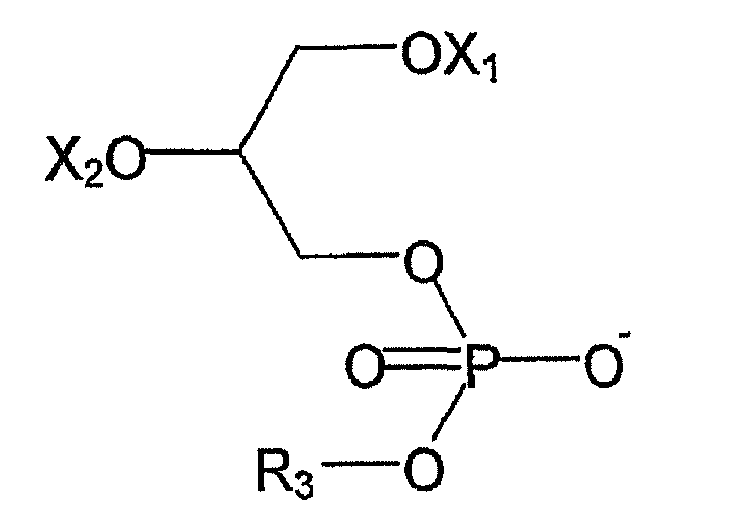
wobei X1 eine Stearoylgruppe oder ein Derivat oder Salz davon ist,
wobei X2 eine Arachidonylgruppe oder ein Derivat oder Salz davon ist,
wobei R3 ein Alkyl, Alkenyl, Cycloalkyl oder eine Arylgruppe ist, die optional jeweils (mono- oder poly-)substituiert sein können mit einer Gruppe ausgewählt aus Halogen, Halogenalkyl, NO2, CN, (CH2)mORa, wobei m 0, 1, 2 oder 3 ist, O(CH2)nORb, wobei n 1, 2 oder 3 ist, NRcRd, CF3, COORe, CONRfRg, CORh, SO3H, SO2Rj, SO2NRjRk, Cycloalkyl, Alkenyl oder Aryl, und Ra-k jeweils unabhängig voneinander H oder Alkyl sind, und
wobei R3 wenigstens ein Atom umfasst, das eine größere Elektronegativität als Kohlenstoff aufweist,
oder ein pharmazeutisch verträgliches Salz oder Derivat davon. - Produkte, die umfassen(i) ein Antigen oder Allergen, und(ii) einen Phosphatidylserin-Rezeptor-Liganden, der die Strukturformel
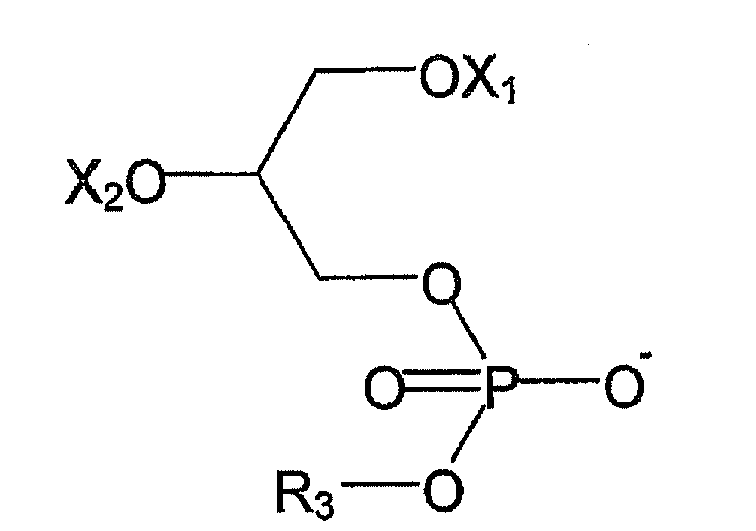
wobei X1 eine Oleoyl-Gruppe oder ein Derivat oder Salz davon ist,
wobei X2 eine Oleoyl-Gruppe oder ein Derivat oder Salz davon ist,
wobei R3 ein Alkyl, Alkenyl, Cycloalkyl oder eine Arylgruppe ist, die optional jeweils (mono- oder poly-)substituiert sein können mit einer Gruppe ausgewählt aus Halogen, Halogenalkyl, NO2 CN, (CH2)mORa, wobei m 0, 1, 2 oder 3 ist, O(CH2)nORb, wobei n 1, 2 oder 3 ist, NRcRd CF3, COORe, CONRfRg, CORh, SO2H, SO2Ri, SO2NRjRk , Cycloalkyl, Alkenyl oder Aryl, und Ra-kjeweils unabhängig voneinander H oder Alkyl sind, und
wobei R3 wenigstens ein Atom umfasst, das eine größere Elektronegativität als Kohlenstoff umfasst,
oder ein pharmazeutisch verträgliches Salz oder Derivat davon,
als kombiniertes Präparat zur gleichzeitigen, aufeinanderfolgenden oder getrennten Verwendung in der Therapie. - Zusammensetzung, die umfasst(i) ein Antigen oder Allergen, und(ii) einen Phosphatidylserin-Rezeptor-Liganden, der die Strukturformel

wobei X1 eine Oleoyl-Gruppe oder ein Derivat oder Salz davon ist, wobei X2 eine Oleoyl-Gruppe oder ein Derivat oder Salz davon ist,
wobei R3 ein Alkyl, Alkenyl, Cycloalkyl oder eine Arylgruppe ist, die optional jeweils (mono- oder poly-)substituiert sein können mit einer Gruppe ausgewählt aus Halogen, Halogenalkyl, NO2, CN, (CH2)mORa, wobei m 0, 1, 2 oder 3 ist, O(CH2)nORb, wobei n 1, 2 oder 3 ist, NRcRd, CF3, COORe, CONRfRg, CORh, SO3H, SO2Ri, SO2NRjRk, Cycloalkyl, Alkenyl oder Aryl, und Ra-k jeweils unabhängig voneinander H oder Alkyl sind, und
wobei R3 wenigstens ein Atom umfasst, das eine größere Elektronegativität als Kohlenstoff aufweist,
oder ein pharmazeutisch verträgliches Salz oder Derivat davon. - Produkte, die umfassen(i) ein Antigen oder Allergen, und(ii) einen Phosphatidylserin-Rezeptor-Liganden, der die Strukturformel

wobei X1 H ist,
wobei X2 eine Oleoyl-Gruppe oder ein Derivat oder Salz davon ist,
wobei R3 ein Alkyl, Alkenyl, Cycloalkyl oder eine Arylgruppe ist, die optional jeweils (mono- oder poly-)substituiert sein können mit einer Gruppe ausgewählt aus Halogen, Halogenalkyl, NO2 CN, (CH2)mORa, wobei m 0, 1, 2 oder 3 ist, O(CH2)nORb, wobei n 1, 2 oder 3 ist, NRcRd, CF3, COORe, CONRfRg, CORh, SO3H, SO2Ri, SO2NRjRk, Cycloalkyl, Alkenyl oder Aryl, und Ra-k jeweils unabhängig voneinander H oder Alkyl sind, und
wobei R3 wenigstens ein Atom umfasst, das eine größere Elektronegativität als Kohlenstoff umfasst,
oder ein pharmazeutisch verträgliches Salz oder Derivat davon,
als kombiniertes Präparat zur gleichzeitigen, aufeinanderfolgenden oder getrennten Verwendung in der Therapie. - Zusammensetzung, die umfasst(i) ein Antigen oder Allergen, und(ii) einen Phosphatidylserin-Rezeptor-Liganden, der die Strukturformel

wobei X1 H ist,
wobei X2 eine Oleoyl-Gruppe oder ein Derivat oder Salz davon ist,
wobei R3 ein Alkyl, Alkenyl, Cycloalkyl oder eine Arylgruppe ist, die optional jeweils (mono- oder poly-)substituiert sein können mit einer Gruppe ausgewählt aus Halogen, Halogenalkyl, NO2, CN, (CH2)mORa, wobei m 0, 1, 2 oder 3 ist, O(CH2)nORb, wobei n 1, 2 oder 3 ist, NRcRd, CF3, COORe, CONRfRg, CORh, SO3H, SO2Ri, SO2NRjRk, Cycloalkyl, Alkenyl oder Aryl, und Ra-kjeweils unabhängig voneinander H oder Alkyl sind, und
wobei R3 wenigstens ein Atom umfasst, das eine größere Elektronegativität als Kohlenstoff umfasst,
oder ein pharmazeutisch verträgliches Salz oder Derivat davon. - Produkt oder Zusammensetzung gemäß Anspruch 34 oder 39, wobei R3 1 bis 8 Atome umfasst, die eine größere Elektronegativität aufweisen als Kohlenstoff.
- Produkt oder Zusammensetzung gemäß einem der Ansprüche 34 bis 40, wobei das Atom, das eine größere Elektronegativität aufweist als Kohlenstoff, ausgewählt ist aus der Gruppe bestehend aus O, N, S oder Halogen.
- Produkt oder Zusammensetzung gemäß einem der Ansprüche 34 bis 41, wobei R3 eine Alkylgruppe, eine Cycloalkylgruppe oder eine Arylgruppe umfasst.
- Produkt oder Zusammensetzung gemäß einem der Ansprüche 34 bis 42, wobei R3 (mono- oder poly-)substituiert ist mit einem Hydroxyl, Carboxyl, Carboxylat, NR'R", wobei R' und R" unabhängig voneinander ausgewählt sind aus H oder C1-C6-Alkyl, C1-C6-Alkoxy, C1-C6-Alkyl, die optional substituiert sind mit Hydroxyl oder Carboxyl, C(O)NH2, CF3 oder einer C1-C6-Alkyl-COOH-Gruppe.
- Produkt oder Zusammensetzung gemäß Anspruch 43, wobei R3 (mono- oder poly-)substituiert ist mit einer Carboxy-, Hydroxy- und/oder Aminogruppe.
- Produkt oder Zusammensetzung gemäß einem der Ansprüche 34 bis 44, wobei R3 1 bis 12 Kohlenstoffatome umfasst.
- Produkt oder Zusammensetzung gemäß Anspruch 45, wobei R3 2 bis 8 Kohlenstoffatome umfasst.
- Produkt oder Zusammensetzung gemäß einem der Ansprüche 34 bis 46, wobei R3 ausgewählt ist aus der Gruppe bestehend aus:


- Produkt oder Zusammensetzung gemäß einem der Ansprüche 34 bis 47, wobei R3 eine Aminosäure oder ein Derivat davon ist.
- Produkt oder Zusammensetzung gemäß einem der Ansprüche 34 bis 48, wobei der Ligand Stearoyl-Arachidonyl-Phosphatidylserin ist.
- Produkt oder Zusammensetzung gemäß einem der Ansprüche 34 bis 48, wobei der Ligand Dioleyl-Phosphatidylserin ist.
- Produkt oder Zusammensetzung gemäß einem der Ansprüche 34 bis 48, wobei der Ligand Lyso-Oleoyl-Phosphatidylserin ist.
- Produkt oder Zusammensetzung gemäß einem der Ansprüche 34 bis 51, wobei der Phosphatidylserin-Rezeptor-Ligand nicht die Form eines Liposoms aufweist.
- Produkt oder Zusammensetzung gemäß einem der Ansprüche 34 bis 52, wobei das Antigen aus einem Bakterium, Virus oder Neoplasma abgeleitet ist.
- Produkt oder Zusammensetzung gemäß einem der Ansprüche 34 bis 53, wobei das Allergen Pollen, Nahrungsmittel, Insektengift, Schimmel oder ein aus einem Tier stammendes Antigen ist.
- Produkt oder Zusammensetzung gemäß einem der Ansprüche 34 bis 54, wobei das Antigen oder Allergen die Form eines Polypeptids oder eines Vektors hat, der ein Polynukleotid umfasst, welches ein antigenes Polypeptid codiert und funktionsmäßig mit einer regulatorischen Sequenz verknüpft ist, die die Expression des Polypeptids erlaubt.
- Produkt oder Zusammensetzung gemäß einem der Ansprüche 34 bis 55, welches ferner einen Hilfsstoff, wie z. B. Monophosphoryl-Lipid A, umfasst.
- Produkt oder Zusammensetzung gemäß einem der Ansprüche 34 bis 56 zusammen mit einem pharmazeutisch verträglichen Träger, Verdünnungsmittel oder Hilfsstoff.
- Produkt oder Zusammensetzung gemäß einem der Ansprüche 34 bis 57 in der Form eines prophylaktischen oder therapeutischen Impfstoffs.
- Verwendung eines Produkts oder einer Zusammensetzung gemäß einem der Ansprüche 34 bis 58 für die Herstellung eines Medikaments zur Behandlung oder Vorbeugung von einer Autoimmun-Krankheit, einer allergischen Reaktion, einer Immun-Überempfindlichkeitsreaktion, Asthma, Heuschnupfen, systemischen Anaphylaxie, Kontaktdermatitis oder zur Behandlung, Vorbeugung von oder Reduzierung der Anfälligkeit für eine/r bakterielle/n oder virale/n Infektion oder Krebs.
Applications Claiming Priority (2)
| Application Number | Priority Date | Filing Date | Title |
|---|---|---|---|
| GBGB0426481.8A GB0426481D0 (en) | 2004-12-02 | 2004-12-02 | Composition |
| PCT/GB2005/004656 WO2006059142A1 (en) | 2004-12-02 | 2005-12-02 | Composition comprising phosphatidyl serine and an antigen or allergen and the use thereof |
Publications (2)
| Publication Number | Publication Date |
|---|---|
| EP1827488A1 EP1827488A1 (de) | 2007-09-05 |
| EP1827488B1 true EP1827488B1 (de) | 2011-06-22 |
Family
ID=34043954
Family Applications (1)
| Application Number | Title | Priority Date | Filing Date |
|---|---|---|---|
| EP05813465A Expired - Lifetime EP1827488B1 (de) | 2004-12-02 | 2005-12-02 | Zusammensetzung mit phosphatidylserin und einem antigen oder allergen und ihre verwendung |
Country Status (10)
| Country | Link |
|---|---|
| US (1) | US8765721B2 (de) |
| EP (1) | EP1827488B1 (de) |
| JP (1) | JP2008521871A (de) |
| AT (1) | ATE513559T1 (de) |
| AU (1) | AU2005311034A1 (de) |
| CA (1) | CA2587247A1 (de) |
| GB (1) | GB0426481D0 (de) |
| MX (1) | MX2007006518A (de) |
| NZ (1) | NZ554974A (de) |
| WO (1) | WO2006059142A1 (de) |
Families Citing this family (5)
| Publication number | Priority date | Publication date | Assignee | Title |
|---|---|---|---|---|
| WO2009156960A2 (en) * | 2008-06-27 | 2009-12-30 | Pfizer Inc. | Novel adjuvant compositions |
| EP2918262B1 (de) * | 2014-03-10 | 2023-08-09 | PLS-Design GmbH | Induktion einer antigenspezifischen Toleranz durch periphere Phagozytose |
| EP3251662A1 (de) * | 2016-06-07 | 2017-12-06 | Tolerogenics S.à.r.l. | In eine matrix eingebettete toleranzförderungsadjuvantien zur subkutanen immuntherapie |
| WO2018034318A1 (ja) | 2016-08-18 | 2018-02-22 | 国立大学法人 奈良先端科学技術大学院大学 | 免疫調節剤 |
| US11197910B1 (en) * | 2020-08-19 | 2021-12-14 | Vitruviae LLC | Fusion proteins for the diagnosis, prophylaxis and treatment of infectious diseases |
Family Cites Families (8)
| Publication number | Priority date | Publication date | Assignee | Title |
|---|---|---|---|---|
| JPH07107536B2 (ja) * | 1987-06-11 | 1995-11-15 | 鐘淵化学工業株式会社 | リポソ−ムを用いた高感度免疫学的測定法 |
| NZ230424A (en) | 1988-08-25 | 1992-05-26 | Liposome Co Inc | Liposomal composition comprising an externally disposed antigen |
| FI944052A7 (fi) | 1992-03-03 | 1994-09-02 | Daiichi Seiyaku Co | Oraalinen rokote |
| JPH05339169A (ja) * | 1992-03-03 | 1993-12-21 | Dai Ichi Seiyaku Co Ltd | 経口ワクチン |
| JPH0912480A (ja) | 1995-06-30 | 1997-01-14 | Nippon Oil & Fats Co Ltd | 抗原結合リポソーム型ワクチン |
| US6300308B1 (en) | 1997-12-31 | 2001-10-09 | Board Of Regents, The University Of Texas System | Methods and compositions for inducing autoimmunity in the treatment of cancers |
| US6187335B1 (en) * | 1997-12-31 | 2001-02-13 | Orasomal Technologies, Inc. | Polymerizable fatty acids, phospholipids and polymerized liposomes therefrom |
| CA2319928A1 (en) | 2000-09-18 | 2002-03-18 | Vasogen Ireland Limited | Apoptosis-mimicking synthetic entities and use thereof in medical treatments |
-
2004
- 2004-12-02 GB GBGB0426481.8A patent/GB0426481D0/en not_active Ceased
-
2005
- 2005-12-02 NZ NZ554974A patent/NZ554974A/en not_active IP Right Cessation
- 2005-12-02 AT AT05813465T patent/ATE513559T1/de not_active IP Right Cessation
- 2005-12-02 JP JP2007543927A patent/JP2008521871A/ja active Pending
- 2005-12-02 CA CA002587247A patent/CA2587247A1/en not_active Abandoned
- 2005-12-02 MX MX2007006518A patent/MX2007006518A/es not_active Application Discontinuation
- 2005-12-02 WO PCT/GB2005/004656 patent/WO2006059142A1/en not_active Ceased
- 2005-12-02 AU AU2005311034A patent/AU2005311034A1/en not_active Abandoned
- 2005-12-02 EP EP05813465A patent/EP1827488B1/de not_active Expired - Lifetime
- 2005-12-02 US US11/720,284 patent/US8765721B2/en active Active
Also Published As
| Publication number | Publication date |
|---|---|
| MX2007006518A (es) | 2007-11-15 |
| US8765721B2 (en) | 2014-07-01 |
| CA2587247A1 (en) | 2006-06-08 |
| NZ554974A (en) | 2010-04-30 |
| ATE513559T1 (de) | 2011-07-15 |
| AU2005311034A1 (en) | 2006-06-08 |
| EP1827488A1 (de) | 2007-09-05 |
| GB0426481D0 (en) | 2005-01-05 |
| JP2008521871A (ja) | 2008-06-26 |
| WO2006059142A1 (en) | 2006-06-08 |
| US20080107684A1 (en) | 2008-05-08 |
Similar Documents
| Publication | Publication Date | Title |
|---|---|---|
| CA2132547C (en) | Vaccines containing non-ionic surfactant vesicles | |
| Hamley | Lipopeptides for vaccine development | |
| CN111375055B (zh) | 一种2019-nCoV亚单位疫苗组合物及其免疫方法 | |
| EP1105505B1 (de) | Verbindung und verfahren zur bekämpfung und/oder behandlung der allergie | |
| EP0722341B1 (de) | Antigen enthaltende nicht-ionische Tensid Vesikel | |
| JPS6238330B2 (de) | ||
| Phillips et al. | Influence of phospholipid composition on antibody responses to liposome encapsulated protein and peptide antigens | |
| CA2169297C (en) | Protein- or peptide-cochleate vaccines and methods of immunizing using the same | |
| HU230545B1 (hu) | Antigént és glikolipidet tartalmazó készítmény szublingvális úton történő alkalmazásra | |
| JP2000504019A (ja) | オリゴ糖を用いた免疫調節の方法 | |
| Ferro et al. | Immune responses to a GnRH-based anti-fertility immunogen, induced by different adjuvants and subsequent effect on vaccine efficacy | |
| US8765721B2 (en) | Composition comprising phosphatidyl serine and an antigen or allergen and the use thereof | |
| US20030152581A1 (en) | Compound and method for the prevention and/or the treatment of allergy | |
| JPH05504756A (ja) | 免疫刺激性を有する組成物と、そのヒトと獣医学用医薬への応用 | |
| US20070122419A1 (en) | Methods and compositions for treating atherosclerosis | |
| US20200188511A1 (en) | Methods of improving efficacy of allergy vaccines | |
| Pietrobon et al. | Lipopeptides and Their Effects on the Immune System: Use as Vaccine Components | |
| Deigin et al. | Peptide ILE-GLU-TRP (Stemokin) Potential Adjuvant Stimulating a Balanced Immune Response | |
| KR100326938B1 (ko) | 지방산이 결합된 합성 펩타이드를 인지질 막에 재조합하여 제조한 조합물 및 그 제조방법 | |
| Majumder et al. | Intranasal unadjuvanted LcrV boosts parental Yersinia OMV primed lung immunity against pneumonic plague in mice | |
| JP2003524612A (ja) | 炭水化物抗原を用いる免疫モジュレーション方法 | |
| JP2001521908A (ja) | ワクチンアジュバントとして有用な封入された免疫調節物質 | |
| Glenn et al. | Macrophage activation by liposomal lipid A: implications for vaccines | |
| Dal Monte | Antigen delivery by liposomes in vitro | |
| San Gil | Studies on cellular changes, antibody responses, and protective immunity against actinobacillus pleuropneumoniae elicited intradermal immunization |
Legal Events
| Date | Code | Title | Description |
|---|---|---|---|
| PUAI | Public reference made under article 153(3) epc to a published international application that has entered the european phase |
Free format text: ORIGINAL CODE: 0009012 |
|
| 17P | Request for examination filed |
Effective date: 20070702 |
|
| AK | Designated contracting states |
Kind code of ref document: A1 Designated state(s): AT BE BG CH CY CZ DE DK EE ES FI FR GB GR HU IE IS IT LI LT LU LV MC NL PL PT RO SE SI SK TR |
|
| 17Q | First examination report despatched |
Effective date: 20080102 |
|
| DAX | Request for extension of the european patent (deleted) | ||
| GRAP | Despatch of communication of intention to grant a patent |
Free format text: ORIGINAL CODE: EPIDOSNIGR1 |
|
| GRAS | Grant fee paid |
Free format text: ORIGINAL CODE: EPIDOSNIGR3 |
|
| GRAA | (expected) grant |
Free format text: ORIGINAL CODE: 0009210 |
|
| AK | Designated contracting states |
Kind code of ref document: B1 Designated state(s): AT BE BG CH CY CZ DE DK EE ES FI FR GB GR HU IE IS IT LI LT LU LV MC NL PL PT RO SE SI SK TR |
|
| REG | Reference to a national code |
Ref country code: GB Ref legal event code: FG4D |
|
| REG | Reference to a national code |
Ref country code: CH Ref legal event code: EP |
|
| REG | Reference to a national code |
Ref country code: IE Ref legal event code: FG4D |
|
| REG | Reference to a national code |
Ref country code: DE Ref legal event code: R096 Ref document number: 602005028683 Country of ref document: DE Effective date: 20110811 |
|
| REG | Reference to a national code |
Ref country code: NL Ref legal event code: VDEP Effective date: 20110622 |
|
| PG25 | Lapsed in a contracting state [announced via postgrant information from national office to epo] |
Ref country code: SE Free format text: LAPSE BECAUSE OF FAILURE TO SUBMIT A TRANSLATION OF THE DESCRIPTION OR TO PAY THE FEE WITHIN THE PRESCRIBED TIME-LIMIT Effective date: 20110622 Ref country code: LT Free format text: LAPSE BECAUSE OF FAILURE TO SUBMIT A TRANSLATION OF THE DESCRIPTION OR TO PAY THE FEE WITHIN THE PRESCRIBED TIME-LIMIT Effective date: 20110622 |
|
| PG25 | Lapsed in a contracting state [announced via postgrant information from national office to epo] |
Ref country code: SI Free format text: LAPSE BECAUSE OF FAILURE TO SUBMIT A TRANSLATION OF THE DESCRIPTION OR TO PAY THE FEE WITHIN THE PRESCRIBED TIME-LIMIT Effective date: 20110622 Ref country code: CY Free format text: LAPSE BECAUSE OF FAILURE TO SUBMIT A TRANSLATION OF THE DESCRIPTION OR TO PAY THE FEE WITHIN THE PRESCRIBED TIME-LIMIT Effective date: 20110622 Ref country code: GR Free format text: LAPSE BECAUSE OF FAILURE TO SUBMIT A TRANSLATION OF THE DESCRIPTION OR TO PAY THE FEE WITHIN THE PRESCRIBED TIME-LIMIT Effective date: 20110923 Ref country code: FI Free format text: LAPSE BECAUSE OF FAILURE TO SUBMIT A TRANSLATION OF THE DESCRIPTION OR TO PAY THE FEE WITHIN THE PRESCRIBED TIME-LIMIT Effective date: 20110622 Ref country code: LV Free format text: LAPSE BECAUSE OF FAILURE TO SUBMIT A TRANSLATION OF THE DESCRIPTION OR TO PAY THE FEE WITHIN THE PRESCRIBED TIME-LIMIT Effective date: 20110622 Ref country code: AT Free format text: LAPSE BECAUSE OF FAILURE TO SUBMIT A TRANSLATION OF THE DESCRIPTION OR TO PAY THE FEE WITHIN THE PRESCRIBED TIME-LIMIT Effective date: 20110622 |
|
| PG25 | Lapsed in a contracting state [announced via postgrant information from national office to epo] |
Ref country code: NL Free format text: LAPSE BECAUSE OF FAILURE TO SUBMIT A TRANSLATION OF THE DESCRIPTION OR TO PAY THE FEE WITHIN THE PRESCRIBED TIME-LIMIT Effective date: 20110622 Ref country code: BE Free format text: LAPSE BECAUSE OF FAILURE TO SUBMIT A TRANSLATION OF THE DESCRIPTION OR TO PAY THE FEE WITHIN THE PRESCRIBED TIME-LIMIT Effective date: 20110622 |
|
| PG25 | Lapsed in a contracting state [announced via postgrant information from national office to epo] |
Ref country code: IS Free format text: LAPSE BECAUSE OF FAILURE TO SUBMIT A TRANSLATION OF THE DESCRIPTION OR TO PAY THE FEE WITHIN THE PRESCRIBED TIME-LIMIT Effective date: 20111022 Ref country code: EE Free format text: LAPSE BECAUSE OF FAILURE TO SUBMIT A TRANSLATION OF THE DESCRIPTION OR TO PAY THE FEE WITHIN THE PRESCRIBED TIME-LIMIT Effective date: 20110622 Ref country code: CZ Free format text: LAPSE BECAUSE OF FAILURE TO SUBMIT A TRANSLATION OF THE DESCRIPTION OR TO PAY THE FEE WITHIN THE PRESCRIBED TIME-LIMIT Effective date: 20110622 Ref country code: PT Free format text: LAPSE BECAUSE OF FAILURE TO SUBMIT A TRANSLATION OF THE DESCRIPTION OR TO PAY THE FEE WITHIN THE PRESCRIBED TIME-LIMIT Effective date: 20111024 |
|
| PG25 | Lapsed in a contracting state [announced via postgrant information from national office to epo] |
Ref country code: SK Free format text: LAPSE BECAUSE OF FAILURE TO SUBMIT A TRANSLATION OF THE DESCRIPTION OR TO PAY THE FEE WITHIN THE PRESCRIBED TIME-LIMIT Effective date: 20110622 Ref country code: RO Free format text: LAPSE BECAUSE OF FAILURE TO SUBMIT A TRANSLATION OF THE DESCRIPTION OR TO PAY THE FEE WITHIN THE PRESCRIBED TIME-LIMIT Effective date: 20110622 Ref country code: PL Free format text: LAPSE BECAUSE OF FAILURE TO SUBMIT A TRANSLATION OF THE DESCRIPTION OR TO PAY THE FEE WITHIN THE PRESCRIBED TIME-LIMIT Effective date: 20110622 |
|
| PLBE | No opposition filed within time limit |
Free format text: ORIGINAL CODE: 0009261 |
|
| STAA | Information on the status of an ep patent application or granted ep patent |
Free format text: STATUS: NO OPPOSITION FILED WITHIN TIME LIMIT |
|
| 26N | No opposition filed |
Effective date: 20120323 |
|
| PG25 | Lapsed in a contracting state [announced via postgrant information from national office to epo] |
Ref country code: IT Free format text: LAPSE BECAUSE OF FAILURE TO SUBMIT A TRANSLATION OF THE DESCRIPTION OR TO PAY THE FEE WITHIN THE PRESCRIBED TIME-LIMIT Effective date: 20110622 |
|
| PG25 | Lapsed in a contracting state [announced via postgrant information from national office to epo] |
Ref country code: DK Free format text: LAPSE BECAUSE OF FAILURE TO SUBMIT A TRANSLATION OF THE DESCRIPTION OR TO PAY THE FEE WITHIN THE PRESCRIBED TIME-LIMIT Effective date: 20110622 |
|
| REG | Reference to a national code |
Ref country code: DE Ref legal event code: R097 Ref document number: 602005028683 Country of ref document: DE Effective date: 20120323 |
|
| PG25 | Lapsed in a contracting state [announced via postgrant information from national office to epo] |
Ref country code: MC Free format text: LAPSE BECAUSE OF NON-PAYMENT OF DUE FEES Effective date: 20111231 |
|
| REG | Reference to a national code |
Ref country code: CH Ref legal event code: PL |
|
| REG | Reference to a national code |
Ref country code: IE Ref legal event code: MM4A |
|
| PG25 | Lapsed in a contracting state [announced via postgrant information from national office to epo] |
Ref country code: LI Free format text: LAPSE BECAUSE OF NON-PAYMENT OF DUE FEES Effective date: 20111231 Ref country code: IE Free format text: LAPSE BECAUSE OF NON-PAYMENT OF DUE FEES Effective date: 20111202 Ref country code: CH Free format text: LAPSE BECAUSE OF NON-PAYMENT OF DUE FEES Effective date: 20111231 |
|
| PG25 | Lapsed in a contracting state [announced via postgrant information from national office to epo] |
Ref country code: ES Free format text: LAPSE BECAUSE OF FAILURE TO SUBMIT A TRANSLATION OF THE DESCRIPTION OR TO PAY THE FEE WITHIN THE PRESCRIBED TIME-LIMIT Effective date: 20111003 |
|
| PG25 | Lapsed in a contracting state [announced via postgrant information from national office to epo] |
Ref country code: LU Free format text: LAPSE BECAUSE OF NON-PAYMENT OF DUE FEES Effective date: 20111202 |
|
| PG25 | Lapsed in a contracting state [announced via postgrant information from national office to epo] |
Ref country code: BG Free format text: LAPSE BECAUSE OF FAILURE TO SUBMIT A TRANSLATION OF THE DESCRIPTION OR TO PAY THE FEE WITHIN THE PRESCRIBED TIME-LIMIT Effective date: 20110922 |
|
| PG25 | Lapsed in a contracting state [announced via postgrant information from national office to epo] |
Ref country code: TR Free format text: LAPSE BECAUSE OF FAILURE TO SUBMIT A TRANSLATION OF THE DESCRIPTION OR TO PAY THE FEE WITHIN THE PRESCRIBED TIME-LIMIT Effective date: 20110622 |
|
| PG25 | Lapsed in a contracting state [announced via postgrant information from national office to epo] |
Ref country code: HU Free format text: LAPSE BECAUSE OF FAILURE TO SUBMIT A TRANSLATION OF THE DESCRIPTION OR TO PAY THE FEE WITHIN THE PRESCRIBED TIME-LIMIT Effective date: 20110622 |
|
| REG | Reference to a national code |
Ref country code: FR Ref legal event code: PLFP Year of fee payment: 11 |
|
| REG | Reference to a national code |
Ref country code: FR Ref legal event code: PLFP Year of fee payment: 12 |
|
| REG | Reference to a national code |
Ref country code: FR Ref legal event code: PLFP Year of fee payment: 13 |
|
| REG | Reference to a national code |
Ref country code: FR Ref legal event code: PLFP Year of fee payment: 14 |
|
| PGFP | Annual fee paid to national office [announced via postgrant information from national office to epo] |
Ref country code: DE Payment date: 20220131 Year of fee payment: 17 |
|
| PGFP | Annual fee paid to national office [announced via postgrant information from national office to epo] |
Ref country code: FR Payment date: 20220125 Year of fee payment: 17 |
|
| REG | Reference to a national code |
Ref country code: DE Ref legal event code: R119 Ref document number: 602005028683 Country of ref document: DE |
|
| PG25 | Lapsed in a contracting state [announced via postgrant information from national office to epo] |
Ref country code: DE Free format text: LAPSE BECAUSE OF NON-PAYMENT OF DUE FEES Effective date: 20230701 |
|
| PG25 | Lapsed in a contracting state [announced via postgrant information from national office to epo] |
Ref country code: FR Free format text: LAPSE BECAUSE OF NON-PAYMENT OF DUE FEES Effective date: 20221231 |
|
| PGFP | Annual fee paid to national office [announced via postgrant information from national office to epo] |
Ref country code: GB Payment date: 20231220 Year of fee payment: 19 |
|
| GBPC | Gb: european patent ceased through non-payment of renewal fee |
Effective date: 20241202 |
|
| PG25 | Lapsed in a contracting state [announced via postgrant information from national office to epo] |
Ref country code: GB Free format text: LAPSE BECAUSE OF NON-PAYMENT OF DUE FEES Effective date: 20241202 |