EP1816207A1 - Cell-free protein synthesis method with the use of linear template dna and cell extract therefor - Google Patents
Cell-free protein synthesis method with the use of linear template dna and cell extract therefor Download PDFInfo
- Publication number
- EP1816207A1 EP1816207A1 EP05806899A EP05806899A EP1816207A1 EP 1816207 A1 EP1816207 A1 EP 1816207A1 EP 05806899 A EP05806899 A EP 05806899A EP 05806899 A EP05806899 A EP 05806899A EP 1816207 A1 EP1816207 A1 EP 1816207A1
- Authority
- EP
- European Patent Office
- Prior art keywords
- cell
- extract
- protein synthesis
- protein
- coli
- Prior art date
- Legal status (The legal status is an assumption and is not a legal conclusion. Google has not performed a legal analysis and makes no representation as to the accuracy of the status listed.)
- Granted
Links
Images


Classifications
-
- C—CHEMISTRY; METALLURGY
- C12—BIOCHEMISTRY; BEER; SPIRITS; WINE; VINEGAR; MICROBIOLOGY; ENZYMOLOGY; MUTATION OR GENETIC ENGINEERING
- C12P—FERMENTATION OR ENZYME-USING PROCESSES TO SYNTHESISE A DESIRED CHEMICAL COMPOUND OR COMPOSITION OR TO SEPARATE OPTICAL ISOMERS FROM A RACEMIC MIXTURE
- C12P21/00—Preparation of peptides or proteins
- C12P21/02—Preparation of peptides or proteins having a known sequence of two or more amino acids, e.g. glutathione
Definitions
- the present invention relates to a process for synthesizing a protein using a cell-free protein synthesis system, in particular, a process for synthesizing a protein in a cell-free system using a linear DNA as a template, and a kit therefor.
- Protein synthesis with a cell-free protein synthesis system has been developed not only in a basic study but also in a practical field such as molecular diagnostics and high-throughput discovery of drug target.
- Patent Documents 1 and 2 several techniques of drastically increasing the amount of protein synthesis in this system have been explored (refer to, for example, Patent Documents 1 and 2). Accordingly, this system has been utilized in mass production of proteins for structural analysis by X-ray crystallography, Nuclear Magnetic Resonance (NMR) or the like.
- E. coli extract As an extract for carrying out the translation reaction, several extracts derived from E . coli, wheat germ, and rabbit reticulocyte are commercially available.
- E. coli extract it is known that transcription-translation coupled reaction can be used for synthesizing a protein directly from a DNA.
- a method using an E . coli S30 extract has been systematically developed by Zubay et al . (refer to, for example, Non-patent Document 1).
- the S30 extract comprises ribosomes necessary for translation of mRNA, aminoacyl tRNA synthetases, initiation factors (IF), elongation factors (EF) and release factors (RF) of peptide chain synthesis.
- a DNA construct in which a target protein gene is inserted downstream of a strong promoter (generally, T7 promoter) is added in the system together with a T7 RNA polymerase and four types of ribonucleotides (ATP, GTP, CTP and UTP) to couple both reactions of transcription and translation.
- a strong promoter generally, T7 promoter
- ATP, GTP, CTP and UTP four types of ribonucleotides
- an energy regeneration system such as a creatine kinase-creatine phosphate system is added to the cell-free system.
- nucleases present in the extract degrade a template DNA or its transcription product, mRNA.
- the methods of cell-free protein synthesis are roughly classified into two types, one using a circular DNA cloned in a plasmid, ⁇ phase or the like and another using a linear DNA of a PCR product or the like.
- a circular DNA is less susceptible to the degradation with nucleases, and the protein synthesis yield is high.
- structures and functions of a large number of proteins have been comprehensively analyzed, and the improvement in productivity of proteins and efficient operation have been essential subjects. Accordingly, a system has been highly demanded in which a large number of linear DNAs are synthesized by PCR amplification with genomic DNA as a template and proteins are synthesized efficiently with cell-free protein synthesis system using these DNAs.
- coli strain in which a mutation is introduced into rne gene encoding an endonuclease RNase E as an essential component of the degradosome has been produced for example, a strain BL21-Star, Invitrogen.
- DNA exonucleases such as RecBCD are considered to be a cause of degradation, and various mutant E . coli strains of RecBCD deficient in some of these nucleases have been produced (refer to, for example, Non-patent Document 5).
- the degradation activity of linear DNAs in E . coli mutant strains of RecBCD has been decreased, the growth capability of the mutant strains is also lower in many cases.
- the strains are not necessarily appropriate for production of an extract for cell-free protein synthesis (refer to, for example, Non-patent Document 6).
- the present inventors have conducted various investigations on a cell-free protein synthesis system using E . coli. Consequently, they have found that, when a synthesis reaction is carried out for a long period of time using a linear DNA as a template, use of an extract prepared from E . coli cells cultured at a low temperature improves and secures a stable yield of the synthesized proteins. In addition, a high synthesis yield is obtained, especially in a continuous reaction such as dialysis method or a continuous flow method.
- a process for producing a protein in the present invention comprises conducting a continuous synthesis reaction for at least one hour, preferably from 2 to 8 hours using a cell-free protein synthesis system comprising an extract of E . coli cells cultured at any temperature of from 18°C to 36°C and a linear template DNA encoding the protein.
- the culture temperature of E . c oli is preferably from 20°C to 34°C, more preferably from 26°C to 32°C.
- the process for producing the protein in the invention has a feature that is suitable for a continuous reaction for a long period of time.
- the continuous protein synthesis system is preferably a dialysis system or a continuous flow system.
- a cell-free protein synthesis system by the dialysis system comprises an internal dialysate comprising the extract and the linear template DNA, an external dialysate comprising a low-molecular weight substrate for protein synthesis and a dialysis membrane through which the substrate can be transferred.
- a kit for cell-free protein synthesis using a linear template DNA comprising an extract of E . coli cells cultured at any temperature of from 18°C to 36°C.
- the culture temperature of E. coli is preferably from 20°C to 34°C, more preferably from 26°C to 32°C.
- a large amount of protein can efficiently be synthesized in a continuous reaction system of dialysis or the like using many types of linear double-stranded DNAs as a template, prepared by a method such as PCR.
- a synthesis amount of protein per se is slightly decreased compared with a case using a circular plasmid DNA.
- many samples can be treated at once without the need of conducting a cloning procedure of template DNAs. Accordingly, the method is appropriate for preparation of samples for high-throughput screening or comprehensive protein analysis.
- the cell-free protein synthesis system is a system to synthesize a target protein by preparing a cell extract including protein factors necessary for protein translation, and reconstructing the reaction in vitro.
- the cell-free system can be constructed using extracts derived from various organisms. For example, extracts of eukaryotic and prokaryotic cells having high protein synthesis activity, such as bacteria including E. coli, thermophilic bacteria and the like, wheat germ, rabbit reticulocyte, mouse L-cell, Ehrlich's ascitic cancer cell, Hela cell, CHO cell and budding yeast, and the like ( Clemens, M.J., Transcription and Translation - A Practical Approach, (1984), pp. 231-270, Henes, B.D. et al. eds., IRL Press, Oxford ) .
- the extract for cell-free protein synthesis suitable for a linear template DNA can be prepared by culturing these eucaryotic or prokaryotic cells at a temperature lower than an optimum growth temperature.
- E. coli is cultured at any temperature of from 18°C to 36°C, in the process of the invention.
- the temperature is lower than 18°C, the growth rate becomes too slow and such a reaction as low-temperature stress occurs.
- the culture of E. coli is conducted preferably at from 20°C to 34°C, more preferably at from 26°C to 32°C.
- the process of the present invention may have different effects on the protein synthesis depending on a genetic background of E . coli strains used to prepare an extract, while an outstanding effect is observed in at least E. coli strain B, especially strains BL21 and BL21 codon plus. Since the process of the invention is a relatively simple process in which the culture temperature of E. coli is decreased, a synergistic effect can also be obtained in combination with E. coli strains having various genetic mutations.
- E . coli extract the S30 extract prepared by the method described in Zubay et al . (supra) or Pratt et al . ( Pratt, J.M. et al., Transcription and Translation - A Practical Approach, (1984), pp. 179-209, Henes, B.D. et al. eds., IRL Press, Oxford ) can be used.
- the E . coli S30 extract contains all the enzymes and factors from E . coli required for transcription and translation. Additionally, a supplemental mixture can be added. With respect to a specific method, E . coli is first cultured, and cells are harvested by centrifugation or the like.
- the harvested cells are washed, then resuspended in a buffer solution, and disrupted with a French press, glass beads, a Waring blender or the like. Insolubles of disrupted E . coli are removed by centrifugation, and the supernatant is then combined with a preincubation mixture, followed by incubation. While this operation degrades the endogenous DNAs and RNAs, it may further include a step of adding a calcium salt or micrococcal nuclease or the like to degrade intrinsic nucleic acids. The extract is then dialyzed to remove endogenous amino acids, nucleic acids, nucleotides and the like, and stored in liquid nitrogen or at -80°C after dispending appropriate aliquots.
- the cell extract can be added with a template DNA or RNA for transcription/translation, substrate amino acids, energy sources, various ions, a buffer solution, an ATP regeneration system, a nuclease inhibitor, tRNAs, a reducing agent, polyethylene glycol, cAMP, folic acids, an antimicrobial agent, substrates for RNA synthesis and RNA polymerase in using DNA as a template, and the like.
- a template DNA or RNA for transcription/translation substrate amino acids, energy sources, various ions, a buffer solution, an ATP regeneration system, a nuclease inhibitor, tRNAs, a reducing agent, polyethylene glycol, cAMP, folic acids, an antimicrobial agent, substrates for RNA synthesis and RNA polymerase in using DNA as a template, and the like.
- coli S30 extract it is supplemented with all or some of the followings: Tris-acetate, dithiothreitol (DTT), NTPs (ATP, CTP, GTP and UTP), phosphoenolpyruvate, pyruvate kinase, at least one amino acid (including 20 natural amino acids and their derivatives. When a protein is labeled with a radioisotope, the remainders except a labeled amino acid are added), polyethylene glycol (PEG), folic acid, cAMP, tRNA, ammonium acetate, potassium acetate, potassium glutamate, an optimum concentration of magnesium acetate and the like.
- DTT dithiothreitol
- NTPs ATP, CTP, GTP and UTP
- phosphoenolpyruvate phosphoenolpyruvate
- pyruvate kinase at least one amino acid (including 20 natural amino acids and their derivatives.
- PEG polyethylene glyco
- RNA degradosomes are usually stored separately from the S30 extract, and then combined just before use. It is also possible that these are previously mixed with the S30 extract and freeze-thawing is conducted to remove the RNA degradosomes (refer to pamphlet of International Publication No. WO 0183805 ).
- the E . coli cell extract prepared by the foregoing method for use in the process of the invention can be dispensed easy for use in aliquots and distributed as a cell-free protein synthesis kit for a linear template DNA.
- These products can be stored at frozen or dry state, and put on the market as a kit in suitable containers for storage and shipment.
- the kit can be accompanied by an instruction manual, a positive control DNA, a vector DNA and the like.
- the linear template DNA used in the process of the invention is a double-stranded DNA comprising an appropriate expression control region and a gene sequence encoding a desired protein to be expressed.
- a strong promoter or terminator For increasing expression efficiency of the protein, it is required to promote transcription using a strong promoter or terminator and to increase translation efficiency by increasing affinity between the mRNA and ribosomes.
- T7 RNA polymerase derived from T7 phage has quite strong transcriptional activity to produce a recombinant protein at a high level.
- RBS ribosome binding sequence
- An ordinary known technique such as a batch method or a continuous flow method can be applied to the cell-free protein synthesis system of the invention.
- the process of the invention is appropriate for a continuous reaction for a long period of time, i.e., a continuous protein synthesis reaction for at least one hour, preferably from 2 to 8 hours. Continuous synthesis for 18 hours or more is enabled by treatment of a reaction system such as exchange of the external dialysate with a fresh one during the synthesis reaction.
- a dialysis apparatus can be used, which separately comprises an internal dialysate and an external dialysate via a dialysis membrane, and is capable of shaking or stirring them.
- Examples of a small-scaled reactor include Dispo Dialyzer ® (manufactured by Spectrum) and Slidealyzer ® (manufactured by Pierce).
- Spectra/Por ® tube for dialysis manufactured by Spectrum can be mentioned.
- An internal dialysate (namely, a protein synthesis reaction solution) in a cell-free protein synthesis system may contain, in addition to a concentrated cell extract of E. coli S30 or the like, a DNA encoding a desired protein, ATP (adenosine 5'-triphosphate), GTP (guanosine 5'-triphosphate), CTP (cytidine 5'-triphosphate), UTP (uridine 5'-triphosphate), a buffer solution, salts, amino acids, an RNase inhibitor, an antimicrobial agent, an RNA polymerase (for example, T7 RNA polymerase), tRNA and the like.
- ATP adenosine 5'-triphosphate
- GTP guanosine 5'-triphosphate
- CTP cytidine 5'-triphosphate
- UTP uridine 5'-triphosphate
- a buffer solution salts, amino acids, an RNase inhibitor, an antimicrobial agent, an RNA polymerase (for example,
- it may contain a combination of phosphoenol pyruvate and pyruvate kinase or a combination of creatine phosphate and creatine kinase as an ATP regeneration system, polyethylene glycol (for example, #8000), 3',5'-cAMP, folic acids, an RNase inhibitor, a reducing agent (for example, dithiothreitol) and the like.
- an external dialysate (namely, a protein synthesis substrate solution) may be a solution obtained by removing a cell extract, an RNase inhibitor, a DNA or RNA and an RNA polymerase from the internal dialysate. It can contain, for example, a buffer solution, ATP, GTP, CTP, UTP, salts, amino acids and an antimicrobial agent. Concentrations of the components can optionally be selected.
- a buffer solution a buffering solution such as Hepes-KOH or Tris-OAc is available.
- salts include acetates (for example, ammonium acetate and magnesium acetate), glutamates and the like.
- an antimicrobial agent include sodium azide, ampicillin and the like.
- amino acids include 20 types of amino acids constituting proteins.
- a closed system consisting of the internal dialysate and the external dialysate at the inside and outside of the dialysis membrane respectively, is shaken or stirred (rotational stirring or the like), whereby substances can be transferred through the membrane depending on the molecular weight limit of the membrane.
- the synthesized target protein can be recovered from the internal dialysate or external dialysate.
- E. coli strain BL21 codon plus was cultured for overnight in a typical liquid medium to prepare a seed culture.
- the seed culture was inoculated into a fermentor containing 7L of 2x YT medium (16 g/l bactotripton, 10 g/l yeast extract and 5 g/l NaCl), and cultured at each temperature of 30°C, 32°C, 34°C and 37°C with sufficient aeration by stirring at 400 rpm.
- the cell number was estimated using turbidity (absorbance at 600 nm) of the culture solution.
- the cells were recovered at a later stage of logarithmic growth phase (when absorbance at 600 nm was approximately 3 and the cell number was approximately 10 9 cells/ml), and E . coli S30 extracts were prepared according to the method of Zubay et al (supra).
- PCR polymerase chain reaction
- the protein synthesis reactions were carried out by using the above-prepared linear template DNA and the circular plasmid pK7-CAT, respectively.
- the reaction mixture of the following composition of Table 2 was dialyzed against an external dialysate of the composition of Table 3.
- the reaction was carried out at 30°C for 18 hours while conducting sampling.
- the scales of the reaction were 30 ⁇ l of the reaction mixture and 300 ⁇ l of the external dialysate.
- the synthesized CAT protein was quantified according to the method of Shaw et al. (refer to Methods Enzymol. 735-755, 1975 ).
- acetylation reaction of chloramphenicol by CAT was carried out using acetyl coenzyme A and chloramphenicol as substrates, and the product amount of reduced coenzyme A was determined by colorimetric assay using 5,5'-dithiobis-2-nitrobenzoic acid (DNTB).
- DNTB 5,5'-dithiobis-2-nitrobenzoic acid
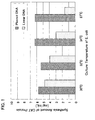
- Fig. 1 shows the results of the quantified protein amounts obtained by measuring CAT activity using a reaction mixture of the synthesis reaction after 5 hours by dialysis method.
- Synthesis amounts of the protein using the plasmid DNA as a template were larger at any temperature of from 30°C to 37°C than those using the linear template DNA, while the latter cases have a great difference in synthesis amount of the protein depending on the culture temperature of E. coli for preparing the S30 extract.
- the culture temperature of 37°C the synthesis amount of the protein in using the linear template DNA was less than one-third that in using the plasmid DNA. However, as the culture temperature was decreased, the synthesis amount of the protein was gradually increased.
- the culture temperature of 30°C the synthesis amount of the protein was found to be approximately the same as that in using the plasmid DNA.
- Fig. 2 shows the results of the batchwise protein synthesis conducted as a control experiment.
- the synthesis of the protein has been almost completed at 37°C for one hour, and there is no great difference in synthesis amount depending on the type of the template DNA.
- the synthesis amounts of CAT protein itself are by far lower than those synthesized by the dialysis method.
- Fig. 3 shows the results of SDS-Polyacrylamide Gel Electrophoresis using 1 ⁇ l of the reaction mixture as a sample resulting from the synthesis reaction for 18 hours by the dialysis method.
- the left half of Fig. 3 shows proteins synthesized at the respective culture temperatures of E. coli using the plasmid DNA as a template, and the right half thereof shows the similar results provided when using the linear DNA as a template.
- a molecular weight marker was loaded on both ends of the sample.
- CAT proteins detected around the positions of molecular weight 23 kDa was not influenced by the culture temperature of E. coli when using the plasmid DNA.
- the results are in good agreement with those shown in Fig. 1 with reproducibility.
Landscapes
- Life Sciences & Earth Sciences (AREA)
- Chemical & Material Sciences (AREA)
- Organic Chemistry (AREA)
- Engineering & Computer Science (AREA)
- Wood Science & Technology (AREA)
- Health & Medical Sciences (AREA)
- Zoology (AREA)
- General Chemical & Material Sciences (AREA)
- Molecular Biology (AREA)
- Microbiology (AREA)
- Proteomics, Peptides & Aminoacids (AREA)
- Chemical Kinetics & Catalysis (AREA)
- Biotechnology (AREA)
- Biochemistry (AREA)
- Bioinformatics & Cheminformatics (AREA)
- General Engineering & Computer Science (AREA)
- General Health & Medical Sciences (AREA)
- Genetics & Genomics (AREA)
- Preparation Of Compounds By Using Micro-Organisms (AREA)
- Micro-Organisms Or Cultivation Processes Thereof (AREA)
Abstract
Description
- The present invention relates to a process for synthesizing a protein using a cell-free protein synthesis system, in particular, a process for synthesizing a protein in a cell-free system using a linear DNA as a template, and a kit therefor.
- Protein synthesis with a cell-free protein synthesis system has been developed not only in a basic study but also in a practical field such as molecular diagnostics and high-throughput discovery of drug target. In recent years, several techniques of drastically increasing the amount of protein synthesis in this system have been explored (refer to, for example,
Patent Documents 1 and 2). Accordingly, this system has been utilized in mass production of proteins for structural analysis by X-ray crystallography, Nuclear Magnetic Resonance (NMR) or the like. - As an extract for carrying out the translation reaction, several extracts derived from E. coli, wheat germ, and rabbit reticulocyte are commercially available. In an E. coli extract, it is known that transcription-translation coupled reaction can be used for synthesizing a protein directly from a DNA. For example, a method using an E. coli S30 extract has been systematically developed by Zubay et al. (refer to, for example, Non-patent Document 1). The S30 extract comprises ribosomes necessary for translation of mRNA, aminoacyl tRNA synthetases, initiation factors (IF), elongation factors (EF) and release factors (RF) of peptide chain synthesis. When a DNA template is used for protein synthesis, a DNA construct, in which a target protein gene is inserted downstream of a strong promoter (generally, T7 promoter) is added in the system together with a T7 RNA polymerase and four types of ribonucleotides (ATP, GTP, CTP and UTP) to couple both reactions of transcription and translation. Due to the requirement of ATP energy for synthesis of an aminoacyl-tRNA and a translational reaction with mRNA, an energy regeneration system such as a creatine kinase-creatine phosphate system is added to the cell-free system. With the above components, protein synthesis reaction occurring in cells is reconstructed in vitro.
- In the cell-free protein synthesis system using the S30 extract, various factors that influence the protein synthesis yield are known. For example, proteases present in the extract degrade synthesized proteins. In order to minimize the proteolytic degradation, various E. coli strains (for example, E. coli strain B) deficient in OmpT and Lon proteases have been produced.
- On the other hand, various nucleases present in the extract degrade a template DNA or its transcription product, mRNA. With respect to the template DNA, the methods of cell-free protein synthesis are roughly classified into two types, one using a circular DNA cloned in a plasmid, λ phase or the like and another using a linear DNA of a PCR product or the like. Generally, a circular DNA is less susceptible to the degradation with nucleases, and the protein synthesis yield is high. Nevertheless, in studies of post genomic research in recent years, structures and functions of a large number of proteins have been comprehensively analyzed, and the improvement in productivity of proteins and efficient operation have been essential subjects. Accordingly, a system has been highly demanded in which a large number of linear DNAs are synthesized by PCR amplification with genomic DNA as a template and proteins are synthesized efficiently with cell-free protein synthesis system using these DNAs.
- It has been reported that the linear template DNA is liable to degradation with an endogenous exonuclease present in an E. coli extract (refer to, for example, Non-patent
Documents 2 to 4) . It has also been known that since a protein complex called a degradosome recognizes and degrades an RNA, the expression efficiency is decreased. For solving these problems, a freeze-thawing procedure has been conducted in a step of producing an S30 extract to remove the degradosome (refer to, for example, Patent Document 3), or an E. coli strain in which a mutation is introduced into rne gene encoding an endonuclease RNase E as an essential component of the degradosome has been produced (for example, a strain BL21-Star, Invitrogen). Regarding the enzyme that degrades a linear DNA, DNA exonucleases such as RecBCD are considered to be a cause of degradation, and various mutant E. coli strains of RecBCD deficient in some of these nucleases have been produced (refer to, for example, Non-patent Document 5). However, despite the degradation activity of linear DNAs in E. coli mutant strains of RecBCD has been decreased, the growth capability of the mutant strains is also lower in many cases. Thus, the strains are not necessarily appropriate for production of an extract for cell-free protein synthesis (refer to, for example, Non-patent Document 6). -
- [Patent Document 1]
Japanese Patent Kokoku Publication No. JP-B-7-110236 - [Patent Document 2]
Japanese Patent Kokai Publication No. JP-A-4-200390 - [Patent Document 3]
WO Pamphlet No. 01/83805 - [Non-Patent Document 1]
Geoffrey Zubay, Annual Review of Genetics, 1973, vol. 7, p. 267-287 - [Non-patent Document 2]
Pratt et al., Nucleic Acids Res., 9, 4459-4474, (1981) - [Non-patent Document 3]
Benzinger et al., J. Virol., 15, 861-871, (1975) - [Non-patent Document 4]
Lorenz and Wackernagel, Microbiol Rev., 58, 563-602, (1994) - [Non-patent Document 5]
Yang et al., PNAS 77, 7029-7033 (1980) - [Non-patent Document 6]
Yu et al., PNAS, 97, 5978-5983, (2000) - In view of the foregoing problems, it is an object of the present invention to provide a simple and efficient process for synthesizing a large amount of proteins in a cell-free protein synthesis system, by a long-lasting continuous synthesis reaction using a linear DNA as a template.
- To solve the foregoing problems, the present inventors have conducted various investigations on a cell-free protein synthesis system using E. coli. Consequently, they have found that, when a synthesis reaction is carried out for a long period of time using a linear DNA as a template, use of an extract prepared from E. coli cells cultured at a low temperature improves and secures a stable yield of the synthesized proteins. In addition, a high synthesis yield is obtained, especially in a continuous reaction such as dialysis method or a continuous flow method. These findings have led to the completion of the invention.
- That is, a process for producing a protein in the present invention comprises conducting a continuous synthesis reaction for at least one hour, preferably from 2 to 8 hours using a cell-free protein synthesis system comprising an extract of E. coli cells cultured at any temperature of from 18°C to 36°C and a linear template DNA encoding the protein. The culture temperature of E. coli is preferably from 20°C to 34°C, more preferably from 26°C to 32°C. The process for producing the protein in the invention has a feature that is suitable for a continuous reaction for a long period of time. In particular, the continuous protein synthesis system is preferably a dialysis system or a continuous flow system. A cell-free protein synthesis system by the dialysis system comprises an internal dialysate comprising the extract and the linear template DNA, an external dialysate comprising a low-molecular weight substrate for protein synthesis and a dialysis membrane through which the substrate can be transferred.
- In another aspect of the invention, there is provided a kit for cell-free protein synthesis using a linear template DNA, comprising an extract of E. coli cells cultured at any temperature of from 18°C to 36°C. The culture temperature of E. coli is preferably from 20°C to 34°C, more preferably from 26°C to 32°C.
- According to the process of the invention, a large amount of protein can efficiently be synthesized in a continuous reaction system of dialysis or the like using many types of linear double-stranded DNAs as a template, prepared by a method such as PCR. A synthesis amount of protein per se is slightly decreased compared with a case using a circular plasmid DNA. However, many samples can be treated at once without the need of conducting a cloning procedure of template DNAs. Accordingly, the method is appropriate for preparation of samples for high-throughput screening or comprehensive protein analysis.
-
- [Fig. 1] It shows the results provided by conducting a reaction of protein synthesis with a dialysis system at 30°C for 5 hours using an S30 extract prepared by culturing E. coli strain BL21 codon plus at various temperatures. A synthesis amount of CAT protein was calculated from a measured value of CAT activity.
- [Fig. 2] It shows the results provided by conducting a reaction of protein synthesis via a batchwise method at 37°C for one hour using an S30 extract prepared by culturing E. coli strain BL21 codon plus at various temperatures. A synthesis amount of CAT protein was calculated from a measured value of CAT activity.
- [Fig. 3] It shows the results obtained by analyzing, via SDS-PAGE, one µl of a reaction solution provided by the protein synthesis reaction with dialysis system at 30°C for 18 hours using an S30 extract prepared by culturing E. coli strain BL21 codon plus at various temperatures.
- In the process of the invention, the cell-free protein synthesis system is a system to synthesize a target protein by preparing a cell extract including protein factors necessary for protein translation, and reconstructing the reaction in vitro. The cell-free system can be constructed using extracts derived from various organisms. For example, extracts of eukaryotic and prokaryotic cells having high protein synthesis activity, such as bacteria including E. coli, thermophilic bacteria and the like, wheat germ, rabbit reticulocyte, mouse L-cell, Ehrlich's ascitic cancer cell, Hela cell, CHO cell and budding yeast, and the like (Clemens, M.J., Transcription and Translation - A Practical Approach, (1984), pp. 231-270, Henes, B.D. et al. eds., IRL Press, Oxford) .
- In the process of the invention, the extract for cell-free protein synthesis suitable for a linear template DNA can be prepared by culturing these eucaryotic or prokaryotic cells at a temperature lower than an optimum growth temperature. For example, since an optimum growth temperature of E. coli is approximately 37°C, E. coli is cultured at any temperature of from 18°C to 36°C, in the process of the invention. When the temperature is lower than 18°C, the growth rate becomes too slow and such a reaction as low-temperature stress occurs. Further, upon the cultivation of E. coli, it is well known to a skilled person that any growth of E. coli is observed until the temperature is decreased to about 20°C, even though the growth rate is low. Accordingly, the culture of E. coli is conducted preferably at from 20°C to 34°C, more preferably at from 26°C to 32°C.
- It is speculated that production of proteases and various nucleases in cells is sppressed by culturing E. coli at a low temperature. However, its mechanism is not necessarily clarified. Since growth of cells are regulated by various protein interactions in the cells, it is considered that the culture condition at a low temperature leads not only to suppress the expression of various protease or nuclease proteins per se but also to control activity or expression of these enzymes indirectly via control or increase of expression of other proteins. With respect to the influence on the nuclease functions, the low temperature is considered to inhibit one or both of exonuclease activity of degrading a linear DNA in cells and ribonuclease activity of promoting degradation of an mRNA as a translation product. Further, E. coli is an organism of which genetic analysis has been most progressed, and a large number of mutants have been so far produced. Accordingly, the process of the present invention may have different effects on the protein synthesis depending on a genetic background of E. coli strains used to prepare an extract, while an outstanding effect is observed in at least E. coli strain B, especially strains BL21 and BL21 codon plus. Since the process of the invention is a relatively simple process in which the culture temperature of E. coli is decreased, a synergistic effect can also be obtained in combination with E. coli strains having various genetic mutations.
- As an E. coli extract, the S30 extract prepared by the method described in Zubay et al. (supra) or Pratt et al. (Pratt, J.M. et al., Transcription and Translation - A Practical Approach, (1984), pp. 179-209, Henes, B.D. et al. eds., IRL Press, Oxford) can be used. The E. coli S30 extract contains all the enzymes and factors from E. coli required for transcription and translation. Additionally, a supplemental mixture can be added. With respect to a specific method, E. coli is first cultured, and cells are harvested by centrifugation or the like. The harvested cells are washed, then resuspended in a buffer solution, and disrupted with a French press, glass beads, a Waring blender or the like. Insolubles of disrupted E. coli are removed by centrifugation, and the supernatant is then combined with a preincubation mixture, followed by incubation. While this operation degrades the endogenous DNAs and RNAs, it may further include a step of adding a calcium salt or micrococcal nuclease or the like to degrade intrinsic nucleic acids. The extract is then dialyzed to remove endogenous amino acids, nucleic acids, nucleotides and the like, and stored in liquid nitrogen or at -80°C after dispending appropriate aliquots.
- When a protein synthesis reaction is carried out, the cell extract can be added with a template DNA or RNA for transcription/translation, substrate amino acids, energy sources, various ions, a buffer solution, an ATP regeneration system, a nuclease inhibitor, tRNAs, a reducing agent, polyethylene glycol, cAMP, folic acids, an antimicrobial agent, substrates for RNA synthesis and RNA polymerase in using DNA as a template, and the like. These reaction mixtures are properly selected and prepared in accordance with kinds of target proteins or employed protein synthesis systems. In case of E. coli S30 extract, it is supplemented with all or some of the followings: Tris-acetate, dithiothreitol (DTT), NTPs (ATP, CTP, GTP and UTP), phosphoenolpyruvate, pyruvate kinase, at least one amino acid (including 20 natural amino acids and their derivatives. When a protein is labeled with a radioisotope, the remainders except a labeled amino acid are added), polyethylene glycol (PEG), folic acid, cAMP, tRNA, ammonium acetate, potassium acetate, potassium glutamate, an optimum concentration of magnesium acetate and the like. These supplemental solutions are usually stored separately from the S30 extract, and then combined just before use. It is also possible that these are previously mixed with the S30 extract and freeze-thawing is conducted to remove the RNA degradosomes (refer to pamphlet of
International Publication No. WO 0183805 - The E. coli cell extract prepared by the foregoing method for use in the process of the invention can be dispensed easy for use in aliquots and distributed as a cell-free protein synthesis kit for a linear template DNA. These products can be stored at frozen or dry state, and put on the market as a kit in suitable containers for storage and shipment. The kit can be accompanied by an instruction manual, a positive control DNA, a vector DNA and the like.
- The linear template DNA used in the process of the invention is a double-stranded DNA comprising an appropriate expression control region and a gene sequence encoding a desired protein to be expressed. For increasing expression efficiency of the protein, it is required to promote transcription using a strong promoter or terminator and to increase translation efficiency by increasing affinity between the mRNA and ribosomes. For example, it is known that T7 RNA polymerase derived from T7 phage has quite strong transcriptional activity to produce a recombinant protein at a high level. For increasing translation efficiency, it is further important to introduce a ribosome binding sequence (RBS) which is also called an SD sequence. For quickly purifying or detecting the synthesized protein, it is also possible to design a template DNA for synthesizing a fusion protein having an affinity tag incorporated therein. An improved method for efficiently producing such a linear template DNA is disclosed in a pamphlet of International Publication No.
03004703 - An ordinary known technique such as a batch method or a continuous flow method can be applied to the cell-free protein synthesis system of the invention. The process of the invention is appropriate for a continuous reaction for a long period of time, i.e., a continuous protein synthesis reaction for at least one hour, preferably from 2 to 8 hours. Continuous synthesis for 18 hours or more is enabled by treatment of a reaction system such as exchange of the external dialysate with a fresh one during the synthesis reaction.
- A dialysis apparatus can be used, which separately comprises an internal dialysate and an external dialysate via a dialysis membrane, and is capable of shaking or stirring them. Examples of a small-scaled reactor include Dispo Dialyzer® (manufactured by Spectrum) and Slidealyzer® (manufactured by Pierce). Further, as a large-scaled reactor, Spectra/Por® tube for dialysis (manufactured by Spectrum) can be mentioned.
- An internal dialysate (namely, a protein synthesis reaction solution) in a cell-free protein synthesis system may contain, in addition to a concentrated cell extract of E. coli S30 or the like, a DNA encoding a desired protein, ATP (adenosine 5'-triphosphate), GTP (guanosine 5'-triphosphate), CTP (cytidine 5'-triphosphate), UTP (uridine 5'-triphosphate), a buffer solution, salts, amino acids, an RNase inhibitor, an antimicrobial agent, an RNA polymerase (for example, T7 RNA polymerase), tRNA and the like. Further, it may contain a combination of phosphoenol pyruvate and pyruvate kinase or a combination of creatine phosphate and creatine kinase as an ATP regeneration system, polyethylene glycol (for example, #8000), 3',5'-cAMP, folic acids, an RNase inhibitor, a reducing agent (for example, dithiothreitol) and the like.
- On the other hand, an external dialysate (namely, a protein synthesis substrate solution) may be a solution obtained by removing a cell extract, an RNase inhibitor, a DNA or RNA and an RNA polymerase from the internal dialysate. It can contain, for example, a buffer solution, ATP, GTP, CTP, UTP, salts, amino acids and an antimicrobial agent. Concentrations of the components can optionally be selected. As a buffer solution, a buffering solution such as Hepes-KOH or Tris-OAc is available. Examples of salts include acetates (for example, ammonium acetate and magnesium acetate), glutamates and the like. Examples of an antimicrobial agent include sodium azide, ampicillin and the like. Examples of amino acids include 20 types of amino acids constituting proteins.
- A closed system consisting of the internal dialysate and the external dialysate at the inside and outside of the dialysis membrane respectively, is shaken or stirred (rotational stirring or the like), whereby substances can be transferred through the membrane depending on the molecular weight limit of the membrane. The synthesized target protein can be recovered from the internal dialysate or external dialysate.
- The present invention is now explained in more details by reference to the following Examples using CAT protein, which do not intend to limit the present invention.
- E. coli strain BL21 codon plus was cultured for overnight in a typical liquid medium to prepare a seed culture. The seed culture was inoculated into a fermentor containing 7L of 2x YT medium (16 g/l bactotripton, 10 g/l yeast extract and 5 g/l NaCl), and cultured at each temperature of 30°C, 32°C, 34°C and 37°C with sufficient aeration by stirring at 400 rpm. The cell number was estimated using turbidity (absorbance at 600 nm) of the culture solution. The cells were recovered at a later stage of logarithmic growth phase (when absorbance at 600 nm was approximately 3 and the cell number was approximately 109 cells/ml), and E. coli S30 extracts were prepared according to the method of Zubay et al (supra).
- As a template DNA in a protein synthesis reaction, both of a plasmid vector for CAT expression, pK7-CAT (refer to Kim et al., Eur. J. Biochem. 239, 881-886, 1996) and a linear double-stranded DNA amplified by PCR using the plasmid as a template were used. In preparing this linear double-stranded DNA, an ordinary polymerase chain reaction (PCR) was conducted in a reaction mixture of the following composition of Table 1 using 5' primer, M13-45Fw:5'-CCAGGGTTTTCCCAGTCACGAC-3' (SEQ ID NO. 1) and 3' primer, M13Rev: 5'-AATTTCACACAGGAAACAGCTATGAC-3' (SEQ ID NO. 2). With respect to the reaction conditions, initial denaturation was conducted at 94°C for 2 minutes. Then, a cycle of 94°C for 30 seconds, 53°C for 30 seconds and 72°C for 2 minutes was repeated 10 times. Subsequently, a cycle of 94°C for 30 seconds, 53°C for 30 seconds and 72°C for (2 minutes + 5 seconds/cycle) was repeated 20 times. Finally, an elongation reaction was conducted once at 72°C for 5 minutes.
-
[Table 1] Template DNA (pK7-CAT) 50 pg 10 x HiFi PCR buffer 5 µl 5'-primer (10 µM) 5 µl 3'-primer (10 µM) 5 µl 2.5 mM dNTPs 5 µl Expand HiFi DNA polymerase 0.35 µl adjusted to 50 µl with water (total amount 50 µL scale) - The protein synthesis reactions were carried out by using the above-prepared linear template DNA and the circular plasmid pK7-CAT, respectively. The reaction mixture of the following composition of Table 2 was dialyzed against an external dialysate of the composition of Table 3. The reaction was carried out at 30°C for 18 hours while conducting sampling. The scales of the reaction were 30 µl of the reaction mixture and 300 µl of the external dialysate. The synthesized CAT protein was quantified according to the method of Shaw et al. (refer to Methods Enzymol. 735-755, 1975). That is, the acetylation reaction of chloramphenicol by CAT was carried out using acetyl coenzyme A and chloramphenicol as substrates, and the product amount of reduced coenzyme A was determined by colorimetric assay using 5,5'-dithiobis-2-nitrobenzoic acid (DNTB). The CAT activity was calculated based on the increase of absorbance at 412 nm at 37°C per unit time to determine an amount of CAT protein. Incidentally, as a control experiment, a batchwise synthesis reaction was conducted at 37°C for one hour by changing the composition of Table 2 such that only cysteine among amino acids was 3 mM, sodium azide was not added, T7 RNA polymerase was 133 µg/ml, an E. coli S30 extract was 24% by volume of the reaction mixture and a template DNA was 4 µg/ml.
-
[Table 2] Composition of a protein synthesis reaction mixture Composition Concentration HEPES-KOH pH 7.5 58.0 mM Dithiothreitol (DTT) 1.8 mM ATP 1.2 mM CTP, GTP, UTP 0.8 mM each Creatine phosphate 80.0 mM Creatine kinase 0.25 mg/ml Polyethylene glycol 8000 4.0% 3',5'-cAMP 0.64 mM L(-)-5-formyl-5,6,7,8-tetrahydroforic acid 68 µM E. coli total tRNA 175 µg/m Potassium glutamate 200 mM Ammonium acetate 27 mM Magnesium acetate 10.7 mM Amino acids (20 types) 1.5 mM each Sodium azide 0.05% T7 RNA polymerase 66.6 µg/ml E. coli S30 extract 30% by vol. of the reaction mixture Template DNA (expression vector pK7-CAT or linear DNA) 1 µg/ml -
[Table 3] Composition of the external dialysate Composition Concentration HEPES-KOH pH 7.5 58.0 mM Dithiothreitol (DTT) 1.8 mM ATP 1.2 mM CTP, GTP, UTP 0.8 mM each Creatine phosphate 80.0 mM Polyethylene glycol 8000 4.0% 3',5'-cAMP 0.64 mM L(-)-5-formyl-5,6,7,8-tetrahydroforic acid 68 µM Potassium glutamate 200 mM Ammonium acetate 27 mM Magnesium acetate 14.9 mM Amino acids (20 types) 1.5 mM each Sodium azide 0.05% Tris-phosphate (pH 8.2) 3 mM Potassium acetate 18 mM - Fig. 1 shows the results of the quantified protein amounts obtained by measuring CAT activity using a reaction mixture of the synthesis reaction after 5 hours by dialysis method. Synthesis amounts of the protein using the plasmid DNA as a template were larger at any temperature of from 30°C to 37°C than those using the linear template DNA, while the latter cases have a great difference in synthesis amount of the protein depending on the culture temperature of E. coli for preparing the S30 extract. At the culture temperature of 37°C, the synthesis amount of the protein in using the linear template DNA was less than one-third that in using the plasmid DNA. However, as the culture temperature was decreased, the synthesis amount of the protein was gradually increased. At the culture temperature of 30°C, the synthesis amount of the protein was found to be approximately the same as that in using the plasmid DNA.
- Meanwhile, Fig. 2 shows the results of the batchwise protein synthesis conducted as a control experiment. In this reaction condition, the synthesis of the protein has been almost completed at 37°C for one hour, and there is no great difference in synthesis amount depending on the type of the template DNA. In addition, as is clear from Fig. 2, the synthesis amounts of CAT protein itself are by far lower than those synthesized by the dialysis method.
- Fig. 3 shows the results of SDS-Polyacrylamide Gel Electrophoresis using 1 µl of the reaction mixture as a sample resulting from the synthesis reaction for 18 hours by the dialysis method. The left half of Fig. 3 shows proteins synthesized at the respective culture temperatures of E. coli using the plasmid DNA as a template, and the right half thereof shows the similar results provided when using the linear DNA as a template. A molecular weight marker was loaded on both ends of the sample. As is apparent from Fig. 3, CAT proteins detected around the positions of molecular weight 23 kDa was not influenced by the culture temperature of E. coli when using the plasmid DNA. Meanwhile, when using the linear DNA, it was observed that the density of the protein band was increased with decreasing the culture temperature of E. coli. Thus, the results are in good agreement with those shown in Fig. 1 with reproducibility.

Claims (8)
- A process for producing a protein, which comprises conducting a continuous synthesis reaction for at least one hour using a cell-free protein synthesis system comprising an extract of E. coli cells cultured at any temperature of from 18°C to 36°C and a linear template DNA encoding the protein.
- The process according to claim 1, wherein the culture temperature of E. coli is from 20°C to 34°C.
- The process according to claim 1 or 2, wherein the cell-free protein synthesis system is a dialysis system or a continuous flow system.
- The process according to claim 3, wherein the dialysis system comprises an internal dialysate comprising the extract and the linear template DNA, an external dialysate comprising a low-molecular weight substrate for protein synthesis and a dialysis membrane through which the substrate can be transferred.
- The process according to any one of claims 1 to 4, wherein the extract is an S30 extract.
- The process according to any one of claims 1 to 5, wherein the linear template DNA is a PCR amplification product.
- The process according to any one of claims 1 to 6, wherein E. coli is a strain BL21 or a strain BL21 codon plus.
- A kit for cell-free protein synthesis using a linear template DNA comprising an extract of E. coli cells cultured at any temperature of from 18°C to 36°C.
Applications Claiming Priority (2)
| Application Number | Priority Date | Filing Date | Title |
|---|---|---|---|
| JP2004335514A JP4787488B2 (en) | 2004-11-19 | 2004-11-19 | Cell-free protein synthesis method using linear template DNA and cell extract therefor |
| PCT/JP2005/021265 WO2006054705A1 (en) | 2004-11-19 | 2005-11-18 | Cell-free protein synthesis method with the use of linear template dna and cell extract therefor |
Publications (3)
| Publication Number | Publication Date |
|---|---|
| EP1816207A1 true EP1816207A1 (en) | 2007-08-08 |
| EP1816207A4 EP1816207A4 (en) | 2011-03-09 |
| EP1816207B1 EP1816207B1 (en) | 2019-01-02 |
Family
ID=36407241
Family Applications (1)
| Application Number | Title | Priority Date | Filing Date |
|---|---|---|---|
| EP05806899.0A Expired - Lifetime EP1816207B1 (en) | 2004-11-19 | 2005-11-18 | Cell-free protein synthesis method with the use of linear template dna and cell extract therefor |
Country Status (4)
| Country | Link |
|---|---|
| US (1) | US8664355B2 (en) |
| EP (1) | EP1816207B1 (en) |
| JP (1) | JP4787488B2 (en) |
| WO (1) | WO2006054705A1 (en) |
Families Citing this family (2)
| Publication number | Priority date | Publication date | Assignee | Title |
|---|---|---|---|---|
| WO2021142393A1 (en) | 2020-01-10 | 2021-07-15 | The Regents Of The University Of California | Biosynthetic platform for the production of olivetolic avid and analogues of olivetolic acid |
| JP2025016809A (en) * | 2021-12-07 | 2025-02-05 | 国立大学法人東京科学大学 | Production of protein crystal materials |
Family Cites Families (64)
| Publication number | Priority date | Publication date | Assignee | Title |
|---|---|---|---|---|
| US5804374A (en) * | 1980-12-05 | 1998-09-08 | Massachusetts Insti. Technology | Nuclear factors associates with transcriptional regulation |
| SU1618761A1 (en) | 1987-04-29 | 1991-01-07 | Институт Белка Ан Ссср | Method of producing peptides and proteins in cell-less translation system |
| US5264341A (en) * | 1989-08-30 | 1993-11-23 | Eli Lilly And Company | Selective cloning for high monoclonal antibody secreting hybridomas |
| JPH0491790A (en) | 1990-08-02 | 1992-03-25 | Shionogi & Co Ltd | Two step pcr method |
| AU1322692A (en) | 1990-11-05 | 1992-05-26 | United States Of America, As Represented By The Secretary Of The Army, The | Method for the in vitro production of protein from a dna sequence without cloning |
| JPH04200390A (en) | 1990-11-30 | 1992-07-21 | Shigeyuki Yokoyama | Production polypeptide by cell-free polypeptide synthesis system |
| WO1992011390A1 (en) | 1990-12-17 | 1992-07-09 | Idexx Laboratories, Inc. | Nucleic acid sequence detection by triple helix formation |
| US5270181A (en) | 1991-02-06 | 1993-12-14 | Genetics Institute, Inc. | Peptide and protein fusions to thioredoxin and thioredoxin-like molecules |
| WO1993000442A1 (en) * | 1991-06-24 | 1993-01-07 | The Research Foundation Of State University Of New York | De novo cell-free synthesis of picornavirus |
| WO1993014217A1 (en) * | 1992-01-10 | 1993-07-22 | Life Technologies, Inc. | Use of predetermined nucleotides having altered base pairing characteristics in the amplification of nucleic acid molecules |
| US5532151A (en) * | 1993-09-17 | 1996-07-02 | Icos Corporation | G protein-coupled receptor kinase GRK6 |
| JP2501081B2 (en) | 1993-10-13 | 1996-05-29 | 株式会社ソキア | Reference plane setting device |
| US5959085A (en) * | 1993-11-23 | 1999-09-28 | Schering Corporation | Human monoclonal antibodies against human cytokines and methods of making and using such antibodies |
| MX9707021A (en) * | 1995-03-23 | 1997-11-29 | Immunex Corp | Il-17 receptor. |
| JP3092904B2 (en) | 1995-10-13 | 2000-09-25 | 株式会社エイチ・エス・ピー研究所 | Methods for producing soluble proteins by bacteria |
| JPH09234074A (en) | 1996-03-04 | 1997-09-09 | Sumitomo Electric Ind Ltd | Adapter double-stranded DNA and DNA amplification method using the same |
| US5962246A (en) * | 1996-03-29 | 1999-10-05 | The University Of Medicine And Dentistry Of New Jersey | dUTPase, its isoforms, and diagnostic and other uses |
| WO1997046696A1 (en) | 1996-06-07 | 1997-12-11 | Genentech, Inc. | Methods for in vitro protein synthesis |
| US6593103B1 (en) * | 1997-02-07 | 2003-07-15 | The Regents Of The University Of California | HIV capsid assembly-associated compositions and method |
| JPH10282635A (en) * | 1997-04-09 | 1998-10-23 | Sony Corp | Pattern data correction method, electron beam drawing method, photomask and its manufacturing method, exposure method, semiconductor device and its manufacturing method, and pattern data correction apparatus |
| ES2283936T3 (en) | 1997-07-07 | 2007-11-01 | Medical Research Council | IN VITRO CLASSIFICATION PROCEDURE. |
| US6136568A (en) | 1997-09-15 | 2000-10-24 | Hiatt; Andrew C. | De novo polynucleotide synthesis using rolling templates |
| US6607878B2 (en) * | 1997-10-06 | 2003-08-19 | Stratagene | Collections of uniquely tagged molecules |
| WO1999020798A1 (en) | 1997-10-23 | 1999-04-29 | Exact Laboratories, Inc. | Methods for detecting contamination in molecular diagnostics using pcr |
| AU4187799A (en) | 1998-05-14 | 1999-11-29 | Clontech Laboratories, Inc. | Compositions and methods for protein purification based on metal ion affinity site |
| US6301689B1 (en) * | 1998-09-28 | 2001-10-09 | International Business Machines Corporation | Spacing violation checker |
| JP2000175695A (en) | 1998-12-14 | 2000-06-27 | Inst Of Physical & Chemical Res | Method for producing polypeptide by cell-free protein synthesis system |
| US6280977B1 (en) | 1999-03-24 | 2001-08-28 | Gene Therapy Systems | Method for generating transcriptionally active DNA fragments |
| EP1176210B1 (en) | 1999-05-11 | 2009-03-04 | CellFree Sciences Co., Ltd. | Preparation containing cell extract for synthesizing cell-free protein and means for synthesizing cell-free protein |
| JP3713402B2 (en) | 1999-05-21 | 2005-11-09 | 敏夫 原 | Cell-free extract and glycoprotein synthesis system |
| US6303337B1 (en) * | 1999-08-25 | 2001-10-16 | Amber Gen. Inc. | N-terminal and C-terminal markers in nascent proteins |
| US6511832B1 (en) * | 1999-10-06 | 2003-01-28 | Texas A&M University System | In vitro synthesis of capped and polyadenylated mRNAs using baculovirus RNA polymerase |
| US6789232B1 (en) * | 1999-11-30 | 2004-09-07 | Synopsys, Inc. | Construction of a technology library for use in an electronic design automation system that converts the technology library into non-linear, gain-based models for estimating circuit delay |
| ATE286140T1 (en) | 2000-05-03 | 2005-01-15 | Emd Biosciences Inc | E. COLI EXTRACT FOR SYNTHESIS OF PROTEINS |
| US6885982B2 (en) * | 2000-06-27 | 2005-04-26 | Fluidigm Corporation | Object oriented microfluidic design method and system |
| AU2001273057A1 (en) * | 2000-06-27 | 2002-01-08 | Fluidigm Corporation | A microfluidic design automation method and system |
| JP4762481B2 (en) | 2000-08-30 | 2011-08-31 | 株式会社セルフリーサイエンス | Design and construction of transcription template for cell-free protein synthesis and dilution batch method wheat germ cell-free protein synthesis method using the same |
| JP4038555B2 (en) | 2000-12-26 | 2008-01-30 | 積水化学工業株式会社 | Recombinant protein production method and fusion protein |
| KR100399337B1 (en) * | 2001-02-07 | 2003-09-26 | 드림바이오젠 주식회사 | Method for Cell-free Protein Post-translational Modification |
| JP2002262873A (en) * | 2001-03-06 | 2002-09-17 | Inst Of Physical & Chemical Res | Method for producing protein domain and method for analyzing three-dimensional structure of protein using domain obtained by the method |
| JP4838957B2 (en) | 2001-05-02 | 2011-12-14 | 独立行政法人理化学研究所 | Protein production method using cell-free protein synthesis system |
| JP4768155B2 (en) * | 2001-07-02 | 2011-09-07 | 独立行政法人理化学研究所 | Method for producing template DNA and method for producing protein by cell-free protein synthesis system using the same |
| DE10158904A1 (en) | 2001-11-30 | 2003-06-12 | Roche Diagnostics Gmbh | Process for the preparation of linear DNA fragments for the in vitro expression of proteins |
| JP4244625B2 (en) | 2001-12-10 | 2009-03-25 | 株式会社島津製作所 | Extract for cell-free protein synthesis, cell-free protein synthesis method using the same, and method for preparing the extract |
| JP2003196341A (en) * | 2001-12-25 | 2003-07-11 | Nec Electronics Corp | Semiconductor device design method |
| US20040137448A1 (en) * | 2002-02-07 | 2004-07-15 | Thornton Michael B. | Nucleic acid-associated proteins |
| WO2003097829A1 (en) | 2002-05-22 | 2003-11-27 | Riken | Process for producing protein in cell-free protein synthesis system using thioredoxin fused protein expression vector |
| US6775818B2 (en) * | 2002-08-20 | 2004-08-10 | Lsi Logic Corporation | Device parameter and gate performance simulation based on wafer image prediction |
| EP1394227B1 (en) | 2002-08-30 | 2006-05-24 | Eastman Kodak Company | Ink jet ink composition and printing process |
| JP3668942B2 (en) * | 2002-10-18 | 2005-07-06 | 独立行政法人理化学研究所 | Protein synthesis system using Xenopus oocyte extract |
| JP4324730B2 (en) | 2002-12-27 | 2009-09-02 | 株式会社島津製作所 | Method for preparing insect cell extract for cell-free protein synthesis, insect cell extract, and cell-free protein synthesis method using insect cell extract |
| JP4243762B2 (en) | 2003-02-18 | 2009-03-25 | 国立大学法人京都工芸繊維大学 | Preparation method of cell-free protein synthesis extract and silkworm tissue extraction kit |
| JP2004290181A (en) * | 2003-03-13 | 2004-10-21 | National Institute Of Advanced Industrial & Technology | Cell-free translation of polypeptides at low temperatures |
| US20050095705A1 (en) * | 2003-04-15 | 2005-05-05 | Michael Kadan | Method for production of oncolytic adenoviruses |
| JP4477923B2 (en) * | 2003-05-22 | 2010-06-09 | 独立行政法人理化学研究所 | Method for producing extract for cell-free protein synthesis and cell extract produced by the method |
| US7155689B2 (en) * | 2003-10-07 | 2006-12-26 | Magma Design Automation, Inc. | Design-manufacturing interface via a unified model |
| JP2005225796A (en) | 2004-02-12 | 2005-08-25 | Wakenyaku Kk | Method for producing protein by using liposome |
| US7269804B2 (en) * | 2004-04-02 | 2007-09-11 | Advanced Micro Devices, Inc. | System and method for integrated circuit device design and manufacture using optical rule checking to screen resolution enhancement techniques |
| JP4868731B2 (en) * | 2004-11-17 | 2012-02-01 | 独立行政法人理化学研究所 | Cell-free protein synthesis system derived from cultured mammalian cells |
| JP4590249B2 (en) | 2004-11-17 | 2010-12-01 | 独立行政法人理化学研究所 | Cell-free protein synthesis system for glycoprotein synthesis |
| US7814456B2 (en) * | 2004-11-22 | 2010-10-12 | Tela Innovations, Inc. | Method and system for topography-aware reticle enhancement |
| JP2006318978A (en) * | 2005-05-10 | 2006-11-24 | Toshiba Corp | Pattern design method |
| US7627847B1 (en) * | 2005-12-01 | 2009-12-01 | Cadence Design Systems, Inc. | Method and system for representing manufacturing and lithography information for IC routing |
| US7503028B2 (en) * | 2006-01-10 | 2009-03-10 | International Business Machines Corporation | Multilayer OPC for design aware manufacturing |
-
2004
- 2004-11-19 JP JP2004335514A patent/JP4787488B2/en not_active Expired - Lifetime
-
2005
- 2005-11-18 WO PCT/JP2005/021265 patent/WO2006054705A1/en not_active Ceased
- 2005-11-18 EP EP05806899.0A patent/EP1816207B1/en not_active Expired - Lifetime
-
2007
- 2007-05-17 US US11/798,877 patent/US8664355B2/en active Active
Also Published As
| Publication number | Publication date |
|---|---|
| EP1816207A4 (en) | 2011-03-09 |
| US8664355B2 (en) | 2014-03-04 |
| JP2006141276A (en) | 2006-06-08 |
| US20080032329A1 (en) | 2008-02-07 |
| WO2006054705A1 (en) | 2006-05-26 |
| JP4787488B2 (en) | 2011-10-05 |
| EP1816207B1 (en) | 2019-01-02 |
Similar Documents
| Publication | Publication Date | Title |
|---|---|---|
| US7338789B2 (en) | Methods of in vitro protein synthesis | |
| US5324637A (en) | Coupled transcription and translation in eukaryotic cell-free extract | |
| US5492817A (en) | Coupled transcription and translation in eukaryotic cell-free extract | |
| US5665563A (en) | Coupled transcription and translation in eukaryotic cell-free extract | |
| US20100168389A1 (en) | Process for producing extract for cell-free protein synthesis and cell extract produced thereby | |
| WO2006138322A2 (en) | Total amino acid stabilization during cell-free protein synthesis | |
| JP2022535651A (en) | Systems, methods and compositions for recombinant in vitro transcription and translation using thermophilic proteins | |
| CN113215005B (en) | An in vitro cell-free protein synthesis system (D2P system), its reagent kit and its applications | |
| Zawada et al. | Effects of growth rate on cell extract performance in cell‐free protein synthesis | |
| US8664355B2 (en) | Cell-free protein synthesis method with the use of linear template DNA and cell extract therefor | |
| EP4001415A1 (en) | Protein production method and cell-free protein synthesis kit | |
| WO2002072890A1 (en) | Improved in vitro synthesis system | |
| CN113493813A (en) | External source magnesium ion-containing in-vitro cell-free protein synthesis system and kit and application thereof | |
| EP1525305B1 (en) | Methods and compositions for in vitro synthesis of proteins in a cell-free system enriched with atp-sulfurylase |
Legal Events
| Date | Code | Title | Description |
|---|---|---|---|
| PUAI | Public reference made under article 153(3) epc to a published international application that has entered the european phase |
Free format text: ORIGINAL CODE: 0009012 |
|
| 17P | Request for examination filed |
Effective date: 20070522 |
|
| AK | Designated contracting states |
Kind code of ref document: A1 Designated state(s): AT BE BG CH CY CZ DE DK EE ES FI FR GB GR HU IE IS IT LI LT LU LV MC NL PL PT RO SE SI SK TR |
|
| DAX | Request for extension of the european patent (deleted) | ||
| A4 | Supplementary search report drawn up and despatched |
Effective date: 20110203 |
|
| 17Q | First examination report despatched |
Effective date: 20111007 |
|
| STAA | Information on the status of an ep patent application or granted ep patent |
Free format text: STATUS: EXAMINATION IS IN PROGRESS |
|
| GRAP | Despatch of communication of intention to grant a patent |
Free format text: ORIGINAL CODE: EPIDOSNIGR1 |
|
| STAA | Information on the status of an ep patent application or granted ep patent |
Free format text: STATUS: GRANT OF PATENT IS INTENDED |
|
| INTG | Intention to grant announced |
Effective date: 20180704 |
|
| GRAS | Grant fee paid |
Free format text: ORIGINAL CODE: EPIDOSNIGR3 |
|
| GRAA | (expected) grant |
Free format text: ORIGINAL CODE: 0009210 |
|
| STAA | Information on the status of an ep patent application or granted ep patent |
Free format text: STATUS: THE PATENT HAS BEEN GRANTED |
|
| AK | Designated contracting states |
Kind code of ref document: B1 Designated state(s): AT BE BG CH CY CZ DE DK EE ES FI FR GB GR HU IE IS IT LI LT LU LV MC NL PL PT RO SE SI SK TR |
|
| REG | Reference to a national code |
Ref country code: GB Ref legal event code: FG4D |
|
| REG | Reference to a national code |
Ref country code: CH Ref legal event code: EP Ref country code: AT Ref legal event code: REF Ref document number: 1084421 Country of ref document: AT Kind code of ref document: T Effective date: 20190115 |
|
| REG | Reference to a national code |
Ref country code: IE Ref legal event code: FG4D |
|
| REG | Reference to a national code |
Ref country code: DE Ref legal event code: R096 Ref document number: 602005055234 Country of ref document: DE |
|
| REG | Reference to a national code |
Ref country code: NL Ref legal event code: MP Effective date: 20190102 |
|
| REG | Reference to a national code |
Ref country code: LT Ref legal event code: MG4D |
|
| REG | Reference to a national code |
Ref country code: AT Ref legal event code: MK05 Ref document number: 1084421 Country of ref document: AT Kind code of ref document: T Effective date: 20190102 |
|
| PG25 | Lapsed in a contracting state [announced via postgrant information from national office to epo] |
Ref country code: NL Free format text: LAPSE BECAUSE OF FAILURE TO SUBMIT A TRANSLATION OF THE DESCRIPTION OR TO PAY THE FEE WITHIN THE PRESCRIBED TIME-LIMIT Effective date: 20190102 |
|
| PG25 | Lapsed in a contracting state [announced via postgrant information from national office to epo] |
Ref country code: PL Free format text: LAPSE BECAUSE OF FAILURE TO SUBMIT A TRANSLATION OF THE DESCRIPTION OR TO PAY THE FEE WITHIN THE PRESCRIBED TIME-LIMIT Effective date: 20190102 Ref country code: ES Free format text: LAPSE BECAUSE OF FAILURE TO SUBMIT A TRANSLATION OF THE DESCRIPTION OR TO PAY THE FEE WITHIN THE PRESCRIBED TIME-LIMIT Effective date: 20190102 Ref country code: LT Free format text: LAPSE BECAUSE OF FAILURE TO SUBMIT A TRANSLATION OF THE DESCRIPTION OR TO PAY THE FEE WITHIN THE PRESCRIBED TIME-LIMIT Effective date: 20190102 Ref country code: FI Free format text: LAPSE BECAUSE OF FAILURE TO SUBMIT A TRANSLATION OF THE DESCRIPTION OR TO PAY THE FEE WITHIN THE PRESCRIBED TIME-LIMIT Effective date: 20190102 Ref country code: PT Free format text: LAPSE BECAUSE OF FAILURE TO SUBMIT A TRANSLATION OF THE DESCRIPTION OR TO PAY THE FEE WITHIN THE PRESCRIBED TIME-LIMIT Effective date: 20190502 Ref country code: SE Free format text: LAPSE BECAUSE OF FAILURE TO SUBMIT A TRANSLATION OF THE DESCRIPTION OR TO PAY THE FEE WITHIN THE PRESCRIBED TIME-LIMIT Effective date: 20190102 |
|
| PG25 | Lapsed in a contracting state [announced via postgrant information from national office to epo] |
Ref country code: BG Free format text: LAPSE BECAUSE OF FAILURE TO SUBMIT A TRANSLATION OF THE DESCRIPTION OR TO PAY THE FEE WITHIN THE PRESCRIBED TIME-LIMIT Effective date: 20190402 Ref country code: LV Free format text: LAPSE BECAUSE OF FAILURE TO SUBMIT A TRANSLATION OF THE DESCRIPTION OR TO PAY THE FEE WITHIN THE PRESCRIBED TIME-LIMIT Effective date: 20190102 Ref country code: IS Free format text: LAPSE BECAUSE OF FAILURE TO SUBMIT A TRANSLATION OF THE DESCRIPTION OR TO PAY THE FEE WITHIN THE PRESCRIBED TIME-LIMIT Effective date: 20190502 Ref country code: GR Free format text: LAPSE BECAUSE OF FAILURE TO SUBMIT A TRANSLATION OF THE DESCRIPTION OR TO PAY THE FEE WITHIN THE PRESCRIBED TIME-LIMIT Effective date: 20190403 |
|
| REG | Reference to a national code |
Ref country code: DE Ref legal event code: R097 Ref document number: 602005055234 Country of ref document: DE |
|
| PG25 | Lapsed in a contracting state [announced via postgrant information from national office to epo] |
Ref country code: SK Free format text: LAPSE BECAUSE OF FAILURE TO SUBMIT A TRANSLATION OF THE DESCRIPTION OR TO PAY THE FEE WITHIN THE PRESCRIBED TIME-LIMIT Effective date: 20190102 Ref country code: AT Free format text: LAPSE BECAUSE OF FAILURE TO SUBMIT A TRANSLATION OF THE DESCRIPTION OR TO PAY THE FEE WITHIN THE PRESCRIBED TIME-LIMIT Effective date: 20190102 Ref country code: DK Free format text: LAPSE BECAUSE OF FAILURE TO SUBMIT A TRANSLATION OF THE DESCRIPTION OR TO PAY THE FEE WITHIN THE PRESCRIBED TIME-LIMIT Effective date: 20190102 Ref country code: CZ Free format text: LAPSE BECAUSE OF FAILURE TO SUBMIT A TRANSLATION OF THE DESCRIPTION OR TO PAY THE FEE WITHIN THE PRESCRIBED TIME-LIMIT Effective date: 20190102 Ref country code: IT Free format text: LAPSE BECAUSE OF FAILURE TO SUBMIT A TRANSLATION OF THE DESCRIPTION OR TO PAY THE FEE WITHIN THE PRESCRIBED TIME-LIMIT Effective date: 20190102 Ref country code: RO Free format text: LAPSE BECAUSE OF FAILURE TO SUBMIT A TRANSLATION OF THE DESCRIPTION OR TO PAY THE FEE WITHIN THE PRESCRIBED TIME-LIMIT Effective date: 20190102 Ref country code: EE Free format text: LAPSE BECAUSE OF FAILURE TO SUBMIT A TRANSLATION OF THE DESCRIPTION OR TO PAY THE FEE WITHIN THE PRESCRIBED TIME-LIMIT Effective date: 20190102 |
|
| PLBE | No opposition filed within time limit |
Free format text: ORIGINAL CODE: 0009261 |
|
| STAA | Information on the status of an ep patent application or granted ep patent |
Free format text: STATUS: NO OPPOSITION FILED WITHIN TIME LIMIT |
|
| 26N | No opposition filed |
Effective date: 20191003 |
|
| PG25 | Lapsed in a contracting state [announced via postgrant information from national office to epo] |
Ref country code: SI Free format text: LAPSE BECAUSE OF FAILURE TO SUBMIT A TRANSLATION OF THE DESCRIPTION OR TO PAY THE FEE WITHIN THE PRESCRIBED TIME-LIMIT Effective date: 20190102 |
|
| PG25 | Lapsed in a contracting state [announced via postgrant information from national office to epo] |
Ref country code: TR Free format text: LAPSE BECAUSE OF FAILURE TO SUBMIT A TRANSLATION OF THE DESCRIPTION OR TO PAY THE FEE WITHIN THE PRESCRIBED TIME-LIMIT Effective date: 20190102 |
|
| REG | Reference to a national code |
Ref country code: CH Ref legal event code: PL |
|
| PG25 | Lapsed in a contracting state [announced via postgrant information from national office to epo] |
Ref country code: LI Free format text: LAPSE BECAUSE OF NON-PAYMENT OF DUE FEES Effective date: 20191130 Ref country code: MC Free format text: LAPSE BECAUSE OF FAILURE TO SUBMIT A TRANSLATION OF THE DESCRIPTION OR TO PAY THE FEE WITHIN THE PRESCRIBED TIME-LIMIT Effective date: 20190102 Ref country code: LU Free format text: LAPSE BECAUSE OF NON-PAYMENT OF DUE FEES Effective date: 20191118 Ref country code: CH Free format text: LAPSE BECAUSE OF NON-PAYMENT OF DUE FEES Effective date: 20191130 |
|
| REG | Reference to a national code |
Ref country code: BE Ref legal event code: MM Effective date: 20191130 |
|
| PG25 | Lapsed in a contracting state [announced via postgrant information from national office to epo] |
Ref country code: IE Free format text: LAPSE BECAUSE OF NON-PAYMENT OF DUE FEES Effective date: 20191118 |
|
| PG25 | Lapsed in a contracting state [announced via postgrant information from national office to epo] |
Ref country code: BE Free format text: LAPSE BECAUSE OF NON-PAYMENT OF DUE FEES Effective date: 20191130 |
|
| PG25 | Lapsed in a contracting state [announced via postgrant information from national office to epo] |
Ref country code: CY Free format text: LAPSE BECAUSE OF FAILURE TO SUBMIT A TRANSLATION OF THE DESCRIPTION OR TO PAY THE FEE WITHIN THE PRESCRIBED TIME-LIMIT Effective date: 20190102 |
|
| PG25 | Lapsed in a contracting state [announced via postgrant information from national office to epo] |
Ref country code: HU Free format text: LAPSE BECAUSE OF FAILURE TO SUBMIT A TRANSLATION OF THE DESCRIPTION OR TO PAY THE FEE WITHIN THE PRESCRIBED TIME-LIMIT; INVALID AB INITIO Effective date: 20051118 |
|
| P01 | Opt-out of the competence of the unified patent court (upc) registered |
Effective date: 20231222 |
|
| PGFP | Annual fee paid to national office [announced via postgrant information from national office to epo] |
Ref country code: DE Payment date: 20241121 Year of fee payment: 20 |
|
| PGFP | Annual fee paid to national office [announced via postgrant information from national office to epo] |
Ref country code: GB Payment date: 20241120 Year of fee payment: 20 |
|
| PGFP | Annual fee paid to national office [announced via postgrant information from national office to epo] |
Ref country code: FR Payment date: 20241128 Year of fee payment: 20 |
|
| REG | Reference to a national code |
Ref country code: DE Ref legal event code: R071 Ref document number: 602005055234 Country of ref document: DE |
|
| REG | Reference to a national code |
Ref country code: GB Ref legal event code: PE20 Expiry date: 20251117 |