EP1809740B1 - Cardiac stem cells - Google Patents
Cardiac stem cells Download PDFInfo
- Publication number
- EP1809740B1 EP1809740B1 EP05817349.3A EP05817349A EP1809740B1 EP 1809740 B1 EP1809740 B1 EP 1809740B1 EP 05817349 A EP05817349 A EP 05817349A EP 1809740 B1 EP1809740 B1 EP 1809740B1
- Authority
- EP
- European Patent Office
- Prior art keywords
- cdcs
- cardiosphere
- cells
- accordance
- derived cells
- Prior art date
- Legal status (The legal status is an assumption and is not a legal conclusion. Google has not performed a legal analysis and makes no representation as to the accuracy of the status listed.)
- Expired - Lifetime
Links
Images



Classifications
-
- C—CHEMISTRY; METALLURGY
- C12—BIOCHEMISTRY; BEER; SPIRITS; WINE; VINEGAR; MICROBIOLOGY; ENZYMOLOGY; MUTATION OR GENETIC ENGINEERING
- C12N—MICROORGANISMS OR ENZYMES; COMPOSITIONS THEREOF; PROPAGATING, PRESERVING, OR MAINTAINING MICROORGANISMS; MUTATION OR GENETIC ENGINEERING; CULTURE MEDIA
- C12N5/00—Undifferentiated human, animal or plant cells, e.g. cell lines; Tissues; Cultivation or maintenance thereof; Culture media therefor
- C12N5/06—Animal cells or tissues; Human cells or tissues
- C12N5/0602—Vertebrate cells
- C12N5/0652—Cells of skeletal and connective tissues; Mesenchyme
- C12N5/0657—Cardiomyocytes; Heart cells
-
- A—HUMAN NECESSITIES
- A61—MEDICAL OR VETERINARY SCIENCE; HYGIENE
- A61P—SPECIFIC THERAPEUTIC ACTIVITY OF CHEMICAL COMPOUNDS OR MEDICINAL PREPARATIONS
- A61P13/00—Drugs for disorders of the urinary system
- A61P13/12—Drugs for disorders of the urinary system of the kidneys
-
- A—HUMAN NECESSITIES
- A61—MEDICAL OR VETERINARY SCIENCE; HYGIENE
- A61P—SPECIFIC THERAPEUTIC ACTIVITY OF CHEMICAL COMPOUNDS OR MEDICINAL PREPARATIONS
- A61P43/00—Drugs for specific purposes, not provided for in groups A61P1/00-A61P41/00
-
- A—HUMAN NECESSITIES
- A61—MEDICAL OR VETERINARY SCIENCE; HYGIENE
- A61P—SPECIFIC THERAPEUTIC ACTIVITY OF CHEMICAL COMPOUNDS OR MEDICINAL PREPARATIONS
- A61P9/00—Drugs for disorders of the cardiovascular system
-
- A—HUMAN NECESSITIES
- A61—MEDICAL OR VETERINARY SCIENCE; HYGIENE
- A61P—SPECIFIC THERAPEUTIC ACTIVITY OF CHEMICAL COMPOUNDS OR MEDICINAL PREPARATIONS
- A61P9/00—Drugs for disorders of the cardiovascular system
- A61P9/02—Non-specific cardiovascular stimulants, e.g. drugs for syncope, antihypotensives
-
- A—HUMAN NECESSITIES
- A61—MEDICAL OR VETERINARY SCIENCE; HYGIENE
- A61P—SPECIFIC THERAPEUTIC ACTIVITY OF CHEMICAL COMPOUNDS OR MEDICINAL PREPARATIONS
- A61P9/00—Drugs for disorders of the cardiovascular system
- A61P9/04—Inotropic agents, i.e. stimulants of cardiac contraction; Drugs for heart failure
-
- A—HUMAN NECESSITIES
- A61—MEDICAL OR VETERINARY SCIENCE; HYGIENE
- A61K—PREPARATIONS FOR MEDICAL, DENTAL OR TOILETRY PURPOSES
- A61K35/00—Medicinal preparations containing materials or reaction products thereof with undetermined constitution
- A61K35/12—Materials from mammals; Compositions comprising non-specified tissues or cells; Compositions comprising non-embryonic stem cells; Genetically modified cells
-
- C—CHEMISTRY; METALLURGY
- C12—BIOCHEMISTRY; BEER; SPIRITS; WINE; VINEGAR; MICROBIOLOGY; ENZYMOLOGY; MUTATION OR GENETIC ENGINEERING
- C12N—MICROORGANISMS OR ENZYMES; COMPOSITIONS THEREOF; PROPAGATING, PRESERVING, OR MAINTAINING MICROORGANISMS; MUTATION OR GENETIC ENGINEERING; CULTURE MEDIA
- C12N2500/00—Specific components of cell culture medium
- C12N2500/30—Organic components
- C12N2500/44—Thiols, e.g. mercaptoethanol
-
- C—CHEMISTRY; METALLURGY
- C12—BIOCHEMISTRY; BEER; SPIRITS; WINE; VINEGAR; MICROBIOLOGY; ENZYMOLOGY; MUTATION OR GENETIC ENGINEERING
- C12N—MICROORGANISMS OR ENZYMES; COMPOSITIONS THEREOF; PROPAGATING, PRESERVING, OR MAINTAINING MICROORGANISMS; MUTATION OR GENETIC ENGINEERING; CULTURE MEDIA
- C12N2501/00—Active agents used in cell culture processes, e.g. differentation
- C12N2501/10—Growth factors
- C12N2501/11—Epidermal growth factor [EGF]
-
- C—CHEMISTRY; METALLURGY
- C12—BIOCHEMISTRY; BEER; SPIRITS; WINE; VINEGAR; MICROBIOLOGY; ENZYMOLOGY; MUTATION OR GENETIC ENGINEERING
- C12N—MICROORGANISMS OR ENZYMES; COMPOSITIONS THEREOF; PROPAGATING, PRESERVING, OR MAINTAINING MICROORGANISMS; MUTATION OR GENETIC ENGINEERING; CULTURE MEDIA
- C12N2501/00—Active agents used in cell culture processes, e.g. differentation
- C12N2501/10—Growth factors
- C12N2501/115—Basic fibroblast growth factor (bFGF, FGF-2)
-
- C—CHEMISTRY; METALLURGY
- C12—BIOCHEMISTRY; BEER; SPIRITS; WINE; VINEGAR; MICROBIOLOGY; ENZYMOLOGY; MUTATION OR GENETIC ENGINEERING
- C12N—MICROORGANISMS OR ENZYMES; COMPOSITIONS THEREOF; PROPAGATING, PRESERVING, OR MAINTAINING MICROORGANISMS; MUTATION OR GENETIC ENGINEERING; CULTURE MEDIA
- C12N2501/00—Active agents used in cell culture processes, e.g. differentation
- C12N2501/10—Growth factors
- C12N2501/175—Cardiotrophin
-
- C—CHEMISTRY; METALLURGY
- C12—BIOCHEMISTRY; BEER; SPIRITS; WINE; VINEGAR; MICROBIOLOGY; ENZYMOLOGY; MUTATION OR GENETIC ENGINEERING
- C12N—MICROORGANISMS OR ENZYMES; COMPOSITIONS THEREOF; PROPAGATING, PRESERVING, OR MAINTAINING MICROORGANISMS; MUTATION OR GENETIC ENGINEERING; CULTURE MEDIA
- C12N2501/00—Active agents used in cell culture processes, e.g. differentation
- C12N2501/998—Proteins not provided for elsewhere
-
- C—CHEMISTRY; METALLURGY
- C12—BIOCHEMISTRY; BEER; SPIRITS; WINE; VINEGAR; MICROBIOLOGY; ENZYMOLOGY; MUTATION OR GENETIC ENGINEERING
- C12N—MICROORGANISMS OR ENZYMES; COMPOSITIONS THEREOF; PROPAGATING, PRESERVING, OR MAINTAINING MICROORGANISMS; MUTATION OR GENETIC ENGINEERING; CULTURE MEDIA
- C12N2533/00—Supports or coatings for cell culture, characterised by material
- C12N2533/30—Synthetic polymers
- C12N2533/32—Polylysine, polyornithine
-
- C—CHEMISTRY; METALLURGY
- C12—BIOCHEMISTRY; BEER; SPIRITS; WINE; VINEGAR; MICROBIOLOGY; ENZYMOLOGY; MUTATION OR GENETIC ENGINEERING
- C12N—MICROORGANISMS OR ENZYMES; COMPOSITIONS THEREOF; PROPAGATING, PRESERVING, OR MAINTAINING MICROORGANISMS; MUTATION OR GENETIC ENGINEERING; CULTURE MEDIA
- C12N2533/00—Supports or coatings for cell culture, characterised by material
- C12N2533/50—Proteins
- C12N2533/52—Fibronectin; Laminin
Definitions
- This invention is related to the area of adult stem cells. In particular, it relates to harvesting, expansion, and reintroduction of stem cells.
- CSCs endogenous committed cardiac stem cells
- MDR1 cardiac progenitor cells
- Sca-1 Sca-1 (1-5).
- CSCs represent a logical cell source to exploit for cardiac regenerative therapy. Their expression of early cardiac transcription factors, and capability for ex vivo and in vivo differentiation toward the cardiac lineages, offer the prospect of enhanced cardiogenicity compared to other cell sources.
- CSCs can be isolated from human surgical samples without selective pressure and expanded in primary culture (6).
- cardiospheres Cardiac surgical biopsies in culture yield spherical, multi-cellular clusters dubbed “cardiospheres” (6). Such cardiospheres are interestingly cardiac-like in their expression of key myocardial structural proteins; when injected into the hearts of mice, human cardiospheres regenerated myocardium and vasculature in vivo.
- Cardiosphere-derived cells for use in increasing function of a damaged or diseased heart of a mammal are provided in accordance with claim 1.
- the inventors have developed methods for expanding populations of resident stem cells from organs, such that only small initial samples are required. Such small initial samples can be obtained relatively non-invasively, by a simple percutaneous entry. Such procedures are so simple that that they can be done on an out-patient basis without major surgery or general anesthesia.
- Resident stem cells are those which are found in a particular organ. Although applicants do not wish to be bound by any particular theory, it is believed that the stem cells found in a particular organ are not pluripotent, but rather, are committed to a particular branch of differentiation. Thus in the heart, one expects to find cardiac stem cells, and in the kidney one expects to find kidney stem cells. Nonetheless, it is possible that some of the stem cells expanded and isolated by the present invention are able to develop into cells of an organ other than the one from which they were obtained.
- Cardiospheres are self-associating aggregates of cells which have been shown to display certain properties of cardiomyocytes. Thus cardiospheres have been shown to "beat" in vitro. They are excitable and contract in synchrony. The cells which form the cardiospheres have been obtained from heart biopsies.
- the cardiospheres can be disaggregated using standard means known in the art for separating cell clumps or aggregates, including, but not limited to trituration, agitation, shaking, blending.
- the cardiospheres are disaggregated to single cells, but at least they are disaggregated to smaller aggregates of cells.
- the cells can be grown on a solid surface, such as a culture dish, a vessel wall or bottom, a microtiter dish, a bead, flask, roller bottle, etc.
- the surface can be glass or plastic, for example.
- the cells can adhere to the material of the solid surface or the solid surface can be coated with a substance which encourages adherence.
- substances are well known in the art and include, without limitation, fibronectin. hydrogels, polymers, laminin, serum, collagen, gelatin, and poly-L-lysine. Growth on the surface will preferably be monolayer growth.
- disaggregated cells After growth of disaggregated cells, they can be directly administered to a mammal in need thereof, or they can be grown under conditions which favor formation of cardiospheres. Repeated cycling between surface growth and suspension growth (cardiospheres) leads to a rapid and exponential expansion of desired cells. One can also eliminate the cardiosphere phase and repeatedly expand cells which are grown on a surface without forming cardiospheres at each passage.
- the cell culturing of the present invention can be performed in the absence of exogenous growth factors. While fetal bovine serum can be used, other factors have been found to be expendable. For example the cells of the present invention are readily cultured in the absence of added EGF, bFGF, cardiotrophin-1, and thrombin.
- Mammals which can be the donors and recipients of cells are not limited. While humans can provide both the cells and be the recipients, often other mammals will be useful. Pig cells can be transplanted into humans, for example. Such cross-species transplantation is known as xenogeneic transplantation. The transplantation can also be allogeneic, syngeneic, or autologous, all within a single species. Suitable mammals for use in the present invention include pets, such as dogs, cats, rabbits; agricultural animals, such as horses, cows, sheep, goats, pigs; as well as humans.
- Cardiac cells can be delivered systemically or locally to the heart.
- the cells are typically not in the form of cardiospheres. Typically they have the capacity to form cardiospheres, however, under suitable conditions.
- Local administration can be by catheter or during surgery.
- Systemic administration can be by intravenous or intraarterial injections, perfusion, or infusion.
- the populations of cells of the invention are administered systemically, they migrate to the appropriate organ, e.g., the heart, if the cells are derived from resident heart stem cells.
- the beneficial effects which are observed upon administration of the cells to a mammal may be due to the cells per se, or due to products which are expressed by the cells. For example, it is possible that the engraftment of cells produces a favorable outcome. It is also possible that cytokines or chemokines or other diffusible factors stimulate resident cells to grow, reproduce, or perform better.
- An effective dose of cardiac stem cells will typically be between 1 x 10 6 and 100 x 10 6 , preferably between 10 x 10 6 and 50 x 10 6 . Depending on the size of the damaged region of the heart, more or less cells can be used. A larger region of damage may require a larger dose of cells, and a small region of damage may require a smaller does of cells.
- an effective dose may be between 1 and 10 x 10 6 per kg of body weight, preferably between 1 x 10 6 and 5 x 10 6 cells per kg of body weight.. Patient age, general condition, and immunological status may be used as factors in determining the dose administered.
- Heart Diseases which can be treated according to the present invention include acute and chronic heart disease.
- the heart may have been subjected to an ischemic incident, or may be the subject of chronic ischemia or congestive heart disease.
- Patients may be candidates for heart transplants or recipients of heart transplants.
- hearts which are damaged due to trauma, such as damage induced during surgery or other accidental damage can be treated with cells according to the invention.
- the initial cell samples need not be large. Thus, rather than starting with a conventional biopsy sample, obtained during surgery, a smaller sample can be used which eliminates the need for invasive surgery.
- samples can be obtained using a percutaneous bioptome.
- the bioptome can be used to access a tissue sample from any organ source, including heart, kidney, liver, spleen, and pancreas.
- Particularly suitable locations within the heart which can be accessed using a bioptome include the crista terminalis, the right ventricular endocardium, the septal or ventricle wall, and the atrial appendages. These locations have been found to provide abundant stem or progenitor cells. Accessing such locations is facilitated by use of a bioptome which is more flexible than the standard bioptome used for accessing the right ventricular endocardium for diagnostic purposes.
- the bioptome is also steerable by an external controller.
- One of the enhancements that has led to the ability to use small biopsy samples as a starting material is the collection of a cell population which has previously been ignored or discarded.
- This cell population is formed by treating the biopsy sample with a protease and harvesting or collecting the cells that are liberated from the biopsy sample. The use of these liberated cells enhances the rate of cell population expansion.
- proteases which can be employed include collagenase, matrix metalloproteases, trypsin, and chymotrypsin. This technique can be applied to any organ from which resident stem cells are desired, including, for example, heart, kidney, lung, spleen, pancreas, and liver.
- the cell populations which are collected, expanded, and/or administered according to the present invention can be genetically modified. They can be transfected with a coding sequence for a protein, for example.
- the protein can be beneficial for diseased organs, such as hearts.
- Examples of coding sequences which can be used include without limitation akt, connexin 43, other connexins, HIF1 ⁇ , VEGF, FGF, PDGF, IGF, SCF, myocardin, cardiotrophin, L-type calcium channel ⁇ subunit, L-type calcium channel ⁇ subunit, and Nkx2.5.
- the cells may be conveniently genetically modified before the cells are administered to a mammal. Techniques for genetically modifying cells to express known proteins are well known in the art.
- Cardiosphere-Derived Cells were easily harvested and readily expanded from biopsy specimens, and we have shown them to regenerate myocardium and improve function in an acute MI model. Remarkably, 69 of 70 patients had specimens that yielded cells by our method, making the goal of autologous cellular cardiomyoplasty attainable.
- autologous cells which are a perfect genetic match and thus present fewer safety concerns than allogeneic cells.
- a practical limitation with the use of autologous cells arises from the delay from tissue harvesting to cell transplantation. To avoid the delay, cell banks can be created of cardiac stem cells (CSCs) from patients with defined immunological features. These should permit matching of immunological antigens of donor cells and recipients for use in allogeneic transplantation. Antigens for matching are known in the art of transplantation.
- CDCs derived from human biopsies without antigenic selection. We have purposely included all cells that are shed from the initial heart specimen and which go on to contribute to the formation of cardiospheres. Thus, our cells differ fundamentally from cardiac "stem cells" which have been isolated by antigenic panning for one or another putative stem cell marker (2, 3). Nevertheless, CDCs include a sizable population of cells that exhibit stem cell markers, and the observed regenerative ability in vivo further supports the notion that CDCs include a number of resident stem cells. We do not yet know whether a subfraction of CDCs suffices to produce the beneficial effects; indeed, we have avoided subfractionation since it would likely delay transplantation and raise regulatory concerns by introducing an artificial selection step.
- stromal-like cells arose from adherent explants over which small, round, phase-bright cells migrated.
- the loosely-adherent cells surrounding the explants were harvested by gentle enzymatic digestion ( FIG. 1A , step 3). These cells were seeded at 2-3x10 4 cells/mL on poly-D-lysine-coated dishes in media designed for optimal growth of cardiospheres ( Fig. 1A , step 4). Detached cardiospheres were then plated on fibronectin-coated flasks and expanded as adherent monolayers ( Fig. 1A , step 5), which could be subsequently passaged by trypsinization. Single cells were counted under phase microscopy using a hemocytometer as cardiosphere-forming cells and during CDC passaging to track cell growth for each specimen. Isolation of the cardiosphere-forming cells was repeated up to 3 more times from the same specimen.
- cells obtained during the first harvesting were sub-selected by magnetic-activated cell separation with an APC-conjugated monoclonal antibody against c-Kit, followed by labeling with a microbead-conjugated anti-APC, followed by separation using OctoMACS.
- CD105 + populations were then sub-selected with a second antibody directly conjugated to a microbead.
- CDCs were passaged two times as adherent monolayers and then used for flow cytometry experiments.
- c-Kit-APC, CD105-PE, and similarly conjugated isotype-matched control monoclonal antibodies were utilized. Gates were established by 7-AAD fluorescence and forward scatter. Data were collected using a FACScalibur cytofluorometer with CellQuest software.
- the E. coli ⁇ -galactosidase (lacZ) gene was cloned into an adenoviral shuttle vector pAd-Lox to generate pAd-Lox-LacZ by Cre-Lox recombination in Cre-4 293HEK cells as described (9).
- CDCs were passaged two times and transduced with virus as adherent monolayers. Transduction efficiencies of 90% were achieved with an MOI of 20 for 12 hours.
- Adenovirally-transduced CDCs were injected into adult male SCID-beige mice 10-16 weeks of age.
- Myocardial infarction (MI) was created by ligation of the mid-left anterior descending coronary artery as described (10) and cells or vehicle injected under direct visualization at two peri-infarct sites.
- CDCs (10 5 ) were injected in a volume of 10 ⁇ L of PBS (5 ⁇ L at each site), with 10 5 primary human skin fibroblasts or 10 ⁇ L of PBS as controls. All mice underwent echocardiography prior to surgery (baseline) and again 20 days post-surgery. Ejection fractions (EFs) were calculated using V1.3.8 software from 2D long-axis views taken through the infarcted area. Mice were then euthanized at 0, 8, or 20 days, and the excised hearts prepared for histology.
- Cardiospheres were collected for immunostaining when they had reached 100-1000 cells in size.
- Primary antibodies against c-Kit, CD105, cardiac myosin heavy chain (cMHC), and cardiac troponin I (cTnI) were used for immunostaining.
- Secondary antibodies conjugated with Alexa fluorochromes were utilized. Immunostaining was performed as previously described (6). Confocal fluorescence imaging was performed on an Eclipse TE2000-U equipped with a krypton/argon laser using UltraVIEW software.
- Mouse hearts were excised, embedded in OCT compound, frozen, and sectioned in 5 ⁇ m slices. Tissue sections were stained with hematoxylin-eosin and b-galactosidase reagent or Masson's trichrome (11). Tissue viability within the infarct zone was calculated from Masson's trichrome stained sections (12, 13) by tracing the infarct borders manually and then using ImageJ software to calculate the percent of viable myocardium within the overall infarcted area, as demonstrated in Figure S1.
- the generalized estimation equation (GEE) approach was employed (14) to identify parameters that were independently associated with high cell yield. Data from patients who donated multiple specimens were treated as repeated measures. Those parameters that were significant (p ⁇ 0.1) in the univariate models were included in the final, multivariate models. The analysis was performed with the use of SAS software. A final value of p ⁇ 0.05 was considered significant. All p-values reported are 2-sided. Table 1. Products and Manufacturers.
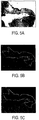
- Figure 1B shows a typical explant, after mincing and partial enzymatic digestion, on the day it was obtained and also on days 3 ( Fig. 1C ) and 13 ( Fig. 1D ), immediately prior to first harvest.
- Harvesting of cardiosphere-forming cells ( FIG. 1A , step 3) was initially performed 8 or more days after obtaining a specimen and at 4-12 day intervals thereafter.
- Panel E summarizes the results of sub-population selection experiments performed using cells harvested from 3 different patient specimens. The large majority of the cells that generate cardiospheres are CD105 + , those that are c-Kit + and those that are c-Kit - .
- Typical cardiospheres are shown in Fig. IF, 12 days after harvest.
- Floating cardiospheres were plated for expansion ( Fig. 1A , step 5) 4-28 days after step 3 and passaged at 2-7 day intervals thereafter.
- Figure 1G shows CDCs plated on fibronectin during expansion at passage 2, when those cells were harvested for injection.
- CDCs The rationale for using CDCs lies in the unique biology of cardiospheres and their cell progeny.
- the self-organizing cardiospheres create a niche environment favoring the expression of stem cell antigens (e.g., c-Kit and CD105, Fig. 3A ) and frequently manifest a surface phenotype marked by mature cardiac-specific antigens (cMHC and cTnI, Fig. 3B ) with retention of internal "sternness".
- stem cell antigens e.g., c-Kit and CD105, Fig. 3A
- cMHC and cTnI mature cardiac-specific antigens
- mice were injected with lac-Z-expressing CDCs and sacrificed at each of 3 time points (0, 8, and 20 days following injection). At day 0, CDCs were located at injection sites in the border zone, but at day 8 and day 20 injected cells were distributed mainly within the MI area, forming islands or continuous bands of ⁇ -galactosidase positive tissue ( Fig. 5 ).
- Figure 4A shows a typical ⁇ -galactosidase staining pattern indicating the distribution of injected human cells after 20 days in vivo. Note the band of blue cells infiltrating the infarct zone, which was not apparent in the fibroblast-injected mice ( Fig. 4B ) or the PBS-injected mice. Masson's trichrome-stained sections were used to quantify regeneration ( Fig. 4 , C and D) as illustrated in the Supplement.
- Panel C from a CDC-injected heart, shows a number of obvious red regions within the blue infarct zone; fewer such regions are evident in the fibroblast-injected heart ( Fig. 4D ).
- Echocardiograms were performed for all groups at 20 days;
- Figure 5 shows examples from the CDC and fibroblast-treated groups at end-diastole and end-systole.
- Pooled data for left ventricular EF (LVEF, Fig. 5E) and left ventricular fractional area (LVFA, Fig. 5F) reveal a higher LVEF in the CDC-treated group (38.8 ⁇ 1.7%) as compared to either the fibroblast-treated (24.5 ⁇ 1.8%, p ⁇ 0.01) or the PBS-treated group (26.4 ⁇ 3.0%, p ⁇ 0.01), but the two control groups were indistinguishable. There was no difference among the LVEFs at baseline.
- Pluripotent stem cells may be isolated from cardiac biopsy specimens or other cardiac tissue using a multi-step process (see fig 1a for schematic).
- cardiac tissue is obtained via percutaneous endomyocardial biopsy or via sterile dissection of the heart.
- tissue specimens are stored on ice in a high-potassium cardioplegic solution (containing 5% dextrose, 68.6mmol/L mannitol, 12.5meq potassium chloride, and 12.5meq sodium bicarbonate, with the addition of 10 units/mL of heparin) until they are processed (up to 12 hours later).
- a high-potassium cardioplegic solution containing 5% dextrose, 68.6mmol/L mannitol, 12.5meq potassium chloride, and 12.5meq sodium bicarbonate, with the addition of 10 units/mL of heparin
- specimens are cut into 1-2 mm 3 pieces using sterile forceps and scissors; any gross connective tissue is removed.
- tissue fragments are then washed with Ca ++ -Mg ++ -free phosphate buffered saline (PBS) and typically digested for 5 min at room temperature with 0.05% trypsin-EDTA.
- PBS Ca ++ -Mg ++ -free phosphate buffered saline
- the tissue fragments may be digested in type IV collagenase (1 mg/mL) for 30 minutes at 37°C. Preliminary experiments have shown that cellular yield is greater per mg of explant tissue when collagenase is used.
- tissue fragments are washed with "Complete Explant Medium” (CEM) containing 20% heat-inactivated fetal calf serum, 100 Units/mL penicillin G, 100 ⁇ g/mL streptomycin, 2 mmol/L L-glutamine, and 0.1mmol/L 2-mercaptoethanol in Iscove's modified Dulbecco medium to quench the digestion process.
- CEM Complete Explant Medium
- the tissue fragments are minced again with sterile forceps and scissors and then transferred to fibronectin-coated (25 ⁇ g/mL for ⁇ 1 hour) tissue culture plates, where they are placed, evenly spaced, across the surface of the plate.
- a minimal amount of CEM is added to the plate, after which it is incubated at 37°C and 5% CO 2 for 30 minutes to allow the tissue fragments, now referred to as "explants", to attach to the plate ( fig 1b ). Once the explants have attached, enough CEM is added to the plate to cover the explants, and the plates are returned to the incubator.
- a layer of stromal-like cells begins to arise from adherent explants, covering the surface of the plate surrounding the explant. Over this layer a population of small, round, phase-bright cells is seen ( fig 1c,d ). Once the stromal cell layer becomes confluent and there is a large population of bright phase cells, the loosely-adherent cells surrounding the explants are harvested. This is performed by first washing the plate with Ca ++ -Mg ++ -free PBS, then with 0.48 mmol/L EDTA (for 1-2 min) and finally with 0.05% trypsin-EDTA (for 2-3 min).
- All washes are performed at room temperature under visual control to determine when the loosely adherent cells have become detached.
- the wash fluid is collected and pooled with that from the other steps.
- the explants are covered again with CEM and returned to the incubator. Each plate of explants may be harvested in this manner for up to four times at 5-10 day intervals.
- the pooled wash fluid is then centrifuged at 1000 rpm for 6-8 minutes, forming a cellular pellet. When centrifugation is complete, the supernatant is removed, the pellet is resuspended, and the cells are counted using a hemacytometer.
- the cells are then plated in poly-d-lysine coated 24-well tissue culture plates at a density ranging from 3-5 x 10 4 cells/well (depending on the species) and returned to the incubator.
- the cells may be grown in either "Cardiosphere Growth Media” (CGM) consisting of 65% Dulbeco's Modified Eagle Media 1:1 with Ham's F-12 supplement and 35% CEM with 2% B27, 25 ng/mL epidermal growth factor, 80 ng/mL basic fibroblast growth factor, 4 ng/mL Cardiotrophin-1 and 1 Unit/mL thrombin, or in CEM alone.
- CGM Cardiosphere Growth Media
- cardiospheres multicellular clusters
- fig 1e,f multicellular clusters
- these free-floating cardiospheres are then harvested by aspiration of their media, and the resulting suspension is transferred to fibronectin-coated tissue culture flasks in CEM (cells remaining adherent to the poly-D-lysine-coated dishes are not expanded further).
- fibronectin In the presence of fibronectin, cardiospheres attach and form adherent monolayers of "Cardiosphere-Derived Cells" (CDCs) ( fig 1g ).
- CDCs These cells will grow to confluence and then may be repeatedly passaged and expanded as CDCs, or returned to poly-d-lysine coated plates, where they will again form cardiospheres.
- CDCs millions of cells can be grown within 4-6 weeks of the time cardiac tissue is obtained, whether the origin of the tissue is human ( fig 1i ), porcine or from rodents (data not shown).
- collagenase When collagenase is used, the initial increase in cells harvested per mass of explant tissue results in faster production of large numbers of CDCs.
Landscapes
- Health & Medical Sciences (AREA)
- Engineering & Computer Science (AREA)
- Bioinformatics & Cheminformatics (AREA)
- Life Sciences & Earth Sciences (AREA)
- Organic Chemistry (AREA)
- Chemical & Material Sciences (AREA)
- Cardiology (AREA)
- General Health & Medical Sciences (AREA)
- Biomedical Technology (AREA)
- Veterinary Medicine (AREA)
- Nuclear Medicine, Radiotherapy & Molecular Imaging (AREA)
- Pharmacology & Pharmacy (AREA)
- Medicinal Chemistry (AREA)
- Animal Behavior & Ethology (AREA)
- General Chemical & Material Sciences (AREA)
- Public Health (AREA)
- Chemical Kinetics & Catalysis (AREA)
- Heart & Thoracic Surgery (AREA)
- Genetics & Genomics (AREA)
- Zoology (AREA)
- Wood Science & Technology (AREA)
- Biotechnology (AREA)
- Microbiology (AREA)
- Cell Biology (AREA)
- Rheumatology (AREA)
- Biochemistry (AREA)
- General Engineering & Computer Science (AREA)
- Urology & Nephrology (AREA)
- Hospice & Palliative Care (AREA)
- Medicines Containing Material From Animals Or Micro-Organisms (AREA)
- Micro-Organisms Or Cultivation Processes Thereof (AREA)
- Materials For Medical Uses (AREA)
- Endoscopes (AREA)
Priority Applications (1)
| Application Number | Priority Date | Filing Date | Title |
|---|---|---|---|
| EP12177594.4A EP2546333A3 (en) | 2004-11-08 | 2005-11-08 | Cardiac stem cells |
Applications Claiming Priority (2)
| Application Number | Priority Date | Filing Date | Title |
|---|---|---|---|
| US62569504P | 2004-11-08 | 2004-11-08 | |
| PCT/US2005/040359 WO2006052925A2 (en) | 2004-11-08 | 2005-11-08 | Cardiac stem cells |
Related Child Applications (1)
| Application Number | Title | Priority Date | Filing Date |
|---|---|---|---|
| EP12177594.4A Division-Into EP2546333A3 (en) | 2004-11-08 | 2005-11-08 | Cardiac stem cells |
Publications (3)
| Publication Number | Publication Date |
|---|---|
| EP1809740A2 EP1809740A2 (en) | 2007-07-25 |
| EP1809740A4 EP1809740A4 (en) | 2009-11-25 |
| EP1809740B1 true EP1809740B1 (en) | 2018-08-29 |
Family
ID=36337122
Family Applications (2)
| Application Number | Title | Priority Date | Filing Date |
|---|---|---|---|
| EP05817349.3A Expired - Lifetime EP1809740B1 (en) | 2004-11-08 | 2005-11-08 | Cardiac stem cells |
| EP12177594.4A Withdrawn EP2546333A3 (en) | 2004-11-08 | 2005-11-08 | Cardiac stem cells |
Family Applications After (1)
| Application Number | Title | Priority Date | Filing Date |
|---|---|---|---|
| EP12177594.4A Withdrawn EP2546333A3 (en) | 2004-11-08 | 2005-11-08 | Cardiac stem cells |
Country Status (7)
| Country | Link |
|---|---|
| US (3) | US20080267921A1 (https=) |
| EP (2) | EP1809740B1 (https=) |
| JP (3) | JP5202953B2 (https=) |
| CN (2) | CN101087563A (https=) |
| AU (1) | AU2005304708B2 (https=) |
| CA (1) | CA2585980C (https=) |
| WO (1) | WO2006052925A2 (https=) |
Families Citing this family (54)
| Publication number | Priority date | Publication date | Assignee | Title |
|---|---|---|---|---|
| ITRM20030376A1 (it) * | 2003-07-31 | 2005-02-01 | Univ Roma | Procedimento per l'isolamento e l'espansione di cellule staminali cardiache da biopsia. |
| US11660317B2 (en) | 2004-11-08 | 2023-05-30 | The Johns Hopkins University | Compositions comprising cardiosphere-derived cells for use in cell therapy |
| WO2008006605A2 (en) | 2006-07-13 | 2008-01-17 | Cellartis Ab | A novel population of multipotent cardiac precursor cells derived from human blastocysts derived stem cells |
| EP2087098A4 (en) * | 2006-11-09 | 2010-03-31 | Univ Johns Hopkins | DETERMINATION OF CARDIOMYOCYTES ADULT MAMMALS IN HEART STEM CELLS |
| WO2009065080A1 (en) * | 2007-11-16 | 2009-05-22 | San Diego State University Research Foundation | Compositions and method for manipulating pim-1 activity in circulatory system cells |
| US20090227469A1 (en) * | 2008-03-10 | 2009-09-10 | Conklin Bruce R | Cells and assays for use in detecting long qt syndrome |
| AU2010233169A1 (en) | 2009-04-09 | 2011-11-03 | Arizona Board Of Regents On Behalf Of The University Of Arizona | Cellular seeding and co-culture of a three dimensional fibroblast construct |
| WO2010141877A1 (en) * | 2009-06-04 | 2010-12-09 | Cedars-Sinai Medical Center | Method of treating stem cells |
| DK2498796T3 (en) | 2009-11-09 | 2018-03-05 | Aal Scient Inc | HEART DISEASE TREATMENT |
| WO2011057251A2 (en) | 2009-11-09 | 2011-05-12 | The Brigham And Women's Hospital, Inc. | Treatment of heart disease |
| US9249392B2 (en) | 2010-04-30 | 2016-02-02 | Cedars-Sinai Medical Center | Methods and compositions for maintaining genomic stability in cultured stem cells |
| US9845457B2 (en) | 2010-04-30 | 2017-12-19 | Cedars-Sinai Medical Center | Maintenance of genomic stability in cultured stem cells |
| CN202078342U (zh) * | 2011-04-02 | 2011-12-21 | 浙江海洋学院 | 外阴增生物活检钳 |
| US20130142762A1 (en) | 2011-11-07 | 2013-06-06 | Hina W. Chaudhry | Methods of cardiac repair |
| US11286463B2 (en) | 2012-03-08 | 2022-03-29 | Advanced ReGen Medical Technologies, LLC | Reprogramming of aged adult stem cells |
| US9884076B2 (en) | 2012-06-05 | 2018-02-06 | Capricor, Inc. | Optimized methods for generation of cardiac stem cells from cardiac tissue and their use in cardiac therapy |
| ES2668307T3 (es) * | 2012-06-07 | 2018-05-17 | Medrobotics Corporation | Instrumentos quirúrgicos articulados y métodos para desplegar los mismos |
| EP3563859B1 (en) | 2012-08-13 | 2021-10-13 | Cedars-Sinai Medical Center | Cardiosphere-derived exosomes for tissue regeneration |
| GB201304831D0 (en) * | 2013-03-15 | 2013-05-01 | Coretherapix Slu | Adult cardiac stem cell population |
| KR101358777B1 (ko) * | 2013-04-30 | 2014-02-10 | 서울대학교병원 | 심장내막 유래의 성체줄기세포 및 이의 제조방법 |
| CN103431878B (zh) * | 2013-09-05 | 2014-12-03 | 山东省农业科学院畜牧兽医研究所 | 一种动物组织取样器 |
| WO2015081094A1 (en) | 2013-11-27 | 2015-06-04 | University Of Louisville Research Foundation, Inc. | Cardiac progenitor cells and methods of use therefor |
| US20150174166A1 (en) | 2013-12-20 | 2015-06-25 | Advanced ReGen Medical Technologies, LLC | Compositions for Cellular Restoration and Methods of Making and Using Same |
| US10772911B2 (en) | 2013-12-20 | 2020-09-15 | Advanced ReGen Medical Technologies, LLC | Cell free compositions for cellular restoration and methods of making and using same |
| US20170296595A1 (en) | 2014-09-18 | 2017-10-19 | North Carolina State University | Mammalian Lung Spheroids and Lung Spheroid Cells and Uses Thereof |
| EP4494699A3 (en) | 2014-10-03 | 2025-04-30 | Cedars-Sinai Medical Center | Cardiosphere-derived cells and exosomes secreted by such cells in the treatment of muscular dystrophy |
| WO2016054569A1 (en) * | 2014-10-03 | 2016-04-07 | Cedars-Sinai Medical Center | Cardiosphere-derived cells (cdcs) as therapeutic agents for pulmonary hypertension |
| WO2017123662A1 (en) | 2016-01-11 | 2017-07-20 | Cedars-Sinai Medical Center | Cardiosphere-derived cells and exosomes secreted by such cells in the treatment of heart failure with preserved ejection fraction |
| US11534466B2 (en) | 2016-03-09 | 2022-12-27 | Aal Scientifics, Inc. | Pancreatic stem cells and uses thereof |
| US11203754B2 (en) | 2016-04-29 | 2021-12-21 | Advanced ReGen Medical Technologies, LLC | Microrna compositions and methods of making and using same |
| WO2017210652A1 (en) | 2016-06-03 | 2017-12-07 | Cedars-Sinai Medical Center | Cdc-derived exosomes for treatment of ventricular tachyarrythmias |
| CN107460165A (zh) * | 2016-08-10 | 2017-12-12 | 中山大学附属第医院 | 一种心脏干细胞及其用途 |
| US11541078B2 (en) | 2016-09-20 | 2023-01-03 | Cedars-Sinai Medical Center | Cardiosphere-derived cells and their extracellular vesicles to retard or reverse aging and age-related disorders |
| US20190365822A1 (en) * | 2017-02-01 | 2019-12-05 | Aal Scientifics, Inc. | CARDIAC PROGENITOR CELLS HAVING ENHANCED p53 EXPRESSION AND USES THEREOF |
| WO2018186185A1 (ja) | 2017-04-06 | 2018-10-11 | 日機装株式会社 | 細胞の培養方法、細胞支持複合体の製造方法、培養細胞及び細胞支持複合体 |
| JP7336769B2 (ja) | 2017-04-19 | 2023-09-01 | シーダーズ―シナイ メディカル センター | 骨格筋ジストロフィーを治療する方法及び組成物 |
| KR102182513B1 (ko) * | 2017-06-30 | 2020-11-25 | 인제대학교 산학협력단 | 인간 유래 심장 줄기세포 미세구의 제조 방법 및 용도 |
| EP4218775A1 (en) | 2017-08-04 | 2023-08-02 | Cedars-Sinai Medical Center | Cardiosphere-derived cells and their extracellular vesicles for treatment and prevention of cancer |
| WO2019126068A1 (en) | 2017-12-20 | 2019-06-27 | Cedars-Sinai Medical Center | Engineered extracellular vesicles for enhanced tissue delivery |
| EP3740576A4 (en) | 2018-01-18 | 2021-10-20 | Advanced Regen Medical Technologies, LLC | THERAPEUTIC COMPOSITIONS AND THEIR PREPARATION AND USE METHODS |
| EP3749344A4 (en) | 2018-02-05 | 2022-01-26 | Cedars-Sinai Medical Center | METHODS OF THERAPEUTIC USE OF EXOSOMES AND Y-RNAS |
| CN108179133A (zh) * | 2018-02-06 | 2018-06-19 | 广州大学 | c-kit+心脏干细胞聚集体及分泌合成培养液在制备药物中应用 |
| CN108379662A (zh) * | 2018-02-08 | 2018-08-10 | 深圳大图科创技术开发有限公司 | 一种干细胞在心脏移植模型的应用 |
| WO2019181920A1 (ja) * | 2018-03-22 | 2019-09-26 | 日機装株式会社 | 細胞の培養方法、細胞支持複合体の製造方法、培養細胞および細胞支持複合体 |
| CN109247958A (zh) * | 2018-09-11 | 2019-01-22 | 凌宙贵 | 一种一次性经皮穿刺肺活检钳 |
| WO2020227489A1 (en) * | 2019-05-08 | 2020-11-12 | Cedars-Sinai Medical Center | Therapeutically active cells and exosomes |
| CN110226946B (zh) * | 2019-06-12 | 2022-05-17 | 杭州市第三人民医院 | 泌尿外科手术标本收集器 |
| CN110448731A (zh) * | 2019-07-23 | 2019-11-15 | 中国人民解放军总医院 | 温度敏感培养皿制备人心肌球源性干细胞膜性贴片的方法 |
| CN110680411B (zh) * | 2019-10-09 | 2020-10-02 | 山东大学 | 一种宫颈穿刺活检钳及其使用方法 |
| CN110882015A (zh) * | 2019-10-15 | 2020-03-17 | 张茹 | 一种可单人操作活检钳 |
| WO2021241524A1 (ja) * | 2020-05-25 | 2021-12-02 | 国立大学法人京都大学 | 増殖能が高い心筋細胞を選別する方法 |
| CN115813456B (zh) * | 2022-12-09 | 2023-06-27 | 沈阳医学院附属第二医院 | 一种心内膜心肌活组织钳及其使用方法 |
| WO2026035943A1 (en) | 2024-08-08 | 2026-02-12 | Cedars-Sinai Medical Center | Formulations for oral delivery of nucleic acids |
| WO2026035744A1 (en) | 2024-08-08 | 2026-02-12 | Cedars-Sinai Medical Center | Combination therapies for metabolic disease |
Family Cites Families (18)
| Publication number | Priority date | Publication date | Assignee | Title |
|---|---|---|---|---|
| US5175004A (en) * | 1988-12-27 | 1992-12-29 | Matsumura Kenneth N | Propagatable, new combinant cells for cellular replacement therapy |
| US6387369B1 (en) * | 1997-07-14 | 2002-05-14 | Osiris Therapeutics, Inc. | Cardiac muscle regeneration using mesenchymal stem cells |
| AU3112499A (en) * | 1998-03-23 | 1999-10-18 | Zymogenetics Inc. | Cardiac-derived stem cells |
| US6074408A (en) * | 1998-10-13 | 2000-06-13 | Freeman; Kenneth V. | Modular medical instrument and method of using same |
| EP1254952A4 (en) * | 1999-12-28 | 2004-09-22 | Kyowa Hakko Kogyo Kk | CELLS THAT ARE ABLE TO DIFFERENTIZE IN THE HEART MUSCLE CELLS |
| US20020061587A1 (en) * | 2000-07-31 | 2002-05-23 | Piero Anversa | Methods and compositions for the repair and/or regeneration of damaged myocardium |
| US20030044976A1 (en) * | 2001-08-27 | 2003-03-06 | Advanced Cell Technology | De-differentiation and re-differentiation of somatic cells and production of cells for cell therapies |
| TWI288779B (en) * | 2002-03-28 | 2007-10-21 | Blasticon Biotech Forschung | Dedifferentiated, programmable stem cells of monocytic origin, and their production and use |
| AU2003259152A1 (en) * | 2002-07-23 | 2004-02-09 | Boston Scientific Limited | Cell therapy for regeneration |
| CA2505251A1 (en) * | 2002-11-05 | 2004-05-27 | Brigham And Women's Hospital, Inc. | Mesenchymal stem cells and methods of use thereof |
| US7837631B2 (en) * | 2003-03-14 | 2010-11-23 | Boston Scientific Scimed Inc. | Biopsy forceps with removable jaw segments |
| ITRM20030376A1 (it) * | 2003-07-31 | 2005-02-01 | Univ Roma | Procedimento per l'isolamento e l'espansione di cellule staminali cardiache da biopsia. |
| WO2005076743A2 (en) * | 2004-02-17 | 2005-08-25 | Yeda Research And Development Co. Ltd. | Disaccharide molecules and derivatives thereof and methods of using same |
| ES2313805B1 (es) * | 2004-10-04 | 2009-12-23 | Cellerix, S.L. | Identificacion y aislamiento de celulas multipotentes de tejido mesenquimal no osteocondral. |
| CN101248171B (zh) * | 2005-04-12 | 2015-11-25 | 迈索布拉斯特股份有限公司 | 通过组织非特异性碱性磷酸酶分离成人多潜能细胞 |
| WO2008040027A2 (en) * | 2006-09-28 | 2008-04-03 | The Regents Of The University Of California | Directed differentiation and maturation of stem cell-derived cardiomyocytes |
| WO2008058216A2 (en) * | 2006-11-07 | 2008-05-15 | Keck Graduate Institute | Enriched stem cell and progenitor cell populations, and methods of producing and using such populations |
| US20090081170A1 (en) * | 2007-09-13 | 2009-03-26 | Paul Riley | Cardiac progenitor cells |
-
2005
- 2005-11-08 CN CNA2005800405702A patent/CN101087563A/zh active Pending
- 2005-11-08 CA CA2585980A patent/CA2585980C/en not_active Expired - Lifetime
- 2005-11-08 AU AU2005304708A patent/AU2005304708B2/en not_active Expired
- 2005-11-08 US US11/666,685 patent/US20080267921A1/en not_active Abandoned
- 2005-11-08 EP EP05817349.3A patent/EP1809740B1/en not_active Expired - Lifetime
- 2005-11-08 EP EP12177594.4A patent/EP2546333A3/en not_active Withdrawn
- 2005-11-08 CN CN200580040364.1A patent/CN101437938B/zh not_active Expired - Lifetime
- 2005-11-08 JP JP2007540148A patent/JP5202953B2/ja not_active Expired - Lifetime
- 2005-11-08 WO PCT/US2005/040359 patent/WO2006052925A2/en not_active Ceased
-
2009
- 2009-11-19 US US12/622,106 patent/US20100068811A1/en not_active Abandoned
- 2009-11-19 US US12/622,143 patent/US20100061966A1/en not_active Abandoned
-
2012
- 2012-10-17 JP JP2012229481A patent/JP2013046780A/ja active Pending
-
2015
- 2015-06-02 JP JP2015112139A patent/JP6076402B2/ja not_active Expired - Lifetime
Non-Patent Citations (1)
| Title |
|---|
| R. R. SMITH ET AL: "Regenerative Potential of Cardiosphere-Derived Cells Expanded From Percutaneous Endomyocardial Biopsy Specimens", CIRCULATION, vol. 115, no. 7, 20 February 2007 (2007-02-20), pages 896 - 908, XP055061724, ISSN: 0009-7322, DOI: 10.1161/CIRCULATIONAHA.106.655209 * |
Also Published As
| Publication number | Publication date |
|---|---|
| EP1809740A2 (en) | 2007-07-25 |
| AU2005304708B2 (en) | 2012-01-19 |
| US20080267921A1 (en) | 2008-10-30 |
| AU2005304708A1 (en) | 2006-05-18 |
| EP2546333A3 (en) | 2013-04-10 |
| EP1809740A4 (en) | 2009-11-25 |
| US20100061966A1 (en) | 2010-03-11 |
| CN101437938A (zh) | 2009-05-20 |
| CA2585980A1 (en) | 2006-05-18 |
| JP5202953B2 (ja) | 2013-06-05 |
| EP2546333A2 (en) | 2013-01-16 |
| WO2006052925A3 (en) | 2009-05-14 |
| JP2013046780A (ja) | 2013-03-07 |
| US20100068811A1 (en) | 2010-03-18 |
| CN101087563A (zh) | 2007-12-12 |
| CN101437938B (zh) | 2015-05-13 |
| JP2015180671A (ja) | 2015-10-15 |
| CA2585980C (en) | 2017-09-26 |
| JP2008518730A (ja) | 2008-06-05 |
| JP6076402B2 (ja) | 2017-02-08 |
| WO2006052925A2 (en) | 2006-05-18 |
Similar Documents
| Publication | Publication Date | Title |
|---|---|---|
| EP1809740B1 (en) | Cardiac stem cells | |
| Hou et al. | Transplantation of mesenchymal stem cells from human bone marrow improves damaged heart function in rats | |
| Hamdi et al. | Cell delivery: intramyocardial injections or epicardial deposition? A head-to-head comparison | |
| Menasché | Skeletal myoblasts and cardiac repair | |
| US20200016210A1 (en) | Methods of Reducing Teratoma Formation During Allogeneic Stem Cell Therapy | |
| Kim et al. | Muscle regeneration by adipose tissue-derived adult stem cells attached to injectable PLGA spheres | |
| Monsanto et al. | Enhancing myocardial repair with CardioClusters | |
| Huang et al. | A translational approach in using cell sheet fragments of autologous bone marrow-derived mesenchymal stem cells for cellular cardiomyoplasty in a porcine model | |
| JP5570814B2 (ja) | 胃食道病理学を処置するための筋由来細胞ならびにその作成法および使用法 | |
| AU2003240857B2 (en) | Medium for culturing autologous human progenitor stem cells and applications thereof | |
| Forte et al. | Human cardiac progenitor cell grafts as unrestricted source of supernumerary cardiac cells in healthy murine hearts | |
| Nadal‐Ginard et al. | Cardiac stem cells and myocardial regeneration | |
| Bernal et al. | The potential of stem cells in the treatment of cardiovascular diseases | |
| Chiu | Adult stem cell therapy for heart failure | |
| AU2012202233B2 (en) | Cardiac stem cells | |
| Rabald et al. | Cord blood cell therapy alters LV remodeling and cytokine expression but does not improve heart function after myocardial infarction in rats | |
| WO2011126264A2 (ko) | 인간 줄기세포의 활성을 증가시키는 방법 | |
| JP2021512654A (ja) | 温熱条件の組織からの幹細胞の単離方法及びその使用 | |
| Szydlak | Therapeutic application of perinatal stem cells in cardiovascular diseases: current Progress and future prospects | |
| WO2018051340A1 (en) | A process for retrieval of matrix dependent mesenchymal stromal cells from tissue | |
| Komaratih et al. | Scholars Academic Journal of Biosciences | |
| Leri et al. | Stem cells and heart disease | |
| Jameel et al. | Cell Transplantation for Ischemic Heart Disease | |
| Zhang et al. | A novel population of human bone marrow multipotent mesenchymal stem cells regenerates infarcted myocardium in rats |
Legal Events
| Date | Code | Title | Description |
|---|---|---|---|
| PUAI | Public reference made under article 153(3) epc to a published international application that has entered the european phase |
Free format text: ORIGINAL CODE: 0009012 |
|
| 17P | Request for examination filed |
Effective date: 20070504 |
|
| AK | Designated contracting states |
Kind code of ref document: A2 Designated state(s): AT BE BG CH CY CZ DE DK EE ES FI FR GB GR HU IE IS IT LI LT LU LV MC NL PL PT RO SE SI SK TR |
|
| AX | Request for extension of the european patent |
Extension state: AL BA HR MK YU |
|
| DAX | Request for extension of the european patent (deleted) | ||
| R17D | Deferred search report published (corrected) |
Effective date: 20090514 |
|
| RIC1 | Information provided on ipc code assigned before grant |
Ipc: C12N 5/00 20060101AFI20090610BHEP |
|
| A4 | Supplementary search report drawn up and despatched |
Effective date: 20091028 |
|
| 17Q | First examination report despatched |
Effective date: 20100305 |
|
| STAA | Information on the status of an ep patent application or granted ep patent |
Free format text: STATUS: EXAMINATION IS IN PROGRESS |
|
| REG | Reference to a national code |
Ref country code: DE Ref legal event code: R079 Ref document number: 602005054518 Country of ref document: DE Free format text: PREVIOUS MAIN CLASS: C12N0005080000 Ipc: C12N0005077000 |
|
| GRAP | Despatch of communication of intention to grant a patent |
Free format text: ORIGINAL CODE: EPIDOSNIGR1 |
|
| STAA | Information on the status of an ep patent application or granted ep patent |
Free format text: STATUS: GRANT OF PATENT IS INTENDED |
|
| RIC1 | Information provided on ipc code assigned before grant |
Ipc: C12N 5/077 20100101AFI20180220BHEP Ipc: A61K 35/12 20150101ALI20180220BHEP |
|
| INTG | Intention to grant announced |
Effective date: 20180328 |
|
| GRAS | Grant fee paid |
Free format text: ORIGINAL CODE: EPIDOSNIGR3 |
|
| GRAJ | Information related to disapproval of communication of intention to grant by the applicant or resumption of examination proceedings by the epo deleted |
Free format text: ORIGINAL CODE: EPIDOSDIGR1 |
|
| GRAL | Information related to payment of fee for publishing/printing deleted |
Free format text: ORIGINAL CODE: EPIDOSDIGR3 |
|
| STAA | Information on the status of an ep patent application or granted ep patent |
Free format text: STATUS: EXAMINATION IS IN PROGRESS |
|
| GRAR | Information related to intention to grant a patent recorded |
Free format text: ORIGINAL CODE: EPIDOSNIGR71 |
|
| STAA | Information on the status of an ep patent application or granted ep patent |
Free format text: STATUS: GRANT OF PATENT IS INTENDED |
|
| INTC | Intention to grant announced (deleted) | ||
| GRAA | (expected) grant |
Free format text: ORIGINAL CODE: 0009210 |
|
| STAA | Information on the status of an ep patent application or granted ep patent |
Free format text: STATUS: THE PATENT HAS BEEN GRANTED |
|
| RAP1 | Party data changed (applicant data changed or rights of an application transferred) |
Owner name: THE JOHNS HOPKINS UNIVERSITY |
|
| INTG | Intention to grant announced |
Effective date: 20180719 |
|
| AK | Designated contracting states |
Kind code of ref document: B1 Designated state(s): AT BE BG CH CY CZ DE DK EE ES FI FR GB GR HU IE IS IT LI LT LU LV MC NL PL PT RO SE SI SK TR |
|
| REG | Reference to a national code |
Ref country code: GB Ref legal event code: FG4D |
|
| REG | Reference to a national code |
Ref country code: CH Ref legal event code: EP |
|
| REG | Reference to a national code |
Ref country code: AT Ref legal event code: REF Ref document number: 1035143 Country of ref document: AT Kind code of ref document: T Effective date: 20180915 |
|
| REG | Reference to a national code |
Ref country code: IE Ref legal event code: FG4D |
|
| REG | Reference to a national code |
Ref country code: DE Ref legal event code: R096 Ref document number: 602005054518 Country of ref document: DE |
|
| REG | Reference to a national code |
Ref country code: NL Ref legal event code: MP Effective date: 20180829 |
|
| REG | Reference to a national code |
Ref country code: LT Ref legal event code: MG4D |
|
| PG25 | Lapsed in a contracting state [announced via postgrant information from national office to epo] |
Ref country code: LT Free format text: LAPSE BECAUSE OF FAILURE TO SUBMIT A TRANSLATION OF THE DESCRIPTION OR TO PAY THE FEE WITHIN THE PRESCRIBED TIME-LIMIT Effective date: 20180829 Ref country code: IS Free format text: LAPSE BECAUSE OF FAILURE TO SUBMIT A TRANSLATION OF THE DESCRIPTION OR TO PAY THE FEE WITHIN THE PRESCRIBED TIME-LIMIT Effective date: 20181229 Ref country code: GR Free format text: LAPSE BECAUSE OF FAILURE TO SUBMIT A TRANSLATION OF THE DESCRIPTION OR TO PAY THE FEE WITHIN THE PRESCRIBED TIME-LIMIT Effective date: 20181130 Ref country code: NL Free format text: LAPSE BECAUSE OF FAILURE TO SUBMIT A TRANSLATION OF THE DESCRIPTION OR TO PAY THE FEE WITHIN THE PRESCRIBED TIME-LIMIT Effective date: 20180829 Ref country code: BG Free format text: LAPSE BECAUSE OF FAILURE TO SUBMIT A TRANSLATION OF THE DESCRIPTION OR TO PAY THE FEE WITHIN THE PRESCRIBED TIME-LIMIT Effective date: 20181129 Ref country code: FI Free format text: LAPSE BECAUSE OF FAILURE TO SUBMIT A TRANSLATION OF THE DESCRIPTION OR TO PAY THE FEE WITHIN THE PRESCRIBED TIME-LIMIT Effective date: 20180829 Ref country code: SE Free format text: LAPSE BECAUSE OF FAILURE TO SUBMIT A TRANSLATION OF THE DESCRIPTION OR TO PAY THE FEE WITHIN THE PRESCRIBED TIME-LIMIT Effective date: 20180829 |
|
| REG | Reference to a national code |
Ref country code: CH Ref legal event code: NV Representative=s name: VALIPAT S.A. GEVERS SA, CH |
|
| REG | Reference to a national code |
Ref country code: AT Ref legal event code: MK05 Ref document number: 1035143 Country of ref document: AT Kind code of ref document: T Effective date: 20180829 |
|
| PG25 | Lapsed in a contracting state [announced via postgrant information from national office to epo] |
Ref country code: ES Free format text: LAPSE BECAUSE OF FAILURE TO SUBMIT A TRANSLATION OF THE DESCRIPTION OR TO PAY THE FEE WITHIN THE PRESCRIBED TIME-LIMIT Effective date: 20180829 Ref country code: LV Free format text: LAPSE BECAUSE OF FAILURE TO SUBMIT A TRANSLATION OF THE DESCRIPTION OR TO PAY THE FEE WITHIN THE PRESCRIBED TIME-LIMIT Effective date: 20180829 |
|
| REG | Reference to a national code |
Ref country code: CH Ref legal event code: PCAR Free format text: NEW ADDRESS: RUE DES NOYERS 11, 2000 NEUCHATEL (CH) |
|
| PG25 | Lapsed in a contracting state [announced via postgrant information from national office to epo] |
Ref country code: IT Free format text: LAPSE BECAUSE OF FAILURE TO SUBMIT A TRANSLATION OF THE DESCRIPTION OR TO PAY THE FEE WITHIN THE PRESCRIBED TIME-LIMIT Effective date: 20180829 Ref country code: RO Free format text: LAPSE BECAUSE OF FAILURE TO SUBMIT A TRANSLATION OF THE DESCRIPTION OR TO PAY THE FEE WITHIN THE PRESCRIBED TIME-LIMIT Effective date: 20180829 Ref country code: PL Free format text: LAPSE BECAUSE OF FAILURE TO SUBMIT A TRANSLATION OF THE DESCRIPTION OR TO PAY THE FEE WITHIN THE PRESCRIBED TIME-LIMIT Effective date: 20180829 Ref country code: EE Free format text: LAPSE BECAUSE OF FAILURE TO SUBMIT A TRANSLATION OF THE DESCRIPTION OR TO PAY THE FEE WITHIN THE PRESCRIBED TIME-LIMIT Effective date: 20180829 Ref country code: AT Free format text: LAPSE BECAUSE OF FAILURE TO SUBMIT A TRANSLATION OF THE DESCRIPTION OR TO PAY THE FEE WITHIN THE PRESCRIBED TIME-LIMIT Effective date: 20180829 Ref country code: CZ Free format text: LAPSE BECAUSE OF FAILURE TO SUBMIT A TRANSLATION OF THE DESCRIPTION OR TO PAY THE FEE WITHIN THE PRESCRIBED TIME-LIMIT Effective date: 20180829 |
|
| PG25 | Lapsed in a contracting state [announced via postgrant information from national office to epo] |
Ref country code: DK Free format text: LAPSE BECAUSE OF FAILURE TO SUBMIT A TRANSLATION OF THE DESCRIPTION OR TO PAY THE FEE WITHIN THE PRESCRIBED TIME-LIMIT Effective date: 20180829 Ref country code: SK Free format text: LAPSE BECAUSE OF FAILURE TO SUBMIT A TRANSLATION OF THE DESCRIPTION OR TO PAY THE FEE WITHIN THE PRESCRIBED TIME-LIMIT Effective date: 20180829 |
|
| REG | Reference to a national code |
Ref country code: DE Ref legal event code: R097 Ref document number: 602005054518 Country of ref document: DE |
|
| PLBE | No opposition filed within time limit |
Free format text: ORIGINAL CODE: 0009261 |
|
| STAA | Information on the status of an ep patent application or granted ep patent |
Free format text: STATUS: NO OPPOSITION FILED WITHIN TIME LIMIT |
|
| PG25 | Lapsed in a contracting state [announced via postgrant information from national office to epo] |
Ref country code: LU Free format text: LAPSE BECAUSE OF NON-PAYMENT OF DUE FEES Effective date: 20181108 Ref country code: MC Free format text: LAPSE BECAUSE OF FAILURE TO SUBMIT A TRANSLATION OF THE DESCRIPTION OR TO PAY THE FEE WITHIN THE PRESCRIBED TIME-LIMIT Effective date: 20180829 |
|
| 26N | No opposition filed |
Effective date: 20190531 |
|
| REG | Reference to a national code |
Ref country code: BE Ref legal event code: MM Effective date: 20181130 |
|
| REG | Reference to a national code |
Ref country code: IE Ref legal event code: MM4A |
|
| PG25 | Lapsed in a contracting state [announced via postgrant information from national office to epo] |
Ref country code: SI Free format text: LAPSE BECAUSE OF FAILURE TO SUBMIT A TRANSLATION OF THE DESCRIPTION OR TO PAY THE FEE WITHIN THE PRESCRIBED TIME-LIMIT Effective date: 20180829 |
|
| PG25 | Lapsed in a contracting state [announced via postgrant information from national office to epo] |
Ref country code: IE Free format text: LAPSE BECAUSE OF NON-PAYMENT OF DUE FEES Effective date: 20181108 |
|
| PG25 | Lapsed in a contracting state [announced via postgrant information from national office to epo] |
Ref country code: BE Free format text: LAPSE BECAUSE OF NON-PAYMENT OF DUE FEES Effective date: 20181130 |
|
| PG25 | Lapsed in a contracting state [announced via postgrant information from national office to epo] |
Ref country code: TR Free format text: LAPSE BECAUSE OF FAILURE TO SUBMIT A TRANSLATION OF THE DESCRIPTION OR TO PAY THE FEE WITHIN THE PRESCRIBED TIME-LIMIT Effective date: 20180829 |
|
| PG25 | Lapsed in a contracting state [announced via postgrant information from national office to epo] |
Ref country code: PT Free format text: LAPSE BECAUSE OF FAILURE TO SUBMIT A TRANSLATION OF THE DESCRIPTION OR TO PAY THE FEE WITHIN THE PRESCRIBED TIME-LIMIT Effective date: 20180829 |
|
| PG25 | Lapsed in a contracting state [announced via postgrant information from national office to epo] |
Ref country code: HU Free format text: LAPSE BECAUSE OF FAILURE TO SUBMIT A TRANSLATION OF THE DESCRIPTION OR TO PAY THE FEE WITHIN THE PRESCRIBED TIME-LIMIT; INVALID AB INITIO Effective date: 20051108 Ref country code: CY Free format text: LAPSE BECAUSE OF FAILURE TO SUBMIT A TRANSLATION OF THE DESCRIPTION OR TO PAY THE FEE WITHIN THE PRESCRIBED TIME-LIMIT Effective date: 20180829 |
|
| P01 | Opt-out of the competence of the unified patent court (upc) registered |
Effective date: 20230524 |
|
| PGFP | Annual fee paid to national office [announced via postgrant information from national office to epo] |
Ref country code: DE Payment date: 20241127 Year of fee payment: 20 |
|
| PGFP | Annual fee paid to national office [announced via postgrant information from national office to epo] |
Ref country code: GB Payment date: 20241127 Year of fee payment: 20 |
|
| PGFP | Annual fee paid to national office [announced via postgrant information from national office to epo] |
Ref country code: FR Payment date: 20241128 Year of fee payment: 20 |
|
| PGFP | Annual fee paid to national office [announced via postgrant information from national office to epo] |
Ref country code: CH Payment date: 20241201 Year of fee payment: 20 |
|
| REG | Reference to a national code |
Ref country code: CH Ref legal event code: H14 Free format text: ST27 STATUS EVENT CODE: U-0-0-H10-H14 (AS PROVIDED BY THE NATIONAL OFFICE) Effective date: 20251108 Ref country code: DE Ref legal event code: R071 Ref document number: 602005054518 Country of ref document: DE |
|
| REG | Reference to a national code |
Ref country code: GB Ref legal event code: PE20 Expiry date: 20251107 |