EP1773368B1 - A method of pre-sensitizing cancer prior to treament with radiation and/or chemotherapy and a novel cytokine mixture - Google Patents
A method of pre-sensitizing cancer prior to treament with radiation and/or chemotherapy and a novel cytokine mixture Download PDFInfo
- Publication number
- EP1773368B1 EP1773368B1 EP05789138.4A EP05789138A EP1773368B1 EP 1773368 B1 EP1773368 B1 EP 1773368B1 EP 05789138 A EP05789138 A EP 05789138A EP 1773368 B1 EP1773368 B1 EP 1773368B1
- Authority
- EP
- European Patent Office
- Prior art keywords
- cells
- range
- free
- tumor
- ratio
- Prior art date
- Legal status (The legal status is an assumption and is not a legal conclusion. Google has not performed a legal analysis and makes no representation as to the accuracy of the status listed.)
- Expired - Lifetime
Links
Images





Classifications
-
- A—HUMAN NECESSITIES
- A61—MEDICAL OR VETERINARY SCIENCE; HYGIENE
- A61K—PREPARATIONS FOR MEDICAL, DENTAL OR TOILETRY PURPOSES
- A61K38/00—Medicinal preparations containing peptides
- A61K38/16—Peptides having more than 20 amino acids; Gastrins; Somatostatins; Melanotropins; Derivatives thereof
- A61K38/17—Peptides having more than 20 amino acids; Gastrins; Somatostatins; Melanotropins; Derivatives thereof from animals; from humans
- A61K38/19—Cytokines; Lymphokines; Interferons
- A61K38/20—Interleukins [IL]
- A61K38/2006—IL-1
-
- A—HUMAN NECESSITIES
- A61—MEDICAL OR VETERINARY SCIENCE; HYGIENE
- A61K—PREPARATIONS FOR MEDICAL, DENTAL OR TOILETRY PURPOSES
- A61K38/00—Medicinal preparations containing peptides
- A61K38/16—Peptides having more than 20 amino acids; Gastrins; Somatostatins; Melanotropins; Derivatives thereof
- A61K38/17—Peptides having more than 20 amino acids; Gastrins; Somatostatins; Melanotropins; Derivatives thereof from animals; from humans
- A61K38/19—Cytokines; Lymphokines; Interferons
- A61K38/191—Tumor necrosis factors [TNF], e.g. lymphotoxin [LT], i.e. TNF-beta
-
- A—HUMAN NECESSITIES
- A61—MEDICAL OR VETERINARY SCIENCE; HYGIENE
- A61K—PREPARATIONS FOR MEDICAL, DENTAL OR TOILETRY PURPOSES
- A61K38/00—Medicinal preparations containing peptides
- A61K38/16—Peptides having more than 20 amino acids; Gastrins; Somatostatins; Melanotropins; Derivatives thereof
- A61K38/17—Peptides having more than 20 amino acids; Gastrins; Somatostatins; Melanotropins; Derivatives thereof from animals; from humans
- A61K38/19—Cytokines; Lymphokines; Interferons
- A61K38/193—Colony stimulating factors [CSF]
-
- A—HUMAN NECESSITIES
- A61—MEDICAL OR VETERINARY SCIENCE; HYGIENE
- A61K—PREPARATIONS FOR MEDICAL, DENTAL OR TOILETRY PURPOSES
- A61K38/00—Medicinal preparations containing peptides
- A61K38/16—Peptides having more than 20 amino acids; Gastrins; Somatostatins; Melanotropins; Derivatives thereof
- A61K38/17—Peptides having more than 20 amino acids; Gastrins; Somatostatins; Melanotropins; Derivatives thereof from animals; from humans
- A61K38/19—Cytokines; Lymphokines; Interferons
- A61K38/20—Interleukins [IL]
- A61K38/2013—IL-2
-
- A—HUMAN NECESSITIES
- A61—MEDICAL OR VETERINARY SCIENCE; HYGIENE
- A61K—PREPARATIONS FOR MEDICAL, DENTAL OR TOILETRY PURPOSES
- A61K38/00—Medicinal preparations containing peptides
- A61K38/16—Peptides having more than 20 amino acids; Gastrins; Somatostatins; Melanotropins; Derivatives thereof
- A61K38/17—Peptides having more than 20 amino acids; Gastrins; Somatostatins; Melanotropins; Derivatives thereof from animals; from humans
- A61K38/19—Cytokines; Lymphokines; Interferons
- A61K38/21—Interferons [IFN]
- A61K38/217—IFN-gamma
-
- A—HUMAN NECESSITIES
- A61—MEDICAL OR VETERINARY SCIENCE; HYGIENE
- A61P—SPECIFIC THERAPEUTIC ACTIVITY OF CHEMICAL COMPOUNDS OR MEDICINAL PREPARATIONS
- A61P35/00—Antineoplastic agents
Definitions
- This invention relates to a breakthrough use of a novel cytokine mixture for pre-sensitizing oral squamous cell carcinoma tumours (OSCCT) prior to a therapeutic treatment such as chemotherapy, radiation therapy or immunotherapy.
- the cytokine mixture is a serum-free and mitogen-free mixture comprised of specific ratios of cytokines such as IL-1 ⁇ , TNF- ⁇ , IFN- ⁇ and GM-CSF to Interleukin 2 QDL-2), which is effective in inducing cancerous cells to enter a proliferative cell cycle phase thereby increasing their vulnerability to chemotherapy, radiation therapy and immuno-therapy.
- One such novel cytokine mixture is Leukocyte Interleukin Injection (LI) or Multikine® which can be used alone or in combination with other drugs for the treatment of cancer thereby increasing the success of cancer treatment and the disease free survival of cancer patients.
- LI Leukocyte Interleukin Injection
- Multikine® Multikine® which can be used alone or in combination with other drugs for the treatment of
- cycling tumor cells are generally more vulnerable to radio- and chemotherapies than non-cycling tumor cells because complex biochemical and biomolecular processes such as enzyme-dependent DNA replication, enzyme-dependent phosphorylation, signal cascades, association and dissociation of transcriptional activating molecular complexes, and formation and dissociation of macromolecular assemblies of cytostructural elements are required during cell cycling.
- anti-metabolic agents that inhibit any of the complex biochemical processes such as ribonucleotide reductase (RNR) inhibitors, dihydrofolate reductase inhibitors or DNA polymerase inhibitors can be used to stop cell cycling and thereby prevent tumor proliferation.
- RNR ribonucleotide reductase
- known methods taking advantage of cell cycling are limited to synchronizing cell cycle arrest with sequential applications of a chemotherapeutic agent.
- one known method arrests malignant cells within a S phase of the cell cycle with pyrimidine analogs followed by exposure to high concentrations of anti-metabolites.
- Another approach would, of course, be to induce the cells to enter into a cell cycle phase as opposed to arresting the cell cycle or synchronizing the cell cycle.
- inducing cells into cell cycling increases the risk of a rapidly growing and recurring tumor.
- the continued failure of known compositions to improve disease-free survival rates or lead to complete remission suggests a need for inducing malignant cells into cell cycling in a manner that does not proliferate the tumor but increases the susceptibility of the residual tumor to follow-on treatment with radiation and/or chemotherapy.
- the present invention is based, in part, on pre-sensitizing OSCCT using and a new serum-free and mitogen-free cytokine mixture having specific ratios of IL-I ⁇ to IL-2, TNF- ⁇ to IL-2, IFN- ⁇ to IL-2 and GM-CSF to IL-2. Also described herein is the development of compositions useful as a pharmaceutical or as an adjuvant to be used in conjunction with therapeutic cancer treatments such as chemotherapy, immuno-therapy and radiation therapy.
- Also disclosed herein is a method of improving conventional chemotherapy or radiotherapy of neoplasms or diseases of the immune system with a serum-free and mitogen-free cytokine mixture is disclosed.
- the methods provide for a pre-sensitizing step for the treatment of cancer in conjunction with radiotherapies or other physical modalities of cell killing.
- a method for inducing tumor cells into a vulnerable cell cycle phase selected from the group of (different phases of the cell cycle) G 1 , S, G 2 and M is also contemplated.
- the present disclosure is not limited to any one particular type of cancer and can include any type of cancer.
- cytokine preparation such as Leukocyte Interleukin Injection (LI) or Multikine® in novel and non-obvious concentrations.
- the cytokine preparation may further be part of a pharmaceutical composition.
- the present invention is concerned with use of a novel serum-free and mitogen-free cytokine mixture comprised of specific ratios of IL-I ⁇ to IL-2, TNF- ⁇ to IL-2, IFN- ⁇ to IL-2 and GM-CSF to IL-2 for pre-sensitizing OSCCT.
- a novel cytokine mixture is Leukocyte Interleukin Injection (LI) or Multikine®, which has demonstrated immuno-modulatory capabilities.
- LI Leukocyte Interleukin Injection
- Multikine® Multikine®
- Immune restoration of head and neck cancer patients is accomplished by the infusion of cytokines such as IL-2, IFN ⁇ - ⁇ or IL- 12.
- cytokines such as IL-2, IFN ⁇ - ⁇ or IL- 12.
- interleukin-based cytokine therapy resulted in immuno-augmenting.
- rIL-2 increased density of CD25 + cells as well as natural killer (NK) cells, human leukocyte antigen (HLA)-DR + lymphocytes and T cells.
- NK natural killer
- HLA human leukocyte antigen
- Multikine® or Leukocyte-Interleukin Injection is a serum-free, mitogen-free, antibiotic-free preparation produced from human peripheral blood mononuclear cells that include T-cells, B cells and macrophages. There are three "families" of cytokines in Leukocyte Interleukin Injection (LI) or Multikine® that together impart the unique biological activity of Leukocyte Interleukin Injection (LI) or Multikine®.
- cytotoxic/cytostatic and virocidal/virostatic cytokines such as TNF- ⁇ , and IFN- ⁇
- lympho-proliferative cytokines such as IL-1, and IL-2
- chemotactic cytokines such as IL-6, IL-8 and MIP-1 ⁇
- cytokine and small biological molecules that constitute Leukocyte Interleukin Injection (LI) or Multikine® are all derived from the lectin (e.g. PHA) in vitro stimulation of human peripheral blood mononuclear cells that include T cells, B cells, and macrophages.
- Leukocyte Interleukin Injection or Multikine® contains different cytokines present at specific ratios of each cytokine to Interleukin 2 (IL-2) as follows: It-1 ⁇ to IL-2 at a ratio range of 0.4 - 1.5, and preferably at 0.7+/- 0.1 (IL-1 ⁇ /IL-2), TNF- ⁇ to IL-2 at a ratio range of 3.2 -11.3, and preferably at 9.5+/- 1.8 (TNF- ⁇ /IL-2), IFN- ⁇ to IL-2 at a ratio range of 1.5 - 10.9, and preferably at 6.0+/- 1.1 (IFN- ⁇ /IL-2), and GM-CSF to IL-2 at a ratio range of 2.2 - 4.8, and preferably at 4.0+/- 0.5 (GM-CSF/IL,-2).
- IL-1 ⁇ /IL-2 IL-1 ⁇ /IL-2
- TNF- ⁇ to IL-2 at a ratio range of 3.2 -11.3, and preferably at 9.5+/-
- IL-3 to IL-2 in a ratio range of 0.38 - 0.68, preferably at 0.53+/- 0.15, IL-6 to IL-2 in a ratio range of 37.2 - 53.8, preferably at 46+/- 5.9, IL-8 to IL-2 in a ratio range of 261 - 561.5, preferably at 411+/- 10.6, IL-1 ⁇ to IL-2 in a ratio range of 0.56 - 0.94, preferably at 0.75+/- 0.19, IL-10 to IL-2 in a ratio range of 2.82 - 3.22, preferably at 3.0+/- 0.18, IL-16 to IL-2 in a ratio range of 1.16 - 2.84, preferably at 1.84+/-0.68, G-CSF to IL-2 in a ratio range of 2.
- Leukocyte Interleukin Injection (LI) or Multikine® was tested using a characterization protocol and does not contain the following cytokines and other small biologically active molecules: IL-4, IL-7, and IL-15, TfR, sICAM, PDGF-AB, IFN- ⁇ , EPO, LTC 4, TNF- ⁇ 2, FGF basic, Angiogenin, sE-selectin, SCF, and LIF.
- Leukocyte Interleukin Injection (LI) or Multikine® contains only trace quantities (just above the level of detection of the assay) of IL-12, and LTB 4.
- mononuclear cells are separated from human donor "buffy coats" by step-gradient centrifugation and cultured with PHA to enhance production and secretion of IL-2 and other cytokines from the donor white blood cells in culture as disclosed in U.S. Patents 5,093,479 , 4,390,623 , 4,388,309 , 4,406,830 , 4,661,447 , 4,681,844 and 4,464,355 , all of which are incorporated herein by reference. Subsequently, the culture supernatant is aseptically harvested, clarified and subjected to a commercial virus exclusion process. The supernatant is then further concentrated approximately 10 fold by ultrafiltration and microfiltration.
- Leukocyte Interleukin Injection (LI) or Multikine® is provided frozen in a borosilicate glass serum vial containing 2.2 mL of drug at the label claim as IL-2 (400 IU/ml) for peritumoral, intratumoral, perilymphatic or subcutaneous administration.
- Leukocyte Interleukin Injection (LI) or Multikine® is subjected to quality control tests for identity, sterility, bacterial endotoxins, pH, and total protein concentration. Each vial is inspected for particulate contamination and appearance.
- the preparation has a total protein content of approximately 3 mg/mL (or +/- 1mg/mL) wherein the material is supplied sterile and pyrogen free.
- Leukocyte Interleukin Injection (LI) or Multikine® has an assigned expiration date of 24 months from date of manufacture when the drug is stored at -20°C.
- IL-2 - Interleukin 2 (IL-2): A 15.5-kD glycoprotein synthesized by CD4+ helper T lymphocytes (Formally known as T cell Growth Factor). IL-2 has an autocrine effect acting on the CD4+ T lymphocytes that produce it and on other cells of the immune system (including B lymphocytes, CD8+ T lymphocytes, NK [Natural Killer] cells and others).
- IL-1 ⁇ - Interleukin 1 beta A 17-kD cytokine synthesized by activated mononuclear phagocytes, is found in free form in the circulation and mediates inflammatory responses. It acts on CD4+ T lymphocytes to help facilitate their proliferation, and acts on B-lymphocytes as a growth and differentiation factor. It also induces the synthesis of IL-6 by mononuclear phagocytes.
- TNF- ⁇ - Tumor Necrosis Factor alpha A 157 amino acid (aa) residues protein, synthesized by stimulated monocytes, macrophages, B lymphocytes, T lymphocytes, an NK cells among others, found in a trimmeric form in the circulation. TNF mediates direct anti-tumor action, causing tumor cell lysis, facilitates leukocyte recruitment, inducing angiogenesis and promotes fibroblast proliferation.
- GM-CSF Granulocyte Macrophage - Colony Stimulating Factor
- a 127 aa protein found as a monomer in the circulation, produced by macrophages and T lymphocytes, fibroblast and endothelial cells. It is a growth factor for hemopoietic cells, and stimulates the growth and differentiation of myelomonocytic lineage.
- IL-3 - Interleukin - 3 A 20-kD Lymphokine synthesized by activated CD4+ T helper lymphocytes, acts as a colony-stimulating factor by facilitating the proliferation of some hematopoietic cells and promoting the proliferation and differentiation of T lymphocytes.
- IL-6 - Interleukin - 6 A 26-kD cytokine produced by activated T lymphocytes, mononuclear phagocytes, endothelial cells, and fibroblasts. It acts on many cells but has a special function in enabling activated B-lymphocytes to differentiate into antibody secreting plasma cells, and induces hepatocytes to form acute-phase proteins (implicated in inflammatory responses) as well as fibrinogen.
- IL-1 ⁇ - Interleukin 1 alpha A 17-kD cytokine (like IL-1 ⁇ ) is cleaved from a 33-kD precursor molecule, synthesized by activated mononuclear phagocytes, is rarely found in free form in the circulation and acts as a membrane-associated substance. It assists IL-1 ⁇ in mediating inflammatory responses.
- IL-10 - Interleukin - 10 An 18-kD polypeptide produced by CD4+ and CD 8+ T lymphocytes, monocytes, macrophages, activated B lymphocytes, and keratinocytes. It inhibits macrophages ability to present antigen particularly to T H 1-type cells, and secrete IL-6 and TNF.
- IL-16 - Interleukin - 16 A 14-kD tetrameric protein produced by CD8+ T lymphocytes, eosinophils, mast cells and respiratory epithelial cells. It has strong chemoattraction properties for CD4+ T lymphocytes and monocytes.
- G-CSF Granulocyte Colony Stimulating Factor
- TNF- ⁇ - Tumor Necrosis Factor beta A 25-kD protein produced by activated lymphocytes. It can kill tumor cells in culture, and stimulates proliferation of fibroblasts. In addition it mimics most of the other actions of TNF- ⁇ .
- MIP-1 ⁇ - Macrophage Inflammatory Protein - 1 alpha (MIP-1 ⁇ ): A 66-aa monomeric protein produced by macrophages and other cells. It is a chemo-attractant for monocytes, T lymphocytes and eosinophils.
- RANTES - An 8-kD protein produced by T lymphocytes and is a chemo-attractant to monocytes, T lymphocytes and eosinophils, and promotes inflammation.
- EGF Epidermal Growth Factor
- PGE 2 - Prostaglandin E 2 PGE 2 belong to a family of biologically active lipids derived from arachidonic acid through the cyclooxygenase enzymatic reaction. It is released by activated monocytes and blocks MHC Class II expression on T lymphocytes and macrophages.
- CD25 + Cells - CD25 is a single chain glycoprotein, often referred to as the ⁇ -chain of the Interleukin-2-receptor (IL-2R) or the Tac-antigen that has a mol wt of 55 kDa and is present on activated T and B cells and activated macrophages. It functions as a receptor for IL2. Together with the ⁇ -chain of the IL-2R, the CD25 antigen forms a high-affinity receptor complex for IL-2.
- IL-2R Interleukin-2-receptor
- Tac-antigen that has a mol wt of 55 kDa and is present on activated T and B cells and activated macrophages. It functions as a receptor for IL2.
- the CD25 antigen forms a high-affinity receptor complex for IL-2.
- CTLL-2 Cell Line
- C57B1/6 mice A line of mouse cytotoxic T lymphocytes obtained from C57B1/6 mice. This T cell line is dependent on an exogenous source of IL-2 for growth and proliferation.
- HLA-DR + Lymphocytes - Lymphocytes containing human leukocyte antigen (HLA)-DR antigens a group of polymorphic glycoproteins determined by a glue sequence found in a leukocyte loci located on chromosome 6, the major histocompatibility loci in humans.
- IU International Units
- IU International Units
- WHO 1 st International Standard for Human IL-2 86/504.
- International Units are the only recognized and standardized method to report biological activity units that are published and are derived from an international collaborative research effort.
- TCR ⁇ Chain - T-cell receptor-zeta chain The zeta subunit is part of the TCR complex and is targeted towards the interaction of the TCR cell surface receptor with its ligand (antigen).
- the zeta subunit extending into the cell cytoplasm (cytosol) is phosphorylated at its tyrosine residues upon T cell activation and is implicated in signal transduction after TCR ligation.
- TIL Tumor Infiltrating Lymphocytes
- Tumor Infiltrating lymphocytes have little or no cytotoxicity.
- TILs include CD4+ CD8+ predominantly T cells, and can be expanded in vitro by culture in the presence of IL-2. These cells are activated by the treatment with IL-2 and are frequently more aggressive towards the tumor from which they were isolated than normal lymphokine activated cells.
- the cytotoxic activity of TILs can be enhanced by IFN- ⁇ .
- the antitumor activity of TILs in vivo can be blocked by TNF- ⁇ .
- ⁇ (Zeta) Chain See TCR ⁇ Chain-
- the zeta chain gene is located on chromosome 1 in humans.
- the extracellular domain of this protein is nine amino acids long whereas the transmembrane domain contains a negatively charged aspartic acid residue and the cytoplasmic domain is 113 amino acids long.
- the cytoplasmic tail contains three of the antigen recognition motifs found in the cytoplasmic tails of CD3 chains.
- the zeta chain is also associated with other receptors such as the Fc (fragment, crystalline)-gamma receptor of NK cells.
- Leukocyte Interleukin Injection or Multikine® is a biologically active, minimally toxic, immunomodulatory mixture of naturally derived and naturally occurring human cytokines produced under set conditions as described herein.
- Leukocyte Interleukin Injection (LI) or Multikine® can be used as an anti-cancer and anti-viral therapy or as a neo-adjuvant therapy with a broad-spectrum application for cancer, infectious disease, and other diseases states responding to immunomodulation.
- Leukocyte Interleukin Injection or Multikine® can be made by methods known within the art.
- Mizel et al. "Purification to Apparent Homogeneity of Murine Interleukin 1", J. Immunol. 126:834 (1981 );
- Togawa et al. "Characterization of Lymphocyte-Activating Factor (LAF) Produced by Human Mononuclear Cells: Biochemical Relationship of High and Low Molecular Weight Forms of LAF", J. Immunol. 122: 2112 (1979 );
- Lachman et al. "Purification of Human Interleukin 1", Chem. Abstr. 94: 137539t (1981) of J. Supramolec.
- Leukocyte Interleukin Injection or Multikine® pre-surgery leads to an increase in the number of tumor cells in the cell cycle phase without increasing the risk of a more rapidly growing and more rapidly recurring tumor as would otherwise be predicted from the art.
- the ability to induce tumor cells into cell-cycle appears to be unique to Leukocyte Interleukin Injection (LI) or Multikine® and may be due to the synergistic effect of the different cytokines present in this investigational drug and the differential effect of these cytokines on both the host's immune system and the tumor cells.
- IFN- ⁇ has been shown to demonstrate activity in skin while TNF- ⁇ demonstrates activity in the genitalia while a mixture of various cytokines demonstrates activity in the head and neck as reported by Edwards et al., "The effect of intralesional interferon gamma on basal cell carcinomas", J Am Acad Dermatol 1990;22:496-500 ; Irie et al., "A case of vulva cancer responding to the recombinant human tumor necrosis factor (PT-950) local injection therapy", Gan No Rinsho 1988;34:946-50 ; and Pulley et al., "Intravenous, intralesional and endolymphatic administration of lymphokines in human cancer", Lymph Res 1986;5:S157-63 .
- tumor cell proliferation measured by an immunohistochemistry Ki-67 marker or other equivalent means such as through the use of PCNA marker, p53 marker can be used as a prognostic parameter, de Vicente et al., "Expression of cyclin D1 and Ki-67 in squamous cell carcinoma of the oral cavity: clinicopathological and prognostic significance", Oral Oncol 2002; 38: 301-8 ; Bettendorf et al., "Prognostic relevance of Ki-67 antigen expression in 329 cases of oral squamous cell carcinoma", ORL J Otorhinolaryngeol Relat Spec 2002;64:200-5 .
- flow cytometry or conventional staining methods and the use of microscopy with clinical, histopathological and tumor staging and classification are used with others to indicate the aggressiveness of the disease process. Kerdpon et al., "Expression of p53 in oral mucosal hyperplasia, dysplasia and squamous cell carcinoma", Oral Disease 1997;3:86-92 .
- the clinical study analyzed a cohort of 54 oral squamous cell cancer patients (H&NC) as part of a phase I-II clinical trial. These patients were investigated for safety of the therapeutic regimen, tumor and clinical responses, and for the composition of the mononuclear infiltrate and cell cycling rates.
- H&NC oral squamous cell cancer patients
- the treatment regimen in the present examples section for the pre-sensitization of cancer with Leukocyte Interleukin Injection (LI) or Multikine® is predicated on a treatment protocol developed for head and neck cancer patients proven in a statistically significant manner to significantly increase tumor cell cycling aimed at rendering these tumor cells more sensitive to follow on treatment with radiation and/or chemotherapy.
- the treatment included the administration of Leukocyte Interleukin Injection (LI) or Multikine® intradermally at the circumferential margins of the visible or palpable tumor mass.
- Another course of treatment is in the range of 40 IU to 800 IU.
- Still another range is the range of 35 IU to 75 IU.
- Yet another specific non-limiting example of a suggested treatment contemplates administration of Leukocyte Interleukin Injection (LI) or Multikine® at a daily dose of 55 IU as IL-2 in a two-week course often (10) subcutaneous/subdermal daily injections.
- Mouth 19 Male 46 F. Mouth 20 Male 71 Tongue 21 Male 61 Tongue 22 Female 43 Tongue 23 Male 75 Lip 24 Male 77 Lip 25 Male 76 Ventral tongue 26 male 61 Ventral tongue 27 Male 54 Tongue F. mouth floor of mouth Table 2 Patient information for Leukocyte Interleukin injection (LI) Treatment group Patient No. Sex Age (y) Tumor localization High dose (HD) 24 Male 58 Tongue 29 Male 74 Tongue 27 Male 55 Retromolar 26 Male 43 F. mouth 31 Male 64 Ventral tongue 30 Male 45 F. mouth 21 Male 47 Ventral tongue Medium dose (MD) 25 Male 65 Lip 20 Male 46 Ventral tongue 07 Male 52 F. mouth 13 Male 56 F. Mouth 14 Male 50 F. Mouth 15 Male 64 Tongue 23 Male 49 F.
- LI Leukocyte Interleukin injection
- Another embodiment contemplated by the present disclosure for a treatment regimen for the pre-sensitization of cancer with Leukocyte Interleukin Injection (LI) or Multikine® is predicated on a treatment protocol developed for head and neck cancer patients proven in a statistically significant manner to significantly increase tumor cell cycling aimed at rendering these tumor cells more sensitive to follow on treatment with radiation and/or chemotherapy.
- the treatment included the administration of Leukocyte Interleukin Injection (LI) or Multikine® subcutaneously in the area of the submandibular cervical lymph node chain.
- Another course of treatment is in the range of 40 IU to 800 IU. Still another range is the range of 35 IU to 75 IU.
- a suggested treatment contemplates administration of Leukocyte Interleukin Injection (LI) or Multikine® at a daily dose of 55 IU as IL-2 in a two-week course often (10) subcutaneous/subdermal daily injections.
- LI Leukocyte Interleukin Injection
- Multikine® a daily dose of 55 IU as IL-2 in a two-week course often (10) subcutaneous/subdermal daily injections.
- LIL Interleukin Injection or Multikine® was preceded by the single intravenous infusion of cyclophosphamide, 300 mg/m 2 three-days prior to the first Multikine® administration.
- Indomethacin 25 mg was self-administered orally (with food), three times daily, beginning 3 days post cyclophosphamide administration and until 24 hours prior to surgery.
- These agents have no affect whatsoever on tumor cell cycling and were given at doses that are 3-5 fold below the normal cancer therapeutic doses for these drugs.
- Leukocyte interleukin is filled and furnished by Chesapeake Biological Laboratories, Inc., Baltimore, MD, for CEL-SCI Corporation was provided frozen in a sealed borosilicate glass serum- type vial containing 2.2 mL of drug at 400 IU/mL (IL-2 equivalent) for peritumoral, intratumoral, perilymphatic, or sub-cutaneous administration.
- the preparation has a total protein content of approximately 3 mg/mL (or +/- 1 mg/mL).
- the material was supplied sterile and pyrogen free.
- the investigational drug has an assigned expiration date of 24 months from date of manufacture when the drug is stored at -20°C.
- Cyclophosphamide USP (Bristol-Myers-Squibb, Morton, UK) was supplied as a sterile powder containing 45 mg sodium chloride, 75 mg mannitol, or approximately 82 mg sodium bicarbonate per 100 mg cyclophosphamide for reconstitution before intravenous infusion.
- Indomethacin USP (Sanofi-Synthelabo, Paris, France) was supplied as 25-mg tablets for oral self-administration with food.
- Zinc sulfate 50 mg
- Clearwater, FL Clearwater, FL
- over-the-counter multivitamins were supplied by the clinic to each patient for self-administration.
- the excised tissue was placed in previously labeled containers with saline-buffered formaldehyde, fixed overnight before embedding the tissue in paraffin and preparing 5- ⁇ m slides for H&E staining and immuno-histochemical analysis. Histological analysis and American Joint Committee on Cancer grading were performed from H&E-stained sections. The histopathological analysis was performed on three different tumor regions: surface (zone 1.0), center (zone 2.0), and tumor-stroma interface (zone 3.0). Occurrence of necrotic tumor cells was also evaluated from H&E slides. The percentage of the epithelial component versus the stroma in the head and neck cancer tumors was determined by two methods.
- Paraffin sections were labeled with a mouse monoclonal antibody recognizing Ki-67 antigen (DAKO) to demonstrate the proportion of cycling cell population. Frequency of cycling tumor cells was counted at original magnification x 20 in three separate areas of the selected field. Furthermore, cycling stromal cells were also determined using the same criteria as for intraepithelial tumor cells. At least 3 x 100 tumor cells per area were evaluated.
- DAKO Ki-67 antigen
- Mononuclear cells present in the close vicinity of tumor cell nests were determined by immuno-histochemical analysis performed on paraffin sections of the tumor samples. Sections were deparaffinized and treated with microwave to retrieve antigenicity. Only commercial antibodies, which were previously demonstrated to consistently stain paraffin sections were used. Neutrophils were labeled using anti-myeloperoxidase antibody (mouse monoclonal, DAKO), and hemopoietic stem cells with mouse monoclonal anti-CD34 antibody (DAKO). Macrophage cell population was identified by the expression of CD68 antigen (mouse monoclonal anti-CD68, DAKO), and dendritic cells were identified by the expression of Cilia marker (mouse anti-Cilia, Immunotech, Paris, France).
- Lymphoid cells were identified by the expression of LCA antigen (mouse monoclonal anti-CD45, DAKO). B-cell population was labeled with mouse monoclonal anti-CD20 and T cells were identified by a rabbit polyclonal anti-CD3 antibody (both from DAKO). Cytotoxic T cells were identified by the expression of CD8 (by mouse monoclonal anti-CD8, DAKO), and NK cells were identified using the CD57 antigen (mouse monoclonal anti-CD57 antibody, Novocastra, Newcastle on Tyne, UK).
- Interleukin-2 receptor (IL-2R) expressing cells within the tumor epithelia and stroma were identified by using a mouse monoclonal antibody to IL-2R, CD25 (Novocastra). In all cases, appropriate isotype control antibody was used as negative control.
- IL-2R Interleukin-2 receptor
- the density of mononuclear cells was determined based on the "hot-spot" technique similar to measurements of microvascular density. In each studied tumor area, the density of infiltrating cells was measured at the region of the highest tumor infiltrating mononuclear cell density thereby minimizing extreme heterogeneity of the cellular infiltrates in tissues.
- the control group of OSCC consisted of planocellular cancers with various keratinization grades (BRI-BR3), as determined by Broder's classification. Odell et al., "The Progostic Value of Individual Histologic Grading Parameters in Small Lingual Squamous Cell Carcinomas; The Importance of the Pattern of Invasion", Cancer 74: 789 (1994 ).
- the LI-treated group did not differ from the control group with respect to tumor type as shown in Tables III and IV. This was further confirmed by the cytokeratin immuno-staining patterns revealing highly heterogeneous expression of CK-19 or pan-CK in both tumor groups. Table 3 Histology, Control Group Patient No.
- Necrosis Necrosis type Necrosis (%) 1 SCC BR3 PT2N0 15x8 - - 2 SCC BR1 PT2N0 11x6 - - 3 SCC BR2 PT2N0 22x10 + Field 1.4 4 SCC BR1 PT2N0 12x8 + Field 8.3 5 SCC BR3 PT2N1 12x7 - - 6 SCC BR3 PT2N0 7x5 + Unicell.
- SCC Squamous cell carcinoma
- Microfocal Necrosis is present only in microscopic foci Field: Confluent zones Table 4 Histology and Pathology; Leukocyte Interleukin, Injection Treated Group Patient No. Diagnosis Grade Stage Size of tumor (mm) Necrosis Necrosis type Necrosis (%) High dose (HD) 24 SCC BR3 PT3N0 B + Unicell.
- Detection of cycling cells by Ki-67 expression identified cancer cells and stromal cells of host cells such as mononuclear cells, fibroblasts, endothelial cells is shown in Fig. 2 (x100 magnification). Morphometric analysis of the density of Ki-67-positive cancer cells indicated that LI treatment induced significant increase (P ⁇ 0.05) in cycling tumor cells except at the highest LI dose administered as shown in Fig. 4 . On the other hand, the incidence of cycling host cells, found primarily in the stromal area of the tumor, decreased with the increasing LI dose ( Fig. 4 ), and the effects were proved to be significant in case of the lowest and the highest doses (P ⁇ 0.05).
- the present invention contemplates Leukocyte Interleukin Injection (LI) or Multikine® treatment to induce cell cycle entry of a high proportion of the tumor cell population based on the expression of Ki-67 antigen.
- Leukocyte Interleukin Injection or Multikine® treatment did not appear to induce active proliferation of tumor residing lymphoid cells, and correspondingly stromal Ki-67 + cells decreased, while the frequency of Ki-67 + cancer cells increased following Leukocyte Interleukin Injection (LI) or Multikine® treatment.
- LI or Multikine® treatment increases the number of cycling tumor cells leading to increased susceptibility of the residual tumor to follow-on treatment with radiation and/or chemotherapy.
- Density of macrophages identified by the CD68 marker was measured intraepithelially and in the tumor stroma.
- the intraepithelial density of macrophages was comparable to that of the stroma.
- a relatively high density of intraepithelial macrophages was in the control tumors similar to ones treated with LI.
- the density of myeloperoxidase-positive neutrophil leukocytes in OSCC was also determined by morphometry. These studies indicated that there was no statistically significant difference in stromal or intraepithelial neutrophil density following LI treatment.
- a tumor surface was defined as a zone 1.0.
- the center of the tumor was defined as a zone 2.0.
- At the tumor-stroma interface frequently called the invasive edge was defined as a zone 3.0.
- a significant difference in macrophages or connective tissue ratio was not observed for these areas.
- discrimination between these three zones was studied irrespective of the actual similarity or difference between the samples.
- Dendritic cells were identified by the CD1a marker that revealed a rich infiltrate in the peritumoral normal epithelia. This pattern of rich infiltrate was unequivocally decreased in the cancer nests. There was no significant presence of dendritic cells identified in the tumor stroma in either the control or the LI-treated group. Intraepithelial dendritic cell infiltrate was heterogeneous in cancer cases irrespective of the treatment groups.
- Lymphoid cells were identified by the expression of leukocyte common antigen (1CA, CD45) marker in the various zones of OSCC indicating a markedly denser presence of lymphocytes in the tumor stroma than in the cancer cell nests in an approximately 1:10 ratio. There were no significant geographical differences observed between the various regions of OSCC from the surface to the invasive edge in either treatment group with respect to the lymphoid infiltrate. LI treatment induced an increasing trend in the stromal lymphoid infiltrate that was not statistically significant, except at the lowest dose studied as shown in Fig. 3 . However, only the lowest dose of LI treatment induced significant (P ⁇ 0.05) increase in intraepithelial CD45 cells as shown in Fig. 5 . The highest dose of 11 decreased the intraepithelial density of CD45 positive cells, although the changes were not statistically significant.
- 1CA leukocyte common antigen
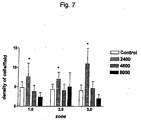
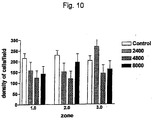
- stromal or intraepithelial lymphoid cells were found to express IL-2Ra in OSCC samples. There were no significant differences in the incidence of CD25-positve lymphoid cells in the various zones of LI-treated OSCC cases. Treatment with LI increased both the stromal except zone 1 surface and the intraepithelial incidence of CD25-positive lymphoid cells exclusively at the lowest LI dose (P ⁇ 0.05) as shown in Fig.'s 6 and 7.
- the T-cell subpopulation of the mononuclear infiltrate in OSCC was identified - by the CD3 marker.
- the intraepithelial density of T cells was below 5% of the stromal density of T cells in the tumors in the control group as shown in Fig. 8 (X400 magnification).
- CD3-positive T cells were more prevalent in the LI-treated group as shown in Fig. 9 (X400 magnification).
- cytotoxic T cells characterized by the CD8 marker.
- LI treatment induced reduction in the incidence of CD8-positive cells in the OSCC stroma of typically, 30% - 40%. But the differences were not statistically significant.
- Approximately 10% of the stromal cytotoxic T cells were found intraepithelially in the treatment-naive control OSCC cases.
- LI treatment at various doses and primarily at the two lower doses induced some increase in the intraepithelial CD8 cells, this increase depended on the various zones in the tumors and on the individual case studied and was not statistically significant.
- NK cells infiltrating the oral cancers in the present study were not detected in the entire patient group.
- the failure to detect NK cells in OSCC was not due to technical failure of the immunoreaction because N-CAM (CD57) was successfully detected in nerve cells and degenerating muscle cells in the region adjacent to the tumor tissue studied.
- OSCC tumors may contain CD34-positive stem cells in their stroma.
- Schmidt et al. "Mechanisms of immune suppression in patients with head and neck cancer: presence of CD34+ cells which suppress immune functions within cancers that secrete granulocyte-macrophage colony-stimulating factor", Clin Cancer Res 1:95 (1999 ); Young et al., “Mechanisms of immune suppression in patients with head and neck cancer: influence on the immune infiltrate of the cancer", Int J Cancer 67:333 (1996 ).
- CD34-positive mononuclear cells were not detected in the present study of 54 paraffin-embedded samples. This was not due to technical failure because CD34-positive endothelial cells in the tumor microvasculature were readily detected in all OSCC cases studied.
- OSCC is an immunogenic tumor and that LI treatment induces lymphocytic infiltration into a tumor.
- there is a marked individual variability between tumor samples obtained from different patients with regard to the composition of the mononuclear infiltrate of OSCC suggesting that a separate analysis would be necessary to determine which of the components of the cellular infiltrate plays a significant role in disease prognosis or therapeutic response in OSCC.
- Leukocyte Interleukin (LI) treatment has a specific effect on the composition of the mononuclear infiltrate of the OSCC. There was no effect seen on stromal, intraepithelial macrophages, neutrophil leukocytes, or antigen presenting cells such as CD1a-positive.
- the normal peritumoral epithelium contained the highest density of dendritic cells in both control and LI-treated groups. Without being limited to any single theory of invention, this suggests that OSCC may secrete a factor(s) that interferes with or inhibits antigen-presenting cell activity directly at the tumor site. Since patients with malignant melanoma have a similar dendritic cell distribution, this may be a general phenomenon of OSCC rather than being treatment specific. Treatment with LI at the doses provided herein did not have an influence on this feature of OSCC.
- LI treatment Leukocyte interleukin injection (LI) treatment with the lowest dose induced significant accumulation of lymphoid cells in cancer nests of OSCC without significant effect on stromal density. Furthermore, LI treatment at 400 IU per day, three times a week increased the density of CD25-expressing lymphoid cells in the tumor stroma and intraepithelially. The possibility exists of a feedback inhibition loop by the relatively high local concentration of natural IL-2 in the LI preparation.
- Leukocyte Interleukin Injection or Multikine® has been tested in over 190 Cancer, HIV, and HIV/HPV infected, patients with no severe adverse events related to LI or Multikine® administration as reported by Harris et al., "Immunologic approaches to the treatment of prostate cancer", Semin Oncol. 1999 Aug;26(4):439-7 ; Timár et al., "The effect of Leukocyte Interleukin, Injection on the peri- and intratumoral subpopulation of mononuclear cells and on tumor epithelia - A possible new approach to augmenting sensitivity to radiation and chemotherapy in oral cancer.
- the formulations of the present disclosure may comprise Leukocyte Interleukin Injection (LI) or Multikine® as described above together with one or more pharmaceutically acceptable carriers and, optionally, other therapeutic ingredients, especially therapeutic immunological adjuvants.
- the carrier(s) must be "acceptable” in the sense of being compatible with the other ingredients of the formulation and not deleterious to the recipient thereof.
- the formulations are prepared by uniformly and intimately bringing into association the active ingredient with liquid carriers or finely divided solid carriers or both, and then, if necessary, bringing the product into the desired formulation.
- pharmaceutically acceptable carrier refers to any carrier, diluent, excipient, suspending agent, lubricating agent, adjuvant, vehicle, delivery system, emulsifier, disintegrant, absorbant, preservative, surfactant, colorant, flavorant, or sweetener.
- the formulations may conveniently be presented in unit dosage form and may be prepared by any method well-known in the pharmaceutical art.
- Formulations suitable for intravenous, intramuscular, subcutaneous, or intraperitoneal, nasal, etc. administration conveniently comprise sterile aqueous solutions of the active ingredient(s) with solutions which are preferably isotonic with the blood of the recipient.
- the compounds of the present disclosure may also be administered orally, parenterally, by inhalation spray, topically, rectally, buccally, vaginally or via an implanted reservoir in dosage formulations containing conventional non-toxic pharmaceutically-acceptable carriers, adjuvants and vehicles.
- parenteral as used herein includes subcutaneous, intravenous, intramuscular, intraperitoneally, intrathecally, intraventricularly, intrasternal and intracranial injection or infusion techniques.
- Such formulations may be conveniently prepared by dissolving solid active ingredients in water containing physiologically compatible substances such as sodium chloride (e.g. 0.1-2.0M), glycine, and the like, and having a buffered pH compatible with physiological conditions to produce an aqueous solution and rendering the solution sterile.
- physiologically compatible substances such as sodium chloride (e.g. 0.1-2.0M), glycine, and the like, and having a buffered pH compatible with physiological conditions to produce an aqueous solution and rendering the solution sterile.
- the compounds of the present disclosure may also be administered in the form of sterile injectable preparations, for example, as sterile injectable aqueous or oleaginous suspensions. These suspensions may be formulated according to techniques known in the art using suitable dispersing or wetting agents and suspending agents.
- the sterile injectable preparations may also be sterile injectable solutions or suspensions in non-toxic parenterally-acceptable diluents or solvents, for example, as solutions in 1,3-butanediol.
- acceptable vehicles and solvents that may be employed are water, Ringer's solution and isotonic sodium chloride solution.
- sterile, fixed oils are conventionally employed as solvents or suspending mediums.
- any bland fixed oil may be employed including synthetic mono- or di-glycerides.
- Fatty acids such as oleic acid and its glyceride derivatives, including olive oil and castor oil, especially in their polyoxyethylated versions are useful in the preparation of injectables.
- These oil solutions or suspensions may also contain long-chain alcohol diluents or dispersants.
- the compounds of this disclosure may also be administered topically, especially when the conditions addressed for treatment involve areas or organs readily accessible by topical application including disorders of the eye, the skin, or the lower intestinal tract. Suitable topical formulations are readily prepared for each of these areas.
- the compounds can be formulated in a suitable ointment containing the compound suspended or dissolved in, for example, a mixture with one or more of the following: mineral oil, liquid petrolatum, white petrolatum, propylene glycol, polyoxyethylene polyoxypropylene compound, emulsifying wax and water.
- the compounds can be formulated in a suitable lotion or cream containing the active compound suspended or dissolved in, for example, a mixture of one or more of the following: mineral oil, sorbitan monostearate, polysorbate 60, cetyl esters wax, cetearyl alcohol, 2-octyldodecanol, benzyl alcohol and water.
- the amount of active ingredient that may be combined with the carrier materials to produce a single dosage form will vary depending upon the host treated and the particular mode of administration. Some factors include the activity of the specific compound employed, the age, body weight, general health, sex, and diet of the patients; the time of administration, rate of excretion, drug combination, and the severity of the particular disease being treated and form of administration.
- Controlled release preparations may be achieved through the use of polymer to complex or absorb the peptide.
- the controlled delivery may be exercised by selecting appropriate macromolecules (for example, polyester, polyamino acids, polyvinyl, pyrrolidone, ethylenevinylacetate, methylcellulose, carboxymethylcellulose, or protamine sulfate) and the concentration of macromolecules as well as the methods of incorporation in order to control release.
- appropriate macromolecules for example, polyester, polyamino acids, polyvinyl, pyrrolidone, ethylenevinylacetate, methylcellulose, carboxymethylcellulose, or protamine sulfate
- Leukocyte Interleukin Injection or Multikine® may be incorporated into a hydrophobic polymer matrix for controlled-release over a period of days.
- controlled-release films are well known to the art.
- Particularly preferred are transdermal delivery systems.
- Other examples of polymers commonly employed for this purpose that may be used in the present invention include non-degradable ethylene-vinyl acetate copolymer and degradable lactic acid-glycolic acid copolymers which may be used externally or internally.
- Certain hydrogels such as poly(hydroxyethylmethacrylate) or poly(vinylalcohol) also may be useful, but for shorter release cycles then the other polymer releases systems, such as those mentioned above.
- microcapsules prepared, for example, by coacervation techniques or by interfacial polymerization, for example, hydroxy-methylcellulose or gelatin-microcapsules and poly(methylmethacrylate) microcapsules, respectively, or in colloidal drug delivery systems, for example, liposomes, albumin microspheres, microemulsions, nanoparticles, and nanocapsules or in macroemulsions.
- Leukocyte Interleukin Injection (LI) or Multikine® should also readily penetrate the blood-brain barrier when peripherally administered.
- Compounds which cannot penetrate the blood-brain barrier can be effectively administered by an intraventricular route or other appropriate delivery system suitable for administration to the brain.
- Leukocyte Interleukin Injection (LI) or Multikine® may also be supplied in the form of a kit, alone, or in the form of a pharmaceutical composition as described above.
- Administration of Leukocyte Interleukin Injection (LI) or Multikine® can be conducted by conventional methods.
- Leukocyte Interleukin Injection (LI) or Multikine® can be used in a suitable diluent such as saline or water, or complete or incomplete adjuvants.
- Leukocyte Interleukin Injection (LI) or Multikine® can be administered by any route appropriate for immune system stimulation, such as intravenous, intraperitoneal, intramuscular, subcutaneous, nasal, oral, rectal, vaginal, and the like.
- Leukocyte Interleukin Injection (LI) or Multikine® may be for either a prophylactic or therapeutic purpose.
- Leukocyte Interleukin Injection (LI) or Multikine® is provided in advance of any evidence or in advance of any symptom due to disease.
- Leukocyte Interleukin Injection (LI) or Multikine® is provided at (or after) the onset of the disease or at the onset of any symptom of the disease.
- the therapeutic administration of Leukocyte Interleukin Injection (LI) or Multikine® serves to attenuate the disease and improves conventional treatment outcomes.
Landscapes
- Health & Medical Sciences (AREA)
- Life Sciences & Earth Sciences (AREA)
- Pharmacology & Pharmacy (AREA)
- Veterinary Medicine (AREA)
- Public Health (AREA)
- Chemical & Material Sciences (AREA)
- General Health & Medical Sciences (AREA)
- Animal Behavior & Ethology (AREA)
- Medicinal Chemistry (AREA)
- Engineering & Computer Science (AREA)
- Proteomics, Peptides & Aminoacids (AREA)
- Epidemiology (AREA)
- Immunology (AREA)
- Bioinformatics & Cheminformatics (AREA)
- Gastroenterology & Hepatology (AREA)
- Zoology (AREA)
- Chemical Kinetics & Catalysis (AREA)
- General Chemical & Material Sciences (AREA)
- Nuclear Medicine, Radiotherapy & Molecular Imaging (AREA)
- Organic Chemistry (AREA)
- Medicines That Contain Protein Lipid Enzymes And Other Medicines (AREA)
- Medicines Containing Material From Animals Or Micro-Organisms (AREA)
Applications Claiming Priority (2)
| Application Number | Priority Date | Filing Date | Title |
|---|---|---|---|
| US10/878,563 US20050002899A1 (en) | 2003-07-03 | 2004-06-29 | Method of pre-sensitizing cancer prior to treament with radiation and/or chemotherapy and a novel cytokine mixture |
| PCT/US2005/022678 WO2006004633A2 (en) | 2004-06-29 | 2005-06-28 | A method of pre-sensitizing cancer prior to treament with radiation and/or chemotherapy and a novel cytokine mixture |
Publications (3)
| Publication Number | Publication Date |
|---|---|
| EP1773368A2 EP1773368A2 (en) | 2007-04-18 |
| EP1773368A4 EP1773368A4 (en) | 2009-08-05 |
| EP1773368B1 true EP1773368B1 (en) | 2016-05-04 |
Family
ID=35783284
Family Applications (1)
| Application Number | Title | Priority Date | Filing Date |
|---|---|---|---|
| EP05789138.4A Expired - Lifetime EP1773368B1 (en) | 2004-06-29 | 2005-06-28 | A method of pre-sensitizing cancer prior to treament with radiation and/or chemotherapy and a novel cytokine mixture |
Country Status (8)
| Country | Link |
|---|---|
| US (1) | US20050002899A1 (https=) |
| EP (1) | EP1773368B1 (https=) |
| JP (1) | JP5122279B2 (https=) |
| CN (1) | CN101014354A (https=) |
| AU (1) | AU2005260053A1 (https=) |
| CA (1) | CA2571598A1 (https=) |
| ES (1) | ES2581978T3 (https=) |
| WO (1) | WO2006004633A2 (https=) |
Families Citing this family (6)
| Publication number | Priority date | Publication date | Assignee | Title |
|---|---|---|---|---|
| US6896879B2 (en) * | 2003-07-03 | 2005-05-24 | Cel-Sci Corporation | Method of pre-sensitizing cancer prior to treatment with radiation and/or chemotherapy and a novel cytokine mixture |
| CA2593648A1 (en) * | 2005-01-10 | 2006-07-13 | Research Development Foundation | Targeted chimeric molecules for cancer therapy |
| CN100344325C (zh) * | 2005-10-17 | 2007-10-24 | 华南师范大学 | 一种治疗宫颈癌的药物及其制备方法与应用 |
| US20080131396A1 (en) * | 2006-12-04 | 2008-06-05 | Cel-Sci Corp. | Method for altering the CD4/CD8 ratio and the mononuclear cellular infiltrate into a tumor |
| CN102166347B (zh) * | 2011-04-02 | 2013-12-11 | 广州市恺泰生物科技有限公司 | 一种白细胞介素-12的药物新用途 |
| WO2025019822A1 (en) * | 2023-07-19 | 2025-01-23 | Istari Oncology, Inc. | Methods of treatment with a chimeric poliovirus in patients with glioblastoma |
Family Cites Families (4)
| Publication number | Priority date | Publication date | Assignee | Title |
|---|---|---|---|---|
| EP0789588B1 (en) * | 1994-11-17 | 2005-01-19 | University Of South Florida | Method for making a medicament for treating secondary immunodeficiency |
| AU2002232560A1 (en) * | 2000-10-27 | 2002-05-06 | Immuno-Rx, Inc | Vaccine immunotherapy for immune suppressed patients |
| US6896879B2 (en) * | 2003-07-03 | 2005-05-24 | Cel-Sci Corporation | Method of pre-sensitizing cancer prior to treatment with radiation and/or chemotherapy and a novel cytokine mixture |
| US20060257357A1 (en) * | 2005-05-10 | 2006-11-16 | Cel-Sci Corporation | Method for modulating HLA class II tumor cell surface expression with a cytokine mixture |
-
2004
- 2004-06-29 US US10/878,563 patent/US20050002899A1/en not_active Abandoned
-
2005
- 2005-06-28 EP EP05789138.4A patent/EP1773368B1/en not_active Expired - Lifetime
- 2005-06-28 AU AU2005260053A patent/AU2005260053A1/en not_active Abandoned
- 2005-06-28 CA CA002571598A patent/CA2571598A1/en not_active Abandoned
- 2005-06-28 JP JP2007519321A patent/JP5122279B2/ja not_active Expired - Fee Related
- 2005-06-28 CN CNA2005800291699A patent/CN101014354A/zh active Pending
- 2005-06-28 ES ES05789138.4T patent/ES2581978T3/es not_active Expired - Lifetime
- 2005-06-28 WO PCT/US2005/022678 patent/WO2006004633A2/en not_active Ceased
Non-Patent Citations (2)
| Title |
|---|
| G. TAYLOR: "Immunotherapy with Leucocyte Interleukin, Injection for Human Papilloma Virus (HPV) Induced Cervical Dysplasia in HIV patients", POSTER PRESENTATION 33RD ANNUMAL MEETING OF THE SOCIETY OF GYNECOLOGIC ONCOLOGISTS MIAMI FLORIDA USA, 16 March 2002 (2002-03-16), XP055157030 * |
| TÍMÁR JÓZSEF ET AL: "Neoadjuvant immunotherapy of oral squamous cell carcinoma modulates intratumoral CD4/CD8 ratio and tumor microenvironment: a multicenter phase II clinical trial", JOURNAL OF CLINICAL ONCOLOGY, AMERICAN SOCIETY OF CLINICAL ONCOLOGY, US, vol. 23, no. 15, 20 May 2005 (2005-05-20), pages 3421 - 3432, XP002552350, ISSN: 0732-183X, DOI: 10.1200/JCO.2005.06.005 * |
Also Published As
| Publication number | Publication date |
|---|---|
| WO2006004633A2 (en) | 2006-01-12 |
| CA2571598A1 (en) | 2006-01-12 |
| AU2005260053A1 (en) | 2006-01-12 |
| CN101014354A (zh) | 2007-08-08 |
| US20050002899A1 (en) | 2005-01-06 |
| ES2581978T3 (es) | 2016-09-08 |
| JP2008505082A (ja) | 2008-02-21 |
| JP5122279B2 (ja) | 2013-01-16 |
| EP1773368A2 (en) | 2007-04-18 |
| WO2006004633A3 (en) | 2006-03-16 |
| EP1773368A4 (en) | 2009-08-05 |
Similar Documents
| Publication | Publication Date | Title |
|---|---|---|
| US6896879B2 (en) | Method of pre-sensitizing cancer prior to treatment with radiation and/or chemotherapy and a novel cytokine mixture | |
| US20070166279A1 (en) | Method for modulating hla class ii tumor cell surface expression with a cytokine mixture | |
| EP1753452B1 (en) | A method for altering the cd4/cd8 ratio and the mononuclear cellular infiltrate into a tumor | |
| EP1773368B1 (en) | A method of pre-sensitizing cancer prior to treament with radiation and/or chemotherapy and a novel cytokine mixture | |
| US20080131396A1 (en) | Method for altering the CD4/CD8 ratio and the mononuclear cellular infiltrate into a tumor | |
| HK1105858A (en) | A method of pre-sensitizing cancer prior to treament with radiation and/or chemotherapy and a novel cytokine mixture | |
| KR102753588B1 (ko) | K-ras 특이적 활성화 T 세포를 포함하는 폐 선암종의 예방 및 치료용 약제학적 조성물 및 이의 제조방법 | |
| KR102753585B1 (ko) | K-ras 특이적 활성화 T 세포를 포함하는 폐 유두상 선암종의 예방 및 치료용 약제학적 조성물 및 이의 제조방법 | |
| KR102753589B1 (ko) | K-ras 특이적 활성화 T 세포를 포함하는 흑색종의 예방 및 치료용 약제학적 조성물 및 이의 제조방법 | |
| Lo | HIV hijacks dendritic cells | |
| WO2006101535A1 (en) | Inhibition of proteasome function to potentiate the proapoptotic and antitumor activity of cytokines | |
| KR20240125905A (ko) | K-ras 특이적 활성화 T 세포를 포함하는 유방암의 예방 및 치료용 약제학적 조성물 및 이의 제조방법 | |
| KR20240125904A (ko) | K-ras 특이적 활성화 T 세포를 포함하는 대장암의 예방 및 치료용 약제학적 조성물 및 이의 제조방법 | |
| HK1096846A (en) | A method of pre-sensitizing cancer prior to treatment with radiation and/or chemotherapy and a novel cytokine mixture | |
| Aydin et al. | Effect of high-dose medroxyprogesterone acetate on tumor necrosis factor-alpha release in patients with chemotherapy-induced neutropenia | |
| HK1120214A (en) | A method for modulating hla class ii tumor cell surface expression with a cytokine mixture | |
| HK1106983A (en) | A method for altering the cd4/cd8 ratio and the mononuclear cellular infiltrate into a tumor |
Legal Events
| Date | Code | Title | Description |
|---|---|---|---|
| PUAI | Public reference made under article 153(3) epc to a published international application that has entered the european phase |
Free format text: ORIGINAL CODE: 0009012 |
|
| 17P | Request for examination filed |
Effective date: 20070112 |
|
| AK | Designated contracting states |
Kind code of ref document: A2 Designated state(s): AT BE BG CH CY CZ DE DK EE ES FI FR GB GR HU IE IS IT LI LT LU MC NL PL PT RO SE SI SK TR |
|
| DAX | Request for extension of the european patent (deleted) | ||
| A4 | Supplementary search report drawn up and despatched |
Effective date: 20090703 |
|
| 17Q | First examination report despatched |
Effective date: 20100209 |
|
| GRAP | Despatch of communication of intention to grant a patent |
Free format text: ORIGINAL CODE: EPIDOSNIGR1 |
|
| INTG | Intention to grant announced |
Effective date: 20151105 |
|
| GRAS | Grant fee paid |
Free format text: ORIGINAL CODE: EPIDOSNIGR3 |
|
| GRAA | (expected) grant |
Free format text: ORIGINAL CODE: 0009210 |
|
| AK | Designated contracting states |
Kind code of ref document: B1 Designated state(s): AT BE BG CH CY CZ DE DK EE ES FI FR GB GR HU IE IS IT LI LT LU MC NL PL PT RO SE SI SK TR |
|
| REG | Reference to a national code |
Ref country code: GB Ref legal event code: FG4D |
|
| REG | Reference to a national code |
Ref country code: CH Ref legal event code: EP |
|
| REG | Reference to a national code |
Ref country code: AT Ref legal event code: REF Ref document number: 796291 Country of ref document: AT Kind code of ref document: T Effective date: 20160515 |
|
| REG | Reference to a national code |
Ref country code: IE Ref legal event code: FG4D |
|
| REG | Reference to a national code |
Ref country code: DE Ref legal event code: R096 Ref document number: 602005049252 Country of ref document: DE |
|
| REG | Reference to a national code |
Ref country code: FR Ref legal event code: PLFP Year of fee payment: 12 |
|
| REG | Reference to a national code |
Ref country code: CH Ref legal event code: NV Representative=s name: ISLER AND PEDRAZZINI AG, CH |
|
| REG | Reference to a national code |
Ref country code: NL Ref legal event code: MP Effective date: 20160504 |
|
| REG | Reference to a national code |
Ref country code: ES Ref legal event code: FG2A Ref document number: 2581978 Country of ref document: ES Kind code of ref document: T3 Effective date: 20160908 |
|
| REG | Reference to a national code |
Ref country code: LT Ref legal event code: MG4D |
|
| PG25 | Lapsed in a contracting state [announced via postgrant information from national office to epo] |
Ref country code: LT Free format text: LAPSE BECAUSE OF FAILURE TO SUBMIT A TRANSLATION OF THE DESCRIPTION OR TO PAY THE FEE WITHIN THE PRESCRIBED TIME-LIMIT Effective date: 20160504 Ref country code: NL Free format text: LAPSE BECAUSE OF FAILURE TO SUBMIT A TRANSLATION OF THE DESCRIPTION OR TO PAY THE FEE WITHIN THE PRESCRIBED TIME-LIMIT Effective date: 20160504 Ref country code: FI Free format text: LAPSE BECAUSE OF FAILURE TO SUBMIT A TRANSLATION OF THE DESCRIPTION OR TO PAY THE FEE WITHIN THE PRESCRIBED TIME-LIMIT Effective date: 20160504 |
|
| REG | Reference to a national code |
Ref country code: AT Ref legal event code: MK05 Ref document number: 796291 Country of ref document: AT Kind code of ref document: T Effective date: 20160504 |
|
| PG25 | Lapsed in a contracting state [announced via postgrant information from national office to epo] |
Ref country code: GR Free format text: LAPSE BECAUSE OF FAILURE TO SUBMIT A TRANSLATION OF THE DESCRIPTION OR TO PAY THE FEE WITHIN THE PRESCRIBED TIME-LIMIT Effective date: 20160805 Ref country code: SE Free format text: LAPSE BECAUSE OF FAILURE TO SUBMIT A TRANSLATION OF THE DESCRIPTION OR TO PAY THE FEE WITHIN THE PRESCRIBED TIME-LIMIT Effective date: 20160504 Ref country code: PT Free format text: LAPSE BECAUSE OF FAILURE TO SUBMIT A TRANSLATION OF THE DESCRIPTION OR TO PAY THE FEE WITHIN THE PRESCRIBED TIME-LIMIT Effective date: 20160905 |
|
| PG25 | Lapsed in a contracting state [announced via postgrant information from national office to epo] |
Ref country code: BE Free format text: LAPSE BECAUSE OF NON-PAYMENT OF DUE FEES Effective date: 20160630 |
|
| PG25 | Lapsed in a contracting state [announced via postgrant information from national office to epo] |
Ref country code: CZ Free format text: LAPSE BECAUSE OF FAILURE TO SUBMIT A TRANSLATION OF THE DESCRIPTION OR TO PAY THE FEE WITHIN THE PRESCRIBED TIME-LIMIT Effective date: 20160504 Ref country code: SK Free format text: LAPSE BECAUSE OF FAILURE TO SUBMIT A TRANSLATION OF THE DESCRIPTION OR TO PAY THE FEE WITHIN THE PRESCRIBED TIME-LIMIT Effective date: 20160504 Ref country code: RO Free format text: LAPSE BECAUSE OF FAILURE TO SUBMIT A TRANSLATION OF THE DESCRIPTION OR TO PAY THE FEE WITHIN THE PRESCRIBED TIME-LIMIT Effective date: 20160504 Ref country code: DK Free format text: LAPSE BECAUSE OF FAILURE TO SUBMIT A TRANSLATION OF THE DESCRIPTION OR TO PAY THE FEE WITHIN THE PRESCRIBED TIME-LIMIT Effective date: 20160504 Ref country code: EE Free format text: LAPSE BECAUSE OF FAILURE TO SUBMIT A TRANSLATION OF THE DESCRIPTION OR TO PAY THE FEE WITHIN THE PRESCRIBED TIME-LIMIT Effective date: 20160504 |
|
| REG | Reference to a national code |
Ref country code: CH Ref legal event code: PL |
|
| REG | Reference to a national code |
Ref country code: DE Ref legal event code: R097 Ref document number: 602005049252 Country of ref document: DE |
|
| PG25 | Lapsed in a contracting state [announced via postgrant information from national office to epo] |
Ref country code: BE Free format text: LAPSE BECAUSE OF FAILURE TO SUBMIT A TRANSLATION OF THE DESCRIPTION OR TO PAY THE FEE WITHIN THE PRESCRIBED TIME-LIMIT Effective date: 20160504 Ref country code: AT Free format text: LAPSE BECAUSE OF FAILURE TO SUBMIT A TRANSLATION OF THE DESCRIPTION OR TO PAY THE FEE WITHIN THE PRESCRIBED TIME-LIMIT Effective date: 20160504 Ref country code: PL Free format text: LAPSE BECAUSE OF FAILURE TO SUBMIT A TRANSLATION OF THE DESCRIPTION OR TO PAY THE FEE WITHIN THE PRESCRIBED TIME-LIMIT Effective date: 20160504 |
|
| PLBE | No opposition filed within time limit |
Free format text: ORIGINAL CODE: 0009261 |
|
| STAA | Information on the status of an ep patent application or granted ep patent |
Free format text: STATUS: NO OPPOSITION FILED WITHIN TIME LIMIT |
|
| REG | Reference to a national code |
Ref country code: IE Ref legal event code: MM4A |
|
| PG25 | Lapsed in a contracting state [announced via postgrant information from national office to epo] |
Ref country code: MC Free format text: LAPSE BECAUSE OF FAILURE TO SUBMIT A TRANSLATION OF THE DESCRIPTION OR TO PAY THE FEE WITHIN THE PRESCRIBED TIME-LIMIT Effective date: 20160504 |
|
| 26N | No opposition filed |
Effective date: 20170207 |
|
| PG25 | Lapsed in a contracting state [announced via postgrant information from national office to epo] |
Ref country code: CH Free format text: LAPSE BECAUSE OF NON-PAYMENT OF DUE FEES Effective date: 20160630 Ref country code: LI Free format text: LAPSE BECAUSE OF NON-PAYMENT OF DUE FEES Effective date: 20160630 |
|
| PG25 | Lapsed in a contracting state [announced via postgrant information from national office to epo] |
Ref country code: IE Free format text: LAPSE BECAUSE OF NON-PAYMENT OF DUE FEES Effective date: 20160628 Ref country code: SI Free format text: LAPSE BECAUSE OF FAILURE TO SUBMIT A TRANSLATION OF THE DESCRIPTION OR TO PAY THE FEE WITHIN THE PRESCRIBED TIME-LIMIT Effective date: 20160504 |
|
| REG | Reference to a national code |
Ref country code: FR Ref legal event code: PLFP Year of fee payment: 13 |
|
| PG25 | Lapsed in a contracting state [announced via postgrant information from national office to epo] |
Ref country code: HU Free format text: LAPSE BECAUSE OF FAILURE TO SUBMIT A TRANSLATION OF THE DESCRIPTION OR TO PAY THE FEE WITHIN THE PRESCRIBED TIME-LIMIT; INVALID AB INITIO Effective date: 20050628 Ref country code: CY Free format text: LAPSE BECAUSE OF FAILURE TO SUBMIT A TRANSLATION OF THE DESCRIPTION OR TO PAY THE FEE WITHIN THE PRESCRIBED TIME-LIMIT Effective date: 20160504 |
|
| REG | Reference to a national code |
Ref country code: FR Ref legal event code: PLFP Year of fee payment: 14 |
|
| PG25 | Lapsed in a contracting state [announced via postgrant information from national office to epo] |
Ref country code: LU Free format text: LAPSE BECAUSE OF NON-PAYMENT OF DUE FEES Effective date: 20160628 Ref country code: IS Free format text: LAPSE BECAUSE OF FAILURE TO SUBMIT A TRANSLATION OF THE DESCRIPTION OR TO PAY THE FEE WITHIN THE PRESCRIBED TIME-LIMIT Effective date: 20160504 Ref country code: TR Free format text: LAPSE BECAUSE OF FAILURE TO SUBMIT A TRANSLATION OF THE DESCRIPTION OR TO PAY THE FEE WITHIN THE PRESCRIBED TIME-LIMIT Effective date: 20160504 |
|
| PG25 | Lapsed in a contracting state [announced via postgrant information from national office to epo] |
Ref country code: BG Free format text: LAPSE BECAUSE OF FAILURE TO SUBMIT A TRANSLATION OF THE DESCRIPTION OR TO PAY THE FEE WITHIN THE PRESCRIBED TIME-LIMIT Effective date: 20160504 |
|
| PGFP | Annual fee paid to national office [announced via postgrant information from national office to epo] |
Ref country code: FR Payment date: 20230626 Year of fee payment: 19 Ref country code: DE Payment date: 20230626 Year of fee payment: 19 |
|
| PGFP | Annual fee paid to national office [announced via postgrant information from national office to epo] |
Ref country code: IT Payment date: 20230620 Year of fee payment: 19 Ref country code: GB Payment date: 20230627 Year of fee payment: 19 Ref country code: ES Payment date: 20230703 Year of fee payment: 19 |
|
| REG | Reference to a national code |
Ref country code: DE Ref legal event code: R119 Ref document number: 602005049252 Country of ref document: DE |
|
| GBPC | Gb: european patent ceased through non-payment of renewal fee |
Effective date: 20240628 |
|
| PG25 | Lapsed in a contracting state [announced via postgrant information from national office to epo] |
Ref country code: DE Free format text: LAPSE BECAUSE OF NON-PAYMENT OF DUE FEES Effective date: 20250101 |
|
| PG25 | Lapsed in a contracting state [announced via postgrant information from national office to epo] |
Ref country code: FR Free format text: LAPSE BECAUSE OF NON-PAYMENT OF DUE FEES Effective date: 20240630 |
|
| PG25 | Lapsed in a contracting state [announced via postgrant information from national office to epo] |
Ref country code: IT Free format text: LAPSE BECAUSE OF NON-PAYMENT OF DUE FEES Effective date: 20240628 Ref country code: GB Free format text: LAPSE BECAUSE OF NON-PAYMENT OF DUE FEES Effective date: 20240628 |
|
| REG | Reference to a national code |
Ref country code: ES Ref legal event code: FD2A Effective date: 20250801 |
|
| PG25 | Lapsed in a contracting state [announced via postgrant information from national office to epo] |
Ref country code: ES Free format text: LAPSE BECAUSE OF NON-PAYMENT OF DUE FEES Effective date: 20240629 |