EP1734949B1 - Purifications of ellagitannins - Google Patents
Purifications of ellagitannins Download PDFInfo
- Publication number
- EP1734949B1 EP1734949B1 EP20050729156 EP05729156A EP1734949B1 EP 1734949 B1 EP1734949 B1 EP 1734949B1 EP 20050729156 EP20050729156 EP 20050729156 EP 05729156 A EP05729156 A EP 05729156A EP 1734949 B1 EP1734949 B1 EP 1734949B1
- Authority
- EP
- European Patent Office
- Prior art keywords
- ellagitannins
- composition
- punicalagin
- pomegranate
- ellagic acid
- Prior art date
- Legal status (The legal status is an assumption and is not a legal conclusion. Google has not performed a legal analysis and makes no representation as to the accuracy of the status listed.)
- Expired - Lifetime
Links
Images

Classifications
-
- C—CHEMISTRY; METALLURGY
- C07—ORGANIC CHEMISTRY
- C07H—SUGARS; DERIVATIVES THEREOF; NUCLEOSIDES; NUCLEOTIDES; NUCLEIC ACIDS
- C07H17/00—Compounds containing heterocyclic radicals directly attached to hetero atoms of saccharide radicals
- C07H17/04—Heterocyclic radicals containing only oxygen as ring hetero atoms
- C07H17/08—Hetero rings containing eight or more ring members, e.g. erythromycins
-
- A—HUMAN NECESSITIES
- A61—MEDICAL OR VETERINARY SCIENCE; HYGIENE
- A61K—PREPARATIONS FOR MEDICAL, DENTAL OR TOILETRY PURPOSES
- A61K31/00—Medicinal preparations containing organic active ingredients
- A61K31/33—Heterocyclic compounds
- A61K31/335—Heterocyclic compounds having oxygen as the only ring hetero atom, e.g. fungichromin
- A61K31/357—Heterocyclic compounds having oxygen as the only ring hetero atom, e.g. fungichromin having two or more oxygen atoms in the same ring, e.g. crown ethers, guanadrel
-
- A—HUMAN NECESSITIES
- A61—MEDICAL OR VETERINARY SCIENCE; HYGIENE
- A61K—PREPARATIONS FOR MEDICAL, DENTAL OR TOILETRY PURPOSES
- A61K31/00—Medicinal preparations containing organic active ingredients
- A61K31/70—Carbohydrates; Sugars; Derivatives thereof
- A61K31/7004—Monosaccharides having only carbon, hydrogen and oxygen atoms
-
- A—HUMAN NECESSITIES
- A61—MEDICAL OR VETERINARY SCIENCE; HYGIENE
- A61P—SPECIFIC THERAPEUTIC ACTIVITY OF CHEMICAL COMPOUNDS OR MEDICINAL PREPARATIONS
- A61P25/00—Drugs for disorders of the nervous system
- A61P25/28—Drugs for disorders of the nervous system for treating neurodegenerative disorders of the central nervous system, e.g. nootropic agents, cognition enhancers, drugs for treating Alzheimer's disease or other forms of dementia
-
- A—HUMAN NECESSITIES
- A61—MEDICAL OR VETERINARY SCIENCE; HYGIENE
- A61P—SPECIFIC THERAPEUTIC ACTIVITY OF CHEMICAL COMPOUNDS OR MEDICINAL PREPARATIONS
- A61P29/00—Non-central analgesic, antipyretic or antiinflammatory agents, e.g. antirheumatic agents; Non-steroidal antiinflammatory drugs [NSAID]
-
- A—HUMAN NECESSITIES
- A61—MEDICAL OR VETERINARY SCIENCE; HYGIENE
- A61P—SPECIFIC THERAPEUTIC ACTIVITY OF CHEMICAL COMPOUNDS OR MEDICINAL PREPARATIONS
- A61P3/00—Drugs for disorders of the metabolism
- A61P3/02—Nutrients, e.g. vitamins, minerals
-
- A—HUMAN NECESSITIES
- A61—MEDICAL OR VETERINARY SCIENCE; HYGIENE
- A61P—SPECIFIC THERAPEUTIC ACTIVITY OF CHEMICAL COMPOUNDS OR MEDICINAL PREPARATIONS
- A61P3/00—Drugs for disorders of the metabolism
- A61P3/04—Anorexiants; Antiobesity agents
-
- A—HUMAN NECESSITIES
- A61—MEDICAL OR VETERINARY SCIENCE; HYGIENE
- A61P—SPECIFIC THERAPEUTIC ACTIVITY OF CHEMICAL COMPOUNDS OR MEDICINAL PREPARATIONS
- A61P3/00—Drugs for disorders of the metabolism
- A61P3/08—Drugs for disorders of the metabolism for glucose homeostasis
- A61P3/10—Drugs for disorders of the metabolism for glucose homeostasis for hyperglycaemia, e.g. antidiabetics
-
- A—HUMAN NECESSITIES
- A61—MEDICAL OR VETERINARY SCIENCE; HYGIENE
- A61P—SPECIFIC THERAPEUTIC ACTIVITY OF CHEMICAL COMPOUNDS OR MEDICINAL PREPARATIONS
- A61P35/00—Antineoplastic agents
-
- C—CHEMISTRY; METALLURGY
- C07—ORGANIC CHEMISTRY
- C07H—SUGARS; DERIVATIVES THEREOF; NUCLEOSIDES; NUCLEOTIDES; NUCLEIC ACIDS
- C07H17/00—Compounds containing heterocyclic radicals directly attached to hetero atoms of saccharide radicals
- C07H17/04—Heterocyclic radicals containing only oxygen as ring hetero atoms
- C07H17/06—Benzopyran radicals
Definitions
- antioxidants are a popular method to increase the shelf life of food products. Natural antioxidants may also play an important role in the prevention of carcinogenesis. Dietary antioxidants may be effective against the peroxidative damage in living systems. Current studies on pomegranate tannins also include the inhibition of COX-1 and COX-2 enzymes; anti-athersclerotic activity; inhibition of the nuclear transcription factor NF- ⁇ B, repression of glutathione expression, and anti-adhesion effects; and the like.
- a high-volume byproduct of the large-scale pomegranate juice extraction process is the husk residue, comprising the fruit rind, pith and membranes.
- the high moisture content of the residue renders its disposal costly and limits the feasibility of alternative uses.
- the same byproducts, however, given a fast, cost-effective and high-yielding extraction and purification process, have the potential to provide an inexpensive and abundant source of a refined product rich in hydrolysable ellagitannins, including punicalagin.
- Punicalagin is the predominant tannin, which is present in significant levels (> 2 g/L) in commercial pomegranate juice, extracted due to its hydrophilic properties when the fruits are hydrostatically pressed. This compound is responsible for the high antioxidant activity of this juice, although little is known about the bioavailability and metabolism of punicalagin or other food ellagitannins.
- the invention relates to compositions of purified and biologically active ellagitannins, including punicalagin, as well as methods for producing such compositions.
- the tannins are separated from natural products by a method of extraction and purification using a solid polymeric adsorbent.
- the present invention provides a method for producing an ellagitannin composition, the method comprising: preparing an aqueous solution containing ellagitannins from pomegranate husks and arils; transferring the ellagitannins from the aqueous solution onto a surface of a polymeric cross-linked styrene-divinyl-benzene adsorptive resin material; eluting the ellagitannins from the resin surface with an eluant which is an alkanol containing 1 to 4 carbon atoms to an eluant ellagitannins solution; and separating the eluant from the eluant ellagitannins solution to produce the ellagitannin composition, wherein the ellagitannin composition comprises punicalagin at a concentration of at least 10% on a weight/weight basis.
- a preferred alkanol for use in the method is ethanol.
- the resin surface may be a macroreticular structure with a continuous polymer phase and a continuous pore phase.
- the resin surface may be particles having a size between 100 to 200 microns.
- the resin particles may be in the form of a column.
- the aqueous solution containing the ellagitannins may be obtained by the method of: disrupting pomegranate husk and separating pulp; and extracting the ellagitannins from the pulp into an aqueous solution.
- the method of the invention may further comprise the step of washing the ellagitannins with an aqueous buffer after transfer to and before eluting from the resin surface.
- the invention provides a composition comprising a pomegranate ellagitannin composition prepared according to the method of the invention wherein the composition includes ellagitannins at a concentration of at least about 30%.
- the composition may comprise a total pomegranate tannins (TPT) extract.
- the composition may comprise punicalagin at a concentration of at least 20% by weight of the total weight of the composition.
- the composition may comprise ellagitannins selected from the group consisting of ellagic acid, ellagic acid glycosides, punicalin, punicalagin, and combinations thereof.
- the ellagic acid and ellagic acid glycosides may be present at a concentration of at least about 5% by weight of the total weight of the composition.
- the composition may comprise anthocyanins and anthocyanidins at a concentration of at least about 5% by weight total weight of the composition.
- Extracts comprising these compounds, and extracts comprising total pomegranate tannins are useful for a variety of applications, including pharmaceutical, neutraceutical, cosmetic, and food uses.
- the present invention further provides the use of compositions of the invention in a pharmaceutical, phytoceutical, neutraceutical or cosmetic formulation.
- a rapid polymeric adsorbent column which is used to purify pomegranate tannins from an aqueous extract, which extract is derived from a source of ellagitannins such as a variety of plant extracts, including Punica granatum L, and the like.
- the tannins are adsorbed to the columns, and followed by cleansing, gravity evacuation, and vacuum aspiration of fluid from the column, the adsorbed tannins are eluted from the adsorbent solid and the solvent removed in vacuo to yield a powder of highly concentrated total tannins comprising a high percentage (e.g., 80%) of punicalagin anomers, as well as a significant percentage of ellagic acid. Additional chromatography steps may be performed to provide for highly purified compositions of punicalagin.
- the present invention also provides a method for producing a mixture comprising ellagitannins from pomegranate, as set out in the claims.
- the starting material may be fresh, or quick frozen and thawed. The material is then disrupted, and the ellagitannins extracted from the pulp into an aqueous solution.
- the extracts thus obtained may be used in the preparation of tinctures, cosmetics and other therapeutic formulae, as food biopreservatives, in the nutraceutical industry; and the like.
- the compositions also find use as a source of ellagic acid derivatives, including hydrolysable ellagitannins, for use in in vitro and in vivo biological studies.
- the compounds thus isolated are reported to have antioxidant, anticancer, antineurodegenerative, antidiabetic, and antiinflammatory activities.
- the compounds also find use in the treatment of obesity and overweight individuals, to reduce undesirable body fat.
- Polymeric adsorbent resins are used to purify tannins from an aqueous pomegranate extract. After adsorption, the resins are subjected to cleansing, gravity evacuation, and vacuum aspiration of fluid. The adsorbed tannins are then eluted from the resins and the solvent removed in vacuo to yield a powder of highly concentrated total tannins, which may comprise a high level of ellagitannins, including, for example, punicalagin anomers, ellagic acid; ellagic acid glycosides; anthocyanins and anthocyanidins; etc.
- ellagitannins including, for example, punicalagin anomers, ellagic acid; ellagic acid glycosides; anthocyanins and anthocyanidins; etc.
- the extracts thus obtained may be used in biological studies, for pharmaceutical uses; in the preparation of tinctures, cosmetics and other therapeutic formulae, as food additives, in the nutraceutical industry; and the like.
- the isolated mixtures of ellagitannins can also be tableted and used as a natural nutraceutical/dietary supplement.
- the tablets provide a daily dose of the tannins.
- the amount of the ellagitannins can be adjusted by isolating the individual compounds and blending them-together.
- the tablets may comprise the natural mixture of the ellagitannins that are isolated by the resin.
- Compositions enriched in ellagitannins are recovered from plant material, which plant material may include fruit husks and/or peels and juice, leaves, woody stems, and the like. Plants suitable for extraction include fruit husks and/or peels of Punica granatum.
- a suspension of material from the plant material is prepared by a variety of methods as known in the art, e.g. blending, aqueous extraction, etc.
- the aqueous solution comprising ellagitannins is applied to a polymeric adsorbent column, which is then washed with an aqueous buffer to remove unbound material.
- the tannins of interest bind to the resin, and may be eluted With a C1-4 alkanol solvent, e.g., methanol, ethanol, etc.
- the resin has a surface to which the ellagitannins are adsorbed.
- a preferred class of adsorptive resins are polymeric crosslinked resins composed of styrene and divinylbenzene such as, for example, the AMBERLITE series of resins, e.g., AMBERLITE XAD-4 and AMBERLITE XAD-16, which are available commercially from Rohm & Haas Co., Philadelphia, Pa.
- Other polymeric crosslinked styrene and divinylbenzene adsorptive resins suitable for use according to the invention are XFS-4257, XFS-4022, XUS-40323 and XUS-40322 manufactured by The Dow Chemical Company, Midland, Mich., and the like.
- AMBERLITE XAD-16 commercially available, FDA-approved, styrene-divinyl-benzene (SDVB) cross-linked copolymer resin, (e.g., AMBERLITE XAD-16).
- AMBERLITE XAD-16 commercially available from Rohm and Haas Company, and described in U.S. Pat. No. 4,297,220 , is used as the resin.
- This resin is a non-ionic hydrophobic, cross-linked polystyrene divinyl benzene adsorbent resin.
- AMBERLITE XAD-16 has a macroreticular structure, with both a continuous polymer phase and a continuous pore phase.
- the resin used in the present invention has a particle size ranging from 100-200 microns.
- adsorbents such as those in the AMBERLITE XAD adsorbent series which contain hydrophobic macroreticular resin beads, with particle sizes in the range of 100-200 microns, are also be effective in the methods of the present invention.
- different variations of the AMBERLITES such as the AMERCHROM CG series of adsorbents, used with particle sizes in the range of 100-200 microns, may also be suitable for use in the present invention.
- the AMBERLITE XAD-16 is preferred since it can be re-used many times (over 100 times). However, it is contemplated that for food, the use of governmental ly-approved resins in the present invention may be considered important and/or desirable.
- Various geometries may be used for the purification, including batch adsorption, column chromatography, and the like, as known in the art.
- the resins are washed, e.g. with water or an aqueous buffer to remove unbound material from the extract.
- Lower alkanols containing 1 to 4 carbon atoms are used to remove the adsorbed ellagitannins and most preferred is ethanol (ethyl alcohol) since it is approved for food use.
- ethanol ethyl alcohol
- the ethanol is azeotroped with water; however, absolute ethanol can be used.
- Water containing malic acid and sugars in the pomegranate pass through the column. These may be collected and can be used in foods as flavors.
- the eluted tannins are substantially purified relative to the starting material, and may be further purified, e.g. by chromatography, etc., or may be directly used in formulations of interest.
- the final composition may be concentrated, filtered, dialyzed, etc., using methods known in the art.
- the tannins are administered to a mammal in a physiologically acceptable dosage form, including those that may be administered to a human orally, etc. as a bolus or by continuous infusion over a period of time.
- Alternative routes of administration include intramuscular, intraperitoneal, intra-cerobrospinal, subcutaneous, intra-articular, intrasynovial, intrathecal, topical, or inhalation routes.
- compositions of interest are obtained from the above purification process.
- the compositions comprise ellagitannins and fractions thereof, as described below, and may be provided as a powder, in solution, e.g. in water or aqueous buffer, ethanol, etc. Solutions may also comprise pomegranate juice or other fruit juices and foods.
- Such compositions may comprise at least about 30 % ellagitannins as either weight/volume or percentage of weight; and may comprise at least about 40% ellagitannins; at least about 50% ellagitannins; at least about 60% ellagitannins; or more.
- the identity of the ellagitanins may be confirmed by any suitable method, e.g. HPLC; etc .
- compositions of the invention are extracts comprising punicalagin ( Figure 3A ), which may be present as a component of the total tannins, or may be isolated from other tannins present in pomegranate extracts.
- Punicalagin may be present at a concentration of at least about 10%, usually at least about 20%, at least about 30%, or higher, up to and including a substantially pure composition of punicalagin.
- a pure composition of punicalagin may be derived by chromatography.
- the total tannins are adsorbed onto a lipophilic column, e.g . a Sephadex-Lipophilic LH-20 column pre-equilibrated with an aqueous methonal solution, and eluted with increasing amounts of methanol.
- the resulting compounds are optionally dried and rechromatographed.
- compositions of the invention may include ellagic acid and ellagic acid glycosides ( Figure 3A ), which may be present as a component of the total tannins, or may be isolated from other tannins present in pomegranate extracts.
- Ellagic acid and ellagic acid glycosides may be present at a concentration of at least about 5%, at least about 10%, or more.
- compositions of the invention may include anthocyanins and anthocyanidins, which may be present as a component of the total tannins, or may be isolated from other tannins present in pomegranate extracts.
- Anthocyanins and anthocyanidins may be present at a concentration of at least about 5%, at least about 10%, or more.
- the tannins obtained by the methods of the invention may be used to formulate pharmaceuticals, phytoceuticals, nutraceuticals, herbal medicines, food additive, cosmetics, etc.
- Herbal medicines of interest include, but not restricted to, active fractions from certain herbal preparations such as nettles ( Urtica dioica ) or turmeric ( Curcuma longa ); marine or terrestial animal products, e.g. bioactive lipids from Perna canaliculus, Dromaius nova hollandiae, etc.
- the extracts of the invention may be provided as a composition with a pharmaceutically acceptable carrier.
- Such dosage forms encompass physiologically acceptable carriers that are inherently non-toxic and non-therapeutic.
- physiologically acceptable carriers include ion exchangers, alumina, aluminum stearate, lecithin, serum proteins, such as human serum albumin, buffer substances such as phosphates, glycine, sorbic acid, potassium sorbate, partial glyceride mixtures of saturated vegetable fatty acids, water, salts, or electrolytes such as protamine sulfate, disodium hydrogen phosphate, potassium hydrogen phosphate, sodium chloride, zinc salts, colloidal silica, magnesium trisilicate, polyvinyl pyrrolidone, cellulose-based substances, and PEG.
- Carriers for topical or gel-based forms of tannins include polysaccharides such as sodium carboxymethylcellulose or methylcellulose, polyvinylpyrrolidone, polyacrylates, polyoxyethylene-polyoxypropylene-block polymers, PEG, and wood wax alcohols.
- conventional depot forms are suitably used.
- Such forms include, for example, microcapsules, nano-capsules, liposomes, plasters, inhalation forms, nose sprays, sublingual tablets, and sustained-release preparations.
- the extracts will typically be formulated in such vehicles at a concentration of about 0.1 ⁇ g/ml to 100 ⁇ g/ml.
- Nutraceutical formulations may be defined as "a food or part of a food that offers medical and/or health benefits including prevention or treatment of disease.” (Dr. Stephen DeFelice, director of Foundation for Innovation In Medicine). Products range from isolated nutrients, dietary supplements and diets, to genetically engineered designer foods, functional foods, herbal products and processed foods such as cereal, soup and beverages. Functional foods, the most popular term among consumers but far from a product category, are defined by Clare Hasler, Ph.D., of the University of Illinois as foods that include "any modified food or food ingredients that may provide a health benefit beyond the traditional nutrients it contains.” Thus, the biologically active extracts described herein are, in and of themselves, nutraceuticals. In addition, the extracts may be added to foods to provide a health benefit.
- Nutraceutical formulations of interest include foods for veterinary or human use, including health food bars, drinks and drink supplements, and the like. These foods are enhanced by the inclusion of a biologically active extract of the invention. For example, in the treatment of chronic inflammatory diseases, such as arthritis, the normal diet of a patient may be supplemented by a nutraceutical formulation taken on a regular basis.
- compositions of the invention may optionally comprise skin benefit materials.
- skin benefit materials include estradiol; progesterone; pregnanalone; coenzyme Q10; methylsolanomethane (MSM); copper peptide (copper extract); plankton extract (phytosome); glycolic acid; kojic acid; ascorbyl palmitate; all-trans-retinol; azaleic acid; salicylic acid; broparoestrol; estrone; adrostenedione; androstanediols; etc.
- the steroids will generally present at a concentration of less than about 2% of the total by weight of the composition, while the other skin benefit materials may be present at higher levels, for example as much as 10 to 15%.
- compositions of the invention may comprise a cosmetically acceptable vehicle to act as a dilutant, dispersant or carrier, so as to facilitate its distribution when the composition is applied to the skin.
- Vehicles other than or in addition to water can include liquid or solid emollients, solvents, humectants, thickeners and powders.
- the cosmetically acceptable vehicle will usually form from 5% to 99.9%, preferably from 25% to 80% by weight of the composition, and can, in the absence of other cosmetic adjuncts, form the balance of the composition.
- Pomegranate ( Punica granatum L .) fruits are widely consumed fresh and in the forms of juice, concentrate, wine and jam.
- Pomegranate husk a by-product of the commercial industry, is an inexpensive and abundant source of hydrolyzable tannins called ellagitannins.
- Previous methods to isolate pomegranate tannins included labor intensive and time-consuming solid phase extractions by column chromatography (C-18, polyamides, cellulose, Sephadex Lipophilic LH-20, Diaion HP20) and/or use of specialized instruments such as preparative-high performance liquid chromatography (HPLC).
- TPT total pomegranate tannins
- this method can be used for the large-scale production of TPT for in vitro and in vivo biological studies.
- This method is practical for industrial applications and could provide a low-cost means to use a currently underutilized food by-product to develop phytoceuticals with potential health benefits or to develop products for use in the cosmetic and food biopreservative industries.
- TPT total pomegranate tannins
- TPT Total Pomegranate Tannins
- the aqueous extract was divided into 200 mL portions and adsorbed onto a vacuum aspirated column of Amberlite XAD-16 resin (500 g). Each column was eluted with copious amounts of distilled water (4 L) until the sugary pale yellow eluate was clear in color. Remaining water was removed from the resin by vacuum aspiration and the adsorbed tannins were eluted with MeOH (2 x 400 mL) to yield a dark brown solution. The time taken to complete one cycle per column was ⁇ 15 min.
- TPT total pomegranate tannins
- TPT (1 mg) was dissolved in H 2 O: MeOH (1:1, v/v), and the mean area percentages of the punicalagin (two individual peaks corresponding to oc- and ⁇ -anomers,) and ellagic acid peaks were used for quantification.
- Peak identities were obtained by matching their molecular ions (M-H + ) obtained by ES/MS and tandem MS with the expected theoretical molecular weights from literature data as: punicalagin ( 1 ) (m/z 1083); punicalin ( 2 ) (m/z 781; M-hexahydroxyphenoyl moiety); gallagic acid ( 3 ) (m/z 601) and ellagic acid ( 4 ) (m/z 301) [1,2,9].
- Ellagic acid derivatives correlated with literature and were identified as ellagic acid hexoside (m/z 463), ellagic acid rhamnoside (m/z 447) and ellagic acid pe ntoside (m/z 433).
- Sephadex Lipophilic LH 20 polyamides, microcrystalline cellulose, C-18 and Diaion HP20
- These methods used multiple solvent systems as eluants, afforded low yields of tannins and sometimes required the use of specialized instruments such as preparative scale HPLC coupled to sensitive UV detectors.
- TPT purified from fruit husk was evaluated by analytical HPLC ( Fig. 1A ) and tandem LC-ES/MS ( Figs. 2 and 3 ). Compound identities were confirmed by LC-ES/MS analyses where two ions at M-H m/z 1083 accounted for the ⁇ - and ⁇ -anomers of punicalagin (1) as previously reported.
- the minor compounds in TPT were ellagic acid (4) (M-H m/z 301), punicalin (2) (M-H m/z 781) and ellagic acid glycosides (hexoside, M-H m/z 463; rhamnoside, M-H m/z 447 and pentoside, M-H m/z 433) corresponding to the previous reports ( Fig. 2 ).
- TPT Quantification studies on TPT were conducted using isolated punicalagin anomers (1) ( Fig. 1 B) whose NMR and MS-MS spectral analyses confirmed its identity and a commercially available sample of ellagic acid (4) ( Fig. 1C ).
- TPT contains 85% w/w of punicalagin anomers and 1.3% w/w ellagic acid.
- the 13 C NMR spectrum of the punicalagin isolated from TPT revealed the two anomeric carbons at 890.2 and ⁇ 94.4 corresponding to ⁇ - and ⁇ -punicalagin, respectively.
- Punicalagin [2,3-(S)-hexahydroxydiphenoyl-4,6-(S,S)-gallagyl-D-glucose] can be considered to have a hexahydroxydiphenoyl moiety attached to gallagylglucose (punicalin).
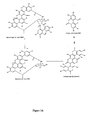
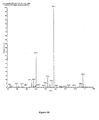
- MS-MS studies of punicalagin (1) at M-H m/z 1083 showed ions corresponding to punicalin (2) at M-H m/z 781, gallagic acid ( 3 ) at M-H m/z 601 and ellagic acid ( 4 ) at M-H m/z 301 as shown in Figs. 3A and B .
- TPT total pomegranate tannins
- Tannins are plant polyphenols divided into two chemically and biologically distinct groups: condensed tannins (proanthocyanidins) and hydrolyzable tannins (ellagitannins and gallotannins).
- Proanthocyanidins are also referred to as catechuic tanni ns and are common to tea and fruits that include cranberries, bilberries, blueberries and grapes.
- Ellagitannins consist of polymers of glucose and ellagic acid, gallic acid and/or hexahydroxyd iphenic acids common to fruits including raspberries, strawberries and pomegranates.
- pomegranate husk Compounds present in pomegranate husk include the major el lagitannin, punicalagin and its isomers [2,3-hexahydroxydiphenoyl-4,6-gallagylglucose] (1), as well as lesser amounts of punicalin [4,6-gallagylglucose] ( 2 ), gallagic acid ( 3 ) and ellagic acid ( 4 ) and its glycosides (ellagic acid hexoside, pentoside, rhamnoside etc.).
- Commercial pomegranate juices exhibit potent antioxidant properties attributed to their high content of hydrolyzable tannins including the punicalagin isomers which can reach levels > 2 g/L juice, depending on the fruit cultivar and processing methods.
- the superior antioxidant activity of the punicalagins has been correlated to its hexahydroxydiphenoyl moiety and large number of hydroxyl (-OH) groups in its highly oxidized structure ( 1 ). Tannins have also been identified as the active compounds in pomegranate juice responsible for the ability of this juice to protect human low-density lipoprotein cholesterol from oxidation in vivo, which is a key step in the pathogenesis of atherosclerosis (5).
- TPT Total Pomegranate Tannins
- TPT (1 mg) was dissolved in H 2 O: MeOH (1:1, v/v), and the mean area percentages of the punicalagin (two individual peaks corresponding to ⁇ - and ⁇ -anomers) and ellagic acid peaks were used for quantification.
- Peak identities were obtained by matching their molecular ions (M-H + ) obtained by ES/MS and tandem MS with the expected theoretical molecular weights from literature data as: punicalagin ( 1 ) (m/z 1083); punicalin ( 2 ) (m/z 781; M-hexahydroxyphenoyl moiety); gallagic acid ( 3 ) (m/z 601; punicalin-hexose-2CO) and ellagic acid ( 4 ) (m/z 301) (1,2,7).
- Ellagic acid derivatives correlated with literature (1,2) and were identified as ellagic acid hexoside (m/z 463), ellagic acid rhamnoside (m/z 447) and ellagic acid pentoside (m/z 433).
- Total pomegranate tannins (TPT) purified from fruit husk was evaluated by analytical HPLC ( Fig. 1A ) and tandem LC-ES/MS ( Figs. 2 and 3 ).
- the HPLC chromatogram revealed predominant peaks corresponding to the retention times of pure isolated punicalagin anomers ( 1 ) ( Fig. 1B ) and a commercially available sample of ellagic acid ( 4 ) ( Fig. 1C ).
- Compound identities were confirmed by LC-ES/MS analyses with both punicalagin anomers at m/z 1083 and ellagic acid at m/z 301, corresponding to literature (1,2) ( Fig. 2 ).
- TPT TPT-ES/MS
- punicalin 2
- m/z 781 and ellagic acid glycosides hexoside, m/z 463; rhamnoside, m/z 447 and pentoside, m/z 433, corresponding to the previous report (1) ( Fig. 2 ).
Landscapes
- Health & Medical Sciences (AREA)
- Chemical & Material Sciences (AREA)
- Life Sciences & Earth Sciences (AREA)
- Organic Chemistry (AREA)
- General Health & Medical Sciences (AREA)
- Public Health (AREA)
- Medicinal Chemistry (AREA)
- Veterinary Medicine (AREA)
- Pharmacology & Pharmacy (AREA)
- Animal Behavior & Ethology (AREA)
- Engineering & Computer Science (AREA)
- Nuclear Medicine, Radiotherapy & Molecular Imaging (AREA)
- Molecular Biology (AREA)
- General Chemical & Material Sciences (AREA)
- Chemical Kinetics & Catalysis (AREA)
- Diabetes (AREA)
- Bioinformatics & Cheminformatics (AREA)
- Biotechnology (AREA)
- Epidemiology (AREA)
- Genetics & Genomics (AREA)
- Biochemistry (AREA)
- Hematology (AREA)
- Obesity (AREA)
- Neurosurgery (AREA)
- Neurology (AREA)
- Biomedical Technology (AREA)
- Pain & Pain Management (AREA)
- Rheumatology (AREA)
- Nutrition Science (AREA)
- Hospice & Palliative Care (AREA)
- Emergency Medicine (AREA)
- Endocrinology (AREA)
- Psychiatry (AREA)
- Child & Adolescent Psychology (AREA)
- Medicines Containing Plant Substances (AREA)
- Coloring Foods And Improving Nutritive Qualities (AREA)
- Cosmetics (AREA)
- Pharmaceuticals Containing Other Organic And Inorganic Compounds (AREA)
Description
- Medical research indicates that juice of the pomegranate (Punica granatum L.) fruit exhibits potent antioxidant properties attributable to the presence of certain plant polyphenols, or tannins. Hydrolysable tannins present in pomegranate juice, including punicalagin isomers, have been identified as the active compounds responsible for protecting low-density lipoprotein cholesterol from oxidation in vivo, a key step in the pathogenesis of atherosclerosis.
- The addition of antioxidants is a popular method to increase the shelf life of food products. Natural antioxidants may also play an important role in the prevention of carcinogenesis. Dietary antioxidants may be effective against the peroxidative damage in living systems. Current studies on pomegranate tannins also include the inhibition of COX-1 and COX-2 enzymes; anti-athersclerotic activity; inhibition of the nuclear transcription factor NF-κB, repression of glutathione expression, and anti-adhesion effects; and the like.
- In light of encouraging medical evidence, the popularity of pomegranate fruit and pomegranate juice are rapidly increasing nationwide. So, too, are commercial sales of pomegranate fruit and juice, in turn spurring increases in orchard production and significant growth in the commercial juice processing industry. A high-volume byproduct of the large-scale pomegranate juice extraction process is the husk residue, comprising the fruit rind, pith and membranes. The high moisture content of the residue renders its disposal costly and limits the feasibility of alternative uses. The same byproducts, however, given a fast, cost-effective and high-yielding extraction and purification process, have the potential to provide an inexpensive and abundant source of a refined product rich in hydrolysable ellagitannins, including punicalagin.
- Punicalagin is the predominant tannin, which is present in significant levels (> 2 g/L) in commercial pomegranate juice, extracted due to its hydrophilic properties when the fruits are hydrostatically pressed. This compound is responsible for the high antioxidant activity of this juice, although little is known about the bioavailability and metabolism of punicalagin or other food ellagitannins.
- Previous methods of isolating pomengranate ellatannins included time consuming column chromotagraphic (C-18, polyamides, cellulose, Sephadex Lipophilic LH-20) and/or preparative high-performance liquid chromatographic (HPLC) methods. In view of the commercial interest in these compounds, the development of inexpensive, high throughput methods of purification are of great interest.
- Mayer et al, Liebigs Ann. Chem., 1977, pages 1976-1986 describe punicalagin and punicalin, two tannins from pomegranate peel. Tanaka et al, Phytochemistry, vol. 24, no. 9, 1985, pages 2075-2078 describe punicafolin, an ellagitanin from the leaves of Punica Granatum. Further prior art is listed in the accompanying examples.
- The invention relates to compositions of purified and biologically active ellagitannins, including punicalagin, as well as methods for producing such compositions. The tannins are separated from natural products by a method of extraction and purification using a solid polymeric adsorbent.
- The present invention provides a method for producing an ellagitannin composition, the method comprising: preparing an aqueous solution containing ellagitannins from pomegranate husks and arils; transferring the ellagitannins from the aqueous solution onto a surface of a polymeric cross-linked styrene-divinyl-benzene adsorptive resin material; eluting the ellagitannins from the resin surface with an eluant which is an alkanol containing 1 to 4 carbon atoms to an eluant ellagitannins solution; and separating the eluant from the eluant ellagitannins solution to produce the ellagitannin composition, wherein the ellagitannin composition comprises punicalagin at a concentration of at least 10% on a weight/weight basis. A preferred alkanol for use in the method is ethanol.
- The resin surface may be a macroreticular structure with a continuous polymer phase and a continuous pore phase. The resin surface may be particles having a size between 100 to 200 microns. The resin particles may be in the form of a column.
- In the method of the invention, the aqueous solution containing the ellagitannins may be obtained by the method of: disrupting pomegranate husk and separating pulp; and extracting the ellagitannins from the pulp into an aqueous solution. The method of the invention may further comprise the step of washing the ellagitannins with an aqueous buffer after transfer to and before eluting from the resin surface.
- In another aspect, the invention provides a composition comprising a pomegranate ellagitannin composition prepared according to the method of the invention wherein the composition includes ellagitannins at a concentration of at least about 30%.
- The composition may comprise a total pomegranate tannins (TPT) extract. The composition may comprise punicalagin at a concentration of at least 20% by weight of the total weight of the composition. The composition may comprise ellagitannins selected from the group consisting of ellagic acid, ellagic acid glycosides, punicalin, punicalagin, and combinations thereof. The ellagic acid and ellagic acid glycosides may be present at a concentration of at least about 5% by weight of the total weight of the composition.
- The composition may comprise anthocyanins and anthocyanidins at a concentration of at least about 5% by weight total weight of the composition.
- Extracts comprising these compounds, and extracts comprising total pomegranate tannins, are useful for a variety of applications, including pharmaceutical, neutraceutical, cosmetic, and food uses.
- The present invention further provides the use of compositions of the invention in a pharmaceutical, phytoceutical, neutraceutical or cosmetic formulation.
- Described herein is a rapid polymeric adsorbent column which is used to purify pomegranate tannins from an aqueous extract, which extract is derived from a source of ellagitannins such as a variety of plant extracts, including Punica granatum L, and the like. The tannins are adsorbed to the columns, and followed by cleansing, gravity evacuation, and vacuum aspiration of fluid from the column, the adsorbed tannins are eluted from the adsorbent solid and the solvent removed in vacuo to yield a powder of highly concentrated total tannins comprising a high percentage (e.g., 80%) of punicalagin anomers, as well as a significant percentage of ellagic acid. Additional chromatography steps may be performed to provide for highly purified compositions of punicalagin.
- The present invention also provides a method for producing a mixture comprising ellagitannins from pomegranate, as set out in the claims. The starting material may be fresh, or quick frozen and thawed. The material is then disrupted, and the ellagitannins extracted from the pulp into an aqueous solution.
- The extracts thus obtained may be used in the preparation of tinctures, cosmetics and other therapeutic formulae, as food biopreservatives, in the nutraceutical industry; and the like. The compositions also find use as a source of ellagic acid derivatives, including hydrolysable ellagitannins, for use in in vitro and in vivo biological studies. The compounds thus isolated are reported to have antioxidant, anticancer, antineurodegenerative, antidiabetic, and antiinflammatory activities. The compounds also find use in the treatment of obesity and overweight individuals, to reduce undesirable body fat.
-
-
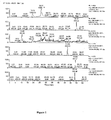
Figure 1A : HPLC chromatogram of total pomegranate tannins (TPT) purified from fruit husk. Peaks were identified by comparison of their retention times with pure standards as punicalagin anomers (1) and ellagic acid (4), corresponding to m/z 1083 and m/z 301 in LCMS, respectively. Peak 4a was identified as ellagic acid hexoside based on its ion at m/z 463 as previously reported.Fig. 1 B: HPLC chromatogram of pure punicalagin anomers isolated from TPT.Fig. 1 C: HPLC chromatogram of commercially available ellagic acid. HPLC-UV detection wavelengths for quantification of punicalagins and ellagic acid in TPT were 378 nm and 366 nm, respectiwly. -
Figure 2 . LCMS spectra of total pomegranate tannins (TPT) showing extracted ion chromatograms of punicalagin isomers, m/z 1083; ellagic acid, m/z 301; punicalin, m/z 781; ellagic acid hexoside, m/z 463; ellagic acid rhamnoside, m/z 447; ellagic acid pentoside, m/z 433; as previously reported (1). Spectra were obtained by electrospray (ES) ionization in negative mode acquiring ions between 120-1500 amu. -
Figure 3A : Scheme showing chemical structure of punicalagins (1), punicalin (2), gallagic acid (3) and ellagic acid (4) related to their mass spectral information.Fig. 3B : MS-MS spectra by direct infusion of punicalagin (m/z 1083) by shows the subsequent loss of hexahydroxydiphenoyl moiety to give punicalin (m/z 781) and then hexose to give gallagic acid (m/z 601). - Polymeric adsorbent resins are used to purify tannins from an aqueous pomegranate extract. After adsorption, the resins are subjected to cleansing, gravity evacuation, and vacuum aspiration of fluid. The adsorbed tannins are then eluted from the resins and the solvent removed in vacuo to yield a powder of highly concentrated total tannins, which may comprise a high level of ellagitannins, including, for example, punicalagin anomers, ellagic acid; ellagic acid glycosides; anthocyanins and anthocyanidins; etc.
- The extracts thus obtained may be used in biological studies, for pharmaceutical uses; in the preparation of tinctures, cosmetics and other therapeutic formulae, as food additives, in the nutraceutical industry; and the like. The isolated mixtures of ellagitannins can also be tableted and used as a natural nutraceutical/dietary supplement. In general, the tablets provide a daily dose of the tannins. The amount of the ellagitannins can be adjusted by isolating the individual compounds and blending them-together. The tablets may comprise the natural mixture of the ellagitannins that are isolated by the resin.
- It is to be understood that this invention is not limited to the particular methodology, protocols, cell lines, animal species or genera, and reagents described, as such mayvary. It is also to be understood that the terminology used herein is for the purpose of describing particular embodiments only, and is not intended to limit the scope of the present invention, which will be limited only by the appended claims.
- As used herein the singular forms "a", "and", and "the" include plural referents unless the context clearly dictates otherwise. Thus, for example, reference to "a cell" includes a plurality of such cells and reference to "the culture" includes reference to one or more cultures and equivalents thereof known to those skilled in the art, and so forth. All technical and scientific terms used herein have the same meaning as commonly understood to one of ordinary skill in the art to which this invention belongs unless clearly indicated otherwise.
- Compositions enriched in ellagitannins are recovered from plant material, which plant material may include fruit husks and/or peels and juice, leaves, woody stems, and the like. Plants suitable for extraction include fruit husks and/or peels of Punica granatum.
- A suspension of material from the plant material is prepared by a variety of methods as known in the art, e.g. blending, aqueous extraction, etc. The aqueous solution comprising ellagitannins is applied to a polymeric adsorbent column, which is then washed with an aqueous buffer to remove unbound material. The tannins of interest bind to the resin, and may be eluted With a C1-4 alkanol solvent, e.g., methanol, ethanol, etc.
- The resin has a surface to which the ellagitannins are adsorbed. A preferred class of adsorptive resins are polymeric crosslinked resins composed of styrene and divinylbenzene such as, for example, the AMBERLITE series of resins, e.g., AMBERLITE XAD-4 and AMBERLITE XAD-16, which are available commercially from Rohm & Haas Co., Philadelphia, Pa. Other polymeric crosslinked styrene and divinylbenzene adsorptive resins suitable for use according to the invention are XFS-4257, XFS-4022, XUS-40323 and XUS-40322 manufactured by The Dow Chemical Company, Midland, Mich., and the like.
- It is preferred to use commercially available, FDA-approved, styrene-divinyl-benzene (SDVB) cross-linked copolymer resin, (e.g., AMBERLITE XAD-16). Thus, in one embodiment, AMBERLITE XAD-16, commercially available from Rohm and Haas Company, and described in
U.S. Pat. No. 4,297,220 , is used as the resin. This resin is a non-ionic hydrophobic, cross-linked polystyrene divinyl benzene adsorbent resin. AMBERLITE XAD-16 has a macroreticular structure, with both a continuous polymer phase and a continuous pore phase. In a particularly preferred embodiment, the resin used in the present invention has a particle size ranging from 100-200 microns. - Other adsorbents, such as those in the AMBERLITE XAD adsorbent series which contain hydrophobic macroreticular resin beads, with particle sizes in the range of 100-200 microns, are also be effective in the methods of the present invention. Moreover, different variations of the AMBERLITES, such as the AMERCHROM CG series of adsorbents, used with particle sizes in the range of 100-200 microns, may also be suitable for use in the present invention. The AMBERLITE XAD-16 is preferred since it can be re-used many times (over 100 times). However, it is contemplated that for food, the use of governmental ly-approved resins in the present invention may be considered important and/or desirable. Various geometries may be used for the purification, including batch adsorption, column chromatography, and the like, as known in the art.
- The resins are washed, e.g. with water or an aqueous buffer to remove unbound material from the extract.
- Lower alkanols containing 1 to 4 carbon atoms are used to remove the adsorbed ellagitannins and most preferred is ethanol (ethyl alcohol) since it is approved for food use. Typically the ethanol is azeotroped with water; however, absolute ethanol can be used. Water containing malic acid and sugars in the pomegranate pass through the column. These may be collected and can be used in foods as flavors.
- The eluted tannins are substantially purified relative to the starting material, and may be further purified, e.g. by chromatography, etc., or may be directly used in formulations of interest. The final composition may be concentrated, filtered, dialyzed, etc., using methods known in the art. For therapeutic applications, the tannins are administered to a mammal in a physiologically acceptable dosage form, including those that may be administered to a human orally, etc. as a bolus or by continuous infusion over a period of time. Alternative routes of administration include intramuscular, intraperitoneal, intra-cerobrospinal, subcutaneous, intra-articular, intrasynovial, intrathecal, topical, or inhalation routes.
- Compositions of interest are obtained from the above purification process. The compositions comprise ellagitannins and fractions thereof, as described below, and may be provided as a powder, in solution, e.g. in water or aqueous buffer, ethanol, etc. Solutions may also comprise pomegranate juice or other fruit juices and foods. Such compositions may comprise at least about 30 % ellagitannins as either weight/volume or percentage of weight; and may comprise at least about 40% ellagitannins; at least about 50% ellagitannins; at least about 60% ellagitannins; or more. The identity of the ellagitanins may be confirmed by any suitable method, e.g. HPLC; etc.
- Included in the compositions of the invention are extracts comprising punicalagin (
Figure 3A ), which may be present as a component of the total tannins, or may be isolated from other tannins present in pomegranate extracts. Punicalagin may be present at a concentration of at least about 10%, usually at least about 20%, at least about 30%, or higher, up to and including a substantially pure composition of punicalagin. - From the total tannins produced by the methods described above or by conventional methods, a pure composition of punicalagin may be derived by chromatography. The total tannins are adsorbed onto a lipophilic column, e.g. a Sephadex-Lipophilic LH-20 column pre-equilibrated with an aqueous methonal solution, and eluted with increasing amounts of methanol. The resulting compounds are optionally dried and rechromatographed.
- Compositions of the invention may include ellagic acid and ellagic acid glycosides (
Figure 3A ), which may be present as a component of the total tannins, or may be isolated from other tannins present in pomegranate extracts. Ellagic acid and ellagic acid glycosides may be present at a concentration of at least about 5%, at least about 10%, or more. - Compositions of the invention may include anthocyanins and anthocyanidins, which may be present as a component of the total tannins, or may be isolated from other tannins present in pomegranate extracts. Anthocyanins and anthocyanidins may be present at a concentration of at least about 5%, at least about 10%, or more.
- The tannins obtained by the methods of the invention may be used to formulate pharmaceuticals, phytoceuticals, nutraceuticals, herbal medicines, food additive, cosmetics, etc. Herbal medicines of interest include, but not restricted to, active fractions from certain herbal preparations such as nettles (Urtica dioica) or turmeric (Curcuma longa); marine or terrestial animal products, e.g. bioactive lipids from Perna canaliculus, Dromaius nova hollandiae, etc.
- The extracts of the invention may be provided as a composition with a pharmaceutically acceptable carrier. Such dosage forms encompass physiologically acceptable carriers that are inherently non-toxic and non-therapeutic. Examples of such carriers include ion exchangers, alumina, aluminum stearate, lecithin, serum proteins, such as human serum albumin, buffer substances such as phosphates, glycine, sorbic acid, potassium sorbate, partial glyceride mixtures of saturated vegetable fatty acids, water, salts, or electrolytes such as protamine sulfate, disodium hydrogen phosphate, potassium hydrogen phosphate, sodium chloride, zinc salts, colloidal silica, magnesium trisilicate, polyvinyl pyrrolidone, cellulose-based substances, and PEG. Carriers for topical or gel-based forms of tannins include polysaccharides such as sodium carboxymethylcellulose or methylcellulose, polyvinylpyrrolidone, polyacrylates, polyoxyethylene-polyoxypropylene-block polymers, PEG, and wood wax alcohols. For all administrations, conventional depot forms are suitably used. Such forms include, for example, microcapsules, nano-capsules, liposomes, plasters, inhalation forms, nose sprays, sublingual tablets, and sustained-release preparations. The extracts will typically be formulated in such vehicles at a concentration of about 0.1 µg/ml to 100 µg/ml.
- Nutraceutical formulations may be defined as "a food or part of a food that offers medical and/or health benefits including prevention or treatment of disease." (Dr. Stephen DeFelice, director of Foundation for Innovation In Medicine). Products range from isolated nutrients, dietary supplements and diets, to genetically engineered designer foods, functional foods, herbal products and processed foods such as cereal, soup and beverages. Functional foods, the most popular term among consumers but far from a product category, are defined by Clare Hasler, Ph.D., of the University of Illinois as foods that include "any modified food or food ingredients that may provide a health benefit beyond the traditional nutrients it contains." Thus, the biologically active extracts described herein are, in and of themselves, nutraceuticals. In addition, the extracts may be added to foods to provide a health benefit.
- Nutraceutical formulations of interest include foods for veterinary or human use, including health food bars, drinks and drink supplements, and the like. These foods are enhanced by the inclusion of a biologically active extract of the invention. For example, in the treatment of chronic inflammatory diseases, such as arthritis, the normal diet of a patient may be supplemented by a nutraceutical formulation taken on a regular basis.
- For cosmetic formulations, the compositions of the invention may optionally comprise skin benefit materials. These include estradiol; progesterone; pregnanalone; coenzyme Q10; methylsolanomethane (MSM); copper peptide (copper extract); plankton extract (phytosome); glycolic acid; kojic acid; ascorbyl palmitate; all-trans-retinol; azaleic acid; salicylic acid; broparoestrol; estrone; adrostenedione; androstanediols; etc. The steroids will generally present at a concentration of less than about 2% of the total by weight of the composition, while the other skin benefit materials may be present at higher levels, for example as much as 10 to 15%.
- The compositions of the invention may comprise a cosmetically acceptable vehicle to act as a dilutant, dispersant or carrier, so as to facilitate its distribution when the composition is applied to the skin. Vehicles other than or in addition to water can include liquid or solid emollients, solvents, humectants, thickeners and powders.
- The cosmetically acceptable vehicle will usually form from 5% to 99.9%, preferably from 25% to 80% by weight of the composition, and can, in the absence of other cosmetic adjuncts, form the balance of the composition.
- The following examples are put forth so as to provide those of ordinary skill in the art with a complete disclosure and description of how to make and use the present invention, and are not intended to limit the scope of what the inventors regard as their invention nor are they intended to represent that the experiments below are all or the only experiments performed. Efforts have been made to ensure accuracy with respect to numbers used (e.g. amounts, temperature, etc.) but some experimental errors and deviations should be accounted for. Unless indicated otherwise, parts are parts by weight, molecular weight is weight average molecular weight, temperature is in degrees Centigrade, and pressure is at or near atmospheric.
- The present invention has been described in terms of particular embodiments found or proposed by the present inventor to comprise preferred modes for the practice of the invention. It will be appreciated by those of skill in the art that, in light of the present disclosure, numerous modifications and changes can be made in the particular embodiments exemplified without departing from the intended scope of the invention. All such modifications are intended to be included within the scope of the appended claims.
- Pomegranate (Punica granatum L.) fruits are widely consumed fresh and in the forms of juice, concentrate, wine and jam. Pomegranate husk, a by-product of the commercial industry, is an inexpensive and abundant source of hydrolyzable tannins called ellagitannins. Previous methods to isolate pomegranate tannins included labor intensive and time-consuming solid phase extractions by column chromatography (C-18, polyamides, cellulose, Sephadex Lipophilic LH-20, Diaion HP20) and/or use of specialized instruments such as preparative-high performance liquid chromatography (HPLC). We have used an Amberlite XAD-16 resin vacuum-aspirated column to rapidly purify an aqueous extract of pomegranate husk to afford total pomegranate tannins (TPT) in su bstantial yields (58-60 g TPT/Kg husk; time <1h). Using analytical HPLC and tandem LC-ES/MS, evaluation of TPT showed that it contains the major fruit husk tannin, punicalagin (85% w/w) and ellagic acid (1.3% w/w) and unquantified amounts of punicalin and ellagic acid glycosides (hexoside, rhamnoside and pentoside). Since pomegranate tannins are reported to show portent antioxidant, antiatherosclerotic and anticancer activities, this method can be used for the large-scale production of TPT for in vitro and in vivo biological studies. This method is practical for industrial applications and could provide a low-cost means to use a currently underutilized food by-product to develop phytoceuticals with potential health benefits or to develop products for use in the cosmetic and food biopreservative industries.
- In this study we report a rapid method to prepare total pomegranate tannins (TPT) in substantial yield and purity which can be used for in vitro and in vivo biological studies. This method has industrial applications since it can be easily scaled-up, and is cost-effective since its uses an inexpensive by-product of the commercial juice industry, pomegranate husk, which after pressing is currently used as cattle-feed. We also report the use of NMR spectroscopic methods and tandem LC-ES/MS in negative mode, to identify specific ellagitannins in TPT. HPLC quantification studies of TPT using pure punicalagin (isolated from TPT) and ellagic acid (commercially available) for generation of standard calibration curves are also reported herein.
- All solvents were HPLC grade and purchased from Fisher Scientific Co. (Tustin, CA). Ellagic, formic and acetic acids, Sephadex Lipophilic LH-20 and Amberlite XAD-16 resins were purchased from Sigma Aldrich Co. (St. Louis, MO).
- Nuclear Magnetic Resonance (NMR) spectra were recorded on Bruker instruments operating at 400 MHz for 1H and 150 MHz for 13C. Chemical shifts for punicalagin (1) were recorded in acetone-d6 and are in δ (ppm) relative to the solvent peaks. HPLC-ES/MS analyses were carried out on an LCQ Classic Finnigan LC-M S/MS system (ThermoFinnigan, San Jose, CA), equipped with a
HP 1100 series HPLC system consisting of an autosampler/injector, quaternary pump, column heater, and diode array detector (DAD). Data handling was carried out using Xcalibur 1.2 software (Finnigan Corp). HPLC analyses were carried out on Waters Alliance 2690 system equipped with a photo diode array (PDA) detector (Waters Corp., Milford, MA) and data handling was with Waters Millenium v 3.02 software. - Purification of Total Pomegranate Tannins (TPT). Pomegranate fruits (Ruby River, Lot # 3127, Whole Foods Supermarket, Westwood, LA, CA) were washed and cleaned to yield their husk and aril, separate from seeds and juice. The husk (1 Kg) was percolated with water (5 L), squeezed by hand, then instantly blended (Waring Blender, New Hartford, Conn., USA). The thick husk puree was filtered through cheesecloth and sq ueezed dry to yield a dark brown aqueous extract. The XAD-16 resin column was prepared for chromatography by pre-washing in methanol then pre-equilibrating in water for 12 h. The aqueous extract was divided into 200 mL portions and adsorbed onto a vacuum aspirated column of Amberlite XAD-16 resin (500 g). Each column was eluted with copious amounts of distilled water (4 L) until the sugary pale yellow eluate was clear in color. Remaining water was removed from the resin by vacuum aspiration and the adsorbed tannins were eluted with MeOH (2 x 400 mL) to yield a dark brown solution. The time taken to complete one cycle per column was < 15 min. Methanol was removed by a Rota-vap (Buchi) in vacuo at low temperature (37°C) to yield total pomegranate tannins (TPT) as a dark brown powder (58- 60 g/Kg fresh weight of husk).
- Purification of Punicalagin (1) for quantification studies of TPT. Due to the unavailability of a commercial standard of punicalagin, the pure compound was isolated from TPT as follows. TPT (300 mg) was adsorbed onto a Sephadex-Lipoph ilic LH-20 column that was pre-equilibrated with H2O: MeOH (8:2, v/v) and eluted with increasing amounts of MeOH. LC-ES/MS analyses revealed that the 50% MeOH fraction was enriched in two compounds, both corresponding to the molecular weight for punicalagin (M-H m/z 1083). This fraction (273 mg) was evaporated in vacuo and re-chromatographed, this time pre-equilibrating the column with EtOH. Elution with increasing amounts of H2O and Me2CO to EtOH: H2O: Me2CO (6:3:1, v/v/v) and finally EtOH: Me2CO (1:1, v/v) yielded a fraction which was evaporated in vacuo to afford a yellow amorphous powder (34 mg). This was identified as a mixture of α- and β-punicalagin anomers by 1H and 13C NMR spectral data, which were consistent with literature reports.
- HPLC conditions for analyses and quantification. All samples (50 µL injection volume) were filtered (0.22 µm) and analyzed on a Novapak (Waters Corp.) C-18 column, 150 x 3.9 mm i.d., 5 µm. The mobile phase, solvent A (2% CH3COOH/H2O) and solvent B (2% aqueous CH3COOH /MeOH) was used under linear gradient conditions starting with 99% A for 5 min to 40% A over 40 min, hold time, 5 min with a flow rate of 1.0 mL/min. All compounds were detected at 254 nm, and at 378 nm (punicalagins) and 366 nm (ellagic acid) for quantification. Pure isolated punicalagin (1) (2 mg) was accurately weighed and dissolved in H2O: MeOH (1:1,v/v) then serially diluted to afford 0.20, 0.10, 0.05 and 0.025 mg/mL concentrations, respectively. Ellagic acid (4) (1 mg) was dissolved in DMSO and serially diluted to afford 0.02, 0.01, 0.005 and 0.0025 mg/mL concentrations, respectively. Each sample was injected in duplicate and calibration curves were obtained by using their reponse factors (peak area/concentration). TPT (1 mg) was dissolved in H2O: MeOH (1:1, v/v), and the mean area percentages of the punicalagin (two individual peaks corresponding to oc- and β-anomers,) and ellagic acid peaks were used for quantification.
- LC-ES/MS analyses. Conditions for detection of tannins were as follows: Column, Symmetery C-18, 100 mm x 2.1 i.d., 3.5 µm, (Waters Corp., Milford, MA); Solvent A) 2% HCOOH/ H2O,
B) 2% HCOOH/ MeOH; gradient % A: initial: 99%, 30 min: 80%, 45 min: 60%, 60 min: 5%;run time 60 min; flow rate 0.15 mL/min;injection volume 20 µL; MS parameters: Ionization mode, electron spray (ES) negative mode; scan range: 120-1 500 amu; scan rate: 1 scan/sec; cone voltage: 17 eV, source temperature: 275 °C. Peak identities were obtained by matching their molecular ions (M-H+) obtained by ES/MS and tandem MS with the expected theoretical molecular weights from literature data as: punicalagin (1) (m/z 1083); punicalin (2) (m/z 781; M-hexahydroxyphenoyl moiety); gallagic acid (3) (m/z 601) and ellagic acid (4) (m/z 301) [1,2,9]. Ellagic acid derivatives correlated with literature and were identified as ellagic acid hexoside (m/z 463), ellagic acid rhamnoside (m/z 447) and ellagic acid pe ntoside (m/z 433). - Our chromatographic method utilizing XAD-16 resin column can be accomplished quickly and produces a high yield of purified tannins (time <1 h; 55-60g TPT/Kg hu sk) from fruit husk, a by-product of the commercial industry. The use of husk as starting material to produce TPT is relevant since in the processing stages of the commercial juice industry, significant quantities of these water-soluble tannins are extracted from the fruit husk due to their hydrophilic properties when the fruits are hydrostatically pressed. This method is cost effective since it utilizes water and methanol as eluants allowing the methanol to be collected and recycled in subsequent resin columns to obtain the TPT product. Previous publishes methods used alternative stationary phases (e.g.
Sephadex Lipophilic LH 20, polyamides, microcrystalline cellulose, C-18 and Diaion HP20) to purify pomegranate tannins which were time consuming and labor intensive. These methods used multiple solvent systems as eluants, afforded low yields of tannins and sometimes required the use of specialized instruments such as preparative scale HPLC coupled to sensitive UV detectors. - TPT purified from fruit husk was evaluated by analytical HPLC (
Fig. 1A ) and tandem LC-ES/MS (Figs. 2 and3 ). Compound identities were confirmed by LC-ES/MS analyses where two ions at M-H m/z 1083 accounted for the α- and β-anomers of punicalagin (1) as previously reported. The minor compounds in TPT were ellagic acid (4) (M-H m/z 301), punicalin (2) (M-H m/z 781) and ellagic acid glycosides (hexoside, M-H m/z 463; rhamnoside, M-H m/z 447 and pentoside, M-H m/z 433) corresponding to the previous reports (Fig. 2 ). - Quantification studies on TPT were conducted using isolated punicalagin anomers (1) (
Fig. 1 B) whose NMR and MS-MS spectral analyses confirmed its identity and a commercially available sample of ellagic acid (4) (Fig. 1C ). TPT contains 85% w/w of punicalagin anomers and 1.3% w/w ellagic acid. The 13C NMR spectrum of the punicalagin isolated from TPT, revealed the two anomeric carbons at 890.2 and δ94.4 corresponding to α- and β-punicalagin, respectively. Punicalagin [2,3-(S)-hexahydroxydiphenoyl-4,6-(S,S)-gallagyl-D-glucose] can be considered to have a hexahydroxydiphenoyl moiety attached to gallagylglucose (punicalin). MS-MS studies of punicalagin (1) at M-H m/z 1083 showed ions corresponding to punicalin (2) at M-H m/z 781, gallagic acid (3) at M-H m/z 601 and ellagic acid (4) at M-H m/z 301 as shown inFigs. 3A andB . - In conclusion, we have developed a rapid new method to isolate large am ounts of total pomegranate tannins (TPT) from fruit husk which contains high levels of punicalagin, the major pomegranate tannin that is consumed by humans. Given the biological properties of pomegranate tannins as potent antioxidants and their effects on diseases such as atherosclerosis and cancer, this method could allow investigators access to large quantities of TPT for its potential use in appropriate in vivo models for health related studies.. In addition, it would be feasible to scale-up this method, which may be practical for industrial apptications. This could provide a low-cost means to use a currently underutilized food by-product to develop commercial products including new nutritional products with potential health benefits.
-
- M.I.Gil, F.A. Tomas-Barberan, B. Hess-Pierce, D.M. Holcroft, A.A. Kader, J. Agric. Food Chem. 48 (2000) 4581.
- B. Cerda, J.J. Ceron, F.A.Tomas-Barberan, J.C. Espin, J. Agric. Food Chem. 51(2003) 3493.
- B. Cerda, R. Llorach, J.J. Ceron, J.C. Espin, F.A.Tomas-Barberan, Eur. J. Nutr. 42, (2003) 18.
- T. Okuda, in: O. Hajime (Ed.) International Conference on Food Factors: Chemistry and Cancer Prevention, Springer Publishers, Japan, 1995, p. 280.
- M. Aviram, L. Dornfield, Atheroclerosis (2001) 195.
- P.S. Negi, G.K. Jayaprakasha, B.S. Jena, Food Chemistry, 80 (2003) 393.
- A.Vidal, A. Fallarero, B. Pena, A. Medina, B. Gra, F. Rivera, Y. Gutierrez, P. Vuorela, J. Ethnopharm. 89 (2003) 295.
- A. Calbert, C. Morand, C. Manach, C. Cemesy, Biomed Pharmacother. 56 (2002) 276.
- A.J. Doig, D.H. Williams, P.B. Oelrichs, L. Baczynskyj, J. Chem. Soc., Perkin Trans.1 1 (1990) 2317.
- L.J. Filippich, J. Zhu, M.T. Asalami, Res. Vet. Sci. 50 (1991) 170.
- S.A.A. El-Toumy, H.W.Rauwald, Phytochemistry 61 (2002) 971.
- T. Tanaka, G-I. Nonaka, I. Nishioka, Chem Pharm. Bull. 34 (1986) 650.
- T. Tanaka, G-I. Nonaka, I. Nishioka, Chem Pharm. Bull. 34 (1986) 656.
- Tannins are plant polyphenols divided into two chemically and biologically distinct groups: condensed tannins (proanthocyanidins) and hydrolyzable tannins (ellagitannins and gallotannins). Proanthocyanidins are also referred to as catechuic tanni ns and are common to tea and fruits that include cranberries, bilberries, blueberries and grapes. Ellagitannins consist of polymers of glucose and ellagic acid, gallic acid and/or hexahydroxyd iphenic acids common to fruits including raspberries, strawberries and pomegranates.
- Compounds present in pomegranate husk include the major el lagitannin, punicalagin and its isomers [2,3-hexahydroxydiphenoyl-4,6-gallagylglucose] (1), as well as lesser amounts of punicalin [4,6-gallagylglucose] (2), gallagic acid (3) and ellagic acid (4) and its glycosides (ellagic acid hexoside, pentoside, rhamnoside etc.). Commercial pomegranate juices exhibit potent antioxidant properties attributed to their high content of hydrolyzable tannins including the punicalagin isomers which can reach levels > 2 g/L juice, depending on the fruit cultivar and processing methods. The superior antioxidant activity of the punicalagins has been correlated to its hexahydroxydiphenoyl moiety and large number of hydroxyl (-OH) groups in its highly oxidized structure (1). Tannins have also been identified as the active compounds in pomegranate juice responsible for the ability of this juice to protect human low-density lipoprotein cholesterol from oxidation in vivo, which is a key step in the pathogenesis of atherosclerosis (5).
- Reagents. All solvents were HPLC grade and purchased from Fisher Scientific Co. (Tustin, CA). Ellagic, formic and acetic acids, Sephadex Lipophilic LH-20 and Amberlite XAD-16 resins were purchased from Sigma Aldrich Co. (St. Louis, MO).
- General Experimental Procedures. NMR spectra were recorded on Bruker instruments operating at 400 MHz for 1H and 150 MHz for 13C. Chemical shifts for punicalagin (1) were recorded in acetone-d6 and are in δ (ppm) relative to the solvent peaks. HPLC-ESIMS analyses were carried out on an LCQ Classic Finnigan LC-MS/MS system (ThermoFinnigan, San Jose, CA), equipped with a
HP 1100 series HPLC system consisting of an autosampler/injector, quaternary pump, column heater, and diode array detector (DAD). Data handling was carried out using Xcalibur 1.2 software (Finnigan Corp). HPLC analyses were carried out on Waters Alliance 2690 system equipped with a photo diode array (PDA) detector (Waters Corp., Milford, MA) and data handling was with Waters Millenium v 3.02 software. - Purification of Total Pomegranate Tannins (TPT). Seventeen fresh pomegranate fru its (Ruby River, Lot # 3127) were purchased (Whole Foods Supermarket, Westwood, LA, CA), washed and cleaned to yield their husk and aril, separate from seeds and juice. The husk (1 Kg) was percolated with water (5 L), squeezed by hand, then instantly blended (Waring laboratory heavy duty blender, New Hartford, Conn., USA). The thick husk puree was filtered through cheesecloth and squeezed dry to yield a dark yellow aqueous extract and residue which was discarded. A 2 L aliquot of the aqueous extract was divided into 200 mL portio ns and adsorbed onto a gravity column of Amberlite XAD-16 resin (500 g) which was pre-equilibrated in water. Each column was eluted with copious amounts of distilled water (4 L) until the sugary pale yellow eluate was clear in color. The column was allowed to run dry and remaining water was removed from the resin by vacuum aspiration. The adsorbed tanni ns were eluted with MeOH (or EtOH; 2 x 400 mL) to yield a dark yellow solution. Solvent was removed in vacuo to yield total pomegranate tannins (TPT) as a dark brown powder (16.5 g).
- Purification of Punicalagin (1). TPT (300 mg) was adsorbed onto a Sephadex-Lipophilic LH-20 column that was pre-equilibrated with H2O: MeOH (8:2, v/v) and eluted with increasing amounts of MeOH. LC-ES/MS analyses revealed that the 50% MeOH fraction was enriched in two compounds, both corresponding to the molecular weight for punicalagin (M-H m/z 1083). This fraction (273 mg) was evaporated in vacuo and re-chromatographed, this time pre-equilibrating the column with EtOH. Elution with increasing amounts of H2O and Me2CO to EtOH: H2O: Me2CO (6:3:1, v/v/v) and finally EtOH: Me2CO (1:1, v/v) yielded a yellow amorphous powder (34 mg). This was identified as a mixture of α- and β-punicalagin anomers by 1H and 13C NMR spectral data which were consistent with literature (7,12).
- HPLC conditions for analyses and quantification. All samples (50 µL injection volume) were filtered (0.22 µm) and analyzed on a Novapak (Waters Corp.) C-18 column, 150 x 3.9 mm i.d., 5 µm. The mobile phase, solvent A (2% CH3COOH/H2O) and solvent B (2% aqueous CH3COOH /MeOH) was used under linear gradient conditions starting with 99% A for 5 min to 40% A over 40 min, hold time, 5 min with a flow rate of 1.0 mL/min. All compounds were detected at 254 nm, and at 378 nm (punicalagins) and 366 nm (ellagic acid) for quantification. Pure isolated punicalagin (1) (2 mg) was accurately weighed and dissolved in H2O: MeOH (1:1,v/v) then serially diluted to afford 0.20, 0.10, 0.05 and 0.025 mg/mL concentrations, respectively. Ellagic acid (4) (1 mg) was dissolved in DMSO and serially diluted to afford 0.02, 0.01, 0.005 and 0.0025 mg/mL concentrations, respectively. Each sample was injected in duplicate and calibration curves were obtained by using their reponse factors (peak area/concentration). TPT (1 mg) was dissolved in H2O: MeOH (1:1, v/v), and the mean area percentages of the punicalagin (two individual peaks corresponding to α- and β-anomers) and ellagic acid peaks were used for quantification.
- LC-ES/MS analyses. Conditions for detection of tannins were as follows: Column, Symmetery C-18, 100 mm x 2.1 i.d., 3.5 µm, (Waters Corp., Milford, MA); Solvent A) 2% HCOOH/ H2O,
B) 2% HCOOH/ MeOH; gradient % A: initial: 99%, 30 min: 80%, 45 min: 60%, 60 min: 5%;run time 60 min; flow rate 0.15 mL/min;injection volume 20 µL; MS parameters: Ionization mode, electron spray (ES) negative mode; scan range: 120-1500 amu; scan rate: 1 scan/sec; cone voltage: 17 eV. Peak identities were obtained by matching their molecular ions (M-H+) obtained by ES/MS and tandem MS with the expected theoretical molecular weights from literature data as: punicalagin (1) (m/z 1083); punicalin (2) (m/z 781; M-hexahydroxyphenoyl moiety); gallagic acid (3) (m/z 601; punicalin-hexose-2CO) and ellagic acid (4) (m/z 301) (1,2,7). Ellagic acid derivatives correlated with literature (1,2) and were identified as ellagic acid hexoside (m/z 463), ellagic acid rhamnoside (m/z 447) and ellagic acid pentoside (m/z 433). - Total pomegranate tannins (TPT) purified from fruit husk was evaluated by analytical HPLC (
Fig. 1A ) and tandem LC-ES/MS (Figs. 2 and3 ). The HPLC chromatogram revealed predominant peaks corresponding to the retention times of pure isolated punicalagin anomers (1) (Fig. 1B ) and a commercially available sample of ellagic acid (4) (Fig. 1C ). Compound identities were confirmed by LC-ES/MS analyses with both punicalagin anomers at m/z 1083 and ellagic acid at m/z 301, corresponding to literature (1,2) (Fig. 2 ). The minor compounds in TPT were identified by LC-ES/MS as punicalin (2) at m/z 781 and ellagic acid glycosides: hexoside, m/z 463; rhamnoside, m/z 447 and pentoside, m/z 433, corresponding to the previous report (1) (Fig. 2 ). - Quantification studies on TPT showed that it contains 80% w/w of punicalagin anomers and 1.3% w/w ellagic acid. For quantification studies, pure punicalagin was isolated from TPT and NMR and MS-MS spectral analyses confirmed its identity, as previously reported (2,7,12)-Punicalagin [2,3-(S)-hexahydroxydiphenoyl-4,6-(S,S)-gallagyl-D-glucose] can be considered to have a hexahydroxydiphenoyl moiety attached to gallagylglucose (punicalin). MS-MS studies of punicalagin (1) at m/
z 1083 showed ions corresponding to punicalin (2) at m/z 781 (punicalagin less hexahydroxydiphenoyl fragment), gallagic acid (3) at m/z 601 and ellagic acid (4) at m/z 301 as shown inFigure 3 . As previously reported, punicalagin in solution rapidly interconverts to α- and β-anomers. The 13C NMR spectrum of punicalagin, isolated from TPT, revealed the two anomeric carbons at δ90.2 and δ94.4 corresponding to α- and β-punicalagin, respectively. - (1) Gil, M.I.; Tomas-Barberan, F.A.; Hess-Pierce, B.; Holcroft, D.M.; Kader, A.A. Antioxidant activity of pomegranate juice and its relationship with phenolic composition and processing J-Agric. Food Chem. 2000, 48, 4581-4589.
- (2) Cerda, B.; Ceron, J.J.; Tomas-Barberan, F.A.; Espin, J.C. Repeated oral administration of high doses of pomegranate ellagitannin punicalagin to rats for 37 days is not toxic J. Agric-Food Chem. 2003, 51, 3493-3501.
- (3) Cerda, B.; Llorach, R.; Ceron, J.J.; Espin, J.C.; Tomas-Barberan, F.A. Evaluation of then bioavailability and metabolism in the rat of punicalagin, an antioxidant polyphenol from pomegranate juice. Eur. J. Nutr. 2003, 42, 18-28.
- (4) Okuda, T. Structure-activity relationship of antioxidant and antitumor polyphenols, Food Factors for Cancer Prevention In: International Conference on Food Factors: Chemistry and Cancer Prevention, Springer Publishers, Ed: Hajime, O.; Japan, 1995, 280-285.
- (5) Aviram, M.; Dornfield, L. Pomegranate juice consumption inhibits serum angiotensin converting enzyme activity and reduces systolic blood pressure. Atheroclerosis 2001, 195-198 .
- (6) Scalbert, A.; Morand, C.; Manach, C.; Cemesy, C. Absorption and metabolism of polyphenols in the gut and impact on health. Biomed Pharmacother. 2002, 56, 276-282.
- (7) Doig, A.J.; Williams, D.H.; Oelrichs, P.B.; Baczynskyj, L. Isolation and structure elucidation of punicalagin, a toxic hydrolysable tannin from Terminalia oblongata. J. Chem. Soc., Perkin Trans. 1 1990, 2317-2322 .
- (8) Filippich, L.J.; Zhu, J.; Asalami, M.T. Hepatotoxic and nephrotoxic principles in Terminalia oblongata. Res. Vet. Sci. 1991, 50, 170-177.
- (9) Negi, P.S.; Jayaprakasha, G.K.; Jena, B.S. Antioxidant and antimutagenic activities of pomegranate peel extracts. Food Chemistry, 2003, 80, 393-397.
- (10) Vidal, A.; Fallarero, A.; Pena, B.; Medina, A.; Gra, B.; Rivera, F.; Gutierrez,.Y.; Vuorela, P. Studies on the toxicity of Punica granatum L.(Punicaceae) whole fruit extracts. J. Ethnopharm. 2003, 89, 295-300.
- (11) El-Toumy, S.A.A.; Rauwald, H.W. Two ellagitannins from Punica granatum heartwood. Phytochemistry 2002, 61, 971-974.
- (12) Tanaka, T.; Nonaka, G-I.; Nishioka, I. Tannins and related compounds. XL. Revision of the structures of punicalin and punicalagin, and isolation and characterization of 2-O-galloylpunicalin from the bark of Punica granatum L. Chem Pharm. Bull. 1986, 34, 650-655.
- (13) Tanaka, T.; Nonaka, G-I; Nishioka, I. Tannins and related compounds. XLI. Isolation and characterization of novel ellagitannins, punicacorteins A, B, C, D and punigluconin - from the bark of Punica granatum L. Chem Pharm. Bull. 1986, 34, 656-663.
Claims (14)
- A method for producing an ellagitannin composition, the method comprising:preparing an aqueous solution containing ellagitannins from pomegranate husks and arils;transferring the ellagitannins from the aqueous solution onto a surface of a polymeric cross-linked styrene-divinyl-benzene adsorptive resin material;eluting the ellagitannins from the resin surface with an eluant which is an alkanol containing 1 to 4 carbon atoms to an eluant ellagitannins solution; andseparating the eluant from the eluant ellagitannins solution to produce the ellagitannin composition,
wherein the ellagitannin composition comprises punicalagin at a concentration of at least 10% on a weight/weight basis. - The method according to claim 1 wherein the resin surface is a macroreticular structure with a continuous polymer phase and a continuous pore phase.
- The method according to claim 1 or 2 wherein the resin surface is as particles having a size between 100 to 200 microns.
- The method according to any of claims 1 to 3, wherein said aqueous solution containing the ellagitannins is obtained by the method of:disrupting pomegranate husk and separating pulp; andextracting the ellagitannins from the pulp into an aqueous solution.
- The method according to claim 1 wherein the alkanol is ethanol.
- The method according to any one of claims 1 to 5 wherein the resin particles are in the form of a column.
- The method according to any one of claims 1 to 6 further comprising the step of washing the ellagitannins with an aqueous buffer after transfer to and before eluting from the resin surface.
- A composition comprising a pomegranate ellagitannin composition prepared according to any one of claims 1 to 7 wherein the composition includes ellagitannins at a concentration of at least about 30%.
- A composition according to claim 8 which comprises a total pomegranate tannins (TPT) extract.
- The composition according to claim 8 comprising punicalagin at a concentration of at least 20% by weight of the total weight of the composition.
- The composition according to according to claim 8, 9 or 10, wherein said ellagitannins are selected from the group consisting of ellagic acid, ellagic acid glycosides, punicalin, punicalagin.
- The composition according to any one of Claims 8 to 11 comprising ellagic acid and ellagic acid glycosides at a concentration of at least about 5% by weight of the total weight of the composition.
- The composition according to any one of Claims 8 to 12 further comprising anthocyanins and anthocyanidins at a concentration of at least about 5% by weight total weight of the composition.
- Use of any of the compositions of Claims 8-13 in a pharmaceutical, phytoceutical, neutraceutical or cosmetic formulation.
Applications Claiming Priority (2)
| Application Number | Priority Date | Filing Date | Title |
|---|---|---|---|
| US55632204P | 2004-03-24 | 2004-03-24 | |
| PCT/US2005/009337 WO2005097106A1 (en) | 2004-03-24 | 2005-03-21 | Purifications of ellagitannins |
Publications (3)
| Publication Number | Publication Date |
|---|---|
| EP1734949A1 EP1734949A1 (en) | 2006-12-27 |
| EP1734949A4 EP1734949A4 (en) | 2009-07-22 |
| EP1734949B1 true EP1734949B1 (en) | 2015-05-20 |
Family
ID=35124822
Family Applications (1)
| Application Number | Title | Priority Date | Filing Date |
|---|---|---|---|
| EP20050729156 Expired - Lifetime EP1734949B1 (en) | 2004-03-24 | 2005-03-21 | Purifications of ellagitannins |
Country Status (5)
| Country | Link |
|---|---|
| US (3) | US7638640B2 (en) |
| EP (1) | EP1734949B1 (en) |
| DK (1) | DK1734949T3 (en) |
| ES (1) | ES2543981T3 (en) |
| WO (1) | WO2005097106A1 (en) |
Cited By (1)
| Publication number | Priority date | Publication date | Assignee | Title |
|---|---|---|---|---|
| US11857661B2 (en) | 2018-05-18 | 2024-01-02 | Mane Kancor Ingredients Private Limited | Anti-dandruff composition |
Families Citing this family (34)
| Publication number | Priority date | Publication date | Assignee | Title |
|---|---|---|---|---|
| ES2543981T3 (en) * | 2004-03-24 | 2015-08-26 | The Regents Of The University Of California | Purification of elagitannins |
| US8758832B1 (en) * | 2007-02-07 | 2014-06-24 | Pom Wonderful Llc | Oral or enteral dosage forms containing phytochemicals from pomegranates |
| EP1967078A1 (en) * | 2007-03-08 | 2008-09-10 | Probelte Pharma, S.A. | Process and apparatus for preparing pomegranate extracts |
| EP2033526A1 (en) | 2007-09-07 | 2009-03-11 | Probelte Pharma, S.A. | Nutritional products comprising pomegranate extracts containing ellagitannins and their use |
| NL2000887C2 (en) * | 2007-09-28 | 2009-04-15 | Hafed Ben Soltana Seghari | Process for the preparation of cheese using pomegranate for crusting. |
| US20100004334A1 (en) * | 2008-07-01 | 2010-01-07 | Mead Johnson Nutrition Company | Nutritional Compositions Containing Punicalagins |
| EP2355793B1 (en) * | 2008-11-12 | 2018-09-05 | June Jacobs Laboratories, Llc | Antioxidant compositions for the cleansing and conditioning of skin |
| WO2011011721A2 (en) * | 2009-07-24 | 2011-01-27 | Amazentis Sa | Compounds, compositions and methods for protecting brain health in neurodegenerative disorders |
| US7897184B1 (en) * | 2009-08-13 | 2011-03-01 | Access Business Group International Llc | Topical composition with skin lightening effect |
| WO2011038116A2 (en) * | 2009-09-24 | 2011-03-31 | Pom Wonderful, Llc | Composition comprising pomegranate polyphenols for improving bone health |
| US8685472B2 (en) | 2010-03-01 | 2014-04-01 | Access Business Group International Llc | Skin whitening composition containing chia seed extract |
| WO2011132192A2 (en) * | 2010-04-21 | 2011-10-27 | Joshua Miron | Method for enhancing milk quantity and quality |
| US8409636B2 (en) | 2010-09-29 | 2013-04-02 | Access Business Group International Llc | Chia seed extract and related method of manufacture |
| US8741855B2 (en) | 2010-10-06 | 2014-06-03 | The Board Of Trustees Of The University Of Arkansas | Anti-biofilm compositions and methods for using |
| CN113142581B (en) | 2010-12-23 | 2025-07-22 | 阿马曾提斯公司 | Compositions and methods for improving mitochondrial function |
| CR20110251A (en) | 2011-05-12 | 2011-08-26 | Ct Int De Coop En Invest Agricola Para El Des | METHOD FOR OBTAINING AN EXTRACT RICH IN TANINES OF THE ELAGIC ACID FROM FRUITS CONTAINING THESE COMPOUNDS AND EXTRACT OBTAINED USING SUCH METHOD. |
| PT2866804T (en) | 2012-06-27 | 2023-12-18 | Amazentis Sa | Enhancing autophagy or increasing longevity by administration of urolithins or precursors thereof |
| JPWO2014042261A1 (en) * | 2012-09-13 | 2016-08-18 | 森下仁丹株式会社 | Sirtuin gene activity enhancer and pharmaceuticals, cosmetics and foods using the same |
| ES2458715B1 (en) * | 2012-11-02 | 2014-10-01 | Vitalgrana Pomegranate, Sl | Pomegranate bark harvesting method |
| CN103223036A (en) * | 2013-04-16 | 2013-07-31 | 阚兆云 | Traditional Chinese medicinal composition |
| ITTO20131085A1 (en) * | 2013-12-30 | 2015-07-01 | Agricoltura Cra | PLANT HEALTH PRODUCT AND METHOD FOR OBTAINING THIS PHYTOSANITARY PRODUCT |
| CN104327131B (en) * | 2014-09-30 | 2017-05-10 | 桂林三宝生物科技有限公司 | Method for extracting punicalagin from pomegranate peel |
| FR3031901B1 (en) * | 2015-01-27 | 2019-06-14 | Naturex | GRANADA FRUIT EXTRACT AND USE OF SAID EXTRACT FOR THE PREVENTION AND TREATMENT OF SKIN DISEASES INDUCED BY UVA-TYPE SOLAR RADIATION. |
| US11931451B2 (en) | 2016-08-01 | 2024-03-19 | Wisys Technology Foundation, Inc. | Skin lightening compounds from fruit seed extracts |
| US11969408B2 (en) | 2017-03-08 | 2024-04-30 | Amazentis Sa | Method for improving mitophagy in subjects |
| RU2712602C1 (en) * | 2018-11-07 | 2020-01-29 | Гариб Керим оглы Гафизов | Method of producing lipophilic complexes, polyphenols and food additives from pomegranate juice production by-products |
| WO2021066431A1 (en) * | 2019-10-01 | 2021-04-08 | 경북대학교 산학협력단 | Pomegranate-derived extracellular vesicles and use thereof |
| WO2021133950A1 (en) | 2019-12-23 | 2021-07-01 | Metagenics, Inc. | Polyphenol compositions and uses thereof |
| US12390504B2 (en) | 2020-03-26 | 2025-08-19 | Verdure Sciences, Inc. | Polyphenol blend of curcumin extract and pomegranate extract and methods of improving immune response |
| CN112129856B (en) * | 2020-09-23 | 2023-05-12 | 安徽德仁生物科技有限公司 | Method for identifying ellagic acid from gallnut |
| WO2022079592A1 (en) * | 2020-10-12 | 2022-04-21 | Consiglio Nazionale Delle Ricerche | Immature pomegranate extract formulations |
| GB202308224D0 (en) | 2023-06-01 | 2023-07-19 | Amazentis Sa | Formulation |
| CN117466956A (en) * | 2023-10-08 | 2024-01-30 | 新疆优产农业科技发展有限公司 | A method for extracting tannins from pomegranate peels |
| FR3155423A1 (en) | 2023-11-20 | 2025-05-23 | Laboratoires Pomega | Composition comprising pomegranate skin and pomegranate seed oil |
Family Cites Families (5)
| Publication number | Priority date | Publication date | Assignee | Title |
|---|---|---|---|---|
| US4224415A (en) | 1958-07-18 | 1980-09-23 | Rohm And Haas Company | Polymerization processes and products therefrom |
| JPS61100517A (en) * | 1984-10-19 | 1986-05-19 | Nissan Chem Ind Ltd | Novel agent for dental caries |
| US6387418B1 (en) * | 1999-04-19 | 2002-05-14 | Stewart And Lynda Resnick Revocable Trust | Pomegranate extracts and methods of using thereof |
| US6641850B1 (en) * | 1999-04-19 | 2003-11-04 | Stewart And Lynda Resnick Revocable Trust | Methods of using pomegranate extracts for causing regression in lesions due to arteriosclerosis in humans |
| ES2543981T3 (en) * | 2004-03-24 | 2015-08-26 | The Regents Of The University Of California | Purification of elagitannins |
-
2005
- 2005-03-21 ES ES05729156.9T patent/ES2543981T3/en not_active Expired - Lifetime
- 2005-03-21 WO PCT/US2005/009337 patent/WO2005097106A1/en not_active Ceased
- 2005-03-21 EP EP20050729156 patent/EP1734949B1/en not_active Expired - Lifetime
- 2005-03-21 DK DK05729156.9T patent/DK1734949T3/en active
-
2006
- 2006-03-30 US US11/395,447 patent/US7638640B2/en not_active Expired - Lifetime
-
2008
- 2008-06-20 US US12/143,657 patent/US7919636B2/en not_active Expired - Lifetime
-
2009
- 2009-12-24 US US12/647,229 patent/US7897791B2/en not_active Expired - Lifetime
Cited By (1)
| Publication number | Priority date | Publication date | Assignee | Title |
|---|---|---|---|---|
| US11857661B2 (en) | 2018-05-18 | 2024-01-02 | Mane Kancor Ingredients Private Limited | Anti-dandruff composition |
Also Published As
| Publication number | Publication date |
|---|---|
| EP1734949A4 (en) | 2009-07-22 |
| US7897791B2 (en) | 2011-03-01 |
| US7919636B2 (en) | 2011-04-05 |
| EP1734949A1 (en) | 2006-12-27 |
| WO2005097106A1 (en) | 2005-10-20 |
| US7638640B2 (en) | 2009-12-29 |
| US20100173860A1 (en) | 2010-07-08 |
| ES2543981T3 (en) | 2015-08-26 |
| DK1734949T3 (en) | 2015-08-24 |
| US20060211635A1 (en) | 2006-09-21 |
| US20080318877A1 (en) | 2008-12-25 |
Similar Documents
| Publication | Publication Date | Title |
|---|---|---|
| DK1734949T3 (en) | Remediation of ellagitannins | |
| EP1311258B1 (en) | Compositions containing hypotriglyceridemically active stilbenoids | |
| KR20050025588A (en) | An hydroxytyrosol-rich composition from olive vegetation water and method of use thereof | |
| US20240270779A1 (en) | Novel phenylpropanoid compound | |
| KR101453609B1 (en) | Novel Hemiterpene Glucoside Compounds Isolated from the Leaves of Spiraea prunifolia and Anti-Oxidative and Anti-Inflammatory Use Thereof | |
| US20240216407A1 (en) | Novel polyphenol compound | |
| US20240254156A1 (en) | Novel isoflavone compound | |
| US20020058708A1 (en) | Compositions containing hypotriglyceridemically active stilbenoids | |
| JP4777495B2 (en) | Alcohol disorder preventive agent and food containing the same | |
| KR102106131B1 (en) | Functional cosmetic composition comprising the ethanol extracts of soft coral dendronephthya gigantea as an effective component | |
| CN105712983A (en) | Pharmaceutical composition of ciclopirox olamine and medical application of pharmaceutical composition | |
| KR100883992B1 (en) | Composition for the prevention and treatment of heart circulatory system disease, comprising Chopi extract or compound isolated therefrom | |
| JP2010270096A (en) | Glucose absorption inhibitor | |
| Lee et al. | Metabolism and antioxidant effect of malaxinic acid and its corresponding aglycone in rat blood plasma | |
| US6589573B2 (en) | Xanthine oxidase inhibitor and method for producing the same | |
| KR20050089241A (en) | Antioxidant composition containing extracts or compounds derived from rubus coreanus | |
| KR100262383B1 (en) | Beta-glucogallin compound having antioxidant activity and preparation method thereof | |
| KR102849419B1 (en) | Antioxidant and anti-inflammatory composition comprising novel compound isolated from peel of new citrus variety Yellowball as effective component | |
| US20250032446A1 (en) | Methods and compositions for the biosynthesis and use of demethylated polymethoxy flavones | |
| KR101440677B1 (en) | Novel Hydrolysable Tannis Isolated from the Leaves of Cleyera japonica Thunberg and Anti-Oxidative Use Thereof | |
| Westcott et al. | Medicinal Lignans from Flaxseed: Isolation and | |
| KR101853959B1 (en) | Composition for preventing, improving or treating diabetic complications comprising chlorogenic acid isomer as effective component | |
| WO2010116834A1 (en) | Process for production of orally ingestible composition containing arabinosyl vitexin, and use of the composition | |
| CN110483598A (en) | Iridoid glycosides compound with antioxidant activity and its preparation method and application |
Legal Events
| Date | Code | Title | Description |
|---|---|---|---|
| PUAI | Public reference made under article 153(3) epc to a published international application that has entered the european phase |
Free format text: ORIGINAL CODE: 0009012 |
|
| 17P | Request for examination filed |
Effective date: 20061019 |
|
| AK | Designated contracting states |
Kind code of ref document: A1 Designated state(s): AT BE BG CH CY CZ DE DK EE ES FI FR GB GR HU IE IS IT LI LT LU MC NL PL PT RO SE SI SK TR |
|
| DAX | Request for extension of the european patent (deleted) | ||
| A4 | Supplementary search report drawn up and despatched |
Effective date: 20090623 |
|
| 17Q | First examination report despatched |
Effective date: 20110323 |
|
| REG | Reference to a national code |
Ref country code: DE Ref legal event code: R079 Ref document number: 602005046596 Country of ref document: DE Free format text: PREVIOUS MAIN CLASS: A61K0031352000 Ipc: A61K0031700400 |
|
| RIC1 | Information provided on ipc code assigned before grant |
Ipc: A61P 29/00 20060101ALI20141008BHEP Ipc: C07H 17/08 20060101ALI20141008BHEP Ipc: A61K 31/357 20060101ALI20141008BHEP Ipc: A61P 3/10 20060101ALI20141008BHEP Ipc: A61P 25/28 20060101ALI20141008BHEP Ipc: A61K 31/7004 20060101AFI20141008BHEP Ipc: C07D 311/62 20060101ALI20141008BHEP Ipc: C07H 17/06 20060101ALI20141008BHEP Ipc: A61K 31/352 20060101ALI20141008BHEP Ipc: C07D 493/16 20060101ALI20141008BHEP Ipc: A61P 3/04 20060101ALI20141008BHEP Ipc: A61P 35/00 20060101ALI20141008BHEP |
|
| GRAP | Despatch of communication of intention to grant a patent |
Free format text: ORIGINAL CODE: EPIDOSNIGR1 |
|
| INTG | Intention to grant announced |
Effective date: 20141212 |
|
| GRAS | Grant fee paid |
Free format text: ORIGINAL CODE: EPIDOSNIGR3 |
|
| GRAA | (expected) grant |
Free format text: ORIGINAL CODE: 0009210 |
|
| AK | Designated contracting states |
Kind code of ref document: B1 Designated state(s): AT BE BG CH CY CZ DE DK EE ES FI FR GB GR HU IE IS IT LI LT LU MC NL PL PT RO SE SI SK TR |
|
| REG | Reference to a national code |
Ref country code: GB Ref legal event code: FG4D |
|
| REG | Reference to a national code |
Ref country code: CH Ref legal event code: EP |
|
| REG | Reference to a national code |
Ref country code: AT Ref legal event code: REF Ref document number: 727386 Country of ref document: AT Kind code of ref document: T Effective date: 20150615 |
|
| REG | Reference to a national code |
Ref country code: IE Ref legal event code: FG4D |
|
| REG | Reference to a national code |
Ref country code: DE Ref legal event code: R096 Ref document number: 602005046596 Country of ref document: DE |
|
| REG | Reference to a national code |
Ref country code: SE Ref legal event code: TRGR |
|
| REG | Reference to a national code |
Ref country code: DK Ref legal event code: T3 Effective date: 20150821 |
|
| REG | Reference to a national code |
Ref country code: ES Ref legal event code: FG2A Ref document number: 2543981 Country of ref document: ES Kind code of ref document: T3 Effective date: 20150826 |
|
| REG | Reference to a national code |
Ref country code: NL Ref legal event code: T3 |
|
| REG | Reference to a national code |
Ref country code: AT Ref legal event code: MK05 Ref document number: 727386 Country of ref document: AT Kind code of ref document: T Effective date: 20150520 |
|
| REG | Reference to a national code |
Ref country code: LT Ref legal event code: MG4D |
|
| PG25 | Lapsed in a contracting state [announced via postgrant information from national office to epo] |
Ref country code: LT Free format text: LAPSE BECAUSE OF FAILURE TO SUBMIT A TRANSLATION OF THE DESCRIPTION OR TO PAY THE FEE WITHIN THE PRESCRIBED TIME-LIMIT Effective date: 20150520 Ref country code: PT Free format text: LAPSE BECAUSE OF FAILURE TO SUBMIT A TRANSLATION OF THE DESCRIPTION OR TO PAY THE FEE WITHIN THE PRESCRIBED TIME-LIMIT Effective date: 20150921 |
|
| PG25 | Lapsed in a contracting state [announced via postgrant information from national office to epo] |
Ref country code: AT Free format text: LAPSE BECAUSE OF FAILURE TO SUBMIT A TRANSLATION OF THE DESCRIPTION OR TO PAY THE FEE WITHIN THE PRESCRIBED TIME-LIMIT Effective date: 20150520 Ref country code: BG Free format text: LAPSE BECAUSE OF FAILURE TO SUBMIT A TRANSLATION OF THE DESCRIPTION OR TO PAY THE FEE WITHIN THE PRESCRIBED TIME-LIMIT Effective date: 20150820 Ref country code: IS Free format text: LAPSE BECAUSE OF FAILURE TO SUBMIT A TRANSLATION OF THE DESCRIPTION OR TO PAY THE FEE WITHIN THE PRESCRIBED TIME-LIMIT Effective date: 20150920 Ref country code: GR Free format text: LAPSE BECAUSE OF FAILURE TO SUBMIT A TRANSLATION OF THE DESCRIPTION OR TO PAY THE FEE WITHIN THE PRESCRIBED TIME-LIMIT Effective date: 20150821 |
|
| PG25 | Lapsed in a contracting state [announced via postgrant information from national office to epo] |
Ref country code: EE Free format text: LAPSE BECAUSE OF FAILURE TO SUBMIT A TRANSLATION OF THE DESCRIPTION OR TO PAY THE FEE WITHIN THE PRESCRIBED TIME-LIMIT Effective date: 20150520 |
|
| REG | Reference to a national code |
Ref country code: DE Ref legal event code: R097 Ref document number: 602005046596 Country of ref document: DE |
|
| PG25 | Lapsed in a contracting state [announced via postgrant information from national office to epo] |
Ref country code: CZ Free format text: LAPSE BECAUSE OF FAILURE TO SUBMIT A TRANSLATION OF THE DESCRIPTION OR TO PAY THE FEE WITHIN THE PRESCRIBED TIME-LIMIT Effective date: 20150520 Ref country code: RO Free format text: LAPSE BECAUSE OF NON-PAYMENT OF DUE FEES Effective date: 20150520 Ref country code: SK Free format text: LAPSE BECAUSE OF FAILURE TO SUBMIT A TRANSLATION OF THE DESCRIPTION OR TO PAY THE FEE WITHIN THE PRESCRIBED TIME-LIMIT Effective date: 20150520 Ref country code: PL Free format text: LAPSE BECAUSE OF FAILURE TO SUBMIT A TRANSLATION OF THE DESCRIPTION OR TO PAY THE FEE WITHIN THE PRESCRIBED TIME-LIMIT Effective date: 20150520 |
|
| PLBE | No opposition filed within time limit |
Free format text: ORIGINAL CODE: 0009261 |
|
| STAA | Information on the status of an ep patent application or granted ep patent |
Free format text: STATUS: NO OPPOSITION FILED WITHIN TIME LIMIT |
|
| REG | Reference to a national code |
Ref country code: FR Ref legal event code: PLFP Year of fee payment: 12 |
|
| 26N | No opposition filed |
Effective date: 20160223 |
|
| PG25 | Lapsed in a contracting state [announced via postgrant information from national office to epo] |
Ref country code: SI Free format text: LAPSE BECAUSE OF FAILURE TO SUBMIT A TRANSLATION OF THE DESCRIPTION OR TO PAY THE FEE WITHIN THE PRESCRIBED TIME-LIMIT Effective date: 20150520 |
|
| REG | Reference to a national code |
Ref country code: FR Ref legal event code: PLFP Year of fee payment: 13 |
|
| REG | Reference to a national code |
Ref country code: FR Ref legal event code: PLFP Year of fee payment: 14 |
|
| PG25 | Lapsed in a contracting state [announced via postgrant information from national office to epo] |
Ref country code: CY Free format text: LAPSE BECAUSE OF FAILURE TO SUBMIT A TRANSLATION OF THE DESCRIPTION OR TO PAY THE FEE WITHIN THE PRESCRIBED TIME-LIMIT Effective date: 20150520 Ref country code: HU Free format text: LAPSE BECAUSE OF FAILURE TO SUBMIT A TRANSLATION OF THE DESCRIPTION OR TO PAY THE FEE WITHIN THE PRESCRIBED TIME-LIMIT; INVALID AB INITIO Effective date: 20050321 |
|
| PG25 | Lapsed in a contracting state [announced via postgrant information from national office to epo] |
Ref country code: TR Free format text: LAPSE BECAUSE OF FAILURE TO SUBMIT A TRANSLATION OF THE DESCRIPTION OR TO PAY THE FEE WITHIN THE PRESCRIBED TIME-LIMIT Effective date: 20150520 |
|
| PGFP | Annual fee paid to national office [announced via postgrant information from national office to epo] |
Ref country code: FI Payment date: 20220329 Year of fee payment: 18 Ref country code: DK Payment date: 20220329 Year of fee payment: 18 |
|
| PGFP | Annual fee paid to national office [announced via postgrant information from national office to epo] |
Ref country code: MC Payment date: 20220304 Year of fee payment: 18 Ref country code: LU Payment date: 20220328 Year of fee payment: 18 Ref country code: BE Payment date: 20220328 Year of fee payment: 18 |
|
| PGFP | Annual fee paid to national office [announced via postgrant information from national office to epo] |
Ref country code: NL Payment date: 20220326 Year of fee payment: 18 |
|
| P01 | Opt-out of the competence of the unified patent court (upc) registered |
Effective date: 20230524 |
|
| PG25 | Lapsed in a contracting state [announced via postgrant information from national office to epo] |
Ref country code: MC Free format text: LAPSE BECAUSE OF NON-PAYMENT OF DUE FEES Effective date: 20230331 Ref country code: FI Free format text: LAPSE BECAUSE OF NON-PAYMENT OF DUE FEES Effective date: 20230321 |
|
| REG | Reference to a national code |
Ref country code: DK Ref legal event code: EBP Effective date: 20230331 |
|
| REG | Reference to a national code |
Ref country code: NL Ref legal event code: MM Effective date: 20230401 |
|
| REG | Reference to a national code |
Ref country code: BE Ref legal event code: MM Effective date: 20230331 |
|
| PG25 | Lapsed in a contracting state [announced via postgrant information from national office to epo] |
Ref country code: NL Free format text: LAPSE BECAUSE OF NON-PAYMENT OF DUE FEES Effective date: 20230401 Ref country code: LU Free format text: LAPSE BECAUSE OF NON-PAYMENT OF DUE FEES Effective date: 20230321 |
|
| PG25 | Lapsed in a contracting state [announced via postgrant information from national office to epo] |
Ref country code: BE Free format text: LAPSE BECAUSE OF NON-PAYMENT OF DUE FEES Effective date: 20230331 |
|
| PGFP | Annual fee paid to national office [announced via postgrant information from national office to epo] |
Ref country code: IE Payment date: 20240327 Year of fee payment: 20 |
|
| PG25 | Lapsed in a contracting state [announced via postgrant information from national office to epo] |
Ref country code: DK Free format text: LAPSE BECAUSE OF NON-PAYMENT OF DUE FEES Effective date: 20230331 |
|
| PGFP | Annual fee paid to national office [announced via postgrant information from national office to epo] |
Ref country code: DE Payment date: 20240327 Year of fee payment: 20 Ref country code: GB Payment date: 20240327 Year of fee payment: 20 |
|
| PGFP | Annual fee paid to national office [announced via postgrant information from national office to epo] |
Ref country code: SE Payment date: 20240327 Year of fee payment: 20 Ref country code: IT Payment date: 20240321 Year of fee payment: 20 Ref country code: FR Payment date: 20240325 Year of fee payment: 20 |
|
| PGFP | Annual fee paid to national office [announced via postgrant information from national office to epo] |
Ref country code: CH Payment date: 20240402 Year of fee payment: 20 |
|
| PGFP | Annual fee paid to national office [announced via postgrant information from national office to epo] |
Ref country code: ES Payment date: 20240401 Year of fee payment: 20 |
|
| REG | Reference to a national code |
Ref country code: DE Ref legal event code: R071 Ref document number: 602005046596 Country of ref document: DE |
|
| REG | Reference to a national code |
Ref country code: CH Ref legal event code: PL Ref country code: ES Ref legal event code: FD2A Effective date: 20250331 |
|
| REG | Reference to a national code |
Ref country code: GB Ref legal event code: PE20 Expiry date: 20250320 |
|
| PG25 | Lapsed in a contracting state [announced via postgrant information from national office to epo] |
Ref country code: ES Free format text: LAPSE BECAUSE OF EXPIRATION OF PROTECTION Effective date: 20250322 |
|
| PG25 | Lapsed in a contracting state [announced via postgrant information from national office to epo] |
Ref country code: IE Free format text: LAPSE BECAUSE OF EXPIRATION OF PROTECTION Effective date: 20250321 |
|
| REG | Reference to a national code |
Ref country code: IE Ref legal event code: MK9A |
|
| PG25 | Lapsed in a contracting state [announced via postgrant information from national office to epo] |
Ref country code: GB Free format text: LAPSE BECAUSE OF EXPIRATION OF PROTECTION Effective date: 20250320 |
|
| REG | Reference to a national code |
Ref country code: SE Ref legal event code: EUG |