EP1723969A1 - Granulocyte-macrophage colony-stimulating factor (GM-CSF) als Heilmittel für Nervenschäden - Google Patents
Granulocyte-macrophage colony-stimulating factor (GM-CSF) als Heilmittel für Nervenschäden Download PDFInfo
- Publication number
- EP1723969A1 EP1723969A1 EP05025862A EP05025862A EP1723969A1 EP 1723969 A1 EP1723969 A1 EP 1723969A1 EP 05025862 A EP05025862 A EP 05025862A EP 05025862 A EP05025862 A EP 05025862A EP 1723969 A1 EP1723969 A1 EP 1723969A1
- Authority
- EP
- European Patent Office
- Prior art keywords
- nerve
- cells
- spinal cord
- dendritic cells
- substance
- Prior art date
- Legal status (The legal status is an assumption and is not a legal conclusion. Google has not performed a legal analysis and makes no representation as to the accuracy of the status listed.)
- Granted
Links
- 102000004457 Granulocyte-Macrophage Colony-Stimulating Factor Human genes 0.000 title claims abstract description 52
- 108010017213 Granulocyte-Macrophage Colony-Stimulating Factor Proteins 0.000 title claims abstract description 52
- 208000028389 Nerve injury Diseases 0.000 title claims description 40
- 230000008764 nerve damage Effects 0.000 title claims description 40
- 210000005036 nerve Anatomy 0.000 claims abstract description 62
- 208000037265 diseases, disorders, signs and symptoms Diseases 0.000 claims abstract description 52
- 208000035475 disorder Diseases 0.000 claims abstract description 52
- 230000006378 damage Effects 0.000 claims abstract description 33
- 210000003169 central nervous system Anatomy 0.000 claims abstract description 28
- 208000020431 spinal cord injury Diseases 0.000 claims abstract description 27
- 239000013598 vector Substances 0.000 claims abstract description 20
- 239000004480 active ingredient Substances 0.000 claims abstract description 9
- 210000000278 spinal cord Anatomy 0.000 claims description 56
- 210000004443 dendritic cell Anatomy 0.000 abstract description 180
- 239000000126 substance Substances 0.000 abstract description 75
- 108010025020 Nerve Growth Factor Proteins 0.000 abstract description 43
- 230000001939 inductive effect Effects 0.000 abstract description 43
- 102000007072 Nerve Growth Factors Human genes 0.000 abstract description 39
- 108090000742 Neurotrophin 3 Proteins 0.000 abstract description 39
- 102100029268 Neurotrophin-3 Human genes 0.000 abstract description 39
- 239000003900 neurotrophic factor Substances 0.000 abstract description 39
- 230000014509 gene expression Effects 0.000 abstract description 31
- 210000000274 microglia Anatomy 0.000 abstract description 26
- 230000002062 proliferating effect Effects 0.000 abstract description 26
- 210000002540 macrophage Anatomy 0.000 abstract description 24
- 210000000944 nerve tissue Anatomy 0.000 abstract description 22
- 238000000034 method Methods 0.000 abstract description 19
- 230000003248 secreting effect Effects 0.000 abstract description 19
- 230000008929 regeneration Effects 0.000 abstract description 16
- 238000011069 regeneration method Methods 0.000 abstract description 16
- 108010005939 Ciliary Neurotrophic Factor Proteins 0.000 abstract description 14
- 102100031614 Ciliary neurotrophic factor Human genes 0.000 abstract description 14
- 230000003213 activating effect Effects 0.000 abstract description 13
- 108090001005 Interleukin-6 Proteins 0.000 abstract description 11
- 102000004889 Interleukin-6 Human genes 0.000 abstract description 11
- 102000046299 Transforming Growth Factor beta1 Human genes 0.000 abstract description 11
- 101800002279 Transforming growth factor beta-1 Proteins 0.000 abstract description 11
- 102000009024 Epidermal Growth Factor Human genes 0.000 abstract description 7
- 101710098940 Pro-epidermal growth factor Proteins 0.000 abstract description 7
- 206010008118 cerebral infarction Diseases 0.000 abstract description 5
- 208000026106 cerebrovascular disease Diseases 0.000 abstract description 5
- 238000001990 intravenous administration Methods 0.000 abstract description 3
- 230000001737 promoting effect Effects 0.000 abstract description 3
- 210000004027 cell Anatomy 0.000 description 79
- 230000033001 locomotion Effects 0.000 description 27
- 208000027418 Wounds and injury Diseases 0.000 description 26
- 208000014674 injury Diseases 0.000 description 26
- 241000699670 Mus sp. Species 0.000 description 25
- 230000000694 effects Effects 0.000 description 21
- 238000011156 evaluation Methods 0.000 description 20
- 102000004127 Cytokines Human genes 0.000 description 19
- 108090000695 Cytokines Proteins 0.000 description 19
- 239000012980 RPMI-1640 medium Substances 0.000 description 19
- 230000008859 change Effects 0.000 description 19
- 230000007659 motor function Effects 0.000 description 19
- 108090000623 proteins and genes Proteins 0.000 description 19
- 210000001744 T-lymphocyte Anatomy 0.000 description 17
- 230000006870 function Effects 0.000 description 16
- 241000699666 Mus <mouse, genus> Species 0.000 description 15
- 102100034026 RNA-binding protein Musashi homolog 1 Human genes 0.000 description 15
- 101710129077 RNA-binding protein Musashi homolog 1 Proteins 0.000 description 15
- NHBKXEKEPDILRR-UHFFFAOYSA-N 2,3-bis(butanoylsulfanyl)propyl butanoate Chemical compound CCCC(=O)OCC(SC(=O)CCC)CSC(=O)CCC NHBKXEKEPDILRR-UHFFFAOYSA-N 0.000 description 13
- 210000001519 tissue Anatomy 0.000 description 12
- 101100289995 Caenorhabditis elegans mac-1 gene Proteins 0.000 description 11
- 238000002560 therapeutic procedure Methods 0.000 description 11
- 108010085238 Actins Proteins 0.000 description 10
- 102000007469 Actins Human genes 0.000 description 10
- 230000009471 action Effects 0.000 description 10
- 239000013543 active substance Substances 0.000 description 10
- 239000000427 antigen Substances 0.000 description 10
- 108091007433 antigens Proteins 0.000 description 10
- 102000036639 antigens Human genes 0.000 description 10
- 230000036425 denaturation Effects 0.000 description 10
- 238000004925 denaturation Methods 0.000 description 10
- 239000002243 precursor Substances 0.000 description 10
- 108090000765 processed proteins & peptides Proteins 0.000 description 10
- 230000035755 proliferation Effects 0.000 description 10
- 238000010186 staining Methods 0.000 description 10
- 102100022297 Integrin alpha-X Human genes 0.000 description 9
- 210000003050 axon Anatomy 0.000 description 9
- 238000000338 in vitro Methods 0.000 description 9
- 210000001178 neural stem cell Anatomy 0.000 description 9
- 239000002504 physiological saline solution Substances 0.000 description 9
- 102000004169 proteins and genes Human genes 0.000 description 9
- 206010028980 Neoplasm Diseases 0.000 description 8
- 210000001642 activated microglia Anatomy 0.000 description 8
- 238000006243 chemical reaction Methods 0.000 description 8
- 230000006698 induction Effects 0.000 description 8
- 230000000242 pagocytic effect Effects 0.000 description 8
- 230000004913 activation Effects 0.000 description 7
- 239000011324 bead Substances 0.000 description 7
- 238000012258 culturing Methods 0.000 description 7
- 210000003141 lower extremity Anatomy 0.000 description 7
- 210000000653 nervous system Anatomy 0.000 description 7
- 210000002569 neuron Anatomy 0.000 description 7
- 230000002401 inhibitory effect Effects 0.000 description 6
- 210000001165 lymph node Anatomy 0.000 description 6
- 210000002161 motor neuron Anatomy 0.000 description 6
- 230000028327 secretion Effects 0.000 description 6
- 239000000243 solution Substances 0.000 description 6
- 238000000692 Student's t-test Methods 0.000 description 5
- 241000700605 Viruses Species 0.000 description 5
- 210000000612 antigen-presenting cell Anatomy 0.000 description 5
- 230000008499 blood brain barrier function Effects 0.000 description 5
- 230000001684 chronic effect Effects 0.000 description 5
- 239000002299 complementary DNA Substances 0.000 description 5
- 238000001727 in vivo Methods 0.000 description 5
- 239000000203 mixture Substances 0.000 description 5
- 230000002269 spontaneous effect Effects 0.000 description 5
- 241001529453 unidentified herpesvirus Species 0.000 description 5
- 241000713838 Avian myeloblastosis virus Species 0.000 description 4
- 108090000715 Brain-derived neurotrophic factor Proteins 0.000 description 4
- 102000004219 Brain-derived neurotrophic factor Human genes 0.000 description 4
- 102000008186 Collagen Human genes 0.000 description 4
- 108010035532 Collagen Proteins 0.000 description 4
- RTZKZFJDLAIYFH-UHFFFAOYSA-N Diethyl ether Chemical compound CCOCC RTZKZFJDLAIYFH-UHFFFAOYSA-N 0.000 description 4
- 102000015696 Interleukins Human genes 0.000 description 4
- 108010063738 Interleukins Proteins 0.000 description 4
- 102000006386 Myelin Proteins Human genes 0.000 description 4
- 108010083674 Myelin Proteins Proteins 0.000 description 4
- 102000015336 Nerve Growth Factor Human genes 0.000 description 4
- 229930040373 Paraformaldehyde Natural products 0.000 description 4
- 206010033799 Paralysis Diseases 0.000 description 4
- 206010057249 Phagocytosis Diseases 0.000 description 4
- 230000001154 acute effect Effects 0.000 description 4
- 238000000137 annealing Methods 0.000 description 4
- 230000030833 cell death Effects 0.000 description 4
- 239000003795 chemical substances by application Substances 0.000 description 4
- 229920001436 collagen Polymers 0.000 description 4
- 238000009472 formulation Methods 0.000 description 4
- 238000010191 image analysis Methods 0.000 description 4
- 230000006872 improvement Effects 0.000 description 4
- 230000008595 infiltration Effects 0.000 description 4
- 238000001764 infiltration Methods 0.000 description 4
- 238000002684 laminectomy Methods 0.000 description 4
- 210000001616 monocyte Anatomy 0.000 description 4
- 238000010172 mouse model Methods 0.000 description 4
- 230000001537 neural effect Effects 0.000 description 4
- 208000021090 palsy Diseases 0.000 description 4
- 229920002866 paraformaldehyde Polymers 0.000 description 4
- 230000010412 perfusion Effects 0.000 description 4
- 230000008782 phagocytosis Effects 0.000 description 4
- 230000009257 reactivity Effects 0.000 description 4
- 210000001044 sensory neuron Anatomy 0.000 description 4
- 210000000952 spleen Anatomy 0.000 description 4
- KISWVXRQTGLFGD-UHFFFAOYSA-N 2-[[2-[[6-amino-2-[[2-[[2-[[5-amino-2-[[2-[[1-[2-[[6-amino-2-[(2,5-diamino-5-oxopentanoyl)amino]hexanoyl]amino]-5-(diaminomethylideneamino)pentanoyl]pyrrolidine-2-carbonyl]amino]-3-hydroxypropanoyl]amino]-5-oxopentanoyl]amino]-5-(diaminomethylideneamino)p Chemical compound C1CCN(C(=O)C(CCCN=C(N)N)NC(=O)C(CCCCN)NC(=O)C(N)CCC(N)=O)C1C(=O)NC(CO)C(=O)NC(CCC(N)=O)C(=O)NC(CCCN=C(N)N)C(=O)NC(CO)C(=O)NC(CCCCN)C(=O)NC(C(=O)NC(CC(C)C)C(O)=O)CC1=CC=C(O)C=C1 KISWVXRQTGLFGD-UHFFFAOYSA-N 0.000 description 3
- 238000011740 C57BL/6 mouse Methods 0.000 description 3
- 102000047918 Myelin Basic Human genes 0.000 description 3
- 101710107068 Myelin basic protein Proteins 0.000 description 3
- 239000002269 analeptic agent Substances 0.000 description 3
- 201000011510 cancer Diseases 0.000 description 3
- 238000002474 experimental method Methods 0.000 description 3
- 239000003112 inhibitor Substances 0.000 description 3
- 239000003550 marker Substances 0.000 description 3
- 210000000056 organ Anatomy 0.000 description 3
- 238000003757 reverse transcription PCR Methods 0.000 description 3
- 206010002091 Anaesthesia Diseases 0.000 description 2
- IJGRMHOSHXDMSA-UHFFFAOYSA-N Atomic nitrogen Chemical compound N#N IJGRMHOSHXDMSA-UHFFFAOYSA-N 0.000 description 2
- 238000011725 BALB/c mouse Methods 0.000 description 2
- 108010029697 CD40 Ligand Proteins 0.000 description 2
- 102100032937 CD40 ligand Human genes 0.000 description 2
- 102000029816 Collagenase Human genes 0.000 description 2
- 108060005980 Collagenase Proteins 0.000 description 2
- 238000002965 ELISA Methods 0.000 description 2
- 102000004190 Enzymes Human genes 0.000 description 2
- 108090000790 Enzymes Proteins 0.000 description 2
- 241000725303 Human immunodeficiency virus Species 0.000 description 2
- 206010061218 Inflammation Diseases 0.000 description 2
- 102100034343 Integrase Human genes 0.000 description 2
- 241001465754 Metazoa Species 0.000 description 2
- 108010013731 Myelin-Associated Glycoprotein Proteins 0.000 description 2
- 102000017099 Myelin-Associated Glycoprotein Human genes 0.000 description 2
- 208000001738 Nervous System Trauma Diseases 0.000 description 2
- 108010092799 RNA-directed DNA polymerase Proteins 0.000 description 2
- 230000037005 anaesthesia Effects 0.000 description 2
- 238000004458 analytical method Methods 0.000 description 2
- 230000000740 bleeding effect Effects 0.000 description 2
- 210000001218 blood-brain barrier Anatomy 0.000 description 2
- 210000004556 brain Anatomy 0.000 description 2
- 150000003943 catecholamines Chemical class 0.000 description 2
- 210000002932 cholinergic neuron Anatomy 0.000 description 2
- 229960002424 collagenase Drugs 0.000 description 2
- 230000006835 compression Effects 0.000 description 2
- 238000007906 compression Methods 0.000 description 2
- 231100000433 cytotoxic Toxicity 0.000 description 2
- 230000001472 cytotoxic effect Effects 0.000 description 2
- 238000011161 development Methods 0.000 description 2
- 230000018109 developmental process Effects 0.000 description 2
- 230000003291 dopaminomimetic effect Effects 0.000 description 2
- 230000008030 elimination Effects 0.000 description 2
- 238000003379 elimination reaction Methods 0.000 description 2
- 238000005516 engineering process Methods 0.000 description 2
- 229940088598 enzyme Drugs 0.000 description 2
- 230000002068 genetic effect Effects 0.000 description 2
- 210000000987 immune system Anatomy 0.000 description 2
- 238000012744 immunostaining Methods 0.000 description 2
- 230000004054 inflammatory process Effects 0.000 description 2
- 239000006194 liquid suspension Substances 0.000 description 2
- 238000005259 measurement Methods 0.000 description 2
- 210000005012 myelin Anatomy 0.000 description 2
- 208000028412 nervous system injury Diseases 0.000 description 2
- 201000001119 neuropathy Diseases 0.000 description 2
- 230000007823 neuropathy Effects 0.000 description 2
- 208000033808 peripheral neuropathy Diseases 0.000 description 2
- 230000001681 protective effect Effects 0.000 description 2
- 230000010473 stable expression Effects 0.000 description 2
- 230000003637 steroidlike Effects 0.000 description 2
- 238000007920 subcutaneous administration Methods 0.000 description 2
- 208000024891 symptom Diseases 0.000 description 2
- 230000001225 therapeutic effect Effects 0.000 description 2
- 210000000115 thoracic cavity Anatomy 0.000 description 2
- 238000013519 translation Methods 0.000 description 2
- 210000003462 vein Anatomy 0.000 description 2
- 235000008979 vitamin B4 Nutrition 0.000 description 2
- 239000011579 vitamin B4 Substances 0.000 description 2
- MZOFCQQQCNRIBI-VMXHOPILSA-N (3s)-4-[[(2s)-1-[[(2s)-1-[[(1s)-1-carboxy-2-hydroxyethyl]amino]-4-methyl-1-oxopentan-2-yl]amino]-5-(diaminomethylideneamino)-1-oxopentan-2-yl]amino]-3-[[2-[[(2s)-2,6-diaminohexanoyl]amino]acetyl]amino]-4-oxobutanoic acid Chemical compound OC[C@@H](C(O)=O)NC(=O)[C@H](CC(C)C)NC(=O)[C@H](CCCN=C(N)N)NC(=O)[C@H](CC(O)=O)NC(=O)CNC(=O)[C@@H](N)CCCCN MZOFCQQQCNRIBI-VMXHOPILSA-N 0.000 description 1
- VHRSUDSXCMQTMA-PJHHCJLFSA-N 6alpha-methylprednisolone Chemical compound C([C@@]12C)=CC(=O)C=C1[C@@H](C)C[C@@H]1[C@@H]2[C@@H](O)C[C@]2(C)[C@@](O)(C(=O)CO)CC[C@H]21 VHRSUDSXCMQTMA-PJHHCJLFSA-N 0.000 description 1
- 206010000372 Accident at work Diseases 0.000 description 1
- 206010067484 Adverse reaction Diseases 0.000 description 1
- 241000894006 Bacteria Species 0.000 description 1
- 208000003174 Brain Neoplasms Diseases 0.000 description 1
- 108010011491 CD11c Antigen Proteins 0.000 description 1
- 208000012661 Dyskinesia Diseases 0.000 description 1
- 102100024785 Fibroblast growth factor 2 Human genes 0.000 description 1
- 108090000379 Fibroblast growth factor 2 Proteins 0.000 description 1
- 102000024452 GDNF Human genes 0.000 description 1
- 108091010837 Glial cell line-derived neurotrophic factor Proteins 0.000 description 1
- 208000032843 Hemorrhage Diseases 0.000 description 1
- 206010020741 Hyperpyrexia Diseases 0.000 description 1
- 102100037850 Interferon gamma Human genes 0.000 description 1
- 108010074328 Interferon-gamma Proteins 0.000 description 1
- 108010002352 Interleukin-1 Proteins 0.000 description 1
- 102000000589 Interleukin-1 Human genes 0.000 description 1
- 108090000978 Interleukin-4 Proteins 0.000 description 1
- 108010046938 Macrophage Colony-Stimulating Factor Proteins 0.000 description 1
- 102000007651 Macrophage Colony-Stimulating Factor Human genes 0.000 description 1
- 241000124008 Mammalia Species 0.000 description 1
- 208000012902 Nervous system disease Diseases 0.000 description 1
- 206010060860 Neurological symptom Diseases 0.000 description 1
- 102000010410 Nogo Proteins Human genes 0.000 description 1
- 108010077641 Nogo Proteins Proteins 0.000 description 1
- 206010030113 Oedema Diseases 0.000 description 1
- 101710160107 Outer membrane protein A Proteins 0.000 description 1
- 206010039203 Road traffic accident Diseases 0.000 description 1
- 206010063036 Spinal cord oedema Diseases 0.000 description 1
- 208000020339 Spinal injury Diseases 0.000 description 1
- 108700019146 Transgenes Proteins 0.000 description 1
- 108060008682 Tumor Necrosis Factor Proteins 0.000 description 1
- 102000000852 Tumor Necrosis Factor-alpha Human genes 0.000 description 1
- 230000006838 adverse reaction Effects 0.000 description 1
- 230000032683 aging Effects 0.000 description 1
- 238000010171 animal model Methods 0.000 description 1
- 230000000259 anti-tumor effect Effects 0.000 description 1
- 210000003719 b-lymphocyte Anatomy 0.000 description 1
- 208000034158 bleeding Diseases 0.000 description 1
- 239000007767 bonding agent Substances 0.000 description 1
- 239000002775 capsule Substances 0.000 description 1
- 230000001413 cellular effect Effects 0.000 description 1
- 238000005119 centrifugation Methods 0.000 description 1
- 210000000349 chromosome Anatomy 0.000 description 1
- 150000001875 compounds Chemical class 0.000 description 1
- 239000003636 conditioned culture medium Substances 0.000 description 1
- 210000001151 cytotoxic T lymphocyte Anatomy 0.000 description 1
- 230000003247 decreasing effect Effects 0.000 description 1
- 230000000593 degrading effect Effects 0.000 description 1
- 239000003085 diluting agent Substances 0.000 description 1
- 239000007884 disintegrant Substances 0.000 description 1
- 238000004090 dissolution Methods 0.000 description 1
- 239000003814 drug Substances 0.000 description 1
- 229940079593 drug Drugs 0.000 description 1
- 239000000839 emulsion Substances 0.000 description 1
- 230000007613 environmental effect Effects 0.000 description 1
- 230000007717 exclusion Effects 0.000 description 1
- 238000001943 fluorescence-activated cell sorting Methods 0.000 description 1
- 238000001415 gene therapy Methods 0.000 description 1
- 239000008187 granular material Substances 0.000 description 1
- 239000003102 growth factor Substances 0.000 description 1
- 239000001963 growth medium Substances 0.000 description 1
- 210000003958 hematopoietic stem cell Anatomy 0.000 description 1
- 230000002631 hypothermal effect Effects 0.000 description 1
- 210000002861 immature t-cell Anatomy 0.000 description 1
- 238000003018 immunoassay Methods 0.000 description 1
- 230000036046 immunoreaction Effects 0.000 description 1
- 238000009169 immunotherapy Methods 0.000 description 1
- 208000015181 infectious disease Diseases 0.000 description 1
- 239000004615 ingredient Substances 0.000 description 1
- 230000005764 inhibitory process Effects 0.000 description 1
- 239000007951 isotonicity adjuster Substances 0.000 description 1
- 230000003902 lesion Effects 0.000 description 1
- 239000007788 liquid Substances 0.000 description 1
- 230000001926 lymphatic effect Effects 0.000 description 1
- 230000007246 mechanism Effects 0.000 description 1
- 229960004584 methylprednisolone Drugs 0.000 description 1
- 210000000822 natural killer cell Anatomy 0.000 description 1
- 230000000926 neurological effect Effects 0.000 description 1
- 229910052757 nitrogen Inorganic materials 0.000 description 1
- 231100000862 numbness Toxicity 0.000 description 1
- 239000006174 pH buffer Substances 0.000 description 1
- 230000001575 pathological effect Effects 0.000 description 1
- 210000005259 peripheral blood Anatomy 0.000 description 1
- 239000011886 peripheral blood Substances 0.000 description 1
- 239000000546 pharmaceutical excipient Substances 0.000 description 1
- 239000000843 powder Substances 0.000 description 1
- 238000002360 preparation method Methods 0.000 description 1
- 230000002265 prevention Effects 0.000 description 1
- 230000008569 process Effects 0.000 description 1
- 102000004196 processed proteins & peptides Human genes 0.000 description 1
- 238000004445 quantitative analysis Methods 0.000 description 1
- 230000005855 radiation Effects 0.000 description 1
- 230000000384 rearing effect Effects 0.000 description 1
- 230000000241 respiratory effect Effects 0.000 description 1
- 238000003118 sandwich ELISA Methods 0.000 description 1
- 238000013077 scoring method Methods 0.000 description 1
- 230000001624 sedative effect Effects 0.000 description 1
- 238000000926 separation method Methods 0.000 description 1
- 239000002904 solvent Substances 0.000 description 1
- 239000007921 spray Substances 0.000 description 1
- 239000003381 stabilizer Substances 0.000 description 1
- 150000003431 steroids Chemical class 0.000 description 1
- 238000001356 surgical procedure Methods 0.000 description 1
- 239000006188 syrup Substances 0.000 description 1
- 235000020357 syrup Nutrition 0.000 description 1
- 230000009897 systematic effect Effects 0.000 description 1
- 238000012546 transfer Methods 0.000 description 1
- 230000000472 traumatic effect Effects 0.000 description 1
- 241000701161 unidentified adenovirus Species 0.000 description 1
- 210000001364 upper extremity Anatomy 0.000 description 1
- 238000002255 vaccination Methods 0.000 description 1
Images








Classifications
-
- A—HUMAN NECESSITIES
- A61—MEDICAL OR VETERINARY SCIENCE; HYGIENE
- A61K—PREPARATIONS FOR MEDICAL, DENTAL OR TOILETRY PURPOSES
- A61K38/00—Medicinal preparations containing peptides
- A61K38/16—Peptides having more than 20 amino acids; Gastrins; Somatostatins; Melanotropins; Derivatives thereof
- A61K38/17—Peptides having more than 20 amino acids; Gastrins; Somatostatins; Melanotropins; Derivatives thereof from animals; from humans
- A61K38/19—Cytokines; Lymphokines; Interferons
- A61K38/193—Colony stimulating factors [CSF]
-
- A—HUMAN NECESSITIES
- A61—MEDICAL OR VETERINARY SCIENCE; HYGIENE
- A61K—PREPARATIONS FOR MEDICAL, DENTAL OR TOILETRY PURPOSES
- A61K35/00—Medicinal preparations containing materials or reaction products thereof with undetermined constitution
- A61K35/12—Materials from mammals; Compositions comprising non-specified tissues or cells; Compositions comprising non-embryonic stem cells; Genetically modified cells
- A61K35/14—Blood; Artificial blood
- A61K35/16—Blood plasma; Blood serum
-
- A—HUMAN NECESSITIES
- A61—MEDICAL OR VETERINARY SCIENCE; HYGIENE
- A61K—PREPARATIONS FOR MEDICAL, DENTAL OR TOILETRY PURPOSES
- A61K38/00—Medicinal preparations containing peptides
- A61K38/16—Peptides having more than 20 amino acids; Gastrins; Somatostatins; Melanotropins; Derivatives thereof
- A61K38/17—Peptides having more than 20 amino acids; Gastrins; Somatostatins; Melanotropins; Derivatives thereof from animals; from humans
- A61K38/18—Growth factors; Growth regulators
- A61K38/1808—Epidermal growth factor [EGF] urogastrone
-
- A—HUMAN NECESSITIES
- A61—MEDICAL OR VETERINARY SCIENCE; HYGIENE
- A61K—PREPARATIONS FOR MEDICAL, DENTAL OR TOILETRY PURPOSES
- A61K38/00—Medicinal preparations containing peptides
- A61K38/16—Peptides having more than 20 amino acids; Gastrins; Somatostatins; Melanotropins; Derivatives thereof
- A61K38/17—Peptides having more than 20 amino acids; Gastrins; Somatostatins; Melanotropins; Derivatives thereof from animals; from humans
- A61K38/18—Growth factors; Growth regulators
- A61K38/1841—Transforming growth factor [TGF]
-
- A—HUMAN NECESSITIES
- A61—MEDICAL OR VETERINARY SCIENCE; HYGIENE
- A61K—PREPARATIONS FOR MEDICAL, DENTAL OR TOILETRY PURPOSES
- A61K38/00—Medicinal preparations containing peptides
- A61K38/16—Peptides having more than 20 amino acids; Gastrins; Somatostatins; Melanotropins; Derivatives thereof
- A61K38/17—Peptides having more than 20 amino acids; Gastrins; Somatostatins; Melanotropins; Derivatives thereof from animals; from humans
- A61K38/18—Growth factors; Growth regulators
- A61K38/185—Nerve growth factor [NGF]; Brain derived neurotrophic factor [BDNF]; Ciliary neurotrophic factor [CNTF]; Glial derived neurotrophic factor [GDNF]; Neurotrophins, e.g. NT-3
-
- A—HUMAN NECESSITIES
- A61—MEDICAL OR VETERINARY SCIENCE; HYGIENE
- A61K—PREPARATIONS FOR MEDICAL, DENTAL OR TOILETRY PURPOSES
- A61K38/00—Medicinal preparations containing peptides
- A61K38/16—Peptides having more than 20 amino acids; Gastrins; Somatostatins; Melanotropins; Derivatives thereof
- A61K38/17—Peptides having more than 20 amino acids; Gastrins; Somatostatins; Melanotropins; Derivatives thereof from animals; from humans
- A61K38/19—Cytokines; Lymphokines; Interferons
- A61K38/20—Interleukins [IL]
- A61K38/204—IL-6
-
- A—HUMAN NECESSITIES
- A61—MEDICAL OR VETERINARY SCIENCE; HYGIENE
- A61K—PREPARATIONS FOR MEDICAL, DENTAL OR TOILETRY PURPOSES
- A61K38/00—Medicinal preparations containing peptides
- A61K38/16—Peptides having more than 20 amino acids; Gastrins; Somatostatins; Melanotropins; Derivatives thereof
- A61K38/17—Peptides having more than 20 amino acids; Gastrins; Somatostatins; Melanotropins; Derivatives thereof from animals; from humans
- A61K38/19—Cytokines; Lymphokines; Interferons
- A61K38/20—Interleukins [IL]
- A61K38/208—IL-12
-
- A—HUMAN NECESSITIES
- A61—MEDICAL OR VETERINARY SCIENCE; HYGIENE
- A61P—SPECIFIC THERAPEUTIC ACTIVITY OF CHEMICAL COMPOUNDS OR MEDICINAL PREPARATIONS
- A61P25/00—Drugs for disorders of the nervous system
-
- A—HUMAN NECESSITIES
- A61—MEDICAL OR VETERINARY SCIENCE; HYGIENE
- A61P—SPECIFIC THERAPEUTIC ACTIVITY OF CHEMICAL COMPOUNDS OR MEDICINAL PREPARATIONS
- A61P25/00—Drugs for disorders of the nervous system
- A61P25/28—Drugs for disorders of the nervous system for treating neurodegenerative disorders of the central nervous system, e.g. nootropic agents, cognition enhancers, drugs for treating Alzheimer's disease or other forms of dementia
Definitions
- the present invention relates to a remedy for a nerve dysfunctional disorder such as a central nervous system damage including a spinal cord injury and a cerebral infarction and the like which promotes nerve regeneration, or more particularly, a remedy which can be applied to gene therapies.
- a nerve dysfunctional disorder such as a central nervous system damage including a spinal cord injury and a cerebral infarction and the like which promotes nerve regeneration, or more particularly, a remedy which can be applied to gene therapies.
- spinal cord injuries are traumatic, and their causes are traffic accidents, sports, industrial accidents and the like, whereas the causes of atraumatic injuries are inflammation, bleeding, tumor, spinal deformation and the like.
- Their pathological features are crush of a spinal cord and a compression lesion with bleeding and edema in spinal parenchyma as a basal plate, and a neuropathy corresponding to a in jured site occurs.
- incompetent or competent motor palsy and numbness occur on and under the level of injury, and for cervical spinal cord injury, respiratory palsy and hyperpyrexia (or severe hypothermia) can be seen as distinctive complications.
- dendritic cells are the cell population taking dendritic forms that are derived from hematopoietic stem cells, and are widely distributed in vivo. Immature dendritic cells undertake a role as antigen-presenting cells that induce immunoresponse by activating antigen-specific T cells, by way of recognizing and incorporating a foreign body such as a virus and a bacterium which has invaded each tissue, generating a peptide by digesting and degrading such foreign body in the process of transfer to a lymphatic organ T cell region, binding such peptide to a MHC molecule, and presenting such peptide to the cell surface (Ann. Rev. Immunol. 9, 271-296, 1991; J. Exp. Med. 185, 2133-2141, 1997).
- dendritic cells As immunostimulator (J. Exp. Med. 183, 7-11, 1996). It is particularly targeted to specifically enhance the immunoresponse by pulsing antigens to dendritic cells against a faint tumor immunoresponse. In an animal experiment, it is shown that dendritic cells presenting a protein and an antigen peptide derived from a tumor induce a specific CD8 + cytotoxic T cell.
- IL-12 a cytokine
- the object of the present invention is to provide a remedy for a nerve dysfunctional disorder such as a central nervous system injury including a spinal cord injury and a cerebral infarction , which can be administered not only by injecting into a injured site but also by various administration methods including subcutaneous administration, administration to a vicinity of lymph nodes, and intravenous administration, which can easily be handled and stored over a long time, and can be prepared in a large quantity at any time, and containing distinguished nerve regeneration promotion action.
- a nerve dysfunctional disorder such as a central nervous system injury including a spinal cord injury and a cerebral infarction
- the central nervous system is a tissue that is isolated from the immune system.
- T cells activated by an antigen in a brain can pass through a blood brain barrier and can be reacted with a brain tumor, as a result of experiment wherein a mouse brain tumormodel was used (Neuro-Oncology 1, S105, 1999).
- restoration of central nerve damage was promoted by administering nervous specific T cells (Lancet 354, 286-287, 2000).
- the nervous specific T cells function in the central nervous system after passing through the blood brain barrier, for example, whether by releasing some sort of cytokine or whether they act by directly attaching to a nervous cell or an axon or any other, however, the possibility of nerve regeneration by an intervention of immune system is indicated.
- the present inventors have substantiated for the first time that exclusion of the injured tissue at the time of spinal cord injury is the first phase of crucial importance, and that restoration of spinal cord function is promoted by incorporating an antigen and directly transplanting certain dendritic cell subsets having the highest antigen presenting ability against T cells to the injured site of the spinal cord injured model mouse.
- the evaluation method for motor function in the spinal cord injured mouse established by the present inventors was used. In this evaluation method for motor function, an apparatus which was used for measuring the amount of motion for the purpose of analyzing sedative effects and the like of a drug is applied to the evaluation of motor function after a spinal cord is injured.
- the present inventors targeted a substance secreted from dendritic cells generating environmental changes including activation of T cells in the central nervous system, or a substance inducing and proliferating, or activating dendritic cells, and the present inventors administered such candidate substance to the injured site of a spinal cord injured model mouse, and screened by the aforementioned evaluation method for motor function in the spinal cord injured mouse, and as a result, the present inventors found that IL-12 which are widely used as remedies for cancer but are not used for nervous system at all, and GM-CSF promote restoration of spinal cord function as dendritic cells do.
- the present inventors analyzed a substance promoting the nerve regeneration which are secreted from dendritic cells, and confirmed that such dendritic cells express a neurotrophic factor, and actually secrete the same.
- the present invention has been completed as a result of these findings.
- the present invention relates to: a remedy for a nerve damage or a nerve dysfunctional disorder wherein one or more types of substances selected from the following, a substance secreted from dendritic cells, a substance inducing and proliferating dendritic cells, a substance activating dendritic cells, a substance inducing the expression of a neurotrophic factor in nerve tissues, and a substance inducing and proliferating microglias and macrophages in nerve tissues, or a dendritic cell is used as an active ingredient (claim 1); the remedy for a nerve damage or a nerve dysfunctional disorder according to claim 1 wherein the substance secreted from dendritic cells, the substance inducing and proliferating dendritic cells, the substance activating dendritic cells, the substance inducing the expression of a neurotrophic factor in nerve tissues, and the substance inducing and proliferating microglias and macrophages in nerve tissues are cytokines (claim 2); the remedy for a nerve damage or
- the present invention further relates to: the remedy for a nerve damage or a nerve dysfunctional disorder according to claim 1 wherein the dendritic cells are dendritic cell subsets secreting a neurotrophic factor NT-3 (claim 8); the remedy for a nerve damage or a nerve dysfunctional disorder according to claim 8 wherein the dendritic cell subsets secreting a neurotrophic factor NT-3 are immature dendritic cell subsets expressing CNTF, TGF- ⁇ 1, IL-6 in addition to NT-3, or mature dendritic cell subsets expressing CNTF, TGF- ⁇ 1, IL-6, EGF in addition to NT-3 (claim 9); the remedy for a nerve damage or a nerve dysfunctional disorder according to claim 8 or 9 wherein the dendritic cell subsets secreting a neurotrophic factor NT-3 are immature dendritic cell subsets having a surface marker of CD11c on the cell surface, or mature dendritic cell subsets derived from said immature den
- the remedy for a nerve damage or a nerve dysfunctional disorder of the present invention can be exemplified by the following:asubstancesecretedfrom dendritic cells;asubstance inducing and proliferating dendritic cells; a substance activating dendritic cells; a substance inducing the expression of a neurotrophic factor in nerve tissues; a substance inducing and proliferating microglias and macrophages in nerve tissues, wherein the substances have an effect of prevention, symptom improvement or a therapeutic effect for a nervous injury or a nerve dysfunctional disorder (these substances will be collectively referred to as a "dendritic cell related active substance" hereinafter), or a mixture of these substances that are used as active ingredients.
- Said substance secreted from the aforementioned dendritic cell can be eligibly exemplified by cytokines such as IL-12, IL-1 ⁇ , IL-1 ⁇ , IFN- ⁇ and the like, said substance inducing and proliferating dendritic cells can be eligibly exemplified by cytokines such as GM-CSF, IL-4 and the like, and said substance activating dendritic cells can be eligibly exemplified by IL-1 ⁇ , CD40L and the like.
- cytokines such as IL-12, IL-1 ⁇ , IL-1 ⁇ , IFN- ⁇ and the like
- said substance inducing and proliferating dendritic cells can be eligibly exemplified by cytokines such as GM-CSF, IL-4 and the like
- said substance activating dendritic cells can be eligibly exemplified by IL-1 ⁇ , CD40L and the like.
- Said substance inducing the expression of a neurotrophic factor in nerve tissues after the injury can be eligibly exemplified by cytokines such as GM-CSF and the like, and said substance inducing and proliferating microglias and macrophages in nerve tissues after the injury can be eligibly exemplified by cytokines such as GM-CSF, M-CSF and the like.
- the above-mentioned neurotrophic factor can be exemplified by NT-3 inducing the effect of nerve regeneration in vivo, the proliferation of microglias, and the enhancement of phagocytosis; BDNF inhibiting denaturation and omission of motor neuron of the injured spinal cord; NGF being a neurotrophic factor of cholinergic neuron; CNTF having the effects of denaturation and cell death protection against both motor and sensory neurons of spinal cord, and the like.
- Each known substance having the inducing and proliferating action and the like of dendritic cells can be used as the following substances: a substance secreted from dendritic cells; a substance inducing and proliferating dendritic cells; a substance activating dendritic cells; a substance inducing the expression of a neurotrophic factor in nerve tissues; and a substance inducing and proliferating microglias and macrophages in nerve tissues.
- said substance secreted from dendritic cells can be obtained by culturing dendritic cells in vitro; said substance having the inducing and proliferating action of dendritic cells can be obtained by culturing dendritic cells under the presence of a candidate substance in vitro, and measuring and evaluating the extent of the induction and proliferation of dendritic cells; said substance activating dendritic cells can be obtained by culturing dendritic cells under the presence of a candidate substance in vitro and measuring and evaluating the extent of neurotrophic factor generation ability of dendritic cells; said substance inducing the expression of a neurotrophic factor in nerve tissues can be obtained by measuring and evaluating the extent of the expression and induction of a neurotrophic factor in injured neural tissues wherein a candidate substance is administered.
- Said substance inducing and proliferating microglias and macrophages in nerve tissues can be obtained by measuring and evaluating the extent of the induction and proliferation of the following cells in injured neural tissue wherein a candidate substance is administered: ameboid cells, in the injured neural tissues wherein a candidate substance is administered, considered to be the activated microglias with the strong phagocytic capacity and macrophages derived from monocytes flown from the outside of spinal cord; ramified cells considered to be activated microglias secreting various neurotrophic factors and cytokines though being lack of phagocytic capacity.
- the aforementioned dendritic cell related active substance is used as a remedy for a nerve damage or a nerve dysfunctional disorder
- various compound ingredients for dispensing such as an ordinary carrier that is pharmaceutically tolerated, a bonding agent, a stabilizing agent, an excipient, an diluent, a pH buffer agent, a disintegrant, a solubilizer, a dissolution coadjuvant, an isotonic agent and the like can beadded.
- Said remedy can be administered orally or parenterally.
- formulations such as formulations of powders, granules, capsules, syrups, and liquid suspension
- it can also be administered parenterally to the spot by injecting the formulations of solution, emulsion, liquid suspension and the like, or it can be further administered through the nostril by the formulation of a spray agent.
- a vector which can express said substance can be used, and when said vector is administered to the spot as a genetic therapy, it becomes possible to provide a dendritic cells related active substance to the spot stably due to the stable expression of said substance compared to the case wherein a remedy containing a dendritic cells related active substance as an active ingredient is administered to the spot.
- stable expression during the specified time can be obtained by transferring a gene into a cell at the nerve injured site with the use of a vector which can express a dendritic cells related active substance.
- virus vectors such as herpesvirus (HSV) vectors, adenovirus vectors, human immunodeficiency virus (HIV) vectors and the like, however, HSV vectors are preferable among these virus vectors.
- HSV vectors have a high nervous affinity and are safe since HSV is not integrated into chromosome DNA of cells, and it is possible to regulate the expression period of a transgene.
- virus vectors that express a dendritic cells related active substance can be prepared by ordinary protocols.
- a remedy for a nerve damage or a nerve dysfunctional disorder of the present invention can be exemplified by the one comprising dendritic cells, or particularly preferably, dendritic cell subsets secreting a neurotrophic factor NT-3 as an active ingredient.
- the following subsets are preferable: immature dendritic cell subsets expressing the following, CNTF showing the effects of denaturation and cell death protection against both motor and sensory neurons of the spinal cord, TGF- ⁇ 1 having an inhibitory action for releasing cytotoxic substance derived from microglias and macrophages, and IL-6 inducing the protection effect for various neurons (cholin catecholamine dopaminergic), in addition to NT-3 inducing the nerve regeneration effect in vivo, the proliferation of microglias, and the enhancement of phagocytosis; mature dendritic cell subsets expressing CNTF, TGF- ⁇ 1, IL-6 and EGF wherein the nervous protection effect is acknowledged, in addition to NT-3.
- Such subsets can be exemplified by immature dendritic cell subsets having a surface marker of CD11c on the cell surface, and mature dendritic cell subsets
- a mature dendritic cell subsets which can be obtained by culturing immature dendritic cell subsets in vitro under the presence of a stimulating agent for maturing immature dendritic cells such as LPS, IL-1, TNF- ⁇ , CD40L and the like, can be used.
- a stimulating agent for maturing immature dendritic cells such as LPS, IL-1, TNF- ⁇ , CD40L and the like.
- myelin proteins such as MBP (myelin basic protein), MAG (myelin-associated glycoprotein) and the like, proteins and peptides of a nervous system of inhibitors for the extension of nervous axon such as Nogo and the like, or virus vectors wherein the genes encoding them are integrated, are introduced (incorporated) can also be used.
- MBP myelin basic protein
- MAG myelin-associated glycoprotein
- Dendritic cell subsets secreting a neurotrophic factor NT-3 can be obtained by, for example, separating dendritic cell subsets by a method wherein peripheral blood and the like are pretreated by a density centrifugation and the like, then sorted by FACS with the use of a monoclonal antibody against dendritic cell surface antigen, or by a separation method wherein a magnetic beads binding monoclonal antibody against dendritic cells surface antigen, then by selecting dendritic cell subsets secreting NT-3 from said subsets. Said dendritic cell subsets secreting neurotrophic factor NT-3 can be transplanted to a nerve injured site of spinal cord and the like.
- mature dendritic cell subsets wherein the expression system of a protein or a peptide of the aforementioned nervous system, or the genes encoding them is introduced (incorporated) can be administered subcutaneously, or to a vicinity of lymph nodes.
- a therapy method for a nerve damage or a nerve dysfunctional disorder of the present invention can be exemplified by the method wherein a remedy for a nerve damage or a nerve dysfunctional disorder wherein a homogenous dendritic cell subset secreting the aforementioned dendritic cell related active substance or a neurotrophic factor NT-3 as an active ingredient is administered (transplanted) to the nerve injured site, subcutaneously or to a vicinity of lymph nodes, or intravenously.
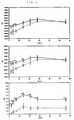
- mice The amount of spontaneous motion of each of the aforementioned mice were measured by using an action analyzing apparatus SCANET MV-10 (Toyo Sangyo; an apparatus wherein 144 sets of near infrared radiation sensors running in all directions are installed two-tiered in a square of 426 mm square) and motor function was evaluated after the surgery, on day 2 and 4 as in the acute stage, day 7 as the subacute stage, day 14, 21, 28, and 56 as the chronic stage.
- SCANET MV-10 Toyo Sangyo; an apparatus wherein 144 sets of near infrared radiation sensors running in all directions are installed two-tiered in a square of 426 mm square
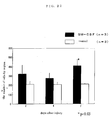
- measurement of spontaneous motor quantity was set to detect and measure in forms of two sizes of horizontal movements (Movement 1, 2; M1, M2 for abbreviation, it is regarded that a motion is made and the motor quantity is measured when the motion was recognized in 12 mm or more for M1 and in 60 mm or more for M2), and vertical movements (Rearing; RG for abbreviation, the number of uprising motion of 6.75 cm or more is measured), and it was further set to measure for 10 minutes per mouse.
- the result of the case wherein BALB/c female mice were used is shown in Fig. 1.
- the p value in the figure was calculated by using the Student's t test (*: p ⁇ 0.05, **: p ⁇ 0.01).
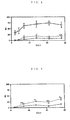
- the amount of spontaneous vertical movement of each mouse were measured by using the action analyzing apparatus SCANET MV-10 and the motor function was evaluated on day 2, 4, 7, 14, 21, 28, and 56. Those results are shown in Fig. 3 and Fig. 4.
- the p value in the figures was calculated by using the Student's t test (*: p ⁇ 0.05, **: p ⁇ 0.01).
- Immature dendritic cells were obtained by separating CD11c positive subsets from the spleen of BALB/c female mature mice of 6 weeks old by applying immune magnetic beads method. More precisely, the cell was separated as follows: the spleen was firstly homogenated in 100 U/ml collagenase (Worthington Biochemical Corporation), then coated part which is hard to be separated was incubated in 400 U/ml collagenase at 37°C under 5% CO 2 for 20 minutes.
- the cells obtained herein were floated in 35% BSA solution, and the RPMI1640 + 10% embryonic sera were stratified in a centrifuge tube, centrifuged at 4° C, 3000 rpm, for 30 minutes, then the cells at the boundary area between 35% BSA solution and the RPMI1640 + 10% embryonic sera solution were collected.
- the cells obtained herein were reacted with magnetic beads-bound monoclonal antibodies against CD11c antigens (2 x 10 8 beads, Miltenyi Biotec) at 4°C for 15 minutes, and beads-bound cells were separated by magnets, and thus fractions wherein immature dendritic cell subsets were condensed were obtained.
- mature dendritic cell subsets were obtained by culturing the immature dendritic cell subsets obtained in the RPMI1640 + 10% embryonic sera culture solution at 37° C, under 5% CO 2 for 24 hours.
- AMV Allevin Myeloblastosis Virus reverse transcriptase
- dT oligo
- PCR was conducted as follows: gene was amplified by using 1 ⁇ l of cDNA as a template and a reaction enzyme of Extaq (TAKARA) and by a thermal cycler (Perkin-Elmer). The primer used and the PCR condition are shown in Table 1. Besides, in order to show that it is not a gene product amplified from genomic DNA which was mixed in, PCR reaction was conducted respectively as a control by using total RNA as a template. The result in immature dendritic cell subsets is shown in Fig. 7, and the result in mature dendritic cell subsets is shown in Fig. 8, respectively. PCR Condition 94° C 1 Min. Thermal Denaturation (However, ⁇ -actin; 30 Secs.) 52° C 1 Min.
- Annealing (However, ⁇ -actin; 63° C, NT-3; 65° C) 72° C 2 Mins.
- Extension Reaction (However, ⁇ -actin, NT-3; 1 Min.) 42 cycles of the aforementioned thermal denaturation, annealing, and extension reaction. (However, ⁇ -actin; 30 cycles)
- NT-3 inducing the nerve regeneration effect in vivo, the proliferation of microglia, and the enhancement of phagocytosis
- CNTF having the protective effect for denaturation and cell death against both motor and sensory neurons of the spinal cord
- TGF- ⁇ 1 having an inhibitory action for releasing cytotoxic substance derived from microglias and macrophages
- IL-6 inducing the protection effect against various neurons(cholin catecholamine dopaminergic)(Fig.7).
- EGF wherein the nervous protection effect was recognized was confirmed in addition to NT-3, CNTF, TGF- ⁇ 1, and IL-6 (Fig. 8).
- cDNA was extracted from the gel with regard to each gene, the base sequence was analyzed, and it was confirmed that the expression products were NT-3, CNTF, TGF- ⁇ 1, IL-6 and EGF, respectively.
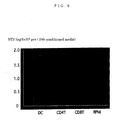
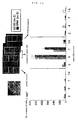
- NT-3 one of the neurotrophic factor considered to be the most important for nerve regeneration, it was further analyzed whether it was actually secreted from dendritic cells by ELISA method using a NT-3 immunoassay system (Promega).
- CD11c positive immature dendritic cells were separated from the spleen of BALB/c female mature mice of 6 weeks old by the immune magnetic beads method in the same manner as in Example 1. After said 1 ⁇ 10 5 of CD11c positive immature dendritic cells were incubated in a culture solution of RPMI1640 + 10% embryonic sera at 37°C under 5% CO 2 for 24 hours, its conditioned media were collected.
- the eighth thoracic vertebra of the BALB/c female mice of 6 weeks old was laminectomized under ether anesthesia, and spinal cord injured model mice of which the left side of the spinal cord is cut in half under a microscope were generated.
- an evaluation was conducted chronologically by applying the motor function evaluation method for lower limbs developed by the present inventors (RG Score wherein the number of uprising motion is automatically analyzed by using the action analyzing apparatus, SCANET MV-10), and the BBB scale which is among the already established motor function evaluation method for lower limb (it is evaluated between 0 and 21 points, 0 point means that no lower limb motor is recognized, 21 points means normal.).
- the result is shown in Fig. 10.
- DC transplanted group showed high scores of statistical significance in the both evaluation methods (RG Score and BBB scale) compared to the cases for T cell and RPMI of the controls. Accordingly, by transplanting dendritic cell subsets secreting neurotrophic factor NT-3 to the spinal cord injured site, it was reconfirmed that restoration of spinal cord function was promoted.
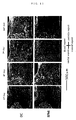
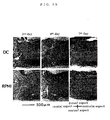
- Fig. 11 The staining image of a representative section covering from marginal injured site to cephalad aspect is shown in Fig. 11.
- cellular infiltration is limited on day 2 after the injury, but distinguished infiltration of ameboid cell was recognized at the marginal injured site on day 4 after the injury.
- day 4 after the injury although infiltration of Mac-1 positive cell was recognized at cephalad distal part in the dendritic cell transplanted group, such change was limited in a control group.
- each Mac-1 positive cell was quantitatively analyzed respectively by using an image analysis apparatus (Flovel). Chronological change in the number of ameboid cells by each region is shown in Fig. 12. Infiltration of ameboid cells was mostly localized in the marginal injured site. Although obviously different number of cells between both groups at the marginal injured site or the caudal aspect was not recognized, a large number of positive cells was particularly recognized among dendritic cell transplanted group at the cephalad aspect on day 14 after the injury. On the other hand, Fig. 13 shows the chronological change in the number of ramified cells by each region, a larger number of cells was recognized in dendritic cell transplanted group in all regions, and on all measuring days.
- ameboid activated microglia was increased in the cephalad aspect in the dendritic cell transplanted group, it is considered that since ameboid cells have a particularly strong phagocytic capacity, they are eliminating denatured myelin inhibiting the extension of a nervous axon and a protein derived from injured tissue at a distant place from the injured site.
- an activated microglia itself promoted the restoration of nervous function by secreting a neurotrophic factor such as NT-3, CNTF, IL-6, TGF- ⁇ 1, EGF, bFGF, NGF, BDNF, GDNF and the like.
- a neurotrophic factor such as NT-3, CNTF, IL-6, TGF- ⁇ 1, EGF, bFGF, NGF, BDNF, GDNF and the like.
- Musashi-1 is an RNA-bound protein of molecular weight approximately 38 kDa which was identified by Okano et al. in 1994 (Neuron, 1994), which was reported to strongly express in neural stem cells/precursor cells in the analysis using a monoclonal antibody against Musashi-1 of mouse (Dev. Biol. 1996, J. Neurosci. 1997, Dev. Neurosci. 2000). Measuring region was divided into 2 parts, i.e. the marginal injured site and the distal site (cephalad aspect and caudal aspect) as a portion covering from dorsal aspect to ventral aspect at each position of the most distal site of the gelfoam (denatured collagen) used for cell transplant and the site 1 mm apart thereof (Fig. 14).
- Fig. 15 The staining image of a representative section covering from marginal injured site to cephalad aspect is shown in Fig. 15. In both groups, no difference can be seen on day 2 after the injury, however, on and after day 4 after the injury, a large number of Musashi-1 positive cells was recognized both in the marginal injured site and a distal site in the dendritic cells transplanted group, but such change was limited in a control group.
- Musashi-1 positive cell was quantitatively analyzed by using an image analysis apparatus (Flovel). Chronological change in the number of Mushashi-1 positive cells by each region is shown in Fig. 16. More significant increase in the number of Musashi-1 positive cells was recognized by dendritic cells transplant both in the marginal injured site and a distal site on and after day 4 after the injury compared to a control. Particularly in the marginal injured site, significant increase of Musashi-1 positive cells was recognized in the dendritic cells transplanted group on day 2 to 4 after the injury.
- Example 12 (Expression Induction of Neurotrophic Factor in a Injured Neural Tissue after Administration of GM-CSF)
- AMV Alleviated Myeloblastosis Virus
- PCR was conducted by using a primer of ⁇ -actin, gene expression was confirmed, and then PCR was conducted for each neurotrophic factor under each condition.
- PCR was conducted as follows: gene was amplified by using 1 ⁇ l of cDNA as a template and a reaction enzyme of Extaq (TAKARA) by a thermal cycler (Perkin-Elmer). The primer used and the PCR condition are shown in Table 2. Besides, in order to show that it is not a gene product amplified from genomic DNA which was mixed in, PCR reaction was conducted respectively as a control by using total RNA as a template. PCR Condition 94° C 1 Min. Thermal Denaturation (However, ⁇ -actin; 30 Secs.) 52° C 1 Min.
- Annealing (However, ⁇ -actin; 63° C, NT-3; 65° C) 72° C 2 Mins.
- Extension Reaction (However, ⁇ -actin, NT-3; 1 Min.) 35 cycles of the aforementioned thermal denaturation, annealing, and extension reaction. (However, ⁇ -actin; 30 cycles)
- a neurotrophic factor, NT-3 inducing the nerve regeneration effect in vivo, the proliferation of microglia, and the enhancement of phagocytosis
- a neurotrophic factor, BDNF inhibiting denaturation and omission of motor neuron of the injured spinal cord
- a neurotrophic factor, NGF of cholinergic neuron a neurotrophic factor, CNTF having protective effect for denaturation and cell death against both motor and sensory neurons of the spinal cord
- GM-CSF is involved in proliferation and activation of microglias and macrophages in vitro.
- immunohistological staining was conducted by using Mac-1 antibody which recognizes them, and chronological change in the number of positive cells was investigated.
- ameboid cell considered to be activated macroglias with a strong phagocytic capacity and macrophages derived from a monocytes flown from the outside of the spinal cord, and ramified cells considered to be activated microglias lacking in phagocytic capacity but secreting various neurotrophic factors and cytokines. They were quantitatively analyzed by using an image analysis apparatus (Flovel).
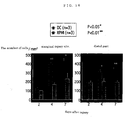
- Fig. 19 and Fig. 20 Chronological change in the number of ameboid cells and ramified cells is shown in Fig. 19 and Fig. 20, respectively.
- GM-CSF administered group a large number of ameboid cells was recognized on day 2 after the injury, and significant increase in the number of cells compared to a control of day 7 after the injury was confirmed. And also in ramified cells, significant increases in the number of cells compared to a control were recognized on day 4 and 7 after the injury.
- ameboid cells were increased in GM-CSF administered group, it is considered that they are eliminating denatured myelin inhibiting the extension of a nervous axon and a protein derived from injured tissue since ameboid cells have particularly strong phagocytic capacity.
- the increase in the number of ramified cells was also seen indicates that activated microglia itself promoted restoration of the nervous function by secreting a neurotrophic factor such as NT-3 , BDNF, NGF, CNTF and the like.
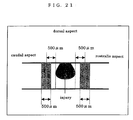
- the region covering 0.5 mm apart to dorsal and ventral direction from the most distal part the gelfoam (denatured collagen) used for cell transplanting was quantatively analyzed by using an image analysis apparatus (Fig. 21). Chronological change in the number of Musashi-1 positive cells is shown in Fig. 22.
- GM-CSF administered group a large number of Musashi-1 positive cells was recognized on and after day 2 from the injury compared to a control, and significant increase in the number of cells was recognized on day 7 from the injury. As aforementioned, it was revealed that endogenous neural stem cells /precursor cells are induced to proliferate by administering GM-CSF.
- nervous function is restored through the intermediaries of the following: expression induction of a neurotrophic factor in a neuron , secretion of neurotrophic factor through activation of an endogenous microglia, and elimination action of inhibitor for extension of a nervous axon, and regeneration and remyelination of a new neuron by proliferation induction of endogenous neural stem cells/precursor cells, and the like.
- the remedy for a nerve damage or a nerve dysfunctional disorder of the present invention can be administered not only by injecting into a injured site but also by various administration methods including subcutaneous administration or administration to a vicinity of lymph nodes, and intravenous administration, which has excellent nervous function restoration action, therefore, it is useful for the disorders of nerve dysfunctional disorders and the like such as a central nervous system injury including a spinal cord injury and a cerebral infarction.
- a dendritic cells related active substance such as IL-12, GM-CSF and the like are useful in that they can be easily handled and stored over a long time, and can be prepared in a large amount at any time, and can be applied to genetic therapies and the like.
Landscapes
- Health & Medical Sciences (AREA)
- Life Sciences & Earth Sciences (AREA)
- Engineering & Computer Science (AREA)
- Pharmacology & Pharmacy (AREA)
- Public Health (AREA)
- Veterinary Medicine (AREA)
- General Health & Medical Sciences (AREA)
- Chemical & Material Sciences (AREA)
- Animal Behavior & Ethology (AREA)
- Medicinal Chemistry (AREA)
- Bioinformatics & Cheminformatics (AREA)
- Zoology (AREA)
- Epidemiology (AREA)
- Immunology (AREA)
- Gastroenterology & Hepatology (AREA)
- Proteomics, Peptides & Aminoacids (AREA)
- Biomedical Technology (AREA)
- Neurosurgery (AREA)
- Neurology (AREA)
- Cell Biology (AREA)
- Hematology (AREA)
- Biotechnology (AREA)
- Developmental Biology & Embryology (AREA)
- Psychology (AREA)
- Organic Chemistry (AREA)
- Nuclear Medicine, Radiotherapy & Molecular Imaging (AREA)
- General Chemical & Material Sciences (AREA)
- Chemical Kinetics & Catalysis (AREA)
- Virology (AREA)
- Psychiatry (AREA)
- Hospice & Palliative Care (AREA)
- Medicines Containing Material From Animals Or Micro-Organisms (AREA)
- Medicines That Contain Protein Lipid Enzymes And Other Medicines (AREA)
- Preparation Of Compounds By Using Micro-Organisms (AREA)
- Acyclic And Carbocyclic Compounds In Medicinal Compositions (AREA)
- Organic Low-Molecular-Weight Compounds And Preparation Thereof (AREA)
Applications Claiming Priority (3)
| Application Number | Priority Date | Filing Date | Title |
|---|---|---|---|
| JP2001069123 | 2001-03-12 | ||
| JP2001338772 | 2001-11-02 | ||
| EP02702914A EP1374898B1 (de) | 2001-03-12 | 2002-03-12 | Verwendung von interleukin-12 zur behandlung von nervenschäden |
Related Parent Applications (1)
| Application Number | Title | Priority Date | Filing Date |
|---|---|---|---|
| EP02702914A Division EP1374898B1 (de) | 2001-03-12 | 2002-03-12 | Verwendung von interleukin-12 zur behandlung von nervenschäden |
Publications (2)
| Publication Number | Publication Date |
|---|---|
| EP1723969A1 true EP1723969A1 (de) | 2006-11-22 |
| EP1723969B1 EP1723969B1 (de) | 2009-02-18 |
Family
ID=26611082
Family Applications (2)
| Application Number | Title | Priority Date | Filing Date |
|---|---|---|---|
| EP05025862A Expired - Lifetime EP1723969B1 (de) | 2001-03-12 | 2002-03-12 | Granulocyte-macrophage colony-stimulating factor (GM-CSF) als Heilmittel für Nervenschäden |
| EP02702914A Expired - Lifetime EP1374898B1 (de) | 2001-03-12 | 2002-03-12 | Verwendung von interleukin-12 zur behandlung von nervenschäden |
Family Applications After (1)
| Application Number | Title | Priority Date | Filing Date |
|---|---|---|---|
| EP02702914A Expired - Lifetime EP1374898B1 (de) | 2001-03-12 | 2002-03-12 | Verwendung von interleukin-12 zur behandlung von nervenschäden |
Country Status (7)
| Country | Link |
|---|---|
| US (2) | US20040120925A1 (de) |
| EP (2) | EP1723969B1 (de) |
| JP (1) | JP3607271B2 (de) |
| AT (2) | ATE422901T1 (de) |
| CA (1) | CA2441434A1 (de) |
| DE (2) | DE60220894T2 (de) |
| WO (1) | WO2002072144A1 (de) |
Cited By (2)
| Publication number | Priority date | Publication date | Assignee | Title |
|---|---|---|---|---|
| EP1489163A4 (de) * | 2002-03-27 | 2007-08-08 | Inst Of Gene And Brain Science | Verfahren zur induzierung des wachstums von nervenstammzellen |
| WO2008040260A1 (es) * | 2006-10-03 | 2008-04-10 | Centro De Ingeniería Genética Y Biotecnología | Uso del factor de crecimiento epidérmico para la restauración morfofuncional de nervios periféricos en la neuropatía diabética |
Families Citing this family (13)
| Publication number | Priority date | Publication date | Assignee | Title |
|---|---|---|---|---|
| DE69821011T3 (de) | 1997-10-02 | 2009-01-08 | MAX-PLANCK-Gesellschaft zur Förderung der Wissenschaften e.V. | Verfahren zur Modulierung der Neovaskularisierung und/oder des Wachstums kollateraler Arterien und/oder anderer Arterien aus bestehenden arteriolären Verbindungen |
| FR2834898B1 (fr) * | 2002-01-18 | 2005-06-10 | Didier Pourquier | Nouvelle application therapeutique du g-csf, du gm-csf et du scf |
| AU2003250697B2 (en) * | 2002-07-30 | 2008-05-01 | Stem Cell Therapeutics Inc. | Oligodendrocyte production from multipotent neural stem cells |
| US7785601B2 (en) | 2002-12-31 | 2010-08-31 | Sygnis Bioscience Gmbh & Co. Kg | Methods of treating neurological conditions with hematopoietic growth factors |
| AU2003299430B2 (en) * | 2002-12-31 | 2009-01-08 | Neurovision-Pharma Gmbh | Methods of treating neurological conditions with hematopoeitic growth factors |
| US7695723B2 (en) | 2002-12-31 | 2010-04-13 | Sygnis Bioscience Gmbh & Co. Kg | Methods of treating neurological conditions with hematopoietic growth factors |
| US7569545B2 (en) * | 2005-05-20 | 2009-08-04 | Academia Sinica | Methods of increasing neurotrophic factor expression |
| US20070099867A1 (en) * | 2005-05-24 | 2007-05-03 | Glycoscience Laboratories, Inc. | Pharmaceutical agent containing hyaluronan as an active ingredient |
| JP2009091248A (ja) * | 2006-01-17 | 2009-04-30 | Toshitsu Kagaku Kenkyusho:Kk | 外傷性神経障害および/または運動機能障害の治療薬 |
| AU2007219714A1 (en) * | 2006-02-28 | 2007-09-07 | Regenertech Pty Limited | Tissue regeneration II |
| CA2641571C (en) | 2006-12-05 | 2010-01-19 | Glycoscience Laboratories, Inc. | Treatment of osteoarthritis |
| US20140178335A1 (en) * | 2011-07-27 | 2014-06-26 | Neumedicines, Inc. | Use of il-12 to generate endogenous erythropoietin |
| CN107148278B (zh) * | 2014-08-15 | 2021-06-29 | 财团法人卫生研究院 | 利用神经干细胞与IL12p40增强神经再生的方法 |
Family Cites Families (14)
| Publication number | Priority date | Publication date | Assignee | Title |
|---|---|---|---|---|
| US5650148A (en) * | 1988-12-15 | 1997-07-22 | The Regents Of The University Of California | Method of grafting genetically modified cells to treat defects, disease or damage of the central nervous system |
| DE4019208A1 (de) * | 1990-06-15 | 1992-03-05 | Peter Dr Med Wehling | Nervenregenerationsmittel |
| JPH05148155A (ja) * | 1991-11-28 | 1993-06-15 | Toray Ind Inc | 神経栄養薬 |
| JPH05213767A (ja) * | 1992-02-07 | 1993-08-24 | Mochida Pharmaceut Co Ltd | 脳神経疾患治療剤 |
| EP0599303A3 (de) * | 1992-11-27 | 1998-07-29 | Takeda Chemical Industries, Ltd. | Peptide-Konjugate |
| GB9506466D0 (en) * | 1994-08-26 | 1995-05-17 | Prolifix Ltd | Cell cycle regulated repressor and dna element |
| JPH08176008A (ja) * | 1994-12-27 | 1996-07-09 | Toray Ind Inc | 神経栄養薬 |
| JP2000510813A (ja) * | 1995-02-06 | 2000-08-22 | ジェネテイックス・インスティテュート・インコーポレイテッド | Il−12用処方 |
| US6267955B1 (en) * | 1995-09-15 | 2001-07-31 | Yeda Research And Development Co. Ltd. | Mononuclear phagocytes and their use to promote axonal regeneration |
| US5800812A (en) * | 1995-09-15 | 1998-09-01 | Yeda Research And Development Co. Ltd. | Methods of use of mononuclear phagocytes to promote axonal regeneration |
| US5837231A (en) * | 1996-06-27 | 1998-11-17 | Regents Of The University Of Minnesota | GM-CSF administration for the treatment and prevention of recurrence of brain tumors |
| CA2213906A1 (en) * | 1996-09-23 | 1998-03-23 | Dusica Maysinger | Pharmaceutical composition and method for neuron rescue in ischemic stroke |
| US6167888B1 (en) * | 1997-06-30 | 2001-01-02 | The Regents Of The University Of California | Method for inducing partial recovery of lost voluntary motor function after spinal cord injury in a mammal |
| WO1999016460A2 (en) * | 1997-09-30 | 1999-04-08 | Duke University | Apolipoprotein e/growth factor complexes and methods of use |
-
2002
- 2002-03-12 AT AT05025862T patent/ATE422901T1/de not_active IP Right Cessation
- 2002-03-12 EP EP05025862A patent/EP1723969B1/de not_active Expired - Lifetime
- 2002-03-12 DE DE60220894T patent/DE60220894T2/de not_active Expired - Fee Related
- 2002-03-12 JP JP2002571102A patent/JP3607271B2/ja not_active Expired - Fee Related
- 2002-03-12 WO PCT/JP2002/002310 patent/WO2002072144A1/ja not_active Ceased
- 2002-03-12 AT AT02702914T patent/ATE365561T1/de not_active IP Right Cessation
- 2002-03-12 EP EP02702914A patent/EP1374898B1/de not_active Expired - Lifetime
- 2002-03-12 US US10/471,448 patent/US20040120925A1/en not_active Abandoned
- 2002-03-12 DE DE60231263T patent/DE60231263D1/de not_active Expired - Fee Related
- 2002-03-12 CA CA002441434A patent/CA2441434A1/en not_active Abandoned
-
2006
- 2006-10-06 US US11/539,476 patent/US20070243160A1/en not_active Abandoned
Non-Patent Citations (4)
| Title |
|---|
| HAMILTON S P ET AL: "MICROGLIAL-DERIVED GM-CSF STIMULATES OLIGODENDROCYTE FUNCTION IN THE CENTRAL NERVOUS SYSTEM", BLOOD, W.B.SAUNDERS COMPANY, ORLANDO, FL, US, vol. 86, no. 10, SUPPL 1, 1 December 1995 (1995-12-01), pages 25A, XP009056228, ISSN: 0006-4971 * |
| HAYASHI MASAHARU ET AL: "Granulocyte-macrophage colony stimulating factor inhibits class II major histocompatibility complex expression and antigen presentation by microglia", JOURNAL OF NEUROIMMUNOLOGY, ELSEVIER SCIENCE PUBLISHERS BV, vol. 48, no. 1, 1993, pages 23 - 32, XP002277696, ISSN: 0165-5728 * |
| KANNAN Y ET AL: "Neurotrophic action of interleukin 3 and granulocyte-macrophage colony-stimulating factor on murine sympathetic neurons", NEUROIMMUNOMODULATION, KARGER, BASEL,, CH, vol. 8, no. 3, December 2000 (2000-12-01), pages 132 - 141, XP009055184, ISSN: 1021-7401 * |
| RAIVICH G; GEHRMANN J; KREUTZBERG G W: "INCREASE OF MACROPHAGE COLONY-STIMULATING FACTOR AND GRANULOCYTE-MACROPHAGE COLONY-STIMULATING FACTOR RECEPTORS IN THE REGENERATING RAT FACIAL NUCLEUS", JOURNAL OF NEUROSCIENCE RESEARCH, vol. 30, no. 4, 1991, pages 682 - 686, XP002401498 * |
Cited By (4)
| Publication number | Priority date | Publication date | Assignee | Title |
|---|---|---|---|---|
| EP1489163A4 (de) * | 2002-03-27 | 2007-08-08 | Inst Of Gene And Brain Science | Verfahren zur induzierung des wachstums von nervenstammzellen |
| WO2008040260A1 (es) * | 2006-10-03 | 2008-04-10 | Centro De Ingeniería Genética Y Biotecnología | Uso del factor de crecimiento epidérmico para la restauración morfofuncional de nervios periféricos en la neuropatía diabética |
| US8642552B2 (en) | 2006-10-03 | 2014-02-04 | Centro De Ingenieria Genetica Y Biotecnologia | Use of epidermal growth factor for the morphofunctional restoration of peripheral nerves in diabetic neuropathy |
| US9034826B2 (en) | 2006-10-03 | 2015-05-19 | Centro De Ingenieria Genetica Y Biotecnologia | Use of epidermal growth factor for the morphofunctional restoration of peripheral nerves in diabetic neuropathy |
Also Published As
| Publication number | Publication date |
|---|---|
| JP3607271B2 (ja) | 2005-01-05 |
| US20070243160A1 (en) | 2007-10-18 |
| EP1374898A4 (de) | 2004-07-28 |
| CA2441434A1 (en) | 2002-09-19 |
| DE60220894D1 (de) | 2007-08-09 |
| ATE422901T1 (de) | 2009-03-15 |
| DE60231263D1 (de) | 2009-04-02 |
| JPWO2002072144A1 (ja) | 2004-07-02 |
| WO2002072144A9 (en) | 2002-12-27 |
| EP1374898B1 (de) | 2007-06-27 |
| ATE365561T1 (de) | 2007-07-15 |
| US20040120925A1 (en) | 2004-06-24 |
| WO2002072144A1 (en) | 2002-09-19 |
| EP1374898A1 (de) | 2004-01-02 |
| EP1723969B1 (de) | 2009-02-18 |
| DE60220894T2 (de) | 2008-02-28 |
Similar Documents
| Publication | Publication Date | Title |
|---|---|---|
| EP1723969B1 (de) | Granulocyte-macrophage colony-stimulating factor (GM-CSF) als Heilmittel für Nervenschäden | |
| Créange et al. | Cytokines and peripheral nerve disorders | |
| Okada et al. | Cytokine gene therapy of gliomas: effective induction of therapeutic immunity to intracranial tumors by peripheral immunization with interleukin-4 transduced glioma cells | |
| US9072740B2 (en) | Methods of improving central nervous system functioning | |
| WO2014161887A1 (en) | Targeted cancer immune therapy | |
| KR20050067141A (ko) | 제어성 t세포의 활성을 제어하는 방법 및 조성물 | |
| CN110575537A (zh) | Dc疫苗和nkg2a拮抗剂的组合物及在抗乳腺癌或肝癌中的应用 | |
| US20230242870A1 (en) | Cranial nerve disorder therapeutic agent including culture supernatant of tissue cells derived from fetal appendage | |
| US20050226852A1 (en) | Method of inducing growth of nerve stem cells | |
| AU2003231909A1 (en) | Antigen-presenting cells for neuroprotection and nerve regeneration | |
| AU695260B2 (en) | Method of treating auto-immune diseases using type one interferons | |
| KR20220026959A (ko) | 엑소좀을 유효성분으로 포함하는 폐암 치료, 예방 또는 전이 억제용 약학적 조성물 | |
| KR102939342B1 (ko) | Ptx-3, timp1 및 bdnf를 발현하는 간엽줄기세포를 유효성분으로 포함하는 염증 질환 또는 통증의 예방 또는 치료용 약학 조성물 | |
| RU2166959C2 (ru) | Способ лечения аутоиммунных заболеваний с использованием интерферонов типа i | |
| EP0538810B1 (de) | Die Verwendung von Interleukin-6 zur Herstellung einer pharmazeutischen Zusammensetzung zur Behandlung von Lymphocytic Leukemia und B-Zell Lymphoma. | |
| JP2004002412A (ja) | 神経損傷の治療薬 | |
| JP2006152001A (ja) | 神経損傷の治療薬 | |
| Ando et al. | B7. 1 immunogene therapy effectively activates CD4+ tumor-infiltrating lymphocytes in the central nervous system in comparison with B7. 2 gene therapy | |
| Tanriover et al. | The effects of systemic and intratumoral interleukin-12 treatment in C6 rat glioma model | |
| CN119120364A (zh) | 一种改良的肿瘤浸润淋巴细胞体外扩增方法 | |
| US20240002798A1 (en) | Method for preparing immunogenicity-enhanced cd103+ fcgr3+ dendritic cell by treatment with interleukin-33 and pharmaceutical composition comprising same dendritic cell for cancer immunotherapy | |
| KR102809273B1 (ko) | 인터류킨-33을 처리하여 면역원성이 향상된 CD103+ Fcgr3+ 수지상세포의 제조방법 및 상기 수지상세포를 포함하는 면역항암치료용 약학적 조성물 | |
| WO2023225181A1 (en) | Tumor infiltrating lymphocytes and anti-pd-1 antibody combination therapy for the treatment of cancer | |
| WO2007100892A2 (en) | Trojan horse immunotherapy | |
| JP2007130026A (ja) | 神経幹細胞の増殖誘導方法 |
Legal Events
| Date | Code | Title | Description |
|---|---|---|---|
| PUAI | Public reference made under article 153(3) epc to a published international application that has entered the european phase |
Free format text: ORIGINAL CODE: 0009012 |
|
| 17P | Request for examination filed |
Effective date: 20051128 |
|
| AC | Divisional application: reference to earlier application |
Ref document number: 1374898 Country of ref document: EP Kind code of ref document: P |
|
| AK | Designated contracting states |
Kind code of ref document: A1 Designated state(s): AT BE CH CY DE DK ES FI FR GB GR IE IT LI LU MC NL PT SE TR |
|
| 17Q | First examination report despatched |
Effective date: 20070208 |
|
| AKX | Designation fees paid |
Designated state(s): AT BE CH CY DE DK ES FI FR GB GR IE IT LI LU MC NL PT SE TR |
|
| GRAP | Despatch of communication of intention to grant a patent |
Free format text: ORIGINAL CODE: EPIDOSNIGR1 |
|
| GRAS | Grant fee paid |
Free format text: ORIGINAL CODE: EPIDOSNIGR3 |
|
| GRAA | (expected) grant |
Free format text: ORIGINAL CODE: 0009210 |
|
| AC | Divisional application: reference to earlier application |
Ref document number: 1374898 Country of ref document: EP Kind code of ref document: P |
|
| AK | Designated contracting states |
Kind code of ref document: B1 Designated state(s): AT BE CH CY DE DK ES FI FR GB GR IE IT LI LU MC NL PT SE TR |
|
| REG | Reference to a national code |
Ref country code: GB Ref legal event code: FG4D |
|
| REG | Reference to a national code |
Ref country code: CH Ref legal event code: EP Ref country code: CH Ref legal event code: NV Representative=s name: MICHELI & CIE SA |
|
| REG | Reference to a national code |
Ref country code: IE Ref legal event code: FG4D |
|
| REF | Corresponds to: |
Ref document number: 60231263 Country of ref document: DE Date of ref document: 20090402 Kind code of ref document: P |
|
| REG | Reference to a national code |
Ref country code: SE Ref legal event code: TRGR |
|
| PGFP | Annual fee paid to national office [announced via postgrant information from national office to epo] |
Ref country code: NL Payment date: 20090317 Year of fee payment: 8 |
|
| PGFP | Annual fee paid to national office [announced via postgrant information from national office to epo] |
Ref country code: CH Payment date: 20090319 Year of fee payment: 8 |
|
| PG25 | Lapsed in a contracting state [announced via postgrant information from national office to epo] |
Ref country code: FI Free format text: LAPSE BECAUSE OF FAILURE TO SUBMIT A TRANSLATION OF THE DESCRIPTION OR TO PAY THE FEE WITHIN THE PRESCRIBED TIME-LIMIT Effective date: 20090218 Ref country code: ES Free format text: LAPSE BECAUSE OF FAILURE TO SUBMIT A TRANSLATION OF THE DESCRIPTION OR TO PAY THE FEE WITHIN THE PRESCRIBED TIME-LIMIT Effective date: 20090529 |
|
| PG25 | Lapsed in a contracting state [announced via postgrant information from national office to epo] |
Ref country code: AT Free format text: LAPSE BECAUSE OF FAILURE TO SUBMIT A TRANSLATION OF THE DESCRIPTION OR TO PAY THE FEE WITHIN THE PRESCRIBED TIME-LIMIT Effective date: 20090218 |
|
| PGFP | Annual fee paid to national office [announced via postgrant information from national office to epo] |
Ref country code: DE Payment date: 20090529 Year of fee payment: 8 Ref country code: IT Payment date: 20090320 Year of fee payment: 8 Ref country code: SE Payment date: 20090409 Year of fee payment: 8 |
|
| PG25 | Lapsed in a contracting state [announced via postgrant information from national office to epo] |
Ref country code: BE Free format text: LAPSE BECAUSE OF FAILURE TO SUBMIT A TRANSLATION OF THE DESCRIPTION OR TO PAY THE FEE WITHIN THE PRESCRIBED TIME-LIMIT Effective date: 20090218 |
|
| PG25 | Lapsed in a contracting state [announced via postgrant information from national office to epo] |
Ref country code: DK Free format text: LAPSE BECAUSE OF FAILURE TO SUBMIT A TRANSLATION OF THE DESCRIPTION OR TO PAY THE FEE WITHIN THE PRESCRIBED TIME-LIMIT Effective date: 20090218 Ref country code: MC Free format text: LAPSE BECAUSE OF NON-PAYMENT OF DUE FEES Effective date: 20090331 Ref country code: PT Free format text: LAPSE BECAUSE OF FAILURE TO SUBMIT A TRANSLATION OF THE DESCRIPTION OR TO PAY THE FEE WITHIN THE PRESCRIBED TIME-LIMIT Effective date: 20090727 |
|
| PGFP | Annual fee paid to national office [announced via postgrant information from national office to epo] |
Ref country code: FR Payment date: 20090316 Year of fee payment: 8 |
|
| PGFP | Annual fee paid to national office [announced via postgrant information from national office to epo] |
Ref country code: GB Payment date: 20090514 Year of fee payment: 8 |
|
| PLBE | No opposition filed within time limit |
Free format text: ORIGINAL CODE: 0009261 |
|
| STAA | Information on the status of an ep patent application or granted ep patent |
Free format text: STATUS: NO OPPOSITION FILED WITHIN TIME LIMIT |
|
| 26N | No opposition filed |
Effective date: 20091119 |
|
| PG25 | Lapsed in a contracting state [announced via postgrant information from national office to epo] |
Ref country code: IE Free format text: LAPSE BECAUSE OF NON-PAYMENT OF DUE FEES Effective date: 20090312 |
|
| REG | Reference to a national code |
Ref country code: NL Ref legal event code: V1 Effective date: 20101001 |
|
| PG25 | Lapsed in a contracting state [announced via postgrant information from national office to epo] |
Ref country code: GR Free format text: LAPSE BECAUSE OF FAILURE TO SUBMIT A TRANSLATION OF THE DESCRIPTION OR TO PAY THE FEE WITHIN THE PRESCRIBED TIME-LIMIT Effective date: 20090519 |
|
| REG | Reference to a national code |
Ref country code: CH Ref legal event code: PL |
|
| EUG | Se: european patent has lapsed | ||
| GBPC | Gb: european patent ceased through non-payment of renewal fee |
Effective date: 20100312 |
|
| REG | Reference to a national code |
Ref country code: FR Ref legal event code: ST Effective date: 20101130 |
|
| PG25 | Lapsed in a contracting state [announced via postgrant information from national office to epo] |
Ref country code: FR Free format text: LAPSE BECAUSE OF NON-PAYMENT OF DUE FEES Effective date: 20100331 Ref country code: NL Free format text: LAPSE BECAUSE OF NON-PAYMENT OF DUE FEES Effective date: 20101001 |
|
| PG25 | Lapsed in a contracting state [announced via postgrant information from national office to epo] |
Ref country code: DE Free format text: LAPSE BECAUSE OF NON-PAYMENT OF DUE FEES Effective date: 20101001 Ref country code: CH Free format text: LAPSE BECAUSE OF NON-PAYMENT OF DUE FEES Effective date: 20100331 Ref country code: LI Free format text: LAPSE BECAUSE OF NON-PAYMENT OF DUE FEES Effective date: 20100331 |
|
| PG25 | Lapsed in a contracting state [announced via postgrant information from national office to epo] |
Ref country code: GB Free format text: LAPSE BECAUSE OF NON-PAYMENT OF DUE FEES Effective date: 20100312 Ref country code: IT Free format text: LAPSE BECAUSE OF NON-PAYMENT OF DUE FEES Effective date: 20100312 |
|
| PG25 | Lapsed in a contracting state [announced via postgrant information from national office to epo] |
Ref country code: LU Free format text: LAPSE BECAUSE OF NON-PAYMENT OF DUE FEES Effective date: 20090312 |
|
| PG25 | Lapsed in a contracting state [announced via postgrant information from national office to epo] |
Ref country code: TR Free format text: LAPSE BECAUSE OF FAILURE TO SUBMIT A TRANSLATION OF THE DESCRIPTION OR TO PAY THE FEE WITHIN THE PRESCRIBED TIME-LIMIT Effective date: 20090218 |
|
| PG25 | Lapsed in a contracting state [announced via postgrant information from national office to epo] |
Ref country code: CY Free format text: LAPSE BECAUSE OF FAILURE TO SUBMIT A TRANSLATION OF THE DESCRIPTION OR TO PAY THE FEE WITHIN THE PRESCRIBED TIME-LIMIT Effective date: 20090218 |
|
| PG25 | Lapsed in a contracting state [announced via postgrant information from national office to epo] |
Ref country code: SE Free format text: LAPSE BECAUSE OF NON-PAYMENT OF DUE FEES Effective date: 20100313 |