EP1721965B1 - Verfahren zur Herstellung und Anwendung von Protozoenkulturen - Google Patents
Verfahren zur Herstellung und Anwendung von Protozoenkulturen Download PDFInfo
- Publication number
- EP1721965B1 EP1721965B1 EP06450073A EP06450073A EP1721965B1 EP 1721965 B1 EP1721965 B1 EP 1721965B1 EP 06450073 A EP06450073 A EP 06450073A EP 06450073 A EP06450073 A EP 06450073A EP 1721965 B1 EP1721965 B1 EP 1721965B1
- Authority
- EP
- European Patent Office
- Prior art keywords
- protozoa
- blastocystis
- cells
- culture
- histomonas meleagridis
- Prior art date
- Legal status (The legal status is an assumption and is not a legal conclusion. Google has not performed a legal analysis and makes no representation as to the accuracy of the status listed.)
- Expired - Lifetime
Links
Images

Classifications
-
- A—HUMAN NECESSITIES
- A61—MEDICAL OR VETERINARY SCIENCE; HYGIENE
- A61K—PREPARATIONS FOR MEDICAL, DENTAL OR TOILETRY PURPOSES
- A61K39/00—Medicinal preparations containing antigens or antibodies
- A61K39/002—Protozoa antigens
-
- C—CHEMISTRY; METALLURGY
- C12—BIOCHEMISTRY; BEER; SPIRITS; WINE; VINEGAR; MICROBIOLOGY; ENZYMOLOGY; MUTATION OR GENETIC ENGINEERING
- C12N—MICROORGANISMS OR ENZYMES; COMPOSITIONS THEREOF; PROPAGATING, PRESERVING, OR MAINTAINING MICROORGANISMS; MUTATION OR GENETIC ENGINEERING; CULTURE MEDIA
- C12N1/00—Microorganisms; Compositions thereof; Processes of propagating, maintaining or preserving microorganisms or compositions thereof; Processes of preparing or isolating a composition containing a microorganism; Culture media therefor
- C12N1/10—Protozoa; Culture media therefor
Definitions
- the invention relates to the production and use of protozoan cultures of Histomonas meleagridis, Tetratrichomonas gallinarum and Blastocystis sp.
- guinea fowl, pheasant, peacock and quail are described as other susceptible species of birds, while water fowl are considered non-susceptible (McDougald, 2003). Due to the pathogenesis and the high prevalence of the disease in turkeys, this species is certainly one of the most susceptible hosts.
- turkeys were infected with both Histomonas meleagridis and Tetratrichomonas gallinarum cultures followed by histological examination. After mixed infection, both pathogens were detected microscopically in the faeces. This indicates the danger that several cultures are isolated when re-isolation of protozoan cultures, as a selective medium is not known.
- Bishop (1938) also describes the isolation of trichomonas, chilomastix and blastocystis from the cecum of a chicken.
- GB 902 760 describes methods of producing attenuated endoparasites which use ultraviolet radiation to attenuate them.
- FR 2 853 550 relates to a food additive for administration to animals comprising cinnamic acid, aldehyde and thiosulphate. It is shown that a mixture containing these agents is able to effectively combat protozoa such as fetratrichomonas gallinarum and Histomonas meleagridis .
- Tan Kevin et al. (Experimental Parasitology 96 (1) (2000): 9-15) relates to the cultivation of Blastocystis hominis cultures on solid agar.
- the US 5,824,537 relates, inter alia, to a method for the in vitro cloning of Babesia genus parasites wherein individual parasite cells are obtained from a suspension of infected erythrocytes, which individual cells may eventually be used to produce a culture.
- Clark et al. (Clinical Microbiology Reviews 15 (3) (2002): 329-341 is a review of methods for culturing protozoa, among other things, describing the breeding of blastocystin hominis .
- the diagnosis of histomoniasis is particularly complicated by the fact that the parasite dies quickly in the outside world and thus can no longer be detected.
- special conditions are necessary to ensure the survival of the trophozoite (Dwyer, 1970, McDougald and Galloway, 1973).
- the direct pathogen detection can thus only by means of Histology be performed.
- several methods are described, in particular the periodic acid Schiff reaction (PAS reaction), by means of which the pathogen unspoiled in the tissue can be detected (Kemp and REID, 1966).
- PAS reaction periodic acid Schiff reaction
- this method is laborious and time consuming, underscoring the need for alternatives.
- the object of the invention is to produce clonal cultures of Histomonas meleagridis, Tetratrichomonas gallinarum and Blastocystis sp. To establish and thus establish established cultures in vitro and in vivo to overcome the disadvantages of the prior art, in particular the inhomogeneity of the previously known protozoan cultures from poultry. In addition, it is a task to develop specific diagnostics, so that a reliable pathogen detection and a delimitation between the pathogens is possible.
- the present invention provides a clonal protozoan culture comprising protozoan cells of a single protozoan species, characterized in that the protozoan species is selected from the group consisting of Histomonas meleagridis, Tetratrichomonas gallinarum and Blastocystis sp., Which culture comprises symbiotic bacteria or their Contains lysate.
- clonal protozoan culture refers to a culture of protozoan cells derived from a single protozoan cell containing either Histomonas meleagridis, Tetratrichomonas gallinarum or Blastocystis sp. is, descended and thus formed from this.
- the culture thus consists of protozoan cells, all derived from a single cell by multiplication.
- the protozoan cells are thus copies of a single starting cell given above.
- the culture contains protozoan cells of one of these protozoan species, but not protozoal cells of the two other protozoan species (eg Histomonas meleagridis but not Tetratrichomonas gallinarum and Blastocystis sp., Tetratrichomonas gallinarum but not Histomonas meleagridis and Blastocystis sp .).
- the singling is preferably carried out by micromanipulation, wherein after this singling the protozoa in an appropriate growth medium (the growth medium should be a carbohydrate source, especially a starch, such as rice or corn starch, and optionally salts, especially Earle's salts, amino acids, especially L-glutamine, and antibiotics / antimycotics, especially penicillin, streptomycin and amphotericin) may be increased to eventually give a clonal protozoan culture.
- the growth medium should be a carbohydrate source, especially a starch, such as rice or corn starch, and optionally salts, especially Earle's salts, amino acids, especially L-glutamine, and antibiotics / antimycotics, especially penicillin, streptomycin and amphotericin
- the protozoan culture according to the invention contains symbiotic bacteria and / or their lysate.
- symbiotic bacteria and / or their lysate are in the protozoan culture according to the invention, since these are used in the production of the cultures.
- those bacteria (and / or lysates) are used, which are also in vivo in symbiosis with the protozoa.
- it is also possible to remove the bacteria substantially completely from the protozoan culture eg by centrifugation or filtration), provided that the protozoan cells are used, for example, to study growth conditions, to prepare vaccines and antibodies.
- the bacteria are enterobacteria, in particular coliform bacteria, staphylococci, streptococci or mixtures thereof.
- Histomonas meleagridis, Tetratrichomonas gallinarum and Blastocystis sp. preferably be obtained from feces sets the bacterial culture preferably consists of the therein Bacteria species together. It has been found according to the invention that, in addition to enterobacteria, staphylococci and streptococci are also present in feces of poultry, which can be used individually or in combination for the cultivation of protozoan cells.
- Another aspect of the present invention relates to a vaccine formulation comprising inactivated or live clonal protozoan cells of a single protozoan species selected from the group consisting of Histomonas meleagridis, Tetratrichomonas gallinarum and Blastocystis sp. or an antibody directed against clonal protozoan cells of a single protozoan species selected from the group consisting of Histomonas meleagridis, Tetratrichomonas gallinarum and Blastocystis sp.
- clonal protozoan cultures or cells enable targeted vaccine production that can be used on the one hand for active and, on the other hand, passive immunization of poultry.
- active vaccines it is necessary to have as homogeneous an antigen as possible.
- the use of the clonal cultures according to the invention enables a significantly improved and standardisable industrial production of this vaccine, especially with regard to better reproducibility and lower batch variance.
- an active vaccine used to immunize poultry against Histomonas meleagridis should essentially comprise only Histomonas meleagridis cells. If this is not the case, it may eventually lead to a selection process that does not necessarily favor the desired species. This means that it is quite possible that the poultry is not or insufficiently immunized against the desired pathogen but against one or more other antigens found in the culture (eg other protozoa).
- active vaccines on the other hand, it is important to use mostly antibodies that specifically target the antigens to be controlled (eg, protozoan cells). Therefore, it is crucial that as pure as possible starting cultures are used in the production of such vaccines.
- the inventive are particularly suitable clonal protozoan cultures.
- the vaccine formulation preferably comprises an adjuvant.
- adjuvants are used in the preparation of active vaccines, the adjuvant preferably being selected from the group consisting of Freund's complete adjuvant, Freund's incomplete adjuvant, aluminum hydroxide, Bordetella pertussis, saponin, muramyl dipeptide, ethylene Vinyl acetate copolymer, oil, preferably a vegetable oil or a mineral oil, especially peanut oil or silicone oil, and combinations thereof as well as those described in U.S. Pat Singh et al. (Nat Biotech 17 (1999), 1075-1081 ) described adjuvants.
- Suitable adjuvants which can be used according to the invention are well known to the person skilled in the art (see, for example, US Pat O'Hagan, Arthur T. (2000) "Vaccine Adjuvants: Preparation Methods and Research Protocols", Humana Press ; US 5,885,589 ; EP 109,942 ).
- the clonal protozoan cells are preferably attenuated by passengers, by radiation, in particular by UV and radioactive radiation, by chemical substances or by viruses.
- these cells can be attenuated.
- An attenuation can be carried out according to the invention by several methods. It has been found according to the invention that, in particular, the abovementioned attenuation methods are particularly suitable for reducing the pathogenicity of protozoan cells. In particular, attenuation by repeated passaging (at least 10, preferably at least 50, more preferably at least 100 passages) is preferably used.
- the protozoa When passengers, the protozoa are first propagated in a culture vessel and after reaching a certain cell density (eg after 12 hours, preferably after 24 hours, even more preferably after 48 hours, cultivation) in a ratio of, for example, 1:10, 1:50, 1:20 or 1: 5 transferred to a new medium.
- a certain cell density eg after 12 hours, preferably after 24 hours, even more preferably after 48 hours, cultivation
- the clonal protozoan cells are inactivated by heat, formalin, beta-propiolactone, or combinations thereof.
- the vaccine formulation is preferably adapted for intravenous, subcutaneous, intramuscular, oral or intraclaval administration.
- the starting sample is preferably faeces or tissue.
- the starting sample is provided by a poultry selected from the group consisting of turkey, chicken, pheasant, peacock, quail and guinea fowl.
- Histomonas meleagridis, Tetratrichomonas gallinarum and Blastocystis sp. are parasites that primarily affect the above poultry species. Therefore, the protozoa are preferably isolated from these animals.
- the carbohydrate source is preferably starch, especially rice, corn or potato starch.
- the bacteria are preferably enterobacteria, in particular coliform bacteria, staphylococci, streptococci or mixtures thereof.
- the culture medium further contains salts, in particular Earle's salts, amino acids, in particular L-glutamine, and antibiotics / antimycotics, in particular penicillin, streptomycin and amphotericin.
- salts in particular Earle's salts
- amino acids in particular L-glutamine
- antibiotics / antimycotics in particular penicillin, streptomycin and amphotericin.
- the purity of the culture is determined by a nucleic acid amplification or hybridization technique or by an immunological technique with antibodies directed against clonal protozoan cells of a single protozoan species selected from the group consisting of Histomonas meleagridis, Tetratrichomonas gallinarum and Blastocystis sp. certainly.
- the determination of the purity serves primarily to confirm the presence of the parasite to be isolated or the absence of additional cells not desired in clonal protozoan culture of other protozoan species.
- Several methods may be used to determine purity, but nucleic acid amplification and hybridization techniques and immunological techniques are preferred.
- the knowledge of conserved or species-specific nucleic acid regions within the protozoan genomes allows specific primers or probes to be identified (eg by sequence overlays), prepared and used (eg PCR, Southern blot, in situ hybridization). Such techniques are well known to those skilled in the art (see, for example, "Current Protocols in Molecular Biology ", Ed. Fred M.
- the oligonucleotides 5'-GAAAGCATCTATCAAGTGGAA-3 'and 5'-GATCTTTTCAAATTAGCTTTAAA-3' are used to determine Histomonas meleagridis, 5'-GCAATTGTTTCTCCAGAAGTG-3 'and 5'-GATGGCTCTCTTTGAGCTTG-3' to determine Tetratrichomonas gallinarum, 5'-TAACCGTAGTAATTCTAGGGC -3 'and 5'-AACGTTAATATACGCTATTGG-3' for the determination of Blastocystis sp. used.
- oligonucleotides have been found to be particularly suitable for determining the individual protozoan species, since these bind to those genome regions which code for the ribosomal RNA (rRNA), which in turn is used for the phylogenetic characterization of organisms.
- rRNA ribosomal RNA
- the oligonucleotides were generated by sequence overlays of publicly available rRNA sequence data Histomonas meleagridis (AF293d56), Tetratrichomonas gallinarum (AF124608) and Blastocystis sp. (AF408427).
- a clonal protozoan culture is obtainable, which protozoan species is selected from the group consisting of Histomonas meleagridis, Tetratrichomonas gallinarum and Blastocyctis sp.
- clonal protozoan culture also makes it possible to provide a method which is suitable for investigating the influence of substances or substance mixtures on the growth behavior and on the survival capability of specific protozoa. Since it was previously not possible to produce clonal protozoan cultures, which include only a single protozoan species ( Histomonas meleagridis, Tetratrichomonas gallinarum and Blastocystis sp. ), No studies could be carried out to determine the extent to which certain substances on the metabolism of a affect concrete protozoan species. Such a method is of crucial importance in the research of new poultry therapeutics that are resistant to Histomonas meleagridis, Tetratrichomonas gallinarum and Blastocystis sp. are effective.
- the effect of substances on protozoa is most conveniently determined by the change in cell number (see, e.g., Zenner et al., 2003, Caillait et al., 2002).
- the number of protozoa present in a culture is first determined and, if appropriate, adjusted to a certain number.
- the clonal culture is cultured in the presence of substances that could potentially interfere with the growth of the protozoa.
- the number of protozoa is again determined and compared with the starting number or with a negative control (culture medium without the addition of potential inhibitors).
- a decrease in the number of cells compared to the original sample or a reduced number of protozoa compared to the negative control shows that the substance has a negative influence on the protozoan species.
- the number of parasites is determined simply by determining cell number (e.g., live-dead staining).
- the provision of clonal protozoan cultures makes it possible to establish means (e.g., antibodies) that can be used to specifically detect protozoa in a sample.
- the sample is a tissue, faeces, culture or environmental sample (e.g., a sample from a poultry house or enclosure) isolated.
- the oligonucleotides 5 -GAAAGCATCTATCAAGTGGAA-3 'and 5'-GATCTTTTCAAATTAGCTTTAAA-3' are used to determine Histomonas meleagridis, 5'-GCAATTGTTTCTCCAGAAGTG-3 'and 5'-GATGGCTCTCTTTGAGCTTG-3' to determine Tetratrichomonas gallinarum, 5'-TAACCGTAGTAATTCTAGGGC- 3 'and 5 -AACGTTAATATACGCTATTGG-3' for the determination of Blastocystis sp. used.
- the oligonucleotides can be used both as a primer / primer pair to amplify a genome segment by e.g. PCR can also be used as hybridization probes.
- the kit according to the invention can be used to Histomonas meleagridis, Tetratrichomonas gallinarum and Blastocystis sp. or to detect the presence of antibodies to these protozoan cells in a sample. Detection of antibodies in a sample (protozoan cells are provided and incubated with a sample) is used, for example, to monitor the immunization history of a poultry or merely to determine whether the poultry already has sufficient protective antibody titers to Histomonas meleagridis, Tetratrichomonas gallinarum or Blastocystis sp. having.
- the clonal protozoan cells or the antibodies are immobilized on a solid support.
- the means for detection are conjugated, preferably labeled, antibodies, in particular radioactive, enzyme- or fluorescence-labeled antibodies.
- Another aspect of the present invention relates to a feed or feed additive comprising a vaccine formulation according to the invention.
- a feed which is used to vaccinate poultry for Histomonas meleagridis, Tetratrichomonas gallinarum or Blastocystis sp. has proved to be particularly advantageous, as this vaccination of the animals can be made simple and efficient.
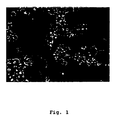
- FIG. 1 shows the light microscopy (x 400, line: 10 microns) of the starting culture A with Histomonas meleagridis (a), Tetratrichomonas gallinarum (b) and Blastocystis sp (c).
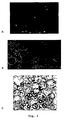
- FIG. 2 shows clonal cultures of: Histomonas meleagridis (A); Tetratrichomonas gallinarum (B) and Blastocystis sp. (C) after micromanipulation.
- FIG. 3 shows the specificity of the developed PCR assays.
- Hm Histomonas meleagridis
- Tg Tetratrichomonas gallinarum
- B1 Blastocystis sp.
- M molecular weight marker (100-bp ladder)
- 1 Histomonas meleagridis
- 2 Tetratrichomonas gallinarum
- 3 Blastocystis sp .
- N Negative control.
- the starting point for the work were 2 mixed cultures (A and B), which were created from the manure of turkeys.
- the first culture was from a 10-week-old turkey from a population of 5000 animals, of which 40% died and the remainder were killed (Hess et al., 2004). About 1 g of the caecum together with some mucosa were transferred into 9 ml of medium 199 + Earle's salts + L-glutamine + 25 mM HEPES + L-amino acids (Gibco TM, Invitrogen).
- the culture of origin B was made similar to culture A. However, as a starting material, cecal material from a bronze pute was used as a starting material by a hobbyist in which 2 of 6 animals died. For the micromanipulation culture B after passage 7 was used.
- micromanipulation was carried out in concrete as follows:
- the two cultures of origin (A and B) from the faeces of turkeys were diluted 1: 100 and fitted with a capillary (1.0 mm outer diameter, Hilgenberg, Germany) mounted on a puller (P97, Sutter, USA) and on an outer diameter of 25 microns (Microforge deFonbrune, Bachofer, Germany) was pulled. Parasites were placed in 50 ⁇ l of culture medium and transferred to an Eppendorf tube. The entire procedure was performed with a Narishige Micromanipulator (Narishige, Japan) and a microscope (Diaphot 300, Nikon, Austria) under 400X magnification. To monitor the insulation, a CCD camera and a monitor (Sony, Japan) connected to the microscope were used.
- microorganisms were incubated at 40 ° C for up to 4 days in Eppendorf tubes. Light microscopy was used to check the growth on the 2nd, 3rd and 4th day. Each positive or suspect colony was transferred to 9.7 ml of standard medium in a 50 ml plastic tube (Sarstedt).
- seed medium a suitable growth medium
- seed medium a suitable growth medium
- the bacterial accompanying flora of the respective culture of origin was determined.
- approximately 100 ⁇ l of the source colony were plated on commercial Columbia (+ 5% blood), McConkey, Salmonella Detection and Identification Media (SMID) and Sabouraud Agar plates (all: bioMerieux, Marcy l'Etoile, France).
- the bacterial flora was identified using the API-20 E microsystem (bio Merieux, Marcy l'Etoile, France). E.coli, staphylococci and streptococci have been identified as major bacterial strains. With a Impfinate was one Part of the bacteria taken from the Columbia blood agar plate and placed in the culture medium prior to micromanipulation.
- RNA portions of the ribosomal RNA were sequenced and entered into a publicly available sequence database (accession numbers: AJ920322 - AJ920324).
- Example 2 Determination of the growth behavior of clonal cultures.
- the parasites were kept in the Eppendorf tube for 3-4 days each until transferred to a 50 ml tube, which in turn contained 9 ml of medium. Subsequently, after 3 to 4 days, 1 ml of the culture was transferred to a new tube in which 9 ml of the standard medium were initially introduced, thus an identical procedure as in the original cultures A and B. The further cultivation was then carried out analogously to the method of the starting cultures. At various times counts were made to determine the growth rate of the protozoa. Trypan blue (0.4%) was used for live-death staining (Table 1). ⁇ b> Table 1 ⁇ / b>.
- a growth profile was prepared at different times, as shown in the following table (1).
- Example 3 Sensitivity of the cultures for the standard preparation dimetridazole, as a reference for the testing of substances in vitro.
- the clonal Histomonas culture was treated with the imidazole derivative dimetridazole.
- a total of three 50 ml tubes of the cloned Histomonas culture were centrifuged on the 3rd day of culture at 380 xg. Subsequently, the supernatant was removed and discarded. The pellets of the 3 tubes were pooled and the histomonads counted. Subsequently, a concentration of 100,000 / ml was set by means of cell culture medium. In each case 1 ml of histomonad culture was transferred to an Eppendorf tube and incubated together with 0.4 mg of dimetridazole at 40 ° C. At 24h intervals, a count of parasites is performed to examine the effect of a test substance as exemplified in Table 2.
- Example 4 Reproduction of histomoniasis or blackhead disease in 14 day old turkeys, as the basis for establishing an in vivo model suitable for testing substances in vivo.
- Example 5 Establishment of Molecular Diagnostic Methods for specific detection of Histomonas meleagridis, Tetratrichomonas gallinarum and Blastocystis sp.
- the clonal cultures were used to establish molecular detection methods, with the specific ability to detect the respective pathogen.
- oligonucleotides were designed, with the help of which specifically the respective pathogen can be detected.
- oligonucleotides were designed which allow the specific detection of the particular pathogen by means of hybridization or amplification of the genome fragment (PCR).
- PCR genome fragment
Landscapes
- Health & Medical Sciences (AREA)
- Life Sciences & Earth Sciences (AREA)
- Chemical & Material Sciences (AREA)
- Engineering & Computer Science (AREA)
- Biotechnology (AREA)
- Medicinal Chemistry (AREA)
- Tropical Medicine & Parasitology (AREA)
- Organic Chemistry (AREA)
- Bioinformatics & Cheminformatics (AREA)
- General Health & Medical Sciences (AREA)
- Genetics & Genomics (AREA)
- Microbiology (AREA)
- Wood Science & Technology (AREA)
- Zoology (AREA)
- Biochemistry (AREA)
- Epidemiology (AREA)
- Biomedical Technology (AREA)
- Virology (AREA)
- Immunology (AREA)
- Mycology (AREA)
- Pharmacology & Pharmacy (AREA)
- General Engineering & Computer Science (AREA)
- Animal Behavior & Ethology (AREA)
- Public Health (AREA)
- Veterinary Medicine (AREA)
- Micro-Organisms Or Cultivation Processes Thereof (AREA)
- Medicines Containing Antibodies Or Antigens For Use As Internal Diagnostic Agents (AREA)
- Pharmaceuticals Containing Other Organic And Inorganic Compounds (AREA)
- Medicines Containing Material From Animals Or Micro-Organisms (AREA)
Priority Applications (2)
| Application Number | Priority Date | Filing Date | Title |
|---|---|---|---|
| PL06450073T PL1721965T3 (pl) | 2005-05-12 | 2006-05-12 | Sposób wytwarzania i zastosowanie kultur pierwotniaków |
| SI200631306T SI1721965T1 (sl) | 2005-05-12 | 2006-05-12 | Postopek za pripravo in uporabo protozojskih kultur |
Applications Claiming Priority (1)
| Application Number | Priority Date | Filing Date | Title |
|---|---|---|---|
| AT0081505A AT502702B1 (de) | 2005-05-12 | 2005-05-12 | Verfahren zur herstellung und anwendung von protozoenkulturen |
Publications (2)
| Publication Number | Publication Date |
|---|---|
| EP1721965A1 EP1721965A1 (de) | 2006-11-15 |
| EP1721965B1 true EP1721965B1 (de) | 2012-01-11 |
Family
ID=36636474
Family Applications (1)
| Application Number | Title | Priority Date | Filing Date |
|---|---|---|---|
| EP06450073A Expired - Lifetime EP1721965B1 (de) | 2005-05-12 | 2006-05-12 | Verfahren zur Herstellung und Anwendung von Protozoenkulturen |
Country Status (9)
| Country | Link |
|---|---|
| EP (1) | EP1721965B1 (pl) |
| AT (2) | AT502702B1 (pl) |
| DK (1) | DK1721965T3 (pl) |
| ES (1) | ES2377508T3 (pl) |
| HR (1) | HRP20120274T1 (pl) |
| PL (1) | PL1721965T3 (pl) |
| PT (1) | PT1721965E (pl) |
| RS (1) | RS52118B (pl) |
| SI (1) | SI1721965T1 (pl) |
Families Citing this family (3)
| Publication number | Priority date | Publication date | Assignee | Title |
|---|---|---|---|---|
| EP2187215A1 (en) | 2008-11-12 | 2010-05-19 | Veterinärmedizinische Universität Wien | Histomonas meleagridis assay |
| EP2682457A1 (en) | 2012-07-02 | 2014-01-08 | Veterinärmedizinische Universität Wien | Production and application of protozoa cultures of Histomonas meleagridis (H. meleagridis) |
| EP4112717A1 (en) | 2021-06-29 | 2023-01-04 | Veterinärmedizinische Universität Wien | Attenuated histomonas meleagridis strain and vaccine |
Family Cites Families (4)
| Publication number | Priority date | Publication date | Assignee | Title |
|---|---|---|---|---|
| GB902760A (en) * | 1958-02-14 | 1962-08-09 | Wellcome Found | Improvements in or relating to the production of vaccines |
| US5512288A (en) * | 1992-12-04 | 1996-04-30 | University Technologies International, Inc. | Giardia vaccine |
| FR2724392B1 (fr) * | 1994-09-08 | 1996-12-13 | Virbac Lab | Procedes de culture, d'attenuation de la virulence et de clonage in vitro de parasites du genre babesia et leurs applications |
| FR2853550B1 (fr) * | 2003-04-14 | 2007-08-17 | Phytosynthese | Complement alimentaire destine a l'animal, en particulier la volaille |
-
2005
- 2005-05-12 AT AT0081505A patent/AT502702B1/de not_active IP Right Cessation
-
2006
- 2006-05-12 EP EP06450073A patent/EP1721965B1/de not_active Expired - Lifetime
- 2006-05-12 PT PT06450073T patent/PT1721965E/pt unknown
- 2006-05-12 PL PL06450073T patent/PL1721965T3/pl unknown
- 2006-05-12 ES ES06450073T patent/ES2377508T3/es not_active Expired - Lifetime
- 2006-05-12 AT AT06450073T patent/ATE541032T1/de active
- 2006-05-12 SI SI200631306T patent/SI1721965T1/sl unknown
- 2006-05-12 DK DK06450073.9T patent/DK1721965T3/da active
- 2006-05-12 RS RS20120038A patent/RS52118B/sr unknown
-
2012
- 2012-03-27 HR HR20120274T patent/HRP20120274T1/hr unknown
Also Published As
| Publication number | Publication date |
|---|---|
| HRP20120274T1 (hr) | 2012-04-30 |
| RS52118B (sr) | 2012-08-31 |
| AT502702A1 (de) | 2007-05-15 |
| PT1721965E (pt) | 2012-04-03 |
| PL1721965T3 (pl) | 2012-04-30 |
| SI1721965T1 (sl) | 2012-05-31 |
| DK1721965T3 (da) | 2012-04-02 |
| ES2377508T3 (es) | 2012-03-28 |
| EP1721965A1 (de) | 2006-11-15 |
| ATE541032T1 (de) | 2012-01-15 |
| AT502702B1 (de) | 2008-05-15 |
Similar Documents
| Publication | Publication Date | Title |
|---|---|---|
| Burge et al. | Quantifying ostreid herpesvirus (OsHV-1) genome copies and expression during transmission | |
| Panna et al. | Isolation and molecular detection of Pasteurella multocida Type A from naturally infected chickens, and their histopathological evaluation in artificially infected chickens in Bangladesh | |
| Shoaib | Mycoplasmosis in poultry, a perpetual problem | |
| De Massis et al. | Isolation of Brucella suis biovar 2 from a wild boar in the Abruzzo Region of Italy | |
| Muhammad et al. | Molecular detection of Mycoplasma gallisepticum in different poultry breeds of Abbottabad and Rawalpindi, Pakistan | |
| Marois et al. | Experimental evidence of indirect transmission of Mycoplasma synoviae | |
| Irgang et al. | Experimental tenacibaculosis infection in adult conger eel (Genypterus chilensis, Guichenot 1948) by immersion challenge with Tenacibaculum dicentrarchi. | |
| Piekara-Stepinska et al. | Suitability of selected culture media for Blastocystis spp. | |
| RU2456343C2 (ru) | Новые бактерии, вызывающие заболевания домашней птицы, и полученная из них вакцина | |
| AT502702B1 (de) | Verfahren zur herstellung und anwendung von protozoenkulturen | |
| Fiorentin et al. | Apparent eradication of Mycoplasma synoviae in broiler breeders subjected to intensive antibiotic treatment directed to control Escherichia coli | |
| Malke | Production of aposymbiotic cockroaches by means of lysozyme | |
| Crespo et al. | Salpingitis in Pekin ducks associated with concurrent infection with Tetratrichomonas sp. and Escherichia coli | |
| Senthilnathan et al. | Isolation and molecular confirmation of Mycoplasma synoviae infection from broiler breeder farms in Tamil Nadu. | |
| Tajima et al. | Studies on a bacterial disease of sea urchin Strongylocentrotus intermedius occurring at low water temperatures | |
| Shivachandra et al. | Detection of Pasteurella multocida in experimentally infected embryonated chicken eggs by PCR assay | |
| Akhtaruzzaman et al. | Salmonellosis in layer chickens: Molecular detection and histopathological features of Salmonella spp. from laying hens | |
| Zhou et al. | Molecular epidemiological investigation and identification of Mycoplasma gallisepticum in large-scale duck farms | |
| Pate et al. | Genotyping of Mycobacterium avium subsp. avium isolates from domestic animals in Slovenia by IS901 RFLP | |
| Simuunza | Differential diagnosis of tick-borne diseases and population genetic analysis of Babesia bovis and Babesia bigemina | |
| Fekry et al. | Molecular characterization of mycoplasma species isolated from broilers and breeder chickens by real time PCR. | |
| SU1712405A1 (ru) | Штамм бактерий JeRSINIa реSтIS, предназначенный дл проведени генетических и эпизоотологических наблюдений | |
| DE69529373T2 (de) | Verfahren zur Kultivierung, Virulenzabschwächung und in vitro Klonierung des Parasiten aus der Gattung Babesien und ihre Anwendungen | |
| Durkwa et al. | Management of concurrent Coccidiosis and Staphylococcosis in 14-week-old Isa Brown pullets: A case report. | |
| Bwala et al. | Management of mycoplasmosis in a laying flock in Vom, Plateau State, Nigeria |
Legal Events
| Date | Code | Title | Description |
|---|---|---|---|
| PUAI | Public reference made under article 153(3) epc to a published international application that has entered the european phase |
Free format text: ORIGINAL CODE: 0009012 |
|
| AK | Designated contracting states |
Kind code of ref document: A1 Designated state(s): AT BE BG CH CY CZ DE DK EE ES FI FR GB GR HU IE IS IT LI LT LU LV MC NL PL PT RO SE SI SK TR |
|
| AX | Request for extension of the european patent |
Extension state: AL BA HR MK YU |
|
| 17P | Request for examination filed |
Effective date: 20070514 |
|
| 17Q | First examination report despatched |
Effective date: 20070614 |
|
| AKX | Designation fees paid |
Designated state(s): AT BE BG CH CY CZ DE DK EE ES FI FR GB GR HU IE IS IT LI LT LU LV MC NL PL PT RO SE SI SK TR |
|
| AXX | Extension fees paid |
Extension state: YU Payment date: 20070514 Extension state: HR Payment date: 20070514 Extension state: BA Payment date: 20070514 Extension state: AL Payment date: 20070514 Extension state: MK Payment date: 20070514 |
|
| GRAP | Despatch of communication of intention to grant a patent |
Free format text: ORIGINAL CODE: EPIDOSNIGR1 |
|
| GRAJ | Information related to disapproval of communication of intention to grant by the applicant or resumption of examination proceedings by the epo deleted |
Free format text: ORIGINAL CODE: EPIDOSDIGR1 |
|
| GRAP | Despatch of communication of intention to grant a patent |
Free format text: ORIGINAL CODE: EPIDOSNIGR1 |
|
| GRAS | Grant fee paid |
Free format text: ORIGINAL CODE: EPIDOSNIGR3 |
|
| GRAA | (expected) grant |
Free format text: ORIGINAL CODE: 0009210 |
|
| AK | Designated contracting states |
Kind code of ref document: B1 Designated state(s): AT BE BG CH CY CZ DE DK EE ES FI FR GB GR HU IE IS IT LI LT LU LV MC NL PL PT RO SE SI SK TR |
|
| AX | Request for extension of the european patent |
Extension state: AL BA HR MK YU |
|
| REG | Reference to a national code |
Ref country code: GB Ref legal event code: FG4D Free format text: NOT ENGLISH |
|
| REG | Reference to a national code |
Ref country code: CH Ref legal event code: EP Ref country code: CH Ref legal event code: NV Representative=s name: KELLER & PARTNER PATENTANWAELTE AG |
|
| REG | Reference to a national code |
Ref country code: AT Ref legal event code: REF Ref document number: 541032 Country of ref document: AT Kind code of ref document: T Effective date: 20120115 |
|
| REG | Reference to a national code |
Ref country code: IE Ref legal event code: FG4D |
|
| REG | Reference to a national code |
Ref country code: DE Ref legal event code: R096 Ref document number: 502006010837 Country of ref document: DE Effective date: 20120315 |
|
| REG | Reference to a national code |
Ref country code: RO Ref legal event code: EPE |
|
| REG | Reference to a national code |
Ref country code: HR Ref legal event code: TUEP Ref document number: P20120274 Country of ref document: HR |
|
| REG | Reference to a national code |
Ref country code: ES Ref legal event code: FG2A Ref document number: 2377508 Country of ref document: ES Kind code of ref document: T3 Effective date: 20120328 |
|
| REG | Reference to a national code |
Ref country code: DK Ref legal event code: T3 |
|
| REG | Reference to a national code |
Ref country code: PT Ref legal event code: SC4A Free format text: AVAILABILITY OF NATIONAL TRANSLATION Effective date: 20120321 |
|
| REG | Reference to a national code |
Ref country code: NL Ref legal event code: T3 |
|
| REG | Reference to a national code |
Ref country code: HR Ref legal event code: T1PR Ref document number: P20120274 Country of ref document: HR Ref country code: PL Ref legal event code: T3 |
|
| REG | Reference to a national code |
Ref country code: EE Ref legal event code: FG4A Ref document number: E006582 Country of ref document: EE Effective date: 20120319 |
|
| REG | Reference to a national code |
Ref country code: GR Ref legal event code: EP Ref document number: 20120400736 Country of ref document: GR Effective date: 20120518 |
|
| REG | Reference to a national code |
Ref country code: SK Ref legal event code: T3 Ref document number: E 11468 Country of ref document: SK |
|
| PG25 | Lapsed in a contracting state [announced via postgrant information from national office to epo] |
Ref country code: IS Free format text: LAPSE BECAUSE OF FAILURE TO SUBMIT A TRANSLATION OF THE DESCRIPTION OR TO PAY THE FEE WITHIN THE PRESCRIBED TIME-LIMIT Effective date: 20120511 Ref country code: BG Free format text: LAPSE BECAUSE OF FAILURE TO SUBMIT A TRANSLATION OF THE DESCRIPTION OR TO PAY THE FEE WITHIN THE PRESCRIBED TIME-LIMIT Effective date: 20120411 |
|
| PG25 | Lapsed in a contracting state [announced via postgrant information from national office to epo] |
Ref country code: CY Free format text: LAPSE BECAUSE OF FAILURE TO SUBMIT A TRANSLATION OF THE DESCRIPTION OR TO PAY THE FEE WITHIN THE PRESCRIBED TIME-LIMIT Effective date: 20120111 |
|
| PG25 | Lapsed in a contracting state [announced via postgrant information from national office to epo] |
Ref country code: SE Free format text: LAPSE BECAUSE OF FAILURE TO SUBMIT A TRANSLATION OF THE DESCRIPTION OR TO PAY THE FEE WITHIN THE PRESCRIBED TIME-LIMIT Effective date: 20120111 |
|
| PLBE | No opposition filed within time limit |
Free format text: ORIGINAL CODE: 0009261 |
|
| STAA | Information on the status of an ep patent application or granted ep patent |
Free format text: STATUS: NO OPPOSITION FILED WITHIN TIME LIMIT |
|
| 26N | No opposition filed |
Effective date: 20121012 |
|
| PG25 | Lapsed in a contracting state [announced via postgrant information from national office to epo] |
Ref country code: MC Free format text: LAPSE BECAUSE OF NON-PAYMENT OF DUE FEES Effective date: 20120531 |
|
| REG | Reference to a national code |
Ref country code: HU Ref legal event code: AG4A Ref document number: E015021 Country of ref document: HU |
|
| REG | Reference to a national code |
Ref country code: DE Ref legal event code: R097 Ref document number: 502006010837 Country of ref document: DE Effective date: 20121012 |
|
| PGFP | Annual fee paid to national office [announced via postgrant information from national office to epo] |
Ref country code: EE Payment date: 20130507 Year of fee payment: 8 Ref country code: CH Payment date: 20130523 Year of fee payment: 8 Ref country code: LU Payment date: 20130523 Year of fee payment: 8 |
|
| PGFP | Annual fee paid to national office [announced via postgrant information from national office to epo] |
Ref country code: LV Payment date: 20130221 Year of fee payment: 8 |
|
| PG25 | Lapsed in a contracting state [announced via postgrant information from national office to epo] |
Ref country code: LU Free format text: LAPSE BECAUSE OF NON-PAYMENT OF DUE FEES Effective date: 20140512 |
|
| REG | Reference to a national code |
Ref country code: CH Ref legal event code: PL |
|
| REG | Reference to a national code |
Ref country code: EE Ref legal event code: MM4A Ref document number: E006582 Country of ref document: EE Effective date: 20140531 |
|
| PG25 | Lapsed in a contracting state [announced via postgrant information from national office to epo] |
Ref country code: EE Free format text: LAPSE BECAUSE OF NON-PAYMENT OF DUE FEES Effective date: 20140531 Ref country code: LI Free format text: LAPSE BECAUSE OF NON-PAYMENT OF DUE FEES Effective date: 20140531 Ref country code: CH Free format text: LAPSE BECAUSE OF NON-PAYMENT OF DUE FEES Effective date: 20140531 |
|
| PG25 | Lapsed in a contracting state [announced via postgrant information from national office to epo] |
Ref country code: LV Free format text: LAPSE BECAUSE OF NON-PAYMENT OF DUE FEES Effective date: 20140512 |
|
| REG | Reference to a national code |
Ref country code: HR Ref legal event code: ODRP Ref document number: P20120274 Country of ref document: HR Payment date: 20150429 Year of fee payment: 10 |
|
| PGFP | Annual fee paid to national office [announced via postgrant information from national office to epo] |
Ref country code: LT Payment date: 20150429 Year of fee payment: 10 Ref country code: SK Payment date: 20150506 Year of fee payment: 10 Ref country code: SI Payment date: 20150429 Year of fee payment: 10 Ref country code: CZ Payment date: 20150430 Year of fee payment: 10 Ref country code: RO Payment date: 20150506 Year of fee payment: 10 Ref country code: FI Payment date: 20150525 Year of fee payment: 10 |
|
| PG25 | Lapsed in a contracting state [announced via postgrant information from national office to epo] |
Ref country code: BE Free format text: LAPSE BECAUSE OF NON-PAYMENT OF DUE FEES Effective date: 20160531 |
|
| REG | Reference to a national code |
Ref country code: FR Ref legal event code: PLFP Year of fee payment: 11 |
|
| REG | Reference to a national code |
Ref country code: HR Ref legal event code: PBON Ref document number: P20120274 Country of ref document: HR Effective date: 20160512 |
|
| REG | Reference to a national code |
Ref country code: LT Ref legal event code: MM4D Effective date: 20160512 |
|
| PG25 | Lapsed in a contracting state [announced via postgrant information from national office to epo] |
Ref country code: CZ Free format text: LAPSE BECAUSE OF NON-PAYMENT OF DUE FEES Effective date: 20160512 Ref country code: RO Free format text: LAPSE BECAUSE OF NON-PAYMENT OF DUE FEES Effective date: 20160512 Ref country code: SK Free format text: LAPSE BECAUSE OF NON-PAYMENT OF DUE FEES Effective date: 20160512 Ref country code: FI Free format text: LAPSE BECAUSE OF NON-PAYMENT OF DUE FEES Effective date: 20160512 Ref country code: LT Free format text: LAPSE BECAUSE OF NON-PAYMENT OF DUE FEES Effective date: 20160512 |
|
| REG | Reference to a national code |
Ref country code: SK Ref legal event code: MM4A Ref document number: E 11468 Country of ref document: SK Effective date: 20160512 |
|
| PG25 | Lapsed in a contracting state [announced via postgrant information from national office to epo] |
Ref country code: BE Free format text: LAPSE BECAUSE OF NON-PAYMENT OF DUE FEES Effective date: 20160531 |
|
| PGRI | Patent reinstated in contracting state [announced from national office to epo] |
Ref country code: BE Effective date: 20161126 |
|
| REG | Reference to a national code |
Ref country code: SI Ref legal event code: KO00 Effective date: 20170216 |
|
| PG25 | Lapsed in a contracting state [announced via postgrant information from national office to epo] |
Ref country code: SI Free format text: LAPSE BECAUSE OF NON-PAYMENT OF DUE FEES Effective date: 20160513 |
|
| REG | Reference to a national code |
Ref country code: FR Ref legal event code: PLFP Year of fee payment: 12 |
|
| REG | Reference to a national code |
Ref country code: FR Ref legal event code: PLFP Year of fee payment: 13 |
|
| PGFP | Annual fee paid to national office [announced via postgrant information from national office to epo] |
Ref country code: PL Payment date: 20200305 Year of fee payment: 15 Ref country code: IE Payment date: 20200306 Year of fee payment: 15 Ref country code: GR Payment date: 20200309 Year of fee payment: 15 Ref country code: PT Payment date: 20200309 Year of fee payment: 15 Ref country code: NL Payment date: 20200312 Year of fee payment: 15 |
|
| PGFP | Annual fee paid to national office [announced via postgrant information from national office to epo] |
Ref country code: DK Payment date: 20200527 Year of fee payment: 15 |
|
| PGFP | Annual fee paid to national office [announced via postgrant information from national office to epo] |
Ref country code: BE Payment date: 20200518 Year of fee payment: 15 Ref country code: HU Payment date: 20200306 Year of fee payment: 15 |
|
| PGFP | Annual fee paid to national office [announced via postgrant information from national office to epo] |
Ref country code: TR Payment date: 20210330 Year of fee payment: 16 |
|
| REG | Reference to a national code |
Ref country code: DK Ref legal event code: EBP Effective date: 20210531 |
|
| REG | Reference to a national code |
Ref country code: NL Ref legal event code: MM Effective date: 20210601 |
|
| PG25 | Lapsed in a contracting state [announced via postgrant information from national office to epo] |
Ref country code: PT Free format text: LAPSE BECAUSE OF NON-PAYMENT OF DUE FEES Effective date: 20211112 |
|
| REG | Reference to a national code |
Ref country code: BE Ref legal event code: MM Effective date: 20210531 |
|
| PG25 | Lapsed in a contracting state [announced via postgrant information from national office to epo] |
Ref country code: GR Free format text: LAPSE BECAUSE OF NON-PAYMENT OF DUE FEES Effective date: 20211207 |
|
| PG25 | Lapsed in a contracting state [announced via postgrant information from national office to epo] |
Ref country code: IE Free format text: LAPSE BECAUSE OF NON-PAYMENT OF DUE FEES Effective date: 20210512 Ref country code: DK Free format text: LAPSE BECAUSE OF NON-PAYMENT OF DUE FEES Effective date: 20210531 |
|
| PG25 | Lapsed in a contracting state [announced via postgrant information from national office to epo] |
Ref country code: NL Free format text: LAPSE BECAUSE OF NON-PAYMENT OF DUE FEES Effective date: 20210601 |
|
| PG25 | Lapsed in a contracting state [announced via postgrant information from national office to epo] |
Ref country code: BE Free format text: LAPSE BECAUSE OF NON-PAYMENT OF DUE FEES Effective date: 20210531 |
|
| PGFP | Annual fee paid to national office [announced via postgrant information from national office to epo] |
Ref country code: IT Payment date: 20220531 Year of fee payment: 17 Ref country code: GB Payment date: 20220523 Year of fee payment: 17 Ref country code: FR Payment date: 20220503 Year of fee payment: 17 Ref country code: ES Payment date: 20220601 Year of fee payment: 17 Ref country code: DE Payment date: 20220525 Year of fee payment: 17 |
|
| PGFP | Annual fee paid to national office [announced via postgrant information from national office to epo] |
Ref country code: AT Payment date: 20220510 Year of fee payment: 17 |
|
| PG25 | Lapsed in a contracting state [announced via postgrant information from national office to epo] |
Ref country code: PL Free format text: LAPSE BECAUSE OF NON-PAYMENT OF DUE FEES Effective date: 20210512 |
|
| PG25 | Lapsed in a contracting state [announced via postgrant information from national office to epo] |
Ref country code: HU Free format text: LAPSE BECAUSE OF NON-PAYMENT OF DUE FEES Effective date: 20210513 |
|
| REG | Reference to a national code |
Ref country code: DE Ref legal event code: R119 Ref document number: 502006010837 Country of ref document: DE |
|
| REG | Reference to a national code |
Ref country code: AT Ref legal event code: MM01 Ref document number: 541032 Country of ref document: AT Kind code of ref document: T Effective date: 20230512 |
|
| GBPC | Gb: european patent ceased through non-payment of renewal fee |
Effective date: 20230512 |
|
| PG25 | Lapsed in a contracting state [announced via postgrant information from national office to epo] |
Ref country code: AT Free format text: LAPSE BECAUSE OF NON-PAYMENT OF DUE FEES Effective date: 20230512 |
|
| PG25 | Lapsed in a contracting state [announced via postgrant information from national office to epo] |
Ref country code: IT Free format text: LAPSE BECAUSE OF NON-PAYMENT OF DUE FEES Effective date: 20230512 Ref country code: DE Free format text: LAPSE BECAUSE OF NON-PAYMENT OF DUE FEES Effective date: 20231201 Ref country code: GB Free format text: LAPSE BECAUSE OF NON-PAYMENT OF DUE FEES Effective date: 20230512 |
|
| PG25 | Lapsed in a contracting state [announced via postgrant information from national office to epo] |
Ref country code: FR Free format text: LAPSE BECAUSE OF NON-PAYMENT OF DUE FEES Effective date: 20230531 |
|
| REG | Reference to a national code |
Ref country code: ES Ref legal event code: FD2A Effective date: 20240628 |
|
| PG25 | Lapsed in a contracting state [announced via postgrant information from national office to epo] |
Ref country code: ES Free format text: LAPSE BECAUSE OF NON-PAYMENT OF DUE FEES Effective date: 20230513 |
|
| PG25 | Lapsed in a contracting state [announced via postgrant information from national office to epo] |
Ref country code: ES Free format text: LAPSE BECAUSE OF NON-PAYMENT OF DUE FEES Effective date: 20230513 |
|
| PG25 | Lapsed in a contracting state [announced via postgrant information from national office to epo] |
Ref country code: TR Free format text: LAPSE BECAUSE OF NON-PAYMENT OF DUE FEES Effective date: 20220512 |