EP1703902B1 - Memantine for the treatment of mild-to-moderate alzheimer's disease - Google Patents
Memantine for the treatment of mild-to-moderate alzheimer's disease Download PDFInfo
- Publication number
- EP1703902B1 EP1703902B1 EP05711256A EP05711256A EP1703902B1 EP 1703902 B1 EP1703902 B1 EP 1703902B1 EP 05711256 A EP05711256 A EP 05711256A EP 05711256 A EP05711256 A EP 05711256A EP 1703902 B1 EP1703902 B1 EP 1703902B1
- Authority
- EP
- European Patent Office
- Prior art keywords
- memantine
- mild
- disease
- moderate
- patients
- Prior art date
- Legal status (The legal status is an assumption and is not a legal conclusion. Google has not performed a legal analysis and makes no representation as to the accuracy of the status listed.)
- Revoked
Links
- 208000024827 Alzheimer disease Diseases 0.000 title claims abstract description 93
- BUGYDGFZZOZRHP-UHFFFAOYSA-N memantine Chemical compound C1C(C2)CC3(C)CC1(C)CC2(N)C3 BUGYDGFZZOZRHP-UHFFFAOYSA-N 0.000 title claims abstract description 87
- 229960004640 memantine Drugs 0.000 title claims abstract description 83
- 239000003814 drug Substances 0.000 claims description 28
- 150000003839 salts Chemical class 0.000 claims description 16
- 239000000544 cholinesterase inhibitor Substances 0.000 claims description 11
- 238000004519 manufacturing process Methods 0.000 claims description 5
- 229940100578 Acetylcholinesterase inhibitor Drugs 0.000 claims description 4
- 230000003442 weekly effect Effects 0.000 claims description 4
- 230000000630 rising effect Effects 0.000 claims description 3
- 210000004556 brain Anatomy 0.000 abstract description 26
- 238000000034 method Methods 0.000 abstract description 13
- 230000007423 decrease Effects 0.000 abstract description 11
- 230000004153 glucose metabolism Effects 0.000 abstract description 9
- 230000001054 cortical effect Effects 0.000 abstract description 8
- 230000002739 subcortical effect Effects 0.000 abstract description 7
- 230000002265 prevention Effects 0.000 abstract description 3
- 229940068196 placebo Drugs 0.000 description 41
- 239000000902 placebo Substances 0.000 description 41
- 206010012289 Dementia Diseases 0.000 description 19
- 229940079593 drug Drugs 0.000 description 16
- 230000000694 effects Effects 0.000 description 16
- 230000002503 metabolic effect Effects 0.000 description 16
- 239000000203 mixture Substances 0.000 description 15
- 238000004458 analytical method Methods 0.000 description 14
- 230000008859 change Effects 0.000 description 13
- 208000024891 symptom Diseases 0.000 description 12
- 239000003826 tablet Substances 0.000 description 12
- 230000006872 improvement Effects 0.000 description 11
- 238000002600 positron emission tomography Methods 0.000 description 11
- 208000037265 diseases, disorders, signs and symptoms Diseases 0.000 description 10
- ADEBPBSSDYVVLD-UHFFFAOYSA-N donepezil Chemical compound O=C1C=2C=C(OC)C(OC)=CC=2CC1CC(CC1)CCN1CC1=CC=CC=C1 ADEBPBSSDYVVLD-UHFFFAOYSA-N 0.000 description 10
- 230000002123 temporal effect Effects 0.000 description 9
- WQZGKKKJIJFFOK-GASJEMHNSA-N Glucose Natural products OC[C@H]1OC(O)[C@H](O)[C@@H](O)[C@@H]1O WQZGKKKJIJFFOK-GASJEMHNSA-N 0.000 description 8
- 230000004913 activation Effects 0.000 description 8
- 239000013543 active substance Substances 0.000 description 8
- 230000008901 benefit Effects 0.000 description 8
- 201000010099 disease Diseases 0.000 description 8
- 230000001936 parietal effect Effects 0.000 description 8
- 239000000243 solution Substances 0.000 description 8
- 238000012360 testing method Methods 0.000 description 8
- 238000009472 formulation Methods 0.000 description 7
- 239000008103 glucose Substances 0.000 description 7
- PEDCQBHIVMGVHV-UHFFFAOYSA-N Glycerine Chemical compound OCC(O)CO PEDCQBHIVMGVHV-UHFFFAOYSA-N 0.000 description 6
- 241000282412 Homo Species 0.000 description 6
- 230000034994 death Effects 0.000 description 6
- 238000003745 diagnosis Methods 0.000 description 6
- 230000037323 metabolic rate Effects 0.000 description 6
- 210000003478 temporal lobe Anatomy 0.000 description 6
- 210000001103 thalamus Anatomy 0.000 description 6
- VREFGVBLTWBCJP-UHFFFAOYSA-N alprazolam Chemical compound C12=CC(Cl)=CC=C2N2C(C)=NN=C2CN=C1C1=CC=CC=C1 VREFGVBLTWBCJP-UHFFFAOYSA-N 0.000 description 5
- 238000013459 approach Methods 0.000 description 5
- 210000003710 cerebral cortex Anatomy 0.000 description 5
- 208000010877 cognitive disease Diseases 0.000 description 5
- 230000006735 deficit Effects 0.000 description 5
- 230000006866 deterioration Effects 0.000 description 5
- 229960003530 donepezil Drugs 0.000 description 5
- 230000004060 metabolic process Effects 0.000 description 5
- 210000001769 parahippocampal gyrus Anatomy 0.000 description 5
- 230000000750 progressive effect Effects 0.000 description 5
- 210000002637 putamen Anatomy 0.000 description 5
- 230000009467 reduction Effects 0.000 description 5
- 230000001225 therapeutic effect Effects 0.000 description 5
- 208000028698 Cognitive impairment Diseases 0.000 description 4
- DHMQDGOQFOQNFH-UHFFFAOYSA-N Glycine Chemical compound NCC(O)=O DHMQDGOQFOQNFH-UHFFFAOYSA-N 0.000 description 4
- 102000004868 N-Methyl-D-Aspartate Receptors Human genes 0.000 description 4
- 108090001041 N-Methyl-D-Aspartate Receptors Proteins 0.000 description 4
- 210000001638 cerebellum Anatomy 0.000 description 4
- 150000001875 compounds Chemical class 0.000 description 4
- 238000011156 evaluation Methods 0.000 description 4
- ASUTZQLVASHGKV-JDFRZJQESA-N galanthamine Chemical compound O1C(=C23)C(OC)=CC=C2CN(C)CC[C@]23[C@@H]1C[C@@H](O)C=C2 ASUTZQLVASHGKV-JDFRZJQESA-N 0.000 description 4
- 229920000159 gelatin Polymers 0.000 description 4
- 235000019322 gelatine Nutrition 0.000 description 4
- 230000005764 inhibitory process Effects 0.000 description 4
- 230000008449 language Effects 0.000 description 4
- 238000005259 measurement Methods 0.000 description 4
- 230000004770 neurodegeneration Effects 0.000 description 4
- 239000008194 pharmaceutical composition Substances 0.000 description 4
- 239000000546 pharmaceutical excipient Substances 0.000 description 4
- 230000002360 prefrontal effect Effects 0.000 description 4
- 238000012216 screening Methods 0.000 description 4
- QCQCHGYLTSGIGX-GHXANHINSA-N 4-[[(3ar,5ar,5br,7ar,9s,11ar,11br,13as)-5a,5b,8,8,11a-pentamethyl-3a-[(5-methylpyridine-3-carbonyl)amino]-2-oxo-1-propan-2-yl-4,5,6,7,7a,9,10,11,11b,12,13,13a-dodecahydro-3h-cyclopenta[a]chrysen-9-yl]oxy]-2,2-dimethyl-4-oxobutanoic acid Chemical compound N([C@@]12CC[C@@]3(C)[C@]4(C)CC[C@H]5C(C)(C)[C@@H](OC(=O)CC(C)(C)C(O)=O)CC[C@]5(C)[C@H]4CC[C@@H]3C1=C(C(C2)=O)C(C)C)C(=O)C1=CN=CC(C)=C1 QCQCHGYLTSGIGX-GHXANHINSA-N 0.000 description 3
- QTBSBXVTEAMEQO-UHFFFAOYSA-N Acetic acid Natural products CC(O)=O QTBSBXVTEAMEQO-UHFFFAOYSA-N 0.000 description 3
- LFQSCWFLJHTTHZ-UHFFFAOYSA-N Ethanol Chemical compound CCO LFQSCWFLJHTTHZ-UHFFFAOYSA-N 0.000 description 3
- 102000018899 Glutamate Receptors Human genes 0.000 description 3
- 108010027915 Glutamate Receptors Proteins 0.000 description 3
- 241000282414 Homo sapiens Species 0.000 description 3
- WHUUTDBJXJRKMK-VKHMYHEASA-N L-glutamic acid Chemical compound OC(=O)[C@@H](N)CCC(O)=O WHUUTDBJXJRKMK-VKHMYHEASA-N 0.000 description 3
- 241000124008 Mammalia Species 0.000 description 3
- 241001465754 Metazoa Species 0.000 description 3
- HOKKHZGPKSLGJE-GSVOUGTGSA-N N-Methyl-D-aspartic acid Chemical compound CN[C@@H](C(O)=O)CC(O)=O HOKKHZGPKSLGJE-GSVOUGTGSA-N 0.000 description 3
- 208000018737 Parkinson disease Diseases 0.000 description 3
- DNIAPMSPPWPWGF-UHFFFAOYSA-N Propylene glycol Chemical compound CC(O)CO DNIAPMSPPWPWGF-UHFFFAOYSA-N 0.000 description 3
- 206010039966 Senile dementia Diseases 0.000 description 3
- OIPILFWXSMYKGL-UHFFFAOYSA-N acetylcholine Chemical compound CC(=O)OCC[N+](C)(C)C OIPILFWXSMYKGL-UHFFFAOYSA-N 0.000 description 3
- 229960004373 acetylcholine Drugs 0.000 description 3
- 239000002253 acid Substances 0.000 description 3
- 206010002026 amyotrophic lateral sclerosis Diseases 0.000 description 3
- 210000004227 basal ganglia Anatomy 0.000 description 3
- 230000006399 behavior Effects 0.000 description 3
- 230000002146 bilateral effect Effects 0.000 description 3
- 230000037396 body weight Effects 0.000 description 3
- 210000000133 brain stem Anatomy 0.000 description 3
- 230000001713 cholinergic effect Effects 0.000 description 3
- KRKNYBCHXYNGOX-UHFFFAOYSA-N citric acid Chemical compound OC(=O)CC(O)(C(O)=O)CC(O)=O KRKNYBCHXYNGOX-UHFFFAOYSA-N 0.000 description 3
- 230000001149 cognitive effect Effects 0.000 description 3
- 230000002964 excitative effect Effects 0.000 description 3
- 239000007903 gelatin capsule Substances 0.000 description 3
- 229930195712 glutamate Natural products 0.000 description 3
- 230000003902 lesion Effects 0.000 description 3
- 230000002197 limbic effect Effects 0.000 description 3
- 239000007788 liquid Substances 0.000 description 3
- 239000012669 liquid formulation Substances 0.000 description 3
- 230000004807 localization Effects 0.000 description 3
- 238000013507 mapping Methods 0.000 description 3
- LDDHMLJTFXJGPI-UHFFFAOYSA-N memantine hydrochloride Chemical compound Cl.C1C(C2)CC3(C)CC1(C)CC2(N)C3 LDDHMLJTFXJGPI-UHFFFAOYSA-N 0.000 description 3
- 239000003703 n methyl dextro aspartic acid receptor blocking agent Substances 0.000 description 3
- 210000002442 prefrontal cortex Anatomy 0.000 description 3
- 230000008569 process Effects 0.000 description 3
- 238000002560 therapeutic procedure Methods 0.000 description 3
- 102000012440 Acetylcholinesterase Human genes 0.000 description 2
- 108010022752 Acetylcholinesterase Proteins 0.000 description 2
- GUBGYTABKSRVRQ-XLOQQCSPSA-N Alpha-Lactose Chemical compound O[C@@H]1[C@@H](O)[C@@H](O)[C@@H](CO)O[C@H]1O[C@@H]1[C@@H](CO)O[C@H](O)[C@H](O)[C@H]1O GUBGYTABKSRVRQ-XLOQQCSPSA-N 0.000 description 2
- 208000037259 Amyloid Plaque Diseases 0.000 description 2
- 229920000945 Amylopectin Polymers 0.000 description 2
- 206010059245 Angiopathy Diseases 0.000 description 2
- 208000019901 Anxiety disease Diseases 0.000 description 2
- 206010002942 Apathy Diseases 0.000 description 2
- 229920002261 Corn starch Polymers 0.000 description 2
- FBPFZTCFMRRESA-FSIIMWSLSA-N D-Glucitol Natural products OC[C@H](O)[C@H](O)[C@@H](O)[C@H](O)CO FBPFZTCFMRRESA-FSIIMWSLSA-N 0.000 description 2
- FBPFZTCFMRRESA-KVTDHHQDSA-N D-Mannitol Chemical compound OC[C@@H](O)[C@@H](O)[C@H](O)[C@H](O)CO FBPFZTCFMRRESA-KVTDHHQDSA-N 0.000 description 2
- FBPFZTCFMRRESA-JGWLITMVSA-N D-glucitol Chemical compound OC[C@H](O)[C@@H](O)[C@H](O)[C@H](O)CO FBPFZTCFMRRESA-JGWLITMVSA-N 0.000 description 2
- 206010012239 Delusion Diseases 0.000 description 2
- 206010061818 Disease progression Diseases 0.000 description 2
- 201000010374 Down Syndrome Diseases 0.000 description 2
- 108010010803 Gelatin Proteins 0.000 description 2
- 239000001828 Gelatine Substances 0.000 description 2
- 239000004471 Glycine Substances 0.000 description 2
- 208000004547 Hallucinations Diseases 0.000 description 2
- VEXZGXHMUGYJMC-UHFFFAOYSA-N Hydrochloric acid Chemical compound Cl VEXZGXHMUGYJMC-UHFFFAOYSA-N 0.000 description 2
- GUBGYTABKSRVRQ-QKKXKWKRSA-N Lactose Natural products OC[C@H]1O[C@@H](O[C@H]2[C@H](O)[C@@H](O)C(O)O[C@@H]2CO)[C@H](O)[C@@H](O)[C@H]1O GUBGYTABKSRVRQ-QKKXKWKRSA-N 0.000 description 2
- 229930195725 Mannitol Natural products 0.000 description 2
- 229940127523 NMDA Receptor Antagonists Drugs 0.000 description 2
- 229940099433 NMDA receptor antagonist Drugs 0.000 description 2
- NBIIXXVUZAFLBC-UHFFFAOYSA-N Phosphoric acid Chemical compound OP(O)(O)=O NBIIXXVUZAFLBC-UHFFFAOYSA-N 0.000 description 2
- 239000002202 Polyethylene glycol Substances 0.000 description 2
- XSVMFMHYUFZWBK-NSHDSACASA-N Rivastigmine Chemical compound CCN(C)C(=O)OC1=CC=CC([C@H](C)N(C)C)=C1 XSVMFMHYUFZWBK-NSHDSACASA-N 0.000 description 2
- 229920002472 Starch Polymers 0.000 description 2
- 208000006011 Stroke Diseases 0.000 description 2
- 229930006000 Sucrose Natural products 0.000 description 2
- CZMRCDWAGMRECN-UGDNZRGBSA-N Sucrose Chemical compound O[C@H]1[C@H](O)[C@@H](CO)O[C@@]1(CO)O[C@@H]1[C@H](O)[C@@H](O)[C@H](O)[C@@H](CO)O1 CZMRCDWAGMRECN-UGDNZRGBSA-N 0.000 description 2
- QAOWNCQODCNURD-UHFFFAOYSA-N Sulfuric acid Chemical compound OS(O)(=O)=O QAOWNCQODCNURD-UHFFFAOYSA-N 0.000 description 2
- GWEVSGVZZGPLCZ-UHFFFAOYSA-N Titan oxide Chemical compound O=[Ti]=O GWEVSGVZZGPLCZ-UHFFFAOYSA-N 0.000 description 2
- 206010044688 Trisomy 21 Diseases 0.000 description 2
- 230000005856 abnormality Effects 0.000 description 2
- 239000004480 active ingredient Substances 0.000 description 2
- 230000001154 acute effect Effects 0.000 description 2
- 230000002411 adverse Effects 0.000 description 2
- 230000032683 aging Effects 0.000 description 2
- 238000010171 animal model Methods 0.000 description 2
- 230000036506 anxiety Effects 0.000 description 2
- 230000005540 biological transmission Effects 0.000 description 2
- 210000005013 brain tissue Anatomy 0.000 description 2
- 239000001913 cellulose Substances 0.000 description 2
- 229920002678 cellulose Polymers 0.000 description 2
- 210000003169 central nervous system Anatomy 0.000 description 2
- 210000003198 cerebellar cortex Anatomy 0.000 description 2
- 230000019771 cognition Effects 0.000 description 2
- 230000003920 cognitive function Effects 0.000 description 2
- 230000003931 cognitive performance Effects 0.000 description 2
- 239000008120 corn starch Substances 0.000 description 2
- 238000012937 correction Methods 0.000 description 2
- PAFZNILMFXTMIY-UHFFFAOYSA-N cyclohexylamine Chemical compound NC1CCCCC1 PAFZNILMFXTMIY-UHFFFAOYSA-N 0.000 description 2
- 230000003247 decreasing effect Effects 0.000 description 2
- 230000007850 degeneration Effects 0.000 description 2
- 231100000868 delusion Toxicity 0.000 description 2
- 235000013681 dietary sucrose Nutrition 0.000 description 2
- 239000003085 diluting agent Substances 0.000 description 2
- 230000005750 disease progression Effects 0.000 description 2
- 208000035475 disorder Diseases 0.000 description 2
- 238000009826 distribution Methods 0.000 description 2
- 239000003937 drug carrier Substances 0.000 description 2
- -1 e.g. Substances 0.000 description 2
- 230000002996 emotional effect Effects 0.000 description 2
- 210000001652 frontal lobe Anatomy 0.000 description 2
- 229960003980 galantamine Drugs 0.000 description 2
- ASUTZQLVASHGKV-UHFFFAOYSA-N galanthamine hydrochloride Natural products O1C(=C23)C(OC)=CC=C2CN(C)CCC23C1CC(O)C=C2 ASUTZQLVASHGKV-UHFFFAOYSA-N 0.000 description 2
- 239000008273 gelatin Substances 0.000 description 2
- 235000011852 gelatine desserts Nutrition 0.000 description 2
- 230000001771 impaired effect Effects 0.000 description 2
- 238000002347 injection Methods 0.000 description 2
- 239000007924 injection Substances 0.000 description 2
- 239000008101 lactose Substances 0.000 description 2
- HQKMJHAJHXVSDF-UHFFFAOYSA-L magnesium stearate Chemical compound [Mg+2].CCCCCCCCCCCCCCCCCC([O-])=O.CCCCCCCCCCCCCCCCCC([O-])=O HQKMJHAJHXVSDF-UHFFFAOYSA-L 0.000 description 2
- 239000000594 mannitol Substances 0.000 description 2
- 235000010355 mannitol Nutrition 0.000 description 2
- 239000011159 matrix material Substances 0.000 description 2
- 230000001404 mediated effect Effects 0.000 description 2
- 230000004066 metabolic change Effects 0.000 description 2
- 210000000337 motor cortex Anatomy 0.000 description 2
- 229940033872 namenda Drugs 0.000 description 2
- 208000015122 neurodegenerative disease Diseases 0.000 description 2
- 238000002610 neuroimaging Methods 0.000 description 2
- 230000000926 neurological effect Effects 0.000 description 2
- 239000002858 neurotransmitter agent Substances 0.000 description 2
- 239000003960 organic solvent Substances 0.000 description 2
- 229920001223 polyethylene glycol Polymers 0.000 description 2
- 229920000642 polymer Polymers 0.000 description 2
- 229920000036 polyvinylpyrrolidone Polymers 0.000 description 2
- 235000013855 polyvinylpyrrolidone Nutrition 0.000 description 2
- 229920001592 potato starch Polymers 0.000 description 2
- 230000002035 prolonged effect Effects 0.000 description 2
- 210000000463 red nucleus Anatomy 0.000 description 2
- 230000002441 reversible effect Effects 0.000 description 2
- 229960004136 rivastigmine Drugs 0.000 description 2
- 238000000926 separation method Methods 0.000 description 2
- 239000007787 solid Substances 0.000 description 2
- 239000000600 sorbitol Substances 0.000 description 2
- 235000010356 sorbitol Nutrition 0.000 description 2
- 235000019698 starch Nutrition 0.000 description 2
- 210000004281 subthalamic nucleus Anatomy 0.000 description 2
- 229960004793 sucrose Drugs 0.000 description 2
- 235000000346 sugar Nutrition 0.000 description 2
- 239000000725 suspension Substances 0.000 description 2
- 210000000225 synapse Anatomy 0.000 description 2
- 208000011580 syndromic disease Diseases 0.000 description 2
- 231100000419 toxicity Toxicity 0.000 description 2
- 230000001988 toxicity Effects 0.000 description 2
- 230000036967 uncompetitive effect Effects 0.000 description 2
- 235000015112 vegetable and seed oil Nutrition 0.000 description 2
- 239000008158 vegetable oil Substances 0.000 description 2
- 210000000857 visual cortex Anatomy 0.000 description 2
- 230000000007 visual effect Effects 0.000 description 2
- XLYOFNOQVPJJNP-UHFFFAOYSA-N water Substances O XLYOFNOQVPJJNP-UHFFFAOYSA-N 0.000 description 2
- HFVMEOPYDLEHBR-UHFFFAOYSA-N (2-fluorophenyl)-phenylmethanol Chemical compound C=1C=CC=C(F)C=1C(O)C1=CC=CC=C1 HFVMEOPYDLEHBR-UHFFFAOYSA-N 0.000 description 1
- PXFBZOLANLWPMH-UHFFFAOYSA-N 16-Epiaffinine Natural products C1C(C2=CC=CC=C2N2)=C2C(=O)CC2C(=CC)CN(C)C1C2CO PXFBZOLANLWPMH-UHFFFAOYSA-N 0.000 description 1
- AOYNUTHNTBLRMT-MXWOLSILSA-N 2-Deoxy-2(F-18)fluoro-2-D-glucose Chemical compound OC[C@@H](O)[C@@H](O)[C@H](O)[C@@H]([18F])C=O AOYNUTHNTBLRMT-MXWOLSILSA-N 0.000 description 1
- MUTDXQJNNJYAEG-UHFFFAOYSA-N 2-[4-[2-(2,3-dihydro-1H-inden-2-ylamino)pyrimidin-5-yl]-3-(dimethylamino)pyrazol-1-yl]-1-(2,4,6,7-tetrahydrotriazolo[4,5-c]pyridin-5-yl)ethanone Chemical compound C1C(CC2=CC=CC=C12)NC1=NC=C(C=N1)C=1C(=NN(C=1)CC(=O)N1CC2=C(CC1)NN=N2)N(C)C MUTDXQJNNJYAEG-UHFFFAOYSA-N 0.000 description 1
- ZCXUVYAZINUVJD-AHXZWLDOSA-N 2-deoxy-2-((18)F)fluoro-alpha-D-glucose Chemical compound OC[C@H]1O[C@H](O)[C@H]([18F])[C@@H](O)[C@@H]1O ZCXUVYAZINUVJD-AHXZWLDOSA-N 0.000 description 1
- HBAQYPYDRFILMT-UHFFFAOYSA-N 8-[3-(1-cyclopropylpyrazol-4-yl)-1H-pyrazolo[4,3-d]pyrimidin-5-yl]-3-methyl-3,8-diazabicyclo[3.2.1]octan-2-one Chemical class C1(CC1)N1N=CC(=C1)C1=NNC2=C1N=C(N=C2)N1C2C(N(CC1CC2)C)=O HBAQYPYDRFILMT-UHFFFAOYSA-N 0.000 description 1
- 208000018282 ACys amyloidosis Diseases 0.000 description 1
- 244000215068 Acacia senegal Species 0.000 description 1
- 206010001497 Agitation Diseases 0.000 description 1
- 208000006888 Agnosia Diseases 0.000 description 1
- 241001047040 Agnosia Species 0.000 description 1
- 208000000044 Amnesia Diseases 0.000 description 1
- 206010003062 Apraxia Diseases 0.000 description 1
- 229920002134 Carboxymethyl cellulose Polymers 0.000 description 1
- 208000024172 Cardiovascular disease Diseases 0.000 description 1
- 108091005462 Cation channels Proteins 0.000 description 1
- 208000005145 Cerebral amyloid angiopathy Diseases 0.000 description 1
- 206010008096 Cerebral atrophy Diseases 0.000 description 1
- 208000000094 Chronic Pain Diseases 0.000 description 1
- 206010010904 Convulsion Diseases 0.000 description 1
- 241000557626 Corvus corax Species 0.000 description 1
- 206010013142 Disinhibition Diseases 0.000 description 1
- 206010013954 Dysphoria Diseases 0.000 description 1
- 241001539473 Euphoria Species 0.000 description 1
- 206010015535 Euphoric mood Diseases 0.000 description 1
- 208000007487 Familial Cerebral Amyloid Angiopathy Diseases 0.000 description 1
- 206010017577 Gait disturbance Diseases 0.000 description 1
- 229920000084 Gum arabic Polymers 0.000 description 1
- 208000032849 Hereditary cerebral hemorrhage with amyloidosis Diseases 0.000 description 1
- 208000023105 Huntington disease Diseases 0.000 description 1
- 206010021034 Hypometabolism Diseases 0.000 description 1
- 206010021639 Incontinence Diseases 0.000 description 1
- 206010021703 Indifference Diseases 0.000 description 1
- 206010022998 Irritability Diseases 0.000 description 1
- 208000027382 Mental deterioration Diseases 0.000 description 1
- 206010027374 Mental impairment Diseases 0.000 description 1
- 208000008238 Muscle Spasticity Diseases 0.000 description 1
- 208000002033 Myoclonus Diseases 0.000 description 1
- 238000012879 PET imaging Methods 0.000 description 1
- 208000002193 Pain Diseases 0.000 description 1
- 239000005662 Paraffin oil Substances 0.000 description 1
- 235000019483 Peanut oil Nutrition 0.000 description 1
- OFOBLEOULBTSOW-UHFFFAOYSA-N Propanedioic acid Natural products OC(=O)CC(O)=O OFOBLEOULBTSOW-UHFFFAOYSA-N 0.000 description 1
- 208000013738 Sleep Initiation and Maintenance disease Diseases 0.000 description 1
- FAPWRFPIFSIZLT-UHFFFAOYSA-M Sodium chloride Chemical compound [Na+].[Cl-] FAPWRFPIFSIZLT-UHFFFAOYSA-M 0.000 description 1
- 244000019194 Sorbus aucuparia Species 0.000 description 1
- KDYFGRWQOYBRFD-UHFFFAOYSA-N Succinic acid Natural products OC(=O)CCC(O)=O KDYFGRWQOYBRFD-UHFFFAOYSA-N 0.000 description 1
- 230000001594 aberrant effect Effects 0.000 description 1
- 239000000205 acacia gum Substances 0.000 description 1
- 235000010489 acacia gum Nutrition 0.000 description 1
- 229940022698 acetylcholinesterase Drugs 0.000 description 1
- 150000007513 acids Chemical class 0.000 description 1
- 230000009471 action Effects 0.000 description 1
- 239000002671 adjuvant Substances 0.000 description 1
- 230000016571 aggressive behavior Effects 0.000 description 1
- 238000013019 agitation Methods 0.000 description 1
- 230000003281 allosteric effect Effects 0.000 description 1
- 229910000147 aluminium phosphate Inorganic materials 0.000 description 1
- 210000004727 amygdala Anatomy 0.000 description 1
- 210000003484 anatomy Anatomy 0.000 description 1
- 230000003466 anti-cipated effect Effects 0.000 description 1
- 230000002205 anti-dementic effect Effects 0.000 description 1
- 201000007201 aphasia Diseases 0.000 description 1
- 239000012736 aqueous medium Substances 0.000 description 1
- 239000007864 aqueous solution Substances 0.000 description 1
- 238000003556 assay Methods 0.000 description 1
- QVGXLLKOCUKJST-UHFFFAOYSA-N atomic oxygen Chemical compound [O] QVGXLLKOCUKJST-UHFFFAOYSA-N 0.000 description 1
- 230000003542 behavioural effect Effects 0.000 description 1
- 239000011230 binding agent Substances 0.000 description 1
- 238000001574 biopsy Methods 0.000 description 1
- 230000000903 blocking effect Effects 0.000 description 1
- 239000008280 blood Substances 0.000 description 1
- 210000004369 blood Anatomy 0.000 description 1
- 210000004204 blood vessel Anatomy 0.000 description 1
- 239000006172 buffering agent Substances 0.000 description 1
- CJZGTCYPCWQAJB-UHFFFAOYSA-L calcium stearate Chemical compound [Ca+2].CCCCCCCCCCCCCCCCCC([O-])=O.CCCCCCCCCCCCCCCCCC([O-])=O CJZGTCYPCWQAJB-UHFFFAOYSA-L 0.000 description 1
- 235000013539 calcium stearate Nutrition 0.000 description 1
- 239000008116 calcium stearate Substances 0.000 description 1
- 239000002775 capsule Substances 0.000 description 1
- 239000001768 carboxy methyl cellulose Substances 0.000 description 1
- 235000010948 carboxy methyl cellulose Nutrition 0.000 description 1
- 239000008112 carboxymethyl-cellulose Substances 0.000 description 1
- 229940105329 carboxymethylcellulose Drugs 0.000 description 1
- 239000000969 carrier Substances 0.000 description 1
- 230000001925 catabolic effect Effects 0.000 description 1
- 210000004027 cell Anatomy 0.000 description 1
- 208000015114 central nervous system disease Diseases 0.000 description 1
- 238000006243 chemical reaction Methods 0.000 description 1
- 230000006949 cholinergic function Effects 0.000 description 1
- 210000002932 cholinergic neuron Anatomy 0.000 description 1
- 230000001684 chronic effect Effects 0.000 description 1
- 230000006726 chronic neurodegeneration Effects 0.000 description 1
- 238000000576 coating method Methods 0.000 description 1
- 239000003086 colorant Substances 0.000 description 1
- 238000002648 combination therapy Methods 0.000 description 1
- 208000030251 communication disease Diseases 0.000 description 1
- 230000002860 competitive effect Effects 0.000 description 1
- 229940124301 concurrent medication Drugs 0.000 description 1
- 238000012790 confirmation Methods 0.000 description 1
- 230000001276 controlling effect Effects 0.000 description 1
- 210000003618 cortical neuron Anatomy 0.000 description 1
- HGBLNBBNRORJKI-WCABBAIRSA-N cyclacillin Chemical group N([C@H]1[C@H]2SC([C@@H](N2C1=O)C(O)=O)(C)C)C(=O)C1(N)CCCCC1 HGBLNBBNRORJKI-WCABBAIRSA-N 0.000 description 1
- 230000001419 dependent effect Effects 0.000 description 1
- 238000011161 development Methods 0.000 description 1
- 230000018109 developmental process Effects 0.000 description 1
- 239000008121 dextrose Substances 0.000 description 1
- 239000007884 disintegrant Substances 0.000 description 1
- 239000002552 dosage form Substances 0.000 description 1
- 231100000673 dose–response relationship Toxicity 0.000 description 1
- 206010013663 drug dependence Diseases 0.000 description 1
- 238000005516 engineering process Methods 0.000 description 1
- 206010015037 epilepsy Diseases 0.000 description 1
- 238000005290 field theory Methods 0.000 description 1
- 239000007941 film coated tablet Substances 0.000 description 1
- 239000000796 flavoring agent Substances 0.000 description 1
- 235000013355 food flavoring agent Nutrition 0.000 description 1
- 230000006870 function Effects 0.000 description 1
- 230000009454 functional inhibition Effects 0.000 description 1
- 239000008187 granular material Substances 0.000 description 1
- 210000004884 grey matter Anatomy 0.000 description 1
- 230000036541 health Effects 0.000 description 1
- 230000000971 hippocampal effect Effects 0.000 description 1
- 210000001320 hippocampus Anatomy 0.000 description 1
- 238000003384 imaging method Methods 0.000 description 1
- 238000001727 in vivo Methods 0.000 description 1
- 239000004615 ingredient Substances 0.000 description 1
- 230000000977 initiatory effect Effects 0.000 description 1
- 208000014674 injury Diseases 0.000 description 1
- 206010022437 insomnia Diseases 0.000 description 1
- 230000002452 interceptive effect Effects 0.000 description 1
- 230000018276 interleukin-1 production Effects 0.000 description 1
- 208000028867 ischemia Diseases 0.000 description 1
- 231100000518 lethal Toxicity 0.000 description 1
- 230000001665 lethal effect Effects 0.000 description 1
- 230000007774 longterm Effects 0.000 description 1
- 231100000863 loss of memory Toxicity 0.000 description 1
- 239000000314 lubricant Substances 0.000 description 1
- 238000009593 lumbar puncture Methods 0.000 description 1
- 235000019359 magnesium stearate Nutrition 0.000 description 1
- VZCYOOQTPOCHFL-UPHRSURJSA-N maleic acid Chemical compound OC(=O)\C=C/C(O)=O VZCYOOQTPOCHFL-UPHRSURJSA-N 0.000 description 1
- 239000011976 maleic acid Substances 0.000 description 1
- 230000003340 mental effect Effects 0.000 description 1
- 235000010446 mineral oil Nutrition 0.000 description 1
- 239000002480 mineral oil Substances 0.000 description 1
- 150000007522 mineralic acids Chemical class 0.000 description 1
- 230000008450 motivation Effects 0.000 description 1
- 230000037023 motor activity Effects 0.000 description 1
- 230000001537 neural effect Effects 0.000 description 1
- 210000002682 neurofibrillary tangle Anatomy 0.000 description 1
- 210000002569 neuron Anatomy 0.000 description 1
- 230000016273 neuron death Effects 0.000 description 1
- 230000002981 neuropathic effect Effects 0.000 description 1
- 230000007935 neutral effect Effects 0.000 description 1
- 230000036963 noncompetitive effect Effects 0.000 description 1
- 231100000252 nontoxic Toxicity 0.000 description 1
- 230000003000 nontoxic effect Effects 0.000 description 1
- 238000010606 normalization Methods 0.000 description 1
- 230000000474 nursing effect Effects 0.000 description 1
- 210000000869 occipital lobe Anatomy 0.000 description 1
- 239000003921 oil Substances 0.000 description 1
- 235000019198 oils Nutrition 0.000 description 1
- 150000007524 organic acids Chemical class 0.000 description 1
- 235000005985 organic acids Nutrition 0.000 description 1
- 230000008520 organization Effects 0.000 description 1
- 229940053504 other anti-dementia drug in atc Drugs 0.000 description 1
- 239000001301 oxygen Substances 0.000 description 1
- 229910052760 oxygen Inorganic materials 0.000 description 1
- 239000012188 paraffin wax Substances 0.000 description 1
- 238000007911 parenteral administration Methods 0.000 description 1
- 210000001152 parietal lobe Anatomy 0.000 description 1
- 230000001575 pathological effect Effects 0.000 description 1
- 230000007310 pathophysiology Effects 0.000 description 1
- 239000000312 peanut oil Substances 0.000 description 1
- 230000008447 perception Effects 0.000 description 1
- 230000002085 persistent effect Effects 0.000 description 1
- 239000003208 petroleum Substances 0.000 description 1
- 230000000144 pharmacologic effect Effects 0.000 description 1
- JTJMJGYZQZDUJJ-UHFFFAOYSA-N phencyclidine Chemical compound C1CCCCN1C1(C=2C=CC=CC=2)CCCCC1 JTJMJGYZQZDUJJ-UHFFFAOYSA-N 0.000 description 1
- 229950010883 phencyclidine Drugs 0.000 description 1
- 230000036470 plasma concentration Effects 0.000 description 1
- 229920000768 polyamine Polymers 0.000 description 1
- 239000001267 polyvinylpyrrolidone Substances 0.000 description 1
- 238000012545 processing Methods 0.000 description 1
- 208000037821 progressive disease Diseases 0.000 description 1
- 210000001176 projection neuron Anatomy 0.000 description 1
- 230000000069 prophylactic effect Effects 0.000 description 1
- 102000005962 receptors Human genes 0.000 description 1
- 108020003175 receptors Proteins 0.000 description 1
- 230000004895 regional blood flow Effects 0.000 description 1
- 230000001105 regulatory effect Effects 0.000 description 1
- 238000009877 rendering Methods 0.000 description 1
- 230000004044 response Effects 0.000 description 1
- 238000012552 review Methods 0.000 description 1
- CVHZOJJKTDOEJC-UHFFFAOYSA-N saccharin Chemical compound C1=CC=C2C(=O)NS(=O)(=O)C2=C1 CVHZOJJKTDOEJC-UHFFFAOYSA-N 0.000 description 1
- 230000035945 sensitivity Effects 0.000 description 1
- 230000001953 sensory effect Effects 0.000 description 1
- 235000006414 serbal de cazadores Nutrition 0.000 description 1
- 239000008159 sesame oil Substances 0.000 description 1
- 235000011803 sesame oil Nutrition 0.000 description 1
- 208000012201 sexual and gender identity disease Diseases 0.000 description 1
- 208000015891 sexual disease Diseases 0.000 description 1
- 230000011664 signaling Effects 0.000 description 1
- 239000011780 sodium chloride Substances 0.000 description 1
- 239000008109 sodium starch glycolate Substances 0.000 description 1
- 229940079832 sodium starch glycolate Drugs 0.000 description 1
- 229920003109 sodium starch glycolate Polymers 0.000 description 1
- 239000012439 solid excipient Substances 0.000 description 1
- 239000003549 soybean oil Substances 0.000 description 1
- 235000012424 soybean oil Nutrition 0.000 description 1
- 208000018198 spasticity Diseases 0.000 description 1
- 239000003381 stabilizer Substances 0.000 description 1
- 238000007619 statistical method Methods 0.000 description 1
- 208000011117 substance-related disease Diseases 0.000 description 1
- 239000001384 succinic acid Substances 0.000 description 1
- 230000003319 supportive effect Effects 0.000 description 1
- 239000000829 suppository Substances 0.000 description 1
- 230000000946 synaptic effect Effects 0.000 description 1
- 230000003956 synaptic plasticity Effects 0.000 description 1
- 235000020357 syrup Nutrition 0.000 description 1
- 239000006188 syrup Substances 0.000 description 1
- 230000009885 systemic effect Effects 0.000 description 1
- 239000000454 talc Substances 0.000 description 1
- 235000012222 talc Nutrition 0.000 description 1
- 229910052623 talc Inorganic materials 0.000 description 1
- 238000010998 test method Methods 0.000 description 1
- 231100001274 therapeutic index Toxicity 0.000 description 1
- 229920001187 thermosetting polymer Polymers 0.000 description 1
- 239000002562 thickening agent Substances 0.000 description 1
- 210000001519 tissue Anatomy 0.000 description 1
- 239000004408 titanium dioxide Substances 0.000 description 1
- 235000010215 titanium dioxide Nutrition 0.000 description 1
- 231100000331 toxic Toxicity 0.000 description 1
- 230000002588 toxic effect Effects 0.000 description 1
- VZCYOOQTPOCHFL-UHFFFAOYSA-N trans-butenedioic acid Natural products OC(=O)C=CC(O)=O VZCYOOQTPOCHFL-UHFFFAOYSA-N 0.000 description 1
- 230000009466 transformation Effects 0.000 description 1
- 230000001052 transient effect Effects 0.000 description 1
- 230000008733 trauma Effects 0.000 description 1
- 210000002700 urine Anatomy 0.000 description 1
- 235000013311 vegetables Nutrition 0.000 description 1
- 239000003981 vehicle Substances 0.000 description 1
- 238000012795 verification Methods 0.000 description 1
- 230000001755 vocal effect Effects 0.000 description 1
- 239000001993 wax Substances 0.000 description 1
- 230000004580 weight loss Effects 0.000 description 1
Images
Classifications
-
- A—HUMAN NECESSITIES
- A61—MEDICAL OR VETERINARY SCIENCE; HYGIENE
- A61K—PREPARATIONS FOR MEDICAL, DENTAL OR TOILETRY PURPOSES
- A61K31/00—Medicinal preparations containing organic active ingredients
- A61K31/13—Amines
-
- A—HUMAN NECESSITIES
- A61—MEDICAL OR VETERINARY SCIENCE; HYGIENE
- A61P—SPECIFIC THERAPEUTIC ACTIVITY OF CHEMICAL COMPOUNDS OR MEDICINAL PREPARATIONS
- A61P25/00—Drugs for disorders of the nervous system
-
- A—HUMAN NECESSITIES
- A61—MEDICAL OR VETERINARY SCIENCE; HYGIENE
- A61P—SPECIFIC THERAPEUTIC ACTIVITY OF CHEMICAL COMPOUNDS OR MEDICINAL PREPARATIONS
- A61P25/00—Drugs for disorders of the nervous system
- A61P25/28—Drugs for disorders of the nervous system for treating neurodegenerative disorders of the central nervous system, e.g. nootropic agents, cognition enhancers, drugs for treating Alzheimer's disease or other forms of dementia
Definitions
- the present invention relates to use of memantine or a pharmaceutically acceptable salt thereof for the manufacture of a medicament for monotherapeutically treating as specified in the claims.
- Dementia is a serious disorder affecting as many as 10% of individuals older than 65 years and more than 24% of those older than 85 years ( Hofman et al., Int. J. Epidemiol. 1991; 20:736-748 ; Jorm and Jolley, Neurology, 1998; 51:728-733 ; Lobo et al., Neurology. 2000; 54(Suppl. 5):S4-S9 ).
- AD Alzheimer's disease
- Dementia associated with AD is referred to as senile dementia of the Alzheimer's type (SDAT), in common usage with Alzheimer's disease.
- AD Alzheimer's disease
- NIH Publication No. 99 3616, November 1998; Polvikoski et al., Neurology. 2001; 56:1690-1696 a progressive disorder with a mean duration of around 8.5 years between onset of clinical symptoms and death. AD is believed to represent the fourth most common medical cause of death and affects about 4-5 million people in the United States. Prevalence of AD doubles every 5 years beyond age 65 (National Institute on Aging: Prevalence and costs of Alzheimer's disease. Progress Report on Alzheimer's Disease. NIH Publication No. 99 3616, November 1998; Polvikoski et al., Neurology. 2001; 56:1690-1696 ).
- AD currently affects about 15 million people world-wide (including all races and ethnic groups) and owing to the relative increase of elderly people in the population its prevalence is likely to increase over the next two to three decades. AD is at present incurable. No treatment that effectively prevents AD or reverses its symptoms and course is currently known.
- AD Alzheimer's disease .
- the brains of individuals with AD exhibit characteristic lesions termed senile (or amyloid) plaques, amyloid angiopathy (amyloid deposits in blood vessels) and neurofibrillary tangles. Smaller numbers of these lesions in a more restricted anatomical distribution are also found in the brains of most aged humans who do not have clinical AD.
- Amyloid plaques and amyloid angiopathy also characterize the brains of individuals with Trisomy 21 (Down's Syndrome) and Hereditary Cerebral Hemorrhage with Amyloidosis of the Dutch-Type (HCHWA-D).
- a definitive diagnosis of AD usually requires observing the aforementioned lesions in the brain tissue of patients who have died with the disease or, rarely, in small biopsied samples of brain tissue taken during an invasive neurosurgical procedure. Nevertheless, physicians routinely diagnose AD based on a battery of symptoms, relying on the known correlation between such symptoms and the symptomology obtained on biopsy.
- AD Alzheimer's Disease. Terry et al. eds.; New York: Raven Press; 1994, pp. 263-291 ).
- the signaling in these neurons is mediated by the extracellularly released neurotransmitter acetylcholine (ACh).
- Dementia and metabolism Structural neuroimaging has an important role in initial evaluation of dementia for ruling out potentially treatable causes.
- Dementia associated with AD is distinguished from other forms of dementia by a characteristic bilateral pattern of decreased metabolism that is most prominent in temporal, parietal and prefrontal associational areas, and also in the posterior cingulate and precuneus, with relative sparing of primary sensory and motor cortices, basal ganglia, thalamus, brainstem, and cerebellum ( Small & Leiter, J Clin Psychiatry. 1998; 59 Suppl 11: 4-7 ).
- the severity of decline in glucose metabolic rate parallels the severity of dementia and correlates with regional neuronal loss ( McGeer et al., Can J Neurol Sci.
- FDG PET F-flurodeoxyglucose positron emission tomography
- NMDA N-methyl-D-aspartate
- NMDA receptor antagonists potentially have a wide range of therapeutic applications in numerous CNS disorders such as acute neurodegeneration (e.g ., associated with stroke and trauma), chronic neurodegeneration (e . g ., associated with Parkinson's disease, AD, Huntington's disease, and amyotrophic lateral sclerosis [ALS]), epilepsy, drug dependence, depression, anxiety, and chronic pain (for reviews see: Parsons et al., Drug News Perspect. 1998; 11:523-569 ; Parsons et al ., 1999, supra ; Jentsch and Roth, Neuropsychopharmacology. 1999; 20: 201-205 ; Doble, Therapie. 1995; 50: 319-337 ).
- acute neurodegeneration e.g ., associated with stroke and trauma
- chronic neurodegeneration e. g ., associated with Parkinson's disease, AD, Huntington's disease, and amyotrophic lateral sclerosis [ALS]
- epilepsy e.g ., associated with Parkinson's disease, AD
- NMDA receptors Functional inhibition of NMDA receptors can be achieved through actions at different recognition sites within the NMDA receptor complex.
- sites include i) the primary transmitter site (competitive); ii) the phencyclidine site located inside the cation channel (uncompetitive); iii) the polyamine modulatory site, and iii) the strychnine-insensitive, co-agonistic, allosteric, glycine site (glycine B) (Parsons et al., 1999, supra ).
- excitatory neurotransmitter glutamate plays an important role in the pathophysiology (as opposed to etiology) of neurodegenerative diseases such as AD, Parkinsons's disease, and amyotrophic lateral sclerosis.
- About 70% of all excitatory synapses in the CNS are stimulated by glutamate, and dysfunctional, chronic release of glutamate can produce a prolonged excitatory effect via glutamate receptor activation. This prolonged activation is mediated by the NMDA glutamate receptor and can result in the degeneration and death of cortical neurons.
- Memantine (1-amino-3,5-dimethyl adamantane) is an analog of 1-amino-cyclohexane (disclosed, e.g ., in U.S. Patent Nos. 4,122,193 ; 4,273,774 ; 5,061,703 ) which is a systemically-active uncompetitive NMDA receptor antagonist having moderate affinity for the receptor, strong voltage dependency and rapid blocking/unblocking kinetics.
- Memantine and other 1-aminoalkylcyclohexanes have proven useful in alleviation of various progressive neurodegenerative disorders such as dementia in patients with moderate to severe AD, Parkinson's disease, and spasticity ( see, e . g ., U. S. Patent Nos.
- Memantine is currently approved in Europe for the treatment of moderately severe to severe AD, and in the United States for the treatment of moderate to severe AD.
- memantine when given to moderate to severe AD patients maintained on the AChEI donepezil resulted in unexpected greater relief of symptoms, compared to AD patients receiving placebo. This effect has not been demonstrated in patients with mild to moderate AD, where combination therapy involving administration of memantine and the AChEIs did not result in any benefit compared with the AChEI alone.
- Androsova et al. teach in "Akatinol memantin in Alzheimer's disease: clinico-immunological correlates", Zhurnal nevrologii i psikhiatrii imeni S.S. Korsakova / Ministerstvo zdravookhraneniia i meditsinskoi promyshlennosti Rossiskoi Federatsii, Vserossiiskoe obshchestvo nevrologov [i] Vserossiiskoe obshchestvo psikhiatrov, 2000, vol. 100, no. 9, pages 36-38 , that memantine has an influence on IL-1 production in Alzheimer patients with severe, moderate and mild dementia.
- the prior right WO 2004/071431 A discloses that memantine shows efficacy in treating mild-to-moderate Alzheimer's disease.
- the present invention provides, in an embodiment, the use of memantine or a pharmaceutically acceptable salt thereof in the manufacture of a medicament for monotherapeutically treating mild-to-moderate Alzheimer' s disease, wherein the medicament is manufactured for administration of memantine at an initial dose of 5 mg/day rising weekly by 5 mg/day to a final dose of 20 mg/day.
- the present invention provides the use of memantine or a pharmaceutically acceptable salt thereof in the manufacture of a medicament for monotherapeutically treating mild-to-moderate Alzheimer' s disease, wherein the medicament is manufactured for administration to subjects with mild-to-moderate Alzheimer' s disease who have previously been treated with an acetylcholinesterase inhibitor but have discontinued said previous treatment at least one day prior to commencement of memantine administration.
- memantine is administered in a range from about 5-100 mg/day.
- memantine is administered in a range from about 10-40 mg/day.
- memantine is administered at a dose of about 20 mg/day.
- the present invention unexpectedly demonstrates that patients with mild-to-moderate senile dementia of the Alzheimer's type (SDAT) benefit from treatment with memantine compared with placebo.
- SDAT Alzheimer's type
- This result is surprising in view of a previous study in which addition of memantine to an AChEI administration regimen did not demonstrate improved efficacy compared with AChEI therapy alone for the treatment of mild-to-moderate AD.
- the present result is unexpected for the further reason that the majority of the patient population treated with memantine were individuals who were previously treated with AChEI but either had discontinued AChEI therapy either because they did not respond, or because they could not tolerate the adverse side effects, or both.
- the present invention is based on results from a randomized, double-blind, placebo-controlled, multi-center, parallel-group study comparing memantine to placebo in outpatients diagnosed with probable AD according to NINCDS-ADRDA criteria. Severity of mild to moderate was established using the Mini-Mental State Examination (MMSE) score ( ⁇ 10 and ⁇ 22; 0 is the lowest score and 30 is the highest score).
- MMSE Mini-Mental State Examination
- the present invention also unexpectedly demonstrates that memantine administered to patients with mild-to-moderate AD prevents the reduction of glucose metabolism in the cortical and subcortical regions of such patients relative to placebo.
- ADCS-ADL Alzheimer's Disease Assessment Scale-cognitive subscale
- NPI Neuropsychiatric Inventory
- the ADAS-cog comprises an 11-item scale that is used to assess the severity of selected areas of cognitive impairment (memory, language, orientation, reason and praxis). Scores range from 0 to 70 with lower scores indicating lesser severity and a score of 70 representing the worst cognitive impairment. Its use in assessing and following changes in patients with mild to moderate Alzheimer's disease has been extensively validated.
- the ADAS-cog was administered at each clinic visit starting with the Baseline visit and at the end of weeks 4, 8, 12, 18 and 24 (or upon early termination).
- the CIBIC-Plus is a global rating that was derived through an independent, comprehensive interview with the patient and caregiver by an experienced rater/clinician who was barred from knowledge of all other psychometric test scores (after Baseline visit) conducted as part of this protocol and who is not otherwise familiar with the patient. Scores 1-3 indicate improvement; Score 4 indicates no change (as compared to baseline); Scores 5-7 indicate worsening.
- the CIBIC rater assessed disease severity at Baseline. Using the results from Baseline for reference, the rater then interviewed the patient and caregiver at the end of Weeks 4, 8, 12, 18 and 24 (or upon early termination), to obtain an "Impression of Change" rating.
- ADCS-CGIC Alzheimer's Disease Cooperative Study - Clinician's Global Impression of Change scale
- the ADCS-ADL inventory consists of 23 questions used to measure the functional capabilities of patients with dementia. These questions are selected from a larger set of 49 questions in the original ADL scale. A more common selection is of 19 questions from the same 49 question group.
- Each ADL item comprises a series of hierarchical sub-questions, ranging from the highest level of independent performance of each ADL to complete loss.
- the ADSC-ADL Inventory total score ranges from 0 (lower functioning status) to 78 (higher functioning status). A higher score indicates a better functioning status.
- the inventory is performed by interviewing a person who is in close contact with the patient and covers the most usual and consistent performance of the patient over the preceding four weeks ( Galasko et al., Alzheimer Dis Assoc Disord. 1997; 11 Suppl 2:S33-9 ). The ADCS-ADL was administered at each clinic visit starting with the Baseline visit.
- the NPI is a validated scale that assesses behavioral disturbances in patients with dementia ( Cummings et al., Neurology. 1994; 44(12):2308-14 ). It provides both a total score (sum of 12 domain scores) as well as scores for each subscales ( e.g ., delusions, hallucinations, agitation/aggression, depression/dysphoria, anxiety, disinhibition, elation/euphoria, apathy/indifference, irritability/lability, aberrant motor activity). For each subscale, both the frequency and the severity of each behavior is measured. The NPI total score ranges from 0 (higher functioning status) to 144 (lower functioning status). The NPI is based upon responses from the caregiver. The NPI was administered at Baseline and the end of Weeks 12 and 24 (or upon early termination).
- Memantine refers to 1-amino-3,5-dimethyladamantane or pharmaceutically acceptable salts, such as the hydrochloride salt.
- memantine is the trade name for memantine, in Germany Akatinol and in the European Union Auxura, and Ebixa. Memantine is the subject matter of U.S. Patent Nos. 4,122,193 and 4,273,774 .
- salts and isomers can include acid addition salts or addition salts of free bases.
- acids which may be employed to form pharmaceutically acceptable acid addition salts include inorganic acids such as hydrochloric, sulfuric, or phosphoric acid, and organic acids such as acetic, maleic, succinic, or citric acid. All of these salts (or other similar salts) may be prepared by conventional means.
- the nature of the salt is not critical, provided that it is non-toxic and does not substantially interfere with the desired pharmacological activity.
- a preferred salt for the present invention is the hydrochloride salt.
- compositions of the invention refers to molecular entities and other ingredients of such compositions that are physiologically tolerable and do not typically produce untoward reactions (toxicity or side effects) when administered to a mammal ( e.g ., human).
- pharmaceutically acceptable means approved by a regulatory agency of the Federal or a state government or listed in the U.S. Pharmacopeia or other generally recognized pharmacopeia for use in mammals, and more particularly in humans.
- carrier applied to pharmaceutical compositions of the invention refers to a diluent, excipient, or vehicle with which an active compound (e.g ., an 1-aminocyclohexane derivative) is administered.
- active compound e.g ., an 1-aminocyclohexane derivative
- Such pharmaceutical carriers can be sterile liquids, such as water, saline solutions, aqueous dextrose solutions, aqueous glycerol solutions, and oils, including those of petroleum, animal, vegetable or synthetic origin, such as peanut oil, soybean oil, mineral oil and, sesame oil. Suitable pharmaceutical carriers are described in " Remington's Pharmaceutical Sciences” by E.W. Martin, 18th Editi on.
- patient or “subject in need thereof” as used herein refers to a mammal.
- the term refers to humans diagnosed with mild-to-moderate AD.
- the term refers to humans diagnosed with mild-to-moderate AD who also demonstrate reductions in glucose metabolic rate (GMR) compared to individuals without AD.
- GMR glucose metabolic rate
- NINCDS-ADRDA National Institute of Neurological and Communicative Disorders and Stroke/the Alzheimer's Disease and Related Disorders Associations
- MMSE Mini-Mental State Examination
- Mild-to-moderate AD has been diagnosed as determined by MMSE scores of 10 to 22 in the present study, and also from 10-26 in studies using other therapeutics for treating mild-to-moderate Alzheimer's (e.g ., donepezil).
- Moderate-to-severe Alzheimer's has been diagnosed in subjects having MMSE scores from 3 to 14, or 5 to 14.
- a diagnosis of "mild” Alzheimer's disease could be made for subjects having the higher scores within the above-described ranges, e.g ., about 15 to 26 on the MMSE, preferably about 15-22. Mild Alzheimer's also has been diagnosed within an MMSE range of 18-22.
- MMSE scale is not the only way to diagnose mild Alzheimer's disease, but represents a convenience. Nor should the claims be construed as requiring the step of "grading" a patient on the MMSE scale to be performed. Thus a patient having mild Alzheimer's disease is a patient who would score 15 or higher if the patient were scored according to MMSE scale. If a different scale were to be used, "mild" AD would be defined as a diagnosis of AD or probable AD which is made based on a score that clearly does not overlap with the score range for moderate-to-severe AD established for the same scale.
- treat is used herein to mean to relieve or alleviate at least one symptom of a disease in a subject.
- the term “treat” may mean to relieve or alleviate cognitive impairment (such as impairment of memory and/or orientation) or impairment of global functioning (activities of daily living) and/or slow down or reverse the progressive deterioration in ADL or cognitive impairment in individuals having mild-to-moderate SDAT.
- the term “treat” also denotes inhibition, i . e ., prevention of or delay of the progression of, disease in the patients presenting with additional symptoms associated with SDAT, such as those identified using one or more of the ADAS-cog and CIBIC-plus criteria, the ADCS-ADL criteria, or the NPI total criteria, defined above.
- delay the progression is used herein to mean slower than expected development or continuance or aggravation of a disease in a subject compared to an untreated subject. This can be determined for Alzheimer's disease, for example, by obtaining slower than expected deterioration in measures such as cognitive performance in treated patients, compared with those measures in untreated patients (who represent the expected progression of the disease).
- Cognitive performance can be measured using, e.g ., the Alzheimer's Disease Assessment Scale (ADAS-cog), or the Alzheimer's Disease Cooperative Study-Activities of Daily Living (ADCS-ADL).
- ADAS-cog Alzheimer's Disease Assessment Scale
- ADCS-ADL Alzheimer's Disease Cooperative Study-Activities of Daily Living
- the typical disease progression in subjects with mild Alzheimer's disease is an increase of about 1 to about 3 points on the ADAS-cog over a time period of about 6 months.
- ADCS-ADL Alzheimer's Disease Cooperative Study-Activities of Daily Living
- the typical disease progression in subjects with mild Alzheimer's disease is an increase of about 1 to about 3 points on the ADAS-cog over a time period of about 6 months.
- disease progression is highly individualized, and also depends on factors such as the initial condition of the patient.
- the expected slope of deterioration will be "flatter” for a patient who is in good physical condition and has only mild impairment than that of a patient who is in poor
- treat also means to increase the glucose metabolic rate, or to inhibit further reduction in the metabolic rate in the cortical and sub-cortical regions of brains in patients with mild-to-moderate AD, which is associated with regression.
- This can also be assessed by comparing the glucose metabolism in treated patients with that in untreated patients.
- a reduction in the decrease of glucose metablolism in the treated patients, or a slower than expected decrease, or stability of glucose metabolism in treated patients, compared with untreated patients, is indicative of a benefit accompanying the treatment.
- This can be determined, e.g ., by positron emission tomography (PET) scans, or as calculated, e.g ., by superimposition on a standard surface template and statistically determined using statistical parametric mapping.
- PET positron emission tomography
- any known technique in the pertinent art can be used to assess changes in glucose metabolism, including high-resolution MRI.
- prophylactically treat also means prophylactic use of memantine in a subject to avert behavior or events associated with SDAT in mild-to-moderate AD.
- Subjects having or at risk for developing AD can be identified by diagnostic or prognostic assays according to the ordinary skill in the art.
- the term “prophylactically treat” refers to inhibition (i.e., prevention , delay or alleviation) of the reduction in glucose metabolism in the cortical and sub-cortical regions of brains in individuals with mild-to-moderate AD or individuals who present with this symptom without otherwise fulfilling the criteria for a definitive or even tentative diagnosis of AD.
- terapéuticaally effective amount is used herein to mean an amount or dose of memantine that is effective to ameliorate, delay, or prevent a symptom, behavior or event associated with SDAT in patients with mild-to-moderate AD.
- a therapeutically effective amount is sufficient to cause an improvement in a clinically significant condition or parameter (according to the attending physician employing one or more of the foregoing sets of criteria) associated with SDAT in an individual in need thereof.
- a "responder” is defined as a patient for whom the change from baseline (Visit 2) to Week 24 in ADAS-cog is less than or equal to - 4.
- a responder in terms of CIBIC-plus ' is defined as a patient for whom CIBIC-plus equals to "Markedly improved", or “Moderately improved”, or “Minimally improved”, or "no change" at Week 24.t
- AE adverse event
- WHOART World Health Organization
- SAE serious adverse event
- the "cortical and subcortical" regions of the brain include but are not limited to the orbital cortex; posterior cingulated; retrosplenial and posterior parahippocampal gyrus; superior temporal gyrus; visual cortices; dorsolateral prefrontal cortex; posterior thalamus; cerebellar cortex; right temporal pole and middle temporal gyrus; right medial thalamus; left putamen; right superior parietal and right premotor cortex, left motor cortex; right insula; limbic structures such as the lateral amygdale, orbital cortex; the border between the parahippocampal gyrus and medial fusiform gyrus; anterior temporal lobe; anterior and posterior attentional system; the premotor, inferior parietal (language-related) temporal tip; and orbital and dorsal prefrontal cortices.
- the orbital cortex posterior cingulated; retrosplenial and posterior parahippocampal gyrus; superior temporal
- bilateral or bilaterally refer to both sides of the brain being included, or regions thereof, while the term “unilateral” or “unilaterally” refer to only one side of the brain.
- FDG PET refers to a computerized image used to quantify changes in metabolic activity of body tissues.
- the "glucose metabolic rate (GMR)” refers to how rapidly the brain metabolizes glucose.
- the brain represents approximately 2% of the body's total weight yet accounts for 20% of the body's total oxygen utilization and 65%, of its glucose needs ( Lundgren (ed.) Acute neuroscience nursing: concepts and care. Boston: Jones & Bartlett, 1986 ).
- Different brain structures have different metabolic needs.
- the gray matter of the brain, particularly the frontal lobes, has the highest metabolic requirements.
- the metabolic rates of the occipital, parietal, and temporal lobes along with the basal ganglia and cerebellum are lower.
- the brainstem has the lowest metabolic need.
- Memantine (NAMENDA®) is commercially available as the hydrochloride salt.
- the dosage form of memantine may be a solid, semisolid or liquid formulation.
- Formulation of memantine in semi-solid or liquid form is within the skill of the art, as the active ingredient is highly soluble in aqueous media.
- the active substance i.e., memantine
- the pharmaceutical formulation comprises the active ingredients, optionally in association with pharmaceutically acceptable adjuvants, diluents, excipients and/or inert carriers.
- the selected compounds may be mixed with a solid excipient, e.g ., lactose, saccharose, sorbitol, mannitol, starches such as potato starch, corn starch or amylopectin, cellulose derivatives, a binder such as gelatine or polyvinylpyrrolidone, disintegrants, e.g ., sodium starch glycolate, cross- linked PVP, cross-carmellose sodium and a lubricant such as magnesium stearate, calcium stearate, polyethylene glycol, waxes, paraffin, and the like, and then compressed into tablets.
- a solid excipient e.g ., lactose, saccharose, sorbitol, mannitol, starches such as potato starch, corn starch or amylopectin, cellulose derivatives, a binder such as gelatine or polyvinylpyrrolidone, disintegrants, e.g ., sodium starch glycolate
- the cores may be coated with a concentrated sugar solution which may contain e.g ., gum arabic, gelatine, talcum, titanium dioxide, and the like.
- a concentrated sugar solution which may contain e.g ., gum arabic, gelatine, talcum, titanium dioxide, and the like.
- the tablets can be coated with a polymer known to the man skilled in the art, wherein the polymer is dissolved in a readily volatile organic solvent or mixture of organic solvents.
- Dyestuffs may be added to these coatings in order to readily distinguish between tablets containing different active substances or different amounts of the active compounds.
- the active substances may be admixed with e.g ., a vegetable oil or poly-ethylene glycol.
- Hard gelatin capsules may contain granules of the active substances using either the above mentioned excipients for tablets e.g ., lactose, saccharose, sorbitol, mannitol, starches ( e.g ., potato starch, corn starch or amylopectin), cellulose derivatives or gelatin.
- liquids or semisolids of the drug can be filled into hard gelatin capsules.
- Unit dosage formulations for oral administration may be provided in e.g ., blister packs.
- Memantine tablets are available in blister packages of 50 or 100 tablets.
- Dosage units for rectal application can be solutions or suspensions or can be prepared in the form of suppositories comprising the active substances in a mixture with a neutral fatty base, or gelatin rectal capsules comprising the active substances in admixture with vegetable oil or paraffin oil.
- Liquid formulations for oral application may be in the form of syrups or suspensions, for example solutions containing from about 0.2% to about 20% by weight of the active substances herein described, the balance being sugar and mixture of ethanol, water, glycerol and propylene glycol.
- Such liquid formulations may contain coloring agents, flavoring agents, saccharine and carboxymethyl-cellulose as a thickening agent or other excipients known to a person skilled in the art.
- Solutions for parenteral applications by injection can be prepared in an aqueous solution of a water-soluble pharmaceutically acceptable salt of the active substances, preferably in a concentration of from about 0.5% to about 10% by weight. These solutions may also contain stabilizing agents and/or buffering agents and may conveniently be provided in various dosage unit ampoules.
- Suitable daily doses of the memantine for the therapeutic treatment of humans are about 0.01-10 mg/kg bodyweight on peroral administration and 0.001-10 mg/kg bodyweight on parenteral administration.
- 5 or 10 mg film-coated tablets to be administered twice a day for a dosage range of 10-40 mg/day can be administered twice a day for a dosage range of 10-40 mg/day.
- lower and higher dosages can be and have been administered within the range of 5-100 mg/day and the broader range of 5-150 mg/day.
- memantine will be administered within the range from 5 mg to 100 mg per day, preferably, from 10 to 40 mg per day, more preferably about 20 mg/day, as is specified in claims 3-5.
- the therapeutically effective dose can be estimated initially from animal models to achieve a circulating plasma concentration range that includes the IC 50 (i . e ., the concentration of the test compound which achieves a half-maximal inhibition of NMDA receptor activity in the relevant areas of the brain).
- IC 50 i . e ., the concentration of the test compound which achieves a half-maximal inhibition of NMDA receptor activity in the relevant areas of the brain.
- Dose-response curves derived from animal systems are then used to determine testing doses for the initial clinical studies in humans. In safety determinations for each composition, the dose and frequency of administration should meet or exceed those anticipated for use in the clinical trial.
- Toxicity and therapeutic efficacy of the compositions of the invention can be determined by standard pharmaceutical procedures in experimental animals, e.g ., by determining the LD 50 (the dose lethal to 50% of the population) and the ED 50 (the dose therapeutically effective in 50% of the population).
- the dose ratio between therapeutic and toxic effects is the therapeutic index and it can be expressed as the ratio ED 50 /LD 50 .
- Compositions that exhibit large therapeutic indices are preferred.
- Treatment duration can be short-term, e.g ., several weeks (for example 10-14 weeks), or long-term until the attending physician deems further administration no longer is necessary to obtain a benefit.
- EXAMPLE 1 RANDOMIZED, PLACEBO-CONTROLLED, DOUBLE-BLIND STUDY OF MEMANTINE FOR THE TREATMENT OF MILD-TO-MODERATE ALZHEIMER'S DISEASE
- the study consisted of 1-2 weeks of single-blind placebo treatment followed by 24 weeks of double-blind treatment. Results were evaluated over seven clinical visits; at initial screening, baseline, and the end of weeks 4, 8, 12, 18 and 24.
- the study population consisted of outpatients who were at least 50 years old and were diagnosed with probable AD at screening according to the NINCDS-ADRDA criteria. These criteria consist of the following:
- Supportive criteria include:
- Clinical features may also include :
- the population of patients who received at least one dose of double-blind memantine, and completed at least one post-baseline efficacy evaluation of either the ADAS-cog or the CIBIC-plus is designated the "intent-to-treat” (ITT) population.
- the population of randomized patients who received at least one dose of double-blind study medication is designated the "safety population”.
- the randomized population designates all patients randomized into the study.
- Patients were assigned to double-blind treatment for 24 weeks preceded by a 7-14 day single-blind placebo lead-in period.
- the lead-in period was solely for the purpose of assessing compliance.
- Patients were randomized to memantine or placebo groups in permuted blocks of four in accordance with the randomization list. At the baseline visit, patients were sequentially assigned the randomization numbers. No individual patient randomization code was revealed during the trial. Treatment codes were unblinded at the termination of the study after the database was locked.
- the CIBIC-plus rating was analyzed using the CMH test, controlling for study center (35 total centers). Descriptive statistics were calculated by visit.
- results of ANCOVA were summarized using least square (LS) means for each treatment group with corresponding standard error (SE), the between-treatment (2-24 week) difference in the least square means with corresponding 95% confidence interval, and the between-treatment p-value corresponds to the SAS Type III sum of squares.
- CIBIC-plus and ADAS-cog responders were compared to that of the non-responders to evaluate the placebo effect.
- Table 3 below, CIBIC-plus analysis according to LOCF demonstrated that 100 patients who were designated responders received the placebo, while 132 received memantine, and 97 reported "non-responders” received placebo, while only 64 non-responders received memantine. Similar results with OC analysis were obtained from CIBIC-plus, where 85 "responders” received placebo and 108 received memantine, and 81 "non-responders received placebo and 56 received memantine.
- Results were shown as early as week 8, by LOCF, when the LS mean change of the placebo-randomized group, measured using ADAS-cog, was 0.2 and that of the memantine-randomized group was -1.2 (p value of 0.003).
- NPI Total significance using LOCF was achieved by week 24. Of the individual NPI criteria, three were significantly better in the memantine-treated compared with the placebo-treated group. Achievement of statistical significance in total NPI score is attributed to a sub-threshold benefit in several criteria, not only to the three criteria that showed significant change individually.
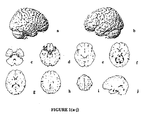
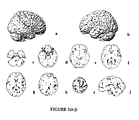
- Drug treatment As stated above, patients were randomized to receive 20 mg/day (10 b.i.d.) memantine or placebo for 24 weeks. PET scans were performed for 10 (5 receiving memantine and 5 receiving placebo) patients at baseline and at the end of week 24.
- PET Scan Acquisition Subjects were PET scanned at the University of California, Irvine Brain Imaging Center using a GE 2048-15B dedicated head scanner. Thirty slices at 6.5-mm intervals (15 in each of two sets) were obtained so as to cover the entire brain. Attenuation correction was performed by obtaining a transmission scan using a 68 Ge pin source. A thermosetting plastic facemask was used to hold the subject stationary during the 60 minutes of total image acquisition. Scans were reconstructed with a blank and a transmission scan. PET image count was used for study analyses and adjusted for intrasubject global differences using normalization (proportional scaling).
- the resulting set of voxel values for each contrast represents a parametric mapping of the t-statistics, SPM(t), which were transformed into the unit normal distribution SPM(z) and thresholded at p ⁇ .025 uncorrected.
- SPM(t) t-statistics
- the resulting foci were then characterized in terms of peak height ( u ).
- the significance of each region was estimated based on the probability that the observed peak height could have occurred by chance P(Z max > u ). Because the maximum intensity and the spatial extent of a region above u are not independent, a simple "Bonferroni" correction for multiple comparisons would be inappropriate. Accordingly, spatial extent thresholding based on the Gaussian random field theory was performed at 10 voxels to correct for multiple comparisons.
- Anatomical localization of significant regions was accomplished through comparison with the Talaraich and Tournoux atlas and confirmation by a neuroanatomist who was blind to group assignments.
- the Talairach and Tournoux coordinates are provided in parentheses following the relevant brain regions. It should be noted, however, that present PET imaging technology does not allow for precise anatomical localizations to specific subcortical nuclei and sublobular cortical areas. Some approaches have applied co-registration within individual MRI templates in order to aid in verifying anatomical localization. Such templates were not available in this study.
- the interpretation by blinded neuroanatomist aided in anatomical verification by employing dynamic interpretation of brain circuits based on known anatomical structures and following changes in regional metabolism between adjacent slices.
- Snodgrass Picture Naming Task Several studies of semantic abilities in dementia of the Alzheimer Type suggest that their semantic abnormalities may affect certain categories of knowledge.
- all patients who were subjected to PET scanning were evaluated during imaging using the Snodgrass picture naming activation task, The use of a task during the FDG uptake was used to image increases in the hippocampus and temporal lobe.
- This Snodgrass Picture Naming activation task was sensitive to object naming, which is impaired in mild to moderate AD.
- the Snodgrass picture naming activation task and performance analysis was based, in part, on the speed of identification and articulation of the name that corresponds to a set of 260 pictures ( Snodgrass and Vanderwart, J. Experimental Psychology: Human Learning and Memory 1980; 6(2): 174-215 ).
- the pictures are black-and-white line drawings executed according to a set of rules that provide consistency of pictorial representation.
- the pictures were standardized on four variables of central relevance to memory and cognitive processing:
- Snodgrass picture naming activation task memantine-treated subjects were able to perform the task at better than chance. There was no significant difference in Snodgrass performance between the two treatment groups.
- PET to document the effects of treatment has distinct advantages in being able to examine regional changes in brain metabolism over time. These measures offer advantages over current diagnostic measures, e.g . CIBC-Plus and ADAS-cog. For example, the CIBIC-Plus is dependent on caregiver observations, which may be affected by fluctuating caregiver capacity. FDG PET overcomes some of these limitations.
- Memantine a noncompetitive NMDA antagonist with demonstrated efficacy in patients with moderate to severe AD, was also effective for the treatment of mild-to-moderate AD, and can reverse the expected metabolic changes associated with regression in AD.
Landscapes
- Health & Medical Sciences (AREA)
- Medicinal Chemistry (AREA)
- Veterinary Medicine (AREA)
- Public Health (AREA)
- General Health & Medical Sciences (AREA)
- Animal Behavior & Ethology (AREA)
- Life Sciences & Earth Sciences (AREA)
- Pharmacology & Pharmacy (AREA)
- Chemical & Material Sciences (AREA)
- Neurosurgery (AREA)
- Engineering & Computer Science (AREA)
- Neurology (AREA)
- Biomedical Technology (AREA)
- Bioinformatics & Cheminformatics (AREA)
- Chemical Kinetics & Catalysis (AREA)
- Nuclear Medicine, Radiotherapy & Molecular Imaging (AREA)
- Organic Chemistry (AREA)
- General Chemical & Material Sciences (AREA)
- Epidemiology (AREA)
- Psychiatry (AREA)
- Hospice & Palliative Care (AREA)
- Pharmaceuticals Containing Other Organic And Inorganic Compounds (AREA)
- Acyclic And Carbocyclic Compounds In Medicinal Compositions (AREA)
- Nitrogen Condensed Heterocyclic Rings (AREA)
- Steroid Compounds (AREA)
- Organic Low-Molecular-Weight Compounds And Preparation Thereof (AREA)
- Radiation-Therapy Devices (AREA)
Priority Applications (3)
| Application Number | Priority Date | Filing Date | Title |
|---|---|---|---|
| PL05711256T PL1703902T3 (pl) | 2004-01-05 | 2005-01-05 | Memantyna do leczenia choroby Alzheimera o łagodnym do umiarkowanego stopniu zaawansowania |
| SI200531209T SI1703902T1 (sl) | 2004-01-05 | 2005-01-05 | Memantin za zdravljenje blage do zmerne Alzheimerjeve bolezni |
| CY20111100011T CY1111359T1 (el) | 2004-01-05 | 2011-01-04 | Μεμαντινη για την θεραπεια ηπιας εως μετριας ασθενειας alzheimer |
Applications Claiming Priority (3)
| Application Number | Priority Date | Filing Date | Title |
|---|---|---|---|
| US53455304P | 2004-01-05 | 2004-01-05 | |
| US54217604P | 2004-02-04 | 2004-02-04 | |
| PCT/US2005/000145 WO2005067908A2 (en) | 2004-01-05 | 2005-01-05 | Memantine for the treatment of mild and mild-to-moderate alzheimer’s disease |
Publications (2)
| Publication Number | Publication Date |
|---|---|
| EP1703902A2 EP1703902A2 (en) | 2006-09-27 |
| EP1703902B1 true EP1703902B1 (en) | 2010-11-03 |
Family
ID=34798833
Family Applications (1)
| Application Number | Title | Priority Date | Filing Date |
|---|---|---|---|
| EP05711256A Revoked EP1703902B1 (en) | 2004-01-05 | 2005-01-05 | Memantine for the treatment of mild-to-moderate alzheimer's disease |
Country Status (17)
| Country | Link |
|---|---|
| US (2) | US20060020042A1 (sr) |
| EP (1) | EP1703902B1 (sr) |
| AT (1) | ATE486592T1 (sr) |
| AU (1) | AU2005204358B2 (sr) |
| CA (1) | CA2551689A1 (sr) |
| CY (1) | CY1111359T1 (sr) |
| DE (1) | DE602005024511D1 (sr) |
| DK (1) | DK1703902T3 (sr) |
| HR (1) | HRP20110035T1 (sr) |
| IL (1) | IL176689A0 (sr) |
| NZ (1) | NZ548327A (sr) |
| PL (1) | PL1703902T3 (sr) |
| PT (1) | PT1703902E (sr) |
| RS (1) | RS51540B (sr) |
| RU (1) | RU2371173C2 (sr) |
| SI (1) | SI1703902T1 (sr) |
| WO (1) | WO2005067908A2 (sr) |
Families Citing this family (30)
| Publication number | Priority date | Publication date | Assignee | Title |
|---|---|---|---|---|
| US7619007B2 (en) | 2004-11-23 | 2009-11-17 | Adamas Pharmaceuticals, Inc. | Method and composition for administering an NMDA receptor antagonist to a subject |
| EP2243475B1 (en) | 2005-04-06 | 2016-01-13 | Adamas Pharmaceuticals, Inc. | Combination of memantine and donepezil for treatment of CNS disorders |
| AU2006261082B2 (en) * | 2005-06-22 | 2012-04-19 | Boehringer Ingelheim International Gmbh | Thienopyrimidines for pharmaceutical compositions |
| CN101466716A (zh) * | 2006-04-07 | 2009-06-24 | 德维洛根股份公司 | 用于药物组合物的具有mnkl/mnk2抑制活性的噻吩并嘧啶 |
| EP1889847A1 (en) * | 2006-07-10 | 2008-02-20 | DeveloGen Aktiengesellschaft | Pyrrolopyrimidines for pharmaceutical compositions |
| KR20090041447A (ko) * | 2006-08-21 | 2009-04-28 | 노파르티스 아게 | 알츠하이머 질환 진행에 대한 바이오마커 |
| US20080182908A1 (en) * | 2007-01-25 | 2008-07-31 | Vinita Umashankar Vyas | Pharmaceutical compositions comprising memantine |
| WO2009065596A2 (en) * | 2007-11-22 | 2009-05-28 | Develogen Aktiengesellschaft | Use of mnk inhibitors for the treatment of alzheimer's disease |
| BRPI0918971A2 (pt) | 2008-08-26 | 2015-12-01 | Boehringer Ingelheim Int | tienopirimidinas para composições farmacêuticas |
| CA2772797C (en) | 2009-09-30 | 2018-09-25 | Transtech Pharma, Inc. | Substituted imidazole derivatives |
| TW201141872A (en) * | 2010-02-26 | 2011-12-01 | Boehringer Ingelheim Int | Cycloalkyl containing thienopyrimidines for pharmaceutical compositions |
| UY33241A (es) * | 2010-02-26 | 2011-09-30 | Boehringer Ingelheim Int | ?Tienopirimidinas que contienen heterocicloalquilo para composiciones farmacéuticas?. |
| UY33245A (es) * | 2010-02-26 | 2011-09-30 | Boehringer Ingelheim Int | Tienopirimidinas que contienen un grupo alquilo sustituido para composiciones farmacéuticas |
| US20140350380A1 (en) * | 2011-09-19 | 2014-11-27 | The Feinstein Institute For Medical Research | Identification and uses of brain activity networks |
| JP5404750B2 (ja) * | 2011-11-22 | 2014-02-05 | シャープ株式会社 | 認知症ケア支援方法、認知症情報出力装置、認知症ケア支援システム、及びコンピュータプログラム |
| FR2983732B1 (fr) * | 2011-12-09 | 2013-11-22 | Servier Lab | Nouvelle association entre le 4-{3-[cis-hexahydrocyclopenta[c]pyrrol-2(1h)-yl]propoxy}pharmaceutiques qui la contiennent |
| WO2014015047A1 (en) | 2012-07-17 | 2014-01-23 | The General Hospital Corporation | Compositions and methods to treat neurodegenerative diseases |
| US9717710B2 (en) | 2012-10-05 | 2017-08-01 | Vtv Therapeutics Llc | Treatment of mild and moderate Alzheimer's disease |
| EP3019865A4 (en) * | 2013-07-12 | 2017-04-05 | Immuneering Corporation | Systems, methods, and environment for automated review of genomic data to identify downregulated and/or upregulated gene expression indicative of a disease or condition |
| WO2019190823A1 (en) | 2018-03-28 | 2019-10-03 | Vtv Therapeutics Llc | Pharmaceutically acceptable salts of [3-(4- {2-butyl-1-[4-(4-chlorophenoxy)-phenyl]-1h-imidazol-4-yl} -phenoxy)-propyl]-diethyl-amine |
| WO2019190822A1 (en) | 2018-03-28 | 2019-10-03 | Vtv Therapeutics Llc | Crystalline forms of [3-(4- {2-butyl-1-[4-(4-chloro-phenoxy)-phenyl]-1h-imidazol-4-yl} -phenoxy)-propyl]-diethyl-amine |
| JP7402225B2 (ja) | 2018-05-11 | 2023-12-20 | ロード アイランド ホスピタル | ヌクレオシド系逆転写酵素阻害剤を用いて関節障害を処置するための組成物および方法 |
| JP7464591B2 (ja) | 2018-10-10 | 2024-04-09 | ブイティーブイ・セラピューティクス・エルエルシー | [3-(4-{2-ブチル-1-[4-(4-クロロ-フェノキシ)-フェニル]-1h-イミダゾール-4-イル}-フェノキシ)-プロピル]-ジエチル-アミンの代謝産物 |
| AU2020211600A1 (en) | 2019-01-25 | 2021-07-22 | Brown University | Compositions and methods for treating, preventing or reversing age-associated inflammation and disorders |
| US20210002650A1 (en) * | 2019-07-03 | 2021-01-07 | University Of Virginia Patent Foundation | Compositions and methods for treating alzheimer's disease |
| KR102271305B1 (ko) * | 2020-05-21 | 2021-06-30 | 주식회사 아리바이오 | 치매 예방 및 치료용 조성물 |
| EP4190319A4 (en) | 2020-07-29 | 2024-05-01 | Novamedica Limited Liability Company | Pharmaceutical composition comprising memantine and citicoline |
| KR102272907B1 (ko) * | 2020-11-05 | 2021-07-05 | 주식회사 아리바이오 | 치매 예방 및 치료용 조성물 |
| CN120225200A (zh) * | 2022-06-24 | 2025-06-27 | 阿丽派欧株式会社 | 用于预防和治疗神经退行性疾病的组合物和方法 |
| EP4547254A1 (en) * | 2022-06-29 | 2025-05-07 | Aribio Co., Ltd | Composition for preventing and treating neurodegenerative diseases |
Family Cites Families (13)
| Publication number | Priority date | Publication date | Assignee | Title |
|---|---|---|---|---|
| CA974518A (en) * | 1972-04-20 | 1975-09-16 | Merz And Co. | Procedure for the manufacture of 1,3,5 trisubstituted adamantan compounds |
| DE2856393C2 (de) * | 1978-12-27 | 1983-04-28 | Merz + Co GmbH & Co, 6000 Frankfurt | Arzneimittel zur Behandlung von Morbus Parkinson |
| US5334618A (en) * | 1991-04-04 | 1994-08-02 | The Children's Medical Center Corporation | Method of preventing NMDA receptor-mediated neuronal damage |
| US5506231A (en) * | 1989-03-31 | 1996-04-09 | The Children's Medical Center Corporation | Treatment of aids dementia, myelopathy and blindness |
| ES2059602T3 (es) * | 1989-04-14 | 1994-11-16 | Merz & Co Gmbh & Co | Uso de derivados de adamantano para la prevencion y tratamiento de isquemia cerebral. |
| US5614560A (en) * | 1991-04-04 | 1997-03-25 | Children's Medical Center Corporation | Method of preventing NMDA receptor-mediated neuronal damage |
| US5958919A (en) * | 1996-09-20 | 1999-09-28 | Washington University | Treatment of presymptomatic alzheimer's disease to prevent neuronal degeneration |
| ATE240936T1 (de) * | 1997-06-30 | 2003-06-15 | Merz & Co Gmbh & Co | 1-amino-alkylcyclohexane als nmda-rezeptor- antagonisten |
| GB9806513D0 (en) * | 1998-03-26 | 1998-05-27 | Phytopharm Ltd | Membrane-bound receptors |
| US20040102525A1 (en) * | 2002-05-22 | 2004-05-27 | Kozachuk Walter E. | Compositions and methods of treating neurological disease and providing neuroprotection |
| ATE414519T1 (de) * | 2002-05-31 | 2008-12-15 | Lundbeck & Co As H | Kombination aus einem nmda-antagonist und acetylcholinesterase-hemmern zur behandlung der alzheimer-krankheit |
| EP2260839A3 (en) * | 2002-10-24 | 2012-05-02 | Merz Pharma GmbH & Co. KGaA | Combination therapy using 1-aminocyclohexane derivatives and acetylcholinesterase inhibitors |
| EP1603548A4 (en) * | 2003-02-05 | 2007-10-10 | Myriad Genetics Inc | METHOD AND COMPOSITION FOR THE TREATMENT OF NEURODEEGENERATIVE DISEASES |
-
2005
- 2005-01-05 PL PL05711256T patent/PL1703902T3/pl unknown
- 2005-01-05 RU RU2007129842/14A patent/RU2371173C2/ru active
- 2005-01-05 WO PCT/US2005/000145 patent/WO2005067908A2/en not_active Ceased
- 2005-01-05 PT PT05711256T patent/PT1703902E/pt unknown
- 2005-01-05 RS RSP-2010/0561A patent/RS51540B/sr unknown
- 2005-01-05 SI SI200531209T patent/SI1703902T1/sl unknown
- 2005-01-05 DE DE602005024511T patent/DE602005024511D1/de not_active Expired - Lifetime
- 2005-01-05 NZ NZ548327A patent/NZ548327A/en unknown
- 2005-01-05 AT AT05711256T patent/ATE486592T1/de active
- 2005-01-05 CA CA002551689A patent/CA2551689A1/en not_active Abandoned
- 2005-01-05 HR HR20110035T patent/HRP20110035T1/hr unknown
- 2005-01-05 DK DK05711256.7T patent/DK1703902T3/da active
- 2005-01-05 US US11/030,584 patent/US20060020042A1/en not_active Abandoned
- 2005-01-05 EP EP05711256A patent/EP1703902B1/en not_active Revoked
- 2005-01-05 AU AU2005204358A patent/AU2005204358B2/en not_active Revoked
-
2006
- 2006-07-03 IL IL176689A patent/IL176689A0/en unknown
-
2009
- 2009-10-29 US US12/608,046 patent/US20100048726A1/en not_active Abandoned
-
2011
- 2011-01-04 CY CY20111100011T patent/CY1111359T1/el unknown
Also Published As
| Publication number | Publication date |
|---|---|
| SI1703902T1 (sl) | 2011-02-28 |
| US20100048726A1 (en) | 2010-02-25 |
| WO2005067908A3 (en) | 2005-11-10 |
| RU2007129842A (ru) | 2009-02-10 |
| RU2371173C2 (ru) | 2009-10-27 |
| PL1703902T3 (pl) | 2011-04-29 |
| HRP20110035T1 (hr) | 2011-02-28 |
| DE602005024511D1 (de) | 2010-12-16 |
| DK1703902T3 (da) | 2011-02-14 |
| CA2551689A1 (en) | 2005-07-28 |
| RS51540B (sr) | 2011-06-30 |
| AU2005204358A1 (en) | 2005-07-28 |
| CY1111359T1 (el) | 2015-08-05 |
| AU2005204358B2 (en) | 2008-09-04 |
| WO2005067908A2 (en) | 2005-07-28 |
| ATE486592T1 (de) | 2010-11-15 |
| NZ548327A (en) | 2009-06-26 |
| EP1703902A2 (en) | 2006-09-27 |
| IL176689A0 (en) | 2006-10-31 |
| PT1703902E (pt) | 2010-11-17 |
| US20060020042A1 (en) | 2006-01-26 |
Similar Documents
| Publication | Publication Date | Title |
|---|---|---|
| EP1703902B1 (en) | Memantine for the treatment of mild-to-moderate alzheimer's disease | |
| Sjogren et al. | Cognition-enhancing effect of vagus nerve stimulation in patients with Alzheimer's disease: a pilot study | |
| DK2029130T3 (en) | ALFA -aminoamide DERIVATIVES THAT ARE APPLICABLE IN TREATMENT OF LEARNING DISORDERS | |
| Lee et al. | Efficacy of cilostazol administration in Alzheimer's disease patients with white matter lesions: a positron-emission tomography study | |
| Hornig-Rohan et al. | Venlafaxine versus stimulant therapy in patients with dual diagnosis ADD and depression | |
| JP7282028B2 (ja) | 脳萎縮予防または治療剤 | |
| Gorman et al. | Cholinergic therapy of behavioral disturbances in Alzheimer's disease | |
| MacDonald et al. | Current Therapies and Drug Development Pipeline in Lewy Body Dementia: An Update. | |
| JP2025163203A (ja) | ドーパミン作動性cns障害の治療におけるly3154207の使用のための用量レジメン | |
| EP3641889B1 (en) | A composition for treatment or prevention of a neurodegenerative disease | |
| ZA200605532B (en) | Memantine for the treatment of mild and mild-to-moderate Alzheimer's disease | |
| Edwards-Lee et al. | Focal lesions and psychosis | |
| EP4541372A1 (en) | Drug therapy for obsessive-compulsive disorder targeting dopamine d1 signal in striatal striosomes | |
| Zhang et al. | Therapeutic effect of levodopa-carbidopa-entacapone combined with rTMS in Parkinson's disease. | |
| KR20260023584A (ko) | 다발성 경화증의 치료를 위한 이보가인 | |
| Shua-Haim et al. | Donepezil (Aricept®) treatment of multi infarct dementia: The caregivers and clinical impression | |
| CN116234579A (zh) | 用于治疗神经退行性疾病的包含罗替戈汀和乙酰胆碱酯酶抑制剂的组合药物制剂 | |
| East Hanover | Rivastigmine for Alzheimer’s Disease: Improvement Versus Reduced Worsening | |
| Fabbrini et al. | P-8-12 Nicergoline in the treatment of dementia: The effects on cerebral blood flow measured by SPECT | |
| HK40063144B (en) | Dose regimens for use of ly3154207 in the treatment of dopaminergic cns disorders | |
| HK40063144A (en) | Dose regimens for use of ly3154207 in the treatment of dopaminergic cns disorders |
Legal Events
| Date | Code | Title | Description |
|---|---|---|---|
| PUAI | Public reference made under article 153(3) epc to a published international application that has entered the european phase |
Free format text: ORIGINAL CODE: 0009012 |
|
| 17P | Request for examination filed |
Effective date: 20060731 |
|
| AK | Designated contracting states |
Kind code of ref document: A2 Designated state(s): AT BE BG CH CY CZ DE DK EE ES FI FR GB GR HU IE IS IT LI LT LU MC NL PL PT RO SE SI SK TR |
|
| AX | Request for extension of the european patent |
Extension state: AL BA HR LV MK YU |
|
| 17Q | First examination report despatched |
Effective date: 20061128 |
|
| GRAP | Despatch of communication of intention to grant a patent |
Free format text: ORIGINAL CODE: EPIDOSNIGR1 |
|
| RTI1 | Title (correction) |
Free format text: MEMANTINE FOR THE TREATMENT OF MILD-TO-MODERATE ALZHEIMER'S DISEASE |
|
| GRAS | Grant fee paid |
Free format text: ORIGINAL CODE: EPIDOSNIGR3 |
|
| GRAA | (expected) grant |
Free format text: ORIGINAL CODE: 0009210 |
|
| AK | Designated contracting states |
Kind code of ref document: B1 Designated state(s): AT BE BG CH CY CZ DE DK EE ES FI FR GB GR HU IE IS IT LI LT LU MC NL PL PT RO SE SI SK TR |
|
| AX | Request for extension of the european patent |
Extension state: AL BA HR LV MK YU |
|
| REG | Reference to a national code |
Ref country code: GB Ref legal event code: FG4D |
|
| REG | Reference to a national code |
Ref country code: CH Ref legal event code: EP |
|
| REG | Reference to a national code |
Ref country code: PT Ref legal event code: SC4A Free format text: AVAILABILITY OF NATIONAL TRANSLATION Effective date: 20101110 |
|
| REG | Reference to a national code |
Ref country code: IE Ref legal event code: FG4D |
|
| REG | Reference to a national code |
Ref country code: CH Ref legal event code: NV Representative=s name: BOHEST AG |
|
| REF | Corresponds to: |
Ref document number: 602005024511 Country of ref document: DE Date of ref document: 20101216 Kind code of ref document: P |
|
| REG | Reference to a national code |
Ref country code: GR Ref legal event code: EP Ref document number: 20100402650 Country of ref document: GR |
|
| REG | Reference to a national code |
Ref country code: NL Ref legal event code: T3 |
|
| REG | Reference to a national code |
Ref country code: HR Ref legal event code: TUEP Ref document number: P20110035 Country of ref document: HR |
|
| REG | Reference to a national code |
Ref country code: RO Ref legal event code: EPE |
|
| REG | Reference to a national code |
Ref country code: DK Ref legal event code: T3 |
|
| REG | Reference to a national code |
Ref country code: SE Ref legal event code: TRGR |
|
| REG | Reference to a national code |
Ref country code: HR Ref legal event code: T1PR Ref document number: P20110035 Country of ref document: HR |
|
| REG | Reference to a national code |
Ref country code: ES Ref legal event code: FG2A Ref document number: 2355393 Country of ref document: ES Kind code of ref document: T3 Effective date: 20110325 |
|
| REG | Reference to a national code |
Ref country code: SK Ref legal event code: T3 Ref document number: E 8524 Country of ref document: SK |
|
| REG | Reference to a national code |
Ref country code: EE Ref legal event code: FG4A Ref document number: E005003 Country of ref document: EE Effective date: 20110127 |
|
| REG | Reference to a national code |
Ref country code: PL Ref legal event code: T3 |
|
| PGFP | Annual fee paid to national office [announced via postgrant information from national office to epo] |
Ref country code: RO Payment date: 20101214 Year of fee payment: 7 |
|
| REG | Reference to a national code |
Ref country code: HU Ref legal event code: AG4A Ref document number: E010389 Country of ref document: HU |
|
| PLBI | Opposition filed |
Free format text: ORIGINAL CODE: 0009260 |
|
| PLBI | Opposition filed |
Free format text: ORIGINAL CODE: 0009260 |
|
| PLBI | Opposition filed |
Free format text: ORIGINAL CODE: 0009260 |
|
| 26 | Opposition filed |
Opponent name: ALFRED E. TIEFENBACHER (GMBH & CO. KG) Effective date: 20110713 |
|
| PLAX | Notice of opposition and request to file observation + time limit sent |
Free format text: ORIGINAL CODE: EPIDOSNOBS2 |
|
| 26 | Opposition filed |
Opponent name: ALFRED E. TIEFENBACHER (GMBH & CO. KG) Effective date: 20110713 Opponent name: ADAM, HOLGER Effective date: 20110727 Opponent name: TEVA PHARMACEUTICAL INDUSTRIES LTD. Effective date: 20110803 Opponent name: HAMM, VOLKER Effective date: 20110802 Opponent name: PENTAFARMA S.A. Effective date: 20110803 |
|
| REG | Reference to a national code |
Ref country code: DE Ref legal event code: R026 Ref document number: 602005024511 Country of ref document: DE Effective date: 20110713 |
|
| PLAF | Information modified related to communication of a notice of opposition and request to file observations + time limit |
Free format text: ORIGINAL CODE: EPIDOSCOBS2 |
|
| PLAF | Information modified related to communication of a notice of opposition and request to file observations + time limit |
Free format text: ORIGINAL CODE: EPIDOSCOBS2 |
|
| PLBB | Reply of patent proprietor to notice(s) of opposition received |
Free format text: ORIGINAL CODE: EPIDOSNOBS3 |
|
| PGFP | Annual fee paid to national office [announced via postgrant information from national office to epo] |
Ref country code: TR Payment date: 20120120 Year of fee payment: 8 |
|
| PGFP | Annual fee paid to national office [announced via postgrant information from national office to epo] |
Ref country code: IT Payment date: 20120112 Year of fee payment: 8 |
|
| TPAC | Observations filed by third parties |
Free format text: ORIGINAL CODE: EPIDOSNTIPA |
|
| REG | Reference to a national code |
Ref country code: HR Ref legal event code: ODRP Ref document number: P20110035 Country of ref document: HR Payment date: 20121205 Year of fee payment: 9 |
|
| REG | Reference to a national code |
Ref country code: DE Ref legal event code: R064 Ref document number: 602005024511 Country of ref document: DE Ref country code: DE Ref legal event code: R103 Ref document number: 602005024511 Country of ref document: DE |
|
| PGFP | Annual fee paid to national office [announced via postgrant information from national office to epo] |
Ref country code: IS Payment date: 20121205 Year of fee payment: 9 Ref country code: MC Payment date: 20121213 Year of fee payment: 9 Ref country code: CZ Payment date: 20121228 Year of fee payment: 9 Ref country code: LT Payment date: 20121214 Year of fee payment: 9 Ref country code: EE Payment date: 20121214 Year of fee payment: 9 Ref country code: BG Payment date: 20121219 Year of fee payment: 9 |
|
| RDAF | Communication despatched that patent is revoked |
Free format text: ORIGINAL CODE: EPIDOSNREV1 |
|
| PGFP | Annual fee paid to national office [announced via postgrant information from national office to epo] |
Ref country code: GR Payment date: 20121214 Year of fee payment: 9 Ref country code: SK Payment date: 20121220 Year of fee payment: 9 Ref country code: PL Payment date: 20121203 Year of fee payment: 9 Ref country code: LU Payment date: 20130114 Year of fee payment: 9 |
|
| PGFP | Annual fee paid to national office [announced via postgrant information from national office to epo] |
Ref country code: FR Payment date: 20130204 Year of fee payment: 9 Ref country code: GB Payment date: 20130102 Year of fee payment: 9 Ref country code: IE Payment date: 20130110 Year of fee payment: 9 Ref country code: ES Payment date: 20130207 Year of fee payment: 9 Ref country code: DE Payment date: 20130103 Year of fee payment: 9 Ref country code: HU Payment date: 20121212 Year of fee payment: 9 Ref country code: CH Payment date: 20130114 Year of fee payment: 9 Ref country code: SE Payment date: 20130114 Year of fee payment: 9 Ref country code: DK Payment date: 20130110 Year of fee payment: 9 Ref country code: FI Payment date: 20130110 Year of fee payment: 9 |
|
| RDAG | Patent revoked |
Free format text: ORIGINAL CODE: 0009271 |
|
| STAA | Information on the status of an ep patent application or granted ep patent |
Free format text: STATUS: PATENT REVOKED |
|
| PGFP | Annual fee paid to national office [announced via postgrant information from national office to epo] |
Ref country code: CY Payment date: 20121219 Year of fee payment: 9 Ref country code: BE Payment date: 20130114 Year of fee payment: 9 Ref country code: NL Payment date: 20130110 Year of fee payment: 9 Ref country code: SI Payment date: 20121214 Year of fee payment: 9 |
|
| REG | Reference to a national code |
Ref country code: CH Ref legal event code: PL |
|
| 27W | Patent revoked |
Effective date: 20121213 |
|
| GBPR | Gb: patent revoked under art. 102 of the ep convention designating the uk as contracting state |
Effective date: 20121213 |
|
| REG | Reference to a national code |
Ref country code: PT Ref legal event code: MP4A Effective date: 20130619 |
|
| PGFP | Annual fee paid to national office [announced via postgrant information from national office to epo] |
Ref country code: AT Payment date: 20121231 Year of fee payment: 9 Ref country code: PT Payment date: 20130104 Year of fee payment: 9 |
|
| PG25 | Lapsed in a contracting state [announced via postgrant information from national office to epo] |
Ref country code: LI Free format text: LAPSE BECAUSE OF THE APPLICANT RENOUNCES Effective date: 20101103 Ref country code: CH Free format text: LAPSE BECAUSE OF THE APPLICANT RENOUNCES Effective date: 20101103 |
|
| REG | Reference to a national code |
Ref country code: DE Ref legal event code: R107 Ref document number: 602005024511 Country of ref document: DE Effective date: 20130808 |
|
| REG | Reference to a national code |
Ref country code: HR Ref legal event code: PNEV Ref document number: P20110035 Country of ref document: HR |
|
| REG | Reference to a national code |
Ref country code: EE Ref legal event code: MF4A Ref document number: E005003 Country of ref document: EE Effective date: 20130618 Ref country code: AT Ref legal event code: MA03 Ref document number: 486592 Country of ref document: AT Kind code of ref document: T Effective date: 20121213 |
|
| REG | Reference to a national code |
Ref country code: SE Ref legal event code: ECNC |
|
| REG | Reference to a national code |
Ref country code: SE Ref legal event code: ECNC |
|
| REG | Reference to a national code |
Ref country code: SK Ref legal event code: MM4A Ref document number: E 8524 Country of ref document: SK Effective date: 20140105 |
|
| REG | Reference to a national code |
Ref country code: SI Ref legal event code: KO00 Effective date: 20140909 |