EP1585760B1 - Btl-ii nucleic acids, proteins, and antibodies - Google Patents
Btl-ii nucleic acids, proteins, and antibodies Download PDFInfo
- Publication number
- EP1585760B1 EP1585760B1 EP03799969A EP03799969A EP1585760B1 EP 1585760 B1 EP1585760 B1 EP 1585760B1 EP 03799969 A EP03799969 A EP 03799969A EP 03799969 A EP03799969 A EP 03799969A EP 1585760 B1 EP1585760 B1 EP 1585760B1
- Authority
- EP
- European Patent Office
- Prior art keywords
- btl
- seq
- protein
- amino acids
- cells
- Prior art date
- Legal status (The legal status is an assumption and is not a legal conclusion. Google has not performed a legal analysis and makes no representation as to the accuracy of the status listed.)
- Expired - Lifetime
Links
Images






Classifications
-
- C—CHEMISTRY; METALLURGY
- C07—ORGANIC CHEMISTRY
- C07K—PEPTIDES
- C07K14/00—Peptides having more than 20 amino acids; Gastrins; Somatostatins; Melanotropins; Derivatives thereof
- C07K14/435—Peptides having more than 20 amino acids; Gastrins; Somatostatins; Melanotropins; Derivatives thereof from animals; from humans
- C07K14/705—Receptors; Cell surface antigens; Cell surface determinants
- C07K14/70503—Immunoglobulin superfamily
-
- A—HUMAN NECESSITIES
- A61—MEDICAL OR VETERINARY SCIENCE; HYGIENE
- A61P—SPECIFIC THERAPEUTIC ACTIVITY OF CHEMICAL COMPOUNDS OR MEDICINAL PREPARATIONS
- A61P1/00—Drugs for disorders of the alimentary tract or the digestive system
-
- A—HUMAN NECESSITIES
- A61—MEDICAL OR VETERINARY SCIENCE; HYGIENE
- A61P—SPECIFIC THERAPEUTIC ACTIVITY OF CHEMICAL COMPOUNDS OR MEDICINAL PREPARATIONS
- A61P1/00—Drugs for disorders of the alimentary tract or the digestive system
- A61P1/04—Drugs for disorders of the alimentary tract or the digestive system for ulcers, gastritis or reflux esophagitis, e.g. antacids, inhibitors of acid secretion, mucosal protectants
-
- A—HUMAN NECESSITIES
- A61—MEDICAL OR VETERINARY SCIENCE; HYGIENE
- A61P—SPECIFIC THERAPEUTIC ACTIVITY OF CHEMICAL COMPOUNDS OR MEDICINAL PREPARATIONS
- A61P1/00—Drugs for disorders of the alimentary tract or the digestive system
- A61P1/16—Drugs for disorders of the alimentary tract or the digestive system for liver or gallbladder disorders, e.g. hepatoprotective agents, cholagogues, litholytics
-
- A—HUMAN NECESSITIES
- A61—MEDICAL OR VETERINARY SCIENCE; HYGIENE
- A61P—SPECIFIC THERAPEUTIC ACTIVITY OF CHEMICAL COMPOUNDS OR MEDICINAL PREPARATIONS
- A61P11/00—Drugs for disorders of the respiratory system
- A61P11/06—Antiasthmatics
-
- A—HUMAN NECESSITIES
- A61—MEDICAL OR VETERINARY SCIENCE; HYGIENE
- A61P—SPECIFIC THERAPEUTIC ACTIVITY OF CHEMICAL COMPOUNDS OR MEDICINAL PREPARATIONS
- A61P13/00—Drugs for disorders of the urinary system
- A61P13/12—Drugs for disorders of the urinary system of the kidneys
-
- A—HUMAN NECESSITIES
- A61—MEDICAL OR VETERINARY SCIENCE; HYGIENE
- A61P—SPECIFIC THERAPEUTIC ACTIVITY OF CHEMICAL COMPOUNDS OR MEDICINAL PREPARATIONS
- A61P15/00—Drugs for genital or sexual disorders; Contraceptives
-
- A—HUMAN NECESSITIES
- A61—MEDICAL OR VETERINARY SCIENCE; HYGIENE
- A61P—SPECIFIC THERAPEUTIC ACTIVITY OF CHEMICAL COMPOUNDS OR MEDICINAL PREPARATIONS
- A61P17/00—Drugs for dermatological disorders
-
- A—HUMAN NECESSITIES
- A61—MEDICAL OR VETERINARY SCIENCE; HYGIENE
- A61P—SPECIFIC THERAPEUTIC ACTIVITY OF CHEMICAL COMPOUNDS OR MEDICINAL PREPARATIONS
- A61P17/00—Drugs for dermatological disorders
- A61P17/06—Antipsoriatics
-
- A—HUMAN NECESSITIES
- A61—MEDICAL OR VETERINARY SCIENCE; HYGIENE
- A61P—SPECIFIC THERAPEUTIC ACTIVITY OF CHEMICAL COMPOUNDS OR MEDICINAL PREPARATIONS
- A61P19/00—Drugs for skeletal disorders
- A61P19/02—Drugs for skeletal disorders for joint disorders, e.g. arthritis, arthrosis
-
- A—HUMAN NECESSITIES
- A61—MEDICAL OR VETERINARY SCIENCE; HYGIENE
- A61P—SPECIFIC THERAPEUTIC ACTIVITY OF CHEMICAL COMPOUNDS OR MEDICINAL PREPARATIONS
- A61P21/00—Drugs for disorders of the muscular or neuromuscular system
-
- A—HUMAN NECESSITIES
- A61—MEDICAL OR VETERINARY SCIENCE; HYGIENE
- A61P—SPECIFIC THERAPEUTIC ACTIVITY OF CHEMICAL COMPOUNDS OR MEDICINAL PREPARATIONS
- A61P21/00—Drugs for disorders of the muscular or neuromuscular system
- A61P21/04—Drugs for disorders of the muscular or neuromuscular system for myasthenia gravis
-
- A—HUMAN NECESSITIES
- A61—MEDICAL OR VETERINARY SCIENCE; HYGIENE
- A61P—SPECIFIC THERAPEUTIC ACTIVITY OF CHEMICAL COMPOUNDS OR MEDICINAL PREPARATIONS
- A61P25/00—Drugs for disorders of the nervous system
-
- A—HUMAN NECESSITIES
- A61—MEDICAL OR VETERINARY SCIENCE; HYGIENE
- A61P—SPECIFIC THERAPEUTIC ACTIVITY OF CHEMICAL COMPOUNDS OR MEDICINAL PREPARATIONS
- A61P29/00—Non-central analgesic, antipyretic or antiinflammatory agents, e.g. antirheumatic agents; Non-steroidal antiinflammatory drugs [NSAID]
-
- A—HUMAN NECESSITIES
- A61—MEDICAL OR VETERINARY SCIENCE; HYGIENE
- A61P—SPECIFIC THERAPEUTIC ACTIVITY OF CHEMICAL COMPOUNDS OR MEDICINAL PREPARATIONS
- A61P3/00—Drugs for disorders of the metabolism
- A61P3/08—Drugs for disorders of the metabolism for glucose homeostasis
- A61P3/10—Drugs for disorders of the metabolism for glucose homeostasis for hyperglycaemia, e.g. antidiabetics
-
- A—HUMAN NECESSITIES
- A61—MEDICAL OR VETERINARY SCIENCE; HYGIENE
- A61P—SPECIFIC THERAPEUTIC ACTIVITY OF CHEMICAL COMPOUNDS OR MEDICINAL PREPARATIONS
- A61P37/00—Drugs for immunological or allergic disorders
- A61P37/02—Immunomodulators
-
- A—HUMAN NECESSITIES
- A61—MEDICAL OR VETERINARY SCIENCE; HYGIENE
- A61P—SPECIFIC THERAPEUTIC ACTIVITY OF CHEMICAL COMPOUNDS OR MEDICINAL PREPARATIONS
- A61P37/00—Drugs for immunological or allergic disorders
- A61P37/02—Immunomodulators
- A61P37/04—Immunostimulants
-
- A—HUMAN NECESSITIES
- A61—MEDICAL OR VETERINARY SCIENCE; HYGIENE
- A61P—SPECIFIC THERAPEUTIC ACTIVITY OF CHEMICAL COMPOUNDS OR MEDICINAL PREPARATIONS
- A61P37/00—Drugs for immunological or allergic disorders
- A61P37/02—Immunomodulators
- A61P37/06—Immunosuppressants, e.g. drugs for graft rejection
-
- A—HUMAN NECESSITIES
- A61—MEDICAL OR VETERINARY SCIENCE; HYGIENE
- A61P—SPECIFIC THERAPEUTIC ACTIVITY OF CHEMICAL COMPOUNDS OR MEDICINAL PREPARATIONS
- A61P43/00—Drugs for specific purposes, not provided for in groups A61P1/00-A61P41/00
-
- A—HUMAN NECESSITIES
- A61—MEDICAL OR VETERINARY SCIENCE; HYGIENE
- A61P—SPECIFIC THERAPEUTIC ACTIVITY OF CHEMICAL COMPOUNDS OR MEDICINAL PREPARATIONS
- A61P5/00—Drugs for disorders of the endocrine system
-
- A—HUMAN NECESSITIES
- A61—MEDICAL OR VETERINARY SCIENCE; HYGIENE
- A61P—SPECIFIC THERAPEUTIC ACTIVITY OF CHEMICAL COMPOUNDS OR MEDICINAL PREPARATIONS
- A61P5/00—Drugs for disorders of the endocrine system
- A61P5/14—Drugs for disorders of the endocrine system of the thyroid hormones, e.g. T3, T4
-
- A—HUMAN NECESSITIES
- A61—MEDICAL OR VETERINARY SCIENCE; HYGIENE
- A61P—SPECIFIC THERAPEUTIC ACTIVITY OF CHEMICAL COMPOUNDS OR MEDICINAL PREPARATIONS
- A61P5/00—Drugs for disorders of the endocrine system
- A61P5/38—Drugs for disorders of the endocrine system of the suprarenal hormones
- A61P5/40—Mineralocorticosteroids, e.g. aldosterone; Drugs increasing or potentiating the activity of mineralocorticosteroids
-
- A—HUMAN NECESSITIES
- A61—MEDICAL OR VETERINARY SCIENCE; HYGIENE
- A61P—SPECIFIC THERAPEUTIC ACTIVITY OF CHEMICAL COMPOUNDS OR MEDICINAL PREPARATIONS
- A61P7/00—Drugs for disorders of the blood or the extracellular fluid
-
- A—HUMAN NECESSITIES
- A61—MEDICAL OR VETERINARY SCIENCE; HYGIENE
- A61P—SPECIFIC THERAPEUTIC ACTIVITY OF CHEMICAL COMPOUNDS OR MEDICINAL PREPARATIONS
- A61P7/00—Drugs for disorders of the blood or the extracellular fluid
- A61P7/04—Antihaemorrhagics; Procoagulants; Haemostatic agents; Antifibrinolytic agents
-
- A—HUMAN NECESSITIES
- A61—MEDICAL OR VETERINARY SCIENCE; HYGIENE
- A61P—SPECIFIC THERAPEUTIC ACTIVITY OF CHEMICAL COMPOUNDS OR MEDICINAL PREPARATIONS
- A61P7/00—Drugs for disorders of the blood or the extracellular fluid
- A61P7/06—Antianaemics
-
- C—CHEMISTRY; METALLURGY
- C07—ORGANIC CHEMISTRY
- C07K—PEPTIDES
- C07K2319/00—Fusion polypeptide
- C07K2319/30—Non-immunoglobulin-derived peptide or protein having an immunoglobulin constant or Fc region, or a fragment thereof, attached thereto
Definitions
- the invention relates to butyrophilin-like proteins, specifically butyrophilin-like proteins of the B7 subfamily, which are known to modulate the function of immune effector cells such as, for example, B cells and/or T cells.
- Nucleic acids encoding such proteins, processes for producing such proteins, antibodies that bind to such proteins, pharmaceutical compositions containing such proteins or antibodies, methods of using such nucleic acids, proteins, and antibodies against such proteins are also included.
- Modulation of an immune or inflammatory response can be a valuable tool in controlling various kinds of diseases including autoimmune diseases, diseases characterized by abnormal inflammation and/or immune response, and infections.
- diseases characterized by abnormal inflammation and/or immune responses such as inflammatory bowel diseases and autoimmune or inflammatory diseases
- down-modulation of an immune response is desirable.
- stimulation of an immune response is desirable.
- adjuvants that can heighten an immune response to a coadministered antigen can be valuable in providing long term protection against disease.
- adjuvants capable of stimulating a mucosal immune response are particularly lacking in the art.
- a mucosal immune response as opposed to a systemic immune response, is valuable because it can attack an infection at a very common point of entry, that is, at a mucosal surface.
- the present invention addresses these needs in the art by providing therapeutic agents to diagnose and treat diseases characterized by inappropriate and/or abnormal inflammation and/or immune responses and therapeutic agents that can act as adjuvants to stimulate an immune response, particularly a mucosal immune response.
- the invention encompasses isolated BTL-II proteins, nucleic acids, antibodies, BTL-II inhibitors and agonists, and methods for using these compositions.
- An isolated BTL-II protein comprising an amino acid sequence consisting of amino acids x-y of SEQ ID NO:4, wherein x is the amino acid at position 29 of SEQ ID NO:4 and y the any amino acid at position 457 or 482 of SEQ ID NO:4 is provided.
- Such a BTL-II protein can comprise amino acids 29 to 457; and/or 29 to 482 -of SEQ ID NO:4.
- the invention further provides an isolated BTL-II protein comprising a polypeptide consisting of an amino acid sequence at least 85%, optionally at least 90%, 92%, 94%, 96%, or 98%, identical to amino acids 127 to 157 of SEQ ID NO:10 or; SEQ ID NO:14, or amino acids 126 to 156 of SEQ ID NO:16, wherein the identity region of the amino acid sequence aligned with amino acids 127 to 157 of SEQ ID NO:10 or; SEQ ID NO:14, or amino acids 126 to 156 of SEQ ID NO:16 is at least 20, optionally at least 25, or 30, amino acids long and the polypeptide can bind to a cell surface receptor expressed on B cells or T cells and/or can inhibit the proliferation of T cells.
- Such an amino acid sequence is at least 150 amino acids long and is be at least 85%, optionally at least 90%, 92%, 94%, 96%, 98%, 99%, or 99.5%, identical to amino acids 30 to 358 of SEQ ID NO:10, SEQ ID NO:14 or; SEQ ID NO:16, wherein the identity region of the amino acid sequence aligned with amino acids 30 to 358 of SEQ ID NO: 10, SEQ ID NO:14 or ; SEQ ID NO:16, is at least 150, optionally at least 200, 250, or 300, amino acids.
- amino acid sequence can be at least 90%, optionally at least 92%, 94%, 96%, 98%, 99%, or 99.5%, identical to amino acids 30 to 358 of SEQ ID NO:10, SEQ ID NO:14 or; SEQ ID NO: 16, 18 and/or can comprise amino acids 30 to 358 of SEQ ID NO: 10, SEQ ID NO: 14, SEQ ID NO: 16, or SEQ ID NO: 18.
- the invention encompasses an isolated BTL-II protein comprising a polypeptide consisting of an amino acid sequence at least 90%, optionally at least 92%, 94%, 96%, 98%, 99%, or 99.5%, identical to amino acids 30 to 358 of SEQ ID NO: 10, SEQ ID NO: 14 or; SEQ ID NO: 16, wherein the identity region of the amino acid sequence aligned with amino acids 30 to 358 of SEQ ID NO:10, SEQ ID NO:14 or; SEQ ID NO:16, is at least 150 amino acids, wherein the amino acid sequence is at least 85%, optionally at least 90%, 92%, 94%, 96%, 98%, 99%, or 99.5%, identical to amino acids 127 to 157 of SEQ ID NO:10 or; SEQ ID NO:14, or amino acids 126 to 156 of SEQ ID NO:16, wherein the identity region of the amino acid sequence aligned with amino acids 127 to 157 of SEQ ID NO:10 or; SEQ ID NO:14, or amino acids
- an isolated BTL-II protein comprising a polypeptide consisting of an amino acid sequence at least 80%, optionally at least 85%, 90%, 92%, 94%, 96%, 98%, 99%, or 99.5%, identical to amino acids 30 to 457 of SEQ ID NO:4, wherein the polypeptide comprises no more or less than 2 Ig-like domains, and wherein the polypeptide can inhibit the proliferation of T cells.
- the amino acid sequence can be at least 80%, 85%, 90%, 92%, 94%, 96%, 98%, 99%, 99.5%, or 100% identical to amino acids 30 to 247 of SEQ ID NO:8 or to amino acids 30 to 243 of SEQ ID NO:12.
- the amino acid sequence can be at least 90%, optionally at least 92%, 94%, 96%, 98%, 99%, 99.5%, or 100%, identical to amino acids 30 to 457 of SEQ ID NO:4.
- a BTL-II protein of the invention can comprising a first polypeptide consisting of a first amino acid sequence at least 80%, optionally at least 85%, 90%, 92%, 94%, 96%, 98%, 99%, or 99.5%, identical to amino acids 247 to 452 SEQ ID NO:4 or to amino acids 248 to 447 of SEQ ID NO:6, wherein the first amino acid sequence does not comprise an amino acid sequence at least 80%, optionally at least 85%, 90%, 92%, 94%, 96%, 98%, 99%, or 99.5%, identical to amino acids 32 to 232 of SEQ ID NO:4 or to amino acid 27 to 232 of SEQ ID NO:6 with an identity region of the first amino acid sequence aligned with SEQ ID NO:4 of at least 25, optionally, at least 50, 75, 100, or 150, amino acids, and wherein the protein does not comprise a second polypeptide consisting of a second amino acid sequence at least 80%, optionally at least 85%, 90%, 9
- an isolated BTL-II protein comprising a first polypeptide consisting of a first amino acid sequence at least 80%, optionally at least 85%, 90%, 92%, 94%, 96%, 98%, 99%, or 99.5%, identical to amino acids 32 to 242 of SEQ ID NO:8 or SEQ ID NO:12, wherein the identity region of the first amino acid sequence aligned with SEQ ID NO:8 or SEQ ID NO:12 is at least about 50, optionally at least about 75, 100, 150, or 200 amino acids long, wherein the first polypeptide comprises a second polypeptide consisting of an second amino acid sequence at least 80%, optionally at least 85%, 90%, 92%, 94%, 96%, 98%, 99%, or 99.5%, identical to amino acids 10 to 40 of SEQ ID NO:8 or SEQ ID NO: 12, wherein the identity region of the second amino acid sequence aligned with SEQ ID NO:8 or SEQ ID NO:12 is at least about 20, optionally at least about 25
- the invention encompasses an isolated BTL-II protein comprising a polypeptide consisting of an amino acid sequence at least 80%, optionally at least 85%, 90%, 92%, 94%, 96%, 98%, 99%, 99.5% or 100%, identical to amino acids 32 to 358 of SEQ ID NO:10, SEQ ID NO:14 or; SEQ ID NO:16, wherein the identity region of the amino acid sequence aligned with amino acids 32 to 358 of SEQ ID NO:10, SEQ ID NO:14, SEQ ID NO:16, or SEQ ID NO:18 is at least 275, optionally at least 300, amino acids, and wherein the polypeptide can inhibit the proliferation of T cells.
- BTL-II proteins can comprise a polypeptide that can inhibit the proliferation ofT cells that may be at most about 480 amino acids, about 380 amino acids, about 270 amino acids, or about 160 amino acids in length.
- the invention further encompasses an isolated BTL-II protein comprising a first polypeptide consisting of a first amino acid sequence at least 85%, optionally at least 90%, 92%, 94%, 96%, 98%, 99%, or 99.5%, identical to amino acids 32 to 358 of SEQ ID NO:10, wherein the identity region of the first amino acid sequence aligned to SEQ ID NO: 10 is at least about 175, optionally about 200, 250, 275 or 300, amino acids long, wherein the first amino acid sequence is not more than about 390, optionally not more than about 270, or 170, amino acids in length, wherein the first polypeptide can inhibit the proliferation of T cells, wherein the first amino acid sequence is not at least 80% identical to amino acids 148 to 232 of SEQ ID NO:4 with an identity region of the first amino acid sequence aligned to amino acids 148 to 232 of SEQ ID NO:4 of at least about 40, 50, 60, or 75 amino acids, and wherein the BTL-II protein does not comprise
- the invention comprises a BTL-II recombinant fusion protein comprising the BTL-II protein and a heterologous polypeptide, which can be an Fc region of an antibody or a leucine zipper.
- a heterologous polypeptide which can be an Fc region of an antibody or a leucine zipper.
- an immunogenic fragment of amino acids 29 to 457 SEQ ID NO:4 that is capable of eliciting antibodies that bind specifically to the fragment, that is at least 10 amino acids long, and that spans position 360 of SEQ ID NO:4.
- Immunogenic fragments of SEQ ID NO:10, SEQ ID NO:14, or SEQ ID NO:16, and SEQ ID NO:18 at least 10 amino acids long are provided, wherein the immunogenic fragment spans position 141 to 143 of SEQ ID NO:10, SEQ ID NO:14, or SEQ ID NO:16 and can elicit antibodies that bind specifically to the fragment.
- the immunogenic fragments can span position 142 of SEQ ID NO:10, SEQ ID NO:14, or SEQ ID NO:18 or position 141 of SEQ ID NO:16.
- Murine BTL-II proteins are herein described. Specifically, herein described is an isolated BTL-II protein comprising an amino acid sequence consisting of amino acids x-y of SEQ ID NO:6, wherein x is any amino acid from position 1 to 35 of SEQ ID NO:4 and y is any amino acid from position 450-460 of SEQ ID NO:6. Such a BTL-II protein can comprise amino acids 32-450, 29 to 456, and/or 29 to 514 of SEQ ID NO:6.
- inventions include isolated antibodies that bind specifically to a BTL-II protein consisting of amino acids 1-457 of SEQ ID NO:4, 1-247 of SEQ ID NO:8, 1-363 of SEQ ID NO:10, 1-243 of SEQ ID NO:12, 1-359 of SEQ ID NO:14, or 1-358 of SEQ ID NO:16, for use in promoting a systemic or mucosal immune response against an antigen, wherein the antibody is an antagonist of BTL-II .
- Such antibodies can be monoclonal antibodies, humanized antibodies, or human antibodies and may inhibit the binding of BTL-II to its receptor.
- nucleic acids that encode such antibodies and cells that can produce such antibodies, which may be hybridoma cells or cells that have been genetically engineered to produce such an antibody and methods of producing antibodies by culturing such cells, which may secrete the antibody.
- BTL-II nucleic acids include BTL-II nucleic acids.
- the invention encompasses an isolated BTL-II nucleic acid comprising a polynucleotide consisting of nucleotides x to y of SEQ ID NO:3, wherein x is nucleotide l and y is nucleotide 1371, or comprising the complement of the polynucleotide.
- Such a nucleic acid comprises nucleotides 1 to 1371 of SEQ ID NO:3.
- nucleic acids encoding immunogenic fragments are provided, as are BTL-II nucleic acids encoding any of the BTL-II proteins claimed herein.
- the invention further provides a vector comprising any of the BTL-II nucleic acids described above and a host cell containing such a vector.
- the invention provides a host cell genetically engineered to express a BTL-II protein or; an immunogenic fragment of BTL-II.
- host cells can be mammalian cells, including CHO cells.
- a method for producing a BTL-II protein or; immunogenic fragment, comprising culturing such a host cells under conditions allowing expression of the BTL-II protein or; immunogenic fragment, is also encompassed by the invention. This method may further comprise isolating the BTL-II protein, immunogenic fragment, or antibody from the host cells or the medium.
- BTL-II proteins, immunogenic fragments, or antibodies produced by such methods are also contemplated.
- -mammalian cells that produce antibodies against BTL-II, including hybridoma or myeloma cells and methods for making antibodies by culturing such cells.
- the BTL-II proteins claimed herein are used -for reducing inflammation in the gut in a patient suffering from an inflammatory bowel disease, optionally either Crohn's disease or ulcerative colitis.
- the BTL-II proteins claimed herein are used for inducing an immune response, including a system and/or a mucosal immune response, against an antigen, wherein BTL-II antagonist is an anti-BTL-II antibody.
- the antigen can be administered directly to a mucosal surface or can be administered systemically.
- a method for diagnosing an inflammatory bowel disease or predicting the onset of an inflammatory bowel disease comprising assaying a tissue sample from the bowel of a patient to determine whether BTL-II mRNA or protein is overexpressed.
- the tissue can be assayed for BTL-II protein expression using an anti-BTL-II antibody.
- the BTL-II proteins claimed herein are used for dampening an immune response to an antigen, especially an auto-antigen in a patient suffering from an autoimmune or inflammatory disease.
- the antigen can be administered via a mucosal surface.
- BTL-II proteins of the invention are used for inhibiting T cell proliferation and cytokine production.
- the use of inhibiting T cell proliferation comprises contacting the T cells with a -BTL-II polypeptide.
- the T cells can be human T cells and can be contacted with the BTL-II polypeptide in vivo or in vitro.
- An agonistic antibody that binds to a BTL-II receptor expressed on T cells can inhibit the proliferation ofT cells.
- the invention includes a method for suppressing cytokine production by a T cell comprising contacting the T cell with a BTL-II polypeptide.
- the T cells can be human T cells and can be contacted with the BTL-II polypeptide in vivo.
- the cytokine can be, for example, interferon gamma (IFN ⁇ ), interleukin 2(IL2), or interleukin 5 (IL5).
- SEQ ID NO:1 is the nucleotide sequence of the human BTL-II cDNA from the National Center for Biotechnology Information (NCBI) entry with the accession number NM_019602.
- SEQ ID NO:2 is the amino acid sequence of the of the human BTL-II protein predicted from the cDNA sequence of the NCBI entry with the accession number NM_019602.
- SEQ ID NO:3 is the nucleotide sequence of a full length human BTL-II cDNA of the invention.
- SEQ ID NO:4 is the amino acid sequence of the full length human BTL-II protein encoded by SEQ ID NO:3.
- SEQ ID NO:5 is the nucleotide sequence of the full length murine BTL-II cDNA of the invention.
- SEQ ID NO:6 is the amino acid sequence of the full length murine BTL-II protein encoded by SEQ ID NO:5.
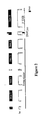
- SEQ ID NO:7 is the nucleotide sequence of the cDNA from a representative member of the first category of human BTL-II splice variants ( Figure 3a ).
- SEQ ID NO:8 is the amino acid sequence encoded by SEQ ID NO:7.
- SEQ ID NO:9 is the nucleotide sequence of the cDNA from a representative member of the second category of human BTL-II splice variants ( Figure 4a ).
- SEQ ID NO:10 is the amino acid sequence encoded by SEQ ID NO:9.
- SEQ ID NO:11 is a partial nucleotide sequence of the cDNA from a representative member of the third category of human BTL-II splice variants ( Figure 5a ).
- SEQ ID NO:12 is the amino acid sequence encoded by SEQ ID NO:11.
- SEQ ID NO:13 is a partial nucleotide sequence of the cDNA from a representative member of the fourth category of human BTL-II splice variants ( Figure 6a ).
- SEQ ID NO:14 is the amino acid sequence encoded by SEQ ID NO:13.
- SEQ ID NO:15 is a partial nucleotide sequence of the cDNA from a representative member of a fifth category of human BTL-II splice variants ( Figure 7a ).
- SEQ ID NO:16 is the amino acid sequence encoded by SEQ ID NO: 15.
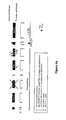
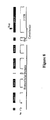
- SEQ ID NO:17 is the nucleotide sequence of a representative member of a first category of murine BTL-II splice variants ( Figure 9a ).
- SEQ ID N:18 is the amino acid sequence encoded by SEQ ID NO:17.
- SEQ ID NO:19 is the nucleotide sequence encoding the BTL-II:Fc fusion protein described in Example 5.
- SEQ ID NO:20 is the amino acid sequence of the BTL-II:Fc fusion protein described in Example 5.
- the present invention provides BTL-II proteins and nucleic acids, including recombinant vectors encoding BTL-II proteins, anti-BTL-II antibodies, which can be agonists or antagonists, as well as methods for producing said proteins and therapeutic uses of said proteins.
- BTL-II expression is restricted to a small number of tissue types.
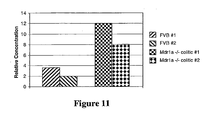
- BTL-II is overexpressed in the gut prior to the onset of symptoms and during the symptomatic phase in a murine inflammatory bowel disease model system as illustrated in Example 4.
- BTL-II antibodies can therefore serve to diagnose or to predict the likelihood of the onset of an inflammatory bowel disease.
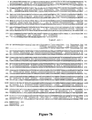
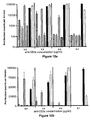
- the invention provides a number of allelic variants of the BTL-II nucleotide sequence ( Figures 5a to 7a ). These can find use in predicting susceptibility to inflammatory bowel disease. Further, since a soluble BTL-II protein can inhibit T cell proliferation and cytokine production (Examples 6-10), BTL-II proteins can find use in the treatment of autoimmune and inflammatory diseases.
- BTL-II is expressed in Peyer's patches, which are specialized structures known to play a role in immune sampling in the gut.
- BTL-II is preferentially expressed on are CD11c + (low expressing) CD8 + B220 + dendritic cells (also called plasmacytoid dendritic cells) found in Peyer's patches as compared to other cells found in Peyer's patches, including other dendritic cells.
- Peyer's patch dendritic cells have been hypothesized to play a role in inducing tolerance at mucosal surfaces due to their influence on T cell differentiation. Weiner (2001), Nature Immunology 2(8): 671-71 ; Weiner (2001), Immunol. Rev.
- anti-BTL-II antibodies can be used to identify CD11c + (low expressing) CD8 + B220 + dendritic cells within Peyer's patches.
- BTL-II is within the B7 subfamily of butyrophilin-like proteins that play roles in regulating T and B cell-mediated responses.
- BTL-II may play a role in either dampening and/or promoting immune system-mediated inflammation, especially in the gut.
- a single cell surface protein may, in some cases, both stimulate or dampen an immune response by immune effector cells, depending on what receptors on the effector cells are available for the molecule to interact with.
- the B7-1 and B7-2 proteins discussed below are examples of immune-regulating cell surface proteins with both stimulatory and dampening effects on immune effector cells, in this case, T cells.
- BTL-II may play similar dual roles in vivo .
- BTL-II plays a role in dampening immune responses or inflammation in vivo in at least some situations.
- BTL-II antagonists which can include antibodies, binding proteins selected in vitro, or small molecules, may serve to stimulate a mucosal immune response to an antigen.
- soluble BTL-II proteins, or functionally equivalent anti-idiotypic antibodies may dampen an immune response in the gut or in other mucosal surfaces in the body, such as the lungs.
- an " antibody ,” as used herein, can be a chimeric antibody, can be monomeric or single chain, dimeric, trimeric, tetrameric, or multimeric antibody, and can be a recombinant protein or a non-recombinant protein.
- a " domain " is part or all of a protein that can be distinguished by primary sequence motifs and/or tertiary structural characteristics. Programs designed to locate protein domains include, for example, Pfam ( Bateman et al. (1999), Nucleic Acids Res. 27: 260-62 ; Bateman et al. (1999), Nucleic Acids Res. 28: 263-66 ), ProDom ( Corpet et al. (1999), Nucleic Acids Res.
- Tertiary structure can be determined empirically, for example by X-ray crystallography, or can be predicted using computer software designed for such uses. For example, structural data can be accessed through the Entrez website of NCBI from the Molecular Modeling Database ( Wang et al. (2000), Nucleic Acids Res. 28(1): 243-45 ) or by the use of software such as DALI ( Holm and Sander (1993), J.
- Immunoglobulin-like domains are distinguished mainly by their tertiary structure rather than by primary sequence homologies. See e.g. Bork et al. (1994), J. Mol. Biol. 242: 309-20 ; Hunkapiller and Hood (1989), Adv. Immunol. 44: 1-63 ; Williams and Barclay (1988), Ann. Rev. Immunol. 6: 381-405 .
- IgV and IgC domains do contain a handful of highly conserved amino acids that occur at conserved positions within their primary amino acid sequence. See e.g. Kabat et al.
- a nucleic acid encodes " a protein, as meant herein, if the nucleic acid or its complement comprises the codons encoding the protein.
- Cells have been " genetically engineered” to express a specific protein when recombinant nucleic acid sequences that allow expression of the protein have been introduced into the cells using methods of "genetic engineering,” such as viral infection, transfection, transformation, or electroporation. See e.g. Kaufman et al. (1990), Meth. Enzymol. 185: 487-511 .
- This can include, for example, the introduction of nucleic acids encoding the protein into the cells or the introduction of regulatory sequences to enhance the expression of a host gene encoding the protein as described in US Patent No. 5,272,071 to Chappel .
- the methods of " genetic engineering” encompass numerous methods including, but not limited to, amplifying nucleic acids using polymerase chain reaction, assembling recombinant DNA molecules by cloning them in Escherichia coli, restriction enzyme digestion of nucleic acids, ligation of nucleic acids, in vitro synthesis of nucleic acids, and transfer of bases to the ends of nucleic acids, among numerous other methods that are well-known in the art. See e.g. Sambrook et al., Molecular Cloning: A Laboratory Manual, 2nd ed., vol. 1-3, Cold Spring Harbor Laboratory, 1989 .
- heterologous polypeptide is any polypeptide that is at least 3 amino acids long that is not a BTL-II polypeptide as meant herein.
- identity region is the portion of the polynucleotide or polypeptide that is matched, partially or exactly, with another polynucleotide or polypeptide by the computer program GAP ( Devereux et al. (1984), Nucleic Acids Res. 12: 387-95 ) using the parameters stated below. For example, when a polypeptide of 20 amino acids is aligned with a considerably longer protein, the first 10 amino acids match the longer protein exactly, and the last 10 amino acids do not match the longer protein at all, the identity region is 10 amino acids.
- the identity region is 20 amino acids long.
- long stretches in either aligned strand without identical or conservatively substituted amino acids or identical nucleotides of at least, for example, 20 amino acids or 60 nucleotides constitute an endpoint of an identity region, as meant herein.
- ⁇ g-like domains are immunoglobulin like domains and may be either IgV-like or IgC-like domains or be domains that can fold into an immunoglobulin structure but cannot be unambigously classified as either IgV-like or IgC-like.
- IgV-like domains have amino acid sequences that can be folded into an immunoglobulin fold with the characteristics common to immunoglobulin variable region domains. See Bork et al., supra; Miller et al. (1991), Proc. Natl. Acad. Sci. USA 88: 4377-81 ; Williams and Barclay (1988), Ann. Rev. Immunol. 6: 381-405 .
- One of skill in the art is aware that the presence of amino acids that are highly concserved in IgV domains at conserved positions can identify a domain as IgV-like.
- IgC-like domains have amino acid sequences that can be folded into an immunoglobulin fold with the characteristics common to immunoglobulin constant region domains. See Bork et al., supra; Williams and Barclay, supra. One of skill in the art is aware that the presence of amino acids that are highly concserved in IgC domains at conserved positions can identify a domain as IgC-like.
- Inflammatory bowel diseases include Crohn's disease, ulcerative colitis, ileitis, and any other disease characterized by chronic inflammation of the gastrointestinal tract.
- a protein comprises "no more or less than 2 Ig-like domains" when it contains two Ig-like domains and does not contain all or some recognizable portion of another Ig-like domain.
- such a protein can contain other amino acid sequences that are not Ig-like domains and still contain "no more or less than 2 Ig-like domains.”
- the phrase "no more or less” refers only to Ig-like domains, not to other amino acid sequences that may be part of the protein.
- a polypeptide When a polypeptide is said to be able to "inhibit the proliferation of T cells" or to be able to perform some other biological function, it is meant that a protein comprising the polypeptide can perform the function and that the addition of the polypeptide to at least some proteins that cannot perform the biological function enables these proteins to perform the function. In some cases, a polypeptide that can perform the biological function can do so without any additional sequences. In other cases, a polypeptide may require other sequences, for example, oligomerization sequences, to perform a biological function. In one scenario, a polypeptide may be able to effectively perform a particular biological function when it is linked to an Fc region or a leucine zipper or some other dimerizing domain, but not without the dimerizing domain. As meant herein, such a polypeptide can perform the biological function.
- a “protein” is any polypeptide comprising at least 10 amino acids, optionally at least 20, 30, 40, 50, 60, 80, 100, 150, 200, 250, and/or 300 amino acids.
- Recombinant as it applies to polypeptides or proteins, means that the production of the protein is dependent on at least one step in which nucleic acids, which may or may not encode the protein, are introduced into a cell in which they are not naturally found.
- Recombinant fusion proteins are recombinant proteins comprising part or all of at least two proteins, which are not found fused together in nature, fused into a single polypeptide chain.
- a "silent mutation" in a nucleic acid sequence is one that changes the sequence of the nucleic acid without changing the sequence of the protein encoded by the nucleic acid.
- a "soluble" protein is one lacking a transmembrane domain or some other amino acid sequence, such as a GPI anchor sequence, that normally causes the protein to be embedded in or to associate with a membrane.
- Such proteins might typically comprise all or part of the extracellular region of a transmembrane protein.
- two proteins or nucleic acids are "substantially similar” if they are at least 80%, optionally at least 85%, 90%, 95%, 97%, 98%, 99%, 99.5%, or 99.7% identical to each other in amino acid or nucleotide sequence and maintain or alter in a desirable manner a biological activity of the unaltered protein.
- the percent identity of two amino acid or two nucleic acid sequences can be determined by visual inspection and mathematical calculation, or more preferably, the comparison is done by comparing sequence information using a computer program.
- An exemplary computer program is the Genetics Computer Group (GCG; Madison, WI) Wisconsin package version 10.0 program, GAP ( Devereux et al. (1984), Nucleic Acids Res. 12: 387-95 ).
- the preferred default parameters for the GAP program includes: (1) The GCG implementation of a unary comparison matrix (containing a value of 1 for identities and 0 for non-identities) for nucleotides, and the weighted amino acid comparison matrix of Gribskov and Burgess, ((1986) Nucleic Acids Res. 14: 6745 ) as described in Atlas of Polypeptid Sequence and Structure, Schwartz and Dayhoff, eds., National Biomedical Research Foundation, pp.
- Butyrophilin-like proteins reported to date share some structural features, and many are encoded within or adjoining the major histocompatability locus (MHC). See e.g. Henry et al. (1999), Immunology Today 20(6): 285-88 . Butyrophilin is a protein that constitutes 40% of the total protein associated with the fat globule of bovine milk, and a human homolog exists. Ruddy et al. (1997), Genome Research 7: 441-56 , citing Jack and Mather (1990), J. Biol. Chem. 265: 14481-86 . Similarity at the amino acid sequence level among butyrophilin-like proteins can be low, but domain structure is somewhat conserved.
- MHC major histocompatability locus
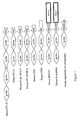
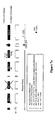
- All members comprise an amino terminal signal peptide followed by an I g -like domain, usually reported to be an IgV-like domain. In many cases, this is followed by another Ig-like domain, usually reported to be an IgC-like domain, a transmembrane domain, and a cytoplasmic domain.
- the two Ig-like domains can be repeated immediately following their first occurrence, as in BTL-II or B7-H3.
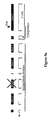
- This domain structure is illustrated in Figure 1 .
- Most of the proteins diagrammed in Figure 1 are members of the B7 subfamily of butyrophilin-like proteins; only three (human BTN2A1, human butyrophilin, and myelin oligodendrocyte glycoprotein) are not.
- Ig-like domains can be very divergent in sequence and still retain one of a number of conserved folding patterns, which all include a common structural core comprising four ⁇ strands.
- Immunoglobulin constant and variable regions have a tertiary structure which is characterized by seven to nine antiparallel ⁇ strands forming a barrel-like shape. Bork et al. (1994), J. Mol. Biol. 242: 309-20 .
- IgV- and IgC-like immunoglobulin domains each include a handful of distinct, highly conserved residues. Hunkapiller and Hood (1989), Adv. Immunol. 44: 1-63 ; Miller et al. (1991), Proc. Natl. Acad. Sci.
- conserved residues are presumably important for structure or function. Such conserved residues are found in the Ig-like domains of BTL-II.
- the first Ig-like domain of the human BTL-II protein (SEQ ID NO:4) contains such highly conserved residues characteristic of IgV-like domains in the appropriate locations at, for example, positions G43, C50, W65, L109, D118, G120, Y122 and C124. See Table 3.
- the third Ig-like domain also contains residues that correspond to residues conserved in IgV-like domains.
- the second and fourth Ig-like domains of human BTL-II contain contain residues that correspond to highly conserved residues in IgC-like domains. Table 3.
- Transmembrane and cytoplasmic domains occur in butyrophilin-like proteins, regardless of whether they have a second Ig-like domain.
- the transmembrane domain may or may not be followed by one or more seven amino acid units reminiscent of the heptad repeats typical of an ⁇ -helical coiled coil motif. Heptad repeats may also occur at other positions in a butyrophilin-like protein.
- Methods for predicting transmembrane domains are well known in the art. See e.g. Ikeda et al.
- Butyrophilin-like proteins can have a cytoplasmic domain.
- a cytoplasmic domain may or may not comprise a B30.2 domain. Sequences of various B30.2 domains are displayed, and putative functions of B30.2 domains are discussed by Henry et al. ((1998), Mol. Biol. Evol. 15(12): 1696-1705 . B30.2 domains are found in a variety of proteins, and the function of the B30.2 domain is unknown.
- a proposed ligand of the B30.2 domain is xanthine oxidase, which interacts with the cytoplasmic domain of butyrophilin. Mutations in B30.2 domains of two different B30.2-containing proteins have been correlated with two different diseases, although causal relationships between the mutations and the disease phenotypes have not been established. Henry et al., supra.
- BTL-II shares a domain structure with a number of butyrophilin-like immune regulatory proteins lacking the B30.2 domain that play roles in regulating immune effector cells, such as, for example, T cells, B cells and myeloid cells.
- This subfamily is referred to herein as "the B7 subfamily" of butyrophilin-like proteins.
- characteristics of B7 subfamily members include, without limitation, the following: (1) having one or more extracellular Ig-like domains; (2) having transmembrane and cytoplasmic domains; (3) lacking a B30.2 domain; (4) being expressed on antigen presenting cells; (5) undergoing regulation of expression during an activated immune response; and (6) modulating an immune response.
- BTL-II can have from two to four extracellular Ig-like domains and has all of the characteristics of B7 family members listed above. We therefore consider it to be a member of the B7 subfamily of butyrophilin-like proteins. All other known members of the B7 subfamily interact with receptors on immune effector cells, such as B cells and/or T cells, which interaction serves as a signal to modulate an immune response. BTL-II is therefore predicted to interact with a receptor on an immune effector cell, such as a T cell, and thereby to modulate an immune response.
- B7 family members play roles in modulating the activity of immune effector cells, especially T cells. Henry et al. (1999), Immunology Today 20(6): 285-88 ; Sharpe and Freeman (2002), Nat. Rev. Immunol. 2: 116-26 .
- the best characterized examples are, CD80 and CD86 (also called B7-1 and B7-2, respectively), which are expressed on antigen presenting cells and can promote T cell activation when they interact with CD28, which is constitutively expressed on the surface of T cells, or inhibit T cell activation when they interact with a CTLA-4, which is also expressed on the surface of T cells.
- CTLA-4 expression is not constitutive, but is rapidly upregulated following T cell activation. See e.g. Masteller et al. (2000), J.
- B7RP-1 Another T cell regulatory molecule, referred to herein as B7RP-1, has a plethora of names, KIAA0653 ( Ishikawa et al. (1998), DNA Res. 5: 169-76 ), B7h ( Swallow et al. (1999), Immunity 11: 423-32 ), GL50 ( Ling et al. (2000), J. Immunol. 164: 1653-57 ), B7RP-1 ( Yoshinaga et al. (1999), Nature 402: 827-32 ), LICOS ( Brodie et al. (2000), Curr. Biol. 10: 333-36 ), B7-H2 ( Wang et al.
- B7RP-1 is expressed in peripheral lymphoid tissues, spleen, lymph nodes, lung, thymus, splenocytes, and B cells. Interaction of B7RP-1 with T cells can increase T cell proliferation and cytokine production. B7RP-1 signals T cells through the ICOS receptor, which is expressed on activated T cells. Yoshinaga et al. (1999), Nature 402: 827-32 ; Swallow et al. (1999), Immunity 11: 423-32 . B7RP-1 is constitutively expressed in unstimulated B cell lines, and its expression can be induced in monocytes by interferon ⁇ .
- PD-L1 also called B7-H1
- PD-L2 also called B7-DC
- B7-H4 also called B7S1 and B7x
- PD-L1 and PD-L2 act through their common receptor, PD-1, which is expressed on T cells, B cells, and myeloid cells.
- PD-L1 and PD-L2 can be induced by interferon ⁇ , a generally pro-inflammatory cytokine.
- interferon ⁇ a generally pro-inflammatory cytokine.
- B7-H4 is expressed on B cells, macrophages, and dendritic cells and likely acts through BTLA, an inhibitory receptor expressed on B and T cells. Watanabe et al. (2003), Nature Immunology 4(7): 670-79 ; Zang et al. (2003), Proc. Natl. Acad. Sci.
- B7-H3 Still another butyrophilin-like protein that plays a costimulatory role in stimulating T cells is B7-H3.
- B7-H3 has a signal sequence, extracellular Ig-like domains, a transmembrane domain, and a cytoplasmic domain.
- the human B7-H3 gene encodes isoforms with two or four extracellular Ig-like domains.
- Sun et al. (2002), J. Immunol. 168: 6294-97 Expression of B7-H3 can be induced on dendritic cells by inflammatory cytokines.
- B7-H3 can stimulate proliferation and the cytotoxic response of T cells.
- B7-H3 acts through a putative T cell receptor that is distinct from CD28, CTLA-4, ICOS, and PD-1. Chapoval et al, supra.
- BTL-II was not placed in the B7 subfamily of cell surface, immunomodulatory proteins. Later sequence submissions to public databases by these same authors predict a human BTL-II mRNA of 1368 nucleotides, which includes exons 5 and 6, encoding a protein of 455 amino acids, which lacks a transmembrane domain and a cytoplasmic domain (NCBI accession no. NM_019602, which discloses SEQ ID NO:1 (human BTL-II cDNA sequence) and SEQ ID NO:2 (human BTL-II protein sequence)).
- the BTL-II nucleic acid and protein sequences of the invention differ from these sequences in a number of respects.
- the cDNA sequence encodes a protein comprising a signal sequence, an extracellular domain, a transmembrane domain, and a cytoplasmic domain, unlike the previously reported BTL-II protein sequence, which contained no transmembrane or cytoplasmic domains.
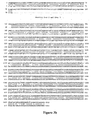
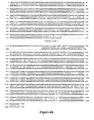
- a BTL-II protein of the invention is shown on the top line (SEQ ID NO:4), and the BTL-II protein reported in NCBI accession no. NM_019602 is shown on the bottom line (SEQ ID NO:2). From this comparison, it is apparent that there are three mismatches between the two sequences (at positions 360, 454, and 455) and that SEQ ID NO:4 has 27 more amino acids, which constitute additional sequence in the extracellular domain as well as a transmembrane and a cytoplasmic domain. These sequences 99.3% identical according to the GAP program using the parameters recited above.
- the B7 subfamily proteins have similarities at the primary sequence level.
- the human BTL-II protein sequence (SEQ ID NO:4) is similar to other B7 subfamily members as displayed in Table 2 below.
- Table 2 Percent identity to human BTL-II protein Percent similarity to human BTL-II protein Human PD-L1 (NCBI accession no. NP_054862) 19% 28% Human PD-L2 (NCBI accession no. NP_079515) 19% 29% Human CD80 (NCBI accession no. P33681) 26% 33% Human CD86 (NCBI accession no.
- non-conserved residues are less likely to play a role in determining the overall tertiary structure of a BTL-II protein than conserved residues, since structure is more conserved in evolution than sequence. Bork et al. (1994), J. Mol. Biol. 242: 309-20 .
- non-conserved residues are amino acids within a BTL-II protein that are not conserved when the human and the murine BTL-II protein sequences are compared as in Table 3. In BTL-II proteins encoded by splice variants, such residues will occur a different numerical positions within the sequence.
- non-conserved residue at position 397 of SEQ ID NO:4 is the same non-conserved residue seen at position 187 of SEQ ID NO:8.
- protein structure can affect protein function.
- non-conserved amino acids are also less likely to play a direct role in BTL-II function. For example, residues 4, 6, 25, 26, 35, 36, and many others are neither identical nor similar. Thus, one of skill in the art would realize that alteration of such residues would be less likely to affect BTL-II protein function that would alteration of conserved or similar residues.
- conservative substitutions are less likely to affect protein function that non-conservative substitutions.
- amino acid substitutions that are conservative substitutions, unlikely to affect biological activity, including the following: Ala for Ser, Val for Ile, Asp for Glu, Thr for Ser, Ala for Gly, Ala for Thr, Ser for Asn, Ala for Val, Ser for Gly, Tyr for Phe, Ala for Pro, Lys for Arg, Asp for Asn, Leu for Ile, Leu for Val, Ala for Glu, Asp for Gly, and these changes in the reverse. See e.g. Neurath et al., The Proteins, Academic Press, New York (1979 ).
- an exchange of one amino acid within a group for another amino acid within the same group is a conservative substitution where the groups are the following: (1) alanine, valine, leucine, isoleucine, methionine, norleucine, and phenylalanine; (2) histidine, arginine, lysine, glutamine, and asparagine; (3) aspartate and glutamate; (4) serine, threonine, alanine, tyrosine, phenylalanine, tryptophan, and cysteine; (5) glycine, proline, and alanine;
- Human BTL-II protein comprises several recognizable domains.
- First is a signal sequence (encoded by exon 1), which extends from residue 1 of SEQ ID NO:4 to a second position from about residue 22 to 29 of SEQ ID NO:4.
- Next is an Ig-like domain (encoded by exon 2), which extends from residue x to residue y, where x is from residue 22 to 32 and y is from residue 138 to 148 of SEQ ID NO:4.
- Another Ig-like domain (encoded by exon 3) extending from residue v to residue w, where residue v is from residue 138 to 148 and w is from residue 232 to 242 of SEQ ID NO:4.
- a heptad repeat region (encoded by exon 4) from residue t to residue u, where t is from 234 to 239 and u is from residue 240 to 247 of SEQ ID NO:4.
- Another Ig-like region extends from residue r to residue s, where r is from residue 240 to 247 and s is from residue 354 to 364 of SEQ ID NO:4.
- a fourth Ig-like region extends from residue p to residue q, where p is from residue 355 to 365 and q is from residue 452 to 462 of SEQ ID NO:4.
- the signal sequence may, but need not, be cleaved from the rest of the protein upon secretion of the protein.
- a transmembrane domain extends from residue n to residue o, where n is from residue 454 to 462 and o is from residue 473 to 481 of SEQ ID NO:4.
- a cytoplasmic domain extends from residue k to residue m, where k is from residue 474 to 481 and m is at about residue 482 of SEQ ID NO:4.
- Murine BTL-II protein comprises a similar set of domains.
- First is a signal sequence starting at residue 1 and ending at a position from about residue 20 to about residue 27 of SEQ ID NO:6.
- Second is an Ig-like domain extending from residue x to y, where x is from residue 21 to 27 and y is from residue 138 to 148 of SEQ ID NO:6.
- Third is another Ig-like domain from residue v to w, where v is from 139 to 148 and w is from 232 to 242 of SEQ ID NO:6.
- a heptad repeat region extends from residue t to u, where t is from 233 to 242 and u is from 238 to 248 of SEQ ID NO:6.
- Another Ig-like region extends from residue r to s, where r is from 239 to 248 and s is from 355 to 365 of SEQ ID NO:6.
- a final Ig-like region extends from residue p to q, where p is from 356 to 365 and q is from 447 to 457 of SEQ ID NO:6.
- These first six domains make up the extracellular region of murine BTL-II.
- a transmembrane domain extends from residue n to o, where n is from 448 to 459 and o is from 470 to 478 of SEQ ID NO:6.
- a cytoplasmic domain extends from residue k to m, where is from 471 to 478 and m is at about 514 of SEQ ID NO:6.
- the instant invention encompasses secreted, soluble versions of BTL-II as well as versions comprising a transmembrane domain that can be expressed on a cell surface.
- the invention further includes BTL-II proteins encoded by the BTL-II nucleic acids described below. Recombinant versions of all of these proteins can be used to produce antibodies, in screening, and/or as therapeutic agents as described herein.
- the invention encompasses BTL-II proteins comprising all or part of SEQ ID NO:4, SEQ ID NO:6, SEQ ID NO:8, SEQ ID NO: 10, SEQ ID NO:12, SEQ ID NO:14 and/or, SEQ ID NO:16
- BTL-II proteins of the invention include proteins that differ from SEQ ID NO:4, SEQ ID NO:6, SEQ ID NO:8, SEQ ID NO:10, SEQ ID NO:12, SEQ ID NO:14 or , SEQ ID NO:16, by insertion, deletion, alteration, or substitution in the primary amino acid sequence.
- variant sequences are at least 85%, 90%, 95%, 97%, 98%, 99%, 99.5%, or 99.7% identical to SEQ ID NO:4, SEQ ID NO:6, SEQ ID NO:8, SEQ ID NO: 10, SEQ ID NO:12, SEQ ID NO:14 and/or, SEQ ID NO:16 and contain no internal gaps of over 10 amino acids when aligned using GAP with the above-mentioned sequences.
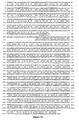
- Examples of such sequences include the naturally-occurring human allelic variants of BTL-II shown in Figures 5b , 6b , and 7b .
- variant sequences contain amino substitutions when compared to SEQ ID NO:4, SEQ ID NO:6, SEQ ID NO:8, SEQ ID NO:10, SEQ ID NO:12, SEQ ID NO:14 and/or; SEQ ID NO:16 these substitutions can be conservative amino acid substitutions.
- variant BTL-II proteins may contain no more than 3, 4, 5, 6, 7, 8, 9, 10, 15, 20, or 25 insertions, deletions, or substitutions of a single amino acid with respect to SEQ ID NO:4, SEQ ID NO:6, SEQ ID NO:8, SEQ ID NO:10, SEQ ID NO:12, SEQ ID NO:14 and/or; SEQ ID NO:16.
- the BTL-II proteins of the invention include proteins encoded by various splice variants of the human and mouse BTL-II mRNA. Sequences of such variant human BTL-II proteins are shown in SEQ ID NO:8, SEQ ID NO:10, SEQ ID NO: 12, SEQ ID NO:14, and SEQ ID NO:16. The sequence of a variant mouse BTL-II protein is shown in SEQ ID NO: 18. Human splice variants lack either exon 3 alone or lack both exons 2 and 3, and the murine splice variant disclosed lacks exon 3 only.
- BTL-II proteins of the invention can bind to a receptor on the surface of a T cell and can inhibit proliferation and/or cytokine production by T cells.
- the invention provides BTL-II proteins encoded by nucleic acids that span the splice junctions of exons 1 and 4 (SEQ ID NO:8 and SEQ ID NO:12) or exons 2 and 4 (SEQ ID NO:10, SEQ ID NO:14, SEQ ID NO:16, and SEQ ID NO:18) and substantially similar proteins that can bind to a receptor expressed on the surface of T cells and/or can inhibit proliferation and/or cytokine production by T cells.
- BTL-II proteins comprising a polypeptide consisting of an amino acid sequence at least 85%, 90%, 95%, 96%, 97%, 98%, 99%, 99.7%, or 100% identical to amino acids 127 to 157 of SEQ ID NO:10 or, SEQ ID NO:14, or amino acids 126 to 156 of SEQ ID NO:16.
- the identity region of the amino acid sequence aligned with amino acids 127 to 157 of SEQ ID NO:10 or, SEQ ID NO:14, or amino acids 126 to 156 of SEQ ID NO:16 is preferably at least 20, 23, 25, 27, 30, 35, or 40 amino acids long.
- Such an amino acid sequence can be at least 150 amino acids long and can be at least 90%, 95%, 96%, 97%, 98%, 99%, 99.7%, or 100% identical to amino acids 30 to 358 of SEQ ID NO:10, SEQ ID NO:14 or, SEQ ID NO:16.
- the identity region of the amino acid sequence aligned with amino acids 30 to 358 of SEQ ID NO:10, SEQ ID NO:14 or, SEQ ID NO:16 can be at least 50, 75, 100, 125, 150, 175, 200, or 300 amino acids.
- the invention also provides BTL-II proteins comprising a polypeptide consisting of an amino acid sequence at least 90%, 95%, 96%, 97%, 98%, 99%, 99.7%, or 100% identical to amino acids 30 to 457 of SEQ ID NO:4 that contains no more or less than 2 Ig-like domains and that can bind to a cell surface receptor expressed on B cells or T cells.
- the amino acid sequence can be at least 80%, 85%, 90%, 95%, 96%, 97%, 98%, 99%, 99.7%, or 100% identical to amino acids 32 to 242 of SEQ ID NO:8 or to amino acids 32 to 242 of SEQ ID NO:12.
- proteins encoded by nucleic acids comprising a polynucleotide that is 80%, 85%, 90%, 95%, 96%, 97%, 98%, 99%, 99.7%, or 100% identical to a polynucleotide consisting of nucleotides 34 to 124 of SEQ ID NO:11, where the identity region is at least 60, 70, 80, 90, or 100 nucleotides long.
- Mature BTL-II proteins encoded by such polynucleotides may, but need not, lack a signal sequence (which is present in the immature version of the protein) that is at least partially encoded by this polynucleotide.
- Such proteins can bind to a T cell and/or can inhibit proliferation and/or cytokinine production by the T cell.
- BTL-II proteins may be glycosylated to varying degrees or not glycosylated.
- a BTL-II protein of the invention may comprise one or more N- or O-linked glycosylation sites in addition to those already found in a protein comprising SEQ ID NO:4, SEQ ID NO:6, SEQ ID NO:8, SEQ ID NO:10, SEQ ID NO:12, SEQ ID NO:14, SEQ ID NO:16, and/or SEQ ID NO:18.
- Such a BTL-II protein can have a longer in vivo half life than an unaltered protein since it may have more sialic acid moieties attached to it.
- BTL-II proteins also include proteins comprising any one, any two, any three, or all four of the Ig-like domains of a human or murine BTL-II or substantially similar domains.
- Polypeptides derived from any BTL-II protein by any type of alteration are also BTL-II proteins as meant herein.
- the BTL-II proteins provided by the invention include polypeptides characterized by amino acid sequences substantially similar to those of the BTL-II proteins SEQ ID NO:4, SEQ ID NO:6, SEQ ID NO:8, SEQ ID NO:10, SEQ ID NO:12, SEQ ID NO:14 and/or SEQ ID NO:16 that can bind to a receptor expressed on the surface of T cells and/or can inhibit proliferation of and/or cytokine production of a T cell.
- the region of identity can start at position 30 or higher of SEQ ID NO:4, SEQ ID NO:6, SEQ ID NO:8, SEQ ID NO:10, SEQ ID NO:12, SEQ ID NO:14 or SEQ ID NO:16.
- a GAP alignment of such a variant protein with at least one of SEQ ID NO:4, SEQ ID NO:6, SEQ ID NO:8, SEQ ID NO:10, SEQ ID NO:12, SEQ ID NO:14 and/or SEQ ID NO: 16, may have no internal gaps longer than 10 amino acids.
- the portion of the BTL-II protein that is substantially similar to SEQ ID NO:4, SEQ ID NO:6, SEQ ID NO:8, SEQ ID NO:10, SEQ ID NO: 12, SEQ ID NO: 14 or SEQ ID NO:16, can be at least 100, at least 125, at least 150, at least 175, at least 200, or at least 250 amino acids long. Modifications in such proteins can be naturally provided or deliberately engineered.
- SEQ ID NO:11 is an allelic or polymorphic variant of SEQ ID NO:9 ( Figure 4a ) containing base changes at a handful of positions including at positions.
- the invention provides BTL-II protein variants that contain single or multiple amino acid alterations, which can be insertions, deletions, or substitutions of a single amino acid, relative to the sequence of SEQ ID NO:4, SEQ ID NO:6, SEQ ID NO:8, SEQ ID NO:10, SEQ ID NO:12, SEQ ID NO:14 or SEQ ID NO:16, wherein the BTL-II variant protein can inhibit T cell proliferation and/or cytokine production.
- the alterations can be conservative amino acid substitutions.
- One of skill in the art is guided as to what amino acids can be changed without affecting function by, for example, the alignment of human and mouse BTL-II proteins shown in Table 3.
- allelic or polymorphic variants can be valuable as diagnostic agents to determine a predisposition to disease.
- Human allelic variants with sequences varying from SEQ ID NO:3 are disclosed in Figures 5a , 5b , 6a , 6b , 7a , and 7b .
- a certain ratio can exist between the number having BTL-II genes encoding cDNAs with the sequence of SEQ ID NO:3 and the number having BTL-II genes encoding the allelic variant mutations labeled 3-6 in Figures 5a , 6a , and 7a .
- the ratio of the occurrence of these alleles may be altered among patients with symptoms of inflammatory bowel disease such that a greater proportion of these people have BTL-II genes with the allelic variant mutations labeled 3-6 in Figures 5a , 6a , and 7a .
- allelic variations in a patient's tissues can be determined by, for example, PCR amplification of a segment of a DNA or RNA molecule spanning the polymorphic site.
- conservative amino acid substitutions particularly at sites not conserved between human and mouse BTL-II protein sequences, are more likely to preserve biological function that are non-conservative substitutions at conserved sites.
- BTL-II proteins comprising fragments of SEQ ID NO:4, SEQ ID NO:6, SEQ ID NO:8, SEQ ID NO:10, SEQ ID NO:12, SEQ ID NO:14, or SEQ ID NO:16 or fragments that are at least 85%, 90%, 95%, 97%, 98%, 99%, 99.5%, or 99.7% identical to these sequences.
- such fragments can bind to a receptor expressed on the surface of a T cell and are at least about 50, 60, 70, 80, 90, 100, 150, or 200 amino acids long.
- such fragments are soluble in aqueous solution and comprise part or all of the extracellular region of a BTL-II protein.
- BTL-II proteins comprising at least one of the domains of the human or murine BTL-II proteins described above or a substantially similar protein, wherein the domain has at least one of the biological properties of BTL-II proteins, are encompassed by the invention.
- such proteins can inhibit proliferation and/or cytokine production of T cells.
- the human and murine BTL-II proteins or substantially similar proteins are the following altered versions the human and murine BTL-II proteins or substantially similar proteins: (1) versions of the human and murine BTL-II protein lacking the second Ig-like domain (see Figure 1 ) encoded by exon 3; (2) versions of a human or murine BTL-II protein lacking the first and second Ig-like domains encoded by exons 2 and 3; (3) versions lacking third and fourth Ig-like domains encoded by exons 5 and 6; (4) versions lacking any two of the four Ig-like domains; and (5) versions lacking any one of the Ig-like domains.
- immunogenic fragments of SEQ ID NO:4, SEQ ID NO:6, SEQ ID NO:8, SEQ ID NO:10, SEQ ID NO:12, SEQ ID NO:14, or SEQ ID NO:16 that are capable of eliciting antibodies that bind specifically to the fragment.
- Such fragments are preferably at least 10 amino acids long and preferably comprise contiguous amino acid residues from sequences mentioned above.
- Antibodies generated by immunizing animals with such fragments can be useful for prediction, diagnosis, and treatment of inflammatory bowel diseases, as discussed elsewhere in this application.
- Such fragments can span regions of these proteins encoded by splice junctions, which may have the advantage of generating antibodies specific for proteins encoded by splice variants or the full length protein.
- an antibody against a portion of BTL-II that is encoded by exon 3 would detect only full length BTL-II proteins, not proteins encoded by any other splice variants, all of which lack exon 3.
- the invention further encompasses fusion proteins comprising at least one BTL-II polypeptide, which is one of the BTL-II proteins, variants, or fragments described above, and at least one other moiety.
- the other moiety can be a heterologous polypeptide, that is, a polypeptide other than a BTL-II polypeptide.
- the other moiety can also be a non-protein moiety such as, for example, a polyethylene glycol (PEG) moiety or a cytotoxic, cytostatic, luminescent, and/or radioactive moiety. Attachment of PEG has been shown to increase the in vivo half life of at least some proteins.
- cytotoxic, cytostatic, luminescent, and/or radioactive moieties have been fused to antibodies for diagnostic or therapeutic purposes, for example, to locate, to inhibit proliferation of, or to kill cells to which the antibodies can bind.
- BTL-II polypeptides fused to such moieties can be used to locate, to inhibit proliferation of, or to kill cells that BTL-II can bind to.
- cytotoxic, cytostatic, luminescent, and/or radioactive moieties are, for example, maytansine derivatives (such as DM1), enterotoxins (such as a Staphlyococcal enterotoxin), iodine isotopes (such as iodine-125), technetium isotopes (such as Tc-99m), cyanine fluorochromes (such as Cy5.5.18), ribosome-inactivating proteins (such as bouganin, gelonin, or saporin-S6), and calicheamicin, a cytotoxic substance that is part of a product marketed under the trademark MYLOTARG TM (Wyeth-Ayerst).
- enterotoxins such as a Staphlyococcal enterotoxin
- iodine isotopes such as iodine-125
- technetium isotopes such as Tc-99m
- a variety of heterologous polypeptides can be fused to a BTL-II polypeptide for a variety of purposes such as, for example, to increase in vivo half life of the protein, to facilitate identification, isolation and/or purification of the protein, to increase the activity of the protein, and to promote oligomerization of the protein. Since some proteins of the B7 subfamily, such as, for example, CD80, bind to their receptors primarily in oligomeric form (dimeric in the case of CD80; see Collins et al. (2002), Immunity 17: 201-10 ), oligomerization can be very important to preserve the biological activity of a soluble protein.
- heterologous polypeptides can facilitate identification and/or purification of recombinant fusion proteins of which they are a part.
- examples include polyarginine, polyhistidine, or HATTM (Clontech), which is a naturally-occurring sequence of non-adjacent histidine residues that possess a high affinity for immobilized metal ions.
- Proteins comprising these heterologous polypeptides can be purified by, for example, affinity chromatography using immobilized nickel or TALONTM resin (Clontech), which comprises immobilized cobalt ions. See e.g. Knol et al. (1996), J. Biol. Chem. 27(26): 15358-15366 .
- Heterologous polypeptides comprising polyarginine allow effective purification by ion exchange chromatography.
- Other useful heterologous polypeptides include, for example, the antigenic identification peptides described in U.S. Patent No. 5,011,912 and in Hopp et al. (1988), Bio/Technology 6:1204 .
- One such peptide is the FLAG ® peptide, which is highly antigenic and provides an epitope reversibly bound by a specific monoclonal antibody, enabling rapid assay and facile purification of expressed recombinant fusion protein.
- a murine hybridoma designated 4E11 produces a monoclonal antibody that binds the FLAG ® peptide in the presence of certain divalent metal cations, as described in U.S. Patent 5,011,912 .
- the 4E11 hybridoma cell line has been deposited with the American Type Culture Collection under accession no. HB 9259.
- Monoclonal antibodies that bind the FLAG ® peptide can be used as affinity reagents to recover a polypeptide purification reagent that comprises the FLAG ® peptide.
- Suitable protein tags and affinity reagents are: 1) those described in GST-BindTM system (Novagen), which utilizes the affinity of glutathione-S-transferase fusion proteins for immobilized glutathione; 2) those described in the T7-Tag ® affinity purification kit (Novagen), which utilizes the affinity of the amino terminal 11 amino acids of the T7 gene 10 protein for a monoclonal antibody; or 3) those described in the Strep-tag ® system (Novagen), which utilizes the affinity of an engineered form of streptavidin for a protein tag.
- Recombinant fusion proteins comprising other heterologous polypeptides may have other kinds of unique advantages, such as, for example, a propensity to form dimers, trimers, or higher order multimers, an increased in vivo half-life, and/or an increased biological activity.
- Techniques for preparing fusion proteins are known, and are described, for example, in WO 99/31241 and in Cosman et al. ((2001). Immunity 14: 123-133 ).
- a heterologous polypeptide that comprises an Fc region of an IgG antibody, or a substantially similar protein can be fused to a BTL-II polypeptide or fragment.
- An Fc region of an antibody is a polypeptide comprising C H 2 and C H 3 domains from an antibody of human or animal origin or immunoglobulin domains substantially similar to these.
- Truncated forms of Fc regions comprising the hinge region that promotes dimerization can also be used.
- Other portions of antibodies and other immunoglobulin isotypes can be used.
- Recombinant fusion proteins comprising Fc regions of IgG antibodies are likely to form dimers. Fusion proteins comprising various portions of antibody-derived proteins have been described by Ashkenazi et al. ((1991) Proc. Natl.
- an altered Fc region can have the advantage of having a lower affinity for Fc receptors compared to a wild type Fc region.
- Example 5 describes the production of a fusion protein containing the extracellular region of murine BTL-II fused to a human Fc region.
- the nucleic acid sequence encoding this protein and its amino acid sequence are disclosed in SEQ ID NO:19 and SEQ ID NO:20, respectively.
- recombinant fusion proteins of the invention can comprise a heterologous polypeptide comprising a leucine zipper.
- leucine zipper sequences are sequences that promote dimerization and sequences that promote trimerization. See e.g. Landschulz et al. (1988), Science 240: 1759-64 .
- Leucine zippers comprise a repetitive heptad repeat, often with four or five leucine residues interspersed with other amino acids. Use and preparation of leucine zippers are well-known in the art.
- a heterologous polypeptide forming part of a recombinant fusion protein can be one or more peptide linkers, connecting two or more BTL-II polypeptides.
- a peptide linker is a stretch of amino acids that serves to link plural identical, similar, or different polypeptides to form multimers and provides the flexibility or rigidity required for the desired function of the linked portions of the protein.
- a peptide linker is between about 1 and 30 amino acids in length.
- peptide linkers include, but are not limited to, --Gly-Gly--, GGGGS (SEQ ID NO:1), (GGGGS)n (SEQ ID NO:2), GKSSGSGSESKS (SEQ ID NO:3), GSTSGSGKSSEGKG (SEQ ID NO:4), GSTSGSGKSSEGSGSTKG (SEQ ID NO:5), GSTSGSGKSSEGKG (SEQ ID NO:6), GSTSGSGKPGSGEGSTKG (SEQ ID NO:7), or EGKSSGSGSESKEF (SEQ ID NO:8).
- Linking moieties are described, for example, in Huston, J. S., et al., Proc. Natl. Acad. Sci.
- a recombinant fusion protein can comprise a BTL-II protein that lacks its normal signal sequence and has instead a heterologous signal sequence replacing it.
- the choice of a signal sequence depends on the type of host cells in which the recombinant protein is to be produced, and a heterologous signal sequence can replace the native signal sequence. Examples of signal sequences that are functional in mammalian host cells include the following: the signal sequence for interleukin-7 (IL-7) described in US Patent No. 4,965,195 ; the signal sequence for interleukin-2 receptor described in Cosman et al. ((1984), Nature 312: 768 ); the interleukin-4 receptor signal peptide described in EP Patent No.
- IL-7 interleukin-7
- the invention encompasses isolated nucleic acids that encode the BTL-II proteins, fragments, or immunogenic fragments described above, including variants, fragments, recombinant fusion proteins, full-length proteins, soluble proteins, and secreted proteins. These nucleic acids are useful for, inter alia, producing recombinant proteins and detecting the presence of BTL-II nucleic acids in tissue samples, e.g . for diagnostic uses. Such nucleic acids can be genomic DNA or cDNA. The nucleic acid can comprise an uninterrupted open reading frame encoding a BTL-II protein of the invention. Nucleic acid molecules of the invention include DNA and RNA in both single-stranded and double-stranded form, as well as the corresponding complementary sequences.
- isolated nucleic acid is a nucleic acid that has been separated from adjacent genetic sequences present in the genome of the organism from which the nucleic acid was isolated, in the case of nucleic acids isolated from naturally-occurring sources.
- nucleic acids synthesized chemically such as oligonucleotides, or enzymatically from a template, such as polymerase chain reaction (PCR) products or cDNAs
- PCR polymerase chain reaction
- An isolated nucleic acid molecule refers to a nucleic acid molecule in the form of a separate fragment or as a component of a larger nucleic acid construct.
- the invention encompasses fragments of a nucleic acid encoding a BTL-II protein that can serve (1) as probes for detecting BTL-II nucleic acids by a number of methods well known in the art, e.g . Southern and northern blotting, dot blotting, colony hybridizations, etc., (2) as polymerase chain reaction (PCR) primers to amplify BTL-II nucleic acids, or (3) as a means to regulate expression of BTL-II nucleic acids, e.g .
- PCR polymerase chain reaction
- PCR primers can comprise, in addition to BTL-II nucleic acid sequences, other sequences such as restriction enzyme cleavage sites that facilitate the use of the amplified nucleic acid. PCR is described in the following references: Saiki et al. (1988), Science 239: 487-91 ; PCR Technology, Erlich, ed., Stockton Press, (1989 ).
- PCR can be useful to detect overexpression of BTL-II mRNAs, and PCR primers can be taken from various parts of the gene and can also be selected to distinguish between different splice variants.
- Antisense RNAs (and DNAs encoding them), DNAs, or synthetic nucleotides and their use to regulate expression are well known in the art and are described in, e.g . Izant and Weintraub (1984), Cell 36(4): 1007-15 ; Izant and Weintraub (1985), Science 229(4711): 345-52 ; Harel-Bellan et al. (1988), J. Exp. Med. 168(6): 2309-18 ; Sarin et al. (1988), Proc.
- interfering RNAs and DNAs encoding them
- their use to inhibit expression of selected genes are well known in the art and described in, e.g., Fjose et al. (2001), Biotechnol. Ann. Rev. 7: 31-57 ; Bosher and Labouesse (2000), Nature Cell Biol. 2: E31-E36 .
- ribozymes or DNAzymes can be targeted to cleave specific RNAs and thus used to inhibit gene expression as described in, e.g., Lewin and Hauswirth (2001), Trends Mol. Med. 7(5): 221-28 ; Menke and Hobom (1997), Mol. Biotechnol.
- Nucleic acids that can regulate BTL-II expression can find use in in vivo or in vitro studies of BTL-II function or as therapeutics, optionally as gene therapy agents.
- the present invention also includes nucleic acids that hybridize under moderately stringent conditions, and more preferably highly stringent conditions, to nucleic acids encoding the BTL-II proteins described herein.
- nucleic acids include SEQ ID NO:3, SEQ ID NO:5, SEQ ID NO:7, SEQ ID NO:9, SEQ ID NO:11, SEQ ID NO:13, or SEQ ID NO:15.
- nucleic acids encode proteins that can bind to a receptor on the surface of T cells and/or can inhibit T cell proliferation and/or cytokine production.
- Hybridization techniques are well known in the art and are described by Sambrook, J., E. F. Fritsch, and T.
- Moderately stringent conditions include hybridization in about 50% formamide, 6 x SSC at a temperature from about 42 to 55°C and washing at about 60°C in 0.5 x SSC, 0.1% SDS. Highly stringent conditions are defined as hybridization conditions as above, but with washing at approximately 68°C in 0.2 x SSC, 0.1% SDS.
- SSPE (1xSSPE is 0.15 M NaCl, 10 mM NaH 2 PO 4 , and 1.26 mM EDTA, pH 7.4) can be substituted for SSC (1xSSC is 0.15 M NaCl and 15 mM sodium citrate) in the hybridization and wash buffers; washes, preferably at least two, are performed for 15 minutes after hybridization is complete.
- wash temperature and wash salt concentration can be adjusted as necessary to achieve a desired degree of stringency by applying the basic principles that govern hybridization reactions and duplex stability, as known to those skilled in the art and described further below (see e.g., Sambrook et al., supra ).
- the hybrid length can be determined by aligning the sequences of the nucleic acids and identifying the region or regions of optimal sequence complementarity.
- the hybridization temperature for hybrids anticipated to be less than 50 base pairs in length should be 5 to 10°C less than the melting temperature (Tm) of the hybrid, where Tm is determined according to the following equations.
- Tm (degrees C) 2(# of A + T bases) + 4(# of G + C bases).
- Each such hybridizing nucleic acid has a length that is at least 15 nucleotides (or at least 18 nucleotides, or at least 20, or at least 25, or at least 30, or at least 40, or at least 50, or at least 100.
- BTL-II nucleic acids include nucleic acids comprising the following polynucleotides: (1) all or or a fragment of SEQ ID NO:3, SEQ ID NO:5, SEQ ID NO:7, SEQ ID NO:9, SEQ ID NO:11, SEQ ID NO:13, or SEQ ID NO:15, wherein the fragment encodes a BTL-II protein that can bind to a receptor expressed on the surface of a T cell and/or inhibit proliferation and/or cytokine production of T cells; (2) sequences at least 80%, 85%, 90%, 95%, 97%, 98%, 99%, 99.5%, or 99.7% identical to SEQ ID NO:3, SEQ ID NO:5, SEQ ID NO:7, SEQ ID NO:9, SEQ ID NO:11, SEQ ID NO:13, or SEQ ID NO:15, that are at least 100, 125, 150, 175, 200, 225, 250, 300, 400, 500, 600, 800, 1000.
- nucleotides long and encode a BTL-II protein that can bind to a receptor expressed on the surface of T cells and/or inhibit proliferation and/or cytokine production of T cells; (3) fragments of SEQ ID NO:3, SEQ ID NO:5, SEQ ID NO:7, SEQ ID NO:9, SEQ ID NO:11, SEQ ID NO:13, or SEQ ID NO:15 or substantially similar sequences that are useful for detecting or amplifying nucleic acids encoding the BTL-II proteins of the invention or for regulating the expression of BTL-II mRNAs and/or proteins; (4) nucleic acids comprising a polynucleotide that is at least 80%, 85%, 90%, 95%, 97%, 98%, 99%, 99.5%, or 99.7% identical to a polynucleotide consisting of nucleotides 30 to 130 of SEQ ID NO:7 or SEQ ID NO:11 or to nucleotide 377-4
- Antibodies that bind specifically to the BTL-II proteins of the invention are encompassed by the invention.
- specific binding of an epitope on a BTL-II protein by another protein means that the specifically-bound protein can be displaced from the molecule of BTL-II protein to which it is bound by another protein comprising the same epitope but not by another protein which does not comprise this epitope.
- Another protein such as an antibody
- Epitopes may comprise only contiguous amino acids, but also may comprise non-contiguous amino acids that are brought into proximity by the tertiary folding of a BTL-II protein.
- Epitopes can be identified by methods known in the art. See e.g. Leinonen et al. (2002), Clin. Chem. 48(12): 2208-16 ; Kroger et al. (2002), Biosens. Bioelectron. 17(11-12): 937-44 ; Zhu et al. (2001), Biochem. Biophys. Res. Commun. 282(4): 921-27 .
- the invention also encompasses epitopes of the BTL-II proteins described herein that are useful for generating antibodies, which are referred to herein as immunogenic fragments.
- Immunogenic fragments are preferably at least 10 amino acids long and preferably comprise contiguous amino acids from SEQ ID NO:4, SEQ ID NO:6, SEQ ID NO:8, SEQ ID NO:10, SEQ ID NO:12, SEQ ID NO:14, SEQ ID NO:16, or SEQ ID NO:18.
- Such epitopes can span regions of BTL-II proteins encoded by splice junctions, which may have the advantage of specific binding to proteins encoded by specific splice variants.
- Antibodies can be polyclonal or monoclonal antibodies and can be produced by methods well-known in the art. See, for example, Monoclonal Antibodies, Hybridomas: A New Dimension in Biological Analyses, Kennet et al. (eds.), Plenum Press, New York (1980 ); and Antibodies: A Laboratory Manual, Harlow and Land (eds.), Cold Spring Harbor Laboratory Press, Cold Spring Harbor, NY, (1988 ); Kohler and Milstein (1980) Proc. Natl. Acad. Sci., USA, 77: 2197 ; Kozbor et al. (1984), J. Immunol.
- Hybridoma cell lines that produce monoclonal antibodies specific for the BTL-II proteins of the invention are also contemplated herein. Such hybridomas can be produced and identified by conventional techniques.
- the hybridoma producing the mAb of this invention can be cultivated in vitro or in vivo.
- anti-BTL-II antibodies of the invention can be produced in other cultured cells, including, for example, Chinese hamster ovary (CHO), HeLa, VERO, BHK, Cos, MDCK, 293, 3T3, myeloma ( e.g . NSO, NSI), or WI38 cells, yeast cells, insect cells, and bacterial cells, including, for example, Eschericha coli.
- Such antibodies can be produced by introducing nucleic acids encoding the antibodies plus nucleic acids to enable expression of these nucleic acids into desired host cells. The antibodies can then be produced by culturing the cells into which these nucleic acids have been introduced.
- Monoclonal antibodies can be of any immunoglobulin class including IgG, IgM, IgE, IgA, IgD and any subclass thereof.
- antibodies can be single chain antibodies comprising a heavy and a light chain variable region-like domain and, optionally, also one or more constant region-like domain
- US Patent No. 4,946,778 ; Bird et al. (1988), Science 242: 423-26 ; Huston et al. (1988), Proc. Natl. Acad. Sci. USA 85: 5879-83
- dimeric or multivalent antibodies see e.g. Lantto et al. (2002), J. Gen. Virol. 83: 2001-05 ; Hudson and Souriau (2001), Expert Opin. Biol. Ther. 1(5): 845-55 ), tetrameric antibodies (see e.g.
- fragments of an antibodies such as, for example, Fab fragments, F(ab') 2 fragments, or single chain Fv fragments (scFv's) that can bind specifically to a BTL-II protein of the invention are also encompassed by what is meant herein as an anti-BTL-II antibody. See Kuby, supra, pp.109-112 and Janeway et al., supra, for discussion of Fab and Fv fragments.
- the invention also encompasses anti-idiotypic antibodies that bind specifically to antibodies that bind specifically to BTL-II proteins and that mimic the effects of BTL-II proteins. Such anti-idiotypic antibodies find the same uses as BTL-II proteins.
- the anti-BTL-II antibodies may be antagonistic antibodies that block a biological function of BTL-II, such as the binding of BTL-II to its receptor, or agonistic antibodies that promote a biological function of BTL-II or mimic the function of BTL-II.
- Agonistic antibodies can include agonistic anti-idiotypic antibodies that mimic the function of BTL-II protein.
- Assays for BTL-II function are described herein.
- Anti-BTL-II antibodies that block a biological function of BTL-II as determined in such assays are antagonistic antibodies as meant herein.
- Antagonistic antibodies may, for example, block the binding of BTL-II to its receptor.
- Anti-BTL-II antibodies that, when added to such assays, promote or enhance a biological function of BTL-II are agonistic antibodies as meant herein.
- An antagonistic anti-BTL-II antibody can be used, for example, as an adjuvant to enhance a mucosal immune response.
- an agonistic antibody against a BTL-II receptor can be used to depress a mucosal immune response to treat, for example, a disease that is characterized by inappropriate inflammation of the gut, such as Crohn's disease or inflammatory bowel disease.
- the antibodies of the invention can also be used in assays to detect the presence of the BTL-II proteins of the invention, either in vitro or in vivo.
- the antibodies also can be employed in purifying BTL-II proteins of the invention by immunoaffinity chromatography.
- the invention encompasses nucleic acids encoding the antibodies of the invention and methods for producing the antibodies by introducing such nucleic acids into cells and culturing the cells containing the nucleic acids.
- the invention comprises agonists and antagonists of BTL-II and methods for screening for and using agonists and antagonists.
- Assays for BTL-II biological activity are described herein such as, for example, cell proliferation assays, cytokine secretion assays, binding assays, and genetic assays involving the over- or under-expression of BTL-II protein in vivo or in vitro or a complete absence of BTL-II expression in vivo or in vitro.
- Candidate molecules can be added to such assays to determine their effects on the biological activity of BTL-II proteins.
- BTL-II antagonists can, for example, block the interaction of BTL-II with its receptor, which is preferably expressed on B cell or T cells.
- Antagonists include antagonistic antibodies, and agonists include agonistic antibodies.
- other antibody-related molecules that can bind specifically to the BTL-II proteins of the invention, such as affibodies ( Rönnmark et al. (2002), J. Immunol. Methods 261(1-2): 199-211 ) and the biologically active peptides described in WO 00/24782 that can bind specifically to the BTL-II proteins of the invention and inhibit the biological activity of BTL-II proteins are encompassed by the invention.
- BTL-II antagonists include the nucleic acids described above that are useful for modulating expression of BTL-II protein and/or mRNA, such as, for example, interfering RNAs (or DNAs that encode them) or antisense RNAs or DNAs.
- Antagonists further include proteins that comprise amino acid sequences selected in vitro to bind to BTL-II or its receptor and that can, optionally, interfere with the interaction of BTL-II and its receptor.
- proteins can be BTL-II agonists that promote or mimic the biological function of BTL-II.
- Proteins that bind to BTL-II or its receptor can be screened for their ability to interfere with the interaction of BTL-II with its receptor, or, alternatively, a selection can be designed to obtain such proteins directly.
- Proteins may be selected by a number of methods such as, for example, phage display or display of the surface of a bacterium. See e.g. Parmley and Smith (1989), Adv. Exp. Med. Biol. 251: 215-218 ; Luzzago et al. (1995), Biotechnol. Annu. Rev. 1: 149-83 ; Lu et al. (1995), Biotechnology (NY) 13(4): 366-372 . In these methods, each member of a library of binding domains can be displayed on individual phage particles or bacterial cells, and bacteria or phage that bind to a protein of interest under chosen conditions can be selected. Nucleic acids encoding the selected binding domains can be obtained by growing the selected phage or bacteria and isolating nucleic acids from them.
- a protein can be selected entirely in vitro.
- each individual polypeptide in a library of potential binding domains can be attached to nucleic acids encoding it, and those that bind to the protein of interest under chosen conditions can be selected. Since the polypeptides are attached to nucleic acids encoding them, subsequent operations, such as amplifying, cloning, or sequencing nucleic acids encoding effective binding domains are facilitated.
- Various schemes for such selections are known in the art, including antibody-ribosome-mRNA particles, ribosome display, covalent RNA-peptide fusions, or covalent DNA-RNA-peptide fusions. He and Taussig (1997), Nucleic Acids. Res.
- Such proteins can be selected to be antagonists or agonists.
- BTL-II proteins can be used in such assays.
- receptor(s) of BTL-II can be used in such assays.
- agonists and/or antagonists of either can be used in such assays.
- a binding partner for BTL-II protein can be identified by first determining what type of cells a soluble BTL-II protein can bind to. Since the known receptors for members of the B7 subfamily of butyrophilin-like proteins are all expressed on T cells, either constitutively (CD28) or after activation (CTLA-4, ICOS, PD-1), T cells can be tested to determine whether BTL-II can bind to them. Because of the expression pattern of BTL-II, T cells isolated from normal and inflamed gut can be included in such tests. In addition, various subsets of T cells, including memory T cells, na ⁇ ve T cells, ⁇ T cells, ⁇ T cells, and T cells in various activation states, can be tested.
- a BTL-II recombinant fusion protein comprising the extracellular domain of murine BTL-II plus an Fc region of an antibody can be used to bind to the cells being tested.
- a fluorescently-labeled antibody that can bind to the Fc region in the recombinant fusion protein can be added.
- the cells can be analyzed using a fluorescence activated cell sorting (FACS) device to determine whether BTL-II can bind to the cells.
- FACS fluorescence activated cell sorting
- BTL-II fusion proteins comprising an extracellular domain of a receptor of a B7 sub-family member (such as, for example, CTLA-4, a receptor for B7-1 and B7-2) and an Fc region of an antibody can be made by methods similar to those used to make such BTL-II fusion proteins.
- Cells can be transfected with full length forms of BTL-II nucleic acids encoding BTL-II proteins including transmembrane and cytoplasmic domains that are expressed on the cell surface.
- the receptor:Fc fusion protein to be tested can be added to such cells along with a fluorescently-labeled antibody that can bind to the Fc region. After washing, the cells can be analyzed by FACS to determine whether the receptor:Fc fusion protein binds to the BTL-II protein expressed on the transfected cells.
- the reverse experiment can also done where soluble BTL-II:Fc fusion protein is used and the full length receptor protein is introduced and expressed via transfection. Such experiments can reveal binding interactions between BTL-II proteins and known receptors of other B7 subfamily members.
- BTL-II binds to at least one variety of T cells but does not bind to a known receptor
- a variety of expression cloning or protein purification methods known in the art can be used to identify the receptor that BTL-II binds to.
- a radioactive slide binding cDNA expression cloning method can be used. Briefly, a cell source with the greatest binding to soluble BTL-II is identified, mRNA is isolated, and a cDNA library is built in a mammalian expression vector. Mammalian cells are transfected with pools of cDNAs on slides, and after an appropriate incubation to allow expression, soluble BTL-II:Fc fusion protein is bound to the cells.
- Specific binding to receptor bearing cells is detected by the following series of steps: binding of a radioactive anti-Fc reagent to the bound BTL-II:Fc protein; application of film emulsion to the slides; incubation to allow exposure; film development to deposit silver grains; and detection of the grains by microscope.
- the receptor-expressing clone is then isolated from the pool by sub-dividing the pool and iterative slide binding assays to identify the single receptor clone. Such methods are described in McMahon et al. (1991), EMBO J. 10: 2821-32 .
- a variety of means can be used to isolate antibodies that bind BTL-II and disrupt its binding to cells.
- Such antibodies can be used to antagonize the activity of endogenous BTL-II and therefore can be used in assays to determine the effects of lowered effective amounts of BTL-II on immune responses and in disease models, such as the inflammatory bowel disease models, for example, those described by Cooper et al. ((1993), Lab. Invest. 69(2): 238-49 ) and Tokoi et al. ((1996), J. Gastroenterol. 31 (2): 182-88 ),.
- B7 subfamily proteins have been shown to have activity in T cell "co-stimulatory” assays that involve activating T cells through their T cell receptors with varying doses of "antigen.” The activity of the B7 subfamily proteins is most evident at "sub-optimal" T cell receptor stimulation. See e.g. Latchman et al. (2001), Nature Immunol. 2(3): 261-68 .
- a "surrogate antigen,” such as tissue culture dish bound anti-CD3 ⁇ antibody or antigens presented by the MHC molecules on irradiated antigen presenting cells, can be used.
- a soluble BTL-II protein can be added to determine its effect on the T cells' response to the "antigen."
- Various parameters can be measured to determine whether the T cells are being stimulated or suppressed.
- Cellular proliferation, cell surface receptor expression, and levels of expression of immunomodulatory molecules (such as, for example, interferon ⁇ and/or IL-2) at the protein and/or mRNA level can be measured.
- immunomodulatory molecules such as, for example, interferon ⁇ and/or IL-2
- Such methods are used and described in e.g., Fitch et al. in T Cell Subsets in Infectious and Autoimmune Diseases, John Wiley and Sons, pp. 68-85 (1995 ); Freeman et al. (2000), J. Exp. Med. 192(7): 1027-34 ; Swallow et al.
- BTL-II can include T cells derived from mucosal tissues or the lymph nodes that drain such tissues.
- na ⁇ ve and memory T cells, CD4 + and CD8 + T cells, and T cells expressing T cell receptors other than ⁇ T cell receptors can be examined. From such experiments can reveal whether BTL-II can alter responses of a number of distinct kinds of T cells.
- Variations of this kind of experiment include examining the effect of including soluble forms of BTL-II proteins on the co-stimulatory response found with other soluble B7 subfamily proteins or various TNF family members that can be co-stimulatory. This will help to define whether BTL-II can alter co-stimulation seen with other molecules. Further variations can include use of non-irradiated antigen presentation cells of various sorts. This will help define the effects of addition of a soluble BTL-III protein on the function of antigen presenting cells. In still another variation, antibodies that block BTL-II binding to cells (see above) can also be introduced in such costimulation experiments to determine the effects of preventing binding.
- antigen presenting cells such as, for example, dendritic cells or B cells from Peyer's patches or intestinal epithelial cells (IECs)
- T cells such as the various kinds listed above
- the results obtained with these cells can be compared to results obtained when interfering RNAs, or DNAs encoding them, designed to lower BTL-II expression are introduced into the antigen presenting cells.
- T regulatory cells act to suppress autoimmune responses and help to do so, in part, by inducing differentiation or enhancing regulatory function of T regulatory (T reg) cells in inflammatory bowel disease model systems.
- T reg cells include, for example, Tr1 cells ( Cong et al. (2002), J. Immunol. 169(11): 6112-19 ; Groux et al. (1997), Nature 389: 737-42 ), Th3 cells, CD4 + Cd25 + T reg cells ( see e.g. Maloy and Powrie (2001), Nature Immunology 2(9): 816-22 ), CD4 + Rb lo CD25 + T reg cells, and CD8 + T reg cells ( Allez et al.
- BTL-II a complex multi-reactive protein
- Tr1 cytokine production by T cells in the presence of Tr1 cells
- Soluble forms, of BTL-II, blocking antibodies, or inhibition of BTL-II expression using interfering RNAs can be used to determine whether BTL-II plays a role in T regulatory cell or Tr1 cell proliferation, maintenance, or ability to suppress antigen activation of other T cells.
- TGF ⁇ transforming growth factor ⁇
- TGF ⁇ transforming growth factor ⁇
- Such cells can be generated from na ⁇ ve T cells by extensive culture with antigen in the presence of TGF ⁇ . Soluble BTL-II proteins or blocking antibodies can be used to ask whether BTL-II can alter the proliferation or function of these cells by methods similar to those described above.
- T cells responses to such antigens can be measured in the presence and absence of BTL-II proteins or antibodies.
- BTL-II proteins or anti-BTL-II antibodies can also be ascertained in other models of inflammatory diseases.
- Assays for T-cell or thymocyte proliferation include without limitation those described in: Current Protocols in Immunology, Coligan et al. eds, Greene Publishing Associates and Wiley-Interscience (pp. 3.1-3.19: In vitro assays for mouse lymphocyte function; Chapter 7: Immunologic studies in humans ); Takai et al. (1986), J. Immunol. 137: 3494-3500 ; Bertagnolli et al. (1990), J. Immunol. 145: 1706-1712 ; Bertagnolli, et al. (1992), J. Immunol. 149: 3778-3783 ; Bowman et al. (1994), J. Immunol. 152: 1756-1761 .
- Assays for cytokine production and/or proliferation of spleen cells, lymph node cells or thymocytes include, without limitation, those described in: Kruisbeek and Shevach (1994), Polyclonal T cell stimulation, in Current Protocols in Immunology, Coligan et al. eds. Vol 1 pp. 3.12.1-3.12.14, John Wiley and Sons, Toronto (1991 ); and Schreiber, (1994), Measurement of mouse and human interferon gamma in Current Protocols in Immunology, Coligan et al. eds. Vol 1 pp. 6.8.1-6.8.8, John Wiley and Sons, Toronto (1991 ).
- Assays for proliferation and differentiation of hematopoietic and lymphopoietic cells include, without limitation, those described in: Bottomly et al., 1991, Measurement of human and murine interleukin 2 and interleukin 4, in Current Protocols in Immunology, Coligan et al. eds. Vol 1 pp. 6.3.1-6.3.12, John Wiley and Sons, Toronto (1991 ); deVries et al. (1991), J. Exp. Med. 173: 1205-1211 ; Moreau et al. (1988), Nature 336:690-692 ; Greenberger et al.
- Assays for T-cell clone responses to antigens include, without limitation, those described in: Current Protocols in Immunology, Coligan et al. eds, Greene Publishing Associates and Wiley-Interscience (Chapter 3: In vitro assays for mouse lymphocyte function ; Chapter 6: Cytokines and their cellular receptors ; Chapter 7: Immunologic studies in humans)(1991 ); Weinberger et al. (1980), Proc Natl Acad Sci USA 77: 6091-6095 ; Takai et al. (1986), J. Immunol. 137:3494-3500 ; Takai et al. (1988), J. Immunol. 140: 508-512 .
- Assays for thymocyte or splenocyte cytotoxicity include, without limitation, those described in: Current Protocols in Immunology, Coligan et al. eds, Greene Publishing Associates and Wiley-Interscience (Chapter 3, In Vitro assays for Mouse Lymphocyte Function 3.1-3.19 ; Chapter 7, Immunologic studies in Humans)(1991 ); Herrmann and Mescher (1981), Proc. Natl. Acad. Sci. USA 78: 2488-2492 ; Herrmann et al. (1982), J. Immunol. 128: 1968-1974 ; Handa et al. (1985), J. Immunol. 135:1564-1572 ; Takai et al. (1986), J. Immunol. 137: 3494-3500 ; Takai et al. (1988), J. Immunol. 140:508-512 ,; Brown et al. (1994), J. Immunol. 153: 3079-3092 .
- Assays for immunoglobulin responses and isotype switching by B cells include, without limitation, those described in: Maliszewski (1990), J. Immunol 144: 3028-3033 ; and Mond and Brunswick, Assays for B cell function: in vitro antibody production, in Current Protocols in Immunology Coligan et al. eds. Vol 1 pp. 3.8.1-3.8.16, John Wiley and Sons, Toronto (1994 ).
- MLR Mixed lymphocyte reaction
- Dendritic cell-dependent assays (which will identify, among others, polypeptides expressed by dendritic cells that activate naive T-cells) include, without limitation, those described in: Guery and Adorini (1995), J. Immunol 154: 536-544 ; Inaba et al. (1991), J Exp Med 173: 549-559 ; Macatonia et al. (1995), J Immunol 154: 5071-5079 ; Porgador and Gilboa (1995), J Exp Med 182: 255-260 ; Nair et al. (1993), J. Virology 67:4062-4069 ; Huang et al.
- Assays for polypeptides that influence early steps of T-cell commitment and development include, without limitation, those described in: Antica et al. (1994), Blood 84: 111-117 ; Fine et al. (1994), Cell Immunol 155: 111-122 ; Galy et al. (1995), Blood 85: 2770-2778 ; Toki et al. (1991), Proc Natl Acad Sci. USA 88: 7548-7551 .
- Assays for receptor-ligand activity include without limitation those described in: Current Protocols in Immunology Coligan et al. eds, Greene Publishing Associates and Wiley-Interscience (Chapter 7.28, Measurement of cellular adhesion under static conditions 7.28.1-7.28.22 ); Takai et al. (1987), Proc. Natl. Acad. Sci. USA 84: 6864-6868 ; Bierer et al. (1988), J. Exp. Med. 168:1145-1156 ; Rosenstein et al. (1989), J. Exp. Med. 169: 149-160 ; Stoltenborg et al. (1994), J. Immunol. Methods 175: 59-68 ; Stitt et al. (1995), Cell 80: 661-670 .
- Transgenic animals preferably mice, that have multiple copies of the gene(s) corresponding to the BTL-II nucleic acids disclosed herein, preferably produced by transformation of cells with genetic constructs that are stably maintained within the transformed cells and their progeny, are provided.
- organisms are provided in which the BTL-II gene has been partially or completely inactivated, through insertion of extraneous sequences into the corresponding gene or through deletion of all or part of the corresponding gene.
- Partial or complete gene inactivation can be accomplished through insertion, preferably followed by imprecise excision, of transposable elements ( Plasterk (1992), Bioessays 14(9): 629-633 ; Zwaal et al. (1993), Proc. Natl. Acad. Sci. USA 90(16): 7431-7435 ; Clark et al., (1994), Proc. Natl. Acad. Sci. USA 91(2): 719-722 ), or through homologous recombination, preferably detected by positive/negative genetic selection strategies ( Mansour et al. (1988), Nature 336: 348-352 ; U.S. Pat. Nos.
- expression of the BTL-II gene can be inhibited in a transgenic or non-transgenic animal by introduction of an interfering RNA, antisense RNA, or a ribozyme, which may be encoded by DNA introduced into a transgenic animal.
- the phenotypes of such organisms can elucidate the in vivo function(s) of the BTL-II gene.
- an increased propensity (compared to wild type animals) in a transgenic animal that does not express BTL-II protein to exhibit symptoms of inflammatory bowel disease in response to feeding of dextran sulfate sodium can indicate that BTL-II normally dampens inflammation in the gut.
- transgenic animals can overexpress BTL-II. Phenotypes of such transgenic animals can also give clues as to the in vivo function of BTL-II proteins.
- the mucosal immune system operates within a set of specialized anatomical structures, the mucus membranes, and the immune response it generates has properties that distinguish it from an immune response generated in other anatomical compartments of the body.
- the mucus membranes are just one of several distinct anatomical compartments, also including the peripheral lymph nodes and spleen, the body cavities, i.e. the peritoneum and the pleura, and the skin, in which the immune system is active. Mucosal surfaces are found in the lungs, the gut, the eyes, the nose, the mouth, the throat, the uterus, and the vagina.
- a mucosal surface is a thin sheet or layer of pliable tissue serving as the covering or envelope of a bodily structure, such as the lining of a body cavity, a partition or septum, or a connection between two structures. Since mucosal surfaces are the route of entry for the vast majority of infectious agents, an adjuvant that can promote a mucosal immune response is particularly desirable. Janeway et al., Immunobiology: The Immune System in Health and Disease, 5th Edition, Part IV, Ch. 10, Garland Publishing, New York and London (2001 ). Infectious diseases that typically enter through mucosal surfaces, such as, for example, Neisseria gonorrhoeae, often generate only a weak mucosal immune response. Russell et al. (1999), 42(1): 58-63 .
- the gut is unique in several ways. Lining the gut are a number of specialized forms of lymphoid tissue collectively known as gut-associated lymphoid tissue (GALT) including: tonsils and adenoids, which together form Waldyer's ring at the back of the mouth; Peyer's patches in the small intestine; the appendix; and solitary lymphoid follicles in the large intestine and rectum.
- GALT gut-associated lymphoid tissue
- Activation of a lymphocyte by an encounter with a foreign antigen in the gut can lead to the spread of an adaptive immune response to the antigen throughout the mucosal immune system.
- the activated lymphocyte can enter the lymphatic system and, from there, the bloodstream.
- the bloodstream can deliver activated lymphocytes to mucosal sites throughout the body, which can be recognized by the lymphocytes by means of molecules such as the mucosal adressin MAdCAM-1, which is expressed in mucosal tissue.
- the dominant antibody type produced by the gut is IgA, which, upon expression, is found primarily in the mucus layer overlying the gut epithelium.
- IgA The dominant antibody type produced by the gut is found primarily in the mucus layer overlying the gut epithelium.
- T cells are found in the gut. Janeway et al., supra.
- the gut normally receives and tolerates (in an immunological sense) a vast array of foreign antigens, that is, food and the commensal microorganisms residing in the gut.
- the feeding of a specific foreign protein can lead to a state of specific unresponsiveness to that protein known as oral tolerance, such that later injection of the protein, even in the presence of an adjuvant, yields no antibody response. This phenomenon may involve the spleen and lymph nodes as well as the mucosal immune system. See Gutgemann et al. (1998), Immunity 8: 667-73 .
- enteric pathogens such as, for example, Salmonella, Yersinia, or Entamoeba histolytica
- enteric pathogens can elicit a local, or even a systemic, immune response.
- the factors controlling whether the introduction of a foreign antigen into the gut elicits an immune response are incompletely understood. Janeway et al., supra at Part V, Ch. 14.
- An adjuvant strengthens or broadens the specificity of an immune response to an antigen.
- the immune response may include an increase in antibody titer or an increase in the number of antigen-reactive T cells. Methods for measuring such parameters exist in the art. See e.g. Zigterman et al. (1988), J. Immunol. Methods 106(1): 101-07 .
- the mechanism(s) by which adjuvants enhance an immune response are incompletely understood, but their use can be essential. Few existing vaccines can elicit a robust mucosal immune response to the selected antigen.
- the invention encompasses a BTL-II antagonist for use for inducing an immune response against an antigen, wherein the BTL-II antagonist is administered together with the antigen and the BTL-II antagonist is an antibody
- the antagonist of BTL-II protein and the antigen can be administered directly to a mucosal surface, such as orally, nasally, vaginally, gastrically, or rectally or by inhalation.
- nasal administration has been reported to be more effective than vaginal administration in inducing a durable immune response in at least one case.
- Russell (2002), Am. J. Reprod. Immunol. 47(5): 265-68 .
- the BTL-II antagonist and/or the antigen can be injected, for example, subcutaneously, intravenously, intramuscularly, intraarterially, or intraperitoneally.
- a BTL-II antibody can be injected and an antigen can be administered directly to a mucosal surface.
- Appropriate antigens for practicing the invention include all or part of any infectious agent or agent that is similar to an infectious agent.
- Infectious agents can include live or killed viruses, bacteria, and infectious eukaryotes such as amoeba, flagellates, or helminths.
- An agent that is similar to such an infectious agent may, for example, be a virus that is analogous to a virus that can infect the mammal being vaccinated, but cannot, itself, infect the mammal being vaccinated.
- An example of this is the vaccinia virus (which can produce disease in cows but not people) used by Jenner to produce a vaccine against smallpox, a similar virus that produces disease in humans. Janeway et al., supra, Part V, Ch. 14.
- Table 4 indicates specific examples of antigens that could be used to practice the invention.
- Table 4 Antigen Category Some Specific Examples of Representative Antigens Viruses Rotavirus; foot and mouth disease; influenza, including influenza A and B; parainfluenza; Herpes species (Herpes simplex, Epstein-Barr virus, chicken pox, pseudorabies, cytomegalovirus); rabies; polio; hepatitis A; hepatitis B; hepatitis C; hepatitis E; measles; distemper; Venezuelan equine encephalomyelitis; feline leukemia virus; reovirus; respiratory syncytial virus; bovine respiratory syncytial virus; Lassa fever virus; polyoma tumor virus; parvovirus; canine parvovirus; papilloma virus; tick-borne encephalitis; rinderpest; human rhinovirus species; enterovirus species; Mengo virus; paramyxovirus; avian infectious bronchi
- cholera V. parahaemolyticus
- Shigella species Pseudomonas species; Brucella species; Mycobacteria species (tuberculosis, avium, BCG, leprosy); pneumococci; staphlylococci; Enterobacter species; Rochalimaia henselae ; Pasterurella species ( P. haemolytica , P. multocida ); Chlamydia species ( C. trachomatis, C.
- schistosomes trypanosomes; Leishmania species; filarial nematodes; trichomoniasis; sarcosporidiasis; Taenia species ( T. saginata, T. solium ); Toxoplasma gondii ; trichinelosis ( Trichinella spiralis ); coccidiosis ( Eimeria species ) ; helminths including Ascarus species Fungi Cryptococcus neoformans ; Candida albicans; Apergillus fumigatus; coccidioidomycosis Recombinant Proteins Herpes simplex; Epstein-Barr virus; hepatitis B; pseudorabies; flavivirus (dengue, yellow fever);Neisseria gonorrhoeae ; malaria: circumsporozoite protein, merozoite protein; trypanosome surface antigen protein; pertussis; alphaviruses; adenovirus Proteins
- soluble BTL-II proteins can be used to promote tolerance to an antigen that is implicated in an autoimmune or inflammatory disease.
- EAE experimental autoimmune encephalomyelitis
- MOG myelin basic protein or myelin oligodendrocyte glycoprotein
- Soluble BTL-II proteins can be co-administered with an antigen known to be targeted in an autoimmune disease to promote tolerance to the antigen and thereby ameliorate the symptoms of the autoimmune disease.
- the antigen can be administered directly to a mucosal surface, for example, nasally.
- Inflammatory bowel diseases include chronic inflammation of the gastrointestinal tract, possibly because of an abnormally enhanced immune response to antigens of normal gut flora. Both diseases likely have at least some genetic basis since occurrences tend to cluster in families and can be associated with some genetic markers. For example, mice that do not express the multiple drug resistance gene (mdr1a) spontaneously develop colitis. Panwala et al. (1998), J. Immunol. 161: 5733-44 . The occurrence of both Crohn's disease and ulcerative colitis is likely also influenced by environmental factors because increased occurrence is observed among urbanized populations. Also, such diseases do not occur in the absence of normal gut flora.
- mdr1a multiple drug resistance gene
- Crohn's disease is involves an abnormal inflammation of any portion of the alimentary tract from the mouth to the anus, although in most patients abnormal inflammation is confined to the ileocolic, small-intestinal, and colonic-anorectal regions. Typically, the inflammation is discontinuous. Common symptoms include abdominal pain, anorexia, weight loss, fever, diarrhea, fullness and/or tenderness in the right lower quadrant of the abdomen, constipation, vomiting, and perianal discomfort and discharge.
- Ulcerative colitis though it is sometimes hard to distinguish from Crohn's disease, is distinct from Crohn's disease in several respect. First, it is generally limited to the colon while Crohn's disease may occur throughout the alimentary tract. Second, ulcerative colitis mainly involves inflammation only of the superficial layers of the bowel, unlike Crohn's disease in which the inflammation can penetrate all way through the wall of the bowel or other location in the alimentary tract. Finally, ulcerative colitis typically involves a continuous area of inflammation, rather than the discontinuous sites of inflammation typical of Crohn's disease. Like Crohn's disease, ulcerative colitis is found primarily in urban areas. Also, genetic factors likely play a role in ulcerative colitis since there is a familial aggregation of cases.
- Autoantibodies are observed in ulcerative colitis patients more often than Crohn's disease patients.
- the autoantibodies are often directed to colonic epithelial cell components.
- antineutrophil cytoplasmic antibodies with specificities for catalase, ⁇ -enolase, and lactoferrin. In some cases such antibodies cross react with colonic microorganisms.
- ulcerative colitis Symptoms of ulcerative colitis are variable. They may include diarrhea, tenesmus, abdominal cramps, blood and mucus in the stool, fever, and rectal bleeding. Toxic megacolon, a potentially life-threatening condition in which the colon is dilated beyond about 6 centimeters and may lose its muscular tone and/or perforate, may also occur. Other symptoms that may accompany ulcerative colitis include peripheral arthritis, ankylosing spondylitis, sacroiliitis, anterior uveitis, erythema nodosum, pyoderma gangrenosum, episcleritis, autoimmune hepatitis, primary sclerosing cholangitis, cirrhosis, and retarded growth and development in children.
- Antibodies or in vitro -selected binding proteins that bind specifically to BTL-II proteins can be used to diagnose or predict the onset of inflammatory bowel disease.
- BTL-II is overexpressed in the gut prior to the onset of symptoms and during the symptomatic phase in a mouse model of inflammatory bowel disease.
- overexpression of BTL-II can indicate the existence of inflammatory bowel disease and can predict the its onset.
- Anti-BTL-II antibodies can be used to detect overexpression of BTL-II by assaying a tissue sample from the bowel of a patient using an ELISA assay or other immune-based assays known in the art. See e.g.
- ELISA Enzyme-Linked Immunosorbent Assay
- Overexpression can also be detected by nucleic acid-based methods for measuring BTL-II mRNA expression such as, for example, reverse transcription plus PCR (RT-PCR), among other mRNA expression assays known in the art. See e.g. Murphy et al. (1990), Biochemistry 29(45): 10351-56 .
- RT-PCR reverse transcription plus PCR
- soluble BTL-II proteins of the invention can be used to treat an inflammatory bowel disease.
- a soluble BTL-II protein can bind to a specific receptor expressed on a B cell or a T cell, thereby enabling the downregulation of an immune response.
- Such a downregulation can, for example, prevent the activation of a macrophage or a B cell by a CD4 + T cell or prevent activation of a T cell by an antigen.
- such a downregulation can cause a T cell to become anergic when it encounters an antigen to which its T cell receptor can specifically bind.
- Antibodies or in vitro -selected binding proteins that bind specifically to BTL-II also find use as diagnostic reagents to identify patients with inflammatory bowel disease or at risk of developing inflammatory bowel disease. Since BTL-II is overexpressed prior to the onset of and during inflammatory bowel disease symptoms in a mouse model system (Example 4), an abnormally high level of BTL-II expression can indicate the presence of an inflammatory disease in the gut or a high risk of developing an inflammatory disease in the gut.
- soluble BTL-II proteins can be useful in situations where down-modulation of an immune response is desired, such as transplantation ( Manilay et al., 1998, Curr. Opin. Immunol. 10:532-538 ), graft versus host disease, graft rejection, autoimmune or inflammatory disease, gene therapy (hackett et al., 2000, Curr. Opin. Mol. Therap. 2: 376-382 ), and the like.
- a soluble BTL-II protein can be administered prior to, at approximately the same time (or either shortly before or shortly after), or concurrently with administration of a gene therapy vector to a mammal, transplantation, or as otherwise appropriate for the desired immunosuppression.
- an anti-idiotypic antibody that mimics the function of BTL-II.
- An agonistic BTL-II antibody, a soluble BTL-II protein, or an anti-idiotypic antibody can be administered to a patient suffering from an autoimmune or inflammatory disease in order to decrease the number of detectable autoantibodies, to decrease the activation of immune effector cells, and/or to decrease or eliminate the symptoms of the disease.
- Autoimmune and inflammatory diseases include all conditions in which the patient's own tissues are subject to deleterious effects caused by the patient's immune system. Such effects can be mediated by autoantibodies and/or by the activation of immune effector cells, among other possibilities.
- Autoimmune and inflammatory diseases can be organ-specific or systemic. Autoimmune and inflammatory diseases include, for example, arthritis, Addison's disease, insulin-dependent diabetes mellitus (type I diabetes mellitus), asthma, polyglandular endocrinopathy syndromes, systemic lupus erythematosus, chronic active hepatitis, various forms of thyroiditis (including Hashimoto's thyroiditis, transient thyroiditis syndromes, and Grave's disease), lymphocytic adenohypophysitis, premature ovarian failure, idiopathic phyoparathyroidism, pernicious anemia, glomerulonephritis, autoimmune neutropenia, Goodpasture's syndrome, multiple sclerosis, vitiligo, myasthenia gravis, rheumatoid arthritis,
- the present invention also provides vectors containing the nucliec acids of the invention, as well as host cells transformed with such vectors.
- Any of the nucleic acids of the invention may be contained in a vector, which generally includes a selectable marker and an origin of replication, for propagation in a host.
- the vectors further include suitable transcriptional or translational regulatory sequences, such as those derived from a mammalian, microbial, viral, or insect genes, operably linked to the BTL-II nucleic acid. Examples of such regulatory sequences include transcriptional promoters, operators, or enhancers, mRNA ribosomal binding sites, and appropriate sequences that control transcription and translation.
- Nucleotide sequences are operably linked when the regulatory sequence functionally relates to the DNA encoding the target protein.
- a promoter nucleotide sequence is operably linked to a BTL-II nucleic sequence if the promoter nucleotide sequence directs the transcription of the BTL-II sequence.
- Suitable vectors for the cloning of BTL-II nucleic acids encoding the target BTL-II proteins of this invention will depend upon the host cell in which the vector will be transformed, and, where applicable, the host cell from which the target polypeptide is to be expressed.
- Suitable host cells for expression of BTL-II proteins include prokaryotes, yeast, insect, and higher eukaryotic cells, each of which is discussed below.
- the BTL-II proteins to be expressed in such host cells may also be fusion proteins that include regions from heterologous proteins. As discussed above, such regions may be included to allow, for example, secretion, improved stability, facilitated purification, targeting, or oligomerization of the BTL-II protein.
- a nucleic acid sequence encoding an appropriate signal sequence can be incorporated into an expression vector.
- a nucleic acid sequence encoding a signal sequence secretory leader
- a signal peptide can be functional in the intended host cell can promote extracellular secretion of the BTL-II protein.
- a heterologous signal peptide can replace the native signal sequence.
- signal peptides that are functional in mammalian host cells include the signal sequence for interleukin-7 (IL-7) described in US Patent No. 4,965,195 , the signal sequence for interleukin-2 receptor described in Cosman et al. ((1984), Nature 312: 768 ); the interleukin-4 receptor signal peptide described in EP Patent No. 0 367 566 ; the type I interleukin-1 receptor signal peptide described in U.S. Patent No. 4,968,607 ; the type II interleukin-1 receptor signal peptide described in EP Patent No.
- the signal sequence of human IgK (which is METDTLLLWVLLLWVPGSTG); and the signal sequence of human growth hormone (which is MATGSRTSLLLAFGLLCLPWLQEGSA).
- the signal sequence will be cleaved from the BTL-II protein upon secretion of the BTL-II protein from the cell.
- Other signal sequences that can be used in practicing the invention include the yeast ⁇ -factor and the honeybee melatin leader in Sf9 insect cells. Brake (1989), Biotechnology 13: 269-280 ; Homa et al. (1995), Protein Exp. Purif. 6141-148 ; Reavy et zal. (2000), Protein Exp. Purif. 6: 221-228 .
- Suitable host cells for expression of the proteins of the invention include prokaryotes, yeast, and higher eukaryotic cells.
- Suitable prokaryotic hosts to be used for the expression of these polypeptides include bacteria of the genera Escherichia, Bacillus, and Salmonella, as well as members of the genera Pseudomonas, Streptomyces, and Staphylococcus.
- the polynucleotide molecule encoding BTL-II protein preferably includes an N-terminal methionine residue to facilitate expression of the recombinant polypeptide.
- the N-terminal Met may optionally be cleaved from the expressed polypeptide.
- Expression vectors for use in cellular hosts generally comprise one or more phenotypic selectable marker genes. Such genes encode, for example, a protein that confers antibiotic resistance or that supplies an auxotrophic requirement.
- phenotypic selectable marker genes encode, for example, a protein that confers antibiotic resistance or that supplies an auxotrophic requirement.
- a wide variety of such vectors are readily available from commercial sources. Examples include pGEM vectors (Promega), pSPORT vectors, and pPROEX vectors (InVitrogen, Life Technologies, Carlsbad, CA), Bluescript vectors (Stratagene), and pQE vectors (Qiagen).
- BTL-II can also be expressed in yeast host cells from genera including Saccharomyces, Pichia, and Kluveromyces.
- Preferred yeast hosts are S. cerevisiae and P. pastoris.
- Yeast vectors will often contain an origin of replication sequence from a 2 ⁇ yeast plasmid, an autonomously replicating sequence (ARS), a promoter region, sequences for polyadenylation, sequences for transcription termination, and a selectable marker gene.
- Vectors replicable in both yeast and E. coli may also be used.
- a shuttle vector will also include sequences for replication and selection in E. coli.
- Direct secretion of the target polypeptides expressed in yeast hosts may be accomplished by the inclusion of nucleotide sequence encoding the yeast ⁇ -factor leader sequence at the 5' end of the BTL-II-encoding nucleotide sequence. Brake (1989), Biotechnology 13: 269-280 .
- Insect host cell culture systems can also be used for the expression of BTL-II proteins.
- the proteins of the invention are preferably expressed using a baculovirus expression system, as described, for example, in the review by Luckow and Summers ((1988), BioTechnology 6: 47 ).
- BTL-II proteins of the invention can be expressed in mammalian host cells.
- suitable mammalian host cell lines include the COS-7 lines of monkey kidney cells ( Gluzman et al. (1981), Cell 23: 175-182 ), Chinese hamster ovary (CHO) cells ( Puck et al. (1958), PNAS USA 60: 1275-1281 ), CV-1 ( Fischer et al. (1970), Int. J. Cancer 5: 21-27 ) and human cervical carcinoma cells (HELA) (ATCC CCL 2).
- a suitable expression vector for expression of BTL-II proteins of the invention will depend upon the specific mammalian host cell to be used.
- suitable expression vectors include pcDNA3.1/Hygro + (Invitrogen), pDC409 ( McMahan et al. (1991), EMBO J. 10: 2821-2832 ), and pSVL (Pharmacia Biotech).
- Expression vectors for use in mammalian host cells can include transcriptional and translational control sequences derived from viral genomes.
- promoter sequences and enhancer sequences that can be used to express BTL-II include, but are not limited to, those derived from human cytomegalovirus (CMV), Adenovirus 2, Polyoma virus, and Simian virus 40 (SV40).
- CMV cytomegalovirus
- SV40 Simian virus 40
- Methods for the construction of mammalian expression vectors are disclosed, for example, in Okayama and Berg ((1982) Mol. Cell. Biol. 2:161-170 ), Cosman et al. ((1986) Mol. Immunol. 23:935-941 ), Cosman et al. ((1984) Nature 312: 768-771 ), EP-A-0367566 , and WO 91/18982 .
- BTL-II nucleic acid molecule Modification of a BTL-II nucleic acid molecule to facilitate insertion into a particular vector (for example, by modifiying restriction sites), ease of use in a particular expression system or host (for example, using preferred host codons), and the like, are known and are contemplated for use in the invention.
- Genetic engineering methods for the production of BTL-II proteins include the expression of the polynucleotide molecules in cell free expression systems, in cellular hosts, in tissues, and in animal models, according to known methods.
- Treatment of any disease mentioned herein encompasses an alleviation of at least one symptom of the disease, a reduction in the severity of the disease, or the delay or prevention of disease progression to more serious symptoms that may, in some cases, accompany the disease or to at least one other disease. Treatment need not mean that the disease is totally cured. A useful therapeutic agent needs only to reduce the severity of a disease, reduce the severity of symptom(s) associated with the disease or its treatment, or delay the onset of more serious symptoms or a more serious disease that can occur with some frequency following the treated condition.
- a therapeutic agent may reduce the number of distinct sites of inflammation in the gut, the total extent of the gut affected, reduce pain and/or swelling, reduce symptoms such as diarrhea, constipation, or vomiting, and/or prevent perforation of the gut.
- a patient's condition can be assessed by standard techniques such as an x-ray performed following a barium enema or enteroclysis, endoscopy, colonoscopy, and/or a biopsy. Suitable procedures vary according to the patient's condition and symptoms.
- the invention encompasses a BTL-11 protein for use for treating inflammatory bowel disease.
- the BTL-11 protein of the invention may be used before, after, or during other treatments for the disorder in question that are commonly used, or they may be used without other treatments.
- Crohn's disease and ulcerative colitis are commonly treated with sulfasalazine, 5-aminosalicylic acid, or cortico-steroids. These treatments may be used before, during, or after the treatments of the invention.
- a composition may comprise a soluble BTL-II protein as described herein plus a buffer, an antioxidant such as ascorbic acid, a low molecular weight polypeptide (such as those having less than 10 amino acids), a protein, amino acids, carbohydrates such as glucose, sucrose, or dextrins, chelating agent such as EDTA, glutathione, and/or other stabilizers, excipients, and/or preservatives.
- the composition may be formulated as a liquid or a lyophilizate. Further examples of components that may be employed in pharmaceutical formulations are presented in Remington's Pharmaceutical Sciences, 16th Ed., Mack Publishing Company, Easton, Pa., (1980 ).
- compositions comprising therapeutic molecules described above can be administered by any appropriate means including, but not limited to, parenteral, topical, oral, nasal, vaginal, rectal, or pulmonary (by inhalation) administration. If injected, the composition(s) can be administered intra-articularly, intravenously, intraarterially, intramuscularly, intraperitoneally, or subcutaneously by bolus injection or continuous infusion. Localized administration, that is, at the site of disease, is contemplated, as are transdermal delivery and sustained release from implants, skin patches, or suppositories. Delivery by inhalation includes, for example, nasal or oral inhalation, use of a nebulizer, inhalation in aerosol form, and the like.
- Administration via a suppository inserted into a body cavity can be accomplished, for example, by inserting a solid form of the composition in a chosen body cavity and allowing it to dissolve.
- administration via a rectal suppository may be particularly appropriate since it localizes the therapeutic appropriately.
- Other alternatives include eyedrops, oral preparations such as pills, lozenges, syrups, and chewing gum, and topical preparations such as lotions, gels, sprays, and ointments.
- therapeutic molecules that are polypeptides can be administered topically or by injection or inhalation.
- the therapeutic molecules described above can be administered at any dosage, frequency, and duration that can be effective to treat the condition being treated.
- the dosage depends on the molecular nature of the therapeutic molecule and the nature of the disorder being treated. Treatment may be continued as long as necessary to achieve the desired results.
- Therapeutic molecules of the invention can be administered as a single dosage or as a series of dosages given periodically, including multiple times per day, daily, every other day, twice a week, three times per week, weekly, every other week, and monthly dosages, among other possible dosage regimens.
- the periodicity of treatment may or may not be constant throughout the duration of the treatment. For example, treatment may initially occur at weekly intervals and later occur every other week. Treatments having durations of days, weeks, months, or years are encompassed by the invention. Treatment may be discontinued and then restarted. Maintenance doses may be administered after an initial treatment.
- Dosage may be measured as milligrams per kilogram of body weight (mg/kg) or as milligrams per square meter of skin surface (mg/m 2 ) or as a fixed dose, irrespective of height or weight. All of these are standard dosage units in the art. A person's skin surface area is calculated from her height and weight using a standard formula.
- RNA was isolated from several sources, human colon tissue samples from patients with Crohn's disease or ulcerative colitis, the human colon cancer cell line Caco-2 (American Type Culture Collection ((ATCC) No. HTB-37), and a colon epithelial cell line called T84 (ATCC No. CCL-248).
- the RNA was reverse transcribed and amplified by PCR using primers that were designed on the basis of the nucleic acid sequence disclosed in NCBI accession no. NM_019602.
- Murine BTL-II cDNAs were isolated as follows. RNA was isolated from murine colon and small intestine using the RNeasy kit (Qiagen) and treated with DNAse I (Ambion), according to recommendations of the manufacturer, to eliminate residual chromosomal DNA. Purified RNA was transcribed into cDNA, using a reaction mixture containing isolated RNA in 10 mM Tris-HCl, pH 8.3, 50 mM KCL, 5 mM MgCl 2 , 1mM of each dNTP, 2.5 ⁇ M random hexamer primers, 1 U/ ⁇ l RNAse inhibitor, and 2.5 U/ ⁇ l MuLV Reverse Transcriptase (PE Biosystems).
- PCR amplification reactions for the BTL-II gene were performed in a final volume of 100 ⁇ l containing 10mM Tris-HCL, pH 8.3, 50mM KCl, 1.5mM MgCl 2 , 200 ⁇ M of each dNTP, and 2.5U ampliTaq DNA polymerase (Perkin Elmer) and 25 pmol of both the upstream (5'-TTACTGAGAGAGGGAAACGGGCTGTTTTCTCC) and downstream (5'-GGACTTCATTGGTGACTGATGCCATCCAC) primers.
- the amplification reactions were carried out for 35 cycles of 40 seconds at 94°C, 40 seconds at 55°C, and 40 seconds at 72°C.
- the amplification products were analyzed on a 2% agarose gel, visualized by ethidium bromide, and sequenced. By visual estimation, splice variants lacking exon 3 ( Figure 9a ) were more abundant than variants containing exons 1 to 8 ( Figure 8 ).
- BTL-II mRNA was measured using real time PCR essentially according to the protocols of Heid et al. ((1996), Genome Res. 6(10): 986-94 ) and using standard reverse transcription followed by PCR (RT-PCR; see e.g. Fuqua et al. (1990), Biotechniques 9(2): 206-11 ). All cells types tested were of human origin except the CD11c + CD8 + B220 + (or plasmacytoid) dendritic cells from Peyer's patches which were from mouse.
- Cells in which BTL-II expression was detected were the following: human B cells, unstimulated or stimulated with killed Staphylococcus aureus, CD40 ligand, and interleukin 4; normal human bronchial epithelial cells (NHBE cells; see Lechner et al. (1983), Cancer Res. 43 (12 pt. 1): 5915-21 ) stimulated with interferon ⁇ ; Calu-3 cells, a lung epithelial cell line (ATCC No.
- T84 cells a human colon epithelial cell line, unstimulated or stimulated with interferon ⁇
- Caco-2 cells a human colon cancer cell line, unstimulated
- murine peripheral blood leukocytes Expression, on an absolute scale, was low in most cells tested. Expression of BTL-II mRNA was not detected in dendritic cells resulting from in vitro treatment of human peripheral blood monocytes to induce differentiation into a dendritic cell type.
- BTL-II expression was detected in CD123 + plasmacytoid dendritic cells purified from human blood purified from human peripheral blood.
- BTL-II mRNA was highly enriched in the CD11c + (low expressing) CD8 + B220 + subset of murine dendritic cells from Peyer's patches.
- Expression of BTL-II mRNA was detected in a number of murine tissue types by similar methods including spleen, lymph node, stomach, mesenteric lymph nodes, bone marrow, small intestine, cecum, lung, large intestine, Peyer's patch, and thymus. The highest levels of expression were detected in small intestine, Peyer's patch, and cecum tissue.
- Mdr1a -/- mice can be a model system for the study of chronic inflammatory bowel disease. Panwala et al. (1998), J. Immunol. 161: 5733-44 .
- the murine multiple drug resistance gene, mdr1a encodes a 170kDa transmembrane protein that is expressed in many tissues including intestinal epithelial cells and lymphoid cells.
- Mice deficient in mdr1a are susceptible to developing severe spontaneous intestinal inflammation characterized by dysregulated epithelial cell growth and massive leukocyte infiltration into the lamina limba of the large intestine. Treating mdr1a -/mice with oral antibiotics prevents both the development of disease and resolves active inflammation.
- Lymphoid cells isolated from mice with active colitis demonstrate enhanced reactivity to intestinal bacterial antigens.
- mdr1a is expressed by both epithelial cells and leukocytes, the development of colitis correlates with lack of mdr1a expression on epithelial cells.
- the mdr1a -/- mice used were in an FVB genetic background. Typically, approximately 20% of a group of mdr1a -/- mice spontaneously develop colitis at 18 to 20 weeks of age, while the remaining mice in the mdr1a -/- colony remain healthy and do not develop colitis. The percentage of animals that develop disease is dependent on the cleanliness of the animal facility.
- RNA was prepared from gut tissue and, after reverse transcription incorporating a fluorescent label into the resulting cDNA, used to hybridize to an array of probes on a custom-prepared Affymetrix chip containing an oligonucleotide designed to detect BTL-II mRNA based on the sequence published by Stammers et al. ((2000), Immunogenetics 51: 373-82 ).
- Overexpression of BTL-II mRNA was detected in mdr1a -/- mice (relative to wild type individuals of the FVB strain) both before the onset of inflammatory bowel disease symptoms and during the symptoms. A sample of such data is shown in Figure 10 .
- BTL-II mRNA is expressed to a greater extent in mdr1a -/- mice than in wild type FVB mice. Moreover, even higher expression of BTL-II mRNA accompanies the onset of symptoms of inflammatory bowel disease.
- a soluble BTL-II protein consisting of the extracellular region of murine BTL-II fused to a human Fc region (BTL-II:Fc) was produced in the following way.
- a fusion cDNA construct encoding BTL-II:Fc was prepared by fusing nucleic acids encoding the extracellular region of murine BTL-II to nucleic acids encoding a human IgG1 (in-frame).
- mammalian cells were transfected with the fusion cDNA construct using the LIPOFECTAMINE TM 2000 transfection method (Invitrogen, Carlsbad, California, USA).
- BTL-II:Fc protein-containing supernatants were harvested 6-7 days post transfection, and the BTL-II:Fc protein was purified by Protein A column chromatography.
- the nucleic acid sequence encoding the BTL-II:Fc protein and the BTL-II:Fc amino acid sequence are found in SEQ ID NO:19 and SEQ ID NO:20, respectively.
- the following experiment tests whether a soluble form of BTL-II can suppress T cell proliferation in vitro in response to a monoclonal anti- CD3 ⁇ antibody with or without other costimulatory molecules.
- BTL-II:Fc was made as described in Example 5.
- a 96 well, U bottom microtiter plate was coated with varying concentrations of anti-CD3 ⁇ antibody with or without one or more other proteins.
- Figure 12 indicates what proteins were used in each sample as follows: anti-CD3 ⁇ antibody alone, ; anti-CD3 ⁇ antibody and BTL-II:Fc, ; anti- CD3 ⁇ antibody and B7RP-1:Fc, ; anti-CD3 ⁇ antibody, B7RP-1:Fc, and BTL-II:Fc, ; anti-CD3 ⁇ antibody and B7-2:Fc, ; anti-CD3 ⁇ antibody, B7-2:Fc, and BTL-II:Fc, .
- B7RP-1:Fc consists of the extracellular region of B7RP-1 (also known as B7h) fused to an Fc region of an antibody
- B7-2:Fc consists of the extracellular region of B7-2 fused to an Fc region of an antibody. Both of these proteins are members of the B7 family of proteins known to modulate T cell response to antigens. These fusion proteins can be purchased from commercial vendors such as, for example, R & D Systems (Minneapolis, Minnesota, USA), or can be isolated as described in Example 5 for the BTL-II:Fc protein.
- B7-2 was purchased from R & D Systems
- B7RP-1 was made essentially as described in Example 5, although it also is available from R & D Systems under the name B7-H2/Fc.
- microtiter plate wells were coated by adding 100 ⁇ l of phosphate buffered saline (PBS) containing the concentration of anti-CD3 ⁇ antibody indicated in Figure 12 with or without one or more other proteins, that is BTL-II:Fc (10 ⁇ g/ml), B7RP1:Fc (10 ⁇ g/ml), and/or B7-2:Fc (2 ⁇ g/ml). Plates were incubated at 4°C overnight and then washed twice with PBS.
- PBS phosphate buffered saline
- Human T cells were purified from human peripheral blood mononuclear cells using a CD4 + T cell isolation kit from Miltenyi Biotec (Bergisch Gladbach, Germany), which functions by magnetically labeling and depleting peripheral blood cells other than CD4 + T cells, resulting in relatively pure population of untouched CD4 + T cells. About 1x10 5 purified T cells were added to each well in a volume of 200 ⁇ l of culture medium (RPMI with 10% fetal bovine serum). The cells were incubated for a total of 72 hours. At 64 hours, 1 ⁇ Ci of 3 H-thymidine was added to each well.
- culture medium RPMI with 10% fetal bovine serum
- BTL-II can also suppress this increased T cell proliferation in response to the addition of B7-2:Fc ( ) and B7RP-1:Fc ( ).
- the effect of BTL-II:Fc on proliferation induced by B7-2:Fc plus anti-CD3 ⁇ antibody is evident only at the lowest concentration of anti-CD3 ⁇ antibody tested, whereas the effects of BTL-II:Fc on proliferation induced by B7RP-1:Fc are more apparent at the three higher concentrations of anti-CD3 ⁇ antibody tested.
- the observed effects depend on the concentration of anti-CD3 ⁇ antibody
- FIG. 13 shows that the suppression of human T cell proliferation by BTL-II:Fc is also dependent on BTL-II:Fc concentration.
- the experiment was performed as described above except that the anti-CD3 ⁇ antibody concentration remained constant at 0.5 ⁇ g/ml.
- the BTL-II:Fc concentration varied from 0 to 10 ⁇ g/ml, as indicated in Figure 13 .
- the results shown in Figure 13 indicate that suppression of anti-CD3 ⁇ -induced T cell proliferation is dependent on the concentration of BTL-II:Fc.
- a T cell proliferation assay was performed as essentially described in Example 6 except that murine T cells purified using magnetic microbeads purchased from Miltneyi Biotec GmbH (Bergisch Gladbach, Germany) were used instead of human T cells.
- the following experiment was designed to determine whether human BTL-II:Fc can inhibit proliferation of murine B cells induced by TALL-1 and an IgM antibody.
- the experiment was performed essentially as described by Khare et al. ((2000), Proc. Natl. Acad. Sci. 97(7): 3370-75 ). Briefly, murine B cells were purified from spleens by first purifying lymphocytes by density gradient centrifugation and then passing the lymphocytes over a B cell column, which removes monocytes/macrophages and CD4 + and CD8 + cells (Cedarlane, Westbury, NY).
- the markings in Figure 15 indicate the following combinations of cells and proteins: B cells alone, (This is the leftmost bar on the graph shown in Figure 15 , but there is no detectable signal); B cells plus TALL-1, ; B cells plus anti-IgM antibody, ; B cells plus TALL-1 and anti-IgM antibody, ; and B cells plus TALL-1, anti-IgM antibody, and BTL-II: Fc, .
- BTL-II:Fc has no effect on the proliferation of B cells induced by TALL-1 and anti-IgM antibody.
- Figure 15 Therefore, BTL-II appears to inhibit proliferation of T cells, but not of B cells.
- T cells were purified and microtiter plate wells were coated with proteins as described in Example 6. About 1 x 10 5 cells were added to each well in a volume of 200 ⁇ l of medium (RPMI with 10% fetal bovine serum). Cells were incubated for 64 hours at 37°C. Then 150 ⁇ l was removed to determine cytokine concentration, and 1 ⁇ i of 3 H-thymidine was added to the remaining 50 ⁇ l in each well.
- medium RPMI with 10% fetal bovine serum
- Example 6 The microtiter plate was then allowed to incubate for an additional 8 hours at 37°C and then washed and counted as described in Example 6 to ascertain differences in proliferation (shown in Figure 16a ). Markings to indicate what proteins were used to coat the well are as in Figures 12a and 12b (explained in Example 6). Concentrations of interferon gamma (IFN ⁇ ), interleukin 2 (IL2), and interleukin 5 (IL5) were determined using an electrochemical-based immunoassay system for simultaneous detection of multiple cytokines sold by Meso Scale Discovery (MSD, Gaithersburg, Maryland, USA, which affiliated with IGEN International, Inc.).
- IFN ⁇ interferon gamma
- IL2 interleukin 2
- IL5 interleukin 5
- Figure 16a indicates that BTL-II:Fc inhibited proliferation in response to anti-CD3 ⁇ antibody or anti-CD3 ⁇ antibody plus B7RP-1:Fc, but not in response to anti-CD3 ⁇ antibody plus B7-2:Fc at the concentrations of anti-CD3 ⁇ antibody used.
- Figure 12a and 12b at lower anti-CD3 ⁇ antibody concentrations, i.e., 0.1 ⁇ g/ml, cell proliferation in response to anti-CD3 ⁇ antibody plus B7-2:Fc is inhibited by BTL-II:Fc.
- Example 10 Treatment of T Cells with BTL-II:Fc Does Not Result in Massive Cell Death
- T cell proliferation assay was performed essentially as described in Example 6, except that the cells were not labeled with 3 H-thymidine. Cells were counted in a hemocytometer after 72 hours of culture, and cell viability was determined by trypan blue staining. Proteins used to coat the microtiter plate wells are indicated in Figure 17 as explained in Example 6 and shown in Figures 12a and 12b .
- the anti-CD3 ⁇ antibody was used at a concentration of 2 ⁇ g/ml.
- Example 11 Murine BTL-II Does Not Bind to Murine CTLA4, CD28, ICOS, or PD-1
- B7RP-1 is known to bind to ICOS ( Yoshinaga et al. (1999), Nature 402: 827-32 )
- CD80 also called B7-1
- CD86 also called B7-2; see e.g. Sharpe and Freeman (2002), Nature Reviews Immunology 2: 116-26
- PD-L1 and PD-L2 are known to bind to PD-1 ( Latchman et al. (2001), Nature Immunology 2(3): 261-68 ).
- fusion proteins comprising the extracellular region of a protein known to bind a B7 protein plus the Fc region of a human IgG antibody were obtained or isolated. Fusion proteins comprising an Fc region of a human antibody plus the extracellular region of either murine CD28 (mCD28-huFC) or murine PD-1 (PD1-huFC) were purchased from R & D Systems (Minneapolis, Minnesota, USA). The other two B7 binding proteins (CTLA4-huFC and ICOS-huFC) are also available from R & D Systems, but were made as follows.
- a cDNA encoding the extracellular region of murine CTLA4 and another encoding the extracellular region of murine ICOS were each fused to cDNA encoding the Fc region of a human IgG antibody in a vector appropriate for expression in mammalian cells.
- Each of these constructs was used to transfect cells, and the fusion proteins were purified from the culture medium of the transfected cells by Protein A chromatography.
Landscapes
- Health & Medical Sciences (AREA)
- Chemical & Material Sciences (AREA)
- Life Sciences & Earth Sciences (AREA)
- Organic Chemistry (AREA)
- Medicinal Chemistry (AREA)
- General Health & Medical Sciences (AREA)
- Bioinformatics & Cheminformatics (AREA)
- Engineering & Computer Science (AREA)
- Pharmacology & Pharmacy (AREA)
- Veterinary Medicine (AREA)
- Chemical Kinetics & Catalysis (AREA)
- General Chemical & Material Sciences (AREA)
- Public Health (AREA)
- Animal Behavior & Ethology (AREA)
- Nuclear Medicine, Radiotherapy & Molecular Imaging (AREA)
- Immunology (AREA)
- Diabetes (AREA)
- Endocrinology (AREA)
- Hematology (AREA)
- Neurology (AREA)
- Gastroenterology & Hepatology (AREA)
- Physical Education & Sports Medicine (AREA)
- Orthopedic Medicine & Surgery (AREA)
- Genetics & Genomics (AREA)
- Biochemistry (AREA)
- Rheumatology (AREA)
- Dermatology (AREA)
- Pulmonology (AREA)
- Proteomics, Peptides & Aminoacids (AREA)
- Molecular Biology (AREA)
- Biophysics (AREA)
- Cell Biology (AREA)
- Toxicology (AREA)
- Zoology (AREA)
- Transplantation (AREA)
- Neurosurgery (AREA)
- Biomedical Technology (AREA)
- Obesity (AREA)
- Pain & Pain Management (AREA)
- Reproductive Health (AREA)
Applications Claiming Priority (5)
| Application Number | Priority Date | Filing Date | Title |
|---|---|---|---|
| US43618502P | 2002-12-23 | 2002-12-23 | |
| US436185P | 2002-12-23 | ||
| US52529803P | 2003-11-26 | 2003-11-26 | |
| US525298P | 2003-11-26 | ||
| PCT/US2003/040338 WO2004058986A2 (en) | 2002-12-23 | 2003-12-19 | Btl-ii nucleic acids, proteins, and antibodies |
Publications (3)
| Publication Number | Publication Date |
|---|---|
| EP1585760A2 EP1585760A2 (en) | 2005-10-19 |
| EP1585760A4 EP1585760A4 (en) | 2006-06-21 |
| EP1585760B1 true EP1585760B1 (en) | 2012-08-08 |
Family
ID=32685440
Family Applications (1)
| Application Number | Title | Priority Date | Filing Date |
|---|---|---|---|
| EP03799969A Expired - Lifetime EP1585760B1 (en) | 2002-12-23 | 2003-12-19 | Btl-ii nucleic acids, proteins, and antibodies |
Country Status (9)
| Country | Link |
|---|---|
| US (4) | US7244822B2 (enExample) |
| EP (1) | EP1585760B1 (enExample) |
| JP (1) | JP4671694B2 (enExample) |
| AU (1) | AU2003299687B2 (enExample) |
| CA (1) | CA2509999A1 (enExample) |
| ES (1) | ES2391949T3 (enExample) |
| MX (1) | MXPA05006535A (enExample) |
| PL (2) | PL379564A1 (enExample) |
| WO (1) | WO2004058986A2 (enExample) |
Families Citing this family (7)
| Publication number | Priority date | Publication date | Assignee | Title |
|---|---|---|---|---|
| WO2011127418A1 (en) * | 2010-04-09 | 2011-10-13 | Amgen Inc. | Btnl9 proteins, nucleic acids, and antibodies and uses thereof |
| US20150166630A1 (en) | 2012-07-19 | 2015-06-18 | Amgen Inc. | Btnl3 proteins, nucleic acids, and antibodies and uses thereof |
| JP5830048B2 (ja) * | 2013-03-15 | 2015-12-09 | 信越化学工業株式会社 | チタン含有レジスト下層膜形成用組成物及びパターン形成方法 |
| WO2019028336A1 (en) * | 2017-08-03 | 2019-02-07 | The Cleveland Clinic Foundation | IMPROVED PEPTIDE EXPRESSION AND ANTIBODY DETECTION OF APO-H SPECIFIC SUBJECT |
| EP3759125A4 (en) * | 2018-02-28 | 2021-12-08 | Dana-Farber Cancer Institute, Inc. | METHOD OF CANCER TREATMENT USING COMBINATIONS OF ANTI-BTNL2 AND IMMUNCHECKPOINT BLOCKING REAGENTS |
| IL309799A (en) * | 2021-07-20 | 2024-02-01 | Regeneron Pharma | Butyrophilin-2-like substances for the treatment of inflammatory disorders |
| CN114437234A (zh) * | 2021-12-28 | 2022-05-06 | 四川省医学科学院·四川省人民医院 | Btnl2重组蛋白及其制备方法与在制备用于治疗炎症性肠病药物中的应用 |
Family Cites Families (8)
| Publication number | Priority date | Publication date | Assignee | Title |
|---|---|---|---|---|
| US6641809B1 (en) * | 1990-03-26 | 2003-11-04 | Bristol-Myers Squibb Company | Method of regulating cellular processes mediated by B7 and CD28 |
| US6391311B1 (en) * | 1998-03-17 | 2002-05-21 | Genentech, Inc. | Polypeptides having homology to vascular endothelial cell growth factor and bone morphogenetic protein 1 |
| US20020168638A1 (en) | 2000-01-24 | 2002-11-14 | Robert Schlegel | Compositions, kits, and methods for identification, assessment, prevention, and therapy of human prostate cancer |
| DE10032529A1 (de) | 2000-06-30 | 2002-02-07 | Epigenomics Ag | Diagnose von bedeutenden genetischen Parametern innerhalb des Major Histocompatibility Complex (MHC) |
| CA2422215A1 (en) * | 2000-09-20 | 2002-03-28 | Amgen Inc. | B7-like molecules and uses thereof |
| CA2426540A1 (en) | 2000-10-20 | 2002-07-25 | Biocardia, Inc. | Leukocyte expression profiling |
| US20040166490A1 (en) | 2002-12-17 | 2004-08-26 | Morris David W. | Novel therapeutic targets in cancer |
| DE60327056D1 (de) | 2002-02-20 | 2009-05-20 | Vlaams Interuniv Inst Biotech | Verfahren zur kontrolle der tumorprogression und invasivität |
-
2003
- 2003-12-19 EP EP03799969A patent/EP1585760B1/en not_active Expired - Lifetime
- 2003-12-19 ES ES03799969T patent/ES2391949T3/es not_active Expired - Lifetime
- 2003-12-19 JP JP2004563747A patent/JP4671694B2/ja not_active Expired - Fee Related
- 2003-12-19 CA CA002509999A patent/CA2509999A1/en not_active Abandoned
- 2003-12-19 MX MXPA05006535A patent/MXPA05006535A/es active IP Right Grant
- 2003-12-19 WO PCT/US2003/040338 patent/WO2004058986A2/en not_active Ceased
- 2003-12-19 AU AU2003299687A patent/AU2003299687B2/en not_active Ceased
- 2003-12-19 PL PL379564A patent/PL379564A1/pl not_active IP Right Cessation
- 2003-12-19 PL PL400309A patent/PL400309A1/pl not_active Application Discontinuation
- 2003-12-19 US US10/742,682 patent/US7244822B2/en not_active Expired - Fee Related
-
2007
- 2007-06-08 US US11/760,515 patent/US7709618B2/en not_active Expired - Fee Related
-
2010
- 2010-03-03 US US12/716,594 patent/US8173603B2/en not_active Expired - Fee Related
-
2012
- 2012-04-10 US US13/443,652 patent/US8674078B2/en not_active Expired - Fee Related
Also Published As
| Publication number | Publication date |
|---|---|
| US20120258097A1 (en) | 2012-10-11 |
| WO2004058986A3 (en) | 2005-06-23 |
| US7244822B2 (en) | 2007-07-17 |
| AU2003299687B2 (en) | 2010-01-21 |
| ES2391949T3 (es) | 2012-12-03 |
| US8674078B2 (en) | 2014-03-18 |
| US20040209289A1 (en) | 2004-10-21 |
| JP2006525786A (ja) | 2006-11-16 |
| JP4671694B2 (ja) | 2011-04-20 |
| WO2004058986A2 (en) | 2004-07-15 |
| AU2003299687A1 (en) | 2004-07-22 |
| PL400309A1 (pl) | 2013-10-14 |
| EP1585760A4 (en) | 2006-06-21 |
| EP1585760A2 (en) | 2005-10-19 |
| CA2509999A1 (en) | 2004-07-15 |
| MXPA05006535A (es) | 2005-09-08 |
| US20090142801A1 (en) | 2009-06-04 |
| PL379564A1 (pl) | 2006-10-16 |
| US7709618B2 (en) | 2010-05-04 |
| US20100330104A1 (en) | 2010-12-30 |
| US8173603B2 (en) | 2012-05-08 |
Similar Documents
| Publication | Publication Date | Title |
|---|---|---|
| US8674078B2 (en) | Methods of using BTL-II proteins | |
| EP3214095B1 (en) | Compositions and methods for modulating immune responses | |
| US20250361283A1 (en) | Btnl3 proteins, nucleic acids and antibodies and uses thereof | |
| EP2556086B1 (en) | Btnl9 proteins, nucleic acids, and antibodies and uses thereof | |
| US20090226417A1 (en) | Human B7 polypeptides | |
| US20060154313A1 (en) | Human B7 polypeptide B7-H3A |
Legal Events
| Date | Code | Title | Description |
|---|---|---|---|
| PUAI | Public reference made under article 153(3) epc to a published international application that has entered the european phase |
Free format text: ORIGINAL CODE: 0009012 |
|
| 17P | Request for examination filed |
Effective date: 20050718 |
|
| AK | Designated contracting states |
Kind code of ref document: A2 Designated state(s): AT BE BG CH CY CZ DE DK EE ES FI FR GB GR HU IE IT LI LU MC NL PT RO SE SI SK TR |
|
| AX | Request for extension of the european patent |
Extension state: AL LT LV MK |
|
| A4 | Supplementary search report drawn up and despatched |
Effective date: 20060524 |
|
| 17Q | First examination report despatched |
Effective date: 20061025 |
|
| GRAP | Despatch of communication of intention to grant a patent |
Free format text: ORIGINAL CODE: EPIDOSNIGR1 |
|
| GRAS | Grant fee paid |
Free format text: ORIGINAL CODE: EPIDOSNIGR3 |
|
| GRAA | (expected) grant |
Free format text: ORIGINAL CODE: 0009210 |
|
| AK | Designated contracting states |
Kind code of ref document: B1 Designated state(s): AT BE BG CH CY CZ DE DK EE ES FI FR GB GR HU IE IT LI LU MC NL PT RO SE SI SK TR |
|
| AX | Request for extension of the european patent |
Extension state: AL LT LV MK |
|
| REG | Reference to a national code |
Ref country code: GB Ref legal event code: FG4D |
|
| REG | Reference to a national code |
Ref country code: CH Ref legal event code: EP Ref country code: AT Ref legal event code: REF Ref document number: 569738 Country of ref document: AT Kind code of ref document: T Effective date: 20120815 |
|
| REG | Reference to a national code |
Ref country code: IE Ref legal event code: FG4D |
|
| REG | Reference to a national code |
Ref country code: DE Ref legal event code: R096 Ref document number: 60341788 Country of ref document: DE Effective date: 20121011 |
|
| REG | Reference to a national code |
Ref country code: CH Ref legal event code: NV Representative=s name: SCHMAUDER & PARTNER AG PATENT- UND MARKENANWAELTE |
|
| REG | Reference to a national code |
Ref country code: ES Ref legal event code: FG2A Ref document number: 2391949 Country of ref document: ES Kind code of ref document: T3 Effective date: 20121203 |
|
| REG | Reference to a national code |
Ref country code: NL Ref legal event code: VDEP Effective date: 20120808 |
|
| REG | Reference to a national code |
Ref country code: AT Ref legal event code: MK05 Ref document number: 569738 Country of ref document: AT Kind code of ref document: T Effective date: 20120808 |
|
| REG | Reference to a national code |
Ref country code: LT Ref legal event code: MG9D Effective date: 20120808 |
|
| PG25 | Lapsed in a contracting state [announced via postgrant information from national office to epo] |
Ref country code: AT Free format text: LAPSE BECAUSE OF FAILURE TO SUBMIT A TRANSLATION OF THE DESCRIPTION OR TO PAY THE FEE WITHIN THE PRESCRIBED TIME-LIMIT Effective date: 20120808 Ref country code: CY Free format text: LAPSE BECAUSE OF FAILURE TO SUBMIT A TRANSLATION OF THE DESCRIPTION OR TO PAY THE FEE WITHIN THE PRESCRIBED TIME-LIMIT Effective date: 20120808 Ref country code: FI Free format text: LAPSE BECAUSE OF FAILURE TO SUBMIT A TRANSLATION OF THE DESCRIPTION OR TO PAY THE FEE WITHIN THE PRESCRIBED TIME-LIMIT Effective date: 20120808 |
|
| PG25 | Lapsed in a contracting state [announced via postgrant information from national office to epo] |
Ref country code: PT Free format text: LAPSE BECAUSE OF FAILURE TO SUBMIT A TRANSLATION OF THE DESCRIPTION OR TO PAY THE FEE WITHIN THE PRESCRIBED TIME-LIMIT Effective date: 20121210 Ref country code: BE Free format text: LAPSE BECAUSE OF FAILURE TO SUBMIT A TRANSLATION OF THE DESCRIPTION OR TO PAY THE FEE WITHIN THE PRESCRIBED TIME-LIMIT Effective date: 20120808 Ref country code: SE Free format text: LAPSE BECAUSE OF FAILURE TO SUBMIT A TRANSLATION OF THE DESCRIPTION OR TO PAY THE FEE WITHIN THE PRESCRIBED TIME-LIMIT Effective date: 20120808 Ref country code: GR Free format text: LAPSE BECAUSE OF FAILURE TO SUBMIT A TRANSLATION OF THE DESCRIPTION OR TO PAY THE FEE WITHIN THE PRESCRIBED TIME-LIMIT Effective date: 20121109 Ref country code: SI Free format text: LAPSE BECAUSE OF FAILURE TO SUBMIT A TRANSLATION OF THE DESCRIPTION OR TO PAY THE FEE WITHIN THE PRESCRIBED TIME-LIMIT Effective date: 20120808 |
|
| PG25 | Lapsed in a contracting state [announced via postgrant information from national office to epo] |
Ref country code: NL Free format text: LAPSE BECAUSE OF FAILURE TO SUBMIT A TRANSLATION OF THE DESCRIPTION OR TO PAY THE FEE WITHIN THE PRESCRIBED TIME-LIMIT Effective date: 20120808 |
|
| PG25 | Lapsed in a contracting state [announced via postgrant information from national office to epo] |
Ref country code: DK Free format text: LAPSE BECAUSE OF FAILURE TO SUBMIT A TRANSLATION OF THE DESCRIPTION OR TO PAY THE FEE WITHIN THE PRESCRIBED TIME-LIMIT Effective date: 20120808 Ref country code: CZ Free format text: LAPSE BECAUSE OF FAILURE TO SUBMIT A TRANSLATION OF THE DESCRIPTION OR TO PAY THE FEE WITHIN THE PRESCRIBED TIME-LIMIT Effective date: 20120808 Ref country code: RO Free format text: LAPSE BECAUSE OF FAILURE TO SUBMIT A TRANSLATION OF THE DESCRIPTION OR TO PAY THE FEE WITHIN THE PRESCRIBED TIME-LIMIT Effective date: 20120808 Ref country code: EE Free format text: LAPSE BECAUSE OF FAILURE TO SUBMIT A TRANSLATION OF THE DESCRIPTION OR TO PAY THE FEE WITHIN THE PRESCRIBED TIME-LIMIT Effective date: 20120808 |
|
| PG25 | Lapsed in a contracting state [announced via postgrant information from national office to epo] |
Ref country code: SK Free format text: LAPSE BECAUSE OF FAILURE TO SUBMIT A TRANSLATION OF THE DESCRIPTION OR TO PAY THE FEE WITHIN THE PRESCRIBED TIME-LIMIT Effective date: 20120808 |
|
| PLBE | No opposition filed within time limit |
Free format text: ORIGINAL CODE: 0009261 |
|
| STAA | Information on the status of an ep patent application or granted ep patent |
Free format text: STATUS: NO OPPOSITION FILED WITHIN TIME LIMIT |
|
| 26N | No opposition filed |
Effective date: 20130510 |
|
| PG25 | Lapsed in a contracting state [announced via postgrant information from national office to epo] |
Ref country code: MC Free format text: LAPSE BECAUSE OF NON-PAYMENT OF DUE FEES Effective date: 20121231 Ref country code: BG Free format text: LAPSE BECAUSE OF FAILURE TO SUBMIT A TRANSLATION OF THE DESCRIPTION OR TO PAY THE FEE WITHIN THE PRESCRIBED TIME-LIMIT Effective date: 20121108 |
|
| REG | Reference to a national code |
Ref country code: DE Ref legal event code: R097 Ref document number: 60341788 Country of ref document: DE Effective date: 20130510 |
|
| REG | Reference to a national code |
Ref country code: IE Ref legal event code: MM4A |
|
| PG25 | Lapsed in a contracting state [announced via postgrant information from national office to epo] |
Ref country code: IE Free format text: LAPSE BECAUSE OF NON-PAYMENT OF DUE FEES Effective date: 20121219 |
|
| PGFP | Annual fee paid to national office [announced via postgrant information from national office to epo] |
Ref country code: DE Payment date: 20131211 Year of fee payment: 11 Ref country code: CH Payment date: 20131212 Year of fee payment: 11 Ref country code: GB Payment date: 20131218 Year of fee payment: 11 |
|
| PGFP | Annual fee paid to national office [announced via postgrant information from national office to epo] |
Ref country code: IT Payment date: 20131219 Year of fee payment: 11 Ref country code: FR Payment date: 20131209 Year of fee payment: 11 Ref country code: ES Payment date: 20131112 Year of fee payment: 11 |
|
| PG25 | Lapsed in a contracting state [announced via postgrant information from national office to epo] |
Ref country code: TR Free format text: LAPSE BECAUSE OF FAILURE TO SUBMIT A TRANSLATION OF THE DESCRIPTION OR TO PAY THE FEE WITHIN THE PRESCRIBED TIME-LIMIT Effective date: 20120808 |
|
| PG25 | Lapsed in a contracting state [announced via postgrant information from national office to epo] |
Ref country code: LU Free format text: LAPSE BECAUSE OF NON-PAYMENT OF DUE FEES Effective date: 20121219 |
|
| PG25 | Lapsed in a contracting state [announced via postgrant information from national office to epo] |
Ref country code: HU Free format text: LAPSE BECAUSE OF FAILURE TO SUBMIT A TRANSLATION OF THE DESCRIPTION OR TO PAY THE FEE WITHIN THE PRESCRIBED TIME-LIMIT Effective date: 20031219 |
|
| REG | Reference to a national code |
Ref country code: DE Ref legal event code: R119 Ref document number: 60341788 Country of ref document: DE |
|
| REG | Reference to a national code |
Ref country code: CH Ref legal event code: PL |
|
| GBPC | Gb: european patent ceased through non-payment of renewal fee |
Effective date: 20141219 |
|
| REG | Reference to a national code |
Ref country code: FR Ref legal event code: ST Effective date: 20150831 |
|
| PG25 | Lapsed in a contracting state [announced via postgrant information from national office to epo] |
Ref country code: DE Free format text: LAPSE BECAUSE OF NON-PAYMENT OF DUE FEES Effective date: 20150701 Ref country code: CH Free format text: LAPSE BECAUSE OF NON-PAYMENT OF DUE FEES Effective date: 20141231 Ref country code: GB Free format text: LAPSE BECAUSE OF NON-PAYMENT OF DUE FEES Effective date: 20141219 Ref country code: LI Free format text: LAPSE BECAUSE OF NON-PAYMENT OF DUE FEES Effective date: 20141231 |
|
| PG25 | Lapsed in a contracting state [announced via postgrant information from national office to epo] |
Ref country code: FR Free format text: LAPSE BECAUSE OF NON-PAYMENT OF DUE FEES Effective date: 20141231 |
|
| PG25 | Lapsed in a contracting state [announced via postgrant information from national office to epo] |
Ref country code: IT Free format text: LAPSE BECAUSE OF NON-PAYMENT OF DUE FEES Effective date: 20141219 |
|
| PG25 | Lapsed in a contracting state [announced via postgrant information from national office to epo] |
Ref country code: ES Free format text: LAPSE BECAUSE OF NON-PAYMENT OF DUE FEES Effective date: 20141220 |