EP1548589B1 - Systeme und Verfahren für die Virtualisierung von einem bimodalen Gerät von realen und idealisierten, hardware-basierten Geräten - Google Patents
Systeme und Verfahren für die Virtualisierung von einem bimodalen Gerät von realen und idealisierten, hardware-basierten Geräten Download PDFInfo
- Publication number
- EP1548589B1 EP1548589B1 EP04026219.8A EP04026219A EP1548589B1 EP 1548589 B1 EP1548589 B1 EP 1548589B1 EP 04026219 A EP04026219 A EP 04026219A EP 1548589 B1 EP1548589 B1 EP 1548589B1
- Authority
- EP
- European Patent Office
- Prior art keywords
- virtual device
- mode
- bimodal
- driver
- performance mode
- Prior art date
- Legal status (The legal status is an assumption and is not a legal conclusion. Google has not performed a legal analysis and makes no representation as to the accuracy of the status listed.)
- Expired - Lifetime
Links
Images


Classifications
-
- G—PHYSICS
- G06—COMPUTING OR CALCULATING; COUNTING
- G06F—ELECTRIC DIGITAL DATA PROCESSING
- G06F9/00—Arrangements for program control, e.g. control units
-
- G—PHYSICS
- G06—COMPUTING OR CALCULATING; COUNTING
- G06F—ELECTRIC DIGITAL DATA PROCESSING
- G06F9/00—Arrangements for program control, e.g. control units
- G06F9/06—Arrangements for program control, e.g. control units using stored programs, i.e. using an internal store of processing equipment to receive or retain programs
- G06F9/44—Arrangements for executing specific programs
- G06F9/455—Emulation; Interpretation; Software simulation, e.g. virtualisation or emulation of application or operating system execution engines
- G06F9/45533—Hypervisors; Virtual machine monitors
- G06F9/45537—Provision of facilities of other operating environments, e.g. WINE
-
- G—PHYSICS
- G06—COMPUTING OR CALCULATING; COUNTING
- G06F—ELECTRIC DIGITAL DATA PROCESSING
- G06F9/00—Arrangements for program control, e.g. control units
- G06F9/06—Arrangements for program control, e.g. control units using stored programs, i.e. using an internal store of processing equipment to receive or retain programs
- G06F9/44—Arrangements for executing specific programs
- G06F9/455—Emulation; Interpretation; Software simulation, e.g. virtualisation or emulation of application or operating system execution engines
- G06F9/45533—Hypervisors; Virtual machine monitors
- G06F9/45558—Hypervisor-specific management and integration aspects
-
- G—PHYSICS
- G06—COMPUTING OR CALCULATING; COUNTING
- G06F—ELECTRIC DIGITAL DATA PROCESSING
- G06F9/00—Arrangements for program control, e.g. control units
- G06F9/06—Arrangements for program control, e.g. control units using stored programs, i.e. using an internal store of processing equipment to receive or retain programs
- G06F9/44—Arrangements for executing specific programs
- G06F9/455—Emulation; Interpretation; Software simulation, e.g. virtualisation or emulation of application or operating system execution engines
- G06F9/45533—Hypervisors; Virtual machine monitors
- G06F9/45558—Hypervisor-specific management and integration aspects
- G06F2009/45579—I/O management, e.g. providing access to device drivers or storage
Definitions
- the present invention generally relates to the field of virtual devices in computer systems and, more specifically, to enhanced virtual devices in computer systems that selectively operate as a hardware virtual device or an idealized virtual device as appropriate.
- a virtual device is a logical device, implemented in software, that corresponds to some kind of actual or idealized physical device.
- the hardware virtual device approach offers advantages in regard to compatibility-since the virtual device acts just like a real device in every respect, software that has been designed to interact with that device (e.g., a driver) will work with a hardware virtual device without modification.
- hardware virtual devices are at a disadvantage when it comes to performance-physical hardware is often difficult to emulate with a virtual device without incurring significant overhead costs (and inefficiencies) since hardware designers generally do not take into consideration virtualization issues, and thus hardware virtual devices are often noticeably slower than their real hardware counterparts.
- Idealized virtual devices provide significant freedom for developers to design a virtual device that is both easy to implement and efficient to use. Because the design of an idealized virtual device does not need to conform to limitations imposed by the physical hardware design, idealized virtual devices can be optimized for use within a VM environment. Furthermore, developers of idealized virtual devices do not need to concern themselves with the subtle side effects (such as timing, state changes, etc.) that existing software might rely on for correct operation. Moreover, developers can also create idealized virtual devices that are analogous to hardware that does not in fact exist-for example, a virtual device that allows for communication between a guest system and a host system.
- the downside is that compatibility issues may arise with the idealized virtual device approach since the virtual device may not in fact operate just like the real device in every respect, and software that has been designed to interact with that physical device (e.g., a driver) may not work correctly or at all with an idealized virtual device without modification.
- a driver software that has been designed to interact with that physical device
- US 5,548,783 A discloses a composite drive controller including a composite disk driver for supporting composite drive access.
- the disclosed drive array controller serves as an interface between both stand alone SCSI devices as well as SCSI devices that form a composite drive.
- the drive array controller is coupled between a host computer and a plurality of SCSI peripheral devices.
- the drive array controller includes an AHA emulation interface coupled to an AHA device driver and a native interface coupled to a composite device driver.
- the drive array controller therefore provides an interface between a host expansion bus and a plurality of SCSI peripheral devices.
- Two or more of the SCSI peripheral devices are SCSI hard drives that collectively form a composite drive.
- the remaining SCSI peripheral devices are stand alone SCSI devices.
- the SCSI peripheral devices may be driven through a first device driver.
- SCSI hard drives that form a composite drive may be alternatively driven through a second device driver that provides non-SCSI composite drive access commands.
- the second device driver is adapted to allow several hard drives within the composite drive to service the requests concurrently.
- the drive array controller includes two modes of operation. The first mode is a high performance mode designed for use on platforms which include device drivers written to drive a composite drive. The second mode is referred to as an AHA emulation mode that causes the drive array controller to emulate an Adaptec AHA-1540 controller.
- EP-A2-0 664 507 discloses a method and system for providing protected mode device drivers that are compatible with real mode device drivers that access the same device.
- the protected mode device drivers access the devices when so requested by the operating system or an application program.
- Real mode device drivers are also provided which access the devices in real mode when requested by an operating system or application program that requires real mode operation.
- the device drivers include adaptor drivers which control the adaptors through which the peripheral devices are accessed.
- the operating system includes real mode device drivers for the peripheral devices.
- the operating system also includes protected mode device drivers, which control the same devices as the real mode device drivers.
- bimodal virtual device approaches that is, "bimodal devices” that combine the relative strengths of the hardware and idealized device virtualization approaches while also mitigating their respective weaknesses.
- the bimodal device is a virtual device that is primarily based on a real piece of hardware to provide a broad degree of compatibility with software running in the guest environment (similar to the hardware device virtualization approach).
- these embodiments also provide an idealized "high-performance mode" that is not found in the original hardware-based device.
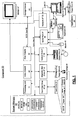
- FIG. 1 Numerous embodiments of the present invention may execute on a computer.
- Fig. 1 and the following discussion is intended to provide a brief general description of a suitable computing environment in which the invention may be implemented.
- the invention will be described in the general context of computer executable instructions, such as program modules, being executed by a computer, such as a client workstation or a server.
- program modules include routines, programs, objects, components, data structures and the like that perform particular tasks or implement particular abstract data types.
- the invention may be practiced with other computer system configurations, including hand held devices, multi processor systems, microprocessor based or programmable consumer electronics, network PCs, minicomputers, mainframe computers and the like.
- the invention may also be practiced in distributed computing environments where tasks are performed by remote processing devices that are linked through a communications network.
- program modules may be located in both local and remote memory storage devices.
- an exemplary general purpose computing system includes a conventional personal computer 20 or the like, including a processing unit 21, a system memory 22, and a system bus 23 that couples various system components including the system memory to the processing unit 21.
- the system bus 23 may be any of several types of bus structures including a memory bus or memory controller, a peripheral bus, and a local bus using any of a variety of bus architectures.
- the system memory includes read only memory (ROM) 24 and random access memory (RAM) 25.
- ROM read only memory
- RAM random access memory
- the personal computer 20 may further include a hard disk drive 27 for reading from and writing to a hard disk, not shown, a magnetic disk drive 28 for reading from or writing to a removable magnetic disk 29, and an optical disk drive 30 for reading from or writing to a removable optical disk 31 such as a CD ROM or other optical media.
- the hard disk drive 27, magnetic disk drive 28, and optical disk drive 30 are connected to the system bus 23 by a hard disk drive interface 32, a magnetic disk drive interface 33, and an optical drive interface 34, respectively.
- the drives and their associated computer readable media provide non volatile storage of computer readable instructions, data structures, program modules and other data for the personal computer 20.
- exemplary environment described herein employs a hard disk, a removable magnetic disk 29 and a removable optical disk 31, it should be appreciated by those skilled in the art that other types of computer readable media which can store data that is accessible by a computer, such as magnetic cassettes, flash memory cards, digital video disks, Bernoulli cartridges, random access memories (RAMs), read only memories (ROMs) and the like may also be used in the exemplary operating environment.
- RAMs random access memories
- ROMs read only memories
- a number of program modules may be stored on the hard disk, magnetic disk 29, optical disk 31, ROM 24 or RAM 25, including an operating system 35, one or more application programs 36, other program modules 37 and program data 38.
- a user may enter commands and information into the personal computer 20 through input devices such as a keyboard 40 and pointing device 42.
- Other input devices may include a microphone, joystick, game pad, satellite disk, scanner or the like.
- serial port interface 46 that is coupled to the system bus, but may be connected by other interfaces, such as a parallel port, game port or universal serial bus (USB).
- a monitor 47 or other type of display device is also connected to the system bus 23 via an interface, such as a video adapter 48.
- the exemplary system of Fig. 1 also includes a host adapter 55, Small Computer System Interface (SCSI) bus 56, and an external storage device 62 connected to the SCSI bus 56.
- SCSI Small Computer System Interface
- the personal computer 20 may operate in a networked environment using logical connections to one or more remote computers, such as a remote computer 49.
- the remote computer 49 may be another personal computer, a server, a router, a network PC, a peer device or other common network node, and typically includes many or all of the elements described above relative to the personal computer 20, although only a memory storage device 50 has been illustrated in Fig. 1 .
- the logical connections depicted in Fig. 1 include a local area network (LAN) 51 and a wide area network (WAN) 52.
- LAN local area network
- WAN wide area network
- the personal computer 20 When used in a LAN networking environment, the personal computer 20 is connected to the LAN 51 through a network interface or adapter 53. When used in a WAN networking environment, the personal computer 20 typically includes a modem 54 or other means for establishing communications over the wide area network 52, such as the Internet.
- the modem 54 which may be internal or external, is connected to the system bus 23 via the serial port interface 46.
- program modules depicted relative to the personal computer 20, or portions thereof may be stored in the remote memory storage device. It will be appreciated that the network connections shown are exemplary and other means of establishing a communications link between the computers may be used.
- numerous embodiments of the present invention are particularly well-suited for computerized systems, nothing in this document is intended to limit the invention to such embodiments.
- computer systems generally comprise one or more layers of software running on a foundational layer of hardware. This layering is done for reasons of abstraction. By defining the interface for a given layer of software, that layer can be implemented differently by other layers above it. In a well-designed computer system, each layer only knows about (and only relies upon) the immediate layer beneath it. This allows a layer or a "stack" (multiple adjoining layers) to be replaced without negatively impacting the layers above said layer or stack.
- software applications upper layers
- lower layers typically rely on lower levels of the operating system (lower layers) to write files to some form of permanent storage, and these applications do not need to understand the difference between writing data to a floppy disk, a hard drive, or a network folder. If this lower layer is replaced with new operating system components for writing files, the operation of the upper layer software applications remains unaffected.
- VM virtual machine
- Fig. 2 is a diagram representing the logical layering of the hardware and software architecture for an emulated operating environment in a computer system.
- An emulation program 94 runs on a host operating system and/or hardware architecture 92.
- Emulation program 94 emulates a guest hardware architecture 96 and a guest operating system 98.
- Software application 100 in turn runs on guest operating system 98.
- software application 100 can run on the computer system 90 even though software application 100 is designed to run on an operating system that is generally incompatible with the host operating system and hardware architecture 92.
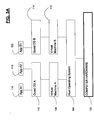
- Fig. 3A illustrates a virtualized computing system comprising a host operating system software layer 104 running directly above physical computer hardware 102, and the host operating system (host OS) 104 virtualizes all the resources of the machine by exposing interfaces that are the same as the hardware the host OS is virtualizing (which enables the host OS to go unnoticed by operating system layers running above it).
- host OS host operating system
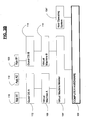
- a virtual machine monitor, or VMM, software layer 104' may be running in place of or alongside a host operating system 104", the latter option being illustrated in Fig. 3B .
- VMM virtual machine monitor
- a host operating system 104 the latter option being illustrated in Fig. 3B .
- all discussion hereinafter shall be directed to the embodiment illustrated in Fig. 3A ; however, every aspect of such discussion shall equally apply to the embodiment of Fig. 3B wherein the VMM 104' of Fig. 3B essentially replaces, on a functional level, the role of the host operating system 104 of Fig. 3A described herein below.
- VM A 108 which may be, for example, a virtualized Intel 386 processor
- VM B 110 which may be, for example, a virtualized version of one of the Motorola 680X0 family of processors.
- guest OSs guest operating systems
- Above guest OS A 112 are running two applications, application A1 116 and application A2 118, and above guest OS B 114 is Application B1 120.
- VMs present several options for allowing software applications to utilize said hardware devices.
- a hardware device such as a hard drive or a network adapter
- a dedicated-device architecture may be assigned to a single VM, and only software running in that VM can utilize that hardware device (a dedicated-device architecture).
- this design prevents the sharing of hardware devices among different VMs as well as between a VM and the host system. For this reason many VM implementations instead utilize "virtual devices.”
- a virtual device is a logical device, implemented in software, that corresponds to some kind of actual or idealized physical device.
- Virtual devices generally possess their own set of device states which may include, for example, register settings, buffered data, pending command queues, and so on and so forth.
- the software associated with the virtual adapter would be invoked when the network adapter is accessed by code running in the VM, and the virtual adapter could then respond to commands in a way that is consistent with a real adapter card. In this manner, the code running within the VM is unaware that it is "talking to" a virtual adapter rather than a real one, and the virtual adapter would then interact directly or indirectly with the real adapter to cause the real adapter to operate as desired.
- requests to a virtual device are mapped onto a corresponding host device.
- networking packets that are sent from a virtual network adapter may be routed to one of the real network adapters installed in the host.
- a virtual-device architecture provides a similar capability to that of the dedicated-device architecture described earlier.
- a virtual-device architecture allows multiple virtual devices to be mapped to a single host device (real device). For example, three independent VMs could each contain a virtual network adapter, and all three virtual adapters could share a single host adapter, whereas in a dedicated-device architecture only one VM could use the host adapter.
- Fig. 4A illustrates the virtualized computing system of Fig. 3 further comprising drivers, virtual devices, and hardware.
- Guest OS A 112 comprises driver A 122
- virtual machine A 108 comprises virtual device A 124 corresponding to driver A 122.
- guest OS B 114 comprises driver B 126
- virtual machine B 110 comprises virtual device B 128 corresponding to driver B 126.
- the host OS 104 comprises driver X 130
- the computer hardware 102 comprises hardware device X 132 corresponding to driver X 130.
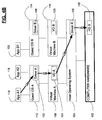
- Fig. 4B illustrates the operational path from an application running on a guest operation system to a hardware device in the computer hardware.
- Application A1 116 interfaces 134 with driver A 122 which, in turn, interfaces 136 with virtual device A 124.
- This virtual device A 124 then interfaces 138 with driver X 130 (in the host OS 104) which in turn communicates 140 directly with the hardware device X 132.
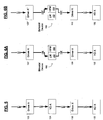
- Fig. 5 more simply illustrates the same interrelationship among the drivers, virtual device, and hardware as shown in Fig. 4B .
- the hardware virtual device approach offers advantages in regard to compatibility-since the virtual device acts just like a real device in every respect, software that has been designed to interact with that device (e.g., a driver) will work with a hardware virtual device without modification.
- hardware virtual devices are at a disadvantage when it comes to performance-physical hardware is often difficult to emulate with a virtual device without incurring significant overhead costs (and inefficiencies) since hardware designers generally do not take into consideration virtualization issues, and thus hardware virtual devices are often noticeably slower than their real hardware counterparts.
- Idealized virtual devices provide significant freedom for developers to design a virtual device that is both easy to implement and efficient to use. Because the design of idealized virtual devices does not need to conform to limitations imposed by the physical hardware design, idealized virtual devices can be optimized for use within a VM environment. Furthermore, developers of idealized virtual devices do not need to concern themselves with the subtle side effects (such as timing, state changes, etc.) that existing software might rely on for correct operation. Moreover, developers can also create idealized virtual devices that are analogous to hardware that does not in fact exist-for example, a virtual device that allows for communication between a guest system and a host system.
- bimodal virtual device approaches that is, "bimodal devices” that combine the relative strengths of the hardware and idealized device virtualization approaches while also mitigating their respective weaknesses.
- the bimodal device is a virtual device that is primarily based on a real piece of hardware to provide a broad degree of compatibility with software running in the guest environment (similar to the hardware device virtualization approach).
- these embodiments also provide an idealized "high-performance mode" that is not found in the original hardware-based device.
- the high-performance mode can be completely independent of the original functionality of the legacy mode for the virtual device.
- the high-performance mode may comprise extensions or replacements to the original functionality. Either way, the high-performance mode is akin to idealized processor virtualization approaches, whether it is independent of or an enhancement to the legacy mode functionality.
- switching to high-performance mode may completely disable the legacy mode, it may disable portions of the legacy mode, and/or it may extend the functionality of the legacy mode.
- the high-performance mode may be enabled through the use of reserved bits within the virtual device's registers, whereas alternative embodiments might instead add new registers (e.g., a register specifically created for utilization by one or more virtual devices) or may implement a form of handshaking whereby a prescribed sequence of commands or data is written to legacy registers.
- new registers e.g., a register specifically created for utilization by one or more virtual devices
- Ethernet NIC bimodal device In legacy mode, sending a packet of information to the Ethernet card might involve up to eight (8) individual writes to legacy I/O registers. These I/O accesses are required to set up parameters for the packet transfer including the DMA address (i.e. the location in RAM where the packet data can be found), the length of the transfer, and a command byte that initiates the transfer once the other parameters have been specified.
- DMA address i.e. the location in RAM where the packet data can be found
- the length of the transfer i.e. the length of the transfer
- a command byte that initiates the transfer once the other parameters have been specified.
- each of these writes to I/O registers is relatively expensive within a VM, and the combined time required to virtualize these I/O accesses is significant and results in a major performance loss.
- an Ethernet card bimodal device e.g., one based on a DEC 21140 chipset
- the high-performance mode might be enabled through the use of a special, modified driver installed within the guest operating system environment and, once the high-performance mode is enabled, the driver can use the more optimal mechanism for initiating a packet send.
- a legacy driver would still be able to provide networking functionality, albeit without the performance optimization allowed by the high-performance mode.
- Fig. 6A illustrates the substitution of a bimodal device for the virtual device in the subsystem of Fig. 5 , said bimodal device operating in a legacy mode.
- a legacy driver A' 122' interfaces 136' with the bimodal device 150 that comprises both a legacy mode 152 for hardware virtualization and a high-performance mode 154 for idealized virtualization. Since the legacy driver A' 122' is not designed to work with the idealized virtualization afforded by the high-performance mode 154 of the bimodal device 150, it instead works with the hardware virtualization afforded by the legacy mode 152 of the bimodal device 150 (as shown) which, in turn, interfaces 138' with the host OS driver X 130.
- Fig. 6B illustrates the bimodal device operating in a high-performance mode.
- a high-performance driver A" 122" interfaces 136" with the bimodal device 150. Since the high-performance driver A" 122" is capable of working with the idealized virtualization afforded by the high-performance mode 154 of the bimodal device 150, it does so (as shown) and the bimodal device 150, in turn, then interfaces 138" with the host OS driver X 130.
- guest-mode drivers can identify a bimodal device (that is, differentiate between a real hardware device and an emulated device that supports additional modes of operation). These techniques include but are not limited to the following:
- the various system, methods, and techniques described herein may be implemented with hardware or software or, where appropriate, with a combination of both.
- the methods and apparatus of the present invention may take the form of program code (i.e., instructions) embodied in tangible media, such as floppy diskettes, CD-ROMs, hard drives, or any other machine-readable storage medium, wherein, when the program code is loaded into and executed by a machine, such as a computer, the machine becomes an apparatus for practicing the invention.
- the computer will generally include a processor, a storage medium readable by the processor (including volatile and non-volatile memory and/or storage elements), at least one input device, and at least one output device.
- One or more programs are preferably implemented in a high level procedural or object oriented programming language to communicate with a computer system.
- the program(s) can be implemented in assembly or machine language, if desired.
- the language may be a compiled or interpreted language, and combined with hardware implementations.
- the methods and apparatus of the present invention may also be embodied in the form of program code that is transmitted over some transmission medium, such as over electrical wiring or cabling, through fiber optics, or via any other form of transmission, wherein, when the program code is received and loaded into and executed by a machine, such as an EPROM, a gate array, a programmable logic device (PLD), a client computer, a video recorder or the like, the machine becomes an apparatus for practicing the invention.
- a machine such as an EPROM, a gate array, a programmable logic device (PLD), a client computer, a video recorder or the like
- PLD programmable logic device
- client computer a client computer
- video recorder or the like
- the program code When implemented on a general-purpose processor, the program code combines with the processor to provide a unique apparatus that operates to perform the indexing functionality of the present invention.
Landscapes
- Engineering & Computer Science (AREA)
- Software Systems (AREA)
- Theoretical Computer Science (AREA)
- Physics & Mathematics (AREA)
- General Engineering & Computer Science (AREA)
- General Physics & Mathematics (AREA)
- Stored Programmes (AREA)
- Memory System Of A Hierarchy Structure (AREA)
- Debugging And Monitoring (AREA)
Claims (31)
- Computersystem, das ein Gastbetriebssystem (112, 114), eine bimodale virtuelle Einrichtung (150) und ein Host-Betriebssystem (104) aufweist, wobei das Host-Betriebssystem eine virtuelle Maschinenimplementierung aufweist, die das Gastbetriebssystem umfasst, wobei das Gastbetriebssystem einen ersten Treiber (122', 122") umfasst, der mit der bimodalen virtuellen Einrichtung eine Verbindung herstellt, wobei die bimodale virtuelle Einrichtung in der virtuellen Maschinenimplementierung implementiert ist, und wobei das Host-Betriebssystem einen zweiten Treiber (130) aufweist, und wobei
die bimodale virtuelle Einrichtung mit dem zweiten Treiber in Verbindung steht und selektiv als eine virtuelle Hardware-Einrichtung in einem ersten Alt-Modus (153) und als eine idealisierte virtuelle Einrichtung in einem zweiten Hochleistungsmodus (154) arbeitet, wobei die virtuelle Hardware-Einrichtung in dem ersten Alt-Modus als eine reale Einrichtung agiert, indem ein Teil einer physikalischen Hardware (132) modelliert wird, und wobei die idealisierte virtuelle Einrichtung in dem zweiten Hochleistungsmodus zur Verwendung in einer virtuellen Maschinenumgebung optimiert ist, indem sie nicht nur eine bloße Wiedergabe von physikalischer Hardware ist und indem sie nicht mit einem physikalischen Hardware-Aufbau übereinstimmen muss. - Computersystem nach Anspruch 1, wobei:die bimodale virtuelle Einrichtung (150) selektiv als die virtuelle Hardware-Einrichtung arbeitet, wenn der erste Treiber (122'), der mit der modalen virtuellen Einrichtung in Verbindung steht, nicht dafür ausgebildet ist, mit der bimodalen virtuellen Einrichtung bei Betrieb im zweiten Hochleistungsmodus (154) in Verbindung zu treten; unddie bimodale virtuelle Einrichtung (150) selektiv als die idealisierte virtuelle Einrichtung arbeitet, wenn der erste Treiber (122"), der mit der bimodalen virtuellen Einrichtung in Verbindung steht, ausgebildet ist, mit der bimodalen virtuellen Einrichtung bei Betrieb im zweiten Hochleistungsmodus (154) in Verbindung zu treten.
- Computersystem nach Anspruch 2, wobei die Funktion des zweiten Hochleistungsmodus (154) die Funktion des ersten Alt-Modus (152) erweitert.
- Computersystem nach Anspruch 2, wobei die Funktion des zweiten Hochleistungsmodus (154) unabhängig von der Funktion des ersten Alt-Modus (152) ist.
- Computersystem nach Anspruch 4, wobei die Funktion des zweiten Hochleistungsmodus (154) die Funktion des ersten Alt-Modus (152) deaktiviert.
- Computersystem nach Anspruch 4, wobei die Funktion des zweiten Hochleistungsmodus (154) Bereiche der Funktion des ersten Alt-Modus (152) deaktiviert.
- Computersystem nach Anspruch 2, wobei der zweite Hochleistungsmodus (154) durch die Verwendung mindestens eines Bits in einem Register der virtuellen Einrichtung aktiviert wird.
- Computersystem nach Anspruch 2, wobei der zweite Hochleistungsmodus (154) durch die Verwendung mindestens eines Bits in einem Register aktiviert wird, das speziell zur Verwendung durch eine oder mehrere virtuelle Einrichtungen erzeugt ist.
- Computersystem nach Anspruch 2, wobei der zweite Hochleistungsmodus (154) durch die Verwendung einer vorgegebenen Sequenz an Befehlen oder Daten aktiviert wird, die einen Wert in mindestens einem Register ändern.
- Computersystem nach Anspruch 2, wobei
der zweite Hochleistungsmodus (154) durch die Verwendung eines zweiten Modus-Treibers (122") aktiviert wird, der in der Gastbetriebssystemumgebung installiert ist; und wenn der zweite Modus-Treiber nicht vorhanden ist, statt dessen ein erster Modus-Treiber (122') aktiviert ist. - Computersystem nach einem der Ansprüche 1 bis 10, wobei das Computersystem eine virtuelle Maschinenumgebung und die bimodale virtuelle Einrichtung (150) aufweist, die selektiv als die virtuelle Hardware-Einrichtung in dem ersten Alt-Modus (152) und als die idealisierte virtuelle Einrichtung in dem zweiten Hochleistungsmodus (154) in Verbindung mit der virtuellen Maschinenumgebung arbeitet.
- Computerlesbares Medium mit von einem Computer lesbaren Befehlen, wobei die von einem Computer lesbaren Befehle Befehle für eine bimodale virtuelle Einrichtung (150), die in einem Computersystem enthalten ist, umfassen, um selektiv als eine virtuelle Hardware-Einrichtung in einem ersten Alt-Modus (152) und als eine idealisierte virtuelle Einrichtung in einem zweiten Hochleistungsmodus (154) zu arbeiten, wobei
das Computersystem ferner ein Gastbetriebssystem (112, 144) und ein Host-Betriebssystem (104) aufweist, wobei das Host-Betriebssystem eine virtuelle Maschinenimplementierung umfasst, die das Gastbetriebssystem umfasst, wobei das Gastbetriebssystem einen ersten Treiber (122', 122") aufweist, der mit der bimodalen virtuellen Einrichtung in Verbindung tritt, wobei die bimodale virtuelle Einrichtung in der virtuellen Maschinenimplementierung implementiert ist, wobei das Host-Betriebssystem einen zweiten Treiber (130) aufweist und wobei die bimodale virtuelle Einrichtung mit dem zweiten Treiber in Verbindung steht; und wobei
die virtuelle Hardware-Einrichtung in dem ersten Alt-Modus wie eine reale Einrichtung agiert, indem ein Teil einer physikalischen Hardware (132) modelliert wird und wobei die idealisierte virtuelle Einrichtung in dem zweiten Hochleistungsmodus zur Verwendung innerhalb einer virtuellen Maschinenumgebung optimiert ist, indem sie nicht eine bloße Wiedergabe einer physikalischen Hardware ist und indem sie nicht mit einem Aufbau der physikalischen Hardware übereinstimmen muss. - Computerlesbares Medium nach Anspruch 12, das ferner Befehle enthält für:die bimodale virtuelle Einrichtung, um selektiv als die virtuelle Hardware-Einrichtung zu arbeiten, wenn der erste Treiber (122'), der mit der bimodalen virtuellen Einrichtung (150) in Verbindung steht, nicht ausgebildet ist, mit der bimodalen virtuellen Einrichtung bei Betrieb in dem zweiten Hochleistungsmodus (154) in Verbindung zu treten; unddie bimodale virtuelle Einrichtung, um als die idealisierte virtuelle Einrichtung selektiv zu arbeiten, wenn der erste Treiber (122"), der mit der bimodalen virtuellen Einrichtung (150) in Verbindung steht, ausgebildet ist, mit der bimodalen virtuellen Einrichtung bei Betrieb in dem zweiten Hochleistungsmodus (154) in Verbindung zu treten.
- Computerlesbares Medium nach Anspruch 13, das ferner Befehle für den Betrieb im zweiten Hochleistungsmodus aufweist, um die Funktion des ersten Alt-Modus (152) zu erweitern.
- Computerlesbares Medium nach Anspruch 13, das ferner Befehle für den Betrieb im zweiten Hochleistungsmodus aufweist, die sich von Befehlen für den Betrieb im ersten Alt-Modus (152) unterscheiden und davon getrennt sind.
- Computerlesbares Medium nach Anspruch 15, das ferner Befehle für den zweiten Hochleistungsmodus aufweist, um die Funktion des ersten Alt-Modus (152) zu deaktivieren.
- Computerlesbares Medium nach Anspruch 15, das ferner Befehle für den zweiten Hochleistungsmodus aufweist, um Bereiche der Funktion des ersten Alt-Modus (152) zu deaktivieren.
- Computerlesbares Medium nach Anspruch 13, das ferner Befehle zur Aktivierung des zweiten Hochleistungsmodus (154) durch die Verwendung mindestens eines Bits in einem Register der virtuellen Einrichtung enthält.
- Computerlesbares Medium nach Anspruch 13, das ferner Befehle zur Aktivierung des zweiten Hochleistungsmodus (154) durch die Verwendung mindestens eines Bits in einem Register aufweist, das speziell zur Verwendung durch eine oder mehrere virtuelle Einrichtungen erzeugt ist.
- Computerlesbares Medium nach Anspruch 13, das ferner Befehle aufweist zur Aktivierung des zweiten Hochleistungsmodus (154) durch die Verwendung einer vorgegebenen Sequenz an Befehlen oder Daten, die einen Wert in mindestens einem Register ändern.
- Computerlesbares Medium nach Anspruch 13, das ferner Befehle umfasst zum:Aktivieren des zweiten Hochleistungsmodus (154) durch die Verwendung eines zweiten Modus-Treibers (122"), der in einer Gasbetriebssystemumgebung installiert ist; undwenn der zweite Modus-Treiber nicht vorhanden ist, Aktivieren eines ersten Alt-Modus (152) durch die Verwendung eines ersten Modus-Treibers (122').
- Verfahren zur Verbesserung des Leistungsvermögens einer virtuellen Einrichtung in einem Computersystem, wobei das Computersystem ein Gastbetriebssystem (112, 114), eine bimodale virtuelle Einrichtung (150) und ein Host-Betriebssystem (104) umfasst, wobei das Host-Betriebssystem eine virtuelle Maschinenimplementierung umfasst, die das Gastbetriebssystem umfasst, wobei das Gastbetriebssystem einen ersten Treiber (122', 122") umfasst, der mit der bimodalen virtuellen Einrichtung in Verbindung steht, wobei die bimodale virtuelle Einrichtung in der virtuellen Maschinenimplementierung implementiert ist, wobei das Host-Betriebssystem einen zweiten Treiber (130) umfasst und wobei die bimodale virtuelle Einrichtung mit dem zweiten Treiber in Verbindung steht,
wobei das Verfahren umfasst: Verwenden der bimodalen virtuellen Einrichtung zum Arbeiten selektiv als eine virtuelle Hardware-Einrichtung in einem ersten Alt-Modus (152) und als eine idealisierte virtuelle Einrichtung in einem zweiten Hochleistungsmodus (154), wobei die virtuelle Hardware-Einrichtung in dem ersten Alt-Modus wie eine reale Einrichtung agiert, indem ein Teil einer physikalischen Hardware (132) modelliert wird, und wobei die idealisierte virtuelle Einrichtung in dem zweiten Hochleistungsmodus zur Verwendung in einer virtuellen Maschinenumgebung optimiert wird, indem sie nicht nur eine bloße Wiedergabe der physikalischen Hardware ist und indem sie nicht mit einem Aufbau der physikalischen Hardware übereinstimmen muss. - Verfahren nach Anspruch 22, wobei:die bimodale virtuelle Einrichtung selektiv als die virtuelle Hardware-Einrichtung arbeitet, wenn der erste Treiber (122'), der mit der bimodalen virtuellen Einrichtung (150) in Verbindung steht, nicht ausgebildet ist, mit der bimodalen virtuellen Einrichtung bei Betrieb in dem zweiten Hochleistungsmodus (154) in Verbindung zu treten; unddie bimodale virtuelle Einrichtung selektiv als die idealisierte virtuelle Einrichtung arbeitet, wenn der erste Treiber (122"), der mit der bimodalen virtuellen Einrichtung in Verbindung steht, ausgebildet ist, mit der bimodalen virtuellen Einrichtung bei Betrieb in dem zweiten Hochleistungsmodus (154) in Verbindung zu treten.
- Verfahren nach Anspruch 23, wobei die Funktion des zweiten Hochleistungsmodus (154) die Funktion des ersten Alt-Modus (152) erweitert.
- Verfahren nach Anspruch 23, wobei die Funktion des zweiten Hochleistungsmodus (154) unabhängig von der Funktion des ersten Alt-Modus (152) ist.
- Verfahren nach Anspruch 25, wobei die Funktion des zweiten Hochleistungsmodus (154) die Funktion des ersten Alt-Modus (152) deaktiviert.
- Verfahren nach Anspruch 25, wobei die Funktion des zweiten Hochleistungsmodus (154) Bereiche der Funktion des ersten Alt-Modus (152) deaktiviert.
- Verfahren nach Anspruch 23, wobei der zweite Hochleistungsmodus (154) durch die Verwendung mindestens eines Bits in einem Register der virtuellen Einrichtung aktiviert wird.
- Verfahren nach Anspruch 23, wobei der zweite Hochleistungsmodus (154) durch die Verwendung mindestens eines Bits in einem Register aktiviert wird, das speziell zur Verwendung durch eine oder mehrere virtuelle Einrichtungen erzeugt wird.
- Verfahren nach Anspruch 23, wobei der zweite Hochleistungsmodus (154) durch die Verwendung einer vorgegebenen Sequenz von Befehlen oder Daten aktiviert wird, die einen Wert in mindestens einem Register ändern.
- Verfahren nach Anspruch 23, wobei
der zweite Hochleistungsmodus (154) durch die Verwendung eines zweiten Modus-Treibers (122"), der in einer Gastbetriebssystemumgebung installiert ist, aktiviert wird; und wenn der zweite Modus-Treiber nicht vorhanden ist, ein erster Modus-Treiber (122') stattdessen aktiviert wird.
Applications Claiming Priority (2)
| Application Number | Priority Date | Filing Date | Title |
|---|---|---|---|
| US734450 | 1985-05-15 | ||
| US10/734,450 US7558723B2 (en) | 2003-12-12 | 2003-12-12 | Systems and methods for bimodal device virtualization of actual and idealized hardware-based devices |
Publications (3)
| Publication Number | Publication Date |
|---|---|
| EP1548589A2 EP1548589A2 (de) | 2005-06-29 |
| EP1548589A3 EP1548589A3 (de) | 2007-06-06 |
| EP1548589B1 true EP1548589B1 (de) | 2018-02-28 |
Family
ID=34552773
Family Applications (1)
| Application Number | Title | Priority Date | Filing Date |
|---|---|---|---|
| EP04026219.8A Expired - Lifetime EP1548589B1 (de) | 2003-12-12 | 2004-11-04 | Systeme und Verfahren für die Virtualisierung von einem bimodalen Gerät von realen und idealisierten, hardware-basierten Geräten |
Country Status (13)
| Country | Link |
|---|---|
| US (1) | US7558723B2 (de) |
| EP (1) | EP1548589B1 (de) |
| JP (1) | JP4610307B2 (de) |
| KR (1) | KR20050059409A (de) |
| CN (1) | CN100449488C (de) |
| AU (1) | AU2004220769A1 (de) |
| BR (1) | BRPI0404496A (de) |
| CA (1) | CA2485239A1 (de) |
| ES (1) | ES2664817T3 (de) |
| MX (1) | MXPA04011275A (de) |
| RU (1) | RU2406113C2 (de) |
| TW (1) | TW200519632A (de) |
| ZA (1) | ZA200409138B (de) |
Families Citing this family (37)
| Publication number | Priority date | Publication date | Assignee | Title |
|---|---|---|---|---|
| US8838743B2 (en) * | 2004-02-13 | 2014-09-16 | Intel Corporation | Apparatus and method for a dynamically extensible virtual switch |
| US20060005190A1 (en) * | 2004-06-30 | 2006-01-05 | Microsoft Corporation | Systems and methods for implementing an operating system in a virtual machine environment |
| US8249853B2 (en) * | 2006-03-31 | 2012-08-21 | Intel Corporation | Exposing device features in partitioned environment |
| JP4945186B2 (ja) * | 2006-07-28 | 2012-06-06 | 株式会社東芝 | 記憶装置およびこれを含むメモリシステム |
| US8099274B2 (en) * | 2007-03-30 | 2012-01-17 | International Business Machines Corporation | Facilitating input/output processing of one or more guest processing systems |
| US7793307B2 (en) * | 2007-04-06 | 2010-09-07 | Network Appliance, Inc. | Apparatus and method for providing virtualized hardware resources within a virtual execution environment |
| US20080320041A1 (en) * | 2007-06-21 | 2008-12-25 | Motorola, Inc. | Adding virtual features via real world accessories |
| KR100917687B1 (ko) * | 2007-06-26 | 2009-09-21 | 문창선 | 가상 인터페이스를 제공하기 위한 시스템 및 방법 |
| US9043553B2 (en) | 2007-06-27 | 2015-05-26 | Microsoft Technology Licensing, Llc | Leveraging transactional memory hardware to accelerate virtualization and emulation |
| US8010763B2 (en) | 2007-08-02 | 2011-08-30 | International Business Machines Corporation | Hypervisor-enforced isolation of entities within a single logical partition's virtual address space |
| US8645974B2 (en) * | 2007-08-02 | 2014-02-04 | International Business Machines Corporation | Multiple partition adjunct instances interfacing multiple logical partitions to a self-virtualizing input/output device |
| US8219988B2 (en) | 2007-08-02 | 2012-07-10 | International Business Machines Corporation | Partition adjunct for data processing system |
| JP5056334B2 (ja) * | 2007-10-15 | 2012-10-24 | 富士通株式会社 | 管理プログラム、管理装置、および管理方法 |
| US7743389B2 (en) * | 2007-11-06 | 2010-06-22 | Vmware, Inc. | Selecting between pass-through and emulation in a virtual machine environment |
| JP2009134601A (ja) * | 2007-11-30 | 2009-06-18 | Fujitsu Ltd | ディスクアクセス方式切替装置 |
| CA2713876C (en) * | 2008-02-26 | 2014-11-04 | Vmware, Inc. | Extending server-based desktop virtual machine architecture to client machines |
| US8151032B2 (en) * | 2008-06-26 | 2012-04-03 | Microsoft Corporation | Direct memory access filter for virtualized operating systems |
| US8230155B2 (en) * | 2008-06-26 | 2012-07-24 | Microsoft Corporation | Direct memory access filter for virtualized operating systems |
| US8566565B2 (en) * | 2008-07-10 | 2013-10-22 | Via Technologies, Inc. | Microprocessor with multiple operating modes dynamically configurable by a device driver based on currently running applications |
| US8239938B2 (en) * | 2008-12-08 | 2012-08-07 | Nvidia Corporation | Centralized device virtualization layer for heterogeneous processing units |
| US8989802B2 (en) * | 2009-01-27 | 2015-03-24 | Symbol Technologies, Inc. | Methods and apparatus for a mobile unit with device virtualization |
| TWI433527B (zh) | 2009-09-11 | 2014-04-01 | Shih Pi Ta Technology Ltd | 一種建立通訊連線之方法及其系統 |
| KR101275293B1 (ko) * | 2009-10-26 | 2013-06-14 | 한국전자통신연구원 | 네트워크 장치 및 네트워크 가상화 지원 방법 |
| US9529615B2 (en) | 2010-11-24 | 2016-12-27 | International Business Machines Corporation | Virtual device emulation via hypervisor shared memory |
| US20120167082A1 (en) * | 2010-12-23 | 2012-06-28 | Sanjay Kumar | Direct sharing of smart devices through virtualization |
| JPWO2012102002A1 (ja) * | 2011-01-24 | 2014-06-30 | パナソニック株式会社 | 仮想計算機システム、仮想計算機制御方法、仮想計算機制御プログラム、記録媒体、及び集積回路 |
| US9445392B1 (en) * | 2011-10-07 | 2016-09-13 | BlueStack Systems, Inc. | Method of providing non-native notifications and system thereof |
| US9329887B2 (en) | 2011-10-19 | 2016-05-03 | Hob Gmbh & Co. Kg | System and method for controlling multiple computer peripheral devices using a generic driver |
| US9442732B2 (en) | 2012-03-19 | 2016-09-13 | Via Technologies, Inc. | Running state power saving via reduced instructions per clock operation |
| US8904388B2 (en) * | 2013-01-10 | 2014-12-02 | Vce Company, Llc | Scripting language executor service for applications |
| US10019260B2 (en) | 2013-09-20 | 2018-07-10 | Via Alliance Semiconductor Co., Ltd | Fingerprint units comparing stored static fingerprints with dynamically generated fingerprints and reconfiguring processor settings upon a fingerprint match |
| US9330011B2 (en) | 2013-09-20 | 2016-05-03 | Via Alliance Semiconductor Co., Ltd. | Microprocessor with integrated NOP slide detector |
| US9755902B2 (en) | 2014-05-20 | 2017-09-05 | Via Alliance Semiconductor Co., Ltd. | Dynamic system configuration based on cloud-collaborative experimentation |
| US9575778B2 (en) | 2014-05-20 | 2017-02-21 | Via Alliance Semiconductor Co., Ltd. | Dynamically configurable system based on cloud-collaborative experimentation |
| EP4145297A1 (de) * | 2016-01-22 | 2023-03-08 | Sony Interactive Entertainment Inc. | Simulation des verhaltens eines altbusses für rückwärtskompatibilität |
| US10987578B2 (en) * | 2019-09-04 | 2021-04-27 | South Park Digital Studios LLC | Live video game intervention |
| CN113490292B (zh) * | 2021-07-16 | 2023-04-28 | 联想(北京)有限公司 | 通信处理方法和电子设备 |
Citations (3)
| Publication number | Priority date | Publication date | Assignee | Title |
|---|---|---|---|---|
| US5548783A (en) * | 1993-10-28 | 1996-08-20 | Dell Usa, L.P. | Composite drive controller including composite disk driver for supporting composite drive accesses and a pass-through driver for supporting accesses to stand-alone SCSI peripherals |
| US20020143842A1 (en) * | 2001-03-30 | 2002-10-03 | Erik Cota-Robles | Method and apparatus for constructing host processor soft devices independent of the host processor operating system |
| US6785894B1 (en) * | 1999-04-09 | 2004-08-31 | Sun Microsystems, Inc. | Virtual device driver |
Family Cites Families (12)
| Publication number | Priority date | Publication date | Assignee | Title |
|---|---|---|---|---|
| JPH0212340A (ja) * | 1988-06-29 | 1990-01-17 | Nec Corp | 仮想計算機 |
| JPH05151084A (ja) * | 1991-11-26 | 1993-06-18 | Nec Corp | Tlbエントリクリア方式 |
| EP0610677A3 (de) * | 1993-02-12 | 1995-08-02 | Ibm | In zwei Modi arbeitender Kommunikationsgerätetreiber. |
| US5604887A (en) * | 1994-01-21 | 1997-02-18 | Microsoft Corporation | Method and system using dedicated location to share information between real and protected mode device drivers |
| US5459869A (en) * | 1994-02-17 | 1995-10-17 | Spilo; Michael L. | Method for providing protected mode services for device drivers and other resident software |
| US5940613A (en) * | 1996-05-01 | 1999-08-17 | Sun Microsystems, Inc. | Method for creating a single binary virtual device driver for a windowing operating system |
| US5958022A (en) * | 1997-03-21 | 1999-09-28 | International Business Machines Corporation | System and method for I/O access mode selection |
| WO1998044411A1 (en) * | 1997-04-02 | 1998-10-08 | Microsoft Corporation | Method for integrating a virtual machine with input method editors |
| JP2001256153A (ja) * | 2000-03-09 | 2001-09-21 | Canon Inc | ネットワークデバイス制御装置および方法 |
| US7308717B2 (en) * | 2001-02-23 | 2007-12-11 | International Business Machines Corporation | System and method for supporting digital rights management in an enhanced Java™ 2 runtime environment |
| US20030061401A1 (en) * | 2001-09-25 | 2003-03-27 | Luciani Luis E. | Input device virtualization with a programmable logic device of a server |
| US7103529B2 (en) * | 2001-09-27 | 2006-09-05 | Intel Corporation | Method for providing system integrity and legacy environment emulation |
-
2003
- 2003-12-12 US US10/734,450 patent/US7558723B2/en not_active Expired - Fee Related
-
2004
- 2004-10-15 AU AU2004220769A patent/AU2004220769A1/en not_active Abandoned
- 2004-10-18 TW TW093131595A patent/TW200519632A/zh unknown
- 2004-10-19 CA CA002485239A patent/CA2485239A1/en not_active Abandoned
- 2004-10-20 BR BR0404496-7A patent/BRPI0404496A/pt not_active IP Right Cessation
- 2004-11-01 KR KR1020040087954A patent/KR20050059409A/ko not_active Withdrawn
- 2004-11-04 ES ES04026219.8T patent/ES2664817T3/es not_active Expired - Lifetime
- 2004-11-04 EP EP04026219.8A patent/EP1548589B1/de not_active Expired - Lifetime
- 2004-11-11 ZA ZA200409138A patent/ZA200409138B/xx unknown
- 2004-11-12 RU RU2004133169/08A patent/RU2406113C2/ru not_active IP Right Cessation
- 2004-11-12 MX MXPA04011275A patent/MXPA04011275A/es not_active Application Discontinuation
- 2004-11-12 JP JP2004329651A patent/JP4610307B2/ja not_active Expired - Fee Related
- 2004-12-10 CN CNB2004101039185A patent/CN100449488C/zh not_active Expired - Fee Related
Patent Citations (3)
| Publication number | Priority date | Publication date | Assignee | Title |
|---|---|---|---|---|
| US5548783A (en) * | 1993-10-28 | 1996-08-20 | Dell Usa, L.P. | Composite drive controller including composite disk driver for supporting composite drive accesses and a pass-through driver for supporting accesses to stand-alone SCSI peripherals |
| US6785894B1 (en) * | 1999-04-09 | 2004-08-31 | Sun Microsystems, Inc. | Virtual device driver |
| US20020143842A1 (en) * | 2001-03-30 | 2002-10-03 | Erik Cota-Robles | Method and apparatus for constructing host processor soft devices independent of the host processor operating system |
Also Published As
| Publication number | Publication date |
|---|---|
| US20050131668A1 (en) | 2005-06-16 |
| RU2406113C2 (ru) | 2010-12-10 |
| EP1548589A2 (de) | 2005-06-29 |
| EP1548589A3 (de) | 2007-06-06 |
| BRPI0404496A (pt) | 2005-08-23 |
| CA2485239A1 (en) | 2005-06-12 |
| CN100449488C (zh) | 2009-01-07 |
| ES2664817T3 (es) | 2018-04-23 |
| JP4610307B2 (ja) | 2011-01-12 |
| ZA200409138B (en) | 2006-07-26 |
| JP2005174307A (ja) | 2005-06-30 |
| CN1627263A (zh) | 2005-06-15 |
| TW200519632A (en) | 2005-06-16 |
| KR20050059409A (ko) | 2005-06-20 |
| RU2004133169A (ru) | 2006-04-27 |
| MXPA04011275A (es) | 2005-06-16 |
| AU2004220769A1 (en) | 2005-06-30 |
| US7558723B2 (en) | 2009-07-07 |
Similar Documents
| Publication | Publication Date | Title |
|---|---|---|
| US7558723B2 (en) | Systems and methods for bimodal device virtualization of actual and idealized hardware-based devices | |
| US7555596B2 (en) | Systems and methods for attaching a virtual machine virtual hard disk to a host machine | |
| US7260702B2 (en) | Systems and methods for running a legacy 32-bit x86 virtual machine on a 64-bit x86 processor | |
| RU2412468C2 (ru) | Системы и способы многоуровневой обработки перехватов в виртуальной машинной среде | |
| US7580826B2 (en) | Systems and methods for development of emulated devices in a virtual machine environment | |
| CN102207886B (zh) | 虚拟机快速仿真辅助 | |
| US8443358B1 (en) | Hot pluggable virtual machine | |
| US7689987B2 (en) | Systems and methods for stack-jumping between a virtual machine and a host environment | |
| EP2335157B1 (de) | Virtualisierung von konfigurationsräumen | |
| US20120054740A1 (en) | Techniques For Selectively Enabling Or Disabling Virtual Devices In Virtual Environments | |
| US20080065854A1 (en) | Method and apparatus for accessing physical memory belonging to virtual machines from a user level monitor | |
| WO2007042439A1 (en) | Direct memory access between input/output device and physical memory within virtual machine environment | |
| CN117389694A (zh) | 基于virtio-blk技术提升虚拟存储IO性能的方法 | |
| HK1078951A (en) | Systems and methods for bimodal device virtualization of actual and idealized hardware-based devices | |
| HK1097927A (en) | Systems and methods for multi-level intercept processing in a virtual machine environment |
Legal Events
| Date | Code | Title | Description |
|---|---|---|---|
| PUAI | Public reference made under article 153(3) epc to a published international application that has entered the european phase |
Free format text: ORIGINAL CODE: 0009012 |
|
| AK | Designated contracting states |
Kind code of ref document: A2 Designated state(s): AT BE BG CH CY CZ DE DK EE ES FI FR GB GR HU IE IS IT LI LU MC NL PL PT RO SE SI SK TR |
|
| AX | Request for extension of the european patent |
Extension state: AL HR LT LV MK YU |
|
| REG | Reference to a national code |
Ref country code: HK Ref legal event code: DE Ref document number: 1078951 Country of ref document: HK |
|
| PUAL | Search report despatched |
Free format text: ORIGINAL CODE: 0009013 |
|
| AK | Designated contracting states |
Kind code of ref document: A3 Designated state(s): AT BE BG CH CY CZ DE DK EE ES FI FR GB GR HU IE IS IT LI LU MC NL PL PT RO SE SI SK TR |
|
| AX | Request for extension of the european patent |
Extension state: AL HR LT LV MK YU |
|
| RIC1 | Information provided on ipc code assigned before grant |
Ipc: G06F 13/10 20060101ALI20070427BHEP Ipc: G06F 9/455 20060101AFI20050411BHEP |
|
| 17P | Request for examination filed |
Effective date: 20071205 |
|
| AKX | Designation fees paid |
Designated state(s): AT BE BG CH CY CZ DE DK EE ES FI FR GB GR HU IE IS IT LI LU MC NL PL PT RO SE SI SK TR |
|
| 17Q | First examination report despatched |
Effective date: 20080207 |
|
| REG | Reference to a national code |
Ref country code: HK Ref legal event code: WD Ref document number: 1078951 Country of ref document: HK |
|
| RAP1 | Party data changed (applicant data changed or rights of an application transferred) |
Owner name: MICROSOFT TECHNOLOGY LICENSING, LLC |
|
| GRAP | Despatch of communication of intention to grant a patent |
Free format text: ORIGINAL CODE: EPIDOSNIGR1 |
|
| INTG | Intention to grant announced |
Effective date: 20171011 |
|
| GRAS | Grant fee paid |
Free format text: ORIGINAL CODE: EPIDOSNIGR3 |
|
| GRAA | (expected) grant |
Free format text: ORIGINAL CODE: 0009210 |
|
| AK | Designated contracting states |
Kind code of ref document: B1 Designated state(s): AT BE BG CH CY CZ DE DK EE ES FI FR GB GR HU IE IS IT LI LU MC NL PL PT RO SE SI SK TR |
|
| REG | Reference to a national code |
Ref country code: GB Ref legal event code: FG4D Ref country code: CH Ref legal event code: EP |
|
| REG | Reference to a national code |
Ref country code: AT Ref legal event code: REF Ref document number: 974860 Country of ref document: AT Kind code of ref document: T Effective date: 20180315 |
|
| REG | Reference to a national code |
Ref country code: IE Ref legal event code: FG4D |
|
| REG | Reference to a national code |
Ref country code: DE Ref legal event code: R096 Ref document number: 602004052404 Country of ref document: DE |
|
| REG | Reference to a national code |
Ref country code: ES Ref legal event code: FG2A Ref document number: 2664817 Country of ref document: ES Kind code of ref document: T3 Effective date: 20180423 |
|
| REG | Reference to a national code |
Ref country code: NL Ref legal event code: FP |
|
| REG | Reference to a national code |
Ref country code: AT Ref legal event code: MK05 Ref document number: 974860 Country of ref document: AT Kind code of ref document: T Effective date: 20180228 |
|
| PG25 | Lapsed in a contracting state [announced via postgrant information from national office to epo] |
Ref country code: CY Free format text: LAPSE BECAUSE OF FAILURE TO SUBMIT A TRANSLATION OF THE DESCRIPTION OR TO PAY THE FEE WITHIN THE PRESCRIBED TIME-LIMIT Effective date: 20180228 Ref country code: FI Free format text: LAPSE BECAUSE OF FAILURE TO SUBMIT A TRANSLATION OF THE DESCRIPTION OR TO PAY THE FEE WITHIN THE PRESCRIBED TIME-LIMIT Effective date: 20180228 |
|
| PG25 | Lapsed in a contracting state [announced via postgrant information from national office to epo] |
Ref country code: BG Free format text: LAPSE BECAUSE OF FAILURE TO SUBMIT A TRANSLATION OF THE DESCRIPTION OR TO PAY THE FEE WITHIN THE PRESCRIBED TIME-LIMIT Effective date: 20180528 Ref country code: AT Free format text: LAPSE BECAUSE OF FAILURE TO SUBMIT A TRANSLATION OF THE DESCRIPTION OR TO PAY THE FEE WITHIN THE PRESCRIBED TIME-LIMIT Effective date: 20180228 Ref country code: SE Free format text: LAPSE BECAUSE OF FAILURE TO SUBMIT A TRANSLATION OF THE DESCRIPTION OR TO PAY THE FEE WITHIN THE PRESCRIBED TIME-LIMIT Effective date: 20180228 Ref country code: GR Free format text: LAPSE BECAUSE OF FAILURE TO SUBMIT A TRANSLATION OF THE DESCRIPTION OR TO PAY THE FEE WITHIN THE PRESCRIBED TIME-LIMIT Effective date: 20180529 |
|
| REG | Reference to a national code |
Ref country code: FR Ref legal event code: PLFP Year of fee payment: 15 |
|
| PG25 | Lapsed in a contracting state [announced via postgrant information from national office to epo] |
Ref country code: RO Free format text: LAPSE BECAUSE OF FAILURE TO SUBMIT A TRANSLATION OF THE DESCRIPTION OR TO PAY THE FEE WITHIN THE PRESCRIBED TIME-LIMIT Effective date: 20180228 Ref country code: PL Free format text: LAPSE BECAUSE OF FAILURE TO SUBMIT A TRANSLATION OF THE DESCRIPTION OR TO PAY THE FEE WITHIN THE PRESCRIBED TIME-LIMIT Effective date: 20180228 Ref country code: EE Free format text: LAPSE BECAUSE OF FAILURE TO SUBMIT A TRANSLATION OF THE DESCRIPTION OR TO PAY THE FEE WITHIN THE PRESCRIBED TIME-LIMIT Effective date: 20180228 |
|
| REG | Reference to a national code |
Ref country code: DE Ref legal event code: R097 Ref document number: 602004052404 Country of ref document: DE |
|
| PG25 | Lapsed in a contracting state [announced via postgrant information from national office to epo] |
Ref country code: DK Free format text: LAPSE BECAUSE OF FAILURE TO SUBMIT A TRANSLATION OF THE DESCRIPTION OR TO PAY THE FEE WITHIN THE PRESCRIBED TIME-LIMIT Effective date: 20180228 Ref country code: SK Free format text: LAPSE BECAUSE OF FAILURE TO SUBMIT A TRANSLATION OF THE DESCRIPTION OR TO PAY THE FEE WITHIN THE PRESCRIBED TIME-LIMIT Effective date: 20180228 Ref country code: CZ Free format text: LAPSE BECAUSE OF FAILURE TO SUBMIT A TRANSLATION OF THE DESCRIPTION OR TO PAY THE FEE WITHIN THE PRESCRIBED TIME-LIMIT Effective date: 20180228 |
|
| PLBE | No opposition filed within time limit |
Free format text: ORIGINAL CODE: 0009261 |
|
| STAA | Information on the status of an ep patent application or granted ep patent |
Free format text: STATUS: NO OPPOSITION FILED WITHIN TIME LIMIT |
|
| 26N | No opposition filed |
Effective date: 20181129 |
|
| PG25 | Lapsed in a contracting state [announced via postgrant information from national office to epo] |
Ref country code: SI Free format text: LAPSE BECAUSE OF FAILURE TO SUBMIT A TRANSLATION OF THE DESCRIPTION OR TO PAY THE FEE WITHIN THE PRESCRIBED TIME-LIMIT Effective date: 20180228 |
|
| REG | Reference to a national code |
Ref country code: CH Ref legal event code: PL |
|
| PG25 | Lapsed in a contracting state [announced via postgrant information from national office to epo] |
Ref country code: LU Free format text: LAPSE BECAUSE OF NON-PAYMENT OF DUE FEES Effective date: 20181104 Ref country code: MC Free format text: LAPSE BECAUSE OF FAILURE TO SUBMIT A TRANSLATION OF THE DESCRIPTION OR TO PAY THE FEE WITHIN THE PRESCRIBED TIME-LIMIT Effective date: 20180228 |
|
| REG | Reference to a national code |
Ref country code: BE Ref legal event code: MM Effective date: 20181130 |
|
| REG | Reference to a national code |
Ref country code: IE Ref legal event code: MM4A |
|
| PG25 | Lapsed in a contracting state [announced via postgrant information from national office to epo] |
Ref country code: LI Free format text: LAPSE BECAUSE OF NON-PAYMENT OF DUE FEES Effective date: 20181130 Ref country code: CH Free format text: LAPSE BECAUSE OF NON-PAYMENT OF DUE FEES Effective date: 20181130 |
|
| PG25 | Lapsed in a contracting state [announced via postgrant information from national office to epo] |
Ref country code: IE Free format text: LAPSE BECAUSE OF NON-PAYMENT OF DUE FEES Effective date: 20181104 |
|
| PG25 | Lapsed in a contracting state [announced via postgrant information from national office to epo] |
Ref country code: BE Free format text: LAPSE BECAUSE OF NON-PAYMENT OF DUE FEES Effective date: 20181130 |
|
| PGFP | Annual fee paid to national office [announced via postgrant information from national office to epo] |
Ref country code: DE Payment date: 20191022 Year of fee payment: 16 |
|
| PGFP | Annual fee paid to national office [announced via postgrant information from national office to epo] |
Ref country code: ES Payment date: 20191202 Year of fee payment: 16 |
|
| PG25 | Lapsed in a contracting state [announced via postgrant information from national office to epo] |
Ref country code: TR Free format text: LAPSE BECAUSE OF FAILURE TO SUBMIT A TRANSLATION OF THE DESCRIPTION OR TO PAY THE FEE WITHIN THE PRESCRIBED TIME-LIMIT Effective date: 20180228 |
|
| PGFP | Annual fee paid to national office [announced via postgrant information from national office to epo] |
Ref country code: GB Payment date: 20191031 Year of fee payment: 16 |
|
| PG25 | Lapsed in a contracting state [announced via postgrant information from national office to epo] |
Ref country code: PT Free format text: LAPSE BECAUSE OF FAILURE TO SUBMIT A TRANSLATION OF THE DESCRIPTION OR TO PAY THE FEE WITHIN THE PRESCRIBED TIME-LIMIT Effective date: 20180228 |
|
| PG25 | Lapsed in a contracting state [announced via postgrant information from national office to epo] |
Ref country code: HU Free format text: LAPSE BECAUSE OF FAILURE TO SUBMIT A TRANSLATION OF THE DESCRIPTION OR TO PAY THE FEE WITHIN THE PRESCRIBED TIME-LIMIT; INVALID AB INITIO Effective date: 20041104 |
|
| PG25 | Lapsed in a contracting state [announced via postgrant information from national office to epo] |
Ref country code: IS Free format text: LAPSE BECAUSE OF FAILURE TO SUBMIT A TRANSLATION OF THE DESCRIPTION OR TO PAY THE FEE WITHIN THE PRESCRIBED TIME-LIMIT Effective date: 20180628 |
|
| PGFP | Annual fee paid to national office [announced via postgrant information from national office to epo] |
Ref country code: NL Payment date: 20201015 Year of fee payment: 17 |
|
| PGFP | Annual fee paid to national office [announced via postgrant information from national office to epo] |
Ref country code: FR Payment date: 20201013 Year of fee payment: 17 Ref country code: IT Payment date: 20201013 Year of fee payment: 17 |
|
| REG | Reference to a national code |
Ref country code: DE Ref legal event code: R119 Ref document number: 602004052404 Country of ref document: DE |
|
| GBPC | Gb: european patent ceased through non-payment of renewal fee |
Effective date: 20201104 |
|
| PG25 | Lapsed in a contracting state [announced via postgrant information from national office to epo] |
Ref country code: DE Free format text: LAPSE BECAUSE OF NON-PAYMENT OF DUE FEES Effective date: 20210601 Ref country code: GB Free format text: LAPSE BECAUSE OF NON-PAYMENT OF DUE FEES Effective date: 20201104 |
|
| REG | Reference to a national code |
Ref country code: ES Ref legal event code: FD2A Effective date: 20220131 |
|
| PG25 | Lapsed in a contracting state [announced via postgrant information from national office to epo] |
Ref country code: ES Free format text: LAPSE BECAUSE OF NON-PAYMENT OF DUE FEES Effective date: 20201105 |
|
| REG | Reference to a national code |
Ref country code: NL Ref legal event code: MM Effective date: 20211201 |
|
| PG25 | Lapsed in a contracting state [announced via postgrant information from national office to epo] |
Ref country code: NL Free format text: LAPSE BECAUSE OF NON-PAYMENT OF DUE FEES Effective date: 20211201 |
|
| PG25 | Lapsed in a contracting state [announced via postgrant information from national office to epo] |
Ref country code: FR Free format text: LAPSE BECAUSE OF NON-PAYMENT OF DUE FEES Effective date: 20211130 |
|
| PG25 | Lapsed in a contracting state [announced via postgrant information from national office to epo] |
Ref country code: IT Free format text: LAPSE BECAUSE OF NON-PAYMENT OF DUE FEES Effective date: 20211104 |