EP1548434A1 - Verfahren zum screening eines medikaments - Google Patents
Verfahren zum screening eines medikaments Download PDFInfo
- Publication number
- EP1548434A1 EP1548434A1 EP03784625A EP03784625A EP1548434A1 EP 1548434 A1 EP1548434 A1 EP 1548434A1 EP 03784625 A EP03784625 A EP 03784625A EP 03784625 A EP03784625 A EP 03784625A EP 1548434 A1 EP1548434 A1 EP 1548434A1
- Authority
- EP
- European Patent Office
- Prior art keywords
- errl1
- err
- expression
- mice
- substance
- Prior art date
- Legal status (The legal status is an assumption and is not a legal conclusion. Google has not performed a legal analysis and makes no representation as to the accuracy of the status listed.)
- Withdrawn
Links
Images



Classifications
-
- G—PHYSICS
- G01—MEASURING; TESTING
- G01N—INVESTIGATING OR ANALYSING MATERIALS BY DETERMINING THEIR CHEMICAL OR PHYSICAL PROPERTIES
- G01N33/00—Investigating or analysing materials by specific methods not covered by groups G01N1/00 - G01N31/00
- G01N33/48—Biological material, e.g. blood, urine; Haemocytometers
- G01N33/50—Chemical analysis of biological material, e.g. blood, urine; Testing involving biospecific ligand binding methods; Immunological testing
- G01N33/5005—Chemical analysis of biological material, e.g. blood, urine; Testing involving biospecific ligand binding methods; Immunological testing involving human or animal cells
- G01N33/5008—Chemical analysis of biological material, e.g. blood, urine; Testing involving biospecific ligand binding methods; Immunological testing involving human or animal cells for testing or evaluating the effect of chemical or biological compounds, e.g. drugs, cosmetics
- G01N33/502—Chemical analysis of biological material, e.g. blood, urine; Testing involving biospecific ligand binding methods; Immunological testing involving human or animal cells for testing or evaluating the effect of chemical or biological compounds, e.g. drugs, cosmetics for testing non-proliferative effects
- G01N33/5023—Chemical analysis of biological material, e.g. blood, urine; Testing involving biospecific ligand binding methods; Immunological testing involving human or animal cells for testing or evaluating the effect of chemical or biological compounds, e.g. drugs, cosmetics for testing non-proliferative effects on expression patterns
-
- A—HUMAN NECESSITIES
- A01—AGRICULTURE; FORESTRY; ANIMAL HUSBANDRY; HUNTING; TRAPPING; FISHING
- A01K—ANIMAL HUSBANDRY; AVICULTURE; APICULTURE; PISCICULTURE; FISHING; REARING OR BREEDING ANIMALS, NOT OTHERWISE PROVIDED FOR; NEW BREEDS OF ANIMALS
- A01K67/00—Rearing or breeding animals, not otherwise provided for; New or modified breeds of animals
- A01K67/027—New or modified breeds of vertebrates
- A01K67/0275—Genetically modified vertebrates, e.g. transgenic
-
- A—HUMAN NECESSITIES
- A61—MEDICAL OR VETERINARY SCIENCE; HYGIENE
- A61P—SPECIFIC THERAPEUTIC ACTIVITY OF CHEMICAL COMPOUNDS OR MEDICINAL PREPARATIONS
- A61P3/00—Drugs for disorders of the metabolism
- A61P3/04—Anorexiants; Antiobesity agents
-
- A—HUMAN NECESSITIES
- A61—MEDICAL OR VETERINARY SCIENCE; HYGIENE
- A61P—SPECIFIC THERAPEUTIC ACTIVITY OF CHEMICAL COMPOUNDS OR MEDICINAL PREPARATIONS
- A61P3/00—Drugs for disorders of the metabolism
- A61P3/08—Drugs for disorders of the metabolism for glucose homeostasis
- A61P3/10—Drugs for disorders of the metabolism for glucose homeostasis for hyperglycaemia, e.g. antidiabetics
-
- A—HUMAN NECESSITIES
- A61—MEDICAL OR VETERINARY SCIENCE; HYGIENE
- A61P—SPECIFIC THERAPEUTIC ACTIVITY OF CHEMICAL COMPOUNDS OR MEDICINAL PREPARATIONS
- A61P43/00—Drugs for specific purposes, not provided for in groups A61P1/00-A61P41/00
-
- C—CHEMISTRY; METALLURGY
- C07—ORGANIC CHEMISTRY
- C07K—PEPTIDES
- C07K14/00—Peptides having more than 20 amino acids; Gastrins; Somatostatins; Melanotropins; Derivatives thereof
- C07K14/435—Peptides having more than 20 amino acids; Gastrins; Somatostatins; Melanotropins; Derivatives thereof from animals; from humans
- C07K14/705—Receptors; Cell surface antigens; Cell surface determinants
- C07K14/70567—Nuclear receptors, e.g. retinoic acid receptor [RAR], RXR, nuclear orphan receptors
-
- C—CHEMISTRY; METALLURGY
- C12—BIOCHEMISTRY; BEER; SPIRITS; WINE; VINEGAR; MICROBIOLOGY; ENZYMOLOGY; MUTATION OR GENETIC ENGINEERING
- C12N—MICROORGANISMS OR ENZYMES; COMPOSITIONS THEREOF; PROPAGATING, PRESERVING, OR MAINTAINING MICROORGANISMS; MUTATION OR GENETIC ENGINEERING; CULTURE MEDIA
- C12N15/00—Mutation or genetic engineering; DNA or RNA concerning genetic engineering, vectors, e.g. plasmids, or their isolation, preparation or purification; Use of hosts therefor
- C12N15/09—Recombinant DNA-technology
- C12N15/63—Introduction of foreign genetic material using vectors; Vectors; Use of hosts therefor; Regulation of expression
- C12N15/79—Vectors or expression systems specially adapted for eukaryotic hosts
- C12N15/85—Vectors or expression systems specially adapted for eukaryotic hosts for animal cells
- C12N15/8509—Vectors or expression systems specially adapted for eukaryotic hosts for animal cells for producing genetically modified animals, e.g. transgenic
-
- G—PHYSICS
- G01—MEASURING; TESTING
- G01N—INVESTIGATING OR ANALYSING MATERIALS BY DETERMINING THEIR CHEMICAL OR PHYSICAL PROPERTIES
- G01N33/00—Investigating or analysing materials by specific methods not covered by groups G01N1/00 - G01N31/00
- G01N33/48—Biological material, e.g. blood, urine; Haemocytometers
- G01N33/50—Chemical analysis of biological material, e.g. blood, urine; Testing involving biospecific ligand binding methods; Immunological testing
- G01N33/5005—Chemical analysis of biological material, e.g. blood, urine; Testing involving biospecific ligand binding methods; Immunological testing involving human or animal cells
- G01N33/5008—Chemical analysis of biological material, e.g. blood, urine; Testing involving biospecific ligand binding methods; Immunological testing involving human or animal cells for testing or evaluating the effect of chemical or biological compounds, e.g. drugs, cosmetics
- G01N33/502—Chemical analysis of biological material, e.g. blood, urine; Testing involving biospecific ligand binding methods; Immunological testing involving human or animal cells for testing or evaluating the effect of chemical or biological compounds, e.g. drugs, cosmetics for testing non-proliferative effects
-
- G—PHYSICS
- G01—MEASURING; TESTING
- G01N—INVESTIGATING OR ANALYSING MATERIALS BY DETERMINING THEIR CHEMICAL OR PHYSICAL PROPERTIES
- G01N33/00—Investigating or analysing materials by specific methods not covered by groups G01N1/00 - G01N31/00
- G01N33/48—Biological material, e.g. blood, urine; Haemocytometers
- G01N33/50—Chemical analysis of biological material, e.g. blood, urine; Testing involving biospecific ligand binding methods; Immunological testing
- G01N33/5005—Chemical analysis of biological material, e.g. blood, urine; Testing involving biospecific ligand binding methods; Immunological testing involving human or animal cells
- G01N33/5008—Chemical analysis of biological material, e.g. blood, urine; Testing involving biospecific ligand binding methods; Immunological testing involving human or animal cells for testing or evaluating the effect of chemical or biological compounds, e.g. drugs, cosmetics
- G01N33/5044—Chemical analysis of biological material, e.g. blood, urine; Testing involving biospecific ligand binding methods; Immunological testing involving human or animal cells for testing or evaluating the effect of chemical or biological compounds, e.g. drugs, cosmetics involving specific cell types
-
- G—PHYSICS
- G01—MEASURING; TESTING
- G01N—INVESTIGATING OR ANALYSING MATERIALS BY DETERMINING THEIR CHEMICAL OR PHYSICAL PROPERTIES
- G01N33/00—Investigating or analysing materials by specific methods not covered by groups G01N1/00 - G01N31/00
- G01N33/48—Biological material, e.g. blood, urine; Haemocytometers
- G01N33/50—Chemical analysis of biological material, e.g. blood, urine; Testing involving biospecific ligand binding methods; Immunological testing
- G01N33/5005—Chemical analysis of biological material, e.g. blood, urine; Testing involving biospecific ligand binding methods; Immunological testing involving human or animal cells
- G01N33/5008—Chemical analysis of biological material, e.g. blood, urine; Testing involving biospecific ligand binding methods; Immunological testing involving human or animal cells for testing or evaluating the effect of chemical or biological compounds, e.g. drugs, cosmetics
- G01N33/5082—Supracellular entities, e.g. tissue, organisms
- G01N33/5088—Supracellular entities, e.g. tissue, organisms of vertebrates
-
- G—PHYSICS
- G01—MEASURING; TESTING
- G01N—INVESTIGATING OR ANALYSING MATERIALS BY DETERMINING THEIR CHEMICAL OR PHYSICAL PROPERTIES
- G01N33/00—Investigating or analysing materials by specific methods not covered by groups G01N1/00 - G01N31/00
- G01N33/48—Biological material, e.g. blood, urine; Haemocytometers
- G01N33/50—Chemical analysis of biological material, e.g. blood, urine; Testing involving biospecific ligand binding methods; Immunological testing
- G01N33/68—Chemical analysis of biological material, e.g. blood, urine; Testing involving biospecific ligand binding methods; Immunological testing involving proteins, peptides or amino acids
- G01N33/6875—Nucleoproteins
-
- A—HUMAN NECESSITIES
- A01—AGRICULTURE; FORESTRY; ANIMAL HUSBANDRY; HUNTING; TRAPPING; FISHING
- A01K—ANIMAL HUSBANDRY; AVICULTURE; APICULTURE; PISCICULTURE; FISHING; REARING OR BREEDING ANIMALS, NOT OTHERWISE PROVIDED FOR; NEW BREEDS OF ANIMALS
- A01K2217/00—Genetically modified animals
- A01K2217/05—Animals comprising random inserted nucleic acids (transgenic)
-
- A—HUMAN NECESSITIES
- A01—AGRICULTURE; FORESTRY; ANIMAL HUSBANDRY; HUNTING; TRAPPING; FISHING
- A01K—ANIMAL HUSBANDRY; AVICULTURE; APICULTURE; PISCICULTURE; FISHING; REARING OR BREEDING ANIMALS, NOT OTHERWISE PROVIDED FOR; NEW BREEDS OF ANIMALS
- A01K2227/00—Animals characterised by species
- A01K2227/10—Mammal
- A01K2227/105—Murine
-
- A—HUMAN NECESSITIES
- A01—AGRICULTURE; FORESTRY; ANIMAL HUSBANDRY; HUNTING; TRAPPING; FISHING
- A01K—ANIMAL HUSBANDRY; AVICULTURE; APICULTURE; PISCICULTURE; FISHING; REARING OR BREEDING ANIMALS, NOT OTHERWISE PROVIDED FOR; NEW BREEDS OF ANIMALS
- A01K2267/00—Animals characterised by purpose
- A01K2267/03—Animal model, e.g. for test or diseases
- A01K2267/035—Animal model for multifactorial diseases
- A01K2267/0362—Animal model for lipid/glucose metabolism, e.g. obesity, type-2 diabetes
-
- G—PHYSICS
- G01—MEASURING; TESTING
- G01N—INVESTIGATING OR ANALYSING MATERIALS BY DETERMINING THEIR CHEMICAL OR PHYSICAL PROPERTIES
- G01N2500/00—Screening for compounds of potential therapeutic value
- G01N2500/04—Screening involving studying the effect of compounds C directly on molecule A (e.g. C are potential ligands for a receptor A, or potential substrates for an enzyme A)
-
- G—PHYSICS
- G01—MEASURING; TESTING
- G01N—INVESTIGATING OR ANALYSING MATERIALS BY DETERMINING THEIR CHEMICAL OR PHYSICAL PROPERTIES
- G01N2500/00—Screening for compounds of potential therapeutic value
- G01N2500/10—Screening for compounds of potential therapeutic value involving cells
Definitions
- the invention of this application relates to a novel method of screening a drug for obesity and/or diabetes by using the expression and the activity of a ligand factor ERRL1 for a nuclear receptor ERR (estrogen receptor-related receptor) as an index.
- ligands e.g., small lipophilic molecules such as steroids, retinoic acid, thyroid hormone and vitamin D 3
- Endogenous levels of such ligands are strictly regulated by means of multiple enzymatic reaction steps working toward their production and/or degradation (Honkakoski, P. & Negishi, M. Biochem. J. 347: 321-337, 2000).
- these ligands are collectively called lipophilic ligands or lipophilic hormones of the endocrine system.
- the endocrine system By changing ligand levels, the endocrine system contributes to the adaptation to changes in the in vitro or in vivo environment, namely to homeostasis (Mangelsdorf, D. J. et al., Cell 83: 835-839, 1995; Giguere, V. Endocr. Rev. 20: 689-725, 1999).
- This system appears advantageous for slow and long-term adaptations but disadvantageous for quick responses because of the complicated regulation of ligand production.
- genome analysis has predicted the existence of numerous nuclear receptor-like molecules.
- the lipophilic ligands specific to the molecules are currently hardly known, and these molecules are collectively called orphan receptors (Giguere, V. Endocr. Rev. 20: 689-725, 1999).
- Estrogen receptor-related proteins 1 and 2 were the first identified orphan receptors (Giguere, V. et al., Nature 331: 91-94, 1988; Shigeta, H. et al., J. Mol. Endocrinol. 19: 299-309, 1997), and its third member (ERR3) has recently been isolated (Eudy, J. D. et al., Genomics 50: 382-384, 1998; Hong, H. et al., J. Biol. Chem. 274: 22618-22626, 1999).
- ERRs and estrogen receptors share structural similarity, however, ERRs do not respond to estrogen (Giguere, V. Endocr. Rev. 20: 689-725, 1999).
- ERR1 has been proposed to act as a key transcriptional regulator of the gene encoding medium-chain acyl CoA dehydrogenase (MCAD), namely a pivotal enzyme in mitochondrial fatty acid ⁇ -oxidation (Sladek, R. et al., Mol. Cell. Biol. 17: 5400-5409, 1997; Vega, R. B. & Kelly, D. P., J. Biol. Chem. 272: 31693-31699, 1997).
- MCAD medium-chain acyl CoA dehydrogenase
- ERR-mediated gene regulation may play important roles in the control of energy balance in the body by regulating fatty acid ⁇ -oxidation, which is generally induced by the physical exercises (Horowitz, J. F. & Klein, S., Am. J. Clin. Nutri. 72: 558S-563S, 2000). Therefore, daily performance of appropriate physical exercises is considered to be the simplest and most effective way to cope with obesity and diabetes (Baldwin, K. M., J. Appl. Physiol. 88: 332-336, 2000).
- ERR serves as a regulator for MCAD gene expression, and it is considered that the resistance to obesity or diabetes can be maintained by controlling energy balance in the body by regulating fatty acid ⁇ -oxidation by this MCAD gene expression.
- the ligand molecule for the receptor ERR which is the origin of a series of such mechanisms has not been identified yet.
- PGC-1 PPAR ⁇ -coactivator-1
- PGC-1 expression is also up-regulated in the liver (Yoon, J. C. et al., Nature, 413: 131-138, 2001) and heart (Lehman, J. J. et al., J. Clin. Invest. 106: 847-856, 2000) under fasting conditions.
- PPAR ⁇ is known to be the key regulator of adipogenesis (Tontonoz, P. et al., Cell 79, 1147-1156, 1994), and its expression is augmented during the differentiation of adipocytes.
- thiazolidine which has been developed as an improving agent for insulin resistance in diabetes, serves as the ligand for PPAR ⁇ (Lehmann, et al., J. Biol. Chem. 270: 12953-12956, 1995), and screening of novel drugs for diabetes using the transcriptional activation of PPAR ⁇ as an index has been widely carried out.
- PGC-1 mRNA which is a coactivator of PPAR ⁇
- PGC2 a novel binding factor
- JP-A-2002-058489 for the method of screening a ligand which regulates the transcriptional activity of PGC2-PPAR ⁇ complex (in particular, a ligand for decreasing activity of PGC2-PPAR ⁇ complex) as a means for developing a drug for insulin resistance diabetes.
- the inventors of this application searched for a ligand factor for a nuclear receptor ERR, a regulator for the expression of MCAD which is a resistance gene to obesity or diabetes. As a result, they found out that this factor is PGC2 which had been identified before as a ligand factor for PPAR ⁇ , and named this protein factor ERRL1 (abbreviation of ERR ligand 1).
- the invention of this application is based on such a novel finding by the inventors, and makes it an object to provide a method of screening a drug targeting an endogenous pathway of anti-obesity and anti-diabetes related to the nuclear receptor ERR and its target gene MCAD, which is totally different from the action mechanism of PPAR ⁇ .
- this invention provides a method of screening a substance which serves as the active ingredient in a drug for obesity and/or diabetes, which comprises treating cells or an animal with a candidate substance and specifying a candidate substance fulfilling one or more of the following requirements as the target active ingredient substance:
- this invention provides a drug for obesity and/or diabetes comprising as the active ingredient one or more substances specified by the foregoing screening method.
- this invention provides a transgenic non-human animal having a purified polynucleotide encoding a ligand factor ERRL1 for a nuclear receptor ERR in its genomic DNA and overexpressing the ligand factor ERRL1.
- 'polynucleotide' means a molecule in which phosphate esters of nucleosides in which a purine or a pyrimidine has been bound to a sugar via a ⁇ -N-glycosidic bond (ATP, GTP, CTP, UTP; or dATP, dGTP, dCTP or dTTP) have been bound to one another.
- ATP ATP, GTP, CTP, UTP; or dATP, dGTP, dCTP or dTTP
- Specific examples include a genomic DNA encoding a protein, an mRNA transcribed from the genomic DNA and a cDNA synthesized from the mRNA. It may be either a double strand or a single strand. Further, a sense strand and an antisense strand of these genomic DNA, mRNA and cDNA are included.
- 'protein' and 'peptide' mean a molecule composed of a plural number of amino acid residues bound
- the ligand factor ERRL1 in the current invention is, for example, mouse ERRL1 (SEQ ID NO: 2) which has been disclosed as 'mouse PGC2' in SEQ ID NO: 1 in JP-A-2002-058489. Further, as for this ligand factor ERRL1, its splicing variant (the one lacking 39 amino acids from the 156th leucine to the 194th lysine of SEQ ID NO: 2) can be used as a target. In addition, known human PERC (PPAR ⁇ coactivator ⁇ 1: Entrez protein database No. NP_573570), which is a human homologue to mouse PGC2, can be also used as a target of this invention for a human ERRL1.
- mouse ERRL1 SEQ ID NO: 2
- its splicing variant the one lacking 39 amino acids from the 156th leucine to the 194th lysine of SEQ ID NO: 2
- human PERC PPAR ⁇ coactivator ⁇ 1: Entrez
- mouse PGC2 cDNA ERRL1 cDNA: SEQ ID NO: 1 whose nucleotide sequence has been disclosed in SEQ ID NO: 2 in JP-A-2002-058489
- mouse PGC2 cDNA ERRL1 cDNA: SEQ ID NO: 1
- human PERC cDNA GenBank No. NM_133263
- human PRRC gene exists in chromosome 5q33.1 region, and its genomic sequence is publicly known (GenBank No. NT_029289). Therefore, this invention can be carried out by utilizing a promoter region existing in this genomic gene sequence.
- any one or more selected from ERR1, ERR2 and ERR3 can be used as a target.
- ERR1, ERR2 and ERR3 Geneticre, V. et al., Nature 331: 91-94, 1988; Shigeta, H. et al., J. Mol. Endocrinol. 19: 299-309, 1997; Eudy, J. D. et al., Genomics 50: 382-384, 1998; Hong, H. et al., J. Biol. Chem. 274: 22618-22626, 1999
- cDNAs encoding them, respectively are also publicly known.
- ERR1 cDNA is known on GenBank No.
- NM_004451 and the genomic gene (chromosome 11q13 region) sequence is known on GenBank No. NT_033903. Therefore, this invention can be carried out by using these polynucleotides (cDNA, genomic DNA, a DNA fragment of the gene promoter region and the like). Further, as for MCAD gene, its cDNA is also publicly known (GenBank No. AF251043).
- the foregoing polynucleotides can be isolated by screening a genomic DNA library or a cDNA library using, as a probe, a DNA fragment consisting of a known nucleotide sequence or its partial sequence, respectively.
- the obtained polynucleotide can be amplified by a gene amplification method, which is usually performed, such as the PCR (polymerase chain reaction) method, NASBN (nucleic acid sequence based amplification) method, TMA (transcription- mediated amplification) method or SDA (strand displacement amplification) method.
- a target cDNA can be obtained by also the RT-PCR method in which mRNA isolated from the cell is used as a template.
- the method of screening a substance which serves as the active ingredient in a drug for obesity and/or diabetes of this invention comprises treating cells or an animal with a candidate substance and specifying a candidate substance fulfilling one or more of the following requirements as the target substance by using the foregoing protein factors or polynucleotides encoding them:
- a nuclear receptor ERR serves as a regulator for MCAD gene expression, and energy balance in the body is controlled by regulating fatty acid ⁇ -oxidation by this MCAD gene expression, whereby the resistance to obesity or diabetes can be maintained.
- ERRL1 is a ligand molecule for the receptor ERR which is the origin of a series of such mechanisms. Indeed, it was confirmed that augmentation of ERRL1 expression shows a significant effect on acquisition of the resistance to obesity or diabetes in mouse.
- a substance fulfilling the foregoing requirements (a) to (d) is a substance which acts on the process of anti-obesity and anti-diabetic mechanism.
- a 'candidate substance' includes an organic or inorganic substance, a protein, a peptide, a polynucleotide, an oligonucleotide and the like, which are either unknown or known.
- 'Cells' are ones isolated from an established human cell line or non-human animal cell line or from a tissue of a human or a non-human animal body and appropriately maintained in a culture condition. Examples of the established cell line include an adipocyte such as 3T3-L1 cell line. As described in Examples below, because the expression of ERRL1 protein shows a sensitive response during the differentiation of this adipocyte, those are preferred cells for the search for a target substance.
- the cells may be an established cell line or bacteria (E. coli or the like) transfected with ERRL1 cDNA and/or ERR cDNA.
- E. coli or the like transfected with ERRL1 cDNA and/or ERR cDNA.
- the cells isolated from an animal body those of isolated from BAT, heart, skeletal muscle, kidney or the like, in which ERRL1 protein has been highly expressed, can be exemplified.
- a non-human animal such as mouse
- a candidate substance is administrated to this animal body (systemically or locally) or is taken as food or drink, then the foregoing requirements (a) to (d) are measured in a tissue or cells of the animal.
- a transgenic non-human animal provided by this invention may be used as a positive control.
- this transgenic non-human animal overexpresses ERRL1 protein and, as a result, highly expresses receptor ERR and MCAD genes, therefore, by measuring whether or not a wild-type mouse administered with a candidate substance fulfills the foregoing requirements as much as this transgenic animal does, an effect of the candidate substance can be judged more precisely.
- a treatment of feeding with a high-fat diet, loading with physical exercises or the like, or amount of food intake, body weight, energy expenditure or the like can be included in the judging requirements.
- the judgment of the foregoing requirements (a) to (d) can be carried out by measuring the expression of the respective genes by measuring the level of their transcriptional products (mRNA or protein) using a known method.
- the judgment of the foregoing requirements (a) to (d) can be carried out by a known method such as in situ hybridization, Northern blotting, dot blotting, RNase protection assay, RT-PCR, Real-time PCR (Journal of Molecular Endocrinology, 25, 169-193 (2000) and the literatures cited therein), and DNA array analysis method (edited by Mark Shena, "Microarray Biochip Technology", Eaton Publishing (March 2000)).
- a screening of an active ingredient substance in a drug for obesity and/or diabetes using such a technique and a reagent, method, process, analysis program and the like to be used therein are all included in this invention. Specific examples of the judgment include, for example, the following methods.
- a reporter plasmid is constructed in which the promoter region of ERRL1 gene has been fused with cDNA of luciferase or ⁇ -galactosidase. After this reporter plasmid is transfected into cells, a candidate substance to be investigated is added to the cells and the activity of luciferase or ⁇ -galactosidase in the extracted solution of the cultured cells is measured after several days. If an increase of luciferase or ⁇ -galactosidase is observed by the addition of the candidate substance, the possibility is strongly suggested that this substance has an ability to activate the promoter of ERRL1 gene.
- this candidate substance is added to cultured cells and an increase of mRNA expression level of ERRL1 gene is evaluated by the Northern blot method, quantitative RT-PCR method or the like.
- an increase of expression level of ERRL1 protein can be also evaluated by the Western blot method using an anti-ERRL1 antibody.
- a candidate substance is fed to a non-human animal and an increase of ERRL1 mRNA level or ERRL1 protein level in the cells isolated from the animal (e.g., BAT, heart, skeletal muscle, kidney or the like) may be evaluated in the same manner.
- luciferase or ⁇ -galactosidase having an ERR responsive sequence or gal4 responsive sequence in the promoter region is cotransfected into cultured cells with an expression vector of the full-length ERR protein or a fused protein of the ligand binding region of ERR with the DNA binding region of gal4, respectively, a candidate substance to be investigated is added to the cells and the activity of luciferase or ⁇ -galactosidase in the extracted solution of the cultured cells is measured after several days.
- this candidate substance is added to cultured cells and an increase of mRNA expression level of a target gene of ERR, for example MCAD gene, is evaluated by the Northern blot method, quantitative RT-PCR method or the like.
- an increase of expression level of the product of a target gene of ERR for example MCAD protein, can be evaluated by the Western blot method using an anti-MCAD antibody.
- a candidate substance is fed to a non-human animal and an increase of MCAD mRNA level or MCAD protein level in the cells isolated from the animal (e.g., BAT, heart, skeletal muscle, kidney or the like) may be evaluated in the same manner.
- an increase of MCAD mRNA level or MCAD protein level in the cells isolated from the animal e.g., BAT, heart, skeletal muscle, kidney or the like.
- the binding of ERRL1 to ERR is quantified as the activity of luciferase or ⁇ -galactosidase.
- a candidate substance to be investigated is added to the system, if luciferase or ⁇ -galactosidase is increased compared to the case where the substance has not been added, the possibility is strongly suggested that this substance has an ability to activate the binding of ERRL1 to ERR.
- this drug substance is added in an immunoprecipitation method or a GST-pull down assay, the level of coprecipitated ERRL1 and ERR proteins is evaluated by the Western blot method.
- a reporter plasmid is constructed in which the promoter region of MCAD gene has been fused with cDNA of luciferase or ⁇ -galactosidase. After this reporter plasmid is transfected into cells, a candidate substance to be investigated is added to the cells and the activity of luciferase or ⁇ -galactosidase in the extracted solution of the cultured cells is measured after several days. If an increase of luciferase or ⁇ -galactosidase is observed by the addition of the candidate substance, the possibility is strongly suggested that this substance has an ability to activate the promoter of MCAD gene.
- this candidate substance is added to cultured cells and an increase of mRNA expression level of MCAD gene is evaluated by the Northern blot method, quantitative RT-PCR method or the like.
- an increase of expression level of MCAD protein can be evaluated by the Western blot method using an anti-MCAD antibody.
- an increase of MCAD mRNA level or MCAD protein level may be evaluated in a non-human animal.
- the anti-ERRL1 antibody to be used in the foregoing method (A) and the anti-MCAD antibody to be used in the foregoing methods (B) and (D) are a polyclonal antibody or a monoclonal antibody that recognizes either ERRL1 protein or MCAD protein, and include a whole molecule that can bind to the epitope of the respective proteins, and all the fragments of Fab, F(ab') 2 , Fv and the like.
- Such an antibody can be obtained from serum after immunizing an animal by using a purified ERRL1 protein or MCAD protein, or a partial peptide thereof as an antigen.
- it can be prepared by introducing an expression vector for a eukaryotic cell into the muscle or the skin of an animal with an injector or a gene gun, and collecting the serum.
- an injector or a gene gun As the animal, mouse, rat, rabbit, goat, chicken or the like is used. If hybridoma is produced by fusing B cells collected from the spleen of an immunized animal with myeloma, a monoclonal antibody can be produced.
- the measurement methods using such an antibody can be carried out by referring to the literatures, for example, Hiroshi Irie ed., "Radioimmunoassay” (published by Kodansha, 1974); Hiroshi Irie ed., “Radioimmunoassay; Second Series” (published by Kodansha, 1979); Eiji Ishikawa, et al. ed., “Enzyme Immunoassay” (published by Igaku Shoin, 1978); Eiji Ishikawa, et al. ed., “Enzyme Immunoassay” (Second Edition) (published by Igaku Shoin, 1982); Eiji Ishikawa, et al.
- a transgenic non-human animal provided by this invention can be used as a positive control.
- this transgenic non-human animal of this invention overexpresses ERRL1 protein and, as a result, it highly expresses receptor ERR and MCAD genes, thereby showing an anti-obesity and anti-diabetic property. Accordingly, the action of the candidate substance in the individual can be determined by using the gene expression in the cells of this transgenic animal as a control.
- the transgenic non-human animal in this invention can be produced in accordance with a known transgenic animal production method (e.g., Proc. Natl. Acad. Sci. USA 77; 7380-7384, 1980).
- a known transgenic animal production method e.g., Proc. Natl. Acad. Sci. USA 77; 7380-7384, 1980.
- the foregoing mouse ERRL1 polynucleotide or human ERRL1 (human PERC) polynucleotide hereinafter, referred to as 'introduced gene' in some cases
- 'introduced gene' is introduced into a totipotent cell of the non-human animal and this cell is developed until it becomes an individual. Then, by selecting an individual in which the introduced gene has been integrated into the genome of the somatic cell, the target transgenic non-human animal can be produced.
- a promoter sequence or an enhancer sequence is connected to the introduced gene to control its expression.
- ERRL1 protein can be expressed systemically or it can be selectively expressed in a specific tissue.
- Such an introduced gene can be constructed by introducing and ligating the foregoing polynucleotide or promoter/ enhancer sequence to a circular DNA vector so as to be arranged in an effective position in the expression regulation of the introduced gene.
- the one, from which the vector region has been removed is introduced into a totipotent cell.
- a totipotent cell to which a gene is introduced a fertilized egg, an early embryo or an embryonic stem cell (ES cell) can be used.
- ES cell embryonic stem cell
- a physical injection (microinjection) method of DNA is the most preferred.
- a fertilized egg, to which a gene is injected, is then transferred to the oviduct of a surrogate mother and after it is generated to an individual and born, the animal is grown with a foster parent and DNA is extracted from part of the body (e.g., tail tip), and the existence of the introduced gene is confirmed by the Southern analysis or the PCR method. Assuming that the individual in which the existence of the introduced gene has been confirmed is the first generation (founder), the introduced gene is inherited to 50% of its offspring (F1). Further, by crossing this F1 individual with a wild-type animal or other F1 animal, an individual (F2) having the introduced gene in one (heterozygote) or both (homozygote) of diploid chromosomes can be produced.
- the transgenic animal produced as above overexpresses ERRL1 protein in all somatic cells or a specific tissue and, as described in the after-mentioned Examples, it has a unique characteristic of being lean although it is hyperphagic, and showing significantly high energy expenditure.
- Such a transgenic animal is useful not only as a control in the foregoing screening method but also as a model animal in the elucidation of an anti-obesity or anti-diabetic mechanism at the whole body level.
- the invention of this application further provides a novel drug for obesity and/or diabetes comprising as the active ingredient at least one substance specified by the foregoing screening method.
- this drug has at least one of the actions selected from, firstly, the action of increasing the expression level of ERRL1, secondary, the action of increasing the transcriptional activity of ERR, thirdly, the action of increasing the interaction between ERRL1 and ERR, and fourthly, the action of increasing the expression level of an MCAD gene product.
- the drug of this invention can be formulated by homogenously mixing the foregoing active ingredient and a pharmaceutically acceptable carrier.
- the carrier can be appropriately selected from a wide range according to the administration form of the drug. It is desired that the drug of this invention be in a unit dosage form that can be administered orally or by injection.
- the oral liquid preparation such as a suspension or syrup can be produced by using water, a sugar such as sucrose, sorbitol or fructose, a glycol such as polyethylene glycol, an oil such as sesame oil or soybean oil, an antiseptic such as alkyl parahydroxy benzoate, a flavor such as strawberry flavor or peppermint, or the like.
- a powder, pill, capsule and tablet can be formulated by using a diluent such as lactose, glucose, sucrose or mannitol, a disintegrating agent such as starch or sodium alginate, a lubricant such as magnesium stearate or talc, a binder such as polyvinyl alcohol, hydroxypropyl cellulose and gelatin, a surface active agent such as a fatty acid ester, an elasticizer such as glycerin or the like.
- the tablet and capsule are a preferred unit dosage form in the formulation of this invention in that it is easy to administer.
- a solid pharmaceutical carrier is used.
- the solution for injection can be formulated by using a carrier composed of a salt solution, glucose solution, or a mixture of a salt solution and glucose solution, a variety of buffer solutions or the like.
- an injectable solution may be also prepared by formulating it in a powder state and then mixing it with the foregoing liquid carrier prior to its use.
- mice PPAR ⁇ (a.a. 156-468, X57638), human PPAR ⁇ 1 (a.a. 176-478, L40904), human PXR (a.a. 110-434, AF084645), human ERR1 (a.a. 147-422, L38487), human ERR2 (a.a. 171-433, X51417), human ERR3 (a.a. 173-436, AF058291), human HNF4 ⁇ (a.a. 125-465, X76930), human NOR (a.a. 361-626, D78579), human NURR1 (a.a. 264-535, S77154), human ROR ⁇ 1 (a.a.
- Phoenix 293 cells giftsed from Dr. G. P. Nolan, University of Stanford) were used for the retrovirus packaging (Grignani, F. et al., Cancer Res. 58: 14-19, 1998).
- pLNCX-derived expression plasmid (Clontech) containing cDNA of ERR1, ERR3 or GFP (control) and pMX-derived expression plasmid (Misawa, K. et al., Proc. Natl. Acad. Sci. USA 97: 3062-3066, 2000) containing cDNA of ERRL1, PGC-1 or GFP were used in accordance with the manufacturer's instruction.
- ERRL1 cDNA was cloned into pCAGGS (Niwa, H., Gene 108: 193-200, 1991), the transgene (Fig. 4A) was excised and purified (2 ng ⁇ l -1 ). Fertilized eggs were recovered from BDF1 females (C57BL/6xDBA/2) crossed with BDF1 males and microinjected with the transgene by the standard method (Gordon, J., in Guide to Techniques in Mouse Development, (eds Wassarman, P. M. & DePamplilis, M. L., 747-771, Academic press, San Diego, 1993). Care of the mice was performed in accordance with the guideline of the institution to which the inventors belong.
- mice were fed with a regular chow diet (Oriental Yeast Inc., Tokyo, Japan) or a high-fat diet (Aoki, N. et al., Obesity Res. 1: 126-131, 1993) which contained casein (20% wt/wt), ⁇ -cornstarch (30.2%), sucrose (10%), lard (25%), corn oil (5%), minerals (3.5%), vitamins (1%), cellulose powder (5%), and D,L-methionine (0.3%).
- Oxygen consumption and carbon dioxide production were determined by using an indirect calorimeter system composed of a mass analyzer and a computer ( Komenani, N. et al., J. Nutr. Sci. Vitaminol. (Tokyo) 41: 395-407, 1995). Mice were individually placed in an open-circuit plastic respiration chamber (24 x 46 x 18 cm) connected to a gas mass spectrometer (WSMR-1400, Westron, Chiba, Japan). The airflow was controlled at 2 1/min. Gas analysis was carried out from 10:00 to 9:00 on the following day. Samples were monitored continuously in 2 minute blocks in room air as a reference.
- Locomotor activity was recorded automatically every 10 minutes by an Animex-III (Shimadzu, Kyoto, Japan) laid under each respiration chamber. Energy expenditure was calculated in accordance with the description in the literature ( Komenani, N. et al., J. Nutr. Sci. Vitaminol. (Tokyo) 41: 395-407, 1995).
- KKAy mice were purchased from Clea Japan Inc. (Tokyo).
- EST expression sequence tags
- This cDNA consists of about 3.4 kb (SEQ ID NO: 1), and encodes a protein consisting of 1,014 amino acid sequences (sequence number 2).
- This protein was named ERRL1 (abbreviation of ERR ligand 1) based on its properties as a 'protein ligand' for ERRs (as shown later in detail).
- Lin et al. reported the cloning of a PGC-1 homologue named PGC-1 ⁇ (Lin, J. et al., J. Biol.
- PGC-1 ⁇ only has one amino acid difference from ERRL1 (The 260th leucine in the sequence number 2 is a proline in the PGC-1 ⁇ ). ERRL1 and PGC-1 show a high degree of amino acid identity except for the central unique region in ERRL1.
- the homologous region can be divided into five domains based on sequence identity and predicted functional properties (Fig. 1).
- the N-terminal region of ERRL1 (amino acids 1-282) contains two LXXLL motifs, which are a proposed binding motif to nuclear receptors (Torchia, J. et al., Nature, 387: 677-684, 1997; Heery, D.
- the second region (amino acids 283-579), which is unique to ERRL1, contains E (glutamic acid) repeats and one LXXLL motif.
- the third region (amino acids 580-656) is highly conserved (47% amino acid identity).
- the fourth region (amino acids 657-882) is less conserved (22% amino acid identity) and contains a very short serine/arginine (SR)-rich domain (Tacke, R. & Manley, J. L. Curr. Opin. Cell Biol. 11: 358-362, 1999) in ERRL1 compared with the long SR domain in PGC-1.
- SR serine/arginine
- the C-terminal domain (amino acids 883-1014) has a putative RNA-binding domain (Krecic, A. M. & Swanson, M. S., Curr. Opin. Cell Biol. 11: 363-371, 1999) and is highly conserved (52% amino acid identity).
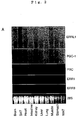
- ERRL1 The expression patterns of ERRL1 in different tissues from adult mice were examined. Two ERRL1 mRNAs of about 10 kb and 4 kb in length were observed. ERRL1 mRNAs were abundant in brain, BAT, heart and skeletal muscle, and were also detected in kidney, stomach and white adipose tissue (WAT). Consistent with a previous report (Puigserver, P. et al., Cell 92: 829-839, 1998), PGC-1 expression was increased in mouse BAT after exposure to cold stress, however, the expression of ERRL1 mRNAs was only marginally up-regulated by this stress.
- ERRL1 closely resembles that of ERR1 (Sladek, R. et al., Mol. Cell. Biol. 17: 5400-5409, 1997 and Fig. 2), with both mRNAs being highly expressed in tissues that can use lipids as a source of cellular energy, e.g., BAT, heart, skeletal muscle, and kidney (Fig. 2A). ERR2 mRNA expression was not be detected, which is consistent with a previous study report (Giguere, V. et al., Nature 331: 91-94, 1988).
- ERRL1 expression is augmented during adipocyte differentiation of 3T3-L1 cells. It is certain that ERRL1 mRNAs were present at very low levels in 3T3-L1 preadipocytes and were markedly induced during adipocyte differentiation. In contrast, mRNAs of PGC-1 and PRC, another PGC-1-related molecule (Andersson, U. & Scarpulla, R. C. Mol. Cell. Biol. 21: 3738-3749, 2001) remained at low levels during this adipocyte differentiation (Fig. 2B). Similar augmentation of ERRL1 mRNAs was observed in mature adipocytes (Smas, C. M. & Sul, H. S. Biochem. J.
- PGC-1 has been shown to be induced by certain environmental changes such as cold exposure (Puigserver, P. et al., Cell 92: 829-839, 1998) and fasting (Yoon, J. C. et al., Nature 413: 131-138, 2001; Lehman, J.
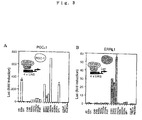
- PGC-1 most strongly activated HNF4 ⁇ , which is consistent with a recent report (Yoon, J. C. et al., Nature 413: 131-138, 2001). Subsequently, PGC-1 activated ER ⁇ , SF1, ERRs, PPARs, PXR, RAR ⁇ , and RXR ⁇ (Fig. 3A). From these observations, it was confirmed that PGC-1 can function as a general and broad nuclear receptor agonist.
- ERRL1 specifically activated ERR-mediated transcription.
- ERR3 was most strongly activated by ERRL1, followed by ERR1 and ERR2 (Fig. 3B).
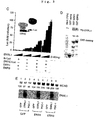
- ERRL1 and ERR were expressed in 10T1/2 cell line, and it was examined whether ERRL1 can activate MCAD gene expression via the ERR.
- 10T1/2 cells were infected with several combinations of recombinant retroviruses, each containing a DNA encoding GFP (control), ERR1, ERR3, ERRL1 or PGC-1.
- Northern blot analysis was performed to confirm the expressions of the transduced genes in each cell line (Fig. 3E).
- the sole expression of either ERR1 or ERR3 led to a modest increase of MCAD mRNA level compared with that in cells infected with GFP alone.
- ERRL1 transgenic mice were created. It was expected that these mice would exhibit phenotypes that mimic those induced by activated ERR-mediated transcription.
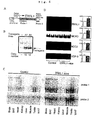
- the chicken ⁇ -actin promoter with the cytomegalovirus immediate early enhancer (CAG promoter) was used to promote the expression of the mouse ERRL1 transgene in mice (Fig. 4A). Southern blot analysis of tail DNAs of the mice was performed to determine the transgene copy numbers (Fig. 4B).
- RNAs isolated from tissues of ERRL1 mice and control littermate mouse at 8 weeks of age were evaluated by Northern blot analysis on RNAs isolated from tissues of ERRL1 mice and control littermate mouse at 8 weeks of age (Fig. 4C).
- a transgene-specific probe Probe 2, Fig. 4A
- the CAG promoter has been reported to show a strong activity in any tissues (Niwa, H. et al., Gene 108: 193-200, 1991).
- the use of this promoter resulted in high expression levels of the ERRL1 transgene in several restricted tissues such as brain, BAT, heart, skeletal muscle, and testis, but a very low-level of expression in liver (Fig. 4C).
- ERRL1 As predicted from the in vitro data, the increased expression of ERRL1 in the skeletal muscle of ERRL1 mice (Fig. 4D) enhanced MCAD mRNA expression in vivo. In contrast, the increased expression of ERRL1 did not affect the gene expression of acetyl-CoA carboxylase 2 (ACC2) (Abu-Elheiga, L. et al., Science 291: 2613-2616, 2001) or uncoupling protein-3 (UCP3) (Clapham, J. C. et al., Nature 406: 415-418, 2000).
- ACC2 acetyl-CoA carboxylase 2
- UCP3 uncoupling protein-3
- ERRL1 mice are hyperphagic but lean
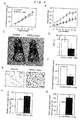
- ERRL1 mice The apparent phenotype observed in ERRL1 mice was lean, which agreed well with those predicted from increased ⁇ -oxidation of fatty acids. This phenotype was more prominent when mice were fed with a high-fat diet (Aoki, N. et al., Obesity Res. 1: 126-131, 1993). Groups of six male wild-type control mice and six male ERRL1 mice, at 9 weeks of age, were freely fed with a high-fat diet, and the food consumption and body weight of each mouse were measured every week. ERRL1 mice consumed significantly more food than the control mice (Fig. 5A). However, the transgenic mice weighed 15 to 25% less than the control mice before and throughout the feeding periods with a high-fat diet (Fig.
- ERRL1 mice only weighed 0.92 ⁇ 0.28 g, compared with 2.0 ⁇ 0.30 g in the control mice (Fig.). In contrast, liver weights were not significantly different (ERRL1 mice: 1.23 ⁇ 0.06 g; control mice: 1.4 ⁇ 0.08 g).
- the adipocytes of the transgenic mice were smaller than those of the control mice (average diameter of adipocytes in ERRL1 mice: 25.1 ⁇ 1.1 ⁇ m; control mice: 54.5 ⁇ 2.2 ⁇ m; Figs. 5E and 5F).
- the blood was collected from these mice, and serum components were biochemically analyzed.
- the decrease in adipose mass resulted in a decrease in the amount of leptin in the serum (ERRL1 mice: 5.9 ⁇ 3.5 ng ml -1 , control mice: 25.0 ⁇ 6.6 ng ml -1 ).
- leptin is an anti-appetite hormone secreted from WAT (Friedman, J. M. Nature 404: 632-634, 2000)
- the decreased level of leptin observed in ERRL1 mice is consistent with the observation that they are hyperphagic.
- decreased level of insulin were observed in the transgenic mice compared with the control mice fed with a high-fat diet.
- mice when fed with a high-fat diet, generally develop resistance to glucose uptake, even with a high plasma insulin concentration (Li, B. et al., Nat. Med. 6: 1115-1120, 2000).
- the decreased body weight and decreased insulin level observed in ERRL1 mice indicate that the increased expression of ERRL1 can antagonize obesity and contribute to an improvement of diabetic state, even taking a high-calorie diet through overcoming insulin resistance.
- locomotor activity was not significantly different (ERRL1 mice, 7,338 ⁇ 700 counts; control mice, 5,338 ⁇ 390 counts, the data represent the sum of all transits over a 24 h period).
- ERRL1 expression can antagonize a genetically programmed obesity
- ERRL1 mice and KKAy mice were bred, and it was examined whether the obese phenotype of KKAy mice was counteracted by the increased expression of ERRL1.
- KKAy mice have a mutation of Ay, which leads to ectopic expression of the agouti coat-color protein, causing a dominantly inherited syndrome of obesity and yellow fur (Siracusa, L. D., Trends Genet. 10: 423-428, 1994).
- the agouti protein acts as an antagonist for the melanocortine receptors, which are considered to act as a repressor receptor of appetite in the central nervous system (Friedman, J. M. Nature 404: 632-634, 2000; Siracusa, L. D., Trends Genet.
- KKAy males were bred with ERRL1 females, and their offsprings were selected by hair color (yellow, KKAy(+); black, KKAy(-)) and ERRL1 transgene expression.
- Comparison of the body weights of each group revealed that the ERRL1 transgene significantly suppressed the body weight increases of KKAy(+) mice (Figs. 6A and 6B), demonstrating that increased ERRL1 expression can antagonize obesity caused by a genetic abnormality.
- ERRL1 functions as a 'protein ligand' for ERRs and controls energy expenditure in vivo.
- fatty acid ⁇ -oxidation is increased, as a result, accumulated fat will be decreased. It is predicted that the same effects can be achieved by activating the transcriptional ability of ERR and by increasing MCAD gene expression.
- a method of screening an ingredient in a remedy for obesity or diabetes by using the interaction between a nuclear orphan receptor ERR and its ligand molecule ERRL1 as an index and a novel drug containing a substance specified by this method as the active ingredient.
Landscapes
- Health & Medical Sciences (AREA)
- Life Sciences & Earth Sciences (AREA)
- Engineering & Computer Science (AREA)
- Biomedical Technology (AREA)
- Chemical & Material Sciences (AREA)
- Immunology (AREA)
- Molecular Biology (AREA)
- Hematology (AREA)
- Urology & Nephrology (AREA)
- General Health & Medical Sciences (AREA)
- Biotechnology (AREA)
- Cell Biology (AREA)
- Bioinformatics & Cheminformatics (AREA)
- Medicinal Chemistry (AREA)
- Physics & Mathematics (AREA)
- Biochemistry (AREA)
- Microbiology (AREA)
- Analytical Chemistry (AREA)
- Food Science & Technology (AREA)
- General Physics & Mathematics (AREA)
- Pathology (AREA)
- Toxicology (AREA)
- Organic Chemistry (AREA)
- Tropical Medicine & Parasitology (AREA)
- Genetics & Genomics (AREA)
- Zoology (AREA)
- Veterinary Medicine (AREA)
- Animal Behavior & Ethology (AREA)
- Diabetes (AREA)
- Biophysics (AREA)
- Proteomics, Peptides & Aminoacids (AREA)
- Environmental Sciences (AREA)
- Wood Science & Technology (AREA)
- General Engineering & Computer Science (AREA)
- General Chemical & Material Sciences (AREA)
- Chemical Kinetics & Catalysis (AREA)
- Pharmacology & Pharmacy (AREA)
- Public Health (AREA)
- Nuclear Medicine, Radiotherapy & Molecular Imaging (AREA)
- Obesity (AREA)
Applications Claiming Priority (3)
| Application Number | Priority Date | Filing Date | Title |
|---|---|---|---|
| JP2002231999 | 2002-08-08 | ||
| JP2002231999 | 2002-08-08 | ||
| PCT/JP2003/010163 WO2004015415A1 (ja) | 2002-08-08 | 2003-08-08 | 薬剤スクリーニング方法 |
Publications (2)
| Publication Number | Publication Date |
|---|---|
| EP1548434A1 true EP1548434A1 (de) | 2005-06-29 |
| EP1548434A4 EP1548434A4 (de) | 2007-05-09 |
Family
ID=31711762
Family Applications (1)
| Application Number | Title | Priority Date | Filing Date |
|---|---|---|---|
| EP03784625A Withdrawn EP1548434A4 (de) | 2002-08-08 | 2003-08-08 | Verfahren zum screening eines medikaments |
Country Status (5)
| Country | Link |
|---|---|
| US (1) | US20060174355A1 (de) |
| EP (1) | EP1548434A4 (de) |
| JP (1) | JPWO2004015415A1 (de) |
| CA (1) | CA2496038A1 (de) |
| WO (1) | WO2004015415A1 (de) |
Cited By (2)
| Publication number | Priority date | Publication date | Assignee | Title |
|---|---|---|---|---|
| WO2007130431A3 (en) * | 2006-05-03 | 2008-03-20 | Novartis Ag | FUNCTION OF ESTROGEN RELATED RECEPTOR GAMMA (ERRγ) IN INCREASING MITOCHONDRIAL BIOGENESIS |
| JP2009535425A (ja) * | 2006-05-03 | 2009-10-01 | ノバルティス アクチエンゲゼルシャフト | 有機化合物の使用 |
Family Cites Families (4)
| Publication number | Priority date | Publication date | Assignee | Title |
|---|---|---|---|---|
| WO2000026365A1 (en) * | 1998-11-04 | 2000-05-11 | Kazusa Dna Research Institute Foundation | NOVEL GENE AND PROTEIN ERRη ENCODED THEREBY |
| CA2360103A1 (en) * | 1999-02-08 | 2000-08-17 | Robert Sladek | Non-human transgenic animal whose germ cells and somatic cells contain a knockout mutation in dna encoding orphan nuclear receptor erralpha |
| JP2002058489A (ja) * | 2000-08-22 | 2002-02-26 | Osaka Bioscience Institute | 糖尿病におけるインスリン抵抗性改善薬をスクリーニングする方法 |
| US7091006B2 (en) * | 2001-11-09 | 2006-08-15 | Dana-Farber Cancer Institute, Inc. | PGC-1β, a novel PGC-1 homologue and uses therefor |
-
2003
- 2003-08-08 JP JP2004527384A patent/JPWO2004015415A1/ja active Pending
- 2003-08-08 US US10/523,982 patent/US20060174355A1/en not_active Abandoned
- 2003-08-08 WO PCT/JP2003/010163 patent/WO2004015415A1/ja not_active Ceased
- 2003-08-08 EP EP03784625A patent/EP1548434A4/de not_active Withdrawn
- 2003-08-08 CA CA002496038A patent/CA2496038A1/en not_active Abandoned
Cited By (2)
| Publication number | Priority date | Publication date | Assignee | Title |
|---|---|---|---|---|
| WO2007130431A3 (en) * | 2006-05-03 | 2008-03-20 | Novartis Ag | FUNCTION OF ESTROGEN RELATED RECEPTOR GAMMA (ERRγ) IN INCREASING MITOCHONDRIAL BIOGENESIS |
| JP2009535425A (ja) * | 2006-05-03 | 2009-10-01 | ノバルティス アクチエンゲゼルシャフト | 有機化合物の使用 |
Also Published As
| Publication number | Publication date |
|---|---|
| EP1548434A4 (de) | 2007-05-09 |
| JPWO2004015415A1 (ja) | 2005-12-02 |
| WO2004015415A1 (ja) | 2004-02-19 |
| CA2496038A1 (en) | 2004-02-19 |
| US20060174355A1 (en) | 2006-08-03 |
Similar Documents
| Publication | Publication Date | Title |
|---|---|---|
| Arrandale et al. | Insulin signaling in mice expressing reduced levels of Syp | |
| Ito et al. | Involvement of the TRAP220 component of the TRAP/SMCC coactivator complex in embryonic development and thyroid hormone action | |
| Li et al. | The nuclear orphan receptor COUP-TFII plays an essential role in adipogenesis, glucose homeostasis, and energy metabolism | |
| Yen et al. | Effects of ligand and thyroid hormone receptor isoforms on hepatic gene expression profiles of thyroid hormone receptor knockout mice | |
| Dalen et al. | Expression of the insulin-responsive glucose transporter GLUT4 in adipocytes is dependent on liver X receptor α | |
| Chen et al. | Hop is an unusual homeobox gene that modulates cardiac development | |
| Richard et al. | Ablation of the Sam68 RNA binding protein protects mice from age-related bone loss | |
| Schaaf et al. | The zebrafish as a model system for glucocorticoid receptor research | |
| Miki et al. | Essential role of insulin receptor substrate 1 (IRS-1) and IRS-2 in adipocyte differentiation | |
| Johnson et al. | Pleiotropic effects of a null mutation in the c-fos proto-oncogene | |
| Harmar et al. | The VPAC2 receptor is essential for circadian function in the mouse suprachiasmatic nuclei | |
| Stroup et al. | HNF4 and COUP-TFII interact to modulate transcription of the cholesterol 7α-hydroxylase gene (CYP7A1) | |
| Meister et al. | The G protein-coupled receptor P2Y14 influences insulin release and smooth muscle function in mice | |
| Ortiga-Carvalho et al. | Thyroid hormone receptors and resistance to thyroid hormone disorders | |
| van de Sluis et al. | Increased activity of hypoxia-inducible factor 1 is associated with early embryonic lethality in Commd1 null mice | |
| Kamei et al. | Regulation of SREBP1c gene expression in skeletal muscle: role of retinoid X receptor/liver X receptor and forkhead-O1 transcription factor | |
| Sutherland et al. | Zinc finger protein Zbtb20 is essential for postnatal survival and glucose homeostasis | |
| Thiaville et al. | DNA-binding motif and target genes of the imprinted transcription factor PEG3 | |
| Kowalski et al. | Transgenic overexpression of neuromedin U promotes leanness and hypophagia in mice | |
| Pedersen et al. | Distinct C/EBPα motifs regulate lipogenic and gluconeogenic gene expression in vivo | |
| Tung et al. | FTO is necessary for the induction of leptin resistance by high-fat feeding | |
| Reddy et al. | The Drosophila PAR domain protein 1 (Pdp1) gene encodes multiple differentially expressed mRNAs and proteins through the use of multiple enhancers and promoters | |
| US20080032961A1 (en) | Therapy employing LXRalpha modolators | |
| Blackshear et al. | Disruption of the gene encoding the mitogen-regulated translational modulator PHAS-I in mice | |
| JP4742032B2 (ja) | アディポネクチン発現誘導剤およびその利用 |
Legal Events
| Date | Code | Title | Description |
|---|---|---|---|
| PUAI | Public reference made under article 153(3) epc to a published international application that has entered the european phase |
Free format text: ORIGINAL CODE: 0009012 |
|
| 17P | Request for examination filed |
Effective date: 20050225 |
|
| AK | Designated contracting states |
Kind code of ref document: A1 Designated state(s): AT BE BG CH CY CZ DE DK EE ES FI FR GB GR HU IE IT LI LU MC NL PT RO SE SI SK TR |
|
| A4 | Supplementary search report drawn up and despatched |
Effective date: 20070412 |
|
| 17Q | First examination report despatched |
Effective date: 20071106 |
|
| RAP1 | Party data changed (applicant data changed or rights of an application transferred) |
Owner name: JAPAN SCIENCE AND TECHNOLOGY AGENCY |
|
| STAA | Information on the status of an ep patent application or granted ep patent |
Free format text: STATUS: THE APPLICATION IS DEEMED TO BE WITHDRAWN |
|
| 18D | Application deemed to be withdrawn |
Effective date: 20100309 |