EP1538138A1 - Substituted benzanilide compound and pest control agent - Google Patents
Substituted benzanilide compound and pest control agent Download PDFInfo
- Publication number
- EP1538138A1 EP1538138A1 EP03792835A EP03792835A EP1538138A1 EP 1538138 A1 EP1538138 A1 EP 1538138A1 EP 03792835 A EP03792835 A EP 03792835A EP 03792835 A EP03792835 A EP 03792835A EP 1538138 A1 EP1538138 A1 EP 1538138A1
- Authority
- EP
- European Patent Office
- Prior art keywords
- alkyl
- formula
- substituted
- cycloalkyl
- phenyl
- Prior art date
- Legal status (The legal status is an assumption and is not a legal conclusion. Google has not performed a legal analysis and makes no representation as to the accuracy of the status listed.)
- Withdrawn
Links
- 0 CC1=NC=*=CS1 Chemical compound CC1=NC=*=CS1 0.000 description 35
- IHAWUEAOZYVWCK-UHFFFAOYSA-N CC(C)(C1)C1(C)F Chemical compound CC(C)(C1)C1(C)F IHAWUEAOZYVWCK-UHFFFAOYSA-N 0.000 description 1
- CMJLMPKFQPJDKP-UHFFFAOYSA-N CC(CC1)CS1(=O)=O Chemical compound CC(CC1)CS1(=O)=O CMJLMPKFQPJDKP-UHFFFAOYSA-N 0.000 description 1
- FIVCIZQYDMOZIR-UHFFFAOYSA-N CC(CCC1)C1SC Chemical compound CC(CCC1)C1SC FIVCIZQYDMOZIR-UHFFFAOYSA-N 0.000 description 1
- FVOYKBHLLMQSAJ-UHFFFAOYSA-N CC1=CCC(C(F)(F)F)C=N1 Chemical compound CC1=CCC(C(F)(F)F)C=N1 FVOYKBHLLMQSAJ-UHFFFAOYSA-N 0.000 description 1
- OGIOQJFRQQRTDD-UHFFFAOYSA-N CC1C(CSC)CCCC1 Chemical compound CC1C(CSC)CCCC1 OGIOQJFRQQRTDD-UHFFFAOYSA-N 0.000 description 1
- OBDPKQAHKUTNIN-UHFFFAOYSA-N CC[O](C)(C)C(N1CCC(C)CC1)=O Chemical compound CC[O](C)(C)C(N1CCC(C)CC1)=O OBDPKQAHKUTNIN-UHFFFAOYSA-N 0.000 description 1
- YWNJQQNBJQUKME-UHFFFAOYSA-N Cc(cn1)ccc1Br Chemical compound Cc(cn1)ccc1Br YWNJQQNBJQUKME-UHFFFAOYSA-N 0.000 description 1
- OASHAUJICDIPQC-UHFFFAOYSA-N Cc(cn1)ccc1OCC(F)(F)F Chemical compound Cc(cn1)ccc1OCC(F)(F)F OASHAUJICDIPQC-UHFFFAOYSA-N 0.000 description 1
- GDOFYQSAONHBSE-UHFFFAOYSA-N Cc1cc(C)c(C=C)nc1 Chemical compound Cc1cc(C)c(C=C)nc1 GDOFYQSAONHBSE-UHFFFAOYSA-N 0.000 description 1
- LIEQVZZZYLHNRH-UHFFFAOYSA-N Cc1ccc(C#N)nc1 Chemical compound Cc1ccc(C#N)nc1 LIEQVZZZYLHNRH-UHFFFAOYSA-N 0.000 description 1
- HALCBPJUGWBVBU-UHFFFAOYSA-N Cc1ccc(C(F)(F)F)nc1 Chemical compound Cc1ccc(C(F)(F)F)nc1 HALCBPJUGWBVBU-UHFFFAOYSA-N 0.000 description 1
- ZBFAXMKJADVOGH-UHFFFAOYSA-N Cc1ccnc(F)c1 Chemical compound Cc1ccnc(F)c1 ZBFAXMKJADVOGH-UHFFFAOYSA-N 0.000 description 1
Classifications
-
- C—CHEMISTRY; METALLURGY
- C07—ORGANIC CHEMISTRY
- C07D—HETEROCYCLIC COMPOUNDS
- C07D261/00—Heterocyclic compounds containing 1,2-oxazole or hydrogenated 1,2-oxazole rings
- C07D261/02—Heterocyclic compounds containing 1,2-oxazole or hydrogenated 1,2-oxazole rings not condensed with other rings
- C07D261/04—Heterocyclic compounds containing 1,2-oxazole or hydrogenated 1,2-oxazole rings not condensed with other rings having one double bond between ring members or between a ring member and a non-ring member
-
- A—HUMAN NECESSITIES
- A01—AGRICULTURE; FORESTRY; ANIMAL HUSBANDRY; HUNTING; TRAPPING; FISHING
- A01N—PRESERVATION OF BODIES OF HUMANS OR ANIMALS OR PLANTS OR PARTS THEREOF; BIOCIDES, e.g. AS DISINFECTANTS, AS PESTICIDES OR AS HERBICIDES; PEST REPELLANTS OR ATTRACTANTS; PLANT GROWTH REGULATORS
- A01N37/00—Biocides, pest repellants or attractants, or plant growth regulators containing organic compounds containing a carbon atom having three bonds to hetero atoms with at the most two bonds to halogen, e.g. carboxylic acids
- A01N37/18—Biocides, pest repellants or attractants, or plant growth regulators containing organic compounds containing a carbon atom having three bonds to hetero atoms with at the most two bonds to halogen, e.g. carboxylic acids containing the group —CO—N<, e.g. carboxylic acid amides or imides; Thio analogues thereof
- A01N37/30—Biocides, pest repellants or attractants, or plant growth regulators containing organic compounds containing a carbon atom having three bonds to hetero atoms with at the most two bonds to halogen, e.g. carboxylic acids containing the group —CO—N<, e.g. carboxylic acid amides or imides; Thio analogues thereof containing the groups —CO—N< and, both being directly attached by their carbon atoms to the same carbon skeleton, e.g. H2N—NH—CO—C6H4—COOCH3; Thio-analogues thereof
-
- A—HUMAN NECESSITIES
- A01—AGRICULTURE; FORESTRY; ANIMAL HUSBANDRY; HUNTING; TRAPPING; FISHING
- A01N—PRESERVATION OF BODIES OF HUMANS OR ANIMALS OR PLANTS OR PARTS THEREOF; BIOCIDES, e.g. AS DISINFECTANTS, AS PESTICIDES OR AS HERBICIDES; PEST REPELLANTS OR ATTRACTANTS; PLANT GROWTH REGULATORS
- A01N43/00—Biocides, pest repellants or attractants, or plant growth regulators containing heterocyclic compounds
- A01N43/02—Biocides, pest repellants or attractants, or plant growth regulators containing heterocyclic compounds having rings with one or more oxygen or sulfur atoms as the only ring hetero atoms
-
- A—HUMAN NECESSITIES
- A01—AGRICULTURE; FORESTRY; ANIMAL HUSBANDRY; HUNTING; TRAPPING; FISHING
- A01N—PRESERVATION OF BODIES OF HUMANS OR ANIMALS OR PLANTS OR PARTS THEREOF; BIOCIDES, e.g. AS DISINFECTANTS, AS PESTICIDES OR AS HERBICIDES; PEST REPELLANTS OR ATTRACTANTS; PLANT GROWTH REGULATORS
- A01N43/00—Biocides, pest repellants or attractants, or plant growth regulators containing heterocyclic compounds
- A01N43/34—Biocides, pest repellants or attractants, or plant growth regulators containing heterocyclic compounds having rings with one nitrogen atom as the only ring hetero atom
-
- A—HUMAN NECESSITIES
- A01—AGRICULTURE; FORESTRY; ANIMAL HUSBANDRY; HUNTING; TRAPPING; FISHING
- A01N—PRESERVATION OF BODIES OF HUMANS OR ANIMALS OR PLANTS OR PARTS THEREOF; BIOCIDES, e.g. AS DISINFECTANTS, AS PESTICIDES OR AS HERBICIDES; PEST REPELLANTS OR ATTRACTANTS; PLANT GROWTH REGULATORS
- A01N43/00—Biocides, pest repellants or attractants, or plant growth regulators containing heterocyclic compounds
- A01N43/34—Biocides, pest repellants or attractants, or plant growth regulators containing heterocyclic compounds having rings with one nitrogen atom as the only ring hetero atom
- A01N43/36—Biocides, pest repellants or attractants, or plant growth regulators containing heterocyclic compounds having rings with one nitrogen atom as the only ring hetero atom five-membered rings
-
- A—HUMAN NECESSITIES
- A01—AGRICULTURE; FORESTRY; ANIMAL HUSBANDRY; HUNTING; TRAPPING; FISHING
- A01N—PRESERVATION OF BODIES OF HUMANS OR ANIMALS OR PLANTS OR PARTS THEREOF; BIOCIDES, e.g. AS DISINFECTANTS, AS PESTICIDES OR AS HERBICIDES; PEST REPELLANTS OR ATTRACTANTS; PLANT GROWTH REGULATORS
- A01N43/00—Biocides, pest repellants or attractants, or plant growth regulators containing heterocyclic compounds
- A01N43/48—Biocides, pest repellants or attractants, or plant growth regulators containing heterocyclic compounds having rings with two nitrogen atoms as the only ring hetero atoms
-
- A—HUMAN NECESSITIES
- A01—AGRICULTURE; FORESTRY; ANIMAL HUSBANDRY; HUNTING; TRAPPING; FISHING
- A01N—PRESERVATION OF BODIES OF HUMANS OR ANIMALS OR PLANTS OR PARTS THEREOF; BIOCIDES, e.g. AS DISINFECTANTS, AS PESTICIDES OR AS HERBICIDES; PEST REPELLANTS OR ATTRACTANTS; PLANT GROWTH REGULATORS
- A01N43/00—Biocides, pest repellants or attractants, or plant growth regulators containing heterocyclic compounds
- A01N43/64—Biocides, pest repellants or attractants, or plant growth regulators containing heterocyclic compounds having rings with three nitrogen atoms as the only ring hetero atoms
-
- A—HUMAN NECESSITIES
- A01—AGRICULTURE; FORESTRY; ANIMAL HUSBANDRY; HUNTING; TRAPPING; FISHING
- A01N—PRESERVATION OF BODIES OF HUMANS OR ANIMALS OR PLANTS OR PARTS THEREOF; BIOCIDES, e.g. AS DISINFECTANTS, AS PESTICIDES OR AS HERBICIDES; PEST REPELLANTS OR ATTRACTANTS; PLANT GROWTH REGULATORS
- A01N43/00—Biocides, pest repellants or attractants, or plant growth regulators containing heterocyclic compounds
- A01N43/713—Biocides, pest repellants or attractants, or plant growth regulators containing heterocyclic compounds having rings with four or more nitrogen atoms as the only ring hetero atoms
-
- A—HUMAN NECESSITIES
- A01—AGRICULTURE; FORESTRY; ANIMAL HUSBANDRY; HUNTING; TRAPPING; FISHING
- A01N—PRESERVATION OF BODIES OF HUMANS OR ANIMALS OR PLANTS OR PARTS THEREOF; BIOCIDES, e.g. AS DISINFECTANTS, AS PESTICIDES OR AS HERBICIDES; PEST REPELLANTS OR ATTRACTANTS; PLANT GROWTH REGULATORS
- A01N43/00—Biocides, pest repellants or attractants, or plant growth regulators containing heterocyclic compounds
- A01N43/72—Biocides, pest repellants or attractants, or plant growth regulators containing heterocyclic compounds having rings with nitrogen atoms and oxygen or sulfur atoms as ring hetero atoms
-
- A—HUMAN NECESSITIES
- A01—AGRICULTURE; FORESTRY; ANIMAL HUSBANDRY; HUNTING; TRAPPING; FISHING
- A01N—PRESERVATION OF BODIES OF HUMANS OR ANIMALS OR PLANTS OR PARTS THEREOF; BIOCIDES, e.g. AS DISINFECTANTS, AS PESTICIDES OR AS HERBICIDES; PEST REPELLANTS OR ATTRACTANTS; PLANT GROWTH REGULATORS
- A01N43/00—Biocides, pest repellants or attractants, or plant growth regulators containing heterocyclic compounds
- A01N43/72—Biocides, pest repellants or attractants, or plant growth regulators containing heterocyclic compounds having rings with nitrogen atoms and oxygen or sulfur atoms as ring hetero atoms
- A01N43/74—Biocides, pest repellants or attractants, or plant growth regulators containing heterocyclic compounds having rings with nitrogen atoms and oxygen or sulfur atoms as ring hetero atoms five-membered rings with one nitrogen atom and either one oxygen atom or one sulfur atom in positions 1,3
-
- A—HUMAN NECESSITIES
- A01—AGRICULTURE; FORESTRY; ANIMAL HUSBANDRY; HUNTING; TRAPPING; FISHING
- A01N—PRESERVATION OF BODIES OF HUMANS OR ANIMALS OR PLANTS OR PARTS THEREOF; BIOCIDES, e.g. AS DISINFECTANTS, AS PESTICIDES OR AS HERBICIDES; PEST REPELLANTS OR ATTRACTANTS; PLANT GROWTH REGULATORS
- A01N43/00—Biocides, pest repellants or attractants, or plant growth regulators containing heterocyclic compounds
- A01N43/72—Biocides, pest repellants or attractants, or plant growth regulators containing heterocyclic compounds having rings with nitrogen atoms and oxygen or sulfur atoms as ring hetero atoms
- A01N43/80—Biocides, pest repellants or attractants, or plant growth regulators containing heterocyclic compounds having rings with nitrogen atoms and oxygen or sulfur atoms as ring hetero atoms five-membered rings with one nitrogen atom and either one oxygen atom or one sulfur atom in positions 1,2
-
- A—HUMAN NECESSITIES
- A01—AGRICULTURE; FORESTRY; ANIMAL HUSBANDRY; HUNTING; TRAPPING; FISHING
- A01N—PRESERVATION OF BODIES OF HUMANS OR ANIMALS OR PLANTS OR PARTS THEREOF; BIOCIDES, e.g. AS DISINFECTANTS, AS PESTICIDES OR AS HERBICIDES; PEST REPELLANTS OR ATTRACTANTS; PLANT GROWTH REGULATORS
- A01N43/00—Biocides, pest repellants or attractants, or plant growth regulators containing heterocyclic compounds
- A01N43/72—Biocides, pest repellants or attractants, or plant growth regulators containing heterocyclic compounds having rings with nitrogen atoms and oxygen or sulfur atoms as ring hetero atoms
- A01N43/82—Biocides, pest repellants or attractants, or plant growth regulators containing heterocyclic compounds having rings with nitrogen atoms and oxygen or sulfur atoms as ring hetero atoms five-membered rings with three ring hetero atoms
-
- C—CHEMISTRY; METALLURGY
- C07—ORGANIC CHEMISTRY
- C07C—ACYCLIC OR CARBOCYCLIC COMPOUNDS
- C07C233/00—Carboxylic acid amides
- C07C233/01—Carboxylic acid amides having carbon atoms of carboxamide groups bound to hydrogen atoms or to acyclic carbon atoms
- C07C233/16—Carboxylic acid amides having carbon atoms of carboxamide groups bound to hydrogen atoms or to acyclic carbon atoms having the nitrogen atom of at least one of the carboxamide groups bound to a carbon atom of a hydrocarbon radical substituted by singly-bound oxygen atoms
- C07C233/24—Carboxylic acid amides having carbon atoms of carboxamide groups bound to hydrogen atoms or to acyclic carbon atoms having the nitrogen atom of at least one of the carboxamide groups bound to a carbon atom of a hydrocarbon radical substituted by singly-bound oxygen atoms with the substituted hydrocarbon radical bound to the nitrogen atom of the carboxamide group by a carbon atom of a six-membered aromatic ring
- C07C233/25—Carboxylic acid amides having carbon atoms of carboxamide groups bound to hydrogen atoms or to acyclic carbon atoms having the nitrogen atom of at least one of the carboxamide groups bound to a carbon atom of a hydrocarbon radical substituted by singly-bound oxygen atoms with the substituted hydrocarbon radical bound to the nitrogen atom of the carboxamide group by a carbon atom of a six-membered aromatic ring having the carbon atom of the carboxamide group bound to a hydrogen atom or to a carbon atom of an acyclic saturated carbon skeleton
-
- C—CHEMISTRY; METALLURGY
- C07—ORGANIC CHEMISTRY
- C07C—ACYCLIC OR CARBOCYCLIC COMPOUNDS
- C07C233/00—Carboxylic acid amides
- C07C233/64—Carboxylic acid amides having carbon atoms of carboxamide groups bound to carbon atoms of six-membered aromatic rings
- C07C233/66—Carboxylic acid amides having carbon atoms of carboxamide groups bound to carbon atoms of six-membered aromatic rings having the nitrogen atom of at least one of the carboxamide groups bound to a carbon atom of a hydrocarbon radical substituted by halogen atoms or by nitro or nitroso groups
-
- C—CHEMISTRY; METALLURGY
- C07—ORGANIC CHEMISTRY
- C07C—ACYCLIC OR CARBOCYCLIC COMPOUNDS
- C07C233/00—Carboxylic acid amides
- C07C233/64—Carboxylic acid amides having carbon atoms of carboxamide groups bound to carbon atoms of six-membered aromatic rings
- C07C233/67—Carboxylic acid amides having carbon atoms of carboxamide groups bound to carbon atoms of six-membered aromatic rings having the nitrogen atom of at least one of the carboxamide groups bound to a carbon atom of a hydrocarbon radical substituted by singly-bound oxygen atoms
- C07C233/75—Carboxylic acid amides having carbon atoms of carboxamide groups bound to carbon atoms of six-membered aromatic rings having the nitrogen atom of at least one of the carboxamide groups bound to a carbon atom of a hydrocarbon radical substituted by singly-bound oxygen atoms with the substituted hydrocarbon radical bound to the nitrogen atom of the carboxamide group by a carbon atom of a six-membered aromatic ring
-
- C—CHEMISTRY; METALLURGY
- C07—ORGANIC CHEMISTRY
- C07C—ACYCLIC OR CARBOCYCLIC COMPOUNDS
- C07C255/00—Carboxylic acid nitriles
- C07C255/45—Carboxylic acid nitriles having cyano groups bound to carbon atoms of rings other than six-membered aromatic rings
- C07C255/46—Carboxylic acid nitriles having cyano groups bound to carbon atoms of rings other than six-membered aromatic rings to carbon atoms of non-condensed rings
-
- C—CHEMISTRY; METALLURGY
- C07—ORGANIC CHEMISTRY
- C07C—ACYCLIC OR CARBOCYCLIC COMPOUNDS
- C07C317/00—Sulfones; Sulfoxides
- C07C317/26—Sulfones; Sulfoxides having sulfone or sulfoxide groups and nitrogen atoms, not being part of nitro or nitroso groups, bound to the same carbon skeleton
- C07C317/28—Sulfones; Sulfoxides having sulfone or sulfoxide groups and nitrogen atoms, not being part of nitro or nitroso groups, bound to the same carbon skeleton with sulfone or sulfoxide groups bound to acyclic carbon atoms of the carbon skeleton
-
- C—CHEMISTRY; METALLURGY
- C07—ORGANIC CHEMISTRY
- C07C—ACYCLIC OR CARBOCYCLIC COMPOUNDS
- C07C317/00—Sulfones; Sulfoxides
- C07C317/26—Sulfones; Sulfoxides having sulfone or sulfoxide groups and nitrogen atoms, not being part of nitro or nitroso groups, bound to the same carbon skeleton
- C07C317/32—Sulfones; Sulfoxides having sulfone or sulfoxide groups and nitrogen atoms, not being part of nitro or nitroso groups, bound to the same carbon skeleton with sulfone or sulfoxide groups bound to carbon atoms of six-membered aromatic rings of the carbon skeleton
-
- C—CHEMISTRY; METALLURGY
- C07—ORGANIC CHEMISTRY
- C07C—ACYCLIC OR CARBOCYCLIC COMPOUNDS
- C07C323/00—Thiols, sulfides, hydropolysulfides or polysulfides substituted by halogen, oxygen or nitrogen atoms, or by sulfur atoms not being part of thio groups
- C07C323/23—Thiols, sulfides, hydropolysulfides or polysulfides substituted by halogen, oxygen or nitrogen atoms, or by sulfur atoms not being part of thio groups containing thio groups and nitrogen atoms, not being part of nitro or nitroso groups, bound to the same carbon skeleton
- C07C323/39—Thiols, sulfides, hydropolysulfides or polysulfides substituted by halogen, oxygen or nitrogen atoms, or by sulfur atoms not being part of thio groups containing thio groups and nitrogen atoms, not being part of nitro or nitroso groups, bound to the same carbon skeleton at least one of the nitrogen atoms being part of any of the groups, X being a hetero atom, Y being any atom
- C07C323/40—Y being a hydrogen or a carbon atom
- C07C323/42—Y being a carbon atom of a six-membered aromatic ring
-
- C—CHEMISTRY; METALLURGY
- C07—ORGANIC CHEMISTRY
- C07D—HETEROCYCLIC COMPOUNDS
- C07D207/00—Heterocyclic compounds containing five-membered rings not condensed with other rings, with one nitrogen atom as the only ring hetero atom
- C07D207/02—Heterocyclic compounds containing five-membered rings not condensed with other rings, with one nitrogen atom as the only ring hetero atom with only hydrogen or carbon atoms directly attached to the ring nitrogen atom
- C07D207/18—Heterocyclic compounds containing five-membered rings not condensed with other rings, with one nitrogen atom as the only ring hetero atom with only hydrogen or carbon atoms directly attached to the ring nitrogen atom having one double bond between ring members or between a ring member and a non-ring member
- C07D207/20—Heterocyclic compounds containing five-membered rings not condensed with other rings, with one nitrogen atom as the only ring hetero atom with only hydrogen or carbon atoms directly attached to the ring nitrogen atom having one double bond between ring members or between a ring member and a non-ring member with only hydrogen atoms, hydrocarbon or substituted hydrocarbon radicals, directly attached to ring carbon atoms
-
- C—CHEMISTRY; METALLURGY
- C07—ORGANIC CHEMISTRY
- C07D—HETEROCYCLIC COMPOUNDS
- C07D231/00—Heterocyclic compounds containing 1,2-diazole or hydrogenated 1,2-diazole rings
- C07D231/02—Heterocyclic compounds containing 1,2-diazole or hydrogenated 1,2-diazole rings not condensed with other rings
- C07D231/06—Heterocyclic compounds containing 1,2-diazole or hydrogenated 1,2-diazole rings not condensed with other rings having one double bond between ring members or between a ring member and a non-ring member
-
- C—CHEMISTRY; METALLURGY
- C07—ORGANIC CHEMISTRY
- C07D—HETEROCYCLIC COMPOUNDS
- C07D239/00—Heterocyclic compounds containing 1,3-diazine or hydrogenated 1,3-diazine rings
- C07D239/02—Heterocyclic compounds containing 1,3-diazine or hydrogenated 1,3-diazine rings not condensed with other rings
- C07D239/20—Heterocyclic compounds containing 1,3-diazine or hydrogenated 1,3-diazine rings not condensed with other rings having two double bonds between ring members or between ring members and non-ring members
-
- C—CHEMISTRY; METALLURGY
- C07—ORGANIC CHEMISTRY
- C07D—HETEROCYCLIC COMPOUNDS
- C07D263/00—Heterocyclic compounds containing 1,3-oxazole or hydrogenated 1,3-oxazole rings
- C07D263/02—Heterocyclic compounds containing 1,3-oxazole or hydrogenated 1,3-oxazole rings not condensed with other rings
- C07D263/08—Heterocyclic compounds containing 1,3-oxazole or hydrogenated 1,3-oxazole rings not condensed with other rings having one double bond between ring members or between a ring member and a non-ring member
- C07D263/10—Heterocyclic compounds containing 1,3-oxazole or hydrogenated 1,3-oxazole rings not condensed with other rings having one double bond between ring members or between a ring member and a non-ring member with only hydrogen atoms, hydrocarbon or substituted hydrocarbon radicals, directly attached to ring carbon atoms
-
- C—CHEMISTRY; METALLURGY
- C07—ORGANIC CHEMISTRY
- C07D—HETEROCYCLIC COMPOUNDS
- C07D273/00—Heterocyclic compounds containing rings having nitrogen and oxygen atoms as the only ring hetero atoms, not provided for by groups C07D261/00 - C07D271/00
-
- C—CHEMISTRY; METALLURGY
- C07—ORGANIC CHEMISTRY
- C07D—HETEROCYCLIC COMPOUNDS
- C07D277/00—Heterocyclic compounds containing 1,3-thiazole or hydrogenated 1,3-thiazole rings
- C07D277/02—Heterocyclic compounds containing 1,3-thiazole or hydrogenated 1,3-thiazole rings not condensed with other rings
- C07D277/08—Heterocyclic compounds containing 1,3-thiazole or hydrogenated 1,3-thiazole rings not condensed with other rings having one double bond between ring members or between a ring member and a non-ring member
- C07D277/10—Heterocyclic compounds containing 1,3-thiazole or hydrogenated 1,3-thiazole rings not condensed with other rings having one double bond between ring members or between a ring member and a non-ring member with only hydrogen atoms, hydrocarbon or substituted hydrocarbon radicals, directly attached to ring carbon atoms
-
- C—CHEMISTRY; METALLURGY
- C07—ORGANIC CHEMISTRY
- C07D—HETEROCYCLIC COMPOUNDS
- C07D307/00—Heterocyclic compounds containing five-membered rings having one oxygen atom as the only ring hetero atom
- C07D307/02—Heterocyclic compounds containing five-membered rings having one oxygen atom as the only ring hetero atom not condensed with other rings
- C07D307/26—Heterocyclic compounds containing five-membered rings having one oxygen atom as the only ring hetero atom not condensed with other rings having one double bond between ring members or between a ring member and a non-ring member
- C07D307/28—Heterocyclic compounds containing five-membered rings having one oxygen atom as the only ring hetero atom not condensed with other rings having one double bond between ring members or between a ring member and a non-ring member with only hydrogen atoms, hydrocarbon or substituted hydrocarbon radicals, directly attached to ring carbon atoms
-
- C—CHEMISTRY; METALLURGY
- C07—ORGANIC CHEMISTRY
- C07D—HETEROCYCLIC COMPOUNDS
- C07D307/00—Heterocyclic compounds containing five-membered rings having one oxygen atom as the only ring hetero atom
- C07D307/02—Heterocyclic compounds containing five-membered rings having one oxygen atom as the only ring hetero atom not condensed with other rings
- C07D307/26—Heterocyclic compounds containing five-membered rings having one oxygen atom as the only ring hetero atom not condensed with other rings having one double bond between ring members or between a ring member and a non-ring member
- C07D307/30—Heterocyclic compounds containing five-membered rings having one oxygen atom as the only ring hetero atom not condensed with other rings having one double bond between ring members or between a ring member and a non-ring member with hetero atoms or with carbon atoms having three bonds to hetero atoms with at the most one bond to halogen, e.g. ester or nitrile radicals, directly attached to ring carbon atoms
-
- C—CHEMISTRY; METALLURGY
- C07—ORGANIC CHEMISTRY
- C07D—HETEROCYCLIC COMPOUNDS
- C07D317/00—Heterocyclic compounds containing five-membered rings having two oxygen atoms as the only ring hetero atoms
- C07D317/08—Heterocyclic compounds containing five-membered rings having two oxygen atoms as the only ring hetero atoms having the hetero atoms in positions 1 and 3
- C07D317/10—Heterocyclic compounds containing five-membered rings having two oxygen atoms as the only ring hetero atoms having the hetero atoms in positions 1 and 3 not condensed with other rings
- C07D317/14—Heterocyclic compounds containing five-membered rings having two oxygen atoms as the only ring hetero atoms having the hetero atoms in positions 1 and 3 not condensed with other rings with substituted hydrocarbon radicals attached to ring carbon atoms
- C07D317/28—Radicals substituted by nitrogen atoms
-
- C—CHEMISTRY; METALLURGY
- C07—ORGANIC CHEMISTRY
- C07D—HETEROCYCLIC COMPOUNDS
- C07D327/00—Heterocyclic compounds containing rings having oxygen and sulfur atoms as the only ring hetero atoms
- C07D327/02—Heterocyclic compounds containing rings having oxygen and sulfur atoms as the only ring hetero atoms one oxygen atom and one sulfur atom
- C07D327/04—Five-membered rings
-
- C—CHEMISTRY; METALLURGY
- C07—ORGANIC CHEMISTRY
- C07C—ACYCLIC OR CARBOCYCLIC COMPOUNDS
- C07C2601/00—Systems containing only non-condensed rings
- C07C2601/02—Systems containing only non-condensed rings with a three-membered ring
Definitions
- the present invention relates to a novel substituted benzanilide compound and a salt thereof, and a noxious organism controlling agent containing said compound as an effective ingredient.
- the noxious organism controlling agent in the present invention means an noxious organism controlling agent which is to control noxious arthropods in the agricultural and horticultural fields or in the farming, sanitation fields (a medicine for animals or an insecticide for domestic use or for business use).
- the agricultural chemicals according to the present invention means an insecticide and acaricide , a nematocide, a herbicide and a fungicide in the agricultural and horticultural fields.
- noxious organism controlling agents such as an insecticide and a fungicide for a long period of time
- noxious insects have obtained resistivity thereto in recent years, so that prevention thereof by the conventionally used insecticides or fungicides becomes difficult.
- a part of the known noxious organism controlling agents has high toxicity, or some of them are putting an ecological system in confusion due to their long residual activity. Under such a circumstance, it has been usually expected to develop a novel noxious organism controlling agent which has low toxicity and low remaining property.
- the present inventors have conducted earnest studies to solve the above-mentioned problems, and as a result, they have found that the novel substituted benzanilide compound represented by the following formula (1) according to the present invention is an extremely useful compound which has an excellent noxious organism controlling activity, in particular, an insecticidal and acaricidal activity, and causing substantially no bad effect against non-target organisms such as mammals, fishes and useful insects, whereby they have accomplished the present invention.
- the present invention relates to the following [1] to [19].
- cyano a (C 1 to C 6 )alkyl which may be optionally substituted by R 23 , a (C 1 to C 6 )-haloalkyl which may be optionally substituted by R 23 , a C 3 to C 8 cycloalkyl, a C 3 to C 8 halocycloalkyl, a (C 3 to C 8 )cycloalkyl which may be optionally substituted by R 23 , a (C 3 to C 8 )halocycloalkyl which may be optionally substituted by R 23 , a C 3 to C 6 alkenyl, a C 3 to C 6 haloalkenyl, a C 3 to C 6 alkynyl, a C 3 to C 6 haloalkynyl, -OR 8 , -S(O) r R 8 , -N(R 10 )R 9 , -CHO, -C(O)R 9 , -C(O)OR 9 , -
- cyano a (C 1 to C 6 )alkyl which may be optionally substituted by R 23 , a (C 1 to C 6 )haloalkyl which may be optionally substituted by R 23 , a C 3 to C 8 cycloalkyl, a C 3 to C 8 halocycloalkyl, a (C 3 to C 8 )cycloalkyl which may be optionally substituted by R 23 , a (C 3 to C 8 )halocycloalkyl which may be optionally substituted by R 23 , a C 3 to C 6 alkenyl, a C 3 to C 6 haloalkenyl, a C 3 to C 6 alkynyl, a C 3 to C 6 haloalkynyl, -OR 8 , -S(O) r R 8 , -N(R 10 )R 9 , -CHO, -C(O)R 9 , -C(O)OR 9 , -C
- cyano a C 3 to C 6 cycloalkyl(C 1 to C 4 )alkyl, a C 3 to C 6 halocycloalkyl(C 1 to C 4 )alkyl, a C 1 to C 4 alkoxy(C 1 to C 4 )alkyl, a C 1 to C 4 haloalkoxy(C 1 to C 4 )alkyl, a C 1 to C 4 alkylthio-(C 1 to C 4 )alkyl, a C 1 to C 4 haloalkylthio(C 1 to C 4 )alkyl, a C 1 to C 4 alkylsulfinyl(C 1 to C 4 )alkyl, a C 1 to C 4 haloalkylsulfinyl(C 1 to C 4 )alkyl, a C 1 to C 4 alkylsulfonyl(C 1 to C 4 )alkyl, a C 1 to C 4 haloalkyl
- R 6a , R 6b , R 6c and R 6d each represent a hydrogen atom
- R 6e represents a C 1 to C 6 alkyl, a C 1 to C 6 alkylsulfonyl, a C 1 to C 6 alkoxycarbonyl, a di(C 1 to C 6 alkyl)phosphoryl or phenyl which may be substituted by (Z 2 ) p1
- R 6i represents a
- G represents a non-aromatic heterocyclic ring represented by either of the formula G-4, the formula G-5, the formula G-7, the formula G-11, the formula G-13, the formula G-14, the formula G-15, the formula G-17, the formula G-18 or the formula G-23, or a cycloalkyl ring represented by the formula G-71
- Y 1 represents a halogen atom, a C 1 to C 6 alkyl, a C 1 to C 6 haloalkyl, a hydroxy(C 1 to C 6 )alkyl, a C 1 to C 3 alkoxy(C 1 to C 3 )alkyl, a C 1 to C 6 alkoxy, a C 1 to C 6 haloalkoxy, a C 1 to C 6 alkylthio or a C 1 to C 6 haloalkyl
- a C 1 to C 6 haloalkyl a C 3 to C 6 cycloalkyl(C 1 to C 4 )alkyl, a C 1 to C 4 alkoxy(C 1 to C 4 )alkyl, a C 1 to C 4 haloalkoxy(C 1 to C 4 )alkyl, a C 1 to C 4 alkylthio(C 1 to C 4 )alkyl, a C 1 to C 4 haloalkylthio(C 1 to C 4 )alkyl, a C 1 to C 4 alkylsulfinyl(C 1 to C 4 )alkyl, a C 1 to C 4 haloalkylsulfinyl(C 1 to C 4 )alkyl, a C 1 to C 4 alkylsulfonyl(C 1 to C 4 )alkyl, a C 1 to C 4 haloalkylsulfonyl(C 1 to C 4 )alkyl,
- a halogen atom a C 1 to C 6 alkyl, a C 1 to C 6 haloalkyl, a C 3 to C 6 cycloalkyl(C 1 to C 4 )alkyl, a C 1 to C 4 alkoxy(C 1 to C 4 )alkyl, a C 1 to C 4 haloalkoxy(C 1 to C 4 )alkyl, a C 1 to C 4 alkylthio(C 1 to C 4 )alkyl, a C 1 to C 4 haloalkylthio(C 1 to C 4 )alkyl, a C 1 to C 4 alkylsulfinyl(C 1 to C 4 )alkyl, a C 1 to C 4 haloalkylsulfinyl(C 1 to C 4 )alkyl, a C 1 to C 4 alkylsulfonyl(C 1 to C 4 )-alkyl, a C 1 to C 4 haloal
- R 6a , R 6b , R 6c and R 6d each represent a hydrogen atom
- R 6e represents a C 1 to C 6 alkyl, a C 1 to C 6 alkylsulfonyl, a C 1 to C 6 alkoxycarbonyl, a di(C 1 to C 6 alkyl)phosphoryl or Q
- R 6i represents a hydrogen atom, a halogen atom or a C 1 to C 6 alkyl
- R 6j and R 6k each independently represent
- a noxious organism controlling agent which comprises one or more kinds selected from the group consisting of a substituted benzanilide compound and a salt thereof of the above-mentioned [1] to [15] as an effective ingredient.
- An agricultural chemical which comprises one or more kinds selected from the group consisting of a substituted benzanilide compound and a salt thereof of the above-mentioned [1] to [15] as an effective ingredient.
- a insecticide or acaricide which comprises one or more kinds selected from the group consisting of a substituted benzanilide compound and a salt thereof of the above-mentioned [1] to [15] as an effective ingredient.
- the compounds of the present invention have excellent insecticidal and acaricidal activities against many agricultural noxious insects and spider mites, and show sufficient preventing effects against noxious insects which obtained resistivity to the conventional insecticides. Moreover, the compounds do not substantially show bad influence against mammals, fishes and useful insects, and are low residual activity so that load against the environment is low.
- the present invention can provide a useful and novel noxious organism controlling agent.
- those which can be an acid addition salt according to the conventional method may include, for example, a salt of a hydrohalogenic acid such as hydrofluoric acid, hydrochloric acid, hydrobromic acid , hydroiodic acid, etc., a salt of an inorganic acid such as nitric acid, sulfuric acid, phosphoric acid, chloric acid, perchloric acid, etc., a salt of a sulfonic acid such as methanesulfonic acid, ethanesulfonic acid, trifluoromethanesulfonic acid, benzenesulfonic acid, p-toluenesulfonic acid, etc., a salt of a carbonic acid such as formic acid, acetic acid, propionic acid, trifluoroacetic acid, fumaric acid, tartaric acid, oxalic acid, maleic acid, malic acid, succinic acid, benzoic acid, mandelic acid, ascorbic
- those which can be made a metal salt according to the conventional manner may include, for example, a salt of an alkali metal such as lithium, sodium and potassium, a salt of an alkaline earth metal such as calcium, barium and magnesium or a salt of aluminum.
- n- means normal
- i- means iso
- s- means secondary and t- means tertiary, respectively
- Ph means phenyl
- G which is a 5-membered or 6-membered non-aromatic heterocyclic ring containing at least one atom selected from an oxygen atom, sulfur atom and nitrogen atom, and existing at least one double bond in the ring in the compounds of the present invention
- G which is a 5-membered or 6-membered saturated heterocyclic ring containing two atoms selected from an oxygen atom, sulfur atom and nitrogen atom in the compounds of the present invention
- a saturated heterocyclic ring represented by the formula G-55 to the formula G-70, and the like there may be mentioned, for example, a saturated heterocyclic ring represented by the formula G-55 to the formula G-70, and the like.
- G which is a 3-membered to 6-membered cycloalkyl ring in the compounds of the present invention
- a cycloalkyl ring represented by the formula G-71 to the formula G-78, and the like there may be mentioned, for example, a cycloalkyl ring represented by the formula G-71 to the formula G-78, and the like.
- halogen atom in the compounds of the present invention, there may be mentioned a fluorine atom, chlorine atom, bromine atom and iodine atom.
- halo in the present specification also represents these halogen atoms.
- C a to C b alkyl in the present specification represents a linear or branched hydrocarbon group having a to b carbon atoms, and there may be mentioned, for example, methyl group, ethyl group, n-propyl group, i-propyl group, n-butyl group, s-butyl group, i-butyl group, t-butyl group, n-pentyl group, 1-methylbutyl group, 2-methylbutyl group, 3-methylbutyl group, 1-ethylpropyl group, 1,1-dimethylpropyl group, 1,2-dimethylpropyl group, neopentyl group, n-hexyl group, 1-methylpentyl group, 2-methylpentyl group, 3-methylpentyl group, 4-methylpentyl group, 1-ethylbutyl group, 2-ethylbutyl group, 1,1-dimethylbutyl group, 1,2-dimethylbutyl
- C a to C b haloalkyl in the present specification represents a linear or branched hydrocarbon group having a to b carbon atoms in which the hydrogen atom bonded to the carbon atom is optionally substituted by a halogen atom, and when it is substituted by 2 or more halogen atoms, these halogen atoms may be the same with each other or may be different from each other.
- Specific examples may include, for example, fluoromethyl group, chloromethyl group, bromomethyl group, difluoromethyl group, dichloromethyl group, trifluoromethyl group, trichloromethyl group, chlorodifluoromethyl group, bromodifluoromethyl group, 2-fluoroethyl group, 1-chloroethyl group, 2-chloroethyl group, 1-bromoethyl group, 2-bromoethyl group, 2,2-difluoroethyl group, 1,2-dichloroethyl group, 2,2-dichloroethyl group, 2-bromo-2-chloroethyl group, 2,2,2-trifluoroethyl group, 2,2,2-trichloroethyl group, 1,1,2,2-tetrafluoroethyl group, 2-chloro-1,1,2-trifluoroethyl group, 2-bromo-1,1,2-trifluoroethyl group, pent
- hydroxy(C a to C b ) alkyl in the present specification represents a linear or branched alkyl group having a to b carbon atoms in which the hydrogen atom bonded to the carbon atom is optionally substituted by a hydroxyl group, and there may be specifically mentioned, for example, hydroxymethyl group, 1-hydroxyethyl group, 2-hydroxyethyl group, 3-hydroxypropyl group, 2-hydroxy-1-methylethyl group, 4-hydroxybutyl group, 2-hydroxy-1,1-dimethylethyl group, 3-hydroxy-1-methylpropyl group, 6-hydroxyhexyl group, etc., and each may be selected from the range of the carbon numbers as designated, respectively.
- cyano(C a to C b ) alkyl in the present specification represents a linear or branched alkyl group having a to b carbon atoms in which the hydrogen atom bonded to the carbon atom is optionally substituted by a cyano group, and there may be specifically mentioned, for example, cyanomethyl group, 1-cyanoethyl group, 2-cyanoethyl group, 3-cyanopropyl group, 1-cyano-1-methylethyl group, 4-cyanobutyl group, 2-cyano-1,1-dimethylethyl group, 1-cyano-1-methylpropyl group, 6-cyanohexyl group, etc., and each may be selected from the range of the carbon numbers as designated, respectively.
- C a to C b cycloalkyl in the present specification represents a cyclic hydrocarbon group having a to b carbon atoms, and may form a monocyclic or heterocyclic structure from a 3-membered ring to a 6-membered ring. Also, respective rings may be optionally substituted by an alkyl group(s) in the range of the designated number of the carbon atoms.
- cyclopropyl group 1-methylcyclopropyl group, 2-methylcyclopropyl group, 2,2-dimethylcyclopropyl group, 2,2,3,3-tetramethylcyclopropyl group, cyclobutyl group, cyclopentyl group, 1-methylcyclopentyl group, 2-methylcyclopentyl group, 3-methylcyclopentyl group, cyclohexyl group, 1-methylcyclohexyl group, 2-methylcyclohexyl group, 3-methylcyclohexyl group, 4-methylcyclohexyl group, bicyclo[2.2.1]heptan-2-yl group, etc., and each may be selected from the range of the carbon numbers as designated, respectively.
- C a to C b halocycloalkyl in the present specification represents a cyclic hydrocarbon group having a to b carbon atoms in which the hydrogen atom bonded to the carbon atom is optionally substituted by a halogen atom, and may form a monocyclic or heterocyclic structure from a 3-membered ring to a 6-membered ring.
- respective rings may be optionally substituted by an alkyl group(s) in the range of the designated number of the carbon atoms, substitution by the halogen atom may be at the ring structure portion, a side chain portion, or may be both of the portions, and further, when it is substituted by 2 or more halogen atoms, these halogen atoms may be the same with each other or may be different from each other.
- 1-bromocyclopropyl group 2,2-dichlorocyclopropyl group, 2,2-dibromocyclopropyl group, 2,2-difluoro-1-methylcyclopropyl group, 2,2-dichloro-1-methylcyclopropyl group, 2,2-dibromo-1-methylcyclopropyl group, 2,2-dichloro-3,3-dimethylcyclopropyl group, 2,2,3,3-tetrafluorocyclobutyl group, 2-fluorocyclohexyl group, 2-chlorocyclohexyl group, 3-chlorocyclohexyl group, 4-chlorocyclohexyl group, 2-trifluoromethylcyclohexyl group, 3-trifluoromethylcyclohexyl group, 4-trifluoromethylcyclohexyl group, etc., and each may be selected from the range of the carbon numbers as designated, respectively.
- C a to C b alkenyl in the present specification represents an unsaturated hydrocarbon group which is linear or branched having a to b carbon atoms, and having one or more double bonds in the molecule, and there may be specifically mentioned, for example, vinyl group, 1-propenyl group, 1-methylethenyl group, 2-propenyl group, 1-butenyl group, 1-methyl-1-propenyl group, 2-methyl-1-propenyl group, 2-butenyl group, 1-methyl-2-propenyl group, 2-methyl-2-propenyl group, 3-butenyl group, 1,3-butadienyl group, 1-methyl-2-butenyl group, 2-methyl-2-butenyl group, 3-methyl-2-butenyl group, 1,1-dimethyl-2-propenyl group, 2-hexenyl group, 2-methyl-2-pentenyl group, 1,3-dimethyl-2-butenyl group, 1,1,2-trimethyl-2-propenyl group, 1,1-
- C a to C b haloalkenyl in the present specification represents an unsaturated hydrocarbon group which is linear or branched having a to b carbon atoms, and having one or more double bonds in the molecule in which the hydrogen atom bonded to the carbon atom is optionally substituted by a halogen atom.
- these halogen atoms may be the same with each other or may be different from each other.
- C a to C b cycloalkenyl in the present specification represents a cyclic unsaturated hydrocarbon group having a to b carbon atoms and having 1 or more double bonds, and may form a monocyclic or heterocyclic structure from a 3-membered ring to a 6-membered ring. Also, respective rings may be optionally substituted by an alkyl group(s) in the range of the designated number of the carbon atoms, and the double bond may be either of the endo- or exo-form.
- cyclopenten-1-yl group 2-cyclopenten-1-yl group, 3-cyclo-penten-1-yl group, cyclohexen-1-yl group, 2-cyclohexen-1-yl group, 3-cyclohexen-1-yl group, 2-methyl-2-cyclohexen-1-yl group, 3-methyl-2-cyclohexen-1-yl group, bicyclo-[2.2.1]-5-hepten-2-yl group, etc., and each may be selected from the range of the carbon numbers as designated, respectively.
- C a to C b halocycloalkenyl in the present specification represents a cyclic unsaturated hydrocarbon group having a to b carbon atoms and having 1 or more double bonds in which the hydrogen atom bonded to the carbon atom is optionally substituted by a halogen atom, and may form a monocyclic or heterocyclic structure from a 3-membered ring to a 6-membered ring.
- respective rings may be optionally substituted by an alkyl group(s) in the range of the designated number of the carbon atoms, and the double bond may be either of the endo- or exo-form.
- substitution by the halogen atom may be at the ring structure portion, a side chain portion, or may be both of the portions, and further, when it is substituted by 2 or more halogen atoms, these halogen atoms may be the same with each other or may be different from each other.
- 2-chlorobicyclo[2.2.1]-5-hepten-2-yl group, etc. each may be selected from the range of the carbon numbers as designated, respectively.
- C a to C b alkynyl in the present specification represents a linear or branched unsaturated hydrocarbon group having one or more triple bonds in the molecule with a to b carbon atoms, and there may be specifically mentioned, for example, ethynyl group, 1-propynyl group, 2-propynyl group, 1-methyl-2-propynyl group, 2-butynyl group, 3-butynyl group, 2-pentynyl group, 1-methyl-2-butynyl group, 1-methyl-3-butynyl group, 1,1-dimethyl-2-propynyl group, 1-hexynyl group, 3,3-dimethyl-1-butynyl group, 2-hexynyl group, 1-methyl-2-pentynyl group, 1,1-dimethyl-2-butynyl group, 2-heptynyl group, 1,1-dimethyl-2-pentynyl group, 2-octynyl group
- C a to C b haloalkynyl in the present specification represents a linear or branched unsaturated hydrocarbon group having one or more triple bonds in the molecule with a to b carbon atoms in which the hydrogen atom bonded to the carbon atom is optionally substituted by a halogen atom.
- these halogen atoms may be the same with each other or may be different from each other.
- C a to C b alkoxy in the present specification represents an alkyl-O- group having the above-mentioned meaning with a to b carbon atoms, and there may be specifically mentioned, for example, methoxy group, ethoxy group, n-propyloxy group, i-propyloxy group, n-butyloxy group, s-butyloxy group, i-butyloxy group, t-butyloxy group, n-pentyloxy group, 1-methylbutyloxy group, 2-methylbutyloxy group, 3-methylbutyloxy group, 1-ethylpropyloxy group, 1,1-dimethylpropyloxy group, 1,2-dimethylpropyloxy group, neopentyloxy group, n-hexyloxy group, 1,1-dimethylbutyloxy group, etc., and each may be selected from the range of the carbon numbers as designated, respectively.
- C a to C b haloalkoxy in the present specification represents a haloalkyl-O- group having the above-mentioned meaning with a to b carbon atoms, and there may be specifically mentioned, for example, difluoromethoxy group, trifluoromethoxy group, chlorodifluoromethoxy group, bromodifluoromethoxy group, 2-fluoroethoxy group, 2-chloroethoxy group, 2,2,2-trifluoroethoxy group, 1,1,2,2,-tetrafluoroethoxy group, 2-chloro-1,1,2-trifluoroethoxy group, 2-bromo-1,1,2-trifluoroethoxy group, pentafluoroethoxy group, 2-bromo-1,1,2,2-tetrafluoroethoxy group, 2,2-dichloro-1,1,2-trifluoroethoxy group, 2,2,2-trichloro-1,1-difluoroethoxy group, 2-chloroprop
- C a to C b alkenyloxy in the present specification represents an alkenyl-O- group having the above-mentioned meaning with a to b carbon atoms, and there may be specifically mentioned, for example, 2-propenyloxy group, 2-butenyloxy group, 2-methyl-2-propenyloxy group, 3-methyl-2-butenyloxy group, etc., and each may be selected from the range of the carbon numbers as designated, respectively.
- C a to C b haloalkenyloxy in the present specification represents a haloalkenyl-O- group having the above-mentioned meaning with a to b carbon atoms, and there may be specifically mentioned, for example, 2-chloro-2-propenyl group, 3-chloro-2-propenyl group, 3,3-difluoro-2-propenyl group, 3,3-dichloro-2-propenyl group, 2,3,3-trifluoro-2-propenyl group, etc., and each may be selected from the range of the carbon numbers as designated, respectively.
- C a to C b alkylthio in the present specification represents an alkyl-S- group having the above-mentioned meaning with a to b carbon atoms, and there may be specifically mentioned, for example, methylthio group, ethylthio group, n-propylthio group, i-propylthio group, n-butylthio group, s-butylthio group, i-butylthio group, t-butylthio group, n-pentylthio group, 1-methylbutylthio group, 2-methylbutylthio group, 3-methylbutylthio group, 1-ethylpropylthio group, 1,1-dimethylpropylthio group, 1,2-dimethylpropylthio group, neopentylthio group, n-hexylthio group, etc., and each may be selected from the range of the carbon numbers as designated, respectively.
- C a to C b haloalkylthio in the present specification represents a haloalkyl-S- group having the above-mentioned meaning with a to b carbon atoms, and there may be specifically mentioned, for example, difluoromethylthio group, trifluoromethylthio group, bromodifluoromethylthio group, 2,2,2-trifluoroethylthio group, 1,1,2,2-tetrafluoroethylthio group, 1,1,2-trifluoro-2-chloroethylthio group, pentafluoroethylthio group, 2-bromo-1,1,2,2-tetrafluoroethylthio group, heptafluoropropylthio group, 1,2,2,2-tetrafluoro-1-trifluoromethylethylthio group, nonafluorobutylthio group, etc., and each may be selected from the range of the carbon numbers as designated, respectively.
- C a to C b cycloalkylthio in the present specification represents a cycloalkyl-S- group having the above-mentioned meaning with a to b carbon atoms, and there may be specifically mentioned, for example, cyclopropylthio group, cyclobutylthio group, cyclopentylthio group, cyclohexylthio group, etc., and each may be selected from the range of the carbon numbers as designated, respectively.
- C a to C b alkylsulfinyl in the present specification represents an alkyl-S(O)- group having the above-mentioned meaning with a to b carbon atoms, and there may be specifically mentioned, for example, methylsulfinyl group, ethylsulfinyl group, n-propylsulfinyl group, i-propylsulfinyl group, n-butylsulfinyl group, s-butylsulfinyl group, i-butylsulfinyl group, t-butylsulfinyl group, etc., and each may be selected from the range of the carbon numbers as designated, respectively.
- C a to C b haloalkylsulfinyl in the present specification represents a haloalkyl-S(O)- group having the above-mentioned meaning with a to b carbon atoms, and there may be specifically mentioned, for example, difluoromethylsulfinyl group, trifluoromethylsulfinyl group, bromodifluoromethylsulfinyl group, 2,2,2-trifluoroethylsulfinyl group, 2-bromo-1,1,2,2-tetrafluoroethylsulfinyl group, 1,2,2,2-tetrafluoro-1-trifluoromethylethylsulfinyl group, nonafluorobutylsulfinyl group, etc., and each may be selected from the range of the carbon numbers as designated, respectively.
- C a to C b cycloalkylsulfinyl in the present specification represents a cycloalkyl-S(O)- group having the above-mentioned meaning with a to b carbon atoms, and there may be specifically mentioned, for example, cyclopropylsulfinyl group, cyclobutylsulfinyl group, cyclopentylsulfinyl group, cyclohexylsulfinyl group, etc., and each may be selected from the range of the carbon numbers as designated, respectively.
- C a to C b alkylsulfonyl in the present specification represents an alkyl-SO 2 - group having the above-mentioned meaning with a to b carbon atoms, and there may be specifically mentioned, for example, methanesulfonyl group, ethanesulfonyl group, n-propylsulfonyl group, i-propylsulfonyl group, n-butylsulfonyl group, s-butylsulfonyl group, i-butylsulfonyl group, t-butylsulfonyl group, n-pentylsulfonyl group, n-hexylsulfonyl group, etc., and each may be selected from the range of the carbon numbers as designated, respectively.
- C a to C b haloalkylsulfonyl in the present specification represents a haloalkyl-SO 2 - group having the above-mentioned meaning with a to b carbon atoms, and there may be specifically mentioned, for example, difluoromethanesulfonyl group, trifluoromethanesulfonyl group, chlorodifluoromethanesulfonyl group, bromodifluoromethanesulfonyl group, 2,2,2-trifluoroethanesulfonyl group, 1,1,2,2-tetrafluoroethanesulfonyl group, 1,1,2-trifluoro-2-chloroethanesulfonyl group, etc., and each may be selected from the range of the carbon numbers as designated, respectively.
- C a to C b cycloalkylsulfonyl in the present specification represents a cycloalkyl-SO 2 - group having the above-mentioned meaning with a to b carbon atoms, and there may be specifically mentioned, for example, cyclopropylsulfonyl group, cyclobutylsulfonyl group, cyclopentylsulfonyl group, cyclohexylsulfonyl group, etc., and each may be selected from the range of the carbon numbers as designated, respectively.
- C a to C b alkylamino in the present specification represents an amino group in which either one of the hydrogen atoms is substituted by the alkyl group having the above-mentioned meaning with a to b carbon atoms, and there may be specifically mentioned, for example, methylamino group, ethylamino group, n-propylamino group, i-propylamino group, n-butylamino group, i-butylamino group, t-butylamino group, etc., and each may be selected from the range of the carbon numbers as designated, respectively.
- di(C a to C b alkyl)amino in the present specification represents an amino group in which both of the hydrogen atoms are substituted by the alkyl group having the above-mentioned meaning with a to b carbon atoms, which may be the same with each other or may be different from each other, and there may be specifically mentioned, for example, dimethylamino group, ethyl(methyl)amino group, diethylamino group, n-propyl(methyl)amino group, i-propyl(methyl)amino group, di(n-propyl)amino group, n-butyl(methyl)amino group, i-butyl(methyl)amino group, t-butyl(methyl)amino group, etc., and each may be selected from the range of the carbon numbers as designated, respectively.
- C a to C b alkylcarbonyl in the present specification represents an alkyl-C(O)- group having the above-mentioned meaning with a to b carbon atoms, and there may be specifically mentioned, for example, CH 3 C(O)- group, CH 3 CH 2 C(O)-group, CH 3 CH 2 CH 2 C(O)- group, a (CH 3 ) 2 CHC(O)- group, CH 3 (CH 2 ) 3 C(O)- group, a (CH 3 ) 2 CHCH 2 C(O)- group, CH 3 CH(CH 3 )C(O)- group, a (CH 3 ) 3 CC(O)- group, CH 3 (CH 2 ) 4 C(O)- group, CH 3 (CH 2 ) 5 C(O)- group, etc., and each may be selected from the range of the carbon numbers as designated, respectively.
- C a to C b haloalkylcarbonyl in the present specification represents a haloalkyl-C(O)- group having the above-mentioned meaning with a to b carbon atoms, and there may be specifically mentioned, for example, FCH 2 C(O)- group, ClCH 2 C(O)- group, F 2 CHC(O)- group, Cl 2 CHC(O)- group, CF 3 C(O)- group, ClCF 2 C(O)-group, BrCF 2 C(O)- group, CCl 3 C(O)- group, CF 3 CF 2 C(O)- group, ClCH 2 CH 2 CH 2 C(O)-group, CF 3 CF 2 CF 2 C(O)- group, ClCH 2 C(CH 3 ) 2 C(O)- group, etc., and each may be selected from the range of the carbon numbers as designated, respectively.
- C a to C b cycloalkylcarbonyl in the present specification represents a cycloalkyl-C(O)- group having the above-mentioned meaning with a to b carbon atoms, and there may be specifically mentioned, for example, cyclopropyl-C(O)-group, 1-methylcyclopropyl-C(O)- group, 2-methylcyclopropyl-C(O)- group, 2,2-dimethylcyclopropyl-C(O)- group, 2,2,3,3-tetramethylcyclopropyl-C(O)- group, cyclobutyl-C(O)- group, cyclobutyl-C(O)- group, cyclopentyl-C(O)- group, cyclohexyl-C(O)- group, etc., and each may be selected from the range of the carbon numbers as designated, respectively.
- C a to C b alkoxycarbonyl in the present specification represents an alkyl-O-C(O)- group having the above-mentioned meaning with a to b carbon atoms, and there may be specifically mentioned, for example, CH 3 OC(O)- group, CH 3 CH 2 OC(O)- group, CH 3 CH 2 CH 2 OC(O)- group, a (CH 3 ) 2 CHOC(O)- group, CH 3 (CH 2 ) 3 OC(O)- group, a (CH 3 ) 2 CHCH 2 OC(O)- group, a (CH 3 ) 3 COC(O)- group, etc., and each may be selected from the range of the carbon numbers as designated, respectively.
- C a to C b haloalkoxycarbonyl in the present specification represents a haloalkyl-O-C(O)- group having the above-mentioned meaning with a to b carbon atoms, and there may be specifically mentioned, for example, ClCH 2 CH 2 OC(O)-group, CF 3 CH 2 OC(O)- group, etc., and each may be selected from the range of the carbon numbers as designated, respectively.
- C a to C b alkylthiocarbonyl in the present specification represents an alkyl-S-C(O)- group having the above-mentioned meaning with a to b carbon atoms, and there may be specifically mentioned, for example, CH 3 SC(O)- group, CH 3 CH 2 SC(O)- group, CH 3 CH 2 CH 2 SC(O)- group, a (CH 3 ) 2 CHSC(O)- group, CH 3 (CH 2 ) 3 SC(O)- group, a (CH 3 ) 2 CHCH 2 SC(O)- group, a (CH 3 ) 3 CSC(O)- group, etc., and each may be selected from the range of the carbon numbers as designated, respectively.
- C a to C b alkylaminocarbonyl in the present specification represents a carbamoyl group in which either one of the hydrogen atoms is substituted by the alkyl group having the above-mentioned meaning with a to b carbon atoms, and there may be specifically mentioned, for example, CH 3 NHC(O)- group, CH 3 CH 2 NHC(O)- group, CH 3 CH 2 CH 2 NHC(O)- group, a (CH 3 ) 2 CHNHC(O)- group, CH 3 (CH 2 ) 3 NHC(O)- group, a (CH 3 ) 2 CHCH 2 NHC(O)- group, CH3CH2CH(CH3)NHC(O)-group, a (CH 3 ) 3 CNHC(O)- group, etc., and each may be selected from the range of the carbon numbers as designated, respectively.
- C a to C b cycloalkylaminocarbonyl in the present specification represents a carbamoyl group in which either one of the hydrogen atoms is substituted by the cycloalkyl group having the above-mentioned meaning with a to b carbon atoms, and there may be specifically mentioned, for example, cyclopropyl-NHC(O)- group, cyclobutyl-NHC(O)- group, cyclopentyl-NHC(O)- group, cyclohexyl-NHC(O)- group, etc., and each may be selected from the range of the carbon numbers as designated, respectively.
- di(C a to C b alkyl)aminocarbonyl in the present specification represents a carbamoyl group in which both of the hydrogen atoms are substituted by the alkyl group having the above-mentioned meaning with a to b carbon atoms, which may be the same with each other or may be different from each other, and there may be specifically mentioned, for example, a (CH 3 ) 2 NC(O)- group, CH 3 CH 2 N(CH 3 )C(O)- group, a (CH 3 CH 2 ) 2 NC(O)- group, a (CH 3 CH 2 CH 2 ) 2 NC(O)- group, a (CH 3 CH 2 CH 2 CH 2 ) 2 NC(O)-group, etc., and each may be selected from the range of the carbon numbers as designated, respectively.
- C a to C b alkylaminothiocarbonyl in the present specification represents a thiocarbamoyl group in which either one of the hydrogen atoms is substituted by the alkyl group having the above-mentioned meaning with a to b carbon atoms, and there may be specifically mentioned, for example, CH 3 NHC(S)- group, CH 3 CH 2 NHC(S)- group, CH 3 CH 2 CH 2 NHC(S)- group, a (CH 3 ) 2 CHNHC(S)- group, CH 3 (CH 2 ) 3 NHC(S)- group, a (CH 3 ) 2 CHCH 2 NHC(S)- group, CH 3 CH(CH 3 )NHC(S)-group, a (CH 3 ) 3 CNHC(S)- group, etc., and each may be selected from the range of the carbon numbers as designated, respectively.
- di(C a to C b alkyl)aminothiocarbonyl in the present specification represents a thiocarbamoyl group in which both of the hydrogen atoms are substituted by the alkyl group having the above-mentioned meaning with a to b carbon atoms, which may be the same with each other or may be different from each other, and there may be specifically mentioned, for example, a (CH 3 ) 2 NC(S)- group, CH 3 CH 2 N(CH 3 )C(S)- group, a (CH 3 CH 2 ) 2 NC(S)- group, a (CH 3 CH 2 CH 2 ) 2 NC(S)- group, a (CH 3 CH 2 CH 2 ) 2 NC(S)- group, etc., and each may be selected from the range of the carbon numbers as designated, respectively.
- C a to C b alkylaminosulfonyl in the present specification represents a sulfamoyl group in which either one of the hydrogen atoms is substituted by the alkyl group having the above-mentioned meaning with a to b carbon atoms, and there may be specifically mentioned, for example, CH 3 NHSO 2 - group, CH 3 CH 2 NHSO 2 -group, CH 3 CH 2 CH 2 NHSO 2 - group, a (CH 3 ) 2 CHNHSO 2 - group, CH 3 (CH 2 ) 3 NHSO 2 - group, a (CH 3 ) 2 CHCH 2 NHSO 2 - group, CH 3 CH 2 CH(CH 3 )NHSO 2 - group, a (CH 3 ) 3 CNHSO 2 -group, etc., and each may be selected from the range of the carbon numbers as designated, respectively.
- di(C a to C b alkyl)aminosulfonyl in the present specification represents a sulfamoyl group in which both of the hydrogen atoms are substituted by the alkyl group having the above-mentioned meaning with a to b carbon atoms, which may be the same with each other or may be different from each other, and there may be specifically mentioned, for example, a (CH 3 ) 2 NSO 2 - group, CH 3 CH 2 N(CH 3 )SO 2 - group, a (CH 3 CH 2 ) 2 NSO 2 - group, a (CH 3 CH 2 CH 2 ) 2 NSO 2 - group, a (CH 3 CH 2 CH 2 ) 2 NSO 2 -group, etc., and each may be selected from the range of the carbon numbers as designated, respectively.
- di(C a to C b alkyl)phosphoryl in the present specification represents a phosphoryl group in which both of the hydrogen atoms are substituted by the alkyl group having the above-mentioned meaning with a to b carbon atoms, which may be the same with each other or may be different from each other, and there may be specifically mentioned, for example, a (CH 3 O) 2 P(O)- group, a (CH 3 CH 2 O) 2 P(O)- group, etc., and each may be selected from the range of the carbon numbers as designated, respectively.
- di(C a to C b alkyl)thiophosphoryl in the present specification represents a thiophosphoryl group in which both of the hydrogen atoms are substituted by the alkyl group having the above-mentioned meaning with a to b carbon atoms, which may be the same with each other or may be different from each other, and there may be specifically mentioned, for example, a (CH 3 O) 2 P(S)- group, a (CH 3 CH 2 O) 2 P(S)-group, etc., and each may be selected from the range of the carbon numbers as designated, respectively.
- tri(C a to C b alkyl)silyl in the present specification represents a silyl group which is substituted by the alkyl group(s) having the above-mentioned meaning with a to b carbon atoms, which may be the same with each other or may be different from each other, and there may be specifically mentioned, for example, trimethylsilyl group, triethylsilyl group, tri(n-propyl)silyl group, ethyldimethylsilyl group, n-propyldimethylsilyl group, n-butyldimethylsilyl group, i-butyldimethylsilyl group, t-butyldimethylsilyl group, etc., and each may be selected from the range of the carbon numbers as designated, respectively.
- C a to C b alkylcarbonyloxy in the present specification represents an alkyl-C(O)-O- group having the above-mentioned meaning with a to b carbon atoms, and there may be specifically mentioned, for example, CH 3 C(O)-O-group, CH 3 CH 2 C(O)-O- group, CH 3 CH 2 CH 2 C(O)-O- group, a (CH 3 ) 2 CHC(O)-O- group, CH 3 (CH 2 ) 3 C(O)-O- group, a (CH 3 ) 2 CHCH 2 C(O)-O- group, CH 3 CH(CH 3 )C(O)-O-group, a (CH 3 ) 3 CC(O)-O- group, etc., and each may be selected from the range of the carbon numbers as designated, respectively.
- C a to C b haloalkylcarbonyloxy in the present specification represents a haloalkyl-C(O)-O- group having the above-mentioned meaning with a to b carbon atoms, and there may be specifically mentioned, for example, FCH 2 C(O)-O-group, ClCH 2 C(O)-O- group, F 2 CHC(O)-O- group, Cl 2 CHC(O)-O- group, CF 3 C(O)-O-group, ClCF 2 C(O)-O- group, BrCF 2 C(O)-O- group, CCl 3 C(O)-O- group, CF 3 CF 2 C(O)-O-group, CF 3 CF 2 CF 2 C(O)-O- group, ClCH 2 CH 2 CH 2 C(O)-O- group, etc., and each may be selected from the range of the carbon numbers as designated, respectively.
- C a to C b alkylsulfonyloxy in the present specification represents an alkyl-SO 2 -O- group having the above-mentioned meaning with a to b carbon atoms, and there may be specifically mentioned, for example, CH 3 SO 2 -O- group, CH 3 CH 2 SO 2 -O- group, CH 3 CH 2 CH 2 SO 2 -O- group, a (CH 3 ) 2 CHSO 2 -O- group, CH 3 (CH 2 ) 3 SO 2 -O- group, a (CH 3 ) 2 CHCH 2 SO 2 -O- group, CH 3 CH(CH 3 )SO 2 -O- group, a (CH 3 ) 3 CSO 2 -O- group, etc., and each may be selected from the range of the carbon numbers as designated, respectively.
- C a to C b haloalkylsulfonyloxy in the present specification represents a haloalkyl-SO 2 -O- group having the above-mentioned meaning with a to b carbon atoms, and there may be specifically mentioned, for example, CF 3 SO 2 -O- group, CF 3 CF 2 SO 2 -O- group, etc., and each may be selected from the range of the carbon numbers as designated, respectively.
- C a to C b haloalkoxy(C d to C e )haloalkyl in the present specification represents a haloalkyl group having the above-mentioned meaning with d to e carbon atoms in which the hydrogen atom(s) or halogen atom(s) bonded to the carbon atom(s) is/are optionally substituted by the C a to C b haloalkoxy group having the above-mentioned meaning, and there may be specifically mentioned, for example, 2,2,2-trifluoro-1-(2,2,2-trifluoroethoxy)-1-(trifluoromethyl)ethyl group, 3-(1,2-dichloro-1,2,2-trifluoroethoxy)-1,1,2,2,3,3-hexafluoropropyl group, etc., and each may be selected from the range of the carbon numbers as designated, respectively.
- (C a to C b )haloalkyl which may be optionally substituted by R 23 in the present specification represents a linear or branched hydrocarbon group having a to b carbon atoms in which the hydrogen atom(s) or halogen atom(s) bonded to the carbon atom(s) is/are optionally substituted by an optional R 23 , and each may be selected from the range of the carbon numbers as designated, respectively.
- each of R 23 s may be the same with each other or may be different from each other.
- substitution by R 7 , R 18 , R 23 , R 27 or R 35 may be at the ring structure portion, at the side chain portion or at the both portions thereof, and further, when the substituent(s) R 7 , R 18 , R 23 , R 27 or R 35 on the respective (C a to C b )cycloalkyl group exists 2 or more, each of R 7 , R 18 , R 23 , R 27 or R 35 s may be the same with each other or may be different from each other.
- (C a to C b )halocycloalkyl which is optionally substituted by R 23 in the present specification represent a cycloalkyl group having the above-mentioned meaning with a to be carbon atoms in which the hydrogen atom or halogen atom bonded to the carbon atom is optionally substituted by an optional R 23 .
- substitution by R 23 may be at the ring structure portion, a side chain portion, or may be both of the portions, and further, when the substituent(s) R 23 on the respective (C a to C b )cycloalkyl groups exist 2 or more, the respective R 23 s may be the same with each other or may be different from each other.
- C a to C b alkylaminocarbonyl(C d to C e )alkenyl or phenyl(C d to C e )alkenyl which may be substituted by (Z 1 ) p1 , etc. in the present specification represent an alkenyl group having the above-mentioned meaning with d to e carbon atoms in which the hydrogen atom bonded to the carbon atom is optionally substituted by an optional C a to C b alkylaminocarbonyl group or phenyl group which may be substituted by (Z 1 ) p1 each having the above-mentioned meanings, and each may be selected from the range of the carbon numbers as designated, respectively.
- (C a to C b )alkenyl which may be optionally substituted by R 7 (C a to C b )alkenyl which may be optionally substituted by R 18 , (C a to C b ) alkenyl which may be optionally substituted by R 27 or (C a to C b )alkenyl which may be optionally substituted by R 35 in the present specification represent an alkenyl group having the above-mentioned meaning with a to b carbon atoms in which the hydrogen atom bonded to the carbon atom is optionally substituted by an optional R 7 , R 18 , R 27 or R 35 , and each may be selected from the range of the carbon numbers as designated, respectively.
- the respective R 7 , R 18 , R 27 or R 35 on the respective (C a to C b )alkenyl groups may be the same with each other or may be different from each other.
- phenyl(C d to C e )alkynyl which may be substituted by (Z 1 ) p1 , naphthyl(C d to C e )alkynyl or L-(C d to C e )alkynyl, etc. in the present specification represent an alkynyl group having the above-mentioned meaning with d to e carbon atoms in which the hydrogen atom bonded to the carbon atom is optionally substituted by an optional phenyl group which may be substituted by (Z 1 ) p1 , naphthyl group or L group, and each may be selected from the range of the carbon numbers as designated, respectively.
- (C a to C b )alkynyl which may be optionally substituted by R 7 (C a to C b )alkynyl which may be optionally substituted by R 18 , (C a to C b )alkynyl which may be optionally substituted by R 27 or (C a to C b )alkynyl which may be optionally substituted by R 35 in the present specification represent an alkynyl group having the above-mentioned meaning with a to b carbon atoms in which the hydrogen atom bonded to the carbon atom is optionally substituted by an optional R 7 , R 18 , R 27 or R 35 , and each may be selected from the range of the carbon numbers as designated, respectively.
- the respective R 7 , R 18 , R 27 or R 35 on the respective (C a to C b )alkynyl groups may be the same with each other or may be different from each other.
- phenyl(C a to C b )alkoxy which may be substituted by (Z 1 ) p1 in the present specification represents a (C a to C b )alkoxy group having the above-mentioned meaning in which the hydrogen atom bonded to the carbon atom is optionally substituted by a phenyl group which may be substituted by (Z 1 ) p1 , and as the (C a to C b )alkoxy group, there may be mentioned, for example, -CH 2 O- group, -CH(CH 3 )O- group, -C(CH 3 ) 2 O- group, -CH 2 CH 2 O- group, -CH(CH 3 )CH 2 O- group, -C(CH 3 ) 2 CH 2 O- group, etc., and each may be selected from the range of the carbon numbers as designated, respectively.
- phenyl(C a to C b )alkylcarbonyl which may be substituted by (Z 1 ) p1 in the present specification represents a (C a to C b )alkylcarbonyl group having the above-mentioned meaning in which the hydrogen atom bonded to the carbon atom is optionally substituted by a phenyl group which may be substituted by (Z 1 ) p1 , and as the (C a to C b ) alkylcarbonyl group, there may be mentioned, for example, -CH 2 C(O)- group, -CH(CH 3 )C(O)- group, -C(CH 3 ) 2 C(O)- group, -CH 2 CH 2 C(O)- group, -CH(CH 3 )CH 2 C(O)-group, -C(CH 3 ) 2 CH 2 C(O)- group, -CH 2 CH(CH 3 )C(O)- group, -CH 2 C(CH 3
- phenyl(C a to C b ) alkoxycarbonyl which may be substituted by (Z 1 ) p1 in the present specification represent a (C a to C b ) alkoxycarbonyl group having the above-mentioned meaning in which the hydrogen atom bonded to the carbon atom is optionally substituted by a phenyl group which may be substituted by (Z 1 ) p1 , and as the (C a to C b ) alkoxycarbonyl group, there may be mentioned, for example, -CH 2 O-C(O)-group, -CH(CH 3 )O-C(O)- group, -C(CH 3 ) 2 O-C(O)- group, -CH 2 CH 2 O-C(O)- group, -CH(CH 3 )CH 2 O-C(O)- group, -C(CH 3 ) 2 CH 2 O-C(O)- group, etc., and each may be selected from the range of the
- phenyl(C a to C b )alkylaminocarbonyl which may be substituted by (Z 1 ) p1 in the present specification represent a (C a to C b )alkylaminocarbonyl group having the above-mentioned meaning in which the hydrogen atom bonded to the carbon atom is optionally substituted by a phenyl group which may be substituted by (Z 1 ) p1 , and as the (C a to C b )alkylaminocarbonyl group, there may be mentioned, for example, -CH 2 NH-C(O)- group, -CH(CH 3 )NH-C(O)- group, -C(CH 3 ) 2 NH-C(O)- group, -CH 2 CH 2 NH-C(O)- group, -CH(CH 3 )CH 2 NH-C(O)- group, -C(CH 3 ) 2 CH 2 NH-C(O)- group, etc.
- [R 2 and R 3 are combined to form a C 2 to C 6 alkylene chain, so that they may form a 3- to 7-membered ring with a nitrogen atom(s) to which they are bonded, and the alkylene chain at this time may contain one oxygen atom, sulfur atom or nitrogen atom,]
- [R 19 and R 20 are combined to form a C 4 to C 7 alkylene chain, so that they may form a 5 to 8-membered ring with a nitrogen atom(s) to which they are bonded, the alkylene chain at this time may contain one oxygen atom or sulfur atom,]
- [R 28 and R 29 are combined to form a C 2 to C 5 alkylene chain, so that they may form a 3- to 6-membered ring with the nitrogen atom(s) to which they are bonded, the alkylene chain at this time may contain one oxygen atom or sulfur atom,]
- [R 31 and R 32 are combined to form a C 2 to C 5 alkylene chain,
- R 9 and R 10 are combined to form a C 2 to C 6 alkylene chain, so that they may form a 3- to 7-membered ring with the atom(s) to which they are bonded, and the alkylene chain at this time may contain one oxygen atom, sulfur atom or nitrogen atom,] in the present specification, there may be mentioned, for example, aziridine, azetidine, azetidin-2-one, pyrrolidine, pyrrolidin-2-one, oxazolidine, oxazolidin-2-one, thiazolidine, thiazolidin-2-one, imidazolidine, imidazolidin-2-one, piperidine, piperidin-2-one, morpholine, tetrahydro-1,3-oxazin-2-one, thiomorpholine, tetrahydro-1,3-thiazin-2-one, piperazine, tetrahydropyrimidin-2-one, homopipe
- R 9 and R 11 are combined to form a C 2 to C 4 alkylene chain, so that they may form a 5- to 7-membered ring with atoms to which they are bonded, and the alkylene chain at this time may contain one oxygen atom, sulfur atom or nitrogen atom,] in the present specification, there may be mentioned, for example, isoxazoline, 1,4,2-dioxazoline, 1,4,2-oxathiazoline, 1,2,4-oxadiazoline, dihydro-1,2-oxazine, dihydro-1,4,2-dioxazine, dihydro-1,4,2-oxathiazine, dihydro-4H-1,2,4-oxadiazine, tetrahydro-1,2-oxazepine, etc., and each may be selected from the range of the carbon numbers as designated, respectively.
- the heterocyclic ring and the cycloalkyl ring represented by G there may be mentioned, for example, the group consisting of G-1, G-4, G-5, G-6, G-7, G-8, G-11, G-12, G-13, G-14, G-15, G-17, G-18, G-21, G-22, G-23, G-32, G-33, G-40, G-41, G-42, G-53, G-54, G-55, G-56 and G-71.
- X-I a halogen atom.
- X-II cyano and nitro.
- X-III a hydrogen atom, a C 1 to C 6 alkyl and a C 1 to C 6 haloalkyl.
- X-IV a C 1 to C 6 alkoxy and a C 1 to C 6 haloalkoxy.
- X-V a C 1 to C 6 alkylthio, a C 1 to C 6 haloalkylthio, a C 1 to C 6 alkylsulfinyl, a C 1 to C 6 haloalkylsulfinyl, a C 1 to C 6 alkylsulfonyl and a C 1 to C 6 haloalkylsulfonyl.
- R 16 represents a hydrogen atom, a C 1 to C 6 alkyl, a C 1 to C 4 alkoxy(C 1 to C 4 )alkyl, a C 1 to C 4 alkylthio(C 1 to C 4 )alkyl, -CHO, a C 1 to C 6 alkylcarbonyl, a C 1 to C 6 haloalkylcarbonyl, a C 3 to C 6 cycloalkylcarbonyl, a C 1 to C 6 alkoxycarbonyl, a C 1 to C 6 haloalkoxycarbonyl or a C 1 to C 6 alkylthiocarbonyl, R 17 represents a hydrogen atom or a C 1 to C 6 alkyl, or R 17 may be combined with R 2 to form -CH 2 -.].
- Y-I a hydrogen atom.
- Y-II a halogen atom.
- Y-III a C 1 to C 6 alkyl.
- Y-IV a C 1 to C 6 haloalkyl, a hydroxy(C 1 to C 6 )alkyl and a C 1 to C 4 alkoxy(C 1 to C 4 )alkyl.
- Y-V a C 1 to C 6 alkoxy.
- Y-VI a C 1 to C 6 alkylthio.
- R 2 -l hydrogen atom.
- R 2 -II a C 1 to C 6 alkyl.
- R 2 -III a C 1 to C 4 alkoxy(C 1 to C 4 )alkyl and a C 1 to C 4 alkylthio(C 1 to C 4 ) alkyl.
- R 2 -IV a C 3 to C 6 alkenyl and a C 3 to C 6 alkynyl.
- R 3 -l a C 1 to C 8 alkyl and a C 3 to C 8 cycloalkyl.
- R 3 -II a C 3 to C 8 alkenyl and a C 3 to C 8 alkynyl.
- R 3 -III R 28 O-(C 1 to C 8 )alkyl [here, R 28 represents a C 1 to C 6 alkyl or -C(O)N(R 32 )R 31 , R 31 represents a C 1 to C 6 alkyl, R 32 represents a hydrogen atom or a C 1 to C 6 alkyl.].
- R 3 -IV R 28 O-(C 1 to C 8 )alkyl
- R 28 represents a hydrogen atom, a C 1 to C 6 alkyl, a C 1 to C 6 haloalkyl, a C 1 to C 4 alkoxy(C 1 to C 4 )alkyl, a C 1 to C 4 alkylthio(C 1 to C 4 )alkyl, a phenyl(C 1 to C 4 )alkyl which may be substituted by (Z 1 ) p1 , a C 1 to C 6 alkylcarbonyl, a C 3 to C 6 cycloalkylcarbonyl, -C(O)N(R 32 )R 31 , a di(C 1 to C 6 alkyl)phosphoryl, a di(C 1 to C 6 alkyl)thiophosphoryl, a tri(C 1 to C 4 alkyl)silyl or phenyl which may be substituted by (Z 1 ) p1
- R 3 -V a C 1 to C 8 haloalkyl, a C 3 to C 6 cycloalkyl(C 1 to C 8 )alkyl, a tri(C 1 to C 6 alkyl)silyl(C 1 to C 8 )alkyl, a phenyl(C 1 to C 8 )alkyl which may be substituted by (Z 1 ) p1 , (L-1)-(C 1 to C 8 )alkyl, (L-2)-(C 1 to C 8 )alkyl, (L-3)-(C 1 to C 8 )alkyl, (L-4)-(C 1 to C 8 )alkyl, (L-45)-(C 1 to C 8 )alkyl, (L-46)-(C 1 to C 8 )alkyl, (L-47)-(C 1 to C 8 )alkyl, a C 3 to C 8 alkenyl, a phenyl(C 3 to C 6 )alken
- R 3 -VII a C 1 to C 4 alkylthio(C 1 to C 4 )alkyl, a C 1 to C 4 alkylsulfinyl(C 1 to C 4 )alkyl and a C 1 to C 4 alkylsulfonyl(C 1 to C 4 ) alkyl.
- R 3 -IX R 28 (R 29 )N-(C 1 to C 8 )alkyl
- R 28 represents a C 1 to C 6 alkoxycarbonyl, a C 1 to C 6 alkylsulfonyl or a di(C 1 to C 6 alkyl)thiophosphoryl
- R 29 represents a hydrogen atom or a C 1 to C 6 alkyl.
- R 3 -X R 30 S(O) r -(C 1 to C 8 )alkyl
- R 30 represents a C 1 to C 6 alkyl, a C 1 to C 6 haloalkyl, a hydroxy(C 1 to C 4 )alkyl, a C 1 to C 4 alkoxy(C 1 to C 4 )alkyl, a C 1 to C 4 alkylthio(C 1 to C 4 )alkyl, a C 1 to C 4 alkylcarbonyl(C 1 to C 4 )alkyl, a C 1 to C 4 alkoxycarbonyl(C 1 to C 4 )alkyl, a di(C 1 to C 4 alkyl)aminocarbonyl(C 1 to C 4 )alkyl, a tri(C 1 to C 4 alkyl)silyl(C 1 to C 4 )alkyl, a phenyl(C 1 to C 4 )alkyl which may be substituted by (Z
- R 3 -XI R 28 (R 29 )N-(C 1 to C 8 )alkyl
- R 28 represents a C 1 to C 6 alkylcarbonyl, a C 3 to C 6 cycloalkylcarbonyl, a C 1 to C 6 alkoxycarbonyl, a di(C 1 to C 6 alkyl)aminocarbonyl, a C 1 to C 6 alkylsulfonyl, a di(C 1 to C 6 alkyl)aminosulfonyl, phenylsulfonyl which may be substituted by (Z 1 ) p1 or a di(C 1 to C 6 alkyl)thiophosphoryl
- R 29 represents a hydrogen atom or a C 1 to C 6 alkyl.]
- M-12 -(C 1 to C 8 )alkyl
- M-13 -(C 1 to C 8 )alkyl
- M-20 -(C 1 to C 8 )alkyl
- R 3 -XII a 3- to 7-membered ring formed by R 2 and R 3 in combination is aziridine, azetidine, pyrrolidine, oxazolidine, thiazolidine, piperidine, morpholine, thiomorpholine and homopiperidine.
- R 3 -XIII a C 1 to C 8 alkyl, a C 3 to C 8 cycloalkyl, a C 3 to C 8 alkenyl and a C 3 to C 8 alkynyl.
- R 3 -XIV a C 1 to C 6 alkyl, a C 1 to C 4 alkylthio(C 1 to C 4 )alkyl, a C 1 to C 4 alkylsulfinyl(C 1 to C 4 )alkyl and a C 1 to C 4 alkylsulfonyl(C 1 to C 4 ) alkyl.
- R 3 -XV R 28 O-(C 1 to C 8 ) alkyl
- R 28 represents a C 1 to C 6 alkyl or -C(O)N(R 32 )R 31
- R 31 represents a C 1 to C 6 alkyl
- R 32 represents a hydrogen atom or a C 1 to C 6 alkyl.
- R 3 -XVI C 1 to C 6 alkyl, R 28 O-(C 1 to C 8 ) alkyl
- R 28 represents a C 1 to C 6 alkyl or -C(O)N(R 32 )R 31
- R 31 represents a C 1 to C 6 alkyl
- R 32 represents a hydrogen atom or a C 1 to C 6 alkyl.
- a C 1 to C 4 alkylthio(C 1 to C 4 )alkyl a C 1 to C 4 alkylsulfinyl(C 1 to C 4 )alkyl, a C 1 to C 4 alkylsulfonyl(C 1 to C 4 )alkyl
- R 28 represents a C 1 to C 6 alkoxycarbonyl, a C 1 to C 6 alkylsulfonyl or a di(C 1 to C 6 alkyl)-thi
- R 4 -l a C 1 to C 6 alkyl and a C 1 to C 6 haloalkyl.
- R 4 -II a C 3 to C 6 cycloalkyl(C 1 to C 4 )alkyl, a C 3 to C 6 halocycloalkyl(C 1 to C 4 )-alkyl, a C 1 to C 4 alkoxy(C 1 to C 4 )alkyl, a C 1 to C 4 haloalkoxy(C 1 to C 4 )alkyl, a C 1 to C 4 alkylthio(C 1 to C 4 )alkyl, a C 1 to C 4 haloalkylthio(C 1 to C 4 )alkyl, a C 1 to C 4 alkylsulfinyl(C 1 to C 4 )alkyl, a C 1 to C 4 haloalkylsulfinyl(C 1 to C 4 )alkyl, a C 1 to C
- R 4 -III a C 3 to C 8 cycloalkyl, a C 3 to C 8 halocycloalkyl, M-4, M-5, M-8, M-9, M-14 to M-18 and M-19.
- R 4 -IV phenyl which may be substituted by (Z 2 ) p1 , 1-naphthyl and 2-naphthyl.
- R 4 -V L-1 to L-4, L-8 to L-13, L-15 to L-23, L-25 to L-35, L-37, L-38, L-40, L-43 to L-57 and L-58.
- R 4 -VI a hydrogen atom, a C 1 to C 6 alkyl and a C 1 to C 6 haloalkyl.
- R 4 -VII a hydrogen atom, a halogen atom, a C 1 to C 6 alkyl and a C 1 to C 6 haloalkyl.
- R 4 -VIII a C 1 to C 6 alkoxy, a C 1 to C 6 haloalkoxy, a C 1 to C 6 alkylthio, a C 1 to C 6 haloalkylthio, a C 1 to C 6 alkylsulfinyl, a C 1 to C 6 haloalkylsulfinyl, a C 1 to C 6 alkylsulfonyl and a C 1 to C 6 haloalkylsulfonyl.
- R 4 -IX a halogen atom and a C 1 to C 6 haloalkyl.
- R 5 -l a hydrogen atom, a halogen atom, cyano, a C 1 to C 6 alkyl, a C 1 to C 6 haloalkyl, a C 1 to C 6 alkoxy, a C 1 to C 6 haloalkoxy, phenoxy which may be substituted by (Z 2 ) p1 , a C 1 to C 6 alkylthio, a C 1 to C 6 haloalkylthio, phenylthio which may be substituted by (Z 2 ) p1 , a C 1 to C 6 alkylsulfinyl, a C 1 to C 6 haloalkylsulfinyl, phenylsulfinyl which may be substituted by (Z 2 ) p1 , a C 1 to C 6 alkylsulfonyl, a C 1 to C 6 haloalkylsulfonyl, phenylsulfon
- R 5 -II a C 3 to C 6 cycloalkyl(C 1 to C 4 )alkyl, a C 3 to C 6 halocycloalkyl(C 1 to C 4 )alkyl, a C 1 to C 4 alkoxy(C 1 to C 4 )alkyl, a C 1 to C 4 haloalkoxy(C 1 to C 4 )alkyl, a C 1 to C 4 alkylthio(C 1 to C 4 )alkyl, a C 1 to C 4 haloalkylthio(C 1 to C 4 )alkyl, a C 1 to C 4 alkylsulfinyl(C 1 to C 4 )alkyl, a C 1 to C 4 haloalkylsulfinyl(C 1 to C 4 )alkyl, a C 1 to C 4 alkylsulfonyl(C 1 to C 4 )alkyl, a C 1 to C 4 haloal
- R 5 -III a C 3 to C 8 cycloalkyl, a C 3 to C 8 halocycloalkyl, pyrrolidin-1-yl, oxazolidin-3-yl, thiazolidin-3-yl, piperidin-1-yl, morpholin-1-yl and M.
- R 9 represents a C 1 to C 6 alkyl, a C 1 to C 6 haloalkyl, phenyl(C 1 to C 4 )alkyl which may be substituted by (Z 1 ) p1 , a C 3 to C 8 cycloalkyl or phenyl which may be substituted by (Z 1 ) p1
- R 10 represents a hydrogen atom or a C 1 to C 6 alkyl, or R 9 and R 10 are combined to form a C 4 to C 5 alkylene chain, so that they may
- R 5 -V phenyl which may be substituted by (Z 2 ) p1 , 1-naphthyl, 2-naphthyl and L.
- R 5 -VI a halogen atom, a C 1 to C 6 alkyl, a C 1 to C 6 haloalkyl, a C 3 to C 6 cycloalkyl, a C 1 to C 6 haloalkoxy, a C 1 to C 6 alkylthio, a C 1 to C 6 alkylsulfinyl, a C 1 to C 6 alkylsulfonyl or a di(C 1 to C 6 alkyl)amino.
- R 5 -VII phenyl which may be substituted by (Z 2 ) p1 , L-1 to L-5, L-8 to L-24, L-28 to L-36, L-39, L-41, L-42, L-45 to L-47 or L-50.
- R 5 -VIII a hydrogen atom, a halogen atom, a C 1 to C 6 alkyl and a C 1 to C 6 haloalkyl.
- R 5 -IX cyano, a C 3 to C 6 cycloalkyl(C 1 to C 4 )alkyl, a C 3 to C 6 halocycloalkyl(C 1 to C 4 )alkyl, a C 1 to C 4 alkoxy(C 1 to C 4 )alkyl, a C 1 to C 4 haloalkoxy(C 1 to C 4 )alkyl, a C 1 to C 4 alkylthio(C 1 to C 4 )alkyl, a C 1 to C 4 haloalkylthio(C 1 to C 4 )alkyl, a C 1 to C 4 alkylsulfinyl(C 1 to C 4 )alkyl, a C 1 to C 4 haloalkylsulfinyl(C 1 to C 4 )alkyl, a C 1 to C 4 alkylsulfonyl(C 1 to C 4 )-alkyl, a C 1 to C
- R 5 -X a C 3 to C 8 cycloalkyl, a C 3 to C 8 halocycloalkyl and M.
- R 5 -XI a C 1 to C 6 alkoxy, a C 1 to C 6 haloalkoxy, phenoxy which may be substituted by (Z 1 ) p1 , a C 1 to C 6 alkylthio, a C 1 to C 6 haloalkylthio, phenylthio which may be substituted by (Z 1 ) p1 , a C 1 to C 6 alkylsulfinyl, a C 1 to C 6 haloalkylsulfinyl, phenylsulfinyl which may be substituted by (Z 1 ) p1 , a C 1 to C 6 alkylsulfonyl, a C 1 to C 6 haloalkylsulfonyl, phenylsulfonyl which may be substitute
- R 5 -XII phenyl which may be substituted by (Z 2 ) p1 , 1-naphthyl or 2-naphthyl.
- R 5 -XIII L-1 to L-4, L-15 to L-17, L-19, L-20, L-22, L-23, L-45 to L-47 or L-50.
- R 5 -XIV a hydrogen atom.
- R 5 -XV a hydrogen atom, a C 1 to C 6 alkyl and a C 1 to C 6 haloalkyl.
- the substituent(s) represented by R 6 for example, there may be mentioned the respective groups as mentioned below.
- R 6 -l R 6a and R 6b each independently represent a hydrogen atom, a halogen atom, a C 1 to C 6 alkyl or a C 1 to C 6 haloalkyl.
- R 6 -II R 6a and R 6b each independently represent a hydrogen atom or a C 1 to C 6 alkyl
- R 6c represents a hydrogen atom, a halogen atom, cyano or a C 1 to C 6 alkyl.
- R 6 -III R 6a , R 6b , R 6c and R 6d each independently represent a hydrogen atom, a halogen atom, a C 1 to C 6 alkyl or a C 1 to C 6 haloalkyl.
- R 6 -IV R 6a and R 6b each independently represent a hydrogen atom, a halogen atom, a C 1 to C 6 alkyl or a C 1 to C 6 haloalkyl
- R 6c represents a hydrogen atom
- R 6 -V R 6a and R 6b each independently represent a hydrogen atom, a halogen atom, a C 1 to C 6 alkyl or a C 1 to C 6 haloalkyl
- R 6c and R 6d each independently represent a hydrogen atom or a C 1 to C 6 alkyl.
- R 6 -VII R 6a and R 6e each represent a hydrogen atom
- R 6c represents a hydrogen atom or a C 1 to C 6 alkyl
- R 6 -VIII R 6a and R 6b each independently represent a hydrogen atom, a C 1 to C 6 alkyl or a C 1 to C 6 haloalkyl
- R 6 -IX R 6a , R 6b , R 6c and R 6d each independently represent a hydrogen atom, a C 1 to C 6 alkyl or a C 1 to C 6 haloalkyl.
- the compounds of the present invention can be prepared by, for example, the following methods.
- reaction substrates 1 to 50 equivalents of the compound represented by Formula (5) can be used based on 1 equivalent of the compound represented by Formula (4).
- the solvent to be used may be any one so long as it does not interfere the progress of the reaction, and there may be mentioned, for example, aromatic hydrocarbons such as benzene, toluene, xylene, etc., aliphatic hydrocarbons such as hexane, heptane, etc., alicyclic hydrocarbons such as cyclohexane, etc., aromatic halogenated hydrocarbons such as chlorobenzene, dichlorobenzene, etc., aliphatic halogenated hydrocarbons such as dichloromethane, chloroform, carbon tetrachloride, 1,2-dichloroethane, 1,1,1-trichloroethane, trichloroethylene, tetrachloroethylene, etc., ethers such as diethyl ether, 1,2-dimethoxyethane, tetrahydrofuran, 1,4-dioxane, etc., esters such as
- the catalyst for the reaction may be mentioned, for example, mineral acids such as hydrochloric acid, sulfuric acid, nitric acid, etc., organic acids such as formic acid, acetic acid, propionic acid, trifluoroacetic acid , methanesulfonic acid, benzenesulfonic acid, p-toluene sulfonic acid, etc., acid addition salts of an amine such as triethylamine hydrochloride, pyridine hydrochloride, etc., Lewis acids such as zinc chloride, zinc iodide, titanium tetrachloride, cerium chloride, ytterbium trifrate, boron trifluoride-ether complex, etc., in an amount of 0.001 to 1 equivalent based on the compound represented by Formula (4).
- mineral acids such as hydrochloric acid, sulfuric acid, nitric acid, etc.
- organic acids such as formic acid, acetic acid, propionic acid, trifluoroace
- the reaction temperature may be set at an optional temperature from -60°C to a reflux temperature of the reaction mixture, and the reaction time may vary depending on the concentrations of the reaction substrates, and the reaction temperature, and may be optionally set usually in the range of 5 minutes to 100 hours.
- the reaction is preferably carried out by using, for example, 1 to 10 equivalents of the compound represented by Formula (5) based on 1 equivalent of the compound represented by Formula (4), in the absence of a solvent, or using a solvent such as tetrahydrofuran or 1,4-dioxane, etc., in the temperature range of from 50°C to a reflux temperature of the reaction mixture for 30 minutes to 24 hours.
- the condensing agent is not particularly limited so long as it can be used for usual amide synthesis, and there may be mentioned, for example, Mukaiyama reagent (2-chloro-N-methylpyridinium iodide), DCC (1,3-dicyclohexylcarbodiimide), WSC (1-ethyl-3-(3-dimethylaminopropyl)-carbodiimide hydrochloride), CDI (carbonyldiimidazole), dimethylpropynylsulfonium bromide, propargyltriphenyl phosphonium bromide , DEPC (diethyl cyanophosphate), etc., and it can be used in an amount of 1 to 4 equivalents based on the amount of the compound represented by Formula (9).
- Mukaiyama reagent (2-chloro-N-methylpyridinium iodide), DCC (1,3-dicyclohexylcarbodiimide), WSC (1-eth
- the solvent to be used may be any one so long as it does not interfere the progress of the reaction, and there may be mentioned, for example, aromatic hydrocarbons such as benzene, toluene, xylene, etc., aliphatic hydrocarbons such as hexane, heptane, etc., alicyclic hydrocarbons such as cyclohexane, etc., aromatic halogenated hydrocarbons such as chlorobenzene, dichlorobenzene, etc., aliphatic halogenated hydrocarbons such as dichloromethane, chloroform, carbon tetrachloride, 1,2-dichloroethane, 1,1,1-trichloroethane, trichloroethylene, tetrachloroethylene, etc., ethers such as diethyl ether, 1,2-dimethoxyethane, tetrahydrofuran, 1,4-dioxane, etc., esters such as
- a base is not necessarily required, and when the base is used, the base to be used may be mentioned, for example, alkali metal hydroxides such as sodium hydroxide, potassium hydroxide, etc., alkali metal carbonates such as sodium carbonate, potassium carbonate, sodium hydrogen carbonate, etc., organic bases such as triethylamine, tributylamine, N,N-dimethylaniline , pyridine, 4-(dimethylamino)-pyridine, imidazole, 1,8-diazabicyclo[5,4,0]-7-undecene, etc., and it can be used in an amount of 1 to 4 equivalents based on the amount of the compound represented by Formula (9).
- alkali metal hydroxides such as sodium hydroxide, potassium hydroxide, etc.
- alkali metal carbonates such as sodium carbonate, potassium carbonate, sodium hydrogen carbonate, etc.
- organic bases such as triethylamine, tributylamine, N,N-dimethylaniline
- the reaction temperature can be set an optional temperature from -60°C to the reflux temperature of the reaction mixture, and the reaction time may vary depending on the concentrations of the reaction substrates, and the reaction temperature, but it can be optionally set usually within the range of from 5 minutes to 100 hours.
- the reaction is preferably carried out by using, for example, 1 to 20 equivalents of the compound represented by Formula (5) and 1 to 4 equivalents of a condensing agent such as WSC (1-ethyl-3-(3-dimethylaminopropyl)-carbodiimide hydrochloride), CDI (carbonyldiimidazole), etc., based on 1 equivalent of the compound represented by Formula (9), and if necessary, in the presence of 1 to 4 equivalents of a base such as potassium carbonate, triethylamine, pyridine, 4-(dimethylamino)pyridine, etc., in the absence of a solvent or in the presence of a solvent such as dichloromethane, chloroform, diethyl ether, tetrahydrofuran, 1,4-dioxane, etc., in the range of 0°C to a reflux temperature of these solvents, for 10 minutes to 24 hours.
- a condensing agent such as WSC (1-ethy
- R-Li represents an alkyl lithium reagent such as butyl lithium, etc.
- the compound of the present invention represented by Formula (1-8) [wherein G, W 2 , X, Y, R 2 , R 3 , R 4 , R 5 , R 6 , l, m and n have the same meanings as defined above.]
- W 1 is an oxygen atom
- R 1 is a hydrogen atom in the compound represented by Formula (1) and the compound represented by Formula (15)
- R 1 has the same meaning as defined above
- J 1 represents a good eliminating group such as chlorine atom, bromine atom, iodine atom, a C 1 to C 4 alkylcarbonyloxy group (e.g., pivaloyloxy group), a C 1 to C 4 alkylsulfonate group (e.g., methanesulfonyloxy group), a C 1 to C 4 haloalkylsulfonate group (e.g., trifluoromethanesulfonyloxy group), an arylsulfonate group (e
- the solvent to be used may be any one so long as it does not interfere the progress of the reaction, and there may be mentioned, for example, aromatic hydrocarbons such as benzene, toluene, xylene, etc., aliphatic hydrocarbons such as hexane, heptane, etc., alicyclic hydrocarbons such as cyclohexane, etc., aromatic halogenated hydrocarbons such as chlorobenzene, dichlorobenzene, etc., aliphatic halogenated hydrocarbons such as dichloromethane, chloroform, carbon tetrachloride, 1,2-dichloroethane, 1,1,1-trichloroethane, trichloroethylene, tetrachloroethylene, etc., ethers such as diethyl ether, 1,2-dimethoxyethane, tetrahydrofuran, 1,4-dioxane, etc., esters such as
- alkali metal hydrides such as sodium hydride, potassium hydrides, etc.
- alkali metal hydroxides such as sodium hydroxide, potassium hydroxide, etc.
- alkali metal alkoxides such as sodium ethoxide, potassium tert-butoxide, etc.
- alkali metal amides such as lithium diisopropylamide, lithium hexamethyldisilazane, sodium amide, etc.
- organic metal compounds such as tertiary butyl lithium, etc.
- alkali metal carbonates such as sodium carbonate, potassium carbonate, sodium hydrogen carbonate, etc.
- organic bases such as triethylamine, tributylamine, N,N-dimethylaniline, pyridine, 4-(dimethylamino)pyridine, imidazole, 1,8-diazabicyclo[5,4,0]-7-undecene, etc., and it can be used
- the reaction temperature can be set an optional temperature from -60°C to the reflux temperature of the reaction mixture, and the reaction time may vary depending on the concentrations of the reaction substrates, and the reaction temperature, but it can be optionally set usually within the range of from 5 minutes to 100 hours.
- the reaction is preferable carried out by using, for example, 1 to 10 equivalents of the compound represented by Formula (15) based on 1 equivalent of the compound represented by Formula (1-8), in tetrahydrofuran, 1,4-dioxane, acetonitrile or a polar solvent such as N,N-dimethylformamide, etc., if necessary, by using 1 to 3 equivalents of a base such as sodium hydride, potassium tert-butoxide, potassium hydroxide, potassium carbonate, triethylamine or pyridine, etc. based on 1 equivalent of the compound represented by Formula (1-8) in a temperature range of 0 to 90°C for 10 minutes to 24 hours.
- a base such as sodium hydride, potassium tert-butoxide, potassium hydroxide, potassium carbonate, triethylamine or pyridine, etc.
- the compound of the present invention represented by Formula (1-9) [wherein G, W 1 , X, Y, R 1 , R 3 , R 4 , R 5 , R 6 , I, m and n have the same meanings as defined above.] where W 2 is an oxygen atom and R 2 is a hydrogen atom in Formula (1) and the compound represented by Formula (16) [wherein R 2 and J 1 have the same meanings as defined above.] are reacted under the similar conditions as in Preparation method H to obtain the compound of the present invention represented by Formula (1-4) [wherein G, W 1 , X, Y, R 1 , R 2 , R 3 , R 4 , R 5 , R 6 , I, m and n have the same meanings as defined above.] where W 2 is an oxygen atom in Formula (1).
- the reaction mixture after completion of the reaction can be subjected to usual post-treatment such as direct concentration, or dissolution in an organic solvent, and after washing with water, subjecting to concentration, or pouring in ice-water, extraction with an organic solvent and then concentration, and the like, to obtain the objective compound of the present invention.
- purification when purification is required to be carried out, it can be separated and purified by optional purification methods such as recrystallization, column chromatography, thin layer chromatography, fractionation by liquid chromatography, and the like.
- Preparation method A, Preparation method B and Preparation method D are conventionally known compounds, and some of which can be available as commercially available products. Also, those other than the above can be synthesized according to the methods described in, for example, the methods as described in Chemical and Pharmaceutical Bulletin [Chem. Pharm. Bull.] 1982, vol. 30, p. 1921, Journal of the American Chemical Society [J. Am. Chem. Soc.] 1986, vol. 108, p. 3811, International Unexamined Patent Publications (WO 01/23350 publication), etc., and the respective synthetic methods of other primary or secondary alkylamines described in literatures.
- the compound represented by Formula (10-1) [wherein W 2 , X, R 3 and m have the same meanings as defined above.] wherein R 2 is a hydrogen atom in Formula (10) is reacted in the same manner as in Reaction formula 2, the compound represented by Formula (7) [wherein W 2 , X, R 3 and m have the same meanings as defined above.] can be easily synthesized.
- the compound represented by Formula (8) and the compound represented by Formula (3) used in Preparation method C and Preparation method E can be synthesized by, for example, using the method shown by the following Reaction formula 4 to Reaction formula 16 and the like.
- the compound represented by Formula (21) [wherein Y, R 1 , R 4 , R 6a , R 6b and n have the same meanings as defined above, and P represents a protective group for an amino group generally employed such as acetyl group, pivaloyl group, benzoyl group, tert-butoxycarbonyl group, benzyloxycarbonyl group, etc.] and the compound represented by Formula (18) [wherein R 5 and J 2 have the same meanings as defined above.] or the compound represented by Formula (19) [wherein R 5 have the same meanings as defined above.] are reacted in the similar conditions as in Preparation method J to form an isoxazoline ring, and subjecting to deprotection by the method generally employed for the respective protective groups, so that the compound represented by Formula (8-2) [wherein Y, R 1 , R 4 , R 5 , R 6a , R 6b and n have the same meanings as defined above.] wherein G is G-7 in Formula (8) can
- the compound represented by Formula (22) and the conventionally known compound represented by Formula (24) [wherein R 5 has the same meaning as defined above, J 3 represents an eliminating group such as a halogen atom, a C 1 to C 4 alkoxy group (e.g., methoxy group, ethoxy group), an aryloxy group (e.g., phenoxy group), a C 1 to C 4 alkylcarbonyloxy group (e.g., pivaloyloxy group) or a C 1 to C 4 alkoxycarbonyloxy group (e.g., isobutyloxycarbonyloxy group).] or the conventionally known compound represented by Formula (25) [wherein R 5 have the same meanings as defined above.] are subjected to general acylation reaction of an amine according to the method described in the literatures, for example, the methods as described in Journal of the American Chemical Society [J.
- the compound represented by Formula (23) to be used is a conventionally known compound, some of which can be obtained as a commercially available product. Also, those other than the above can be easily synthesized according to the conventionally known methods described in literatures, for example, the methods as described in Chemische Berichte [Chem. Ber.] 1959, vol. 92, p. 330 and 1985, vol. 118, p. 3089, Journal of the American Chemical Society [J. Am. Chem. Soc.] 1948, vol. 70, p. 165, etc.
- J 4 represents a good eliminating group such as chlorine atom, bromine atom, iodine atom, a C 1 to C 4 alkylsulfonate group (e.g., methanesulfonyloxy group), a C 1 to C 4 haloalkylsulfonate group (e.g., trifluoromethanesulfonyloxy group) or an arylsulfonate group (e.g., benzenesulfonyloxy group, p-toluene sulfonyloxy group).] is subjected to form an oxazoline ring according to the conventionally known methods described in literatures, for example, the methods as described in Bulletin of the Chemical Society of Japan [Bull.
- the compound represented by Formula (29) [wherein Y, R 1 , R 4 , R 6a , R 6b , n and P have the same meanings as defined above.] and the conventionally known compound represented by Formula (30) [wherein R 5 have the same meanings as defined above.] are reacted according to the conventionally known methods described in literatures, for example, the methods as described in The Journal of Organic Chemistry [J. Org. Chem.] 1960, vol. 25, p. 1147, etc. to form a thiazoline ring, and then, subjecting to deprotection by the generally employed method for the respective protective groups, so that the compound represented by Formula (8-6) can be obtained.
- the compound represented by Formula (31) is reacted with an amidine compound which is the conventionally known compound represented by Formula (33) [wherein R 6c have the same meanings as defined above.] according to the conventionally known methods described in literatures, for example, the methods as described in Journal of Heterocyclic Chemistry [J. Heterocyclic Chem.] 1989, vol. 26, p. 251, etc.
- N-halogenated compound represented by Formula (37) [wherein Y, R 1 , R 4 , R 5 , n and P have the same meanings as defined above.] to form a 1,5-dihydroxazole ring, and then, subjecting to deprotection by the generally employed method for the respective protective groups, so that the compound represented by Formula (8-10) [wherein Y, R 1 , R 4 , R 5 and n have the same meanings as defined above.]
- G is G-15 in Formula (8) can be obtained.
- the compound represented by Formula (35) herein used is a conventionally known compound, and some of which can be obtained as a commercially available product. Also, those other than the above can be easily synthesized from the corresponding conventionally known amino acids according to the conventionally known methods described in literatures, for example, the methods as described in Chemical and Pharmaceutical Bulletin [Chem. Pharm. Bull.] 1965, vol. 13, p. 999, etc.
- the compound represented by Formula (39) is also conventionally known compound, some of which can be obtained as a commercially available product. Also, those other than the above can be easily synthesized according to the conventionally known methods described in literatures, for example, the methods as described in Journal of Heterocyclic Chemistry [J. Heterocyclic Chem.] 1984, vol. 21, p. 1849, Journal of Medicinal Chemistry [J. Med. Chem.] 1979, vol. 22, p. 1385, etc.
- the compound represented by Formula (40) herein used is a conventionally known compound, and some of which can be obtained as a commercially available product. Also, those other than the above can be easily synthesized according to the conventionally known methods described in literatures, for example, the methods as described in Journal of the American Chemical Society [J. Am. Chem. Soc.] 1966, vol. 88, p. 2194, Tetrahedron Letters [Tetrahedron Lett.] 1995, vol. 36, p. 3277 and 2000, vol. 41, p. 7847, etc.
- the compound represented by Formula (42) herein used is a conventionally known compound, and some of which can be obtained as a commercially available product. Also, those other than the above can be easily synthesized according to the conventionally known methods described in literatures, for example, the methods as described in Angewante Chemie [Angew. Chem.] 1965, vol. 77, p. 492, Chemische Berichte [Chem. Ber.] 1960, vol. 93, p. 239, etc.
- the compound represented by Formula (43) is reacted with fluorodiiodomethane according to the conventionally known methods described in literatures, for example, the methods as described in Tetrahedron 1979, vol. 35, p. 1919, Tetrahedron Letters [Tetrahedron Lett.] 1975, p. 1820, etc., or reacted with dichloromethane or dibromomethane according to the conventionally known methods described in literatures, for example, the methods as described in The Journal of Organic Chemistry [J. Org. Chem.] 1994, vol. 59, p. 4087, Tetrahedron 1970, vol. 26, p. 4203, Tetrahedron Letters [Tetrahedron Lett.] 1987, vol. 28, p.
- the compound represented by Formula (9) which is a starting compound for preparing the compound of the present invention in Preparation method D can be synthesized by, for example, the methods shown by the following Reaction formula 17 or Reaction formula 18.
- the compound represented by Formula (13) [wherein G, X, Y, R 4 , R 5 , R 6 , l, m and n have the same meanings as defined above.] is subjected to selective lithiation according to the conventionally known methods described in literatures, for example, the methods as described in Chemical Reviews [Chem. Rev.] 1990, vol. 9, p. 879, etc., and then, reacting with a carbon dioxide gas, so that the compound represented by Formula (9-3) [wherein G, X, Y, R 4 , R 5 , R 6 , I, m and n have the same meanings as defined above.] wherein W 1 is an oxygen atom, and R 1 is a hydrogen atom in Formula (9) can be obtained.
- R-Li represents an alkyl lithium reagent such as butyl lithium, etc.
- the compound represented by Formula (10) which is a starting compound for preparing the compound of the present invention in Preparation method E can be synthesized by, for example, the method shown by the following Reaction formula 19 or Reaction formula 20, and the like.
- Some of the compound represented by Formula (11) which is a starting compound for preparing the compound of the present invention in Preparation method F are the conventionally known compounds, and some of which can be obtained as a commercially available product. Also, those other than the above can be easily synthesized according to the conventionally known methods described in literatures, for example, the methods as described in Bulletin of the Chemical Society of Japan [Bull. Chem. Soc. Jpn.] 1985, vol. 58, p. 3291, The Journal of Organic Chemistry [J. Org. Chem.] 1991, vol. 56, p. 2395, Tetrahedron Letters [Tetrahedron Lett.] 1994, vol. 35, p. 2113, International Unexamined Patent Publication (WO 98/23581 publication), etc.
- the compound represented by Formula (12) used in Preparation method F can be synthesized as mentioned below.
- the compound represented by Formula (49) [wherein X and m have the same meanings as defined above.] and the compound represented by Formula (8-1) [wherein G, Y, R 4 , R 5 , R 6 , l and n have the same meanings as defined above.] wherein R 1 is a hydrogen atom in Formula (8) are reacted under the similar conditions as in Preparation method D, or the compound represented by Formula (49) is converted into a corresponding carboxylic acid chloride using the conventionally known methods (e.g., a chlorinating agent such as thionyl chloride, phosphorus pentachloride or oxalyl chloride, etc.), and then, reacting the resulting compound with the compound represented by Formula (8-1), so that the compound represented by Formula (13) [wherein G, X, Y, R 4 , R 5 , R 6 , l, m and n have the same meanings as defined above.] can be easily synthesized.
- a chlorinating agent such as
- the compound represented by Formula (49) herein used is a conventionally known compound, and some of which can be obtained as a commercially available product.
- the compound represented by Formula (17) which is a starting compound for preparing the compound of the present invention can be synthesized by, after deprotecting the compound represented by Formula (21) according to the generally employed method, using Preparation method A to Preparation method G in the same manner as in the compounds of the present invention.
- the compound represented by Formula (50) [wherein X and m have the same meanings as defined above, and R represents a lower alkyl group such as methyl group, ethyl group, etc.] is subjected to a general hydrolysis reaction described in literatures, for example, the methods as described in Angewante Chemie [Angew. Chem.] 1951, vol. 63, p. 329, Journal of the American Chemical Society [J. Am. Chem. Soc.] 1929, vol. 51, p. 1865, etc.
- the compound represented by Formula (50) herein used is a conventionally known compound, and some of which can be obtained as a commercially available product.
- the compound represented by Formula (21) can be synthesized, for example, as mentioned below.
- the compound represented by Formula (52) [wherein Y, R 1 , n and P have the same meanings as defined above, J 9 represents an eliminating group such as bromine atom, iodine atom, a halosulfonate group (e.g., fluorosulfonyloxy group), and a C 1 to C 4 haloalkylsulfonate group (e.g., trifluoromethanesulfonyloxy group).] and the compound represented by Formula (53) [wherein R 4 , R 6a and R 6b have the same meanings as defined above, J 10 represents a halogen atom such as bromine atom, iodine atom, etc.] are reacted in the cross-coupling reaction using a general transition metal catalyst such as palladium according to the methods described in literatures, for example, the methods as described in The Journal of Organic Chemistry [J.
- the compound represented by Formula (53) herein used is a conventionally known compound, and some of which can be obtained as a commercially available product. Also, those other than the above can be easily synthesized according to the conventionally known methods described in literatures, for example, the methods as described in Journal of the American Chemical Society [J. Am. Chem. Soc.] 1971, vol. 93, p. 1925, Tetrahedron Letters [Tetrahedron Lett.] 1990, vol. 31, p. 1919, etc.
- the compound represented by Formula (34) [wherein Y, R 1 , R 4 , n and P have the same meanings as defined above.] is subjected to olefination reaction of the carbonyl group according to the conventionally known methods described in literatures, for example, the methods as described in The Journal of Organic Chemistry [J. Org. Chem.] 1986, vol. 51, p. 5252 and 1994, vol. 59, p. 2898, Synthesis, 1991, p. 29, Tetrahedron Letters [Tetrahedron Lett.] 1985, vol. 26, p. 5579, etc., so that the compound represented by Formula (21) can be obtained.
- the compound represented by Formula (22) can be synthesized, for example, as mentioned below.
- the compound represented by Formula (54) [wherein Y, R 1 , R 4 , R 6a , R 6b , n and P have the same meanings as defined above.] is reacted with ammonia according to the conventionally known methods described in literatures, for example, the methods as described in Journal of the American Chemical Society [J. Am. Chem. Soc.] 1951, vol. 73, p. 96 and 1965, vol. 87, p. 1358, etc., or reacting with an azide according to the method described in, for example, the methods as described in Heterocycles, 1986, vol. 24, p.
- the compound represented by Formula (27) can be synthesized, for example, as follows.
- the compound represented by Formula (55) [wherein Y, R 1 , R 4 , J 4 , n and P have the same meanings as defined above.] and the conventionally known compound represented by Formula (24) [wherein R 5 and J 3 have the same meanings as defined above.] or the conventionally known compound represented by Formula (25) [wherein R 5 have the same meanings as defined above.] are reacted under the similar conditions as in Reaction formula 5, so that the compound represented by Formula (27) [wherein Y, R 1 , R 4 , R 5 , J 4 , n and P have the same meanings as defined above.] can be obtained.
- the compound represented by Formula (28) can be synthesized, for example, as follows.
- the compound represented by Formula (56) [wherein Y, R 1 , R 4 , n and P have the same meanings as defined above.] and the conventionally known compound represented by Formula (24) [wherein R 5 and J 6 have the same meanings as defined above.] or the conventionally known compound represented by Formula (25) [wherein R 5 have the same meanings as defined above.] are reacted according to the conventionally known methods described in literatures, for example, the methods as described in Angewante Chemie International Edition in English [Angew. Chem. Int. Ed. Engl.] 1996, vol. 35, p. 2487, Journal of the American Chemical Society [J. Am. Chem. Soc.] 1953, vol. 75, p.
- the compound represented by Formula (29) can be synthesized, for example, as follows.
- the compound represented by Formula (54) [wherein Y, R 1 , R 4 , R 6a , R 6b , n and P have the same meanings as defined above.] is reacted according to the conventionally known methods described in literatures, for example, the methods as described in Chemical and Pharmaceutical Bulletin [Chem. Pharm. Bull.] 1993, vol. 41, p. 1035, Journal of the Chemical Society [J. Chem. Soc.] 1951, p. 778 and 1960, p. 2653, etc., so that the compound represented by Formula (29) [wherein Y, R 1 , R 4 , R 6a , R 6b , n and P have the same meanings as defined above.] can be obtained.
- the compound represented by Formula (31) can be synthesized, for example, as follows.
- the compound represented by Formula (34) can be synthesized, for example, as follows.
- the conventionally known compound represented by Formula (62) [wherein Y, R 1 , n and P have the same meanings as defined above.] and the conventionally known compound represented by Formula (63) [wherein R 4 has the same meanings as defined above, J 11 represents an eliminating group such as a halogen atom, trifluoromethanesulfonyloxy group, 2-pyridyloxy group, etc.] or the conventionally known compound represented by Formula (59) [wherein R 4 have the same meanings as defined above.] are reacted by a general acylation reaction of the aromatic ring according to the methods described in literatures, for example, the methods as described in Chemistry Letters [Chem. Lett.] 1990, p.
- the compound represented by Formula (52) [wherein Y, R 1 , n and P have the same meanings as defined above, J 9 represents bromine atom or iodine atom.] is reacted according to the general methods described in literatures, for example, subjecting to lithiation, and then, reacting with the conventionally known compound represented by Formula (64) [wherein R 4 has the same meanings as defined above, J 12 represents a halogen atom, a hydroxyl group, a metal salt (e.g., -OLi, -ONa), a C 1 to C 4 alkoxy group (e.g., methoxy group, ethoxy group), a di(C 1 to C 4 alkyl)amino group (e.g., diethylamino group), a C 1 to C 4 alkoxy(C 1 to C 4 alkyl)amino group (e.g., O,N-dimethyl-hydroxyamino group) or a cyclic amino group (
- the compound represented by Formula (43) and the compound represented by Formula (45) can be synthesized in the same manner as in the compound represented by Formula (21).
- the compound represented by Formula (52) can be synthesized, for example, as follows.
- an amino group of the conventionally known substituted aminophenol represented by Formula (66) [wherein Y, R 1 and n have the same meanings as defined above.] is protected under the same conditions to prepare the compound represented by Formula (67) [wherein Y, R 1 , n and P have the same meanings as defined above.], and then, reacting the resulting compound with anhydrous trifluoromethanesulfonic acid or anhydrous fluorosulfonic acid to carry out a general sulfonylation reaction according to the methods described in literatures, for example, the methods as described in The Journal of Organic Chemistry [J. Org. Chem.] 1991, vol. 56, p. 3493 and 1994, vol. 59, p. 1216, etc., so that the compound represented by Formula (52) where J 9 is a trifluoromethanesulfonyloxy group or a fluorosulfonyloxy group can be obtained.
- the compound represented by Formula (54) can be synthesized, for example, as follows.
- the compound represented by Formula (21) [wherein Y, R 1 , R 4 , R 6a , R 6b , n and P have the same meanings as defined above.] is oxidized according to the conventionally known methods described in literatures, for example, the methods as described in Angewante Chemie International Edition in English [Angew. Chem. Int. Ed. Engl.] 2000, vol. 39, p. 3473, Journal of the American Chemical Society [J. Am. Chem. Soc.] 2001, vol. 123, p. 2933, Synthesis 1999, p. 249, etc., so that the compound represented by Formula (54) [wherein Y, R 1 , R 4 , R 6a , R 6b , n and P have the same meanings as defined above.] can be obtained.
- the compound represented by Formula (55) can be synthesized, for example, as follows.
- the compound represented by Formula (56-1) [wherein Y, R 1 , R 4 , n and P have the same meanings as defined above.] wherein R 6a and R 6b are hydrogen atoms in Formula (56) is reacted according to the conventionally known methods described in literatures, for example, the methods as described in The Journal of Organic Chemistry [J. Org. Chem.] 1959, vol. 24, p. 527, Synthesis 1987, p. 479, Tetrahedron, 1993, vol. 49, p. 1993, etc., so that the compound represented by Formula (55) [wherein Y, R 1 , R 4 , J 4 , n and P have the same meanings as defined above.] can be obtained.
- the compound represented by Formula (56) can be synthesized, for example, as follows.
- the compound represented by Formula (68) [wherein Y, R 1 , R 4 , n and P have the same meanings as defined above, R represents a lower alkyl group such as a hydrogen atom or methyl, ethyl, etc.] is reduced according to the conventionally known methods described in literatures, for example, the methods as described in Chemical and Pharmaceutical Bulletin [Chem. Pharm. Bull.] 1965, vol. 13, p. 999, The Journal of Organic Chemistry [J. Org. Chem.] 1993, vol. 58, p.
- the compound represented by Formula (68) can be synthesized, for example, as follows.
- the compound represented by Formula (34) [wherein Y, R 1 , R 4 , n and P have the same meanings as defined above.] is converted into the aminonitrile represented by Formula (69) [wherein Y, R 1 , R 4 , n and P have the same meanings as defined above.] according to the general method of an amino acid synthesis described in literatures, for example, the methods as described in Journal of the American Chemical Society [J. Am. Chem. Soc.] 1960, vol. 82, p. 698, Tetrahedron Letters [Tetrahedron Lett.] 1996, vol. 37, p.
- the compounds included in the present invention there may be specifically mentioned, for example, the compounds shown in Table 2 to Table 7. Provided that the compounds of Table 2 to Table 7 are only for exemplification purpose, and the present invention is not limited only these.
- n-Pr and Pr-n are a normal propyl group
- i-Pr and Pr-i are an isopropyl group
- c-Pr and Pr-c are a cyclopropyl group
- n-Bu and Bu-n are a normal butyl group
- s-Bu and Bu-s are a secondary butyl group
- i-Bu and Bu-i are an isobutyl group
- t-Bu and Bu-t are a tertiary butyl group
- c-Bu and Bu-c are a cyclobutyl group
- n-Pen and Pen-n are a normal pentyl group
- c-Pen and Pen-c are a cyclopentyl group
- n-Hex and Hex-n are a normal hexyl group
- c-Hex and Hex-c are a cyclohexyl group
- T-1 to T-24 each represent the following structures
- aromatic heterocyclic rings represented by L-1 a to L-55a mean the structures shown below, respectively,
- the aliphatic heterocyclic rings represented by M-4a to M-22a each represent the following structures.
- the compound of the present invention can prevent from and exterminate either of harmful insects with a low concentration such as the so-called agricultural harmful insects which injure agricultural and horticultural crops and trees, the so-called harmful insects against domestic animals which are parasitic on domestic animals and domestic dowls, the so-called hygiene harmful insects which provide various bad influences on a human life environment such as houses, etc., the so-called harmful insects against stored grains which injure grains stored in a storehouse, and mites, nematodes, mollusks and crustaceans which generate in the same situation and injure.
- harmful insects with a low concentration such as the so-called agricultural harmful insects which injure agricultural and horticultural crops and trees, the so-called harmful insects against domestic animals which are parasitic on domestic animals and domestic dowls, the so-called hygiene harmful insects which provide various bad influences on a human life environment such as houses, etc.
- the so-called harmful insects against stored grains which injure grains stored in a storehouse and mites, nema
- Lepidoptera harmful insects such as diamondback moth (Plutella xylostella), black cutworm (Agrotis ipsilon), Turnip moth (Agrotis segetum), corn earworm (Helicoverpa armigera), Oriental tobacco budworm (Helicoverpa assulta), cotton bollworm (Helicoverpa zea), tabacco budworm (Heliothis virescens), cabbage armyworm (Mamestra brassicae), green rice caterpillar (Naranga aenescens), beet semilooper (Autographa nigrisigna), rice armyworm (Mythimna separata), beet armyworm (Spodoptera exigua), common cutworm (Spodoptera litura), cotton leafworm (Spodoptera litt
- Lepidoptera harmful insects such as diamondback moth (Plutella xylostella), black cutworm (Agrotis ipsilon), Turnip moth (Agrot
- the compound of the present invention is also effective to harmful insects which are improved in resistance against already presenting insecticides such as organophosphurus type compounds, carbamate type compounds or pyrethroid type compounds, etc.
- the compound of the present invention can be effectively present and exterminate harmful insects of Orthoptera, Order Thysanoptera, Hemiptera, Lepidoptera, Coleoptera, Hymenoptera, Thysanoptera, Blattaria, Isoptera, Isoptera, mites and lice, and nematodes with a low concentration.
- the compound of the present invention has extremely useful characteristics that it causes substantially no bad effect against mammals, foshes, crustaceans and useful insects.
- the compound of the present invention by mixing with a suitable solid carrier or a liquid carrier, and further, if desired, by adding a surfactant, a penetarnt, a spreading agent, a thicknening agent, an antifreezing agent, a binder, a non-caking agent, a discipient, an antifoaming agent, an antiseptic agent and a decomposition preventing agent, etc., it can be practically applied in an optional formulations such as soluble concentrate, emulsifiable concentrate, wettable powder, water soluble powder, water dispersible granule, water soluble granule, suspension concentrate, concentrated emulsion, suspoemulsion, microemulsion, dustable powder, granule, tablet and emulsifiable gel, etc.
- the above-mentioned formulations in an optional form are encapsulated in a water-soluble container such as a bag of a water
- the solid carrier there may be mentioned, for example, natural minerals such as quartz, calcite, sepiolite, dolomite, chalk, kaolinite, pyrophyylite, sericite, halocite, metahalocite, Kibushi clay, Gaerome clay, kaolin, zeeklite, allophane, white sand (loam), mica, talc, bentonite, active china clay, acidic china clay, pumice, attapulgite, zeolite and diatomaceous earth, etc., calcined products of natural minerals such as calcined clay, perlite, white sand balloon (loam balloon), vermiculite, attapulgus clay and calcined diatomaceous earth, etc., inorganic salts such as magnesium carbonate, calcium carbonate, sodium carbonate, sodium hydrogen carbonate , ammonium sulfate, sodium sulfate, magnesium sulfate, diammonium hydrogen phosphate, ammonium di
- liquid carrier there may be mentioned, for example, aromatic hydrocarbons such as xylene, alkyl(C 9 or C 10 , etc.)benzene, phenylxylylethane and alkyl(C 1 or C 3 , etc.)naphthalene, etc., aliphatic hydrocarbons such as machine oil, normal paraffin, isoparaffin and naphthene, etc., a mixture of aromatic hydrocarbons and aliphatic hydrocarbons such as kerosene, etc., alcohols such as ethanol, isopropanol, cyclohexanol, phenoxyethanol and benzylalcohol, etc., polyvalent alcohols such as ethylene glycol, propyleneglycol, diethylene glycol, hexylene glycol, polyethylene glycol and polypropyleneglycol, etc., ethers such as propyl cellosolve, butyl cellosolve, phenyl cellosolve, propyleneglycol
- These solid and liquid carriers may be used alone or in combination of two or more kinds in combination.
- nonionic surfactants such as polyoxyethylene alkyl ether, polyoxyethylene alkyl (mono- or di-)phenyl ether, polyoxyethylene (mono-, di- or tri-)styrylphenyl ether, polyoxyethylene polyoxypropylene block copolymer, polyoxyethylene fatty acid (mono- or di-)ester, sorbitan fatty acid ester, polyoxyethylene sorbitan fatty acid ester, caster oil-ethylene oxide adducts, acetylene glycol, acetylene alcohol, ethylene oxide adducts of acetylene glycol, ethylene oxide adducts of acetylene alcohol and alkyl glycoside, etc., anionic surfactants such as alkyl sulfate, alkylbenzenesulfonate, lignine sulfonate, alkylsulfosuccinate, naphthalene
- a content of these surfactants is not specifically limited, and it is desirably in the range of 0.05 to 20 parts by weight in general based on 100 parts by weight of the preparation according to the present invention. Also, these surfactants may be used alone or in combination of two or more kinds in combination.
- a dose of the compound of the present invention to be applied may vary depending on the place to be applied, time to be applied, method to be applied, crops to cultivate, etc., and in general, it is suitable in an amount of about 0.005 to 50 kg or so per a hectare (ha) as an amount of the effective ingredient.
- Formulation examples of the preparation when the compound of the present invention is used are shown below. Provided that Formulation examples of the present invention are not limited by these. Incidentally, in the following Formulation examples, all "part(s)" mean part(s) by weight.
- Compound of the present invention 0.1 to 80 parts Solid carrier 5 to 98.9 parts Surfactant 1 to 10 parts Others 0 to 5 parts
- a drift preventing agent As other components, there may be mentioned, for example, a drift preventing agent, a decomposition preventing agent, and the like.
- part(s) means part(s) by weight.
- Suspension concentrate Present compound No. 2-124 25 parts Agrisol S-710 10 parts (a nonionic surfactant: available from KAO CORPORATION, Tradename) Lunox 1000C 0.5 part (an anionic surfactant: available from TOHO Chemical Industry Co., LTD, Tradename) Xanthan gum 0.2 part Water 64.3 parts
- Dustable powder Present compound No. 2-124 3 parts CARPREX #80D 0.5 parts (Synthetic hydrated silicic acid: available from Shionogi & Co., Ltd., Tradename) Caolinite 95 parts Diisopropyl phosphate 1.5 parts
- the above materials are uniformly mixed and pulverized to make dustable powder.
- the above-mentioned formulations are spread by diluting to 1 to 10000-folds with water, or directly spread without dilution.
- the compound of the present invention when used as an agricultural chemicals, it may be mixed with other kinds of herbicides, various kinds of insecticides, acaricides, nematocides, fungicides, vegetable growth regulators, synergists, fertilizers, soil improvers, etc., and applied, at the time of preparing the formulation or at the time of spreading, if necessary.
- Fungicide acibenzolar-S-methyl, acylaminoberizamide, ambam (amobam), ampropylfos (ampropyfos), anilazine, azaconazole, azoxystrobin, benalaxyl, benodanil, benomyl, benthiazole, benzamacril, binapacryl, biphenyl, bitertanol, bethoxazine, bordeaux mixture, blasticidin-S, bromoconazole, bupirimate, buthiobate, calcium polysulfide, captafol, captan, copper oxychloride, carpropamid, carbendazim, carboxin, CGA-279202 (Test name), chinomethionat, chlobenthiazone, chlorfenazol, chloroneb, chlorothalonil, chlozolinate, cufraneb, cymoxanil, cy
- Bactericide streptomycin, tecloftalam, oxytetracyclin and oxolinic acid, etc.
- Nematocide aldoxycarb, cadusafos, fosthiazate, fosthietan, oxamyl and fenamiphos, etc.
- Acaricide acequinocyl, amitraz, bifenazate, bromopropylate, chinomethionat, chlorobezilate, clofentezine, cyhexatine, dicofol, dienochlor, etoxazole, fenazaquin, fenbutatin oxide, fenpropathrin, fenproximate, halfenprox, hexythiazox, milbemectin, propargite, pyridaben, pyrimidifen and tebufenpyrad, etc.
- Insecticide abamectin, acephate, acetamipirid, aldicarb, allethrin, azinphos-methyl, bendiocarb, benfuracarb, bensultap, bifenthrin, buprofezin, butocarboxim, carbaryl, carbofuran, carbosulfan, cartap, chlorfenapyr, chlorpyrifos, chlorfenvinphos, chlorfluazuron, clothianidin, chromafenozide, chlorpyrifos-methyl, cycloprothrin, cyfluthrin, beta-cyfluthrin, cypermethrin, cyromazine, cyhalothrin, lambda-cyhalothrin, deltamethrin, diafenthiuron, diazinon, diacloden, diflubenzuron, dimethylvinphos, diofenolan,
- the reaction mixture was poured into 200 ml of water, extracted with ethyl acetate (100 mlx2), the organic layer was washed with water, washed with saturated brine and then dried over anhydrous magnesium sulfate in this order, and the solvent was removed under reduced pressure.
- the residual solid was purified by silica gel column chromatography eluting with ethyl acetate-hexane (8:1) to obtain 3.3 g of the objective material as white crystals.
- the aqueous layer was extracted with diethyl ether (100 mlx2), and the organic layers were combined and washed with 100 ml of an aqueous saturated sodium hydrogen carbonate solution, dehydrated by saturated brine and dried over anhydrous magnesium sulfate in this order, and the solvent was removed under reduced pressure.
- the residual solid was purified by silica gel column chromatography eluting with ethyl acetate-hexane (1:3) to obtain 1.7 g of the objective material as white crystals.
- Step 6 Preparation of N 1 -[4-[3-(4-fluorophenyl)-5-trifluoromethyl-4,5-dihydroisoxazol-5-yl]-2-methylphenyl]-N 2 -isopropyl-3-nitrophthalic diamide.
- Step 3 Preparation of 3-iodo-N 2 -isopropyl-N 1 -[2-methyl-4-(3-methyl-5-trifluoromethyl-4,5-dihydroisoxazol-5-yl)phenyl]phthalic diamide and 6-iodo-N 2 -isopropyl-N 1 -[2-methyl-4-(3-methyl-5-trifluoromethyl-4,5-dihydroisoxazol-5-yl)phenyl]phthalic diamide.
- the aqueous layer was extracted with diethyl ether (100 mlx2), and the organic layers were combined and washed with 100 ml of an aqueous saturated sodium hydrogen carbonate solution, dehydrated with saturated brine and then dried over anhydrous magnesium sulfate in this order, and the solvent was removed under reduced pressure.
- the residual solid was purified by silica gel column chromatography eluting with ethyl acetate-hexane (1:3) to obtain 1.9 g of the objective material as white crystals.
- Step 4 Preparation of N 1 -[4-[3-(4-chlorophenyl)-5-trifluoromethyl-4,5-dihydroisoxazol-5-yl]-2-methylphenyl]-3-iodo-N 2 -(1-methyl-2-methylthioethyl)phthalic diamide.
- reaction mixture was poured into 10 ml of water, extracted with chloroform (10 mlx2), and the organic layer was washed with water and dried over anhydrous magnesium sulfate, and the solvent was removed under reduced pressure.
- the residual solid was purified by silica gel column chromatography eluting with ethyl acetate-hexane (1:2) to obtain 0.11 g of the objective material as white crystals.
- Step 2 Preparation of N 2 ,N 2 -diethyl-3-iodo-N 1 -[4-[3-(4-methylsulfonylphenyl)-5-trifluoromethyl-4,5-dihydroisoxazol-5-yl]-2-methylphenyl]phthalic diamide.
- reaction mixture was diluted by 5 ml of water, and extracted with 5 ml of ethyl acetate.
- the organic layer was dried over anhydrous sodium sulfate, and the solvent was removed under reduced pressure to obtain 0.12 g of the objective material as pale yellowish glass-state solid.
- the reaction mixture was diluted by 100 ml of ethyl acetate, washed with water (100 mlx2), and the organic layer was dehydrated by saturated brine and then dried over anhydrous magnesium sulfate in this order, and the solvent was removed under reduced pressure.
- the residue was crystallized by using a mixed solvent of diisopropyl ether-hexane to obtain 2.0 g of the objective material as white crystals.
- the organic layer was dehydrated by saturated brine and then dried over anhydrous magnesium sulfate in this order, and the solvent was removed under reduced pressure to obtain 0.3 g of the crude objective material as pale yellowish glass-state solid. This product was used in the next step as such without purification.
- Step 4 Preparation of 3-iodo-N 2 -isopropyl-N 1 -[2-methyl-4-[3-(4-methylsulfinylphenyl)-5-trifluoromethyl-4,5-dihydroisoxazol-5-yl]phenyl]phthalic diamide.
- Step 2 To 1.5 g of t-butyl 2-methyl-4-(1-trifluoromethylethenyl)carbanilate synthesized in Step 1 to Step 2 of Synthetic example 1 was added dropwise 5 ml of trifluoroacetic acid under ice-cooling and stirring. After stirring was continued at room temperature for 10 minutes, the solvent was removed under reduced pressure to obtain 1.3 g of the crude objective material as brownish oily substance. This product was used in the next step as such without purification. Step 2; Preparation of 3-iodo-N 2 -isopropyl-N 2 -[2-methyl-4-(1-trifluoromethylethenyl)-phenyl]phthalic diamide.
- Step 3 Preparation of 3-iodo-N 2 -isopropyl-N'-[2-methyl-4-(3,5-bistrifluoromethyl-4,5-dihydroisoxazol-5-yl)-phenyl]phthalic diamide.
- Step 1 Preparation of 3-iodo-N-[2-methyl-4-(1-trifluoromethylethenyl)phenyl]-phthalimide.
- Step 3 Preparation of N 1 -[4-(3-ethoxycarbonyl-5-trifluoromethyl-4,5-dihydroisoxazol-5-yl)-2-methylphenyl]-6-iodo-N 2 -isopropylphthalic diamide.
- reaction mixture was poured into 200 ml of water and extracted with ethyl acetate (100 mlx2), the organic layer was dehydrated by saturated brine and then dried over anhydrous magnesium sulfate in this order, and the solvent was removed under reduced pressure.
- the residual solid was purified by silica gel column chromatography eluting with ethyl acetate-hexane (3:7) to obtain0.4 g of the objective material as white crystals.
- Step 4 Preparation of 3-iodo-N 2 -isopropyl-N 1 -[2-methyl-4-[3-(1,2,4-triazol-1-yl)-5-trifluoromethyl-4,5-dihydroisoxazol-5-yl]phenyl]phthalic diamide.
- Step 1 Preparation of t-butyl 4-cyclopropylcarbonyl-2-methylcarbanilate.
- the solvent was removed under reduced pressure, to the residue were added 30 ml of diethyl ether and 30 ml of water, the diethyl ether layer was collected by separation, and the aqueous layer was extracted with 30 ml of diethyl ether.
- the organic layers were combined, dehydrated with saturated brine and then dried over anhydrous magnesium sulfate in this order, the solvent was removed under reduced pressure, and the residual solid was purified by silica gel column chromatography eluting with ethyl acetate-hexane (1:10) to obtain 0.6 g of the objective material as white crystals.
- Step 5 Preparation of N 1 -[4-[3-(4-chlorophenyl)-5-cyclopropyl-4,5-dihydroisoxazol-5-yl]-2-methylphenyl]-3-iodo-N 2 -isopropylphthalic diamide.
- Step 1 Preparation of t-butyl 4-(2,2,3,3,4,4,4-heptafluoro-1-hydroxy-1-methylbutyl)-2-methylcarbanilate.
- reaction mixture was poured into 50 ml of ice-water and extracted with ethyl acetate (30 mlx3), the organic layer was dehydrated by saturated brine and then dried over anhydrous magnesium sulfate in this order, and the solvent was removed under reduced pressure.
- the residual solid was purified by silica gel column chromatography eluting with ethyl acetate-hexane (3:17) to obtain 0.8 g of the objective material as white crystals.
- reaction mixture was diluted by 80 ml of ethyl acetate, washed with 50 ml of water, dehydrated by saturated brine and then dried over anhydrous magnesium sulfate in this order, and the solvent was removed under reduced pressure.
- the residue was purified by silica gel column chromatography eluting with ethyl acetate- hexane (1:4) to obtain 0.5 g of the objective material as yellowish oily substance.
- Step 5 Preparation of N 1 -[4-[3-(4-chlorophenyl)-5-heptafluoropropyl-4,5-dihydroisoxazol-5-yl]-2-methylphenyl]-3-iodo-N 2 -isopropylphthalic diamide.
- Step 1 Preparation of tertiary butyl 4-[1-(4-chlorophenyl)-1-hydroxyethyl]-2-methylcarbanilate.
- reaction mixture was poured into 30 ml of water, extracted with 50 ml of ethyl acetate and dried over anhydrous magnesium sulfate, and then, the solvent was removed under reduced pressure.
- the residue was purified by silica gel column chromatography eluting with ethyl acetate- hexane (2:3) to obtain 0.46 g of the objective material as yellowish oily substance.
- Step 5 Preparation of N 1 -[4-[5-(4-chlorophenyl)-3-methyl-4,5-dihydroisoxazol-5-yl]-2-methylphenyl]-3-iodo-N 2 -isopropylphthalic diamide.
- Step 3 Preparation of t-butyl 4-[2-(4-chlorobenzoylamino)-1-hydroxy-1-trifluoromethylethyl]-2-methylcarbanilate.
- Step 6 Preparation of N 1 -[4-[2-(4-chlorophenyl)-5-trifluoromethyl-4,5-dihydroxazol-5-yl]-2-methylphenyl]-3-iodo-N 2 -isopropylphthalic diamide.
- Step 2 Preparation of N 1 -[4-[2-(4-chlorophenyl)-5-trifluoromethyl-4,5-dihydrothiazol-5-yl]-2-methylphenyl]-3-iodo-N 2 -isooropylphthalic diamide.
- reaction mixture was poured into 100 ml of water and extracted with 100 ml of diethyl ether, the organic layer was dried over anhydrous magnesium sulfate, and the solvent was removed under reduced pressure.
- the residue was purified by silica gel column chromatography eluting with ethyl acetate-hexane (1:9 to 2:3) to obtain 2.0 g of the objective material as brown solid.
- Step 3 Preparation of N 1 -[4-[1-(4-chlorophenyl)-3-methyl-4,5-dihydropyrazol-5-yl]-2-methylphenyl]-3-iodo-N 2 -isopropylphthalic diamide.
- this reaction mixture was cooled to -78°C, 4.6 g of 1-(4-chlorophenyl)-4-trifluoro-2-triphenylphosphoraniliden-1,3-butanedione was added to the mixture, warmed up to 0°C over 3 hours, added dropwise 50 ml of 2N hydrochloric acid at 0°C to the mixture, and further stirring was continued vigorously at room temperature for 3 hours. After completion of the reaction, insoluble materials were separated by filtration, the organic layer of the filtrate was collected by separation, washed with 50 ml of water and dried over anhydrous magnesium sulfate, and the solvent was removed under reduced pressure.
- Step 6 Preparation of N 1 -[4-[3-(4-chlorophenyl)-1-methyl-5-trifluoromethyl-4,5-dihydropyrazol-5-yl]-2-methylphenyl]-3-iodo-N 2 -isopropylphthalic diamide.
- the residue was dissolved in 5 ml of diethyl ether, 0.07 g of potassium dioxide and 0.01 g of 18-crown-6-ether were added to the solution, the mixture was stirred at room temperature for 2 hours, and after completion of the reaction, insoluble materials were removed by Celite filtration, and the solvent was removed under reduced pressure.
- the residue was purified by silica gel column chromatography eluting with ethyl acetate-hexane (1:5) to obtain 0.15 g of the objective material as reddish oily substance.
- Step 2 Preparation of 4-[3-(4-fluorophenyl)-5-trifluoromethyl-1,4,2-dioxazolin-5-yl]-2-methylaniline.
- Step 3 Preparation of N 1 -[4-[3-(4-fluorophenyl)-5-trifluoromethyl-1,4,2-dioxazolin-5-yl]-2-methylphenyl]-3-iodo-N 2 -isopropylphthalic diamide.
- Step 4 Preparation of N 1 -[4-[4-(4-chlorophenyl)-2-trifluoromethyl-1,3-dioxolan-2-yl]-2-methylphenyl]-3-iodo-N 2 -isopropylphthalic diamide.
- Step 3 Preparation of 3-iodo-N 2 -isopropyl-N 1 -[2-methyl-4-(2-phenyl-4-trifluoromethyl-3,4-dihydro-2 H -pyrrol-4-yl)phenyl]phthalic diamide.
- Step 3 Preparation of N 1 -[4-[6-(4-chlorophenyl)-2-methyl-4-trifluoromethyl-3,4-dihydropyrimidin-4-yl]-2-methylphenyl]-3-iodo-N 2 -isopropylphthalic diamide.
- reaction mixture was poured into 200 ml of a saturated aqueous ammonium chloride solution, and the mixture was stirred for 15 minutes and then extracted with 50 ml of ethyl acetate1.
- the organic layer was dehydrated by saturated brine and then dried over anhydrous magnesium sulfate in this order, the solvent was removed under reduced pressure, and the residue was purified by silica gel column chromatography eluting with ethyl acetate-hexane (1:9) to obtain 19.0 g of the objective material as yellowish oily substance.
- Step 7 Preparation of N 1 -[4-(2,2-dichloro-1-(4-chlorophenyl)cyclopropyl)-2-methylphenyl]-3-iodo-N 2 -(1-methyl-2-methylthioethyl)phthalic diamide.
- Step 1 Preparation of 4-[2,2-difluoro-1-(4-chlorophenyl)cyclopropyl]-2-methylaniline.
- the organic layer was dehydrated by saturated brine and then dried over anhydrous magnesium sulfate in this order, the solvent was removed under reduced pressure, and the residue was purified by high performance liquid chromatography eluting with acetonitrile-water (85:15) to obtain 0.35 g of the objective material as pale yellowish oily substance.
- reaction mixture was washed with 30 ml of an aqueous sodium hydrogen sulfite solution and then with 30 ml of an aqueous saturated sodium hydrogen carbonate solution, then, dehydrated by saturated brine and then dried over anhydrous magnesium sulfate in this order, and the solvent was removed under reduced pressure to obtain 0.15 g of the objective material as colorless resinous substance.
- Step 1 Preparation of t-butyl 4-(2,2-dicyano-1-trifluoromethylcyclopropyl)-2-methylcarbanilate.
- reaction mixture was washed with 30 ml of dil. hydrochloric acid, then, dehydrated by saturated brine and then dried over anhydrous magnesium sulfate in this order, and the solvent was removed under reduced pressure.
- the residue was purified by silica gel column chromatography eluting with ethyl acetate-hexane (1:4) to obtain 1.15 g of the objective material as white crystals.
- the compounds of the present invention can be prepared in accordance with the above-mentioned Preparation methods and Examples. Examples of such compounds are shown in Table 8 to Table 24, but the present invention is not limited by these.
- n-Pr or Pr-n means normal propyl group
- i-Pr or Pr-i means isopropyl group
- c-Pr or Pr-c means cyclopropyl group
- n-Bu or Bu-n means normal butyl group
- s-Bu or Bu-s means secondary butyl group
- i-Bu or Bu-i means isobutyl group
- t-Bu or Bu-t means tertiary butyl group
- c-Pen or Pen-c means cyclopentyl group
- c-Hex or Hex-c means cyclohexyl group
- Ph means phenyl group, respectively, and
- the aromatic heterocyclic rings represented by L-1a to L-47e are each represented by the following structures.
- *1 means “resinous state”
- *2 means “oily”
- *3 means “decomposed”.
- a 10% emulsifiable concentrate (depending on the compounds, 25% wettable powder was applied for the test) of the compound of the present invention was diluted with water containing a spreading agent to prepare a chemical solution with a concentration of 100 ppm.
- a chemical solution with a concentration of 100 ppm.
- To the chemical solution was dipped leaves of Chinese olive for about 10 seconds, and after air-drying, they were placed in a laboratory dish, then, 10 Common cutworms (Spodoptera litura) with second instar larvae per the dish were released therein, and the dish was covered with a lid having holes and contained at a thermostat chamber at 25°C.
- a number of dead insect(s) after 6 days was counted and a rate of dead insects was calculated by the following calculation formula. Incidentally, the test was carried out with two districts.
- Rate of dead insects (%) (Number of dead insects/Number of released insects)x100
- the following compounds showed 80% or more of insecticidal rate.
- the compounds of the present invention No. 1-004, 1-006, 1-012, 1-015, 1-016, 1-022, 1-024, 1-025, 1-026, 1-027, 1-028, 1-030, 1-031, 1-032, 1-033, 1-034, 1-035, 1-036, 1-037, 1-038, 1-039, 1-043, 1-044, 1-046, 1-047, 1-048, 1-049, 1-050, 1-051, 1-052, 1-053, 1-054, 1-057, 1-058, 2-001, 2-005, 2-007, 2-008, 2-009, 2-010, 2-011, 2-012, 2-013, 2-014, 2-015, 2-016, 2-017, 2-018, 2-019, 2-020, 2-021, 2-022, 2-024, 2-025, 2-026, 2-027, 2-028, 2-029, 2-030, 2-032, 2-033, 2-036
- a 10% emulsifiable concentrate (depending on the compounds, 25% wettable powder was applied for the test) of the compound of the present invention was diluted with water containing a spreading agent to prepare a chemical solution with a concentration of 100 ppm.
- a chemical solution with a concentration of 100 ppm.
- To the chemical solution was dipped leaves of Chinese olive for about 10 seconds, and after air-drying, they were placed in a laboratory dish, then, 10 diamondback moths (Plutella xylostella) with second instar larvae per the dish were released therein, and the dish was covered with a lid having holes and contained at a thermostat chamber at 25°C.
- a number of dead insect(s) after 6 days was counted and a rate of dead insects was calculated in the same manner as in Test Example 1. Incidentally, the test was carried out with two districts.
- the following compounds showed 80% or more of insecticidal rate.
- the compounds of the present invention No. 1-001, 1-002, 1-004, 1-005, 1-006, 1-007, 1-008, 1-009, 1-011, 1-012, 1-013, 1-014, 1-015, 1-016, 1-017, 1-018, 1-019, 1-020, 1-021, 1-022, 1-024, 1-025, 1-026, 1-027, 1-028, 1-029, 1-030, 1-031, 1-032, 1-033, 1-034, 1-035, 1-036, 1-037, 1-038, 1-039, 1-040, 1-041, 1-042, 1-043, 1-044, 1-045, 1-046, 1-047, 1-048, 1-049, 1-050, 1-051, 1-052, 1-053, 1-054, 1-055, 1-056, 1-057, 1-058, 2-001, 2-002, 2-005, 2-006, 2-007, 2-008, 2-009,
- the substituted benzanilide compounds according to the present invention are extremely useful compounds showing an excellent noxious organism controlling activity, particularly an insecticidal and acaricidal activity, and causing substantiall no bad effect against non-target organisms such as mammals, fishes and useful insects.
Landscapes
- Organic Chemistry (AREA)
- Chemical & Material Sciences (AREA)
- Life Sciences & Earth Sciences (AREA)
- Health & Medical Sciences (AREA)
- Environmental Sciences (AREA)
- Engineering & Computer Science (AREA)
- Dentistry (AREA)
- General Health & Medical Sciences (AREA)
- Wood Science & Technology (AREA)
- Zoology (AREA)
- Plant Pathology (AREA)
- Pest Control & Pesticides (AREA)
- Agronomy & Crop Science (AREA)
- Agricultural Chemicals And Associated Chemicals (AREA)
- Pharmaceuticals Containing Other Organic And Inorganic Compounds (AREA)
- Organic Low-Molecular-Weight Compounds And Preparation Thereof (AREA)
- Plural Heterocyclic Compounds (AREA)
Abstract
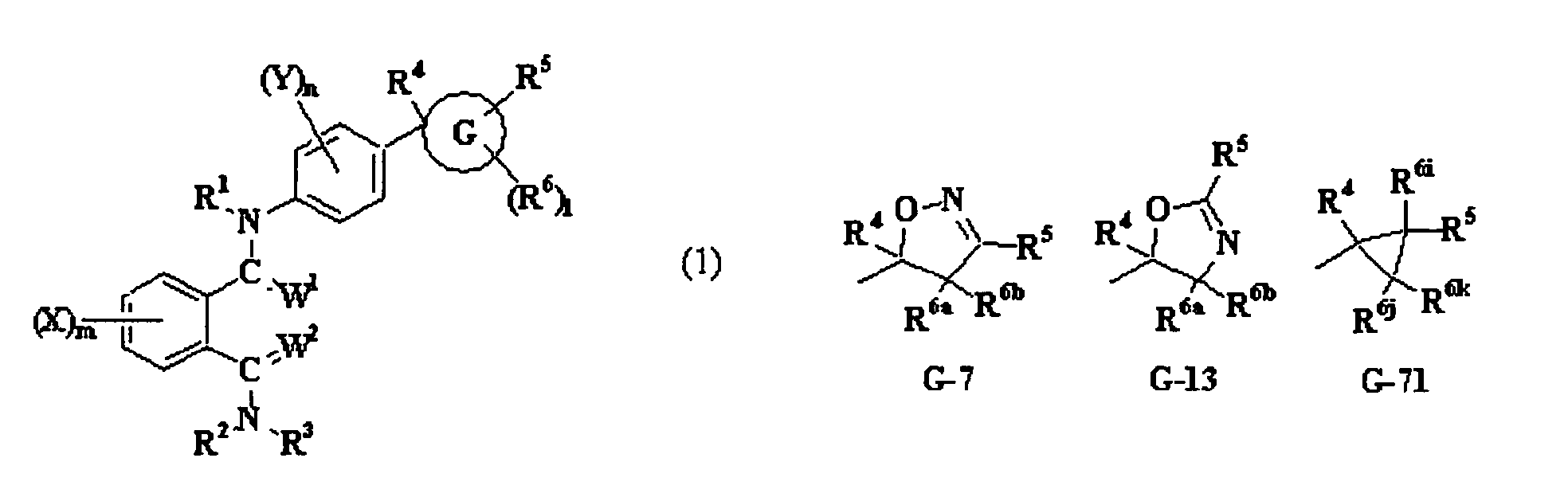
Description
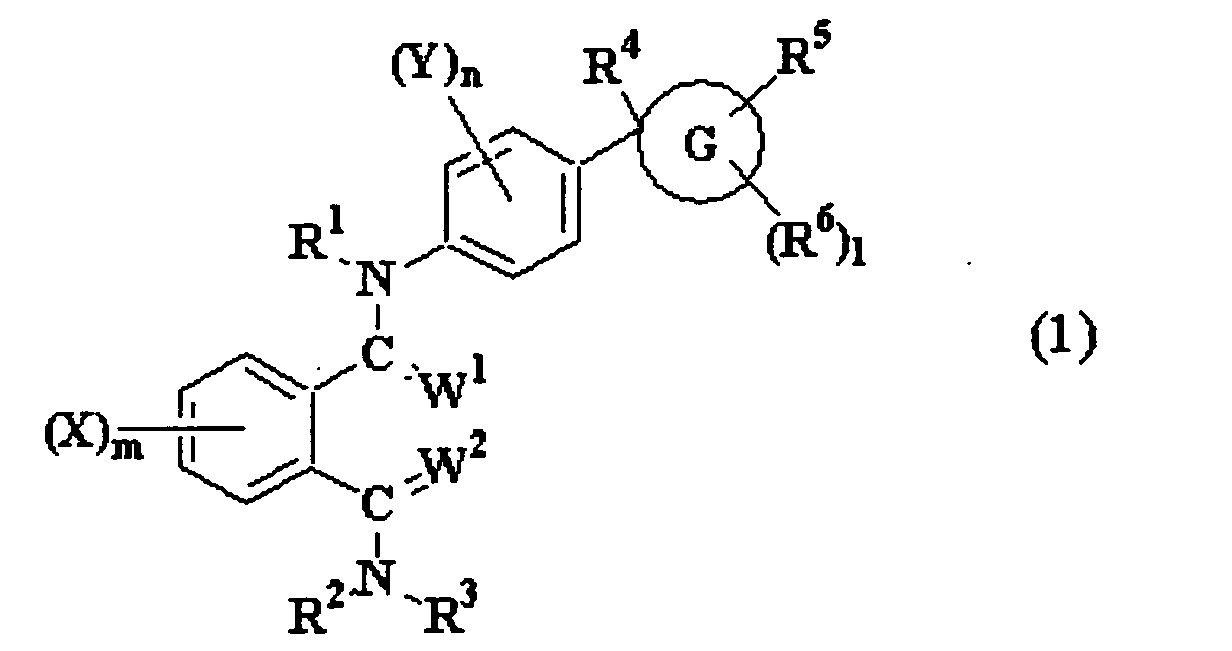
W1 and W2 each independently represent an oxygen atom or a sulfur atom,
X represents a halogen atom, cyano, nitro, azide, -SCN, -SF5, a C1 to C6 alkyl, a (C1 to C6)alkyl which may be optionally substituted by R7, a C3 to C8 cycloalkyl, a (C3 to C8)cycloalkyl which may be optionally substituted by R7, a C2 to C6 alkenyl, a (C2 to C6)alkenyl which may be optionally substituted by R7, a C3 to C8 cycloalkenyl, a C3 to C8 halocycloalkenyl, a C2 to C6 alkynyl, a (C2 to C6)alkynyl which may be optionally substituted by R7, -OH, -OR8, -OS(O)2R8, -SH, -S(O)rR8, -CHO, -C(O)R9, -C(O)OR9, -C(O)SR9, -C(O)NHR10, -C(O)N(R10)R9, -C(S)OR9, -C(S)SR9, -C(S)NHR10, C(S)N(R10)R9, -CH=NOR11, -C(R9)=NOR11, -S(O)2OR9, -S(O)2NHR10, -S(O)2N(R10)R9, -Si(R13)(R14)R12, phenyl which may be substituted by (Z1)p1, L or M, when m represents 2, 3 or 4, each of X's may be the same with each other or may be different from each other, further, when two Xs are adjacent to each other, the adjacent two Xs may form -CH2CH2CH2-, -CH2CH2O-, -CH2OCH2-, -OCH2O-, -CH2CH2S-, -CH2SCH2-, -CH2CH2N(R15)-, -CH2N(R15)CH2-, -CH2CH2CH2CH2-, -CH2CH2CH2O-, -CH2CH2OCH2-, -CH2OCH2O-, -OCH2CH2O-, -OCH2CH2S-, -CH2CH=CH-, -OCH=CH-, -SCH=CH-, -N(R15)CH=CH-, -OCH=N-, -SCH=N-, -N(R15)CH=N-, -N(R15)N=CH-, -CH=CHCH=CH-, -OCH2CH=CH-, -N=CHCH=CH-, -N=CHCH=N- or -N=CHN=CH-, so that the two Xs form a 5-membered ring or 6-membered ring with the carbon atoms to which the two Xs are bonded, and at this time, the hydrogen atom(s) bonded to each of the carbon atom(s) which form(s) the ring which may be optionally substituted by Z1, and further, when it is substituted by two or more Z1s simultaneously, each of Z1s may be the same with each other or may be different from each other,
and, when G represents a 5-membered or 6-membered non-aromatic heterocyclic ring containing at least one atom selected from an oxygen atom, a sulfur atom and a nitrogen atom, and having at least one double bond in the ring, X may further represent -N(R17)R16, -N=CHOR12 or -N=C(R9)OR12,
Y represents a halogen atom, cyano, nitro, azide, -SCN, -SF5, a C1 to C6 alkyl, a (C1 to C6)alkyl which may be optionally substituted by R7, a C3 to C8 cycloalkyl, a (C3 to C8)cycloalkyl which may be optionally substituted by R7, -OH, -OR8, -OS(O)2R8, -SH, -S(O)rR8, -NH2, a C1 to C6 alkylamino, a di(C1 to C6 alkyl)amino, -Si(R13)(R14)R12, phenyl which may be substituted by (Z1)p1, L or M, when n represents 2, 3 or 4, each of Ys may be the same with each other or may be different from each other, and further, when two Ys are adjacent to each other, the adjacent two Ys may form -CH2CH2CH2-, -CH2CH2O-, -CH2OCH2-, -OCH2O-, -CH2CH2S-, -CH2SCH2-, -SCH2S-, -CH2CH2CH2CH2-, -CH2CH2CH2O-, -CH2CH2OCH2-, -CH2OCH2O-, -OCH2CH2O-, -OCH2CH2S-, -SCH2CH2S-, -OCH=N- or -SCH=N-, so that the two Ys may form a 5-membered ring or 6-membered ring with carbon atoms to which the two Ys are bonded, and at this time, the hydrogen atom(s) bonded to each of the carbon atom(s) which form(s) the ring which may be optionally substituted by Z1, and further, when it is substituted by two or more Z1s simultaneously, each of Z1s may be the same with each other or may be different from each other,
R1, R2 and R3 each independently represent a hydrogen atom, cyano, a C1 to C12 alkyl, a (C1 to C12)alkyl which may be optionally substituted by R18, a C3 to C12 cycloalkyl, a (C3 to C12)cycloalkyl which may be optionally substituted by R18, a C3 to C12 alkenyl, a (C3 to C12)alkenyl which may be optionally substituted by R18, C3 to C12 a cycloalkenyl, C3 to C12 halocycloalkenyl, a C3 to C12 alkynyl, a (C3 to C12)alkynyl which may be optionally substituted by R18, -OH, a C1 to C8 alkoxy, a C3 to C8 alkenyloxy, a C3 to C8 haloalkenyloxy, phenoxy which may be substituted by (Z1)p1, a phenyl(C1 to C4)alkoxy which may be substituted by (Z1)p1, a C1 to C6 alkylthio, a C1 to C6 haloalkylthio, phenylthio which may be substituted by (Z1)p1, -S(O)2R9, -SN(R20)R19, -S(O)2N(R10)R9, -N(R22)R21, -C(O)R9, -C(O)OR9, -C(O)SR9, -C(O)N(R10)R9, -C(S)OR9, -C(S)SR9, -C(S)N(R10)R9, phenyl which may be substituted by (Z1)p1, L or M, or R2 and R3 are combined to form a C2 to C6 alkylene chain, so that they may form a 3- to 7-membered ring with the nitrogen atom(s) to which they are bonded, the alkylene chain at this time may contain one oxygen atom, sulfur atom or nitrogen atom, and may be optionally substituted by a halogen atom, a C1 to C6 alkyl group, a C1 to C6 haloalkyl group, a C1 to C6 alkoxy group, a C1 to C6 alkylcarbonyl group or a C1 to C6 alkoxycarbonyl group,
R4 represents a hydrogen atom, a halogen atom, cyano, a C1 to C6 alkyl, a C1 to C6 haloalkyl, a (C1 to C6)alkyl which may be optionally substituted by R23, a (C1 to C6)haloalkyl which may be optionally substituted by R23, a C3 to C8 cycloalkyl, a C3 to C8 halocycloalkyl, a (C3 to C8)cycloalkyl which may be optionally substituted by R23, a (C3 to C8)halocycloalkyl which may be optionally substituted by R23, a C3 to C6 alkenyl, a C3 to C6 haloalkenyl, a C3 to C6 alkynyl, a C3 to C6 haloalkynyl, -OR8, -S(O)rR8, -N(R10)R9, -CHO, -C(O)R9, -C(O)OR9, -C(O)SR9, -C(O)NHR10, -C(O)N(R10)R9, -C(S)OR9, -C(S)SR9, -C(S)NHR10, -C(S)N(R10)R9, -CH=NOR11, -C(R9)=NOR11, -Si(R13)(R14)R12, -P(O)(OR24)2, phenyl which may be substituted by (Z2)p1, 1-naphthyl, 2-naphthyl, L or M,
R5 represents
(a). a hydrogen atom, a halogen atom, cyano, a C1 to C6 alkyl, a C1 to C6 haloalkyl, a (C1 to C6)alkyl which may be optionally substituted by R23, a (C1 to C6)haloalkyl which may be optionally substituted by R23, a C3 to C8 cycloalkyl, a C3 to C8 halocycloalkyl, a (C3 to C8)cycloalkyl which may be optionally substituted by R23, a (C3 to C8)halocycloalkyl which may be optionally substituted by R23, a C3 to C6 alkenyl, a C3 to C6 haloalkenyl, a C3 to C6 alkynyl, a C3 to C6 haloalkynyl, -OR8, -S(O)rR8, -N(R10)R9, -CHO, -C(O)R9, -C(O)OR9, -C(O)SR9, -C(O)NHR10, -C(O)N(R10)R9, -C(S)OR9, -C(S)SR9, -C(S)NHR10, -C(S)N(R10)R9, -CH=NOR11, -C(R9)=NOR11, phenyl which may be substituted by (Z2)p1, 1-naphthyl, 2-naphthyl, L or M, when G represents a 5-membered or 6-membered non-aromatic heterocyclic ring containing at least one atom selected from an oxygen atom, a sulfur atom and a nitrogen atom, and having at least one double bond in the ring, or a 5-membered or 6-membered saturated heterocyclic ring containing two atoms selected from an oxygen atom, a sulfur atom and a nitrogen atom,
(b). cyano, a (C1 to C6)alkyl which may be optionally substituted by R23, a (C1 to C6)-haloalkyl which may be optionally substituted by R23, a C3 to C8 cycloalkyl, a C3 to C8 halocycloalkyl, a (C3 to C8)cycloalkyl which may be optionally substituted by R23, a (C3 to C8)halocycloalkyl which may be optionally substituted by R23, a C3 to C6 alkenyl, a C3 to C6 haloalkenyl, a C3 to C6 alkynyl, a C3 to C6 haloalkynyl, -OR8, -S(O)rR8, -N(R10)R9, -CHO, -C(O)R9, -C(O)OR9, -C(O)SR9, -C(O)NHR10, -C(O)N(R10)R9, -C(S)OR9, -C(S)SR9, -C(S)NHR10, -C(S)N(R10)R9, -CH=NOR11, -C(R9)=NOR11, -Si(R13)(R14)R12, phenyl which may be substituted by (Z2)p1, 1-naphthyl, 2-naphthyl, L or M, when G represents a 3-membered to 6-membered cycloalkyl ring, and R4 represents a hydrogen atom, a halogen atom, a C1 to C6 alkyl or a C1 to C6 haloalkyl,
(c). a hydrogen atom, a halogen atom, cyano, a C1 to C6 alkyl, a C1 to C6 haloalkyl, a (C1 to C6)alkyl which may be optionally substituted by R23, a (C1 to C6)haloalkyl which may be optionally substituted by R23, a C3 to C8 cycloalkyl, a C3 to C8 halocycloalkyl, a (C3 to C8)cycloalkyl which may be optionally substituted by R23, a (C3 to C8)halocycloalkyl which may be optionally substituted by R23, a C3 to C6 alkenyl, a C3 to C6 haloalkenyl, a C3 to C6 alkynyl, a C3 to C6 haloalkynyl, -OR8, -S(O)rR8, -N(R10)R9, -CHO, -C(O)R9, -C(O)OR9, -C(O)SR9, -C(O)NHR10, -C(O)N(R10)R9, -C(S)OR9, -C(S)SR9, -C(S)NHR10, -C(S)N(R10)R9, -CH=NOR11, -C(R9)=NOR11, -Si(R13)(R14)R12, phenyl which may be substituted by (Z2)p1, 1-naphthyl, 2-naphthyl, L or M, when G represents a 3-membered to 6-membered cycloalkyl ring, and R4 represents cyano, a (C1 to C6)alkyl which may be optionally substituted by R23, a (C1 to C6)haloalkyl which may be optionally substituted by R23, a C3 to C8 cycloalkyl, a C3 to C8 halocycloalkyl, a (C3 to C8)cycloalkyl which may be optionally substituted by R23, a (C3 to C8)halocycloalkyl which may be optionally substituted by R23, a C3 to C6 alkenyl, a C3 to C6 haloalkenyl, a C3 to C6 alkynyl, a C3 to C6 haloalkynyl, -OR8, -S(O)rR8, -N(R10)R9, -CHO, -C(O)R9, -C(O)OR9, -C(O)SR9, -C(O)NHR10, -C(O)N(R10)R9, -C(S)OR9, -C(S)SR9, -C(S)NHR10, -C(S)N(R10)R9, -CH=NOR11, -C(R9)=NOR11, -Si(R13)(R14)R12, -P(O)(OR24)2, phenyl which may be substituted by (Z2)p1, 1-naphthyl, 2-naphthyl, L or M,
R6 represents a hydrogen atom, a halogen atom, cyano, a C1 to C6 alkyl, a C1 to C6 haloalkyl, a (C1 to C6)alkyl which may be optionally substituted by R23, a (C1 to C6)haloalkyl which may be optionally substituted by R23, a C3 to C8 cycloalkyl, a C3 to C8 halocycloalkyl, a (C3 to C8)cycloalkyl which may be optionally substituted by R23, a (C3 to C8)halocycloalkyl which may be optionally substituted by R23, a C1 to C6 alkoxy, a C1 to C6 haloalkoxy, a C1 to C6 alkylthio, a C1 to C6 haloalkylthio, -S(O)2R9, -C(O)R9, -C(O)OR9, -C(O)SR9, -C(S)OR9, -C(S)SR9, -C(O)N(R10)R9, -C(S)N(R10)R9, -P(O)(OR24)2, -P(S)(OR24)2, phenyl which may be substituted by (Z2)p1, 1-naphthyl, 2-naphthyl, L or M, when I represents an integer of 2 or more, each of R6s may be the same with each other or may be different from each other, and when R6 and R4 are adjacent to each other, the adjacent R4 and R6 are combined to form a C3 to C5 alkylene chain, so that they may form a 5 to 7-membered ring with atoms to which they are bonded, and the alkylene chain at this time may contain one oxygen atom or sulfur atom, and may be which may be optionally substituted by a C1 to C6 alkyl group,
L represents an aromatic heterocyclic ring represented by either one of the formula L-1 to the formula L-58,
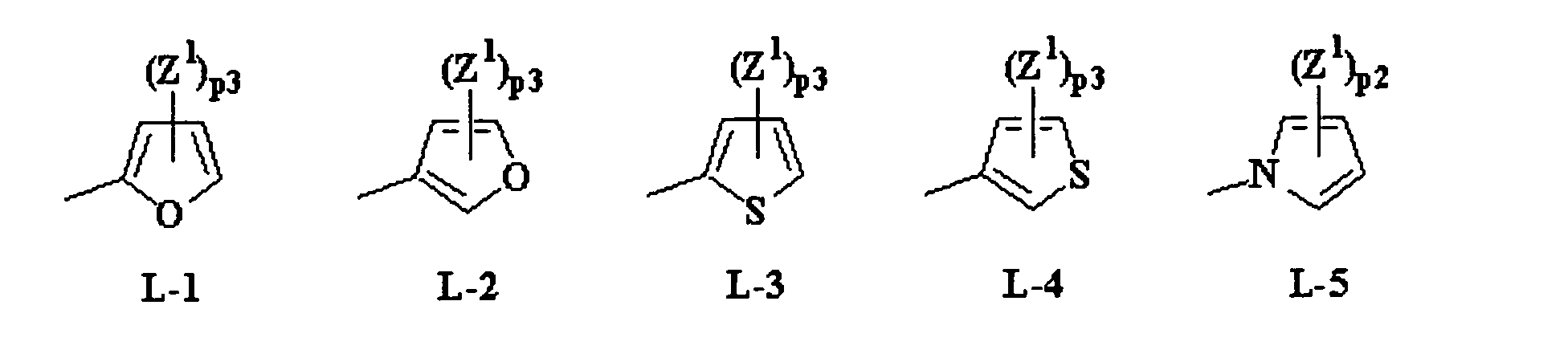
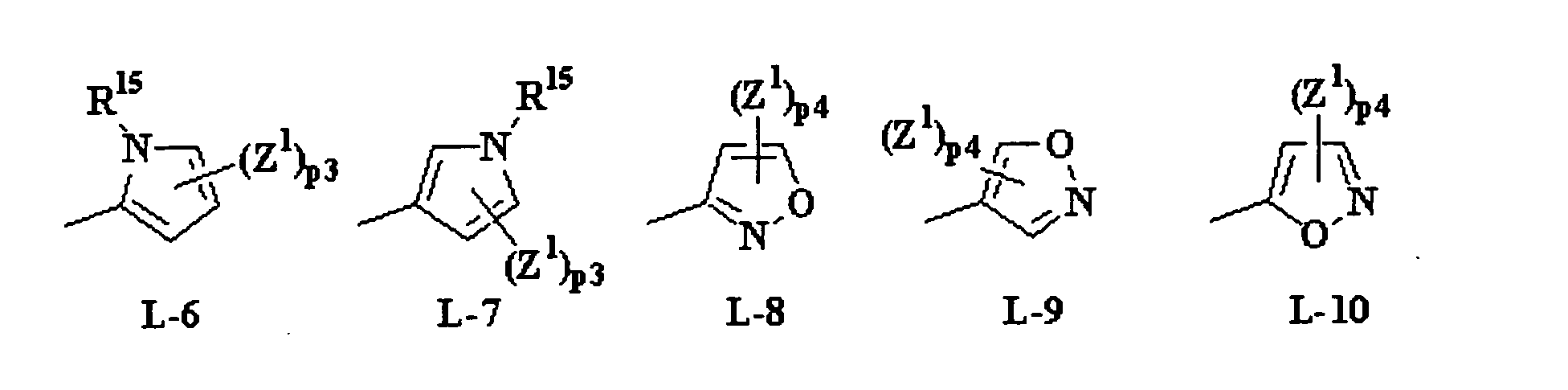


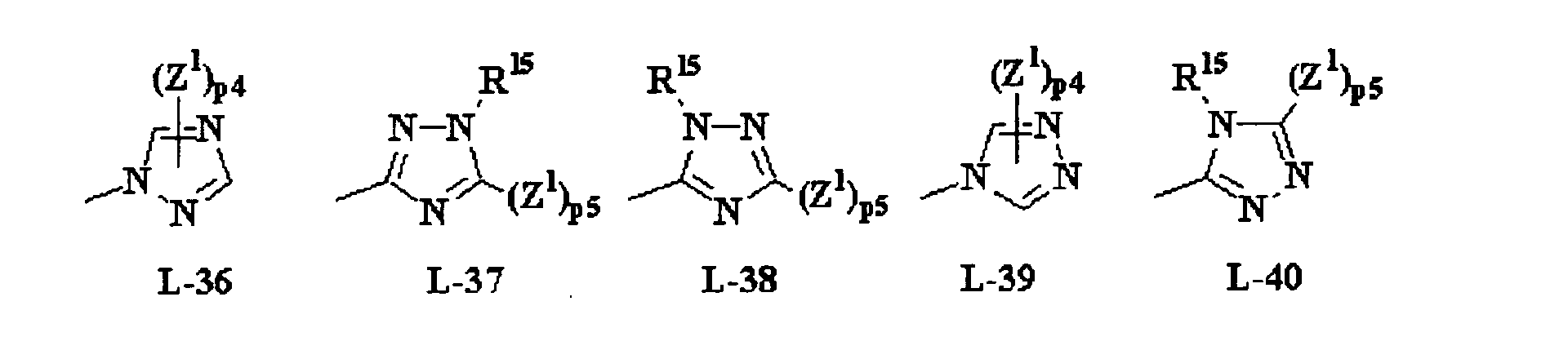





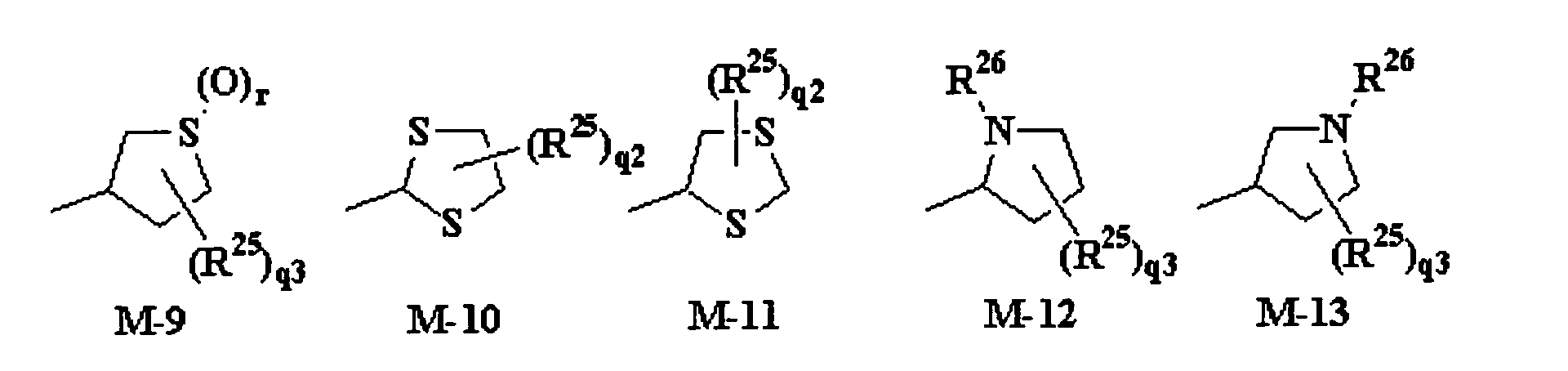


Z2 represents a halogen atom, cyano, nitro, amino, azide, -SCN, -SF5, a C1 to C6 alkyl, a (C1 to C6)alkyl which may be optionally substituted by R7, a C3 to C8 cycloalkyl, a (C3 to C8)cycloalkyl which may be optionally substituted by R7, a C2 to C6 alkenyl, a (C2 to C6)alkenyl which may be optionally substituted by R7, a C3 to C8 cycloalkenyl, a C3 to C8 halocycloalkenyl, a C2 to C6 alkynyl, a (C2 to C6)alkynyl which may be optionally substituted by R7, -OH, -OR8, -OS(O)2R8, -SH, -S(O)rR8, -N(R10)R9, -N(R10)CHO, -N(R10)C(O)R9, -N(R10)C(O)OR9, -N(R10)C(O)SR9, -N(R10)C(S)OR9, -N(R10)C(S)SR9, -N(R10)S(O)2R9, -CHO, -C(O)R9, -C(O)OR9, -C(O)NHR10, -C(O)N(R10)R9, -C(S)NHR10, -C(S)N(R10)R9, -S(O)2OR9, -S(O)2NHR10, -S(O)2N(R10)R9, -Si(R13)(R14)R12, phenyl which may be substituted by (Z1)p1, L or M, when p1 represents an integer of 2 or more, each of Z2s may be the same with each other or may be different from each other, and further, when two Z2s are adjacent to each other, the adjacent two Z2s form -CH2CH2CH2-, -CH2CH2O-, -CH2OCH2-, -OCH2O-, -CH2CH2S-, -CH2SCH2-, -CH2CH2CH2CH2-, -CH2CH2CH2O-, -CH2CH2OCH2-, -CH2OCH2O-, -OCH2CH2O- or -OCH2CH2S-, so that the two Z2s form a 5-membered ring or 6-membered ring with carbon atoms to which the two Z2s are bonded, and at this time, the hydrogen atom(s) bonded to each of the carbon atom(s) which form(s) the ring may be optionally substituted by a halogen atom or a C1 to C6 alkyl group,
R7 represents a halogen atom, cyano, a C3 to C8 cycloalkyl, a C3 to C8 halocycloalkyl, -OH, -OR8, -SH, -S(O)rR8, -N(R10)R9, -N(R10)CHO, -N(R10)C(O)R9, -N(R10)C(O)OR9, -N(R10)C(O)SR9, -N(R10)C(S)OR9, -N(R10)C(S)SR9, -N(R10)S(O)2R9, -C(O)OR9, -C(O)N(R10)R9, -Si(R13)(R14)R12, phenyl which may be substituted by (Z1)p1, L or M,
R8 represents a C1 to C6 alkyl, a (C1 to C6)alkyl which may be optionally substituted by R27, a C3 to C8 cycloalkyl, a (C3 to C8)cycloalkyl which may be optionally substituted by R27, a C2 to C6 alkenyl, a (C2 to C6)alkenyl which may be optionally substituted by R27, a C3 to C8 cycloalkenyl, a C3 to C8 halocycloalkenyl, a C3 to C6 alkynyl, a (C3 to C6)alkynyl which may be optionally substituted by R27, phenyl which may be substituted by (Z1)p1, L or M,
R9 represents a C1 to C6 alkyl, a C1 to C6 haloalkyl, a C3 to C6 cycloalkyl(C1 to C4)alkyl, a C1 to C6 alkoxy(C1 to C4)alkyl, a C1 to C6 alkylthio(C1 to C4)alkyl, a cyano(C1 to C6)alkyl, a phenyl(C1 to C4)alkyl which may be substituted by (Z1)p1, a L-(C1 to C4)alkyl, a M-(C1 to C4)alkyl, a C3 to C8 cycloalkyl, a C3 to C8 halocycloalkyl, a C3 to C6 alkenyl, a C3 to C6 haloalkenyl, a C3 to C6 alkynyl or phenyl which may be substituted by (Z1)p1,
R10 represents a hydrogen atom or a C1 to C6 alkyl, or R9 and R10 are combined to form a C2 to C6 alkylene chain, so that they may form a 3- to 7-membered ring with the atom(s) to which they are bonded, and the alkylene chain at this time may contain one oxygen atom, sulfur atom or nitrogen atom, and may be optionally substituted by a halogen atom, a C1 to C6 alkyl group, a C1 to C6 alkoxy group, formyl group, a C1 to C6 alkylcarbonyl group or a C1 to C6 alkoxycarbonyl group,
R11 represents a hydrogen atom, a C1 to C6 alkyl, a C1 to C6 haloalkyl, a phenyl(C1 to C4)alkyl which may be substituted by (Z1)p1, a C3 to C6 alkenyl, a C3 to C6 haloalkenyl, a C3 to C6 alkynyl or a C3 to C6 haloalkynyl, or R9 and R11 are combined to form a C2 to C4 alkylene chain, so that they may form a 5 to 7-membered ring with the atom(s) to which they are bonded, and the alkylene chain at this time may contain one oxygen atom, sulfur atom or nitrogen atom, and may be optionally substituted by a halogen atom or a C1 to C6 alkyl group,
R12 represents a C1 to C6 alkyl, a C1 to C6 haloalkyl, a C3 to C6 alkenyl or phenyl which may be substituted by (Z1)p1,
R13 and R14 each independently represent a C1 to C6 alkyl or a C1 to C6 haloalkyl,
R15 represents a hydrogen atom, a C1 to C6 alkyl, a C1 to C6 haloalkyl, a C1 to C6 alkoxycarbonyl(C1 to C4)alkyl, a C1 to C6 haloalkoxycarbonyl(C1 to C4)alkyl, a phenyl(C1 to C4)alkyl which may be substituted by (Z1)p1, a C3 to C6 alkenyl, a C3 to C6 haloalkenyl, a C3 to C6 alkynyl, a C3 to C6 haloalkynyl, a C1 to C6 alkoxy, a C1 to C6 alkoxycarbonyl, a C1 to C6 haloalkoxycarbonyl or phenyl which may be substituted by (Z1)p1,
R16 represents a hydrogen atom, a C1 to C6 alkyl, a C1 to C6 haloalkyl, a C3 to C6 cycloalkyl(C1 to C4)alkyl, a C1 to C4 alkoxy(C1 to C4)alkyl, a C1 to C4 alkylthio(C1 to C4)alkyl, a phenylthio(C1 to C4)alkyl which may be substituted by (Z1)p1, a cyano(C1 to C6)alkyl, a C1 to C6 alkoxycarbonyl(C1 to C4)alkyl, a C1 to C6 alkylaminocarbonyl(C1 to C4)alkyl, a di(C1 to C6 alkyl)aminocarbonyl(C1 to C4)alkyl, a phenyl(C1 to C4)alkyl which may be substituted by (Z1)p1, a L-(C1 to C4)alkyl, a M-(C1 to C4)alkyl, a C3 to C6 cycloalkyl, a C3 to C6 alkenyl, a C3 to C6 haloalkenyl, a C3 to C6 alkynyl, a C3 to C6 haloalkynyl, -OH, a C1 to C6 alkylcarbonyloxy, a C1 to C6 alkylthio, a C1 to C6 haloalkylthio, phenylthio which may be substituted by (Z1)p1, a C1 to C6 alkylsulfonyl, a C1 to C6 haloalkylsulfonyl, phenylsulfonyl which may be substituted by (Z1)p1, -SN(R20)R19, a C1 to C6 alkylaminosulfonyl, a di(C1 to C6 alkyl)aminosulfonyl, -CHO, -C(O)R9, -C(O)OR9, -C(O)SR9, -C(O)NHR10, -C(O)N(R10)R9, -C(S)OR9, -C(S)SR9, -C(S)NHR10, -C(S)N(R10)R9, -C(O)C(O)R9, -C(O)C(O)OR9, -P(O)(OR24)2 or -P(S)(OR24)2,
R17 represents a hydrogen atom, a C1 to C6 alkyl, a C1 to C6 haloalkyl, a C3 to C8 cycloalkyl(C1 to C6)alkyl, a C3 to C8 cycloalkyl, a C3 to C6 alkenyl, a C3 to C6 haloalkenyl, a C3 to C6 alkynyl, a C3 to C6 haloalkynyl, -CHO, a C1 to C6 alkylcarbonyl, a C1 to C6 haloalkylcarbonyl or a C1 to C6 alkoxycarbonyl, or R16 and R17 are combined to form a C2 to C6 alkylene chain, so that they may form a 3- to 7-membered ring with the nitrogen(s) atom to which they are bonded, and the alkylene chain at this time may contain one oxygen atom, sulfur atom or nitrogen atom, and may be optionally substituted by a halogen atom, a C1 to C6 alkyl group or a C1 to C6 haloalkyl group, or further, R17 is combined with R2 to form a C1 to C2 alkylene chain, so that they may form a 6-membered or 7-membered hetero ring which fuses with a benzene ring with the atom(s) to which they are bonded, and the alkylene chain at this time may be optionally substituted by an oxygen atom or a C1 to C6 alkyl group,
R18 represents a halogen atom, cyano, nitro, a C3 to C8 cycloalkyl, a C3 to C8 halocycloalkyl, -OR28, -N(R29)R28, -SH, -S(O)rR30, -CHO, -C(O)R31, -C(O)OH, -C(O)OR31, -C(O)SR31, -C(O)NHR32, -C(O)N(R32)R31, -C(O)C(O)OR31, -C(R34)=NOH, -C(R34)=NOR33, -Si(R13)(R14)R12, -P(O)(OR24)2, -P(S)(OR24)2, -P(phenyl)2, -P(O)(phenyl)2, phenyl which may be substituted by (Z1)p1, L or M,
R19 represents a C1 to C12 alkyl, a C1 to C12 haloalkyl, a C1 to C12 alkoxy(C1 to C12)alkyl, a cyano(C1 to C12)alkyl, a C1 to C12 alkoxycarbonyl(C1 to C12)alkyl, a phenyl(C1 to C4)alkyl which may be substituted by (Z1)p1, a C3 to C12 alkenyl, a C3 to C12 haloalkenyl, a C3 to C12 alkynyl, a C3 to C12 haloalkynyl, a C1 to C12 alkylcarbonyl, a C1 to C12 alkoxycarbonyl or phenyl which may be substituted by (Z1)p1,
R20 represents a C1 to C12 alkyl, a C1 to C12 haloalkyl, a C1 to C12 alkoxy(C1 to C12)alkyl, a cyano(C1 to C12)alkyl, a C1 to C12 alkoxycarbonyl(C1 to C12)alkyl, a phenyl(C1 to C4)alkyl which may be substituted by (Z1)p1, a C3 to C12 alkenyl, a C3 to C12 haloalkenyl, a C3 to C12 alkynyl, a C3 to C12 haloalkynyl or phenyl which may be substituted by (Z1)p1, or R19 and R20 are combined to form a C4 to C7 alkylene chain, so that they may form a 5 to 8-membered ring with the nitrogen atom(s) to which they are bonded, and the alkylene chain at this time may contain one oxygen atom or sulfur atom, and may be optionally substituted by a C1 to C4 alkyl group or a C1 to C4 alkoxy group,
R21 represents a hydrogen atom, a C1 to C6 alkyl, a C1 to C6 haloalkyl, a phenyl(C1 to C4)alkyl which may be substituted by (Z1)p1, a C3 to C6 alkenyl, a C3 to C6 haloalkenyl, a C3 to C6 alkynyl, -CHO, a C1 to C6 alkylcarbonyl, a C1 to C6 haloalkylcarbonyl, a C1 to C6 alkoxycarbonyl, a C1 to C6 haloalkoxycarbonyl, a phenyl(C1 to C4)alkoxycarbonyl which may be substituted by (Z1)p1, phenoxycarbonyl which may be substituted by (Z1)p1, phenylcarbonyl which may be substituted by (Z1)p1 or phenyl which may be substituted by (Z1)p1,
R22 represents a hydrogen atom, a C1 to C6 alkyl, -CHO, a C1 to C6 alkylcarbonyl, a C1 to C6 haloalkylcarbonyl or a C1 to C6 alkoxycarbonyl,
R23 represents cyano, a C3 to C8 cycloalkyl, a C3 to C8 halocycloalkyl, -OH, -OR8, -SH, -S(O)rR8, -N(R10)R9, -N(R10)CHO, -N(R10)C(O)R9, -N(R10)C(O)OR9, -N(R10)C(O)SR9, -N(R10)C(S)OR9, -N(R10)C(S)SR9, -N(R10)S(O)2R9, -C(O)OR9, -C(O)N(R10)R9, -Si(R13)(R14)R12, phenyl which may be substituted by (Z1)p1, L or M,
R24 represents a C1 to C6 alkyl or a C1 to C6 haloalkyl,
R25 represents a halogen atom, cyano, a C1 to C6 alkyl, a C1 to C6 haloalkyl, a hydroxy(C1 to C6)alkyl, a C1 to C4 alkoxy(C1 to C4)alkyl, a C1 to C4 alkoxycarbonyl(C1 to C4)alkyl, a C1 to C6 alkoxy, a C1 to C6 alkoxycarbonyl or phenyl which may be substituted by (Z1)p1, when q1, q2, q3 or q4 represents an integer of 2 or more, each of R25s may be the same with each other or may be different from each other,
R26 represents a hydrogen atom, a C1 to C6 alkyl, a C1 to C6 haloalkyl, -CHO, a C1 to C6 alkylcarbonyl, a C1 to C6 haloalkylcarbonyl, a phenyl(C1 to C4)alkylcarbonyl which may be substituted by (Z1)p1, a C1 to C6 alkoxycarbonyl, a C1 to C6 haloalkoxycarbonyl, a phenyl(C1 to C4)alkoxycarbonyl which may be substituted by (Z1)p1, a C1 to C6 alkylaminocarbonyl, a di(C1 to C6 alkyl)aminocarbonyl, a C1 to C6 alkylaminothiocarbonyl, a di(C1 to C6 alkyl)aminothiocarbonyl, phenylcarbonyl which may be substituted by (Z1)p1, a C1 to C6 alkylsulfonyl, a C1 to C6 haloalkylsulfonyl, phenylsulfonyl which may be substituted by (Z1)p1, -P(O)(OR24)2 or -P(S)(OR24)2,
R27 represents a halogen atom, cyano, a C3 to C8 cycloalkyl, a C3 to C8 halocycloalkyl, a C1 to C6 alkoxy, a C1 to C6 haloalkoxy, a C1 to C6 alkylthio, a C1 to C6 haloalkylthio, a C1 to C6 alkylsulfonyl, a C1 to C6 haloalkylsulfonyl, a C1 to C6 alkylamino, a di(C1 to C6 alkyl)amino, -CHO, a C1 to C6 alkylcarbonyl, a C1 to C6 haloalkylcarbonyl, a C1 to C6 alkoxycarbonyl, a C1 to C6 haloalkoxycarbonyl, -CH=NOR11, -C(R9)=NOR11, phenyl which may be substituted by (Z1)p1, L or M,
R28 represents a hydrogen atom, a C1 to C8 alkyl, a (C1 to C8)alkyl which may be optionally substituted by R35, a C3 to C8 cycloalkyl, a (C3 to C8)cycloalkyl which may be optionally substituted by R35, a C3 to C8 alkenyl, a (C3 to C8)alkenyl which may be optionally substituted by R35, a C3 to C8 alkynyl, a (C3 to C8)alkynyl which may be optionally substituted by R35, -CHO, -C(O)R31, -C(O)OR31, -C(O)SR31, -C(O)NHR32, -C(O)N(R32)R31, -C(O)C(O)R31, -C(O)C(O)OR31, -C(S)R31, -C(S)OR31, -C(S)SR31, -C(S)NHR32, -C(S)N(R32)R31, -S(O)2R31, -S(O)2N(R32)R31, -Si(R13)(R14)R12, -P(O)(OR24)2, -P(S)(OR24)2, phenyl which may be substituted by (Z1)p1, L or M,
R29 represents a hydrogen atom, a C1 to C6 alkyl, a C1 to C6 haloalkyl, a C3 to C6 cycloalkyl or a C1 to C6 alkoxy, or R28 and R29 are combined to form a C2 to C5 alkylene chain, so that they may form a 3- to 6-membered ring with the nitrogen atom(s) to which they are bonded, the alkylene chain at this time may contain one oxygen atom or sulfur atom, and may be optionally substituted by a halogen atom, C1 to C6 alkyl group, C1 to C6 alkoxy group or a phenyl group which may be substituted by (Z1)p1,
R30 represents a C1 to C8 alkyl, a (C1 to C8)alkyl which may be optionally substituted by R35, a C3 to C8 cycloalkyl, a (C3 to C8)cycloalkyl which may be optionally substituted by R35, a C3 to C8 alkenyl, a (C3 to C8)alkenyl which may be optionally substituted by R35, a C3 to C8 alkynyl, a (C3 to C8)alkynyl which may be optionally substituted by R35, -SH, a C1 to C6 alkylthio, a C1 to C6 haloalkylthio, phenylthio which may be substituted by (Z1)p1, -CHO, -C(O)R31, -C(O)OR31, -C(O)SR31, -C(O)NHR32, -C(O)N(R32)R31, -C(O)C(O)R31, -C(O)C(O)OR31, -C(S)R31, -C(S)OR31, -C(S)SR31, -C(S)NHR32, -C(S)N(R32)R31, -P(O)(OR24)2, -P(S)(OR24)2, phenyl which may be substituted by (Z1)p1, L-18, L-21, L-25, L-30 to L-35, L-45, L-48, L-49 or M,
R31 represents a C1 to C6 alkyl, a C1 to C6 haloalkyl, a C3 to C8 cycloalkyl(C1 to C4)alkyl, a C1 to C6 alkoxy(C1 to C4)alkyl, a C1 to C6 haloalkoxy(C1 to C4)alkyl, a C1 to C6 alkylthio(C1 to C4)alkyl, a C1 to C6 haloalkylthio(C1 to C4)alkyl, a C1 to C6 alkylsulfonyl(C1 to C4)alkyl, a C1 to C6 haloalkylsulfonyl(C1 to C4)alkyl, a cyano(C1 to C6)alkyl, a C1 to C6 alkylcarbonyl(C1 to C4)alkyl, a C1 to C6 haloalkylcarbonyl(C1 to C4)alkyl, a C1 to C6 alkoxycarbonyl(C1 to C4)alkyl, a di(C1 to C6 alkyl)aminocarbonyl(C1 to C4)alkyl, a tri(C1 to C4 alkyl)silyl(C1 to C4)alkyl, a phenyl(C1 to C4)alkyl which may be substituted by (Z1)p1, a L-(C1 to C4)alkyl, a M-(C1 to C4)alkyl, a C3 to C8 cycloalkyl, a C3 to C8 halocycloalkyl, a C2 to C6 alkenyl(C3 to C8)cycloalkyl, a C2 to C6 haloalkenyl(C3 to C8)cycloalkyl, a C2 to C6 alkenyl, a C2 to C6 haloalkenyl, a C2 to C6 alkynyl, a C2 to C6 haloalkynyl, phenyl which may be substituted by (Z1)p1, L or M,
R32 represents a hydrogen atom, a C1 to C6 alkyl, a C1 to C6 haloalkyl or phenyl which may be substituted by (Z1)p1, or R31 and R32 are combined to form a C2 to C5 alkylene chain, so that they may form a 3- to 6-membered ring with the nitrogen atom(s) to which they are bonded, and the alkylene chain at this time may contain one oxygen atom, sulfur atom or nitrogen atom, and may be optionally substituted by a halogen atom, a C1 to C6 alkyl group, a C1 to C6 alkoxy group, formyl group, a C1 to C6 alkylcarbonyl group, a C1 to C6 alkoxycarbonyl group or a phenyl group which may be substituted by (Z1)p1,
R33 represents a hydrogen atom, a C1 to C8 alkyl, a (C1 to C8)alkyl which may be optionally substituted by R35, a C3 to C8 cycloalkyl, a C3 to C8 alkenyl, a (C3 to C8)alkenyl which may be optionally substituted by R35, a C3 to C8 alkynyl or a (C3 to C8)alkynyl which may be optionally substituted by R35,
R34 represents a hydrogen atom, a C1 to C6 alkyl, a C1 to C6 haloalkyl, a C3 to C8 cycloalkyl(C1 to C4)alkyl, a C1 to C6 alkoxy(C1 to C4)alkyl, a C1 to C6 haloalkoxy(C1 to C4)alkyl, a C1 to C6 alkylthio(C1 to C4)alkyl, a C1 to C6 haloalkylthio(C1 to C4)alkyl, a C1 to C6 alkylsulfonyl(C1 to C4)alkyl, a C1 to C6 haloalkylsulfonyl(C1 to C4)alkyl, a phenyl(C1 to C4)alkyl which may be substituted by (Z1)p1 or phenyl which may be substituted by (Z1)p1,
R35 represents a halogen atom, cyano, nitro, a C3 to C8 cycloalkyl, a C3 to C8 halocycloalkyl, -OH, -OR36, -SH, -S(O)rR36, -NHR37, -N(R37)R36, -CHO, -C(O)R31, -C(O)OR31, -C(O)SR31, -C(O)NHR32, -C(O)N(R32)R31, -C(O)C(O)OR31, -CH=NOR11, -C(R9)=NOR11, -Si(R13)(R14)R12, -P(O)(OR24)2, -P(S)(OR24)2, -P(phenyl)2, -P(O)(phenyl)2, phenyl which may be substituted by (Z1)p1, L or M,
R36 represents a C1 to C6 alkyl, a C1 to C6 haloalkyl, a C1 to C6 alkoxy(C1 to C4)alkyl, a C1 to C6 alkylthio(C1 to C4)alkyl, a phenyl(C1 to C4)alkyl which may be substituted by (Z1)p1, a C3 to C8 cycloalkyl, a C3 to C8 halocycloalkyl, a C3 to C6 alkenyl, a C3 to C6 haloalkenyl, a C3 to C8 cycloalkenyl, a C3 to C8 halocycloalkenyl, a C3 to C6 alkynyl, a C3 to C6 haloalkynyl, -CHO, a C1 to C6 alkylcarbonyl, a C1 to C6 haloalkylcarbonyl, a C1 to C6 alkoxycarbonyl, a C1 to C6 haloalkoxycarbonyl, a C1 to C6 alkylaminocarbonyl, a di(C1 to C6 alkyl)aminocarbonyl, phenylcarbonyl which may be substituted by (Z1)p1, a C1 to C6 alkylaminothiocarbonyl, a di(C1 to C6 alkyl)aminothiocarbonyl, phenyl which may be substituted by (Z1)p1, L or M,
R37 represents a hydrogen atom, a C1 to C6 alkyl, a C1 to C6 haloalkyl, a C3 to C8 cycloalkyl, a C3 to C6 alkenyl, a C3 to C6 alkynyl, a C1 to C6 alkylcarbonyl, a C1 to C6 haloalkylcarbonyl, a C1 to C6 alkoxycarbonyl, a C1 to C6 haloalkoxycarbonyl, phenoxycarbonyl which may be substituted by (Z1)p1, phenylcarbonyl which may be substituted by (Z1)p1, a C1 to C6 alkylsulfonyl, a C1 to C6 haloalkylsulfonyl, phenyl which may be substituted by (Z1)p1, L or M, or R36 and R37 are combined to form a C2 to C5 alkylene chain, so that they may form a 3- to 6-membered ring with the nitrogen atom(s) to which they are bonded, the alkylene chain at this time may contain one oxygen atom or sulfur atom, and may be substituted by a halogen atom or a methyl group,
I represents an integer of 0 to 9,
m represents an integer of 0 to 4,
n represents an integer of 0 to 4,
p1 represents an integer of 1 to 5,
p2 represents an integer of 0 to 4,
p3 represents an integer of 0 to 3,
p4 represents an integer of 0 to 2,
p5 represents an integer of 0 or 1,
q1 represents an integer of 0 to 3,
q2 represents an integer of 0 to 5,
q3 represents an integer of 0 to 7,
q4 represents an integer of 0 to 9,
r represents an integer of 0 to 2,
t represents an integer of 0 or 1.]
or a salt thereof.
wherein X represents a halogen atom, cyano, nitro, -SF5, a C1 to C6 alkyl, a C1 to C6 haloalkyl, a C2 to C6 alkynyl, a C1 to C6 alkoxy, a C1 to C6 haloalkoxy, a C1 to C6 alkylthio, a C1 to C6 haloalkylthio, a C1 to C6 alkylsulfinyl, a C1 to C6 haloalkylsulfinyl, a C1 to C6 alkylsulfonyl, a C1 to C6 haloalkylsulfonyl, a C1 to C6 alkoxycarbonyl, a C1 to C6 alkylaminocarbonyl, a di(C1 to C6 alkyl)aminocarbonyl or phenyl which may be substituted by (Z1)p1, when m represents 2, 3 or 4, each of Xs may be the same with each other or may be different from each other, and further, when two Xs are adjacent to each other, the adjacent two Xs may form -CH2CH2CH2-, -CH2CH2O-, -CH2OCH2-, -OCH2O-, -CH2CH2S-, -CH2SCH2-, -CH2CH2CH2CH2-, -CH2CH2CH2O-, -CH2CH2OCH2-, -CH2OCH2O-, -OCH2CH2O-, -OCH2CH2S- or -CH=CHCH=CH-, so that the two Xs may form a 5-membered ring or 6-membered ring with the carbon atom(s) to which they are bonded, and at this time, the hydrogen atom(s) bonded to the respective carbon atoms which form the ring may be optionally substituted by a halogen atom, a C1 to C4 alkyl group or a C1 to C4 haloalkyl group,
and when G represents a 5-membered or 6-membered non-aromatic heterocyclic ring containing at least one atom selected from an oxygen atom, a sulfur atom and a nitrogen atom, and having at least one double bond in the ring, X may further represent -N(R17)R16, -N=CHOR12 or -N=C(R9)OR12,
Y represents a halogen atom, cyano, a C1 to C6 alkyl, a C1 to C6 haloalkyl, a hydroxy(C1 to C6)alkyl, a C1 to C3 alkoxy(C1 to C3)alkyl, a C1 to C6 alkoxy, a C1 to C6 haloalkoxy, a C1 to C6 alkylthio, a C1 to C6 haloalkylthio, a C1 to C6 alkylamino, a di(C1 to C6 alkyl)amino, phenyl which may be substituted by (Z1)p1 or phenoxy which may be substituted by (Z1)p1, and when n represents 2, 3 or 4, each of Ys may be the same with each other or may be different from each other, and further, when two Ys are adjacent to each other, the adjacent two Ys may form -CH2CH2CH2-, -CH2CH2O-, -CH2OCH2-, -OCH2O-, -CH2CH2CH2CH2-, -CH2CH2CH2O-, -CH2CH2OCH2-, -CH2OCH2O-, -OCH2CH2O-, -OCH=N- or -SCH=N-, so that the two Ys may form a 5-membered ring or 6-membered ring with carbon atoms to which the two Ys are bonded, and at this time, the hydrogen atom(s) bonded to each of the carbon atom(s) which form(s) the ring may be optionally substituted by a halogen atom, a C1 to C4 alkyl group or a C1 to C4 haloalkyl group,
R1 and R2 each independently represent a hydrogen atom, a C1 to C6 alkyl, a C1 to C6 haloalkyl, a C1 to C4 alkoxy(C1 to C4)alkyl, a C1 to C4 haloalkoxy(C1 to C4)alkyl, a C1 to C4 alkylthio(C1 to C4)alkyl, a C1 to C4 haloalkylthio(C1 to C4)alkyl, a C1 to C4 alkylsulfonyl(C1 to C4)alkyl, a C1 to C4 haloalkylsulfonyl(C1 to C4)alkyl, phenylthio(C1 to C4)alkyl which may be substituted by (Z1)p1, a C3 to C6 alkenyl, a C3 to C6 haloalkenyl, a C3 to C6 alkynyl, a C3 to C6 haloalkynyl, a C1 to C6 alkylthio, a C1 to C6 haloalkylthio, phenylthio which may be substituted by (Z1)p1 or -SN(R20)R19,
R3 represents a C1 to C8 alkyl, a (C1 to C8)alkyl which may be optionally substituted by R18, a C3 to C8 cycloalkyl, a C1 to C4 alkylthio(C3 to C6)cycloalkyl, a C1 to C4 alkylsulfinyl(C3 to C6)cycloalkyl, a C1 to C4 alkylsulfonyl(C3 to C6)cycloalkyl, a hydroxymethyl(C3 to C6)cycloalkyl, a C1 to C4 alkoxymethyl(C3 to C6)cycloalkyl, a C1 to C4 alkylthiomethyl(C3 to C6)cycloalkyl, a C1 to C4 alkylsulfinylmethyl(C3 to C6)cycloalkyl, a C1 to C4 alkylsulfonylmethyl(C3 to C6)cycloalkyl, a C3 to C8 alkenyl, a C1 to C6 alkylaminocarbonyl(C3 to C6)alkenyl, a phenyl(C3 to C6)alkenyl which may be substituted by (Z1)p1, a C3 to C8 alkynyl, a phenyl(C3 to C6)alkynyl which may be substituted by (Z1)p1, a naphthyl(C3 to C6)alkynyl, a L-(C3 to C6)alkynyl, a C1 to C8 alkoxy, a C3 to C8 haloalkenyloxy, M-4, M-5, M-8, M-9, M-13 to M-19, M-21, M-22, M-25 or M-28, or R2 and R3 are combined to form a C2 to C6 alkylene chain, so that they may form a 3- to 7-membered ring with a nitrogen atom(s) to which they are bonded, the alkylene chain at this time may contain one oxygen atom or sulfur atom, and may be optionally substituted by a C1 to C6 alkyl group,
R4 represents a hydrogen atom, a halogen atom, a C1 to C6 alkyl, a C1 to C6 haloalkyl, a (C1 to C6)alkyl which may be optionally substituted by R23, a (C1 to C6)haloalkyl which may be optionally substituted by R23, a C3 to C8 cycloalkyl, a C3 to C8 halocycloalkyl, a (C3 to C8)cycloalkyl which may be optionally substituted by R23, a (C3 to C8)halocycloalkyl which may be optionally substituted by R23, a C3 to C6 alkenyl, a C3 to C6 haloalkenyl, a C3 to C6 alkynyl, a C3 to C6 haloalkynyl, -OR8, -S(O)rR8, -N(R10)R9, a C1 to C6 alkoxycarbonyl, -CH=NOR11, -C(R9)=NOR11, -Si(R13)(R14)R12, -P(O)(OR24)2, phenyl which may be substituted by (Z2)p1, 1-naphthyl, 2-naphthyl, L or M,
R5 represents
(a). a hydrogen atom, a halogen atom, cyano, a C1 to C6 alkyl, a C1 to C6 haloalkyl, a (C1 to C6)alkyl which may be optionally substituted by R23, a (C1 to C6)haloalkyl which may be optionally substituted by R23, a C3 to C8 cycloalkyl, a C3 to C8 halocycloalkyl, a (C3 to C8)cycloalkyl which may be optionally substituted by R23, a (C3 to C8)halocycloalkyl which may be optionally substituted by R23, a C3 to C6 alkenyl, a C3 to C6 haloalkenyl, a C3 to C6 alkynyl, a C3 to C6 haloalkynyl, -OR8, -S(O)rR8, -N(R10)R9, -CHO, -C(O)R9, -C(O)OR9, -C(O)SR9, -C(O)N(R10)R9, -C(S)N(R10)R9, -CH=NOR11, -C(R9)=NOR11, phenyl which may be substituted by (Z2)p1, 1-naphthyl, 2-naphthyl, L or M, when G represents a 5-membered or 6-membered non-aromatic heterocyclic ring containing at least one atom selected from an oxygen atom, a sulfur atom and a nitrogen atom, and having at least one double bond in the ring, or a 5-membered or 6-membered saturated heterocyclic ring containing two atoms selected from an oxygen atom, a sulfur atom and a nitrogen atom,
(b). cyano, a (C1 to C6)alkyl which may be optionally substituted by R23, a (C1 to C6)haloalkyl which may be optionally substituted by R23, a C3 to C8 cycloalkyl, a C3 to C8 halocycloalkyl, a (C3 to C8)cycloalkyl which may be optionally substituted by R23, a (C3 to C8)halocycloalkyl which may be optionally substituted by R23, a C3 to C6 alkenyl, a C3 to C6 haloalkenyl, a C3 to C6 alkynyl, a C3 to C6 haloalkynyl, -OR8, -S(O)rR8, -N(R10)R9, -CHO, -C(O)R9, -C(O)OR9, -C(O)NHR10, -C(O)N(R10)R9, -C(S)NHR10, -C(S)N(R10)R9, -CH=NOR11, -C(R9)=NOR11, -Si(R13)(R14)R12, phenyl which may be substituted by (Z2)p1, 1-naphthyl, 2-naphthyl, L or M, when G represents a 3-membered to 6-membered cycloalkyl ring, and R4 represents a hydrogen atom, a halogen atom, a C1 to C6 alkyl or a C1 to C6 haloalkyl,
(c). a hydrogen atom, a halogen atom, cyano, a C1 to C6 alkyl, a C1 to C6 haloalkyl, a (C1 to C6)alkyl which may be optionally substituted by R23, a (C1 to C6)haloalkyl which may be optionally substituted by R23, a C3 to C8 cycloalkyl, a C3 to C8 halocycloalkyl, a (C3 to C8)cycloalkyl which may be optionally substituted by R23, a (C3 to C8)halocycloalkyl which may be optionally substituted by R23, a C3 to C6 alkenyl, a C3 to C6 haloalkenyl, a C3 to C6 alkynyl, a C3 to C6 haloalkynyl, -OR8, -S(O)rR8, -N(R10)R9, -CHO, -C(O)R9, -C(O)OR9, -C(O)NHR10, -C(O)N(R10)R9, -C(S)NHR10, -C(S)N(R10)R9, -CH=NOR11, -C(R9)=NOR11, -Si(R13)(R14)R12, phenyl which may be substituted by (Z2)p1, 1-naphthyl, 2-naphthyl, L or M, when G represents a 3-membered to 6-membered cycloalkyl ring, and R4 represents cyano, a (C1 to C6)alkyl which may be optionally substituted by R23, a (C1 to C6)haloalkyl which may be optionally substituted by R23, a C3 to C8 cycloalkyl, a C3 to C8 halocycloalkyl, a (C3 to C8)cycloalkyl which may be optionally substituted by R23, a (C3 to C8)halocycloalkyl which may be optionally substituted by R23, a C3 to C6 alkenyl, a C3 to C6 haloalkenyl, a C3 to C6 alkynyl, a C3 to C6 haloalkynyl, -OR8, -S(O)rR8, -N(R10)R9, a C1 to C6 alkoxycarbonyl, -Si(R13)(R14)R12, -P(O)(OR24)2, phenyl which may be substituted by (Z2)p1, 1-naphthyl, 2-naphthyl, L or M,
R6 represents a hydrogen atom, a halogen atom, cyano, a C1 to C6 alkyl, a C1 to C6 haloalkyl, a (C1 to C6)alkyl which may be optionally substituted by R23, a (C1 to C6)haloalkyl which may be optionally substituted by R23, a C3 to C8 cycloalkyl, a C3 to C8 halocycloalkyl, a (C3 to C8)cycloalkyl which may be optionally substituted by R23, a (C3 to C8)halocycloalkyl which may be optionally substituted by R23, -S(O)2R9, a C1 to C6 alkylcarbonyl, a C1 to C6 haloalkylcarbonyl, phenylcarbonyl which may be substituted by (Z1)p1, -C(O)OR9, -C(O)SR9, -C(O)N(R10)R9, a di(C1 to C6 alkyl)phosphoryl, a di(C1 to C6 alkyl)thiophosphoryl, phenyl which may be substituted by (Z2)p1, L or M, or when R6 and R4 are adjacent to each other, the adjacent R4 and R6 are combined to form a C3 to C5 alkylene chain, so that they may form a 5- to 7-membered ring with atoms to which they are bonded, and the alkylene chain at this time may contain one oxygen atom or sulfur atom, and may be optionally substituted by a C1 to C6 alkyl group,
Z2 represents a halogen atom, cyano, nitro, amino, a C1 to C6 alkyl, a C1 to C6 haloalkyl, a C1 to C3 alkoxy(C1 to C3)alkyl, a C1 to C3 haloalkoxy(C1 to C3)alkyl, a C1 to C3 alkylthio(C1 to C3)alkyl, a C1 to C3 haloalkylthio(C1 to C3)alkyl, a C1 to C3 alkylsulfinyl(C1 to C3)alkyl, a C1 to C3 haloalkylsulfinyl(C1 to C3)alkyl, a C1 to C3 alkylsulfonyl(C1 to C3)alkyl, a C1 to C3 haloalkylsulfonyl(C1 to C3)alkyl, cyano(C1 to C6)alkyl, hydroxy(C1 to C3)haloalkyl, a C1 to C3 alkoxy(C1 to C3)haloalkyl, a C1 to C3 haloalkoxy-(C1 to C3)haloalkyl, a C3 to C8 cycloalkyl, a C3 to C8 halocycloalkyl, a C1 to C6 alkoxy, a C1 to C6 haloalkoxy, a C1 to C3 haloalkoxy(C1 to C3)haloalkoxy, a C1 to C6 alkylsulfonyloxy, a C1 to C6 haloalkylsulfonyloxy, phenoxy which may be substituted by (Z1)p1, -O(L-45), a C1 to C6 alkylthio, a C1 to C6 haloalkylthio, a C3 to C8 cycloalkylthio, phenylthio which may be substituted by (Z1)p1, -S(L-45), a C1 to C6 alkylsulfinyl, a C1 to C6 haloalkylsulfinyl, a C3 to C8 cycloalkylsulfinyl, phenylsulfinyl which may be substituted by (Z1)p1, -S(O)(L-45), a C1 to C6 alkylsulfonyl, a C1 to C6 haloalkylsulfonyl, a C3 to C8 cycloalkylsulfonyl, phenylsulfonyl which may be substituted by (Z1)p1, -SO2(L-45), a C1 to C6 alkylamino, a di(C1 to C6 alkyl)amino, a C1 to C6 alkylaminosulfonyl, a di(C1 to C6 alkyl)aminosulfonyl, a C1 to C6 alkylsulfonylamino, a C1 to C6 haloalkylsulfonylamino, -C(O)NH2, a C1 to C6 alkylaminocarbonyl, a di(C1 to C6 alkyl)aminocarbonyl, -C(S)NH2, -Si(R15)(R16)R14, phenyl which may be substituted by (Z1)p1, L-5, L-14, L-24, L-36, L-39, L-41, L-42, L-43, L-44 or M, when p1 represents an integer of 2 or more, each of Z2s may be the same with each other or may be different from each other, and further, when the two Z2s are adjacent to each other, the adjacent two Z2s form -CF2CF2O-, -CF2OCF2- or -OCF2O- so that they may form a 5-membered ring with the carbon atoms each of which are bonded to,
R8 represents a C1 to C6 alkyl, a C1 to C6 haloalkyl, a C3 to C8 cycloalkyl(C1 to C4)alkyl, a C3 to C8 cycloalkyl, a C3 to C8 halocycloalkyl, a C2 to C6 alkenyl, a C2 to C6 haloalkenyl, a C3 to C8 cycloalkenyl, a C3 to C8 halocycloalkenyl, a C3 to C6 alkynyl, a C3 to C6 haloalkynyl, phenyl which may be substituted by (Z1)p1, L or M,
R9 represents a C1 to C6 alkyl, a C1 to C6 haloalkyl, a C3 to C6 cycloalkyl(C1 to C4)alkyl, a phenyl(C1 to C4)alkyl which may be substituted by (Z1)p1, a L-(C1 to C4)alkyl, a M-(C1 to C4)alkyl, a C3 to C8 cycloalkyl, a C3 to C8 halocycloalkyl or phenyl which may be substituted by (Z1)p1,
R10 represents a hydrogen atom or a C1 to C6 alkyl, or R9 and R10 are combined to form a C2 to C6 alkylene chain, so that they may form a 3- to 7-membered ring with a nitrogen atom(s) to which they are bonded, and the alkylene chain at this time may contain one oxygen atom or sulfur atom,
R11 represents a hydrogen atom, a C1 to C6 alkyl, a C1 to C6 haloalkyl or phenyl(C1 to C4)alkyl which may be substituted by (Z1)p1, or R9 and R11 are combined to form a C2 to C3 alkylene chain, so that they may form a 5-membered ring or 6-membered ring with atoms to which they are bonded, and the alkylene chain at this time may contain one oxygen atom, sulfur atom or nitrogen atom, and may be optionally substituted by a C1 to C6 alkyl group,
R12 represents a C1 to C6 alkyl or phenyl which may be substituted by (Z1)p1,
R13 and R14 each independently represent a C1 to C6 alkyl,
R15 represents a C1 to C6 alkyl, a C1 to C6 haloalkyl, a phenyl(C1 to C4)alkyl which may be substituted by (Z1)p1 or phenyl which may be substituted by (Z1)p1,
R16 represents a hydrogen atom, a C1 to C6 alkyl, a C3 to C6 cycloalkyl(C1 to C4)alkyl, a C1 to C4 alkoxy(C1 to C4)alkyl, a C1 to C4 alkylthio(C1 to C4)alkyl, a C3 to C6 cycloalkyl, a C3 to C6 alkenyl, a C3 to C6 haloalkenyl, a C3 to C6 alkynyl, a C3 to C6 haloalkynyl, a C1 to C6 alkylsulfonyl, a C1 to C6 haloalkylsulfonyl, -CHO, -C(O)R9, -C(O)OR9, -C(O)SR9, -C(O)N(R10)R9, -C(S)OR9, -C(S)SR9 or -C(S)N(R10)R9,
R17 represents a hydrogen atom or a C1 to C6 alkyl, or R17 and R2 are combined to form a C1 to C2 alkylene chain, so that they may form a 6-membered or 7-membered hetero ring which fuses with a benzene ring with atoms to which they are bonded, and the alkylene chain at this time may be optionally substituted by a C1 to C6 alkyl group,
R18 represents a halogen atom, cyano, a C3 to C6 cycloalkyl, -OR28, -N(R29)R28, -SH, -S(O)rR30, -CHO, a C1 to C6 alkylcarbonyl, a C1 to C6 alkoxycarbonyl, -C(O)N(R32)R31, -C(R34)=NOH, -C(R34)=NOR33, -Si(R13)(R14)R12, phenyl which may be substituted by (Z1)p1, L-1, L-2, L-3, L-4, L-45, L-46, L-47 or M,
R19 represents a C1 to C6 alkyl, a C1 to C6 alkoxycarbonyl(C1 to C4)alkyl or a C1 to C6 alkoxycarbonyl,
R20 represents a C1 to C6 alkyl or, R19 and R20 are combined to form a C4 to C5 alkylene chain, so that they may form a 5-membered ring or 6-membered ring with the nitrogen atom(s) to which they are bonded, and the alkylene chain at this time may contain one oxygen atom or sulfur atom, and may be optionally substituted by a methyl group or a methoxy group,
R23 represents cyano, a C3 to C8 cycloalkyl, a C3 to C8 halocycloalkyl, a C1 to C6 alkoxy, a C1 to C6 haloalkoxy, phenoxy which may be substituted by (Z1)p1, a C1 to C6 alkylthio, a C1 to C6 haloalkylthio, phenylthio which may be substituted by (Z1)p1, a C1 to C6 alkylsulfonyl, a C1 to C6 haloalkylsulfonyl, phenylsulfonyl which may be substituted by (Z1)p1, a C1 to C6 alkoxycarbonyl, a C1 to C6 haloalkoxycarbonyl, a di(C1 to C6 alkyl)-aminocarbonyl, -Si(R13)(R14)R12, phenyl which may be substituted by (Z1)p1, L or M,
R25 represents a C1 to C6 alkyl, a C1 to C6 haloalkyl or a C1 to C6 alkoxy, when q1, q2, q3 or q4 represents an interger of 2 or more, each of R25s may be the same with each other or may be different from each other,
R26 represents -CHO, a C1 to C6 alkylcarbonyl, a C1 to C6 alkoxycarbonyl, a C1 to C6 alkylaminocarbonyl, a di(C1 to C6 alkyl)aminocarbonyl, phenylcarbonyl which may be substituted by (Z1)p1, a C1 to C6 alkylsulfonyl or a C1 to C6 haloalkylsulfonyl,
R28 represents a hydrogen atom, a C1 to C6 alkyl, a C1 to C6 haloalkyl, a C1 to C4 alkoxy(C1 to C4)alkyl, a C1 to C4 alkylthio(C1 to C4)alkyl, a phenyl(C1 to C4)alkyl which may be substituted by (Z1)p1, a C3 to C8 cycloalkyl, a C3 to C8 alkenyl, a C3 to C8 alkynyl, -CHO, a C1 to C6 alkylcarbonyl, a C1 to C6 haloalkylcarbonyl, a C3 to C6 cycloalkylcarbonyl, phenylcarbonyl which may be substituted by (Z1)p1, a C1 to C6 alkoxycarbonyl, -C(O)N(R32)R31, -C(S)N(R32)R31, a C1 to C6 alkylsulfonyl, a C1 to C6 haloalkylsulfonyl, phenylsulfonyl which may be substituted by (Z1)p1, a di(C1 to C6 alkyl)aminosulfonyl, a di(C1 to C6 alkyl)phosphoryl, a di(C1 to C6 alkyl)thiophosphoryl, -Si(R13)(R14)R12 or phenyl which may be substituted by (Z1)p1,
R29 represents a hydrogen atom, a C1 to C6 alkyl or a C1 to C6 alkoxy,
R30 represents a C1 to C6 alkyl, a (C1 to C4)alkyl which may be optionally substituted by R35, a C3 to C6 cycloalkyl, a C3 to C6 alkenyl, a C3 to C6 alkynyl, a C1 to C6 alkylthio, phenylthio which may be substituted by (Z1)p1, a C1 to C6 alkylcarbonyl, a C1 to C6 alkylaminocarbonyl, a di(C1 to C4 alkyl)aminocarbonyl, a C1 to C6 alkylaminothiocarbonyl, a di(C1 to C4 alkyl)aminothiocarbonyl, phenyl which may be substituted by (Z1)p1, L-21, L-35, L-45 or L-48,
R31 represents a C1 to C6 alkyl, a C1 to C6 haloalkyl, a C3 to C8 cycloalkyl(C1 to C4)alkyl, a C1 to C4 alkoxy(C1 to C4)alkyl, a C1 to C4 alkylthio(C1 to C4)alkyl, a phenyl(C1 to C4)alkyl which may be substituted by (Z1)p1, a (L-45)-(C1 to C4)alkyl, a (L-46)-(C1 to C4)alkyl, a (L-47)-(C1 to C4)alkyl, a C3 to C6 cycloalkyl, a C3 to C6 alkenyl, a C2 to C6 alkynyl or phenyl which may be substituted by (Z1)p1,
R32 represents a hydrogen atom or a C1 to C6 alkyl, or R31 and R32 are combined to form a C2 to C5 alkylene chain, so that they may form a 3- to 6-membered ring with the nitrogen atom(s) to which they are bonded, and the alkylene chain at this time may contain one oxygen atom, sulfur atom or nitrogen atom, and may be optionally substituted by a C1 to C6 alkyl group, a C1 to C6 alkoxy group, formyl group, a C1 to C6 alkylcarbonyl group or a C1 to C6 alkoxycarbonyl group,
R33 represents a C1 to C6 alkyl, a C3 to C6 cycloalkyl(C1 to C4)alkyl, a C1 to C4 alkoxy(C1 to C4)alkyl, a C1 to C4 alkylthio(C1 to C4)alkyl, a C1 to C4 alkoxycarbonyl(C1 to C4)alkyl, a di(C1 to C4 alkyl)aminocarbonyl(C1 to C4)alkyl, a C3 to C6 alkenyl or a phenyl(C1 to C4)alkyl which may be substituted by (Z1)p1,
R34 represents a hydrogen atom, a C1 to C6 alkyl or phenyl which may be substituted by (Z1)p1,
R35 represents a halogen atom, -OH, a C1 to C4 alkoxy, a C1 to C6 alkylcarbonyloxy, a C1 to C4 haloalkylcarbonyloxy, a C1 to C4 alkylthio, a C1 to C4 alkylcarbonyl, a C1 to C4 alkoxycarbonyl, a di(C1 to C4 alkyl)aminocarbonyl, -Si(R13)(R14)R12 or phenyl which may be substituted by (Z1)p1.

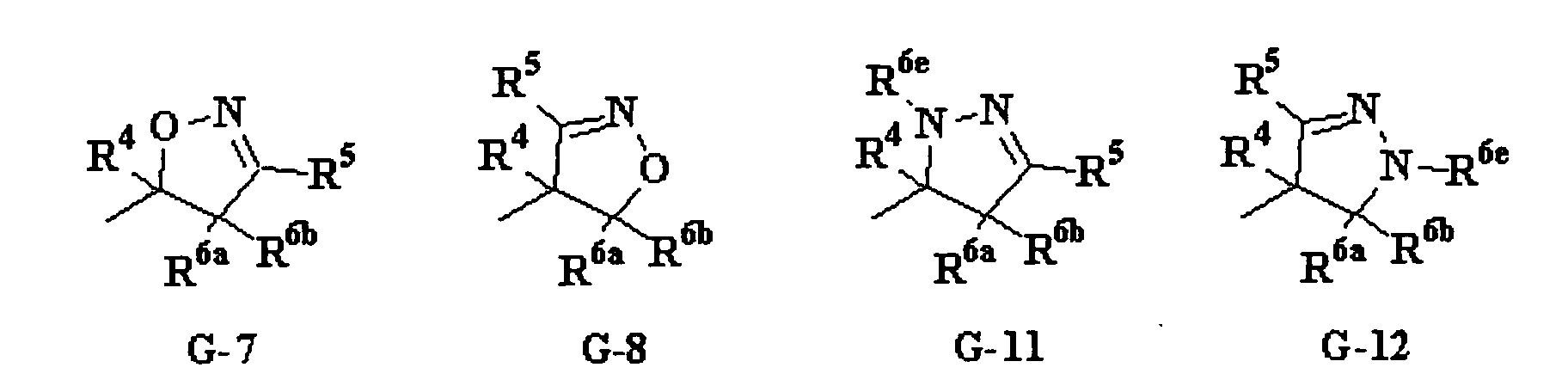
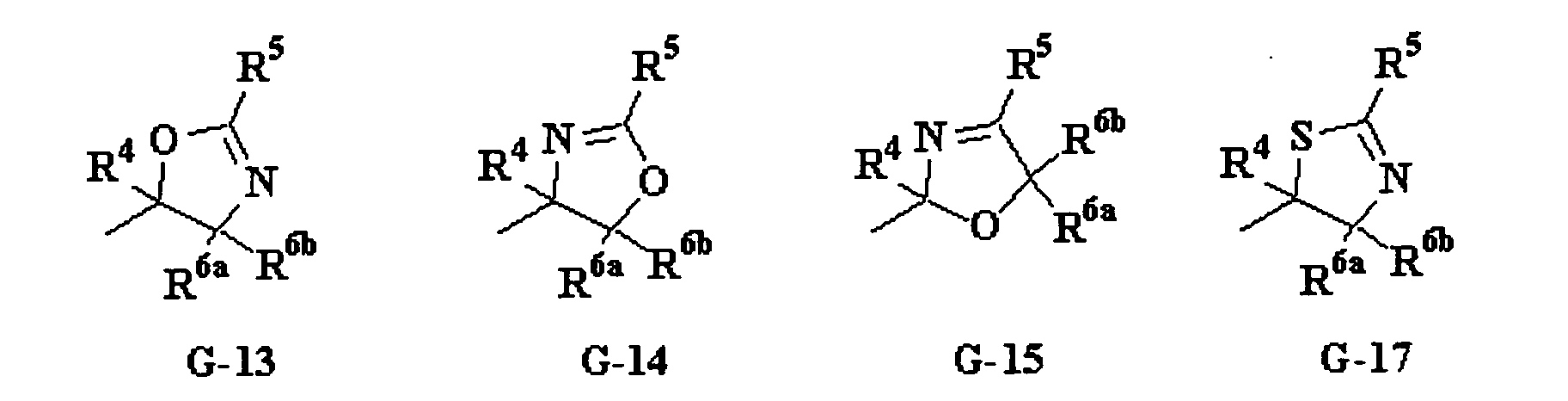


X represents a halogen atom, nitro, a C1 to C6 alkyl, a C1 to C6 haloalkyl, a C1 to C6 alkoxy, a C1 to C6 haloalkoxy, a C1 to C6 alkylthio, a C1 to C6 haloalkylthio, a C1 to C6 alkylsulfinyl, a C1 to C6 haloalkylsulfinyl, a C1 to C6 alkylsulfonyl or a C1 to C6 haloalkylsulfonyl, when m represents 2 or 3, each of Xs may be the same with each other or may be different from each other,
and further, when two Xs are adjacent to each other, the adjacent two Xs may form -OCF2O- or -OCF2CF2O-, so that they may form a 5-membered ring or 6-membered ring with carbon atoms to which they are bonded,
and, when G represents a non-aromatic heterocyclic ring represented by either of the formula G-1, the formula G-4, the formula G-5, the formula G-6, the formula G-7, the formula G-8, the formula G-11, the formula G-12, the formula G-13, the formula G-14, the formula G-15, the formula G-17, the formula G-18, the formula G-21, the formula G-22, the formula G-23, the formula G-32, the formula G-33, the formula G-40, the formula G-41, the formula G-42, the formula G-53 or the formula G-54, X may further represent -N(R17)R16,
Y represents a halogen atom, a C1 to C6 alkyl, a C1 to C6 haloalkyl, a hydroxy(C1 to C6)alkyl, a C1 to C3 alkoxy(C1 to C3)alkyl, a C1 to C6 alkoxy or a C1 to C6 alkylthio, and when n represents 2 or 3, each of Ys may be the same with each other or may be different from each other,
R1 represents a hydrogen atom,
R2 represents a hydrogen atom, a C1 to C6 alkyl, a C1 to C4 alkoxy(C1 to C4)-alkyl or a C3 to C6 alkenyl,
R3 represents a C1 to C8 alkyl, a (C1 to C8)alkyl which may be optionally substituted by R18, a C3 to C8 cycloalkyl, a C3 to C8 alkenyl, a C1 to C6 alkylaminocarbonyl(C3 to C6)alkenyl, a phenyl(C3 to C6)alkenyl which may be substituted by (Z1)p1, a C3 to C8 alkynyl, a phenyl(C3 to C6)alkynyl which may be substituted by (Z1)p1, a naphthalen-1-yl-(C3 to C6)alkynyl, a naphthalen-2-yl-(C3 to C6)alkynyl, a (L-1)-(C3 to C6)alkynyl, a (L-2)-(C3 to C6)alkynyl, a (L-3)-(C3 to C6)alkynyl, a (L-4)-(C3 to C6)alkynyl, a (L-45)-(C3 to C6)alkynyl, a (L-46)-(C3 to C6)alkynyl, a (L-47)-(C3 to C6)alkynyl, M-4, M-5, M-8, M-9, M-13 to M-19, M-21 or M-22, or R2 and R3 are combined to form a C2 to C6 alkylene chain, so that they may form a 3- to 7-membered ring with a nitrogen atom(s) to which they are bonded, and the alkylene chain at this time may contain one oxygen atom or sulfur atom,
R4 represents a hydrogen atom, a C1 to C6 alkyl, a C1 to C6 haloalkyl, a C3 to C6 cycloalkyl(C1 to C4)alkyl, a C3 to C6 halocycloalkyl(C1 to C4)alkyl, a C1 to C4 alkoxy(C1 to C4)alkyl, a C1 to C4 haloalkoxy(C1 to C4)alkyl, a C1 to C4 alkylthio(C1 to C4)alkyl, a C1 to C4 haloalkylthio(C1 to C4)alkyl, a C1 to C4 alkylsulfinyl(C1 to C4)alkyl, a C1 to C4 haloalkylsulfinyl(C1 to C4)alkyl, a C1 to C4 alkylsulfonyl(C1 to C4)alkyl, a C1 to C4 haloalkylsulfonyl(C1 to C4)alkyl, a cyano(C1 to C6)alkyl, a C1 to C4 haloalkoxy(C1 to C4)haloalkyl, a C3 to C8 cycloalkyl, a C3 to C8 halocycloalkyl, -CH=NOR11, -C(R9)=NOR11, phenyl which may be substituted by (Z2)p1, 1-naphthyl, 2-naphthyl, L-1 to L-4, L-8 to L-13, L-15 to L-23, L-25 to L-35, L-37, L-38, L-40, L-43 to L-58, M-4, M-5, M-8, M-9, M-14 to M-18 or M-19,
and when G represents a cycloalkyl ring represented by the formula G-71, R4 may further represent a halogen atom, a C1 to C6 alkoxy, a C1 to C6 haloalkoxy, a C1 to C6 alkylthio, a C1 to C6 haloalkylthio, a C1 to C6 alkylsulfinyl, a C1 to C6 haloalkylsulfinyl, a C1 to C6 alkylsulfonyl or a C1 to C6 haloalkylsulfonyl,
R5 represents
(a). a hydrogen atom, a halogen atom, cyano, a C1 to C6 alkyl, a C1 to C6 haloalkyl, a C3 to C6 cycloalkyl(C1 to C4)alkyl, a C3 to C6 halocycloalkyl(C1 to C4)alkyl, a C1 to C4 alkoxy(C1 to C4)alkyl, a C1 to C4 haloalkoxy(C1 to C4)alkyl, a C1 to C4 alkylthio(C1 to C4)alkyl, a C1 to C4 haloalkylthio(C1 to C4)alkyl, a C1 to C4 alkylsulfinyl(C1 to C4)alkyl, a C1 to C4 haloalkylsulfinyl(C1 to C4)alkyl, a C1 to C4 alkylsulfonyl(C1 to C4)alkyl, a C1 to C4 haloalkylsulfonyl(C1 to C4)alkyl, cyano(C1 to C6)alkyl, a C3 to C8 cycloalkyl, a C3 to C8 halocycloalkyl, a C1 to C6 alkoxy, a C1 to C6 haloalkoxy, phenoxy which may be substituted by (Z1)p1, a C1 to C6 alkylthio, a C1 to C6 haloalkylthio, phenylthio which may be substituted by (Z1)p1, a C1 to C6 alkylsulfinyl, a C1 to C6 haloalkylsulfinyl, phenylsulfinyl which may be substituted by (Z1)p1, a C1 to C6 alkylsulfonyl, a C1 to C6 haloalkylsulfonyl, phenylsulfonyl which may be substituted by (Z1)p1, a C1 to C6 alkylamino, a di(C1 to C6 alkyl)amino, pyrrolidin-1-yl, oxazolidin-3-yl, thiazolidin-3-yl, piperidin-1-yl, morpholin-1-yl, -C(O)R9, -C(O)OR9, -C(O)SR9, -C(O)N(R10)R9, -C(S)N(R10)R9, -CH=NOR11, -C(R9)=NOR11, phenyl which may be substituted by (Z2)p1, 1-naphthyl, 2-naphthyl, L or M, when G represents a non-aromatic heterocyclic ring represented by either one of the formula G-1, the formula G-4, the formula G-5, the formula G-6, the formula G-7, the formula G-8, the formula G-11, the formula G-12, the formula G-13, the formula G-14, the formula G-15, the formula G-17, the formula G-18, the formula G-21, the formula G-22, the formula G-23, the formula G-32, the formula G-33, the formula G-40, the formula G-41, the formula G-42, the formula G-53 or the formula G-54, or a saturated heterocyclic ring represented by the formula G-55 or the formula G-56,
(b). cyano, a C3 to C6 cycloalkyl(C1 to C4)alkyl, a C3 to C6 halocycloalkyl(C1 to C4)alkyl, a C1 to C4 alkoxy(C1 to C4)alkyl, a C1 to C4 haloalkoxy(C1 to C4)alkyl, a C1 to C4 alkylthio-(C1 to C4)alkyl, a C1 to C4 haloalkylthio(C1 to C4)alkyl, a C1 to C4 alkylsulfinyl(C1 to C4)alkyl, a C1 to C4 haloalkylsulfinyl(C1 to C4)alkyl, a C1 to C4 alkylsulfonyl(C1 to C4)alkyl, a C1 to C4 haloalkylsulfonyl(C1 to C4)alkyl, a cyano(C1 to C6)alkyl, a C3 to C8 cycloalkyl, a C3 to C8 halocycloalkyl, phenoxy which may be substituted by (Z1)p1, phenylthio which may be substituted by (Z1)p1, phenylsulfinyl which may be substituted by (Z1)p1, phenylsulfonyl which may be substituted by (Z1)p1, -CHO, -C(O)R9, -C(O)OR9, -C(O)NHR10, -C(O)N(R10)R9, -C(S)NHR10, -C(S)N(R10)R9, -CH=NOR11, -C(R9)=NOR11, -Si(R13)(R14)R12, phenyl which may be substituted by (Z2)p1, 1-naphthyl, 2-naphthyl, L or M, when G represents a cycloalkyl ring represented by the formula G-71, and R4 represents a hydrogen atom, a halogen atom, a C1 to C6 alkyl or a C1 to C6 haloalkyl,
(c). a hydrogen atom, a halogen atom, cyano, a C1 to C6 alkyl, a C1 to C6 haloalkyl, a C3 to C6 cycloalkyl(C1 to C4)alkyl, a C3 to C6 halocycloalkyl(C1 to C4)alkyl, a C1 to C4 alkoxy(C1 to C4)alkyl, a C1 to C4 haloalkoxy(C1 to C4)alkyl, a C1 to C4 alkylthio(C1 to C4)alkyl, a C1 to C4 haloalkylthio(C1 to C4)alkyl, a C1 to C4 alkylsulfinyl(C1 to C4)alkyl, a C1 to C4 haloalkylsulfinyl(C1 to C4)alkyl, a C1 to C4 alkylsulfonyl(C1 to C4)alkyl, a C1 to C4 haloalkylsulfonyl(C1 to C4)alkyl, a cyano(C1 to C6)alkyl, a C3 to C8 cycloalkyl, a C3 to C8 halocycloalkyl, a C1 to C6 alkoxy, a C1 to C6 haloalkoxy, phenoxy which may be substituted by (Z1)p1, a C1 to C6 alkylthio, a C1 to C6 haloalkylthio, phenylthio which may be substituted by (Z1)p1, a C1 to C6 alkylsulfinyl, a C1 to C6 haloalkylsulfinyl, phenylsulfinyl which may be substituted by (Z1)p1, a C1 to C6 alkylsulfonyl, a C1 to C6 haloalkylsulfonyl, phenylsulfonyl which may be substituted by (Z1)p1, -CHO, -C(O)R9, -C(O)OR9, -C(O)NHR10, -C(O)N(R10)R9, -C(S)NHR10, -C(S)N(R10)R9, -CH=NOR11, -C(R9)=NOR11, -Si(R13)(R14)R12, phenyl which may be substituted by (Z2)p1, 1-naphthyl, 2-naphthyl, L or M, when G represents a cycloalkyl ring represented by the formula G-71, and R4 represents a C3 to C6 cycloalkyl(C1 to C4)alkyl, a C3 to C6 halocycloalkyl(C1 to C4)alkyl, a C1 to C4 alkoxy(C1 to C4)alkyl, a C1 to C4 haloalkoxy(C1 to C4)alkyl, a C1 to C4 alkylthio-(C1 to C4)alkyl, a C1 to C4 haloalkylthio(C1 to C4)alkyl, a C1 to C4 alkylsulfinyl(C1 to C4)alkyl, a C1 to C4 haloalkylsulfinyl(C1 to C4)alkyl, a C1 to C4 alkylsulfonyl(C1 to C4)alkyl, a C1 to C4 haloalkylsulfonyl(C1 to C4)alkyl, a cyano(C1 to C6)alkyl, a C1 to C4 haloalkoxy(C1 to C4)haloalkyl, a C3 to C8 cycloalkyl, a C3 to C8 halocycloalkyl, a C1 to C6 alkoxy, a C1 to C6 haloalkoxy, a C1 to C6 alkylthio, a C1 to C6 haloalkylthio, a C1 to C6 alkylsulfinyl, a C1 to C6 haloalkylsulfinyl, a C1 to C6 alkylsulfonyl, a C1 to C6 haloalkylsulfonyl, phenyl which may be substituted by (Z2)p1, 1-naphthyl, 2-naphthyl, L-1 to L-4, L-8 to L-13, L-15 to L-23, L-25 to L-35, L-37, L-38, L-40, L-43 to L-58, M-4, M-5, M-8, M-9, M-14 to M-18 or M-19,
R6a, R6b, R6c and R6d each independently represent a hydrogen atom, a halogen atom, cyano, a C1 to C6 alkyl, a C1 to C6 haloalkyl or phenyl which may be substituted by (Z2)p1,
R6e represents a hydrogen atom, a C1 to C6 alkyl, a C1 to C6 alkylsulfonyl, a C1 to C6 haloalkylsulfonyl, phenylsulfonyl which may be substituted by (Z1)p1, a C1 to C6 alkylcarbonyl, a C1 to C6 haloalkylcarbonyl, phenylcarbonyl which may be substituted by (Z1)p1, a C1 to C6 alkoxycarbonyl, a C1 to C6 haloalkoxycarbonyl, phenoxycarbonyl which may be substituted by (Z1)p1, a di(C1 to C6 alkyl)phosphoryl or phenyl which may be substituted by (Z2)p1,
R6f, R6g and R6h each independently represent a hydrogen atom, a C1 to C6 alkyl, a C1 to C6 haloalkyl or phenyl which may be substituted by (Z2)p1,
R6i represents a hydrogen atom, a halogen atom, cyano, a C1 to C6 alkyl, a C1 to C6 haloalkyl, a C1 to C6 alkoxycarbonyl or a C1 to C6 haloalkoxycarbonyl,
R6j and R6k each independently represent hydrogen atom, a halogen atom, cyano, a C1 to C6 alkyl or a C1 to C6 haloalkyl,
Z2 represents a halogen atom, cyano, nitro, amino, a C1 to C6 alkyl, a C1 to C6 haloalkyl, a C1 to C3 alkoxy(C1 to C3)alkyl, a C1 to C3 haloalkoxy(C1 to C3)alkyl, a C1 to C3 alkylthio(C1 to C3)alkyl, a C1 to C3 haloalkylthio(C1 to C3)alkyl, a C1 to C3 alkylsulfinyl(C1 to C3)alkyl, a C1 to C3 haloalkylsulfinyl(C1 to C3)alkyl, a C1 to C3 alkylsulfonyl(C1 to C3)alkyl, a C1 to C3 haloalkylsulfonyl(C1 to C3)alkyl, a cyano(C1 to C6)alkyl, a C3 to C8 cycloalkyl, a C3 to C8 halocycloalkyl, a C1 to C6 alkoxy, a C1 to C6 haloalkoxy, a C1 to C3 haloalkoxy(C1 to C3) haloalkoxy, a C1 to C6 alkylsulfonyloxy, a C1 to C6 haloalkylsulfonyloxy, phenoxy which may be substituted by (Z1)p1, -O(L-45), a C1 to C6 alkylthio, a C1 to C6 haloalkylthio, a C3 to C8 cycloalkylthio, a C1 to C6 alkylsulfinyl, a C1 to C6 haloalkylsulfinyl, a C3 to C8 cycloalkylsulfinyl, a C1 to C6 alkylsulfonyl, a C1 to C6 haloalkylsulfonyl, a C3 to C8 cycloalkylsulfonyl, a C1 to C6 alkylamino, a di(C1 to C6 alkyl)amino, a C1 to C6 alkylaminosulfonyl, a di(C1 to C6 alkyl)aminosulfonyl, -C(O)NH2, a C1 to C6 alkylaminocarbonyl, a di(C1 to C6 alkyl) aminocarbonyl, -C(S)NH2 or a tri(C1 to C6 alkyl)silyl, when p1 represents an integer of 2 or more, each of Z2s may be the same with each other or may be different from each other,
and further, when the two Z2s are adjacent to each other, the adjacent two Z2s form -CF2CF2O-, -CF2OCF2- or -OCF2O- so that they may form a 5-membered ring with the carbon atoms each of which are bonded to,
R9 represents a C1 to C6 alkyl, a C1 to C6 haloalkyl, a phenyl(C1 to C4)alkyl which may be substituted by (Z1)p1, a C3 to C8 cycloalkyl or phenyl which may be substituted by (Z1)p1,
R10 represents a hydrogen atom or a C1 to C6 alkyl, or R9 and R10 are combined to form a C4 to C5 alkylene chain, so that they may form a 5-membered ring or 6-membered ring with the nitrogen atom(s) to which they are bonded, and the alkylene chain at this time may contain one oxygen atom or sulfur atom,
R11 represents a C1 to C6 alkyl, a C1 to C6 haloalkyl or a phenyl(C1 to C4)alkyl which may be substituted by (Z1)p1, or R9 and R11 are combined to form a C2 to C3 alkylene chain, so that they may form a 5-membered ring or 6-membered ring with atoms to which they are bonded, and the alkylene chain at this time may be optionally substituted by a C1 to C6 alkyl group,
R15 represents a C1 to C6 alkyl or phenyl which may be substituted by (Z1)p1,
R16 represents a hydrogen atom, a C1 to C6 alkyl, a C1 to C4 alkoxy(C1 to C4)alkyl, a C1 to C4 alkylthio(C1 to C4)alkyl, -CHO, a C1 to C6 alkylcarbonyl, a C1 to C6 haloalkylcarbonyl, a C3 to C6 cycloalkylcarbonyl, a C1 to C6 alkoxycarbonyl, a C1 to C6 haloalkoxycarbonyl or a C1 to C6 alkylthiocarbonyl,
R17 represents a hydrogen atom or a C1 to C6 alkyl, or R17 may be combined with R2 to form a -CH2-,
R18 represents a halogen atom, cyano, a C3 to C6 cycloalkyl, -OR28, -N(R29)R28, -S(O)rR30, a C1 to C6 alkoxycarbonyl, -C(O)N(R32)R31, -C(R34)=NOH, -C(R34)=NOR33, a tri(C1 to C4 alkyl)silyl, phenyl which may be substituted by (Z1)p1, L-1, L-2, L-3, L-4, L-45, L-46, L-47 or M,
R25 represents a C1 to C4 alkyl,
R26 represents a C1 to C6 alkylcarbonyl or a C1 to C6 alkoxycarbonyl,
R28 represents a hydrogen atom, a C1 to C6 alkyl, a C1 to C6 haloalkyl, a C1 to C4 alkoxy(C1 to C4)alkyl, a C1 to C4 alkylthio(C1 to C4)alkyl, a phenyl(C1 to C4)alkyl which may be substituted by (Z1)p1, a C1 to C6 alkylcarbonyl, a C3 to C6 cycloalkylcarbonyl, a C1 to C6 alkoxycarbonyl, -C(O)N(R32)R31, a C1 to C6 alkylsulfonyl, a di(C1 to C6 alkyl)-aminosulfonyl, phenylsulfonyl which may be substituted by (Z1)p1, a di(C1 to C6 alkyl)phosphoryl, a di(C1 to C6 alkyl)thiophosphoryl, a tri(C1 to C4 alkyl)silyl or phenyl which may be substituted by (Z1)p1,
R29 represents a hydrogen atom or a C1 to C6 alkyl,
R30 represents a C1 to C6 alkyl, a C1 to C6 haloalkyl, a hydroxy(C1 to C4)alkyl, a C1 to C4 alkoxy(C1 to C4)alkyl, a C1 to C4 alkylthio(C1 to C4)alkyl, a C1 to C4 alkylcarbonyl(C1 to C4)alkyl, a C1 to C4 alkoxycarbonyl(C1 to C4)alkyl, a di(C1 to C4 alkyl)aminocarbonyl(C1 to C4)alkyl, a tri(C1 to C4 alkyl)silyl(C1 to C4)alkyl, a phenyl(C1 to C4)alkyl which may be substituted by (Z1)p1, a C3 to C6 alkenyl, a C3 to C6 alkynyl, a C1 to C6 alkylthio, phenyl which may be substituted by (Z1)p1, L-21 or L-45,
R31 represents a C1 to C6 alkyl, a C1 to C4 alkylthio(C1 to C4)alkyl, a phenyl(C1 to C4)alkyl which may be substituted by (Z1)p1, a C3 to C6 cycloalkyl, a C3 to C6 alkenyl or phenyl which may be substituted by (Z1)p1,
R32 represents a hydrogen atom or a C1 to C6 alkyl, or R31 and R32 are combined to form a C2 to C5 alkylene chain, so that they may form a 3- to 6-membered ring with the nitrogen atom(s) to which they are bonded, and the alkylene chain at this time may contain one oxygen atom or sulfur atom,
R33 represents a C1 to C6 alkyl or a phenyl(C1 to C4)alkyl which may be substituted by (Z1)p1,
R34 represents a hydrogen atom or a C1 to C6 alkyl,
m represents an integer of 0 to 3,
n represents an integer of 0 to 3,
q2 represents an integer of 0 to 3,
q3 represents an integer of 0 to 2, and
q4 represents an integer of 0 to 2.
X represents a halogen atom, nitro, a C1 to C4 alkyl, a C1 to C4 haloalkyl, a C1 to C4 alkoxy, a C1 to C4 haloalkoxy, a C1 to C4 alkylthio, a C1 to C4 haloalkylthio, a C1 to C4 alkylsulfinyl, a C1 to C4 haloalkylsulfinyl, a C1 to C4 alkylsulfonyl or a C1 to C4 haloalkylsulfonyl, and when m represents 2, each of Xs may be the same with each other or may be different from each other,
Y represents a halogen atom, a C1 to C4 alkyl, a C1 to C4 haloalkyl, a C1 to C4 alkoxy or a C1 to C4 alkylthio, and when n represents 2, each of Ys may be the same with each other or may be different from each other,
R2 represents a hydrogen atom or a C1 to C6 alkyl,
R3 represents a C1 to C8 alkyl, a (C1 to C8)alkyl which may be optionally substituted by R18, a C3 to C8 alkenyl or a C3 to C8 alkynyl,
R4 represents a hydrogen atom, a C1 to C6 alkyl, a C1 to C6 haloalkyl, a C3 to C6 cycloalkyl(C1 to C4)alkyl, a C1 to C4 alkoxy(C1 to C4)alkyl, a C1 to C4 haloalkoxy(C1 to C4)alkyl, a C1 to C4 alkylthio(C1 to C4)alkyl, a C1 to C4 haloalkylthio(C1 to C4)alkyl, a C3 to C8 cycloalkyl, a C3 to C8 halocycloalkyl, phenyl which may be substituted by (Z2)p1, 2-naphthyl, L-1 to L-4, L-15 to L-17, L-19, L-20, L-22, L-23, L-45 to L-47, L-50, M-4, M-5, M-8, M-9, M-14 to M-18 or M-19,
and when G represents a cycloalkyl ring represented by the formula G-71, R4 may further represent a halogen atom, a C1 to C6 alkoxy, a C1 to C6 haloalkoxy, a C1 to C6 alkylthio, a C1 to C6 haloalkylthio, a C1 to C6 alkylsulfonyl or a C1 to C6 haloalkylsulfonyl,
R5 represents
(a). a hydrogen atom, a halogen atom, cyano, a C1 to C6 alkyl, a C1 to C6 haloalkyl, a C3 to C6 cycloalkyl(C1 to C4)alkyl, a C1 to C4 alkoxy(C1 to C4)alkyl, a C1 to C4 haloalkoxy(C1 to C4)alkyl, a C1 to C4 alkylthio(C1 to C4)alkyl, a C1 to C4 haloalkylthio(C1 to C4)alkyl, a C1 to C4 alkylsulfinyl(C1 to C4)alkyl, a C1 to C4 haloalkylsulfinyl(C1 to C4)alkyl, a C1 to C4 alkylsulfonyl(C1 to C4)alkyl, a C1 to C4 haloalkylsulfonyl(C1 to C4)alkyl, a C3 to C8 cycloalkyl, a C3 to C8 halocycloalkyl, a C1 to C6 alkoxy, a C1 to C6 haloalkoxy, a C1 to C6 alkylthio, a C1 to C6 haloalkylthio, a C1 to C6 alkylsulfinyl, a C1 to C6 haloalkylsulfinyl, a C1 to C6 alkylsulfonyl, a C1 to C6 haloalkylsulfonyl, a di(C1 to C6 alkyl)amino, pyrrolidin-1-yl, oxazolidin-3-yl, thiazolidin-3-yl, piperidin-1-yl, morpholin-1-yl, -C(R9)=NOR11, phenyl which may be substituted by (Z2)p1, 1-naphthyl, 2-naphthyl, L, M-4, M-5, M-8, M-9, M-14 to M-18 or M-19, when G represents a non-aromatic heterocyclic ring represented by either one of the formula G-4, the formula G-5, the formula G-6, the formula G-7, the formula G-11, the formula G-13, the formula G-14, the formula G-15, the formula G-17, the formula G-18, the formula G-21, the formula G-22 or the formula G-23,
(b). a C3 to C6 cycloalkyl(C1 to C4)alkyl, a C1 to C4 alkoxy(C1 to C4)alkyl, a C1 to C4 haloalkoxy(C1 to C4)alkyl, a C1 to C4 alkylthio(C1 to C4)alkyl, a C1 to C4 haloalkylthio(C1 to C4)alkyl, a C1 to C4 alkylsulfinyl(C1 to C4)alkyl, a C1 to C4 haloalkylsulfinyl(C1 to C4)alkyl, a C1 to C4 alkylsulfonyl(C1 to C4)alkyl, a C1 to C4 haloalkylsulfonyl(C1 to C4)alkyl, a C3 to C8 cycloalkyl, a C3 to C8 halocycloalkyl, -C(R9)=NOR11, -Si(R13)(R14)R12, phenyl which may be substituted by (Z2)p1, 1-naphthyl, 2-naphthyl, L, M-4, M-5, M-8, M-9, M-14 to M-18 or M-19, when G represents a cycloalkyl ring represented by the formula G-71, and R4 represents a hydrogen atom, a halogen atom, a C1 to C6 alkyl or a C1 to C6 haloalkyl,
(c). a hydrogen atom, a halogen atom, cyano, a C1 to C6 alkyl, a C1 to C6 haloalkyl, a C3 to C6 cycloalkyl(C1 to C4)alkyl, a C1 to C4 alkoxy(C1 to C4)alkyl, a C1 to C4 haloalkoxy(C1 to C4)alkyl, a C1 to C4 alkylthio(C1 to C4)alkyl, a C1 to C4 haloalkylthio(C1 to C4)alkyl, a C1 to C4 alkylsulfinyl(C1 to C4)alkyl, a C1 to C4 haloalkylsulfinyl(C1 to C4)alkyl, a C1 to C4 alkylsulfonyl(C1 to C4)alkyl, a C1 to C4 haloalkylsulfonyl(C1 to C4)alkyl, a C3 to C8 cycloalkyl, a C3 to C8 halocycloalkyl, a C1 to C6 alkoxy, a C1 to C6 haloalkoxy, a C1 to C6 alkylthio, a C1 to C6 haloalkylthio, a C1 to C6 alkylsulfinyl, a C1 to C6 haloalkylsulfinyl, a C1 to C6 alkylsulfonyl, a C1 to C6 haloalkylsulfonyl, -C(R9)=NOR11, -Si(R13)(R14)R12, M-4, M-5, M-8, M-9, M-14 to M-18 or M-19, when G represents a cycloalkyl ring represented by the formula G-71, and R4 represents a C3 to C6 cycloalkyl(C1 to C4)alkyl, a C1 to C4 alkoxy(C1 to C4)alkyl, a C1 to C4 haloalkoxy(C1 to C4)alkyl, a C1 to C4 alkylthio(C1 to C4)alkyl, a C1 to C4 haloalkylthio(C1 to C4)alkyl, a C3 to C8 cycloalkyl, a C3 to C8 halocycloalkyl, a C1 to C6 alkoxy, a C1 to C6 haloalkoxy, a C1 to C6 alkylthio, a C1 to C6 haloalkylthio, a C1 to C6 alkylsulfonyl, a C1 to C6 haloalkylsulfonyl, M-4, M-5, M-8, M-9, M-14 to M-18 or M-19,
(d). a hydrogen atom, a halogen atom, cyano, a C1 to C6 alkyl or a C1 to C6 haloalkyl, when G represents a cycloalkyl ring represented by the formula G-71, and R4 represents phenyl which may be substituted by (Z2)p1, 1-naphthyl, 2-naphthyl, L-1 to L-4, L-15 to L-17, L-19, L-20, L-22, L-23, L-45 to L-47 or L-50,
R6a, R6b, R6c and R6d each represent a hydrogen atom,
R6e represents a C1 to C6 alkyl, a C1 to C6 alkylsulfonyl, a C1 to C6 alkoxycarbonyl, a di(C1 to C6 alkyl)phosphoryl or phenyl which may be substituted by (Z2)p1,
R6i represents a hydrogen atom, a halogen atom or a C1 to C6 alkyl,
R6j and R6k each independently represent a hydrogen atom, a halogen atom, cyano or methyl,
R9 represents a C1 to C6 alkyl, a C1 to C6 haloalkyl, a C3 to C8 cycloalkyl or phenyl which may be substituted by (Z1)p1,
R11 represents a C1 to C6 alkyl or a C1 to C6 haloalkyl, or R9 and R11 are combined to form a C2 to C3 alkylene chain, so that they may form a 5-membered ring or 6-membered ring with atoms to which they are bonded, and the alkylene chain at this time may be optionally substituted by a C1 to C6 alkyl group,
R18 represents a -OR28, -N(R29)R28, -S(O)rR30, -C(R34)=NOH, -C(R34)=NOR33 or phenyl which may be substituted by (Z1)p1,
R28 represents a hydrogen atom, a C1 to C6 alkyl, a C1 to C6 alkylcarbonyl, a C1 to C6 alkoxycarbonyl, a C1 to C6 alkylaminocarbonyl, a C3 to C6 cycloalkylaminocarbonyl, a di(C1 to C6 alkyl)aminocarbonyl, phenylaminocarbonyl which may be substituted by (Z1)p1, a phenyl(C1 to C4)alkylaminocarbonyl which may be substituted by (Z1)p1, a C1 to C6 alkylsulfonyl, a di(C1 to C6 alkyl)thiophosphoryl or phenyl which may be substituted by (Z1)p1,
R30 represents a C1 to C6 alkyl, a C1 to C6 alkylthio, phenyl which may be substituted by (Z1)p1 or L-45,
R33 represents a C1 to C6 alkyl,
R34 represents a hydrogen atom,
m represents an integer of 0 to 2, and
n represents an integer of 0 to 2.
R5 represents a C3 to C6 cycloalkyl(C1 to C4)alkyl, a C1 to C4 alkoxy(C1 to C4)alkyl, a C1 to C4 haloalkoxy(C1 to C4)alkyl, a C1 to C4 alkylthio(C1 to C4)alkyl, a C1 to C4 haloalkylthio(C1 to C4)alkyl, a C1 to C4 alkylsulfinyl(C1 to C4)alkyl, a C1 to C4 haloalkylsulfinyl(C1 to C4)alkyl, a C1 to C4 alkylsulfonyl(C1 to C4)alkyl, a C1 to C4 haloalkylsulfonyl(C1 to C4)alkyl, a C3 to C8 cycloalkyl, a C3 to C8 halocycloalkyl, pyrrolidin-1-yl, oxazolidin-3-yl, thiazolidin-3-yl, piperidin-1-yl, morpholin-1-yl, -C(R9)=NOR11, phenyl which may be substituted by (Z2)p1, 1-naphthyl, 2-naphthyl, L, M-4, M-5, M-8, M-9, M-14 to M-18 or M-19.
R4 represents a C3 to C6 cycloalkyl(C1 to C4)alkyl, a C1 to C4 alkoxy(C1 to C4)alkyl, a C1 to C4 haloalkoxy(C1 to C4)alkyl, a C1 to C4 alkylthio(C1 to C4)alkyl, a C1 to C4 haloalkylthio(C1 to C4)alkyl, a C3 to C8 cycloalkyl, a C3 to C8 halocycloalkyl, phenyl which may be substituted by (Z2)p1, 2-naphthyl, L-1 to L-4, L-15 to L-17, L-19, L-20, L-22, L-23, L-45 to L-47, L-50, M-4, M-5, M-8, M-9, M-14 to M-18 or M-19.
R3 represents a C1 to C8 alkyl, a C1 to C8 haloalkyl, a cyano(C1 to C8)alkyl, a C3 to C6 cycloalkyl(C1 to C8)alkyl, a tri(C1 to C4 alkyl)silyl(C1 to C8)alkyl, a phenyl(C1 to C8)alkyl which may be substituted by (Z1)p1, a (L-1)-(C1 to C8)alkyl, a (L-2)-(C1 to C8)alkyl, a (L-3)-(C1 to C8)alkyl, a (L-4)-(C1 to C8)alkyl, a (L-45)-(C1 to C8)alkyl, a (L-46)-(C1 to C8)alkyl, a (L-47)-(C1 to C8)alkyl, a C3 to C8 cycloalkyl, a C3 to C8 alkenyl, a phenyl(C3 to C6)alkenyl which may be substituted by (Z1)p1, a C3 to C8 alkynyl, a phenyl(C3 to C6)alkynyl which may be substituted by (Z1)p1, a naphthalen-1-yl-(C3 to C6)alkynyl, a naphthalen-2-yl-(C3 to C6)alkynyl, a (L-1)-(C3 to C6)alkynyl, a (L-2)-(C3 to C6)alkynyl, a (L-3)-(C3 to C6)alkynyl, a (L-4)-(C3 to C6)alkynyl, a (L-45)-(C3 to C6)alkynyl, a (L-46)-(C3 to C6)alkynyl or a (L-47)-(C3 to C6)alkynyl, or R2 and R3 are combined to form a C2 to C6 alkylene chain, so that they may form a 3- to 7-membered ring with the nitrogen atoms to which they are bonded.
R3 represents a C1 to C8 alkyl, a phenyl(C1 to C8)alkyl which may be substituted by (Z1)p1, a C3 to C8 alkenyl or a C3 to C8 alkynyl.
R3 represents a (C1 to C8)alkyl which may be optionally substituted by R18, a C1 to C6 alkylaminocarbonyl(C3 to C6)alkenyl, M-4, M-5, M-8, M-9, M-13 to M-19, M-21 or M-22, or R2 and R3 are combined to form a C2 to C6 alkylene chain containing one oxygen atom or sulfur atom, so that they may form a 3- to 7-membered ring with a nitrogen atom(s) to which they are bonded,
R4 represents a hydrogen atom, a C1 to C6 alkyl or a C1 to C6 haloalkyl,
R5 represents a hydrogen atom, a halogen atom, cyano, a C1 to C6 alkyl, a C1 to C6 haloalkyl, a C1 to C6 alkoxy, a C1 to C6 haloalkoxy, a C1 to C6 alkylthio, a C1 to C6 haloalkylthio, a C1 to C6 alkylsulfinyl, a C1 to C6 haloalkylsulfinyl, a C1 to C6 alkylsulfonyl, a C1 to C6 haloalkylsulfonyl or a di(C1 to C6 alkyl)amino,
R18 represents -OR28, -N(R29)R28, -S(O)rR30, a C1 to C6 alkoxycarbonyl, a C1 to C6 alkylaminocarbonyl, -C(O)N(R32)R31, -C(R34)=NOH, -C(R34)=NOR33 or M,
R28 represents a hydrogen atom, a C1 to C6 alkyl, a C1 to C6 haloalkyl, a C1 to C4 alkoxy(C1 to C4)alkyl, a C1 to C4 alkylthio(C1 to C4)alkyl, a phenyl(C1 to C4)alkyl which may be substituted by (Z1)p1, a C1 to C6 alkylcarbonyl, a C3 to C6 cycloalkylcarbonyl, a C1 to C6 alkoxycarbonyl, -C(O)N(R32)R31, a C1 to C6 alkylsulfonyl, a di(C1 to C6 alkyl)aminosulfonyl, phenylsulfonyl which may be substituted by (Z1)p1, a di(C1 to C6 alkyl)phosphoryl, a di(C1 to C6 alkyl)thiophosphoryl, a tri(C1 to C4 alkyl)silyl or phenyl which may be substituted by (Z1)p1,
R29 represents a hydrogen atom or a C1 to C6 alkyl,
R30 represents a C1 to C6 alkyl, a C1 to C6 haloalkyl, a hydroxy(C1 to C4)alkyl, a C1 to C4 alkoxy(C1 to C4)alkyl, a C1 to C4 alkylthio(C1 to C4)alkyl, a C1 to C4 alkylcarbonyl(C1 to C4)alkyl, a C1 to C4 alkoxycarbonyl(C1 to C4)alkyl, a di(C1 to C4 alkyl)aminocarbonyl(C1 to C4)alkyl, a tri(C1 to C4 alkyl)silyl(C1 to C4)alkyl, a phenyl(C1 to C4)alkyl which may be substituted by (Z1)p1, a C3 to C6 alkenyl, a C3 to C6 alkynyl, a C1 to C6 alkylthio, phenyl which may be substituted by (Z1)p1, L-21 or L-45,
R31 represents a C1 to C6 alkyl, a C1 to C4 alkylthio(C1 to C4)alkyl, a phenyl(C1 to C4)alkyl which may be substituted by (Z1)p1, a C3 to C6 cycloalkyl, a C3 to C6 alkenyl or phenyl which may be substituted by (Z1)p1,
R32 represents a hydrogen atom or a C1 to C6 alkyl, or R31 and R32 are combined to form a C2 to C5 alkylene chain, so that they may form a 3- to 6-membered ring with the nitrogen atom(s) to which they are bonded, and further the alkylene chain may contain one oxygen atom or sulfur atom,
R33 represents a C1 to C6 alkyl or a phenyl(C1 to C4)alkyl which may be substituted by (Z1)p1,
R34 represents a hydrogen atom or a C1 to C6 alkyl,
q2 represents an integer of 0 to 3,
q3 represents an integer of 0 to 2, and
q4 represents an integer of 0 to 2.
R3 represents a C1 to C8 alkyl which may be optionally substituted by -OR28, -N(R29)R28, -S(O)rR30, -C(R34)=NOH or -C(R34)=NOR33,
R4 represents a hydrogen atom, a C1 to C6 alkyl or a C1 to C6 haloalkyl,
R5 represents a hydrogen atom, a halogen atom, cyano, a C1 to C6 alkyl, a C1 to C6 haloalkyl, a C1 to C6 alkoxy; a C1 to C6 haloalkoxy, a C1 to C6 alkylthio, a C1 to C6 haloalkylthio, a C1 to C6 alkylsulfinyl, a C1 to C6 haloalkylsulfinyl, a C1 to C6 alkylsulfonyl, a C1 to C6 haloalkylsulfonyl or a di(C1 to C6 alkyl)amino,
R28 represents a hydrogen atom, a C1 to C6 alkyl, a C1 to C6 alkylcarbonyl, a C1 to C6 alkoxycarbonyl, a C1 to C6 alkylaminocarbonyl, a C3 to C6 cycloalkylaminocarbonyl, a di(C1 to C6 alkyl)aminocarbonyl, phenylaminocarbonyl which may be substituted by (Z1)p1, a phenyl(C1 to C4)alkylaminocarbonyl which may be substituted by (Z1)p1, a C1 to C6 alkylsulfonyl, a di(C1 to C6 alkyl)thiophosphoryl or phenyl which may be substituted by (Z1)p1,
R30 represents a C1 to C6 alkyl, a C1 to C6 alkylthio, phenyl which may be substituted by (Z1)p1 or L-45,
R33 represents a C1 to C6 alkyl, and
R34 represents a hydrogen atom.
X represents a halogen atom, nitro, a C1 to C4 alkyl, a C1 to C4 haloalkyl, a C1 to C4 alkylthio, a C1 to C4 alkylsulfinyl or a C1 to C4 alkylsulfonyl, and when m represents 2, each of Xs may be the same with each other or may be different from each other,
Y represents a halogen atom or a C1 to C4 alkyl, and when n represents 2, each of Ys may be the same with each other or may be different from each other,
R4 represents a C1 to C6 alkyl or a C1 to C6 haloalkyl,
R5 represents phenyl which may be substituted by (Z2)p1, 1-naphthyl, 2-naphthyl, L-1 to L-5, L-8 to L-24, L-28 to L-36, L-39, L-41, L-42, L-45 to L-47 or L-50.
X represents a halogen atom, nitro, a C1 to C4 alkyl, a C1 to C4 haloalkyl, a C1 to C4 alkylthio, a C1 to C4 alkylsulfinyl or a C1 to C4 alkylsulfonyl, and when m represents 2, each of Xs may be the same with each other or may be different from each other,
Y represents a halogen atom or a C1 to C4 alkyl, and when n represents 2, each of Ys may be the same with each other or may be different from each other,
R4 represents phenyl which may be substituted by (Z2)p1, 2-naphthyl, L-1 to L-4, L-15 to L-17, L-19, L-20, L-22, L-23, L-45, L-46 or L-47,
R5 represents a halogen atom, a C1 to C6 alkyl, a C1 to C6 haloalkyl, a C1 to C6 alkoxy, a C1 to C6 haloalkoxy, a C1 to C6 alkylthio, a C1 to C6 alkylsulfinyl, a C1 to C6 alkylsulfonyl or a di(C1 to C6 alkyl)amino.
X represents a halogen atom, nitro, a C1 to C4 alkyl, a C1 to C4 haloalkyl, a C1 to C6 alkylthio, a C1 to C6 alkylsulfinyl or a C1 to C6 alkylsulfonyl, and when m represents 2, each of Xs may be the same with each other or may be different from each other,
Y represents a halogen atom or a C1 to C6 alkyl, and when n represents 2, each of Ys may be the same with each other or may be different from each other,
R3 represents a C1 to C8 alkyl which may be optionally substituted by -OR28, -N(R29)R28, -S(O)rR30, -C(R34)=NOH or -C(R34)=NOR33,
R4 represents a hydrogen atom, a halogen atom, a C1 to C6 alkyl or a C1 to C6 haloalkyl,
R5 represents phenyl which may be substituted by (Z2)p1, 1-naphthyl, 2-naphthyl, L-1 to L-4, L-15 to L-17, L-19, L-20, L-22, L-23, L-45, L-46 or L-47,
R28 represents a hydrogen atom, a C1 to C6 alkyl, a C1 to C6 alkylcarbonyl, a C1 to C6 alkoxycarbonyl, a C1 to C6 alkylaminocarbonyl, a C3 to C6 cycloalkylaminocarbonyl, a di(C1 to C6 alkyl)aminocarbonyl, phenylaminocarbonyl which may be substituted by (Z1)p1, a phenyl(C1 to C4)alkylaminocarbonyl which may be substituted by (Z1)p1, a C1 to C6 alkylsulfonyl, a di(C1 to C6 alkyl)thiophosphoryl or phenyl which may be substituted by (Z1)p1,
R30 represents a C1 to C6 alkyl, a C1 to C6 alkylthio, phenyl which may be substituted by (Z1)p1 or L-45,
R33 represents a C1 to C6 alkyl, and
R34 represents a hydrogen atom.
R4 represents phenyl which may be substituted by (Z2)p1, 2-naphthyl, L-1 to L-4, L-15 to L-17, L-19, L-20, L-22, L-23, L-45, L-46 or L-47, and
R5 represents a hydrogen atom, halogen atom or a C1 to C6 alkyl.
Y represents a halogen atom or a C1 to C6 alkyl, and when n represents 2, each of Ys may be the same with each other or may be different from each other,
R5 represents a hydrogen atom,
R6i represents a hydrogen atom, and
R6j and R6k each independently represent a hydrogen atom, a halogen atom or cyano.

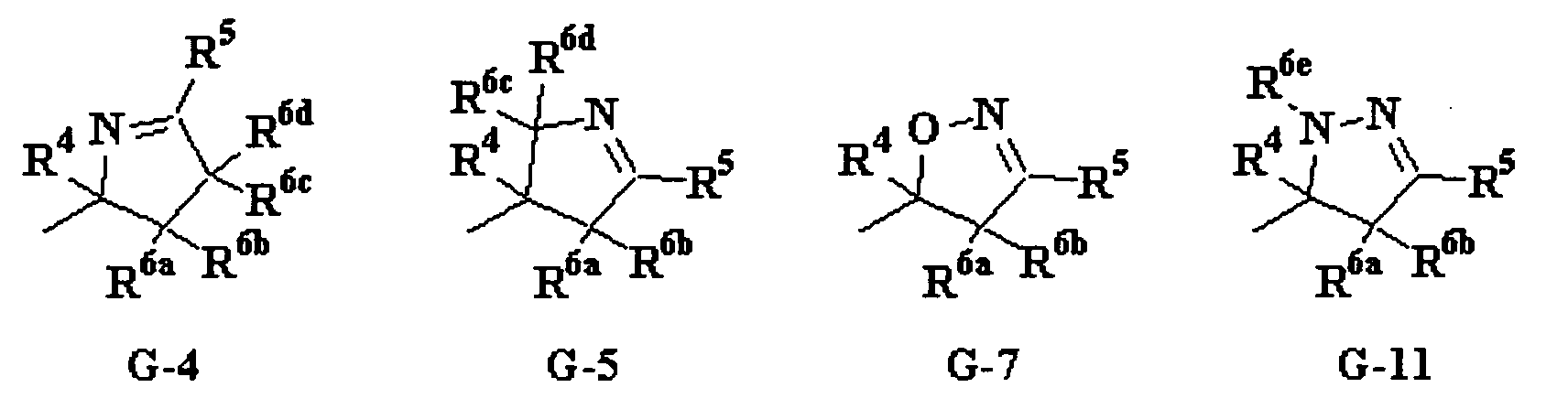

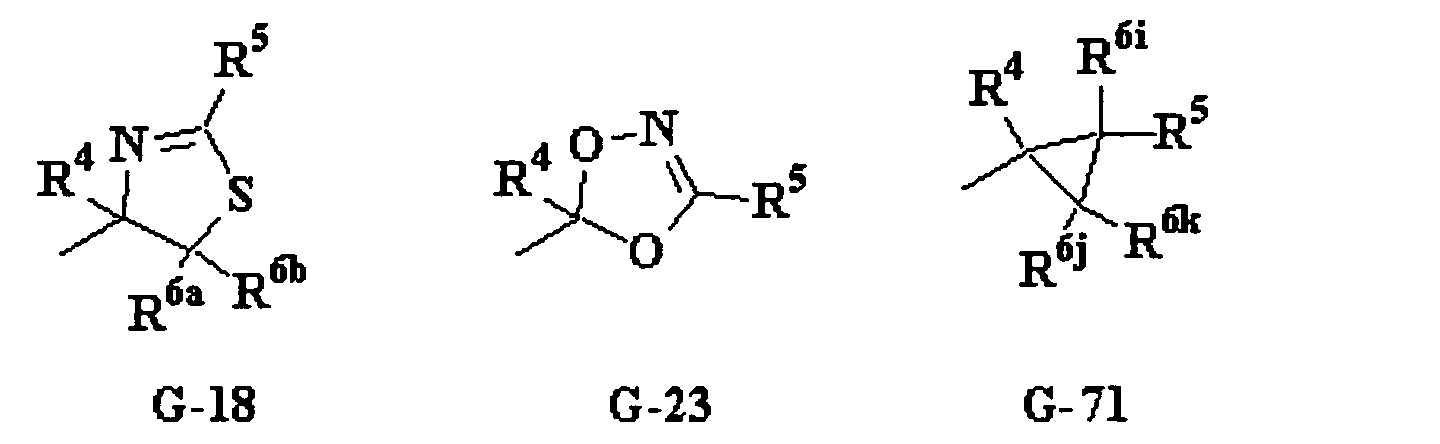
Y2 represents a halogen atom, a C1 to C6 alkyl, a C1 to C6 alkoxy or a C1 to C6 alkylthio, and when n1 represents 2, each of Y2s may be the same with each other or may be different from each other,
R4 represents
(a). a C1 to C6 alkyl, a C1 to C6 haloalkyl, a C3 to C6 cycloalkyl(C1 to C4)alkyl, a C1 to C4 alkoxy(C1 to C4)alkyl, a C1 to C4 haloalkoxy(C1 to C4)alkyl, a C1 to C4 alkylthio(C1 to C4)alkyl, a C1 to C4 haloalkylthio(C1 to C4)alkyl, a C1 to C4 alkylsulfinyl(C1 to C4)alkyl, a C1 to C4 haloalkylsulfinyl(C1 to C4)alkyl, a C1 to C4 alkylsulfonyl(C1 to C4)alkyl, a C1 to C4 haloalkylsulfonyl(C1 to C4)alkyl, a C1 to C4 haloalkoxy(C1 to C4)haloalkyl, a C3 to C8 cycloalkyl, a C3 to C8 halocycloalkyl, Q, 1-naphthyl, 2-naphthyl, L-1 to L-4, L-8 to L-13, L-15 to L-23, L-30 to L-35, L-45 to L-53, M-4, M-5, M-8, M-9, M-14 to M-18 or M-19, when G represents a non-aromatic heterocyclic ring represented by either of the formula G-4, the formula G-5, the formula G-7, the formula G-11, the formula G-13, the formula G-15, the formula G-17, the formula G-18 or the formula G-23,
(b). a C1 to C6 haloalkyl, a C3 to C6 cycloalkyl(C1 to C4)alkyl, a C1 to C4 alkoxy(C1 to C4)alkyl, a C1 to C4 haloalkoxy(C1 to C4)alkyl, a C1 to C4 alkylthio(C1 to C4)alkyl, a C1 to C4 haloalkylthio(C1 to C4)alkyl, a C1 to C4 alkylsulfinyl(C1 to C4)alkyl, a C1 to C4 haloalkylsulfinyl(C1 to C4)alkyl, a C1 to C4 alkylsulfonyl(C1 to C4)alkyl, a C1 to C4 haloalkylsulfonyl(C1 to C4)alkyl, a C1 to C4 haloalkoxy(C1 to C4)haloalkyl, a C3 to C8 cycloalkyl, a C3 to C8 halocycloalkyl, Q, 1-naphthyl, 2-naphthyl, L-1 to L-4, L-8 to L-13, L-15 to L-23, L-30 to L-35, L-45 to L-53, M-4, M-5, M-8, M-9, M-14 to M-18 or M-19, when G represents a non-aromatic heterocyclic ring represented by the formula G-14,
(c). a halogen atom, a C1 to C6 alkyl, a C1 to C6 haloalkyl, a C3 to C6 cycloalkyl(C1 to C4)alkyl, a C1 to C4 alkoxy(C1 to C4)alkyl, a C1 to C4 haloalkoxy(C1 to C4)alkyl, a C1 to C4 alkylthio(C1 to C4)alkyl, a C1 to C4 haloalkylthio(C1 to C4)alkyl, a C1 to C4 alkylsulfinyl(C1 to C4)alkyl, a C1 to C4 haloalkylsulfinyl(C1 to C4)alkyl, a C1 to C4 alkylsulfonyl(C1 to C4)-alkyl, a C1 to C4 haloalkylsulfonyl(C1 to C4)alkyl, a C1 to C4 haloalkoxy(C1 to C4)haloalkyl, a C3 to C8 cycloalkyl, a C3 to C8 halocycloalkyl, a C1 to C6 alkoxy, a C1 to C6 haloalkoxy, a C1 to C6 alkylthio, a C1 to C6 haloalkylthio, a C1 to C6 alkylsulfinyl, a C1 to C6 haloalkylsulfinyl, a C1 to C6 alkylsulfonyl, a C1 to C6 haloalkylsulfonyl, Q, 1-naphthyl, 2-naphthyl, L-1 to L-4, L-8 to L-13, L-15 to L-23, L-30 to L-35, L-45 to L-53, M-4, M-5, M-8, M-9, M-14 to M-18 or M-19, when G represents a cycloalkyl ring represented by the formula G-71,
R5 represents
(a). a hydrogen atom, a halogen atom, cyano, a C1 to C6 alkyl, a C1 to C6 haloalkyl, a C3 to C6 cycloalkyl(C1 to C4)alkyl, a C1 to C4 alkoxy(C1 to C4)alkyl, a C1 to C4 haloalkoxy(C1 to C4)alkyl, a C1 to C4 alkylthio(C1 to C4)alkyl, a C1 to C4 haloalkylthio(C1 to C4)alkyl, a C1 to C4 alkylsulfinyl(C1 to C4)alkyl, a C1 to C4 haloalkylsulfinyl(C1 to C4)alkyl, a C1 to C4 alkylsulfonyl(C1 to C4)alkyl, a C1 to C4 haloalkylsulfonyl(C1 to C4)alkyl, a C3 to C8 cycloalkyl, a C3 to C8 halocycloalkyl, a C1 to C6 alkoxy, a C1 to C6 haloalkoxy, a C1 to C6 alkylthio, a C1 to C6 haloalkylthio, a C1 to C6 alkylsulfinyl, a C1 to C6 haloalkylsulfinyl, a C1 to C6 alkylsulfonyl, a C1 to C6 haloalkylsulfonyl, a di(C1 to C6 alkyl)amino, pyrrolidin-1-yl, oxazolidin-3-yl, thiazolidin-3-yl, piperidin-1-yl, morpholin-1-yl, -C(R9)=NOR11, Q, 1-naphthyl, 2-naphthyl, L, M-4, M-5, M-8, M-9, M-14 to M-18 or M-19, when G represents a non-aromatic heterocyclic ring represented by either of the formula G-4, the formula G-5, the formula G-7, the formula G-11, the formula G-13, the formula G-14, the formula G-15, the formula G-17, the formula G-18 or the formula G-23,
(b). a C3 to C6 cycloalkyl(C1 to C4)alkyl, a C1 to C4 alkoxy(C1 to C4)alkyl, a C1 to C4 haloalkoxy(C1 to C4)alkyl, a C1 to C4 alkylthio(C1 to C4)alkyl, a C1 to C4 haloalkylthio(C1 to C4)alkyl, a C1 to C4 alkylsulfinyl(C1 to C4)alkyl, a C1 to C4 haloalkylsulfinyl(C1 to C4)alkyl, a C1 to C4 alkylsulfonyl(C1 to C4)alkyl, a C1 to C4 haloalkylsulfonyl(C1 to C4)alkyl, a C3 to C8 cycloalkyl, a C3 to C8 halocycloalkyl, -C(R9)=NOR11, -Si(R13)(R14)R12, Q, 1-naphthyl, 2-naphthyl, L-1 to L-4, L-8 to L-13, L-15 to L-23, L-30 to L-35, L-45 to L-53, M-4, M-5, M-8, M-9, M-14 to M-18 or M-19, when G represents a cycloalkyl ring represented by the formula G-71, and R4 represents a halogen atom, a C1 to C6 alkyl or a C1 to C6 haloalkyl,
(c). a hydrogen atom, a halogen atom, cyano, a C1 to C6 alkyl, a C1 to C6 haloalkyl, a C3 to C6 cycloalkyl(C1 to C4)alkyl, a C1 to C4 alkoxy(C1 to C4)alkyl, a C1 to C4 haloalkoxy(C1 to C4)alkyl, a C1 to C4 alkylthio(C1 to C4)alkyl, a C1 to C4 haloalkylthio(C1 to C4)alkyl, a C1 to C4 alkylsulfinyl(C1 to C4)alkyl, a C1 to C4 haloalkylsulfinyl(C1 to C4)alkyl, a C1 to C4 alkylsulfonyl(C1 to C4)alkyl, a C1 to C4 haloalkylsulfonyl(C1 to C4)alkyl, a C3 to C8 cycloalkyl, a C3 to C8 halocycloalkyl, a C1 to C6 alkoxy, a C1 to C6 haloalkoxy, a C1 to C6 alkylthio, a C1 to C6 haloalkylthio, a C1 to C6 alkylsulfinyl, a C1 to C6 haloalkylsulfinyl, a C1 to C6 alkylsulfonyl, a C1 to C6 haloalkylsulfonyl, -C(R9)=NOR11, -Si(R13)(R14)R12, M-4, M-5, M-8, M-9, M-14 to M-18 or M-19, when G represents a cycloalkyl ring represented by the formula G-71, and R4 represents a C3 to C6 cycloalkyl(C1 to C4)alkyl, a C1 to C4 alkoxy(C1 to C4)alkyl, a C1 to C4 haloalkoxy(C1 to C4)alkyl, a C1 to C4 alkylthio(C1 to C4)alkyl, a C1 to C4 haloalkylthio(C1 to C4)alkyl, a C1 to C4 alkylsulfinyl(C1 to C4)alkyl, a C1 to C4 haloalkylsulfinyl(C1 to C4)alkyl, a C1 to C4 alkylsulfonyl(C1 to C4)alkyl, a C1 to C4 haloalkylsulfonyl(C1 to C4)alkyl, a C1 to C4 haloalkoxy(C1 to C4)haloalkyl, a C3 to C8 cycloalkyl, a C3 to C8 halocycloalkyl, a C1 to C6 alkoxy, a C1 to C6 haloalkoxy, a C1 to C6 alkylthio, a C1 to C6 haloalkylthio, a C1 to C6 alkylsulfinyl, a C1 to C6 haloalkylsulfinyl, a C1 to C6 alkylsulfonyl, a C1 to C6 haloalkylsulfonyl, M-4, M-5, M-8, M-9, M-14 to M-18 or M-19,
(d). a hydrogen atom, a halogen atom, cyano, a C1 to C6 alkyl or a C1 to C6 haloalkyl, when G represents a cycloalkyl ring represented by the formula G-71, and R4 represents Q, 1-naphthyl, 2-naphthyl, L-1 to L-4, L-8 to L-13, L-15 to L-23, L-30 to L-35, L-45 to L-52 or L-53,
R6a, R6b, R6c and R6d each represent a hydrogen atom,
R6e represents a C1 to C6 alkyl, a C1 to C6 alkylsulfonyl, a C1 to C6 alkoxycarbonyl, a di(C1 to C6 alkyl)phosphoryl or Q,
R6i represents a hydrogen atom, a halogen atom or a C1 to C6 alkyl,
R6j and R6k each independently represent a hydrogen atom, a halogen atom, cyano or methyl,
Q represents a phenyl group which may be substituted represented by either of Q-1 to Q-11,
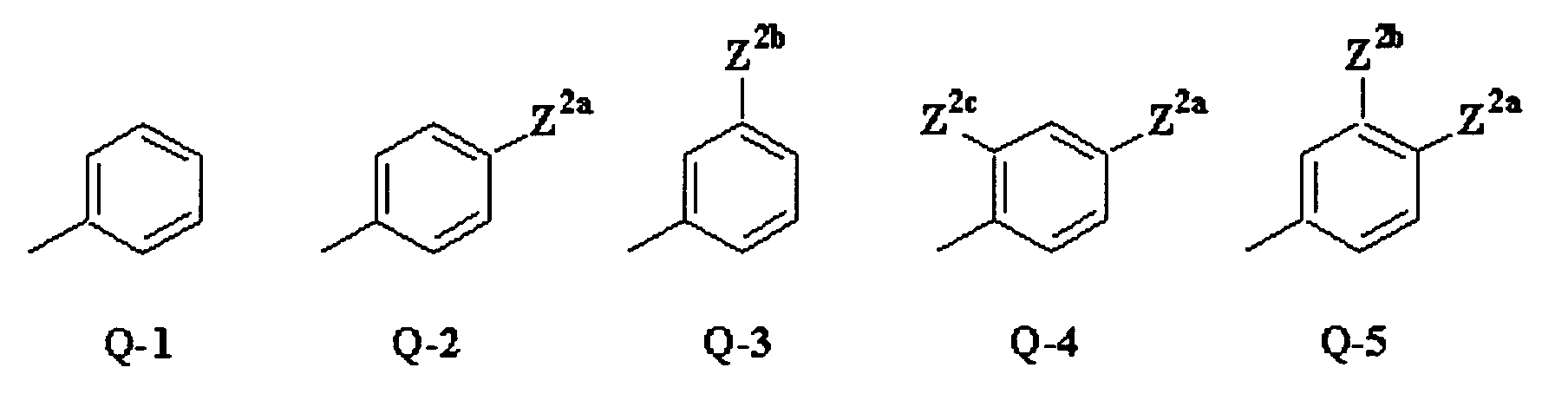
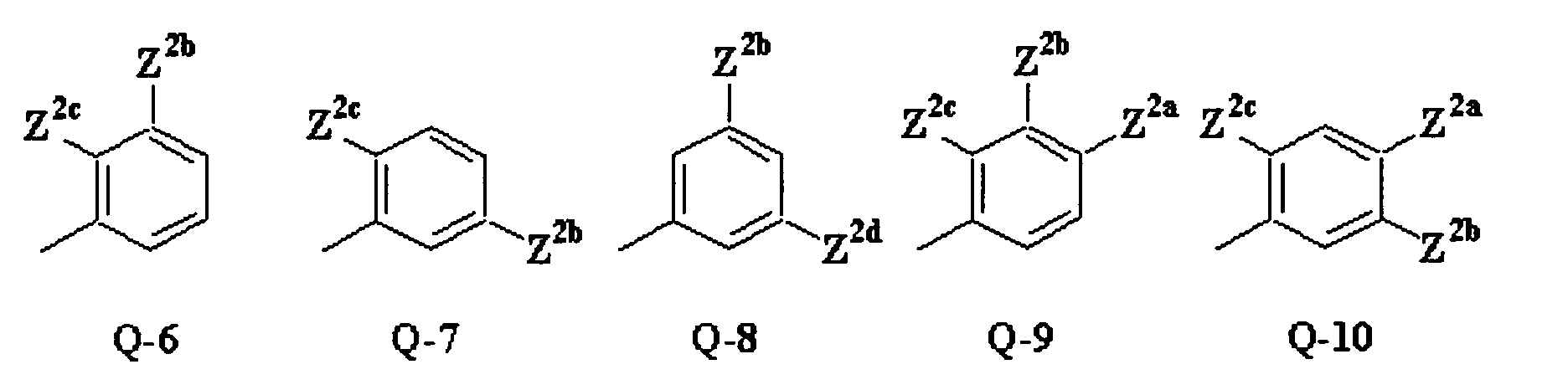

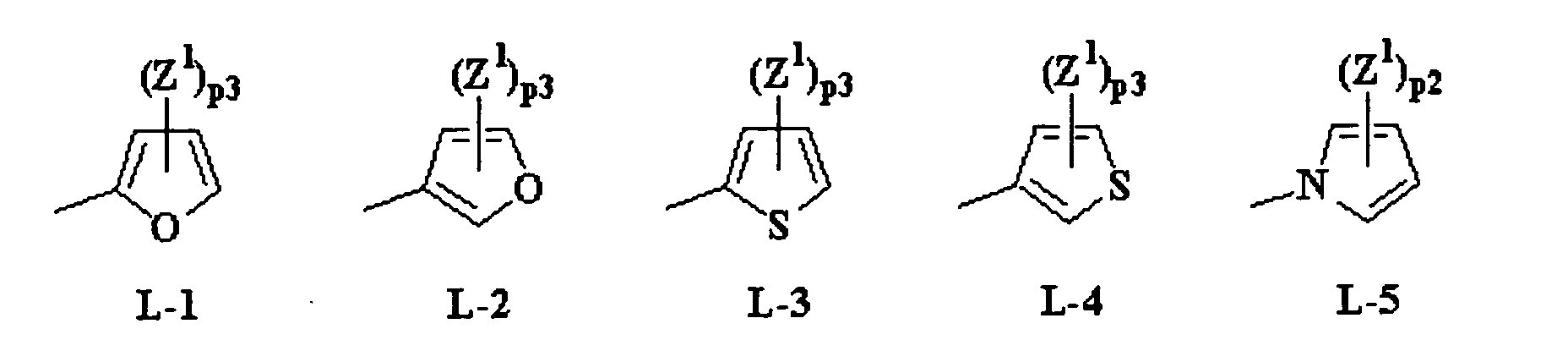
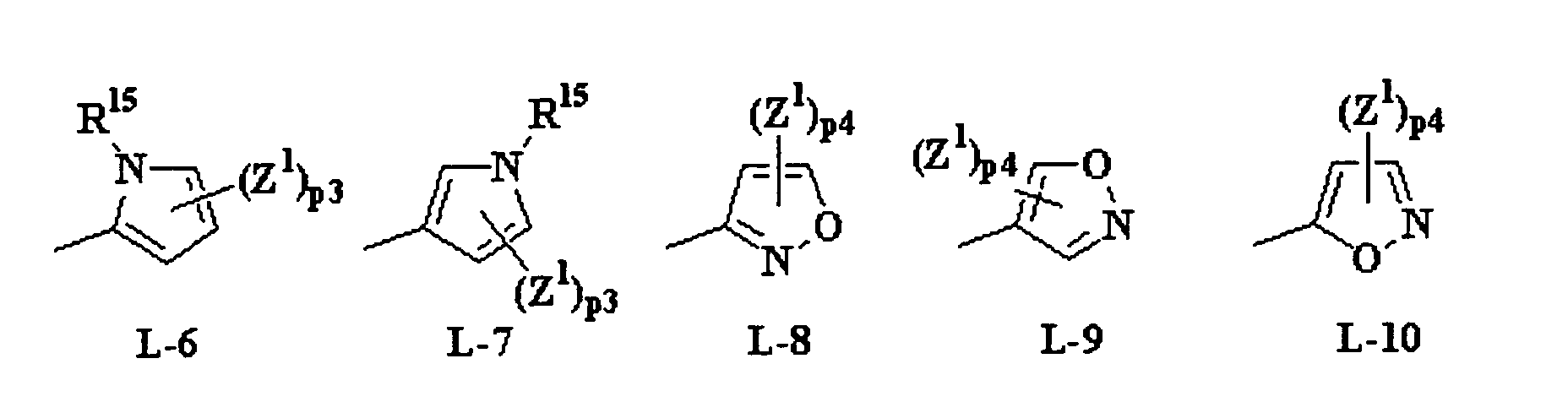
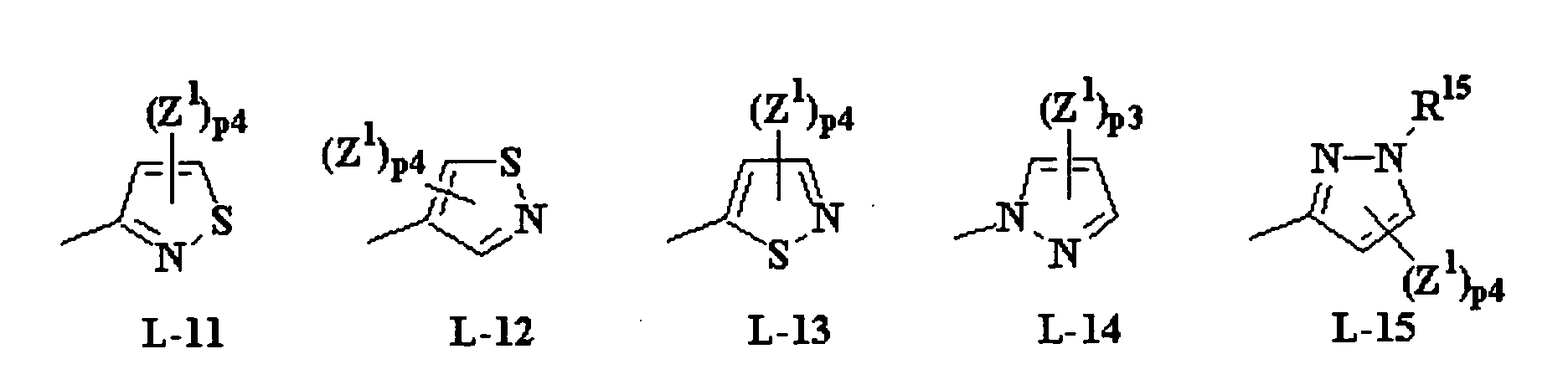
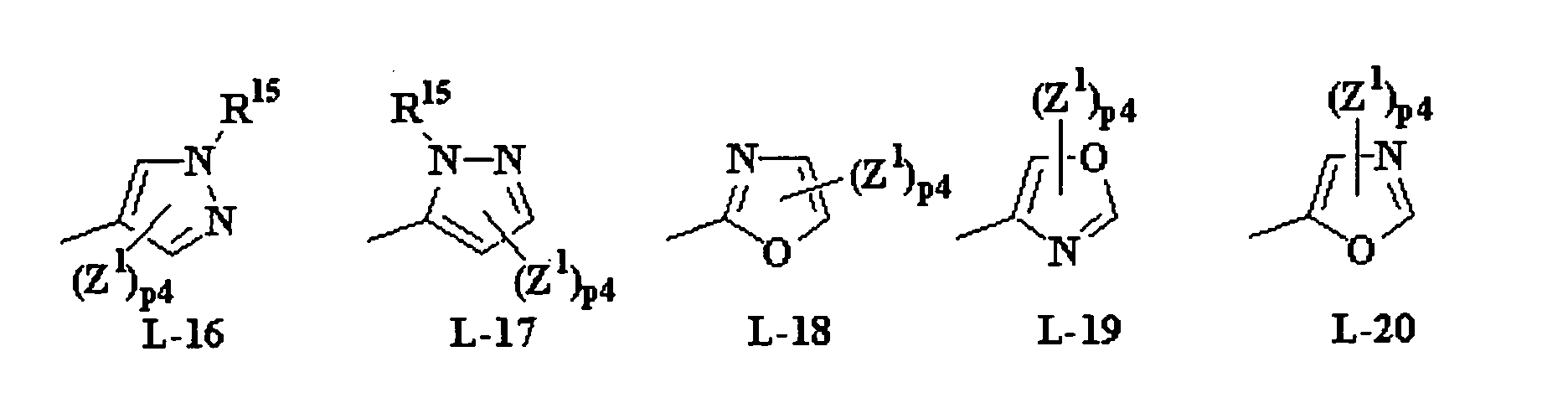


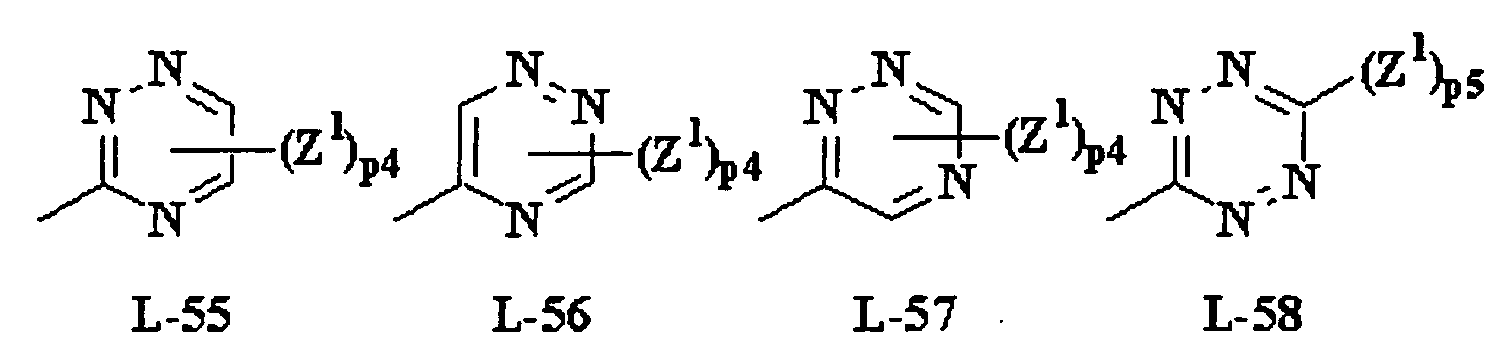
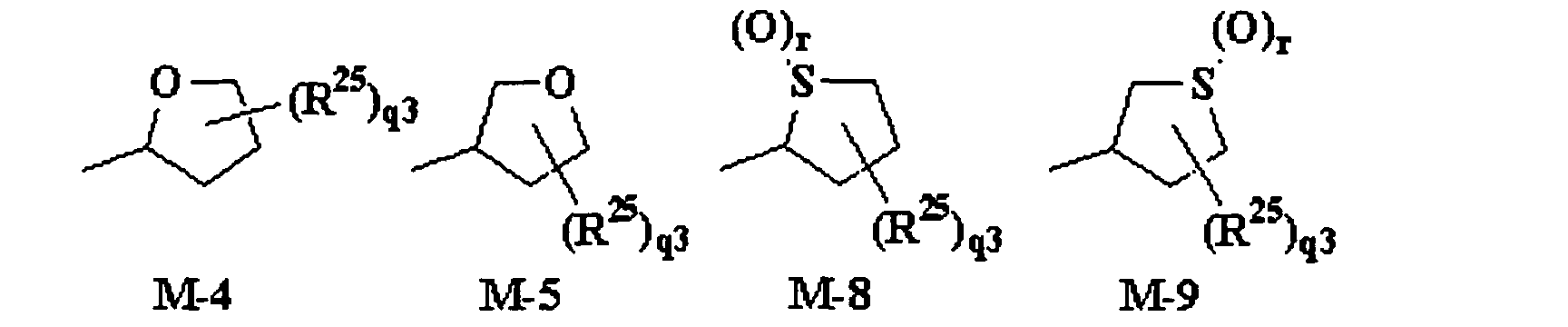


Z2a, Z2b and R2d each independently represent a halogen atom, cyano, nitro, amino, a C1 to C6 alkyl, a C1 to C6 haloalkyl, a C1 to C3 alkoxy(C1 to C3)alkyl, a C1 to C3 haloalkoxy(C1 to C3)alkyl, a C1 to C3 alkylthio(C1 to C3)alkyl, a C1 to C3 haloalkylthio(C1 to C3)alkyl, a C1 to C3 alkylsulfinyl(C1 to C3)alkyl, a C1 to C3 haloalkylsulfinyl(C1 to C3)alkyl, a C1 to C3 alkylsulfonyl(C1 to C3)alkyl, a C1 to C3 haloalkylsulfonyl(C1 to C3)alkyl, a cyano(C1 to C6)alkyl, a C3 to C8 cycloalkyl, a C3 to C8 halocycloalkyl, a C1 to C6 alkoxy, a C1 to C6 haloalkoxy, a C1 to C6 alkylsulfonyloxy, a C1 to C6 haloalkylsulfonyloxy, phenoxy which may be substituted by (Z1)p1, 5-trifluoromethylpyridin-2-yloxy, 3-chloro-5-trifluoromethylpyridin-2-yloxy, a C1 to C6 alkylthio, a C1 to C6 haloalkylthio, a C3 to C8 cycloalkylthio, a C1 to C6 alkylsulfinyl, a C1 to C6 haloalkylsulfinyl, a C3 to C8 cycloalkylsulfinyl, a C1 to C6 alkylsulfonyl, a C1 to C6 haloalkylsulfonyl, a C3 to C8 cycloalkylsulfonyl, a C1 to C6 alkylamino, a di(C1 to C6 alkyl)amino, a C1 to C6 alkylaminosulfonyl, a di(C1 to C6 alkyl)aminosulfonyl, -C(O)NH2, a C1 to C6 alkylaminocarbonyl, a di(C1 to C6)alkylaminocarbonyl, -C(S)NH2 or a tri(C1 to C6 alkyl)silyl,
and further Z2a and Z2b or Z2a and Z2d may form -OCF2O-, so that they may form a 5-membered ring with the carbon atoms to which they are bonded,
Z2c represents a halogen atom, a C1 to C6 alkyl or a C1 to C6 haloalkyl,
R9 represents a C1 to C6 alkyl, a C1 to C6 haloalkyl, a C3 to C8 cycloalkyl or phenyl which may be substituted by (Z1)p1,
R11 represents a C1 to C6 alkyl or a C1 to C6 haloalkyl, or R9 and R11 are combined to form a C2 to C3 alkylene chain, so that they may form a 5-membered ring or 6-membered ring with atoms to which they are bonded, and the alkylene chain at this time may be optionally substituted by a C1 to C6 alkyl group,
R12 represents a C1 to C6 alkyl or phenyl which may be substituted by (Z1)p1,
R13 and R14 each independently represent a C1 to C6 alkyl,
R15 represents a C1 to C6 alkyl or phenyl which may be substituted by (Z1)p1,
R25 represents a C1 to C4 alkyl,
n1 represents an integer of 0 to 3,
p1 represents an integer of 1 to 5,
p2 represents an integer of 0 to 4,
p3 represents an integer of 0 to 3,
p4 represents an integer of 0 to 2,
p5 represents an integer of 0 or 1,
q3 represents an integer of 0 to 2,
q4 represents an integer of 0 to 2,
r represents an integer of 0 to 2,
t represents an integer of 0 or 1.]
or a salt of these.

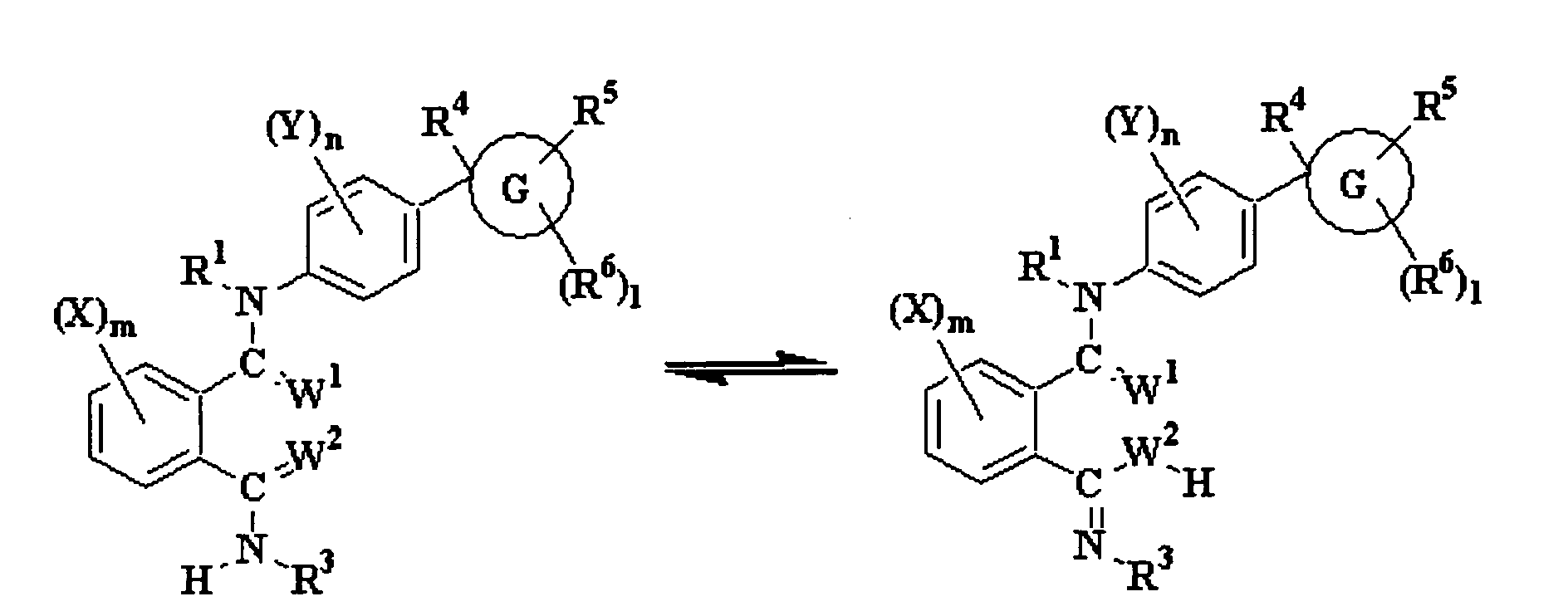

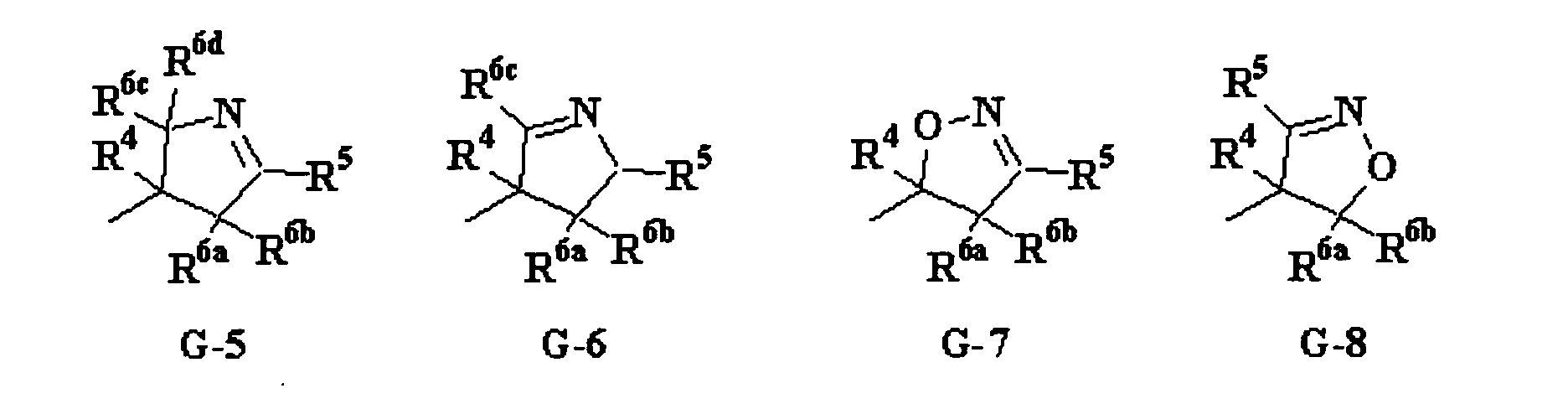
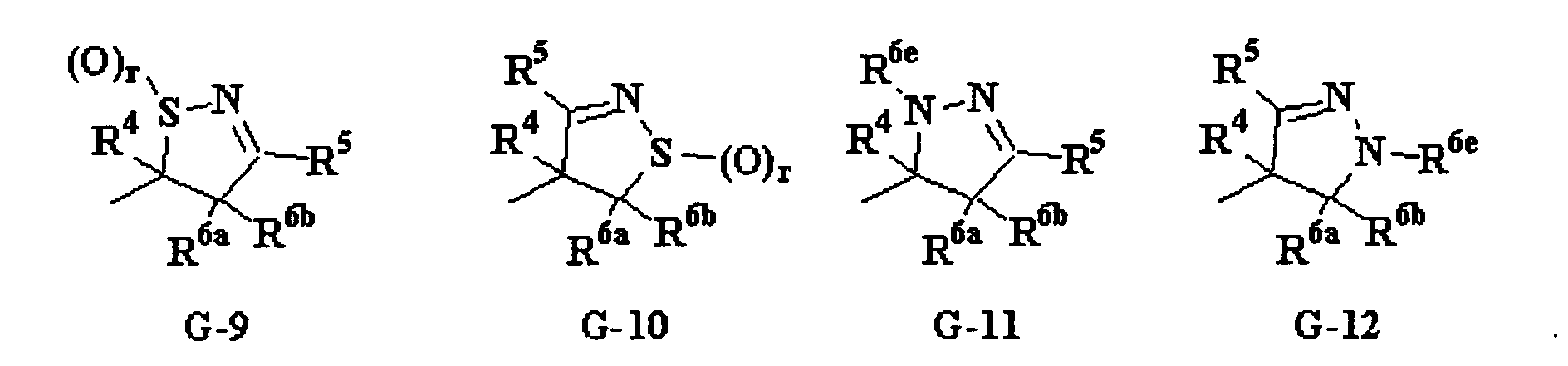
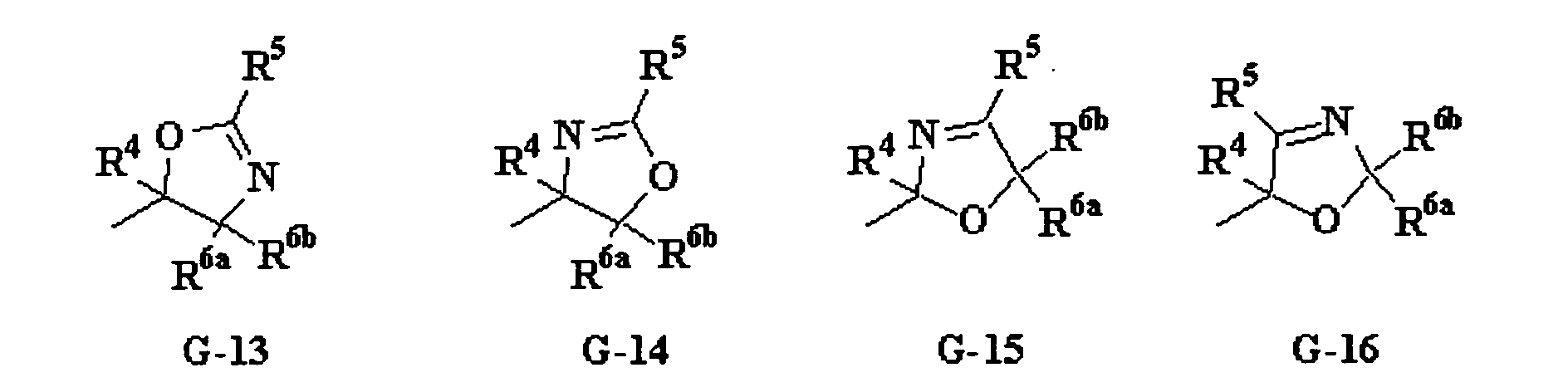


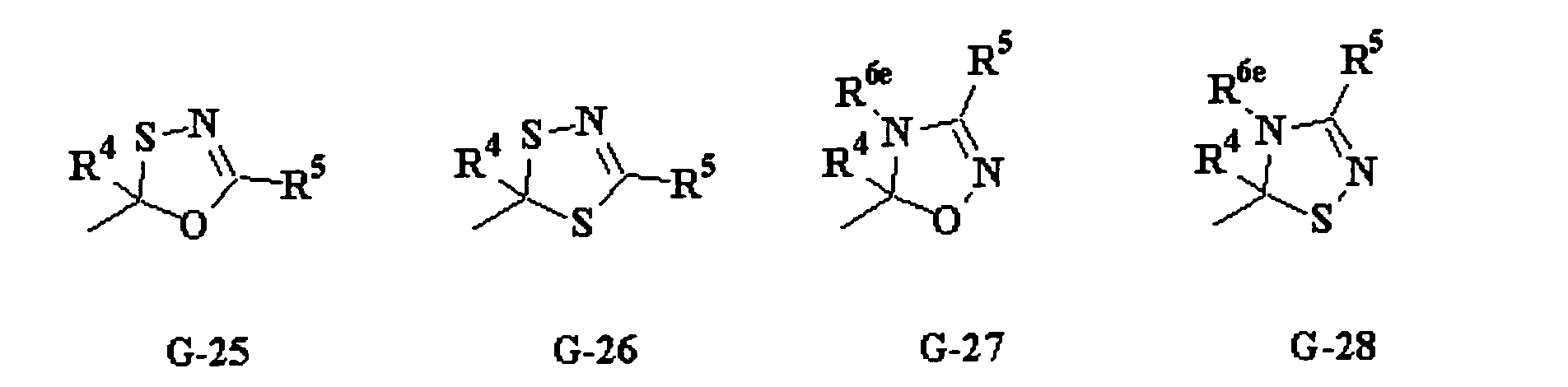

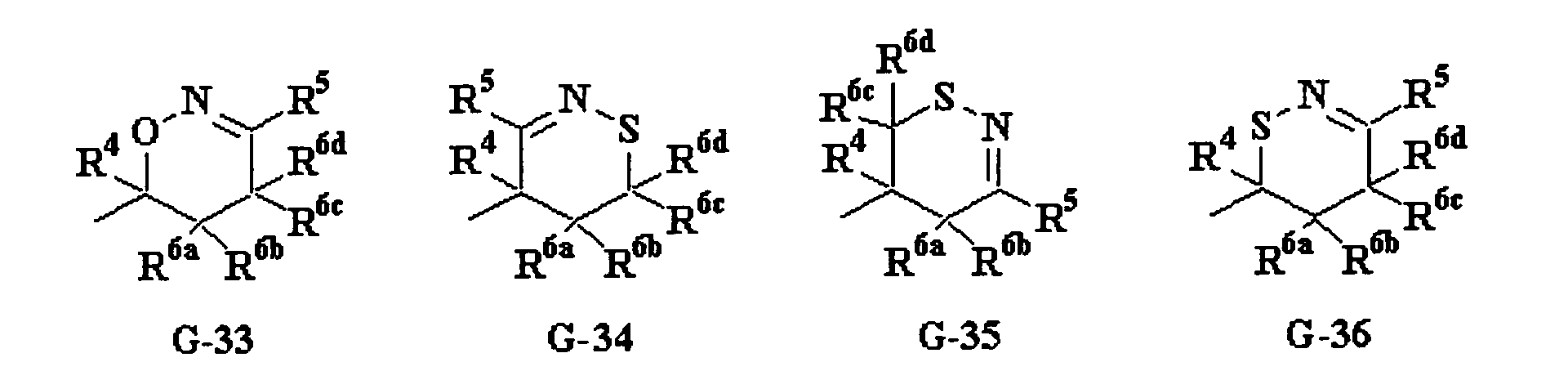
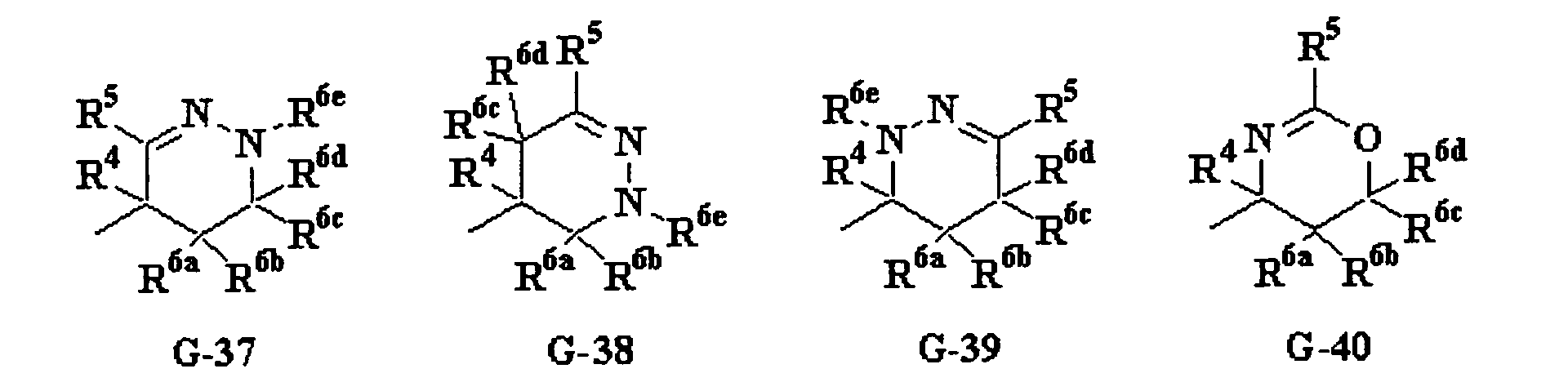


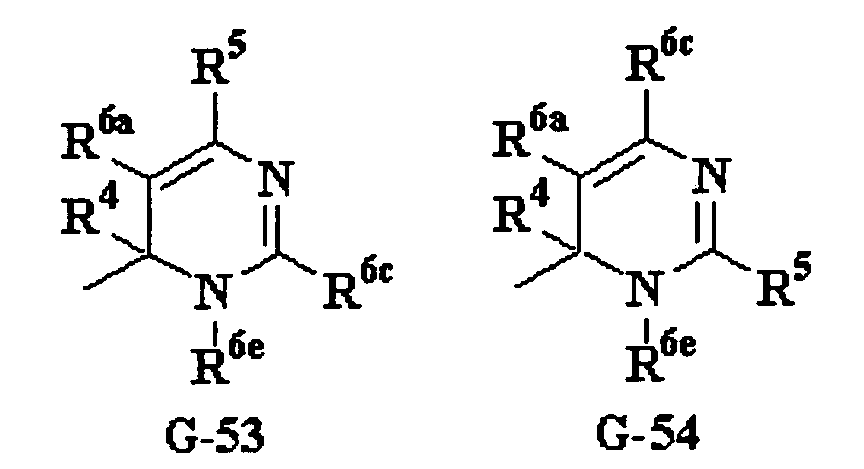
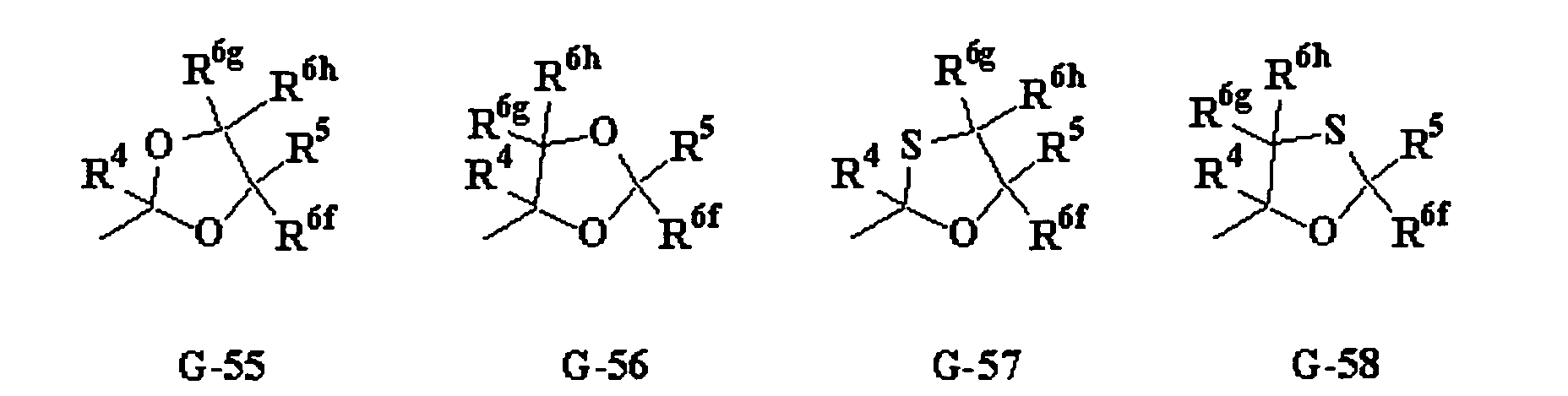
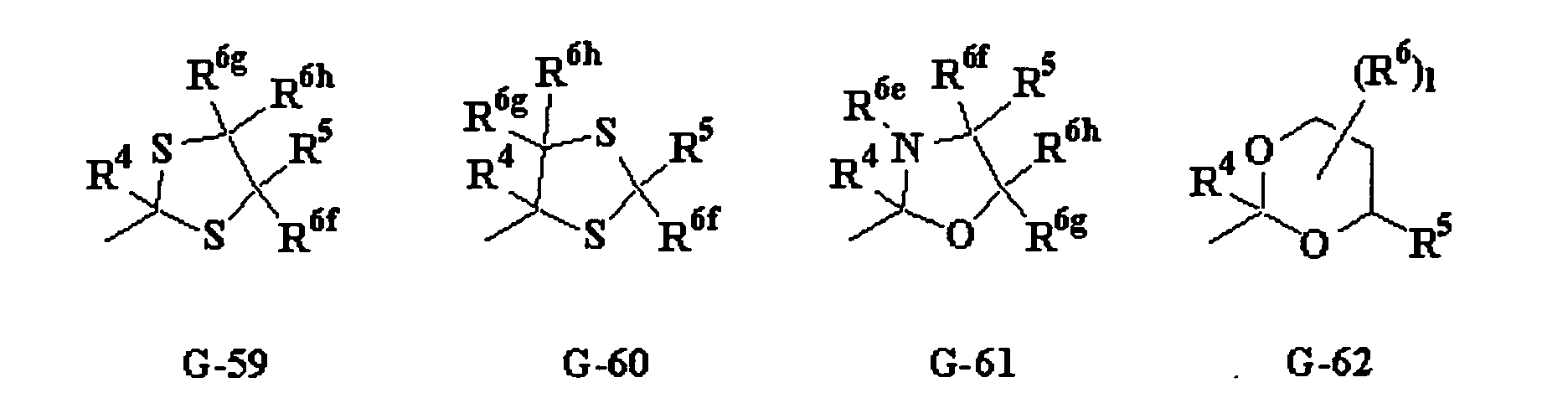


[R2 and R3 are combined to form a C2 to C6 alkylene chain, so that they may form a 3- to 7-membered ring with a nitrogen atom(s) to which they are bonded, and the alkylene chain at this time may contain one oxygen atom, sulfur atom or nitrogen atom,],
[R19 and R20 are combined to form a C4 to C7 alkylene chain, so that they may form a 5 to 8-membered ring with a nitrogen atom(s) to which they are bonded, the alkylene chain at this time may contain one oxygen atom or sulfur atom,],
[R28 and R29 are combined to form a C2 to C5 alkylene chain, so that they may form a 3- to 6-membered ring with the nitrogen atom(s) to which they are bonded, the alkylene chain at this time may contain one oxygen atom or sulfur atom,],
[R31 and R32 are combined to form a C2 to C5 alkylene chain, so that they may form a 3- to 6-membered ring with the nitrogen atom(s) to which they are bonded, and the alkylene chain at this time may contain one oxygen atom, sulfur atom or nitrogen atom,],
and
[R36 and R37 are combined to form a C2 to C5 alkylene chain, so that they may form a 3- to 6-membered ring with the nitrogen atom(s) to which they are bonded, and the alkylene chain at this time may contain one oxygen atom or sulfur atom,] in the present specification, there may be mentioned, for example, aziridine, azetidine, pyrrolidine, oxazolidine, thiazolidine, imidazolidine, piperidine, morpholine, thiomorpholine, piperazine, homopiperidine, heptamethyleneimine, etc., and each may be selected from the range of the carbon numbers as designated, respectively.
[R9 and R10 are combined to form a C2 to C6 alkylene chain, so that they may form a 3- to 7-membered ring with the atom(s) to which they are bonded, and the alkylene chain at this time may contain one oxygen atom, sulfur atom or nitrogen atom,] in the present specification, there may be mentioned, for example, aziridine, azetidine, azetidin-2-one, pyrrolidine, pyrrolidin-2-one, oxazolidine, oxazolidin-2-one, thiazolidine, thiazolidin-2-one, imidazolidine, imidazolidin-2-one, piperidine, piperidin-2-one, morpholine, tetrahydro-1,3-oxazin-2-one, thiomorpholine, tetrahydro-1,3-thiazin-2-one, piperazine, tetrahydropyrimidin-2-one, homopiperidine, homopiperidin-2-one, etc., and each may be selected from the range of the carbon numbers as designated, respectively.
[R9 and R11 are combined to form a C2 to C4 alkylene chain, so that they may form a 5- to 7-membered ring with atoms to which they are bonded, and the alkylene chain at this time may contain one oxygen atom, sulfur atom or nitrogen atom,] in the present specification, there may be mentioned, for example, isoxazoline, 1,4,2-dioxazoline, 1,4,2-oxathiazoline, 1,2,4-oxadiazoline, dihydro-1,2-oxazine, dihydro-1,4,2-dioxazine, dihydro-1,4,2-oxathiazine, dihydro-4H-1,2,4-oxadiazine, tetrahydro-1,2-oxazepine, etc., and each may be selected from the range of the carbon numbers as designated, respectively.
X-II: cyano and nitro.
X-III: a hydrogen atom, a C1 to C6 alkyl and a C1 to C6 haloalkyl.
X-IV: a C1 to C6 alkoxy and a C1 to C6 haloalkoxy.
X-V: a C1 to C6 alkylthio, a C1 to C6 haloalkylthio, a C1 to C6 alkylsulfinyl, a C1 to C6 haloalkylsulfinyl, a C1 to C6 alkylsulfonyl and a C1 to C6 haloalkylsulfonyl.
Y-II: a halogen atom.
Y-III: a C1 to C6 alkyl.
Y-IV: a C1 to C6 haloalkyl, a hydroxy(C1 to C6)alkyl and a C1 to C4 alkoxy(C1 to C4)alkyl.
Y-V: a C1 to C6 alkoxy.
Y-VI: a C1 to C6 alkylthio.
R2-II: a C1 to C6 alkyl.
R2-III: a C1 to C4 alkoxy(C1 to C4)alkyl and a C1 to C4 alkylthio(C1 to C4) alkyl.
R2-IV: a C3 to C6 alkenyl and a C3 to C6 alkynyl.
R3-II: a C3 to C8 alkenyl and a C3 to C8 alkynyl.
R3-III: R28O-(C1 to C8)alkyl [here, R28 represents a C1 to C6 alkyl or -C(O)N(R32)R31, R31 represents a C1 to C6 alkyl, R32 represents a hydrogen atom or a C1 to C6 alkyl.].
R3-IV: R28O-(C1 to C8)alkyl [here, R28 represents a hydrogen atom, a C1 to C6 alkyl, a C1 to C6 haloalkyl, a C1 to C4 alkoxy(C1 to C4)alkyl, a C1 to C4 alkylthio(C1 to C4)alkyl, a phenyl(C1 to C4)alkyl which may be substituted by (Z1)p1, a C1 to C6 alkylcarbonyl, a C3 to C6 cycloalkylcarbonyl, -C(O)N(R32)R31, a di(C1 to C6 alkyl)phosphoryl, a di(C1 to C6 alkyl)thiophosphoryl, a tri(C1 to C4 alkyl)silyl or phenyl which may be substituted by (Z1)p1, R31 represents a C1 to C6 alkyl, a C1 to C4 alkylthio(C1 to C4)alkyl, a phenyl(C1 to C4)alkyl which may be substituted by (Z1)p1, a C3 to C6 cycloalkyl, a C3 to C6 alkenyl or phenyl which may be substituted by (Z1)p1, R32 represents a hydrogen atom or a C1 to C6 alkyl, or R31 and R32 are combined to form a C2 to C5 alkylene chain, so that they may form a 3- to 6-membered ring with the nitrogen atom(s) to which they are bonded, the alkylene chain at this time may contain one oxygen atom or sulfur atom.], (M-1)-(C1 to C8)alkyl, (M-2)-(C1 to C8)alkyl, (M-3)-(C1 to C8)alkyl, (M-4)-(C1 to C8)alkyl, (M-5)-(C1 to C8)alkyl, (M-6)-(C1 to C8)alkyl, (M-7)-(C1 to C8)alkyl, (M-14)-(C1 to C8)alkyl, (M-15)-(C1 to C8)alkyl, (M-16)-(C1 to C8)alkyl, (M-23)-(C1 to C8)alkyl, (M-24)-(C1 to C8)alkyl, (M-25)-(C1 to C8)alkyl, M-4, M-5, M-14, M-15 and M-16.
R3-V: a C1 to C8 haloalkyl, a C3 to C6 cycloalkyl(C1 to C8)alkyl, a tri(C1 to C6 alkyl)silyl(C1 to C8)alkyl, a phenyl(C1 to C8)alkyl which may be substituted by (Z1)p1, (L-1)-(C1 to C8)alkyl, (L-2)-(C1 to C8)alkyl, (L-3)-(C1 to C8)alkyl, (L-4)-(C1 to C8)alkyl, (L-45)-(C1 to C8)alkyl, (L-46)-(C1 to C8)alkyl, (L-47)-(C1 to C8)alkyl, a C3 to C8 alkenyl, a phenyl(C3 to C6)alkenyl which may be substituted by (Z1)p1, a C3 to C8 alkynyl, a phenyl(C3 to C6)alkynyl which may be substituted by (Z1)p1, a naphthalen-1-yl-(C3 to C6)alkynyl, a naphthalen-2-yl-(C3 to C6)alkynyl, (L-1)-(C3 to C6)alkynyl, (L-2)-(C3 to C6)alkynyl, (L-3)-(C3 to C6)alkynyl, (L-4)-(C3 to C6)alkynyl, (L-45)-(C3 to C6)alkynyl, (L-46)-(C3 to C6)alkynyl and (L-47)-(C3 to C6)alkynyl.
R3-VI: a cyano(C1 to C8)alkyl, a C1 to C6 alkoxycarbonyl(C1 to C8)alkyl, a C1 to C6 alkylaminocarbonyl(C1 to C8)alkyl, a di(C1 to C6 alkyl)aminocarbonyl(C1 to C8)alkyl, HON=C(R34)-(C1 to C8)alkyl, R33ON=C(R34)-(C1 to C8) alkyl [here, R33 represents a C1 to C6 alkyl or a phenyl(C1 to C4)alkyl which may be substituted by (Z1)p1, R34 represents a hydrogen atom or a C1 to C6 alkyl.] and a C1 to C6 alkylaminocarbonyl(C3 to C6) alkenyl.
R3-VII: a C1 to C4 alkylthio(C1 to C4)alkyl, a C1 to C4 alkylsulfinyl(C1 to C4)alkyl and a C1 to C4 alkylsulfonyl(C1 to C4) alkyl.
R3-VIII: HON=CH-(C1 to C8)alkyl and R33ON=CH-(C1 to C8) alkyl [here, R33 represents a C1 to C6 alkyl.].
R3-IX: R28(R29)N-(C1 to C8)alkyl [here, R28 represents a C1 to C6 alkoxycarbonyl, a C1 to C6 alkylsulfonyl or a di(C1 to C6 alkyl)thiophosphoryl, R29 represents a hydrogen atom or a C1 to C6 alkyl.].
R3-X: R30S(O)r-(C1 to C8)alkyl [here, R30 represents a C1 to C6 alkyl, a C1 to C6 haloalkyl, a hydroxy(C1 to C4)alkyl, a C1 to C4 alkoxy(C1 to C4)alkyl, a C1 to C4 alkylthio(C1 to C4)alkyl, a C1 to C4 alkylcarbonyl(C1 to C4)alkyl, a C1 to C4 alkoxycarbonyl(C1 to C4)alkyl, a di(C1 to C4 alkyl)aminocarbonyl(C1 to C4)alkyl, a tri(C1 to C4 alkyl)silyl(C1 to C4)alkyl, a phenyl(C1 to C4)alkyl which may be substituted by (Z1)p1, a C3 to C6 alkenyl, a C3 to C6 alkynyl, a C1 to C6 alkylthio, phenyl which may be substituted by (Z1)p1, L-21 or L-45, r represents an integer of 0 to 2.], (M-8)-(C1 to C8)alkyl, (M-9)-(C1 to C8)alkyl, (M-10)-(C1 to C8)alkyl, (M-11)-(C1 to C8)alkyl, (M-17)-(C1 to C8)alkyl, (M-18)-(C1 to C8)alkyl, (M-19)-(C1 to C8)alkyl, (M-26)-(C1 to C8)alkyl, (M-27)-(C1 to C8)alkyl, (M-28)-(C1 to C8)alkyl, M-8, M-9, M-17, M-18 and M-19.
R3-XI: R28(R29)N-(C1 to C8)alkyl [here, R28 represents a C1 to C6 alkylcarbonyl, a C3 to C6 cycloalkylcarbonyl, a C1 to C6 alkoxycarbonyl, a di(C1 to C6 alkyl)aminocarbonyl, a C1 to C6 alkylsulfonyl, a di(C1 to C6 alkyl)aminosulfonyl, phenylsulfonyl which may be substituted by (Z1)p1 or a di(C1 to C6 alkyl)thiophosphoryl, R29 represents a hydrogen atom or a C1 to C6 alkyl.], (M-12)-(C1 to C8)alkyl, (M-13)-(C1 to C8)alkyl, (M-20)-(C1 to C8)alkyl, (M-21)-(C1 to C8)alkyl, (M-22)-(C1 to C8)alkyl, M-13, M-21 and M-22.
R3-XII: a 3- to 7-membered ring formed by R2 and R3 in combination is aziridine, azetidine, pyrrolidine, oxazolidine, thiazolidine, piperidine, morpholine, thiomorpholine and homopiperidine.
R3-XIII: a C1 to C8 alkyl, a C3 to C8 cycloalkyl, a C3 to C8 alkenyl and a C3 to C8 alkynyl.
R3-XIV: a C1 to C6 alkyl, a C1 to C4 alkylthio(C1 to C4)alkyl, a C1 to C4 alkylsulfinyl(C1 to C4)alkyl and a C1 to C4 alkylsulfonyl(C1 to C4) alkyl.
R3-XV: R28O-(C1 to C8) alkyl [here, R28 represents a C1 to C6 alkyl or -C(O)N(R32)R31, R31 represents a C1 to C6 alkyl, R32 represents a hydrogen atom or a C1 to C6 alkyl.], C1 to C4 alkylthio(C1 to C4)alkyl, C1 to C4 alkylsulfinyl(C1 to C4)alkyl and C1 to C4 alkylsulfonyl(C1 to C4) alkyl.
R3-XVI: C1 to C6 alkyl, R28O-(C1 to C8) alkyl [here, R28 represents a C1 to C6 alkyl or -C(O)N(R32)R31, R31 represents a C1 to C6 alkyl, R32 represents a hydrogen atom or a C1 to C6 alkyl.], a C1 to C4 alkylthio(C1 to C4)alkyl, a C1 to C4 alkylsulfinyl(C1 to C4)alkyl, a C1 to C4 alkylsulfonyl(C1 to C4)alkyl, a R28(R29)N-(C1 to C8) alkyl [here, R28 represents a C1 to C6 alkoxycarbonyl, a C1 to C6 alkylsulfonyl or a di(C1 to C6 alkyl)-thiophosphoryl, R29 represents a hydrogen atom or a C1 to C6 alkyl.], a HON=CH-(C1 to C8)alkyl and a R33ON=CH-(C1 to C8)alkyl [here, R33 represents a C1 to C6 alkyl.].
In the compounds included in the present invention, as the scope of the substituent(s) represented by R4, for example, there may be mentioned the respective groups as mentioned below.
R4-II: a C3 to C6 cycloalkyl(C1 to C4)alkyl, a C3 to C6 halocycloalkyl(C1 to C4)-alkyl, a C1 to C4 alkoxy(C1 to C4)alkyl, a C1 to C4 haloalkoxy(C1 to C4)alkyl, a C1 to C4 alkylthio(C1 to C4)alkyl, a C1 to C4 haloalkylthio(C1 to C4)alkyl, a C1 to C4 alkylsulfinyl(C1 to C4)alkyl, a C1 to C4 haloalkylsulfinyl(C1 to C4)alkyl, a C1 to C4 alkylsulfonyl(C1 to C4)alkyl, a C1 to C4 haloalkylsulfonyl(C1 to C4)alkyl, a cyano(C1 to C6)alkyl and a C1 to C4 haloalkoxy(C1 to C4)haloalkyl.
R4-III: a C3 to C8 cycloalkyl, a C3 to C8 halocycloalkyl, M-4, M-5, M-8, M-9, M-14 to M-18 and M-19.
R4-IV: phenyl which may be substituted by (Z2)p1, 1-naphthyl and 2-naphthyl.
R4-V: L-1 to L-4, L-8 to L-13, L-15 to L-23, L-25 to L-35, L-37, L-38, L-40, L-43 to L-57 and L-58.
R4-VI: a hydrogen atom, a C1 to C6 alkyl and a C1 to C6 haloalkyl.
R4-VII: a hydrogen atom, a halogen atom, a C1 to C6 alkyl and a C1 to C6 haloalkyl.
R4-VIII: a C1 to C6 alkoxy, a C1 to C6 haloalkoxy, a C1 to C6 alkylthio, a C1 to C6 haloalkylthio, a C1 to C6 alkylsulfinyl, a C1 to C6 haloalkylsulfinyl, a C1 to C6 alkylsulfonyl and a C1 to C6 haloalkylsulfonyl.
R4-IX: a halogen atom and a C1 to C6 haloalkyl.
R5-II: a C3 to C6 cycloalkyl(C1 to C4)alkyl, a C3 to C6 halocycloalkyl(C1 to C4)alkyl, a C1 to C4 alkoxy(C1 to C4)alkyl, a C1 to C4 haloalkoxy(C1 to C4)alkyl, a C1 to C4 alkylthio(C1 to C4)alkyl, a C1 to C4 haloalkylthio(C1 to C4)alkyl, a C1 to C4 alkylsulfinyl(C1 to C4)alkyl, a C1 to C4 haloalkylsulfinyl(C1 to C4)alkyl, a C1 to C4 alkylsulfonyl(C1 to C4)alkyl, a C1 to C4 haloalkylsulfonyl(C1 to C4)alkyl and a cyano(C1 to C6)alkyl.
R5-III: a C3 to C8 cycloalkyl, a C3 to C8 halocycloalkyl, pyrrolidin-1-yl, oxazolidin-3-yl, thiazolidin-3-yl, piperidin-1-yl, morpholin-1-yl and M.
R5-IV: -CHO, -C(O)R9, -C(O)OR9, -C(O)SR9, -C(O)NHR10, -C(O)N(R10)R9, -C(S)NHR10, -C(S)N(R10)R9, -CH=NOR11 and -C(R9)=NOR11 [here, R9 represents a C1 to C6 alkyl, a C1 to C6 haloalkyl, phenyl(C1 to C4)alkyl which may be substituted by (Z1)p1, a C3 to C8 cycloalkyl or phenyl which may be substituted by (Z1)p1, R10 represents a hydrogen atom or a C1 to C6 alkyl, or R9 and R10 are combined to form a C4 to C5 alkylene chain, so that they may form a 5-membered ring or 6-membered ring with the nitrogen atom(s) to which they are bonded, the alkylene chain at this time may contain one oxygen atom or sulfur atom, R11 represents a C1 to C6 alkyl, a C1 to C6 haloalkyl or a phenyl(C1 to C4)alkyl which may be substituted by (Z1)p1, or R9 and R11 are combined to form a C2 to C3 alkylene chain, so that they may form a 5-membered ring or 6-membered ring with atoms to which they are bonded, and the alkylene chain at this time may be optionally substituted by a C1 to C6 alkyl group.].
R5-V: phenyl which may be substituted by (Z2)p1, 1-naphthyl, 2-naphthyl and L.
R5-VI: a halogen atom, a C1 to C6 alkyl, a C1 to C6 haloalkyl, a C3 to C6 cycloalkyl, a C1 to C6 haloalkoxy, a C1 to C6 alkylthio, a C1 to C6 alkylsulfinyl, a C1 to C6 alkylsulfonyl or a di(C1 to C6 alkyl)amino.
R5-VII: phenyl which may be substituted by (Z2)p1, L-1 to L-5, L-8 to L-24, L-28 to L-36, L-39, L-41, L-42, L-45 to L-47 or L-50.
R5-VIII: a hydrogen atom, a halogen atom, a C1 to C6 alkyl and a C1 to C6 haloalkyl.
R5-IX: cyano, a C3 to C6 cycloalkyl(C1 to C4)alkyl, a C3 to C6 halocycloalkyl(C1 to C4)alkyl, a C1 to C4 alkoxy(C1 to C4)alkyl, a C1 to C4 haloalkoxy(C1 to C4)alkyl, a C1 to C4 alkylthio(C1 to C4)alkyl, a C1 to C4 haloalkylthio(C1 to C4)alkyl, a C1 to C4 alkylsulfinyl(C1 to C4)alkyl, a C1 to C4 haloalkylsulfinyl(C1 to C4)alkyl, a C1 to C4 alkylsulfonyl(C1 to C4)-alkyl, a C1 to C4 haloalkylsulfonyl(C1 to C4)alkyl and a cyano(C1 to C6) alkyl.
R5-X: a C3 to C8 cycloalkyl, a C3 to C8 halocycloalkyl and M.
R5-XI: a C1 to C6 alkoxy, a C1 to C6 haloalkoxy, phenoxy which may be substituted by (Z1)p1, a C1 to C6 alkylthio, a C1 to C6 haloalkylthio, phenylthio which may be substituted by (Z1)p1, a C1 to C6 alkylsulfinyl, a C1 to C6 haloalkylsulfinyl, phenylsulfinyl which may be substituted by (Z1)p1, a C1 to C6 alkylsulfonyl, a C1 to C6 haloalkylsulfonyl, phenylsulfonyl which may be substituted by (Z1)p1 and -Si(R13)(R14)R12.
R5-XII: phenyl which may be substituted by (Z2)p1, 1-naphthyl or 2-naphthyl.
R5-XIII: L-1 to L-4, L-15 to L-17, L-19, L-20, L-22, L-23, L-45 to L-47 or L-50.
R5-XIV: a hydrogen atom.
R5-XV: a hydrogen atom, a C1 to C6 alkyl and a C1 to C6 haloalkyl.
In the compounds included in the present invention, as the scope of the substituent(s) represented by R6, for example, there may be mentioned the respective groups as mentioned below.
That is, R6-l: R6a and R6b each independently represent a hydrogen atom, a halogen atom, a C1 to C6 alkyl or a C1 to C6 haloalkyl.
R6-II: R6a and R6b each independently represent a hydrogen atom or a C1 to C6 alkyl, R6c represents a hydrogen atom, a halogen atom, cyano or a C1 to C6 alkyl.
R6-III: R6a, R6b, R6c and R6d each independently represent a hydrogen atom, a halogen atom, a C1 to C6 alkyl or a C1 to C6 haloalkyl.
R6-IV: R6a and R6b each independently represent a hydrogen atom, a halogen atom, a C1 to C6 alkyl or a C1 to C6 haloalkyl, R6c represents a hydrogen atom.
R6-V: R6a and R6b each independently represent a hydrogen atom, a halogen atom, a C1 to C6 alkyl or a C1 to C6 haloalkyl, R6c and R6d each independently represent a hydrogen atom or a C1 to C6 alkyl.
R6-VI: R6a and R6b each independently represent a hydrogen atom or a C1 to C6 alkyl, R6e represents a hydrogen atom, a C1 to C6 alkyl, a C1 to C6 alkylsulfonyl, a C1 to C6 haloalkylsulfonyl, a phenylsulfonyl which may be substituted by (Z1)p1, a C1 to C6 alkylcarbonyl, a C1 to C6 haloalkylcarbonyl, phenylcarbonyl which may be substituted by (Z1)p1, a C1 to C6 alkoxycarbonyl, a C1 to C6 haloalkoxycarbonyl, a phenoxycarbonyl which may be substituted by (Z1)p1, a di(C1 to C6 alkyl)phosphoryl or phenyl which may be substituted by (Z2)p1.
R6-VII: R6a and R6e each represent a hydrogen atom, R6c represents a hydrogen atom or a C1 to C6 alkyl.
R6-VIII: R6a and R6b each independently represent a hydrogen atom, a C1 to C6 alkyl or a C1 to C6 haloalkyl.
R6-IX: R6a, R6b, R6c and R6d each independently represent a hydrogen atom, a C1 to C6 alkyl or a C1 to C6 haloalkyl.
R6-X: R6f, R6g and R6h each independently represent a hydrogen atom, a C1 to C6 alkyl or a C1 to C6 haloalkyl.
R6-XI: R6i represents a hydrogen atom, a halogen atom, cyano, a C1 to C6 alkyl, a C1 to C6 haloalkyl, a C1 to C6 alkoxycarbonyl or a C1 to C6 haloalkoxycarbonyl, R6j and R6k each independently represent a hydrogen atom, a halogen atom, cyano, a C1 to C6 alkyl or a C1 to C6 haloalkyl.
R6-XII:R6i represents a hydrogen atom, R6j and R6k each independently represent a hydrogen atom, a halogen atom, cyano or a C1 to C6 alkyl.

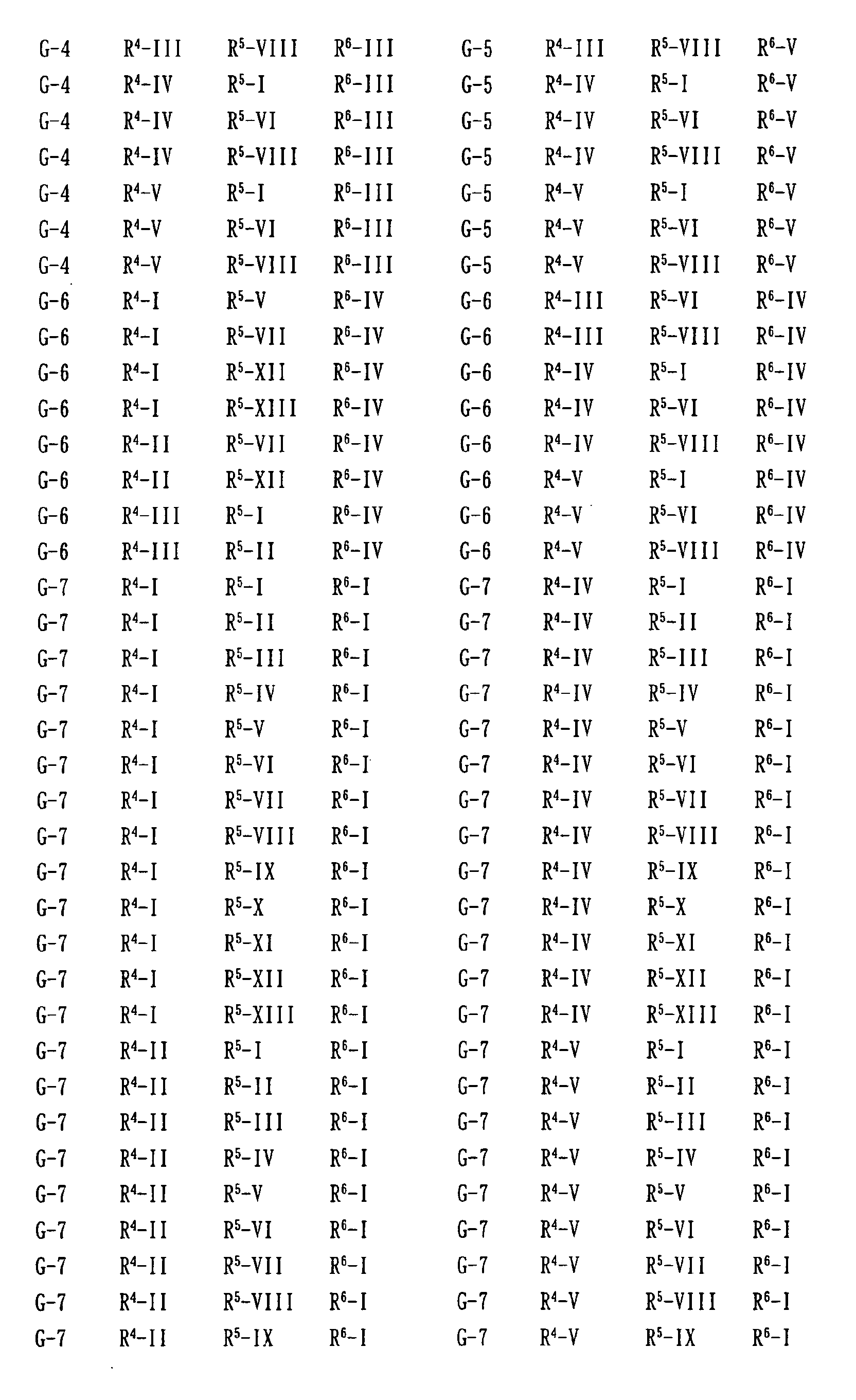
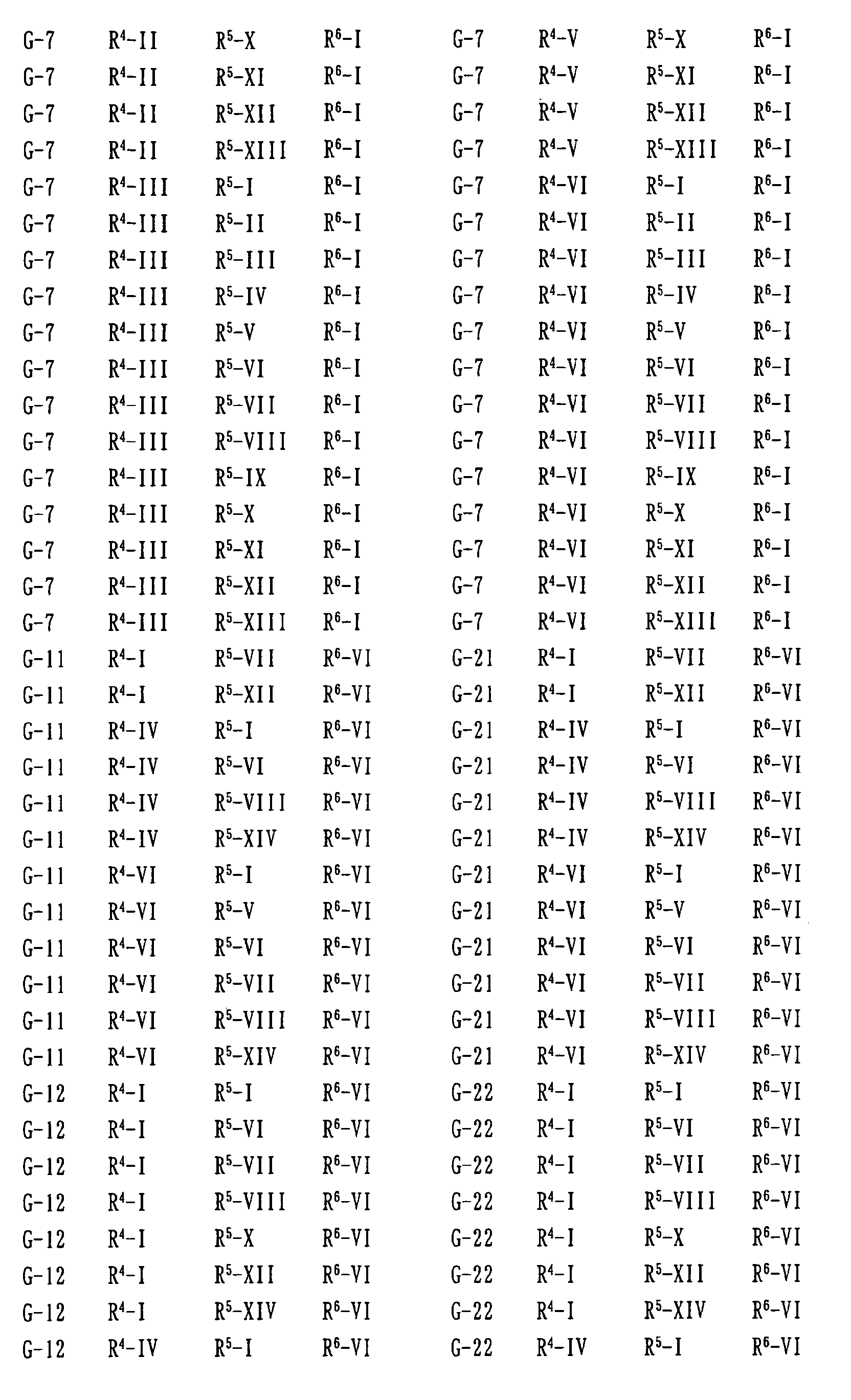


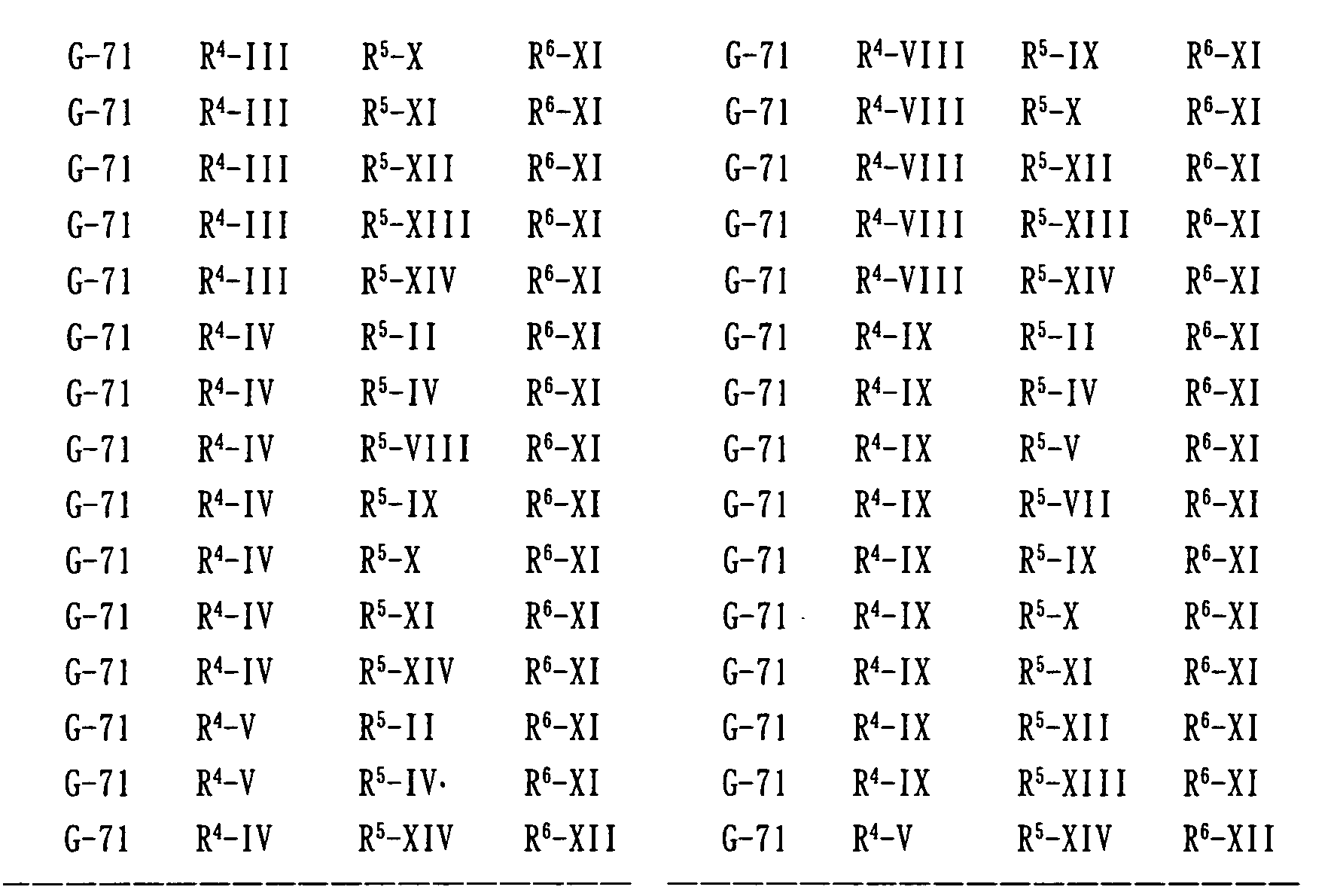


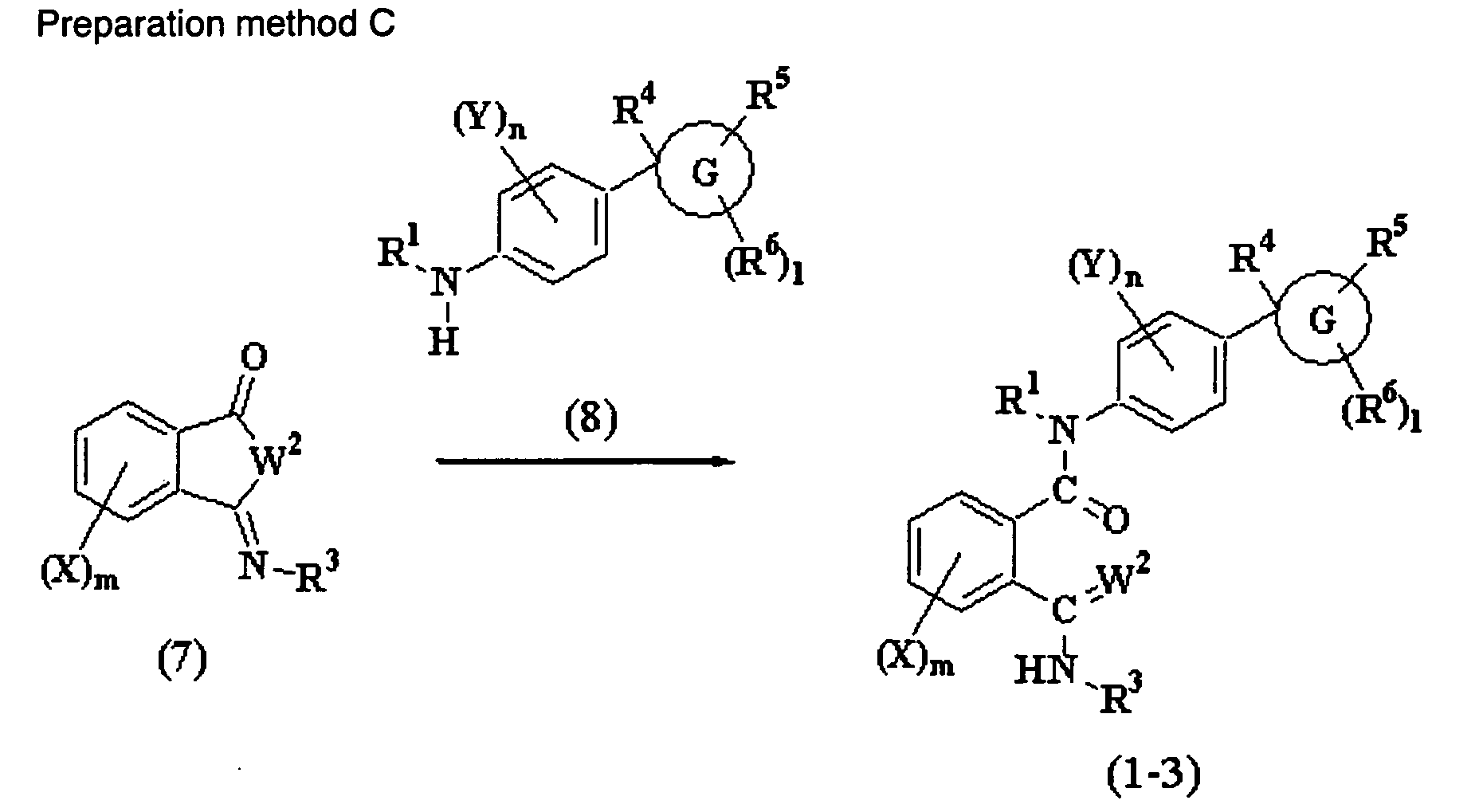
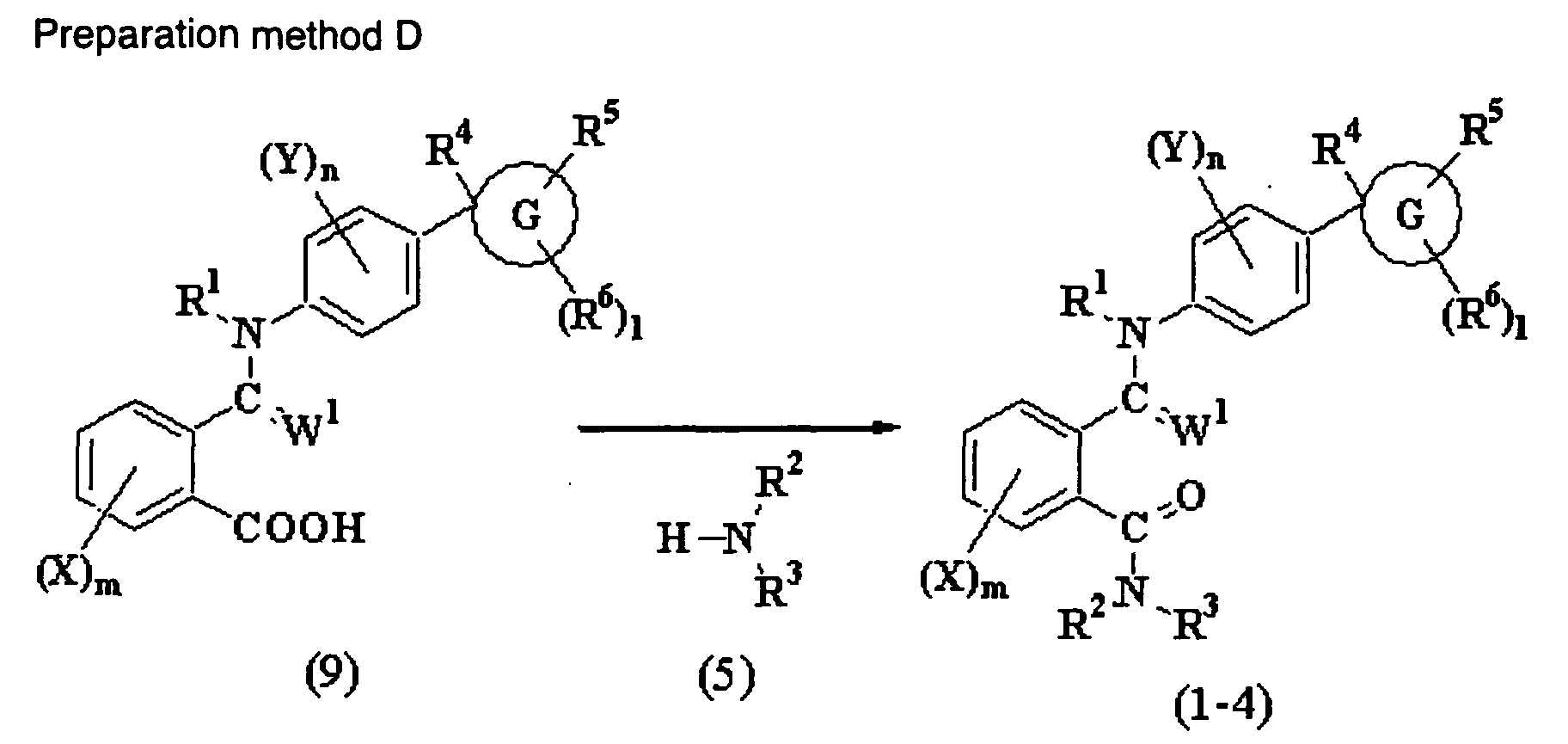

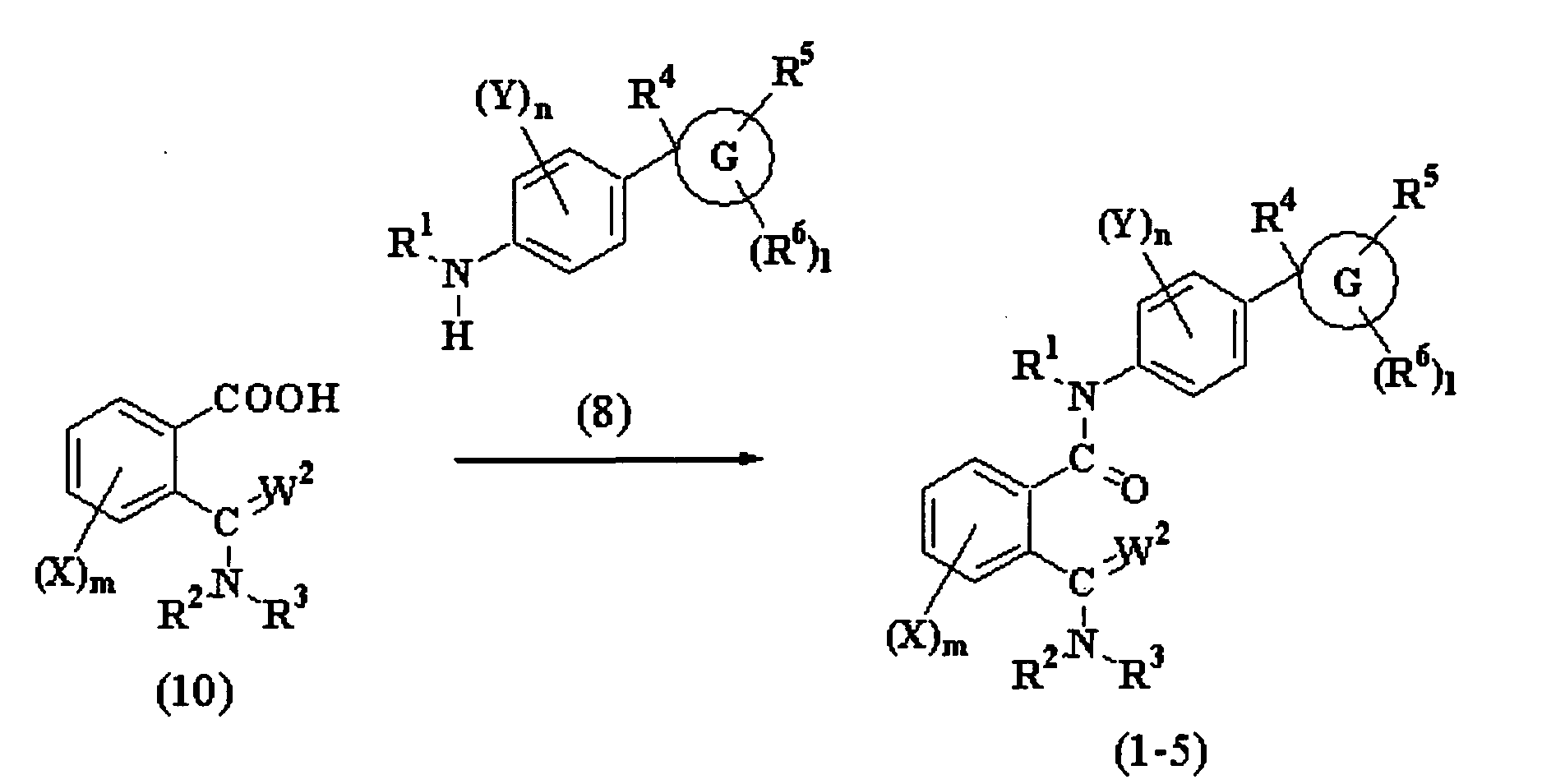
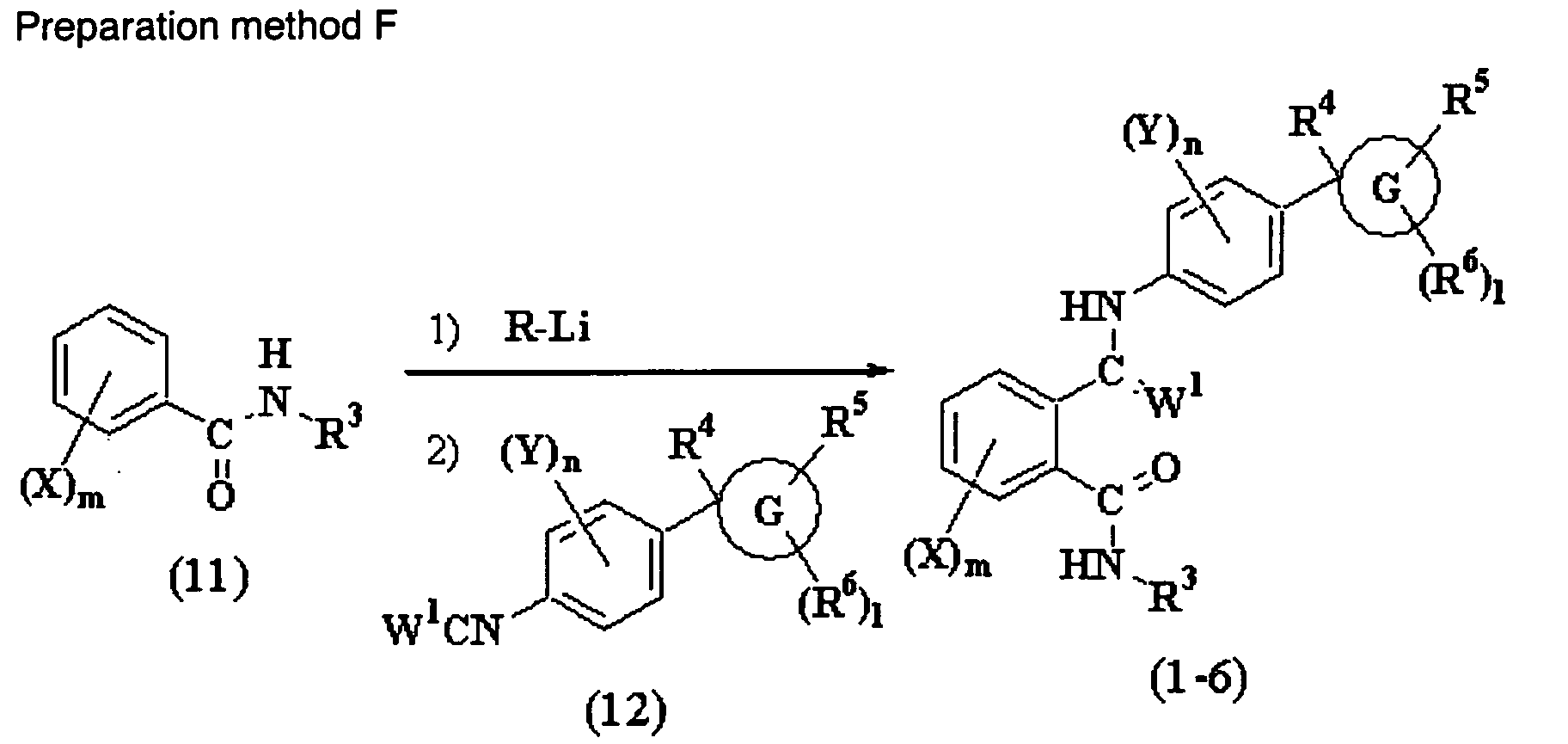

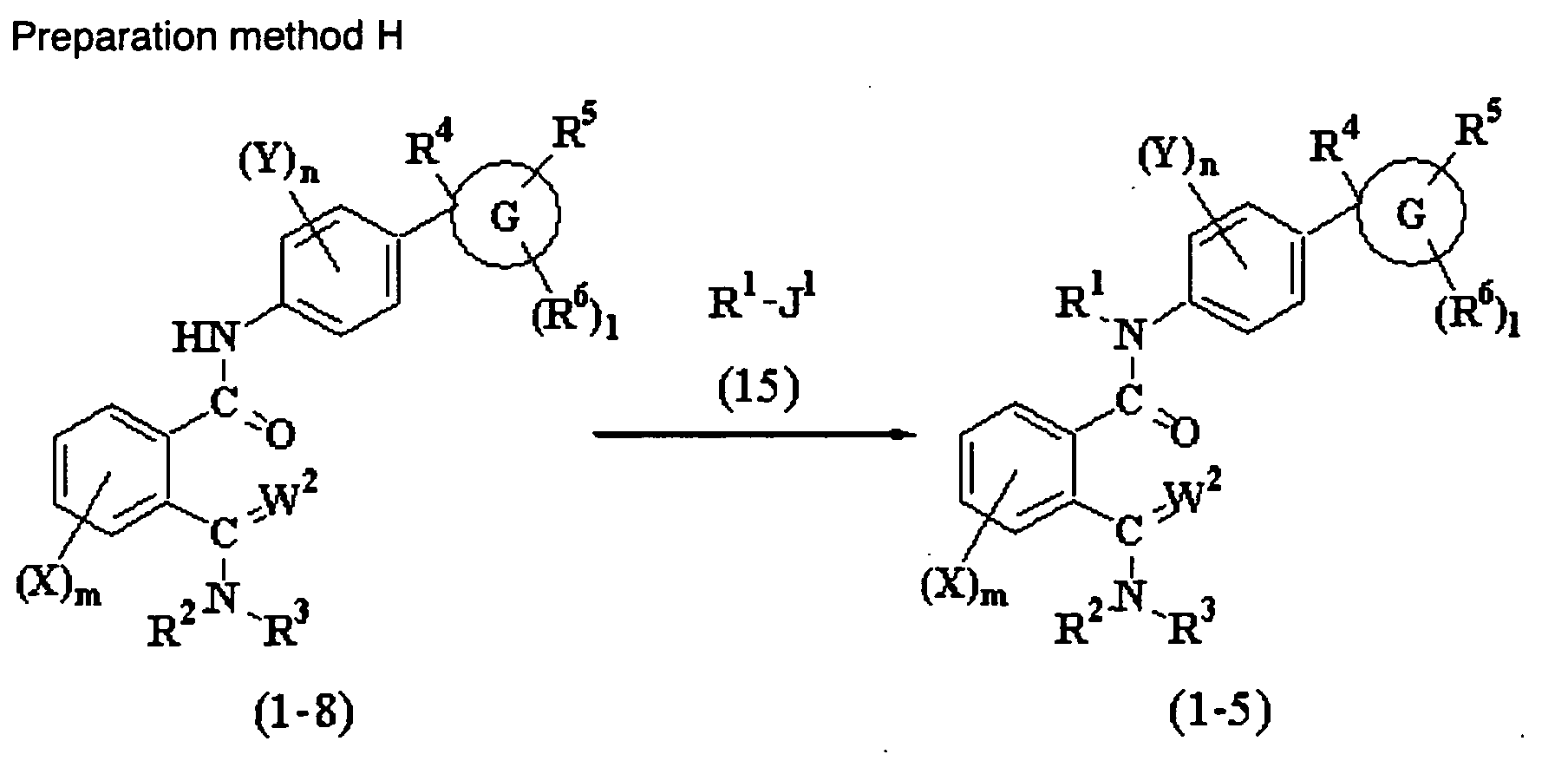

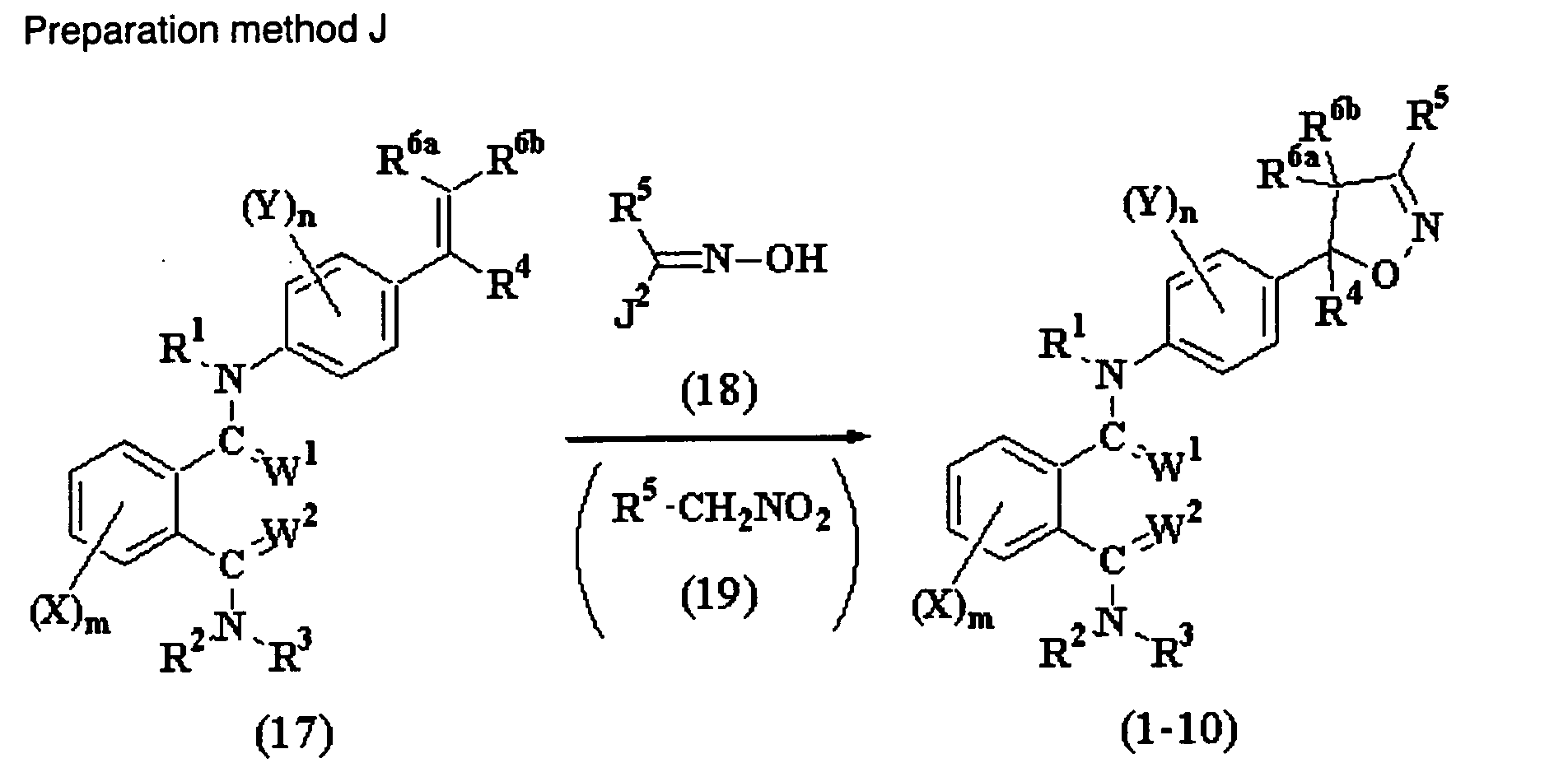

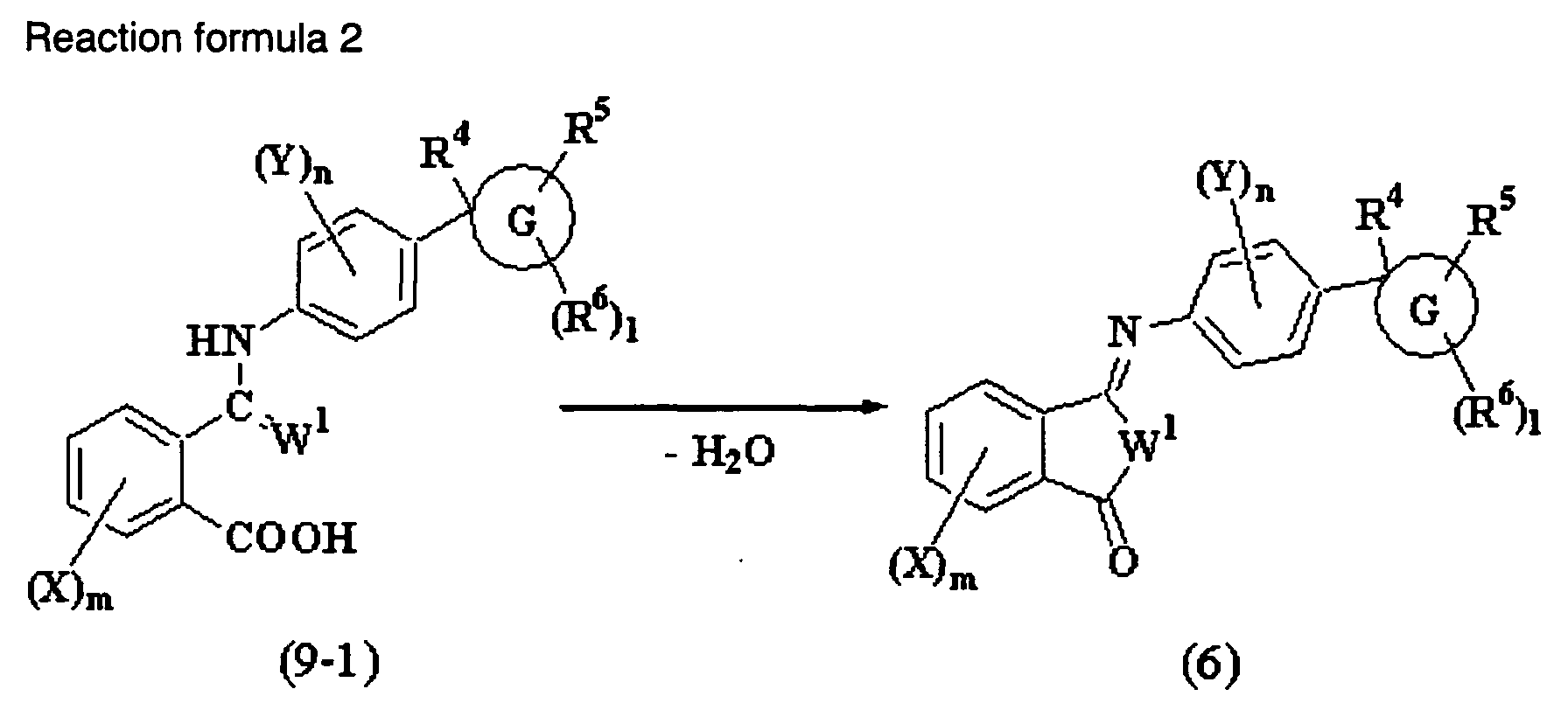

the compound represented by Formula (8) and the compound represented by Formula (3) used in Preparation method C and Preparation method E can be synthesized by, for example, using the method shown by the following Reaction formula 4 to Reaction formula 16 and the like.
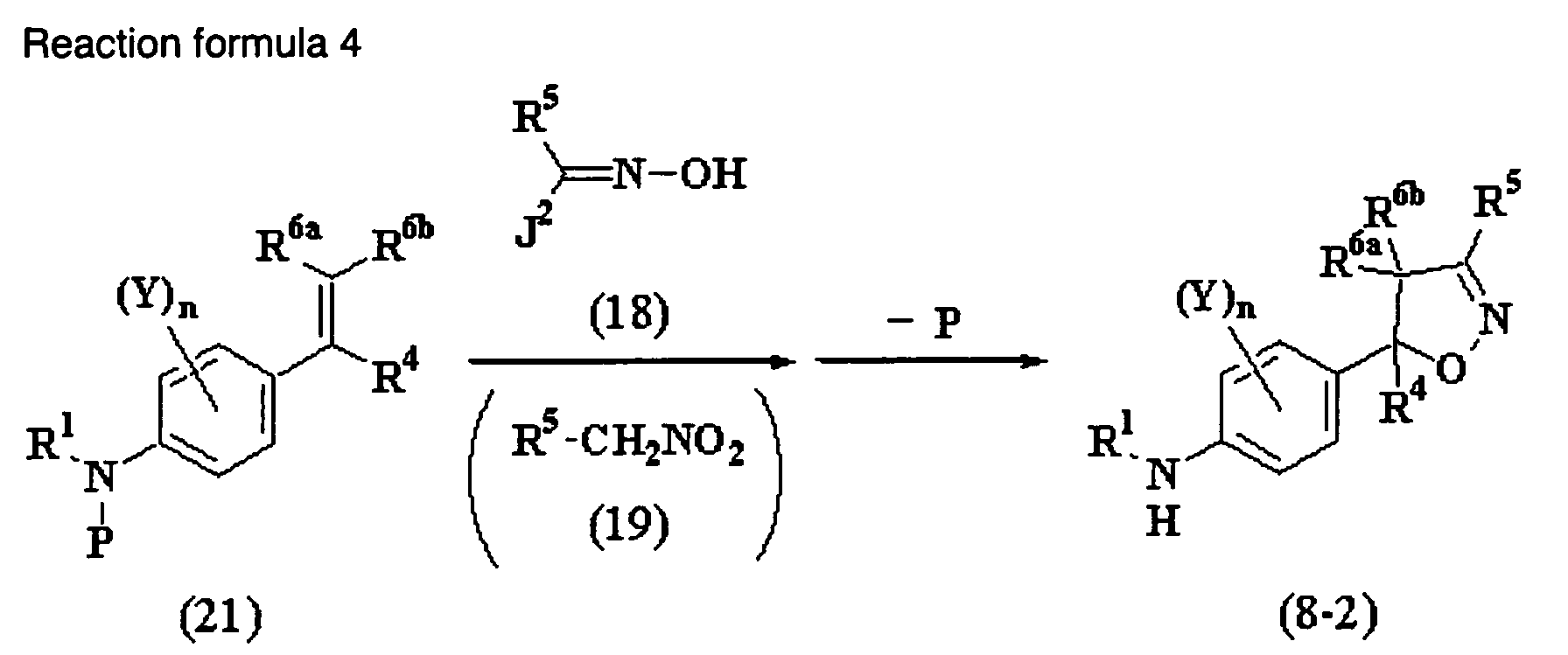


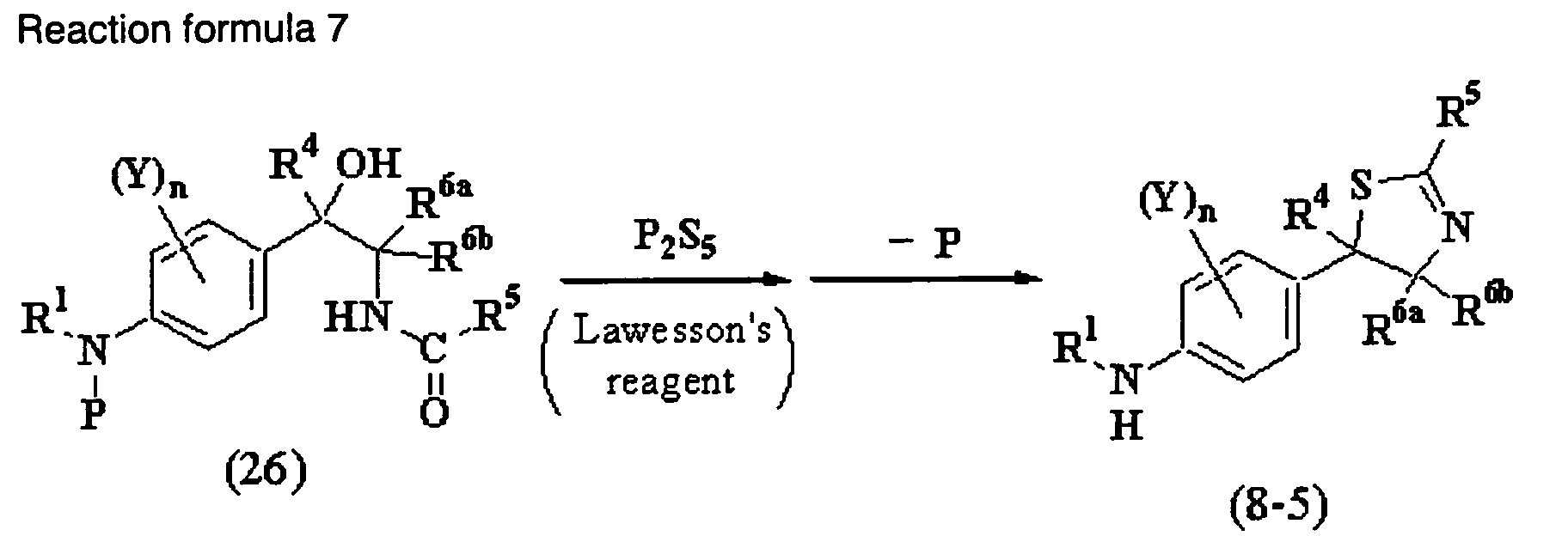
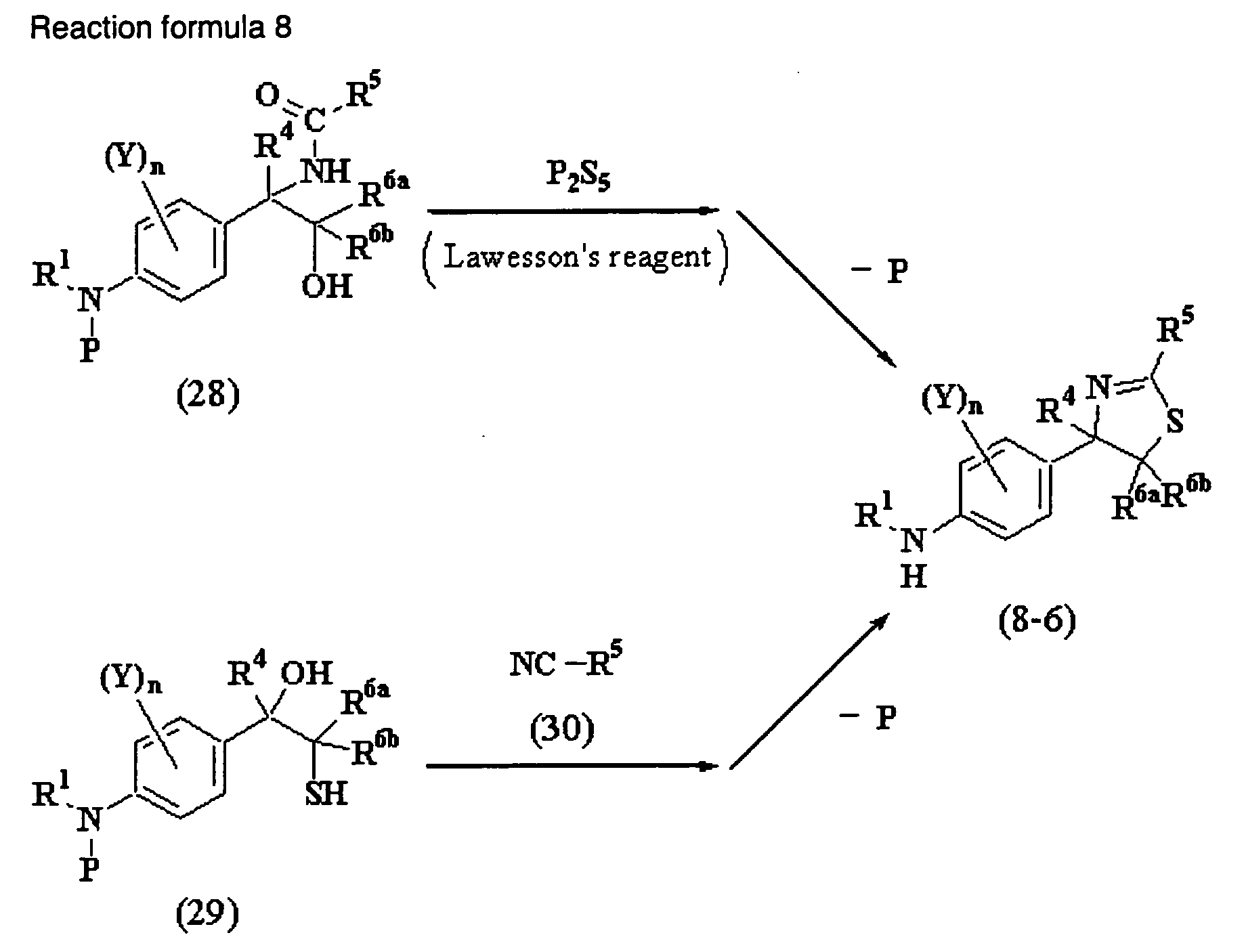
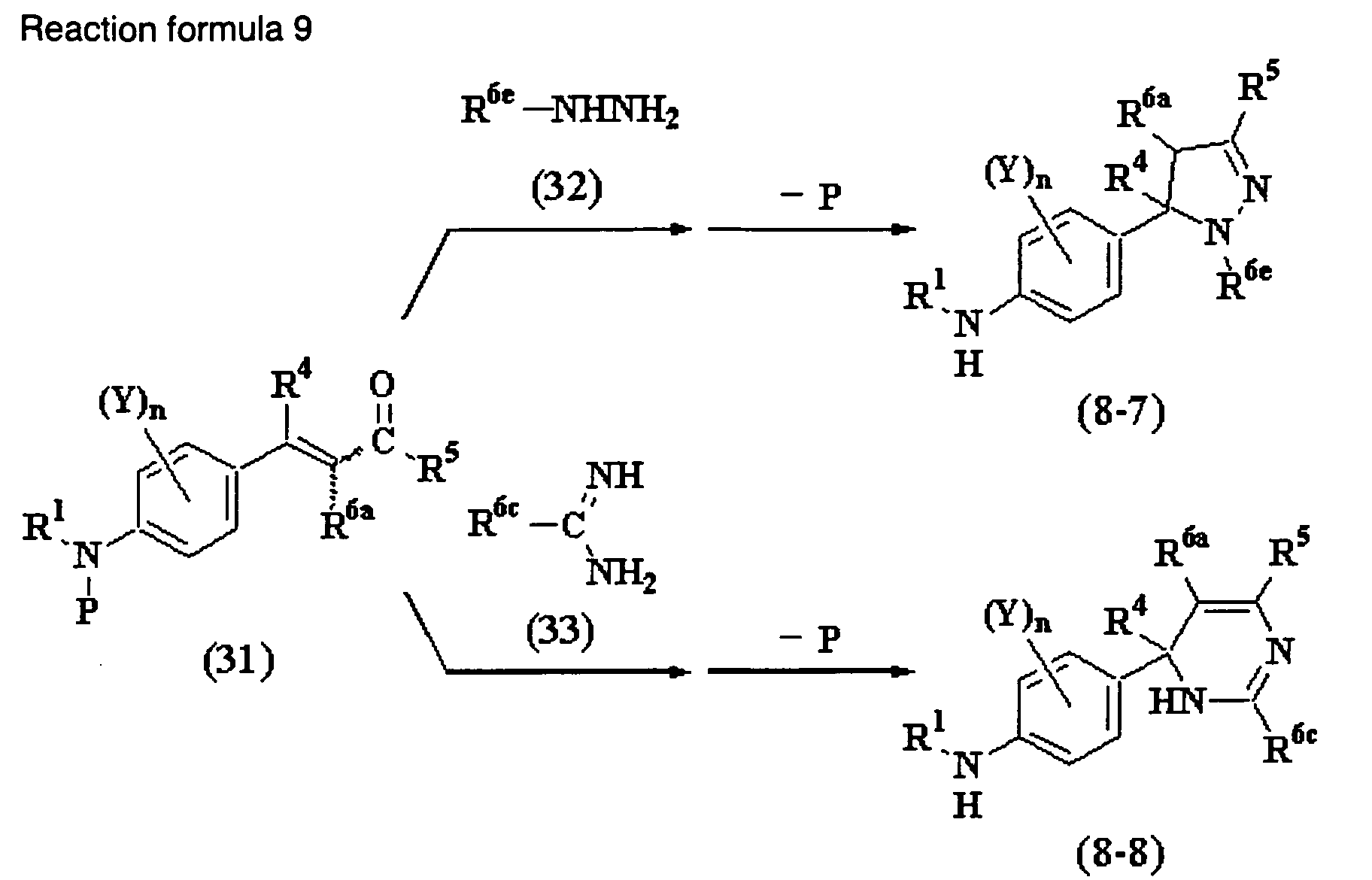


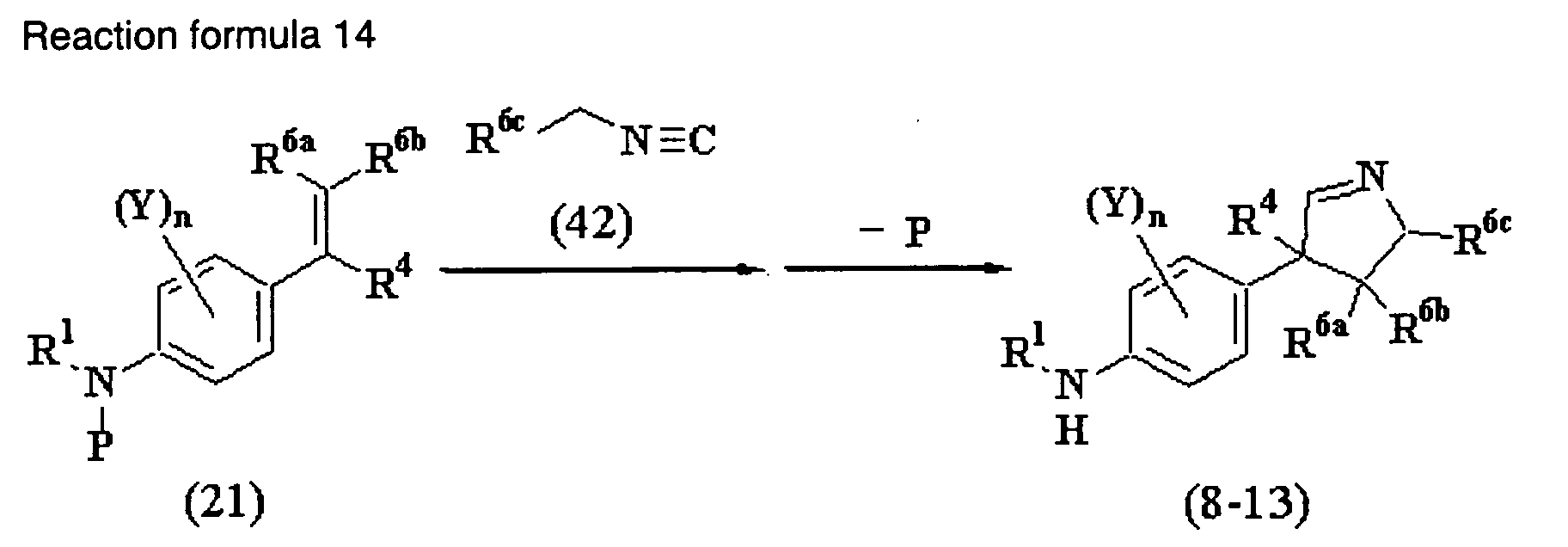


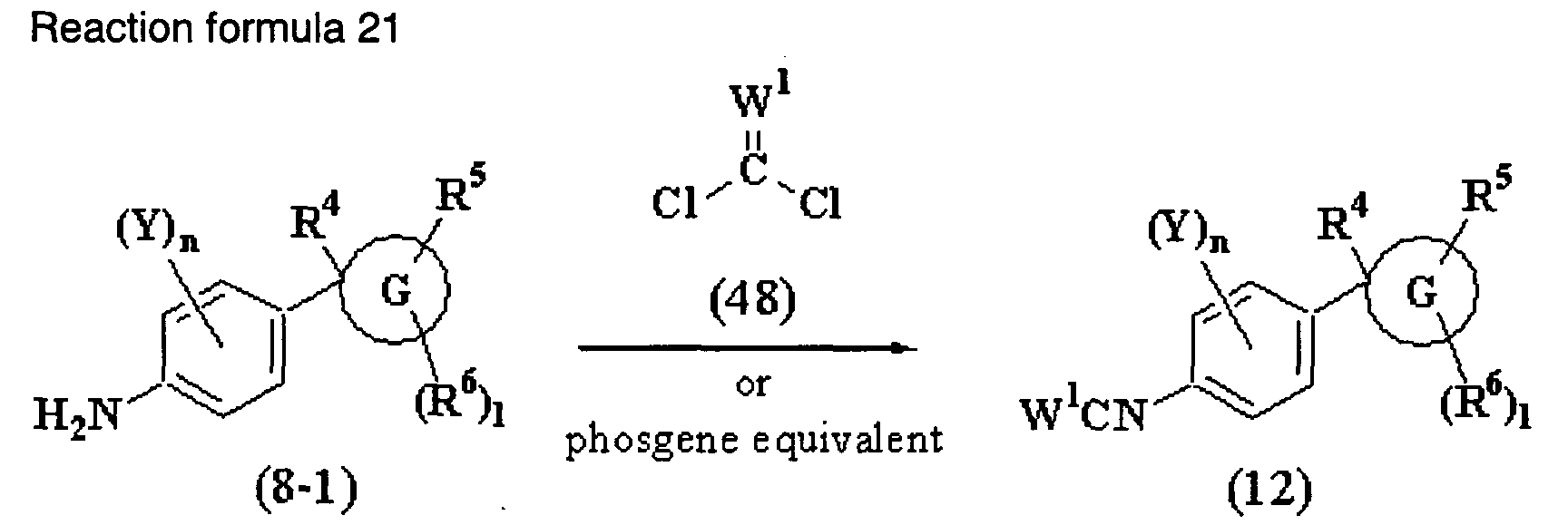

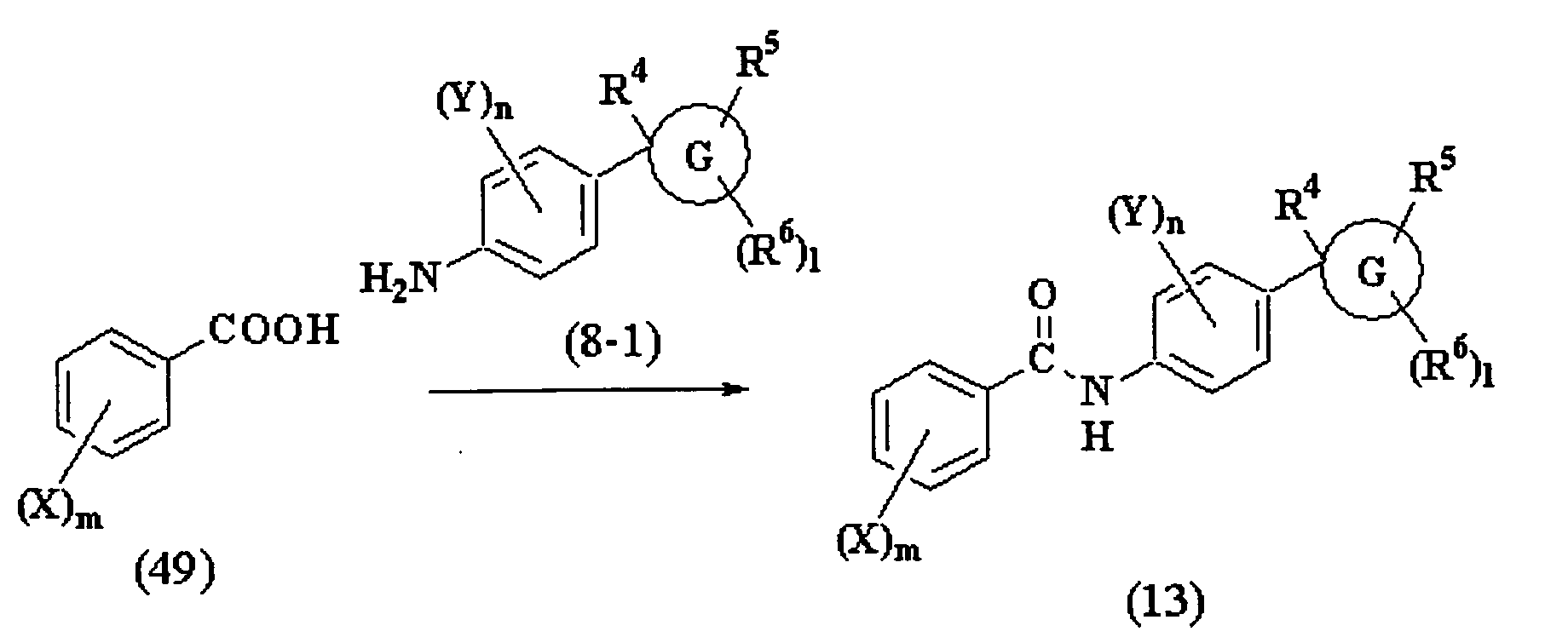


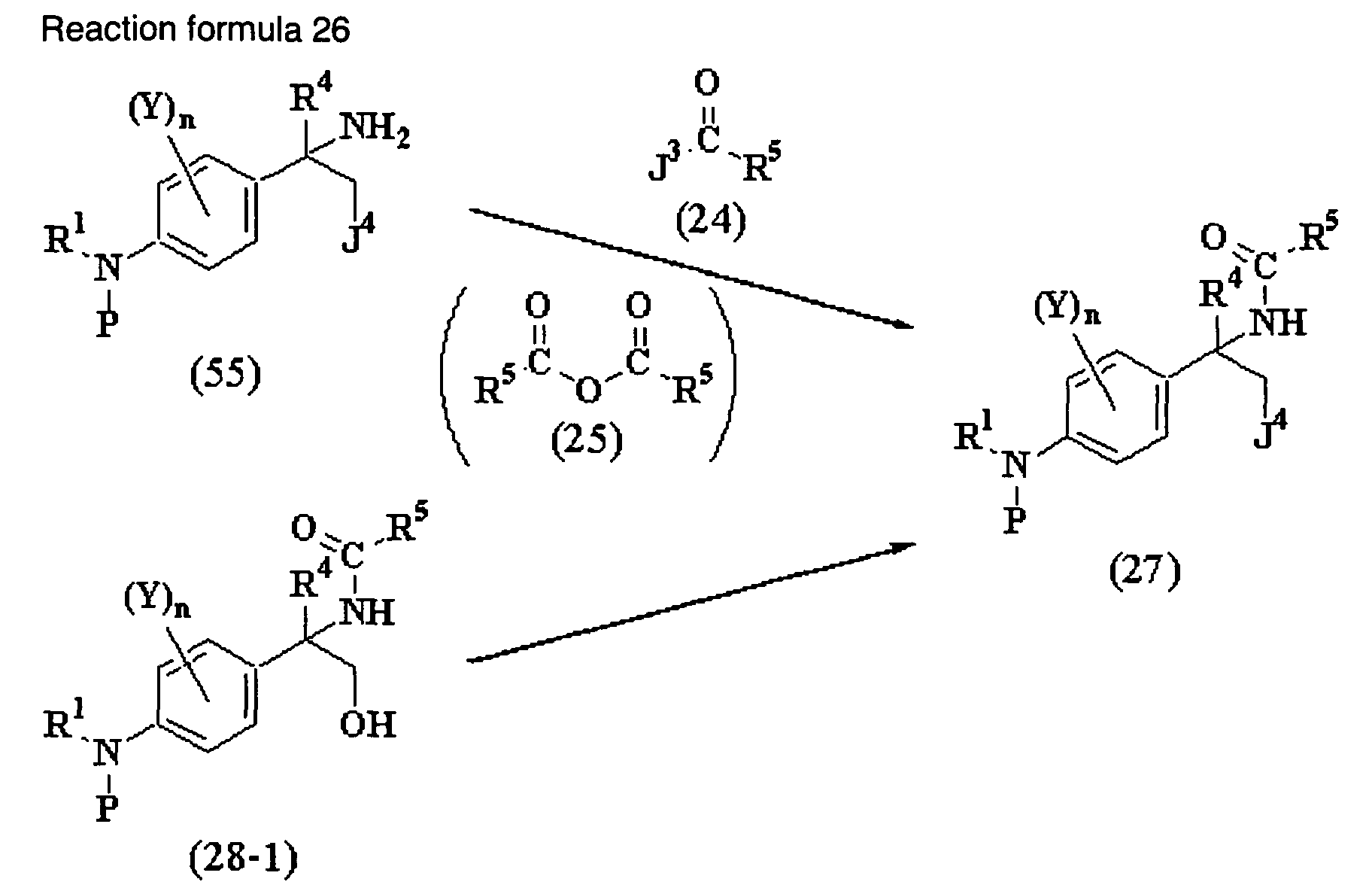

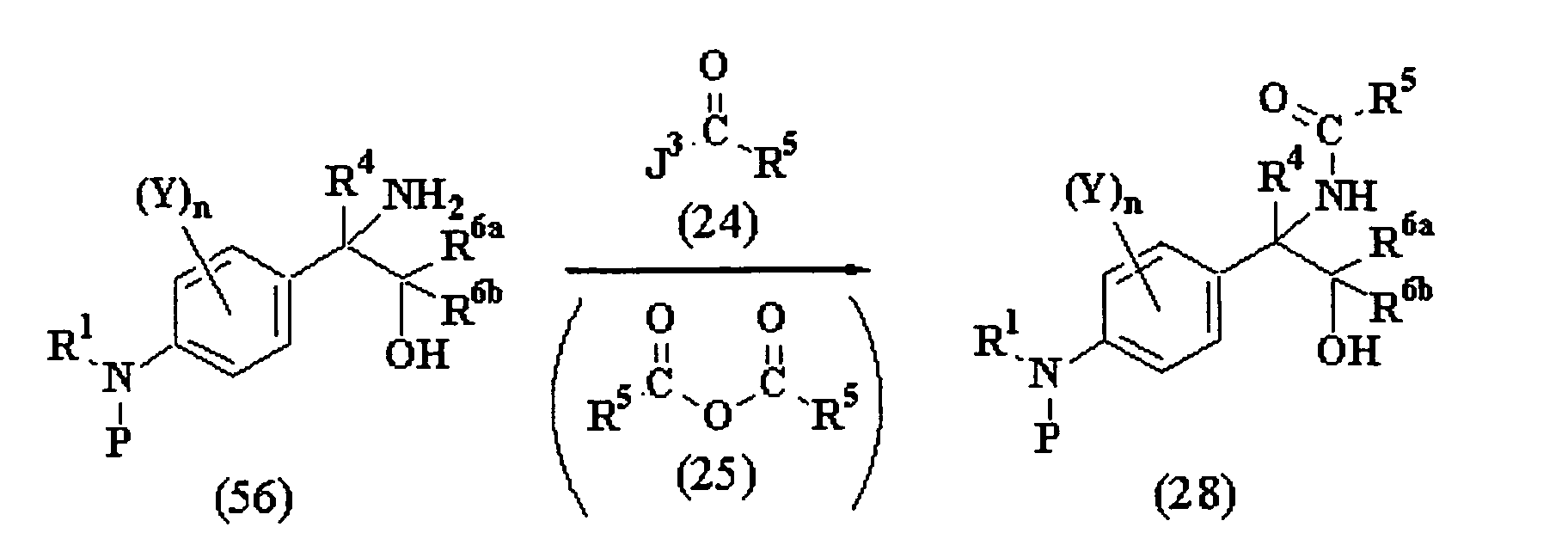


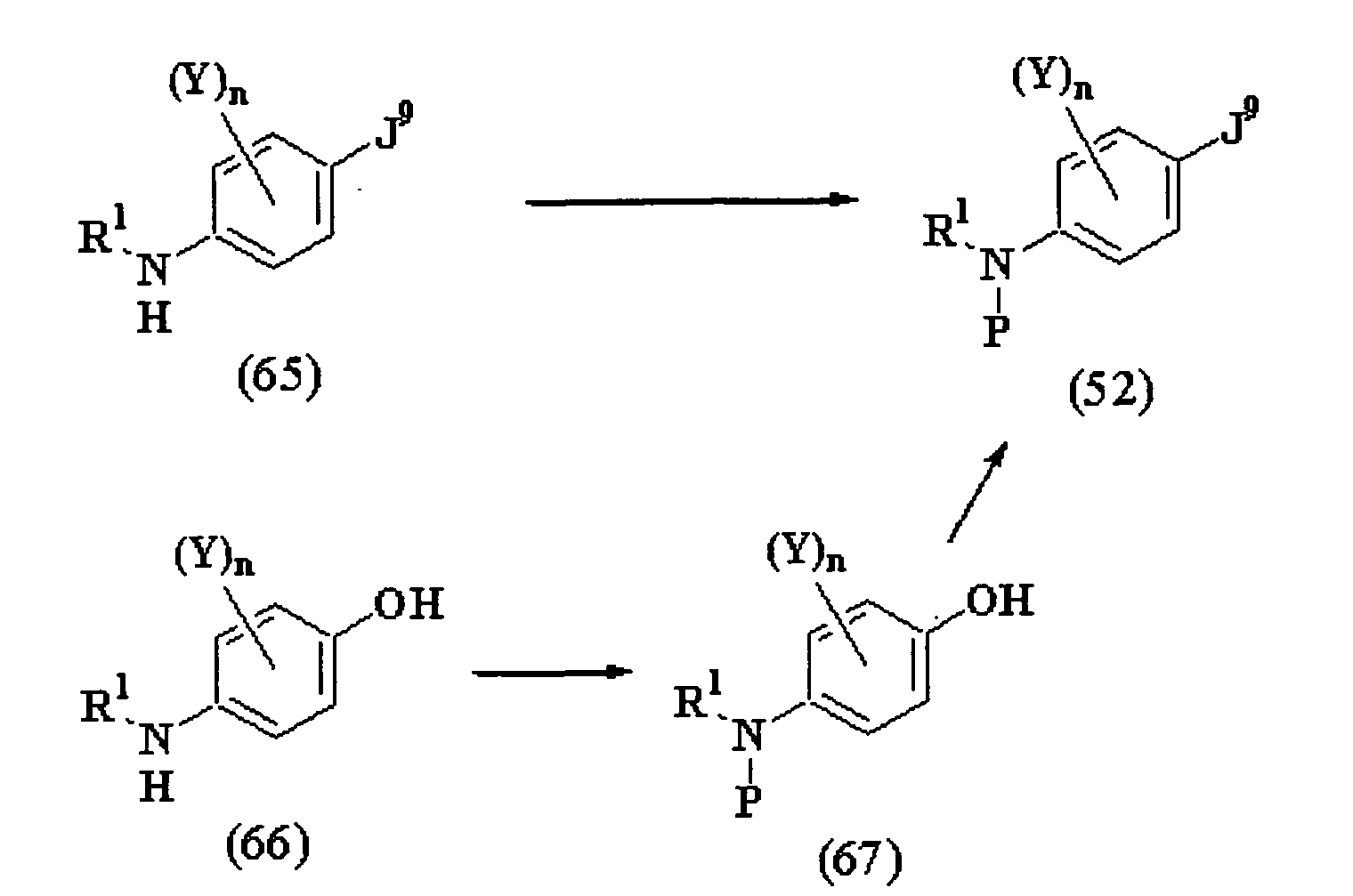

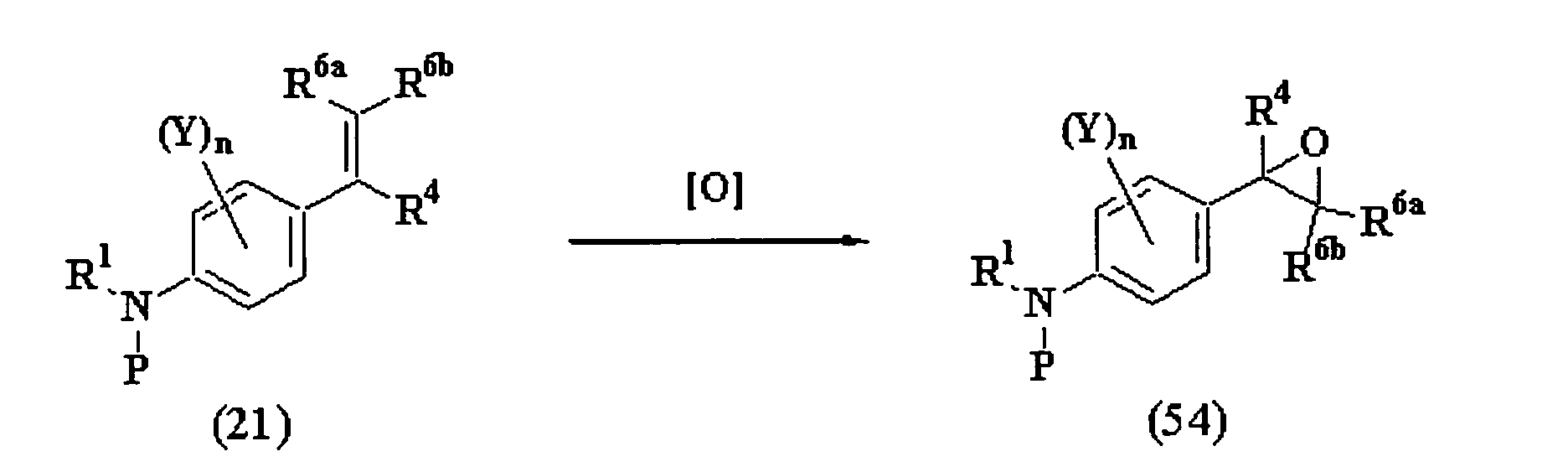
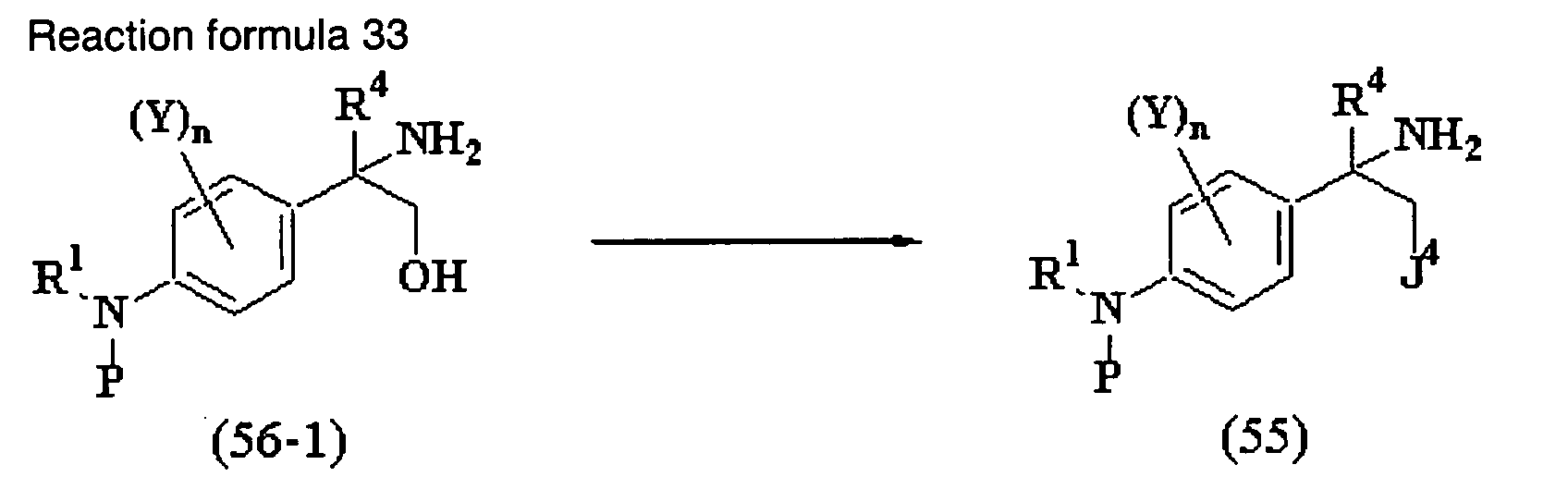






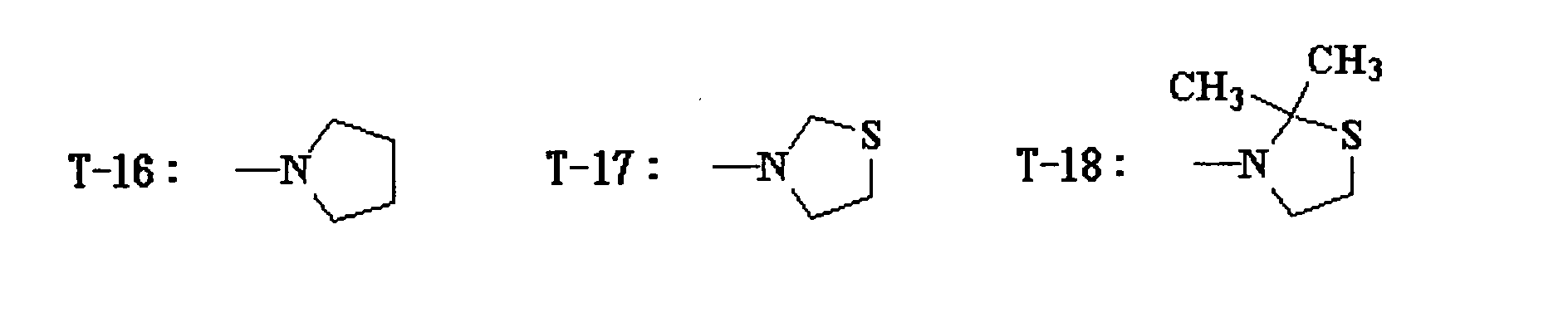







































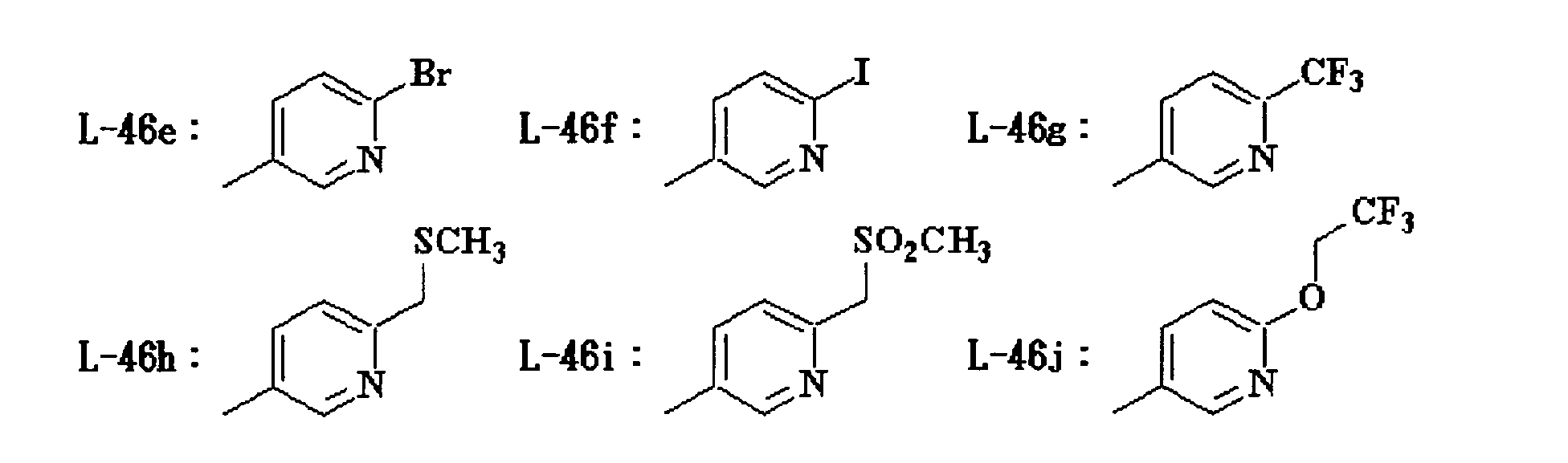












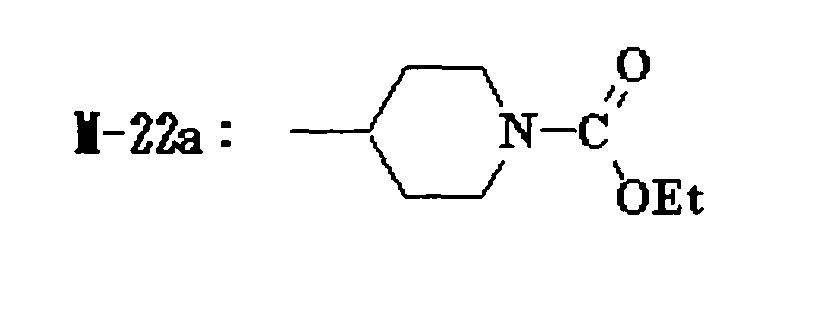
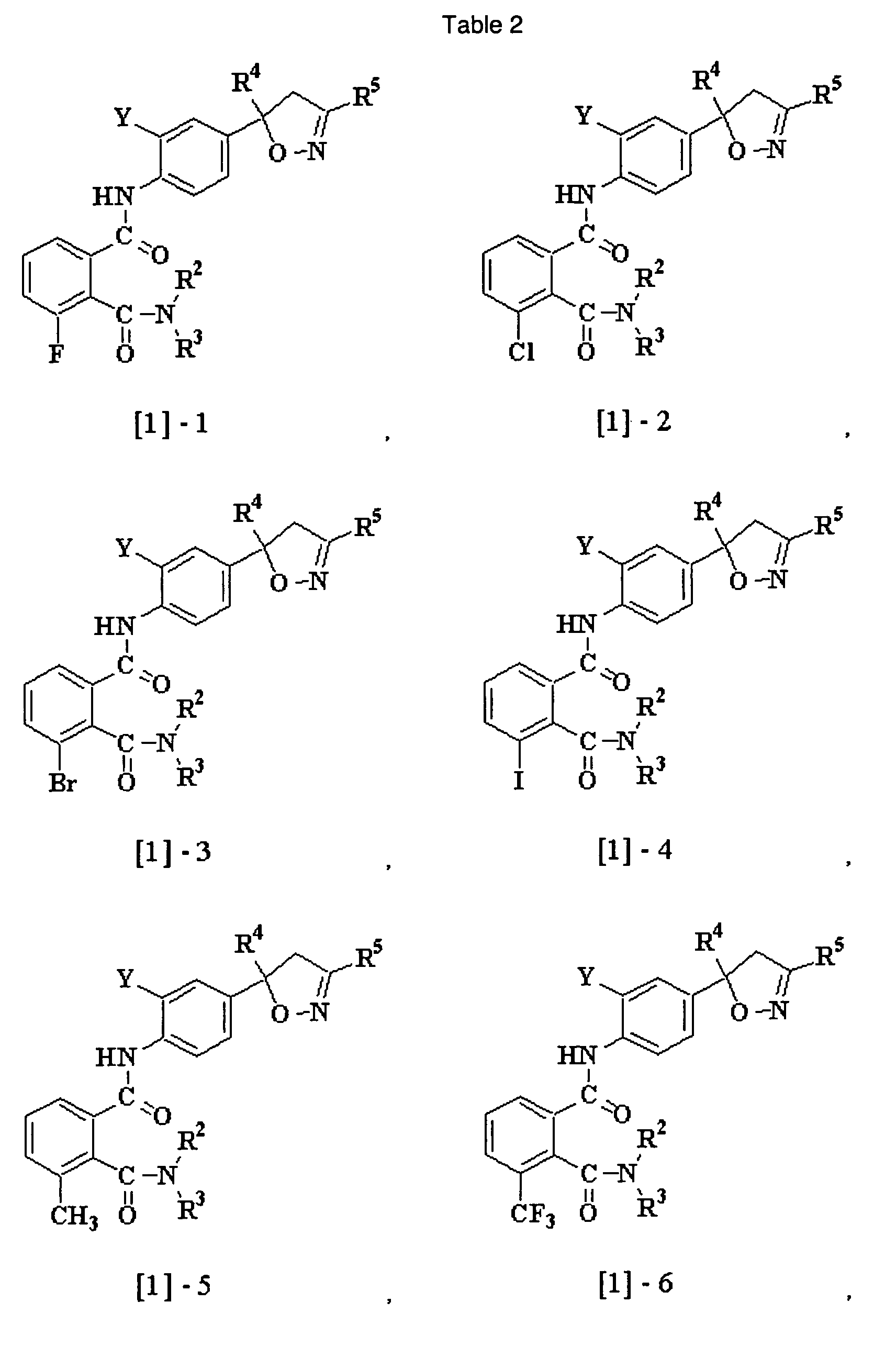
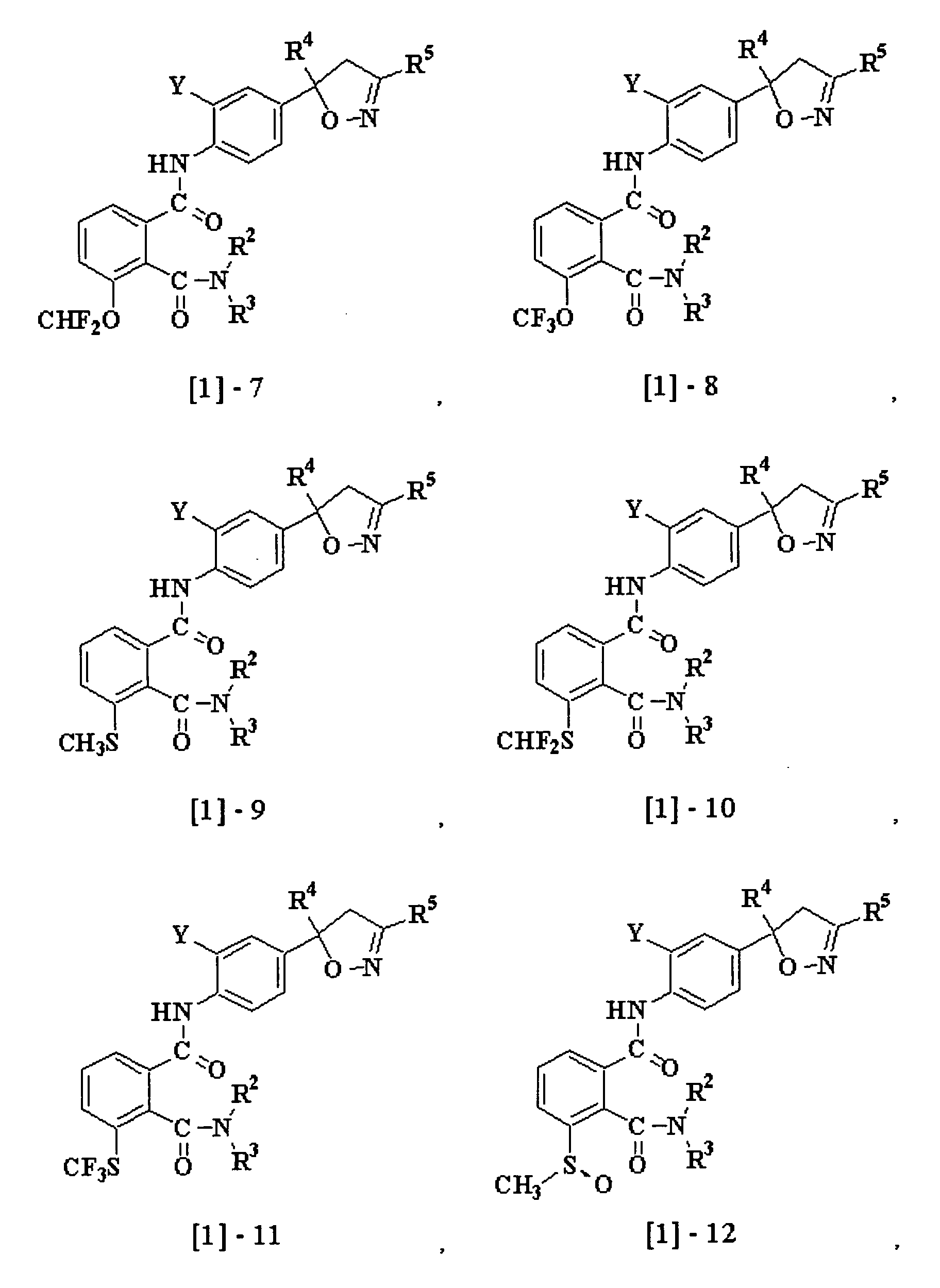

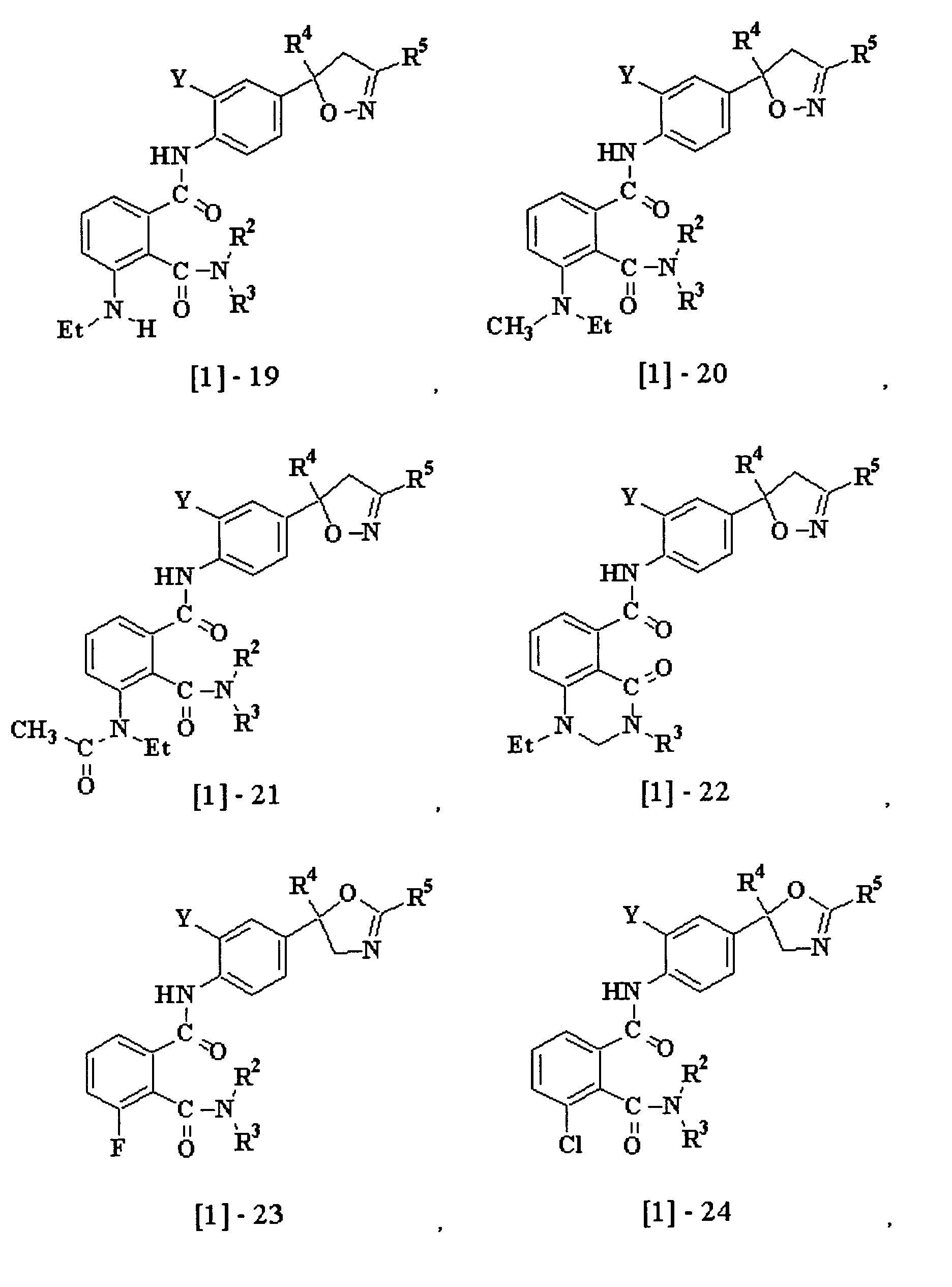

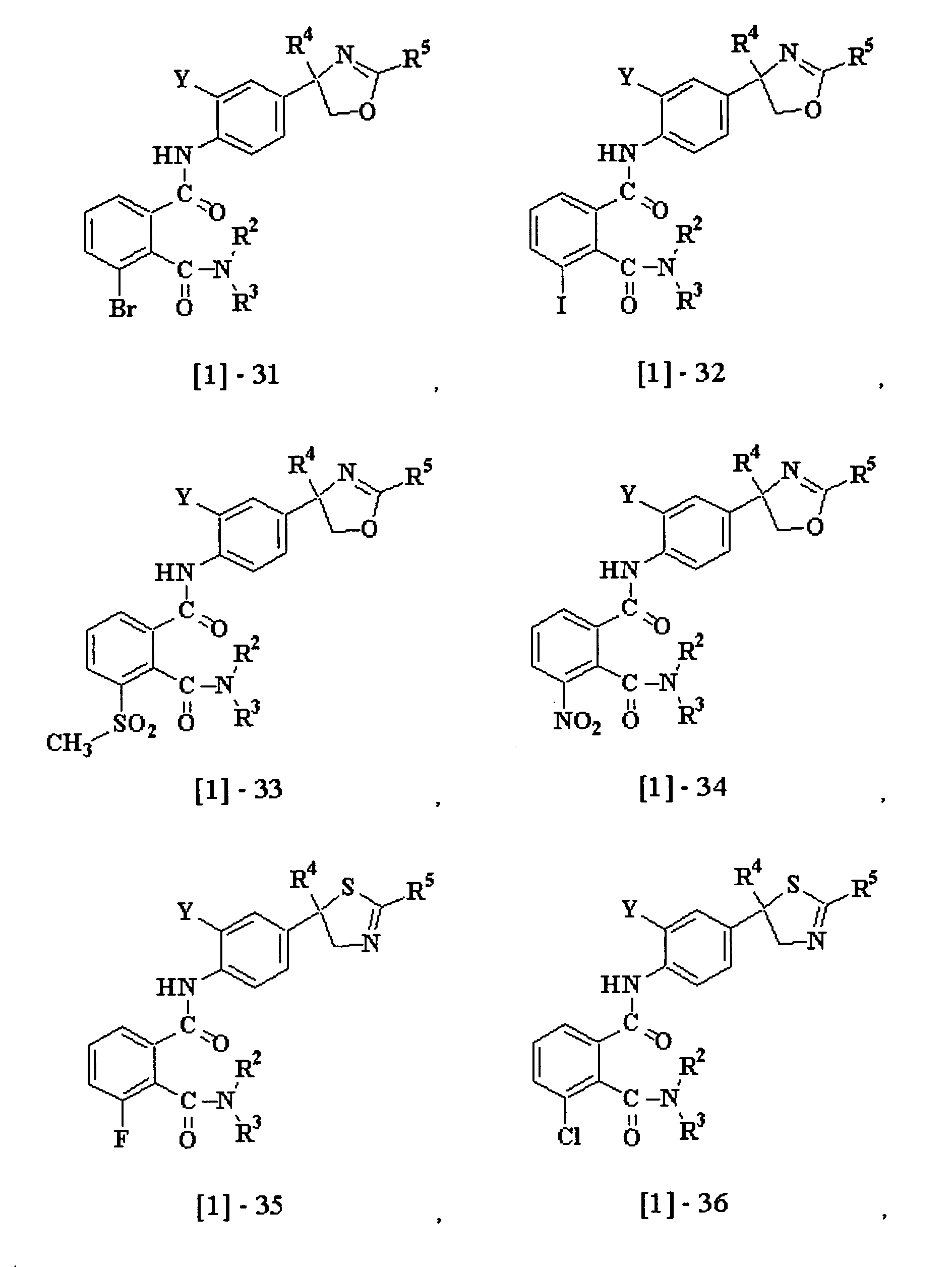
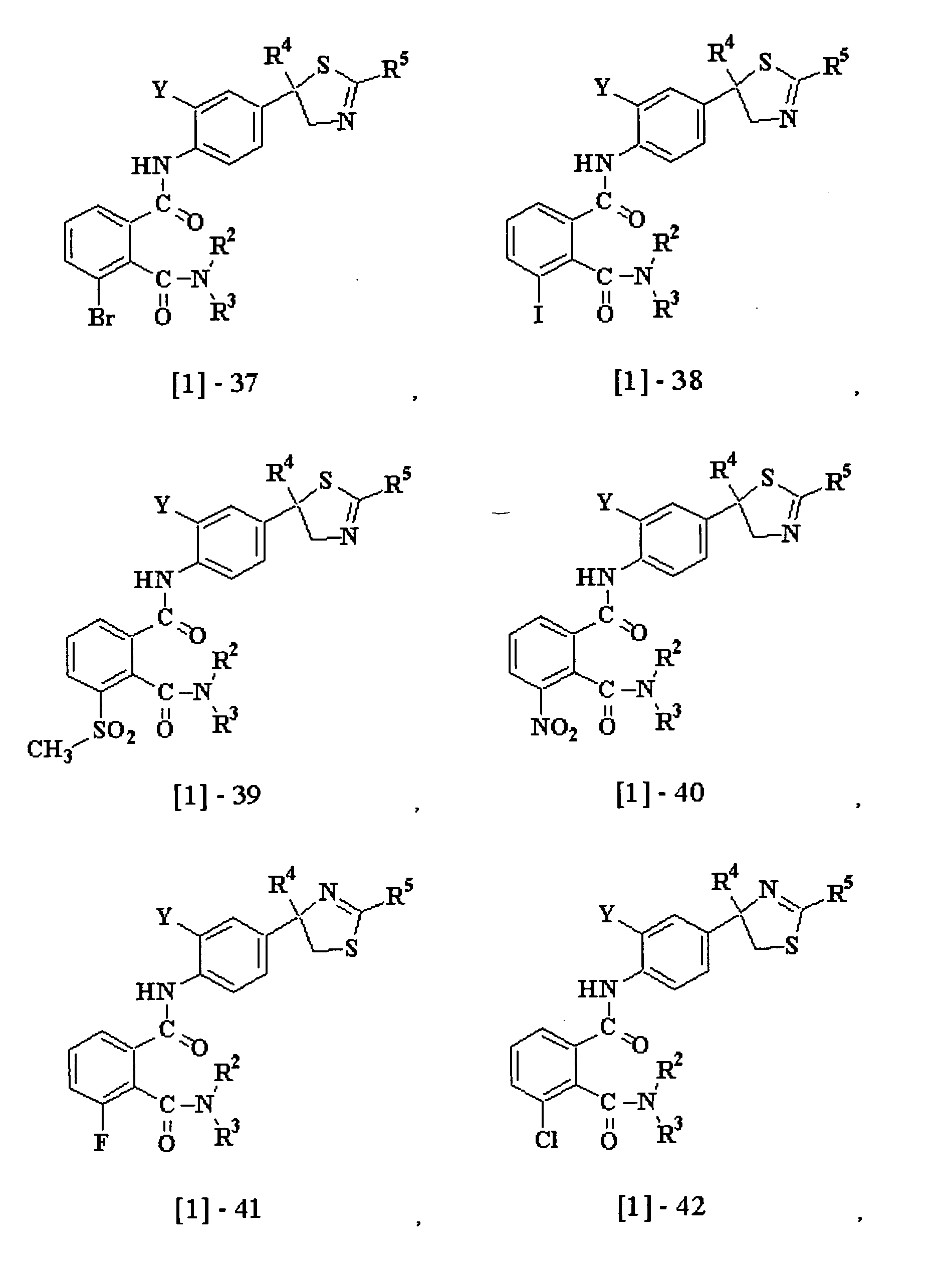
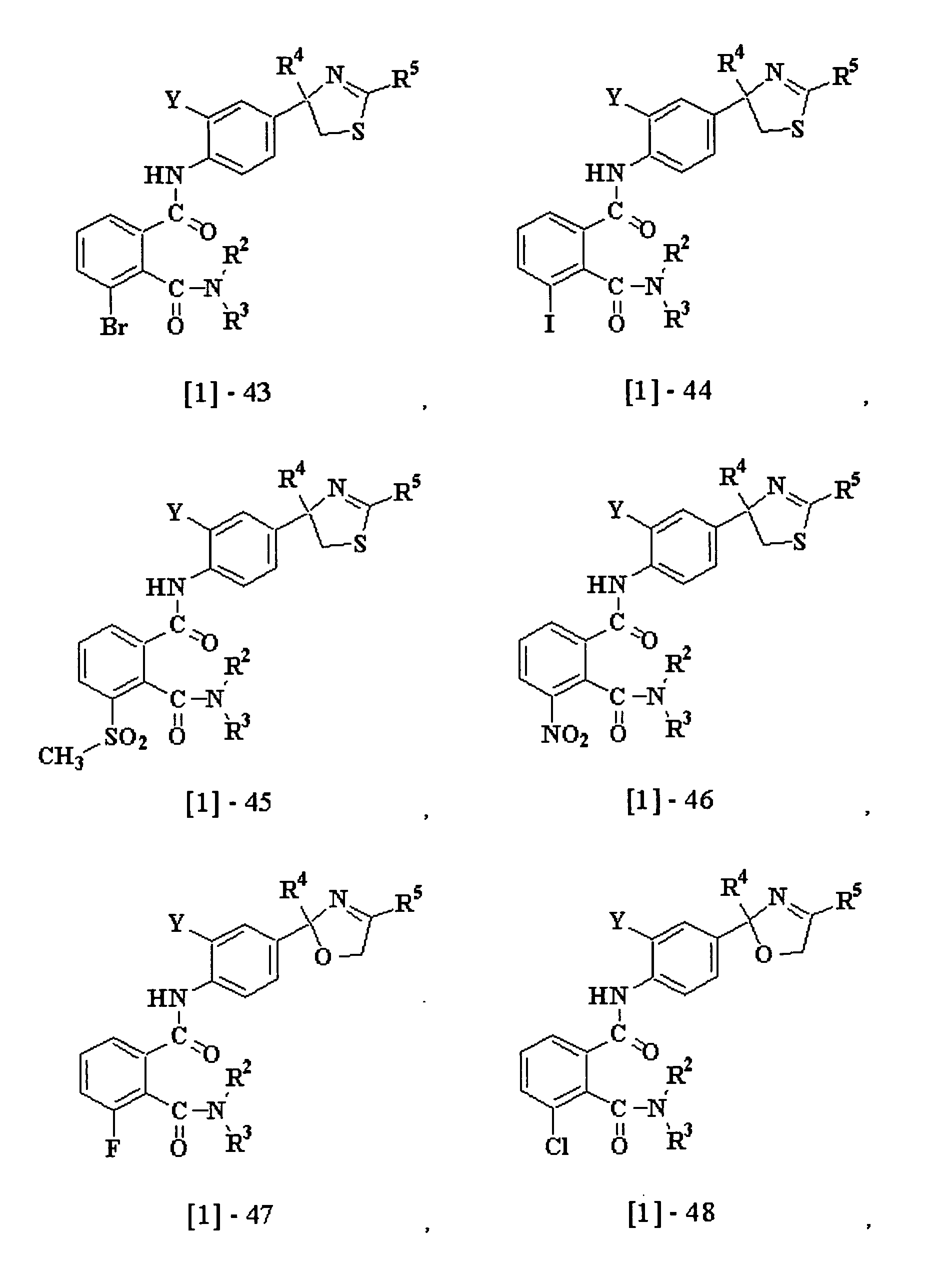
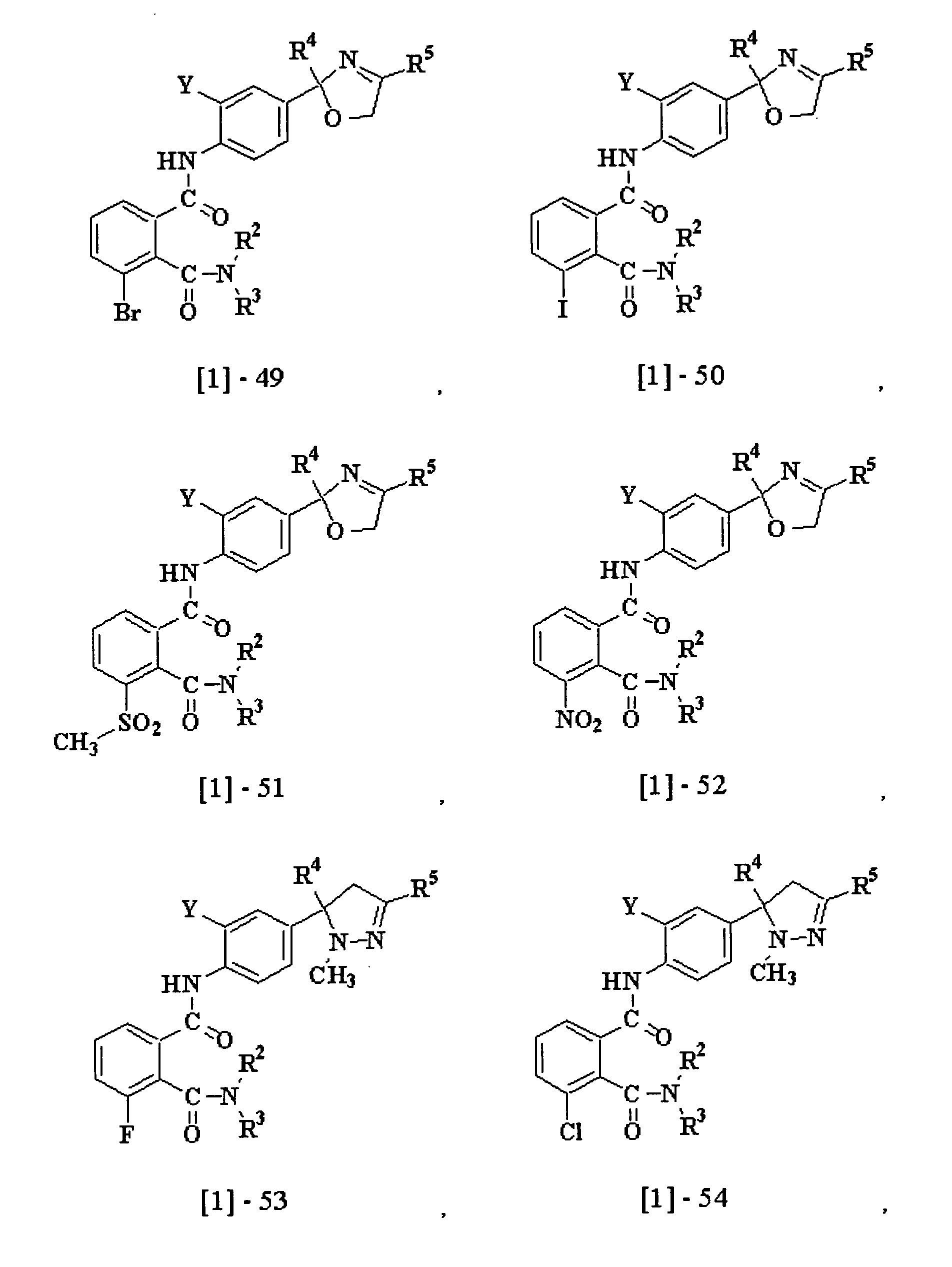
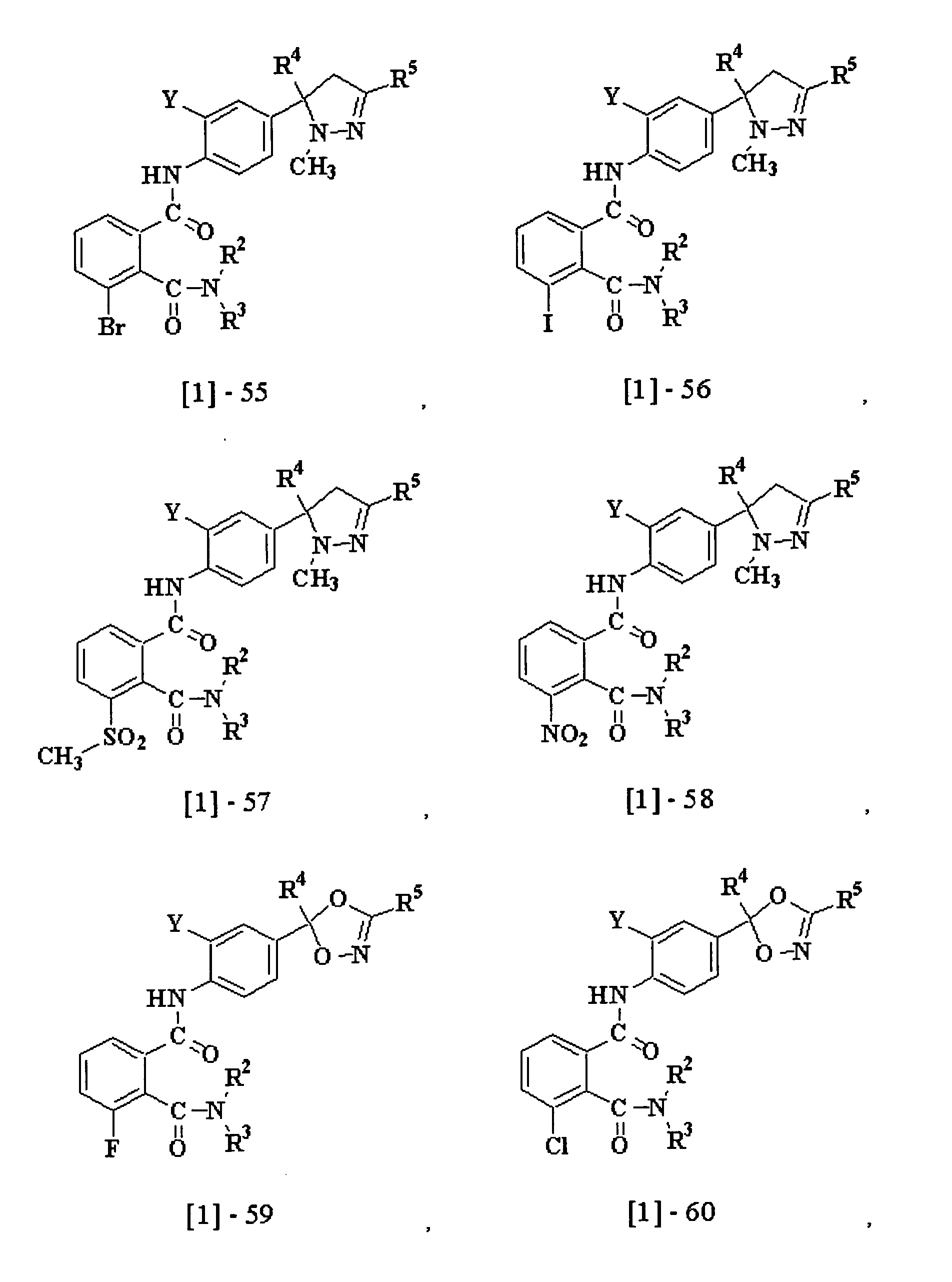

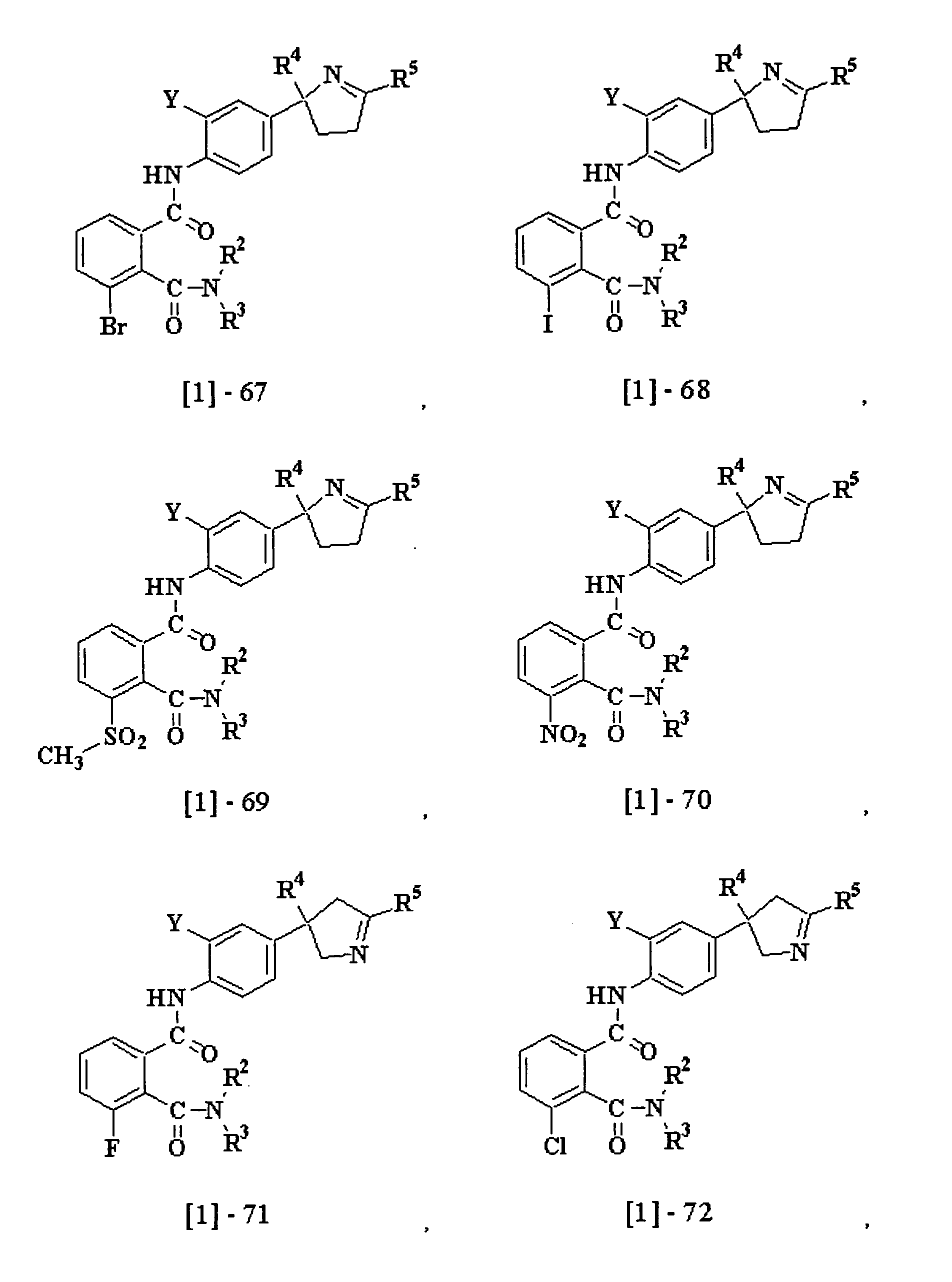
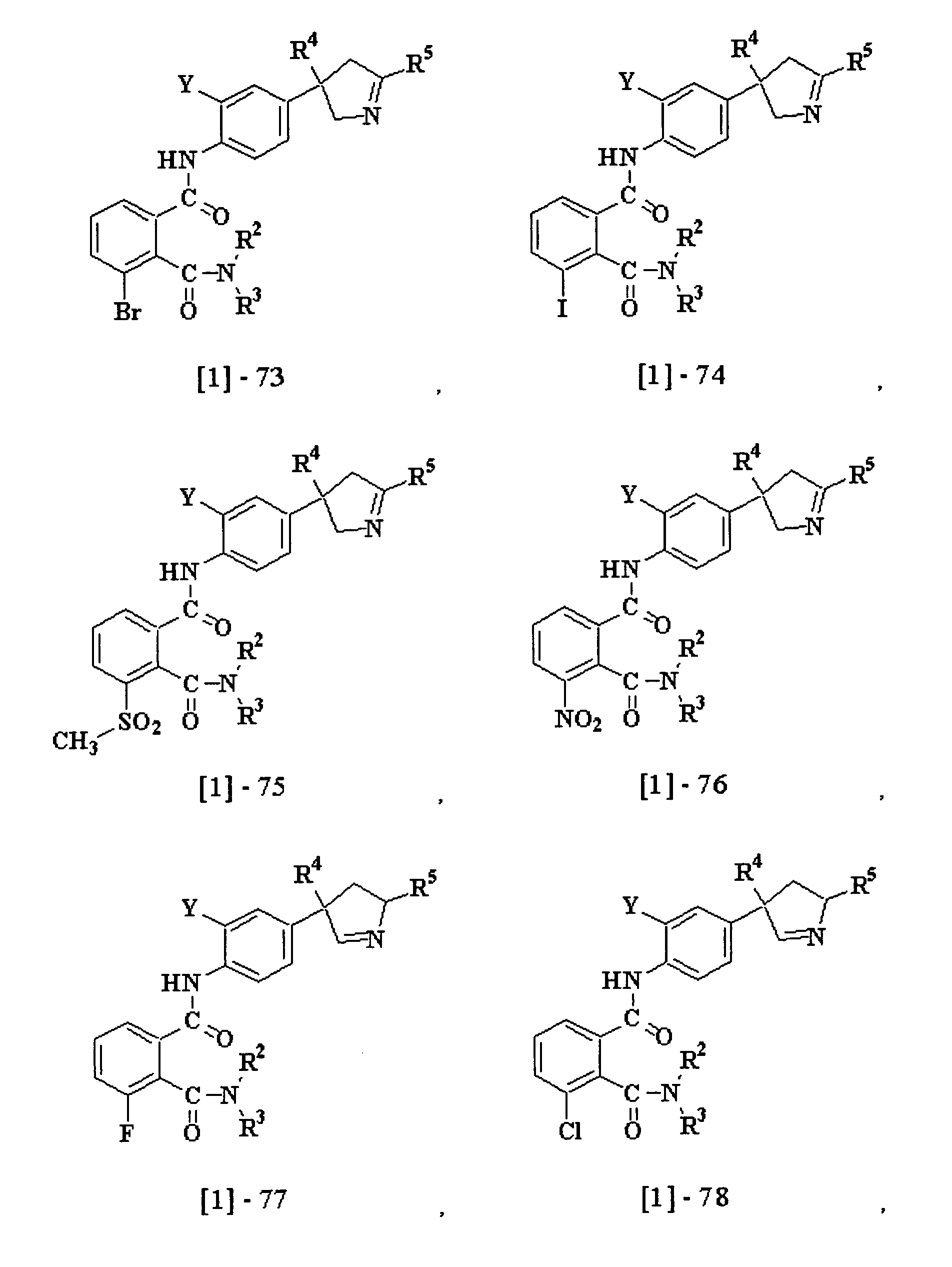
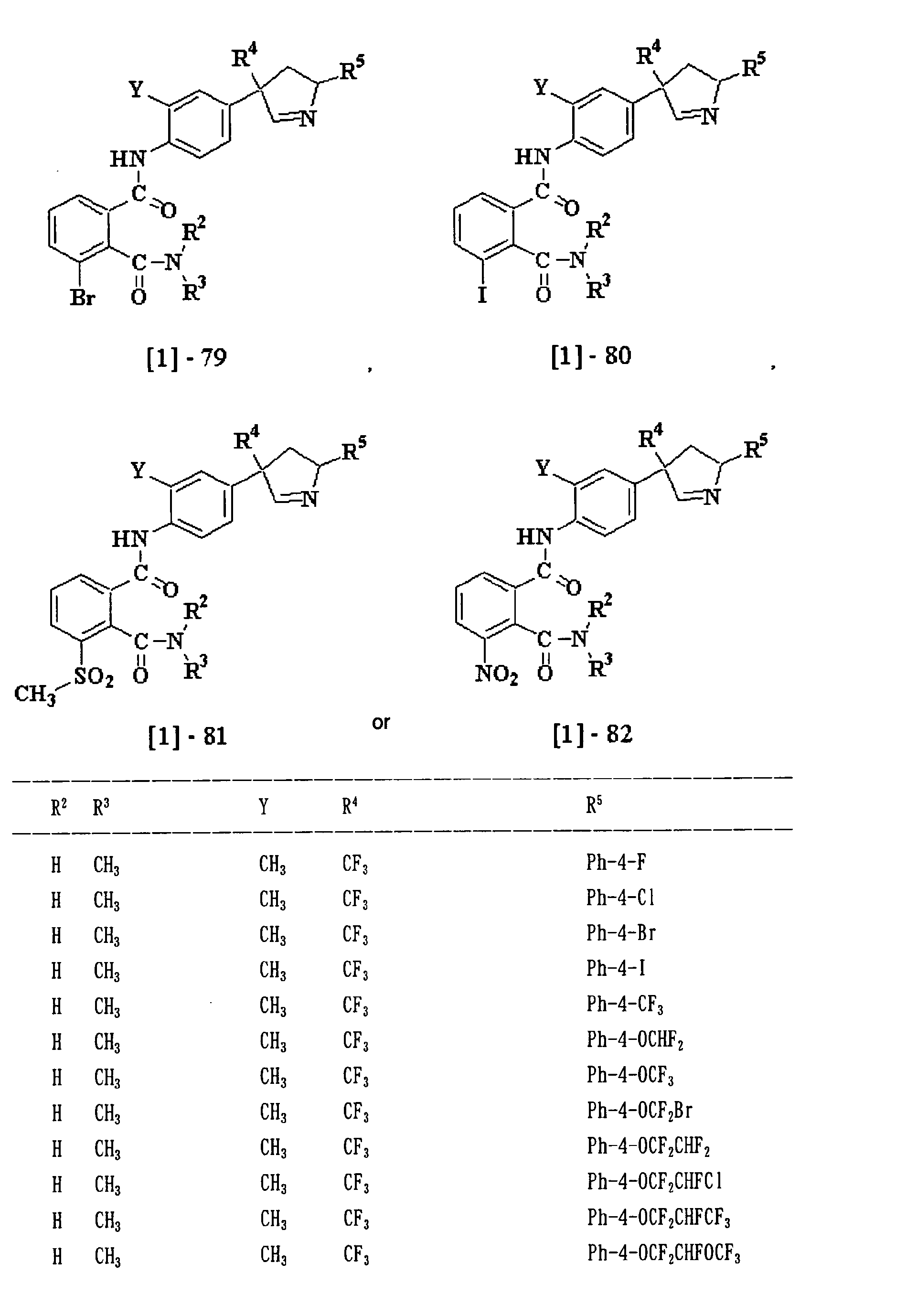

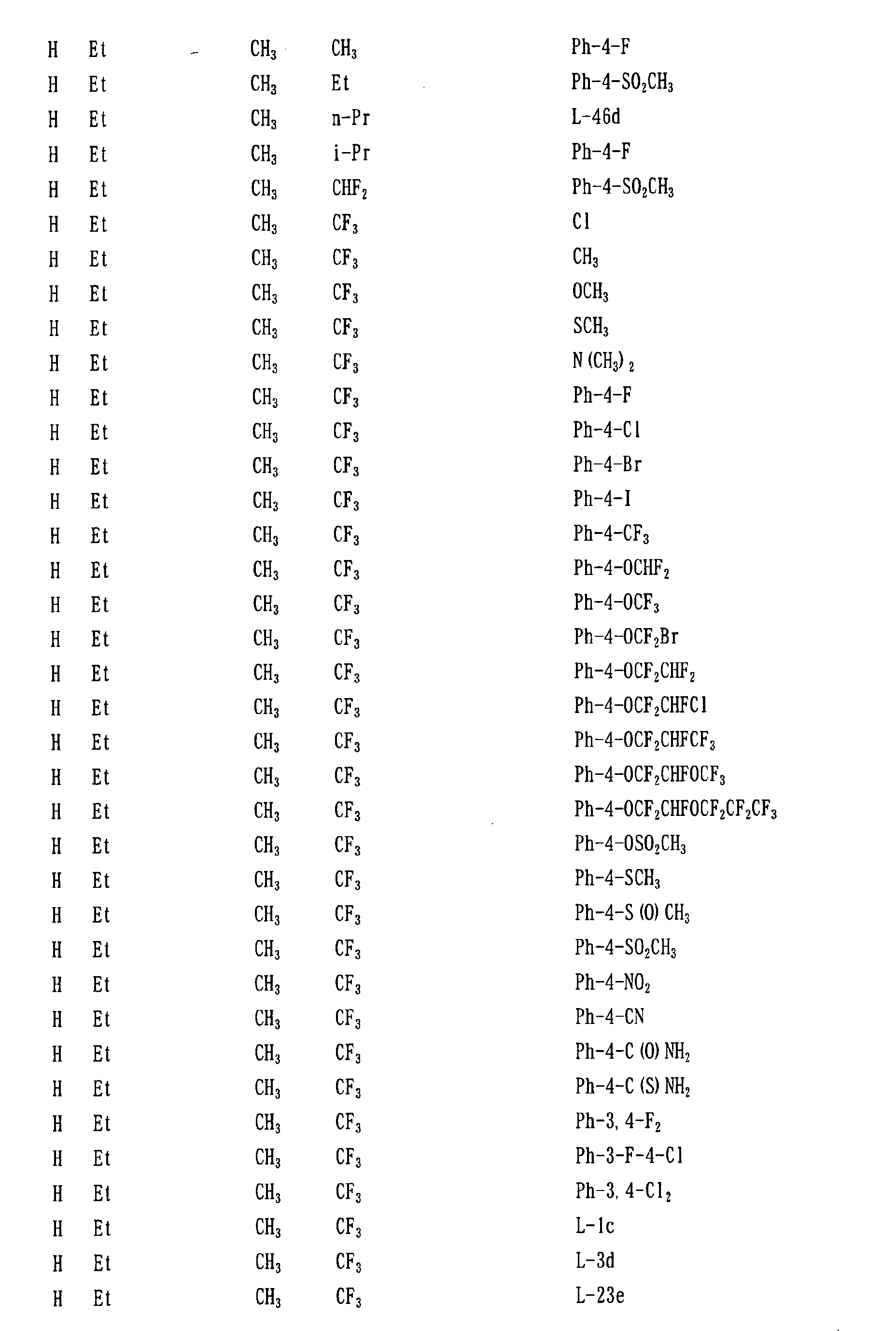


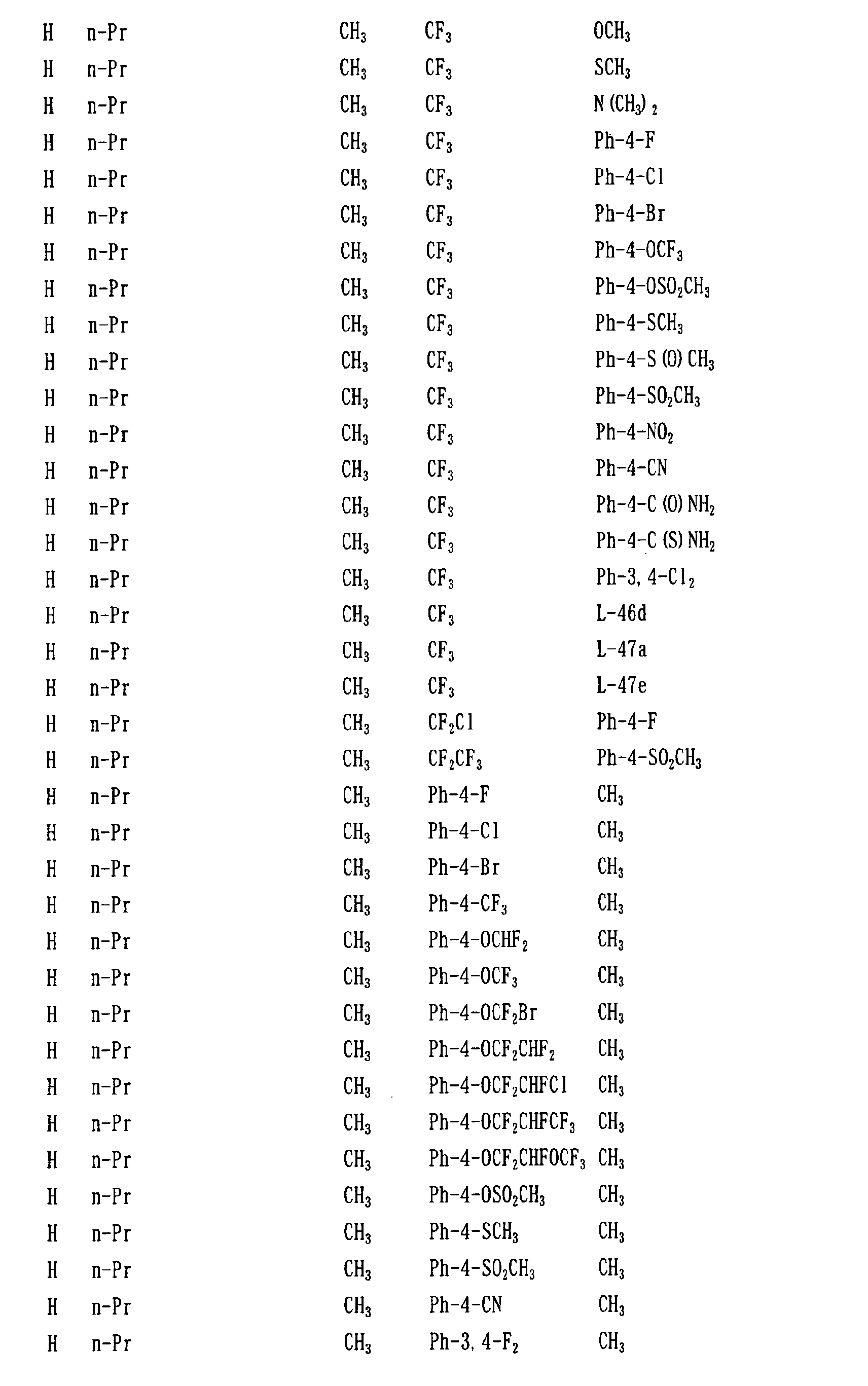
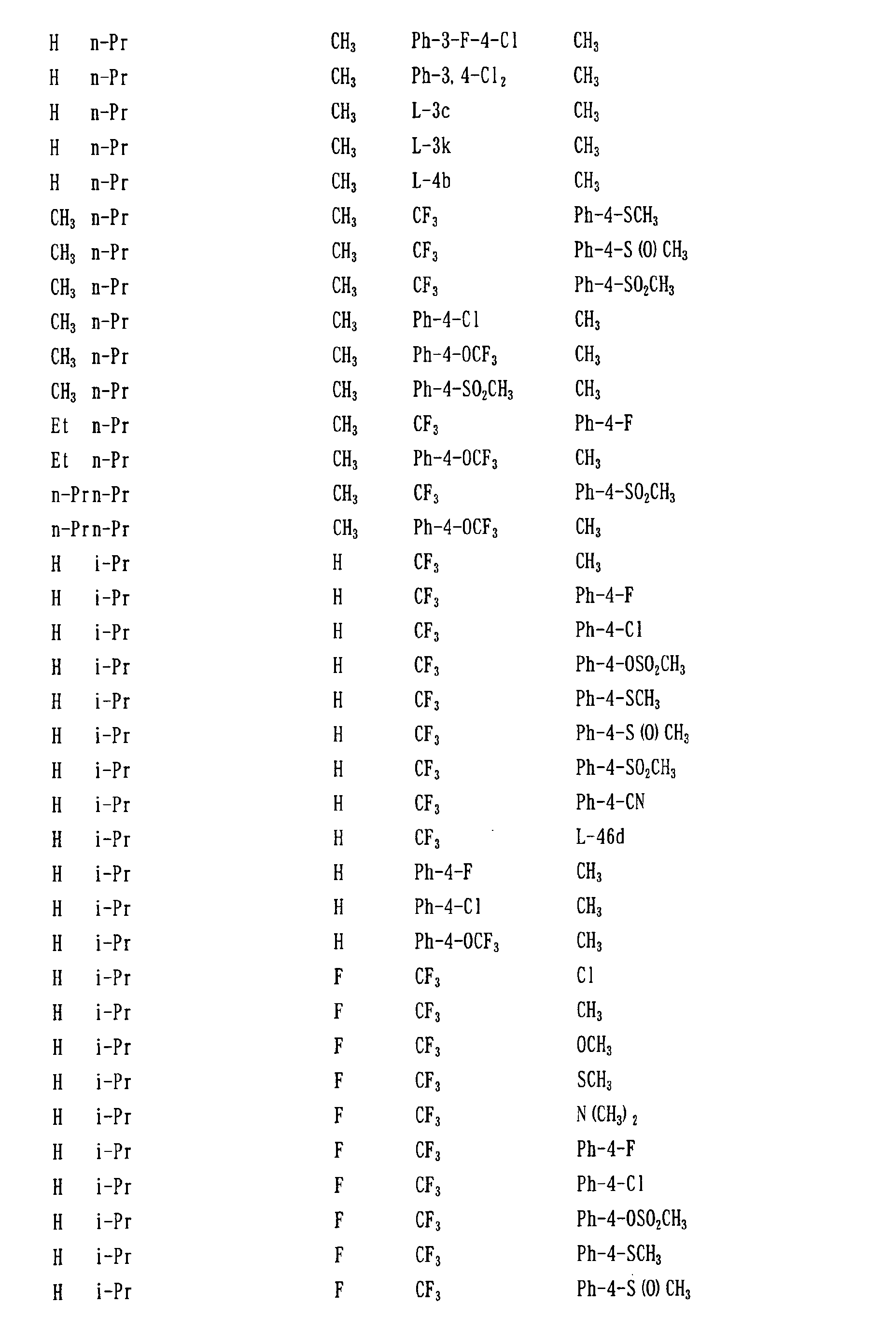
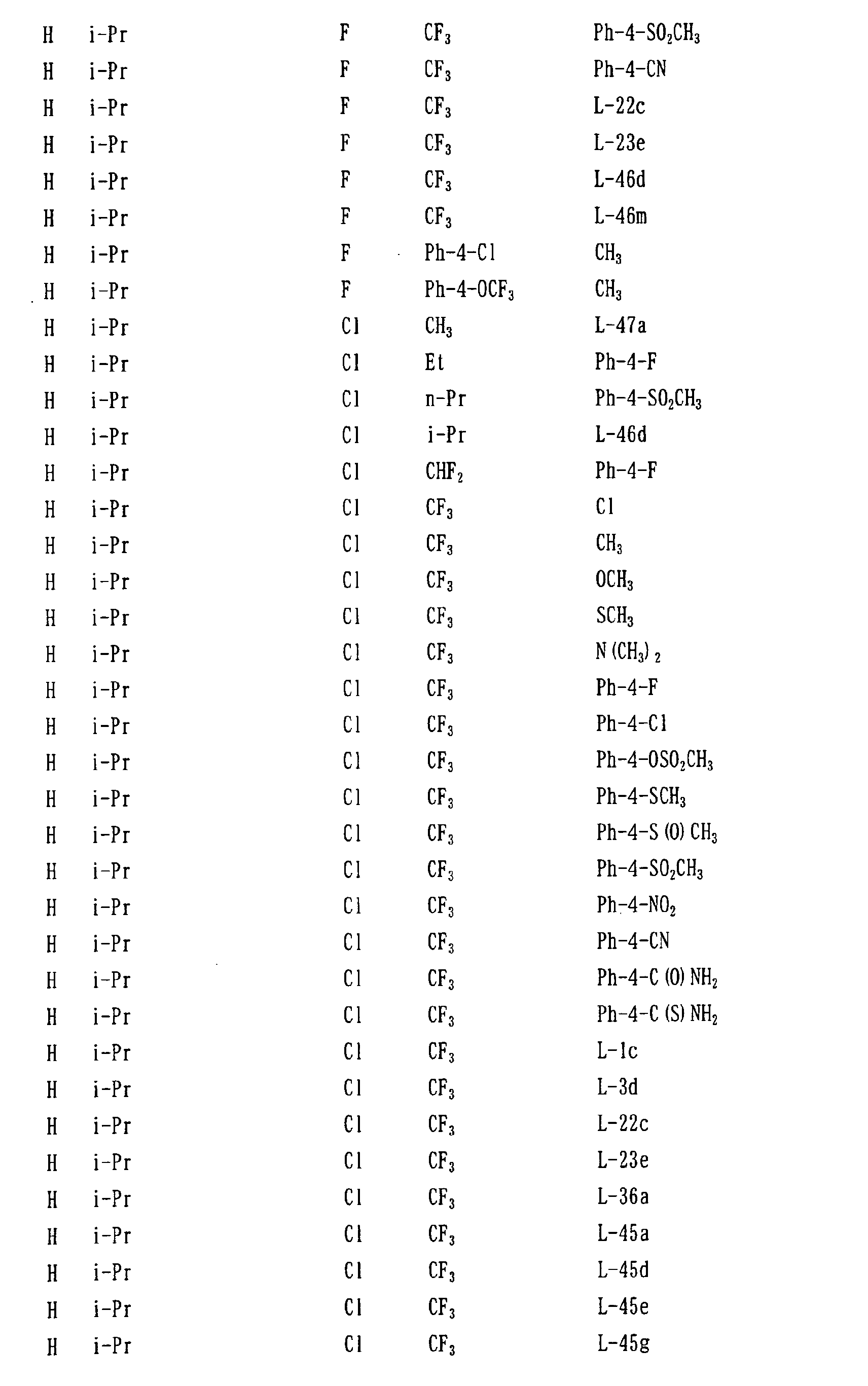


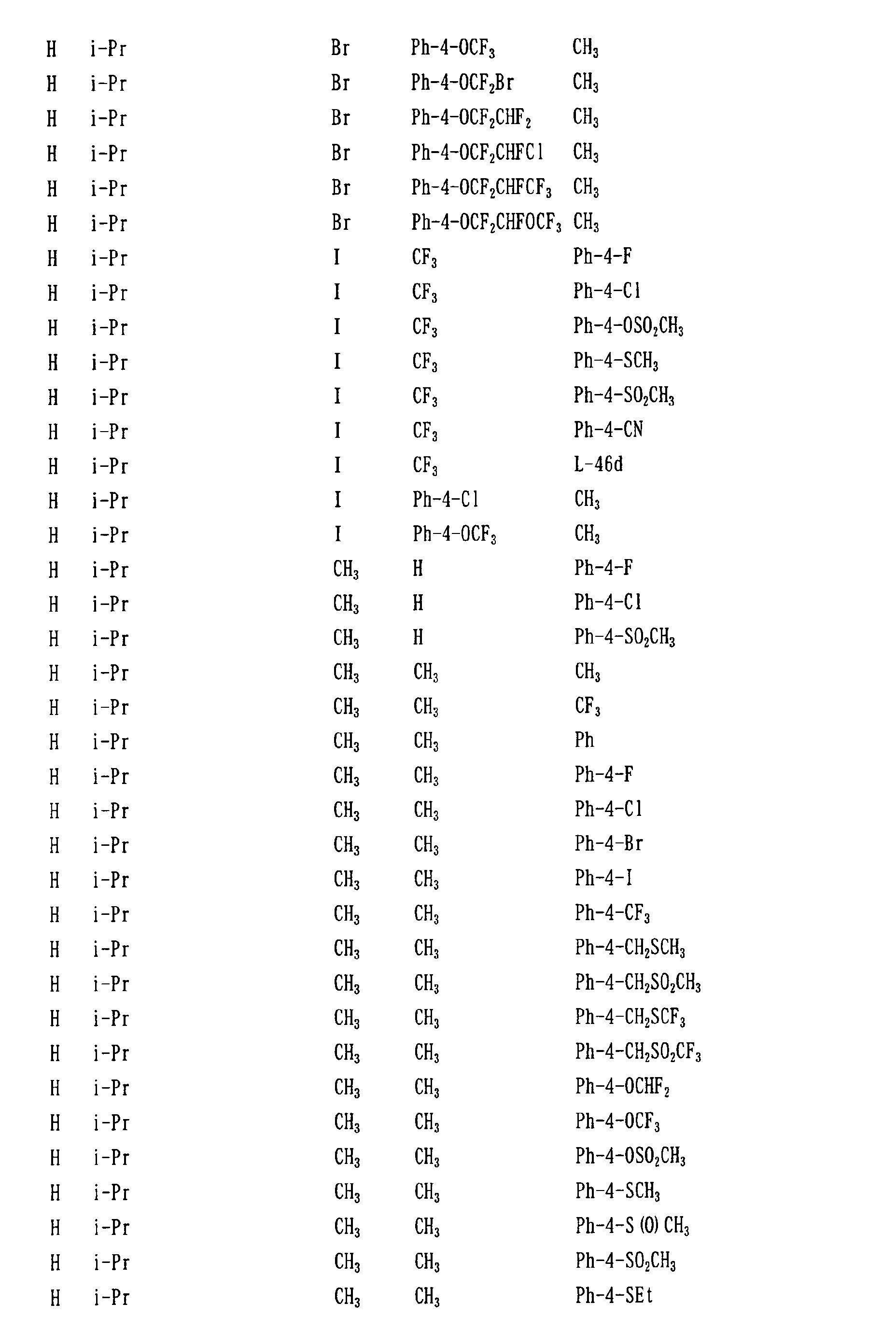


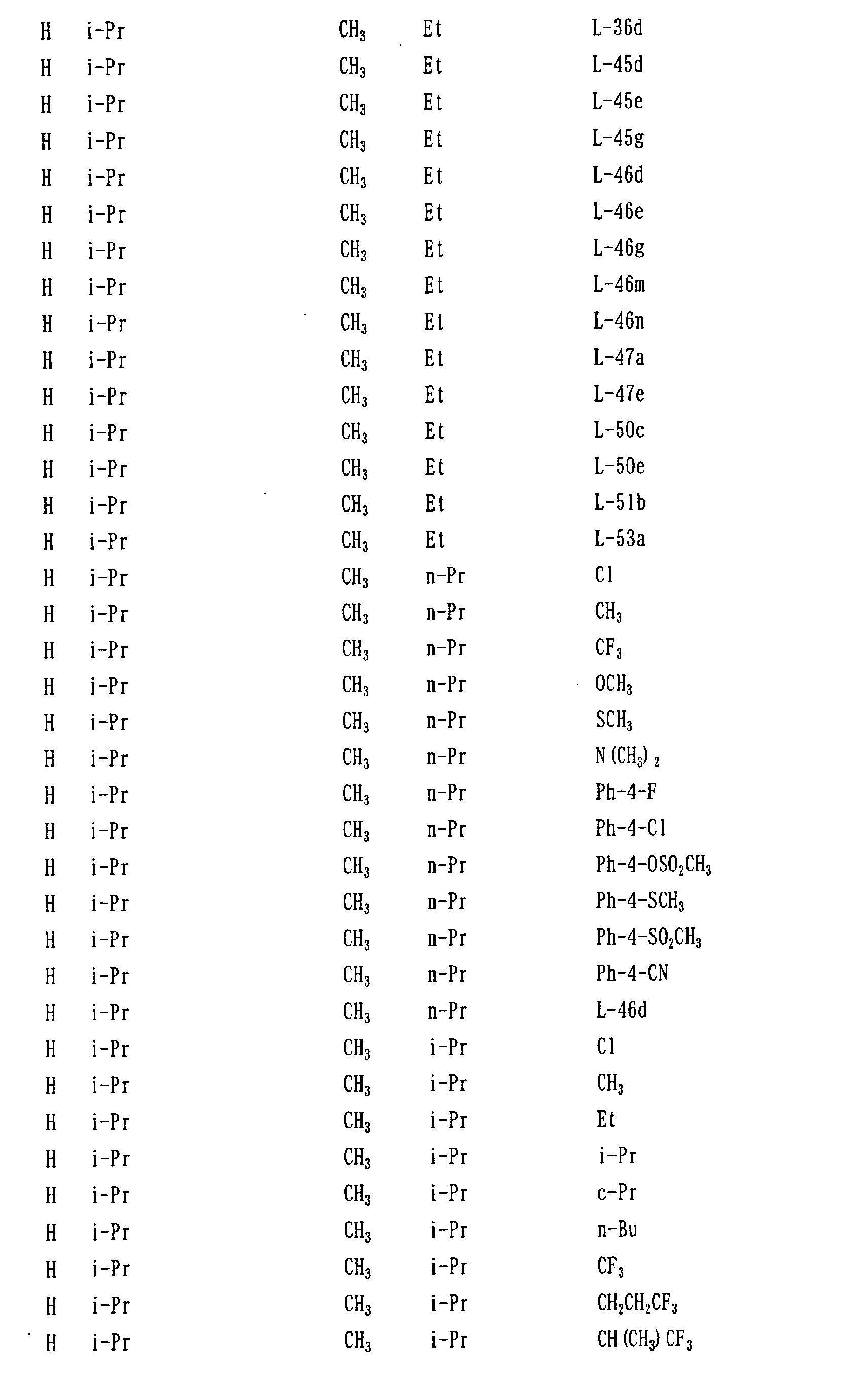


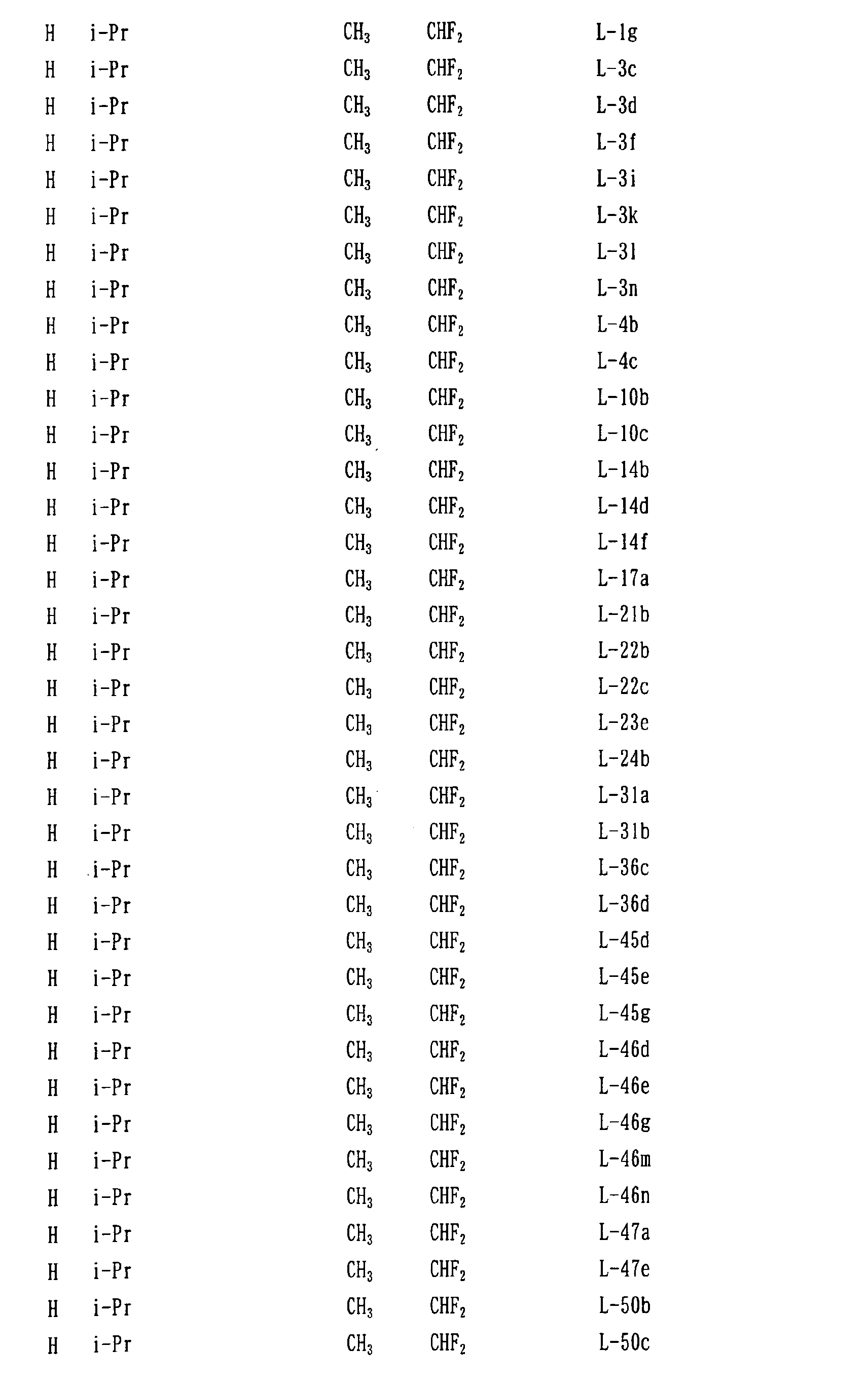
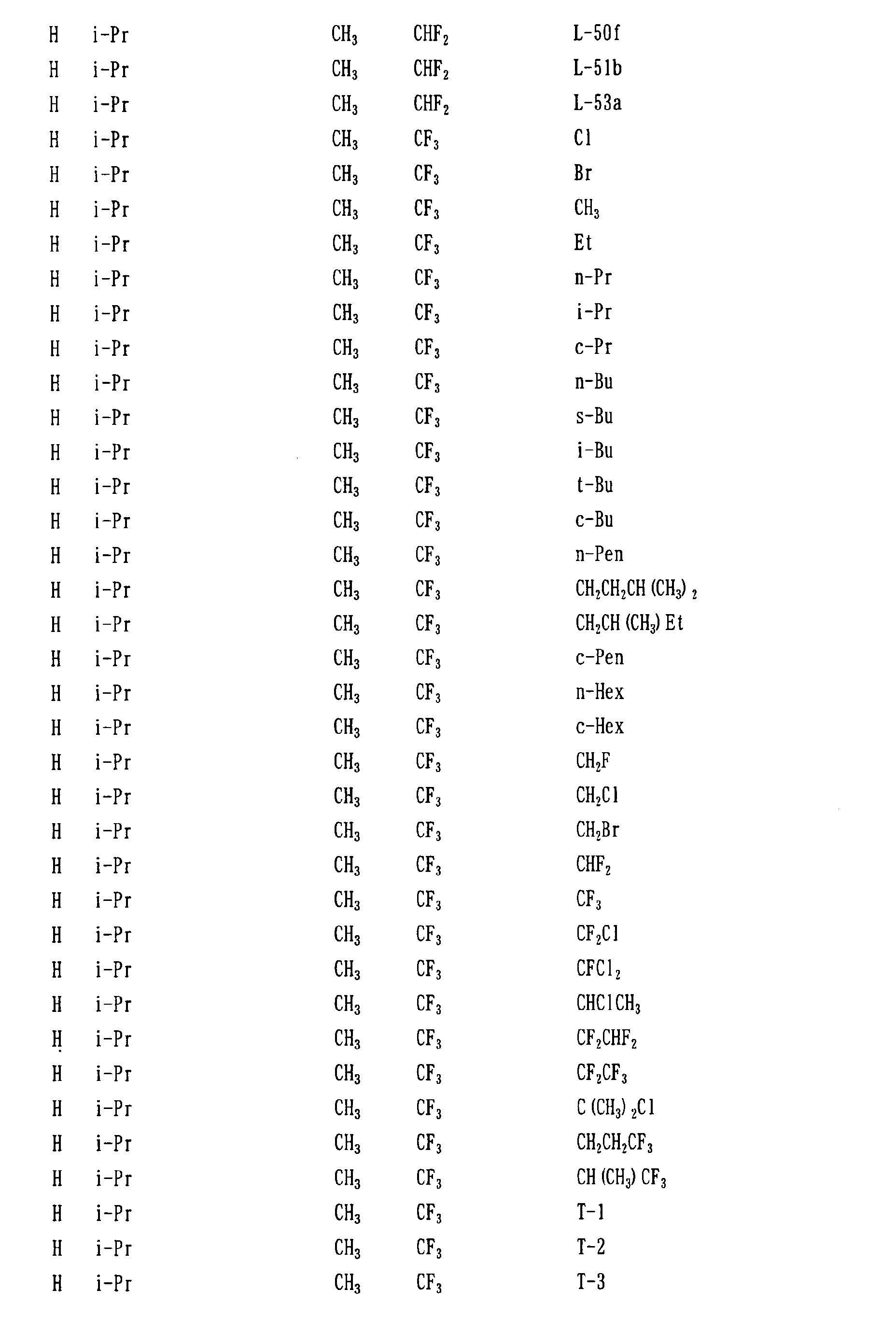
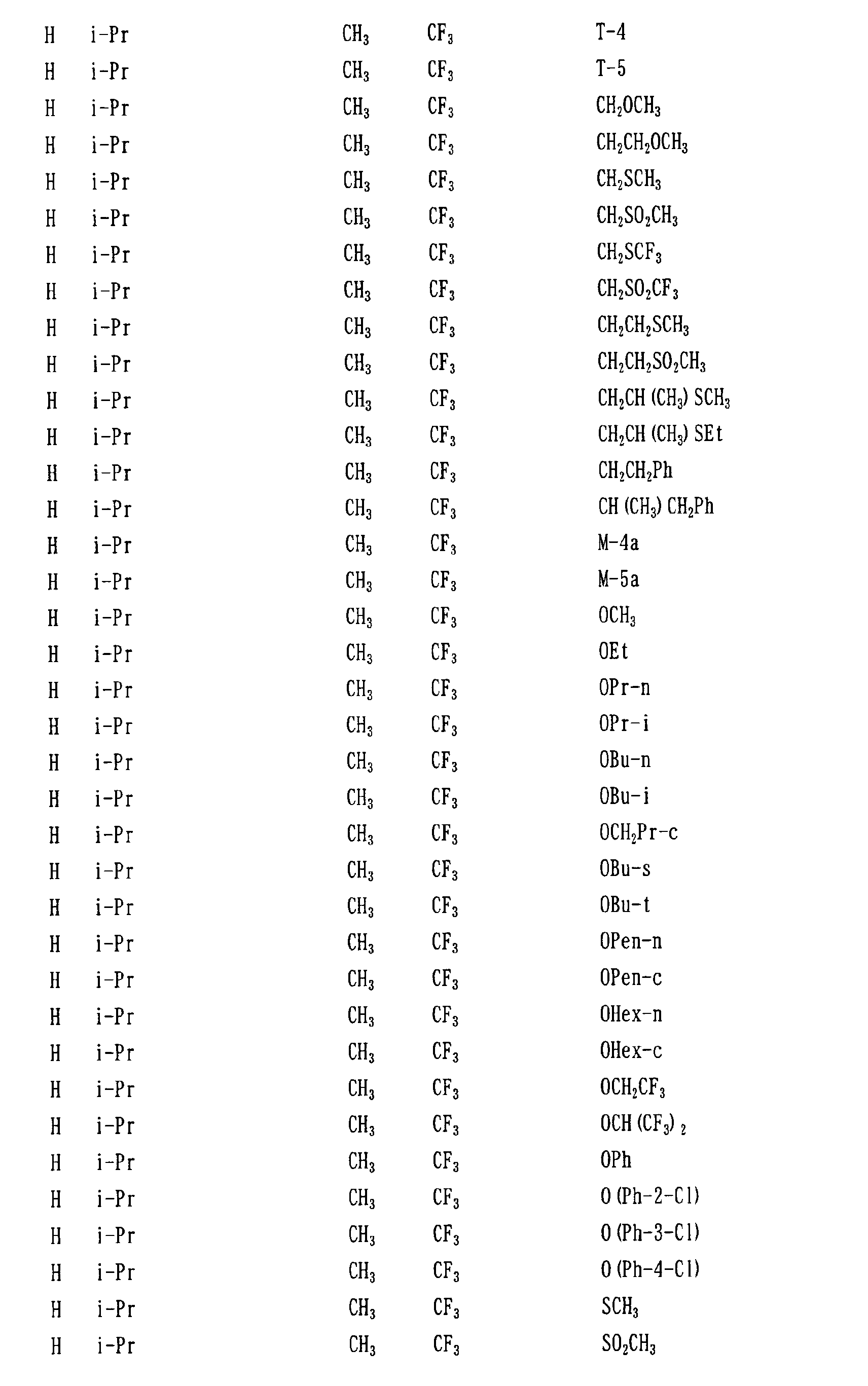


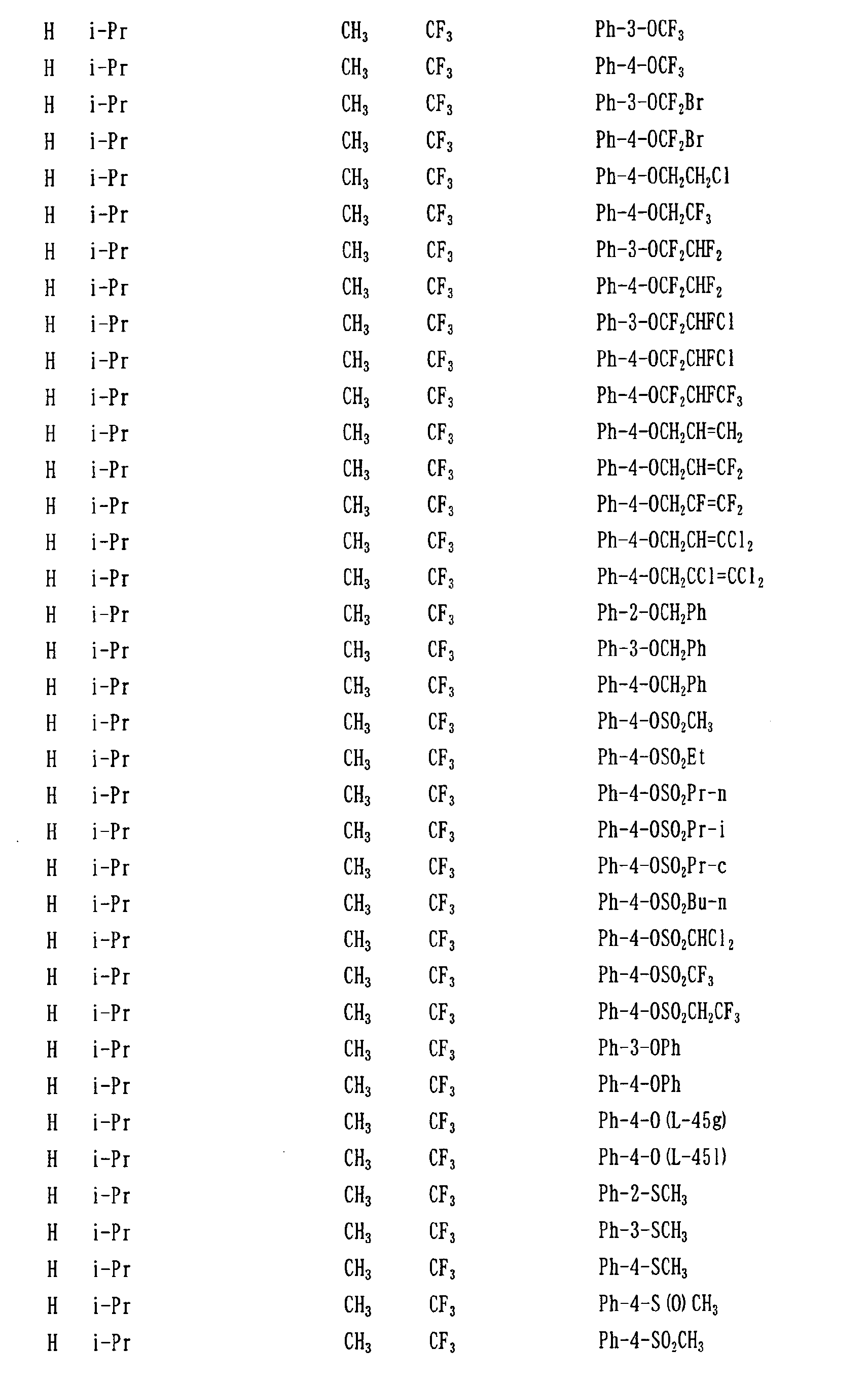
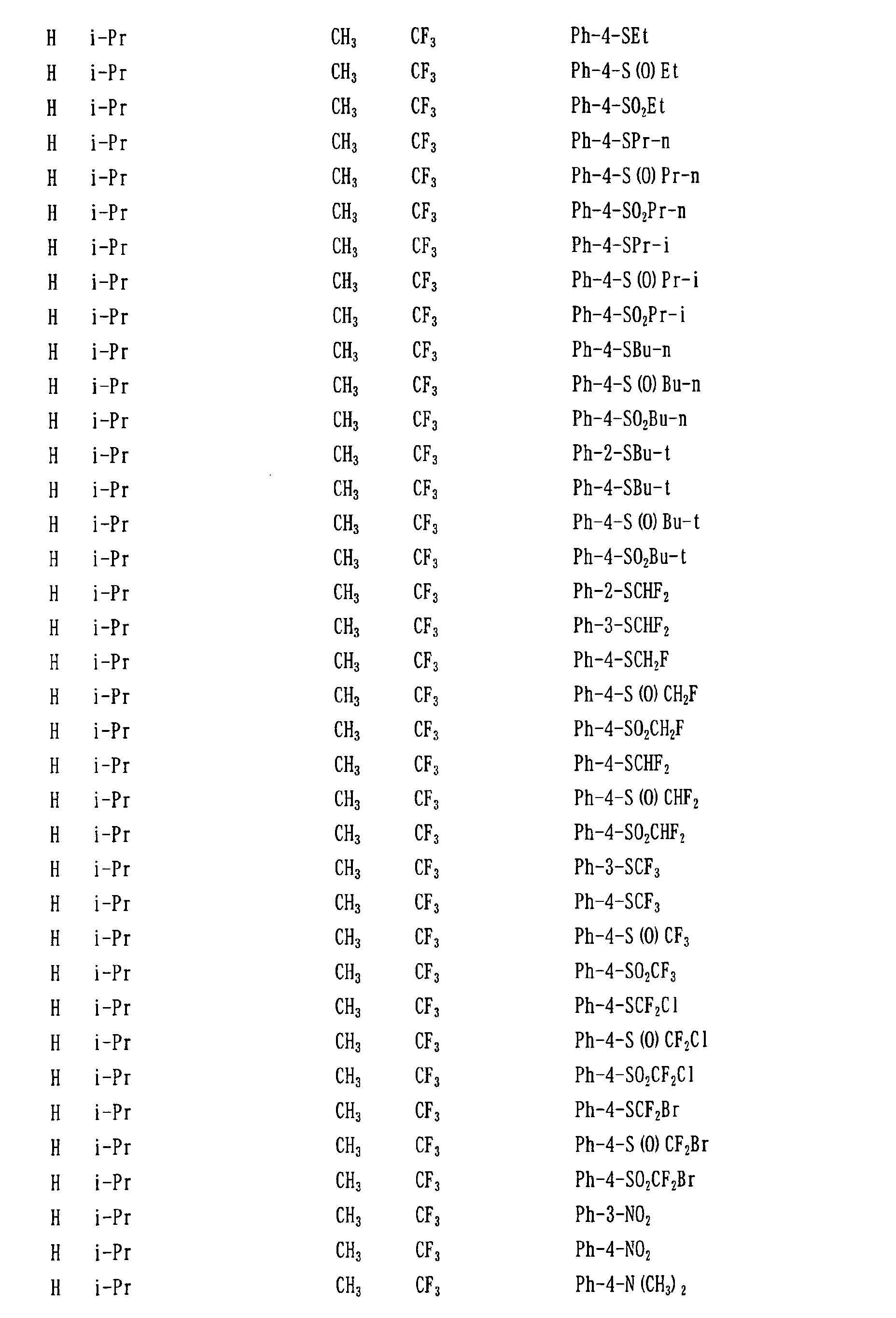

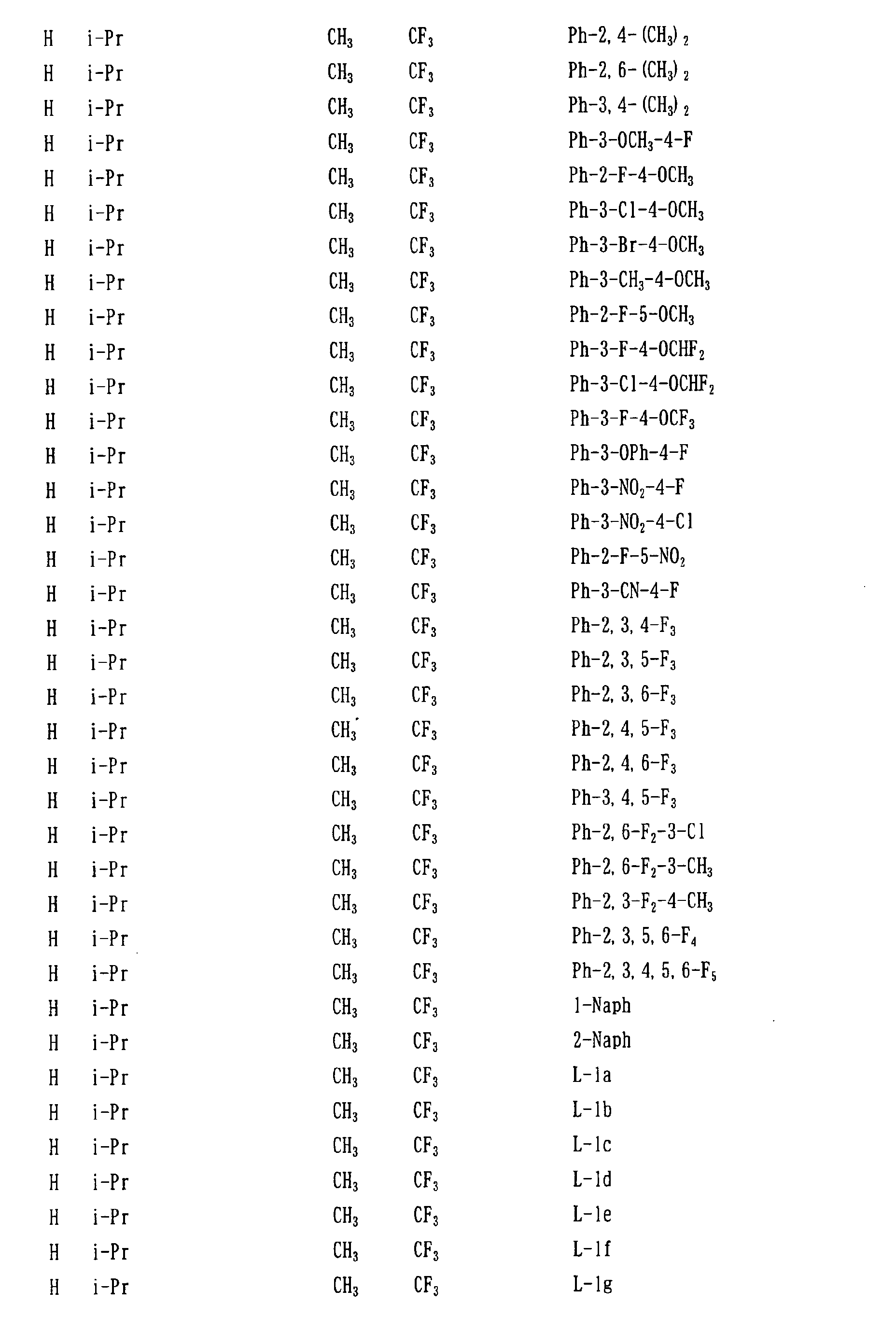


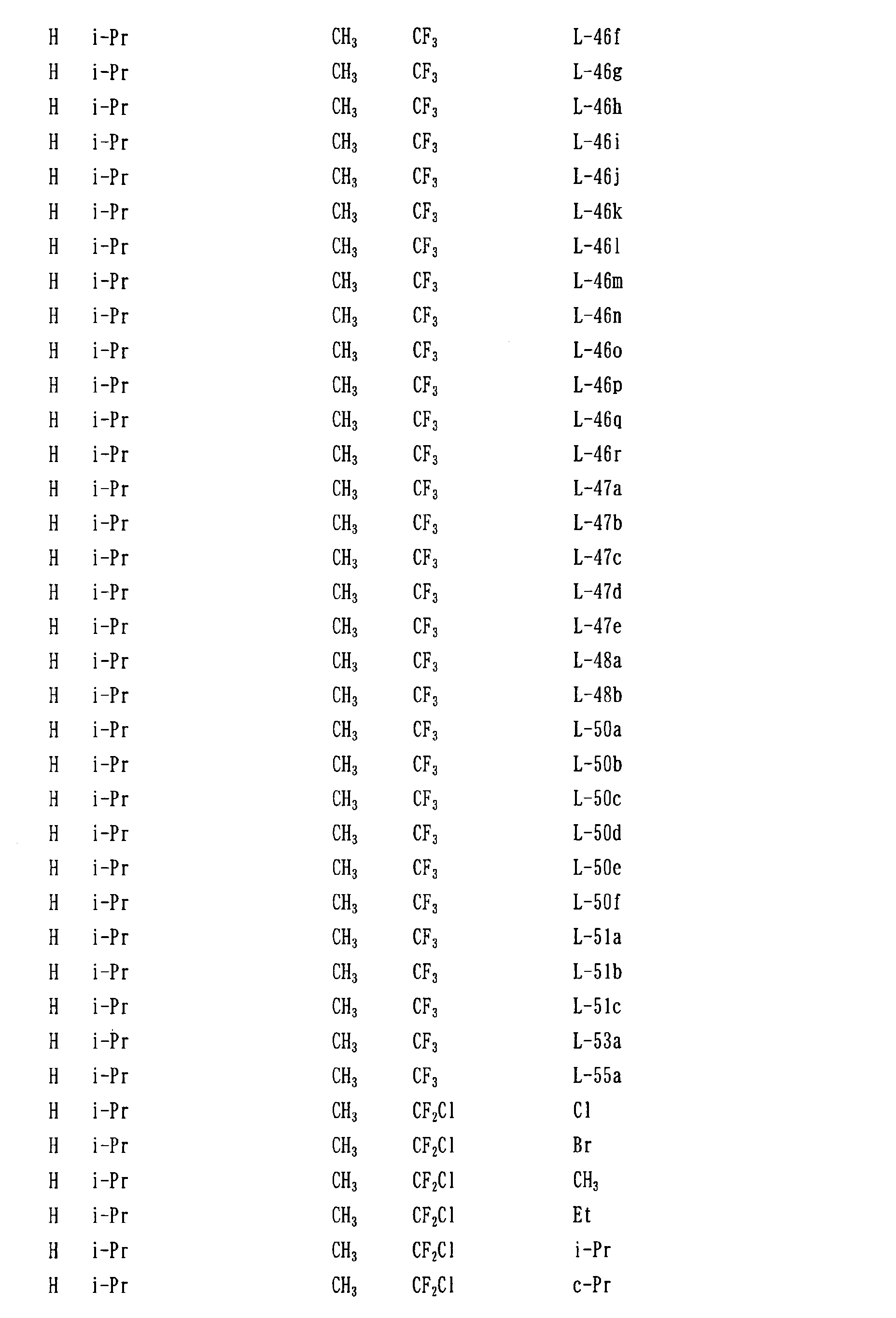

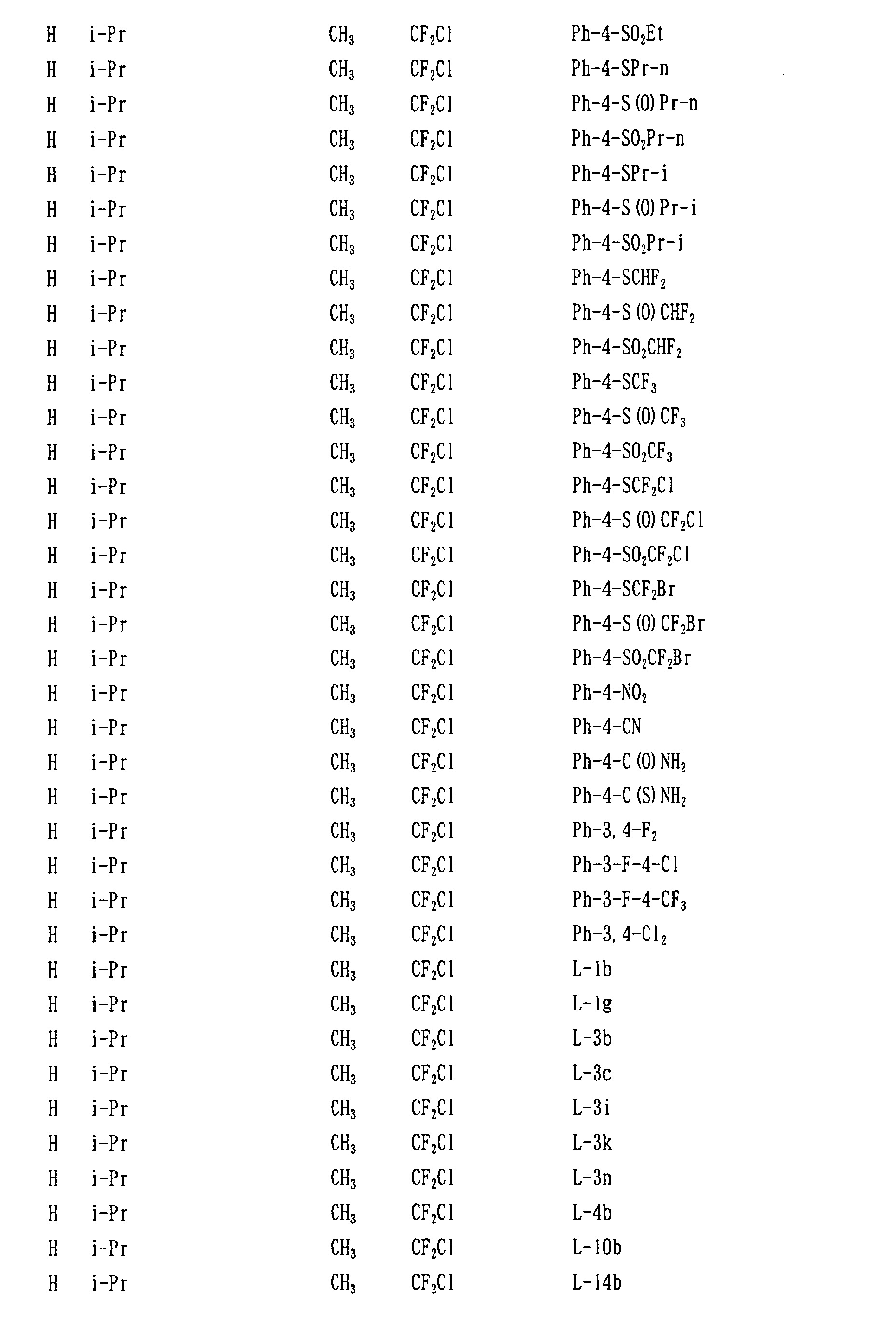


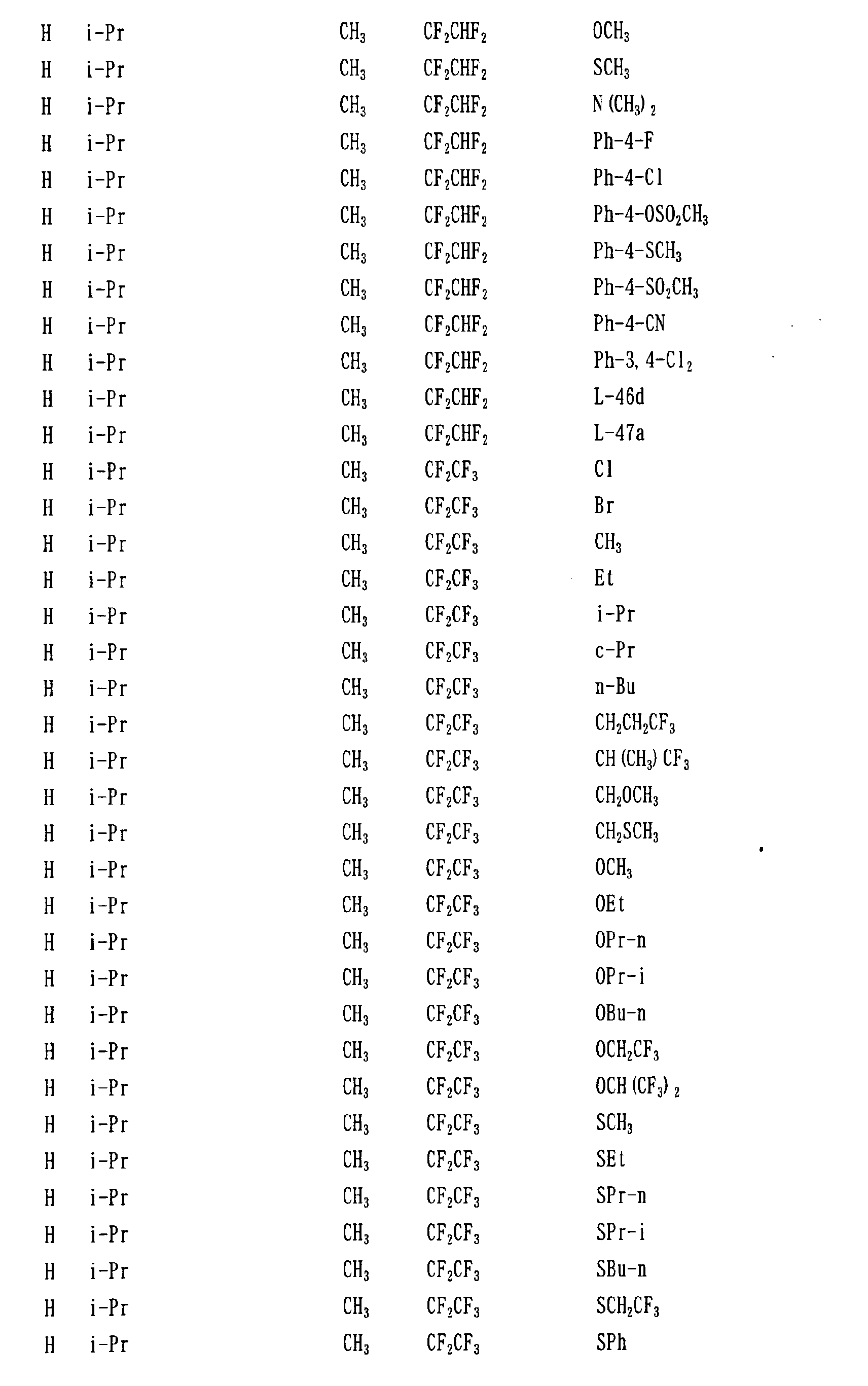

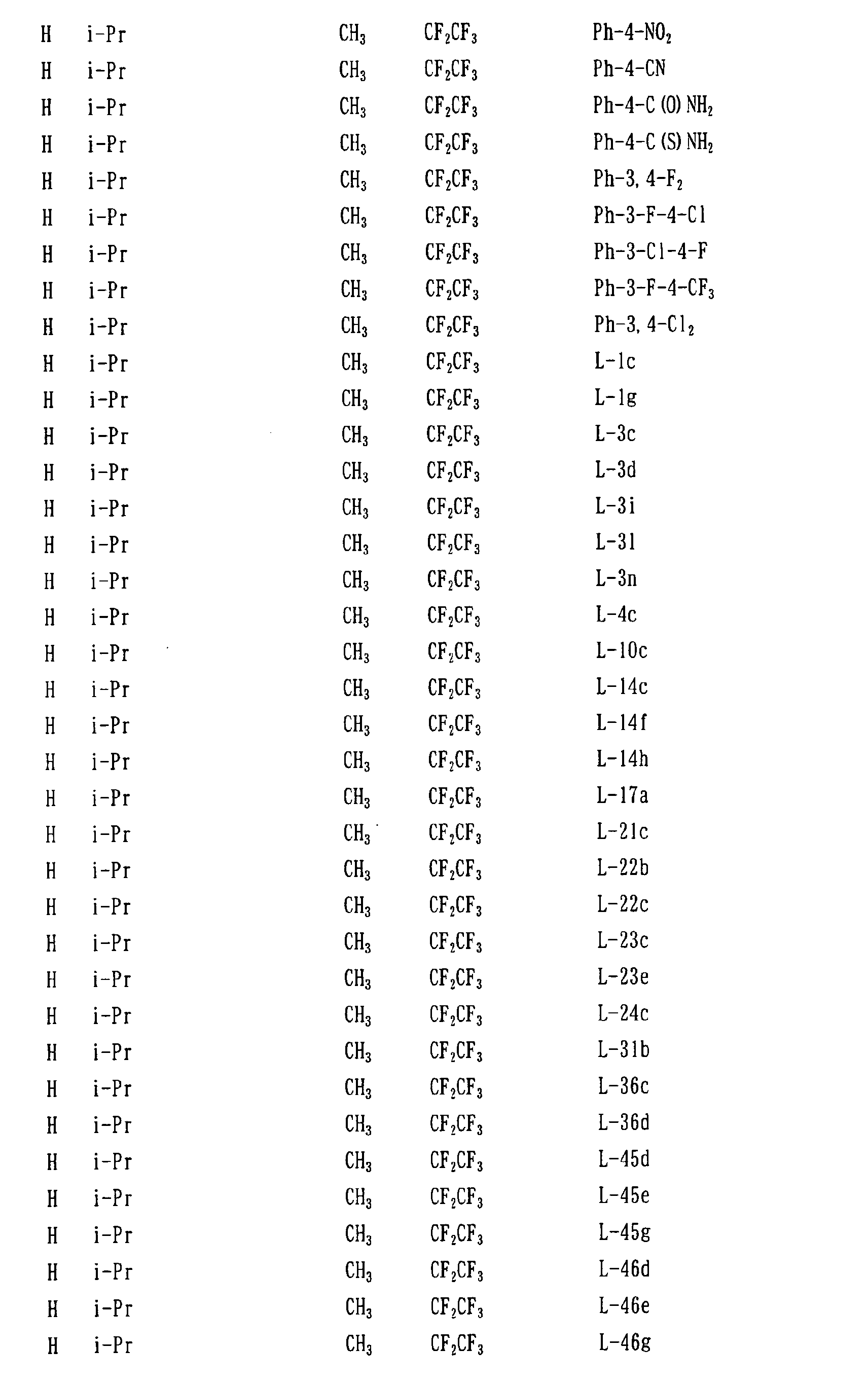


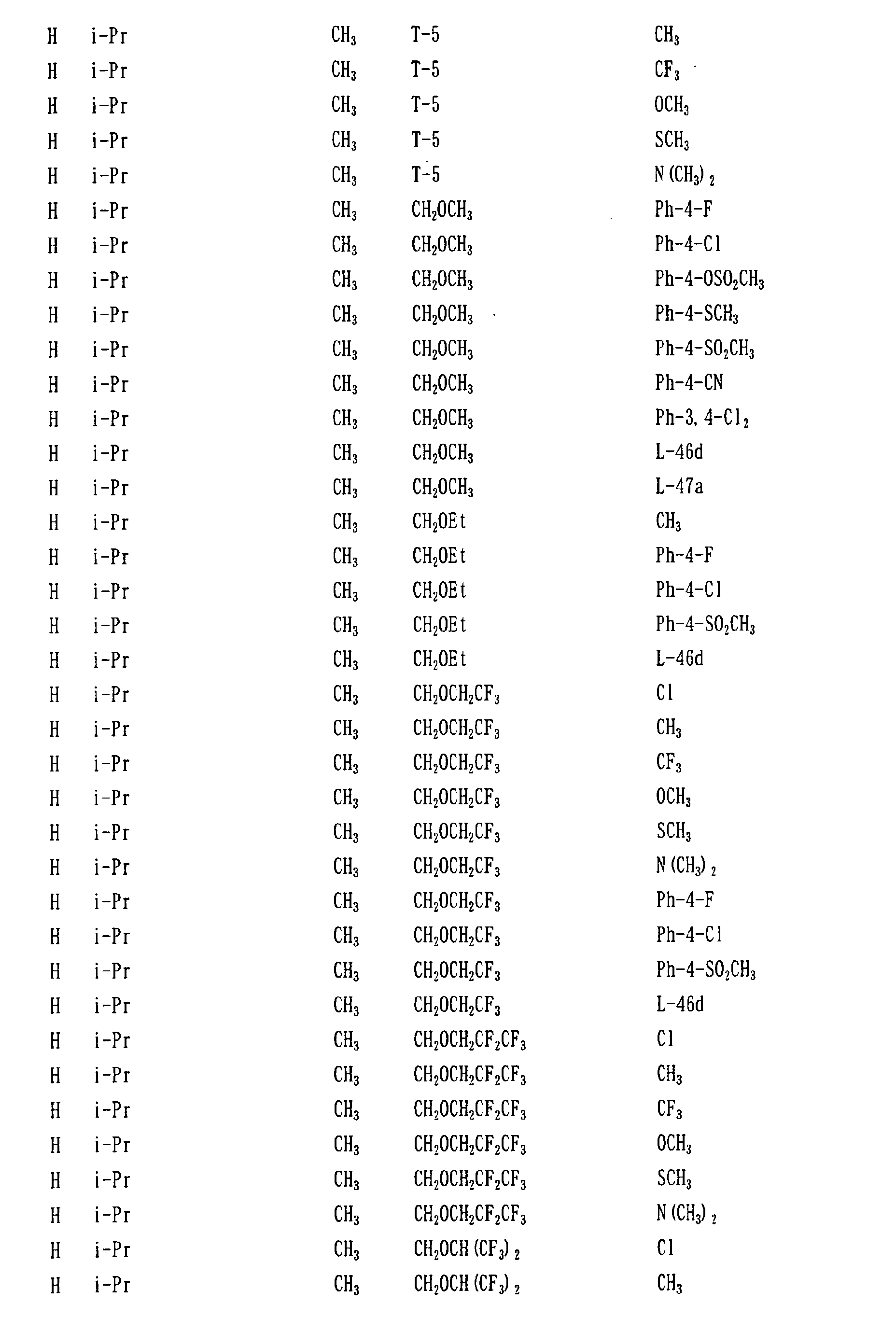
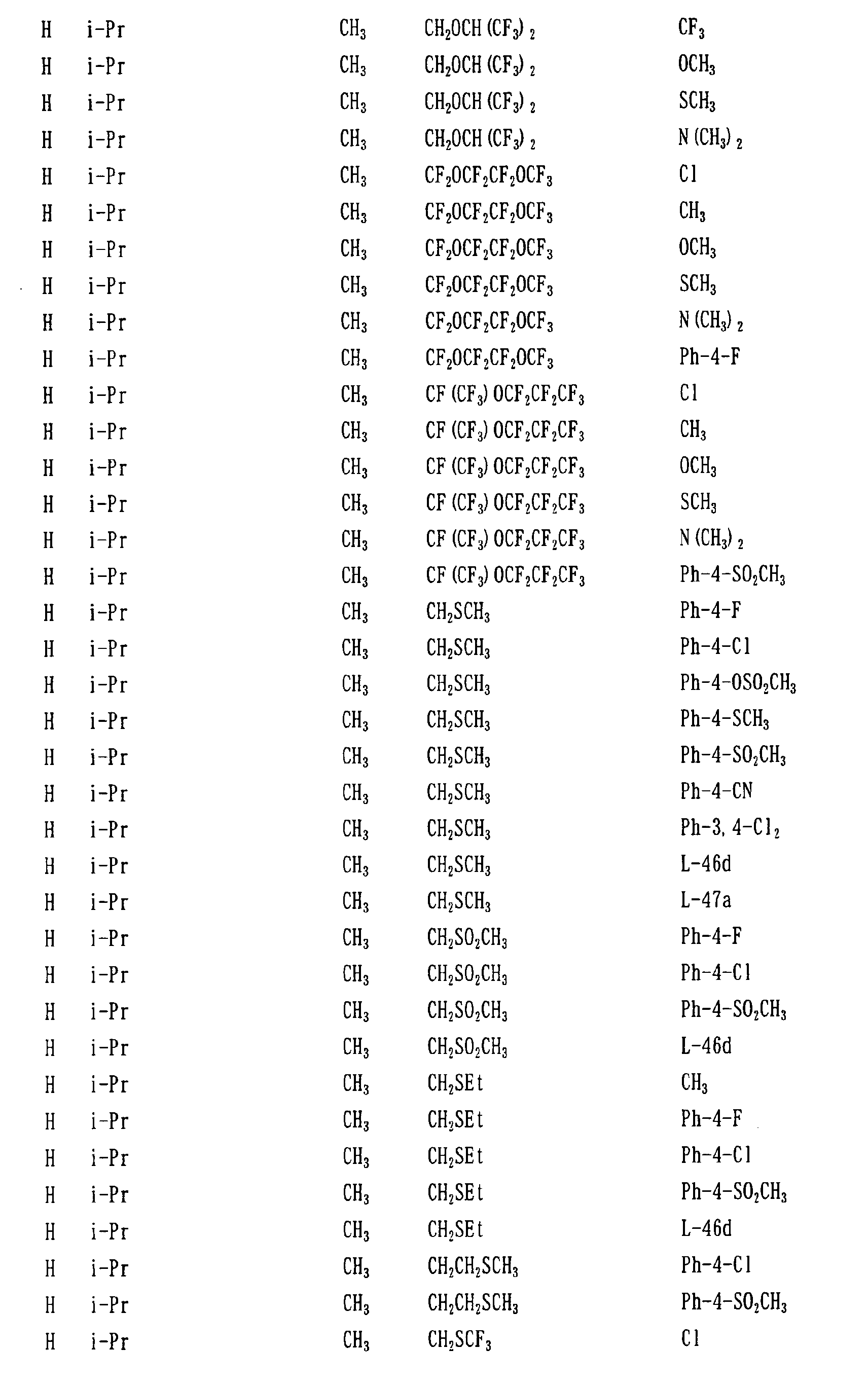
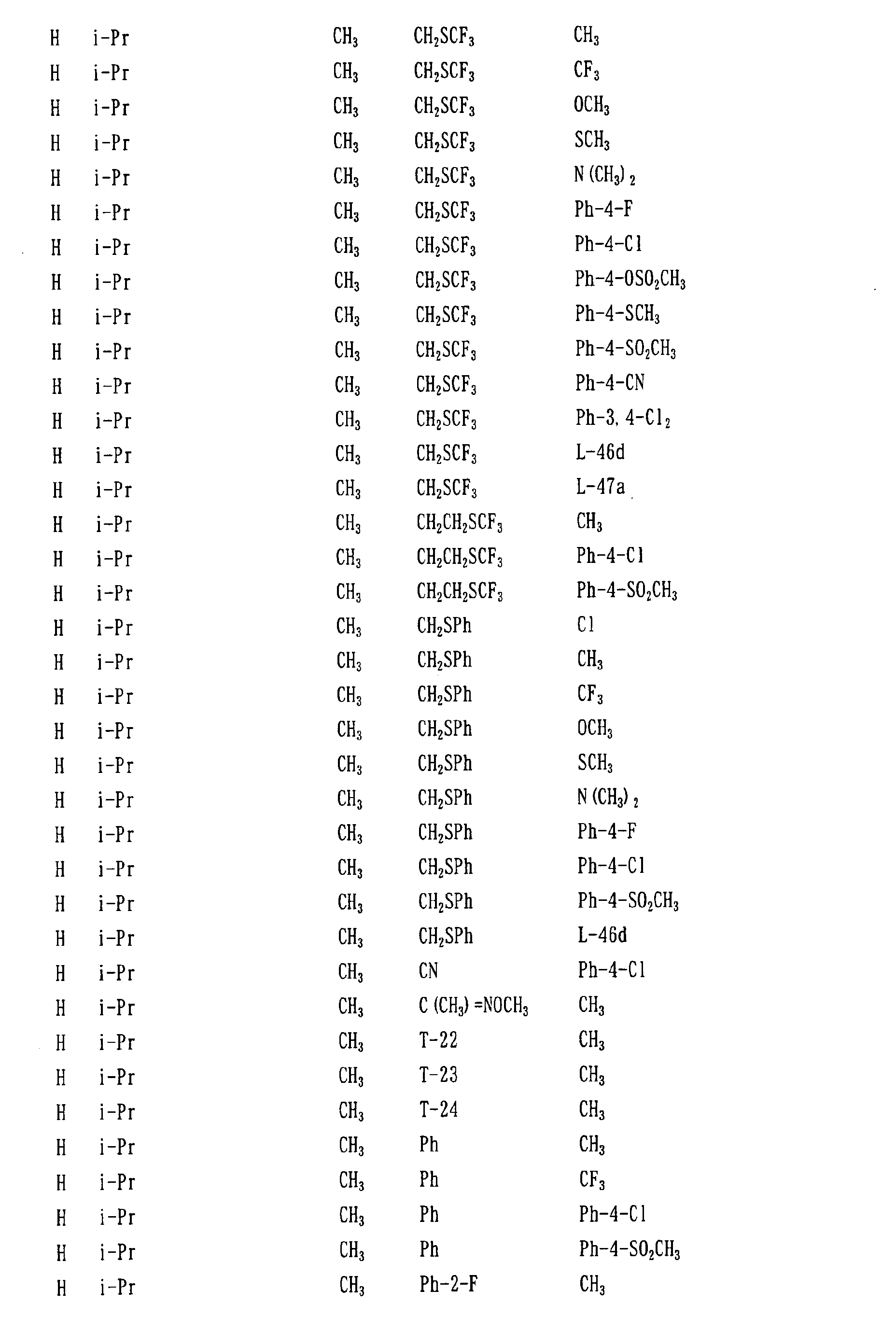

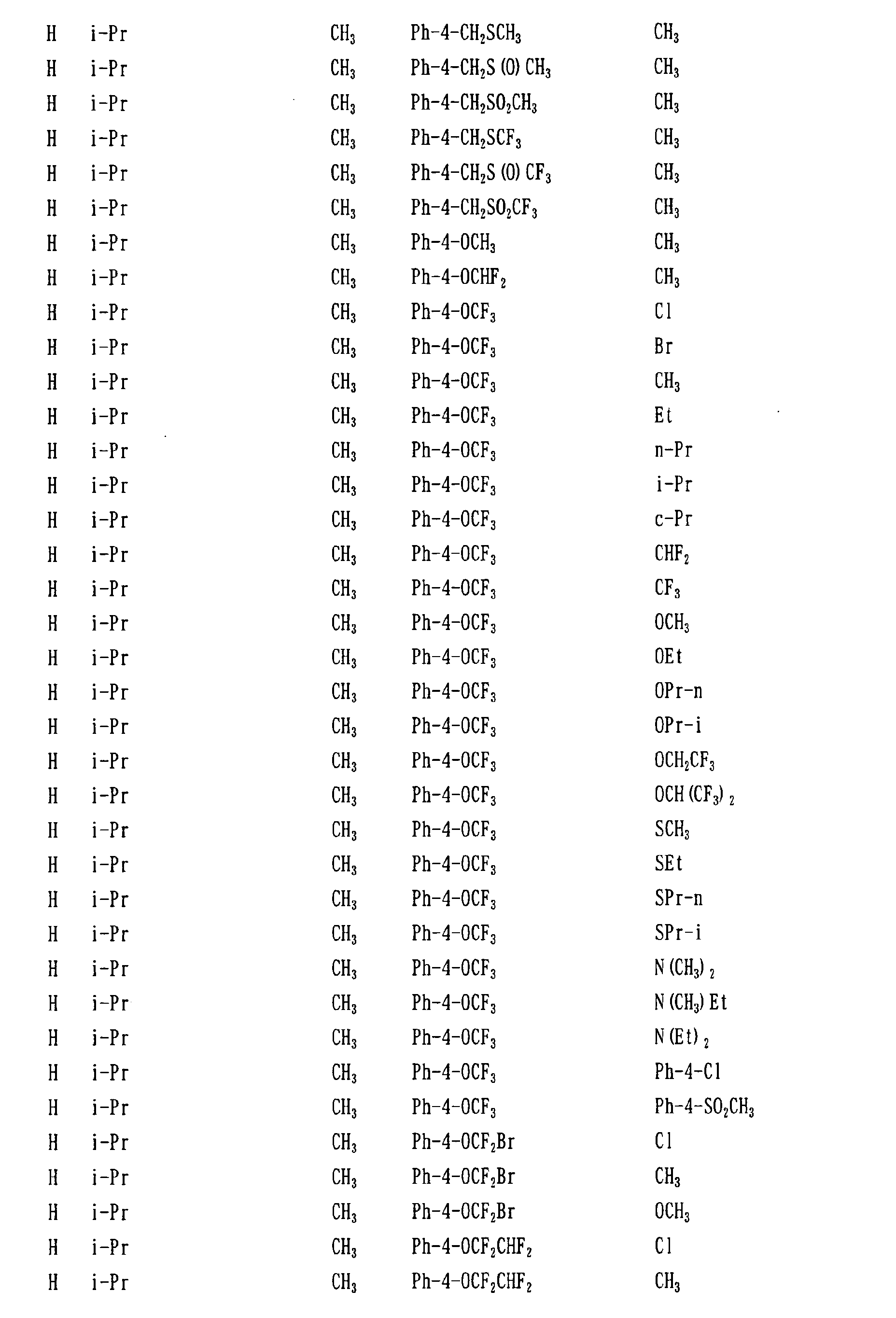


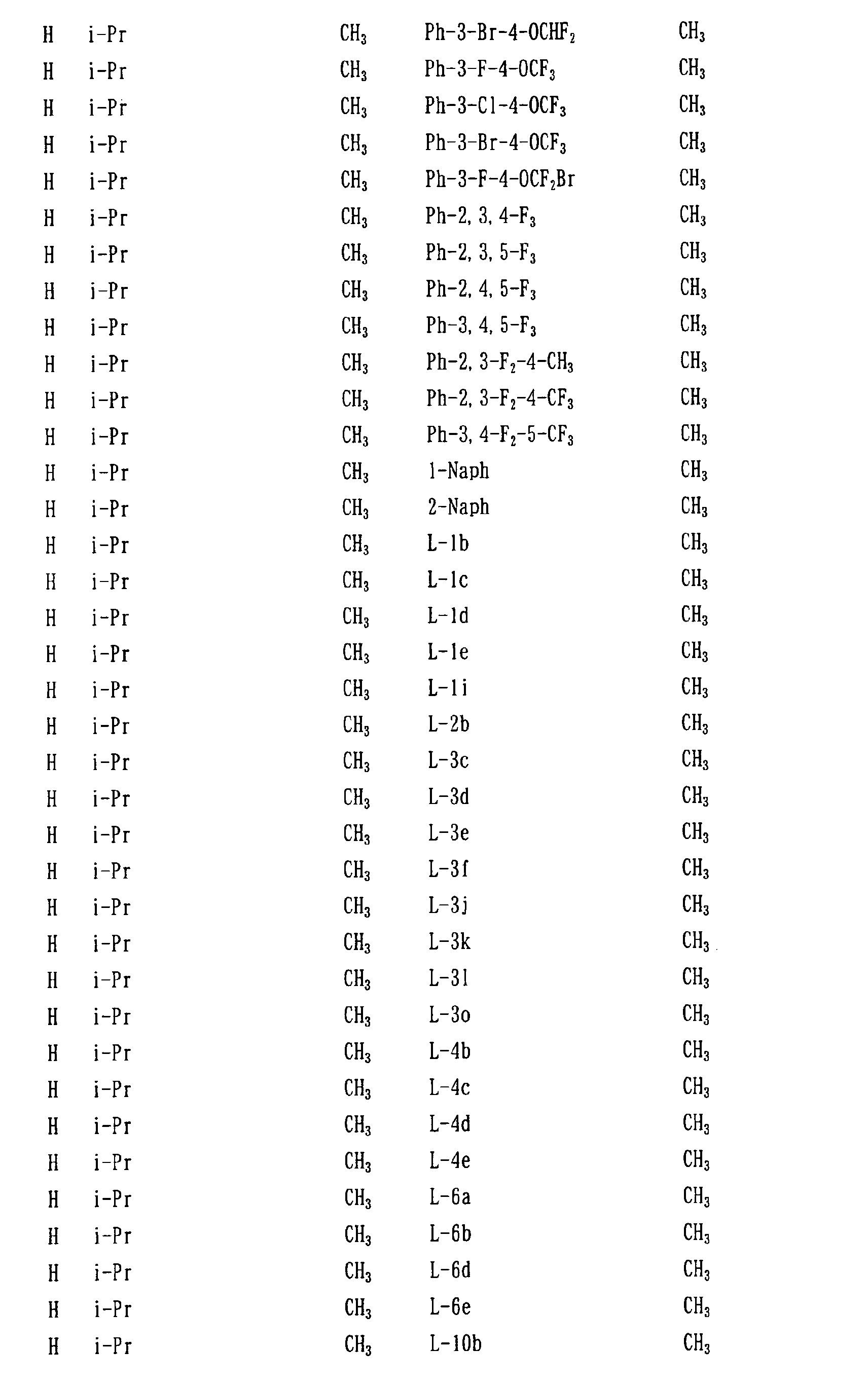


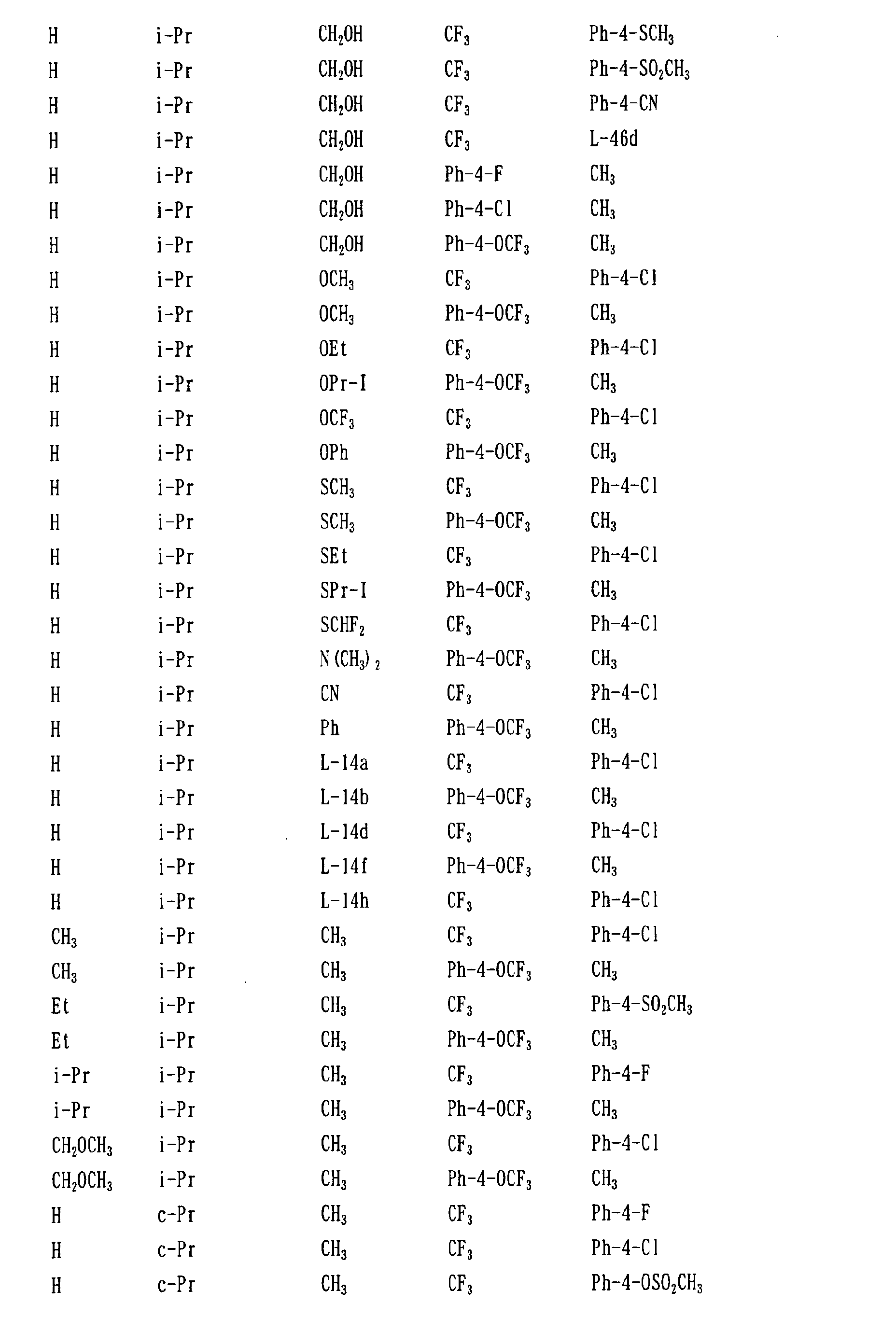


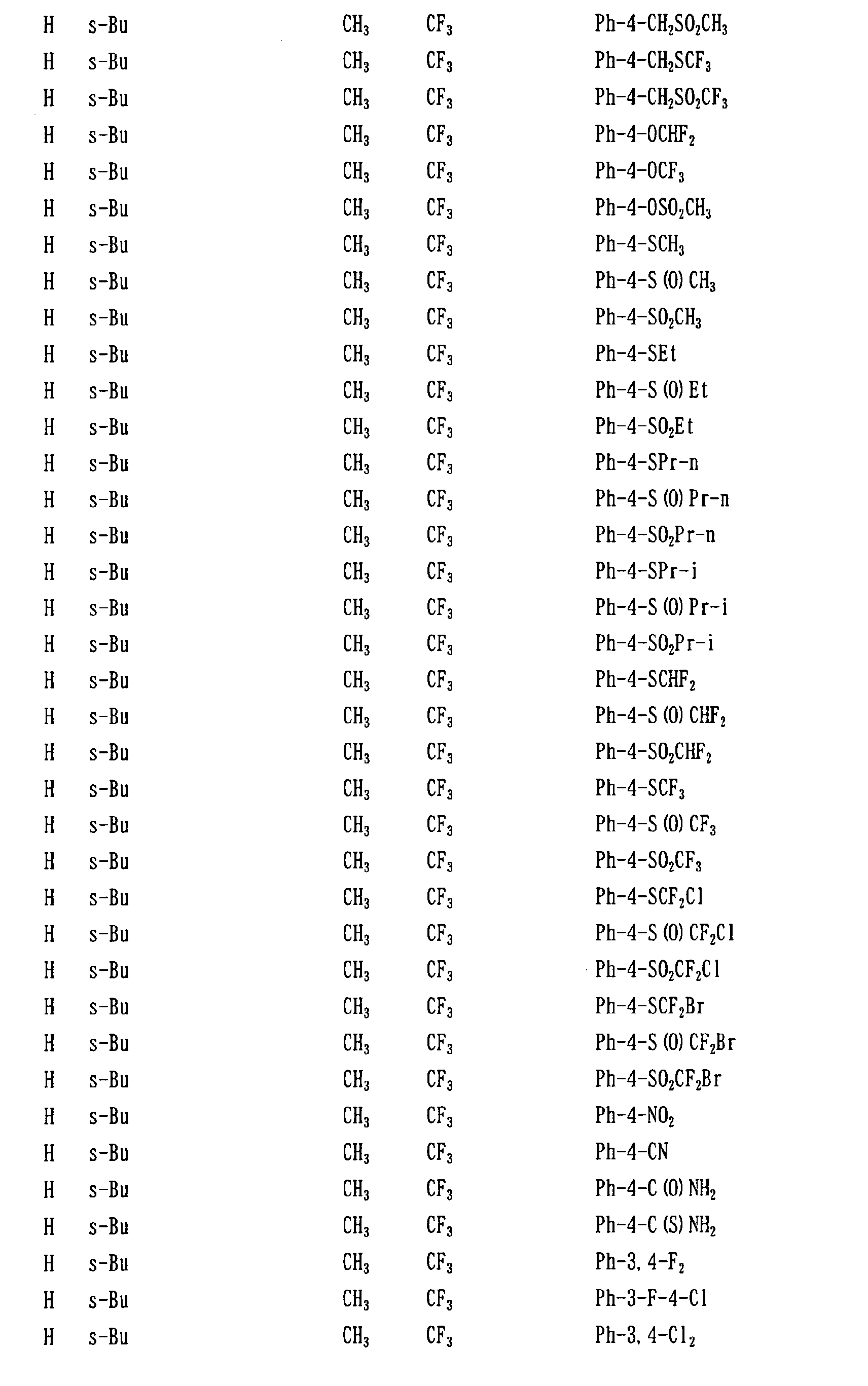
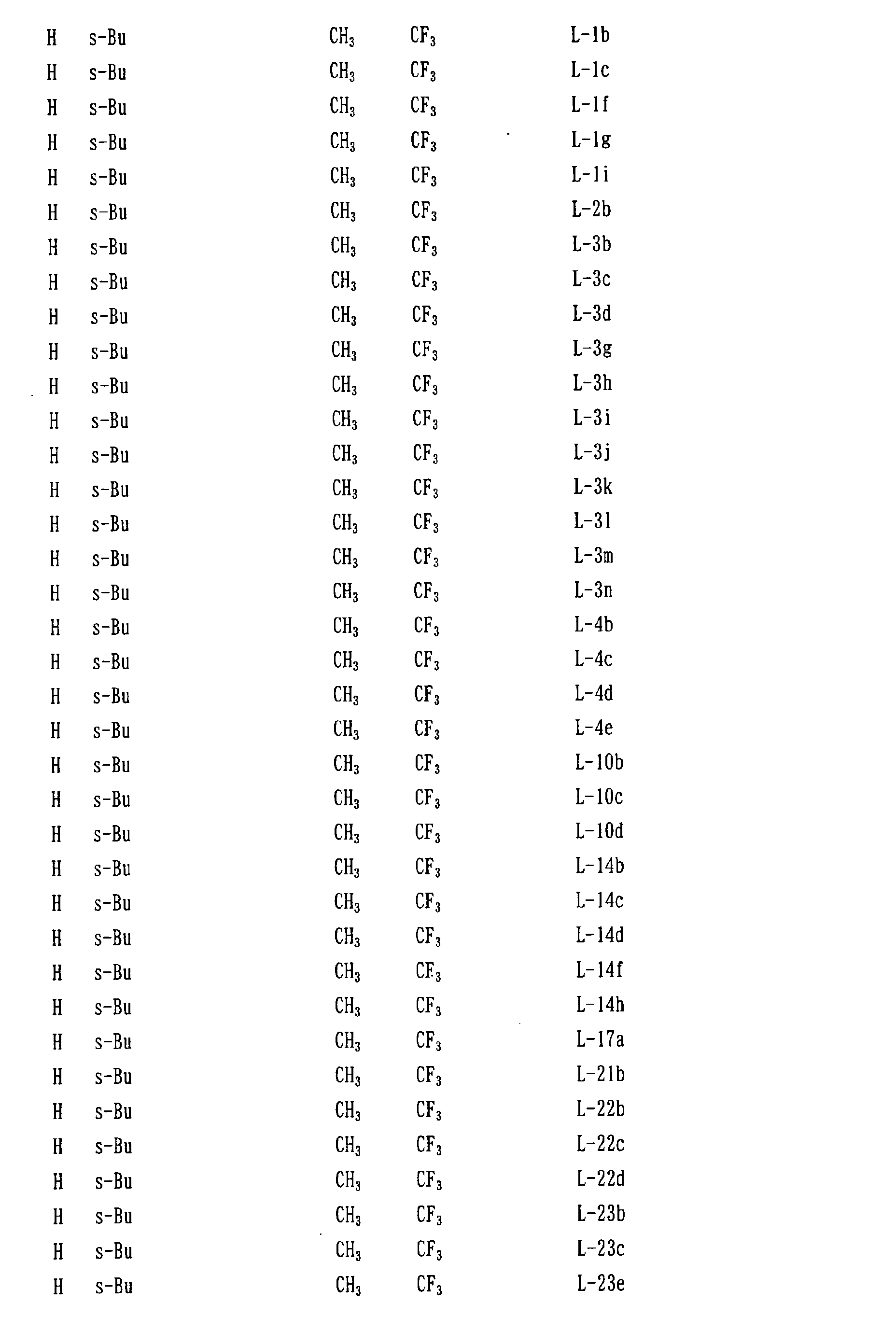


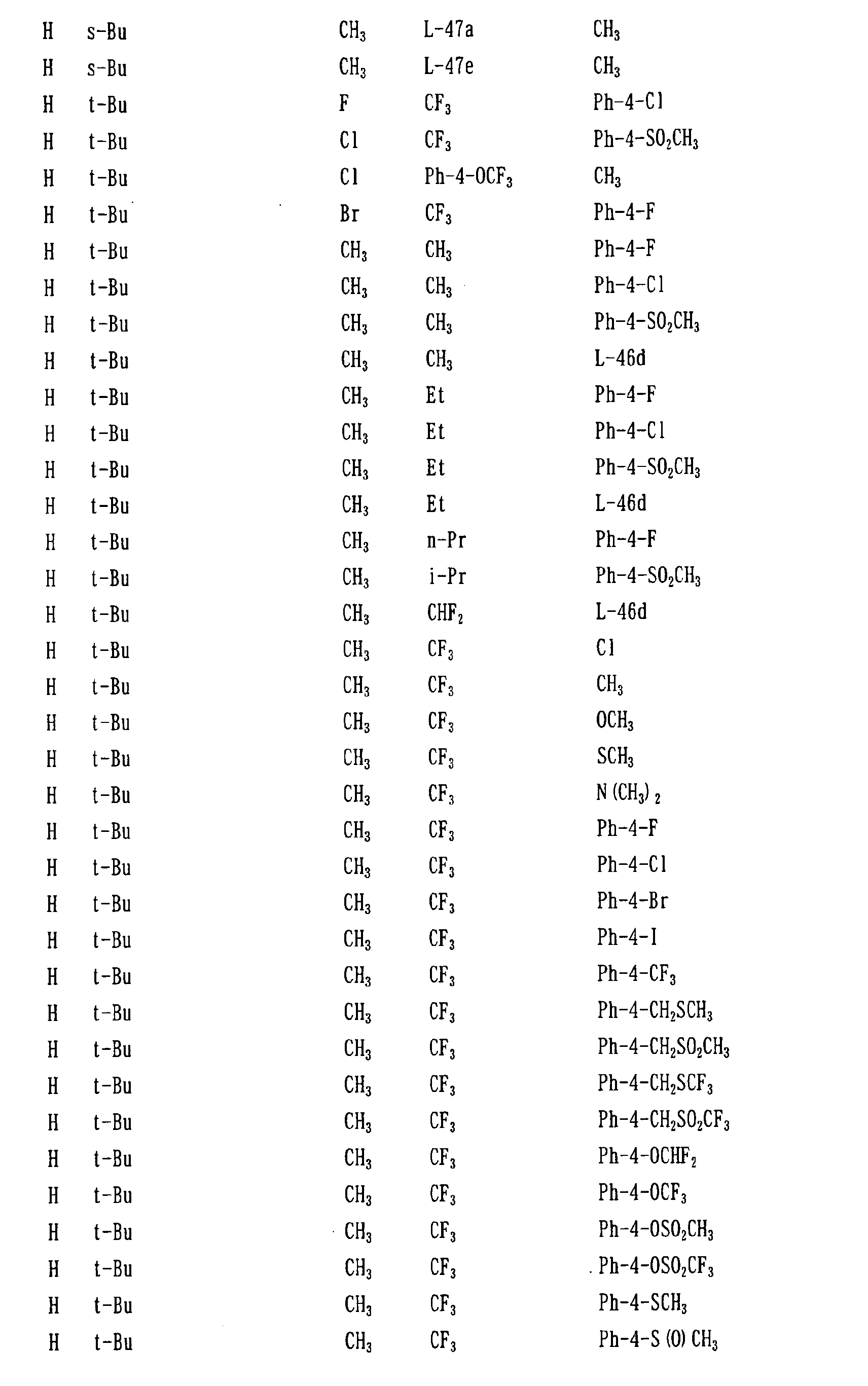

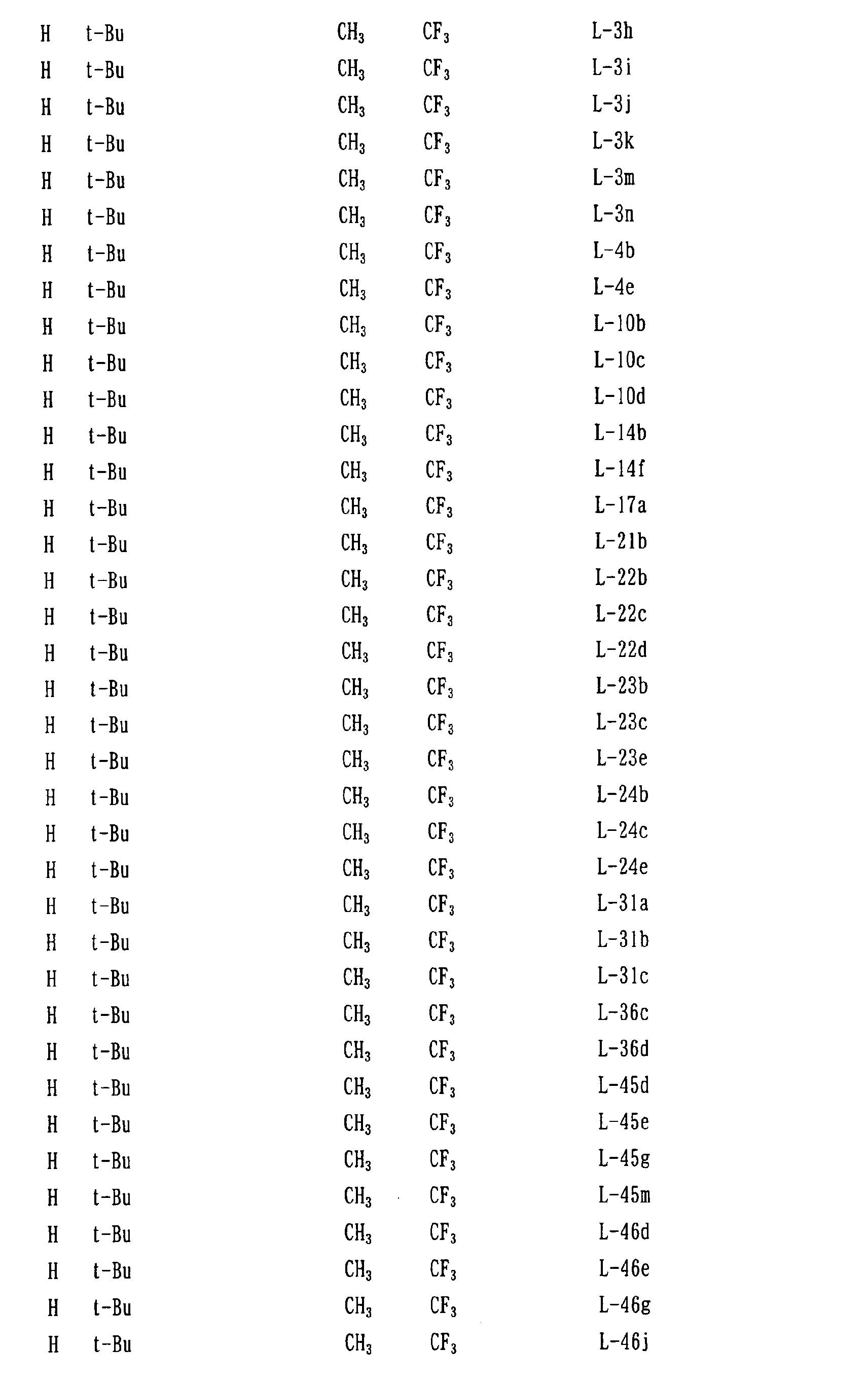
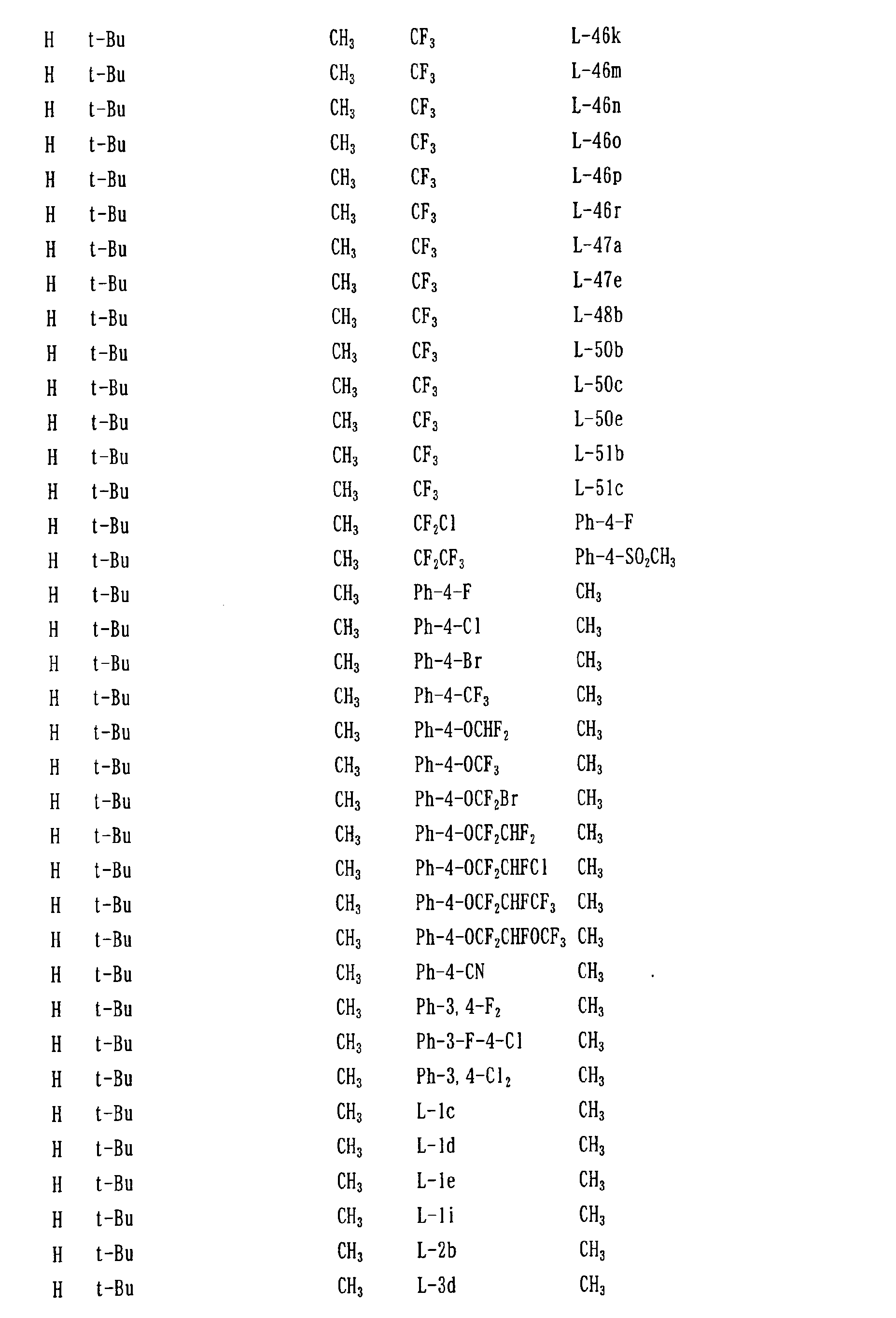


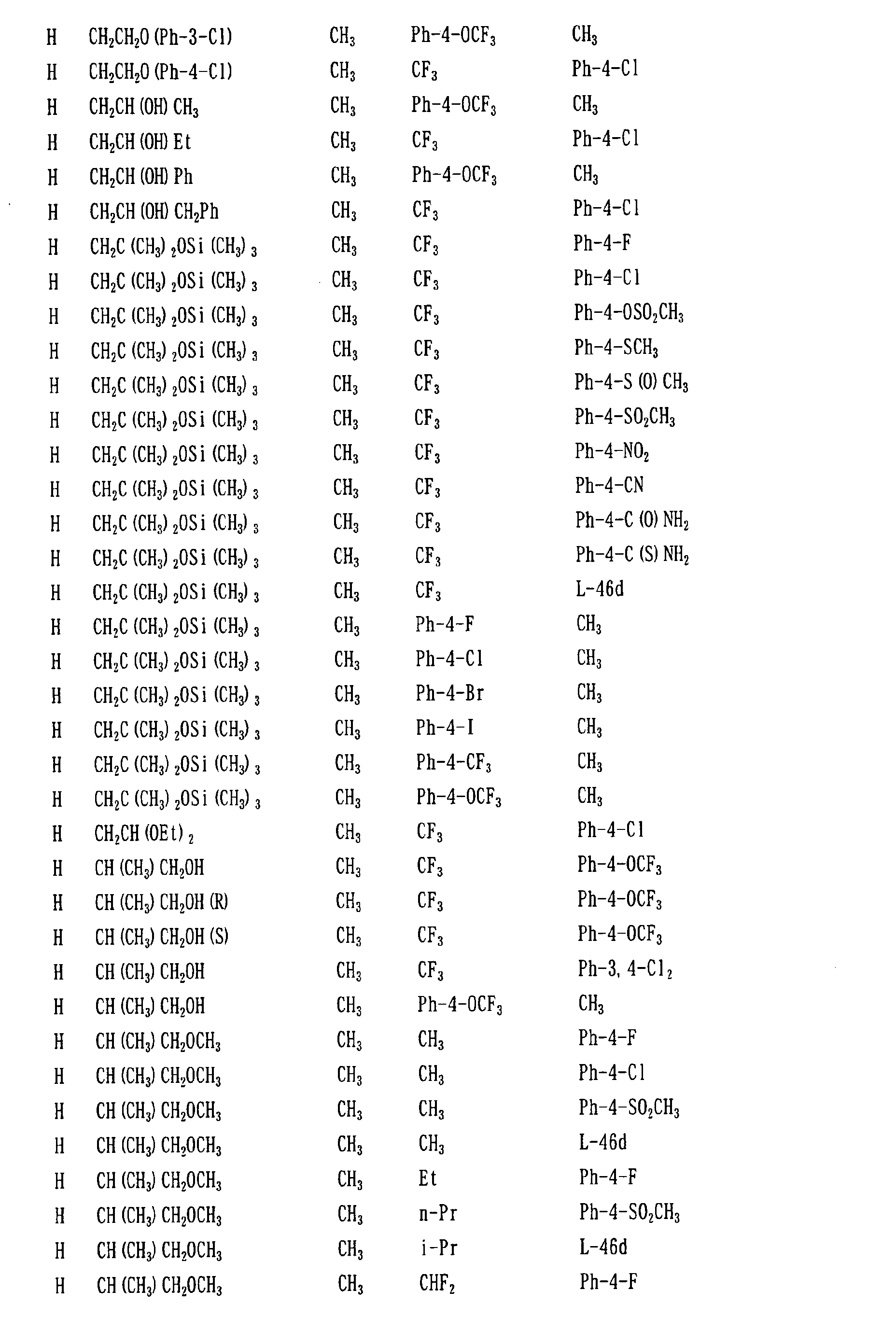
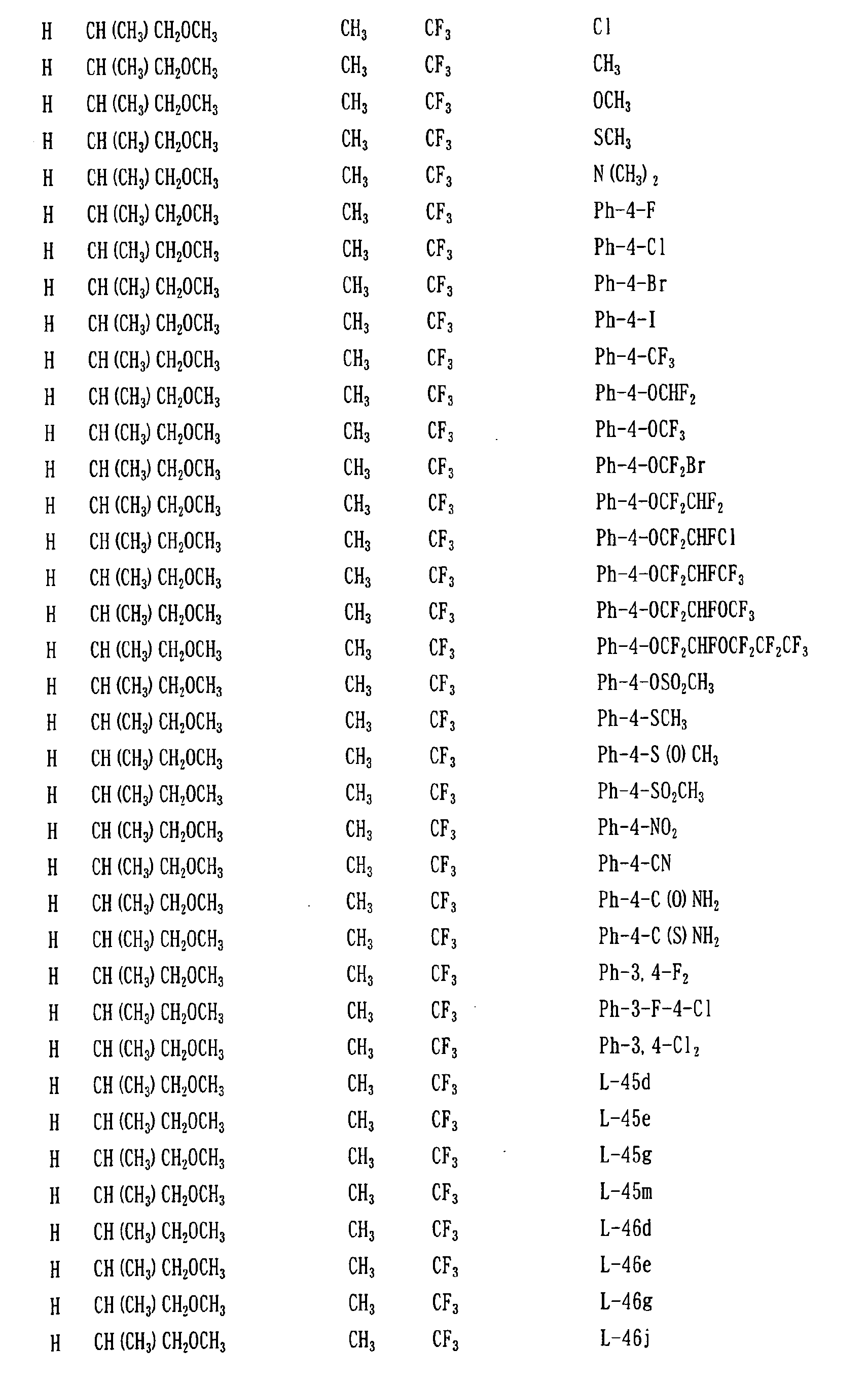


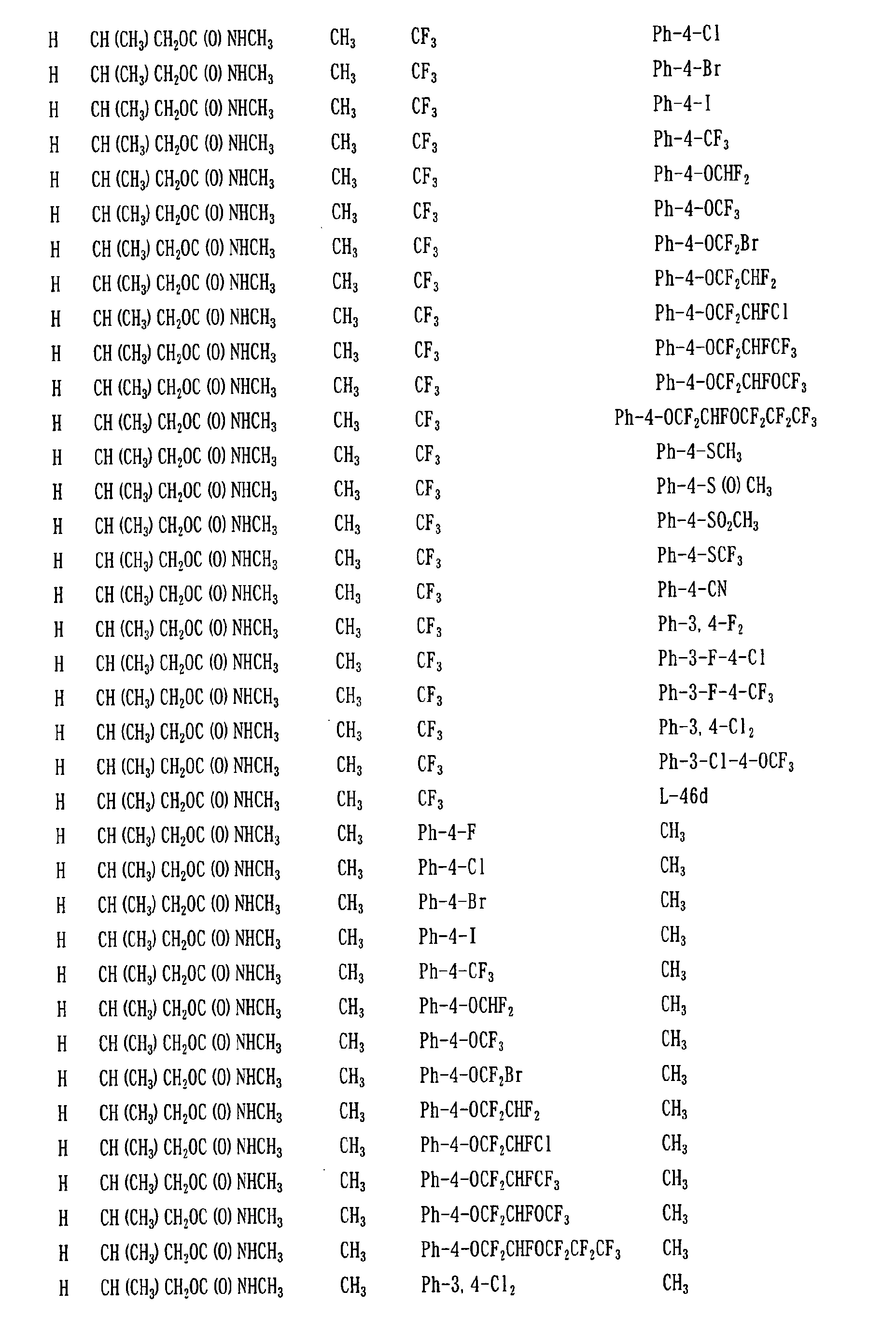


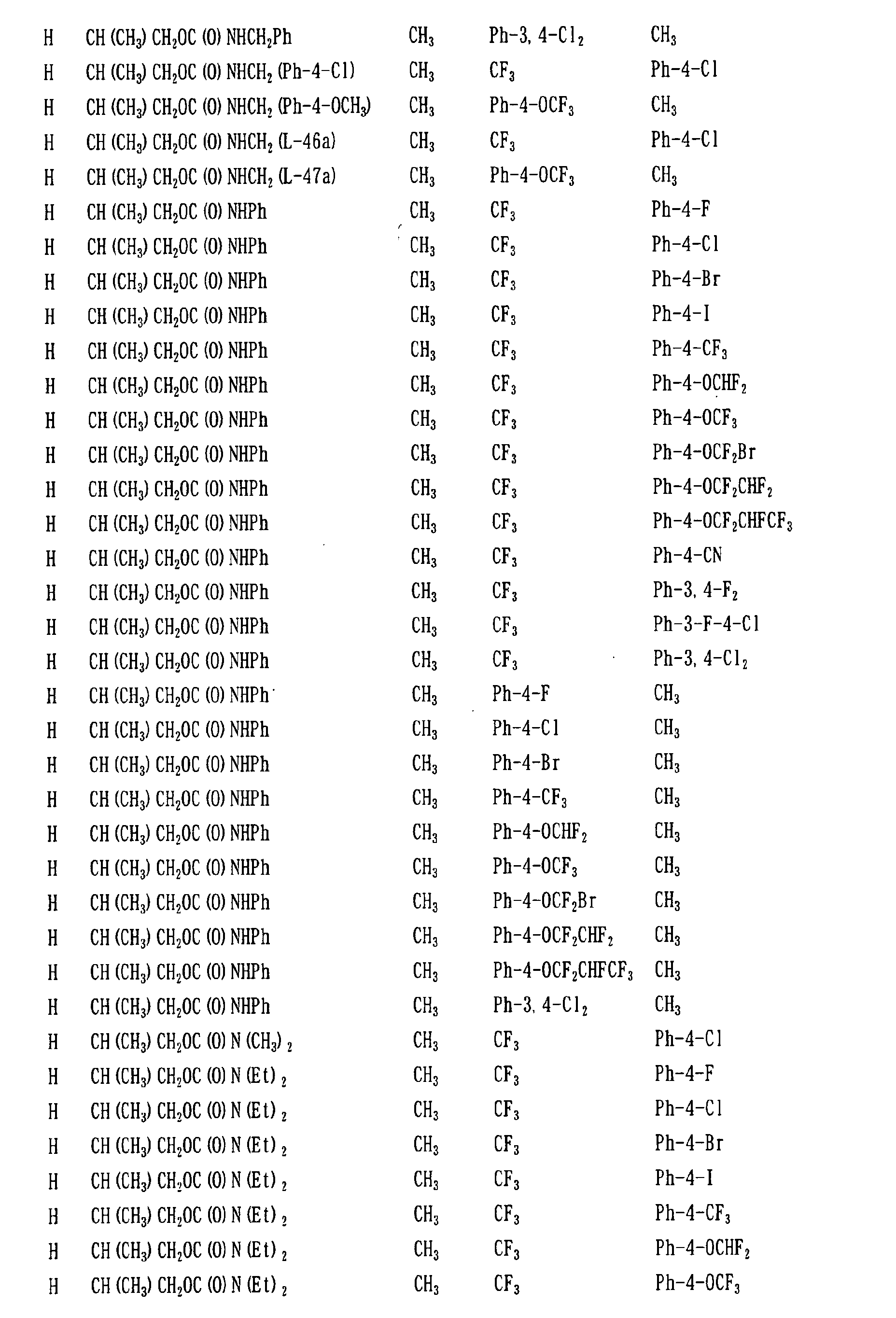


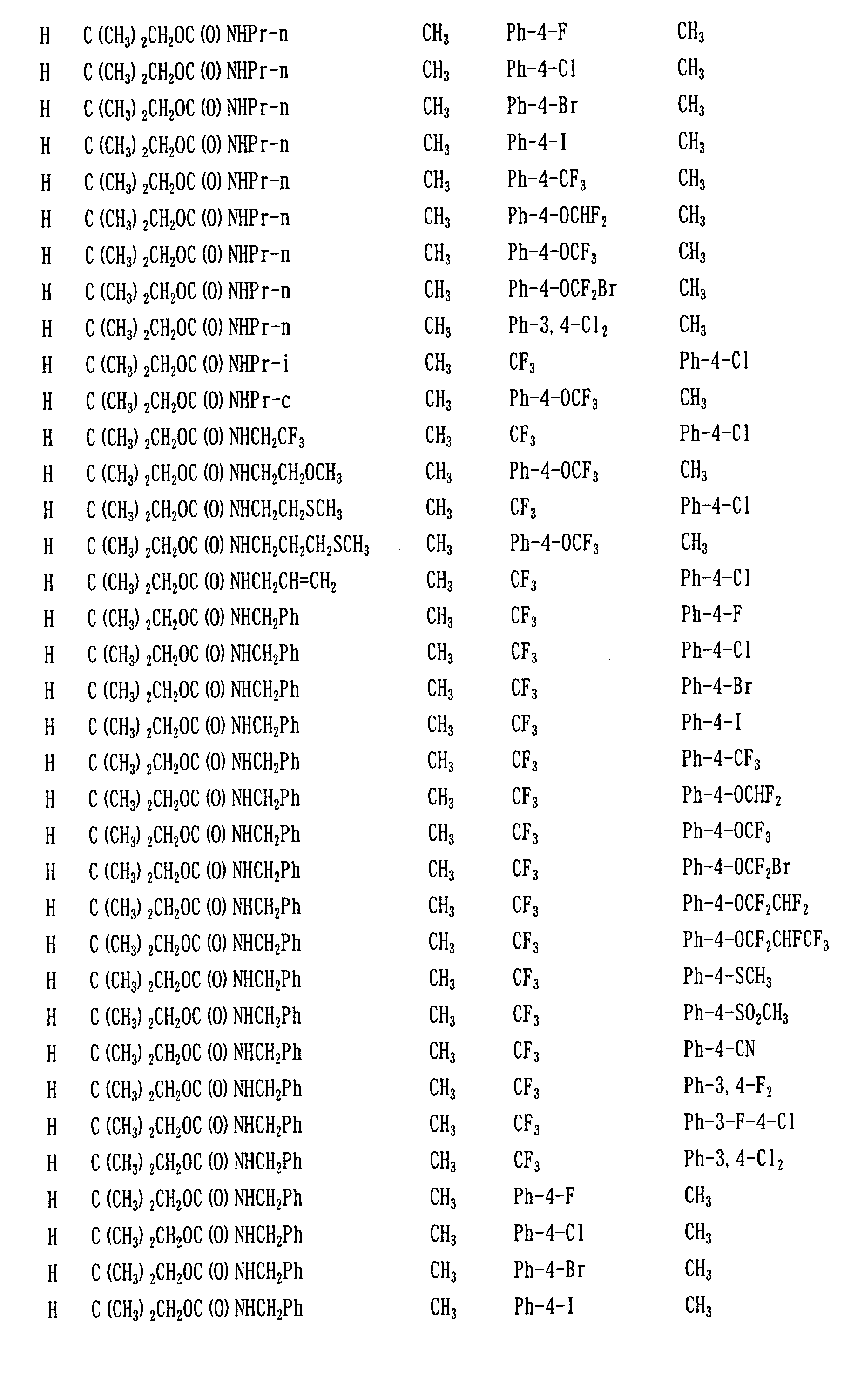
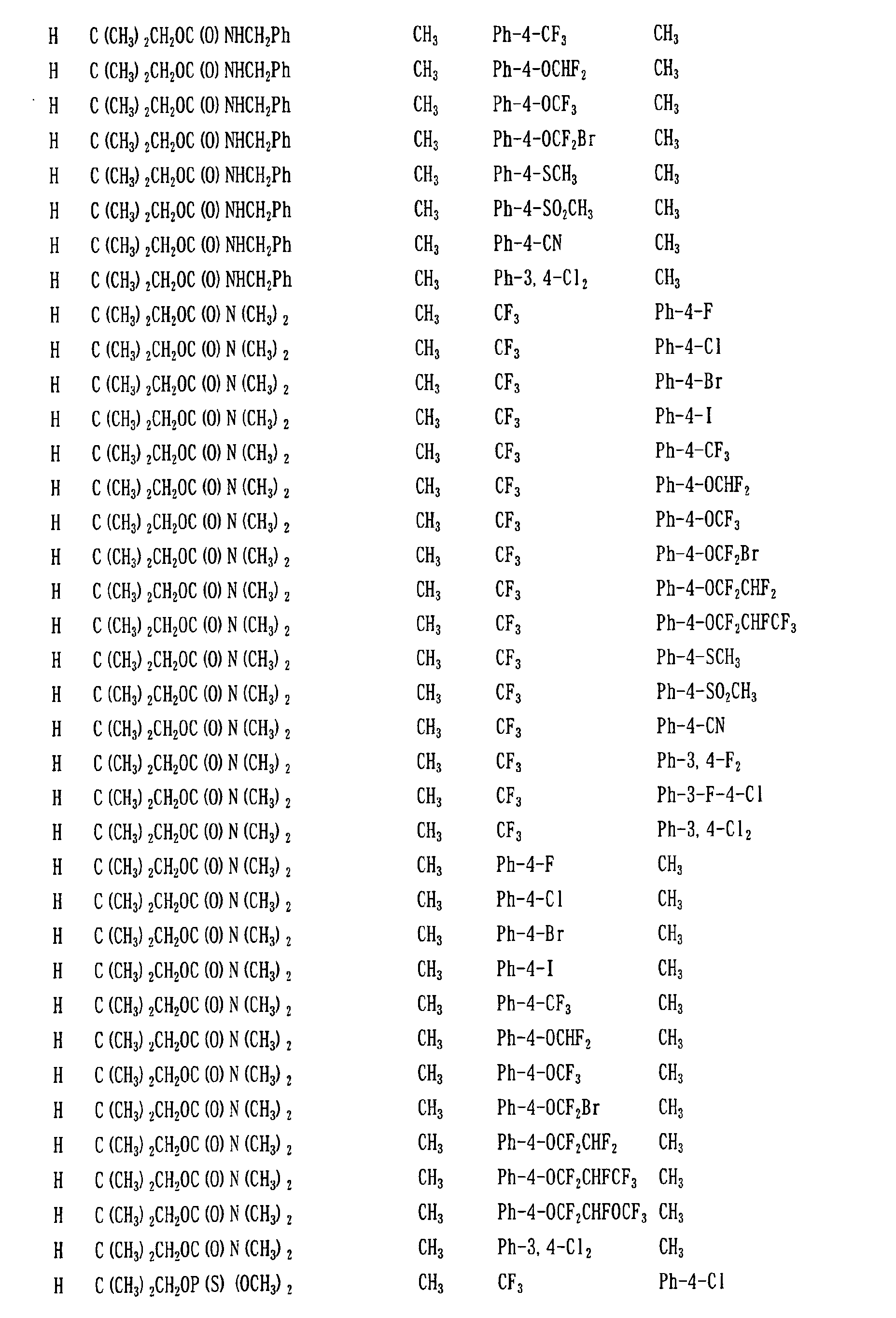
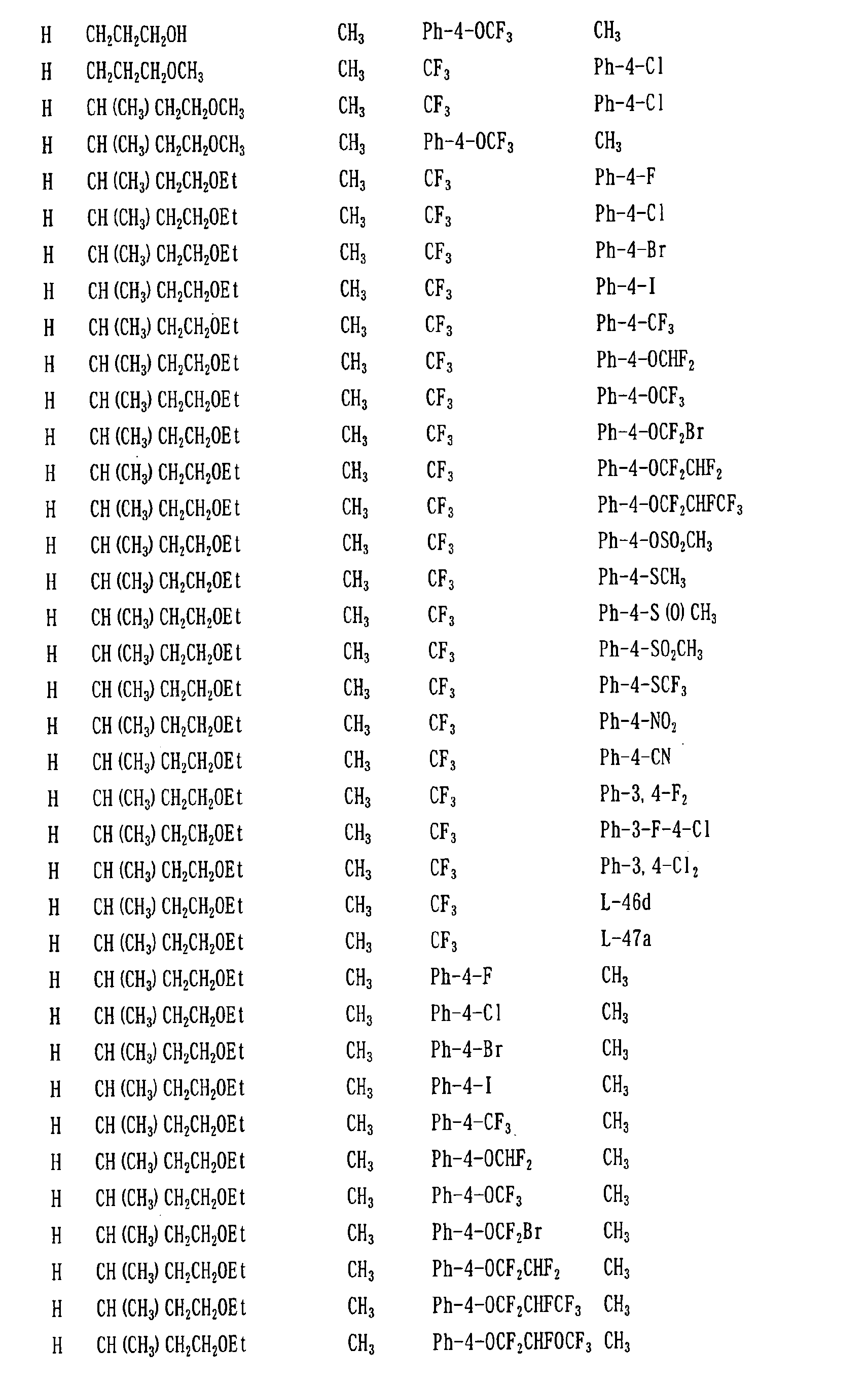


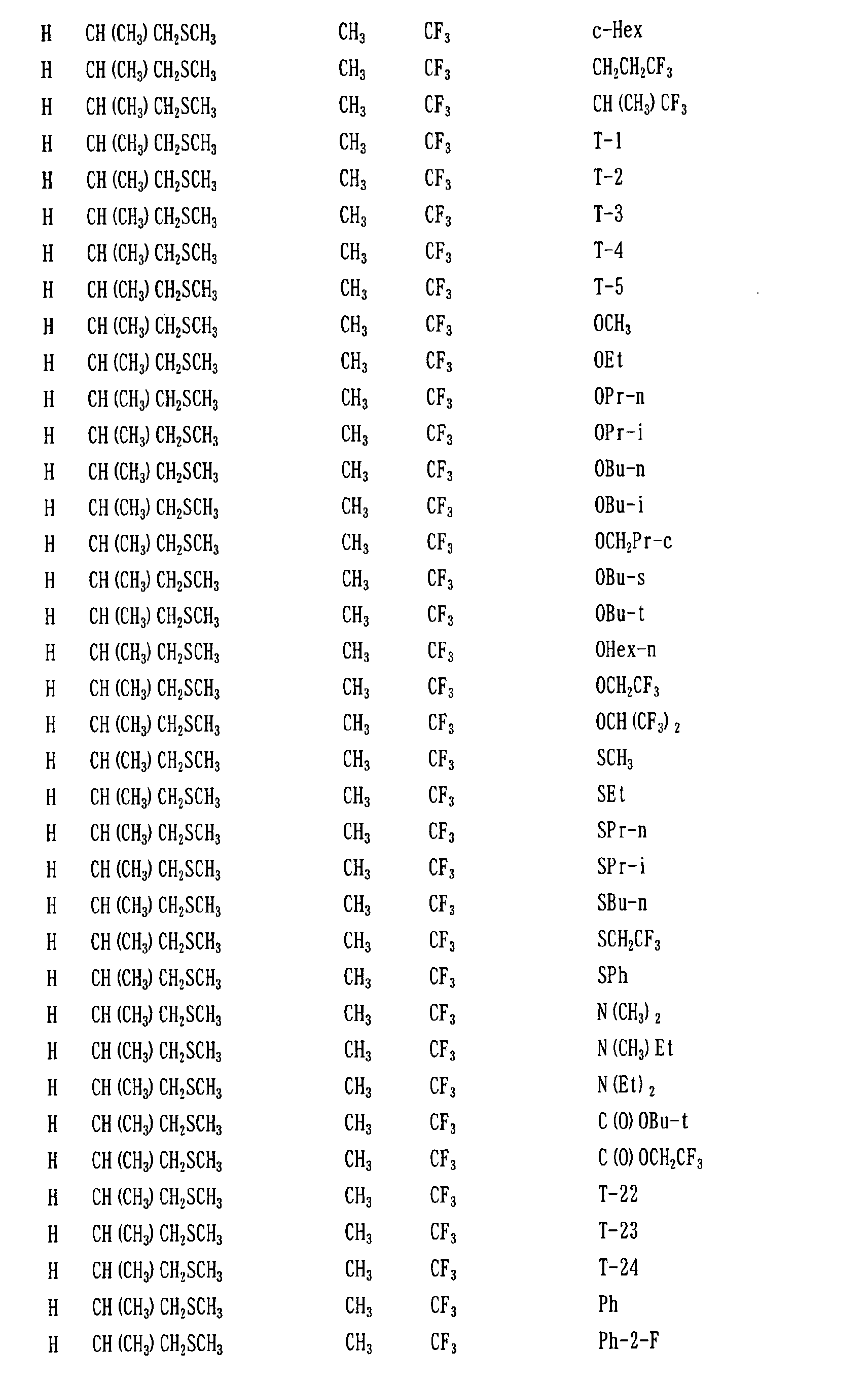
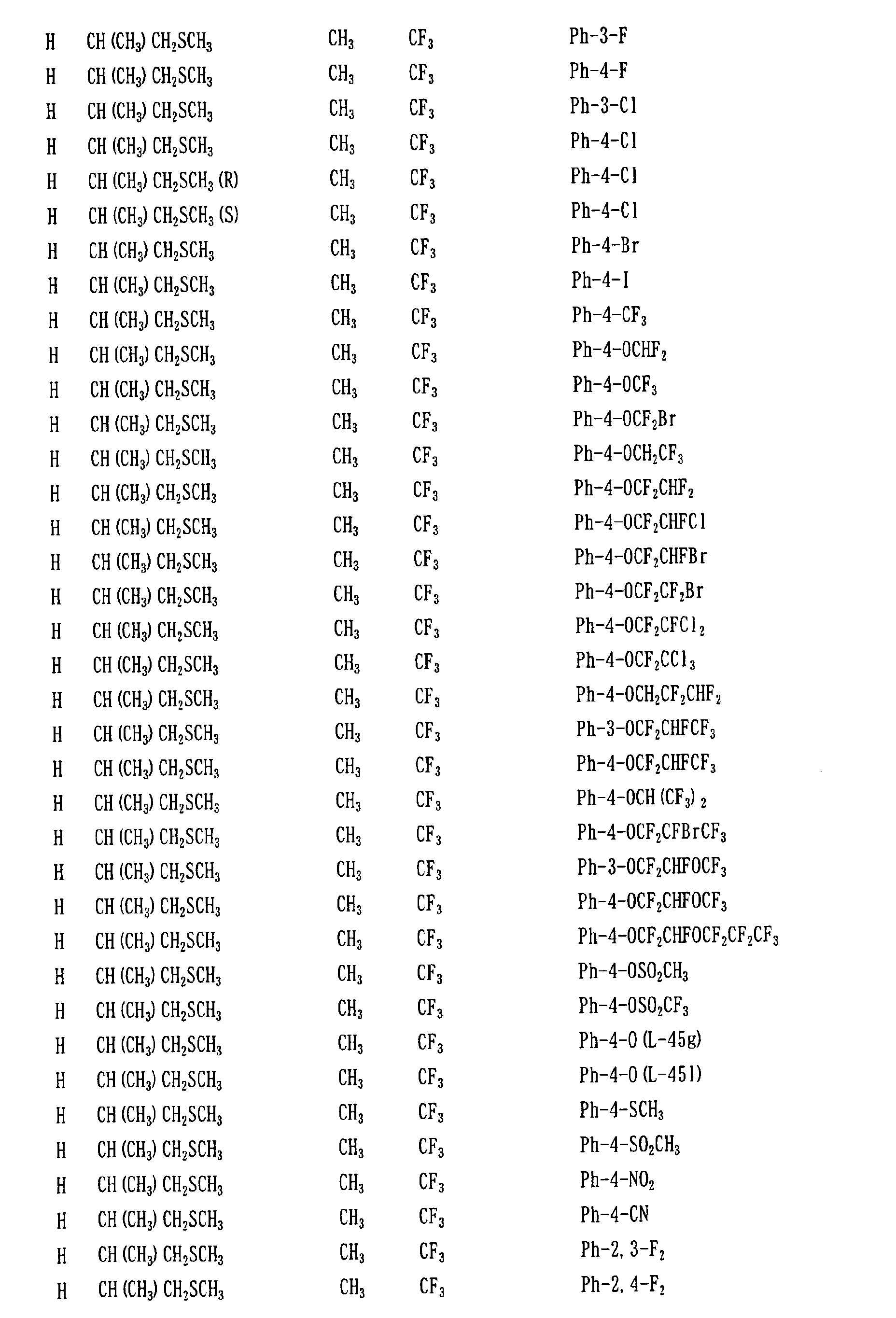


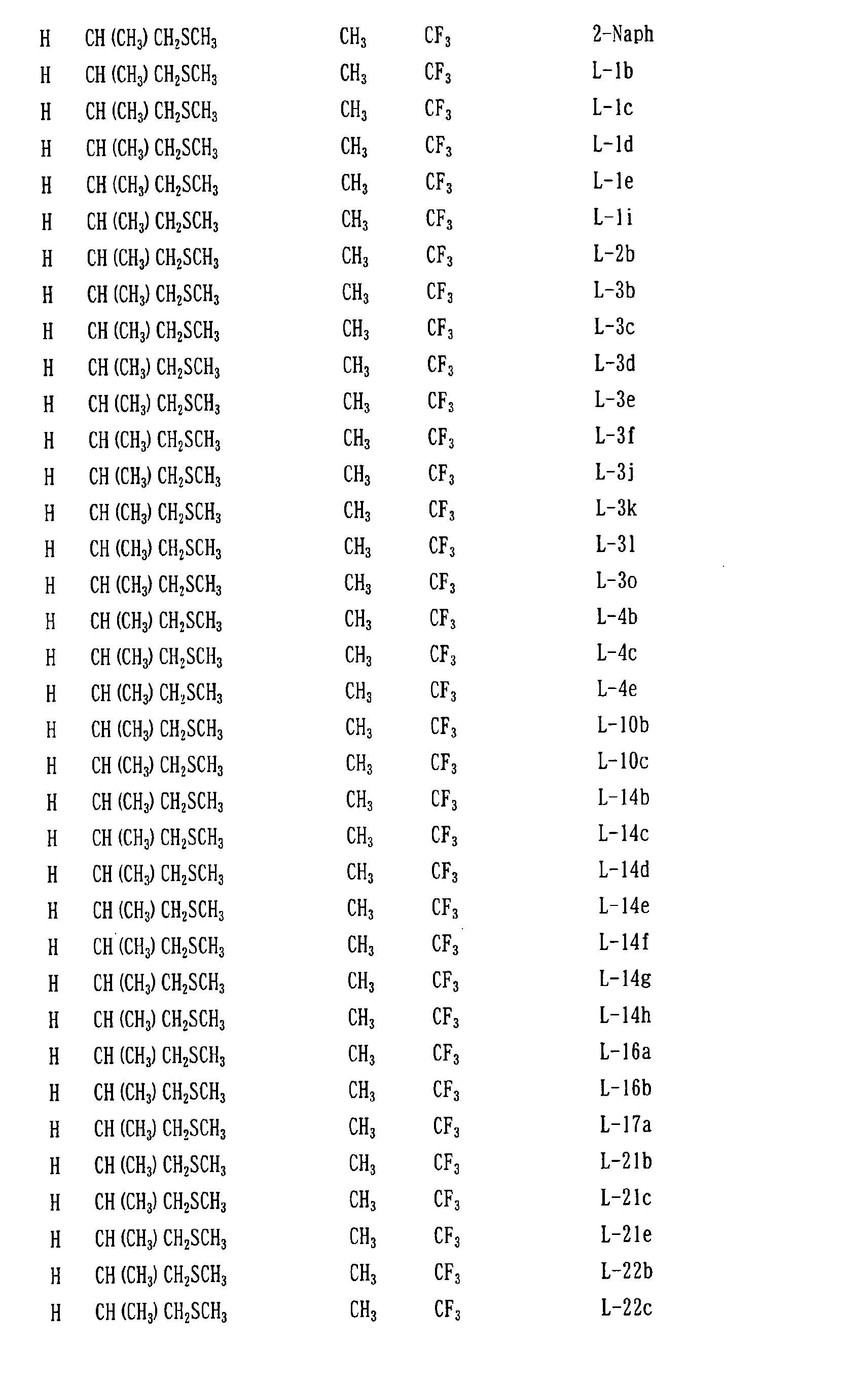
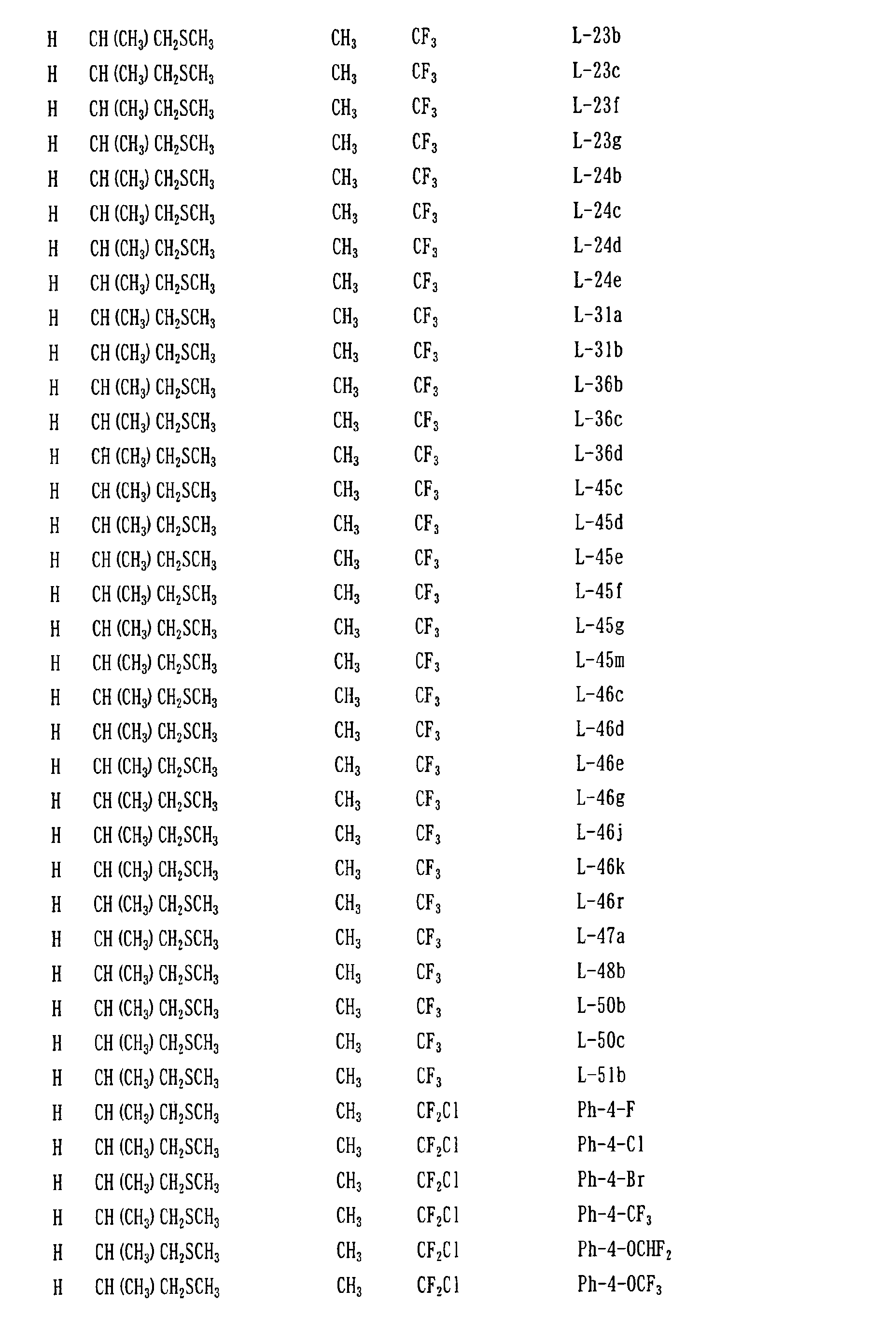
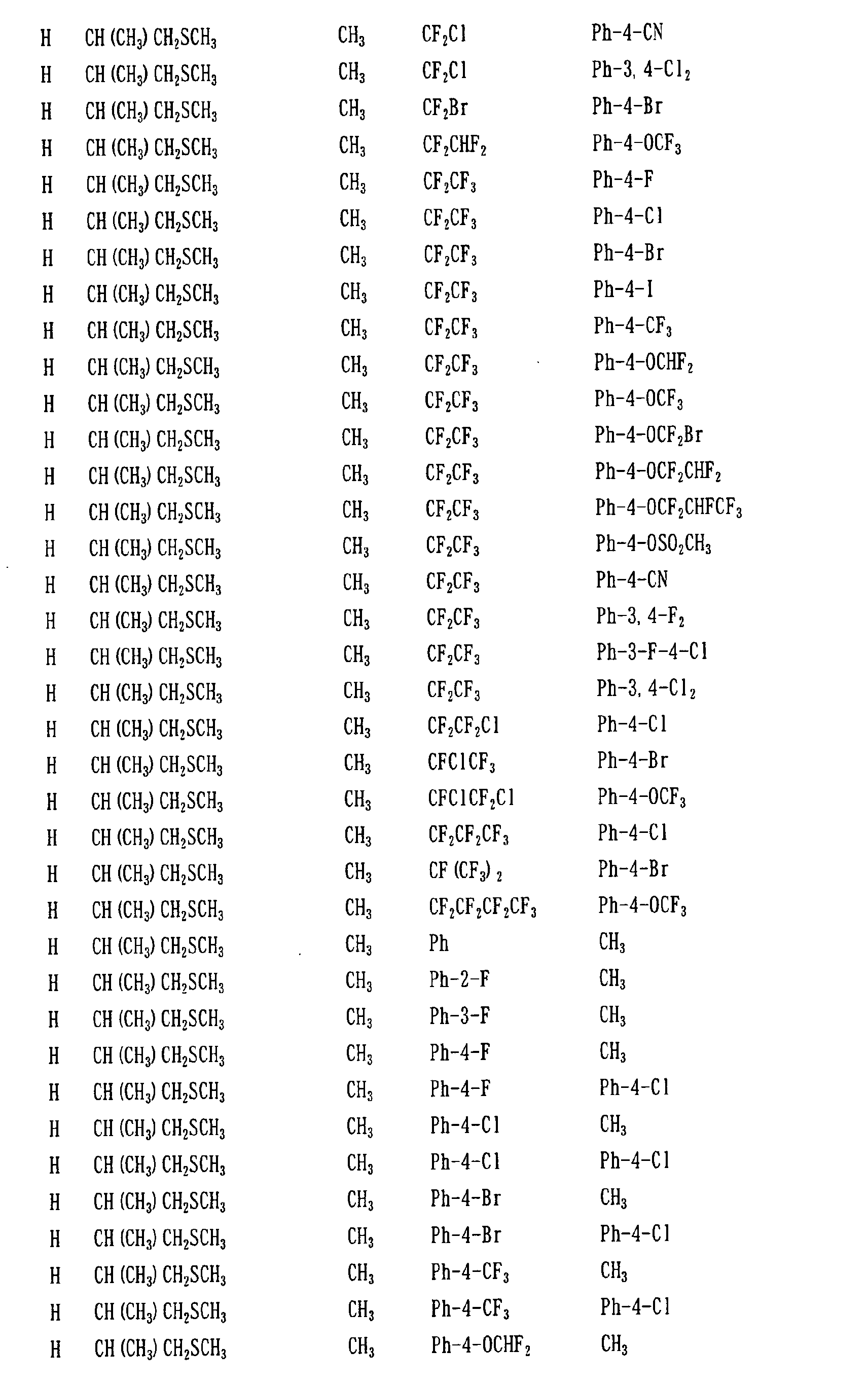
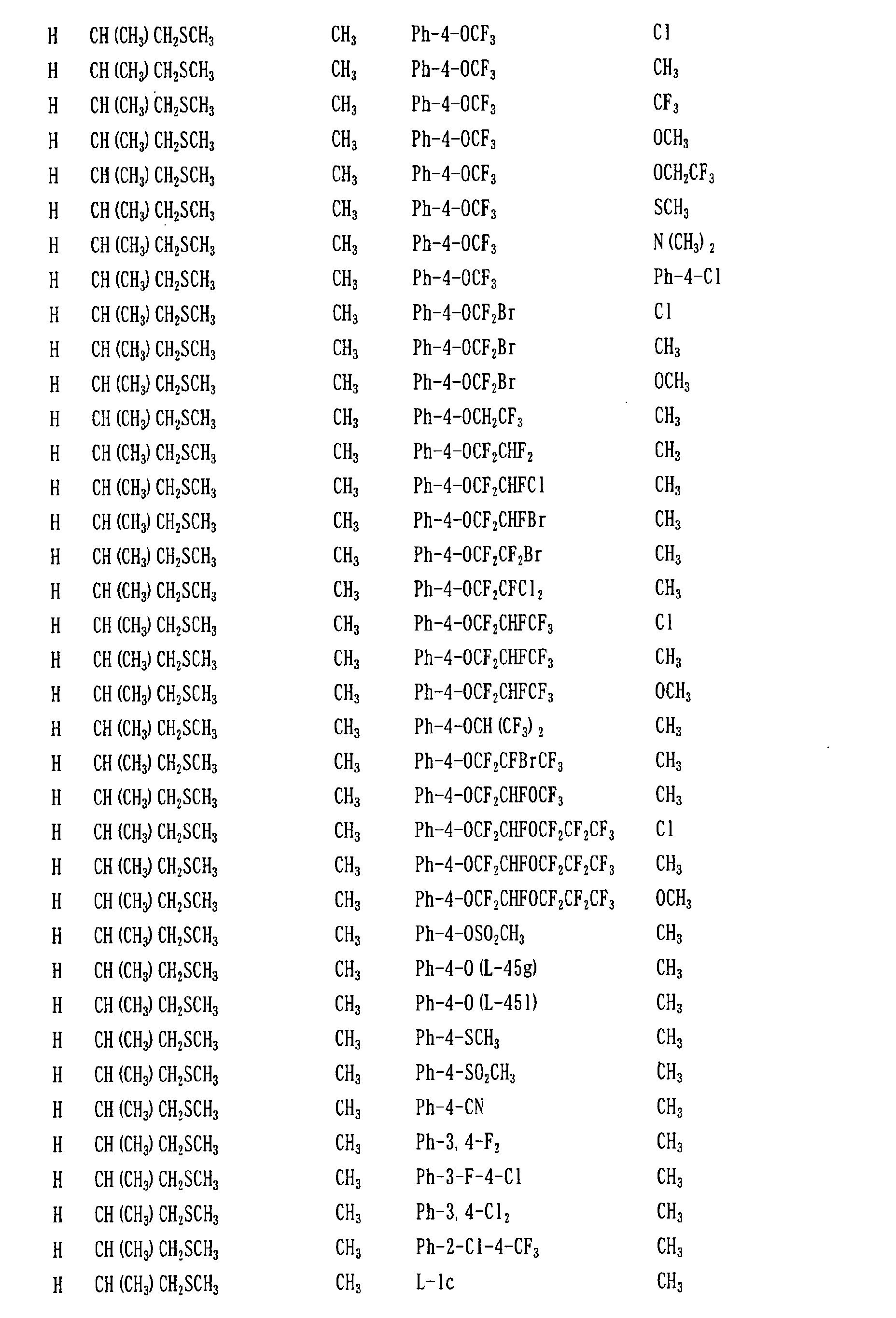
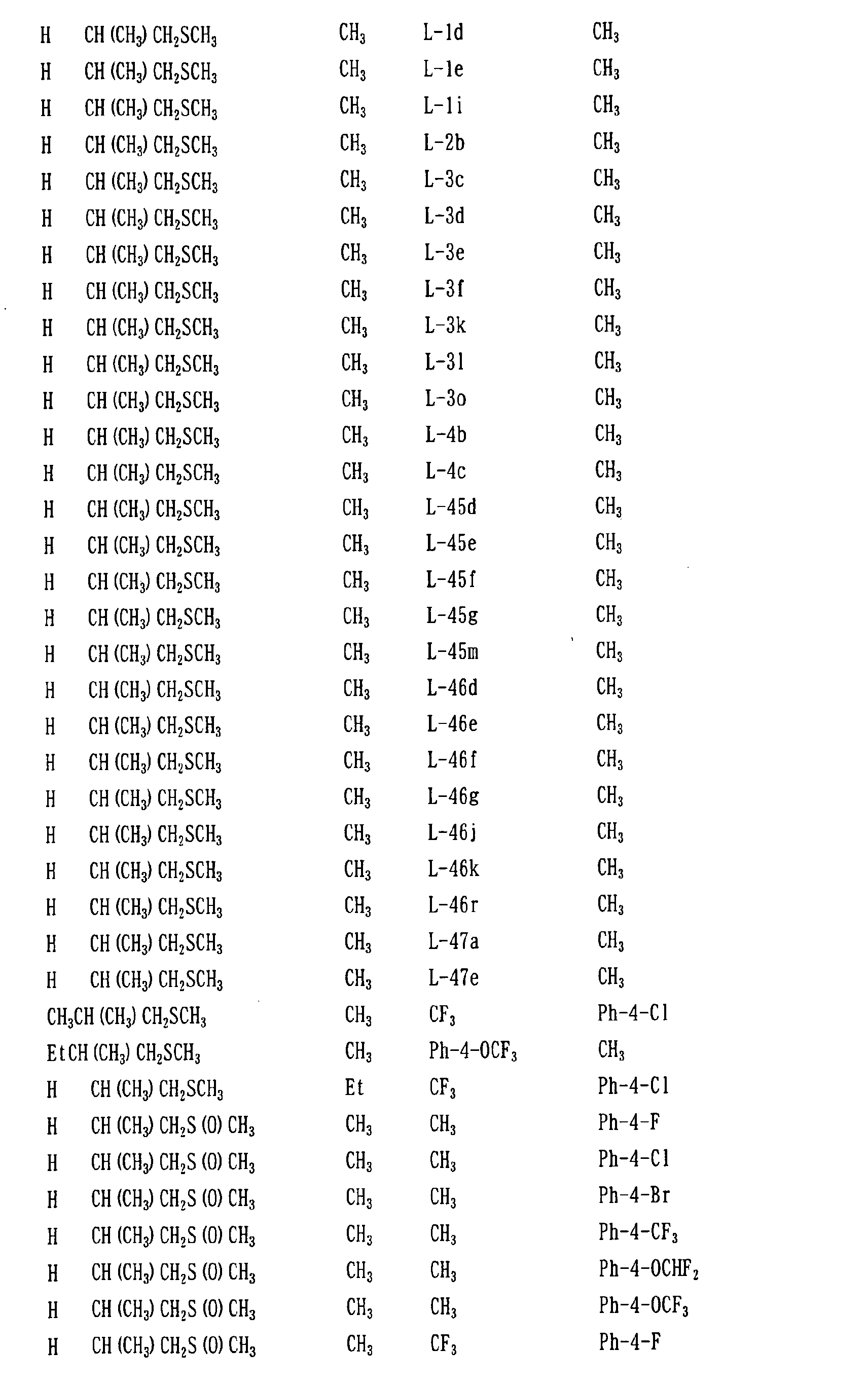
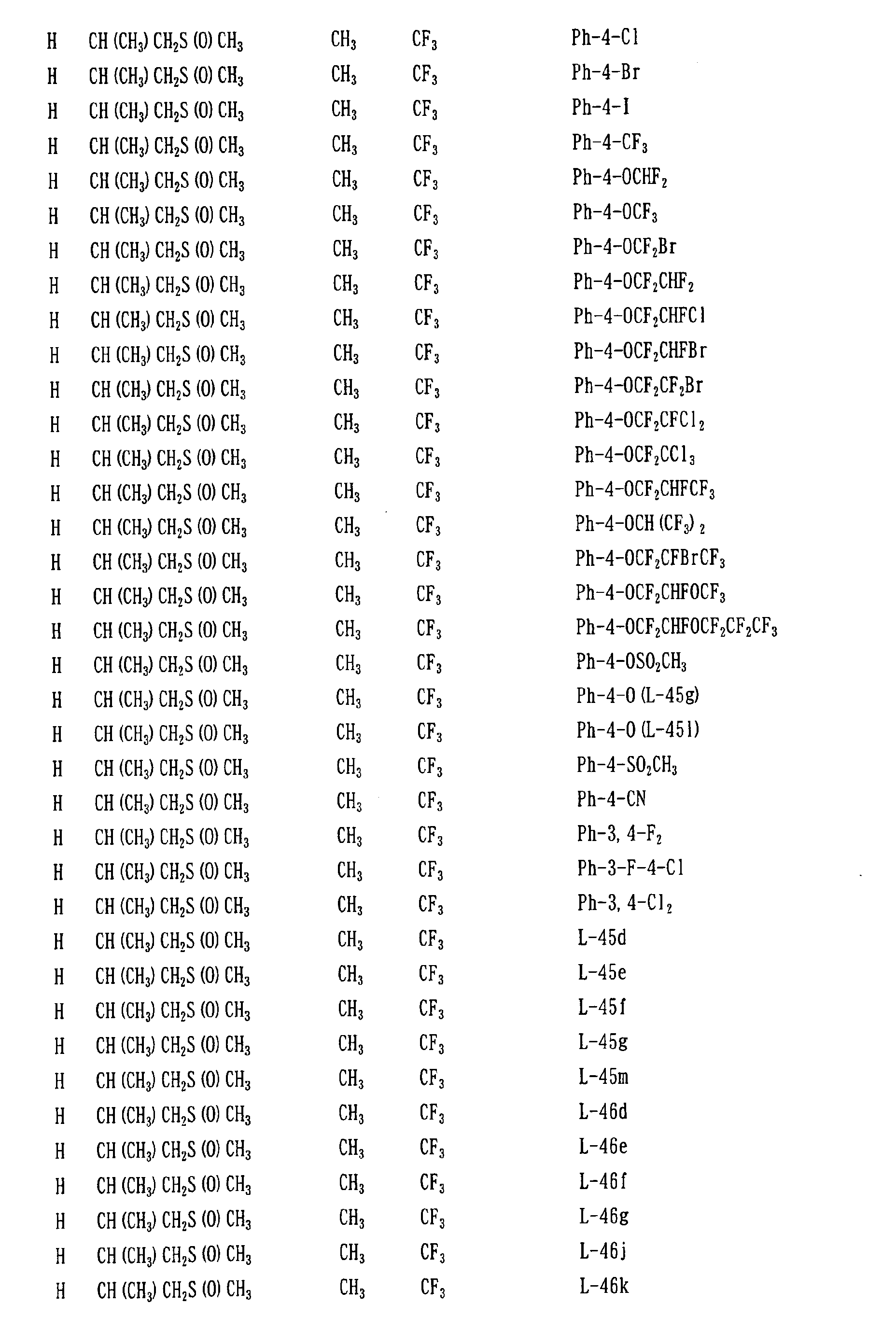
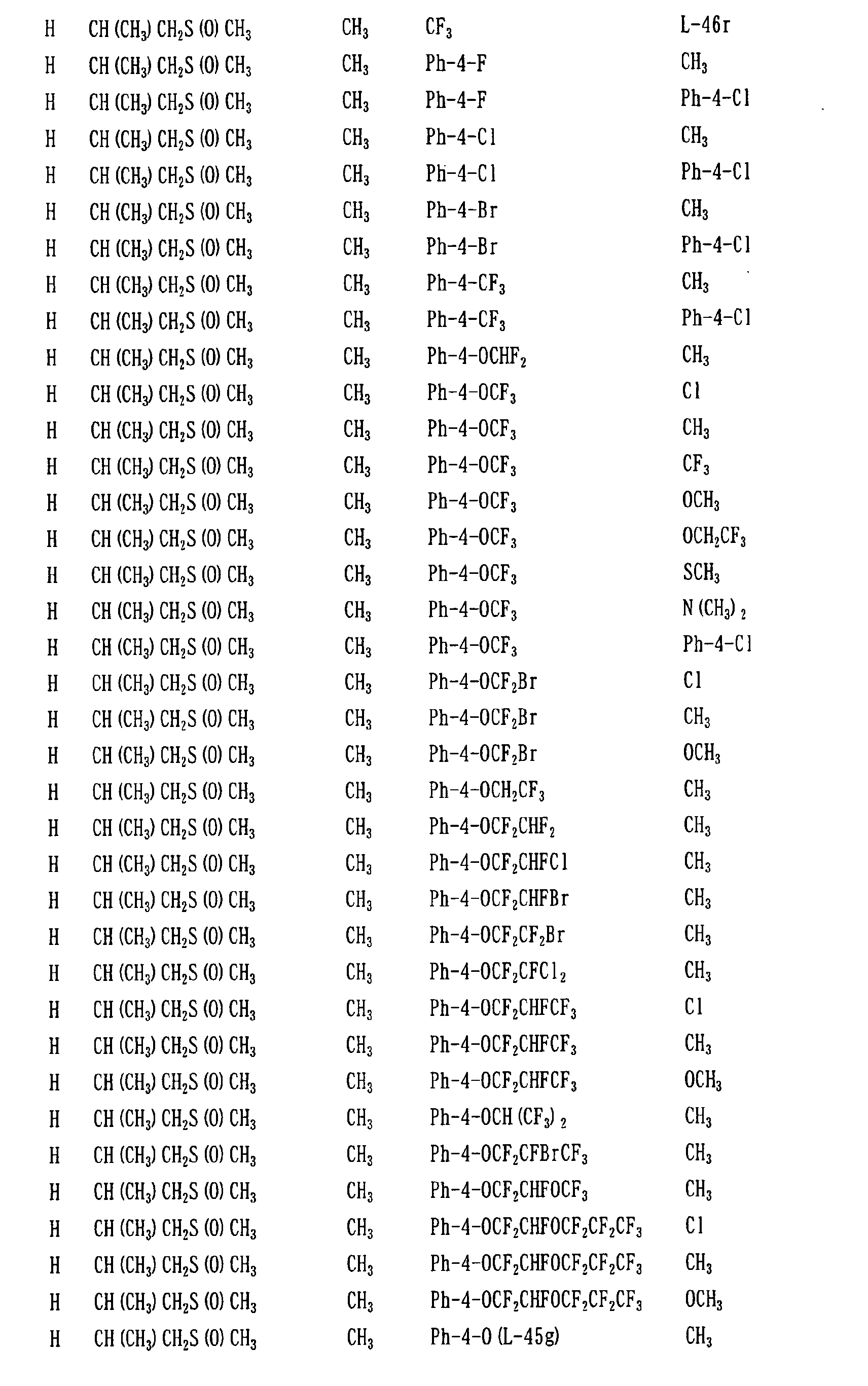
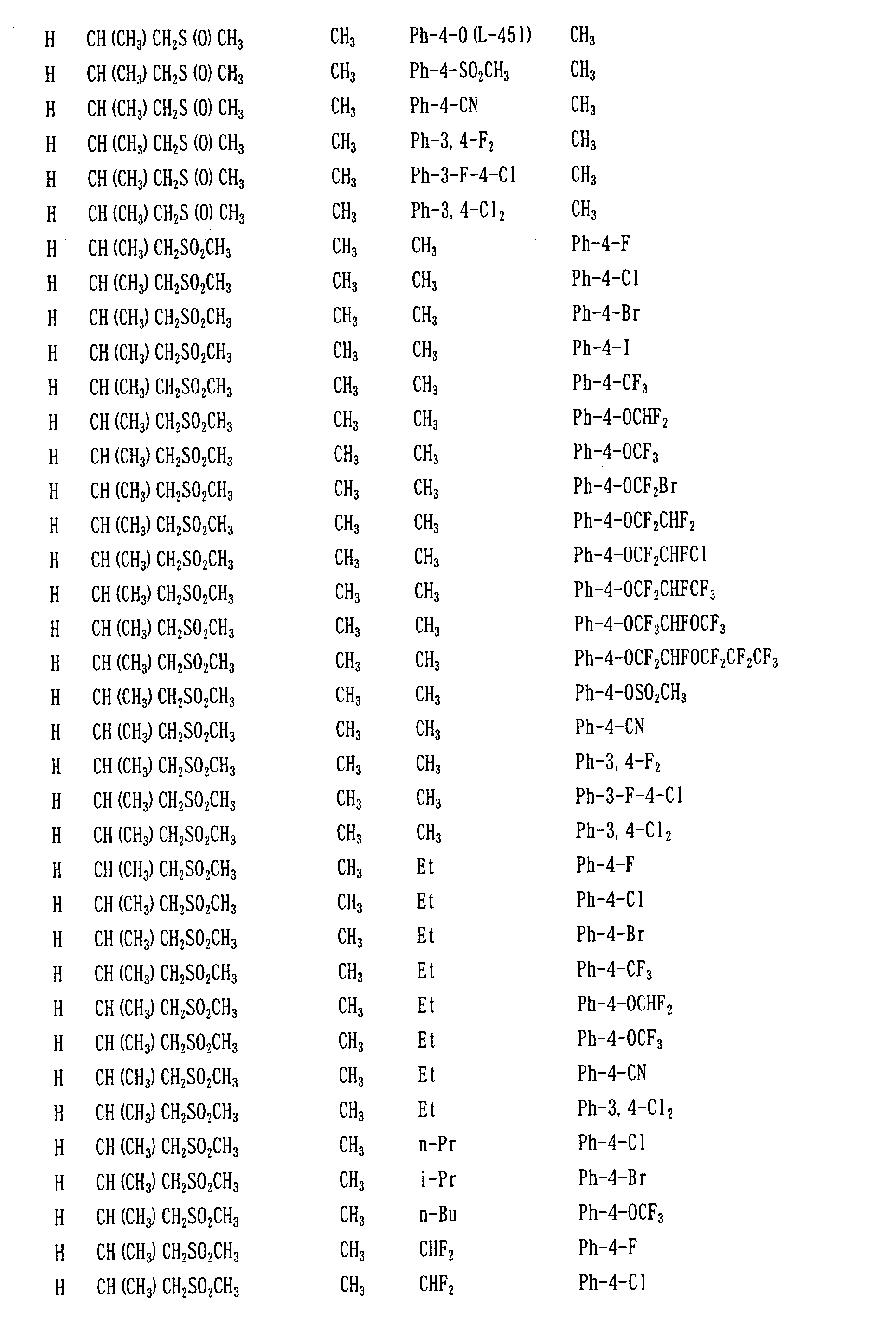
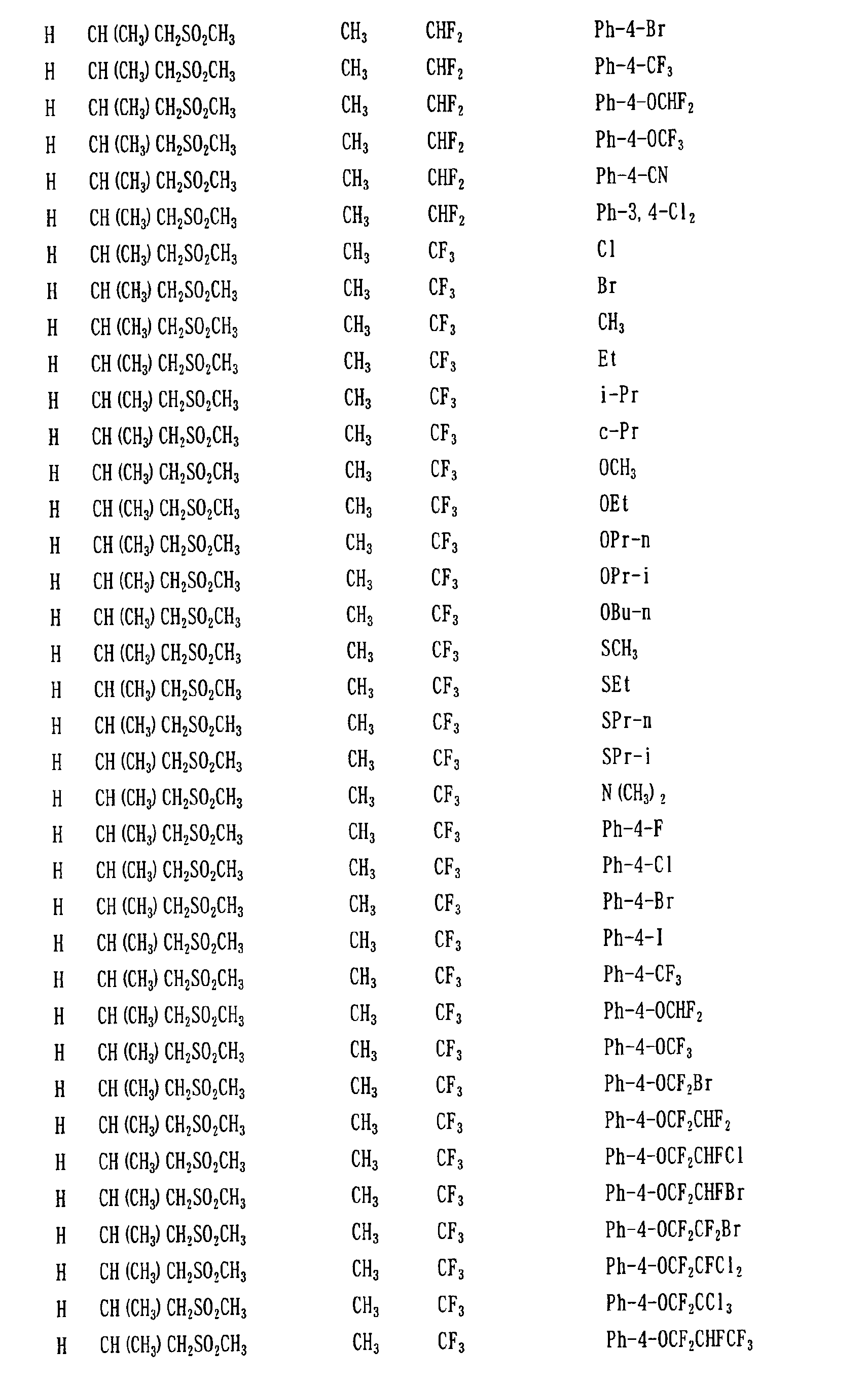
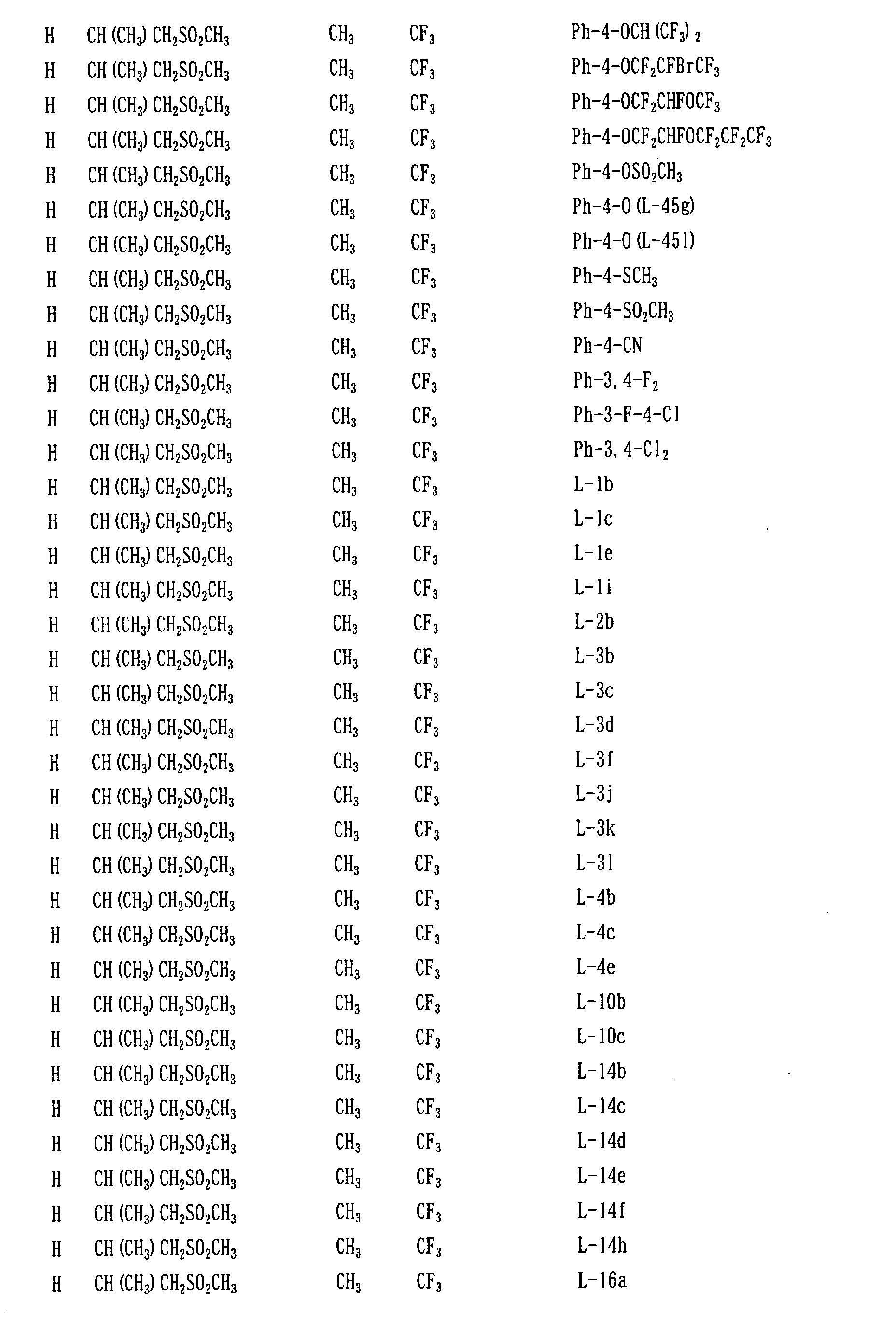
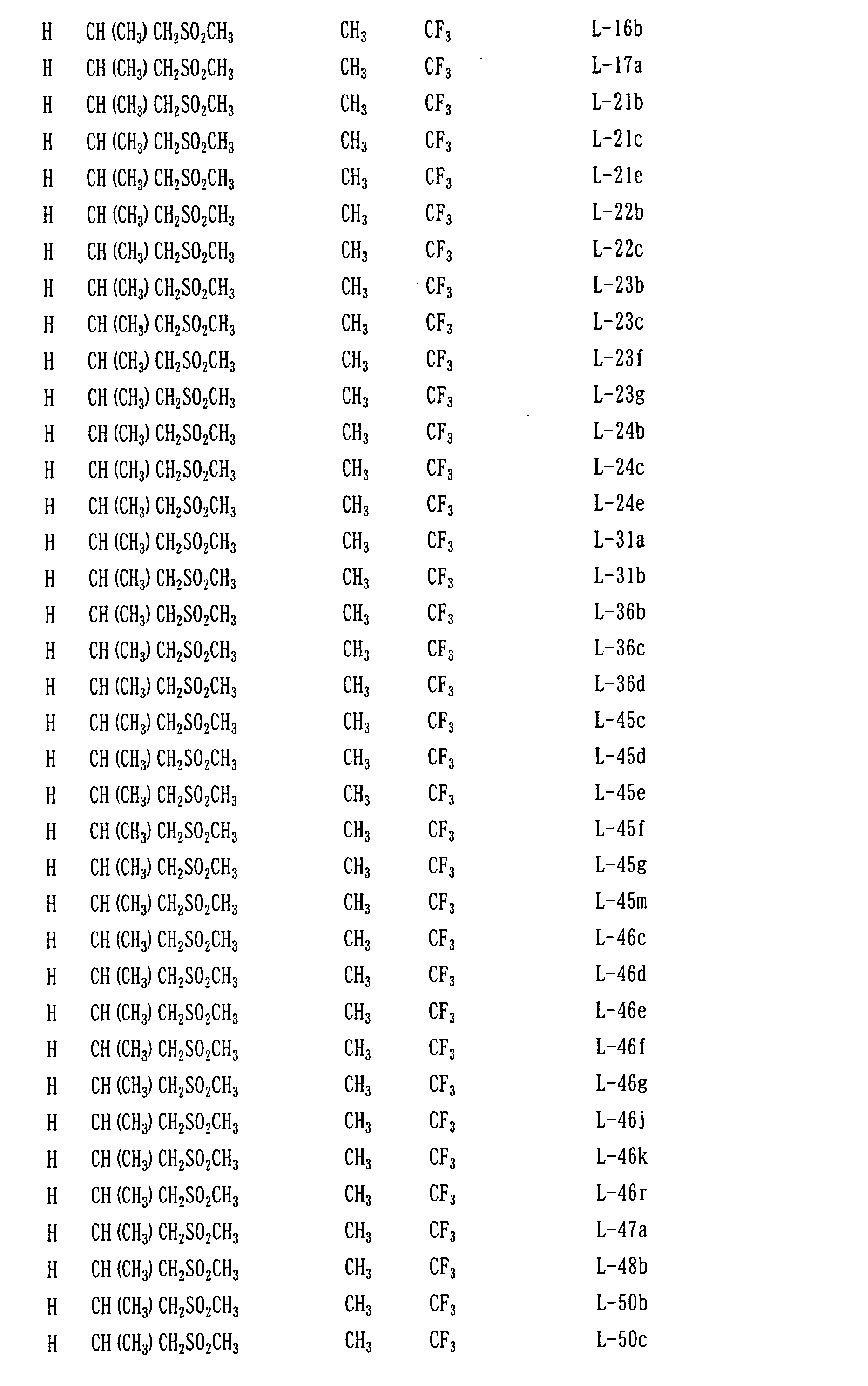
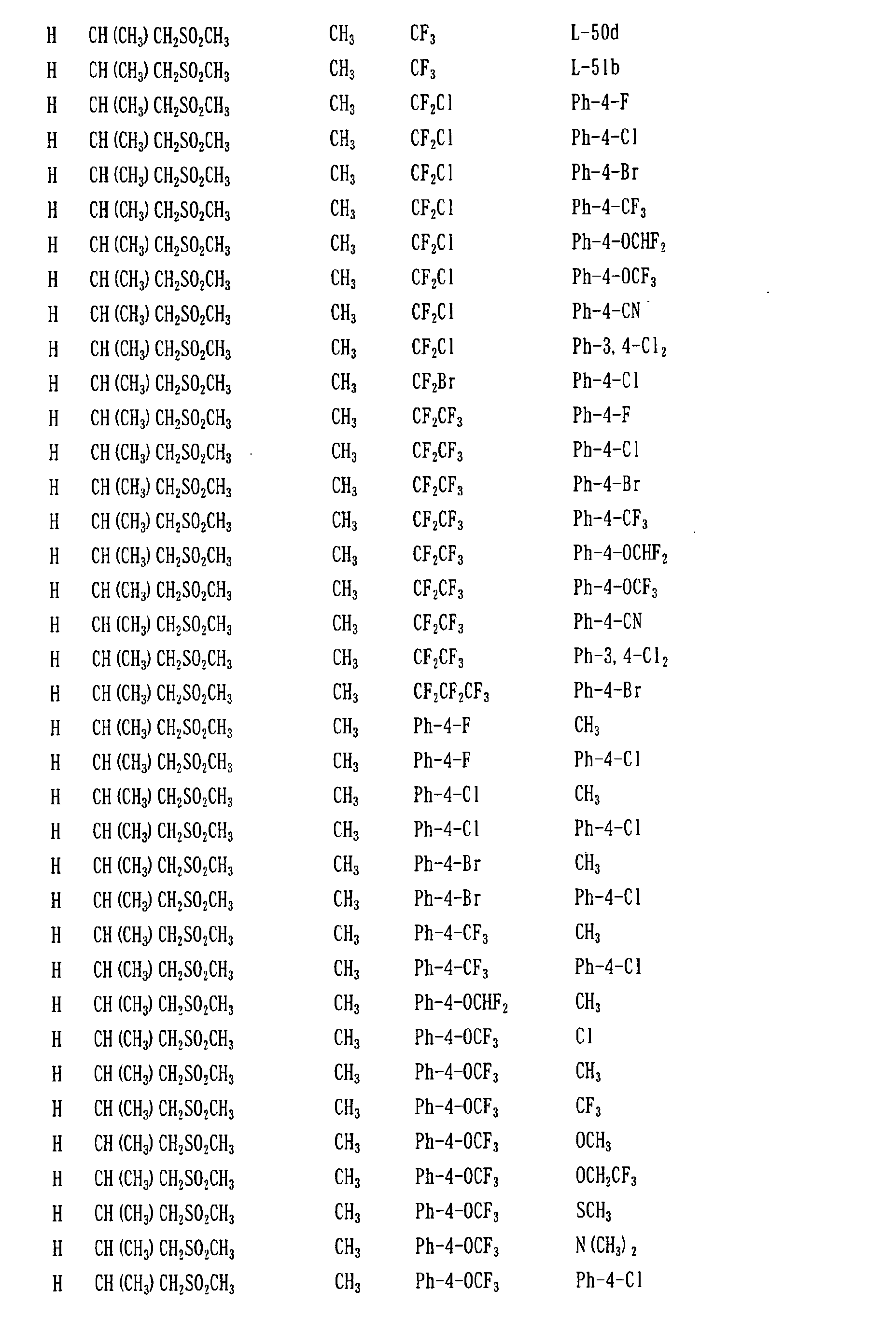


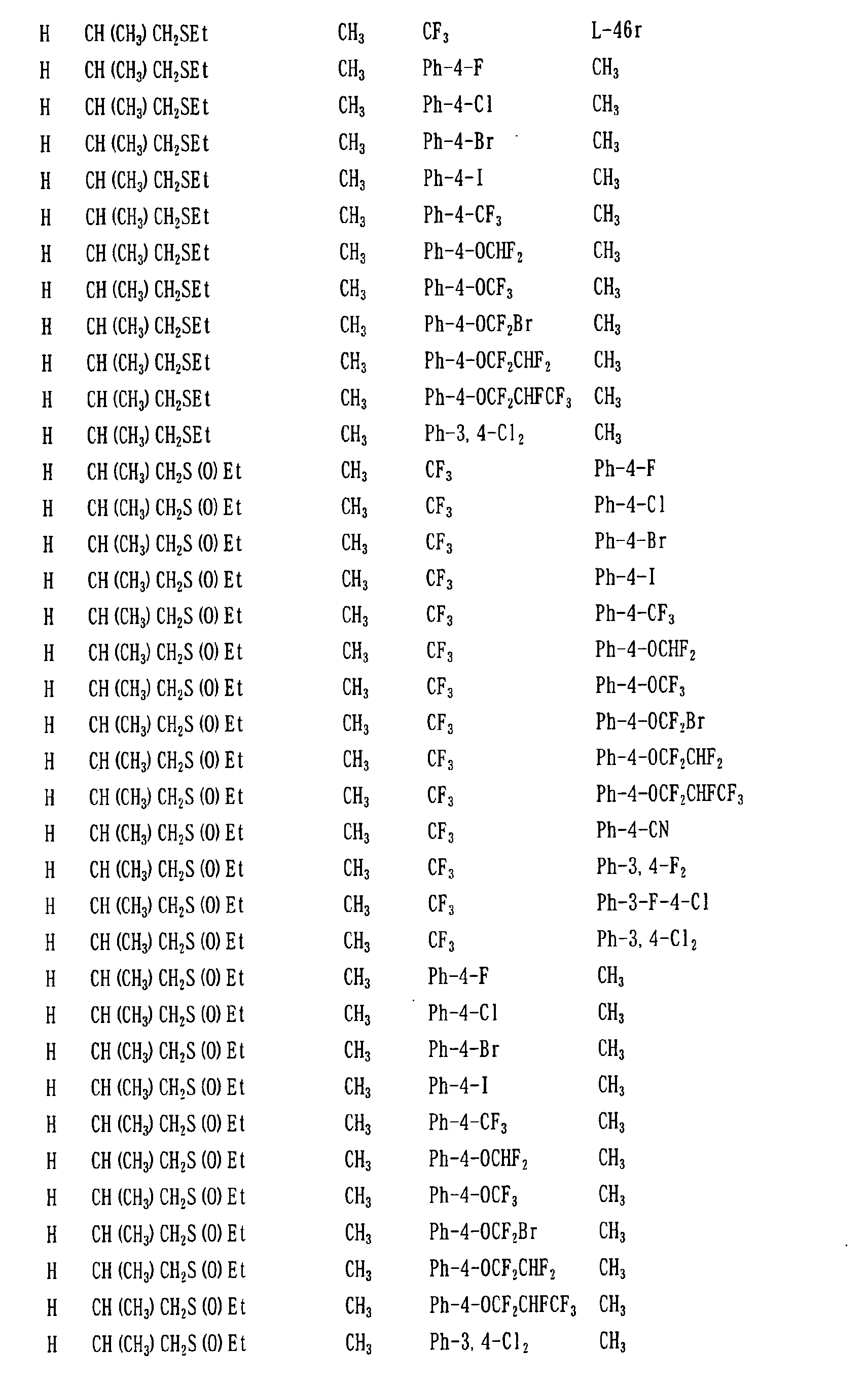
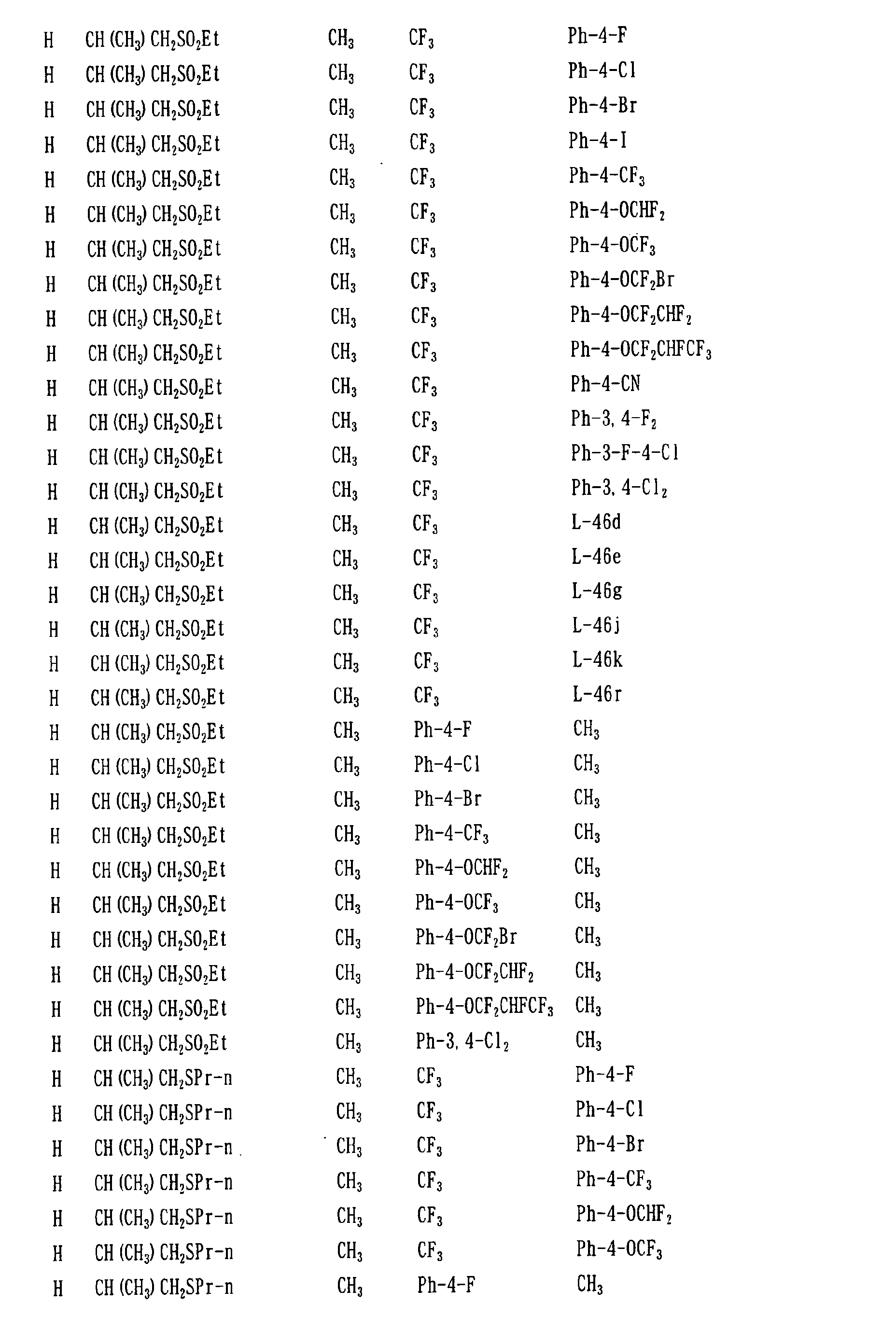
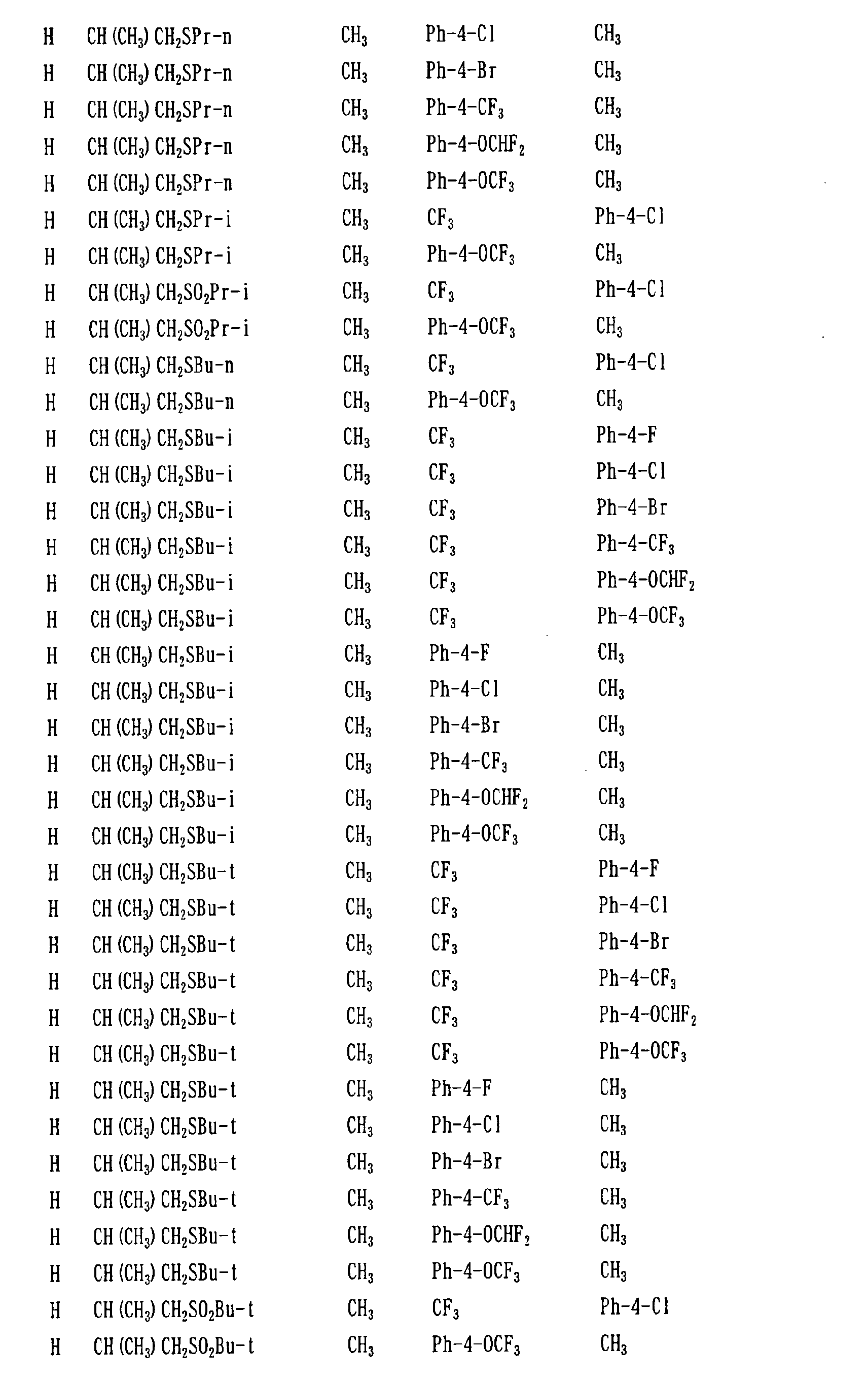

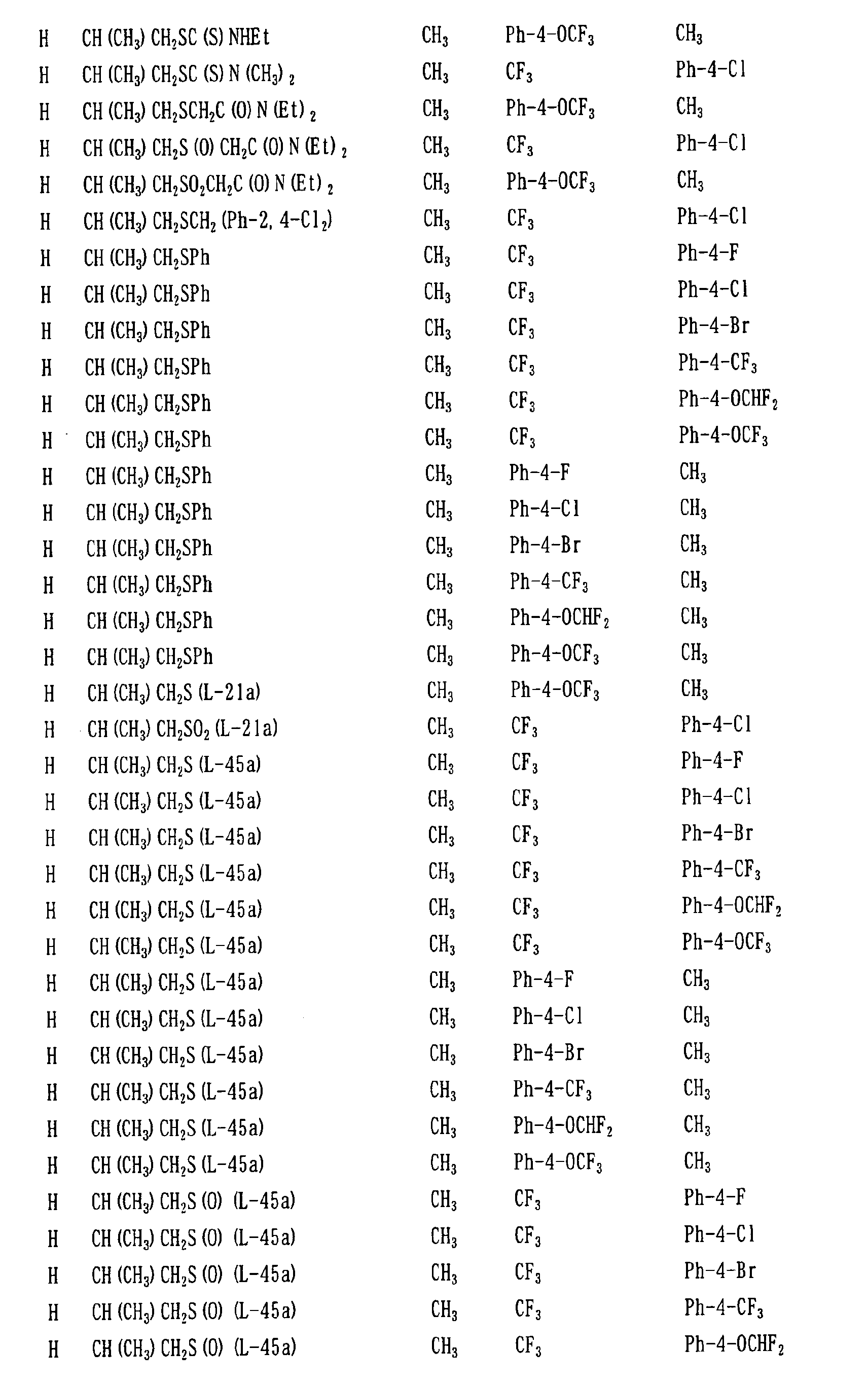
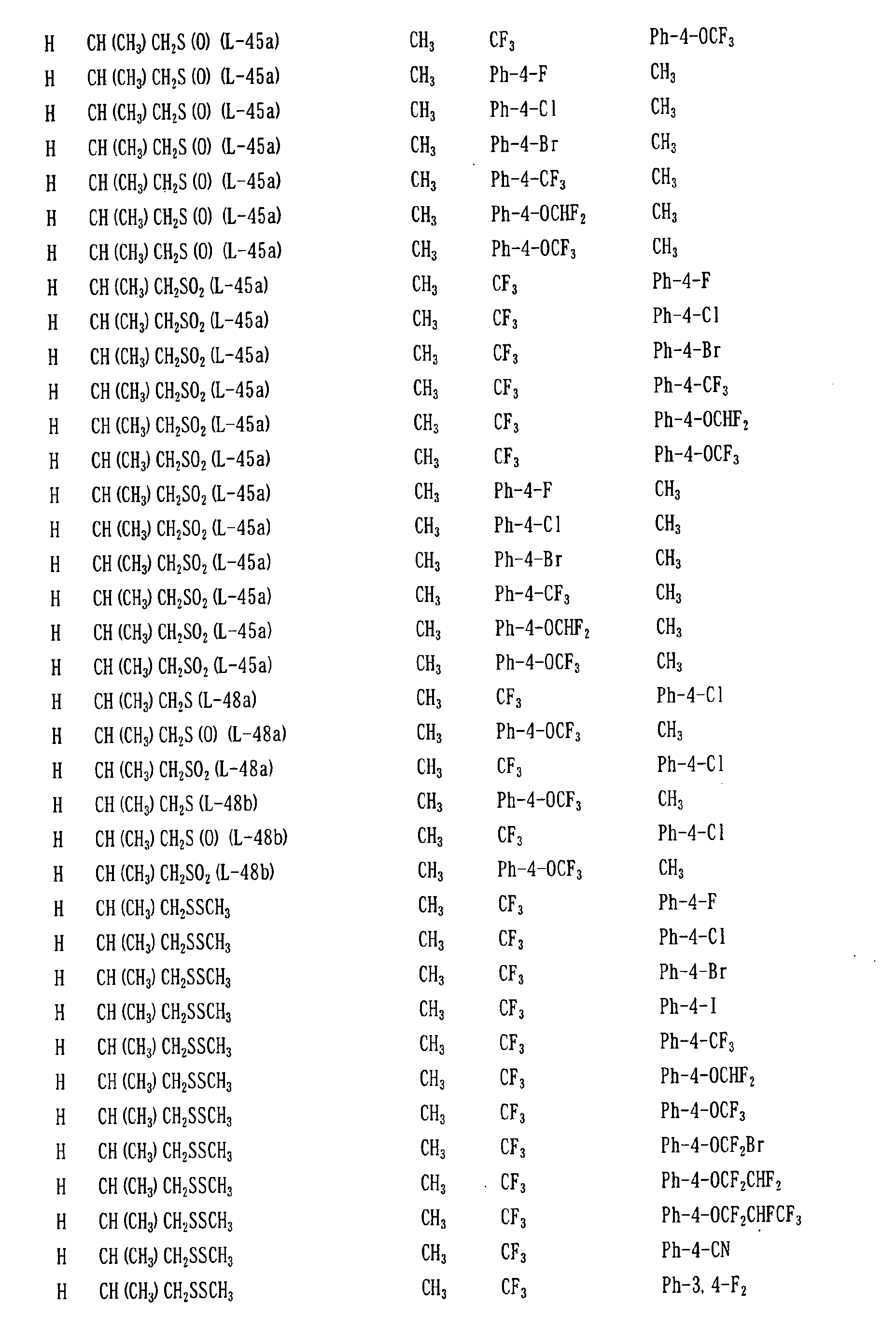
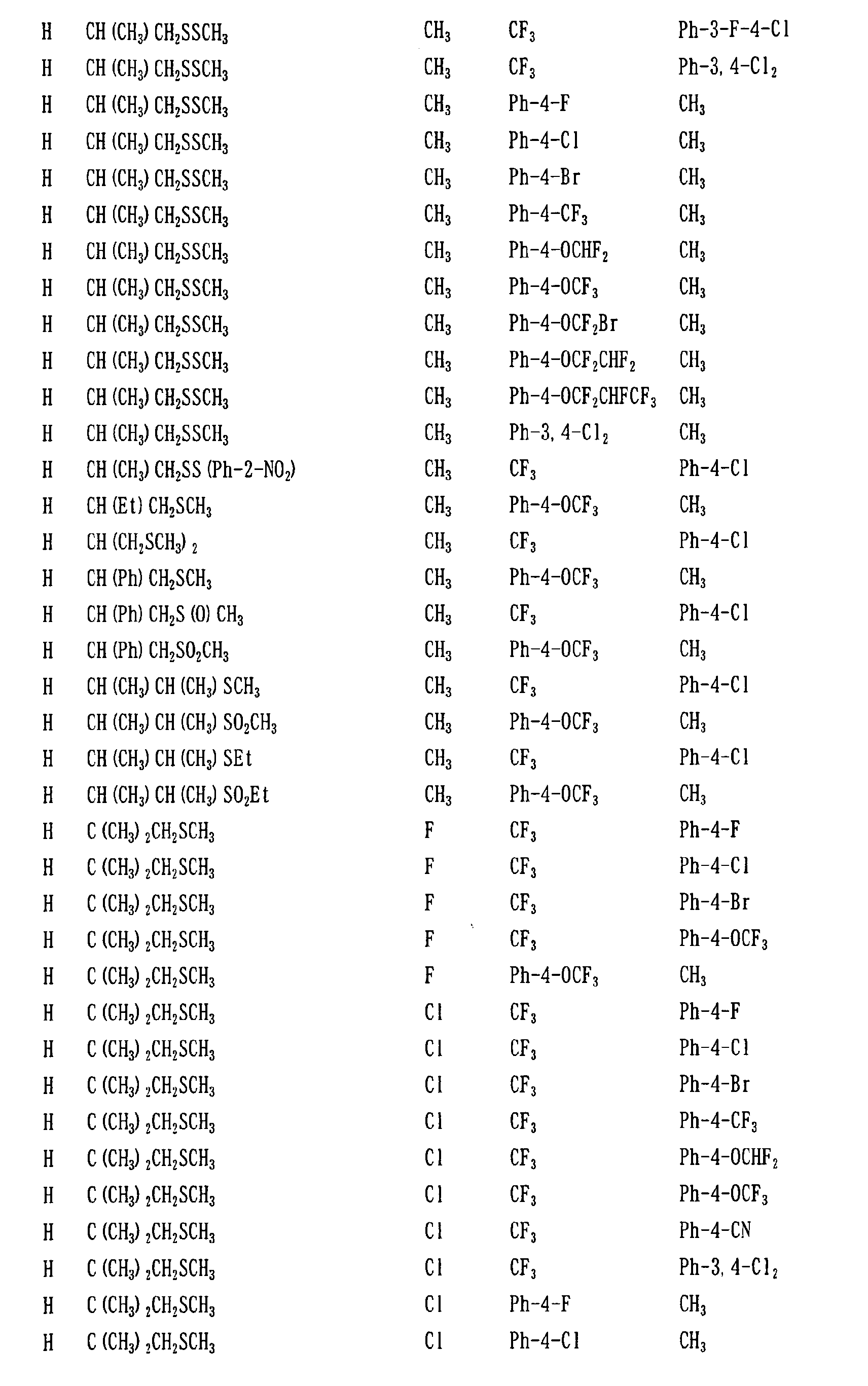
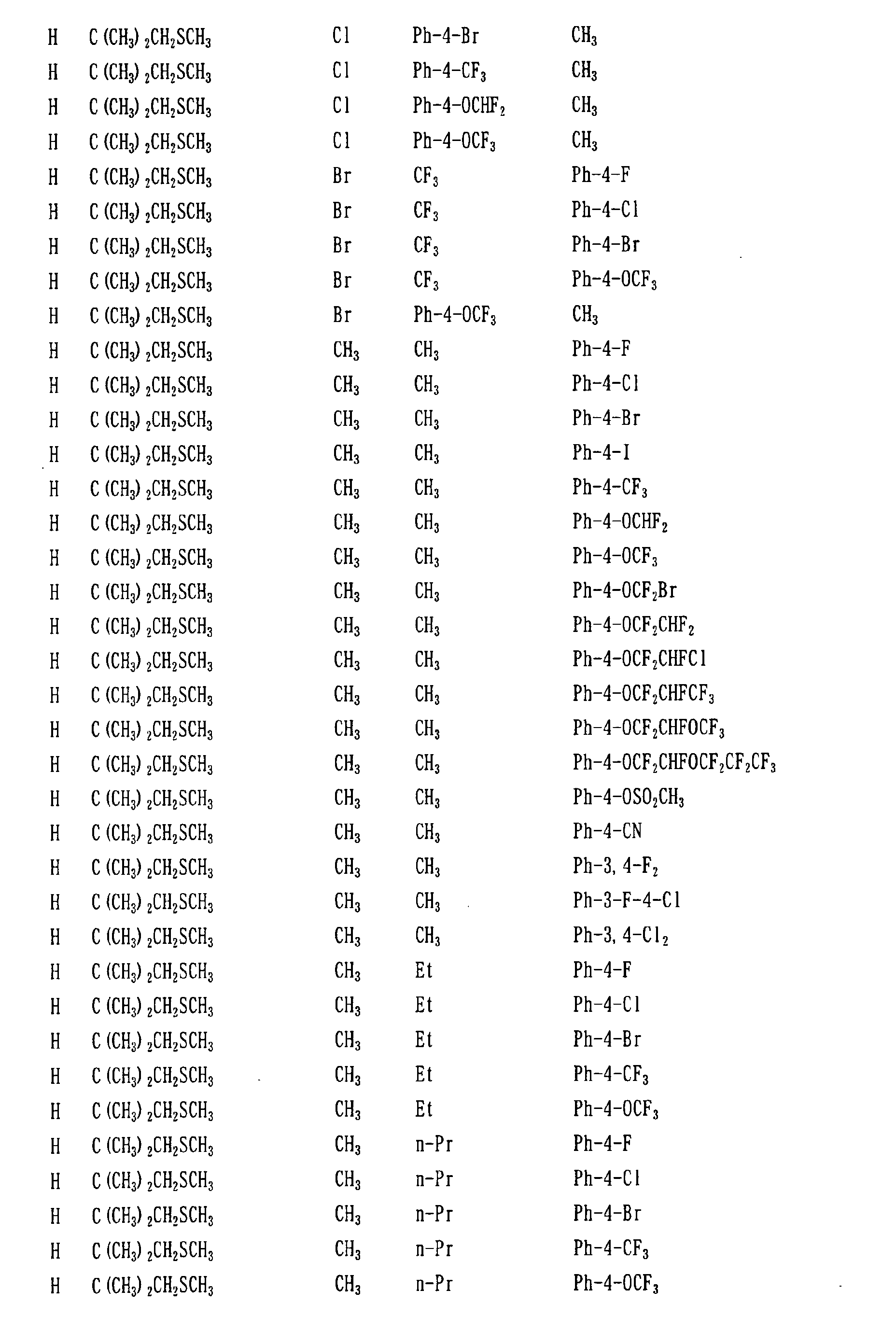
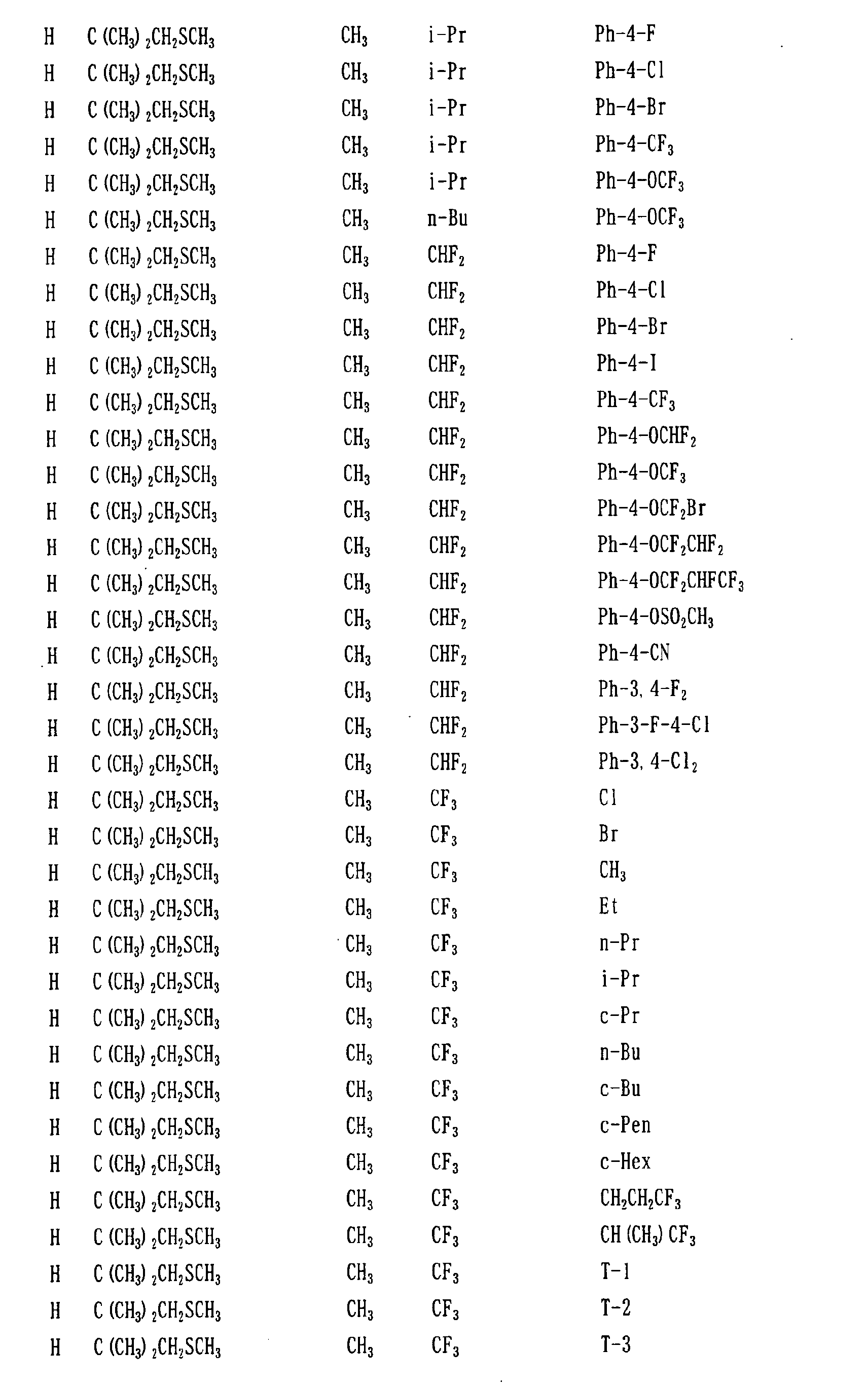
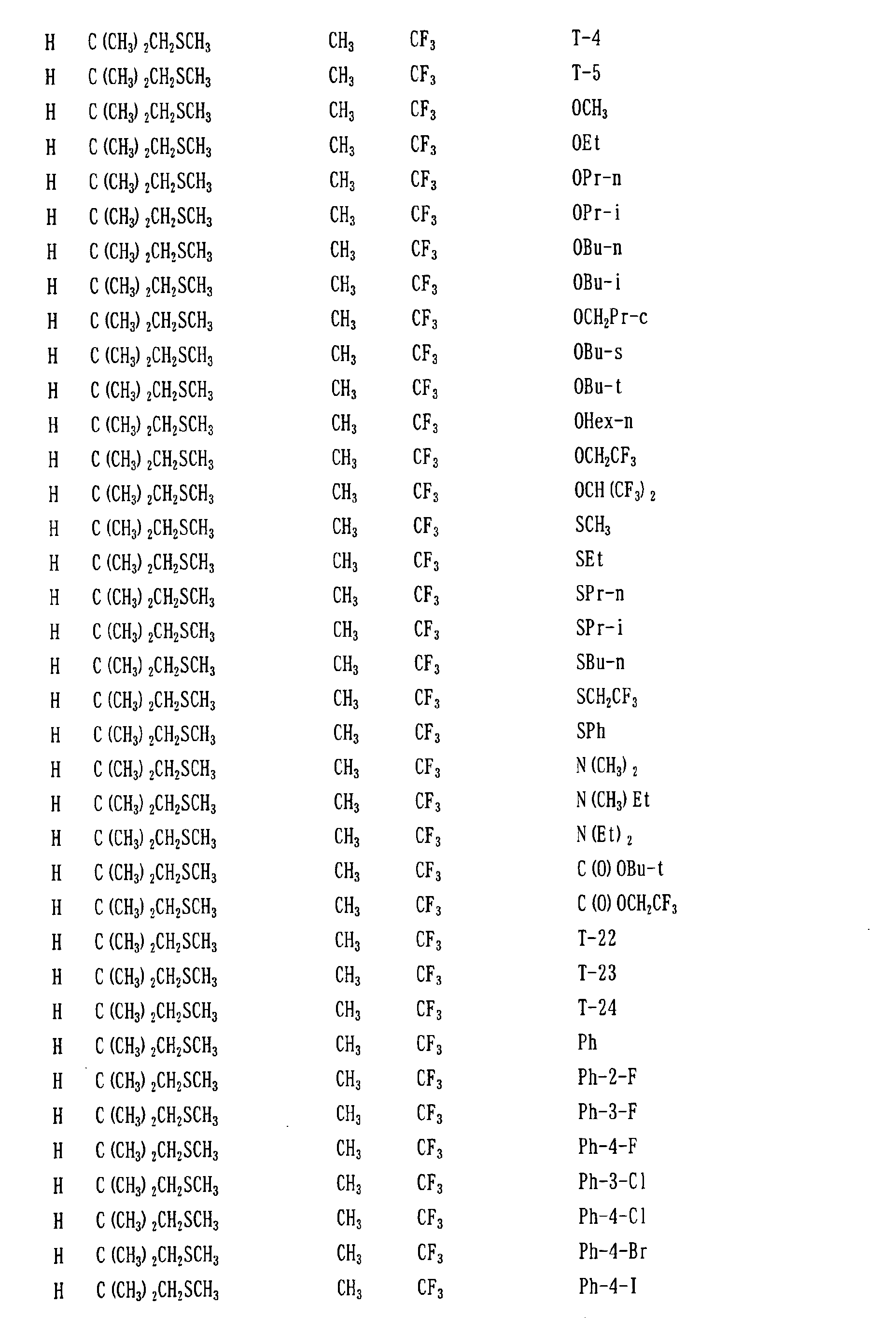

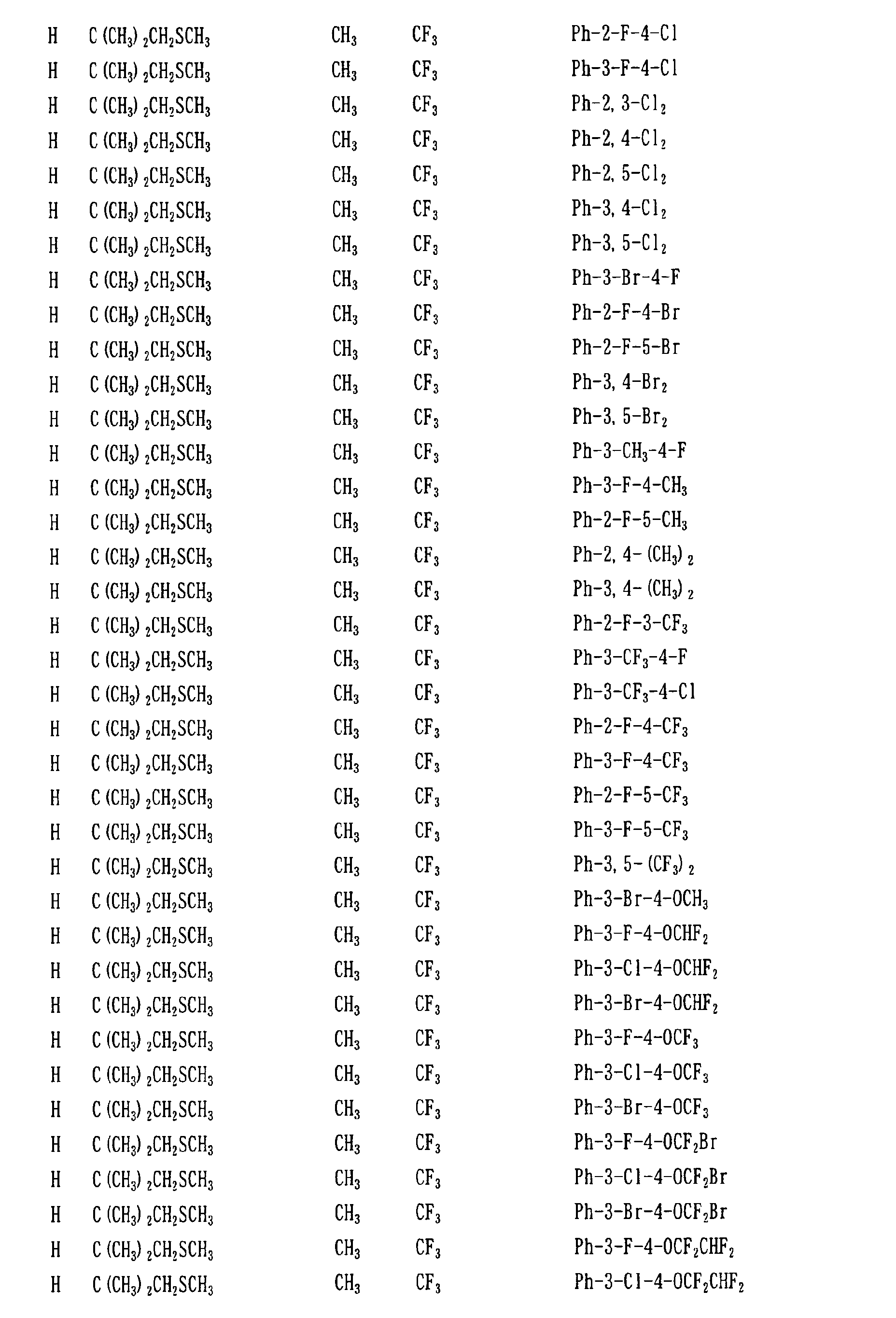


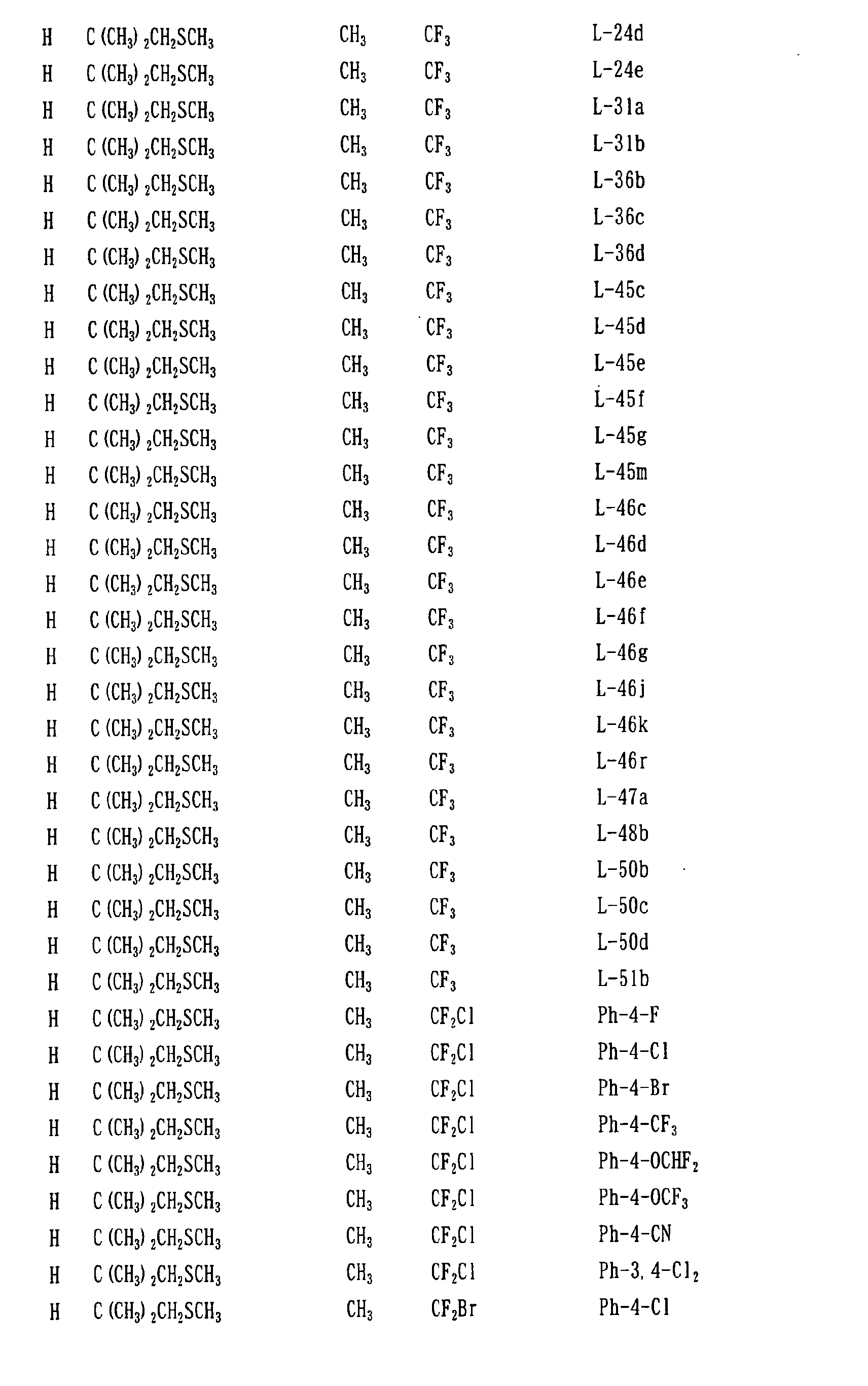

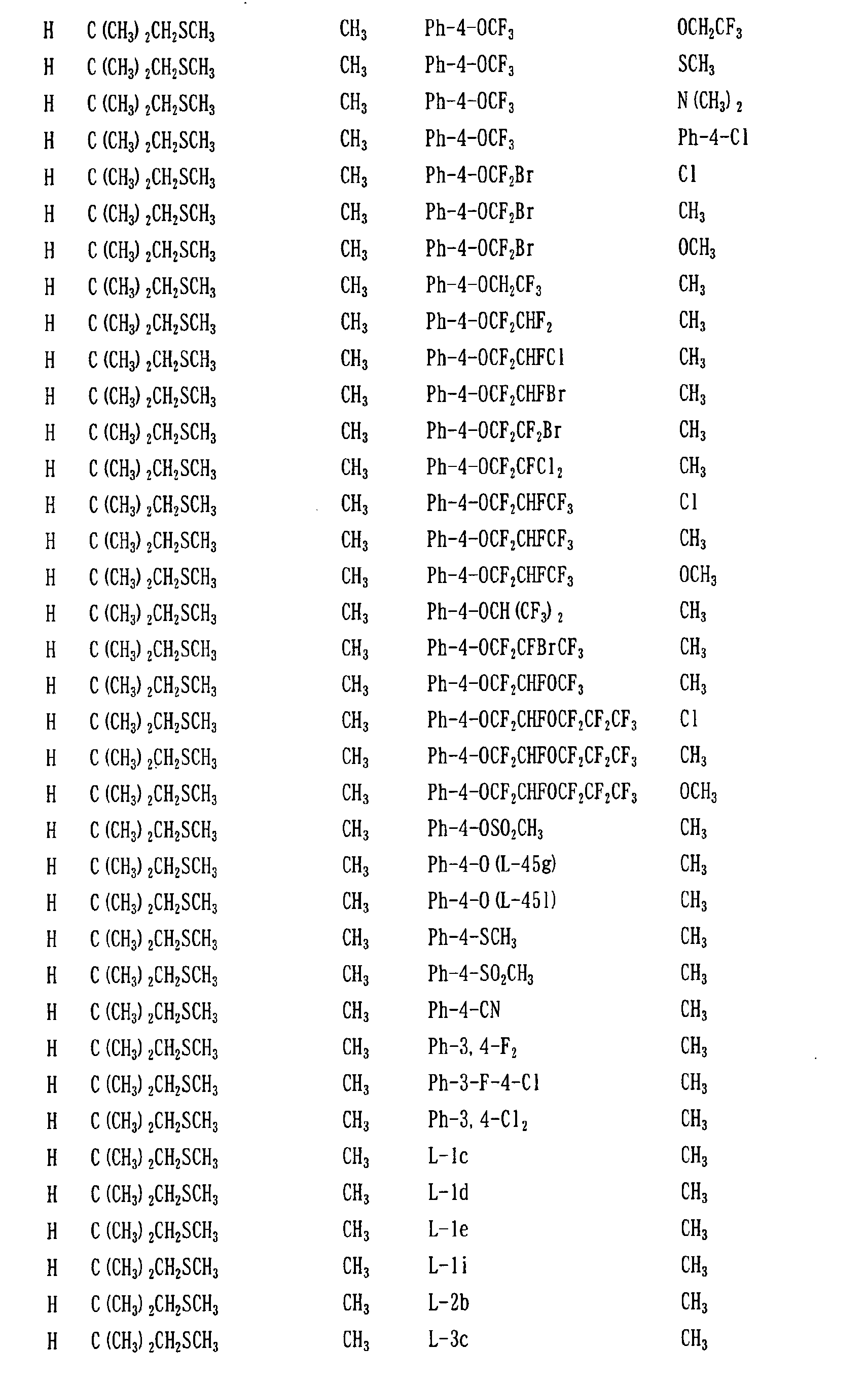

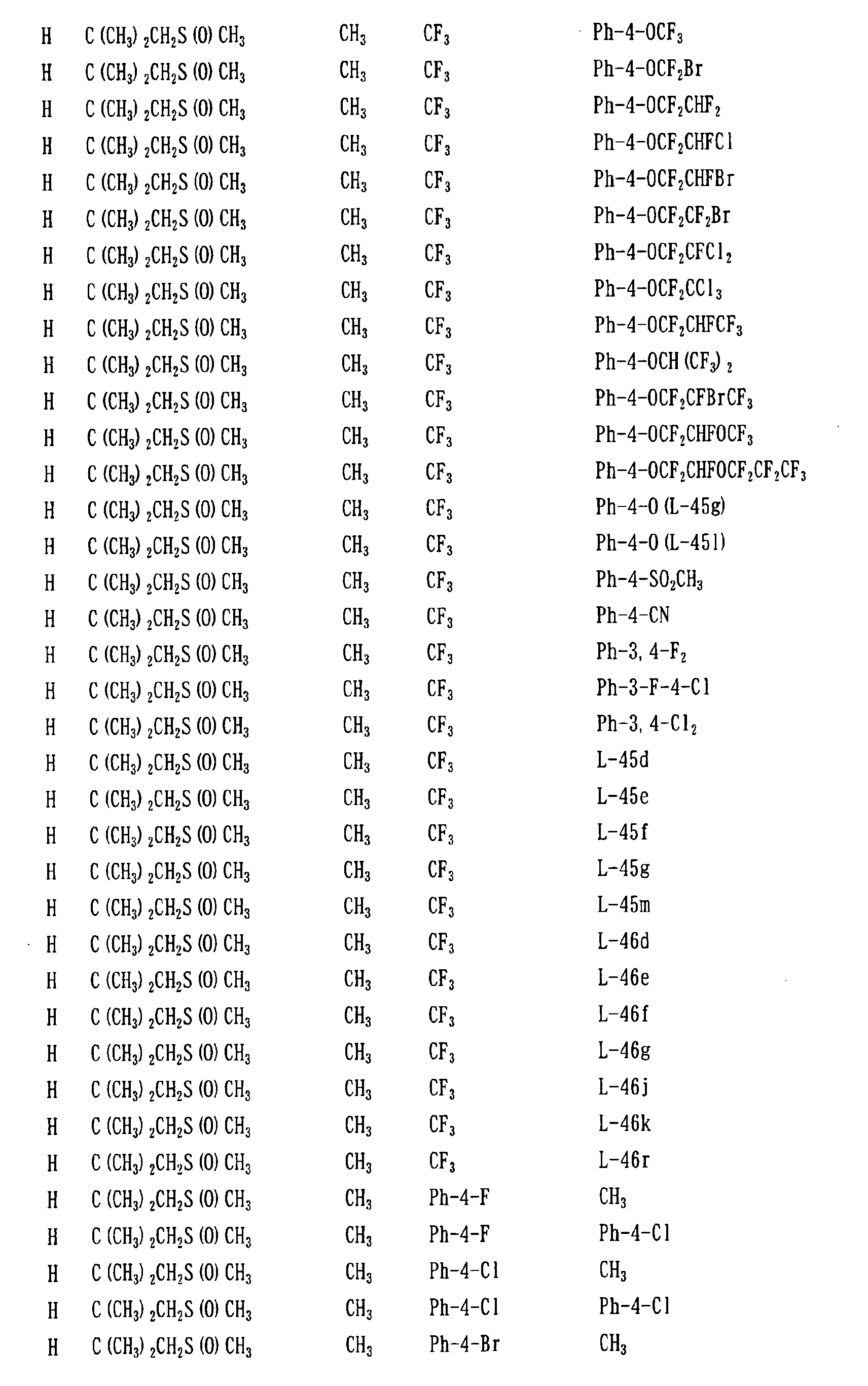

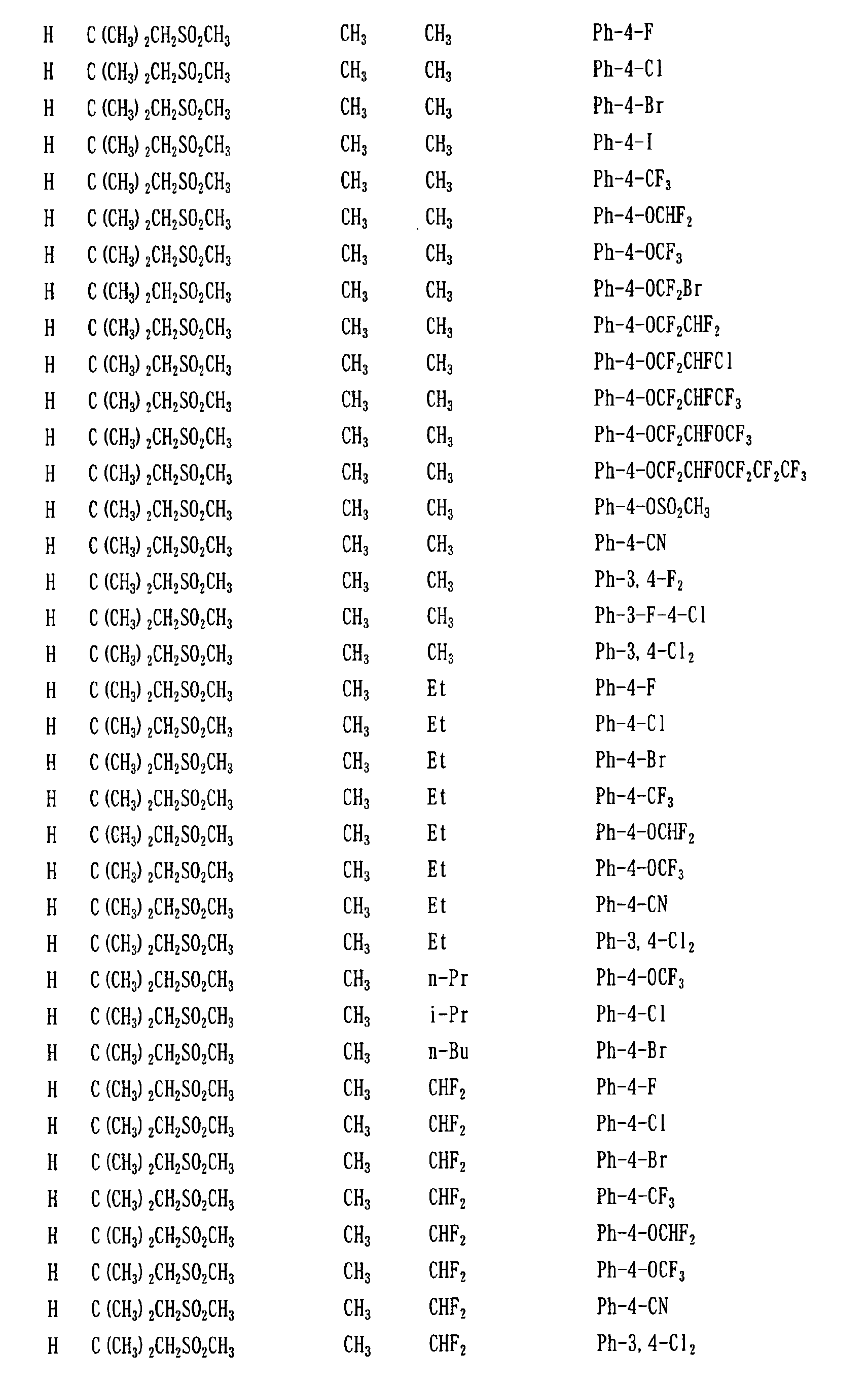
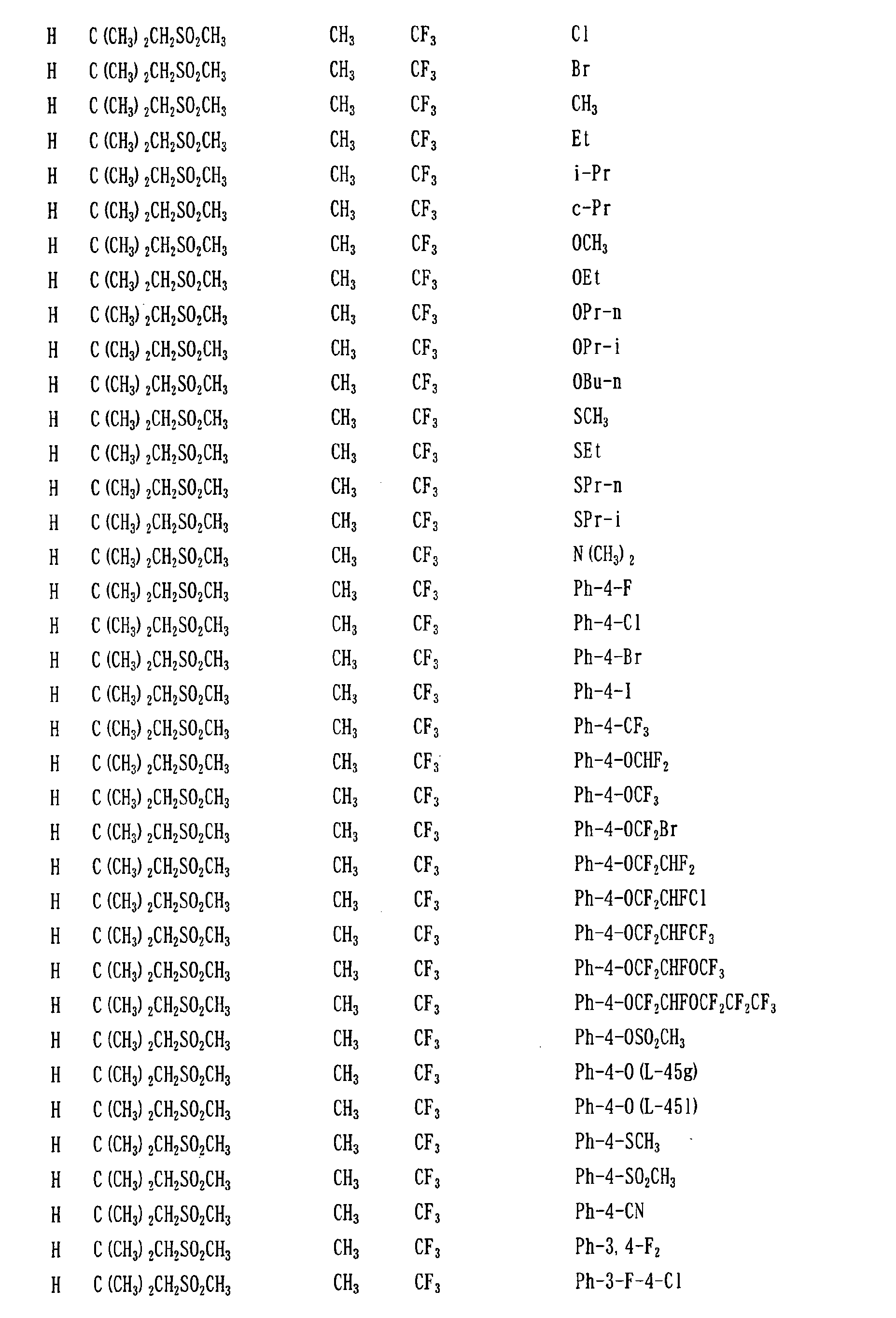
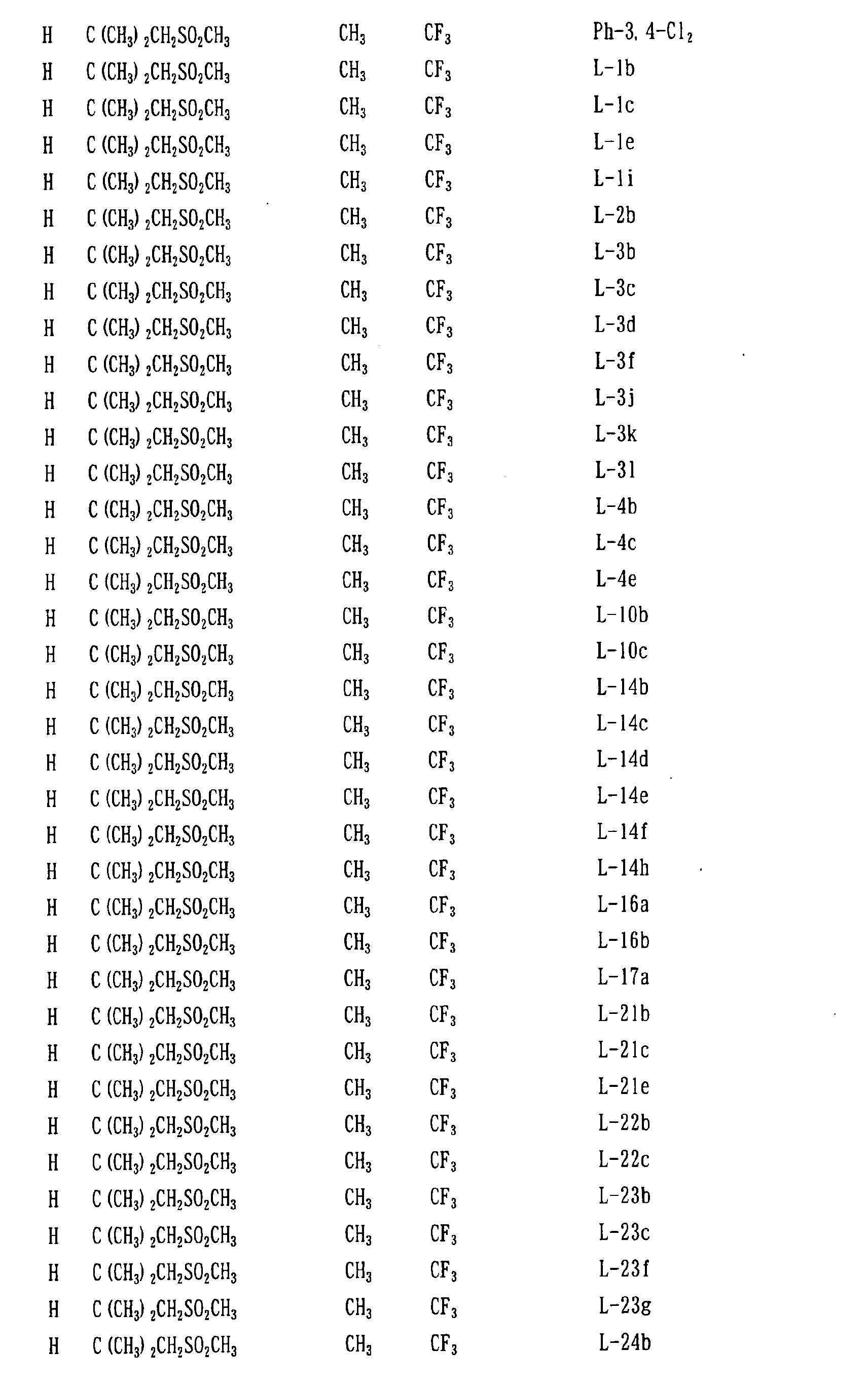
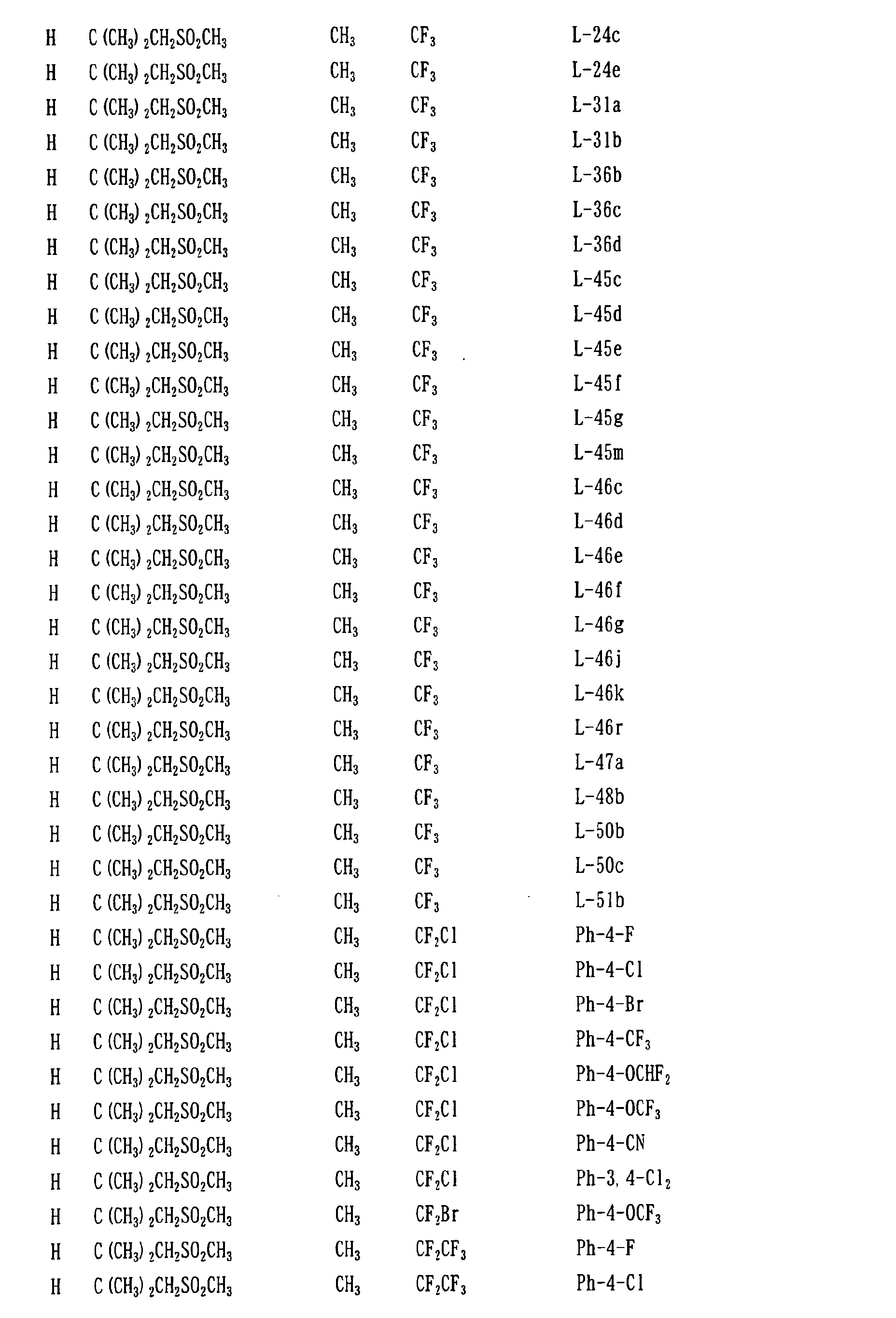
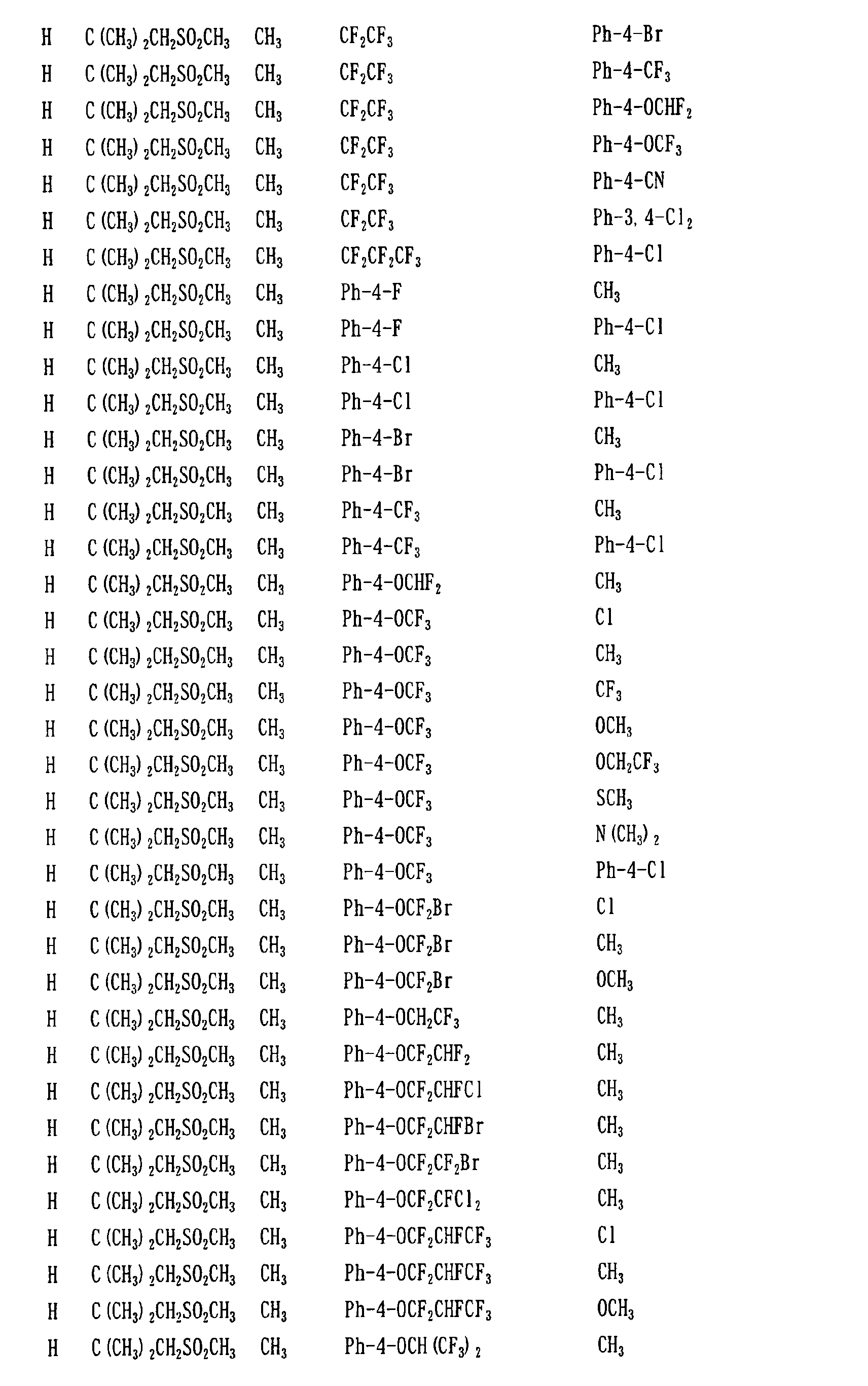
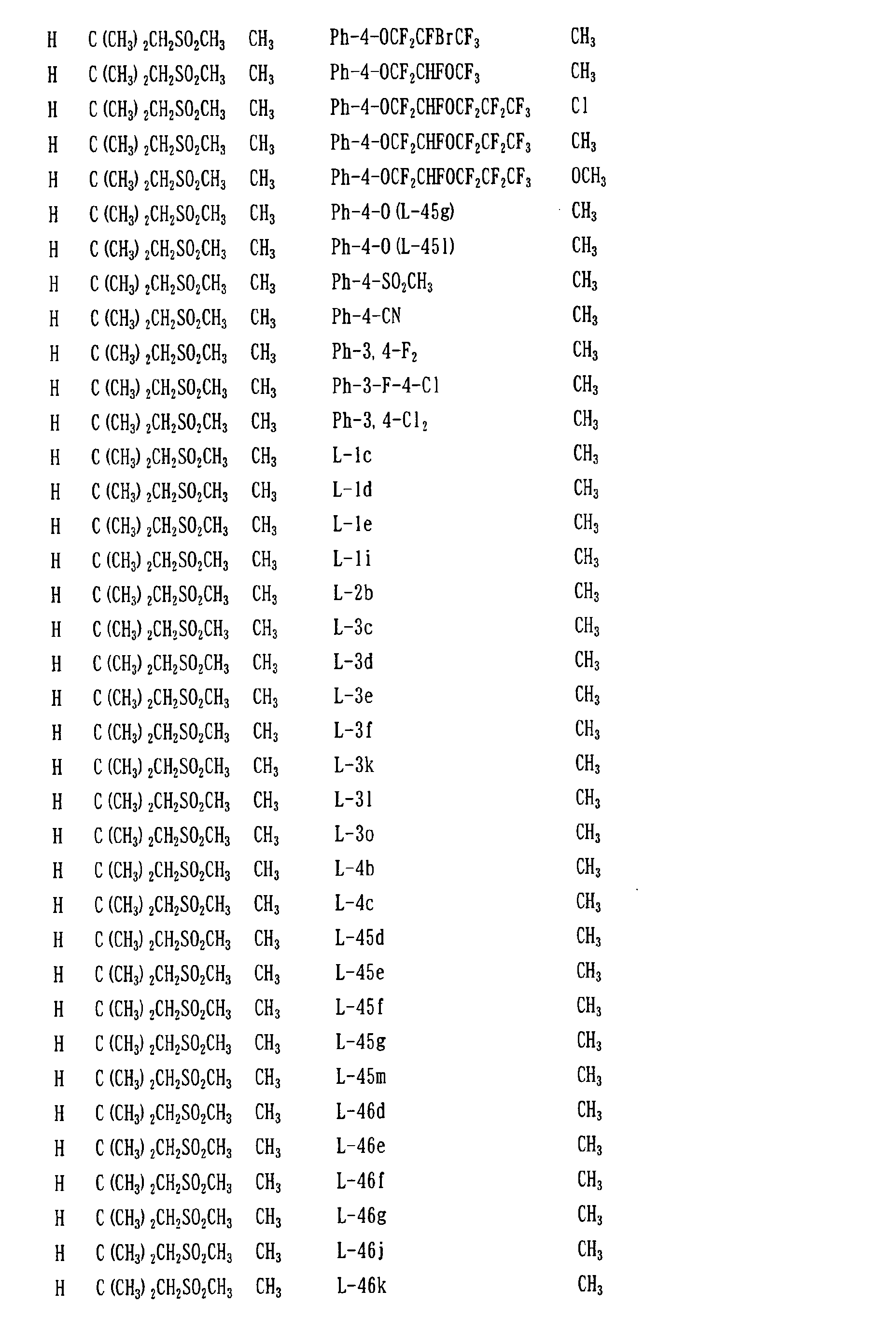


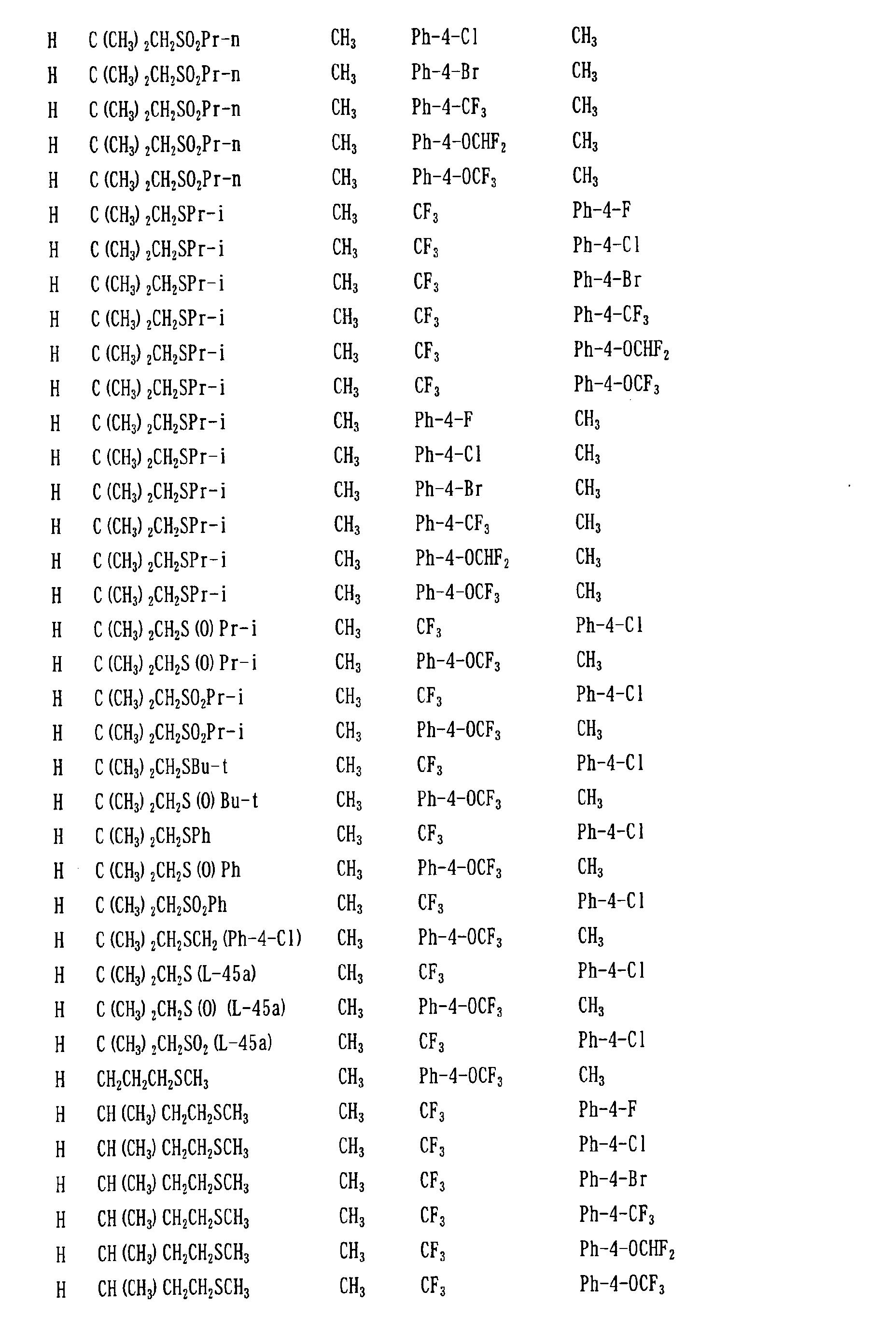
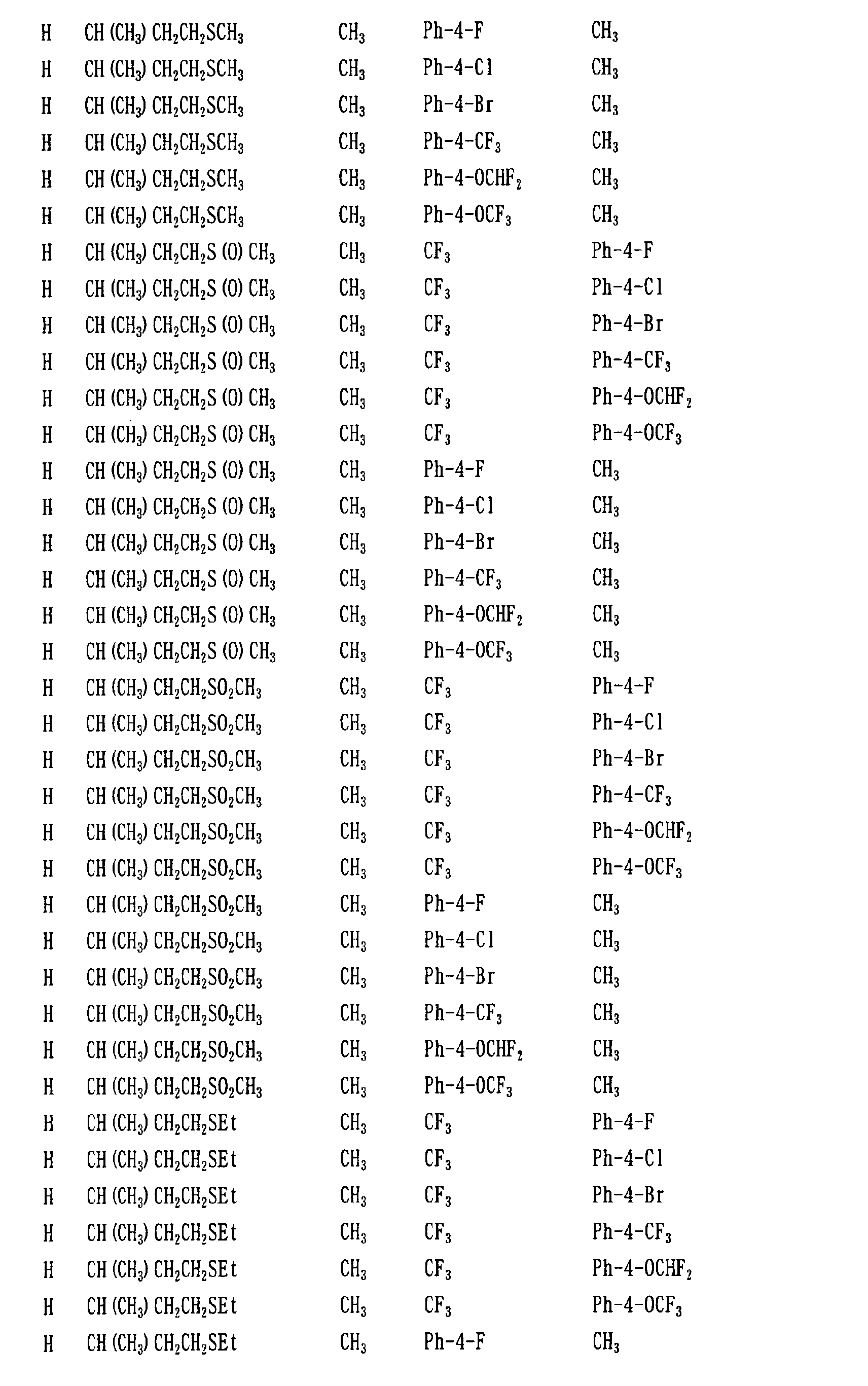
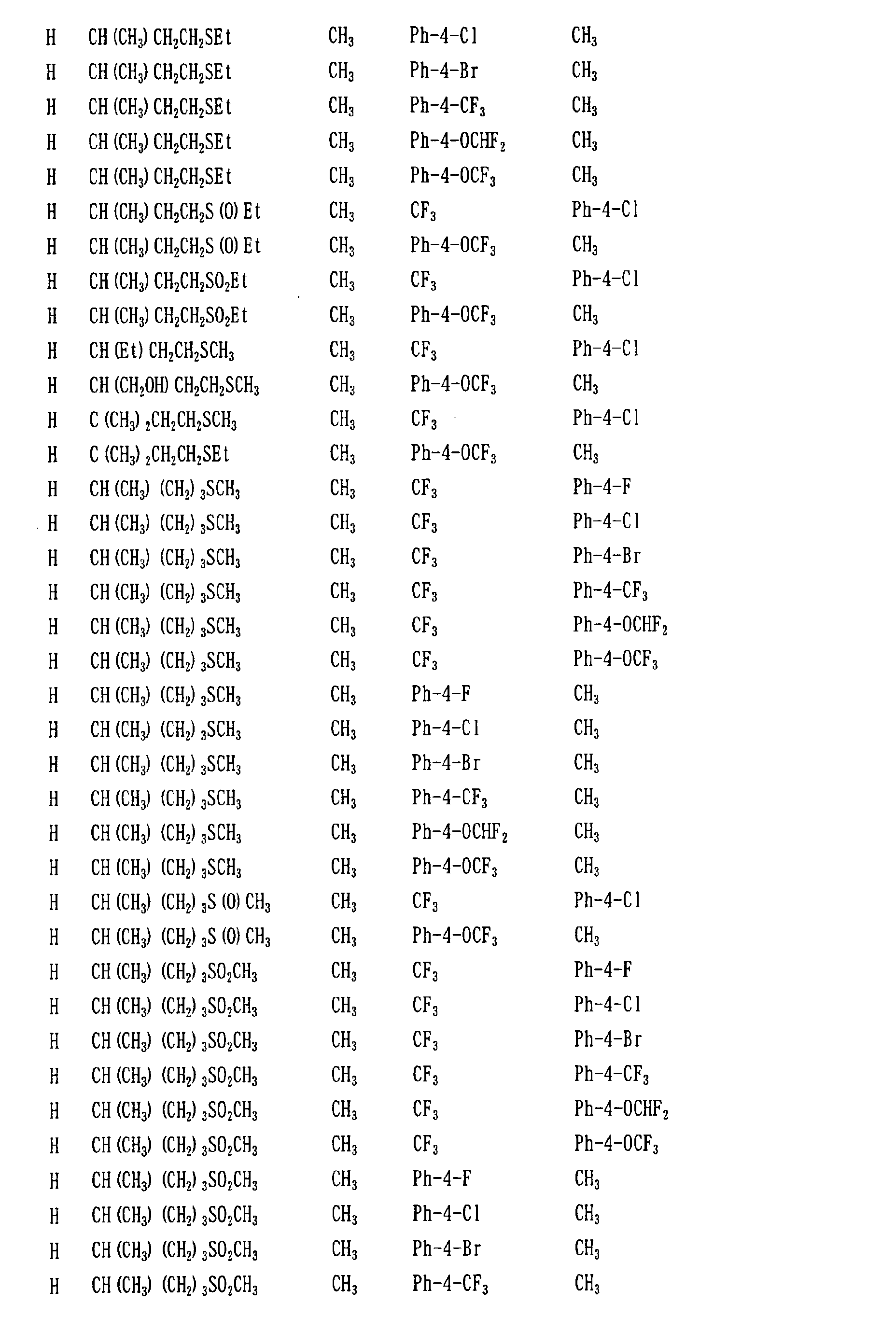
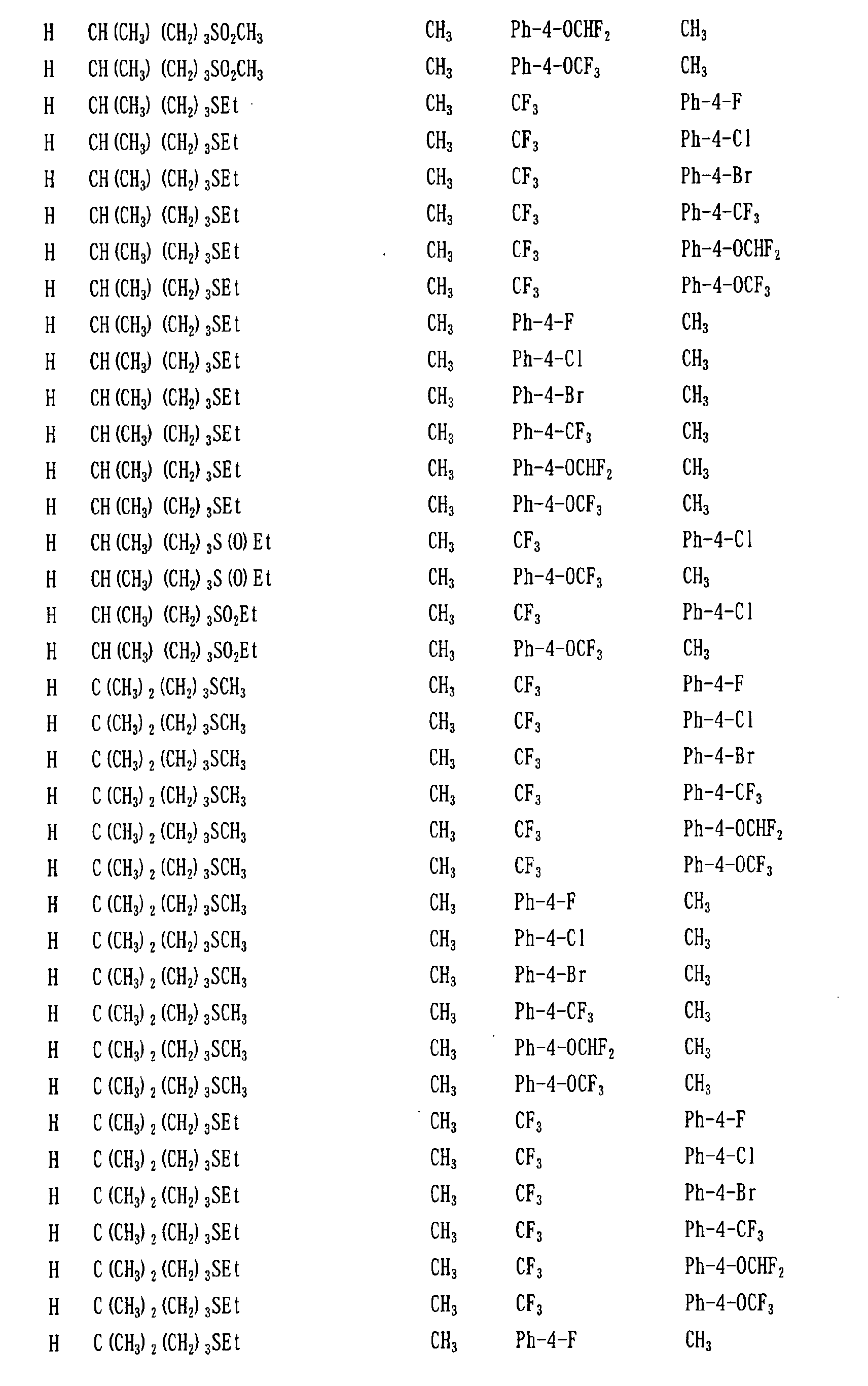
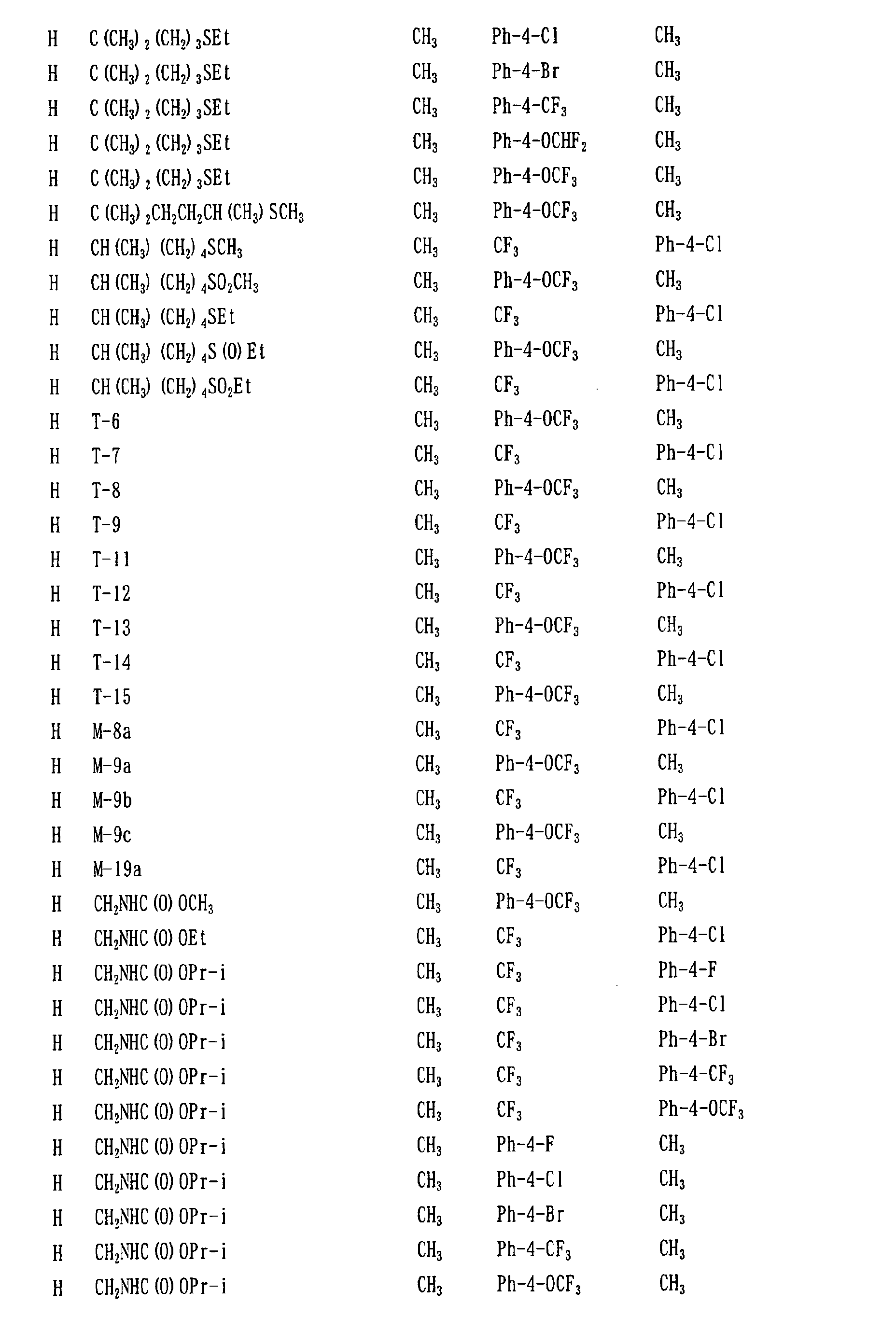


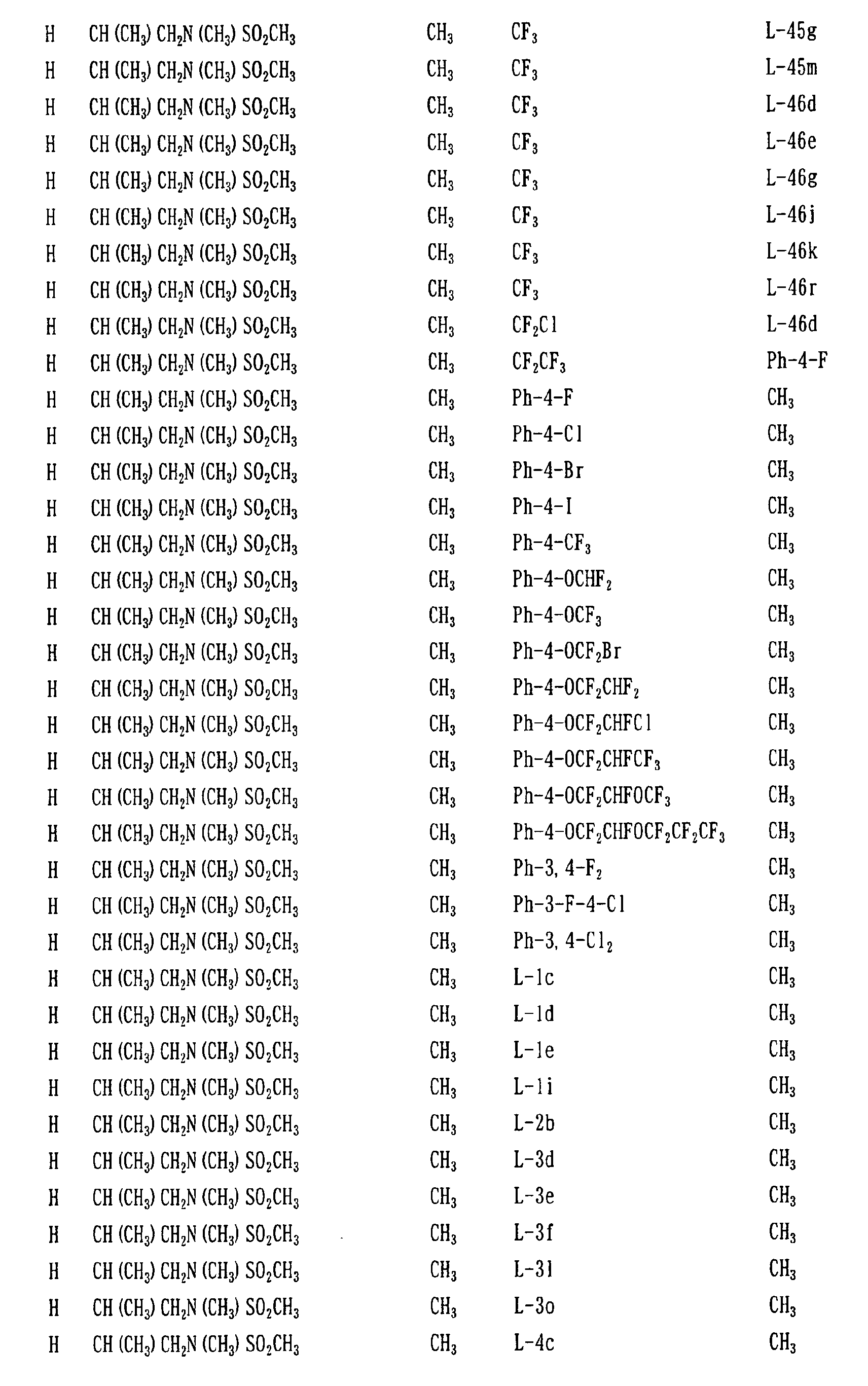


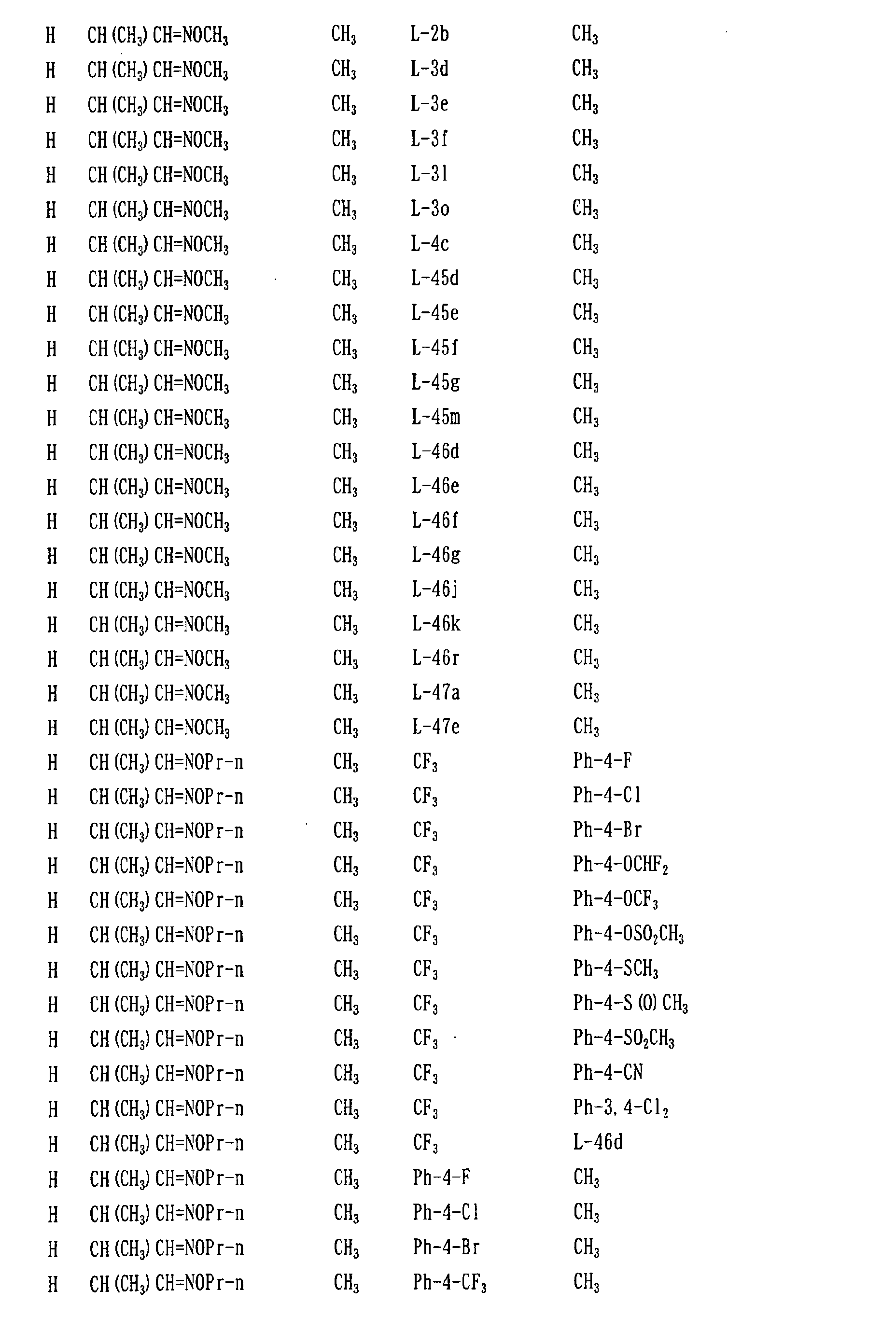
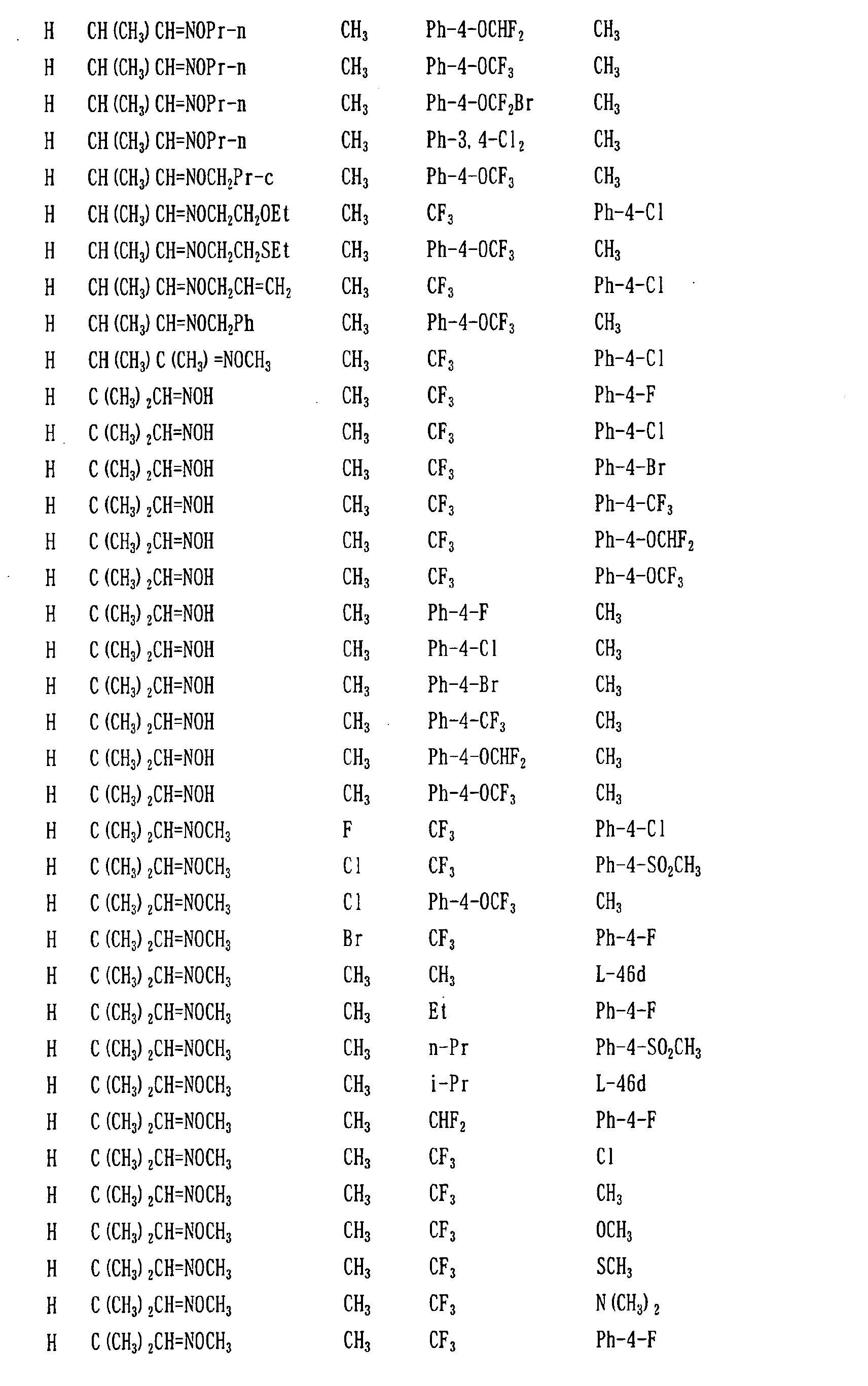
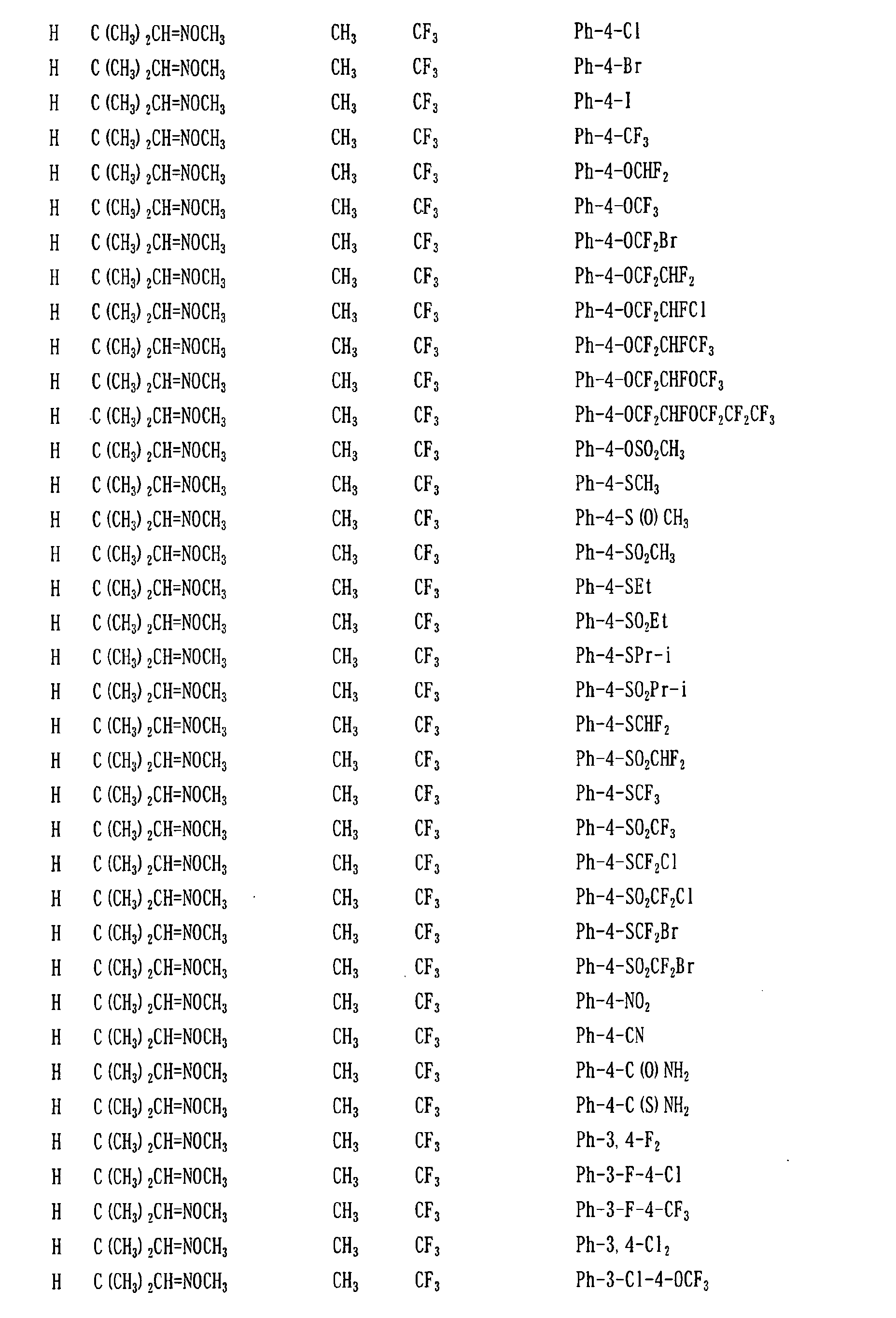


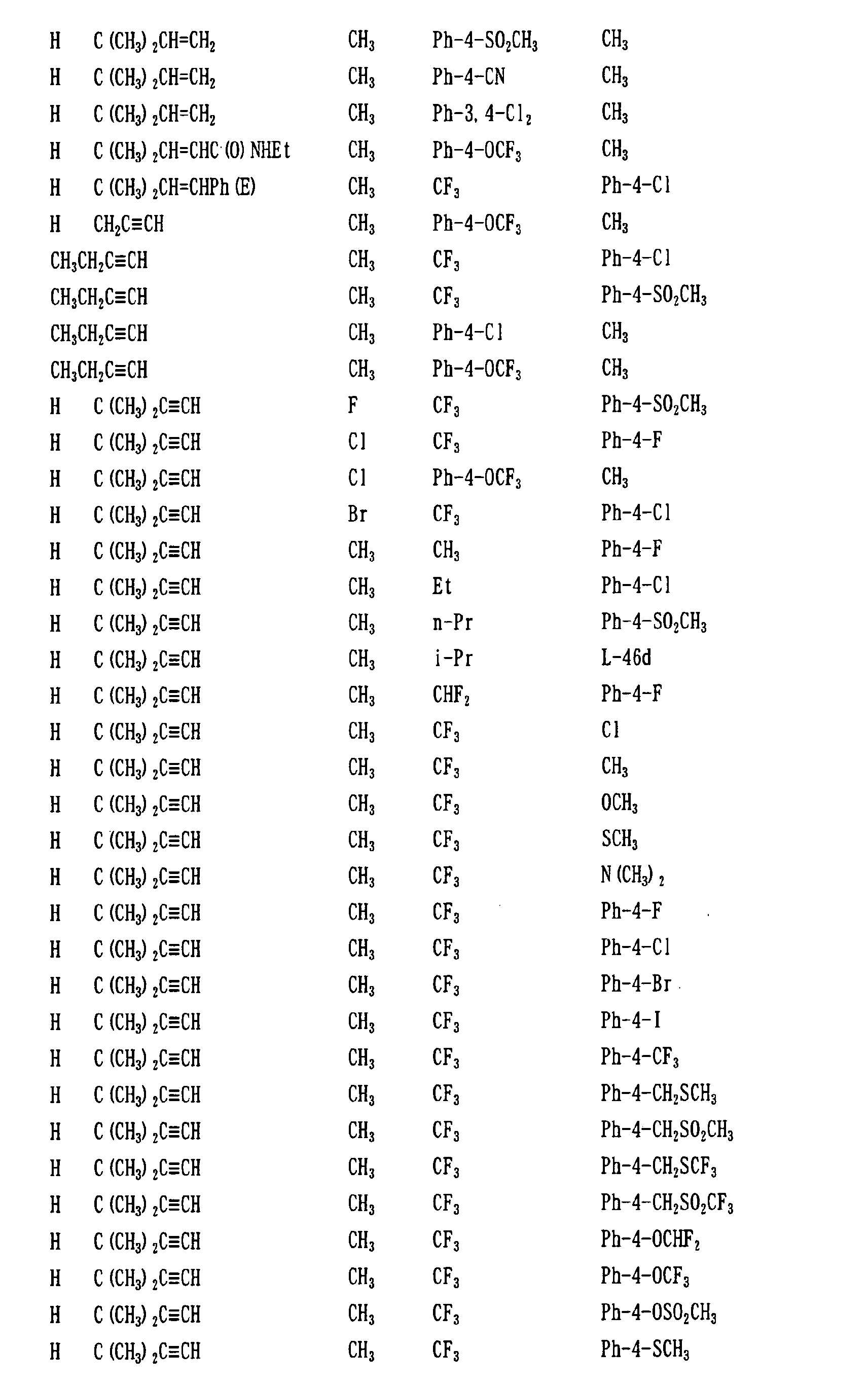
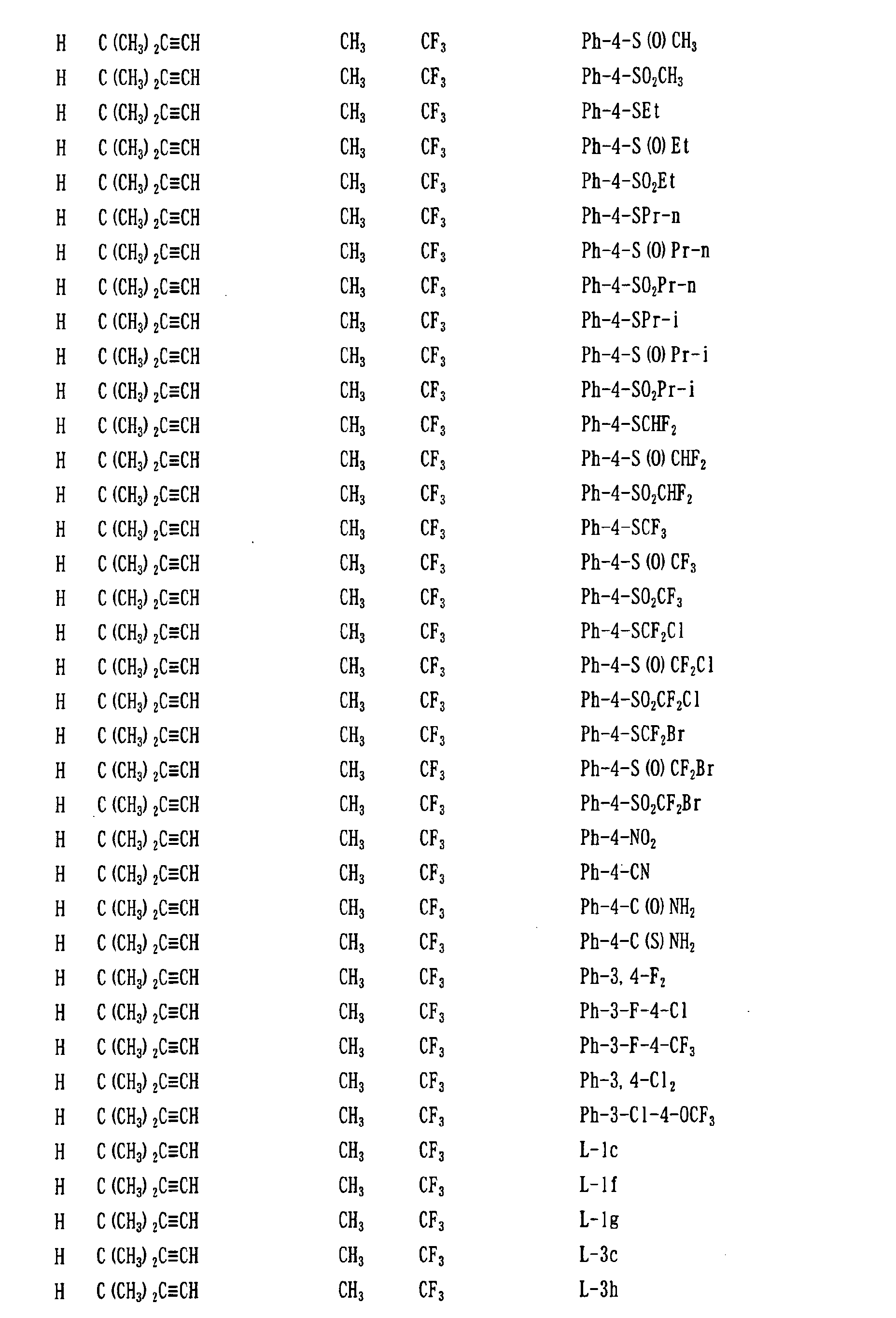

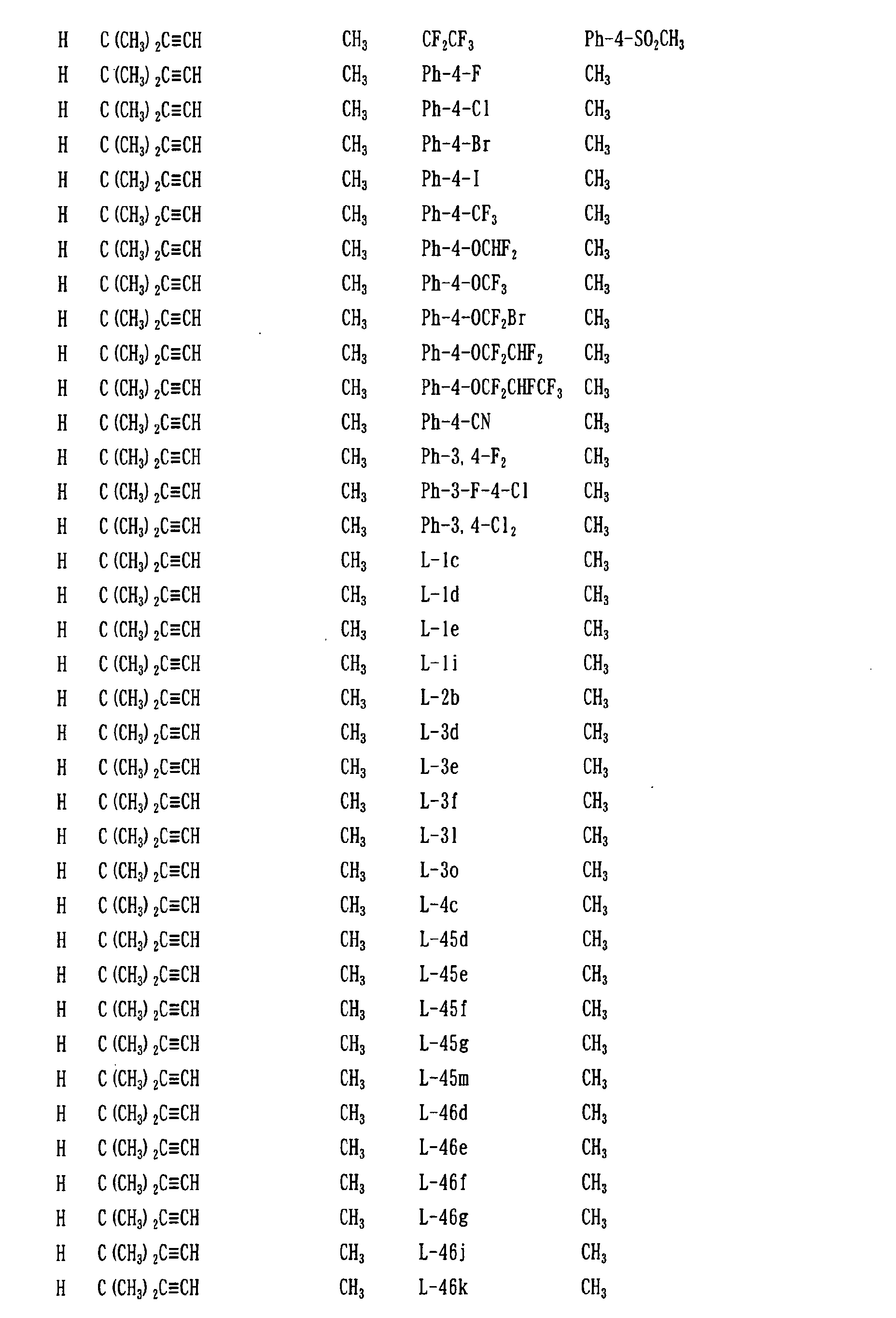


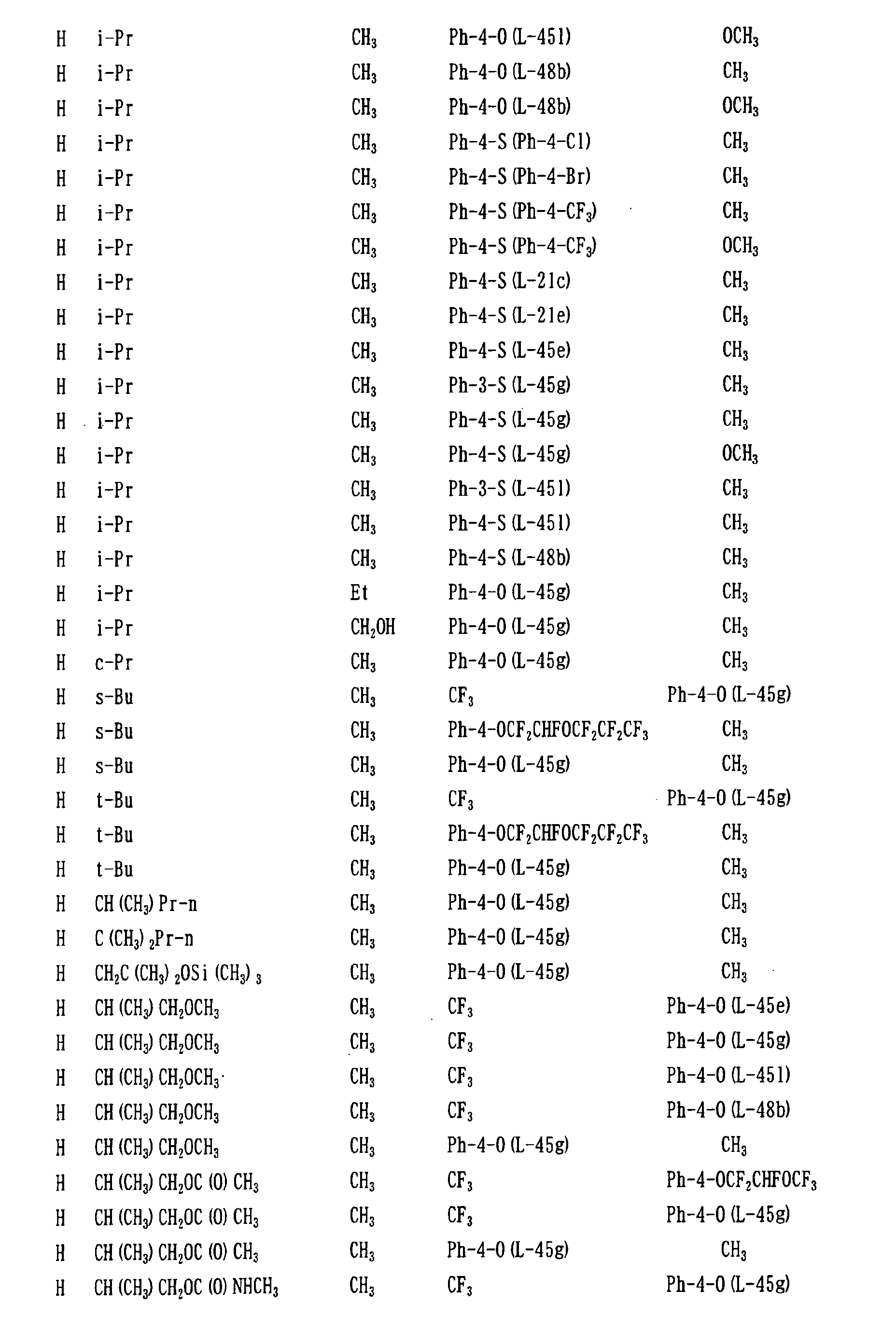


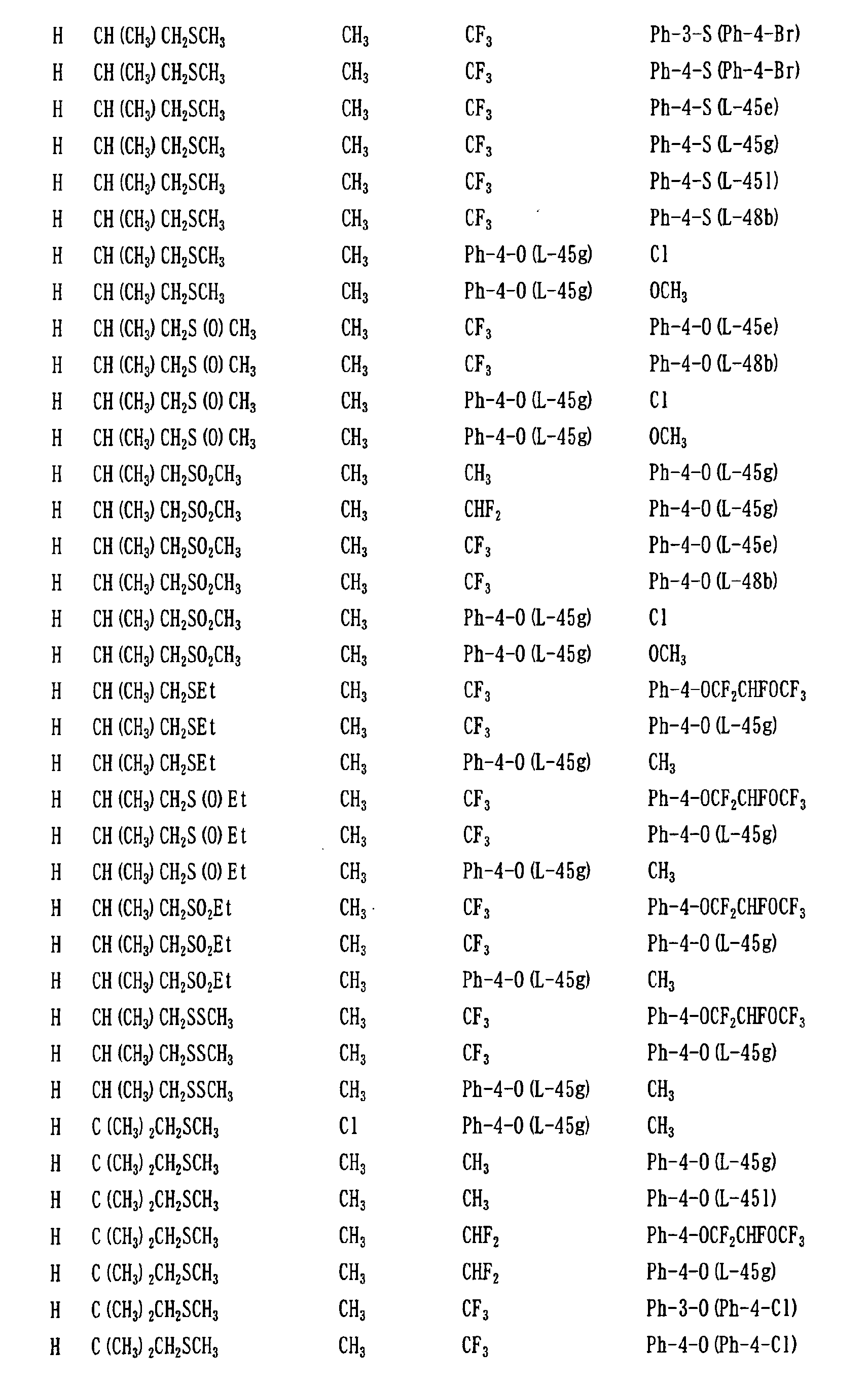


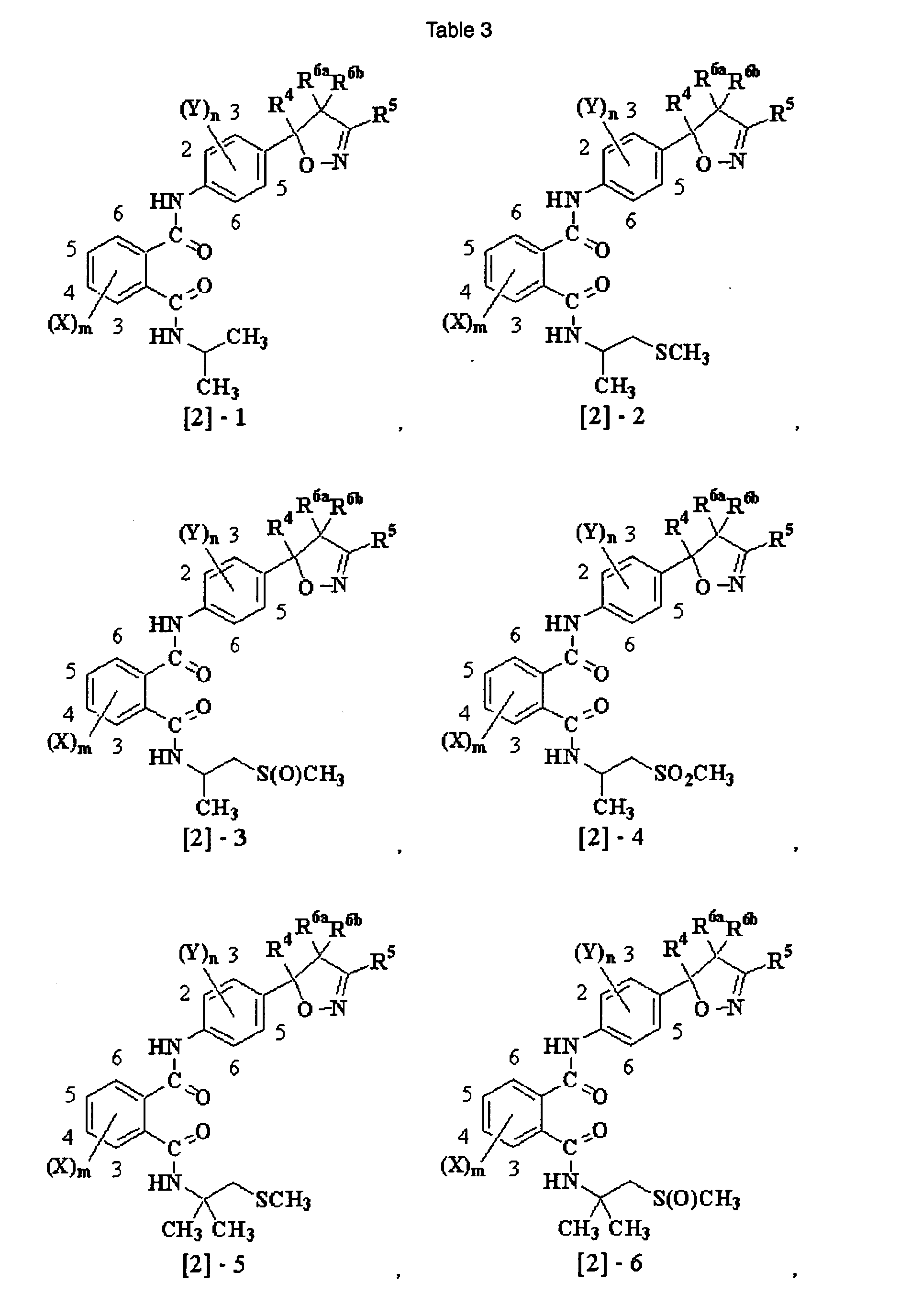


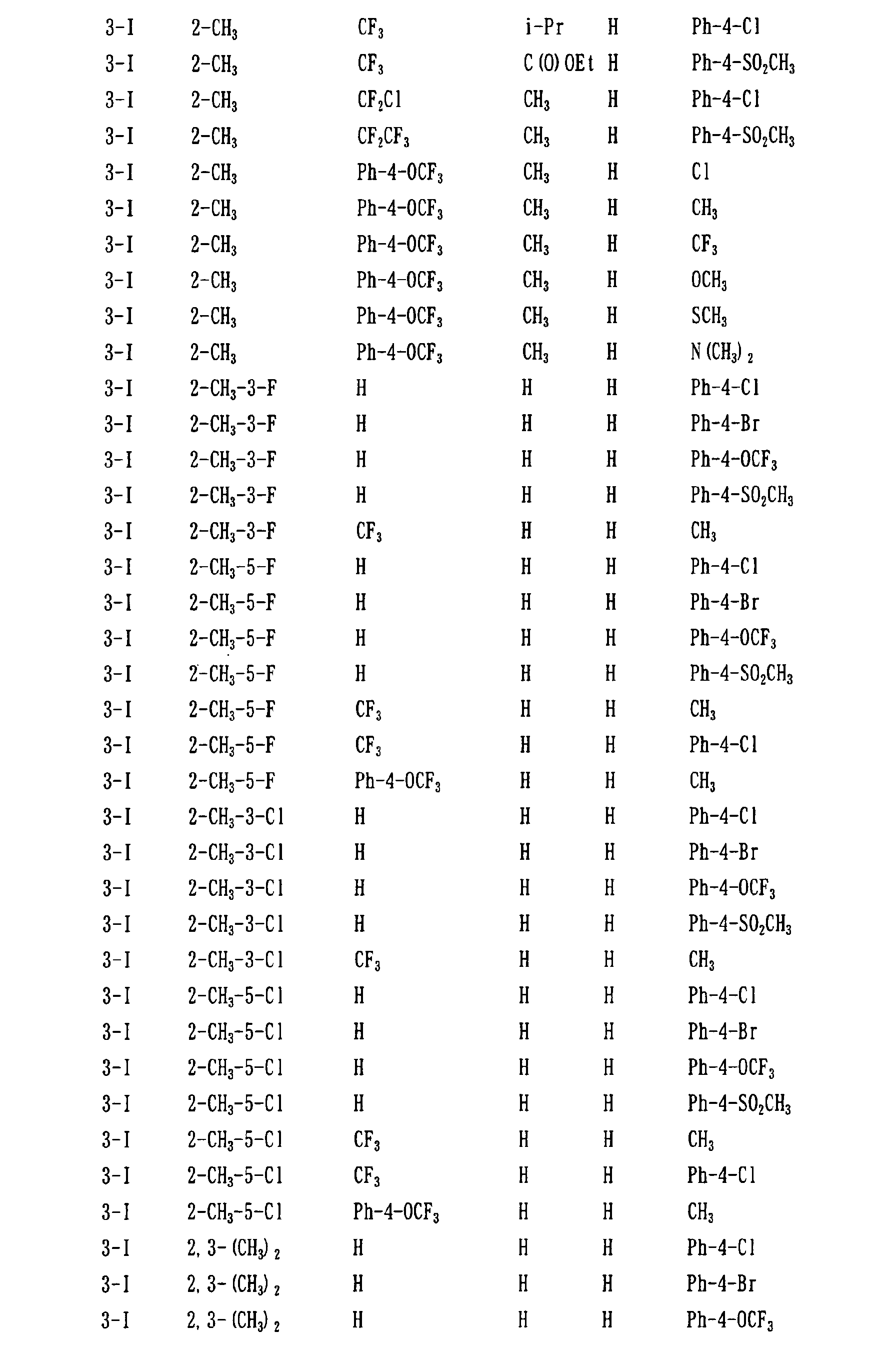
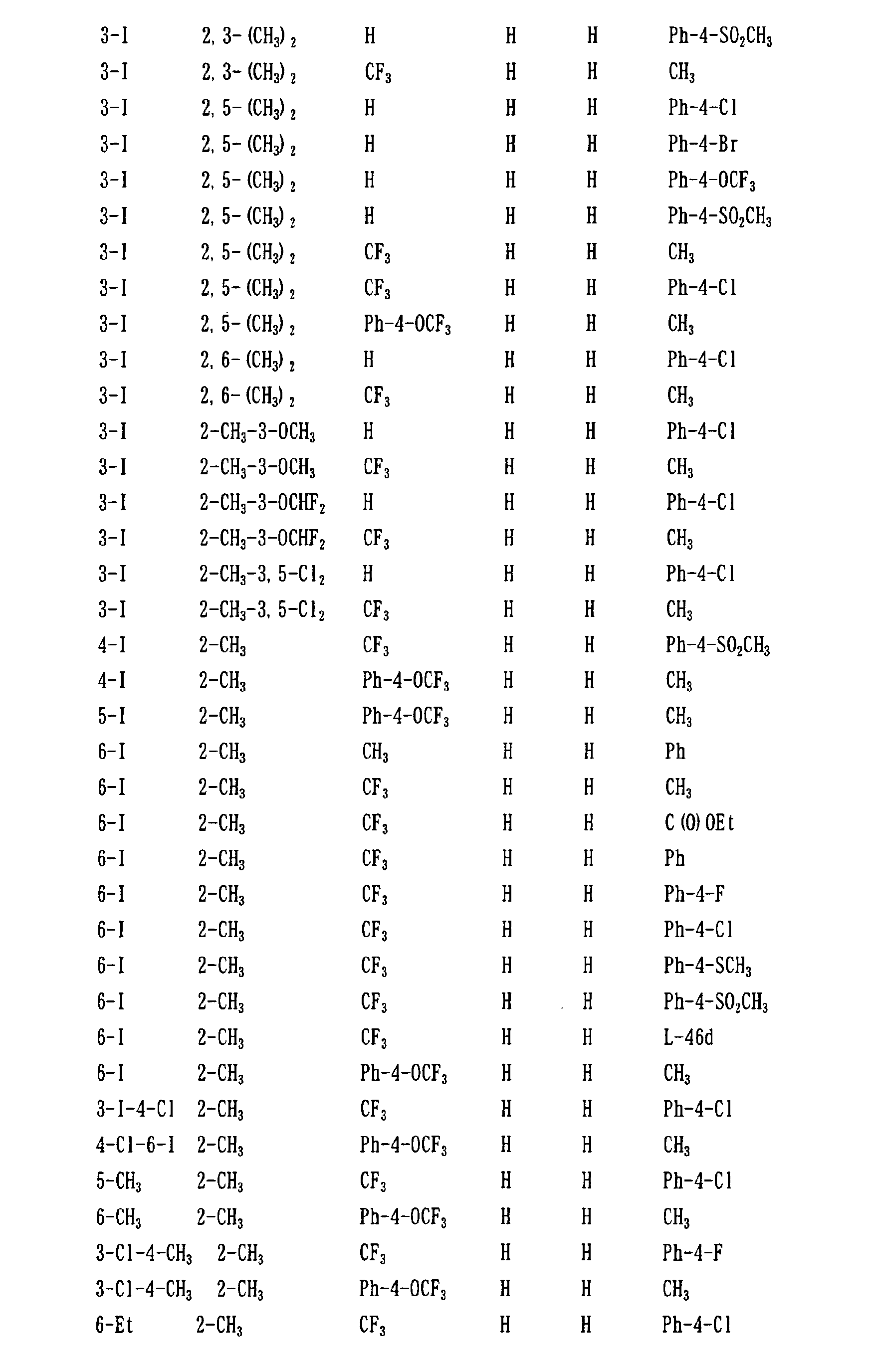

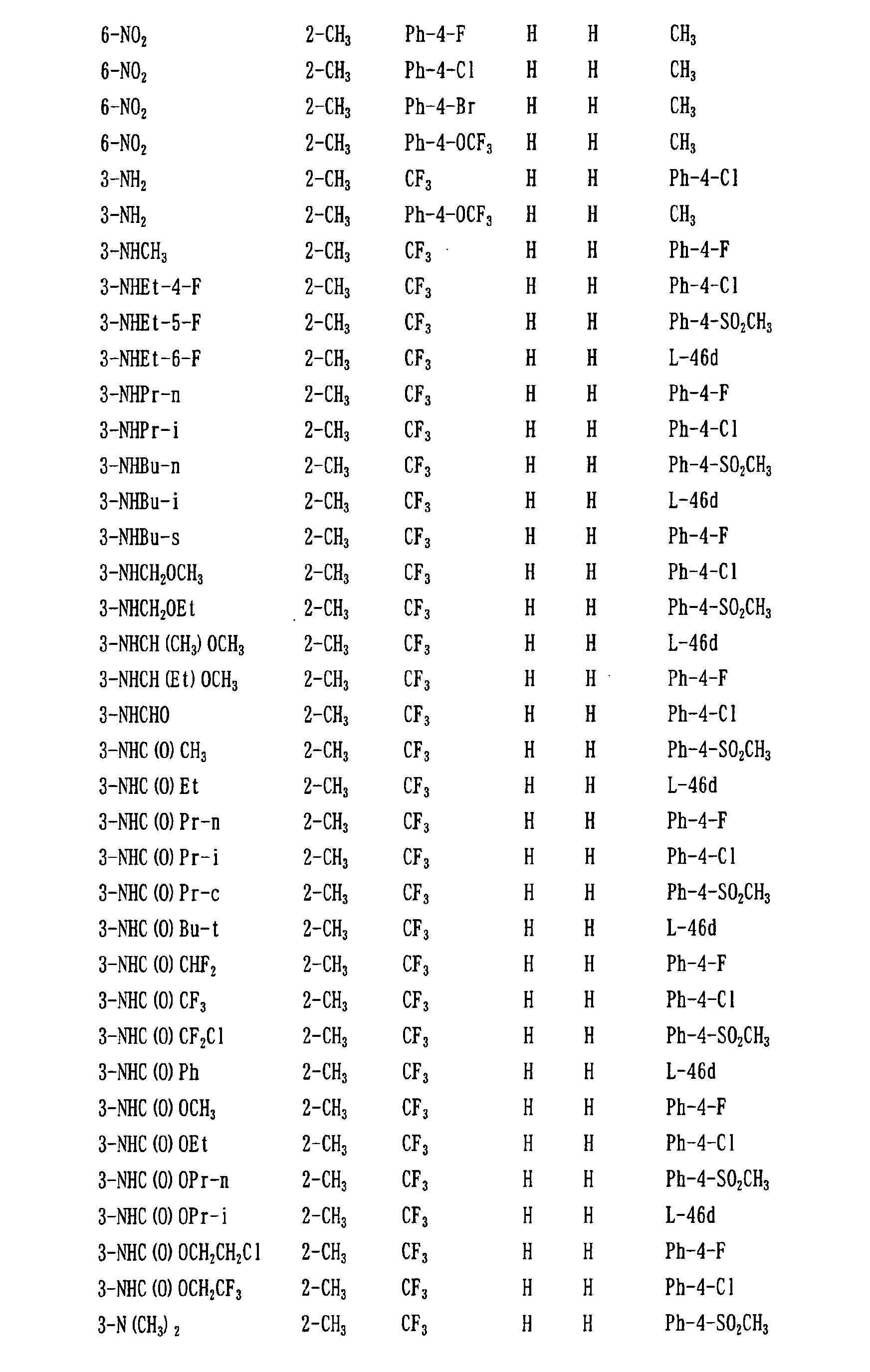
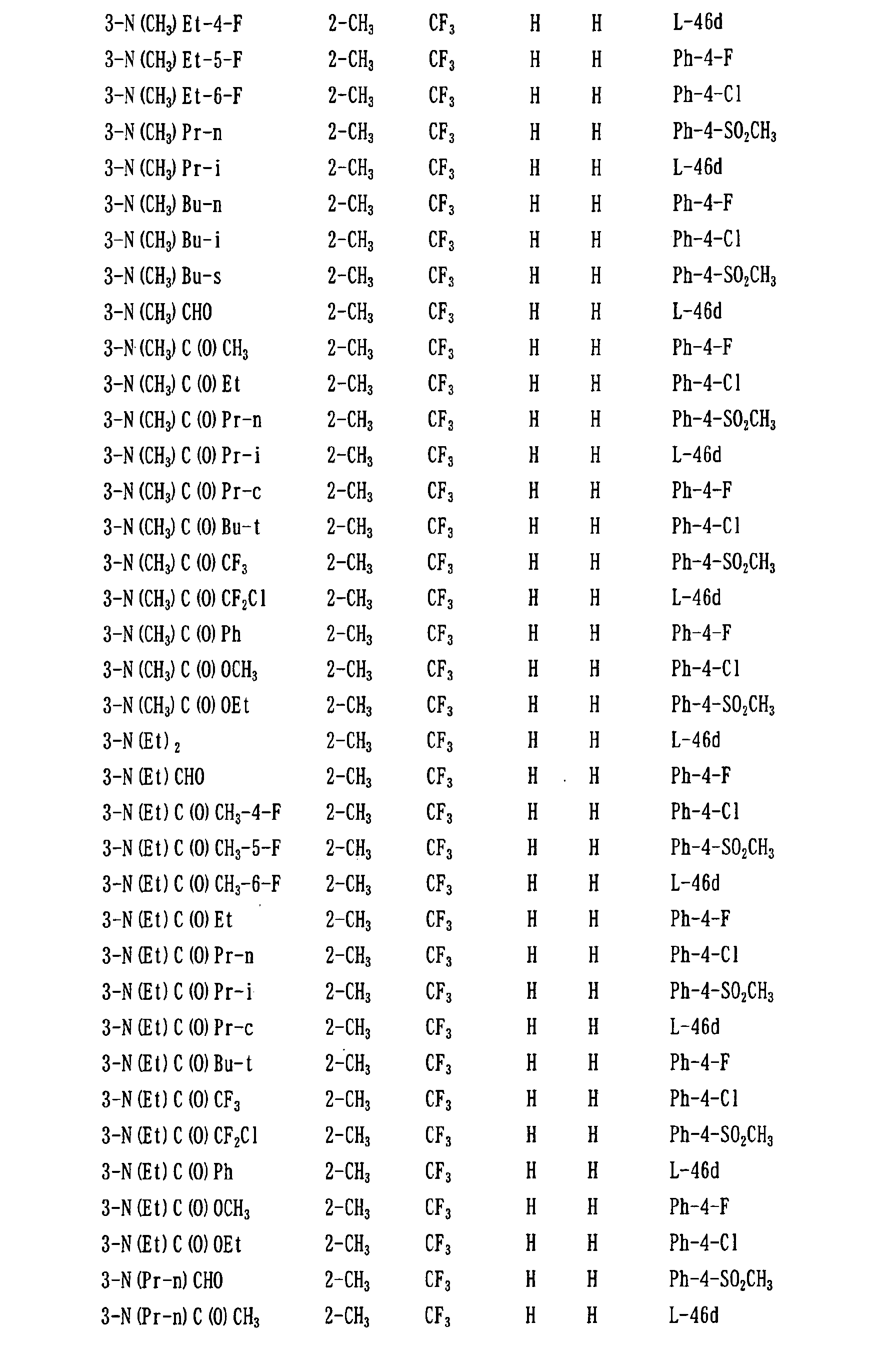
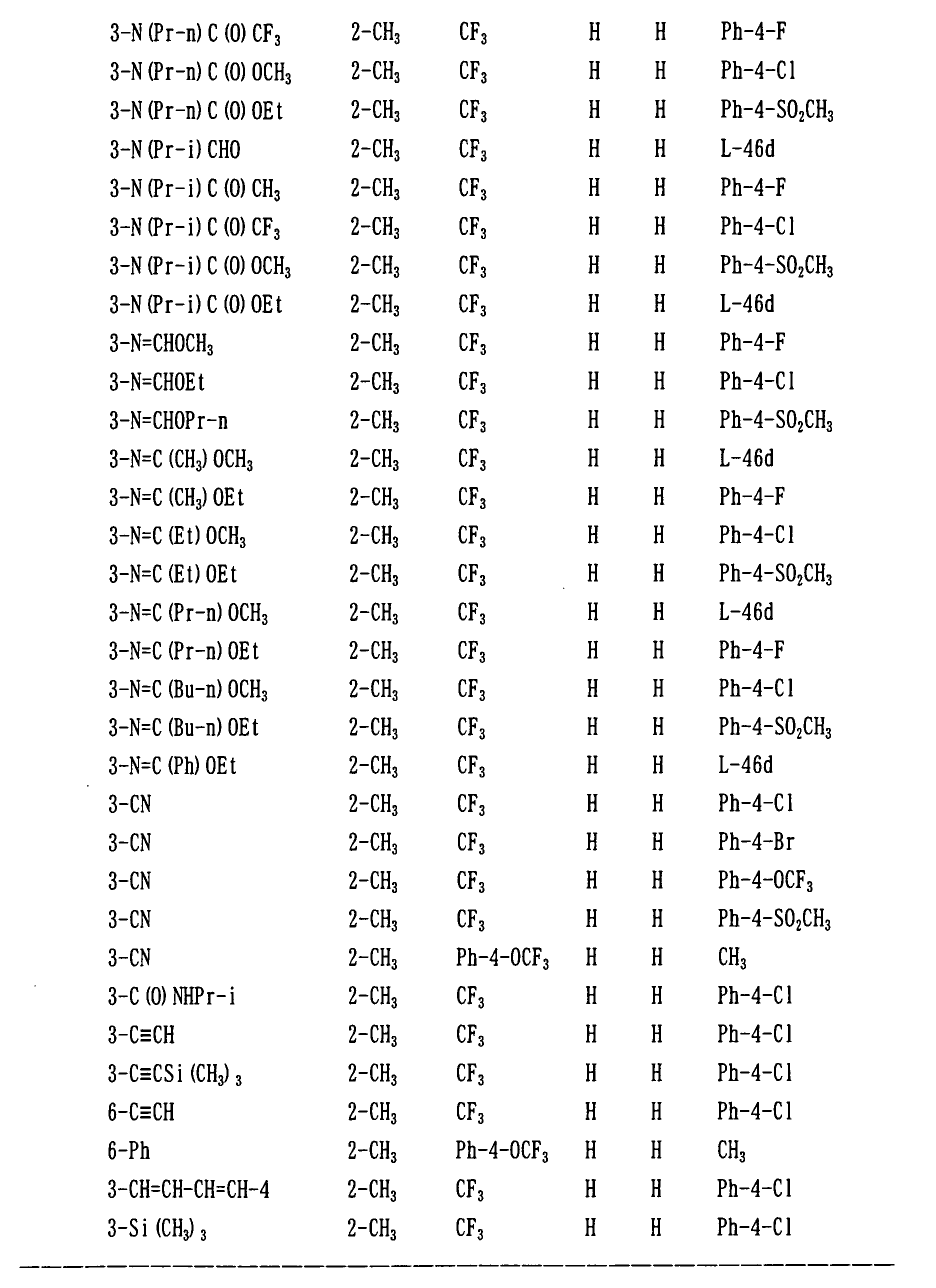
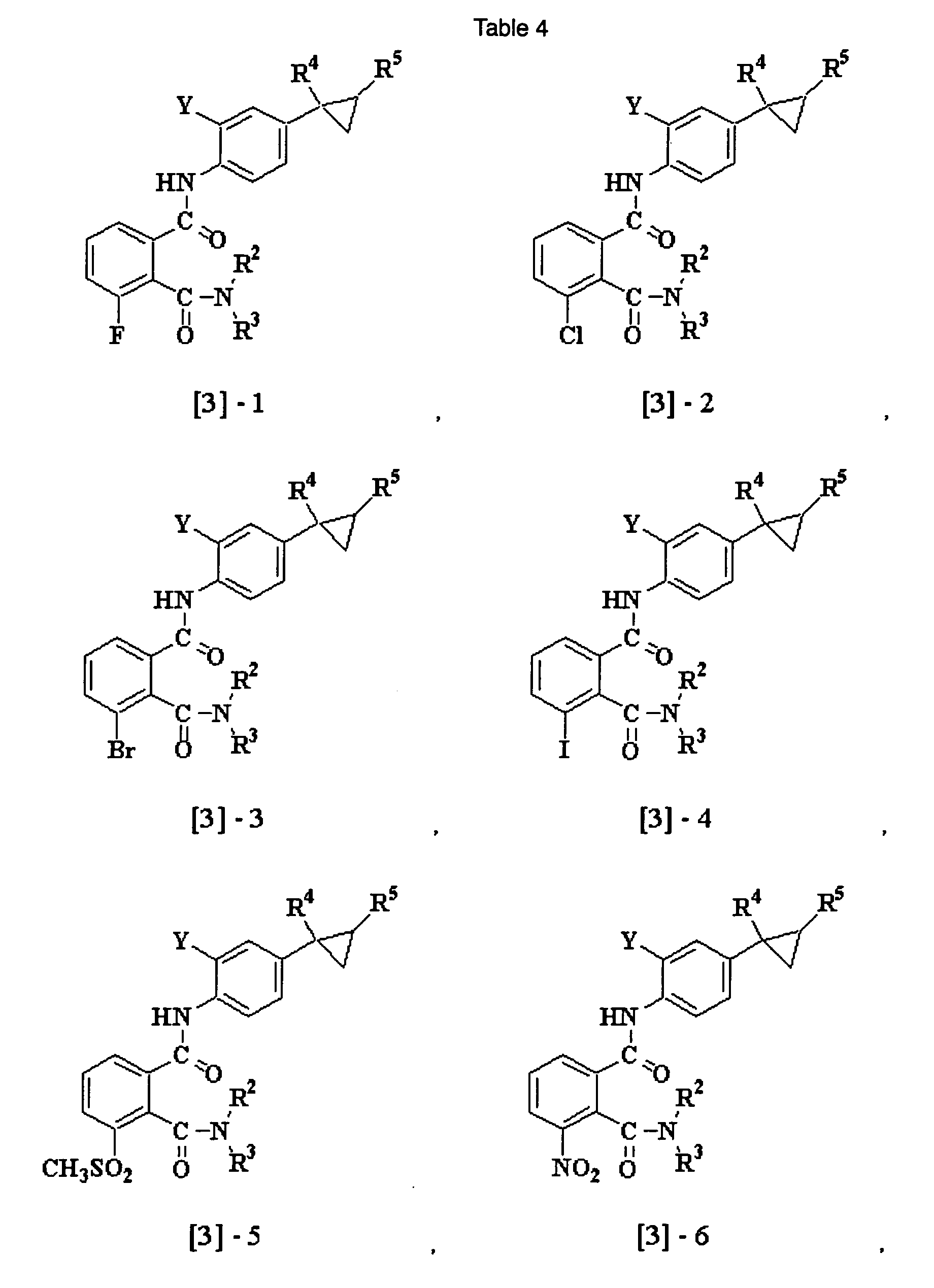


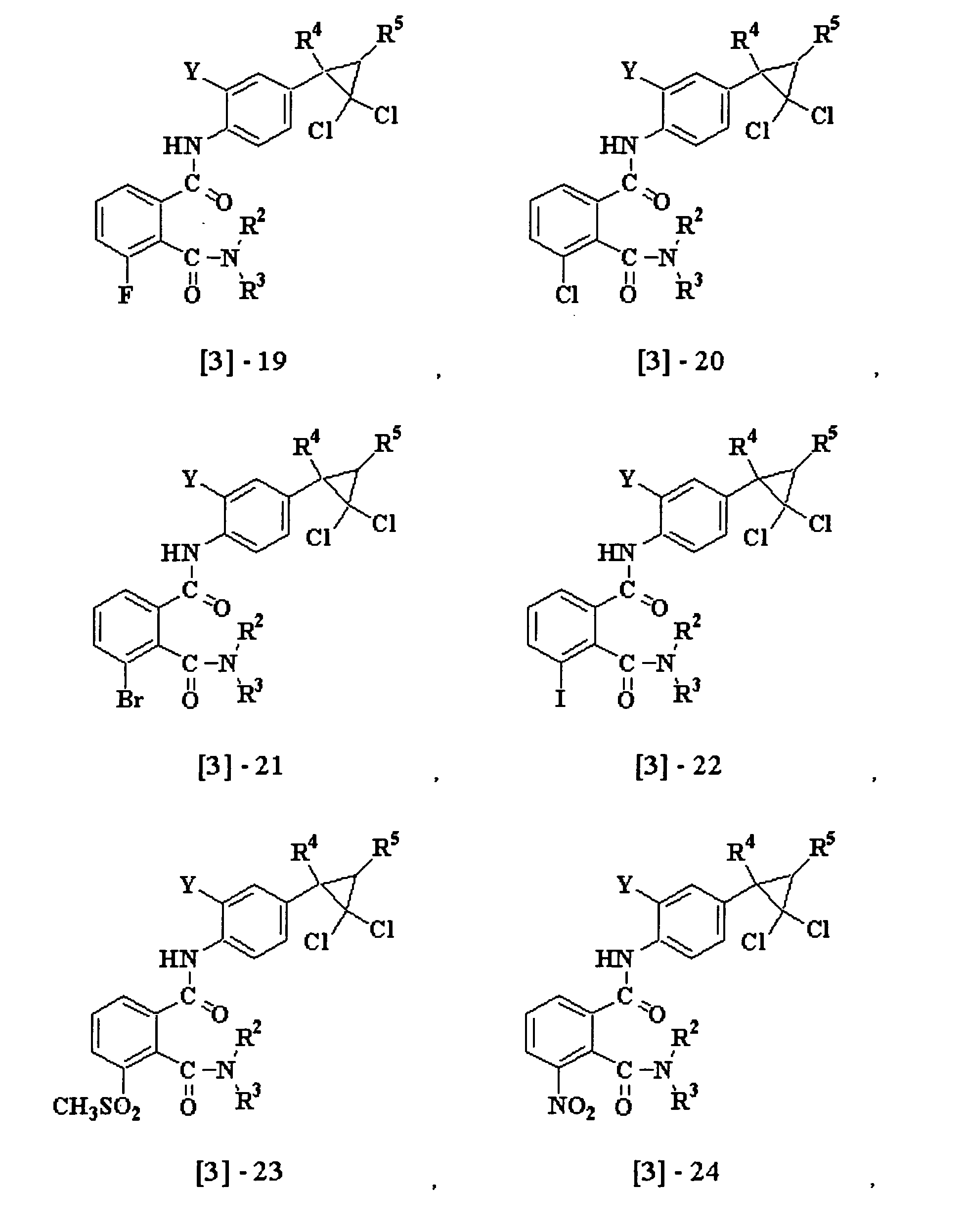
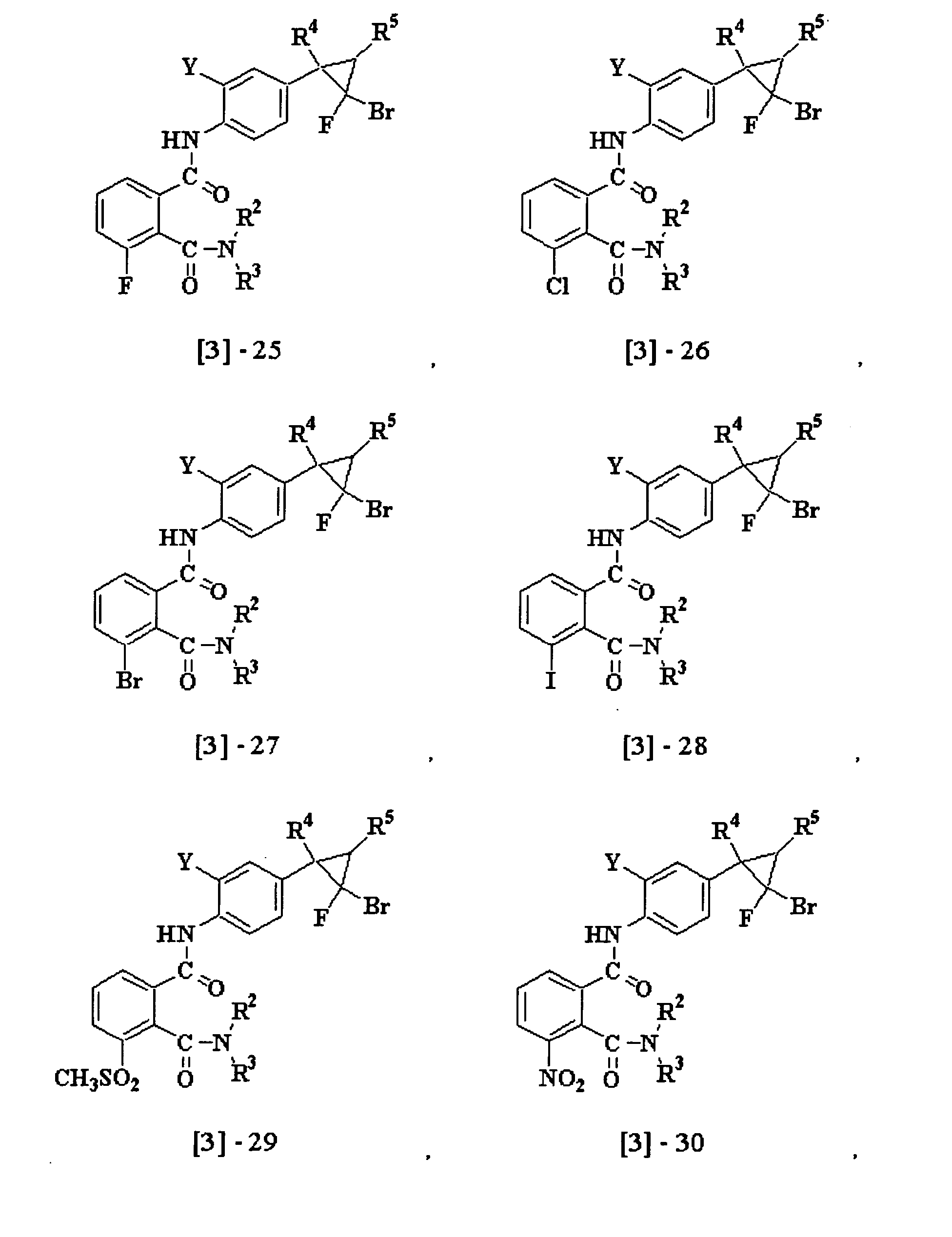

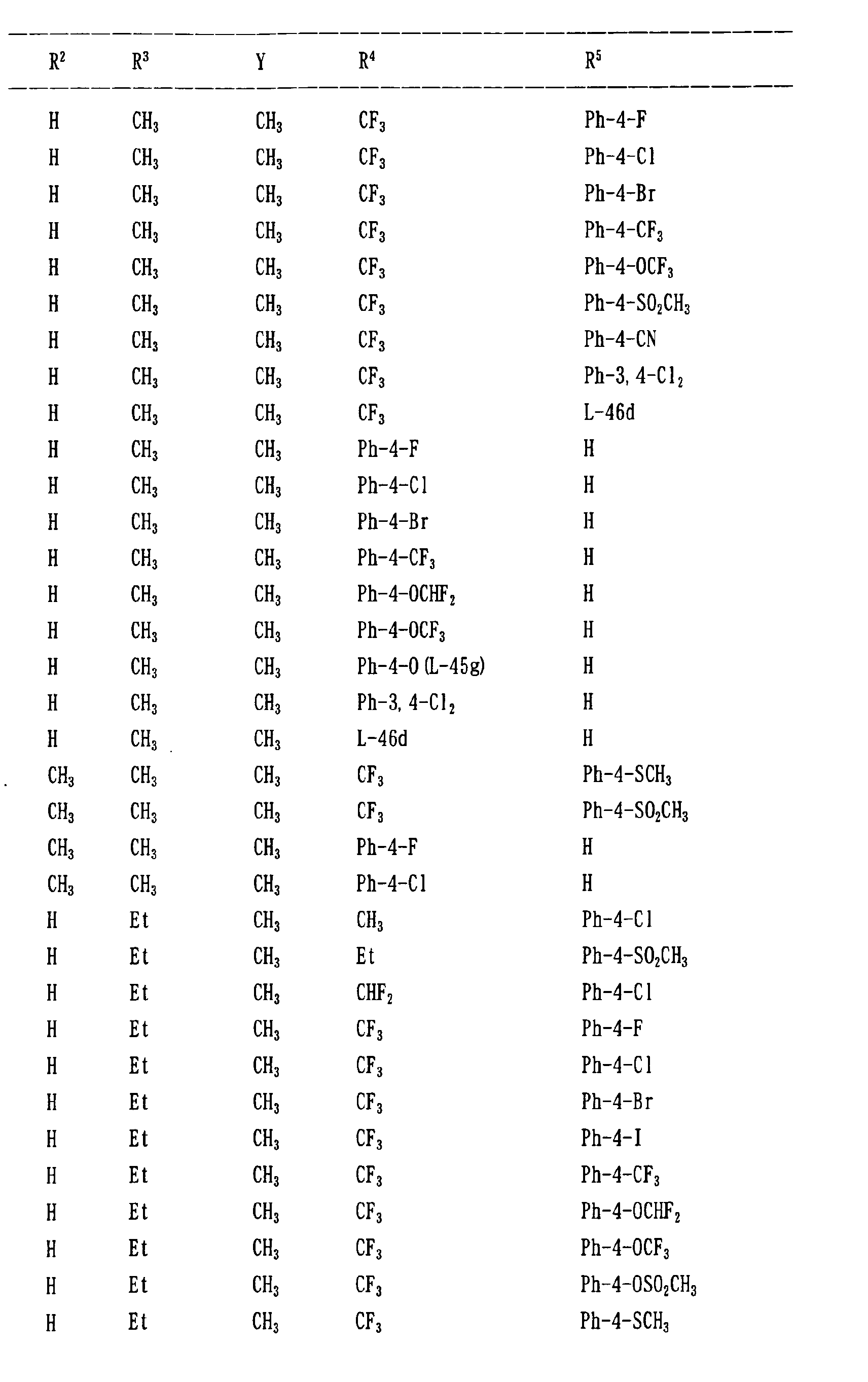
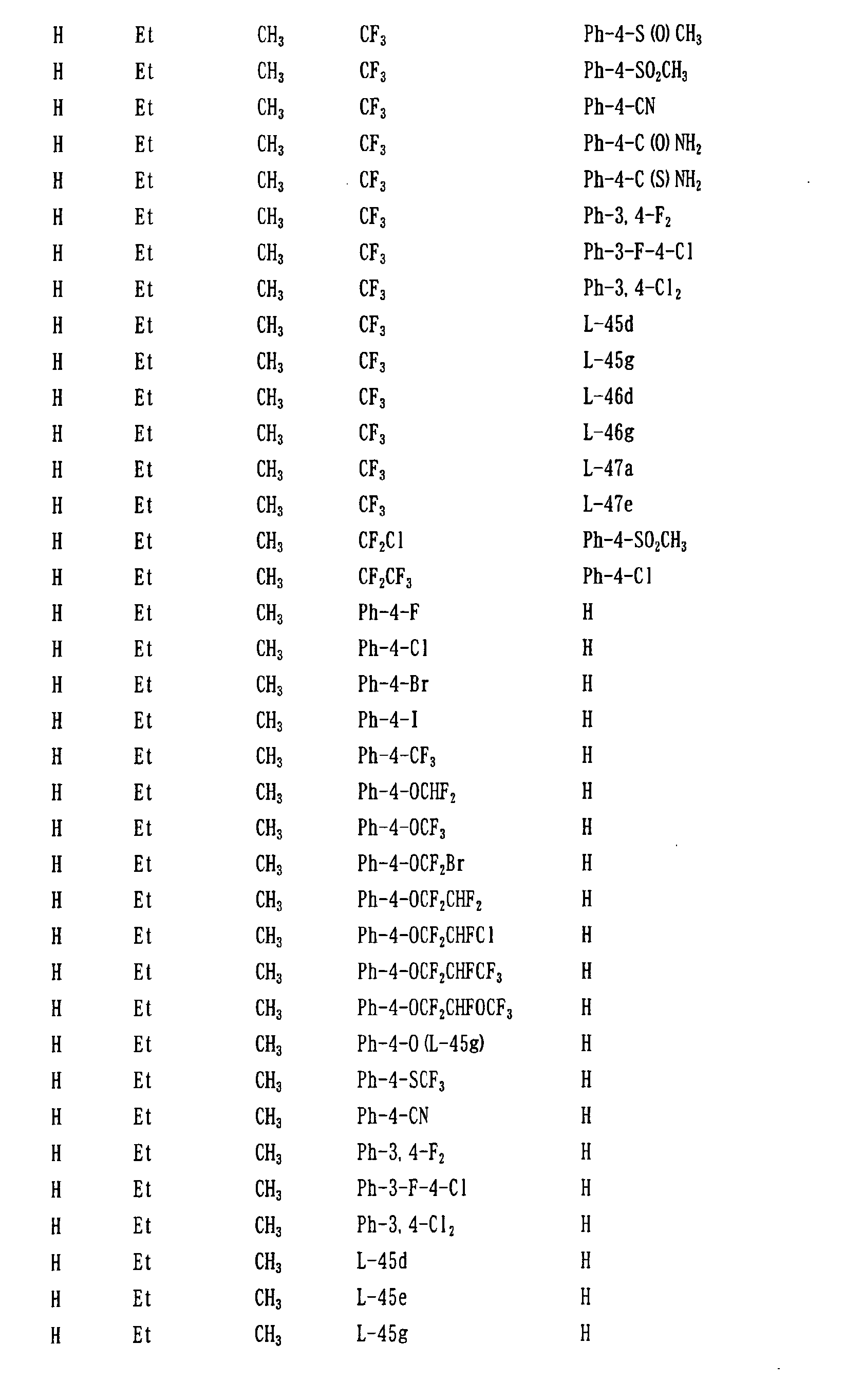
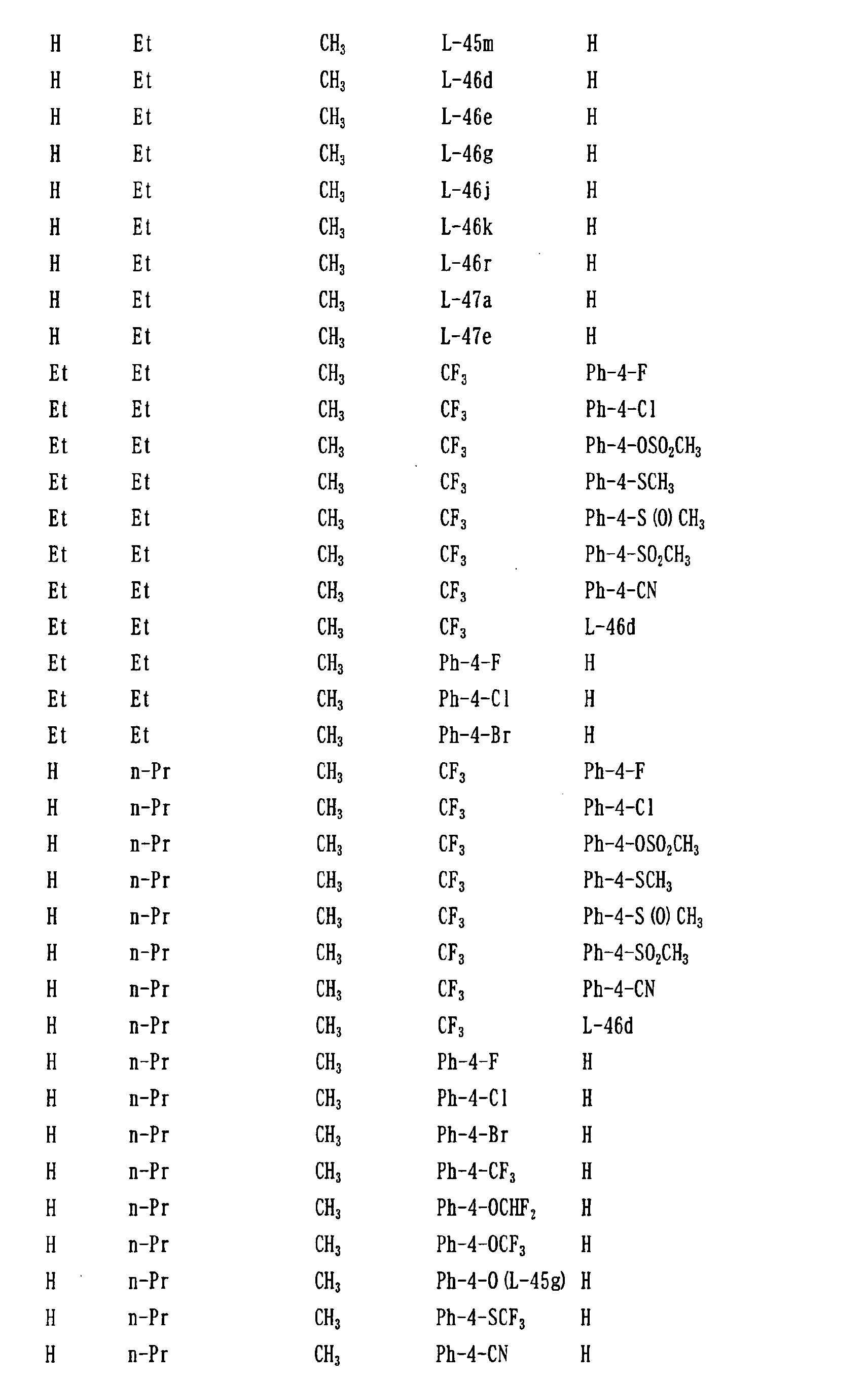
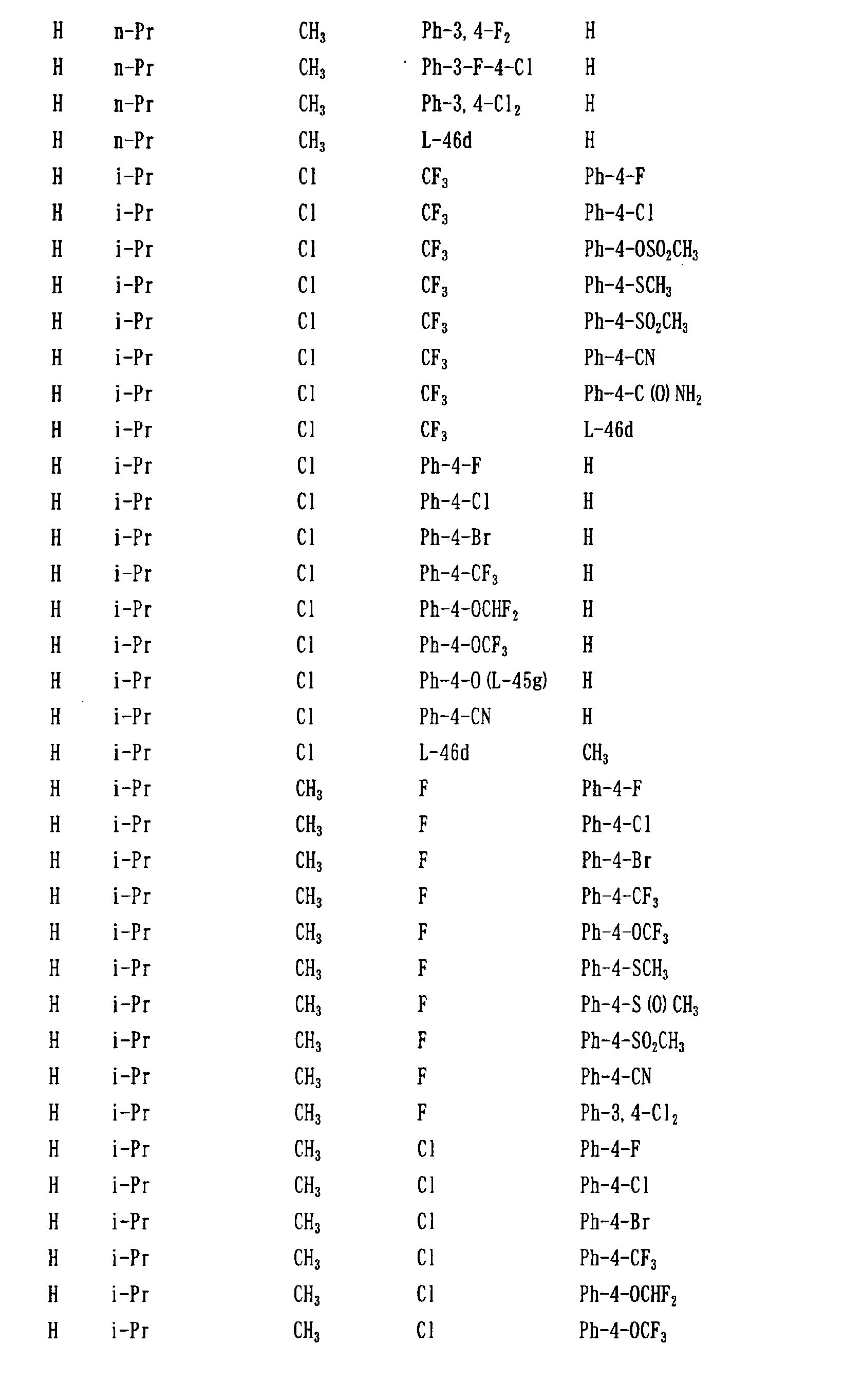

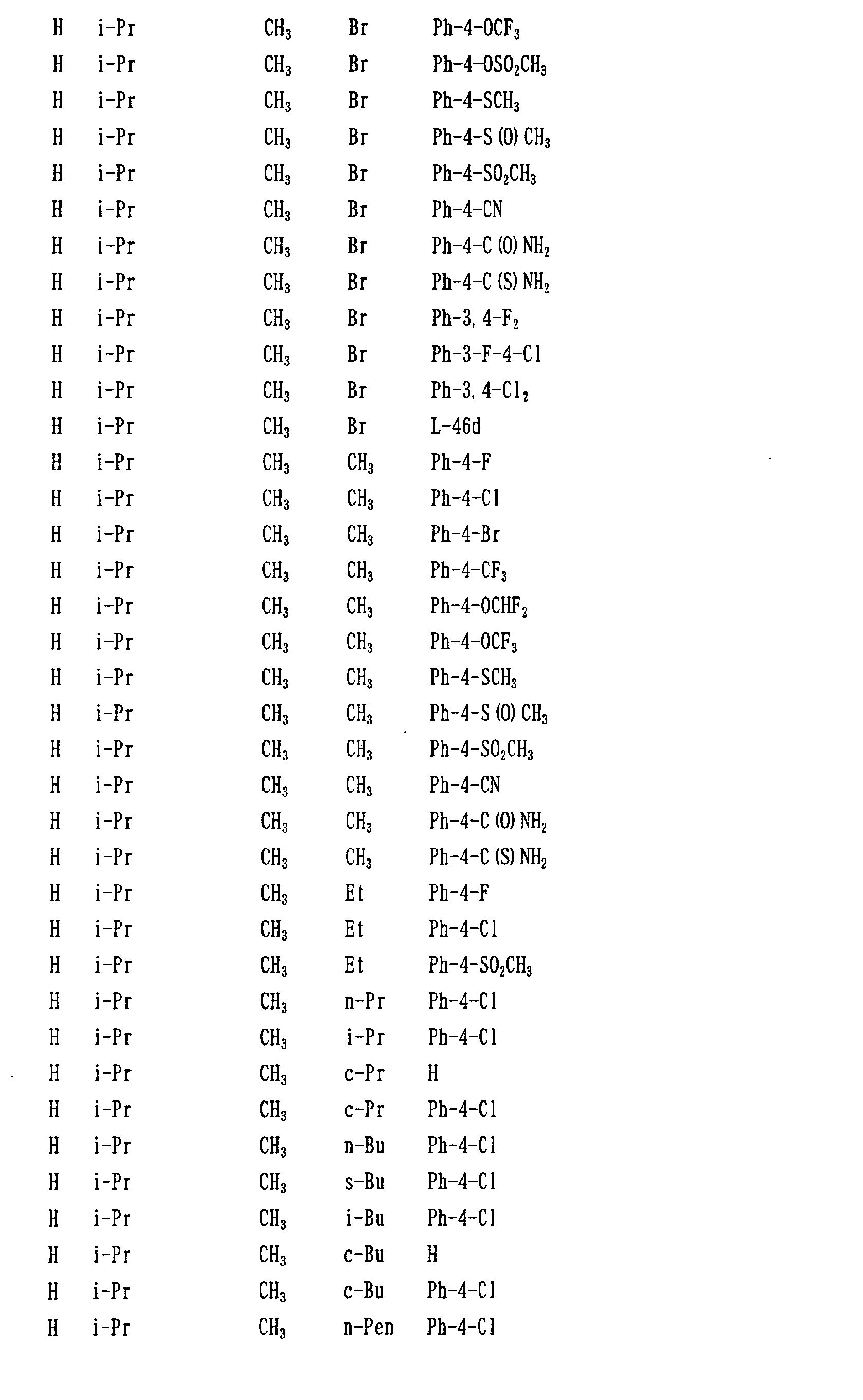
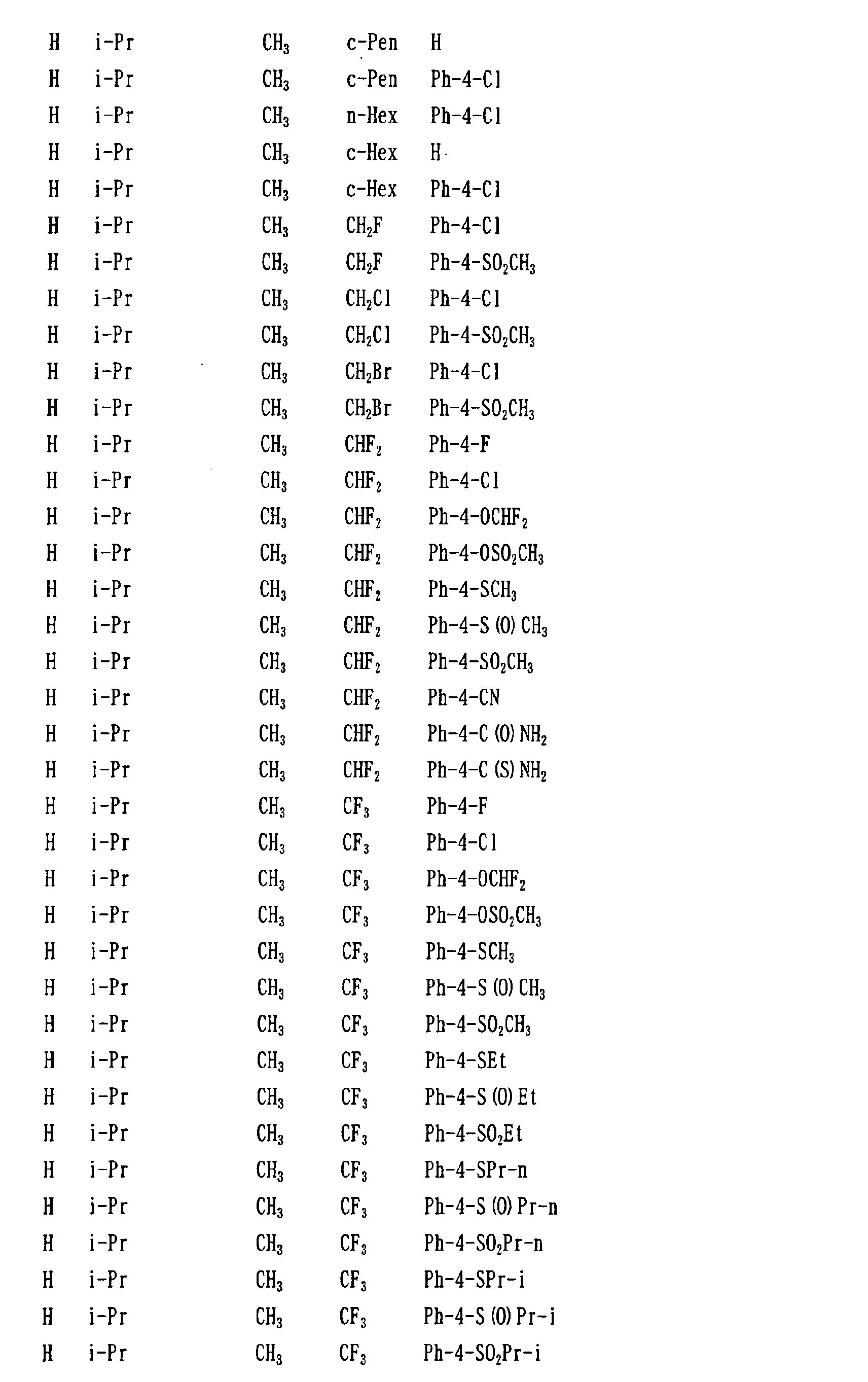
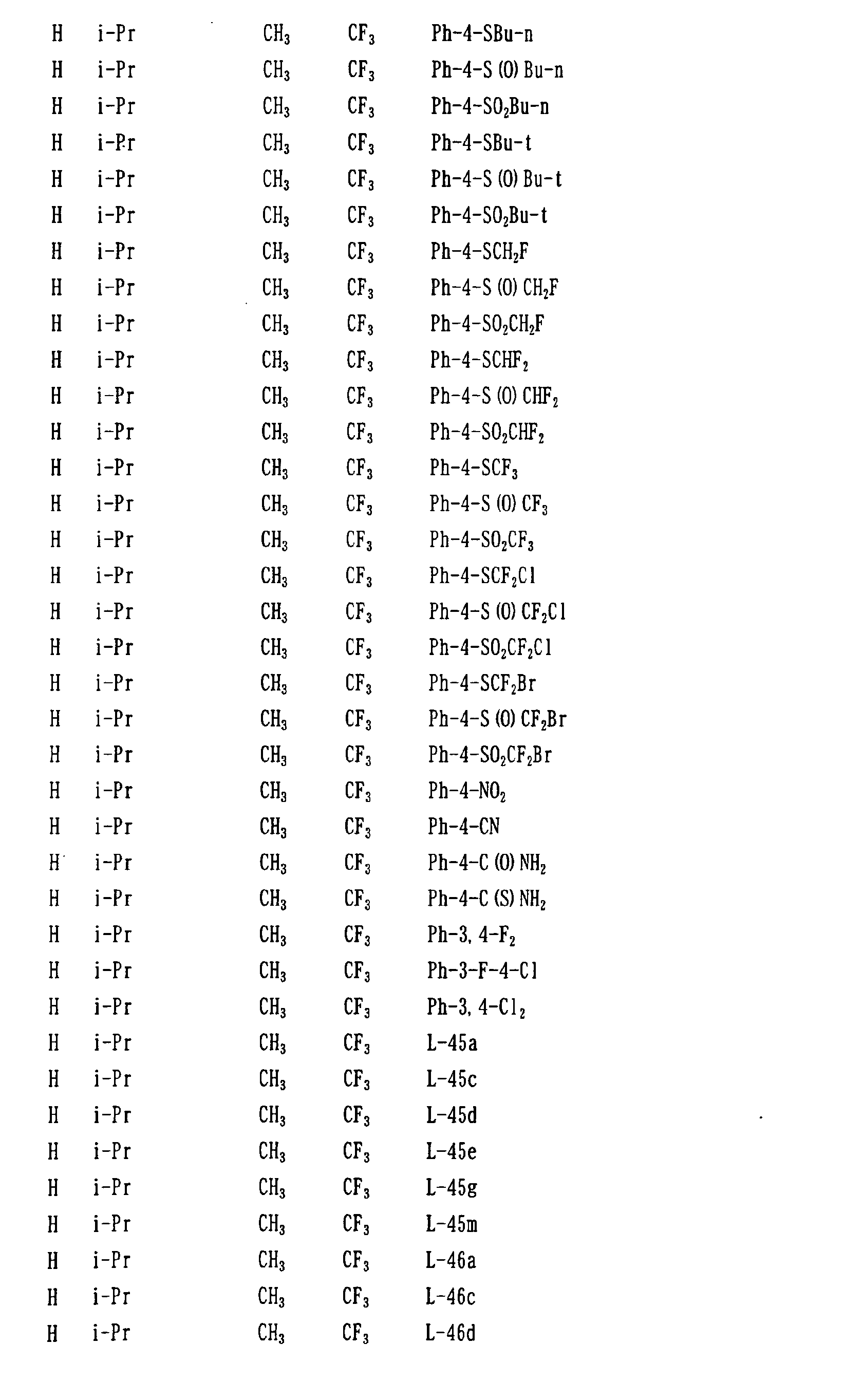
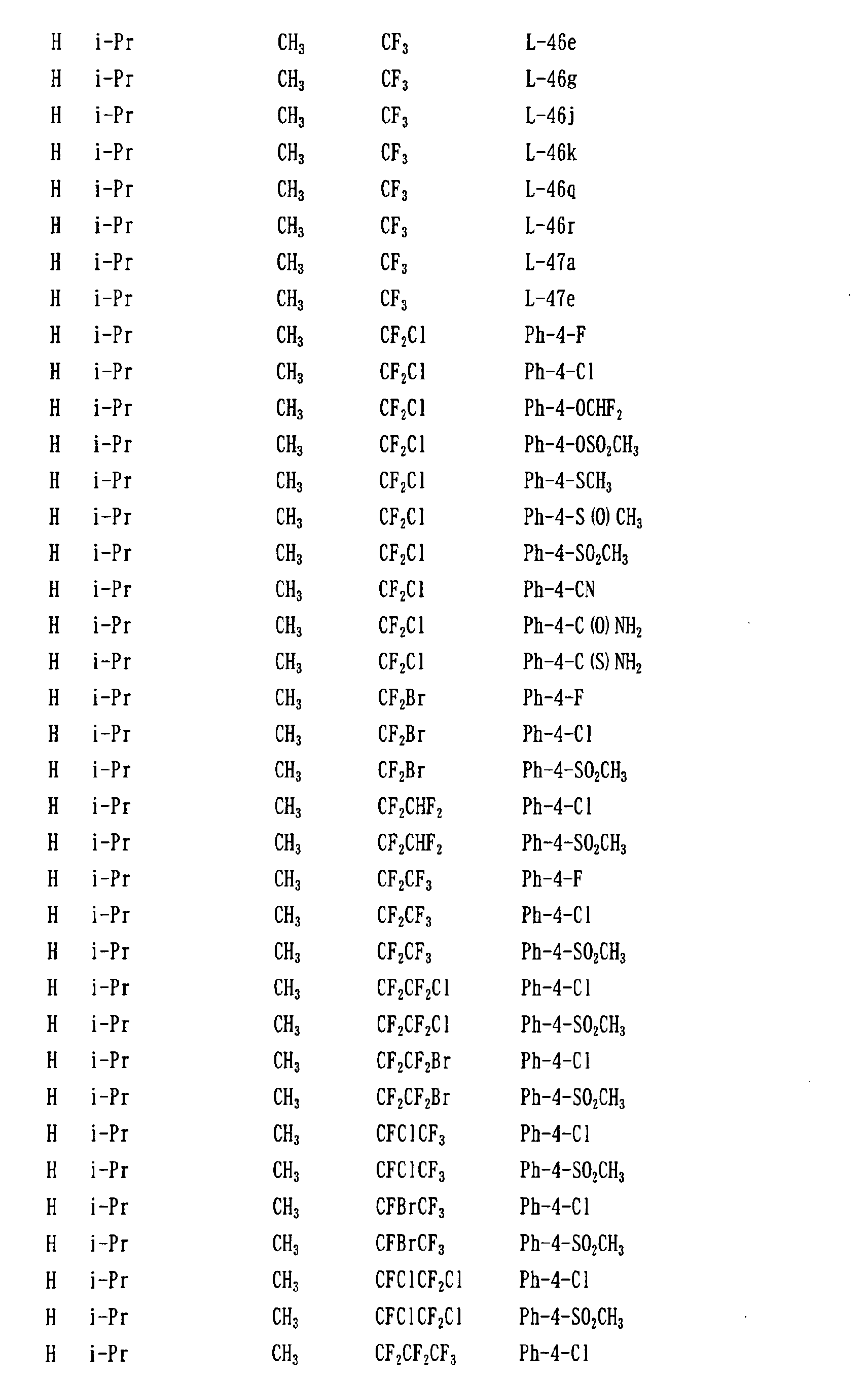


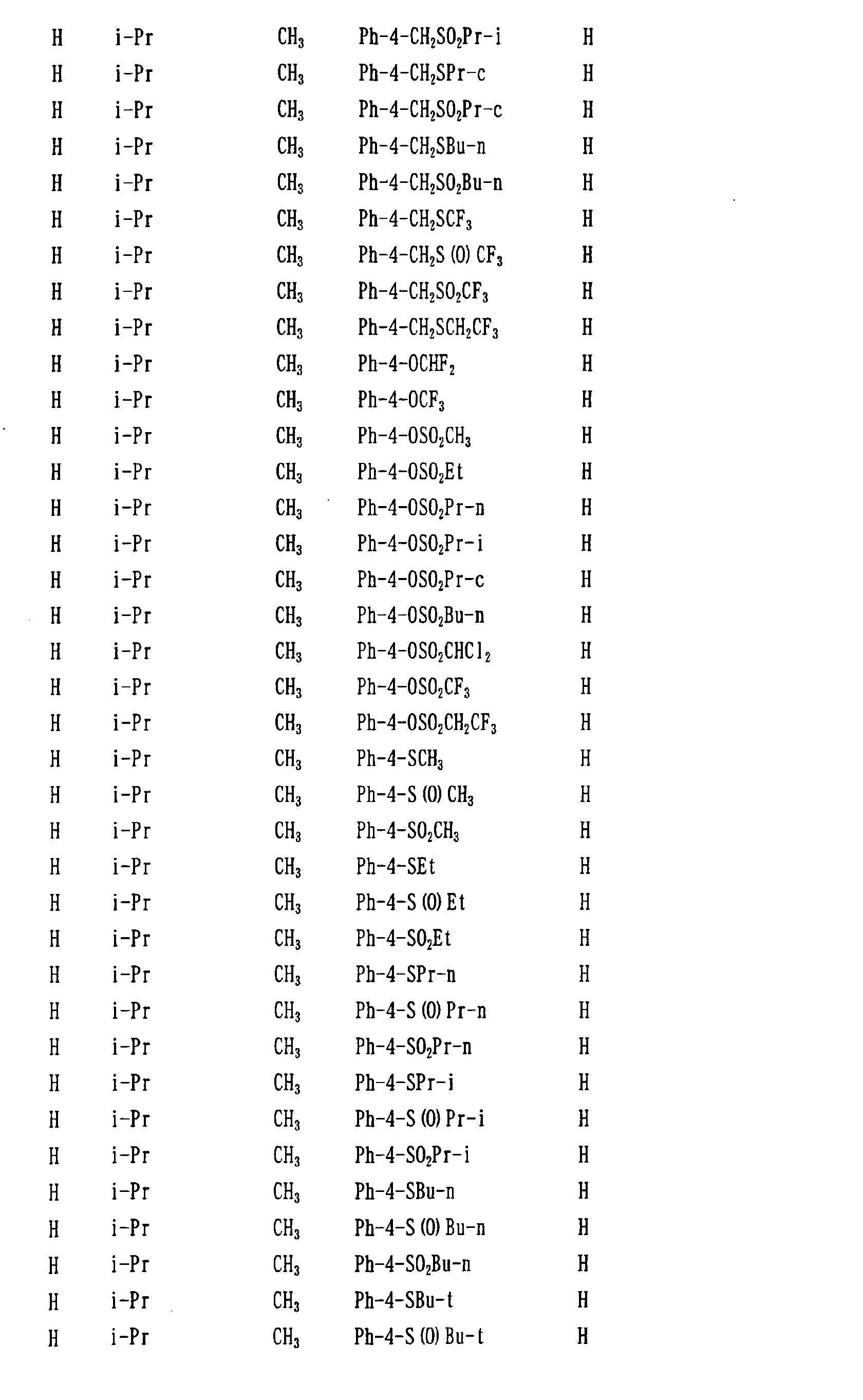
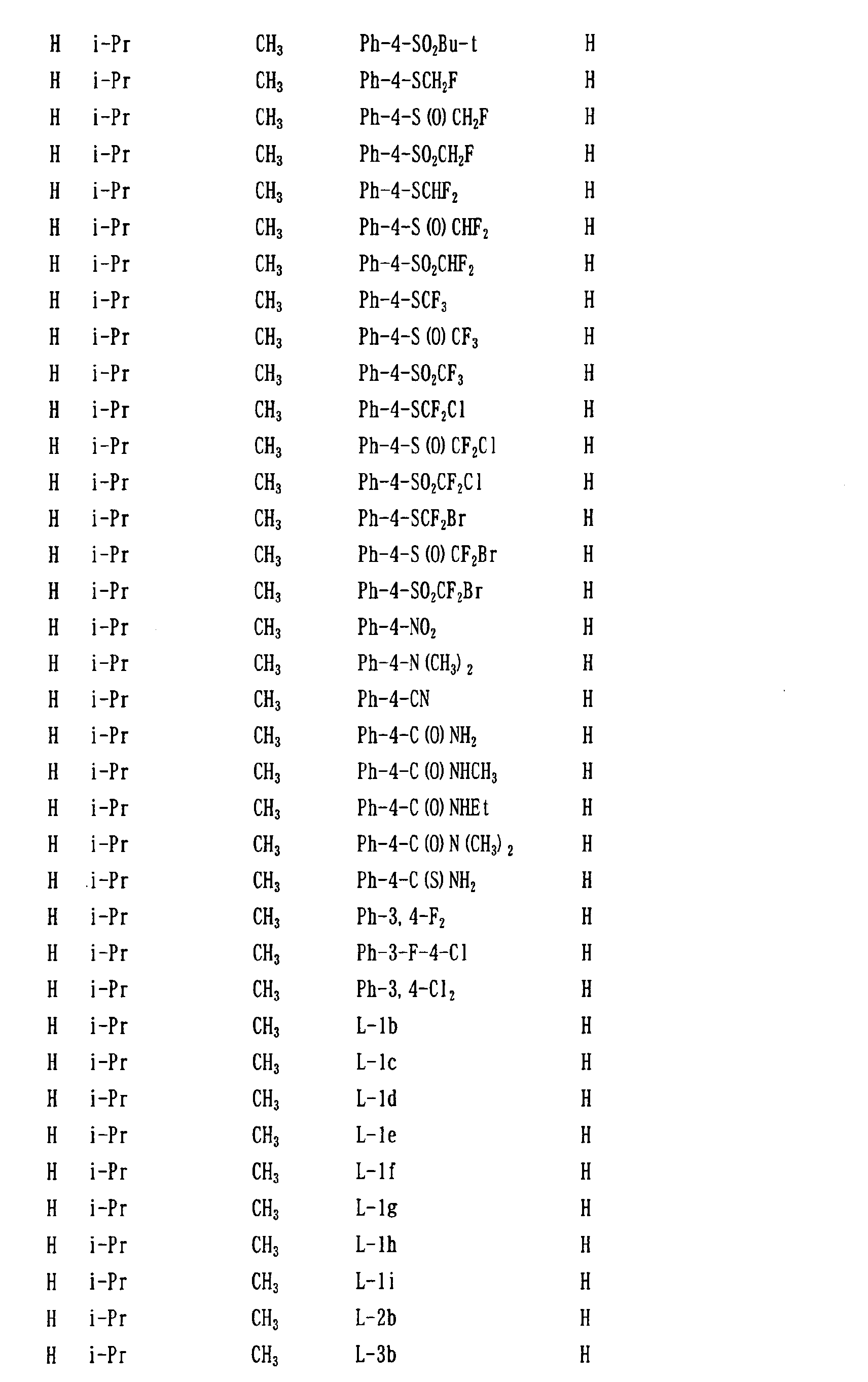


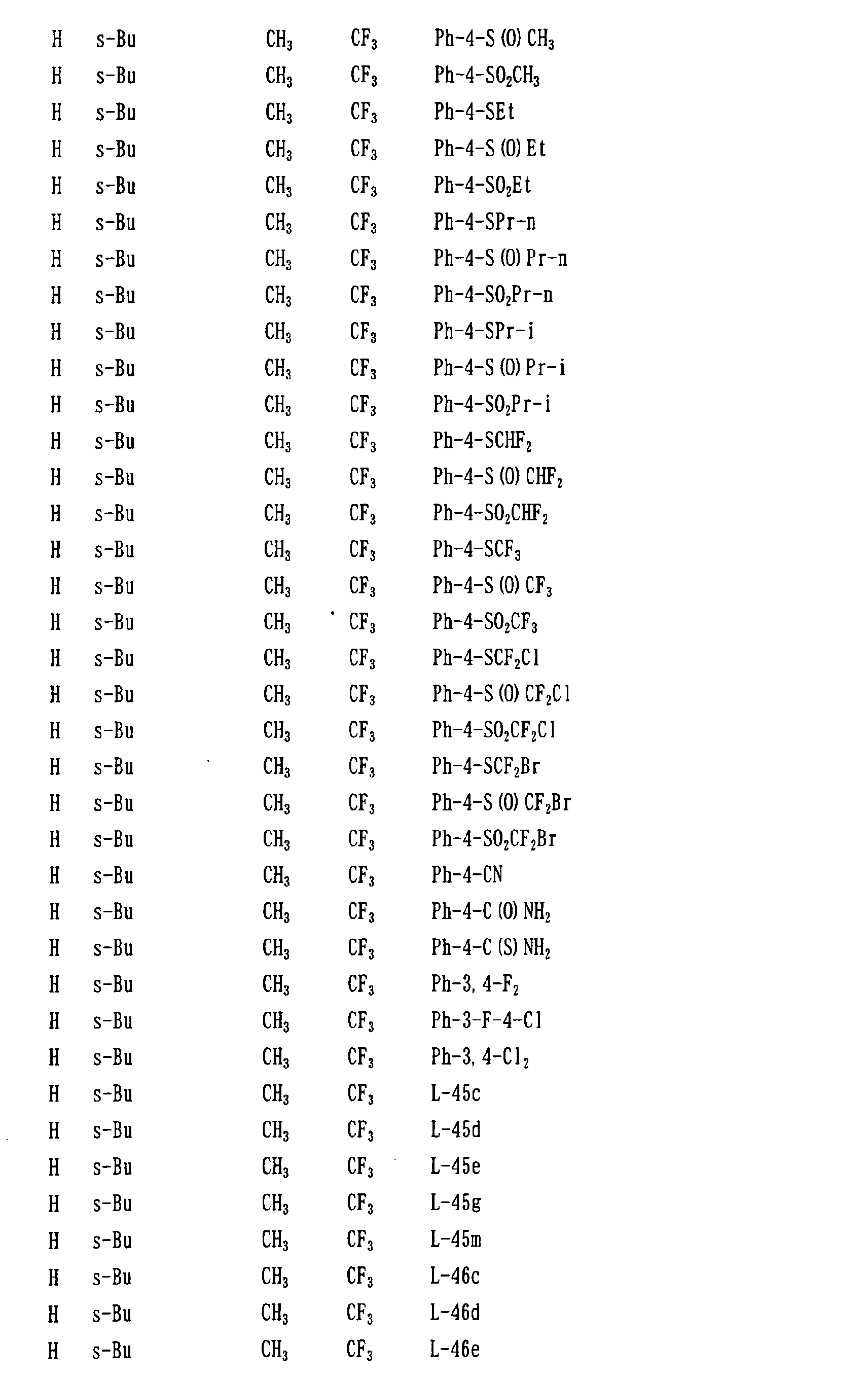
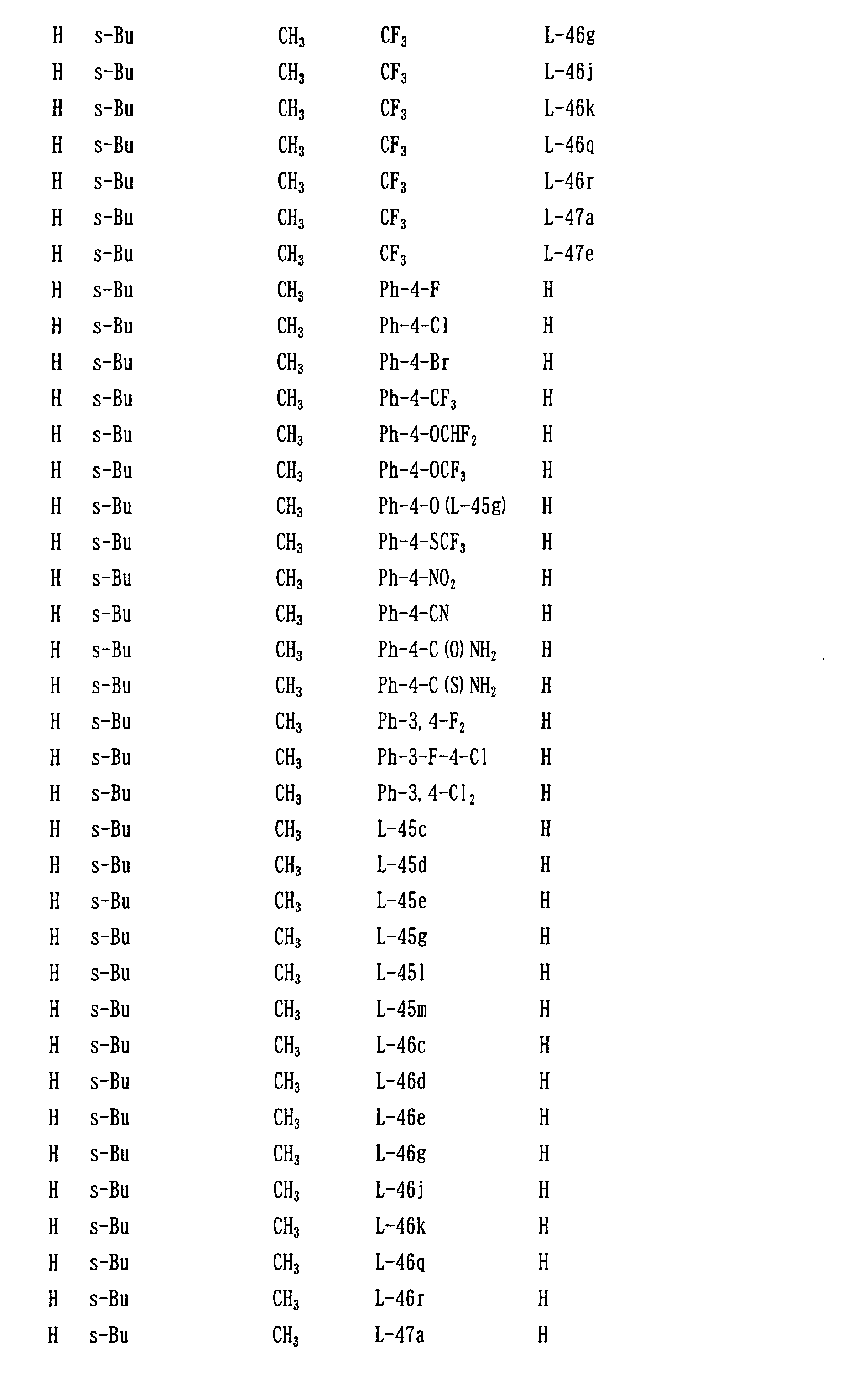
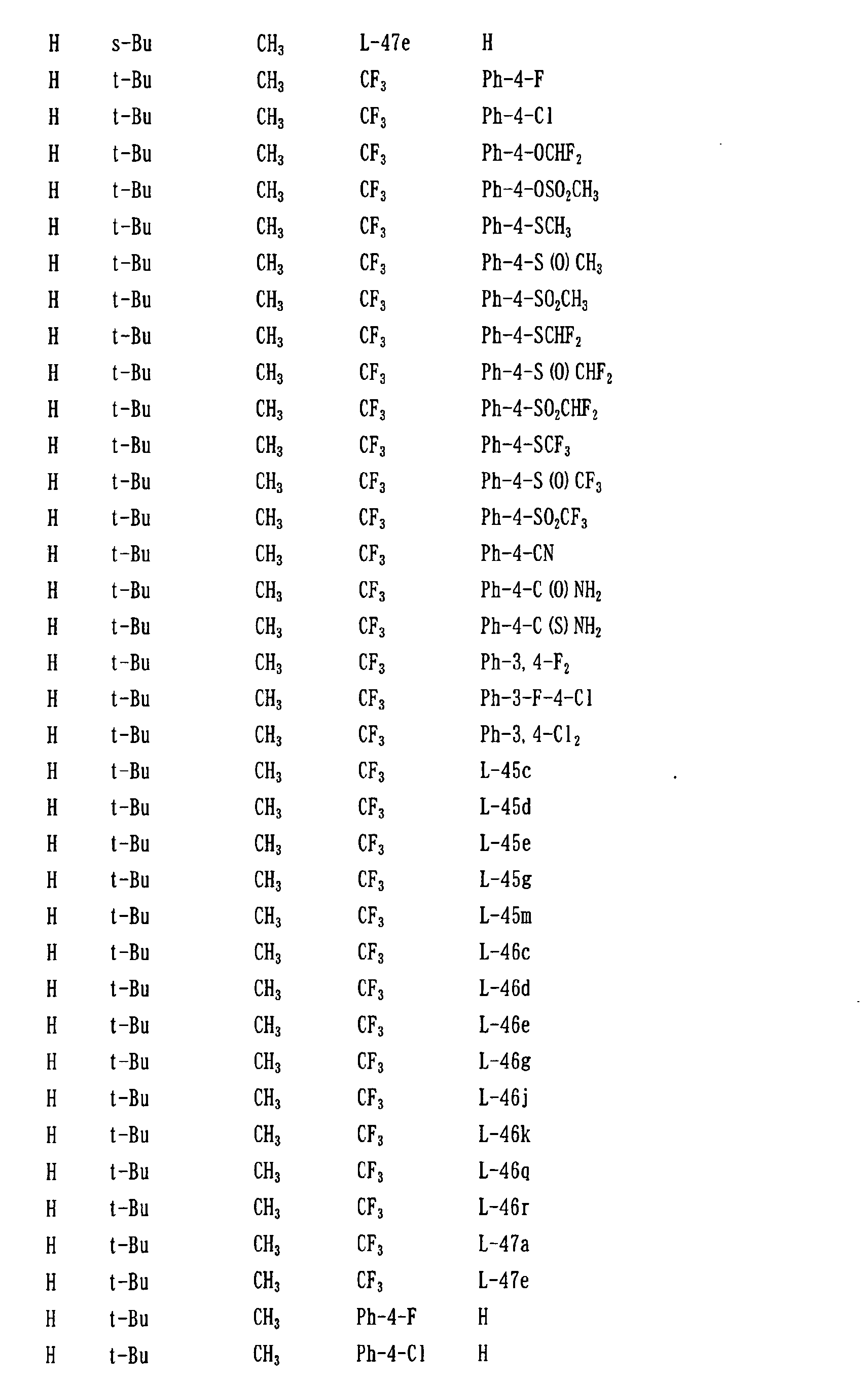


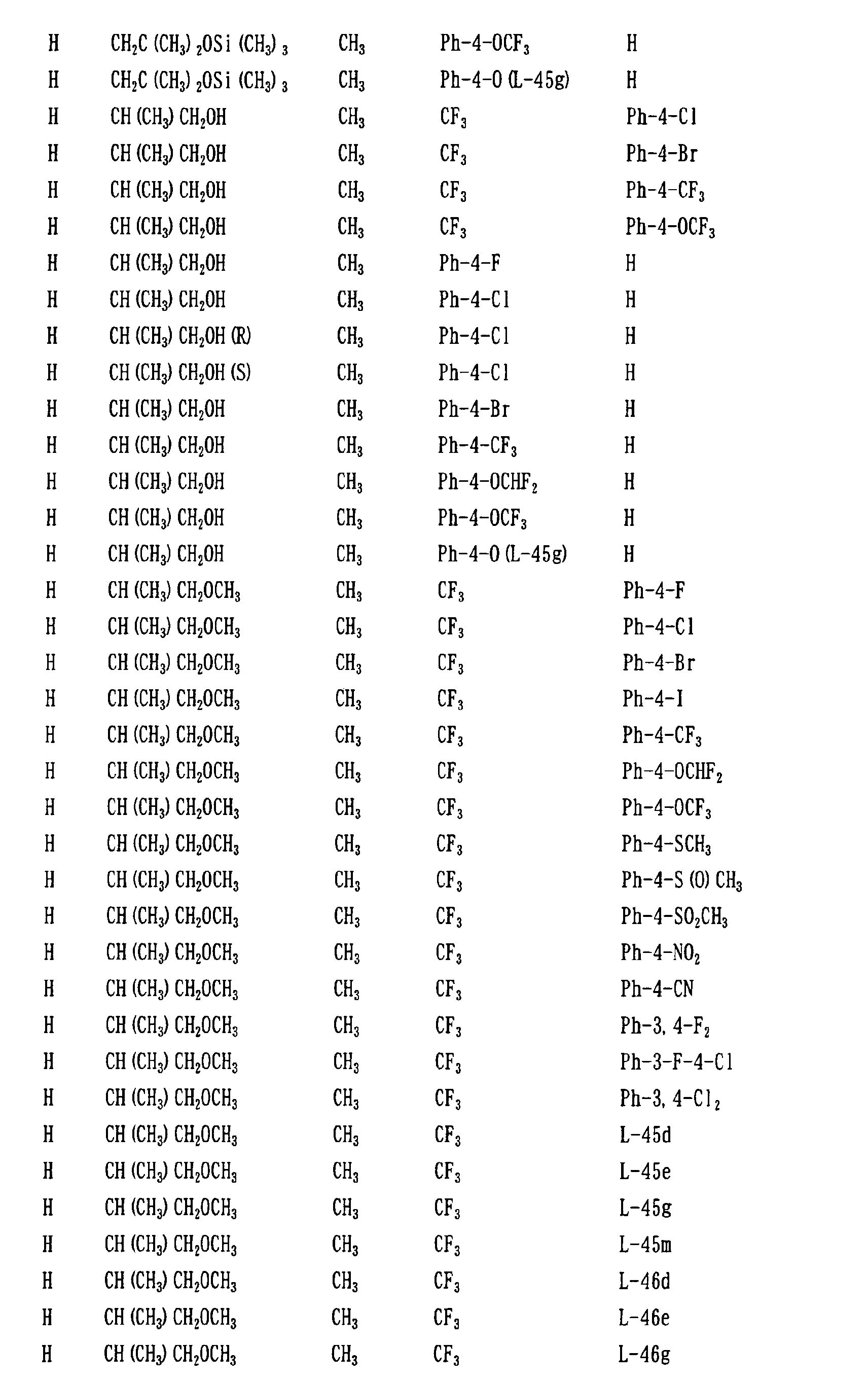
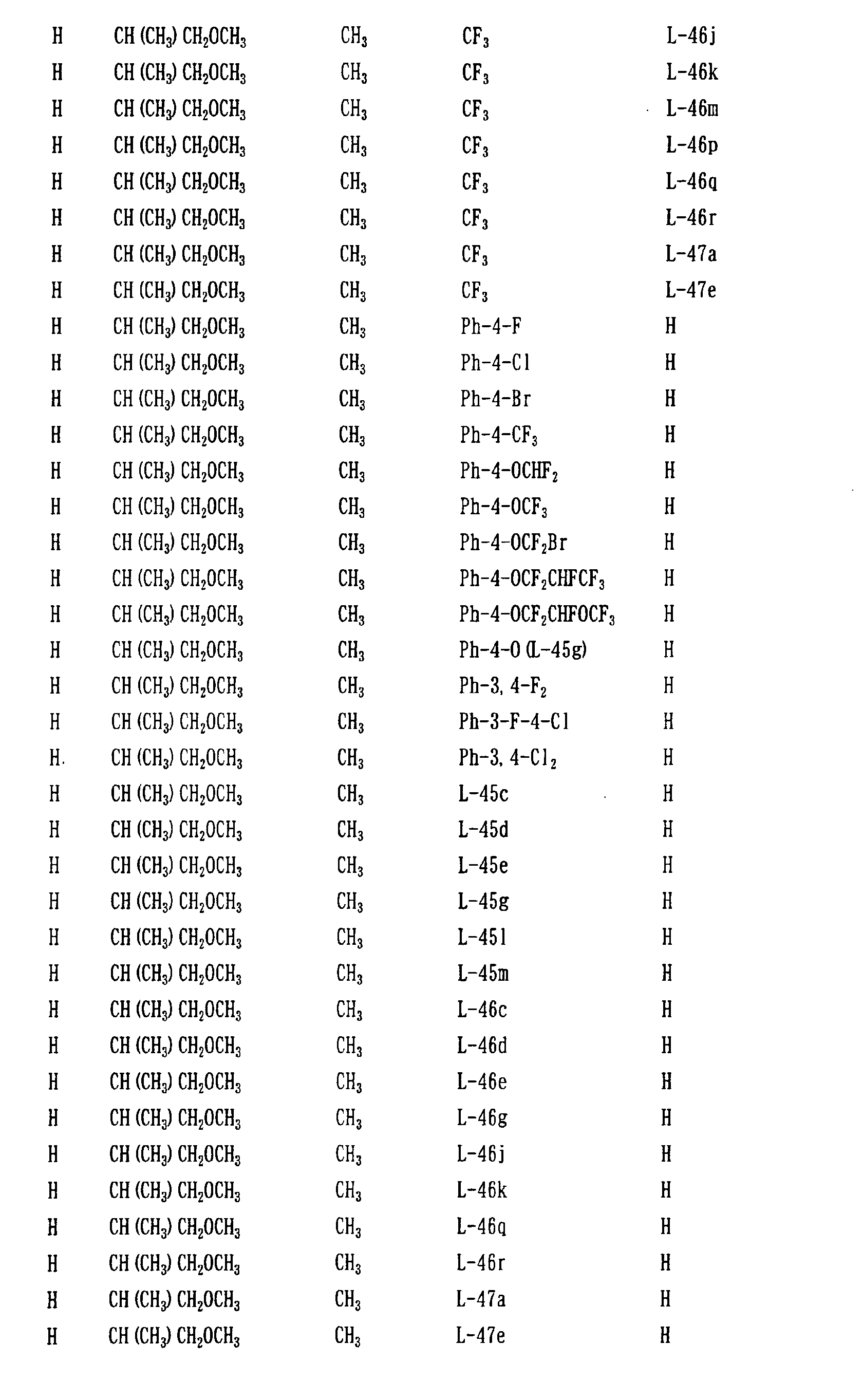

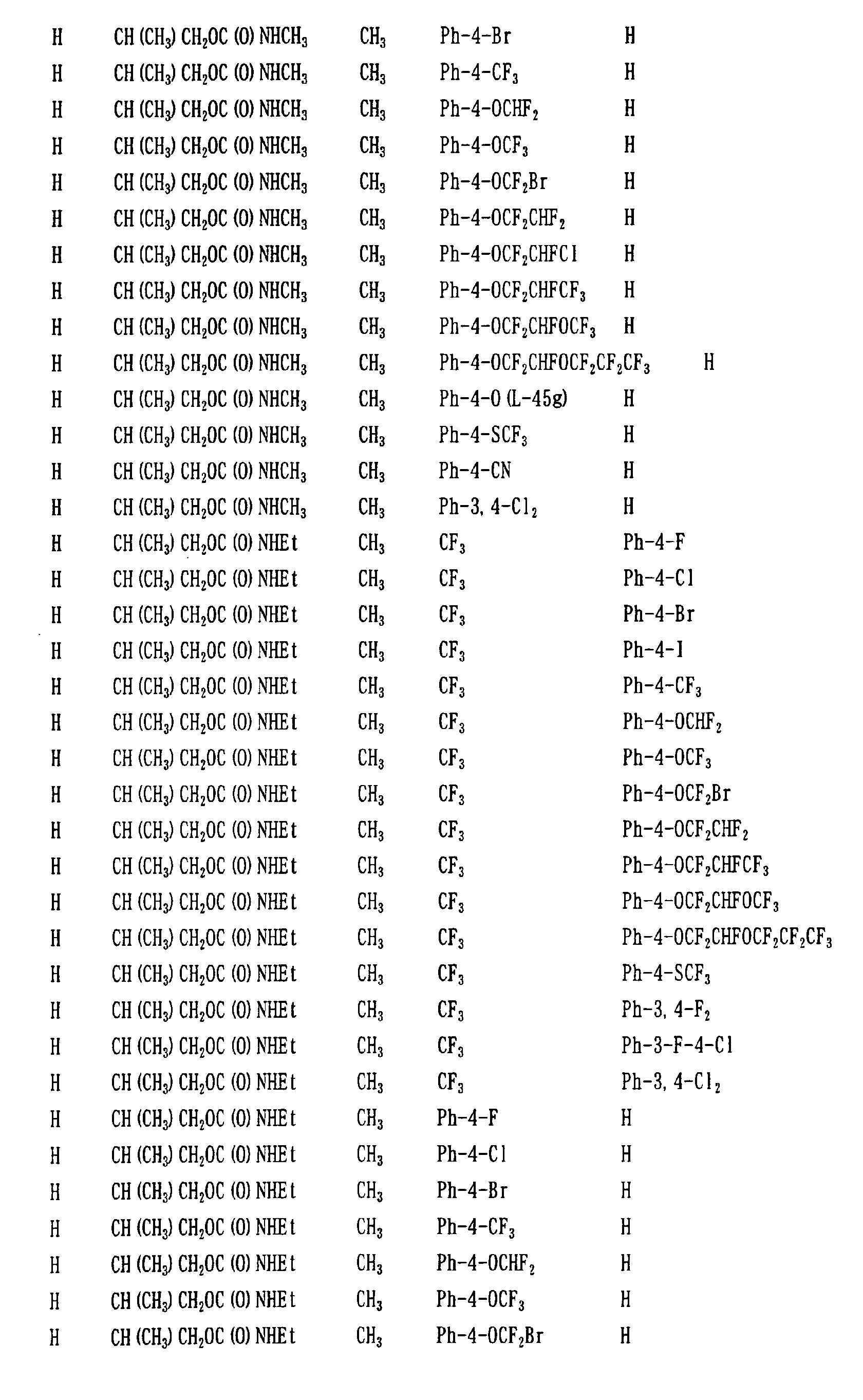
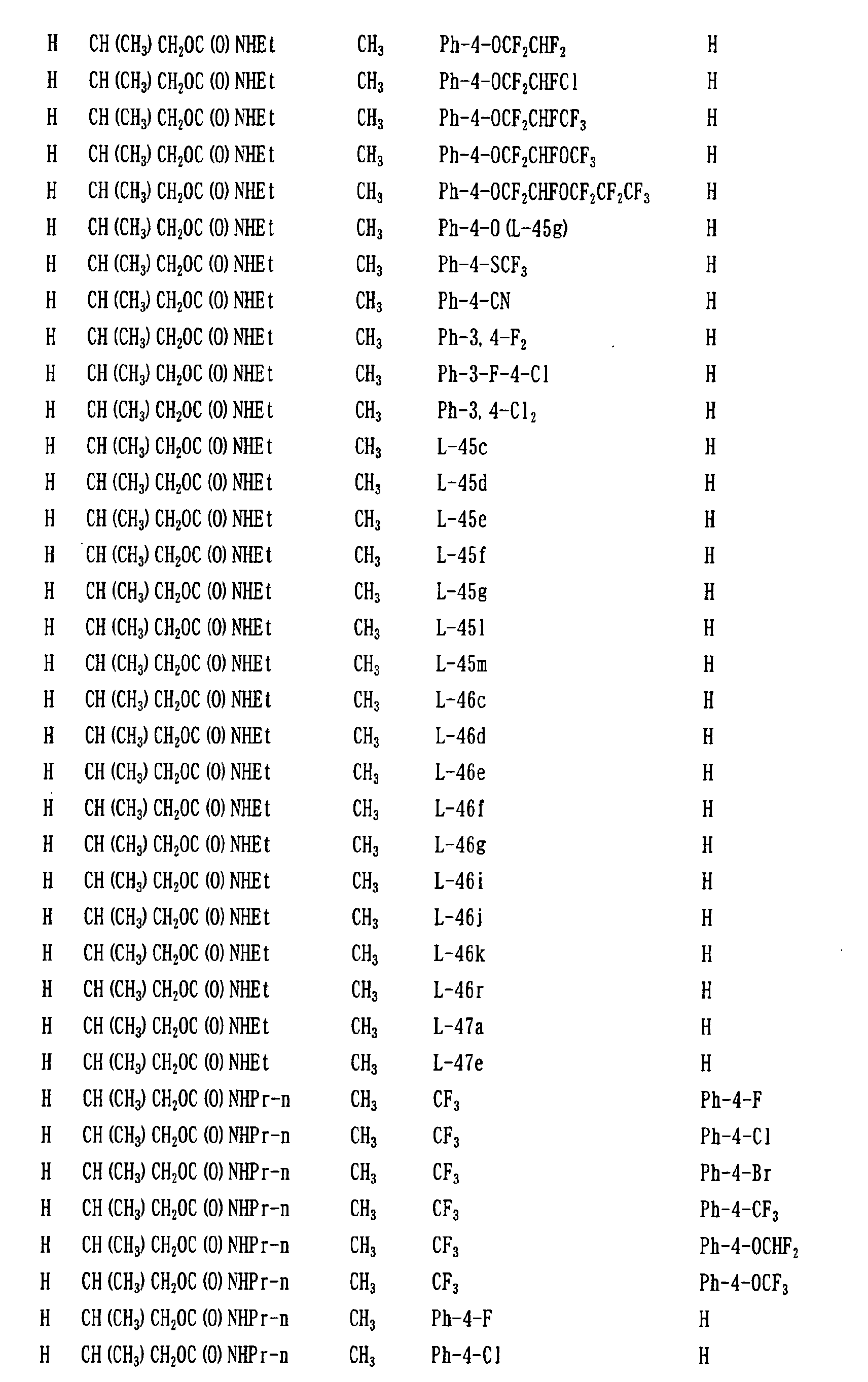


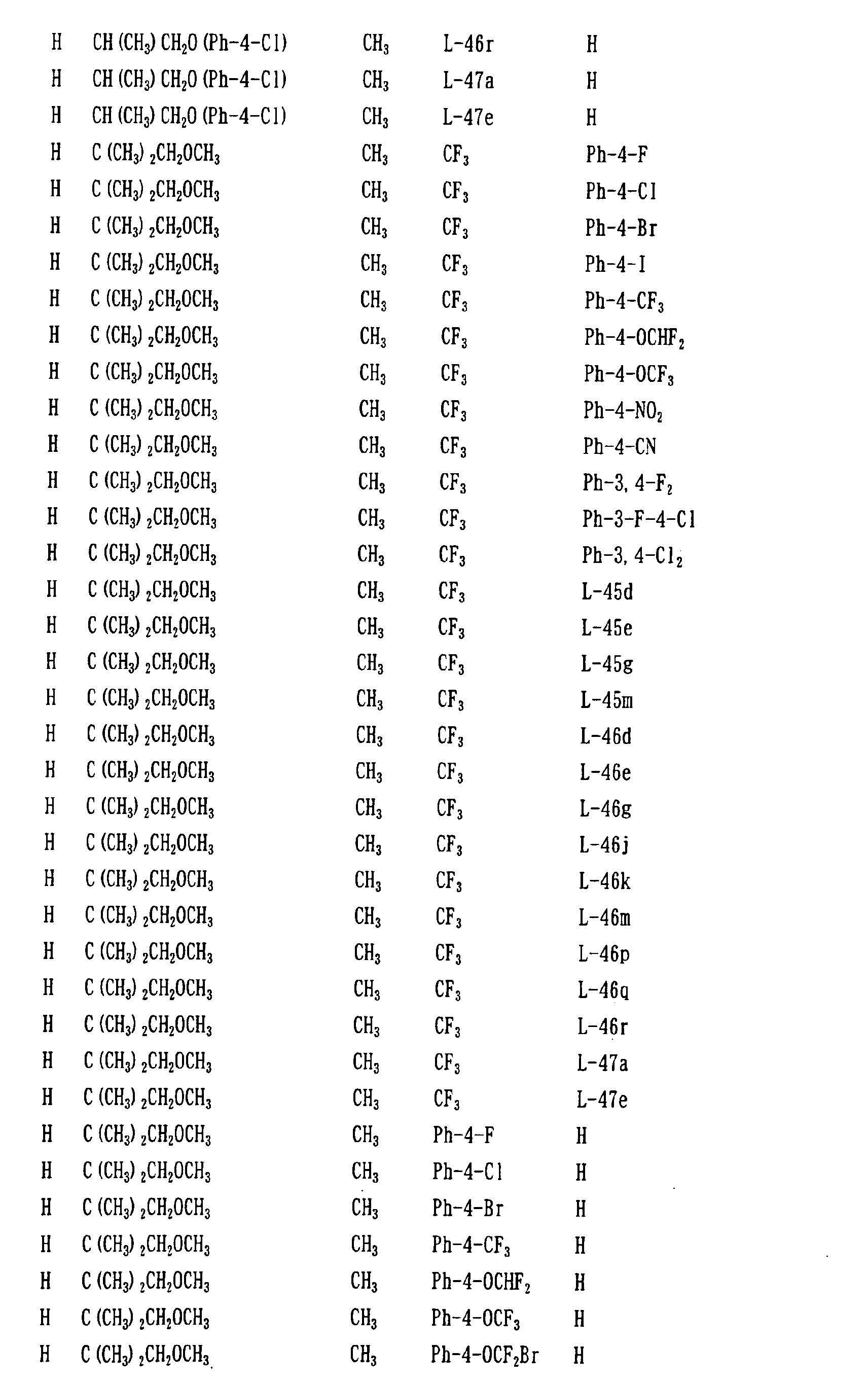

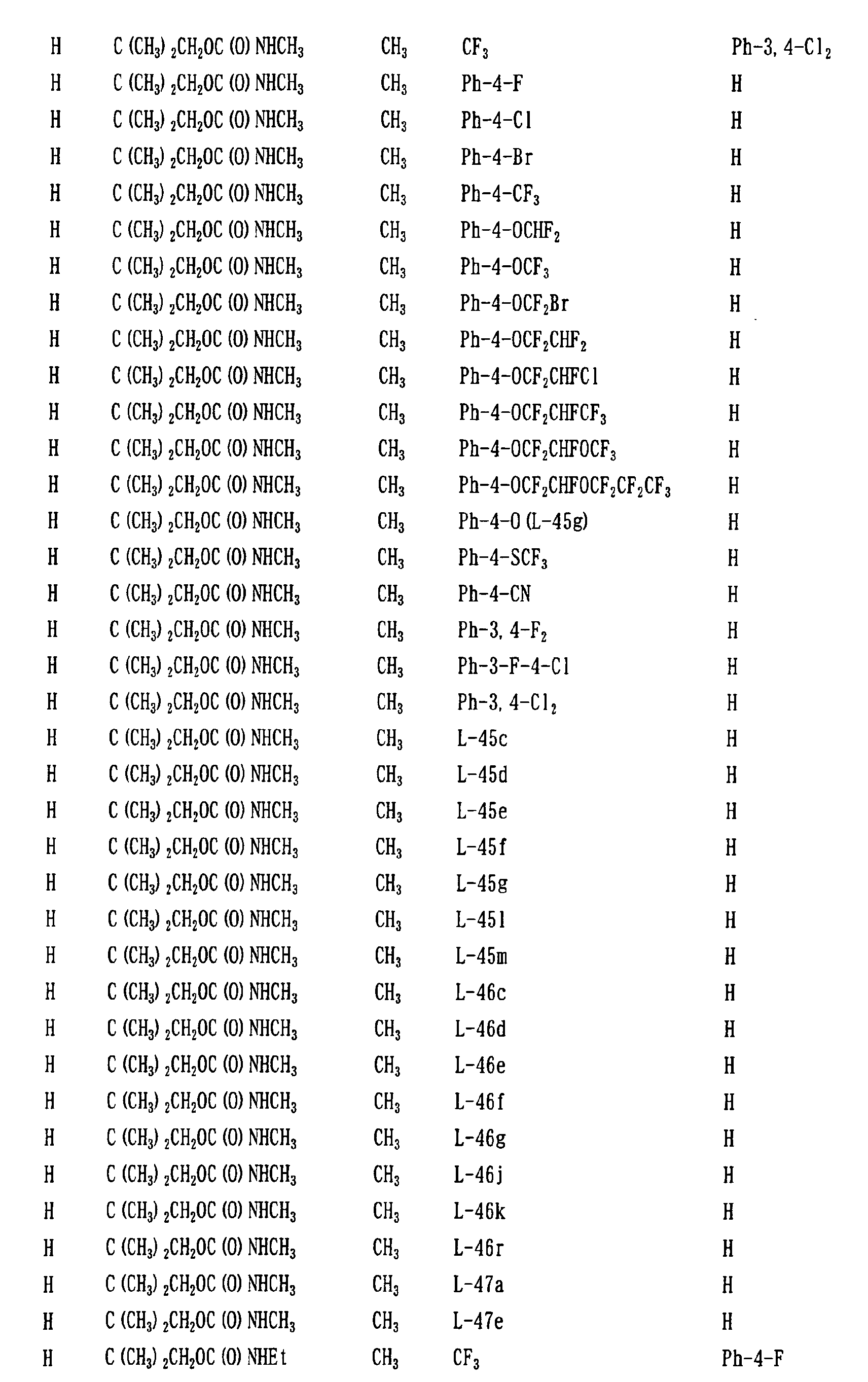
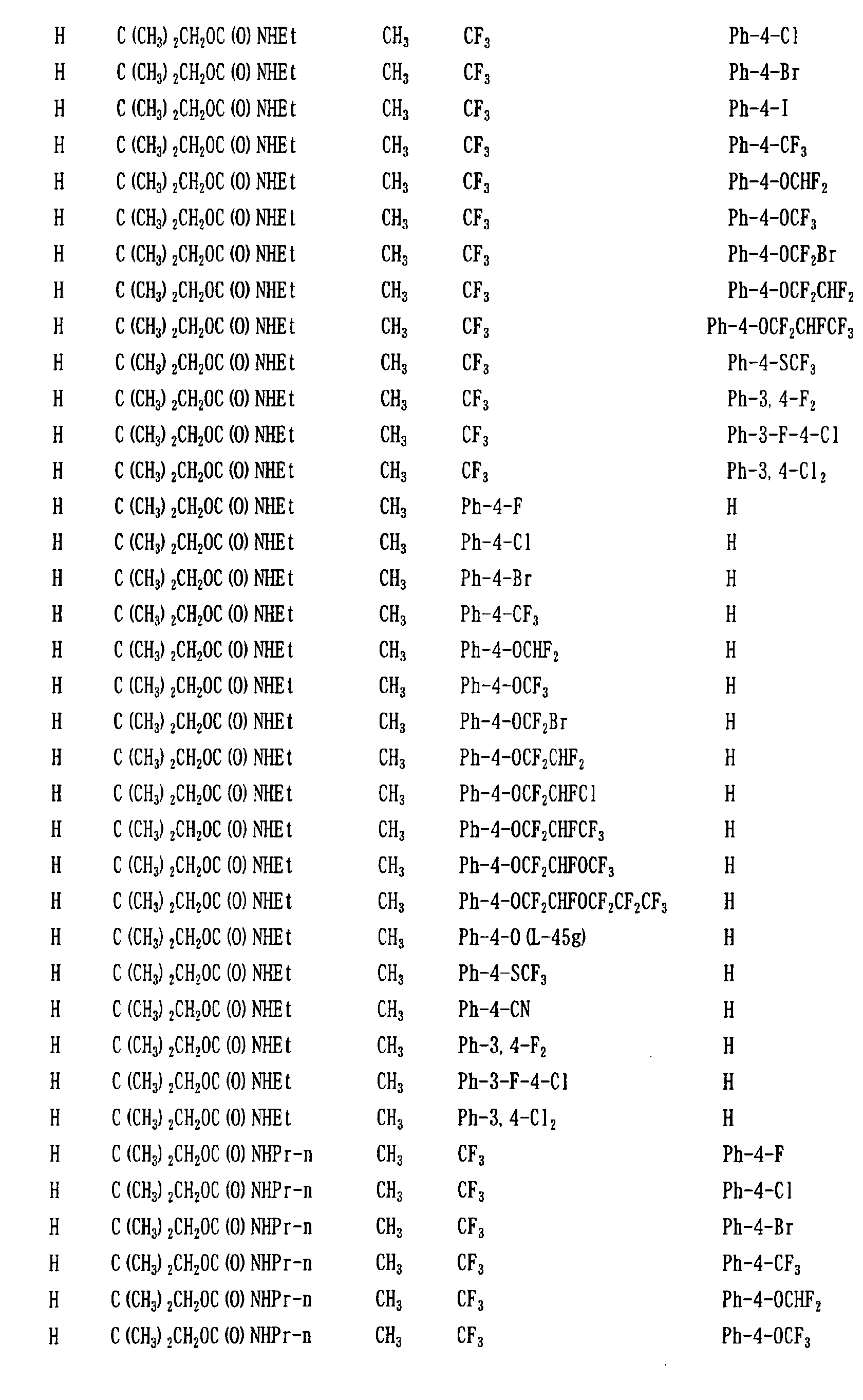
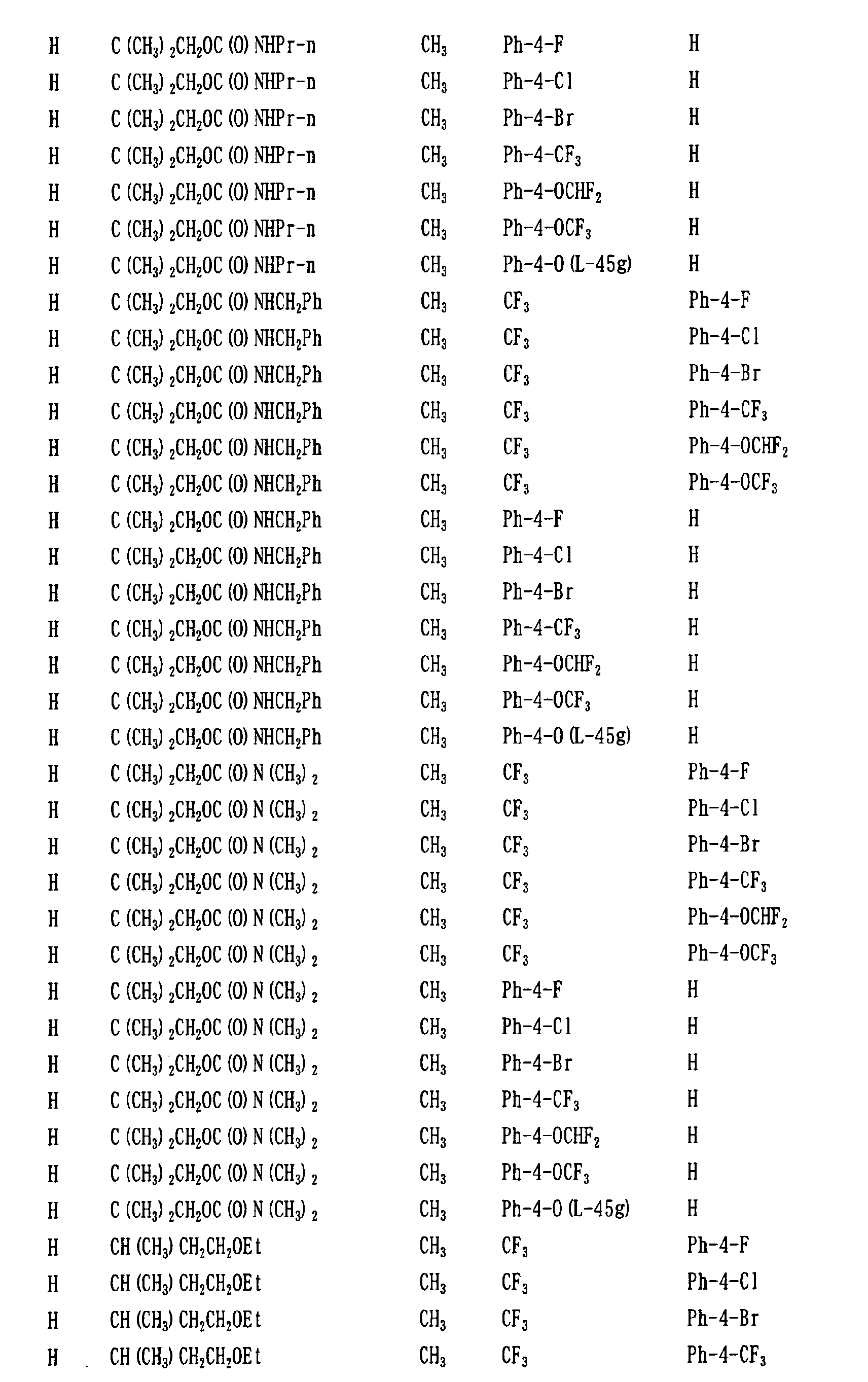

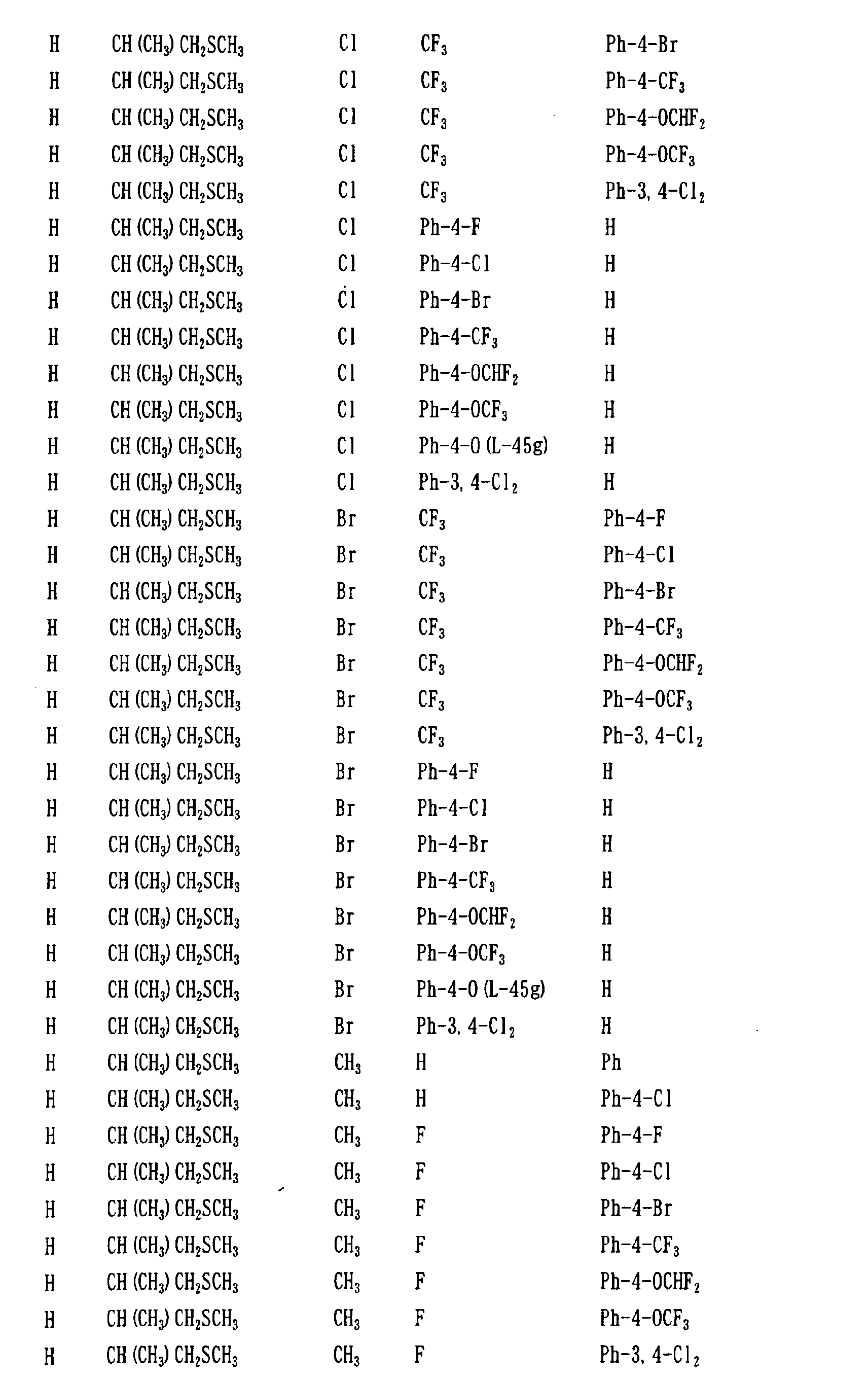


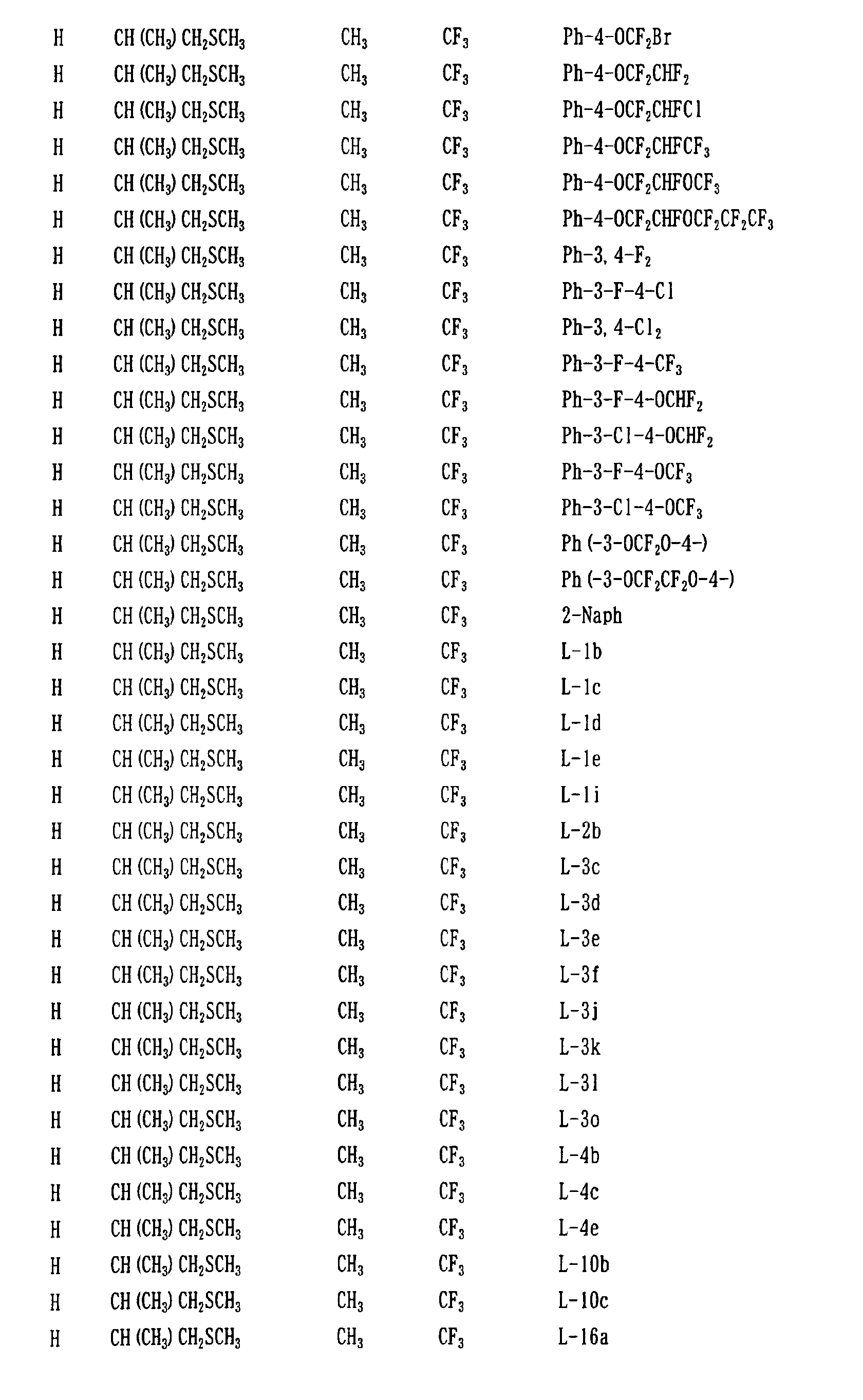


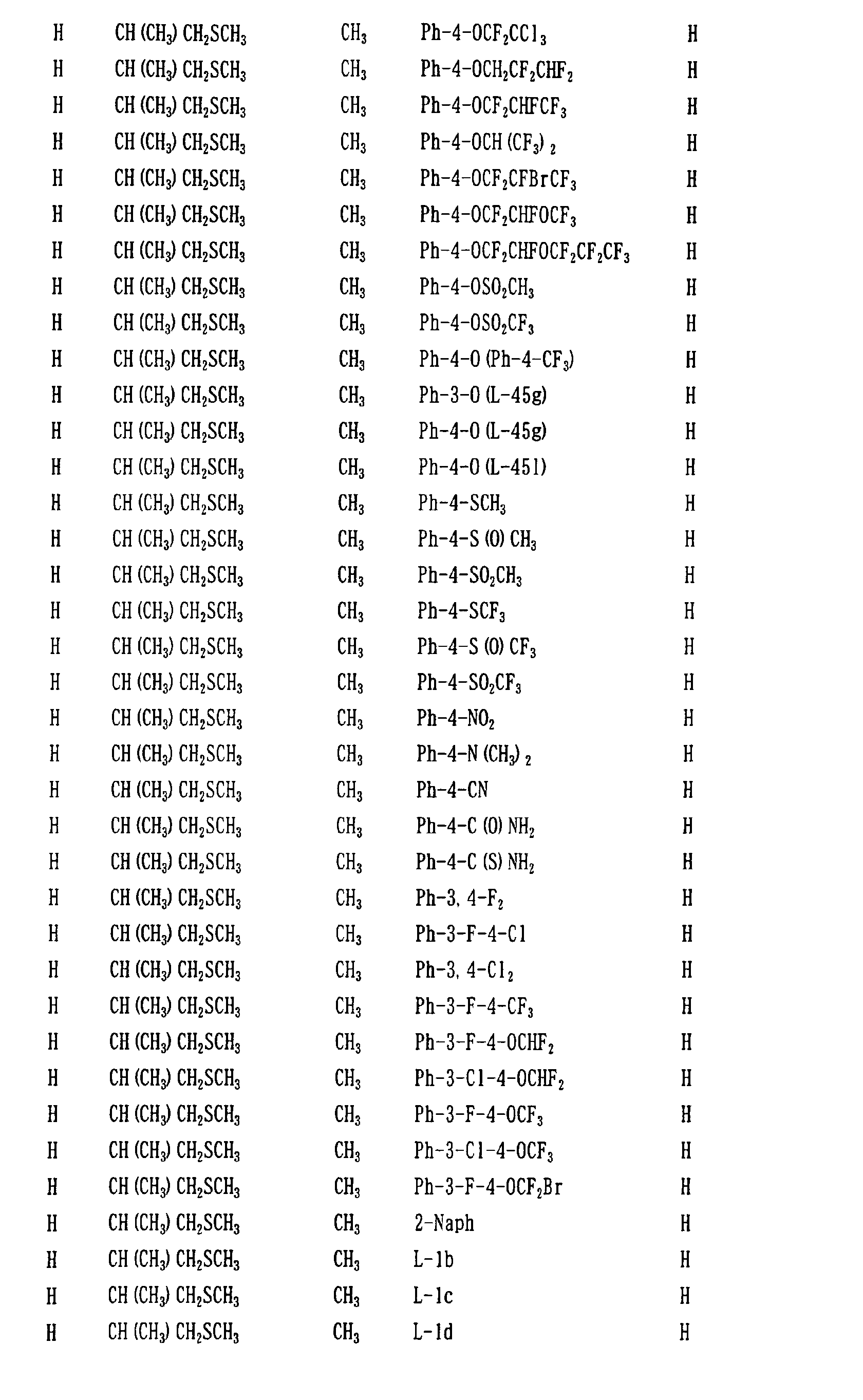

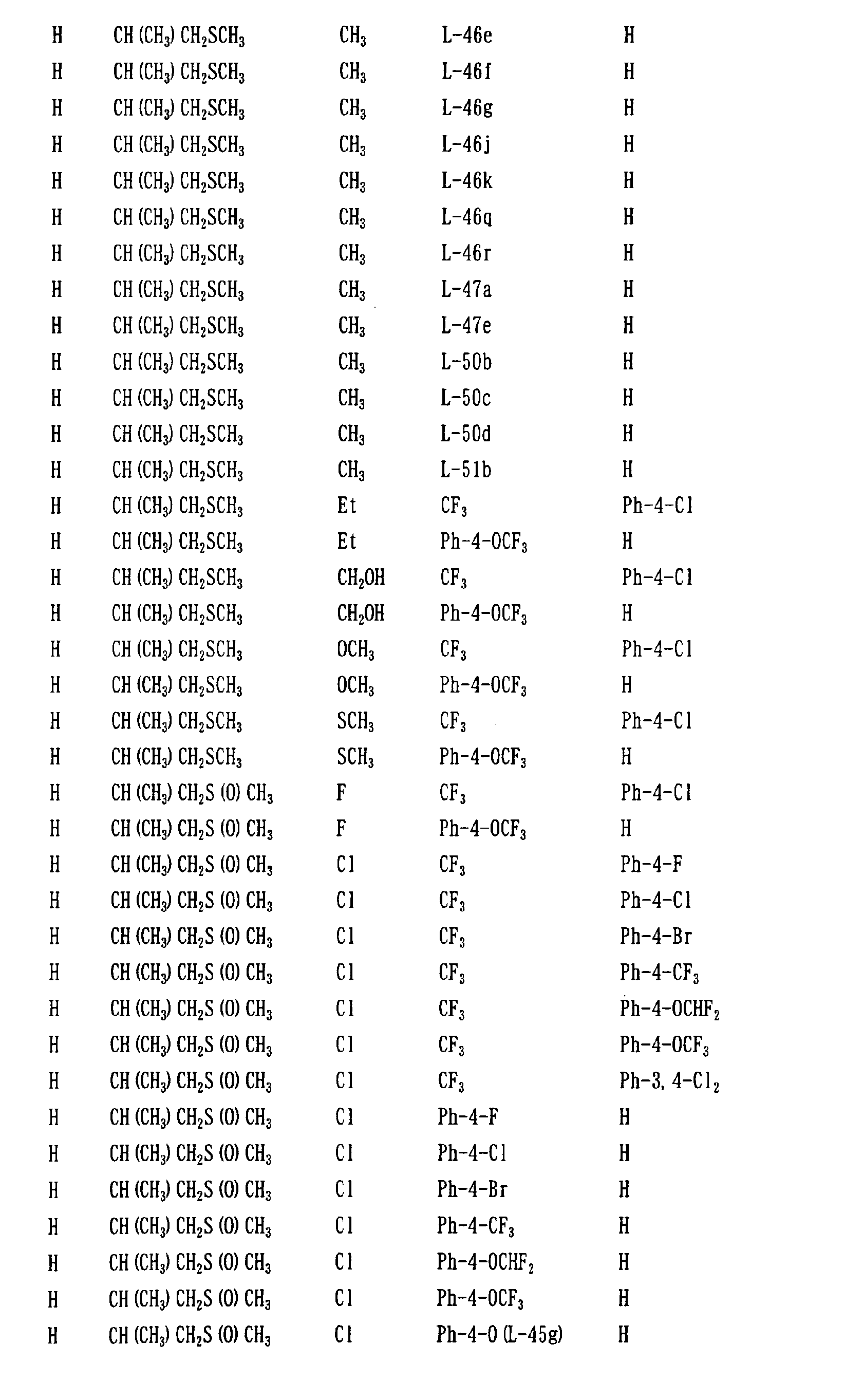

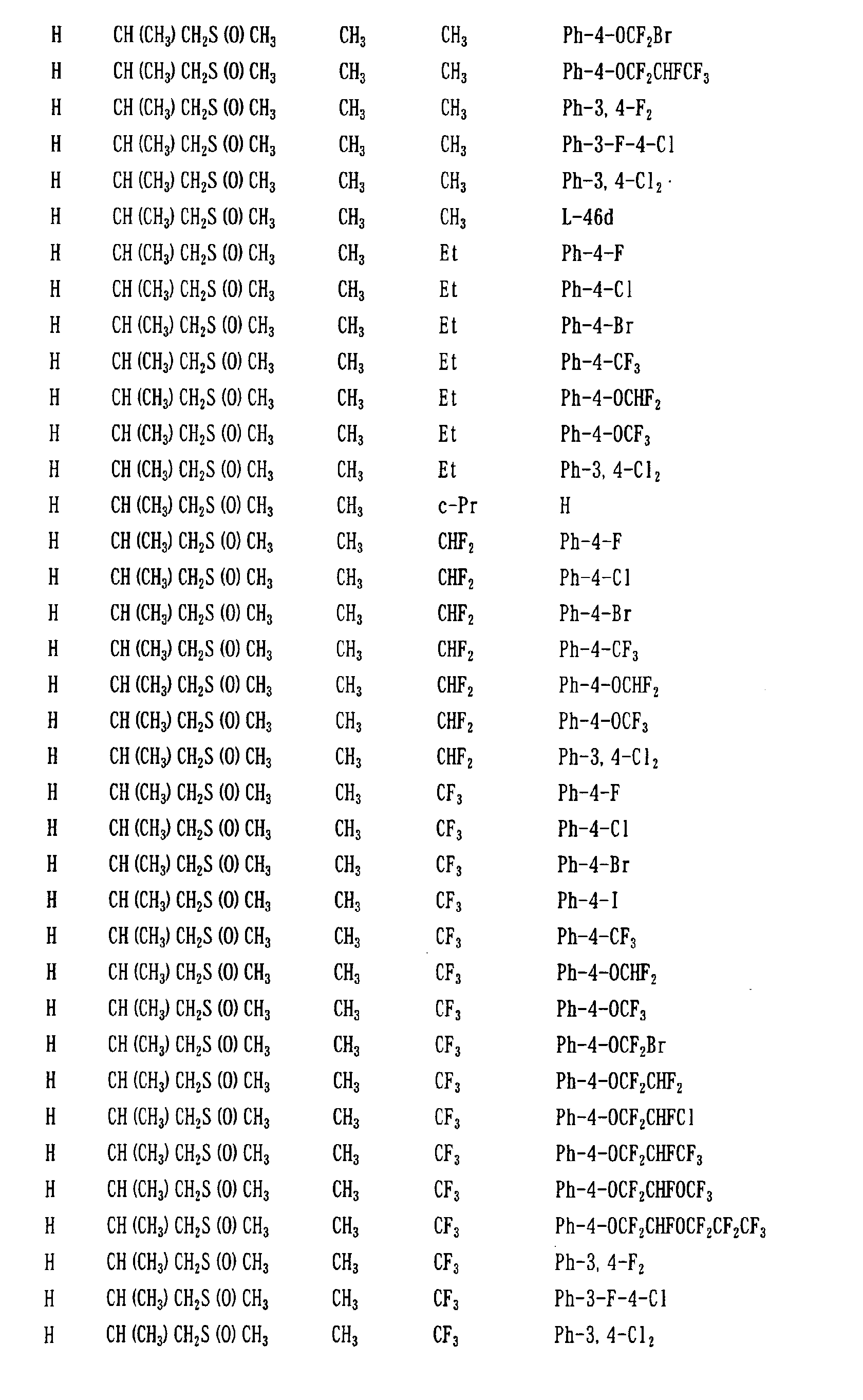


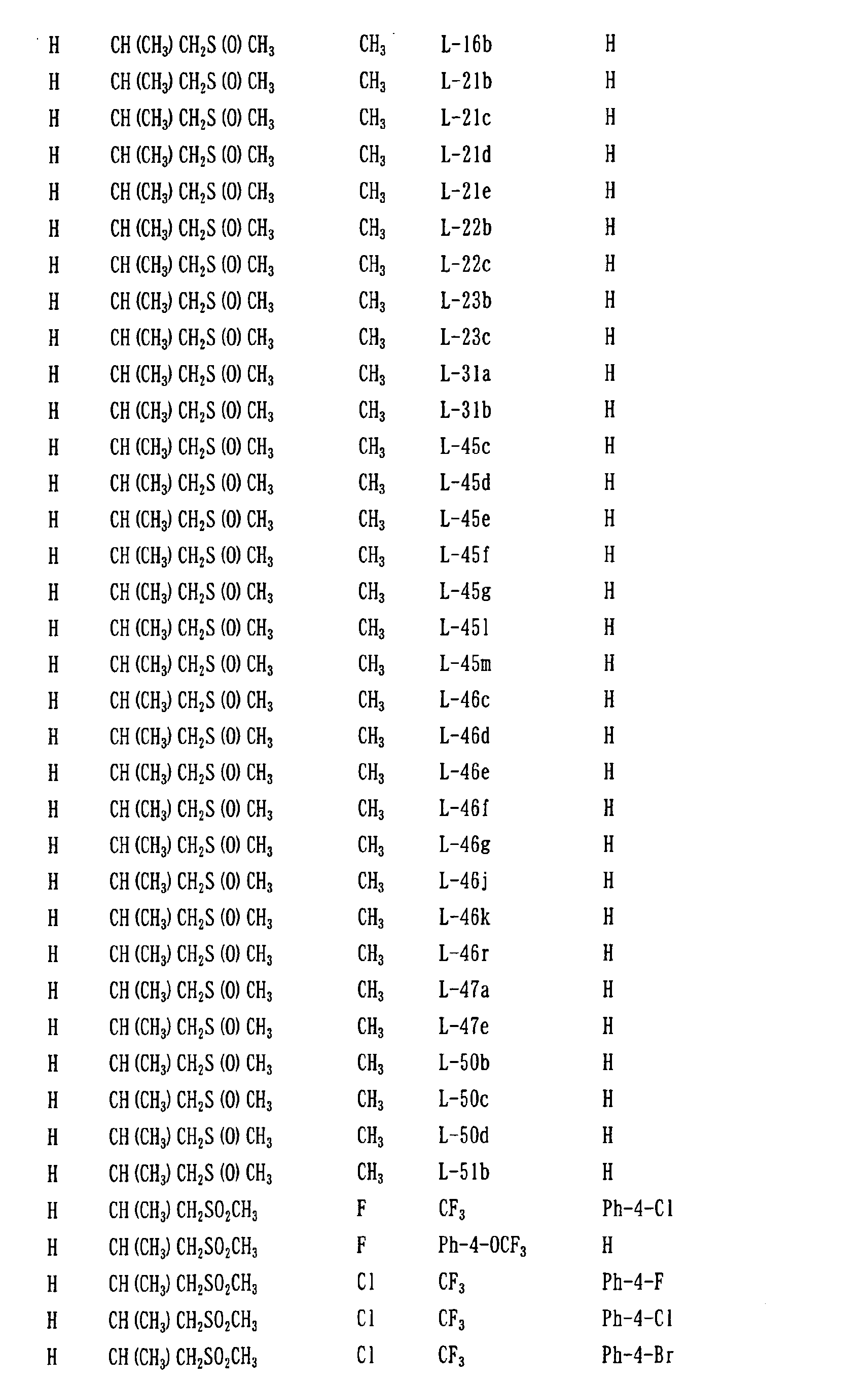


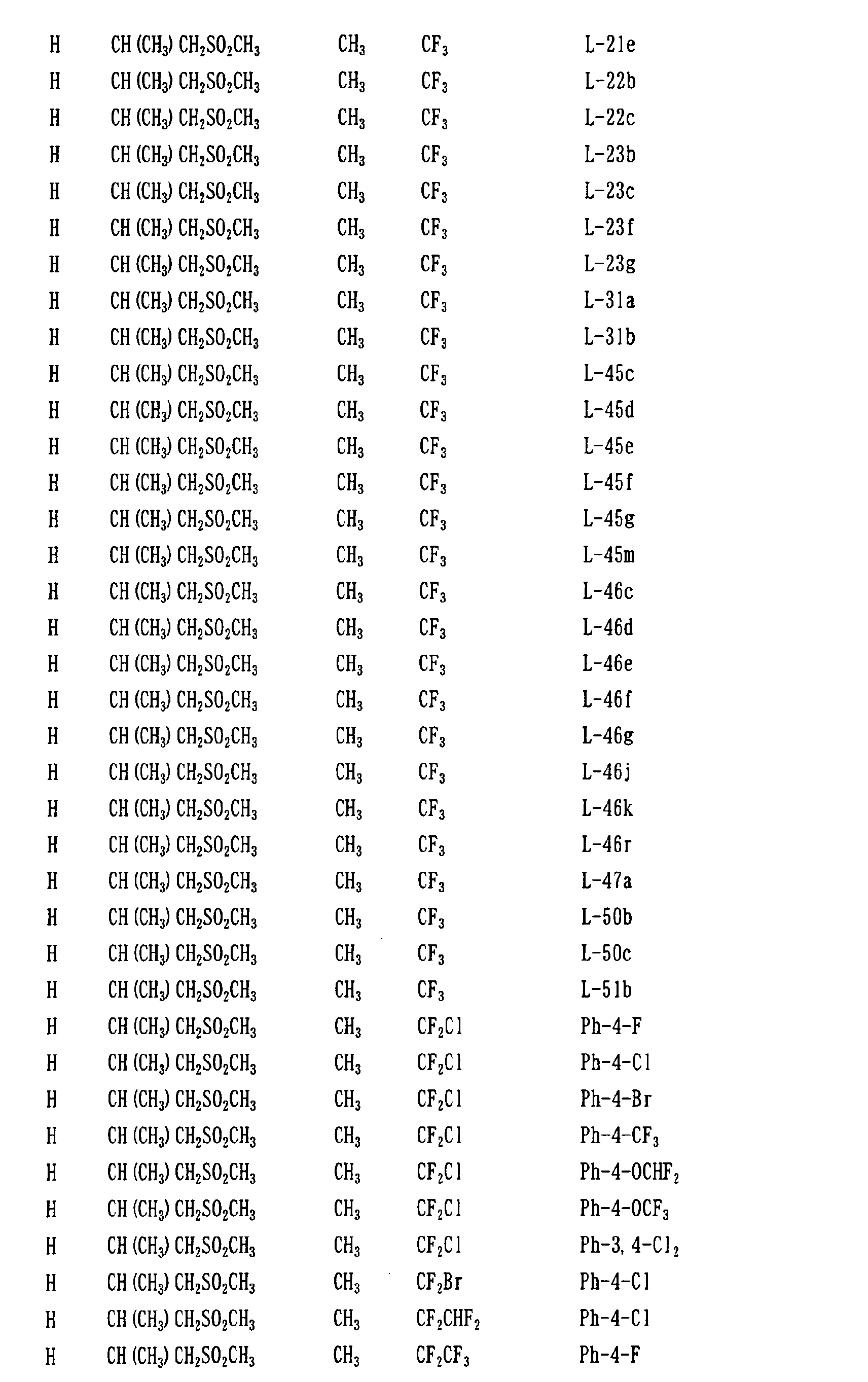
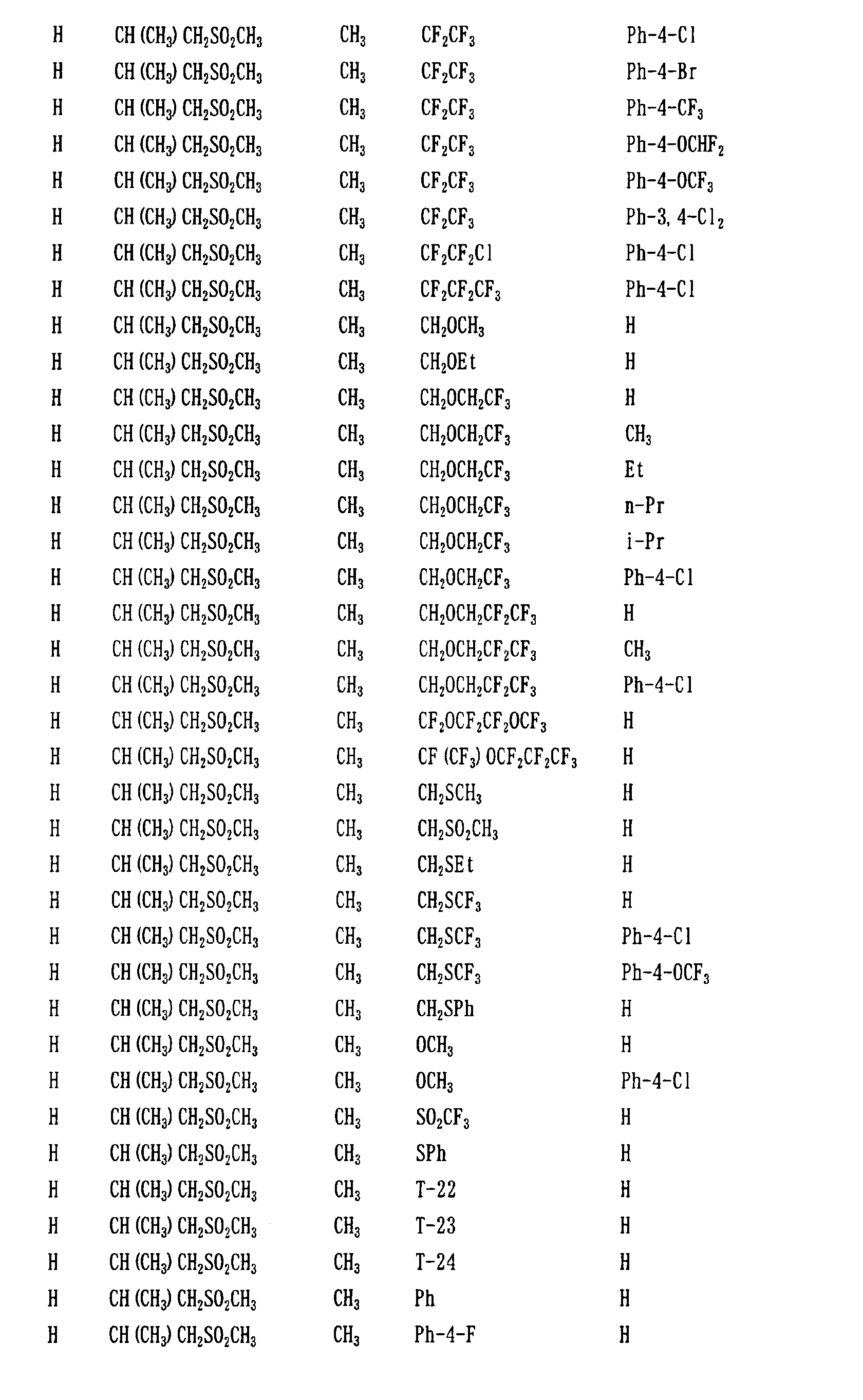


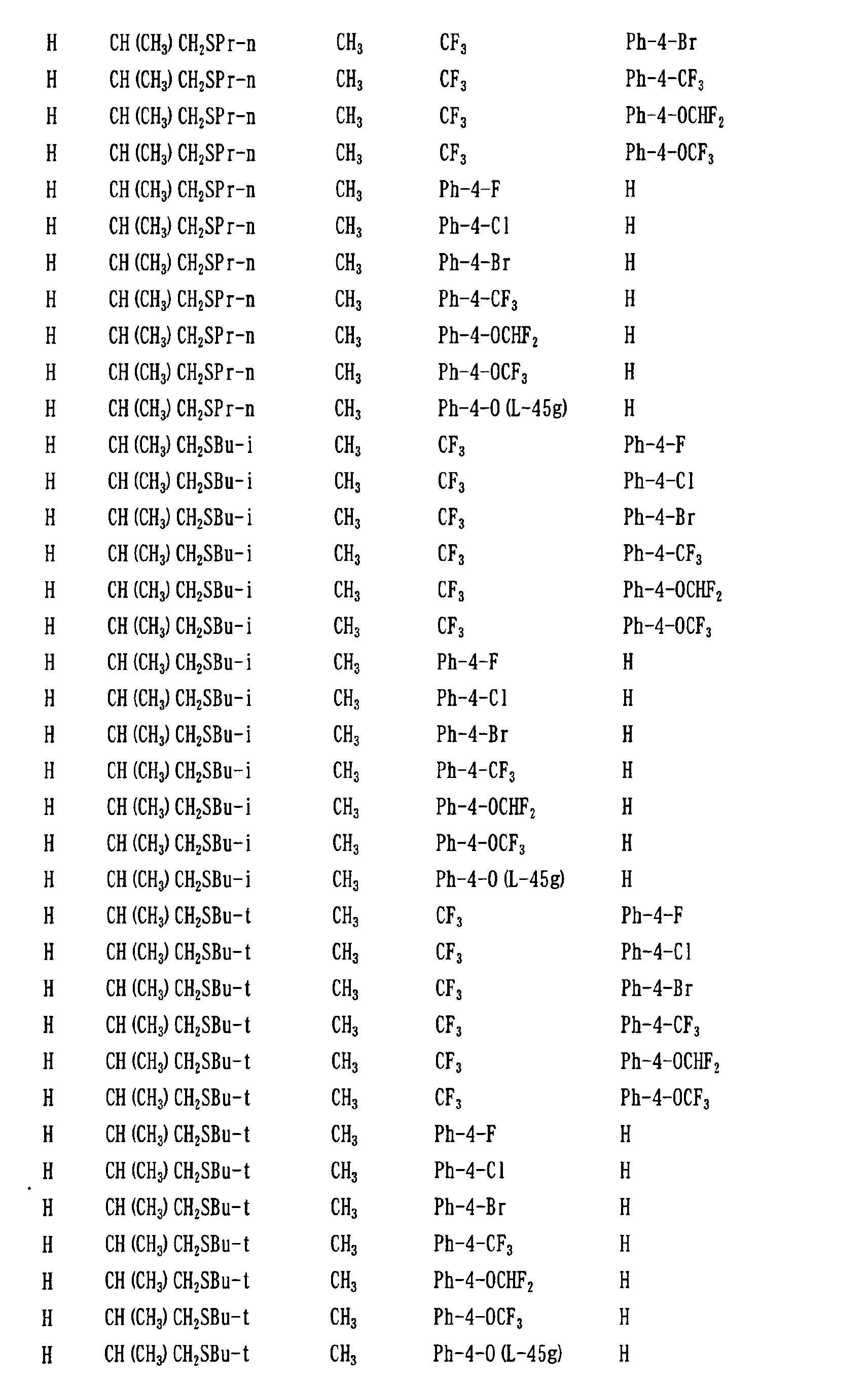
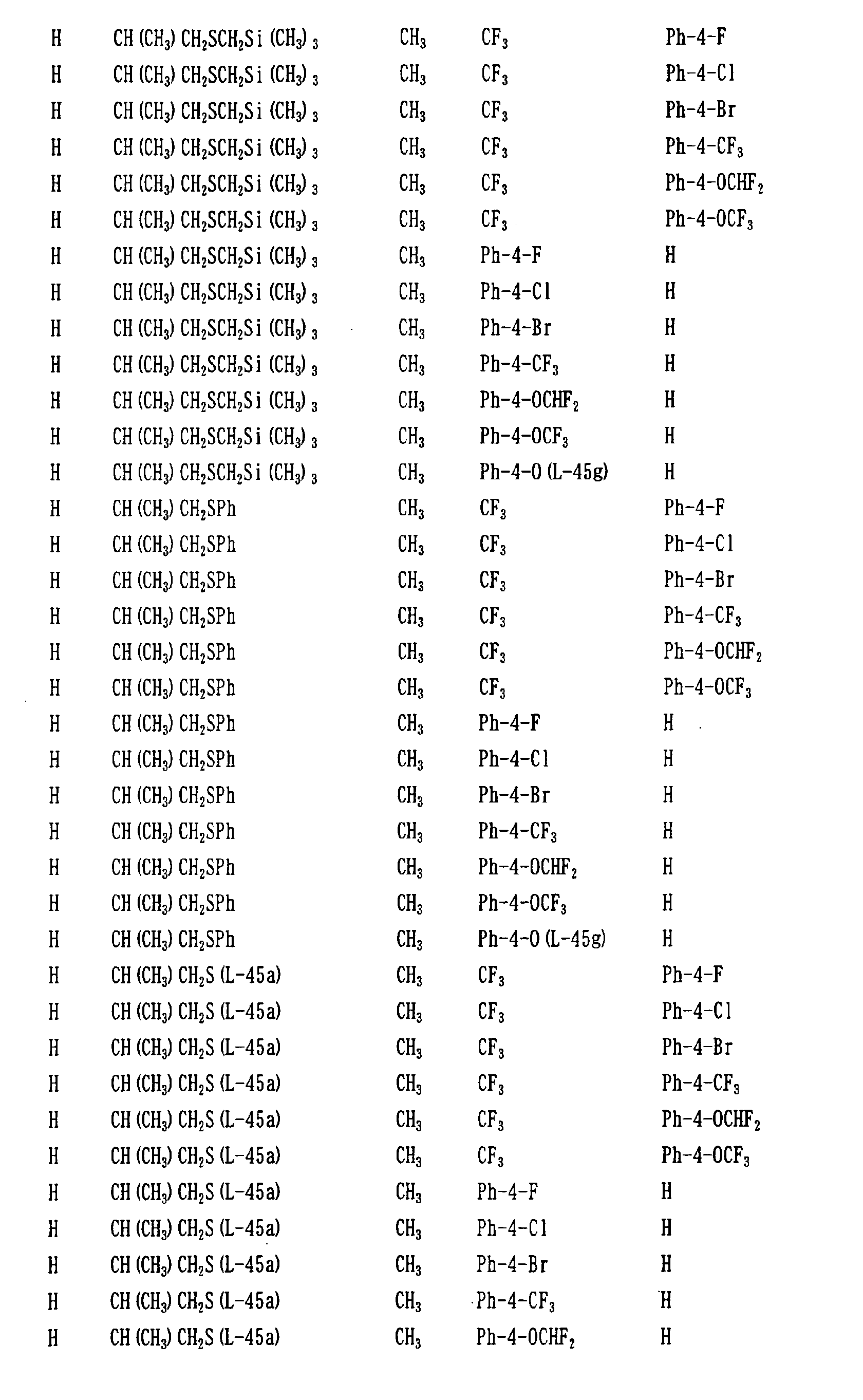
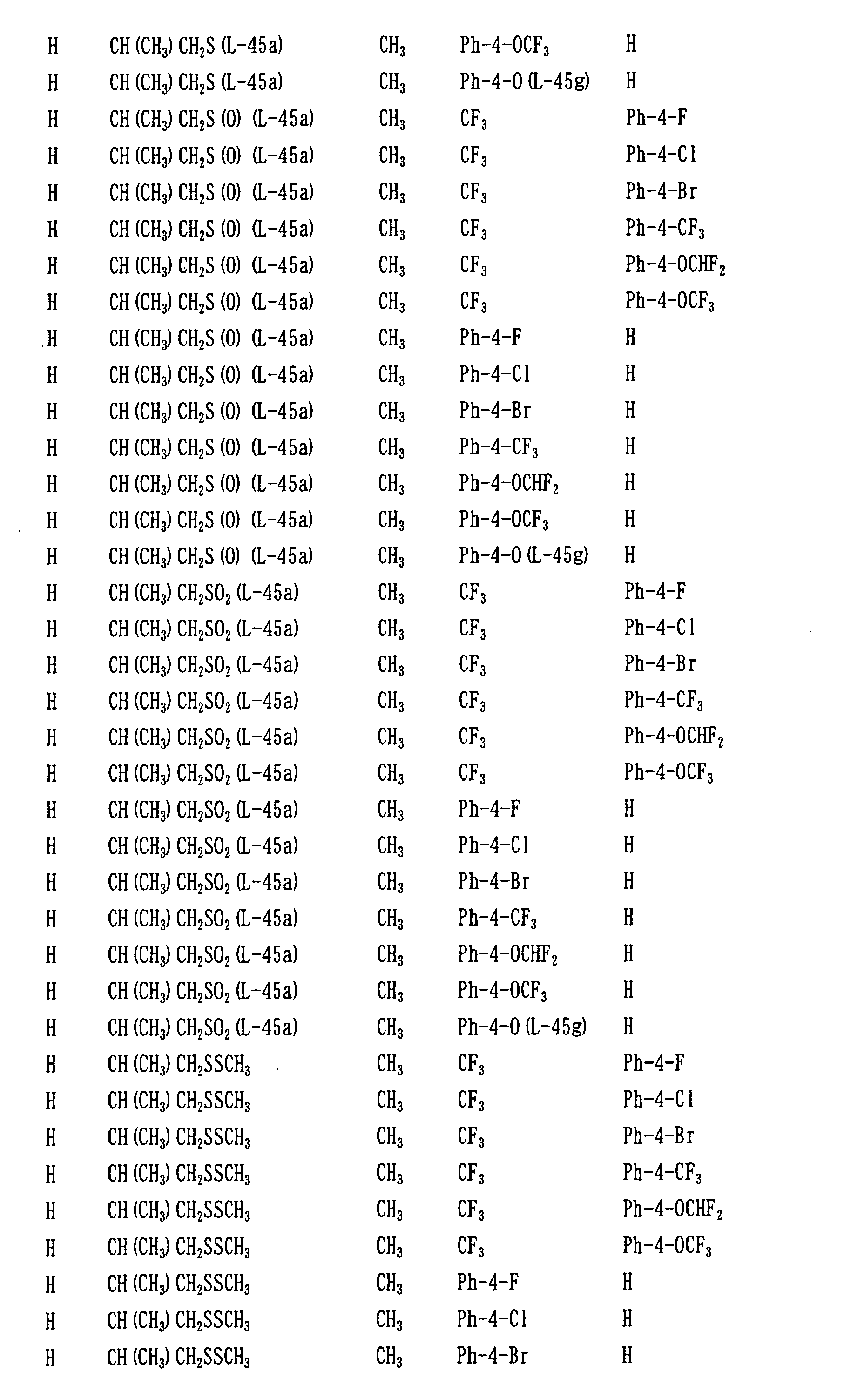
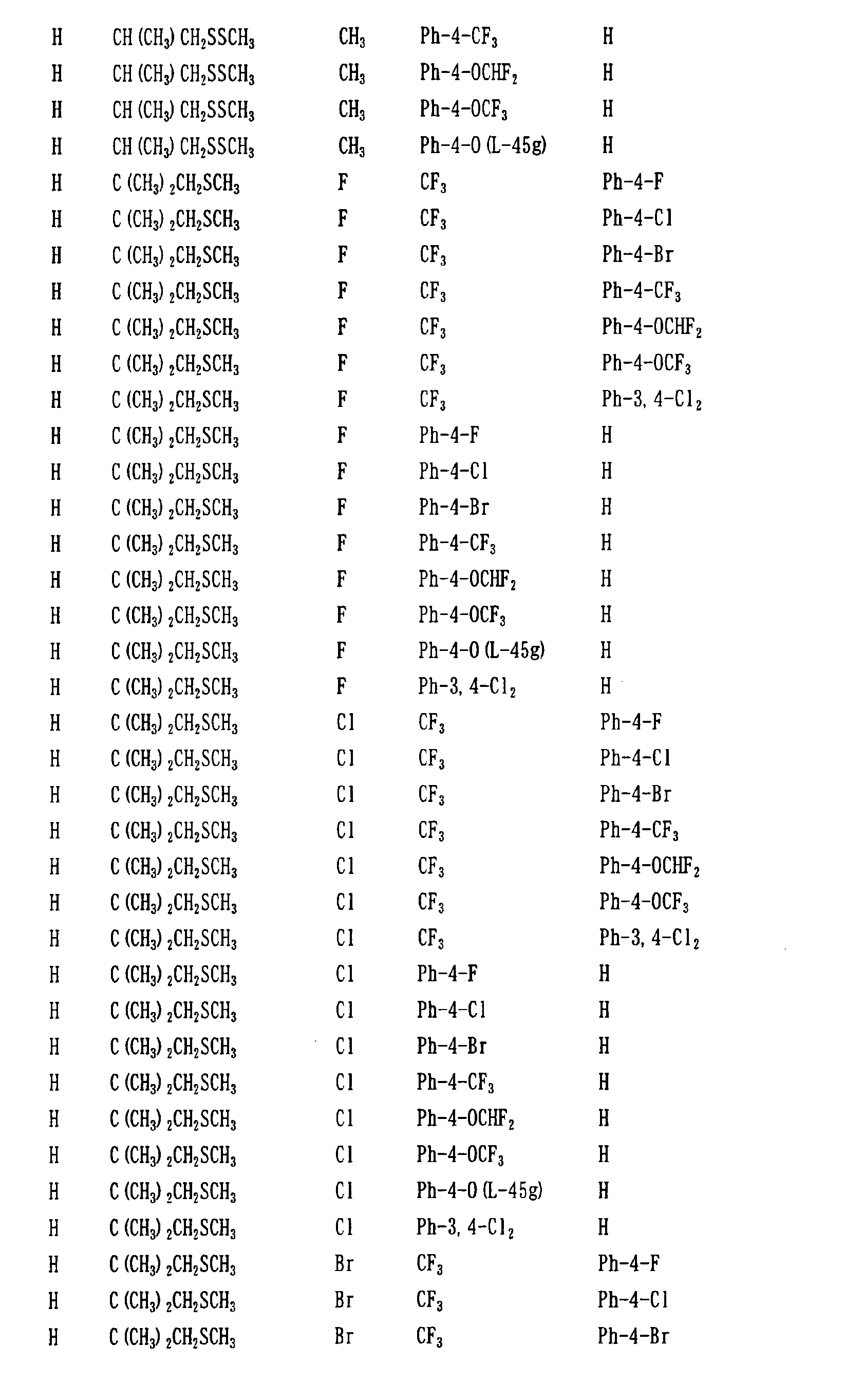

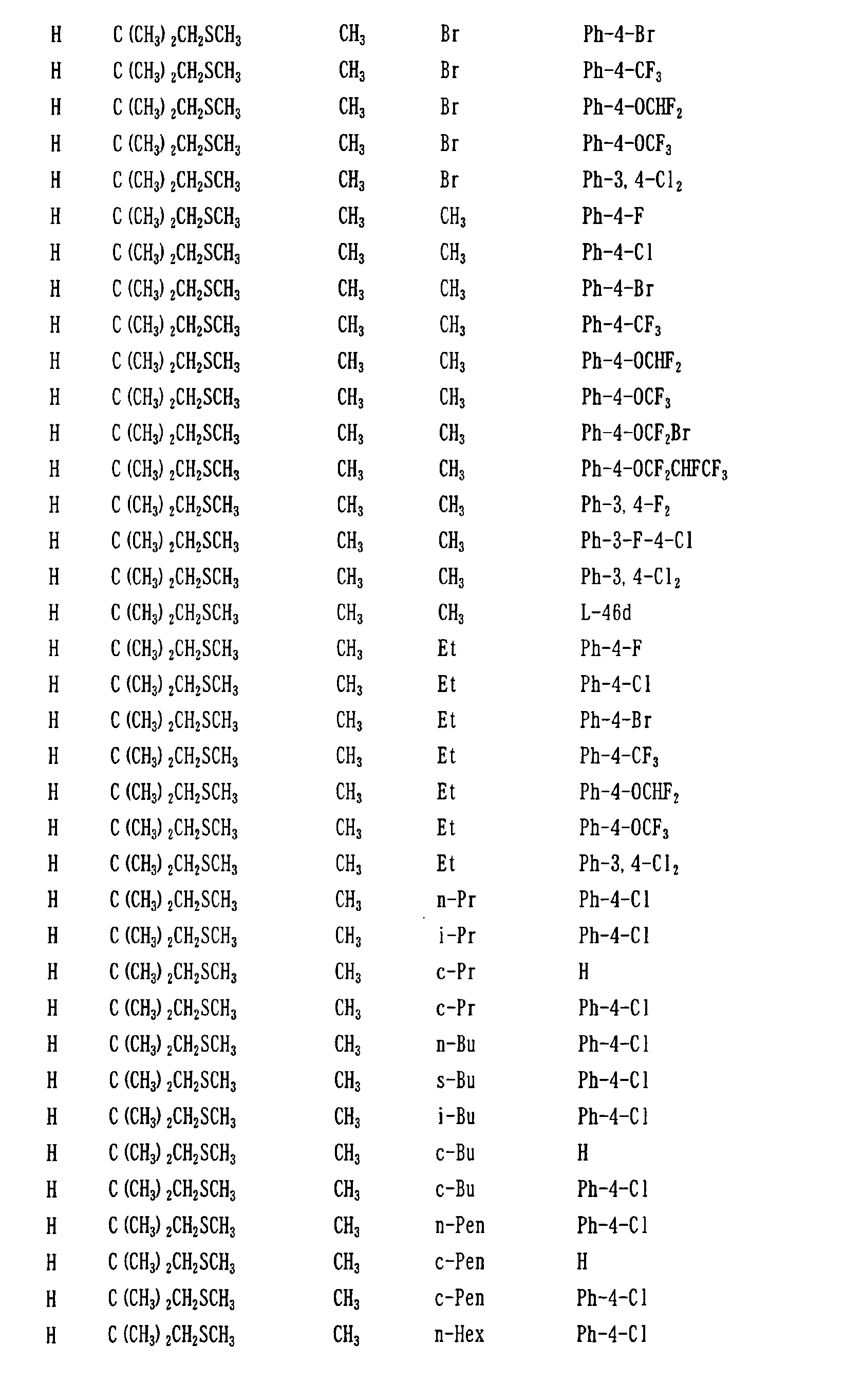
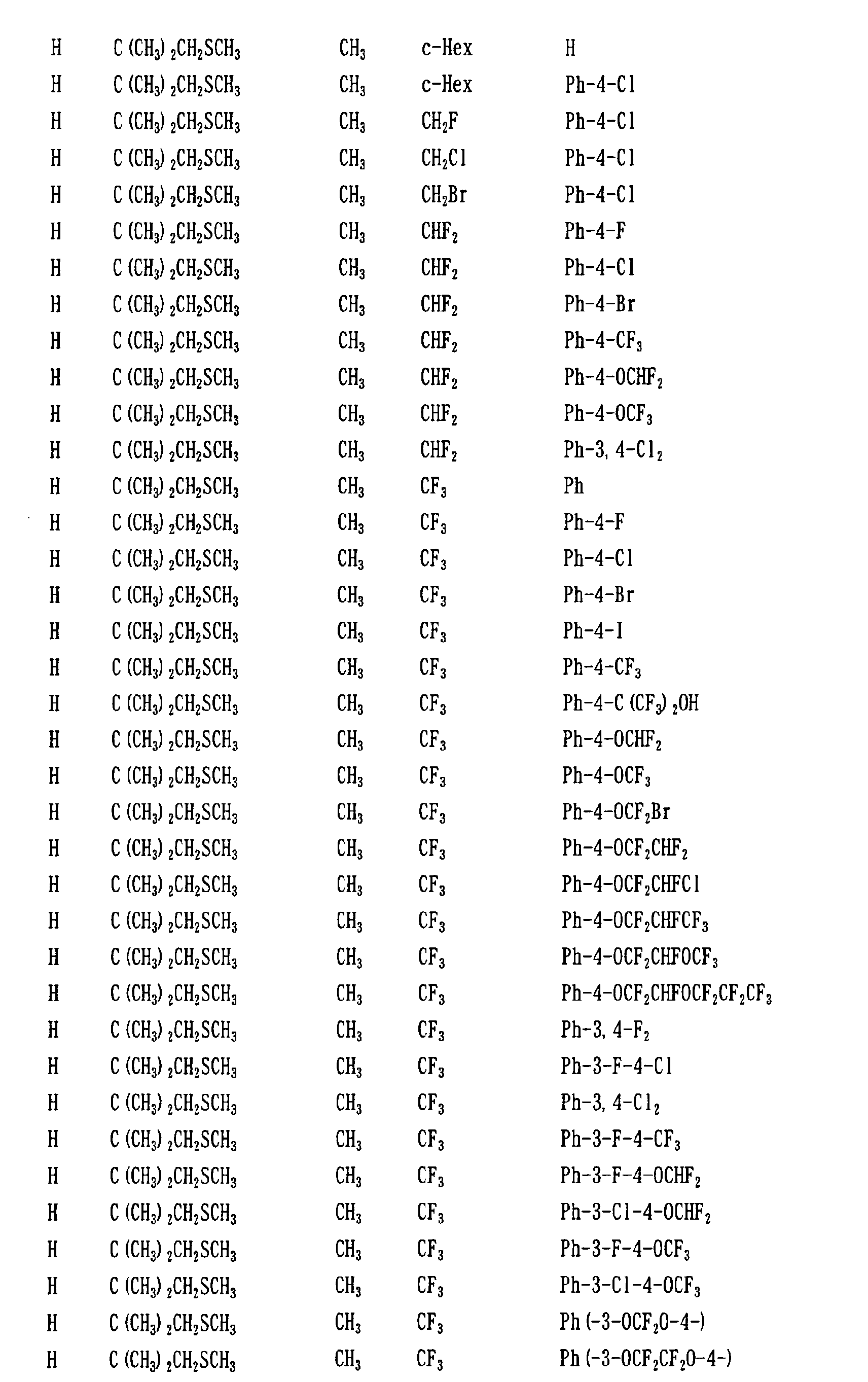
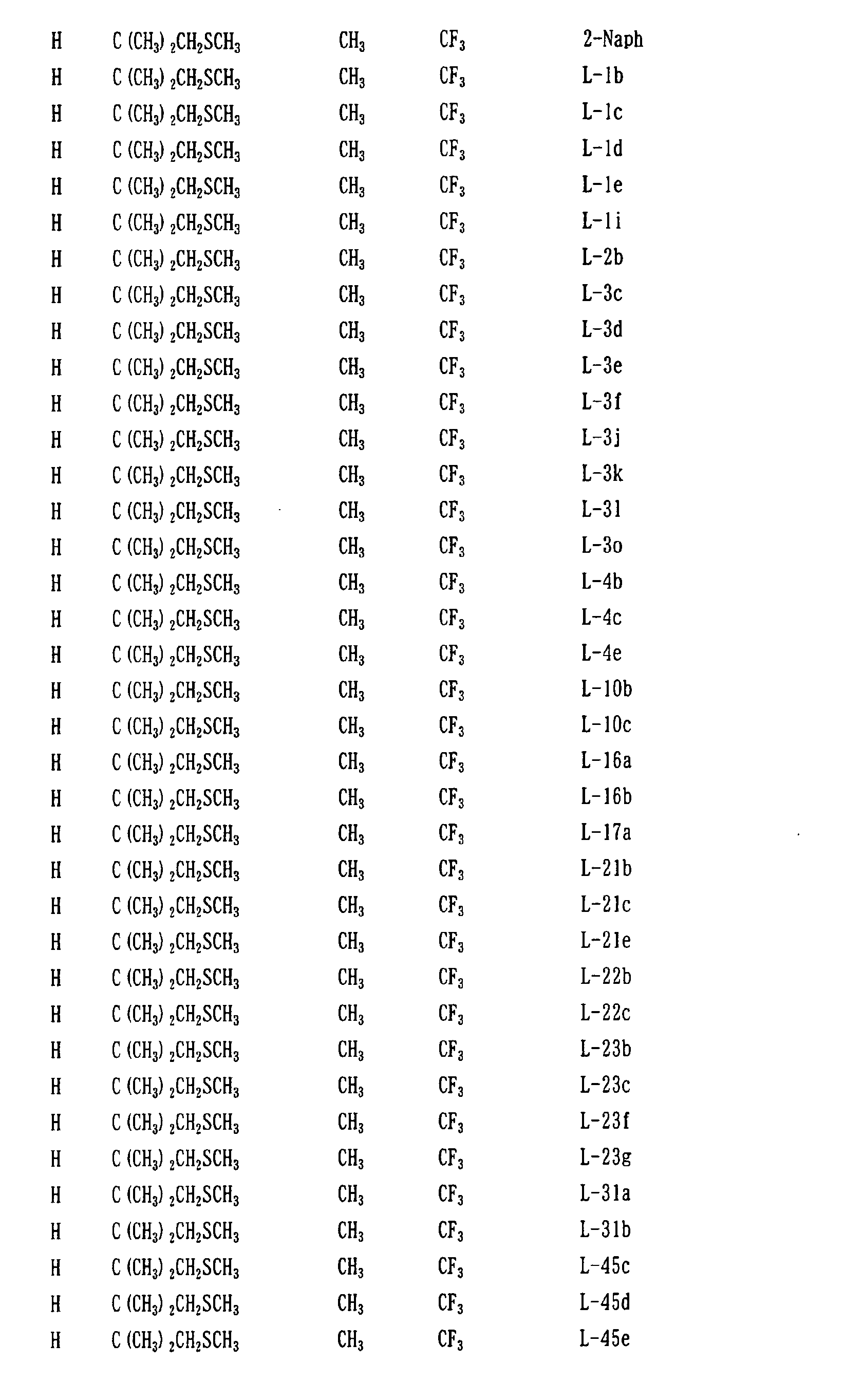


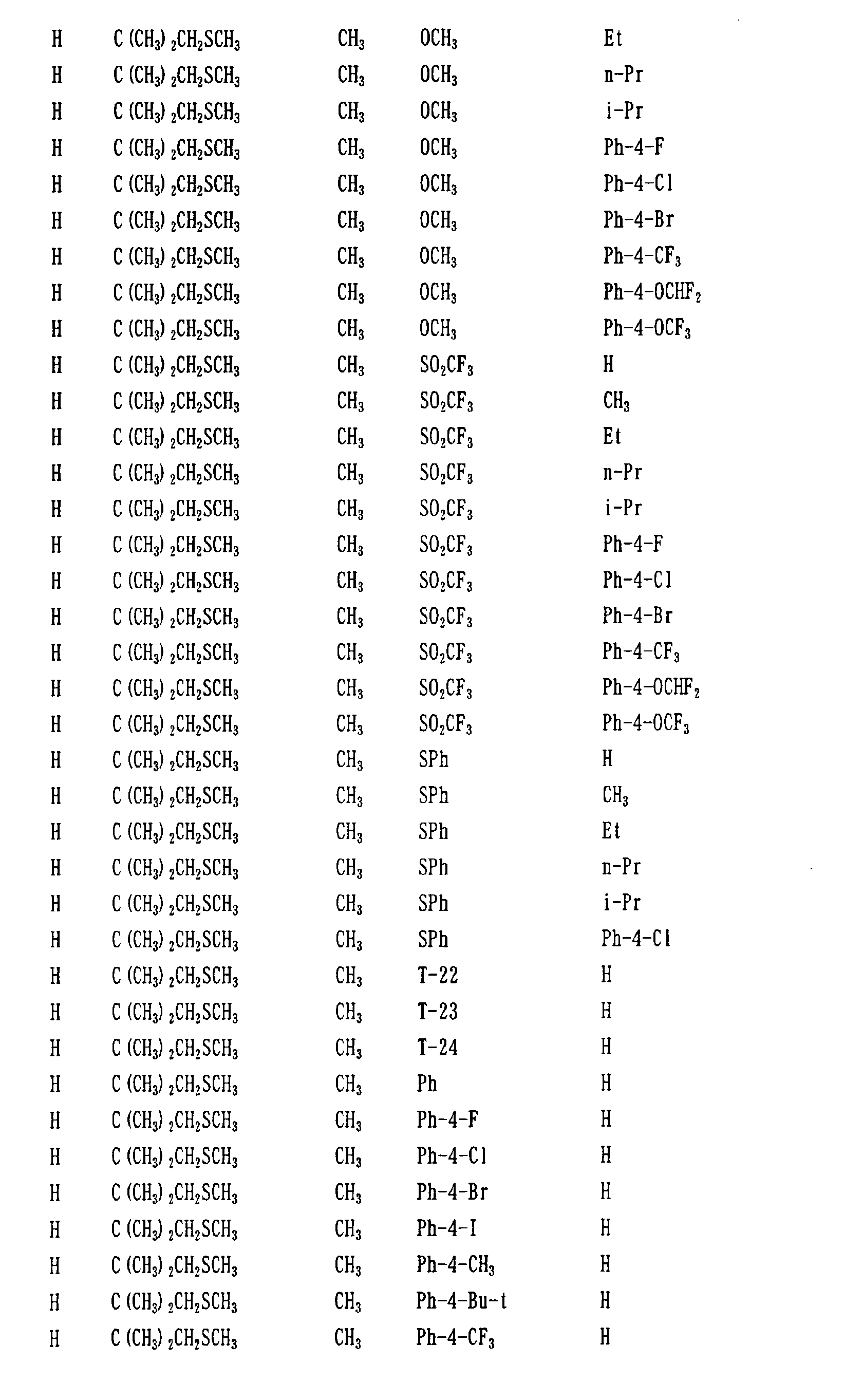
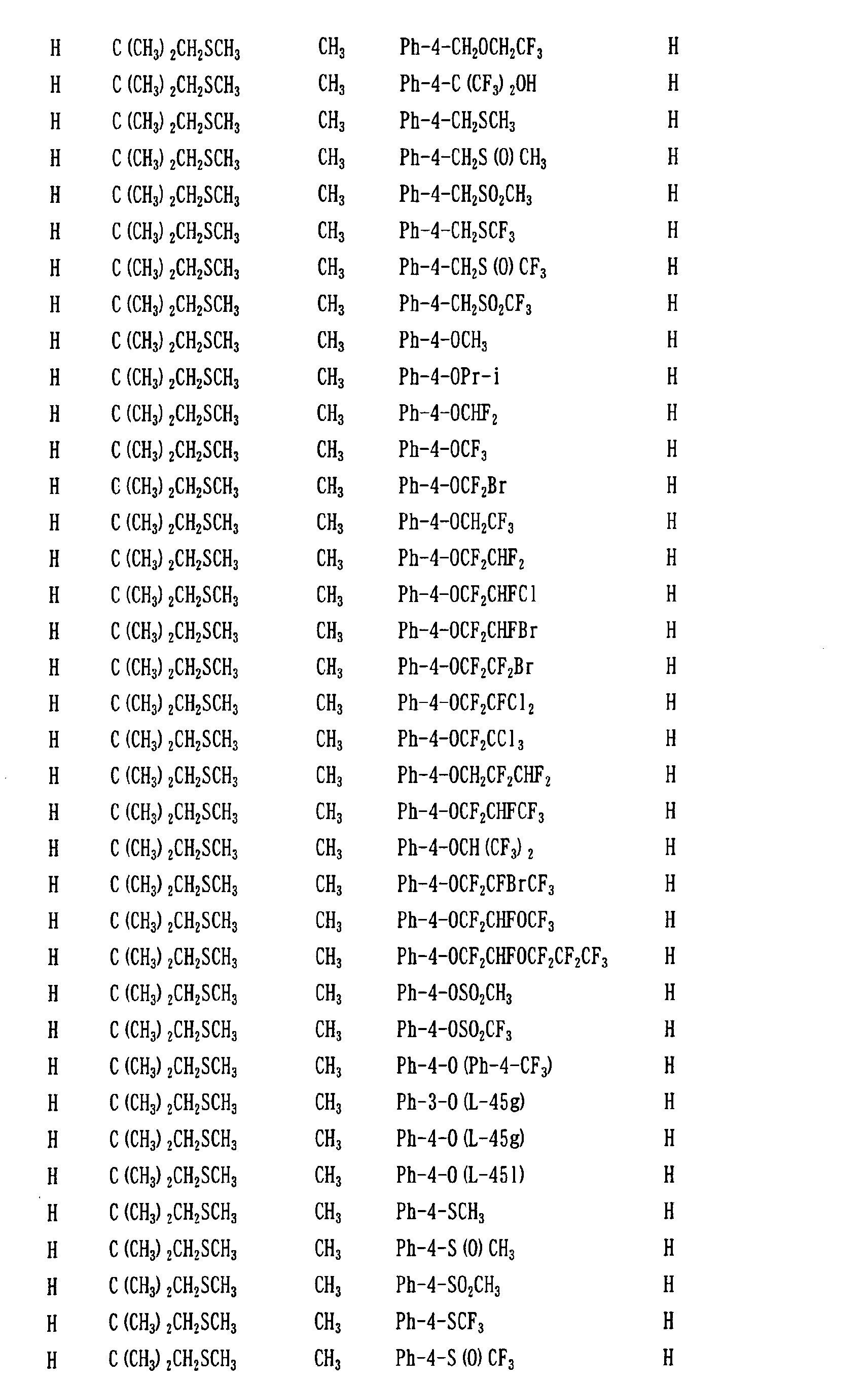
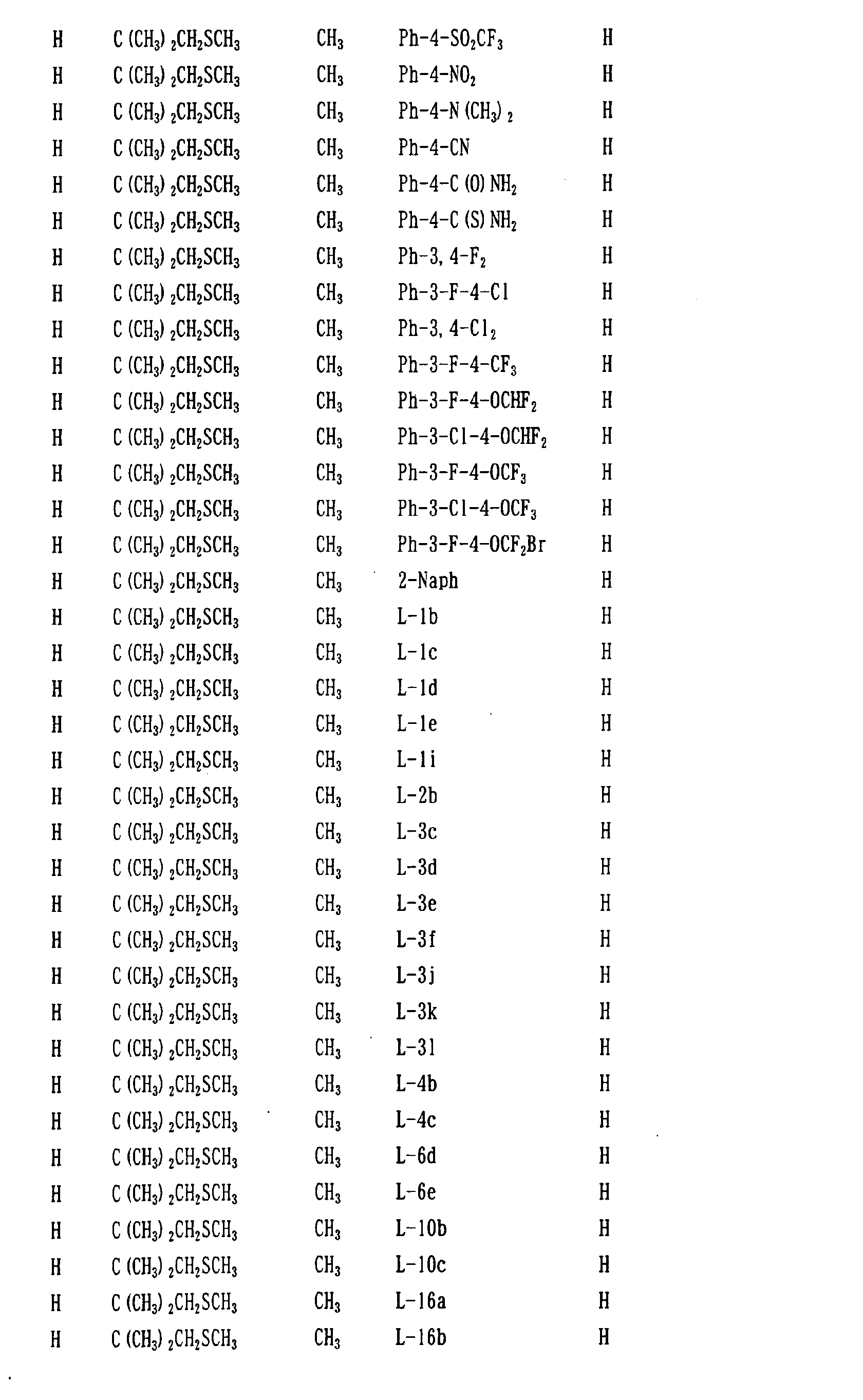
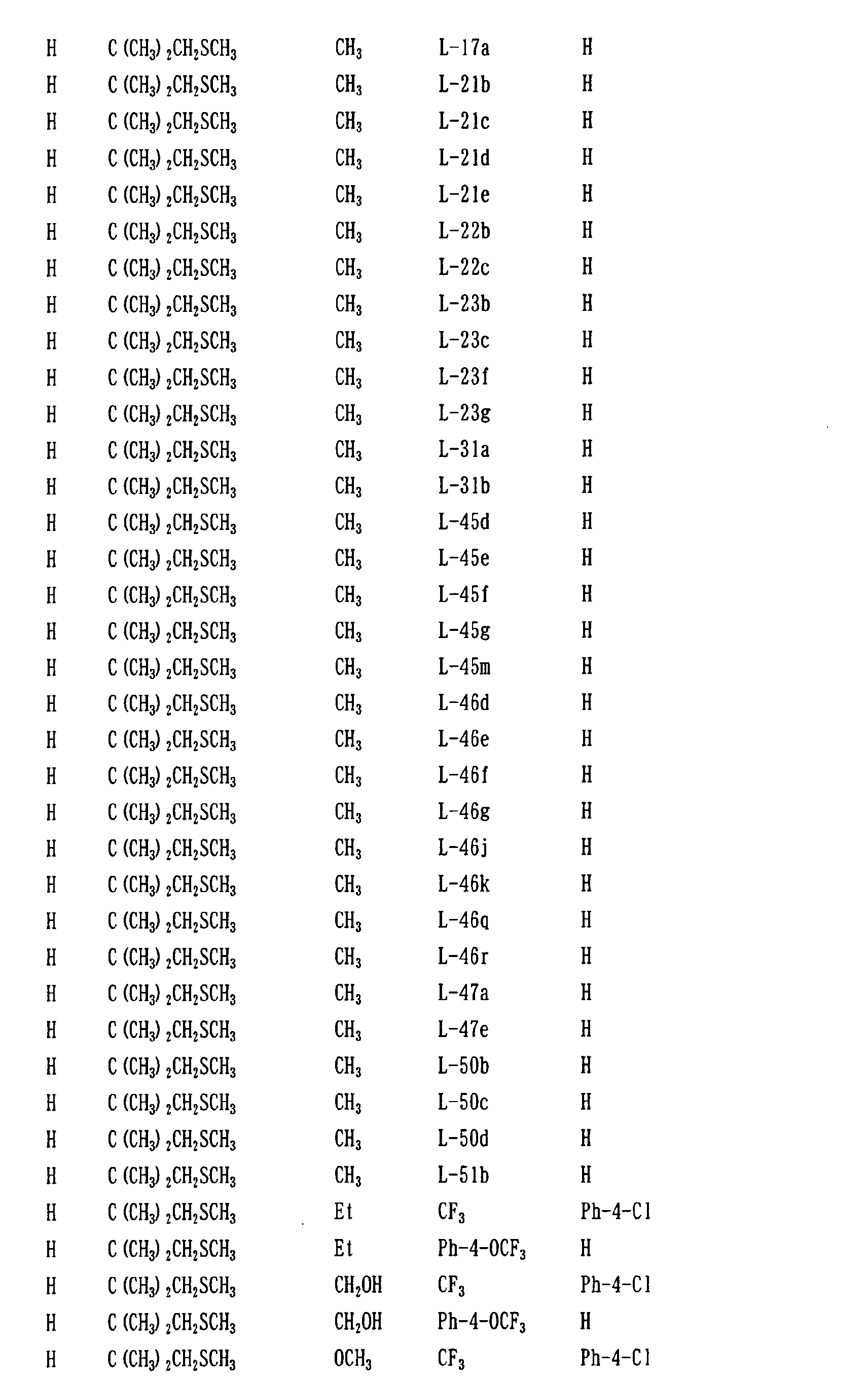
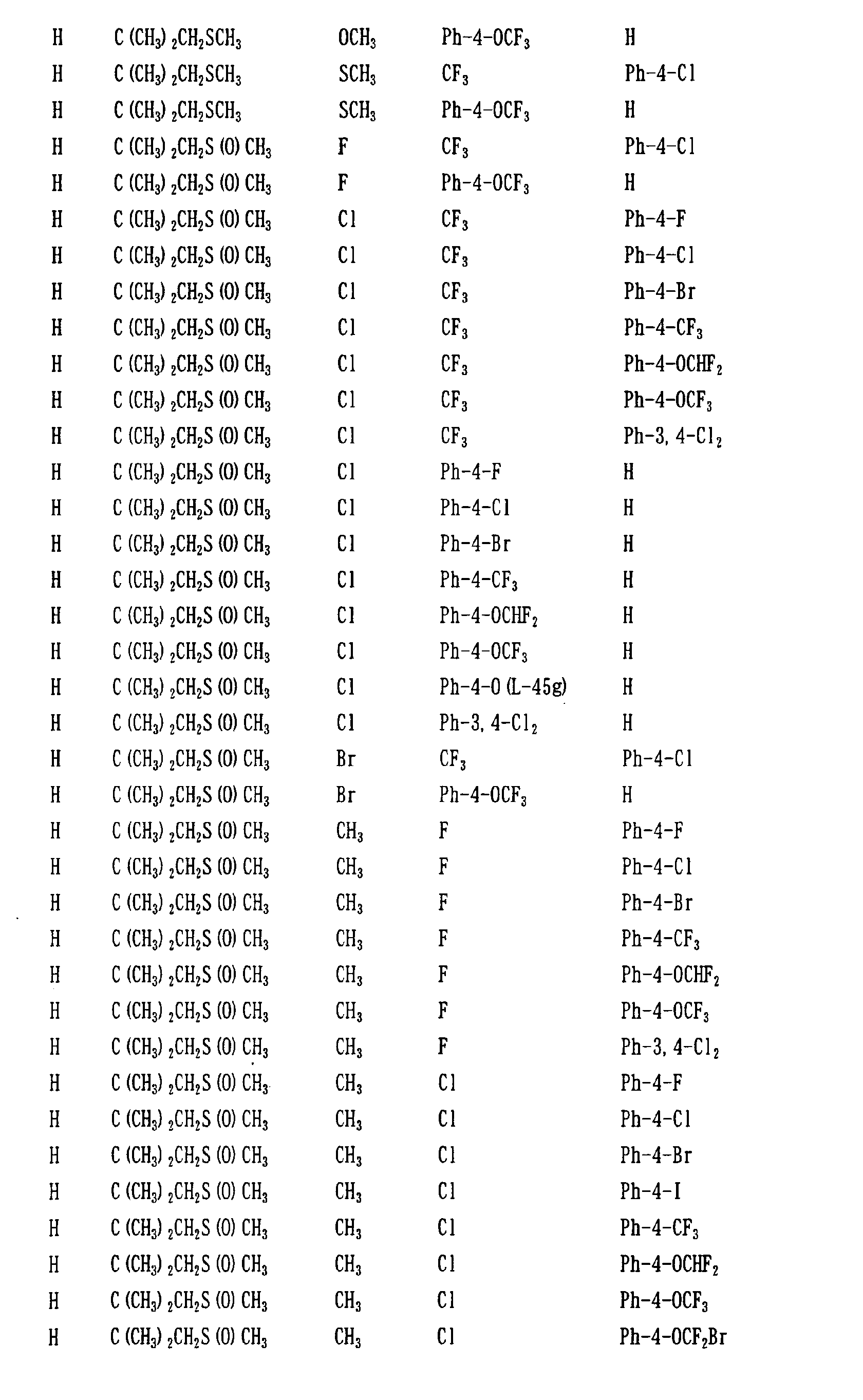
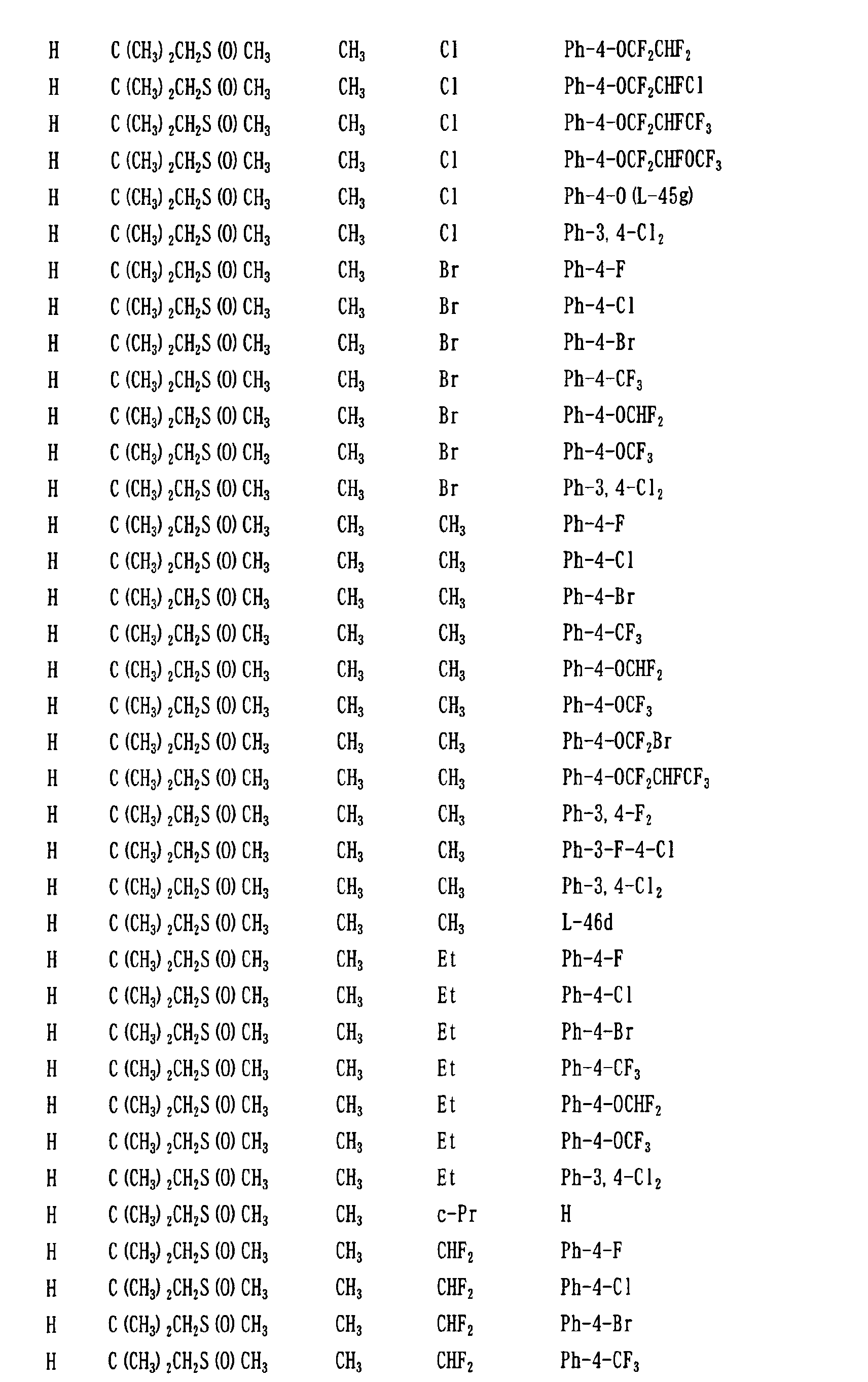

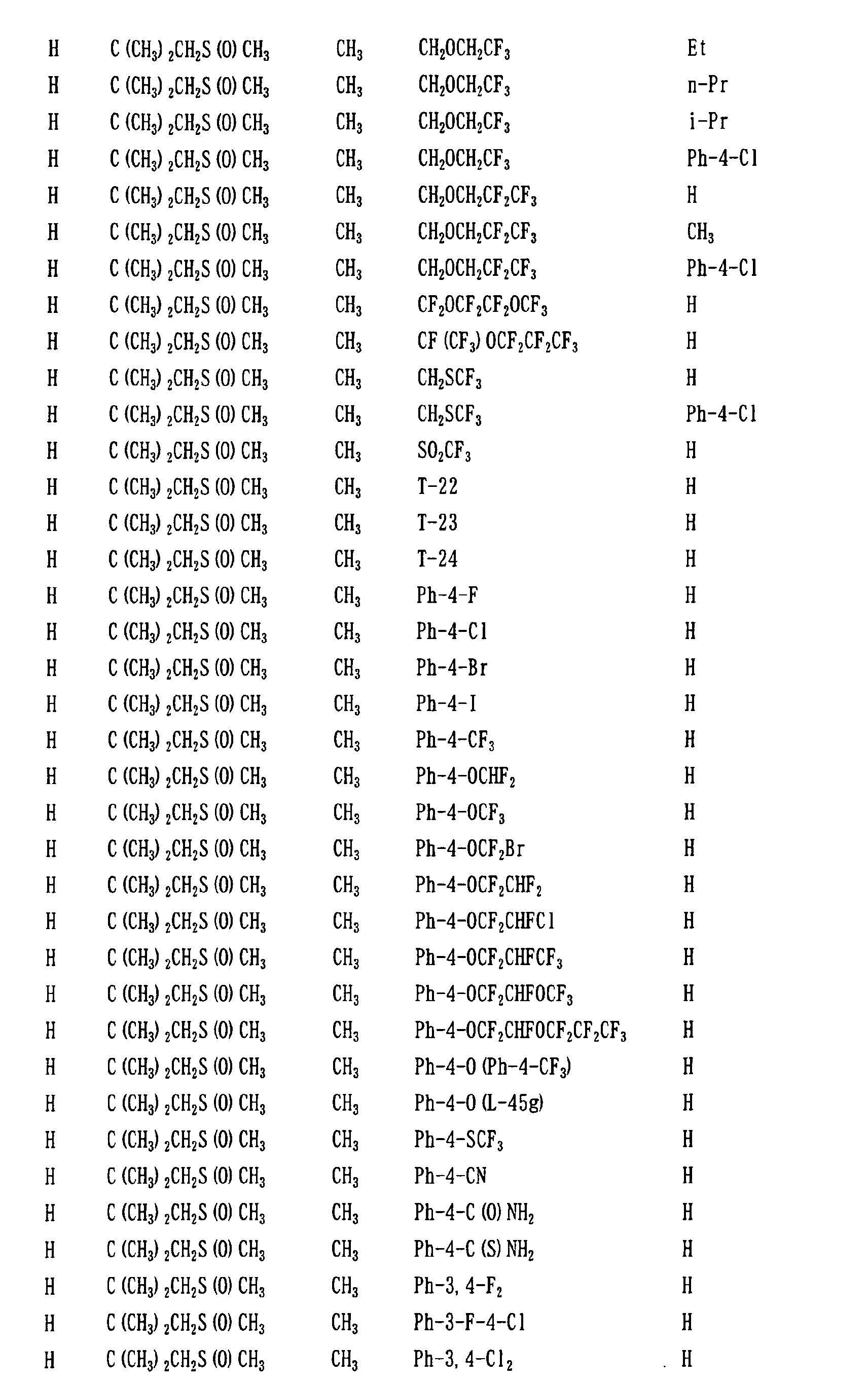

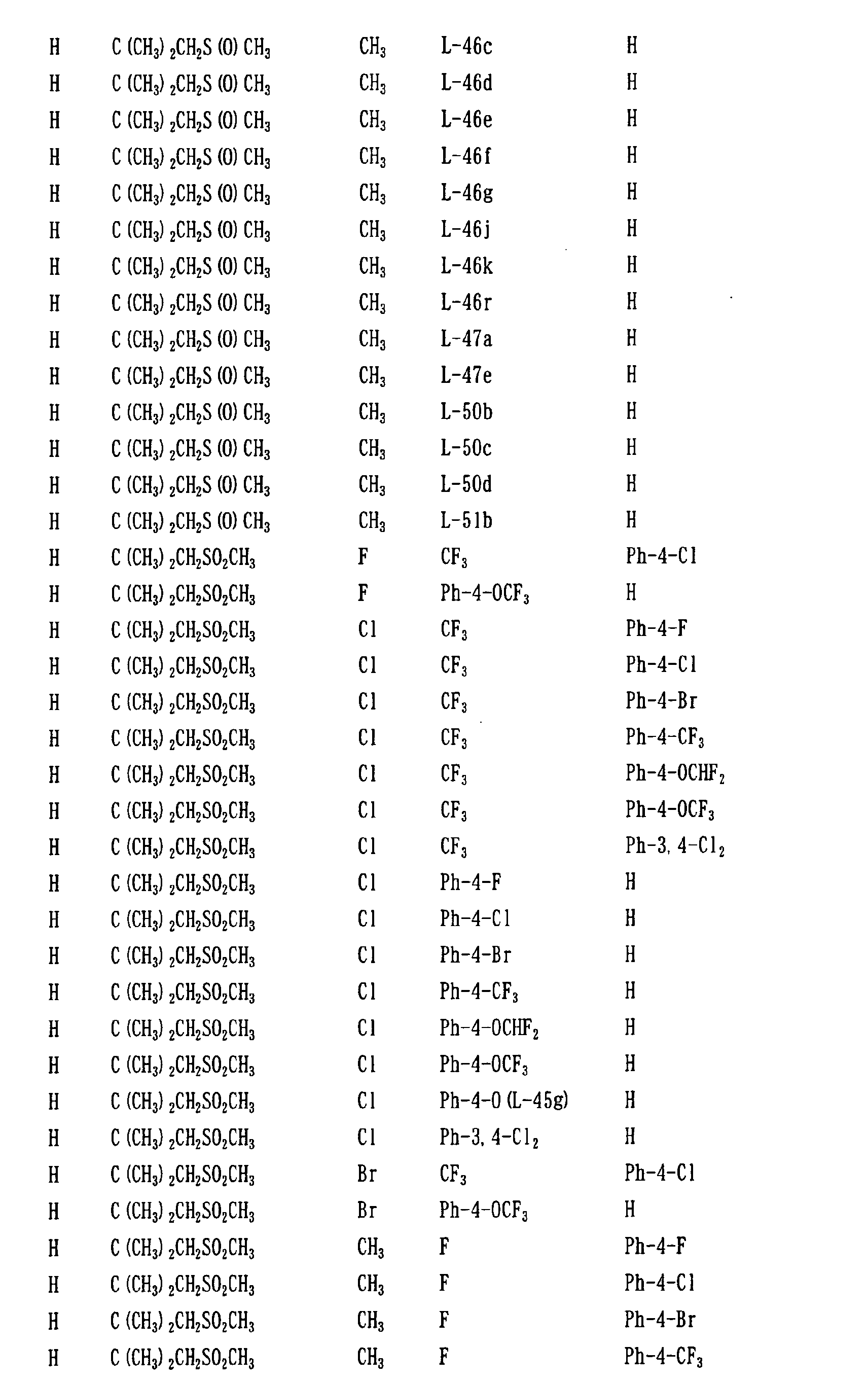
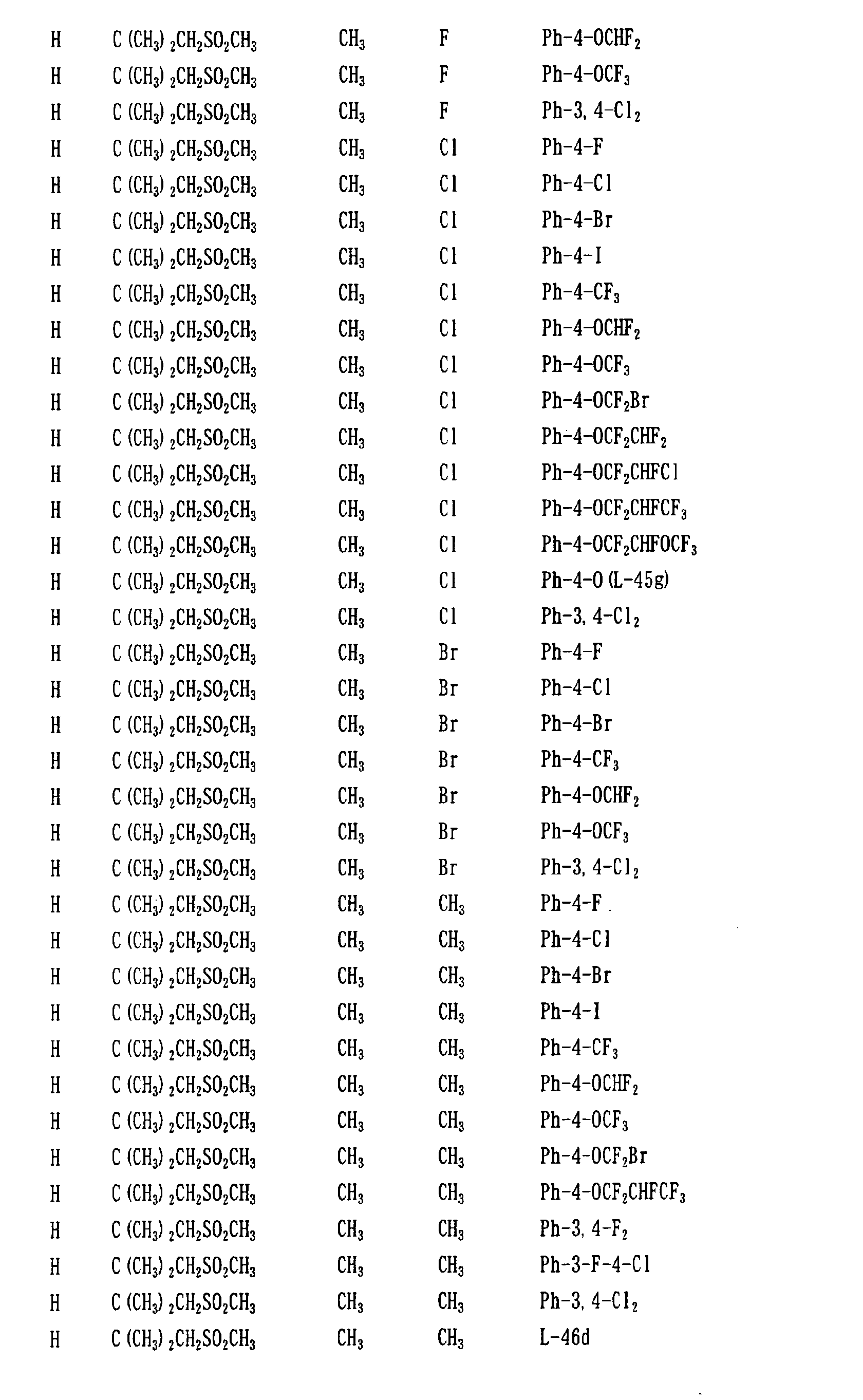


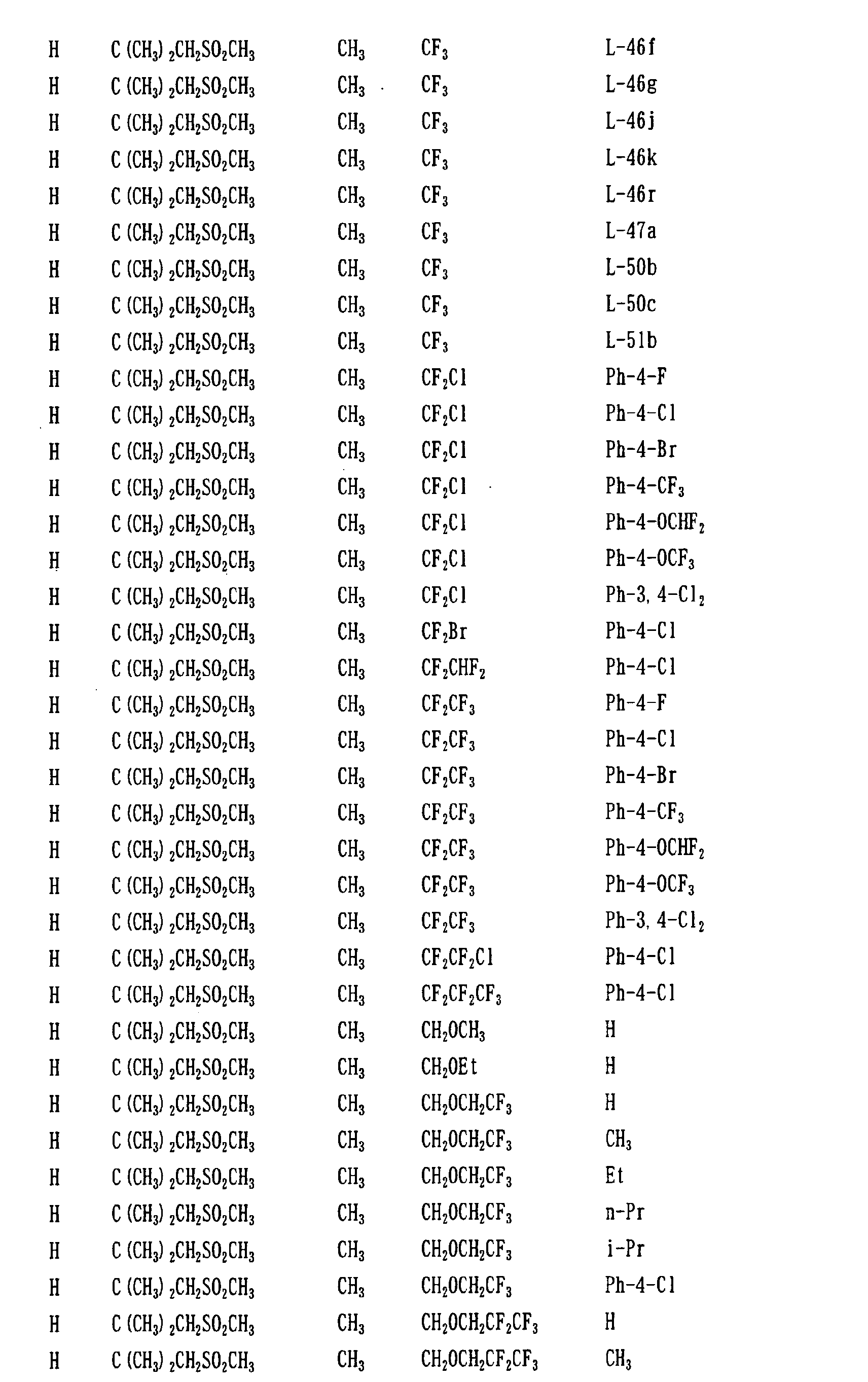


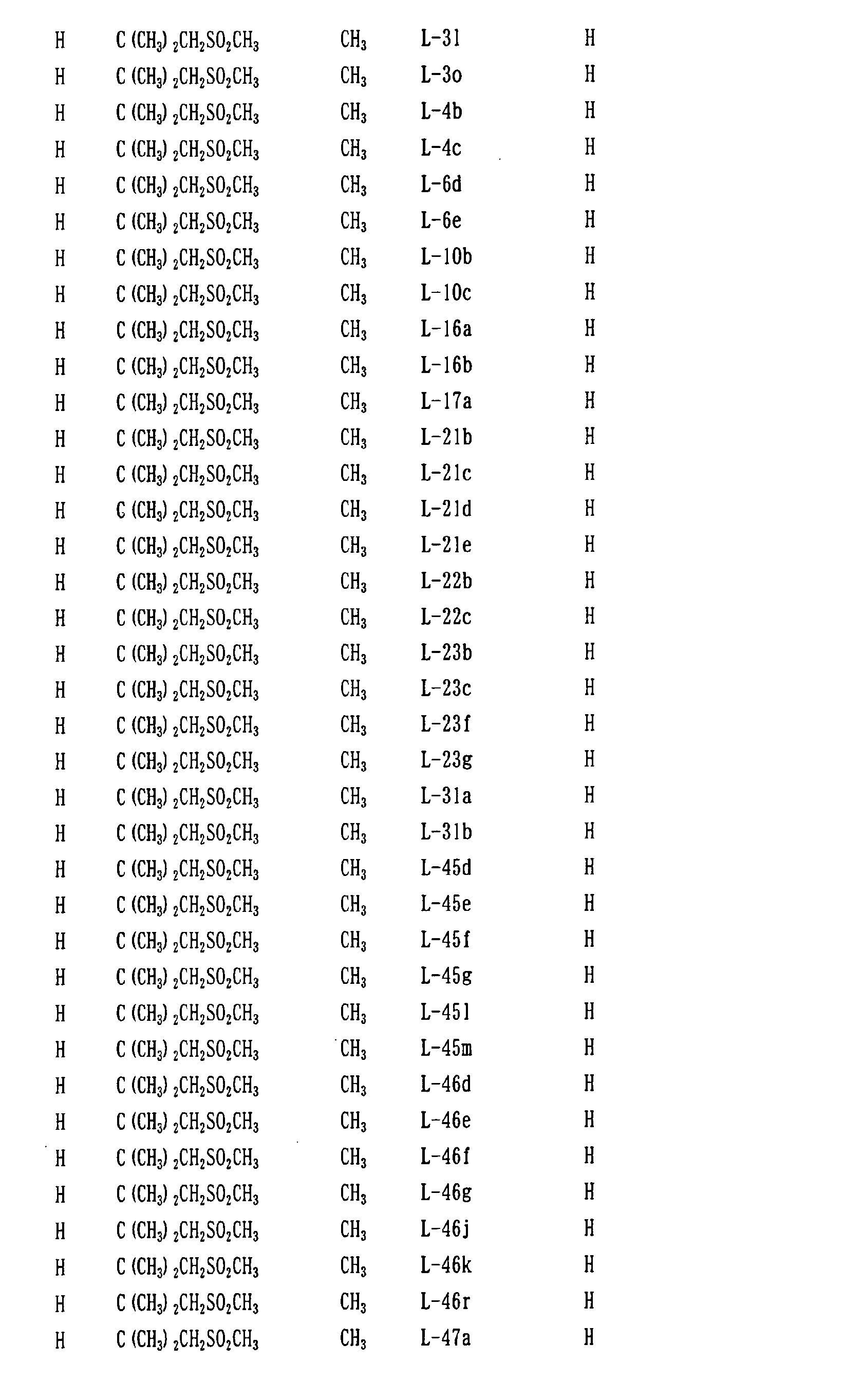

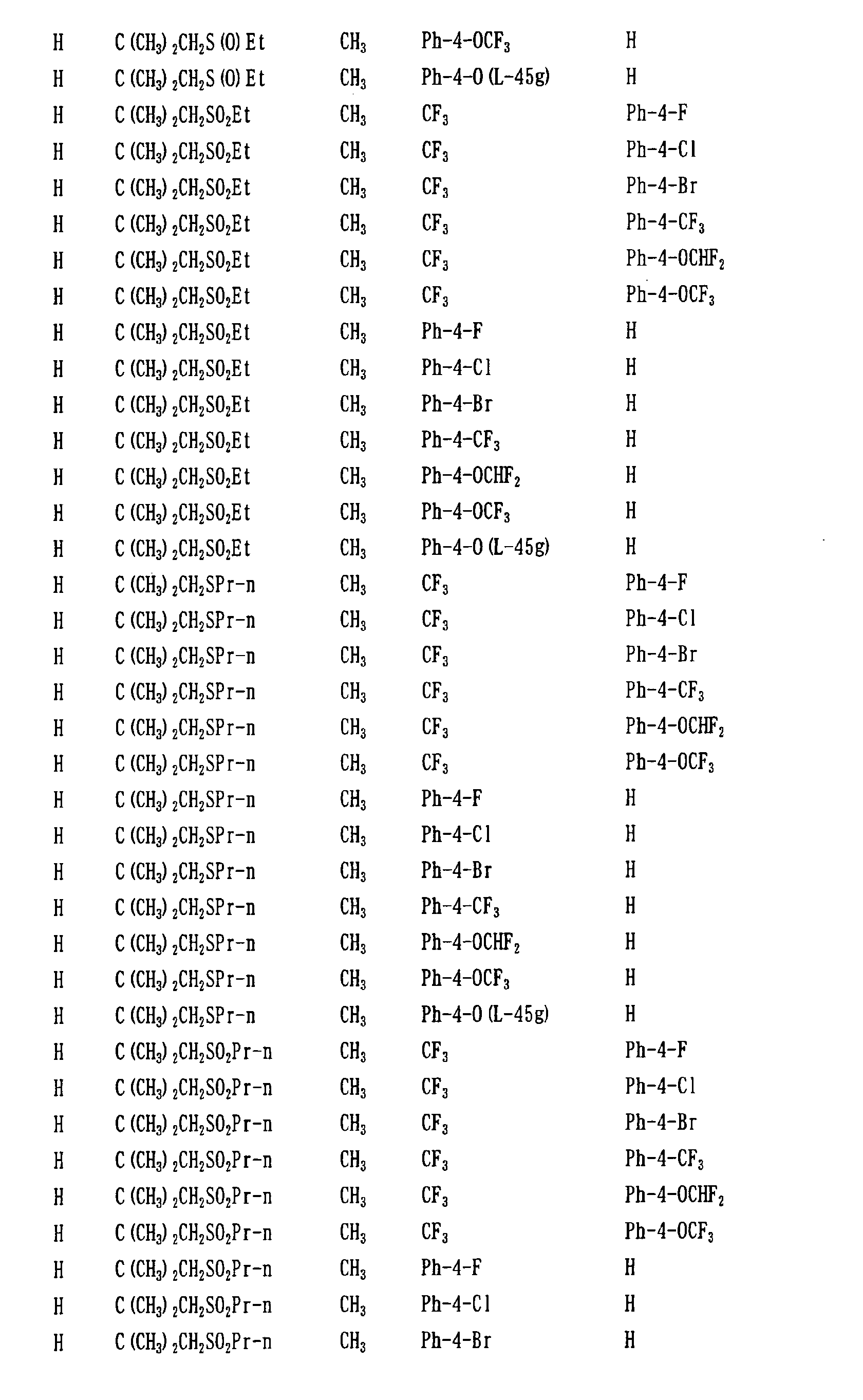


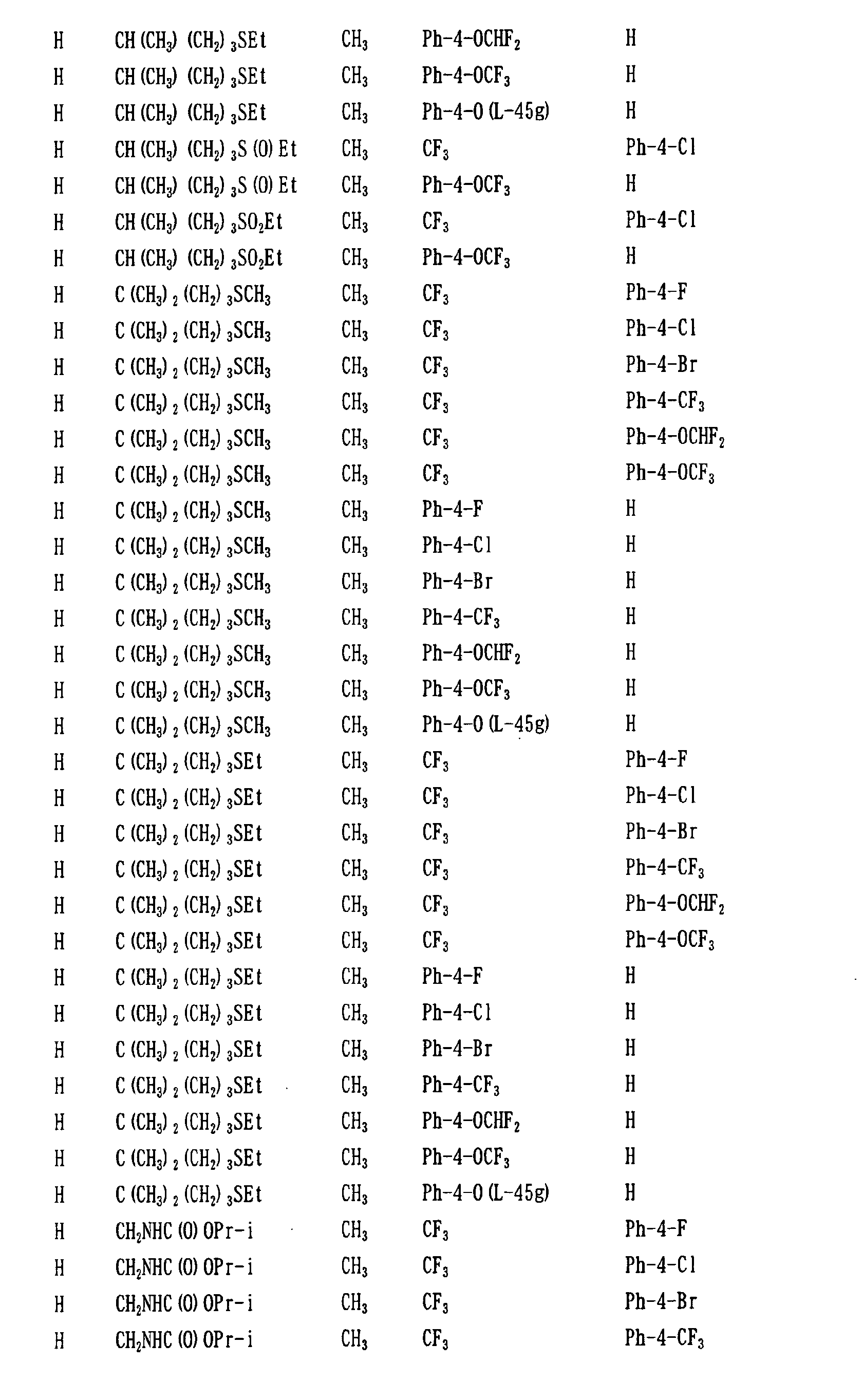

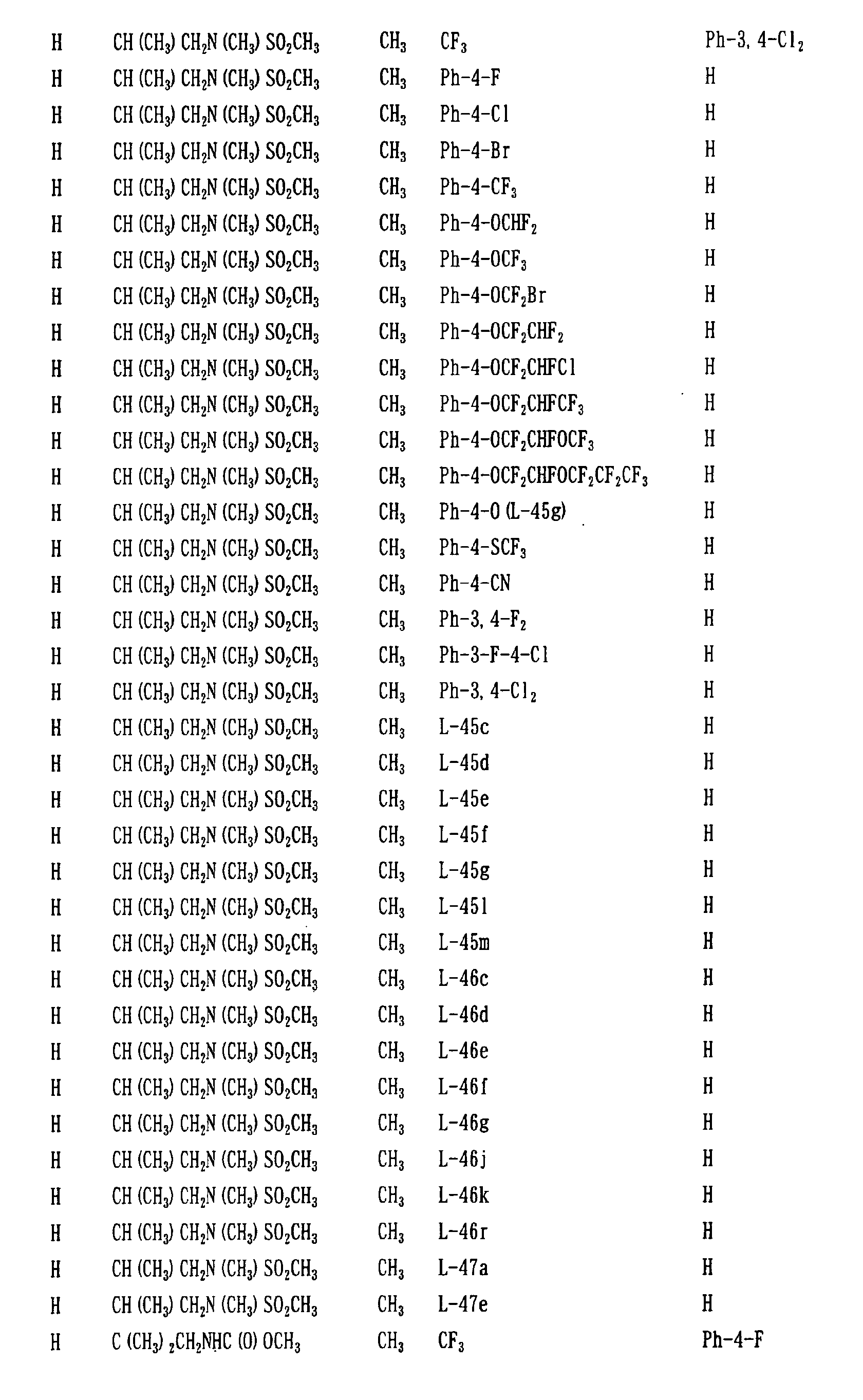
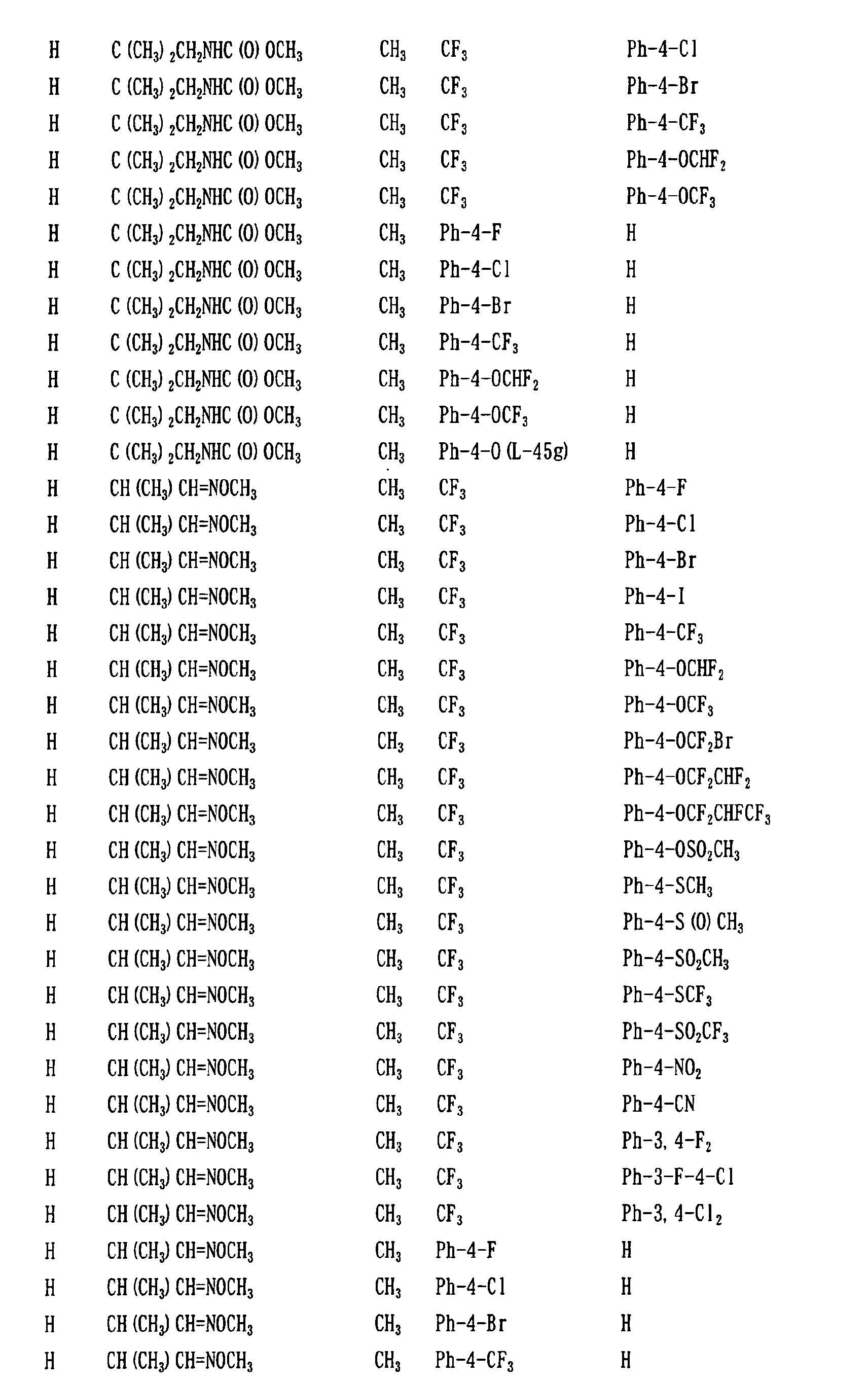
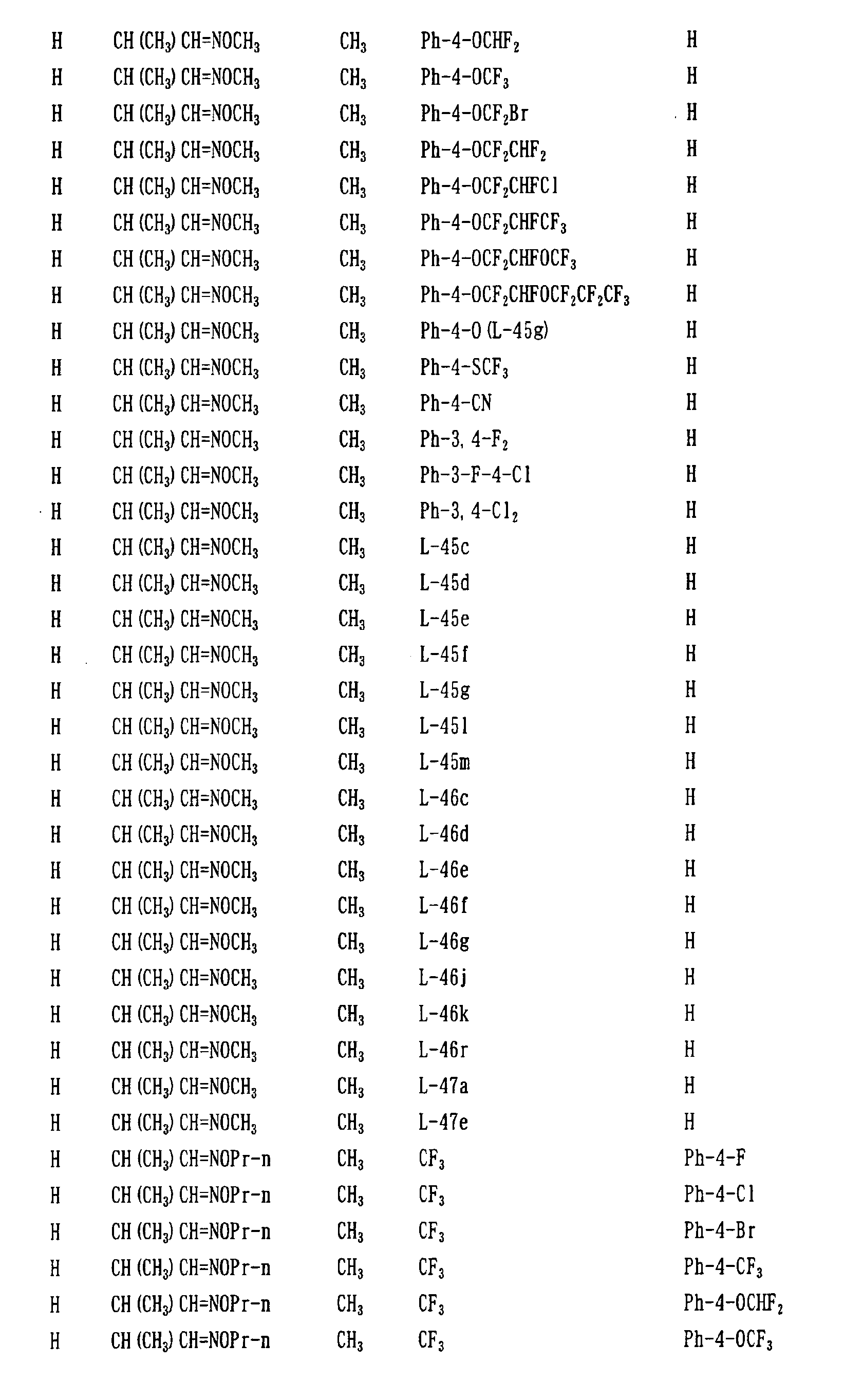


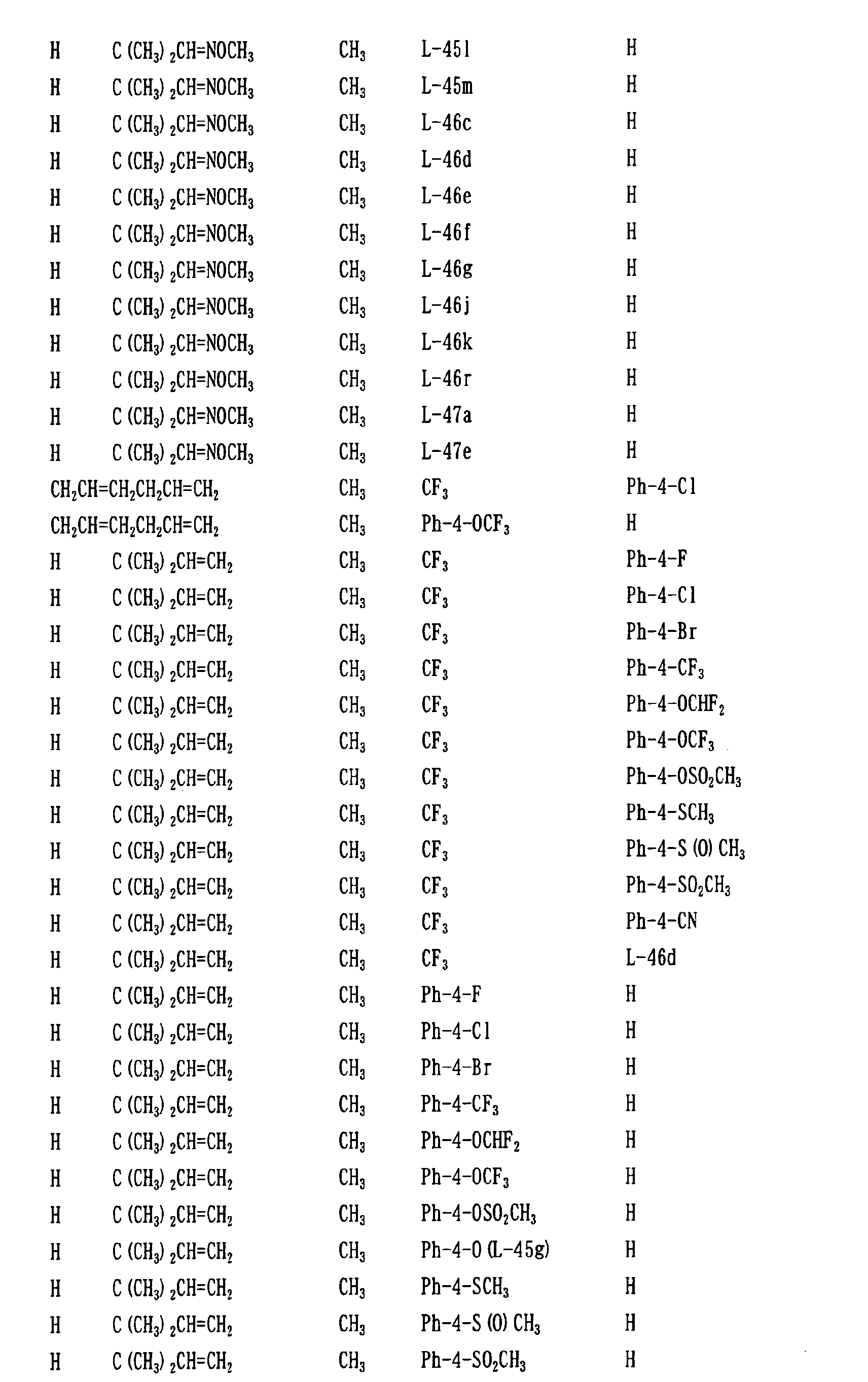


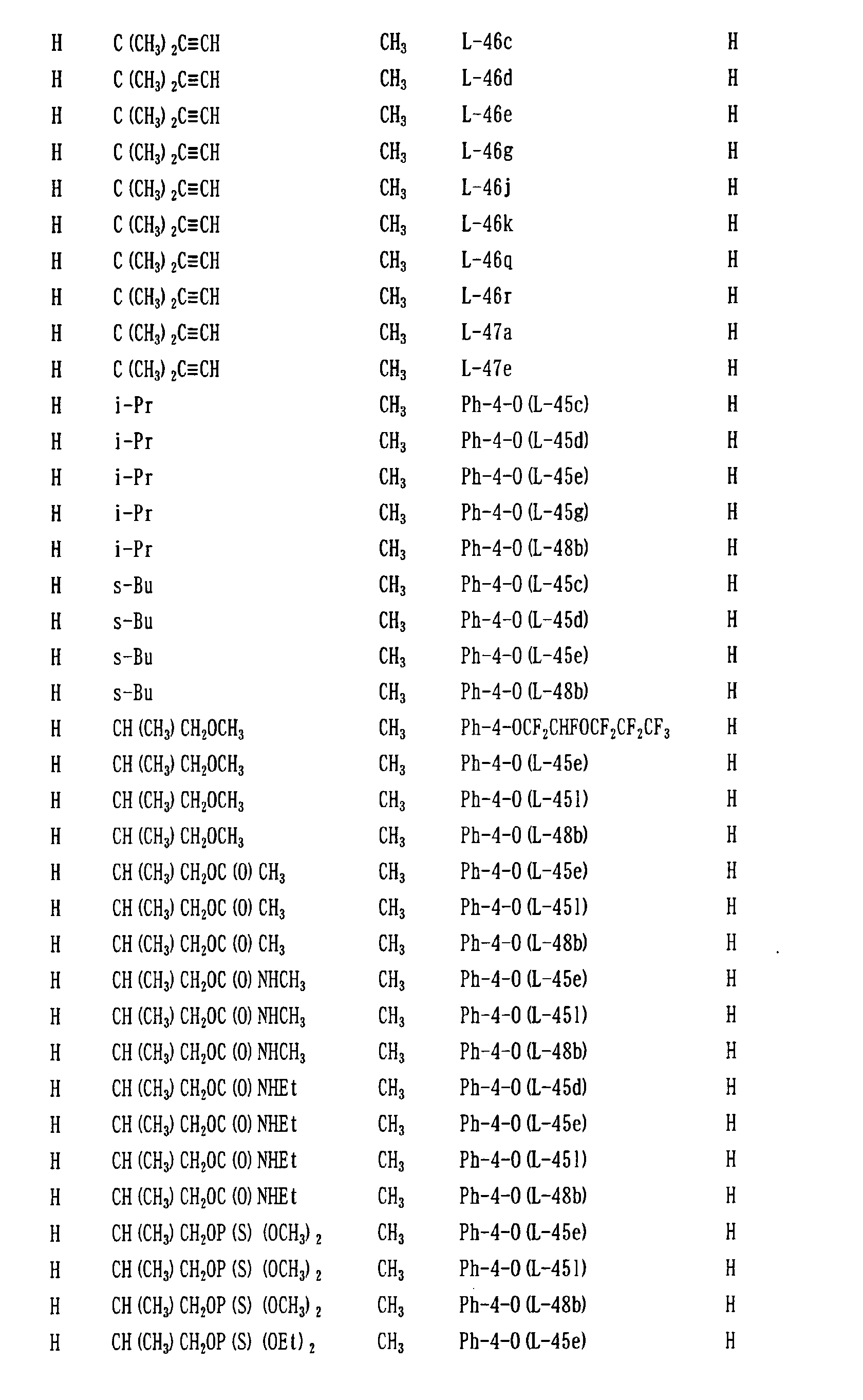
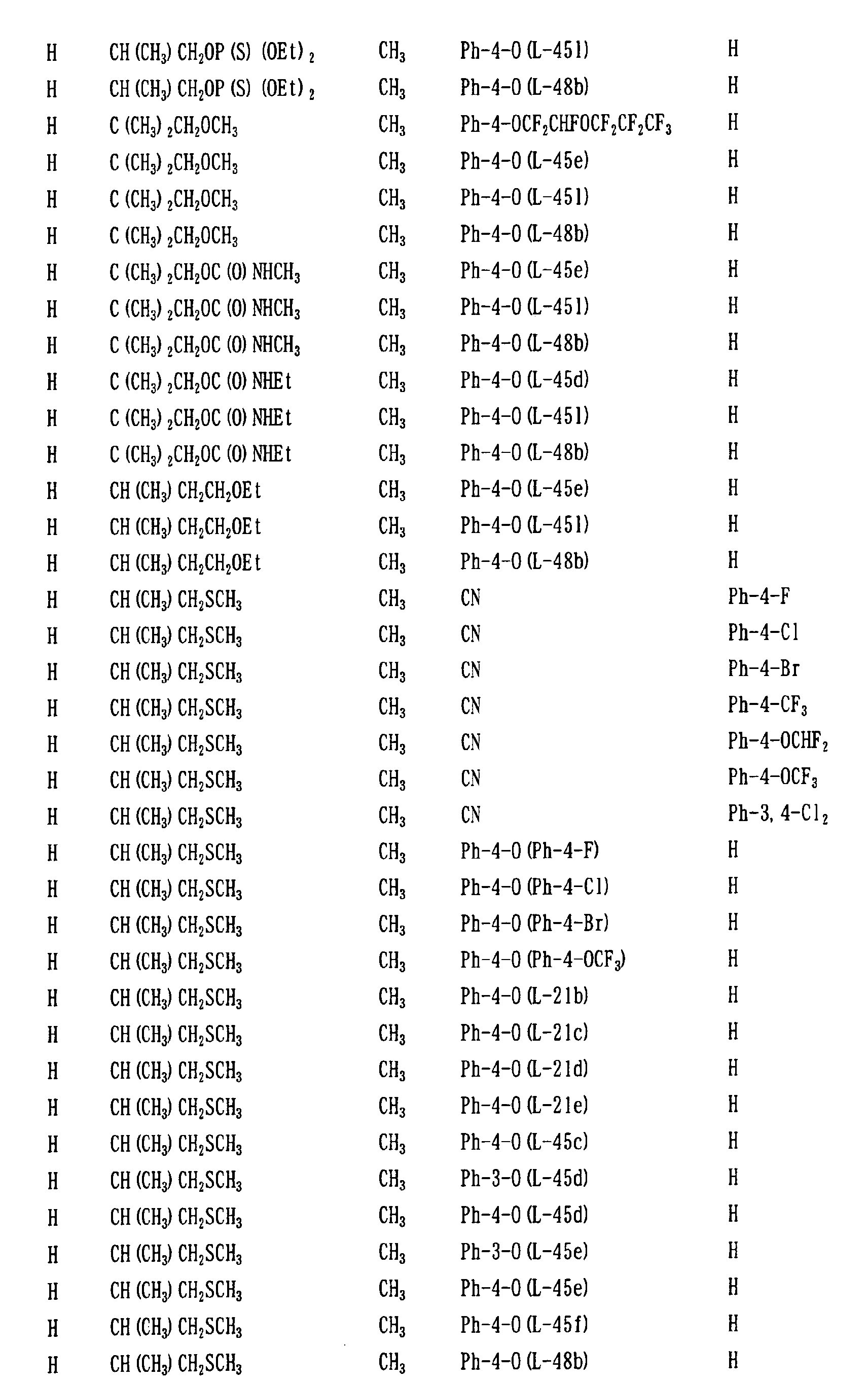
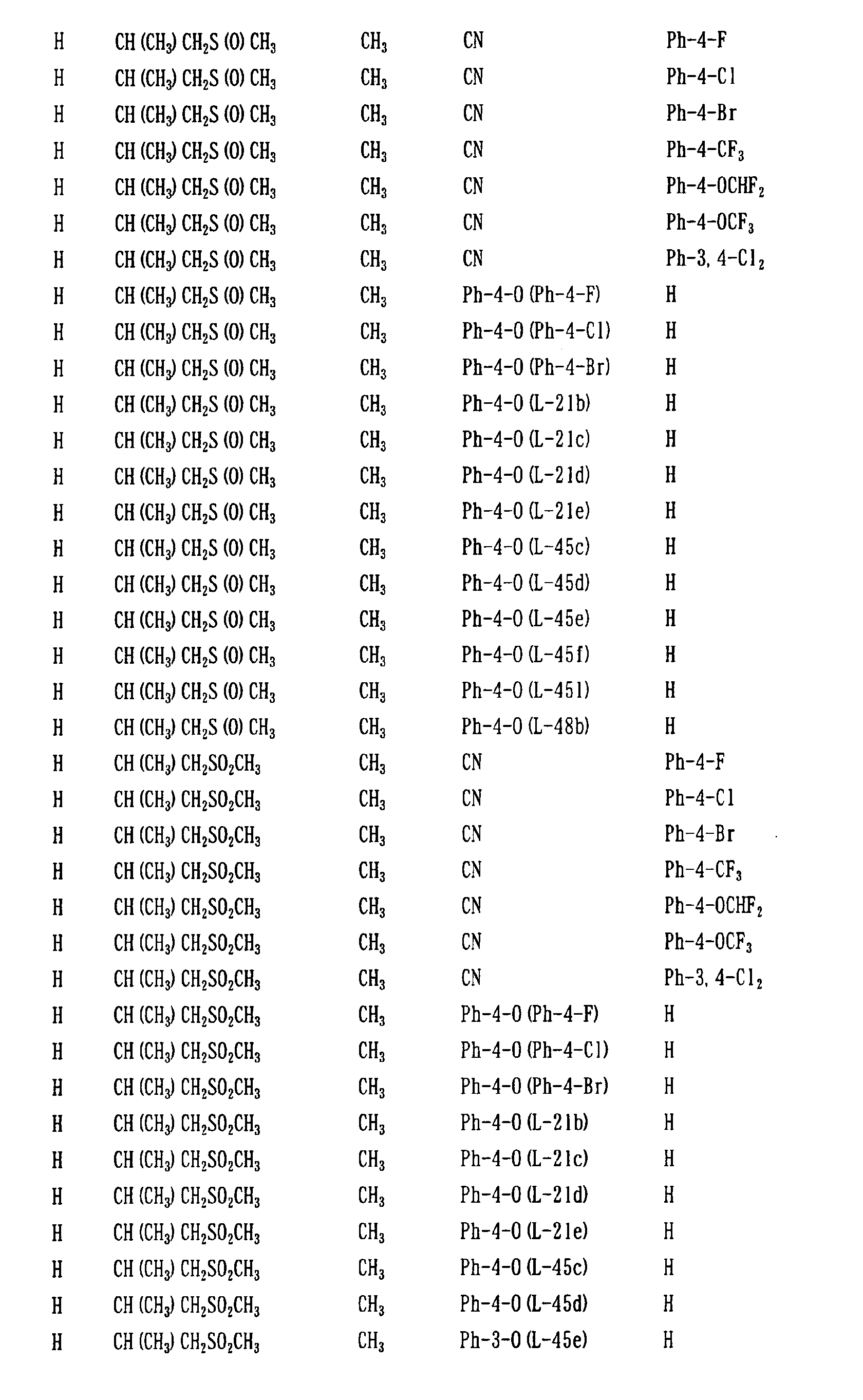

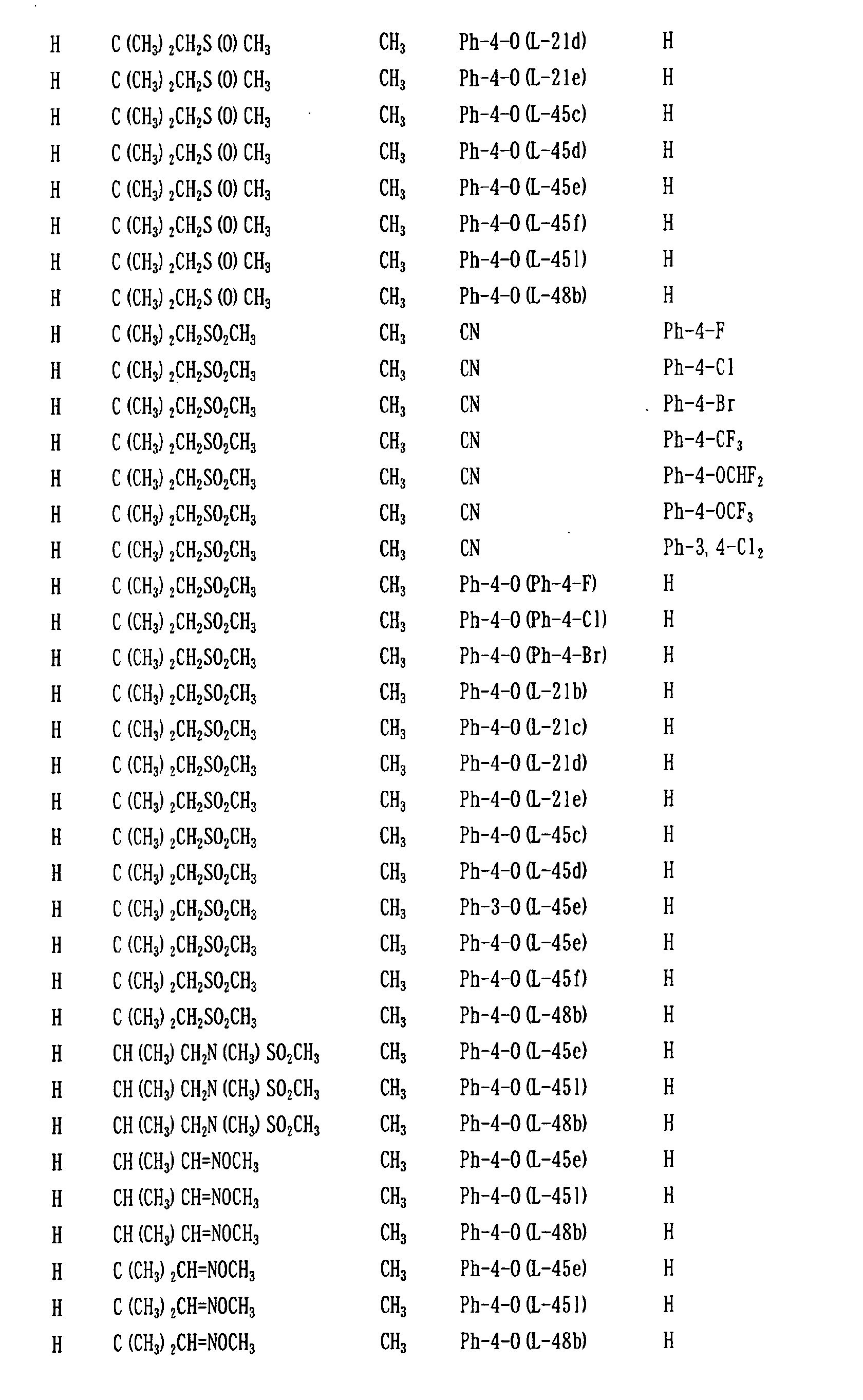
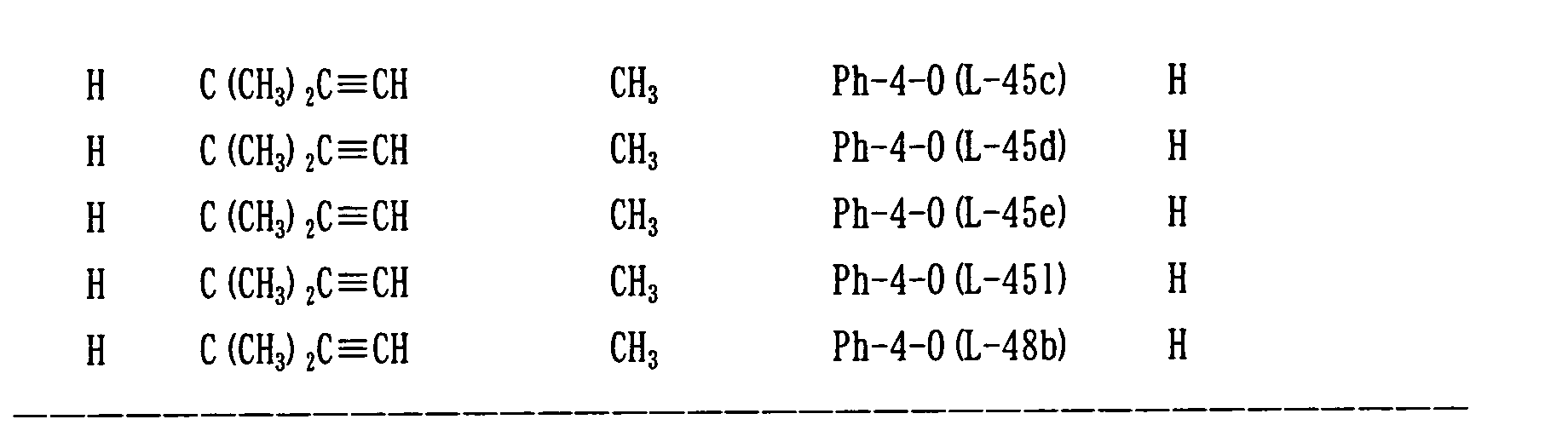
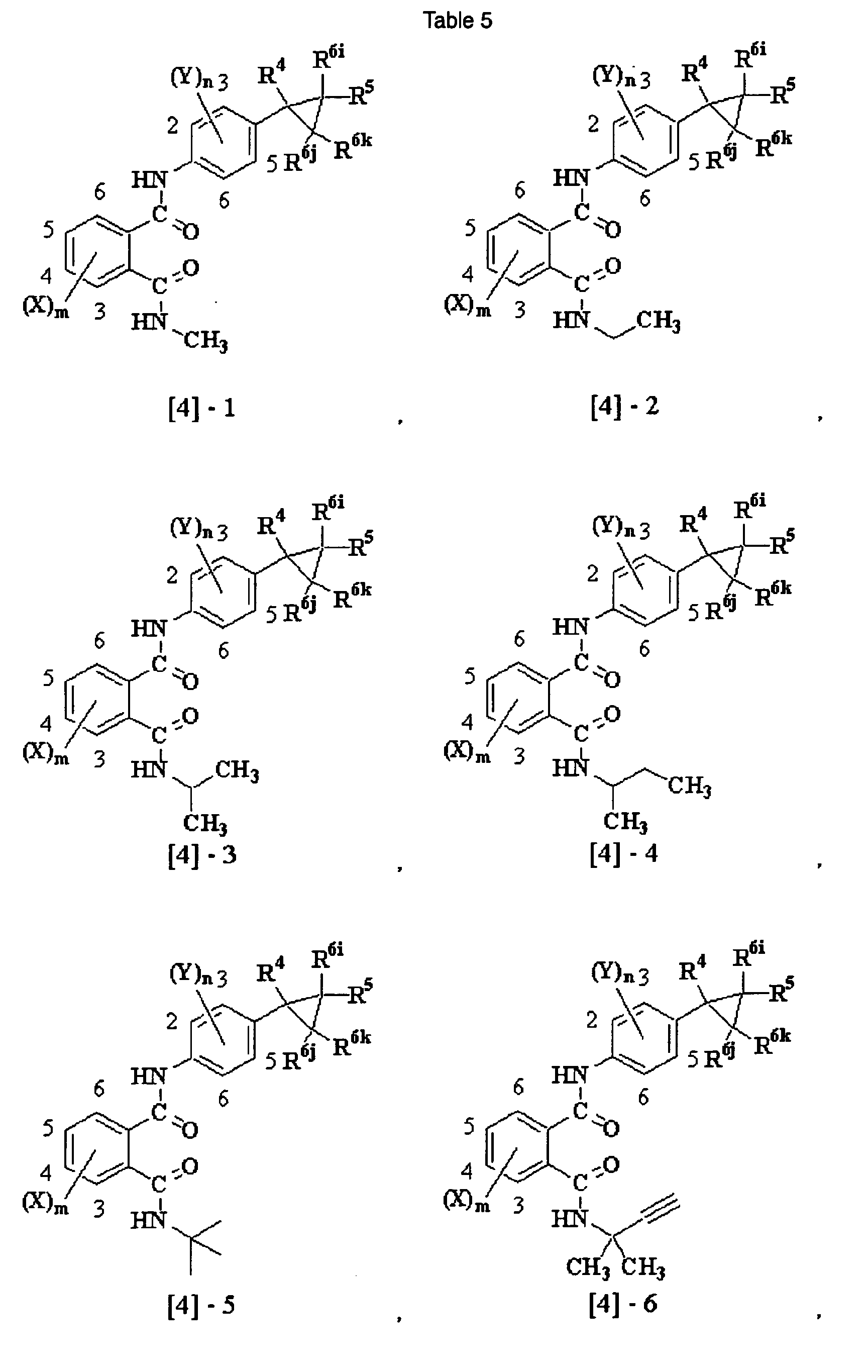
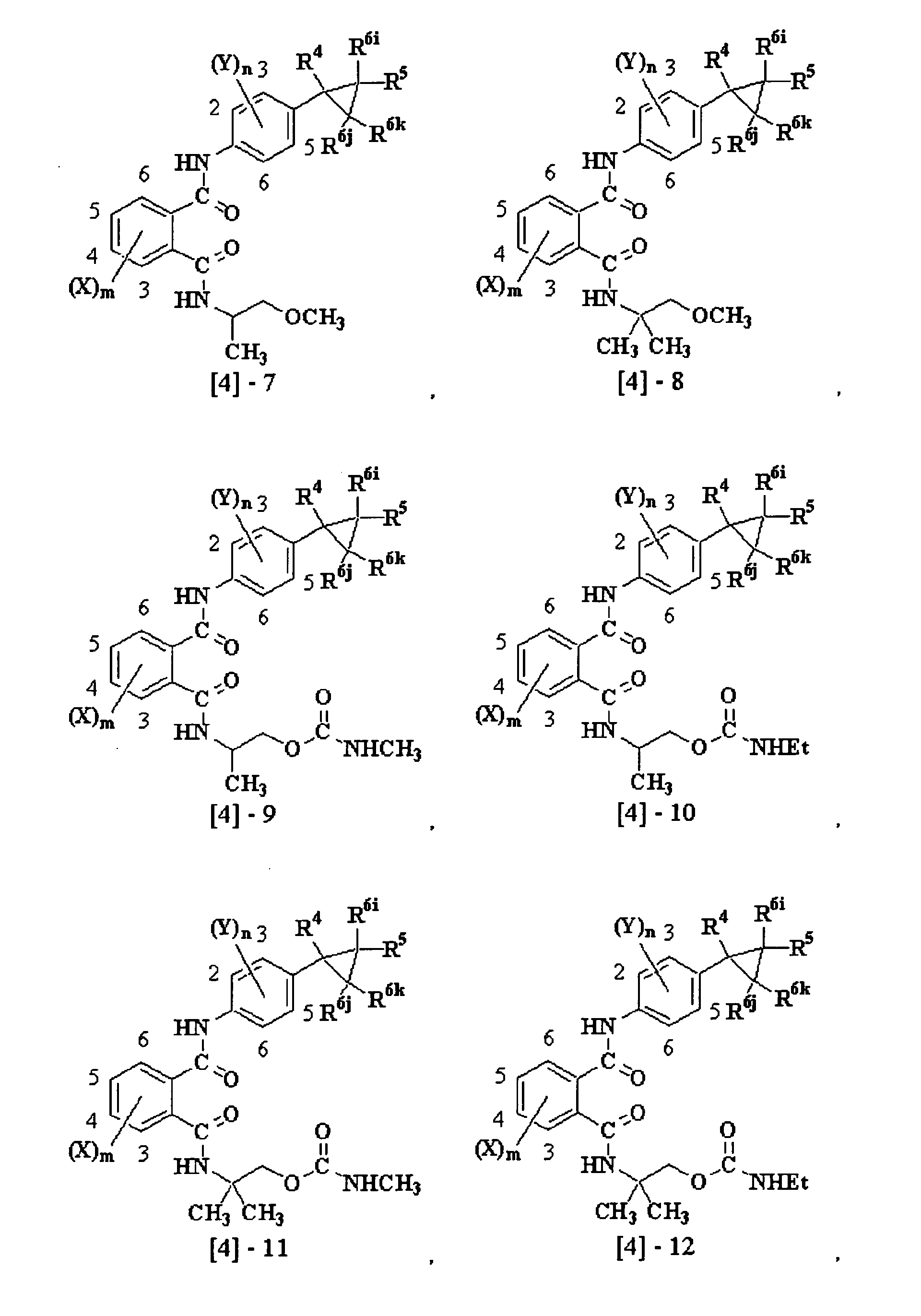
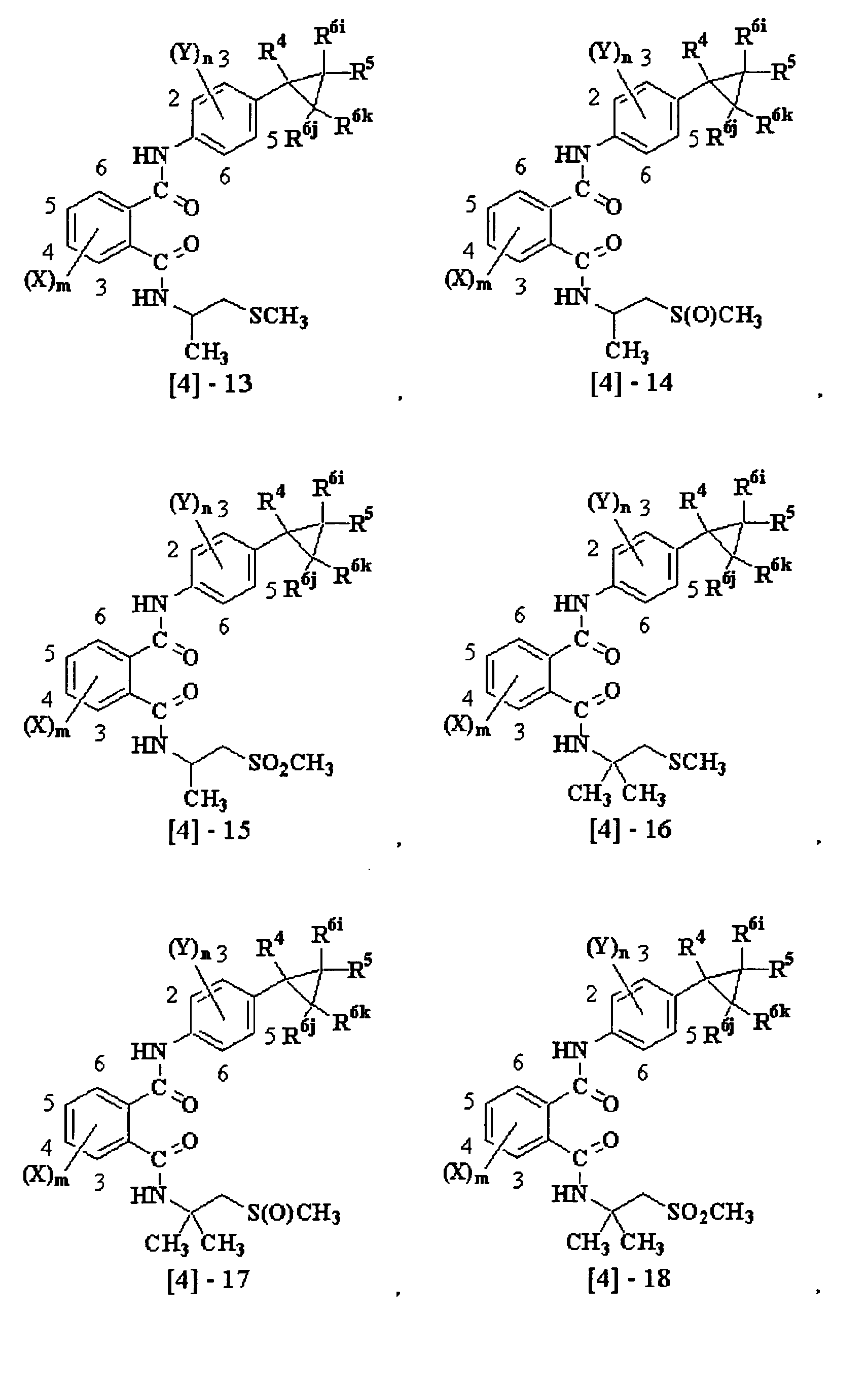
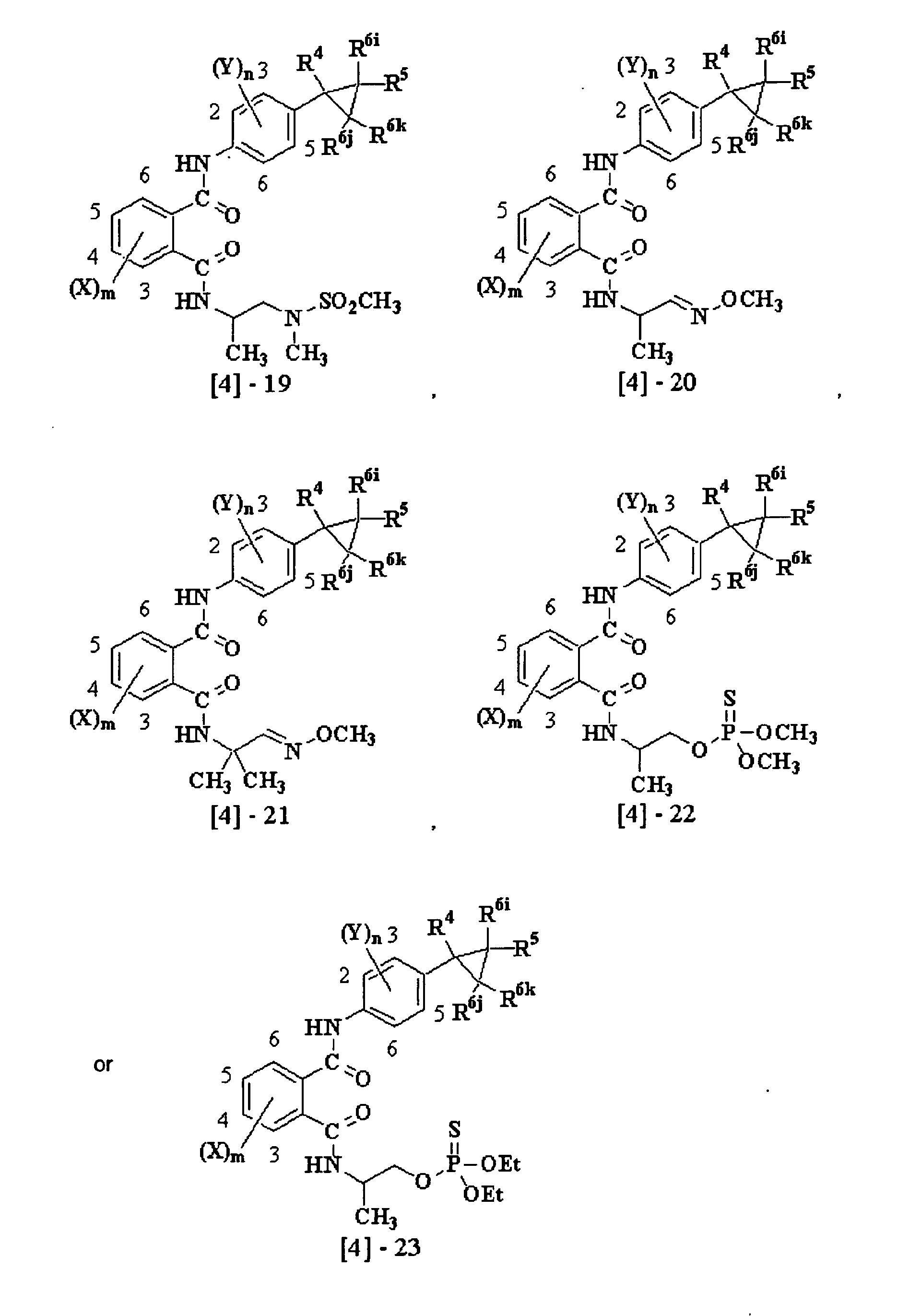
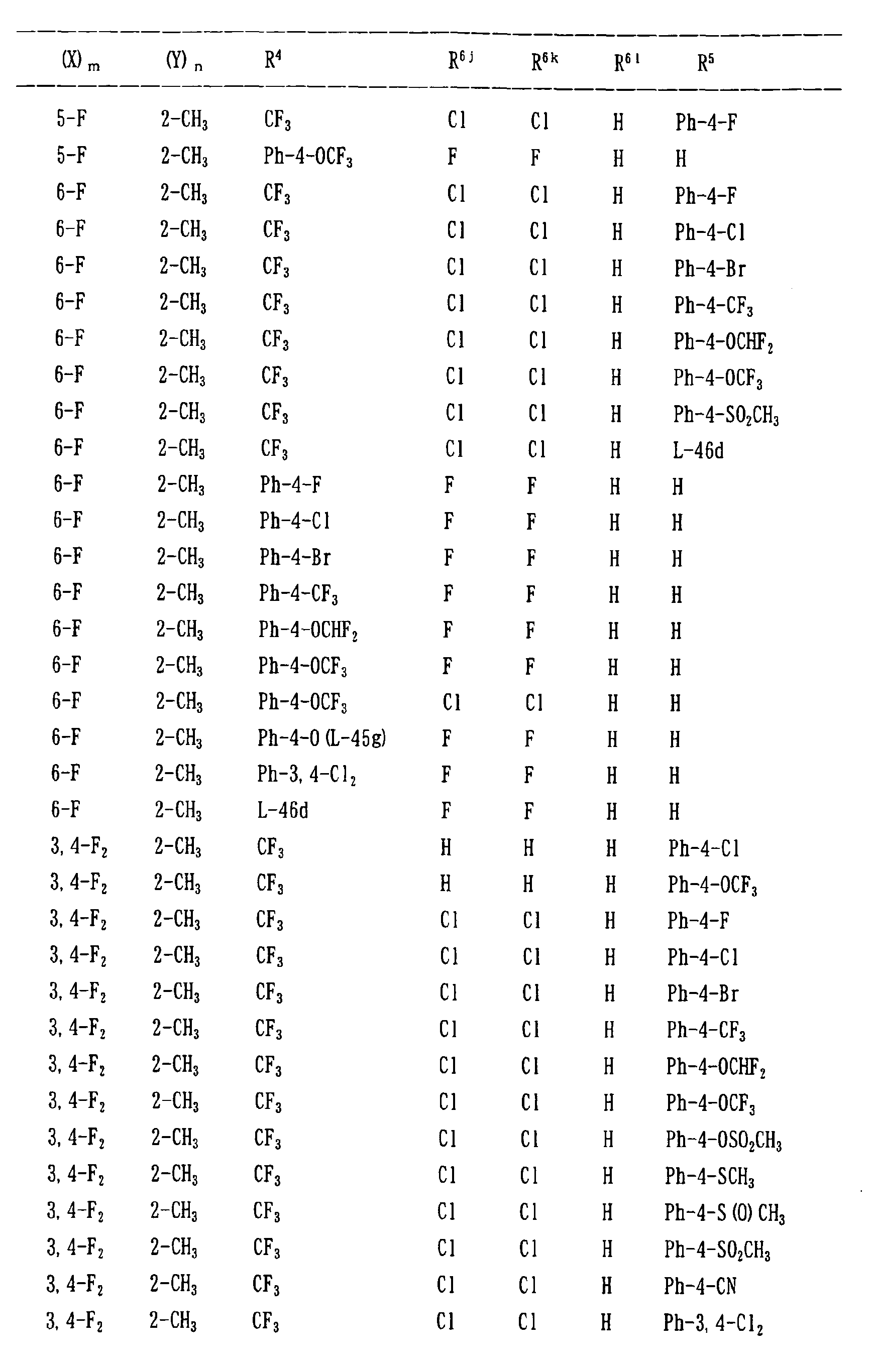
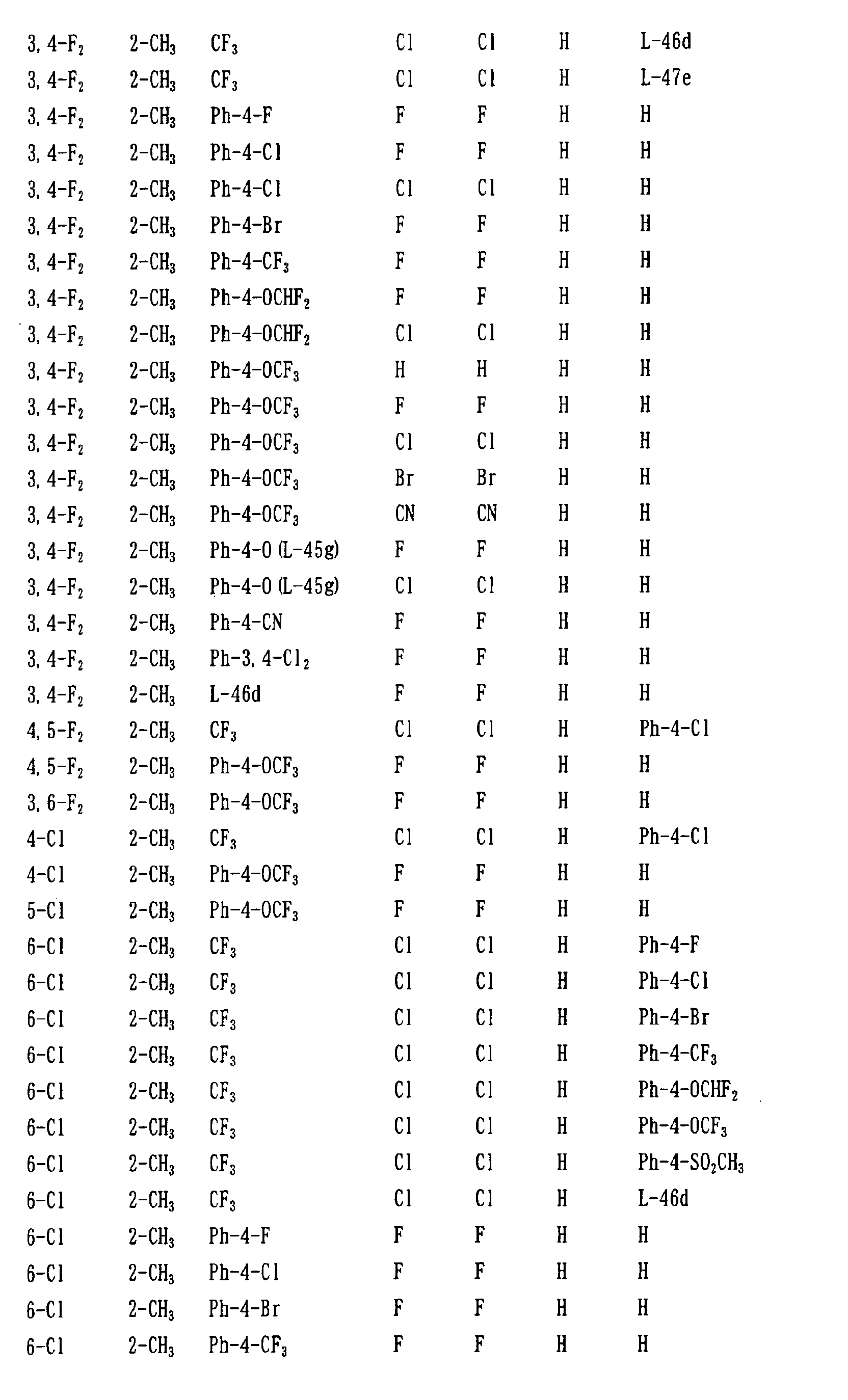


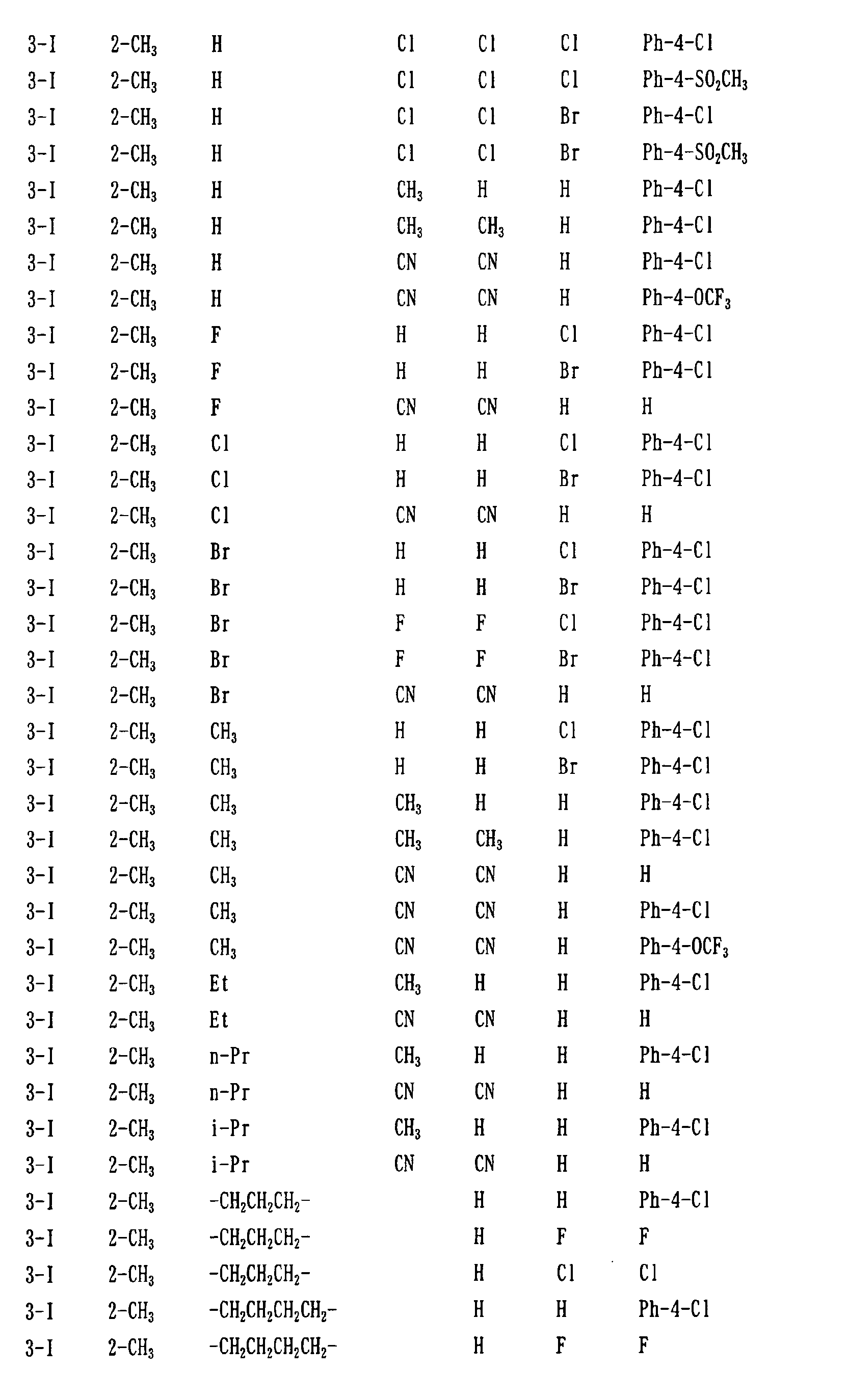

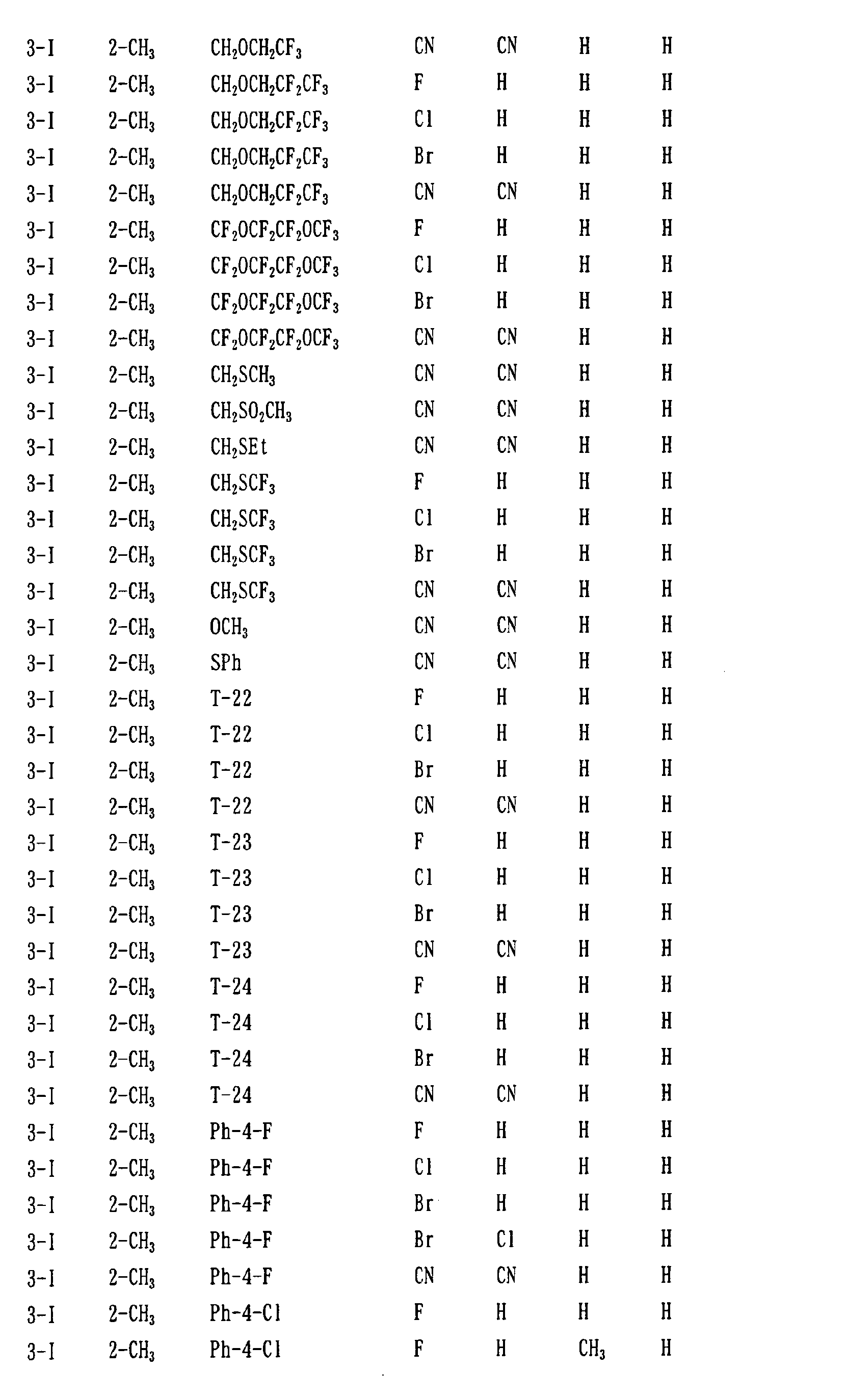
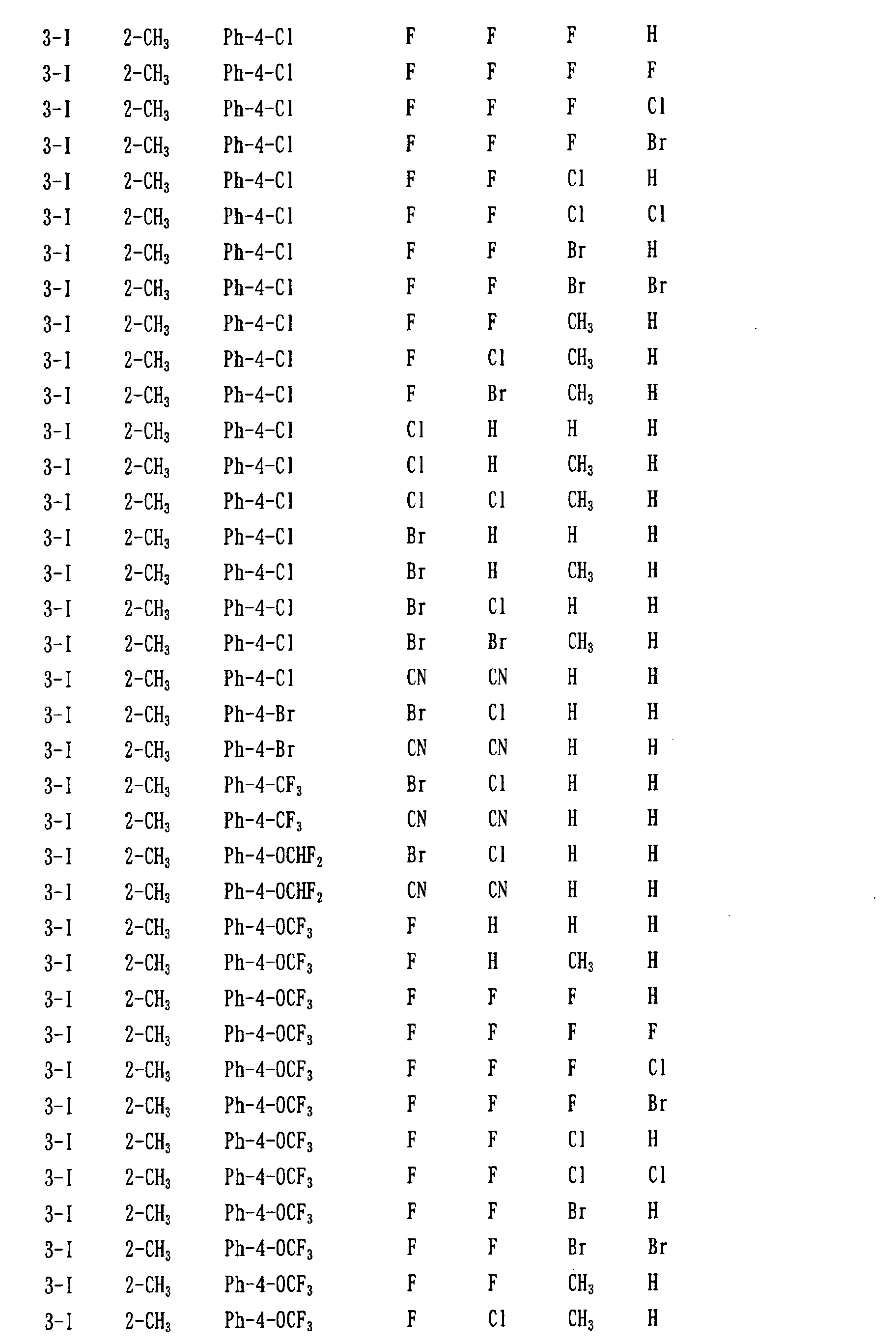


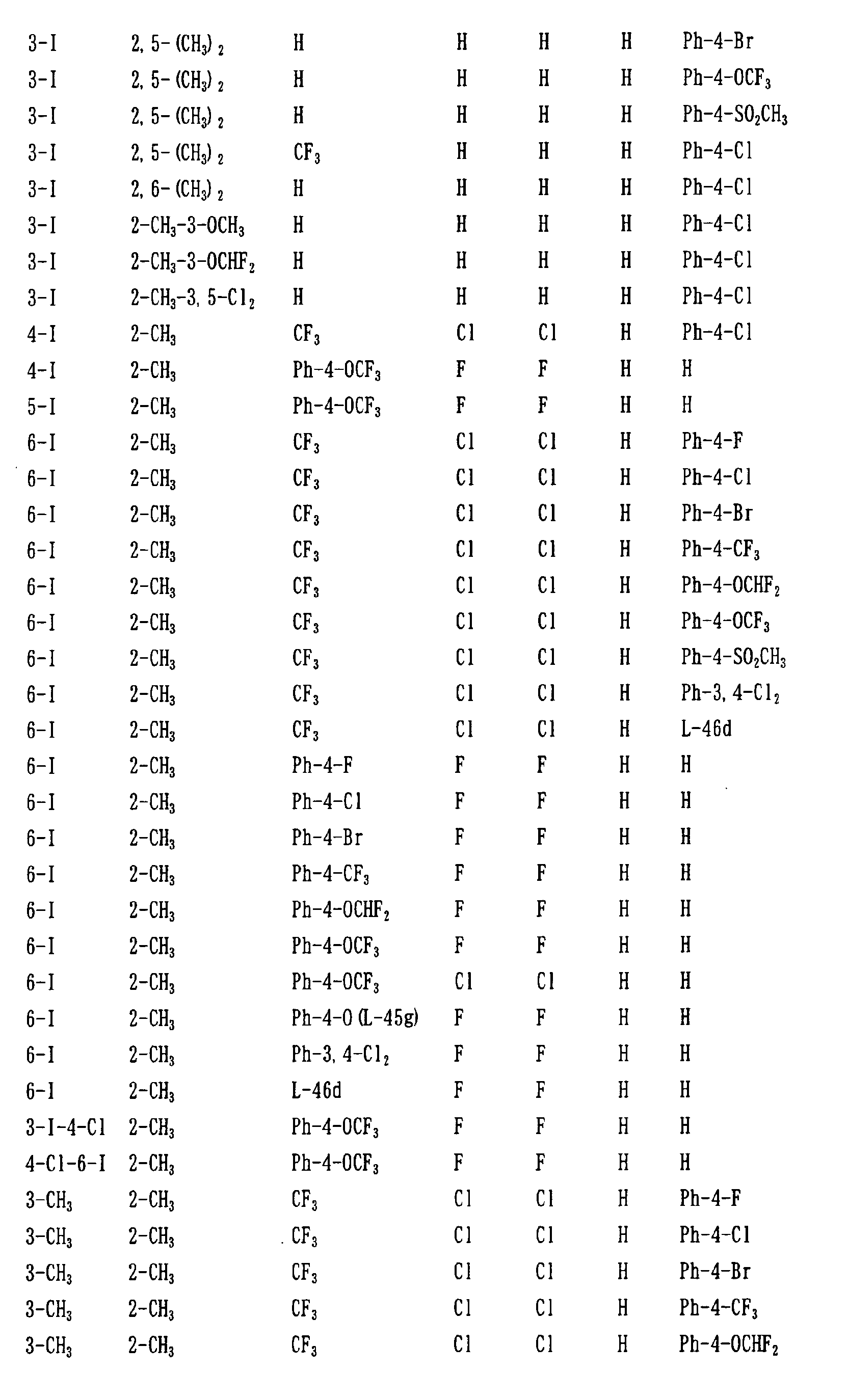

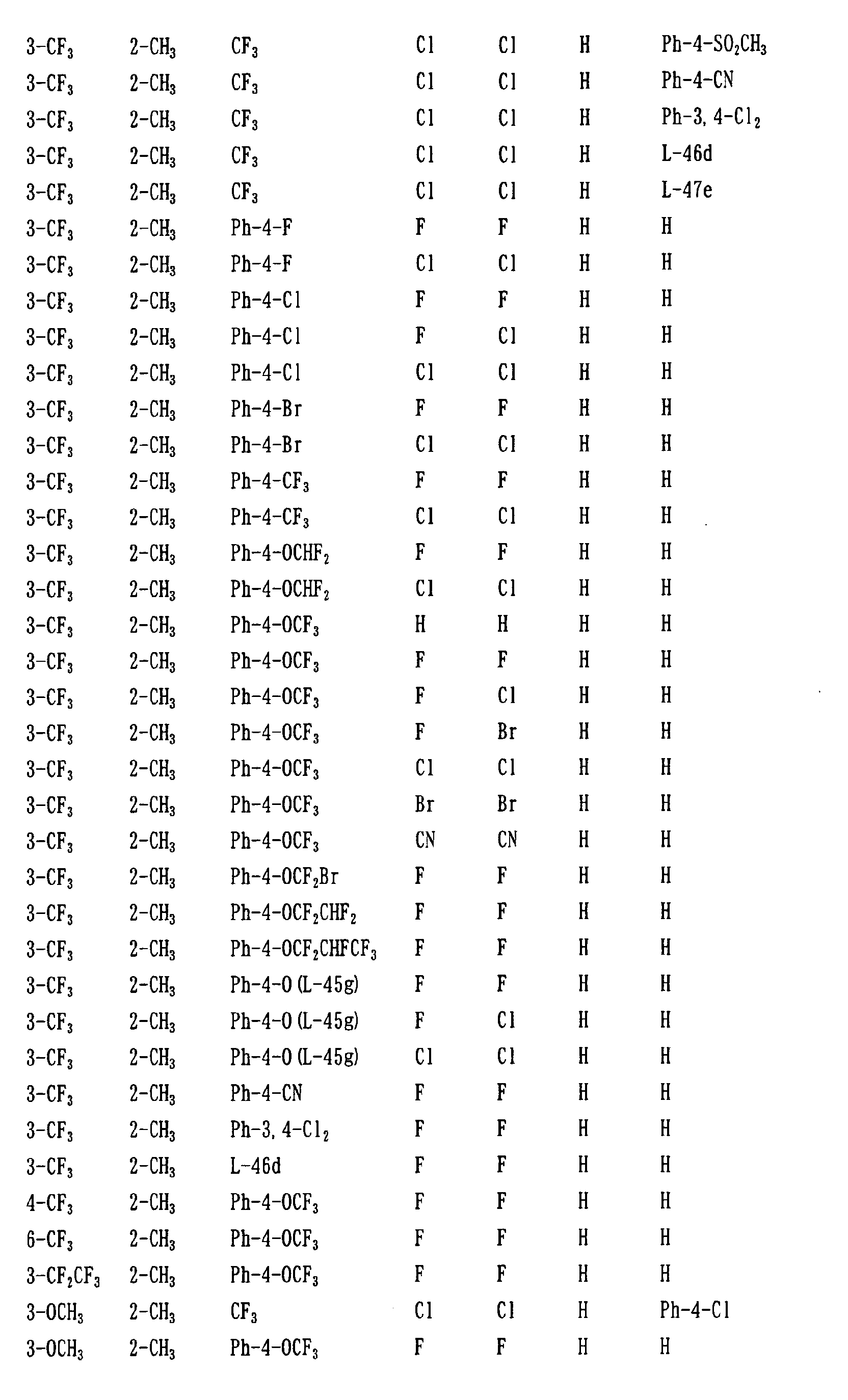

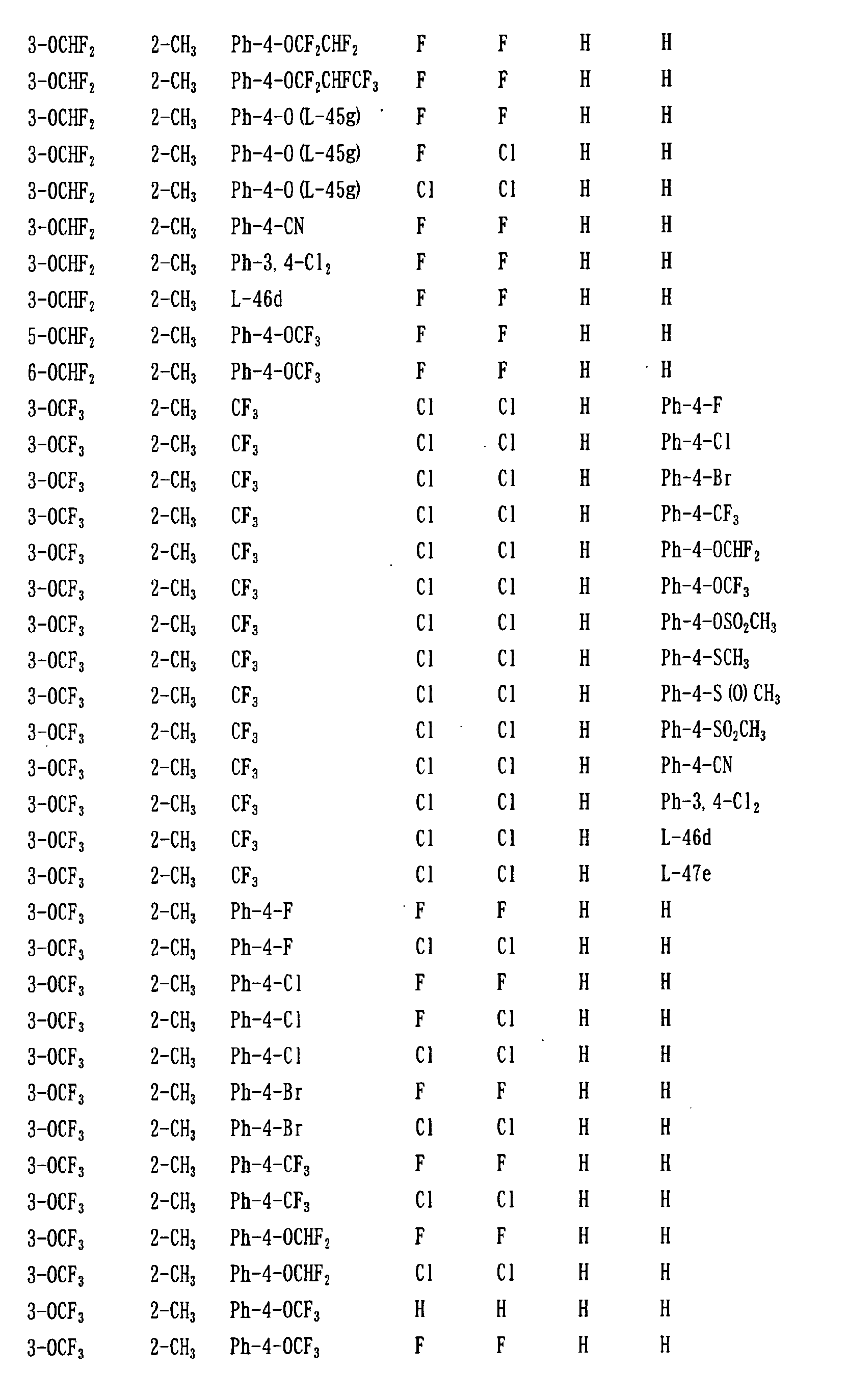
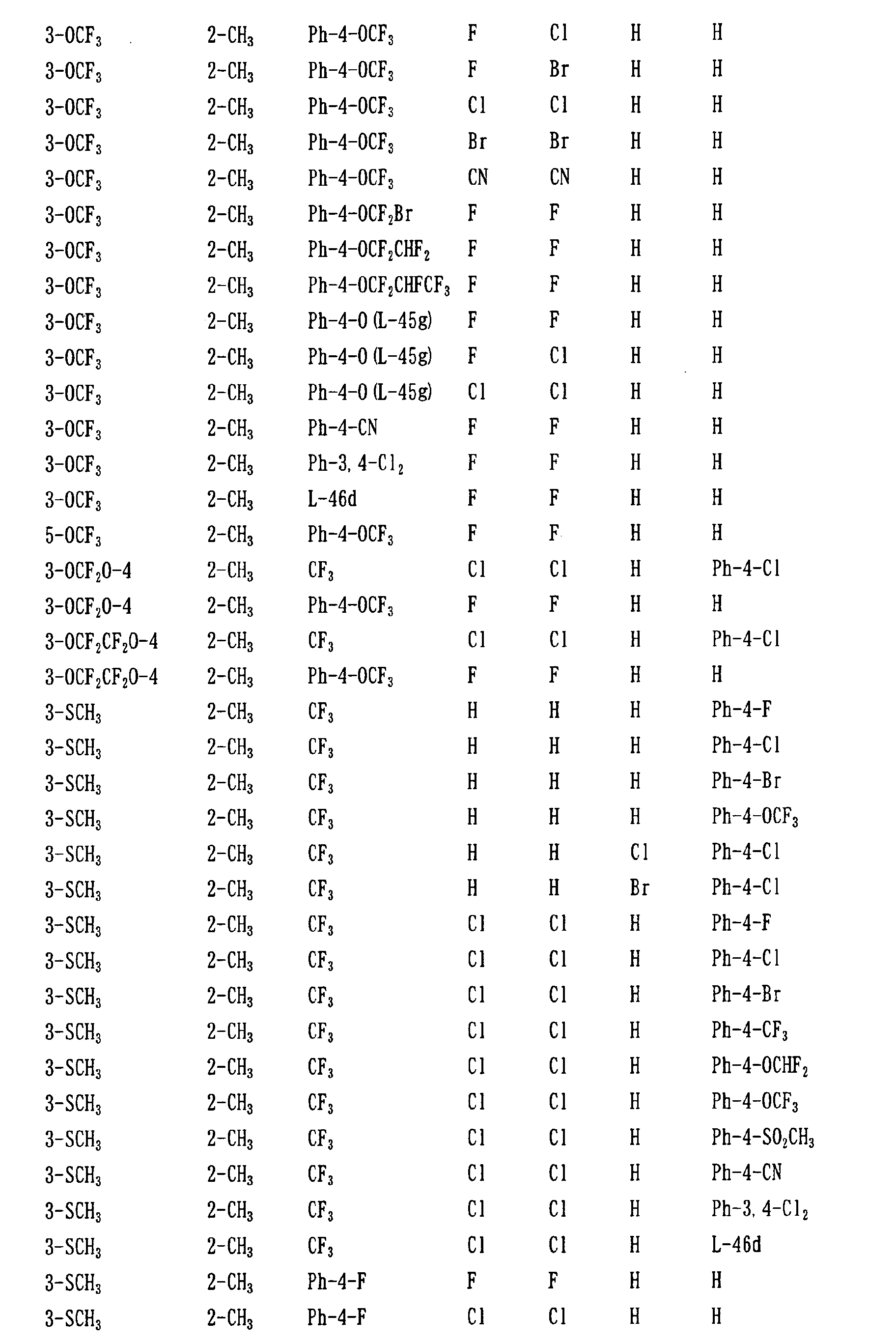
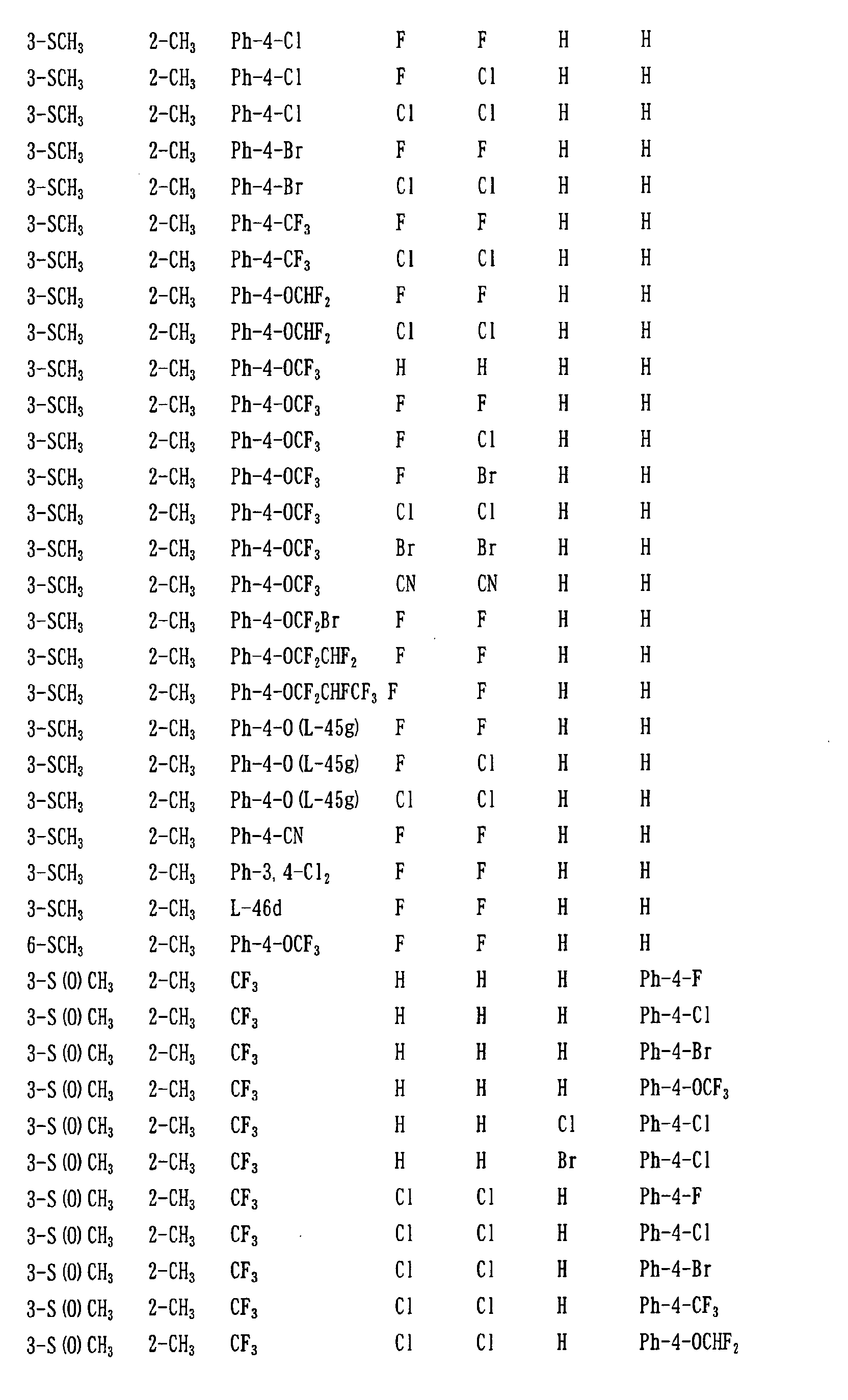
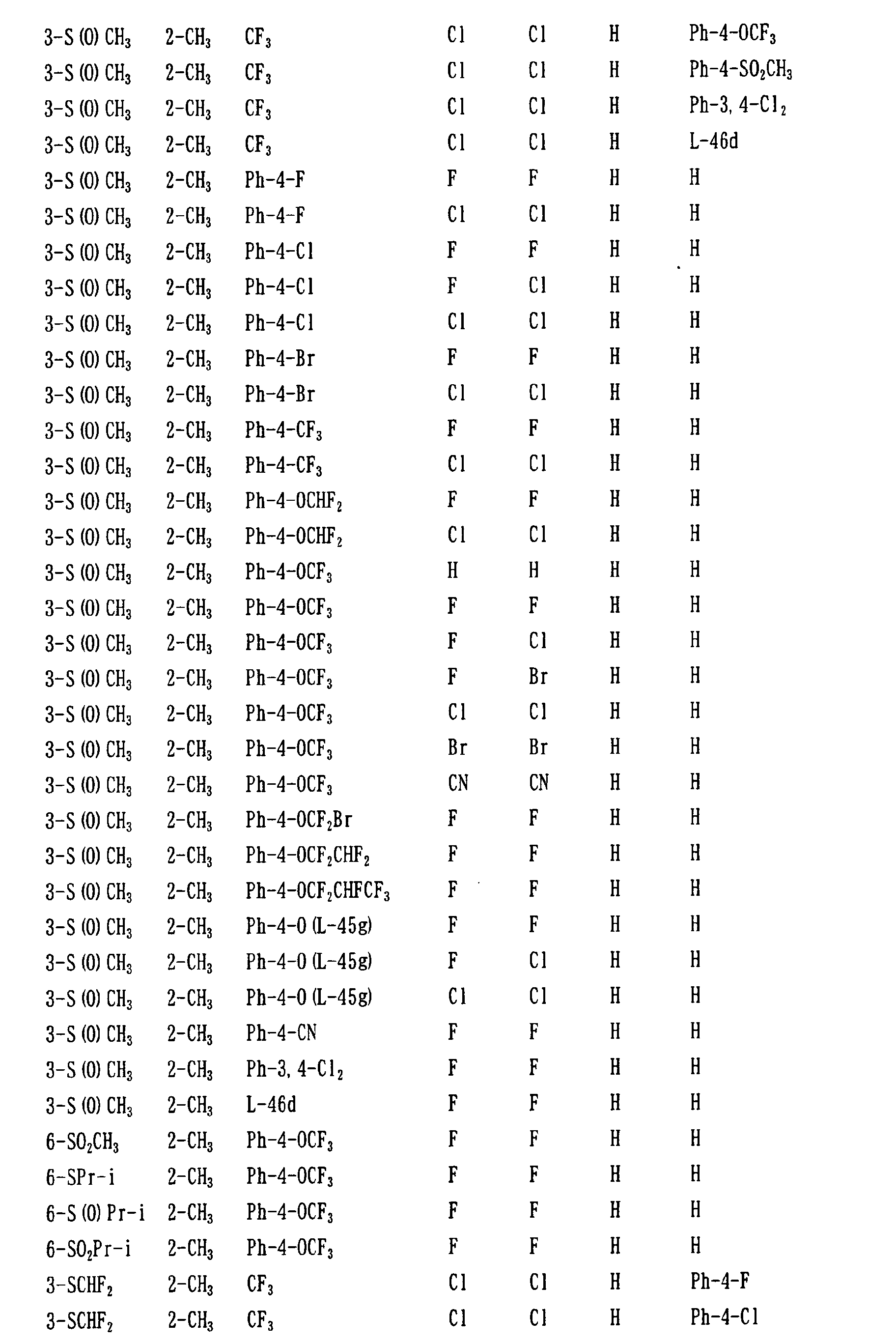
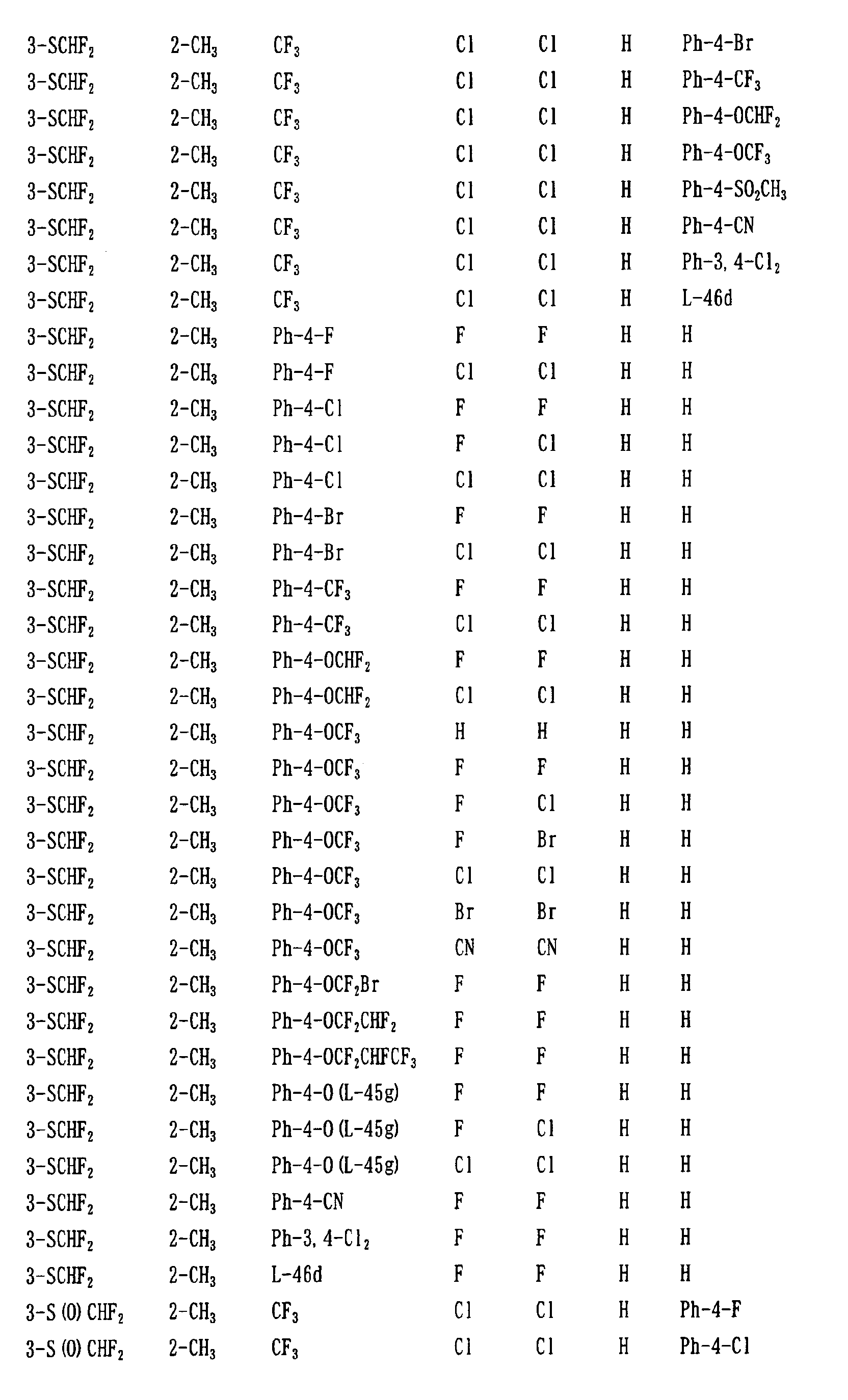

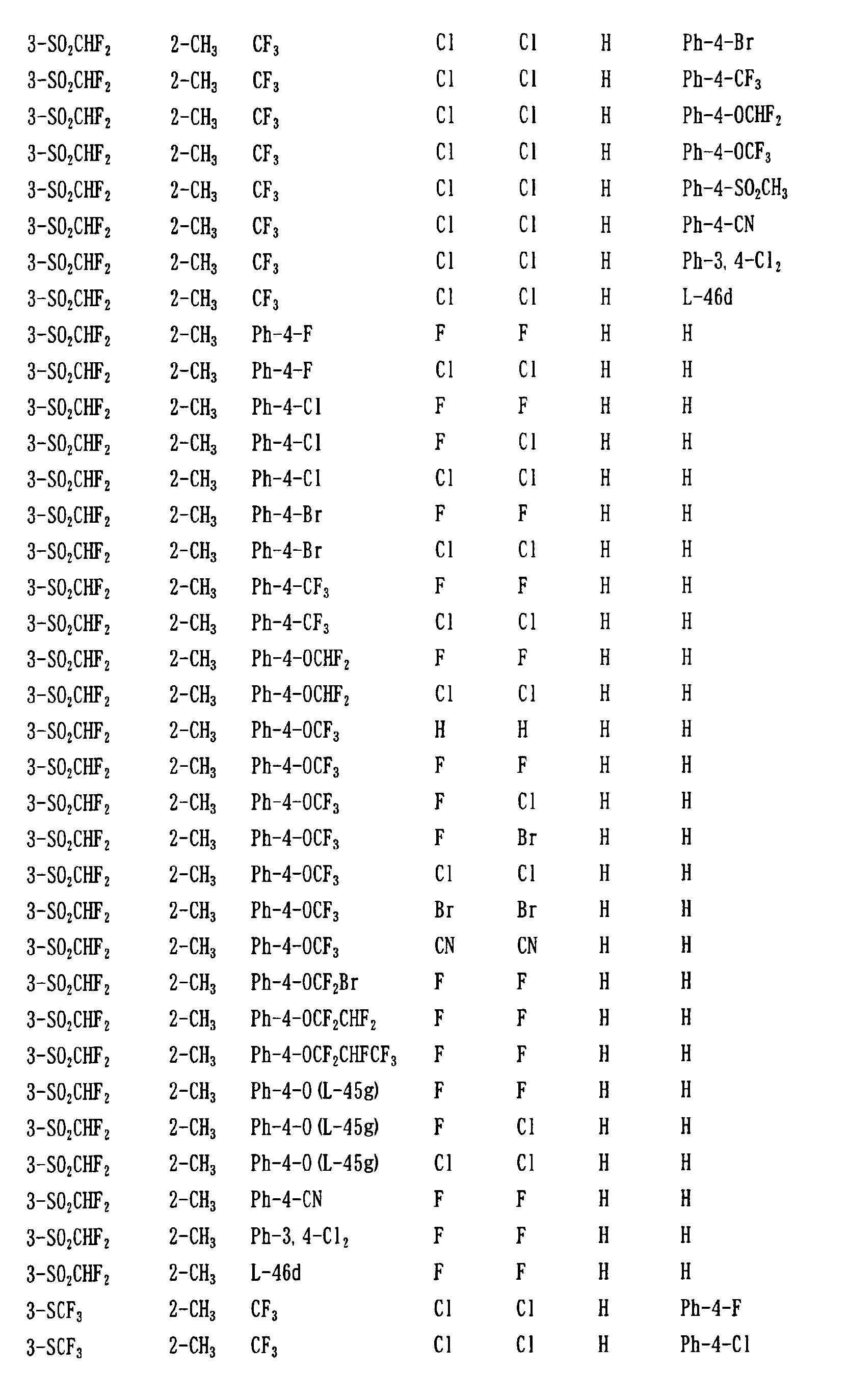
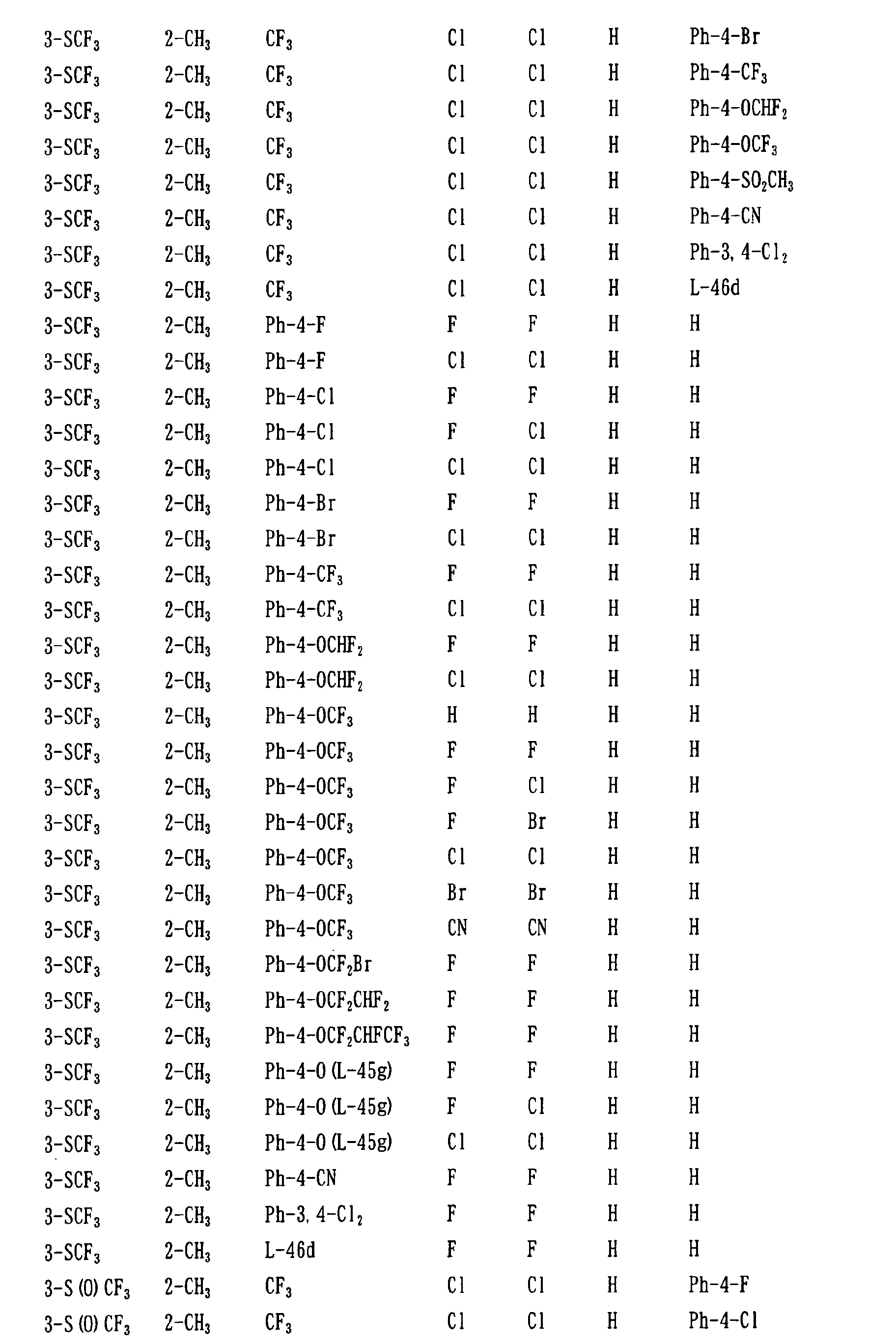
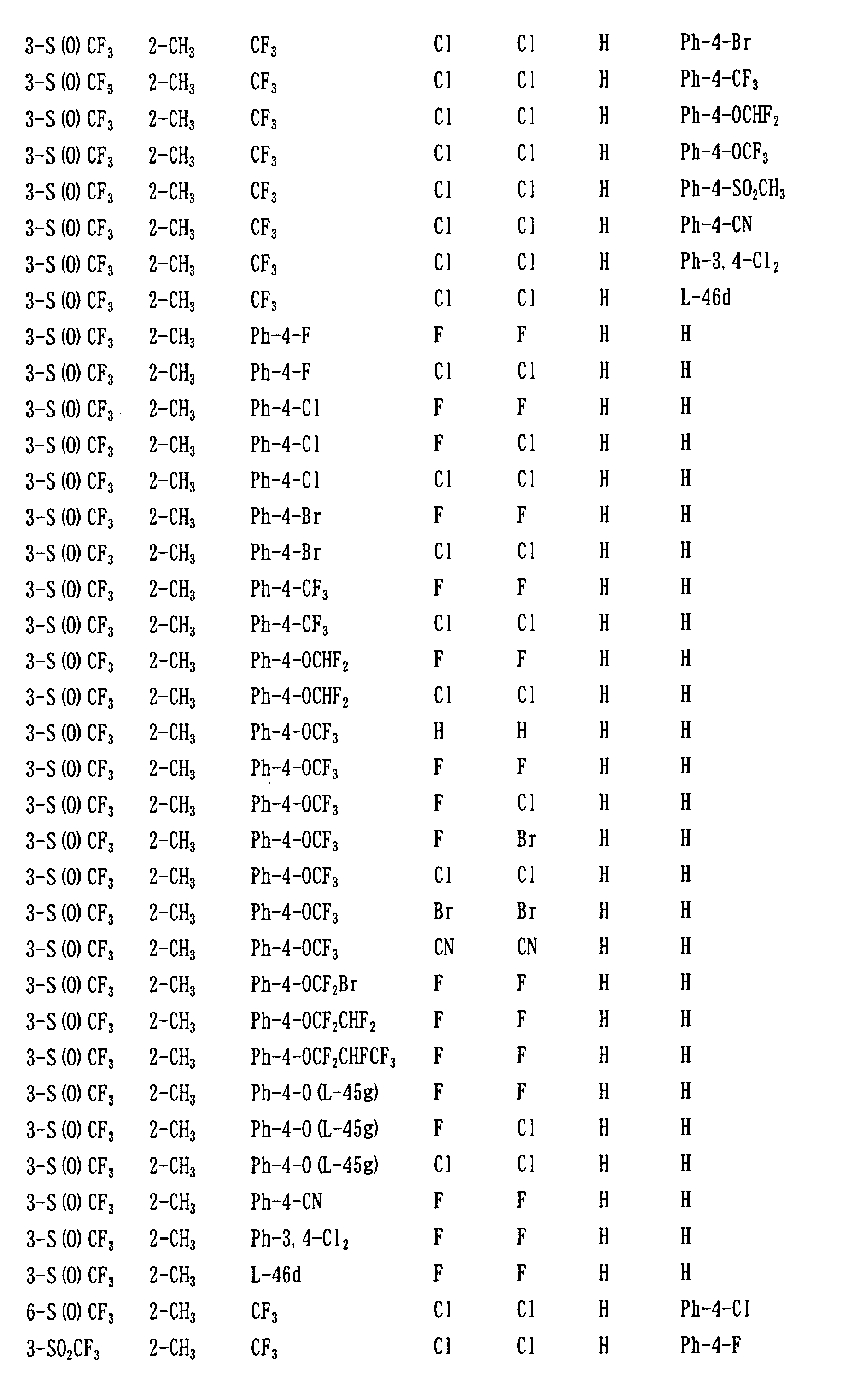


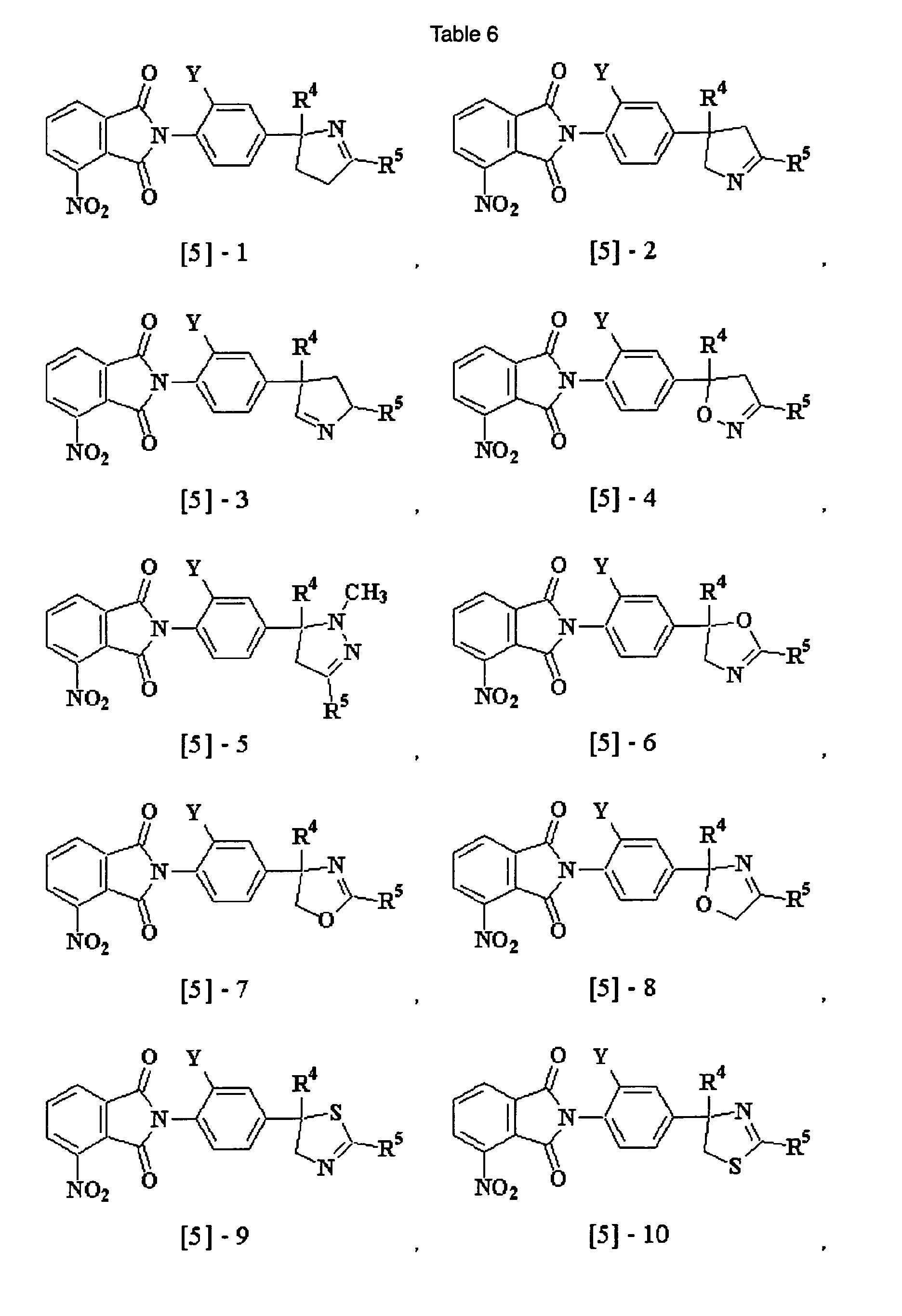
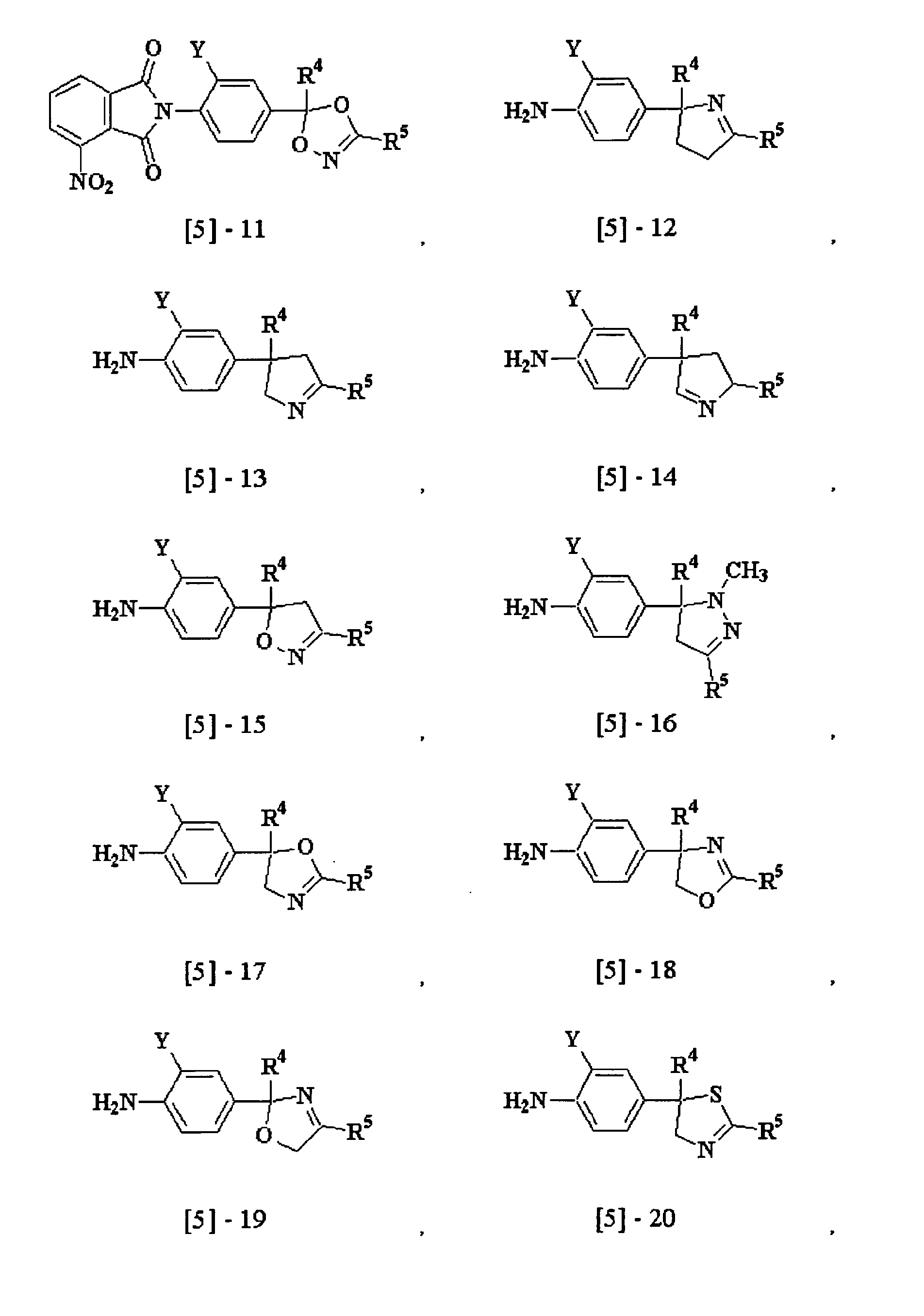
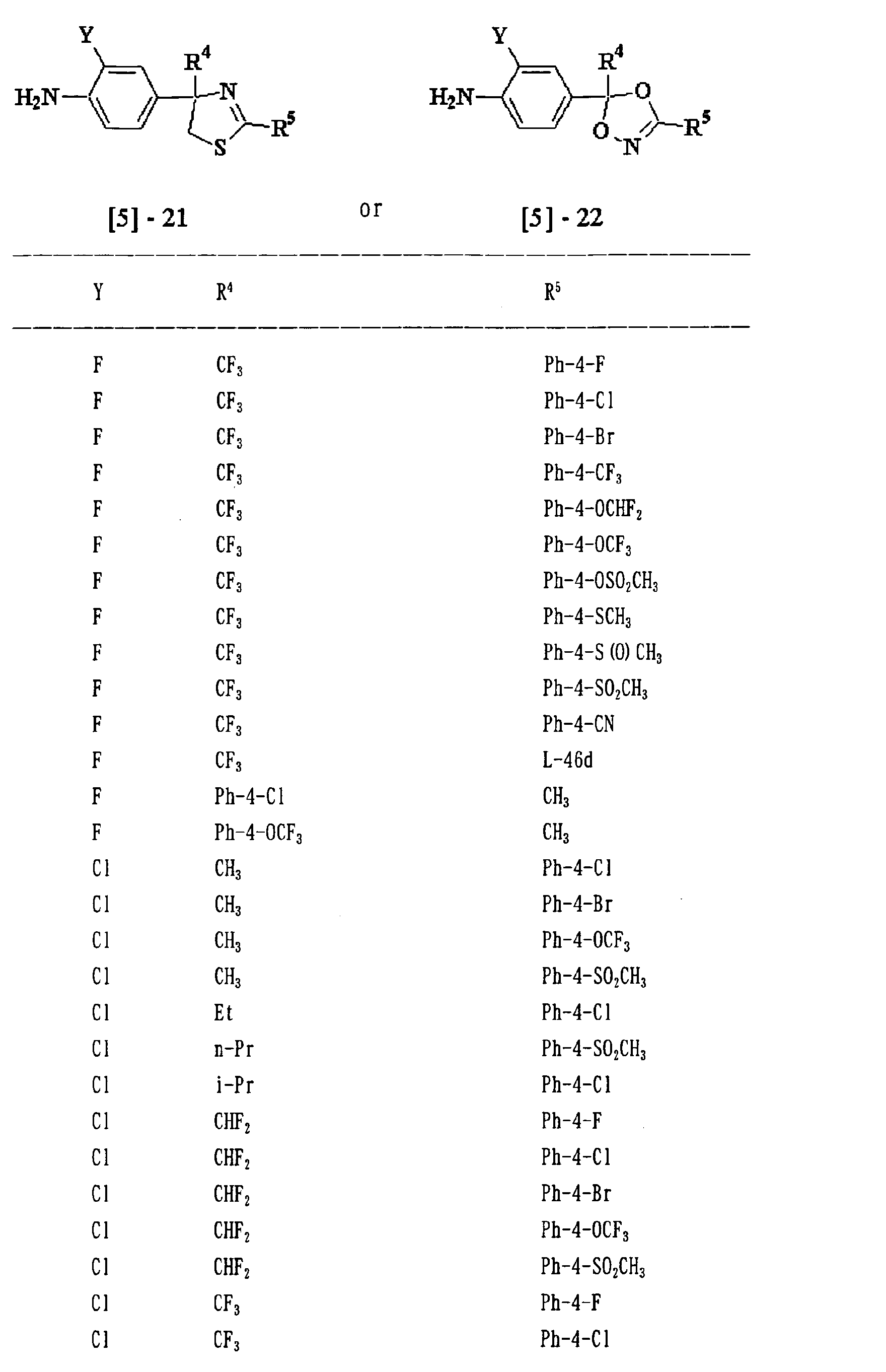

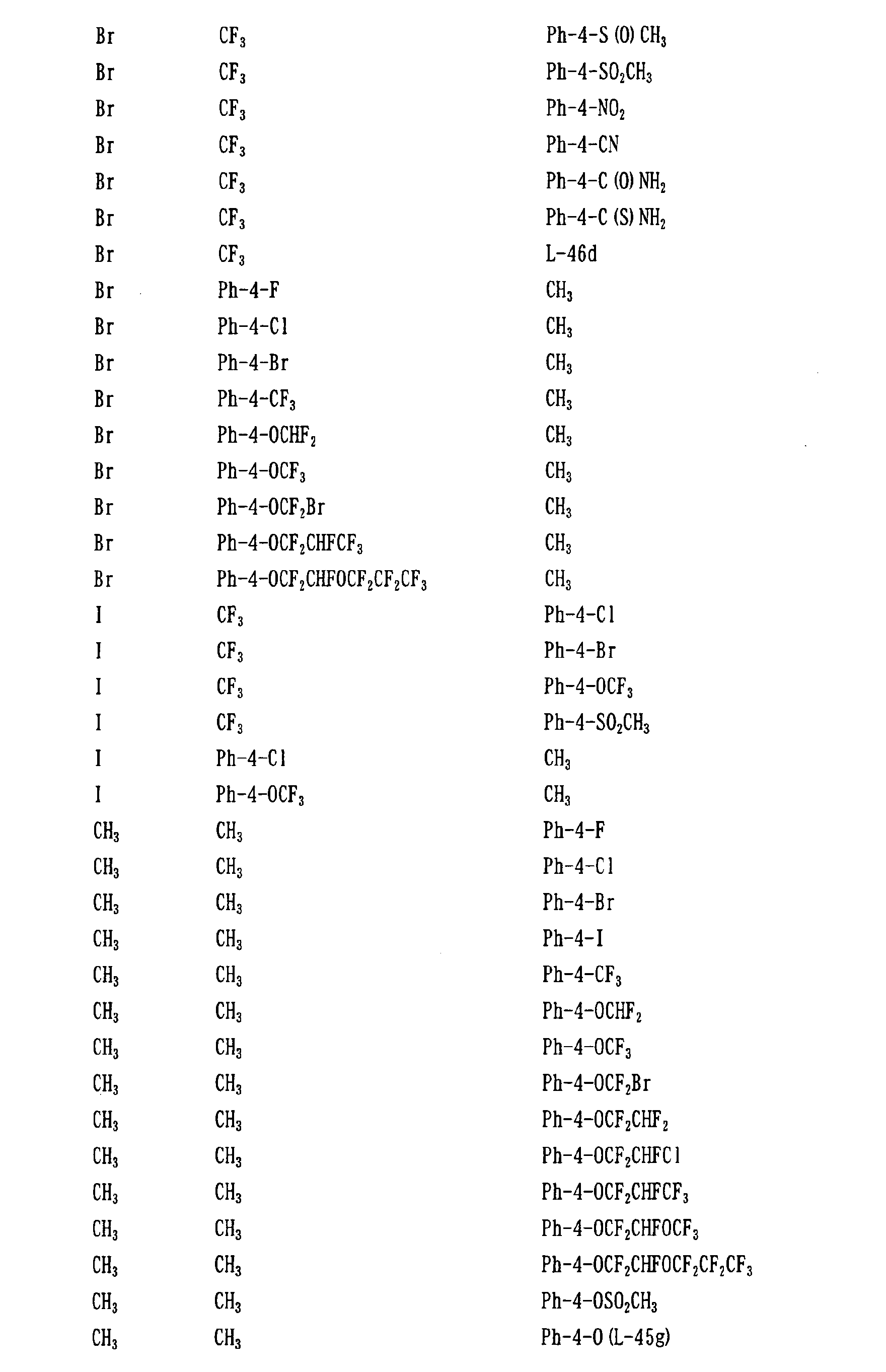
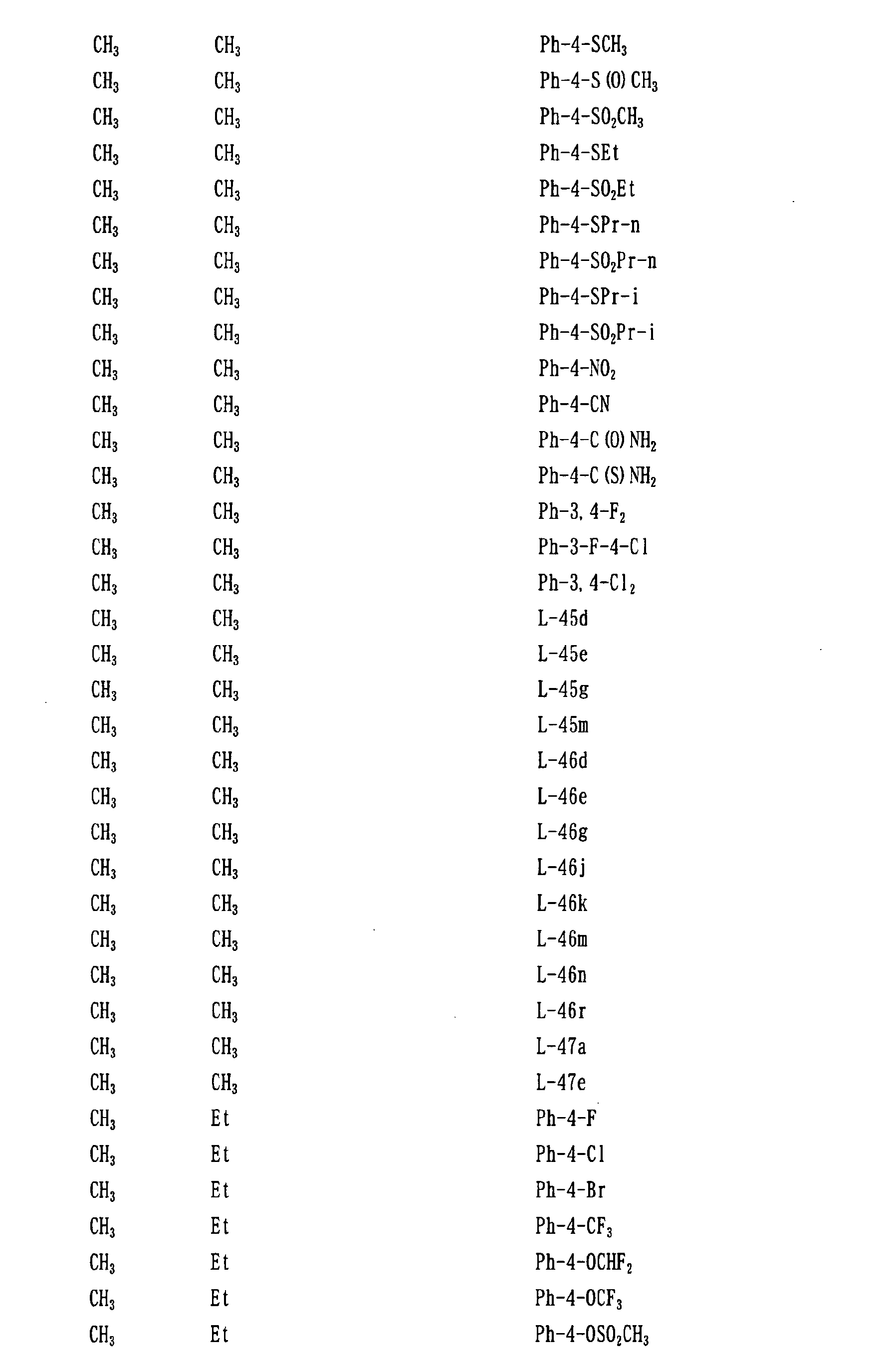

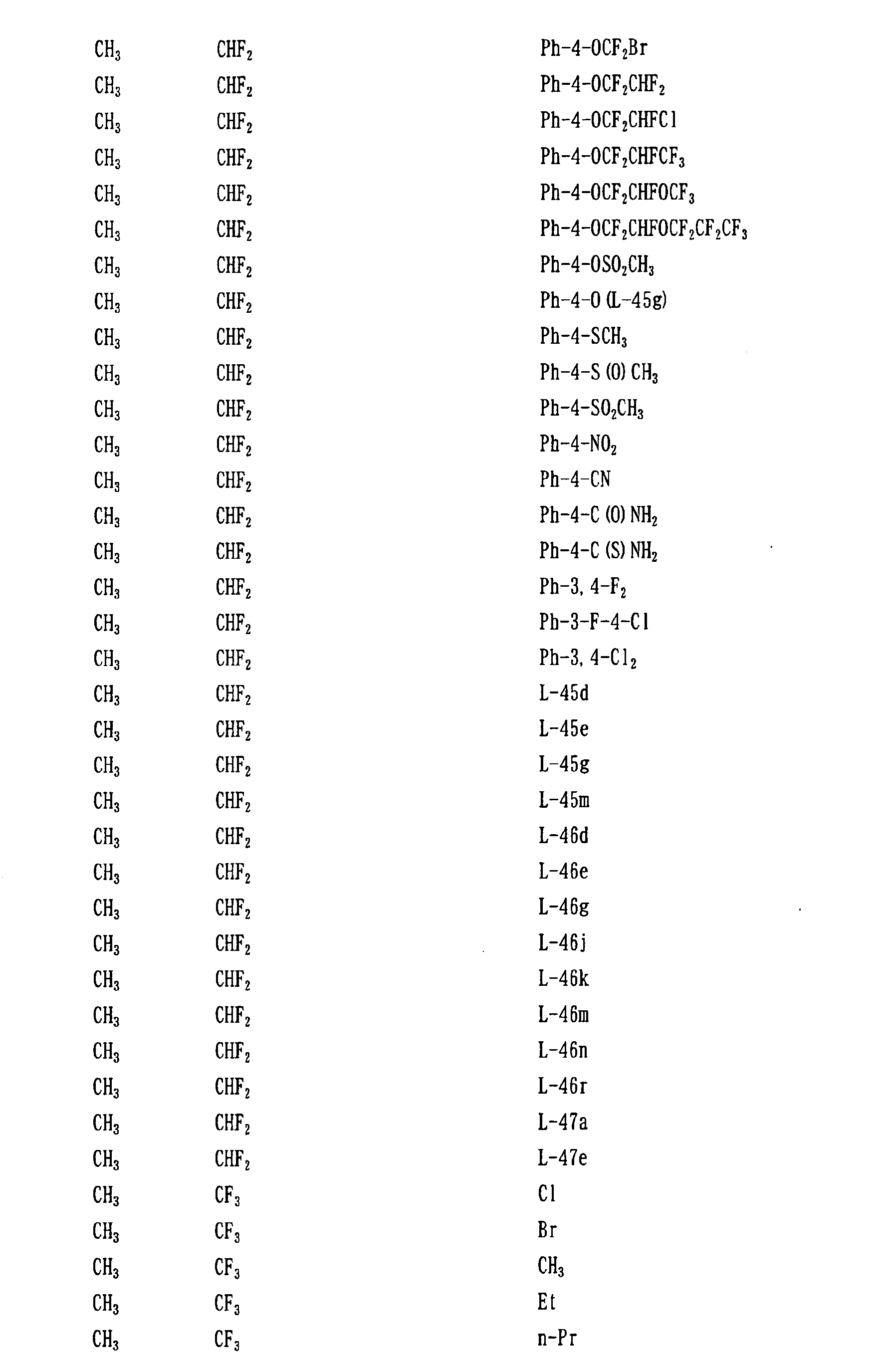

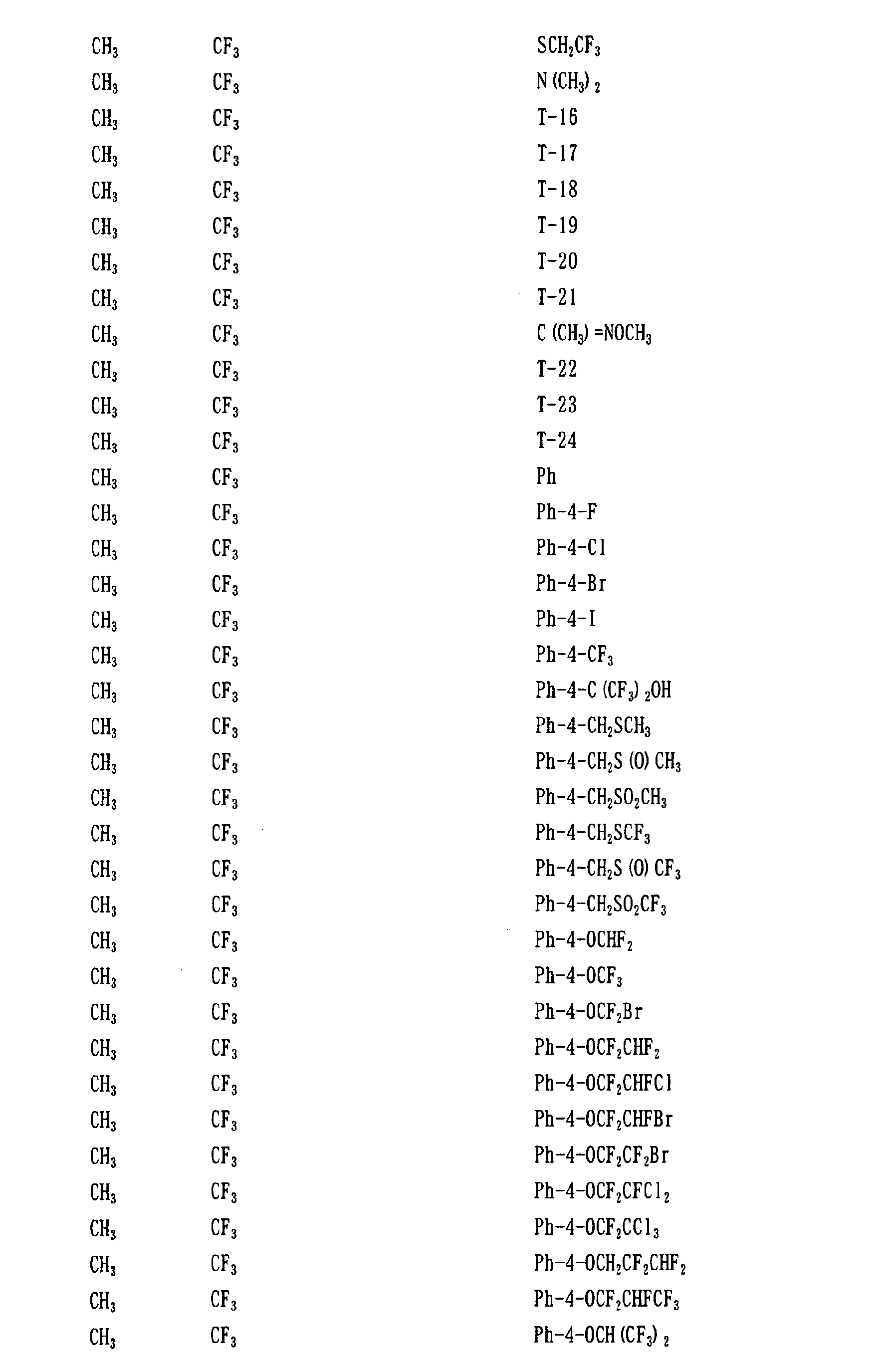
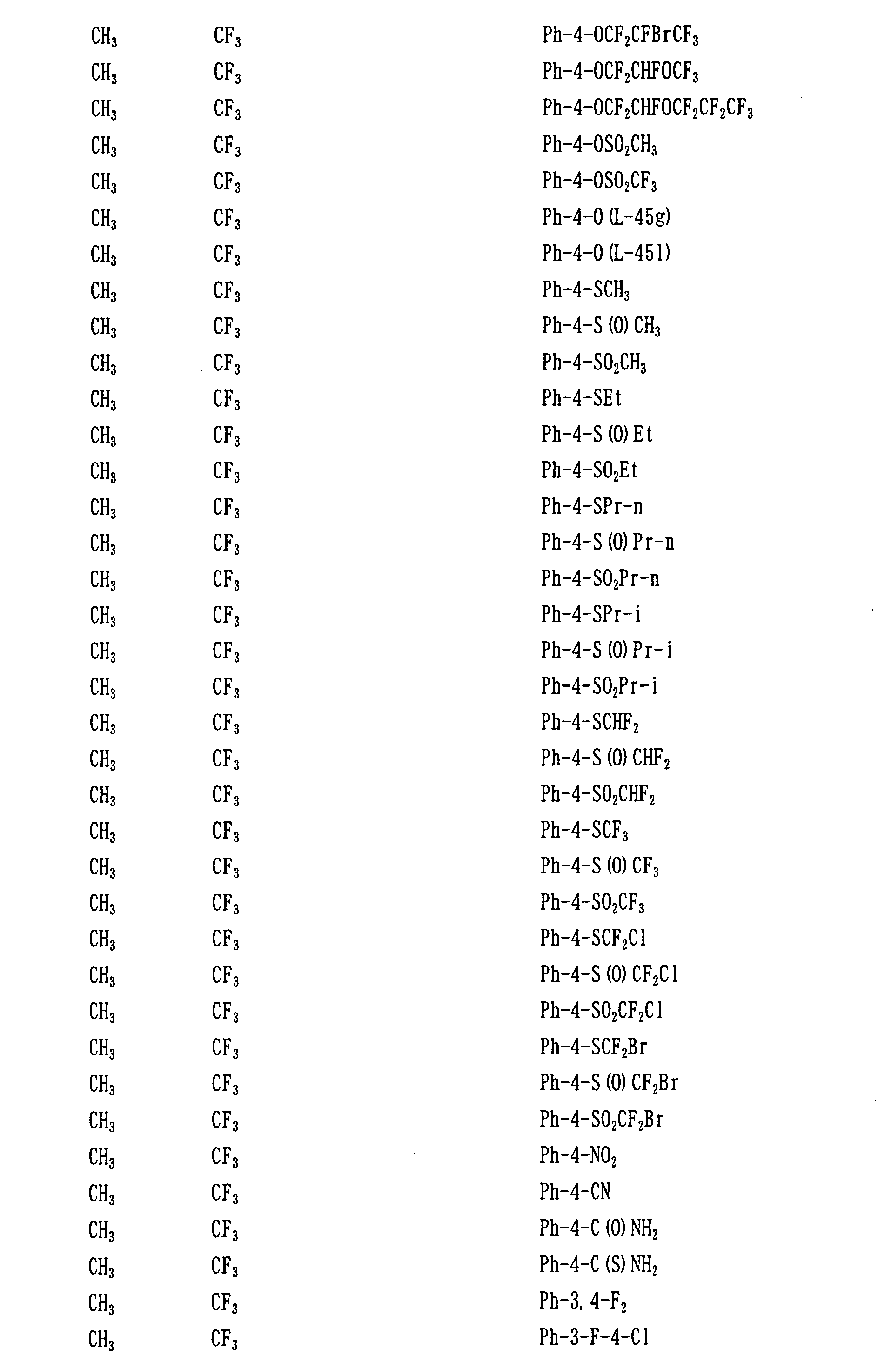

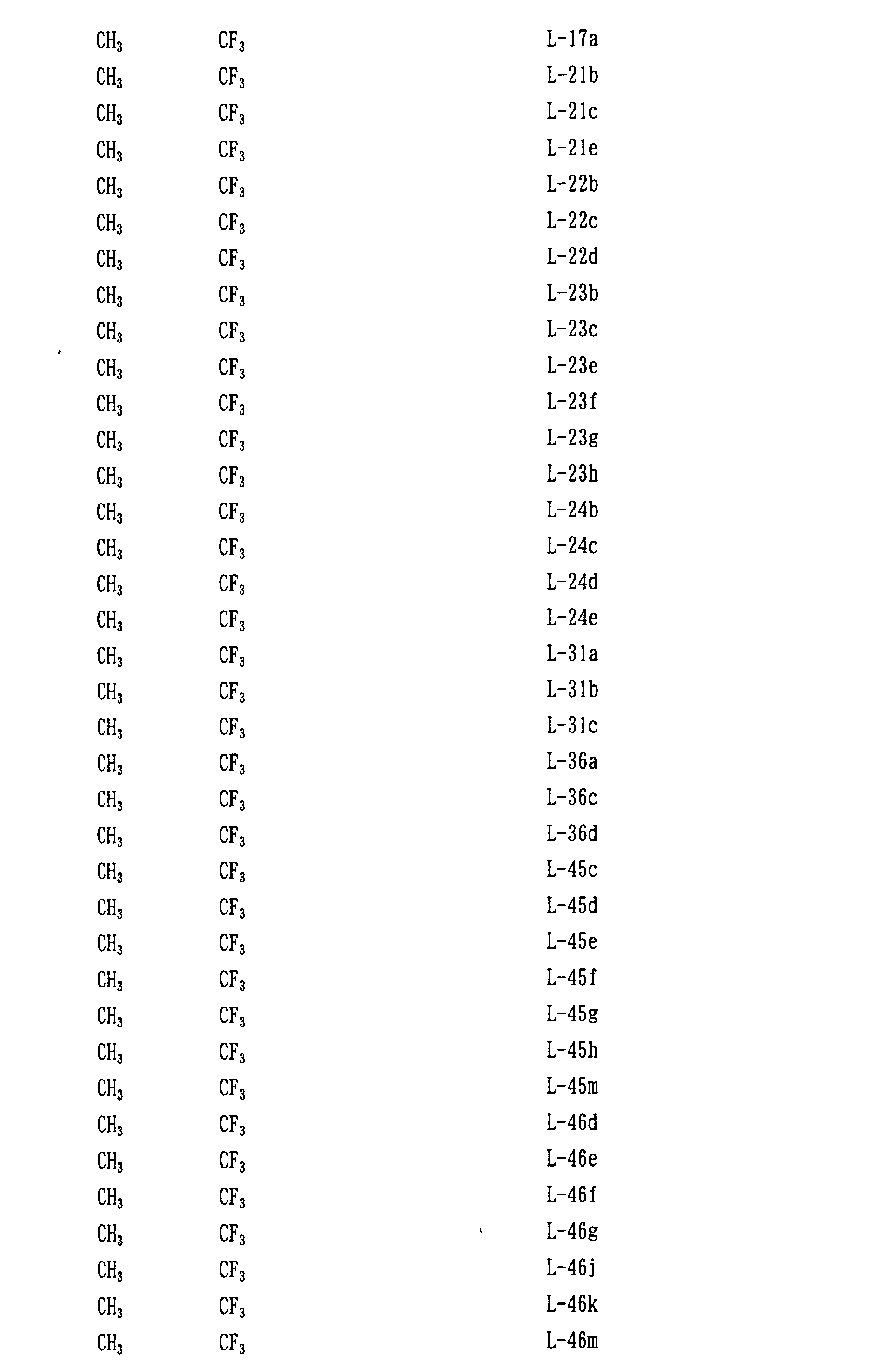

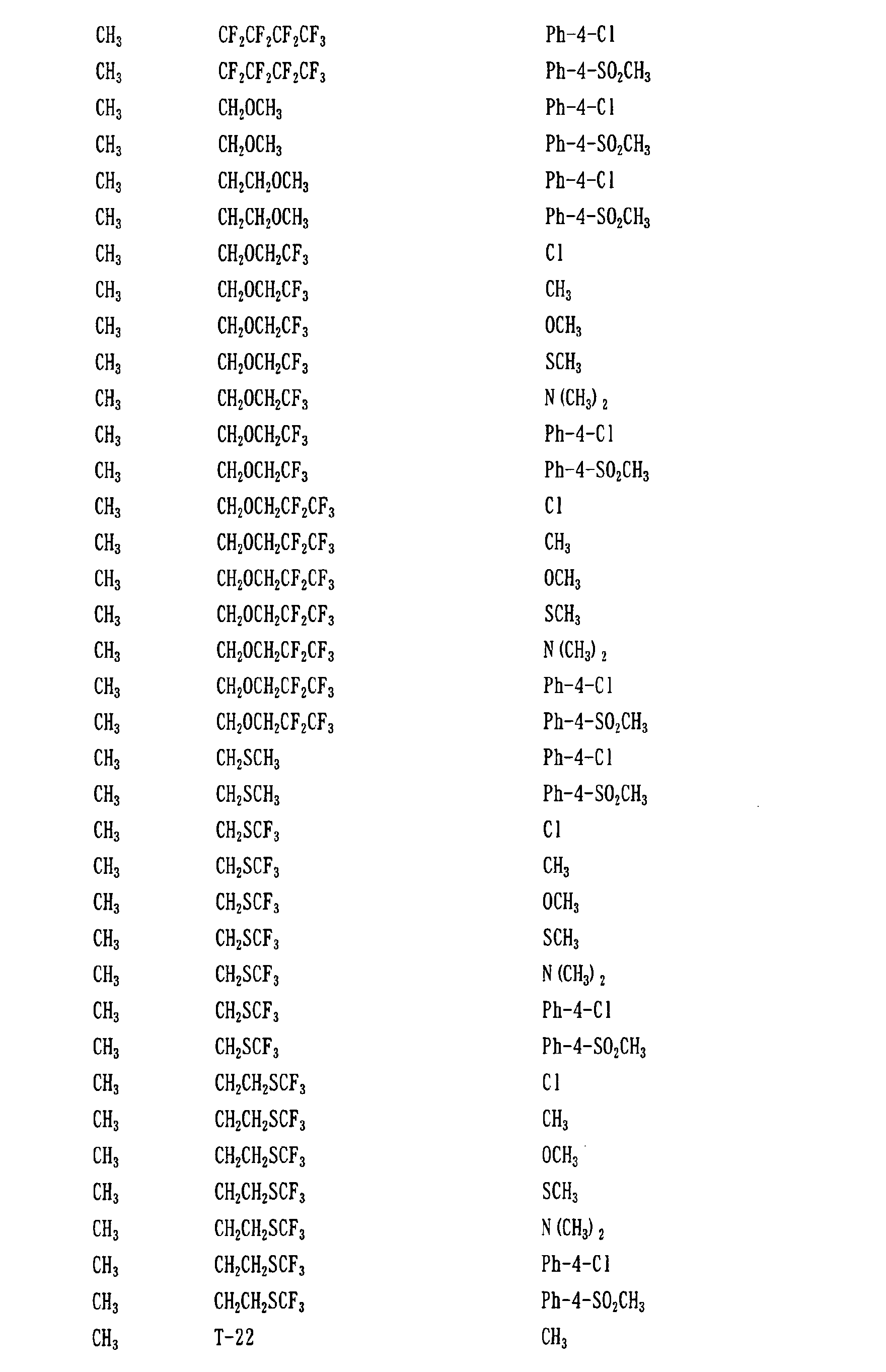


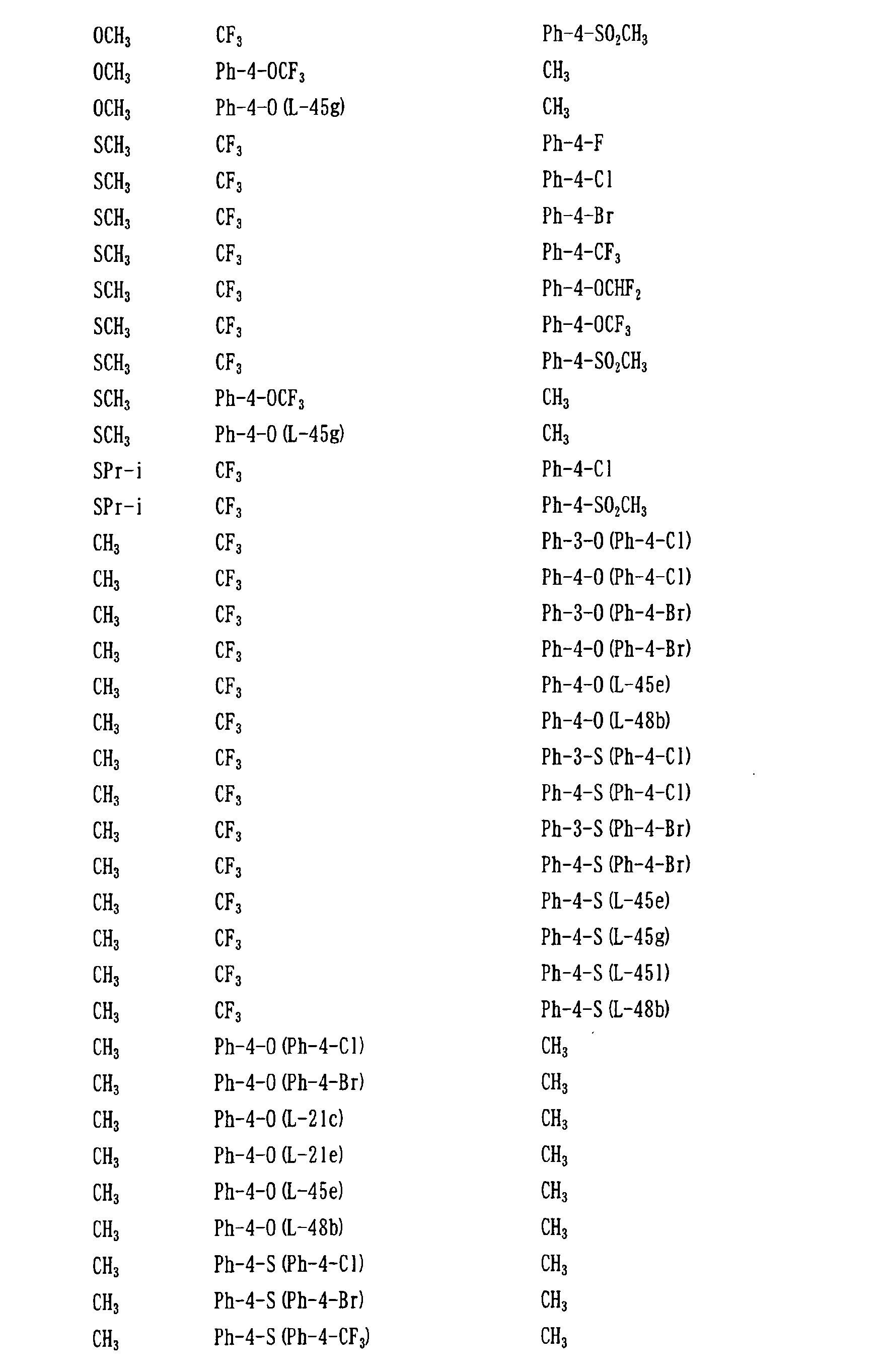

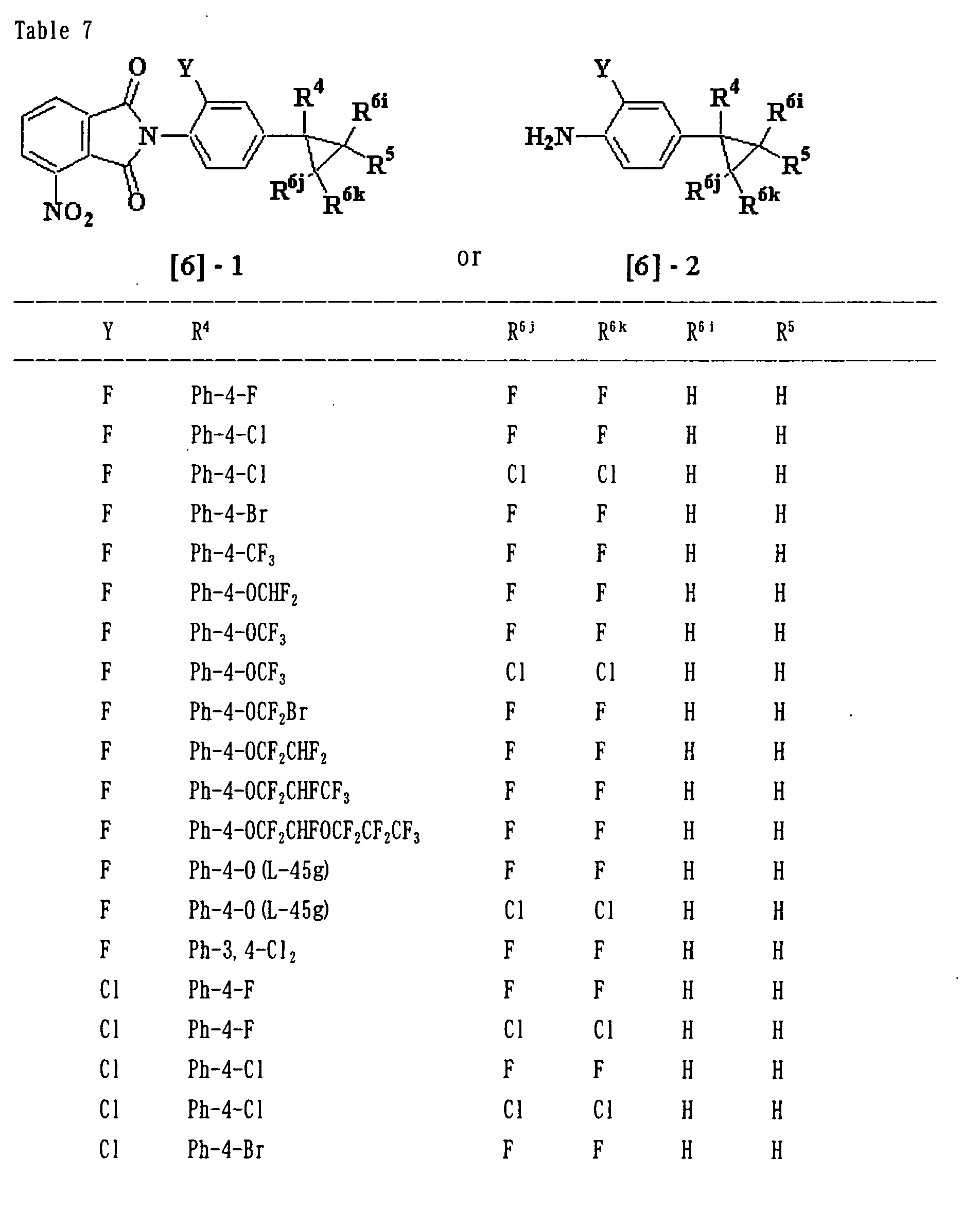
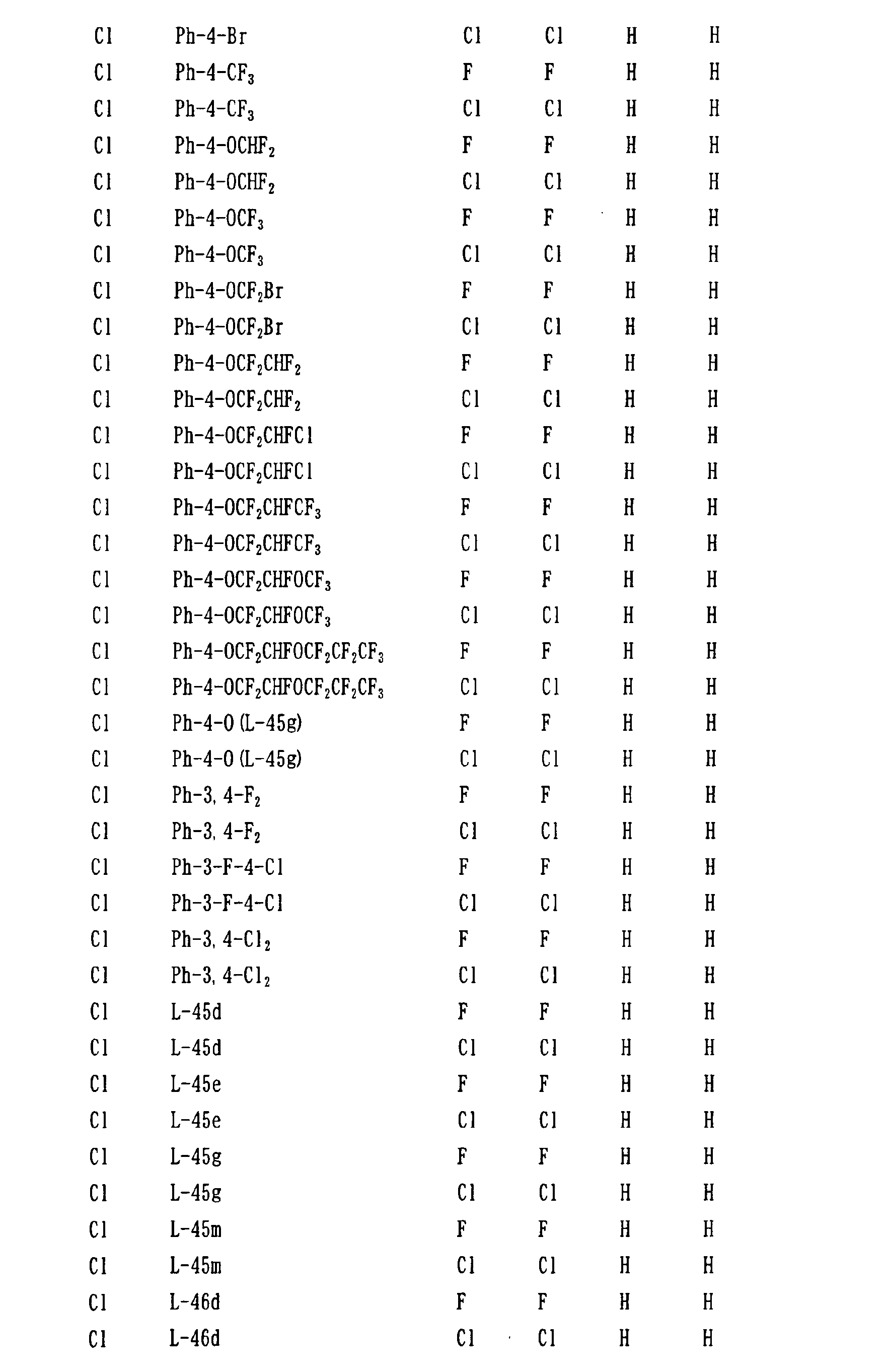
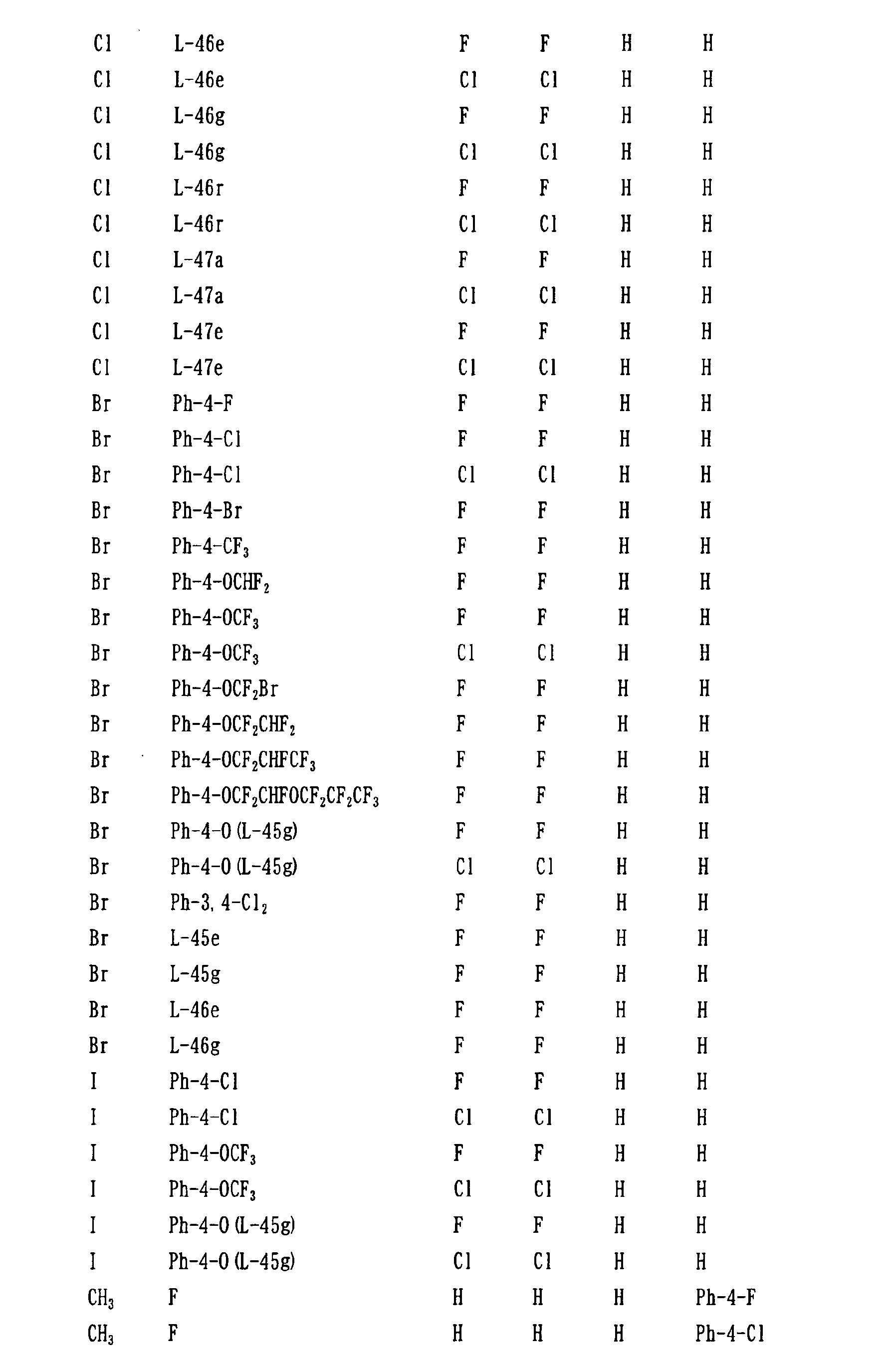
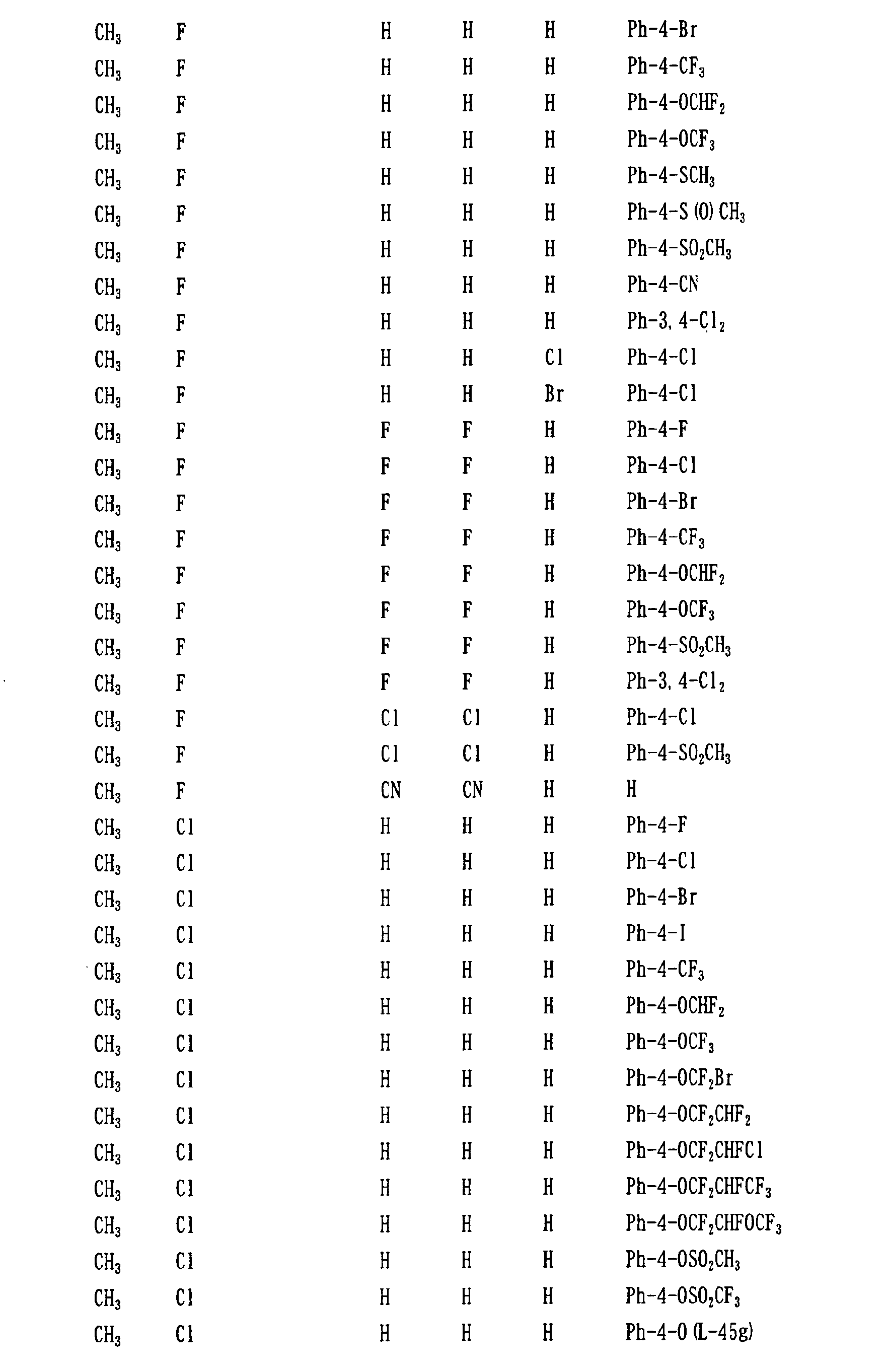
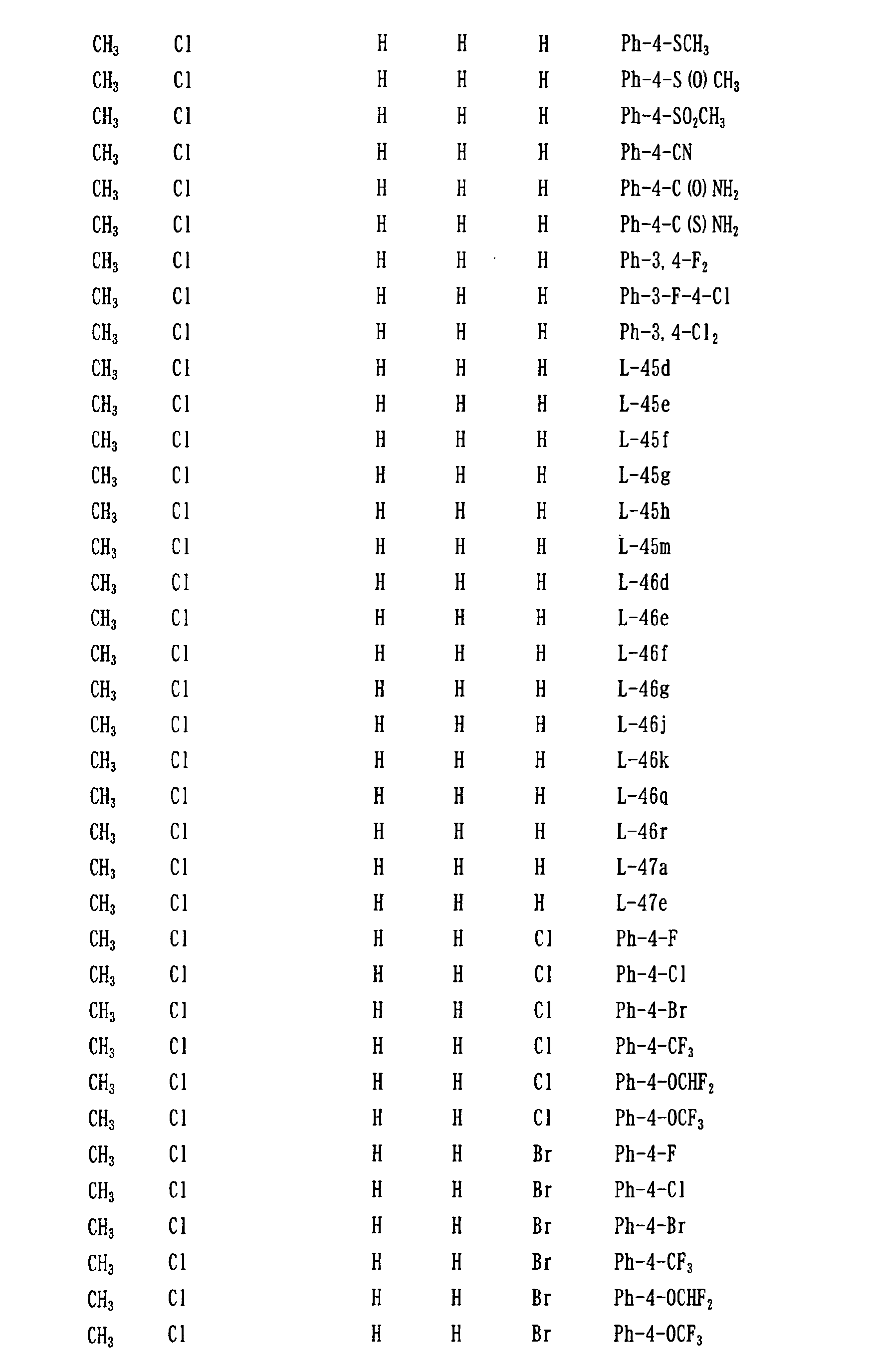

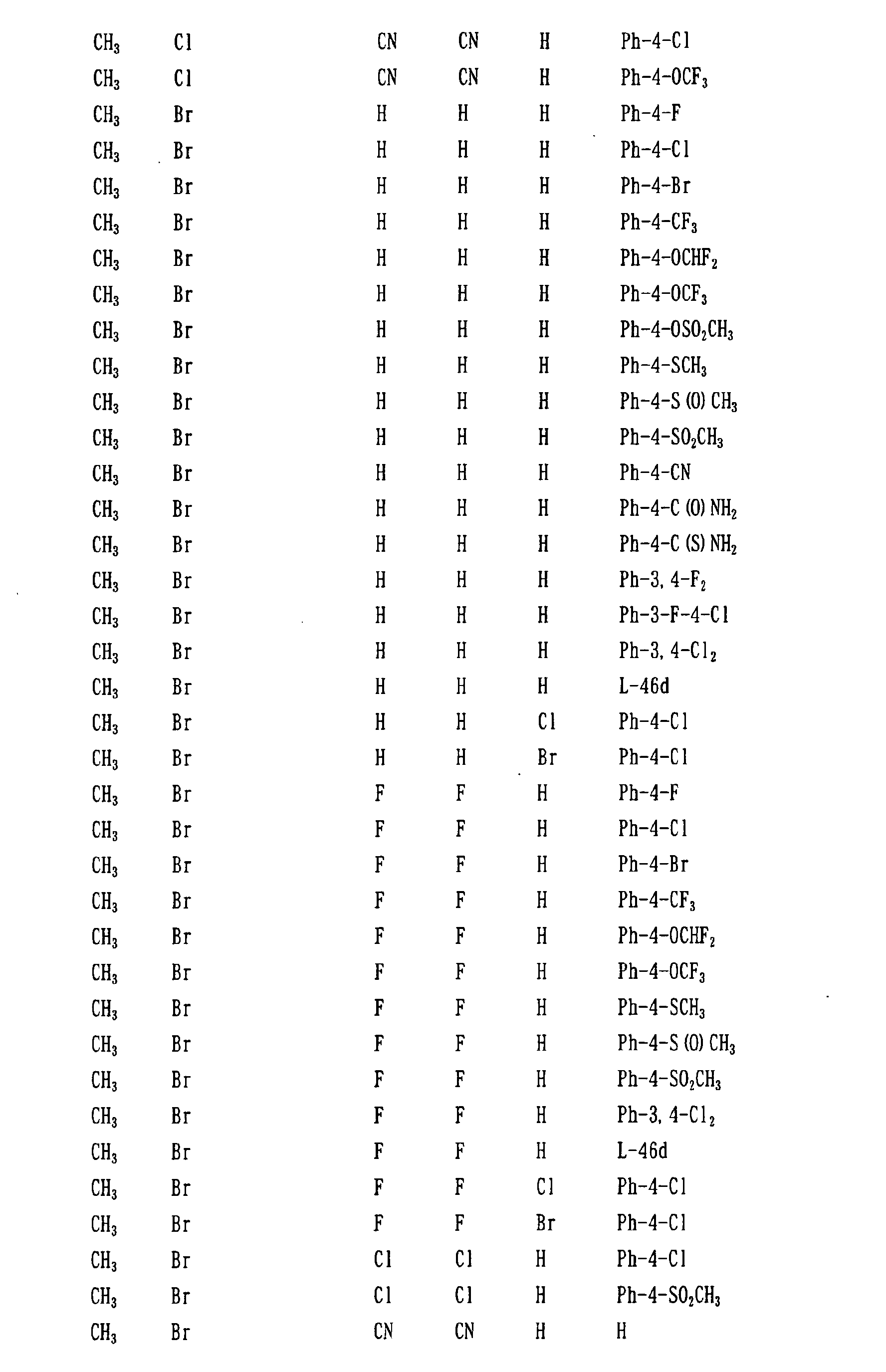


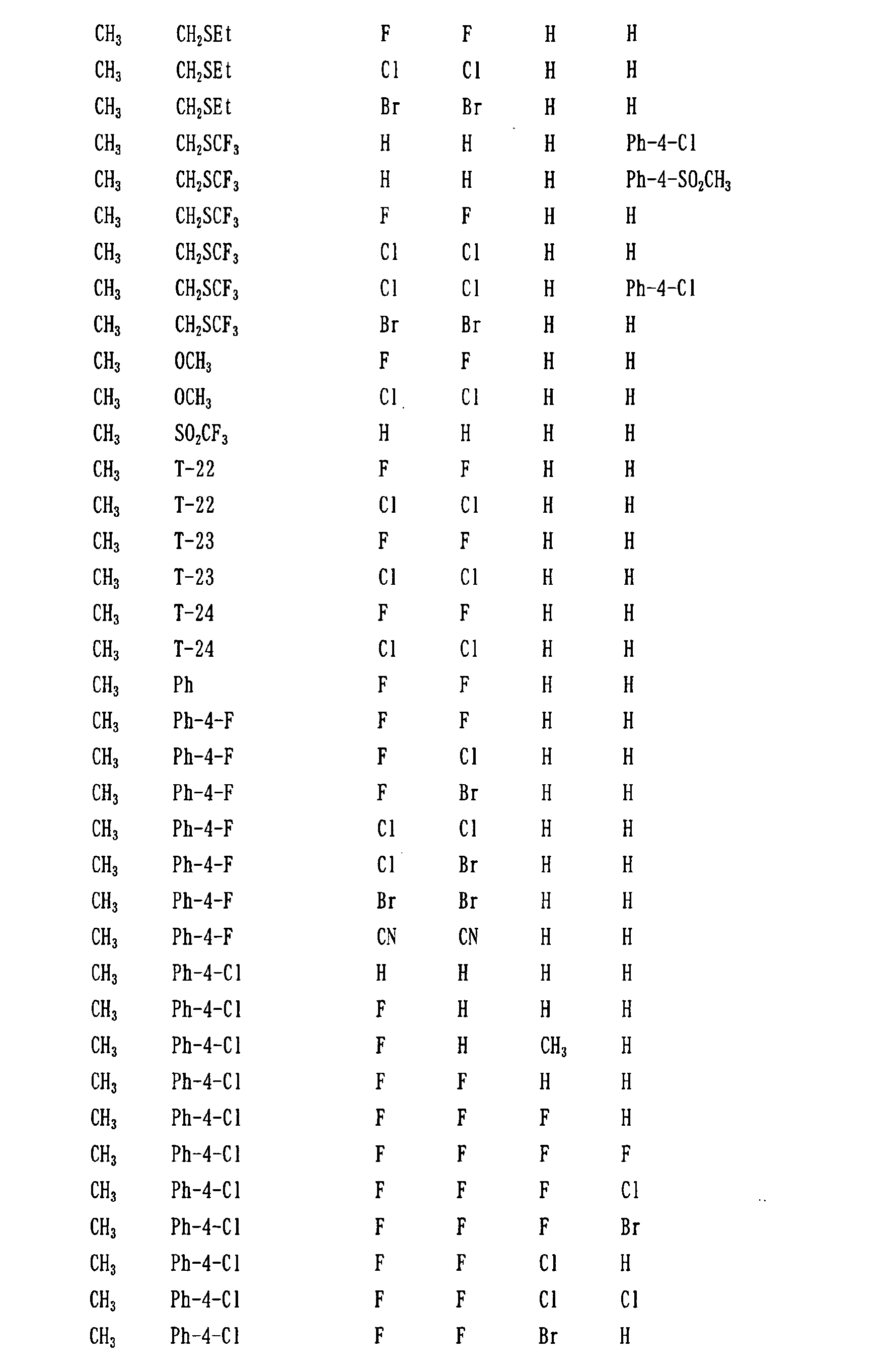


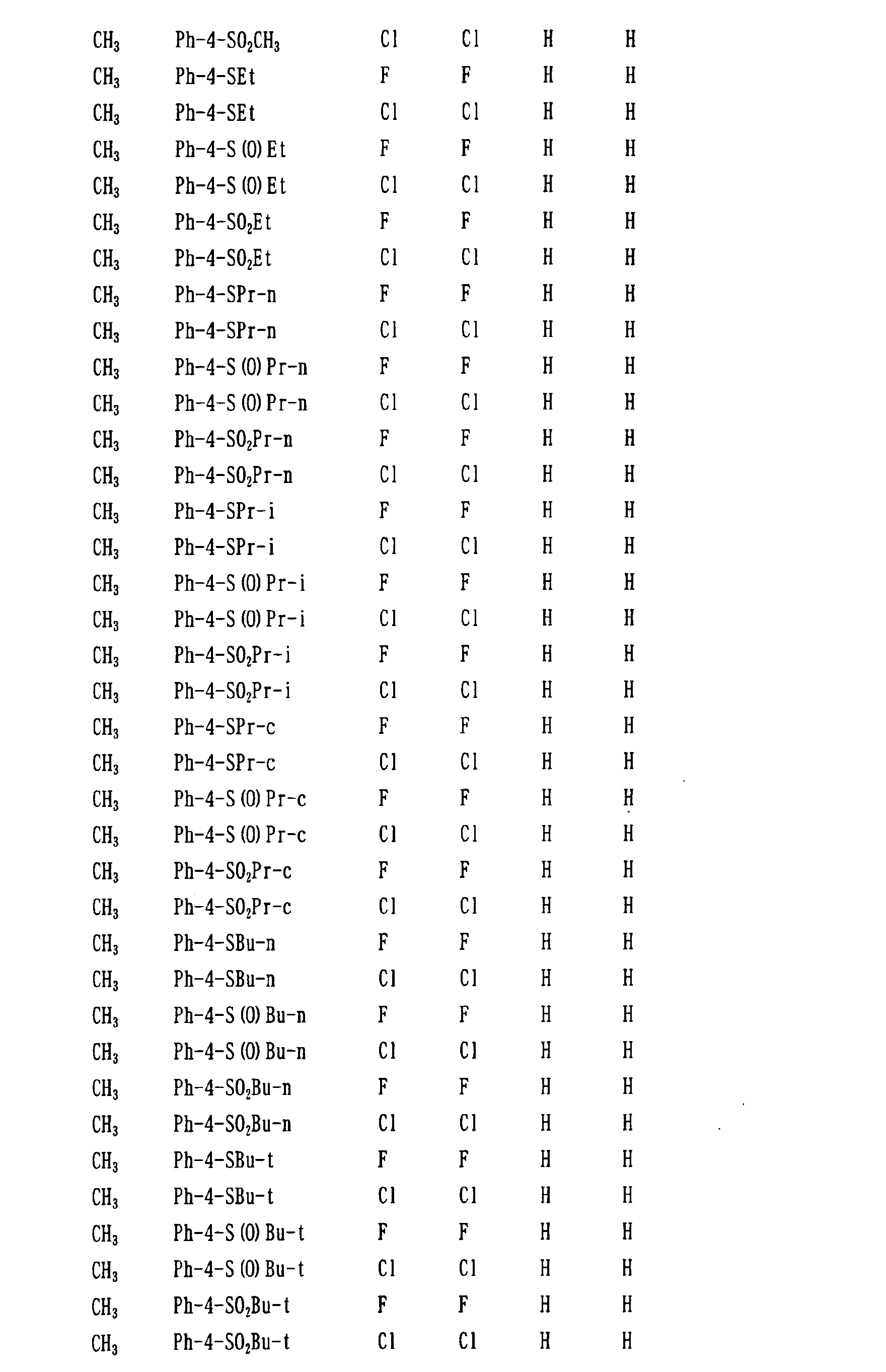


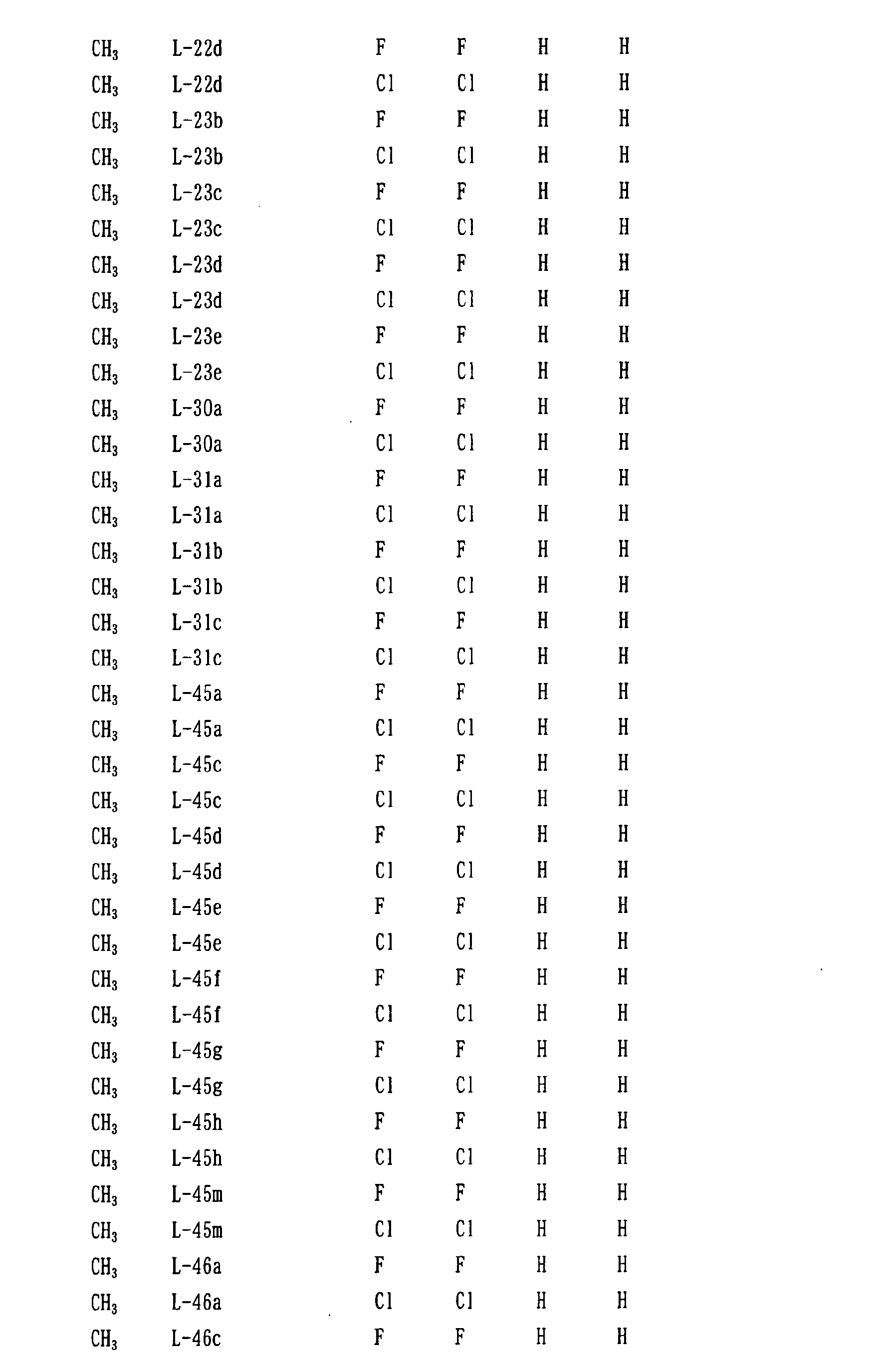
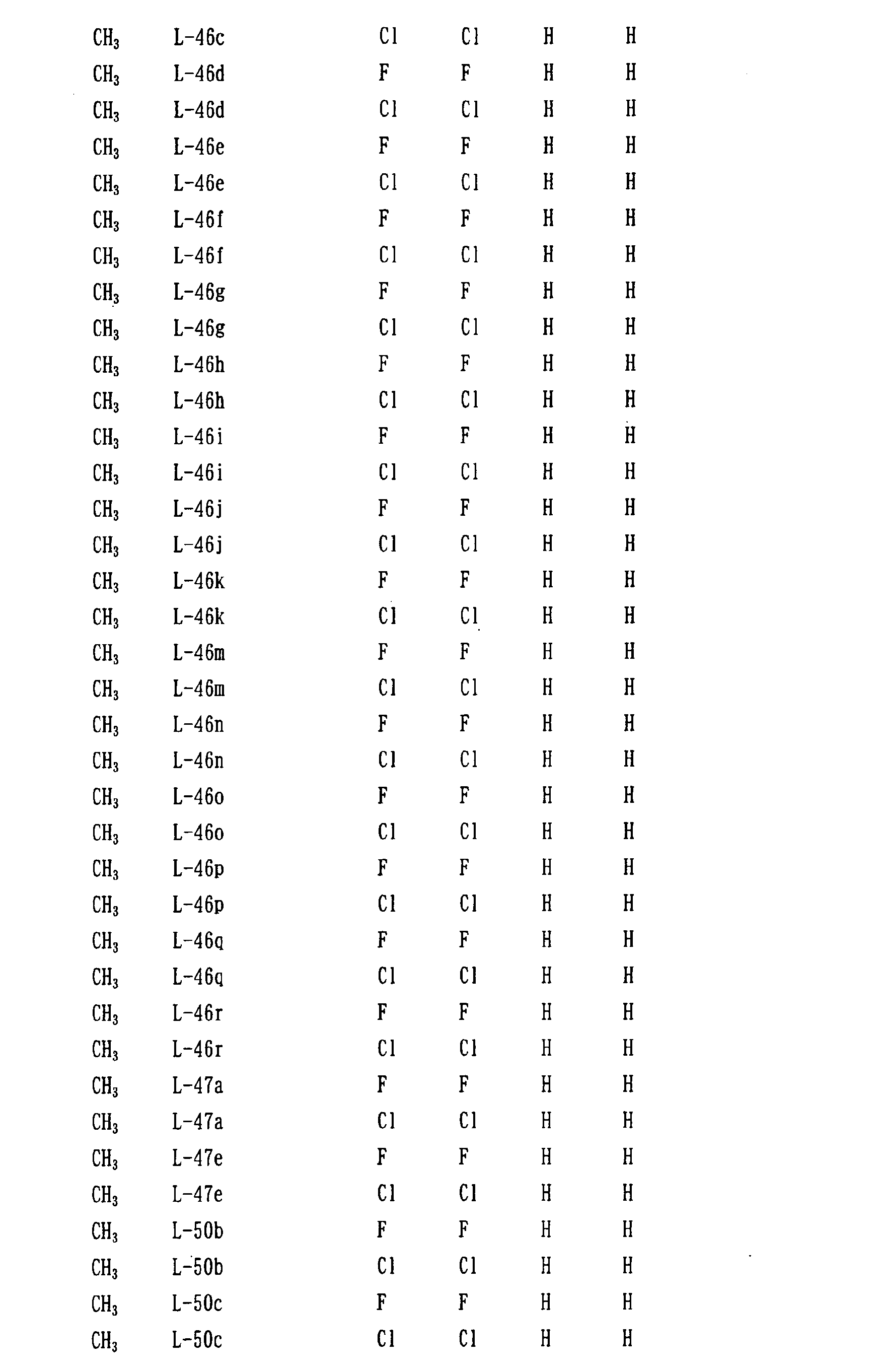
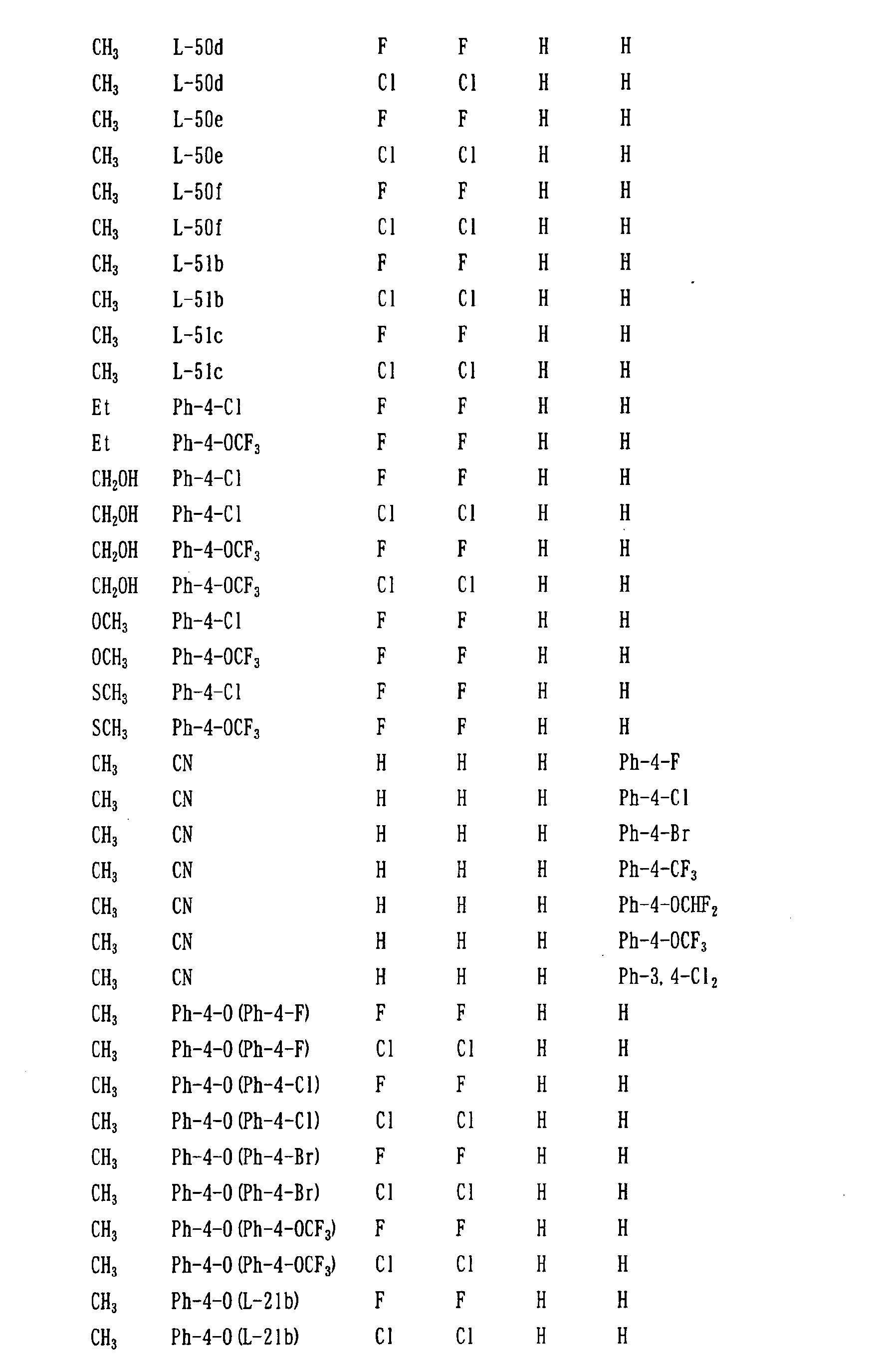

Lepidoptera harmful insects such as diamondback moth (Plutella xylostella), black cutworm (Agrotis ipsilon), Turnip moth (Agrotis segetum), corn earworm (Helicoverpa armigera), Oriental tobacco budworm (Helicoverpa assulta), cotton bollworm (Helicoverpa zea), tabacco budworm (Heliothis virescens), cabbage armyworm (Mamestra brassicae), green rice caterpillar (Naranga aenescens), beet semilooper (Autographa nigrisigna), rice armyworm (Mythimna separata), beet armyworm (Spodoptera exigua), common cutworm (Spodoptera litura), cotton leafworm (Spodoptera littoralis), fall armyworm (Spodoptera frugiperda), southern armyworm (Spodoptera eridania), tomato hornworm (Manduca quinquemaculata), tabacco hornworm (Manduca sexta), grapeberry moth (Endopiza viteana), apple lyonetid (Lyonetia prunifoliella malinella), tea leafroller (Caloptilia theivora), apple leafminer (Phyllonorycter ringoniella), citrus leafminer (Phyllocnistis citrella), pink bollworm (Pectinophora gossypiella), peach fruit moth (Carposina sasakii), summer fruit tortrix (Adoxophyes orana faciata), smaller tea tortrix (Adoxophyes honmai), apple tortrix (Archips fuscocupreanus), oriental tea tortrix (Homona magnamina), codling moth (Cydia pomonella), Oriental fruit moth (Grapholita molesta), rice stem borer (Chilo suppressalis), rice leafroller (Cnaphalocrocis medinalis), cabbage webworm (Hellula undalis), oriental corn borer (Ostrinia furnacalis), European corn borer (Ostrinia nubilalis), soybean looper (Pseudoplusia includens), cabbage looper (Trichoplusia ni), fall wedworm (Hyphantria cunea), common white (Pieris rapae crucivora), rice skipper (Parnara guttata), tea tussock moth (Euproctis pseudoconspersa), etc.,
Coleoptera harmful insects such as cupreous chafer beetle (Anomala cuprea), soybean beetle (Anomala rufocuprea), japanese beetle (Popillia japonica), colorado potato beetle (Lepinotarsa decemlineata), mexican bean beetle (Epilachna varivestis), sugarcane wireworm (Melanotus tamsuyensis), cigarette beetle (Lasioderma serricorne), Himehirata Nitidulidae (Epuraea domina), twentyeight-spotted ladybird (Epilachna vigintioctopunctata), yellow mealworm (Tenebrio molitor), red flour beetle (Tribolium castaneum), whitespotted longicorn beetle (Anoplophora malasiaca), japanese pine sawyer (Monochamus alternatus), azuki bean weevil (Callosobruchus chinensis), cucurbit leaf beetle (Aulacophora femoralis), rice leaf beetle (Oulema oryzae), striped flea beetle (Phyllotreta striolata), sweetpotato weevil (Cylas formicarius), boll weevil (Anthonomus grandis), rice curculio (Echinocnemus squameus), alfalfa weevil (Hypera postica), rice water weevil (Lissohoptrus oryzophilus), maize weevil (Sitophilus zeamais), hunting billbug (Sphenophorus venatus vestitus), granary weevil (Sitophilus granarius), southern corn rootworm (Diabrotica undecimpunctata), western corn rootworm (Diabrotica virgifera), northern corn rootworm (Diabrotica barberi), rove beetle (Paederus fuscipes), etc.,
Hemiptera harmful insects such as cabbage bug (Eurydema rugosum), whitespotted bug (Eysarcoris ventralis), brown marmorated stink bug (Halyomorpha halys), southern green stink bug (Nezara viridula), rice bug (Leptocorisa chinensis), bean bug (Riptortus clavatus), small wing gourd bug (Togo hemipterus), tarnished plant bug (Lygus lineolaris), cotton fleahopper (Pseudatomoscelis seriatus), azalea lace bug (Stephanitis pyrioides), grape leafhopper (Erythroneura spp.), tea green leafhopper (Empoasca onukii), potato leafhopper (Empoasca fabae), green rice leafhopper (Nephotettix cinctinceps), small brown planthopper (Laodelphax striatella), brown rice planthopper (Nilaparvata lugens), whitebacked rice planthopper (Sogatella furcifera), Asiatic citrus psylla (Diaphorina citri), pear psylla (Psylla pyrisuga), silverleaf whitefly (Bemisia argentifolii), sweetpotato whitefly (Bemisia tabaci), citrus whitefly (Dialeurodes citri), greenhouse whitefly (Trialeurodes vaporariorum), cotton aphid (Aphis gossypii), spiraea aphid (Aphis spiraecola), green peach aphid (Myzus persicae), giant margarodid mealybug (Drosicha corpulenta), cottony cushion scale (Icerya purchasi), citrus mealybug (Planococcus citri), comstock mealybug (Pseudococcus comstocki), red wax scale (Ceroplastes rubens), arrowhead scale (Unaspis yanonensis), bed bug (Cimex lectularius), etc.,
Thysanoptera harmful insects such as western flower thrips (Frankliniella occidentalis), flower thrips (Frankliniella intonsa), yellow tea thrips (Scirtothrips dorsalis), melon thrips (Thrips palmi), onion thrips (Thrips tabaci), etc.,
Diptera harmful insects such as melon fly (Bactrocera cucurbitae), oriental fruit fly (Bactrocera dorsalis), mediterranean fruit fly (Ceratitis capitata), rice leaf miner (Hydrellia griseola), garden pea leaf miner (Chromatomyia horticola), bryony leaf miner (Liriomyza bryoniae), serpentine leaf miner (Liriomyza trifolii), seedcorn maggot (Delia platura), apple maggot (Rhagoletis pomonella), hessian fly (Mayetiola destructor), house fly (Musca domestica), stable fly (Stomoxys calcitrans), sheep ked (Melophagus ovinus), northern cattle grub (Hypoderma bovis), common cattle grub (Hypoderma lineatum), sheep nasal bot fly (Oestrus ovis), tsetse fly (Glossina palpalis, Glossina morsitans), yellow-leg giant gnat (Prosimulium yezoensis), cattle hoursefly (Tabanus trigonus), filter fly or bathroom_fly (Telmatoscopus albipunctatus), tokunaganuka mosquito (Leptoconops nipponensis), brown house mosquito (Culex pipiens pallens), yellow fever mosquito (Aedes aegypti), asian tiger mosquito (Aedes albopictus), chinese spotted mosquito (Anopheles hyracanus sinesis), etc.,
Hymenoptera harmful insects such as chestnut sawfly (Apethymus kuri), turnip sawfly (Athalia rosae), rose argid sawfly (Arge pagana), european pine sawfly (Neodiprion sertifer), chestnut gall wasp (Dryocosmus kuriphilus), american army ants (Eciton burchelli, Eciton schmitti), red carpenter ant (Camponotus japonicus), giant asian hornet (Vespa mandarina), bulldog ants (Myrmecia spp.), fire ants (Solenopsis spp.), pharaoh ant (Monomorium pharaonis), etc.,
Blattaria harmful insects such as smokybrown cockroach (Periplaneta fuliginosa), Japanese cockroach (Periplaneta japonica), German cockroach (Blattella germanica), etc.,
Orthoptera harmful insects such as emma field cricket (Teleogryllus emma), mole cricket (Gryllotalpa orientalis), migratory locust (Locusta migratoria), rice grasshopper (Oxya yezoensis), desert locust (Schistocerca gregaria), etc.,
Isoptera harmful insects such as formosan subterranean termite (Coptotermes formosanus), Japanese termite (Reticulitermes speratus), Taiwanese termite (Odontotermes formosanus), etc.,
Isoptera harmful insects such as cat flea (Ctenocephalides felis), human flea (Pulex irritans), Oriental rat flea (Xenopsylla cheopis), etc.,
Mallophage harmful insects such as chicken body louse (Menacanthus stramineus), cattlebiting louse (Bovicola bovis), etc.,
Anoplura harmful insects such as shortnosed cattle louse (Haematopinus eurysternus), pig louse (Haematopinus suis), longnosed cattle louse (Linognathus vituli), tubercle-bearing louse (Solenopotes capillatus), etc.,
Tarsonemidae such as cyclamen mite (Phytonemus pallidus), broad mite (Polyphagotarsonemus latus), etc.,
Tetranychidae such as citrus red mite (Panonychus citri), European red mite (Panonychus ulmi), kanzawa spider mite (Tetranychus kanzawai), two-spotted spider mite (Tetranychus urticae), etc.,
Eriophyidae such as pink tea rust mite (Acaphylla theavagrans), wheat curl mite (Aceria tulipae), tomato russet mite (Aculops lycopersici), pink citrus rust mite (Aculops pelekassi), apple rust mite (Aculus schlechtendali), Japanese pear rust mite (Eriophyes chibaensis), citrus rust mite (Phyllocoptruta oleivora), etc.,
Acaridae such as bulb mite (Rhizoglyphus robini), mould mite (Tyrophagus putrescentiae), etc.,
Varroidae such as honeybee varroa mite (Varroa jacobsoni), etc.,
Metastigmata such as southern cattle tick (Boophilus microplus), bush tick (Haemaphysalis longicornis), etc.,
scab mites such as sheep scab mite (Psoroptes ovis), etc.,
Sarcoptes scabiei such as scabies mite (Sarcoptes scabiei), etc.,
crustaceans such as pill bug (Armadillidium vulgare), etc.,
nematodes such as coffee root-lesion nematode (Pratylenchus coffeae), cobb's root-lesion nematode (Pratylenchus penetrans), walnut root-lesion nematode (Pratylenchus vulnus), potato cyst nematode (Globodera rostochiensis), soybean cyst nematode (Heterodera glycines), northern root-knot nematode (Meloidogyne hapla), southern root-knot nematode (Meloidogyne incognita), pinewood nematode (Bursaphelenchus lignicolus), etc.,
mollusks such as channeled apple snail (Pomacea canaliculata), slug (Meghimatium bilineatum), Korean round snail (Acusta despecta sieboldiana), Japanese land snail (Euhadra peliomphala), etc., but the present invention is not limited by these alone.
| [Wettable powder] | |
| Compound of the present invention | 0.1 to 80 parts |
| Solid carrier | 5 to 98.9 parts |
| Surfactant | 1 to 10 parts |
| Others | 0 to 5 parts |
| [Emulsifiable concentrate] | |
| Compound of the present invention | 0.1 to 30 parts |
| Liquid carrier | 45 to 95 parts |
| Surfactant | 4.9 to 15 parts |
| Others | 0 to 10 parts |
| [Suspension concentrate] | |
| Compound of the present invention | 0.1 to 70 parts |
| Liquid carrier | 15 to 98.89 parts |
| Surfactant | 1 to 12 parts |
| Others | 0.01 to 30 parts |
| [Water dispersible granule] | |
| Compound of the present invention | 0.1 to 90 parts |
| Solid carrier | 0 to 98.9 parts |
| Surfactant | 1 to 20 parts |
| Others | 0 to 10 parts |
| [Soluble concentrate] | |
| Compound of the present invention | 0.01 to 70 parts |
| Liquid carrier | 20 to 99.99 parts |
| Others | 0 to 10 parts |
| [Granule] | |
| Compound of the present invention | 0.01 to 80 parts |
| Solid carrier | 10 to 99.99 parts |
| Others | 0 to 10 parts |
| [Dustable powder] | |
| Compound of the present invention | 0.01 to 30 parts |
| Solid carrier | 65 to 99.99 parts |
| Others | 0 to 5 parts |
| [Formulation example 1] Wettable powder | |
| Present compound No. 2-124 | 20 parts |
| Pyrophyylite | 74 parts |
| Solpol 5039 | 4 parts |
| (a mixture of a nonionic surfactant and an anionic surfactant: available from TOHO Chemical Industry Co., LTD, Tradename) | |
| CARPREX #80D | 2 parts |
| (Synthetic hydrated silicic acid: available from Shionogi & Co., Ltd., Tradename) |
| [Formulation example 2] Emulsion | |
| Present compound No. 2-124 | 5 parts |
| xylene | 75 parts |
| N-methylpyrrolidone | 15 parts |
| Solpol 2680 | 5 parts |
| (a mixture of a nonionic surfactant and an anionic surfactant: available from TOHO Chemical Industry Co., LTD, Tradename) |
| [Formulation example 3] Suspension concentrate | |
| Present compound No. 2-124 | 25 parts |
| Agrisol S-710 | 10 parts |
| (a nonionic surfactant: available from KAO CORPORATION, Tradename) | |
| Lunox 1000C | 0.5 part |
| (an anionic surfactant: available from TOHO Chemical Industry Co., LTD, Tradename) | |
| Xanthan gum | 0.2 part |
| Water | 64.3 parts |
| [Formulation example 4] Water dispersible granule | |
| Present compound No. 2-124 | 75 parts |
| HITENOL NE-15 | 5 parts |
| (an anionic surfactant: available from DAI-ICHI KOGYO SEIYAKU CO., LTD., Tradename) | |
| VANILLEX N | 10 parts |
| (an anionic surfactant: available from Nippon Paper Chemicals Co., Ltd., Tradename) | |
| CARPREX #80D | 10 parts |
| (Synthetic hydrated silicic acid: available from Shionogi & Co., Ltd., Tradename) |
| [Formulation example 5] Granule | |
| Present compound No. 2-124 | 5 parts |
| Bentonite | 50 parts |
| Talc | 45 parts |
| [Formulation example 6] Dustable powder | |
| Present compound No. 2-124 | 3 parts |
| CARPREX #80D | 0.5 parts |
| (Synthetic hydrated silicic acid: available from Shionogi & Co., Ltd., Tradename) | |
| Caolinite | 95 parts |
| Diisopropyl phosphate | 1.5 parts |
Step 1; Preparation of t-butyl 4-iodo-2-methylcarbanilate.
Melting point 101.0 to 103.0°C
1H NMR (CDCl3, Me4Si, 300MHz) δ 7.63 (d, J=8.4Hz, 1 H), 7.45-7.5 (m, 2H), 6.22 (bs, 1 H), 2.19 (s, 3H), 1.52 (s, 9H).
Step 2; Preparation of t-butyl 2-methyl-4-(1-trifluoromethylethenyl)carbanilate.
Melting point 86.0 to 88.0°C
1H NMR (CDCl3, Me4Si, 300MHz) δ 7.89 (d, J=8.8Hz, 1 H), 7.29 (d, J=8.8Hz, 1 H), 7.24 (s, 1 H), 6.32 (bs, 1 H), 5.88 (s, 1 H), 5.70 (s, 1 H), 2.30 (s, 3H), 1.53 (s, 9H).
Step 3; Preparation of t-butyl 4-[3-(4-fluorophenyl)-5-trifluoromethyl-4,5-dihydroisoxazol-5-yl]-2-methylcarbanilate.
Melting point 149.0 to 150.0°C
1H NMR (CDCl3, Me4Si, 300MHz) δ 7.95 (d, J=8.7Hz, 1 H), 7.65-7.7 (m, 2H), 7.41 (s, 1H), 7.36 (d, J=8.7Hz, 1 H), 7.05-7.15 (m, 2H), 6.33 (s, 1 H), 4.02 (d, J=17.1 Hz, 1 H), 3.70 (d, J=17.1 Hz, 1 H), 2.28 (s, 3H), 1.52 (s, 9H).
Step 4; Preparation of 4-[3-(4-fluorophenyl)-5-trifluoromethyl-4,5-dihydroisoxazol-5-yl]-2-methylaniline.
Melting point 108.5 to 110.0°C
1H NMR (CDCl3, Me4Si, 300MHz) δ 7.6-7.7 (m, 2H), 7.2-7.3 (m, 2H), 7.05-7.15 (m, 2H), 6.68 (d, J=8.4Hz, 1 H), 3.98 (d, J=17.1Hz, 1 H), 3.69 (d, J=17.1Hz, 1 H), 3.72 (bs, 2H), 2.18 (s, 3H).
Step 5; Preparation of N-[4-[3-(4-fluorophenyl)-5-trifluoromethyl-4,5-dihydroisoxazol-5-yl]-2-methylphenyl]-3-nitrophthalimide.
Melting point 221.0 to 222.0°C
1H NMR (CDCl3, Me4Si, 300MHz) δ 8.15-8.25 (m, 2H), 8.00 (t, J=7.8Hz, 1 H), 7.65-7.7 (m, 3H), 7.5-7.65 (m, 1 H), 7.28 (d, J=8.4Hz, 1 H), 7.1-7.15 (m, 2H), 4.10 (d, J=17.1Hz, 1 H), 3.70 (d, J=17.1 Hz, 1 H), 2.27 (s, 3H).
Step 6; Preparation of N1-[4-[3-(4-fluorophenyl)-5-trifluoromethyl-4,5-dihydroisoxazol-5-yl]-2-methylphenyl]-N2-isopropyl-3-nitrophthalic diamide.
Melting point 152.0 to 153.0°C
1H NMR (CDCl3, Me4Si, 300MHz) δ 9.89 (s, 1 H), 8.41 (d, J=7.8Hz, 1 H), 8.17 (d, J=7.8Hz, 1 H), 8.00 (d, J=7.5Hz, 1 H), 7.75-7.85 (m, 2H), 7.75 (t, J=7.8Hz, 1 H), 7.61 (d, J=8.1 Hz, 1 H), 7.46 (s, 1 H), 7.43 (d, J=8.7Hz, 1 H), 7.3-7.35 (m, 2H), 4.34 (d, J=18.0Hz, 1 H), 4.15 (d, J=18.0Hz, 1 H), 3.85-3.95 (m, 1 H), 2.32 (s, 3H), 1.02 (d, J=6.6Hz, 6H).
1H NMR (CDCl3, Me4Si, 300MHz) δ 8.25 (d, J=8.1Hz, 1 H), 7.65-7.7 (m, 2H), 7.56 (s, 1 H), 7.4-7.45 (m, 2H), 7.15-7.3 (m, 1 H), 7.1-7.15 (m, 2H), 6.95 (d, J=7.2Hz, 1 H), 6.81 (d, J=7.2Hz, 1 H), 6.19 (d, J=8.1 Hz, 1 H), 4.62 (bs, 2H), 4.05-4.2 (m, 1 H), 4.05 (d, J=17.1Hz, 1 H), 3.73 (d, J=17.1Hz, 1 H), 2.30 (s, 3H), 1.06 (d, J=6.6Hz, 6H).
Melting point 128.0 to 130.0°C
1H NMR (CDCl3, Me4Si, 300MHz) δ 8.46 (s, 1H), 8.00 (d, J=8.4Hz, 1 H), 7.94 (dd, J=8.1, 1.2Hz, 1H), 7.73 (d, J=7.2Hz, 1 H), 7.65-7.7 (m, 2H), 7.45 (s, 1 H), 7.40 (d, J=8.4Hz, 1 H), 7.05-7.2 (m, 3H), 6.04 (d, J=8.1 Hz, 1 H), 4.1-4.3 (m, 1 H), 4.05 (d, J=17.1 Hz, 1 H), 3.73 (d, J=17.1 Hz, 1 H), 2.35 (s, 3H), 1.16 (d, J=6.6Hz, 6H).
Step 1; Preparation of t-butyl 2-methyl-4-(3-methyl-5-trifluoromethyl-4,5-dihydroisoxazol-5-yl)carbanilate.
Step 2; Preparation of 2-methyl-4-(3-methyl-5-trifluoromethyl-4,5-dihydroisoxazol-5-yl)-aniline.
Step 3; Preparation of 3-iodo-N2-isopropyl-N1-[2-methyl-4-(3-methyl-5-trifluoromethyl-4,5-dihydroisoxazol-5-yl)phenyl]phthalic diamide and 6-iodo-N2-isopropyl-N1-[2-methyl-4-(3-methyl-5-trifluoromethyl-4,5-dihydroisoxazol-5-yl)phenyl]phthalic diamide.
3-lodo-N2-isopropyl-N'-[2-methyl-4-(3-methyl-5-trifluoromethyl-4,5-dihydroisoxazol-5-yl) phenyl]phthalic diamide;
Melting point 236.0 to 238.0°C
1H NMR (CDCl3, Me4Si, 300MHz) δ 8.39 (bs, 1 H), 8.10 (d, J=8.5Hz, 1 H), 7.96 (d, J=8.0Hz, 1 H), 7.79 (d, J=8.5Hz, 1 H), 7.1-7.4 (m, 3H), 5.87 (d, J=8.0Hz, 1 H), 4.1-4.3 (m, 1H), 3.64 (d, J=17.6Hz, 1 H), 3.32 (d, J=17.6Hz, 1 H), 2.34 (s, 3H), 2.02 (s, 3H), 1.17 (d, J=6.3Hz, 6H).
6-Iodo-N2-isopropyl-N1-[2-methyl-4-(3-methyl-5-trifluoromethyl-4,5-dihydroisoxazol-5-yl) phenyl]phthalic diamide;
Melting point 186.0 to 188.0°C
1H NMR (CDCl3, Me4Si, 300MHz) δ 7.98 (bs, 1 H), 7.92 (d, J=8.3Hz, 1 H), 7.79 (d, J=7.5Hz, 1 H), 6.9-7.4 (m, 4H), 6.52 (d, J=6.0Hz, 1 H), 3.9-4.2 (m, 1 H), 3.58 (d, J=17.6Hz, 1 H), 3.26 (d, J=17.6Hz, 1 H), 2.27 (s, 3H), 1.95 (s, 3H), 1.03 (d, J=6.6Hz, 6H).
Step 1; Preparation of 4-chlorophenylhydroximic acid chloride.
Melting point 86.0 to 87.0°C
1H NMR (CDCl3, Me4Si, 300MHz) δ 8.00 (s, 1 H), 7.75-7.85 (m, 2H), 7.35-7.40 (m, 2H). Step 2; Preparation of t-butyl 4-[3-(4-chlorophenyl)-5-trifluoromethyl-4,5-dihydroisoxazol-5-yl]-2-methylcarbanilate.
1H NMR (CDCl3, Me4Si, 300MHz) δ 7.95 (s, 1 H), 7.5-7.6 (m, 2H), 7.3-7.4 (m, 4H), 6.33 (bs, 1 H), 3.99 (d, J=16.8Hz, 1 H), 3.68 (d, J=17.4Hz, 1 H), 2.28 (s, 3H), 1.52 (s, 9H). Step 3; Preparation of 4-[3-(4-chlorophenyl)-5-trifluoromethyl-4,5-dihydroisoxazol-5-yl]-2-methylaniline.
Melting point 117.5 to 119.0° C
1H NMR (CDCl3, Me4Si, 300MHz) δ 7.55-7.65 (m, 2H), 7.35-7.4 (m, 2H), 7.25 (s, 1 H), 7.22 (d, J=8.1 Hz, 1 H), 6.69 (d, J=8.4Hz, 1 H), 3.97 (d, J=17.1Hz, 1 H), 3.69 (d, J=17.4Hz, 1 H), 3.73 (bs, 2H), 2.18 (s, 3H).
Step 4; Preparation of N1-[4-[3-(4-chlorophenyl)-5-trifluoromethyl-4,5-dihydroisoxazol-5-yl]-2-methylphenyl]-3-iodo-N2-(1-methyl-2-methylthioethyl)phthalic diamide.
Melting point 116.5 to 120.3°C
1H NMR (CDCl3, Me4Si, 300MHz) δ 8.39 (d, J=2.1 Hz, 1 H), 8.22 (dd, J=8.7, 2.1 Hz, 1H), 7.96 (d, J=7.5Hz, 1 H), 7.77 (d, J=7.8Hz, 1 H), 7.55-7.65 (m, 2H), 7.35-7.5 (m, 4H), 7.20 (t, J=8.1 Hz, 1 H), 6.21 (d, J=8.1Hz, 1 H), 4.25-4.35 (m, 1 H), 4.04 (d, J=17.1Hz, 1 H), 3.72 (d, J=17.4Hz, 1 H), 2.5-2.65 (m, 2H), 2.36 (s, 3H), 1.91 (d, J=1.8Hz, 3H), 1.25 (d, J=6.6Hz, 3H).
Melting point 120.0 to 122.0°C
1H NMR (CDCl3, Me4Si, 300MHz) δ 8.28 (bs, 1 H), 8.05 (d, J=8.5Hz, 1 H), 7.98 (d, J=8.5Hz, 1 H), 7.0-7.2 (m, 1 H), 3.67 (q, J=7.2Hz, 2H), 3.49 (q, J=7.2Hz, 2H), 1.12 (t, J=7.2Hz, 3H), 1.10 (t, J=7.2Hz, 3H).
Step 2; Preparation of N2,N2-diethyl-3-iodo-N1-[4-[3-(4-methylsulfonylphenyl)-5-trifluoromethyl-4,5-dihydroisoxazol-5-yl]-2-methylphenyl]phthalic diamide.
Melting point 155.0 to 157.0°C
1H NMR (CDCl3, Me4Si, 300MHz) δ 8.19 (d, J=8.6Hz, 1 H), 8.01 (d, J=8.2Hz, 2H), 7.93 (d, J=8.6Hz, 1 H), 7.88 (d, J=8.2Hz, 2H), 7.64 (bs, 1 H), 7.1-7.5 (m, 4H), 4.08 (d, J=17.3Hz, 1 H), 3.77 (d, J=17.3Hz, 1 H), 3.46 (q, J=7.1Hz, 2H), 3.19 (q, J=7.1 Hz, 2H), 3.07 (s, 3H), 2.41 (s, 3H), 1.05 (t, J=7.1 Hz, 3H), 1.04 (t, J=7.1 Hz, 3H).
Melting point 173.0 to 175.0°C
1H NMR (CDCl3, Me4Si, 300MHz) δ 9.59 (bs, 1 H), 8.70 (bs, 1 H), 8.12 (d, J=8.4Hz, 1 H), 7.9-8.0 (m, 3H), 7.7-7.85 (m, 3H), 7.44 (bs, 2H), 7.20 (t, J=8.0Hz, 1 H), 7.05 (d, J=8.4Hz, 1 H), 6.07 (bs, 1 H), 4.15-4.25 (m, 1 H), 4.09 (d, J=17.2Hz, 1 H), 3.79 (d, J=17.2Hz, 1 H), 3.00 (s, 3H), 1.15 (d, J=6.8Hz, 6H).
Melting point 147.0 to 149.0°C
1H NMR (CDCl3, Me4Si, 300MHz) δ 7.95 (d, J=8.5Hz, 1 H), 7.57 (d, J=8.5Hz, 2H), 7.42 (s, 1 H), 7.36 (d, J=8.5Hz, 1 H), 7.24 (d, J=8.5Hz, 2H), 6.33 (bs, 1 H), 4.02 (d, J=17.0Hz, 1 H), 3.70 (d, J=17.0Hz, 1 H), 2.50 (s, 3H), 2.28 (s, 3H), 1.52 (s, 9H).
Step 2; Preparation of t-butyl 2-methyl-4-[3-(4-methylsulfinylphenyl)-5-trifluoromethyl-4,5-dihydroisoxazol-5-yl]carbanilate.
Melting point 76.5 to 88.5°C
1H NMR (CDCl3, Me4Si, 300MHz) δ 7.97 (d, J=8.5Hz, 1 H), 7.84 (d, J=8.5Hz, 2H), 7.40 (d, J=8.5Hz, 2H), 7.41 (bs, 1 H), 7.37 (d, J=8.5Hz, 1 H), 6.40 (bs, 1 H), 4.07 (d, J=17.0Hz, 1 H), 3.76 (d, J=17.0Hz, 1 H), 2.74 (s, 3H), 2.29 (s, 3H), 1.53 (s, 9H).
Step 3; Preparation of 2-methyl-4-[3-(4-methylsulfinylphenyl)-5-trifluoromethyl-4,5-dihydroisoxazol-5-yl]aniline.
Melting point 68.5 to 77.0° C
1H NMR (CDCl3, Me4Si, 300MHz) δ 7.83 (d, J=8.5Hz, 2H), 7.69 (d, J=8.5Hz, 2H), 7.26 (s, 1 H), 7.23 (d, J=8.2Hz, 1 H), 6.67 (d, J=8.2Hz, 1 H), 4.03 (d, J=17.0Hz, 1 H), 3.7-3.8 (m, 3H), 2.74 (s, 3H), 2.19 (s, 3H).
Step 4; Preparation of 3-iodo-N2-isopropyl-N1-[2-methyl-4-[3-(4-methylsulfinylphenyl)-5-trifluoromethyl-4,5-dihydroisoxazol-5-yl]phenyl]phthalic diamide.
Melting point 134.0 to 151.5°C
1H NMR (CDCl3, Me4Si, 300MHz) δ 8.45 (s, 1 H), 8.16 (d, J=8.1 Hz, 1 H), 7.96 (d, J=7.8Hz, 1 H), 7.85 (d, J=8.7Hz, 2H), 7.79 (d, J=7.8Hz, 1 H), 7.70 (d, J=8.7Hz, 2H), 7.46 (s, 1 H), 7.42 (d, J=8.1 Hz, 1 H), 7.20 (t, J=7.8Hz, 1 H), 5.95 (d, J=7.8Hz, 1 H), 4.1-4.3 (m, 1 H), 4.09 (d, J=17.1Hz, 1 H), 3.78 (d, J=17.1Hz, 1 H), 2.74 (s, 3H), 2.37 (s, 3H), 1.17 (d, J=6.6Hz, 6H).
Step 1; Preparation of 2-methyl-4-(1-trifluoromethylethenyl)aniline.
Step 2; Preparation of 3-iodo-N2-isopropyl-N2-[2-methyl-4-(1-trifluoromethylethenyl)-phenyl]phthalic diamide.
Melting point 201.0 to 203.0°C
1H NMR (CDCl3, Me4Si, 300MHz) δ 8.37 (bs, 1 H), 8.10 (d, J=6.0Hz, 1 H), 7.96 (d, J=6.9Hz, 1 H), 7.79 (d, J=6.0Hz, 1 H), 7.1-7.4 (m, 3H), 5.92 (s, 1 H), 5.88 (d, J=6.0Hz, 1 H), 5.76 (s, 1 H), 4.1-4.3 (m, 1 H), 2.34 (s, 3H), 1.17 (d, J=6.6Hz, 6H).
Step 3; Preparation of 3-iodo-N2-isopropyl-N'-[2-methyl-4-(3,5-bistrifluoromethyl-4,5-dihydroisoxazol-5-yl)-phenyl]phthalic diamide.
Melting point 240.0 to 242.0°C
1H NMR (CDCl3, Me4Si, 300MHz) δ 8.44 (bs, 1 H), 8.21 (d, J=6.0Hz, 1 H), 7.96 (d, J=6.9Hz, 1H), 7.78 (d, J=6.0Hz, 1 H), 7.1-7.5 (m, 3H), 5.90 (d, J=8.0Hz, 1 H), 4.40 (d, J=12.4Hz, 1H), 4.18 (d, J=12.4Hz, 1 H), 2.37 (s, 3H), 1.16 (d, J=6.6Hz, 6H).
Step 1; Preparation of 3-iodo-N-[2-methyl-4-(1-trifluoromethylethenyl)phenyl]-phthalimide.
Melting point 143.0 to 145.0°C
1H NMR (CDCl3, Me4Si, 300MHz) δ 8.20 (d, J=9.0Hz, 1 H), 7.96 (d, J=9.0Hz, 1 H), 7.2-7.6 (m, 4H), 6.02 (s, 1 H), 5.83 (s, 1 H), 2.24 (s, 3H).
Step 2; Preparation of N-[4-(3-ethoxycarbonyl-5-trifluoromethyl-4,5-dihydroisoxazol-5-yl)-2-methylphenyl]-3-iodophthalimide.
Step 3; Preparation of N1-[4-(3-ethoxycarbonyl-5-trifluoromethyl-4,5-dihydroisoxazol-5-yl)-2-methylphenyl]-6-iodo-N2-isopropylphthalic diamide.
Melting point 172.0 to 174.0°C
1H NMR (CDCl3, Me4Si, 300MHz) δ 8.10 (d, J=6.5Hz, 1 H), 7.91 (d, J=6.0Hz, 1 H), 7.79 (bs, 1 H), 7.53 (d, J=7.0Hz, 1 H), 7.1-7.4 (m, 3H), 6.40 (d, J=7.7Hz, 1 H), 4.36 (q, J=7.2Hz, 2H), 4.0-4.2 (m, 1H), 3.95 (d, J=18.1 Hz, 1 H), 3.65 (d, J=18.1 Hz, 1 H), 2.36 (s, 3H), 1.21 (t, J=7.2Hz, 3H), 1.11 (d, J=6.6Hz, 6H).
Step 1; Preparation of t-butyl 4-(3-chloro-5-trifluoromethyl-4,5-dihydroisoxazol-5-yl)-2-methylcarbanilate.
Melting point 83.0 to 85.0°C
1H NMR (CDCl3, Me4Si, 300MHz) δ 7.97 (d, J=8.5Hz, 1 H), 7.2-7.3 (m, 2H), 6.34 (bs, 1 H), 3.83 (d, J=17.5Hz, 1 H), 3.55 (d, J=17.5Hz, 1 H), 2.28 (s, 3H), 1.53 (s, 9H).
Step 2; Preparation of t-butyl 2-methyl-4-[3-(1,2,4-triazol-1-yl)-5-trifluoromethyl-4,5-dihydroisoxazol-5-yl]carbanilate.
Melting point 46.0 to 48.0°C
1H NMR (CDCl3, Me4Si, 300MHz) δ 8.79 (s, 1 H), 8.08 (s, 1 H), 8.00 (d, J=8.8Hz, 1 H), 7.3-7.4 (m, 2H), 6.36 (bs, 1 H), 4.27 (d, J=17.8Hz, 1 H), 4.01 (d, J=17.8Hz, 1 H), 2.29 (s, 3H), 1.51 (s, 9H).
Step 3; Preparation of 2-methyl-4-[3-(1,2,4-triazol-1-yl)-5-trifluoromethyl-4,5-dihydroisoxazol-5-yl]aniline.
Step 4; Preparation of 3-iodo-N2-isopropyl-N1-[2-methyl-4-[3-(1,2,4-triazol-1-yl)-5-trifluoromethyl-4,5-dihydroisoxazol-5-yl]phenyl]phthalic diamide.
Melting point 131.0 to 133.0°C
1H NMR (CDCl3, Me4Si, 300MHz) δ 8.80 (s, 1 H), 8.44 (bs, 1 H), 8.21 (d, J=7.8Hz, 1 H), 8.08 (s, 1 H), 7.98 (d, J=6.8Hz, 1 H), 7.82 (d, J=6.8Hz, 1 H), 7.2-7.5 (m, 3H), 5.83 (d, J=8.0Hz, 1 H), 4.29 (d, J=17.8Hz, 1 H), 4.1-4.3 (m, 1 H), 4.00 (d, J=17.8Hz, 1 H), 2.38 (s, 3H), 1.16 (d, J=6.6Hz, 6H).
Step 1; Preparation of t-butyl 4-cyclopropylcarbonyl-2-methylcarbanilate.
1H NMR (CDCl3, Me4Si, 300MHz) δ 8.10 (d, J=8.7Hz, 1 H), 7.89 (dd, J=8.7, 2.1 Hz, 1H), 7.82 (d, J=1.5Hz, 1 H), 6.50 (s, 1 H), 2.6-2.7 (m, 1 H), 2.30 (s, 3H), 1.54 (s, 9H), 1.15-1.25 (m, 2H), 0.9-1.05 (m, 2H).
Step 2; Preparation of t-butyl 4-(1-cyclopropylethenyl)-2-methylcarbanilate.
1H NMR (CDCl3, Me4Si, 300MHz) δ 7.77 (d, J=8.1 Hz, 1 H), 7.42 (dd, J=8.1, 1.8Hz, 1 H), 7.37 (d, J=1.8Hz, 1 H), 6.26 (s, 1 H), 5.21 (s, 1 H), 4.87 (s, 1 H), 2.26 (s, 3H), 1.55-1.7 (m, 1 H), 1.53 (s, 9H), 0.75-0.85 (m, 2H), 0.5-0.6 (m, 2H).
Step 3; Preparation of t-butyl 4-[3-(4-chlorophenyl)-5-cyclopropyl-4,5-dihydroisoxazol-5-yl]-2-methylcarbanilate.
1H NMR (CDCl3, Me4Si, 300MHz) δ 7.81 (d, J=9.3Hz, 1 H), 7.58 (dt, J=9.0, 2.1 Hz, 2H), 7.25-7.4 (m, 4H), 6.25 (bs, 1 H), 3.49 (s, 2H), 2.26 (s, 3H), 1.52 (s, 9H), 1.4-1.5 (m, 1 H), 0.45-0.6 (m, 4H).
Step 4; Preparation of 4-[3-(4-chlorophenyl)-5-cyclopropyl-4,5-dihydroisoxazol-5-yl]-2-methylaniline.
Step 5; Preparation of N1-[4-[3-(4-chlorophenyl)-5-cyclopropyl-4,5-dihydroisoxazol-5-yl]-2-methylphenyl]-3-iodo-N2-isopropylphthalic diamide.
Melting point 178.0 to 180.0°C
1H NMR (CDCl3, Me4Si, 300MHz) δ 8.32 (bs, 1 H), 7.96 (t, J=8.4Hz, 2H), 7.77 (d, J=7.2Hz, 1 H), 7.58 (dt, J=8.4, 1.8Hz, 2H), 7.3-7.4 (m, 4H), 7.18 (t, J=7.5Hz, 1 H), 5.91 (d, J=8.1 Hz, 1 H), 4.15-4.3 (m, 1 H), 3.51 (s, 2H), 2.32 (s, 3H), 1.4-1.5 (m, 1 H), 1.18 (d, J=6.6Hz, 6H), 0.45-0.65 (m, 4H).
Step 1; Preparation of t-butyl 4-(2,2,3,3,4,4,4-heptafluoro-1-hydroxy-1-methylbutyl)-2-methylcarbanilate.
nD 20.3°C 1.4557
1H NMR (CDCl3, Me4Si, 300MHz) δ 7.88 (d, J=9.3Hz, 1 H), 7.34 (m, 2H), 6.31 (bs, 1 H), 2.59 (bs, 1 H), 2.27 (s, 3H), 1.78 (s, 3H), 1.53 (s, 9H).
Step 2; Preparation of t-butyl 4-(1-heptafluoropropylethenyl)-2-methylcarbanilate.
Melting point 50.0 to 53.5°C
1H NMR (CDCl3, Me4Si, 300MHz) δ 7.88 (d, J=8.7Hz, 1 H), 7.20 (d, J=8.7Hz, 1 H), 7.15 (s, 1 H), 6.31 (bs, 1 H), 5.92 (s, 1 H), 5.75 (s, 1 H), 2.26 (s, 3H), 1.53 (s, 9H).
Step 3; Preparation of t-butyl 4-[3-(4-chlorophenyl)-5-heptafluoropropyl-4,5-dihydroisoxazol-5-yl]-2-methylcarbanilate.
1H NMR (CDCl3, Me4Si, 300MHz) δ 7.97 (d, J=8.8Hz, 1 H), 7.59 (d, J=8.8Hz, 2H), 7.35-7.45 (m, 4H), 6.33 (bs, 1H), 4.20 (d, J=17.0Hz, 1 H), 3.68 (d, J=17.0Hz, 1 H), 2.28 (s, 3H), 1.52 (s, 9H).
Step 4; Preparation of 4-[3-(4-chlorophenyl)-5-heptafluoropropyl-4,5-dihydroisoxazol-5-yl]-2-methylaniline.
1H NMR (CDCl3, Me4Si, 300MHz) δ 7.59 (d, J=6.9Hz, 2H), 7.38 (d, J=6.9Hz, 2H), 7.2-7.3 (m, 2H), 6.68 (d, J=8.1 Hz, 1 H), 4.16 (d, J=17.1 Hz, 1 H), 3.65-3.75 (m, 3H), 2.19 (s, 3H).
Step 5; Preparation of N1-[4-[3-(4-chlorophenyl)-5-heptafluoropropyl-4,5-dihydroisoxazol-5-yl]-2-methylphenyl]-3-iodo-N2-isopropylphthalic diamide.
Melting point 155.5 to 158.5°C
1H NMR (CDCl3, Me4Si, 300MHz) δ 8.42 (bs, 1 H), 8.16 (d, J=8.4Hz, 1 H), 7.95 (d, J=7.8Hz, 1 H), 7.74 (d, J=7.8Hz, 1 H), 7.60 (d, J=8.4Hz, 2H), 7.35-7.5 (m, 4H), 7.17 (t, J=7.8Hz, 1 H), 6.05 (d, J=8.1 Hz, 1 H), 4.15-4.3 (m, 2H), 3.71 (d, J=17.4Hz, 1 H), 2.35 (s, 3H), 1.13 (d, J=4.8Hz, 6H).
Step 1; Preparation of tertiary butyl 4-[1-(4-chlorophenyl)-1-hydroxyethyl]-2-methylcarbanilate.
1H NMR (CDCl3, Me4Si, 300MHz) δ 7.75 (d, J=8.3Hz, 1 H), 7.1-7.4 (m, 6H), 6.25 (bs, 1 H), 2.21 (s, 3H), 2.16 (bs, 1 H), 1.89 (s, 3H), 1.51 (s, 9H).
Step 2; Preparation of t-butyl 4-[1-(4-chlorophenyl)ethenyl]-2-methylcarbanilate.
Melting point 101.5 to 104.0°C
1H NMR (CDCl3, Me4Si, 300MHz) δ 7.80 (d, J=8.4Hz, 1 H), 7.2-7.35 (m, 4H), 7.14 (d, J=8.4Hz, 1 H), 7.08 (s, 1 H), 6.29 (bs, 1 H), 5.40 (d, J=1.0Hz, 1 H), 5.36 (d, J=1.0Hz, 1 H), 2.23 (s, 3H), 1.52 (s, 9H).
Step 3; Preparation of t-butyl 4-[5-(4-chlorophenyl)-3-methyl-4,5-dihydroisoxazol-5-yl]-2-methylcarbanilate.
1H NMR (CDCl3, Me4Si, 300MHz) δ 7.79 (d, J=8.2Hz, 1 H), 7.1-7.35 (m, 6H), 6.26 (bs, 1 H), 3.56 (d, J=16.7Hz, 1 H), 3.42 (d, J=16.7Hz, 1 H), 2.21 (s, 3H), 1.99 (s, 3H), 1.51 (s, 9H).
Step 4; Preparation of 4-[5-(4-chlorophenyl)-3-methyl-4,5-dihydroisoxazol-5-yl]-2-methylaniline.
1H NMR (CDCl3, Me4Si, 300MHz) δ 7.25-7.4 (m, 4H), 7.04 (s, 1 H), 6.97 (d, J=8.1 Hz, 1 H), 6.61 (d, J=8.1 Hz, 1 H), 3.5-3.7 (m, 3H), 3.35 (d, J=16.8Hz, 1 H), 2.13 (s, 3H), 1.99 (s, 3H).
Step 5; Preparation of N1-[4-[5-(4-chlorophenyl)-3-methyl-4,5-dihydroisoxazol-5-yl]-2-methylphenyl]-3-iodo-N2-isopropylphthalic diamide.
Melting point 145.5 to 148.5°C
1H NMR (CDCl3, Me4Si, 300MHz) δ 8.31 (bs, 1H), 7.98 (d, J=8.7Hz, 1 H), 7.94 (d, J=8.1 Hz, 1 H), 7.77 (d, J=7.5Hz, 1 H), 7.1-7.4 (m, 7H), 5.85 (d, J=8.1 Hz, 1 H), 4.15-4.3 (m, 1 H), 3.56 (d, J=16.5Hz, 1 H), 3.43 (d, J=16.5Hz, 1 H), 2.28 (s, 3H), 2.00 (s, 3H), 1.17 (d, J=6.6Hz, 6H).
Step 1; Preparation of t-butyl 2-methyl-4-(1-trifluoromethyloxylan-1-yl)carbanilate.
Melting point 88.0 to 90.0°C
1H NMR (CDCl3, Me4Si, 300MHz) δ 7.93 (d, J=8.5Hz, 1 H), 7.3-7.4 (m, 2H), 6.33 (bs, 1 H), 3.38 (d, J=5.2Hz, 1 H), 2.89 (d, J=5.2Hz, 1 H), 2.27 (s, 3H), 1.53 (s, 9H).
Step 2; Preparation of t-butyl 4-(2-amino-1-hydroxy-1-trifluoromethylethyl)-2-methylcarbanilate.
Step 3; Preparation of t-butyl 4-[2-(4-chlorobenzoylamino)-1-hydroxy-1-trifluoromethylethyl]-2-methylcarbanilate.
Melting point 160.0 to 162.0°C
1H NMR (CDCl3, Me4Si, 300MHz) δ 7.85 (d, J=8.8Hz, 1 H), 7.58 (d, J=8.5Hz, 2H), 7.36 (d, J=8.5Hz, 2H), 7.3-7.5 (m, 2H), 6.4-6.6 (m, 1 H), 6.31 (bs, 1 H), 5.52 (bs, 1 H), 4.23 (dd, J=13.0, 6.6Hz, 1 H), 3.87 (dd, J=13.0, 6.6Hz, 1 H), 2.24 (s, 3H), 1.52 (s, 9H).
Step 4; Preparation of t-butyl 4-[2-(4-chlorophenyl)-5-trifluoromethyl-4,5-dihydroxazol-5-yl]-2-methylcarbanilate.
1H NMR (CDCl3, Me4Si, 300MHz) δ 7.98 (d, J=8.8Hz, 2H), 7.96 (d, J=8.5Hz, 1 H), 7.44 (d, J=8.8Hz, 2H), 7.2-7.4 (m, 2H), 6.33 (bs, 1 H), 4.71 (d, J=15.4Hz, 1 H), 4.33 (d, J=15.4Hz, 1 H), 2.28 (s, 3H), 1.53 (s, 9H).
Step 5; Preparation of 4-[2-(4-chlorophenyl)-5-trifluoromethyl-4,5-dihydroxazol-5-yl]-2-methylaniline.
1H NMR (CDCl3, Me4Si, 300MHz) δ 7.99 (d, J=8.8Hz, 2H), 7.44 (d, J=8.8Hz, 2H), 7.1-7.3 (m, 2H), 6.69 (d, J=9.1 Hz, 1 H), 4.68 (d, J=15.4Hz, 1 H), 4.34 (d, J=15.4Hz, 1 H), 3.00 (bs, 2H), 2.19 (s, 3H).
Step 6; Preparation of N1-[4-[2-(4-chlorophenyl)-5-trifluoromethyl-4,5-dihydroxazol-5-yl]-2-methylphenyl]-3-iodo-N2-isopropylphthalic diamide.
1H NMR (CDCl3, Me4Si, 300MHz) δ 8.41 (bs, 1 H), 8.18 (d, J=8.5Hz, 1 H), 7.98 (d, J=8.8Hz, 2H), 7.9-8.0 (m, 1 H), 7.46 (d, J=8.8Hz, 2H), 7.1-7.4 (m, 4H), 5.79 (d, J=8.0Hz, 1 H), 4.73 (d, J=15.7Hz, 1 H), 4.34 (d, J=15.7Hz, 1 H), 4.1-4.3 (m, 1 H), 2.37 (s, 3H), 1.13 (d, J=6.1 Hz, 6H).
Step 1; Preparation of 4-[2-(4-chlorophenyl)-5-trifluoromethyl-4,5-dihydrothiazol-5-yl]-2-methylaniline.
1H NMR (CDCl3, Me4Si, 300MHz) δ 7.76 (d, J=8.5Hz, 2H), 7.41 (d, J=8.5Hz, 2H), 7.0-7.2 (m, 2H), 6.6-6.7 (m, 1 H), 5.82 (d, J=17.0Hz, 1 H), 4.71 (d, J=17.0Hz, 1 H), 3.73 (bs, 2H), 2.19 (s, 3H).
Step 2; Preparation of N1-[4-[2-(4-chlorophenyl)-5-trifluoromethyl-4,5-dihydrothiazol-5-yl]-2-methylphenyl]-3-iodo-N2-isooropylphthalic diamide.
1H NMR (CDCl3, Me4Si, 300MHz) δ 8.41 (bs, 1 H), 8.27 (d, J=6.6Hz, 1 H), 7.97 (d, J=6.6Hz, 1 H), 7.78 (d, J=8.5Hz, 2H), 7.7-7.9 (m, 1 H), 7.42 (d, J=8.5Hz, 2H), 7.1-7.3 (m, 3H), 5.86 (d, J=8.2Hz, 1 H), 5.23 (d, J=17.0Hz, 1 H), 4.73 (d, J=17.0Hz, 1 H), 4.1-4.2 (m, 1 H), 2.35 (s, 3H), 1.15 (d, J=6.0Hz, 6H).
Step 1; Preparation of 4-(3-oxo-1-butenyl)-2-methylcarbanilate-t-butyl.
Melting point 116.5 to 119.0°C
1H NMR (CDCl3, Me4Si, 300MHz) δ 7.99 (d, J=8.4Hz, 1 H), 7.44 (d, J=16.5Hz, 1 H), 7.39 (d, J=8.4Hz, 1 H), 7.34 (s, 1 H), 6.63 (d, J=16.5Hz, 1 H), 6.41 (bs, 1 H), 2.36 (s, 3H), 2.27 (s, 3H), 1.54 (s, 9H).
Step 2; Preparation of 4-[1-(4-chlorophenyl)-3-methyl-4,5-dihydropyrazol-5-yl]-2-methylaniline.
Melting point 180.0 to 184.5°C
1H NMR (CDCl3, Me4Si, 300MHz) δ 7.06 (d, J=9.0Hz, 2H), 6.9-7.0 (m, 2H), 6.85 (d, J=9.0Hz, 2H), 6.62 (d, J=8.1 Hz, 1 H), 4.84 (dd, J=11.7, 8.1 Hz, 1 H), 3.66 (bs, 2H), 3.35 (dd, J=17.7, 11.7Hz, 1 H), 2.68 (dd, J=17.7, 8.1Hz, 1 H), 2.13 (s, 3H), 2.05 (s, 3H).
Step 3; Preparation of N1-[4-[1-(4-chlorophenyl)-3-methyl-4,5-dihydropyrazol-5-yl]-2-methylphenyl]-3-iodo-N2-isopropylphthalic diamide.
Melting point 222.5 to 224.5°C
1H NMR (CDCl3, Me4Si, 300MHz) δ 8.28 (bs, 1 H), 7.9-8.0 (m, 2H), 7.77 (d, J=7.8Hz, 1 H), 7.0-7.25 (m, 5H), 6.83 (d, J=9.3Hz, 2H), 5.85 (d, J=8.1 Hz, 1 H), 4.91 (dd, J=12.0, 8.1 Hz, 1 H), 4.15-4.3 (m, 1 H), 3.40 (dd, J=17.7, 12.0Hz, 1 H), 2.71 (dd, J=17.7, 8.1 Hz, 1 H), 2.27 (s, 3H), 2.06 (s, 3H), 1.17 (dd, J=6.6, 3.0Hz, 6H).
Step 1; Preparation of 4-chlorophenacyltriphenyl phosphonium bromide.
Melting point >255.0°C (decomposed)
1H NMR (CDCl3, Me4Si, 300MHz) δ 8.38 (d, J=8.5Hz, 2H), 7.6-8.1 (m, 15H), 7.49 (d, J=8.5Hz, 2H), 6.39 (d, J=12.4Hz, 2H).
Step 2; Preparation of 1-(4-chlorophenyl)-4-trifluoro-2-triphenylphosphranyliden-1,3-butanedione.
Melting point 174.0 to 176.0°C
1H NMR (CDCl3, Me4Si, 300MHz) δ 7.78 (d, J=8.5Hz, 2H), 7.4-7.7 (m, 15H), 7.33 (d, J=8.5Hz, 2H).
Step 3; Preparation of t-butyl 4-[3-(4-chlorophenyl)-3-oxo-1-trifluoromethyl-1-propenyl]-2-methylcarbanilate.
1H NMR (CDCl3, Me4Si, 300MHz) δ 7.86 (d, J=8.0Hz, 1 H), 7.74 (d, J=8.5Hz, 2H), 7.35 (d, J=8.5Hz, 2H), 7.0-7.2 (m, 3H), 6.26 (bs, 1 H), 2.15 (s, 3H), 1.49 (s, 9H).
Step 4; Preparation of t-butyl 4-[3-(4-chlorophenyl)-1-methyl-5-trifluoromethyl-4,5-dihydropyrazol-5-yl]-2-methylcarbanilate.
1H NMR (CDCl3, Me4Si, 300MHz) δ 7.88 (d, J=8.2Hz, 1 H), 7.53 (d, J=8.5Hz, 2H), 7.33 (d, J=8.5Hz, 2H), 7.2-7.5 (m, 2H), 6.30 (bs, 1 H), 3.82 (d, J=17.6Hz, 1 H), 3.39 (d, J=17.6Hz, 1 H), 2.98 (s, 3H), 2.26 (s, 3H), 1.52 (s, 9H).
Step 5; Preparation of 4-[3-(4-chlorophenyl)-1-methyl-5-trifluoromethyl-4,5-dihydropyrazol-5-yl]-2-methylaniline.
1H NMR (CDCl3, Me4Si, 300MHz) δ 8.45 (bs, 2H), 7.49 (d, J=8.5Hz, 2H), 7.3-7.5 (m, 3H), 7.35 (d, J=8.5Hz, 2H), 3.89 (d, J=17.6Hz, 1 H), 3.37 (d, J=17.6Hz, 1 H), 3.03 (s, 3H), 2.42 (s, 3H).
Step 6; Preparation of N1-[4-[3-(4-chlorophenyl)-1-methyl-5-trifluoromethyl-4,5-dihydropyrazol-5-yl]-2-methylphenyl]-3-iodo-N2-isopropylphthalic diamide.
Melting point 90.0 to 92.0°C
1H NMR (CDCl3, Me4Si, 300MHz) δ 8.38 (bs, 1 H), 8.09 (d, J=8.4Hz, 1 H), 7.96 (d, J=8.0Hz, 1 H), 7.80 (d, J=8.4Hz, 1 H), 7.53 (d, J=8.5Hz, 2H), 7.34 (d, J=8.5Hz, 2H), 7.1-7.4 (m, 3H), 5.85 (d, J=8.2Hz, 1 H), 4.1-4.3 (m, 1H), 3.85 (d, J=17.6Hz, 1 H), 3.42 (d, J=17.6Hz, 1 H), 2.99 (s, 3H), 2.33 (s, 3H), 1.17 (d, J=6.6Hz, 6H).
Step 1; Preparation of t-butyl 2-methyl-4-trifluoroacetylcarbanilate.
Melting point 85.0 to 87.0°C
1H NMR (CDCl3, Me4Si, 300MHz) δ 8.25 (d, J=8.8Hz, 1 H), 7.8-8.0 (m, 2H), 6.62 (bs, 1 H), 2.32 (s, 3H), 1.55 (s, 9H).
Step 2; Preparation of t-butyl 2-methyl-4-(4-phenyl-2-trifluoromethyl-2,3,4,5-tetrahydroxazol-2-yl)carbanilate.
1H NMR (CDCl3, Me4Si, 300MHz) δ 7.92 (d, J=8.4Hz, 1 H), 7.25-7.55 (m, 7H), 6.32 (bs, 1 H), 4.6-4.75 (m, 1 H), 4.53 (t, J=7.2Hz, 1 H), 4.35-4.45 (m, 1 H), 3.75 (t, J=8.4Hz, 1 H), 2.28 (s, 3H), 1.53 (s, 9H).
Step 3; Preparation of t-butyl 2-methyl-4-(4-phenyl-2-trifluoromethyl-2,5-dihydroxazol-2-yl)carbanilate.
1H NMR (CDCl3, Me4Si, 300MHz) δ 7.91 (d, J=8.4Hz, 1 H), 7.8-7.85 (m, 2H), 7.4-7.65 (m, 5H), 6.32 (bs, 1 H), 5.30 (d, J=13.7Hz, 1 H), 5.14 (d, J=13.6Hz, 1 H), 2.28 (s, 3H), 1.52 (s, 9H).
Step 4; Preparation of 2-methyl-4-(4-phenyl-2-trifluoromethyl-2,5-dihydroxazol-2-yl)-aniline.
1H NMR (CDCl3, Me4Si, 300MHz) δ 7.8-7.85 (m, 2H), 7.4-7.55 (m, 5H), 6.68 (d, J=8.1 Hz, 1 H), 5.28 (d, J=13.6Hz, 1 H), 5.14 (d, J=13.7Hz, 1 H), 3.70 (bs, 2H), 2.19 (s, 3H).
Step 5; Preparation of 3-iodo-N2-isopropyl-N1-[2-methyl-4-(4-phenyl-2-trifluoromethyl-2,5-dihydroxazol-2-yl)phenyl]phthalic diamide.
Melting point 222.0 to 223.0° C
1H NMR (CDCl3, Me4Si, 300MHz) δ 8.35 (bs, 1 H), 8.12 (d, J=8.2Hz, 1 H), 7.96 (d, J=7.9Hz, 1 H), 7.8-7.9 (m, 2H), 7.79 (d, J=7.7Hz, 1 H), 7.6-7.7 (m, 2H), 7.45-7.6 (m, 3H), 7.20 (t, J=7.9Hz, 1 H), 5.83 (d, J=8.2Hz, 1 H), 5.32 (d, J=13.7Hz, 1 H), 5.17 (d, J=13.6Hz, 1 H), 4.15-4.25 (m, 1 H), 2.36 (s, 3H), 1.17 (d, J=6.6Hz, 6H).
Step 2; Preparation of 4-[3-(4-fluorophenyl)-5-trifluoromethyl-1,4,2-dioxazolin-5-yl]-2-methylaniline.
Melting point 78.0 to 83.0°C
1H NMR (CDCl3, Me4Si, 300MHz) δ 7.85 (dd, J=9.0, 5.4Hz, 2H), 7.3-7.35 (m, 2H), 7.15 (dd, J=9.0, 8.4Hz, 2H), 6.71 (d, J=9.0Hz, 1 H), 3.84 (bs, 2H), 2.20 (s, 3H).
Step 3; Preparation of N1-[4-[3-(4-fluorophenyl)-5-trifluoromethyl-1,4,2-dioxazolin-5-yl]-2-methylphenyl]-3-iodo-N2-isopropylphthalic diamide.
Melting point 99.0 to 112.0°C
1H NMR (CDCl3, Me4Si, 300MHz) δ 8.49 (bs, 1 H), 8.24 (d, J=8.4Hz, 1 H), 7.96 (d, J=7.8Hz, 1 H), 7.87 (dd, J=8.7, 5.4Hz, 2H), 7.78 (d, J=7.5Hz, 1 H), 7.5-7.55 (m, 2H), 7.1-7.25 (m, 3H), 5.94 (d, J=7.8Hz, 1 H), 4.1-4.3 (m, 1 H), 2.38 (s, 3H), 1.16 (d, J=6.6Hz, 6H).
Step 1; Preparation of 2-chloro-1-(4-chlorophenyl)ethanol.
1H NMR (CDCl3, Me4Si, 300MHz) δ 7.3-7.4 (m, 4H), 4.88 (dd, J=8.6, 3.3Hz, 1 H), 3.72 (dd, J=11.4, 3.5Hz, 1 H), 3.60 (dd, J=11.2, 8.6Hz, 1 H), 2.70 (bs, 1 H).
Step 2; Preparation of t-butyl 4-[4-(4-chlorophenyl)-2-trifluoromethyl-1,3-dioxolan-2-yl]-2-methylcarbanilate.
1H NMR (CDCl3, Me4Si, 300MHz) δ 7.97 (d, J=8.4Hz, 1 H), 7.52 (dd, J=9.5, 1.8Hz, 1 H), 7.44 (bs, 1 H), 7.15-7.35 (m, 4H), 6.35 (bs, 1 H), 5.40 (dd, J=8.5, 6.4Hz, 1 H), 4.57 (dd, J=8.1, 6.0Hz, 1 H), 3.68 (t, J=8.4Hz, 1 H), 2.29 (s, 3H), 1.54 (s, 9H).
Step 3; Preparation of 4-[4-(4-chlorophenyl)-2-trifluoromethyl-1,3-dioxolan-2-yl]-2-methylaniline.
1H NMR (CDCl3, Me4Si, 300MHz) δ 7.3-7.4 (m, 2H), 7.15-7.35 (m, 4H), 6.70 (d, J=8.8Hz, 1 H), 5.39 (dd, J=8.4, 6.4Hz, 1 H), 4.55 (dd, J=8.0, 6.4Hz, 1 H), 3.76 (bs, 2H), 3.69 (t, J=8.4Hz, 1 H), 2.20 (s, 3H).
Step 4; Preparation of N1-[4-[4-(4-chlorophenyl)-2-trifluoromethyl-1,3-dioxolan-2-yl]-2-methylphenyl]-3-iodo-N2-isopropylphthalic diamide.
Melting point 112.0 to 114.0°C
1H NMR (CDCl3, Me4Si, 300MHz) δ 8.38 (bs, 1 H), 8.17 (d, J=8.8Hz, 1 H), 7.99 (d, J=7.9Hz, 1 H), 7.83 (d, J=7.5Hz, 1 H), 7.55 (d, J=8.6Hz, 1 H), 7.50 (bs, 1 H), 7.15-7.35 (m, 5H), 5.7-5.9 (m, 1 H), 5.42 (dd, J=8.1, 7.1 Hz, 1 H), 4.59 (dd, J=7.9, 7.1 Hz, 1 H), 4.2-4.35 (m, 1 H), 3.70 (t, J=8.4Hz, 1 H), 2.37 (s, 3H), 1.19 (d, J=6.6Hz, 6H).
Step 1; Preparation of t-butyl 2-methyl-4-(2-phenyl-4-trifluoromethyl-3,4-dihydro-2H -pyrrol-4-yl)carbanilate.
1H NMR (CDCl3, Me4Si, 300MHz) δ 8.05 and 8.04 (d, J=12.3Hz, 1 H), 7.85-7.95 (m, 1H), 7.15-7.4 (m, 7H), 6.30 (d, J=9.2Hz, 1 H), 5.40 and 5.00 (td, J=8.0, 2.8Hz, 1H), 3.19 and 2.83 (dd, J=13.9, 7.9Hz, 1 H), 2.1-2.4 (m, 1 H), 2.28 and 2.25 (s, 3H), 1.53 and 1.52 (s, 9H).
Step 2; Preparation of 2-methyl-4-(2-phenyl-4-trifluoromethyl-3,4-dihydro-2H-pyrrol-4-yl)aniline.
1H NMR (CDCl3, Me4Si, 300MHz) δ 8.05 (d, J=3.1 Hz, 2H), 7.25-7.4 (m, 4H), 7.05-7.1 (m, 2H), 6.66 (d, J=9.0Hz, 1 H), 4.95-5.05 (m, 1 H), 3.71 (bs, 2H), 2.83 (dd, J=13.2, 7.0Hz, 1 H), 2.30 (dd, J=13.2, 9.3Hz, 1 H), 2.17 (s, 3H).
Step 3; Preparation of 3-iodo-N2-isopropyl-N1-[2-methyl-4-(2-phenyl-4-trifluoromethyl-3,4-dihydro-2H-pyrrol-4-yl)phenyl]phthalic diamide.
Melting point 118.0 to 120.0°C
1H NMR (CDCl3, Me4Si, 300MHz) δ 8.46 (bs, 1 H), 8.05-8.1 (m, 2H), 7.95 (d, J=7.9Hz, 1 H), 7.76 (d, J=7.7Hz, 1 H), 7.15-7.4 (m, 8H), 6.10 (d, J=7.5Hz, 1 H), 4.95-5.05 (m, 1 H), 4.2-4.3 (m, 1 H), 2.86 (dd, J=13.2, 7.1 Hz, 1 H), 2.3-2.4 (m, 1 H), 2.35 (s, 3H), 1.18 (d, J=6.6Hz, 6H).
Step 1; Preparation of t-butyl 4-(3-cyano-2-phenyl-5-trifluoromethyl-4,5-dihydrofuran-5-yl)-2-methylcarbanilate.
Melting point 46.0 to 49.0°C
1H NMR (CDCl3, Me4Si, 300MHz) δ 8.0-8.05 (m, 2H), 7.98 (d, J=8.6Hz, 1 H), 7.45-7.6 (m, 3H), 7.36 (d, J=8.6Hz, 1 H), 7.31 (bs, 1 H), 6.39 (bs, 1H), 3.77 (d, J=15.4Hz, 1 H), 3.47 (d, J=15.4Hz, 1 H), 2.29 (s, 3H), 1.52 (s, 9H).
Step 2; Preparation of 4-(3-cyano-2-phenyl-5-trifluoromethyl-4,5-dihydrofuran-5-yl)-2-methylaniline.
1H NMR (CDCl3, Me4Si, 300MHz) δ 8.0-8.05 (m, 2H), 7.45-7.55 (m, 3H), 7.15-7.25 (m, 2H), 6.70 (d, J=9.0Hz, 1 H), 3.78 (bs, 2H), 3.74 (d, J=15.2Hz, 1 H), 3.47 (d, J=15.2Hz, 1 H), 2.19 (s, 3H).
Step 3; Preparation of N1-[4-(3-cyano-2-phenyl-5-trifluoromethyl-4,5-dihydrofuran-5-yl)-2-methylphenyl]-3-iodo-N2-isopropylphthalic diamide.
Melting point 214.0 to 215.0°C
1H NMR (CDCl3, Me4Si, 300MHz) δ 8.42 (bs, 1 H), 8.23 (d, J=8.6Hz, 1 H), 8.0-8.1 (m, 2H), 7.95-8.0 (m, 1 H), 7.8-7.85 (m, 1 H), 7.45-7.6 (m, 3H), 7.35-7.45 (m, 2H), 7.2-7.3 (m, 1 H), 5.75 (d, J=8.1 Hz, 1 H), 4.15-4.3 (m, 1 H), 3.80 (d, J=15.4Hz, 1 H), 3.49 (d, J=15.4Hz, 1 H), 2.38 (s, 3H), 1.17 (d, J=6.6Hz, 6H).
1H NMR (CDCl3, Me4Si, 300MHz) δ 7.3-7.9 (m, 7H), 6.38 (bs, 1 H), 6.26 (bs, 1 H), 5.29 (s, 1 H), 2.26 (s, 3H), 2.22 (s, 3H), 1.51 (s, 9H).
Step 2; Preparation of 4-[6-(4-chlorophenyl)-2-methyl-4-trifluoromethyl-3,4-dihydropyrimidin-4-yl]-2-methylaniline.
1H NMR (CDCl3, Me4Si, 300MHz) δ 7.48 (d, J=8.5Hz, 2H), 7.37 (d, J=8.5Hz, 2H), 7.2-7.3 (m, 3H), 6.65 (d, J=8.0Hz, 1 H), 5.34 (s, 1 H), 3.40 (bs, 2H), 2.20 (s, 3H), 2.17 (s, 3H).
Step 3; Preparation of N1-[4-[6-(4-chlorophenyl)-2-methyl-4-trifluoromethyl-3,4-dihydropyrimidin-4-yl]-2-methylphenyl]-3-iodo-N2-isopropylphthalic diamide.
Melting point 137.0 to 139.0°C
1H NMR (CDCl3, Me4Si, 300MHz) δ 8.37 (bs, 1 H), 7.9-8.05 (m, 2H), 7.76 (d, J=9.0Hz, 1 H), 7.3-7.5 (m, 3H), 7.26 (s, 4H), 7.19 (t, J=7.5Hz, 1 H), 5.85 (d, J=8.0Hz, 1 H), 5.33 (s, 1H), 4.1-4.3 (m, 1 H), 2.32 (s, 3H), 2.23 (s, 3H), 1.17 (d, J=6.5Hz, 6H).
Step 1; Preparation of 4'-chloro-3-methyl-4-nitrobenzophenone.
Melting point 105.0 to 107.5°C
1H NMR (CDCl3, Me4Si, 300MHz) δ 8.04 (d, J=8.1 Hz, 1 H), 7.65-7.8 (m, 4H), 7.50 (d, J=8.7Hz, 2H), 2.66 (s, 3H).
Step 2; Preparation of 4-amino-4'-chloro-3-methylbenzophenone.
Melting point 113.0 to 115.5°C
1H NMR (CDCl3, Me4Si, 300MHz) δ 7.67 (d, J=8.4Hz, 2H), 7.60 (s, 1 H), 7.53 (d, J=8.4Hz, 1 H), 7.43 (d, J=8.4Hz, 2H), 6.66 (d, J=8.4Hz, 1 H), 4.15 (bs, 2H), 2.19 (s, 3H). Step 3; Preparation of t-butyl N-t-butoxycarbonyl-4-(4-chlorobenzoyl)-2-methylcarbanilate.
1H NMR (CDCl3, Me4Si, 300MHz) δ 7.74 (d, J=9.0Hz, 2H), 7.67 (s, 1 H), 7.60 (d, J=8.1 Hz, 1 H), 7.47 (d, J=9.0Hz, 2H), 7.20 (d, J=8.1 Hz, 1 H), 2.27 (s, 3H), 1.43 (s, 18H). Step 4; Preparation of t-butyl N-t-butoxycarbonyl-4-[1-(4-chlorophenyl)ethenyl]-2-methylcarbanilate.
nD 21.3°C 1.5398
1H NMR (CDCl3, Me4Si, 300MHz) δ 7.25-7.35 (m, 4H), 7.1-7.15 (m, 2H), 7.04 (d, J=7.8Hz, 1 H), 5.46 (bs, 1 H), 5.44 (bs, 1 H), 2.18 (s, 3H), 1.44 (s, 18H).
Step 5; Preparation of t-butyl N-t-butoxycarbonyl-4-[2,2-dichloro-1-(4-chlorophenyl)-cyclopropyl]-2-methylcarbanilate.
1H NMR (CDCl3, Me4Si, 300MHz) δ 7.41 (d, J=8.4Hz, 2H), 7.25-7.3 (m, 4H), 7.01 (d, J=8.7Hz, 1 H), 2.30 (d, J=7.2Hz, 1 H), 2.22 (d, J=7.2Hz, 1 H), 2.17 (s, 3H), 1.37 (s, 18H).
Step 6; Preparation of 4-[2,2-dichloro-1-(4-chlorophenyl)cyclopropyl]-2-methylaniline.
1H NMR (CDCl3, Me4Si, 300MHz) δ 7.39 (d, J=6.1 Hz, 2H), 7.26 (d, J=6.1 Hz, 2H), 7.1-7.15 (m, 2H), 6.60 (d, J=7.7Hz, 1 H), 3.26 (bs, 2H), 2.23 (d, J=7.1 Hz, 1 H), 2.17 (d, J=7.1 Hz, 1 H), 2.13 (s, 3H).
Step 7; Preparation of N1-[4-(2,2-dichloro-1-(4-chlorophenyl)cyclopropyl)-2-methylphenyl]-3-iodo-N2-(1-methyl-2-methylthioethyl)phthalic diamide.
Melting point 223.5 to 225.0°C
1H NMR (CDCl3, Me4Si, 300MHz) δ 8.23 (bs, 1 H), 8.09 (d, J=8.1 Hz, 1 H), 7.95 (d, J=7.8Hz, 1 H), 7.75 (d, J=7.5Hz, 1 H), 7.41 (d, J=8.4Hz, 2H), 7.15-7.35 (m, 5H), 6.13 (d, J=8.7Hz, 1 H), 4.25-4.35 (m, 1 H), 2.58 (dd, J=13.5, 4.5Hz, 1 H), 2.50 (dd, J=13.5, 6.3Hz, 1 H), 2.29 (s, 3H), 2.28 (d, J=7.2Hz, 1 H), 2.23 (d, J=7.2Hz, 1 H), 1.83 (s, 3H), 1.23 (d, J=6.6Hz, 3H).
Step 1; Preparation of 4-[2,2-difluoro-1-(4-chlorophenyl)cyclopropyl]-2-methylaniline.
1H NMR (CDCl3, Me4Si, 300MHz) δ 7.30 (d, J=8.7Hz, 2H), 7.24 (d, J=8.7Hz, 2H), 7.0-7.05 (m, 2H), 6.59 (d, J=8.7Hz, 1 H), 3.53 (bs, 2H), 2.11 (s, 3H), 1.9-2.05 (m, 2H). Step 2; Preparation of N1-[4-(2,2-difluoro-1-(4-chlorophenyl)cyclopropyl)-2-methylphenyl]-3-iodo-N2-(1-methyl-2-methylthioethyl)phthalic diamide.
Melting point 229.0 to 232.0°C
1H NMR (CDCl3, Me4Si, 300MHz) δ 8.26 (bs, 1 H), 8.04 (d, J=8.7Hz, 1 H), 7.94 (d, J=8.1 Hz, 1 H), 7.74 (d, J=7.5Hz, 1 H), 7.15-7.35 (m, 7H), 6.22 (d, J=8.1 Hz, 1 H), 4.25-4.35 (m, 1 H), 2.61 (dd, J=13.5, 6.0Hz, 1 H), 2.52 (dd, J=13.5, 6.3Hz, 1 H), 2.28 (s, 3H), 1.95-2.15 (m, 2H), 1.88 (s, 3H), 1.25 (d, J=6.6Hz, 3H).
1H NMR (CDCl3, Me4Si, 300MHz) δ 8.26 (bs, 1 H), 7.80 (d, J=7.8Hz, 1 H), 7.74 (d, J=9.0Hz, 1 H), 7.55 (d, J=7.5Hz, 1 H), 7.05-7.35 (m, 7H), 6.94 (d, J=7.5Hz, 1 H), 4.4-4.5 (m, 1 H), 3.24 (dd, J=14.1, 4.2Hz, 1 H), 3.00 (dd, J=14.1, 6.9Hz, 1 H), 2.52 (s, 3H), 2.23 (s, 3H), 1.95-2.15 (m, 2H), 1.41 (d, J=6.3Hz, 3H).
Step 1; Preparation of t-butyl 4-(2,2-dicyano-1-trifluoromethylcyclopropyl)-2-methylcarbanilate.
Melting point 179.5 to 182.0°C
1H NMR (CDCl3, Me4Si, 300MHz) δ 8.08 (d, J=8.7Hz, 1 H), 7.25-7.3 (m, 2H), 6.41 (bs, 1 H), 2.59 (d, J=6.9Hz, 1 H), 2.39 (d, J=6.9Hz, 1 H), 2.29 (s, 3H), 1.53 (s, 9H).
Step 2; Preparation of 4-(2,2-dicyano-1-trifluoromethylcyclopropyl)-2-methylaniline.
1H NMR (CDCl3, Me4Si, 300MHz) δ 7.11 (bs, 2H), 6.70 (d, J=8.7Hz, 1 H), 3.07 (bs, 2H), 2.55 (d, J=6.3Hz, 1 H), 2.3-2.4 (m, 1 H), 2.18 (s, 3H).
Step 3; Preparation of N1-[4-(2,2-dicyano-1-trifluoromethylcyclopropyl)-2-methylphenyl]-3-iodo-N2-isopropylphthalic diamide.
Melting point 218.0 to 221.0°C
1H NMR (CDCl3, Me4Si, 300MHz) δ 8.52 (bs, 1 H), 8.34 (d, J=8.7Hz, 1 H), 7.97 (d, J=8.1 Hz, 1 H), 7.77 (d, J=7.2Hz, 1 H), 7.15-7.35 (m, 3H), 5.94 (d, J=8.1 Hz, 1 H), 4.1-4.3 (m, 1 H), 2.62 (d, J=6.6Hz, 1 H), 2.35-2.5 (m, 1 H), 2.38 (s, 3H), 1.13 (q, J=6.6Hz, 6H).
Step 1; Preparation of 2-(4-chlorophenyl)-2-(3-methyl-4-nitrophenyl)-1,3-oxathiolane.
Step 2; Preparation of 4-[2-(4-chlorophenyl)-1,3-oxathiolan-2-yl]-2-methylaniline.
1H NMR (CDCl3, Me4Si, 300MHz) δ 7.43 (d, J=8.4, 2H), 7.05-7.3 (m, 4H), 6.58 (d, J=8.4Hz, 1 H), 4.15-4.2 (m, 2H), 3.63 (bs, 2H), 3.2-3.25 (m, 2H), 2.13 (s, 3H).
Step 3; Preparation of N1-[4-[2-(4-chlorophenyl)-1,3-oxathiolan-2-yl]-2-methylphenyl]-3-iodo-N2-isopropylphthalic diamide.
Melting point 213.5 to 217.0°C
1H NMR (CDCl3, Me4Si, 300MHz) δ 8.31 (bs, 1 H), 7.9-8.0 (m, 2H), 7.75 (d, J=7.8Hz, 1 H), 7.43 (d, J=8.7Hz, 2H), 7.15-7.35 (m, 5H), 5.91 (d, J=7.8Hz, 1 H), 4.15-4.25 (m, 3H), 3.2-3.3 (m, 2H), 2.28 (s, 3H), 1.17 (d, J=6.6Hz, 6H).







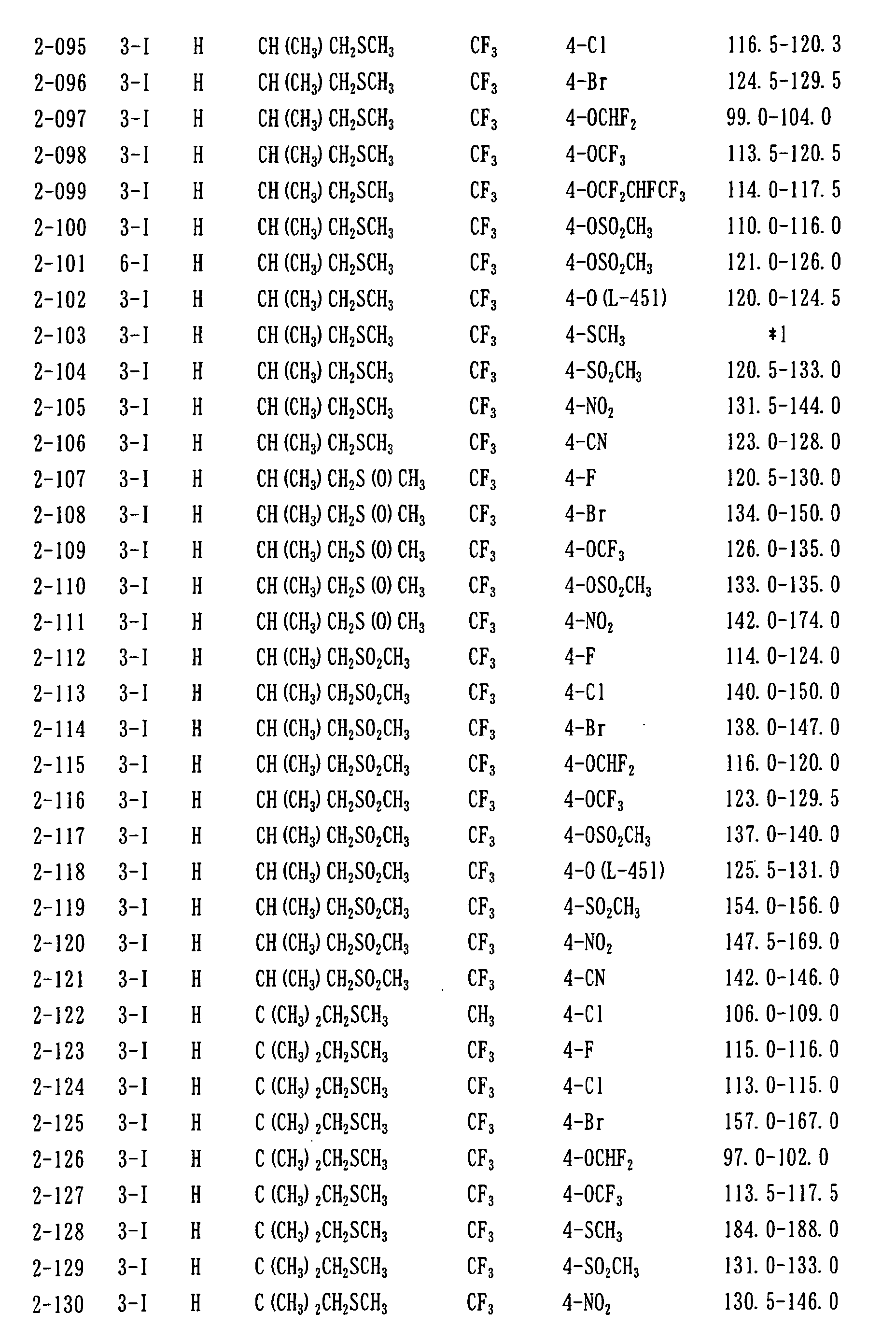


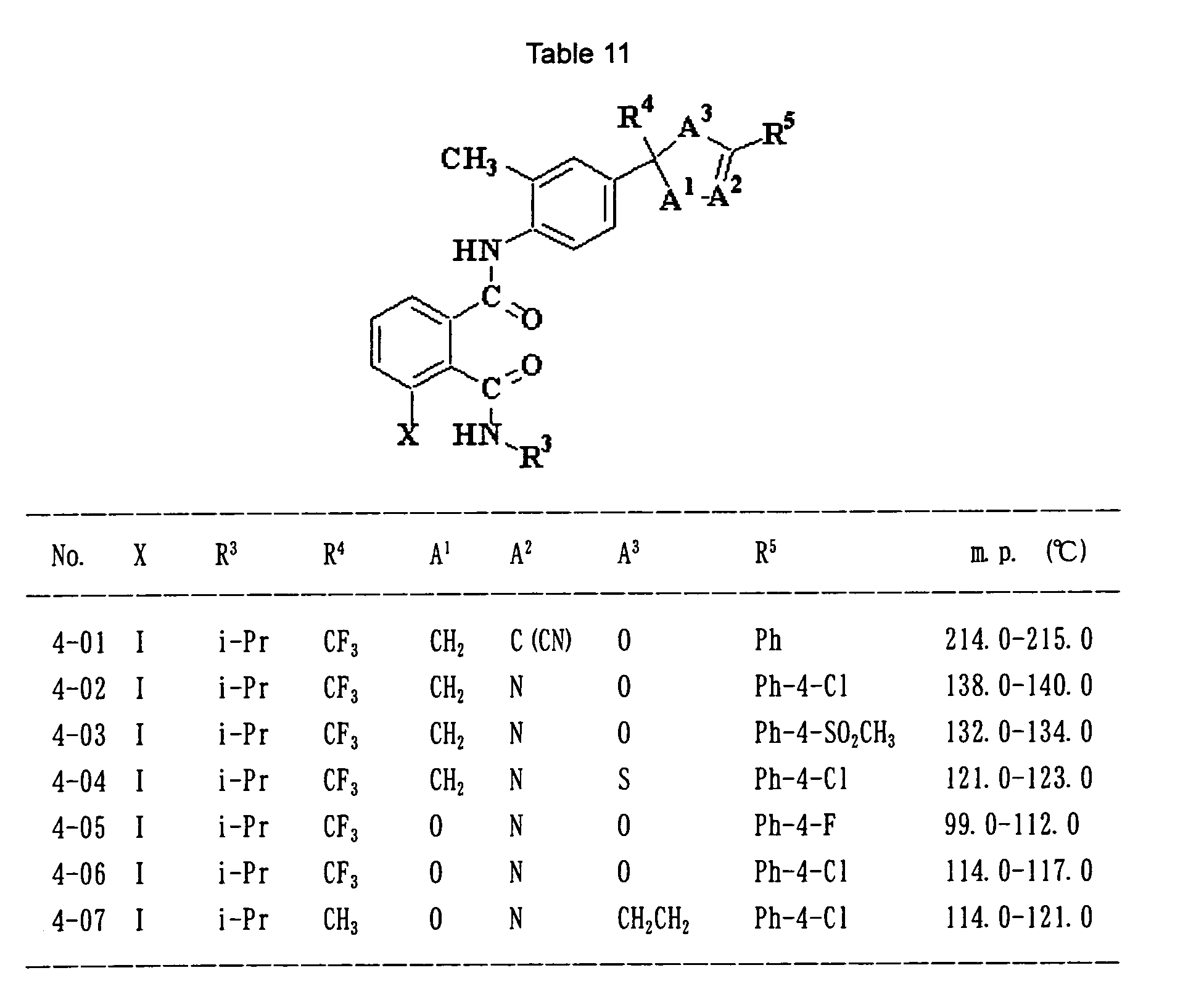
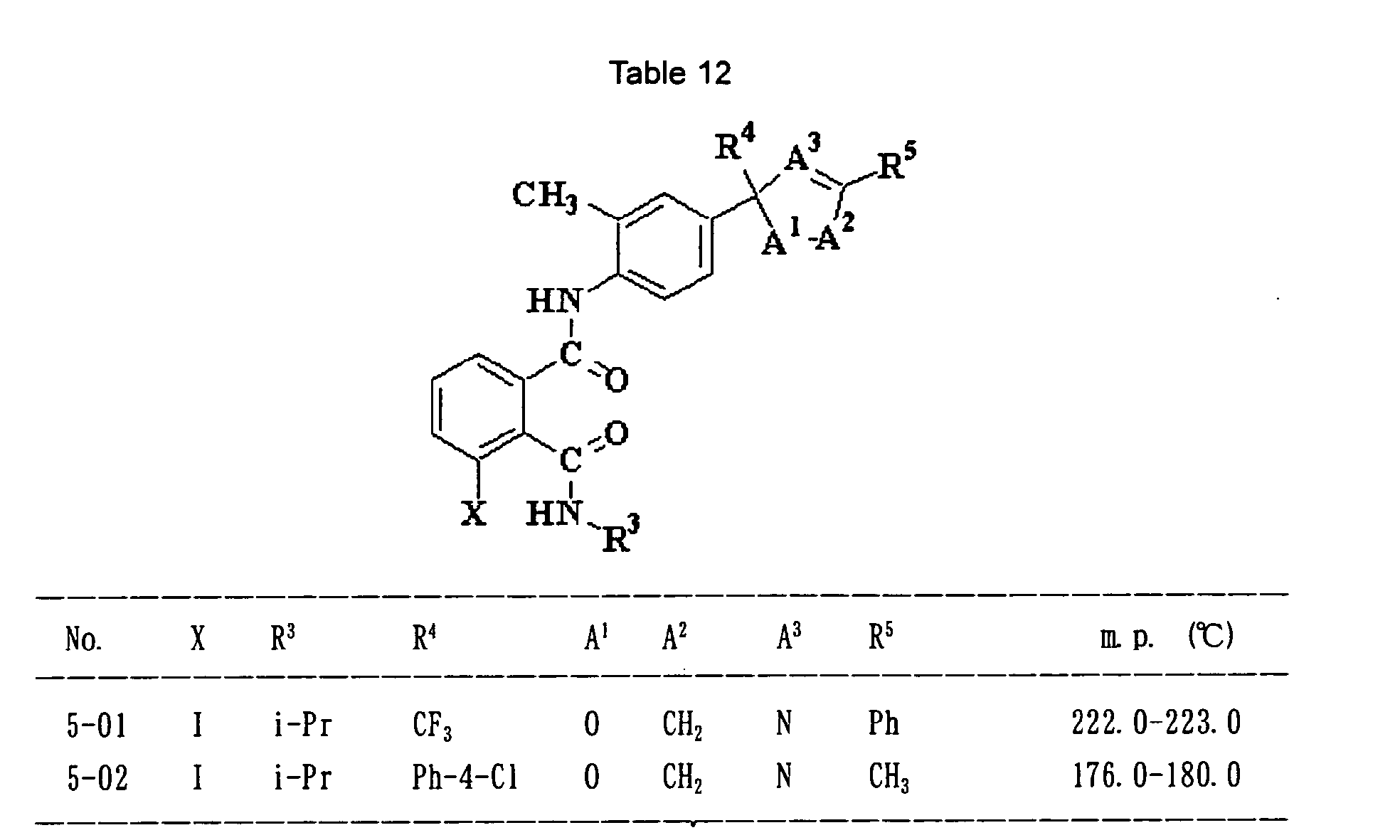
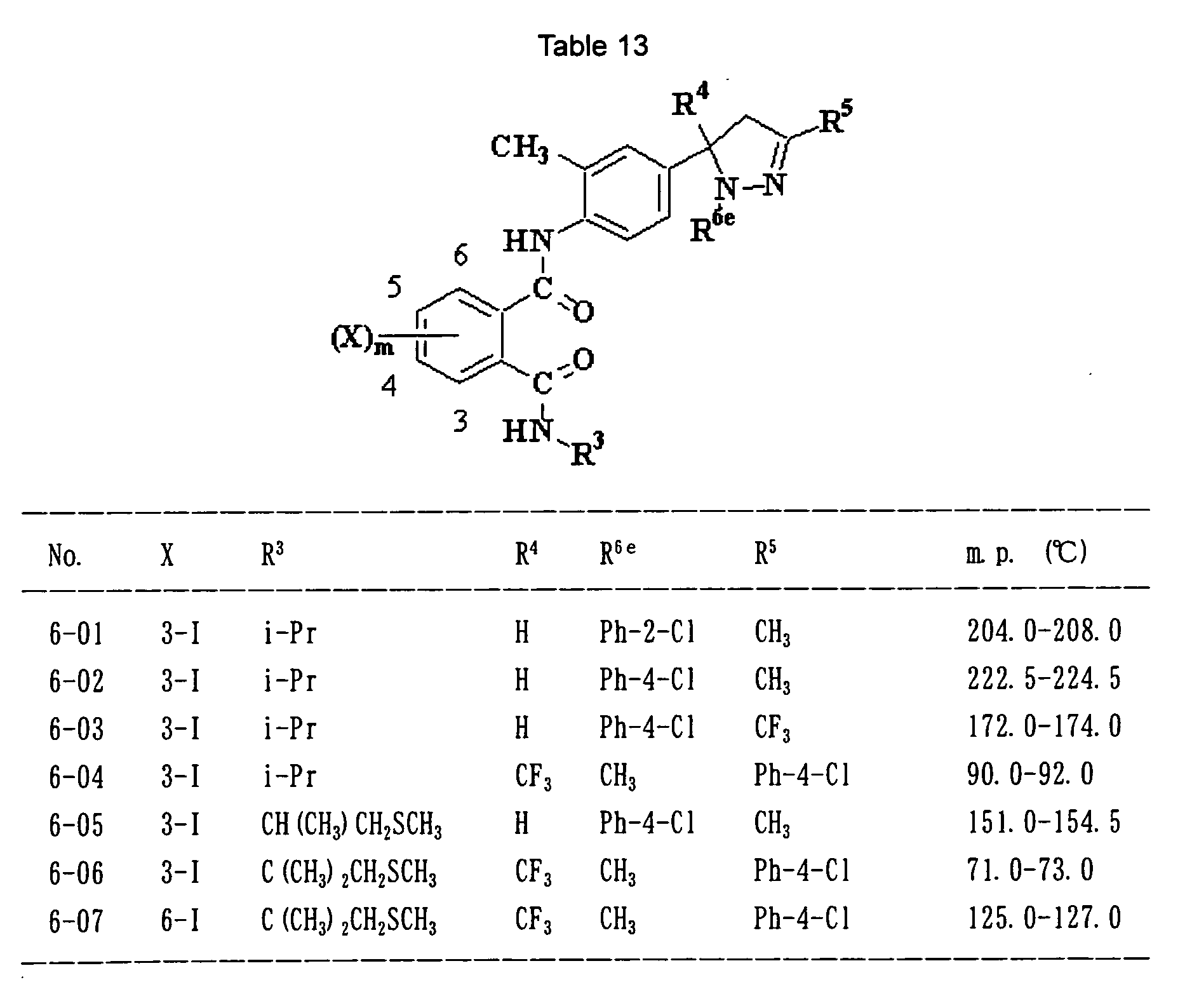



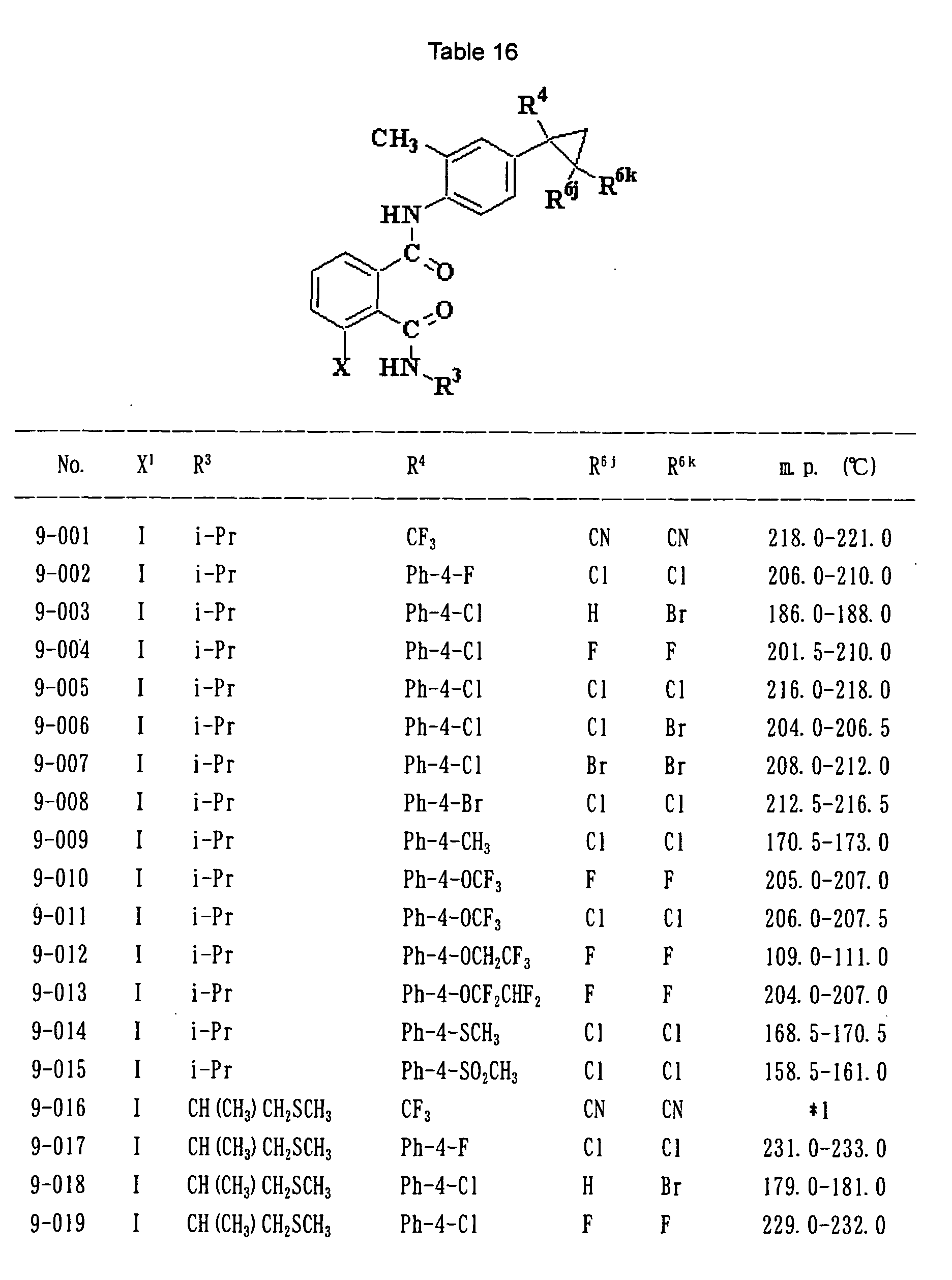


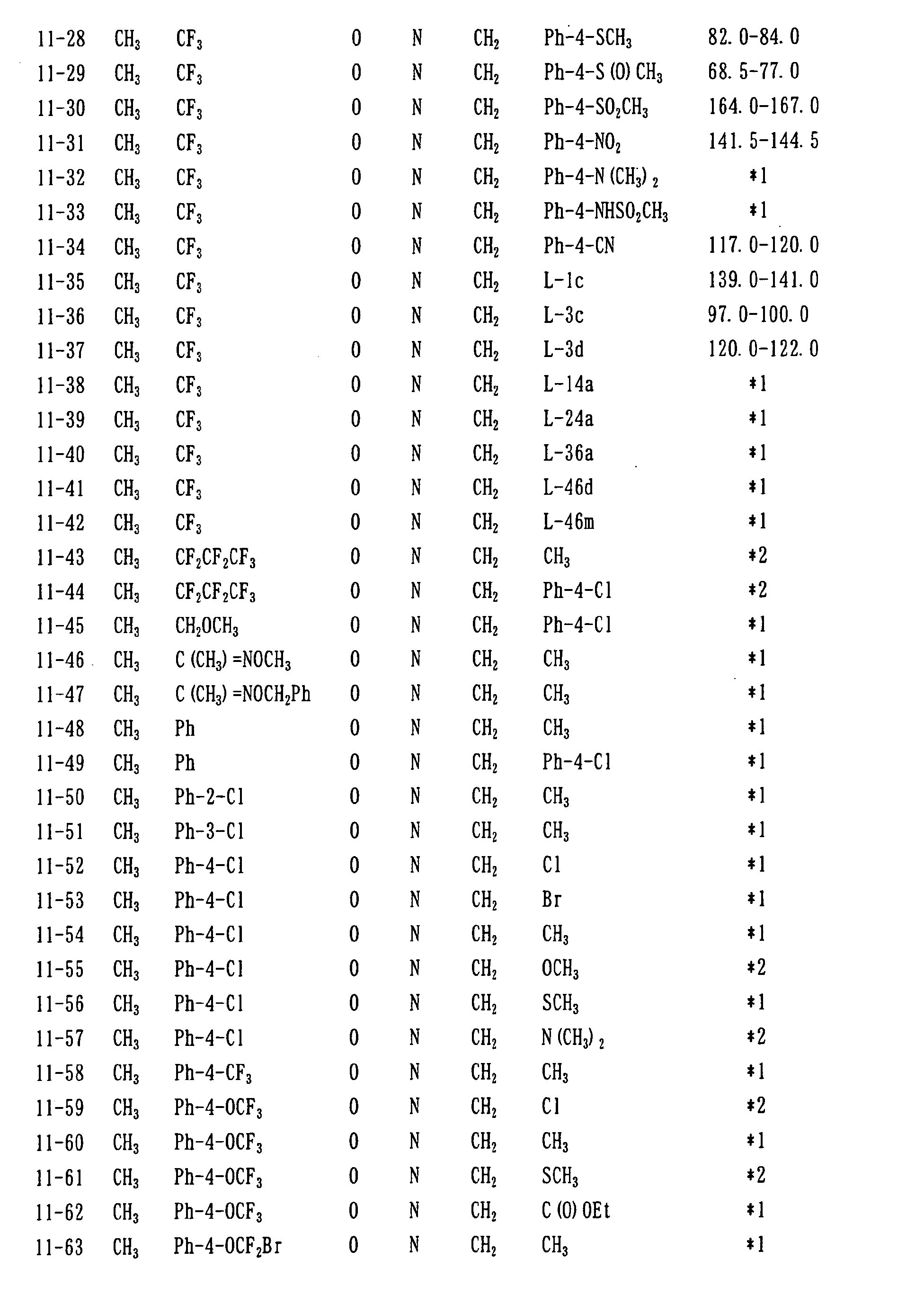
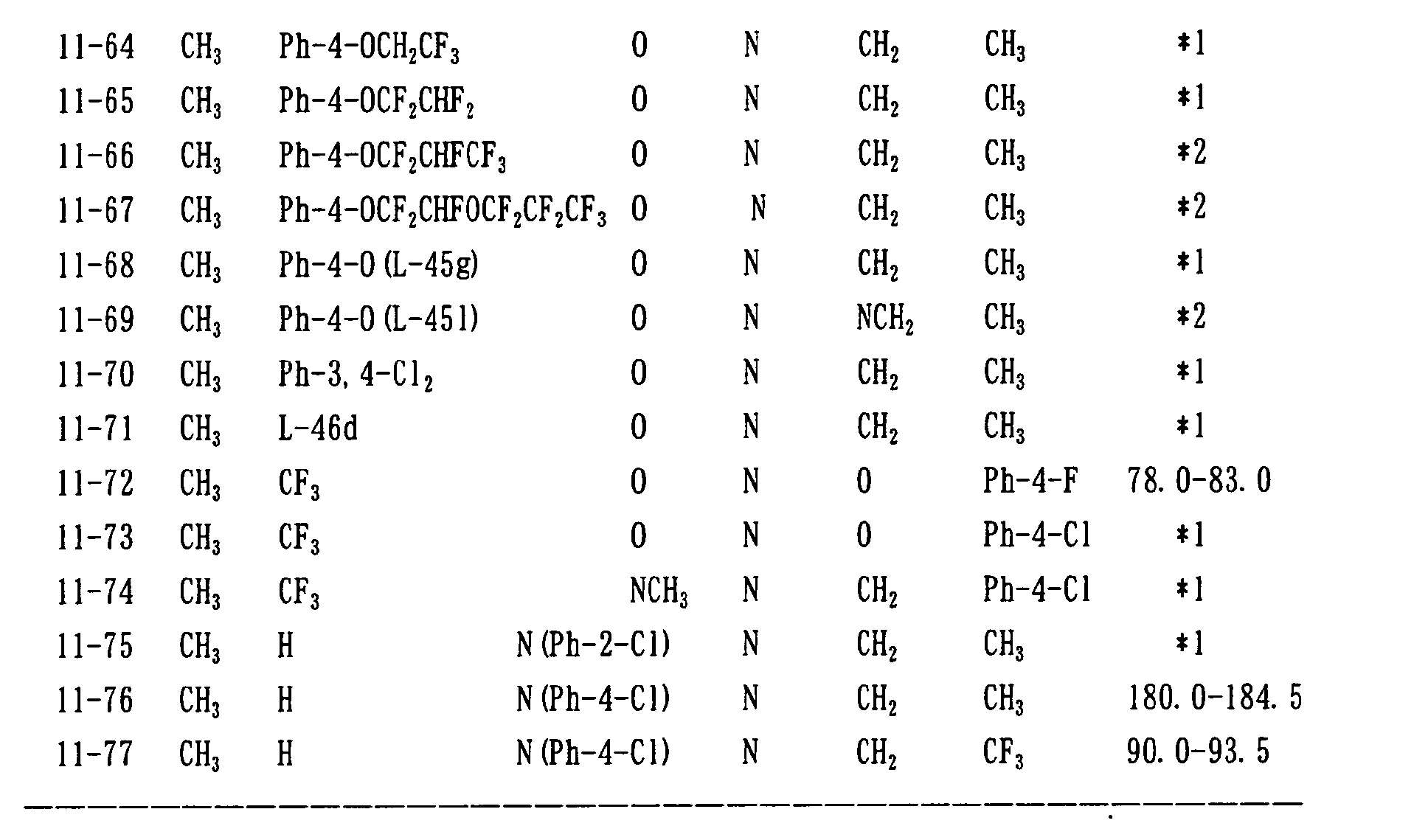
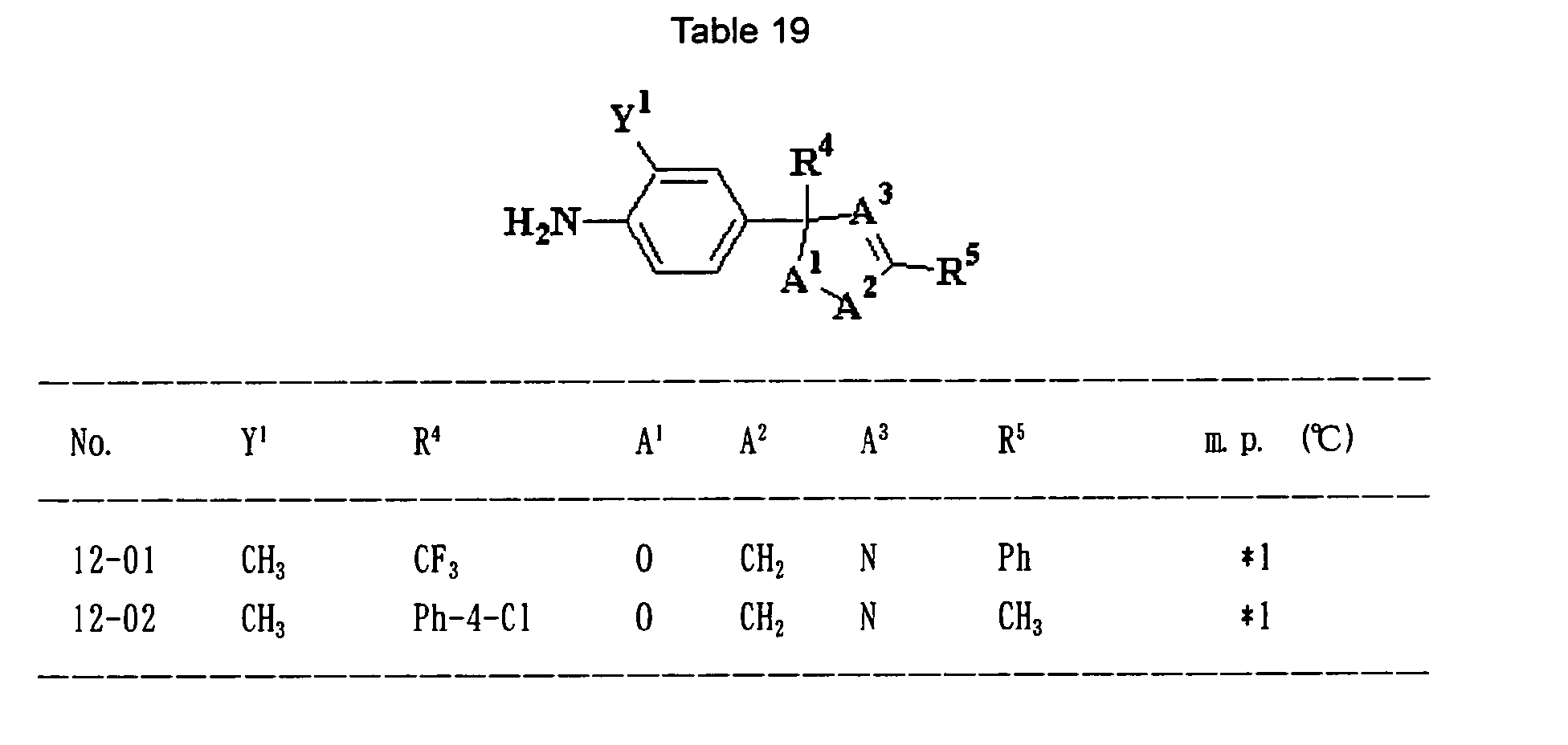
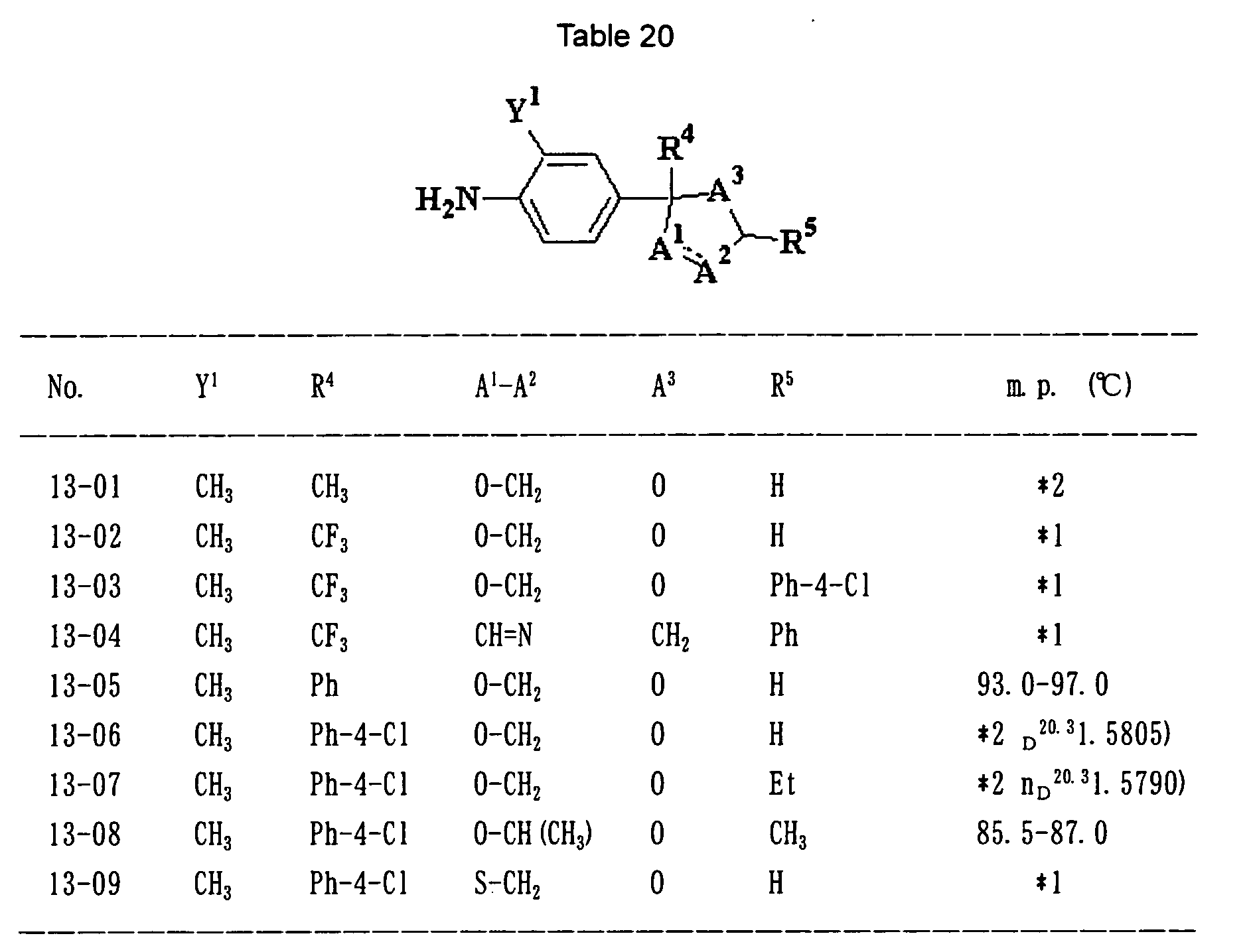

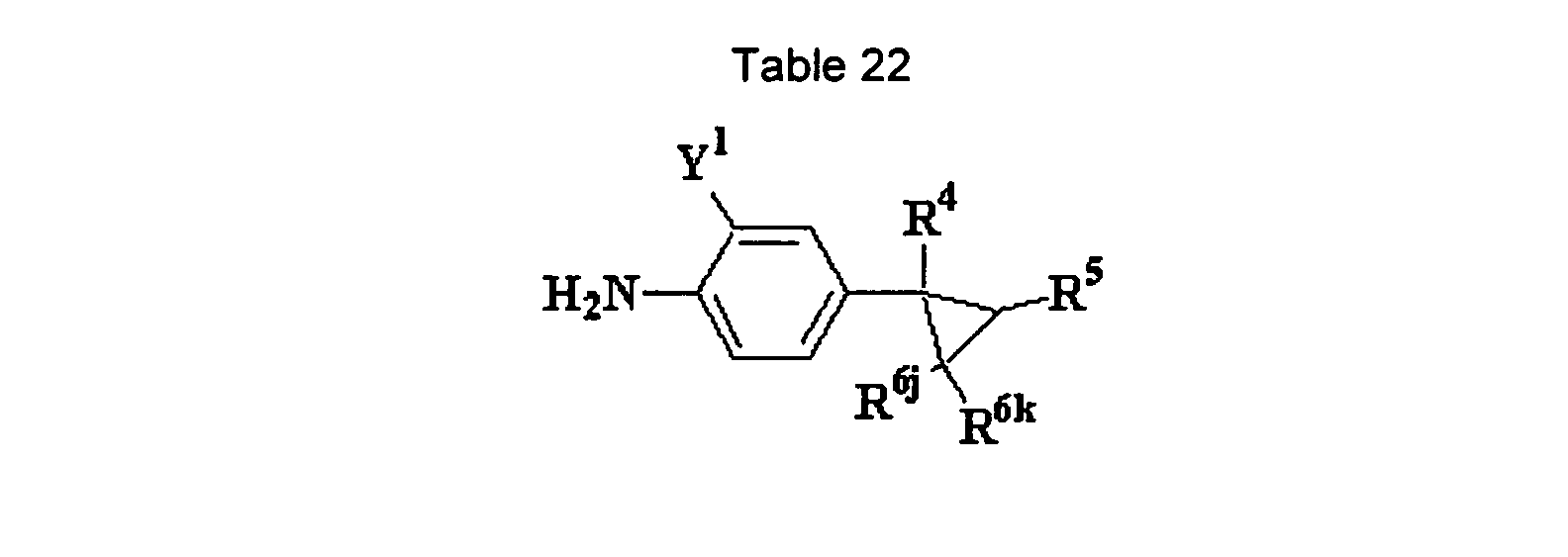


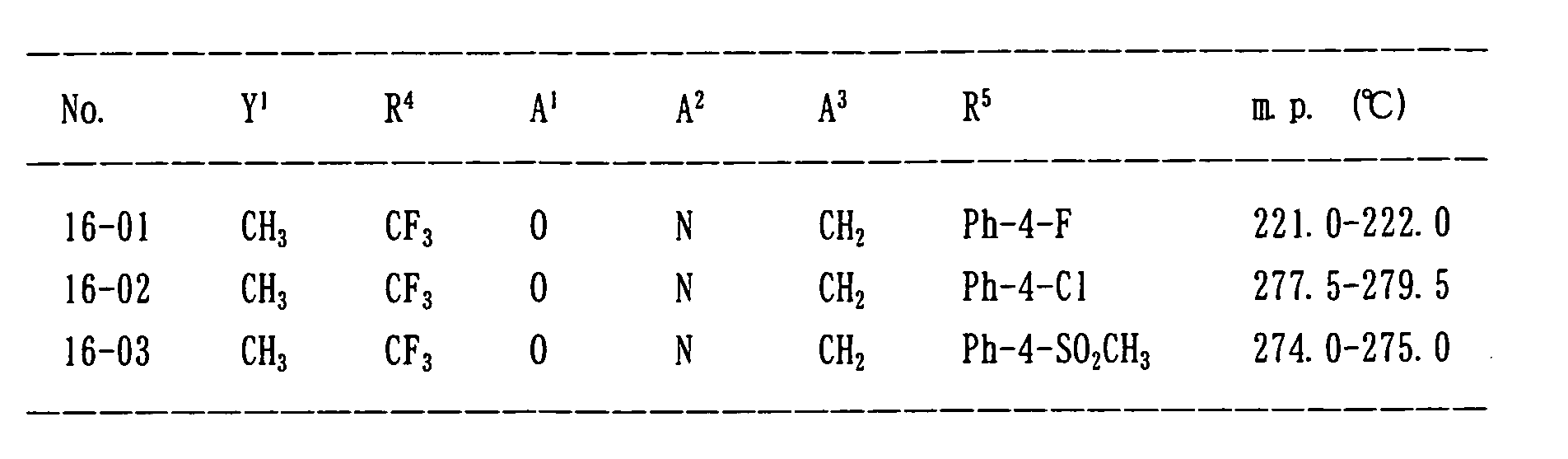
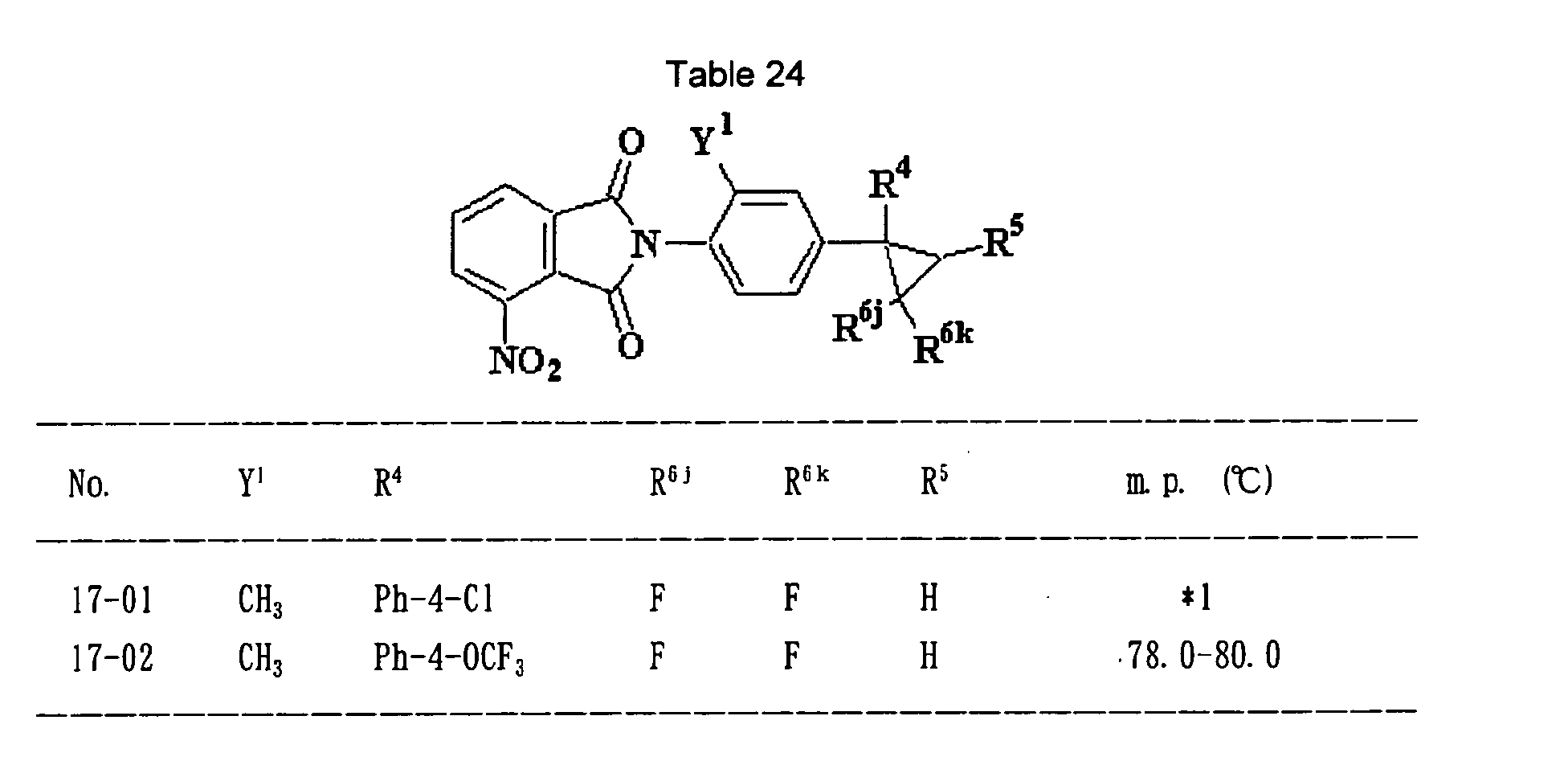
Claims (19)
- A substituted benzanilide compound represented by the formula (1):[wherein G represents a 5-membered or 6-membered non-aromatic heterocyclic ring containing at least one atom selected from an oxygen atom, a sulfur atom and a nitrogen atom, and having at least one double bond in the ring, a 5-membered or 6-membered saturated heterocyclic ring containing two atoms selected from an oxygen atom, a sulfur atom and a nitrogen atom or a 3-membered to 6-membered cycloalkyl ring,

W1 and W2 each independently represent an oxygen atom or a sulfur atom,
X represents a halogen atom, cyano, nitro, azide, -SCN, -SF5, a C1 to C6 alkyl, a (C1 to C6)alkyl which may be optionally substituted by R7, a C3 to C8 cycloalkyl, a (C3 to C8)cycloalkyl which may be optionally substituted by R7, C2 to C6 alkenyl, a (C2 to C6)alkenyl which may be optionally substituted by R7, a C3 to C8 cycloalkenyl, a C3 to C8 halocycloalkenyl, a C2 to C6 alkynyl, a (C2 to C6)alkynyl which may be optionally substituted by R7, -OH, -OR8, -OS(O)2R8, -SH, -S(O)rR8, -CHO, -C(O)R9, -C(O)OR9, -C(O)SR9, -C(O)NHR10, -C(O)N(R10)R9, -C(S)OR9, -C(S)SR9, -C(S)NHR10, C(S)N(R10)R9, -CH=NOR11, -C(R9)=NOR11, -S(O)2OR9, -S(O)2NHR10, -S(O)2N(R10)R9, -Si(R13)(R14)R12, phenyl which may be substituted by (Z1)p1, L or M, when m represents 2, 3 or 4, each of X's may be the same with each other or may be different from each other, further, when two Xs are adjacent to each other, the adjacent two Xs may form -CH2CH2CH2-, -CH2CH2O-, -CH2OCH2-, -OCH2O-, -CH2CH2S-, -CH2SCH2-, -CH2CH2N(R15)-, -CH2N(R15)CH2-, -CH2CH2CH2CH2-, -CH2CH2CH2O-, -CH2CH2OCH2-, -CH2OCH2O-, -OCH2CH2O-, -OCH2CH2S-, -CH2CH=CH-, -OCH=CH-, -SCH=CH-, -N(R15)CH=CH-, -OCH=N-, -SCH=N-, -N(R15)CH=N-, -N(R15)N=CH-, -CH=CHCH=CH-, -OCH2CH=CH-, -N=CHCH=CH-, -N=CHCH=N- or -N=CHN=CH-, so that the two Xs form a 5-membered ring or 6-membered ring with the carbon atoms to which the two Xs are bonded, and at this time, the hydrogen atom(s) bonded to each of the carbon atom(s) which form(s) the ring which may be optionally substituted by Z1, and further, when it is substituted by two or more Z1s simultaneously, each of Z1s may be the same with each other or may be different from each other,
and, when G represents a 5-membered or 6-membered non-aromatic heterocyclic ring containing at least one atom selected from an oxygen atom, a sulfur atom and a nitrogen atom, and having at least one double bond in the ring, X may further represent -N(R17)R16, -N=CHOR12 or -N=C(R9)OR12,
Y represents a halogen atom, cyano, nitro, azide, -SCN, -SF5, a C1 to C6 alkyl, a (C1 to C6)alkyl which may be optionally substituted by R7, a C3 to C8 cycloalkyl, a (C3 to C8)cycloalkyl which may be optionally substituted by R7, -OH, -OR8, -OS(O)2R8, -SH, -S(O)rR8, -NH2, a C1 to C6 alkylamino, a di(C1 to C6 alkyl)amino, -Si(R13)(R14)R12, phenyl which may be substituted by (Z1)p1, L or M, when n represents 2, 3 or 4, each of Ys may be the same with each other or may be different from each other, and further, when two Ys are adjacent to each other, the adjacent two Ys may form -CH2CH2CH2-, -CH2CH2O-, -CH2OCH2-, -OCH2O-, -CH2CH2S-, -CH2SCH2-, -SCH2S-, -CH2CH2CH2CH2-, -CH2CH2CH2O-, -CH2CH2OCH2-, -CH2OCH2O-, -OCH2CH2O-, -OCH2CH2S-, -SCH2CH2S-, -OCH=N- or -SCH=N-, so that the two Ys may form a 5-membered ring or 6-membered ring with carbon atoms to which the two Ys are bonded, and at this time, the hydrogen atom(s) bonded to each of the carbon atom(s) which form(s) the ring which may be optionally substituted by Z1, and further, when it is substituted by two or more Z1s simultaneously, each of Z1s may be the same with each other or may be different from each other,
R1, R2 and R3 each independently represent a hydrogen atom, cyano, a C1 to C12 alkyl, a (C1 to C12)alkyl which may be optionally substituted by R18, a C3 to C12 cycloalkyl, a (C3 to C12)cycloalkyl which may be optionally substituted by R18, a C3 to C12 alkenyl, a (C3 to C12)alkenyl which may be optionally substituted by R18, C3 to C12 a cycloalkenyl, C3 to C12 halocycloalkenyl, a C3 to C12 alkynyl, a (C3 to C12)alkynyl which may be optionally substituted by R18, -OH, a C1 to C8 alkoxy, a C3 to C8 alkenyloxy, a C3 to C8 haloalkenyloxy, phenoxy which may be substituted by (Z1)p1, a phenyl(C1 to C4)alkoxy which may be substituted by (Z1)p1, a C1 to C6 alkylthio, a C1 to C6 haloalkylthio, phenylthio which may be substituted by (Z1)p1, -S(O)2R9, -SN(R20)R19, -S(O)2N(R10)R9, -N(R22)R21, -C(O)R9, -C(O)OR9, -C(O)SR9, -C(O)N(R10)R9, -C(S)OR9, -C(S)SR9, -C(S)N(R10)R9, phenyl which may be substituted by (Z1)p1, L or M, or R2 and R3 are combined to form a C2 to C6 alkylene chain, so that they may form a 3- to 7-membered ring with the nitrogen atom(s) to which they are bonded, the alkylene chain at this time may contain one oxygen atom, sulfur atom or nitrogen atom, and may be optionally substituted by a halogen atom, a C1 to C6 alkyl group, a C1 to C6 haloalkyl group, a C1 to C6 alkoxy group, a C1 to C6 alkylcarbonyl group or a C1 to C6 alkoxycarbonyl group,
R4 represents a hydrogen atom, a halogen atom, cyano, a C1 to C6 alkyl, a C1 to C6 haloalkyl, a (C1 to C6)alkyl which may be optionally substituted by R23, a (C1 to C6)haloalkyl which may be optionally substituted by R23, a C3 to C8 cycloalkyl, a C3 to C8 halocycloalkyl, a (C3 to C8)cycloalkyl which may be optionally substituted by R23, a (C3 to C8)halocycloalkyl which may be optionally substituted by R23, a C3 to C6 alkenyl, a C3 to C6 haloalkenyl, a C3 to C6 alkynyl, a C3 to C6 haloalkynyl, -OR8, -S(O)rR8, -N(R10)R9, -CHO, -C(O)R9, -C(O)OR9, -C(O)SR9, -C(O)NHR10, -C(O)N(R10)R9, -C(S)OR9, -C(S)SR9, -C(S)NHR10, -C(S)N(R10)R9, -CH=NOR11, -C(R9)=NOR11, -Si(R13)(R14)R12, -P(O)(OR24)2, phenyl which may be substituted by (Z2)p1, 1-naphthyl, 2-naphthyl, L or M,
R5 represents
(a). a hydrogen atom, a halogen atom, cyano, a C1 to C6 alkyl, a C1 to C6 haloalkyl, a (C1 to C6)alkyl which may be optionally substituted by R23, a (C1 to C6)haloalkyl which may be optionally substituted by R23, a C3 to C8 cycloalkyl, a C3 to C8 halocycloalkyl, a (C3 to C8)cycloalkyl which may be optionally substituted by R23, a (C3 to C8)halocycloalkyl which may be optionally substituted by R23, a C3 to C6 alkenyl, a C3 to C6 haloalkenyl, a C3 to C6 alkynyl, a C3 to C6 haloalkynyl, -OR8, -S(O)rR8, -N(R10)R9, -CHO, -C(O)R9, -C(O)OR9, -C(O)SR9, -C(O)NHR10, -C(O)N(R10)R9, -C(S)OR9, -C(S)SR9, -C(S)NHR10, -C(S)N(R10)R9, -CH=NOR11, -C(R9)=NOR11, phenyl which may be substituted by (Z2)p1, 1-naphthyl, 2-naphthyl, L or M, when G represents a 5-membered or 6-membered non-aromatic heterocyclic ring containing at least one atom selected from an oxygen atom, a sulfur atom and a nitrogen atom, and having at least one double bond in the ring, or a 5-membered or 6-membered saturated heterocyclic ring containing two atoms selected from an oxygen atom, a sulfur atom and a nitrogen atom,
(b). cyano, a (C1 to C6)alkyl which may be optionally substituted by R23, a (C1 to C6)-haloalkyl which may be optionally substituted by R23, a C3 to C8 cycloalkyl, a C3 to C8 halocycloalkyl, a (C3 to C8)cycloalkyl which may be optionally substituted by R23, a (C3 to C8)halocycloalkyl which may be optionally substituted by R23, a C3 to C6 alkenyl, a C3 to C6 haloalkenyl, a C3 to C6 alkynyl, a C3 to C6 haloalkynyl, -OR8, -S(O)rR8, -N(R10)R9, -CHO, -C(O)R9, -C(O)OR9, -C(O)SR9, -C(O)NHR10, -C(O)N(R10)R9, -C(S)OR9, -C(S)SR9, -C(S)NHR10, -C(S)N(R10)R9, -CH=NOR11, -C(R9)=NOR11, -Si(R13)(R14)R12, phenyl which may be substituted by (Z2)p1, 1-naphthyl, 2-naphthyl, L or M, when G represents a 3-membered to 6-membered cycloalkyl ring, and R4 represents a hydrogen atom, a halogen atom, a C1 to C6 alkyl or a C1 to C6 haloalkyl,
(c). a hydrogen atom, a halogen atom, cyano, a C1 to C6 alkyl, a C1 to C6 haloalkyl, a (C1 to C6)alkyl which may be optionally substituted by R23, a (C1 to C6)haloalkyl which may be optionally substituted by R23, a C3 to C8 cycloalkyl, a C3 to C8 halocycloalkyl, a (C3 to C8)cycloalkyl which may be optionally substituted by R23, a (C3 to C8)halocycloalkyl which may be optionally substituted by R23, a C3 to C6 alkenyl, a C3 to C6 haloalkenyl, a C3 to C6 alkynyl, a C3 to C6 haloalkynyl, -OR8, -S(O)rR8, -N(R10)R9, -CHO, -C(O)R9, -C(O)OR9, -C(O)SR9, -C(O)NHR10, -C(O)N(R10)R9, -C(S)OR9, -C(S)SR9, -C(S)NHR10, -C(S)N(R10)R9, -CH=NOR11, -C(R9)=NOR11, -Si(R13)(R14)R12, phenyl which may be substituted by (Z2)p1, 1-naphthyl, 2-naphthyl, L or M, when G represents a 3-membered to 6-membered cycloalkyl ring, and R4 represents cyano, a (C1 to C6)alkyl which may be optionally substituted by R23, a (C1 to C6)haloalkyl which may be optionally substituted by R23, a C3 to C8 cycloalkyl, a C3 to C8 halocycloalkyl, a (C3 to C8)cycloalkyl which may be optionally substituted by R23, a (C3 to C8)halocycloalkyl which may be optionally substituted by R23, a C3 to C6 alkenyl, a C3 to C6 haloalkenyl, a C3 to C6 alkynyl, a C3 to C6 haloalkynyl, -OR8, -S(O)rR8, -N(R10)R9, -CHO, -C(O)R9, -C(O)OR9, -C(O)SR9, -C(O)NHR10, -C(O)N(R10)R9, -C(S)OR9, -C(S)SR9, -C(S)NHR10, -C(S)N(R10)R9, -CH=NOR11, -C(R9)=NOR11, -Si(R13)(R14)R12, -P(O)(OR24)2, phenyl which may be substituted by (Z2)p1, 1-naphthyl, 2-naphthyl, L or M,
R6 represents a hydrogen atom, a halogen atom, cyano, a C1 to C6 alkyl, a C1 to C6 haloalkyl, a (C1 to C6)alkyl which may be optionally substituted by R23, a (C1 to C6)haloalkyl which may be optionally substituted by R23, a C3 to C8 cycloalkyl, a C3 to C8 halocycloalkyl, a (C3 to C8)cycloalkyl which may be optionally substituted by R23, a (C3 to C8)halocycloalkyl which may be optionally substituted by R23, a C1 to C6 alkoxy, a C1 to C6 haloalkoxy, a C1 to C6 alkylthio, a C1 to C6 haloalkylthio, -S(O)2R9, -C(O)R9, -C(O)OR9, -C(O)SR9, -C(S)OR9, -C(S)SR9, -C(O)N(R10)R9, -C(S)N(R10)R9, -P(O)(OR24)2, -P(S)(OR24)2, phenyl which may be substituted by (Z2)p1, 1-naphthyl, 2-naphthyl, L or M, when I represents an integer of 2 or more, each of R6s may be the same with each other or may be different from each other, and when R6 and R4 are adjacent to each other, the adjacent R4 and R6 are combined to form a C3 to C5 alkylene chain, so that they may form a 5 to 7-membered ring with atoms to which they are bonded, and the alkylene chain at this time may contain one oxygen atom or sulfur atom, and may be which may be optionally substituted by a C1 to C6 alkyl group,
L represents an aromatic heterocyclic ring represented by either one of the formula L-1 to the formula L-58,
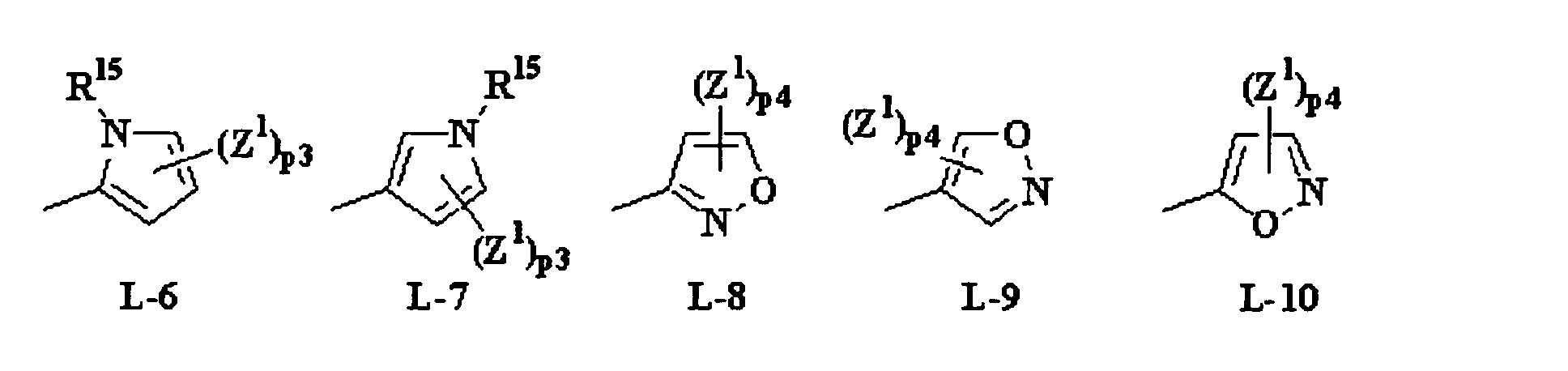
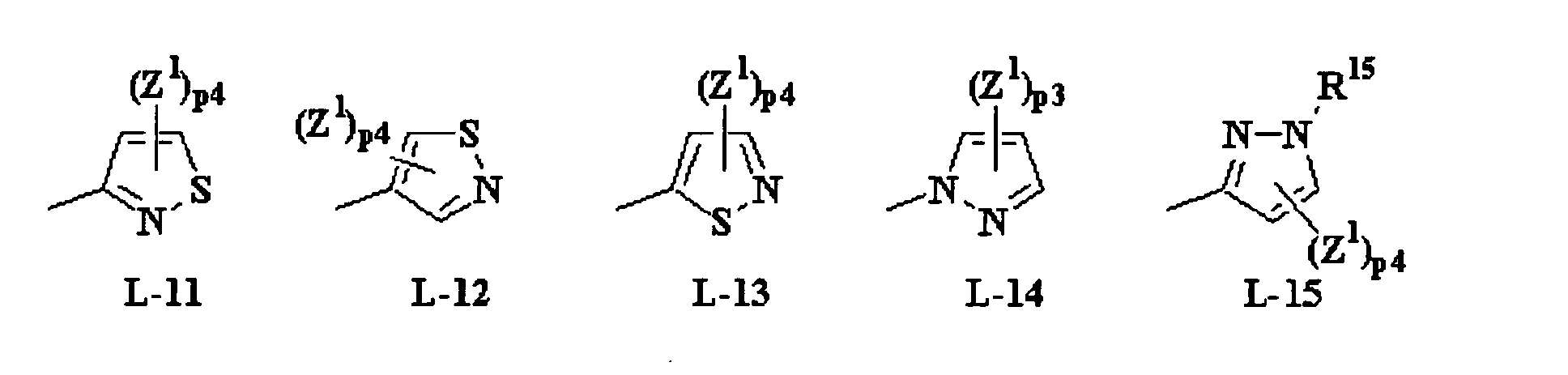

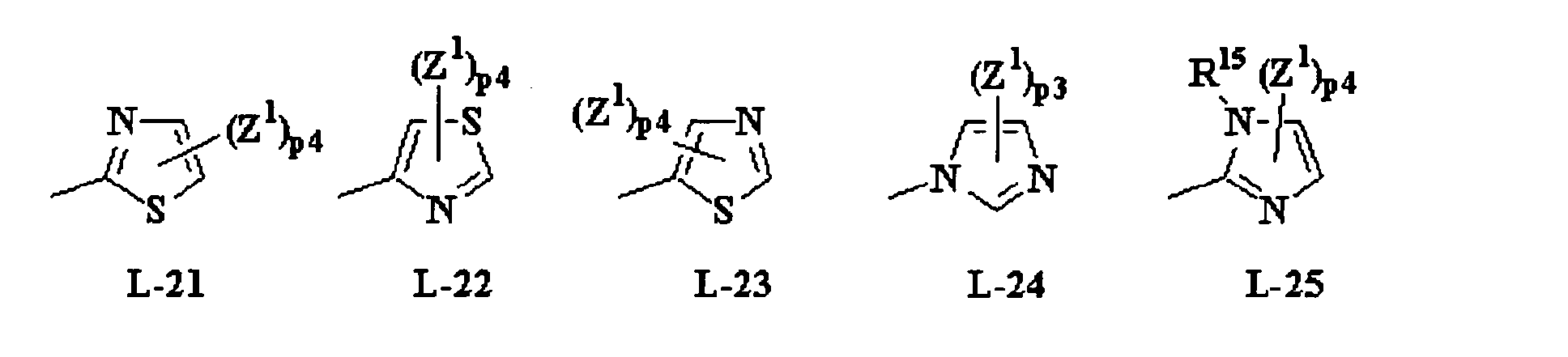
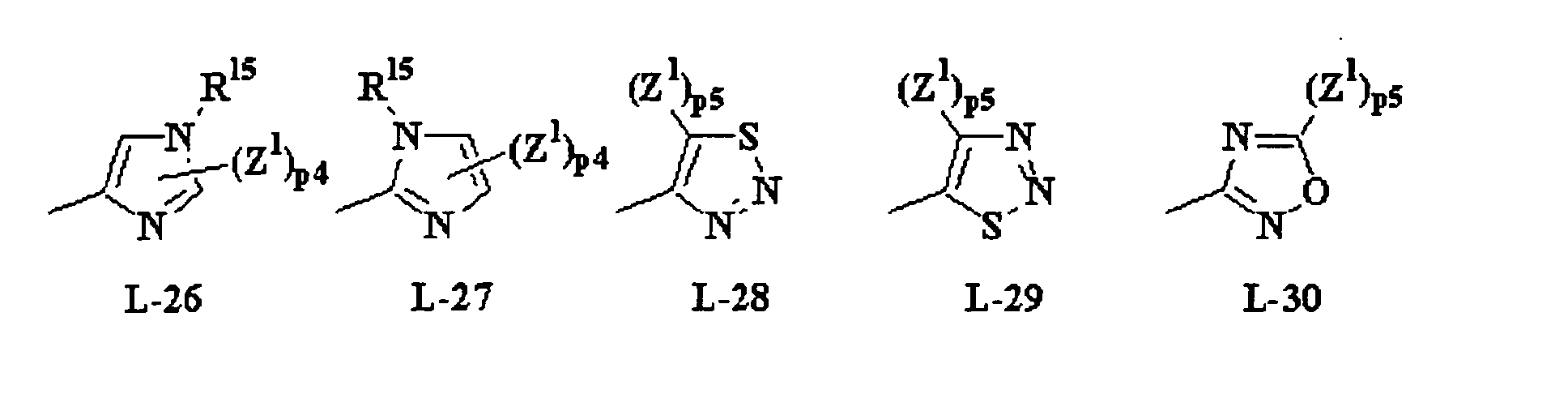

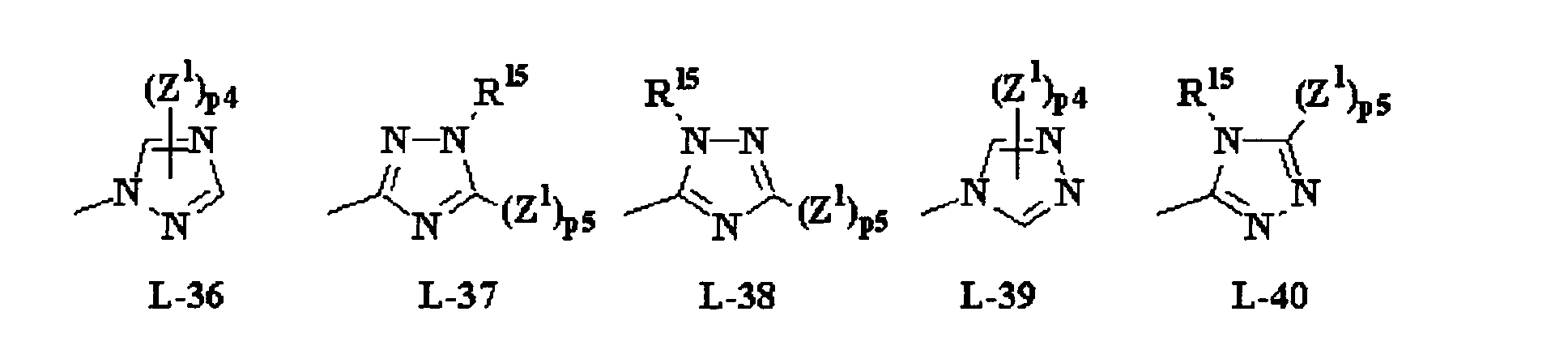
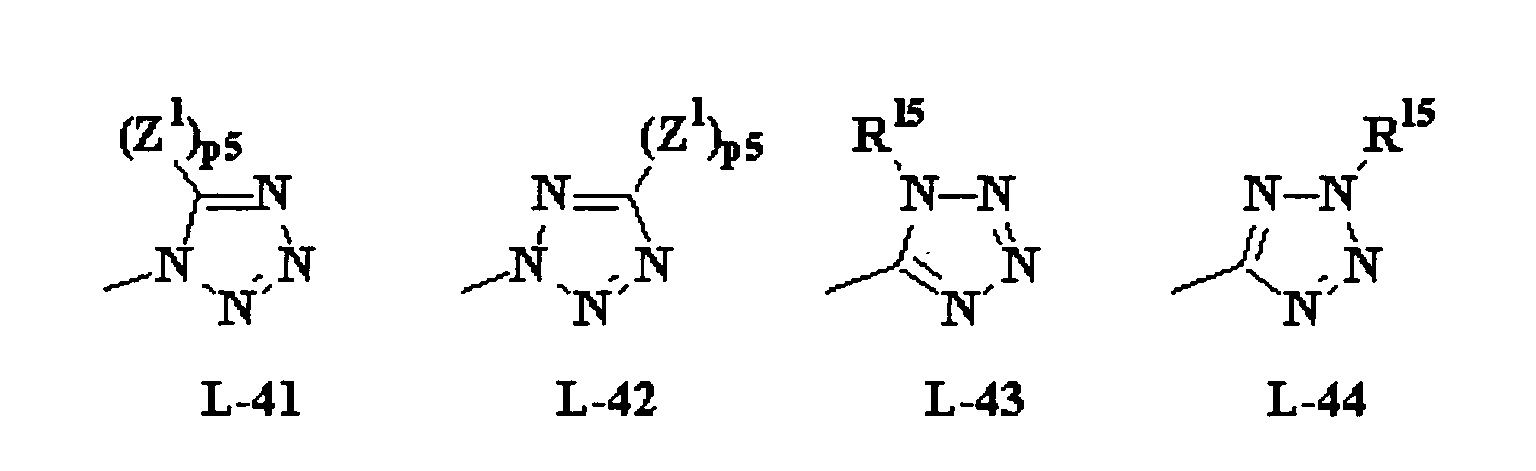
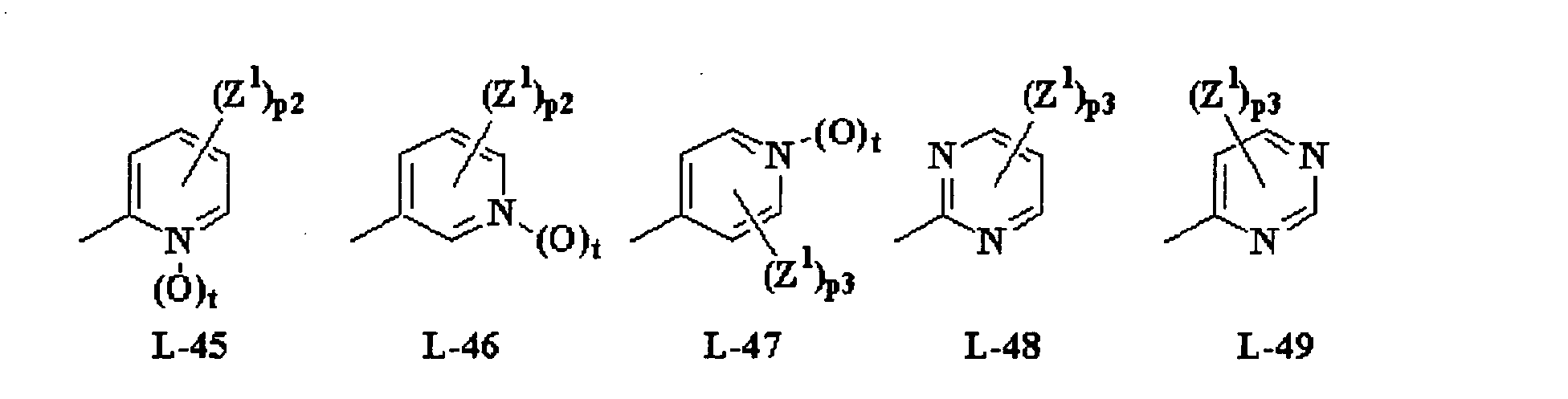
 M represents a saturated heterocyclic ring represented by either one of the formula M-1 to the formula M-28,

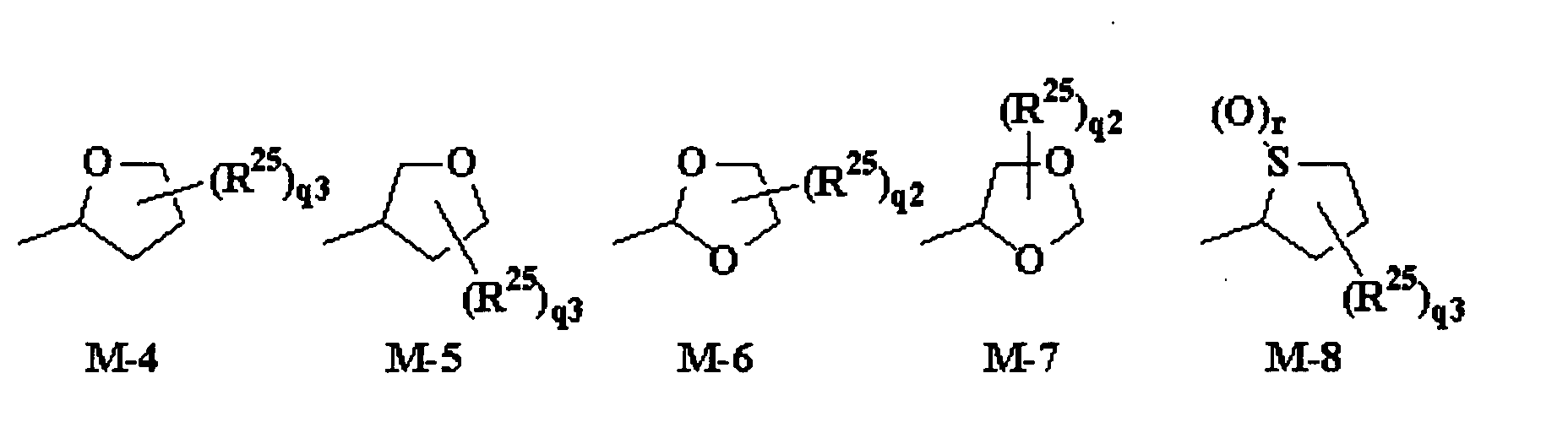
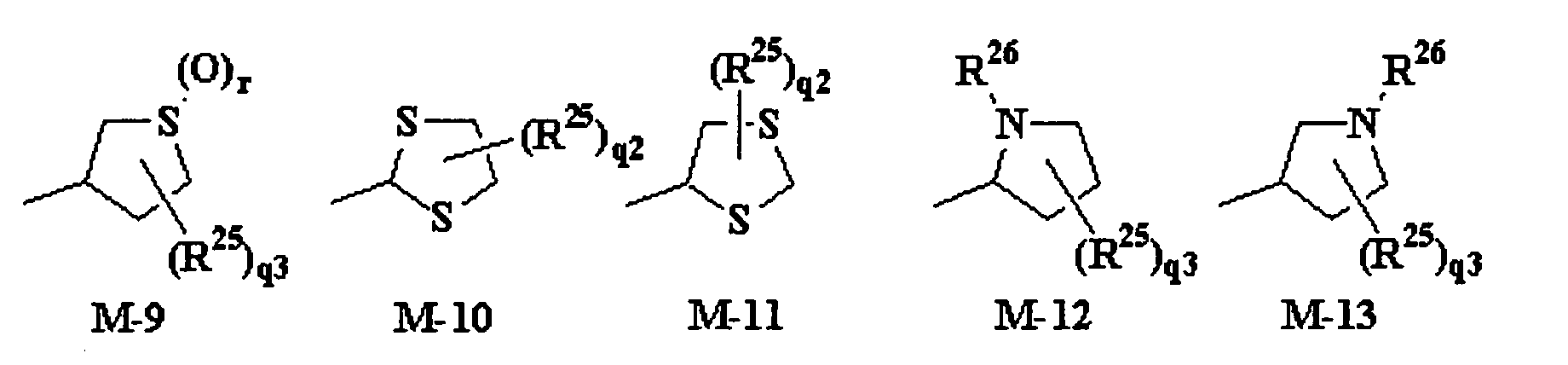

 Z1 represents a halogen atom, cyano, nitro, a C1 to C6 alkyl, a C1 to C6 haloalkyl, a C3 to C6 cycloalkyl, a C3 to C6 halocycloalkyl, a C2 to C6 alkenyl, a C2 to C6 haloalkenyl, a C2 to C6 alkynyl, a C2 to C6 haloalkynyl, a C1 to C6 alkoxy, a C1 to C6 haloalkoxy, a C1 to C6 alkylthio, a C1 to C6 haloalkylthio, a C1 to C6 alkylsulfinyl, a C1 to C6 haloalkylsulfinyl, a C1 to C6 alkylsulfonyl, a C1 to C6 haloalkylsulfonyl, a C1 to C6 alkylamino, a di(C1 to C6 alkyl)amino, a C1 to C6 alkoxycarbonyl, a C1 to C6 haloalkoxycarbonyl or phenyl which may be optionally substituted by a halogen atom, when p1, p2, p3 or p4 represents an integer of 2 or more, each of Z1s may be the same with each other or may be different from each other,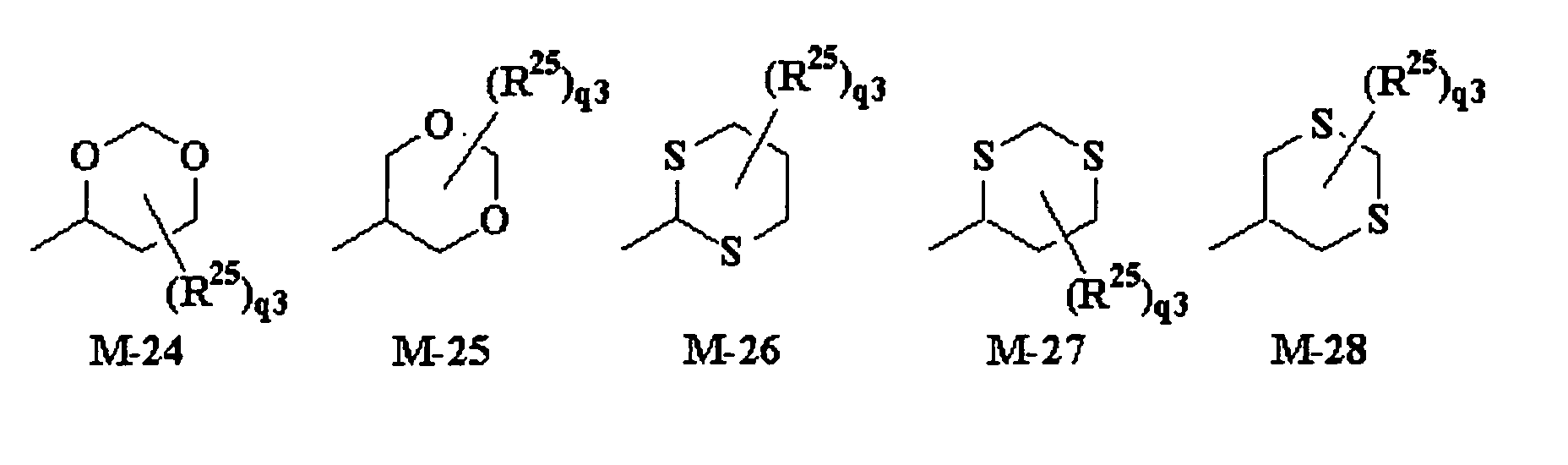
Z2 represents a halogen atom, cyano, nitro, amino, azide, -SCN, -SF5, a C1 to C6 alkyl, a (C1 to C6)alkyl which may be optionally substituted by R7, a C3 to C8 cycloalkyl, a (C3 to C8)cycloalkyl which may be optionally substituted by R7, a C2 to C6 alkenyl, a (C2 to C6)alkenyl which may be optionally substituted by R7, a C3 to C8 cycloalkenyl, a C3 to C8 halocycloalkenyl, a C2 to C6 alkynyl, a (C2 to C6)alkynyl which may be optionally substituted by R7, -OH, -OR8, -OS(O)2R8, -SH, -S(O)rR8, -N(R10)R9, -N(R10)CHO, -N(R10)C(O)R9, -N(R10)C(O)OR9, -N(R10)C(O)SR9, -N(R10)C(S)OR9, -N(R10)C(S)SR9, -N(R10)S(O)2R9, -CHO, -C(O)R9, -C(O)OR9, -C(O)NHR10, -C(O)N(R10)R9, -C(S)NHR10, -C(S)N(R10)R9, -S(O)2OR9, -S(O)2NHR10, -S(O)2N(R10)R9, -Si(R13)(R14)R12, phenyl which may be substituted by (Z1)p1, L or M, when p1 represents an integer of 2 or more, each of Z2s may be the same with each other or may be different from each other, and further, when two Z2s are adjacent to each other, the adjacent two Z2s form -CH2CH2CH2-, -CH2CH2O-, -CH2OCH2-, -OCH2O-, -CH2CH2S-, -CH2SCH2-, -CH2CH2CH2CH2-, -CH2CH2CH2O-, -CH2CH2OCH2-, -CH2OCH2O-, -OCH2CH2O- or -OCH2CH2S-, so that the two Z2s may form a 5-membered ring or 6-membered ring with carbon atoms to which the two Z2s are bonded, and at this time, the hydrogen atom(s) bonded to each of the carbon atom(s) which form(s) the ring may be optionally substituted by a halogen atom or a C1 to C6 alkyl group,
R7 represents a halogen atom, cyano, a C3 to C8 cycloalkyl, a C3 to C8 halocycloalkyl, -OH, -OR8, -SH, -S(O)rR8, -N(R10)R9, -N(R10)CHO, -N(R10)C(O)R9, -N(R10)C(O)OR9, -N(R10)C(O)SR9, -N(R10)C(S)OR9, -N(R10)C(S)SR9, -N(R10)S(O)2R9, -C(O)OR9, -C(O)N(R10)R9, -Si(R13)(R14)R12, phenyl which may be substituted by (Z1)p1, L or M,
R8 represents a C1 to C6 alkyl, a (C1 to C6)alkyl which may be optionally substituted by R27, a C3 to C8 cycloalkyl, a (C3 to C8)cycloalkyl which may be optionally substituted by R27, a C2 to C6 alkenyl, a (C2 to C6)alkenyl which may be optionally substituted by R27, a C3 to C8 cycloalkenyl, a C3 to C8 halocycloalkenyl, a C3 to C6 alkynyl, a (C3 to C6)alkynyl which may be optionally substituted by R27, phenyl which may be substituted by (Z1)p1, L or M,
R9 represents a C1 to C6 alkyl, a C1 to C6 haloalkyl, a C3 to C6 cycloalkyl(C1 to C4)alkyl, a C1 to C6 alkoxy(C1 to C4)alkyl, a C1 to C6 alkylthio(C1 to C4)alkyl, a cyano(C1 to C6)alkyl, a phenyl(C1 to C4)alkyl which may be substituted by (Z1)p1, a L-(C1 to C4)alkyl, a M-(C1 to C4)alkyl, a C3 to C8 cycloalkyl, a C3 to C8 halocycloalkyl, a C3 to C6 alkenyl, a C3 to C6 haloalkenyl, a C3 to C6 alkynyl or phenyl which may be substituted by (Z1)p1,
R10 represents a hydrogen atom or a C1 to C6 alkyl, or R9 and R10 are combined to form a C2 to C6 alkylene chain, so that they may form a 3- to 7-membered ring with the atom(s) to which they are bonded, and the alkylene chain at this time may contain one oxygen atom, sulfur atom or nitrogen atom, and may be optionally substituted by a halogen atom, a C1 to C6 alkyl group, a C1 to C6 alkoxy group, formyl group, a C1 to C6 alkylcarbonyl group or a C1 to C6 alkoxycarbonyl group,
R11 represents a hydrogen atom, a C1 to C6 alkyl, a C1 to C6 haloalkyl, a phenyl(C1 to C4)alkyl which may be substituted by (Z1)p1, a C3 to C6 alkenyl, a C3 to C6 haloalkenyl, a C3 to C6 alkynyl or a C3 to C6 haloalkynyl, or R9 and R11 are combined to form a C2 to C4 alkylene chain, so that they may form a 5 to 7-membered ring with the atom(s) to which they are bonded, and the alkylene chain at this time may contain one oxygen atom, sulfur atom or nitrogen atom, and may be optionally substituted by a halogen atom or a C1 to C6 alkyl group,
R12 represents a C1 to C6 alkyl, a C1 to C6 haloalkyl, a C3 to C6 alkenyl or phenyl which may be substituted by (Z1)p1,
R13 and R14 each independently represent a C1 to C6 alkyl or a C1 to C6 haloalkyl,
R15 represents a hydrogen atom, a C1 to C6 alkyl, a C1 to C6 haloalkyl, a C1 to C6 alkoxycarbonyl(C1 to C4)alkyl, a C1 to C6 haloalkoxycarbonyl(C1 to C4)alkyl, a phenyl(C1 to C4)alkyl which may be substituted by (Z1)p1, a C3 to C6 alkenyl, a C3 to C6 haloalkenyl, a C3 to C6 alkynyl, a C3 to C6 haloalkynyl, a C1 to C6 alkoxy, a C1 to C6 alkoxycarbonyl, a C1 to C6 haloalkoxycarbonyl or phenyl which may be substituted by (Z1)p1,
R16 represents a hydrogen atom, a C1 to C6 alkyl, a C1 to C6 haloalkyl, a C3 to C6 cycloalkyl(C1 to C4)alkyl, a C1 to C4 alkoxy(C1 to C4)alkyl, a C1 to C4 alkylthio(C1 to C4)alkyl, a phenylthio(C1 to C4)alkyl which may be substituted by (Z1)p1, a cyano(C1 to C6)alkyl, a C1 to C6 alkoxycarbonyl(C1 to C4)alkyl, a C1 to C6 alkylaminocarbonyl(C1 to C4)alkyl, a di(C1 to C6 alkyl)aminocarbonyl(C1 to C4)alkyl, a phenyl(C1 to C4)alkyl which may be substituted by (Z1)p1, a L-(C1 to C4)alkyl, a M-(C1 to C4)alkyl, a C3 to C6 cycloalkyl, a C3 to C6 alkenyl, a C3 to C6 haloalkenyl, a C3 to C6 alkynyl, a C3 to C6 haloalkynyl, -OH, a C1 to C6 alkylcarbonyloxy, a C1 to C6 alkylthio, a C1 to C6 haloalkylthio, phenylthio which may be substituted by (Z1)p1, a C1 to C6 alkylsulfonyl, a C1 to C6 haloalkylsulfonyl, phenylsulfonyl which may be substituted by (Z1)p1, -SN(R20)R19, a C1 to C6 alkylaminosulfonyl, a di(C1 to C6 alkyl)aminosulfonyl, -CHO, -C(O)R9, -C(O)OR9, -C(O)SR9, -C(O)NHR10, -C(O)N(R10)R9, -C(S)OR9, -C(S)SR9, -C(S)NHR10, -C(S)N(R10)R9, -C(O)C(O)R9, -C(O)C(O)OR9, -P(O)(OR24)2 or -P(S)(OR24)2,
R17 represents a hydrogen atom, a C1 to C6 alkyl, a C1 to C6 haloalkyl, a C3 to C8 cycloalkyl(C1 to C6)alkyl, a C3 to C8 cycloalkyl, a C3 to C6 alkenyl, a C3 to C6 haloalkenyl, a C3 to C6 alkynyl, a C3 to C6 haloalkynyl, -CHO, a C1 to C6 alkylcarbonyl, a C1 to C6 haloalkylcarbonyl or a C1 to C6 alkoxycarbonyl, or R16 and R17 are combined to form a C2 to C6 alkylene chain, so that they may form a 3- to 7-membered ring with the nitrogen(s) atom to which they are bonded, and the alkylene chain at this time may contain one oxygen atom, sulfur atom or nitrogen atom, and may be optionally substituted by a halogen atom, a C1 to C6 alkyl group or a C1 to C6 haloalkyl group, or further, R17 is combined with R2 to form a C1 to C2 alkylene chain, so that they may form a 6-membered or 7-membered hetero ring which fuses with a benzene ring with the atom(s) to which they are bonded, and the alkylene chain at this time may be optionally substituted by an oxygen atom or a C1 to C6 alkyl group,
R18 represents a halogen atom, cyano, nitro, a C3 to C8 cycloalkyl, a C3 to C8 halocycloalkyl, -OR28, -N(R29)R28, -SH, -S(O)rR30, -CHO, -C(O)R31, -C(O)OH, -C(O)OR31, -C(O)SR31, -C(O)NHR32, -C(O)N(R32)R31, -C(O)C(O)OR31, -C(R34)=NOH, -C(R34)=NOR33, -Si(R13)(R14)R12, -P(O)(OR24)2, -P(S)(OR24)2, -P(phenyl)2, -P(O)(phenyl)2, phenyl which may be substituted by (Z1)p1, L or M,
R19 represents a C1 to C12 alkyl, a C1 to C12 haloalkyl, a C1 to C12 alkoxy(C1 to C12)alkyl, a cyano(C1 to C12)alkyl, a C1 to C12 alkoxycarbonyl(C1 to C12)alkyl, a phenyl(C1 to C4)alkyl which may be substituted by (Z1)p1, a C3 to C12 alkenyl, a C3 to C12 haloalkenyl, a C3 to C12 alkynyl, a C3 to C12 haloalkynyl, a C1 to C12 alkylcarbonyl, a C1 to C12 alkoxycarbonyl or phenyl which may be substituted by (Z1)p1,
R20 represents a C1 to C12 alkyl, a C1 to C12 haloalkyl, a C1 to C12 alkoxy(C1 to C12)alkyl, a cyano(C1 to C12)alkyl, a C1 to C12 alkoxycarbonyl(C1 to C12)alkyl, a phenyl(C1 to C4)alkyl which may be substituted by (Z1)p1, a C3 to C12 alkenyl, a C3 to C12 haloalkenyl, a C3 to C12 alkynyl, a C3 to C12 haloalkynyl or phenyl which may be substituted by (Z1)p1, or R19 and R20 are combined to form a C4 to C7 alkylene chain, so that they may form a 5 to 8-membered ring with the nitrogen atom(s) to which they are bonded, and the alkylene chain at this time may contain one oxygen atom or sulfur atom, and may be optionally substituted by a C1 to C4 alkyl group or a C1 to C4 alkoxy group,
R21 represents a hydrogen atom, a C1 to C6 alkyl, a C1 to C6 haloalkyl, a phenyl(C1 to C4)alkyl which may be substituted by (Z1)p1, a C3 to C6 alkenyl, a C3 to C6 haloalkenyl, a C3 to C6 alkynyl, -CHO, a C1 to C6 alkylcarbonyl, a C1 to C6 haloalkylcarbonyl, a C1 to C6 alkoxycarbonyl, a C1 to C6 haloalkoxycarbonyl, a phenyl(C1 to C4)alkoxycarbonyl which may be substituted by (Z1)p1, phenoxycarbonyl which may be substituted by (Z1)p1, phenylcarbonyl which may be substituted by (Z1)p1 or phenyl which may be substituted by (Z1)p1,
R22 represents a hydrogen atom, a C1 to C6 alkyl, -CHO, a C1 to C6 alkylcarbonyl, a C1 to C6 haloalkylcarbonyl or a C1 to C6 alkoxycarbonyl,
R23 represents cyano, a C3 to C8 cycloalkyl, a C3 to C8 halocycloalkyl, -OH, -OR8, -SH, -S(O)rR8, -N(R10)R9, -N(R10)CHO, -N(R10)C(O)R9, -N(R10)C(O)OR9, -N(R10)C(O)SR9, -N(R10)C(S)OR9, -N(R10)C(S)SR9, -N(R10)S(O)2R9, -C(O)OR9, -C(O)N(R10)R9, -Si(R13)(R14)R12, phenyl which may be substituted by (Z1)p1, L or M,
R24 represents a C1 to C6 alkyl or a C1 to C6 haloalkyl,
R25 represents a halogen atom, cyano, a C1 to C6 alkyl, a C1 to C6 haloalkyl, a hydroxy(C1 to C6)alkyl, a C1 to C4 alkoxy(C1 to C4)alkyl, a C1 to C4 alkoxycarbonyl(C1 to C4)alkyl, a C1 to C6 alkoxy, a C1 to C6 alkoxycarbonyl or phenyl which may be substituted by (Z1)p1, when q1, q2, q3 or q4 represents an integer of 2 or more, each of R25s may be the same with each other or may be different from each other,
R26 represents a hydrogen atom, a C1 to C6 alkyl, a C1 to C6 haloalkyl, -CHO, a C1 to C6 alkylcarbonyl, a C1 to C6 haloalkylcarbonyl, a phenyl(C1 to C4)alkylcarbonyl which may be substituted by (Z1)p1, a C1 to C6 alkoxycarbonyl, a C1 to C6 haloalkoxycarbonyl, a phenyl(C1 to C4)alkoxycarbonyl which may be substituted by (Z1)p1, a C1 to C6 alkylaminocarbonyl, a di(C1 to C6 alkyl)aminocarbonyl, a C1 to C6 alkylaminothiocarbonyl, a di(C1 to C6 alkyl)aminothiocarbonyl, phenylcarbonyl which may be substituted by (Z1)p1, a C1 to C6 alkylsulfonyl, a C1 to C6 haloalkylsulfonyl, phenylsulfonyl which may be substituted by (Z1)p1, -P(O)(OR24)2 or -P(S)(OR24)2,
R27 represents a halogen atom, cyano, a C3 to C8 cycloalkyl, a C3 to C8 halocycloalkyl, a C1 to C6 alkoxy, a C1 to C6 haloalkoxy, a C1 to C6 alkylthio, a C1 to C6 haloalkylthio, a C1 to C6 alkylsulfonyl, a C1 to C6 haloalkylsulfonyl, a C1 to C6 alkylamino, a di(C1 to C6 alkyl)amino, -CHO, a C1 to C6 alkylcarbonyl, a C1 to C6 haloalkylcarbonyl, a C1 to C6 alkoxycarbonyl, a C1 to C6 haloalkoxycarbonyl, -CH=NOR11, -C(R9)=NOR11, phenyl which may be substituted by (Z1)p1, L or M,
R28 represents a hydrogen atom, a C1 to C8 alkyl, a (C1 to C8)alkyl which may be optionally substituted by R35, a C3 to C8 cycloalkyl, a (C3 to C8)cycloalkyl which may be optionally substituted by R35, a C3 to C8 alkenyl, a (C3 to C8)alkenyl which may be optionally substituted by R35, a C3 to C8 alkynyl, a (C3 to C8)alkynyl which may be optionally substituted by R35, -CHO, -C(O)R31, -C(O)OR31, -C(O)SR31, -C(O)NHR32, -C(O)N(R32)R31, -C(O)C(O)R31, -C(O)C(O)OR31, -C(S)R31, -C(S)OR31, -C(S)SR31, -C(S)NHR32, -C(S)N(R32)R31, -S(O)2R31, -S(O)2N(R32)R31, -Si(R13)(R14)R12, -P(O)(OR24)2, -P(S)(OR24)2, phenyl which may be substituted by (Z1)p1, L or M,
R29 represents a hydrogen atom, a C1 to C6 alkyl, a C1 to C6 haloalkyl, a C3 to C6 cycloalkyl or a C1 to C6 alkoxy, or R28 and R29 are combined to form a C2 to C5 alkylene chain, so that they may form a 3- to 6-membered ring with the nitrogen atom(s) to which they are bonded, the alkylene chain at this time may contain one oxygen atom or sulfur atom, and may be optionally substituted by a halogen atom, C1 to C6 alkyl group, C1 to C6 alkoxy group or a phenyl group which may be substituted by (Z1)p1,
R30 represents a C1 to C8 alkyl, a (C1 to C8)alkyl which may be optionally substituted by R35, a C3 to C8 cycloalkyl, a (C3 to C8)cycloalkyl which may be optionally substituted by R35, a C3 to C8 alkenyl, a (C3 to C8)alkenyl which may be optionally substituted by R35, a C3 to C8 alkynyl, a (C3 to C8)alkynyl which may be optionally substituted by R35, -SH, a C1 to C6 alkylthio, a C1 to C6 haloalkylthio, phenylthio which may be substituted by (Z1)p1, -CHO, -C(O)R31, -C(O)OR31, -C(O)SR31, -C(O)NHR32, -C(O)N(R32)R31, -C(O)C(O)R31, -C(O)C(O)OR31, -C(S)R31, -C(S)OR31, -C(S)SR31, -C(S)NHR32, -C(S)N(R32)R31, -P(O)(OR24)2, -P(S)(OR24)2, phenyl which may be substituted by (Z1)p1, L-18, L-21, L-25, L-30 to L-35, L-45, L-48, L-49 or M,
R31 represents a C1 to C6 alkyl, a C1 to C6 haloalkyl, a C3 to C8 cycloalkyl(C1 to C4)alkyl, a C1 to C6 alkoxy(C1 to C4)alkyl, a C1 to C6 haloalkoxy(C1 to C4)alkyl, a C1 to C6 alkylthio(C1 to C4)alkyl, a C1 to C6 haloalkylthio(C1 to C4)alkyl, a C1 to C6 alkylsulfonyl(C1 to C4)alkyl, a C1 to C6 haloalkylsulfonyl(C1 to C4)alkyl, a cyano(C1 to C6)alkyl, a C1 to C6 alkylcarbonyl(C1 to C4)alkyl, a C1 to C6 haloalkylcarbonyl(C1 to C4)alkyl, a C1 to C6 alkoxycarbonyl(C1 to C4)alkyl, a di(C1 to C6 alkyl)aminocarbonyl(C1 to C4)alkyl, a tri(C1 to C4 alkyl)silyl(C1 to C4)alkyl, a phenyl(C1 to C4)alkyl which may be substituted by (Z1)p1, a L-(C1 to C4)alkyl, a M-(C1 to C4)alkyl, a C3 to C8 cycloalkyl, a C3 to C8 halocycloalkyl, a C2 to C6 alkenyl(C3 to C8)cycloalkyl, a C2 to C6 haloalkenyl(C3 to C8)cycloalkyl, a C2 to C6 alkenyl, a C2 to C6 haloalkenyl, a C2 to C6 alkynyl, a C2 to C6 haloalkynyl, phenyl which may be substituted by (Z1)p1, L or M,
R32 represents a hydrogen atom, a C1 to C6 alkyl, a C1 to C6 haloalkyl or phenyl which may be substituted by (Z1)p1, or R31 and R32 are combined to form a C2 to C5 alkylene chain, so that they may form a 3- to 6-membered ring with the nitrogen atom(s) to which they are bonded, and the alkylene chain at this time may contain one oxygen atom, sulfur atom or nitrogen atom, and may be optionally substituted by a halogen atom, a C1 to C6 alkyl group, a C1 to C6 alkoxy group, formyl group, a C1 to C6 alkylcarbonyl group, a C1 to C6 alkoxycarbonyl group or a phenyl group which may be substituted by (Z1)p1,
R33 represents a hydrogen atom, a C1 to C8 alkyl, a (C1 to C8)alkyl which may be optionally substituted by R35, a C3 to C8 cycloalkyl, a C3 to C8 alkenyl, a (C3 to C8)-alkenyl which may be optionally substituted by R35, a C3 to C8 alkynyl or a (C3 to C8)-alkynyl which may be optionally substituted by R35,
R34 represents a hydrogen atom, a C1 to C6 alkyl, a C1 to C6 haloalkyl, a C3 to C8 cycloalkyl(C1 to C4)alkyl, a C1 to C6 alkoxy(C1 to C4)alkyl, a C1 to C6 haloalkoxy(C1 to C4)alkyl, a C1 to C6 alkylthio(C1 to C4)alkyl, a C1 to C6 haloalkylthio(C1 to C4)alkyl, a C1 to C6 alkylsulfonyl(C1 to C4)alkyl, a C1 to C6 haloalkylsulfonyl(C1 to C4)alkyl, a phenyl(C1 to C4)alkyl which may be substituted by (Z1)p1, or phenyl which may be substituted by (Z1)p1,
R35 represents a halogen atom, cyano, nitro, a C3 to C8 cycloalkyl, a C3 to C8 halocycloalkyl, -OH, -OR36, -SH, -S(O)rR36, -NHR37, -N(R37)R36, -CHO, -C(O)R31, -C(O)OR31, -C(O)SR31, -C(O)NHR32, -C(O)N(R32)R31, -C(O)C(O)OR31, -CH=NOR11, -C(R9)=NOR11, -Si(R13)(R14)R12, -P(O)(OR24)2, -P(S)(OR24)2, -P(phenyl)2, -P(O)(phenyl)2, phenyl which may be substituted by (Z1)p1, L or M,
R36 represents a C1 to C6 alkyl, a C1 to C6 haloalkyl, a C1 to C6 alkoxy(C1 to C4)alkyl, a C1 to C6 alkylthio(C1 to C4)alkyl, a phenyl(C1 to C4)alkyl which may be substituted by (Z1)p1, a C3 to C8 cycloalkyl, a C3 to C8 halocycloalkyl, a C3 to C6 alkenyl, a C3 to C6 haloalkenyl, a C3 to C8 cycloalkenyl, a C3 to C8 halocycloalkenyl, a C3 to C6 alkynyl, a C3 to C6 haloalkynyl, -CHO, a C1 to C6 alkylcarbonyl, a C1 to C6 haloalkylcarbonyl, a C1 to C6 alkoxycarbonyl, a C1 to C6 haloalkoxycarbonyl, a C1 to C6 alkylaminocarbonyl, a di(C1 to C6 alkyl)aminocarbonyl, phenylcarbonyl which may be substituted by (Z1)p1, a C1 to C6 alkylaminothiocarbonyl, a di(C1 to C6 alkyl)aminothiocarbonyl, phenyl which may be substituted by (Z1)p1, L or M,
R37 represents a hydrogen atom, a C1 to C6 alkyl, a C1 to C6 haloalkyl, a C3 to C8 cycloalkyl, a C3 to C6 alkenyl, a C3 to C6 alkynyl, a C1 to C6 alkylcarbonyl, a C1 to C6 haloalkylcarbonyl, a C1 to C6 alkoxycarbonyl, a C1 to C6 haloalkoxycarbonyl, phenoxycarbonyl which may be substituted by (Z1)p1, phenylcarbonyl which may be substituted by (Z1)p1, a C1 to C6 alkylsulfonyl, a C1 to C6 haloalkylsulfonyl, phenyl which may be substituted by (Z1)p1, L or M, or R36 and R37 are combined to form a C2 to C5 alkylene chain, so that they may form a 3- to 6-membered ring with the nitrogen atom(s) to which they are bonded, the alkylene chain at this time may contain one oxygen atom or sulfur atom, and may be substituted by a halogen atom or a methyl group,
I represents an integer of 0 to 9,
m represents an integer of 0 to 4,
n represents an integer of 0 to 4,
p1 represents an integer of 1 to 5,
p2 represents an integer of 0 to 4,
p3 represents an integer of 0 to 3,
p4 represents an integer of 0 to 2,
p5 represents an integer of 0 or 1,
q1 represents an integer of 0 to 3,
q2 represents an integer of 0 to 5,
q3 represents an integer of 0 to 7,
q4 represents an integer of 0 to 9,
r represents an integer of 0 to 2,
t represents an integer of 0 or 1.]
or a salt thereof. - The substituted benzanilide compound or a salt thereof according to Claim 1, wherein X represents a halogen atom, cyano, nitro, -SF5, a C1 to C6 alkyl, a C1 to C6 haloalkyl, a C2 to C6 alkynyl, a C1 to C6 alkoxy, a C1 to C6 haloalkoxy, a C1 to C6 alkylthio, a C1 to C6 haloalkylthio, a C1 to C6 alkylsulfinyl, a C1 to C6 haloalkylsulfinyl, a C1 to C6 alkylsulfonyl, a C1 to C6 haloalkylsulfonyl, a C1 to C6 alkoxycarbonyl, a C1 to C6alkylaminocarbonyl, a di(C1 to C6 alkyl)aminocarbonyl or phenyl which may be substituted by (Z1)p1, when m represents 2, 3 or 4, each of Xs may be the same with each other or may be different from each other, and further, when two Xs are adjacent to each other, the adjacent two Xs may form -CH2CH2CH2-, -CH2CH2O-, -CH2OCH2-, -OCH2O-, -CH2CH2S-, -CH2SCH2-, -CH2CH2CH2CH2-, -CH2CH2CH2O-, -CH2CH2OCH2-, -CH2OCH2O-, -OCH2CH2O-, -OCH2CH2S- or -CH=CHCH=CH-, so that the two Xs may form a 5-membered ring or 6-membered ring with the carbon atom(s) to which they are bonded, and at this time, the hydrogen atom(s) bonded to the respective carbon atoms which form the ring may be optionally substituted by a halogen atom, a C1 to C4 alkyl group or a C1 to C4 haloalkyl group,
and when G represents a 5-membered or 6-membered non-aromatic heterocyclic ring containing at least one atom selected from an oxygen atom, a sulfur atom and a nitrogen atom, and having at least one double bond in the ring, X may further represent -N(R17)R16, -N=CHOR12 or -N=C(R9)OR12,
Y represents a halogen atom, cyano, a C1 to C6 alkyl, a C1 to C6 haloalkyl, a hydroxy(C1 to C6)alkyl, a C1 to C3 alkoxy(C1 to C3)alkyl, a C1 to C6 alkoxy, a C1 to C6 haloalkoxy, a C1 to C6 alkylthio, a C1 to C6 haloalkylthio, a C1 to C6 alkylamino, a di(C1 to C6 alkyl)amino, phenyl which may be substituted by (Z1)p1 or phenoxy which may be substituted by (Z1)p1, and when n represents 2, 3 or 4, each of Ys may be the same with each other or may be different from each other, and further, when two Ys are adjacent to each other, the adjacent two Ys may form -CH2CH2CH2-, -CH2CH2O-, -CH2OCH2-, -OCH2O-, -CH2CH2CH2CH2-, -CH2CH2CH2O-, -CH2CH2OCH2-, -CH2OCH2O-, -OCH2CH2O-, -OCH=N- or -SCH=N-, so that the two Ys may form a 5-membered ring or 6-membered ring with carbon atoms to which the two Ys are bonded, and at this time, the hydrogen atom(s) bonded to each of the carbon atom(s) which form(s) the ring may be optionally substituted by a halogen atom, a C1 to C4 alkyl group or a C1 to C4 haloalkyl group,
R1 and R2 each independently represent a hydrogen atom, a C1 to C6 alkyl, a C1 to C6 haloalkyl, a C1 to C4 alkoxy(C1 to C4)alkyl, a C1 to C4 haloalkoxy(C1 to C4)alkyl, a C1 to C4 alkylthio(C1 to C4)alkyl, a C1 to C4 haloalkylthio(C1 to C4)alkyl, a C1 to C4 alkylsulfonyl(C1 to C4)alkyl, a C1 to C4 haloalkylsulfonyl(C1 to C4)alkyl, phenylthio(C1 to C4)alkyl which may be substituted by (Z1)p1, a C3 to C6 alkenyl, a C3 to C6 haloalkenyl, a C3 to C6 alkynyl, a C3 to C6 haloalkynyl, a C1 to C6 alkylthio, a C1 to C6 haloalkylthio, phenylthio which may be substituted by (Z1)p1 or -SN(R20)R19,
R3 represents a C1 to C8 alkyl, a (C1 to C8)alkyl which may be optionally substituted by R18, a C3 to C8 cycloalkyl, a C1 to C4 alkylthio(C3 to C6)cycloalkyl, a C1 to C4 alkylsulfinyl(C3 to C6)cycloalkyl, a C1 to C4 alkylsulfonyl(C3 to C6)cycloalkyl, a hydroxymethyl(C3 to C6)cycloalkyl, a C1 to C4 alkoxymethyl(C3 to C6)cycloalkyl, a C1 to C4 alkylthiomethyl(C3 to C6)cycloalkyl, a C1 to C4 alkylsulfinylmethyl(C3 to C6)cycloalkyl, a C1 to C4 alkylsulfonylmethyl(C3 to C6)cycloalkyl, a C3 to C8 alkenyl, a C1 to C6 alkylaminocarbonyl(C3 to C6)alkenyl, a phenyl(C3 to C6)alkenyl which may be substituted by (Z1)p1, a C3 to C8 alkynyl, a phenyl(C3 to C6)alkynyl which may be substituted by (Z1)p1, a naphthyl(C3 to C6)alkynyl, a L-(C3 to C6)alkynyl, a C1 to C8 alkoxy, a C3 to C8 haloalkenyloxy, M-4, M-5, M-8, M-9, M-13 to M-19, M-21, M-22, M-25 or M-28, or R2 and R3 are combined to form a C2 to C6 alkylene chain, so that they may form a 3- to 7-membered ring with a nitrogen atom(s) to which they are bonded, the alkylene chain at this time may contain one oxygen atom or sulfur atom, and may be optionally substituted by a C1 to C6 alkyl group,
R4 represents a hydrogen atom, a halogen atom, a C1 to C6 alkyl, a C1 to C6 haloalkyl, a (C1 to C6)alkyl which may be optionally substituted by R23, a (C1 to C6)haloalkyl which may be optionally substituted by R23, a C3 to C8 cycloalkyl, a C3 to C8 halocycloalkyl, a (C3 to C8)cycloalkyl which may be optionally substituted by R23, a (C3 to C8)halocycloalkyl which may be optionally substituted by R23, a C3 to C6 alkenyl, a C3 to C6 haloalkenyl, a C3 to C6 alkynyl, a C3 to C6 haloalkynyl, -OR8, -S(O)rR8, -N(R10)R9, a C1 to C6 alkoxycarbonyl, -CH=NOR11, -C(R9)=NOR11, -Si(R13)(R14)R12, -P(O)(OR24)2, phenyl which may be substituted by (Z2)p1, 1-naphthyl, 2-naphthyl, L or M,
R5 represents
(a). a hydrogen atom, a halogen atom, cyano, a C1 to C6 alkyl, a C1 to C6 haloalkyl, a (C1 to C6)alkyl which may be optionally substituted by R23, a (C1 to C6)haloalkyl which may be optionally substituted by R23, a C3 to C8 cycloalkyl, a C3 to C8 halocycloalkyl, a (C3 to C8)cycloalkyl which may be optionally substituted by R23, a (C3 to C8)halocycloalkyl which may be optionally substituted by R23, a C3 to C6 alkenyl, a C3 to C6 haloalkenyl, a C3 to C6 alkynyl, a C3 to C6 haloalkynyl, -OR8, -S(O)rR8, -N(R10)R9, -CHO, -C(O)R9, -C(O)OR9, -C(O)SR9, -C(O)N(R10)R9, -C(S)N(R10)R9, -CH=NOR11, -C(R9)=NOR11, phenyl which may be substituted by (Z2)p1, 1-naphthyl, 2-naphthyl, L or M, when G represents a 5-membered or 6-membered non-aromatic heterocyclic ring containing at least one atom selected from an oxygen atom, a sulfur atom and a nitrogen atom, and having at least one double bond in the ring, or a 5-membered or 6-membered saturated heterocyclic ring containing two atoms selected from an oxygen atom, a sulfur atom and a nitrogen atom,
(b). cyano, a (C1 to C6)alkyl which may be optionally substituted by R23, a (C1 to C6)-haloalkyl which may be optionally substituted by R23, a C3 to C8 cycloalkyl, a C3 to C8 halocycloalkyl, a (C3 to C8)cycloalkyl which may be optionally substituted by R23, a (C3 to C8)halocycloalkyl which may be optionally substituted by R23, a C3 to C6 alkenyl, a C3 to C6 haloalkenyl, a C3 to C6 alkynyl, a C3 to C6 haloalkynyl, -OR8, -S(O)rR8, -N(R10)R9, -CHO, -C(O)R9, -C(O)OR9, -C(O)NHR10, -C(O)N(R10)R9, -C(S)NHR10, -C(S)N(R10)R9, -CH=NOR11, -C(R9)=NOR11, -Si(R13)(R14)R12, phenyl which may be substituted by (Z2)p1, 1-naphthyl, 2-naphthyl, L or M, when G represents a 3-membered to 6-membered cycloalkyl ring, and R4 represents a hydrogen atom, a halogen atom, a C1 to C6 alkyl or a C1 to C6 haloalkyl,
(c). a hydrogen atom, a halogen atom, cyano, a C1 to C6 alkyl, a C1 to C6 haloalkyl, a (C1 to C6)alkyl which may be optionally substituted by R23, a (C1 to C6)haloalkyl which may be optionally substituted by R23, a C3 to C8 cycloalkyl, a C3 to C8 halocycloalkyl, a (C3 to C8)cycloalkyl which may be optionally substituted by R23, a (C3 to C8)halocycloalkyl which may be optionally substituted by R23, a C3 to C6 alkenyl, a C3 to C6 haloalkenyl, a C3 to C6 alkynyl, a C3 to C6 haloalkynyl, -OR8, -S(O)rR8, -N(R10)R9, -CHO, -C(O)R9, -C(O)OR9, -C(O)NHR10, -C(O)N(R10)R9, -C(S)NHR10, -C(S)N(R10)R9, -CH=NOR11, -C(R9)=NOR11, -Si(R13)(R14)R12, phenyl which may be substituted by (Z2)p1, 1-naphthyl, 2-naphthyl, L or M, when G represents a 3-membered to 6-membered cycloalkyl ring, and R4 represents cyano, a (C1 to C6)alkyl which may be optionally substituted by R23, a (C1 to C6)haloalkyl which may be optionally substituted by R23, a C3 to C8 cycloalkyl, a C3 to C8 halocycloalkyl, a (C3 to C8)cycloalkyl which may be optionally substituted by R23, a (C3 to C8)halocycloalkyl which may be optionally substituted by R23, a C3 to C6 alkenyl, a C3 to C6 haloalkenyl, a C3 to C6 alkynyl, a C3 to C6 haloalkynyl, -OR8, -S(O)rR8, -N(R10)R9, a C1 to C6 alkoxycarbonyl, -Si(R13)(R14)R12, -P(O)(OR24)2, phenyl which may be substituted by (Z2)p1, 1-naphthyl, 2-naphthyl, L or M,
R6 represents a hydrogen atom, a halogen atom, cyano, a C1 to C6 alkyl, a C1 to C6 haloalkyl, a (C1 to C6)alkyl which may be optionally substituted by R23, a (C1 to C6)haloalkyl which may be optionally substituted by R23, a C3 to C8 cycloalkyl, a C3 to C8 halocycloalkyl, a (C3 to C8)cycloalkyl which may be optionally substituted by R23, a (C3 to C8)halocycloalkyl which may be optionally substituted by R23, -S(O)2R9, a C1 to C6 alkylcarbonyl, a C1 to C6 haloalkylcarbonyl, phenylcarbonyl which may be substituted by (Z1)p1, -C(O)OR9, -C(O)SR9, -C(O)N(R10)R9, a di(C1 to C6 alkyl)phosphoryl, a di(C1 to C6 alkyl)thiophosphoryl, phenyl which may be substituted by (Z2)p1, L or M, or when R6 and R4 are adjacent to each other, the adjacent R4 and R6 are combined to form a C3 to C5 alkylene chain, so that they may form a 5- to 7-membered ring with atoms to which they are bonded, and the alkylene chain at this time may contain one oxygen atom or sulfur atom, and may be optionally substituted by a C1 to C6 alkyl group,
Z2 represents a halogen atom, cyano, nitro, amino, a C1 to C6 alkyl, a C1 to C6 haloalkyl, a C1 to C3 alkoxy(C1 to C3)alkyl, a C1 to C3 haloalkoxy(C1 to C3)alkyl, a C1 to C3 alkylthio(C1 to C3)alkyl, a C1 to C3 haloalkylthio(C1 to C3)alkyl, a C1 to C3 alkylsulfinyl(C1 to C3)alkyl, a C1 to C3 haloalkylsulfinyl(C1 to C3)alkyl, a C1 to C3 alkylsulfonyl(C1 to C3)alkyl, a C1 to C3 haloalkylsulfonyl(C1 to C3)alkyl, cyano(C1 to C6)alkyl, hydroxy(C1 to C3)haloalkyl, a C1 to C3 alkoxy(C1 to C3)haloalkyl, a C1 to C3 haloalkoxy-(C1 to C3)haloalkyl, a C3 to C8 cycloalkyl, a C3 to C8 halocycloalkyl, a C1 to C6 alkoxy, a C1 to C6 haloalkoxy, a C1 to C3 haloalkoxy(C1 to C3) haloalkoxy, a C1 to C6 alkylsulfonyloxy, a C1 to C6 haloalkylsulfonyloxy, phenoxy which may be substituted by (Z1)p1, -O(L-45), a C1 to C6 alkylthio, a C1 to C6 haloalkylthio, a C3 to C8 cycloalkylthio, phenylthio which may be substituted by (Z1)p1, -S(L-45), a C1 to C6 alkylsulfinyl, a C1 to C6 haloalkylsulfinyl, a C3 to C8 cycloalkylsulfinyl, phenylsulfinyl which may be substituted by (Z1)p1, -S(O)(L-45), a C1 to C6 alkylsulfonyl, a C1 to C6 haloalkylsulfonyl, a C3 to C8 cycloalkylsulfonyl, phenylsulfonyl which may be substituted by (Z1)p1, -SO2(L-45), a C1 to C6 alkylamino, a di(C1 to C6 alkyl)amino, a C1 to C6 alkylaminosulfonyl, a di(C1 to C6 alkyl)aminosulfonyl, a C1 to C6 alkylsulfonylamino, a C1 to C6 haloalkylsulfonylamino, -C(O)NH2, a C1 to C6 alkylaminocarbonyl, a di(C1 to C6 alkyl)aminocarbonyl, -C(S)NH2, -Si(R15)(R16)R14, phenyl which may be substituted by (Z1)p1, L-5, L-14, L-24, L-36, L-39, L-41, L-42, L-43, L-44 or M, when p1 represents an integer of 2 or more, each of Z2s may be the same with each other or may be different from each other, and further, when the two Z2s are adjacent to each other, the adjacent two Z2s form -CF2CF2O-, -CF2OCF2- or -OCF2O-, so that they may form a 5-membered ring with the carbon atoms each of which are bonded to,
R8 represents a C1 to C6 alkyl, a C1 to C6 haloalkyl, a C3 to C8 cycloalkyl(C1 to C4)alkyl, a C3 to C8 cycloalkyl, a C3 to C8 halocycloalkyl, a C2 to C6 alkenyl, a C2 to C6 haloalkenyl, a C3 to C8 cycloalkenyl, a C3 to C8 halocycloalkenyl, a C3 to C6 alkynyl, a C3 to C6 haloalkynyl, phenyl which may be substituted by (Z1)p1, L or M,
R9 represents a C1 to C6 alkyl, a C1 to C6 haloalkyl, a C3 to C6 cycloalkyl(C1 to C4)alkyl, a phenyl(C1 to C4)alkyl which may be substituted by (Z1)p1, a L-(C1 to C4)alkyl, a M-(C1 to C4)alkyl, a C3 to C8 cycloalkyl, a C3 to C8 halocycloalkyl or phenyl which may be substituted by (Z1)p1,
R10 represents a hydrogen atom or a C1 to C6 alkyl, or R9 and R10 are combined to form a C2 to C6 alkylene chain, so that they may form a 3- to 7-membered ring with a nitrogen atom(s) to which they are bonded, and the alkylene chain at this time may contain one oxygen atom or sulfur atom,
R11 represents a hydrogen atom, a C1 to C6 alkyl, a C1 to C6 haloalkyl or phenyl(C1 to C4)alkyl which may be substituted by (Z1)p1, or R9 and R11 are combined to form a C2 to C3 alkylene chain, so that they may form a 5-membered ring or 6-membered ring with atoms to which they are bonded, and the alkylene chain at this time may contain one oxygen atom, sulfur atom or nitrogen atom, and may be optionally substituted by a C1 to C6 alkyl group,
R12 represents a C1 to C6 alkyl or phenyl which may be substituted by (Z1)p1,
R13 and R14 each independently represent a C1 to C6 alkyl,
R15 represents a C1 to C6 alkyl, a C1 to C6 haloalkyl, a phenyl(C1 to C4)alkyl which may be substituted by (Z1)p1 or phenyl which may be substituted by (Z1)p1,
R16 represents a hydrogen atom, a C1 to C6 alkyl, a C3 to C6 cycloalkyl(C1 to C4)alkyl, a C1 to C4 alkoxy(C1 to C4)alkyl, a C1 to C4 alkylthio(C1 to C4)alkyl, a C3 to C6 cycloalkyl, a C3 to C6 alkenyl, a C3 to C6 haloalkenyl, a C3 to C6 alkynyl, a C3 to C6 haloalkynyl, a C1 to C6 alkylsulfonyl, a C1 to C6 haloalkylsulfonyl, -CHO, -C(O)R9, -C(O)OR9, -C(O)SR9, -C(O)N(R10)R9, -C(S)OR9, -C(S)SR9 or -C(S)N(R10)R9,
R17 represents a hydrogen atom or a C1 to C6 alkyl, or R17 and R2 are combined to form a C1 to C2 alkylene chain, so that they may form a 6-membered or 7-membered hetero ring which fuses with a benzene ring with atoms to which they are bonded, and the alkylene chain at this time may be optionally substituted by a C1 to C6 alkyl group,
R18 represents a halogen atom, cyano, a C3 to C6 cycloalkyl, -OR28, -N(R29)R28, -SH, -S(O)rR30, -CHO, a C1 to C6 alkylcarbonyl, a C1 to C6 alkoxycarbonyl, -C(O)N(R32)R31, -C(R34)=NOH, -C(R34)=NOR33, -Si(R13)(R14)R12, phenyl which may be substituted by (Z1)p1, L-1, L-2, L-3, L-4, L-45, L-46, L-47 or M,
R19 represents a C1 to C6 alkyl, a C1 to C6 alkoxycarbonyl(C1 to C4)alkyl or a C1 to C6 alkoxycarbonyl,
R20 represents a C1 to C6 alkyl or, R19 and R20 are combined to form a C4 to C5 alkylene chain, so that they may form a 5-membered ring or 6-membered ring with the nitrogen atom(s) to which they are bonded, and the alkylene chain at this time may contain one oxygen atom or sulfur atom, and may be optionally substituted by a methyl group or a methoxy group,
R23 represents cyano, a C3 to C8 cycloalkyl, a C3 to C8 halocycloalkyl, a C1 to C6 alkoxy, a C1 to C6 haloalkoxy, phenoxy which may be substituted by (Z1)p1, a C1 to C6 alkylthio, a C1 to C6 haloalkylthio, phenylthio which may be substituted by (Z1)p1, a C1 to C6 alkylsulfonyl, a C1 to C6 haloalkylsulfonyl, phenylsulfonyl which may be substituted by (Z1)p1, a C1 to C6 alkoxycarbonyl, a C1 to C6 haloalkoxycarbonyl, a di(C1 to C6 alkyl)-aminocarbonyl, -Si(R13)(R14)R12, phenyl which may be substituted by (Z1)p1, L or M,
R25 represents a C1 to C6 alkyl, a C1 to C6 haloalkyl or a C1 to C6 alkoxy, when q1, q2, q3 or q4 represents an interger of 2 or more, each of R25s may be the same with each other or may be different from each other,
R26 represents -CHO, a C1 to C6 alkylcarbonyl, a C1 to C6 alkoxycarbonyl, a C1 to C6 alkylaminocarbonyl, a di(C1 to C6 alkyl)aminocarbonyl, phenylcarbonyl which may be substituted by (Z1)p1, a C1 to C6 alkylsulfonyl or a C1 to C6 haloalkylsulfonyl,
R28 represents a hydrogen atom, a C1 to C6 alkyl, a C1 to C6 haloalkyl, a C1 to C4 alkoxy(C1 to C4)alkyl, a C1 to C4 alkylthio(C1 to C4)alkyl, a phenyl(C1 to C4)alkyl which may be substituted by (Z1)p1, a C3 to C8 cycloalkyl, a C3 to C8 alkenyl, a C3 to C8 alkynyl, -CHO, a C1 to C6 alkylcarbonyl, a C1 to C6 haloalkylcarbonyl, a C3 to C6 cycloalkylcarbonyl, phenylcarbonyl which may be substituted by (Z1)p1, a C1 to C6 alkoxycarbonyl, -C(O)N(R32)R31, -C(S)N(R32)R31, a C1 to C6 alkylsulfonyl, a C1 to C6 haloalkylsulfonyl, phenylsulfonyl which may be substituted by (Z1)p1, a di(C1 to C6 alkyl)aminosulfonyl, a di(C1 to C6 alkyl)phosphoryl, a di(C1 to C6 alkyl)thiophosphoryl, -Si(R13)(R14)R12 or phenyl which may be substituted by (Z1)p1,
R29 represents a hydrogen atom, a C1 to C6 alkyl or a C1 to C6 alkoxy,
R30 represents a C1 to C6 alkyl, a (C1 to C4)alkyl which may be optionally substituted by R35, a C3 to C6 cycloalkyl, a C3 to C6 alkenyl, a C3 to C6 alkynyl, a C1 to C6 alkylthio, phenylthio which may be substituted by (Z1)p1, a C1 to C6 alkylcarbonyl, a C1 to C6 alkylaminocarbonyl, a di(C1 to C4 alkyl)aminocarbonyl, a C1 to C6 alkylaminothiocarbonyl, a di(C1 to C4 alkyl)aminothiocarbonyl, phenyl which may be substituted by (Z1)p1, L-21, L-35, L-45 or L-48,
R31 represents a C1 to C6 alkyl, a C1 to C6 haloalkyl, a C3 to C8 cycloalkyl(C1 to C4)alkyl, a C1 to C4 alkoxy(C1 to C4)alkyl, a C1 to C4 alkylthio(C1 to C4)alkyl, a phenyl(C1 to C4)alkyl which may be substituted by (Z1)p1, a (L-45)-(C1 to C4)alkyl, a (L-46)-(C1 to C4)alkyl, a (L-47)-(C1 to C4)alkyl, a C3 to C6 cycloalkyl, a C3 to C6 alkenyl, a C2 to C6 alkynyl or phenyl which may be substituted by (Z1)p1,
R32 represents a hydrogen atom or a C1 to C6 alkyl, or R31 and R32 are combined to form a C2 to C5 alkylene chain, so that they may form a 3- to 6-membered ring with the nitrogen atom(s) to which they are bonded, and the alkylene chain at this time may contain one oxygen atom, sulfur atom or nitrogen atom, and may be optionally substituted by a C1 to C6 alkyl group, a C1 to C6 alkoxy group, formyl group, a C1 to C6 alkylcarbonyl group or a C1 to C6 alkoxycarbonyl group,
R33 represents a C1 to C6 alkyl, a C3 to C6 cycloalkyl(C1 to C4)alkyl, a C1 to C4 alkoxy(C1 to C4)alkyl, a C1 to C4 alkylthio(C1 to C4)alkyl, a C1 to C4 alkoxycarbonyl(C1 to C4)alkyl, a di(C1 to C4 alkyl)aminocarbonyl(C1 to C4)alkyl, a C3 to C6 alkenyl or a phenyl(C1 to C4)alkyl which may be substituted by (Z1)p1,
R34 represents a hydrogen atom, a C1 to C6 alkyl or phenyl which may be substituted by (Z1)p1,
R35 represents a halogen atom, -OH, a C1 to C4 alkoxy, a C1 to C6 alkylcarbonyloxy, a C1 to C4 haloalkylcarbonyloxy, a C1 to C4 alkylthio, a C1 to C4 alkylcarbonyl, a C1 to C4 alkoxycarbonyl, a di(C1 to C4 alkyl)aminocarbonyl, -Si(R13)(R14)R12 or phenyl which may be substituted by (Z1)p1. - The substituted benzanilide compound or a salt thereof according to Claim 2, wherein G represents a non-aromatic heterocyclic ring represented by either one of the formula G-1, the formula G-4, the formula G-5, the formula G-6, the formula G-7, the formula G-8, the formula G-11, the formula G-12, the formula G-13, the formula G-14, the formula G-15, the formula G-17, the formula G-18, the formula G-21, the formula G-22, the formula G-23, the formula G-32, the formula G-33, the formula G-40, the formula G-41, the formula G-42, the formula G-53 or the formula G-54, a saturated heterocyclic ring represented by the formula G-55 or the formula G-56, or a cycloalkyl ring represented by the formula G-71,
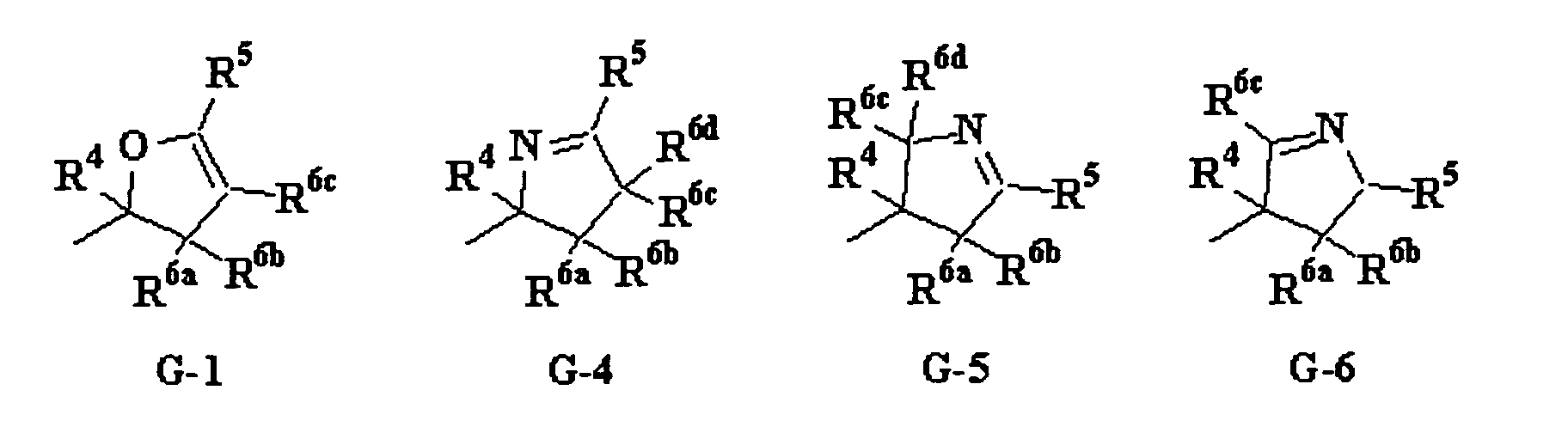


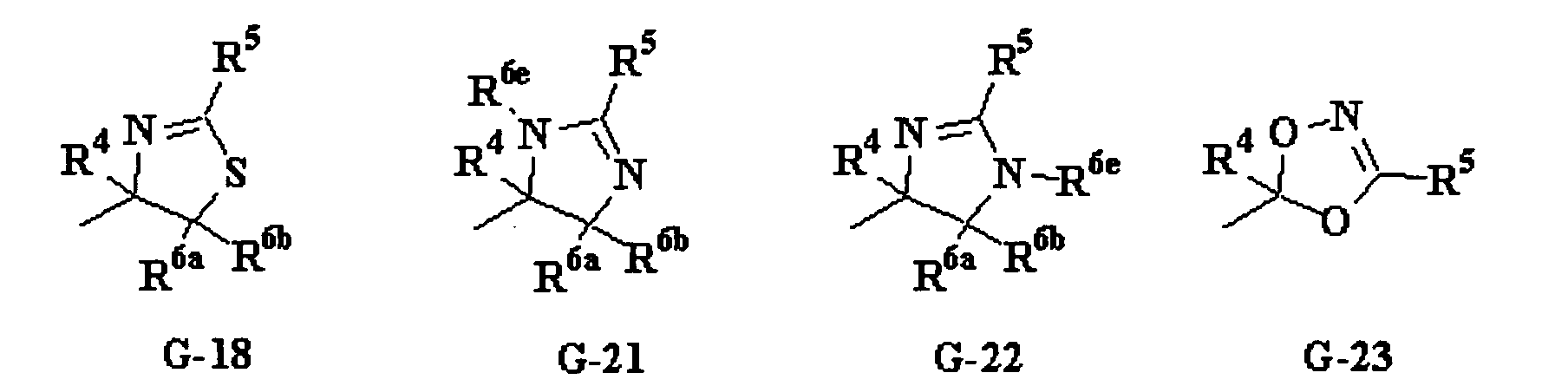

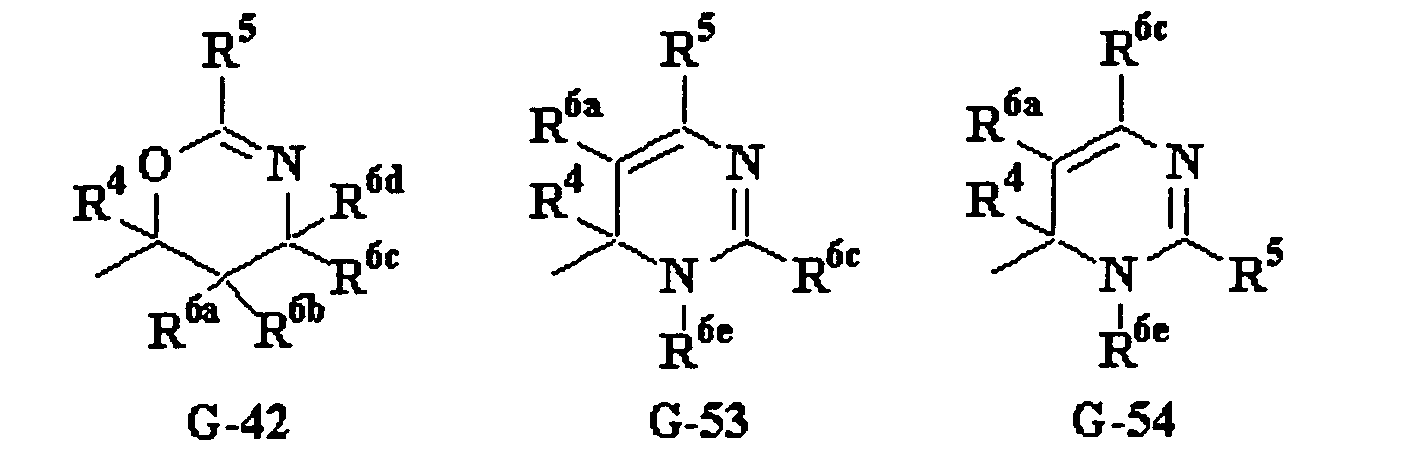 W1 and W2 each represent an oxygen atom,
X represents a halogen atom, nitro, a C1 to C6 alkyl, a C1 to C6 haloalkyl, a C1 to C6 alkoxy, a C1 to C6 haloalkoxy, a C1 to C6 alkylthio, a C1 to C6 haloalkylthio, a C1 to C6 alkylsulfinyl, a C1 to C6 haloalkylsulfinyl, a C1 to C6 alkylsulfonyl or a C1 to C6 haloalkylsulfonyl, when m represents 2 or 3, each of Xs may be the same with each other or may be different from each other,
and further, when two Xs are adjacent to each other, the adjacent two Xs may form -OCF2O- or -OCF2CF2O-, so that they may form a 5-membered ring or 6-membered ring with carbon atoms to which they are bonded,
and, when G represents a non-aromatic heterocyclic ring represented by either of the formula G-1, the formula G-4, the formula G-5, the formula G-6, the formula G-7, the formula G-8, the formula G-11, the formula G-12, the formula G-13, the formula G-14, the formula G-15, the formula G-17, the formula G-18, the formula G-21, the formula G-22, the formula G-23, the formula G-32, the formula G-33, the formula G-40, the formula G-41, the formula G-42, the formula G-53 or the formula G-54, X may further represent -N(R17)R16,
Y represents a halogen atom, a C1 to C6 alkyl, a C1 to C6 haloalkyl, a hydroxy(C1 to C6)alkyl, a C1 to C3 alkoxy(C1 to C3)alkyl, a C1 to C6 alkoxy or a C1 to C6 alkylthio, and when n represents 2 or 3, each of Ys may be the same with each other or may be different from each other,
R1 represents a hydrogen atom,
R2 represents a hydrogen atom, a C1 to C6 alkyl, a C1 to C4 alkoxy(C1 to C4)alkyl or a C3 to C6 alkenyl,
R3 represents a C1 to C8 alkyl, a (C1 to C8)alkyl which may be optionally substituted by R18, a C3 to C8 cycloalkyl, a C3 to C8 alkenyl, a C1 to C6 alkylaminocarbonyl(C3 to C6)alkenyl, a phenyl(C3 to C6)alkenyl which may be substituted by (Z1)p1, a C3 to C8 alkynyl, a phenyl(C3 to C6)alkynyl which may be substituted by (Z1)p1, a naphthalen-1-yl-(C3 to C6)alkynyl, a naphthalen-2-yl-(C3 to C6)alkynyl, a (L-1)-(C3 to C6)alkynyl, a (L-2)-(C3 to C6)alkynyl, a (L-3)-(C3 to C6)alkynyl, a (L-4)-(C3 to C6)alkynyl, a (L-45)-(C3 to C6)alkynyl, a (L-46)-(C3 to C6)alkynyl, a (L-47)-(C3 to C6)alkynyl, M-4, M-5, M-8, M-9, M-13 to M-19, M-21 or M-22, or R2 and R3 are combined to form a C2 to C6 alkylene chain, so that they may form a 3- to 7-membered ring with a nitrogen atom(s) to which they are bonded, and the alkylene chain at this time may contain one oxygen atom or sulfur atom,
R4 represents a hydrogen atom, a C1 to C6 alkyl, a C1 to C6 haloalkyl, a C3 to C6 cycloalkyl(C1 to C4)alkyl, a C3 to C6 halocycloalkyl(C1 to C4)alkyl, a C1 to C4 alkoxy(C1 to C4)alkyl, a C1 to C4 haloalkoxy(C1 to C4)alkyl, a C1 to C4 alkylthio(C1 to C4)alkyl, a C1 to C4 haloalkylthio(C1 to C4)alkyl, a C1 to C4 alkylsulfinyl(C1 to C4)alkyl, a C1 to C4 haloalkylsulfinyl(C1 to C4)alkyl, a C1 to C4 alkylsulfonyl(C1 to C4)alkyl, a C1 to C4 haloalkylsulfonyl(C1 to C4)alkyl, a cyano(C1 to C6)alkyl, a C1 to C4 haloalkoxy(C1 to C4)haloalkyl, a C3 to C8 cycloalkyl, a C3 to C8 halocycloalkyl, -CH=NOR11, -C(R9)=NOR11, phenyl which may be substituted by (Z2)p1, 1-naphthyl, 2-naphthyl, L-1 to L-4, L-8 to L-13, L-15 to L-23, L-25 to L-35, L-37, L-38, L-40, L-43 to L-58, M-4, M-5, M-8, M-9, M-14 to M-18 or M-19,
and when G represents a cycloalkyl ring represented by the formula G-71, R4 may further represent a halogen atom, a C1 to C6 alkoxy, a C1 to C6 haloalkoxy, a C1 to C6 alkylthio, a C1 to C6 haloalkylthio, a C1 to C6 alkylsulfinyl, a C1 to C6 haloalkylsulfinyl, a C1 to C6 alkylsulfonyl or a C1 to C6 haloalkylsulfonyl,
R5 represents
(a). a hydrogen atom, a halogen atom, cyano, a C1 to C6 alkyl, a C1 to C6 haloalkyl, a C3 to C6 cycloalkyl(C1 to C4)alkyl, a C3 to C6 halocycloalkyl(C1 to C4)alkyl, a C1 to C4 alkoxy(C1 to C4)alkyl, a C1 to C4 haloalkoxy(C1 to C4)alkyl, a C1 to C4 alkylthio(C1 to C4)alkyl, a C1 to C4 haloalkylthio(C1 to C4)alkyl, a C1 to C4 alkylsulfinyl(C1 to C4)alkyl, a C1 to C4 haloalkylsulfinyl(C1 to C4)alkyl, a C1 to C4 alkylsulfonyl(C1 to C4)alkyl, a C1 to C4 haloalkylsulfonyl(C1 to C4)alkyl, cyano(C1 to C6)alkyl, a C3 to C8 cycloalkyl, a C3 to C8 halocycloalkyl, a C1 to C6 alkoxy, a C1 to C6 haloalkoxy, phenoxy which may be substituted by (Z1)p1, a C1 to C6 alkylthio, a C1 to C6 haloalkylthio, phenylthio which may be substituted by (Z1)p1, a C1 to C6 alkylsulfinyl, a C1 to C6 haloalkylsulfinyl, phenylsulfinyl which may be substituted by (Z1)p1, a C1 to C6 alkylsulfonyl, a C1 to C6 haloalkylsulfonyl, phenylsulfonyl which may be substituted by (Z1)p1, a C1 to C6 alkylamino, a di(C1 to C6 alkyl)amino, pyrrolidin-1-yl, oxazolidin-3-yl, thiazolidin-3-yl, piperidin-1-yl, morpholin-1-yl, -C(O)R9, -C(O)OR9, -C(O)SR9, -C(O)N(R10)R9, -C(S)N(R10)R9, -CH=NOR11, -C(R9)=NOR11, phenyl which may be substituted by (Z2)p1, 1-naphthyl, 2-naphthyl, L or M, when G represents a non-aromatic heterocyclic ring represented by either one of the formula G-1, the formula G-4, the formula G-5, the formula G-6, the formula G-7, the formula G-8, the formula G-11, the formula G-12, the formula G-13, the formula G-14, the formula G-15, the formula G-17, the formula G-18, the formula G-21, the formula G-22, the formula G-23, the formula G-32, the formula G-33, the formula G-40, the formula G-41, the formula G-42, the formula G-53 or the formula G-54, or a saturated heterocyclic ring represented by the formula G-55 or the formula G-56,
(b). cyano, a C3 to C6 cycloalkyl(C1 to C4)alkyl, a C3 to C6 halocycloalkyl(C1 to C4)alkyl, a C1 to C4 alkoxy(C1 to C4)alkyl, a C1 to C4 haloalkoxy(C1 to C4)alkyl, a C1 to C4 alkylthio(C1 to C4)alkyl, a C1 to C4 haloalkylthio(C1 to C4)alkyl, a C1 to C4 alkylsulfinyl(C1 to C4)alkyl, a C1 to C4 haloalkylsulfinyl(C1 to C4)alkyl, a C1 to C4 alkylsulfonyl(C1 to C4)alkyl, a C1 to C4 haloalkylsulfonyl(C1 to C4)alkyl, a cyano(C1 to C6)alkyl, a C3 to C8 cycloalkyl, a C3 to C8 halocycloalkyl, phenoxy which may be substituted by (Z1)p1, phenylthio which may be substituted by (Z1)p1, phenylsulfinyl which may be substituted by (Z1)p1, phenylsulfonyl which may be substituted by (Z1)p1, -CHO, -C(O)R9, -C(O)OR9, -C(O)NHR10, -C(O)N(R10)R9, -C(S)NHR10, -C(S)N(R10)R9, -CH=NOR11, -C(R9)=NOR11, -Si(R13)(R14)R12, phenyl which may be substituted by (Z2)p1, 1-naphthyl, 2-naphthyl, L or M, when G represents a cycloalkyl ring represented by the formula G-71, and R4 represents a hydrogen atom, a halogen atom, a C1 to C6 alkyl or a C1 to C6 haloalkyl,
(c). a hydrogen atom, a halogen atom, cyano, a C1 to C6 alkyl, a C1 to C6 haloalkyl, a C3 to C6 cycloalkyl(C1 to C4)alkyl, a C3 to C6 halocycloalkyl(C1 to C4)alkyl, a C1 to C4 alkoxy(C1 to C4)alkyl, a C1 to C4 haloalkoxy(C1 to C4)alkyl, a C1 to C4 alkylthio(C1 to C4)alkyl, a C1 to C4 haloalkylthio(C1 to C4)alkyl, a C1 to C4 alkylsulfinyl(C1 to C4)alkyl, a C1 to C4 haloalkylsulfinyl(C1 to C4)alkyl, a C1 to C4 alkylsulfonyl(C1 to C4)alkyl, a C1 to C4 haloalkylsulfonyl(C1 to C4)alkyl, a cyano(C1 to C6)alkyl, a C3 to C8 cycloalkyl, a C3 to C8 halocycloalkyl, a C1 to C6 alkoxy, a C1 to C6 haloalkoxy, phenoxy which may be substituted by (Z1)p1, a C1 to C6 alkylthio, a C1 to C6 haloalkylthio, phenylthio which may be substituted by (Z1)p1, a C1 to C6 alkylsulfinyl, a C1 to C6 haloalkylsulfinyl, phenylsulfinyl which may be substituted by (Z1)p1, a C1 to C6 alkylsulfonyl, a C1 to C6 haloalkylsulfonyl, phenylsulfonyl which may be substituted by (Z1)p1, -CHO, -C(O)R9, -C(O)OR9, -C(O)NHR10, -C(O)N(R10)R9, -C(S)NHR10, -C(S)N(R10)R9, -CH=NOR11, -C(R9)=NOR11, -Si(R13)(R14)R12, phenyl which may be substituted by (Z2)p1, 1-naphthyl, 2-naphthyl, L or M, when G represents a cycloalkyl ring represented by the formula G-71, and R4 represents a C3 to C6 cycloalkyl(C1 to C4)alkyl, a C3 to C6 halocycloalkyl(C1 to C4)alkyl, a C1 to C4 alkoxy(C1 to C4)alkyl, a C1 to C4 haloalkoxy(C1 to C4)alkyl, a C1 to C4 alkylthio-(C1 to C4)alkyl, a C1 to C4 haloalkylthio(C1 to C4)alkyl, a C1 to C4 alkylsulfinyl(C1 to C4)alkyl, a C1 to C4 haloalkylsulfinyl(C1 to C4)alkyl, a C1 to C4 alkylsulfonyl(C1 to C4)alkyl, a C1 to C4 haloalkylsulfonyl(C1 to C4)alkyl, a cyano(C1 to C6)alkyl, a C1 to C4 haloalkoxy(C1 to C4)haloalkyl, a C3 to C8 cycloalkyl, a C3 to C8 halocycloalkyl, a C1 to C6 alkoxy, a C1 to C6 haloalkoxy, a C1 to C6 alkylthio, a C1 to C6 haloalkylthio, a C1 to C6 alkylsulfinyl, a C1 to C6 haloalkylsulfinyl, a C1 to C6 alkylsulfonyl, a C1 to C6 haloalkylsulfonyl, phenyl which may be substituted by (Z2)p1, 1-naphthyl, 2-naphthyl, L-1 to L-4, L-8 to L-13, L-15 to L-23, L-25 to L-35, L-37, L-38, L-40, L-43 to L-58, M-4, M-5, M-8, M-9, M-14 to M-18 or M-19,
R6a, R6b, R6c and R6d each independently represent a hydrogen atom, a halogen atom, cyano, a C1 to C6 alkyl, a C1 to C6 haloalkyl or phenyl which may be substituted by (Z2)p1,
R6e represents a hydrogen atom, a C1 to C6 alkyl, a C1 to C6 alkylsulfonyl, a C1 to C6 haloalkylsulfonyl, phenylsulfonyl which may be substituted by (Z1)p1, a C1 to C6 alkylcarbonyl, a C1 to C6 haloalkylcarbonyl, phenylcarbonyl which may be substituted by (Z1)p1, a C1 to C6 alkoxycarbonyl, a C1 to C6 haloalkoxycarbonyl, phenoxycarbonyl which may be substituted by (Z1)p1, a di(C1 to C6 alkyl)phosphoryl or phenyl which may be substituted by (Z2)p1,
R6f, R6g and R6h each independently represent a hydrogen atom, a C1 to C6 alkyl, a C1 to C6 haloalkyl or phenyl which may be substituted by (Z2)p1,
R6i represents a hydrogen atom, a halogen atom, cyano, a C1 to C6 alkyl, a C1 to C6 haloalkyl, a C1 to C6 alkoxycarbonyl or a C1 to C6 haloalkoxycarbonyl,
R6j and R6k each independently represent hydrogen atom, a halogen atom, cyano, a C1 to C6 alkyl or a C1 to C6 haloalkyl,
Z2 represents a halogen atom, cyano, nitro, amino, a C1 to C6 alkyl, a C1 to C6 haloalkyl, a C1 to C3 alkoxy(C1 to C3)alkyl, a C1 to C3 haloalkoxy(C1 to C3)alkyl, a C1 to C3 alkylthio(C1 to C3)alkyl, a C1 to C3 haloalkylthio(C1 to C3)alkyl, a C1 to C3 alkylsulfinyl(C1 to C3)alkyl, a C1 to C3 haloalkylsulfinyl(C1 to C3)alkyl, a C1 to C3 alkylsulfonyl-(C1 to C3)alkyl, a C1 to C3 haloalkylsulfonyl(C1 to C3)alkyl, a cyano(C1 to C6)alkyl, a C3 to C8 cycloalkyl, a C3 to C8 halocycloalkyl, a C1 to C6 alkoxy, a C1 to C6 haloalkoxy, a C1 to C3 haloalkoxy(C1 to C3) haloalkoxy, a C1 to C6 alkylsulfonyloxy, a C1 to C6 haloalkylsulfonyloxy, phenoxy which may be substituted by (Z1)p1, -O(L-45), a C1 to C6 alkylthio, a C1 to C6 haloalkylthio, a C3 to C8 cycloalkylthio, a C1 to C6 alkylsulfinyl, a C1 to C6 haloalkylsulfinyl, a C3 to C8 cycloalkylsulfinyl, a C1 to C6 alkylsulfonyl, a C1 to C6 haloalkylsulfonyl, a C3 to C8 cycloalkylsulfonyl, a C1 to C6 alkylamino, a di(C1 to C6 alkyl)amino, a C1 to C6 alkylaminosulfonyl, a di(C1 to C6 alkyl)aminosulfonyl, -C(O)NH2, a C1 to C6 alkylaminocarbonyl, a di(C1 to C6 alkyl)aminocarbonyl, -C(S)NH2 or a tri(C1 to C6 alkyl)silyl, when p1 represents an integer of 2 or more, each of Z2s may be the same with each other or may be different from each other,
and further, when the two Z2s are adjacent to each other, the adjacent two Z2s form -CF2CF2O-, -CF2OCF2- or -OCF2O-, so that they may form a 5-membered ring with the carbon atoms each of which are bonded to,
R9 represents a C1 to C6 alkyl, a C1 to C6 haloalkyl, a phenyl(C1 to C4)alkyl which may be substituted by (Z1)p1, a C3 to C8 cycloalkyl or phenyl which may be substituted by (Z1)p1,
R10 represents a hydrogen atom or a C1 to C6 alkyl, or R9 and R10 are combined to form a C4 to C5 alkylene chain, so that they may form a 5-membered ring or 6-membered ring with the nitrogen atom(s) to which they are bonded, and the alkylene chain at this time may contain one oxygen atom or sulfur atom,
R11 represents a C1 to C6 alkyl, a C1 to C6 haloalkyl or a phenyl(C1 to C4)alkyl which may be substituted by (Z1)p1, or R9 and R11 are combined to form a C2 to C3 alkylene chain, so that they may form a 5-membered ring or 6-membered ring with atoms to which they are bonded, and the alkylene chain at this time may be optionally substituted by a C1 to C6 alkyl group,
R15 represents a C1 to C6 alkyl or phenyl which may be substituted by (Z1)p1,
R16 represents a hydrogen atom, a C1 to C6 alkyl, a C1 to C4 alkoxy(C1 to C4)alkyl, a C1 to C4 alkylthio(C1 to C4)alkyl, -CHO, a C1 to C6 alkylcarbonyl, a C1 to C6 haloalkylcarbonyl, a C3 to C6 cycloalkylcarbonyl, a C1 to C6 alkoxycarbonyl, a C1 to C6 haloalkoxycarbonyl or a C1 to C6 alkylthiocarbonyl,
R17 represents a hydrogen atom or a C1 to C6 alkyl, or R17 may be combined with R2 to form a -CH2-,
R18 represents a halogen atom, cyano, a C3 to C6 cycloalkyl, -OR28, -N(R29)R28, -S(O)rR30, a C1 to C6 alkoxycarbonyl, -C(O)N(R32)R31, -C(R34)=NOH, -C(R34)=NOR33, a tri(C1 to C4 alkyl)silyl, phenyl which may be substituted by (Z1)p1, L-1, L-2, L-3, L-4, L-45, L-46, L-47 or M,
R25 represents a C1 to C4 alkyl,
R26 represents a C1 to C6 alkylcarbonyl or a C1 to C6 alkoxycarbonyl,
R28 represents a hydrogen atom, a C1 to C6 alkyl, a C1 to C6 haloalkyl, a C1 to C4 alkoxy(C1 to C4)alkyl, a C1 to C4 alkylthio(C1 to C4)alkyl, a phenyl(C1 to C4)alkyl which may be substituted by (Z1)p1, a C1 to C6 alkylcarbonyl, a C3 to C6 cycloalkylcarbonyl, a C1 to C6 alkoxycarbonyl, -C(O)N(R32)R31, a C1 to C6 alkylsulfonyl, a di(C1 to C6 alkyl)-aminosulfonyl, phenylsulfonyl which may be substituted by (Z1)p1, a di(C1 to C6 alkyl)-phosphoryl, a di(C1 to C6 alkyl)thiophosphoryl, a tri(C1 to C4 alkyl)silyl or phenyl which may be substituted by (Z1)p1,
R29 represents a hydrogen atom or a C1 to C6 alkyl,
R30 represents a C1 to C6 alkyl, a C1 to C6 haloalkyl, a hydroxy(C1 to C4)alkyl, a C1 to C4 alkoxy(C1 to C4)alkyl, a C1 to C4 alkylthio(C1 to C4)alkyl, a C1 to C4 alkylcarbonyl(C1 to C4)alkyl, a C1 to C4 alkoxycarbonyl(C1 to C4)alkyl, a di(C1 to C4 alkyl)-aminocarbonyl(C1 to C4)alkyl, a tri(C1 to C4 alkyl)silyl(C1 to C4)alkyl, a phenyl(C1 to C4)alkyl which may be substituted by (Z1)p1, a C3 to C6 alkenyl, a C3 to C6 alkynyl, a C1 to C6 alkylthio, phenyl which may be substituted by (Z1)p1, L-21 or L-45,
R31 represents a C1 to C6 alkyl, a C1 to C4 alkylthio(C1 to C4)alkyl, a phenyl(C1 to C4)alkyl which may be substituted by (Z1)p1, a C3 to C6 cycloalkyl, a C3 to C6 alkenyl or phenyl which may be substituted by (Z1)p1,
R32 represents a hydrogen atom or a C1 to C6 alkyl, or R31 and R32 are combined to form a C2 to C5 alkylene chain, so that they may form a 3- to 6-membered ring with the nitrogen atom(s) to which they are bonded, and the alkylene chain at this time may contain one oxygen atom or sulfur atom,
R33 represents a C1 to C6 alkyl or a phenyl(C1 to C4)alkyl which may be substituted by (Z1)p1,
R34 represents a hydrogen atom or a C1 to C6 alkyl,
m represents an integer of 0 to 3,
n represents an integer of 0 to 3,
q2 represents an integer of 0 to 3,
q3 represents an integer of 0 to 2, and
q4 represents an integer of 0 to 2. - The substituted benzanilide compound or a salt thereof according to Claim 3, wherein G represents a non-aromatic heterocyclic ring represented by either one of the formula G-4, the formula G-5, the formula G-6, the formula G-7, the formula G-11, the formula G-13, the formula G-14, the formula G-15, the formula G-17, the formula G-18, the formula G-21, the formula G-22 or the formula G-23, or a cycloalkyl ring represented by the formula G-71,
X represents a halogen atom, nitro, a C1 to C4 alkyl, a C1 to C4 haloalkyl, a C1 to C4 alkoxy, a C1 to C4 haloalkoxy, a C1 to C4 alkylthio, a C1 to C4 haloalkylthio, a C1 to C4 alkylsulfinyl, a C1 to C4 haloalkylsulfinyl, a C1 to C4 alkylsulfonyl or a C1 to C4 haloalkylsulfonyl, and when m represents 2, each of Xs may be the same with each other or may be different from each other,
Y represents a halogen atom, a C1 to C4 alkyl, a C1 to C4 haloalkyl, a C1 to C4 alkoxy or a C1 to C4 alkylthio, and when n represents 2, each of Ys may be the same with each other or may be different from each other,
R2 represents a hydrogen atom or a C1 to C6 alkyl,
R3 represents a C1 to C8 alkyl, a (C1 to C8)alkyl which may be optionally substituted by R18, a C3 to C8 alkenyl or a C3 to C8 alkynyl,
R4 represents a hydrogen atom, a C1 to C6 alkyl, a C1 to C6 haloalkyl, a C3 to C6 cycloalkyl(C1 to C4)alkyl, a C1 to C4 alkoxy(C1 to C4)alkyl, a C1 to C4 haloalkoxy(C1 to C4)alkyl, a C1 to C4 alkylthio(C1 to C4)alkyl, a C1 to C4 haloalkylthio(C1 to C4)alkyl, a C3 to C8 cycloalkyl, a C3 to C8 halocycloalkyl, phenyl which may be substituted by (Z2)p1, 2-naphthyl, L-1 to L-4, L-15 to L-17, L-19, L-20, L-22, L-23, L-45 to L-47, L-50, M-4, M-5, M-8, M-9, M-14 to M-18 or M-19,
and when G represents a cycloalkyl ring represented by the formula G-71, R4 may further represent a halogen atom, a C1 to C6 alkoxy, a C1 to C6 haloalkoxy, a C1 to C6 alkylthio, a C1 to C6 haloalkylthio, a C1 to C6 alkylsulfonyl or a C1 to C6 haloalkylsulfonyl,
R5 represents
(a). a hydrogen atom, a halogen atom, cyano, a C1 to C6 alkyl, a C1 to C6 haloalkyl, a C3 to C6 cycloalkyl(C1 to C4)alkyl, a C1 to C4 alkoxy(C1 to C4)alkyl, a C1 to C4 haloalkoxy(C1 to C4)alkyl, a C1 to C4 alkylthio(C1 to C4)alkyl, a C1 to C4 haloalkylthio(C1 to C4)alkyl, a C1 to C4 alkylsulfinyl(C1 to C4)alkyl, a C1 to C4 haloalkylsulfinyl(C1 to C4)alkyl, a C1 to C4 alkylsulfonyl(C1 to C4)alkyl, a C1 to C4 haloalkylsulfonyl(C1 to C4)alkyl, a C3 to C8 cycloalkyl, a C3 to C8 halocycloalkyl, a C1 to C6 alkoxy, a C1 to C6 haloalkoxy, a C1 to C6 alkylthio, a C1 to C6 haloalkylthio, a C1 to C6 alkylsulfinyl, a C1 to C6 haloalkylsulfinyl, a C1 to C6 alkylsulfonyl, a C1 to C6 haloalkylsulfonyl, a di(C1 to C6 alkyl)amino, pyrrolidin-1-yl, oxazolidin-3-yl, thiazolidin-3-yl, piperidin-1-yl, morpholin-1-yl, -C(R9)=NOR11, phenyl which may be substituted by (Z2)p1, 1-naphthyl, 2-naphthyl, L, M-4, M-5, M-8, M-9, M-14 to M-18 or M-19, when G represents a non-aromatic heterocyclic ring represented by either one of the formula G-4, the formula G-5, the formula G-6, the formula G-7, the formula G-11, the formula G-13, the formula G-14, the formula G-15, the formula G-17, the formula G-18, the formula G-21, the formula G-22 or the formula G-23,
(b). a C3 to C6 cycloalkyl(C1 to C4)alkyl, a C1 to C4 alkoxy(C1 to C4)alkyl, a C1 to C4 haloalkoxy(C1 to C4)alkyl, a C1 to C4 alkylthio(C1 to C4)alkyl, a C1 to C4 haloalkylthio(C1 to C4)alkyl, a C1 to C4 alkylsulfinyl(C1 to C4)alkyl, a C1 to C4 haloalkylsulfinyl(C1 to C4)alkyl, a C1 to C4 alkylsulfonyl(C1 to C4)alkyl, a C1 to C4 haloalkylsulfonyl(C1 to C4)alkyl, a C3 to C8 cycloalkyl, a C3 to C8 halocycloalkyl, -C(R9)=NOR11, -Si(R13)(R14)R12, phenyl which may be substituted by (Z2)p1, 1-naphthyl, 2-naphthyl, L, M-4, M-5, M-8, M-9, M-14 to M-18 or M-19, when G represents a cycloalkyl ring represented by the formula G-71, and R4 represents a hydrogen atom, a halogen atom, a C1 to C6 alkyl or a C1 to C6 haloalkyl,
(c). a hydrogen atom, a halogen atom, cyano, a C1 to C6 alkyl, a C1 to C6 haloalkyl, a C3 to C6 cycloalkyl(C1 to C4)alkyl, a C1 to C4 alkoxy(C1 to C4)alkyl, a C1 to C4 haloalkoxy(C1 to C4)alkyl, a C1 to C4 alkylthio(C1 to C4)alkyl, a C1 to C4 haloalkylthio(C1 to C4)alkyl, a C1 to C4 alkylsulfinyl(C1 to C4)alkyl, a C1 to C4 haloalkylsulfinyl(C1 to C4)alkyl, a C1 to C4 alkylsulfonyl(C1 to C4)alkyl, a C1 to C4 haloalkylsulfonyl(C1 to C4)alkyl, a C3 to C8 cycloalkyl, a C3 to C8 halocycloalkyl, a C1 to C6 alkoxy, a C1 to C6 haloalkoxy, a C1 to C6 alkylthio, a C1 to C6 haloalkylthio, a C1 to C6 alkylsulfinyl, a C1 to C6 haloalkylsulfinyl, a C1 to C6 alkylsulfonyl, a C1 to C6 haloalkylsulfonyl, -C(R9)=NOR11, -Si(R13)(R14)R12, M-4, M-5, M-8, M-9, M-14 to M-18 or M-19, when G represents a cycloalkyl ring represented by the formula G-71, and R4 represents a C3 to C6 cycloalkyl(C1 to C4)alkyl, a C1 to C4 alkoxy(C1 to C4)alkyl, a C1 to C4 haloalkoxy(C1 to C4)alkyl, a C1 to C4 alkylthio(C1 to C4)alkyl, a C1 to C4 haloalkylthio(C1 to C4)alkyl, a C3 to C8 cycloalkyl, a C3 to C8 halocycloalkyl, a C1 to C6 alkoxy, a C1 to C6 haloalkoxy, a C1 to C6 alkylthio, a C1 to C6 haloalkylthio, a C1 to C6 alkylsulfonyl, a C1 to C6 haloalkylsulfonyl, M-4, M-5, M-8, M-9, M-14 to M-18 or M-19,
(d). a hydrogen atom, a halogen atom, cyano, a C1 to C6 alkyl or a C1 to C6 haloalkyl, when G represents a cycloalkyl ring represented by the formula G-71, and R4 represents phenyl which may be substituted by (Z2)p1, 1-naphthyl, 2-naphthyl, L-1 to L-4, L-15 to L-17, L-19, L-20, L-22, L-23, L-45 to L-47 or L-50,
R6a, R6b, R6c and R6d each represent a hydrogen atom,
R6e represents a C1 to C6 alkyl, a C1 to C6 alkylsulfonyl, a C1 to C6 alkoxycarbonyl, a di(C1 to C6 alkyl)phosphoryl or phenyl which may be substituted by (Z2)p1,
R6i represents a hydrogen atom, a halogen atom or a C1 to C6 alkyl,
R6j and R6k each independently represent a hydrogen atom, a halogen atom, cyano or methyl,
R9 represents a C1 to C6 alkyl, a C1 to C6 haloalkyl, a C3 to C8 cycloalkyl or phenyl which may be substituted by (Z1)p1,
R11 represents a C1 to C6 alkyl or a C1 to C6 haloalkyl, or R9 and R11 are combined to form a C2 to C3 alkylene chain, so that they may form a 5-membered ring or 6-membered ring with atoms to which they are bonded, and the alkylene chain at this time may be optionally substituted by a C1 to C6 alkyl group,
R18 represents a -OR28, -N(R29)R28, -S(O)rR30, -C(R34)=NOH, -C(R34)=NOR33 or phenyl which may be substituted by (Z1)p1,
R28 represents a hydrogen atom, a C1 to C6 alkyl, a C1 to C6 alkylcarbonyl, a C1 to C6 alkoxycarbonyl, a C1 to C6 alkylaminocarbonyl, a C3 to C6 cycloalkylaminocarbonyl, a di(C1 to C6 alkyl)aminocarbonyl, phenylaminocarbonyl which may be substituted by (Z1)p1, a phenyl(C1 to C4)alkylaminocarbonyl which may be substituted by (Z1)p1, a C1 to C6 alkylsulfonyl, a di(C1 to C6 alkyl)thiophosphoryl or phenyl which may be substituted by (Z1)p1,
R30 represents a C1 to C6 alkyl, a C1 to C6 alkylthio, phenyl which may be substituted by (Z1)p1 or L-45,
R33 represents a C1 to C6 alkyl,
R34 represents a hydrogen atom,
m represents an integer of 0 to 2, and
n represents an integer of 0 to 2. - The substituted benzanilide compound or a salt thereof according to any one of Claims 1 to 4, wherein G represents a non-aromatic heterocyclic ring represented by either one of the formula G-4, the formula G-5, the formula G-6, the formula G-7, the formula G-11, the formula G-13, the formula G-14, the formula G-15, the formula G-17, the formula G-18, the formula G-21, the formula G-22 or the formula G-23,
R5 represents a C3 to C6 cycloalkyl(C1 to C4)alkyl, a C1 to C4 alkoxy(C1 to C4)alkyl, a C1 to C4 haloalkoxy(C1 to C4)alkyl, a C1 to C4 alkylthio(C1 to C4)alkyl, a C1 to C4 haloalkylthio(C1 to C4)alkyl, a C1 to C4 alkylsulfinyl(C1 to C4)alkyl, a C1 to C4 haloalkylsulfinyl(C1 to C4)alkyl, a C1 to C4 alkylsulfonyl(C1 to C4)alkyl, a C1 to C4 haloalkylsulfonyl(C1 to C4)alkyl, a C3 to C8 cycloalkyl, a C3 to C8 halocycloalkyl, pyrrolidin-1-yl, oxazolidin-3-yl, thiazolidin-3-yl, piperidin-1-yl, morpholin-1-yl, -C(R9)=NOR11, phenyl which may be substituted by (Z2)p1, 1-naphthyl, 2-naphthyl, L, M-4, M-5, M-8, M-9, M-14 to M-18 or M-19. - The substituted benzanilide compound or a salt thereof according to any one of Claims 1 to 4, wherein G represents a non-aromatic heterocyclic ring represented by either one of the formula G-4, the formula G-5, the formula G-6, the formula G-7, the formula G-11, the formula G-13, the formula G-14, the formula G-15, the formula G-17, the formula G-18, the formula G-21, the formula G-22 or the formula G-23, and
R4 represents a C3 to C6 cycloalkyl(C1 to C4)alkyl, a C1 to C4 alkoxy(C1 to C4)alkyl, a C1 to C4 haloalkoxy(C1 to C4)alkyl, a C1 to C4 alkylthio(C1 to C4)alkyl, a C1 to C4 haloalkylthio(C1 to C4)alkyl, a C3 to C8 cycloalkyl, a C3 to C8 halocycloalkyl, phenyl which may be substituted by (Z2)p1, 2-naphthyl, L-1 to L-4, L-15 to L-17, L-19, L-20, L-22, L-23, L-45 to L-47, L-50, M-4, M-5, M-8, M-9, M-14 to M-18 or M-19. - The substituted benzanilide compound or a salt thereof according to any one of Claims 1 to 3, wherein G represents a non-aromatic heterocyclic ring represented by either one of the formula G-4, the formula G-5, the formula G-6, the formula G-7, the formula G-11, the formula G-13, the formula G-14, the formula G-15, the formula G-17, the formula G-18, the formula G-21, the formula G-22 or the formula G-23,
R3 represents a C1 to C8 alkyl, a C1 to C8 haloalkyl, a cyano(C1 to C8)alkyl, a C3 to C6 cycloalkyl(C1 to C8)alkyl, a tri(C1 to C4 alkyl)silyl(C1 to C8)alkyl, a phenyl(C1 to C8)alkyl which may be substituted by (Z1)p1, a (L-1)-(C1 to C8)alkyl, a (L-2)-(C1 to C8)alkyl, a (L-3)-(C1 to C8)alkyl, a (L-4)-(C1 to C8)alkyl, a (L-45)-(C1 to C8)alkyl, a (L-46)-(C1 to C8)alkyl, a (L-47)-(C1 to C8)alkyl, a C3 to C8 cycloalkyl, a C3 to C8 alkenyl, a phenyl(C3 to C6)alkenyl which may be substituted by (Z1)p1, a C3 to C8 alkynyl, a phenyl(C3 to C6)-alkynyl which may be substituted by (Z1)p1, a naphthalen-1-yl-(C3 to C6)alkynyl, a naphthalen-2-yl-(C3 to C6)alkynyl, a (L-1)-(C3 to C6)alkynyl, a (L-2)-(C3 to C6)alkynyl, a (L-3)-(C3 to C6)alkynyl, a (L-4)-(C3 to C6)alkynyl, a (L-45)-(C3 to C6)alkynyl, a (L-46)-(C3 to C6)alkynyl or a (L-47)-(C3 to C6)alkynyl, or R2 and R3 are combined to form a C2 to C6 alkylene chain, so that they may form a 3- to 7-membered ring with the nitrogen atoms to which they are bonded. - The substituted benzanilide compound or a salt thereof according to Claim 4, wherein G represents a non-aromatic heterocyclic ring represented by either one of the formula G-4, the formula G-5, the formula G-6, the formula G-7, the formula G-11, the formula G-13, the formula G-14, the formula G-15, the formula G-17, the formula G-18, the formula G-21, the formula G-22 or the formula G-23, and
R3 represents a C1 to C8 alkyl, a phenyl(C1 to C8)alkyl which may be substituted by (Z1)p1, a C3 to C8 alkenyl or a C3 to C8 alkynyl. - The substituted benzanilide compound or a salt thereof according to any one of Claims 1 to 3, wherein G represents a non-aromatic heterocyclic ring represented by either one of the formula G-4, the formula G-5, the formula G-6, the formula G-7, the formula G-11, the formula G-13, the formula G-14, the formula G-15, the formula G-17, the formula G-18, the formula G-21, the formula G-22 or the formula G-23,
R3 represents a (C1 to C8)alkyl which may be optionally substituted by R18, a C1 to C6 alkylaminocarbonyl(C3 to C6)alkenyl, M-4, M-5, M-8, M-9, M-13 to M-19, M-21 or M-22, or R2 and R3 are combined to form a C2 to C6 alkylene chain containing one oxygen atom or sulfur atom, so that they may form a 3- to 7-membered ring with a nitrogen atom(s) to which they are bonded,
R4 represents a hydrogen atom, a C1 to C6 alkyl or a C1 to C6 haloalkyl,
R5 represents a hydrogen atom, a halogen atom, cyano, a C1 to C6 alkyl, a C1 to C6 haloalkyl, a C1 to C6 alkoxy, a C1 to C6 haloalkoxy, a C1 to C6 alkylthio, a C1 to C6 haloalkylthio, a C1 to C6 alkylsulfinyl, a C1 to C6 haloalkylsulfinyl, a C1 to C6 alkylsulfonyl, a C1 to C6 haloalkylsulfonyl or a di(C1 to C6 alkyl)amino,
R18 represents -OR28, -N(R29)R28, -S(O)rR30, a C1 to C6 alkoxycarbonyl, a C1 to C6 alkylaminocarbonyl, -C(O)N(R32)R31, -C(R34)=NOH, -C(R34)=NOR33 or M,
R28 represents a hydrogen atom, a C1 to C6 alkyl, a C1 to C6 haloalkyl, a C1 to C4 alkoxy(C1 to C4)alkyl, a C1 to C4 alkylthio(C1 to C4)alkyl, a phenyl(C1 to C4)alkyl which may be substituted by (Z1)p1, a C1 to C6 alkylcarbonyl, a C3 to C6 cycloalkylcarbonyl, a C1 to C6 alkoxycarbonyl, -C(O)N(R32)R31, a C1 to C6 alkylsulfonyl, a di(C1 to C6 alkyl)-aminosulfonyl, phenylsulfonyl which may be substituted by (Z1)p1, a di(C1 to C6 alkyl)-phosphoryl, a di(C1 to C6 alkyl)thiophosphoryl, a tri(C1 to C4 alkyl)silyl or phenyl which may be substituted by (Z1)p1,
R29 represents a hydrogen atom or a C1 to C6 alkyl,
R30 represents a C1 to C6 alkyl, a C1 to C6 haloalkyl, a hydroxy(C1 to C4)alkyl, a C1 to C4 alkoxy(C1 to C4)alkyl, a C1 to C4 alkylthio(C1 to C4)alkyl, a C1 to C4 alkylcarbonyl(C1 to C4)alkyl, a C1 to C4 alkoxycarbonyl(C1 to C4)alkyl, a di(C1 to C4 alkyl)aminocarbonyl(C1 to C4)alkyl, a tri(C1 to C4 alkyl)silyl(C1 to C4)alkyl, a phenyl(C1 to C4)alkyl which may be substituted by (Z1)p1, a C3 to C6 alkenyl, a C3 to C6 alkynyl, a C1 to C6 alkylthio, phenyl which may be substituted by (Z1)p1, L-21 or L-45,
R31 represents a C1 to C6 alkyl, a C1 to C4 alkylthio(C1 to C4)alkyl, a phenyl(C1 to C4)alkyl which may be substituted by (Z1)p1, a C3 to C6 cycloalkyl, a C3 to C6 alkenyl or phenyl which may be substituted by (Z1)p1,
R32 represents a hydrogen atom or a C1 to C6 alkyl, or R31 and R32 are combined to form a C2 to C5 alkylene chain, so that they may form a 3- to 6-membered ring with the nitrogen atom(s) to which they are bonded, and further the alkylene chain may contain one oxygen atom or sulfur atom,
R33 represents a C1 to C6 alkyl or a phenyl(C1 to C4)alkyl which may be substituted by (Z1)p1,
R34 represents a hydrogen atom or a C1 to C6 alkyl,
q2 represents an integer of 0 to 3,
q3 represents an integer of 0 to 2, and
q4 represents an integer of 0 to 2. - The substituted benzanilide compound or a salt thereof according to Claim 4, wherein G represents a non-aromatic heterocyclic ring represented by either one of the formula G-4, the formula G-5, the formula G-6, the formula G-7, the formula G-11, the formula G-13, the formula G-14, the formula G-15, the formula G-17, the formula G-18, the formula G-21, the formula G-22 or the formula G-23,
R3 represents a C1 to C8 alkyl which may be optionally substituted by -OR28, -N(R29)R28, -S(O)rR30, -C(R34)=NOH or -C(R34)=NOR33,
R4 represents a hydrogen atom, a C1 to C6 alkyl or a C1 to C6 haloalkyl,
R5 represents a hydrogen atom, a halogen atom, cyano, a C1 to C6 alkyl, a C1 to C6 haloalkyl, a C1 to C6 alkoxy, a C1 to C6 haloalkoxy, a C1 to C6 alkylthio, a C1 to C6 haloalkylthio, a C1 to C6 alkylsulfinyl, a C1 to C6 haloalkylsulfinyl, a C1 to C6 alkylsulfonyl, a C1 to C6 haloalkylsulfonyl or a di(C1 to C6 alkyl)amino,
R28 represents a hydrogen atom, a C1 to C6 alkyl, a C1 to C6 alkylcarbonyl, a C1 to C6 alkoxycarbonyl, a C1 to C6 alkylaminocarbonyl, a C3 to C6 cycloalkylaminocarbonyl, a di(C1 to C6 alkyl)aminocarbonyl, phenylaminocarbonyl which may be substituted by (Z1)p1, a phenyl(C1 to C4)alkylaminocarbonyl which may be substituted by (Z1)p1, a C1 to C6 alkylsulfonyl, a di(C1 to C6 alkyl)thiophosphoryl or phenyl which may be substituted by (Z1)p1,
R30 represents a C1 to C6 alkyl, a C1 to C6 alkylthio, phenyl which may be substituted by (Z1)p1, or L-45,
R33 represents a C1 to C6 alkyl, and
R34 represents a hydrogen atom. - The substituted benzanilide compound or a salt thereof according to any one of Claims 1 to 5, and 7 to 8, wherein G represents a non-aromatic heterocyclic ring represented by either one of the formula G-7, the formula G-13, the formula G-14, the formula G-15, the formula G-17 or the formula G-18,
X represents a halogen atom, nitro, a C1 to C4 alkyl, a C1 to C4 haloalkyl, a C1 to C4 alkylthio, a C1 to C4 alkylsulfinyl or a C1 to C4 alkylsulfonyl, and when m represents 2, each of Xs may be the same with each other or may be different from each other,
Y represents a halogen atom or a C1 to C4 alkyl, and when n represents 2, each of Ys may be the same with each other or may be different from each other,
R4 represents a C1 to C6 alkyl or a C1 to C6 haloalkyl,
R5 represents phenyl which may be substituted by (Z2)p1, 1-naphthyl, 2-naphthyl, L-1 to L-5, L-8 to L-24, L-28 to L-36, L-39, L-41, L-42, L-45 to L-47 or L-50. - The substituted benzanilide compound or a salt thereof according to any one of Claims 1 to 4 and 6 to 8, wherein G represents a non-aromatic heterocyclic ring represented by either one of the formula G-7, the formula G-13, the formula G-14, the formula G-15, the formula G-17 or the formula G-18,
X represents a halogen atom, nitro, a C1 to C4 alkyl, a C1 to C4 haloalkyl, a C1 to C4 alkylthio, a C1 to C4 alkylsulfinyl or a C1 to C4 alkylsulfonyl, and when m represents 2, each of Xs may be the same with each other or may be different from each other,
Y represents a halogen atom or a C1 to C4 alkyl, and when n represents 2, each of Ys may be the same with each other or may be different from each other,
R4 represents phenyl which may be substituted by (Z2)p1, 2-naphthyl, L-1 to L-4, L-15 to L-17, L-19, L-20, L-22, L-23, L-45, L-46 or L-47,
R5 represents a halogen atom, a C1 to C6 alkyl, a C1 to C6 haloalkyl, a C1 to C6 alkoxy, a C1 to C6 haloalkoxy, a C1 to C6 alkylthio, a C1 to C6 alkylsulfinyl, a C1 to C6 alkylsulfonyl or a di(C1 to C6 alkyl)amino. - The substituted benzanilide compound or a salt thereof according to Claim 4, wherein G represents a cycloalkyl ring represented by the formula G-71,
X represents a halogen atom, nitro, a C1 to C4 alkyl, a C1 to C4 haloalkyl, a C1 to C6 alkylthio, a C1 to C6 alkylsulfinyl or a C1 to C6 alkylsulfonyl, and when m represents 2, each of Xs may be the same with each other or may be different from each other,
Y represents a halogen atom or a C1 to C6 alkyl, and when n represents 2, each of Ys may be the same with each other or may be different from each other,
R3 represents a C1 to C8 alkyl which may be optionally substituted by -OR28, -N(R29)R28, -S(O)rR30, -C(R34)=NOH or -C(R34)=NOR33,
R4 represents a hydrogen atom, a halogen atom, a C1 to C6 alkyl or a C1 to C6 haloalkyl,
R5 represents phenyl which may be substituted by (Z2)p1, 1-naphthyl, 2-naphthyl, L-1 to L-4, L-15 to L-17, L-19, L-20, L-22, L-23, L-45, L-46 or L-47,
R28 represents a hydrogen atom, a C1 to C6 alkyl, a C1 to C6 alkylcarbonyl, a C1 to C6 alkoxycarbonyl, a C1 to C6 alkylaminocarbonyl, a C3 to C6 cycloalkylaminocarbonyl, a di(C1 to C6 alkyl)aminocarbonyl, phenylaminocarbonyl which may be substituted by (Z1)p1, a phenyl(C1 to C4)alkylaminocarbonyl which may be substituted by (Z1)p1, a C1 to C6 alkylsulfonyl, a di(C1 to C6 alkyl)thiophosphoryl or phenyl which may be substituted by (Z1)p1,
R30 represents a C1 to C6 alkyl, a C1 to C6 alkylthio, phenyl which may be substituted by (Z1)p1 or L-45,
R33 represents a C1 to C6 alkyl, and
R34 represents a hydrogen atom. - The substituted benzanilide compound or a salt thereof according to Claim 4, wherein G represents a cycloalkyl ring represented by the formula G-71,
R4 represents phenyl which may be substituted by (Z2)p1, 2-naphthyl, L-1 to L-4, L-15 to L-17, L-19, L-20, L-22, L-23, L-45, L-46 or L-47, and
R5 represents a hydrogen atom, halogen atom or a C1 to C6 alkyl. - The substituted benzanilide compound or a salt thereof according to Claim 14, wherein X represents a halogen atom, nitro, a C1 to C4 alkyl, a C1 to C4 haloalkyl, a C1 to C6 alkylthio, a C1 to C6 alkylsulfinyl or a C1 to C6 alkylsulfonyl, and when m represents 2, each of Xs may be the same with each other or may be different from each other,
Y represents a halogen atom or a C1 to C6 alkyl, and when n represents 2, each of Ys may be the same with each other or may be different from each other,
R5 represents a hydrogen atom,
R6i represents a hydrogen atom, and
R6j and R6k each independently represent a hydrogen atom, a halogen atom or cyano. - An N-substituted phenyl-3-nitrophthalimide or a substituted aniline represented by the formula (2) or the formula (3):[wherein G represents a non-aromatic heterocyclic ring represented by either of the formula G-4, the formula G-5, the formula G-7, the formula G-11, the formula G-13, the formula G-14, the formula G-15, the formula G-17, the formula G-18 or the formula G-23, or a cycloalkyl ring represented by the formula G-71,
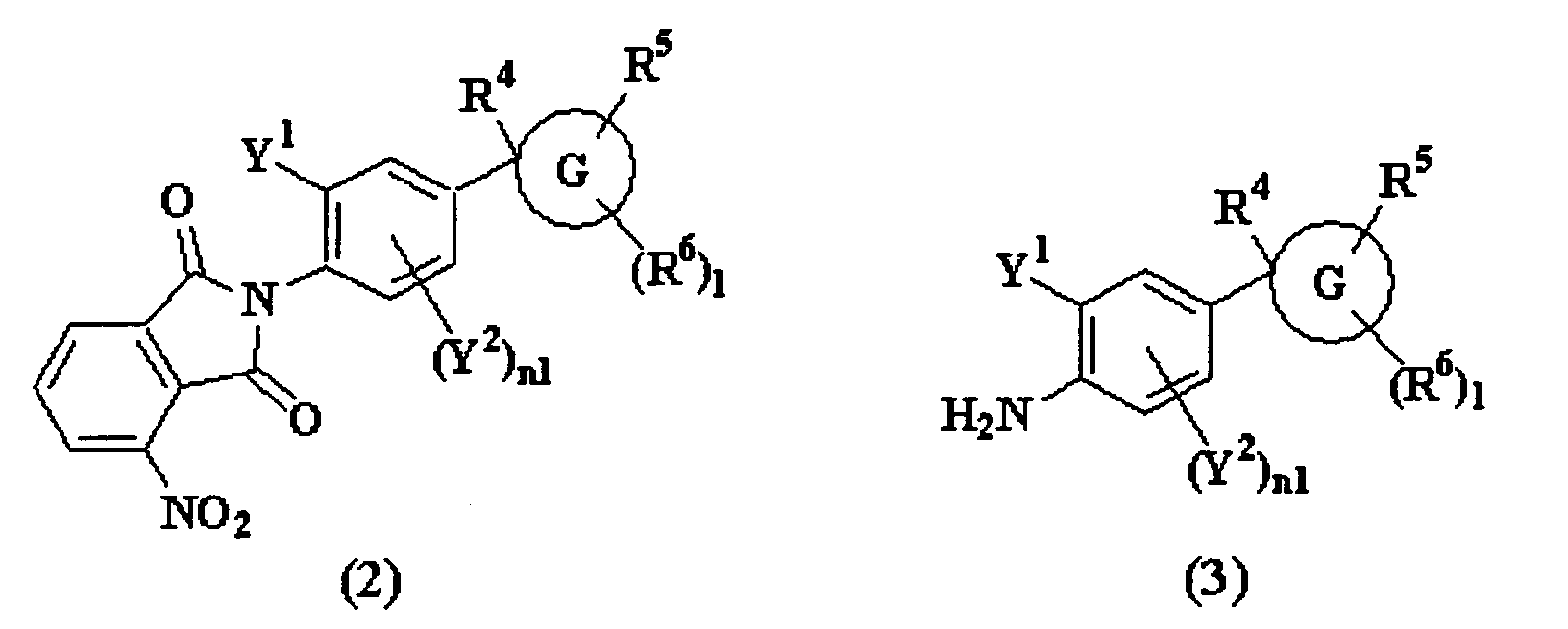
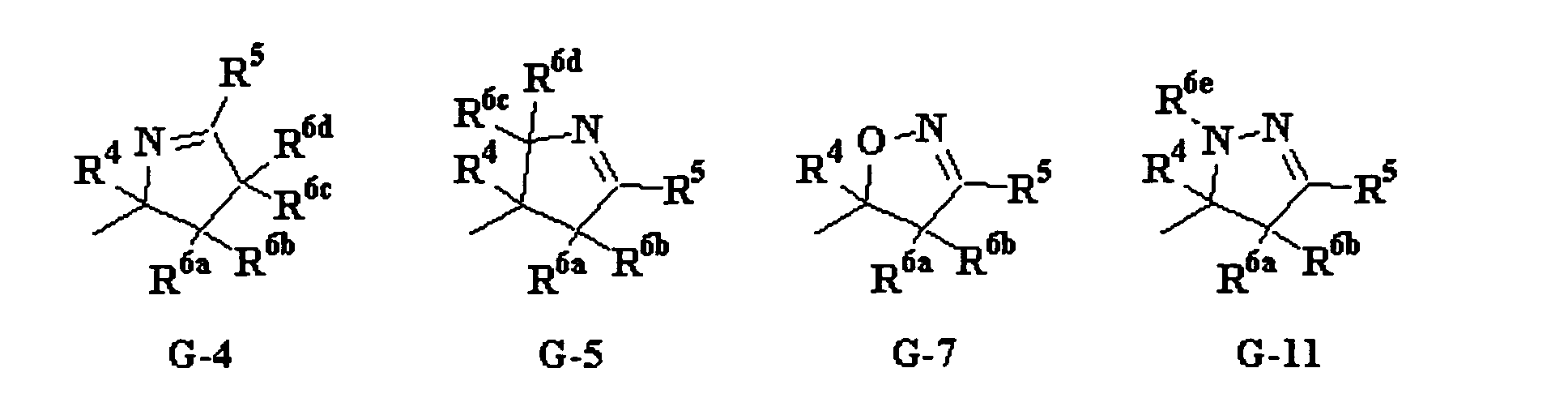
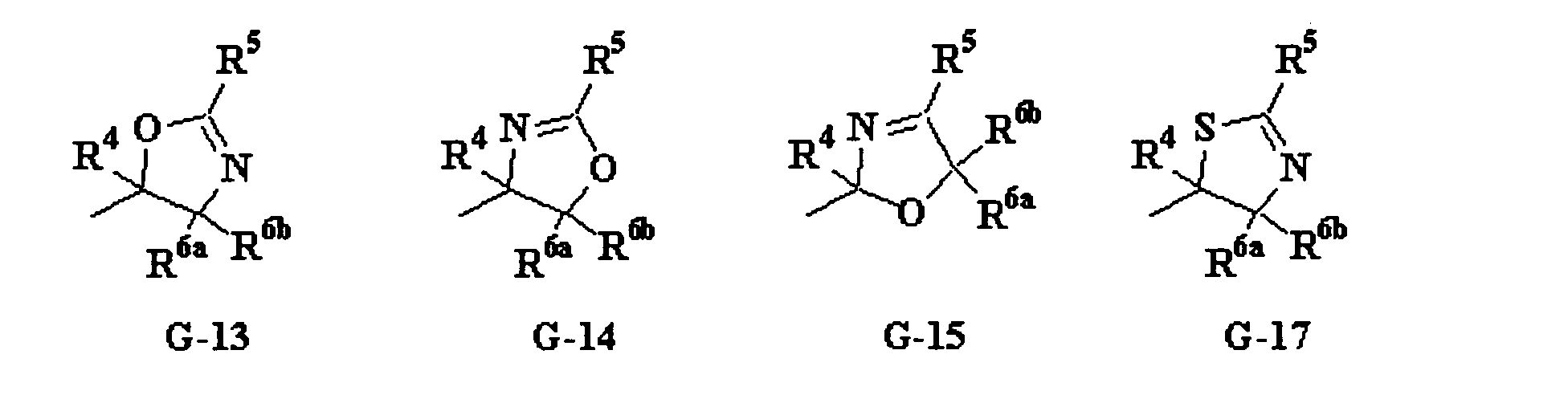 Y1 represents a halogen atom, a C1 to C6 alkyl, a C1 to C6 haloalkyl, a hydroxy(C1 to C6)alkyl, a C1 to C3 alkoxy(C1 to C3)alkyl, a C1 to C6 alkoxy, a C1 to C6 haloalkoxy, a C1 to C6 alkylthio or a C1 to C6 haloalkylthio,
Y2 represents a halogen atom, a C1 to C6 alkyl, a C1 to C6 alkoxy or a C1 to C6 alkylthio, and when n1 represents 2, each of Y2s may be the same with each other or may be different from each other,
R4 represents
(a). a C1 to C6 alkyl, a C1 to C6 haloalkyl, a C3 to C6 cycloalkyl(C1 to C4)alkyl, a C1 to C4 alkoxy(C1 to C4)alkyl, a C1 to C4 haloalkoxy(C1 to C4)alkyl, a C1 to C4 alkylthio(C1 to C4)alkyl, a C1 to C4 haloalkylthio(C1 to C4)alkyl, a C1 to C4 alkylsulfinyl(C1 to C4)alkyl, a C1 to C4 haloalkylsulfinyl(C1 to C4)alkyl, a C1 to C4 alkylsulfonyl(C1 to C4)alkyl, a C1 to C4 haloalkylsulfonyl(C1 to C4)alkyl, a C1 to C4 haloalkoxy(C1 to C4)haloalkyl, a C3 to C8 cycloalkyl, a C3 to C8 halocycloalkyl, Q, 1-naphthyl, 2-naphthyl, L-1 to L-4, L-8 to L-13, L-15 to L-23, L-30 to L-35, L-45 to L-53, M-4, M-5, M-8, M-9, M-14 to M-18 or M-19, when G represents a non-aromatic heterocyclic ring represented by either of the formula G-4, the formula G-5, the formula G-7, the formula G-11, the formula G-13, the formula G-15, the formula G-17, the formula G-18 or the formula G-23,
(b). a C1 to C6 haloalkyl, a C3 to C6 cycloalkyl(C1 to C4)alkyl, a C1 to C4 alkoxy(C1 to C4)alkyl, a C1 to C4 haloalkoxy(C1 to C4)alkyl, a C1 to C4 alkylthio(C1 to C4)alkyl, a C1 to C4 haloalkylthio(C1 to C4)alkyl, a C1 to C4 alkylsulfinyl(C1 to C4)alkyl, a C1 to C4 haloalkylsulfinyl(C1 to C4)alkyl, a C1 to C4 alkylsulfonyl(C1 to C4)alkyl, a C1 to C4 haloalkylsulfonyl(C1 to C4)alkyl, a C1 to C4 haloalkoxy(C1 to C4)haloalkyl, a C3 to C8 cycloalkyl, a C3 to C8 halocycloalkyl, Q, 1-naphthyl, 2-naphthyl, L-1 to L-4, L-8 to L-13, L-15 to L-23, L-30 to L-35, L-45 to L-53, M-4, M-5, M-8, M-9, M-14 to M-18 or M-19, when G represents a non-aromatic heterocyclic ring represented by the formula G-14,
(c). a halogen atom, a C1 to C6 alkyl, a C1 to C6 haloalkyl, a C3 to C6 cycloalkyl(C1 to C4)alkyl, a C1 to C4 alkoxy(C1 to C4)alkyl, a C1 to C4 haloalkoxy(C1 to C4)alkyl, a C1 to C4 alkylthio(C1 to C4)alkyl, a C1 to C4 haloalkylthio(C1 to C4)alkyl, a C1 to C4 alkylsulfinyl(C1 to C4)alkyl, a C1 to C4 haloalkylsulfinyl(C1 to C4)alkyl, a C1 to C4 alkylsulfonyl(C1 to C4)alkyl, a C1 to C4 haloalkylsulfonyl(C1 to C4)alkyl, a C1 to C4 haloalkoxy(C1 to C4)haloalkyl, a C3 to C8 cycloalkyl, a C3 to C8 halocycloalkyl, a C1 to C6 alkoxy, a C1 to C6 haloalkoxy, a C1 to C6 alkylthio, a C1 to C6 haloalkylthio, a C1 to C6 alkylsulfinyl, a C1 to C6 haloalkylsulfinyl, a C1 to C6 alkylsulfonyl, a C1 to C6 haloalkylsulfonyl, Q, 1-naphthyl, 2-naphthyl, L-1 to L-4, L-8 to L-13, L-15 to L-23, L-30 to L-35, L-45 to L-53, M-4, M-5, M-8, M-9, M-14 to M-18 or M-19, when G represents a cycloalkyl ring represented by the formula G-71,
R5 represents
(a). a hydrogen atom, a halogen atom, cyano, a C1 to C6 alkyl, a C1 to C6 haloalkyl, a C3 to C6 cycloalkyl(C1 to C4)alkyl, a C1 to C4 alkoxy(C1 to C4)alkyl, a C1 to C4 haloalkoxy(C1 to C4)alkyl, a C1 to C4 alkylthio(C1 to C4)alkyl, a C1 to C4 haloalkylthio(C1 to C4)alkyl, a C1 to C4 alkylsulfinyl(C1 to C4)alkyl, a C1 to C4 haloalkylsulfinyl(C1 to C4)alkyl, a C1 to C4 alkylsulfonyl(C1 to C4)alkyl, a C1 to C4 haloalkylsulfonyl(C1 to C4)alkyl, a C3 to C8 cycloalkyl, a C3 to C8 halocycloalkyl, a C1 to C6 alkoxy, a C1 to C6 haloalkoxy, a C1 to C6 alkylthio, a C1 to C6 haloalkylthio, a C1 to C6 alkylsulfinyl, a C1 to C6 haloalkylsulfinyl, a C1 to C6 alkylsulfonyl, a C1 to C6 haloalkylsulfonyl, a di(C1 to C6 alkyl)amino, pyrrolidin-1-yl, oxazolidin-3-yl, thiazolidin-3-yl, piperidin-1-yl, morpholin-1-yl, -C(R9)=NOR11, Q, 1-naphthyl, 2-naphthyl, L, M-4, M-5, M-8, M-9, M-14 to M-18 or M-19, when G represents a non-aromatic heterocyclic ring represented by either of the formula G-4, the formula G-5, the formula G-7, the formula G-11, the formula G-13, the formula G-14, the formula G-15, the formula G-17, the formula G-18 or the formula G-23,
(b). a C3 to C6 cycloalkyl(C1 to C4)alkyl, a C1 to C4 alkoxy(C1 to C4)alkyl, a C1 to C4 haloalkoxy(C1 to C4)alkyl, a C1 to C4 alkylthio(C1 to C4)alkyl, a C1 to C4 haloalkylthio(C1 to C4)alkyl, a C1 to C4 alkylsulfinyl(C1 to C4)alkyl, a C1 to C4 haloalkylsulfinyl(C1 to C4)alkyl, a C1 to C4 alkylsulfonyl(C1 to C4)alkyl, a C1 to C4 haloalkylsulfonyl(C1 to C4)alkyl, a C3 to C8 cycloalkyl, a C3 to C8 halocycloalkyl, -C(R9)=NOR11, -Si(R13)(R14)R12, Q, 1-naphthyl, 2-naphthyl, L-1 to L-4, L-8 to L-13, L-15 to L-23, L-30 to L-35, L-45 to L-53, M-4, M-5, M-8, M-9, M-14 to M-18 or M-19, when G represents a cycloalkyl ring represented by the formula G-71, and R4 represents a halogen atom, a C1 to C6 alkyl or a C1 to C6 haloalkyl,
(c). a hydrogen atom, a halogen atom, cyano, a C1 to C6 alkyl, a C1 to C6 haloalkyl, a C3 to C6 cycloalkyl(C1 to C4)alkyl, a C1 to C4 alkoxy(C1 to C4)alkyl, a C1 to C4 haloalkoxy(C1 to C4)alkyl, a C1 to C4 alkylthio(C1 to C4)alkyl, a C1 to C4 haloalkylthio(C1 to C4)alkyl, a C1 to C4 alkylsulfinyl(C1 to C4)alkyl, a C1 to C4 haloalkylsulfinyl(C1 to C4)alkyl, a C1 to C4 alkylsulfonyl(C1 to C4)alkyl, a C1 to C4 haloalkylsulfonyl(C1 to C4)alkyl, a C3 to C8 cycloalkyl, a C3 to C8 halocycloalkyl, a C1 to C6 alkoxy, a C1 to C6 haloalkoxy, a C1 to C6 alkylthio, a C1 to C6 haloalkylthio, a C1 to C6 alkylsulfinyl, a C1 to C6 haloalkylsulfinyl, a C1 to C6 alkylsulfonyl, a C1 to C6 haloalkylsulfonyl, -C(R9)=NOR11, -Si(R13)(R14)R12, M-4, M-5, M-8, M-9, M-14 to M-18 or M-19, when G represents a cycloalkyl ring represented by the formula G-71, and R4 represents a C3 to C6 cycloalkyl(C1 to C4)alkyl, a C1 to C4 alkoxy(C1 to C4)alkyl, a C1 to C4 haloalkoxy(C1 to C4)alkyl, a C1 to C4 alkylthio(C1 to C4)alkyl, a C1 to C4 haloalkylthio(C1 to C4)alkyl, a C1 to C4 alkylsulfinyl(C1 to C4)alkyl, a C1 to C4 haloalkylsulfinyl(C1 to C4)alkyl, a C1 to C4 alkylsulfonyl(C1 to C4)alkyl, a C1 to C4 haloalkylsulfonyl(C1 to C4)alkyl, a C1 to C4 haloalkoxy(C1 to C4)haloalkyl, a C3 to C8 cycloalkyl, a C3 to C8 halocycloalkyl, a C1 to C6 alkoxy, a C1 to C6 haloalkoxy, a C1 to C6 alkylthio, a C1 to C6 haloalkylthio, a C1 to C6 alkylsulfinyl, a C1 to C6 haloalkylsulfinyl, a C1 to C6 alkylsulfonyl, a C1 to C6 haloalkylsulfonyl, M-4, M-5, M-8, M-9, M-14 to M-18 or M-19,
(d). a hydrogen atom, a halogen atom, cyano, a C1 to C6 alkyl or a C1 to C6 haloalkyl, when G represents a cycloalkyl ring represented by the formula G-71, and R4 represents Q, 1-naphthyl, 2-naphthyl, L-1 to L-4, L-8 to L-13, L-15 to L-23, L-30 to L-35, L-45 to L-52 or L-53,
R6a, R6b, R6c and R6d each represent a hydrogen atom,
R6e represents a C1 to C6 alkyl, a C1 to C6 alkylsulfonyl, a C1 to C6 alkoxycarbonyl, a di(C1 to C6 alkyl)phosphoryl or Q,
R6i represents a hydrogen atom, a halogen atom or a C1 to C6 alkyl,
R6j and R6k each independently represent a hydrogen atom, a halogen atom, cyano or methyl,
Q represents a phenyl group which may be substituted represented by either of Q-1 to Q-11,
 L represents an aromatic heterocyclic ring represented by either of the formula L-1 to the formula L-58,

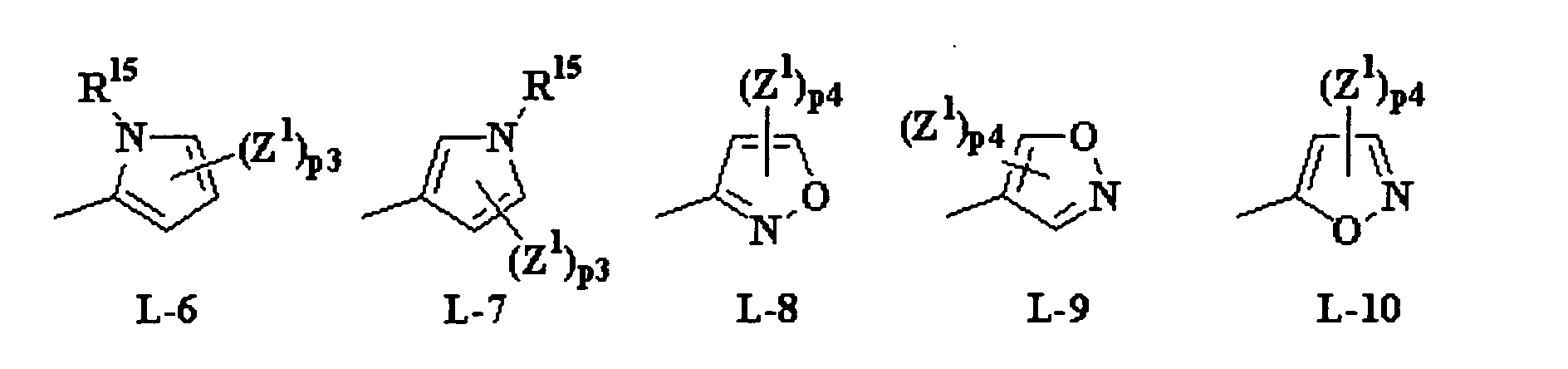


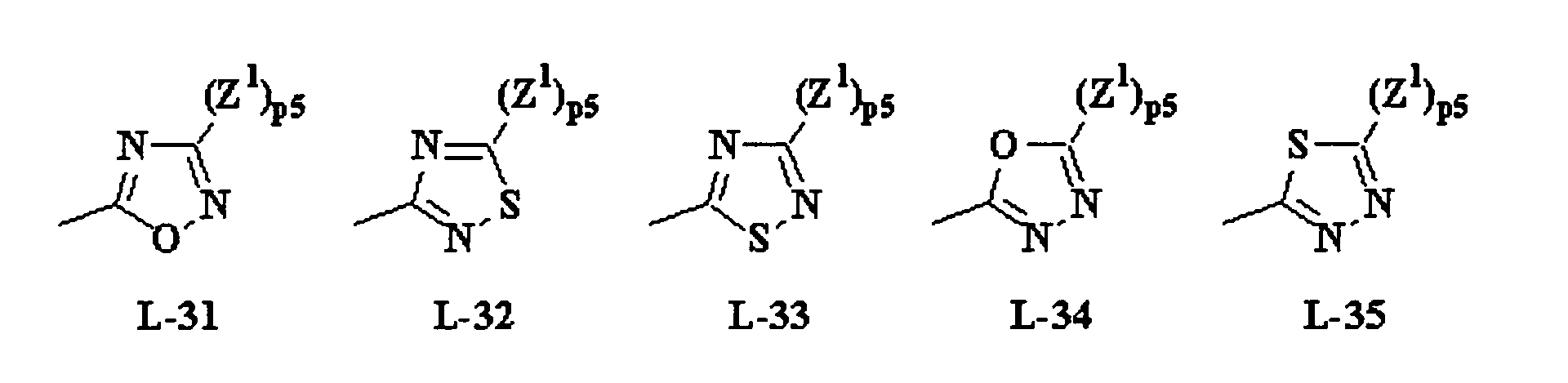
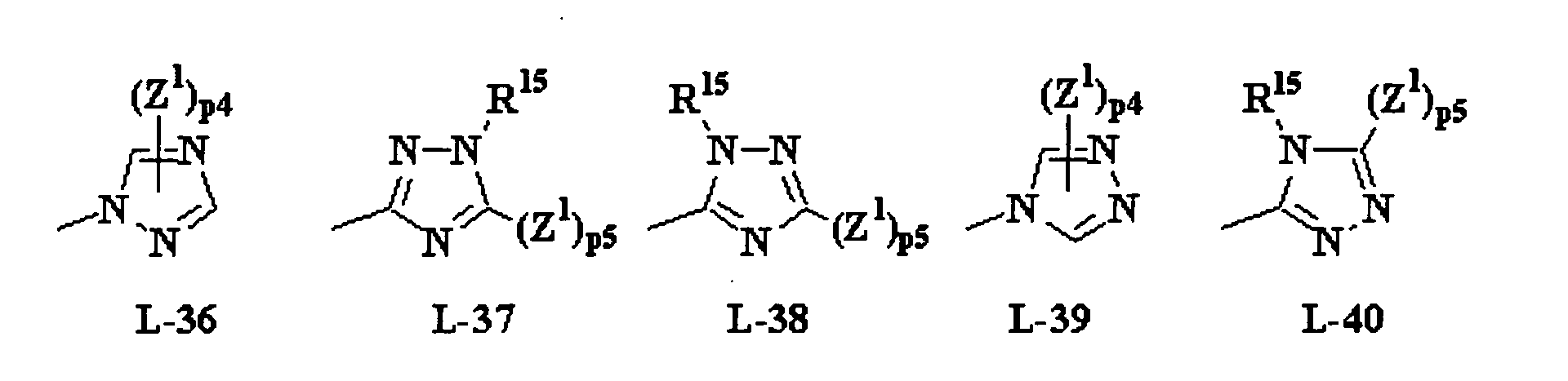
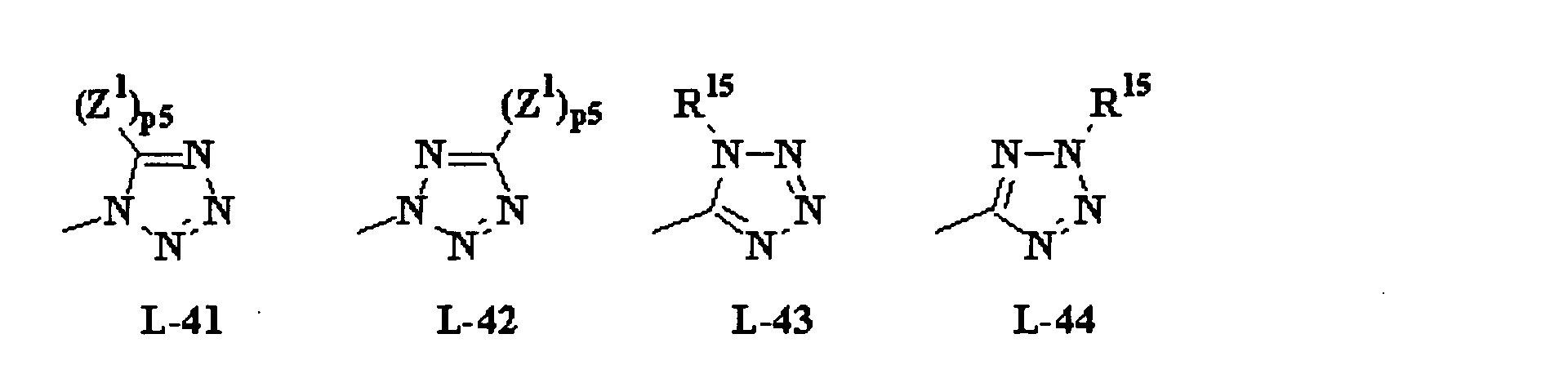

 M-4, M-5, M-8, M-9, M-14 to M-18 or M-19 each represent the following saturated heterocyclic ring,
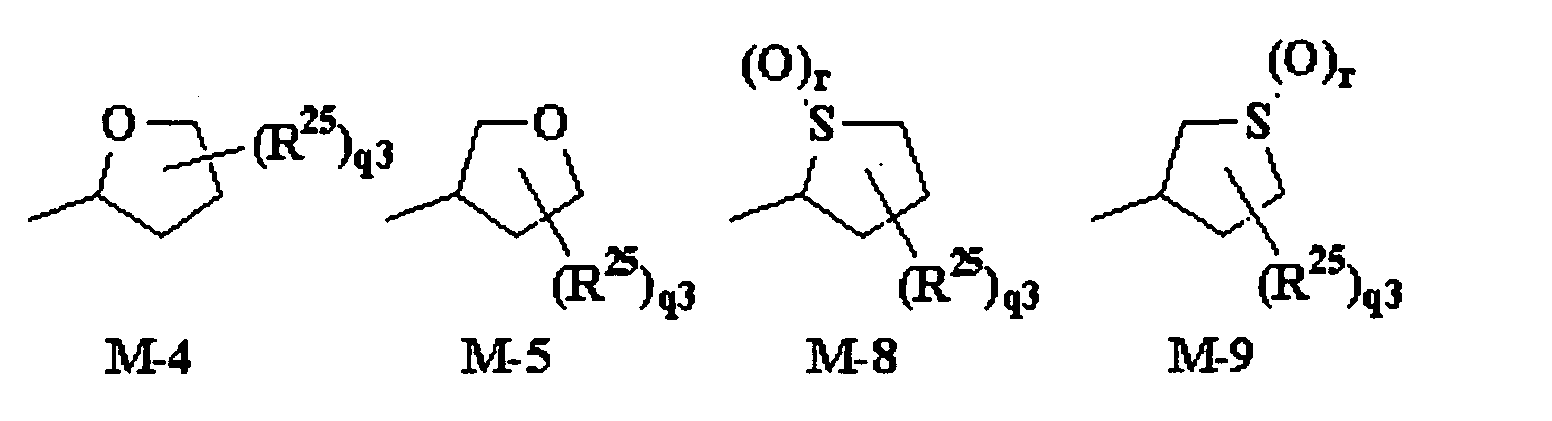
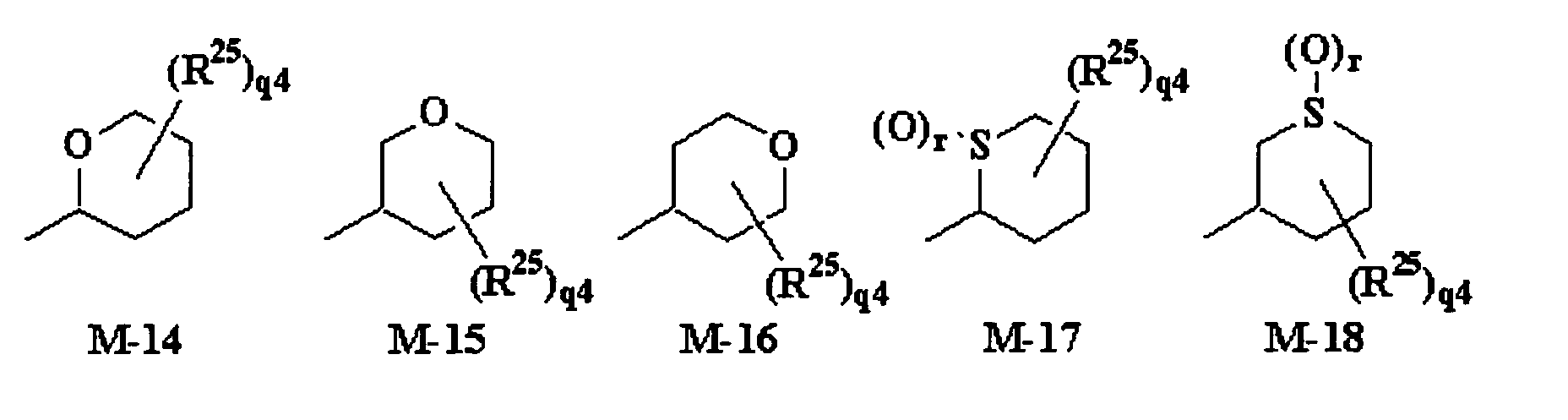 Z1 represents a halogen atom, cyano, nitro, a C1 to C6 alkyl, a C1 to C6 haloalkyl, a C1 to C6 alkoxy, a C1 to C6 haloalkoxy, a C1 to C6 alkylthio, a C1 to C6 haloalkylthio, a C1 to C6 alkylsulfinyl, a C1 to C6 haloalkylsulfinyl, a C1 to C6 alkylsulfonyl, a C1 to C6 haloalkylsulfonyl, a C1 to C6 alkylamino or di(C1 to C6 alkyl)amino, when p1, p2; p3 or p4 represents an interger of 2 or more, each of Z1s may be the same with each other or may be different from each other,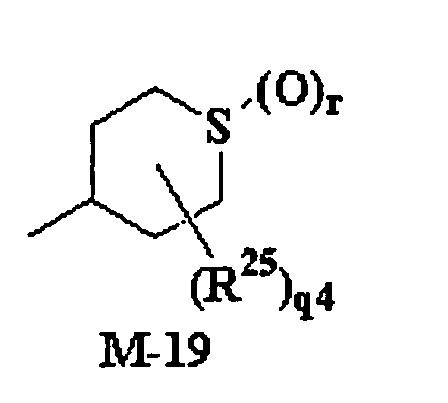
Z2a, Z2b and R2d each independently represent a halogen atom, cyano, nitro, amino, a C1 to C6 alkyl, a C1 to C6 haloalkyl, a C1 to C3 alkoxy(C1 to C3)alkyl, a C1 to C3 haloalkoxy(C1 to C3)alkyl, a C1 to C3 alkylthio(C1 to C3)alkyl, a C1 to C3 haloalkylthio(C1 to C3)alkyl, a C1 to C3 alkylsulfinyl(C1 to C3)alkyl, a C1 to C3 haloalkylsulfinyl(C1 to C3)alkyl, a C1 to C3 alkylsulfonyl(C1 to C3)alkyl, a C1 to C3 haloalkylsulfonyl(C1 to C3)alkyl, a cyano(C1 to C6)alkyl, a C3 to C8 cycloalkyl, a C3 to C8 halocycloalkyl, a C1 to C6 alkoxy, a C1 to C6 haloalkoxy, a C1 to C6 alkylsulfonyloxy, a C1 to C6 haloalkylsulfonyloxy, phenoxy which may be substituted by (Z1)p1, 5-trifluoromethylpyridin-2-yloxy, 3-chloro-5-trifluoromethylpyridin-2-yloxy, a C1 to C6 alkylthio, a C1 to C6 haloalkylthio, a C3 to C8 cycloalkylthio, a C1 to C6 alkylsulfinyl, a C1 to C6 haloalkylsulfinyl, a C3 to C8 cycloalkylsulfinyl, a C1 to C6 alkylsulfonyl, a C1 to C6 haloalkylsulfonyl, a C3 to C8 cycloalkylsulfonyl, a C1 to C6 alkylamino, a di(C1 to C6 alkyl)amino, a C1 to C6 alkylaminosulfonyl, a di(C1 to C6 alkyl)aminosulfonyl, -C(O)NH2, a C1 to C6 alkylaminocarbonyl, a di(C1 to C6)alkylaminocarbonyl, -C(S)NH2 or a tri(C1 to C6 alkyl)silyl,
and further Z2a and Z2b or Z2a and Z2d may form -OCF2O-, so that they may form a 5-membered ring with the carbon atoms to which they are bonded,
Z2c represents a halogen atom, a C1 to C6 alkyl or a C1 to C6 haloalkyl,
R9 represents a C1 to C6 alkyl, a C1 to C6 haloalkyl, a C3 to C8 cycloalkyl or phenyl which may be substituted by (Z1)p1,
R11 represents a C1 to C6 alkyl or a C1 to C6 haloalkyl, or R9 and R11 are combined to form a C2 to C3 alkylene chain, so that they may form a 5-membered ring or 6-membered ring with atoms to which they are bonded, and the alkylene chain at this time may be optionally substituted by a C1 to C6 alkyl group,
R12 represents a C1 to C6 alkyl or phenyl which may be substituted by (Z1)p1,
R13 and R14 each independently represent a C1 to C6 alkyl,
R15 represents a C1 to C6 alkyl or phenyl which may be substituted by (Z1)p1,
R25 represents a C1 to C4 alkyl,
n1 represents an integer of 0 to 3,
p1 represents an integer of 1 to 5,
p2 represents an integer of 0 to 4,
p3 represents an integer of 0 to 3,
p4 represents an integer of 0 to 2,
p5 represents an integer of 0 or 1,
q3 represents an integer of 0 to 2,
q4 represents an integer of 0 to 2,
r represents an integer of 0 to 2,
t represents an integer of 0 or 1.]
or a salt of these. - A noxious organism controlling agent which comprises one or more kinds selected from the group consisting of a substituted benzanilide compound and a salt thereof according to any one of Claims 1 to 15 as an effective ingredient.
- An agricultural chemical which comprises one or more kinds selected from the group consisting of a substituted benzanilide compound and a salt thereof according to any one of Claims 1 to 15 as an effective ingredient.
- A insecticide or acaricide which comprises one or more kinds selected from the group consisting of a substituted benzanilide compound and a salt thereof according to any one of Claims 1 to 15 as an effective ingredient.
Applications Claiming Priority (11)
| Application Number | Priority Date | Filing Date | Title |
|---|---|---|---|
| JP2002244619 | 2002-08-26 | ||
| JP2002244619 | 2002-08-26 | ||
| JP2002281294 | 2002-09-26 | ||
| JP2002281294 | 2002-09-26 | ||
| JP2002344987 | 2002-11-28 | ||
| JP2002344987 | 2002-11-28 | ||
| JP2003083371 | 2003-03-25 | ||
| JP2003083371 | 2003-03-25 | ||
| JP2003182013 | 2003-06-26 | ||
| JP2003182013 | 2003-06-26 | ||
| PCT/JP2003/010708 WO2004018410A1 (en) | 2002-08-26 | 2003-08-25 | Substituted benzanilide compound and pest control agent |
Publications (2)
| Publication Number | Publication Date |
|---|---|
| EP1538138A1 true EP1538138A1 (en) | 2005-06-08 |
| EP1538138A4 EP1538138A4 (en) | 2007-07-25 |
Family
ID=31950852
Family Applications (1)
| Application Number | Title | Priority Date | Filing Date |
|---|---|---|---|
| EP03792835A Withdrawn EP1538138A4 (en) | 2002-08-26 | 2003-08-25 | Substituted benzanilide compound and pest control agent |
Country Status (6)
| Country | Link |
|---|---|
| US (1) | US20050250822A1 (en) |
| EP (1) | EP1538138A4 (en) |
| AU (1) | AU2003261713A1 (en) |
| BR (1) | BR0313943A (en) |
| TW (1) | TW200407073A (en) |
| WO (1) | WO2004018410A1 (en) |
Cited By (41)
| Publication number | Priority date | Publication date | Assignee | Title |
|---|---|---|---|---|
| WO2005095351A1 (en) * | 2004-03-12 | 2005-10-13 | Bayer Cropscience Ag | N1 - ((pyrazol-1-ymethyl) -2-methylphenyl)- phatalamide derivatives and related compounds insecticides |
| DE102005023943A1 (en) * | 2005-05-20 | 2006-11-23 | Grünenthal GmbH | Pentafluorosulfanyl-substituted compound and its use for the preparation of medicaments |
| WO2007079162A1 (en) * | 2005-12-30 | 2007-07-12 | E. I. Du Pont De Nemours And Company | Isoxazolines for controlling invertebrate pests |
| WO2007070606A3 (en) * | 2005-12-14 | 2007-08-02 | Du Pont | Isoxazolines for controlling invertebrate pests |
| WO2007123855A3 (en) * | 2006-04-20 | 2008-01-10 | Du Pont | Pyrazolines for controlling invertebrate pests |
| WO2008037378A3 (en) * | 2006-09-30 | 2008-12-04 | Bayer Cropscience Ag | Suspension concentrates for improving the root absorption of agrochemical active ingredients |
| WO2008130651A3 (en) * | 2007-04-20 | 2009-03-05 | Dow Agrosciences Llc | Diarylisoxazolines |
| WO2009049844A1 (en) * | 2007-10-17 | 2009-04-23 | Syngenta Participations Ag | Insecticidal compounds |
| WO2009097992A1 (en) | 2008-02-07 | 2009-08-13 | Bayer Cropscience Ag | Insecticidal arylpyrrolines |
| WO2009049845A3 (en) * | 2007-10-17 | 2009-09-03 | Syngenta Participations Ag | Bisamide derivatives and their use as insecticidal compounds |
| WO2010020522A1 (en) * | 2008-08-22 | 2010-02-25 | Syngenta Participations Ag | Insecticidal compounds |
| WO2010020521A1 (en) * | 2008-08-22 | 2010-02-25 | Syngenta Participations Ag | Insceticidal compounds |
| WO2010070068A3 (en) * | 2008-12-19 | 2010-08-05 | Novartis Ag | Isoxazoline derivatives and their use as pesticide |
| US7897630B2 (en) | 2005-12-16 | 2011-03-01 | E.I. Du Pont De Nemours And Company | 5-aryl isoxazolines for controlling invertebrate pests |
| WO2011051455A1 (en) * | 2009-10-30 | 2011-05-05 | Bayer Cropscience Ag | Pesticidal heterocyclic compounds |
| WO2012004326A1 (en) | 2010-07-08 | 2012-01-12 | Bayer Cropscience Ag | Pesticidal pyrroline derivatives |
| WO2012007426A1 (en) * | 2010-07-13 | 2012-01-19 | Basf Se | Azoline substituted isoxazoline benzamide compounds for combating animal pests |
| US8217180B2 (en) | 2007-08-17 | 2012-07-10 | E.I. Du Pont De Nemours And Company | Method for preparing 5-haloalkyl-4,5-dihydroisoxazole derivatives |
| US8367584B2 (en) | 2007-10-03 | 2013-02-05 | E.I. Du Pont De Nemours And Company | Naphthalene isoxazoline compounds for control of invertebrate pests |
| US8410141B2 (en) | 2009-05-19 | 2013-04-02 | Bayer Cropscience Ag | Insecticidal arylpyrrolines |
| US8410153B2 (en) | 2007-06-26 | 2013-04-02 | E.I. Du Pont De Nemours And Company | Naphthalene isoxazoline invertebrate pest control agents |
| US8546618B2 (en) | 2008-04-09 | 2013-10-01 | E.I. Du Pont De Nemours And Company | Method for preparing 3-trifluoromethyl chalcones |
| US8563474B2 (en) | 2008-07-09 | 2013-10-22 | Basf Se | Pestcidal active mixtures comprising isoxazoline compounds I |
| US8598087B2 (en) | 2010-05-27 | 2013-12-03 | E. I. Du Pont De Nemours And Company | Crystalline form of 4-[5-[3-chloro-5-(trifluoromethyl)phenyl]-4, 5-dihydro-5-(trifluoromethyl)-3-isoxazolyl]-N-[2-0X0-2-[(2,2,2-trifluoroethyl)amino]ethyl]-1- naph-thalenecarboxamide |
| US8597688B2 (en) | 2008-07-09 | 2013-12-03 | Basf Se | Pesticidal mixtures comprising isoxazoline compounds II |
| US8623875B2 (en) | 2007-06-13 | 2014-01-07 | E.I. Du Pont De Nemours And Company | Isoxazoline insecticides |
| US8633134B2 (en) | 2008-12-23 | 2014-01-21 | Basf Se | Substituted amidine compounds for combating animal pests |
| US8722673B2 (en) | 2008-12-23 | 2014-05-13 | Basf Se | Imine compounds for combating invertebrate pests |
| US8999889B2 (en) | 2010-02-01 | 2015-04-07 | Basf Se | Substituted ketonic isoxazoline compounds and derivatives for combating animal pests |
| CN105325437A (en) * | 2014-08-07 | 2016-02-17 | 江苏龙灯化学有限公司 | Insecticidal composition containing cyhalodiamide and diflubenzuron |
| CN105325436A (en) * | 2014-08-07 | 2016-02-17 | 江苏龙灯化学有限公司 | Insecticidal composition containing cyhalodiamide and diafenthiuron |
| US9732051B2 (en) | 2011-12-23 | 2017-08-15 | Basf Se | Isothiazoline compounds for combating invertebrate pests |
| US10045969B2 (en) | 2004-03-05 | 2018-08-14 | Nissan Chemical Industries, Inc. | Isoxazoline-substituted benzamide compound and pesticide |
| WO2019156903A1 (en) | 2018-02-12 | 2019-08-15 | Fmc Corporation | Naphthalene isoxazoline compounds for controlling invertebrate pests |
| US10533002B2 (en) | 2013-06-24 | 2020-01-14 | Boehringer Ingelheim Animal Health USA Inc. | Thiophene- or furan-substituted isothiazoline compounds as pesticides |
| WO2020018610A1 (en) | 2018-07-18 | 2020-01-23 | Fmc Corporation | Isoxazoline compounds for controlling invertebrate pests |
| WO2020055955A1 (en) | 2018-09-12 | 2020-03-19 | Fmc Corporation | Isoxazoline compounds for controlling invertebrate pests |
| WO2021262621A1 (en) | 2020-06-23 | 2021-12-30 | Fmc Corporation | Chromenone compounds for controlling invertebrate pests |
| US11278533B2 (en) | 2007-06-27 | 2022-03-22 | E.I. Du Pont De Nemours And Company | Animal pest control method |
| WO2022256284A1 (en) | 2021-06-02 | 2022-12-08 | Fmc Corporation | Fused pyridines for controlling invertebrate pests |
| US12304903B2 (en) | 2020-07-24 | 2025-05-20 | Elanco Us Inc. | Process for making an isoxazoline compound and intermediate thereof |
Families Citing this family (33)
| Publication number | Priority date | Publication date | Assignee | Title |
|---|---|---|---|---|
| JP2004277333A (en) * | 2003-03-14 | 2004-10-07 | Bayer Cropscience Ag | Insecticidal phthalamide derivative |
| US7465805B2 (en) * | 2004-10-05 | 2008-12-16 | Syngenta Limited | Isoxazoline derivatives and their use as herbicides |
| JP5007788B2 (en) * | 2005-05-16 | 2012-08-22 | 日産化学工業株式会社 | Dihydroazole-substituted benzamide compounds and pest control agents |
| RU2435762C2 (en) * | 2005-09-02 | 2011-12-10 | Ниссан Кемикал Индастриз, Лтд. | Isoxazoline-substituted benzamide derivative and pesticide |
| CN101331127B (en) * | 2005-12-16 | 2012-05-23 | 杜邦公司 | 5-aryl isoxazolines for controlling invertebrate pests |
| FR2895605A1 (en) * | 2005-12-22 | 2007-06-29 | Thomson Licensing Sas | METHOD FOR RECEIVING MULTIPLE CARRIER SIGNAL, TRANSMITTING METHOD, RECEIVER AND TRANSMITTER THEREFOR |
| EP1975149B1 (en) | 2005-12-26 | 2012-02-15 | Nissan Chemical Industries, Ltd. | 1,3-bis(substituted phenyl)-3-hydroxypropan-1-one or 2-propen-1-one compound, and salt thereof |
| JP5152518B2 (en) | 2006-03-10 | 2013-02-27 | 日産化学工業株式会社 | Substituted isoxazoline compounds and pest control agents |
| GB0614691D0 (en) * | 2006-07-24 | 2006-08-30 | Syngenta Participations Ag | Insecticidal compounds |
| JP2008044880A (en) | 2006-08-15 | 2008-02-28 | Bayer Cropscience Ag | Insecticidal isooxazolines |
| JP5296688B2 (en) | 2006-09-11 | 2013-09-25 | シンジェンタ パーティシペーションズ アクチェンゲゼルシャフト | Insecticidal compound |
| JP5256753B2 (en) * | 2007-03-29 | 2013-08-07 | 住友化学株式会社 | Isoxazoline compounds and their pest control applications |
| RU2009141185A (en) | 2007-04-10 | 2011-05-20 | Байер КропСайенс АГ (DE) | INSECTICIDAL DERIVATIVES OF ARILIZOXOXAZOLINE |
| WO2009022746A1 (en) * | 2007-08-10 | 2009-02-19 | Nippon Soda Co., Ltd. | Nitrogen-containing heterocyclic compound and pest control agent |
| JP5365807B2 (en) * | 2007-11-12 | 2013-12-11 | 日産化学工業株式会社 | Catalytic asymmetric synthesis of optically active isoxazoline compounds |
| JPWO2009072621A1 (en) | 2007-12-07 | 2011-04-28 | 日産化学工業株式会社 | Substituted dihydroazole compounds and pest control agents |
| JP2009286773A (en) * | 2008-03-14 | 2009-12-10 | Bayer Cropscience Ag | Insecticidal condensed-ring aryl compounds |
| EP2331535B1 (en) | 2008-09-04 | 2015-07-22 | Syngenta Participations AG | Insecticidal compounds |
| US8927551B2 (en) | 2009-05-18 | 2015-01-06 | Infinity Pharmaceuticals, Inc. | Isoxazolines as inhibitors of fatty acid amide hydrolase |
| US8765735B2 (en) | 2009-05-18 | 2014-07-01 | Infinity Pharmaceuticals, Inc. | Isoxazolines as inhibitors of fatty acid amide hydrolase |
| US9149465B2 (en) | 2009-05-18 | 2015-10-06 | Infinity Pharmaceuticals, Inc. | Isoxazolines as inhibitors of fatty acid amide hydrolase |
| WO2011073444A2 (en) | 2009-12-18 | 2011-06-23 | Basf Se | Azoline compounds for combating invertebrate pests |
| WO2011141414A1 (en) * | 2010-05-11 | 2011-11-17 | Bayer Cropscience Ag | Process for the preparation of 5-substituted 3-aryl-3-(trifluoromethyl)-3,4-dihydro-2h-pyrroles |
| UY33403A (en) * | 2010-06-17 | 2011-12-30 | Novartis Ag | ORGANIC COMPOUNDS WITH NEW ISOXAZOLINES, THEIR N-OXIDES, S-OXIDES AND SALTS |
| WO2014170328A1 (en) | 2013-04-19 | 2014-10-23 | Bayer Cropscience Ag | Active compound combinations having insecticidal properties |
| WO2014170345A2 (en) | 2013-04-19 | 2014-10-23 | Bayer Cropscience Ag | Method for improved utilization of the production potential of transgenic plants |
| WO2014170254A1 (en) | 2013-04-19 | 2014-10-23 | Bayer Cropscience Ag | Insecticidal synergistic combinations of phthaldiamide derivatives and abamectin, emamectin, lepimectin or milbemectin |
| CN105163583B (en) | 2013-04-19 | 2017-07-11 | 拜耳作物科学股份公司 | Active agent combinations with insecticidal properties |
| US9554573B2 (en) | 2013-04-19 | 2017-01-31 | Bayer Cropscience Aktiengesellschaft | Binary insecticidal or pesticidal mixture |
| BR112015026113A2 (en) | 2013-04-19 | 2017-07-25 | Bayer Cropscience Ag | combinations of active compounds with insecticidal properties |
| CN105163582B (en) | 2013-04-19 | 2018-10-19 | 拜耳作物科学股份公司 | The desinsection synergistic combinations of phthaloyl amide derivatives and ethiprole |
| CN105324376B (en) | 2013-06-27 | 2017-06-23 | 辉瑞大药厂 | Heteroaromatics and its purposes as dopamine D 1 part |
| UY37137A (en) | 2016-02-24 | 2017-09-29 | Merial Inc | ANTIPARASITARY COMPOUNDS OF ISOXAZOLINE, INJECTABLE FORMULATIONS OF PROLONGED ACTION THAT INCLUDE THEM, METHODS AND USES OF THE SAME |
Family Cites Families (7)
| Publication number | Priority date | Publication date | Assignee | Title |
|---|---|---|---|---|
| TW515786B (en) * | 1997-11-25 | 2003-01-01 | Nihon Nohyaku Co Ltd | Phthalic acid diamide derivatives, agricultural and horticultural insecticides, and a method for application of the insecticides |
| US6362369B2 (en) * | 1997-11-25 | 2002-03-26 | Nihon Nohyaku Co., Ltd. | Phthalic acid diamide derivatives fluorine-containing aniline compounds as starting material, agricultural and horticultural insecticides, and a method for application of the insecticides |
| CZ299375B6 (en) * | 1998-11-30 | 2008-07-09 | Nihon Nohyaku Co., Ltd. | Phthalimide derivatives or salts thereof, agricultural- horticultural insecticidal agent and application method thereof |
| CN1249020C (en) * | 1999-12-22 | 2006-04-05 | 日本农药株式会社 | Aromatic diamide derivatives, agricultural and horticultural chemicals and uses thereof |
| US7132546B2 (en) * | 2000-12-22 | 2006-11-07 | Ishihara Sangyo Kaisha, Ltd. | Aniline derivatives or salts thereof and cytokine production inhibitors containing the same |
| IL157046A0 (en) * | 2001-02-06 | 2004-02-08 | Bayer Cropscience Ag | Phthalic acid diamide, method for the production thereof and the use of the same as a pesticide |
| WO2003011028A1 (en) * | 2001-08-01 | 2003-02-13 | Nissan Chemical Industries, Ltd. | Substituted amides and pest controllers |
-
2003
- 2003-08-25 WO PCT/JP2003/010708 patent/WO2004018410A1/en not_active Ceased
- 2003-08-25 EP EP03792835A patent/EP1538138A4/en not_active Withdrawn
- 2003-08-25 AU AU2003261713A patent/AU2003261713A1/en not_active Abandoned
- 2003-08-25 BR BR0313943-3A patent/BR0313943A/en not_active IP Right Cessation
- 2003-08-26 TW TW092123397A patent/TW200407073A/en unknown
-
2005
- 2005-02-25 US US11/065,560 patent/US20050250822A1/en not_active Abandoned
Cited By (85)
| Publication number | Priority date | Publication date | Assignee | Title |
|---|---|---|---|---|
| US10045969B2 (en) | 2004-03-05 | 2018-08-14 | Nissan Chemical Industries, Inc. | Isoxazoline-substituted benzamide compound and pesticide |
| US10874645B2 (en) | 2004-03-05 | 2020-12-29 | Nissan Chemical Corporation | Isoxazoline-substituted benzamide compound and pesticide |
| US10596157B2 (en) | 2004-03-05 | 2020-03-24 | Nissan Chemical Corporation | Isoxazoline-substituted benzamide compound and pesticide |
| US7674807B2 (en) | 2004-03-12 | 2010-03-09 | Bayer Cropscience Ag | Heterocycle-substituted n-phenyl-phthalamide derivatives, related compounds and their use as insecticides |
| WO2005095351A1 (en) * | 2004-03-12 | 2005-10-13 | Bayer Cropscience Ag | N1 - ((pyrazol-1-ymethyl) -2-methylphenyl)- phatalamide derivatives and related compounds insecticides |
| DE102005023943A1 (en) * | 2005-05-20 | 2006-11-23 | Grünenthal GmbH | Pentafluorosulfanyl-substituted compound and its use for the preparation of medicaments |
| WO2007070606A3 (en) * | 2005-12-14 | 2007-08-02 | Du Pont | Isoxazolines for controlling invertebrate pests |
| US9073910B2 (en) | 2005-12-16 | 2015-07-07 | E.I. Du Pont De Nemours And Company | 5-aryl isoxazolines for controlling invertebrate pests |
| US7897630B2 (en) | 2005-12-16 | 2011-03-01 | E.I. Du Pont De Nemours And Company | 5-aryl isoxazolines for controlling invertebrate pests |
| CN101351456B (en) * | 2005-12-30 | 2012-10-03 | 杜邦公司 | Isoxazolines for controlling invertebrate pests |
| JP2009522282A (en) * | 2005-12-30 | 2009-06-11 | イー・アイ・デュポン・ドウ・ヌムール・アンド・カンパニー | Isoxazolines for controlling invertebrate pests |
| US8871941B2 (en) | 2005-12-30 | 2014-10-28 | E.I. Du Pont De Nemours And Company | 8-bromo-5-quinolinecarboxaldehyde oxime |
| RU2433123C2 (en) * | 2005-12-30 | 2011-11-10 | Е.И.Дюпон Де Немур Энд Компани | Isoxazolines for invertebrate pest control |
| US8231888B2 (en) | 2005-12-30 | 2012-07-31 | E.I. Du Pont De Nemours And Company | Isoxazolines for controlling invertebrate pests |
| US7964204B2 (en) | 2005-12-30 | 2011-06-21 | E.I. Du Pont De Nemours And Company | Isoxazolines for controlling invertebrate pests |
| WO2007079162A1 (en) * | 2005-12-30 | 2007-07-12 | E. I. Du Pont De Nemours And Company | Isoxazolines for controlling invertebrate pests |
| US8552218B2 (en) | 2005-12-30 | 2013-10-08 | E.I. Du Pont De Nemours And Company | Isoxazolines for controlling invertebrate pests |
| WO2007123855A3 (en) * | 2006-04-20 | 2008-01-10 | Du Pont | Pyrazolines for controlling invertebrate pests |
| WO2008037486A3 (en) * | 2006-09-30 | 2008-12-18 | Bayer Cropscience Ag | Suspension concentrates for improving root uptake of agrochemically active compounds |
| WO2008037378A3 (en) * | 2006-09-30 | 2008-12-04 | Bayer Cropscience Ag | Suspension concentrates for improving the root absorption of agrochemical active ingredients |
| WO2008130651A3 (en) * | 2007-04-20 | 2009-03-05 | Dow Agrosciences Llc | Diarylisoxazolines |
| US8623875B2 (en) | 2007-06-13 | 2014-01-07 | E.I. Du Pont De Nemours And Company | Isoxazoline insecticides |
| US9095138B2 (en) | 2007-06-13 | 2015-08-04 | E.I. Du Pont De Nemours And Company | Isoxazoline insecticides |
| EP3222618A1 (en) | 2007-06-26 | 2017-09-27 | E. I. du Pont de Nemours and Company | Napthalene isoxazoline invertebrate pest control agents |
| US8410153B2 (en) | 2007-06-26 | 2013-04-02 | E.I. Du Pont De Nemours And Company | Naphthalene isoxazoline invertebrate pest control agents |
| US11278533B2 (en) | 2007-06-27 | 2022-03-22 | E.I. Du Pont De Nemours And Company | Animal pest control method |
| US8513431B2 (en) | 2007-08-17 | 2013-08-20 | E.I. Du Pont De Nemours And Company | Method for preparing 5-haloalkyl-4, 5-dihydroisoxazole derivatives |
| US8217180B2 (en) | 2007-08-17 | 2012-07-10 | E.I. Du Pont De Nemours And Company | Method for preparing 5-haloalkyl-4,5-dihydroisoxazole derivatives |
| US8367584B2 (en) | 2007-10-03 | 2013-02-05 | E.I. Du Pont De Nemours And Company | Naphthalene isoxazoline compounds for control of invertebrate pests |
| CN101827521B (en) * | 2007-10-17 | 2014-01-01 | 先正达参股股份有限公司 | Bisamide derivatives and their use as insecticidal compounds |
| WO2009049844A1 (en) * | 2007-10-17 | 2009-04-23 | Syngenta Participations Ag | Insecticidal compounds |
| WO2009049845A3 (en) * | 2007-10-17 | 2009-09-03 | Syngenta Participations Ag | Bisamide derivatives and their use as insecticidal compounds |
| US8236828B2 (en) | 2007-10-17 | 2012-08-07 | Syngenta Crop Protection Llc | Insecticidal compounds |
| US8618173B2 (en) | 2007-10-17 | 2013-12-31 | Syngenta Crop Protection, Llc | Insecticidal compounds |
| CN101827830B (en) * | 2007-10-17 | 2013-05-08 | 先正达参股股份有限公司 | Insecticidal compounds |
| CN101827521A (en) * | 2007-10-17 | 2010-09-08 | 先正达参股股份有限公司 | Bisamide derivatives and their use as insecticidal compounds |
| US8304371B2 (en) | 2008-02-07 | 2012-11-06 | Bayer Cropscience Ag | Insecticidal arylpyrrolines |
| WO2009097992A1 (en) | 2008-02-07 | 2009-08-13 | Bayer Cropscience Ag | Insecticidal arylpyrrolines |
| US10160731B2 (en) | 2008-04-09 | 2018-12-25 | E.I. Du Pont De Nemours And Company | Method for preparing 3-trifluoromethyl chalcones |
| US9035101B2 (en) | 2008-04-09 | 2015-05-19 | E.I. Du Pont De Nemours And Company | Method for preparing 3-trifluoromethyl chalcones |
| US8546618B2 (en) | 2008-04-09 | 2013-10-01 | E.I. Du Pont De Nemours And Company | Method for preparing 3-trifluoromethyl chalcones |
| US9611231B2 (en) | 2008-04-09 | 2017-04-04 | E.I. Du Pont De Nemours And Company | Method for preparing 3-trifluoromethyl chalcones |
| US9834523B2 (en) | 2008-04-09 | 2017-12-05 | E.I. Du Pont De Nemours And Company | Method for preparing 3-trifluoromethyl chalcones |
| US9938248B2 (en) | 2008-04-09 | 2018-04-10 | E.I. Du Pont De Nemours And Company | Method for preparing 3-trifluoromethyl chalcones |
| US9527822B2 (en) | 2008-04-09 | 2016-12-27 | E.I. Du Pont De Nemours And Company | Method for preparing 3-trifluoromethyl chalcones |
| US10231455B2 (en) | 2008-07-09 | 2019-03-19 | Basf Se | Pesticidal active mixtures comprising isoxazoline compounds I |
| US9770029B2 (en) | 2008-07-09 | 2017-09-26 | Basf Se | Pesticidal active mixtures comprising isoxazoline compounds I |
| US8597688B2 (en) | 2008-07-09 | 2013-12-03 | Basf Se | Pesticidal mixtures comprising isoxazoline compounds II |
| US10888094B2 (en) | 2008-07-09 | 2021-01-12 | Basf Se | Pesticidal active mixtures comprising isoxazoline compounds I |
| US8563474B2 (en) | 2008-07-09 | 2013-10-22 | Basf Se | Pestcidal active mixtures comprising isoxazoline compounds I |
| CN102131789A (en) * | 2008-08-22 | 2011-07-20 | 先正达参股股份有限公司 | insecticidal compound |
| WO2010020521A1 (en) * | 2008-08-22 | 2010-02-25 | Syngenta Participations Ag | Insceticidal compounds |
| US8822502B2 (en) | 2008-08-22 | 2014-09-02 | Syngenta Crop Protection Llc | Insecticidal compounds |
| US9216973B2 (en) | 2008-08-22 | 2015-12-22 | Syngenta Participations Ag | Insecticidal compounds |
| CN105294668A (en) * | 2008-08-22 | 2016-02-03 | 先正达参股股份有限公司 | Insceticidal compounds |
| WO2010020522A1 (en) * | 2008-08-22 | 2010-02-25 | Syngenta Participations Ag | Insecticidal compounds |
| CN102256971B (en) * | 2008-12-19 | 2014-09-17 | 诺华股份有限公司 | Isoxazoline derivatives and their use as pesticide |
| US9044389B2 (en) | 2008-12-19 | 2015-06-02 | Novartis Tiergesundheit Ag | Isoxazoline derivatives as pesticides |
| AU2009327079B2 (en) * | 2008-12-19 | 2013-02-14 | Elanco Tiergesundheit Ag | Isoxazoline derivatives and their use as pesticide |
| RU2518462C2 (en) * | 2008-12-19 | 2014-06-10 | Новартис Аг | Organic compounds |
| US8383659B2 (en) | 2008-12-19 | 2013-02-26 | Novartis Ag | Isoxazoline derivatives as pesticides |
| WO2010070068A3 (en) * | 2008-12-19 | 2010-08-05 | Novartis Ag | Isoxazoline derivatives and their use as pesticide |
| US8653116B2 (en) | 2008-12-19 | 2014-02-18 | Novartis Ag | Isoxazoline derivatives as pesticides |
| US8722673B2 (en) | 2008-12-23 | 2014-05-13 | Basf Se | Imine compounds for combating invertebrate pests |
| US8633134B2 (en) | 2008-12-23 | 2014-01-21 | Basf Se | Substituted amidine compounds for combating animal pests |
| US8410141B2 (en) | 2009-05-19 | 2013-04-02 | Bayer Cropscience Ag | Insecticidal arylpyrrolines |
| US9055749B2 (en) | 2009-05-19 | 2015-06-16 | Bayer Intellectual Property Gmbh | Insecticidal arylpyrrolines |
| WO2011051455A1 (en) * | 2009-10-30 | 2011-05-05 | Bayer Cropscience Ag | Pesticidal heterocyclic compounds |
| US8999889B2 (en) | 2010-02-01 | 2015-04-07 | Basf Se | Substituted ketonic isoxazoline compounds and derivatives for combating animal pests |
| US8598087B2 (en) | 2010-05-27 | 2013-12-03 | E. I. Du Pont De Nemours And Company | Crystalline form of 4-[5-[3-chloro-5-(trifluoromethyl)phenyl]-4, 5-dihydro-5-(trifluoromethyl)-3-isoxazolyl]-N-[2-0X0-2-[(2,2,2-trifluoroethyl)amino]ethyl]-1- naph-thalenecarboxamide |
| WO2012004326A1 (en) | 2010-07-08 | 2012-01-12 | Bayer Cropscience Ag | Pesticidal pyrroline derivatives |
| WO2012007426A1 (en) * | 2010-07-13 | 2012-01-19 | Basf Se | Azoline substituted isoxazoline benzamide compounds for combating animal pests |
| US9732051B2 (en) | 2011-12-23 | 2017-08-15 | Basf Se | Isothiazoline compounds for combating invertebrate pests |
| US10533002B2 (en) | 2013-06-24 | 2020-01-14 | Boehringer Ingelheim Animal Health USA Inc. | Thiophene- or furan-substituted isothiazoline compounds as pesticides |
| CN105325437A (en) * | 2014-08-07 | 2016-02-17 | 江苏龙灯化学有限公司 | Insecticidal composition containing cyhalodiamide and diflubenzuron |
| CN105325437B (en) * | 2014-08-07 | 2017-09-05 | 江苏龙灯化学有限公司 | A kind of Pesticidal combination containing chlorine fluorine cyanogen insect amide and d ichlorbenzuron |
| CN105325436B (en) * | 2014-08-07 | 2017-09-05 | 江苏龙灯化学有限公司 | A kind of Pesticidal combination containing chlorine fluorine cyanogen insect amide and diafenthiuron |
| CN105325436A (en) * | 2014-08-07 | 2016-02-17 | 江苏龙灯化学有限公司 | Insecticidal composition containing cyhalodiamide and diafenthiuron |
| WO2019156903A1 (en) | 2018-02-12 | 2019-08-15 | Fmc Corporation | Naphthalene isoxazoline compounds for controlling invertebrate pests |
| WO2020018610A1 (en) | 2018-07-18 | 2020-01-23 | Fmc Corporation | Isoxazoline compounds for controlling invertebrate pests |
| EP4215530A1 (en) | 2018-07-18 | 2023-07-26 | FMC Corporation | Isoxazoline compounds for controlling invertebrate pests |
| WO2020055955A1 (en) | 2018-09-12 | 2020-03-19 | Fmc Corporation | Isoxazoline compounds for controlling invertebrate pests |
| WO2021262621A1 (en) | 2020-06-23 | 2021-12-30 | Fmc Corporation | Chromenone compounds for controlling invertebrate pests |
| US12304903B2 (en) | 2020-07-24 | 2025-05-20 | Elanco Us Inc. | Process for making an isoxazoline compound and intermediate thereof |
| WO2022256284A1 (en) | 2021-06-02 | 2022-12-08 | Fmc Corporation | Fused pyridines for controlling invertebrate pests |
Also Published As
| Publication number | Publication date |
|---|---|
| BR0313943A (en) | 2005-08-02 |
| US20050250822A1 (en) | 2005-11-10 |
| TW200407073A (en) | 2004-05-16 |
| EP1538138A4 (en) | 2007-07-25 |
| AU2003261713A1 (en) | 2004-03-11 |
| WO2004018410A1 (en) | 2004-03-04 |
Similar Documents
| Publication | Publication Date | Title |
|---|---|---|
| US20050250822A1 (en) | Substituted benzanilide compound and noxious organism controlling agent | |
| JP5206993B2 (en) | Isoxazoline-substituted benzamide compounds and pest control agents | |
| KR101409077B1 (en) | Amide derivative, pest control agent containing the amide derivative and use of the pest control agent | |
| JP5365806B2 (en) | Substituted isoxazoline compounds and pest control agents | |
| KR101197482B1 (en) | Isoxazoline-Substituted Benzamide Compound And Noxious Organism Control Agent | |
| JP5051340B2 (en) | Substituted isoxazoline compounds and pest control agents | |
| JP2005272452A (en) | Substituted benzanilide compound and pesticide | |
| JP5007788B2 (en) | Dihydroazole-substituted benzamide compounds and pest control agents | |
| JP2012188418A (en) | Triazole derivative, and pest control agent | |
| JP2010083883A (en) | Isoxazoline-substituted benzamide compound and harmful organism-controlling agent | |
| JPWO2012102387A1 (en) | Pyrazole derivatives and pest control agents | |
| WO2009022746A1 (en) | Nitrogen-containing heterocyclic compound and pest control agent | |
| JP2013107867A (en) | Pyrazole derivative and pest controlling agent | |
| JPWO2009005015A1 (en) | Substituted isoxazoline or enone oxime compounds and pest control agents | |
| JP2007106756A (en) | Substituted isoxazoline compound and pesticide | |
| WO2014119752A1 (en) | Condensed cyclic pyrimidine compound, and noxious organism control agent comprising same | |
| JP2011157296A (en) | Pest-controlling composition | |
| JP2010168367A (en) | Substituted isoxazoline compound or substituted enone oxime compound, and pesticide | |
| JP2011063549A (en) | Amide derivative and harmful organism-controlling agent containing the amide derivative | |
| JP2004051614A (en) | Substituted amide compound and vermin-controlling agent | |
| JP2015147757A (en) | Heterocyclic derivative and pest control agent | |
| JP2005035964A (en) | Substituted benzanilide compound and vermin controlling agent | |
| JP2005126418A (en) | Substituted benzanilide and pest control agent | |
| US20070043011A1 (en) | Substituted benzanilide compound and noxious organism controlling agent | |
| JP2006306850A (en) | Substituted benzanilide compound and noxious organism controlling agent |
Legal Events
| Date | Code | Title | Description |
|---|---|---|---|
| PUAI | Public reference made under article 153(3) epc to a published international application that has entered the european phase |
Free format text: ORIGINAL CODE: 0009012 |
|
| 17P | Request for examination filed |
Effective date: 20050314 |
|
| AK | Designated contracting states |
Kind code of ref document: A1 Designated state(s): AT BE BG CH CY CZ DE DK EE ES FI FR GB GR HU IE IT LI LU MC NL PT RO SE SI SK TR |
|
| AX | Request for extension of the european patent |
Extension state: AL LT LV MK |
|
| DAX | Request for extension of the european patent (deleted) | ||
| A4 | Supplementary search report drawn up and despatched |
Effective date: 20070621 |
|
| RIC1 | Information provided on ipc code assigned before grant |
Ipc: A01N 43/82 20060101ALI20070615BHEP Ipc: A01N 43/80 20060101ALI20070615BHEP Ipc: A01N 43/74 20060101ALI20070615BHEP Ipc: A01N 43/72 20060101ALI20070615BHEP Ipc: A01N 43/713 20060101ALI20070615BHEP Ipc: A01N 43/64 20060101ALI20070615BHEP Ipc: A01N 43/48 20060101ALI20070615BHEP Ipc: A01N 43/36 20060101ALI20070615BHEP Ipc: A01N 43/34 20060101ALI20070615BHEP Ipc: A01N 43/02 20060101ALI20070615BHEP Ipc: A01N 37/30 20060101ALI20070615BHEP Ipc: C07D 327/04 20060101ALI20070615BHEP Ipc: C07D 317/28 20060101ALI20070615BHEP Ipc: C07D 307/30 20060101ALI20070615BHEP Ipc: C07D 307/28 20060101ALI20070615BHEP Ipc: C07D 277/10 20060101ALI20070615BHEP Ipc: C07D 273/00 20060101ALI20070615BHEP Ipc: C07D 263/10 20060101ALI20070615BHEP Ipc: C07D 261/04 20060101ALI20070615BHEP Ipc: C07D 239/20 20060101ALI20070615BHEP Ipc: C07D 231/06 20060101ALI20070615BHEP Ipc: C07D 207/20 20060101ALI20070615BHEP Ipc: C07C 323/42 20060101ALI20070615BHEP Ipc: C07C 317/32 20060101ALI20070615BHEP Ipc: C07C 317/28 20060101ALI20070615BHEP Ipc: C07C 255/46 20060101ALI20070615BHEP Ipc: C07C 233/75 20060101ALI20070615BHEP Ipc: C07C 233/36 20060101ALI20070615BHEP Ipc: C07C 233/25 20060101AFI20070615BHEP |
|
| STAA | Information on the status of an ep patent application or granted ep patent |
Free format text: STATUS: THE APPLICATION IS DEEMED TO BE WITHDRAWN |
|
| 18D | Application deemed to be withdrawn |
Effective date: 20070921 |