EP1525217B1 - Peptid aus pflanzen mit antimikrobieller aktivität - Google Patents
Peptid aus pflanzen mit antimikrobieller aktivität Download PDFInfo
- Publication number
- EP1525217B1 EP1525217B1 EP03762736A EP03762736A EP1525217B1 EP 1525217 B1 EP1525217 B1 EP 1525217B1 EP 03762736 A EP03762736 A EP 03762736A EP 03762736 A EP03762736 A EP 03762736A EP 1525217 B1 EP1525217 B1 EP 1525217B1
- Authority
- EP
- European Patent Office
- Prior art keywords
- seq
- peptide
- cysteine
- composition
- serine
- Prior art date
- Legal status (The legal status is an assumption and is not a legal conclusion. Google has not performed a legal analysis and makes no representation as to the accuracy of the status listed.)
- Expired - Lifetime
Links
Images


Classifications
-
- C—CHEMISTRY; METALLURGY
- C07—ORGANIC CHEMISTRY
- C07K—PEPTIDES
- C07K7/00—Peptides having 5 to 20 amino acids in a fully defined sequence; Derivatives thereof
- C07K7/04—Linear peptides containing only normal peptide links
- C07K7/08—Linear peptides containing only normal peptide links having 12 to 20 amino acids
-
- A—HUMAN NECESSITIES
- A01—AGRICULTURE; FORESTRY; ANIMAL HUSBANDRY; HUNTING; TRAPPING; FISHING
- A01N—PRESERVATION OF BODIES OF HUMANS OR ANIMALS OR PLANTS OR PARTS THEREOF; BIOCIDES, e.g. AS DISINFECTANTS, AS PESTICIDES OR AS HERBICIDES; PEST REPELLANTS OR ATTRACTANTS; PLANT GROWTH REGULATORS
- A01N37/00—Biocides, pest repellants or attractants, or plant growth regulators containing organic compounds containing a carbon atom having three bonds to hetero atoms with at the most two bonds to halogen, e.g. carboxylic acids
- A01N37/44—Biocides, pest repellants or attractants, or plant growth regulators containing organic compounds containing a carbon atom having three bonds to hetero atoms with at the most two bonds to halogen, e.g. carboxylic acids containing at least one carboxylic group or a thio analogue, or a derivative thereof, and a nitrogen atom attached to the same carbon skeleton by a single or double bond, this nitrogen atom not being a member of a derivative or of a thio analogue of a carboxylic group, e.g. amino-carboxylic acids
- A01N37/46—N-acyl derivatives
-
- A—HUMAN NECESSITIES
- A61—MEDICAL OR VETERINARY SCIENCE; HYGIENE
- A61P—SPECIFIC THERAPEUTIC ACTIVITY OF CHEMICAL COMPOUNDS OR MEDICINAL PREPARATIONS
- A61P31/00—Antiinfectives, i.e. antibiotics, antiseptics, chemotherapeutics
- A61P31/04—Antibacterial agents
-
- C—CHEMISTRY; METALLURGY
- C07—ORGANIC CHEMISTRY
- C07K—PEPTIDES
- C07K14/00—Peptides having more than 20 amino acids; Gastrins; Somatostatins; Melanotropins; Derivatives thereof
- C07K14/415—Peptides having more than 20 amino acids; Gastrins; Somatostatins; Melanotropins; Derivatives thereof from plants
-
- C—CHEMISTRY; METALLURGY
- C12—BIOCHEMISTRY; BEER; SPIRITS; WINE; VINEGAR; MICROBIOLOGY; ENZYMOLOGY; MUTATION OR GENETIC ENGINEERING
- C12N—MICROORGANISMS OR ENZYMES; COMPOSITIONS THEREOF; PROPAGATING, PRESERVING, OR MAINTAINING MICROORGANISMS; MUTATION OR GENETIC ENGINEERING; CULTURE MEDIA
- C12N15/00—Mutation or genetic engineering; DNA or RNA concerning genetic engineering, vectors, e.g. plasmids, or their isolation, preparation or purification; Use of hosts therefor
- C12N15/09—Recombinant DNA-technology
- C12N15/63—Introduction of foreign genetic material using vectors; Vectors; Use of hosts therefor; Regulation of expression
- C12N15/79—Vectors or expression systems specially adapted for eukaryotic hosts
- C12N15/82—Vectors or expression systems specially adapted for eukaryotic hosts for plant cells, e.g. plant artificial chromosomes (PACs)
- C12N15/8241—Phenotypically and genetically modified plants via recombinant DNA technology
- C12N15/8261—Phenotypically and genetically modified plants via recombinant DNA technology with agronomic (input) traits, e.g. crop yield
- C12N15/8271—Phenotypically and genetically modified plants via recombinant DNA technology with agronomic (input) traits, e.g. crop yield for stress resistance, e.g. heavy metal resistance
- C12N15/8279—Phenotypically and genetically modified plants via recombinant DNA technology with agronomic (input) traits, e.g. crop yield for stress resistance, e.g. heavy metal resistance for biotic stress resistance, pathogen resistance, disease resistance
- C12N15/8281—Phenotypically and genetically modified plants via recombinant DNA technology with agronomic (input) traits, e.g. crop yield for stress resistance, e.g. heavy metal resistance for biotic stress resistance, pathogen resistance, disease resistance for bacterial resistance
Definitions
- the present invention relates to novel isolated peptides, natural or synthetic, with antimicrobial activity, polynucleotides encoding said peptides, vectors comprising said polynucleotides, microorganisms and cells transformed with said vectors, non-human transgenic organisms of which all or part of the cells contain and / or express said vectors, the uses of said peptides and said polynucleotides, particularly as plant-specific antimicrobial agents, as well as a method of antimicrobial treatment of plants.
- Peptides from plants with antimicrobial activity are known in the prior art.
- peptides with lytic activity such as defensins, cecropins, thionines, mellitines, derived from mammals, or even defensins, magainines, attacines, dipterins, sapecines, caerulines, xenopsins, isolated from insects.
- Hybrids of these peptides have also been described.
- Rabbit peptides have also been described for their antimicrobial activity, as well as peptides with hydrolytic activity such as chitinase or ⁇ -1,3-glucanase.
- Requirement WO 93/05153 discloses proteins isolated from plant seeds of brassicaceae, compound and legume families, exhibiting antifungal activity and, for some, antibacterial activity against Gram-positive bacteria.
- the patent US 6,147,281 discloses peptides having antimicrobial activity on plant pathogens present in etiolated leaves of barley. These peptides particularly exhibit activity against Corynebacterium sepedonicum.
- Peptides normally present in plants and exhibiting antimicrobial activity constitute a particularly interesting class of biological pathogen control agents.
- the identification of new compounds derived from plants, likely to have a specific anti-microbial activity vis-à-vis plants can consider the development of new biopesticides that constitute a reservoir of products in case of occurrence of resistance. It is in this context that the present invention is placed.
- the inventors have isolated in Arabidopsis thaliana a peptide which has the particularity of having an antimicrobial activity, particularly against plant pathogens.
- said peptide has an activity at least bacteriostatic, possibly bactericidal.
- said peptide has an antimicrobial activity specific for certain bacterial species, particularly plant pathogenic species, for example Xanthomonas campestris, Pseudomonas syringae or Erwinia amylovora.
- microbicidal inhibition bactericidal, virucidal or fungicidal
- microbiostatic inhibition bacteriostatic, virostatic or fungistatic
- the peptide according to the invention comprises at least the sequence SEQ ID NO: 1.
- said peptide consists of any of the sequences SEQ ID NO: 1 to SEQ ID NO: 10, as defined above.
- isolated is meant here any peptide of any origin, which will, from its source, undergo at least one enrichment step.
- the invention covers both crude extracts, for example of plants or plant cells, containing at least one peptide according to the invention, than forms thereof much purer.
- the peptide according to the invention may be either isolated from plants ( Arabidopsis thaliana for example) or obtained by chemical synthesis or else by biotechnological means such as for example from microorganisms, plant or animal cells, even modified organisms, which do not normally express said peptide.
- the subject of the invention is also an isolated peptide whose sequence is substantially homologous to at least one of the sequences SEQ ID NO: 1 to SEQ ID NO: 10, as defined above.
- a peptide is considered herein to have a substantially homologous sequence when its amino acid sequence has at least 60% similarity to the amino acid sequence of at least one of SEQ ID NO: 1 to SEQ ID NO: 10 and that the peptide has retained its initial antimicrobial activity, particularly its specific activity against plant pathogenic microorganisms.
- amino acid of the same group is meant an amino acid having substantially identical chemical properties.
- this term is understood to mean amino acids having substantially the same charge and / or the same size, and / or the same hydrophilicity or hydrophobicity and / or the same aromaticity.
- substitutions can be envisaged, in which one amino acid is replaced by another comparable but non-natural amino acid (hydroxyproline, norleucine, ornithine, citrulline, cyclohexylalanine, dextrorotatory amino acids, .).
- the peptide according to the invention has the antimicrobial properties described above makes it possible to envisage its use as an antimicrobial agent, particularly directed against plant pathogens.
- the peptide according to the invention can be used as a bacteriostatic agent, possibly bactericidal, even more particularly as anti-microbial agent specific for Xanthomonas campestris, Pseudomonas syringae or Erwinia amylovora. This allows to consider its use as a biopesticide, with no toxic side effects on the environment.
- the invention also relates to the use of a peptide, isolated, comprising or consisting of at least one of the sequences SEQ ID NO: 1 to SEQ ID NO: 10, as an antimicrobial agent, particularly directed against plant pathogens.
- said peptide according to the invention is a bacteriostatic agent, possibly bactericidal, and even more particularly an antimicrobial agent specific for Xanthomonas campestris, Pseudomonas syringae or Erwinia amylovora.
- the cytotoxic activity of the peptide according to the invention is lost when the peptide comprises or consists solely of the sequence SEQ ID NO: 1.
- the present invention also relates to the use of at least one peptide comprising or consisting of at least one of the sequences SEQ ID NO: 2 to SEQ ID NO: 10, wherein R 1 represents a cysteine or a serine and R 2 represents a cysteine, or when it comprises or consists of at least one of SEQ ID NO: 8 to SEQ ID NO: 10, wherein R 1 and R 2 represent simultaneously a serine, as a cytotoxic agent, particularly as a cytotoxic agent for plant cells.
- the subject of the present invention is also the use of the peptide according to the invention comprising or consisting of at least one of the sequences SEQ ID NO: 2 to SEQ ID NO: 10, in which R 1 represents a cysteine or a serine and R 2 represents a cysteine, or when it comprises or consists of at least one of the sequences SEQ ID NO: 8 to SEQ ID NO: 10, wherein R 1 and R 2 simultaneously represent a serine, as an agent weedkiller.
- the subject of the invention is also the use of the peptide according to the invention when it comprises or consists of at least one of the sequences SEQ ID NO: 8 to SEQ ID NO: 10, in which R 1 represents cysteine and R 2 represents a serine, as a non-cytotoxic antimicrobial agent, particularly directed against plant pathogens.
- the carboxyl and free amine functions of the peptides according to the invention can be protected.
- the peptide according to the invention may be a peptide for which the C-terminal carboxylic group, and optionally the other carboxylic groups present in the molecule, are in the form of an ester (lower alkyl ester having 1 4 carbons) or an amide, and / or that for which the N-terminal amine group, and optionally the other amine groups present in the molecule, are in acylated form (for example acetylated).
- the invention includes not only the addition salts of the peptide with organic carboxylic salts and the acetates, but also other addition salts such as, for example, trifluoroacetates, as well as the addition salts of the peptide.
- the invention also includes the salts resulting from the salification of the carboxylic group (s), and in particular the alkali metal or alkaline earth metal salts, such as the sodium or calcium salts.
- the invention also relates to a composition
- a composition comprising at least one peptide comprising or consisting of at least one of the sequences SEQ ID NO: 1 to SEQ ID NO: 10, as described above and at least one suitable vehicle.
- composition according to the invention may be a composition for food, pharmaceutical, veterinary (antimicrobial or preservative composition) or of course still a composition for agricultural use (biopesticide and / or weedkiller).
- the invention also relates to an isolated polynucleotide, natural or synthetic, characterized in that it consists of at least one coding sequence for at least one of the peptides according to the invention.
- said polynucleotide comprises at least one of the following sequences SEQ ID NO: 11 to SEQ ID NO: 20: wherein R 3 and R 4 independently or simultaneously represent a cysteine codon or a serine codon.
- the polynucleotide according to the invention consists of one of the sequences SEQ ID NO: 11 to SEQ ID NO: 20, in which R 3 and R 4 represent a cysteine codon or a serine codon .
- the polynucleotide according to the invention may be in the form of deoxyribonucleic acid (DNA) or ribonucleic acid (RNA), single-stranded or double-stranded.
- DNA deoxyribonucleic acid
- RNA ribonucleic acid
- the polynucleotide according to the invention can be deduced from the sequence of any one of the peptides according to the invention and synthesized using a DNA synthesizer.
- the polynucleotide can also be obtained from DNA libraries, particularly plant cell DNA libraries, very particularly from a DNA library of Arabidopsis thaliana cells .
- the invention also relates to a composition
- a composition comprising, in a suitable medium, at least one polynucleotide, as described above, and at least one suitable vehicle.
- the polynucleotides may advantageously be introduced into a suitable vector.
- the vector used may be any vector known from the prior art.
- vectors that can be used according to the invention include plasmids, viruses or bacteriophages.
- the pMOSBlue® vectors sold by Amersham, the pGEM®-T and pGEM®-T easy vectors sold by Promega or the Agrobacterium Ti plasmids can advantageously be used.
- Said vector may further comprise any sequences regulatory agents required for vector replication and / or expression of the peptide encoded by the polynucleotide (promoter, termination sites, etc.).
- the polynucleotide according to the invention is placed under the control of an inducible promoter, thus making the synthesis of the peptide dependent on predefined conditions, for example environmental conditions, the presence of a pathogen or a chemical agent.
- the subject of the invention is therefore a vector comprising any one of the polynucleotides as described above, comprising or consisting of at least one of SEQ ID NO: 11 to SEQ ID NO: 20 in which R 3 and R 4 represent, independently or simultaneously, a cysteine codon or a serine codon.
- the invention further relates to the use of a polynucleotide or a vector as described above for the preparation of a peptide according to the invention.
- the subject of the invention is also a modified biological system in which at least one polynucleotide according to the invention or at least one vector of the invention has been introduced.
- Such a biological system may be for example a microorganism, such as a bacterium such as Escherichia coli, an endophyte such as those described in the International Applications. WO90 / 13224 WO91 / 10363 , WO87 / 03303 , WO94 / 16076 or the patent application EP-125468 or a yeast such as Saccharomyces cerevisiae, a cell such as, for example, an insect cell, an animal cell or a plant cell.
- a microorganism such as a bacterium such as Escherichia coli, an endophyte such as those described in the International Applications.
- WO90 / 13224 WO91 / 10363 , WO87 / 03303 , WO94 / 16076 or the patent application EP-125468 or a yeast such as Saccharomyces cerevisiae
- a cell such as, for example, an insect cell, an animal cell or a plant cell.
- the subject of the invention is also the use of the polynucleotide according to the invention and / or the vector of the invention for the preparation of a modified biological system, which may be a microorganism, an endophyte, a yeast or a eukaryotic cell.
- the invention also relates to a composition
- a composition comprising at least one biological system as described above and at least one suitable vehicle.
- the subject of the invention is also the use of at least one modified biological system as described above or a composition comprising at least one modified biological system as described above for the preparation of an anti-microbial agent composition, particularly directed against plant pathogens, and / or a cytotoxic composition.
- the modified biological system may optionally further allow the secretion of the peptide according to the invention in a culture medium making its extraction and purification easier.
- the introduction of the polynucleotide and / or the vector according to the invention into the modified host biological system can be carried out by any known method, for example transfection, infection, fusion, electroporation or microinjection. biolistics.
- the subject of the invention is also a non-human transgenic organism in which all or some of the cells contain the polynucleotide according to the invention or the vector of the invention, in a free or integrated form.
- the transgenic organism of the invention is a transgenic plant.
- the transgenic plant may belong to any plant species, particularly to a plant species likely to be infected with Xanthomonas campestris and / or Pseudomonas syringae and / or Erwinia amylovora.
- Xanthomonas campestris examples include cabbage, alfalfa, soybean, cotton, pea, cereals, Erwinia amylovora, pear, apple, potato and Pseudomonas syringae. , banana, wheat or plants of the Citrus family.
- the transgenic organism of the invention when expressing the peptide according to the invention, has an improved resistance to pathogens, particularly phytopathogens, very particularly Xanthomonas campestris and / or Pseudomonas syringae and / or Erwinia amylovora.
- pathogens particularly phytopathogens, very particularly Xanthomonas campestris and / or Pseudomonas syringae and / or Erwinia amylovora.
- the invention therefore also relates to a transgenic non-human organism, particularly a transgenic plant having improved resistance to pathogens, particularly phytopathogens, very particularly Xanthomonas campestris and / or Pseudomonas syringae and / or Erwinia amylovora.
- pathogens particularly phytopathogens, very particularly Xanthomonas campestris and / or Pseudomonas syringae and / or Erwinia amylovora.
- Any method of preparing a transgenic organism can be used for the preparation of the transgenic organisms of the invention.
- transgenic organisms of the invention lies in the fact that they constitutively express the antimicrobial peptide of the invention.
- the subject of the invention is also an antibody, polyclonal or monoclonal, directed against at least one of the peptides according to the invention.
- the subject of the invention is furthermore a method for detecting the polypeptide according to the invention, characterized in that in a first step a medium capable of containing said peptide and an antibody according to the invention is placed in contact and in a second stage the complexes formed by the antibody and the peptide are detected.
- This method is particularly useful for detecting traces of biopesticides in a particular environment.
- the subject of the invention is also an antimicrobial and / or cytotoxic treatment method in which any organism, particularly a plant, is contacted with any suitable means (application, spreading, spraying, etc.) and at least one an antimicrobial and / or cytotoxic agent chosen from at least one of the peptides as described above and / or one of the vectors and / or one of the polynucleotides and / or one of the biological systems and / or a composition, previously described.
- the treatment method of the invention can be applied according to all the forms used in agriculture, for example in the traditional way in external application in the field, for example by spraying or spreading a liquid composition of the invention as a seed coating additive or in a transgenic plant strategy.
- SUP25 and pep25 denote the 25 amino acid peptide corresponding to the sequence SEQ ID NO: 10.
- SUP16 and pep16 denote the peptide of 16 amino acids corresponding to the sequence SEQ ID NO: 1.
- PepDS denotes a SUP25 peptide whose amino acids 4 to 15 have been removed.
- Pep1S refers to a SUP peptide 25 whose cysteine in position 23 has been replaced by a serine.
- Pep2S refers to a SUP peptide 25 whose cysteines at positions 16 and 23 have each been replaced by a serine.
- Plasmids for cloning PCR fragments and digestion products Plasmids for cloning PCR fragments and digestion products.
- the plasmids which were used to clone PCR fragments using the principle of "TA cloning" are pMOSBlue®, sold by Amersham, the pGEM®-T and pGEM®-T easy vectors sold by Promega. These three vectors contain the gene conferring resistance to ampicillin on the bacteria that contain them. In addition, they carry the lacZ gene which allows a selection of the plasmids having actually incorporated an insert. Their host is the bacterium E. coli (DH5 ⁇ ) These same plasmids, closed on themselves, or the pBluescript II SK® vector (pBSK, Stratagene), were used for the cloning of digestion products.
- Germination medium MS Murashige and Skoog medium with vitamin B5 (Duchefa) 2.2 g / l; MES (Sigma) 0.5 g / l; glucose 5g / l; pH 5.7 with 1M KOH; Plant agar 7g / l (Duchefa).
- Medium LB (Luria-Bertani) liquid yeast extract 5g / l; bactotryptone 10g / l; NaCl 10 g / l.
- Liquid 2XL medium Yeast extract 10g / l; bactotryptone 20g / l; NaCl 1g / l; glucose 2 g / l.
- Solid media as liquid media + 15 g / l Bacto agar (Difco).
- Antibiotics for E. coli ampicillin: 100 mg / l; kanamycin: 50 mg / l; chloramphenicol (stock in ethanol): 12.5 mg / l.
- GUS staining buffer KH 2 PO 4 40 mM; 60 mM KHPO 4 , 5-bromo-4-chloro-3-indoyl glucuronide (X-gluc, Biosynth AG, Switzerland) in solution in dimethylformamide (DMF) 1 mg / ml; sodium azide 0.02%; 50 mM NaCl; 0.5 mM sodium ferricyanide; 0.5 mM sodium ferrocyanate; Triton X 100 0.1% (v / v).
- DMF dimethylformamide
- GUS or GFP extraction buffer 50 mM Tris-HCl (pH 7); SDS 0.1%; 10 mM EDTA; dithiotreitol (DTT) 3 mM.
- Extraction buffer for immunoblots 10 mM Tris-HCl (pH 8.3); 10 mM NaCl.
- Coomassie Blue stain Coomassie Blue R250 0.5 g / 200 ml; 90% ethanol; 10% acetic acid.
- Bleaching solution ethanol 10%; acetic acid 10%; glycerol 3.5%.
- Transfer buffer Tris-base 20 mM; 150 mM glycine; 20% methanol (v / v)
- TBS Tris-base 2.42 g / l; NaCl 8 g / l; adjusted to pH 7.6.
- TRS-T TBS + 0.1%, Tween 20.
- the earth cultures were made in a mixture of horticultural compost and vermiculite, sterilized by autoclaving at 125 ° C for 20 minutes. The plants were grown in a culture chamber at 20-22 ° C in continuous light.
- the seeds were sterilized in a laminar flow hood, by incubation in a sterilizing product (Domestos, Unilever) at 10% (v / v) in sterile distilled water for 10 minutes. Then they are rinsed 5 times in sterile distilled water. The seeds are then germinated in Petri dishes (20 x 100 mm) containing MS agar medium, with or without an antibiotic. The plants were grown in a culture chamber at 20-22 ° C in continuous days.
- a sterilizing product Domestos, Unilever
- the plasmid bacterial DNA was extracted according to an alkaline lysis procedure and purified using two different kits depending on the amount of plasmid required: the Boehringer Mannheim "High Pure Plasmid Isolation Kit” was used to make mini -preparations of plasmids (approximately 20 ⁇ g) from 5 ml of saturated culture ( E. coli strain DH5 ⁇ ). This kit uses a silica column to retain the DNA. The Promega Wizard TM Plus Midiprep DNA Purification System kit was used to extract larger amounts of plasmid (approximately 100 ⁇ g for high copy number plasmids) from 50 ml of saturated culture ( E. coli strain). DH5a). This kit uses a guanidine hydrochloride column to retain the DNA.
- Dellaporta method This method has been used to quickly and easily extract lots of genomic DNA for PCR verification of transgenic plants. This protocol, described by Dellaporta ( Dellaporta et al., PMB, 1983, 1, 19-21 ), has been adapted to smaller volumes to be achievable in 500 ⁇ l tubes. Each extract was obtained from 2 to 4 leaves (depending on their size) of the same plant of Arabidopsis thaliana.
- thermostable DNA polymerases Dynazyme (Ozyme), Taq (Promega) and TfI (Promega) were used.
- the Pfu loyalty enzyme (Stratagene) was used. This enzyme requires a larger amount of matrix: conventionally 100 to 150 ng of plasmid were used, according to the supplier's recommendations. In the case of a genomic DNA template, 500 to 1000 ng were used.
- PfuTurbo TM (Stratagene) was chosen.
- the amounts of template DNA used are then 10 ng for the plasmid DNA and about 500 ng for the genomic DNA.
- the number n of PCR cycles is between 30 and 40 for reactions involving Dynazyme (Ozyme), Taq (Promega) and Tfl (Promega).
- the number of cycles is lower (up to 25), so as to limit the errors.
- the amplification of a plasmid sequence can be done directly from bacterial colonies, in order to look for the colonies corresponding to the recombinant bacteria (having actually integrated the plasmid containing the insert of interest).
- the "mix" PCR (same composition as that given above) is prepared and distributed by 25 .mu.l in several 500 .mu.l tubes.
- the enzyme used is Dynazyme (Ozyme), Taq (Promega) or Tfl (Promega).
- the colonies are taken from the surface of the solid culture medium using any appropriate sampling tool (cone, magnifying glass, etc.), transferred to a new box containing solid LB culture medium, and the sampling tool. is immersed in the "mix” and briefly agitated.
- any appropriate sampling tool cone, magnifying glass, etc.
- the PCR conditions are the same as those given previously.
- Molecular cloning involves various steps, including the isolation of the fragment to be cloned (after the action of a restriction endonuclease or non-case of PCR products to be cloned directly into a "TA cloning" vector), the opening of the cloning vector (except in the case of "cloning" type vectors), the ligation of these two elements and the amplification of the new construct after its introduction into a bacterial cell.
- the binding between the PCR product, purified from an agarose gel, and the vector thus uses the principle called "TA cloning".
- the ligation reaction is carried out in 10 .mu.l, with the ligase provided in the kit and according to the manufacturer's instructions.
- the "A-tailing" technique consists in taking 3 ⁇ l of the obtained PCR product, adding to it 1 ⁇ l of 10x buffer, 1 ⁇ l of MgSO 4 at 25 mM, 1 ⁇ l of 2mM dATP, 1 ⁇ l of Tfl (at 5 units / ⁇ l) and 3 ⁇ l de-ionized, deionized and sterile water. The whole is incubated for 30 min at 70 ° C. and then dialyzed for 1 hour at room temperature against deionized, deionized and sterile water. The fragment thus prepared is ready for direct use for the ligation reaction in a "TA cloning" vector. ".
- the plasmids are integrated by thermal shock according to the protocol described by Sambrook et al. (Molecular cloning: a manual laboratory, 2nd Ed., 1989 ).
- the recombinant bacteria are then detected by PCR amplification using primers present in the vector and / or the insert, according to the protocol described above.
- Sequence reactions were performed by the chain extension termination method ( Sanger et al., PNAS 74, 5463-5467, 1977 ) in the presence of dideoxynucleotides, each labeled with a different fluorochrome (PRISM Read Reaction DyeDeoxy Terminator Cycle Sequence Kit, Applied Biosystems). Each reaction requires 250 ng of double-stranded template DNA and 5 pmoles of primer in a final volume of 10 .mu.l containing 4 .mu.l of the Dye deoxy Terminator mixture diluted 4 times. The reaction products were analyzed by electrophoresis using an AB1377A sequencer.
- the probes used in the Southern blot hybridization experiments were labeled with phosphorus 32 ( 32 P) by the PCR technique: it consists in incorporating ⁇ 32 P-dCTP (3000 Ci / mmol).
- the PCR labeling is carried out as follows: the reaction mixture, of a final volume of 25 ⁇ l, contains 2 ng of plasmid containing the probe, 2 pmoles of each specific primer, 50 ⁇ Ci of ⁇ 32 P-dCTP, 3.6 ⁇ M of cold dCTP, 60 ⁇ M of the other cold dNTPs and 1 ⁇ l of Tfl (at 5 units / ⁇ l).
- the PCR reactions are carried out as previously described and comprise 20 to 25 cycles.
- the quality of the probes obtained is tested on agarose gel transferred onto a nylon membrane and exposed for 2 minutes on an X-ray film.
- the radioactive probe is then column purified using the MicroSpin7m G25 Columns system (Amersham) before being used.
- RNAs were extracted from different Arabidopsis thaliana tissues using the REB extraction buffer and according to the Kay et al. (Science, 236, 1299-1302, 1987 ).
- the polyA + RNAs are obtained using a polyAtract kit (Promega) according to the indications of the supplier.
- RNA hybridization Northern blot
- Probes used in Northern blot hybridization experiments were 32-phosphorus labeled by the PCR technique as previously described.
- RNAs Up to 50 ⁇ g of total RNA, in a volume of 4.5 ⁇ l, were added to 15.5 ⁇ l of loading buffer and then denatured for 5 min at 65 ° C. They were placed in a 1% agarose gel (1x MOPS buffer, 2.2 M formaldehyde) and separated by electrophoresis in 1x MOPS buffer (5 min at 125V, then 2h30 at 75V). The RNAs were stained with ethidium bromide to ensure a homogeneous charge between the different tracks.
- RNAs were transferred overnight over nylon membranes (Hybond N + membranes, Amersham) by capillarity (Sambrook et al., Molecular cloning: a manual laboratory, 2 nd Ed., 1989) in the presence of 20x SSC solution.
- the RNAs were fixed on the membranes by incubation for 2 hours at 80 ° C.
- Prehybridization was performed in 25 ml or 50 ml (depending on the size of the membranes) of hybridization buffer containing 20 mg / l of denatured calf thymus DNA.
- the denatured DNA probe is added to the buffer for 16 hr incubation at 65 ° C.
- the membranes are then washed twice for 20 min at 65 ° C. with washing buffer I. Then a final washing is carried out at 65 ° C. for 10 min maximum with buffer II.
- the hybridization signals were detected either by BIOMAXTm film exposure (Kodak) or by phosphorimager image analysis (Storm 640, Molecular Dynamics). For successive hybridizations, the membranes were dehybridized according to the recommendations given in the Amersham manual.
- the reverse transcription PCR approach was used in this work to look for transcripts corresponding to the labeled DNA region in young siliques.
- the method is divided into 2 successive steps: obtaining complementary DNA (cDNA) from total RNA, then the actual PCR reaction, from these cDNAs.
- the reverse transcription reaction was carried out using the ProSTARTulirst-Strand RT-PCR kit (Stratagene), starting from total RNA treated with DNase 1 (in order to limit the contaminations of the future cDNAs by Genomic DNA
- the kit uses Moloney murine leukemia virus (MuMLV) reverse transcriptase and oligodT primer.
- MoMLV Moloney murine leukemia virus
- Reverse transcription products are used as a template for PCR.
- the conditions are the same as those described above (see the section on PCR) The only difference lies in the final reaction volume (50 .mu.l) and the number of cycles, rather high (30 to 45 cycles as appropriate).
- RNAs were extracted from different Arabidopsis thaliana tissues using the REB extraction buffer and according to the Kay et al. (Science, 1987, 239: 1299-1302 ). PolyA + RNAs are obtained using the polyAtract kit (Promega), according to the supplier's instructions.
- the level of expression of the corresponding native gene therefore appears below the detection threshold of the technique.
- gene expression was analyzed by the Northern technique on polyacrylamide gel with polyA + RNA extracts. No hybridization signal could be observed on 4 ⁇ g extracts indicating the absence or very low expression of the gene.
- the experiment is carried out in two steps: reverse transcription of the total silical RNA is performed, followed by PCR on the polyA + cDNAs thus obtained.
- the reverse transcription reaction was carried out using the ProSTARTulirst-Strand RT-PCR kit (Stratagene), starting from 10 ⁇ g of total DNase-treated RNA (so as to limit the contaminations of the future cDNAs by genomic DNA).
- the kit uses Moloney murine leukemia virus (MuMLV) reverse transcriptase and oligodT primer.
- Amplification on genomic DNA makes it possible to check the size of the reaction products and to assess the quality of amplification.
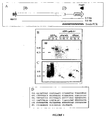
- the amplification products made using these two pairs should make it possible to highlight 2 fragments respectively of 0.23 kb (pair 15, Pend3) and 0.81 kb (couple 05, Pend3).
- amplification of a ubiquitous actin 2 gene makes it possible to control the amplification level of the RNAs and to evaluate the contamination of genomic DNA by the presence of an intron between the 2 primers used.
- Actin transcript shows that the level of RNA is much lower in the silique extract than in the seedling extract ( Figure 1B ).
- Arrow 3 ( figure 1C ) reveals the presence of the amplification product at the predicted size of 0.23kb attesting to the existence of the transcript in polyA + RNA extracts of immature siliques; arrow 4 shows a negligible signal at the expected size of 0.81kb. The contamination of the extract with genomic DNA is therefore very low.
- the 0.23 kb transcript is present in immature silique extracts (0-5 days after fertilization), as well as in seedlings at a lower level ( figure 1C , arrow 2), when compared to actin.
- the deduced amino acid sequence of the largest open reading phase corresponds to a peptide of 25 amino acids (SUP 25).
- GFP Green Fluorescent Protein
- Peptides were synthesized by Eurogentec.
- the antibodies were produced on the truncated synthetic peptide (sup 16) by Eurogentec.
- the proteins were extracted by grinding the siliques into the immunoblot extraction buffer, using mini-pestles (Kontes) connected to a RZE2021 mill (Heidolph). After centrifugation (20 minutes at 10,000 g), the protein concentration of the supernatant was determined by the Bradford method using the reagent sold by Bio-Rad.
- Polyacrylamide gel electrophoresis were performed according to the method described by Laemmli (1970).
- the concentration gel is 3% of an acrylamide / bis-acrylamide mixture (30% / 0.8%) and the separation gel is 18% of the Prosieve mixture.
- 15 ⁇ g of total protein to which the loading buffer is added at the final concentration of 1 ⁇ , are brought to 100 ° C. for 3 minutes and then deposited in each lane.
- the proteins are separated by a constant current of 15 to 20 mA per gel, for about 1 hour. Gels that are not intended for immunoblots are stained with Coomassie Blue for 30 minutes and then discolored until the bands corresponding to the proteins appear.
- the proteins were transferred after gel migration to nitrocellulose membranes (Pure Nitrocellulose Membrane, 0.1 ⁇ m, Protan) in a semi-dry electrotransfer tank Temblot Ae-6675 (Touzart and Matonul) during 40 minutes under 2.5 mA.cm 2 .
- the labeling reactions were carried out at 37 ° C. with gentle stirring.
- the membranes are incubated for 1 hour in 100 ml of TBS-T containing 5% of gelatin, and then washed with TBS-T (three times 15 minutes). The membranes are then incubated separately in the presence of 20 ml TBS-T supplemented with skim milk at 1.2% and 2 .mu.l of 1 antibody (serum recognizing Sup 16) for 2 hours. The membranes are then washed in 200 ml of TBS-T (three times 15 minutes) and then incubated for 1 hour in 20 ml of TBS-T containing 1.2% of skimmed milk and 1 ⁇ l of the second antibody (anti-goat anti -lgG rabbit coupled to a radish peroxidase, Bio-Rad). The membranes are then washed in 200 ml of TBS-T (three times 15 minutes).
- the different bacteria are cultured in 5ml of LB medium or medium appropriate to the strain, then sedimented by centrifugation at 3000g, and finally taken up in a volume of LB identical to the volume of bacteria.
- 50 .mu.l of bacteria are inoculated in 9 ml of TOPagar (LB + 7g / l of bactoagar) liquid at 48 ° C. and quickly poured onto a LB agar plate 10 cm square.
- the drops of 10 .mu.l of different concentrations of peptides are deposited on the solidified TOPagar.
- the box is cultured for 16 hours.
- Cecropin A at 20 ⁇ M an insect peptide known to have antibacterial activity, serves as a positive control.
- the peptide of 25 amino acids has no activity on Escherichia coli, but has activity on Xanthomonas campestris, Pseudomonas syringae and Erwinia amylovora, which allows to imagine its use as an antimicrobial agent particularly directed against the pathogens of plants very particularly at least against Xanthomonas campestris, Pseudomonas syringae and / or Erwinia amylovora.
- Viability testing by FDA staining relies on the detection of esterase activity specifically present in living cells.
- the FDA enters the cell, the acetate residues are cleaved by the esterase activity and the fluorescein is released, conferring to the living cells a green color under blue excitation.
- the dead cells when they are chlorophyllian, they fluoresce in red thanks to the pigments they contain.
- the 25 amino acid synthetic peptide (SUP25) is added to the protoplasts of Arabidopsis thaliana leaves in culture.
- a dose of 10 ⁇ M of SUP25 is enough to reduce the viability of a population of cells by a factor of 2.5. ( Figure 3 ).
- the truncated peptide of 16 amino acids (pep 16) at 10 ⁇ M only affects the level of living protoplasts by a factor of 1.3.
- DMF DiMethylFormamide
- the toxicity of the peptide is specifically related to the 10 amino acids of the C-terminal region of the peptide SUP25.
- the dose involved in the effect corresponds to the orders of magnitude of the lethal doses (1 to 100 ⁇ M) of various known antimicrobial peptides ( Bulet P., Med. & Sc., 1999, 1, 23-9 )
- This experiment aims to determine whether the effect of the peptide on the viability of the protoplasts of Arabidopsis thaliana corresponds to cell necrosis or to the establishment of the programmed cell death pathway or apoptosis.
- Apoptosis is distinguished from necrosis by a rigorous staging of death, punctuated by a set of genetically controlled events ( Vaux and Korsmeyer (Cell, 1999, 96: 245-254 ); Pennell and Lamb (Plant Cell, 1997, 9,: 1157-1168 ); Greenberg (PNAS, 1996, 93: 12094-12097 )).
- One of these steps is the fragmentation of nuclear DNA that can be demonstrated by the TUNEL technique ("deoxynucleotidyl transferase-mediated dUTP Terminal Nick End Labeling") according to the Negoescu protocol ( Negoescu et al., Plant J., 1997, 13: 803-814 ).
- the TUNEL reaction makes it possible to mark the free 3'OH ends present in large quantities in the nuclei whose DNA is fragmented during the apoptosis process.
- the figure 5 presents the TUNEL labeling results on protoplasts subjected to different variants of the peptide.
- pepDs has residual activity.
- pep1S no longer exhibits cytotoxic activity.
- Pep2S exhibits cytotoxic activity.
- cysteines are involved in the formation of an intramolecular disulfide bridge thus allowing the peptide to remain free and active.
- EXAMPLE 6 Obtaining transgenic plants expressing the SUP25 peptide.
- the sequence of the SUP25 gene can be introduced into an expression cassette using various promoters to control transcriptionally the production of the peptide in different types of plant cells.
- the sequence encoding the SUP25 peptide can be synthesized.
- a pair of sense and antisense oligonucleotides corresponding to the peptide sequence is synthesized.
- the sequence is designed such that hybridization of the oligonucleotide pair leaves cohesive ends corresponding to Bam HI restriction sites 5 'and Pst I at 3' of the DNA fragment.
- Bam HI / Pst I sites make it possible to clone the gene in the plasmid pDH51 expression cassette ( Pietrzak M. et al., Expression in plants of two bacterial antibiotic resistance genes after protoplast transformation with a new plant expression vector. Nucleic Acids Res. 1986.14 (14): 5857-68 ) in which the CaMV 35S promoter and the 35S 3 'region direct the expression of the gene introduced.
- oligonucleotides are hybridized at 1 pmol / ⁇ l in 10 ⁇ l of 1 ⁇ tfl buffer ( Sambrook J. et al., Molecular Cloning: A Laboratory Manual. Ed. CSHLP, 2001 ) and are incubated for 1 min at 95 ° C and then 10 min at 45 ° C. Then 20 ng of oligonucleotides (2 ⁇ l) are ligated into 100 ng of pDH51 vector using BamHI / PstI sites (Sambrook et al., 2001). The ligation product is transformed into E.
- sequence fidelity of the constructs is verified for the presence of the SUP25 sequence by sequencing (Sambrook et al., 2001) using a primer matching the 35S promoter [op35S52: CTTCGTCAACATGGTGGAGC]: (SEQ ID NO: 30) or the terminator.
- the transgene is then subcloned into the Eco RI site of the T-DNA region of the binary plasmid pZP111 ( Hajdukiewicz P, et al., The small, versatile pPZP family of Agrobacterium binary vectors for plant transformation. Plant Mol Biol., 1994, (6): 989-94 .), containing a NPTII selection gene conferring on plants resistance to the antibiotic kanamycin.
- the plasmid also contains an aadA selection gene for chloramphenicol selection in E. coli or Agrobacterium.
- the ligation product is transformed into E. coli XL1-B (Stratagene) using a chemical method (Sambrook et al., 2001).
- the transformants are selected on LB medium (Sambrook et al., 2001) + 25 mg / l chloramphenicol.
- the presence of the insert in the plasmid pZP111 can be directly identified in bacterial transformants by the absence of blue color on medium containing the X-GAL substrate (Sambrook et al., 2001).
- a positive strain is selected, the plasmid is purified using the commercial kit High Pure Plasmid Isolation Kit (Roche / Boehringer).
- the disarmed strain of Agrobacterium tumefaciens C58C1 Koncz C. and Schell, J., The promoter of TI-DNA gene controls the tissue-specific expression of chaemeric genes by a novel type of Agrobacterium binary vector, Mol. Gen. Genet., 204: 383-396 ) is made competent and then transformed by electroporation ( Shen WJ. and Forde BG., Efficient transformation of Agrobacterium spp. by high voltage electroporation. Nucleic Acids Res.
- the transgenic plants are then obtained by agro-infection using the strain C58C1 (Koncz and Schell, 1986) and the method of transformation of Arabidopsis thaliana flower buds according to the protocol described by Bechtold, N. et al., (In planta Agrobacterium mediated Arabidopsis thaliana plants, CR Acad Sci (1993) Paris, 316, 1194).
- YEP Yeast extract 10 g / l, peptone 10 g / l, glucose 20 g / l, kanamycin 50 mg / l, rifampicin 50 mg / l, gentamycin 25 mg / l is inoculated with Agrobacterium colony. After 16h stirring at 28 ° C, 500 ml of YEP are seeded.
- the bacteria are harvested after centrifugation at 3000 g and placed in solution in the infiltration medium (medium MS 2.16 g / l (Duchefa), MES (Sigma) 0, 5 g / l, 5% sucrose, pH 5.7 adjusted with KOH, Silwet L-77 (Osi Specialises Ins.) 0.02%) to a final OD of 0.5.
- medium MS 2.16 g / l (Duchefa), MES (Sigma) 0, 5 g / l, 5% sucrose, pH 5.7 adjusted with KOH, Silwet L-77 (Osi Specialises Ins.) 0.02%
- the plants of Arabidopsis thaliana at the stage where the flower stalks begin to initiate the first flowers, are soaked in the infiltration solution for 10 minutes under vacuum (-1 atm) in a desiccator. The plants are then drained and then cultivated until the seeds are harvested with the first 2 days of culture under plastic film. The seeds are harvested 4 weeks after the infiltration. After a minimum of 15 days of storage, the seeds are sterilized with a 70% ethanol solution, 10 min and then selected in vitro on germination medium Gamborg B5 (Duchefa) 1.85 g / l and Phytagel (Sigma) 3 g / l containing 400 mg / l of the antibiotic kanamycin whose resistance is carried by the T-DNA. Resistant plants (about 1% of the seeds) are transplanted into the soil, kept under plastic for 4 days and cultivated until the seeds are harvested.
- the analysis of the number of insertion loci of the transgene is done by statistical test of the Mendelian segregation of the selection gene, here for kanamycin, in vitro on germination medium Gamborg B5 (Duchefa) 1.85 g / l and Phytagel (Sigma) 3 g / l containing 400 mg / l of the antibiotic kanamycin. Ten plants with a single insertion locus are selected (3: 1 segregation) The presence of the transgene is confirmed in about 8 out of 10 plants by PCR analysis of purified DNA from plants by the method ( Dellaporta et al., Plant. Mol Biol.
Landscapes
- Life Sciences & Earth Sciences (AREA)
- Health & Medical Sciences (AREA)
- Chemical & Material Sciences (AREA)
- Genetics & Genomics (AREA)
- Organic Chemistry (AREA)
- General Health & Medical Sciences (AREA)
- Engineering & Computer Science (AREA)
- Molecular Biology (AREA)
- Wood Science & Technology (AREA)
- Biophysics (AREA)
- Biochemistry (AREA)
- Zoology (AREA)
- Medicinal Chemistry (AREA)
- General Engineering & Computer Science (AREA)
- Proteomics, Peptides & Aminoacids (AREA)
- Bioinformatics & Cheminformatics (AREA)
- Plant Pathology (AREA)
- Biotechnology (AREA)
- Biomedical Technology (AREA)
- Cell Biology (AREA)
- Microbiology (AREA)
- Physics & Mathematics (AREA)
- Botany (AREA)
- Gastroenterology & Hepatology (AREA)
- Agronomy & Crop Science (AREA)
- Pest Control & Pesticides (AREA)
- Dentistry (AREA)
- Environmental Sciences (AREA)
- Communicable Diseases (AREA)
- Oncology (AREA)
- Chemical Kinetics & Catalysis (AREA)
- General Chemical & Material Sciences (AREA)
- Nuclear Medicine, Radiotherapy & Molecular Imaging (AREA)
- Pharmacology & Pharmacy (AREA)
- Animal Behavior & Ethology (AREA)
- Public Health (AREA)
- Veterinary Medicine (AREA)
- Peptides Or Proteins (AREA)
- Micro-Organisms Or Cultivation Processes Thereof (AREA)
- Breeding Of Plants And Reproduction By Means Of Culturing (AREA)
Claims (27)
- Natürliches oder synthetisches isoliertes Peptid, dadurch gekennzeichnet, dass es wenigstens eine Sequenz umfasst, die ausgewählt ist aus:- den Sequenzen SEQ ID NO: 1 bis SEQ ID NO: 7, in denen die Aminosäure in Position 16 ein Cystein oder ein Serin ist, und- den Sequenzen SEQ ID NO: 8 bis SEQ ID NO: 10, in denen die Aminosäure in Position 16 und die Aminosäure in Position 23 unabhängig oder gleichzeitig ein Cystein oder ein Serin sind.
- Peptid nach Anspruch 1, dadurch gekennzeichnet, dass es aus einer der Sequenzen SEQ ID NO: 1 bis SEQ ID NO: 10 besteht.
- Natürliches oder synthetisches isoliertes Peptid, dadurch gekennzeichnet, dass seine Sequenz wenigstens 60% Identität mit einer der Sequenzen von SEQ ID NO: 1 bis SEQ ID NO: 7, in denen die Aminosäure in Position 16 ein Cystein oder ein Serin ist, und SEQ ID NO: 8 bis SEQ ID NO: 10, in denen die Aminosäure in Position 16 und die Aminosäure in Position 23 unabhängig oder gleichzeitig ein Cystein oder ein Serin sind, aufweist und dass es eine antimikrobielle Aktivität konserviert.
- Peptid nach einem der Ansprüche 1 bis 3, bei dem wenigstens eine freie funktionelle Gruppe, Amino- und/oder Carboxylgruppe, durch eine Schutzgruppe geschützt ist.
- Peptid nach Anspruch 4, dadurch gekennzeichnet, dass die C-terminale Carboxylgruppe und/oder die anderen Carboxylgruppen, die in dem Molekül vorliegen, in der Form eines Esters oder eines Amids sind.
- Peptid nach Anspruch 4, dadurch gekennzeichnet, dass die N-terminale Aminogruppe und/oder die anderen freien Aminogruppen, die in dem Molekül vorliegen, in acylierter Form sind.
- Zusammensetzung, umfassend wenigstens ein Peptid, wie es in einem der Ansprüche 1 bis 6 beschrieben ist, und wenigstens ein geeignetes Vehikel.
- Verwendung wenigstens eines Peptids, wie es in einem der Ansprüche 1 bis 6 beschrieben ist, für die Herstellung einer antimikrobiellen Zusammensetzung, die gegen die Krankheitserreger von Pflanzen gerichtet ist.
- Verwendung nach Anspruch 8, dadurch gekennzeichnet, dass die antimikrobielle Zusammensetzung gegen Xanthomonas campestris, Pseudomonas syringae oder Erwinia amylovora gerichtet ist.
- Verwendung wenigstens eines Peptids, umfassend wenigstens eine Sequenz oder bestehend aus wenigstens einer Sequenz, ausgewählt aus:- den Sequenzen SEQ ID NO: 1 bis SEQ ID NO: 7, in denen die Aminosäure in Position 16 ein Cystein oder ein Serin ist, und- den Sequenzen SEQ ID NO: 8 bis SEQ ID NO: 10, in denen die Aminosäure in Position 16 und die Aminosäure in Position 23 unabhängig oder gleichzeitig ein Cystein oder ein Serin sind,
für die Herstellung einer insbesondere für Pflanzenzellen cytotoxischen Zusammensetzung. - Verwendung wenigstens eines Peptids, das wenigstens eine der Sequenzen SEQ ID NO: 8 bis SEQ ID NO: 10, in denen die Aminosäuren in Positionen 16 und 23 zwei Serine sind, umfasst oder aus wenigstens einer dieser Sequenzen besteht, für die Herstellung einer cytotoxischen Zusammensetzung, insbesondere einer für Pflanzenzellen cytotoxischen Zusammensetzung.
- Verwendung nach einem der Ansprüche 10 oder 11, dadurch gekennzeichnet, dass die Zusammensetzung eine Herbizid-Zusammensetzung ist.
- Verwendung wenigstens eines Peptids, das wenigstens eine der Sequenzen SEQ ID NO: 8 bis SEQ ID NO: 10, in denen die Aminosäure in Position 16 ein Cystein ist und die Aminosäure in Position 23 ein Serin ist, umfasst oder aus einer dieser Sequenzen besteht, für die Herstellung einer nicht cytotoxischen antimikrobiellen Zusammensetzung, insbesondere einer nicht cytotoxischen antimikrobiellen Zusammensetzung, die gegen die Krankheitserreger von Pflanzen gerichtet ist.
- Natürliches oder synthetisches isoliertes Polynucleotid, dadurch gekennzeichnet, dass es aus einer Sequenz besteht, die für wenigstens eines der Peptide nach einem der Ansprüche 1 bis 6 codiert.
- Polynucleotid nach Anspruch 14, dadurch gekennzeichnet, dass es aus einer Sequenz besteht, die ausgewählt ist aus:- den Sequenzen SEQ ID NO: 11 bis SEQ ID NO: 17, in denen das Triplett der Nucleotide 46 bis 48 ein Cysteincodon oder ein Serincodon bildet, und- den Sequenzen SEQ ID NO: 18 bis SEQ ID NO: 20, in denen das Triplett der Nucleotide 46 bis 48 und das Triplett der Nucleotide 67 bis 69 ein Cysteincodon oder ein Serincodon bilden.
- Zusammensetzung, umfassend wenigstens ein Nucleotid, wie es in einem der Ansprüche 14 oder 15 beschrieben ist, und wenigstens ein geeignetes Vehikel.
- Vektor, der wenigstens eines der Polynucleotide, die in den Ansprüchen 14 oder 15 beschrieben sind, umfasst.
- Vektor nach Anspruch 17, dadurch gekennzeichnet, dass es sich um einen Plasmidvektor handelt.
- Verwendung eines Polynucleotids nach einem der Ansprüche 14 oder 15 oder eines Vektors, wie er in einem der Ansprüche 17 oder 18 beschrieben ist, für die Herstellung eines Peptids, wie es in einem der Ansprüche 1 bis 6 beschrieben ist.
- Modifiziertes biologisches System, dadurch gekennzeichnet, dass es durch einen Mikroorganismus, einen Endophyten, eine Hefe oder eine Eukaryotenzelle gebildet wird und dass es wenigstens einen der Vektoren, wie er in einem der Ansprüche 17 oder 18 beschrieben ist, und/oder wenigstens eines der Polynucleotide, wie es in einem der Ansprüche 14 oder 15 beschrieben ist, enthält.
- Zusammensetzung, die wenigstens ein biologisches System, wie es in Anspruch 20 beschrieben ist, und wenigstens ein geeignetes Vehikel umfasst.
- Verwendung wenigstens eines biologischen Systems, wie es in Anspruch 20 beschrieben ist, oder einer Zusammensetzung, wie sie in Anspruch 21 beschrieben ist, für die Herstellung einer antimikrobiellen Zusammensetzung, insbesondere einer antimikrobiellen Zusammensetzung, die gegen die Krankheitserreger von Pflanzen gerichtet ist, und/oder für die Herstellung einer cytotoxischen Zusammensetzung.
- Verwendung wenigstens eines Polynucleotids, wie es in einem der Ansprüche 14 oder 15 beschrieben ist, oder wenigstens eines Vektors, wie er in einem der Ansprüche 17 oder 18 beschrieben ist, bei der Herstellung eines modifizierten biologischen Systems, das durch einen Mikroorganismus, einen Endophyten, eine Hefe oder eine Eukaryotenzellen gebildet wird.
- Nichtmenschlicher transgener Organismus, dadurch gekennzeichnet, dass die Gesamtheit oder ein Teil seiner Zellen wenigstens ein Polynucleotid, wie es in einem der Ansprüche 14 oder 15 beschrieben ist, oder wenigstens einen Vektor, wie er in einem der Ansprüche 17 oder 18 beschrieben ist, enthält.
- Transgener Organismus nach Anspruch 24, dadurch gekennzeichnet, dass es sich um eine Pflanze handelt.
- Polyclonaler oder monoclonaler Antikörper, der gegen wenigstens eines der Peptide, wie sie in einem der Ansprüche 1 bis 6 beschrieben sind, gerichtet ist.
- Verfahren zur antimikrobiellen und/oder cytotoxischen Behandlung von Pflanzen, in dem man durch jedes geeignete Mittel einen Organismus, insbesondere eine Pflanze, und wenigstens ein antimikrobielles und/oder cytotoxisches Mittel, ausgewählt aus wenigstens einem der Peptide, wie sie in einem der Ansprüche 1 bis 6 beschrieben sind, und/oder einem der Vektoren, wie sie in einem der Ansprüche 17 oder 18 beschrieben sind, und/oder den Polynucleotiden, wie sie in einem der Ansprüche 14 oder 15 beschrieben sind, und/oder einem der modifizierten biologischen Systeme, wie sie in Anspruch 20 beschrieben sind, und/oder einem transgenen Organismus, wie er in einem der Ansprüche 24 oder 25 beschrieben ist, und den Zusammensetzungen, wie sie in einem der Ansprüche 7, 16 oder 21 beschrieben sind, miteinander in Kontakt bringt.
Applications Claiming Priority (3)
| Application Number | Priority Date | Filing Date | Title |
|---|---|---|---|
| FR0208447A FR2841903B1 (fr) | 2002-07-05 | 2002-07-05 | Nouveau peptide de plante a activite anti-microbienne |
| FR0208447 | 2002-07-05 | ||
| PCT/FR2003/002077 WO2004005329A1 (fr) | 2002-07-05 | 2003-07-04 | Peptide de plante a activite anti-microbienne |
Publications (2)
| Publication Number | Publication Date |
|---|---|
| EP1525217A1 EP1525217A1 (de) | 2005-04-27 |
| EP1525217B1 true EP1525217B1 (de) | 2010-05-12 |
Family
ID=29725192
Family Applications (1)
| Application Number | Title | Priority Date | Filing Date |
|---|---|---|---|
| EP03762736A Expired - Lifetime EP1525217B1 (de) | 2002-07-05 | 2003-07-04 | Peptid aus pflanzen mit antimikrobieller aktivität |
Country Status (10)
| Country | Link |
|---|---|
| US (1) | US7465783B2 (de) |
| EP (1) | EP1525217B1 (de) |
| JP (1) | JP4445855B2 (de) |
| AT (1) | ATE467639T1 (de) |
| AU (1) | AU2003260655A1 (de) |
| CA (1) | CA2491607C (de) |
| DE (1) | DE60332535D1 (de) |
| ES (1) | ES2346052T3 (de) |
| FR (1) | FR2841903B1 (de) |
| WO (1) | WO2004005329A1 (de) |
Families Citing this family (2)
| Publication number | Priority date | Publication date | Assignee | Title |
|---|---|---|---|---|
| JP7221746B2 (ja) | 2019-03-08 | 2023-02-14 | トヨタ自動車株式会社 | 植物病原菌に対する抗菌活性を有する機能性ペプチド |
| WO2020184469A1 (en) | 2019-03-08 | 2020-09-17 | Toyota Jidosha Kabushiki Kaisha | Functional peptides having antimicrobial activity against phytopathogenic microorganisms |
Citations (1)
| Publication number | Priority date | Publication date | Assignee | Title |
|---|---|---|---|---|
| WO2001071042A2 (en) * | 2000-03-23 | 2001-09-27 | Pe Corporation (Ny) | Detection kits, such as nucleic acid arrays, for detecting the expression of 10,000 or more drosophila genes and uses thereof |
Family Cites Families (10)
| Publication number | Priority date | Publication date | Assignee | Title |
|---|---|---|---|---|
| DE3485964T2 (de) | 1983-04-13 | 1993-03-18 | Crop Genetics Int | Landwirtschaftschemikalien produzierende endosymbiotische bakterien und verfahren zu deren herstellung und verwendung. |
| AU566627B2 (en) * | 1983-08-02 | 1987-10-22 | Omura, S. | Herbicidal antibiotic |
| EP0245489B1 (de) | 1985-11-20 | 1994-03-30 | Crop Genetics International Corporation | Landwirtschaftchemikalien erzeugende endosymbiotische mikroorganismen und deren herstellung und verwendung |
| JPH04504722A (ja) | 1989-04-28 | 1992-08-20 | クロップ ジェネティクス インターナショナル コーポレイション | 植物の内部植物性寄生体増強性保護方法 |
| WO1991010363A1 (en) | 1990-01-16 | 1991-07-25 | Crop Genetics International Corporation | Agricultural-chemical-producing endosymbiotic microorganisms |
| CA2048910C (en) | 1990-08-10 | 2003-02-25 | Newell F. Bascomb | Antimicrobial peptides active against plant pathogens, their method of use and various screening methods pertaining thereto |
| US5446127A (en) | 1991-05-24 | 1995-08-29 | Universidad Politecnica De Madrid | Antipathogenic peptides and compositions containing the same |
| NZ244091A (en) * | 1991-08-29 | 1994-10-26 | Zeneca Ltd | Biocidal proteins derived from plants, their manufacture, coding sequences and uses |
| GB9300281D0 (en) | 1993-01-08 | 1993-03-03 | Zeneca Ltd | Antimicrobial-protein-producing endosymbiotic micro-organisms |
| GB9404807D0 (en) | 1994-03-11 | 1994-04-27 | Zeneca Ltd | Biocidal proteins |
-
2002
- 2002-07-05 FR FR0208447A patent/FR2841903B1/fr not_active Expired - Fee Related
-
2003
- 2003-07-04 CA CA2491607A patent/CA2491607C/fr not_active Expired - Fee Related
- 2003-07-04 AU AU2003260655A patent/AU2003260655A1/en not_active Abandoned
- 2003-07-04 AT AT03762736T patent/ATE467639T1/de not_active IP Right Cessation
- 2003-07-04 JP JP2004518873A patent/JP4445855B2/ja not_active Expired - Fee Related
- 2003-07-04 ES ES03762736T patent/ES2346052T3/es not_active Expired - Lifetime
- 2003-07-04 EP EP03762736A patent/EP1525217B1/de not_active Expired - Lifetime
- 2003-07-04 DE DE60332535T patent/DE60332535D1/de not_active Expired - Lifetime
- 2003-07-04 WO PCT/FR2003/002077 patent/WO2004005329A1/fr not_active Ceased
- 2003-07-04 US US10/519,400 patent/US7465783B2/en not_active Expired - Fee Related
Patent Citations (1)
| Publication number | Priority date | Publication date | Assignee | Title |
|---|---|---|---|---|
| WO2001071042A2 (en) * | 2000-03-23 | 2001-09-27 | Pe Corporation (Ny) | Detection kits, such as nucleic acid arrays, for detecting the expression of 10,000 or more drosophila genes and uses thereof |
Non-Patent Citations (2)
| Title |
|---|
| DATABASE EMBL [online] 16 March 2000 (2000-03-16), retrieved from EBI Database accession no. AL161517 * |
| DATABASE EMBL [online] 25 March 1999 (1999-03-25), retrieved from EBI Database accession no. AL049523 * |
Also Published As
| Publication number | Publication date |
|---|---|
| CA2491607A1 (fr) | 2004-01-15 |
| JP4445855B2 (ja) | 2010-04-07 |
| CA2491607C (fr) | 2013-12-03 |
| US7465783B2 (en) | 2008-12-16 |
| AU2003260655A1 (en) | 2004-01-23 |
| WO2004005329A1 (fr) | 2004-01-15 |
| FR2841903B1 (fr) | 2004-09-24 |
| DE60332535D1 (de) | 2010-06-24 |
| EP1525217A1 (de) | 2005-04-27 |
| ES2346052T3 (es) | 2010-10-08 |
| ATE467639T1 (de) | 2010-05-15 |
| US20060168682A1 (en) | 2006-07-27 |
| FR2841903A1 (fr) | 2004-01-09 |
| JP2006512052A (ja) | 2006-04-13 |
Similar Documents
| Publication | Publication Date | Title |
|---|---|---|
| SK131799A3 (en) | Plants with modified growth | |
| KR20170002504A (ko) | 딱정벌레류 해충에 대한 저항성을 부여하는 dre4 핵산 분자 | |
| Weichert et al. | AtPTR4 and AtPTR6 are differentially expressed, tonoplast-localized members of the peptide transporter/nitrate transporter 1 (PTR/NRT1) family | |
| CN107208098A (zh) | 用于控制鞘翅目害虫染色质重塑基因亲代rnai抑制 | |
| US7767801B2 (en) | Tissue specific promoters | |
| US10184129B2 (en) | Method and compositions to promote plant growth in metal contaminated environments | |
| WO2006056701A1 (fr) | Methode d'adressage d'acides nucleiques vers des plastes | |
| Singh et al. | Petal abscission in roses is associated with the activation of a truncated version of the animal PDCD4 homologue, RbPCD1 | |
| CN110637092A (zh) | 结构特异性识别蛋白1(ssrp1)核酸分子用来控制昆虫害虫 | |
| EP1196581B1 (de) | Pflanzenwurzelspezifischer promotor, rekombinante vektoren und wirtszellen die diesen enthalten und korrespondierende transgene pflanzen | |
| KR20180004236A (ko) | 곤충 해충을 방제하기 위한 spt5 핵산 분자 | |
| EP1525217B1 (de) | Peptid aus pflanzen mit antimikrobieller aktivität | |
| KR100685520B1 (ko) | 종자 특이적 프로모터, 이의 증폭용 프라이머, 이를포함하는 발현벡터 및 형질전환세포 | |
| KR20250094825A (ko) | Brassica rapa 유래 열 충격 인자 결합 단백질 및 이를 이용한 식물체의 가뭄 스트레스 저항성 또는 생식 기관 발달 증진 방법 | |
| CN103088009B (zh) | 一种多肽及其在小分子调控蛋白积累程度中的应用 | |
| US20180127770A1 (en) | Xa1-mediated resistance to tale-containing bacteria | |
| KR101028113B1 (ko) | 생장 증진, 내염성 및 노화 조절에 관여하는 고추의 CaHB1 유전자 및 그의 용도 | |
| Yeckel | Characterization of a soybean BAG gene and its potential role in nematode resistance | |
| KR20170065538A (ko) | 딱정벌레류 및 노린재류 해충을 방제하기 위한 gho/sec24b2 및 sec24b1 핵산 분자 | |
| JP5002167B2 (ja) | ストレス耐性に関与する遺伝子 | |
| EP4605416A1 (de) | Neue peptide und ihre verwendung zur modulierung der proteinakkumulation | |
| KR20180012278A (ko) | 노린재목 해충에 대한 저항성을 부여하는 스레드(thread) 핵산 분자 | |
| Moon | Transcriptional regulation in cowpea bruchid guts during adaptation to a plant defense protease inhibitor and screening of mutants that are altered in jasmonate-regulated signal transduction pathways using Arabidopsis thaliana | |
| WO2005063989A1 (fr) | Sequences nucleotidiques promotrices inductibles par infection par les pathogenes. | |
| KR20090097714A (ko) | 뿌리 특이 발현 프로모터m |
Legal Events
| Date | Code | Title | Description |
|---|---|---|---|
| PUAI | Public reference made under article 153(3) epc to a published international application that has entered the european phase |
Free format text: ORIGINAL CODE: 0009012 |
|
| 17P | Request for examination filed |
Effective date: 20050131 |
|
| AK | Designated contracting states |
Kind code of ref document: A1 Designated state(s): AT BE BG CH CY CZ DE DK EE ES FI FR GB GR HU IE IT LI LU MC NL PT RO SE SI SK TR |
|
| AX | Request for extension of the european patent |
Extension state: AL LT LV MK |
|
| DAX | Request for extension of the european patent (deleted) | ||
| 17Q | First examination report despatched |
Effective date: 20060110 |
|
| GRAP | Despatch of communication of intention to grant a patent |
Free format text: ORIGINAL CODE: EPIDOSNIGR1 |
|
| RIN1 | Information on inventor provided before grant (corrected) |
Inventor name: PUERTOLAS, DELPHINE Inventor name: HECHT, VALERIE Inventor name: BLANVILLAIN, ROBERT Inventor name: GALLOIS, PATRICK Inventor name: VAROQUAUX, FABRICE Inventor name: DELORME, VALERIE Inventor name: DELSENY, MICHEL Inventor name: ROBY, DOMINIQUE |
|
| GRAS | Grant fee paid |
Free format text: ORIGINAL CODE: EPIDOSNIGR3 |
|
| GRAA | (expected) grant |
Free format text: ORIGINAL CODE: 0009210 |
|
| AK | Designated contracting states |
Kind code of ref document: B1 Designated state(s): AT BE BG CH CY CZ DE DK EE ES FI FR GB GR HU IE IT LI LU MC NL PT RO SE SI SK TR |
|
| REG | Reference to a national code |
Ref country code: GB Ref legal event code: FG4D Free format text: NOT ENGLISH |
|
| REG | Reference to a national code |
Ref country code: CH Ref legal event code: EP |
|
| REG | Reference to a national code |
Ref country code: IE Ref legal event code: FG4D Free format text: LANGUAGE OF EP DOCUMENT: FRENCH |
|
| REF | Corresponds to: |
Ref document number: 60332535 Country of ref document: DE Date of ref document: 20100624 Kind code of ref document: P |
|
| REG | Reference to a national code |
Ref country code: CH Ref legal event code: NV Representative=s name: ISLER & PEDRAZZINI AG |
|
| REG | Reference to a national code |
Ref country code: NL Ref legal event code: VDEP Effective date: 20100512 |
|
| REG | Reference to a national code |
Ref country code: ES Ref legal event code: FG2A Ref document number: 2346052 Country of ref document: ES Kind code of ref document: T3 |
|
| PG25 | Lapsed in a contracting state [announced via postgrant information from national office to epo] |
Ref country code: SE Free format text: LAPSE BECAUSE OF FAILURE TO SUBMIT A TRANSLATION OF THE DESCRIPTION OR TO PAY THE FEE WITHIN THE PRESCRIBED TIME-LIMIT Effective date: 20100512 Ref country code: NL Free format text: LAPSE BECAUSE OF FAILURE TO SUBMIT A TRANSLATION OF THE DESCRIPTION OR TO PAY THE FEE WITHIN THE PRESCRIBED TIME-LIMIT Effective date: 20100512 |
|
| PG25 | Lapsed in a contracting state [announced via postgrant information from national office to epo] |
Ref country code: AT Free format text: LAPSE BECAUSE OF FAILURE TO SUBMIT A TRANSLATION OF THE DESCRIPTION OR TO PAY THE FEE WITHIN THE PRESCRIBED TIME-LIMIT Effective date: 20100512 Ref country code: FI Free format text: LAPSE BECAUSE OF FAILURE TO SUBMIT A TRANSLATION OF THE DESCRIPTION OR TO PAY THE FEE WITHIN THE PRESCRIBED TIME-LIMIT Effective date: 20100512 Ref country code: SI Free format text: LAPSE BECAUSE OF FAILURE TO SUBMIT A TRANSLATION OF THE DESCRIPTION OR TO PAY THE FEE WITHIN THE PRESCRIBED TIME-LIMIT Effective date: 20100512 |
|
| REG | Reference to a national code |
Ref country code: IE Ref legal event code: FD4D |
|
| PG25 | Lapsed in a contracting state [announced via postgrant information from national office to epo] |
Ref country code: GR Free format text: LAPSE BECAUSE OF FAILURE TO SUBMIT A TRANSLATION OF THE DESCRIPTION OR TO PAY THE FEE WITHIN THE PRESCRIBED TIME-LIMIT Effective date: 20100813 Ref country code: CY Free format text: LAPSE BECAUSE OF FAILURE TO SUBMIT A TRANSLATION OF THE DESCRIPTION OR TO PAY THE FEE WITHIN THE PRESCRIBED TIME-LIMIT Effective date: 20100512 |
|
| BERE | Be: lapsed |
Owner name: CENTRE NATIONAL DE LA RECHERCHE SCIENTIFIQUE (CNR Effective date: 20100731 |
|
| PG25 | Lapsed in a contracting state [announced via postgrant information from national office to epo] |
Ref country code: EE Free format text: LAPSE BECAUSE OF FAILURE TO SUBMIT A TRANSLATION OF THE DESCRIPTION OR TO PAY THE FEE WITHIN THE PRESCRIBED TIME-LIMIT Effective date: 20100512 Ref country code: PT Free format text: LAPSE BECAUSE OF FAILURE TO SUBMIT A TRANSLATION OF THE DESCRIPTION OR TO PAY THE FEE WITHIN THE PRESCRIBED TIME-LIMIT Effective date: 20100913 Ref country code: DK Free format text: LAPSE BECAUSE OF FAILURE TO SUBMIT A TRANSLATION OF THE DESCRIPTION OR TO PAY THE FEE WITHIN THE PRESCRIBED TIME-LIMIT Effective date: 20100512 Ref country code: IE Free format text: LAPSE BECAUSE OF FAILURE TO SUBMIT A TRANSLATION OF THE DESCRIPTION OR TO PAY THE FEE WITHIN THE PRESCRIBED TIME-LIMIT Effective date: 20100512 |
|
| PG25 | Lapsed in a contracting state [announced via postgrant information from national office to epo] |
Ref country code: SK Free format text: LAPSE BECAUSE OF FAILURE TO SUBMIT A TRANSLATION OF THE DESCRIPTION OR TO PAY THE FEE WITHIN THE PRESCRIBED TIME-LIMIT Effective date: 20100512 Ref country code: MC Free format text: LAPSE BECAUSE OF NON-PAYMENT OF DUE FEES Effective date: 20100731 Ref country code: RO Free format text: LAPSE BECAUSE OF FAILURE TO SUBMIT A TRANSLATION OF THE DESCRIPTION OR TO PAY THE FEE WITHIN THE PRESCRIBED TIME-LIMIT Effective date: 20100512 Ref country code: CZ Free format text: LAPSE BECAUSE OF FAILURE TO SUBMIT A TRANSLATION OF THE DESCRIPTION OR TO PAY THE FEE WITHIN THE PRESCRIBED TIME-LIMIT Effective date: 20100512 |
|
| PLBE | No opposition filed within time limit |
Free format text: ORIGINAL CODE: 0009261 |
|
| STAA | Information on the status of an ep patent application or granted ep patent |
Free format text: STATUS: NO OPPOSITION FILED WITHIN TIME LIMIT |
|
| 26N | No opposition filed |
Effective date: 20110215 |
|
| REG | Reference to a national code |
Ref country code: DE Ref legal event code: R097 Ref document number: 60332535 Country of ref document: DE Effective date: 20110214 |
|
| PG25 | Lapsed in a contracting state [announced via postgrant information from national office to epo] |
Ref country code: BE Free format text: LAPSE BECAUSE OF NON-PAYMENT OF DUE FEES Effective date: 20100731 |
|
| PG25 | Lapsed in a contracting state [announced via postgrant information from national office to epo] |
Ref country code: LU Free format text: LAPSE BECAUSE OF NON-PAYMENT OF DUE FEES Effective date: 20100704 Ref country code: BG Free format text: LAPSE BECAUSE OF FAILURE TO SUBMIT A TRANSLATION OF THE DESCRIPTION OR TO PAY THE FEE WITHIN THE PRESCRIBED TIME-LIMIT Effective date: 20100512 Ref country code: HU Free format text: LAPSE BECAUSE OF FAILURE TO SUBMIT A TRANSLATION OF THE DESCRIPTION OR TO PAY THE FEE WITHIN THE PRESCRIBED TIME-LIMIT Effective date: 20101113 |
|
| PG25 | Lapsed in a contracting state [announced via postgrant information from national office to epo] |
Ref country code: TR Free format text: LAPSE BECAUSE OF FAILURE TO SUBMIT A TRANSLATION OF THE DESCRIPTION OR TO PAY THE FEE WITHIN THE PRESCRIBED TIME-LIMIT Effective date: 20100512 |
|
| PG25 | Lapsed in a contracting state [announced via postgrant information from national office to epo] |
Ref country code: BG Free format text: LAPSE BECAUSE OF FAILURE TO SUBMIT A TRANSLATION OF THE DESCRIPTION OR TO PAY THE FEE WITHIN THE PRESCRIBED TIME-LIMIT Effective date: 20100812 |
|
| REG | Reference to a national code |
Ref country code: FR Ref legal event code: PLFP Year of fee payment: 13 |
|
| REG | Reference to a national code |
Ref country code: FR Ref legal event code: PLFP Year of fee payment: 14 |
|
| REG | Reference to a national code |
Ref country code: FR Ref legal event code: PLFP Year of fee payment: 15 |
|
| REG | Reference to a national code |
Ref country code: FR Ref legal event code: PLFP Year of fee payment: 16 |
|
| PGFP | Annual fee paid to national office [announced via postgrant information from national office to epo] |
Ref country code: FR Payment date: 20190731 Year of fee payment: 17 Ref country code: ES Payment date: 20190809 Year of fee payment: 17 Ref country code: IT Payment date: 20190718 Year of fee payment: 17 Ref country code: DE Payment date: 20190711 Year of fee payment: 17 |
|
| PGFP | Annual fee paid to national office [announced via postgrant information from national office to epo] |
Ref country code: GB Payment date: 20190719 Year of fee payment: 17 |
|
| PGFP | Annual fee paid to national office [announced via postgrant information from national office to epo] |
Ref country code: CH Payment date: 20190724 Year of fee payment: 17 |
|
| REG | Reference to a national code |
Ref country code: DE Ref legal event code: R119 Ref document number: 60332535 Country of ref document: DE |
|
| REG | Reference to a national code |
Ref country code: CH Ref legal event code: PL |
|
| GBPC | Gb: european patent ceased through non-payment of renewal fee |
Effective date: 20200704 |
|
| PG25 | Lapsed in a contracting state [announced via postgrant information from national office to epo] |
Ref country code: LI Free format text: LAPSE BECAUSE OF NON-PAYMENT OF DUE FEES Effective date: 20200731 Ref country code: CH Free format text: LAPSE BECAUSE OF NON-PAYMENT OF DUE FEES Effective date: 20200731 Ref country code: GB Free format text: LAPSE BECAUSE OF NON-PAYMENT OF DUE FEES Effective date: 20200704 Ref country code: FR Free format text: LAPSE BECAUSE OF NON-PAYMENT OF DUE FEES Effective date: 20200731 |
|
| PG25 | Lapsed in a contracting state [announced via postgrant information from national office to epo] |
Ref country code: DE Free format text: LAPSE BECAUSE OF NON-PAYMENT OF DUE FEES Effective date: 20210202 |
|
| REG | Reference to a national code |
Ref country code: ES Ref legal event code: FD2A Effective date: 20211201 |
|
| PG25 | Lapsed in a contracting state [announced via postgrant information from national office to epo] |
Ref country code: ES Free format text: LAPSE BECAUSE OF NON-PAYMENT OF DUE FEES Effective date: 20200705 |
|
| PG25 | Lapsed in a contracting state [announced via postgrant information from national office to epo] |
Ref country code: IT Free format text: LAPSE BECAUSE OF NON-PAYMENT OF DUE FEES Effective date: 20200704 |