EP1507560B1 - Immune stimulating and controlling composition comprising bacterial chromosomal dna fragments and non-toxic lipopolysaccharides - Google Patents
Immune stimulating and controlling composition comprising bacterial chromosomal dna fragments and non-toxic lipopolysaccharides Download PDFInfo
- Publication number
- EP1507560B1 EP1507560B1 EP02808078A EP02808078A EP1507560B1 EP 1507560 B1 EP1507560 B1 EP 1507560B1 EP 02808078 A EP02808078 A EP 02808078A EP 02808078 A EP02808078 A EP 02808078A EP 1507560 B1 EP1507560 B1 EP 1507560B1
- Authority
- EP
- European Patent Office
- Prior art keywords
- coli
- dna
- immune
- lipopolysaccharide
- cancer
- Prior art date
- Legal status (The legal status is an assumption and is not a legal conclusion. Google has not performed a legal analysis and makes no representation as to the accuracy of the status listed.)
- Expired - Lifetime
Links
Images





Classifications
-
- A—HUMAN NECESSITIES
- A61—MEDICAL OR VETERINARY SCIENCE; HYGIENE
- A61K—PREPARATIONS FOR MEDICAL, DENTAL OR TOILETRY PURPOSES
- A61K48/00—Medicinal preparations containing genetic material which is inserted into cells of the living body to treat genetic diseases; Gene therapy
-
- A—HUMAN NECESSITIES
- A61—MEDICAL OR VETERINARY SCIENCE; HYGIENE
- A61K—PREPARATIONS FOR MEDICAL, DENTAL OR TOILETRY PURPOSES
- A61K39/00—Medicinal preparations containing antigens or antibodies
- A61K39/39—Medicinal preparations containing antigens or antibodies characterised by the immunostimulating additives, e.g. chemical adjuvants
-
- A—HUMAN NECESSITIES
- A61—MEDICAL OR VETERINARY SCIENCE; HYGIENE
- A61K—PREPARATIONS FOR MEDICAL, DENTAL OR TOILETRY PURPOSES
- A61K31/00—Medicinal preparations containing organic active ingredients
- A61K31/70—Carbohydrates; Sugars; Derivatives thereof
- A61K31/715—Polysaccharides, i.e. having more than five saccharide radicals attached to each other by glycosidic linkages; Derivatives thereof, e.g. ethers, esters
- A61K31/739—Lipopolysaccharides
-
- A—HUMAN NECESSITIES
- A61—MEDICAL OR VETERINARY SCIENCE; HYGIENE
- A61K—PREPARATIONS FOR MEDICAL, DENTAL OR TOILETRY PURPOSES
- A61K39/00—Medicinal preparations containing antigens or antibodies
-
- A—HUMAN NECESSITIES
- A61—MEDICAL OR VETERINARY SCIENCE; HYGIENE
- A61P—SPECIFIC THERAPEUTIC ACTIVITY OF CHEMICAL COMPOUNDS OR MEDICINAL PREPARATIONS
- A61P35/00—Antineoplastic agents
-
- A—HUMAN NECESSITIES
- A61—MEDICAL OR VETERINARY SCIENCE; HYGIENE
- A61P—SPECIFIC THERAPEUTIC ACTIVITY OF CHEMICAL COMPOUNDS OR MEDICINAL PREPARATIONS
- A61P37/00—Drugs for immunological or allergic disorders
- A61P37/02—Immunomodulators
- A61P37/04—Immunostimulants
-
- A—HUMAN NECESSITIES
- A61—MEDICAL OR VETERINARY SCIENCE; HYGIENE
- A61P—SPECIFIC THERAPEUTIC ACTIVITY OF CHEMICAL COMPOUNDS OR MEDICINAL PREPARATIONS
- A61P43/00—Drugs for specific purposes, not provided for in groups A61P1/00-A61P41/00
-
- A—HUMAN NECESSITIES
- A61—MEDICAL OR VETERINARY SCIENCE; HYGIENE
- A61K—PREPARATIONS FOR MEDICAL, DENTAL OR TOILETRY PURPOSES
- A61K39/00—Medicinal preparations containing antigens or antibodies
- A61K2039/555—Medicinal preparations containing antigens or antibodies characterised by a specific combination antigen/adjuvant
- A61K2039/55511—Organic adjuvants
- A61K2039/55561—CpG containing adjuvants; Oligonucleotide containing adjuvants
-
- A—HUMAN NECESSITIES
- A61—MEDICAL OR VETERINARY SCIENCE; HYGIENE
- A61K—PREPARATIONS FOR MEDICAL, DENTAL OR TOILETRY PURPOSES
- A61K39/00—Medicinal preparations containing antigens or antibodies
- A61K2039/555—Medicinal preparations containing antigens or antibodies characterised by a specific combination antigen/adjuvant
- A61K2039/55511—Organic adjuvants
- A61K2039/55572—Lipopolysaccharides; Lipid A; Monophosphoryl lipid A
-
- A—HUMAN NECESSITIES
- A61—MEDICAL OR VETERINARY SCIENCE; HYGIENE
- A61K—PREPARATIONS FOR MEDICAL, DENTAL OR TOILETRY PURPOSES
- A61K39/00—Medicinal preparations containing antigens or antibodies
- A61K2039/57—Medicinal preparations containing antigens or antibodies characterised by the type of response, e.g. Th1, Th2
Definitions
- the present invention relates to immune stimulating and controlling composition
- composition comprising bacterial chromosomal DNA fragments and non-toxic lipopolysaccharides.
- monocyte-derived tumor necrosis factor (TNF)- ⁇ is an important mediator of diseases and this is investigated with a synergistic effect with lipopolysaccharide (LPS) for inducing TNF- ⁇ biosynthesis. Again it is the synergistic effect that is primarily focussed upon in this article.
- LPS lipopolysaccharide
- the object of the present invention is to provide materials for inducing immune response more stable, economic, effective and specific than the conventional ones.
- immune controlling composition comprising a) bacterial DNA fragments wherein the DNA fragments are ranging from 2.0 to 0.5 kb and are free of endotoxin, and b) lipopolysacchrides of E.coli, wherein lipid A of the lipopolysaccharides is degraded by alkali-treatment and a molecular weight of the lipopolysaccharides is from 5,000 to 10,000 Dalton.
- the bacterial DNA sequence includes not only unmodified but also modified bases like methylated base (cytosine, adenine or guanine).
- the least amount of the bacterial chromosomal DNA fragments and the lipopolysaccharides may be mixed to show the effect of the present invention.
- the present invention shows the increase of dose dependent efficacy in a mass ratio ranging from 500:1 to 1:500. In the above-described mass ratio, the present invention is non-toxic and economic.
- the bacterial chromosomal DNA fragments and the lipopolysaccharides are mixed by shaking.
- composition of the present invention is useful for immune adjuvants or anti-cancer treatments. These effects are shown by inducing immune activation of T-helper 1. type.
- the bacteria in the present invention is Escherichia coli or mycobacteria. More preferably, the bacteria is Escherichia coli, particularly, E.coli EG0021(KCCM-10374).
- synergy effect by CIA02 may be expected in stability, cell immune induction, synergy effect by CIA05 may be expected in immune reinforcement specifically cancer treatment.
- the disclosed immune stimulating and controlling composition comprising bacterial chromosomal DNA fragments and non-toxic lipopolysaccharides will be described briefly.
- the present inventors succeeded in effective production of bacterial oligonucleotides as anticancer adjuvant and development of modified lipopolysaccharides for suitable activation as anti-cancer treatments.
- a new immune adjuvant, CIA07 is finally obtained by combining the bacterial oligonucleotides and the lipopolysaccharides.
- the combination of lipopolysaccharide and DNA shows synergy effect.
- Lipopolysaccharide shows various responses such as serving as independent antigen of T-cells.
- the synergy effect may cause crucial results such as sepsis.
- the present inventors obtained a strain, E.coli EG0021, having short carbohydrate chained lipopolysaccharide from Escherichia coli in healthy human intestines. They deposited the strain with No. KCCM 10374 in Korea culture center of microorganisms, KCCM, located in 361-221 Hongjedong, Seodaemun-gu, Seoul, Korea, in May 2 nd , 2002. They established a method of purifying lipopolysaccharide from this strain.
- E.coli DNA, CIA02, representing immune activation was isolated from genomic DNA of E.coli EG0021.
- the CIA02 was obtained after fragmentation of the isolated DNA and general treatment.
- CIA07 was finally-obtained by combination of the CIA02 and the CIA05.
- the disclosed immune stimulating and controlling composition comprising bacterial chromosomal DNA fragments and non-toxic lipopolysaccharides will be described in more details referring to examples below, when are not intended to be limiting.
- Example 1 Obtainment of non-toxic strain
- E.coli EG0021 having short carbohydrate chained lipopolysaccharide was isolated from healthy human intestines, and a method of purifying lipopolysaccharide from the strain was estabilished.
- TNF- ⁇ secretion was measured and a strain having the least value was selected (see Table 1) and confirmed the molecular weight of lipopolysaccharide by electrophoresis. It was shown that the attenuated strain was not morphologically changed or in its characteristics. Lipopolysaccharides having a molecular weight ranging from 5,000 to 10,000 without lipopolysaccharide ladder having a molecular weight ranging from 50,000 to 100,000 were shown in electrophoresis(see Fig. 1 ). This strain was called EG0021. [Table 1] TNF- ⁇ secretion value of E.coli homogenate obtained from healthy human intestines No. TNF-a No. TNF-a No. TNF-a No.
- TNF-a (pg/lul) (pg/lul) (pg/lul) (pg/lul) (pg/lul) (pg/lul) (pg/lul) EG0001 more EG0011 39 EG0021 0.1 EG0031 21 EG0041 65 (>100) EG0002 12 EG0012 64 EG0022 more EG0032 1.2 EG0042 54 (>100) EG0003 72 EG0013 8.8 EG0023 more EG0033 more EG0043 More (>100) (>100) (>100) EG0004 85 EG0014 9 EG0024 more EG0034 more EG0044 More (>100) (>100) (>100) EG0005 25 EG0015 70 EG0025 53 EG0035 7 EG0045 17 EG0006 35 EG0016 more EG0026 12 EG0036 87 EG0046 2.1 (>100) EG0007 71 EG0017
- E.coli EG0021 was cultured by shaking in TSB (Tryptic soy broth; Difco) culture medium (30g/L) at 37°C for 10 hours.
- proteinase K Sigma was added in the solution to final concentration 100ug/ml, and treated at 50°C for 12 hours.
- E.coli chromosomal DNA was obtained by ethanol precipitation.
- E.coli DNA was diluted using sterile distilled water, the concentration of the E.coli DNA was measured at 260nm and 280nms with UV spectrometer.
- the purified E. coli chromosomal DNA was dissolved in TE buffer solution to 0.5mg/ml and sonicated in a glass beaker with ultrasonicator.
- the sonication condition for obtaining 1kb E.coli DNA determined according to the above result is at 7 minutes in 20,000J.
- DNA was reacted with chloroform at 4°C for 12 hours, and three volumes of ethanol was treated therein to obtain a precipitate.
- the precipitate was treated with Triton X-114 (Sigma) to 0.5% of final concentration.
- the resulting precipitate was reacted at 4°C for 4 hours, warmed at 37°C for 5 minutes and then mixed with penol/chloroform/isoamyl alcohol (25:24:1) at a ratio of 1:1 to obtain water layer.
- the obtained E.coli DNA was precipitated with ethanol and dissolves in pyrogen free water.
- Endotoxin removed DNA was analyzed with Limulus Amebocyte Lysate (LAL) kit (BioWhittaker QCL-1000) to detect the remaining endotoxin.
- LAL Limulus Amebocyte Lysate
- Table 1 shows the endotoxin value and yield of purified E.coli DNA (CIA02) after removal of endotoxin according to the above method.
- Table 2 The endotoxin value and yield of purified E.coli DNA(CIA02) Sample Number DNA Concentra tion Amount of the whole DNA (/15ml) Pyrogen free DNA Ratio Endotoxin (per DNA 1mg/ml) Yield 1 3mg/ml 45mg 16.2mg 1.77 ⁇ 1ng 36% 2 20.25mg 1.66 ⁇ 1ng 45% 3 18.9mg 1.71 ⁇ 1ng 42% - The amount of remaining organic solvent was measured with GC/MSD (gas chromatography/mass selected detector), HP-5890A/HP-5870B.
- Ethanol, acetone, chloroform and penol were measured with SIM (Selected Ion Monitoring) having the column of 50m.ultra-1 (see Table 2).
- SIM Select Ion Monitoring
- Table 3 Amount of remaining organic solvent Remaining organic solvent Acetone Ethanol Phenol Chloroform ng/ul - 0.813 - - - More than 99% degree of purity was identified by measuring protein contamination per E.coli DNA mg with Brad-Ford method.
- E.coli was prepared with the same method as above described DNA isolation method.
- the prepared E.coli was mixed with 2 volumes of ethanol thereof, and centrifuged at 4,000g to obtain a precipitate. 1.5 volumes of acetone of the precipitate was added, mixed and then centrifuged at 4,000g.
- the resulting solution was divided into glass centrifuge tube and centrifuged at 25°C, 3,000rpm (1,200g) for 20 minutes to obtain supernatant. The supernatant was left in hood for 12 hours. Then, the solution was divided into glass centrifuge tube and lipopolysaccharides dissolves in ethyl ether by centrifugation at 25°C, 3,000rpm (1,200g) for 20 minutes, and then transferred into eppendorf tube. The solution was dried in hood, and dried weight was measured with chemical balance. Then, ethanol was added therein and stored before use.
- the amount of KDO (2-Keto-3-deoxyoctonate) in lipopolysacchardie was measured with lipopolysaccharide standard (Lsit Biological Lab.). After the concentration was measured from the standard, the lipopolysaccharides were analyzed with SDS-PAGE according to size and identified by silver staining (see Fig. 3 ). The lipopolysaccharide had molecular weight ranging from about 5,000 to 10,000, and its size was very small compared with general E.coli lipopolysaccharide.
- E.coli lipopolysaccharides diluted to 3mg/ml of concentration and mixed with 0.2N NaOH at a ratio of 1:1. The resulting solution was shaken every 10 minutes at 60°C and deacylated for 140 minutes.
- THP-1 acute monocytic leukemia was treated with non-toxic lipopolysaccharide from high to low concentration to measure the amount of secreted TNF- ⁇ in comparison with the control group of purified lipopolysaccharide.
- TNF- ⁇ While 5pg TNF- ⁇ was secreted in 1 ug of lipopolysaccharide in the control group, O.lpg TNF- ⁇ was secreted in 1 ug of non-toxic lipopolysaccharide. Here, it was shown that inflammatory reaction induced by toxicity decreased by 50 times. Additionally, it was shown that the amount of TNF- ⁇ secreted in E.coli DNA was below 100fg. As a result, the non-toxic lipopolysaccharide was proved to be very safe material (see Fig. 5 ).
- the sample of high dose was injected in more than two kinds of rodents to observe abnormal weight change.
- a guinea pig showed no abnormality and gained weight gradually when observed for more than 5 days before use.
- the 5ml of sample was used per one guinea pig.
- the sample was one time injected (i.p) into more than two guinea pigs, and they were observed for more than 5 days.
- the sample was one time injected (i.p) into more than two mice, and they were observed for more than 7 days.
- the sample was proved suitable in this experiment when an animal showed no abnormality during the observation period.
- the weight of rabbits was over 1.5kg.
- the rabbits were reused more than 3 days after they had been used in experiments.
- the body temperature was measured with an apparatus measuring the temperature up to 0.1°C.
- An injector and its needle were heat-sterilized at 250°C for over 30 minutes. Only water was fed from 16 hours before use to completion of the experiment. The animals were fixed not as-tight as possible.
- the body temperature was measured by inserting the thermometer into the rectum to a constant depth ranging from 60 to 90mm for constant time.
- the temperature measured before injection was defined as a control temperature.
- the sample heated at 37°C was injected into the ear vein within about 15 minutes after the control was measured.
- the body temperature was measured every 3 hours, at least 1 hour, after injection. Gap between the control temperature and sample temperature was defined as difference in temperature.
- the maximum value of the difference in temperature was defined as pyrogen reaction of the experimental animals. Here, the samples of three animals were used.
- Pyrogenic material experiment was negative when the total of three animals was below 1.3°C while positive when over 2.5°C. These experiments were performed three times, and the negative reaction was suitable for these pyrogenic material experiments.
- Example 6 Combine E.coli DNA fragment (CIA02) and non-toxic lipopolysaccharide (CIA05) and identification of activity
- the E.coli DNA (CIA02) and non-toxic lipopolysaccharide (CIA05) prepared according to each standard method was mixed to determine the optimal mixing method and dose.
- the antigen was treated with two different chemical materials (MPBH and SPB) for binding.
- CIA02 and CIA05 were combined with the modified antigen.
- CIA02, CIA05 and the antigen were mixed and shaken.
- immune increase effects in each dose were analyzed.
- 0.1ml of 50ug HEL (Sigma) as antigen was injected (i.P) into ICR mouse (a 4-week old male, 20g) two times at the interval of a week. 7 days after final injection, the whole blood was collected and serum was separated therefrom. The antibody value in serum was analyzed using HEL as antigen by ELISA method (see Fig. 7a ).
- the control group was 0.5 and 1ug of LPS(CIA04) while the experimental group was antigen, 0.5ug of CIA05 and 50ug of CIA, shaking mixing group consisting of antigen, 1ug of CIA05 and 50ug of CIA, modified antigen, 0.5ug of CIA05 and 50ug of CIA, combining group consisting of modified antigen, 1ug of CIA05 and 50ug of CIA respectively.
- HEL HEL
- ICR mouse a 4-week male, 20g
- ICR mouse a 4-week male, 20g
- the antibody activity in serum was analyzed with HEL as antigen using ELISA method.
- CIA07 represented the same effect of CFA (complete Freund's adjuvant), the conventional immune adjuvant for animal experiment, and Alum (aluminium hydroxide gel) only authorized in use for human (see Fig. 8a ).
- CFA complete Freund's adjuvant
- Alum aluminium hydroxide gel
- CIA02 In order to identify the dose of CIA02, 1ug of CIA05 was mixed in 25ug and 50ug of CIA02, respectively. As an analysis result, it was shown that the antibody activity was changed according to the dose. Accordingly, 50ug of CIA02 and lug of CIA05 were determined for the optimal dose.
- Venous blood from healthy male adult was sterilely obtained in vacuum tube having heparin as anticoagulant.
- the whole blood obtained therefrom was mixed with RPMI 1640 culture medium (2mM L-glutamine, 1mM Sodium pyruvate, gentamycin of 80ug/ml) at a ratio of 1:1.
- 20ul of CIA07 50ug of CIA02 +lug or 500ng, 100ng of CIA05) or 20ul of HBSS were added in 1ml of the whole blood mixed with culture medium and then incubated in 5% CO 2 culture medium at 37°C for 24 hours.
- the secretion amount of IFN- ⁇ (R&D system, 210-TA-010) and IL-12 p40(R&D system, 219-IL-005) was analyzed in supernatant liquid in the culture medium with ELISA kit. The results were shown in Fig. 9 .
- CIA07 50ug of CIA02 + 1ug of CIA05
- CIA02 50ug
- Mycobacterium DNA 50ug
- HBSS HBSS
- Raw cells were spread in 12 well plates by 5 x 10 4 cells (1ml DMEM / 10% FBS) per a well, and cultured in CO 2 incubator at 37°C for 24 hours.
- IL-12 luciferase reporter plasmid (0.2ug/well) mixed with PRL-null plasmid (20ng/well) was added in serum free DMEM (50ul/well) mixed with Fugene 6 (1.5ul/well, Roche Cat. No. 1 814 443), transfection reagent, and then left for 5 to 10 minutes.
- the resulting mixture was added in the Raw cells by 52ul/well, and incubated in CO 2 incubator at 37°C for 24 hours.
- CIA07 CIA02 20ug + CIA05 400ng per a well
- Luciferase reaction carried out by luciferase assay kit (Promega Cat.no. E1500)to measure luciferase activity with luminometer.
- NF-kB binding site existed in IL-8 and IL-12 promoters in common. It was shown that NF-kB was activated in RAW264.7 cell line by CIA07 to increase activity of promoters (see Fig. 11 ).
- Antigen only or with CIA07 was injected under the skin of the bottom of the foot of a 5-8 week old male C3H/HeN mouse.
- RPMI-1640 (10mM HEPES, 100units/ml penicillin, 100 ⁇ g/ml sterptomycin, 300 ⁇ g/ml glutamine; Gibco Laboratories, Grand Island, NY) was used for the basal culture medium for culturing cell lines. Inactivated 10% fetal bovine serum (Gibco Laboratories, Grand Island, NY) heated at 56°C for 30 minutes was added in the basal culture medium. In order to measure activity of LAK cells and cancer cell mediated killing activity, Sarcoma 180 and mouse bladder cancer cell line(MBT-2) were used for target cells.
- reaction cell lines In order to prepare reaction cell lines, a rat of the experimental group were killed using cervical dislocation. Its spleen was sterilely isolated and minced on stainless steel wire netting using scissors. The fragments were ground and filtered using a glass stick with adding phosphate buffered saline. Then, tissue debris was removed passing through wire netting. After single cell suspension was identified under microscope, cells were washed using the basal culture medium one time. The cells were suspended in 0.84% ammonium chloride solution at 37°C for 5 minutes to dissolve erythrocyte. The cells were further washed using the basal culture medium two times and suspended in complete culture medium. The cell suspension was divided into culture flasks and cultured in CO 2 constant temperature and humidity chamber at 37°C for 1 hour.
- Target cell line was cultured and the number of cells was counted. 10 6 cells were obtained and the cells were centrifuged at 300g, 3 minutes. The supernatant liquid except 0.2 ⁇ 0.3ml was removed using Pasteur pipette without damaging precipitated cells. 100 Ci Na 2 51 CrO 4 (1ml Ci/ml, NEZ 030S, NEN, USA) was added and labeled in shaking thermostat at 37°C for 1 hour. The cells were washed using the basal culture and survival cell number thereof was measured using trypan blue dye exclusion method. The labeled target cells were re-suspended in the complete culture medium to 5 x 10 4 cell/ml.
- the cells were cultured in 5% CO 2 constant temperature and humidity chamber at 37°C for 4 hours. After more than 3 wells per an experiment were made and the culture for 4 hours was finished, the cells were centrifuged at 500g for 15 minutes. Radioactivity was measured in the 0.1ml of supernatant liquid from each well using gamma counter (Packard, USA). Here, in order to induce the maximum emission, 0.1ml of 5% triton X-100 (Sigma, USA) was added in the control well group.
- Cytotoxicity % ER - SR / MR - SR ⁇ 100
- ER average count (cpm) of experiment group
- SR average count (cpm) target cell cultured in culture medium
- MR average count (cpm) of target cell treated with 5% Triton X-100.
- LAK cells showed cell lysis increase by 8 times in comparison with non-immune cells, and by 1.5 times in comparison with BCG injection group.
- MBT-2 cell line showed cell lysis increase by 5 times in comparison with non-immune cells.
- mice 5 X 10 5 MBT2 cells (C3H/He derived bladder cancer cell) were subcutaneously injected at two positions (left shoulder, right thigh) of a 5-8 week old male C3H/HeJ mouse. Here, several pricks for injection should be avoided in order to generate single cancer tissue. The used mice were 6 to 10 per an experimental group. From the next day after injecting tumor cell, 100ul of CIA07(50ug of CIA02 + 500ng of CIA05) or physiological salt solution was injected in cell line injected position one time everyday for 1 week and every two days for the next 2 weeks. The size of cancer generated in the hypoderm was measured three times per a week using caliper. The results were shown in Fig. 12 . It was shown that the growth of cancer tissue was inhibited in CIA05 injection group in comparison with physiological salt solution injection group.
- the anti-cancer treatment CIA07 of mixing two E.coli derived materials CIA02 and CIA05 according to the present invention has higher safety than the conventional treatment and minimizes production cost due to simplicity of production process. Also, CIA07 induces more effective and specific immunization due to mixing the two materials. Additionally, the present invention is cheaper than CpG due to physical process of DNA and more effective than BCG.
- the E.coli derived anti-cancer treatment CIA07 according to the present invention is more significant in industrial application for anti-cancer treatment and immune adjuvant.
Landscapes
- Health & Medical Sciences (AREA)
- Life Sciences & Earth Sciences (AREA)
- Chemical & Material Sciences (AREA)
- Medicinal Chemistry (AREA)
- Pharmacology & Pharmacy (AREA)
- Animal Behavior & Ethology (AREA)
- General Health & Medical Sciences (AREA)
- Public Health (AREA)
- Veterinary Medicine (AREA)
- Epidemiology (AREA)
- Immunology (AREA)
- Microbiology (AREA)
- Mycology (AREA)
- General Chemical & Material Sciences (AREA)
- Chemical Kinetics & Catalysis (AREA)
- Molecular Biology (AREA)
- Nuclear Medicine, Radiotherapy & Molecular Imaging (AREA)
- Organic Chemistry (AREA)
- Engineering & Computer Science (AREA)
- Bioinformatics & Cheminformatics (AREA)
- Biotechnology (AREA)
- Genetics & Genomics (AREA)
- Pharmaceuticals Containing Other Organic And Inorganic Compounds (AREA)
- Medicines Containing Antibodies Or Antigens For Use As Internal Diagnostic Agents (AREA)
- Micro-Organisms Or Cultivation Processes Thereof (AREA)
- Medicines That Contain Protein Lipid Enzymes And Other Medicines (AREA)
Abstract
Description
- The present invention relates to immune stimulating and controlling composition comprising bacterial chromosomal DNA fragments and non-toxic lipopolysaccharides.
- Cancer therapy developed from the 1960s has largely involved the use of surgery, radio therapeutics and chemotherapy. These treatments have shown the effect that the upward curve of cancer death rate soared up to 1973 in the U.S.' becomes sluggish. However, surgery and radio therapeutics are topical treatment and so they have limitation that patients are convalescing favorably only when cancer is early blocked as local cancer. Chemotherapy is successful only if all cancer cells are completely eliminated and so chemotherapy may damage the host, normal tissue such as immune system of patients and threaten life of the old and the weak. The main purpose of immuno-therapy is to resist the cancerization by reinforcing immune surveillance. There are several trials as follows.
- 1) Immunological prevention; An animal of the same class was inoculated with cancer tissue to prevent homologous cancer. For example, viral leukemia of animal may be prevented using its cause virus (Morton et al. 1991, proc. am. assoc. cancer res. 2: 492:494). However, this method has never been applied to a person and it is difficult to induce cellular immunity:
- 2) Immunotherapy;
- ■ Active specific immunization
This immunization is to prevent cancer cells activating specific immune cancer supervisory cells by inoculating patients with self-cancer cells or homologous cancer cells or inactivated self- or iso-cancer cells regulated by X-ray irradiation or mitomycin-C. However, this method succeeded in animal experiment not in people. Recently, in order to enhance the expression of specific antigens in cancer tissue, various methods have been of attaching with Con-A or exposing hidden antigens by treating with neuramindase or of forming hybridoma with heterologous cells. However, the use of dendritic cells (Sprinzl et al, Cancer Treat Rev. 2001 Aug;27(4):247-55) or development of other various DNA vaccine treatments (Pantuck et al, Int J Urol. 2001 Jul;8(7):S1-4) still have a limit in their safety and effect. - ■ Non-specific immunotherapy
This immunization most spotlighted at present is used solely or with chemotherapeutic agents for treating almost all kinds of tumors. The non-specific immunotherapy means that it will not be restricted by kinds of cancer. Although various theories on its mechanism have been suggested, they are on study only it is suggested that the non-specific immunotherapy stimulate reticuloendothelial system specifically activity of lymphocytes. There is Corynebacterium as the chief material actually used in clinical tests. Picibanil (OK-432), which has been used for patients in Korea already, has been studied and produced mainly in Japanese pharmaceutical company. It has been marketed in Japan, Korea or Southeast Asia. Materials formed of Picibanil has been used in treating cancer long before. In 1968, Bush Fehleison et al., Germans, discovered that the progress of cancer ceased or previously existing cancer decreased. In 1891, Coley, surgeon in Chicago, the U.S., made mixed toxin formed of materials extracted from culture medium of streptococci, which was used for many patients. - ■ BCG(or tubercle bacillus)and associated material thereof
Living BCG organism: In the 1960s, Old in the U.S. and Mathe in France reported that animal cancer could be cured by inoculating BCG. In 1970, Morton in the U.S. reported that melanoma could also be cured by inoculating BCG. As a result, BCG and its associated materials were broadly used as non-specific immunotherapy. A great amount of BCG inoculation is required to expect increasing immune response. BCG can be inoculated under the skin, directly in cancer tissue region or orally administrated. However, the oral administration of BCG is not effective for people who were inoculated with BCG in their neonatal days but came into contact with tubercle bacillus thereafter (BCG or tubercle bacillus are not absorbed in people having tuberculin positive). In the treatment using living BCG organism, there are side effects such as requiring the great amount of living BCG organism and ulcer around injection, systemic symptom like chill, fever or liver function disorder. However, in case of using the small amount to decrease the side effects, the efficacy is reduced or weak. - ■ Unmethylated CpG DNA
Mammalian DNA is different from bacterial DNA in that they have many CpG inhibitions and cytosine of CpG dinucleotide is selectively methylated. Recently, it has been recognized that CpG motifs in bacterial DNA rapidly stimulated the polyclonal B-cells and so increased IgM secretion, and stopped the progress of cell cycle by anti-IgM antibody and powerfully inhibited the induction of apoptosis to inhibit c-myc expression and made myn, blc2 and bcl-XL mRNA expression increase to protect cells from apoptosis. In other study, it was reported that CpG motifs activated directly B-cells to increase IL-6 and IL-12 secretion within a short time. Clinical test on immune adjuvants and asthmatic treatments using synthesis oligonucleotides including CpG sequences is going in progress the CPG Company in America.
- ■ Active specific immunization
- As described above, although treatments have been developed using diverse immune regulating materials, BCG and CpG among those treatments are just applied to people. Despite broad effects of BCG, it is difficult to apply a great amount of BCG or by blood injection because of its stability. In case of CpG, synthetic oligonucleotides are too expensive.
- With regard to the current research work being carried out, this can be typified by the work of Jian Jun Gao, Qiao Xue, Christopher J Papasian, and David C Morrison, as detailed in their paper of 2001 published in The American Association of Immunologists and entitled Bacterial DNA and Lipopolysaccharide Induced Synergistic Production Of TNF-α Through A Post Transcriptional Mechanism. In this article, they describe the use of bacterial DNA with a subthreshold concentration of LPS to induce TNF-α in a macrophage like cell line. They are specific that it is the synergistic effect of the LPS and DNA and the effect that this has on the secretion or induction on TNF-α that is important.
- This work is continuation of work detailed in an article by Jian Jun Gao, Eleanor G Zuvanich, Qiao Xue, David L Horn, Richard Silverstein and David C Morrison published in The American Association of Immunologists Magazine in 1999 and entitled Cutting Edge: Bacterial DNA and LPS Act in Synergy in Inducing Nitric Oxide Production in RAW 264.7 Macrophages. This article discloses the bacterial DNA and LPS synergy in the induction of nitric oxide in macrophages and speculates to their potential use.
- In addition, attention is drawn to an article by Ae-Kyung Yi, Jae-Geun Yoon, Soon-Cheol Hong, Thomas W Redford and Arthur M Krieg published in the Japanese Society of Immunology at volume 13, No. 11, pages 1391 to 1404 and entitled Lipopolysaccharide and CpG DNA synergise for tumor necrosis factor-α production through activation Of NF-κB. This article describes unmethylated CPG motifs in bacterial DNA (CpG DNA) which motivate host innate immune responses synergistically with some other microbial products, such as endotoxins and may contribute to disease pathogenesis through excessive productivity of proinflammatory cytokines. In particular, monocyte-derived tumor necrosis factor (TNF)-α is an important mediator of diseases and this is investigated with a synergistic effect with lipopolysaccharide (LPS) for inducing TNF-α biosynthesis. Again it is the synergistic effect that is primarily focussed upon in this article.
- Accordingly, the object of the present invention is to provide materials for inducing immune response more stable, economic, effective and specific than the conventional ones.
- There is provided immune controlling composition comprising a) bacterial DNA fragments wherein the DNA fragments are ranging from 2.0 to 0.5 kb and are free of endotoxin, and b) lipopolysacchrides of E.coli, wherein lipid A of the lipopolysaccharides is degraded by alkali-treatment and a molecular weight of the lipopolysaccharides is from 5,000 to 10,000 Dalton.
- The bacterial DNA sequence includes not only unmodified but also modified bases like methylated base (cytosine, adenine or guanine).
- It is preferable that the least amount of the bacterial chromosomal DNA fragments and the lipopolysaccharides may be mixed to show the effect of the present invention. Particularly, the present invention shows the increase of dose dependent efficacy in a mass ratio ranging from 500:1 to 1:500. In the above-described mass ratio, the present invention is non-toxic and economic.
- It is preferable that the bacterial chromosomal DNA fragments and the lipopolysaccharides are mixed by shaking.
- The composition of the present invention is useful for immune adjuvants or anti-cancer treatments. These effects are shown by inducing immune activation of T-
helper 1. type. - It is preferable that the bacteria in the present invention is Escherichia coli or mycobacteria. More preferably, the bacteria is Escherichia coli, particularly, E.coli EG0021(KCCM-10374).
- In the composition of the present invention, synergy effect by CIA02 may be expected in stability, cell immune induction, synergy effect by CIA05 may be expected in immune reinforcement specifically cancer treatment.
- The disclosed immune stimulating and controlling composition comprising bacterial chromosomal DNA fragments and non-toxic lipopolysaccharides will be described briefly.
- The present inventors succeeded in effective production of bacterial oligonucleotides as anticancer adjuvant and development of modified lipopolysaccharides for suitable activation as anti-cancer treatments. A new immune adjuvant, CIA07, is finally obtained by combining the bacterial oligonucleotides and the lipopolysaccharides.
- Generally, the combination of lipopolysaccharide and DNA shows synergy effect. Lipopolysaccharide shows various responses such as serving as independent antigen of T-cells. Here, the synergy effect may cause crucial results such as sepsis.
- The present inventors obtained a strain, E.coli EG0021, having short carbohydrate chained lipopolysaccharide from Escherichia coli in healthy human intestines. They deposited the strain with No. KCCM 10374 in Korea culture center of microorganisms, KCCM, located in 361-221 Hongjedong, Seodaemun-gu, Seoul, Korea, in May 2nd, 2002. They established a method of purifying lipopolysaccharide from this strain.
- E.coli DNA, CIA02, representing immune activation was isolated from genomic DNA of E.coli EG0021. The CIA02 was obtained after fragmentation of the isolated DNA and general treatment.
- CIA07 was finally-obtained by combination of the CIA02 and the CIA05.
-
-
Fig. 1 is a picture illustrating E.coli chromosomal DNA divided into each fraction by using ultrasonicatior to detect the size of E.coli DNA representing the optimal effect, whereinLane 1 represents intact,Lane 2 over 1kb,Lane 3 2-0.5kb andLane 4 less 0.5kb of DNA. -
Figs. 2a to 2c are graphs illustrating the optimal immune increasing effect in E.coli DNA (CIA02) of about 2-0.5kb. -
Fig. 3 is a picture illustrating lipopolysaccharide product isolated from E.coli outermembrane. The picture illustrates isolated lipopolysaccharide according to 5 times batch. -
Fig. 4 is a picture illustrating that the size of isolated E.coli lipopolysaccharide treated with alkali is changed by degrading lipid A- and lose toxicity by this treatment, whereinLane 1 represents isolated lipopolysaccharide product CIA04 andLane 2 alkali-treated non-toxic lipopolysaccharide CIA05. -
Fig. 5 is a graph illustrating the decrease of TNF-α secretion in THP-1 cell line treated with the non-toxic lipopolysaccharide (CIA05). -
Fig. 6a is a graph illustrating results of general safety test on the non-toxic lipopolysaccharide (CIA05) in mouse. -
Fig. 6b is a graph illustrating results of general safety test on the non-toxic lipopoiysacchride (CIA05) in guinea pig. -
Figs. 7a to 7c are graphs illustrating immune increase effect according to combination method and concentration of E.coli DNA (CIA02) and non-toxic lipopolysaccharide (CIA05). -
Figs. 8a to 8c are graphs illustrating immune increase effects of E.coli derived CIA07 in comparison with other immune adjuvants. -
Fig. 9 is a graph illustrating cytokine secretion in human whole blood treated with E.coli derived anti-cancer treatment CIA07. -
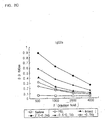
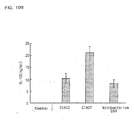
Figs. 10a to 10b are graphs illustrating the amount of cytokine secretion in human whole blood treated with E.coli derived anti-cancer treatment CIA07-and mycobacterium DNA. -
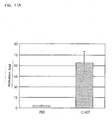
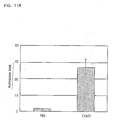
Figs. 11a to 11b are graphs illustrating the increase of promoter activity by NF-kB activation after treating E.coli derived anti-cancer treatment CIA07 in raw cells. -
Fig. 12 is a graph illustrating inhibition of cancer growth when E.coli derived anti-cancer treatment CIA07 is administrated in C3H/HeJ mouse to which mouse bladder cancer cell line(MBT2) was transplanted. - The disclosed immune stimulating and controlling composition comprising bacterial chromosomal DNA fragments and non-toxic lipopolysaccharides will be described in more details referring to examples below, when are not intended to be limiting.
- E.coli EG0021 having short carbohydrate chained lipopolysaccharide was isolated from healthy human intestines, and a method of purifying lipopolysaccharide from the strain was estabilished.
- A procedure was 5 times repeated of injecting liquid-cultured single colony of E.coli isolated from healthy adult male intestines, into experimental animal, Balb/C mouse.
- 50 kinds of strains were selected therein, and one colony in the selected 50 strains was obtained from a plate. After the colony was dissolved in 4ml of 0.9% physiological saline solution, 1ml of the solution was moved into an eppendorf tube. The solution was treated with 2ul of DNase I and reacted at an incubator at 37°C for 1 hour. After treatment of DNase I , the solution was treated with 50ul of Rnase(10mg/ml) and reacted at an incubator of 37°C for 1 hour. Then, 100ul of Proteinase K(20mg/ml) was put therein and reacted at 37°C overnight. Human lymphocyte cell line differentiated by GM-CSF was treated with LPS of each strain obtained therefrom. TNF-α secretion was measured and a strain having the least value was selected (see Table 1) and confirmed the molecular weight of lipopolysaccharide by electrophoresis. It was shown that the attenuated strain was not morphologically changed or in its characteristics. Lipopolysaccharides having a molecular weight ranging from 5,000 to 10,000 without lipopolysaccharide ladder having a molecular weight ranging from 50,000 to 100,000 were shown in electrophoresis(see
Fig. 1 ). This strain was called EG0021.[Table 1] TNF-α secretion value of E.coli homogenate obtained from healthy human intestines No. TNF-a No. TNF-a No. TNF-a No. TNF-a No. TNF-a (pg/lul) (pg/lul) (pg/lul) (pg/lul) (pg/lul) EG0001 more EG0011 39 EG0021 0.1 EG0031 21 EG0041 65 (>100) EG0002 12 EG0012 64 EG0022 more EG0032 1.2 EG0042 54 (>100) EG0003 72 EG0013 8.8 EG0023 more EG0033 more EG0043 More (>100) (>100) (>100) EG0004 85 EG0014 9 EG0024 more EG0034 more EG0044 More (>100) (>100) (>100) EG0005 25 EG0015 70 EG0025 53 EG0035 7 EG0045 17 EG0006 35 EG0016 more EG0026 12 EG0036 87 EG0046 2.1 (>100) EG0007 71 EG0017 6 EG0027 4 EG0037 0.7 EG0047 3.5 EG0008 28 EG0018 11 EG0028 76 EG0038 39 EG0048 More (>100) EG0009 2 EG0019 0.3 EG0029 92 EG0039 37 EG0049 More (>100) EG0010 13 EG0020 80 EG0030 more EG0040 91 EG0050 More (>100) (>100) - E.coli EG0021 was cultured by shaking in TSB (Tryptic soy broth; Difco) culture medium (30g/L) at 37°C for 10 hours.
- After 10L cultivation, 150g of cells obtained by centrifugtion at 8,000G was washed in TE(10mM Tris, pH 8.0, 25mM EDTA) buffer solution (300ml) and centrifuged. The cells(150g) obtained by centrifugation was dissolved in 750ml of, lysis solution (10mM Tris (pH 8.0), 25mM EDTA, 100ug/mL Lysozyme) and treated at 37°C for 1 hour.
- Thereafter, proteinase K (Sigma) was added in the solution to final concentration 100ug/ml, and treated at 50°C for 12 hours.
- Mixing the solution with penol/chloroform/isoamyl alcohol (25:24:1) at a ratio of 1:1 was repeated three times to obtain water layer.
- E.coli chromosomal DNA was obtained by ethanol precipitation.
- After purified E.coli DNA was diluted using sterile distilled water, the concentration of the E.coli DNA was measured at 260nm and 280nms with UV spectrometer.
- The concentration was measured according to the following method:



- The purified E. coli chromosomal DNA was dissolved in TE buffer solution to 0.5mg/ml and sonicated in a glass beaker with ultrasonicator.
- 20ml of the solution was fragmented at one time using 500watt sonication VCX500(Sonics Co.) as ultrasonicator and 630-0220 (tip diameter: 1/2"(13mm)) as tip.
- Here, in order to identify the size of E.coli DNA representing the optimal effect, the whole E. coli chromosomal DNA was divided in 20,000J according to time period using ultrasonicator and then separated by size (see
Fig. 1 ). E.coli DNA was divided into the whole DNA before sonication (Intact, more than 10kb), 2.0~0.5kb, 0.5~0.1kb and less than 0.1kb according to its size. - In order to identify immune increase effects of E.coli DNA separated according to size, the effect as immune adjuvant was measured in mouse (see
Fig. 2 ). 50ug of HEL (Sigma) as antigen and 50ug of each E.coli DNA as adjuvant were injected (i.p) into ICR mouse (a 4-week old male, 20g) twice at interval of a week. 7 days after final injection, the whole blood was collected and serum was separated. The antibody value in serum was measured with HEL as antigen using ELISA method (seeFig. 2a ). - As analysis results, the size of 2.0~0.5kb showed the highest antibody value. Thereafter, from repeated experiments, it was shown that about 1kb represented the optimal effect.
- The effects of humoral and cellular immunity in the subclass of antibody in serum was identified with the same ELISA method(see
Figs. 2b and2c ). - The sonication condition for obtaining 1kb E.coli DNA determined according to the above result is at 7 minutes in 20,000J.
- After sonication, DNA was reacted with chloroform at 4°C for 12 hours, and three volumes of ethanol was treated therein to obtain a precipitate.
- The precipitate was treated with Triton X-114 (Sigma) to 0.5% of final concentration. The resulting precipitate was reacted at 4°C for 4 hours, warmed at 37°C for 5 minutes and then mixed with penol/chloroform/isoamyl alcohol (25:24:1) at a ratio of 1:1 to obtain water layer.
- The obtained E.coli DNA was precipitated with ethanol and dissolves in pyrogen free water.
- Endotoxin removed DNA was analyzed with Limulus Amebocyte Lysate (LAL) kit (BioWhittaker QCL-1000) to detect the remaining endotoxin.
- Table 1 shows the endotoxin value and yield of purified E.coli DNA (CIA02) after removal of endotoxin according to the above method.
[Table 2] The endotoxin value and yield of purified E.coli DNA(CIA02) Sample Number DNA Concentra tion Amount of the whole DNA (/15ml) Pyrogen free DNA Ratio Endotoxin (per DNA 1mg/ml) Yield 1 3mg/ml 45mg 16.2mg 1.77 < 1ng 36% 2 20.25mg 1.66 < 1ng 45% 3 18.9mg 1.71 < 1ng 42%
- The amount of remaining organic solvent was measured with GC/MSD (gas chromatography/mass selected detector), HP-5890A/HP-5870B. Ethanol, acetone, chloroform and penol were measured with SIM (Selected Ion Monitoring) having the column of 50m.ultra-1 (see Table 2).[Table 3] Amount of remaining organic solvent Remaining organic solvent Acetone Ethanol Phenol Chloroform ng/ul - 0.813 - -
- More than 99% degree of purity was identified by measuring protein contamination per E.coli DNA mg with Brad-Ford method. - E.coli was prepared with the same method as above described DNA isolation method.
- The prepared E.coli was mixed with 2 volumes of ethanol thereof, and centrifuged at 4,000g to obtain a precipitate. 1.5 volumes of acetone of the precipitate was added, mixed and then centrifuged at 4,000g.
- The same amount of ethyl ether was added and mixed in the resulting precipitate, and then centrifuged at 4,000g. The cell pellet obtained therefrom was covered with aluminum foil and punctured the foil and dried to measure cell mass. Thereafter, 7.5ml of extraction mixture(90% penol: chloroform: petroleum ether = 2:5:8) was added per 1g of cellular dry weight.
- The resulting solution was divided into glass centrifuge tube and centrifuged at 25°C, 3,000rpm (1,200g) for 20 minutes to obtain supernatant. The supernatant was left in hood for 12 hours. Then, the solution was divided into glass centrifuge tube and lipopolysaccharides dissolves in ethyl ether by centrifugation at 25°C, 3,000rpm (1,200g) for 20 minutes, and then transferred into eppendorf tube. The solution was dried in hood, and dried weight was measured with chemical balance. Then, ethanol was added therein and stored before use.
- After ethanol was completely eliminated in purified E.coli lipopolysaccahride stored in ethanol, the amount of KDO (2-Keto-3-deoxyoctonate) in lipopolysacchardie was measured with lipopolysaccharide standard (Lsit Biological Lab.). After the concentration was measured from the standard, the lipopolysaccharides were analyzed with SDS-PAGE according to size and identified by silver staining (see
Fig. 3 ). The lipopolysaccharide had molecular weight ranging from about 5,000 to 10,000, and its size was very small compared with general E.coli lipopolysaccharide. - Purified E.coli lipopolysaccharides diluted to 3mg/ml of concentration and mixed with 0.2N NaOH at a ratio of 1:1. The resulting solution was shaken every 10 minutes at 60°C and deacylated for 140 minutes.
- About 1/5 volumes of initial 0.2N NaOH of IN acetic acid was added in the resulting solution to titrate pH 7.0.
- After pH titration, ethanol-precipitated non-toxic lipopolysaccharide was obtained.
- After the concentration of non-toxic lipopolysaccharide was measured with KDO method, its size change was identified by SDS-PAGE and silver staining in comparison with lipopolysaccharide before treatment.
- As a result of staining, it was shown that lipid A of lipopolysaccharide was degraded by alkali treatment and the size of lipopolysaccharide became smaller (see
Fig. 4 ). - In order to test stability of non-toxic lipopolysaccharide, experiments on secretion, pyrogenicity and abnormal toxicity of inflammatory proteins were performed.
- THP-1(Acute monocytic leukemia) was treated with non-toxic lipopolysaccharide from high to low concentration to measure the amount of secreted TNF-α in comparison with the control group of purified lipopolysaccharide.
- While 5pg TNF-α was secreted in 1 ug of lipopolysaccharide in the control group, O.lpg TNF-α was secreted in 1 ug of non-toxic lipopolysaccharide. Here, it was shown that inflammatory reaction induced by toxicity decreased by 50 times. Additionally, it was shown that the amount of TNF-α secreted in E.coli DNA was below 100fg. As a result, the non-toxic lipopolysaccharide was proved to be very safe material (see
Fig. 5 ). - The sample of high dose was injected in more than two kinds of rodents to observe abnormal weight change.
- About 350g of a guinea pig showed no abnormality and gained weight gradually when observed for more than 5 days before use.
- The 5ml of sample was used per one guinea pig.
- The sample was one time injected (i.p) into more than two guinea pigs, and they were observed for more than 5 days.
- An about 5-week old mouse showed no abnormality and gained weight gradually when observed for more than 5 days before use.
- The sample was one time injected (i.p) into more than two mice, and they were observed for more than 7 days.
- The sample was proved suitable in this experiment when an animal showed no abnormality during the observation period.
- As an experimental result, no abnormal weight change was observed after injection of the sample (see
Fig. 6a ). - After vaccine was injected into three rabbits, change in the rectal temperature was observed. The 0.2ug/ml of sample per 1kg of rabbit was injected in ear vein of rabbit. Then, the change in abnormal temperature was measured by inserting a thermometer into the rectum.
- Here, the weight of rabbits was over 1.5kg. The rabbits were reused more than 3 days after they had been used in experiments. The body temperature was measured with an apparatus measuring the temperature up to 0.1°C. An injector and its needle were heat-sterilized at 250°C for over 30 minutes. Only water was fed from 16 hours before use to completion of the experiment. The animals were fixed not as-tight as possible.
- The body temperature was measured by inserting the thermometer into the rectum to a constant depth ranging from 60 to 90mm for constant time. The temperature measured before injection was defined as a control temperature. The sample heated at 37°C was injected into the ear vein within about 15 minutes after the control was measured. The body temperature was measured every 3 hours, at least 1 hour, after injection. Gap between the control temperature and sample temperature was defined as difference in temperature. The maximum value of the difference in temperature was defined as pyrogen reaction of the experimental animals. Here, the samples of three animals were used.
- Pyrogenic material experiment was negative when the total of three animals was below 1.3°C while positive when over 2.5°C. These experiments were performed three times, and the negative reaction was suitable for these pyrogenic material experiments.
- The results are shown in Table 4.


- The E.coli DNA (CIA02) and non-toxic lipopolysaccharide (CIA05) prepared according to each standard method was mixed to determine the optimal mixing method and dose.
- In order to identify the change in effect according to mixing method, the antigen was treated with two different chemical materials (MPBH and SPB) for binding. CIA02 and CIA05 were combined with the modified antigen. In another way, CIA02, CIA05 and the antigen were mixed and shaken. Additionally, immune increase effects in each dose were analyzed. In order to identify the effect of immune adjuvant in mouse, 0.1ml of 50ug HEL (Sigma) as antigen was injected (i.P) into ICR mouse (a 4-week old male, 20g) two times at the interval of a week. 7 days after final injection, the whole blood was collected and serum was separated therefrom. The antibody value in serum was analyzed using HEL as antigen by ELISA method (see
Fig. 7a ). - The control group was 0.5 and 1ug of LPS(CIA04) while the experimental group was antigen, 0.5ug of CIA05 and 50ug of CIA, shaking mixing group consisting of antigen, 1ug of CIA05 and 50ug of CIA, modified antigen, 0.5ug of CIA05 and 50ug of CIA, combining group consisting of modified antigen, 1ug of CIA05 and 50ug of CIA respectively.
- As an experimental result, it was proved that LPS(CIA04) represented the highest antibody activity but it was not suitable for anti-cancer adjuvant because of side effects of toxicity (see
Fig. 7a ). Although combining methods made little difference, a shaking mixing method was more superior to the other methods. Particularly, it was shown that the shaking mixing method was effective because it showed a difference in IgG2a related to cellular immunity among immunoglobulin subclass (seeFig. 7b ). In yield, the shaking mixing method was simple and had no loss during treating processes. As a result, the shaking mixing method was selected. The dose was determined according to the amount of CIA05. The dose of 1ug showed more superior efficacy than that of 0.5ug. As a result, the dose of 1ug was determined. - The effects of humoral and cellular immunity in subclass of antibody in serum were analyzed with ELISA method.
- In order to test immune increase effects of the determined making method and dose, an experiment was performed in comparison with those of the conventional immune adjuvant (see
Fig. 8a ). - Applicability for CIA07 as immune adjuvant was analyzed through animal experiments. 0.1 ml of 50ug HEL (Sigma L-6876) as antigen was injected (i.P) into ICR mouse (a 4-week male, 20g) twice at the intervals of a week. 7 days after final injection, the whole blood was collected and serum was separated therefrom. The antibody activity in serum was analyzed with HEL as antigen using ELISA method.
- It was shown that the antibody activity of CIA07 represented the same effect of CFA (complete Freund's adjuvant), the conventional immune adjuvant for animal experiment, and Alum (aluminium hydroxide gel) only authorized in use for human (see
Fig. 8a ). However, as a result of analyzing isotype switching, it was shown that the conventional immune adjuvants such as CFA and Alum activated immunization of Th(T helper)-2 type wherein antibodies of IgG1 were mainly produced while CIA07 induced immune activation of Th(T helper)-1 type wherein antibodies of IgG2a rather than IgG1 were specifically produced (seeFigs. 8b and8c ). - In order to identify the dose of CIA02, 1ug of CIA05 was mixed in 25ug and 50ug of CIA02, respectively. As an analysis result, it was shown that the antibody activity was changed according to the dose. Accordingly, 50ug of CIA02 and lug of CIA05 were determined for the optimal dose.
- Venous blood from healthy male adult was sterilely obtained in vacuum tube having heparin as anticoagulant. The whole blood obtained therefrom was mixed with RPMI 1640 culture medium (2mM L-glutamine, 1mM Sodium pyruvate, gentamycin of 80ug/ml) at a ratio of 1:1. 20ul of CIA07 50ug of CIA02 +lug or 500ng, 100ng of CIA05) or 20ul of HBSS were added in 1ml of the whole blood mixed with culture medium and then incubated in 5% CO2 culture medium at 37°C for 24 hours. The secretion amount of IFN-γ(R&D system, 210-TA-010) and IL-12 p40(R&D system, 219-IL-005) was analyzed in supernatant liquid in the culture medium with ELISA kit. The results were shown in
Fig. 9 . - In the same way, 20ul of CIA07 (50ug of CIA02 + 1ug of CIA05), CIA02 (50ug), Mycobacterium DNA (50ug) or HBSS (20ul) were added in 1ml of the whole blood mixed with culture medium. Then, cytokine secretion was analyzed.
- As an analysis result, the synergic immune increase effect was represented in case of addition of mixed CIA02 and CIA05 more than in case of addition of only CIA02 or only CIA05. The best result was shown in the dose of 50ug of CIA02 and 1ug of CIA05. In comparison with mycobacterium DNA, CIA07 represented the excellent result as well as CIA02.
- Raw cells were spread in 12 well plates by 5 x 10⁴ cells (1ml DMEM / 10% FBS) per a well, and cultured in CO2 incubator at 37°C for 24 hours. IL-12 luciferase reporter plasmid (0.2ug/well) mixed with PRL-null plasmid (20ng/well) was added in serum free DMEM (50ul/well) mixed with Fugene 6 (1.5ul/well, Roche Cat. No. 1 814 443), transfection reagent, and then left for 5 to 10 minutes. The resulting mixture was added in the Raw cells by 52ul/well, and incubated in CO2 incubator at 37°C for 24 hours. Thereafter, Raw cells were treated with CIA07 (CIA02 20ug + CIA05 400ng per a well) and incubated in CO2 incubator at 37°C for 12 hours. Luciferase reaction carried out by luciferase assay kit (Promega Cat.no. E1500)to measure luciferase activity with luminometer.
- As a result of measuring luciferase activity to identify effects of CIA07 on IL-8 and IL-12 promoter activity, NF-kB binding site existed in IL-8 and IL-12 promoters in common. It was shown that NF-kB was activated in RAW264.7 cell line by CIA07 to increase activity of promoters (see
Fig. 11 ). - Cancer cell killing activity by CIA07 was measured using 51Cr-release.
- Antigen only or with CIA07 was injected under the skin of the bottom of the foot of a 5-8 week old male C3H/HeN mouse.
- RPMI-1640 (10mM HEPES, 100units/ml penicillin, 100µg/ml sterptomycin, 300µg/ml glutamine; Gibco Laboratories, Grand Island, NY) was used for the basal culture medium for culturing cell lines. Inactivated 10% fetal bovine serum (Gibco Laboratories, Grand Island, NY) heated at 56°C for 30 minutes was added in the basal culture medium. In order to measure activity of LAK cells and cancer cell mediated killing activity, Sarcoma 180 and mouse bladder cancer cell line(MBT-2) were used for target cells.
- In order to prepare reaction cell lines, a rat of the experimental group were killed using cervical dislocation. Its spleen was sterilely isolated and minced on stainless steel wire netting using scissors. The fragments were ground and filtered using a glass stick with adding phosphate buffered saline. Then, tissue debris was removed passing through wire netting. After single cell suspension was identified under microscope, cells were washed using the basal culture medium one time. The cells were suspended in 0.84% ammonium chloride solution at 37°C for 5 minutes to dissolve erythrocyte. The cells were further washed using the basal culture medium two times and suspended in complete culture medium. The cell suspension was divided into culture flasks and cultured in CO2 constant temperature and humidity chamber at 37°C for 1 hour. Cells that were not attached to the flasks were obtained therefrom, and survival cell number was measured using trypan blue dye exclusion method. Then, 5 x 10⁶ cells were obtained using the complete culture medium and survival cell number thereof was measured using trypan blue dye exclusion method. Then, 5 x 10⁶ cell/ml of cell suspension were made using the complete culture medium.
- Target cell line was cultured and the number of cells was counted. 106 cells were obtained and the cells were centrifuged at 300g, 3 minutes. The supernatant liquid except 0.2~0.3ml was removed using Pasteur pipette without damaging precipitated cells. 100 Ci Na2 51CrO4 (1ml Ci/ml, NEZ 030S, NEN, USA) was added and labeled in shaking thermostat at 37°C for 1 hour. The cells were washed using the basal culture and survival cell number thereof was measured using trypan blue dye exclusion method. The labeled target cells were re-suspended in the complete culture medium to 5 x 10⁴ cell/ml.
- The labeled target cells were divided by 0.1ml to put 5 x 10³ cells per a well on 96 well fine plate having a round bottom. 0.1ml of reactions cell was added at a ratio of reaction cell:target cell = 100:1. The cells were cultured in 5% CO2 constant temperature and humidity chamber at 37°C for 4 hours. After more than 3 wells per an experiment were made and the culture for 4 hours was finished, the cells were centrifuged at 500g for 15 minutes. Radioactivity was measured in the 0.1ml of supernatant liquid from each well using gamma counter (Packard, USA). Here, in order to induce the maximum emission, 0.1ml of 5% triton X-100 (Sigma, USA) was added in the control well group. In order to measure natural emission, the labeled cells were cultured in the complete culture medium having the same dose. The cell toxicity was calculated according to the following formula:

ER: average count (cpm) of experiment group
SR: average count (cpm) target cell cultured in culture medium
MR: average count (cpm) of target cell treated with 5% Triton X-100. - The experimental results were shown in Table 5. LAK cells showed cell lysis increase by 8 times in comparison with non-immune cells, and by 1.5 times in comparison with BCG injection group. MBT-2 cell line showed cell lysis increase by 5 times in comparison with non-immune cells. These results represent possibility of CIA for anti-cancer treatments instead of BCG resulting in various side effects.
[Table 5] Sarcoma 180 Injection 0 3 7 15 days Control group 100 100 100 100 BCG 92 ± 4 110 ± 2 632 ± 13 189 ± 4 CIA07 94 ± 7 154 ± 3 802 ± 10 109 ± 7 MBT-2 Control group 100 100 100 100 BCG 103 ± 3 96 ± 7 402 ± 11 98 ± 3 CIA07 97 ± 4 121 ± 9 513 ± 13 109 ± 6 Experiment for identifying anti-cancer activity in mouse - 5
X 105 MBT2 cells (C3H/He derived bladder cancer cell) were subcutaneously injected at two positions (left shoulder, right thigh) of a 5-8 week old male C3H/HeJ mouse. Here, several pricks for injection should be avoided in order to generate single cancer tissue. The used mice were 6 to 10 per an experimental group. From the next day after injecting tumor cell, 100ul of CIA07(50ug of CIA02 + 500ng of CIA05) or physiological salt solution was injected in cell line injected position one time everyday for 1 week and every two days for the next 2 weeks. The size of cancer generated in the hypoderm was measured three times per a week using caliper. The results were shown inFig. 12 . It was shown that the growth of cancer tissue was inhibited in CIA05 injection group in comparison with physiological salt solution injection group. - The anti-cancer treatment CIA07 of mixing two E.coli derived materials CIA02 and CIA05 according to the present invention has higher safety than the conventional treatment and minimizes production cost due to simplicity of production process. Also, CIA07 induces more effective and specific immunization due to mixing the two materials. Additionally, the present invention is cheaper than CpG due to physical process of DNA and more effective than BCG.
- Accordingly, the E.coli derived anti-cancer treatment CIA07 according to the present invention is more significant in industrial application for anti-cancer treatment and immune adjuvant.
Claims (9)
- Immune controlling composition comprising:a) bacterial DNA fragments wherein the DNA fragments are ranging from 2.0 to 0.5 kb and are free of endotoxin; andb) lipopolysacchrides of E. coli, wherein lipid A of the lipopolysaccharides is degraded by alkali-treatment and a molecular weight of the lipopolysaccharides is from 5,000 to 10,000 Dalton.
- The composition according to claim 1, wherein the weight ratio of a) and b) ranges from 500:1 to 1:500.
- The composition according to claim 1 or claim 2, wherein the a) and the b) are mixed by shaking.
- The composition according to any of the preceding claims, wherein the bacteria is Escherichia coli or mycobacteria.
- The composition according to claims 1 or 4, wherein the bacteria is Escherichia coli.
- The composition according to claim 4, wherein the Escherichia coli strain is E.coli EGOO21 having the accession number KCCM-10374.
- An immune adjuvant comprising the composition of claim 1.
- An anticancer preparation comprising the composition of claim 1.
- A preparation for immune activation of T helper 1 type comprising the composition of claim 1.
Applications Claiming Priority (3)
| Application Number | Priority Date | Filing Date | Title |
|---|---|---|---|
| KR10-2002-0028505A KR100456681B1 (en) | 2002-05-22 | 2002-05-22 | Immnune-stimulating and controlling Composition comprising bacterial chromosomal DNA fragments and detoxified lipopolysaccharides |
| KR2002028505 | 2002-05-22 | ||
| PCT/KR2002/001813 WO2004039413A1 (en) | 2002-05-22 | 2002-09-26 | Immune stimulating and controlling composition comprising bacterial chromosomal dna fragments and non-toxic lipopolysaccharides |
Publications (3)
| Publication Number | Publication Date |
|---|---|
| EP1507560A1 EP1507560A1 (en) | 2005-02-23 |
| EP1507560A4 EP1507560A4 (en) | 2005-08-10 |
| EP1507560B1 true EP1507560B1 (en) | 2008-02-27 |
Family
ID=36697647
Family Applications (1)
| Application Number | Title | Priority Date | Filing Date |
|---|---|---|---|
| EP02808078A Expired - Lifetime EP1507560B1 (en) | 2002-05-22 | 2002-09-26 | Immune stimulating and controlling composition comprising bacterial chromosomal dna fragments and non-toxic lipopolysaccharides |
Country Status (10)
| Country | Link |
|---|---|
| US (2) | US7507802B2 (en) |
| EP (1) | EP1507560B1 (en) |
| JP (1) | JP2006506399A (en) |
| KR (1) | KR100456681B1 (en) |
| CN (1) | CN100344329C (en) |
| AT (1) | ATE387219T1 (en) |
| AU (1) | AU2002335560A1 (en) |
| DE (1) | DE60225349T2 (en) |
| ES (1) | ES2303568T3 (en) |
| WO (1) | WO2004039413A1 (en) |
Families Citing this family (18)
| Publication number | Priority date | Publication date | Assignee | Title |
|---|---|---|---|---|
| KR100456681B1 (en) | 2002-05-22 | 2004-11-10 | 주식회사 대웅 | Immnune-stimulating and controlling Composition comprising bacterial chromosomal DNA fragments and detoxified lipopolysaccharides |
| WO2006080596A1 (en) * | 2005-01-28 | 2006-08-03 | Hyung-Joo Kwon | Oligonucleotides derived from mycobacterium for stimulating immune function, treating immune-related diseases, atopic dermatitis and/or protecting normal immune cell |
| KR100740237B1 (en) * | 2005-05-10 | 2007-07-18 | 아이진 주식회사 | Immunoadjuvant including oligonucleotides and nontoxic polysaccharides |
| EP1986664A4 (en) * | 2006-02-01 | 2009-07-22 | Eyegene Inc | Composition for treating cancer comprising oligonucleotide and non-toxic lps |
| KR20090095626A (en) * | 2006-12-04 | 2009-09-09 | 더 보드 오브 트러스티즈 오브 더 유니버시티 오브 일리노이 | COMPOSITIONS AND METHODS TO TREAT CANCER WITH CpG RICH DNA AND CUPREDOXINS |
| WO2009156960A2 (en) | 2008-06-27 | 2009-12-30 | Pfizer Inc. | Novel adjuvant compositions |
| AU2010229835B2 (en) | 2009-03-25 | 2015-01-15 | The Board Of Regents Of The University Of Texas System | Compositions for stimulation of mammalian innate immune resistance to pathogens |
| MX2011013566A (en) | 2009-06-19 | 2012-06-28 | Eyegene Inc | Vaccine for cervical cancer. |
| KR20120068647A (en) * | 2010-12-18 | 2012-06-27 | 아이진 주식회사 | Vaccines capable of inducing enhanced immune responses |
| KR101452830B1 (en) | 2012-04-06 | 2014-10-21 | 아이진 주식회사 | E. coli strain for Providing Two Anti-tumor Substances |
| UA121200C2 (en) | 2013-09-19 | 2020-04-27 | Зоетіс Сервісіз Ллс | OIL-BASED ADJUSTANT |
| WO2016044839A2 (en) | 2014-09-19 | 2016-03-24 | The Board Of Regents Of The University Of Texas System | Compositions and methods for treating viral infections through stimulated innate immunity in combination with antiviral compounds |
| EP4248992A3 (en) | 2015-01-16 | 2023-12-27 | Zoetis Services LLC | Foot-and-mouth disease vaccine |
| JP6189402B2 (en) * | 2015-12-04 | 2017-08-30 | 三井農林株式会社 | Granular cocoa |
| KR102042993B1 (en) * | 2016-10-31 | 2019-11-11 | 아이진 주식회사 | Immune response modulator and an adjuvant composition comprising the same |
| WO2018080252A1 (en) * | 2016-10-31 | 2018-05-03 | 아이진 주식회사 | Immune response regulatory substance and vaccine composition containing same |
| AU2017351900B2 (en) * | 2016-10-31 | 2020-11-26 | Eyegene Inc. | Composition for enhancing immunity comprising immune modulator and cationic liposome, and use of same |
| CN120988950B (en) * | 2025-10-27 | 2026-03-06 | 中国科学院杭州医学研究所 | Tumor-inhibiting escherichia coli 18 and application thereof |
Family Cites Families (69)
| Publication number | Priority date | Publication date | Assignee | Title |
|---|---|---|---|---|
| US52649A (en) * | 1866-02-13 | Improvement in hinges | ||
| US64515A (en) * | 1867-05-07 | Impeovemeit | ||
| US91599A (en) * | 1869-06-22 | Improvement in low-water indicators | ||
| US50263A (en) * | 1865-10-03 | Improved blasting-plug | ||
| US24010A (en) * | 1859-05-17 | Drawing-head foe | ||
| US71150A (en) * | 1867-11-19 | Improvement in holders foe lamp and gas-shades | ||
| US53880A (en) * | 1866-04-10 | Fire-place | ||
| US44416A (en) * | 1864-09-27 | Improvement in bodkins for passing enlarged shanks of buttons through cloth | ||
| US98688A (en) * | 1870-01-11 | Improvement in globe-valves | ||
| US4062A (en) * | 1845-05-29 | Walter hunt | ||
| US50261A (en) * | 1865-10-03 | Improvement in umbrella-holders | ||
| US12026A (en) * | 1854-12-05 | Machibtb for rounding the backs op books | ||
| US62262A (en) * | 1867-02-19 | freylinghousen | ||
| US527A (en) * | 1837-12-20 | Machine for | ||
| US98680A (en) * | 1870-01-11 | Improvement in vapor-burners | ||
| US29835A (en) * | 1860-08-28 | Surveyor s instrument | ||
| US6568A (en) * | 1849-07-03 | Machinery fob jointing staves | ||
| US71571A (en) * | 1867-12-03 | pieeke | ||
| US43112A (en) * | 1864-06-14 | Improvement in artificial fuel | ||
| US62258A (en) * | 1867-02-19 | Improvement in boileimpeeders | ||
| US86067A (en) * | 1869-01-19 | Improvement in piston steam-valves | ||
| US52656A (en) * | 1866-02-13 | Improvement in the manufacture of iron | ||
| US64341A (en) * | 1867-04-30 | Improvement in plane-ieons | ||
| US26782A (en) * | 1860-01-10 | Washbuen race | ||
| US92472A (en) * | 1869-07-13 | Improvement in umbrella-frames | ||
| US47468A (en) * | 1865-04-25 | Improvement in corn-planters | ||
| US67905A (en) * | 1867-08-20 | Improved tbayelling-trum | ||
| US4061A (en) * | 1845-05-24 | Spring-saddle | ||
| US52657A (en) * | 1866-02-20 | Improved head-block for holding boots and shoes | ||
| US9774A (en) * | 1853-06-07 | Machine for boring rock | ||
| US87534A (en) * | 1869-03-09 | Improvement in feather-renovators | ||
| US42469A (en) * | 1864-04-26 | Improved apparatus for vaporizing hydrocarbon liquids for illuminating | ||
| US32685A (en) * | 1861-07-02 | Improvement in fire-arms | ||
| US91079A (en) * | 1869-06-08 | Improvement in device for operating throttle-valves | ||
| US67089A (en) * | 1867-07-23 | Photo-litho | ||
| US81045A (en) * | 1868-08-11 | Improvement in harvester-rakes | ||
| US87538A (en) * | 1869-03-09 | Improvement in steam-engine rotary valves | ||
| US9949A (en) * | 1853-08-16 | Boat or scow | ||
| US4454119A (en) * | 1981-06-29 | 1984-06-12 | Mitsubishi Chemical Industries Limited | Therapeutic agents |
| US4818817A (en) * | 1983-11-30 | 1989-04-04 | Petroleum Fermentations N.V. | Enzymatic degradation of lipopolysaccharide bioemulsifiers |
| US4929604A (en) * | 1986-05-28 | 1990-05-29 | Board Of Regents, The University Of Texas System | Lipopolysaccharides of reduced toxicity and the production thereof |
| US5158939A (en) * | 1989-07-21 | 1992-10-27 | Wisconsin Alumni Research Foundation | Method of stimulating the immune systems of animals and compositions useful therefor |
| EP0468520A3 (en) | 1990-07-27 | 1992-07-01 | Mitsui Toatsu Chemicals, Inc. | Immunostimulatory remedies containing palindromic dna sequences |
| WO1996002555A1 (en) | 1994-07-15 | 1996-02-01 | The University Of Iowa Research Foundation | Immunomodulatory oligonucleotides |
| US6207646B1 (en) * | 1994-07-15 | 2001-03-27 | University Of Iowa Research Foundation | Immunostimulatory nucleic acid molecules |
| US6429199B1 (en) * | 1994-07-15 | 2002-08-06 | University Of Iowa Research Foundation | Immunostimulatory nucleic acid molecules for activating dendritic cells |
| US20030026782A1 (en) | 1995-02-07 | 2003-02-06 | Arthur M. Krieg | Immunomodulatory oligonucleotides |
| US20030050263A1 (en) | 1994-07-15 | 2003-03-13 | The University Of Iowa Research Foundation | Methods and products for treating HIV infection |
| US6239116B1 (en) | 1994-07-15 | 2001-05-29 | University Of Iowa Research Foundation | Immunostimulatory nucleic acid molecules |
| US5780448A (en) * | 1995-11-07 | 1998-07-14 | Ottawa Civic Hospital Loeb Research | DNA-based vaccination of fish |
| WO1998037919A1 (en) * | 1997-02-28 | 1998-09-03 | University Of Iowa Research Foundation | USE OF NUCLEIC ACIDS CONTAINING UNMETHYLATED CpG DINUCLEOTIDE IN THE TREATMENT OF LPS-ASSOCIATED DISORDERS |
| US6406705B1 (en) | 1997-03-10 | 2002-06-18 | University Of Iowa Research Foundation | Use of nucleic acids containing unmethylated CpG dinucleotide as an adjuvant |
| US6426334B1 (en) * | 1997-04-30 | 2002-07-30 | Hybridon, Inc. | Oligonucleotide mediated specific cytokine induction and reduction of tumor growth in a mammal |
| GB2325233B (en) | 1997-05-16 | 2001-07-18 | Norsk Hydro As | Substrates having bound polysaccharides and bacterial nucleic acids |
| AU7690898A (en) | 1997-05-20 | 1998-12-11 | Ottawa Civic Hospital Loeb Research Institute | Vectors and methods for immunization or therapeutic protocols |
| US6368604B1 (en) * | 1997-09-26 | 2002-04-09 | University Of Maryland Biotechnology Institute | Non-pyrogenic derivatives of lipid A |
| US6218371B1 (en) | 1998-04-03 | 2001-04-17 | University Of Iowa Research Foundation | Methods and products for stimulating the immune system using immunotherapeutic oligonucleotides and cytokines |
| US6693086B1 (en) * | 1998-06-25 | 2004-02-17 | National Jewish Medical And Research Center | Systemic immune activation method using nucleic acid-lipid complexes |
| IL148843A0 (en) | 1999-09-25 | 2002-09-12 | Univ Iowa Res Found | Immunostimulatory nucleic acids |
| US20010044416A1 (en) | 2000-01-20 | 2001-11-22 | Mccluskie Michael J. | Immunostimulatory nucleic acids for inducing a Th2 immune response |
| HU229642B1 (en) | 2000-10-18 | 2014-03-28 | Glaxosmithkline Beecham Biolog S A | Vaccines against cancers |
| KR100456681B1 (en) | 2002-05-22 | 2004-11-10 | 주식회사 대웅 | Immnune-stimulating and controlling Composition comprising bacterial chromosomal DNA fragments and detoxified lipopolysaccharides |
| US20040009949A1 (en) | 2002-06-05 | 2004-01-15 | Coley Pharmaceutical Group, Inc. | Method for treating autoimmune or inflammatory diseases with combinations of inhibitory oligonucleotides and small molecule antagonists of immunostimulatory CpG nucleic acids |
| US7576066B2 (en) | 2002-07-03 | 2009-08-18 | Coley Pharmaceutical Group, Inc. | Nucleic acid compositions for stimulating immune responses |
| US7807803B2 (en) | 2002-07-03 | 2010-10-05 | Coley Pharmaceutical Group, Inc. | Nucleic acid compositions for stimulating immune responses |
| US7569553B2 (en) | 2002-07-03 | 2009-08-04 | Coley Pharmaceutical Group, Inc. | Nucleic acid compositions for stimulating immune responses |
| US20040053880A1 (en) | 2002-07-03 | 2004-03-18 | Coley Pharmaceutical Group, Inc. | Nucleic acid compositions for stimulating immune responses |
| US7605138B2 (en) | 2002-07-03 | 2009-10-20 | Coley Pharmaceutical Group, Inc. | Nucleic acid compositions for stimulating immune responses |
| JP2006512927A (en) | 2002-12-11 | 2006-04-20 | コーリー ファーマシューティカル グループ,インコーポレイテッド | 5 'CPG nucleic acids and methods of use thereof |
-
2002
- 2002-05-22 KR KR10-2002-0028505A patent/KR100456681B1/en not_active Expired - Lifetime
- 2002-09-26 US US10/515,353 patent/US7507802B2/en not_active Expired - Lifetime
- 2002-09-26 AT AT02808078T patent/ATE387219T1/en not_active IP Right Cessation
- 2002-09-26 EP EP02808078A patent/EP1507560B1/en not_active Expired - Lifetime
- 2002-09-26 ES ES02808078T patent/ES2303568T3/en not_active Expired - Lifetime
- 2002-09-26 WO PCT/KR2002/001813 patent/WO2004039413A1/en not_active Ceased
- 2002-09-26 JP JP2004548113A patent/JP2006506399A/en active Pending
- 2002-09-26 DE DE60225349T patent/DE60225349T2/en not_active Expired - Lifetime
- 2002-09-26 AU AU2002335560A patent/AU2002335560A1/en not_active Abandoned
- 2002-09-26 CN CNB028290097A patent/CN100344329C/en not_active Expired - Lifetime
-
2006
- 2006-03-24 US US11/389,357 patent/US8883987B2/en not_active Expired - Fee Related
Also Published As
| Publication number | Publication date |
|---|---|
| CN1627960A (en) | 2005-06-15 |
| AU2002335560A8 (en) | 2004-05-25 |
| ES2303568T3 (en) | 2008-08-16 |
| EP1507560A4 (en) | 2005-08-10 |
| WO2004039413A1 (en) | 2004-05-13 |
| AU2002335560A1 (en) | 2004-05-25 |
| US20050163806A1 (en) | 2005-07-28 |
| KR100456681B1 (en) | 2004-11-10 |
| US8883987B2 (en) | 2014-11-11 |
| US7507802B2 (en) | 2009-03-24 |
| US20060166923A1 (en) | 2006-07-27 |
| CN100344329C (en) | 2007-10-24 |
| ATE387219T1 (en) | 2008-03-15 |
| DE60225349D1 (en) | 2008-04-10 |
| JP2006506399A (en) | 2006-02-23 |
| EP1507560A1 (en) | 2005-02-23 |
| KR20030090897A (en) | 2003-12-01 |
| DE60225349T2 (en) | 2009-03-12 |
Similar Documents
| Publication | Publication Date | Title |
|---|---|---|
| US7507802B2 (en) | Immune stimulating and controlling composition comprising bacterial chromosomal DNA fragments and non-toxic lipopolysaccharides | |
| Enioutina et al. | The induction of systemic and mucosal immune responses to antigen-adjuvant compositions administered into the skin: alterations in the migratory properties of dendritic cells appears to be important for stimulating mucosal immunity | |
| AU724325B2 (en) | Pharmaceutical compositions comprising a polynucleotide and optionally an antigen especially for vaccination | |
| Broide et al. | Immunostimulatory DNA sequences inhibit IL-5, eosinophilic inflammation, and airway hyperresponsiveness in mice | |
| JP2023011840A (en) | Novel Th1-inducing adjuvants and uses thereof by combining different nucleic acid adjuvants | |
| Akazawa et al. | Adjuvant-mediated tumor regression and tumor-specific cytotoxic response are impaired in MyD88-deficient mice | |
| JP3976742B2 (en) | Immunostimulatory oligonucleotides that induce interferon alpha | |
| Lu et al. | Cannabinoid treatment suppresses the T-helper cell-polarizing function of mouse dendritic cells stimulated with Legionella pneumophila infection | |
| JP2008000001A (en) | Immunostimulatory oligonucleotide and its pharmaceutical use | |
| CN101443036A (en) | Reagents and methods for cancer treatment and prevention | |
| Carrión et al. | Adoptive transfer of dendritic cells pulsed with Leishmania infantum nucleosomal histones confers protection against cutaneous leishmaniosis in BALB/c mice | |
| CN114146097B (en) | Application of Periplaneta americana Extract and/or Monomer in Preparation of M2 Polarization Inhibiting Medicine in Tumor Microenvironment | |
| EP1815856B1 (en) | A method of producing a cancer vaccine | |
| Yu et al. | Synthetic innate defense regulator peptide combination using CpG ODN as a novel adjuvant induces long‑lasting and balanced immune responses | |
| KR101452830B1 (en) | E. coli strain for Providing Two Anti-tumor Substances | |
| RU2812805C1 (en) | Method of inhibiting pd-1/pd-l1 signaling pathway in bladder cancer cells | |
| Yordanov et al. | Candida albicans double-stranded DNA can participate in the host defense against disseminated candidiasis | |
| de Souza Matos et al. | Immunostimulatory effects of polar glycopeptidolipids of Mycobacterium chelonae for inactivated rabies vaccine | |
| EP1871872B1 (en) | Method for activating cd8 t cells | |
| KR20260040134A (en) | Immunity-enhancing composition containing rapidly growing non-tuberculous acid-fast bacterial cell wall skeleton and manufacturing method thereof | |
| CA3062714A1 (en) | Use of phosphorylated heptose compounds | |
| TWI715813B (en) | Use of polysaccharide extract of astragalus membranaceus in the preparation of a medicament for enhancing effect of immunotherapy for cancer | |
| EP1716857A1 (en) | Composition for nkt cell activation | |
| CN121311234A (en) | Use of Showa grass extract in inducing humoral immune responses | |
| EP1986664A4 (en) | Composition for treating cancer comprising oligonucleotide and non-toxic lps |
Legal Events
| Date | Code | Title | Description |
|---|---|---|---|
| PUAI | Public reference made under article 153(3) epc to a published international application that has entered the european phase |
Free format text: ORIGINAL CODE: 0009012 |
|
| 17P | Request for examination filed |
Effective date: 20041213 |
|
| AK | Designated contracting states |
Kind code of ref document: A1 Designated state(s): AT BE BG CH CY CZ DE DK EE ES FI FR GB GR IE IT LI LU MC NL PT SE SK TR |
|
| AX | Request for extension of the european patent |
Extension state: AL LT LV MK RO SI |
|
| A4 | Supplementary search report drawn up and despatched |
Effective date: 20050627 |
|
| DAX | Request for extension of the european patent (deleted) | ||
| 17Q | First examination report despatched |
Effective date: 20051006 |
|
| 17Q | First examination report despatched |
Effective date: 20051006 |
|
| GRAP | Despatch of communication of intention to grant a patent |
Free format text: ORIGINAL CODE: EPIDOSNIGR1 |
|
| RIN1 | Information on inventor provided before grant (corrected) |
Inventor name: AHN, BO YOUNG Inventor name: KIM, DOO SIK Inventor name: YOO, WON IL Inventor name: PARK, HYE RAN Inventor name: LEE, SUNG HO Inventor name: LEE, NA-GYONG Inventor name: LEE, DONG HYUN Inventor name: CHO, YANG JE |
|
| GRAS | Grant fee paid |
Free format text: ORIGINAL CODE: EPIDOSNIGR3 |
|
| GRAA | (expected) grant |
Free format text: ORIGINAL CODE: 0009210 |
|
| RAP1 | Party data changed (applicant data changed or rights of an application transferred) |
Owner name: EYEGENE INC. Owner name: DAEWOONG CO., LTD. |
|
| AK | Designated contracting states |
Kind code of ref document: B1 Designated state(s): AT BE BG CH CY CZ DE DK EE ES FI FR GB GR IE IT LI LU MC NL PT SE SK TR |
|
| REG | Reference to a national code |
Ref country code: GB Ref legal event code: FG4D |
|
| REG | Reference to a national code |
Ref country code: CH Ref legal event code: EP |
|
| REG | Reference to a national code |
Ref country code: IE Ref legal event code: FG4D |
|
| REF | Corresponds to: |
Ref document number: 60225349 Country of ref document: DE Date of ref document: 20080410 Kind code of ref document: P |
|
| PG25 | Lapsed in a contracting state [announced via postgrant information from national office to epo] |
Ref country code: FI Free format text: LAPSE BECAUSE OF FAILURE TO SUBMIT A TRANSLATION OF THE DESCRIPTION OR TO PAY THE FEE WITHIN THE PRESCRIBED TIME-LIMIT Effective date: 20080227 |
|
| NLV1 | Nl: lapsed or annulled due to failure to fulfill the requirements of art. 29p and 29m of the patents act | ||
| REG | Reference to a national code |
Ref country code: ES Ref legal event code: FG2A Ref document number: 2303568 Country of ref document: ES Kind code of ref document: T3 |
|
| PG25 | Lapsed in a contracting state [announced via postgrant information from national office to epo] |
Ref country code: AT Free format text: LAPSE BECAUSE OF FAILURE TO SUBMIT A TRANSLATION OF THE DESCRIPTION OR TO PAY THE FEE WITHIN THE PRESCRIBED TIME-LIMIT Effective date: 20080227 |
|
| PG25 | Lapsed in a contracting state [announced via postgrant information from national office to epo] |
Ref country code: BE Free format text: LAPSE BECAUSE OF FAILURE TO SUBMIT A TRANSLATION OF THE DESCRIPTION OR TO PAY THE FEE WITHIN THE PRESCRIBED TIME-LIMIT Effective date: 20080227 |
|
| PG25 | Lapsed in a contracting state [announced via postgrant information from national office to epo] |
Ref country code: CZ Free format text: LAPSE BECAUSE OF FAILURE TO SUBMIT A TRANSLATION OF THE DESCRIPTION OR TO PAY THE FEE WITHIN THE PRESCRIBED TIME-LIMIT Effective date: 20080227 Ref country code: NL Free format text: LAPSE BECAUSE OF FAILURE TO SUBMIT A TRANSLATION OF THE DESCRIPTION OR TO PAY THE FEE WITHIN THE PRESCRIBED TIME-LIMIT Effective date: 20080227 Ref country code: SK Free format text: LAPSE BECAUSE OF FAILURE TO SUBMIT A TRANSLATION OF THE DESCRIPTION OR TO PAY THE FEE WITHIN THE PRESCRIBED TIME-LIMIT Effective date: 20080227 Ref country code: SE Free format text: LAPSE BECAUSE OF FAILURE TO SUBMIT A TRANSLATION OF THE DESCRIPTION OR TO PAY THE FEE WITHIN THE PRESCRIBED TIME-LIMIT Effective date: 20080527 Ref country code: PT Free format text: LAPSE BECAUSE OF FAILURE TO SUBMIT A TRANSLATION OF THE DESCRIPTION OR TO PAY THE FEE WITHIN THE PRESCRIBED TIME-LIMIT Effective date: 20080721 Ref country code: DK Free format text: LAPSE BECAUSE OF FAILURE TO SUBMIT A TRANSLATION OF THE DESCRIPTION OR TO PAY THE FEE WITHIN THE PRESCRIBED TIME-LIMIT Effective date: 20080227 |
|
| ET | Fr: translation filed | ||
| PLBE | No opposition filed within time limit |
Free format text: ORIGINAL CODE: 0009261 |
|
| STAA | Information on the status of an ep patent application or granted ep patent |
Free format text: STATUS: NO OPPOSITION FILED WITHIN TIME LIMIT |
|
| 26N | No opposition filed |
Effective date: 20081128 |
|
| PG25 | Lapsed in a contracting state [announced via postgrant information from national office to epo] |
Ref country code: MC Free format text: LAPSE BECAUSE OF NON-PAYMENT OF DUE FEES Effective date: 20080930 Ref country code: BG Free format text: LAPSE BECAUSE OF FAILURE TO SUBMIT A TRANSLATION OF THE DESCRIPTION OR TO PAY THE FEE WITHIN THE PRESCRIBED TIME-LIMIT Effective date: 20080527 Ref country code: EE Free format text: LAPSE BECAUSE OF FAILURE TO SUBMIT A TRANSLATION OF THE DESCRIPTION OR TO PAY THE FEE WITHIN THE PRESCRIBED TIME-LIMIT Effective date: 20080227 |
|
| REG | Reference to a national code |
Ref country code: CH Ref legal event code: PL |
|
| PG25 | Lapsed in a contracting state [announced via postgrant information from national office to epo] |
Ref country code: IE Free format text: LAPSE BECAUSE OF NON-PAYMENT OF DUE FEES Effective date: 20080926 Ref country code: CY Free format text: LAPSE BECAUSE OF FAILURE TO SUBMIT A TRANSLATION OF THE DESCRIPTION OR TO PAY THE FEE WITHIN THE PRESCRIBED TIME-LIMIT Effective date: 20080227 |
|
| PG25 | Lapsed in a contracting state [announced via postgrant information from national office to epo] |
Ref country code: LI Free format text: LAPSE BECAUSE OF NON-PAYMENT OF DUE FEES Effective date: 20080930 Ref country code: CH Free format text: LAPSE BECAUSE OF NON-PAYMENT OF DUE FEES Effective date: 20080930 |
|
| PG25 | Lapsed in a contracting state [announced via postgrant information from national office to epo] |
Ref country code: LU Free format text: LAPSE BECAUSE OF NON-PAYMENT OF DUE FEES Effective date: 20080926 |
|
| PG25 | Lapsed in a contracting state [announced via postgrant information from national office to epo] |
Ref country code: TR Free format text: LAPSE BECAUSE OF FAILURE TO SUBMIT A TRANSLATION OF THE DESCRIPTION OR TO PAY THE FEE WITHIN THE PRESCRIBED TIME-LIMIT Effective date: 20080227 |
|
| PG25 | Lapsed in a contracting state [announced via postgrant information from national office to epo] |
Ref country code: GR Free format text: LAPSE BECAUSE OF FAILURE TO SUBMIT A TRANSLATION OF THE DESCRIPTION OR TO PAY THE FEE WITHIN THE PRESCRIBED TIME-LIMIT Effective date: 20080528 |
|
| REG | Reference to a national code |
Ref country code: FR Ref legal event code: PLFP Year of fee payment: 15 |
|
| REG | Reference to a national code |
Ref country code: FR Ref legal event code: PLFP Year of fee payment: 16 |
|
| REG | Reference to a national code |
Ref country code: FR Ref legal event code: PLFP Year of fee payment: 17 |
|
| PGFP | Annual fee paid to national office [announced via postgrant information from national office to epo] |
Ref country code: IT Payment date: 20190917 Year of fee payment: 18 Ref country code: FR Payment date: 20190815 Year of fee payment: 18 Ref country code: DE Payment date: 20190910 Year of fee payment: 18 |
|
| PGFP | Annual fee paid to national office [announced via postgrant information from national office to epo] |
Ref country code: GB Payment date: 20190926 Year of fee payment: 18 |
|
| PGFP | Annual fee paid to national office [announced via postgrant information from national office to epo] |
Ref country code: ES Payment date: 20191001 Year of fee payment: 18 |
|
| REG | Reference to a national code |
Ref country code: DE Ref legal event code: R119 Ref document number: 60225349 Country of ref document: DE |
|
| GBPC | Gb: european patent ceased through non-payment of renewal fee |
Effective date: 20200926 |
|
| PG25 | Lapsed in a contracting state [announced via postgrant information from national office to epo] |
Ref country code: FR Free format text: LAPSE BECAUSE OF NON-PAYMENT OF DUE FEES Effective date: 20200930 Ref country code: DE Free format text: LAPSE BECAUSE OF NON-PAYMENT OF DUE FEES Effective date: 20210401 |
|
| PG25 | Lapsed in a contracting state [announced via postgrant information from national office to epo] |
Ref country code: GB Free format text: LAPSE BECAUSE OF NON-PAYMENT OF DUE FEES Effective date: 20200926 |
|
| REG | Reference to a national code |
Ref country code: ES Ref legal event code: FD2A Effective date: 20220118 |
|
| PG25 | Lapsed in a contracting state [announced via postgrant information from national office to epo] |
Ref country code: IT Free format text: LAPSE BECAUSE OF NON-PAYMENT OF DUE FEES Effective date: 20200926 |
|
| PG25 | Lapsed in a contracting state [announced via postgrant information from national office to epo] |
Ref country code: ES Free format text: LAPSE BECAUSE OF NON-PAYMENT OF DUE FEES Effective date: 20200927 |