EP1497330B1 - Antagonists of factor viii interaction with low-density lipoprotein receptor-related protein - Google Patents
Antagonists of factor viii interaction with low-density lipoprotein receptor-related protein Download PDFInfo
- Publication number
- EP1497330B1 EP1497330B1 EP03725109A EP03725109A EP1497330B1 EP 1497330 B1 EP1497330 B1 EP 1497330B1 EP 03725109 A EP03725109 A EP 03725109A EP 03725109 A EP03725109 A EP 03725109A EP 1497330 B1 EP1497330 B1 EP 1497330B1
- Authority
- EP
- European Patent Office
- Prior art keywords
- factor viii
- fviii
- lrp
- light chain
- binding
- Prior art date
- Legal status (The legal status is an assumption and is not a legal conclusion. Google has not performed a legal analysis and makes no representation as to the accuracy of the status listed.)
- Expired - Lifetime
Links
Images



Classifications
-
- C—CHEMISTRY; METALLURGY
- C07—ORGANIC CHEMISTRY
- C07K—PEPTIDES
- C07K14/00—Peptides having more than 20 amino acids; Gastrins; Somatostatins; Melanotropins; Derivatives thereof
- C07K14/435—Peptides having more than 20 amino acids; Gastrins; Somatostatins; Melanotropins; Derivatives thereof from animals; from humans
- C07K14/745—Blood coagulation or fibrinolysis factors
- C07K14/755—Factors VIII, e.g. factor VIII C (AHF), factor VIII Ag (VWF)
-
- A—HUMAN NECESSITIES
- A61—MEDICAL OR VETERINARY SCIENCE; HYGIENE
- A61P—SPECIFIC THERAPEUTIC ACTIVITY OF CHEMICAL COMPOUNDS OR MEDICINAL PREPARATIONS
- A61P41/00—Drugs used in surgical methods, e.g. surgery adjuvants for preventing adhesion or for vitreum substitution
-
- A—HUMAN NECESSITIES
- A61—MEDICAL OR VETERINARY SCIENCE; HYGIENE
- A61P—SPECIFIC THERAPEUTIC ACTIVITY OF CHEMICAL COMPOUNDS OR MEDICINAL PREPARATIONS
- A61P43/00—Drugs for specific purposes, not provided for in groups A61P1/00-A61P41/00
-
- A—HUMAN NECESSITIES
- A61—MEDICAL OR VETERINARY SCIENCE; HYGIENE
- A61P—SPECIFIC THERAPEUTIC ACTIVITY OF CHEMICAL COMPOUNDS OR MEDICINAL PREPARATIONS
- A61P7/00—Drugs for disorders of the blood or the extracellular fluid
- A61P7/02—Antithrombotic agents; Anticoagulants; Platelet aggregation inhibitors
-
- A—HUMAN NECESSITIES
- A61—MEDICAL OR VETERINARY SCIENCE; HYGIENE
- A61P—SPECIFIC THERAPEUTIC ACTIVITY OF CHEMICAL COMPOUNDS OR MEDICINAL PREPARATIONS
- A61P7/00—Drugs for disorders of the blood or the extracellular fluid
- A61P7/04—Antihaemorrhagics; Procoagulants; Haemostatic agents; Antifibrinolytic agents
-
- C—CHEMISTRY; METALLURGY
- C07—ORGANIC CHEMISTRY
- C07K—PEPTIDES
- C07K14/00—Peptides having more than 20 amino acids; Gastrins; Somatostatins; Melanotropins; Derivatives thereof
- C07K14/435—Peptides having more than 20 amino acids; Gastrins; Somatostatins; Melanotropins; Derivatives thereof from animals; from humans
- C07K14/775—Apolipopeptides
-
- C—CHEMISTRY; METALLURGY
- C07—ORGANIC CHEMISTRY
- C07K—PEPTIDES
- C07K16/00—Immunoglobulins [IG], e.g. monoclonal or polyclonal antibodies
- C07K16/18—Immunoglobulins [IG], e.g. monoclonal or polyclonal antibodies against material from animals or humans
- C07K16/36—Immunoglobulins [IG], e.g. monoclonal or polyclonal antibodies against material from animals or humans against blood coagulation factors
-
- A—HUMAN NECESSITIES
- A61—MEDICAL OR VETERINARY SCIENCE; HYGIENE
- A61K—PREPARATIONS FOR MEDICAL, DENTAL OR TOILETRY PURPOSES
- A61K38/00—Medicinal preparations containing peptides
-
- A—HUMAN NECESSITIES
- A61—MEDICAL OR VETERINARY SCIENCE; HYGIENE
- A61K—PREPARATIONS FOR MEDICAL, DENTAL OR TOILETRY PURPOSES
- A61K39/00—Medicinal preparations containing antigens or antibodies
-
- C—CHEMISTRY; METALLURGY
- C07—ORGANIC CHEMISTRY
- C07K—PEPTIDES
- C07K2317/00—Immunoglobulins specific features
- C07K2317/60—Immunoglobulins specific features characterized by non-natural combinations of immunoglobulin fragments
- C07K2317/62—Immunoglobulins specific features characterized by non-natural combinations of immunoglobulin fragments comprising only variable region components
- C07K2317/622—Single chain antibody (scFv)
-
- C—CHEMISTRY; METALLURGY
- C07—ORGANIC CHEMISTRY
- C07K—PEPTIDES
- C07K2317/00—Immunoglobulins specific features
- C07K2317/70—Immunoglobulins specific features characterized by effect upon binding to a cell or to an antigen
- C07K2317/76—Antagonist effect on antigen, e.g. neutralization or inhibition of binding
Definitions
- the present invention concerns the use of antibodies generated against Factor VIII and the inhibition of Factor VIII interaction with LRP. Furthermore, the present invention concerns a method to inhibit LRP interaction with Factor VIII as well as a method to decrease Factor VIII degradation and/or prolong Factor VIII half-life in a biological fluid and/or a method to treat patients suffering from a blood coagulation disorder, especially Haemophilia A.
- the present invention also concerns a pharmaceutical composition useful for the decrease of Factor VIII degradation in a biological fluid, the inhibition of Factor VIII interaction with LRP, and/or the prolongation of Factor VIII half-life in a biological fluid for treatment of a blood coagulation disorder, especially Haemophilia A.
- Blood coagulation involves a combination of different haemostatic reaction routes which finally lead to the formation of a thrombus.
- Thrombi are clots of blood components on the surface of the walls of vessels and mainly consist of aggregated blood platelets and insoluble cross-linked fibrin. The formation of fibrin is induced by the limited proteolysis of fibrinogen by the clotting enzyme thrombin.
- This enzyme is the end-product of a coagulation cascade, which is a sequence of zymogen activations that take place at the surface of activated platelets and leucocytes and a multitude of vascular cells (see e.g. K. G. Mann et al, Blood, 1990, Vol. 76, pages 1-16 ).
- a key step in this coagulation cascade is the activation of Factor X by a complex of activated Factor IX (Factor IXa) and activated Factor VIII (Factor VIIIa).
- Coagulation Factor VIII is thus a key protein in the intrinsic pathway of the coagulation cascade.
- the function of FVIII is to serve as a cofactor for the enzyme FIXa and to increase the catalytic efficiency of this protease by five to six orders of magnitude ( van Dieijen al. 1981. The Journal of Biological Chemistry 256: 3433-3442 ).
- the importance of FVIII is demonstrated by the severe bleeding disorder Haemophilia A, which is characterised by the absence of active FVIII ( Kazazian et al. 1995. The Metabolic and Molecular Basis of Inherited Disease. In: Scriver, Beadet, Sly and Valle, Ed. New York, McGraw-HiIII Inc. III: 3241-3267 ).
- Haemophilia A is a sex-linked bleeding disorder characterized by a deficiency in Factor VIII. The disease occurs in about 0.01% of the male population. Haemophilia A can be treated by administering Factor VIII-containing blood plasma obtained from healthy donors. This treatment has several disadvantages, however. The supply of Factor VIII is limited and very expensive; the concentration of Factor VIII in blood is only about 100 ng/ml and the yields using current plasma fractionation methods are low. Since the source of Factor VIII is pooled donor blood, the recipient runs a high risk of acquiring various infectious diseases, including those caused by hepatitis non-A, non-B, hepatitis B or AIDS viruses which may be present in the donor blood. In addition, recipients may develop antibodies against the exogenous Factor VIII, some of which can greatly reduce its effectiveness.
- coagulation Factor VIII serves its role in the intrinsic coagulation pathway as a cofactor for activated Factor IX (FIXa) in the proteolytic activation of Factor X (for reviews, see Fay, P. J. (1999) Thromb. Haemostasis 82, 193-200 ; Lenting, P. J., van Mourik, J. A., and Mertens, K. (1998) Blood 92, 3983-3996 ).
- Factor VIII is a 300-kDa glycoprotein that comprises a discrete domain structure (A1- a1 -A2- a2 -B- a3 -A3-C1-C2) ( Lenting, P.
- the A and C domains share 30-40% homology with the A and C domains of the structurally related protein Factor V, whereas the B domain and the short acidic regions a1, a2, and a3 are unique for FVIII ( Church, W. R., Jernigan, R. L., Toole, J., Hewick, R. M., Knopf, J., Knutson, G. J., Nesheim, M. E., Mann, K. G., and Fass, D. N. (1984) Proc. Natl. Acad. Sci. U.S.A. 81, 6934-6937 ).
- FVIII circulates as a metal-ion-linked heterodimer consisting of a 90-220-kDa heavy chain (A1-a1-A2-a2-B) and an 80-kDa light chain (a3-A3-C1-C2) ( Rotblat, F., O'Brien, D. P., O'Brien, F. J., Goodall, A. H., and Tuddenham, E. G. D. (1985) Biochemistry 24, 4294-4300 ; Kaufman, R. J., Wasly, L. C., and Dorner, A. J. (1988) J. Biol. Chem. 263, 6352-6362 ).
- the inactive protein is tightly associated with its carrier protein von Willebrand Factor (vWF) ( Lollar, P., Hill-Eubanks, D. C., and Parker, C. G. (1988) J. Biol. Chem. 263, 10451-10455 ).
- vWF von Willebrand Factor
- Limited proteolysis by either thrombin or Factor Xa converts the FVIII precursor into its activated derivative ( Lollar, P., Knutson, G. J., and Fass, D. N. (1985) Biochemistry 24, 8056-8064 ; Eaton, D., Rodriguez, H., and Vehar G. A. (1986) Biochemistry 25, 505-512 ).
- the B domain and the acidic region that borders the A3 domain are then removed from the molecule ( Fay, P. J., Haidaris, P. J., and Smudzin, T. M. (1991) J. Biol. Chem. 266, 8957-8962 ), which leads to the loss of high affinity binding to vWF (Lollar, P., et al. (1988) supra).
- the resulting activated FVIII (FVIIIa) molecule consists of a heterotrimer comprising the A2- a2 domain that is non-covalently associated with the metal-ion-linked A1-a 1 /A3-C1-C2 moiety (Fay, P. J., et al. (1991) supra).
- the A3 domain region Glu 1811 -Lys 1818 has been identified as a FIXa interactive site (Lenting, P. J., (1996) supra).
- FVIII regions Arg 484 -Phe 509 and Lys 1804 -Lys 1818 have also been identified as target epitopes for antibodies that may occur in hemophilia patients.
- Such antibodies inhibit FVIII activity by interfering with the complex assembly of FVIIIa and activated FIX ( Haeley, J. F., Lubin, 1. M., Nakai, H., Saenko, E. L., Hoyer, L. W., Scandella, D., and Lollar, P. (1995) J. Biol. Chem.
- the half-life of Factor VIII can be prolonged by influencing the mechanism of the Factor VIII degradation (clearance), for example, by reduction of the affinity of Factor VIII for the receptors which play a role in its clearance, either directly, by modification of Factor VIII at its binding site(s) for the relevant clearance receptor(s) or indirectly, by using compounds that influence the binding between Factor VIII and its receptors. Since the cellular receptors involved in said process and the molecular sites involved in Factor VIII-receptor interaction were not known, the production of such agents has been problematic.
- LRP Low Density Lipoprotein Receptor Protein
- non-activated FVIII interacts with the multifunctional endocytic receptor low-density lipoprotein receptor-related protein (LRP) ( Lenting, P. J., Neels, J. G., van den Berg, B. M. M., Clijsters, P. P. F. M., Meijerman, D. W. E., Pannekoek, H., van Mourik, J. A., Mertens, K., and van Zonneveld, A.,-J. (1999) J. Biol. Chem. 274, 23734-23739 ; WO 00/28021 ; Saenko, E. L., Yakhyaev, A.
- LRP multifunctional endocytic receptor low-density lipoprotein receptor-related protein
- LRP low-density lipoprotein
- LDL low-density lipoprotein
- polipoprotein E receptor 2 a member of the low-density lipoprotein (LDL) receptor family that also includes LDL receptor, very low-density lipoprotein receptor, a polipoprotein E receptor 2, and megalin (for reviews see Neels J. G., Horn, I. R., van den Berg, B. M. M., Pannekoek, H., and van Zonneveld, A. -J. (1998) Fibrinolysis Proteolysis 12, 219-240 ; Herz, J., and Strickland, D. K. (2001) J. Clin. Invest. 108, 779-784 ). It is expressed in a variety of tissues, including liver, lung, placenta, and brain ( Moestrup, S.
- the receptor consists of an extracellular 515-kDa ⁇ -chain, which is non-covalently linked to a transmembrane 85-kDa ⁇ -chain ( Herz, J., Kowal, R. C., Goldstein, J. L., and Brown, M. S. (1990) EMBO J. 9, 1769-1776 ).
- the ⁇ -chain contains four clusters of a varying number of complement-type repeats that mediate the binding of many structurally and functionally unrelated ligands ( Moestrup, S.K., Hotlet, T.
- the ⁇ -chain comprises a trans-membrane domain and a short cytoplasmatic tail which is essential for endocytosis.
- the alpha chain functions as a large ectodomain and comprises three types of repeats: epidermic growth-Factor-like domains, Tyr-Trp-Thr-Asp sequences and LDL-receptor-class A domains. These class A domains, which have been implicated in ligand binding, are present in four separate clusters which are called Cluster I (2 domains), Cluster II (8 domains), Cluster III (10 domains) and Cluster IV (11 domains).
- LRP is also expressed in cell-types like monkey kidney cells (COS) or Chinese hamster ovary cells (CHO) FitzGerald, D. J., et al., J. Cell Biol. Vol. 129, 1995, pages 1533-1541 ) which are those often used for the expression of mammalian proteins, including Factor VIII ( Kaufman, R. J. et al., Blood, Coag. Fibrinol, vol. 8 (Suppl. 2), 1997, pages 3-14 ).
- COS monkey kidney cells
- CHO Chinese hamster ovary cells
- LRP plays a role in the clearance of a multitude of ligands, including proteases, inhibitors of the Kunitz type, protease-serpin complexes, lipases and lipoproteins which implicates that LRP plays an important role in several physiological and pathophysiological clearance processes ( Narita et al., Blood, vol. 2, pages 555-560, 1998 ; Orth et al., Proc. Natl. Acad. Sci., vol. 89, pages 7422-7426, 1992 ; Kounnas et al., J. Biol. Chem., vol. 271, page 6523-6529, 1996 ).
- LRP also binds the activated, non-enzymatic cofactor Factor VIIIa (Yakhyaev, A. et al., Blood, vol. 90, (Suppl. 1), 1997, 126-I ). While this disclosure implicates LRP in Factor VIIIa regulation, there is no hint of a role for LRP in the regulation of non-activated heterodimer Factor VIII.
- FVIII light chain has been demonstrated to interact with recombinant LRP clusters II and IV, whereas no binding was observed to LRP clusters I and III (Neels, J. G., et al (1999) supra).
- WO 00/28021 describes a Factor VIII polypeptide with a Factor VIII:C activity which has modifications in the A3 and/or C1 or C2 domain of the light chain and which is characterized in that the modification influences binding affinity to low-density lipoprotein receptor protein (LRP).
- LRP low-density lipoprotein receptor protein
- the inventors set out to make Factor VIII preparations available that increase stability and half-life of Factor VIII in vitro and in vivo.
- the present invention generally concerns the use of a Factor VIII binding antibody for preparing a pharmaceutical composition for decreasing Factor VIII degradation and/or prolonging Factor VIII half-life in a biological fluid, wherein the Factor VIII binding antibody comprises the amino acid sequences SEQ ID Nos. 17 and 19 of the heavy and light chains of KM41 or the amino acid sequences SEQ ID Nos. 21 and 23 of the heavy and light chains of KM33.
- said blood coagulation disorder is haemophilia A or von Willebrand's disease and the temporary impairment takes place during or after surgical procedure.
- One aspect of the disclosure relates to the use of a peptide comprising an amino acid sequence as defined in any of SEQ ID Nos. 1, 2, 3 or 4 as derived from Factor VIII but not having any substantial Factor VIII activity to inhibit Factor VIII interaction with LRP.
- peptide relates to a molecule that is comprised of a sequence of amino acids joined via peptide bonds.
- the peptides useful for the invention are comprised of those 20 amino acids that are commonly found in proteins (see for example, the well-known textbook “ Biochemistry” by A. Lehninger, 2nd Ed., Worth Publishers, NY, NY (1975 ).
- Peptides useful for the present disclosure may be produced in whole or in part by standard peptide synthesis techniques or by recombinant DNA techniques.
- One particular peptide useful for the disclosure comprises the amino acid sequence of SEQ ID NO:1 (Gly 1811 -Lys 1818 ). Further particular peptides useful for the disclosure comprises the amino acid sequences from SEQ ID NO:2 (Lys 1804 -Lys 1818 ) or SEQ ID NO:3 (Tyr 1815 -Ala 1834 ). Thus, a further peptide useful for the disclosure comprises the amino acid sequences Lys 1804 -Ala 1834 (SEQ ID NO:4).
- a peptide useful for the present disclosure has less that 5.0 % of the Factor VIII activity, more preferably less than 1.0 % of the Factor VIII activity, and most preferably essentially no activity, as compared to the corresponding Factor VIII activity of the naturally occurring Factor VIII molecule from which said peptide of the present invention was derived as measured in one of the above-mentioned assays for Factor VIII activity.
- the evaluation of Factor VIII activity can be carried out by means of a suitable assay, in particular with any assay that is typically performed to determine Factor VIII activity in samples, such as the one-step clot assay as described in Mikaelsson and Oswaldson, Scan. J. Hematol. Suppl. 33, 79-86, 1984 , for example or a chromogenic assay such as Factor VIII IMMUNOCHROM (Baxter).
- a suitable assay in particular with any assay that is typically performed to determine Factor VIII activity in samples, such as the one-step clot assay as described in Mikaelsson and Oswaldson, Scan. J. Hematol. Suppl. 33, 79-86, 1984 , for example or a chromogenic assay such as Factor VIII IMMUNOCHROM (Baxter).
- Factor VIII activity can also be performed by measuring the ability of Factor VIII to act as a cofactor for Factor IXa in the conversion of Factor X to Factor Xa, whereby a chromogenic substrate is used for Factor Xa (Coatest Factor VIII, Chomogenix, Moelndal, Sweden).
- a further aspect of the disclosure relates to the use of an antibody, which specifically binds to one or more epitopes within a peptide comprising an amino acid sequence as defined in any of SEQ ID Nos. 1, 2, 3 or 4 as derived from Factor VIII but not having any substantial Factor VIII activity, to inhibit Factor VIII interaction with LRP.
- antibody as used herein is meant to include a polyclonal or monoclonal antibody, preferably monoclonal antibody, and fragments or regions thereof as well as derivatives thereof that are capable of specifically binding to one or more epitopes within Factor VIII or a peptide useful for the present invention and interfering with the interaction between a Factor VIII molecule and a Low Density Lipoprotein Receptor-related Protein(LRP).
- LRP Low Density Lipoprotein Receptor-related Protein
- epitope as used herein is meant to refer to the whole or part of a peptide useful for the present invention that mimics the 1 °, 2° and/or 3° structure of all or part of the corresponding amino acids found in Factor VIII and that is capable of being specifically recognized by an antibody that inhibits the interaction between Factor VIII and LRP.
- An epitope may comprise the peptide sequence per se, i.e. the 1 ° structure of the peptide, the peptide in various three dimensional conformations, i.e. the 2° or 3° structure of the peptide sequence and/or modifications to the amino acids of said peptides such as the addition of sugar molecules, e.g. glycosylated peptides.
- the peptides useful for practicing the present invention comprise at least two different epitopes.
- One epitope seems to be a primary amino acid sequence located within SEQ ID NO:1 (Gly 1811 -Lys 1818 ).
- the other epitope may be comprised of a combination of the amino acid sequences located adjacent to the above primary epitope; i.e, the other epitope may be formed from SEQ ID NO:2 (Lys 1804 -Lys 1818 ) and/or SEQ ID NO:3 (Tyr 1815 -Ala 1834 ).
- This epitope may also be a secondary or tertiary structure epitope and may comprise both of the amino acid sequences Lys 1804 -Lys 1818 and Tyr 1815 -Ala 1834 .
- Fragments of antibodies include, for example, Fab, Fab', F(ab') 2 , Fv and scFv fragments. These fragments can be produced from intact antibodies using methods that are well known in the art, for example by proteolytic cleavage with enzymes such as papain to produce Fab fragments, or pepsin to produce F(ab') 2 fragments.
- the antibody useful for the practice of the invention is a scFv antibody fragment and comprises the amino acid sequence of the antibody as described in the examples as KM33 (see SEQ ID NO:20 for the amino acid sequence of the heavy chain of KM33, SEQ ID NO:22 for the amino acid sequence of the light chain of KM33 and SEQ ID NO:26 for a fusion protein comprising the light and heavy chains of KM33 joined by a peptide linker)and/or as provided by the GenBank Accession Number AF234247 (VHKM33) or the antibody as described in the examples as KM41 (see SEQ ID NO:16 for the amino acid sequence of the heavy chain of KM41, SEQ ID NO:18 for the amino acid sequence of the light chain of KM41 and SEQ ID NO:25 for a fusion protein comprising the light and heavy chains of KM41 joined by a peptide linker) and/or as provided by the GenBank Accession Number AF234258 (VLKM41).
- an antibody useful for the invention is capable of inhibiting the interaction between Factor VIII and Low Density Lipoprotein Receptor-related Protein (LRP) such that this interaction is reduced by at least 20 %, more preferably at least 50 %, still more preferably at least 90 % or 95 % or more, as compared to the interaction, for example, between Factor VIII and LRP derived from a given source.
- LRP Low Density Lipoprotein Receptor-related Protein
- Factor VIII and LRP can be determined using the Surface Plasmon Resonance or solid-phase binding assays as described herein.
- LRP Low Density Lipoprotein Receptor-related Protein
- LDL low density lipoprotein
- Human LRP contains 31 class A cysteine-rich repeat (known as LDLRA) domains which are distributed in the LRP molecule in four clusters known as clusters I, II, III and IV.
- Cluster II comprises a domain known as CL-II-1/2 that spans the amino-terminal flanking epidermal growth Factor repeat E4 and the LDLRA domains C3-C7. This CL-II-1/2 domain interacts with Factor VIII (see Neels, J.G. et al., supra).
- the present invention also relates to a pharmaceutical composition that comprises an antibody useful for the invention, and a physio-logically acceptable excipient, carrier, diluent and/or stabilizator.
- compositions according to the invention can comprise one or more antibodies useful for the invention.
- Pharmaceutical compositions according to the invention can also comprise one of more further therapeutic or prophylactic active ingredients.
- the pharmaceutical composition comprises one or more peptides useful for the present invention.
- the pharmaceutical composition comprises or one or more antibodies useful for the invention directed against said peptides.
- said pharmaceutical composition may further contain Factor VIII.
- the Factor VIII in such a pharmaceutical composition can be derived from any naturally occurring, synthetic or recombinant source.
- An antibody useful for the invention can be formulated as a solution, suspension, emulsion, or lyophilised powder in association with a pharmaceutically acceptable vehicle such as one or more excipient(s), carrier(s), diluent(s) and stabilizer(s).
- a pharmaceutically acceptable vehicle such as one or more excipient(s), carrier(s), diluent(s) and stabilizer(s).
- Suitable carriers include, but are not limited to, diluents or fillers, sterile aqueous media and various non-toxic organic solvents. Examples of such vehicles are water, saline, Ringer's solution, dextrose solutions, and human serum albumin solutions. Liposomes and non-aqueous vehicles such as fixed oils may also be used.
- the vehicle or lyophilizate may contain additives that maintain the isotonicity, for example, NaCl, sucrose, mannitol, and stability, for example buffers and/or preservatives.
- Suitable pharmaceutically acceptable vehicles are described in Remington's Pharmaceutical Sciences by A. Osol, a standard textbook in this field.
- the compositions may be formulated in the form of tablets, capsules, powders, aqueous suspensions or solutions, injectable solutions and the like.
- the pharmaceutical composition according to the invention is lyophilised.
- the administration of the pharmaceutical composition according to the invention method of this invention should preferably be carried out employing a dosage regimen that ensures maximum therapeutic response until improvement is achieved.
- the dose will be dependent on the molecular size of the peptide used.
- the dosage for intravenous administration may vary between approximately 0.1 and 1000 mg/kg, preferably between 1 and 500 mg/kg, and most preferably between 10 and 100 mg/kg.
- the dose may be increased accordingly.
- the dose may be substantially higher, bearing in mind, of course, that appropriate dosage may also be dependent on the patient's general health, age and other factors that may influence the response to the drug.
- the drug may be administered by continuous infusion, or at regular intervals of approximately 4 to 50 hours to maintain the therapeutic effect at the desired level.
- the pharmaceutical composition according to the invention can be in the form of a single component preparation or can exist in combination with one or more other components in a kit.
- the pharmaceutical composition according to the invention is intended for administration to mammals, preferably humans.
- the antibody useful for the invention is intended for administration to a particular mammal, for example a human, then it is preferred that said antibody was generated using an epitope derived from that particular mammal.
- an antibody useful for the invention that is intended for administration to a human is a human or humanized antibody.
- an antibody useful for the invention as well pharmaceutical compositions comprising said antibodies can be administered to a subject by any means that enables said peptide, antibody or derivatives thereof to reach the site of action in the body.
- said antibodies and pharmaceutical compositions comprising said antibodies according to the invention are administered parenterally, i.e. intravenously, subcutaneously, or intramuscularly.
- the pharmaceutical preparation according to the invention can be used to treat any subject in need of the administration of an agent that inhibits Factor VIII interaction with LRP, decreases Factor VIII degradation or prolongs Factor VIII half-life, in particular for the prevention or treatment of patients that have a blood coagulation disorder.
- a blood coagulation disorder can be at least in part caused by a deficiency, for example a genetic or inborn deficiency or an acquired deficiency, in Factor VIII.
- Such a blood coagulation disorder can also be at least in part caused by a deficiency, for example a genetic or inborn deficiency or an acquired deficiency, in any other protein involved in the coagulation pathway, including Factor IX, Factor V, Factor X or von Willebrand Factor.
- a deficiency for example a genetic or inborn deficiency or an acquired deficiency, in any other protein involved in the coagulation pathway, including Factor IX, Factor V, Factor X or von Willebrand Factor.
- said blood coagulation disorder is Haemophilia A or von Willebrand's disease.
- the present invention further relates to the use of an antibody useful in the context of the invention for the preparation of a medicament for the treatment of a blood coagulation disorder.
- the blood coagulation disorder is haemophilia A or von Willebrand's disease.
- the pharmaceutical preparation according to the invention can also be used for the prevention or treatment of patients that have temporary impairment of their thrombolytic or fibrinolytic systems, for example, for patients directly before, during or after an operation or surgical procedure.
- the present invention also relates to the use of an antibody useful in the context of the invention which specifically binds to one or more epitopes within said amino acid sequences to decrease Factor VIII degradation in a biological fluid.
- a “biological fluid” as used herein includes a fluid isolated from a mammal, such as blood, or a fraction thereof, such as plasma or serum, as well as the medium or fractions thereof obtained from the culture of eukaryotic or prokaryotic cells, cell lines or tissues.
- an amount of said antibody is added which is sufficient to decrease Factor VIII degradation by at least 10%, more preferably by at least 20%, still more preferably by at least 50% and most preferably by essentially 100%.
- the present invention further relates to the use of an antibody useful int the context of the invention which specifically binds to one or more epitopes within said amino acid sequences to prolong Factor VIII half-life in a biological fluid.
- an amount of said antibody is added which is sufficient to prolong Factor VIII half-life in a biological fluid at least 2-fold, more preferably at least 5-fold, and most preferably at least 10-fold.
- the present disclosure further relates to the use an antibody which specifically binds to one or more epitopes within said amino acid sequences to inhibit the interaction of Factor VIII with LRP in a biological fluid.
- an amount of said antibody is added which is sufficient to achieve an inhibition extent of Factor VIII to with LRP of at least 10%, preferably at least 20%, most preferably at least 50%.
- CNBr-Sepharose 4B was from Amersham Pharmacia Biotech. Microtiter plates (Maxisorp), cell culture flasks, Optimem I medium, fetal calf serum (FCS), penicillin, and streptomycin were from Life Technologies (Life Technologies Inc., Breda, The Netherlands).
- Grace's Insect medium (TNM-FH) and Insect-XPRESS medium were purchased from BioWhittaker (Alkmaar, The Netherlands).
- Proteins- Plasma-derived FVIII light chain and its Factor Xa-cleaved derivative were prepared as described previously ( Lenting, P. J., Donath, M. J. S. H., van Mourik, J. A., and Mertens, K. (1994) J. Biol. Chem. 269, 7150-7155 ; Donath, M. S. J. H., Lenting, P. J., van Mourik, J. A., and Mertens, K. (1995) J. Biol. Chem. 270, 3648-3655 ).
- Anti-FVIII monoclonal antibodies CLB-CAg A, CLB-CAg 117 and CLB-CAg 12 have been described previously (Lenting, P. J.
- Single-chain domain variable antibody fragments directed against the light chain of FVIII were expressed in Escherichia coli strain TG1 and purified by metal-chelate chromatography (Qiagen, Hilden, Germany) as described previously (32-34), with the exception that scFvs KM36, KM41, and KM33 were eluted in 150 mM NaCl, 5 mM CaCl 2 , 100 mM Imidazole, and 20 mM Hepes (pH 7.4).
- Peptides were more than 95% pure as determined by high-pressure-liquid-chromatography (HPLC) analysis, and their identity was confirmed by mass spectrometry.
- Purified placenta-derived LRP was obtained as described ( Moestrup, S. K., and Gliemann, J. (1991) J. Biol. Chem. 266, 14011-14017 ; incorporated herein by reference).
- Gluthatione S-transferase-fused receptor-associated protein (GST-RAP) was was expressed in Escherichia coli strain DH5 ⁇ and purified employing gluthatione-sepharose as described ( Herz, J., Goldstein, J. L., Strickland, D. K., Ho, Y. K., and.
- FVIII-del The plasmid pCLB-BPVdB695 encoding the FVIII B domain deletion variant, FVIII-del (868-1562) has been described previously ( Mertens, K., Donath, M. J. S. H., van Leen, R. W., de Keyzer-Nellen, M. J. M., Verbeet, M. P., Klaasse Bos, J. M., Leyte, A., and van Mourik, J. A. (1993) Br. J. Haematol. 85, 133-142 ), and was used as a template to construct the plasmid coding for FVIII/FV 1811-1818 chimera.
- Oligonucleotide primers derived from the FVIII light chain sequence containing the FVIII/FV codon replacements were employed to construct the plasmids using the Overlap Extension PCR mutagenesis method ( Tao, B. Y., and Lee K. C. P. (1994) PCR Technology Current Innovations (Griffin, H. G., and Griffin, A. M., eds), 71-72, CRC Press, Boca Raton, FL ). Sequence analysis was performed to verify the presence of the mutations in the plasmid.
- FVIII encoding plasmids into murine fibroblasts (C127) cells was performed as described previously (Mertens, K., et al., (1993), supra).
- Stable cell lines expressing wild-type FVIII or FVIII/FV 1811-1818 chimera were maintained in 1-I cell factories in RPMI 1640 medium, supplemented with 5% FCS, 100 U/ml penicillin, 100 ⁇ g/ml streptomycin, 1 ⁇ g/ml amphotericin B and 0.8 ⁇ g/ml desoxycholate.
- FVIII containing medium was harvested three times a week.
- FVIII light chains were prepared by incubating purified FVIII/FV 1811-1818 chimera and wild-type FVIII in a buffer containing 40 mM EDTA, 100 mM NaCl, and 50 mM Tris (pH 7.4) for 4 h at 25°C. Subsequently, FVIII/FV1811-1818 light chain chimera and wild-type FVIII light chain were purified employing Q-Sepharose chromatography. Recombinant proteins were eluted in a buffer containing 1 M NaCl and 50 mM Tris (pH 7.4), dialyzed against 150 mM NaCl and 50 mM Tris (pH 7.4), and stored at 4 °C.
- the construction of the plasmid encoding the recombinant C2 domain i.e . residues Ser 2173- Tyr 2332 ) has been described previously (Fijnvandraat, K., et al., (1998) supra).
- the plasmid pACgp67b- His - a3 -A3-C1, encoding the FVIII a3 -A3-C1 fragment i.e .
- residues Glu 1649 -Asn 2172 was constructed by polymerase chain reaction employing the oligonucleotide primers, 5'-TTACTCGAGGAAATAACTCGTACTACTC-3' (sense) (SEQ ID NO:13), and, 5'-AATGCGGCCGCTTCAATTTAAATCACAGCCCAT-3' (anti-sense) (SEQ ID NO:14), using pCLB-BPVdB695 as a template (Mertens, K., et al., (1993), supra). The amplified DNA fragment was purified, digested with XhoI and NotI, and ligated into pBluescript. The resulting construct was verified by sequencing.
- pBluescript- a3 -A3-Cl was digested with EspI and NotI, and the obtained fragment was purified and ligated into the EspI / NotI digested pACgp67b-80K plasmid ( Fijnvandraat, K., Turenhout, E. A. M., van den Brink, E. N., ten Cate, J. W., van Mourik, J. A., Peters, M., and Voorberg, J. (1997) Blood 89, 4371-4377 ).
- a DNA fragment encoding a poly His-tag (5'-ATTGGATCCGGCCATCATCATCATCATCATGGCGGCAGCCCCCGCAGCTTTC AAAAGCCCGGGGCCATGGGA-3') (SEQ ID NO:15) was digested with BamHI and NcoI and cloned within the BamHI / NcoI digested pACgp67b- a3 -A3-C1 plasmid.
- recombinant a3 -A3-C1 and C2 fragments were obtained by infection of insect cells as described (Fijnvandraat, K., et al., (1998), supra).
- the a3 -A3-C1 fragment was purified from Insect-XPRESS medium employing immunoaffinity chromatography, using the anti-A3 domain antibody CLB-CAg A coupled to CNBr-Sepharose 4B as affinity matrix.
- CLB-CAg A-Sepharose was incubated with medium containing the a3 -A3-C1 fragment for 16 h at 4 °C. After binding, the immunoaffinity matrix was collected and washed with a buffer containing 1 M NaCl and 50 mM Tris (pH 7.4), and eluted with 150 mM NaCl, 55% (v/v) Ethylene Glycol, and 50 mM Lysine (pH 11).
- Elution fractions were immediately neutralized with 1 M Imidazole (pH 6.0), dialyzed against 150 mM NaCl, 50% (v/v) Glycerol, and 50 mM Tris (pH 7.4), and stored at -20 °C.
- the recombinant C2 domain was purified employing the same immunoaffinity chromatography technique, except that anti-C2 domain antibody CLB-CAg 117 was used instead of CLB-CAg A.
- FV Factor Va Light Chain- Human Factor V
- Thrombin was inactivated by Hirudin (Sigma-Aldrich, St.Louis, MO) and FVa light chain was purified employing immunoaffinity chromatography, using CNBr-Sepharose 4B coupled with the anti-Factor V light chain monoclonal antibody CLB-FV 5 (5 mg/ml).
- the immunoaffinity matrix was washed with 100 mM NaCl, 25 mM EDTA, and 50 mM Tris (pH 7.4) and eluted with 100 mM NaCl, 5 mM CaCl 2 , 55% (v/v) Ethylene Glycol, and 50 mM Tris (pH 7.4).
- Purified FVa light chain was dialyzed against 150 mM NaCl, 5 mM CaCl 2 , 50% (v/v) glycerol, and 50 mM Tris (pH 7.4), and stored at -20 °C.
- LRP Fragments- Recombinant LRP clusters II and IV were expressed in BHK cells, using Optimem I medium supplemented with 100 units/ml penicillin and 100 ⁇ g/ml streptomycin (Neels, J. G., et al., (1999) supra). After harvesting of the medium, CaCl 2 was added to a final concentration of 10 mM. Purification of LRP clusters II and IV from conditioned media was performed by a single purification step, using GST-RAP coupled to CNBr-Sepharose 4B as affinity matrix.
- the matrix was collected in a column, washed with a buffer containing 150 mM NaCl, 5 mM CaCl 2 , and 50 mM Hepes (pH 7.4), and eluted with 150 mM NaCl, 20 mM EDTA, and 50 mM Hepes (pH 7.4). Subsequently, purified LRP cluster preparations were concentrated employing Centricon 10 concentrators (Millipore, Bedford, MA) by successive rounds of centrifugation for 1 h at 4000 x g at 4 °C.
- the preparations were dialyzed against 150 mM NaCl, 2 mM CaCl 2 , 0.005% (v/v) Tween® 20, and 20 mM Hepes (pH 7.4), and stored at 4 °C.
- FVIII light chain or its derivatives were incubated at various concentrations in a volume of 50 ⁇ l in a buffer containing 150 mM NaCl, 5 mM CaCl 2 , 1% (w/v) HSA, 0.1% (v/v) Tween® 20, and 50 mM Tris (pH 7.4) for 2 h at 37 °C.
- Bound ligand was detected by incubating with peroxidase-conjugated monoclonal antibody CLB-CAg 12 in the same buffer for 15 min at 37 °C. Antibody CLB-CAg 12 did not interfere with binding of FVIII fragments to LRP or LRP clusters (data not shown).
- FVIII light chain 25 nM was incubated with wells containing immobilized LRP clusters, either in the presence or absence of serial dilutions of competitor in a volume of 50 ⁇ l for 2 h at 37 °C. Residual FVIII binding was detected as described above. Data were corrected for binding to empty microtiter wells, which was less than 5% relative to binding to wells containing immobilized LRP clusters.
- the kinetics of protein interactions was determined by surface plasmon resonance (SPR) analysis, employing a BIAcore TM 2000 biosensor system (Biacore AB, Uppsala, Sweden).
- LRP (16 fmol/mm 2 ), FVIII light chain (71 fmol/mm 2 ), a3 -A3-C1 fragment (67 fmol/mm 2 ), FVa light chain (76 fmol/mm 2 ), or scFv EL14 (67 fmol/mm 2 ) were covalently coupled to the dextran surface of an activated CM5-sensor chip via primary amino groups, using the amine-coupling kit as prescribed by the supplier.
- association ( k on ) and dissociation ( k off ) rate constants were determined by using the BlAevaluation software 3.1 (Biacore AB, Uppsala, Sweden). Data were corrected for bulk refractive index changes and fitted by nonlinear regression analysis according to a two-site binding model. Equilibrium dissociation constants ( k d ) were calculated from the ratio k off / k on . The k d value for low-affinity interactions was estimated using steady-state affinity analysis by using BIAevaluation software.
- FVIII light chain 50 nM was incubated with immobilized LRP (16 fmol/mm 2 ) either in the presence or absence of serial dilutions of competitor for 2 min, at a flow rate of 20 ⁇ l/min at 25 °C.
- LRP cluster II (25-125 nM) was passed over separate channels with immobilized FVIII/FV 1811-1818 light chain chimera or wild-type recombinant FVIII light chain, respectively, and one control (scFv EL14-coated) channel in 150 mM NaCl, 2 mM CaCl 2 , 0.005% (v/v) Tween® 20, and 20 mM Hepes (pH 7.4) for 2 min, at a flow rate of 20 ⁇ l/min at 25 °C.
- association and dissociation of various concentrations of FVIII light chain (10-250 nM), 67-kDa fragment (10-250 nM), a3-A3-C1 fragment (10-250 nM), or C2 domain (500-2000 nM) to immobilized LRP (16 fmol/mm2) were assessed as described in 'Experimental Procedures'. Obtained data were analyzed to calculate association rate constants ( k on ) and dissociation rate constants ( k off ) using a two-site binding model. Each class of binding sites is referred to as 1 and 2, respectively. Affinity constants ( K d ) were calculated from the ratio k off / k on . The interaction between C2 domain and LRP was assessed employing steady-state affinity analysis. Data are based on three to six measurements using at least five different concentrations for each measurement. Data represent the average ⁇ S.D.)
- the synthetic peptides comprised residues Trp 1707 -Arg 1721 , Lys 1804 -Lys 1818 , Tyr 1815 -Ala 1834 , His 1822 -Ala 1834 , Thr 1892 -Ala 1901 , Glu 1908 -His 1919 , Thr 1964 -Lys 1972 , Lys 2049 -Gly 2057 , and Asp 2108 -Gly 2117 (Table II). TABLE II.
- FVIII light chain (25 nM) was incubated with immobilized LRP cluster II (1 pmol/well) in a volume of 50 ⁇ l in 150 mM NaCl, 5 mM CaCl2, 1% (w/v) HSA, 0.1% Tween® 20, and 50 mM Tris (pH 7.4) in the presence or absence of various concentrations of synthetic peptide (0-1 mM) for 2 h at 37 °C. After washing with the same buffer, bound FVIII light chain was quantified by incubation with peroxidase-conjugated anti-FVIII antibody CLB-CAg 12 for 15 min at 37 °C. Half-maximum inhibition constants (IC 50 ) represent the mean values ⁇ S.D. of three experiments.)
- scFv KM36 The first scFv, referred to as scFv KM36, is directed against a region within Gln 1778 -Asp 1840 , but does not require residues Arg 1803 -Lys 1818 for FVIII binding (van den Brink, et al., (2001), supra; WO 99/58680 , supra).
- the second scFv is directed against region Arg 1803 -Lys 1818 and inhibits FVIII procoagulant activity (van den Brink et al., (2001), supra; WO 99/58680 supra).
- the amino acid sequence of the heavy chain of scFv KM41 as well as the corresponding DNA sequence is shown in SEQ ID NO:16.
- the amino acid sequence of the light chain of scFv KM41 as well as the corresponding DNA sequence is shown in SEQ ID NO:18.
- the heavy chain and light chain of KM41 can be bound over a peptide linker (SEQ ID NO:24) and can have a histidine tag at the C-terminus.
- the amino acid sequence of the expressed scFv KM41 protein is depicted in SEQ ID NO:25.
- the third scFv, called scFv KM33 is similar to scFv KM41 except that it does not require A3 domain region 1778-1818 for its interaction with FVIII light chain (van den Brink et al., (2001), supra; WO 99/58680 supra).
- the amino acid sequence of the heavy chain of scFv KM33 as well as the corresponding DNA sequence is shown in SEQ ID NO:20.
- the amino acid sequence of the light chain of scFv KM33 as well as the corresponding DNA sequence is shown in SEQ ID NO:22.
- the heavy chain and light chain of KM33 can be bound over a peptide linker (SEQ ID NO:24) and can have a histidine tag at the C-terminus.
- SEQ ID NO:24 The amino acid sequence of the expressed scFv KM33 protein is depicted in SEQ ID NO:26.
- scFv KM36 did not affect the interaction between FVIII light chain and immobilized LRP cluster II.
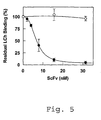
- the presence of scFv KM41 inhibited the binding of FVIII light chain to LRP cluster II ( Fig. 4A ).
- the effect of scFv KM41 on the interaction between FVIII light chain and LRP was further studied employing SPR analysis. As shown in Fig.
- the FVIII Light Chain Sequence Glu 1811 -Lys 1818 Contains a Binding Site for LRP-
- the synthetic peptides Lys 1804 -Lys 1818 and Tyr 1815 -Ala 1834 are effective inhibitors of FVIII procoagulant activity by interfering with the assembly of the FVIIIa-FIXa complex (Lenting, P. J., et al., (1996) supra; WO 96/41816 , supra), while the scFvs KM33 and KM41 are effective inhibitors of FVIII procoagulant activity by interfering with the assembly of the FVIIIa-FIXa complex (Lenting, P.
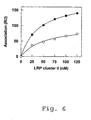
- the isolated chimera (FVIII/FV 1811-1818 ) was compared to wild-type recombinant FVIII light chain in terms of association with LRP cluster II, employing SPR analysis. As shown in Fig. 6 , LRP cluster II displayed a 2-3 fold reduced association with immobilized FVIII/FV 1811-1818 as compared to wild-type FVIII light chain.
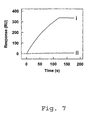
- the isolated chimera (FVIII/FV 1811-1818 ) was then evaluated for its ability to interact with scFv KM41, employing SPR analysis. As demonstrated in Fig. 7 , scFv KM41 did not recognize the immobilized FVIII/FV 1811-1818 chimera, whereas it readily reacted with immobilized wild-type recombinant FVIII light chain. These observations indicate that FVIII A3 domain region Glu 1811- Lys 1818 contains residues critical for binding to scFv KM41. These data demonstrate that FVIII light chain region Glu 1811 -Lys 1818 serves an important role in the assembly of the LRP-FVIII light chain complex.
- A3 domain region Glu 1811 -Lys 1818 of the FVIII light chain contributes to the high affinity interaction with LRP.
- the A3 domain derived synthetic peptides Lys 1804 -Lys 1818 and Tyr 1815 -Ala 1834 affected the interaction between FVIII light chain and LRP cluster II (Table II).
- a FVIII light chain chimera in which region Glu 1811 -Lys 1818 is replaced by corresponding residues of FV, displayed a reduction in association to LRP cluster II as compared to the wild-type FVIII light chain ( Fig. 6 ).
- a recombinant scFv antibody fragment directed against region Glu 1811 -Lys 1818 . inhibited binding of FVIII light chain to LRP or its cluster II fragment ( Fig. 4 ).
- LRP LRP ligands
- RAP lipoprotein lipase
- ⁇ 2 -macroglobulin ligands
- positively charged residues at the ligand surface are involved in the interaction with LRP ( Melman, L., Cao, Z. F., Rennke, S., Paz Marzolo, M., Wardell, M. R., and Bu, G. (2001) J. Biol. Chem. 276, 29338-29346 ; Chappell, D.A., Fry, G. L., Waknitz, M. A., Muhonen, L. E., Pladet, M. W., Iverius, P. H., and Strickland, D. K.
- FVIII A3 domain region Glu 1811 Lys 1818 (i.e . residues 1811 ETKTYFWK 1818 (SEQ ID NO:1)) contains two exposed positively charged lysine residues at positions 1813 and 1818.
- these lysine residues appear to be unique for the FVIII A3 domain (Church, W.R., et al. (1984), supra).
- Replacement of FVIII residues Glu 1811 -Lys 1818 for the corresponding residues of FV resulted in impaired binding to LRP cluster II ( Fig. 6 ).
- an anti-C2 domain monoclonal antibody (ESH4) completely inhibits the interaction between FVIII light chain and LRP (Lenting, P.J. et al., (1999), supra; WO 00/28021 , supra).
- the mechanism by which antibody ESH4 inhibits LRP binding is not yet elucidated.
- the anti-C2 antibody does not require region Glu 1811 -Lys 1818 for its interaction with FVIII light chain ( Scandella, D., Gilbert, G. E., Shima, M., Nakai, H., Eagleson, C., Felch, M., Prescott, R., Rajalakshmi, K. J., Hoyer, L.
- scFv KM41 only partially inhibits the interaction between FVIII light chain and LRP ( Fig. 4 ). This might be due to the relative small size of a scFv antibody fragment ( ⁇ 30 kDa) as compared to a complete antibody ( ⁇ 150 kDa).
- region Glu 1811 -Lys 1818 other surface exposed structural elements within the A3-C1 domains (i.e . residues Ala 1722 -Asn 2172 ) contribute to the assembly of the LRP-FVIII light chain complex. This is in line with the observation that the FVIII/FV 1811 - 1818 light chain chimera demonstrated residual binding to LRP cluster II ( Fig. 6 ).
- the Glu 1811 -Lys 1818 region within the A3 domain of FVIII light chain is part of a larger segment that is exposed to the protein surface (i.e . residues Glu 1804 -Lys 1818 ) (Lenting, P. J., et al., (1996), supra). Besides the lysine residues at positions Lys 1813 and Lys 1818 , this region contains two additional FVIII unique lysine residues at positions Lys 1804 and Lys 1808 , which might play a role in the interaction with LRP.
- a second control group of animals received human FVIII co-injected with a scFv fragment (KM38) binding to Factor VIII on a site different than LRP. With these animals, the same results as with the Factor VIII control group were obtained ( Fig. 8 ).
Landscapes
- Health & Medical Sciences (AREA)
- Chemical & Material Sciences (AREA)
- Organic Chemistry (AREA)
- Life Sciences & Earth Sciences (AREA)
- General Health & Medical Sciences (AREA)
- Medicinal Chemistry (AREA)
- Hematology (AREA)
- Biochemistry (AREA)
- Biophysics (AREA)
- Genetics & Genomics (AREA)
- Molecular Biology (AREA)
- Proteomics, Peptides & Aminoacids (AREA)
- Bioinformatics & Cheminformatics (AREA)
- Public Health (AREA)
- Gastroenterology & Hepatology (AREA)
- Zoology (AREA)
- Chemical Kinetics & Catalysis (AREA)
- General Chemical & Material Sciences (AREA)
- Nuclear Medicine, Radiotherapy & Molecular Imaging (AREA)
- Pharmacology & Pharmacy (AREA)
- Animal Behavior & Ethology (AREA)
- Engineering & Computer Science (AREA)
- Veterinary Medicine (AREA)
- Toxicology (AREA)
- Diabetes (AREA)
- Immunology (AREA)
- Surgery (AREA)
- Peptides Or Proteins (AREA)
- Medicines That Contain Protein Lipid Enzymes And Other Medicines (AREA)
- Medicines Containing Antibodies Or Antigens For Use As Internal Diagnostic Agents (AREA)
- Preparation Of Compounds By Using Micro-Organisms (AREA)
Applications Claiming Priority (3)
| Application Number | Priority Date | Filing Date | Title |
|---|---|---|---|
| US37635102P | 2002-04-29 | 2002-04-29 | |
| US376351P | 2002-04-29 | ||
| PCT/EP2003/004425 WO2003093313A2 (en) | 2002-04-29 | 2003-04-28 | Antagonists of factor viii interaction with low-density lipoprotein receptor-related protein |
Publications (2)
| Publication Number | Publication Date |
|---|---|
| EP1497330A2 EP1497330A2 (en) | 2005-01-19 |
| EP1497330B1 true EP1497330B1 (en) | 2010-04-07 |
Family
ID=29401334
Family Applications (1)
| Application Number | Title | Priority Date | Filing Date |
|---|---|---|---|
| EP03725109A Expired - Lifetime EP1497330B1 (en) | 2002-04-29 | 2003-04-28 | Antagonists of factor viii interaction with low-density lipoprotein receptor-related protein |
Country Status (10)
| Country | Link |
|---|---|
| US (1) | US8586538B2 (enExample) |
| EP (1) | EP1497330B1 (enExample) |
| JP (2) | JP2005535588A (enExample) |
| AT (1) | ATE463514T1 (enExample) |
| AU (1) | AU2003227687B2 (enExample) |
| CA (1) | CA2484155C (enExample) |
| DE (1) | DE60332011D1 (enExample) |
| DK (1) | DK1497330T3 (enExample) |
| ES (1) | ES2343681T3 (enExample) |
| WO (1) | WO2003093313A2 (enExample) |
Families Citing this family (22)
| Publication number | Priority date | Publication date | Assignee | Title |
|---|---|---|---|---|
| WO2004003144A2 (en) | 2002-07-01 | 2004-01-08 | Human Genome Sciences, Inc. | Antibodies that specifically bind to reg iv |
| EP1454632A1 (en) * | 2003-02-07 | 2004-09-08 | Aventis Behring GmbH, Intellectual Property/Legal | Pharmaceutical preparation for the treatment of blood-clotting disorders containing factor VIII derived peptides |
| AR045563A1 (es) | 2003-09-10 | 2005-11-02 | Warner Lambert Co | Anticuerpos dirigidos a m-csf |
| WO2006003183A1 (de) * | 2004-07-02 | 2006-01-12 | Alois Jungbauer | Peptide zur blockierung von fviii-inhibitoren |
| EP1816201A1 (en) | 2006-02-06 | 2007-08-08 | CSL Behring GmbH | Modified coagulation factor VIIa with extended half-life |
| JP2009274958A (ja) | 2006-08-31 | 2009-11-26 | Nara Prefecture | 血液凝固第viii因子の活性化を促進する抗体 |
| WO2008077616A1 (en) | 2006-12-22 | 2008-07-03 | Csl Behring Gmbh | Modified coagulation factors with prolonged in vivo half-life |
| JP5674650B2 (ja) * | 2008-06-04 | 2015-02-25 | バイエル・ヘルスケア・エルエルシー | フォン・ヴィレブランド病の処置のためのfviii変異タンパク質 |
| EP2865760B1 (en) | 2008-06-24 | 2017-10-11 | CSL Behring GmbH | Factor viii, von willebrand factor or complexes thereof with prolonged in vivo half-life |
| JP5394864B2 (ja) * | 2009-09-10 | 2014-01-22 | アスモ株式会社 | モータ |
| WO2011095604A1 (en) * | 2010-02-04 | 2011-08-11 | Octapharma Biopharmaceuticals Gmbh | Half-life prolongation of proteins |
| CN104788557A (zh) | 2010-09-15 | 2015-07-22 | 诺沃—诺迪斯克有限公司 | 具有减少的细胞摄取的因子viii变体 |
| US9458223B2 (en) | 2012-02-15 | 2016-10-04 | Csl Behring Gmbh | Von willebrand factor variants having improved factor VIII binding affinity |
| EP2796145B1 (en) | 2013-04-22 | 2017-11-01 | CSL Ltd. | A covalent complex of von willebrand factor and faktor viii linked by a disulphide bridge |
| DK3164150T3 (da) | 2014-07-02 | 2021-02-08 | CSL Behring Lengnau AG | Modificeret von willebrand-faktor |
| SG11201706659WA (en) | 2015-03-06 | 2017-09-28 | Csl Behring Recombinant Facility Ag | Modified von willebrand factor having improved half-life |
| CA2986626A1 (en) | 2015-05-22 | 2016-12-01 | Csl Behring Recombinant Facility Ag | Truncated von willebrand factor polypeptides for treating hemophilia |
| CA2986625A1 (en) | 2015-05-22 | 2016-12-01 | Csl Behring Recombinant Facility Ag | Methods for preparing modified von willebrand factor |
| SG11201805494WA (en) | 2016-01-07 | 2018-07-30 | Csl Behring Recombinant Facility Ag | Mutated von willebrand factor |
| AU2017204955B2 (en) | 2016-01-07 | 2021-04-01 | CSL Behring Lengnau AG | Mutated truncated von Willebrand Factor |
| DK3538133T3 (da) | 2016-11-11 | 2021-04-19 | CSL Behring Lengnau AG | Trunkeret von willebrand faktor polypeptider til behandling af hæmofili |
| JP2020504082A (ja) | 2016-11-11 | 2020-02-06 | ツェー・エス・エル・ベーリング・レングナウ・アクチエンゲゼルシャフト | 血液凝固障害の処置又は予防における血管外投与のための切断型フォン・ヴィルブランド因子ポリペプチド |
Family Cites Families (4)
| Publication number | Priority date | Publication date | Assignee | Title |
|---|---|---|---|---|
| JPH11507664A (ja) * | 1995-06-12 | 1999-07-06 | ステイヒテイング・セントラール・ラボラトリウム・バン・デ・ブレドトランスフシーデイーンスト・バン・ヘト・ネーデルランドセ・ロデ・クルイス | 第viii因子由来の第ix因子結合ペプチド及び血液凝固のインヒビターとしてのそれらの使用 |
| AU760678B2 (en) * | 1998-05-08 | 2003-05-22 | Stichting Sanquin Bloedvoorziening | Method for diagnosis and treatment of haemophilia a patients with an inhibitor |
| AT409335B (de) * | 1998-11-10 | 2002-07-25 | Immuno Ag | Pharmazeutisches präparat enthaltend einen rezeptor-antagonisten zur behandlung von blutgerinnungsstörungen |
| DK1129186T4 (da) * | 1998-11-10 | 2017-02-06 | Stichting Sanquin Bloedvoorziening | Et faktor VIII-polypeptid med faktor VIII:C-aktivitet |
-
2003
- 2003-04-28 US US10/512,907 patent/US8586538B2/en not_active Expired - Fee Related
- 2003-04-28 AT AT03725109T patent/ATE463514T1/de active
- 2003-04-28 DK DK03725109.7T patent/DK1497330T3/da active
- 2003-04-28 WO PCT/EP2003/004425 patent/WO2003093313A2/en not_active Ceased
- 2003-04-28 CA CA2484155A patent/CA2484155C/en not_active Expired - Lifetime
- 2003-04-28 ES ES03725109T patent/ES2343681T3/es not_active Expired - Lifetime
- 2003-04-28 DE DE60332011T patent/DE60332011D1/de not_active Expired - Lifetime
- 2003-04-28 AU AU2003227687A patent/AU2003227687B2/en not_active Ceased
- 2003-04-28 JP JP2004501452A patent/JP2005535588A/ja active Pending
- 2003-04-28 EP EP03725109A patent/EP1497330B1/en not_active Expired - Lifetime
-
2010
- 2010-06-07 JP JP2010130425A patent/JP2010202664A/ja active Pending
Also Published As
| Publication number | Publication date |
|---|---|
| CA2484155A1 (en) | 2003-11-13 |
| JP2010202664A (ja) | 2010-09-16 |
| US20080219983A1 (en) | 2008-09-11 |
| CA2484155C (en) | 2015-10-13 |
| ATE463514T1 (de) | 2010-04-15 |
| WO2003093313A3 (en) | 2004-07-29 |
| WO2003093313A2 (en) | 2003-11-13 |
| DK1497330T3 (da) | 2010-06-14 |
| EP1497330A2 (en) | 2005-01-19 |
| AU2003227687A1 (en) | 2003-11-17 |
| AU2003227687B2 (en) | 2009-10-15 |
| ES2343681T3 (es) | 2010-08-06 |
| JP2005535588A (ja) | 2005-11-24 |
| DE60332011D1 (de) | 2010-05-20 |
| US8586538B2 (en) | 2013-11-19 |
Similar Documents
| Publication | Publication Date | Title |
|---|---|---|
| US8586538B2 (en) | Method of treating a patient suffering from a bleeding disorder comprising administering an antibody against the A3-C1 of FVIII | |
| JP6527918B2 (ja) | 第viii因子組成物、ならびに組成物の作製方法および用途 | |
| JP6336522B2 (ja) | 細胞取込みが低下した第viii因子変異体 | |
| KR101841870B1 (ko) | 표적화 응고 인자 및 그의 사용 방법 | |
| US11472864B2 (en) | Polynucleotides encoding APOA1-PON1 fusion polypeptides | |
| US20220213200A1 (en) | Anti-gpiib/iiia antibodies or uses thereof | |
| US7615622B2 (en) | Methods and compositions for reducing heparan sulfate proteoglycan-mediated clearance of factor VIII | |
| RS66972B1 (sr) | Metode lečenja hemofilije a | |
| AU2002248329A1 (en) | Methods and compositions for reducing heparan sulfate proteoglycan-mediated clearance of factor VIII | |
| KR20190083355A (ko) | 적혈구 표적화된 인자 viii 및 이를 사용하는 방법 | |
| JP2019511457A (ja) | 抗vwf d’d3単一ドメイン抗体及びそれを含むポリペプチド | |
| WO2015070014A1 (en) | Procoagulant fusion compound | |
| JP2022546525A (ja) | 延長された半減期を有する第viii因子タンパク質 | |
| WO2001058475A1 (en) | Regulation of platelet adhesion and aggregation | |
| FVIII | A novel B-domain O-glycoPEGylated FVIII (N8-GP) demonstrates full efficacy and prolonged effect in hemophilic mice models |
Legal Events
| Date | Code | Title | Description |
|---|---|---|---|
| PUAI | Public reference made under article 153(3) epc to a published international application that has entered the european phase |
Free format text: ORIGINAL CODE: 0009012 |
|
| 17P | Request for examination filed |
Effective date: 20041008 |
|
| AK | Designated contracting states |
Kind code of ref document: A2 Designated state(s): AT BE BG CH CY CZ DE DK EE ES FI FR GB GR HU IE IT LI LU MC NL PT RO SE SI SK TR |
|
| AX | Request for extension of the european patent |
Extension state: AL LT LV MK |
|
| RAP1 | Party data changed (applicant data changed or rights of an application transferred) |
Owner name: STICHTING SANQUIN BLOEDVOORZIENING |
|
| 17Q | First examination report despatched |
Effective date: 20060529 |
|
| GRAP | Despatch of communication of intention to grant a patent |
Free format text: ORIGINAL CODE: EPIDOSNIGR1 |
|
| RIC1 | Information provided on ipc code assigned before grant |
Ipc: A61P 7/04 20060101ALI20090925BHEP Ipc: C07K 16/36 20060101AFI20090925BHEP Ipc: A61K 39/395 20060101ALI20090925BHEP |
|
| GRAS | Grant fee paid |
Free format text: ORIGINAL CODE: EPIDOSNIGR3 |
|
| GRAA | (expected) grant |
Free format text: ORIGINAL CODE: 0009210 |
|
| AK | Designated contracting states |
Kind code of ref document: B1 Designated state(s): AT BE BG CH CY CZ DE DK EE ES FI FR GB GR HU IE IT LI LU MC NL PT RO SE SI SK TR |
|
| AX | Request for extension of the european patent |
Extension state: AL LT LV MK |
|
| REG | Reference to a national code |
Ref country code: GB Ref legal event code: FG4D |
|
| REG | Reference to a national code |
Ref country code: CH Ref legal event code: EP |
|
| REG | Reference to a national code |
Ref country code: IE Ref legal event code: FG4D |
|
| REF | Corresponds to: |
Ref document number: 60332011 Country of ref document: DE Date of ref document: 20100520 Kind code of ref document: P |
|
| REG | Reference to a national code |
Ref country code: DK Ref legal event code: T3 |
|
| REG | Reference to a national code |
Ref country code: CH Ref legal event code: NV Representative=s name: R. A. EGLI & CO. PATENTANWAELTE |
|
| REG | Reference to a national code |
Ref country code: NL Ref legal event code: T3 |
|
| REG | Reference to a national code |
Ref country code: SE Ref legal event code: TRGR |
|
| REG | Reference to a national code |
Ref country code: ES Ref legal event code: FG2A Ref document number: 2343681 Country of ref document: ES Kind code of ref document: T3 |
|
| PG25 | Lapsed in a contracting state [announced via postgrant information from national office to epo] |
Ref country code: SI Free format text: LAPSE BECAUSE OF FAILURE TO SUBMIT A TRANSLATION OF THE DESCRIPTION OR TO PAY THE FEE WITHIN THE PRESCRIBED TIME-LIMIT Effective date: 20100407 |
|
| LTIE | Lt: invalidation of european patent or patent extension |
Effective date: 20100407 |
|
| PG25 | Lapsed in a contracting state [announced via postgrant information from national office to epo] |
Ref country code: MC Free format text: LAPSE BECAUSE OF NON-PAYMENT OF DUE FEES Effective date: 20100430 Ref country code: FI Free format text: LAPSE BECAUSE OF FAILURE TO SUBMIT A TRANSLATION OF THE DESCRIPTION OR TO PAY THE FEE WITHIN THE PRESCRIBED TIME-LIMIT Effective date: 20100407 |
|
| PG25 | Lapsed in a contracting state [announced via postgrant information from national office to epo] |
Ref country code: GR Free format text: LAPSE BECAUSE OF FAILURE TO SUBMIT A TRANSLATION OF THE DESCRIPTION OR TO PAY THE FEE WITHIN THE PRESCRIBED TIME-LIMIT Effective date: 20100708 Ref country code: CY Free format text: LAPSE BECAUSE OF FAILURE TO SUBMIT A TRANSLATION OF THE DESCRIPTION OR TO PAY THE FEE WITHIN THE PRESCRIBED TIME-LIMIT Effective date: 20100414 |
|
| PG25 | Lapsed in a contracting state [announced via postgrant information from national office to epo] |
Ref country code: EE Free format text: LAPSE BECAUSE OF FAILURE TO SUBMIT A TRANSLATION OF THE DESCRIPTION OR TO PAY THE FEE WITHIN THE PRESCRIBED TIME-LIMIT Effective date: 20100407 Ref country code: PT Free format text: LAPSE BECAUSE OF FAILURE TO SUBMIT A TRANSLATION OF THE DESCRIPTION OR TO PAY THE FEE WITHIN THE PRESCRIBED TIME-LIMIT Effective date: 20100809 |
|
| PLBE | No opposition filed within time limit |
Free format text: ORIGINAL CODE: 0009261 |
|
| STAA | Information on the status of an ep patent application or granted ep patent |
Free format text: STATUS: NO OPPOSITION FILED WITHIN TIME LIMIT |
|
| PG25 | Lapsed in a contracting state [announced via postgrant information from national office to epo] |
Ref country code: SK Free format text: LAPSE BECAUSE OF FAILURE TO SUBMIT A TRANSLATION OF THE DESCRIPTION OR TO PAY THE FEE WITHIN THE PRESCRIBED TIME-LIMIT Effective date: 20100407 Ref country code: RO Free format text: LAPSE BECAUSE OF FAILURE TO SUBMIT A TRANSLATION OF THE DESCRIPTION OR TO PAY THE FEE WITHIN THE PRESCRIBED TIME-LIMIT Effective date: 20100407 |
|
| 26N | No opposition filed |
Effective date: 20110110 |
|
| PG25 | Lapsed in a contracting state [announced via postgrant information from national office to epo] |
Ref country code: BG Free format text: LAPSE BECAUSE OF FAILURE TO SUBMIT A TRANSLATION OF THE DESCRIPTION OR TO PAY THE FEE WITHIN THE PRESCRIBED TIME-LIMIT Effective date: 20100407 Ref country code: HU Free format text: LAPSE BECAUSE OF FAILURE TO SUBMIT A TRANSLATION OF THE DESCRIPTION OR TO PAY THE FEE WITHIN THE PRESCRIBED TIME-LIMIT Effective date: 20101008 |
|
| PG25 | Lapsed in a contracting state [announced via postgrant information from national office to epo] |
Ref country code: TR Free format text: LAPSE BECAUSE OF FAILURE TO SUBMIT A TRANSLATION OF THE DESCRIPTION OR TO PAY THE FEE WITHIN THE PRESCRIBED TIME-LIMIT Effective date: 20100407 |
|
| PG25 | Lapsed in a contracting state [announced via postgrant information from national office to epo] |
Ref country code: BG Free format text: LAPSE BECAUSE OF FAILURE TO SUBMIT A TRANSLATION OF THE DESCRIPTION OR TO PAY THE FEE WITHIN THE PRESCRIBED TIME-LIMIT Effective date: 20100707 |
|
| REG | Reference to a national code |
Ref country code: FR Ref legal event code: PLFP Year of fee payment: 13 |
|
| REG | Reference to a national code |
Ref country code: FR Ref legal event code: PLFP Year of fee payment: 14 |
|
| REG | Reference to a national code |
Ref country code: FR Ref legal event code: PLFP Year of fee payment: 15 |
|
| REG | Reference to a national code |
Ref country code: FR Ref legal event code: PLFP Year of fee payment: 16 |
|
| REG | Reference to a national code |
Ref country code: DE Ref legal event code: R082 Ref document number: 60332011 Country of ref document: DE Representative=s name: VEREENIGDE OCTROOIBUREAUX V.O., DE |
|
| PGFP | Annual fee paid to national office [announced via postgrant information from national office to epo] |
Ref country code: NL Payment date: 20210323 Year of fee payment: 19 |
|
| PGFP | Annual fee paid to national office [announced via postgrant information from national office to epo] |
Ref country code: LU Payment date: 20210420 Year of fee payment: 19 |
|
| PGFP | Annual fee paid to national office [announced via postgrant information from national office to epo] |
Ref country code: FR Payment date: 20210423 Year of fee payment: 19 Ref country code: DE Payment date: 20210420 Year of fee payment: 19 Ref country code: CZ Payment date: 20210428 Year of fee payment: 19 Ref country code: IT Payment date: 20210427 Year of fee payment: 19 |
|
| PGFP | Annual fee paid to national office [announced via postgrant information from national office to epo] |
Ref country code: AT Payment date: 20210421 Year of fee payment: 19 Ref country code: BE Payment date: 20210420 Year of fee payment: 19 Ref country code: SE Payment date: 20210420 Year of fee payment: 19 Ref country code: IE Payment date: 20210423 Year of fee payment: 19 Ref country code: GB Payment date: 20210421 Year of fee payment: 19 Ref country code: CH Payment date: 20210420 Year of fee payment: 19 Ref country code: ES Payment date: 20210621 Year of fee payment: 19 Ref country code: DK Payment date: 20210422 Year of fee payment: 19 |
|
| REG | Reference to a national code |
Ref country code: DE Ref legal event code: R119 Ref document number: 60332011 Country of ref document: DE |
|
| REG | Reference to a national code |
Ref country code: DK Ref legal event code: EBP Effective date: 20220430 |
|
| REG | Reference to a national code |
Ref country code: SE Ref legal event code: EUG |
|
| REG | Reference to a national code |
Ref country code: CH Ref legal event code: PL |
|
| REG | Reference to a national code |
Ref country code: NL Ref legal event code: MM Effective date: 20220501 |
|
| REG | Reference to a national code |
Ref country code: AT Ref legal event code: MM01 Ref document number: 463514 Country of ref document: AT Kind code of ref document: T Effective date: 20220428 |
|
| GBPC | Gb: european patent ceased through non-payment of renewal fee |
Effective date: 20220428 |
|
| REG | Reference to a national code |
Ref country code: BE Ref legal event code: MM Effective date: 20220430 |
|
| PG25 | Lapsed in a contracting state [announced via postgrant information from national office to epo] |
Ref country code: SE Free format text: LAPSE BECAUSE OF NON-PAYMENT OF DUE FEES Effective date: 20220429 Ref country code: NL Free format text: LAPSE BECAUSE OF NON-PAYMENT OF DUE FEES Effective date: 20220501 Ref country code: LU Free format text: LAPSE BECAUSE OF NON-PAYMENT OF DUE FEES Effective date: 20220428 Ref country code: LI Free format text: LAPSE BECAUSE OF NON-PAYMENT OF DUE FEES Effective date: 20220430 Ref country code: GB Free format text: LAPSE BECAUSE OF NON-PAYMENT OF DUE FEES Effective date: 20220428 Ref country code: FR Free format text: LAPSE BECAUSE OF NON-PAYMENT OF DUE FEES Effective date: 20220430 Ref country code: DE Free format text: LAPSE BECAUSE OF NON-PAYMENT OF DUE FEES Effective date: 20221103 Ref country code: CZ Free format text: LAPSE BECAUSE OF NON-PAYMENT OF DUE FEES Effective date: 20220428 Ref country code: CH Free format text: LAPSE BECAUSE OF NON-PAYMENT OF DUE FEES Effective date: 20220430 Ref country code: AT Free format text: LAPSE BECAUSE OF NON-PAYMENT OF DUE FEES Effective date: 20220428 |
|
| PG25 | Lapsed in a contracting state [announced via postgrant information from national office to epo] |
Ref country code: BE Free format text: LAPSE BECAUSE OF NON-PAYMENT OF DUE FEES Effective date: 20220430 |
|
| PG25 | Lapsed in a contracting state [announced via postgrant information from national office to epo] |
Ref country code: IE Free format text: LAPSE BECAUSE OF NON-PAYMENT OF DUE FEES Effective date: 20220428 Ref country code: DK Free format text: LAPSE BECAUSE OF NON-PAYMENT OF DUE FEES Effective date: 20220430 |
|
| PG25 | Lapsed in a contracting state [announced via postgrant information from national office to epo] |
Ref country code: IT Free format text: LAPSE BECAUSE OF NON-PAYMENT OF DUE FEES Effective date: 20220428 |
|
| REG | Reference to a national code |
Ref country code: ES Ref legal event code: FD2A Effective date: 20230602 |
|
| PG25 | Lapsed in a contracting state [announced via postgrant information from national office to epo] |
Ref country code: ES Free format text: LAPSE BECAUSE OF NON-PAYMENT OF DUE FEES Effective date: 20220429 |