EP1478360B1 - Mit einem serotonin-transporter zusammenwirkende mittel zur krebsbehandlung - Google Patents
Mit einem serotonin-transporter zusammenwirkende mittel zur krebsbehandlung Download PDFInfo
- Publication number
- EP1478360B1 EP1478360B1 EP03734774A EP03734774A EP1478360B1 EP 1478360 B1 EP1478360 B1 EP 1478360B1 EP 03734774 A EP03734774 A EP 03734774A EP 03734774 A EP03734774 A EP 03734774A EP 1478360 B1 EP1478360 B1 EP 1478360B1
- Authority
- EP
- European Patent Office
- Prior art keywords
- cells
- cell
- fluoxetine
- apoptosis
- treatment
- Prior art date
- Legal status (The legal status is an assumption and is not a legal conclusion. Google has not performed a legal analysis and makes no representation as to the accuracy of the status listed.)
- Expired - Lifetime
Links
Images







Classifications
-
- A—HUMAN NECESSITIES
- A61—MEDICAL OR VETERINARY SCIENCE; HYGIENE
- A61K—PREPARATIONS FOR MEDICAL, DENTAL OR TOILETRY PURPOSES
- A61K31/00—Medicinal preparations containing organic active ingredients
- A61K31/13—Amines
- A61K31/135—Amines having aromatic rings, e.g. ketamine, nortriptyline
-
- A—HUMAN NECESSITIES
- A61—MEDICAL OR VETERINARY SCIENCE; HYGIENE
- A61K—PREPARATIONS FOR MEDICAL, DENTAL OR TOILETRY PURPOSES
- A61K31/00—Medicinal preparations containing organic active ingredients
-
- A—HUMAN NECESSITIES
- A61—MEDICAL OR VETERINARY SCIENCE; HYGIENE
- A61K—PREPARATIONS FOR MEDICAL, DENTAL OR TOILETRY PURPOSES
- A61K31/00—Medicinal preparations containing organic active ingredients
- A61K31/13—Amines
- A61K31/135—Amines having aromatic rings, e.g. ketamine, nortriptyline
- A61K31/137—Arylalkylamines, e.g. amphetamine, epinephrine, salbutamol, ephedrine or methadone
-
- A—HUMAN NECESSITIES
- A61—MEDICAL OR VETERINARY SCIENCE; HYGIENE
- A61K—PREPARATIONS FOR MEDICAL, DENTAL OR TOILETRY PURPOSES
- A61K31/00—Medicinal preparations containing organic active ingredients
- A61K31/13—Amines
- A61K31/15—Oximes (>C=N—O—); Hydrazines (>N—N<); Hydrazones (>N—N=) ; Imines (C—N=C)
-
- A—HUMAN NECESSITIES
- A61—MEDICAL OR VETERINARY SCIENCE; HYGIENE
- A61K—PREPARATIONS FOR MEDICAL, DENTAL OR TOILETRY PURPOSES
- A61K31/00—Medicinal preparations containing organic active ingredients
- A61K31/33—Heterocyclic compounds
- A61K31/335—Heterocyclic compounds having oxygen as the only ring hetero atom, e.g. fungichromin
- A61K31/34—Heterocyclic compounds having oxygen as the only ring hetero atom, e.g. fungichromin having five-membered rings with one oxygen as the only ring hetero atom, e.g. isosorbide
- A61K31/343—Heterocyclic compounds having oxygen as the only ring hetero atom, e.g. fungichromin having five-membered rings with one oxygen as the only ring hetero atom, e.g. isosorbide condensed with a carbocyclic ring, e.g. coumaran, bufuralol, befunolol, clobenfurol, amiodarone
-
- A—HUMAN NECESSITIES
- A61—MEDICAL OR VETERINARY SCIENCE; HYGIENE
- A61K—PREPARATIONS FOR MEDICAL, DENTAL OR TOILETRY PURPOSES
- A61K31/00—Medicinal preparations containing organic active ingredients
- A61K31/33—Heterocyclic compounds
- A61K31/395—Heterocyclic compounds having nitrogen as a ring hetero atom, e.g. guanethidine or rifamycins
- A61K31/55—Heterocyclic compounds having nitrogen as a ring hetero atom, e.g. guanethidine or rifamycins having seven-membered rings, e.g. azelastine, pentylenetetrazole
-
- A—HUMAN NECESSITIES
- A61—MEDICAL OR VETERINARY SCIENCE; HYGIENE
- A61P—SPECIFIC THERAPEUTIC ACTIVITY OF CHEMICAL COMPOUNDS OR MEDICINAL PREPARATIONS
- A61P35/00—Antineoplastic agents
-
- A—HUMAN NECESSITIES
- A61—MEDICAL OR VETERINARY SCIENCE; HYGIENE
- A61P—SPECIFIC THERAPEUTIC ACTIVITY OF CHEMICAL COMPOUNDS OR MEDICINAL PREPARATIONS
- A61P35/00—Antineoplastic agents
- A61P35/02—Antineoplastic agents specific for leukemia
Definitions
- Cancer is one of the main causes of death in the developed world. The disease takes many forms and affects almost all types of cell. Treatments for cancer are many and varied, and are often unpleasant and can have serious side effects.
- Burkitt's Lymphoma is a cancer endemic to the malarial belts of equatorial Africa, North-eastern Brazil and Papua New Guinea, but whose incidence is increasing dramatically outside these endemic regions due to its association with HIV infection.
- North Americans there is a thousand fold increase in the incidence of BL among individuals with AIDS, and this trend is likely to continue as these patients live longer through the provision of better treatment regimes to manage their immune deficiency.
- Burkitt's lymphoma is a highly aggressive malignancy, but is nonetheless characterised by a predisposition to exhibit a high degree of apoptosis which can be seen by its classical "starry sky” histology. This is due to the origin of the malignancy in germinal centre (GC) cells which do not express the pro-survival protein Bcl-2 and therefore have a propensity for spontaneous apoptosis, which is carried over to the BL tumour cells.
- GC germinal centre
- Burkitt's lymphoma is currently treated by aggressive combination chemotherapy, usually over a 6-month period and requiring frequent hospitalisations. While there is a 3-year relapse-free survival rate of approximately 80% for patients with local disease, patients with disseminated tumour respond less well to chemotherapy and have poor survival rates. The limited medical resources in regions where BL is endemic also limit survival. In individuals with AIDS, non-Hodgkin's lymphomas tend to be aggressive and advanced at diagnosis. The median survival of HIV-positive patients with non-Hodgkin's lymphomas is 6 months: Burkitt's lymphoma comprises approximately 20% of such lymphomas and is diagnosed in some 2% of AIDS patients. Intensive chemotherapy is clearly not the most desirable course of treatment for immunosuppressed individuals.
- US 6, 162,417 is concerned with compounds that selectively bind the serotonin transporter primarily for PET or SPECT imaging in which case the compounds will contain at least one radioactive isotope.
- EP 0 727 206 discloses the use of sertraline for the treatment of a long list of cancers. No rationale is given for the mode of action and no supporting data is provided.
- Serafeim et al ('Selective Serotonin Reuptake Inhibitors Can Stop Burkitt's Lymphoma Cells From Committing Suicide.' Immunology, Vol. 101, supplement 1, December 2000, Page 65 ) teach that 5-HT induces cell death in Burkitt's lymphoma cells but that this effect is blocked by SSRI's.
- Tsuruo et al Patentiation of Vincrinstine and Adriamycin Effects in Human Hemopoietic Tumor Cell Lines by Calcium Antagonists and Calmodulin Inhibitors, Cancer Research, American Association for Cancer Research, Baltimore, Vol. 43, No. 5, May 1983, pages 2267-2272 ) refer to clomipramine as a calmodulin inhibitor for the potentiation of vincrinstine in certain tumor cell lines. It is specifically stated that, at the concentrations used, the calmodulin inhibitors did not induce cytotoxicity to the tumor cells.
- Serotonin (5-HT) is a well known neurotransmitter of the central nervous system which has also been implicated in diverse aspects of immune regulation.
- 5-HT is mainly produced by enterochromaffin cells of the gut and is taken up via an active transport mechanism into a number of cell types.
- the SERT is expressed on cells outside of the CNS although the extent of its distribution in the periphery is not fully established. Platelets are by far the best-studied cell for characteristics of peripheral SERT but other haemopoietic cells, particularly those of the immune system, also carry the SERT. These include B lymphocytes, T lymphocytes, and macrophages. The rationale for these cells to carry functional SERT is not known.
- BL cells are subject to 5-HT mediated apoptosis via SERT.
- a compound selected from fluoxetine, paroxetine, citalopram, fluvoxamine and a non-selective serotonin re-uptake inhibitor is for use in treating neoplasia of B-lymphocytes.
- the compound may be used in the manufacture of a medicament for treating neoplasia of B-lymphocytes.
- the subject of treatment is also undergoing treatment by concomitant or sequential delivery of an agent for increasing the susceptibility of the B-lymphocytes to apoptosis, wherein said agent is paclitaxel, irinotecan, fludarabine, cyclophosphamide, docetaxel, gemtuzumab ozogamicin, cytosine arabinoside, dexamethasone or an antisense agent targeted at Bcl-2.
- said agent is paclitaxel, irinotecan, fludarabine, cyclophosphamide, docetaxel, gemtuzumab ozogamicin, cytosine arabinoside, dexamethasone or an antisense agent targeted at Bcl-2.
- 5-HT re-uptake inhibitors can actually drive apoptosis in cells expressing SERT.
- the present invention is particularly applicable to neoplastic cells having a relatively high susceptibility to apoptosis. Such susceptibility may be due to relatively low expression of cell survival genes, such as Bcl-2. Cells of this type include Burkitt's lymphoma cells.
- said cell may be induced to thave a relatively high susceptibility to apoptosis, hence the second aspect of the invention.
- Increasing susceptibility of the neoplastic cell to apoptosis may be achieved by interfering with the replication of at least one cell survival gene, interfering with the expression (e.g. during transcription or translation) of at least one cell survival gene and/or negating or reducing the survival function of at least one expressed cell survival gene.
- Bcl-2 Block the production of the Bcl-2 gene product can, at least in vitro , lead to increased effectiveness of a number of anticancer therapies such as chemotherapy, radiation and immunotherapy.
- Drugs on which the removal of Bcl-2 production has been shown to have a beneficial effect include; Paclitaxel (Taxol ® ), Irinotecan (Camptosar ® ), Fludarabine (Fludara ® ), Cyclophosphamide (Cytoxan ® ), Docetaxel (Taxotere ® ), Gemtuzumab ozogamicin (Mylotarg ® ) Cytosine arabinoside and Dexamethasone.
- said agent for increasing the susceptibility of said neoplastic cell to apoptosis is an antisense drug targeted at Bcl-2, an example of which is Genasense (Trademark, Genta Inc.).
- Administration (of said said pharmaceutically active agent and/or said agent for increasing the susceptibility of said neoplastic cells to apoptosis when present) may be systemic or local by any convenient route e.g. orally, subcutaneously, intravenously, or by direct administration (injection or otherwise) into the neoplastic site.
- said treatment will preferably comprise multiple administrations whereby to maintain an effective concentration of drug in the neoplastic cells.
- Said agent may be administered in liquid form, as a tablet or capsule, as a suspension or in solution.
- said agent(s) may be in admixture with standard excipients, binders, taste modifiers and pH adjusters as appropriate.
- said agent for increasing the susceptibility of said neoplastic cell to apoptosis may be administered concomitantly with said active agent (either combined in a single medicament or by coadministration of separate medicaments) or prior to administration of said active agent. Where separate medicaments are administered (concomitantly or otherwise) the routes of administration may be different.
- SSRIs are generally administered orally at a dose of 20-100 mg/day, at which doses a steady state blood level of SSRI of about 1 ⁇ M is obtained after an initial period.
- said agent when said agent is an SSRI, and particularly where said administration is systemic, it will be administered at a level to obtain a steady state blood concentration of greater than about 1 ⁇ M, more preferably greater than about 5 ⁇ M and most preferably greater than about 10 ⁇ M. It will be understood that the skilled person will readily be able to calculate the dosage required to achieve said steady state levels.
- sufficient agent will preferably be administered to achieve a concentration in the neoplastic tissue of 5 ⁇ M or more, more preferably about 10 ⁇ M or more, and most preferably about 25 ⁇ M or more.
- Monoamines including 5-HT have been reported to induce apoptosis in cultured neuronal cells, with cerebellar granule neurons being particularly sensitive: indeed, serotonin-induced neuronal cell death has been implicated as a possible cause of neurodegenerative and neuropsychiatric disorders.
- 5-HT is a rapid promoter of programmed cell death (apoptosis) in BL lines that remain faithful to the original biopsy phenotype. This action of 5-HT is mediated through an active serotonin uptake mechanism.
- the serotonin transporter therefore represents a novel therapeutic target in Burkitt's lymphoma.
- Group I Burkitt's lymphoma cell lines L3055 (EBV neg ), BL2 (EBV neg ), Elijah (EBV pos ), and MUTU I (EBV pos ) were maintained in early passage as described previously ( Baker MP, Eliopoulos E, Young LS, Armitage RJ, Gregory CD, Gordon J. Blood (1998); 92:2830-2843 ).
- the late passage group III BL line MUTU III (EBV pos ) was also used with all cells cultured in RPMI 1640 medium supplemented with 10% Serum Supreme (BioWhittaker, Wokingham, UK), 2 mM glutamine, 100 IU/ml penicillin and 100 ⁇ g/ml streptomycin.
- Stable bcl -2 and bcl -x L transfectants of L3055 cells were generated and characterised as detailed elsewhere ( Gordon J, et al. Cell Death. Diff. (2000); 7:785-794 ).
- a stable line of HEK 293 cells carrying full-length human SERT has been described previously ( Qian Y, Galli A, Ramamoorthy S, Risso S, DeFelice LJ, Blakely RD. J. Neurosci. (1997);17:45-57 ).
- 5-HT fluoxetine
- pargyline pargyline
- clorgyline pargyline
- deprenyl deprenyl
- the 5-HT receptor antagonists SDZ205-557 and methysergide were obtained from Sandoz (Basel, Switzerland) and granisetron was obtained from Smith-Kline Beecham (Harlow, Essex, UK).
- 5-HT binoxalate, [1,2- 3 H(N)-] was obtained from NEN (Zaventem, belgium).
- Paroxetine (Paxil ® ) and citalopram (Celexa ® ) were obtained from Smith-Kline Beecham and Lundbeck (Copenhagen, Denmark) respectively.
- Mouse monoelonal anti-human SERT Ab was purchased from Mab technologies (Stone Mountain, USA). Affinity-purified goat F(ab') 2 antibody fragment to human IgM was purchased from ICN (Ohio, USA). JC-1 (5,5',6,6'-tetrachlorol, 1',3,3'-tetraethylbenzimidazolyl-carbocyanine iodide) cationic dye was purchased from Molecular Probes (Leiden, Holland). The supersignal chemiluminescence reagent and horseradish peroxidase (HRP)-conjugated rabbit anti-mouse antibody were obtained from Pierce (Chester, UK).
- HRP horseradish peroxidase
- MMLV Moloney murine leukaemia virus
- DNasel amplification grade
- Gibco Moloney murine leukaemia virus
- DNTPs and Taq polymerase were obtained from Promega (Southampton, UK).
- RNAguard and oligo d(T) 12-18 were obtained from APBiotech (Bucks., UK).
- RNAzol reagent was obtained from Biogenesis (Poole, England). Syto 16 was obtained from Molecular Probes Europe (Leiden, The Netherlands). All other chemicals were obtained from Sigma (Poole, U K), and were of the best grade available.
- DNA synthesis was determined by measuring 3 H-thymidine ([ 3 H]Tdr; Amersham, UK) incorporation into cellular DNA.
- Cells were cultured in 200 ⁇ L of supplemented medium at densities and for times indicated below in flat-bottomed, 96-well tissue culture plates (Becton Dickinson, Oxford, UK) then pulsed for the final 4 h with 50 ⁇ l of 10 ⁇ Ci/ml [ 3 H]Tdr before harvesting on a Skatron cell harvester (Helis Bio Ltd, Newmarket, U K).
- Viability was expressed as a percentage of the total number of cells residing in the viable and non-viable gates. Cells were also analysed according to Schuurhuis et al ( Schuurhuis GJ, et al. Exp. Haematol. (1997); 25:754-759 ) in order to assess the percentages within treated populations of those that were viable, apoptotic, or necrotic. Syto , 16 was added at a concentration of 250 nM in PBS to 500,000 cells and incubated at RT for 30 min, at which time 5 ⁇ g/ml propidium iodide (PI) was added.
- PI propidium iodide
- Apoptosis was assessed by staining cells with acridine orange and visualising nuclear morphology exactly as described previously ( Gordon J, et al. Cell Death. Diff. (2000); 7:785-794 ). Viable cells display a homogeneous chromatin-staining pattern, whereas apoptotic cells characteristically show condensed and fragmented chromatin. Mitochondrial depolarisation was assessed using the JC-1 cationic dye. Cells were incubated with 10 ⁇ M of JC-1 for 30 min before being visualised on a LSM 510 confocal microscope (Zeiss, Germany).
- JC-1 exhibits potential-dependent accumulation in mitochondria accompanied by a shift in fluorescence emission from 525 nm (green) to 590 nm (red). Mitochondrial depolarisation is indicated by a decrease in the red/green fluorescence ratio.
- Caspase activity was detected using the CaspaTag Caspase Activity Kit (Intergen, Oxford, UK). Cells cultured under the conditions indicated below were harvested into 300 ⁇ l of culture medium at a cell density of 10 6 cells/ml, followed by the addition of 5 ⁇ l of a 30x working solution of FAM-VAD-FMK (a carboxy fluorescent tagged caspase inhibitor) (Intergen Co., USA). Cells were then incubated for 1 hr at 37°C under 5% CO 2 while protecting the tubes from light.
- FAM-VAD-FMK a carboxy fluorescent tagged caspase inhibitor
- Oxidative damage to DNA was quantified using the OxyDNA assay (Biotrin, Dublin, Ireland). Following culture of cells under conditions indicated below, they were washed first in 1x PBS then in wash solution followed by addition of 100 ⁇ l of blocking solution with a 1 hr incubation at 37°C. On washing twice in working solution, cells were then incubated with 100 ⁇ l FITC-conjugate for 1 hr in the dark at RT before being washed twice in washing solution and once in PBS. Finally, cells were resuspended in FACS buffer and analysed on an EPICS XL-MCL flow cytometer.
- Transport assays were performed by incubating 2 x 10 7 cells with 100 nM of 5-HT plus 400 nM of 3 H-5-HT for 0 to 60 minutes at 37°C in HBSS containing 1 % BSA and 10 mM HEPES (pH 7.2). The assay was stopped by five-fold dilution in ice-cold PBS. Cell pellets were resuspended in scintillation fluid, and the total counts per pellet determined. Non-specific uptake was assayed in parallel at 4°C under the same conditions. The data for non-specific uptake were subtracted from the total uptake values to give the specific uptake.
- the EBV-negative L3055 line maintained in early passage has been extensively characterised and widely used as an in vitro model for biopsylike BL cell behaviour.
- L3055 cells were treated with concentrations of 5-HT ranging from 1 to 150 ⁇ M and their proliferative capacity assessed by [ 3 H]-thymidine incorporation at 24, 48, and 72 hours. Maximum effects were observed after 24 hr and these data are shown in Figure 1 . It can be seen that 5-HT caused a reduction in DNA synthesis in a concentration-dependent manner as evidenced by decreasing [ 3 H]-thymidine incorporation with increasing concentrations of 5-HT.
- Sensitivity to 5-HT was found to correlate with the number of cells plated: thus, whereas > 50 ⁇ M 5-HT was required to achieve 50% inhibition of DNA synthesis when cells were cultured at the relatively high plating density of 10 5 per ml (2x10 4 /well), when plated at 2.5 x 10 4 per ml (5x10 3 per well), 50% inhibition was achieved with around 5 ⁇ M 5-HT.
- Figure 2 shows that at a fixed 5-HT concentration of 50 ⁇ M (indicated by arrow A), an approximate 35%, 70%, and >90% inhibition of DNA synthesis was achieved for cells plated at 2x10 4 , 10 4 , and 5x10 3 per well respectively.
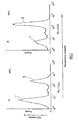
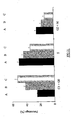
- FIG. 4 compares the cell cycle status of L3055 cells after 24 hr treatment with 5-HT or anti- ⁇ chain antibody an antibody to BCR (to ligate the BCR) (columns A - control, columns B - 5-HT 150 ⁇ M, columns C - anti- ⁇ chain antibody 10 ⁇ g/ml): each was used at its maximal concentration for inhibiting DNA synthesis and inducing cell death.
- L3055 cells were again treated with 1 to 150 ⁇ M of 5-HT, cultured for 24 hr but then at the end of the incubations analysed for forward versus side scatter profile by FACS. The cells were gated into two populations based on different light scatter properties: large live cells and shrunken dead cells. As seen from Figure 5 , 5-HT treatment resulted in a dramatic concentration-dependent increase in the number of L3055 cells acquiring light scatter characteristics of dead cells (indicated by arrow A) over live cells (indicated by arrow B), the percentages in the Figure representing the percentage of live cells.
- 5-HT neuronal cells and lymphocytes
- SERT serotonin transporter
- SDZ205-557 a 5-HT 4 receptor antagonist
- granisetron a highly selective 5-HT 3 receptor antagonist
- methysergide which antagonises 5-HT 1A , 5-HT 1B , 5-HT 1D , 5-ht 1E , 5-ht 1F , 5-HT 2A , 5-HT 2B , 5-HT 2C , 5-ht 5A , 5-ht 5B , 5-HT 6 and 5-HT 7 receptors.
- Figure 8 shows that all three receptor antagonists (column A - control (no receptor antagonist), column B - SDZ, column C - methysergide, column D - granisetron, column E - combined), at concentrations considerably higher than their affinities for the respective 5-HT receptor subtypes, and even when combined, failed to influence the ability of 5-HT to inhibit DNA synthesis in L3055 cells (compare control (no 5-HT) columns with 5-HT columns).
- Figure 9 shows that three structurally distinct SSRI's, fluoxetine (columns A), citalopram (columns B), and paroxetine (columns C) each substantially reversed, in a concentration-dependent manner, the 5-HT-dependent cessation of DNA synthesis that was otherwise provoked (column I).
- Table 1 Reversal of 5-HT actions by SSRI Treatments a % viable cells b % caspase activation c (24h) (6h) Control 69.3 ⁇ 1.20 27.3 ⁇ 1.20 5-HT 21.3 ⁇ 8.65 58.3 ⁇ 2.03 Fluoxetine + 5-HT 54.7 ⁇ 0.88 30.3 ⁇ 2.91 Paroxetine + 5-HT 58.0 ⁇ 3.06 29.3 ⁇ 4.98 Citalopram + 5-HT 55.3 ⁇ 4.98 29.3 ⁇ 1.33 a L3055 cells were cultured with or without 5-HT (150 ⁇ M) as indicated and SSRI: fluoxetine (5 ⁇ M); paroxetine (2 ⁇ M); citalopram (10 ⁇ M).
- 5-HT When 5-HT is transported into cells it can either be stored in vesicles until released, or converted to 5-hydroxyindoleacetic acid (5-HIAA) by the mitochondrial enzyme monoamine oxidase (MAO).
- MAO monoamine oxidase
- This enzyme exists in two forms, MAO-A and MAO-B.
- 5-HT catabolites are highly oxidative, the inventors have assessed whether, as described for some neuronal cells, 5-HT is signalling group I BL cells to undergo apoptosis by inducing oxidative stress.
- Figure 11 shows that the same outcome was observed when using clorgyline and deprenyl which, respectively, display high selectivity inhibition for the MAO-A and MAO-B isoforms (column A - 0, column B - clorgyline 10 ⁇ M, column C - clorgyline 1 ⁇ M, column D - deprenyl 10 ⁇ M, column E - deprenyl 1 ⁇ M, column F - clorgyline/deprenyl 10 ⁇ M, column G - clorgyline/deprenyl 1 ⁇ M.
- Burkitt's lymphoma cells express a functional serotonin transporter.
- Figure 13 shows western blot analysis of cell lysates with an antibody raised to a unique sequence within SERT. This revealed the presence of protein migrating as a single band with an approximate apparent molecular weight of 70kDa in all BL lines used in this study. This band ran faster than immunoblotted protein from HEK293 cells that had been transfected with human neuronal SERT; wild-type HEK293 cells were negative for immunoreactive protein.
- Alternative post-translational modification of SERT in different cell types has been suggested to account for the varying size range reported for the transporter, including that of a prominent 60kDa species in some tissues.
- the Mutu III line which was relatively resistant to the inhibitory actions of 5-HT (see Fig.
- Figures 15 to 17 show the dose dependent inhibitory effect of fluoxetine (Example 2), paroxetine (Example 3) and citalopram (Example 4) respectively on DNA synthesis in the group I BL cell line (L3055).
- the studies used a single dose of drug (dose indicated on a log 10 scale) and assessed inhibition of DNA synthesis, a prelude to apoptosis, by [ 3 H]-thymidine incorporation at 24 hrs.
- the concentrations of SSRI's needed to effect killing of lymphoma cells in vitro were in the order of 10- to 20-fold higher than those achieved currently in the circulation of patients being administered the drugs for anti-depressant therapy.
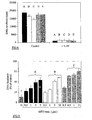
- FIG. 18 shows the effect of various doses of fluoxetine on normal peripheral blood mononuclear cells (PBMC) after culture for 24 and 48 hours in media containing the drug (column A - 0, column B - 30 ⁇ M, column C - 20 ⁇ M, column D - 10 ⁇ M, column E - 5 ⁇ M column F - 1 ⁇ M, column G - 0.5 ⁇ M).
- PBMC peripheral blood mononuclear cells
- Figure 20 shows an identical experiment to that shown in Figure 6 , replacing culture in media containing 5-HT with culture in media containing fluoxetine.
- the Figure shows that increasing the dose of the SSRI fluoxetine which was administered to populations of L3055 cells directly drove the lymphoma cells to die and again, that after 24 hrs similar numbers of cells had entered apoptosis and necrosis (quadrant A live cells, quadrant B cells entering necrosis, quadrant C cells entering apoptosis). After 24 hours a dose of 10 -15 ⁇ M fluoxetine resulted in about 40% of the lymphoma cells entering apoptosis.
- Fig. 21 compares the cell cycle status of L3055 cells after 24 hr treatment with the SSRI fluoxetine or anti- ⁇ chain antibody (to ligate the BCR) (column A - control, column B - fluoxetine 10 ⁇ M, column C - anti ⁇ chain antibody 10 ⁇ g/ml): each was used at its maximal concentration for inhibiting DNA synthesis and inducing cell death.
- BCR-ligation exerted a somewhat greater influence on the cell cycle profile, but both treatments resulted in an accumulation of arresting cells in the G 0 /G 1 compartment with a corresponding disappearance from both the S and G 2 /M phases of the cell cycle compared to control cultures. These changes are comparable with those associated with a cessation of DNA synthesis and entry into apoptosis.
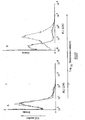
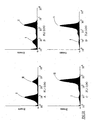
- Figure 22 shows by FACS-based analysis using FAM-VAD-FMK staining that treatment of cells with SSRI's (single dose for 24 hours) triggers caspase activation (peak I number of cells staining negative for caspase activity, peak II number of cells staining positive for caspase activity) one of the key components of the apoptotic cascade with panel A being a control, panel B - fluoxetine treatment (10 ⁇ M), panel C - paroxetine (10 ⁇ M), and panel D - citalopram (100 ⁇ M). From Figure 22 , it can be seen that all of the drugs have a significant effect on the numbers of cells showing caspase activity.
- PARP-1 Poly(ADP-ribose) polymerase-1
- Annexin V binding to phosphatidylserine exposed on the outer leaflet of cells to signal for phagocytic engulfment is another commonly used measure of programmed death although caution should be applied when using as a sole indicator for assessing apoptosis in B cells. It was found that while untreated L3055 cells displayed low level Annexin V binding on approximately half the cells, the majority of cells developed a higher level of binding following their culture with fluoxetine (Table 2). Table 2.
- Results are Means ⁇ SE of 3 separate experiments, c Samples analysed by FACS to generate % non-subdipolid cells (as assessed by PI stain) positive by TUNEL (terminal deoxynucleotidyl transferase (TdT)-mediated dUTP-biotin nick end-labelling). Results are Means ⁇ SE of 3 separate experiments.
- BL cells nor their normal germinal centre B cell equivalents tended to produce the extensive "DNA ladders" that can be seen as a result of DNA fragmentation when other cells (e.g. thymocytes) undergo apoptosis.
- fluoxetine might be inducing the type of DNA breaks associated with apoptosis was ascertained by using a TUNEL-based method where cells were first treated with DNA ligase before assessing the incorporation by TdT of a fluorescent-labelled nucleotide into DNA with strand breaks having blunt ends or single base overhangs. The results showed a discernible increase in the number of L3055 cells with such breaks following their treatment with fluoxetine (Table 2).
- PBMC peripheral blood mononuclear cells
- tonsilar B cells were exposed overnight to fluoxetine following 2 days of stimulation either with Staphylococcus aureus Cowan (SAC) (alone or combined with soluble CD40L) or with phorbol 12-myristate 13 acetate (PMA) (alone or in combination with ionomycin). Little inhibition of DNA synthesis occurred in any of the actively cycling populations even with fluoxetine present at 20 ⁇ M.
- SAC Staphylococcus aureus Cowan
- PMA phorbol 12-myristate 13 acetate
- Fig 23 shows that treatment of L3055 cells with fluoxetine (indicated on a log 10 ⁇ M scale) leads to a sustained increase in the levels of intracellular free Ca 2+ .
- Fluoxetine, paroxetine and citalopram also all promoted an increase in basal Ca 2+ with a similar shape and kinetics (data not shown).
- Further studies with fluoxetine have indicated that: (i) it acts on thapsigargin-sensitive endoplasmic reticulum Ca 2+ stores and; (ii) triggers Ca 2+ influx.
- the increase in intracellular free Ca 2+ is known to be an important step in the induction of apoptosis. This further supports data suggesting that drugs which target SERT can induce apoptosis in malignant cells which do not express tumour survival genes.
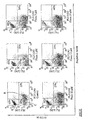
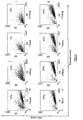
- Figure 24 shows forward versus side scatter FACS profiles showing the effect on the survival of transfecting native BL cell lines, which are susceptible to killing by the SSRI's (SSRI concentrations are the same as those used in Fig. 22 , cells were exposed to the drugs for 24 hrs).
- arrows A indicate dead cells
- arrows B indicate live cells, with the percentages given relating to the percentage of live cells.
- Panel I shows data for the native BL cell line and panel II for the Bcl-2 transfected cell line. As can be seen, cell killing is greatly reduced in the presence of the Bcl-2 gene product. Since this gene is expressed in most peripheral cells they will be relatively resistant to SERT interacting drug induced apoptosis.
- Figure 19 shows the dose dependant effect of imipramine on DNA synthesis in group I BL cell lines (single dose, DNA synthesis measured after 24 hrs). Imipramine although not an SSRI is known to interact with SERT with a similar affinity as fluoxetine. This can be seen by the similar EC 50 values for DNA synthesis of the two drugs.
- Figure 25 corresponds to Figure 22 , and shows that imipramine also has a significant effect on the number of cells exhibiting caspase activity (peak I cells staining negative, peak II cells staining positive).
- BL is characterised by translocations of one c-myc allele to one of the immunoglobulin loci and the extraordinarily high growth rate that characterises these tumours reflects the pro-proliferative actions of the translocated gene.
- the BL-associated constitutive expression of c-myc remains dependent on the binding of the recognised c-myc transcription factor Nm23-H2 to a PuF site within the regulatory sequence of the translocated gene.
- real-time RT-PCR (data not shown), it was found that a 6 h exposure of biopsylike BL cells to fluoxetine resulted in an approximate 60% reduction in the levels of both nm23-H2 and c-myc.
- Nm23-H1 has been identified as possibly being linked to c-myc expression.
- the SSRI appear to influence the very genes that underpin the uncontrolled cell division normally associated with BL.
- high expression of Nm23-H1 has been correlated with poor responses to treatment in high-grade lymphomas other than BL.
Landscapes
- Health & Medical Sciences (AREA)
- General Health & Medical Sciences (AREA)
- Chemical & Material Sciences (AREA)
- Veterinary Medicine (AREA)
- Medicinal Chemistry (AREA)
- Public Health (AREA)
- Pharmacology & Pharmacy (AREA)
- Life Sciences & Earth Sciences (AREA)
- Animal Behavior & Ethology (AREA)
- Epidemiology (AREA)
- Nuclear Medicine, Radiotherapy & Molecular Imaging (AREA)
- Organic Chemistry (AREA)
- General Chemical & Material Sciences (AREA)
- Chemical Kinetics & Catalysis (AREA)
- Emergency Medicine (AREA)
- Hematology (AREA)
- Oncology (AREA)
- Pharmaceuticals Containing Other Organic And Inorganic Compounds (AREA)
- Acyclic And Carbocyclic Compounds In Medicinal Compositions (AREA)
- Medicines Containing Material From Animals Or Micro-Organisms (AREA)
Claims (7)
- Verbindung, ausgewählt aus Fluoxetin, Paroxetin, Citalopram, Fluvoxamin und einem nicht selektiven Serotonin-Wiederaufnahmehemmer, zur Verwendung bei der Behandlung von Neoplasie von B-Lymphozyten.
- Verbindung nach Anspruch 1, bei der der nicht selektive Wiederaufnahmehemmer ausgewählt wird aus Imipramin, Desipramin, Amitriptylin und Clomipramin.
- Verbindung nach Anspruch 1, welche Fluoxetin ist.
- Verbindung nach einem der Ansprüche 1 bis 3, bei dem die Neoplasie das Burkitt-Lymphom ist.
- Verbindung nach einem der Ansprüche 1 bis 3, bei dem die Neoplasie chronische lymphatische Leukämie ist.
- Verwendung einer Verbindung wie in den Ansprüchen 1 bis 3 definiert bei der Herstellung eines Medikaments zur Behandlung von Neoplasie von B-Lymphozyten.
- Verwendung nach Anspruch 6, wobei auf das Subjekt der Behandlung auch eine Behandlung durch gleichzeitige oder nachfolgende Verabreichung eines Agens zur Erhöhung der Empfindlichkeit der B-Lymphozyten auf Apoptose angewandt wird, wobei das besagte Agens Paclitaxel, Irinotecan, Fludarabin, Cyclophosphamid, Docetaxel, Gemtuzumab-Ozogamicin, Cytosin-Arabinosid, Dexamethason oder ein Antisense-Agens ist, der auf Bcl-2 ausgerichtet ist.
Applications Claiming Priority (3)
| Application Number | Priority Date | Filing Date | Title |
|---|---|---|---|
| GBGB0202337.2A GB0202337D0 (en) | 2002-02-01 | 2002-02-01 | Cancer treatment |
| GB0202337 | 2002-02-01 | ||
| PCT/GB2003/000436 WO2003063866A1 (en) | 2002-02-01 | 2003-02-03 | Agents which interact with a serotonin transporter for the treatment of cancer |
Publications (2)
| Publication Number | Publication Date |
|---|---|
| EP1478360A1 EP1478360A1 (de) | 2004-11-24 |
| EP1478360B1 true EP1478360B1 (de) | 2009-04-15 |
Family
ID=9930195
Family Applications (1)
| Application Number | Title | Priority Date | Filing Date |
|---|---|---|---|
| EP03734774A Expired - Lifetime EP1478360B1 (de) | 2002-02-01 | 2003-02-03 | Mit einem serotonin-transporter zusammenwirkende mittel zur krebsbehandlung |
Country Status (8)
| Country | Link |
|---|---|
| US (1) | US20050182002A1 (de) |
| EP (1) | EP1478360B1 (de) |
| AT (1) | ATE428418T1 (de) |
| DE (1) | DE60327173D1 (de) |
| DK (1) | DK1478360T3 (de) |
| ES (1) | ES2323953T3 (de) |
| GB (1) | GB0202337D0 (de) |
| WO (1) | WO2003063866A1 (de) |
Families Citing this family (7)
| Publication number | Priority date | Publication date | Assignee | Title |
|---|---|---|---|---|
| EP1797427A4 (de) * | 2004-09-22 | 2009-04-08 | Odyssey Thera Inc | Verfahren zur identifizierung neuer arzneimittel-leads und neuer therapeutischer verwendungen für bekannte arzneimittel |
| US8835506B2 (en) | 2008-06-05 | 2014-09-16 | Stc.Unm | Methods and related compositions for the treatment of cancer |
| TWI546537B (zh) * | 2009-05-19 | 2016-08-21 | 維維亞生技公司 | 提供針對血液腫瘤之體外個人化藥物測試之方法 |
| JP5922563B2 (ja) * | 2012-11-30 | 2016-05-24 | 国立大学法人 岡山大学 | 抗がん剤 |
| EP2959904A1 (de) * | 2014-06-27 | 2015-12-30 | Institut De Recerca Contra La Leucemia Josep Carreras | Verfahren zur Behandlung, Diagnose und Prognose einer hämatologischen Malignität |
| US20170304286A1 (en) * | 2014-10-24 | 2017-10-26 | Launx Biomedical Co., Ltd. | New indication of paroxetine pharmaceutical composition for treating cancer |
| KR102123021B1 (ko) * | 2018-07-26 | 2020-06-16 | 재단법인 대구경북과학기술원 | 세로토닌 재흡수 억제제 계열 항우울제에 대한 반응성 조절용 펩티드 및 이의 용도 |
Citations (1)
| Publication number | Priority date | Publication date | Assignee | Title |
|---|---|---|---|---|
| US6054489A (en) * | 1996-10-15 | 2000-04-25 | Loyola University Of Chicago | Method for the enhancement of lymphocyte activity against tumors |
Family Cites Families (2)
| Publication number | Priority date | Publication date | Assignee | Title |
|---|---|---|---|---|
| WO1996022085A1 (en) * | 1995-01-17 | 1996-07-25 | Pfizer Inc. | The use of sertraline to treat cancer patients |
| US6162417A (en) * | 1997-05-07 | 2000-12-19 | Emory University | Pyrrolo isoquinolines |
-
2002
- 2002-02-01 GB GBGB0202337.2A patent/GB0202337D0/en not_active Ceased
-
2003
- 2003-02-03 DE DE60327173T patent/DE60327173D1/de not_active Expired - Lifetime
- 2003-02-03 WO PCT/GB2003/000436 patent/WO2003063866A1/en not_active Ceased
- 2003-02-03 AT AT03734774T patent/ATE428418T1/de not_active IP Right Cessation
- 2003-02-03 DK DK03734774T patent/DK1478360T3/da active
- 2003-02-03 US US10/503,334 patent/US20050182002A1/en not_active Abandoned
- 2003-02-03 ES ES03734774T patent/ES2323953T3/es not_active Expired - Lifetime
- 2003-02-03 EP EP03734774A patent/EP1478360B1/de not_active Expired - Lifetime
Patent Citations (1)
| Publication number | Priority date | Publication date | Assignee | Title |
|---|---|---|---|---|
| US6054489A (en) * | 1996-10-15 | 2000-04-25 | Loyola University Of Chicago | Method for the enhancement of lymphocyte activity against tumors |
Also Published As
| Publication number | Publication date |
|---|---|
| WO2003063866A1 (en) | 2003-08-07 |
| EP1478360A1 (de) | 2004-11-24 |
| US20050182002A1 (en) | 2005-08-18 |
| ES2323953T3 (es) | 2009-07-28 |
| DK1478360T3 (da) | 2009-07-13 |
| ATE428418T1 (de) | 2009-05-15 |
| GB0202337D0 (en) | 2002-03-20 |
| DE60327173D1 (de) | 2009-05-28 |
Similar Documents
| Publication | Publication Date | Title |
|---|---|---|
| Fahn | “On‐off” phenomenon with levodopa therapy in parkinsonism: clinical and pharmacologic correlations and the effect of intramuscular pyridoxine | |
| KR0171893B1 (ko) | 세포장해성 약물에 대항하는 암세포의 다약제 내성의 역전을 위한 화합물 및 그를 포함하는 제약학적 조성물 | |
| Montgomery et al. | The prophylactic efficacy of fluoxetine in unipolar depression | |
| US8629135B2 (en) | Pharmaceutical compositions comprising RET inhibitors and methods for the treatment of cancer | |
| Klohs et al. | Resistance to anthrapyrazoles and anthracyclines in multidrug-resistant P388 murine leukemia cells: reversal by calcium blockers and calmodulin antagonists | |
| KR20200060422A (ko) | 간질의 치료에 있어서의 5―ht2b 수용체 작용제 또는 암페타민과 조합된 칸나비디올의 용도 | |
| Gatti et al. | The new antiepileptic drugs pharmacological and clinical aspects | |
| US20140187495A1 (en) | Methods for treating glioblastoma | |
| Davis et al. | Pharmacotherapy for post-traumatic stress disorder: a comprehensive review | |
| Leal et al. | Ibogaine attenuation of morphine withdrawal in mice: role of glutamate N-methyl-D-aspartate receptors | |
| Van Moffaert et al. | A controlled comparison of sertraline and fluoxetine in acute and continuation treatment of major depression | |
| EP1478360B1 (de) | Mit einem serotonin-transporter zusammenwirkende mittel zur krebsbehandlung | |
| Edge et al. | Clozapine drug–drug interactions: a review of the literature | |
| US20040019036A1 (en) | Treatment of chronic myelogenous leukemia, resistant or intolerant to ST1571, involving homoharringtonine alone or combined with other agents | |
| Cheng et al. | A novel small molecule inhibits tumor growth and synergizes effects of enzalutamide on prostate cancer | |
| Visani et al. | Combined action of PSC 833 (Valspodar), a novel MDR reversing agent, with mitoxantrone, etoposide and cytarabine in poor-prognosis acute myeloid leukemia | |
| Yao et al. | BCL-2 inhibitor synergizes with PI3Kδ inhibitor and overcomes FLT3 inhibitor resistance in acute myeloid leukaemia | |
| Martin et al. | 8-OH-DPAT-Induced Hypothermia in Rodents. A Specific Model of 5-HTlA Autoreceptor Function? | |
| Pivot et al. | The efficacy of chemotherapy with docetaxel and paclitaxel in anthracycline-resistant breast cancer | |
| Schwartz et al. | Review of sertraline in post-traumatic stress disorder | |
| EP1071418B1 (de) | Neue behandlungen für nervenkrankheiten | |
| Johnson | Lithium in depression: a review of the antidepressant and prophylactic effects of lithium | |
| Goldberg | New drugs in psychiatry | |
| EP4714447A1 (de) | Arzneimittelkombinationen von bcl-xl-hemmern zur behandlung von krebs | |
| Coppo et al. | Minimal change nephropathy |
Legal Events
| Date | Code | Title | Description |
|---|---|---|---|
| PUAI | Public reference made under article 153(3) epc to a published international application that has entered the european phase |
Free format text: ORIGINAL CODE: 0009012 |
|
| 17P | Request for examination filed |
Effective date: 20040727 |
|
| AK | Designated contracting states |
Kind code of ref document: A1 Designated state(s): AT BE BG CH CY CZ DE DK EE ES FI FR GB GR HU IE IT LI LU MC NL PT SE SI SK TR |
|
| AX | Request for extension of the european patent |
Extension state: AL LT LV MK RO |
|
| RAP1 | Party data changed (applicant data changed or rights of an application transferred) |
Owner name: CELENTYX LIMITED |
|
| 17Q | First examination report despatched |
Effective date: 20051209 |
|
| GRAP | Despatch of communication of intention to grant a patent |
Free format text: ORIGINAL CODE: EPIDOSNIGR1 |
|
| GRAP | Despatch of communication of intention to grant a patent |
Free format text: ORIGINAL CODE: EPIDOSNIGR1 |
|
| GRAS | Grant fee paid |
Free format text: ORIGINAL CODE: EPIDOSNIGR3 |
|
| GRAA | (expected) grant |
Free format text: ORIGINAL CODE: 0009210 |
|
| AK | Designated contracting states |
Kind code of ref document: B1 Designated state(s): AT BE BG CH CY CZ DE DK EE ES FI FR GB GR HU IE IT LI LU MC NL PT SE SI SK TR |
|
| REG | Reference to a national code |
Ref country code: GB Ref legal event code: FG4D Ref country code: CH Ref legal event code: EP |
|
| REG | Reference to a national code |
Ref country code: IE Ref legal event code: FG4D |
|
| REG | Reference to a national code |
Ref country code: CH Ref legal event code: NV Representative=s name: ISLER & PEDRAZZINI AG |
|
| REF | Corresponds to: |
Ref document number: 60327173 Country of ref document: DE Date of ref document: 20090528 Kind code of ref document: P |
|
| REG | Reference to a national code |
Ref country code: SE Ref legal event code: TRGR |
|
| REG | Reference to a national code |
Ref country code: DK Ref legal event code: T3 |
|
| REG | Reference to a national code |
Ref country code: ES Ref legal event code: FG2A Ref document number: 2323953 Country of ref document: ES Kind code of ref document: T3 |
|
| PG25 | Lapsed in a contracting state [announced via postgrant information from national office to epo] |
Ref country code: PT Free format text: LAPSE BECAUSE OF FAILURE TO SUBMIT A TRANSLATION OF THE DESCRIPTION OR TO PAY THE FEE WITHIN THE PRESCRIBED TIME-LIMIT Effective date: 20090915 Ref country code: AT Free format text: LAPSE BECAUSE OF FAILURE TO SUBMIT A TRANSLATION OF THE DESCRIPTION OR TO PAY THE FEE WITHIN THE PRESCRIBED TIME-LIMIT Effective date: 20090415 Ref country code: FI Free format text: LAPSE BECAUSE OF FAILURE TO SUBMIT A TRANSLATION OF THE DESCRIPTION OR TO PAY THE FEE WITHIN THE PRESCRIBED TIME-LIMIT Effective date: 20090415 |
|
| PG25 | Lapsed in a contracting state [announced via postgrant information from national office to epo] |
Ref country code: SI Free format text: LAPSE BECAUSE OF FAILURE TO SUBMIT A TRANSLATION OF THE DESCRIPTION OR TO PAY THE FEE WITHIN THE PRESCRIBED TIME-LIMIT Effective date: 20090415 |
|
| PG25 | Lapsed in a contracting state [announced via postgrant information from national office to epo] |
Ref country code: EE Free format text: LAPSE BECAUSE OF FAILURE TO SUBMIT A TRANSLATION OF THE DESCRIPTION OR TO PAY THE FEE WITHIN THE PRESCRIBED TIME-LIMIT Effective date: 20090415 Ref country code: CZ Free format text: LAPSE BECAUSE OF FAILURE TO SUBMIT A TRANSLATION OF THE DESCRIPTION OR TO PAY THE FEE WITHIN THE PRESCRIBED TIME-LIMIT Effective date: 20090415 |
|
| PLBE | No opposition filed within time limit |
Free format text: ORIGINAL CODE: 0009261 |
|
| STAA | Information on the status of an ep patent application or granted ep patent |
Free format text: STATUS: NO OPPOSITION FILED WITHIN TIME LIMIT |
|
| PG25 | Lapsed in a contracting state [announced via postgrant information from national office to epo] |
Ref country code: BE Free format text: LAPSE BECAUSE OF FAILURE TO SUBMIT A TRANSLATION OF THE DESCRIPTION OR TO PAY THE FEE WITHIN THE PRESCRIBED TIME-LIMIT Effective date: 20090415 Ref country code: SK Free format text: LAPSE BECAUSE OF FAILURE TO SUBMIT A TRANSLATION OF THE DESCRIPTION OR TO PAY THE FEE WITHIN THE PRESCRIBED TIME-LIMIT Effective date: 20090415 |
|
| 26N | No opposition filed |
Effective date: 20100118 |
|
| PG25 | Lapsed in a contracting state [announced via postgrant information from national office to epo] |
Ref country code: BG Free format text: LAPSE BECAUSE OF FAILURE TO SUBMIT A TRANSLATION OF THE DESCRIPTION OR TO PAY THE FEE WITHIN THE PRESCRIBED TIME-LIMIT Effective date: 20090715 |
|
| PGFP | Annual fee paid to national office [announced via postgrant information from national office to epo] |
Ref country code: CH Payment date: 20100215 Year of fee payment: 8 Ref country code: DK Payment date: 20100211 Year of fee payment: 8 Ref country code: ES Payment date: 20100312 Year of fee payment: 8 Ref country code: IE Payment date: 20100217 Year of fee payment: 8 |
|
| PGFP | Annual fee paid to national office [announced via postgrant information from national office to epo] |
Ref country code: FR Payment date: 20100223 Year of fee payment: 8 Ref country code: IT Payment date: 20100219 Year of fee payment: 8 |
|
| PGFP | Annual fee paid to national office [announced via postgrant information from national office to epo] |
Ref country code: DE Payment date: 20100211 Year of fee payment: 8 Ref country code: GB Payment date: 20100202 Year of fee payment: 8 |
|
| PGFP | Annual fee paid to national office [announced via postgrant information from national office to epo] |
Ref country code: NL Payment date: 20100209 Year of fee payment: 8 |
|
| PG25 | Lapsed in a contracting state [announced via postgrant information from national office to epo] |
Ref country code: MC Free format text: LAPSE BECAUSE OF NON-PAYMENT OF DUE FEES Effective date: 20100301 Ref country code: GR Free format text: LAPSE BECAUSE OF FAILURE TO SUBMIT A TRANSLATION OF THE DESCRIPTION OR TO PAY THE FEE WITHIN THE PRESCRIBED TIME-LIMIT Effective date: 20090716 |
|
| PGFP | Annual fee paid to national office [announced via postgrant information from national office to epo] |
Ref country code: SE Payment date: 20100212 Year of fee payment: 8 |
|
| REG | Reference to a national code |
Ref country code: NL Ref legal event code: V1 Effective date: 20110901 |
|
| REG | Reference to a national code |
Ref country code: CH Ref legal event code: PL |
|
| REG | Reference to a national code |
Ref country code: DK Ref legal event code: EBP |
|
| REG | Reference to a national code |
Ref country code: SE Ref legal event code: EUG |
|
| GBPC | Gb: european patent ceased through non-payment of renewal fee |
Effective date: 20110203 |
|
| PG25 | Lapsed in a contracting state [announced via postgrant information from national office to epo] |
Ref country code: CH Free format text: LAPSE BECAUSE OF NON-PAYMENT OF DUE FEES Effective date: 20110228 Ref country code: LI Free format text: LAPSE BECAUSE OF NON-PAYMENT OF DUE FEES Effective date: 20110228 |
|
| REG | Reference to a national code |
Ref country code: FR Ref legal event code: ST Effective date: 20111102 |
|
| REG | Reference to a national code |
Ref country code: IE Ref legal event code: MM4A |
|
| PG25 | Lapsed in a contracting state [announced via postgrant information from national office to epo] |
Ref country code: NL Free format text: LAPSE BECAUSE OF NON-PAYMENT OF DUE FEES Effective date: 20110901 Ref country code: IT Free format text: LAPSE BECAUSE OF NON-PAYMENT OF DUE FEES Effective date: 20110203 |
|
| REG | Reference to a national code |
Ref country code: DE Ref legal event code: R119 Ref document number: 60327173 Country of ref document: DE Effective date: 20110901 |
|
| PG25 | Lapsed in a contracting state [announced via postgrant information from national office to epo] |
Ref country code: IE Free format text: LAPSE BECAUSE OF NON-PAYMENT OF DUE FEES Effective date: 20110203 Ref country code: FR Free format text: LAPSE BECAUSE OF NON-PAYMENT OF DUE FEES Effective date: 20110228 |
|
| PG25 | Lapsed in a contracting state [announced via postgrant information from national office to epo] |
Ref country code: GB Free format text: LAPSE BECAUSE OF NON-PAYMENT OF DUE FEES Effective date: 20110203 |
|
| REG | Reference to a national code |
Ref country code: ES Ref legal event code: FD2A Effective date: 20120411 |
|
| PG25 | Lapsed in a contracting state [announced via postgrant information from national office to epo] |
Ref country code: ES Free format text: LAPSE BECAUSE OF NON-PAYMENT OF DUE FEES Effective date: 20110204 |
|
| PG25 | Lapsed in a contracting state [announced via postgrant information from national office to epo] |
Ref country code: CY Free format text: LAPSE BECAUSE OF FAILURE TO SUBMIT A TRANSLATION OF THE DESCRIPTION OR TO PAY THE FEE WITHIN THE PRESCRIBED TIME-LIMIT Effective date: 20090415 |
|
| PG25 | Lapsed in a contracting state [announced via postgrant information from national office to epo] |
Ref country code: HU Free format text: LAPSE BECAUSE OF FAILURE TO SUBMIT A TRANSLATION OF THE DESCRIPTION OR TO PAY THE FEE WITHIN THE PRESCRIBED TIME-LIMIT Effective date: 20091016 Ref country code: LU Free format text: LAPSE BECAUSE OF NON-PAYMENT OF DUE FEES Effective date: 20100203 |
|
| PG25 | Lapsed in a contracting state [announced via postgrant information from national office to epo] |
Ref country code: TR Free format text: LAPSE BECAUSE OF FAILURE TO SUBMIT A TRANSLATION OF THE DESCRIPTION OR TO PAY THE FEE WITHIN THE PRESCRIBED TIME-LIMIT Effective date: 20090415 |
|
| PG25 | Lapsed in a contracting state [announced via postgrant information from national office to epo] |
Ref country code: SE Free format text: LAPSE BECAUSE OF NON-PAYMENT OF DUE FEES Effective date: 20110204 |
|
| PG25 | Lapsed in a contracting state [announced via postgrant information from national office to epo] |
Ref country code: DE Free format text: LAPSE BECAUSE OF NON-PAYMENT OF DUE FEES Effective date: 20110901 |