EP1405637A1 - Remedies for amyotrophic lateral sclerosis (als) - Google Patents
Remedies for amyotrophic lateral sclerosis (als) Download PDFInfo
- Publication number
- EP1405637A1 EP1405637A1 EP00974963A EP00974963A EP1405637A1 EP 1405637 A1 EP1405637 A1 EP 1405637A1 EP 00974963 A EP00974963 A EP 00974963A EP 00974963 A EP00974963 A EP 00974963A EP 1405637 A1 EP1405637 A1 EP 1405637A1
- Authority
- EP
- European Patent Office
- Prior art keywords
- motor neuron
- lateral sclerosis
- als
- therapeutic agent
- pirazoline
- Prior art date
- Legal status (The legal status is an assumption and is not a legal conclusion. Google has not performed a legal analysis and makes no representation as to the accuracy of the status listed.)
- Granted
Links
Images

Classifications
-
- A—HUMAN NECESSITIES
- A61—MEDICAL OR VETERINARY SCIENCE; HYGIENE
- A61K—PREPARATIONS FOR MEDICAL, DENTAL OR TOILETRY PURPOSES
- A61K31/00—Medicinal preparations containing organic active ingredients
- A61K31/33—Heterocyclic compounds
- A61K31/395—Heterocyclic compounds having nitrogen as a ring hetero atom, e.g. guanethidine or rifamycins
- A61K31/41—Heterocyclic compounds having nitrogen as a ring hetero atom, e.g. guanethidine or rifamycins having five-membered rings with two or more ring hetero atoms, at least one of which being nitrogen, e.g. tetrazole
- A61K31/415—1,2-Diazoles
- A61K31/4152—1,2-Diazoles having oxo groups directly attached to the heterocyclic ring, e.g. antipyrine, phenylbutazone, sulfinpyrazone
-
- A—HUMAN NECESSITIES
- A61—MEDICAL OR VETERINARY SCIENCE; HYGIENE
- A61P—SPECIFIC THERAPEUTIC ACTIVITY OF CHEMICAL COMPOUNDS OR MEDICINAL PREPARATIONS
- A61P19/00—Drugs for skeletal disorders
- A61P19/02—Drugs for skeletal disorders for joint disorders, e.g. arthritis, arthrosis
-
- A—HUMAN NECESSITIES
- A61—MEDICAL OR VETERINARY SCIENCE; HYGIENE
- A61P—SPECIFIC THERAPEUTIC ACTIVITY OF CHEMICAL COMPOUNDS OR MEDICINAL PREPARATIONS
- A61P21/00—Drugs for disorders of the muscular or neuromuscular system
-
- A—HUMAN NECESSITIES
- A61—MEDICAL OR VETERINARY SCIENCE; HYGIENE
- A61P—SPECIFIC THERAPEUTIC ACTIVITY OF CHEMICAL COMPOUNDS OR MEDICINAL PREPARATIONS
- A61P25/00—Drugs for disorders of the nervous system
-
- A—HUMAN NECESSITIES
- A61—MEDICAL OR VETERINARY SCIENCE; HYGIENE
- A61P—SPECIFIC THERAPEUTIC ACTIVITY OF CHEMICAL COMPOUNDS OR MEDICINAL PREPARATIONS
- A61P25/00—Drugs for disorders of the nervous system
- A61P25/14—Drugs for disorders of the nervous system for treating abnormal movements, e.g. chorea, dyskinesia
-
- C—CHEMISTRY; METALLURGY
- C07—ORGANIC CHEMISTRY
- C07D—HETEROCYCLIC COMPOUNDS
- C07D231/00—Heterocyclic compounds containing 1,2-diazole or hydrogenated 1,2-diazole rings
- C07D231/02—Heterocyclic compounds containing 1,2-diazole or hydrogenated 1,2-diazole rings not condensed with other rings
- C07D231/06—Heterocyclic compounds containing 1,2-diazole or hydrogenated 1,2-diazole rings not condensed with other rings having one double bond between ring members or between a ring member and a non-ring member
- C07D231/08—Heterocyclic compounds containing 1,2-diazole or hydrogenated 1,2-diazole rings not condensed with other rings having one double bond between ring members or between a ring member and a non-ring member with oxygen or sulfur atoms directly attached to ring carbon atoms
Definitions
- the present invention relates to a therapeutic agent for motor neuron diseases and an enhancing agent for motor neurons. More specifically, the present invention relates to a therapeutic agent for motor neuron diseases and an enhancing agent for motor neurons, which comprises 3-methyl-1-phenyl-2-pirazoline-5-on or physiologically acceptable salts thereof as an active ingredient.
- Motor neuron diseases include amyotrophic lateral sclerosis (ALS) in which both primary motor neurons and secondary motor neurons are damaged, and spinal muscle atrophy (SMA) in which only secondary motor neurons are damaged, and other diseases are known such as progressive bulbar palsy, primary lateral sclerosis (PLS), and arthrogryposis multiplex congenita (AMC).
- ALS amyotrophic lateral sclerosis
- SMA spinal muscle atrophy
- PLS primary lateral sclerosis
- AMC arthrogryposis multiplex congenita
- ALS often begins in late middle age, and is a lethal intractable disease, in which the condition rapidly deteriorates from muscular atrophy and muscle weakness to, finally, death due to respiratory insufficiency or the like in a matter of a few years. The cause and pathology of ALS have not been sufficiently elucidated.
- ALS ALS
- autoimmunity the appearance of autoantibody against Ca channels
- excitatory amino acid excess/toxicity increased extracellular glutamic acid and blocked transport of glutamic acid
- oxidative stress disorders nuclear factor-oxide dismutase (SOD) gene and free radical
- cytoskeletal disorders accumulation of neurofilaments in motor nerve cells and appearance of inclusions
- deficiency of neurotrophic factors and the like.
- riluzole JP Patent Publication (PCT Translation) No. 7-504655
- Rilutek Rilutek (Rhone-poulenc Rorer)
- This therapeutic agent is a benzothiazole compound, which has been shown to suppress glutamic acid transmission in glutaminergic nerves, and have a neuroprotective effect against neurodegeneration.
- Clinical trials of this therapeutic agent against ALS are underway, and the agent has been approved as a medicament. However, some test results have been reported in which effectiveness against ALS could not be confirmed. The development of a more effective therapeutic agent for ALS has been desired.
- An object of the present invention is to provide a novel medicament with which motor neuron disease can be treated. More specifically, an object of the present invention is to provide a novel medicament, with which the progress of motor neuron diseases, such as amyotrophic lateral sclerosis (ALS), spinal muscle atrophy (SMA), progressive bulbar palsy, primary lateral sclerosis (PLS), or arthrogryposis multiplex congenita (AMC), can be delayed or their symptoms can be alleviated.
- motor neuron diseases such as amyotrophic lateral sclerosis (ALS), spinal muscle atrophy (SMA), progressive bulbar palsy, primary lateral sclerosis (PLS), or arthrogryposis multiplex congenita (AMC)
- a therapeutic agent for motor neuron diseases which comprises 3-methyl-1-phenyl-2-pirazoline-5-on or physiologically acceptable salts thereof as an active ingredient.
- the therapeutic agent of the present invention is used for delaying the progress of motor neuron diseases.
- an enhancing agent for motor neurons which comprises 3-methyl-1-phenyl-2-pirazoline-5-on or physiologically acceptable salts thereof as an active ingredient.
- a method for treating motor neuron diseases which comprises the step of administering an effective amount of 3-methyl-1-phenyl-2-pirazoline-5-on or physiologically acceptable salts thereof to a patient.
- the treatment method of the present invention delays the progress of motor neuron diseases.
- a method for enhancing motor neurons which comprises the step of administering an effective amount of 3-methyl-1-phenyl-2-pirazoline-5-on or physiologically acceptable salts thereof to a patient.
- the therapeutic agent for motor neuron diseases is a therapeutic agent which delays the progress of motor neuron diseases.
- the motor neuron disease is preferably amyotrophic lateral sclerosis (ALS), spinal muscle atrophy (SMA), progressive bulbar palsy, primary lateral sclerosis (PLS), or arthrogryposis multiplex congenita (AMC), and is particularly preferably amyotrophic lateral sclerosis (ALS).
- ALS amyotrophic lateral sclerosis
- SMA spinal muscle atrophy
- PLS primary lateral sclerosis
- AMC arthrogryposis multiplex congenita
- ALS amyotrophic lateral sclerosis
- the medicament of the present invention is characterized in that it comprises 3-methyl-1-phenyl-2-pirazoline-5-on or physiologically acceptable salts thereof as an active ingredient, and is used as a therapeutic agent for motor neuron diseases or as an enhancing agent for motor neurons.
- 3-methyl-1-phenyl-2-pirazoline-5-on which is used as an active ingredient in the medicament of the present invention, is one type of free radical scavenger that suppresses lipid hyperoxidation.
- 3-methyl-1-phenyl-2-pirazoline-5-on can be produced by, for example, a synthesis method as described in Section 7 of the JP Patent Publication (Examined Application) No. 5-31523.
- Known applications of the above compound as a medicament include cerebral function-normalizing action (JP Patent Publication (Examined Application) No. 5-31523), suppressive action on production of lipid peroxidate (JP Patent Publication (Examined Application) No.
- physiologically acceptable salts thereof can also be used as an active ingredient of the medicament of the present invention.
- any hydrate or any solvate thereof may also be used.
- tautomers as shown in the chemical structural formula in the upper part of Section 5 of JP Patent Publication (Examined Application) No. 5-31523. Needless to say, all of these tautomers may be included as active ingredients of the medicament of the present invention.
- acid-added salts or base-added salts can be used.
- mineral acid salts such as hydrochloride, sulfate, hydrobromate, or phosphate
- organic acid salts such as methane sulfonate, paratoluene sulfonate, acetate, oxalate, citrate, malate, or fumarate
- metal salts such as a sodium salt, potassium salt, or magnesium salt
- ammonium salt or organic amine salts, such as ethanol amine or 2-amino-2-methyl-1-propanol
- the types of salts are not particularly limited, as long as they are physiologically acceptable.
- the medicament of the present invention can be administered to any animal, including human, that suffers from motor neuron diseases, and is preferably administered to humans.
- treatment of motor neuron diseases means not only treatment given for curing the disease, but widely means all types of treatment including treatment for delaying the progress of the disease, and treatment for alleviating and easing the symptoms of the disease.
- motor neuron diseases used in the present invention has the broadest meaning, and it encompasses motor neuron disorders (motor neuropathy).
- Motor neuron disease is a generic name of a disease group by which the voluntary motor nerve system is selectively impinged.
- Motor neuron diseases are neurologically regressive and have strong tendencies to be exacerbated, although the degree of disease progression differs depending on specific disease types.
- Specific examples of motor neuron diseases can include, but are not limited thereto, amyotrophic lateral sclerosis (ALS), spinal muscle atrophy (SMA), progressive bulbar palsy, primary lateral sclerosis (PLS), or arthrogryposis multiplex congenita (AMC).
- ALS amyotrophic lateral sclerosis
- SMA spinal muscle atrophy
- PLS primary lateral sclerosis
- AMC arthrogryposis multiplex congenita
- Amyotrophic lateral sclerosis begins in middle age and later, and is a cryptogenic disease mainly characterized by muscular atrophy and fasciculation.
- Pathologic findings include degenerated spinal anterior horn cells, degenerated medullary motor nucleus, and degenerated pyramidal tract.
- the initial symptoms mainly include hand weakness, dyskinesia in the digits of the hand, and fasciculation in the upper limbs, and ALS can be classified into the upper limb type, bulbar type, lower limb type and mixed type according to the onset site. With any type of the disease, muscle groups of the whole body are impinged with the progress of the symptoms.
- SMA Spinal muscle atrophy
- Acute Werdnig-Hoffmann disease type I
- Type II is characterized by severe generalized muscular weakness and hypotonia at birth and within 3 months after birth. Death usually occurs within the first two years of life due to dyspnea.
- the remaining 2 groups are Intermediate type (type II) and Juvenile type (type III, Kugelberg-Welander disease).
- Progressive bulbar palsy is caused by progressive atrophy of the motor nucleus of the medulla oblongata, and is closely associated with amyotrophic lateral sclerosis (ALS) and spinal muscular atrophy (SMA). Progressive bulbar palsy often begins in males in middle age and later, and sometimes occurs in familial forms. The disease is complicated by degeneration of upper and lower motor neurons as it progresses, and finally develops the clinical symptoms of amyotrophic lateral sclerosis (ALS).
- ALS amyotrophic lateral sclerosis
- SMA spinal muscular atrophy
- PLS Primary lateral sclerosis
- AMC Arthrogryposis multiplex congenita
- congenital joint contracture (1 in 3000 births), and has symptoms derived from intrauterine fetal akinesia.
- AMC is caused by any of oligoamnios, or various disorders relating to the central nerve system, skeletal muscle or spinal cord. Nerve degeneration and neuronophagy occurs in the anterior horn.
- neurogenic AMC may be involved in acute spinal muscular atrophy, that is, SMA Werdnig-Hoffmann disorder type I.
- the route of administration of the medicament of the present invention is not particularly limited, and it can be administered orally or parenterally (for example, intravenous-, intramuscular-, hypodermic- or intradermal-injections, or inhalation).
- the above compound or salts thereof which is an active ingredient
- pharmacologically and pharmaceutically acceptable additives include excipients, disintegrators or adjuvants for the disintegrators, binders, lubricants, coating agents, dye, diluents, bases, resolvents or solubilizers, isotonizing agents, pH modifiers, stabilizers, propellants, and adhesives.
- preparations which are appropriate for oral administration, can include tablets, capsules, powders, fine granules, granules, solutions, and syrups.
- preparations, which are appropriate for parenteral administration can include injections, drops or suppositories.
- additives for preparations which are appropriate for oral administration that can be used herein include: excipients such as glucose, lactose, D-mannitol, starch or crystalline cellulose; disintegrators or adjuvants for disintegrators, such as carboxymethylcellulose, starch or carboxymethylcellulose calcium; binders such as hydroxypropylcellulose, hydroxypropylmethylcellulose, polyvinylpirrolidone, or gelatin; lubricants such as magnesium stearate, or talc; coating agents such as hydroxypropylmethylcellulose, saccharose, polyethyleneglycol, or titanium oxide; and bases such as petrolatum, liquid paraffin, polyethylene glycol, gelatin, kaolin, glycerine, purified water, or hard fat.
- excipients such as glucose, lactose, D-mannitol, starch or crystalline cellulose
- disintegrators or adjuvants for disintegrators such as carboxymethylcellulose, starch or carboxymethylcellulose calcium
- binders
- additives for preparations that can be appropriately used for injection or drip include a resolvent or a solubilizer that can compose an aqueous injection or an injection to be dissolved before use, such as distilled water for injection, physiological saline, and propylene glycol; isotonizing agents such as glucose, sodium chloride, D-mannitol, and glycerine; and pH modifiers such as inorganic acid, organic acid, inorganic base or organic base.
- a resolvent or a solubilizer that can compose an aqueous injection or an injection to be dissolved before use, such as distilled water for injection, physiological saline, and propylene glycol
- isotonizing agents such as glucose, sodium chloride, D-mannitol, and glycerine
- pH modifiers such as inorganic acid, organic acid, inorganic base or organic base.
- the dose of the medicament of the present invention can be appropriately selected according to various conditions including types of diseases to be treated, progress of the disease or degree of the symptoms, and age and weight of patients. In general, approximately 0.01 ⁇ g/kg to 10 mg/kg, and preferably 0.1 to 100 ⁇ g/kg of the medicament per day for an adult, is administered by injection or drip. As an injection, for example, the one described in JP Patent Publication (Unexamined Application) No. 63-132833 is preferred.
- LD 50 is 2012 mg/kg; in rat oral administration, LD 50 is 3,500 mg/kg: Registry of Toxic Effects of Chemical Substances, 1981-1982), and to be noncarcinogenicity (National Cancer Institute Report, 89, 1978).
- Wobbler mice (Ikeda K. et al., Ann. Neurol. vol. 34, p304, 1993; Mitsumoto H. et al., Ann. Neurol. vol. 36, pp142 to 148, 1994; Mitsumoto H. et al., Science, vol. 265, pp1107 to 1110, 1994) were used.
- mice were diagnosed with the onset of the disease.
- the mice were orally administered with the drug of the present invention (3-methyl-1-phenyl-2-pirazoline-5-on; also referred to as MCI-186 in the drawings) (10 mg/kg), and the mice of a control group were administered with vehicles, by a blind test continually for 4 weeks.
- the degree of forelimb deformity was classified into four grades: 1 (paw atrophy), 2 (curled digits), 3 (curled wrists), and 4 (forelimb flexion to chest), and then evaluated. The progress from 1 to 4 means that the symptom became worse.
- the grip strength of the forelimb was measured (Ikeda et al., Neuromusc. Disord., 5, (1995), 383-390; K. Ikeda et al., J. Neurol. Sci., 160, (1998) 9-15; K. Ikeda et al., Neurosci. Lett., 250 (1998) 9-12; K. Ikeda et al., Muscle Nerve, 18 (1995)1344-1347; K. Ikeda et al., NeuroL Res., 17 (1995) 445-448; K. Ikeda et al., Ann. Neurol., 37 (1995) 505-511; K. Ikeda et al., Brain Res., 726 (1996) 91-97; H.
- the scale of the degree of forelimb deformity was analyzed by the non-parametric Wilcoxon signed rank-sum test. Muscle strength, weight of biceps muscle, mean diameter of muscle fibers and number of motor neurons were statistically analyzed by unpaired Student's t-test. In all tests, the significance level of 5% was set for both sides.
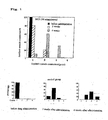
- Figure 1 shows the evaluation results when the degree of forelimb deformity was classified into Grades 1 to 4. Evaluation at the baseline (3 to 4 week-old after birth) did not differ between each group. Forelimb deformity became progressively worse among the mice of the control group, but the progress of muscle deformity was delayed by the administration of the medicament of the present invention (Fig. 1).
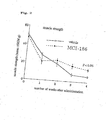
- Figure 2 shows the results of measuring muscle strength of the forelimb.
- the muscle strength in the control group gradually decreased, but the decrease in muscle strength was delayed by the administration of the medicament of the present invention (Fig. 2).
- Figure 3 shows the results of measuring weights of the right brachial biceps muscles.
- the weight of the biceps significantly increased by the treatment with the medicament of the present invention, as compared to the control group (Fig. 3).
- the mean diameter of muscle fibers significantly increased in the group treated with the medicament of the present invention (mean ⁇ SEM: 20.3 ⁇ 0.8 ⁇ m, P ⁇ 0.01), as compared to the control group (mean ⁇ SEM: 16.8 ⁇ 0.6 ⁇ m, P ⁇ 0.01).
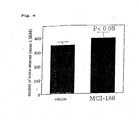
- Figure 4 shows the results of measuring the number of motor neurons. As compared to the control group, the number of motor neurons increased in the group treated with the medicament of the present invention (Fig. 4).
- Wobbler mice are motor neuron disease model animals that develop an autosomal recessive inheritance pattern.
- the disease begins with body tremors at 3 to 4 weeks after birth, and muscle weakness and muscle deformity mainly in the forelimb rapidly progress 7 to 8 weeks after birth. Thereafter, the neuromuscular symptoms slowly progress and the life span is approximately 1 to 1.5 years.
- Neuromuscular pathological features of the mice are vacuolar degeneration of motor neurons centering on the cervical spinal cord, axonal degeneration in motor nerves, and neurogenic changes in the skeletal muscle (H. Mitsumoto et al., Brain, 105 (1982) 811-834). Therefore, evaluation of the neuroprotective action of the therapeutic agent in the mice at 3 to 4-week-old to 7 to 8-week-old is useful in evaluating the effect of the therapeutic agent against motor neuron diseases.
- the medicament of the present invention is useful as a therapeutic agent against motor neuron diseases.
- the medicament of the present invention which comprises 3-methyl-1-phenyl-2-pirazoline-5-on or physiologically acceptable salts thereof as an active ingredient, is useful as a therapeutic agent against motor neuron diseases. Further, the medicament of the present invention is advantageous in that migration to the brain is relatively good, because a low molecular compound is used as an active ingredient.
Landscapes
- Health & Medical Sciences (AREA)
- Chemical & Material Sciences (AREA)
- Organic Chemistry (AREA)
- Veterinary Medicine (AREA)
- Medicinal Chemistry (AREA)
- Public Health (AREA)
- General Health & Medical Sciences (AREA)
- Animal Behavior & Ethology (AREA)
- Life Sciences & Earth Sciences (AREA)
- Pharmacology & Pharmacy (AREA)
- General Chemical & Material Sciences (AREA)
- Bioinformatics & Cheminformatics (AREA)
- Engineering & Computer Science (AREA)
- Nuclear Medicine, Radiotherapy & Molecular Imaging (AREA)
- Chemical Kinetics & Catalysis (AREA)
- Neurology (AREA)
- Neurosurgery (AREA)
- Biomedical Technology (AREA)
- Epidemiology (AREA)
- Orthopedic Medicine & Surgery (AREA)
- Physical Education & Sports Medicine (AREA)
- Psychology (AREA)
- Immunology (AREA)
- Rheumatology (AREA)
- Pharmaceuticals Containing Other Organic And Inorganic Compounds (AREA)
- Steroid Compounds (AREA)
Abstract
Description
- The present invention relates to a therapeutic agent for motor neuron diseases and an enhancing agent for motor neurons. More specifically, the present invention relates to a therapeutic agent for motor neuron diseases and an enhancing agent for motor neurons, which comprises 3-methyl-1-phenyl-2-pirazoline-5-on or physiologically acceptable salts thereof as an active ingredient.
- Motor neuron diseases include amyotrophic lateral sclerosis (ALS) in which both primary motor neurons and secondary motor neurons are damaged, and spinal muscle atrophy (SMA) in which only secondary motor neurons are damaged, and other diseases are known such as progressive bulbar palsy, primary lateral sclerosis (PLS), and arthrogryposis multiplex congenita (AMC). Of these, ALS often begins in late middle age, and is a lethal intractable disease, in which the condition rapidly deteriorates from muscular atrophy and muscle weakness to, finally, death due to respiratory insufficiency or the like in a matter of a few years. The cause and pathology of ALS have not been sufficiently elucidated.
- Major causes of ALS that have been proposed as hypotheses are: (1) autoimmunity (the appearance of autoantibody against Ca channels), (2) excitatory amino acid excess/toxicity (increased extracellular glutamic acid and blocked transport of glutamic acid), (3) oxidative stress disorders (neuronopathy due to abnormality of Cu/Zn superoxide dismutase (SOD) gene and free radical), (4) cytoskeletal disorders (accumulation of neurofilaments in motor nerve cells and appearance of inclusions), and (5) deficiency of neurotrophic factors, and the like.
- Among these hypothesized causes of ALS, based on the oxidative stress disorder hypothesis, whether or not antioxidants are effective against ALS has attracted attention. For example, a lecithinized SOD therapy had been attempted (Cranial Nerves 50(7): 615-624, 1998). However, it was shown that even when human recombinant Cu/Zn SOD was administered intraspinally to ALS patients, effective therapeutic effects were not obtained (Cranial Nerves 50(7): 615-624, 1998).
- Further, riluzole (JP Patent Publication (PCT Translation) No. 7-504655) (trade name: Rilutek (Rhone-poulenc Rorer)) is known as an existing therapeutic agent for ALS. This therapeutic agent is a benzothiazole compound, which has been shown to suppress glutamic acid transmission in glutaminergic nerves, and have a neuroprotective effect against neurodegeneration. Clinical trials of this therapeutic agent against ALS are underway, and the agent has been approved as a medicament. However, some test results have been reported in which effectiveness against ALS could not be confirmed. The development of a more effective therapeutic agent for ALS has been desired.
- An object of the present invention is to provide a novel medicament with which motor neuron disease can be treated. More specifically, an object of the present invention is to provide a novel medicament, with which the progress of motor neuron diseases, such as amyotrophic lateral sclerosis (ALS), spinal muscle atrophy (SMA), progressive bulbar palsy, primary lateral sclerosis (PLS), or arthrogryposis multiplex congenita (AMC), can be delayed or their symptoms can be alleviated.
- As a result of concentrated efforts to solve the above problems, the present inventor has found that when 3-methyl-1-phenyl-2-pirazoline-5-on was administered to motor neuron disease model animals [Wobbler mouse (Ikeda K. et al., Ann. Neurol. vol. 34, p304 (1993); Mitsumoto H. et al., Ann. Neurol. vol. 36, pp142-148 (1994); Mitsumoto H. et al., Science, vol. 265, pp1107-1110 (1994))], the progress of the forelimb muscle contracture and muscle weakness were delayed, and the weight of brachial biceps muscle, the mean diameter of muscle fiber, and the number of motor neurons were increased, as compared to a control group. The present invention has been completed based on these findings.
- That is, according to the present invention, there is provided a therapeutic agent for motor neuron diseases which comprises 3-methyl-1-phenyl-2-pirazoline-5-on or physiologically acceptable salts thereof as an active ingredient. In a preferred embodiment of the present invention, the therapeutic agent of the present invention is used for delaying the progress of motor neuron diseases.
- According to another aspect of the present invention, there is provided an enhancing agent for motor neurons which comprises 3-methyl-1-phenyl-2-pirazoline-5-on or physiologically acceptable salts thereof as an active ingredient.
- According to further another aspect of the present invention, there is provided a method for treating motor neuron diseases which comprises the step of administering an effective amount of 3-methyl-1-phenyl-2-pirazoline-5-on or physiologically acceptable salts thereof to a patient. In a preferred embodiment of the present invention, the treatment method of the present invention delays the progress of motor neuron diseases.
- According to further another aspect of the present invention, there is provided a method for enhancing motor neurons which comprises the step of administering an effective amount of 3-methyl-1-phenyl-2-pirazoline-5-on or physiologically acceptable salts thereof to a patient.
- According to further another aspect of the present invention, there is provided a use of 3-methyl-1-phenyl-2-pirazoline-5-on or physiologically acceptable salts thereof for the production of the therapeutic agent for motor neuron diseases. In a preferred embodiment of the present invention, the therapeutic agent for motor neuron diseases is a therapeutic agent which delays the progress of motor neuron diseases.
- According to further another aspect of the present invention, there is provided a use of 3-methyl-1-phenyl-2-pirazoline-5-on or physiologically acceptable salts thereof for the production of an enhancing agent for motor neurons.
- In the present invention, the motor neuron disease is preferably amyotrophic lateral sclerosis (ALS), spinal muscle atrophy (SMA), progressive bulbar palsy, primary lateral sclerosis (PLS), or arthrogryposis multiplex congenita (AMC), and is particularly preferably amyotrophic lateral sclerosis (ALS).
-
- Figure 1 shows the results of evaluating the degrees of forelimb muscle contracture as
classified into
Grades 1 to 4. The upper graph shows the results of a group administered with the medicament of the present invention, and the lower 3 graphs show the results of control groups. - Figure 2 shows the results of measurements of forelimb muscle strength.
- Figure 3 shows the results of measurements of the right brachial biceps muscle weight.
- Figure 4 shows the results of measurements of the number of spinal motor neurons.
-
- The medicament of the present invention is characterized in that it comprises 3-methyl-1-phenyl-2-pirazoline-5-on or physiologically acceptable salts thereof as an active ingredient, and is used as a therapeutic agent for motor neuron diseases or as an enhancing agent for motor neurons.
- 3-methyl-1-phenyl-2-pirazoline-5-on, which is used as an active ingredient in the medicament of the present invention, is one type of free radical scavenger that suppresses lipid hyperoxidation. 3-methyl-1-phenyl-2-pirazoline-5-on can be produced by, for example, a synthesis method as described in Section 7 of the JP Patent Publication (Examined Application) No. 5-31523. Known applications of the above compound as a medicament include cerebral function-normalizing action (JP Patent Publication (Examined Application) No. 5-31523), suppressive action on production of lipid peroxidate (JP Patent Publication (Examined Application) No. 5-35128, Compound in Example 1), antiulcer action (JP Patent Publication (Unexamined Application) No. 3-215425), suppressive action on hyperglycemic action (JP Patent Publication (Unexamined Application) No. 3-215426), eye disease suppressive action (JP Patent Publication (Unexamined Application) No. 7-25765), therapeutic and prophylactic action on acute renal failure (JP Patent Publication (Unexamined Application) No. 9-52831), preservative action on transplanted organs (JP Patent Publication (Unexamined Application) No. 9-52801), prophylactic and therapeutic action on damaged dermal tissue (JP Patent Publication (Unexamined Application) No. 10-279480), and prophylactic action on necrosis of transplanted skin or transplanted tissues (JP Patent Publication (Unexamined Application) No. 11-79991). However, each of these publications neither suggests nor teaches the action of the above compounds against motor neuron diseases.
- In addition to the above compounds in free forms, physiologically acceptable salts thereof can also be used as an active ingredient of the medicament of the present invention. Further, any hydrate or any solvate thereof may also be used. Furthermore, for the above compound, there exist tautomers as shown in the chemical structural formula in the upper part of Section 5 of JP Patent Publication (Examined Application) No. 5-31523. Needless to say, all of these tautomers may be included as active ingredients of the medicament of the present invention.
- As the salts of the above compound, acid-added salts or base-added salts can be used. For example, mineral acid salts, such as hydrochloride, sulfate, hydrobromate, or phosphate; organic acid salts, such as methane sulfonate, paratoluene sulfonate, acetate, oxalate, citrate, malate, or fumarate; metal salts, such as a sodium salt, potassium salt, or magnesium salt; ammonium salt; or organic amine salts, such as ethanol amine or 2-amino-2-methyl-1-propanol, can be used. The types of salts are not particularly limited, as long as they are physiologically acceptable.
- The medicament of the present invention can be administered to any animal, including human, that suffers from motor neuron diseases, and is preferably administered to humans.
- The term "treatment of motor neuron diseases" used in the present specification means not only treatment given for curing the disease, but widely means all types of treatment including treatment for delaying the progress of the disease, and treatment for alleviating and easing the symptoms of the disease.
- The term "motor neuron diseases" used in the present invention has the broadest meaning, and it encompasses motor neuron disorders (motor neuropathy).
- Motor neuron disease is a generic name of a disease group by which the voluntary motor nerve system is selectively impinged. Motor neuron diseases are neurologically regressive and have strong tendencies to be exacerbated, although the degree of disease progression differs depending on specific disease types. Specific examples of motor neuron diseases can include, but are not limited thereto, amyotrophic lateral sclerosis (ALS), spinal muscle atrophy (SMA), progressive bulbar palsy, primary lateral sclerosis (PLS), or arthrogryposis multiplex congenita (AMC).
- Amyotrophic lateral sclerosis (ALS) begins in middle age and later, and is a cryptogenic disease mainly characterized by muscular atrophy and fasciculation. Pathologic findings include degenerated spinal anterior horn cells, degenerated medullary motor nucleus, and degenerated pyramidal tract. The initial symptoms mainly include hand weakness, dyskinesia in the digits of the hand, and fasciculation in the upper limbs, and ALS can be classified into the upper limb type, bulbar type, lower limb type and mixed type according to the onset site. With any type of the disease, muscle groups of the whole body are impinged with the progress of the symptoms.
- Spinal muscle atrophy (SMA) is a post-cystic fibrosis autosomal recessive disorder (one in 6000 births), which is characterized by degenerated spinal anterior horn cells that lead to progressive numbness in symmetrical extremities and trunk associated with muscular atrophy. SMA in children is generally classified into three clinical groups based on age of onset and clinical progress. Acute Werdnig-Hoffmann disease (type I) is characterized by severe generalized muscular weakness and hypotonia at birth and within 3 months after birth. Death usually occurs within the first two years of life due to dyspnea. The remaining 2 groups are Intermediate type (type II) and Juvenile type (type III, Kugelberg-Welander disease).
- Progressive bulbar palsy is caused by progressive atrophy of the motor nucleus of the medulla oblongata, and is closely associated with amyotrophic lateral sclerosis (ALS) and spinal muscular atrophy (SMA). Progressive bulbar palsy often begins in males in middle age and later, and sometimes occurs in familial forms. The disease is complicated by degeneration of upper and lower motor neurons as it progresses, and finally develops the clinical symptoms of amyotrophic lateral sclerosis (ALS).
- Primary lateral sclerosis (PLS) is a variant of ALS, and is recognized as a sporadic disease in the elderly. Neuropathologically, PLS involves the degeneration of the corticospinal (pyramid) tract, which is almost normal at the brain stem level, but its contracture increases as the degeneration increases down the spinal cord. The lower limbs are most severely impinged at the initial stage.
- Arthrogryposis multiplex congenita (AMC) is characterized by congenital joint contracture (1 in 3000 births), and has symptoms derived from intrauterine fetal akinesia. AMC is caused by any of oligoamnios, or various disorders relating to the central nerve system, skeletal muscle or spinal cord. Nerve degeneration and neuronophagy occurs in the anterior horn. Thus, it is assumed that neurogenic AMC may be involved in acute spinal muscular atrophy, that is, SMA Werdnig-Hoffmann disorder type I.
- The route of administration of the medicament of the present invention is not particularly limited, and it can be administered orally or parenterally (for example, intravenous-, intramuscular-, hypodermic- or intradermal-injections, or inhalation).
- As the medicament of the present invention, the above compound or salts thereof, which is an active ingredient, can be directly administered to a patient, and preferably, should be administered as a preparation in the form of a pharmaceutical composition containing the active ingredient and pharmacologically and pharmaceutically acceptable additives. Examples of pharmacologically and pharmaceutically acceptable additives that can be used herein include excipients, disintegrators or adjuvants for the disintegrators, binders, lubricants, coating agents, dye, diluents, bases, resolvents or solubilizers, isotonizing agents, pH modifiers, stabilizers, propellants, and adhesives. Examples of preparations, which are appropriate for oral administration, can include tablets, capsules, powders, fine granules, granules, solutions, and syrups. Examples of preparations, which are appropriate for parenteral administration, can include injections, drops or suppositories.
- Examples of additives for preparations, which are appropriate for oral administration that can be used herein include: excipients such as glucose, lactose, D-mannitol, starch or crystalline cellulose; disintegrators or adjuvants for disintegrators, such as carboxymethylcellulose, starch or carboxymethylcellulose calcium; binders such as hydroxypropylcellulose, hydroxypropylmethylcellulose, polyvinylpirrolidone, or gelatin; lubricants such as magnesium stearate, or talc; coating agents such as hydroxypropylmethylcellulose, saccharose, polyethyleneglycol, or titanium oxide; and bases such as petrolatum, liquid paraffin, polyethylene glycol, gelatin, kaolin, glycerine, purified water, or hard fat. Examples of additives for preparations that can be appropriately used for injection or drip include a resolvent or a solubilizer that can compose an aqueous injection or an injection to be dissolved before use, such as distilled water for injection, physiological saline, and propylene glycol; isotonizing agents such as glucose, sodium chloride, D-mannitol, and glycerine; and pH modifiers such as inorganic acid, organic acid, inorganic base or organic base.
- The dose of the medicament of the present invention can be appropriately selected according to various conditions including types of diseases to be treated, progress of the disease or degree of the symptoms, and age and weight of patients. In general, approximately 0.01 µg/kg to 10 mg/kg, and preferably 0.1 to 100 µg/kg of the medicament per day for an adult, is administered by injection or drip. As an injection, for example, the one described in JP Patent Publication (Unexamined Application) No. 63-132833 is preferred.
- Further, the above compound, which is the active ingredient of the medicament of the present invention, has been proven to be highly safe (In mouse intraabdominal administration, LD50 is 2012 mg/kg; in rat oral administration, LD50 is 3,500 mg/kg: Registry of Toxic Effects of Chemical Substances, 1981-1982), and to be noncarcinogenicity (National Cancer Institute Report, 89, 1978).
- The present invention will hereafter be described in detail by way of Examples, but these Examples should not be taken as limiting the technical scope of the present invention.
- Wobbler mice (Ikeda K. et al., Ann. Neurol. vol. 34, p304, 1993; Mitsumoto H. et al., Ann. Neurol. vol. 36, pp142 to 148, 1994; Mitsumoto H. et al., Science, vol. 265, pp1107 to 1110, 1994) were used.
- At 3 to 4 weeks old, with the development of the symptom of body tremors, Wobbler mice were diagnosed with the onset of the disease. Immediately after being diagnosed to have the beginnings of the disease, the mice were orally administered with the drug of the present invention (3-methyl-1-phenyl-2-pirazoline-5-on; also referred to as MCI-186 in the drawings) (10 mg/kg), and the mice of a control group were administered with vehicles, by a blind test continually for 4 weeks. The administration of the drug was completed at 7 to 8 weeks old after birth, and the test was conducted with n=10 for each test group.
- The degree of forelimb deformity was classified into four grades: 1 (paw atrophy), 2 (curled digits), 3 (curled wrists), and 4 (forelimb flexion to chest), and then evaluated. The progress from 1 to 4 means that the symptom became worse.
- The grip strength of the forelimb was measured (Ikeda et al., Neuromusc. Disord., 5, (1995), 383-390; K. Ikeda et al., J. Neurol. Sci., 160, (1998) 9-15; K. Ikeda et al., Neurosci. Lett., 250 (1998) 9-12; K. Ikeda et al., Muscle Nerve, 18 (1995)1344-1347; K. Ikeda et al., NeuroL Res., 17 (1995) 445-448; K. Ikeda et al., Ann. Neurol., 37 (1995) 505-511; K. Ikeda et al., Brain Res., 726 (1996) 91-97; H. Mitsumoto et al., Ann. Neurol., 36 (1994) 142-148; and H. Mitsumoto et al., Science, 265 (1994) 1107-1110). These evaluations were performed every week from the start (before administration) to the end of drug administration.
- After the end of drug administration, Wobbler mice (n=10 per group) were ether anesthetized, and then the right brachial biceps muscles were excised under dissecting microscope. The excised biceps muscles were correctly measured, and then frozen. Serial sections (10 µm) were prepared, and then stained with ATPase or NADH. Mean diameter of the muscle fibers was measured as described in previous reports (Ikeda et al., Neuromusc. Disord., 5 (1995) 383-390; K. Ikeda et al., J. Neurol. Sci., 160 (1998) 9-15; K. Ikeda et al., Neurosci. Lett., 250 (1998) 9-12; K. Ikeda et al., Muscle Nerve, 18 (1995) 1344-1347; K. Ikeda et al., Neurol. Res., 17 (1995) 445-448; K. Ikeda et aL, Ann. Neurol., 37 (1995) 505-511; K. Ikeda et al., Brain Res., 726 (1996) 91-97; and H. Mitsumoto et al., Ann. Neurol., 36 (1994) 142-148).
- Wobbler mice (n=10 per group) that had been used for morphological study on the right brachial biceps muscles were perfused via an intracardiac catheter with phosphate buffered saline, and then 4% paraformaldehyde/1% glutaraldehyde/0.1 M sodium phosphate buffer (pH 7.4). The vertebral arches were excised, and then the cervical spinal cords were removed under dissecting microscope. Cervical spinal cord C5-6 levels to stimulate the biceps were excised for analysis of motor neurons, and then embedded with paraffin. An 8 µm transverse section was continuously cut, and stained with cresyl violet, and then the number of large spinal motor neurons was measured as described in previous reports (Ikeda et al., Neuromusc. Disord., 5 (1995) 383-390; K. Ikeda et al., J. Neurol. Sci., 160 (1998) 9-15; K. Ikeda et al., Neurosci. Lett., 250 (1998) 9-12; K. Ikeda et al., Muscle Nerve, 18 (1995) 1344-1347; K. Ikeda et al., Neurol. Res., 17 (1995) 445-448; K. Ikeda et al., Ann. Neurol., 37 (1995) 505-511; and K. Ikeda et al., Brain Res., 726 (1996) 91-97).
- The scale of the degree of forelimb deformity was analyzed by the non-parametric Wilcoxon signed rank-sum test. Muscle strength, weight of biceps muscle, mean diameter of muscle fibers and number of motor neurons were statistically analyzed by unpaired Student's t-test. In all tests, the significance level of 5% was set for both sides.
- Figure 1 shows the evaluation results when the degree of forelimb deformity was classified into
Grades 1 to 4. Evaluation at the baseline (3 to 4 week-old after birth) did not differ between each group. Forelimb deformity became progressively worse among the mice of the control group, but the progress of muscle deformity was delayed by the administration of the medicament of the present invention (Fig. 1). - Figure 2 shows the results of measuring muscle strength of the forelimb. The muscle strength in the control group gradually decreased, but the decrease in muscle strength was delayed by the administration of the medicament of the present invention (Fig. 2).
- Figure 3 shows the results of measuring weights of the right brachial biceps muscles. The weight of the biceps significantly increased by the treatment with the medicament of the present invention, as compared to the control group (Fig. 3).
- The mean diameter of muscle fibers significantly increased in the group treated with the medicament of the present invention (mean ± SEM: 20.3 ± 0.8 µm, P < 0.01), as compared to the control group (mean ± SEM: 16.8 ± 0.6 µm, P < 0.01).
- Figure 4 shows the results of measuring the number of motor neurons. As compared to the control group, the number of motor neurons increased in the group treated with the medicament of the present invention (Fig. 4).
- Wobbler mice are motor neuron disease model animals that develop an autosomal recessive inheritance pattern. In these animals, the disease begins with body tremors at 3 to 4 weeks after birth, and muscle weakness and muscle deformity mainly in the forelimb rapidly progress 7 to 8 weeks after birth. Thereafter, the neuromuscular symptoms slowly progress and the life span is approximately 1 to 1.5 years. Neuromuscular pathological features of the mice are vacuolar degeneration of motor neurons centering on the cervical spinal cord, axonal degeneration in motor nerves, and neurogenic changes in the skeletal muscle (H. Mitsumoto et al., Brain, 105 (1982) 811-834). Therefore, evaluation of the neuroprotective action of the therapeutic agent in the mice at 3 to 4-week-old to 7 to 8-week-old is useful in evaluating the effect of the therapeutic agent against motor neuron diseases.
- In this Example, it was proven that in Wobbler mice treated with 3-methyl-1-phenyl-2-pirazoline-5-on, forelimb deformity and muscle weakness were alleviated, and the brachial biceps muscle increased in weight. Thus, the medicament of the present invention is useful as a therapeutic agent against motor neuron diseases.
- The medicament of the present invention which comprises 3-methyl-1-phenyl-2-pirazoline-5-on or physiologically acceptable salts thereof as an active ingredient, is useful as a therapeutic agent against motor neuron diseases. Further, the medicament of the present invention is advantageous in that migration to the brain is relatively good, because a low molecular compound is used as an active ingredient.
Claims (15)
- A therapeutic agent for motor neuron diseases which comprises 3-methyl-1-phenyl-2-pirazoline-5-on or physiologically acceptable salts thereof as an active ingredient.
- The therapeutic agent according to claim 1 which is used for delaying the progress of motor neuron diseases.
- The therapeutic agent according to claim 1 or 2 wherein the motor neuron disease is amyotrophic lateral sclerosis (ALS), spinal muscle atrophy (SMA), progressive bulbar palsy, primary lateral sclerosis (PLS), or arthrogryposis multiplex congenita (AMC).
- The therapeutic agent according to any of claims 1 to 3 wherein the motor neuron disease is amyotrophic lateral sclerosis (ALS).
- An enhancing agent for motor neurons which comprises 3-methyl-1-phenyl-2-pirazoline-5-on or physiologically acceptable salts thereof as an active ingredient.
- A method for treating motor neuron diseases which comprises the step of administering an effective amount of 3-methyl-1-phenyl-2-pirazoline-5-on or physiologically acceptable salts thereof to a patient.
- The treatment method according to claim 6 wherein the progress of motor neuron diseases is delayed.
- The treatment method according to claim 6 or 7 wherein the motor neuron disease is amyotrophic lateral sclerosis (ALS), spinal muscle atrophy (SMA), progressive bulbar palsy, primary lateral sclerosis (PLS), or arthrogryposis multiplex congenita (AMC).
- The treatment method according to any of claims 6 to 8 wherein the motor neuron disease is amyotrophic lateral sclerosis (ALS).
- A method for enhancing motor neurons which comprises the step of administering an effective amount of 3-methyl-1-phenyl-2-pirazoline-5-on or physiologically acceptable salts thereof to a patient.
- A use of 3-methyl-1-phenyl-2-pirazoline-5-on or physiologically acceptable salts thereof for the production of the therapeutic agent for motor neuron diseases.
- The use according to claim 11 wherein the therapeutic agent for motor neuron diseases is a therapeutic agent which delays the progress of motor neuron diseases.
- The use according to claim 11 or 12 wherein the motor neuron disease is amyotrophic lateral sclerosis (ALS), spinal muscle atrophy (SMA), progressive bulbar palsy, primary lateral sclerosis (PLS), or arthrogryposis multiplex congenita (AMC).
- The use according to any of claims 11 to 13 wherein the motor neuron disease is amyotrophic lateral sclerosis (ALS).
- A use of 3-methyl-1-phenyl-2-pirazoline-5-on or physiologically acceptable salts thereof for the production of an enhancing agent for motor neurons.
Applications Claiming Priority (3)
| Application Number | Priority Date | Filing Date | Title |
|---|---|---|---|
| JP2000324476 | 2000-10-24 | ||
| JP2000324476 | 2000-10-24 | ||
| PCT/JP2000/007994 WO2002034264A1 (en) | 2000-10-24 | 2000-11-13 | Remedies for amyotrophic lateral sclerosis (als) |
Publications (3)
| Publication Number | Publication Date |
|---|---|
| EP1405637A1 true EP1405637A1 (en) | 2004-04-07 |
| EP1405637A4 EP1405637A4 (en) | 2004-07-07 |
| EP1405637B1 EP1405637B1 (en) | 2005-09-07 |
Family
ID=18801999
Family Applications (1)
| Application Number | Title | Priority Date | Filing Date |
|---|---|---|---|
| EP00974963A Expired - Lifetime EP1405637B1 (en) | 2000-10-24 | 2000-11-13 | Remedies for amyotrophic lateral sclerosis (als) |
Country Status (7)
| Country | Link |
|---|---|
| US (1) | US6933310B1 (en) |
| EP (1) | EP1405637B1 (en) |
| JP (1) | JP3758164B2 (en) |
| AT (1) | ATE303808T1 (en) |
| DE (1) | DE60022560T2 (en) |
| ES (1) | ES2248144T3 (en) |
| WO (1) | WO2002034264A1 (en) |
Cited By (6)
| Publication number | Priority date | Publication date | Assignee | Title |
|---|---|---|---|---|
| EP1714960A4 (en) * | 2004-02-09 | 2010-07-07 | Mitsubishi Tanabe Pharma Corp | NOVEL THERAPEUTIC AGENT FOR AMYOTROPHIC LATERAL SCLEROSIS (ALS) OR ALS-RELATED DISEASE |
| WO2018133957A1 (en) | 2017-01-17 | 2018-07-26 | Treeway Tw001 B.V. | Medical treatment comprising enteral administration of edaravone |
| WO2018134243A1 (en) | 2017-01-17 | 2018-07-26 | Treeway Tw001 B.V. | Treatment comprising oral or gastric administration of edaravone |
| EP3308783A4 (en) * | 2015-06-10 | 2019-02-06 | Jiangsu Simcere Pharmaceutical Co., Ltd | USE OF A COMPOSITION FOR THE MANUFACTURE OF A MEDICAMENT IN THE TREATMENT OF AMYOTROPHIC LATERAL SCLEROSIS |
| EP4559463A1 (en) | 2023-11-23 | 2025-05-28 | Ferrer Internacional, S.A. | Edaravone or its salts for use in the treatment of oxidative stress-mediated neurodegenerative disorders |
| US12370139B2 (en) | 2017-07-06 | 2025-07-29 | Treeway Tw001 B.V. | Use of edaravone in oral treatment of oxidative-stress mediated neurodegenerative disorders |
Families Citing this family (24)
| Publication number | Priority date | Publication date | Assignee | Title |
|---|---|---|---|---|
| KR100921199B1 (en) * | 2001-05-11 | 2009-10-13 | 미쓰비시 타나베 파마 코퍼레이션 | Injections containing stable and high concentrations of pyrazolone derivatives |
| EP1604671A4 (en) * | 2003-02-26 | 2006-03-29 | Kyowa Hakko Kogyo Kk | MUSCLE TRAINING AGENT AND PREVENTION AND CARE PROVIDER IN THE EVENT OF MUSCLE DEGREASING |
| WO2005034945A1 (en) * | 2003-10-11 | 2005-04-21 | Thierry Schwitzguebel | Use of norphenazone and coenzyme q for curing arthrose, arthritis and osteoarthritis |
| AU2003280739A1 (en) * | 2003-11-12 | 2004-06-06 | Lead Chemical Co., Ltd. | Percutaneous absorption type cerebral protective agent |
| JP2010504338A (en) * | 2006-09-20 | 2010-02-12 | メディベイション ニューロロジー, インコーポレイテッド | Hydrogenated pyrido [4,3-b] indole for the treatment of amyotrophic lateral sclerosis (ALS) |
| CN101524352A (en) | 2008-03-04 | 2009-09-09 | 江苏先声药物研究有限公司 | Composition containing 3-methyl-1-phenyl-2-pyrazoline-5-ketone |
| KR20200105980A (en) | 2011-09-05 | 2020-09-09 | 미쓰비시 타나베 파마 코퍼레이션 | Medicinal agent for treating amyotrophic lateral sclerosis or preventing progression of phase of amyotrophic lateral sclerosis |
| WO2014111525A2 (en) | 2013-01-18 | 2014-07-24 | Anaxomics Biotech, Sl | New combination therapies for treating nervous system diseases |
| WO2016077687A1 (en) | 2014-11-14 | 2016-05-19 | Voyager Therapeutics, Inc. | Compositions and methods of treating amyotrophic lateral sclerosis (als) |
| JP2020518258A (en) | 2017-05-05 | 2020-06-25 | ボイジャー セラピューティクス インコーポレイテッドVoyager Therapeutics,Inc. | Amyotrophic lateral sclerosis (ALS) treatment composition and method |
| WO2019070932A1 (en) | 2017-10-04 | 2019-04-11 | Mitsubishi Tanabe Pharma Corporation | Method for treating amyotrophic lateral sclerosis and method for suppressing progress of amyotrophic lateral sclerosis |
| WO2019070308A1 (en) | 2017-10-04 | 2019-04-11 | Mitsubishi Tanabe Pharma Corporation | Method for treating amyotrophic lateral sclerosis and method for suppressing progress of amyotrophic lateral sclerosis |
| TW202413649A (en) | 2017-10-16 | 2024-04-01 | 美商航海家醫療公司 | Treatment of amyotrophic lateral sclerosis (als) |
| EP3697908A1 (en) | 2017-10-16 | 2020-08-26 | Voyager Therapeutics, Inc. | Treatment of amyotrophic lateral sclerosis (als) |
| WO2019167178A1 (en) | 2018-02-28 | 2019-09-06 | 田辺三菱製薬株式会社 | Analysis method of 3-methyl-1-phenyl-2-pyrazolin-5-one bulk drug, treatment for amyotrophic lateral sclerosis, inhibition of progression of amyotrophic lateral sclerosis, and method of producing drug containing 3-methyl-1-phenyl-2-pyrazolin-5-one bulk drug |
| WO2020010035A1 (en) | 2018-07-02 | 2020-01-09 | Voyager Therapeutics, Inc. | Cannula system |
| US20210254103A1 (en) | 2018-07-02 | 2021-08-19 | Voyager Therapeutics, Inc. | Treatment of amyotrophic lateral sclerosis and disorders associated with the spinal cord |
| US11826352B2 (en) | 2018-11-02 | 2023-11-28 | Mitsubishi Tanabe Pharma Corporation | Edaravone suspension for oral administration |
| CN112969459B (en) | 2018-11-02 | 2023-12-05 | 田边三菱制药株式会社 | Edaravone suspension for oral administration |
| US12194025B2 (en) | 2020-11-12 | 2025-01-14 | Mitsubishi Tanabe Pharma Corporation | Pharmaceutical composition for oral administration of edaravone and method of administering same |
| CN116761601A (en) | 2020-11-12 | 2023-09-15 | 田边三菱制药株式会社 | Pharmaceutical composition for oral administration of edaravone and administration method thereof |
| AR124062A1 (en) | 2020-11-12 | 2023-02-08 | Mitsubishi Tanabe Pharma Corp | PHARMACEUTICAL COMPOSITION FOR THE ORAL ADMINISTRATION OF EDARAVONE AND METHOD OF ADMINISTERING IT |
| EP4473965A4 (en) * | 2022-02-03 | 2026-01-07 | Mitsubishi Tanabe Pharma Corp | MEDICAL AGENT FOR THE TREATMENT OR SUPPRESSION OF THE PROGRESSION OF AMYOTROPHIC LATERAL SCLEROSIS |
| CN119790165A (en) * | 2022-07-01 | 2025-04-08 | 田边三菱制药株式会社 | Compositions and methods for assessing edaravone responsiveness |
Family Cites Families (15)
| Publication number | Priority date | Publication date | Assignee | Title |
|---|---|---|---|---|
| USRE35801E (en) | 1985-05-20 | 1998-05-19 | Mitsubishi Chemical Corporation | Prophylactic and therapeutic composition for circulatory disorders and method of treatment |
| DK169672B1 (en) | 1985-05-20 | 1995-01-09 | Mitsubishi Chem Ind | Pharmaceutical preparations containing pyrazolone derivatives as active ingredient and the use of pyrazolone derivatives for the preparation of pharmaceutical preparations |
| JPH07121861B2 (en) | 1986-11-25 | 1995-12-25 | 三菱化学株式会社 | Stable injection containing 3-methyl-1-phenyl-2-pyrazolone-5-one |
| JP2906512B2 (en) | 1990-01-16 | 1999-06-21 | 三菱化学株式会社 | Anti-ulcer agent |
| JP2906513B2 (en) | 1990-01-16 | 1999-06-21 | 三菱化学株式会社 | Hypoglycemic inhibitor |
| JPH0531523A (en) | 1991-07-26 | 1993-02-09 | Aichi Steel Works Ltd | Roll guide device for rolling mill which can measure number of revolution and clearance of roll |
| JPH0535128A (en) | 1991-08-01 | 1993-02-12 | Canon Inc | Transfer device |
| FR2688138B1 (en) | 1992-03-06 | 1995-05-05 | Rhone Poulenc Rorer Sa | APPLICATION OF AMINO-2 TRIFLUOROMETHOXY-6 BENZOTHIAZOLE TO OBTAIN A MEDICINE FOR THE TREATMENT OF AMYOTROPHIC LATERAL SCLEROSIS. |
| JPH0725765A (en) | 1993-07-07 | 1995-01-27 | Mitsubishi Chem Corp | Eye disease drug |
| JPH07121861A (en) | 1993-10-25 | 1995-05-12 | Konica Corp | Magnetic recording medium |
| JPH0952801A (en) | 1995-08-10 | 1997-02-25 | Mitsubishi Chem Corp | Preservative for transplanted organs |
| JPH0952831A (en) | 1995-08-10 | 1997-02-25 | Mitsubishi Chem Corp | Acute renal insufficiency treating and preventing agent |
| JPH10279480A (en) | 1997-04-07 | 1998-10-20 | Mitsubishi Chem Corp | Prevention and treatment of skin tissue disorders |
| JPH1179991A (en) | 1997-09-12 | 1999-03-23 | Mitsubishi Chem Corp | Agent for preventing necrosis of transplanted skin or transplanted tissue |
| US20020198172A1 (en) * | 1997-12-01 | 2002-12-26 | Sandage Bobby W. | Method of treating motor neuron diseases and demyelinating diseases with citicoline |
-
2000
- 2000-11-13 WO PCT/JP2000/007994 patent/WO2002034264A1/en not_active Ceased
- 2000-11-13 ES ES00974963T patent/ES2248144T3/en not_active Expired - Lifetime
- 2000-11-13 DE DE60022560T patent/DE60022560T2/en not_active Expired - Lifetime
- 2000-11-13 EP EP00974963A patent/EP1405637B1/en not_active Expired - Lifetime
- 2000-11-13 AT AT00974963T patent/ATE303808T1/en not_active IP Right Cessation
- 2000-11-13 JP JP2002537315A patent/JP3758164B2/en not_active Expired - Lifetime
- 2000-11-13 US US10/399,961 patent/US6933310B1/en not_active Expired - Lifetime
Non-Patent Citations (2)
| Title |
|---|
| See also references of WO0234264A1 * |
| YAMAMOTO, T. ET AL.: "Delayed neuronal death prevented by inhibition of increased hydroxyl radical formation in a transient cerebral ischemia" BRAIN RESEARCH, vol. 762, no. 1-2, 1997, pages 240-242, XP002278046 * |
Cited By (10)
| Publication number | Priority date | Publication date | Assignee | Title |
|---|---|---|---|---|
| EP1714960A4 (en) * | 2004-02-09 | 2010-07-07 | Mitsubishi Tanabe Pharma Corp | NOVEL THERAPEUTIC AGENT FOR AMYOTROPHIC LATERAL SCLEROSIS (ALS) OR ALS-RELATED DISEASE |
| EP1714960B1 (en) | 2004-02-09 | 2018-03-28 | Mitsubishi Tanabe Pharma Corporation | Novel therapeutic agent for amyotrophic lateral sclerosis (als) or disease attributable to als |
| EP3321255A1 (en) * | 2004-02-09 | 2018-05-16 | Mitsubishi Tanabe Pharma Corporation | Novel therapeutic agent for amyotrophic lateral sclerosis (als) or disease attributable to als |
| EP3308783A4 (en) * | 2015-06-10 | 2019-02-06 | Jiangsu Simcere Pharmaceutical Co., Ltd | USE OF A COMPOSITION FOR THE MANUFACTURE OF A MEDICAMENT IN THE TREATMENT OF AMYOTROPHIC LATERAL SCLEROSIS |
| WO2018133957A1 (en) | 2017-01-17 | 2018-07-26 | Treeway Tw001 B.V. | Medical treatment comprising enteral administration of edaravone |
| WO2018134243A1 (en) | 2017-01-17 | 2018-07-26 | Treeway Tw001 B.V. | Treatment comprising oral or gastric administration of edaravone |
| EP3785703A1 (en) | 2017-01-17 | 2021-03-03 | Treeway TW001 B.V. | Treatment comprising oral or gastric administration of edaravone |
| US10966960B2 (en) | 2017-01-17 | 2021-04-06 | Treeway Tw001 B.V. | Medical treatment comprising enteral administration of edaravone |
| US12370139B2 (en) | 2017-07-06 | 2025-07-29 | Treeway Tw001 B.V. | Use of edaravone in oral treatment of oxidative-stress mediated neurodegenerative disorders |
| EP4559463A1 (en) | 2023-11-23 | 2025-05-28 | Ferrer Internacional, S.A. | Edaravone or its salts for use in the treatment of oxidative stress-mediated neurodegenerative disorders |
Also Published As
| Publication number | Publication date |
|---|---|
| ES2248144T3 (en) | 2006-03-16 |
| EP1405637A4 (en) | 2004-07-07 |
| DE60022560D1 (en) | 2005-10-13 |
| EP1405637B1 (en) | 2005-09-07 |
| WO2002034264A1 (en) | 2002-05-02 |
| ATE303808T1 (en) | 2005-09-15 |
| DE60022560T2 (en) | 2006-06-29 |
| JPWO2002034264A1 (en) | 2004-03-04 |
| JP3758164B2 (en) | 2006-03-22 |
| US6933310B1 (en) | 2005-08-23 |
Similar Documents
| Publication | Publication Date | Title |
|---|---|---|
| EP1405637B1 (en) | Remedies for amyotrophic lateral sclerosis (als) | |
| DE69200675T2 (en) | Use of droloxifene in the treatment of bone disorders. | |
| DE60027985T2 (en) | Treatment of pulmonary hypertension | |
| DE60120104T2 (en) | New use of peptide compounds in the treatment of non-neuropathic inflammatory pain | |
| KR102149321B1 (en) | Treatment of neurological disorders using a combination of RXR agonist and thyroid hormone | |
| DE69425334T2 (en) | 6- (2-IMIDAZOLINYLAMINO) CHINOXALINE COMPOUNDS AS ALPHA-2 ADRENORE RECEPTORAGONISTS | |
| DE2636599C2 (en) | N-acyl saccharins, processes for their preparation and pharmaceuticals containing these compounds | |
| US20220047551A1 (en) | Pharmaceutical agent for treating amyotrophic lateral sclerosis or suppressing disease progress thereof | |
| DE102011002934A1 (en) | CB2 agonists for the treatment and prevention of endometriosis | |
| EP1517688A2 (en) | Medicament for the treatment of diseases requiring inhibition or a reduction in the activity of ph value-regulating bicarbonate transporter proteins | |
| DE69811248T2 (en) | USE OF A 5HT2 RECEPTOR ANTAGONIST FOR THE TREATMENT OF SLEEP APNEA | |
| DE69921008T2 (en) | Treatment of spinal cord injury induced impotence | |
| KR20170045353A (en) | Novel pharmaceutical composition for prevention and/or treatment of urinary incontinence | |
| US20170209425A1 (en) | Methods and compositions for treating pathologies associated with bdnf signaling | |
| KR100471351B1 (en) | Preventives·remedies for complications of diabetes | |
| EP0629405A1 (en) | Agent for inhibiting a decrease in bone mass in renal osteodystrophy | |
| EP1397128B1 (en) | Kappa opoid agonist for the treatment of irritable bladder | |
| JP2000514412A (en) | Use of buckminsterfullerene for the treatment of neurotoxic damage | |
| JP2010505844A (en) | S-nitrosothiol compounds and related derivatives | |
| JPWO1997024333A1 (en) | Agents for preventing and treating diabetic complications | |
| DE60004093T2 (en) | PHARMACEUTICAL COMPOSITION WHICH CONTAINS RILUZOL AND GABAPENTIN FOR THE TREATMENT OF MOTONEURONAL DISEASES | |
| US20220096448A1 (en) | Fibrosis drug | |
| EP1305016B1 (en) | Use of n-oleoylethanolamine for treating psoriasis | |
| DE2228187A1 (en) | drug | |
| DE60215947T2 (en) | PYRIDIN-2-YL-METHYLAMINE DERIVATIVES FOR THE TREATMENT OF OPIATRIC ACID |
Legal Events
| Date | Code | Title | Description |
|---|---|---|---|
| PUAI | Public reference made under article 153(3) epc to a published international application that has entered the european phase |
Free format text: ORIGINAL CODE: 0009012 |
|
| 17P | Request for examination filed |
Effective date: 20030505 |
|
| AK | Designated contracting states |
Kind code of ref document: A1 Designated state(s): AT BE CH CY DE DK ES FI FR GB GR IE IT LI LU MC NL PT SE TR |
|
| A4 | Supplementary search report drawn up and despatched |
Effective date: 20040521 |
|
| GRAP | Despatch of communication of intention to grant a patent |
Free format text: ORIGINAL CODE: EPIDOSNIGR1 |
|
| GRAP | Despatch of communication of intention to grant a patent |
Free format text: ORIGINAL CODE: EPIDOSNIGR1 |
|
| GRAS | Grant fee paid |
Free format text: ORIGINAL CODE: EPIDOSNIGR3 |
|
| GRAA | (expected) grant |
Free format text: ORIGINAL CODE: 0009210 |
|
| AK | Designated contracting states |
Kind code of ref document: B1 Designated state(s): AT BE CH CY DE DK ES FI FR GB GR IE IT LI LU MC NL PT SE TR |
|
| PG25 | Lapsed in a contracting state [announced via postgrant information from national office to epo] |
Ref country code: BE Free format text: LAPSE BECAUSE OF FAILURE TO SUBMIT A TRANSLATION OF THE DESCRIPTION OR TO PAY THE FEE WITHIN THE PRESCRIBED TIME-LIMIT Effective date: 20050907 Ref country code: LI Free format text: LAPSE BECAUSE OF FAILURE TO SUBMIT A TRANSLATION OF THE DESCRIPTION OR TO PAY THE FEE WITHIN THE PRESCRIBED TIME-LIMIT Effective date: 20050907 Ref country code: NL Free format text: LAPSE BECAUSE OF FAILURE TO SUBMIT A TRANSLATION OF THE DESCRIPTION OR TO PAY THE FEE WITHIN THE PRESCRIBED TIME-LIMIT Effective date: 20050907 Ref country code: FI Free format text: LAPSE BECAUSE OF FAILURE TO SUBMIT A TRANSLATION OF THE DESCRIPTION OR TO PAY THE FEE WITHIN THE PRESCRIBED TIME-LIMIT Effective date: 20050907 Ref country code: CH Free format text: LAPSE BECAUSE OF FAILURE TO SUBMIT A TRANSLATION OF THE DESCRIPTION OR TO PAY THE FEE WITHIN THE PRESCRIBED TIME-LIMIT Effective date: 20050907 Ref country code: AT Free format text: LAPSE BECAUSE OF FAILURE TO SUBMIT A TRANSLATION OF THE DESCRIPTION OR TO PAY THE FEE WITHIN THE PRESCRIBED TIME-LIMIT Effective date: 20050907 Ref country code: TR Free format text: LAPSE BECAUSE OF FAILURE TO SUBMIT A TRANSLATION OF THE DESCRIPTION OR TO PAY THE FEE WITHIN THE PRESCRIBED TIME-LIMIT Effective date: 20050907 |
|
| REG | Reference to a national code |
Ref country code: GB Ref legal event code: FG4D |
|
| REG | Reference to a national code |
Ref country code: CH Ref legal event code: EP |
|
| REG | Reference to a national code |
Ref country code: IE Ref legal event code: FG4D |
|
| REF | Corresponds to: |
Ref document number: 60022560 Country of ref document: DE Date of ref document: 20051013 Kind code of ref document: P |
|
| PG25 | Lapsed in a contracting state [announced via postgrant information from national office to epo] |
Ref country code: CY Free format text: LAPSE BECAUSE OF FAILURE TO SUBMIT A TRANSLATION OF THE DESCRIPTION OR TO PAY THE FEE WITHIN THE PRESCRIBED TIME-LIMIT Effective date: 20051113 |
|
| PG25 | Lapsed in a contracting state [announced via postgrant information from national office to epo] |
Ref country code: IE Free format text: LAPSE BECAUSE OF NON-PAYMENT OF DUE FEES Effective date: 20051114 |
|
| PG25 | Lapsed in a contracting state [announced via postgrant information from national office to epo] |
Ref country code: LU Free format text: LAPSE BECAUSE OF NON-PAYMENT OF DUE FEES Effective date: 20051130 Ref country code: MC Free format text: LAPSE BECAUSE OF NON-PAYMENT OF DUE FEES Effective date: 20051130 |
|
| PG25 | Lapsed in a contracting state [announced via postgrant information from national office to epo] |
Ref country code: SE Free format text: LAPSE BECAUSE OF FAILURE TO SUBMIT A TRANSLATION OF THE DESCRIPTION OR TO PAY THE FEE WITHIN THE PRESCRIBED TIME-LIMIT Effective date: 20051207 Ref country code: GR Free format text: LAPSE BECAUSE OF FAILURE TO SUBMIT A TRANSLATION OF THE DESCRIPTION OR TO PAY THE FEE WITHIN THE PRESCRIBED TIME-LIMIT Effective date: 20051207 Ref country code: DK Free format text: LAPSE BECAUSE OF FAILURE TO SUBMIT A TRANSLATION OF THE DESCRIPTION OR TO PAY THE FEE WITHIN THE PRESCRIBED TIME-LIMIT Effective date: 20051207 |
|
| PG25 | Lapsed in a contracting state [announced via postgrant information from national office to epo] |
Ref country code: PT Free format text: LAPSE BECAUSE OF FAILURE TO SUBMIT A TRANSLATION OF THE DESCRIPTION OR TO PAY THE FEE WITHIN THE PRESCRIBED TIME-LIMIT Effective date: 20060207 |
|
| NLV1 | Nl: lapsed or annulled due to failure to fulfill the requirements of art. 29p and 29m of the patents act | ||
| REG | Reference to a national code |
Ref country code: CH Ref legal event code: PL |
|
| REG | Reference to a national code |
Ref country code: ES Ref legal event code: FG2A Ref document number: 2248144 Country of ref document: ES Kind code of ref document: T3 |
|
| ET | Fr: translation filed | ||
| PLBE | No opposition filed within time limit |
Free format text: ORIGINAL CODE: 0009261 |
|
| STAA | Information on the status of an ep patent application or granted ep patent |
Free format text: STATUS: NO OPPOSITION FILED WITHIN TIME LIMIT |
|
| 26N | No opposition filed |
Effective date: 20060608 |
|
| REG | Reference to a national code |
Ref country code: IE Ref legal event code: MM4A |
|
| REG | Reference to a national code |
Ref country code: FR Ref legal event code: PLFP Year of fee payment: 16 |
|
| REG | Reference to a national code |
Ref country code: DE Ref legal event code: R082 Ref document number: 60022560 Country of ref document: DE Representative=s name: TER MEER STEINMEISTER & PARTNER PATENTANWAELTE, DE Ref country code: DE Ref legal event code: R081 Ref document number: 60022560 Country of ref document: DE Owner name: MITSUBISHI TANABE PHARMA CORPORATION, OSAKA-SH, JP Free format text: FORMER OWNER: MITSUBISHI PHARMA CORP., OSAKA, JP |
|
| REG | Reference to a national code |
Ref country code: ES Ref legal event code: PC2A Owner name: MITSUBISHI TANABE PHARMA CORPORATION Effective date: 20160216 |
|
| REG | Reference to a national code |
Ref country code: FR Ref legal event code: TP Owner name: MITSUBISHI TANABE PHARMA CORPORATION, JP Effective date: 20160823 |
|
| REG | Reference to a national code |
Ref country code: FR Ref legal event code: PLFP Year of fee payment: 17 |
|
| REG | Reference to a national code |
Ref country code: FR Ref legal event code: PLFP Year of fee payment: 18 |
|
| REG | Reference to a national code |
Ref country code: FR Ref legal event code: PLFP Year of fee payment: 19 |
|
| PGFP | Annual fee paid to national office [announced via postgrant information from national office to epo] |
Ref country code: DE Payment date: 20191029 Year of fee payment: 20 |
|
| PGFP | Annual fee paid to national office [announced via postgrant information from national office to epo] |
Ref country code: ES Payment date: 20191202 Year of fee payment: 20 Ref country code: FR Payment date: 20191014 Year of fee payment: 20 Ref country code: IT Payment date: 20191108 Year of fee payment: 20 |
|
| PGFP | Annual fee paid to national office [announced via postgrant information from national office to epo] |
Ref country code: GB Payment date: 20191115 Year of fee payment: 20 |
|
| REG | Reference to a national code |
Ref country code: DE Ref legal event code: R071 Ref document number: 60022560 Country of ref document: DE |
|
| REG | Reference to a national code |
Ref country code: GB Ref legal event code: PE20 Expiry date: 20201112 |
|
| PG25 | Lapsed in a contracting state [announced via postgrant information from national office to epo] |
Ref country code: GB Free format text: LAPSE BECAUSE OF EXPIRATION OF PROTECTION Effective date: 20201112 |
|
| REG | Reference to a national code |
Ref country code: ES Ref legal event code: FD2A Effective date: 20220103 |
|
| PG25 | Lapsed in a contracting state [announced via postgrant information from national office to epo] |
Ref country code: ES Free format text: LAPSE BECAUSE OF EXPIRATION OF PROTECTION Effective date: 20201114 |