EP1293571A2 - Verfahren zur Immobilisierung von Enzymen an der Zellwand einer eukaryotischen mikrobiellen Zelle durch Schaffung eines Fusionsproteins - Google Patents
Verfahren zur Immobilisierung von Enzymen an der Zellwand einer eukaryotischen mikrobiellen Zelle durch Schaffung eines Fusionsproteins Download PDFInfo
- Publication number
- EP1293571A2 EP1293571A2 EP02080082A EP02080082A EP1293571A2 EP 1293571 A2 EP1293571 A2 EP 1293571A2 EP 02080082 A EP02080082 A EP 02080082A EP 02080082 A EP02080082 A EP 02080082A EP 1293571 A2 EP1293571 A2 EP 1293571A2
- Authority
- EP
- European Patent Office
- Prior art keywords
- polynucleotide
- protein
- enzyme
- cell wall
- cell
- Prior art date
- Legal status (The legal status is an assumption and is not a legal conclusion. Google has not performed a legal analysis and makes no representation as to the accuracy of the status listed.)
- Withdrawn
Links
Images






Classifications
-
- C—CHEMISTRY; METALLURGY
- C12—BIOCHEMISTRY; BEER; SPIRITS; WINE; VINEGAR; MICROBIOLOGY; ENZYMOLOGY; MUTATION OR GENETIC ENGINEERING
- C12N—MICROORGANISMS OR ENZYMES; COMPOSITIONS THEREOF; PROPAGATING, PRESERVING, OR MAINTAINING MICROORGANISMS; MUTATION OR GENETIC ENGINEERING; CULTURE MEDIA
- C12N9/00—Enzymes; Proenzymes; Compositions thereof; Processes for preparing, activating, inhibiting, separating or purifying enzymes
- C12N9/14—Hydrolases (3)
- C12N9/24—Hydrolases (3) acting on glycosyl compounds (3.2)
- C12N9/2402—Hydrolases (3) acting on glycosyl compounds (3.2) hydrolysing O- and S- glycosyl compounds (3.2.1)
- C12N9/2465—Hydrolases (3) acting on glycosyl compounds (3.2) hydrolysing O- and S- glycosyl compounds (3.2.1) acting on alpha-galactose-glycoside bonds, e.g. alpha-galactosidase (3.2.1.22)
-
- C—CHEMISTRY; METALLURGY
- C07—ORGANIC CHEMISTRY
- C07K—PEPTIDES
- C07K14/00—Peptides having more than 20 amino acids; Gastrins; Somatostatins; Melanotropins; Derivatives thereof
- C07K14/37—Peptides having more than 20 amino acids; Gastrins; Somatostatins; Melanotropins; Derivatives thereof from fungi
- C07K14/39—Peptides having more than 20 amino acids; Gastrins; Somatostatins; Melanotropins; Derivatives thereof from fungi from yeasts
- C07K14/395—Peptides having more than 20 amino acids; Gastrins; Somatostatins; Melanotropins; Derivatives thereof from fungi from yeasts from Saccharomyces
-
- C—CHEMISTRY; METALLURGY
- C12—BIOCHEMISTRY; BEER; SPIRITS; WINE; VINEGAR; MICROBIOLOGY; ENZYMOLOGY; MUTATION OR GENETIC ENGINEERING
- C12N—MICROORGANISMS OR ENZYMES; COMPOSITIONS THEREOF; PROPAGATING, PRESERVING, OR MAINTAINING MICROORGANISMS; MUTATION OR GENETIC ENGINEERING; CULTURE MEDIA
- C12N11/00—Carrier-bound or immobilised enzymes; Carrier-bound or immobilised microbial cells; Preparation thereof
- C12N11/16—Enzymes or microbial cells immobilised on or in a biological cell
-
- C—CHEMISTRY; METALLURGY
- C12—BIOCHEMISTRY; BEER; SPIRITS; WINE; VINEGAR; MICROBIOLOGY; ENZYMOLOGY; MUTATION OR GENETIC ENGINEERING
- C12N—MICROORGANISMS OR ENZYMES; COMPOSITIONS THEREOF; PROPAGATING, PRESERVING, OR MAINTAINING MICROORGANISMS; MUTATION OR GENETIC ENGINEERING; CULTURE MEDIA
- C12N15/00—Mutation or genetic engineering; DNA or RNA concerning genetic engineering, vectors, e.g. plasmids, or their isolation, preparation or purification; Use of hosts therefor
- C12N15/09—Recombinant DNA-technology
- C12N15/11—DNA or RNA fragments; Modified forms thereof; Non-coding nucleic acids having a biological activity
- C12N15/62—DNA sequences coding for fusion proteins
-
- C—CHEMISTRY; METALLURGY
- C12—BIOCHEMISTRY; BEER; SPIRITS; WINE; VINEGAR; MICROBIOLOGY; ENZYMOLOGY; MUTATION OR GENETIC ENGINEERING
- C12N—MICROORGANISMS OR ENZYMES; COMPOSITIONS THEREOF; PROPAGATING, PRESERVING, OR MAINTAINING MICROORGANISMS; MUTATION OR GENETIC ENGINEERING; CULTURE MEDIA
- C12N9/00—Enzymes; Proenzymes; Compositions thereof; Processes for preparing, activating, inhibiting, separating or purifying enzymes
- C12N9/0004—Oxidoreductases (1.)
- C12N9/0006—Oxidoreductases (1.) acting on CH-OH groups as donors (1.1)
-
- C—CHEMISTRY; METALLURGY
- C12—BIOCHEMISTRY; BEER; SPIRITS; WINE; VINEGAR; MICROBIOLOGY; ENZYMOLOGY; MUTATION OR GENETIC ENGINEERING
- C12N—MICROORGANISMS OR ENZYMES; COMPOSITIONS THEREOF; PROPAGATING, PRESERVING, OR MAINTAINING MICROORGANISMS; MUTATION OR GENETIC ENGINEERING; CULTURE MEDIA
- C12N9/00—Enzymes; Proenzymes; Compositions thereof; Processes for preparing, activating, inhibiting, separating or purifying enzymes
- C12N9/14—Hydrolases (3)
- C12N9/16—Hydrolases (3) acting on ester bonds (3.1)
- C12N9/18—Carboxylic ester hydrolases (3.1.1)
- C12N9/20—Triglyceride splitting, e.g. by means of lipase
-
- C—CHEMISTRY; METALLURGY
- C07—ORGANIC CHEMISTRY
- C07K—PEPTIDES
- C07K2319/00—Fusion polypeptide
-
- C—CHEMISTRY; METALLURGY
- C07—ORGANIC CHEMISTRY
- C07K—PEPTIDES
- C07K2319/00—Fusion polypeptide
- C07K2319/01—Fusion polypeptide containing a localisation/targetting motif
- C07K2319/02—Fusion polypeptide containing a localisation/targetting motif containing a signal sequence
-
- C—CHEMISTRY; METALLURGY
- C07—ORGANIC CHEMISTRY
- C07K—PEPTIDES
- C07K2319/00—Fusion polypeptide
- C07K2319/01—Fusion polypeptide containing a localisation/targetting motif
- C07K2319/035—Fusion polypeptide containing a localisation/targetting motif containing a signal for targeting to the external surface of a cell, e.g. to the outer membrane of Gram negative bacteria, GPI- anchored eukaryote proteins
-
- Y—GENERAL TAGGING OF NEW TECHNOLOGICAL DEVELOPMENTS; GENERAL TAGGING OF CROSS-SECTIONAL TECHNOLOGIES SPANNING OVER SEVERAL SECTIONS OF THE IPC; TECHNICAL SUBJECTS COVERED BY FORMER USPC CROSS-REFERENCE ART COLLECTIONS [XRACs] AND DIGESTS
- Y02—TECHNOLOGIES OR APPLICATIONS FOR MITIGATION OR ADAPTATION AGAINST CLIMATE CHANGE
- Y02P—CLIMATE CHANGE MITIGATION TECHNOLOGIES IN THE PRODUCTION OR PROCESSING OF GOODS
- Y02P20/00—Technologies relating to chemical industry
- Y02P20/50—Improvements relating to the production of bulk chemicals
Definitions
- the present invention is in the field of conversion processes using immobilized enzymes, produced by genetic engineering.
- enzymes can be immobilized either physically or chemically.
- the latter method has often the disadvantage that coupling is carried out using non-natural chemicals and in processes that are not attractive from an environmental point of view.
- chemical modification of enzymes is nearly always not very specific, which means that coupling can affect the activity of the enzyme negatively.
- Physical immobilization can comply with consumer demands, however also physical immobilization may affect the activity of the enzyme in a negative way. Moreover, a physically immobilized enzyme is in equilibrium with free enzyme, which means that in continuous reactors, according to the laws of thermodynamics, substantial losses of enzyme are unavoidable.
- the present invention provides a method for immobilizing enzymes to cell walls of microbial cells in a very precise way. Additionally, the immobilization does not require any chemical or physical coupling step and is very efficient.
- Some extracellular proteins are known to have special functions which they can perform only if they remain bound to the cell wall of the host cell. Often this type of protein has a long C-terminal part that anchors it in the cell wall. These C-terminal parts have very special amino acid sequences. A typical example is anchoring via C-terminal sequences enriched in proline (see reference 2). Another mechanism to anchor proteins in cell walls is that the protein has a glycosyl-phosphatidyl-inositol (GPI) anchor (see reference 3) and that the C-terminal part of the protein contains a substantial number of potential serine and threonine glycosylation sites.
- GPI glycosyl-phosphatidyl-inositol
- the present invention provides a method for immobilizing an enzyme, which comprises the use of recombinant DNA techniques for producing an enzyme or a functional part thereof linked to the cell wall of a host cell, preferably a microbial cell, and whereby the enzyme or functional fragment thereof is localized at the exterior of the cell wall.
- the enzyme or the functional part thereof is immobilized by linking to the C-terminal part of a protein that ensures anchoring in the cell wall.
- a recombinant polynucleotide comprising a structural gene encoding a protein providing catalytic activity and at least a part of a gene encoding a protein capable of anchoring in a eukaryotic or prokaryotic cell wall, said part encoding at least the C-terminal part of said anchoring protein.
- the polynucleotide further comprises a sequence encoding a signal peptide ensuring secretion of the expression product of the polynucleotide.
- Such signal peptide can be derived from a glycosyl-phosphatidyl-inositol (GPI) anchoring protein, ⁇ -factor, ⁇ -agglutinin, invertase or inulinase, ⁇ -amylase of Bacillus , or a proteinase of lactic acid bacteria.
- the DNA sequence encoding a protein capable of anchoring in the cell wall can encode ⁇ -agglutinin, AGA1, FLO1 or the Major Cell Wall Protein of lower eukaryotes, or a proteinase of lactic acid bacteria.
- the recombinant polynucleotide is operably linked to a promoter, preferably an inducible promoter.
- the DNA sequence encoding a protein providing catalytic activity can encode a hydrolytic enzyme, e.g. a lipase, or an oxidoreductase, e.g. an oxidase.
- Another embodiment of the invention relates to a recombinant vector comprising a polynucleotide as described above. If such vector contains a DNA sequence encoding a protein providing catalytic activity, which protein exhibits said catalytic activity when present in a multimeric form, said vector can further comprise a second polynucleotide comprising a structural gene encoding the same protein providing catalytic activity combined with a sequence encoding a signal peptide ensuring secretion of the expression product of said second polynucleotide, said second polynucleotide being operably linked to a regulatable promoter, preferably an inducible or repressible promoter.
- a further embodiment of the invention relates to a chimeric protein encoded by a polynucleotide as described above.
- Still another embodiment is a host cell, preferably a microorganism, containing a polynucleotide as described above or a vector as described above. If the protein providing catalytic activity exhibits said catalytic activity when present in a multimeric form, said host cell or microorganism can further comprise a second polynucleotide comprising a structural gene encoding the same protein providing catalytic activity combined with a sequence encoding a signal peptide ensuring secretion of the expression product of said second polynucleotide, said second polynucleotide being operably linked to a regulatable promoter, preferably an inducible or repressible promoter, and said second polynucleotide being present either in another vector or in the chromosome of said microorganism.
- a second polynucleotide comprising a structural gene encoding the same protein providing catalytic activity combined with a sequence encoding a signal peptide ensuring secretion of the expression product of
- the host cell or microorganism has at least one of said polynucleotides integrated in its chromosome.
- the invention provides a host cell, preferably a microorganism, having a protein as described above immobilized on its cell wall.
- the host cell or microorganism can be a lower eukaryote, in particular a yeast.
- the invention also provides a process for carrying out an enzymatic process by using an immobilized catalytically active protein, wherein a substrate for said catalytically active protein is contacted with a host cell or microorganism according to the invention.
- the present invention provides a method for immobilizing an enzyme, comprising immobilizing the enzyme or a functional part thereof to the cell wall of a host cell, preferably a microbial cell, using recombinant DNA techniques.
- a host cell preferably a microbial cell
- the C-terminal part of a protein that ensures anchoring in the cell wall is linked to an enzyme or the functional part of an enzyme, in such a way that the enzyme is localized on or just above the cell surface. In this way immobilized enzymes are obtained on the surface of cells.
- the linkage is performed at gene level and is characterized in that the structural gene coding for the enzyme is coupled to at least part of a gene encoding an anchor-protein in such a way that in the expression product the enzyme is coupled at its C-terminal end to the C-terminal part of an anchor-protein.
- the chimeric enzyme is preferably preceded by a signal sequence that ensures efficient secretion of the chimeric protein.
- the invention relates to a recombinant polynucleotide comprising a structural gene encoding a protein providing catalytic activity and at least a part of a gene encoding a protein capable of anchoring in a eukaryotic or prokaryotic cell wall, said part encoding at least the C-terminal part of said anchoring protein.
- the length of the C-terminal part of the anchoring protein may vary. Although the entire structural protein could be used, it is preferred that only a part is used, leading to a more efficient exposure of the enzyme protein in the medium surrounding the cell.
- the anchoring part of the anchoring protein should preferably be entirely present. As an example, about the C-terminal half of the anchoring protein could be used.
- the polynucleotide further comprises a sequence encoding a signal peptide ensuring secretion of the expression product of the polynucleotide.
- the signal peptide can be derived from a GPI anchoring protein, ⁇ -factor, ⁇ -agglutinin, invertase or inulinase, ⁇ -amylase of Bacillus, or a proteinase of lactic acid bacteria.
- the protein capable of anchoring in the cell wall is preferably selected form the group of ⁇ -agglutinin, AGA1, FLO1 (flocculation protein) or the Major Cell Wall Protein of lower eukaryotes, or a proteinase of lactic acid bacteria.
- the polynucleotide of the invention is preferably operably linked to a promoter, preferably a regulatable promoter, especially an inducible promoter.
- the invention also relates to a recombinant vector containing the polynucleotide as described above, and to a host cell containing this polynucleotide, or this vector.
- the vector and/or the host cell can then further comprise a second polynucleotide comprising a structural gene encoding the same protein providing catalytic activity combined with a sequence encoding a signal peptide ensuring secretion of the expression product of said second polynucleotide, said second polynucleotide being operably linked to a regulatable promoter, preferably an inducible or repressible promoter. Expression and secretion of the second polynucleotide after expression and secretion of the first polynucleotide will then result in the formation of an active multimer on the exterior of the cell wall.
- the host cell or microorganism preferably contains the polynucleotide described above, or at least one of said polynucleotides in the case of a combination, integrated in its chromosome.
- the present invention relates in particular to lower eukaryotes like yeasts that have very stable cell walls and have proteins that are known to be anchored in the cell wall, e.g. ⁇ -agglutinin or the product of gene FLO1.
- Suitable yeasts belong to the genera Candida, Debaryomyces , Hansenula , Kluyveromyces , Pichia and Saccharomyces.
- fungi especially Aspergillus , Penicillium and Rhizopus can be used.
- prokaryotes are applicable.
- yeasts the present invention deals in particular with genes encoding chimeric enzymes consisting of:
- genes can be under the control of a constitutive promoter, but more preferred are regulatable, i.e. repressible or inducible promoters such as the GAL7 promoter for Saccharomyces, or the inulinase promoter for Kluyveromyces or the methanol-oxidase promoter for Hansenula.
- regulatable i.e. repressible or inducible promoters such as the GAL7 promoter for Saccharomyces, or the inulinase promoter for Kluyveromyces or the methanol-oxidase promoter for Hansenula.
- constructs are made in such a way that the new genetic information is integrated in a stable way in the chromosome of the host cell.
- the invention further relates to a host cell, in particular a microorganism, having the chimeric protein described above immobilized on its cell wall. It further concerns the use of such microorganisms for carrying out an enzymatic process by contacting a substrate for the enzyme with the microorganism. Such a process may be carried out e.g. in a packed column, wherein the microorganisms may be supported on solid particles, or in a stirred reactor.
- the reaction may be aqueous or non-aqueous. Where necessary, additives necessary for the performance of the enzyme, e.g. a co-factor, may be introduced in the reaction medium.
- a particular feature of the present invention is that after usage the system can be recovered from the reaction medium by simple centrifugation or membrane filtration techniques and that the thus collected cells can be transferred to a recovery medium in which the cells revive quickly and concomitantly produce the chimeric protein, thus ensuring that the surface of the cells will be covered by fully active immobilized enzyme.
- This regeneration process is simple and cheap and therefore will improve the economics of enzymic processes and may result in a much wider application of processes based on immobilized enzyme systems.
- the present invention is restricted to the reusability of the immobilized enzymes.
- EXAMPLE 1 Immobilized a-galactosidase/ ⁇ -agglutinin on the surface of S . cerevisiae.
- the gene encoding ⁇ -agglutinin has been described by Lipke et al. (see reference 4).
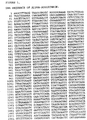
- the sequence of a 6057 bp Hin dIII insert in pTZ18R, containing the whole AG ⁇ 1 gene is given in Figure 1.
- the coding sequence expands over 650 amino acids, including a putative signal sequence starting at nucleotide 3653 with ATG.
- the unique Nhe I site cuts the DNA at position 988 of the given coding sequence within the coding part of amino acid 330, thereby separating the ⁇ -agglutinin into an N-terminal and a C-terminal part of about same size.
- the shuttle vector was transformed into E. coli JM109 ( recA1 supE44 endA1 hsdR17 gyrA96 relA1 thi ⁇ ( lac-proAB ) F' [ traD36 proAB + lacI q lacZ ⁇ M15]) (see reference 7) by the transformation protocol described by Chung et al. (see reference 8).
- One of the positive clones, designated pUR2969, was further characterized, the DNA isolated and purified according to the Quiagen protocol and subsequently characterized by DNA sequencing. DNA sequencing was mainly performed as described by Sanger et al. (see reference 9), and
- Hsiao (see reference 10), here with the Sequenase version 2.0 kit from United States Biochemical Company, according to the protocol with T7 DNA polymerase (Amersbam International plc) and [ 35 S]dATP ⁇ S (Amersham International plc: 370 MBq/ml; 22 TBq/mmol).
- This plasmid was then transformed into S. cerevisiae strain MT302/1C according to the protocol from Klebe et al. (see reference 11).
- Yeast transformants were selected on selective plates, lacking leucine, on with 40 ⁇ l (20mg/ml DMF).
- X- ⁇ -Gal (5-bromo-4-chloro-3-indolyl- ⁇ -D-glucose, Boehringer Mannheim) was spread, to directly test for ⁇ -galactosidase activity (see reference 12).
- ⁇ -galactosidase activity see reference 12
- S. cerevisiae strain MT302/1C was transformed with either plasmid pSY13 containing the ⁇ -galactosidase gene of Cyamopsis tetragonoloba or plasmid pUR2969 containing the ⁇ -galactosidase/ ⁇ -agglutinin fusion construct.
- plasmid pSY13 containing the ⁇ -galactosidase gene of Cyamopsis tetragonoloba
- plasmid pUR2969 containing the ⁇ -galactosidase/ ⁇ -agglutinin fusion construct.
- Non-covalently bound proteins or proteins bound through disulphide bridges were released from cell walls by boiling for 5 minutes in 50 mM Tris.HCl, pH 7.8; containing 2 % SDS, 100 mM EDTA and 40 mM ⁇ -mercaptoethanol.
- the SDS-extracted cell walls were washed several times in 1 mM PMSF to remove SDS.
- Ten mg of cell walls (wet weight) were taken up in 20 1 100 mM sodium acetate, pH 5.0, containing 1 mM PMSF.
- ⁇ -1,3-glucanase (Laminarase; Sigma L5144) was used as a source of ⁇ -1,3-glucanase) was added followed by incubation for 2 hours at 37 °C. Subsequently another 0.5 mU of ⁇ -1,3-glucanase was added, followed by incubation for another 2 hours at 37 °C
- Proteins were denatured by boiling for 5 minutes preceding Endo-H treatment. Two mg of protein were incubated in 1 ml 50 mM potassium phosphate, pH 5.5, containing 100 mM ⁇ -mercaptoethanol and 0.5 mM PMSF with 40 mU Endo-H (Boehringer) for 48 hours at 37 °C. Subsequently 20 mU Endo-H were added followed by 24 hours of incubation at 37 °C.
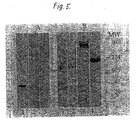
- Proteins were separated by SDS-PAGE according to Laemmli (see reference 13) in 2.2.-20% gradient gels. The gels were blotted by electrophoretic transfer onto Immobilon polyvinylidene-difluoride membrane (Millipore) as described by Towbin et al. (see reference 14). In case of highly glycosylated proteins a subsequently mild periodate treatment was performed in 50 mM periodic acid, 100 mM sodium acetate, pH 4.5, for several hours at 4 °C. All subsequent incubations were carried out at room temperature.
- the blot was blocked in PBS, containing 0.5% gelatine and 0.5% Tween-20, for one hour followed by incubation for 1 hour in probe buffer (PBS, 0.2% gelatine, 0.1% Tween-20) containing 1:200 diluted serum.
- the blot was subsequently washed several times in washing buffer (PBS; 0.2% gelatine; 0.5% Tween-20) followed by incubation for 1 hour in probe-buffer containing 125 I-labelled protein A (Amersham). After several washes in washing buffer, the blot was air-dried, wrapped in Saran (Dow) and exposed to X-omat S film (Kodak) with intensifying screen at -70 °C.
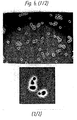
- Immunofluorescent labelling with anti- ⁇ -galactosidase serum was performed on intact cells to determine the presence and distribution of ⁇ -galactosidase/ ⁇ -agglutinin fusion protein in the cell wall. Immunofluorescent labelling was carried out without fixing according to Watzele et al. (see reference 15).
- One unit is defined as the hydrolysis of 1 ⁇ mole of p-nitrophenyl- ⁇ -D-galactopyranoside per minute at 37 °C.
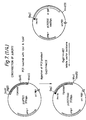
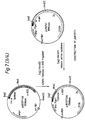
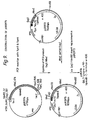
- Plasmid pUR7021 contains an 894 bp long synthetically produced DNA fragment encoding the lipase of Humicola (see reference 16 and SEQ ID NO: 7 and 8), cloned into the Eco RI/ Hin dIII restriction sites of the commercially available vector pTZ18R (see Figure 7).
- the PCR technique can be applied.
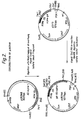
- DNA oligonucleotides lipo1 (see SEQ ID NO: 3) and lipo2 (see SEQ ID NO: 6) can be used as primers in a standard PCR protocol, generating an 826 bp long DNA fragment with an Eag I and a Hin dIII restriction site at the ends, which can be combined with the larger part of the Eag I/ Hin dIII digested pUR2650, a plasmid containing the ⁇ -galactosidase gene preceded by the invertase signal sequence as described earlier in this specification, thereby generating plasmid pUR2970A (see Figure 7).
- PCR oligonucleotides for the transition between SUC2 signal sequence and the N-terminus of lipase.
- b PCR oligonucleotides for the in frame transition between C-terminus of lipase and C-terminal part of ⁇ -agglutinin.
- Plasmid pUR2970A can then be digested with Nhe I and Hin dIII and the 1.4 kb Nhe I/ Hin dIII fragment containing the C-terminal part of ⁇ -agglutinin from plasmid pUR2968 can be combined with the larger part of Nhe I and Hin dIII treated plasmid pUR2970A, resulting in plasmid pUR2971A.
- the 2.2 kb Eag I/ Hin dIII fragment can be isolated and ligated into the Eag I- and Hin dIII-treated pUR2741, whereby plasmid pUR2741 is a derivative of pUR2740 (see reference 17), where the second Eag I restriction site in the already inactive Tet resistance gene was deleted through Nru I/ Sal I digestion. The Sal I site was filled in prior to religation. The ligation then results in pUR2972A containing the GAL7 promoter, the invertase signal sequence, the chimeric lipase/ ⁇ -agglutinin gene, the 2 ⁇ m sequence, the defective Leu2 promoter and the Leu2 gene.
- This plasmid can be used for transforming S . cerevisiae and the transformed cells can be cultivated in YP medium containing galactose as an inducer without repressing amounts of glucose being present, which causes the expression of the chimeric lipase/ ⁇ -agglutinin gene.
- variants of Humicola lipase obtained via rDNA techniques, can be linked to the C-terminal part of ⁇ -agglutinin, which variants can have a higher stability during (inter)esterification processes.
- EXAMPLE 2B Immobilized Humicola lipase/ ⁇ -agglutinin on the surface of S . cerevisiae (inducible expression of immobilized enzyme system)
- EXAMPLE 2A describes a protocol for preparing a particular construct. Before carrying out the work it was considered more convenient to use the expression vector described in EXAMPLE 1, so that the construction route given in this EXAMPLE 2B differs on minor points from the construction route given in EXAMPLE 2A and the resulting plasmids are not identical to those described in EXAMPLE 2A. However, the essential gene construct comprising the promoter, signal sequence, and the structural gene encoding the fusion protein are the same in EXAMPLES 2A and 2B.
- the construction and isolation of the 1.4 kb Nhe I/ Hin dIII fragment encoding the C-terminal part of ⁇ -agglutinin cell wall protein has been described in EXAMPLE 1.
- the plasmid pUR7033 (resembling pUR7021 of EXAMPLE 2A) was made by treating the commercially available vector pTZ18R with Eco RI and Hin dIII and ligating the resulting vector fragment with an 894 bp long synthetically produced DNA Eco RI/ Hin dIII fragment encoding the lipase of Humicola (see SEQ ID NO: 7 and 8, and reference 16).
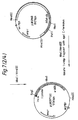
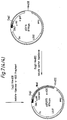
- plasmid pUR7033 was digested with Eag I and Hind III, and the lipase coding sequence was isolated and ligated into the Eag I- and Hin dIII-digested yeast expression vector pSY1 (see reference 27), thereby generating pUR7034 (see Figure 13).
- This is a 2 ⁇ m episomal expression vector, containing the ⁇ -galactosidase gene described in EXAMPLE 1, preceded by the invertase (SUC2) signal sequence under the control of the inducible GAL7 promoter.
- pUR7033 was also digested with Eco RV and Hin dIII, thereby releasing a 57 bp long DNA fragment, possessing codons. for the last 15 carboxyterminal amino acids. This fragment was exchanged against a small DNA fragment, generated through the hybridisation of the two chemically synthesized deoxyoligonucleotides SEQ ID NO: 9 and SEQ ID NO: 10.
- these two oligonucleotides After annealing of both DNA strands, these two oligonucleotides essentially reconstruct the rest of the 3' coding sequence of the initial lipase gene, but additionally introduce downstream of the lipase gene a new Nhe I restriction site, followed by a Hin dIII site in close vicinity, whereby the first three nucleotides of the Nhe I site form the codon for the last amino acid of the lipase.
- the resulting plasmid was designated pUR2970B.
- this construction intermediate was digested with Eag I and Nhe I, the lipase encoding fragment was isolated, and, together with the 1.4 kb Nhe I/ Hin dIII fragment of pUR2968 ligated into the Eag I- and Hin dIII-cut pSY1 vector.
- the outcome of this 3-point-ligation was called pUR2972B (see Figure 14), the final lipolase- ⁇ -agglutinin yeast expression vector.
- This plasmid was used for transforming S . cerevisiae strain SU10 as described in reference 17 and the transformed cells were cultivated in YP medium containing galactose as the inducer without repressing amounts of glucose being present, which causes the expression of the chimeric lipase/ ⁇ -agglutinin gene.
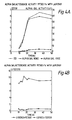
- yeast cell transformants containing either plasmid pSY1 or plasmid pUR7034 or plasmid pUR2972B were grown up for 24h in YNB-glucose medium supplied with histidine and uracil, then diluted 1:10 in YP-medium supplied with 5% galactose, and again cultured. After 24h incubation at 30°C, a first measurement for both assays was performed.
- the first assay applied was the pH stat method.
- one unit of lipase activity is defined as the amount of enzyme capable of liberating one micromole of fatty acid per minute from a triglyceride substrate under standard assay conditions (30 ml assay solution containing 38 mM olive oil, considered as pure trioleate, emulsified with 1:1 w/w gum arabic, 20 mM calcium chloride, 40 mM sodium chloride, 5 mM Tris, pH 9.0, 30°C) in a radiometer pH stat apparatus (pHM 84 pH meter, ABU 80 autoburette, TTA 60 titration assembly).
- the fatty acids formed were titrated with 0.05 N NaOH and the activity measured was based on alkali consumption in the interval between 1 and 2 minutes after addition of putative enzyme batch.
- 1 ml of each culture was centrifuged, the supernatant was saved, the pellet was resuspended and washed in 1 ml 1 M sorbitol, subsequently again centrifuged and resuspended in 200 ⁇ l 1 M sorbitol. From each type of yeast cell the first supernatant and the washed cells were tested for lipase activity.
- A Lipase activity after 24h (LU/ml) cell bound culture fluid pSY1 5.9 8.8 pUR7034 24.1 632.0 pUR2972B-(1) 18.7 59.6 pUR2972B-(2) 24.6 40.5
- B Lipase activity after 48h (LU/ml) cell bound culture fluid OD660 pSY1 6.4 4.3 - 40 pUR7034 215.0 2750.0 - 40 pUR2972B-(1) 37.0 87.0 - 40 pUR2972B-(2) 34.0 82.0 - 40
- yeast cells comprising the plasmid coding for the lipase- ⁇ -agglutinin fusion protein in fact express some lipase activity which is associated with the yeast cell.
- the immunofluorescent stain shows essentially an analogous picture as the ⁇ -galactosidase immuno stain, with clearly detectable reactivity on the outside of the cell surface (see Figure 15 A showing a clear halo around the cells and Figure B showing a lighter circle at the surface of the cells), but neither in the medium nor in the interior of the cells.
- Yeast cells expressing pUR2972B, the Humicola lipase- ⁇ -agglutinin fusion protein become homogeneously stained on the surface, indicating the virtually entire immobilization of a chimeric enzyme with an ⁇ -agglutinin C-terminus on the exterior of a yeast cell.
- SU10 yeast cells containing plasmid pUR7034 served as a control and here, no cell surface bound reactivity against the applied anti-lipase serum could be detected.
- variants of Humicola lipase obtained via rDNA techniques, can be linked to the C-terminal part of ⁇ -agglutinin, which variants can have a higher stability during (inter)esterification processes.
- Plasmid pUR2972 as described in EXAMPLE 2 can be treated with Eag I and Hin dIII and the about 2.2 kb fragment containing the lipase/ ⁇ -agglutinin gene can be isolated. Plasmid pSY16 can be restricted with Eag I and Hin dIII and between these sites the 2.2 kb fragment containing the lipase/ ⁇ -agglutinin fragment can be ligated resulting in pUR2973. The part of this plasmid that is involved in the production of the chimeric enzyme is similar to pUR2972 with the exception of the signal sequence.
- pUR2972 contains the SUC2 -invertase-signal sequence
- pUR2973 contains the ⁇ -mating factor signal sequence (see reference 18).
- the plasmid pUR2973 contains the Leu2 marker gene with the complete promoter sequence, instead of the truncated promoter version of pUR2972.
- PCR primer lipo3 (see SEQ ID NO: 13) can be constructed in such a way, that the originally present Eag I site in the 5'-part of the coding sequence (spanning codons 5-7 of the mature protein) will become inactivated without any alteration in the amino acid sequence.
- the PCR primer can further contain a new Eag I site at the 5' end, for the in-frame ligation to SUC2 signal sequence or prepro- ⁇ MF sequence, respectively.
- the corresponding PCR primer lipo4 (see SEQ ID NO: 16) contains an extra Nhe I site behind the nucleotides coding for the C-terminus of lipase B, to ensure the proper fusion to the C-terminal part of ⁇ -agglutinin.
- PCR oligonucleotides for the in frame linkage of G. candidum lipase II to the SUC2 signal sequence and the C-terminal part of ⁇ -agglutinin.
- the PCR product with the modified ends can be generated by standard PCR protocols, using instead of the normal Ampli- Taq polymerase the new thermostable VENT polymerase, which also exhibits proofreading activity, to ensure an error-free DNA template.
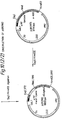
- the Humicola lipase fragment can be exchanged against the DNA fragment coding for lipase B, thereby generating the final S. cerevisiae expression vector pUR2975 (see Figure 9).
- the Humicola lipase- ⁇ -agglutinin fusion protein coding sequence can be exchanged against the lipase B/ ⁇ -agglutinin fusion construct described above by digestion of the described vector pUR2973 with Eag I/ Hin dIII, resulting in pUR2976 (see Figure 9).
- the construction and isolation of the 1.4 kb Nhe I/ Hin dIII fragment encoding the C-terminal part of ⁇ -agglutinin has been described in EXAMPLE 1.
- the plasmid pUR2980 contains a 1.25 kb cDNA fragment cloned into the Sma I site of commercially available pUC18, which (synthetically synthesizable) fragment encodes the complete coding sequence of triglyceride lipase of Rhizomucor miehei (see reference 20), an enzyme used in a number of processes to interesterify triacylglycerols (see reference 21) or to prepare biosurfactants (see reference 22).
- the fragment Beside the 269 codons of the mature lipase molecule, the fragment also harbours codons for the 24 amino acid signal peptide as well as 70 amino acids of the propeptide.
- PCR can easily be applied to ensure the proper fusion of the gene fragment encoding the mature lipase to the SUC2 signal sequence or the prepro ⁇ -mating factor sequence of S . cerevisiae , as well as the in-frame fusion to the described Nhe I/ Hin dIII fragment.
- lipo5 see SEQ ID NO: 17
- lipo6 see SEQ ID NO: 20
- These new S. cerevisiae expression plasmids contain the GAL7 promoter, the invertase signal sequence (pUR2981) or the prepro- ⁇ -mating factor sequence (pUR2982), the chimeric Rhizomucor miehei lipase/ ⁇ -agglutinin gene, the 2 ⁇ m sequence, the defective (truncated) Leu2 promoter and the Leu2 gene.
- These plasmids can be transformed into S. cerevisiae and grown and analyzed using protocols described in earlier EXAMPLES.
- Glucose oxidase ( ⁇ -D:oxygen 1-oxidoreductase, EC 1.1.3.4) from Aspergillus niger catalyses the oxidation of ⁇ -D-glucose to glucono- ⁇ -lactone and the concomitant reduction of molecular oxygen to hydrogen peroxide.
- the fungal enzyme consists of a homodimer of molecular weight 150,000 containing two tightly bound FAD co-factors.
- the enzyme is useful as a source of hydrogen peroxide in food preservation.
- the gene was cloned from both cDNA and genomic libraries, the single open reading frame contains no intervening sequences and encodes a protein of 605 amino acids (see reference 23).
- the coding part of the sequence is adjusted in a one-step modifying procedure by PCR in such a way that a fusion gene product will be obtained coding for glucose oxidase and the C-terminal cell wall anchor of the FLO1 gene product or ⁇ -agglutinin.
- some of the plasmids described in former EXAMPLES can be utilized to integrate the corresponding sequence in-frame between one of the signal sequences used in the EXAMPLES and the Nhe I/ Hind III part of the AG ⁇ 1 gene.
- the complete coding sequence for glucose oxidase without the GPI anchor can be expressed in S. cerevisiae transformant which already contains the fusion construct.
- This can be fulfilled by constitutive expression of the fusion construct containing the GPI anchor with the help of the GAPDH or PGK promoter for example.
- the unbound not-anchored monomer can be produced by using a DNA construct comprising an inducible promoter, as for instance the GAL7 promoter.
- EXAMPLE 7 Process to convert raffinose, stachyose and similar sugars in soy extracts with ⁇ -galactosidase / ⁇ -agglutinin immobilized on yeasts
- the yeast transformed with plasmid pUR2969 can be cultivated on large scale. At regular intervals during cultivation the washed cells should be analyzed on the presence of ⁇ -galactosidase activity on their surface with methods described in EXAMPLE 1. When both cell density and ⁇ -galactosidase activity/biomass reach their maximum, the yeast cells can then be collected by centrifugation and washed. The washed cells can then be added to soy extracts. The final concentration of the yeast cells can vary between 0.1 and 10 g/l, preferably the concentration should be above 1 g/l. The temperature of the soy extract should be ⁇ 8 °C to reduce the metabolic activity of the yeast cells.
- the conversion of raffinose and stachyose can be analyzed with HPLC methods and after 95 % conversion of these sugars the yeasts cells can be removed by centrifugation and their ⁇ -galactosidase activity/g biomass can be measured. Centrifugates with a good activity can be used in a subsequent conversion process, whereas centrifugates with an activity of less then 50 % of the original activity can be resuscitated in the growth medium and the cells can be allowed to recover for 2 to 4 hours. Thereafter the cells can be centrifuged, washed and subsequently be used in a subsequent conversion process.
- EXAMPLE 8 Production of biosurfactants using Humicola lipase/ ⁇ -agglutinin immobilized on yeasts.
- the yeast transformed with plasmid pUR2972 or pUR2973 can be cultivated on large scale. At regular intervals during cultivation the washed cells can be analyzed on the presence of lipase activity on their surface with methods described in EXAMPLE 1. When both cell density and lipase/biomass reache their maximum, the yeast cells can be collected by centrifugation and washed. The washed cells can be suspended in a small amount of water and added to a reactor tank containing a mix of fatty acids, preferably of a chain length between 12-18 carbon atoms and sugars, preferably glucose, galactose or sucrose. The total concentration of the water (excluding the water in the yeast cells) might be below 0.1 %.
- the final concentration of the yeast cells can vary between 0.1 and 10 g/l, preferably the concentration is above 1 g/l.
- the tank has to be kept under an atmosphere of N 2 and CO 2 in order to avoid oxidation of the (unsaturated) fatty acids and to minimize the metabolic activity of the yeasts.
- the temperature of mixture in the tank should be between 30-60 °C, depending on type of fatty acid used.
- the conversion of fatty acids can be analyzed with GLC methods and after 95 % conversion of these fatty acids the yeasts cells can be removed by centrifugation and their lipase activity/g biomass can be measured.
- Centrifugates with a good activity can be used in a subsequent conversion process, whereas centrifugates with an activity of less then 50 % of the original activity can be resuscitated in the growth medium and the cells can be allowed to recover for 2 to 8 hours. Thereafter the cells can be centrifuged again, washed and used in a subsequent conversion process.
- the yeast transformed with plasmid pUR2981 or pUR2982 can be cultivated on a large scale. At regular intervals during cultivation the washed cells can be analyzed on the presence of lipase activity on their surface with methods described in EXAMPLE 1. When both cell density and lipase/biomass reach their maximum, the yeast cells can be collected by centrifugation and washed. The washed cells can be suspended in a small amount of water and can be added to a reactor tank containing a mix of various triacylglycerols and fatty acids. The total concentration of the water (excluding the water in the yeast cells) might be below 0.1 %.
- the final concentration of the yeast cells can vary between 0.1 and 10 g/l, preferably the concentration is above 1 g/l.
- the tank has to be kept under an atmosphere of N 2 and CO 2 in order to avoid oxidation of the (unsaturated) fatty acids and to minimize the metabolic activity of the yeasts.
- the temperature of mixture in the tank should be between 30-70 °C, depending on types of triacylglycerol and fatty acid used.
- the degree of interesterification can be analyzed with GLC/MS methods and after formation of at least 80 % of the theoretical value of the desired type of triacylglycerol the yeasts cells can be removed by centrifugation and their lipase activity/g biomass can be measured.
- Centrifugates with a good activity can be used in a subsequent conversion process, whereas centrifugates with an activity of less then 50 % of the original activity is resuscitated in the growth medium and the cells should be allowed to recover 2 to 8 hours. After that the cells can be centrifuged, washed and used in a subsequent interesterification process.
- Baker's yeasts of strain MT302/1C, transformed with either plasmid pSY13 or plasmid pUR2969 (described in EXAMPLE 1) were deposited under the Budapest Treaty at the Centraalbureau voor Schimmelcultures (CBS) on 3 July 1992 under provisional numbers 330.92 and 329.92, respectively.
- Flocculation defined as "the (reversible) aggregation of dispersed yeast cells into flocs" (see reference 24), is the most important feature of yeast strains in industrial fermentations. Beside this it is of principal interest, because it is a property associated with cell wall proteins and it is a quantitative characteristic.
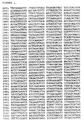
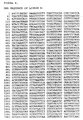
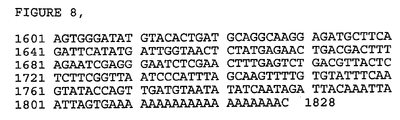
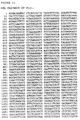
- One of the genes associated with the flocculation phenotype in S . cerevisiae is the FLO1 gene. The gene is located at approximately 24 kb from the right end of chromosome I and the DNA sequence of a clone containing major parts of FLO1 gene has very recently been determined (see reference 26). The sequence is given in Figure 11 and SEQ ID NO: 21 and 22.
- the cloned fragment appeared to be approximately 2 kb shorter than the genomic copy as judged from Southern and Northern hybridizations, but encloses both ends of the FLO1 gene.
- Analysis of the DNA sequence data indicates that the putative protein contains at the N-terminus a hydrophobic region which confirms a signal sequence for secretion, a hydrophobic C-terminus that might function as a signal for the attachment of a GPI-anchor and many glycosylation sites, especially in the C-terminus, with 46,6 % serine and threonine in the arbitrarily defined C-terminus (aa 271-894).
- the FLO1 gene product is localized in an orientated fashion in the yeast cell wall and may be directly involved in the process of interaction with neighbouring cells.
- the cloned FLO1 sequence might therefore be suitable for the immobilization of proteins or peptides on the cell surface by a different type of cell wall anchor.
- Recombinant DNA constructs can be obtained, for example by utilizing the DNA coding for amino acids 271-894 of the FLO1 gene product, i.e. polynucleotide 811-2682 of Figure 11.
- the DNA coding for amino acids 271-894 of the FLO1 gene product i.e. polynucleotide 811-2682 of Figure 11.
- Nhe I and Hin dIII sites can be introduced at both ends of the DNA fragment.
- the 1.4 kb Nhe I/ Hin dIII fragment present in pUR2972 (either A or B) containing the C-terminal part of ⁇ -agglutinin can be replaced by the 1.9 kb DNA fragment coding for the C-terminal part of the FLO1 protein, resulting in plasmid pUR2990 (see Figure 12), comprising a DNA sequence encoding (a) the invertase signal sequence ( SUC2 ) preceding (b) the fusion protein consisting of (b.1) the lipase of Humicola (see reference 16) followed by (b.2) the C-terminus of FLO1 protein (aa 271-894).
- PCR oligonucleotides for the in frame connection of the genes encoding the Humicola lipase and the C-terminal part of the FLO1 gene product.
- Plasmid pUR2972 (either A or B) can be restricted with Nhe I (partial) and Hin dIII and the Nhe I/ Hind III fragment comprising the vector backbone and the lipase gene can be ligated to the correspondingly digested PCR product of the plasmid containing the FLO1 sequence, resulting in plasmid pUR2990, containing the GAL7 promoter, the S . cerevisiae invertase signal sequence, the chimeric lipase/ FLO1 gene, the yeast 2 ⁇ m sequence, the defective Leu2 promoter and the Leu2 gene.
- This plasmid can be transformed into S. cerevisiae and the transformed cells can be cultivated in YP medium including galactose as inductor.
Landscapes
- Life Sciences & Earth Sciences (AREA)
- Health & Medical Sciences (AREA)
- Chemical & Material Sciences (AREA)
- Genetics & Genomics (AREA)
- Engineering & Computer Science (AREA)
- Organic Chemistry (AREA)
- Bioinformatics & Cheminformatics (AREA)
- Wood Science & Technology (AREA)
- Zoology (AREA)
- Biomedical Technology (AREA)
- Molecular Biology (AREA)
- Biochemistry (AREA)
- General Engineering & Computer Science (AREA)
- General Health & Medical Sciences (AREA)
- Biotechnology (AREA)
- Microbiology (AREA)
- Medicinal Chemistry (AREA)
- Biophysics (AREA)
- Mycology (AREA)
- Gastroenterology & Hepatology (AREA)
- Proteomics, Peptides & Aminoacids (AREA)
- Physics & Mathematics (AREA)
- Plant Pathology (AREA)
- Micro-Organisms Or Cultivation Processes Thereof (AREA)
- Enzymes And Modification Thereof (AREA)
- Immobilizing And Processing Of Enzymes And Microorganisms (AREA)
Priority Applications (1)
| Application Number | Priority Date | Filing Date | Title |
|---|---|---|---|
| EP02080082A EP1293571A3 (de) | 1992-07-08 | 1993-07-07 | Verfahren zur Immobilisierung von Enzymen an der Zellwand einer eukaryotischen mikrobiellen Zelle durch Schaffung eines Fusionsproteins |
Applications Claiming Priority (4)
| Application Number | Priority Date | Filing Date | Title |
|---|---|---|---|
| EP92202080 | 1992-07-08 | ||
| EP92202080 | 1992-07-08 | ||
| EP02080082A EP1293571A3 (de) | 1992-07-08 | 1993-07-07 | Verfahren zur Immobilisierung von Enzymen an der Zellwand einer eukaryotischen mikrobiellen Zelle durch Schaffung eines Fusionsproteins |
| EP93915827A EP0673427B1 (de) | 1992-07-08 | 1993-07-07 | Enzymatisches verfahren dass enzyme die an der zellwand einer eukaryontischen mikrobiellen zelle durch schaffung eines fusionsproteins immobilisiert wurden verwendet. |
Related Parent Applications (1)
| Application Number | Title | Priority Date | Filing Date |
|---|---|---|---|
| EP93915827A Division EP0673427B1 (de) | 1992-07-08 | 1993-07-07 | Enzymatisches verfahren dass enzyme die an der zellwand einer eukaryontischen mikrobiellen zelle durch schaffung eines fusionsproteins immobilisiert wurden verwendet. |
Publications (2)
| Publication Number | Publication Date |
|---|---|
| EP1293571A2 true EP1293571A2 (de) | 2003-03-19 |
| EP1293571A3 EP1293571A3 (de) | 2004-02-18 |
Family
ID=26131544
Family Applications (1)
| Application Number | Title | Priority Date | Filing Date |
|---|---|---|---|
| EP02080082A Withdrawn EP1293571A3 (de) | 1992-07-08 | 1993-07-07 | Verfahren zur Immobilisierung von Enzymen an der Zellwand einer eukaryotischen mikrobiellen Zelle durch Schaffung eines Fusionsproteins |
Country Status (1)
| Country | Link |
|---|---|
| EP (1) | EP1293571A3 (de) |
Cited By (6)
| Publication number | Priority date | Publication date | Assignee | Title |
|---|---|---|---|---|
| CN102242086A (zh) * | 2010-05-14 | 2011-11-16 | 浙江大学 | 一种提高植酸酶活性的方法 |
| CN102242107A (zh) * | 2010-05-14 | 2011-11-16 | 浙江大学 | 一种提高亚油酸异构酶活力持续性的方法 |
| CN102242089A (zh) * | 2010-05-14 | 2011-11-16 | 浙江大学 | 一种提高脂肪酶活性的方法 |
| CN102242094A (zh) * | 2010-05-14 | 2011-11-16 | 浙江大学 | 一种提高alpha半乳糖苷酶活力持续性的方法 |
| CN102242095A (zh) * | 2010-05-14 | 2011-11-16 | 浙江大学 | 一种提高α半乳糖甘酶活性的方法 |
| CN116426397A (zh) * | 2023-03-27 | 2023-07-14 | 华南理工大学 | 一种表面展示龙葵金属硫蛋白的重组毕赤酵母及其构建方法和应用 |
Family Cites Families (1)
| Publication number | Priority date | Publication date | Assignee | Title |
|---|---|---|---|---|
| AU626288B2 (en) * | 1988-02-05 | 1992-07-30 | Commonwealth Scientific And Industrial Research Organisation | Gene expression system (particularly for rotavirus vp7 protein) involving a foreign signal peptide and optionally a transmembrane anchor sequence |
-
1993
- 1993-07-07 EP EP02080082A patent/EP1293571A3/de not_active Withdrawn
Cited By (6)
| Publication number | Priority date | Publication date | Assignee | Title |
|---|---|---|---|---|
| CN102242086A (zh) * | 2010-05-14 | 2011-11-16 | 浙江大学 | 一种提高植酸酶活性的方法 |
| CN102242107A (zh) * | 2010-05-14 | 2011-11-16 | 浙江大学 | 一种提高亚油酸异构酶活力持续性的方法 |
| CN102242089A (zh) * | 2010-05-14 | 2011-11-16 | 浙江大学 | 一种提高脂肪酶活性的方法 |
| CN102242094A (zh) * | 2010-05-14 | 2011-11-16 | 浙江大学 | 一种提高alpha半乳糖苷酶活力持续性的方法 |
| CN102242095A (zh) * | 2010-05-14 | 2011-11-16 | 浙江大学 | 一种提高α半乳糖甘酶活性的方法 |
| CN116426397A (zh) * | 2023-03-27 | 2023-07-14 | 华南理工大学 | 一种表面展示龙葵金属硫蛋白的重组毕赤酵母及其构建方法和应用 |
Also Published As
| Publication number | Publication date |
|---|---|
| EP1293571A3 (de) | 2004-02-18 |
Similar Documents
| Publication | Publication Date | Title |
|---|---|---|
| EP0673427B1 (de) | Enzymatisches verfahren dass enzyme die an der zellwand einer eukaryontischen mikrobiellen zelle durch schaffung eines fusionsproteins immobilisiert wurden verwendet. | |
| Müller et al. | Comparison of expression systems in the yeasts Saccharomyces cerevisiae, Hansenula polymorpha, Klyveromyces lactis, Schizosaccharomyces pombe and Yarrowia lipolytica. Cloning of two novel promoters from Yarrowia lipolytica | |
| Schreuder et al. | Targeting of a heterologous protein to the cell wall of Saccharomyces cerevisiae | |
| EP0682710B1 (de) | Isolierungsverfahren verwendend immobilisierte proteine mit spezifischen bindungskapazitäten | |
| IE55817B1 (en) | Cloning system for kluyveromyces species | |
| EP3596208A1 (de) | Rekombinante hefewirtszellen, die zellassoziierte heterologe proteine exprimieren | |
| EP0802981A1 (de) | Modifizierter cutinase, dns, vektor und wirt | |
| IL114160A (en) | Dna constructs encoding heterologous proteins and processes for the heterologous protein production in yeast | |
| US5821104A (en) | Tripeptidyl aminopeptidase | |
| EP0672149B1 (de) | Verfahren zur Herstellung/Sekretion eines Proteins durch einen transformiertenSchimmelpilz unter Verwendung von Expressions-/Sekretions- Regulationsregionenaus Aspergillus | |
| AU5699994A (en) | Modified cutinases, dna, vector and host | |
| CN116888142A (zh) | 具有提高的生长速率的重组酵母宿主细胞 | |
| US5834191A (en) | Production of heterologous peptides | |
| US5789193A (en) | Increased production of secreted proteins by recombinant eukaryotic cells | |
| JP4180112B2 (ja) | 酵母細胞におけるn末端を伸長されたタンパクの発現のためのベクター | |
| WO1994008024A9 (en) | Increased production of secreted proteins by recombinant eukaryotic cells | |
| US5935837A (en) | DNA constructs and methods of producing xylose isomerase | |
| EP0994955A1 (de) | Erhöhte herstellung von sekretierten proteinen durch rekombinante hefezellen | |
| Ueda et al. | Genetic Immobilization of Enzymes on Yeast Cell Surface | |
| EP1008651A2 (de) | Für Hexose Oxidase kodierende modifizierte Gensequenzen und deren Verwendung | |
| JP2020510442A (ja) | 細胞結合型異種タンパク質を発現する組換え酵母宿主細胞 | |
| JPH1075782A (ja) | 新規△9不飽和化酵素をコードする遺伝子及びその遺 伝子を含有する酵母 |
Legal Events
| Date | Code | Title | Description |
|---|---|---|---|
| PUAI | Public reference made under article 153(3) epc to a published international application that has entered the european phase |
Free format text: ORIGINAL CODE: 0009012 |
|
| 17P | Request for examination filed |
Effective date: 20021209 |
|
| AC | Divisional application: reference to earlier application |
Ref document number: 0673427 Country of ref document: EP Kind code of ref document: P |
|
| AK | Designated contracting states |
Designated state(s): AT BE CH DE DK ES FR GB GR IE IT LI NL PT SE Kind code of ref document: A2 Designated state(s): AT BE CH DE DK ES FR GB GR IE IT LI NL PT SE |
|
| PUAL | Search report despatched |
Free format text: ORIGINAL CODE: 0009013 |
|
| AK | Designated contracting states |
Kind code of ref document: A3 Designated state(s): AT BE CH DE DK ES FR GB GR IE IT LI NL PT SE |
|
| AKX | Designation fees paid |
Designated state(s): AT BE CH DE DK ES FR GB GR IE IT LI NL PT SE |
|
| 17Q | First examination report despatched |
Effective date: 20070726 |
|
| STAA | Information on the status of an ep patent application or granted ep patent |
Free format text: STATUS: THE APPLICATION IS DEEMED TO BE WITHDRAWN |
|
| 18D | Application deemed to be withdrawn |
Effective date: 20071206 |