EP1287134B1 - Die menschliche beta-1a-untereinheit des potential-abhängigen natriumkanals und deren verwendungen - Google Patents
Die menschliche beta-1a-untereinheit des potential-abhängigen natriumkanals und deren verwendungen Download PDFInfo
- Publication number
- EP1287134B1 EP1287134B1 EP01946126A EP01946126A EP1287134B1 EP 1287134 B1 EP1287134 B1 EP 1287134B1 EP 01946126 A EP01946126 A EP 01946126A EP 01946126 A EP01946126 A EP 01946126A EP 1287134 B1 EP1287134 B1 EP 1287134B1
- Authority
- EP
- European Patent Office
- Prior art keywords
- human
- subunit
- sodium channel
- seq
- protein
- Prior art date
- Legal status (The legal status is an assumption and is not a legal conclusion. Google has not performed a legal analysis and makes no representation as to the accuracy of the status listed.)
- Expired - Lifetime
Links
Images




Classifications
-
- C—CHEMISTRY; METALLURGY
- C07—ORGANIC CHEMISTRY
- C07K—PEPTIDES
- C07K16/00—Immunoglobulins [IG], e.g. monoclonal or polyclonal antibodies
- C07K16/18—Immunoglobulins [IG], e.g. monoclonal or polyclonal antibodies against material from animals or humans
- C07K16/28—Immunoglobulins [IG], e.g. monoclonal or polyclonal antibodies against material from animals or humans against receptors, cell surface antigens or cell surface determinants
- C07K16/2803—Immunoglobulins [IG], e.g. monoclonal or polyclonal antibodies against material from animals or humans against receptors, cell surface antigens or cell surface determinants against the immunoglobulin superfamily
-
- A—HUMAN NECESSITIES
- A61—MEDICAL OR VETERINARY SCIENCE; HYGIENE
- A61P—SPECIFIC THERAPEUTIC ACTIVITY OF CHEMICAL COMPOUNDS OR MEDICINAL PREPARATIONS
- A61P21/00—Drugs for disorders of the muscular or neuromuscular system
- A61P21/02—Muscle relaxants, e.g. for tetanus or cramps
-
- A—HUMAN NECESSITIES
- A61—MEDICAL OR VETERINARY SCIENCE; HYGIENE
- A61P—SPECIFIC THERAPEUTIC ACTIVITY OF CHEMICAL COMPOUNDS OR MEDICINAL PREPARATIONS
- A61P23/00—Anaesthetics
- A61P23/02—Local anaesthetics
-
- A—HUMAN NECESSITIES
- A61—MEDICAL OR VETERINARY SCIENCE; HYGIENE
- A61P—SPECIFIC THERAPEUTIC ACTIVITY OF CHEMICAL COMPOUNDS OR MEDICINAL PREPARATIONS
- A61P25/00—Drugs for disorders of the nervous system
- A61P25/02—Drugs for disorders of the nervous system for peripheral neuropathies
-
- A—HUMAN NECESSITIES
- A61—MEDICAL OR VETERINARY SCIENCE; HYGIENE
- A61P—SPECIFIC THERAPEUTIC ACTIVITY OF CHEMICAL COMPOUNDS OR MEDICINAL PREPARATIONS
- A61P25/00—Drugs for disorders of the nervous system
- A61P25/08—Antiepileptics; Anticonvulsants
-
- A—HUMAN NECESSITIES
- A61—MEDICAL OR VETERINARY SCIENCE; HYGIENE
- A61P—SPECIFIC THERAPEUTIC ACTIVITY OF CHEMICAL COMPOUNDS OR MEDICINAL PREPARATIONS
- A61P9/00—Drugs for disorders of the cardiovascular system
- A61P9/06—Antiarrhythmics
-
- C—CHEMISTRY; METALLURGY
- C07—ORGANIC CHEMISTRY
- C07K—PEPTIDES
- C07K14/00—Peptides having more than 20 amino acids; Gastrins; Somatostatins; Melanotropins; Derivatives thereof
- C07K14/435—Peptides having more than 20 amino acids; Gastrins; Somatostatins; Melanotropins; Derivatives thereof from animals; from humans
- C07K14/705—Receptors; Cell surface antigens; Cell surface determinants
-
- C—CHEMISTRY; METALLURGY
- C07—ORGANIC CHEMISTRY
- C07K—PEPTIDES
- C07K2319/00—Fusion polypeptide
-
- C—CHEMISTRY; METALLURGY
- C12—BIOCHEMISTRY; BEER; SPIRITS; WINE; VINEGAR; MICROBIOLOGY; ENZYMOLOGY; MUTATION OR GENETIC ENGINEERING
- C12N—MICROORGANISMS OR ENZYMES; COMPOSITIONS THEREOF; PROPAGATING, PRESERVING, OR MAINTAINING MICROORGANISMS; MUTATION OR GENETIC ENGINEERING; CULTURE MEDIA
- C12N2799/00—Uses of viruses
- C12N2799/02—Uses of viruses as vector
- C12N2799/021—Uses of viruses as vector for the expression of a heterologous nucleic acid
-
- C—CHEMISTRY; METALLURGY
- C12—BIOCHEMISTRY; BEER; SPIRITS; WINE; VINEGAR; MICROBIOLOGY; ENZYMOLOGY; MUTATION OR GENETIC ENGINEERING
- C12N—MICROORGANISMS OR ENZYMES; COMPOSITIONS THEREOF; PROPAGATING, PRESERVING, OR MAINTAINING MICROORGANISMS; MUTATION OR GENETIC ENGINEERING; CULTURE MEDIA
- C12N2799/00—Uses of viruses
- C12N2799/02—Uses of viruses as vector
- C12N2799/021—Uses of viruses as vector for the expression of a heterologous nucleic acid
- C12N2799/026—Uses of viruses as vector for the expression of a heterologous nucleic acid where the vector is derived from a baculovirus
Definitions
- VGSC voltage gated sodium channels
- VGSC ⁇ subunits determine the basic properties of the channel because expression of the ⁇ subunit of VGSC alone in the heterologous expression systems such as HEK cells; CHL cells and Xenopus oocytes is sufficient to synthesize a functional, but altered, sodium channel.
- Co-expression of VGSC ⁇ 1 and ⁇ 2 subunits with the ⁇ subunit will usually normalize the channel properties in heterologous expression systems.
- VGSC ⁇ 1 and ⁇ 2 subunits modulate almost all the aspects of the channel properties including voltage dependent gating, activation and inactivation, and increase the number of functional channels on the plasma membrane.
- the VGSC ⁇ subunits may also be the rate limiting step controlling the increased expression of sodium channels (Caterall, 1992; Isom et al., 1994)
- VGSC vascular endotoxin receptor tetrodotoxin
- SCP6 sodium channel protein 6
- PN4 peripheral nerve 4
- PN1 peripheral nerve 1
- H1 cardiac sodium channel
- PN3/SNS peripheral nerve 3
- NaN/SNS2 TTX-resistant sodium channels.
- VGSC ⁇ subunits The studies of VGSC ⁇ subunits are far behind those of VGSC ⁇ subunits. So far, only two types of ⁇ subunits, ⁇ 1 and ⁇ 2 (Isom, et al. 1992, 1994 & 1995) have been cloned and characterized. Recently, a novel VGSC ⁇ 1A subunit, a splicing variant of the ⁇ 1 subunit, has been identified from rat (Kazen-Gillespie, et aL 2000). Rat VGSC ⁇ 1A subunit results from an apparent intron retention event Analysis of rat genomic DNA indicated the divergent region (carboxyl region) of ⁇ 1A is encoded by intron 3 with an in-frame termination codon.
- the ⁇ 1A subunit increases sodium current density and [ 3 H]Saxitoxin binding sites, and modulates voltage dependent activation and inactivation of the type IIA of VGSC. More interestingly, the expression level and pattern of the VGSC ⁇ 1A in dorsal root ganglia (DRG) are changed significantly in the Chung animal neuropathic pain model (see below), which is consistent with the observation that the sodium current is increased after nerve injury. Moran et al (2000) describe an endogenous ⁇ 1A subunit expressed in MEK - 293 cells. Both VGSC ⁇ 1 and ⁇ 1A subunits are integral membrane glycoproteins (Isom, et al.
- VGSC ⁇ 1 and ⁇ 1A can be classified as members of the V-set of the Ig superfamily, which includes many cell adhesion molecule, suggesting that ⁇ 1 and ⁇ 1A subunits play roles not only in modulating sodium channel properties, but also in protein targeting and cell adhesion (Isom and Catteral, 1996).
- Transcripts encoding the ⁇ -III subunit which are present at only very low levels in control DRG neurons, are expressed at moderate to high levels in axotomized DRG neurons together with elevated levels of ⁇ -I and ⁇ -II mRNAs (Waxman et al, 1994). Conversely, transcripts of sodium channel ⁇ -SNS are down-regulated in DRG neurons following axotomy (Dib-Hajj et al., 1996).
- VGSC ⁇ 1A subunit had been cloned and was reported to increase sodium current density at the plasma membrane when co-expressed with ⁇ IIA subunits in CHL fibroblasts (Kazan-Gillespie et al., 2000).
- ⁇ 1A is developmentally regulated in the brain, but its potential role in neuropathic pain has not been previously explored. Therefore, the expression of ⁇ 1A protein in DRG neurons using the Chung model of neuropathic pain (Kim and Chung, 1992) was investigated using a polyclonal antibody directed against a unique extracellular region of ⁇ 1A not present in ⁇ 1.
- VGSC ⁇ 1A subunit human VGSC ⁇ 1A subunit has been cloned and characterized in this invention.
- a DNA molecule encoding human VGSC ⁇ 1A subunit has been cloned and characterized, and it represents a novel isoform of the human VGSC ⁇ 1A subunit that is preferentially expressed in tissues important for neurological function.
- functional DNA molecules encoding the channel subunit have been isolated.
- the biological and structural properties of these proteins are disclosed, as is the amino acid and nucleotide sequence.
- the recombinant DNA molecules and portions thereof, are useful for isolating homologues of the DNA molecules, identifying and isolating genomic equivalents of the DNA molecules, and identifying, detecting or isolating mutant forms of the DNA molecules.
- ⁇ 1A subunit is implicated in neuropathic pain as evidenced using an established neuropathic pain model.
- the invention relates to an isolated nucleic acid molecule that encodes a human ⁇ 1A sodium channel subunit protein, said polynucleotide encoding SEQ ID.NO.:14; or amino acids 150 to 268 of SEQ. ID.NO.:14.
- the polynucleotide is RNA and in another embodiment, the polynucleotide is DNA.
- the nucleotide sequence is selected from a group consisting of (SEQ.ID.NO.:12) and (SEQ.ID.NO.:13).
- the isolated DNA molecule is genomic DNA.
- the invention further relates to an expression vector for expression of a human ⁇ 1A sodium channel subunit protein in a recombinant host, wherein said vector contains a recombinant gene encoding SEQ ID NO:14.
- the expression vector contains a cloned gene encoding a Human ⁇ 1A sodium channel subunit protein, having a nucleotide sequence selected from a group consisting of: (SEQ ID.NO.:12) and (SEQ.ID.NO.:13).
- the expression vector contains genomic DNA encoding SEQ ID NO:14.
- the invention also relates to a recombinant host cell containing a recombinantly cloned gene encoding SEQ 10 NO:14.
- the gene has a nucleotide sequence selected from a group consisting of: (SEQ.ID.NO.:12); (SEQ.ID.NO.:13).
- the cloned gene is genomic DNA.
- the invention also contemplates isolated protein having an amino acid sequence of SEQ ID NO:14 that when combined With a Human ⁇ sodium channel subunit protein in a cell permits sodium ion flux in the cell.
- the invention relates to a process for expression of a protein in a host cell, comprising the steps of; (a) introducing an expression vector comprising a nucleic acid sequence, having the sequence of SEQ ID NO: 12 or its complementary sequence or SEQ ID NO:13 or its complementary sequence into a cell; (b) culturing the cell of step (a) under conditions which allow expression of a protein encoded by the nnaleotide sequence.
- protein domain refers to a region of a protein that can fold into a stable three-dimensional structure independent of the rest of the protein. This structure may maintain a specific function within the protein including the site of enzymatic activity, creation of a recognition motif for another molecule, or provide necessary structural components for a protein to exist in a particular environment. Protein domains are usually evolutionarily conserved regions of proteins, both within a protein family and within protein superfamilies that perform similar functions.
- protein superfamily refers to proteins whose evolutionary relationship may not be entirely established or may be distant by accepted phylogenetic standards, but shows similar three dimensional structure or displays unique consensus of critical amino acids.
- protein family refers to proteins whose evolutionary relationship has been established by accepted phylogenic standards.
- fusion protein refers to protein constructs that are the result of combining multiple protein domains or linker regions. Fusion proteins are most often created by molecular cloning of the nucleotide sequences to result in the creation of a new polynucleotide sequence that codes for the desired protein. Alternatively, creation of a fusion protein may be accomplished by chemically joining two proteins together.
- linker region refers to stretches of polynucleotide or polypeptide sequence that are used in the construction of a cloning vector or fusion protein. Functions of a linker region can include introduction of cloning sites into the nucleotide sequence, introduction of a flexible component or space-creating region between two protein domains, or creation of an affinity tag for specific molecule interaction. A linker region may be introduced into a fusion protein without a specific purpose, but results from choices made during cloning.
- cloning site refers to a region of the nucleotide sequence contained within a cloning vector or engineered within a fusion protein that has one or more available restriction endonuclease consensus sequences. These nucleotide sequences can be introduced into other cloning vectors to facilitate cloning, the creation of novel fusion proteins, or they can be used to introduce specific site-directed mutations. It is well known by those in the art that cloning sites can be engineered at a desired location by silent mutation, conserved mutation, or introduction of a linker region that contains desired restriction enzyme consensus sequences. It is also well known by those in the art that the precise location of a cloning site can be flexible so long as the desired function of the protein or fragment thereof being cloned is maintained.
- tag refers to a nucleotide sequence that encodes an amino acid sequence that facilitates isolation, purification or detection of a fusion protein containing the tag.
- tags include, but are not limited to, HA peptide, polyhistidine peptides, biotin / avidin, and other antibody epitope binding sites.
- the voltage gated sodium channel is a multi-subunit protein complex containing a pore forming subunit ⁇ , and two regulatory subunits, ⁇ 1 and ⁇ 2. While the ⁇ subunit determines the basic properties of the channel, ⁇ 1 and ⁇ 2 subunits modulate almost all aspects of the channel properties including voltage dependent gating, voltage dependent activation and inactivation, and most strikingly, increasing functional channel density on the membrane. From molecular pharmacologic and electrophysiologic perspectives, there are more subtypes of voltage gated sodium channel in the excitable cells than cloned ⁇ subunits. This may be partially due to the existence of more ⁇ subunits in nature to be cloned and characterized.
- ⁇ 1A a novel voltage-gated sodium channel subunit and splice variant of ⁇ 1
- ⁇ 1A is developmentally regulated in the brain.
- the subcellular distribution studies of rat VGSC ⁇ 1A subunit demonstrated that it was altered in addition to being up-regulated in the DRG neurons as a consequence of peripheral nerve injury.
- rat VGSC ⁇ 1A subunit may be important in the regulation of the aberrant array of sodium channels expressed subsequent to nerve injury.
- RACE-PCR Rapid Amplification of cDNA End
- human VGSC ⁇ 1A subunit could be amplified with a human ⁇ 1 specific primer (SB1-10, see example 1) without knowing the sequence of human ⁇ 1A carboxyl terminus.
- SB1-10 human ⁇ 1 specific primer
- the technical difficulty of this application is to effectively distinguish novel ⁇ 1A from the ⁇ 1 subunit because of using ⁇ 1 subunit specific primer for RACE-PCR.
- the transformants were pre-screened by PCR with a pair of primers recognizing only the human VGSC ⁇ 1 subunit and the negative clones (which could not be amplified by such PCR) would be subjected for further characterization and sequencing.
- VGSC ⁇ 1A subunit was cloned from human adrenal gland Marathon TM ready cDNA library, and subsequently amplified from human fetal brain Marathon TM ready cDNA library with human ⁇ 1A specific primers.
- the human VGSC ⁇ 1A subunit is also a splicing variant of the ⁇ 1 subunit with a retained intron and in frame stop codon.
- This novel VGSC ⁇ subunit also contains the basic structure of VGSC ⁇ subunit: an amino-terminal extracellular immunoglobulin-like motif and a carboxyl-terminal transmembrane domain.
- the human VGSC ⁇ 1A subunit is significantly different from its rat counterpart. They share only about 35% identity at their carboxyl terminal coding region.
- the present invention relates to DNA encoding human VGSC ⁇ 1A subunit that was isolated from human VGSC ⁇ 1A subunit producing cells.
- Human VGSC ⁇ 1A subumit refers to protein which can specifically function as a channel subunit That is, it can combine with the other protein subunits to form a functioning calcium channel.
- the recombinant protein is useful to identify modulators of the functional human VGSC ⁇ 1A subunit.
- Northern blot analysis demonstrated that the VGSC ⁇ 1A subunit was widely distributed in a variety tissues including, but not limited, in brain, heart, skeletal muscle, liver, lung, placenta, kidney and pancreas. In brain, the VGSC ⁇ 1A subunit expresses most highly in the cerebellum region.
- Immunohistochemical study also demonstrates that the VGSC ⁇ 1A was not only expressed in dorsal root ganglia (DRG), but is also up-regulated after nerve injury, suggesting it plays a role in neuropathic pain. Alteration in sodium channel expression and/or function can have a profound influence on the firing properties of peripheral and central neurons, and many other tissues.
- DDG dorsal root ganglia
- Example 12 the expression of the ⁇ 1A subunit and ⁇ 1 was investigated in DRG neurons from a nerve ligation model of neuropathic pain in rats using immunohistochemistry and image analysis.
- the levels of ⁇ 1A subunit and ⁇ 1 expression were increased most notably in the nociceptive DRG neurons, although there were increases in the sensory DRG neurons as well.
- the subcellular labeling of these two polypeptides differed dramatically in the DRG neurons subsequent to peripheral nerve injury.
- peripheral nerve injury is associated with upregulation of ⁇ 1A subunit and ⁇ 1 sodium channel subunits and altered cellular distribution patterns of ⁇ 1A in DRG. This is evidence that the sodium channel ⁇ 1A subunit is important in the regulation of the aberrant sodium channel expression in DRG neurons subsequent to nerve injury.
- a variety of cells and cell lines may be used to isolate Human ⁇ 1A sodium channel subunit cDNA using primers selected based on the nucleotide sequence encoding the human ⁇ 1A sodium channel subunit.
- Any of a variety of procedures known in the art may be used to molecularly clone Human ⁇ 1A sodium channel subunit DNA to obtain related sequences or allelic variants. These methods include, but are not limited to, direct functional expression of the Human ⁇ 1A sodium channel subunit genes following the construction of a Human ⁇ 1A sodium channel subunit-containing cDNA library in an appropriate expression vector system. Another method is to screen Human ⁇ 1A sodium channel subunit-containing cDNA library constructed in a bacteriophage or plasmid shuttle vector with a labeled oligonucleotide probe designed from the amino acid sequence of the Human ⁇ 1A sodium channel subunit subunits.
- An additional method consists of screening a Human ⁇ 1A sodium channel subunit-containing cDNA library constructed in a bacteriophage or plasmid shuttle vector with a partial cDNA encoding the Human ⁇ 1A sodium channel subunit protein.
- This partial cDNA is obtained by the specific PCR amplification of Human ⁇ 1A sodium channel subunit DNA fragments through the design of degenerate oligonucleotide primers from the amino acid sequence of the purified Human ⁇ 1A sodium channel subunit protein.
- Another method is to isolate RNA from human VGSC ⁇ 1A subunit-producing cells and translate the RNA into protein via an in vitro or an in vivo translation system.
- the translation of the RNA into a peptide a protein will result in the production of at least a portion of the Human ⁇ 1A sodium channel subunit protein which can be identified by, for example, immunological reactivity with an anti-human ⁇ 1A sodium channel subunit antibody or by biological activity of Human ⁇ 1A sodium channel subunit protein.
- pools of RNA isolated from Human ⁇ 1A sodium channel subunit-producing cells can be analyzed for the presence of an RNA that encodes at least a portion of the Human ⁇ 1A sodium channel subunit protein.
- RNA pool results in purification of the Human ⁇ 1A sodium channel subunit RNA from non-Human ⁇ 1A sodium channel subunit RNA.
- the peptide or protein produced by this method may be analyzed to provide amino acid sequences which in turn are used to provide primers for production of Human ⁇ 1A sodium channel subunit cDNA, or the RNA used for translation can be analyzed to provide nucleotide sequences encoding Human ⁇ 1A sodium channel subunit and produce probes for this production of Human ⁇ 1A sodium channel subunit cDNA.
- This method is known in the art and can be found in, for example, Maniatis, T., Fritsch, E.F., Sambrook, J. in Molecular Cloning: A Laboratory Manual, Second Edition, Cold Spring Harbor Laboratory Press, Cold Spring Harbor, NY. 1989 .
- suitable cDNA libraries may be prepared from cells or cell lines which have Human ⁇ 1A sodium channel subunit activity.
- the selection of cells or cell lines for use in preparing a cDNA library to isolate Human ⁇ 1A sodium channel subunit cDNA may be done by first measuring cell associated Human ⁇ 1A sodium channel subunit activity using the measurement of Human ⁇ 1A sodium channel subunit-associated biological activity or a ligand binding assay.
- cDNA libraries can be performed by standard techniques well known in the art. Well known cDNA library construction techniques can be found for example, in Maniatis, T., Fritsch, E.F., Sambrook, J., Molecular Cloning: A Laboratory Manual, Second Edition (Cold Spring Harbor Laboratory, Cold Spring Harbor, New York, 1989 ).
- DNA encoding Human ⁇ 1A sodium channel subunit may also be isolated from a suitable genomic DNA library. Construction of genomic DNA libraries can be performed by standard techniques well known in the art. Well known genomic DNA library construction techniques can be found in Maniatis, T., Fritsch, E.F., Sambrook, J. in Molecular Cloning: A Laboratory Manual, Second Edition (Cold Spring Harbor Laboratory, Cold Spring Harbor, New York, 1989 ).
- Human ⁇ 1A sodium channel subunit protein may be purified and partial amino acid sequence determined by automated sequencers. It is not necessary to determine the entire amino acid sequence, but the linear sequence of two regions of 6 to 8 amino acids from the protein is determined for the production of primers for PCR amplification of a partial Human ⁇ 1A sodium channel subunit DNA fragment.
- the DNA sequences capable of encoding them are synthesized. Because the genetic code is degenerate, more than one codon may be used to encode a particular amino acid, and therefore, the amino acid sequence can be encoded by any of a set of similar DNA oligonucleotides. Only one member of the set will be identical to the Human ⁇ 1A sodium channel subunit sequence but will be capable of hybridizing to Human ⁇ 1A sodium channel subunit DNA even in the presence of DNA oligonucleotides with mismatches. The mismatched DNA oligonucleotides may still sufficiently hybridize to the Human sodium channel ⁇ 1A subunit DNA to permit identification and isolation of Human sodium channel ⁇ 1A subunit encoding DNA. DNA isolated by these methods can be used to screen DNA libraries from a variety of cell types, from invertebrate and vertebrate sources, and to isolate homologous genes.
- Purified biologically active Human sodium channel ⁇ 1A subunit may have several different physical forms.
- the Human sodium channel ⁇ 1A subunit may exist as a full-length nascent or unprocessed polypeptide, or as partially processed polypeptides or combinations of processed polypeptides.
- the full-length nascent Human ⁇ 1A sodium channel subunit polypeptide may be post-translationally modified by specific proteolytic cleavage events that results in the formation of fragments of the full length nascent polypeptide.
- a fragment or physical association of fragments may have the full biological activity associated with Human ⁇ 1A sodium channel subunit however, the degree of Human ⁇ 1A sodium channel subunit activity may vary between individual Human ⁇ 1A sodium channel subunit fragments and physically associated Human ⁇ 1A sodium channel subunit polypeptide fragments.
- the amino acid sequence can be encoded by any of a set of similar DNA oligonucleotides. Only one member of the set will be identical to the Human ⁇ 1A sodium channel subunit sequence but will be capable of hybridizing to Human ⁇ 1A sodium channel subunit DNA even in the presence ofDNA oligonucleotides with mismatches under appropriate conditions. Under alternate conditions, the mismatched DNA oligonucleotides may still hybridize to the Human ⁇ 1A sodium channel subunit DNA to permit identification and isolation of Human ⁇ 1A sodium channel subunit encoding DNA.
- DNA encoding Human ⁇ 1A sodium channel subunit from a particular' organism may be used to isolate and purify homologues of Human ⁇ 1A sodium channel subunit from other organisms.
- the first Human ⁇ 1A sodium channel subunit DNA may be mixed with a sample containing DNA encoding homologues of Human ⁇ 1A sodium channel subunit under appropriate hybridization conditions.
- the hybridized DNA complex may be isolated and the DNA encoding the homologous DNA may be purified therefrom.
- IDENTITY or SIMILARITY are relationships between two or more polypeptide sequences or two or more polynucleotide sequences, as determined by comparing the sequences.
- identity also means the degree of sequence relatedness between polypeptide or polynucleotide sequences, as the case may be, as determined by the match between strings of such sequences. Both identity and similarity can be readily calculated ( Computational Molecular Biology, Lesk, A. M. ed., Oxford University Press, New York, 1988 ; Biocomputing: Informatics and Genome Projects, Smith, D. W., ed., Academic Press, New York, 1993 ; Computer Analysis of Sequence Data, Part I, Griffin, A. M., and Griffin, H.
- Preferred computer program methods to determine identity and similarity between two sequences include, but are not limited to, GCG program package ( Devereux, J., et al., (1984) Nucleic Acids Research 12(1), 387 ), BLASTP, BLASTN, and FASTA ( Atschul, S. F. et al., (1990) J. Molec. Biol. 215, 403 ).
- POLYNUCLEOTIDE(S) generally refers to any polyribonucleotide or polydeoxribonucleotide, which may be unmodified RNA or DNA or modified RNA or DNA.
- polynucleotides as used herein refers to, among others, single- and double-stranded DNA, DNA that is a mixture of single- and double-stranded regions or single-, double- and triple- stranded regions, single- and double-stranded RNA, and RNA that is mixture of single- and double-stranded regions, hybrid molecules comprising DNA and RNA that may be single-stranded or, more typically, double-stranded, or triple-stranded, or a mixture of single- and double-stranded regions.
- polynucleotide as used herein refers to triple-stranded regions comprising RNA or DNA or both RNA and DNA.
- the strands in such regions may be from the same molecule or from different molecules.
- the regions may include all of one or more of the molecules, but more typically involve only a region of some of the molecules.
- One of the molecules of a triple-helical region often is an oligonucleotide.
- polynucleotide includes DNAs or RNAs as described above that contain one or more modified bases. Thus, DNAs or RNAs with backbones modified for stability or for other reasons are "polynucleotides" as that term is intended herein.
- DNAs or RNAs comprising unusual bases, such as inosine, or modified bases, such as tritylated bases, to name just two examples, are polynucleotides as the term is used herein. It will be appreciated that a great variety of modifications have been made to DNA and RNA that serve many useful purposes known to those of skill in the art.
- polynucleotide as it is employed herein embraces such chemically, enzymatically or metabolically modified forms of polynucleotides, as well as the chemical forms of DNA and RNA characteristic of viruses and cells, including simple and complex cells, inter alia.
- Polynucleotides embraces short polynucleotides often referred to as oligonucleotide(s).
- polypeptides refers to the basic chemical structure of polypeptides that is well known and has been described in innumerable textbooks and other publications in the art.
- the term is used herein to refer to any peptide or protein comprising two or more amino acids joined to each other in a linear chain by peptide bonds.
- the term refers to both short chains, which also commonly are referred to in the art as peptides, oligopeptides and oligomers, for example, and to longer chains, which generally are referred to in the art as proteins, of which there are many types.
- polypeptides often contain amino acids other than the 20 amino acids commonly referred to as the 20 naturally occurring amino acids, and that many amino acids, including the terminal amino acids, may be modified in a given polypeptide, either by natural processes, such as processing and other post-translational modifications, but also by chemical modification techniques which are well known to the art. Even the common modifications that occur naturally in polypeptides are too numerous to list exhaustively here, but they are well described in basic texts and in more detailed monographs, as well as in a voluminous research literatus, and they are well known to those of skill in the art.
- polypeptides of the present invention include the polypeptide of SEQ.ID.NO.:14 (in particular the mature polypeptide).
- the cloned Human ⁇ 1A sodium channel subunit DNA obtained through the methods described herein may be recombinantly expressed by molecular cloning into an expression vector containing a suitable promoter and other appropriate transcription regulatory elements, and transferred into prokaryotic or eukaryotic host cells to produce recombinant Human ⁇ 1A sodium channel subunit protein. Techniques for such manipulations are fully described in Maniatis, T, et al ., supra , and are well known in the art.
- Expression vectors are defined herein as DNA sequences that are required for the transcription of cloned copies of genes and the translation of their mRNAs in an appropriate host. Such vectors can be used to express eukaryotic genes in a variety of hosts such as bacteria including E . coli bluegreen algae, plant cells, insect cells, fungal cells including yeast cells, and animal cells.
- Specifically designed vectors allow the shuttling of DNA between hosts such as bacteria-yeast or bacteria-animal cells or bacteria-fungal cells or bacteria-invertebrate cells.
- An appropriately constructed expression vector should contain: an origin of replication for autonomous replication in host cells, selectable markers, a limited number of useful restriction enzyme sites, a potential for high copy number, and active promoters.
- a promoter is defined as a DNA sequence that directs RNA polymerase to bind to DNA and initiate RNA synthesis.
- a strong promoter is one that causes mRNAs to be initiated at high frequency.
- Expression vectors may include, but are not limited to, cloning vectors, modified cloning vectors, specifically designed plasmids or viruses.
- mammalian expression vectors may be used to express recombinant Human ⁇ 1A sodium channel subunit in mammalian cells.
- Commercially available mammalian expression vectors which may be suitable for recombinant Human ⁇ 1A sodium channel subunit expression, include but are not limited to, pMAMneo (Clontech), pIRES vectors (Clontech), pTET-On and pTET-Off (Clontech), pcDNA3 (Invitrogen), pMClneo (Stratagene), pXT1 (Stratagene), pSG5 (Stratagene), EBO-pSV2-neo (ATCC 37593, ATCC, Manassas, VA) pBPV-1(8-2) (ATCC 37110), pdBPV-MMTneo(342-12) (ATCC 37224), pRSVgpt (ATCC 37199), pRSVneo (ATCC 37198), p
- bacterial expression vectors may be used to express recombinant Human ⁇ 1A sodium channel subunit in bacterial cells.
- Commercially available bacterial expression vectors which may be suitable for recombinant Human ⁇ 1A sodium channel subunit expression include, but are not limited to, pET vectors (Novagen), pGEX vectors (Pharmacia) and pQE vectors (Qiagen).
- a variety of fungal cell expression vectors may be used to express recombinant Human ⁇ 1A sodium channel subunit in fungal cells such as yeast.
- Commercially available fungal cell expression vectors which may be suitable for recombinant Human ⁇ 1A sodium channel subunit expression include but are not limited to pYES2 (Invitrogen) and Pichia expression vector (Invitrogen).
- insect cell expression vectors may be used to express recombinant Human ⁇ 1A sodium channel subunit in insect cells.
- Commercially available insect cell expression vectors which may be suitable for recombinant expression of Human ⁇ 1A sodium channel subunit include, but are not limited to, pBlueBacII (Invitrogen).
- DNA encoding SEQ ID NO:14 may be cloned into an expression vector for expression in a recombinant host cell.
- Recombinant host cells may be prokaryotic or eukaryotic, including, but not limited to, bacteria such as E. coli , fungal cells such as yeast, mammalian cells including, but not limited to, cell lines of human, bovine, porcine, monkey and rodent origin, and insect cells including, but not limited to, drosophila and silkworm derived cell lines.
- Cell lines derived from mammalian species which may be suitable and which are commercially available, include, but are not limited to, CV-1 (ATCC CCL 70), COS-1 (ATCC CRL 1650), COS-7 (ATCC CRL 1651), CHO-K1 (ATCC CCL 61), 3T3 (ATCC CCL 92), NIH/3T3 (ATCC CRL 1658), HeLa (ATCC CCL 2), C127I (ATCC CRL 1616), BS-C-l (ATCC CCL 26), MRC-5 (ATCC CCL 171), L-cells, HEK-293 (ATCC CRL1573),PC12 (ATCC CRL-1721).
- CV-1 ATCC CCL 70
- COS-1 ATCC CRL 1650
- COS-7 ATCC CRL 1651
- CHO-K1 ATCC CCL 61
- 3T3 ATCC CCL 92
- NIH/3T3 ATCC CRL 1658
- HeLa ATCC CCL 2
- C127I AT
- the expression vector may be introduced into host cells via any one of a number of techniques including, but not limited to, transformation, transfection, protoplast fusion, lipofection, and electroporation.
- the expression vector-containing cells are clonally propagated and individually analyzed to determine whether they produce Human sodium channel ⁇ 1A subunit protein.
- Identification of Human ⁇ 1A sodium channel subunit expressing host cell clones may be done by several means, including but not limited to immunological reactivity with anti-human ⁇ 1A sodium channel subunit antibodies, and the presence of host cell-associated Human ⁇ 1A sodium channel subunit activity.
- Expression of Human sodium channel ⁇ 1A subunit DNA may also be performed using in vitro produced synthetic mRNA.
- Synthetic mRNA or mRNA isolated from SEQ ID NO:14 producing cells can be efficiently translated in various cell-free systems including, but not limited to, wheat germ extracts and reticulocyte extracts, as well as efficiently translated in cell based systems including but not limited to, microinjection into frog oocytes, with microinjection into frog oocytes being generally preferred.
- Human ⁇ 1A sodium channel subunit DNA molecules including, but not limited to, the following can be constructed: the full-length open reading frame of the Human ⁇ 1A sodium channel subunit cDNA encoding the 32 kDa protein from approximately base 4 to approximately base 808 (these numbers correspond to first nucleotide of first methionine and last nucleotide before the first stop codon) and several constructs containing portions of the cDNA encoding Human ⁇ 1A sodium channel subunit protein- All constructs can be designed to contain none, all or portions of the 5' or the 3' untranslated region of Human ⁇ 1A sodium channel subunit cDNA.
- Human ⁇ 1A sodium channel subunit activity and levels of protein expression can be determined following the introduction, both singly and in combination, of these constructs into appropriate host cells. Following determination of the Human ⁇ 1A sodium channel subunit DNA cassette yielding optimal expression in transient assays, this Human ⁇ 1A sodium channel subunit DNA construct is transferred to a variety of expression vectors, for expression in host cells including, but not limited to, mammalian cells, baculovirus-infected insect cells, E. coli , and the yeast S, cerevisiae.
- Host cell transfectants and microinjected oocytes may be used to assay both the levels of functional Human ⁇ 1A sodium channel subunit activity and levels of total Human ⁇ 1A sodium channel subunit protein by the following methods. In the case of recombinant host cells, this involves the co-transfection of one or possibly two or more plasmids, containing the Human sodium channel ⁇ 1A subunit DNA encoding one or more fragments or subunits. In the case of oocytes, this involves the co-injection of synthetic RNAs for Human sodium channel ⁇ 1A subunit protein.
- cellular protein is metabolically labeled with, for example 35 S-methionine for 24 hours, after which cell lysates and cell culture supernatants are harvested and subjected to immunoprecipitation with polyclonal antibodies directed against the Human ⁇ 1A sodium channel subunit protein.
- Levels of Human ⁇ 1A sodium channel subunit protein in host cells are quantitated by immunoaffinity and/or ligand affinity techniques.
- Cells expressing Human ⁇ 1A sodium channel subunit can be assayed for the number of Human ⁇ 1A sodium channel subunit molecules expressed by measuring the amount of radioactive [ligand] binding to cell membranes.
- Human ⁇ 1A sodium channel subunit-specific affinity beads or Human ⁇ 1A sodium channel subunit-specific antibodies are used to isolate for example 35 S-methionine labeled or unlabelled Human ⁇ 1A sodium channel subunit protein.
- Labeled Human ⁇ 1A sodium channel subunit protein is analyzed by SDS-PAGE.
- Unlabelled Human ⁇ 1A sodium channel subunit protein is detected by Western blotting, ELISA or RIA assays employing Human ⁇ 1A sodium channel subunit specific antibodies.
- Human ⁇ 1A sodium channel subunit activity involves the direct measurement of Human ⁇ 1A sodium channel subunit activity in whole cells transfected with Human ⁇ 1A sodium channel subunit cDNA or oocytes injected with Human ⁇ 1A sodium channel subunit mRNA and optionally ⁇ sodium channel subunit mRNA.
- Human ⁇ 1A sodium channel subunit activity is measured by biological characteristics of the host cells expressing Human ⁇ 1A sodium channel subunit DNA.
- patch voltage clamp techniques can be used to measure channel activity and quantify modification of a sodium channel subunit ion flux as a function of Human ⁇ 1A sodium channel subunit protein.
- occytes patch clamp as well as two-electrode voltage clamp techniques can be used to measure sodium channel activity and quantify Human ⁇ 1A sodium channel subunit protein.
- the Human ⁇ 1A sodium channel subunit protein may be recovered to provide the purified Human ⁇ 1A sodium channel subunit in active form.
- Several Human ⁇ 1A sodium channel subunit purification procedures are available and suitable for use.
- a recombinant Human ⁇ 1A sodium channel subunit may be purified from cell lysates and extracts, or from conditioned culture medium, by various combinations of, or individual application of salt fractionation, ion exchange chromatography, size exclusion chromatography, hydroxylapatite adsorption chromatography and hydrophobic interaction chromatography, lectin chromatography, and antibody/ligand affinity chromatography.
- Recombinant Human sodium channel ⁇ 1A subunits can be separated from other cellular proteins through the use of an immunoaffinity column made with monoclonal or polyclonal antibodies specific for full length nascent Human ⁇ 1A sodium channel subunit, polypeptide fragments of Human ⁇ 1A sodium channel subunit or Human ⁇ 1A sodium channel subunit subunits.
- the affinity resin is then equilibrated in a suitable buffer, for example phosphate buffered saline (pH 73), and the cell culture supernatants or cell extracts containing a Human ⁇ 1A sodium channel subunit or Human ⁇ 1A sodium channel subunit subunits are slowly passed through the column.
- a suitable buffer for example phosphate buffered saline (pH 73)
- the column is then washed with the buffer until the optical density (A 280 ) falls to background, then the protein is eluted by changing the buffer condition, such as by lowering the pH using a buffer such as 0.23 M glycine-HCl (pH 2,6). protein is then dialyzed against a suitable buffer such as phosphate buffered saline.
- Rapid Amplification of cDNA End RACE-PCR: Marathon-Ready TM human adrenal gland cDNA library (Cat. No. 7430-1) was purchased from Clontech (Palo Alto, CA). Primary Race PCR was performed in 50 ⁇ l final volume.
- the reaction mixture contains 5 ⁇ l of Marathon-Ready TM human adrenal gland cDNA, 5 ⁇ l of 10 x reaction buffer, 200 pM dNTP, 200 nM AP1 primer (Clontech, 5'-CCA TCC TAA TAC GAC TCA CTA TAG GGC-3' SEQ.ID.NO.:01), 200 nM human sodium channel ⁇ 1 subunit specific primer SB1-10 (5'-TGG ACC TTC CGC CAG AAG GGC ACTG-3' SEQ.ID.NO.:02) and 1 ⁇ l of 50 x Advatage2 DNA polymerase mixture (Clontech).
- the thermal cycler parameter for RACE-PCR was: initial denaturing at 94 °C for 30 sec, 5 cycles of 94 °C/5sec and 72 °C/4 min, 5 cycles of 94 °C/5sec and 70 °C/4 min, and 20 cycles of 94 °C/5 sec and 68 °C /4 min.
- RACE-PCR product The quality of the RACE-PCR reaction was assessed by testing whether the carboxyl terminus of human sodium channel ⁇ 1 subunit had been amplified. This was done by PCR with 1 ⁇ l of RACE-PCR product as template, and 200 nM of two human sodium channel ⁇ 1 subunit specific primers.
- the specific primers are: a forward primer SB1-11 (5'-CTG GAG GAG GAT GAG CGC TTC GAG-3' SEQ.ID.NO.:3) located at downstream of SB1-10 and a reverse primer SB1-13 (5'-CTA TTC GGC CAC CTG GAC GCC-3' SEQ.ID.NO.:4) located at the end of human sodium channel ⁇ 1 subunit.
- the PCR reaction parameter was: initial denaturing at 94 °C for 1 min, followed by 30 cycles of denaturing at 94 °C for 20 sec, annealing at 55 °C for 20 sec and extension at 72 °C for 1 min. As predicted, a strong 0.5-kb DNA fragment was observed, suggesting the RACE-PCR was successful in term of amplification of carboxyl terminus of human sodium channel ⁇ 1 subunit.
- RACE-PCR products into pPCR-Script vector: The RACE-PCR product was cloned with PCR-Script TM Amp Cloning Kit (Statagene, CA) following the company provided protocol. Briefly, the RACE-PCR product was first purified by StrataPrep PCR purification column. Ten ⁇ l of purified RACE-PCR product was then blunt-ended at 72 °C for 30 min in final volume of 13 ⁇ l with 10 ⁇ l of purified RACE-PCR product, 1.3 ⁇ l of polishing buffer, 1 ⁇ l of 10 mM dNTP and 1 ⁇ l of 0.5 U/ ⁇ l cloned Pfu DNA polymerase.
- the ligation was performed at room temperature for 1 hour in a final volume of 10 ml containing 4.5 ⁇ l of blunt-ended RACE-PCR product, 1 ⁇ l of 10ng/ ⁇ l pPCR-Script cloning vector, 1 ⁇ l of PCR-Script 10 x reaction buffer, 0.5 ⁇ l of 10 mM rATP, 1 ⁇ l of 5 U/ ⁇ l of Srf I restriction enzyme and 1 ⁇ l of 4 U/ ⁇ l of T4 DNA ligase.
- the ligation reaction was stopped by heating the sample at 65 °C for 10 min, and finally, 2 ⁇ l of ligation mixture was transformed into XL10-Gold bacteria.
- the PCR reaction parameter was: initial denaturing at 94 °C for 1 min, followed by 30 cycles of denaturing at 94 °C for 20 sec, annealing at 55 °C for 20 sec and extension at 72 °C for 1 min. All the PCR negative clones are non- ⁇ 1 subunit and subjected to further sequencing analysis.
- sodium channel ⁇ 1A subunit for human fetal brain cDNA With human sodium channel ⁇ 1A subunit specific primers obtained by RACE-PCR, sodium channel ⁇ 1A was also cloned from Marathon-Ready TM human fetal brain cDNA library (Clontech cat. No. 7402-1, Palo Alto, CA).
- PCR was performed in 50 ⁇ l final volume, containing 5 ⁇ l of Marathon-Ready TM human adrenal gland cDNA, 5 ⁇ l of 10 x reaction buffer, 200 ⁇ M dNTP, 200 nM SB1-6 primer (5'-GCC ATG GGG AGG CTG CTG GCC TTA GTG GTC-3' SEQ.ID.NO.:6) and SB1-19 primer (5'-GTG TGC CTG CAG CTG CTC AA-3' SEQ.ID.NO.:7) and 1 ⁇ l of 50 x Advantage2 DNA polymerase mixture (Clontech).
- the PCR reaction parameter was: initial denaturing at 94 °C for 1 min, followed by 30 cycles of denaturing at 94 °C for 20 sec, annealing at 55 °C for 20 sec and extension at 72 °C for 1 min.
- Four independent clones were picked and subjected to double strained DNA sequencing analysis. All of the four independent clones from human fetal brain have identical sequences to RACE-PCR cloned ⁇ 1A subunit from the human adrenal gland.
- the coding region of the human ⁇ 1A nucleic acid is provided as SEQ ID NO: 12 and the entire isolated cDNA, including untranslated regions (UTR) is provided as SEQ ID NO:13.
- the 5'-untranslated region is the same as human voltage gated sodium channel ⁇ 1 subunit.
- the 3' untranslated region is about 160 bp in length without the polyA tract. Translation begins at the ATG beginning at nucleotide 4 and ends at the stop codon at nucleotide 808.
- the cDNA contained an 807-base pair coding region for 268 amino acids and a 164-base pair 3'-untranslated region.
- the translated amino acid sequence is provided as SEQ ID NO: 14 and includes a signal sequence and potential N-linked glycosylation sites as well as a transmembrane domain.
- the clone, designated ⁇ 1A is related to the sodium channel ⁇ 1 subunit.
- the conserved motifs found in the sodium channel ⁇ 1 subunit family include a signal peptide sequence, extracellular immunoglobulin fold domain and carboxyl terminal transmembrane domain.
- the predicted peptide contains hydrophobic amino-terminal residues (1-16 residues) with sequences highly predictive of the signal cleavage sites that would result in mature proteins initiating at amino acid 17 [Alanine].
- the hydrophobic carboxyl terminal residues (243-262 residues) may serve as a transmembrane domain.
- the estimated protein molecular mass is about 28.8 kD after removing the signal peptide from the amino terminus.
- the cloned human sodium channel ⁇ 1A subunit migrated with an apparent Mr of 32 kDa when analyzed by 8-20% SDS/PAGE. Peptide sequence comparison reveals that the predicted peptide is 72% identical to both the human sodium channel ⁇ 1 subunit and the rat VGSC ⁇ 1A subunit.
- the human sodium channel ⁇ 1A subunit contains an amino terminal region (1-149) of 100% identity to human ⁇ 1 subunit and a novel carboxyl terminal region (150-268) with a less than 17% identity to that of human ⁇ 1 subunit ( Figure 1).
- the genomic organization study of the human sodium channel ⁇ 1 subunit gene, SCNIB (Makita, et aL 1994) has revealed that the gene spans about 9 kb with six exons and five introns on chromosome 19 (19q13.1-q13.2).
- HB1A-1 and HB1A-2) Two peptide sequences (HB1A-1 and HB1A-2) derived from carboxyl terminus of human ⁇ 1A subunit were selected for raising polyclonal antibodies in rabbits.
- the amino acid sequences are: (HB1A-1) AC-RWRDRWQAVDRTGC-AMIDE (SEQ IN NO.:08) and (HB1A-2) AC-CVPHRRSGYRTQL-AMIDE (SEQ IN NO.:09).
- the peptides were synthesized and antibodies were raised and purified by BioSource International, Inc. The antibodies were tested by ELISA against the antigen peptides and affinity purified with the same peptides. Serum and affinity purified antibodies were used for immunoanalysis, such as Western blot, immunoprecipitation, immunocytochemistry and immunohistochemistry.
- the cDNA of the human sodium channel ⁇ 1A subunit was first subcloned into pAGA3 vector, which was engineered for high efficiency of in vitro transcription and translation. Briefly, the cDNA fragment encoding human sodium channel ⁇ 1A subunit was excised from the pcDNA3.1 construct (See Example 6) by digested with NcoI and XbaI. An about 900 bp cDNA fragment was separated by 1% agarose gel and purified by Qiaquick Spin Purification Kit (Qiagen). The vector pAGA3 was also digested with NcoI and XbaI restriction enzymes. The purified liner vector was ligated with the cDNA fragment and transformed into bacteria.
- the in vitro translated human sodium channel ⁇ 1A subunit was also analyzed by Western blot and immunoprecipitation.
- a northern blot was used to analyze the tissue distribution of the human sodium channel ( ⁇ 1A subunit.
- the cDNA fragment encoding 217 -268 residues of the human sodium channel ⁇ 1A was used as a probe.
- a 153 bp DNA fragment was first amplified from the DNA construct (NQC130) containing full length cDNA of human sodium channel ⁇ 1A with human sodium channel ⁇ 1A specific primers SB1-25 (5'-T CAA AGC ATG CCT GTC CC -3' SEQ.lD.NO. : 10) and SB1-20 (5'-TCA AAC CAC ACC CCG AGA AA-3' SEQ.ID.NO.: 11).
- the PCR product was directly cloned into the pCR2.1 vector (Invitrogen) and was further confirmed by DNA sequencing.
- the resulting construct NQC226 was digested with the restriction enzyme HindIII and DNA was then precipitated after phenol and chloroform extraction.
- the antisense cDNA fragment was linearly amplified with Strip-EZ TM PCR kit (Ambion TX).
- the reaction was performed in 20 ⁇ l final volume, containing 25 ng linearized NQC226, 2 ⁇ l of 10 x reaction buffer, 2 ⁇ l of 10 x dNTP solution, 2 ⁇ l of 3000 Ci/mmol [ ⁇ - 32 P]-dATP ( Amersham Pharmacia Biotech), 1 U thermostable DNA polymerase and 2 ⁇ l of 10 pmol/ ⁇ l of SB1-20 primer.
- the PCR reaction parameter was: initial denaturing at 94 °C for 1 min, followed by 35 cycles of denaturing at 94 °C for 20 sec, annealing at 55 °C for 20 sec and extension at 72 °C for 1 min.
- the labeled probe was then separated from free [ ⁇ - 32 P] dATP with MicroSpin TM G-50 column ( Amersham Pharmacia Biotech).
- Human MTN TM ( M ultiple T issue N orthern) blot (Cal. No.7760-1) and Human Brain MTN TM Blot II (7755-1) were purchased from Clontech (Palo Alto, CA).
- the blots were pre-hybridized with 5 ml UltraHyb Solution ( Ambion, TX) at 42 °C for 2 hours, and then hybridized in the presence of 1 x 10 6 cpm/ml probe of human sodium channel ⁇ 1A subunit at 42 °C overnight.
- the blots were washed with 2 x 200 ml of 0.2 x SSC/0.1% SDS solution at 65 °C for two hours. Finally the blots were exposed to X-ray film in -80°C freezer overnight.
- VGSC ⁇ 1A subunit was highly expressed in, but not limited to, most regions of human brain and skeletal muscle. Lower levels of expression were observed in heart, placenta, liver, kidney and pancrease. In brain, the VGSC ⁇ 1A subunit was expressed most highly in the cerebellum region. The size of the VGSC ⁇ 1A subunit transcripts varied slightly in different tissues. However, the major transcript was about 7.5 kb in size.
- the cDNA of human sodium channel ⁇ 1A subunit were cloned into the mammalian expression vectors pIRESneo (Clontech) and pcDNA3 (Invitrogen).
- the cDNA fragments encoding the human sodium channel ⁇ 1A subunit were excised from pPCR-Script plasmids (NQC128) by digestion with BamHI and Not I, separated by agarose gel electrophoresis and purified by Qiaquick Spin purification kit (Qiagen).
- the vector pIRESneo was also linearized with BamHI and NotI and purified, and ligated with cDNA fragment of hb1A isolated from NQC128.
- Recombinants were isolated, and confirmed by restriction enzyme digestion and DNA sequencing.
- the clones NQC141 (h ⁇ 1A/pIRESneo) were then used to transfect human neuroblastoma cells (SK-N-SH) by SuperFect (Qiagen) following the vendor's protocol.
- Stable cell clones are selected by growth in the presence of G418.
- Single G418 resistant clones are isolated and shown to contain the intact Human ⁇ 1A sodium channel subunit gene.
- Clones containing the Human ⁇ 1A sodium channel subunit cDNAs are analyzed for expression using immunological techniques, such as Western blot, immunoprecipitation, and immunofluorescence using antibodies specific to the Human ⁇ 1A sodium channel subunit proteins.
- Antibody is obtained from rabbits inoculated with peptides that are synthesized from the amino acid sequence predicted from the Human ⁇ 1A sodium channel subunit sequences. Expression is also analyzed using sodium influx assay.
- the Human ⁇ 1A sodium channel subunit gene was inserted into pcDNA3.1 (Invitrogen).
- the cDNA fragment encoding human sodium channel ⁇ 1A subunit was excised from NQC130 plasmid by digested with XhoI and NotI, and the cDNA inserts isolated by agarose gel electrophoresis and purified by Qiaquick Spin Purification Kit (Qiagen).
- the vector, pcDNA3 was digested with BamHI and NotI, and the linear vector isolated by gel electrophoresis, and ligated with cDNA inserts.
- Recombinant plasmids containing human sodium channel ⁇ 1A subunit were isolated, and confirmed by restriction enzyme digestion and DNA sequencing.
- the clone NQC139 (h ⁇ 1A/pcDNA3.1) was used to transiently transfect human neuroblastoma cells (SK-N-SH) by SuperFect (Qiagen) and the function of hb1A on modulation of sodium influx was tested by sodium influx assay.
- Cells that are expressing Human sodium channel ⁇ 1A subunit, stably or transiently, are used to test for expression of channel and for ligand binding activity. These cells are used to identify and examine other compounds for their ability to modulate, inhibit or activate the channel and to compete for radioactive ligand binding.
- Cassettes containing the human sodium channel ⁇ 1A subunit cDNA in the positive orientation with respect to the promoter are ligated into appropriate restriction sites 3' of the promoter and identified by restriction site mapping and/or sequencing.
- These cDNA expression vectors are introduced into fibroblastic host cells for example COS-7 (ATCC# CRL1651), and CV-1 tat [ Sackevitz et al., Science 238: 1575 (1987 )], 293, L (ATCC# CRL6362)] by standard methods including but not limited to electroporation, or chemical procedures (cationic liposomes, DEAE dextran, calcium phosphate).
- Transfected cells and cell culture supernatants can be harvested and analyzed for human sodium channel ⁇ 1A subunit expression as described herein.
- All of the vectors used for mammalian transient expression can be used to establish stable cell lines expressing Human ⁇ 1A sodium channel subunit.
- Unaltered Human ⁇ 1A sodium channel subunit cDNA constructs cloned into expression vectors are expected to program host cells to make Human ⁇ 1A sodium channel subunit protein.
- Human ⁇ 1A sodium channel subunit is expressed extracellularly as a secreted protein by ligating Human ⁇ 1A sodium channel subunit cDNA constructs to DNA encoding the signal sequence of a secreted protein.
- the transfection host cells include, but are not limited to, CV-1-P [ Sackevitz et al., Science 238: 1575 (1987 )], tk-L [ Wigler, et al. Cell 11: 223 (1977 )], NS/0, and dHFr- CHO [ Kaufman and Sharp, J. Mol. Biol. 159: 601, (1982 )].
- Co-transfection of any vector containing Human ⁇ 1A sodium channel subunit cDNA with a drug selection plasmid including, but not limited to G418, aminoglycoside phosphotransferase; hygromycin, hygromycin-B phosphotransferase; APRT, xanthine-guanine phosphoribosyl-transferase, will allow for the selection of stably transfected clones.
- Levels of Human ⁇ 1A sodium channel subunit are quantitated by the assays described herein.
- Human ⁇ 1A sodium channel subunit cDNA constructs are also ligated into vectors containing amplifiable drug-resistance markers for the production of mammalian cell clones synthesizing the highest possible levels of Human ⁇ 1A sodium channel subunit. Following introduction of these constructs into cells, clones containing the plasmid are selected with the appropriate agent, and isolation of an over-expressing clone with a high copy number of plasmids is accomplished by selection in increasing doses of the agent.
- the expression of recombinant Human ⁇ 1A sodium channel subunit is achieved by transfection of full-length Human ⁇ 1A sodium channel subunit cDNA into a mammalian host cell.
- Baculovirus vectors which are derived from the genome of the ⁇ cNPV virus, are designed to provide high level expression of cDNA in the Sf9 line of insect cells (ATCC CRL# 1711).
- Recombinant baculoviruses expressing Human ⁇ 1A sodium channel subunit cDNA is produced by the following standard methods (InVitrogen Maxbac Manual): the Human ⁇ 1A sodium channel subunit cDNA constructs are ligated into the polyhedrin gene in a variety of baculovirus transfer vectors, including the pAC360 and the BlueBac vector (InVitrogen).
- Recombinant baculoviruses are generated by homologous recombination following co-transfection of the baculovirus transfer vector and linearized AcNPV genomic DNA [ Kitts, P.A., Nuc. Acid. Res. 18: 5667 (1990 )] into Sf9 cells.
- Recombinant pAC360 viruses are identified by the absence of inclusion bodies in infected cells and recombinant pBlueBac viruses are identified on the basis of B-galactosidase expression ( Summers, M. D. and Smith, G. E., Texas Agriculture Exp. Station Bulletin No. 1555 ). Following plaque purification, Human ⁇ 1A sodium channel subunit expression is measured by the assays described herein.
- the cDNA encoding the entire open reading frame for the Human ⁇ 1A sodium channel subunit is inserted into the BamHI site of pBlueBacII. Constructs in the positive orientation are identified by sequence analysis and used to transfect Sf9 cells in the presence of linear AcNPV mild type DNA.
- Authentic, active Human ⁇ 1A sodium channel subunit is found in the cytoplasm of infected cells. Active Human ⁇ 1A sodium channel subunit is extracted from infected cells by hypotonic or detergent lysis.
- Recombinant Human ⁇ 1A sodium channel subunit is produced in the yeast S. cerevisiae following the insertion of the optimal Human ⁇ 1A sodium channel subunit cDNA cistron into expression vectors designed to direct the intracellular or extracellular expression of heterologous proteins.
- vectors such as EmBLyex4 or the like are ligated to the Human ⁇ 1A sodium channel subunit cistron [ Rinas, U. et al., Biotechnology 8: 543-545 (1990) ; Horowitz B. et al., J. Biol. Chem. 265: 4189-4192 (1989) ].
- the Human ⁇ 1A sodium channel subunit cistron is ligated into yeast expression vectors which fuse a secretion signal (a yeast or mammalian peptide) to the NH 2 terminus of the Human ⁇ 1A sodium channel subunit protein [ Jacobson, M. A., Gene 85: 511-516 (1989) ; Riett L. and Bellon N. Biochem. 28: 2941-2949 (1989) ].
- a secretion signal a yeast or mammalian peptide
- vectors include, but are not limited to pAVE1>6, which fuses the human serum albumin signal to the expressed cDNA [ Steep O. Biotechnology 8: 42-46 (1990) ], and the vector pL8PL which fuses the human lysozyme signal to the expressed cDNA [ Yamamoto, Y., Biochem. 28: 2728-2732 )].
- Human ⁇ 1A sodium channel subunit is expressed in yeast as a fusion protein conjugated to ubiquitin utilizing the vector pVEP [ Ecker, D. J., J. Biol. Chem. 264: 7715-7719 (1989) , Sabin, E. A., Biotechnology 7: 705-709 (1989) , McDonnell D. P., Mol. Cell Biol. 9: 5517-5523 (1989) ].
- the levels of expressed Human ⁇ 1A sodium channel subunit are determined by the assays described herein.
- Recombinantly produced Human ⁇ 1A sodium channel subunit may be purified by antibody affinity chromatography.
- Human ⁇ 1A sodium channel subunit antibody affinity columns are made by adding the anti-human ⁇ 1A sodium channel subunit antibodies to Affigel-10 (Biorad), a gel support which is pre-activated with N-hydroxysuccinimide esters such that the antibodies form covalent linkages with the agarose gel bead support.
- the antibodies are then coupled to the gel via amide bonds with the spacer arm.
- the remaining activated esters are then quenched with 1M ethanolamine HCl (pH 8).
- the column is washed with water followed by 0.23 M glycine HCl (pH 2.6) to remove any non-conjugated antibody or extraneous protein.
- the column is then equilibrated in phosphate buffered saline (pH 7.3) together with appropriate membrane solubilizing agents such as detergents and the cell culture supernatants or cell extracts containing solubilized Human ⁇ 1A sodium channel subunit are slowly passed through the column.
- the column is then washed with phosphate-buffered saline together with detergents until the optical density (A280) falls to background, then the protein is eluted with 0.23 M glycine-HCl (pH 2.6) together with detergents.
- the purified Human ⁇ 1A sodium channel subunit protein is then dialyzed against phosphate buffered saline.
- Immunohistochemistry Protocols for immunohistochemistry have been previously described (D'Andrea, et al, 1998). All incubations were performed at room temperature. After microwaving the slides in Target (Dako, Carpenturia, CA), the slides were placed in PBS, then 3% H 2 O 2 , rinsed in PBS and then appropriate blocking serum was added for 10 minutes. Subsequently, primary antibody, either rabbit polyclonal anti-human h ⁇ 1A antibody (HB1A-1, see Example 3) at a titer of 1:200 or rabbit polyclonal anti-rat ⁇ 1A antibody at a titer of 1:400 was applied to the slides for 30 minutes.
- Target Dako, Carpenturia, CA
- primary antibody either rabbit polyclonal anti-human h ⁇ 1A antibody (HB1A-1, see Example 3) at a titer of 1:200 or rabbit polyclonal anti-rat ⁇ 1A antibody at a titer of 1:400 was applied to the
- Proper species isotype antibody (Vector Labs, Burlingham, CA) was substituted as the primary antibody for the negative control. After several PBS washes, a biotinylated secondary antibody (Vector Labs) was placed on the slides for 30 minutes. Subsequently, the slides were washed in PBS and then the avidin-biotin complex (ABC, Vector Labs) was applied to the cells for 30 minutes. The presence of the primary antibodies was detected by adding DAB (3'-diaminobenzidine HCl; Biomeda, Foster City, CA) for 2 times 5 minutes. Slides were briefly exposed to Mayer's hematoxylin for 1 minute, dehydrated and coverslipped.
- DAB 3'-diaminobenzidine HCl; Biomeda, Foster City, CA
- ⁇ 1A antibody We were able to detect intracellular ⁇ 1A in the human DRG neurons. We also localized membrane-associated ⁇ 1A in the neuronal fibers of the DRG as well. We also screened a myriad of human tissues and determine the ⁇ 1A protein to be present in the epithelial cells of the gut (brush boarder), of the collecting tubules (distal > proximal) of the kidney (demonstrating prominent labeling), and prostate.
- ⁇ 1A immunolabeling in the brain (cortex pyramidal neurons, cerebellar Purkinje cells, and many of the neuronal fibers throughout the brain), in the endothelial cells of the lung and other tissues, membrane of macrophages in the lung and uterus, and in the cardiocytes of the heart.
- ⁇ 1A immunolabeling in the brain (cortex pyramidal neurons, cerebellar Purkinje cells, and many of the neuronal fibers throughout the brain), in the endothelial cells of the lung and other tissues, membrane of macrophages in the lung and uterus, and in the cardiocytes of the heart.
- ⁇ 1A in rat tissue with this anti-human b1a antibody.
- the morphology of the ⁇ 1A and ⁇ 1 immunoreactivity in the L5 nociceptive and sensory DRG neurons were also characterized as 1) homogeneous: a diffuse labeling pattern; 2) punctate: several clumpy, intracellular, Nissl-like aggregates of staining; and 3) membrane: prominent peripheral labeling located predominantly along the cell membrane. Data are presented as a percentage of each labeling pattern observed per DRG per group (Table 2).
- the ⁇ 1A and ⁇ 1 staining data were grouped to identify the spinal level of the DRG (L4 or L5), laterality (contralateral or ipsilateral), neuronal type (small or large), and ligation time (naive, 2 days, 14 days, and 8 weeks post-SNL). Within the resulting 16 subgroups, both protein staining intensity measures and ligation time factors represented naturally ordered values. Initial data evaluation indicated the absence of normality in the distribution of the scored response, suggesting modeling by a nonparametric method. Thus a one-sided Jonckheere-Terpstra test was chosen to evaluate the basic hypothesis that the distribution of mean protein expression scores changed across ligation time.
- FIG. 4 A graphic presentation of the mean staining intensities in each group of DRGs studied is shown in Figure 4. In both nociceptive and sensory neurons, ⁇ 1A immunolabeling increased with post-surgical time, this increase being most prominent in the ipsilateral neurons. Table I lists the p values resulting from Jonckheere-Terpstra analysis of the intensity versus time relationship. Intensity of ⁇ 1 labeling in DRG. A graphic presentation of the mean labeling intensity for each group of DRGs studied is presented in Figure 5. Although ⁇ 1 immunolabeling tended to increase with post-surgical time, this trend was of greater significance in the L4 than the L5 DRG (Table 1). Subcellular distribution of ⁇ 1A and ⁇ 1 immunoreactivity.
- naive rats In naive rats, the sodium channel ⁇ 1A and ⁇ 1 subunits exhibited identical subcellular localizations, virtually all of the staining being diffusely distributed throughout the cell. Post-SNL, however, the subcellular distributions of the subunits diverged markedly. Whereas staining for the ⁇ 1 subunit remained uniformly distributed within the DRG neurons in which it was located, ⁇ 1A localization, most notably in the nociceptive neurons, assumed an altered pattern of distribution post SNL; staining for the ⁇ 1A subunit became discreetly localized in an area proximal to the cell membrane.
- One of the regulatory functions of the ⁇ 1A subunit is to increase functional channels by recruitment of ⁇ subunits to the cell surface. Disruption of the normal function of the ⁇ 1A subunit may result in down regulation of functional sodium channel in DRG after nerve injury. Small molecules that interact with the ⁇ 1A subunit are identified by CETEK capillary zone electrophoresis technology.
- the target protein, VGSC ⁇ 1A subunit was over-expressed in bacteria.
- the cDNA of the ⁇ 1A subunit was subcloned into pET29b bacteria expression vector ( Novagen ). The expression construct was then transformed into E. Coli BL21 (DE3) and the expression of the ⁇ 1A induced by adding IPTG at room temperature for 4 hours.
- a single fresh colony from a plate was inoculated into 50 ml LB medium containing 15 ⁇ g/ml of Kanamycin, and incubated with shaking at 37 °C until the OD 600 reached 0.6.
- the expression of ⁇ 1A subunit fusion protein was induced by adding IPTG to final concentration to 1 mM and incubated at room temperature for 4 hours.
- 100 ⁇ l of cultures before and after IPTG induction were aliquoted. The cells were spun down, resuspended in 20 ml of SDS loading buffer and subj ected to 4-20% SDS-PAGE.
- Lane 1 high molecular weight protein marker ( Bio-Rad ), lane 2, total cell lysate before induction, and lane 3 total cell lysate after induction.
- the resulting fusion protein of the ⁇ 1A subunit had an S-tag, a 15 amino acid motif, at its N-terminus and six histidines at its C-terminus.
- the fusion protein is then affinity purified with a Ni + column, and non-covalently labeled with a fluorophore at the S-tag.
- the mobility shifts of the ⁇ 1A subunit in capillary electrophoresis after binding with a small molecule that changes the conformation or surface charge of the target protein is detected with a laser-induced fluorescence.
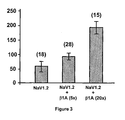
- the regulatory activity of the ⁇ 1A subunit is also studied by its co-expression with the pore-forming and ion-conducting ⁇ subunit in eukaryotic cells, where sodium channel activity is tested by functional bioassays.
- the ⁇ subunits are, but not limited to, Na v 1.2, Na v 1.3, Na v 1.6, Na v 1.8 and Na v 1.9, respectively.
- Determination of sodium channel activity is performed by using two cell-based assays. The first assay involves culturing cells in 96-well plates containing a scintillating base plate. The cell monolayers are stimulated with veratridine or any other appropriate sodium channel activator in the presence of [ 14 C]-guanidine.
- the [ 14 C]-guanidinium ions flow down their concentration gradient into the cells. Since the cells are in close proximity to the scintillating base, light is emitted. The amount of light emitted is proportional to the level of sodium channel activity and is quantitated using a scintillation counter.
- the second assay utilizes a fluorescent, potential-sensitive dye. Monolayers of cells are loaded with the potential-sensitive dye for 30 min at 37 °C. After this incubation period, the cells are stimulated with veratridine or any other sodium channel activator, and the change in fluorescence is monitored by either a fluorimeter, fluorescent imaging plate reader (FLIPR) or by a fluorimeter-based cell imaging system. When the cells depolarize, the dye associates with cell membrane, resulting in increased fluorescence. When the cells hyperpolarize, the dye disassociates from the membrane, resulting in decreased fluorescence.
- FLIPR fluorescent imaging plate reader
- the adhesion assay utilizes L cell mouse fibroblasts, which lack most of the macromolecules required for cell-cell adhesion. These L cells are stably or transiently transfected with ⁇ 1A and plated in 96-well plates. Another set of L cell- ⁇ 1A transfectants are loaded with a viable fluorescent dye and added to the cultures in the 96 well plates in the presence or absence of candidate compounds. After a determined incubation period, the plates are placed in a fluorescence plate reader. If homophilic cell-cell adhesion has occurred, a detectable increase in fluorescence is observed.
- DRG Side Relative to Ligation DRG Neuron Type p value ⁇ 1A ⁇ 1 L5 ipsilateral nociceptive 0.003* 0.058 sensory 0.011* 0.058 contralateral nociceptive 0.029* 0.042* sensory 0.035* 0.097 L4 ipsilateral nociceptive 0.007* 0.023* sensory 0.006* 0.001* contralateral nociceptive 0.001* 0.041* sensory 0.036* 0.019* *p value ⁇ 0.05 Table 2. Subcellular distribution of ⁇ 1A and ⁇ 1 staining in L5 DRG neurons two weeks post-SNL.
Landscapes
- Health & Medical Sciences (AREA)
- Chemical & Material Sciences (AREA)
- Life Sciences & Earth Sciences (AREA)
- Organic Chemistry (AREA)
- Medicinal Chemistry (AREA)
- General Health & Medical Sciences (AREA)
- Immunology (AREA)
- Chemical Kinetics & Catalysis (AREA)
- General Chemical & Material Sciences (AREA)
- Veterinary Medicine (AREA)
- Public Health (AREA)
- Animal Behavior & Ethology (AREA)
- Pharmacology & Pharmacy (AREA)
- Nuclear Medicine, Radiotherapy & Molecular Imaging (AREA)
- Engineering & Computer Science (AREA)
- Biochemistry (AREA)
- Molecular Biology (AREA)
- Genetics & Genomics (AREA)
- Bioinformatics & Cheminformatics (AREA)
- Proteomics, Peptides & Aminoacids (AREA)
- Biophysics (AREA)
- Neurology (AREA)
- Anesthesiology (AREA)
- Biomedical Technology (AREA)
- Toxicology (AREA)
- Cell Biology (AREA)
- Zoology (AREA)
- Neurosurgery (AREA)
- Pain & Pain Management (AREA)
- Gastroenterology & Hepatology (AREA)
- Heart & Thoracic Surgery (AREA)
- Cardiology (AREA)
- Physical Education & Sports Medicine (AREA)
- Orthopedic Medicine & Surgery (AREA)
- Peptides Or Proteins (AREA)
- Micro-Organisms Or Cultivation Processes Thereof (AREA)
- Electrotherapy Devices (AREA)
- Preparation Of Compounds By Using Micro-Organisms (AREA)
- Medicines That Contain Protein Lipid Enzymes And Other Medicines (AREA)
- Hydrogenated Pyridines (AREA)
Claims (13)
- Isoliertes Polynukleotid, das für SEQ. ID. N0:14 oder die Aminosäuren 150 bis 268 von SEQ. ID. NO: 14 kodiert.
- Polynukleotid nach Anspruch 1, wobei das Polynukleotid RNA ist.
- Polynukleotid nach Anspruch 1, wobei das Polynukleotid DNA ist.
- Polynukleotid nach Anspruch 1, das eine Nukleotidsequenz ausgewählt aus einer Gruppe bestehend aus: SEQ. ID. NO: 12 und SEQ.ID. NO:13 aufweist.
- Polynukleotid nach Anspruch 1, wobei das DNA Molekül genomische DNA ist.
- Expressionsvektor, enthaltend ein rekombinantes Gen, das für SEQ. ID. NO:14 kodiert.
- Expressionsvektor nach Anspruch 6, wobei der Expressionsvektor eine Nukleotidsequenz ausgewählt aus einer Gruppe bestehend aus: SEQ.ID. NO:12 und SEQ. ID. NO:13 enthält.
- Expressionsvektor nach Anspruch 6, wobei der Expressionsvektor genomische DNA enthält, die für SEQ. ID. NO:14 kodiert.
- Wirtszelle, enthaltend ein Polynukleotid, das für SEQ. ID. NO:14 kodiert.
- Wirtszelle nach Anspruch 9, wobei das Polynukleotid eine Nukleotidsequenz ausgewählt aus einer Gruppe bestehend aus: SEQ. ID. N0:12 und SEQ. ID. N0:13 aufweist.
- Wirtszelle nach Anspruch 9, wobei das Polynukleotid genomische DNA ist.
- Verfahren zur Expression eines Proteins in einer Wirtszelle, umfassend: (a) Einführen eines Expressionsvektors in eine Zelle, wobei der Vektor ein Polynukleotid nach SEQ. ID. NO:12 oder SEQ. ID. NO:13 umfaßt, oder eines Polynukleotids dessen Sequenz dazu komplementär ist; und (b) Kultivieren der Zelle von Schritt (a) unter Bedingungen, die die Expression eines durch die Nukleotidsequenz oder dazu komplementären Sequenz kodierten Proteins erlauben.
- Isoliertes Protein, das eine Aminosäuresequenz nach SEQ ID NO:14 aufweist das, wenn mit einem menschlichen α Natriumkanal-Untereinheit-Protein in einer Zelle kombiniert, den Natriumionenfluss in die Zelle ermöglicht.
Applications Claiming Priority (5)
| Application Number | Priority Date | Filing Date | Title |
|---|---|---|---|
| US29440500P | 2000-06-07 | 2000-06-07 | |
| US294405P | 2000-06-07 | ||
| US23666400P | 2000-09-29 | 2000-09-29 | |
| US236664P | 2000-09-29 | ||
| PCT/US2001/018304 WO2001094414A2 (en) | 2000-06-07 | 2001-06-06 | THE HUMAN VOLTAGE GATED SODIUM CHANNEL β-1A SUBUNIT AND METHODS OF USE |
Publications (2)
| Publication Number | Publication Date |
|---|---|
| EP1287134A2 EP1287134A2 (de) | 2003-03-05 |
| EP1287134B1 true EP1287134B1 (de) | 2007-08-01 |
Family
ID=26929995
Family Applications (1)
| Application Number | Title | Priority Date | Filing Date |
|---|---|---|---|
| EP01946126A Expired - Lifetime EP1287134B1 (de) | 2000-06-07 | 2001-06-06 | Die menschliche beta-1a-untereinheit des potential-abhängigen natriumkanals und deren verwendungen |
Country Status (12)
| Country | Link |
|---|---|
| US (3) | US6994993B2 (de) |
| EP (1) | EP1287134B1 (de) |
| JP (1) | JP2004514413A (de) |
| AT (1) | ATE368740T1 (de) |
| AU (1) | AU2001268212A1 (de) |
| CA (1) | CA2411069A1 (de) |
| DE (1) | DE60129688T2 (de) |
| DK (1) | DK1287134T3 (de) |
| ES (1) | ES2290149T3 (de) |
| MX (1) | MXPA02012223A (de) |
| PT (1) | PT1287134E (de) |
| WO (1) | WO2001094414A2 (de) |
Families Citing this family (8)
| Publication number | Priority date | Publication date | Assignee | Title |
|---|---|---|---|---|
| DK1511843T3 (da) * | 2002-06-07 | 2006-07-24 | Sophion Bioscience As | Screeningsmetoder |
| US7371928B2 (en) * | 2002-11-11 | 2008-05-13 | Korea Chungang Educational Foundation | Plant seed-specific expression promoter derived from sesame and seed-specific expression vector comprising the promoter |
| EP1596761B1 (de) * | 2003-02-14 | 2015-06-17 | Salviac Limited | Stentfreigabe- und ablagesystem |
| US7211407B2 (en) * | 2003-07-15 | 2007-05-01 | Chan Test, Inc. | High throughput assay systems and methods for identifying agents that alter surface expression of integral membrane proteins |
| EA201992358A1 (ru) | 2017-04-03 | 2020-03-24 | Инкоудид Терапьютикс, Инк. | Тканеселективная экспрессия трансгена |
| JP7401432B2 (ja) | 2017-12-01 | 2023-12-19 | エンコーデッド セラピューティクス, インコーポレイテッド | 操作されたdna結合タンパク質 |
| WO2020243651A1 (en) | 2019-05-29 | 2020-12-03 | Encoded Therapeutics, Inc. | Compositions and methods for selective gene regulation |
| CN114107323B (zh) * | 2021-12-20 | 2023-04-28 | 青岛农业大学 | KIbB1基因在植物抗逆性中的应用 |
Family Cites Families (2)
| Publication number | Priority date | Publication date | Assignee | Title |
|---|---|---|---|---|
| US6030810A (en) * | 1997-02-26 | 2000-02-29 | Delgado; Stephen Gregory | Cloned tetrodotoxin-sensitive sodium channel α-subunit and a splice variant thereof |
| EP1216300A1 (de) * | 1999-09-30 | 2002-06-26 | The Regents Of The University Of Michigan | Methoden und verbindungen bezogen auf untereinheiten des natriumkanals beta1a |
-
2001
- 2001-06-06 WO PCT/US2001/018304 patent/WO2001094414A2/en not_active Ceased
- 2001-06-06 DK DK01946126T patent/DK1287134T3/da active
- 2001-06-06 JP JP2002501962A patent/JP2004514413A/ja active Pending
- 2001-06-06 DE DE60129688T patent/DE60129688T2/de not_active Expired - Fee Related
- 2001-06-06 ES ES01946126T patent/ES2290149T3/es not_active Expired - Lifetime
- 2001-06-06 CA CA002411069A patent/CA2411069A1/en not_active Abandoned
- 2001-06-06 AU AU2001268212A patent/AU2001268212A1/en not_active Abandoned
- 2001-06-06 AT AT01946126T patent/ATE368740T1/de not_active IP Right Cessation
- 2001-06-06 MX MXPA02012223A patent/MXPA02012223A/es active IP Right Grant
- 2001-06-06 US US09/875,456 patent/US6994993B2/en not_active Expired - Lifetime
- 2001-06-06 PT PT01946126T patent/PT1287134E/pt unknown
- 2001-06-06 EP EP01946126A patent/EP1287134B1/de not_active Expired - Lifetime
-
2003
- 2003-03-28 US US10/401,916 patent/US7063953B2/en not_active Expired - Lifetime
-
2006
- 2006-03-08 US US11/370,490 patent/US7408036B2/en not_active Expired - Lifetime
Non-Patent Citations (1)
| Title |
|---|
| QIN N. ET AL: "Molecular cloning and functional expression of the human sodium channel beta1B subunit, a novel splicing variant of the beta1 subunit", EUROPEAN JOURNAL OF BIOCHEMISTRY, vol. 270, 2003, pages 4762 - 4770 * |
Also Published As
| Publication number | Publication date |
|---|---|
| AU2001268212A1 (en) | 2001-12-17 |
| PT1287134E (pt) | 2007-10-04 |
| WO2001094414A2 (en) | 2001-12-13 |
| JP2004514413A (ja) | 2004-05-20 |
| US6994993B2 (en) | 2006-02-07 |
| CA2411069A1 (en) | 2001-12-13 |
| US20020045229A1 (en) | 2002-04-18 |
| MXPA02012223A (es) | 2004-08-19 |
| EP1287134A2 (de) | 2003-03-05 |
| DE60129688T2 (de) | 2008-04-30 |
| US7063953B2 (en) | 2006-06-20 |
| ATE368740T1 (de) | 2007-08-15 |
| WO2001094414A3 (en) | 2002-06-06 |
| HK1054052A1 (en) | 2003-11-14 |
| US7408036B2 (en) | 2008-08-05 |
| US20060269996A1 (en) | 2006-11-30 |
| ES2290149T3 (es) | 2008-02-16 |
| DE60129688D1 (de) | 2007-09-13 |
| DK1287134T3 (da) | 2007-12-03 |
| US20040002439A1 (en) | 2004-01-01 |
Similar Documents
| Publication | Publication Date | Title |
|---|---|---|
| JPH10500303A (ja) | 哺乳類“maxi−k”カリウムチャネルのベータサブユニットをコードするdna | |
| US7179604B2 (en) | Methods of use of DNA encoding a human histamine receptor of the H3 subtype | |
| US7408036B2 (en) | Human voltage gated sodium channel β1A subunit and methods of use | |
| US5712111A (en) | DNA encoding bradykinin B1 receptor | |
| CA2370570A1 (en) | Dna encoding the human vanilloid receptor vr1 | |
| EP1035856B1 (de) | Für den menschlichen h3 histamin-rezeptor kodierendes isoliertes dna | |
| EP1272514B1 (de) | Für den menschlichen vanilloid-rezeptor vr3 kodierende dns | |
| US7115395B2 (en) | DNAs encoding guinea pig histamine receptors of the H4 subtype | |
| HK1054052B (en) | The human voltage-gated sodium channel beta-1a subunit and methods of use | |
| AU2001241713A1 (en) | DNAs encoding mammalian histamine receptor of the H4 subtype | |
| AU2007201369A1 (en) | The human voltage gated sodium channel BETA-1A subunit and methods of use | |
| US20030166045A1 (en) | CDNA encoding the human alpha2 delta4 calcium channel subunit | |
| AU2002228698A1 (en) | Agonists of recombinant human histamine h3 receptor | |
| HK1028566B (en) | Isolated dna encoding human h3 histamine receptor | |
| CA2401398A1 (en) | Dna encoding human acid-sensing ion channel bnac4 (asic4) | |
| HK1065067B (en) | Cdna encoding the human alpha2 delta4 calcium channel subunit |
Legal Events
| Date | Code | Title | Description |
|---|---|---|---|
| PUAI | Public reference made under article 153(3) epc to a published international application that has entered the european phase |
Free format text: ORIGINAL CODE: 0009012 |
|
| 17P | Request for examination filed |
Effective date: 20021209 |
|
| AK | Designated contracting states |
Designated state(s): AT BE CH CY DE DK ES FI FR GB GR IE IT LI LU MC NL PT SE TR Kind code of ref document: A2 Designated state(s): AT BE CH CY DE DK ES FI FR GB GR IE IT LI LU MC NL PT SE TR |
|
| AX | Request for extension of the european patent |
Extension state: AL LT LV MK RO SI |
|
| 17Q | First examination report despatched |
Effective date: 20050818 |
|
| GRAC | Information related to communication of intention to grant a patent modified |
Free format text: ORIGINAL CODE: EPIDOSCIGR1 |
|
| GRAP | Despatch of communication of intention to grant a patent |
Free format text: ORIGINAL CODE: EPIDOSNIGR1 |
|
| GRAS | Grant fee paid |
Free format text: ORIGINAL CODE: EPIDOSNIGR3 |
|
| GRAA | (expected) grant |
Free format text: ORIGINAL CODE: 0009210 |
|
| AK | Designated contracting states |
Kind code of ref document: B1 Designated state(s): AT BE CH CY DE DK ES FI FR GB GR IE IT LI LU MC NL PT SE TR |
|
| REG | Reference to a national code |
Ref country code: GB Ref legal event code: FG4D |
|
| REG | Reference to a national code |
Ref country code: CH Ref legal event code: EP |
|
| REG | Reference to a national code |
Ref country code: IE Ref legal event code: FG4D |
|
| REF | Corresponds to: |
Ref document number: 60129688 Country of ref document: DE Date of ref document: 20070913 Kind code of ref document: P |
|
| REG | Reference to a national code |
Ref country code: PT Ref legal event code: SC4A Free format text: AVAILABILITY OF NATIONAL TRANSLATION Effective date: 20070920 |
|
| REG | Reference to a national code |
Ref country code: CH Ref legal event code: NV Representative=s name: E. BLUM & CO. AG PATENT- UND MARKENANWAELTE VSP |
|
| REG | Reference to a national code |
Ref country code: SE Ref legal event code: TRGR |
|
| REG | Reference to a national code |
Ref country code: GR Ref legal event code: EP Ref document number: 20070403253 Country of ref document: GR |
|
| REG | Reference to a national code |
Ref country code: HK Ref legal event code: GR Ref document number: 1054052 Country of ref document: HK |
|
| REG | Reference to a national code |
Ref country code: DK Ref legal event code: T3 |
|
| ET | Fr: translation filed | ||
| REG | Reference to a national code |
Ref country code: ES Ref legal event code: FG2A Ref document number: 2290149 Country of ref document: ES Kind code of ref document: T3 |
|
| PLBE | No opposition filed within time limit |
Free format text: ORIGINAL CODE: 0009261 |
|
| STAA | Information on the status of an ep patent application or granted ep patent |
Free format text: STATUS: NO OPPOSITION FILED WITHIN TIME LIMIT |
|
| 26N | No opposition filed |
Effective date: 20080506 |
|
| BERE | Be: lapsed |
Owner name: ORTHO-MCNEIL PHARMACEUTICAL, INC. Effective date: 20080630 |
|
| PG25 | Lapsed in a contracting state [announced via postgrant information from national office to epo] |
Ref country code: MC Free format text: LAPSE BECAUSE OF NON-PAYMENT OF DUE FEES Effective date: 20080630 |
|
| REG | Reference to a national code |
Ref country code: CH Ref legal event code: PL |
|
| REG | Reference to a national code |
Ref country code: DK Ref legal event code: EBP |
|
| EUG | Se: european patent has lapsed | ||
| GBPC | Gb: european patent ceased through non-payment of renewal fee |
Effective date: 20080606 |
|
| PG25 | Lapsed in a contracting state [announced via postgrant information from national office to epo] |
Ref country code: FI Free format text: LAPSE BECAUSE OF NON-PAYMENT OF DUE FEES Effective date: 20080606 |
|
| NLV4 | Nl: lapsed or anulled due to non-payment of the annual fee |
Effective date: 20090101 |
|
| REG | Reference to a national code |
Ref country code: PT Ref legal event code: MM4A Free format text: LAPSE DUE TO NON-PAYMENT OF FEES Effective date: 20090309 |
|
| PG25 | Lapsed in a contracting state [announced via postgrant information from national office to epo] |
Ref country code: BE Free format text: LAPSE BECAUSE OF NON-PAYMENT OF DUE FEES Effective date: 20080630 |
|
| REG | Reference to a national code |
Ref country code: FR Ref legal event code: ST Effective date: 20090228 |
|
| PG25 | Lapsed in a contracting state [announced via postgrant information from national office to epo] |
Ref country code: IE Free format text: LAPSE BECAUSE OF NON-PAYMENT OF DUE FEES Effective date: 20080606 Ref country code: DE Free format text: LAPSE BECAUSE OF NON-PAYMENT OF DUE FEES Effective date: 20090101 |
|
| PG25 | Lapsed in a contracting state [announced via postgrant information from national office to epo] |
Ref country code: NL Free format text: LAPSE BECAUSE OF NON-PAYMENT OF DUE FEES Effective date: 20090101 Ref country code: PT Free format text: LAPSE BECAUSE OF NON-PAYMENT OF DUE FEES Effective date: 20090309 |
|
| PG25 | Lapsed in a contracting state [announced via postgrant information from national office to epo] |
Ref country code: LI Free format text: LAPSE BECAUSE OF NON-PAYMENT OF DUE FEES Effective date: 20080630 Ref country code: CH Free format text: LAPSE BECAUSE OF NON-PAYMENT OF DUE FEES Effective date: 20080630 Ref country code: GR Free format text: LAPSE BECAUSE OF NON-PAYMENT OF DUE FEES Effective date: 20090107 Ref country code: GB Free format text: LAPSE BECAUSE OF NON-PAYMENT OF DUE FEES Effective date: 20080606 |
|
| PG25 | Lapsed in a contracting state [announced via postgrant information from national office to epo] |
Ref country code: CY Free format text: LAPSE BECAUSE OF FAILURE TO SUBMIT A TRANSLATION OF THE DESCRIPTION OR TO PAY THE FEE WITHIN THE PRESCRIBED TIME-LIMIT Effective date: 20070801 |
|
| REG | Reference to a national code |
Ref country code: ES Ref legal event code: FD2A Effective date: 20080607 |
|
| PG25 | Lapsed in a contracting state [announced via postgrant information from national office to epo] |
Ref country code: IT Free format text: LAPSE BECAUSE OF NON-PAYMENT OF DUE FEES Effective date: 20080606 Ref country code: AT Free format text: LAPSE BECAUSE OF NON-PAYMENT OF DUE FEES Effective date: 20080606 Ref country code: FR Free format text: LAPSE BECAUSE OF NON-PAYMENT OF DUE FEES Effective date: 20080630 |
|
| PG25 | Lapsed in a contracting state [announced via postgrant information from national office to epo] |
Ref country code: ES Free format text: LAPSE BECAUSE OF NON-PAYMENT OF DUE FEES Effective date: 20080607 |
|
| PG25 | Lapsed in a contracting state [announced via postgrant information from national office to epo] |
Ref country code: DK Free format text: LAPSE BECAUSE OF NON-PAYMENT OF DUE FEES Effective date: 20090106 |
|
| PG25 | Lapsed in a contracting state [announced via postgrant information from national office to epo] |
Ref country code: DK Free format text: LAPSE BECAUSE OF NON-PAYMENT OF DUE FEES Effective date: 20080630 |
|
| PG25 | Lapsed in a contracting state [announced via postgrant information from national office to epo] |
Ref country code: SE Free format text: LAPSE BECAUSE OF NON-PAYMENT OF DUE FEES Effective date: 20080607 Ref country code: LU Free format text: LAPSE BECAUSE OF NON-PAYMENT OF DUE FEES Effective date: 20080606 |
|
| PG25 | Lapsed in a contracting state [announced via postgrant information from national office to epo] |
Ref country code: TR Free format text: LAPSE BECAUSE OF NON-PAYMENT OF DUE FEES Effective date: 20080606 |