EP1250055B1 - Immune modulation with death receptor-induced apoptosis - Google Patents
Immune modulation with death receptor-induced apoptosis Download PDFInfo
- Publication number
- EP1250055B1 EP1250055B1 EP01905011A EP01905011A EP1250055B1 EP 1250055 B1 EP1250055 B1 EP 1250055B1 EP 01905011 A EP01905011 A EP 01905011A EP 01905011 A EP01905011 A EP 01905011A EP 1250055 B1 EP1250055 B1 EP 1250055B1
- Authority
- EP
- European Patent Office
- Prior art keywords
- fasl
- chimeric protein
- apoptosis
- cells
- streptavidin
- Prior art date
- Legal status (The legal status is an assumption and is not a legal conclusion. Google has not performed a legal analysis and makes no representation as to the accuracy of the status listed.)
- Expired - Lifetime
Links
- 230000006907 apoptotic process Effects 0.000 title claims abstract description 64
- 108010049207 Death Domain Receptors Proteins 0.000 title claims abstract description 16
- 102000009058 Death Domain Receptors Human genes 0.000 title claims abstract description 16
- 230000008102 immune modulation Effects 0.000 title claims description 5
- 210000004027 cell Anatomy 0.000 claims abstract description 112
- 108010039471 Fas Ligand Protein Proteins 0.000 claims abstract description 79
- 102000037865 fusion proteins Human genes 0.000 claims abstract description 43
- 108020001507 fusion proteins Proteins 0.000 claims abstract description 43
- 108010090804 Streptavidin Proteins 0.000 claims abstract description 28
- 210000004698 lymphocyte Anatomy 0.000 claims abstract description 16
- 230000001939 inductive effect Effects 0.000 claims abstract description 11
- 238000000034 method Methods 0.000 claims abstract description 10
- 238000002054 transplantation Methods 0.000 claims abstract description 10
- 206010020751 Hypersensitivity Diseases 0.000 claims abstract description 7
- 230000007815 allergy Effects 0.000 claims abstract description 7
- 230000000735 allogeneic effect Effects 0.000 claims abstract description 6
- 208000006673 asthma Diseases 0.000 claims abstract description 6
- 208000026935 allergic disease Diseases 0.000 claims abstract 2
- 230000005784 autoimmunity Effects 0.000 claims description 14
- 239000012636 effector Substances 0.000 claims description 11
- 238000004519 manufacturing process Methods 0.000 claims description 8
- 108700012411 TNFSF10 Proteins 0.000 claims description 7
- 102100024598 Tumor necrosis factor ligand superfamily member 10 Human genes 0.000 claims description 7
- 108060008682 Tumor Necrosis Factor Proteins 0.000 claims description 6
- 102000000852 Tumor Necrosis Factor-alpha Human genes 0.000 claims description 6
- 239000011324 bead Substances 0.000 claims description 5
- 210000000056 organ Anatomy 0.000 claims description 5
- 229920000936 Agarose Polymers 0.000 claims description 4
- 102000010565 Apoptosis Regulatory Proteins Human genes 0.000 claims description 4
- 108010063104 Apoptosis Regulatory Proteins Proteins 0.000 claims description 4
- 206010012601 diabetes mellitus Diseases 0.000 claims description 4
- 239000011159 matrix material Substances 0.000 claims description 4
- 239000000203 mixture Substances 0.000 claims description 4
- 239000007787 solid Substances 0.000 claims description 4
- 108090001008 Avidin Proteins 0.000 claims description 3
- 102100024584 Tumor necrosis factor ligand superfamily member 12 Human genes 0.000 claims description 3
- 101710097155 Tumor necrosis factor ligand superfamily member 12 Proteins 0.000 claims description 3
- 210000001519 tissue Anatomy 0.000 claims description 3
- 206010016952 Food poisoning Diseases 0.000 claims description 2
- 208000019331 Foodborne disease Diseases 0.000 claims description 2
- 101100369992 Homo sapiens TNFSF10 gene Proteins 0.000 claims description 2
- 239000003814 drug Substances 0.000 claims description 2
- 206010025135 lupus erythematosus Diseases 0.000 claims description 2
- 201000006417 multiple sclerosis Diseases 0.000 claims description 2
- 206010039073 rheumatoid arthritis Diseases 0.000 claims description 2
- 201000000306 sarcoidosis Diseases 0.000 claims description 2
- 239000000758 substrate Substances 0.000 claims 5
- 241000124008 Mammalia Species 0.000 claims 3
- 102100031988 Tumor necrosis factor ligand superfamily member 6 Human genes 0.000 claims 3
- 230000006058 immune tolerance Effects 0.000 claims 1
- 102000015212 Fas Ligand Protein Human genes 0.000 abstract description 76
- 238000001727 in vivo Methods 0.000 abstract description 9
- 230000028993 immune response Effects 0.000 abstract description 4
- 230000009286 beneficial effect Effects 0.000 abstract description 2
- 230000008901 benefit Effects 0.000 abstract description 2
- 239000000427 antigen Substances 0.000 description 24
- 210000001744 T-lymphocyte Anatomy 0.000 description 21
- 102000036639 antigens Human genes 0.000 description 21
- 108091007433 antigens Proteins 0.000 description 21
- 101100044298 Drosophila melanogaster fand gene Proteins 0.000 description 17
- 101150064015 FAS gene Proteins 0.000 description 17
- 101100335198 Pneumocystis carinii fol1 gene Proteins 0.000 description 17
- 102000004169 proteins and genes Human genes 0.000 description 17
- 108090000623 proteins and genes Proteins 0.000 description 17
- 235000018102 proteins Nutrition 0.000 description 16
- 230000004044 response Effects 0.000 description 15
- 210000004988 splenocyte Anatomy 0.000 description 15
- 239000003446 ligand Substances 0.000 description 14
- 230000034994 death Effects 0.000 description 13
- 208000037265 diseases, disorders, signs and symptoms Diseases 0.000 description 13
- 238000011282 treatment Methods 0.000 description 13
- 230000006870 function Effects 0.000 description 12
- YBJHBAHKTGYVGT-ZKWXMUAHSA-N (+)-Biotin Chemical compound N1C(=O)N[C@@H]2[C@H](CCCCC(=O)O)SC[C@@H]21 YBJHBAHKTGYVGT-ZKWXMUAHSA-N 0.000 description 11
- 230000001640 apoptogenic effect Effects 0.000 description 11
- 210000000987 immune system Anatomy 0.000 description 11
- 239000002299 complementary DNA Substances 0.000 description 9
- 108020004414 DNA Proteins 0.000 description 8
- 208000035475 disorder Diseases 0.000 description 8
- 238000012360 testing method Methods 0.000 description 8
- 230000006786 activation induced cell death Effects 0.000 description 7
- 230000002424 anti-apoptotic effect Effects 0.000 description 7
- 239000006228 supernatant Substances 0.000 description 7
- 208000023275 Autoimmune disease Diseases 0.000 description 6
- 241000699670 Mus sp. Species 0.000 description 6
- 206010052779 Transplant rejections Diseases 0.000 description 6
- 230000000694 effects Effects 0.000 description 6
- 210000004185 liver Anatomy 0.000 description 6
- 230000001717 pathogenic effect Effects 0.000 description 6
- 230000002265 prevention Effects 0.000 description 6
- 239000013615 primer Substances 0.000 description 6
- 230000008929 regeneration Effects 0.000 description 6
- 238000011069 regeneration method Methods 0.000 description 6
- 206010028980 Neoplasm Diseases 0.000 description 5
- 241000700159 Rattus Species 0.000 description 5
- 229960002685 biotin Drugs 0.000 description 5
- 235000020958 biotin Nutrition 0.000 description 5
- 239000011616 biotin Substances 0.000 description 5
- 210000004369 blood Anatomy 0.000 description 5
- 239000008280 blood Substances 0.000 description 5
- 239000003795 chemical substances by application Substances 0.000 description 5
- 238000010276 construction Methods 0.000 description 5
- 201000010099 disease Diseases 0.000 description 5
- 238000000684 flow cytometry Methods 0.000 description 5
- 230000013632 homeostatic process Effects 0.000 description 5
- 239000000047 product Substances 0.000 description 5
- 230000004083 survival effect Effects 0.000 description 5
- 238000001890 transfection Methods 0.000 description 5
- 102000004091 Caspase-8 Human genes 0.000 description 4
- 108090000538 Caspase-8 Proteins 0.000 description 4
- 102000011727 Caspases Human genes 0.000 description 4
- 108010076667 Caspases Proteins 0.000 description 4
- WQZGKKKJIJFFOK-GASJEMHNSA-N Glucose Natural products OC[C@H]1OC(O)[C@H](O)[C@@H](O)[C@@H]1O WQZGKKKJIJFFOK-GASJEMHNSA-N 0.000 description 4
- 102000005741 Metalloproteases Human genes 0.000 description 4
- 108010006035 Metalloproteases Proteins 0.000 description 4
- 101000638260 Rattus norvegicus Tumor necrosis factor ligand superfamily member 6 Proteins 0.000 description 4
- 230000004913 activation Effects 0.000 description 4
- 238000010367 cloning Methods 0.000 description 4
- 239000013599 cloning vector Substances 0.000 description 4
- 239000012228 culture supernatant Substances 0.000 description 4
- 230000001419 dependent effect Effects 0.000 description 4
- 238000002474 experimental method Methods 0.000 description 4
- 239000008103 glucose Substances 0.000 description 4
- 210000002865 immune cell Anatomy 0.000 description 4
- 230000006698 induction Effects 0.000 description 4
- 230000001404 mediated effect Effects 0.000 description 4
- 208000015122 neurodegenerative disease Diseases 0.000 description 4
- 208000000659 Autoimmune lymphoproliferative syndrome Diseases 0.000 description 3
- 102000010170 Death domains Human genes 0.000 description 3
- 108050001718 Death domains Proteins 0.000 description 3
- 238000002965 ELISA Methods 0.000 description 3
- 102000018697 Membrane Proteins Human genes 0.000 description 3
- 108010052285 Membrane Proteins Proteins 0.000 description 3
- 241001465754 Metazoa Species 0.000 description 3
- 206010040070 Septic Shock Diseases 0.000 description 3
- 102100022203 Tumor necrosis factor receptor superfamily member 25 Human genes 0.000 description 3
- 210000000612 antigen-presenting cell Anatomy 0.000 description 3
- 238000010322 bone marrow transplantation Methods 0.000 description 3
- 230000008030 elimination Effects 0.000 description 3
- 238000003379 elimination reaction Methods 0.000 description 3
- 210000002889 endothelial cell Anatomy 0.000 description 3
- 239000001963 growth medium Substances 0.000 description 3
- 238000000338 in vitro Methods 0.000 description 3
- 230000006882 induction of apoptosis Effects 0.000 description 3
- 230000003993 interaction Effects 0.000 description 3
- 230000007246 mechanism Effects 0.000 description 3
- 239000000178 monomer Substances 0.000 description 3
- 239000013642 negative control Substances 0.000 description 3
- 230000002093 peripheral effect Effects 0.000 description 3
- 230000008569 process Effects 0.000 description 3
- 238000003757 reverse transcription PCR Methods 0.000 description 3
- 230000036303 septic shock Effects 0.000 description 3
- 238000010186 staining Methods 0.000 description 3
- 239000013638 trimer Substances 0.000 description 3
- 238000001262 western blot Methods 0.000 description 3
- 108091032973 (ribonucleotides)n+m Proteins 0.000 description 2
- 102000002260 Alkaline Phosphatase Human genes 0.000 description 2
- 108020004774 Alkaline Phosphatase Proteins 0.000 description 2
- 241000255581 Drosophila <fruit fly, genus> Species 0.000 description 2
- 102000004190 Enzymes Human genes 0.000 description 2
- 108090000790 Enzymes Proteins 0.000 description 2
- 101000679903 Homo sapiens Tumor necrosis factor receptor superfamily member 25 Proteins 0.000 description 2
- 241000725303 Human immunodeficiency virus Species 0.000 description 2
- 108091008874 T cell receptors Proteins 0.000 description 2
- 102000016266 T-Cell Antigen Receptors Human genes 0.000 description 2
- 102100033732 Tumor necrosis factor receptor superfamily member 1A Human genes 0.000 description 2
- 230000003321 amplification Effects 0.000 description 2
- 238000004458 analytical method Methods 0.000 description 2
- 230000000692 anti-sense effect Effects 0.000 description 2
- 238000003782 apoptosis assay Methods 0.000 description 2
- 210000001185 bone marrow Anatomy 0.000 description 2
- 230000030833 cell death Effects 0.000 description 2
- 238000006243 chemical reaction Methods 0.000 description 2
- 230000003399 chemotactic effect Effects 0.000 description 2
- 239000005482 chemotactic factor Substances 0.000 description 2
- 238000012217 deletion Methods 0.000 description 2
- 230000037430 deletion Effects 0.000 description 2
- 230000029087 digestion Effects 0.000 description 2
- 230000008482 dysregulation Effects 0.000 description 2
- 108010052621 fas Receptor Proteins 0.000 description 2
- 102000018823 fas Receptor Human genes 0.000 description 2
- 230000001506 immunosuppresive effect Effects 0.000 description 2
- 239000003018 immunosuppressive agent Substances 0.000 description 2
- 229940125721 immunosuppressive agent Drugs 0.000 description 2
- 208000015181 infectious disease Diseases 0.000 description 2
- 238000002347 injection Methods 0.000 description 2
- 239000007924 injection Substances 0.000 description 2
- 210000001165 lymph node Anatomy 0.000 description 2
- 210000004962 mammalian cell Anatomy 0.000 description 2
- 239000003550 marker Substances 0.000 description 2
- 230000004048 modification Effects 0.000 description 2
- 238000012986 modification Methods 0.000 description 2
- 210000000440 neutrophil Anatomy 0.000 description 2
- 238000003199 nucleic acid amplification method Methods 0.000 description 2
- 239000002773 nucleotide Substances 0.000 description 2
- 125000003729 nucleotide group Chemical group 0.000 description 2
- 238000006384 oligomerization reaction Methods 0.000 description 2
- 230000004962 physiological condition Effects 0.000 description 2
- 230000003389 potentiating effect Effects 0.000 description 2
- 230000035755 proliferation Effects 0.000 description 2
- 238000010926 purge Methods 0.000 description 2
- 238000000746 purification Methods 0.000 description 2
- 108020003175 receptors Proteins 0.000 description 2
- 102000005962 receptors Human genes 0.000 description 2
- 230000001105 regulatory effect Effects 0.000 description 2
- JJGWLCLUQNFDIS-GTSONSFRSA-M sodium;1-[6-[5-[(3as,4s,6ar)-2-oxo-1,3,3a,4,6,6a-hexahydrothieno[3,4-d]imidazol-4-yl]pentanoylamino]hexanoyloxy]-2,5-dioxopyrrolidine-3-sulfonate Chemical compound [Na+].O=C1C(S(=O)(=O)[O-])CC(=O)N1OC(=O)CCCCCNC(=O)CCCC[C@H]1[C@H]2NC(=O)N[C@H]2CS1 JJGWLCLUQNFDIS-GTSONSFRSA-M 0.000 description 2
- 210000000130 stem cell Anatomy 0.000 description 2
- 230000001629 suppression Effects 0.000 description 2
- 239000013598 vector Substances 0.000 description 2
- DIGQNXIGRZPYDK-WKSCXVIASA-N (2R)-6-amino-2-[[2-[[(2S)-2-[[2-[[(2R)-2-[[(2S)-2-[[(2R,3S)-2-[[2-[[(2S)-2-[[2-[[(2S)-2-[[(2S)-2-[[(2R)-2-[[(2S,3S)-2-[[(2R)-2-[[(2S)-2-[[(2S)-2-[[(2S)-2-[[2-[[(2S)-2-[[(2R)-2-[[2-[[2-[[2-[(2-amino-1-hydroxyethylidene)amino]-3-carboxy-1-hydroxypropylidene]amino]-1-hydroxy-3-sulfanylpropylidene]amino]-1-hydroxyethylidene]amino]-1-hydroxy-3-sulfanylpropylidene]amino]-1,3-dihydroxypropylidene]amino]-1-hydroxyethylidene]amino]-1-hydroxypropylidene]amino]-1,3-dihydroxypropylidene]amino]-1,3-dihydroxypropylidene]amino]-1-hydroxy-3-sulfanylpropylidene]amino]-1,3-dihydroxybutylidene]amino]-1-hydroxy-3-sulfanylpropylidene]amino]-1-hydroxypropylidene]amino]-1,3-dihydroxypropylidene]amino]-1-hydroxyethylidene]amino]-1,5-dihydroxy-5-iminopentylidene]amino]-1-hydroxy-3-sulfanylpropylidene]amino]-1,3-dihydroxybutylidene]amino]-1-hydroxy-3-sulfanylpropylidene]amino]-1,3-dihydroxypropylidene]amino]-1-hydroxyethylidene]amino]-1-hydroxy-3-sulfanylpropylidene]amino]-1-hydroxyethylidene]amino]hexanoic acid Chemical compound C[C@@H]([C@@H](C(=N[C@@H](CS)C(=N[C@@H](C)C(=N[C@@H](CO)C(=NCC(=N[C@@H](CCC(=N)O)C(=NC(CS)C(=N[C@H]([C@H](C)O)C(=N[C@H](CS)C(=N[C@H](CO)C(=NCC(=N[C@H](CS)C(=NCC(=N[C@H](CCCCN)C(=O)O)O)O)O)O)O)O)O)O)O)O)O)O)O)N=C([C@H](CS)N=C([C@H](CO)N=C([C@H](CO)N=C([C@H](C)N=C(CN=C([C@H](CO)N=C([C@H](CS)N=C(CN=C(C(CS)N=C(C(CC(=O)O)N=C(CN)O)O)O)O)O)O)O)O)O)O)O)O DIGQNXIGRZPYDK-WKSCXVIASA-N 0.000 description 1
- NHBKXEKEPDILRR-UHFFFAOYSA-N 2,3-bis(butanoylsulfanyl)propyl butanoate Chemical compound CCCC(=O)OCC(SC(=O)CCC)CSC(=O)CCC NHBKXEKEPDILRR-UHFFFAOYSA-N 0.000 description 1
- 208000032467 Aplastic anaemia Diseases 0.000 description 1
- 238000011725 BALB/c mouse Methods 0.000 description 1
- 108090000397 Caspase 3 Proteins 0.000 description 1
- 102100029855 Caspase-3 Human genes 0.000 description 1
- 241000282693 Cercopithecidae Species 0.000 description 1
- 108020004635 Complementary DNA Proteins 0.000 description 1
- 206010010356 Congenital anomaly Diseases 0.000 description 1
- 108010069263 Cytisus-type anti-H(O) lectins Proteins 0.000 description 1
- 102000010969 Cytokine TWEAK Human genes 0.000 description 1
- 108010037645 Cytokine TWEAK Proteins 0.000 description 1
- 102000004127 Cytokines Human genes 0.000 description 1
- 108090000695 Cytokines Proteins 0.000 description 1
- 239000003155 DNA primer Substances 0.000 description 1
- 206010011968 Decreased immune responsiveness Diseases 0.000 description 1
- 102000010911 Enzyme Precursors Human genes 0.000 description 1
- 108010062466 Enzyme Precursors Proteins 0.000 description 1
- 241000588724 Escherichia coli Species 0.000 description 1
- 108010040476 FITC-annexin A5 Proteins 0.000 description 1
- 229920001917 Ficoll Polymers 0.000 description 1
- 208000028782 Hereditary disease Diseases 0.000 description 1
- 241000238631 Hexapoda Species 0.000 description 1
- 241000282412 Homo Species 0.000 description 1
- 101000638161 Homo sapiens Tumor necrosis factor ligand superfamily member 6 Proteins 0.000 description 1
- 101000610605 Homo sapiens Tumor necrosis factor receptor superfamily member 10A Proteins 0.000 description 1
- 101000611023 Homo sapiens Tumor necrosis factor receptor superfamily member 6 Proteins 0.000 description 1
- 206010021450 Immunodeficiency congenital Diseases 0.000 description 1
- 108091026898 Leader sequence (mRNA) Proteins 0.000 description 1
- 206010025323 Lymphomas Diseases 0.000 description 1
- 208000030289 Lymphoproliferative disease Diseases 0.000 description 1
- 102000002274 Matrix Metalloproteinases Human genes 0.000 description 1
- 108010000684 Matrix Metalloproteinases Proteins 0.000 description 1
- 108010060408 Member 25 Tumor Necrosis Factor Receptors Proteins 0.000 description 1
- 208000024556 Mendelian disease Diseases 0.000 description 1
- 102000003792 Metallothionein Human genes 0.000 description 1
- 108090000157 Metallothionein Proteins 0.000 description 1
- 101100369989 Mus musculus Tnfaip3 gene Proteins 0.000 description 1
- 208000001388 Opportunistic Infections Diseases 0.000 description 1
- 102000035195 Peptidases Human genes 0.000 description 1
- 108091005804 Peptidases Proteins 0.000 description 1
- 238000010240 RT-PCR analysis Methods 0.000 description 1
- 102000007056 Recombinant Fusion Proteins Human genes 0.000 description 1
- 108010008281 Recombinant Fusion Proteins Proteins 0.000 description 1
- 206010038563 Reocclusion Diseases 0.000 description 1
- 239000006146 Roswell Park Memorial Institute medium Substances 0.000 description 1
- 240000004808 Saccharomyces cerevisiae Species 0.000 description 1
- 238000012300 Sequence Analysis Methods 0.000 description 1
- 241000186983 Streptomyces avidinii Species 0.000 description 1
- 230000006044 T cell activation Effects 0.000 description 1
- 206010043391 Thalassaemia beta Diseases 0.000 description 1
- 108091036066 Three prime untranslated region Proteins 0.000 description 1
- IQFYYKKMVGJFEH-XLPZGREQSA-N Thymidine Chemical compound O=C1NC(=O)C(C)=CN1[C@@H]1O[C@H](CO)[C@@H](O)C1 IQFYYKKMVGJFEH-XLPZGREQSA-N 0.000 description 1
- 102100040113 Tumor necrosis factor receptor superfamily member 10A Human genes 0.000 description 1
- 101710187743 Tumor necrosis factor receptor superfamily member 1A Proteins 0.000 description 1
- 102100040403 Tumor necrosis factor receptor superfamily member 6 Human genes 0.000 description 1
- 229940127174 UCHT1 Drugs 0.000 description 1
- 108091023045 Untranslated Region Proteins 0.000 description 1
- 241000251539 Vertebrata <Metazoa> Species 0.000 description 1
- 241000700605 Viruses Species 0.000 description 1
- 230000003213 activating effect Effects 0.000 description 1
- 230000004721 adaptive immunity Effects 0.000 description 1
- 102000035181 adaptor proteins Human genes 0.000 description 1
- 108091005764 adaptor proteins Proteins 0.000 description 1
- 230000000961 alloantigen Effects 0.000 description 1
- 235000001014 amino acid Nutrition 0.000 description 1
- 150000001413 amino acids Chemical group 0.000 description 1
- 238000002399 angioplasty Methods 0.000 description 1
- 238000010171 animal model Methods 0.000 description 1
- 230000000890 antigenic effect Effects 0.000 description 1
- 239000002246 antineoplastic agent Substances 0.000 description 1
- 238000013459 approach Methods 0.000 description 1
- 230000003305 autocrine Effects 0.000 description 1
- 230000001363 autoimmune Effects 0.000 description 1
- 210000003719 b-lymphocyte Anatomy 0.000 description 1
- 230000004888 barrier function Effects 0.000 description 1
- 208000005980 beta thalassemia Diseases 0.000 description 1
- 208000022806 beta-thalassemia major Diseases 0.000 description 1
- 230000015572 biosynthetic process Effects 0.000 description 1
- 230000006287 biotinylation Effects 0.000 description 1
- 238000007413 biotinylation Methods 0.000 description 1
- 230000000903 blocking effect Effects 0.000 description 1
- 229910000389 calcium phosphate Inorganic materials 0.000 description 1
- 239000001506 calcium phosphate Substances 0.000 description 1
- 235000011010 calcium phosphates Nutrition 0.000 description 1
- 239000002775 capsule Substances 0.000 description 1
- 230000020411 cell activation Effects 0.000 description 1
- 238000004113 cell culture Methods 0.000 description 1
- 230000001413 cellular effect Effects 0.000 description 1
- 210000003169 central nervous system Anatomy 0.000 description 1
- 230000001684 chronic effect Effects 0.000 description 1
- 238000003776 cleavage reaction Methods 0.000 description 1
- 229910000365 copper sulfate Inorganic materials 0.000 description 1
- ARUVKPQLZAKDPS-UHFFFAOYSA-L copper(II) sulfate Chemical compound [Cu+2].[O-][S+2]([O-])([O-])[O-] ARUVKPQLZAKDPS-UHFFFAOYSA-L 0.000 description 1
- 235000018417 cysteine Nutrition 0.000 description 1
- XUJNEKJLAYXESH-UHFFFAOYSA-N cysteine Natural products SCC(N)C(O)=O XUJNEKJLAYXESH-UHFFFAOYSA-N 0.000 description 1
- 229940127089 cytotoxic agent Drugs 0.000 description 1
- 230000007547 defect Effects 0.000 description 1
- 230000002950 deficient Effects 0.000 description 1
- 230000003412 degenerative effect Effects 0.000 description 1
- 210000004443 dendritic cell Anatomy 0.000 description 1
- 238000001514 detection method Methods 0.000 description 1
- 238000011161 development Methods 0.000 description 1
- 230000018109 developmental process Effects 0.000 description 1
- 238000010586 diagram Methods 0.000 description 1
- KAKKHKRHCKCAGH-UHFFFAOYSA-L disodium;(4-nitrophenyl) phosphate;hexahydrate Chemical compound O.O.O.O.O.O.[Na+].[Na+].[O-][N+](=O)C1=CC=C(OP([O-])([O-])=O)C=C1 KAKKHKRHCKCAGH-UHFFFAOYSA-L 0.000 description 1
- 230000009109 downstream regulation Effects 0.000 description 1
- 229940079593 drug Drugs 0.000 description 1
- DNJIEGIFACGWOD-UHFFFAOYSA-N ethyl mercaptane Natural products CCS DNJIEGIFACGWOD-UHFFFAOYSA-N 0.000 description 1
- 239000013604 expression vector Substances 0.000 description 1
- 210000001508 eye Anatomy 0.000 description 1
- 230000004927 fusion Effects 0.000 description 1
- 238000001502 gel electrophoresis Methods 0.000 description 1
- 230000030279 gene silencing Effects 0.000 description 1
- 230000009395 genetic defect Effects 0.000 description 1
- 208000014951 hematologic disease Diseases 0.000 description 1
- 208000018706 hematopoietic system disease Diseases 0.000 description 1
- 230000008004 immune attack Effects 0.000 description 1
- 230000001900 immune effect Effects 0.000 description 1
- 230000003832 immune regulation Effects 0.000 description 1
- 239000002955 immunomodulating agent Substances 0.000 description 1
- 229940121354 immunomodulator Drugs 0.000 description 1
- 230000008595 infiltration Effects 0.000 description 1
- 238000001764 infiltration Methods 0.000 description 1
- 238000003780 insertion Methods 0.000 description 1
- 230000037431 insertion Effects 0.000 description 1
- 210000004153 islets of langerhan Anatomy 0.000 description 1
- 210000003734 kidney Anatomy 0.000 description 1
- 208000032839 leukemia Diseases 0.000 description 1
- 210000000265 leukocyte Anatomy 0.000 description 1
- 230000005923 long-lasting effect Effects 0.000 description 1
- 238000002794 lymphocyte assay Methods 0.000 description 1
- 230000001589 lymphoproliferative effect Effects 0.000 description 1
- 230000036210 malignancy Effects 0.000 description 1
- 239000012528 membrane Substances 0.000 description 1
- 108020004999 messenger RNA Proteins 0.000 description 1
- 244000000010 microbial pathogen Species 0.000 description 1
- 230000009456 molecular mechanism Effects 0.000 description 1
- 238000012544 monitoring process Methods 0.000 description 1
- 230000035772 mutation Effects 0.000 description 1
- 230000000626 neurodegenerative effect Effects 0.000 description 1
- 210000002569 neuron Anatomy 0.000 description 1
- LPMXVESGRSUGHW-HBYQJFLCSA-N ouabain Chemical compound O[C@@H]1[C@H](O)[C@@H](O)[C@H](C)O[C@H]1O[C@@H]1C[C@@]2(O)CC[C@H]3[C@@]4(O)CC[C@H](C=5COC(=O)C=5)[C@@]4(C)C[C@@H](O)[C@@H]3[C@@]2(CO)[C@H](O)C1 LPMXVESGRSUGHW-HBYQJFLCSA-N 0.000 description 1
- 230000003076 paracrine Effects 0.000 description 1
- 230000008506 pathogenesis Effects 0.000 description 1
- 230000003950 pathogenic mechanism Effects 0.000 description 1
- 230000004963 pathophysiological condition Effects 0.000 description 1
- 210000004976 peripheral blood cell Anatomy 0.000 description 1
- 230000002688 persistence Effects 0.000 description 1
- 239000008177 pharmaceutical agent Substances 0.000 description 1
- 239000002831 pharmacologic agent Substances 0.000 description 1
- 230000000144 pharmacologic effect Effects 0.000 description 1
- 239000013612 plasmid Substances 0.000 description 1
- 108090000765 processed proteins & peptides Proteins 0.000 description 1
- 230000005522 programmed cell death Effects 0.000 description 1
- 230000002035 prolonged effect Effects 0.000 description 1
- XJMOSONTPMZWPB-UHFFFAOYSA-M propidium iodide Chemical compound [I-].[I-].C12=CC(N)=CC=C2C2=CC=C(N)C=C2[N+](CCC[N+](C)(CC)CC)=C1C1=CC=CC=C1 XJMOSONTPMZWPB-UHFFFAOYSA-M 0.000 description 1
- 235000019833 protease Nutrition 0.000 description 1
- 230000017854 proteolysis Effects 0.000 description 1
- 230000006337 proteolytic cleavage Effects 0.000 description 1
- 238000011002 quantification Methods 0.000 description 1
- 230000025915 regulation of apoptotic process Effects 0.000 description 1
- 108091008146 restriction endonucleases Proteins 0.000 description 1
- 230000007017 scission Effects 0.000 description 1
- 238000012216 screening Methods 0.000 description 1
- 230000028327 secretion Effects 0.000 description 1
- 208000007056 sickle cell anemia Diseases 0.000 description 1
- 230000019491 signal transduction Effects 0.000 description 1
- 238000002415 sodium dodecyl sulfate polyacrylamide gel electrophoresis Methods 0.000 description 1
- 239000000243 solution Substances 0.000 description 1
- 230000000638 stimulation Effects 0.000 description 1
- ZSJLQEPLLKMAKR-GKHCUFPYSA-N streptozocin Chemical compound O=NN(C)C(=O)N[C@H]1[C@@H](O)O[C@H](CO)[C@@H](O)[C@@H]1O ZSJLQEPLLKMAKR-GKHCUFPYSA-N 0.000 description 1
- 229960001052 streptozocin Drugs 0.000 description 1
- 238000001356 surgical procedure Methods 0.000 description 1
- 208000024891 symptom Diseases 0.000 description 1
- 210000001550 testis Anatomy 0.000 description 1
- 230000003614 tolerogenic effect Effects 0.000 description 1
- 238000010361 transduction Methods 0.000 description 1
- 230000026683 transduction Effects 0.000 description 1
- 238000012250 transgenic expression Methods 0.000 description 1
- 238000011269 treatment regimen Methods 0.000 description 1
- QORWJWZARLRLPR-UHFFFAOYSA-H tricalcium bis(phosphate) Chemical compound [Ca+2].[Ca+2].[Ca+2].[O-]P([O-])([O-])=O.[O-]P([O-])([O-])=O QORWJWZARLRLPR-UHFFFAOYSA-H 0.000 description 1
- 238000005829 trimerization reaction Methods 0.000 description 1
- 210000005253 yeast cell Anatomy 0.000 description 1
- DGVVWUTYPXICAM-UHFFFAOYSA-N β‐Mercaptoethanol Chemical compound OCCS DGVVWUTYPXICAM-UHFFFAOYSA-N 0.000 description 1
Images



Classifications
-
- C—CHEMISTRY; METALLURGY
- C12—BIOCHEMISTRY; BEER; SPIRITS; WINE; VINEGAR; MICROBIOLOGY; ENZYMOLOGY; MUTATION OR GENETIC ENGINEERING
- C12N—MICROORGANISMS OR ENZYMES; COMPOSITIONS THEREOF; PROPAGATING, PRESERVING, OR MAINTAINING MICROORGANISMS; MUTATION OR GENETIC ENGINEERING; CULTURE MEDIA
- C12N5/00—Undifferentiated human, animal or plant cells, e.g. cell lines; Tissues; Cultivation or maintenance thereof; Culture media therefor
- C12N5/0081—Purging biological preparations of unwanted cells
- C12N5/0087—Purging against subsets of blood cells, e.g. purging alloreactive T cells
-
- A—HUMAN NECESSITIES
- A61—MEDICAL OR VETERINARY SCIENCE; HYGIENE
- A61K—PREPARATIONS FOR MEDICAL, DENTAL OR TOILETRY PURPOSES
- A61K47/00—Medicinal preparations characterised by the non-active ingredients used, e.g. carriers or inert additives; Targeting or modifying agents chemically bound to the active ingredient
- A61K47/50—Medicinal preparations characterised by the non-active ingredients used, e.g. carriers or inert additives; Targeting or modifying agents chemically bound to the active ingredient the non-active ingredient being chemically bound to the active ingredient, e.g. polymer-drug conjugates
- A61K47/51—Medicinal preparations characterised by the non-active ingredients used, e.g. carriers or inert additives; Targeting or modifying agents chemically bound to the active ingredient the non-active ingredient being chemically bound to the active ingredient, e.g. polymer-drug conjugates the non-active ingredient being a modifying agent
- A61K47/62—Medicinal preparations characterised by the non-active ingredients used, e.g. carriers or inert additives; Targeting or modifying agents chemically bound to the active ingredient the non-active ingredient being chemically bound to the active ingredient, e.g. polymer-drug conjugates the non-active ingredient being a modifying agent the modifying agent being a protein, peptide or polyamino acid
- A61K47/64—Drug-peptide, drug-protein or drug-polyamino acid conjugates, i.e. the modifying agent being a peptide, protein or polyamino acid which is covalently bonded or complexed to a therapeutically active agent
- A61K47/6415—Toxins or lectins, e.g. clostridial toxins or Pseudomonas exotoxins
-
- A—HUMAN NECESSITIES
- A61—MEDICAL OR VETERINARY SCIENCE; HYGIENE
- A61K—PREPARATIONS FOR MEDICAL, DENTAL OR TOILETRY PURPOSES
- A61K47/00—Medicinal preparations characterised by the non-active ingredients used, e.g. carriers or inert additives; Targeting or modifying agents chemically bound to the active ingredient
- A61K47/50—Medicinal preparations characterised by the non-active ingredients used, e.g. carriers or inert additives; Targeting or modifying agents chemically bound to the active ingredient the non-active ingredient being chemically bound to the active ingredient, e.g. polymer-drug conjugates
- A61K47/51—Medicinal preparations characterised by the non-active ingredients used, e.g. carriers or inert additives; Targeting or modifying agents chemically bound to the active ingredient the non-active ingredient being chemically bound to the active ingredient, e.g. polymer-drug conjugates the non-active ingredient being a modifying agent
- A61K47/62—Medicinal preparations characterised by the non-active ingredients used, e.g. carriers or inert additives; Targeting or modifying agents chemically bound to the active ingredient the non-active ingredient being chemically bound to the active ingredient, e.g. polymer-drug conjugates the non-active ingredient being a modifying agent the modifying agent being a protein, peptide or polyamino acid
- A61K47/66—Medicinal preparations characterised by the non-active ingredients used, e.g. carriers or inert additives; Targeting or modifying agents chemically bound to the active ingredient the non-active ingredient being chemically bound to the active ingredient, e.g. polymer-drug conjugates the non-active ingredient being a modifying agent the modifying agent being a protein, peptide or polyamino acid the modifying agent being a pre-targeting system involving a peptide or protein for targeting specific cells
- A61K47/665—Medicinal preparations characterised by the non-active ingredients used, e.g. carriers or inert additives; Targeting or modifying agents chemically bound to the active ingredient the non-active ingredient being chemically bound to the active ingredient, e.g. polymer-drug conjugates the non-active ingredient being a modifying agent the modifying agent being a protein, peptide or polyamino acid the modifying agent being a pre-targeting system involving a peptide or protein for targeting specific cells the pre-targeting system, clearing therapy or rescue therapy involving biotin-(strept) avidin systems
-
- A—HUMAN NECESSITIES
- A61—MEDICAL OR VETERINARY SCIENCE; HYGIENE
- A61P—SPECIFIC THERAPEUTIC ACTIVITY OF CHEMICAL COMPOUNDS OR MEDICINAL PREPARATIONS
- A61P1/00—Drugs for disorders of the alimentary tract or the digestive system
-
- A—HUMAN NECESSITIES
- A61—MEDICAL OR VETERINARY SCIENCE; HYGIENE
- A61P—SPECIFIC THERAPEUTIC ACTIVITY OF CHEMICAL COMPOUNDS OR MEDICINAL PREPARATIONS
- A61P11/00—Drugs for disorders of the respiratory system
- A61P11/06—Antiasthmatics
-
- A—HUMAN NECESSITIES
- A61—MEDICAL OR VETERINARY SCIENCE; HYGIENE
- A61P—SPECIFIC THERAPEUTIC ACTIVITY OF CHEMICAL COMPOUNDS OR MEDICINAL PREPARATIONS
- A61P19/00—Drugs for skeletal disorders
- A61P19/02—Drugs for skeletal disorders for joint disorders, e.g. arthritis, arthrosis
-
- A—HUMAN NECESSITIES
- A61—MEDICAL OR VETERINARY SCIENCE; HYGIENE
- A61P—SPECIFIC THERAPEUTIC ACTIVITY OF CHEMICAL COMPOUNDS OR MEDICINAL PREPARATIONS
- A61P25/00—Drugs for disorders of the nervous system
-
- A—HUMAN NECESSITIES
- A61—MEDICAL OR VETERINARY SCIENCE; HYGIENE
- A61P—SPECIFIC THERAPEUTIC ACTIVITY OF CHEMICAL COMPOUNDS OR MEDICINAL PREPARATIONS
- A61P29/00—Non-central analgesic, antipyretic or antiinflammatory agents, e.g. antirheumatic agents; Non-steroidal antiinflammatory drugs [NSAID]
-
- A—HUMAN NECESSITIES
- A61—MEDICAL OR VETERINARY SCIENCE; HYGIENE
- A61P—SPECIFIC THERAPEUTIC ACTIVITY OF CHEMICAL COMPOUNDS OR MEDICINAL PREPARATIONS
- A61P3/00—Drugs for disorders of the metabolism
- A61P3/08—Drugs for disorders of the metabolism for glucose homeostasis
- A61P3/10—Drugs for disorders of the metabolism for glucose homeostasis for hyperglycaemia, e.g. antidiabetics
-
- A—HUMAN NECESSITIES
- A61—MEDICAL OR VETERINARY SCIENCE; HYGIENE
- A61P—SPECIFIC THERAPEUTIC ACTIVITY OF CHEMICAL COMPOUNDS OR MEDICINAL PREPARATIONS
- A61P35/00—Antineoplastic agents
-
- A—HUMAN NECESSITIES
- A61—MEDICAL OR VETERINARY SCIENCE; HYGIENE
- A61P—SPECIFIC THERAPEUTIC ACTIVITY OF CHEMICAL COMPOUNDS OR MEDICINAL PREPARATIONS
- A61P37/00—Drugs for immunological or allergic disorders
-
- A—HUMAN NECESSITIES
- A61—MEDICAL OR VETERINARY SCIENCE; HYGIENE
- A61P—SPECIFIC THERAPEUTIC ACTIVITY OF CHEMICAL COMPOUNDS OR MEDICINAL PREPARATIONS
- A61P37/00—Drugs for immunological or allergic disorders
- A61P37/02—Immunomodulators
-
- A—HUMAN NECESSITIES
- A61—MEDICAL OR VETERINARY SCIENCE; HYGIENE
- A61P—SPECIFIC THERAPEUTIC ACTIVITY OF CHEMICAL COMPOUNDS OR MEDICINAL PREPARATIONS
- A61P37/00—Drugs for immunological or allergic disorders
- A61P37/02—Immunomodulators
- A61P37/06—Immunosuppressants, e.g. drugs for graft rejection
-
- B—PERFORMING OPERATIONS; TRANSPORTING
- B82—NANOTECHNOLOGY
- B82Y—SPECIFIC USES OR APPLICATIONS OF NANOSTRUCTURES; MEASUREMENT OR ANALYSIS OF NANOSTRUCTURES; MANUFACTURE OR TREATMENT OF NANOSTRUCTURES
- B82Y5/00—Nanobiotechnology or nanomedicine, e.g. protein engineering or drug delivery
-
- C—CHEMISTRY; METALLURGY
- C07—ORGANIC CHEMISTRY
- C07K—PEPTIDES
- C07K14/00—Peptides having more than 20 amino acids; Gastrins; Somatostatins; Melanotropins; Derivatives thereof
- C07K14/435—Peptides having more than 20 amino acids; Gastrins; Somatostatins; Melanotropins; Derivatives thereof from animals; from humans
- C07K14/705—Receptors; Cell surface antigens; Cell surface determinants
- C07K14/70575—NGF/TNF-superfamily, e.g. CD70, CD95L, CD153, CD154
-
- A—HUMAN NECESSITIES
- A61—MEDICAL OR VETERINARY SCIENCE; HYGIENE
- A61K—PREPARATIONS FOR MEDICAL, DENTAL OR TOILETRY PURPOSES
- A61K35/00—Medicinal preparations containing materials or reaction products thereof with undetermined constitution
- A61K35/12—Materials from mammals; Compositions comprising non-specified tissues or cells; Compositions comprising non-embryonic stem cells; Genetically modified cells
- A61K2035/122—Materials from mammals; Compositions comprising non-specified tissues or cells; Compositions comprising non-embryonic stem cells; Genetically modified cells for inducing tolerance or supression of immune responses
-
- A—HUMAN NECESSITIES
- A61—MEDICAL OR VETERINARY SCIENCE; HYGIENE
- A61K—PREPARATIONS FOR MEDICAL, DENTAL OR TOILETRY PURPOSES
- A61K38/00—Medicinal preparations containing peptides
-
- C—CHEMISTRY; METALLURGY
- C07—ORGANIC CHEMISTRY
- C07K—PEPTIDES
- C07K2319/00—Fusion polypeptide
Definitions
- This invention relates to chimeric proteins for the modulation of the immune system by the induction of apoptosis in selected cells.
- the immune system is critical to the survival of vertebrates in an environment full of pathogenic microorganisms. Individuals lacking an immune response through inborn genetic defects, exposure to chemotherapeutic agents or through infection by such viruses as human immunodeficiency virus (HIV), succumb to infections that an individual with a healthy immune system would readily survive.
- HIV human immunodeficiency virus
- the immune system is not always beneficial to the organism. Its dysregulation leads to a variety of pathogenic conditions, including autoimmunity and tumors.
- the immune system also serves as a barrier for the transplantation of foreign grafts, such as those comprising cells, tissues or organs taken from another individual, a process that can treat a variety of pathogenic disorders, including autoimmunity, replace failed organs in end terminal diseases and treat a variety of hematopoietic disorders via bone marrow transplantation.
- foreign grafts such as those comprising cells, tissues or organs taken from another individual
- pathogenic disorders including autoimmunity
- end terminal diseases treat a variety of hematopoietic disorders via bone marrow transplantation.
- US-A-5 763 223 discloses the cytokine TRAIL which induces the apoptosis of certain target cells. It is shown that a TRAIL-Flag fusion protein causes increased apoptosis in target cells when cross-linked to a surface by a monoclonal antibody against FLAG and that oligomerization of TRAIL increases apoptosis over monomeric TRAIL.
- compositions for inducing apoptosis in selected cells The construction of chimeric proteins comprising apoptosis-inducing protein fused to one of a binding pair capable of binding to the selected cell is taught.
- the binding pair may be biotin/avidin-, or biotin/streptavidin,
- the binding pair is biotin/streptavidin.
- Effector cells are constructed by exposing said effector cells to biotin-, and decorating with an effective amount of said chimeric protein.
- the cells to be killed are exposed to said effector cells.
- Apoptosis may be induced in vivo or ex vivo. In an ex vivo method, it is preferred to attach the chimeric protein to a biotinylated solid matrix.
- the preferred solid matrix is biotin-agarose beads.
- TCRs T-cell receptors
- Apoptosis plays a central role in both the development and homeostasis of multicellular organisms.
- Apoptosis can be induced by multiple independent signaling pathways that converge upon a final effector mechanism consisting of multiple interactions between several "death receptors” and their ligands, which belong to the tumor necrosis factor (TNF) receptor/ligand superfamily.
- the best-characterized death receptors are CD95 ("Fas"), TNFR1 (p55), death receptor 3 (DR3 or Apo3/TRAMO), DR4 and DR5 (apo2-TRAIL-R2).
- the final effector mechanism of apoptosis is the activation of a series of proteinases designated as caspases. The activation of these caspases results in the cleavage of a series of vital cellular proteins and cell death.
- Fas-/FasL- induced apoptosis plays a central role in protecting immunologically privileged sites, such as the central nervous system, testes and eyes from immune attack. Allogeneic and xenogeneic tissues transplanted into these sites, for instance, are resistant to rejection. Of great importance is the major role apoptosis plays in maintaining homeostasis in the immune system via activation-induced cell death (AICD).
- AICD activation-induced cell death
- Fas is a 45 kDa, type I, cell surface protein consisting of a cysteine-rich extracellular domain, which transduce a death signal.
- T cells are the primary cell type in the body that express FasL upon activation. The expression of this molecule makes the activated T cells susceptible to apoptosis. Upon repeated stimulation with antigens, activated T cells up regulate expression of both Fas and FasL on the cell surface and become sensitive to autocrine apoptosis, where Fas engages with FasL expressed on the same cell. Apoptosis may also be induced in a paracrine fashion where Fas of an activated T cell interacts with FasL expressed on another cell.
- apoptotic T cell death control the size of antigen-activated T cell clones and maintain immune homeostasis.
- All lymphocytes, including B cells, and dendritic cells may be subjected to FasL-regulated immune homeostasis.
- Dysregulation of AICD is involved in a series of pathophysiological conditions, including degenerative and autoimmune diseases.
- the autoimmune lymphoproliferative syndrome (ALPS) in humans is an inherited disease of lymphocyte homeostasis and defective apoptosis.
- APS autoimmune lymphoproliferative syndrome
- Fas receptor or FasL are responsible for the pathogenesis of these diseases.
- Fas and FasL are associated with severe lymphoproliferative and autoimmune disorders. These mice also lack antigen-induced peripheral clonal deletion oft cells. Transgenic expression of Fas in lpr / lpr mice results in amelioration of autoimmunity and restoration of AICD-induced clonal deletion of T cells, providing direct evidence for the importance of Fas/FasL-mediated apoptosis in peripheral tolerance to self-antigens.
- the critical role FasL plays in AICD and the importance of AICD in peripheral tolerance form the basis of this patent application to use the death ligands as immunomodulators to induce tolerance both to auto and foreign antigens for the treatment of autoimmunity and prevention of foreign graft rejection.
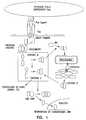
- Fas/FasL-mediated apoptosis is induced by binding of three FasL molecules which induces trimerization of Fas receptor via C-terminus death domains (DDs), which in turn recruit an adapter protein FADD (Fas-associated protein with death domain) and Caspase-8 ( Fig. 1 ).
- DDs C-terminus death domains
- FADD Fas-associated protein with death domain
- Caspase-8 Fig. 1
- the oligomerization of this trimolecular complex, Fas/FAJDD/caspase-8 results in proteolytic cleavage of proenzyme caspase-8 into active caspase-8 that, in turn, initiates the apoptosis process by activating other downstream caspases through proteolysis, including caspase-3.
- Death ligands in general are apoptotic when formed into trimers or higher order of structures. As monomers, they may serve as antiapoptotic agents by competing with the trimers for binding to the death receptors.
- the present invention discloses how to generate death ligands consisting of stable tetramers and deliver these ligands either as purified proteins or exposed on the surface of APCs to induce apoptosis in lymphocytes expressing the counter death receptors.
- death ligands are more effective in inducing apoptosis when in trimers or higher order of structures based upon the available data from similar biological systems.
- the preferred embodiment for the formation of tetramers and higher order of structures is streptavidin or avidin, both of which form tetramers and higher structure under physiological conditions.
- a modified form of streptavidin has been chosen as the preferred molecule in this patent application and is referred to as CSA throughout this document.
- Apoptosis of activated T cells results in tolerance to allografts and xenografis, including bone marrow and other organ transplantation. Purging of activated T cells also relieves the symptoms of allergies and other immune-induced diseases. Included in the latter are autoimmune disorders such as multiple sclerosis, lupus erythematosus, sarcoidosis, diabetes, and rheumatoid arthritis. Many disorders, including some tumors, are dependent on lymphocyte functions that lead to persistence of the disorder. Many hematological disorders could be treated with bone marrow stem cell transplants if the immune response could be regulated so as to induce tolerance to the foreign stem cells. Among these disorders are leukemias, lymphomas, aplastic anemia, sickle cell and Cooley's anemia and the like. All of these disorders may be controlled permanently or temporarily by apoptosis of activated immune cells, including T cells.
- This invention discloses strategies for the induction of tolerance, which comprise the construction of chimeric cDNAs encoding the functional portions of a tetramcr forming molecule operably linked to an apoptosis-inducing molecule.
- Table I is a summary of the proposed constructs. Choice of constructs may be based on factors such as the nature of the foreign antigen provoking adaptive immunity; whether relief sought will be temporary or permanent; whether a commitment to death is desired or addition downstream regulation of apoptosis is preferred.
- the dosage necessary to induce apoptosis is dependent on the affinity and specificity of the apoptotic agent. Ten to 100 molecules of the preferred embodiment per cell, CSA/FasL, is sufficient for the apoptotic effect, while as much as 1,000 to 10,000 molecules of less active constructs may be necessary. The choice of apoptotic agent will depend on the activity desired.
- a preferred production cell for the production of chimeric proteins encoded by the DNA constructs is the Drosophila system that is commercially available.
- Drosophila system that is commercially available.
- those skilled in the art of producing chimeric proteins will recognize that many other expression systems and vectors are suitable for production of the chimeric proteins of this invention. Included in these other systems are Escherichia coli, yeast and mammalian cell cultures.
- compositions and methods to regulate the immune system are representative of compositions and methods to regulate the immune system. These examples were designed to induce tolerance to autoantigens in the case of autoimmunity, allergies, and asthma and foreign antigens in case of allo and xenografts by application of the preferred embodiment to eliminate pathogenic immune cells expressing counter-death receptors. Furthermore, soluble forms of death ligands as monomers with none or minimal apoptotic activity will be used to interfere with apoptosis in neurodegenerative disorders and to promote liver regeneration.
- the most preferred embodiments are chimeric proteins, CSA-FasL, CSA-TNF ⁇ , CSA-TRAIL, and CSA-TWEAK produced by fusion of DNA coding for core streptavidin protein with that DNA coding for the mentioned death ligands and expressing the chimeric protein in a suitable production cell. These molecules are then purified and used either as purified proteins or used to decorate cells or organs to induce apoptosis in immune cells expressing the relevant death receptor.
- cells of interest are first biotinylated ex vivo or in vivo and then CSA-death ligands are administered in order to attach the molecules to the cell surface for apoptosis of target lymphocytes, resulting in, for example, induction of antigen-specific tolerance for the prevention of autoimmunity and foreign graft rejection.
- purified chimeric proteins may be applied ex vivo or in vivo, leading to permanent elimination of antigen-specific pathogenic lymphocytes and the amelioration of the diseased condition.
- Soluble form of FasL and other death ligands consisting of extracellular domains will be used as purified protein with antiapoptotic function to prevent apoptosis in neurons for the treatment of neurodegenerative disorders in which unregulated apoptosis is the pathogenic mechanism.
- This molecule with the chimeric ones will also be used for liver regeneration. All these proteins can also be used to prevent septic shock, allergies, asthma, and food poisoning where activated lymphocytes play a major role.
- Example 1 Cloning of wild type and generation of a membrane-bound form of FasL ,expression in mammalian cells, and test of apoptotic function
- FasL cDNA was cloned from ConA-activated rat T cells or human peripheral blood cells using primers specific for the very 5'- and 3'-untranslated regions of the FasL mRNA in RT-PCR.
- the amplification product was then cloned into the TA cloning vector and several functional cDNA clones were determined by sequence analysis.
- a functional cDNA clone was then subcloned into the pcDNA3 eukaryotic expression vector (pcDNA3) and the recombinant clones containing cDNA in both the sense and the antisense orientations were determined by restriction site analysis.
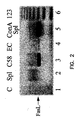
- Figure 2 shows the expression of FasL in different cell types as shown by gel electrophoresis.
- a PCR template (column 1) is shown as a negative control.
- FasL is synthesized as a type II membranous protein, it is also secreted into the milieu as a soluble protein.
- the soluble form is generated from the membranous molecule by matrix metalloproteinases within minutes after its expression on the cell surface.
- FasL is also synthesized and stored as a membranous protein in microvesicles that are excreted into the milieu in selected cell types in response to various stimuli.
- These three different forms of FasLmembranous, soluble, and vesicular-- may differ in their function with respect to apoptosis and immune regulation.
- Apoptosis is primarily mediated by vesicular and membranous forms of FasL whereas the soluble form is ineffective in mediating apoptosis and indeed serves as an antiapoptotic factor by competing with the membranous form for Fas.
- soluble FasL serves as a chemotactic factor for neutrophils whereas membranous and vesicular FasLs lack this function.
- Soluble FasL may, therefore, contribute to graft rejection by I) serving as an antiapoptotic molecule to prevent apoptosis of graft-reactive T cells, and ii) serving as a chemotactic factor for neutrophil infiltration into the graft. It is, therefore, important to separate the antiapoptotic and chemotactic functions of FasL from its apoptotic function for the use of FasL as a tolerogenic molecule.
- rat FasL that is stably expressed on the cell surface by eliminating the putative metalloproteinase site.
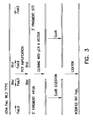
- Oligonucleotide primers specific for FasL were designed by PCR to delete nucleotides encoding 12 amino acids residues thought to be metalloproteinase site ( Fig. 3 ).
- DNA clones for the modified (mFasL) and wild type (wtFasL) were then transfected into PVG.IU rat endothelial cells and monkey Cosl cells for expression. Stable transfectants were selected using G418 and analyzed for the expression of FasL molecules using RT-PCR and flow cytometry.
- RT-PCR analysis revealed high levels of expression of FasL in transfected cells but not in untransfected cells.
- Cos cells were transiently transfected with wtFasL and mFasL.
- Total RNA was prepared three days after transfection and used for RT-PCR with FasL-specific primers.
- the PCR products were digested with Xhol enzyme. Most importantly, restriction digest of the PCR product with XhoI enzyme that was engineered into the cDNA for the modified form resulted in two bands in cells transfected with the mFasL but not wtFasL, confirming the modification.
- the expression of FasL at the protein level was confirmed using PE-labeled FasL mAb MFL4 in flow cytometry.
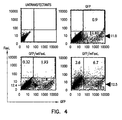
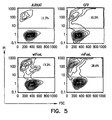
- Transfectants expressing mFasL were much more effective in inducing apoptosis in apoptosis-sensitive human Jurkat cells as compared with transfectants expressing wtFasL ( Figure 5 ).
- COS cells were transiently transfected with wtFasL and mFasL. Three days after transfection, transfectants were co-incubated with Jurkat cells overnight and apoptosis was determined using PI in flow cytometry. Untransfected (Jurkat) and green fluorescence protein (GFP) transfected cells served as negative controls. The percentage of dead cells is shown in the upper quadrants of the histograms. The data is representative of a minimum of four independent experiments. Specific expression increased from 3.2% to 15.4%, while specific apoptosis increased from 6.5% to 23.8%.
- CSA core streptavidin fused in frame with the extracellular domain of FasL lacking the putative metalloproteinase site using the scheme outlined in Figure 6 .
- Genomic DNA was isolated from Streptomyces avidinii (ATCC Cat.#27419) and 0.2 g of this DNA was used as template for amplification using primers specific for 5'-end (CSA-I) and 3'-end (CSA-2) of core streptavidin in PCR.
- the 5'-primer included sequences for BgllI and 6 His residues to allow cloning in frame with the Drosophila secretion signal (BiP) for expression as a secreted protein and purification using NI-affinity columns.
- the PCR product was cloned into the TA cloning vector and several positive clones were identified first screening by PCR and then digestion with restriction enzymes.
- the PCR product was then cloned into the TA cloning vector and several positive clones were identified by restriction digestion.
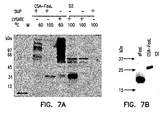
- S2 cells were transfected transiently with the recombinant CSA/FasL plasmid using calcium phosphate transfection according to the manufacture's instructions (Invitrogen). S2 cells were pulsed with copper sulfate 24 hr after transfection to activate the metallothionein promoter for expression of the chimeric CSA-FasL protein. Culture medium was then collected after a 24-hr induction period and analyzed by ELISA and Western blot. It was seen that mAb MFL4 against FasL (PharMingen, San Diego, CA) detects a band of ⁇ 35 kDa corresponding to the expected molecular weight of the chimeric protein in Western blots performed under stringent denaturing conditions.
- chimeric protein The identity of the chimeric protein was either confirmed using polyclonal antibodies against streptavidin (Zymed Laboratories, San Francisco, CA), which detected the same band (data not shown).
- streptavidin Zymed Laboratories, San Francisco, CA
- CSA forms tetramers that are stable in 1% SDS and 10% mercaptoethanol solution at temperatures under 60°C. Culture supernatants were, therefore, heated at 60 and 100°C before running on SDS-PAGE to test if the chimeric protein forms tetramers.
- mAb MFL4 against FasL (PharMingen, San Diego, CA) detected bands of ⁇ 35 and >100 kDa at 60°C and primarily a band of ⁇ 35 kDa at 100°C.
- CSA-FasL by S2 cells was further confirmed using biotin-coated microwell strip plates in ELISA. Briefly, biotinylated wells were incubated with culture supernatants for 45 min at room temperature, washed extensively, and then incubated with the working concentrations of primary antibodies against streptavidin or FasL (MFL4) for 45 min at room temperature. Wells were then washed extensively and incubated with alkaline phosphatase conjugated secondary antibodies at room temperature for 45 min. Plates were then washed extensively and incubated with alkaline phosphatase substrate. Data was analyzed using an ELISA reader (Victor, Wallac, Gaithersburg, MD).
- Example 3 Expression of chimeric CSA-FasL molecule on the surface of splenocytes for analysis of its function in apoptosis
- chimeric CSA-FasL can be attached to the cell surface under physiological conditions
- 2.5x10 7 PVG.R8 splenocytes were conjugated with EZ-Link Sulfo-NHS-LC-Biotin (15 ⁇ M) in 1 ml of PBS at room temperature for 30 min according to the manufacturer's instructions (Pierce). After several washes in PBS, pH 8.0, 1x10 6 cells were incubated in 0.3-1 ml culture supernatants containing 50-100 ng CSA-FasL or supernatants from S2 cells transfected with a nonfunctional FasL construct for 45 min on ice.
- splenocytes were washed with PBS three times and 1 x 10 6 cells were co-incubated with 1 x 10 6 Jurkat cells in RPMI culture medium overnight for apoptotic activity.
- Apoptosis in Jurkat cells was determined by using propidium iodide (a marker for dead cells), Annexin V-FITC (a marker for early apoptotic events), and human anti-CD3-APC mAb (clone UCHT1; PharMingen) to gate specifically on Jurkat cells using flow cytometry.
- the activated T cells of the patient may be advisable to purge without inducing a permanent effect.
- Many techniques arc known for removal of blood continuously from the body, subjecting it to treatment outside the body with subsequent return.
- a patient suffering from an autoimmune disease will especially benefit from leukophoresis, in which the white cells are continuously collected, followed by treatment with one of the recombinant proteins of this invention.
- Those activated lymphocytes killed via apoptosis will be removed and the leukocytes returned to the patient. In this manner, the pathogenic immune cells are removed from the body of the patient without major side effects of the treatment.
- CSA-FasL conjugated the chimeric CSA-FasL molecule to biotin-agarose beads (ImmunnPure® immobilized immunobiotin; Pierce) and tested the function for apoptosis of Jurkat cells.
- biotin-agarose beads ImmunnPure® immobilized immunobiotin; Pierce
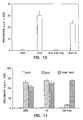
- CSA-FasL induced significant apoptosis (38%) in Jurkat cells as compared with the beads without FasL (15%).
- Treatment of mouse A20 cell line under similar experimental conditions results in >90% death as this cell line is more sensitive to apoptosis.
- ACI splenocytes were conjugated with EZ-Link Sulfo-NHS-LC-Biotin (5 ⁇ M) in 1 ml of PBS at room temperature for 30 rain according to the manufacturer's instructions (Pierce).
- Splenocytes were harvested from B10 mice, biotinylated (15 ⁇ M), decorated with FasL (50-100 ng/10 6 cells) or control S2 supernatant, and irradiated (2000 rads).
- FasL 50-100 ng/10 6 cells
- control S2 supernatant 50-100 ng/10 6 cells
- irradiated 2000 rads.
- One million of splenocytes were co-transplanted with -400 islet cells under the kidney capsule of diabetic BALB/c mice. Survival of islets was assessed by monitoring blood glucose levels starting 3 days after transplantation. FasL-decorated splenocytes prevented the rejection of ⁇ 70% of allogeneic islets (MST>56 day;).
- biotin/streptavidin pair for direction of the constructs to the targeted cells, it is well known that other such pairs exist.
- Avidin can be substituted for streptavidin.
Landscapes
- Health & Medical Sciences (AREA)
- Life Sciences & Earth Sciences (AREA)
- Chemical & Material Sciences (AREA)
- Engineering & Computer Science (AREA)
- Bioinformatics & Cheminformatics (AREA)
- General Health & Medical Sciences (AREA)
- Organic Chemistry (AREA)
- Medicinal Chemistry (AREA)
- Pharmacology & Pharmacy (AREA)
- Animal Behavior & Ethology (AREA)
- Public Health (AREA)
- Veterinary Medicine (AREA)
- Chemical Kinetics & Catalysis (AREA)
- General Chemical & Material Sciences (AREA)
- Nuclear Medicine, Radiotherapy & Molecular Imaging (AREA)
- Immunology (AREA)
- Molecular Biology (AREA)
- Proteomics, Peptides & Aminoacids (AREA)
- Cell Biology (AREA)
- Biotechnology (AREA)
- Diabetes (AREA)
- Genetics & Genomics (AREA)
- Biomedical Technology (AREA)
- Zoology (AREA)
- Biophysics (AREA)
- Hematology (AREA)
- Rheumatology (AREA)
- Wood Science & Technology (AREA)
- Nanotechnology (AREA)
- General Engineering & Computer Science (AREA)
- Toxicology (AREA)
- Pulmonology (AREA)
- Epidemiology (AREA)
- Biochemistry (AREA)
- Transplantation (AREA)
- Crystallography & Structural Chemistry (AREA)
- Emergency Medicine (AREA)
- Pain & Pain Management (AREA)
- Gastroenterology & Hepatology (AREA)
- Neurology (AREA)
Applications Claiming Priority (5)
| Application Number | Priority Date | Filing Date | Title |
|---|---|---|---|
| US17803800P | 2000-01-24 | 2000-01-24 | |
| US178038P | 2000-01-24 | ||
| US21558000P | 2000-06-30 | 2000-06-30 | |
| US215580P | 2000-06-30 | ||
| PCT/US2001/002256 WO2001052664A1 (en) | 2000-01-24 | 2001-01-24 | Immune modulation with death receptor-induced apoptosis |
Publications (3)
| Publication Number | Publication Date |
|---|---|
| EP1250055A1 EP1250055A1 (en) | 2002-10-23 |
| EP1250055A4 EP1250055A4 (en) | 2003-04-23 |
| EP1250055B1 true EP1250055B1 (en) | 2010-09-15 |
Family
ID=26873890
Family Applications (1)
| Application Number | Title | Priority Date | Filing Date |
|---|---|---|---|
| EP01905011A Expired - Lifetime EP1250055B1 (en) | 2000-01-24 | 2001-01-24 | Immune modulation with death receptor-induced apoptosis |
Country Status (7)
| Country | Link |
|---|---|
| EP (1) | EP1250055B1 (enExample) |
| JP (1) | JP4898049B2 (enExample) |
| AT (1) | ATE481475T1 (enExample) |
| AU (1) | AU784614B2 (enExample) |
| CA (1) | CA2396979C (enExample) |
| DE (1) | DE60143074D1 (enExample) |
| WO (1) | WO2001052664A1 (enExample) |
Families Citing this family (7)
| Publication number | Priority date | Publication date | Assignee | Title |
|---|---|---|---|---|
| US7927602B2 (en) | 2002-07-23 | 2011-04-19 | University Of Louisville Research Foundation, Inc. | Fas ligand-avidin/streptavidin fusion proteins |
| US7541184B2 (en) | 2000-02-24 | 2009-06-02 | Invitrogen Corporation | Activation and expansion of cells |
| US7572631B2 (en) | 2000-02-24 | 2009-08-11 | Invitrogen Corporation | Activation and expansion of T cells |
| WO2002002751A2 (en) * | 2000-06-30 | 2002-01-10 | University Of Louisville Research Foundation, Inc. | Alteration of cell membrane |
| US20050084967A1 (en) | 2002-06-28 | 2005-04-21 | Xcyte Therapies, Inc. | Compositions and methods for eliminating undesired subpopulations of T cells in patients with immunological defects related to autoimmunity and organ or hematopoietic stem cell transplantation |
| AU2020334237B2 (en) * | 2019-08-19 | 2025-11-13 | Universität Basel | Cell therapy methods |
| CN115717124B (zh) * | 2022-11-23 | 2025-05-16 | 香港城市大学深圳福田研究院 | 用于分离外泌体的纳米材料及其制备方法、应用 |
Family Cites Families (6)
| Publication number | Priority date | Publication date | Assignee | Title |
|---|---|---|---|---|
| KR101004174B1 (ko) * | 1995-06-29 | 2010-12-24 | 임뮤넥스 코포레이션 | 세포소멸을 유도하는 시토킨 |
| US6004942A (en) * | 1995-08-30 | 1999-12-21 | The Regents Of The University Of California | Methods for treating arthritis by administering an apoptosis regulator |
| GB9523469D0 (en) * | 1995-11-16 | 1996-01-17 | Sandoz Ltd | Organic compounds |
| US6046310A (en) * | 1996-03-13 | 2000-04-04 | Protein Design Labs., Inc. | FAS ligand fusion proteins and their uses |
| WO1998020896A1 (en) * | 1996-11-15 | 1998-05-22 | Health Research Inc. | A method for inducing apoptosis of primary central nervous system b cell lymphomas |
| GB9721075D0 (en) * | 1997-10-03 | 1997-12-03 | Cancer Res Campaign Tech | Materials and methods relating to the stimulation of cells |
-
2001
- 2001-01-24 EP EP01905011A patent/EP1250055B1/en not_active Expired - Lifetime
- 2001-01-24 AU AU32933/01A patent/AU784614B2/en not_active Ceased
- 2001-01-24 JP JP2001552725A patent/JP4898049B2/ja not_active Expired - Fee Related
- 2001-01-24 WO PCT/US2001/002256 patent/WO2001052664A1/en not_active Ceased
- 2001-01-24 CA CA2396979A patent/CA2396979C/en not_active Expired - Fee Related
- 2001-01-24 AT AT01905011T patent/ATE481475T1/de not_active IP Right Cessation
- 2001-01-24 DE DE60143074T patent/DE60143074D1/de not_active Expired - Lifetime
Also Published As
| Publication number | Publication date |
|---|---|
| WO2001052664A1 (en) | 2001-07-26 |
| EP1250055A4 (en) | 2003-04-23 |
| ATE481475T1 (de) | 2010-10-15 |
| CA2396979A1 (en) | 2001-07-26 |
| DE60143074D1 (de) | 2010-10-28 |
| JP4898049B2 (ja) | 2012-03-14 |
| CA2396979C (en) | 2015-07-14 |
| JP2003520214A (ja) | 2003-07-02 |
| EP1250055A1 (en) | 2002-10-23 |
| AU784614B2 (en) | 2006-05-11 |
| AU3293301A (en) | 2001-07-31 |
Similar Documents
| Publication | Publication Date | Title |
|---|---|---|
| US8551494B2 (en) | Methods of immune modulation with death receptor-induced apoptosis | |
| EP1666591B1 (en) | Cytokine that induces apoptosis | |
| US9255133B2 (en) | Alteration of cell membrane for new functions using IL-2 and streptavidin | |
| EP1102848B1 (en) | Molecules designated ldcam | |
| AU705484B2 (en) | Ligand that binds fas antigen | |
| AU741419B2 (en) | Ligand for herpes simplex virus entry mediator and methods of use | |
| CN102861319A (zh) | 通过调节tim-1、tim-2和tim-4功能从而调节免疫应答的方法 | |
| Berke | The Fas-based mechanism of lymphocytotoxicity | |
| AU2002216763A1 (en) | Alteration of cell membrane | |
| EP1250055B1 (en) | Immune modulation with death receptor-induced apoptosis | |
| AU783996B2 (en) | Compositions and methods for caspase-induced apoptosis | |
| JP2003513619A (ja) | 自己免疫疾患および免疫病因を含む疾患を治療するための遺伝子導入ベクター | |
| Griffiths et al. | Pathways for cytolysis | |
| HK1092836B (en) | Cytokine that induces apoptosis | |
| HK1010215B (en) | Cytokine that induces apoptosis |
Legal Events
| Date | Code | Title | Description |
|---|---|---|---|
| PUAI | Public reference made under article 153(3) epc to a published international application that has entered the european phase |
Free format text: ORIGINAL CODE: 0009012 |
|
| 17P | Request for examination filed |
Effective date: 20020731 |
|
| AK | Designated contracting states |
Kind code of ref document: A1 Designated state(s): AT BE CH CY DE DK ES FI FR GB GR IE IT LI LU MC NL PT SE TR |
|
| AX | Request for extension of the european patent |
Free format text: AL;LT;LV;MK;RO;SI |
|
| RIC1 | Information provided on ipc code assigned before grant |
Ipc: 7C 07K 14/495 B Ipc: 7C 12N 5/06 B Ipc: 7A 61P 35/00 B Ipc: 7A 61P 37/00 B Ipc: 7C 07K 19/00 B Ipc: 7C 12N 15/12 B Ipc: 7C 12N 5/00 A Ipc: 7C 07K 14/525 B Ipc: 7A 61K 47/48 B Ipc: 7C 07K 14/465 B Ipc: 7C 07K 14/36 B Ipc: 7A 61K 35/14 B Ipc: 7C 07K 14/54 B Ipc: 7C 07K 14/705 B Ipc: 7A 61K 35/28 B Ipc: 7C 07K 17/00 B |
|
| A4 | Supplementary search report drawn up and despatched |
Effective date: 20030311 |
|
| RIN1 | Information on inventor provided before grant (corrected) |
Inventor name: SHIRWAN, HAVAL |
|
| GRAP | Despatch of communication of intention to grant a patent |
Free format text: ORIGINAL CODE: EPIDOSNIGR1 |
|
| RIC1 | Information provided on ipc code assigned before grant |
Ipc: A61K 47/48 20060101ALI20100218BHEP Ipc: A61P 37/00 20060101ALI20100218BHEP Ipc: A61K 35/28 20060101ALI20100218BHEP Ipc: A61K 35/14 20060101ALI20100218BHEP Ipc: C07K 14/54 20060101ALI20100218BHEP Ipc: C07K 14/525 20060101ALI20100218BHEP Ipc: C07K 14/36 20060101ALI20100218BHEP Ipc: C07K 19/00 20060101ALI20100218BHEP Ipc: C12N 5/00 20060101AFI20100218BHEP Ipc: A61P 35/00 20060101ALI20100218BHEP Ipc: C07K 14/495 20060101ALI20100218BHEP Ipc: C07K 14/465 20060101ALI20100218BHEP Ipc: C12N 15/12 20060101ALI20100218BHEP Ipc: C07K 14/705 20060101ALI20100218BHEP Ipc: C07K 17/00 20060101ALI20100218BHEP |
|
| GRAS | Grant fee paid |
Free format text: ORIGINAL CODE: EPIDOSNIGR3 |
|
| GRAA | (expected) grant |
Free format text: ORIGINAL CODE: 0009210 |
|
| AK | Designated contracting states |
Kind code of ref document: B1 Designated state(s): AT BE CH CY DE DK ES FI FR GB GR IE IT LI LU MC NL PT SE TR |
|
| REG | Reference to a national code |
Ref country code: GB Ref legal event code: FG4D Ref country code: CH Ref legal event code: EP |
|
| REG | Reference to a national code |
Ref country code: IE Ref legal event code: FG4D |
|
| REF | Corresponds to: |
Ref document number: 60143074 Country of ref document: DE Date of ref document: 20101028 Kind code of ref document: P |
|
| REG | Reference to a national code |
Ref country code: CH Ref legal event code: NV Representative=s name: ING. MARCO ZARDI C/O M. ZARDI & CO. S.A. |
|
| REG | Reference to a national code |
Ref country code: NL Ref legal event code: VDEP Effective date: 20100915 |
|
| PG25 | Lapsed in a contracting state [announced via postgrant information from national office to epo] |
Ref country code: FI Free format text: LAPSE BECAUSE OF FAILURE TO SUBMIT A TRANSLATION OF THE DESCRIPTION OR TO PAY THE FEE WITHIN THE PRESCRIBED TIME-LIMIT Effective date: 20100915 Ref country code: AT Free format text: LAPSE BECAUSE OF FAILURE TO SUBMIT A TRANSLATION OF THE DESCRIPTION OR TO PAY THE FEE WITHIN THE PRESCRIBED TIME-LIMIT Effective date: 20100915 |
|
| PG25 | Lapsed in a contracting state [announced via postgrant information from national office to epo] |
Ref country code: CY Free format text: LAPSE BECAUSE OF FAILURE TO SUBMIT A TRANSLATION OF THE DESCRIPTION OR TO PAY THE FEE WITHIN THE PRESCRIBED TIME-LIMIT Effective date: 20100915 |
|
| PG25 | Lapsed in a contracting state [announced via postgrant information from national office to epo] |
Ref country code: SE Free format text: LAPSE BECAUSE OF FAILURE TO SUBMIT A TRANSLATION OF THE DESCRIPTION OR TO PAY THE FEE WITHIN THE PRESCRIBED TIME-LIMIT Effective date: 20100915 Ref country code: GR Free format text: LAPSE BECAUSE OF FAILURE TO SUBMIT A TRANSLATION OF THE DESCRIPTION OR TO PAY THE FEE WITHIN THE PRESCRIBED TIME-LIMIT Effective date: 20101216 |
|
| PG25 | Lapsed in a contracting state [announced via postgrant information from national office to epo] |
Ref country code: PT Free format text: LAPSE BECAUSE OF FAILURE TO SUBMIT A TRANSLATION OF THE DESCRIPTION OR TO PAY THE FEE WITHIN THE PRESCRIBED TIME-LIMIT Effective date: 20110117 Ref country code: NL Free format text: LAPSE BECAUSE OF FAILURE TO SUBMIT A TRANSLATION OF THE DESCRIPTION OR TO PAY THE FEE WITHIN THE PRESCRIBED TIME-LIMIT Effective date: 20100915 Ref country code: IT Free format text: LAPSE BECAUSE OF FAILURE TO SUBMIT A TRANSLATION OF THE DESCRIPTION OR TO PAY THE FEE WITHIN THE PRESCRIBED TIME-LIMIT Effective date: 20100915 |
|
| PG25 | Lapsed in a contracting state [announced via postgrant information from national office to epo] |
Ref country code: ES Free format text: LAPSE BECAUSE OF FAILURE TO SUBMIT A TRANSLATION OF THE DESCRIPTION OR TO PAY THE FEE WITHIN THE PRESCRIBED TIME-LIMIT Effective date: 20101226 Ref country code: BE Free format text: LAPSE BECAUSE OF FAILURE TO SUBMIT A TRANSLATION OF THE DESCRIPTION OR TO PAY THE FEE WITHIN THE PRESCRIBED TIME-LIMIT Effective date: 20100915 |
|
| PLBE | No opposition filed within time limit |
Free format text: ORIGINAL CODE: 0009261 |
|
| STAA | Information on the status of an ep patent application or granted ep patent |
Free format text: STATUS: NO OPPOSITION FILED WITHIN TIME LIMIT |
|
| 26N | No opposition filed |
Effective date: 20110616 |
|
| PG25 | Lapsed in a contracting state [announced via postgrant information from national office to epo] |
Ref country code: DK Free format text: LAPSE BECAUSE OF FAILURE TO SUBMIT A TRANSLATION OF THE DESCRIPTION OR TO PAY THE FEE WITHIN THE PRESCRIBED TIME-LIMIT Effective date: 20100915 Ref country code: MC Free format text: LAPSE BECAUSE OF NON-PAYMENT OF DUE FEES Effective date: 20110131 |
|
| REG | Reference to a national code |
Ref country code: DE Ref legal event code: R097 Ref document number: 60143074 Country of ref document: DE Effective date: 20110616 |
|
| PG25 | Lapsed in a contracting state [announced via postgrant information from national office to epo] |
Ref country code: LU Free format text: LAPSE BECAUSE OF NON-PAYMENT OF DUE FEES Effective date: 20110124 |
|
| PG25 | Lapsed in a contracting state [announced via postgrant information from national office to epo] |
Ref country code: TR Free format text: LAPSE BECAUSE OF FAILURE TO SUBMIT A TRANSLATION OF THE DESCRIPTION OR TO PAY THE FEE WITHIN THE PRESCRIBED TIME-LIMIT Effective date: 20100915 |
|
| PGFP | Annual fee paid to national office [announced via postgrant information from national office to epo] |
Ref country code: CH Payment date: 20150126 Year of fee payment: 15 Ref country code: IE Payment date: 20150126 Year of fee payment: 15 |
|
| REG | Reference to a national code |
Ref country code: FR Ref legal event code: PLFP Year of fee payment: 16 |
|
| REG | Reference to a national code |
Ref country code: CH Ref legal event code: PL |
|
| PG25 | Lapsed in a contracting state [announced via postgrant information from national office to epo] |
Ref country code: CH Free format text: LAPSE BECAUSE OF NON-PAYMENT OF DUE FEES Effective date: 20160131 Ref country code: LI Free format text: LAPSE BECAUSE OF NON-PAYMENT OF DUE FEES Effective date: 20160131 |
|
| PGFP | Annual fee paid to national office [announced via postgrant information from national office to epo] |
Ref country code: GB Payment date: 20160720 Year of fee payment: 16 Ref country code: DE Payment date: 20160729 Year of fee payment: 16 |
|
| REG | Reference to a national code |
Ref country code: IE Ref legal event code: MM4A |
|
| PGFP | Annual fee paid to national office [announced via postgrant information from national office to epo] |
Ref country code: FR Payment date: 20160722 Year of fee payment: 16 |
|
| PG25 | Lapsed in a contracting state [announced via postgrant information from national office to epo] |
Ref country code: IE Free format text: LAPSE BECAUSE OF NON-PAYMENT OF DUE FEES Effective date: 20160124 |
|
| REG | Reference to a national code |
Ref country code: DE Ref legal event code: R119 Ref document number: 60143074 Country of ref document: DE |
|
| GBPC | Gb: european patent ceased through non-payment of renewal fee |
Effective date: 20170124 |
|
| REG | Reference to a national code |
Ref country code: FR Ref legal event code: ST Effective date: 20170929 |
|
| PG25 | Lapsed in a contracting state [announced via postgrant information from national office to epo] |
Ref country code: FR Free format text: LAPSE BECAUSE OF NON-PAYMENT OF DUE FEES Effective date: 20170131 |
|
| PG25 | Lapsed in a contracting state [announced via postgrant information from national office to epo] |
Ref country code: GB Free format text: LAPSE BECAUSE OF NON-PAYMENT OF DUE FEES Effective date: 20170124 Ref country code: DE Free format text: LAPSE BECAUSE OF NON-PAYMENT OF DUE FEES Effective date: 20170801 |