EP1227645A2 - Verfahren zur Speicherung und Verarbeitung von Rufnummern - Google Patents
Verfahren zur Speicherung und Verarbeitung von Rufnummern Download PDFInfo
- Publication number
- EP1227645A2 EP1227645A2 EP02100033A EP02100033A EP1227645A2 EP 1227645 A2 EP1227645 A2 EP 1227645A2 EP 02100033 A EP02100033 A EP 02100033A EP 02100033 A EP02100033 A EP 02100033A EP 1227645 A2 EP1227645 A2 EP 1227645A2
- Authority
- EP
- European Patent Office
- Prior art keywords
- code
- trailer
- country
- ncf
- area code
- Prior art date
- Legal status (The legal status is an assumption and is not a legal conclusion. Google has not performed a legal analysis and makes no representation as to the accuracy of the status listed.)
- Granted
Links
- 238000000034 method Methods 0.000 title claims abstract description 18
- 238000012545 processing Methods 0.000 title claims description 4
- 230000009466 transformation Effects 0.000 claims description 13
- 238000013519 translation Methods 0.000 claims description 6
- 230000001427 coherent effect Effects 0.000 claims 1
- 238000000926 separation method Methods 0.000 description 3
- 230000009471 action Effects 0.000 description 1
- 238000013459 approach Methods 0.000 description 1
- 230000001413 cellular effect Effects 0.000 description 1
- 238000006243 chemical reaction Methods 0.000 description 1
- 238000007796 conventional method Methods 0.000 description 1
- 238000013500 data storage Methods 0.000 description 1
- 230000010354 integration Effects 0.000 description 1
- 238000012804 iterative process Methods 0.000 description 1
- 238000012986 modification Methods 0.000 description 1
- 230000004048 modification Effects 0.000 description 1
- 230000008569 process Effects 0.000 description 1
- 238000012552 review Methods 0.000 description 1
- 230000009897 systematic effect Effects 0.000 description 1
- 238000012795 verification Methods 0.000 description 1
Images


Classifications
-
- H—ELECTRICITY
- H04—ELECTRIC COMMUNICATION TECHNIQUE
- H04M—TELEPHONIC COMMUNICATION
- H04M1/00—Substation equipment, e.g. for use by subscribers
- H04M1/26—Devices for calling a subscriber
- H04M1/27—Devices whereby a plurality of signals may be stored simultaneously
- H04M1/274—Devices whereby a plurality of signals may be stored simultaneously with provision for storing more than one subscriber number at a time, e.g. using toothed disc
- H04M1/2745—Devices whereby a plurality of signals may be stored simultaneously with provision for storing more than one subscriber number at a time, e.g. using toothed disc using static electronic memories, e.g. chips
-
- H—ELECTRICITY
- H04—ELECTRIC COMMUNICATION TECHNIQUE
- H04M—TELEPHONIC COMMUNICATION
- H04M1/00—Substation equipment, e.g. for use by subscribers
- H04M1/26—Devices for calling a subscriber
- H04M1/27—Devices whereby a plurality of signals may be stored simultaneously
- H04M1/274—Devices whereby a plurality of signals may be stored simultaneously with provision for storing more than one subscriber number at a time, e.g. using toothed disc
- H04M1/2745—Devices whereby a plurality of signals may be stored simultaneously with provision for storing more than one subscriber number at a time, e.g. using toothed disc using static electronic memories, e.g. chips
- H04M1/27485—Appending a prefix to or inserting a pause into a dialling sequence
-
- H—ELECTRICITY
- H04—ELECTRIC COMMUNICATION TECHNIQUE
- H04M—TELEPHONIC COMMUNICATION
- H04M3/00—Automatic or semi-automatic exchanges
- H04M3/42—Systems providing special services or facilities to subscribers
- H04M3/42314—Systems providing special services or facilities to subscribers in private branch exchanges
- H04M3/42323—PBX's with CTI arrangements
-
- H—ELECTRICITY
- H04—ELECTRIC COMMUNICATION TECHNIQUE
- H04M—TELEPHONIC COMMUNICATION
- H04M3/00—Automatic or semi-automatic exchanges
- H04M3/42—Systems providing special services or facilities to subscribers
- H04M3/487—Arrangements for providing information services, e.g. recorded voice services or time announcements
- H04M3/493—Interactive information services, e.g. directory enquiries ; Arrangements therefor, e.g. interactive voice response [IVR] systems or voice portals
- H04M3/4931—Directory assistance systems
-
- H—ELECTRICITY
- H04—ELECTRIC COMMUNICATION TECHNIQUE
- H04M—TELEPHONIC COMMUNICATION
- H04M1/00—Substation equipment, e.g. for use by subscribers
- H04M1/26—Devices for calling a subscriber
- H04M1/27—Devices whereby a plurality of signals may be stored simultaneously
- H04M1/274—Devices whereby a plurality of signals may be stored simultaneously with provision for storing more than one subscriber number at a time, e.g. using toothed disc
- H04M1/2745—Devices whereby a plurality of signals may be stored simultaneously with provision for storing more than one subscriber number at a time, e.g. using toothed disc using static electronic memories, e.g. chips
- H04M1/27453—Directories allowing storage of additional subscriber data, e.g. metadata
- H04M1/27457—Management thereof, e.g. manual editing of data
Definitions
- the invention relates to a method for storage and processing of numbers in a telecommunications network, especially using a so-called canonical Numbers format.
- the individual connections or end devices of a telecommunications network have connection or terminal-specific phone numbers.
- the phone numbers usually have several different ones Components. In the case of fixed networks, these include Components in particular a country and a local code of the Connection or the terminal and its - on land and Location related - extension. For cellular networks, these include Components a country code, a label of the network itself as well as the extension.
- the phone numbers are usually recorded based on the current location, both as manually entered phone numbers as well as automatically transmitted phone numbers, e.g. on the display a terminal on an ISDN connection or a mobile phone be displayed as a phone number.
- this database can ("Phonebook") not easily to another Location or even in another country to an automatic Dialing a stored number using CTI applications to be used. This represents a major drawback automated applications for stored phone numbers represents both international companies and organizations as well as private individuals.
- the described relationship also leads to problems with the secure identification of a caller, for example, in one Call center.
- Running under Microsoft Windows Program TAPI (T elephony A pplication P rogramming I nterface) offers a "line translate address ()" function that transforms a so-called canonical number in consideration of the current location in a directly selectable number.
- the most important first part of the - traditional - canonical format is defined as + Country code (area code) extension.
- the number or the connection 8-20715 in the place Paderborn - with the assigned area code 5251 - in Germany - with the assigned country code 49 - is in canonical format defined as the number / character string "+49 (5251) 8-20715".
- lineTranslateAddress () function mentioned this phone number from the - conventional - canonical format for example in the town of Berlin in Germany Dialable number 05251820715 transformed.
- Call centers are therefore sometimes operator-specific Algorithms applied to the last digits of the already Determine the saved callback number and then (possibly in steps of an iterative process) to the caller try to identify. Same end numbers with different ones However, area codes cannot be secured with these procedures be distinguished from each other. Not when found The user usually gets too many hits in a selection dialog offered, from which he believes the one that applies Can select participants.
- the invention has for its object a universal and to specify a reliable method of the generic type, which is the storage of worldwide valid phone numbers and their clear processing allowed.
- the invention is based on the basic idea of the provision a new canonical format - NCF for short the storage of the phone numbers of a telecommunications network.
- To dial a number the number is made from it new canonical format NCF into a pseudo-canonical phone number converted through known functions - in particular the lineTranslateAddress () function from Microsoft TAPI - further transformed into a dialable number becomes.
- the area code is used separated with brackets () from the country code and the extension.
- the position of the closing bracket can, however, be received Numbers are not recognized correctly.
- the new canonical format NCF is structured as follows: - Country code
- the indent "-" is used to identify the new canonical Format NCF.
- " separates the Country code from the trailer, which in turn from the area code and the extension exists. For the country code, the area code and the extension only the digits 0 to 9 are permitted. In particular, there are no spaces or other separators, e.g. for grouping components of the overall number, allowed.
- the phone number is used to perform an address translation function in a first transformation step from the new one canonical format NCF into a phone number in conventional canonical Format, especially with the structure "+ country code (Area code) extension "and from this in a second Transformation step into a conventional method dialable number converted.
- the second transformation step is carried out using the known LineTranslateAddress () function executed in Microsoft TAPI.
- NCF becomes a country code list of all valid country codes and information on the current Location needed. For example, there is a country code list in any TAPI-compliant translation system. As location information can use the information maintained by TAPI become. If these are not available, they must corresponding information or additional information in the form of a Configuration file are or are available to be determined by the user in another suitable manner. In a preferred execution, the location data are in Microsoft TAPI before or can be recorded via this.
- TAPI-compliant translation systems provide this information already largely on.
Landscapes
- Engineering & Computer Science (AREA)
- Signal Processing (AREA)
- Telephonic Communication Services (AREA)
- Telephone Function (AREA)
Abstract
Description
- Länderkode
- Ortsvorwahl
- Bildungsregeln für Rufnummern für die Fälle
- (a) Rufnummer aus dem gleichen Ortsnetz
- (b) Rufnummer aus einem fremden Ortsnetz des gleichen Landes
- (c) Rufnummer aus einem fremden Land
- Information, ob innerhalb des gleichen Ortsnetzes die Ortsvorwahl immer gewählt werden muß
- eine Liste derjenigen Ziffernfolgen, die zu einem Voranstellen einer "1" führen, wenn eine Rufnummer mit dieser Folge innerhalb des gleichen Ortsnetzes beginnt
- eine Liste derjenigen Ortsvorwahlen, bei denen eine führende "1" unterdrückt wird
- mögliche vorbereitende und nachbereitende Wählanteile wie z. B. Amtskennziffern und Zusatznummern, sowie die Information, inwieweit diese Anteile in einer empfangenen Rufnummer mitgeliefert werden.
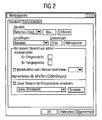
- Fig.1 bis Fig. 3:
- Schirmbilder eines Programmablaufs der auf Windows-Systemen verfügbaren TAPI-Konfiguration.
- 1. 037983
- 2. 0089894578
- 3. 000394251782643
- 1. 01149525137983
- 2. 323437983
- 3. 13234270379
- 4. 27237983
Claims (10)
- Verfahren zur Speicherung und Verarbeitung von Rufnummern eines Telekommunikationsnetzes, insbesondere in einer an das Telekommunikationsnetz angeschlossenen Telekommunikationsanlage,
dadurch gekennzeichnet,dass die Rufnummern in ein spezifisches, dem kanonischen Format ähnlichen Format (NCF) mit weltweiter Gültigkeit transformiert werden, wobei bei dem spezifischen Format (NCF) ein aus einer zusammenhängenden Ziffernfolge bestehender Trailer bebildet wird, der eine Ortsvorwahl und eine Durchwahl bzw. eine Netzkennzeichnung und eine Durchwahl der Rufnummern beinhaltet, unddass die Rufnummern anschließend zusammen mit einer Kennzeichnung des spezifischen Formats (NCF) gespeichert werden. - Verfahren nach Anspruch 1,
dadurch gekennzeichnet, dass
eine Rufnummer im spezifischen Format eine Struktur "Länderkode|Trailer" aufweist. - Verfahren nach Anspruch 1 oder 2,
dadurch gekennzeichnet, dass
die Kennzeichnung des spezifischen Formats (NCF) als Voranstellung eines Bindestrichs ausgeführt wird. - Verfahren nach einem der vorangehenden Ansprüche,
dadurch gekennzeichnet, dass
zur Bildung der Rufnummerbestandteile, d.h. des Länderkodes, der Ortsvorwahl bzw. der Netzkennzeichnung und der Durchwahl nur die Ziffern 0 bis 9 und keine sonstigen Zeichen oder Leerzeichen verwendet werden. - Verfahren nach einem der vorangehenden Ansprüche,
dadurch gekennzeichnet, dass
zur Ausführung einer Adresstranslationsfunktion die Rufnummer in einem ersten Transformationsschritt aus dem spezifischen Format (NCF) in eine Rufnummer in einem pseudo-kanonischen Format mit der Struktur "+Länderkode(Ortsvorwahl)Durchwahl" und aus diesem in einem zweiten Transformationsschritt in eine wählbare Rufnummer umgewandelt wird. - Verfahren nach Anspruch 5,
dadurch gekennzeichnet, dass
der zweite Transformationsschritt mittels einer Funktion wie der bekannten Funktion "lineTranslateAddress()" in Microsoft TAPI ausgeführt wird. - Verfahren nach Anspruch 5 oder 6,
dadurch gekennzeichnet, dass
der erste Transformationsschritt die folgende Teilschrittfolge umfasst:(1) "-" in "+" wandeln(2) Länderkode unverändert beibehalten(3) Öffnende Klammer einfügen(4) Wenn der angegebene Länderkode und der Länderkode des aktuellen Standorts übereinstimmen, Umsetzung an Punkt 9 fortsetzen(5) Einfügen des auf "|" folgenden Trailers mit Ausnahme der letzten Ziffer(6) Einfügen der schließendenden Klammer(7) Beibehalten des restlichen Teils des Trailers als Durchwahl(8) Fertig(9) Wenn der auf | folgende Trailer mit der Ortsvorwahl des aktuellen Standorts beginnt, Umsetzung an Punkt 13 fortsetzen(10) Wenn der auf | folgende Trailer nicht mit einer der Ortsvorwahlen beginnt, für die spezielle Ausnahmen definiert wurden (vergleiche untere Liste in der Figur 3), Umsetzung an Punkt 5 fortsetzen(11) Einfügen des ersten Teils des Trailers, der gleich der Ortsvorwahlausnahme ist(12) Umsetzung an Punkt 6 fortsetzen(13) Einfügen des ersten Teils des Trailers, der gleich der Ortsvorwahl des aktuellen Standorts ist(14) Umsetzung an Punkt 6 fortsetzen. - Verfahren nach einem der vorangehenden Ansprüche,
dadurch gekennzeichnet, dass
eine empfangene Rückrufnummer unter Nutzung einer Länderkode-Liste und einer Standortinformation in das kanonische Format (NCF) transformiert wird. - Verfahren nach Anspruch 8,
dadurch gekennzeichnet, dass
die Standortinformation in Microsoft TAPI vorliegt bzw. über dieses erfassbar ist. - Verfahren nach Anspruch 8 oder 9,
dadurch gekennzeichnet, dass
die Standortinformation folgende Informationskomponenten umfasst:LänderkodeOrtsvorwahlBildungsregeln für Rufnummern für die Fälle(a) Rufnummer aus dem gleichen Ortsnetz(b) Rufnummer aus einem fremden Ortsnetz des gleichen Landes(c) Rufnummer aus einem fremden LandInformation, ob innerhalb des gleichen Ortsnetzes die Ortsvorwahl immer gewählt werden mußeine Liste derjenigen Ziffernfolgen, die zu einem Voranstellen einer "1" führen, wenn eine Rufnummer mit dieser Folge innerhalb des gleichen Ortsnetzes beginnteine Liste derjenigen Ortsvorwahlen, bei denen eine führende "1" unterdrückt wirdmögliche vorbereitende und nachbereitende Wählanteile wie z. B. Amtskennziffern und Zusatznummern, sowie die Information, inwieweit diese Anteile über die Rückrufnummer mitgeliefert werden.
Applications Claiming Priority (2)
| Application Number | Priority Date | Filing Date | Title |
|---|---|---|---|
| DE10103815A DE10103815B4 (de) | 2001-01-29 | 2001-01-29 | Verfahren zur Speicherung und Verarbeitung von Rufnummern |
| DE10103815 | 2001-01-29 |
Publications (3)
| Publication Number | Publication Date |
|---|---|
| EP1227645A2 true EP1227645A2 (de) | 2002-07-31 |
| EP1227645A3 EP1227645A3 (de) | 2004-01-02 |
| EP1227645B1 EP1227645B1 (de) | 2012-03-28 |
Family
ID=7672022
Family Applications (1)
| Application Number | Title | Priority Date | Filing Date |
|---|---|---|---|
| EP02100033A Expired - Lifetime EP1227645B1 (de) | 2001-01-29 | 2002-01-18 | Verfahren zur Speicherung und Verarbeitung von Rufnummern |
Country Status (2)
| Country | Link |
|---|---|
| EP (1) | EP1227645B1 (de) |
| DE (1) | DE10103815B4 (de) |
Cited By (1)
| Publication number | Priority date | Publication date | Assignee | Title |
|---|---|---|---|---|
| EP1626560A1 (de) * | 2004-08-11 | 2006-02-15 | Deutsche Telekom AG | Telematik-Notrufe durch Senden einer SMS-Nachricht und Aufbau einer Telefonverbindung |
Family Cites Families (4)
| Publication number | Priority date | Publication date | Assignee | Title |
|---|---|---|---|---|
| US5452353A (en) * | 1993-06-24 | 1995-09-19 | Microsoft Corporation | Canonical telephone numbers |
| CA2124739A1 (en) * | 1993-06-24 | 1994-12-25 | Toby L. Nixon | System and method for processing telephone numbers |
| DE19711076A1 (de) * | 1997-03-18 | 1998-09-24 | Kilgus Claus Werner | Aufnahmeschale für Papierblöcke |
| DE19828400A1 (de) * | 1998-06-25 | 1999-12-30 | Siemens Nixdorf Inf Syst | Verfahren für Datenhaltungssysteme mit Computer Teleophony Integration (CTI) |
-
2001
- 2001-01-29 DE DE10103815A patent/DE10103815B4/de not_active Expired - Fee Related
-
2002
- 2002-01-18 EP EP02100033A patent/EP1227645B1/de not_active Expired - Lifetime
Non-Patent Citations (1)
| Title |
|---|
| None |
Cited By (1)
| Publication number | Priority date | Publication date | Assignee | Title |
|---|---|---|---|---|
| EP1626560A1 (de) * | 2004-08-11 | 2006-02-15 | Deutsche Telekom AG | Telematik-Notrufe durch Senden einer SMS-Nachricht und Aufbau einer Telefonverbindung |
Also Published As
| Publication number | Publication date |
|---|---|
| EP1227645B1 (de) | 2012-03-28 |
| DE10103815A1 (de) | 2002-08-14 |
| DE10103815B4 (de) | 2004-07-15 |
| EP1227645A3 (de) | 2004-01-02 |
Similar Documents
| Publication | Publication Date | Title |
|---|---|---|
| DE19818354B4 (de) | Verfahren und Vorrichtung zum Darstellen von Nummern in einem Fernmeldenetz | |
| DE68925957T2 (de) | Fernmeldedatenbankzugriffsverfahren | |
| DE4330031C2 (de) | Anordnung zur Integration von EDV-Systemen und Telefonanlagen, die an das öffentliche Telefonnetz angeschlossen sind | |
| EP1071075A2 (de) | Verfahren zur Eingabe von Daten in ein System | |
| EP1282296A2 (de) | Verfahren und Anordnung zum Aufbau einer Konferenzschaltung | |
| EP1062790B1 (de) | Verfahren zum ermitteln und verarbeiten von für den aufbau einer telefonverbindung in einem cti-system relevanten informationen und entsprechendes cti-system | |
| EP1298901A2 (de) | Vermittlungsverfahren zwischen Dialogsystemen | |
| DE60301854T2 (de) | Nachrichtentransfer-teilepunktcodeabbildungsverfahren | |
| EP1097558B1 (de) | Verfahren zum betreiben eines globalen, virtuellen call-centers | |
| EP0944231A2 (de) | Verfahren zur Bereitstellung von telekommunikationsgestützten Dienstleistungen | |
| EP0655870B1 (de) | Ausführung von Diensten in einem Kommunikationssystem | |
| DE10103815B4 (de) | Verfahren zur Speicherung und Verarbeitung von Rufnummern | |
| EP1016311B1 (de) | Verfahren zur steuerung von display-bedienoberflächen systemgesteuerter endgeräte eines kommunikationssystems | |
| DE10019727A1 (de) | Netzwerkserver | |
| DE10050360B4 (de) | Verfahren Aktivierung und/oder Deaktivierung von Diensten in einem Vermittlungssystem | |
| EP1001590A2 (de) | Anruf von ortsnahen Zielen mittels netzweit einheitlicher Interessen- oder Zielgruppenrufnummern | |
| EP0603692A1 (de) | Antwortstation zur automatischen Prüfung von an ein Fernmeldenetz angeschlossenen Endgeräten | |
| EP1927241B1 (de) | Verfahren, kommunikationsendeinrichtung und kommunikationssystem zum anzeigen eines einer rufnummer zugeordneten anzeigenamens im rahmen eines verbindungsaufbaus | |
| EP0242770B1 (de) | Verfahren zur Durchführung unterschiedlicher Prozesse in einem digitalen für Sprach- und Datenübertragung geeigneten Fernmeldeendgerät | |
| EP1217847B1 (de) | Vermittlungseinrichtung für ein privates Telekommunikationsnetz | |
| EP1176790A2 (de) | Herstellen einer Telefonverbindung mittels einer persönlicher Rufnummer und eines Terminkalenders | |
| EP1569430B1 (de) | Verfahren zur Ermittlung eines Namens eines Teilnehmers in einem Kommunikationsnetz | |
| EP1795016A1 (de) | Vermarktungsverfahren und kommunikationssystem zur durchführung des vermarktungsverfahrens | |
| DE10138151A1 (de) | Telefonkonferenzsystem und Verfahren zum Authentifizieren eines Teilnehmers einer Telefonkonferenz | |
| DE3019370C2 (de) | Schaltungsanordnung für eine Sonderdienst-Teilnehmerschaltung |
Legal Events
| Date | Code | Title | Description |
|---|---|---|---|
| PUAI | Public reference made under article 153(3) epc to a published international application that has entered the european phase |
Free format text: ORIGINAL CODE: 0009012 |
|
| AK | Designated contracting states |
Kind code of ref document: A2 Designated state(s): AT BE CH CY DE DK ES FI FR GB GR IE IT LI LU MC NL PT SE TR |
|
| AX | Request for extension of the european patent |
Free format text: AL;LT;LV;MK;RO;SI |
|
| PUAL | Search report despatched |
Free format text: ORIGINAL CODE: 0009013 |
|
| AK | Designated contracting states |
Kind code of ref document: A3 Designated state(s): AT BE CH CY DE DK ES FI FR GB GR IE IT LI LU MC NL PT SE TR |
|
| AX | Request for extension of the european patent |
Extension state: AL LT LV MK RO SI |
|
| 17P | Request for examination filed |
Effective date: 20031117 |
|
| AKX | Designation fees paid |
Designated state(s): DE FR GB IT |
|
| RAP1 | Party data changed (applicant data changed or rights of an application transferred) |
Owner name: SIEMENS ENTERPRISE COMMUNICATIONS GMBH & CO. KG |
|
| GRAP | Despatch of communication of intention to grant a patent |
Free format text: ORIGINAL CODE: EPIDOSNIGR1 |
|
| RIC1 | Information provided on ipc code assigned before grant |
Ipc: H04M 3/42 20060101ALI20110906BHEP Ipc: H04M 1/2745 20060101ALI20110906BHEP Ipc: H04M 3/493 20060101AFI20110906BHEP |
|
| GRAS | Grant fee paid |
Free format text: ORIGINAL CODE: EPIDOSNIGR3 |
|
| GRAA | (expected) grant |
Free format text: ORIGINAL CODE: 0009210 |
|
| AK | Designated contracting states |
Kind code of ref document: B1 Designated state(s): DE FR GB IT |
|
| REG | Reference to a national code |
Ref country code: GB Ref legal event code: FG4D Free format text: NOT ENGLISH |
|
| REG | Reference to a national code |
Ref country code: DE Ref legal event code: R096 Ref document number: 50215428 Country of ref document: DE Effective date: 20120516 |
|
| PLBE | No opposition filed within time limit |
Free format text: ORIGINAL CODE: 0009261 |
|
| STAA | Information on the status of an ep patent application or granted ep patent |
Free format text: STATUS: NO OPPOSITION FILED WITHIN TIME LIMIT |
|
| 26N | No opposition filed |
Effective date: 20130103 |
|
| REG | Reference to a national code |
Ref country code: DE Ref legal event code: R097 Ref document number: 50215428 Country of ref document: DE Effective date: 20130103 |
|
| REG | Reference to a national code |
Ref country code: DE Ref legal event code: R082 Ref document number: 50215428 Country of ref document: DE Representative=s name: FRITZSCHE PATENT, DE |
|
| REG | Reference to a national code |
Ref country code: DE Ref legal event code: R081 Ref document number: 50215428 Country of ref document: DE Owner name: UNIFY GMBH & CO. KG, DE Free format text: FORMER OWNER: SIEMENS ENTERPRISE COMMUNICATIONS GMBH & CO. KG, 81379 MUENCHEN, DE Effective date: 20131112 Ref country code: DE Ref legal event code: R081 Ref document number: 50215428 Country of ref document: DE Owner name: UNIFY GMBH & CO. KG, DE Free format text: FORMER OWNER: SIEMENS AKTIENGESELLSCHAFT, 80333 MUENCHEN, DE Effective date: 20120328 Ref country code: DE Ref legal event code: R082 Ref document number: 50215428 Country of ref document: DE Representative=s name: FRITZSCHE PATENT, DE Effective date: 20131112 Ref country code: DE Ref legal event code: R082 Ref document number: 50215428 Country of ref document: DE Representative=s name: FRITZSCHE PATENTANWAELTE, DE Effective date: 20131112 |
|
| REG | Reference to a national code |
Ref country code: FR Ref legal event code: CD Owner name: UNIFY GMBH & CO. KG, DE Effective date: 20150209 |
|
| PGFP | Annual fee paid to national office [announced via postgrant information from national office to epo] |
Ref country code: IT Payment date: 20150127 Year of fee payment: 14 |
|
| REG | Reference to a national code |
Ref country code: FR Ref legal event code: PLFP Year of fee payment: 15 |
|
| REG | Reference to a national code |
Ref country code: DE Ref legal event code: R082 Ref document number: 50215428 Country of ref document: DE Representative=s name: FRITZSCHE PATENTANWAELTE, DE Ref country code: DE Ref legal event code: R081 Ref document number: 50215428 Country of ref document: DE Owner name: UNIFY GMBH & CO. KG, DE Free format text: FORMER OWNER: UNIFY GMBH & CO. KG, 81379 MUENCHEN, DE |
|
| PG25 | Lapsed in a contracting state [announced via postgrant information from national office to epo] |
Ref country code: IT Free format text: LAPSE BECAUSE OF NON-PAYMENT OF DUE FEES Effective date: 20160118 |
|
| REG | Reference to a national code |
Ref country code: FR Ref legal event code: PLFP Year of fee payment: 16 |
|
| REG | Reference to a national code |
Ref country code: FR Ref legal event code: PLFP Year of fee payment: 17 |
|
| PGFP | Annual fee paid to national office [announced via postgrant information from national office to epo] |
Ref country code: GB Payment date: 20180125 Year of fee payment: 17 Ref country code: DE Payment date: 20180124 Year of fee payment: 17 |
|
| PGFP | Annual fee paid to national office [announced via postgrant information from national office to epo] |
Ref country code: FR Payment date: 20180124 Year of fee payment: 17 |
|
| REG | Reference to a national code |
Ref country code: DE Ref legal event code: R119 Ref document number: 50215428 Country of ref document: DE |
|
| GBPC | Gb: european patent ceased through non-payment of renewal fee |
Effective date: 20190118 |
|
| PG25 | Lapsed in a contracting state [announced via postgrant information from national office to epo] |
Ref country code: FR Free format text: LAPSE BECAUSE OF NON-PAYMENT OF DUE FEES Effective date: 20190131 Ref country code: DE Free format text: LAPSE BECAUSE OF NON-PAYMENT OF DUE FEES Effective date: 20190801 |
|
| PG25 | Lapsed in a contracting state [announced via postgrant information from national office to epo] |
Ref country code: GB Free format text: LAPSE BECAUSE OF NON-PAYMENT OF DUE FEES Effective date: 20190118 |