EP1196583B1 - Adn polymerase de type ii de pyrococcus abyssi - Google Patents
Adn polymerase de type ii de pyrococcus abyssi Download PDFInfo
- Publication number
- EP1196583B1 EP1196583B1 EP00922717A EP00922717A EP1196583B1 EP 1196583 B1 EP1196583 B1 EP 1196583B1 EP 00922717 A EP00922717 A EP 00922717A EP 00922717 A EP00922717 A EP 00922717A EP 1196583 B1 EP1196583 B1 EP 1196583B1
- Authority
- EP
- European Patent Office
- Prior art keywords
- seq
- swissprot
- polypeptide
- escherichia coli
- sequence
- Prior art date
- Legal status (The legal status is an assumption and is not a legal conclusion. Google has not performed a legal analysis and makes no representation as to the accuracy of the status listed.)
- Expired - Lifetime
Links
Images




Classifications
-
- C—CHEMISTRY; METALLURGY
- C07—ORGANIC CHEMISTRY
- C07K—PEPTIDES
- C07K14/00—Peptides having more than 20 amino acids; Gastrins; Somatostatins; Melanotropins; Derivatives thereof
- C07K14/195—Peptides having more than 20 amino acids; Gastrins; Somatostatins; Melanotropins; Derivatives thereof from bacteria
-
- A—HUMAN NECESSITIES
- A01—AGRICULTURE; FORESTRY; ANIMAL HUSBANDRY; HUNTING; TRAPPING; FISHING
- A01K—ANIMAL HUSBANDRY; AVICULTURE; APICULTURE; PISCICULTURE; FISHING; REARING OR BREEDING ANIMALS, NOT OTHERWISE PROVIDED FOR; NEW BREEDS OF ANIMALS
- A01K2217/00—Genetically modified animals
- A01K2217/05—Animals comprising random inserted nucleic acids (transgenic)
Definitions
- the subject of the invention is nucleotide sequences coding for Pyrococcus abyssi type II DNA polymerase polypeptides , as well as vectors including said sequences and cells transformed with these vectors.
- the invention also relates to methods using these nucleic acids or polypeptides, in particular methods of biosynthesis or biodegradation of molecules of interest, as well as kits comprising these polypeptides.
- Archaebacteria of the genus Pyrococcus are currently the preferred models for the study of hyperthermophilic organisms (optimum growth temperatures of between 80 and 110 ° C) (Adams Annu Rev. Microbiol., 47: 627, 1997). Although anaerobic, these organisms are easy to grow and can be obtained as box colonies (in Gelrite medium).
- the archaebacteria proteins of the genus Pyrococcus are inherently thermostable, some of them being able to withstand incubation for several tens of minutes at temperatures above 110 °. These proteins can be used in many industrial processes such as for example DNA polymerases, DNA ligases, DNA modification enzymes, inteins, proteases or sugar metabolism enzymes. The stability of the hyperthermophilic proteins also often facilitates their crystallization and the quality of the crystals obtained, which favors their structural study.
- Pyrococcus furiosus the most studied species, which was isolated from a terrestrial hydrothermal source and whose genome, partially available, has was sequenced by Robert Weiss's team at the University of Utah.
- horikoshii contains only 20% of identifiable genes, which is low compared to the genomes of other archaebacteria such as Methanococcus jannashii, Archaeoglobus fulgidus and Methanobacterium thermoautotrophicum, for which the proportion of genes identifiable by sequence similarity is around 40%.
- the bacteria of the genus Pyrococcus are therefore a reservoir of genes potentially of industrial interest including many genes still unknown.
- pGT5 This plasmid, called pGT5, was sequenced and identified as a circle-rolling plasmid (Erauso et al., 1996, J. Bacteriol 178: 3232) and is currently used as a starting point for the development of a shuttle vector for Pyrococci (Aagard et al., FEMS Microbiol, Rev.
- P. abyssi has also been chosen as the preferred strain for the study of DNA replication in hyperthermophilic archaebacteria (Marsin and Forterre, Mol., Microbiol., 27, 1183-1192). 1998).
- All of these data may allow in particular the detection of genomic events related to micro-evolution, in particular genomic recombinations, conserved regulatory sequences, hypervariable regions, mobility of the inteins, etc.
- the present description describes the nucleotide sequence of sequence SEQ ID No. 1 of the genome of Pyrococcus abyssi strain ORSAY.
- the Pyrococcus abyssi ORSAY strain was deposited on 9 April 1999, at the CNCM (Paris, France) under the number I-2180.
- genome sequence or genomic sequence of Pyrococcus abyssi, is meant the sequence of the chromosome of Pyrococcus abyssi.
- Nucleotide sequence, polynucleotide or nucleic acid according to the present invention is understood to mean both double-stranded DNA, single-stranded DNA and transcripts of said DNAs.
- the present invention does not relate to the genomic nucleotide sequences of Pyrococcus abyssi taken in their natural environment, that is to say in the natural state.
- sequences that could be isolated, purified or partially purified, from separation methods such as for example ion exchange chromatography, exclusion based on molecular size, or by affinity, or even fractionation techniques based on solubility in different solvents, or from genetic engineering methods such as amplification, cloning and subcloning, the sequences of the invention can be carried by vectors.
- the nucleotide sequence SEQ ID No. 1 was obtained by sequencing the genome of Pyrococcus abyssi strain ORSAY by a method comprising a first step of paired end sequencing (random phase), followed by a directed sequencing ensuring the completion of the sequence. and assembling these nucleotide fragment sequences using software (see Examples). Despite the great precision of the sequence SEQ ID No. 1, it is possible that it does not represent 100% perfectly the nucleotide sequence of the genome of Pyrococcus abyssi strain ORSAY and that a few rare sequencing errors or indeterminates remain in the sequence SEQ ID No. 1.
- nucleotide sequence homologous to a given sequence within the meaning of the present invention is meant a nucleotide sequence having a percentage of identity after optimal alignment with the bases of the given sequence of at least 80%, preferably 85%, 90% , 95% and 98%, this percentage being purely statistical and the differences between the two nucleotide sequences can be divided randomly and over their entire length.
- percent identity between two nucleic acid or amino acid sequences within the meaning of the present invention, it is meant to designate a percentage of nucleotides or identical amino acid residues between the two sequences to be compared, obtained after the best alignment, this percentage being purely statistical and the differences between the two sequences being randomly distributed over their entire length.
- Sequence comparisons between two nucleic acid or amino acid sequences are traditionally performed by comparing these sequences after optimally aligning them, said comparison being made by segment or by "comparison window” to identify and compare the regions. local sequence similarity.
- the optimal alignment of the sequences for comparison can be realized, besides manually, by means of the local homology algorithm of Smith and Waterman (1981) [Ad. App. Math.
- the percentage identity between two nucleic acid or amino acid sequences is determined by comparing these two optimally aligned sequences by comparison window in which the region of the nucleic acid or amino acid sequence to be compared. may include additions or deletions relative to the reference sequence for optimal alignment between these two sequences.
- the percentage of identity is calculated by determining the number of identical positions for which the nucleotide or amino acid residue is identical between the two sequences, by dividing this number of identical positions by the total number of positions in the comparison window. and multiplying the result obtained by 100 to obtain the percentage identity between these two sequences.
- BLAST 2 Sequences (Tatusova et al., "Blast 2 sequences - FEMS Microbiol Lett., 174: 247-250) available on the site http://www.ncbi.nlm.nih.gov/gorf/b12.html, the parameters used being those given by default (in particular for the parameters "open gap penalty”: 5, and “extension gap penalty” : 2, the chosen matrix being for example the matrix "BLOSUM 62" proposed by the program), the percentage of identity between the two sequences to be compared being calculated directly through the program.
- Said homologous sequences having a percentage of identity with the bases of the nucleotide sequence SEQ ID NO: 1 of at least 80%, preferably 85%, 90%, 95% and 98% may comprise, for example, the sequences corresponding to the genomic sequence or sequences of its representative fragments of bacteria belonging to the variants of the species Pyrococcus abyssi strain ORSAY.
- the terms family and gender are interchangeable with each other, the terms variant, strain and subspecies are also interchangeable between them.
- These homologous sequences may thus correspond to variations linked to mutations within the same species or between species and correspond in particular to truncations, substitutions, deletions and / or additions of at least one nucleotide.
- Said homologous sequences may also correspond to to variations related to the degeneracy of the genetic code or to a bias in the genetic code specific to the genus, species or variant that is likely to be present in Pyrococcus abyssi.
- nucleotide sequence complementary to a sequence of the invention is meant any DNA whose nucleotides are complementary to those of the sequence of the invention, and whose orientation is reversed (antiparallel or antisense sequence).
- nucleotide fragments having at least 15 nucleotides, preferably at least 30, 75, 150, 300, and 450 consecutive nucleotides of the sequence from which it is derived.
- Hybridization under stringency conditions means that the temperature and ionic strength conditions are chosen such that they allow the maintenance of hybridization between two complementary DNA fragments.
- conditions of high stringency of the hybridization step for the purpose of defining the nucleocidal fragments described above are advantageously as follows.
- intermediate stringency for example using a temperature of 60 ° C in the presence of a 5 ⁇ SSC buffer, or of low stringency, for example a temperature of 50 ° C. in the presence of a 5 ⁇ SSC buffer, require respectively for the hybridization between the two sequences a less important overall complementarity.
- ORF ORF sequences
- ORF sequences generally understood between an initiation codon and a stop codon, or between two stop codons, and encoding polypeptides, preferably at least 100 amino acids, such as for example, but not limited to, the ORF sequences that will be subsequently described.
- the numbering of the ORF nucleotide sequences which will be used subsequently in the present description corresponds to the numbering of the amino acid sequences of the proteins encoded by said ORFs.
- nucleotide sequences ORF 2, ORF 3,..., ORF 811 and ORF 812 respectively code for the proteins of amino acid sequences SEQ ID NO: 2, SEQ ID NO: 3, ..., SEQ ID NO. No. 811 and SEQ ID No. 812 appearing in the sequence listing below.
- the detailed nucleotide sequences of the ORF 2, ORF 3, ..., ORF 790 and ORF 791 sequences are determined by their respective positions on the genomic sequence SEQ ID No. 1 appearing in the sequence listing as well as by the "complement” characteristic. indicating, if it is mentioned, that these sequences are located on the complementary strand of the sequence SEQ ID No. 1.
- said positions of these ORF sequences as well as the "complement” characteristic, if the latter is to be indicated are mentioned in the features listed in the sequence listing for the sequence SEQ ID No. 1 to the numeric identifier or heading ⁇ 222> associated with the next item ⁇ 223> mentioning "SEQ ID: X" with X corresponding to the number of the ORF thus determined.
- the representative fragments may be obtained for example by specific amplification, such as PCR, or after digestion with appropriate restriction enzymes of nucleotide sequences according to the invention, these methods are in particular described in the work of Sambrook et al. 1989. These representative fragments can also be obtained by chemical synthesis when their size is not too large and according to methods well known to those skilled in the art.
- the representative fragments may be used, for example as primer, to reconstitute some of said representative fragments, in particular those which part of the sequence is likely to be missing or imperfect, by methods well known to the man of the art. such as amplification, cloning or sequencing techniques.
- modified nucleotide sequence any nucleotide sequence obtained by mutagenesis according to techniques well known to those skilled in the art, and having modifications relative to the normal sequences, for example mutations in the nucleotides.
- regulatory sequences and / or promoters of the expression of polypeptide in particular leading to a modification of the level of expression or the activity of said polypeptide.
- modified nucleotide sequence will also be understood any nucleotide sequence coding for a modified polypeptide as defined below.
- ORF sequence numbering corresponds to the order of appearance of these sequences on the chromosome, with the exception of ORF 792 to ORF 812.
- the detailed nucleotide sequence sequences of the ORF 792 to ORF 800 sequences are defined by the position of the first nucleotide and the last nucleotide on the genomic sequence SEQ ID No. 1 mentioned in the numerical identifier ⁇ 223> of the corresponding SEQ ID peptide sequence.
- the detailed nucleotide sequences of the ORF 792 to ORF 800 sequences are defined by the position of the first nucleotide and the last nucleotide on the genomic sequence SEQ ID No. 1 mentioned in the numerical identifier ⁇ 223> of the corresponding SEQ ID peptide sequence.
- ORF sequences 801, ORF 805, ORF 806, ORF 807, ORF 808, ORF 811 and ORF 812 are defined in Examples 3 to 7 below by the position of the first nucleotide and the last nucleotide on the sequence genomic SEQ ID No. 1.
- ORF 802, ORF 803, ORF 804, ORF 809 and ORF 810 sequences are identifiable in Examples 3 and 7 by deduction from the 801 and 808 ORFs from which they are derived.
- the invention also comprises the nucleotide sequences according to the invention, characterized in that it is a DNA or RNA sequence.
- the invention comprises the polypeptides encoded by a nucleotide sequence according to the invention.
- polypeptide In the present description, the terms polypeptide, peptide and protein are interchangeable.
- polypeptides in natural form that is to say that they are not taken in their natural environment but that they could be isolated or obtained by purification from natural sources, or obtained by genetic recombination, or by chemical synthesis and they may then include non-natural amino acids, as will be described below.
- homologous polypeptide will be understood to mean the polypeptides having, relative to the natural polypeptide, certain modifications such as, in particular, deletion, addition or substitution of at least one amino acid, truncation, elongation, chimeric fusion, and / or mutation, or polypeptides with post-translational modifications.
- homologous polypeptides those whose amino acid sequence has at least 80%, preferably 90%, 95% and 98%, homology with the amino acid sequences of the polypeptides according to the invention are preferred.
- substitution one or more consecutive or non-consecutive amino acids are replaced by "equivalent” amino acids.
- the term “equivalent” amino acid is here intended to designate any amino acid that may be substituted for one of the amino acids of the basic structure without, however, essentially modifying the biological activities of the corresponding peptides and as they will be defined by the following.
- substitutions that may be carried out without resulting in a profound modification of the biological activity of the corresponding modified polypeptides, the replacements, for example, of leucine by valine or isoleucine, aspartic acid with glutamic acid, glutamine with asparagine, arginine with lysine etc., the reverse substitutions being naturally conceivable under the same conditions.
- homologous polypeptides also correspond to the polypeptides encoded by the homologous nucleotide sequences as defined above and thus comprise, in the present definition, the polypeptides mutated or corresponding to inter- or intra-species variations, which may exist in Pyrococcus, and which correspond in particular to truncations, substitutions, deletions and / or additions of at least one amino acid residue.
- fragment of polypeptide according to the invention is meant a polypeptide having at least 100 amino acids.
- polypeptide fragments according to the invention may correspond to isolated or purified fragments naturally present in Pyrococcus abyssi or secreted by Pyrococcus abyssi, or correspond to fragments that can be obtained by cleavage of said polypeptide by a proteolytic enzyme, such as trypsin or chymotrypsin or collagenase, or by a chemical reagent, such as cyanogen bromide (CNBr) or by placing said polypeptide in a highly acidic environment, for example at pH 2.5.
- a proteolytic enzyme such as trypsin or chymotrypsin or collagenase
- a chemical reagent such as cyanogen bromide (CNBr) or by placing said polypeptide in a highly acidic environment, for example at pH 2.5.
- Such polypeptide fragments may also be prepared by chemical synthesis, from hosts transformed with an expression vector according to the invention containing a nucleic acid allowing the expression of said fragments, placed under the
- modified polypeptides are polypeptides in which up to 5 amino acids can be modified, truncated at the N- or C-terminus, or deleted or added.
- Chemical synthesis also has the advantage of being able to use unnatural amino acids, or non-peptide bonds.
- unnatural amino acids for example in D form, or amino acid analogues, especially sulfur-containing forms. example.
- nucleotide sequences encoding a polypeptide according to the invention are also part of the invention.
- the invention also relates to nucleotide sequences that can be used as primer or probe, characterized in that said sequences are chosen from the nucleotide sequences according to the invention.
- the invention further relates to the use of a nucleotide sequence according to the invention, as a primer or probe, for the amplification of nucleic acid sequences.
- nucleotide sequences according to the invention can thus be used to amplify nucleotide sequences, in particular by the PCR (polymerase chain reaction) technique (Erlich, 1989, Innis et al., 1990, Rolfs et al., 1991, and White et al., 1997).
- PCR polymerase chain reaction
- oligodeoxyribonucleotide or oligo-ribonucleotide primers advantageously have a length of at least 10 nucleotides, preferably at least 15 nucleotides, and still more preferably at least 20 nucleotides.
- amplification techniques of the target nucleic acid can be advantageously employed as alternatives to PCR.
- the target polynucleotide is an RNA, for example an mRNA
- a reverse transcriptase type enzyme to obtain a cDNA from the RNA contained in the sample.
- the cDNA obtained will then serve as a target for the primer (s) or the probe (s) used in the amplification process according to the invention.
- the invention also comprises the nucleotide sequences according to the invention, characterized in that they are immobilized on a support, covalently or non-covalently.
- Another object of the present invention is a vector for cloning and / or expression of a sequence, characterized in that it contains a nucleotide sequence according to the invention.
- the vectors containing a nucleotide sequence coding for a polypeptide of Pyrococcus abyssi or a fragment thereof are preferred.
- Said vectors according to the invention contain a nucleotide sequence coding for a polypeptide of Pyrococcus abyssi, or a fragment thereof.
- vectors according to the invention characterized in that they comprise the elements allowing the expression and / or the secretion of said nucleotide sequences in a specific host cell, also form part of the invention.
- the vector must then include a promoter, translation initiation and termination signals, as well as appropriate transcriptional regulatory regions. It must be able to be stably maintained in the host cell and may possibly have particular signals specifying the secretion of the translated protein. These different elements are chosen according to the cellular host used.
- the nucleotide sequences according to the invention may be inserted into autonomously replicating vectors within the chosen host, or integrative vectors of the chosen host.
- Such vectors will be prepared according to methods commonly used by those skilled in the art, and clones resulting therefrom may be introduced into a suitable host by standard methods, such as for example lipofection, electroporation, thermal shock.
- the vectors according to the invention are for example vectors of plasmid or viral origin.
- vectors are useful for transforming host cells to clone or express the nucleotide sequences of the invention.
- the invention also comprises the host cells transformed with a vector according to the invention.
- These cells can be obtained by introducing into host cells a nucleotide sequence inserted into a vector as defined above, and then culturing said cells under conditions allowing the replication and / or expression of the transfected nucleotide sequence.
- the cellular host may be selected from prokaryotic or eukaryotic systems; such as bacterial cells (Olins and Lee, 1993), but also yeast (Buckholz, 1993), as well as animal cells, in particular mammalian cell cultures (Edwards and Aruffo, 1993), and in particular Chinese hamster ovary (CHO) cells, but also insects in which methods using baculoviruses, for example, can be used (Luckow, 1993).
- prokaryotic or eukaryotic systems such as bacterial cells (Olins and Lee, 1993), but also yeast (Buckholz, 1993), as well as animal cells, in particular mammalian cell cultures (Edwards and Aruffo, 1993), and in particular Chinese hamster ovary (CHO) cells, but also insects in which methods using baculoviruses, for example, can be used (Luckow, 1993).
- a preferred host cell for expression of the proteins of the invention is prokaryotic cells, such as Gram bacteria.
- the invention also relates to animals, except humans, comprising one of said transformed cells according to the invention.
- transgenic animals according to the invention overexpressing one or more of the Pyrococcus abyssi genes will be carried out preferably on rats, mice or rabbits according to methods well known to those skilled in the art, such as by transfections, viral or non-viral.
- the transgenic animals overexpressing one or more of said genes may be obtained by transfection of multiple copies of said genes under control of a powerful ubiquitous or tissue type selective promoter.
- the transgenic animals may also be obtained by homologous recombination on embryonic stem cells, transfer of these stem cells to embryos, selection of chimeras affected at the breeding lines, and growth of said chimeras.
- transformed cells as well as the transgenic animals according to the invention can be used in processes for the preparation of recombinant polypeptide.
- Processes for preparing a polypeptide of the invention in recombinant form characterized in that they use a vector and / or a cell transformed with a vector according to the invention and / or a transgenic animal comprising one of said cells transformed according to the invention are themselves included in the present invention.
- preparation methods using a vector and / or a cell transformed with said vector and / or a transgenic animal comprising one of said transformed cells are preferred. , containing a nucleotide sequence coding for a polypeptide of Pyrococcus abyssi, or a fragment thereof according to the invention.
- preparation methods using a vector and / or a cell transformed with said vector and / or a transgenic animal comprising one of said transformed cells are also preferred. , containing a nucleotide sequence coding for a Pyrococcus abyssi polypeptide , or a fragment thereof, of Pyrococcus abyssi, or a fragment thereof, having DNA polymerase activity.
- the recombinant polypeptides obtained as indicated above may be both in glycosylated and non-glycosylated form and may or may not have the natural tertiary structure.
- a preferred variant is to produce a recombinant polypeptide fused to a "carrier" protein (chimeric protein).
- carrier chimeric protein
- the process for preparing a polypeptide of the invention uses a transgenic animal according to the invention, the recombinant polypeptide is then extracted from said animal.
- the subject of the invention is also a recombinant polypeptide that can be obtained by a process of the invention as described above.
- the invention also comprises a process for preparing a synthetic polypeptide, characterized in that it uses an amino acid sequence of polypeptides according to the invention:
- the invention also relates to a synthetic polypeptide obtained by a process according to the invention.
- polypeptides according to the invention may also be prepared by conventional techniques in the field of peptide synthesis. This synthesis can be carried out in homogeneous solution or in solid phase.
- the invention further relates to hybrid polypeptides having at least one polypeptide or fragment thereof according to the invention.
- Methods for synthesizing hybrid molecules include methods used in genetic engineering to construct hybrid nucleotide sequences encoding the desired polypeptide sequences. For example, it may be advantageous to refer to the technique for obtaining genes coding for fusion proteins described by Minton in 1984.
- the invention also comprises the vectors characterized in that they contain one of said hybrid nucleotide sequences.
- the host cells transformed with said vectors, the transgenic animals comprising one of said transformed cells, as well as the methods for preparing recombinant polypeptides using said vectors, are of course also part of the invention.
- nucleotide sequences described have been identified by homology with sequences known to encode, for example, polypeptides or fragments of enzymatic polypeptides involved in the biosynthesis or biodegradation of organic or inorganic molecules.
- polypeptides of the invention in a similar manner for the biosynthesis or biodegradation of organic or inorganic compounds of industrial or therapeutic interest.
- polypeptides with DNA polymerase activity according to the invention can advantageously be used in processes requiring the amplification of a nucleic acid, or in the uses, methods or applications mentioned in the examples.
- the invention also relates to a reagent or kit (or kit) comprising a polypeptide, or a fragment thereof, having DNA polymerase activity according to the invention for the polymerization and / or amplification of target nucleic acid in a biological sample. .
- Such reagents or kits may in particular be used for the detection and / or identification of target nucleic acid, in particular for the detection and / or identification of nucleic acid specific for a pathogenic microorganism, such as bacteria , yeasts, parasites or viruses, or for the detection and / or identification of genes of interest, or mutation among these genes of interest, as well as for the uses, methods or applications mentioned in the examples hereinafter relating to type II DNA polymerase.
- a pathogenic microorganism such as bacteria , yeasts, parasites or viruses
- the strain of Pyrococcus abyssi ORSAY used is the strain deposited on April 9, 1999 in the National Collection of Culture of Microorganisms, INSTITUT PASTEUR, Paris, France, under the number I-2180.
- the strain of Pyrococcus abyssi ORSAY is cultivated under the conditions and on a culture medium as described by Erauso et al. (Arch Microbiol., 160, 338-349, 1993, J. Bact., 178 (11), 3232-3237, 1996).
- the Pyrococcus abyssi cells are harvested by centrifugation at low speed and at 4 ° C., according to the protocol described in the book by Sambrook et al., 1989.
- Soluble DNA is prepared according to the alkaline lysis method described in Sambrook et al., 1989, followed by two phenol / chloroform extractions, two chloroform extractions, RNAse RNA removal. then a concentration of the DNA by ethanolic precipitation. The DNA is taken up in TRIS-EDTA (20 mM - 1 mM) and assayed.
- the immobilized DNA agarose block is prepared in the following manner: after a culture under the conditions described above up to an OD 600 nm of 0.3, the cells are cooled in ice and then recovered by centrifugation at low temperature. speed, at 4 ° C. The cell pellet is washed twice in the culture medium, once in 50 mM EDTA pH 8.0, once in 125 mM EDTA pH 8.0, and centrifuged after each wash. The cells are then resuspended in 125 mM EDTA pH 8.0 at 37 ° C and an equal volume of low melting point agarose (Sigma Type VII) prepared at 1.6% in deionized water and tempered at 37 ° C.
- the mixture is poured into 0.1 ml molds and left at room temperature to allow gelling of the cell-agarose inclusions.
- the inclusion blocks are demolded and treated with ESP buffer (0.5 M EDTA pH 9.0, 1% Lauroyl sarcosine and 1 mg / ml Proteinase K) for 48 hours at 37 ° C. and then stored at 4 ° C. .
- the inclusion blocks are washed with TRIS-EDTA (10 mM-1 mM) + 0.250 mg / ml PMSF, extensively (4-6 times 2-4 hours) before use.
- the nucleotide primers were determined semi-automatically using the PRIMO software (Ping LI et al., Genomics, 40, 476-485, 1997).
- the annotation of the Pyrococcus abyssi sequence follows a simple scheme: determination of coding segments, determination of coding regions by similarity, estimation of a statistical model of a coding region, evaluation of the coding potential of the different regions, determination of the function of these segments compared to the sequences contained in the databases of public domain sequences.
- the BLAST software public domain, Altschul et al., 1990 was used to search for homologies between a sequence and protein or nucleic data banks.
- the main public databases were used.
- Table 1 List of putative functions of the proteins of sequences SEQ ID No. 1 to SEQ ID No. 791 encoded by their respective nucleotide sequence ORF 1 to ORF 758 of the genome of Pyrococcus abyssi ORSAY
- the set of putative functions associated with the proteins encoded by the ORFs 1 to ORF 791 was obtained by a homology search using the BLASTP software (Altschul et al., 1990). Only homologies with a degree of identity having a P value calculated per blastp of less than 10 were taken into account. -5 .
- the description of the most likely function is given in the Function column; the protein sequence associated with this function is indicated in the SEQ ID column.
- SEQ ID NO: 30 ATPase subunits of ABC transporters SEQ ID N ° 31 ATPase subunits of ABC transporters SEQ ID N ° 32 Dehydrogenases (flavoproteins) SEQ ID NO: 33 Molybdopterin converting factor SEQ ID NO: 34 Recombinase (RecA) and ATPase domain of putative ATP-dependent protease SEQ ID NO: 35 Recombinase (RecA) and ATPase domain of putative ATP-dependent protease SEQ ID N ° 36 FUCULOSE-PHOSPHATE ALDOLASE (EC 4.1.2.17) SEQ ID NO: 37 ALPHA-AMYLASE or 4-ALPHA-GLUCANOTRANSFERASE (EC 3.2.1.1 or 2.4.1.25) SEQ ID NO: 38 Permeases, mainly amino acid SEQ ID NO: 39 Sugar permeases SEQ ID NO: 40 AMYLOPULLULANASE (EC 3.2.1.1
- SEQ ID NO: 42 Superfamily II DNA and RNA helicases SEQ ID NO: 43 permeases SEQ ID NO: 44 Glutamine amidophosphoribosyltransferase and other predicted amidophosphoribosyltransferases SEQ ID NO: 45 Zn proteases and inactivated homologs SEQ ID NO: 46 Zn proteases and inactivated homologs SEQ ID NO: 47 Pyridoxal phosphate-dependent enzymes SEQ ID NO: 48 Recombinase (RecA) and ATPase domain of putative ATP-dependent protease SEQ ID No.
- RecA Recombinase
- SEQ ID NO: 60 CBS domain proteins
- SEQ ID NO: 61 Ferredoxins
- SEQ ID NO: 62 Ferredoxins
- SEQ ID NO: 63 D-amino acid dehydrogenase
- SEQ ID NO: 64 PP-loop superfamily ATPase
- SEQ ID NO: 65 CTP SYNTHASE (EC 6.3.4.2)
- SEQ ID NO: 66 Predicted permeases
- SEQ ID NO: 67 Dehydrogenases with different specificities (related to short-chai alcohol dehydrogenases)
- SEQ ID NO: 68 NAD-dependent K + and Na + uptake proteins
- SEQ ID NO: 69 High-affinity branched amino acid transport system ATPase
- SEQ ID NO: 70 rRNA (adenosine-N6, N6 -) - dimethyltransferase
- SEQ ID NO: 71 INTEGRASE / RECOMBINASE
- SEQ ID NO: 104 Glutamyl- and glutaminyl-tRNA synthetases SEQ ID NO: 105 Cation transporters SEQ ID NO: 106 Dehydrogenases with different specificities (related to short-chai alcohol dehydrogenases) SEQ ID NO: 107 Uncharacterized ACR SEQ ID NO: 108 Predicted Zn-dependent hydrolases (beta-lactmase superfamily) SEQ ID NO: 109 Ferredoxin oxidoreductases SEQ ID NO: 110 Ferredoxin oxidoreductases SEQ ID NO: 111 Ferredoxin oxidoreductases SEQ ID NO: 112 Ferredoxin oxidoreductases SEQ ID NO: 113 Ferredoxin oxidoreductases SEQ ID NO: 114 Ferrichrome transport proteins SEQ ID NO: 115 ATPase subunits of ABC transporters SEQ ID NO: 116 RIBONUCLEASE H (EC 3.1.24.4) SEQ ID NO: 117
- Serine / Threonine protein kinases SEQ ID NO: 142 S1-type RNA-binding domain SEQ ID NO: 143 PROTEASOME (Multicatalytic endopeptidase complex), alpha subunit (EC 3.4.99.46) SEQ ID NO: 144 RNase PH (tRNA nucleotidyltransferase) SEQ ID NO: 145 DNA-DEPENDENT RNA POLYMERASE, subunit B (EC 2.7.7.6) SEQ ID NO: 146 DNA-DEPENDENT RNA POLYMERASE, subunit A '(EC 2.7.7.6) SEQ ID NO: 147 DNA-DEPENDENT RNA POLYMERASE, subunit A "(EC 2.7.7.6) SEQ ID NO: 148 Transcription terminationlantitermination factor SEQ ID N ° 149 30S ribosomal protein S12 SEQ ID N ° 150 30S ribosomal protein S7 SEQ ID NO: 151 Uncharacterized ACR
- Arginyl-tRNA synthetase SEQ ID NO: 162 Sugar kinases SEQ ID NO: 163 NADH dehydrogenase I chain K SEQ ID NO: 164 Hydrogenase subunits SEQ ID NO: 165 NADH-ubiquinone oxidoreductase SEQ ID NO: 166 Fe-S oxidoreductases SEQ ID No. 167 Formate hydrogenlyase, subunit 5 SEQ ID N ° 168 Formate hydrogenlyase, subunit 5 SEQ ID NO: 169 Ferredoxins SEQ ID NO: 170 ATP-dependent proteases, serine protease domain SEQ ID No.
- 230 Phosphate permease SEQ ID NO: 231 ABC carry ATPase subunit SEQ ID NO: 232 Zn-dependent hydrolases, including glyoxylases SEQ ID NO: 233 HYPOTHETICAL THERMONUCLEASE (EC 3.1.31.1) SEQ ID NO: 234 PHP superfamily hydrolase SEQ ID NO: 235 Predicted GTPase membrane SEQ ID NO: 236 Ferredoxin oxidoreductases SEQ ID NO: 237 SAM-dependent methyltransferases SEQ ID NO: 238 SAM-dependent methyltransferases SEQ ID NO: 239 Predicted GTPases SEQ ID NO: 240 ACETYLORNITHINE DEACETYLASE or SUCCINYL-DIAMINOPIMELATE DESUCCINYLASE (EC 3.5.1.16 or 3.5.1.18) SEQ ID NO: 241 permeases SEQ ID NO: 242 Predicted Zn-dependent hydrolases (beta-lactmas
- Thymidylate kinase SEQ ID NO: 252 Predicted Zn-dependent proteases (possible chaperone function) SEQ ID NO: 253 Uncharacterized ACR (translation initiation regulator?) SEQ ID NO: 254 SAM-dependent methyltransferases SEQ ID NO: 255 permeases SEQ ID NO: 256 PROLYL ENDOPEPTIDASE (EC 3.4.21.26) SEQ ID NO: 257 Adenylate / cytidylate kinase SEQ ID NO: 258 deacetylase SEQ ID No. 259 Predicted transporters!
- SEQ ID NO: 260 UDP-N-acetyl-D-mannosaminitronic acid dehydrogenase / UDP-glucose.
- 6-dehydrogenase SEQ ID No. 261 Nucleoside diphosphate-sugar pyrophosphorylases involved in lipopolysaccharide biosynthesis / translation initiation factor eIF2B subunits
- SEQ ID NO: 262 Glycosyltransferases, typically involved in cell wall biogenesis
- SEQ ID NO: 263 Carbonic anhydrases homologous to acetyltransferases of the isoleucine patch superfamily
- SEQ ID NO: 264 Predicted pyridoxal phosphate-dependent enzyme
- SEQ ID NO: 265 Predicted dehydrogenases and related proteins SEQ ID No.
- Nucleoside diphosphate-sugar pyrophosphorylases involved in lipopolysaccharide biosynthesis / translation initiation factor eIF2B subunits SEQ ID NO: 271 dDTP-GLUCOSE 4,6-DEHYDRATASE (EC 4.2.1.46) SEQ ID NO: 272 Nucleoside diphosphate sugar epimerases SEQ ID NO: 273 HYPOTHETICAL GLYCOSYLTRANSFERASE (EC 2.4.1.-) SEQ ID NO: 274 Glycosyltransferases, typically involved in cell wall biogenesis SEQ ID NO: 275 (Predicted) ATPases involved in pili biogenesis SEQ ID No. 276 Uncharacterized ACR - SIR2 homolog !
- SEQ ID NO: 289 Adenylosuccinate lyase SEQ ID NO: 290
- Predicted rRNA methylase SEQ ID NO: 291 Dihydrodipicolinate synthetase / N-acetylneuraminate lyase SEQ ID NO: 292
- Predicted ATPases, remotely related to replication factors SEQ ID NO: 293 GTPase involved in cell division, distantly related to tubulin
- SEQ ID NO: 294 ATPases involved in chromosome partitioning SEQ ID NO: 295
- NAD FAD
- SEQ ID NO: 320 Uncharacterized ACR
- SEQ ID N ° 321 Serine-pyruvate aminotransferase
- SEQ ID N ° 322 Predicted cytidylyltransferases
- SEQ ID N ° 323 ATPases involved in chromosome partitioning
- SEQ ID N ° 324 Predicted metal-dependent hydrolases!
- SEQ ID NO: 325 CBS domain proteins SEQ ID N ° 326 Signal peptidase I SEQ ID N ° 327 Lipopolysaccharide N-acetylglucosaminyltransferase SEQ ID N ° 328 Fermentative lactate dehydrogenase and related dehydrogenases SEQ ID N ° 329 Predicted permeases SEQ ID NO: 330 Serine / Threonine protein kinases SEQ ID NO: 331 Sensory transduction histidine kinases and response regulators (two-component signal transduction systems) SEQ ID NO: 332 Chemotaxis protein SEQ ID NO: 333 Sodium / calcium antiporter SEQ ID NO: 334 Predicted Zn-dependent hydrolases (beta-lactmase superfamily) SEQ ID NO: 335 Predicted glutamine amidotransferase SEQ ID NO: 336 Serine / threonine protein kinases SEQ ID NO: 3
- acetyltransferases SEQ ID NO: 350 TRNA INTRON ENDONUCLEASE (EC 3.1.27.9) SEQ ID NO: 351 Histidyl-tRNA synthetase SEQ ID NO: 352 Preprotein translocase subunit SEQ ID NO: 353 HYPOTHETICAL ENDONUCLEASE IV (EC 3.1.21.2) SEQ ID NO: 354 INORGANIC PYROPHOSPHATASE (EC 31.6.1.1) SEQ ID NO: 355 DNA-DEPENDENT RNA POLYMERASE, subunit E (EC 2.7.7.6) SEQ ID NO: 356 Cation transporters SEQ ID NO: 357 Putative transcription factors SEQ ID NO: 358 Tryptophanyl-tRNA synthetase SEQ ID NO: 359 Phosphorybosylpyrophosphate synthetase SEQ ID NO: 360 Nucleoside diphosphate-sugar pyrophosphorylases involved in lipopolys
- Flavodoxins / hemoproteins SEQ ID NO: 370 Molybdenum cofactor biosynthesis enzyme and related Fe-S oxidoreductases SEQ ID No. 371 3'-phosphoadenosine 5'-phosphosulfate sulfotransferase (PAPS reductase) SEQ ID No. 372 Metal-dependent protease SEQ ID NO: 373 Deoxycytidine deaminase SEQ ID NO: 374 50S ribosomal protein L1 SEQ ID No. 375 30S ribosomal protein S2 SEQ ID No. 376 Superfamily II DNA and RNA helicases SEQ ID No.
- Flavoproteins, dehydrogenase subunits SEQ ID No. 388 Sensory transduction histidine kinases and response regulators (two-component signal transduction systems) SEQ ID No. 389 Alanyl-tRNA synthetase SEQ ID NO: 390 Oligopeptide / nickel permeases.
- SEQ ID No. 391 Permeases, primarily amino acid and peptide SEQ ID NO: 392 ATPase subunits of ABC transporters
- SEQ ID NO: 393 ATPase subunits of ABC transporters SEQ ID No. 394 Phosphoribosylforinylglycinamidine synthase I SEQ ID No.
- SEQ ID NO: 400 Flavodoxins / hemoproteins SEQ ID NO: 401 NADPH-dependent glutamate synthase beta chain and related oxidoreductases SEQ ID NO: 402 Fe-S oxidoreductases SEQ ID NO: 403 D-ARABINO 3-HEXULOSE 6-PHOSPHATE FORMALDEHYDE LYASE (EC 4.1.2) SEQ ID NO: 404 Predicted phosphatase SEQ ID NO: 405 acetyltransferases SEQ ID NO: 406 Helix-turn-helix domain-containing transcriptional regulators SEQ ID NO: 407 Succinyl-CoA synthetase, alpha subunit-related enzymes SEQ ID NO: 408 Uncharacterized ACR (repair enzyme?) SEQ ID NO: 409 SAM-dependent methyltransferases SEQ ID NO: 410 Uncharacterized ACR SEQ ID NO: 411 Pyri
- Predicted nucleotidyltransferases SEQ ID No. 437 CARBOXYPEPTIDASE (EC 3.4.17.19) SEQ ID NO: 438 Membrane protease subunits, stomatin / prohibitin homologs SEQ ID NO: 439 Response regulators SEQ ID NO: 440 PROTEIN-GLUTAMATE METHYLESTERASE (EC 3.1.1.61) SEQ ID NO: 441 Chemotaxis protein histidine kinase and related kinases SEQ ID NO: 442 Sensory transduction histidine kinases and response regulators (two-component signal transduction systems) SEQ ID NO: 443 Periplasmic dipeptide (and nickel) -binding proteins SEQ ID NO: 444 Oligopeptide / nickel permeases SEQ ID NO: 445 Permeases, primarily amino acid and peptide SEQ ID NO: 446 ATPase subunits of ABC transporters SEQ ID NO: 447 ATPas
- SEQ ID NO: 530 Uncharacterized ACR SEQ ID NO: 531 PHOSPHOMANNOMUTASE or PHOSPHOGLUCOMUTASE (EC 5.4.2.8 or 5.4.2.2) SEQ ID NO: 532 ATPase components of ABC transporters with duplicated ATPase domains SEQ ID NO: 533 Thiol antioxidant enzymes SEQ ID NO: 534 aspartokinases SEQ ID NO: 535 aspartokinases SEQ ID NO: 536 Homoserine kinase SEQ ID NO: 537 Threonine dehydratase / Threonine synthase SEQ ID NO: 538 Aspartate-semialdehyde dehydrogenase SEQ ID NO: 539 3-phosphoglycerate kinase SEQ ID NO: 540 ABC carry ATPase subunit SEQ ID NO: 541 Pseudourydilate synthase I (tRNA psi55) SEQ ID NO: 541 P
- Biotin carboxyl carrier protein of acetyl-CoA carboxylase SEQ ID NO: 560 DIPEPTIDASE (EC 3.4.13.) SEQ ID N ° 561 Leucyl-tRNA synthetase SEQ ID NO: 562 Flavodoxins / hemoproteins SEQ ID N ° 563 Ferredoxins SEQ ID N ° 564 Methylviologen-reducing hydrogenase alpha subunit SEQ ID N ° 565 AAA superfamily and related ATPases SEQ ID N ° 566 Malic enzyme SEQ ID N ° 567 ATPases involved in chromosome partitioning SEQ ID N ° 568 Uncharacterized ACR SEQ ID NO: 569 Serine-pyruvate aminotransferase SEQ ID NO: 570 Predicted transposases SEQ ID NO: 571 Histidinol phosphate aminotransferase SEQ ID NO: 572 Superfamily DNA II and RNA helicases (rec
- AAA superfamily and related ATPases SEQ ID NO: 670 ATPases involved in DNA repair SEQ ID No. 671 Succinyl-CoA synthetase, alpha subunit-related enzymes SEQ ID NO: 672 Succinyl-CoA synthetase, alpha subunit-related enzymes SEQ ID NO: 673 dGTP triphosphohydrolases and other D superfamily phosphohydrolases SEQ ID N ° 674 IMP dehydrogenase / GMP reductase SEQ ID NO: 675 50S ribosomal protein L3 SEQ ID No. 676 50S ribosomal protein L4 SEQ ID No.
- oxidoreductases (related to aryl alcohol dehydrogenases) SEQ ID NO: 743 Permeases, mainly amino acid SEQ ID NO: 744 Permeases, mainly amino acid SEQ ID N ° 745 ATPase subunits of ABC transporters SEQ ID No. 746 Thioredoxin-like oxidoreductases SEQ ID No. 747 Chaperonin (HSP60 family) SEQ ID NO: 748 Fumarate / succinate / L-aspartate dehydrogenases SEQ ID NO: 749 Quinolinate synthase SEQ ID No.
- the homologies were carried out with the BLASTP software (Altschul et al., 1990) with default parameters as parameters.
- the most homologous sequence is described by its accession number (accession number column) in the reference of the bank where it is available (column bank) with the animal species to which this sequence belongs (species column).
- the percentage of homology is evaluated by the BLAST software on a sequence of given length. ⁇ b> ⁇ u> TABLE 2 ⁇ / u> ⁇ /b> SEQ ID Homology ACCESSION NUMBER DATA BANK ANIMAL SPECIES SEQ ID NO: 2 29.91% of 117 SLL0499 Cyanobase * Synechocystis sp.
- SEQ ID NO: 42 24.74% out of 97 Q58900 Swissprot Methanococcus jannaschii SEQ ID NO: 43 28.05% of 82 P23910 Swissprot Escherichia coli SEQ ID NO: 44 63.33% out of 120 Q57657 Swissprot Methanococcus jannaschii SEQ ID NO: 45 32.93% out of 82 P24231 Swissprot Escherichia coli SEQ ID NO: 46 37.88% of 66 P24231 Swissprot Escherichia coli SEQ ID NO: 48 61.54% of 130 Q49593 Swissprot Methanococcus jannaschii SEQ ID No.
- SEQ ID NO: 54 94% out of 735 AB009528 Genbank Pyrococcus horikoshii SEQ ID NO: 55 32.00% of 75 MJ0917 TIGR database Methanococcus jannaschii SEQ ID NO: 56 39.44% of 71 P21693 Swissprot Escherichia coli SEQ ID NO: 57 33.70% out of 92 P76594 Swissprot Escherichia coli SEQ ID NO: 58 35.14% of 37 P32662 Swissprot Escherichia coli SEQ ID NO: 59 46.99% out of 83 Q58040 Swissprot Methanococcus jannaschii SEQ ID NO: 60 34.55% out of 55 Q58069 Swissprot Methanococcus jannaschii SEQ ID NO: 62 39.47% of 38 P32708 Swissprot Escherichia coli SEQ ID NO: 63 40.74% of 27 P29011 Swissprot Escherichia coli SEQ ID NO:
- SEQ ID NO: 220 49.12% of 57 MJ1101 TIGR database Methanococcus jannaschii SEQ ID NO: 221 40.00% of 120 P17242 Swissprot Escherichia coli SEQ ID NO: 222 35.56% of 45 Q58317 Swissprot Methanococcus jannaschii SEQ ID NO: 223 83% out of 181 AP000004 Genbank Pyrococcus horikoshii SEQ ID NO: 224 35.63% of 87 P47378 Swissprot Mycoplasma genitalium SEQ ID NO: 225 35.09% of 114 MJ1177 TIGR database Methanococcus jannaschii SEQ ID No.
- SEQ ID NO: 242 45.38% of 130 Q58897 Swissprot Methanococcus jannaschii SEQ ID NO: 243 36.36% of 33 Q58927 Swissprot Methanococcus jannaschii SEQ ID NO: 244 45.35% of 86 P05082 Swissprot Escherichia coli SEQ ID NO: 245 60.00% of 115 Q57878 Swissprot Methanococcus jannaschü SEQ ID No. 246 44.30% out of 158 P30015 Swissprot Escherichia coli SEQ ID NO: 247 29.47% of 95 P22106 Swissprot Escherichia coli SEQ ID No.
- SEQ ID NO: 264 40.14% of 142 P27833 Swissprot Escherichia coli SEQ ID NO: 265 37.50% of 56 P42599 Swissprot Escherichia coli SEQ ID No. 266 43.04% out of 79 P27829 Swissprot Escherichia coli SEQ ID NO: 267 52.05% out of 171 SLR0676 Cyanobase * Synechocystis sp. SEQ ID NO: 268 22.94% out of 109 SLR1262 Cyanobase * Synechocystis sp. SEQ ID NO: 269 26.47% out of 204 MJ1068 TIGR database Methanococcus jannaschii SEQ ID No.
- SEQ ID NO: 332 38.46% of 104 P07365 Swissprot Escherichia coli SEQ ID NO: 333 37.61% of 109 P45394 Swissprot Escherichia coli SEQ ID NO: 334 41.38% of 29 P47385 Swissprot, Mycoplasma genitalium SEQ ID NO: 335 44.74% of 38 MJ1515 TIGR database Methanococcus jannaschii SEQ ID NO: 336 50.00% of 70 Q58530 Swissprot Methanococcus jannaschii SEQ ID NO: 337 36% out of 245 028521 Swissprot Archaeoglobus fulgidus SEQ ID NO: 338 45.45% of 44 MJ1101 TIGR database Methanococcus jannaschii SEQ ID No.
- SEQ ID NO: 442 28.85% out of 208 SLR1044 Cyanobase * Synechocystis sp.
- SEQ ID NO: 443 34.48% of 29 P33590 Swissprot Escherichia coli SEQ ID NO: 444 42.05% of 88 P37316 Swissprot Escherichia coli SEQ ID NO: 445 41.56% out of 77 P37315 Swissprot Escherichia coli SEQ ID NO: 446 31.82% out of 44 P73450 Swissprot * Synechocystis sp.
- SEQ ID No. 519 45.00% of 60 P22106 Swissprot Escherichia coli.
- SEQ ID NO: 578 50.00% of 68 Q58715 Swissprot Methanococcus jannaschii SEQ ID NO: 579 54.00% of 100 Q58625 Swissprot Methanococcus jannaschii SEQ ID NO: 580 53.54% out of 99 Q60350 Swissprot Methanococcus jannaschii SEQ ID NO: 581 40.98% out of 61 Q60349 Swissprot Methanococcus jannaschü SEQ ID NO: 582 51.19% out of 168 Q58218 Swissprot Methanococcus jannaschü SEQ ID NO: 583 84% out of 254 AP000006 Genbank Pyrococcus horikoshü SEQ ID NO: 584 84% out of 207 AP000006 Genbank Pyrococcus horikoshü SEQ ID NO: 585 28.57% of 35 P47385 Swissprot Mycoplasma genitalium SEQ ID NO: 586 25.25% of 99 P05792 Swissprot
- Genbank Archaeoglobus fulgidus SEQ ID NO: 651 50.00% of 150 P00904 Swissprot Escherichia coli SEQ ID NO: 652 35.16% of 91 P10377 Swissprot Escherichia coli SEQ ID NO: 653 42.19% of 64 P00937 Swissprot Saccharomyces cerevisiae SEQ ID NO: 654 48.78% of 41 Q57893 Swissprot Methanococcus jannaschii SEQ ID NO: 655 59.52% out of 168 P00931 Swissprot Saccharomyces cerevisiae SEQ ID N ° 656 36.61% of 112 P00931 Swissprot Saccharomyces cerevisiae SEQ ID NO: 657 30.77% of 52 Q59011 Swissprot Methanococcus jannaschii SEQ ID NO: 658 30.77% of 208 SLR1044 Cyanobase * Synechocystis sp.
- Swissprot Methanococcus jannaschii SEQ ID NO: 694 34.43% of 61 Q57007 Swissprot Haemophilus influenzae SEQ ID NO: 695 88% out of 295 AB009528 Genbank Pyrococcus horikoshii SEQ ID N ° 696 26.09% of 115 MJ1317 TIGR database Methanococcus jannaschii SEQ ID NO: 697 30% of 250 YQKDBASCU Swissprot Bacillus subtilis SEQ ID NO: 698 46.51% out of 43 P15047 Swissprot Escherichia coli SEQ ID NO: 699 91% out of 365 AB009529. Genbank.
- PCNA Antigen nuclear cell proliferation
- amino acid sequence of the PCNA polypeptide is represented by the sequence SEQ ID NO: 806.
- Buffer 50 mM Tris-HCl pH 8.8, 1 mM dithiothreitol, 10 mM KCl, 5 mM MgCl 2 , 0.4 mg / ml BSA.
- 1 unit of DNA polymerase is the amount of enzyme that allows the incorporation of 1 nmol of dNTP per minute under these experimental conditions.
- TABLE 4 ⁇ u> Characteristic of PCNA polypeptides for different species ⁇ / u> Species Length (AA) Molecular weight Yeast (yeast) Saccharomyces cerevisiae 258 28,916 HUMAN Homo sapiens 261 28,768 METJA Methanococcus jannashii 247 27,637 PHO Pyrococcus horikoshii 249 28,097 PAB Pyrococcus abyssi 249 28,035 RUFP Pyrococcus furiosus 249 28,021 TFU Thermococcus fumicolans 249 28,042 METTH Methanobacterium thermoautotrophicum 244 27,968 ARFUL Archaeoglobus fulgidus 245 27,266 HUMAN YEAST METJA PAB RUFP PHO TFU METTH ARFUL
- the polC gene coding for the large subunit of DNA polymerase II contains a gene encoding an intein (555 nucleotides) which is between the nucleotides 2862 and 3417 of the sequence coding for the polypeptide of sequence SEQ ID No. 808 (complete sequence including intein).
- intein 555 nucleotides
- thermostable recombinant DNA polymerase II by coexpression in E. coli of the genes coding for the two subunits (the gene coding for the large subunit of pol II having has previously been removed from the intein coding sequence), its purification and its use in various fields of molecular biology.
- thermostable DNA POLYMERASE II A) Method of producing a thermostable DNA POLYMERASE II
- the conditions of the PCR reaction are as follows: Genomic DNA 20 ng primers 100pm of each dNTP 10 nmol of each (dATP, dCTP, dGTP, dTTP) 10x Pfu polymerase buffer 5 ⁇ l Pfu polymerase (Stratagene) 1 U H2O qsp 50 ⁇ l
- the reaction mixture is then incubated: 15 min at 94 ° C, then 20 times (30s at 94 ° C, 30s at 45/50/55 ° C, 3 min at 72 ° C) and 15 min at 72 ° C.
- the product PCR is digested with the restriction enzymes Nde1 and BamH1 and ligated into the pET11a expression vector.
- the resulting vector is then transformed (CaC12 transformation technique) into E. coli expression cells HMS174 (DE3).
- the sequence of the polB gene is controlled by complete sequencing of the insert.
- the conditions of the PCR reaction are as follows: Genomic DNA 3 ⁇ g primers 100 pmol of each dNTPs 10 nmol of each (dATP, dCTP, dGTP, dTTP) 10X Pfu polymerase buffer 5 ⁇ l Pfu polymerase (Stratagene) 1 U H2O qsp 50 ⁇ l
- the reaction mixture is then incubated: 15 min at 94 ° C, then 20 times (30s at 94 ° C, 30s at 45/50/55 ° C, 3 min at 72 ° C) and 15 min at 72 ° C.
- the PCR product is digested with the restriction enzymes Nde1 and SalI and ligated into the pET26b + expression vector.
- the resulting vector is then transformed (CaC12 transformation technique) into E. coli DH5 ⁇ cells.
- the sequence of the polC gene is controlled by complete sequencing of the insert.
- the polC gene is then freed of the gene encoding intein using the "splicing by overlap extension" method described in article Ho, NS, et al. (1990, DNA and Protein Engineering Using the Polymerase Chain Reaction: Splicing by overlap extension, DNA Protein Eng Tech 2: 50-55).
- the resulting vector pET26b + containing the polC gene coding for the large subunit of DNA polymerase II cleared of the gene encoding the intein is then transformed into the expression cells E. coli HMS174 (DE3).
- the sequence of the polC gene removed from the gene encoding the intein is controlled by complete sequencing of the insert.
- the E. coli expression cells HMS174 (DE3) containing the expression vector pET11a containing the polB gene and the expression vector pET26b + containing the polC gene freed from the gene encoding the intein are cultured at 37 ° C. in 1 liter of 2xYT medium (NaCl 10 g / l, yeast extract 10 g / l, peptone 16 g / l) containing ampiciline at a concentration of 100 ⁇ g / ml and kanamycin at a concentration of 34 ⁇ g / ml .
- 2xYT medium NaCl 10 g / l, yeast extract 10 g / l, peptone 16 g / l
- IPTG isopropyl- ⁇ -D-thiogalactoside
- the culture is centrifuged and the cells are resuspended in 10 ml of 50 mM Tris-HCl buffer, pH 8.2, 2 mM ⁇ -mercaptoethanol, 10% glycerol.
- the cells are then sonicated and centrifuged, then incubated for 15 minutes at 80 ° C.
- the protocol for measuring the polymerase activity is as follows:
- the reaction volume contains 0.2 mM of each of the four dNTPs (dATP, dCTP, dGTP, dTTP), 0.35 ⁇ M [3H] TTP (119 Ci / mmol) and 6 ⁇ g / mL of DNA.
- phage M13 primed with an oligonucleotide complementary to the phage genome.
- Incubation is 20 min at 70 ° C.
- 18 ⁇ l of this reaction mixture is deposited on GF-C filters (Whatman) and precipitated with 5% TCA, sodium pyrophosphate (8.9 g / l). After 2 washes at 95% ethanol then drying the filters, the radioactivity is measured by scintillation counter (Packard).
- One unit of DNA polymerase is the amount of enzyme that allows incorporation of 1 nmol of dNTPs per minute under these experimental conditions.
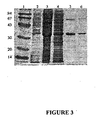
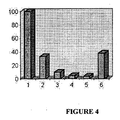
- Table 7 summarizes all the results obtained on the different fractions tested: TABLE 7: ⁇ u> Polymerase Activity of Different Fractions Obtained with Strategies 1 and 2 ⁇ / u> Specific Activity (U / mg protein) Subunits 1: PolB (Strategy 1) 0 Sub-units 2: PolC (Strategy 1) 0.2 PoIB + polC expressed separately and mixed (strategy 1) 1.3 Coexpression of (polB + polC) in the same HMS cell (DE3) (strategy 2) 2.5 HMS control fraction (DE3) not containing the vectors expressing the polB and / or polC genes 0
- the E. coli expression cells HMS174 (DE3) containing the expression vector pET11a containing the polB gene and the expression vector pET26b + containing the polC gene freed from the gene encoding the intein are cultured at 37 ° C. in 1 liter of 2xYT medium (NaCl 10 g / l, yeast extract 10 g / l, peptone 16 g / l) containing ampiciline at a concentration of 100 ⁇ g / ml and kanamycin at a concentration of 34 ⁇ g / ml .
- 2xYT medium NaCl 10 g / l, yeast extract 10 g / l, peptone 16 g / l
- IPTG isopropyl- ⁇ -D-thiogalactoside
- the culture is centrifuged and the cells are resuspended in 10 ml of 50 mM Tris-HCl buffer, pH 8.2, 2 mM 2-mercaptoethanol, 10% glycerol.
- the cells are then sonicated and centrifuged, then incubated for 15 minutes at 80 ° C.
- the extract is deposited on a chromatography column: Resource Q (Pharmacia); 50 mM potassium phosphate buffer pH 6.5, 2 mM ⁇ -mercaptoethanol.
- the NaCl gradient is from 0 to 0.5 M.
- a fraction containing a polymerase activity is eluted at around 350 mM NaCl.
- the protocol for measuring the polymerase activity as a function of the pH is as follows. Buffer of the reaction medium:
- the reaction volume of 20 ⁇ l contains 0.2 mM of each of the four dNTPs (dATP, dCTP, dGTP, dTTP), 0.35 ⁇ M [3H] TTP (119 Ci / mmol) and 5 ⁇ g / mL of polydA matrix. oligodT (40: 1). Incubation is 20 min at 70 ° C. 18 ⁇ l of this reaction mixture is deposited on GF-C filters (Whatman) and precipitated with 5% TCA, sodium pyrophosphate (8.9 g / l). After 2 washes with 95% ethanol and drying of the filtrates, the radioactivity is measured by scintillation counter (Packard).
- One unit of DNA polymerase is the amount of enzyme that allows incorporation of 1 nmol of dNTPs per minute under these experimental conditions.
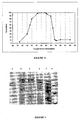
- the optimum pH of the polymerase activity under the described conditions is 6.5 (see Figure 6).
- the protocol for measuring the polymerase activity is as follows:
- Buffer of the reaction medium 50 mM Tris-HCl pH 8.8, 1 mM dithiothreitol, 10 mM KCl, 0.4 mg / ml BSA, 2.5 mM MgCl2.
- the reaction volume is 20 ⁇ l containing 0.2 mM of each of the four dNTPs (dATP, dCTP, dGTP, dTTP), 0.35 ⁇ M of [3 H] TTP (119 Ci / mmol) and 6 ⁇ g / mL of DNA.
- thermostable DNA polymerase according to the present invention has been cloned and expressed.
- the recombinant enzyme has two subunits (90 and 140kDa).
- the large subunit is capable of catalyzing the formation of phosphodiester bonds in a polymerization process.
- this activity is increased in the presence of the small subunit of the enzyme.
- thermostable DNA polymerase II of P. abyssi is sensitive to the presence in the reaction medium of the replication factor: PCNA. Indeed, it stimulates the catalytic activity of DNA polymerase II under our reaction conditions.
- Protein related factor A replication (rfA-like) Reference Genome Pyrococcus abyssi : PAB 2163. Genetic family: [09.1] DNA metabolism / replication, recombination and DNA repair. Size: 1125 base pairs; 43 kDa
- the amino acid sequence of the replication protein A is represented by the sequence SEQ ID No. 811.
- Genomic DNA 20ng primers 100 pmol of each dNTPs 10 nmol of each (dATP, dCTP, dGTP, dTTP) 10X Pfu polymerase buffer 5 ⁇ l Taq polymerase (Appligene) 0.3 U H2O qsp 50 ⁇ l .
- the reaction mixture is then incubated: 15 min at 94 ° C, then 20 times (30s at 94 ° C, 30s at 50 ° C, 30s min at 72 ° C) and 15 min at 72 ° C.
- the PCR product is cloned into a pGEMT easy sequencing vector (Promega).
- the recombinant plasmid is transformed into E cells. coli DH5 ⁇ .
- the gene sequence is controlled by complete sequencing of the insert.
- the plasmid is then digested with the Nde1 and BamH1 restriction enzymes and ligated into the pET-26 b + expression vector.
- the recombinant vector, pRPA is then transformed into E. coli expression cells B121 pLys S (DE3). Expression:
- E. coli B121 pLys S (DE3) containing the vector pRPA are cultured at 37 ° C. in 1 liter of 2xYT medium (NaCl 10 g / l, yeast extract 10 g / l, peptone 16 g / l) containing kanamycin at a concentration of 34 ⁇ g / ml.
- 2xYT medium NaCl 10 g / l, yeast extract 10 g / l, peptone 16 g / l
- kanamycin a concentration of 34 ⁇ g / ml.
- the culture is centrifuged and the cells are resuspended in 10 ml of 50 mM Tris-HCl buffer, pH 8.2, 2 mM 2-mercaptoethanol, 10% glycerol.
- the cells are then sonicated and centrifuged and incubated for 15 minutes at 75 ° C. After centrifugation, 10 ml of a solution containing the replication factor A are recovered.
- the present example describes the cloning, the conditions of obtaining and the characterization of the thermostable recombinant DNA polymerase I expressed in E. coli.
- the conditions of the PCR reaction are as follows: Genomic DNA 20ng primers 100 pmol of each dNTP 10 nmol of each (dATP, dCTP, dGTP, dTTP) 10x Pfu polymerase buffer 5 ⁇ l Pfu polymerase (Stratagene) 1 U H2O qsp 50 ⁇ l.
- the DNA polymerase I is eluted at around 150 mM NaCl.
- the reaction volume of 20 ⁇ l contains 0.2 mM of each of the four dNTPs (dATP, dCTP, dGTP, dTTP), 0.35 ⁇ M [3H] TTP (119 Ci / mmol) and 5 ⁇ g / mL of polydA matrix. oligodT (40: 1). Incubation is 20 min from 37 ° C to 90 ° C. 15 ⁇ l of this reaction mixture is deposited on GF-C filters (Whatman) and precipitated with 5% TCA, sodium pyrophosphate (8.9 g / l). After 2 washes with 95% ethanol and drying of the filters, the radioactivity is measured by scintillation counter (Packard).
- One unit of DNA polymerase is the amount of enzyme that allows incorporation of 1 ⁇ mol of dNTPs per minute under these experimental conditions.
- the optimum temperature of the polymerase activity under the described conditions is between 55 and 65 ° C.
- the reaction volume of 20 ⁇ l contains 0.2 mM of each of the four dNTPs (dATP, dCTP, dGTP, dTTP), 0.35 ⁇ M [3H] TTP (119 Ci / mmol) and 5 ⁇ g / mL of polydA matrix. oligo dT. (40: 1). Incubation is 20 min from 37 ° C to 90 ° C. 15 ⁇ l of this reaction mixture is deposited on GF-C filters (Whatman) and precipitated with 5% TCA, sodium pyrophosphate (8.9 g / l). After 2 washes with 95% ethanol and drying of the filters, the radioactivity is measured by scintillation counter (Packard). One unit of DNA polymerase is the amount of enzyme that allows incorporation of 1 ⁇ mol of dNTPs per minute under these experimental conditions.
- the optimal MgCl 2 concentration of pollen polymerase activity under the conditions described is 3 mM.
- the reaction volume of 20 ⁇ l contains 0.2 mM of each of the four dNTPs (dATP, dCTP, dGTP, dTTP), 0.35 ⁇ M of [3 H] TTP (119 Ci / mmol) and 5 ⁇ g / mL of matrix.
- polydA / oligodT 40: 1.
- Incubation is 20 min from 37 ° C to 90 ° C.
- 15 ⁇ l of this reaction mixture is deposited on GF-C filters (Whatman) and precipitated with 5% TCA, sodium pyrophosphate (8.9 g / l). After 2 washes with 95% ethanol and drying of the filters, the radioactivity is measured by scintillation counter (Packard).
- a unit of DNA polymerase is the amount of enzyme which allows the incorporation of 1 ⁇ mole per minute of dNTPs, under these experimental conditions.
- the optimal concentration of KCl polymerase activity of the polI under the conditions described is between 50 and 80 mM.
- the protocol for detecting a 3 ' ⁇ 5' exonuclease activity used is as follows: pl pBluescript SK is digested with the restriction enzyme EcoRI. The [3H] TTP radionucleotide as well as the 4 unlabeled nucleotides (dATP, dCTP, dGTP, dTTP) are incorporated using the Klenow fragment of the E. coli DNA polymerase. coli. After one hour of labeling at 37 ° C., the plamide is purified on a QUIAGEN column and then incubated with the recombinant DNA polymerase I. After precipitation of the DNA at 10% TCA, the residual radioactivity is measured as a scintillation counter (Packard). The polymerase activity of DNA polymerase I was measured under the same conditions and compared with that of Taq polymerase and Pfu polymerase (Stratagene).
Landscapes
- Chemical & Material Sciences (AREA)
- Organic Chemistry (AREA)
- Health & Medical Sciences (AREA)
- Medicinal Chemistry (AREA)
- Proteomics, Peptides & Aminoacids (AREA)
- Biophysics (AREA)
- General Health & Medical Sciences (AREA)
- Genetics & Genomics (AREA)
- Life Sciences & Earth Sciences (AREA)
- Molecular Biology (AREA)
- Biochemistry (AREA)
- Gastroenterology & Hepatology (AREA)
- Peptides Or Proteins (AREA)
- Preparation Of Compounds By Using Micro-Organisms (AREA)
- Micro-Organisms Or Cultivation Processes Thereof (AREA)
- Enzymes And Modification Thereof (AREA)
- Measuring Or Testing Involving Enzymes Or Micro-Organisms (AREA)
Applications Claiming Priority (3)
| Application Number | Priority Date | Filing Date | Title |
|---|---|---|---|
| FR9905034A FR2792651B1 (fr) | 1999-04-21 | 1999-04-21 | Sequence genomique et polypeptides de pyrococcus abyssi, leurs fragments et leurs utilisations |
| FR9905034 | 1999-04-21 | ||
| PCT/FR2000/001065 WO2000065062A2 (fr) | 1999-04-21 | 2000-04-21 | Sequence genomique et polypeptides de pyrococcus abissy, leurs fragments et leurs utilisations |
Publications (2)
| Publication Number | Publication Date |
|---|---|
| EP1196583A2 EP1196583A2 (fr) | 2002-04-17 |
| EP1196583B1 true EP1196583B1 (fr) | 2006-07-12 |
Family
ID=9544691
Family Applications (1)
| Application Number | Title | Priority Date | Filing Date |
|---|---|---|---|
| EP00922717A Expired - Lifetime EP1196583B1 (fr) | 1999-04-21 | 2000-04-21 | Adn polymerase de type ii de pyrococcus abyssi |
Country Status (8)
| Country | Link |
|---|---|
| EP (1) | EP1196583B1 (OSRAM) |
| JP (1) | JP2004500802A (OSRAM) |
| AT (1) | ATE332971T1 (OSRAM) |
| AU (1) | AU4302000A (OSRAM) |
| CA (1) | CA2371253A1 (OSRAM) |
| DE (1) | DE60029325T2 (OSRAM) |
| FR (1) | FR2792651B1 (OSRAM) |
| WO (1) | WO2000065062A2 (OSRAM) |
Cited By (3)
| Publication number | Priority date | Publication date | Assignee | Title |
|---|---|---|---|---|
| US7851199B2 (en) | 2005-03-18 | 2010-12-14 | Microbia, Inc. | Production of carotenoids in oleaginous yeast and fungi |
| WO2021163561A1 (en) * | 2020-02-13 | 2021-08-19 | New England Biolabs, Inc. | Variant family d dna polymerases |
| WO2021163559A1 (en) * | 2020-02-13 | 2021-08-19 | New England Biolabs, Inc. | Variant family d dna polymerases |
Families Citing this family (4)
| Publication number | Priority date | Publication date | Assignee | Title |
|---|---|---|---|---|
| EP2078092A2 (en) | 2006-09-28 | 2009-07-15 | Microbia, Inc. | Production of carotenoids in oleaginous yeast and fungi |
| US11829886B2 (en) | 2018-03-07 | 2023-11-28 | International Business Machines Corporation | Epistemic and aleatoric deep plasticity based on sound feedback |
| GB201918108D0 (en) * | 2019-12-10 | 2020-01-22 | Vib Vzw | Improved aminopeptiadases for single molecule peptide sequencing |
| WO2024006783A2 (en) * | 2022-06-30 | 2024-01-04 | Illumina, Inc. | Methylation detection with a non-natural/unnatural base |
Family Cites Families (4)
| Publication number | Priority date | Publication date | Assignee | Title |
|---|---|---|---|---|
| EP0870832A4 (en) * | 1995-12-27 | 2001-08-22 | Takara Shuzo Co | NEW DNA POLYMERASE |
| FR2750999B1 (fr) * | 1996-07-10 | 1998-11-20 | Appligene Oncor | Adn polymerase thermostable d'archaebacteries du genre pyrococcus sp |
| EP0997530B1 (en) * | 1997-06-26 | 2006-08-23 | Takara Bio Inc. | Dna polymerase-related factors |
| WO2000008164A2 (de) * | 1998-08-06 | 2000-02-17 | Lion Bioscience Ag | Thermostabiler in vitro-komplex mit polymeraseaktivität |
-
1999
- 1999-04-21 FR FR9905034A patent/FR2792651B1/fr not_active Expired - Fee Related
-
2000
- 2000-04-21 JP JP2000614397A patent/JP2004500802A/ja active Pending
- 2000-04-21 WO PCT/FR2000/001065 patent/WO2000065062A2/fr not_active Ceased
- 2000-04-21 AU AU43020/00A patent/AU4302000A/en not_active Abandoned
- 2000-04-21 DE DE60029325T patent/DE60029325T2/de not_active Expired - Lifetime
- 2000-04-21 CA CA002371253A patent/CA2371253A1/fr not_active Abandoned
- 2000-04-21 AT AT00922717T patent/ATE332971T1/de not_active IP Right Cessation
- 2000-04-21 EP EP00922717A patent/EP1196583B1/fr not_active Expired - Lifetime
Cited By (4)
| Publication number | Priority date | Publication date | Assignee | Title |
|---|---|---|---|---|
| US7851199B2 (en) | 2005-03-18 | 2010-12-14 | Microbia, Inc. | Production of carotenoids in oleaginous yeast and fungi |
| US8288149B2 (en) | 2005-03-18 | 2012-10-16 | Dsm Ip Assets B.V. | Production of carotenoids in oleaginous yeast and fungi |
| WO2021163561A1 (en) * | 2020-02-13 | 2021-08-19 | New England Biolabs, Inc. | Variant family d dna polymerases |
| WO2021163559A1 (en) * | 2020-02-13 | 2021-08-19 | New England Biolabs, Inc. | Variant family d dna polymerases |
Also Published As
| Publication number | Publication date |
|---|---|
| ATE332971T1 (de) | 2006-08-15 |
| EP1196583A2 (fr) | 2002-04-17 |
| FR2792651A1 (fr) | 2000-10-27 |
| CA2371253A1 (fr) | 2000-11-02 |
| DE60029325D1 (en) | 2006-08-24 |
| WO2000065062A2 (fr) | 2000-11-02 |
| WO2000065062A9 (fr) | 2002-09-06 |
| DE60029325T2 (de) | 2007-03-08 |
| JP2004500802A (ja) | 2004-01-15 |
| WO2000065062A3 (fr) | 2002-02-14 |
| AU4302000A (en) | 2000-11-10 |
| FR2792651B1 (fr) | 2005-03-18 |
Similar Documents
| Publication | Publication Date | Title |
|---|---|---|
| AU2024201880A1 (en) | Methods for supporting grain intensive and/or energy intensive diets in ruminants with a synthetic bioensemble of microbes | |
| Nelson et al. | Evolutionary genetics of the proline permease gene (putP) and the control region of the proline utilization operon in populations of Salmonella and Escherichia coli | |
| Gonzalez-Pastor et al. | Structure and organization of plasmid genes required to produce the translation inhibitor microcin C7 | |
| US20070020625A1 (en) | Sequence of the photorhabdus luminescens strain tt01 genome and uses | |
| Harms et al. | Identification of the ABC protein SapD as the subunit that confers ATP dependence to the K+-uptake systems TrkH and TrkG from Escherichia coli K-12 | |
| Henze et al. | Staphylococcus aureus penicillin-binding protein 4 and intrinsic beta-lactam resistance | |
| US5885815A (en) | Candida isoleucyl-tRNA synthetase proteins, nucleic acids and strains comprising same | |
| US20040229305A1 (en) | Novel polynucleotides encoding useful polypeptides in corynebacterium glutamicum SSP. lactofermentum | |
| US20060248617A1 (en) | Method of targeted gene disruption, genome of hyperthermostable bacterium and genome chip using the same | |
| KR20020091820A (ko) | 신규한 폴리뉴클레오타이드 | |
| CN1636062A (zh) | 编码多肽抗原的新肺炎链球菌可读框及其应用 | |
| WO2002092818A2 (fr) | Sequence du genome streptococcus agalactiae et ses utilisations | |
| WO2001077335A2 (fr) | Genome de listeria monocytogenes, polypeptides et utilisations | |
| US20070037203A1 (en) | Novel 21910, 56634, 55053, 2504, 15977, 14760, 25501, 17903, 3700, 21529, 26176, 26343, 56638, 18610, 33217, 21967, H1983, M1983, 38555 or 593 molecules and uses therefor | |
| US20060068386A1 (en) | Complete genome and protein sequence of the hyperthermophile methanopyrus kandleri av19 and monophyly of archael methanogens and methods of use thereof | |
| O'Rourke et al. | A novel 3-methyladenine DNA glycosylase from Helicobacter pylori defines a new class within the endonuclease III family of base excision repair glycosylases | |
| Ferrario et al. | Sequencing, characterization, and gene expression analysis of the histidine decarboxylase gene cluster of Morganella morganii | |
| EP1196583B1 (fr) | Adn polymerase de type ii de pyrococcus abyssi | |
| JP2004236637A (ja) | 多糖類生成に関与する遺伝子及びその利用 | |
| US20080168572A1 (en) | Nanoarchaeum genome, Nanoarchaeum polypeptides and nucleic acids encoding them and methods for making and using them | |
| Maegawa et al. | Linkage between toxin production and purine biosynthesis in Clostridium difficile | |
| Lin et al. | Variation in primary sequence and tandem repeat copy number among i-antigens of Ichthyophthirius multifiliis | |
| SK77199A3 (en) | Dna fragment being coding polypeptide | |
| JP2001505438A (ja) | M.tuberculosis RNAポリメラーゼアルファサブユニット | |
| CA2460372A1 (fr) | N-desoxyribosyltransferases de lactobacilies, sequences nucleotidiques correspondantes et leurs applications |
Legal Events
| Date | Code | Title | Description |
|---|---|---|---|
| PUAI | Public reference made under article 153(3) epc to a published international application that has entered the european phase |
Free format text: ORIGINAL CODE: 0009012 |
|
| 17P | Request for examination filed |
Effective date: 20011029 |
|
| AK | Designated contracting states |
Kind code of ref document: A2 Designated state(s): AT BE CH CY DE DK ES FI FR GB GR IE IT LI LU MC NL PT SE |
|
| AX | Request for extension of the european patent |
Free format text: AL;LT;LV;MK;RO;SI |
|
| 17Q | First examination report despatched |
Effective date: 20040818 |
|
| GRAP | Despatch of communication of intention to grant a patent |
Free format text: ORIGINAL CODE: EPIDOSNIGR1 |
|
| RIC1 | Information provided on ipc code assigned before grant |
Ipc: 7C 12N 15/31 A Ipc: 7C 07K 19/00 B Ipc: 7C 12N 15/54 B Ipc: 7C 12P 19/34 B Ipc: 7C 12N 9/12 B Ipc: 7C 12Q 1/68 B Ipc: 7C 12N 15/62 B Ipc: 7C 12N 1/21 B Ipc: 7C 07K 14/195 B |
|
| RTI1 | Title (correction) |
Free format text: TYPE II DNA POLYMERASE FROM PYROCOCCUS ABYSSI |
|
| GRAS | Grant fee paid |
Free format text: ORIGINAL CODE: EPIDOSNIGR3 |
|
| GRAA | (expected) grant |
Free format text: ORIGINAL CODE: 0009210 |
|
| AK | Designated contracting states |
Kind code of ref document: B1 Designated state(s): AT BE CH CY DE DK ES FI FR GB GR IE IT LI LU MC NL PT SE |
|
| PG25 | Lapsed in a contracting state [announced via postgrant information from national office to epo] |
Ref country code: IT Free format text: LAPSE BECAUSE OF FAILURE TO SUBMIT A TRANSLATION OF THE DESCRIPTION OR TO PAY THE FEE WITHIN THE PRE;WARNING: LAPSES OF ITALIAN PATENTS WITH EFFECTIVE DATE BEFORE 2007 MAY HAVE OCCURRED AT ANY TIME BEFORE 2007. THE CORRECT EFFECTIVE DATE MAY BE DIFFERENT FROM THE ONE RECORDED.SCRIBED TIME-LIMIT Effective date: 20060712 Ref country code: IE Free format text: LAPSE BECAUSE OF FAILURE TO SUBMIT A TRANSLATION OF THE DESCRIPTION OR TO PAY THE FEE WITHIN THE PRESCRIBED TIME-LIMIT Effective date: 20060712 Ref country code: AT Free format text: LAPSE BECAUSE OF FAILURE TO SUBMIT A TRANSLATION OF THE DESCRIPTION OR TO PAY THE FEE WITHIN THE PRESCRIBED TIME-LIMIT Effective date: 20060712 Ref country code: FI Free format text: LAPSE BECAUSE OF FAILURE TO SUBMIT A TRANSLATION OF THE DESCRIPTION OR TO PAY THE FEE WITHIN THE PRESCRIBED TIME-LIMIT Effective date: 20060712 Ref country code: NL Free format text: LAPSE BECAUSE OF FAILURE TO SUBMIT A TRANSLATION OF THE DESCRIPTION OR TO PAY THE FEE WITHIN THE PRESCRIBED TIME-LIMIT Effective date: 20060712 |
|
| RAP1 | Party data changed (applicant data changed or rights of an application transferred) |
Owner name: CENTRE NATIONAL DE LA RECHERCHE SCIENTIFIQUE (CNRS Owner name: IFREMER I |
|
| REG | Reference to a national code |
Ref country code: GB Ref legal event code: FG4D Free format text: NOT ENGLISH |
|
| RIN1 | Information on inventor provided before grant (corrected) |
Inventor name: SAURIN, WILLIAM Inventor name: QUERELLOU, JOEL Inventor name: DIETRICH, JACQUES Inventor name: THIERRY, JEAN-CLAUDE Inventor name: FLAMENT, DIDIER Inventor name: FORTERRE, PATRICK Inventor name: PRIEUR, DANIEL Inventor name: ROLLAND, JEAN-LUC Inventor name: RAFFIN, JEAN-PAUL Inventor name: HEILIG, ROLAND Inventor name: HENNEKE, GHISLAINE Inventor name: GUEGUEN, YANNICK Inventor name: WEISSENBACH, JEAN Inventor name: LECOMPTE, ODILE |
|
| REG | Reference to a national code |
Ref country code: CH Ref legal event code: EP |
|
| REG | Reference to a national code |
Ref country code: IE Ref legal event code: FG4D Free format text: LANGUAGE OF EP DOCUMENT: FRENCH |
|
| REF | Corresponds to: |
Ref document number: 60029325 Country of ref document: DE Date of ref document: 20060824 Kind code of ref document: P |
|
| PG25 | Lapsed in a contracting state [announced via postgrant information from national office to epo] |
Ref country code: SE Free format text: LAPSE BECAUSE OF FAILURE TO SUBMIT A TRANSLATION OF THE DESCRIPTION OR TO PAY THE FEE WITHIN THE PRESCRIBED TIME-LIMIT Effective date: 20061012 Ref country code: DK Free format text: LAPSE BECAUSE OF FAILURE TO SUBMIT A TRANSLATION OF THE DESCRIPTION OR TO PAY THE FEE WITHIN THE PRESCRIBED TIME-LIMIT Effective date: 20061012 |
|
| PG25 | Lapsed in a contracting state [announced via postgrant information from national office to epo] |
Ref country code: ES Free format text: LAPSE BECAUSE OF FAILURE TO SUBMIT A TRANSLATION OF THE DESCRIPTION OR TO PAY THE FEE WITHIN THE PRESCRIBED TIME-LIMIT Effective date: 20061023 |
|
| GBT | Gb: translation of ep patent filed (gb section 77(6)(a)/1977) |
Effective date: 20061030 |
|
| PG25 | Lapsed in a contracting state [announced via postgrant information from national office to epo] |
Ref country code: PT Free format text: LAPSE BECAUSE OF FAILURE TO SUBMIT A TRANSLATION OF THE DESCRIPTION OR TO PAY THE FEE WITHIN THE PRESCRIBED TIME-LIMIT Effective date: 20061212 |
|
| NLV1 | Nl: lapsed or annulled due to failure to fulfill the requirements of art. 29p and 29m of the patents act | ||
| REG | Reference to a national code |
Ref country code: IE Ref legal event code: FD4D |
|
| PLBE | No opposition filed within time limit |
Free format text: ORIGINAL CODE: 0009261 |
|
| STAA | Information on the status of an ep patent application or granted ep patent |
Free format text: STATUS: NO OPPOSITION FILED WITHIN TIME LIMIT |
|
| REG | Reference to a national code |
Ref country code: GB Ref legal event code: 732E |
|
| REG | Reference to a national code |
Ref country code: CH Ref legal event code: PUE Owner name: IFREMER Free format text: CENTRE NATIONAL DE LA RECHERCHE SCIENTIFIQUE (CNRS)#3, RUE MICHEL ANGE#75794 PARIS CEDEX 16 (FR) $ IFREMER INSTITUT FRANCAIS DE RECHERCHE POUR L'EXPLOITATION DE LA MER#155, RUE JEAN JACQUES ROUSSEAU, CHEZ TECHNOPOLIS 40#92130 ISSY-LES-MOULINEAUX (FR) -TRANSFER TO- IFREMER#155, RUE JEAN JACQUES ROUSSEAU CHEZ TECHNOPOLIS 40#92130 ISSY-LES-MOULINEAUX (FR) Ref country code: CH Ref legal event code: NV Representative=s name: MICHELI & CIE SA |
|
| 26N | No opposition filed |
Effective date: 20070413 |
|
| REG | Reference to a national code |
Ref country code: FR Ref legal event code: TP |
|
| BERE | Be: lapsed |
Owner name: CENTRE NATIONAL DE LA RECHERCHE SCIENTIFIQUE (CNR Effective date: 20070430 Owner name: IFREMER INSTITUT FRANCAIS DE RECHERCHE POUR L'EX Effective date: 20070430 |
|
| PG25 | Lapsed in a contracting state [announced via postgrant information from national office to epo] |
Ref country code: BE Free format text: LAPSE BECAUSE OF NON-PAYMENT OF DUE FEES Effective date: 20070430 |
|
| PG25 | Lapsed in a contracting state [announced via postgrant information from national office to epo] |
Ref country code: GR Free format text: LAPSE BECAUSE OF FAILURE TO SUBMIT A TRANSLATION OF THE DESCRIPTION OR TO PAY THE FEE WITHIN THE PRESCRIBED TIME-LIMIT Effective date: 20061013 |
|
| PG25 | Lapsed in a contracting state [announced via postgrant information from national office to epo] |
Ref country code: MC Free format text: LAPSE BECAUSE OF NON-PAYMENT OF DUE FEES Effective date: 20070430 |
|
| PG25 | Lapsed in a contracting state [announced via postgrant information from national office to epo] |
Ref country code: CY Free format text: LAPSE BECAUSE OF FAILURE TO SUBMIT A TRANSLATION OF THE DESCRIPTION OR TO PAY THE FEE WITHIN THE PRESCRIBED TIME-LIMIT Effective date: 20060712 Ref country code: LU Free format text: LAPSE BECAUSE OF NON-PAYMENT OF DUE FEES Effective date: 20070421 |
|
| REG | Reference to a national code |
Ref country code: CH Ref legal event code: PK |
|
| PGFP | Annual fee paid to national office [announced via postgrant information from national office to epo] |
Ref country code: CH Payment date: 20110513 Year of fee payment: 12 Ref country code: FR Payment date: 20110503 Year of fee payment: 12 |
|
| PGFP | Annual fee paid to national office [announced via postgrant information from national office to epo] |
Ref country code: GB Payment date: 20110523 Year of fee payment: 12 |
|
| PGFP | Annual fee paid to national office [announced via postgrant information from national office to epo] |
Ref country code: DE Payment date: 20110511 Year of fee payment: 12 |
|
| REG | Reference to a national code |
Ref country code: CH Ref legal event code: PL |
|
| GBPC | Gb: european patent ceased through non-payment of renewal fee |
Effective date: 20120421 |
|
| REG | Reference to a national code |
Ref country code: FR Ref legal event code: ST Effective date: 20121228 |
|
| PG25 | Lapsed in a contracting state [announced via postgrant information from national office to epo] |
Ref country code: CH Free format text: LAPSE BECAUSE OF NON-PAYMENT OF DUE FEES Effective date: 20120430 Ref country code: LI Free format text: LAPSE BECAUSE OF NON-PAYMENT OF DUE FEES Effective date: 20120430 Ref country code: GB Free format text: LAPSE BECAUSE OF NON-PAYMENT OF DUE FEES Effective date: 20120421 |
|
| REG | Reference to a national code |
Ref country code: DE Ref legal event code: R119 Ref document number: 60029325 Country of ref document: DE Effective date: 20121101 |
|
| PG25 | Lapsed in a contracting state [announced via postgrant information from national office to epo] |
Ref country code: FR Free format text: LAPSE BECAUSE OF NON-PAYMENT OF DUE FEES Effective date: 20120430 |
|
| PG25 | Lapsed in a contracting state [announced via postgrant information from national office to epo] |
Ref country code: DE Free format text: LAPSE BECAUSE OF NON-PAYMENT OF DUE FEES Effective date: 20121101 |