EP1180039B1 - Composition for the treatment of a neurological disorder - Google Patents
Composition for the treatment of a neurological disorder Download PDFInfo
- Publication number
- EP1180039B1 EP1180039B1 EP00918991A EP00918991A EP1180039B1 EP 1180039 B1 EP1180039 B1 EP 1180039B1 EP 00918991 A EP00918991 A EP 00918991A EP 00918991 A EP00918991 A EP 00918991A EP 1180039 B1 EP1180039 B1 EP 1180039B1
- Authority
- EP
- European Patent Office
- Prior art keywords
- rarβ2
- ngf
- neurons
- expression
- receptor
- Prior art date
- Legal status (The legal status is an assumption and is not a legal conclusion. Google has not performed a legal analysis and makes no representation as to the accuracy of the status listed.)
- Expired - Lifetime
Links
Images









Classifications
-
- A—HUMAN NECESSITIES
- A61—MEDICAL OR VETERINARY SCIENCE; HYGIENE
- A61K—PREPARATIONS FOR MEDICAL, DENTAL OR TOILETRY PURPOSES
- A61K38/00—Medicinal preparations containing peptides
- A61K38/16—Peptides having more than 20 amino acids; Gastrins; Somatostatins; Melanotropins; Derivatives thereof
- A61K38/17—Peptides having more than 20 amino acids; Gastrins; Somatostatins; Melanotropins; Derivatives thereof from animals; from humans
-
- A—HUMAN NECESSITIES
- A61—MEDICAL OR VETERINARY SCIENCE; HYGIENE
- A61K—PREPARATIONS FOR MEDICAL, DENTAL OR TOILETRY PURPOSES
- A61K31/00—Medicinal preparations containing organic active ingredients
- A61K31/185—Acids; Anhydrides, halides or salts thereof, e.g. sulfur acids, imidic, hydrazonic or hydroximic acids
- A61K31/19—Carboxylic acids, e.g. valproic acid
-
- A—HUMAN NECESSITIES
- A61—MEDICAL OR VETERINARY SCIENCE; HYGIENE
- A61K—PREPARATIONS FOR MEDICAL, DENTAL OR TOILETRY PURPOSES
- A61K31/00—Medicinal preparations containing organic active ingredients
- A61K31/185—Acids; Anhydrides, halides or salts thereof, e.g. sulfur acids, imidic, hydrazonic or hydroximic acids
- A61K31/19—Carboxylic acids, e.g. valproic acid
- A61K31/192—Carboxylic acids, e.g. valproic acid having aromatic groups, e.g. sulindac, 2-aryl-propionic acids, ethacrynic acid
-
- A—HUMAN NECESSITIES
- A61—MEDICAL OR VETERINARY SCIENCE; HYGIENE
- A61K—PREPARATIONS FOR MEDICAL, DENTAL OR TOILETRY PURPOSES
- A61K31/00—Medicinal preparations containing organic active ingredients
- A61K31/185—Acids; Anhydrides, halides or salts thereof, e.g. sulfur acids, imidic, hydrazonic or hydroximic acids
- A61K31/19—Carboxylic acids, e.g. valproic acid
- A61K31/20—Carboxylic acids, e.g. valproic acid having a carboxyl group bound to a chain of seven or more carbon atoms, e.g. stearic, palmitic, arachidic acids
- A61K31/203—Retinoic acids ; Salts thereof
-
- A—HUMAN NECESSITIES
- A61—MEDICAL OR VETERINARY SCIENCE; HYGIENE
- A61K—PREPARATIONS FOR MEDICAL, DENTAL OR TOILETRY PURPOSES
- A61K31/00—Medicinal preparations containing organic active ingredients
- A61K31/33—Heterocyclic compounds
- A61K31/38—Heterocyclic compounds having sulfur as a ring hetero atom
-
- A—HUMAN NECESSITIES
- A61—MEDICAL OR VETERINARY SCIENCE; HYGIENE
- A61K—PREPARATIONS FOR MEDICAL, DENTAL OR TOILETRY PURPOSES
- A61K31/00—Medicinal preparations containing organic active ingredients
- A61K31/33—Heterocyclic compounds
- A61K31/38—Heterocyclic compounds having sulfur as a ring hetero atom
- A61K31/381—Heterocyclic compounds having sulfur as a ring hetero atom having five-membered rings
-
- A—HUMAN NECESSITIES
- A61—MEDICAL OR VETERINARY SCIENCE; HYGIENE
- A61K—PREPARATIONS FOR MEDICAL, DENTAL OR TOILETRY PURPOSES
- A61K38/00—Medicinal preparations containing peptides
- A61K38/16—Peptides having more than 20 amino acids; Gastrins; Somatostatins; Melanotropins; Derivatives thereof
- A61K38/17—Peptides having more than 20 amino acids; Gastrins; Somatostatins; Melanotropins; Derivatives thereof from animals; from humans
- A61K38/177—Receptors; Cell surface antigens; Cell surface determinants
- A61K38/1783—Nuclear receptors, e.g. retinoic acid receptor [RAR], RXR, nuclear orphan receptors
-
- A—HUMAN NECESSITIES
- A61—MEDICAL OR VETERINARY SCIENCE; HYGIENE
- A61P—SPECIFIC THERAPEUTIC ACTIVITY OF CHEMICAL COMPOUNDS OR MEDICINAL PREPARATIONS
- A61P25/00—Drugs for disorders of the nervous system
-
- A—HUMAN NECESSITIES
- A61—MEDICAL OR VETERINARY SCIENCE; HYGIENE
- A61K—PREPARATIONS FOR MEDICAL, DENTAL OR TOILETRY PURPOSES
- A61K48/00—Medicinal preparations containing genetic material which is inserted into cells of the living body to treat genetic diseases; Gene therapy
Definitions
- the present invention relates to a factor relating to neurite growth.
- neurite development such as neurite outgrowth and/or neurite regeneration, for example in cases of nervous injuries such as spinal cord injuries.
- Nerve growth factor is known to stimulate certain events such as neurite outgrowth.
- NGF nerve growth factor
- NGF is a relatively large molecule with a correspondingly high molecular weight.
- NGF is susceptible to protease mediated degradation. Due to these and other considerations, NGF is difficult to administer. NGF is also relatively expensive to prepare.
- RAR ⁇ 2 retinoic acid receptor ⁇ 2
- the present invention is based on the surprising finding that it is possible to cause neurite development, such as neurite outgrowth and/or neurite regeneration, by using RAR ⁇ 2 and/or an agonist thereof.
- aspects of the present invention utilise this finding. For example it is possible to have a method that causes modulation of neurite development, such as neurite outgrowth and/or neurite regeneration, by using RAR ⁇ 2 and/or an agonist thereof as explained herein.
- the present invention relates to the use of RAR ⁇ 2 and optionally an agonist thereof in the preparation of a medicament for the treatment of a neurological disorder.
- the RAR ⁇ 2 and/or an agonist can be termed a pharmaceutically active agent.
- Neurites are well known structures which develop from various neuronal cell types. They appear as microscopic branch or comb-like structures or morphological projections from the surface of the cell from which they emanate. Examples of neurite outgrowth are shown in the accompanying figures, and in publications such as those referenced in (Maden 1998-review article), and are well known in the art.
- the RAR ⁇ 2 coding sequence (i.e. the RAR ⁇ 2 gene) is used as described hereinbelow.
- the RAR ⁇ 2 gene may be prepared by use of recombinant DNA techniques and/or by synthetic techniques. For example, it may be prepared using the PCR amplified gene fragment prepared as in the Examples section of this document using the primers etc. detailed therein, or it may be prepared according to any other suitable method known in the art.
- the agonist may, for example, be retinoic acid (RA) and/or CD2019.
- CD2019 is a polycyclic heterocarbyl molecule which is a RAR ⁇ 2 agonist having the structure as discussed herein and as shown in (Elmazar et al., (1996) Teratology vol. 53 pp158-167).
- the present invention relates to the use of RAR ⁇ 2 and optionally an agonist thereof in the preparation of a medicament for the treatment of a neurological disorder, wherein said neurological disorder is ameliorated by causing neurite development.
- the present invention relates to the use of RAR ⁇ 2 and optionally an agonist thereof in the preparation of a medicament for the treatment of a neurological disorder, wherein said neurological disorder comprises neurological injury.
- the RAR ⁇ 2 receptor may, for example, be administered by an entity comprising a RAR ⁇ 2 expression system.
- the RAR ⁇ 2 expression system may comprise a nucleic acid construct capable of directing the expression of at least part of a RAR ⁇ 2 receptor.
- an agent is capable of modulating RAR ⁇ 2 signalling
- a method comprising providing neural cells, contacting said cells with said agent, and assessing the activity of the RAR ⁇ 2 receptor, such as through the monitoring of neurite outgrowth.
- Neural cells for use in the assay method may be any suitable neural cell line, whether stably maintained in culture, or primary cells derived from an animal directly.
- said cells will be embryonic mouse dorsal root ganglion (DRG) cells prepared as described hereinbelow.
- DRG embryonic mouse dorsal root ganglion
- the agent is capable of modulating RAR ⁇ 2 signalling in an in vitro assay method as described above, it may also be capable of affecting the in vivo activity of RAR ⁇ 2.
- the invention relates to a pharmaceutical composition
- a pharmaceutical composition comprising RAR ⁇ 2 and optionally an agonist thereof in admixture with a pharmaceutically acceptable carrier, diluent or excipient; wherein the pharmaceutical composition is for use in the treatment of a neurological disorder.
- the pharmaceutical composition may cause neurite development.
- the administration of a nucleic acid construct capable of directing the expression of RAR ⁇ 2 will be accompanied by the administration of a RAR ⁇ 2 agonist such as RA, or preferably CD2019 (or a mimetic thereof).
- said agonist will be to some degree selective for the RAR ⁇ 2 receptor.
- said agonist will not significantly affect the RAR ⁇ receptor.
- said agonist will not significantly affect the RAR ⁇ receptor. More preferably said agonist will not significantly affect the RAR ⁇ receptor or the RAR ⁇ receptor. Even more preferably, said agonist will exhibit a high degree of selectivity for the RAR ⁇ 2 receptor.
- the administration of a nucleic acid construct capable of directing the expression of RAR ⁇ 2 will be accomplished using a vector, preferably a viral vector, more preferably a retroviral vector.
- the administration of a nucleic acid construct capable of directing the expression of RAR ⁇ 2 will be accomplished using a retroviral vector capable of infecting non-dividing mammalian cells such as neural cells.
- the present invention is advantageous because RAR ⁇ 2 and/or an agonist thereof can cause modulation of neural cell development.
- Retinoids are a family of molecules derived from vitamin A and include the biologically active metabolite, retinoic acid (RA).
- RA retinoic acid
- the cellular effects of RA are mediated through the action of two classes of receptors, the retinoic acid receptors (RARs) which are activated both by all- trans -RA ( t RA) and 9 -cis- RA (9- cis -RA), and the retinoid X receptors (RXRs), which are activated only by 9- cis -RA (Kastner et al., 1994; Kleiwer et al., 1994).
- RARs retinoic acid receptors
- RXRs retinoid X receptors
- the receptors are of three major subtypes, ⁇ , ⁇ and ⁇ , of which there are multiple isoforms due to alternative splicing and differential promoter usage (Leid et al.).
- the RARs mediate gene expression by forming heterodimers with the RXRs, whilst the RXRs can mediate gene expression as homodimers or by forming heterodimers with a variety of orphan receptors (Mangelsdorf & Evans, 1995).
- Many studies on a variety of embryonic neuronal types have shown that RA can stimulate both neurite number and length (review, Maden, 1998), as, indeed, can the neurotrophins (Campenot, 1977; Lindsay, 1988; Tuttle and Mathew, 1995).
- the neurotrophins are a family of growth factors that are required for the survival of a variety of neurons of primary sensory neurons in the developing peripheral nervous system (Snider, 1994).
- One of the earliest genes induced by NGF in PC12 cells is the orphan receptor NGFI-B (NURR1) (Millbrandt, 1989). This suggests that the growth factor and retinoid mediated pathway in developing neurons can interact.
- retinoic acid receptors alpha, beta, and gamma
- Retinoic acid was the first morphogen described in vertebrates.
- the RARA and RARB genes are more homologous to those of the 2 closely related thyroid hormone receptors THRA and THRB, located on chromosomes 17 and 3, respectively, than to any other members of the nuclear receptor family.
- the RARB gene maps to 3p24 by somatic cell hybridization and in situ hybridization.
- Benbrook et al. (1988) showed a predominant distribution in epithelial tissues and therefore used the designation RAR(epsilon).
- Mattei et al. (1988) assigned the RARB gene to 3p24.
- de The et al. (1990) identified a 27-bp fragment located 59-bp upstream of the transcriptional start, which confers retinoic acid responsiveness on the herpesvirus thymidine kinase promoter. They found indications that both alpha and beta receptors act through the same DNA sequence. Mattei et al.
- HBV hepatitis-B virus
- HBV integration placed the viral sequence next to a liver cell sequence that bears a striking resemblance to both an oncogene, ERBA, and the supposed DNA-binding domain of the human glucocorticoid receptor and estrogen receptor genes.
- ERBA oncogene
- Dejean et al. (1986) suggested that this gene, usually silent or transcribed at a very low level in normal hepatocytes, becomes inappropriately expressed as a consequence of HBV integration, thus contributing to the cell transformation.
- Dejean et al. (1986) localized the gene to chromosome 3. Further studies by de The et al.
- HAP HBV-activated protein
- RARB beta type receptor
- RARB beta type receptor
- Lotan et al. (1995) found that the expression of RARB mRNA is selectively lost in premalignant oral lesions and can be restored by treatment with isotretinoin. Restoration of the expression of RARB mRNA was associated with a clinical response. RARB, RARG, RXRB, and RXRG are expressed in the striatum.
- RARB-RXRB, RARB-RXRG, and RXRB-RXRG double null mutant mice, but not the corresponding single null mutants, exhibited reductions in forward locomotion when compared with wildtype littermates. Forty percent of the RARB-RXRB null mutants showed backward locomotion. Rotarod test performance was impaired for RARB, RARB-RXRB, RARB-RXRG, and RXRB-RXRG mice.
- RARA, RARG, RARA-RXRG, and RARG-RXRG null mice showed no defects in locomotion, even though both RARA and RARG are also expressed in the striatum.
- the morphology, development, and function of skeletal muscle, peripheral nerves, and spinal cord were normal in all single and double null mutants, as were balance reflexes.
- the agonist optionally used with RAR ⁇ 2 in accordance with the present invention may be any suitable RAR ⁇ 2 agonist.
- said agonist of RAR ⁇ 2 is capable of activating RAR ⁇ 2 in a transactivation assay.
- the agonist may be an organic compound or other chemical.
- the agonist can be an amino acid sequence or a chemical derivative thereof, or a combination thereof.
- the agent may even be a nucleotide sequence - which may be a sense sequence or an anti-sense sequence.
- the agent may even be an antibody.
- the agonist will be an organic compound.
- the organic compound will comprise two or more hydrocarbyl groups.
- hydrocarbyl group means a group comprising at least C and H and may optionally comprise one or more other suitable substituents. Examples of such substituents may include halo-, alkoxy-, nitro-, an alkyl group, a cyclic group etc.
- substituents may include halo-, alkoxy-, nitro-, an alkyl group, a cyclic group etc.
- a combination of substituents may form a cyclic group. If the hydrocarbyl group comprises more than one C then those carbons need not necessarily be linked to each other. For example, at least two of the carbons may be linked via a suitable element or group.
- the hydrocarbyl group may contain hetero atoms. Suitable hetero atoms will be apparent to those skilled in the art and include, for instance, sulphur, nitrogen and oxygen.
- the agent comprises at least one cyclic group.
- the cyclic group may be a polycyclic group, such as a non-fused polycyclic group.
- the agonist comprises at least the one of said cyclic groups linked to another hydrocarbyl group.
- RA retinoic acid
- tRA all-trans retinoic acid
- 9-cis-RA 9-cis-RA
- CD2019 is a RAR ⁇ 2 agonist having the structure as discussed herein and as shown in (Elmazar et al., (1996) Teratology vol. 53 pp158-167). This and other agonists are also discussed in (Beard and Chandraratna p.194; Johnson et al., 1996). The structure of CD2019 is presented as Formula I in the attached figures.
- RAR ⁇ 2 agonist is presented as Formula II in the attached figures.
- the present invention also contemplates the use of mimetics or bioisosteres of the formulae of Formula I and/or Formula II.
- the agonist useful according to the present invention is selective for RAR ⁇ 2.
- Examples of agonists which may be used according to the present invention may be identified and/or verified by using an assay to determine RAR ⁇ 2 agonism.
- the procedure may comprise (i) detemining if a candidate agent is capable of acting as a RAR ⁇ 2 agonist; (ii) if said candidate agent is capable of acting as a RAR ⁇ 2 agonist then using said agent in the preparation of a medicament with RAR ⁇ 2 for the treatment of a neurological disorder.
- any one or more of appropriate targets - such as an amino acid sequence and/or nucleotide sequence - may be used for identifying an agent capable of modulating RAR ⁇ 2 in any of a variety of drug screening techniques.
- the target employed in such a test may be free in solution, affixed to a solid support, borne on a cell surface, or located intracellularly. The abolition of target activity or the formation of binding complexes between the target and the agent being tested may be measured.
- the assay may be a screen, whereby a number of agents are tested.
- the assay method may be a high through put screen.
- Techniques for drug screening may be based on the method described in Geysen, European Patent Application 84/03564, published on September 13, 1984.
- large numbers of different small peptide test compounds are synthesized on a solid substrate, such as plastic pins or some other surface.
- the peptide test compounds are reacted with a suitable target or fragment thereof and washed. Bound entities are then detected - such as by appropriately adapting methods well known in the art.
- a purified target can also be coated directly onto plates for use in a drug screening techniques.
- non-neutralising antibodies can be used to capture the peptide and immobilise it on a solid support.
- This invention also contemplates the use of competitive drug screening assays in which neutralising antibodies capable of binding a target specifically compete with a test compound for binding to a target.
- HTS high throughput screening
- the assay methods may be suitable for both small and large-scale screening of test compounds as well as in quantitative assays.
- the assay may utilise cells that display RAR ⁇ 2 on their surface. These cells may be isolated from a subject possessing such cells. However, preferably, the cells are prepared by transfecting cells so that upon transfect those cells display on their surface RAR ⁇ 2.
- WO-A-9849271 Another example of an assay that may be used is described in WO-A-9849271, which concerns an immortalised human terato-carcinoma CNS neuronal cell line, which is said to have a high level of neuronal differentiation and is useful in detecting compounds which bind to RAR ⁇ 2.
- reporter gene may encode an enzyme which catalyses a reaction which alters light absorption properties.
- ELISA enzyme-linked immunosorbent assay
- RIA radioimmunoassay
- FACS fluorescent activated cell sorting
- reporter molecules include but are not limited to (galactosidase, invertase, green fluorescent protein, luciferase, chloramphenicol, acetyltransferase, (glucuronidase, exo-glucanase and glucoamylase.
- reporter molecules include but are not limited to (galactosidase, invertase, green fluorescent protein, luciferase, chloramphenicol, acetyltransferase, (glucuronidase, exo-glucanase and glucoamylase.
- radiolabelled or fluorescent tag-labelled nucleotides can be incorporated into nascent transcripts which are then identified when bound to oligonucleotide probes.
- reporter molecules or labels include those radionuclides, enzymes, fluorescent, chemiluminescent, or chromogenic agents as well as substrates, cofactors, inhibitors, magnetic particles and the like. Patents teaching the use of such labels include US-A-3817837; US-A-3850752; US-A-3939350; US-A-3996345; US-A-4277437; US-A-4275149 and US-A-4366241.
- Polynucleotides for use in the present invention - such as for use as targets or for expressing targets or for use as the pharmaceutically active agent - may be introduced into host cells.
- host cell in relation to the present invention includes any cell that could comprise the polynucleotide sequence.
- polynucleotides may be introduced into prokaryotic cells or eukaryotic cells, for example yeast, insect or mammalian cells.
- Polynucleotides may be introduced into suitable host cells using a variety of techniques known in the art, such as transfection, transformation and electroporation. Where polynucleotides are to be administered to animals, several techniques are known in the art, for example infection with recombinant viral vectors such as retroviruses, herpes simplex viruses and adenoviruses, direct injection of nucleic acids and biolistic transformation.
- techniques known in the art for example infection with recombinant viral vectors such as retroviruses, herpes simplex viruses and adenoviruses, direct injection of nucleic acids and biolistic transformation.
- a further embodiment of the present invention provides host cells transformed or transfected with a polynucleotide that is or expresses the target.
- a polynucleotide that is or expresses the target.
- said polynucleotide is carried in a vector for the replication and expression of polynucleotides that are to be the target or are to express the target.
- the cells will be chosen to be compatible with the said vector and may for example be prokaryotic (for example bacterial), fungal, yeast or plant cells.
- the gram negative bacterium E. coli is widely used as a host for heterologous gene expression.
- large amounts of heterologous protein tend to accumulate inside the cell.
- Subsequent purification of the desired protein from the bulk of E.coli intracellular proteins can sometimes be difficult.
- bacteria from the genus Bacillus are very suitable as heterologous hosts because of their capability to secrete proteins into the culture medium.
- Other bacteria suitable as hosts are those from the genera Streptomyces and Pseudomonas.
- eukaryotic hosts such as yeasts or other fungi may be preferred.
- yeast cells are preferred over fungal cells because they are easier to manipulate.
- some proteins are either poorly secreted from the yeast cell, or in some cases are not processed properly (e.g. hyperglycosylation in yeast). In these instances, a different fungal host organism should be selected.
- suitable expression hosts are fungi such as Aspergillus species (such as those described in EP-A-0184438 and EP-A-0284603) and Trichoderma species; bacteria such as Bacillus species (such as those described in EP-A-0134048 and EP-A-0253455), Streptomyces species and Pseudomonas species; and yeasts such as Kluyveromyces species (such as those described in EP-A-0096430 and EP-A-0301670) and Saccharomyces species.
- typical expression hosts may be selected from Aspergillus niger, Aspergillus niger var. tubigenis, Aspergillus niger var.
- Polypeptides that are extensively modified may require correct processing to complete their function.
- mammalian cell expression systems such as HEK-293, CHO, HeLA
- the polypeptides are expressed either intracellularly, on the cell membranes, or secreted in the culture media if preceded by an appropriate leader sequence.
- suitable host cells - such as yeast, fungal, plant and mammalian host cells - may provide for post-translational modifications (e.g. myristoylation, glycosylation, truncation, lipidation and tyrosine, serine or threonine phosphorylation) as may be needed to confer optimal biological activity on recombinant expression products.
- post-translational modifications e.g. myristoylation, glycosylation, truncation, lipidation and tyrosine, serine or threonine phosphorylation
- organism in relation to the present invention includes any organism that could comprise the sequence according to the present invention and/or products obtained therefrom. Examples of organisms may include a fungus, yeast or a plant.
- transgenic organism in relation to the present invention includes any non-human organism that comprises the target according to the present invention and/or products obtained.
- the host organism can be a prokaryotic or a eukaryotic organism.
- suitable prokaryotic hosts include E. coli and Bacillus subtilis. Teachings on the transformation of prokaryotic hosts is well documented in the art, for example see Sambrook et al (Molecular Cloning: A Laboratory Manual, 2nd edition, 1989, Cold Spring Harbor Laboratory Press) and Ausubel et al., Current Protocols in Molecular Biology (1995), John Wiley & Sons, Inc.
- nucleotide sequence may need to be suitably modified before transformation - such as by removal of introns.
- the transgenic organism can be a yeast.
- yeast have also been widely used as a vehicle for heterologous gene expression.
- the species Saccharomyces cerevisiae has a long history of industrial use, including its use for heterologous gene expression.
- Expression of heterologous genes in Saccharomyces cerevisiae has been reviewed by Goodey et al (1987, Yeast Biotechnology, D R Berry et al, eds, pp 401-429, Allen and Unwin, London) and by King et al (1989, Molecular and Cell Biology of Yeasts, E F Walton and G T Yarronton, eds, pp 107-133, Blackie, Glasgow).
- Saccharomyces cerevisiae is well suited for heterologous gene expression. First, it is non-pathogenic to humans and it is incapable of producing certain endotoxins. Second, it has a long history of safe use following centuries of commercial exploitation for various purposes. This has led to wide public acceptability. Third, the extensive commercial use and research devoted to the organism has resulted in a wealth of knowledge about the genetics and physiology as well as large-scale fermentation characteristics of Saccharomyces cerevisiae.
- yeast vectors include integrative vectors, which require recombination with the host genome for their maintenance, and autonomously replicating plasmid vectors.
- expression constructs are prepared by inserting the nucleotide sequence of the present invention into a construct designed for expression in yeast.
- the constructs contain a promoter active in yeast fused to the nucleotide sequence, usually a promoter of yeast origin, such as the GAL1 promoter, is used.
- a promoter of yeast origin such as the GAL1 promoter
- a signal sequence of yeast origin such as the sequence encoding the SUC2 signal peptide, is used.
- a terminator active in yeast ends the expression system.
- transgenic Saccharomyces can be prepared by following the teachings of Hinnen et al (1978, Proceedings of the National Academy of Sciences of the USA 75, 1929); Beggs, J D (1978, Nature, London, 275, 104); and Ito, H et al (1983, J Bacteriology 153, 163-168).
- the transformed yeast cells are selected using various selective markers.
- markers used for transformation are a number of auxotrophic markers such as LEU2, HIS4 and TRP1, and dominant antibiotic resistance markers such as aminoglycoside antibiotic markers, eg G418.
- Another host organism is a plant.
- the basic principle in the construction of genetically modified plants is to insert genetic information in the plant genome so as to obtain a stable maintenance of the inserted genetic material.
- Several techniques exist for inserting the genetic information the two main principles being direct introduction of the genetic information and introduction of the genetic information by use of a vector system.
- a review of the general techniques may be found in articles by Potrykus (Annu Rev Plant Physiol Plant Mol Biol [1991] 42:205-225) and Christou (Agro-Food-Industry Hi-Tech March/April 1994 17-27). Further teachings on plant transformation may be found in EP-A-0449375.
- Further hosts suitable for the nucleotide sequence include higher eukaryotic cells, such as insect cells or vertebrate cells, particularly mammalian cells, including human cells, or nucleated cells from other multicellular organisms.
- eukaryotic cells such as insect cells or vertebrate cells, particularly mammalian cells, including human cells, or nucleated cells from other multicellular organisms.
- mammalian host cell lines are epithelial or fibroblastic cell lines such as Chinese hamster ovary (CHO) cells, NIH 3T3 cells, HeLa cells or 293T cells.
- the nucleotide sequence may be stably incorporated into host cells or may be transiently expressed using methods known in the art.
- stably transfected mammalian cells may be prepared by transfecting cells with an expression vector having a selectable marker gene, and growing the transfected cells under conditions selective for cells expressing the marker gene. To prepare transient transfectants, mammalian cells are transfected with a reporter gene to monitor transfection efficiency.
- the cells should be transfected with a sufficient amount of the nucleotide sequence.
- the precise amounts of the nucleotide sequence may be empirically determined and optimised for a particular cell and assay.
- a host cell may be transformed with a nucleotide sequence that is to be the target or is to express the target.
- Host cells transformed with the nucleotide sequence may be cultured under conditions suitable for the expression of the encoded protein.
- the protein produced by a recombinant cell may be displayed on the surface of the cell.
- expression vectors containing coding sequences can be designed with signal sequences which direct secretion of the coding sequences through a particular prokaryotic or eukaryotic cell membrane.
- Other recombinant constructions may join the coding sequence to nucleotide sequence encoding a polypeptide domain which will facilitate purification of soluble proteins (Kroll DJ et al (1993) DNA Cell Biol 12:441-53).
- the RAR ⁇ 2 receptor as discussed herein includes mimetics, homologues, fragments and part or all of the entire gene product.
- the RAR ⁇ 2 receptor as discussed herein refers to substantially the entire gene product.
- neurological disorders may refer to any injury, whether mechanically (for example by trauma) or chemically induced (for example by neurotoxin(s), or by an regime of treatment having an immunosuppressant effect, whether by design, or as a side-effect), any neural pathology such as caused by viral infection or otherwise, any degenerative disorder, or other nerve tissue related disorder.
- neurological disorders include conditions such as Parkinson's disease, Alzheimer's disease, senility, motor neurone disease, schizophrenia as well as other neural and/or neurodegenerative disorders.
- Other neural related disorders may include glaucoma or other cause of damage to the optic nerve, Bell's palsy or other forms of localised paralysis, neurally based impotence such as caused by nerve trauma following radical prostatectomy, or other complaints.
- Other disorders in which the invention may be useful include neuropathological effects of diabetes, AIDS neuropathy, leprosy etc.
- neurological disorder refers to any disorder of a nervous system, whether the peripheral nervous system or the central nervous system (CNS), whether the sympathetic nervous system, or the parasympathetic nervous system, or whether affecting a subset or superset of different nerve types.
- CNS central nervous system
- the NOI sequence may encode a peptide which peptide may be the pharmaceutically active agent - such as an RA receptor, preferably RAR ⁇ 2, or an agonist thereof.
- Such coding NOI sequences may be typically operatively linked to a suitable promoter capable of driving expression of the peptide, such as in one or more specific cell types.
- the delivery system may contain additional genetic elements for the efficient or regulated expression of the gene or genes, including promoters/enhancers, translation initiation signals, internal ribosome entry sites (IRES), splicing and polyadenylation signals.
- promoters/enhancers include promoters/enhancers, translation initiation signals, internal ribosome entry sites (IRES), splicing and polyadenylation signals.
- IRS internal ribosome entry sites
- the NOI or NOIs may be under the expression control of an expression regulatory element, usually a promoter or a promoter and enhancer.
- the enhancer and/or promoter may be preferentially active in neural cells, such that the NOI is preferentially expressed in the particular cells of interest, such as in nerve cells. Thus any significant biological effect or deleterious effect of the NOI on the individual being treated may be reduced or eliminated.
- the enhancer element or other elements conferring regulated expression may be present in multiple copies.
- the enhancer and/or promoter may be preferentially active in one or more specific cell types - such as neural cells for example post-mitotically terminally differentiated non-replicating cells such as neurons.
- promoter is used in the normal sense of the art, e.g. an RNA polymerase binding site in the Jacob-Monod theory of gene expression.
- the term “enhancer” includes a DNA sequence which binds to other protein components of the transcription initiation complex and thus facilitates the initiation of transcription directed by its associated promoter.
- the NOI (e.g. that encoding RAR ⁇ 2 or part thereof) used in the method of the present invention is inserted into a vector which is operably linked to a control sequence that is capable of providing for the expression of the coding sequence by the host cell, i.e. the vector is an expression vector.
- target vector refers to a vector whose ability to infect/transfect/transduce a cell or to be expressed in a host and/or target cell is restricted to certain cell types within the host organism, usually cells having a common or similar phenotype.
- the delivery system for use in the present invention may be any suitable delivery system for delivering said NOI and providing said NOI is expressed in vivo to produce said associated peptide (e.g. RAR ⁇ 2), which in turn provides the beneficial therapeutic effect.
- suitable delivery system for delivering said NOI and providing said NOI is expressed in vivo to produce said associated peptide (e.g. RAR ⁇ 2), which in turn provides the beneficial therapeutic effect.
- the delivery system may be a viral delivery system.
- Viral delivery systems include but are not limited to adenovirus vector, an adeno-associated viral (AAV) vector, a herpes viral vector, retroviral vector, lentiviral vector, baculoviral vector.
- the delivery system may be a non-viral delivery system - such as by way of example DNA transfection methods of, for example, plasmids, chromosomes or artificial chromosomes.
- transfection includes a process using a non-viral vector to deliver a gene to a target mammalian cell.
- Typical transfection methods include electroporation, DNA biolistics, lipid-mediated transfection, compacted DNA-mediated transfection, liposomes, immunoliposomes, lipofectin, cationic agent-mediated, cationic facial amphiphiles (CFAs) (Nature Biotechnology 1996 14; 556), and combinations thereof.
- CFAs cationic facial amphiphiles
- vectors include ex vivo delivery systems - which include but are not limted to DNA transfection methods such as electroporation, DNA biolistics, lipid-mediated transfection, compacted DNA-mediated transfection).
- the delivery system is a vector.
- the delivery system is a viral delivery system - sometimes referred to as a viral vector.
- a vector is a tool that allows or faciliates the transfer of an entity from one environment to another.
- some vectors used in recombinant DNA techniques allow entities, such as a segment of DNA (such as a heterologous DNA segment, such as a heterologous cDNA segment), to be transferred into a target cell.
- the vector may then serve to maintain the heterologous DNA within the cell or may act as a unit of DNA replication.
- examples of vectors used in recombinant DNA techniques include plasmids, chromosomes, artificial chromosomes or viruses.
- vector includes expression vectors and/or transformation vectors.
- expression vector means a construct capable of in vivo or in vitro / ex vivo expression.
- transformation vector means a construct capable of being transferred from one species to another.
- the NOI may be introduced into suitable host cells using a viral delivery system (a viral vector).
- a viral delivery system a viral vector.
- viral techniques are known in the art, such as for example infection with recombinant viral vectors such as retroviruses, herpes simplex viruses and adenoviruses.
- Suitable recombinant viral vectors include but are not limited to adenovirus vectors, adeno-associated viral (AAV) vectors, herpes-virus vectors, a retroviral vector, lentiviral vectors, baculoviral vectors, pox viral vectors or parvovirus vectors (see Kestler et al 1999 Human Gene Ther 10(10):1619-32).
- AAV adeno-associated viral vectors
- herpes-virus vectors a retroviral vector
- lentiviral vectors lentiviral vectors
- baculoviral vectors pox viral vectors or parvovirus vectors
- retroviruses include but are not limited to: murine leukemia virus (MLV), human immunodeficiency virus (HIV), equine infectious anaemia virus (EIAV), mouse mammary tumour virus (MMTV), Rous sarcoma virus (RSV), Fujinami sarcoma virus (FuSV), Moloney murine leukemia virus (Mo-MLV), FBR murine osteosarcoma virus (FBR MSV), Moloney murine sarcoma virus (Mo-MSV), Abelson murine leukemia virus (A-MLV), Avian myelocytomatosis virus-29 (MC29), and Avian erythroblastosis virus (AEV).
- MMV murine leukemia virus
- HCV human immunodeficiency virus
- EIAV equine infectious anaemia virus
- MMTV mouse mammary tumour virus
- RSV Rous sarcoma virus
- FuSV Fujinami sarcoma virus
- Preferred vectors for use in accordance with the present invention are recombinant viral vectors, in particular recombinant retroviral vectors (RRV) such as lentiviral vectors.
- RRV retroviral vectors
- RRV recombinant retroviral vector
- RRV refers to a vector with sufficient retroviral genetic information to allow packaging of an RNA genome, in the presence of packaging components, into a viral particle capable of infecting a target cell. Infection of the target cell includes reverse transcription and integration into the target cell genome.
- the RRV carries non-viral coding sequences which are to be delivered by the vector to the target cell.
- An RRV is incapable of independent replication to produce infectious retroviral particles within the final target cell.
- the RRV lacks a functional gag-pol and/or env gene and/or other genes essential for replication.
- the pharmaceutically active agent e.g. the RAR ⁇ 2
- the pharmaceutically active agent may be administered using non-viral techniques.
- the pharmaceutically active agent may be delivered using peptide delivery.
- Peptide delivery uses domains or sequences from proteins capable of translocation through the plasma and/or nuclear membrane
- Polypeptides of interest such as RAR ⁇ 2 may be directly introduced to the cell by microinjection, or delivery using vesicles such as liposomes which are capable of fusing with the cell membrane.
- Viral fusogenic peptides may also be used to promote membrane fusion and delivery to the cytoplasm of the cell.
- the RAR ⁇ 2 or fragment(s) thereof may be delivered into cells as protein fusions or conjugates with a protein capable of crossing the plasma membrane and/or the nuclear membrane.
- the RAR ⁇ 2 or fragment(s) thereof is fused or conjugated to a domain or sequence from such a protein responsible for the translocational activity.
- Preferred translocation domains and sequences include domains and sequences from the HIV-1-trans-activating protein (Tat), Drosophila Antennapedia homeodomain protein and the herpes simplex-1 virus VP22 protein.
- Exogenously added HIV-1-trans-activating protein can translocate through the plasma membrane and to reach the nucleus to transactivate the viral genome.
- Translocational activity has been identified in amino acids 37-72 (Fawell et al., 1994, Proc. Natl. Acad. Sci. U. S. A. 91, 664-668), 37-62 (Anderson et al., 1993, Biochem. Biophys. Res. Commun. 194, 876-884) and 49-58 (having the basic sequence RKKRRQRRR) of HIV-Tat. Vives et al.
- This peptide has been used to direct biologically active substances to the cytoplasm and nucleus of cells in culture (Theodore, et al., 1995, J. Neurosci 15, 7158-7167).
- the VP22 tegument protein of herpes simplex virus is capable of intercellular transport, in which VP22 protein expressed in a subpopulation of cells spreads to other cells in the population (Elliot and O'Hare, 1997, Cell 88, 223-33).
- Fusion proteins consisting of GFP (Elliott and O'Hare, 1999, Gene Ther 6, 149-51), thymidine kinase protein (Diiber et al., 1999, Gene Ther 6, 12-21) or p53 (Phelan et al., 1998, Nat Biotechnol 16, 440-3) with VP22 have been targeted to cells in this manner.
- Any of the domains or sequences as set out above may be used to direct RAR ⁇ 2 or fragment(s) thereof into cell(s).
- Any of the domains or sequences as set out above, or others identified as having translocational activity may be used to direct the RAR ⁇ 2 or fragment(s) thereof into a cell.
- the present invention also provides a pharmaceutical composition
- a pharmaceutical composition comprising administering a therapeutically effective amount of the agent of the present invention RAR ⁇ 2 and optionally an agonist thereof as discussed herein) and a pharmaceutically acceptable carrier, diluent or excipients (including combinations thereof).
- the pharmaceutical composition may comprise two components - wherein a first component comprises RAR ⁇ 2 and a second component which comprises the agonist thereof.
- the first and second component may be delivered sequentially, simultaneously or together, and even by different administration routes.
- the pharmaceutical compositions may be for human or animal usage in human and veterinary medicine and will typically comprise any one or more of a pharmaceutically acceptable diluent, carrier, or excipient.
- Acceptable carriers or diluents for therapeutic use are well known in the pharmaceutical art, and are described, for example, in Remington's Pharmaceutical Sciences, Mack Publishing Co. (A. R. Gennaro edit. 1985).
- the choice of pharmaceutical carrier, excipient or diluent can be selected with regard to the intended route of administration and standard pharmaceutical practice.
- the pharmaceutical compositions may comprise as - or in addition to - the carrier,
- compositions may comprise as - or in addition to - the carrier, excipient or diluent any suitable binder(s), lubricant(s), suspending agent(s), coating agent(s), solubilising agent(s).
- Preservatives, stabilizers, dyes and even flavoring agents may be provided in the pharmaceutical composition.
- preservatives include sodium benzoate, sorbic acid and esters of p-hydroxybenzoic acid.
- Antioxidants and suspending agents may be also used.
- the pharmaceutical composition of the present invention may be formulated to be delivered using a mini-pump or by a mucosal route, for example, as a nasal spray or aerosol for inhalation or ingestable solution, or parenterally in which the composition is formulated by an injectable form, for delivery, by, for example, an intravenous, intramuscular or subcutaneous route.
- the formulation may be designed to be delivered by both routes.
- the agent is to be delivered mucosally through the gastrointestinal mucosa, it should be able to remain stable during transit though the gastrointestinal tract; for example, it should be resistant to proteolytic degradation, stable at acid pH and resistant to the detergent effects of bile.
- compositions can be administered by inhalation, in the form of a suppository or pessary, topically in the form of a lotion, solution, cream, ointment or dusting powder, by use of a skin patch, orally in the form of tablets containing excipients such as starch or lactose, or in capsules or ovules either alone or in admixture with excipients, or in the form of elixirs, solutions or suspensions containing flavouring or colouring agents, or they can be injected parenterally, for example intravenously, intramuscularly or subcutaneously.
- compositions may be best used in the form of a sterile aqueous solution which may contain other substances, for example enough salts or monosaccharides to make the solution isotonic with blood.
- compositions may be administered in the form of tablets or lozenges which can be formulated in a conventional manner.
- the agent of the present invention may be administered with one or more other pharmaceutically active substances.
- the present invention covers the simultaneous, or sequential treatments with an agent according to the present invention and one or more steroids, analgesics, antivirals or other pharmaceutically active substance(s).
- Nerve growth factor acts via retinoic acid synthesis to stimulate neurite outgrowth.
- Nerve growth factor stimulates neurite outgrowth from cultured adult dorsal root ganglia (DRG)1.
- DRG dorsal root ganglia
- RA retinoic acid
- RA retinoic acid receptors
- RXRs retinoid X receptors
- RAR receptors mediate gene expression by forming heterodimers with the RXRs, whereas RXRs can mediate gene expression either as homodimers or by forming heterodimers with orphan receptors such as LXR8
- NGF nuclear receptor NGFIB heterodimerizes with the RXRs8 and that NGFIB is rapidly induced in PC 12 cells by the administration of NGF9.
- NGF is upstream of RA, it should induce synthesis of RA after addition to DRG cultures.
- F9 reporter cell line that responds specifically to the presence of RA due to transfection with 1.8 kb of the mouse RAR ⁇ 2 gene promoter containing a retinoic acid response element (RARE) linked to the lacZ gene
- RARE retinoic acid response element
- activated cells can be detected after ⁇ -salactosidase histochemical staining.
- NGF itself activates F9 cells by growing them in the presence of NGF (100 ng per ml), whereupon there was no labeling of the F9 cells above background.
- NGF-blocking antibody 100 ng per ml
- Cultured DRG were then sonicated and placed on the F9 reporter cells.
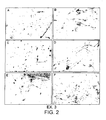
- NGF-treated DRG homogenates produced a clear RA signal relative to untreated DRG ( Fig. 2d ). This activation was prevented when the DRG were cultured with blocking antibody in addition to NGF ( Fig. 2d ).
- retinoic acid synthesizing enzymes might be induced by NGF.
- Retinol is converted by a two-step oxidative process to an aldehyde, retinal, which is then oxidized to retinoic acid (for review, see ref. 11).
- RALDH-2 retinaldehyde dehydrogenase type 2
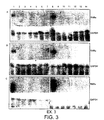
- RT-PCR we found strong induction of RALDH-2 by NGF in cultured adult DRG as well ( Fig. 2e ).
- up-regulation of the RAR ⁇ receptor in NGF-stimulated cultures Fig. 2e ), a phenomenon shown to be involved in neurite outgrowth13.
- NGFIB is one of the earliest genes induced by NGF9 and its product can heterodimerize with the RXRs8, the NGFIB/RXR heterodimer may be responsible for activating the RALDH-2 gene.
- Neurotrophins classically have been considered as potential agents for induction of nerve regeneration 14 and treatment of neurodegenerative diseases 15, but a major problem for their use is lack of effective modes of delivery to the site of the injury. Because RA is required for the regenerative response and it is downstream of NGF, then the problem of delivery to the lesion could be overcome, as RA is a low-molecular-weight lipophilic compound that can be administered orally. Thus, RA may be of clinical use in neurology.
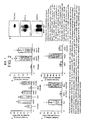
- Fig. 1 Neurite outgrowth in adult mouse DRG cultured for five ( a-d, g, h ) or eight days ( e, f ) in the presence of delipidated serum plus: (a) no addition; (b) NGF, 100 ng per ml; (c) NGF and 100 nM tRA; (d) NGF and 10 M disulphiram; (e) disulphiram and tRA added on day 0; (f) disulphiram; (g) NGF and blocking antibody (h) NGF-blocking antibody and tRA.
- EXAMPLE 2 INDUCTION OF NEURITE DEVELOPMENT IN ADULT NEURAL TISSUE.
- retinoic acid receptor- ⁇ 2 induces neurite outgrowth in the adult mouse spinal cord.
- Retinoic acid has been shown to be required for neurite outgrowth. We have recently demonstrated that the mechanism of it's action in peripheral nerve regeneration is by activating the retinoic acid receptor ⁇ 2. The adult central nervous system cannot regenerate. Therefore, we have investigated if regenerative failure in the adult spinal cord is related to the expression of retinoic acid receptor ⁇ 2.
- CST corticospinal tract
- a suspension of olfactory ensheathing cells was also effective in returning locomotor function to the lesioned CST of rats 6 . If neurotrophins act simply to keep axotomised neurons alive 7 then in these methodologies for inducing regeneration it is the environment surrounding the axons which is the focus of attention rather than the intrinsic capabilities of the neuron itself.
- RAR ⁇ 2 which is activated by retinoic acid (RA) the biologically active metabolite of vitamin A.
- RA retinoic acid
- RA acts at the level of gene transcription because it is a ligand for two classes of nuclear transcription factors, the retinoic acid receptors (RARs) and the retinoid X receptors (RXRs) 18,19 .
- RARs retinoic acid receptors
- RXRs retinoid X receptors
- RAR ⁇ 2 is the crucial transducer of the RA signal in neurons as it is up-regulated in situations where RA stimulates neurite outgrowth 20 .
- RAR ⁇ 2 is the crucial transducer of the RA signal in neurons as it is up-regulated in situations where RA stimulates neurite outgrowth 20 .
- the absence or below threshold level of this nuclear receptor in the adult spinal cord may contribute to the failure of this tissue to regenerate axonal projections.
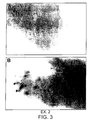
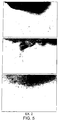
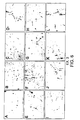
- E13.5 spinal cord was dissected from mouse embryos placed in a cellogen matrix and cultured in 10 % delipidated serum. All -trans- RA was added at 3 different concentrations (10 -8 M, 10 -7 M, 10 -6 M) and after 5 days the explants were stained with a neurofilament antibody and examined for the presence of neurites. There was an increasing number of neurites emerging from the cultured cord with increasing concentrations of RA with the maximal effect at 10 -6 M (Fig. 1C, E, G).
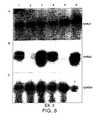
- the primers used were from GAPDH, RAR ⁇ 2 and RAR ⁇ 4, (details upon request).
- PCR was carried out for 25 cycles for embryonic spinal cord and 40 cycles for adult spinal cord.
- Amplification was carried out as follows, denaturation for 30 s at 95 °C, annealing for 30 s at 55 °C and extension for 1 min at 72 °C. One fifth of the resultant product was then run on a gel.
- Virus stocks were prepared and B galactosidase staining carried out as described in ref 28 .
- the titres used were: pHSV RAR ⁇ 2, 5x10 -4 ip/ul, pHSVRAR ⁇ 4" 4x10 -4 ip/ ul, pHSVlacz 5x10 -4 ip/ul.
- FIGURES FOR EXAMPLE 2 are identical to FIGURES FOR EXAMPLE 2:
- retinoic acid receptors The role of retinoic acid receptors in neurite outgrowth from different populations of embryonic mouse dorsal root ganglia.
- Dorsal root ganglion (DRG) neurons can be categorised into at least three types based upon their neurotrophin requirement for survival.
- RARs retinoic acid receptors
- RXRs retinoid X receptors
- the neurotrophins are a family of growth factors that are required for the survival of a variety of primary sensory neurons in the developing peripheral nervous system (Snider, 1994).
- the family includes nerve growth factor (NGF) (Levi-Montalcini, 1987) neurotrophin-3 (NT-3) (Maisonpierre et al., 1990) and brain-derived neurotrophic factor (BDNF) (Barde et al., 1982). They are synthesised in the target fields innervated by peripheral neurons and are thought to be transported by a retrograde mechanism from the target field to support the survival of the developing neurons.
- the neurotrophins act through receptor tyrosine kinases designated Trk.
- NGF specifically activates TrkA; BDNF activates TrkB and NT-3 activates TrkC (reviewed in Snider, 1994).
- DRG dorsal root ganglia
- Neurons that require NGF for their survival mediate nocioceptive (pain) and thermal receptive functions. In the periphery the axons terminate in the superficial layers of the skin and innervate the superficial laminae of the spinal cord (Crowley et al., 1994; Smeyne et al., 1994).
- Proprioceptive neurons (sense of position of the limbs in space), which are much larger than NGF type neurons, project into the periphery to the primary endings of muscle spindles and extend a collateral branch to the motor pools in the spinal cord are dependent upon NT-3 for their survival (Ernfors et al., 1994; Farinas et al., 1994; Klein et al., 1994).
- BDNF neurons are small to medium sized and may include some classes of the mechanoreceptors (Klein et al., 1993; Jones et al., 1994).
- retinoids are a family of molecules derived from vitamin A and include the biologically active metabolite, retinoic acid (RA).
- RA retinoic acid
- the cellular effects of RA are mediated through the action of two classes of receptors, the retinoic acid receptors (RARs) which are activated both by all -trans- RA ( t RA) and 9- cis -RA (9- cis -RA), and the retinoid X receptors (RXRs), which are activated only by 9- cis- RA (Kastner et al., 1994; Kleiwer et al., 1994).
- RARs retinoic acid receptors
- RXRs retinoid X receptors
- the receptors are of three major subtypes, ⁇ , ⁇ and ⁇ , of which there are multiple isoforms due to alternative splicing and differential promoter usage (Leid et al. 1992).
- the RARs mediate gene expression by forming heterodimers with the RXRs, whilst the RXRs can mediate gene expression as homodimers or by forming heterodimers with a variety of orphan receptors (Mangelsdorf & Evans, 1995).
- one of the earliest genes induced by NGF in PC12 cells is the orphan receptor NGFI-B (NURR1) (Millbrandt, 1989). This suggests that the growth factor and retinoid mediated pathway in developing neurons can interact.
- RA has been shown to be involved in the survival and differentiation of neurons (Wuarin and Sidell, 1991; Quinn and De Boni, 1991). Furthermore, many studies on a variety of embryonic neuronal types have shown that RA can stimulate both neurite number and length (reviewed in Maden, 1998) as indeed, can the neurotrophins (Campenot, 1977; Lindsay, 1988; Tuttle and Mathew, 1995). Recently we have shown that RA is critical for neurite regeneration in adult DRG and that it's synthesis may be regulated by NGF (Corcoran and Maden, 1999).
- DRG cultures DRG were obtained from E13.5 mice, freed of non-ganglionic tissue and collected in ice-cold calcium magnesium free phosphate buffered saline. To prepare dissociated cell suspensions the ganglia were treated with 0.05 % trypsin for 15 minutes at 15 °C. The reaction was stopped by the addition of 1% serum and single cells obtained by trituration with a 23 G needle. The cells were then spun at 1000 g for ten minutes and resuspended in media. They were plated out at a density of approximately of 25000 cells/cm 2 in wells that had been precoated with 100 ⁇ g/ml poly D lysine for 2 hrs. The cultures were fed every 2 days.
- Culture media consisted of DMEM-F12 with glutamine (Gibco), 6 % glucose, ITS (Gibco).
- the growth factors used were either 50ng/ml NGF (7s, Promega) 50ng/ml NT3 (Promega) or 50ng/ml BDNF (Promega).
- Retinoids were used at a concentration of 1 x 10 -7 M. All- trans -retinoic acid was obtained from Sigma and the receptor agonists were synthesised by CIRD Galderma: CD366 activates RAR ⁇ , CD2019 activates RAR ⁇ , CD437 activates RAR ⁇ and CD2809 activates all of the RXRs.
- the primers used were from mouse RARs, RXRs and GAPDH (details upon request).
- GAPDH GAPDH
- Amplification was carried out in the linear range for each RAR and RXR and their levels of expression were compared to GAPDH. For the RXRs 28 cycles were performed, while 25 cycles were used for RAR ⁇ and RAR ⁇ and 22 cycles for RAR ⁇ and GAPDH.
- Amplification was carried out as follows, denaturation for 30 s at 95 °C, annealing for 30 s at 55°C and extension for 1 min at 72 °C.
- One fifth of the resultant product was then run on a gel and blotted. This was then probed with the appropriate RAR, RXR or GAPDH for normalisation.
- In situ Hybridisation Cells were washed once with PBS and fixed in 4% PFA for 30 mins. They were then washed twice for 5 mins in PBS-0.05% Tween (PBT). Hybridisation was carried out at 55°C overnight.
- the buffer consisted of 0.1M Tris-Cl, pH9.5, 0.05M MgCl 2 , 0.1M NaCl and 0.1% Tween-20. The cells were then washed sequentially for 15 min. at 65°C in 50 % hybridisation buffer, 50% 2x SSC, 100% 2x SSC, and finally in 0.2% SSC.
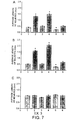
- RAR ⁇ 2 isoform was detected in all three types of neuron. This isoform was strongly up-regulated by RA in the NGF (Fig. 4 A, lane 6) and NT-3 dependent neurons (Fig. 4 B, lane 6) but not in the BDNF dependent neurons (Fig. 4 C, lane 6) as compared to the non-stimulated cultures (Fig. 4 A, B, C, lane 2)..
- RAR ⁇ 1 was detected in the neuronal cultures and then only in the NGF (Fig. 5 A, lane 1 and 8) and NT-3 dependent neurons (Fig. 5 B, lane 1 and 8). No RAR ⁇ 1 was detected by RT-PCR in the BDNF dependent neurons.
- RAR ⁇ 1 or RAR ⁇ 2 may be responsible for the increase of neurite outgrowth observed in the NGF and NT-3 dependent neurons (Fig. 2 B, D). It is more likely to be the RAR ⁇ 2 isoform since this receptor is not upregulated in the BDNF dependent neurons and there is no increase in neurite outgrowth when these are stimulated with RA (Fig. 2 F) whereas the RAR ⁇ 1 isoform is up-regulated despite a lack of neurite response to RA.
- receptor selective synthetic retinoids which have been developed specifically to activate individual receptors. CD366 activates RAR ⁇ , CD2019 activates RAR ⁇ , CD437 activates RAR ⁇ and CD2809 activates all of the RXRs.
- RAR ⁇ 2 is required for neurite outgrowth. Furthermore, RAR ⁇ can inhibit neurite outgrowth.
- RAR ⁇ 1 can regulate the expression of RAR ⁇ 2.
- RAR ⁇ agonist caused a decrease in neurite outgrowth of the NGF and NT-3 dependent neurons.
- RAR ⁇ agonists had any effect on receptor expression.
- the RAR ⁇ agonist upregulated the expression of RAR ⁇ 2 but had no effect on the expression of RAR ⁇ 1.
- RAR ⁇ agonist had no effect on the expression of RAR ⁇ 1 it did down-regulate the level of RAR ⁇ 2 expression, this phenomenon may also be a prelude to neurite outgrowth.
- the RAR ⁇ transcript can be regulated by RAR ⁇ /RXR heterodimers.
- the lack of increase in neurite outgrowth in response to RA of the BDNF dependent neurons also suggests that in this type of neuron that RAR ⁇ may be regulated differently to RAR ⁇ in the NGF and the NT-3 dependent neurons at the embryonic stage studied.
- the differential response of these neurons to RA and the receptor agonists may have some significance for embryonic and adult tissues which require retinoids for their development and/or survival.
- retinoids In order to activate different RAR/RXR and RXR/orphan receptor combinations there may be different retinoids present in the tissues.
- Some support for this view is provided by the fact that there are numerous RA generating enzymes which show localised expression during development (McCaffery et al., 1992; Drager & McCaffery, 1995; Godbout et al., 1996; Neiderreither et al., 1997; Ang & Duester, 1997) and each of these enzymes could make different retinoids.
- retinoids have so far been discovered, for example 5, 6-epoxyretinoic acid, which is found in the intestine (McCormick et al., 1978), 4- oxo- retinol which is the biologically active metabolite that is responsible for the differentiation of murine embryonic F9 cells (Achkar et al., 1996) and 14- hydroxy-4, 14-retroretinol which is found in B lymphocytes (Buck et al., 1991).
- 6-epoxyretinoic acid which is found in the intestine
- 4- oxo- retinol which is the biologically active metabolite that is responsible for the differentiation of murine embryonic F9 cells
- 14- hydroxy-4, 14-retroretinol which is found in B lymphocytes (Buck et al., 1991).
- the embryo may be able to regulate the amount of neurite outgrowth by synthesising different retinoids.
- the amount of neurite outgrowth could be regulated by the amount of retinoic acid.
- the amount of retinoic acid For example in the developing mouse spinal cord there are high concentrations of retinoids in the brachial and lumbar enlargements (McCaffery & Drager, 1994).
- peripheral nerves When peripheral nerves are damaged some regeneration can occur unlike nerves of the central nervous system which show no regeneration. However regeneration of peripheral nerves is limited particularly when there is traumatic nerve injury where there is a loss of nerve tissue such that a gap is created which the regenerating neurite cannot grow across. This delay in nerve regeneration can lead to muscle atrophy and lead to permanent disability.
- neurotrophins are produced in response to peripheral nerve injury. These are a family of growth factors that are required for the survival of a variety of neurons.
- the family includes nerve growth factor (NGF) neurotrophin-3 (NT-3) and brain-derived neurotrophic factor (BDNF). It was hoped that neurotrophins could be used in the treatment of PNS injuries. However the results have not been encouraging. Two major problems have been encountered, firstly the problem of delivery to the injury, and secondly since different neurons need different neurotrophins a cocktail of them as to be administered in order for all the nerves to regenerate. We have investigated how neurotrophins stimulate neurite regeneration.
- tRA all-trans-retinoic acid
- NGF vitamin A derivative all-trans-retinoic acid
- tRA retinoic acid receptors
- RXRs retinoid X receptors
- ⁇ , ⁇ and ⁇ three subtypes of each: ⁇ , ⁇ and ⁇ .
- RAR receptors mediate gene expression by forming heterodimers with RXRs
- RXRs can mediate gene expression either as hormodimers or by forming heterodimers with orphan receptors.
- the present invention comprises the use of RAR ⁇ 2 in the preparation of a medicament for the treatment of neurodegenerative disease.
- expression of the retinoic acid receptor RAR ⁇ 2 is ensured in affected cells or tissues. This may be achieved by gene therapy i.e. insertion of nucleic acid coding for this receptor.
- the medicament may be used for the treatment of peripheral nervous injuries and spinal cord regeneration e.g. in cases of paraplegia.
Landscapes
- Health & Medical Sciences (AREA)
- Life Sciences & Earth Sciences (AREA)
- Chemical & Material Sciences (AREA)
- Medicinal Chemistry (AREA)
- Pharmacology & Pharmacy (AREA)
- Animal Behavior & Ethology (AREA)
- General Health & Medical Sciences (AREA)
- Public Health (AREA)
- Veterinary Medicine (AREA)
- Epidemiology (AREA)
- Engineering & Computer Science (AREA)
- Bioinformatics & Cheminformatics (AREA)
- Immunology (AREA)
- Zoology (AREA)
- Proteomics, Peptides & Aminoacids (AREA)
- Gastroenterology & Hepatology (AREA)
- Cell Biology (AREA)
- Physics & Mathematics (AREA)
- High Energy & Nuclear Physics (AREA)
- Chemical Kinetics & Catalysis (AREA)
- Organic Chemistry (AREA)
- Neurology (AREA)
- General Chemical & Material Sciences (AREA)
- Nuclear Medicine, Radiotherapy & Molecular Imaging (AREA)
- Biomedical Technology (AREA)
- Neurosurgery (AREA)
- Medicines That Contain Protein Lipid Enzymes And Other Medicines (AREA)
- Micro-Organisms Or Cultivation Processes Thereof (AREA)
- Medicines Containing Material From Animals Or Micro-Organisms (AREA)
- Acyclic And Carbocyclic Compounds In Medicinal Compositions (AREA)
- Pharmaceuticals Containing Other Organic And Inorganic Compounds (AREA)
- Investigating Or Analysing Biological Materials (AREA)
Priority Applications (1)
| Application Number | Priority Date | Filing Date | Title |
|---|---|---|---|
| EP06076367A EP1762243A1 (en) | 1999-03-31 | 2000-03-30 | Factor for regulation of neurite growth |
Applications Claiming Priority (3)
| Application Number | Priority Date | Filing Date | Title |
|---|---|---|---|
| GBGB9907461.9A GB9907461D0 (en) | 1999-03-31 | 1999-03-31 | Neurite regeneration |
| GB9907461 | 1999-03-31 | ||
| PCT/GB2000/001211 WO2000057900A2 (en) | 1999-03-31 | 2000-03-30 | Factor for regulation of neurite growth |
Related Child Applications (1)
| Application Number | Title | Priority Date | Filing Date |
|---|---|---|---|
| EP06076367A Division EP1762243A1 (en) | 1999-03-31 | 2000-03-30 | Factor for regulation of neurite growth |
Publications (2)
| Publication Number | Publication Date |
|---|---|
| EP1180039A2 EP1180039A2 (en) | 2002-02-20 |
| EP1180039B1 true EP1180039B1 (en) | 2006-10-18 |
Family
ID=10850746
Family Applications (2)
| Application Number | Title | Priority Date | Filing Date |
|---|---|---|---|
| EP00918991A Expired - Lifetime EP1180039B1 (en) | 1999-03-31 | 2000-03-30 | Composition for the treatment of a neurological disorder |
| EP06076367A Withdrawn EP1762243A1 (en) | 1999-03-31 | 2000-03-30 | Factor for regulation of neurite growth |
Family Applications After (1)
| Application Number | Title | Priority Date | Filing Date |
|---|---|---|---|
| EP06076367A Withdrawn EP1762243A1 (en) | 1999-03-31 | 2000-03-30 | Factor for regulation of neurite growth |
Country Status (11)
| Country | Link |
|---|---|
| US (2) | US20070054961A1 (enExample) |
| EP (2) | EP1180039B1 (enExample) |
| JP (1) | JP2002540164A (enExample) |
| KR (1) | KR20010104401A (enExample) |
| CN (1) | CN100350970C (enExample) |
| AT (1) | ATE342728T1 (enExample) |
| AU (1) | AU770394B2 (enExample) |
| CA (1) | CA2369009A1 (enExample) |
| DE (1) | DE60031396T2 (enExample) |
| GB (2) | GB9907461D0 (enExample) |
| WO (1) | WO2000057900A2 (enExample) |
Families Citing this family (78)
| Publication number | Priority date | Publication date | Assignee | Title |
|---|---|---|---|---|
| AU2001244354A1 (en) * | 2000-03-30 | 2001-10-15 | Oxford Biomedica (Uk) Limited | Retinoic acid receptor beta-2, its antagonists, and gene therapy vectors for thetreatment of neurological disorders |
| GB0103998D0 (en) * | 2001-02-19 | 2001-04-04 | King S College London | Method |
| EP1592867B1 (en) | 2003-02-11 | 2016-11-23 | Statoil ASA | Efficient combined cycle power plant with co2 capture and a combustor arrangement with separate flows |
| SG10201707569YA (en) | 2012-12-12 | 2017-10-30 | Broad Inst Inc | Delivery, Engineering and Optimization of Systems, Methods and Compositions for Sequence Manipulation and Therapeutic Applications |
| EP2931899A1 (en) | 2012-12-12 | 2015-10-21 | The Broad Institute, Inc. | Functional genomics using crispr-cas systems, compositions, methods, knock out libraries and applications thereof |
| KR20250012194A (ko) | 2013-06-17 | 2025-01-23 | 더 브로드 인스티튜트, 인코퍼레이티드 | 바이러스 구성성분을 사용하여 장애 및 질환을 표적화하기 위한 crispr-cas 시스템 및 조성물의 전달, 용도 및 치료 적용 |
| SG11201510327TA (en) | 2013-06-17 | 2016-01-28 | Broad Inst Inc | Delivery, engineering and optimization of systems, methods and compositions for targeting and modeling diseases and disorders of post mitotic cells |
| JP6738728B2 (ja) | 2013-06-17 | 2020-08-19 | ザ・ブロード・インスティテュート・インコーポレイテッド | 肝臓ターゲティングおよび治療のためのCRISPR−Cas系、ベクターおよび組成物の送達および使用 |
| CN105899658B (zh) | 2013-12-12 | 2020-02-18 | 布罗德研究所有限公司 | 针对hbv和病毒性疾病以及障碍的crispr-cas系统和组合物的递送、用途和治疗应用 |
| KR20160097338A (ko) | 2013-12-12 | 2016-08-17 | 더 브로드 인스티튜트, 인코퍼레이티드 | 뉴클레오티드 반복 장애에서의 crispr-cas 시스템의 조성물 및 방법 및 용도 |
| JP6793547B2 (ja) | 2013-12-12 | 2020-12-02 | ザ・ブロード・インスティテュート・インコーポレイテッド | 最適化機能CRISPR−Cas系による配列操作のための系、方法および組成物 |
| CN111206032B (zh) | 2013-12-12 | 2024-07-19 | 布罗德研究所有限公司 | 用于基因组编辑的crispr-cas系统和组合物的递送、用途和治疗应用 |
| WO2015089473A1 (en) | 2013-12-12 | 2015-06-18 | The Broad Institute Inc. | Engineering of systems, methods and optimized guide compositions with new architectures for sequence manipulation |
| EP3180426B1 (en) | 2014-08-17 | 2019-12-25 | The Broad Institute, Inc. | Genome editing using cas9 nickases |
| WO2016049163A2 (en) | 2014-09-24 | 2016-03-31 | The Broad Institute Inc. | Use and production of chd8+/- transgenic animals with behavioral phenotypes characteristic of autism spectrum disorder |
| WO2016049258A2 (en) | 2014-09-25 | 2016-03-31 | The Broad Institute Inc. | Functional screening with optimized functional crispr-cas systems |
| WO2016094880A1 (en) | 2014-12-12 | 2016-06-16 | The Broad Institute Inc. | Delivery, use and therapeutic applications of crispr systems and compositions for genome editing as to hematopoietic stem cells (hscs) |
| EP3985115A1 (en) | 2014-12-12 | 2022-04-20 | The Broad Institute, Inc. | Protected guide rnas (pgrnas) |
| EP3230452B1 (en) | 2014-12-12 | 2025-06-11 | The Broad Institute, Inc. | Dead guides for crispr transcription factors |
| WO2016094874A1 (en) | 2014-12-12 | 2016-06-16 | The Broad Institute Inc. | Escorted and functionalized guides for crispr-cas systems |
| CN107207488B (zh) | 2014-12-17 | 2020-11-17 | 伦敦皇家学院 | 作为视黄酸受体β(RARβ)激动剂的双环杂芳基-杂芳基-苯甲酸化合物 |
| EP3234192B1 (en) | 2014-12-19 | 2021-07-14 | The Broad Institute, Inc. | Unbiased identification of double-strand breaks and genomic rearrangement by genome-wide insert capture sequencing |
| WO2016106236A1 (en) | 2014-12-23 | 2016-06-30 | The Broad Institute Inc. | Rna-targeting system |
| WO2016106244A1 (en) | 2014-12-24 | 2016-06-30 | The Broad Institute Inc. | Crispr having or associated with destabilization domains |
| US20180355033A1 (en) | 2015-06-10 | 2018-12-13 | Dana-Farber Cancer Institute, Inc. | Antibodies, compounds and screens for identifying and treating cachexia or pre-cachexia |
| AU2016279062A1 (en) | 2015-06-18 | 2019-03-28 | Omar O. Abudayyeh | Novel CRISPR enzymes and systems |
| CA3012631A1 (en) | 2015-06-18 | 2016-12-22 | The Broad Institute Inc. | Novel crispr enzymes and systems |
| WO2016205745A2 (en) | 2015-06-18 | 2016-12-22 | The Broad Institute Inc. | Cell sorting |
| US9790490B2 (en) | 2015-06-18 | 2017-10-17 | The Broad Institute Inc. | CRISPR enzymes and systems |
| EP3929287A3 (en) | 2015-06-18 | 2022-04-13 | The Broad Institute, Inc. | Crispr enzyme mutations reducing off-target effects |
| AU2016308339A1 (en) | 2015-08-18 | 2018-04-12 | Baylor College Of Medicine | Methods and compositions for altering function and structure of chromatin loops and/or domains |
| US12241053B2 (en) | 2015-10-09 | 2025-03-04 | The Brigham And Women's Hospital, Inc. | Modulation of novel immune checkpoint targets |
| CN116814590A (zh) | 2015-10-22 | 2023-09-29 | 布罗德研究所有限公司 | Vi-b型crispr酶和系统 |
| US11492670B2 (en) | 2015-10-27 | 2022-11-08 | The Broad Institute Inc. | Compositions and methods for targeting cancer-specific sequence variations |
| WO2017075465A1 (en) | 2015-10-28 | 2017-05-04 | The Broad Institute Inc. | Compositions and methods for evaluating and modulating immune responses by detecting and targeting gata3 |
| WO2017075451A1 (en) | 2015-10-28 | 2017-05-04 | The Broad Institute Inc. | Compositions and methods for evaluating and modulating immune responses by detecting and targeting pou2af1 |
| WO2017075478A2 (en) | 2015-10-28 | 2017-05-04 | The Broad Institute Inc. | Compositions and methods for evaluating and modulating immune responses by use of immune cell gene signatures |
| WO2017106657A1 (en) | 2015-12-18 | 2017-06-22 | The Broad Institute Inc. | Novel crispr enzymes and systems |
| EP3445853A1 (en) | 2016-04-19 | 2019-02-27 | The Broad Institute, Inc. | Cpf1 complexes with reduced indel activity |
| KR20260004568A (ko) | 2016-04-19 | 2026-01-08 | 더 브로드 인스티튜트, 인코퍼레이티드 | 신규한 crispr 효소 및 시스템 |
| CA3026110A1 (en) | 2016-04-19 | 2017-11-02 | The Broad Institute, Inc. | Novel crispr enzymes and systems |
| AU2017283713B2 (en) | 2016-06-17 | 2021-04-08 | Massachusetts Institute Of Technology | Type VI CRISPR orthologs and systems |
| GB201610867D0 (en) | 2016-06-22 | 2016-08-03 | King S College London | Crystalline forms of a therapeutic compound and processes for their preparation |
| WO2018005873A1 (en) | 2016-06-29 | 2018-01-04 | The Broad Institute Inc. | Crispr-cas systems having destabilization domain |
| US11352647B2 (en) | 2016-08-17 | 2022-06-07 | The Broad Institute, Inc. | Crispr enzymes and systems |
| WO2018035387A1 (en) | 2016-08-17 | 2018-02-22 | The Broad Institute, Inc. | Novel crispr enzymes and systems |
| US20190262399A1 (en) | 2016-09-07 | 2019-08-29 | The Broad Institute, Inc. | Compositions and methods for evaluating and modulating immune responses |
| US12499971B2 (en) | 2016-09-28 | 2025-12-16 | The Broad Institute, Inc. | Systematic screening and mapping of regulatory elements in non-coding genomic regions, methods, compositions, and applications thereof |
| US12447213B2 (en) | 2016-10-07 | 2025-10-21 | The Broad Institute, Inc. | Modulation of novel immune checkpoint targets |
| EA201991809A1 (ru) | 2017-01-30 | 2020-02-05 | КВС ЗААТ СЕ & КО. КГаА | Сцепление матрицы для репарации с эндонуклеазами для геномной инженерии |
| CN110959039B (zh) | 2017-03-15 | 2025-03-14 | 博德研究所 | 新型cas13b直向同源物crispr酶和系统 |
| AU2018251801B2 (en) | 2017-04-12 | 2024-11-07 | Massachusetts Institute Of Technology | Novel type VI CRISPR orthologs and systems |
| WO2018191750A2 (en) | 2017-04-14 | 2018-10-18 | The Broad Institute Inc. | Novel delivery of large payloads |
| US11591601B2 (en) | 2017-05-05 | 2023-02-28 | The Broad Institute, Inc. | Methods for identification and modification of lncRNA associated with target genotypes and phenotypes |
| EP3625342B1 (en) | 2017-05-18 | 2022-08-24 | The Broad Institute, Inc. | Systems, methods, and compositions for targeted nucleic acid editing |
| WO2019010422A1 (en) | 2017-07-07 | 2019-01-10 | The Broad Institute, Inc. | ANTIVIRAL THERAPY BASED ON THE CRISPR SYSTEM |
| KR102338449B1 (ko) | 2017-09-21 | 2021-12-10 | 더 브로드 인스티튜트, 인코퍼레이티드 | 표적화된 핵산 편집을 위한 시스템, 방법, 및 조성물 |
| WO2019071054A1 (en) | 2017-10-04 | 2019-04-11 | The Broad Institute, Inc. | METHODS AND COMPOSITIONS FOR MODIFYING THE FUNCTION AND STRUCTURE OF BUCKLES AND / OR CHROMATIN DOMAINS |
| US12227742B2 (en) | 2017-10-23 | 2025-02-18 | The Broad Institute, Inc. | Nucleic acid modifiers |
| US11547614B2 (en) | 2017-10-31 | 2023-01-10 | The Broad Institute, Inc. | Methods and compositions for studying cell evolution |
| WO2019094983A1 (en) | 2017-11-13 | 2019-05-16 | The Broad Institute, Inc. | Methods and compositions for treating cancer by targeting the clec2d-klrb1 pathway |
| WO2019094984A1 (en) | 2017-11-13 | 2019-05-16 | The Broad Institute, Inc. | Methods for determining spatial and temporal gene expression dynamics during adult neurogenesis in single cells |
| US20230193242A1 (en) | 2017-12-22 | 2023-06-22 | The Broad Institute, Inc. | Cas12b systems, methods, and compositions for targeted dna base editing |
| US10968257B2 (en) | 2018-04-03 | 2021-04-06 | The Broad Institute, Inc. | Target recognition motifs and uses thereof |
| EP3830256A2 (en) | 2018-07-31 | 2021-06-09 | The Broad Institute, Inc. | Novel crispr enzymes and systems |
| CA3106035A1 (en) | 2018-08-07 | 2020-02-13 | The Broad Institute, Inc. | Cas12b enzymes and systems |
| WO2020041380A1 (en) | 2018-08-20 | 2020-02-27 | The Broad Institute, Inc. | Methods and compositions for optochemical control of crispr-cas9 |
| WO2020131862A1 (en) | 2018-12-17 | 2020-06-25 | The Broad Institute, Inc. | Crispr-associated transposase systems and methods of use thereof |
| US12215382B2 (en) | 2019-03-01 | 2025-02-04 | The General Hospital Corporation | Liver protective MARC variants and uses thereof |
| US12534714B2 (en) | 2019-03-18 | 2026-01-27 | The Broad Institute, Inc. | Type VII CRISPR proteins and systems |
| US20220220469A1 (en) | 2019-05-20 | 2022-07-14 | The Broad Institute, Inc. | Non-class i multi-component nucleic acid targeting systems |
| GB201907647D0 (en) * | 2019-05-30 | 2019-07-17 | King S College London | Therapeutic methods |
| US12297426B2 (en) | 2019-10-01 | 2025-05-13 | The Broad Institute, Inc. | DNA damage response signature guided rational design of CRISPR-based systems and therapies |
| AU2023250649A1 (en) | 2022-04-04 | 2024-11-14 | The Regents Of The University Of California | Genetic complementation compositions and methods |
| WO2025072383A1 (en) | 2023-09-25 | 2025-04-03 | The Broad Institute, Inc. | Viral open reading frames, uses thereof, and methods of detecting the same |
| WO2025097055A2 (en) | 2023-11-02 | 2025-05-08 | The Broad Institute, Inc. | Compositions and methods of use of t cells in immunotherapy |
| WO2025129158A1 (en) | 2023-12-15 | 2025-06-19 | The Broad Institute, Inc. | Engineered arc delivery vesicles and uses thereof |
| WO2025250808A1 (en) | 2024-05-29 | 2025-12-04 | The Brigham And Women’S Hospital, Inc. | Anti-crispr delivery compositions and methods |
Family Cites Families (23)
| Publication number | Priority date | Publication date | Assignee | Title |
|---|---|---|---|---|
| NL154598B (nl) | 1970-11-10 | 1977-09-15 | Organon Nv | Werkwijze voor het aantonen en bepalen van laagmoleculire verbindingen en van eiwitten die deze verbindingen specifiek kunnen binden, alsmede testverpakking. |
| US3817837A (en) | 1971-05-14 | 1974-06-18 | Syva Corp | Enzyme amplification assay |
| US3939350A (en) | 1974-04-29 | 1976-02-17 | Board Of Trustees Of The Leland Stanford Junior University | Fluorescent immunoassay employing total reflection for activation |
| US3996345A (en) | 1974-08-12 | 1976-12-07 | Syva Company | Fluorescence quenching with immunological pairs in immunoassays |
| US4277437A (en) | 1978-04-05 | 1981-07-07 | Syva Company | Kit for carrying out chemically induced fluorescence immunoassay |
| US4275149A (en) | 1978-11-24 | 1981-06-23 | Syva Company | Macromolecular environment control in specific receptor assays |
| US4366241A (en) | 1980-08-07 | 1982-12-28 | Syva Company | Concentrating zone method in heterogeneous immunoassays |
| EP0096910B1 (en) | 1982-05-19 | 1989-04-19 | Unilever N.V. | Yeast of the genus kluyveromyces modified for the expression of preprothaumatin or its various allelic and modified forms or their maturation forms |
| NZ207394A (en) | 1983-03-08 | 1987-03-06 | Commw Serum Lab Commission | Detecting or determining sequence of amino acids |
| DE3480411D1 (en) | 1983-07-06 | 1989-12-14 | Gist Brocades Nv | Molecular cloning and expression in industrial microorganism species |
| US4885249A (en) | 1984-12-05 | 1989-12-05 | Allelix, Inc. | Aspergillus niger transformation system |
| ATE253119T1 (de) | 1985-04-15 | 2003-11-15 | Dsm Ip Assets Bv | Verwendung des glucoamylasepromotors aus apergillus |
| IL83192A (en) | 1986-07-18 | 1992-11-15 | Gist Brocades Nv | Method for the preparation of proteins with factor viii activity by microbial host cells;expression vectors,host cells,antibodies |
| US4808630A (en) * | 1987-01-16 | 1989-02-28 | United States Of America | Method of treating psychotic illnesses |
| HU201870B (en) * | 1987-01-16 | 1991-01-28 | Us Health | Process for producing pharmaceutical compositions containing isoretinoin as active component |
| ZA885536B (en) | 1987-07-28 | 1989-04-26 | Gist Brocades Nv | Kluyveromyces as a host strain |
| KR100225087B1 (ko) | 1990-03-23 | 1999-10-15 | 한스 발터라벤 | 피타아제의 식물내 발현 |
| EP0812354A2 (en) * | 1995-01-23 | 1997-12-17 | Ligand Pharmaceuticals, Inc. | HUMAN RETINOID X RECEPTOR - GAMMA (hRXR-GAMMA) |
| IT1276459B1 (it) * | 1995-06-30 | 1997-10-31 | Khodor Ammar | Composizioni cosmetiche con proprieta' antimicotiche, efficaci contro la psoriasi e la caduta dei capelli e metodo cosmetico per la |
| FR2739557B1 (fr) * | 1995-10-09 | 1997-11-14 | Cird Galderma | Utilisation d'un ligand agoniste specifique rar-gamma |
| US5965606A (en) * | 1995-12-29 | 1999-10-12 | Allergan Sales, Inc. | Methods of treatment with compounds having RAR.sub.α receptor specific or selective activity |
| AU6897498A (en) | 1997-04-25 | 1998-11-24 | American Home Products Corporation | Human neuronal cell line |
| EP1027059A2 (en) * | 1997-10-27 | 2000-08-16 | Curis, Inc. | Enhancement of morphogen activity |
-
1999
- 1999-03-31 GB GBGB9907461.9A patent/GB9907461D0/en not_active Ceased
-
2000
- 2000-03-30 CN CNB008080887A patent/CN100350970C/zh not_active Expired - Fee Related
- 2000-03-30 GB GB0123381A patent/GB2365772A/en not_active Withdrawn
- 2000-03-30 KR KR1020017012263A patent/KR20010104401A/ko not_active Withdrawn
- 2000-03-30 AT AT00918991T patent/ATE342728T1/de not_active IP Right Cessation
- 2000-03-30 AU AU39755/00A patent/AU770394B2/en not_active Ceased
- 2000-03-30 EP EP00918991A patent/EP1180039B1/en not_active Expired - Lifetime
- 2000-03-30 CA CA002369009A patent/CA2369009A1/en not_active Abandoned
- 2000-03-30 DE DE60031396T patent/DE60031396T2/de not_active Expired - Fee Related
- 2000-03-30 WO PCT/GB2000/001211 patent/WO2000057900A2/en not_active Ceased
- 2000-03-30 EP EP06076367A patent/EP1762243A1/en not_active Withdrawn
- 2000-03-30 JP JP2000607650A patent/JP2002540164A/ja active Pending
-
2006
- 2006-09-25 US US11/526,458 patent/US20070054961A1/en not_active Abandoned
-
2009
- 2009-09-30 US US12/570,659 patent/US20100317109A1/en not_active Abandoned
Also Published As
| Publication number | Publication date |
|---|---|
| EP1180039A2 (en) | 2002-02-20 |
| CN100350970C (zh) | 2007-11-28 |
| US20100317109A1 (en) | 2010-12-16 |
| WO2000057900A3 (en) | 2001-02-15 |
| DE60031396D1 (de) | 2006-11-30 |
| CN1355706A (zh) | 2002-06-26 |
| ATE342728T1 (de) | 2006-11-15 |
| DE60031396T2 (de) | 2007-08-30 |
| GB0123381D0 (en) | 2001-11-21 |
| GB2365772A (en) | 2002-02-27 |
| US20070054961A1 (en) | 2007-03-08 |
| AU3975500A (en) | 2000-10-16 |
| WO2000057900A2 (en) | 2000-10-05 |
| KR20010104401A (ko) | 2001-11-26 |
| JP2002540164A (ja) | 2002-11-26 |
| EP1762243A1 (en) | 2007-03-14 |
| CA2369009A1 (en) | 2000-10-05 |
| AU770394B2 (en) | 2004-02-19 |
| GB9907461D0 (en) | 1999-05-26 |
Similar Documents
| Publication | Publication Date | Title |
|---|---|---|
| AU770394B2 (en) | Factor | |
| Mey et al. | Retinoic acid signaling in the nervous system of adult vertebrates | |
| Castro et al. | Induction of cell cycle arrest and morphological differentiation by Nurr1 and retinoids in dopamine MN9D cells | |
| Clifford et al. | RXRalpha‐null F9 embryonal carcinoma cells are resistant to the differentiation, anti‐proliferative and apoptotic effects of retinoids. | |
| US6653322B1 (en) | Therapeutic combinations of RAR antagonists and RXR agonists and use thereof | |
| Langlois et al. | Impact of antipsychotic drug administration on the expression of nuclear receptors in the neocortex and striatum of the rat brain | |
| WO1998008546A9 (en) | Therapeutic combinations of rar antagonists and rxr agonists and use thereof | |
| Menéndez-Gutiérrez et al. | The multi-faceted role of retinoid X receptor in bone remodeling | |
| Prakash | Developmental pathways linked to the vulnerability of adult midbrain dopaminergic neurons to neurodegeneration | |
| Feart et al. | Differential effect of retinoic acid and triiodothyronine on the age-related hypo-expression of neurogranin in rat | |
| WO2002100827A2 (en) | Method for increasing the survival of dopamine secreting cells | |
| US7605185B2 (en) | Treatment of arrhythmia by retinoids affecting signal transduction | |
| EP1268835B1 (en) | Retinoic acid receptor beta-2 and gene therapy vectors for the treatment of neurological disorders | |
| Ingram et al. | Glial glutamate transporter mRNAs in the genetically absence epilepsy rat from Strasbourg | |
| Narita et al. | Role of spinal voltage-dependent calcium channel α2δ-1 subunit in the expression of a neuropathic pain-like state in mice | |
| US20060063258A1 (en) | Retinoic acid receptor beta-2, its agonists, and gene therapy vectors for the treatment of neurological disorders | |
| Akinshola et al. | Involvement of non-NMDA receptors in the rescue of weaver cerebellar granule neurons and sensitivity to ethanol of cerebellar AMPA receptors in oocytes | |
| De Groot et al. | Thyroid hormones in brain development and function | |
| McCaffery et al. | Retinoid signaling in the central nervous system | |
| Bock et al. | LDL receptor-related protein 1 (LRP1) | |
| Liu | Developmental regulation of DA11, a fatty acid-binding protein in rat brain | |
| Lindsey | 5.3 Nongenomic TH Signaling | |
| Tian | The molecular mechanism of loss of glial glutamate transporter EAAT2 in neurodegenerative disease | |
| Wang | Biosynthesis of all-trans-Retinoic Acid and Regulation of Retinoids Homeostasis in Primary Hippocampal Astrocytes and Neurons | |
| MXPA99001757A (en) | Therapeutic combinations of rar antagonists and rxr agonists and use thereof |
Legal Events
| Date | Code | Title | Description |
|---|---|---|---|
| PUAI | Public reference made under article 153(3) epc to a published international application that has entered the european phase |
Free format text: ORIGINAL CODE: 0009012 |
|
| 17P | Request for examination filed |
Effective date: 20011005 |
|
| AK | Designated contracting states |
Kind code of ref document: A2 Designated state(s): AT BE CH CY DE DK ES FI FR GB GR IE IT LI LU MC NL PT SE |
|
| AX | Request for extension of the european patent |
Free format text: AL;LT;LV;MK;RO;SI |
|
| 17Q | First examination report despatched |
Effective date: 20031103 |
|
| GRAP | Despatch of communication of intention to grant a patent |
Free format text: ORIGINAL CODE: EPIDOSNIGR1 |
|
| RTI1 | Title (correction) |
Free format text: COMPOSITION FOR THE TREATMENT OF A NEUROLOGICAL DISORDER |
|
| RIN1 | Information on inventor provided before grant (corrected) |
Inventor name: CORCORAN, JONATHAN PATRICK THOMAS Inventor name: MADEN, MALCOLM |
|
| GRAS | Grant fee paid |
Free format text: ORIGINAL CODE: EPIDOSNIGR3 |
|
| GRAA | (expected) grant |
Free format text: ORIGINAL CODE: 0009210 |
|
| RIN1 | Information on inventor provided before grant (corrected) |
Inventor name: MADEN, MALCOLM Inventor name: CORCORAN, JONATHAN PATRICK THOMAS |
|
| AK | Designated contracting states |
Kind code of ref document: B1 Designated state(s): AT BE CH CY DE DK ES FI FR GB GR IE IT LI LU MC NL PT SE |
|
| PG25 | Lapsed in a contracting state [announced via postgrant information from national office to epo] |
Ref country code: IT Free format text: LAPSE BECAUSE OF FAILURE TO SUBMIT A TRANSLATION OF THE DESCRIPTION OR TO PAY THE FEE WITHIN THE PRESCRIBED TIME-LIMIT;WARNING: LAPSES OF ITALIAN PATENTS WITH EFFECTIVE DATE BEFORE 2007 MAY HAVE OCCURRED AT ANY TIME BEFORE 2007. THE CORRECT EFFECTIVE DATE MAY BE DIFFERENT FROM THE ONE RECORDED. Effective date: 20061018 Ref country code: FI Free format text: LAPSE BECAUSE OF FAILURE TO SUBMIT A TRANSLATION OF THE DESCRIPTION OR TO PAY THE FEE WITHIN THE PRESCRIBED TIME-LIMIT Effective date: 20061018 Ref country code: NL Free format text: LAPSE BECAUSE OF FAILURE TO SUBMIT A TRANSLATION OF THE DESCRIPTION OR TO PAY THE FEE WITHIN THE PRESCRIBED TIME-LIMIT Effective date: 20061018 |
|
| REG | Reference to a national code |
Ref country code: GB Ref legal event code: FG4D |
|
| REG | Reference to a national code |
Ref country code: CH Ref legal event code: EP Ref country code: IE Ref legal event code: FG4D |
|
| REF | Corresponds to: |
Ref document number: 60031396 Country of ref document: DE Date of ref document: 20061130 Kind code of ref document: P |
|
| REG | Reference to a national code |
Ref country code: CH Ref legal event code: NV Representative=s name: MICHELI & CIE INGENIEURS-CONSEILS |
|
| PG25 | Lapsed in a contracting state [announced via postgrant information from national office to epo] |
Ref country code: DK Free format text: LAPSE BECAUSE OF FAILURE TO SUBMIT A TRANSLATION OF THE DESCRIPTION OR TO PAY THE FEE WITHIN THE PRESCRIBED TIME-LIMIT Effective date: 20070118 Ref country code: SE Free format text: LAPSE BECAUSE OF FAILURE TO SUBMIT A TRANSLATION OF THE DESCRIPTION OR TO PAY THE FEE WITHIN THE PRESCRIBED TIME-LIMIT Effective date: 20070118 |
|
| PG25 | Lapsed in a contracting state [announced via postgrant information from national office to epo] |
Ref country code: ES Free format text: LAPSE BECAUSE OF FAILURE TO SUBMIT A TRANSLATION OF THE DESCRIPTION OR TO PAY THE FEE WITHIN THE PRESCRIBED TIME-LIMIT Effective date: 20070129 |
|
| PG25 | Lapsed in a contracting state [announced via postgrant information from national office to epo] |
Ref country code: PT Free format text: LAPSE BECAUSE OF FAILURE TO SUBMIT A TRANSLATION OF THE DESCRIPTION OR TO PAY THE FEE WITHIN THE PRESCRIBED TIME-LIMIT Effective date: 20070319 |
|
| NLV1 | Nl: lapsed or annulled due to failure to fulfill the requirements of art. 29p and 29m of the patents act | ||
| ET | Fr: translation filed | ||
| PLBE | No opposition filed within time limit |
Free format text: ORIGINAL CODE: 0009261 |
|
| STAA | Information on the status of an ep patent application or granted ep patent |
Free format text: STATUS: NO OPPOSITION FILED WITHIN TIME LIMIT |
|
| 26N | No opposition filed |
Effective date: 20070719 |
|
| PG25 | Lapsed in a contracting state [announced via postgrant information from national office to epo] |
Ref country code: MC Free format text: LAPSE BECAUSE OF NON-PAYMENT OF DUE FEES Effective date: 20070331 |
|
| PG25 | Lapsed in a contracting state [announced via postgrant information from national office to epo] |
Ref country code: GR Free format text: LAPSE BECAUSE OF FAILURE TO SUBMIT A TRANSLATION OF THE DESCRIPTION OR TO PAY THE FEE WITHIN THE PRESCRIBED TIME-LIMIT Effective date: 20070119 |
|
| PGFP | Annual fee paid to national office [announced via postgrant information from national office to epo] |
Ref country code: AT Payment date: 20090313 Year of fee payment: 10 Ref country code: IE Payment date: 20090309 Year of fee payment: 10 |
|
| PGFP | Annual fee paid to national office [announced via postgrant information from national office to epo] |
Ref country code: GB Payment date: 20090317 Year of fee payment: 10 Ref country code: CH Payment date: 20090319 Year of fee payment: 10 |
|
| PGFP | Annual fee paid to national office [announced via postgrant information from national office to epo] |
Ref country code: BE Payment date: 20090313 Year of fee payment: 10 |
|
| PG25 | Lapsed in a contracting state [announced via postgrant information from national office to epo] |
Ref country code: LU Free format text: LAPSE BECAUSE OF NON-PAYMENT OF DUE FEES Effective date: 20070330 Ref country code: CY Free format text: LAPSE BECAUSE OF FAILURE TO SUBMIT A TRANSLATION OF THE DESCRIPTION OR TO PAY THE FEE WITHIN THE PRESCRIBED TIME-LIMIT Effective date: 20061018 |
|
| PGFP | Annual fee paid to national office [announced via postgrant information from national office to epo] |
Ref country code: DE Payment date: 20090529 Year of fee payment: 10 |
|
| PGFP | Annual fee paid to national office [announced via postgrant information from national office to epo] |
Ref country code: FR Payment date: 20090316 Year of fee payment: 10 |
|
| BERE | Be: lapsed |
Owner name: OXFORD BIOMEDICA (UK) LTD Effective date: 20100331 |
|
| REG | Reference to a national code |
Ref country code: CH Ref legal event code: PL |
|
| GBPC | Gb: european patent ceased through non-payment of renewal fee |
Effective date: 20100330 |
|
| PG25 | Lapsed in a contracting state [announced via postgrant information from national office to epo] |
Ref country code: AT Free format text: LAPSE BECAUSE OF NON-PAYMENT OF DUE FEES Effective date: 20100330 |
|
| REG | Reference to a national code |
Ref country code: FR Ref legal event code: ST Effective date: 20101130 |
|
| PG25 | Lapsed in a contracting state [announced via postgrant information from national office to epo] |
Ref country code: IE Free format text: LAPSE BECAUSE OF NON-PAYMENT OF DUE FEES Effective date: 20100330 Ref country code: FR Free format text: LAPSE BECAUSE OF NON-PAYMENT OF DUE FEES Effective date: 20100331 |
|
| PG25 | Lapsed in a contracting state [announced via postgrant information from national office to epo] |
Ref country code: BE Free format text: LAPSE BECAUSE OF NON-PAYMENT OF DUE FEES Effective date: 20100331 Ref country code: LI Free format text: LAPSE BECAUSE OF NON-PAYMENT OF DUE FEES Effective date: 20100331 Ref country code: CH Free format text: LAPSE BECAUSE OF NON-PAYMENT OF DUE FEES Effective date: 20100331 Ref country code: DE Free format text: LAPSE BECAUSE OF NON-PAYMENT OF DUE FEES Effective date: 20101001 |
|
| PG25 | Lapsed in a contracting state [announced via postgrant information from national office to epo] |
Ref country code: GB Free format text: LAPSE BECAUSE OF NON-PAYMENT OF DUE FEES Effective date: 20100330 |