EP1135521B1 - Method for measuring enzyme activity by using a side reaction of said enzyme - Google Patents
Method for measuring enzyme activity by using a side reaction of said enzyme Download PDFInfo
- Publication number
- EP1135521B1 EP1135521B1 EP99957569A EP99957569A EP1135521B1 EP 1135521 B1 EP1135521 B1 EP 1135521B1 EP 99957569 A EP99957569 A EP 99957569A EP 99957569 A EP99957569 A EP 99957569A EP 1135521 B1 EP1135521 B1 EP 1135521B1
- Authority
- EP
- European Patent Office
- Prior art keywords
- enzyme
- metabolism
- testosterone
- dcf
- cyp3a4
- Prior art date
- Legal status (The legal status is an assumption and is not a legal conclusion. Google has not performed a legal analysis and makes no representation as to the accuracy of the status listed.)
- Expired - Lifetime
Links
- 238000000034 method Methods 0.000 title claims abstract description 75
- 102000004190 Enzymes Human genes 0.000 title claims abstract description 53
- 108090000790 Enzymes Proteins 0.000 title claims abstract description 53
- 238000007086 side reaction Methods 0.000 title claims abstract description 18
- 230000000694 effects Effects 0.000 title description 12
- 150000001875 compounds Chemical class 0.000 claims abstract description 107
- 230000004060 metabolic process Effects 0.000 claims abstract description 83
- 108010015742 Cytochrome P-450 Enzyme System Proteins 0.000 claims abstract description 61
- 102000002004 Cytochrome P-450 Enzyme System Human genes 0.000 claims abstract description 61
- 230000002503 metabolic effect Effects 0.000 claims abstract description 28
- 239000002243 precursor Substances 0.000 claims abstract description 21
- 238000012216 screening Methods 0.000 claims abstract description 18
- 239000013626 chemical specie Substances 0.000 claims abstract description 15
- 238000001514 detection method Methods 0.000 claims abstract description 4
- 108010081668 Cytochrome P-450 CYP3A Proteins 0.000 claims description 77
- 102100039205 Cytochrome P450 3A4 Human genes 0.000 claims description 74
- 108010074922 Cytochrome P-450 CYP1A2 Proteins 0.000 claims description 30
- 239000003642 reactive oxygen metabolite Substances 0.000 claims description 16
- 108010001237 Cytochrome P-450 CYP2D6 Proteins 0.000 claims description 6
- 102100029358 Cytochrome P450 2C9 Human genes 0.000 claims description 6
- 108010026925 Cytochrome P-450 CYP2C19 Proteins 0.000 claims description 5
- 108010000543 Cytochrome P-450 CYP2C9 Proteins 0.000 claims description 5
- 102100029363 Cytochrome P450 2C19 Human genes 0.000 claims description 5
- 102100021704 Cytochrome P450 2D6 Human genes 0.000 claims description 4
- 102100026533 Cytochrome P450 1A2 Human genes 0.000 claims 2
- 238000006243 chemical reaction Methods 0.000 abstract description 30
- MUMGGOZAMZWBJJ-DYKIIFRCSA-N Testostosterone Chemical compound O=C1CC[C@]2(C)[C@H]3CC[C@](C)([C@H](CC4)O)[C@@H]4[C@@H]3CCC2=C1 MUMGGOZAMZWBJJ-DYKIIFRCSA-N 0.000 description 160
- 230000015572 biosynthetic process Effects 0.000 description 102
- 229960003604 testosterone Drugs 0.000 description 80
- 230000001404 mediated effect Effects 0.000 description 64
- CPJSUEIXXCENMM-UHFFFAOYSA-N phenacetin Chemical compound CCOC1=CC=C(NC(C)=O)C=C1 CPJSUEIXXCENMM-UHFFFAOYSA-N 0.000 description 47
- XJLXINKUBYWONI-DQQFMEOOSA-N [[(2r,3r,4r,5r)-5-(6-aminopurin-9-yl)-3-hydroxy-4-phosphonooxyoxolan-2-yl]methoxy-hydroxyphosphoryl] [(2s,3r,4s,5s)-5-(3-carbamoylpyridin-1-ium-1-yl)-3,4-dihydroxyoxolan-2-yl]methyl phosphate Chemical compound NC(=O)C1=CC=C[N+]([C@@H]2[C@H]([C@@H](O)[C@H](COP([O-])(=O)OP(O)(=O)OC[C@@H]3[C@H]([C@@H](OP(O)(O)=O)[C@@H](O3)N3C4=NC=NC(N)=C4N=C3)O)O2)O)=C1 XJLXINKUBYWONI-DQQFMEOOSA-N 0.000 description 40
- 229930027945 nicotinamide-adenine dinucleotide Natural products 0.000 description 40
- 239000000758 substrate Substances 0.000 description 39
- 238000011534 incubation Methods 0.000 description 37
- 102000008144 Cytochrome P-450 CYP1A2 Human genes 0.000 description 27
- CRCWUBLTFGOMDD-UHFFFAOYSA-N 7-ethoxyresorufin Chemical compound C1=CC(=O)C=C2OC3=CC(OCC)=CC=C3N=C21 CRCWUBLTFGOMDD-UHFFFAOYSA-N 0.000 description 26
- XSEGWEUVSZRCBC-UHFFFAOYSA-N 6beta-Hydroxytestosterone Natural products O=C1CCC2(C)C3CCC(C)(C(CC4)O)C4C3CC(O)C2=C1 XSEGWEUVSZRCBC-UHFFFAOYSA-N 0.000 description 25
- 239000003814 drug Substances 0.000 description 24
- 229960003893 phenacetin Drugs 0.000 description 24
- 229940079593 drug Drugs 0.000 description 20
- 238000005259 measurement Methods 0.000 description 20
- 239000002207 metabolite Substances 0.000 description 20
- XNZRYTITWLGTJS-UHFFFAOYSA-N 7-phenylmethoxyphenoxazin-3-one Chemical compound C1=C2OC3=CC(=O)C=CC3=NC2=CC=C1OCC1=CC=CC=C1 XNZRYTITWLGTJS-UHFFFAOYSA-N 0.000 description 19
- HSSLDCABUXLXKM-UHFFFAOYSA-N resorufin Chemical compound C1=CC(=O)C=C2OC3=CC(O)=CC=C3N=C21 HSSLDCABUXLXKM-UHFFFAOYSA-N 0.000 description 19
- 238000003556 assay Methods 0.000 description 17
- MKXZASYAUGDDCJ-SZMVWBNQSA-N LSM-2525 Chemical compound C1CCC[C@H]2[C@@]3([H])N(C)CC[C@]21C1=CC(OC)=CC=C1C3 MKXZASYAUGDDCJ-SZMVWBNQSA-N 0.000 description 15
- 229960001985 dextromethorphan Drugs 0.000 description 15
- 229960004125 ketoconazole Drugs 0.000 description 15
- XMAYWYJOQHXEEK-OZXSUGGESA-N (2R,4S)-ketoconazole Chemical compound C1CN(C(=O)C)CCN1C(C=C1)=CC=C1OC[C@@H]1O[C@@](CN2C=NC=C2)(C=2C(=CC(Cl)=CC=2)Cl)OC1 XMAYWYJOQHXEEK-OZXSUGGESA-N 0.000 description 14
- 230000003647 oxidation Effects 0.000 description 13
- 238000007254 oxidation reaction Methods 0.000 description 13
- 238000004128 high performance liquid chromatography Methods 0.000 description 12
- KGQZGCIVHYLPBH-UHFFFAOYSA-N Furafylline Chemical compound O=C1N(C)C(=O)C=2NC(C)=NC=2N1CC1=CC=CO1 KGQZGCIVHYLPBH-UHFFFAOYSA-N 0.000 description 10
- 108010044467 Isoenzymes Proteins 0.000 description 10
- 229950004998 furafylline Drugs 0.000 description 10
- 239000003112 inhibitor Substances 0.000 description 10
- 230000005284 excitation Effects 0.000 description 9
- 238000002474 experimental method Methods 0.000 description 9
- OKKJLVBELUTLKV-UHFFFAOYSA-N Methanol Chemical compound OC OKKJLVBELUTLKV-UHFFFAOYSA-N 0.000 description 8
- RJKFOVLPORLFTN-LEKSSAKUSA-N Progesterone Chemical compound C1CC2=CC(=O)CC[C@]2(C)[C@@H]2[C@@H]1[C@@H]1CC[C@H](C(=O)C)[C@@]1(C)CC2 RJKFOVLPORLFTN-LEKSSAKUSA-N 0.000 description 8
- 230000001419 dependent effect Effects 0.000 description 8
- 230000004783 oxidative metabolism Effects 0.000 description 8
- 239000007983 Tris buffer Substances 0.000 description 7
- 108090000623 proteins and genes Proteins 0.000 description 7
- 102000004169 proteins and genes Human genes 0.000 description 7
- LENZDBCJOHFCAS-UHFFFAOYSA-N tris Chemical compound OCC(N)(CO)CO LENZDBCJOHFCAS-UHFFFAOYSA-N 0.000 description 7
- WEVYAHXRMPXWCK-UHFFFAOYSA-N Acetonitrile Chemical compound CC#N WEVYAHXRMPXWCK-UHFFFAOYSA-N 0.000 description 6
- 239000000203 mixture Substances 0.000 description 6
- 238000002798 spectrophotometry method Methods 0.000 description 6
- 238000012360 testing method Methods 0.000 description 6
- RZVAJINKPMORJF-UHFFFAOYSA-N Acetaminophen Chemical compound CC(=O)NC1=CC=C(O)C=C1 RZVAJINKPMORJF-UHFFFAOYSA-N 0.000 description 5
- 238000004458 analytical method Methods 0.000 description 5
- 239000006227 byproduct Substances 0.000 description 5
- 230000002255 enzymatic effect Effects 0.000 description 5
- 230000005764 inhibitory process Effects 0.000 description 5
- 239000011541 reaction mixture Substances 0.000 description 5
- 239000000126 substance Substances 0.000 description 5
- VFNKZQNIXUFLBC-UHFFFAOYSA-N 2',7'-dichlorofluorescein Chemical compound O1C(=O)C2=CC=CC=C2C21C1=CC(Cl)=C(O)C=C1OC1=C2C=C(Cl)C(O)=C1 VFNKZQNIXUFLBC-UHFFFAOYSA-N 0.000 description 4
- MHAJPDPJQMAIIY-UHFFFAOYSA-N Hydrogen peroxide Chemical compound OO MHAJPDPJQMAIIY-UHFFFAOYSA-N 0.000 description 4
- 108010029485 Protein Isoforms Proteins 0.000 description 4
- 102000001708 Protein Isoforms Human genes 0.000 description 4
- 239000000047 product Substances 0.000 description 4
- 229960003387 progesterone Drugs 0.000 description 4
- 239000000186 progesterone Substances 0.000 description 4
- 239000000523 sample Substances 0.000 description 4
- 238000010517 secondary reaction Methods 0.000 description 4
- 239000007787 solid Substances 0.000 description 4
- 229940124597 therapeutic agent Drugs 0.000 description 4
- -1 CYP3A4OR Chemical compound 0.000 description 3
- YMWUJEATGCHHMB-UHFFFAOYSA-N Dichloromethane Chemical compound ClCCl YMWUJEATGCHHMB-UHFFFAOYSA-N 0.000 description 3
- 238000006555 catalytic reaction Methods 0.000 description 3
- 210000004027 cell Anatomy 0.000 description 3
- 238000012203 high throughput assay Methods 0.000 description 3
- 230000033444 hydroxylation Effects 0.000 description 3
- 238000005805 hydroxylation reaction Methods 0.000 description 3
- 238000000338 in vitro Methods 0.000 description 3
- 230000002829 reductive effect Effects 0.000 description 3
- 239000002904 solvent Substances 0.000 description 3
- 241000894007 species Species 0.000 description 3
- 150000003515 testosterones Chemical class 0.000 description 3
- IJGRMHOSHXDMSA-UHFFFAOYSA-N Atomic nitrogen Chemical compound N#N IJGRMHOSHXDMSA-UHFFFAOYSA-N 0.000 description 2
- 241000271566 Aves Species 0.000 description 2
- 208000009011 Cytochrome P-450 CYP3A Inhibitors Diseases 0.000 description 2
- 241000282412 Homo Species 0.000 description 2
- RVGRUAULSDPKGF-UHFFFAOYSA-N Poloxamer Chemical compound C1CO1.CC1CO1 RVGRUAULSDPKGF-UHFFFAOYSA-N 0.000 description 2
- OUUQCZGPVNCOIJ-UHFFFAOYSA-M Superoxide Chemical compound [O-][O] OUUQCZGPVNCOIJ-UHFFFAOYSA-M 0.000 description 2
- 241000251539 Vertebrata <Metazoa> Species 0.000 description 2
- 108010093894 Xanthine oxidase Proteins 0.000 description 2
- 102100033220 Xanthine oxidase Human genes 0.000 description 2
- 238000000540 analysis of variance Methods 0.000 description 2
- 231100000357 carcinogen Toxicity 0.000 description 2
- 239000003183 carcinogenic agent Substances 0.000 description 2
- 230000015556 catabolic process Effects 0.000 description 2
- 238000012512 characterization method Methods 0.000 description 2
- 239000003153 chemical reaction reagent Substances 0.000 description 2
- 238000013375 chromatographic separation Methods 0.000 description 2
- 238000004737 colorimetric analysis Methods 0.000 description 2
- 238000006731 degradation reaction Methods 0.000 description 2
- 238000011161 development Methods 0.000 description 2
- 235000014113 dietary fatty acids Nutrition 0.000 description 2
- 238000000295 emission spectrum Methods 0.000 description 2
- 239000003344 environmental pollutant Substances 0.000 description 2
- 238000000695 excitation spectrum Methods 0.000 description 2
- 229930195729 fatty acid Natural products 0.000 description 2
- 239000000194 fatty acid Substances 0.000 description 2
- 150000004665 fatty acids Chemical class 0.000 description 2
- 239000003269 fluorescent indicator Substances 0.000 description 2
- 238000013537 high throughput screening Methods 0.000 description 2
- TUJKJAMUKRIRHC-UHFFFAOYSA-N hydroxyl Chemical compound [OH] TUJKJAMUKRIRHC-UHFFFAOYSA-N 0.000 description 2
- 230000002401 inhibitory effect Effects 0.000 description 2
- 238000013383 initial experiment Methods 0.000 description 2
- 210000001853 liver microsome Anatomy 0.000 description 2
- 238000004519 manufacturing process Methods 0.000 description 2
- 230000037323 metabolic rate Effects 0.000 description 2
- 230000004048 modification Effects 0.000 description 2
- 238000012986 modification Methods 0.000 description 2
- VLKZOEOYAKHREP-UHFFFAOYSA-N n-Hexane Chemical compound CCCCCC VLKZOEOYAKHREP-UHFFFAOYSA-N 0.000 description 2
- 229940094443 oxytocics prostaglandins Drugs 0.000 description 2
- 229960005489 paracetamol Drugs 0.000 description 2
- 229920001993 poloxamer 188 Polymers 0.000 description 2
- 230000003389 potentiating effect Effects 0.000 description 2
- 150000003180 prostaglandins Chemical class 0.000 description 2
- 238000004445 quantitative analysis Methods 0.000 description 2
- 239000000243 solution Substances 0.000 description 2
- 238000001228 spectrum Methods 0.000 description 2
- 150000003431 steroids Chemical class 0.000 description 2
- 239000002676 xenobiotic agent Substances 0.000 description 2
- UCTWMZQNUQWSLP-VIFPVBQESA-N (R)-adrenaline Chemical compound CNC[C@H](O)C1=CC=C(O)C(O)=C1 UCTWMZQNUQWSLP-VIFPVBQESA-N 0.000 description 1
- 229930182837 (R)-adrenaline Natural products 0.000 description 1
- BFZHCUBIASXHPK-QJSKAATBSA-N 11alpha-hydroxyprogesterone Chemical compound C1CC2=CC(=O)CC[C@]2(C)[C@@H]2[C@@H]1[C@@H]1CC[C@H](C(=O)C)[C@@]1(C)C[C@H]2O BFZHCUBIASXHPK-QJSKAATBSA-N 0.000 description 1
- UOMQUZPKALKDCA-UHFFFAOYSA-K 2-[2-[bis(carboxylatomethyl)amino]ethyl-(carboxymethyl)amino]acetate;iron(3+) Chemical compound [Fe+3].OC(=O)CN(CC([O-])=O)CCN(CC([O-])=O)CC([O-])=O UOMQUZPKALKDCA-UHFFFAOYSA-K 0.000 description 1
- XSEGWEUVSZRCBC-ZVBLRVHNSA-N 6beta-hydroxytestosterone Chemical compound O=C1CC[C@]2(C)[C@H]3CC[C@](C)([C@H](CC4)O)[C@@H]4[C@@H]3C[C@@H](O)C2=C1 XSEGWEUVSZRCBC-ZVBLRVHNSA-N 0.000 description 1
- RPHLQSHHTJORHI-UHFFFAOYSA-N Adrenochrome Chemical compound O=C1C(=O)C=C2N(C)CC(O)C2=C1 RPHLQSHHTJORHI-UHFFFAOYSA-N 0.000 description 1
- 241000283690 Bos taurus Species 0.000 description 1
- 101150051438 CYP gene Proteins 0.000 description 1
- 101100497948 Caenorhabditis elegans cyn-1 gene Proteins 0.000 description 1
- 241000282465 Canis Species 0.000 description 1
- 101710142428 Cytochrome P450 2C19 Proteins 0.000 description 1
- 101710101953 Cytochrome P450 2C9 Proteins 0.000 description 1
- KCXVZYZYPLLWCC-UHFFFAOYSA-N EDTA Chemical compound OC(=O)CN(CC(O)=O)CCN(CC(O)=O)CC(O)=O KCXVZYZYPLLWCC-UHFFFAOYSA-N 0.000 description 1
- 241000283073 Equus caballus Species 0.000 description 1
- 241000282324 Felis Species 0.000 description 1
- 241000238631 Hexapoda Species 0.000 description 1
- 241000124008 Mammalia Species 0.000 description 1
- 241001529936 Murinae Species 0.000 description 1
- 108010045510 NADPH-Ferrihemoprotein Reductase Proteins 0.000 description 1
- 101150053185 P450 gene Proteins 0.000 description 1
- 240000004808 Saccharomyces cerevisiae Species 0.000 description 1
- 241000529895 Stercorarius Species 0.000 description 1
- 238000010521 absorption reaction Methods 0.000 description 1
- 230000002238 attenuated effect Effects 0.000 description 1
- 230000001580 bacterial effect Effects 0.000 description 1
- YXKTVDFXDRQTKV-HNNXBMFYSA-N benzphetamine Chemical compound C([C@H](C)N(C)CC=1C=CC=CC=1)C1=CC=CC=C1 YXKTVDFXDRQTKV-HNNXBMFYSA-N 0.000 description 1
- 229960002837 benzphetamine Drugs 0.000 description 1
- 230000004071 biological effect Effects 0.000 description 1
- 230000036983 biotransformation Effects 0.000 description 1
- 239000000872 buffer Substances 0.000 description 1
- 239000013000 chemical inhibitor Substances 0.000 description 1
- 238000001311 chemical methods and process Methods 0.000 description 1
- 239000007795 chemical reaction product Substances 0.000 description 1
- 239000003283 colorimetric indicator Chemical class 0.000 description 1
- 230000003247 decreasing effect Effects 0.000 description 1
- 239000010432 diamond Substances 0.000 description 1
- 229940000406 drug candidate Drugs 0.000 description 1
- 238000009509 drug development Methods 0.000 description 1
- 238000007876 drug discovery Methods 0.000 description 1
- 230000036267 drug metabolism Effects 0.000 description 1
- 230000008406 drug-drug interaction Effects 0.000 description 1
- 239000003256 environmental substance Substances 0.000 description 1
- 229960005139 epinephrine Drugs 0.000 description 1
- 229940071106 ethylenediaminetetraacetate Drugs 0.000 description 1
- 239000007850 fluorescent dye Substances 0.000 description 1
- 238000012215 gene cloning Methods 0.000 description 1
- UYXAWHWODHRRMR-UHFFFAOYSA-N hexobarbital Chemical compound O=C1N(C)C(=O)NC(=O)C1(C)C1=CCCCC1 UYXAWHWODHRRMR-UHFFFAOYSA-N 0.000 description 1
- 229960002456 hexobarbital Drugs 0.000 description 1
- 230000001771 impaired effect Effects 0.000 description 1
- 230000002452 interceptive effect Effects 0.000 description 1
- 150000002632 lipids Chemical class 0.000 description 1
- 238000004811 liquid chromatography Methods 0.000 description 1
- 210000005229 liver cell Anatomy 0.000 description 1
- 238000004020 luminiscence type Methods 0.000 description 1
- 230000014759 maintenance of location Effects 0.000 description 1
- 210000004962 mammalian cell Anatomy 0.000 description 1
- 239000000463 material Substances 0.000 description 1
- 230000007246 mechanism Effects 0.000 description 1
- 230000000813 microbial effect Effects 0.000 description 1
- 210000001589 microsome Anatomy 0.000 description 1
- 239000003068 molecular probe Substances 0.000 description 1
- 239000013642 negative control Substances 0.000 description 1
- 229910052757 nitrogen Inorganic materials 0.000 description 1
- 239000012044 organic layer Substances 0.000 description 1
- 239000001301 oxygen Substances 0.000 description 1
- 229910052760 oxygen Inorganic materials 0.000 description 1
- 229940124606 potential therapeutic agent Drugs 0.000 description 1
- 238000000746 purification Methods 0.000 description 1
- 238000004451 qualitative analysis Methods 0.000 description 1
- 230000009467 reduction Effects 0.000 description 1
- 238000011160 research Methods 0.000 description 1
- 239000006228 supernatant Substances 0.000 description 1
- 239000013589 supplement Substances 0.000 description 1
- 230000000153 supplemental effect Effects 0.000 description 1
- 238000003786 synthesis reaction Methods 0.000 description 1
- 230000009897 systematic effect Effects 0.000 description 1
- 238000007492 two-way ANOVA Methods 0.000 description 1
- 238000000825 ultraviolet detection Methods 0.000 description 1
Images



Classifications
-
- C—CHEMISTRY; METALLURGY
- C12—BIOCHEMISTRY; BEER; SPIRITS; WINE; VINEGAR; MICROBIOLOGY; ENZYMOLOGY; MUTATION OR GENETIC ENGINEERING
- C12Q—MEASURING OR TESTING PROCESSES INVOLVING ENZYMES, NUCLEIC ACIDS OR MICROORGANISMS; COMPOSITIONS OR TEST PAPERS THEREFOR; PROCESSES OF PREPARING SUCH COMPOSITIONS; CONDITION-RESPONSIVE CONTROL IN MICROBIOLOGICAL OR ENZYMOLOGICAL PROCESSES
- C12Q1/00—Measuring or testing processes involving enzymes, nucleic acids or microorganisms; Compositions therefor; Processes of preparing such compositions
- C12Q1/26—Measuring or testing processes involving enzymes, nucleic acids or microorganisms; Compositions therefor; Processes of preparing such compositions involving oxidoreductase
Definitions
- the present invention relates to a method of screening compounds which are candidates for use as therapeutic agents for susceptibility to metabolic enzyme activity. More particularly, the present invention relates to a method of screening such candidate compounds for susceptibility to cytochrome P450-mediated metabolism.
- cytochrome P450 cytochrome P450
- the CYP enzymes catalyze reactions which have profound effects on the biological activities of drugs, environmental chemicals and endogenous compounds (Guengerich, FASEB J 6:667-668 (1992); Eastabrook, FASEB J 10:202-204 (1996); and Rendic and Di Carlo, Drug Metab. Rev. 29:413-580 (1997)).
- CYP metabolic activity, and/or inhibition thereof has been assessed in most cases by performing in vitro incubation using cDNA-expressed enzymes or human liver microsomes (Parkinson, Toxicol. Pathol . 24:45-57 (1996)).
- Such assessments have required the development and use of assays for quantitative analysis of the parent drug molecules, or the metabolites thereof, which is time-consuming, labor-intensive and costly.
- prior art assays for susceptibility to oxidative metabolism rely on the measurement of the substrate and/or metabolite(s) in a reaction mixture.
- Such assays measure the presence of substrate and/or metabolite as a function of time and are thus limited to screening of one compound (or a best a few compounds) at a time. Therefore, what is needed is a rapid, high throughput assay which enables the screening of many compounds for susceptibility to oxidative metabolism in a single effort.
- a method of screening a candidate compound for susceptibility to metabolism by a selected enzyme is disclosed herein.
- the features of the method are specified in claims 1-11.
- the method comprises the steps of reacting the candidate compound, an indicator compound precursor and the selected enzyme, the enzyme characterized as having a side reaction associated with metabolic activity of the enzyme wherein a chemical species capable of reacting with the indicator compound precursor is produced; and detecting as well as measuring an indicator compound, the indicator compound produced from the indicator compound precursor by reaction with the chemical species generated from the side reaction associated with metabolic activity of the enzyme, the presence of the indicator compound indicating the susceptibility of the candidate compound to metabolism by the enzyme.
- a method for the screening of a candidate compound or substrate for susceptibility to metabolism by a selected enzyme.
- the method comprises the steps of reacting the candidate compound, an indicator compound precursor and the selected enzyme; and detecting the presence of an indicator compound.
- the indicator compound is produced from the indicator compound precursor by reaction with a chemical species that is produced from a secondary or side reaction associated with metabolic activity of the enzyme.
- the presence of the indicator compound indicates the susceptibility of the candidate compound to metabolism by the enzyme.
- candidate compound or “candidate substrate” is meant to refer to any compound wherein the characterization of the compound's susceptibility to enzymatic metabolism is desirable.
- candidate compounds or substrates include xenobiotics such as drugs and other therapeutic agents, carcinogens and environmental pollutants, as well as endobiotics such as steroids, fatty acids and prostaglandins.
- selected enzyme is meant to refer to an enzyme characterized as having a primary metabolic activity and as having a secondary or a side reaction associated with the primary metabolic activity of the enzyme.
- the side reaction produces a chemical species or a chemical byproduct that reacts with an indicator compound precursor in accordance with the method of the present invention.
- the reaction rates of the primary and side reactions are proportional to each other to facilitate qualitative and quantitative analysis of the susceptibility of the candidate compound or substrate to oxidative metabolism. Stated differently, the reaction rates of the primary and side reactions are related via a ratio that is analogous to the ratios commonly observed between gears in the mechanical arts.
- a preferred example of a selected enzyme comprises a CYP.
- An additional example of a selected enzyme comprises xanthine oxidase.
- Other examples would be apparent to one of skill in the art, given the disclosure of the method of the present invention presented herein.
- cytochrome P450 and "CYP" are meant to refer to a large family (often called a "superfamily") of hemoprotein enzymes capable of metabolizing xenobiotics such as drugs, carcinogens and environmental pollutants, as well as endobiotics such as steroids, fatty acids and prostaglandins. As used herein, these terms are meant to encompass all members of the CYP superfamily, regardless of species of origin. Thus, these terms are meant to refer to CYP superfamily members of microbial, invertebrate and vertebrate origin. It is preferred that these terms refer to CYP's of warm-blooded vertebrate species, including birds and mammals. Preferred sources of CYP's thus include bovine, porcine, ovine, canine, feline, equine, murine and avian sources. It is most preferred that these terms refer to CYP's of human origin.
- CYP cytochrome P450
- CYP cytochrome P450
- CYP cytochrome P450
- CYP cytochrome P450
- CYP cytochrome P450
- CYP CYP
- Particularly contemplated CYP isoforms include, but are not limited to, CYP1A2, CYP2C9, CYP2C19, CYP2D6, and CYP3A4, as these isoforms have been identified as those most commonly responsible for the metabolism of drugs in humans.
- Additional CYP superfamily members are described in U.S. Patent Nos. 5,786,191 and 5,478,723, the contents of each of which are herein incorporated by reference.
- chemical species and “chemical byproduct” are meant to refer to a species or byproduct that is formed from a side or secondary reaction associated with the primary metabolic activity of a selected enzyme.
- chemical species and “chemical byproduct” are further characterized in that the species or byproduct produced from the secondary or side reaction associated with the metabolic activity of the enzyme is capable of reacting with an indicator compound precursor in accordance with the methods of the present invention.
- Exemplary chemical species comprise the "reactive oxygen species” or “ROS” produced from side reactions of several enzymes, including CYP-superfamily enzymes and xanthine oxidase.
- exemplary ROS comprise superoxide anion (O 2 o), hydrogen peroxide (H 2 O 2 ) and hydroxyl radical (OH°).
- indicator compound precursor is meant to refer to a chemical compound that reacts with the chemical species produced from the side reaction associated with metabolic activity of the enzyme.
- indicator compound is meant to refer to the compound produced by the reaction of the indicator compound precursor and the chemical species.
- the presence of the indicator compound indicates the susceptibility of the candidate compound to metabolism by the selected enzyme.
- the preferred indicator compound is readily detectable using a standard detection technique, such as fluorescence or chemiluminescence spectrophotometry, colorimetry, and the like.
- Exemplary indicator compound precursors thus include, but are not limited to, compounds which are converted to fluorogenic/fluorescent compounds, chemiluminescent compounds, colorimetric indicator compounds, and combinations thereof.
- a particularly contemplated indicator compound precursor/indicator compound system comprises the fluorogenic probe 2', 7'-dichlorodihydrofluorescin-diacetate (DCFH-DA) and its fluorescent counterpart, 2', 7'-dichlorofluroescein (DCF), as described in the Examples below.
- Another indicator compound precursor/indicator compound system comprises epinephrine and adrenochrome. This indicator is detected by colorimetric methods. This system has been used to demonstrate formation of oxygen radicals (Knobeloch et al., J. Appl. Toxicol. 10:1-5 (1990)). However, applicants have observed that this system is not preferred for use with CYP3A4-mediated reactions.
- the method of the present invention may be performed within standard multi-well assay plates as are well known in the art, such as the 96-well micro-titer plates that are available from ICN Flow.
- a plurality of candidate compounds can be simultaneously screened for susceptibility to metabolism by a selected enzyme within multiple wells of a multi-well plate.
- the methods of the present invention may be performed in a cell-free reaction and/or in a cell-based, in vitro reaction.
- Exemplary cell-based, in vitro platforms suitable for modification in accordance with the method of the present invention are described in Parkinson, Toxicol. Pathol. 24:45-57 (1996).
- the methods of the present invention are contemplated to be useful for other combinations of indicator compound precursor-indicator compound.
- Ferric-EDTA is contemplated to be an indicator compound precursor which can give rise to a chemiluminescent product in the presence of a reactive oxygen species (Puntarulo and Cederbaum, Arch. Biochem. Biophys. 258: 510-518 (1987)).
- CYP3A4OR was a gift from Glaxo Wellcome Inc. (Research Triangle Park, North Carolina).
- CYP1A2 SUPERSOMETM and furafylline were purchased from Gentest Corp. (Woburn, Massachusetts).
- Testosterone, 6 ⁇ -hydroxytestosterone and 11 ⁇ -hydroxyprogesterone were obtained from Steraloids, Inc. (Wilton, New Hamphsire).
- Dextromethorphan was kindly provided by Dr. Scott Smith (GLP Laboratory, School of Pharmacy at University of North Carolina at Chapel Hill).
- Ethoxyresorufin, 7-benzyloxyresorufin, resorufin, and 2', 7'-dichlorodihydrofluorescin diacetate were obtained from Molecular Probes, Inc. (Eugene, Oregon). 2', 7'-dichlorofluorescein (DCF) was obtained from Aldrich Chemical Co. (Milwaukee, Wisconsin). Ketoconazole, TAO, acetophenatidin (N-[4-ethoxyphenyl] acetamide; phenacetin), N-acetyl- p -aminophenol (acetaminophen), pluronic F-68, and NADPH were obtained from Sigma Chemical Co. (St. Louis, Missouri). All the other chemicals and reagents were the highest grade available from commercial sources.
- Chromatographic separation was achieved using a Hewlett Packard (HP) 1100 series HPLC system with a sphereclone 5 ⁇ m C6 column (250 X 4.5 mm; Phenomenex, Torrence, CA).
- Testosterone, 6 ⁇ -OH testosterone and 11 ⁇ -OH progesterone were eluted under isocratic conditions and were monitored by UV absorption at 230 nm.
- the retention times for the testosterone, 6 ⁇ -OH testosterone and 11 ⁇ -OH progesterone were 15.78, 4.81, and 10.70 min, respectively.
- chromatographic separation of phenacetine, its potential metabolites including acetaminophen, and other interfering components was accomplished using a HP1100 series HPLC system. Briefly, acetonitrile (0.4ml) was added to a reaction mixture (0.5 ml) of phenacetin as described previously. The resultant solution was mixed and centrifuged (15,000 X 3 min). An aliquot (100 ⁇ l) of the supernatant was injected to an Advantage100 5 micron C18 column (4.6 x 250 mm, Thomas Liquid Chromatography). The mobile phase comprised CH 3 CN and H 2 O with a gradient from 1 to 99% CH 3 CN over 20 min at a flow rate of 1 ml/min. Phenacetin and its potential metabolites were monitored at 244 nm.
- Resorufin a common metabolite of ethoxyresorufin by CYP1A2 and of benzyloxyresorufin by CYP3A4, was measured by fluorescence spectrophotometry as described above for DCF, with excitation and emission wavelength at 570 and 583 nm, respectively.
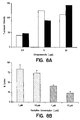
- Indicator compound formation was in proportion to the formation of the corresponding metabolites in CYP3A4- ( Figures 2 and 5) or CYP1A2-mediated ( Figure 8a) oxidation of substrates tested.
- Formation of the indicator compound, DCF was dependent on the presence of and concentration of NADPH ( Figure 4). This indicates that formation of DCF is dependent on CYP-mediated metabolism of a substrate because CYP-mediated metabolism is dependent on adequate concentration of NADPH.
- formation (velocity) of 6 ⁇ -OH testosterone (the metabolic product of testosterone) and DCF (the indicator compound) increased with increasing testosterone concentration and ultimately reached a plateau at high substrate concentration ( Figure 5) as would be expected for an enzyme-catalyzed reaction.
- a similar observation was made for DCF formation during the CYP1A2-mediated metabolism of ethoxyresorufin ( Figure 9).
- This Example pertains to a high throughput assay that assesses the metabolic stability of potential drug molecules toward CYP-mediated oxidation without requiring analysis of either the drug molecules or their metabolites.
- Cytochrome P450 (CYP) enzymes have been shown to be one of the main producers of reactive oxygen species (ROS) in the liver cell.
- ROS reactive oxygen species
- Superoxide anion (O 2 o), hydrogen peroxide (H 2 O 2 ), and hydroxyl radical (OH°) can be formed in CYP-catalyzed reactions (Bernhardt, Rev. Physiol. Biochem. Pharmacol . 127:138-221 (1995))( Figure 1). It has also been demonstrated that during NADPH oxidation in microsomes, H 2 O 2 was generated (Gillette et al., J. Pharmacol. Exp. Ther. 119:532-540 (1957)).
- a fluorogenic probe 2', 7'-dichlorodihydrofluorescin-diacetate (DCFH-DA) was added to a CYP-mediated reaction mixture containing a substrate, isoenzyme, and NADPH in Tris buffer (50 mM, pH 7.4).
- the substrate comprised testosterone. Metabolism of the substrate was examined by measurement of formation of the resulting metabolite (prior art method) and/or 2', 7'- dichlorofluroescein (DCF; method in accordance with the present invention) which was converted from the DCFH-DA in the presence of the ROS produced by CYP-mediated reactions.
- Dextromethorphan and benzyloxyresorufin served as two additional substrates, and phenacetine (not a CYP3A4 substrate) as a negative control for CYP3A4 to test whether the method of the present invention could differentiate substrates with different metabolic rates or substrates from non-substrates.
- a reaction mixture (total 2 ml) comprising DCFH-DA (5.36 ⁇ M), CYP3A4OR (0.5 mg/ml) and testosterone (50 ⁇ M) in Tris buffer (50 mM, pH 7.4) was prepared. The reaction was initiated by adding NADPH (0.5 mM) and allowed to proceed at room temperature.
- the fluorescent spectra (emission and excitation) of DCF formed from the incubation was determined using LS50B Luminescence Spectrometer (Perkin-Elmer, Norwalk, Connecticut). The spectra were compared with that of standard DCF in Tris buffer (50 mM, pH 7.4). An incubation mixture that contained all the components as described previously except for DCFH-DA served as a control.
- the excitation and emission spectra of the incubation mixture that contained testosterone, CYP3A4OR, NADPH and DCFH-DA were shown with maximal excitation and emission wavelength at 504 and 522 nm, respectively.
- the excitation and emission spectra of standard DCF matched those of the incubation mixture. Reactions that were devoid of DCFH-DA failed to show a measurable fluorescent signal, indicating that fluorescence observed upon CYP3A4-mediated testosterone metabolism was derived from DCFH-DA.
- DCFH-DA Effect of DCFH-DA and NADPH Concentrations on DCF Formation Specific to CYP3A4-mediated Testosterone Metabolism
- DCFH-DA (1, 2.5 or 5 ⁇ M) was incubated with CYP3A4OR (0.5 mg/ml protein), testosterone (33 ⁇ M), and NADPH (1 mM) in Tris buffer.
- DCF concentration was measured at 5, 10, 20 and 30 min.
- the effect of NADPH concentration on DCF formation at 20 and 30 min was examined with incubations containing NADPH (0.5, 1 or 2 mM), testosterone (33 ⁇ M), and DCFH-DA (2.5 ⁇ M).
- Figure 3 shows the effect of DCFH-DA concentration on DCF formation.
- formation of DCF depended on DCFH-DA concentrations.
- DCF formation increased with an increase in DCFH-DA concentrations.
- DCF formation was linear for up to 20 min with DCFH-DA concentration at 1.25 or 2.5 ⁇ M.
- Metabolism Kinetics Parameters for Testosterone Hydroxylation by CYP3A4 - DCFH-DA (2.5 ⁇ M) was incubated with testosterone (5-40 ⁇ M), CYP3A4OR (0.5 mg/ml protein) and NADPH (1 mM) in Tris buffer. The total incubation volume was 1 ml. The formation of DCF was measured at 10 and 20 min post addition of NADPH. Triplicate incubations were performed at each concentration. A Michaelis-Menten function was used to fit to DCF formation rate vs. testosterone concentration data to obtain estimates of the relevant kinetic parameters using the nonlinear least-squares regression method (Winnonlin Scientific Consulting Co., Apex, North Carolina).
- the K m which is a kinetic parameter that defines the concentration of the substrate at which half-maximal velocity is reached, was determined by measurement of DCF formation (11.9 ⁇ M) and compared with that, determined by 6 ⁇ -OH testosterone formation (43.4 ⁇ M). An approximately 3.5-fold lower value obtained with DCF measurement vs. 6 ⁇ -OH testosterone measurement is significantly different, however it is still within the variability of K m measurement observed among different laboratories and when determined by different methods.
- V max value the maximum velocity obtainable for a given concentration of enzyme and co-factors (i.e. NADPH) was not compared directly between the two methods. This comparison is made by determining the ratio of number of moles of DCF formed for each mole of 6 ⁇ -OH testosterone formed. Establishment of such stoichiometric relationship between two reactions is accomplished by systematic study under a variety of reaction conditions. Such studies allow determination of V max as well as K m for CYP-mediated metabolism of substrates by measurement of fluorescence signal due to DCF formation.
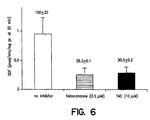
- DCF formation was significantly lower in the presence of 0.5 ⁇ M ketoconazole or 10 ⁇ M TAO as compared to the control (two-way ANOVA, p ⁇ 0.05).
- DCF formation rate in the presence of 0.5 ⁇ M ketoconazole or 10 ⁇ M TAO was 26% and 30% of the control, respectively ( Figure 6).
- Both ketoconazole and TAO are known to be specific inhibitors of CYP3A4-mediated metabolism, and are expected to attenuate the metabolism of substrates by this enzyme.
- the fact that DCF formation is also attenuated by ketoconazole and TAO during CYP3A4-mediated oxidation of testosterone clearly demonstrates that DCF formation is truly representative of the CYP3A4-mediated metabolism of compounds.
- the kinetic parameters then were obtained by incubating ethoxyresorufin (0.5-2.5 ⁇ M) with CYP1A2 SUPERSOMETM (90 ⁇ g/ml protein), DCFH-DA (5 ⁇ M), and NADPH (1 mM) for 5 min for measurement of resorufin formation and 15 min for measurement of DCF formation. Formation of DCF and resorufin was determined by fluorescence spectrophotometry. All experiments were performed in triplicate unless otherwise indicated.
- furafylline a specific inhibitor of CYP1A2, on CYP1A2-mediated ethoxyresorufin metabolism was also examined.
- Furafylline (1 and 10 ⁇ M) was pre-incubated with CYP1A2 SUPERSOMETM(180 ⁇ g/ml protein) and NADPH (4 mM) in Tris buffer in a total volume of 0.5 ml for 10 min.
- ethoxyresorufin (5 ⁇ M), DCFH-DA (5 ⁇ M), and supplemental NADPH was added to the mixture. The reaction proceeded for 5 min. Formation of DCF and resorufin in the presence of furafylline was compared with that of control that did not contain furafylline.
- Metabolism kinetic parameters were obtained through analysis of resorufin or DCF formation rate versus concentrations of ethoxyresorufin.
- the K m value by measurement of resorufin and DCF was comparable (4.89 ⁇ 1.71 ⁇ M versus 3.46 ⁇ 1.07 ⁇ M).
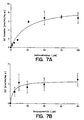
- formation of resorufin was 41.9 ⁇ 2.6% and 23.4 ⁇ 4.3% of the control in the presence of 1 and 10 ⁇ M furafylline, respectively. Accordingly, DCF formation also decreased to 83.9 ⁇ 10.2 and 73.9 ⁇ 7.0 % of the control.
- the novel high throughput screening method/assay for susceptibility to enzymatic metabolism of the present invention is characterized in that it does not require measurement of either the drug molecule or its metabolites. Rather the novel method/assay of the present invention measures or detects an indicator compound (e.g. , a fluorescent product, such as DCF) that is converted from an indicator compound precursor (e.g. , DCFH-DA, a non-fluorescent probe) during enzymatic metabolism (e.g. , CYP-mediated oxidation) of the putative drug molecule.
- an indicator compound e.g. , a fluorescent product, such as DCF
- an indicator compound precursor e.g. , DCFH-DA, a non-fluorescent probe
- Ketoconazole and TAO are two well-known CYP3A4 inhibitors (Brian et al., Biochemistry 29:11280-11292 (1990); Waxman et al., Arch. Biochem. Biophys. 263:424-436 (1988); Halpert et al., Toxicol. Appl. Pharmacol. 125:163-175 (1994)). Consistent with the fact that ketoconazole and TAO inhibit CYP3A4-mediated metabolism of testosterone, DCF formation during CYP3A4-mediated metabolism of testosterone ( Figure 6) was also significantly impaired in the presence of these two chemical inhibitors. This observation further supports that DCF formation was associated with CYP3A4-mediated metabolism.
- ketoconazole was observed to be a more potent inhibitor for CYP3A4 as compared to TAO. Indeed, the inhibitory effect of 0.5 ⁇ M ketoconazole, which reduced DCF formation by more than 75%, was similar to that of 10 ⁇ M TAO ( Figure 6). This observation was consistent with the fact that ketoconazole has been shown to be a more potent inhibitor of CYP3A4-mediated metabolism of testosterone as compared to TAO in human liver microsomes (Newton et al., Drug Metab. Disp. 23:154-158 (1995)).
- One of the main objectives of the method of the present invention is the screening of many potential therapeutic agents for susceptibility to enzymatic metabolism in a single effort.
- the method be capable of examining metabolic susceptibility of candidate compounds with different metabolic rates and/or affinity.
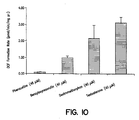
- Results from the kinetic study of testosterone, dextromethorphan, benzyloxyresorufin, and phenacetin with respect to CYP3A4-mediated metabolism indicate that the method of the present invention can differentiate compounds with different metabolic properties.
- the metabolic velocity of testosterone and dextromethorphan mediated by CYP3A4 at 10 min determined with the present method was 2-3 fold higher than that of benzyloxyresorufin, and 10-20 fold greater than that of phenacetin at ⁇ 40 ⁇ M concentration of these substrates, as shown in Figure 10.
- the apparent maximum metabolic velocity (V max ) of testosterone or dextromethorphan was 6-8 fold greater as compared to that of benzyloxyresorufin (Table 2). Phenacetin is not a known substrate of CYP3A4 and accordingly failed to generate a DCF-related fluorescence signal.
- results from the method of the present invention were in agreement with results from prior art methods.
- the metabolic parameters for testosterone were determined by measuring 6 ⁇ -OH testosterone (Table 1) using prior art HPLC-UV methods, due to the recognized conversion of testosterone to 6 ⁇ -OH testosterone by CYP3A4.
- the formation of resorufin from benzyloxyresorufin metabolism mediated by CYP3A4 with fluorescent spectrophotometry method was not determined, most likely due to slow reaction. Therefore, the metabolism kinetic parameters for benxyloxyresorufin were not obtained from the prior art method of direct metabolite measurement. Indeed, Crespi et al., Anal. Biochem.
- the method of the present invention may be used to determine susceptibility of candidate drug molecules to CYP3A4-mediated metabolism. Because the method of the present invention is exemplified by a universal characteristic of CYP-mediated metabolism, i.e. production of ROS, the method is also applicable to other CYP isoenzymes in addition to CYP3A4, which is the most abundant CYP isoenzyme in human, as described in Shimada and Guengerich, Proc. Natl. Acad. Sci. USA 86:462-465 (1989).
- CYP1A2-mediated metabolism of ethoxyresorufin described in Example 2.
- CYP1A2 is another major P450 isoenzyme which almost accounts for 15% of total CYPs in human, as described in Estabrook, FASEB J . 10:202-204 (1996).
- DCF formation was also specific to CYP1A2-mediated ethoxyresorufin metabolism.
- DCF formation increased as concentration of ethoxyresorufin increased, which was consistent with increased formation of resorufin, metabolite of ethoxyresorufin ( Figure 7a).
- Furafylline a mechanism-based inhibitor of CYP1A2, inhibited CYP1A2-mediated metabolism of ethoxyresorufin. Formation of resorufin in the presence of 1 and 10 ⁇ M furafylline reduced to 30% and 25% of the control. Likewise, DCF formation also declined in the presence of furafylline though the magnitude of decrease in DCF formation was not as great as that of resorufin ( Figure 7b).
- a preferred embodiment of the method of the present invention relies on measurement of a fluorescent product (DCF) formation, which is generated by utilizing a fraction of ROS formed during CYP-mediated metabolism.
- DCF fluorescent product
- the results presented above indicate that the preferred embodiment of the method of the present invention was valid for both CYP3A4-and CYP1A2-mediated metabolism, and thus can be applied to all other CYP isoenzymes. Since the method of the present invention does not require measurement of metabolites or the parent drug molecules, it can be used as a universal assay for susceptibility to CYP-mediated metabolism that is amenable to high throughput screening. Such an assay can accelerate drug discovery and development tremendously by reducing the time and expense associated with examining candidate compounds for susceptibility to enzymatic metabolism.
Landscapes
- Chemical & Material Sciences (AREA)
- Organic Chemistry (AREA)
- Life Sciences & Earth Sciences (AREA)
- Zoology (AREA)
- Wood Science & Technology (AREA)
- Proteomics, Peptides & Aminoacids (AREA)
- Health & Medical Sciences (AREA)
- Engineering & Computer Science (AREA)
- Microbiology (AREA)
- Biochemistry (AREA)
- Physics & Mathematics (AREA)
- Molecular Biology (AREA)
- Biotechnology (AREA)
- Biophysics (AREA)
- Analytical Chemistry (AREA)
- Immunology (AREA)
- Bioinformatics & Cheminformatics (AREA)
- General Engineering & Computer Science (AREA)
- General Health & Medical Sciences (AREA)
- Genetics & Genomics (AREA)
- Measuring Or Testing Involving Enzymes Or Micro-Organisms (AREA)
- Investigating Or Analysing Biological Materials (AREA)
Applications Claiming Priority (3)
| Application Number | Priority Date | Filing Date | Title |
|---|---|---|---|
| US09/205,762 US6312917B1 (en) | 1998-12-04 | 1998-12-04 | Method of screening candidate compounds for susceptibility to oxidative metabolism |
| US205762 | 1998-12-04 | ||
| PCT/US1999/027130 WO2000034506A2 (en) | 1998-12-04 | 1999-11-15 | Method of screening candidate compounds for susceptibility to oxidative metabolism |
Publications (2)
| Publication Number | Publication Date |
|---|---|
| EP1135521A2 EP1135521A2 (en) | 2001-09-26 |
| EP1135521B1 true EP1135521B1 (en) | 2006-02-15 |
Family
ID=22763550
Family Applications (1)
| Application Number | Title | Priority Date | Filing Date |
|---|---|---|---|
| EP99957569A Expired - Lifetime EP1135521B1 (en) | 1998-12-04 | 1999-11-15 | Method for measuring enzyme activity by using a side reaction of said enzyme |
Country Status (12)
| Country | Link |
|---|---|
| US (2) | US6312917B1 (https=) |
| EP (1) | EP1135521B1 (https=) |
| JP (1) | JP2002531138A (https=) |
| KR (1) | KR20010093140A (https=) |
| AT (1) | ATE317914T1 (https=) |
| AU (1) | AU774229B2 (https=) |
| BR (1) | BR9916458A (https=) |
| CA (1) | CA2352523A1 (https=) |
| DE (1) | DE69929900T2 (https=) |
| MX (1) | MXPA01005528A (https=) |
| NZ (1) | NZ512217A (https=) |
| WO (1) | WO2000034506A2 (https=) |
Families Citing this family (23)
| Publication number | Priority date | Publication date | Assignee | Title |
|---|---|---|---|---|
| US6632630B2 (en) * | 2000-03-29 | 2003-10-14 | Aclara Biosciences, Inc. | Monooxygenase assays |
| US20050032119A1 (en) * | 2001-04-02 | 2005-02-10 | Astex Technology Ltd. | Crystal structure of cytochrome P450 |
| US20050159901A1 (en) * | 2001-04-02 | 2005-07-21 | Astex Technology Limited | Crystal structure of cytochrome P450 |
| US7148046B2 (en) * | 2001-04-02 | 2006-12-12 | Astex Therapeutics Limited | Crystal structure of cytochrome P450 |
| US20070179716A1 (en) * | 2001-04-02 | 2007-08-02 | Astex Therapeutics Limited | Crystal structure of cytochrome P450 3A4 and uses thereof |
| JP2005512532A (ja) * | 2001-08-03 | 2005-05-12 | ディヴァーサ コーポレイション | P450酵素、それらをコードした核酸及びそれらの作製と使用 |
| EP1438337B1 (en) * | 2001-10-25 | 2006-09-20 | Astex Therapeutics Limited | Crystals of cytochrome p450 2c9, structures thereof and their use |
| US20040053383A1 (en) * | 2001-10-25 | 2004-03-18 | Astex Technology Ltd. | Crystals of cytochrome P450 2C9, structures thereof and their use |
| US20040096874A1 (en) * | 2002-04-11 | 2004-05-20 | Third Wave Technologies, Inc. | Characterization of CYP 2D6 genotypes |
| DE02735610T1 (de) * | 2002-05-30 | 2005-06-23 | Astex Technology Ltd., Cambridge | Methoden zur reinigung von cytochrom p450 proteinen und deren kristallisierung |
| GB0216203D0 (en) * | 2002-07-12 | 2002-08-21 | Imp Cancer Res Tech | Mondulation of cytochrome P450 reductase activity |
| WO2004027378A2 (en) | 2002-09-20 | 2004-04-01 | Promega Corporation | Luminescence-based methods and probes for measuring cytochrome p450 activity |
| EP1554380A1 (en) * | 2002-10-25 | 2005-07-20 | Astex Technology Limited | Crystal structure of cytochrome p450 3a4 and its use |
| WO2004078131A2 (en) * | 2003-03-01 | 2004-09-16 | Symyx Technologies, Inc. | Evaluating effects of exposure conditions on drug samples over time |
| JP2007531538A (ja) * | 2004-04-05 | 2007-11-08 | ザ ユニバーシティ オブ ノース カロライナ アット チャペル ヒル | 活性酸素種に基づいたチトクロームp450阻害ハイスループット測定法 |
| US20060046278A1 (en) * | 2004-08-26 | 2006-03-02 | Qualyst, Inc. | Methods and kits for determining metabolic stability of compounds |
| US20060223135A1 (en) * | 2005-04-05 | 2006-10-05 | The University Of North Carolina At Chapel Hill | High throughput reactive oxygen species-based cytochrome P450 inhibition assay |
| EP2778234B1 (en) | 2005-05-31 | 2017-09-27 | Promega Corporation | Luminogenic and fluorogenic compounds and methods to detect molecules or conditions |
| US20090318561A1 (en) * | 2008-06-23 | 2009-12-24 | Mutual Pharmaceutical Company, Inc. | Colchicine products, method of manufacture, and methods of use |
| JP5597200B2 (ja) | 2008-08-18 | 2014-10-01 | プロメガ コーポレイション | ルミネッセンスを生じる化合物およびチトクロムp4503a酵素を検出するための方法 |
| US9790537B2 (en) | 2014-01-29 | 2017-10-17 | Promega Corporation | Quinone-masked probes as labeling reagents for cell uptake measurements |
| WO2018118897A1 (en) * | 2016-12-19 | 2018-06-28 | Dice Molecules Sv, Llc | Methods of estimating metabolic stability of tagged combinatorial library compounds |
| WO2024223797A1 (en) | 2023-04-28 | 2024-10-31 | Institut National de la Santé et de la Recherche Médicale | Use of cyp3a4 inhibitors for the treatment of hepatitis d virus (hdv) infections |
Family Cites Families (6)
| Publication number | Priority date | Publication date | Assignee | Title |
|---|---|---|---|---|
| WO1980000454A1 (fr) | 1978-08-18 | 1980-03-20 | Kyowa Hakko Kogyo Kk | Methode de mesure d'un substrat de xanthine oxydase et composition pour sa determination |
| US4341868A (en) * | 1978-08-18 | 1982-07-27 | Kyowa Hakko Kogyo Co., Ltd. | Method and test composition for the determination of the substrate for xanthine oxidase |
| JP2515551B2 (ja) * | 1987-06-08 | 1996-07-10 | 和光純薬工業株式会社 | 新規な過酸化水素の定量方法 |
| US5413915A (en) | 1988-07-12 | 1995-05-09 | Resource Technologies Group, Inc. | Method and sensor for detecting toxic chemical exposure effects and metabolic activation of carcinogenic chemical agents |
| WO1997039352A1 (en) | 1996-04-15 | 1997-10-23 | Fox Chase Cancer Center | Assays for detection of purine metabolites |
| GB9821932D0 (en) | 1998-10-09 | 1998-12-02 | Univ Leicester | Cytochrome P450 electrochemical system |
-
1998
- 1998-12-04 US US09/205,762 patent/US6312917B1/en not_active Expired - Fee Related
-
1999
- 1999-11-15 EP EP99957569A patent/EP1135521B1/en not_active Expired - Lifetime
- 1999-11-15 CA CA002352523A patent/CA2352523A1/en not_active Abandoned
- 1999-11-15 JP JP2000586939A patent/JP2002531138A/ja active Pending
- 1999-11-15 WO PCT/US1999/027130 patent/WO2000034506A2/en not_active Ceased
- 1999-11-15 AU AU15250/00A patent/AU774229B2/en not_active Ceased
- 1999-11-15 BR BR9916458-2A patent/BR9916458A/pt not_active Application Discontinuation
- 1999-11-15 DE DE69929900T patent/DE69929900T2/de not_active Expired - Fee Related
- 1999-11-15 NZ NZ512217A patent/NZ512217A/en not_active IP Right Cessation
- 1999-11-15 AT AT99957569T patent/ATE317914T1/de not_active IP Right Cessation
- 1999-11-15 MX MXPA01005528A patent/MXPA01005528A/es not_active IP Right Cessation
- 1999-11-15 KR KR1020017006953A patent/KR20010093140A/ko not_active Ceased
-
2001
- 2001-11-05 US US09/993,842 patent/US20020058295A1/en not_active Abandoned
Non-Patent Citations (3)
| Title |
|---|
| "Schülerduden "Die Chemie"", 1984, BIBLIOGRAPHISCHES INSTITUT, MANNHEIM/ WIEN/ZÜRICH * |
| LUBERT STRYER: "Biochemie", 1990, SPECTRUM DER WISSENSCHAFT VERLAGSGESELLSCHAFT, HEIDELBERG * |
| PROF. DR. JÜRGEN FALBE, PROF. DR. MANFRED REGITZ: "Römpp: Chemie Lexikon", GEORG THIEME VERLAG, STUTTGART * |
Also Published As
| Publication number | Publication date |
|---|---|
| ATE317914T1 (de) | 2006-03-15 |
| NZ512217A (en) | 2002-03-28 |
| CA2352523A1 (en) | 2000-06-15 |
| US6312917B1 (en) | 2001-11-06 |
| EP1135521A2 (en) | 2001-09-26 |
| DE69929900D1 (de) | 2006-04-20 |
| US20020058295A1 (en) | 2002-05-16 |
| WO2000034506A3 (en) | 2000-11-23 |
| AU774229B2 (en) | 2004-06-17 |
| DE69929900T2 (de) | 2006-08-17 |
| AU1525000A (en) | 2000-06-26 |
| JP2002531138A (ja) | 2002-09-24 |
| MXPA01005528A (es) | 2002-04-24 |
| KR20010093140A (ko) | 2001-10-27 |
| WO2000034506A2 (en) | 2000-06-15 |
| BR9916458A (pt) | 2001-09-04 |
Similar Documents
| Publication | Publication Date | Title |
|---|---|---|
| EP1135521B1 (en) | Method for measuring enzyme activity by using a side reaction of said enzyme | |
| Weaver et al. | Cytochrome P450 inhibition using recombinant proteins and mass spectrometry/multiple reaction monitoring technology in a cassette incubation | |
| Tang et al. | Substrate-dependent effect of acetonitrile on human liver microsomal cytochrome P450 2C9 (CYP2C9) activity | |
| Ekins et al. | Examination of purported probes of human CYP2B6 | |
| Buters et al. | A highly sensitive tool for the assay of cytochrome P450 enzyme activity in rat, dog and man: direct fluorescence monitoring of the deethylation of 7-ethoxy-4-trifluoromethylcoumarin | |
| Störmer et al. | Benzydamine N‐oxidation as an index reaction reflecting FMO activity in human liver microsomes and impact of FMO3 polymorphisms on enzyme activity | |
| EP1711822B1 (en) | Luminogenic and nonluminogenic multiplex assay | |
| Chauret et al. | The use of 3-[2-(N, N-diethyl-N-methylammonium) ethyl]-7-methoxy-4-methylcoumarin (AMMC) as a specific CYP2D6 probe in human liver microsomes | |
| Carr et al. | Characterization of the rhesus monkey CYP3A64 enzyme: species comparisons of CYP3A substrate specificity and kinetics using baculovirus-expressed recombinant enzymes | |
| Schlegel et al. | Retention of NADPH-linked quinone reductase activity in an aldo-keto reductase following mutation of the catalytic tyrosine | |
| Naritomi et al. | Utility of microtiter plate assays for human cytochrome P450 inhibition studies in drug discovery: application of simple method for detecting quasi-irreversible and irreversible inhibitors | |
| Waxman et al. | Use of 7-ethoxycoumarin to monitor multiple enzymes in the human CYP1, CYP2, and CYP3 families | |
| Saito et al. | Functional analysis of three CYP1A2 variants found in a Japanese population | |
| Duellman et al. | A bioluminescence assay for aldehyde dehydrogenase activity | |
| WO2002004660A2 (en) | Method for testing for inhibition of drug-metabolizing cytochrome p450 isozymes | |
| Zambon et al. | Evaluation of cytochrome P450 inhibition assays using human liver microsomes by a cassette analysis/LC-MS/MS | |
| Dudda et al. | Drug–Drug Interaction: Enzyme Inhibition | |
| Rao et al. | ‘Open access’ generic method for continuous determination of major human CYP450 probe substrates/metabolites and its application in drug metabolism studies | |
| Nicoll-Griffith et al. | Use of a benzyloxy-substituted lactone cyclooxygenase-2 inhibitor as a selective fluorescent probe for CYP3A activity in primary cultured rat and human hepatocytes | |
| Khan et al. | 7-Benzyloxyquinoline oxidation by P450eryF A245T: finding of a new fluorescent substrate probe | |
| Miller et al. | Identification of hydroxywarfarin binding site in human UDP glucuronosyltransferase 1a10: phenylalanine90 is crucial for the glucuronidation of 6-and 7-hydroxywarfarin but not 8-hydroxywarfarin | |
| JP4904298B2 (ja) | ステロイド5α−レダクターゼ活性の測定方法およびそれに用いるキット | |
| J. Waxman et al. | Use of 7-Ethoxycoumarinto Monitor Multiple Enzymesin the Human CYP1, CYP2, and CYP3 Families | |
| US20060223135A1 (en) | High throughput reactive oxygen species-based cytochrome P450 inhibition assay | |
| WO2005098025A2 (en) | High throughput reactive oxygen species-based cytochrome p450 inhibition assay |
Legal Events
| Date | Code | Title | Description |
|---|---|---|---|
| PUAI | Public reference made under article 153(3) epc to a published international application that has entered the european phase |
Free format text: ORIGINAL CODE: 0009012 |
|
| 17P | Request for examination filed |
Effective date: 20010612 |
|
| AK | Designated contracting states |
Kind code of ref document: A2 Designated state(s): AT BE CH CY DE DK ES FI FR GB GR IE IT LI LU MC NL PT SE |
|
| AX | Request for extension of the european patent |
Free format text: AL PAYMENT 20010612;LT PAYMENT 20010612;LV PAYMENT 20010612;MK PAYMENT 20010612;RO PAYMENT 20010612;SI PAYMENT 20010612 |
|
| RIN1 | Information on inventor provided before grant (corrected) |
Inventor name: CHEN, CUIPING Inventor name: THAKKER, DHIREN, R. |
|
| 17Q | First examination report despatched |
Effective date: 20030605 |
|
| GRAP | Despatch of communication of intention to grant a patent |
Free format text: ORIGINAL CODE: EPIDOSNIGR1 |
|
| RTI1 | Title (correction) |
Free format text: METHOD FOR MEASURING ENZYME ACTIVITY BY USING A SIDE REACTION OF SAID ENZYME |
|
| GRAS | Grant fee paid |
Free format text: ORIGINAL CODE: EPIDOSNIGR3 |
|
| GRAA | (expected) grant |
Free format text: ORIGINAL CODE: 0009210 |
|
| RIN1 | Information on inventor provided before grant (corrected) |
Inventor name: CHEN, CUIPING Inventor name: THAKKER, DHIREN, R. |
|
| AK | Designated contracting states |
Kind code of ref document: B1 Designated state(s): AT BE CH CY DE DK ES FI FR GB GR IE IT LI LU MC NL PT SE |
|
| AX | Request for extension of the european patent |
Extension state: AL LT LV MK RO SI |
|
| PG25 | Lapsed in a contracting state [announced via postgrant information from national office to epo] |
Ref country code: NL Free format text: LAPSE BECAUSE OF FAILURE TO SUBMIT A TRANSLATION OF THE DESCRIPTION OR TO PAY THE FEE WITHIN THE PRESCRIBED TIME-LIMIT Effective date: 20060215 Ref country code: IT Free format text: LAPSE BECAUSE OF FAILURE TO SUBMIT A TRANSLATION OF THE DESCRIPTION OR TO PAY THE FEE WITHIN THE PRESCRIBED TIME-LIMIT;WARNING: LAPSES OF ITALIAN PATENTS WITH EFFECTIVE DATE BEFORE 2007 MAY HAVE OCCURRED AT ANY TIME BEFORE 2007. THE CORRECT EFFECTIVE DATE MAY BE DIFFERENT FROM THE ONE RECORDED. Effective date: 20060215 Ref country code: FI Free format text: LAPSE BECAUSE OF FAILURE TO SUBMIT A TRANSLATION OF THE DESCRIPTION OR TO PAY THE FEE WITHIN THE PRESCRIBED TIME-LIMIT Effective date: 20060215 Ref country code: AT Free format text: LAPSE BECAUSE OF FAILURE TO SUBMIT A TRANSLATION OF THE DESCRIPTION OR TO PAY THE FEE WITHIN THE PRESCRIBED TIME-LIMIT Effective date: 20060215 |
|
| REG | Reference to a national code |
Ref country code: GB Ref legal event code: FG4D Ref country code: CH Ref legal event code: EP |
|
| REG | Reference to a national code |
Ref country code: IE Ref legal event code: FG4D |
|
| REG | Reference to a national code |
Ref country code: CH Ref legal event code: NV Representative=s name: HEPP, WENGER & RYFFEL AG |
|
| REF | Corresponds to: |
Ref document number: 69929900 Country of ref document: DE Date of ref document: 20060420 Kind code of ref document: P |
|
| PG25 | Lapsed in a contracting state [announced via postgrant information from national office to epo] |
Ref country code: SE Free format text: LAPSE BECAUSE OF FAILURE TO SUBMIT A TRANSLATION OF THE DESCRIPTION OR TO PAY THE FEE WITHIN THE PRESCRIBED TIME-LIMIT Effective date: 20060515 Ref country code: DK Free format text: LAPSE BECAUSE OF FAILURE TO SUBMIT A TRANSLATION OF THE DESCRIPTION OR TO PAY THE FEE WITHIN THE PRESCRIBED TIME-LIMIT Effective date: 20060515 |
|
| PG25 | Lapsed in a contracting state [announced via postgrant information from national office to epo] |
Ref country code: ES Free format text: LAPSE BECAUSE OF FAILURE TO SUBMIT A TRANSLATION OF THE DESCRIPTION OR TO PAY THE FEE WITHIN THE PRESCRIBED TIME-LIMIT Effective date: 20060526 |
|
| PG25 | Lapsed in a contracting state [announced via postgrant information from national office to epo] |
Ref country code: PT Free format text: LAPSE BECAUSE OF FAILURE TO SUBMIT A TRANSLATION OF THE DESCRIPTION OR TO PAY THE FEE WITHIN THE PRESCRIBED TIME-LIMIT Effective date: 20060717 |
|
| LTIE | Lt: invalidation of european patent or patent extension |
Effective date: 20060215 |
|
| NLV1 | Nl: lapsed or annulled due to failure to fulfill the requirements of art. 29p and 29m of the patents act | ||
| ET | Fr: translation filed | ||
| PG25 | Lapsed in a contracting state [announced via postgrant information from national office to epo] |
Ref country code: IE Free format text: LAPSE BECAUSE OF NON-PAYMENT OF DUE FEES Effective date: 20061115 |
|
| PG25 | Lapsed in a contracting state [announced via postgrant information from national office to epo] |
Ref country code: MC Free format text: LAPSE BECAUSE OF NON-PAYMENT OF DUE FEES Effective date: 20061130 Ref country code: LI Free format text: LAPSE BECAUSE OF NON-PAYMENT OF DUE FEES Effective date: 20061130 Ref country code: CH Free format text: LAPSE BECAUSE OF NON-PAYMENT OF DUE FEES Effective date: 20061130 Ref country code: BE Free format text: LAPSE BECAUSE OF NON-PAYMENT OF DUE FEES Effective date: 20061130 |
|
| PLBE | No opposition filed within time limit |
Free format text: ORIGINAL CODE: 0009261 |
|
| STAA | Information on the status of an ep patent application or granted ep patent |
Free format text: STATUS: NO OPPOSITION FILED WITHIN TIME LIMIT |
|
| 26N | No opposition filed |
Effective date: 20061116 |
|
| PG25 | Lapsed in a contracting state [announced via postgrant information from national office to epo] |
Ref country code: DE Free format text: LAPSE BECAUSE OF NON-PAYMENT OF DUE FEES Effective date: 20070601 |
|
| REG | Reference to a national code |
Ref country code: CH Ref legal event code: PL |
|
| GBPC | Gb: european patent ceased through non-payment of renewal fee |
Effective date: 20061115 |
|
| REG | Reference to a national code |
Ref country code: FR Ref legal event code: ST Effective date: 20070731 |
|
| PG25 | Lapsed in a contracting state [announced via postgrant information from national office to epo] |
Ref country code: GB Free format text: LAPSE BECAUSE OF NON-PAYMENT OF DUE FEES Effective date: 20061115 |
|
| BERE | Be: lapsed |
Owner name: *UNIVERSITY OF NORTH CAROLINA AT CHAPEL HILL Effective date: 20061130 |
|
| PG25 | Lapsed in a contracting state [announced via postgrant information from national office to epo] |
Ref country code: GR Free format text: LAPSE BECAUSE OF FAILURE TO SUBMIT A TRANSLATION OF THE DESCRIPTION OR TO PAY THE FEE WITHIN THE PRESCRIBED TIME-LIMIT Effective date: 20060516 Ref country code: FR Free format text: LAPSE BECAUSE OF NON-PAYMENT OF DUE FEES Effective date: 20061130 |
|
| PG25 | Lapsed in a contracting state [announced via postgrant information from national office to epo] |
Ref country code: LU Free format text: LAPSE BECAUSE OF NON-PAYMENT OF DUE FEES Effective date: 20061115 |
|
| PG25 | Lapsed in a contracting state [announced via postgrant information from national office to epo] |
Ref country code: CY Free format text: LAPSE BECAUSE OF FAILURE TO SUBMIT A TRANSLATION OF THE DESCRIPTION OR TO PAY THE FEE WITHIN THE PRESCRIBED TIME-LIMIT Effective date: 20060215 |