EP1104267B1 - Osteoinduktion von allogenen kortikalen knochentransplantaten über biopolymere die mit periostalen knochenzellen besiedelt wurden - Google Patents
Osteoinduktion von allogenen kortikalen knochentransplantaten über biopolymere die mit periostalen knochenzellen besiedelt wurden Download PDFInfo
- Publication number
- EP1104267B1 EP1104267B1 EP99942186A EP99942186A EP1104267B1 EP 1104267 B1 EP1104267 B1 EP 1104267B1 EP 99942186 A EP99942186 A EP 99942186A EP 99942186 A EP99942186 A EP 99942186A EP 1104267 B1 EP1104267 B1 EP 1104267B1
- Authority
- EP
- European Patent Office
- Prior art keywords
- bone
- graft
- biocompatible
- composite
- polymer
- Prior art date
- Legal status (The legal status is an assumption and is not a legal conclusion. Google has not performed a legal analysis and makes no representation as to the accuracy of the status listed.)
- Expired - Lifetime
Links
- 210000000988 bone and bone Anatomy 0.000 title claims abstract description 165
- 239000011248 coating agent Substances 0.000 title claims abstract description 28
- 238000000576 coating method Methods 0.000 title claims abstract description 28
- 230000001054 cortical effect Effects 0.000 title claims description 32
- 229920001222 biopolymer Polymers 0.000 title abstract description 14
- 230000004819 osteoinduction Effects 0.000 title description 3
- 210000002449 bone cell Anatomy 0.000 title 1
- 210000001519 tissue Anatomy 0.000 claims abstract description 35
- 230000001737 promoting effect Effects 0.000 claims abstract description 6
- 239000006260 foam Substances 0.000 claims description 42
- 239000000758 substrate Substances 0.000 claims description 40
- 238000000034 method Methods 0.000 claims description 32
- 238000010348 incorporation Methods 0.000 claims description 30
- 229920000642 polymer Polymers 0.000 claims description 30
- 239000000463 material Substances 0.000 claims description 29
- 229920001606 poly(lactic acid-co-glycolic acid) Polymers 0.000 claims description 26
- 230000011164 ossification Effects 0.000 claims description 25
- 239000002131 composite material Substances 0.000 claims description 23
- 238000010899 nucleation Methods 0.000 claims description 14
- -1 poly(caprolactone) Polymers 0.000 claims description 14
- 239000011159 matrix material Substances 0.000 claims description 12
- 230000007547 defect Effects 0.000 claims description 11
- 230000008439 repair process Effects 0.000 claims description 10
- 229920013641 bioerodible polymer Polymers 0.000 claims description 9
- 239000007943 implant Substances 0.000 claims description 8
- JJTUDXZGHPGLLC-UHFFFAOYSA-N lactide Chemical compound CC1OC(=O)C(C)OC1=O JJTUDXZGHPGLLC-UHFFFAOYSA-N 0.000 claims description 8
- 239000002639 bone cement Substances 0.000 claims description 7
- 238000000338 in vitro Methods 0.000 claims description 7
- RKDVKSZUMVYZHH-UHFFFAOYSA-N 1,4-dioxane-2,5-dione Chemical compound O=C1COC(=O)CO1 RKDVKSZUMVYZHH-UHFFFAOYSA-N 0.000 claims description 6
- 230000002708 enhancing effect Effects 0.000 claims description 6
- 229920001299 polypropylene fumarate Polymers 0.000 claims description 6
- 230000001939 inductive effect Effects 0.000 claims description 5
- 238000004519 manufacturing process Methods 0.000 claims description 5
- 108090000790 Enzymes Proteins 0.000 claims description 4
- 102000004190 Enzymes Human genes 0.000 claims description 4
- 230000003902 lesion Effects 0.000 claims description 3
- OAICVXFJPJFONN-UHFFFAOYSA-N Phosphorus Chemical compound [P] OAICVXFJPJFONN-UHFFFAOYSA-N 0.000 claims description 2
- 239000004952 Polyamide Substances 0.000 claims description 2
- 229920002732 Polyanhydride Polymers 0.000 claims description 2
- 229920001710 Polyorthoester Polymers 0.000 claims description 2
- 230000002308 calcification Effects 0.000 claims description 2
- 238000012258 culturing Methods 0.000 claims description 2
- 230000008021 deposition Effects 0.000 claims description 2
- 239000000411 inducer Substances 0.000 claims description 2
- 229940094443 oxytocics prostaglandins Drugs 0.000 claims description 2
- 239000011574 phosphorus Substances 0.000 claims description 2
- 229910052698 phosphorus Inorganic materials 0.000 claims description 2
- 239000002745 poly(ortho ester) Substances 0.000 claims description 2
- 229920002463 poly(p-dioxanone) polymer Polymers 0.000 claims description 2
- 229920002647 polyamide Polymers 0.000 claims description 2
- 229920001610 polycaprolactone Polymers 0.000 claims description 2
- 239000000622 polydioxanone Substances 0.000 claims description 2
- 150000003180 prostaglandins Chemical class 0.000 claims description 2
- 230000003746 surface roughness Effects 0.000 claims description 2
- 229940088594 vitamin Drugs 0.000 claims description 2
- 235000013343 vitamin Nutrition 0.000 claims description 2
- 239000011782 vitamin Substances 0.000 claims description 2
- 229930003231 vitamin Natural products 0.000 claims description 2
- 239000003814 drug Substances 0.000 claims 1
- 210000004204 blood vessel Anatomy 0.000 abstract description 2
- 239000007787 solid Substances 0.000 abstract 1
- 210000004027 cell Anatomy 0.000 description 65
- 230000028993 immune response Effects 0.000 description 17
- 238000005115 demineralization Methods 0.000 description 16
- 239000000243 solution Substances 0.000 description 15
- 239000000427 antigen Substances 0.000 description 14
- 108091007433 antigens Proteins 0.000 description 14
- 102000036639 antigens Human genes 0.000 description 14
- 230000002328 demineralizing effect Effects 0.000 description 14
- 230000000694 effects Effects 0.000 description 13
- 241000906034 Orthops Species 0.000 description 12
- 230000002138 osteoinductive effect Effects 0.000 description 12
- 102000007350 Bone Morphogenetic Proteins Human genes 0.000 description 11
- 108010007726 Bone Morphogenetic Proteins Proteins 0.000 description 11
- 229940112869 bone morphogenetic protein Drugs 0.000 description 11
- 210000003460 periosteum Anatomy 0.000 description 11
- 208000006735 Periostitis Diseases 0.000 description 10
- 230000001404 mediated effect Effects 0.000 description 10
- 230000008569 process Effects 0.000 description 10
- 230000004044 response Effects 0.000 description 10
- 238000002054 transplantation Methods 0.000 description 10
- 230000001413 cellular effect Effects 0.000 description 9
- 239000011148 porous material Substances 0.000 description 9
- 208000006386 Bone Resorption Diseases 0.000 description 8
- 238000013459 approach Methods 0.000 description 8
- 230000024279 bone resorption Effects 0.000 description 8
- 238000011161 development Methods 0.000 description 8
- 230000018109 developmental process Effects 0.000 description 8
- 230000001976 improved effect Effects 0.000 description 8
- 230000002188 osteogenic effect Effects 0.000 description 8
- 241001465754 Metazoa Species 0.000 description 7
- 230000000735 allogeneic effect Effects 0.000 description 7
- 210000002805 bone matrix Anatomy 0.000 description 7
- 230000004048 modification Effects 0.000 description 7
- 238000012986 modification Methods 0.000 description 7
- QTBSBXVTEAMEQO-UHFFFAOYSA-N Acetic acid Chemical compound CC(O)=O QTBSBXVTEAMEQO-UHFFFAOYSA-N 0.000 description 6
- 210000001744 T-lymphocyte Anatomy 0.000 description 6
- 230000015572 biosynthetic process Effects 0.000 description 6
- 239000003431 cross linking reagent Substances 0.000 description 6
- 239000003102 growth factor Substances 0.000 description 6
- 238000011282 treatment Methods 0.000 description 6
- VEXZGXHMUGYJMC-UHFFFAOYSA-N Hydrochloric acid Chemical compound Cl VEXZGXHMUGYJMC-UHFFFAOYSA-N 0.000 description 5
- WHNWPMSKXPGLAX-UHFFFAOYSA-N N-Vinyl-2-pyrrolidone Chemical compound C=CN1CCCC1=O WHNWPMSKXPGLAX-UHFFFAOYSA-N 0.000 description 5
- 241000700159 Rattus Species 0.000 description 5
- 230000008901 benefit Effects 0.000 description 5
- 230000003013 cytotoxicity Effects 0.000 description 5
- 231100000135 cytotoxicity Toxicity 0.000 description 5
- LOKCTEFSRHRXRJ-UHFFFAOYSA-I dipotassium trisodium dihydrogen phosphate hydrogen phosphate dichloride Chemical compound P(=O)(O)(O)[O-].[K+].P(=O)(O)([O-])[O-].[Na+].[Na+].[Cl-].[K+].[Cl-].[Na+] LOKCTEFSRHRXRJ-UHFFFAOYSA-I 0.000 description 5
- 238000005553 drilling Methods 0.000 description 5
- 230000006870 function Effects 0.000 description 5
- 230000006698 induction Effects 0.000 description 5
- 239000002953 phosphate buffered saline Substances 0.000 description 5
- 239000002904 solvent Substances 0.000 description 5
- 210000002303 tibia Anatomy 0.000 description 5
- 206010065687 Bone loss Diseases 0.000 description 4
- 206010017076 Fracture Diseases 0.000 description 4
- 241000282414 Homo sapiens Species 0.000 description 4
- 108700018351 Major Histocompatibility Complex Proteins 0.000 description 4
- 241001494479 Pecora Species 0.000 description 4
- 230000002648 chondrogenic effect Effects 0.000 description 4
- 238000001727 in vivo Methods 0.000 description 4
- 208000015181 infectious disease Diseases 0.000 description 4
- 230000028709 inflammatory response Effects 0.000 description 4
- JVTAAEKCZFNVCJ-UHFFFAOYSA-N lactic acid Chemical compound CC(O)C(O)=O JVTAAEKCZFNVCJ-UHFFFAOYSA-N 0.000 description 4
- 238000000608 laser ablation Methods 0.000 description 4
- 230000000278 osteoconductive effect Effects 0.000 description 4
- 229920000747 poly(lactic acid) Polymers 0.000 description 4
- 102000004169 proteins and genes Human genes 0.000 description 4
- 108090000623 proteins and genes Proteins 0.000 description 4
- 230000000250 revascularization Effects 0.000 description 4
- 210000004872 soft tissue Anatomy 0.000 description 4
- 230000020382 suppression by virus of host antigen processing and presentation of peptide antigen via MHC class I Effects 0.000 description 4
- 238000012360 testing method Methods 0.000 description 4
- 230000009466 transformation Effects 0.000 description 4
- 208000010392 Bone Fractures Diseases 0.000 description 3
- 102000004127 Cytokines Human genes 0.000 description 3
- 108090000695 Cytokines Proteins 0.000 description 3
- 230000024932 T cell mediated immunity Effects 0.000 description 3
- 102000004887 Transforming Growth Factor beta Human genes 0.000 description 3
- 108090001012 Transforming Growth Factor beta Proteins 0.000 description 3
- 229960000583 acetic acid Drugs 0.000 description 3
- 239000002253 acid Substances 0.000 description 3
- 239000003242 anti bacterial agent Substances 0.000 description 3
- 229940088710 antibiotic agent Drugs 0.000 description 3
- 238000001574 biopsy Methods 0.000 description 3
- 238000009835 boiling Methods 0.000 description 3
- CREMABGTGYGIQB-UHFFFAOYSA-N carbon carbon Chemical compound C.C CREMABGTGYGIQB-UHFFFAOYSA-N 0.000 description 3
- 239000011203 carbon fibre reinforced carbon Substances 0.000 description 3
- 230000001684 chronic effect Effects 0.000 description 3
- 238000004132 cross linking Methods 0.000 description 3
- 230000001186 cumulative effect Effects 0.000 description 3
- 230000001497 fibrovascular Effects 0.000 description 3
- 239000012362 glacial acetic acid Substances 0.000 description 3
- 230000035876 healing Effects 0.000 description 3
- 230000001900 immune effect Effects 0.000 description 3
- 210000000987 immune system Anatomy 0.000 description 3
- 230000001965 increasing effect Effects 0.000 description 3
- 239000000203 mixture Substances 0.000 description 3
- 230000001599 osteoclastic effect Effects 0.000 description 3
- 238000012545 processing Methods 0.000 description 3
- 230000008929 regeneration Effects 0.000 description 3
- 238000011069 regeneration method Methods 0.000 description 3
- 238000007634 remodeling Methods 0.000 description 3
- 238000007788 roughening Methods 0.000 description 3
- 210000002966 serum Anatomy 0.000 description 3
- 238000013222 sprague-dawley male rat Methods 0.000 description 3
- ZRKFYGHZFMAOKI-QMGMOQQFSA-N tgfbeta Chemical compound C([C@H](NC(=O)[C@H](C(C)C)NC(=O)CNC(=O)[C@H](CCC(O)=O)NC(=O)[C@H](CCCNC(N)=N)NC(=O)[C@H](CC(N)=O)NC(=O)[C@H](CC(C)C)NC(=O)[C@H]([C@@H](C)O)NC(=O)[C@H](CCC(O)=O)NC(=O)[C@H]([C@@H](C)O)NC(=O)[C@H](CC(C)C)NC(=O)CNC(=O)[C@H](C)NC(=O)[C@H](CO)NC(=O)[C@H](CCC(N)=O)NC(=O)[C@@H](NC(=O)[C@H](C)NC(=O)[C@H](C)NC(=O)[C@@H](NC(=O)[C@H](CC(C)C)NC(=O)[C@@H](N)CCSC)C(C)C)[C@@H](C)CC)C(=O)N[C@@H]([C@@H](C)O)C(=O)N[C@@H](C(C)C)C(=O)N[C@@H](CC=1C=CC=CC=1)C(=O)N[C@@H](C)C(=O)N1[C@@H](CCC1)C(=O)N[C@@H]([C@@H](C)O)C(=O)N[C@@H](CC(N)=O)C(=O)N[C@@H](CCC(O)=O)C(=O)N[C@@H](C)C(=O)N[C@@H](CC=1C=CC=CC=1)C(=O)N[C@@H](CCCNC(N)=N)C(=O)N[C@@H](C)C(=O)N[C@@H](CC(C)C)C(=O)N1[C@@H](CCC1)C(=O)N1[C@@H](CCC1)C(=O)N[C@@H](CCCNC(N)=N)C(=O)N[C@@H](CCC(O)=O)C(=O)N[C@@H](CCCNC(N)=N)C(=O)N[C@@H](CO)C(=O)N[C@@H](CCCNC(N)=N)C(=O)N[C@@H](CC(C)C)C(=O)N[C@@H](CC(C)C)C(O)=O)C1=CC=C(O)C=C1 ZRKFYGHZFMAOKI-QMGMOQQFSA-N 0.000 description 3
- 230000002792 vascular Effects 0.000 description 3
- CSCPPACGZOOCGX-UHFFFAOYSA-N Acetone Chemical compound CC(C)=O CSCPPACGZOOCGX-UHFFFAOYSA-N 0.000 description 2
- CIWBSHSKHKDKBQ-JLAZNSOCSA-N Ascorbic acid Chemical compound OC[C@H](O)[C@H]1OC(=O)C(O)=C1O CIWBSHSKHKDKBQ-JLAZNSOCSA-N 0.000 description 2
- 239000004342 Benzoyl peroxide Substances 0.000 description 2
- OMPJBNCRMGITSC-UHFFFAOYSA-N Benzoylperoxide Chemical compound C=1C=CC=CC=1C(=O)OOC(=O)C1=CC=CC=C1 OMPJBNCRMGITSC-UHFFFAOYSA-N 0.000 description 2
- 206010005949 Bone cancer Diseases 0.000 description 2
- 208000018084 Bone neoplasm Diseases 0.000 description 2
- 241000282465 Canis Species 0.000 description 2
- 102100028976 HLA class I histocompatibility antigen, B alpha chain Human genes 0.000 description 2
- 241000282412 Homo Species 0.000 description 2
- QIGBRXMKCJKVMJ-UHFFFAOYSA-N Hydroquinone Chemical compound OC1=CC=C(O)C=C1 QIGBRXMKCJKVMJ-UHFFFAOYSA-N 0.000 description 2
- 238000012404 In vitro experiment Methods 0.000 description 2
- 102000010789 Interleukin-2 Receptors Human genes 0.000 description 2
- 108010038453 Interleukin-2 Receptors Proteins 0.000 description 2
- 241000283973 Oryctolagus cuniculus Species 0.000 description 2
- 102000004067 Osteocalcin Human genes 0.000 description 2
- 108090000573 Osteocalcin Proteins 0.000 description 2
- 108010081689 Osteopontin Proteins 0.000 description 2
- 102000004264 Osteopontin Human genes 0.000 description 2
- 102000007365 Sialoglycoproteins Human genes 0.000 description 2
- 108010032838 Sialoglycoproteins Proteins 0.000 description 2
- FAPWRFPIFSIZLT-UHFFFAOYSA-M Sodium chloride Chemical compound [Na+].[Cl-] FAPWRFPIFSIZLT-UHFFFAOYSA-M 0.000 description 2
- 238000010171 animal model Methods 0.000 description 2
- 235000019400 benzoyl peroxide Nutrition 0.000 description 2
- 239000012620 biological material Substances 0.000 description 2
- 230000010478 bone regeneration Effects 0.000 description 2
- 210000000845 cartilage Anatomy 0.000 description 2
- 238000004113 cell culture Methods 0.000 description 2
- 210000001612 chondrocyte Anatomy 0.000 description 2
- 210000002808 connective tissue Anatomy 0.000 description 2
- 231100000433 cytotoxic Toxicity 0.000 description 2
- 230000001472 cytotoxic effect Effects 0.000 description 2
- 230000001419 dependent effect Effects 0.000 description 2
- 239000000835 fiber Substances 0.000 description 2
- 210000002950 fibroblast Anatomy 0.000 description 2
- 238000009472 formulation Methods 0.000 description 2
- 238000000227 grinding Methods 0.000 description 2
- 230000012010 growth Effects 0.000 description 2
- 230000028996 humoral immune response Effects 0.000 description 2
- 229910052588 hydroxylapatite Inorganic materials 0.000 description 2
- 230000005847 immunogenicity Effects 0.000 description 2
- 238000002513 implantation Methods 0.000 description 2
- 239000003112 inhibitor Substances 0.000 description 2
- 239000003999 initiator Substances 0.000 description 2
- 230000000977 initiatory effect Effects 0.000 description 2
- 239000004310 lactic acid Substances 0.000 description 2
- 235000014655 lactic acid Nutrition 0.000 description 2
- 230000007774 longterm Effects 0.000 description 2
- 238000012423 maintenance Methods 0.000 description 2
- 230000007246 mechanism Effects 0.000 description 2
- 239000002609 medium Substances 0.000 description 2
- 230000005012 migration Effects 0.000 description 2
- 238000013508 migration Methods 0.000 description 2
- 239000000178 monomer Substances 0.000 description 2
- 230000003562 morphometric effect Effects 0.000 description 2
- 238000013425 morphometry Methods 0.000 description 2
- 210000000963 osteoblast Anatomy 0.000 description 2
- 210000004738 parenchymal cell Anatomy 0.000 description 2
- XYJRXVWERLGGKC-UHFFFAOYSA-D pentacalcium;hydroxide;triphosphate Chemical compound [OH-].[Ca+2].[Ca+2].[Ca+2].[Ca+2].[Ca+2].[O-]P([O-])([O-])=O.[O-]P([O-])([O-])=O.[O-]P([O-])([O-])=O XYJRXVWERLGGKC-UHFFFAOYSA-D 0.000 description 2
- 229920003023 plastic Polymers 0.000 description 2
- 239000004033 plastic Substances 0.000 description 2
- 230000002980 postoperative effect Effects 0.000 description 2
- 230000002028 premature Effects 0.000 description 2
- 238000002360 preparation method Methods 0.000 description 2
- 238000002271 resection Methods 0.000 description 2
- 238000012552 review Methods 0.000 description 2
- 238000001878 scanning electron micrograph Methods 0.000 description 2
- 231100001055 skeletal defect Toxicity 0.000 description 2
- 239000011780 sodium chloride Substances 0.000 description 2
- 230000004936 stimulating effect Effects 0.000 description 2
- UCSJYZPVAKXKNQ-HZYVHMACSA-N streptomycin Chemical compound CN[C@H]1[C@H](O)[C@@H](O)[C@H](CO)O[C@H]1O[C@@H]1[C@](C=O)(O)[C@H](C)O[C@H]1O[C@@H]1[C@@H](NC(N)=N)[C@H](O)[C@@H](NC(N)=N)[C@H](O)[C@H]1O UCSJYZPVAKXKNQ-HZYVHMACSA-N 0.000 description 2
- 238000007920 subcutaneous administration Methods 0.000 description 2
- 238000001356 surgical procedure Methods 0.000 description 2
- 238000011541 total hip replacement Methods 0.000 description 2
- 125000000391 vinyl group Chemical group [H]C([*])=C([H])[H] 0.000 description 2
- 229920002554 vinyl polymer Polymers 0.000 description 2
- 208000030016 Avascular necrosis Diseases 0.000 description 1
- 241000283690 Bos taurus Species 0.000 description 1
- OYPRJOBELJOOCE-UHFFFAOYSA-N Calcium Chemical compound [Ca] OYPRJOBELJOOCE-UHFFFAOYSA-N 0.000 description 1
- BCZXFFBUYPCTSJ-UHFFFAOYSA-L Calcium propionate Chemical compound [Ca+2].CCC([O-])=O.CCC([O-])=O BCZXFFBUYPCTSJ-UHFFFAOYSA-L 0.000 description 1
- 231100000023 Cell-mediated cytotoxicity Toxicity 0.000 description 1
- 206010057250 Cell-mediated cytotoxicity Diseases 0.000 description 1
- ZGTMUACCHSMWAC-UHFFFAOYSA-L EDTA disodium salt (anhydrous) Chemical compound [Na+].[Na+].OC(=O)CN(CC([O-])=O)CCN(CC(O)=O)CC([O-])=O ZGTMUACCHSMWAC-UHFFFAOYSA-L 0.000 description 1
- 238000002965 ELISA Methods 0.000 description 1
- 229910052691 Erbium Inorganic materials 0.000 description 1
- 102000010834 Extracellular Matrix Proteins Human genes 0.000 description 1
- 108010037362 Extracellular Matrix Proteins Proteins 0.000 description 1
- 102100028972 HLA class I histocompatibility antigen, A alpha chain Human genes 0.000 description 1
- 102100028971 HLA class I histocompatibility antigen, C alpha chain Human genes 0.000 description 1
- 108010075704 HLA-A Antigens Proteins 0.000 description 1
- 108010058607 HLA-B Antigens Proteins 0.000 description 1
- 108010052199 HLA-C Antigens Proteins 0.000 description 1
- 206010018852 Haematoma Diseases 0.000 description 1
- 108010088652 Histocompatibility Antigens Class I Proteins 0.000 description 1
- 206010020649 Hyperkeratosis Diseases 0.000 description 1
- 102000000589 Interleukin-1 Human genes 0.000 description 1
- 108010002352 Interleukin-1 Proteins 0.000 description 1
- 102000004125 Interleukin-1alpha Human genes 0.000 description 1
- 108010082786 Interleukin-1alpha Proteins 0.000 description 1
- ODYCAZSSUVCHNU-XLAORIBOSA-N Laurencin Natural products CC[C@H]1C[C@H](CC=CC[C@@H]1Br)[C@@H](CC=CC#C)OC(=O)C ODYCAZSSUVCHNU-XLAORIBOSA-N 0.000 description 1
- 102000004083 Lymphotoxin-alpha Human genes 0.000 description 1
- 108090000542 Lymphotoxin-alpha Proteins 0.000 description 1
- 241000282560 Macaca mulatta Species 0.000 description 1
- 206010028980 Neoplasm Diseases 0.000 description 1
- 208000003076 Osteolysis Diseases 0.000 description 1
- 206010031264 Osteonecrosis Diseases 0.000 description 1
- 229930182555 Penicillin Natural products 0.000 description 1
- JGSARLDLIJGVTE-MBNYWOFBSA-N Penicillin G Chemical compound N([C@H]1[C@H]2SC([C@@H](N2C1=O)C(O)=O)(C)C)C(=O)CC1=CC=CC=C1 JGSARLDLIJGVTE-MBNYWOFBSA-N 0.000 description 1
- 241000219061 Rheum Species 0.000 description 1
- 206010070834 Sensitisation Diseases 0.000 description 1
- 206010060872 Transplant failure Diseases 0.000 description 1
- 206010052779 Transplant rejections Diseases 0.000 description 1
- 102000004142 Trypsin Human genes 0.000 description 1
- 108090000631 Trypsin Proteins 0.000 description 1
- 108060008682 Tumor Necrosis Factor Proteins 0.000 description 1
- 102000000852 Tumor Necrosis Factor-alpha Human genes 0.000 description 1
- ZFYWONYUPVGTQJ-GDHVPRBFSA-N [(e,1r)-1-[(2r,3s,5z,8r)-3-bromo-2-ethyl-3,4,7,8-tetrahydro-2h-oxocin-8-yl]hex-3-en-5-ynyl] acetate Chemical compound CC[C@H]1O[C@@H]([C@@H](C\C=C\C#C)OC(C)=O)C\C=C/C[C@@H]1Br ZFYWONYUPVGTQJ-GDHVPRBFSA-N 0.000 description 1
- 239000012190 activator Substances 0.000 description 1
- 230000001154 acute effect Effects 0.000 description 1
- 230000003044 adaptive effect Effects 0.000 description 1
- 239000002671 adjuvant Substances 0.000 description 1
- 230000002411 adverse Effects 0.000 description 1
- 230000004075 alteration Effects 0.000 description 1
- 238000002266 amputation Methods 0.000 description 1
- 238000004458 analytical method Methods 0.000 description 1
- 230000033115 angiogenesis Effects 0.000 description 1
- 230000000844 anti-bacterial effect Effects 0.000 description 1
- 230000005875 antibody response Effects 0.000 description 1
- 230000010056 antibody-dependent cellular cytotoxicity Effects 0.000 description 1
- 230000000890 antigenic effect Effects 0.000 description 1
- 206010003246 arthritis Diseases 0.000 description 1
- 238000011882 arthroplasty Methods 0.000 description 1
- 210000001188 articular cartilage Anatomy 0.000 description 1
- 229940072107 ascorbate Drugs 0.000 description 1
- 235000010323 ascorbic acid Nutrition 0.000 description 1
- 239000011668 ascorbic acid Substances 0.000 description 1
- 238000003556 assay Methods 0.000 description 1
- 239000000560 biocompatible material Substances 0.000 description 1
- 229920000249 biocompatible polymer Polymers 0.000 description 1
- 210000001185 bone marrow Anatomy 0.000 description 1
- 239000000316 bone substitute Substances 0.000 description 1
- 238000009395 breeding Methods 0.000 description 1
- 230000001488 breeding effect Effects 0.000 description 1
- 230000001680 brushing effect Effects 0.000 description 1
- 229960005069 calcium Drugs 0.000 description 1
- 239000011575 calcium Substances 0.000 description 1
- 229910052791 calcium Inorganic materials 0.000 description 1
- VSGNNIFQASZAOI-UHFFFAOYSA-L calcium acetate Chemical compound [Ca+2].CC([O-])=O.CC([O-])=O VSGNNIFQASZAOI-UHFFFAOYSA-L 0.000 description 1
- 239000001639 calcium acetate Substances 0.000 description 1
- 235000011092 calcium acetate Nutrition 0.000 description 1
- 229960005147 calcium acetate Drugs 0.000 description 1
- 239000004227 calcium gluconate Substances 0.000 description 1
- 235000013927 calcium gluconate Nutrition 0.000 description 1
- 229960004494 calcium gluconate Drugs 0.000 description 1
- 229910001576 calcium mineral Inorganic materials 0.000 description 1
- 239000001506 calcium phosphate Substances 0.000 description 1
- 229910000389 calcium phosphate Inorganic materials 0.000 description 1
- 235000011010 calcium phosphates Nutrition 0.000 description 1
- 239000004330 calcium propionate Substances 0.000 description 1
- 235000010331 calcium propionate Nutrition 0.000 description 1
- 159000000007 calcium salts Chemical class 0.000 description 1
- NEEHYRZPVYRGPP-UHFFFAOYSA-L calcium;2,3,4,5,6-pentahydroxyhexanoate Chemical compound [Ca+2].OCC(O)C(O)C(O)C(O)C([O-])=O.OCC(O)C(O)C(O)C(O)C([O-])=O NEEHYRZPVYRGPP-UHFFFAOYSA-L 0.000 description 1
- 230000022159 cartilage development Effects 0.000 description 1
- 230000015556 catabolic process Effects 0.000 description 1
- 230000004656 cell transport Effects 0.000 description 1
- 230000005890 cell-mediated cytotoxicity Effects 0.000 description 1
- 239000004568 cement Substances 0.000 description 1
- 239000000919 ceramic Substances 0.000 description 1
- 238000002512 chemotherapy Methods 0.000 description 1
- 230000000052 comparative effect Effects 0.000 description 1
- 238000013329 compounding Methods 0.000 description 1
- 238000007906 compression Methods 0.000 description 1
- 230000006835 compression Effects 0.000 description 1
- 238000007796 conventional method Methods 0.000 description 1
- 230000009133 cooperative interaction Effects 0.000 description 1
- 230000001086 cytosolic effect Effects 0.000 description 1
- 230000006378 damage Effects 0.000 description 1
- 230000006735 deficit Effects 0.000 description 1
- 229920006237 degradable polymer Polymers 0.000 description 1
- 238000006731 degradation reaction Methods 0.000 description 1
- 230000003111 delayed effect Effects 0.000 description 1
- 230000002939 deleterious effect Effects 0.000 description 1
- 238000013461 design Methods 0.000 description 1
- 238000003745 diagnosis Methods 0.000 description 1
- 230000004069 differentiation Effects 0.000 description 1
- 238000009792 diffusion process Methods 0.000 description 1
- 238000003618 dip coating Methods 0.000 description 1
- 238000007598 dipping method Methods 0.000 description 1
- 230000027879 direct ossification Effects 0.000 description 1
- 238000004090 dissolution Methods 0.000 description 1
- 238000009826 distribution Methods 0.000 description 1
- 238000009547 dual-energy X-ray absorptiometry Methods 0.000 description 1
- 230000002500 effect on skin Effects 0.000 description 1
- YQGOJNYOYNNSMM-UHFFFAOYSA-N eosin Chemical compound [Na+].OC(=O)C1=CC=CC=C1C1=C2C=C(Br)C(=O)C(Br)=C2OC2=C(Br)C(O)=C(Br)C=C21 YQGOJNYOYNNSMM-UHFFFAOYSA-N 0.000 description 1
- UYAHIZSMUZPPFV-UHFFFAOYSA-N erbium Chemical compound [Er] UYAHIZSMUZPPFV-UHFFFAOYSA-N 0.000 description 1
- 238000011156 evaluation Methods 0.000 description 1
- 238000001704 evaporation Methods 0.000 description 1
- 230000008020 evaporation Effects 0.000 description 1
- 210000002744 extracellular matrix Anatomy 0.000 description 1
- 238000013213 extrapolation Methods 0.000 description 1
- 210000003414 extremity Anatomy 0.000 description 1
- 239000012530 fluid Substances 0.000 description 1
- 238000004108 freeze drying Methods 0.000 description 1
- 239000012737 fresh medium Substances 0.000 description 1
- 239000002223 garnet Substances 0.000 description 1
- 230000002962 histologic effect Effects 0.000 description 1
- 230000003301 hydrolyzing effect Effects 0.000 description 1
- 230000008105 immune reaction Effects 0.000 description 1
- 230000036039 immunity Effects 0.000 description 1
- 230000006872 improvement Effects 0.000 description 1
- 238000011534 incubation Methods 0.000 description 1
- 239000011256 inorganic filler Substances 0.000 description 1
- 229910003475 inorganic filler Inorganic materials 0.000 description 1
- 230000009545 invasion Effects 0.000 description 1
- 238000011835 investigation Methods 0.000 description 1
- 230000002262 irrigation Effects 0.000 description 1
- 238000003973 irrigation Methods 0.000 description 1
- 238000001155 isoelectric focusing Methods 0.000 description 1
- 238000002955 isolation Methods 0.000 description 1
- 210000003734 kidney Anatomy 0.000 description 1
- 210000003127 knee Anatomy 0.000 description 1
- 230000023061 limb morphogenesis Effects 0.000 description 1
- 239000007788 liquid Substances 0.000 description 1
- 238000011068 loading method Methods 0.000 description 1
- 210000004072 lung Anatomy 0.000 description 1
- 210000001165 lymph node Anatomy 0.000 description 1
- 231100000355 lymphocytotoxic Toxicity 0.000 description 1
- 230000001391 lymphocytotoxic effect Effects 0.000 description 1
- 208000029791 lytic metastatic bone lesion Diseases 0.000 description 1
- 238000003754 machining Methods 0.000 description 1
- 239000003550 marker Substances 0.000 description 1
- 230000004060 metabolic process Effects 0.000 description 1
- GYVGXEWAOAAJEU-UHFFFAOYSA-N n,n,4-trimethylaniline Chemical compound CN(C)C1=CC=C(C)C=C1 GYVGXEWAOAAJEU-UHFFFAOYSA-N 0.000 description 1
- 235000015097 nutrients Nutrition 0.000 description 1
- 235000016709 nutrition Nutrition 0.000 description 1
- 229920002113 octoxynol Polymers 0.000 description 1
- 238000005457 optimization Methods 0.000 description 1
- 150000007524 organic acids Chemical class 0.000 description 1
- 210000002997 osteoclast Anatomy 0.000 description 1
- 229940049954 penicillin Drugs 0.000 description 1
- 230000002085 persistent effect Effects 0.000 description 1
- 229920001432 poly(L-lactide) Polymers 0.000 description 1
- 229920002959 polymer blend Polymers 0.000 description 1
- 239000002861 polymer material Substances 0.000 description 1
- 230000003389 potentiating effect Effects 0.000 description 1
- 239000000843 powder Substances 0.000 description 1
- 239000002243 precursor Substances 0.000 description 1
- 230000035755 proliferation Effects 0.000 description 1
- 238000011321 prophylaxis Methods 0.000 description 1
- 230000005855 radiation Effects 0.000 description 1
- 238000002601 radiography Methods 0.000 description 1
- 238000001959 radiotherapy Methods 0.000 description 1
- 238000011536 re-plating Methods 0.000 description 1
- 230000009257 reactivity Effects 0.000 description 1
- 230000007115 recruitment Effects 0.000 description 1
- 230000001105 regulatory effect Effects 0.000 description 1
- 230000003014 reinforcing effect Effects 0.000 description 1
- 238000011160 research Methods 0.000 description 1
- 230000004043 responsiveness Effects 0.000 description 1
- 230000008313 sensitization Effects 0.000 description 1
- 238000005507 spraying Methods 0.000 description 1
- 210000000130 stem cell Anatomy 0.000 description 1
- 229960005322 streptomycin Drugs 0.000 description 1
- 238000006467 substitution reaction Methods 0.000 description 1
- 230000004083 survival effect Effects 0.000 description 1
- 239000000725 suspension Substances 0.000 description 1
- 230000002459 sustained effect Effects 0.000 description 1
- 230000009885 systemic effect Effects 0.000 description 1
- 230000003685 thermal hair damage Effects 0.000 description 1
- 230000000451 tissue damage Effects 0.000 description 1
- 231100000827 tissue damage Toxicity 0.000 description 1
- 238000012876 topography Methods 0.000 description 1
- 230000007704 transition Effects 0.000 description 1
- 230000000472 traumatic effect Effects 0.000 description 1
- QORWJWZARLRLPR-UHFFFAOYSA-H tricalcium bis(phosphate) Chemical compound [Ca+2].[Ca+2].[Ca+2].[O-]P([O-])([O-])=O.[O-]P([O-])([O-])=O QORWJWZARLRLPR-UHFFFAOYSA-H 0.000 description 1
- 239000012588 trypsin Substances 0.000 description 1
- 210000000689 upper leg Anatomy 0.000 description 1
- 238000005406 washing Methods 0.000 description 1
- 238000005303 weighing Methods 0.000 description 1
- 239000002023 wood Substances 0.000 description 1
- 230000029663 wound healing Effects 0.000 description 1
Images



Classifications
-
- A—HUMAN NECESSITIES
- A61—MEDICAL OR VETERINARY SCIENCE; HYGIENE
- A61L—METHODS OR APPARATUS FOR STERILISING MATERIALS OR OBJECTS IN GENERAL; DISINFECTION, STERILISATION OR DEODORISATION OF AIR; CHEMICAL ASPECTS OF BANDAGES, DRESSINGS, ABSORBENT PADS OR SURGICAL ARTICLES; MATERIALS FOR BANDAGES, DRESSINGS, ABSORBENT PADS OR SURGICAL ARTICLES
- A61L27/00—Materials for grafts or prostheses or for coating grafts or prostheses
- A61L27/36—Materials for grafts or prostheses or for coating grafts or prostheses containing ingredients of undetermined constitution or reaction products thereof, e.g. transplant tissue, natural bone, extracellular matrix
- A61L27/38—Materials for grafts or prostheses or for coating grafts or prostheses containing ingredients of undetermined constitution or reaction products thereof, e.g. transplant tissue, natural bone, extracellular matrix containing added animal cells
- A61L27/3804—Materials for grafts or prostheses or for coating grafts or prostheses containing ingredients of undetermined constitution or reaction products thereof, e.g. transplant tissue, natural bone, extracellular matrix containing added animal cells characterised by specific cells or progenitors thereof, e.g. fibroblasts, connective tissue cells, kidney cells
-
- A—HUMAN NECESSITIES
- A61—MEDICAL OR VETERINARY SCIENCE; HYGIENE
- A61L—METHODS OR APPARATUS FOR STERILISING MATERIALS OR OBJECTS IN GENERAL; DISINFECTION, STERILISATION OR DEODORISATION OF AIR; CHEMICAL ASPECTS OF BANDAGES, DRESSINGS, ABSORBENT PADS OR SURGICAL ARTICLES; MATERIALS FOR BANDAGES, DRESSINGS, ABSORBENT PADS OR SURGICAL ARTICLES
- A61L27/00—Materials for grafts or prostheses or for coating grafts or prostheses
- A61L27/28—Materials for coating prostheses
- A61L27/34—Macromolecular materials
-
- A—HUMAN NECESSITIES
- A61—MEDICAL OR VETERINARY SCIENCE; HYGIENE
- A61L—METHODS OR APPARATUS FOR STERILISING MATERIALS OR OBJECTS IN GENERAL; DISINFECTION, STERILISATION OR DEODORISATION OF AIR; CHEMICAL ASPECTS OF BANDAGES, DRESSINGS, ABSORBENT PADS OR SURGICAL ARTICLES; MATERIALS FOR BANDAGES, DRESSINGS, ABSORBENT PADS OR SURGICAL ARTICLES
- A61L27/00—Materials for grafts or prostheses or for coating grafts or prostheses
- A61L27/36—Materials for grafts or prostheses or for coating grafts or prostheses containing ingredients of undetermined constitution or reaction products thereof, e.g. transplant tissue, natural bone, extracellular matrix
- A61L27/3604—Materials for grafts or prostheses or for coating grafts or prostheses containing ingredients of undetermined constitution or reaction products thereof, e.g. transplant tissue, natural bone, extracellular matrix characterised by the human or animal origin of the biological material, e.g. hair, fascia, fish scales, silk, shellac, pericardium, pleura, renal tissue, amniotic membrane, parenchymal tissue, fetal tissue, muscle tissue, fat tissue, enamel
- A61L27/3608—Bone, e.g. demineralised bone matrix [DBM], bone powder
-
- A—HUMAN NECESSITIES
- A61—MEDICAL OR VETERINARY SCIENCE; HYGIENE
- A61L—METHODS OR APPARATUS FOR STERILISING MATERIALS OR OBJECTS IN GENERAL; DISINFECTION, STERILISATION OR DEODORISATION OF AIR; CHEMICAL ASPECTS OF BANDAGES, DRESSINGS, ABSORBENT PADS OR SURGICAL ARTICLES; MATERIALS FOR BANDAGES, DRESSINGS, ABSORBENT PADS OR SURGICAL ARTICLES
- A61L27/00—Materials for grafts or prostheses or for coating grafts or prostheses
- A61L27/36—Materials for grafts or prostheses or for coating grafts or prostheses containing ingredients of undetermined constitution or reaction products thereof, e.g. transplant tissue, natural bone, extracellular matrix
- A61L27/3604—Materials for grafts or prostheses or for coating grafts or prostheses containing ingredients of undetermined constitution or reaction products thereof, e.g. transplant tissue, natural bone, extracellular matrix characterised by the human or animal origin of the biological material, e.g. hair, fascia, fish scales, silk, shellac, pericardium, pleura, renal tissue, amniotic membrane, parenchymal tissue, fetal tissue, muscle tissue, fat tissue, enamel
- A61L27/3625—Vascular tissue, e.g. heart valves
-
- A—HUMAN NECESSITIES
- A61—MEDICAL OR VETERINARY SCIENCE; HYGIENE
- A61L—METHODS OR APPARATUS FOR STERILISING MATERIALS OR OBJECTS IN GENERAL; DISINFECTION, STERILISATION OR DEODORISATION OF AIR; CHEMICAL ASPECTS OF BANDAGES, DRESSINGS, ABSORBENT PADS OR SURGICAL ARTICLES; MATERIALS FOR BANDAGES, DRESSINGS, ABSORBENT PADS OR SURGICAL ARTICLES
- A61L27/00—Materials for grafts or prostheses or for coating grafts or prostheses
- A61L27/36—Materials for grafts or prostheses or for coating grafts or prostheses containing ingredients of undetermined constitution or reaction products thereof, e.g. transplant tissue, natural bone, extracellular matrix
- A61L27/3641—Materials for grafts or prostheses or for coating grafts or prostheses containing ingredients of undetermined constitution or reaction products thereof, e.g. transplant tissue, natural bone, extracellular matrix characterised by the site of application in the body
- A61L27/3645—Connective tissue
- A61L27/365—Bones
-
- A—HUMAN NECESSITIES
- A61—MEDICAL OR VETERINARY SCIENCE; HYGIENE
- A61L—METHODS OR APPARATUS FOR STERILISING MATERIALS OR OBJECTS IN GENERAL; DISINFECTION, STERILISATION OR DEODORISATION OF AIR; CHEMICAL ASPECTS OF BANDAGES, DRESSINGS, ABSORBENT PADS OR SURGICAL ARTICLES; MATERIALS FOR BANDAGES, DRESSINGS, ABSORBENT PADS OR SURGICAL ARTICLES
- A61L27/00—Materials for grafts or prostheses or for coating grafts or prostheses
- A61L27/36—Materials for grafts or prostheses or for coating grafts or prostheses containing ingredients of undetermined constitution or reaction products thereof, e.g. transplant tissue, natural bone, extracellular matrix
- A61L27/38—Materials for grafts or prostheses or for coating grafts or prostheses containing ingredients of undetermined constitution or reaction products thereof, e.g. transplant tissue, natural bone, extracellular matrix containing added animal cells
- A61L27/3804—Materials for grafts or prostheses or for coating grafts or prostheses containing ingredients of undetermined constitution or reaction products thereof, e.g. transplant tissue, natural bone, extracellular matrix containing added animal cells characterised by specific cells or progenitors thereof, e.g. fibroblasts, connective tissue cells, kidney cells
- A61L27/3821—Bone-forming cells, e.g. osteoblasts, osteocytes, osteoprogenitor cells
-
- A—HUMAN NECESSITIES
- A61—MEDICAL OR VETERINARY SCIENCE; HYGIENE
- A61L—METHODS OR APPARATUS FOR STERILISING MATERIALS OR OBJECTS IN GENERAL; DISINFECTION, STERILISATION OR DEODORISATION OF AIR; CHEMICAL ASPECTS OF BANDAGES, DRESSINGS, ABSORBENT PADS OR SURGICAL ARTICLES; MATERIALS FOR BANDAGES, DRESSINGS, ABSORBENT PADS OR SURGICAL ARTICLES
- A61L27/00—Materials for grafts or prostheses or for coating grafts or prostheses
- A61L27/36—Materials for grafts or prostheses or for coating grafts or prostheses containing ingredients of undetermined constitution or reaction products thereof, e.g. transplant tissue, natural bone, extracellular matrix
- A61L27/38—Materials for grafts or prostheses or for coating grafts or prostheses containing ingredients of undetermined constitution or reaction products thereof, e.g. transplant tissue, natural bone, extracellular matrix containing added animal cells
- A61L27/3839—Materials for grafts or prostheses or for coating grafts or prostheses containing ingredients of undetermined constitution or reaction products thereof, e.g. transplant tissue, natural bone, extracellular matrix containing added animal cells characterised by the site of application in the body
- A61L27/3843—Connective tissue
- A61L27/3847—Bones
-
- A—HUMAN NECESSITIES
- A61—MEDICAL OR VETERINARY SCIENCE; HYGIENE
- A61L—METHODS OR APPARATUS FOR STERILISING MATERIALS OR OBJECTS IN GENERAL; DISINFECTION, STERILISATION OR DEODORISATION OF AIR; CHEMICAL ASPECTS OF BANDAGES, DRESSINGS, ABSORBENT PADS OR SURGICAL ARTICLES; MATERIALS FOR BANDAGES, DRESSINGS, ABSORBENT PADS OR SURGICAL ARTICLES
- A61L27/00—Materials for grafts or prostheses or for coating grafts or prostheses
- A61L27/36—Materials for grafts or prostheses or for coating grafts or prostheses containing ingredients of undetermined constitution or reaction products thereof, e.g. transplant tissue, natural bone, extracellular matrix
- A61L27/38—Materials for grafts or prostheses or for coating grafts or prostheses containing ingredients of undetermined constitution or reaction products thereof, e.g. transplant tissue, natural bone, extracellular matrix containing added animal cells
- A61L27/3895—Materials for grafts or prostheses or for coating grafts or prostheses containing ingredients of undetermined constitution or reaction products thereof, e.g. transplant tissue, natural bone, extracellular matrix containing added animal cells using specific culture conditions, e.g. stimulating differentiation of stem cells, pulsatile flow conditions
-
- A—HUMAN NECESSITIES
- A61—MEDICAL OR VETERINARY SCIENCE; HYGIENE
- A61F—FILTERS IMPLANTABLE INTO BLOOD VESSELS; PROSTHESES; DEVICES PROVIDING PATENCY TO, OR PREVENTING COLLAPSING OF, TUBULAR STRUCTURES OF THE BODY, e.g. STENTS; ORTHOPAEDIC, NURSING OR CONTRACEPTIVE DEVICES; FOMENTATION; TREATMENT OR PROTECTION OF EYES OR EARS; BANDAGES, DRESSINGS OR ABSORBENT PADS; FIRST-AID KITS
- A61F2/00—Filters implantable into blood vessels; Prostheses, i.e. artificial substitutes or replacements for parts of the body; Appliances for connecting them with the body; Devices providing patency to, or preventing collapsing of, tubular structures of the body, e.g. stents
- A61F2/0077—Special surfaces of prostheses, e.g. for improving ingrowth
-
- A—HUMAN NECESSITIES
- A61—MEDICAL OR VETERINARY SCIENCE; HYGIENE
- A61F—FILTERS IMPLANTABLE INTO BLOOD VESSELS; PROSTHESES; DEVICES PROVIDING PATENCY TO, OR PREVENTING COLLAPSING OF, TUBULAR STRUCTURES OF THE BODY, e.g. STENTS; ORTHOPAEDIC, NURSING OR CONTRACEPTIVE DEVICES; FOMENTATION; TREATMENT OR PROTECTION OF EYES OR EARS; BANDAGES, DRESSINGS OR ABSORBENT PADS; FIRST-AID KITS
- A61F2/00—Filters implantable into blood vessels; Prostheses, i.e. artificial substitutes or replacements for parts of the body; Appliances for connecting them with the body; Devices providing patency to, or preventing collapsing of, tubular structures of the body, e.g. stents
- A61F2/02—Prostheses implantable into the body
- A61F2/04—Hollow or tubular parts of organs, e.g. bladders, tracheae, bronchi or bile ducts
- A61F2/06—Blood vessels
-
- A—HUMAN NECESSITIES
- A61—MEDICAL OR VETERINARY SCIENCE; HYGIENE
- A61F—FILTERS IMPLANTABLE INTO BLOOD VESSELS; PROSTHESES; DEVICES PROVIDING PATENCY TO, OR PREVENTING COLLAPSING OF, TUBULAR STRUCTURES OF THE BODY, e.g. STENTS; ORTHOPAEDIC, NURSING OR CONTRACEPTIVE DEVICES; FOMENTATION; TREATMENT OR PROTECTION OF EYES OR EARS; BANDAGES, DRESSINGS OR ABSORBENT PADS; FIRST-AID KITS
- A61F2/00—Filters implantable into blood vessels; Prostheses, i.e. artificial substitutes or replacements for parts of the body; Appliances for connecting them with the body; Devices providing patency to, or preventing collapsing of, tubular structures of the body, e.g. stents
- A61F2/02—Prostheses implantable into the body
- A61F2/30—Joints
- A61F2/30767—Special external or bone-contacting surface, e.g. coating for improving bone ingrowth
-
- A—HUMAN NECESSITIES
- A61—MEDICAL OR VETERINARY SCIENCE; HYGIENE
- A61F—FILTERS IMPLANTABLE INTO BLOOD VESSELS; PROSTHESES; DEVICES PROVIDING PATENCY TO, OR PREVENTING COLLAPSING OF, TUBULAR STRUCTURES OF THE BODY, e.g. STENTS; ORTHOPAEDIC, NURSING OR CONTRACEPTIVE DEVICES; FOMENTATION; TREATMENT OR PROTECTION OF EYES OR EARS; BANDAGES, DRESSINGS OR ABSORBENT PADS; FIRST-AID KITS
- A61F2/00—Filters implantable into blood vessels; Prostheses, i.e. artificial substitutes or replacements for parts of the body; Appliances for connecting them with the body; Devices providing patency to, or preventing collapsing of, tubular structures of the body, e.g. stents
- A61F2/02—Prostheses implantable into the body
- A61F2/28—Bones
- A61F2002/2835—Bone graft implants for filling a bony defect or an endoprosthesis cavity, e.g. by synthetic material or biological material
-
- A—HUMAN NECESSITIES
- A61—MEDICAL OR VETERINARY SCIENCE; HYGIENE
- A61F—FILTERS IMPLANTABLE INTO BLOOD VESSELS; PROSTHESES; DEVICES PROVIDING PATENCY TO, OR PREVENTING COLLAPSING OF, TUBULAR STRUCTURES OF THE BODY, e.g. STENTS; ORTHOPAEDIC, NURSING OR CONTRACEPTIVE DEVICES; FOMENTATION; TREATMENT OR PROTECTION OF EYES OR EARS; BANDAGES, DRESSINGS OR ABSORBENT PADS; FIRST-AID KITS
- A61F2/00—Filters implantable into blood vessels; Prostheses, i.e. artificial substitutes or replacements for parts of the body; Appliances for connecting them with the body; Devices providing patency to, or preventing collapsing of, tubular structures of the body, e.g. stents
- A61F2/02—Prostheses implantable into the body
- A61F2/30—Joints
- A61F2002/30001—Additional features of subject-matter classified in A61F2/28, A61F2/30 and subgroups thereof
- A61F2002/30003—Material related properties of the prosthesis or of a coating on the prosthesis
- A61F2002/3006—Properties of materials and coating materials
- A61F2002/30062—(bio)absorbable, biodegradable, bioerodable, (bio)resorbable, resorptive
-
- A—HUMAN NECESSITIES
- A61—MEDICAL OR VETERINARY SCIENCE; HYGIENE
- A61F—FILTERS IMPLANTABLE INTO BLOOD VESSELS; PROSTHESES; DEVICES PROVIDING PATENCY TO, OR PREVENTING COLLAPSING OF, TUBULAR STRUCTURES OF THE BODY, e.g. STENTS; ORTHOPAEDIC, NURSING OR CONTRACEPTIVE DEVICES; FOMENTATION; TREATMENT OR PROTECTION OF EYES OR EARS; BANDAGES, DRESSINGS OR ABSORBENT PADS; FIRST-AID KITS
- A61F2/00—Filters implantable into blood vessels; Prostheses, i.e. artificial substitutes or replacements for parts of the body; Appliances for connecting them with the body; Devices providing patency to, or preventing collapsing of, tubular structures of the body, e.g. stents
- A61F2/02—Prostheses implantable into the body
- A61F2/30—Joints
- A61F2002/30001—Additional features of subject-matter classified in A61F2/28, A61F2/30 and subgroups thereof
- A61F2002/30003—Material related properties of the prosthesis or of a coating on the prosthesis
- A61F2002/3006—Properties of materials and coating materials
- A61F2002/30062—(bio)absorbable, biodegradable, bioerodable, (bio)resorbable, resorptive
- A61F2002/30064—Coating or prosthesis-covering structure made of biodegradable material
-
- A—HUMAN NECESSITIES
- A61—MEDICAL OR VETERINARY SCIENCE; HYGIENE
- A61F—FILTERS IMPLANTABLE INTO BLOOD VESSELS; PROSTHESES; DEVICES PROVIDING PATENCY TO, OR PREVENTING COLLAPSING OF, TUBULAR STRUCTURES OF THE BODY, e.g. STENTS; ORTHOPAEDIC, NURSING OR CONTRACEPTIVE DEVICES; FOMENTATION; TREATMENT OR PROTECTION OF EYES OR EARS; BANDAGES, DRESSINGS OR ABSORBENT PADS; FIRST-AID KITS
- A61F2/00—Filters implantable into blood vessels; Prostheses, i.e. artificial substitutes or replacements for parts of the body; Appliances for connecting them with the body; Devices providing patency to, or preventing collapsing of, tubular structures of the body, e.g. stents
- A61F2/02—Prostheses implantable into the body
- A61F2/30—Joints
- A61F2/46—Special tools for implanting artificial joints
- A61F2/4644—Preparation of bone graft, bone plugs or bone dowels, e.g. grinding or milling bone material
- A61F2002/4648—Means for culturing bone graft
-
- A—HUMAN NECESSITIES
- A61—MEDICAL OR VETERINARY SCIENCE; HYGIENE
- A61F—FILTERS IMPLANTABLE INTO BLOOD VESSELS; PROSTHESES; DEVICES PROVIDING PATENCY TO, OR PREVENTING COLLAPSING OF, TUBULAR STRUCTURES OF THE BODY, e.g. STENTS; ORTHOPAEDIC, NURSING OR CONTRACEPTIVE DEVICES; FOMENTATION; TREATMENT OR PROTECTION OF EYES OR EARS; BANDAGES, DRESSINGS OR ABSORBENT PADS; FIRST-AID KITS
- A61F2210/00—Particular material properties of prostheses classified in groups A61F2/00 - A61F2/26 or A61F2/82 or A61F9/00 or A61F11/00 or subgroups thereof
- A61F2210/0004—Particular material properties of prostheses classified in groups A61F2/00 - A61F2/26 or A61F2/82 or A61F9/00 or A61F11/00 or subgroups thereof bioabsorbable
-
- A—HUMAN NECESSITIES
- A61—MEDICAL OR VETERINARY SCIENCE; HYGIENE
- A61F—FILTERS IMPLANTABLE INTO BLOOD VESSELS; PROSTHESES; DEVICES PROVIDING PATENCY TO, OR PREVENTING COLLAPSING OF, TUBULAR STRUCTURES OF THE BODY, e.g. STENTS; ORTHOPAEDIC, NURSING OR CONTRACEPTIVE DEVICES; FOMENTATION; TREATMENT OR PROTECTION OF EYES OR EARS; BANDAGES, DRESSINGS OR ABSORBENT PADS; FIRST-AID KITS
- A61F2310/00—Prostheses classified in A61F2/28 or A61F2/30 - A61F2/44 being constructed from or coated with a particular material
- A61F2310/00005—The prosthesis being constructed from a particular material
- A61F2310/00353—Bone cement, e.g. polymethylmethacrylate or PMMA
-
- A—HUMAN NECESSITIES
- A61—MEDICAL OR VETERINARY SCIENCE; HYGIENE
- A61L—METHODS OR APPARATUS FOR STERILISING MATERIALS OR OBJECTS IN GENERAL; DISINFECTION, STERILISATION OR DEODORISATION OF AIR; CHEMICAL ASPECTS OF BANDAGES, DRESSINGS, ABSORBENT PADS OR SURGICAL ARTICLES; MATERIALS FOR BANDAGES, DRESSINGS, ABSORBENT PADS OR SURGICAL ARTICLES
- A61L2430/00—Materials or treatment for tissue regeneration
- A61L2430/02—Materials or treatment for tissue regeneration for reconstruction of bones; weight-bearing implants
Definitions
- cemented 111,145 and uncemented 60,75,139 devices have been shown to have significant and potential complications in young adults and children.
- the present invention provides a biologic alternative to be used in conjunction with artificial devices and joint implants for the purpose of reducing immune responses and fostering the incorporation of graft bone, and, in particular, cortical bone allografts, into the graft recipient's own bone. This approach can result in improvement of the clinical outcome of bone grafts and lower their complication rate.
- the invention is directed to a composite biocompatible graft for cortical bone repair comprising a rigid biocompatible substrate having a coating of a polymer open-celled form made from a bioerodible polymer that is seeded with recipient periosteal cells.
- the substrate material is a donor bone segment, e.g., a cortical bone allograft.
- the allograft substrate material can be a resorbable precured bone cement, a molecularly reinforced interpenetrating network, a molded bioerodible polymer, or other similar materials.
- the invention also relates to the use of a composite biocompatible graft in the manufacture of an implant for promoting osteoinductivity and incorporation of a composite biocompatible bone graft in a lesion of a patient, wherein said composite biocompatible graft is obtainable by the steps of:
- the invention also relates to an in vitro method of making a composite biocompatible graft comprising steps (a), (b) and (c).
- the lactide moiety may be d,1-lactide or 1-lactide.
- the thickness of the biopolymer foam coating ranges preferably from about 0.5 to about 1.5 millimeters, more preferably, from about 1 to about 2.5 millimeters. Adhesion of the polymer coating to the cortical bone graft is promoted by producing a surface roughness on the bone by grinding, laser ablation or other acceptable means.
- the periosteal cells used in this invention are those that have been previously harvested either from the graft recipient or from allogenic or xenogenic donor sources.
- the periosteal cells are cultured in a matrix in media comprising inducers of osteogenesis selected from the group consisting of factors inducing bone formation, enzymes enhancing calcification, enzymes enhancing phosphorus deposition, vitamins, and prostaglandins.
- the invention also encompasses a cortical bone allograft transplant for repair of bone defects comprising cells obtainable by dissociating periosteal tissue, seeding periosteal cells oh and in a biocompatible matrix suitable for repair of the defect and which comprises a bioerobible polymeric open-celled foam, and culturing under culture conditions capable of inducing the periosteal cells to form new bone in the recipient of the transplant, thereby promoting incorporation in the transplant into the recipient's own bone.
- the incorporation of a bone graft is known to require cooperative interactions between the recipient site and the graft, each of which provides unique and indispensable contributions 17,34,37,63 .
- the graft provides a number of osteoinductive growth factors, such as the TGF- ⁇ -like bone morphogenetic proteins (BMP) and other non-collagenous proteins present in the matrix 2,108,115,152,157,162,163,165 , and an osteoconductive structure that supports new bone formation in the host.
- BMP bone morphogenetic proteins
- the host bed provides an inflammatory response which results in a fibrovascular stroma that will eventually revascularize the graft and provide a source for the recruitment and transformation of mesenchymal cells into osteogenic and chondrogenic cells 17 .
- a hematoma is initially formed, which is the origin of platelet derived growth factors, other growth factors and cytokines.
- a local inflammatory response is usually stimulated by the implantation procedures and by the presence of the graft 13,14 .
- the formation of the fibrovascular stroma occurs within days.
- the connective tissue surrounding the graft conveys recipient-derived blood vessels and osteogenic precursors to the graft 35
- the invasion of vascular buds into cortical bone usually occurs through pre-existing Haversian or Volkman channels 35 .
- osteoclastic activity that accompanies the neo-vascular response.
- Osteoclastic resorption of the bone allograft commonly occurs from the periosteal surface and at the junction with the host bone. In fresh frozen cortical bone allografts, this resorption may penetrate only a few millimeters into the graft 103,106 .
- the resulting composite of graft and host bone can bear physiological loads and can repair and remodel itself in response to changes in load or fatigue damage 143 .
- Experimental data suggest that the inflammatory response observed during the first one to three weeks is most likely to be the result of wound healing and a non-specific foreign body response 13-16 . While in autologous bone grafts these processes resolve in the direction of angiogenesis and osteogenesis with revascularization and new bone formation, the inflammatory response commonly persists in bone allografts resulting in continuous resorption. Because large segmental bone allografts present a depot of antigens, the ongoing resorption may provide a slow but steady release of antigens over a long period of time 17,36,38,63 . This could facilitate a persisting exposure of more antigens resulting in a chronic immune response. Interference with the initiation of the remodeling cycle due to impairment of osteoinductive processes and revascularization from the surrounding fibrovascular stroma is possible.
- cytokines such as interleukin 1, tumor necrosis factor alpha and beta, which are also known as potent activators of the osteoclastic cell lineage and therefore may stimulate accelerated bone resorption 6,54,55,128,160,167,168 . Since bone resorption must occur before new bone can be formed, a delicate balance between the two concurrent processes must be maintained for the graft to be revascularized and substituted by host bone without appreciable loss of strength. A link between the presence of a chronic immune response and an accelerated resorption with premature mechanical failure of the bone allograft may exist, but no definite data is available indicating that these events are of any significance for the development of clinical complications. However, bone allografts are an excellent antigenic source and are capable of stimulating an immune response in the host.
- bone allografts generally appear to be subject to many of the same principles of transplantation as any other parenchymal organ transplant.
- bone allografts present with a number of tissue related characteristics which make the identification of a rejection more difficult.
- parenchymal organs such as kidneys, in which there are readily identifiable markers of function
- no systemic marker exists which would allow quantifying the rejection of an allogeneic bone transplant.
- Biopsies and techniques such as bronchial alveolar lavage in lung transplants, allow a very specific diagnosis of rejection.
- biopsies are difficult to evaluate in allogeneic bone transplants because the cellular infiltrate is generally not uniform.
- biopsy specimens or the transplant is not expendable 30 .
- the definition of bone allograft rejection is therefore usually inferred from resorption of the bone graft, premature mechanical failure, due to fatigue and the lack of incorporation of the graft into host bone.
- MHC major histocompatibility complex
- Demineralization has been extensively studied in an attempt to foster new bone formation in bone allografts. This approach is known to result in the exposure of osteoinductive non-collagenous bone matrix factors 166 such as TGF- ⁇ bone morphogenetic proteins (BMP) 20,21,157,163-166 and sialoproteins including osteopontin 22 , bone gla protein 28 osteocalcin 59,61,97,110 and others to the surrounding soft tissues. These factors contribute to the transformation of mesenchymal cells into osteogenic and chondrogenic cells 50 required for induction of bone resorption and formation of new bone 51 . In addition, acid demineralization is thought to lead to depletion of cellular components within the grafts that express transplantation antigens 158 .
- BMP bone morphogenetic proteins
- Gendler used fully demineralized diaphyseal allogeneic struts that were perforated with the use of a mechanical drill 45 .
- O'Donnell et al. used demineralized calvarial cortical bone 122 .
- Bernick et al. characterized the inductive cellular events in a similar system 3 .
- the present invention solves this problem and achieves protection of the graft by surface coating the graft substrate with the recipient's own periosteal cells (autologous cells).
- the invention relates to a method by which immune responses to the graft substrate material, e.g., cadaver cortical bone, can be minimized and at the same time the osteoinductive potential of the graft can be improved.
- Other substrate materials such as a resorbable precured bone cement, a molecularly reinforced interpenetrating network and a molded bioerodible polymer are also contemplated.
- the invention provides new types of bone grafts that heal better and more rapidly with the host bone, eliminating long-term complications, such as fracture, non-union, infection, and rejection.
- the composite biocompatible bone grafts of the invention are modified to have an osteoinductive surface that the graft recipient's body will recognize as its own tissue type and, therefore, will not reject.
- the osteoinductive surface modification comprises a porous biopolymer coating that is seeded with periosteal cells that have been previously harvested from the graft recipient.
- the present invention provides novel and unique surface characteristics in a new type of bone graft that will help to develop immunologic tolerance in the recipient towards the graft. Development of immunologic tolerance of the transplant will result in accelerated incorporation and in improved clinical outcomes. As such, the use of periosteal cells from the recipient of the bone graft represents a new approach.
- the advantage of the materials and methods of the invention over former bone grafting techniques include minimal tissue damage to the graft as the need for further processing is eliminated.
- Use of the recipient's own periosteal cells will result in rapid formation of a periosteal bone cuff surrounding the bone graft.
- This periosteal bone cuff will not only protect the graft from the recipient's immune system but also promote its incorporation, by increased osteogenesis and accelerated direct bone formation.
- the graft substrate material can be any rigid, biocompatible substrate that can be prepared or formed into a suitable shape.
- the graft substrate is a bone section from a donor, e.g., from a cadaver, which is stripped of soft tissue and periosteum and from which the marrow is removed under pressure with saline.
- a graft substrate material is a resorbable precured bone cement.
- a bone cement comprises a hydrolyzable biopolymer containing carbon-carbon unsaturation, such as poly(propylene fumarate) (PPF), which enables the biopolymer to undergo crosslinking with a suitable crosslinking reagent; a crosslinking agent, comprising a vinyl monomer such as N-vinyl-2-pyrrolidone; an initiator to induce crosslinking such as benzoyl peroxide; an inorganic filler of limited solubility which may serve to increase the strength of the cured cement, and may also promote healing; such as hydroxyapatite (also known as hydroxyl apatite) a calcium mineral closely resembling the inorganic component of bone and which is also known to be osteoconductive; a relatively soluble biocompatible material, preferably a calcium salt of an organic acid, such as, but not limited to, calcium acetate, calcium propionate, or calcium gluconate or
- the bone cement may be cured ex vivo to a bone-like hardness in molds that, in shape, approximate the bone segment to be replaced.
- the bone cement may be machined after curing to the desired shape.
- a molecularly reinforced interpenetrating network can be useful as the allograft substrate material.
- the substrate is a resorbable composite comprising two resorbable, hydrolyzable biopolymers, one of which contains carbon-carbon unsaturation enabling it to be crosslinked in the presence of the other to form a molecularly reinforced interpenetrating network.
- This material comprises a hydrolyzable biopolymer containing carbon-carbon unsaturation, such as poly(propylene fumarate) (PPF), which enables the biopolymer to undergo crosslinking with a suitable crosslinking reagent; a hydrolyzable biopolymer such as poly(lactide-co-glycolide), preferably with a lactide:glycolide ratio of 70:30 to 90:10; a crosslinking agent which may be a vinyl monomer such as N-vinyl-2-pyrrolidone (VP); an initiator such as benzoyl peroxide; and, optionally, accelerators such as N,N-dimethyl-p-toluidine and inhibitors such as hydroquinone.
- PPF poly(propylene fumarate)
- the polymers may first be dissolved in a mixture of a low boiling solvent such as acetone and the crosslinking agent VP, after which the solvent may be removed by controlled evaporation, leaving the high boiling VP in the polymer mixture.
- a low boiling solvent such as acetone
- This plastic material is compression molded and the mold heated to effect cure. After curing, it may be in its final shape or may require machining.
- the two polymers may be dissolved in the crosslinking agent directly without the use of a low boiling solvent.
- the allograft substrate material may also, suitably, be a molded bioerodible polymer, such as poly(lactide-co-glycolide) X:Y (PLGA), where X:Y is the mole ratio of lactide to glycolide moieties comprising the PLGA.
- the lactide moiety of the PLGA bone substitute may be d,l-lactide or 1-lactide and the X:Y ratio may vary from 0:100, i.e., poly(glycolide), to 100:1, i.e., poly(d,1-lactide), or poly(l-lactide).
- the PLGA may then be molded to the desired shape, and machined if required, to its final form before coating.
- the surface of the cured material or graft substrate may be roughened to secure better attachment of the foam. Roughening may be accomplished by mechanical means such as grinding or sanding. Alternativley, holes of less than 1 mm dia and spaced about 5 mm apart both axially and radially may be drilled radially through the bone or for some distance into the bone.
- the substrate may also be exposed to laser pulses for altering the surface topography. An Er:YAG laser may also be used for drilling holes either partially through or completely through the substrate in order to secure better attachment of the foam.
- the additional use of laser drilling and partial demineralization in combination with tissue-engineered surface modifications should further enhance incorporation for two reasons.
- the demineralized bone matrix surrounding the bone allograft should provide a highly osteoinductive matrix for the ingrowth of periosteal cells from the foam into the allograft. Second, it may release growth factors from the demineralized bone matrix stimulating the expansion of periosteal cells from the foam into the graft.
- further processing of cortical bone allografts by employing a tissue-engineered surface modification is consistent with previous attempts at enhancing their incorporation into host bone.
- demineralization alone would yield a geometrical surface configuration that is less advantageous for bony ingrowth when compared with cancellous bone because cortical bone is less porous and has a comparatively low surface area to volume ratio.
- the effect of drill holes and partial demineralization may, therefore, rely on the modification of cortical bone allografts into a more porous scaffold facilitating the development of focal centers of bone resorption and new bone formation.
- the graft may be partially demineralized before or after roughening by incubation in dilute hydrochloric acid at room temperature. This treatment produces a demineralization to a depth proportional to the duration of the treatment.
- the bones are washed with phosphate buffered saline (PBS) to remove the acid. PBS under pressure is used to remove the marrow.
- PBS phosphate buffered saline
- osteoinductive non-collagenous bone matrix factors 166 such as TGF- ⁇ bone morphogenetic proteins (BMP) 21,22,157.163-165 and sialoproteins including osteopontin 22 , bone gla protein 28 , osteocalcin 59,61,97,110 , and others to the surrounding soft tissues.
- BMP bone morphogenetic proteins
- sialoproteins including osteopontin 22 , bone gla protein 28 , osteocalcin 59,61,97,110 , and others.
- These factors contribute to the transformation of mesenchymal cells into osteogenic and chondrogenic cells 22 required for induction of bone resorption and formation of new bone 51 .
- Surface decalcification of cortical bone allografts has been shown to enhance their incorporation but problems such as bone resorption in excess of the rate of new bone formation and immune responses persisted.
- the polymer foam is prepared by dissolving the dried biocompatible polymer material, e.g., PLGA, preferably poly(d,1-lactide-co-glycolide)-50:50, in a suitable solvent, preferably glacial acetic acid.
- a suitable solvent preferably glacial acetic acid.
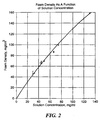
- the solution concentration determines both the density and pore size distribution of the final foam coating, as shown in Table 1.
- the consequences of changing pore size has a major impact on surface availability for periosteal cell activity. Porosity, pore size and pore structure are important factors that are associated with nutrient supply to transplanted and regenerated cells. Small-diameter pores are preferable, to yield high surface-area-to-volume ratios, as long as the pore size is greater than the diameter of a cell in suspension. In the case of bone regeneration, there is an optimal pore size for maximum tissue ingrowth, ranging from about 200 to about 400 ⁇ m (BOYAN et al., 1996).
- the chosen graft substrate is then evenly coated with the polymer solution. This may be accomplished either by dipping the substrate into the solution or by brushing the solution onto the substrate. Other methods may also be employed, such as spray-coating the solution onto the substrate.
- dip-coating is that the solution may be forced into the pores or interstices formed by the roughening or drilling procedures, by rapid application and release of vacuum.
- the substrate is coated completely, it is removed from the solution and placed in a chilled lyophilization flask which is placed in a freezer until the polymer solution layer is frozen.
- the coated bone is then lyophilized to remove the solvent, e.g., glacial acetic acid, leaving the PLGA in the form of a open-celled foam layer on the substrate.
- the solvent e.g., glacial acetic acid
- the thickness of the PLGA coating may be 0.5 to 2.5 mm, depending on the solution concentration and thickness of the liquid layer adhering to the substrate on removal from the polymer solution. A preferred thickness is approximately 1.0 to 2.0 mm.
- Table 1 PLGA Foam Density as a Function of PLGA Concentration in Glacial Acetic Acid Solution Solution Conc., mg/ml Foam Density, mg / cm 3 Solution Conc. mg/ml Foam Density, mg / cm 3 30.0 46.3 ⁇ 4.9 50.0 70.5 ⁇ 1.7 32.8 47.2 66.7 86.7 ⁇ 1.1 40.0 61.0 74.7 98.0 42.9 66.3 130.0 158.0 45.0 67.3 ⁇ 2.3
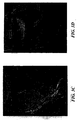
- the structure of the polymer coating is that of an open celled foam with a leaflet or platelet-like structure. This structure is shown in the scanning electron micrographs of Figs. 3A-3D, which are at a magnification of 20x, 100x, 100x, and 500x, respectively.
- BMPs bone morphogenetic proteins
- a biodegradable superstructure that will provide optimal spatial and nutritional conditions for cell maintenance, by the arrangement of structural elements (e.g., pores or fibers) so as to vary the order of cell-to-cell contact (WINTERMANTEL 1996) is engineered.
- structural elements e.g., pores or fibers
- WINTERMANTEL 3-dimensional cell-polymer matrices for tissue engineering are needed that allow osteoblast cells to maintain their phenotypic properties and to form a mineralized matrix while seeded on the polymer surface
- periosteal cells stems from the observation that these cells can be readily cultured from periosteal tissue (KOSHIHARA et al., 1989; NAKAHARA et al., 1990). In addition, they grow extremely well in synthetic polymeric, as well as in natural collagenous, matrices and are therefore recognized as an extremely osteoinductive material (UCHIDA et al., 1988). Paralleling attempts to take dermal fibroblasts for the in vitro expansion of autologous articular cartilage cells (BRITTBERG 1994), it is logical to take periosteal cells from the future recipient of bone allograft and to expand them in vitro for tissue engineering purposes. Breitbart et al.
- the feasibility of such a tissue-engineering approach depends on the ability to obtain a population of cells which have or will develop osteoblast-like function.
- the source of cells was chosen to be long bone periosteum, due to: 1) its relatively easy surgical accessibility; and 2) the known osteogenic properties of its cells.
- the periosteum itself is known to play a critical role in fracture healing and callus formation (UTVAG 1996, ARO 1990), which is presumably cell-mediated.
- Cells derived from periosteum are capable of forming bone in subcutaneous sites either alone (NAKAHARA 1991), or when seeded onto ceramic calcium phosphate (NAKAHARA 1992) or onto polymeric PGA (KIM 1995) substrates.
- periosteal cells seeded onto PGA scaffolds.
- Cells from the periosteum are known to have both osteogenic (NAKAHARA 1991) and chondrogenic (RUBAK 1982) potential, and the process of bone formation from periosteal cells involves transition through a cartilage-like phase (KIM 1995).
- KIM 1995 Studies examining the use of chondrocytes on polymer scaffolds to fill bone defects have demonstrated the formation of stable cartilage that does not generate bone (KIM 1994).
- Periosteal cells placed in the same material in the same site ultimately repair the defect with bone (VACANTI 1994).
- cryopreserved bone with PLGA foam followed by seeding with periosteal cells, appears to be an optimal process. This process takes advantage of the initial strength and geometry of the allograft, while accelerating the resorption of the transplanted bone and minimizing the immune response to foreign tissue.
- Intact tibias from inbred male Sprague Dawley rats were obtained and used to develop a periosteal cell culture model system. Under sterile conditions, the periosteum was excised and cut into 2 mm x 2 mm pieces. Individual pieces were placed into 6-well culture plates for 10-20 minutes to facilitate attachment to plastic, and washed twice with phosphate buffered saline (PBS) containing antibiotics.
- PBS phosphate buffered saline
- periosteum may be placed directly on top of PLGA scaffolds to induce attachment of the tissue to the polymer, and the tissue/polymer constructs may then be placed into 6-well culture dishes and washed twice with antibiotics, e.g., penicillin at 10000U/mL and streptomycin at 10 mg/mL. Subsequently, periosteal samples, in dishes or tissue/polymer constructs, were covered with 3 ml Medium 199 containing 10% FBS, 20 mg/ml ascorbate, and antibiotics. Migration of cells from periosteal samples is monitored daily, and fresh medium added every 3 days. Migration of cells out of periosteum samples is stopped when 60-80% confluence is reached.
- antibiotics e.g., penicillin at 10000U/mL and streptomycin at 10 mg/mL.
- Cells are removed from plates with 0.05% trypsin and 0.53 mM Na 2 EDTA and either replated at a density of 2,500 cells/cm 2 or seeded onto polymer scaffolds. This will allow the production of sufficient material for seeding the foam coating of bone graft substrates.
- Bone grafts consist of eight-mm-long diaphyseal segments, which are excised from the mid-portion of tibias obtained from Wistar donor rats. The grafts are stripped of attached soft tissues, including the periosteum. The marrow is removed by repeated washings with saline. Grafts are stored at -80°C until use. As described above, grafts are coated with polymer and then seeded with periosteal cells.
- grafts are implanted orthotopically by removing an eight-mm-long diaphyseal segment from the tibia and implanting one of the experimental grafts.
- the periosteum from the host bed is removed and the bone marrow from the ends of the host bone is washed out.
- Fixation is achieved with a 0.062" threaded K-wire as an intramedullary rod.
- Animals are sacrificed at four or sixteen weeks postoperatively and used for mechanical testing or histological analysis of the grafts.
- Grafts are evaluated by high resolution radiography, dual-energy x-ray absorptiometry (DXA), histology and histomorphometry.
- DXA dual-energy x-ray absorptiometry
- a total of 64 rats was operated on, in 8 groups.
- Hemoxylin and eosin sections of all specimens were examined microscopically for determination of early-stage biocompatibility. Histologic evaluation of these sections showed new woven bone formation in animals injected with the PLGA-based foam, as early as one week postoperatively (see photomicrographs, Figs. 4a and 4b)-
- Fig. 4a shows that the drill hole in a rat tibia injected with 85:15-PLGA-based foam, was completely filled with newly formed, woven bone.
- Fig. 4B shows remnants of the PLGA-based foam, between the trabeculae of the newly formed woven bone, undergoing active resorption.
- bioresorbable PLGA-based foam is capable of serving as a scaffold for bone ingrowth and is suitable for seeding with periosteal cells.
- the bone that grew in the foam scaffold most likely stemmed from the periosteum adjacent to the drill hole and grew into the hole "per continuum" by appositional growth.
Landscapes
- Health & Medical Sciences (AREA)
- Life Sciences & Earth Sciences (AREA)
- Engineering & Computer Science (AREA)
- Biomedical Technology (AREA)
- Chemical & Material Sciences (AREA)
- Epidemiology (AREA)
- General Health & Medical Sciences (AREA)
- Veterinary Medicine (AREA)
- Public Health (AREA)
- Animal Behavior & Ethology (AREA)
- Dermatology (AREA)
- Medicinal Chemistry (AREA)
- Oral & Maxillofacial Surgery (AREA)
- Transplantation (AREA)
- Chemical Kinetics & Catalysis (AREA)
- Botany (AREA)
- Zoology (AREA)
- Cell Biology (AREA)
- Urology & Nephrology (AREA)
- Orthopedic Medicine & Surgery (AREA)
- Vascular Medicine (AREA)
- Molecular Biology (AREA)
- Cardiology (AREA)
- Heart & Thoracic Surgery (AREA)
- Developmental Biology & Embryology (AREA)
- Materials For Medical Uses (AREA)
- Prostheses (AREA)
- Medicines Containing Material From Animals Or Micro-Organisms (AREA)
Claims (13)
- Biokompatibles Verbundtransplantat für die Reparatur kortikaler Knochen, wobei das genannte Transplantat ein starres biokompatibles Substrat mit einer Beschichtung aus einem offenzelligen Polymerschaum, der aus einem biologisch abbaubaren Polymer besteht, umfasst, wobei die genannte Beschichtung mit Periostzellen des Empfängers, für den das Transplantat vorgesehen ist, besät ist.
- Verwendung eines biokompatiblen Verbundtransplantats bei der Herstellung eines Implantats zur Förderung der Osteoinduktivität und der Inkorporation eines biokompatiblen Verbundtransplantats für einen Knochen in einen Schaden bei einem Patienten, wobei das genannte biokompatible Verbundtransplantat über die folgenden Schritte erhalten werden kann:Erzeugen eines biokompatiblen Substratmaterials für das Transplantat,Erzeugen, in vitro, vom genannten Patienten stammender, kultivierter Periostzellen,Beschichten des genannten biokompatiblen Substratmaterials für das Transplantat mit einem offenzelligen Polymerschaum, der aus einem biologisch abbaubaren Polymer besteht, undBesäen der genannten Beschichtung auf dem genannten biokompatiblen Substratmaterial für das Transplantat mit den genannten kultivierten Periostzellen.
- Ex-vivo-Verfahren zur Herstellung eines biokompatiblen Verbundtransplantats, das zur Förderung der Osteoinduktivität und der Inkorporation eines biokompatiblen Verbundtransplantats in einen Schaden bei einem Patienten geeignet ist, wobei das genannte Verfahren die folgenden Schritte umfasst:Erzeugen eines biokompatiblen Substratmaterials für das Transplantat,Erzeugen, in vitro, vom genannten Patienten stammender, kultivierter Periostzellen,Beschichten des genannten biokompatiblen Substratmaterials für das Transplantat mit einem offenzelligen Polymerschaum, der aus einem biologisch abbaubaren Polymer besteht, undBesäen der genannten Beschichtung auf dem genannten biokompatiblen Substratmaterial für das Transplantat mit den genannten kultivierten Periostzellen.
- Verwendung nach Anspruch 2 oder Verfahren nach Anspruch 3, wobei das genannte biokompatible Substrat aus der Gruppe ausgewählt ist, die aus einem gespendeten Stück Knochen, einem resorbierbaren vorgehärteten Knochenzement, einem molekular verstärkten sich durchdringenden Netzwerk und einem geformten biologisch abbaubaren Polymer besteht.
- Verbundtransplantat nach Anspruch 1 oder Verwendung nach Anspruch 2 oder Verfahren nach Anspruch 3, wobei das genannte biologisch abbaubare Polymer ein Poly(lactid-co-glycolid) mit einem Lactid:Glycolid-Verhältnis von 0:100 bis 100:0 ist.
- Verbundtransplantat, Verwendung oder Verfahren nach Anspruch 5, wobei das genannte Poly(lactid-co-glycolid) ein Lactid:Glycolid-Verhältnis von 50:50 aufweist.
- Verbundtransplantat nach Anspruch 1 oder Verwendung nach Anspruch 2 oder Verfahren nach Anspruch 3, wobei das genannte biologisch abbaubare Polymer aus der Gruppe ausgewählt ist, die aus Polydioxanon, Poly(caprolacton), Polyanhydrid, Poly(orthoester), Poly(ether-co-ester), Polyamid, Polylacton und Poly(propylenfumarat), H[-O-CH(CH3)-CH2-O-CO-CH=CH-CO-]nOH, besteht.
- Verbundtransplantat nach Anspruch 1 oder Verwendung nach Anspruch 2 oder Verfahren nach Anspruch 3, wobei die Dicke der Beschichtung aus dem Polymerschaum vorzugsweise im Bereich von 0,5 bis 2,5 Millimeter liegt.
- Verbundtransplantat, Verwendung oder Verfahren nach Anspruch 8, wobei die Dicke der Beschichtung aus dem Polymerschaum im Bereich von 1,0 bis 2,0 Millimeter liegt.
- Verwendung nach Anspruch 2 oder Verfahren nach Anspruch 3, wobei der Schritt des Erzeugens eines biokompatiblen Substratmaterials für das Transplantat ferner das Erzeugen einer Rauheit auf der Oberfläche des genannten Substratmaterials umfasst.
- Verwendung nach Anspruch 2 oder Verfahren nach Anspruch 3, wobei die Periostzellen in einer Matrix in Medien kultiviert werden, die Induktoren einer Osteogenese aufweisen, die aus der Gruppe ausgewählt sind, die aus Faktoren, die die Knochenbildung induzieren, Enzymen, die die Kalzifizierung fördern, Enzymen, die die Phosphoreinlagerung fördern, Vitaminen und Prostaglandinen besteht.
- Allotransplantat für kortikale Knochen zur Reparatur von Knochenschäden, das Zellen umfasst, die erhalten werden können durch das Dissoziieren von Periostgewebe, das Aussäen von Periostzellen auf und in eine biokompatible Matrix, die für die Reparatur des Schadens geeignet ist und einen biologisch abbaubaren offenzelligen Polymerschaum umfasst, und das Kultivieren unter Kulturbedingungen, die in der Lage sind, die Periostzellen zur Bildung von neuem Knochen im Empfänger des Transplantats anzuregen, wodurch die Inkorporation des Transplantats in den eigenen Knochen des Empfängers gefördert wird.
- Verbundmaterial nach Anspruch 1 oder Allotransplantat für kortikale Knochen nach Anspruch 12 für den Einsatz in der Medizin.
Priority Applications (1)
| Application Number | Priority Date | Filing Date | Title |
|---|---|---|---|
| EP07004335A EP1795214A3 (de) | 1998-08-14 | 1999-08-12 | Osteoinduktion von Kortikalknochen-Allotransplantaten durch Beschichtung mit Biopolymeren mit periostalen Knochenzellen des Empfängers |
Applications Claiming Priority (3)
| Application Number | Priority Date | Filing Date | Title |
|---|---|---|---|
| US133945 | 1993-10-12 | ||
| US09/133,945 US6551355B1 (en) | 1998-08-14 | 1998-08-14 | Tissue transplant coated with biocompatible biodegradable polymer |
| PCT/US1999/018506 WO2000009043A1 (en) | 1998-08-14 | 1999-08-12 | Osteoinduction of cortical bone allografts by coating with biopolymers seeded with recipient periosteal bone cells |
Related Child Applications (1)
| Application Number | Title | Priority Date | Filing Date |
|---|---|---|---|
| EP07004335A Division EP1795214A3 (de) | 1998-08-14 | 1999-08-12 | Osteoinduktion von Kortikalknochen-Allotransplantaten durch Beschichtung mit Biopolymeren mit periostalen Knochenzellen des Empfängers |
Publications (3)
| Publication Number | Publication Date |
|---|---|
| EP1104267A1 EP1104267A1 (de) | 2001-06-06 |
| EP1104267A4 EP1104267A4 (de) | 2004-07-28 |
| EP1104267B1 true EP1104267B1 (de) | 2007-04-25 |
Family
ID=22461033
Family Applications (2)
| Application Number | Title | Priority Date | Filing Date |
|---|---|---|---|
| EP07004335A Withdrawn EP1795214A3 (de) | 1998-08-14 | 1999-08-12 | Osteoinduktion von Kortikalknochen-Allotransplantaten durch Beschichtung mit Biopolymeren mit periostalen Knochenzellen des Empfängers |
| EP99942186A Expired - Lifetime EP1104267B1 (de) | 1998-08-14 | 1999-08-12 | Osteoinduktion von allogenen kortikalen knochentransplantaten über biopolymere die mit periostalen knochenzellen besiedelt wurden |
Family Applications Before (1)
| Application Number | Title | Priority Date | Filing Date |
|---|---|---|---|
| EP07004335A Withdrawn EP1795214A3 (de) | 1998-08-14 | 1999-08-12 | Osteoinduktion von Kortikalknochen-Allotransplantaten durch Beschichtung mit Biopolymeren mit periostalen Knochenzellen des Empfängers |
Country Status (7)
| Country | Link |
|---|---|
| US (2) | US6551355B1 (de) |
| EP (2) | EP1795214A3 (de) |
| JP (1) | JP2002522157A (de) |
| AT (1) | ATE360447T1 (de) |
| CA (1) | CA2339119C (de) |
| DE (1) | DE69935914T2 (de) |
| WO (1) | WO2000009043A1 (de) |
Cited By (1)
| Publication number | Priority date | Publication date | Assignee | Title |
|---|---|---|---|---|
| RU2460488C1 (ru) * | 2011-06-30 | 2012-09-10 | Государственное образовательное учреждение высшего профессионального образования "Российский университет дружбы народов" (РУДН) | Способ замещения обширных дефектов костей грудной и тазовой конечностей у собак и кошек |
Families Citing this family (52)
| Publication number | Priority date | Publication date | Assignee | Title |
|---|---|---|---|---|
| US20040081704A1 (en) * | 1998-02-13 | 2004-04-29 | Centerpulse Biologics Inc. | Implantable putty material |
| US20020095157A1 (en) | 1999-07-23 | 2002-07-18 | Bowman Steven M. | Graft fixation device combination |
| US6179840B1 (en) | 1999-07-23 | 2001-01-30 | Ethicon, Inc. | Graft fixation device and method |
| DE10026480A1 (de) * | 2000-05-29 | 2001-12-13 | Augustinus Bader | Verfahren zur Herstellung eines empfängerspezifischen Gewebe-Transplantats oder -Implantats |
| DE10047300A1 (de) * | 2000-09-25 | 2002-04-18 | Gustav Steinhoff | Bioartifizielles Verbundmaterial und Verfahren zu seiner Herstellung |
| CA2365376C (en) | 2000-12-21 | 2006-03-28 | Ethicon, Inc. | Use of reinforced foam implants with enhanced integrity for soft tissue repair and regeneration |
| US20020114795A1 (en) | 2000-12-22 | 2002-08-22 | Thorne Kevin J. | Composition and process for bone growth and repair |
| US6958158B2 (en) * | 2001-05-11 | 2005-10-25 | Ortho-Mcneil Pharmaceutical, Inc. | Immune modulation device for use in animals |
| US20030181978A1 (en) * | 2002-03-25 | 2003-09-25 | Brown Kelly R. | Channeled biomedical foams and method for producing same |
| US7166133B2 (en) * | 2002-06-13 | 2007-01-23 | Kensey Nash Corporation | Devices and methods for treating defects in the tissue of a living being |
| US7824701B2 (en) * | 2002-10-18 | 2010-11-02 | Ethicon, Inc. | Biocompatible scaffold for ligament or tendon repair |
| US20040078090A1 (en) * | 2002-10-18 | 2004-04-22 | Francois Binette | Biocompatible scaffolds with tissue fragments |
| US8197837B2 (en) | 2003-03-07 | 2012-06-12 | Depuy Mitek, Inc. | Method of preparation of bioabsorbable porous reinforced tissue implants and implants thereof |
| US8226715B2 (en) * | 2003-06-30 | 2012-07-24 | Depuy Mitek, Inc. | Scaffold for connective tissue repair |
| US10583220B2 (en) * | 2003-08-11 | 2020-03-10 | DePuy Synthes Products, Inc. | Method and apparatus for resurfacing an articular surface |
| US7316822B2 (en) * | 2003-11-26 | 2008-01-08 | Ethicon, Inc. | Conformable tissue repair implant capable of injection delivery |
| US7901461B2 (en) * | 2003-12-05 | 2011-03-08 | Ethicon, Inc. | Viable tissue repair implants and methods of use |
| ES2396689T3 (es) | 2003-12-11 | 2013-02-25 | Isto Technologies Inc. | Sistema de cartílago particulado |
| US11395865B2 (en) | 2004-02-09 | 2022-07-26 | DePuy Synthes Products, Inc. | Scaffolds with viable tissue |
| US8221780B2 (en) * | 2004-04-20 | 2012-07-17 | Depuy Mitek, Inc. | Nonwoven tissue scaffold |
| US8137686B2 (en) | 2004-04-20 | 2012-03-20 | Depuy Mitek, Inc. | Nonwoven tissue scaffold |
| US20060039949A1 (en) * | 2004-08-20 | 2006-02-23 | Nycz Jeffrey H | Acetabular cup with controlled release of an osteoinductive formulation |
| EP1838215B1 (de) * | 2005-01-18 | 2012-08-01 | Philips Electronics LTD | Elektromagnetisch verfolgte k-draht-vorrichtung |
| EP1916964A4 (de) * | 2005-08-26 | 2015-11-04 | Zimmer Inc | Implantate und verfahren zur behebung, ersetzung und behandlung von gelenkkrankheiten |
| US7749555B2 (en) * | 2006-01-25 | 2010-07-06 | Medtronic, Inc | Modification of chemical forces of bone constructs |
| US20080039954A1 (en) * | 2006-08-08 | 2008-02-14 | Howmedica Osteonics Corp. | Expandable cartilage implant |
| US8043377B2 (en) * | 2006-09-02 | 2011-10-25 | Osprey Biomedical, Inc. | Implantable intervertebral fusion device |
| US20080114465A1 (en) * | 2006-11-14 | 2008-05-15 | Zanella John M | Surface treatments of an allograft to improve binding of growth factors and cells |
| US20080154233A1 (en) * | 2006-12-20 | 2008-06-26 | Zimmer Orthobiologics, Inc. | Apparatus for delivering a biocompatible material to a surgical site and method of using same |
| US8163549B2 (en) | 2006-12-20 | 2012-04-24 | Zimmer Orthobiologics, Inc. | Method of obtaining viable small tissue particles and use for tissue repair |
| US7718616B2 (en) | 2006-12-21 | 2010-05-18 | Zimmer Orthobiologics, Inc. | Bone growth particles and osteoinductive composition thereof |
| AU2008240191B2 (en) | 2007-04-12 | 2013-09-19 | Zimmer, Inc. | Compositions and methods for tissue repair |
| US8133553B2 (en) | 2007-06-18 | 2012-03-13 | Zimmer, Inc. | Process for forming a ceramic layer |
| US8309521B2 (en) | 2007-06-19 | 2012-11-13 | Zimmer, Inc. | Spacer with a coating thereon for use with an implant device |
| US8608049B2 (en) | 2007-10-10 | 2013-12-17 | Zimmer, Inc. | Method for bonding a tantalum structure to a cobalt-alloy substrate |
| EP2238992B1 (de) * | 2008-01-28 | 2014-05-14 | NGK Spark Plug Co., Ltd. | Biologisches implantat mit geschäumter oberfläche und herstellungsverfahren dafür |
| JP5554002B2 (ja) * | 2008-03-10 | 2014-07-23 | 株式会社ジーシー | 軟骨組織再生シートの作製方法 |
| US9492375B2 (en) * | 2008-07-23 | 2016-11-15 | Warsaw Orthopedic, Inc. | Foam carrier for bone grafting |
| US8556972B2 (en) * | 2009-04-02 | 2013-10-15 | Sevika Holding AG | Monolithic orthopedic implant with an articular finished surface |
| US20100256758A1 (en) * | 2009-04-02 | 2010-10-07 | Synvasive Technology, Inc. | Monolithic orthopedic implant with an articular finished surface |
| US10130736B1 (en) | 2010-05-14 | 2018-11-20 | Musculoskeletal Transplant Foundation | Tissue-derived tissuegenic implants, and methods of fabricating and using same |
| US8883210B1 (en) | 2010-05-14 | 2014-11-11 | Musculoskeletal Transplant Foundation | Tissue-derived tissuegenic implants, and methods of fabricating and using same |
| US9352003B1 (en) | 2010-05-14 | 2016-05-31 | Musculoskeletal Transplant Foundation | Tissue-derived tissuegenic implants, and methods of fabricating and using same |
| US8613938B2 (en) | 2010-11-15 | 2013-12-24 | Zimmer Orthobiologics, Inc. | Bone void fillers |
| US8834928B1 (en) | 2011-05-16 | 2014-09-16 | Musculoskeletal Transplant Foundation | Tissue-derived tissugenic implants, and methods of fabricating and using same |
| WO2013023051A1 (en) * | 2011-08-09 | 2013-02-14 | University Of Utah Research Foundation | Methods and compositions for improving the biocompatability of biomedical implants |
| US20140178343A1 (en) | 2012-12-21 | 2014-06-26 | Jian Q. Yao | Supports and methods for promoting integration of cartilage tissue explants |
| WO2015048322A1 (en) * | 2013-09-25 | 2015-04-02 | Colorado State University Research Foundation | Methods for coating bone allografts with periosteum-mimetic tissue engineering scaffolds |
| US9907882B2 (en) | 2014-04-18 | 2018-03-06 | Warsaw Orthopedic, Inc. | Demineralized bone matrix with improved osteoinductivity |
| CA2986702C (en) | 2015-05-21 | 2023-04-04 | David Wang | Modified demineralized cortical bone fibers |
| WO2019113522A1 (en) * | 2017-12-08 | 2019-06-13 | Cedars-Sinai Medical Center | Neural crest cells to revitalize cranial allografts |
| EP3773298A1 (de) | 2018-04-03 | 2021-02-17 | Convergent Dental, Inc. | Lasersystem für chirurgische anwendungen |
Family Cites Families (36)
| Publication number | Priority date | Publication date | Assignee | Title |
|---|---|---|---|---|
| US4351069A (en) * | 1979-06-29 | 1982-09-28 | Union Carbide Corporation | Prosthetic devices having sintered thermoplastic coatings with a porosity gradient |
| IL68218A (en) | 1983-03-23 | 1985-12-31 | Univ Ramot | Compositions for cartilage repair comprising embryonal chondrocytes |
| US4609551A (en) | 1984-03-20 | 1986-09-02 | Arnold Caplan | Process of and material for stimulating growth of cartilage and bony tissue at anatomical sites |
| US4620327A (en) | 1984-07-05 | 1986-11-04 | Caplan Arnold I | Process of adapting soluble bone protein for use in stimulating osteoinduction |
| US4637931A (en) * | 1984-10-09 | 1987-01-20 | The United States Of America As Represented By The Secretary Of The Army | Polyactic-polyglycolic acid copolymer combined with decalcified freeze-dried bone for use as a bone repair material |
| US5133755A (en) * | 1986-01-28 | 1992-07-28 | Thm Biomedical, Inc. | Method and apparatus for diodegradable, osteogenic, bone graft substitute device |
| US5263992A (en) | 1986-10-17 | 1993-11-23 | Bio-Metric Systems, Inc. | Biocompatible device with covalently bonded biocompatible agent |
| US4979959A (en) | 1986-10-17 | 1990-12-25 | Bio-Metric Systems, Inc. | Biocompatible coating for solid surfaces |
| JPH01151461A (ja) * | 1987-12-08 | 1989-06-14 | Koransha Co Ltd | 生体用補綴材料 |
| US5344654A (en) * | 1988-04-08 | 1994-09-06 | Stryker Corporation | Prosthetic devices having enhanced osteogenic properties |
| US4904259A (en) | 1988-04-29 | 1990-02-27 | Samuel Itay | Compositions and methods for repair of cartilage and bone |
| US5573771A (en) * | 1988-08-19 | 1996-11-12 | Osteomedical Limited | Medicinal bone mineral products |
| US5654267A (en) | 1988-12-20 | 1997-08-05 | La Jolla Cancer Research Center | Cooperative combinations of ligands contained within a matrix |
| GB8903464D0 (en) * | 1989-02-15 | 1989-04-05 | Joint Replacement Instrumentat | Coated femoral prosthesis |
| US5226914A (en) | 1990-11-16 | 1993-07-13 | Caplan Arnold I | Method for treating connective tissue disorders |
| US5197985A (en) | 1990-11-16 | 1993-03-30 | Caplan Arnold I | Method for enhancing the implantation and differentiation of marrow-derived mesenchymal cells |
| US5439951A (en) | 1993-03-24 | 1995-08-08 | Children's Medical Center Corporation | Isolation of the calcium-phosphate crystals of bone |
| US5565502A (en) | 1993-03-24 | 1996-10-15 | Children's Medical Center Corporation | Isolation of the calcium-phosphate crystals of bone |
| AU681879B2 (en) | 1993-03-29 | 1997-09-11 | Zymogenetics Inc. | Oesteoblast growth stimulating compostion containing PDGF and vitamin D |
| US5518680A (en) | 1993-10-18 | 1996-05-21 | Massachusetts Institute Of Technology | Tissue regeneration matrices by solid free form fabrication techniques |
| EP0741585A1 (de) * | 1994-01-21 | 1996-11-13 | Brown University Research Foundation | Bioverträgliche implantate |
| US5656598A (en) | 1994-03-08 | 1997-08-12 | Rhone-Poulenc Rorer Pharmaceuticals Inc. | Use of fibroblast growth factors to stimulate bone growth |
| US5626861A (en) | 1994-04-01 | 1997-05-06 | Massachusetts Institute Of Technology | Polymeric-hydroxyapatite bone composite |
| US5947893A (en) * | 1994-04-27 | 1999-09-07 | Board Of Regents, The University Of Texas System | Method of making a porous prothesis with biodegradable coatings |
| US5981825A (en) * | 1994-05-13 | 1999-11-09 | Thm Biomedical, Inc. | Device and methods for in vivo culturing of diverse tissue cells |
| US5632745A (en) * | 1995-02-07 | 1997-05-27 | R&D Biologicals, Inc. | Surgical implantation of cartilage repair unit |
| TW369414B (en) * | 1994-09-30 | 1999-09-11 | Yamanouchi Pharma Co Ltd | Bone formation transplant |
| US5713374A (en) | 1995-02-10 | 1998-02-03 | The Hospital For Joint Diseases Orthopaedic Institute | Fixation method for the attachment of wound repair materials to cartilage defects |
| US5855610A (en) * | 1995-05-19 | 1999-01-05 | Children's Medical Center Corporation | Engineering of strong, pliable tissues |
| DE19522032A1 (de) * | 1995-06-17 | 1996-12-19 | Corimed Kundenorientierte Medi | Verfahren zum Beschichten zumindest eines Teiles einer Oberfläche mit einem Polymer |
| US5700289A (en) * | 1995-10-20 | 1997-12-23 | North Shore University Hospital Research Corporation | Tissue-engineered bone repair using cultured periosteal cells |
| US5866155A (en) * | 1996-11-20 | 1999-02-02 | Allegheny Health, Education And Research Foundation | Methods for using microsphere polymers in bone replacement matrices and composition produced thereby |
| AR009439A1 (es) * | 1996-12-23 | 2000-04-12 | Novartis Ag | Un articulo que comprende un sustrato con un recubrimiento polimerico primario que porta grupos reactivos predominantemente en su superficie, unmetodo para preparar dicho articulo, un articulo que posee un recubrimiento de tipo hibrido y una lente de contacto |
| GB9704749D0 (en) * | 1997-03-07 | 1997-04-23 | Univ London | Tissue Implant |
| US5866415A (en) * | 1997-03-25 | 1999-02-02 | Villeneuve; Peter E. | Materials for healing cartilage and bone defects |
| US6241771B1 (en) * | 1997-08-13 | 2001-06-05 | Cambridge Scientific, Inc. | Resorbable interbody spinal fusion devices |
-
1998
- 1998-08-14 US US09/133,945 patent/US6551355B1/en not_active Expired - Fee Related
-
1999
- 1999-08-12 DE DE69935914T patent/DE69935914T2/de not_active Expired - Lifetime
- 1999-08-12 WO PCT/US1999/018506 patent/WO2000009043A1/en not_active Ceased
- 1999-08-12 AT AT99942186T patent/ATE360447T1/de not_active IP Right Cessation
- 1999-08-12 JP JP2000564548A patent/JP2002522157A/ja active Pending
- 1999-08-12 EP EP07004335A patent/EP1795214A3/de not_active Withdrawn
- 1999-08-12 CA CA002339119A patent/CA2339119C/en not_active Expired - Fee Related
- 1999-08-12 EP EP99942186A patent/EP1104267B1/de not_active Expired - Lifetime
-
2002
- 2002-12-27 US US10/330,568 patent/US6899107B2/en not_active Expired - Fee Related
Cited By (1)
| Publication number | Priority date | Publication date | Assignee | Title |
|---|---|---|---|---|
| RU2460488C1 (ru) * | 2011-06-30 | 2012-09-10 | Государственное образовательное учреждение высшего профессионального образования "Российский университет дружбы народов" (РУДН) | Способ замещения обширных дефектов костей грудной и тазовой конечностей у собак и кошек |
Also Published As
| Publication number | Publication date |
|---|---|
| EP1104267A1 (de) | 2001-06-06 |
| DE69935914D1 (de) | 2007-06-06 |
| US6551355B1 (en) | 2003-04-22 |
| ATE360447T1 (de) | 2007-05-15 |
| DE69935914T2 (de) | 2008-01-24 |
| JP2002522157A (ja) | 2002-07-23 |
| EP1795214A2 (de) | 2007-06-13 |
| WO2000009043A9 (en) | 2000-05-18 |
| WO2000009043A1 (en) | 2000-02-24 |
| EP1104267A4 (de) | 2004-07-28 |
| EP1795214A3 (de) | 2008-07-09 |
| CA2339119A1 (en) | 2000-02-24 |
| US20030109934A1 (en) | 2003-06-12 |
| US6899107B2 (en) | 2005-05-31 |
| CA2339119C (en) | 2006-11-07 |
Similar Documents
| Publication | Publication Date | Title |
|---|---|---|
| EP1104267B1 (de) | Osteoinduktion von allogenen kortikalen knochentransplantaten über biopolymere die mit periostalen knochenzellen besiedelt wurden | |
| Marcacci et al. | Stem cells associated with macroporous bioceramics for long bone repair: 6-to 7-year outcome of a pilot clinical study | |
| FRAKENBURG et al. | Biomechanical and histological evaluation of a calcium phosphate cement | |
| Goldberg | Selection of bone grafts for revision total hip arthroplasty. | |
| Marcacci et al. | Reconstruction of extensive long-bone defects in sheep using porous hydroxyapatite sponges | |
| Huang et al. | In vivo mesenchymal cell recruitment by a scaffold loaded with transforming growth factor β 1 and the potential for in situ chondrogenesis | |
| US6080194A (en) | Multi-stage collagen-based template or implant for use in the repair of cartilage lesions | |
| EP0808137B1 (de) | Set zum reparieren von knorpeldefekten | |
| Damien et al. | Bone graft and bone graft substitutes: a review of current technology and applications | |
| Louisia et al. | Coral grafting supplemented with bone marrow | |
| WO2000054821A1 (en) | Molded implants for orthopedic applications | |
| JPH02209811A (ja) | 関節軟骨および骨再生用組成物および骨格組織移植組織の製造および骨格組織の再生方法 | |
| US6998135B1 (en) | Demineralized corticocancellous bone sheet | |
| WO2008086147A1 (en) | Compositions and methods for the repair and regeneration of cartilage and/or bone | |
| JP2002532160A (ja) | 皮質骨同種移植片の順序付けられた組み込み | |
| McDonald et al. | The enhancement of fixation of a porous-coated femoral component by autograft and allograft in the dog. | |
| US20100191346A1 (en) | Bone implant | |
| Haddad et al. | Femoral bone loss in patients managed with revision hip replacement: results of circumferential allograft replacement | |
| AU693323C (en) | Multi-stage collagen-based template or implant for use in the repair of cartilage lesions | |
| AU710212C (en) | Fixation method for the attachment of wound repair materials to cartilage defects | |
| Şenköylü et al. | Poly (D, L-lactide/∊-Caprolactone)/Hydroxyapatite Composites as Bone Filler: An in Vivo Study in Rats | |
| Bostrom et al. | Bone Grafting in Total Knee Arthroplasty | |
| Lewandrowski et al. | Enhancing Cortical Allograft Incorporation Processing by Partial Demineralization and Laser Perforation: A Histologic, Biomechanical, and Immunological Study | |
| Lewandrowski et al. | Controlled Porosity of Tissue-Engineered Cortical Bone Grafts | |
| Cook et al. | The use of the OP-1 implant in reconstructive surgery of the hip and knee |
Legal Events
| Date | Code | Title | Description |
|---|---|---|---|
| PUAI | Public reference made under article 153(3) epc to a published international application that has entered the european phase |
Free format text: ORIGINAL CODE: 0009012 |
|
| 17P | Request for examination filed |
Effective date: 20010305 |
|
| AK | Designated contracting states |
Kind code of ref document: A1 Designated state(s): AT BE CH CY DE DK ES FI FR GB GR IE IT LI LU MC NL PT SE |
|
| RIC1 | Information provided on ipc code assigned before grant |
Ipc: 7A 61L 27/38 B Ipc: 7A 61L 27/34 A |
|
| A4 | Supplementary search report drawn up and despatched |
Effective date: 20040611 |
|
| 17Q | First examination report despatched |
Effective date: 20050614 |
|
| RAP1 | Party data changed (applicant data changed or rights of an application transferred) |
Owner name: DEPUY MITEK, INC. |
|
| RIC1 | Information provided on ipc code assigned before grant |
Ipc: A61L 27/38 20060101ALI20060710BHEP Ipc: A61L 27/34 20060101AFI20060710BHEP |
|
| GRAP | Despatch of communication of intention to grant a patent |
Free format text: ORIGINAL CODE: EPIDOSNIGR1 |
|
| GRAS | Grant fee paid |
Free format text: ORIGINAL CODE: EPIDOSNIGR3 |
|
| GRAA | (expected) grant |
Free format text: ORIGINAL CODE: 0009210 |
|
| AK | Designated contracting states |
Kind code of ref document: B1 Designated state(s): AT BE CH CY DE DK ES FI FR GB GR IE IT LI LU MC NL PT SE |
|
| PG25 | Lapsed in a contracting state [announced via postgrant information from national office to epo] |
Ref country code: FI Free format text: LAPSE BECAUSE OF FAILURE TO SUBMIT A TRANSLATION OF THE DESCRIPTION OR TO PAY THE FEE WITHIN THE PRESCRIBED TIME-LIMIT Effective date: 20070425 |
|
| REG | Reference to a national code |
Ref country code: GB Ref legal event code: FG4D |
|
| RIN2 | Information on inventor provided after grant (corrected) |
Inventor name: WISE, DONALD, L. Inventor name: GRESSER, JOSEPH, D. Inventor name: CATTANEO, MAURICE, V. Inventor name: TRANTOLO, DEBRA, J. Inventor name: BONDRE, SHRIKAR Inventor name: LEWANDROWSKI, KAI-UWE |
|
| REG | Reference to a national code |
Ref country code: IE Ref legal event code: FG4D |
|
| REG | Reference to a national code |
Ref country code: CH Ref legal event code: EP |
|
| REF | Corresponds to: |
Ref document number: 69935914 Country of ref document: DE Date of ref document: 20070606 Kind code of ref document: P |
|
| PG25 | Lapsed in a contracting state [announced via postgrant information from national office to epo] |
Ref country code: SE Free format text: LAPSE BECAUSE OF FAILURE TO SUBMIT A TRANSLATION OF THE DESCRIPTION OR TO PAY THE FEE WITHIN THE PRESCRIBED TIME-LIMIT Effective date: 20070725 |
|
| REG | Reference to a national code |
Ref country code: CH Ref legal event code: NV Representative=s name: KIRKER & CIE S.A. |
|
| PG25 | Lapsed in a contracting state [announced via postgrant information from national office to epo] |
Ref country code: ES Free format text: LAPSE BECAUSE OF FAILURE TO SUBMIT A TRANSLATION OF THE DESCRIPTION OR TO PAY THE FEE WITHIN THE PRESCRIBED TIME-LIMIT Effective date: 20070805 |
|
| PG25 | Lapsed in a contracting state [announced via postgrant information from national office to epo] |
Ref country code: PT Free format text: LAPSE BECAUSE OF FAILURE TO SUBMIT A TRANSLATION OF THE DESCRIPTION OR TO PAY THE FEE WITHIN THE PRESCRIBED TIME-LIMIT Effective date: 20070925 |
|
| ET | Fr: translation filed | ||
| NLV1 | Nl: lapsed or annulled due to failure to fulfill the requirements of art. 29p and 29m of the patents act | ||
| PG25 | Lapsed in a contracting state [announced via postgrant information from national office to epo] |
Ref country code: AT Free format text: LAPSE BECAUSE OF FAILURE TO SUBMIT A TRANSLATION OF THE DESCRIPTION OR TO PAY THE FEE WITHIN THE PRESCRIBED TIME-LIMIT Effective date: 20070425 |
|
| PG25 | Lapsed in a contracting state [announced via postgrant information from national office to epo] |
Ref country code: BE Free format text: LAPSE BECAUSE OF FAILURE TO SUBMIT A TRANSLATION OF THE DESCRIPTION OR TO PAY THE FEE WITHIN THE PRESCRIBED TIME-LIMIT Effective date: 20070425 |
|
| PG25 | Lapsed in a contracting state [announced via postgrant information from national office to epo] |
Ref country code: NL Free format text: LAPSE BECAUSE OF FAILURE TO SUBMIT A TRANSLATION OF THE DESCRIPTION OR TO PAY THE FEE WITHIN THE PRESCRIBED TIME-LIMIT Effective date: 20070425 Ref country code: DK Free format text: LAPSE BECAUSE OF FAILURE TO SUBMIT A TRANSLATION OF THE DESCRIPTION OR TO PAY THE FEE WITHIN THE PRESCRIBED TIME-LIMIT Effective date: 20070425 |
|
| PLBE | No opposition filed within time limit |
Free format text: ORIGINAL CODE: 0009261 |
|
| STAA | Information on the status of an ep patent application or granted ep patent |
Free format text: STATUS: NO OPPOSITION FILED WITHIN TIME LIMIT |
|
| 26N | No opposition filed |
Effective date: 20080128 |
|
| PG25 | Lapsed in a contracting state [announced via postgrant information from national office to epo] |
Ref country code: MC Free format text: LAPSE BECAUSE OF NON-PAYMENT OF DUE FEES Effective date: 20070831 Ref country code: GR Free format text: LAPSE BECAUSE OF FAILURE TO SUBMIT A TRANSLATION OF THE DESCRIPTION OR TO PAY THE FEE WITHIN THE PRESCRIBED TIME-LIMIT Effective date: 20070726 |
|
| PG25 | Lapsed in a contracting state [announced via postgrant information from national office to epo] |
Ref country code: IE Free format text: LAPSE BECAUSE OF NON-PAYMENT OF DUE FEES Effective date: 20070813 |
|
| PG25 | Lapsed in a contracting state [announced via postgrant information from national office to epo] |
Ref country code: CY Free format text: LAPSE BECAUSE OF FAILURE TO SUBMIT A TRANSLATION OF THE DESCRIPTION OR TO PAY THE FEE WITHIN THE PRESCRIBED TIME-LIMIT Effective date: 20070425 |
|
| PG25 | Lapsed in a contracting state [announced via postgrant information from national office to epo] |
Ref country code: LU Free format text: LAPSE BECAUSE OF NON-PAYMENT OF DUE FEES Effective date: 20070812 |
|
| PGFP | Annual fee paid to national office [announced via postgrant information from national office to epo] |
Ref country code: FR Payment date: 20090814 Year of fee payment: 11 |
|
| PGFP | Annual fee paid to national office [announced via postgrant information from national office to epo] |
Ref country code: GB Payment date: 20090812 Year of fee payment: 11 Ref country code: DE Payment date: 20090806 Year of fee payment: 11 Ref country code: CH Payment date: 20090814 Year of fee payment: 11 |
|
| PGFP | Annual fee paid to national office [announced via postgrant information from national office to epo] |
Ref country code: IT Payment date: 20090814 Year of fee payment: 11 |
|
| REG | Reference to a national code |
Ref country code: CH Ref legal event code: PL |
|
| GBPC | Gb: european patent ceased through non-payment of renewal fee |
Effective date: 20100812 |
|
| PG25 | Lapsed in a contracting state [announced via postgrant information from national office to epo] |
Ref country code: LI Free format text: LAPSE BECAUSE OF NON-PAYMENT OF DUE FEES Effective date: 20100831 Ref country code: CH Free format text: LAPSE BECAUSE OF NON-PAYMENT OF DUE FEES Effective date: 20100831 |
|
| REG | Reference to a national code |
Ref country code: FR Ref legal event code: ST Effective date: 20110502 |
|
| PG25 | Lapsed in a contracting state [announced via postgrant information from national office to epo] |
Ref country code: IT Free format text: LAPSE BECAUSE OF NON-PAYMENT OF DUE FEES Effective date: 20100812 |
|
| REG | Reference to a national code |
Ref country code: DE Ref legal event code: R119 Ref document number: 69935914 Country of ref document: DE Effective date: 20110301 |
|
| PG25 | Lapsed in a contracting state [announced via postgrant information from national office to epo] |
Ref country code: FR Free format text: LAPSE BECAUSE OF NON-PAYMENT OF DUE FEES Effective date: 20100831 Ref country code: DE Free format text: LAPSE BECAUSE OF NON-PAYMENT OF DUE FEES Effective date: 20110301 |
|
| PG25 | Lapsed in a contracting state [announced via postgrant information from national office to epo] |
Ref country code: GB Free format text: LAPSE BECAUSE OF NON-PAYMENT OF DUE FEES Effective date: 20100812 |