EP1094112A2 - Repression von Pflanzengenexpression - Google Patents
Repression von Pflanzengenexpression Download PDFInfo
- Publication number
- EP1094112A2 EP1094112A2 EP00307375A EP00307375A EP1094112A2 EP 1094112 A2 EP1094112 A2 EP 1094112A2 EP 00307375 A EP00307375 A EP 00307375A EP 00307375 A EP00307375 A EP 00307375A EP 1094112 A2 EP1094112 A2 EP 1094112A2
- Authority
- EP
- European Patent Office
- Prior art keywords
- nucleotide sequence
- plant
- gene
- seq
- chimeric
- Prior art date
- Legal status (The legal status is an assumption and is not a legal conclusion. Google has not performed a legal analysis and makes no representation as to the accuracy of the status listed.)
- Withdrawn
Links
Images











Classifications
-
- C—CHEMISTRY; METALLURGY
- C12—BIOCHEMISTRY; BEER; SPIRITS; WINE; VINEGAR; MICROBIOLOGY; ENZYMOLOGY; MUTATION OR GENETIC ENGINEERING
- C12N—MICROORGANISMS OR ENZYMES; COMPOSITIONS THEREOF; PROPAGATING, PRESERVING, OR MAINTAINING MICROORGANISMS; MUTATION OR GENETIC ENGINEERING; CULTURE MEDIA
- C12N15/00—Mutation or genetic engineering; DNA or RNA concerning genetic engineering, vectors, e.g. plasmids, or their isolation, preparation or purification; Use of hosts therefor
- C12N15/09—Recombinant DNA-technology
- C12N15/63—Introduction of foreign genetic material using vectors; Vectors; Use of hosts therefor; Regulation of expression
- C12N15/79—Vectors or expression systems specially adapted for eukaryotic hosts
- C12N15/82—Vectors or expression systems specially adapted for eukaryotic hosts for plant cells, e.g. plant artificial chromosomes (PACs)
- C12N15/8241—Phenotypically and genetically modified plants via recombinant DNA technology
- C12N15/8261—Phenotypically and genetically modified plants via recombinant DNA technology with agronomic (input) traits, e.g. crop yield
- C12N15/8287—Phenotypically and genetically modified plants via recombinant DNA technology with agronomic (input) traits, e.g. crop yield for fertility modification, e.g. apomixis
- C12N15/829—Female sterility
-
- C—CHEMISTRY; METALLURGY
- C12—BIOCHEMISTRY; BEER; SPIRITS; WINE; VINEGAR; MICROBIOLOGY; ENZYMOLOGY; MUTATION OR GENETIC ENGINEERING
- C12N—MICROORGANISMS OR ENZYMES; COMPOSITIONS THEREOF; PROPAGATING, PRESERVING, OR MAINTAINING MICROORGANISMS; MUTATION OR GENETIC ENGINEERING; CULTURE MEDIA
- C12N15/00—Mutation or genetic engineering; DNA or RNA concerning genetic engineering, vectors, e.g. plasmids, or their isolation, preparation or purification; Use of hosts therefor
- C12N15/09—Recombinant DNA-technology
- C12N15/10—Processes for the isolation, preparation or purification of DNA or RNA
- C12N15/1034—Isolating an individual clone by screening libraries
- C12N15/1079—Screening libraries by altering the phenotype or phenotypic trait of the host
-
- C—CHEMISTRY; METALLURGY
- C12—BIOCHEMISTRY; BEER; SPIRITS; WINE; VINEGAR; MICROBIOLOGY; ENZYMOLOGY; MUTATION OR GENETIC ENGINEERING
- C12N—MICROORGANISMS OR ENZYMES; COMPOSITIONS THEREOF; PROPAGATING, PRESERVING, OR MAINTAINING MICROORGANISMS; MUTATION OR GENETIC ENGINEERING; CULTURE MEDIA
- C12N15/00—Mutation or genetic engineering; DNA or RNA concerning genetic engineering, vectors, e.g. plasmids, or their isolation, preparation or purification; Use of hosts therefor
- C12N15/09—Recombinant DNA-technology
- C12N15/11—DNA or RNA fragments; Modified forms thereof; Non-coding nucleic acids having a biological activity
- C12N15/113—Non-coding nucleic acids modulating the expression of genes, e.g. antisense oligonucleotides; Antisense DNA or RNA; Triplex- forming oligonucleotides; Catalytic nucleic acids, e.g. ribozymes; Nucleic acids used in co-suppression or gene silencing
- C12N15/1137—Non-coding nucleic acids modulating the expression of genes, e.g. antisense oligonucleotides; Antisense DNA or RNA; Triplex- forming oligonucleotides; Catalytic nucleic acids, e.g. ribozymes; Nucleic acids used in co-suppression or gene silencing against enzymes
-
- C—CHEMISTRY; METALLURGY
- C12—BIOCHEMISTRY; BEER; SPIRITS; WINE; VINEGAR; MICROBIOLOGY; ENZYMOLOGY; MUTATION OR GENETIC ENGINEERING
- C12N—MICROORGANISMS OR ENZYMES; COMPOSITIONS THEREOF; PROPAGATING, PRESERVING, OR MAINTAINING MICROORGANISMS; MUTATION OR GENETIC ENGINEERING; CULTURE MEDIA
- C12N15/00—Mutation or genetic engineering; DNA or RNA concerning genetic engineering, vectors, e.g. plasmids, or their isolation, preparation or purification; Use of hosts therefor
- C12N15/09—Recombinant DNA-technology
- C12N15/63—Introduction of foreign genetic material using vectors; Vectors; Use of hosts therefor; Regulation of expression
-
- C—CHEMISTRY; METALLURGY
- C12—BIOCHEMISTRY; BEER; SPIRITS; WINE; VINEGAR; MICROBIOLOGY; ENZYMOLOGY; MUTATION OR GENETIC ENGINEERING
- C12N—MICROORGANISMS OR ENZYMES; COMPOSITIONS THEREOF; PROPAGATING, PRESERVING, OR MAINTAINING MICROORGANISMS; MUTATION OR GENETIC ENGINEERING; CULTURE MEDIA
- C12N15/00—Mutation or genetic engineering; DNA or RNA concerning genetic engineering, vectors, e.g. plasmids, or their isolation, preparation or purification; Use of hosts therefor
- C12N15/09—Recombinant DNA-technology
- C12N15/63—Introduction of foreign genetic material using vectors; Vectors; Use of hosts therefor; Regulation of expression
- C12N15/79—Vectors or expression systems specially adapted for eukaryotic hosts
- C12N15/82—Vectors or expression systems specially adapted for eukaryotic hosts for plant cells, e.g. plant artificial chromosomes (PACs)
- C12N15/8216—Methods for controlling, regulating or enhancing expression of transgenes in plant cells
-
- C—CHEMISTRY; METALLURGY
- C12—BIOCHEMISTRY; BEER; SPIRITS; WINE; VINEGAR; MICROBIOLOGY; ENZYMOLOGY; MUTATION OR GENETIC ENGINEERING
- C12N—MICROORGANISMS OR ENZYMES; COMPOSITIONS THEREOF; PROPAGATING, PRESERVING, OR MAINTAINING MICROORGANISMS; MUTATION OR GENETIC ENGINEERING; CULTURE MEDIA
- C12N15/00—Mutation or genetic engineering; DNA or RNA concerning genetic engineering, vectors, e.g. plasmids, or their isolation, preparation or purification; Use of hosts therefor
- C12N15/09—Recombinant DNA-technology
- C12N15/63—Introduction of foreign genetic material using vectors; Vectors; Use of hosts therefor; Regulation of expression
- C12N15/79—Vectors or expression systems specially adapted for eukaryotic hosts
- C12N15/82—Vectors or expression systems specially adapted for eukaryotic hosts for plant cells, e.g. plant artificial chromosomes (PACs)
- C12N15/8216—Methods for controlling, regulating or enhancing expression of transgenes in plant cells
- C12N15/8218—Antisense, co-suppression, viral induced gene silencing [VIGS], post-transcriptional induced gene silencing [PTGS]
-
- C—CHEMISTRY; METALLURGY
- C12—BIOCHEMISTRY; BEER; SPIRITS; WINE; VINEGAR; MICROBIOLOGY; ENZYMOLOGY; MUTATION OR GENETIC ENGINEERING
- C12N—MICROORGANISMS OR ENZYMES; COMPOSITIONS THEREOF; PROPAGATING, PRESERVING, OR MAINTAINING MICROORGANISMS; MUTATION OR GENETIC ENGINEERING; CULTURE MEDIA
- C12N15/00—Mutation or genetic engineering; DNA or RNA concerning genetic engineering, vectors, e.g. plasmids, or their isolation, preparation or purification; Use of hosts therefor
- C12N15/09—Recombinant DNA-technology
- C12N15/63—Introduction of foreign genetic material using vectors; Vectors; Use of hosts therefor; Regulation of expression
- C12N15/79—Vectors or expression systems specially adapted for eukaryotic hosts
- C12N15/82—Vectors or expression systems specially adapted for eukaryotic hosts for plant cells, e.g. plant artificial chromosomes (PACs)
- C12N15/8216—Methods for controlling, regulating or enhancing expression of transgenes in plant cells
- C12N15/8237—Externally regulated expression systems
-
- C—CHEMISTRY; METALLURGY
- C12—BIOCHEMISTRY; BEER; SPIRITS; WINE; VINEGAR; MICROBIOLOGY; ENZYMOLOGY; MUTATION OR GENETIC ENGINEERING
- C12N—MICROORGANISMS OR ENZYMES; COMPOSITIONS THEREOF; PROPAGATING, PRESERVING, OR MAINTAINING MICROORGANISMS; MUTATION OR GENETIC ENGINEERING; CULTURE MEDIA
- C12N15/00—Mutation or genetic engineering; DNA or RNA concerning genetic engineering, vectors, e.g. plasmids, or their isolation, preparation or purification; Use of hosts therefor
- C12N15/09—Recombinant DNA-technology
- C12N15/63—Introduction of foreign genetic material using vectors; Vectors; Use of hosts therefor; Regulation of expression
- C12N15/79—Vectors or expression systems specially adapted for eukaryotic hosts
- C12N15/82—Vectors or expression systems specially adapted for eukaryotic hosts for plant cells, e.g. plant artificial chromosomes (PACs)
- C12N15/8241—Phenotypically and genetically modified plants via recombinant DNA technology
-
- C—CHEMISTRY; METALLURGY
- C12—BIOCHEMISTRY; BEER; SPIRITS; WINE; VINEGAR; MICROBIOLOGY; ENZYMOLOGY; MUTATION OR GENETIC ENGINEERING
- C12N—MICROORGANISMS OR ENZYMES; COMPOSITIONS THEREOF; PROPAGATING, PRESERVING, OR MAINTAINING MICROORGANISMS; MUTATION OR GENETIC ENGINEERING; CULTURE MEDIA
- C12N15/00—Mutation or genetic engineering; DNA or RNA concerning genetic engineering, vectors, e.g. plasmids, or their isolation, preparation or purification; Use of hosts therefor
- C12N15/09—Recombinant DNA-technology
- C12N15/63—Introduction of foreign genetic material using vectors; Vectors; Use of hosts therefor; Regulation of expression
- C12N15/79—Vectors or expression systems specially adapted for eukaryotic hosts
- C12N15/82—Vectors or expression systems specially adapted for eukaryotic hosts for plant cells, e.g. plant artificial chromosomes (PACs)
- C12N15/8241—Phenotypically and genetically modified plants via recombinant DNA technology
- C12N15/8242—Phenotypically and genetically modified plants via recombinant DNA technology with non-agronomic quality (output) traits, e.g. for industrial processing; Value added, non-agronomic traits
- C12N15/8243—Phenotypically and genetically modified plants via recombinant DNA technology with non-agronomic quality (output) traits, e.g. for industrial processing; Value added, non-agronomic traits involving biosynthetic or metabolic pathways, i.e. metabolic engineering, e.g. nicotine, caffeine
- C12N15/8249—Phenotypically and genetically modified plants via recombinant DNA technology with non-agronomic quality (output) traits, e.g. for industrial processing; Value added, non-agronomic traits involving biosynthetic or metabolic pathways, i.e. metabolic engineering, e.g. nicotine, caffeine involving ethylene biosynthesis, senescence or fruit development, e.g. modified tomato ripening, cut flower shelf-life
-
- C—CHEMISTRY; METALLURGY
- C12—BIOCHEMISTRY; BEER; SPIRITS; WINE; VINEGAR; MICROBIOLOGY; ENZYMOLOGY; MUTATION OR GENETIC ENGINEERING
- C12N—MICROORGANISMS OR ENZYMES; COMPOSITIONS THEREOF; PROPAGATING, PRESERVING, OR MAINTAINING MICROORGANISMS; MUTATION OR GENETIC ENGINEERING; CULTURE MEDIA
- C12N15/00—Mutation or genetic engineering; DNA or RNA concerning genetic engineering, vectors, e.g. plasmids, or their isolation, preparation or purification; Use of hosts therefor
- C12N15/09—Recombinant DNA-technology
- C12N15/63—Introduction of foreign genetic material using vectors; Vectors; Use of hosts therefor; Regulation of expression
- C12N15/79—Vectors or expression systems specially adapted for eukaryotic hosts
- C12N15/82—Vectors or expression systems specially adapted for eukaryotic hosts for plant cells, e.g. plant artificial chromosomes (PACs)
- C12N15/8241—Phenotypically and genetically modified plants via recombinant DNA technology
- C12N15/8261—Phenotypically and genetically modified plants via recombinant DNA technology with agronomic (input) traits, e.g. crop yield
-
- C—CHEMISTRY; METALLURGY
- C12—BIOCHEMISTRY; BEER; SPIRITS; WINE; VINEGAR; MICROBIOLOGY; ENZYMOLOGY; MUTATION OR GENETIC ENGINEERING
- C12N—MICROORGANISMS OR ENZYMES; COMPOSITIONS THEREOF; PROPAGATING, PRESERVING, OR MAINTAINING MICROORGANISMS; MUTATION OR GENETIC ENGINEERING; CULTURE MEDIA
- C12N9/00—Enzymes; Proenzymes; Compositions thereof; Processes for preparing, activating, inhibiting, separating or purifying enzymes
- C12N9/14—Hydrolases (3)
- C12N9/16—Hydrolases (3) acting on ester bonds (3.1)
-
- Y—GENERAL TAGGING OF NEW TECHNOLOGICAL DEVELOPMENTS; GENERAL TAGGING OF CROSS-SECTIONAL TECHNOLOGIES SPANNING OVER SEVERAL SECTIONS OF THE IPC; TECHNICAL SUBJECTS COVERED BY FORMER USPC CROSS-REFERENCE ART COLLECTIONS [XRACs] AND DIGESTS
- Y02—TECHNOLOGIES OR APPLICATIONS FOR MITIGATION OR ADAPTATION AGAINST CLIMATE CHANGE
- Y02A—TECHNOLOGIES FOR ADAPTATION TO CLIMATE CHANGE
- Y02A40/00—Adaptation technologies in agriculture, forestry, livestock or agroalimentary production
- Y02A40/10—Adaptation technologies in agriculture, forestry, livestock or agroalimentary production in agriculture
- Y02A40/146—Genetically Modified [GMO] plants, e.g. transgenic plants
Definitions
- the present invention relates to repression of gene expression. More specifically the invention relates to repression of gene expression in plants by histone deacetylase, and histone deacetylase enzyme homologs.
- Histone deacetylation is thought to lead to a less accessible chromatin conformation, resulting in the repression of transcription (e.g. Pazin and Kadonaga, 1997; Struhl, 1998).
- the role of the yeast histone deacetylase, RPD3, in transcriptional repression was first discovered through a genetic screen for transcriptional repressors in S. cerevisiae (Vidal and Gaber, 1991). Since then, a number of yeast and mammalian histone deacetylase genes have been cloned (Rundlett et al., 1996; Emiliani et al., 1998; Hassig et al., 1998; Verdel and Krochbin, 1999).
- yeast and mammalian cells the RPD3 histone deacetylases mediate transcriptional repression by interacting with specific DNA-binding proteins or associated corepressors and by recruitment to target promoters (Alland et al., 1997; Kadosh and Struhl, 1997; Hassig et al., 1997; Nagy et al., 1997; Gelmetti et al., 1998).
- HDA1 and related proteins were identified in yeast and mammalian cells (Rundlett et al., 1996; Fischle et al., 1999; Verdel and Krochbin, 1999).
- the deacetylase domain of HDA1-related proteins is homologous to but significantly different from that of RPD3 (Fischle et al., 1999; Verdel and Khochbin, 1999).
- RPD3 Reischle et al., 1999; Verdel and Khochbin, 1999
- WO 97/35990 discloses mammalian-derived histone deacetylase (HDx) gene sequences, gene products, and uses for these sequences and products. There is no disclosure of the use of these gene products for repressing gene expression.
- an RPD3 homolog was first discovered in maize and it complemented the phenotype of a rpd3 null mutant of the yeast S. cerevisiae (Rossi et al, 1998).
- HD2 was also identified from maize that shows no sequence homology to yeast RPD3 or RPD3-related proteins (Lusser et al., 1997).
- WO 98/48825 discloses the use of histone deacetylase (HD) for repressing gene expression in mammalian cell culture, however, the use of HD, or modified HD in plant gene repression is not disclosed.
- HD histone deacetylase
- the present invention pertains to novel histone deacetylase enzymes obtained from a plant.
- Four novel genes encoding histone deacetylases AtRPD3A, AtRPD3B, AtHD2A and AtHD2B ) and fragments thereof, were shown to be involved in the regulation of gene transcription within plants.
- the present invention relates to repression of gene expression by histone deacetylase enzymes. More specifically the invention relates to repression of gene expression in plants by histone deacetylase enzymes.
- a method of regulating gene expression in a transgenic plant comprising, introducing into a plant:
- the present invention is directed to the above method wherein the step of introducing comprises transforming the plant with the first, and the second, chimeric nucleotide sequence. Furthermore, the step of introducing comprises transforming a first plant with the first chimeric nucleotide sequence, and transforming a second plant with the second chimeric nucleotide sequence, followed by a step of crossing the first and the second plant, to produce the transgenic plant. Also included is the above method, wherein the step of introducing comprises transforming a plant with the first chimeric nucleotide sequence, followed by transforming the same plant with the second chimeric nucleotide sequence, or co-transforming a plant with both the first and second chimeric nucleotide sequences.
- the present invention embraces the method as described above wherein the histone deacetylase, within the step of introducing, is selected from the group consisting of AtRPD3A, AtRPD3B, AtHD2A AtHD2B, an analogue, fragment, or derivative of AtRPD3A, AtRPD3B, AtHD2A AtHD2B, and a nucleotide sequence that hybridizes to AtRPD3A, AtRPD3B, AtHD2A AtHD2B at 65°C in 0.5 M Na 2 HPO 4 (pH 7.2), 7% SDS, and 1 mM EDTA, wherein the analog, fragment, derivative, or nucleotide sequence that hybridizes encodes a product that exhibits repression of gene expression activity.
- the histone deacetylase within the step of introducing, is selected from the group consisting of AtRPD3A, AtRPD3B, AtHD2A AtHD2B, an analogue, fragment, or derivative of AtRPD3A, At
- the present invention also relates to the method as described above wherein the upstream activating sequence and the DNA binding protein, within the step of introducing, are a Gal4 upstream activating sequence and a GAL4-binding protein, respectively.
- the first and the second regulatory region are selected from the group consisting of constitutive, tissue specific, developmentally-regulated, and inducible regulatory elements.
- This invention is also directed to an isolated nucleotide sequence, selected from the group consisting of:
- the present invention also pertains to an isolated amino acid sequence, selected from the group consisting of:
- the present invention includes a transgenic plant, a transgenic plant cell, a transgenic seed, comprising said isolated nucleotide sequence as defined above.
- the present invention is directed to a method of regulating gene expression in a plant comprising,
- the present invention also provides a method for altering a biochemical, physiological or developmental pathway of an organism comprising:
- the present invention includes a method for identifying a DNA binding protein comprising:
- the present invention relates to repression of gene expression by histone deacetylase enzymes. More specifically the invention relates to repression of gene expression in plants by histone deacetylase enzymes, and histone deacetylase enzyme homologs.
- Histone deacetylases can be grouped into three families: (1) S. cerevisiae RPD3 and RPD3-related proteins (Rundlett et al., 1996; Emilliani et al., 1998); (2) S. cerevisiae HDA1 and related proteins (Fischle et al., 1999; Verdel and Krochibin, 1999) and; (3) Zea mays HD2 and related proteins (Lusser et al., 1997). Sequence analysis performed on these proteins showed that most of them display conserved features. For example, RPD3 related proteins maintain a highly-homologous N-terminal domain and a more variable short C-terminal region (Krochbin and Wolffe, 1997).
- the RPD3 homology domain is also shared by several prokaryotic proteins interacting with various acetylated substrates (Leipe and Landsman, 1997; Ladomery et al.,1997). Mutagenesis analysis of this homology domain confirmed that this domain is inextricably linked to its deacetylase enzymatic activity (Hassig et al., 1998; Kadosh and Struhl, 1998).
- the second family of histone deacetylases, comprising HDA1 and related-proteins also maintain a highly homologous deacetylase domain, but the domain is significantly different from that of RPD3 and RPD3-like proteins.
- HD2 and HD2-like proteins show no sequence homology to RPD3-like and HDA1-like families of histone deacetylases.
- a plant EST database was screened using yeast RPD3 or maize HD2 .
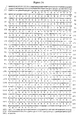
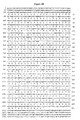
- Two EST clones were identified corresponding to the yeast RPD3 sequence and two clones were identified corresponding to the maize HD2 sequence ( Figure 1 and 2). These clones were termed AtRPD3A (SEQ ID NO:1), AtRPD3B (SEQ ID NO:2), AtHD2A (SEQ ID NO:3) and AtHD2B (SEQ ID NO:4), respectively.
- AtRPD3A and AtRPD3B transcripts determined by Northern hybridization ( Figure 7 and 8) revealed that AtRPD3A RNA accumulated to relatively high levels in the leaves, stems, flowers and young siliques.
- the pattern of AtHD2A and AtHD2B RNA expression indicated that AtHD2A RNA accumulated in the flowers and young siliques, while AtHD2B RNA, accumulated the stem, flowers and young siliques and to a somewhat lower level in the leaves.
- the HD's of the present invention may be used to repress the expression of a gene of interest within a plant by targeting a desired HD to a nucleotide sequence containing the gene of interest. While not wishing to be bound by theory, the repression of gene expression activity via locally altering chromatin structure is made possible by targeting a HD to a nucleotide sequence within the vicinity of a gene of interest. The localized deacetylation of histones may result in the observed repression of transcription as described herein.
- histone deacetylase it is meant any HD as known within the art. These include the HD's as described of the present invention as well as other plant, animal or microbial HD's.
- repression of gene expression activity it is meant the reduction in the level of mRNA, protein, or both mRNA and protein, encoded by the gene of interest. Repression of gene expression activity may result from the down regulation of transcription.
- regulatory region or “regulatory element” it is meant a portion of nucleic acid typically, but not always, upstream of a gene, which may be comprised of either DNA or RNA, or both DNA and RNA.
- a regulatory element may be capable of mediating organ specificity, or controlling developmental or temporal gene activation.
- a “regulatory element” includes promoter elements, basal (core) promoter elements, elements that are inducible in response to an external stimulus, elements that mediate promoter activity such as negative regulatory elements or transcriptional enhancers.
- regulatory element also includes elements that are active following transcription, for example, regulatory elements that modulate gene expression such as translational and transcriptional enhancers, translational and transcriptional repressors, upstream activating sequences, and mRNA instability determinants. Several of these latter elements may be located proximal to the coding region.
- regulatory element or “regulatory region” typically refers to a sequence of DNA, usually, but not always, upstream (5') to the coding sequence of a structural gene, which controls the expression of the coding region by providing the recognition for RNA polymerase and/or other factors required for transcription to start at a particular site.
- nucleotide sequences located within introns, or 3' of the sequence may also contribute to the regulation of expression of a coding region of interest.
- An example of a regulatory element that provides for the recognition for RNA polymerase or other transcriptional factors to ensure initiation at a particular site is a promoter element.
- a promoter element comprises a basal promoter element, responsible for the initiation of transcription, as well as other regulatory elements (as listed above) that modify gene expression.
- regulatory elements There are several types of regulatory elements, including those that are developmentally regulated, inducible and constitutive.
- a regulatory element that is developmentally regulated, or controls the differential expression of a gene under its control, is activated within certain organs or tissues of an organ at specific times during the development of that organ or tissue.
- some regulatory elements that are developmentally regulated may preferentially be active within certain organs or tissues at specific developmental stages, they may also be active in a developmentally regulated manner, or at a basal level in other organs or tissues within the plant as well.
- An inducible regulatory element is one that is capable of directly or indirectly activating transcription of one or more DNA sequences or genes in response to an inducer. In the absence of an inducer the DNA sequences or genes will not be transcribed.
- the protein factor that binds specifically to an inducible regulatory element to activate transcription, may be present in an inactive form which is then directly or indirectly converted to the active form by the inducer.
- the protein factor may also be absent.
- the inducer can be a chemical agent such as a protein, metabolite, growth regulator, herbicide or phenolic compound or a physiological stress imposed directly by heat, cold, salt, or toxic elements or indirectly through the action of a pathogen or disease agent such as a virus.
- a plant cell containing an inducible regulatory element may be exposed to an inducer by externally applying the inducer to the cell or plant such as by spraying, watering, heating or similar methods.
- Inducible elements may be derived from either plant or non-plant genes (e.g. Gatz, C. and Lenk, I.R.P.,1998, Trends Plant Sci. 3, 352-358; which is incorporated by reference).
- Examples, of potential inducible promoters include, but not limited to, teracycline-inducible promoter (Gatz, C.,1997, Ann. Rev. Plant Physiol. Plant Mol. Biol. 48, 89-108; which is incorporated by reference), steroid inducible promoter (Aoyama, T.
- a constitutive regulatory element directs the expression of a gene throughout the various parts of a plant and continuously throughout plant development.
- constitutive regulatory elements include promoters associated with the CaMV 35S transcript. (Odell et al., 1985, Nature, 313 : 810-812), the rice actin 1 (Zhang et al, 1991, Plant Cell, 3 : 1155-1165) and triosephosphate isomerase 1 (Xu et al, 1994, Plant Physiol. 106 : 459-467) genes, the maize ubiquitin 1 gene (Cornejo et al, 1993, Plant Mol. Biol.
- an “analogue” includes any substitution, deletion, or additions to the sequence of the HD of the present invention provided that the analogue maintains at least one property associated with the activity of HD as described herein.
- One such property includes repressing gene expression.
- the DNA sequences of the present invention include the DNA sequences of SEQ ID NO: 1, 3, 5 and 7 and fragments thereof, as well as analogues of, or nucleic acid sequences comprising about substantial homology of about 80% similarity with the nucleic acids as defined in SEQ ID NO's: 1, 3, 5 and 7.
- Analogues include those DNA sequences which hybridize under stringent hybridization conditions (see Maniatis et al., in Molecular Cloning (A Laboratory Manual), Cold Spring Harbor Laboratory, 1982, p. 387-389) to any one of the DNA sequence of SEQ ID NO: 1, 3, 5 or 7 provided that said sequences maintain at least one property of the activity of the HD as defined herein.
- An example of one such stringent hybridization conditions may be hybridization in 4XSSC at 65°C, followed by washing in 0.1XSSC at 65°C for an hour.
- an exemplary stringent hybridization condition could be in 50% formamide, 4XSSC at 42°C.
- Analogues also include those DNA sequences which hybridize to any one of the sequences of SEQ ID NO: 1, 3, 5 or 7 under relaxed hybridization conditions, provided that said sequences maintain at least one regulatory property of the activity of the regulatory element. Examples of such non-hybridization conditions includes hybridization in 4XSSC at 50°C or with 30-40% formamide at 42°C.
- Another set of hybridization conditions include: 65°C in 0.5 M Na 2 HPO 4 (pH 7.2), 7% SDS, and 1 mM EDTA, followed by washing for 15 min in x SSC with 0.1% SDS at room temperature, then twice for 20 min in 0.1 x SSC, 0.1% SDS at 65°C.
- the present invention is further directed to one or more chimeric gene constructs comprising a gene of interest operatively linked to a regulatory element.
- Any exogenous gene can be used as a gene of interest and manipulated according to the present invention to result in the regulated expression of the exogenous gene.
- the one or more chimeric gene constructs of the present invention can further comprise a 3' untranslated region.
- a 3' untranslated region refers to that portion of a gene comprising a DNA segment that contains a polyadenylation signal and any other regulatory signals capable of effecting mRNA processing or gene expression.
- the polyadenylation signal is usually characterized by effecting the addition of polyadenylic acid tracks to the 3' end of the mRNA precursor.
- Polyadenylation signals are commonly recognized by the presence of homology to the canonical form 5' AATAAA-3' although variations are not uncommon.
- suitable 3' regions are the 3' transcribed non-translated regions containing a polyadenylation signal of Agrobacterium tumor inducing (Ti) plasmid genes, such as the nopaline synthase (Nos gene) and plant genes such as the soybean storage protein genes and the small subunit of the ribulose-1, 5-bisphosphate carboxylase (ssRUBISCO) gene.
- Ti Agrobacterium tumor inducing
- Nos gene nopaline synthase
- ssRUBISCO small subunit of the ribulose-1, 5-bisphosphate carboxylase
- One or more of the chimeric gene constructs of the present invention can also include further enhancers, either translation or transcription enhancers, as may be required.
- enhancer regions are well known to persons skilled in the art, and can include the ATG initiation codon and adjacent sequences. The initiation codon must be in phase with the reading frame of the coding sequence to ensure translation of the entire sequence.
- the constructs of this invention may be further manipulated to include plant selectable markers.
- Useful selectable markers include enzymes which provide for resistance to chemicals such as an antibiotic for example, gentamycin, hygromycin, kanamycin, or herbicides such as phosphinothrycin, glyphosate, chlorosulfuron, and the like.
- enzymes providing for production of a compound identifiable by colour change such as GUS ( ⁇ -glucuronidase), or luminescence, such as luciferase are useful.
- transgenic plants containing the chimeric gene construct of the present invention.
- the chimeric gene constructs of the present invention may also be combined with gene of interest for expression within a range of plant hosts.
- gene of interest any gene that is to be expressed within a host organism.
- a gene of interest may include, but is not limited to, a gene whose product has an effect on plant growth or yield, for example a plant growth regulator such as an auxin or cytokinin and their analogous, or a gene of interest may comprise a herbicide or a pesticide resistance gene, which are well known within the art.
- a gene of interest may also include a gene that encodes a pharmaceutically active protein, for example growth factors, growth regulators, antibodies, antigens, their derivatives useful for immunization or vaccination and the like.
- Such proteins include, but are not limited to, interleukins, insulin, G-CSF, GM-CSF, hPG-CSF, M-CSF or combinations thereof, interferons, for example, interferon- ⁇ , interferon- ⁇ , interferon- ⁇ , blood clotting factors, for example, Factor VIII, Factor IX, or tPA or combinations thereof.
- a gene of interest may also encode an industrial enzyme, protein supplement, nutraceutical, or a value-added product for feed, food, or both feed and food use.
- proteins include, but are not limited to proteases, oxidases, phytases, chitinases, invertases, lipases, cellulases, xylanases, enzymes involved in oil biosynthesis etc.
- transformed plant cells are cultured in an appropriate medium, which may contain selective agents such as antibiotics, where selectable markers are used to facilitate identification of transformed plant cells.
- an appropriate medium which may contain selective agents such as antibiotics, where selectable markers are used to facilitate identification of transformed plant cells.
- shoot formation can be encouraged by employing the appropriate plant hormones in accordance with known methods and the shoots transferred to rooting medium for regeneration of plants.
- the plants may then be used to establish repetitive generations, either from seeds or using vegetative propagation techniques.
- Transgenic plants can also be generated without using tissue cultures (for example, Clough and Bent, 1998)
- the constructs of the present invention can be introduced into plant cells using Ti plasmids, Ri plasmids, plant virus vectors, direct DNA transformation, micro-injection, electroporation, etc.
- Ti plasmids Ri plasmids
- plant virus vectors direct DNA transformation, micro-injection, electroporation, etc.
- the present invention further includes a suitable vector comprising the chimeric gene construct.
- the present invention relates to chimeric constructs and a method for regulating the expression of a gene of interest through the use of at least one HD.
- the chimeric constructs include:
- the method includes introducing the first and second chimeric constructs as described above, within a plant in order to obtain controlled expression of the gene of interest.
- the introduction of the two chimeric constructs within a plant may take place using techniques well known within the art such as transformation wherein both chimeric constructs are introduced into the same plant, or through mating plants that each comprise one of the desired constructs in order to obtain a plant that expresses both chimeric constructs.
- the CS and CS-BD are characterized in that they exhibit an affinity for each other and are capable of interacting in vivo.
- the product of the effector construct comprising CS-BD and HD
- results described herein demonstrate that the activity of the expression construct is repressed thrbugh the targeting of an effector construct product comprising HD. While not wishing to be bound by theory, this repression may result from the localized deacetylation of histones by HD which results in the repression of transcription of the gene of interest.
- controlling sequence it is meant, a nucleotide sequence, for example, but not limited to, a regulatory region of a gene, that interacts with a DNA binding protein.
- a CS may include any nucleotide sequence that interacts with a DNA binding protein
- the CS is preferably located in proximity with the gene of interest, either upstream or downstream of the gene.
- An example of a CS and CS-BD may include, but are not limited to, the GALA binding domain (GAL4-BD) and the GAL4 upstream activating sequence (GAL4-UAS).
- GAL4-BD GALA binding domain
- GAL4-UAS GAL4 upstream activating sequence
- a CS may be an endogenous CS associated with a gene, that is involved within a gene expression cascade, for example but not limited to a developmental cascade.
- the CS is preferably associated with a gene that is involved at an early stage within the gene cascade, for example homeotic genes.
- CS and CS-DB's that are involved in initiating a gene cascade, including homeotic genes are well known to one of skill in the art and include, but are not limited to, transcription factor proteins and associated regulatory regions, for example controlling sequences that bind AP2 domain containing transcription factors, for example, APETALA2 (a regulator of meristem identity, floral organ specification, seedcoat development and floral homeotic gene expression; Jofuku et al., 1994), PRbox (pathogen resistance binding proteins), and several stress induced DNA binding proteins, or CCAAT box-binding transcription factors (e.g. LEC 1; WO 98/37184; Lotan, T., et al.,1998, Cell 93, 1195-1205).
- APETALA2 a regulator of meristem identity, floral organ specification, seedcoat development and floral homeotic gene expression
- PRbox pathogen resistance binding proteins
- CCAAT box-binding transcription factors e.g. LEC 1; WO 98/37184; Lotan, T.,
- BNM3 a regulator of embryogenesis (EP 99201745.9-2105; filed June 2, 1999), or the controlling factor associated with PICKLE, a gene that produces a thickened, primary root meristem (Ogas, J., et al,.1997, Science 277, 91-94.)
- the first and second regulatory elements denoted above may be the same or different.
- the second regulatory element may be active before, during, or after the activity of the first regulatory element thereby either initially repressing expression of the gene of interest followed by permitting the expression of the gene of interest, or, following expression of the gene of interest, the second regulatory element becomes active which results in the repression of the expression of the gene of interest.
- Other examples which are not to be considered limiting, include the second regulatory element being an inducible regulatory element that is activated by an external stimulus so that repression of gene expression may be controlled through the addition of an inducer.
- the second regulatory element may also be active during a specific developmental stage preceding, during, or following that of the activity of the first regulatory element. In this way the expression of the gene of interest may be repressed or activated as desired within a plant (see Example 4 and 5).
- the chimeric construct may comprise the elements of the expression construct, as described above, and those of the effector construct, as described above, in a contiguous manner, so that all of the elements for expressing a gene of interest and expressing HD are provided for on one chimeric construct.
- the first and second regulatory regions may be the same or different, and selected to provide for the constitutive, developmental, temporal or induced expression of either the gene of interest or HD as desired.
- the present invention is also directed to a method of regulating gene expression in a transgenic plant that involves the use of only one chimeric construct comprising HD.
- a method for regulating gene expression may involve:
- This invention also pertains to a method for identifying an endogenous DNA binding protein comprising:
- a "promoterless" HD randomly inserts within the host DNA.
- Several of these insertion events result in the HD lying within the vicinity of an endogenous DNA binding protein.
- the occurrence of the production of a DNA binding protein-HD chimera represses the expression of the gene typically mediated by the DNA binding protein through the interaction of the DNA binding protein and the controlling sequence.
- Such an event will result in a mutant phenotype that may then be correlated with the occurrence of the HD-marker within the mutant.
- the adjacent nucleotide sequence may be obtained using the nucleotide sequence encoding the HD, marker, or both the HD and marker, and the DNA binding protein identified.
- the controlling sequence may also be identified via methods known within the art, for example South-Western analysis.
- the HD of the present invention may also be used for altering the development of an organism.
- This method comprises:
- the development of the organism may be altered.
- the UAS and associated gene are involved at an early stage within the developmental cascade.
- transient expression of the chimeric nucleotide construct comprising HD is required.
- Such methods for transient expression are well known in the art, and include, but are not limited to viral transformation, or particle bombardment systems (Klein, T.M., Wolf, E.D., Wu, R. and Sanford, J.C.,1987, Nature 327,70-73, which is incorparated by reference).
- ESTs Arabidopsis expressed sequence tags
- AtRPD3A SEQ ID NO: 2
- AtRPD3B SEQ ID NO:4
- ORF open reading frame
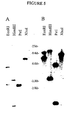
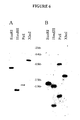
- AtRPD3A, AtRPD3B, AtHD2A and AtHD2B genes were hybridized to Arabidopsis genomic DNA digested with Eco RI , Hind III , Pst I and Xho I restriction enzymes ( Figures 5 and 6).
- Eco RI Eco RI
- Hind III Hind III
- Pst I Pst I
- Xho I restriction enzymes Figures 5 and 6
- One single band or two bands were observed in each lane, indicating that AtRPD3A, AtRPD3B, AtHD2A and AtHD2B genes are present as a single copy in the Arabidopsis genome.
- AtRPD3A and AtRPD3B transcripts in Arabidopsis plants were analyzed by Northern hybridization. As shown in Figure 7, AtRPD3A RNA accumulated to relatively high levels in the leaves, stems, flowers and young siliques. AtRPD3B RNA, however, was not detectable under the same experimental conditions (data not shown), suggesting that AtRPD3B was not expressed or expressed at a very low level in these organs.
- AtHD2A and AtHD2B RNA expression in Arabidopsis plants was similarly analyzed by Northern hybridization ( Figure 8).
- AtHD2A RNA accumulated in the flowers and young siliques.
- AtHD2B RNA however, accumulated to relative high levels in the stem, flowers and young siliques and to a somewhat lower level in the leaves.
- effector plasmids were constructed.
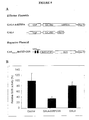
- a GAL4-AtRPD3A effector plasmid was designed and constructed in which the AtRPD3A protein was fused with the DNA-binding domain of the yeast transcription factor GAL4 (Giniger et al., 1985; Ma et al., 1988) and driven by full length tCUP, a strong constitutive promoter (Foster et al., 1999) (See Figure 9(A) for effector and reporter constructs).
- a reporter plasmid, UAS GAL4 -tCUP-GUS was constructed using a GUS reporter gene and in which two GAL4-binding sites (UAS GAL4 ) were fused to a truncated tCUP promoter, -394-tCUP (Foster et al., 1999).
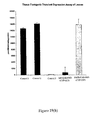
- Each of the effector plasmids either GAL4- AtRPD3A or GAL4, was co-bombarded into tobacco leaves together with the reporter plasmid UAS GAL4 -tCUP-GUS, the idea being that the fusion protein would target AtRPD3A to promoters containing the GAL4-binding sites (UAS GAL4 ).
- the reporter plasmid was co-bombarded with the control plasmid pUC19..
- a reporter plasmid was constructed with a GUS reporter gene (UAS GAL4 -tCUP-GUS) in which GAL4-binding sites (UAS GAL4 ) were fused to the strong constitutive promoter -394-tCUP (Foster et al., 1999).
- the reporter gene was designed to be repressed by the fusion protein encoded by the effector plasmid GAL4 -AtHD2A.
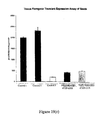
- AtHD2A As shown in Figure 10 (A), the AtHD2A protein (AtHD2A, 1-245) was fused with the DNA-binding domain of the yeast transcription factor GAL4 (GAL4BD) (Giniger et al., 1985; Ma et al., 1988). Several deletions of AtHD2A were also prepared and tested in association with the reporter construct. Each of the effector plasmids also contained the 35S promoter. Tobacco leaves were co-bombarded with the reporter construct and either GALA, one of the AtHD2A effector plasmids, or the control plasmid pUS19, and GUS activity determined.
- AtRPD3A and AtRPD3B expression suggest that these genes and their corresponding proteins might function in different roles during plant growth and development.
- Arabidopsis plants were transformed with an antisense construct of the AtRPD3A cDNA.
- Transgenic Arabidopsis plants were generated that expressed antisense AtRPD3A driven by the strong constitutive promoter, -394-tCUP (Foster et al., 1999).
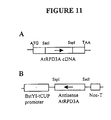
- a truncated 519 bp fragment of AtRPD3A cDNA driven by -394-tCUP promoter was used to make an antisense construct (Figure 11).
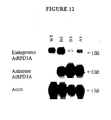
- the expression of antisense AtRPD3A RNA in the transgenic lines was monitored by Northern analysis (Figure 12).
- the antisense transcript would be smaller than the endogenous sense transcript. Indeed, two transcripts, a large transcript (1.6 kb) and a smaller transcript (0.6 kb), were detected using an AtRPD3A cDNA probe in the antisense transgenic lines ( Figure 12). The smaller transcript was absent from the wild-type plants and represented the AtRPD3A antisense transcript. As shown in Figure 12, different levels of endogenous sense AtRPD3A transcript were detected in three independent antisense lines with high levels of expression of antisense transcript. Two antisense lines, B5 and A1, also showed a considerable reduction of endogenous transcripts compared with wild-type.
- the two independent antisense lines with reduced endogenous AtRPD3A transcripts had a delayed- flowering phenotype compared with wild-type plants. As shown in Figure 14, control wild-type plants started flowering after approximately 3 weeks of vegetative growth. In contrast, flowering of the antisense lines A1 and B5 was delayed for two to three weeks. These results suggest that AtRPD3A is important for normal plant growth and development.
- AtHD2A shows a restricted pattern of expression within the flowers and siliques.
- transgenic Arabidopsis ecotype Columbia
- ecotype Columbia transgenic Arabidopsis
- the expression of the AtHD2A antisense gene in the transgenic lines was verified by Northern analysis.
- An antisense specific probe derived from the 5'untranslated region of the AtHD2A antisense construct was used to monitor the expression of the AtHD2A antisense gene.
- five independent transgenic lines showed high expression of antisense AtHD2A transcript.
- a 3'untranslated region of AtHD2A cDNA, which was absent from the AtHD2A antisense construct was used to detect the endogenous AtHD2A mRNA.
- the levels of endogenous AtHD2A transcript were significantly reduced in the transgenic lines, suggesting that antisense transcripts might trigger AtHD2A mRNA degradation.
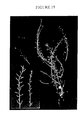
- the five independent transgenic lines with reduced endogenous AtHD2A RNA levels had stunted siliques and produced fewer seeds compared with wild-type (Fig. 15), and they were therefore semi-sterile.
- the wild-type plants were distinguished from the transgenic plants by the length of the siliques and the seed set.
- silique length and seed set varied along the stem and from inflorescence to inflorescence.
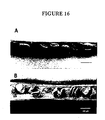
- Siliques from the wild type and the sterile transgenic plants were dissected and examined by stereomicroscopy and scanning electron microscopy. As shown in Figure 16, the transgenic mature siliques contained aborted seeds, which were significantly smaller than the healthy seeds from the wild-type plants.
- Antisense expression of histone deacetylase genes may have resulted in an alteration in the chromatin structure by hyperacetylation of histones, which subsequently affected gene transcription.
- Our study indicates that histone deacetylases play an important role in regulating different developmental pathways of plants and that the developmental abnomalities seen in deacetylase antisense plants may be due to dysregulation of gene expression.
- Tissue-specific repression of gene expression is also observed in plants using tissue-specific regulatory elements to drive the expression of either the expression, effector, or bothe the expression and effector construct.
- tissue-specific regulatory elements to drive the expression of either the expression, effector, or bothe the expression and effector construct.
- seed specific expression of either the expression or effector construct may be obtained using the napin promoter.
- Results demonstrate that repression of an expression construct under the control of a constitutive regulatory element in a tissue-specific manner may be obtained by either crossing plants expressing the expression construct with plants expressing tissue-specific expression of the effector construct (see Example 4), by sequentially transforming plants with an expression construct, and then re-transforming the plant with an effector construct to produce a dual transgenic plant (see Example 5), or co-transforming a plant with both the expression and effector construct at the same time (e.g. Example 2).
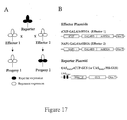
- An outline of the experimental approach for crossing plants expressing an expression construct with plants expressing an effector construct to produce a dual transgenic plant is presented in Figure 17 (A).
- Non-limiting examples of constructs that exemplify this proceedure are schematically presented in Figure 17 (B), however, it is to be understood that other expression-effector constructs may be used to drive repression of a desired gene in a plant.
- Repression of GUS activity is only observed in seed tissues in dual transgenic plants sequentially transformed with the expression construct followed by the seed specific effector construct NAP1-GAL4/HD. No repression of reporter gene activity was observed in leaf tissue in dual transgenic plants re-transformed with the seed specific effector construct.
- Plant Transcription Factors may be used to Repress Developmental, Physiological, or Biochemical Pathways
- protein factors bind specific DNA sequences within a regulatory region of a gene. These protein factors function as a controlling sequence binding domain (CS-BD), and the specific DNA sequence to which the CS-BD binds function as a controlling sequence (CS).
- CS-BD controlling sequence binding domain
- CS controlling sequence
- An example which is not to be considered limiting in any manner, involves the use of an effector construct comprising HD associated with a CS-BD.
- the CS-BD for example, but not limited to a transcription factor, is capable of binding an endogenous CS within the plant, thereby permitting the associated HD to repress expression of a gene associated with the CS. If the CS is associated with a gene involved with a developmental or metabolic cascade, for example but not limited to a homeotic gene, then repression of the gene of interest ensures that the cascade is not initiated.
- Pti4 is a tomato transcription factor that belongs to the ERF (ethylene-responsive element binding factor) family of proteins. It interacts with the Pto kinase in tomato, which confers resistance to the Pseudomonas syringae pv tomato pathogen that causes bacterial speck disease.
- ERF ethylene-responsive element binding factor
- transgenic Arabidopsis plants were generated that expressed tomato Pti4 driven by the strong constitutive promoters, CaMV 35S and -394tCUP.
- Pti4 enhanced GCC box-mediated transcription of a gene of interest with which it was co-transformed (Figure 20).
- Solano et al. (1998) reported that overexpression of another ERF (ethylene-responsive element binding factor) protein, ERF1, in transgenic Arabidopsis plants induced basic chitinase gene expression.
- Basic chitinase is an ethylene-responsive gene, which contains the GCC box in its promoter (Samac et al., 1990).
- the GCC-box contains a conserved AGCCGCC sequence, which was first identified from the promoters of ethylene-inducible PR genes in tobacco (Ohme-Takagi and Shinshi, 1995).
- the ethylene-responsive phenotype is exhibited in Arabidopsis by an inhibition of root and hypocotyl elongation, radial swelling of the hypocotyl and root, and exaggeration in the curvature of the apical hook (Ecker, 1995; Chang and Shockey, 1999).
- the hypocotyls of etiolated transgenic seedlings were measured 72 hrs after germination. Plants expressing Pti4/HD construct showed inhibition of hypocotyl elongation, a phenotype similar to those observed in the constitutive ethylene response-mutants or in wild-type plants exposed to ethylene (Solano et al., 1998).
- the seedlings from the transgenic line tCUP/Pti4-1 displayed strong inhibition of hypocotyl elongation similar to that seen in plants treated with ethylene (ACC), suggesting that the Pti4 gene is involved in the regulation of a subset of ethylene responsive genes which contain the GCC box, and indicate that tomato Pti4 acts as a transcriptional activator to regulate expression of GCC box-containing genes.
- transgenic plants overexpressing Pti4-AtFD2A were examined for the ethylene-responsive phenotype.
- the hypocotyls of the etiolated transgenic seedlings were measured 72 hrs after germination.
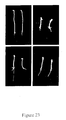
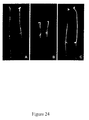
- wild type seedlings Figure 24 (A)
- Seedlings overexpressing Pti4 Figure 24 (B) exhibited the ethylene responsive phenotype (inhibition of hypocotyl elongation).
- the Pti4 functions as a CS-BD (controlling sequence-binding domain) and is capable of interacting with a controlling sequence (GCC box), and target HD to repress gene expression of an endogenous gene in a gene-specific manner.
- the present invention is directed to a method of regulating the expression of a gene of interest in a plant comprising:
- the above method may be used to regulate a developmental, physiological, or biochemical pathway within a plant by introducing into the plant a chimeric nucleotide sequence comprising a regulatory element in operative association with a nucleotide sequence encoding histone deaceytlase fused with a nucleotide sequence encoding a DNA binding protein that has an affinity for a native upstream activating sequence within the gene of interest known to be associated with a developmental, physiological or biochemical cascade, for example a homeotic gene, to produce a transgenic plant.
- the method of repressing gene expression as disclosed herein may also be used as a functional test for identifying a phenotype associated with perturbing a gene comprising a controlling sequence, as well as identifying controlling sequences, upstream activating sequences, controlling sequence binding domains, transcription factors, or DNA binding proteins in general.
- a nucleotide sequence of unknown function for example a putative transcription factor
- a histone deacetylase can be tested to see if it targets the repression of gene expression, when fused with a histone deacetylase. If an altered phenotype can be determined as a result of the introduction of the construct into the plant, then this indicates that the unknown nucleotide sequence interacts with a controlling sequence associated with a gene in such as manner so as to permit HD to modify/repress the expression of the gene.
- Such a functional test can be used to screen nucleotide sequences thought to comprise DNA binding proteins, and determine the associated phenotype arising from repressing expression of the gene comprising the controlling sequence.
- the present invention also provides for a method for identifying DNA binding protein comprising:
- Arabidopsis thaliana (ecotype Columbia) was grown in a growth chamber (16 hr of light and 8 hr of darkness at 23°C) after a 2-4 day vernalization period.
- seeds were surface sterilized (15 min incubation in 5% [v/v] sodium hypochlorite, and a threefold rinse in sterile distilled water) and sown on half-strength Murashige and Skoog (MS) salts (Sigma) (Murashige and Skoog, 1962) supplemented with 1% sucrose, pH 5.7, and 0.8% (w/v) agar in Petri dishes.
- ESTs Arabidopsis expressed sequence tags
- Dye primer sequencing of cDNA clone inserts and dye terminator sequencing of PCR products were performed using an automated sequencing system (Applied Biosystems). DNA and protein sequence analysis was carried out using BLAST searches (Altschul et al., 1990) and the DNASIS program (Hitachi Software Engineering Co., Ltd).
- the isolated clones were sequenced AtRPD3A (SEQ ID NO:1), AtRPD3B (SEQ ID NO:3), AtHD2A (SEQ ID NO:5) and AtHD2B (SEQ ID NO:7), respectively (see also Figures 1 and 2).
- AtRPD3B The sequence of cDNA clone AtRPD3B is truncated at the 5' extremity in comparison to AtRPD3A.
- the genomic sequence of AtRPD3B was identified on chromosome 5 of Arabidopsis (GenBank accession no. AB008265).
- the sequence of AtRPD3B encodes an ORF of 1416 base pairs encoding a putative protein of 471 amino acids (SEQ ID NO:4; Figure 1(B)).
- AtRPD3A and AtRPD3B were aligned with yeast RPD3, and the maize RPD3 homolog, ZmRPD3 (Rossi et al., 1998).
- AtRPD3A is more closely related to maize ZmRPD3 (73% identity) than to yeast RPD3 (49% identity).
- AtRPD3B shows 57% and 55% amino acid identity with maize ZmRPD3 and yeast RPD3, respectively.
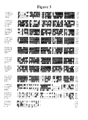
- the putative residues essential for histone deacetylase activity (Hassig et al., 1998) were strictly conserved in all of these proteins (Figure 3).
- AtHD2A and AtHD2B The deduced protein sequences of AtHD2A and AtHD2B was aligned with maize HD2, ZmHD2 (Lusser et al., 1997; Figure 4).
- the AtHD2A and AtHD2B sequences share 52% amino acid identity to each other, and they share 44% and 46% amino acid identity with the ZmHD2 , respectively.
- the predicted histone deacetylase catalytic residues (Aravind and Koonin, 1998) are conserved in the N-terminal domains of both AtHD2A and AtHD2B.
- both proteins contain an extended acidic amino acid domain, with high sequence homology to nucleolar proteins from several organisms (Lusser et al., 1998).
- a putative zinc finger is encoded at the C-terminal domain of AtHD2A, but not at the C-terminal of AtHD2B.
- Southern and Northern blots were probed with 32 P-labeled probes. Prehybridization and hybridization were performed at 65°C in 0.5 M Na 2 HPO 4 (pH 7.2), 7% SDS, and 1 mM EDTA. Filters were washed once for 15 min in 2 x SSC with 0.1% SDS at room temperature, then twice for 20 min in 0.1 x SSC, 0.1% SDS at 65°C. The damp filters were autoradiographed at -80°C using two intensifying screens. Filters were stripped in 5 mM Tris-HCl, pH 7.5, 1 mM EDTA, 0.05% SDS at 100°C for 2 min when reprobing was required. As a control, all Northern blots were also probed with an Arabidopsis actin (EST clone 40F11 from the Arabidopsis Biological Resource Center, Ohio State University).
- AtRPD3A, AtRPD3B, AtHD2A and AtHD2B genes were hybridized to Arabidopsis genomic DNA digested with Eco RI , Hind III, Pst I and Xho I restriction enzymes ( Figures 5 and 6).
- Eco RI Eco RI
- Hind III Hind III
- Pst I Pst I
- Xho I restriction enzymes Figures 5 and 6
- One single band or two bands were observed in each lane, indicating that AtRPD3A, AtRPD3B, AtHD2A and AtHD2B genes are present as a single copy in the Arabidopsis genome.
- AtRPD3A RNA accumulates to relatively high levels in the leaves, stems, flowers and young siliques. AtRPD3B RNA, however, was not detectable under the same experimental conditions (data not shown), suggesting that AtRPD3B was not expressed or expressed at a very low level in these organs ( Figure 7).
- AtHD2A RNA accumulated in the flowers and young siliques. AtHD2B RNA, however, accumulated to relative high levels in the stem, flowers and young siliques and to a somewhat lower level in the leaves ( Figure 8).
- a reporter construct an expression construct
- the CaMV 35S promoter of pBI221 (Clontech) was replaced with a truncated tCUP promoter, -394-tCUP (Foster et al., 1999) to generate the pBI-BtCUPvector.
- a 76-bp fragment (CGGAGGACTGTCCTCCGATCGGAGGACTGTCCTCCGTGCA: SEQ ID NO: 9) containing two upstream activating sequence of the yeast GAL4 protein (UAS GAL4 ) was ligated into the PstI site located upstream of the -394-tCUP promoter.
- the GUS gene in the pBst-tCUP was replaced with the AtHD2A and its deletions, then the DNA binding domain of GAL4 was subcloned in-frame into the XbaI and XmaI sites.
- Tobacco (SR1) plants were maintained in vitro in half-strength MS medium (Murashige and Skoog, 1962) in Magenta containers (Magenta Corp., Chicago) in a growth chamber at 25°C. After transfer to fresh medium for two to three weeks, uniform-sized leaves (about 3 cm in width) were cut off from the plants and placed on a medium consisted of MS salts, B5 vitamins (Gamborg et al., 1968), 1 mg/L 6-benzyladenine, 0.1 mg/L naphthalene acetic acid, 3% sucrose and 0.25 % Gelrite in a 20 x 15 mm Petri dish. The leaves were preconditioned on this medium for one day prior to gene delivery.
- Plasmid DNA was isolated using a QIAGEN Plasmid Midi Kit.
- the reporter plasmid was mixed with an effector plasmid at 1:1 ratio (weight).
- the reporter was mixed with an equal amount of control plasmid pUS 19.
- a modified particle inflow gun (Brown et al., 1994) was used for DNA delivery.
- DNA was precipitated onto tungsten particles by using the following protocol: a 5 ⁇ l sample of mixed DNA (1 ⁇ g/ ⁇ ) was added to 25 ⁇ l tungsten particles (100mg/ml) and followed by the addition of 25 ⁇ l of 2.5 M CaCl 2 and 5 ⁇ l of 0.1 M spermidine. The leaves were bombarded once at a distance 16 cm from the screen and under the pressure of 1000 kPa He gas.
- Each of the effector plasmids (as described above), either GAL4- AtRPD3A or GAL4, was co-bombarded into tobacco leaves together with the reporter plasmid UAS GAL4 -tCUP-GUS (as described above).
- the reporter plasmid was co-bombarded with the control plamsid pUS19.
- AtHD2A A series of deletion constructs of AtHD2A were made ( Figure 10 (B) and tested by transient expression in Arabidopsis plants. Deletion of C-terminal residues up until the amino acid 162 of AtHD2A (GAL4- AtHD2A , 1-211 and GALA- AtHD2A ,1-162) did not affect the repression activity of the molecules ( Figure 10 (B). Deletion of the domain containing predicted catalytic residues ( GAL4-AtHD2A, 73-245) resulted in complete loss of repression activity ( Figure 10 (B)).
- GAL4 -AtHD2A 1-100 (with deletions to the amino acid 100 of the C-terminal residue) resulted in a complete loss of gene repression activity.
- This region includes an extensive acidic amino acid domain, which is known to intereact with basic tails of histones.
- pBI-BtCUP was digested with EcoR I and HindIII, and the resulting fragment containing the -394-tCUP promoter and the GUS gene was then subcloned into the multi-cloning sites of pCAMBIA2300 binary vector (Cambia, Canberra, Australia) to generate the pCBtCUP vector.
- AtRPD3A cDNA was digested by Sac I and Ssp I, and the resulting 519 bp fragment of the truncated AtRPD3A cDNA in the antisense orientation was used to replace the GUS gene of the pCBtCUP.
- AtHD2A antisense construct the AtHD2A cDNA fragment was obtained using the polymerase chain reaction procedure.
- the 738 bp of full-length AtHD2A cDNA was amplified in two primer pairs (AATTGAGCTCAGCCATGGAGTTCTGGGG: SEQ ID NO:10 and ACGTGGATCCAGAAACCACTTCACTTGGC: SEQ ID NO:11). All primers had additional nucleotides at the 5'ends to give suitable restriction sites for cloning of the resulting fragments.
- the PCR product was digested by Sac I and Xma I and used to replace the GUS gene of pCBtCUP.
- Plant transformation plasmids were electroporated into Agrobacterium tumefaciens GV3101 (Van Larebeke et al. 1974 ) as described by Shaw (1995).
- the Agrobacterium-mediated transformation of Arabidopsis thaliana was performed as described previously (Clough and Bent, 1998), with the following modifications. Plants with immature floral buds and few siliques were dipped into a solution containing Agrobacterium tumefaciens, 2.3 g/L MS salts (Sigma), 5% (w/v) sucrose and 0.03% Silwet L-77 (Lehle Seeds, Round Rock, TX) for 1-2 min. T1 seeds were collected, dried at 25°C, and sown on sterile media containing 40 ⁇ g/mL kanamycin to select the transformants. Surviving T1 plantlets were transferred to soil to set seeds (T2).
- siliques were dissected under the stereomicroscope and fixed in 4% glutaraldehyde and 4% paraformaldehyde in 0.1 M sodium phosphate buffer (pH7.2) for 16 hr. The samples were then dehydrated in a graded ethanol series (50-100%). The treated siliques were critical-point-dried using liquid CO 2 and mounted on scanning electron microscope stubs. The mounted specimens were coated with gold and observed with a scanning electron microscope.
- the expression of antisense AtRPD3A RNA in the transgenic lines was monitored by Northern analysis ( Figure 12). Two transcripts, a large transcript (1.6 kb) and a smaller transcript (0.6 kb), were detected using an AtRPD3A cDNA probe in the antisense transgenic lines ( Figure 12). The smaller transcript was absent from the wild-type plants and represented the AtRPD3A antisense transcript. As shown in Figure 12, different levels of endogenous sense AtRPD3A transcript were detected in three independent antisense lines with high levels of expression of antisense transcript. As shown in Figure 14, control wild-type plants started flowering after approximately 3 weeks of vegetative growth. In contrast, flowering of the antisense lines A1 and B5 was delayed for two to three weeks. These results suggest that AtRPD3A is important for normal plant growth and development.
- transgenic Arabidopsis (ecotype Columbia) were constructed. These plants expressed antisense AtHD2A from a strong constitutive promoter, -394-tCUP. The expression of the AtHD2A antisense gene in the transgenic lines was verified by Northern analysis. An antisense specific probe derived from the 5' untranslated region of the AtHD2A antisense construct was used to monitor the expression of the AtHD2A antisense gene. As shown in Figure 13, five independent transgenic lines showed high expression of antisense AtHD2A transcript. A 3'untranslated region of AtHD2A cDNA, which was absent from the AtHD2A antisense construct was used to detect the endogenous AtHD2A mRNA. As shown in Figure 13, the levels of endogenous AtHD2A transcript were significantly reduced in the transgenic lines, indicating that antisense transcripts might trigger AtHD2A mRNA degradation.
- the five independent transgenic lines with reduced endogenous AtHD2A RNA levels had stunted siliques and produced fewer seeds compared with wild-type (Fig. 15), and they were therefore semi-sterile.
- the wild-type plants were distinguished from the transgenic plants by the length of the siliques and the seed set.
- silique length and seed set varied along the stem and from inflorescence to inflorescence.
- Siliques from the wild type and the sterile transgenic plants were dissected and examined by stereomicroscopy and scanning electron microscopy. As shown in Figure 16, the transgenic mature siliques contained aborted seeds, which were significantly smaller than the healthy seeds from the wild-type plants.
- the above examples demonstrate repression of GUS reporter gene activity regulated by a constitutive regulatory element fused to a controlling sequence (for example a yeast upstream activating sequence) specific for a controlling sequence binding domain (for example the yeast GALA protein DNA binding domain; UAS GAL ).
- a controlling sequence for example a yeast upstream activating sequence
- a controlling sequence binding domain for example the yeast GALA protein DNA binding domain; UAS GAL
- This example demonstrates the repression of gene expression in a tissue dependant manner using a tissue-specific regulatory element, for example the napin promoter (a seed specific regulatory element) that drives the expression of the GAL4-HD protein.
- Results presented below demonstrate that the expression of a target gene that is regulated by any promoter (including a constitutive promoter) may be repressed in a tissue-specific manner.
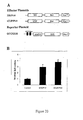
- An outline of the experimental approach is presented in Figure 17 (A). Constructs used are schematically presented in Figure 17 (B).
- UAS GAL4 -tCUP-GUS and UAS GAL4 -35S-GUS reporter constructs were used to transform Arabidopsis using standard techniques (Clough and Bent,1998) to generate reporter lines. Thirteen UAS GAL4 -tCUP-GUS lines and eight UAS GAL4 -35S-GUS lines were generated and the expression of GUS gene was screened for GUS activity by histochemical assay. All of thirteen UAS GAL4 -tCUP-GUS reporter lines and six of eight UAS GAL4 -35S-GUS reporter lines showed intense GUS staining.
- Effector lines were generated by using effector plasmids, tCUP-GAL4/AtHD2A and NAP-GAL4/AtHD2A ( Figure 15 (B)). Thirteen tCUP-GAL4/AtHD2A and six NAP-GAL4/AtHD2A effector lines were generated. Southern analysis indicated that all of the effector lines carry GAL4/AtHD2A gene (data not shown). Northern analysis indicated that four of the thirteen tCUP-GAL4/AtHD2A effectors showed strong expression of GAL4/AtHD2A mRNA (data not shown).
- F1 progeny of plants derived from a cross between UAS Gal4 -tCUP-GUS X 35S-GAL4/AtHD2A (Effector 1), reduced reporter gene expression is observed in both leaves and seeds, due to the constitutive expression of the HD/GAL4BD, and the UAS Gal4 -reporter genes.
- F1 progeny derived from a cross between UAS Gal4 -tCUP-GUS X NAP1-GAL4/AtHD2A (Effector 2), high levels of reporter gene expression are observed in leaf tissue only, with seed specific reporter expression is dramatically reduced due to the targeted expression of the HD/GAL4BD gene in seed tissues only..
- tissue specific repression of gene activity can be achieved though tissue specific expression of a gene encoding a controlling sequence-binding domain.
- Repression of a gene of interest may occur within a plant following sequential transformation of a target gene, for example GUS, followed by transformation with an effector gene.
- a target gene for example GUS
- Arabidopsis plants were transformed using standard techniques (Clough and Bent,1998) using the construct UAS GAl4 -tCUP-GUS (tCUP-GUS; reporter gene).
- tCUP-GUS UAS GAl4 -tCUP-GUS
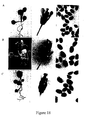
- reporter gene As shown in Figures 19 (B) and (C), these plants (indicated as control 1, 2) exhibit GUS activity in both leaves and seeds.
- Transformed plants expressing GUS were then re-transformed with one of two effector constructs, 35S-GAL4/AtHD2A, or NAPI-GAL4/AtHD2A.
- the levels of GUS activity within the dual transgenics are shown in Figures 19 (B) and (C).
- Pti4 is a tomato transcription factor that belongs to the ERF (ethylene-responsive element binding factor) family of proteins. It interacts with the Pto kinase in tomato, which confers resistance to the Pseudomonas syringae pv tomato pathogen that causes bacterial speck disease.
- ERF ethylene-responsive element binding factor
- transgenic Arabidopsis plants were generated that expressed tomato Pti4 driven by the strong constitutive promoters, CaMV 35S and -394tCUP.
- the Pti4 activator was therefore used as a controlling sequence-binding domain. Since Pti4 is capable of interacting with a controlling sequence, in this case a GCC box, the introduction of a Pti4-AtHD2A fussion into a plant should result in the repression of the phenotype associated with ethylene response. This in fact is observed, as the expression of the Pti4-AtHD2A fussion in transgenic Arabidopsis, represssed the ethylene-responsive phenotype.
- Pti4 protein activates GCC box-mediated transcription of a reporter gene.
- Pti4 effector plasmids were constructed in which the Pti4 cDNA was driven by the strong constitutive promoters, CaMV 35S or tCUP ( Figure 20 (A)).
- the reporter plasmids, GCC/GUS and mGCC/GUS (not shown), were constructed using a GUS reporter gene.
- Two GCC-boxes or mutated GCC-boxes (mGCC) (Ohme-Takagi and Shinshi, 1995) were fused to a minimal promoter, -62tCUP (Foster et al., 1999) to drive the GUS reporter gene expression.
- the effector plasmids were cobombarded into tobacco leaves together with a reporter plasmid.
- FIG 20 (B) co-transfection of the reporter plasmid GCC/GUS with a effector plasmid resulted in a 3 to 4-fold increase in GUS expression, indicating that Pti4 protein can interact with the GCC-boxes in the promoter of the reporter construct to activate transcription. Transcription of the reporter gene that had a mutated GCC-box was not activated by Pti4 (data not shown).
- Transgenic Arabidopsis plants were generated that expressed Pti4 driven by the strong constitutive promoters, CaMV 35S or tCUP (Foster et al., 1999). Southern blot analysis was performed to determine whether the genomic DNA of the putative transformants contained the transgenic DNA (data not shown).
- Four of the transgenic lines (tCUP/Pti4-1, tCUP/Pti4-3 and tCUP/Pti4-4, tCUP/Pti4-5) contained the Pti4 transgene driven by tCUP promoter and two transgenic lines (35S/Pti4-3 and 35S/Pti4-6) contained Pti4 transgene driven by CaMV 35S promoter.
- the expression of Pti4 RNA in the transgenic lines was determined by Northern analysis.
- the predicted 1 kb transcript was detected in five transgenic lines, tCUP/Pti4-3, tCUP/Pti4-4, tCUP/Pti4-5, 35S/Pti4-1 and 35S/Pti4-2, using the Pti4 cDNA probe.
- Low expression was also noted in tCUP/Pti4-3, and no expression was observed in wild-type plants (WT; Figure 21).
- One transgenic line, tCUP/Pti4-5 showed bands that were larger in size than the bands in the other lanes of the transgenic plants. This is most likely due to the downstream termination of transcription.
- Different levels of Pti4 transcript accumulation were detected in the transgenic lines, with the transgenic line tCUP/Pti4-1 having the lowest level of Pti4 expression.
- Solano et al. reported that overexpression of another ERF (ethylene-responsive element binding factor) protein, ERF1, in transgenic Arabidopsis plants induced basic chitinase gene expression.
- ERF1 ethylene-responsive element binding factor
- Basic chitinase is an ethylene-responsive gene, which contains the GCC box in its promoter (Samac et al., 1990). Therefore, the expression of tomato Pti4 in Arabidopsis was examined to determine if Pti4 could induce the expression of the Arabidopsis basic chitinase gene.
- the basic chitinase (BC) gene was expressed at a relative low level in the wild-type but was induced in the transgenic lines tCUP/Pti4-3, tCUP/Pti4-4, tCUP/Pti4-5, 35S/Pti4-1 and 35S/Pti4-2.
- the transgenic line tCUP/Pti4-1 which had the lowest level of Pti4 expression among the 6 transgenic lines, did not show the induction of chitinase expression.
- the transgenic line tCUP/Pti4-3 that had the highest level of Pti4 mRNA expression showed the highest level of basic chitinase mRNA accumulation.
- Transgenic Pti4 plants display an ethylene-responsive phenotype
- Pti4 transgenic plant lines were examined for the ethylene-responsive phenotype.
- This phenotype is characterised by a triple response in Arabidopsis which includes inhibition of root and hypocotyl elongation, radial swelling of the hypocotyl and root, and exaggeration in the curvature of the apical hook (Ecker, 1995; Chang and Shockey, 1999).
- the hypocotyls of the etiolated transgenic seedlings were measured 72 hrs after germination.
- transgenic plants overexpressing Pti4-AtFD2A were generated by using tCUP promoter.
- the Arabidopsis transgenic plants expressing Pti4-HD2A fusion protein was examined for the ethylene-responsive phenotype.
- the hypocotyls of the etiolated transgenic seedlings were measured 72 hrs after germination.
- wild type seedlings Figure 24 (A)
- Seedlings overexpressing Pti4 ( Figure 24 (B) exhibited the ethylene responsive phenotype (inhibition of hypocotyl elongation).
- Floral dip a simplified method for Agrobacterium-mediated transformation of Arabidopsis thaliana. Plant J. 16, 735-743.
- GAL4 a positive regulatory protein of yeast. Cell 40, 767-774.
- Hassig, C.A., Tong J.K., Fleischer, T.C., Owa T., Grable P.G., Ayer D.E., and Schreiber S.L. (1998) A role for histone deacetylase activity in HDAC1-mediated transcriptional repression. Proc. Natl. Acad. Sci. USA 95, 3519-3524.
- Histone deacetylases, acetoin utilization proteins and acetylpolyamine amidohydrolases are members of an ancient protein superfamily. Nucleic Acids Res. 18, 3693-3697.
- Lusser L., Broach, G., Ladle, A., Haaf, H., and Ladle, P. (1997) Identification of maize histone deacetylase HD2 as an acidic nucleolar phosphoprotein. Science 277, 88-91.
- HDA1 and RPD3 are members of distinct histone deacetylase complexes that regulate silencing and transcription. Proc. Natl. Acad. Sci. USA 93, 14503-14508.
- RPD3 encodes a second factor required to achieve maximum positive and negative transcriptional states in Saccharomyces cerevisiae. Mol. Cell. Biol. 11, 6317-6327.
Landscapes
- Health & Medical Sciences (AREA)
- Genetics & Genomics (AREA)
- Life Sciences & Earth Sciences (AREA)
- Engineering & Computer Science (AREA)
- Chemical & Material Sciences (AREA)
- Organic Chemistry (AREA)
- Zoology (AREA)
- Biomedical Technology (AREA)
- Biotechnology (AREA)
- Bioinformatics & Cheminformatics (AREA)
- Wood Science & Technology (AREA)
- General Engineering & Computer Science (AREA)
- Molecular Biology (AREA)
- General Health & Medical Sciences (AREA)
- Biochemistry (AREA)
- Microbiology (AREA)
- Physics & Mathematics (AREA)
- Plant Pathology (AREA)
- Biophysics (AREA)
- Cell Biology (AREA)
- Virology (AREA)
- Nutrition Science (AREA)
- Bioinformatics & Computational Biology (AREA)
- Crystallography & Structural Chemistry (AREA)
- Medicinal Chemistry (AREA)
- Micro-Organisms Or Cultivation Processes Thereof (AREA)
- Breeding Of Plants And Reproduction By Means Of Culturing (AREA)
- Enzymes And Modification Thereof (AREA)
Applications Claiming Priority (2)
| Application Number | Priority Date | Filing Date | Title |
|---|---|---|---|
| US38397199A | 1999-08-27 | 1999-08-27 | |
| US383971 | 1999-08-27 |
Publications (2)
| Publication Number | Publication Date |
|---|---|
| EP1094112A2 true EP1094112A2 (de) | 2001-04-25 |
| EP1094112A3 EP1094112A3 (de) | 2003-10-01 |
Family
ID=23515526
Family Applications (1)
| Application Number | Title | Priority Date | Filing Date |
|---|---|---|---|
| EP00307375A Withdrawn EP1094112A3 (de) | 1999-08-27 | 2000-08-29 | Repression von Pflanzengenexpression |
Country Status (3)
| Country | Link |
|---|---|
| US (1) | US6808926B1 (de) |
| EP (1) | EP1094112A3 (de) |
| CA (1) | CA2316036A1 (de) |
Cited By (12)
| Publication number | Priority date | Publication date | Assignee | Title |
|---|---|---|---|---|
| GB2380195A (en) * | 2001-07-24 | 2003-04-02 | Gene Expression Technologies L | Control of gene expression |
| GB2382581A (en) * | 2001-10-11 | 2003-06-04 | Gene Expression Technologies L | Control of gene expression |
| KR20030073087A (ko) * | 2002-03-08 | 2003-09-19 | (주)뉴로제넥스 | 에이치닥과 같은 전사조절인자를 이용한 세포 수준의 양성활성 분석법 |
| WO2004022735A1 (en) * | 2002-09-05 | 2004-03-18 | Greengene Biotech Inc. | Method for producing a plant with a high-growth rate |
| WO2003104462A3 (en) * | 2002-06-06 | 2004-05-06 | Canada Natural Resources | Regulation of gene expression using chromatin remodelling factors |
| US7264964B2 (en) | 2001-06-22 | 2007-09-04 | Ceres, Inc. | Chimeric histone acetyltransferase polypeptides |
| EP1546400A4 (de) * | 2002-08-23 | 2007-09-19 | Sangamo Biosciences Inc | Hochdurchsatz-screen auf modulatoren chromatin modifizierender aktivität |
| US7553667B2 (en) | 2002-06-06 | 2009-06-30 | Her Majesty The Queen In Right Of Canada As Represented By The Minister Of Agriculture And Agri-Food | Regulation of gene expression using chromatin remodelling factors |
| US7579529B2 (en) | 2004-02-02 | 2009-08-25 | Pioneer Hi-Bred International, Inc. | AP2 domain transcription factor ODP2 (ovule development protein 2) and methods of use |
| WO2011083290A1 (en) * | 2010-01-07 | 2011-07-14 | Plant Bioscience Limited | Methods and compositions for altering temperature sensing in eukaryotic organisms |
| US8704041B2 (en) | 2009-12-30 | 2014-04-22 | Pioneer Hi Bred International Inc | Methods and compositions for targeted polynucleotide modification |
| US9765352B2 (en) | 2009-12-30 | 2017-09-19 | E I Du Pont De Nemours And Company | Methods and compositions for the introduction and regulated expression of genes in plants |
Families Citing this family (6)
| Publication number | Priority date | Publication date | Assignee | Title |
|---|---|---|---|---|
| US7655787B2 (en) * | 2000-08-23 | 2010-02-02 | Purdue Research Foundation | pRNA chimera |
| AU2006216715A1 (en) | 2005-02-22 | 2006-08-31 | Ceres Inc. | Modulating plant alkaloids |
| WO2006133461A1 (en) | 2005-06-08 | 2006-12-14 | Ceres Inc. | Identification of terpenoid-biosynthesis related regulatory protein-regulatory region associations |
| CN101292033B (zh) * | 2005-08-01 | 2013-04-03 | 普渡研究基金会 | 用于活性试剂向细胞的递送的多价rna纳粒 |
| KR101048315B1 (ko) | 2008-09-29 | 2011-07-13 | 연세대학교 산학협력단 | 소나무 재선충 히스톤 탈아세틸화 효소 |
| CN112725360B (zh) * | 2021-03-05 | 2022-10-04 | 中国农业科学院棉花研究所 | 棉花GhHDA6基因在调控植物开花期中的应用 |
Family Cites Families (11)
| Publication number | Priority date | Publication date | Assignee | Title |
|---|---|---|---|---|
| GB8901677D0 (en) | 1989-01-26 | 1989-03-15 | Ici Plc | Hybrid seed production |
| GB8901674D0 (en) | 1989-01-26 | 1989-03-15 | Ici Plc | Regulation of plant gene expression |
| US5830462A (en) | 1993-02-12 | 1998-11-03 | President & Fellows Of Harvard College | Regulated transcription of targeted genes and other biological events |
| GB9502456D0 (en) | 1995-02-08 | 1995-03-29 | Univ Warwick | Control of genes in transgenic plants |
| US5770720A (en) | 1995-08-30 | 1998-06-23 | Barnes-Jewish Hospital | Ubiquitin conjugating enzymes having transcriptional repressor activity |
| EP0850250A1 (de) | 1995-08-30 | 1998-07-01 | Barnes-Jewish Hospital D/B/A | Ubiquitin-konjugierendes enzym mit transkriptioneller repressoraktivität |
| GB9603069D0 (en) | 1996-02-14 | 1996-04-10 | Medical Res Council | Improvements in or relating to gene expression |
| US6777217B1 (en) | 1996-03-26 | 2004-08-17 | President And Fellows Of Harvard College | Histone deacetylases, and uses related thereto |
| US6387673B1 (en) | 1997-05-01 | 2002-05-14 | The Salk Institute For Biological Studies | Compounds useful for the modulation of processes mediated by nuclear hormone receptors, methods for the identification and use of such compounds |
| US5968793A (en) | 1997-06-24 | 1999-10-19 | E. I. Du Pont De Nemours And Company | Specific gene activation by chimeric Gal4 transcription factors in stable transgenic plants |
| US6287843B1 (en) * | 1998-04-03 | 2001-09-11 | Pioneer Hi-Bred International, Inc. | Maize histone deacetylases and their use |
-
2000
- 2000-08-24 CA CA002316036A patent/CA2316036A1/en not_active Abandoned
- 2000-08-25 US US09/645,337 patent/US6808926B1/en not_active Expired - Fee Related
- 2000-08-29 EP EP00307375A patent/EP1094112A3/de not_active Withdrawn
Cited By (27)
| Publication number | Priority date | Publication date | Assignee | Title |
|---|---|---|---|---|
| US7264964B2 (en) | 2001-06-22 | 2007-09-04 | Ceres, Inc. | Chimeric histone acetyltransferase polypeptides |
| GB2380195A (en) * | 2001-07-24 | 2003-04-02 | Gene Expression Technologies L | Control of gene expression |
| GB2382581A (en) * | 2001-10-11 | 2003-06-04 | Gene Expression Technologies L | Control of gene expression |
| KR20030073087A (ko) * | 2002-03-08 | 2003-09-19 | (주)뉴로제넥스 | 에이치닥과 같은 전사조절인자를 이용한 세포 수준의 양성활성 분석법 |
| US7582807B2 (en) | 2002-06-06 | 2009-09-01 | Her Majesty The Queen In Right Of Canada, As Represented By The Minister Of Agriculture And Agri-Food | Regulation of gene expression using chromatin remodelling factors |
| WO2003104462A3 (en) * | 2002-06-06 | 2004-05-06 | Canada Natural Resources | Regulation of gene expression using chromatin remodelling factors |
| US7553667B2 (en) | 2002-06-06 | 2009-06-30 | Her Majesty The Queen In Right Of Canada As Represented By The Minister Of Agriculture And Agri-Food | Regulation of gene expression using chromatin remodelling factors |
| EP1546400A4 (de) * | 2002-08-23 | 2007-09-19 | Sangamo Biosciences Inc | Hochdurchsatz-screen auf modulatoren chromatin modifizierender aktivität |
| WO2004022735A1 (en) * | 2002-09-05 | 2004-03-18 | Greengene Biotech Inc. | Method for producing a plant with a high-growth rate |
| US8420893B2 (en) | 2004-02-02 | 2013-04-16 | Pioneer Hi-Bred International, Inc. | AP2 domain transcription factor ODP2 (ovule development protein 2) and methods of use |
| US10954524B2 (en) | 2004-02-02 | 2021-03-23 | Pioneer Hi-Bred International, Inc. | AP2 domain transcription factor ODP2 (ovule development protein 2) and methods of use |
| US10954525B2 (en) | 2004-02-02 | 2021-03-23 | Pioneer Hi-Bred International, Inc. | AP2 domain transcription factor ODP2 (Ovule Development Protein 2) and methods of use |
| US7579529B2 (en) | 2004-02-02 | 2009-08-25 | Pioneer Hi-Bred International, Inc. | AP2 domain transcription factor ODP2 (ovule development protein 2) and methods of use |
| US10947550B2 (en) | 2004-02-02 | 2021-03-16 | Pioneer Hi-Bred International, Inc. | AP2 domain transcription factor ODP2 (ovule development protein 2) and methods of use |
| US10125372B2 (en) | 2004-02-02 | 2018-11-13 | Pioneer Hi-Bred International, Inc. | AP2 domain transcription factor ODP2 (ovule development protein 2) and methods of use |
| US9340796B2 (en) | 2004-02-02 | 2016-05-17 | Pioneer Hi Bred International Inc | AP2 domain transcription factor ODP2 (ovule development protein 2) and methods of use |
| US10113175B2 (en) | 2004-02-02 | 2018-10-30 | Pioneer Hi-Bred International, Inc. | AP2 domain transcription factor ODP2 (ovule development protein 2) and methods of use |
| US9926571B2 (en) | 2009-12-30 | 2018-03-27 | Pioneer Hi-Bred International, Inc. | Methods and compositions for targeted polynucleotide modification |
| US9765352B2 (en) | 2009-12-30 | 2017-09-19 | E I Du Pont De Nemours And Company | Methods and compositions for the introduction and regulated expression of genes in plants |
| US10443064B2 (en) | 2009-12-30 | 2019-10-15 | Pioneer Hi-Bred International, Inc. | Methods and compositions for targeted polynucleotide modification |
| US8704041B2 (en) | 2009-12-30 | 2014-04-22 | Pioneer Hi Bred International Inc | Methods and compositions for targeted polynucleotide modification |
| US10968458B2 (en) | 2009-12-30 | 2021-04-06 | Pioneer Hi-Bred International, Inc. | Methods and compositions for the introduction and regulated expression of genes in plants |
| US11512321B2 (en) | 2009-12-30 | 2022-11-29 | E. I. Du Pont De Nemours And Company | Methods and compositions for the introduction and regulated expression of genes in plants |
| US12497628B2 (en) | 2009-12-30 | 2025-12-16 | Pioneer Hi-Bred International, Inc. | Methods and compositions for the introduction and regulated expression of genes in plants |
| CN102781956B (zh) * | 2010-01-07 | 2015-09-16 | 植物生物科学有限公司 | 在真核生物体中改变温度感知的方法和组合物 |
| WO2011083290A1 (en) * | 2010-01-07 | 2011-07-14 | Plant Bioscience Limited | Methods and compositions for altering temperature sensing in eukaryotic organisms |
| CN102781956A (zh) * | 2010-01-07 | 2012-11-14 | 植物生物科学有限公司 | 在真核生物体中改变温度感知的方法和组合物 |
Also Published As
| Publication number | Publication date |
|---|---|
| EP1094112A3 (de) | 2003-10-01 |
| CA2316036A1 (en) | 2001-02-27 |
| US6808926B1 (en) | 2004-10-26 |
Similar Documents
| Publication | Publication Date | Title |
|---|---|---|
| US6808926B1 (en) | Repressing gene expression in plants | |
| Wu et al. | Functional analysis of a RPD3 histone deacetylase homologue in Arabidopsis thaliana | |
| Rouster et al. | Identification of a methyl jasmonate‐responsive region in the promoter of a lipoxygenase 1 gene expressed in barley grain | |
| US20050223422A1 (en) | Promoter, promoter control elements, and combinations, and uses thereof | |
| JP2002541763A (ja) | 植物中のエチレン応答因子1(erf1) | |
| WO1999027114A1 (en) | A pathogen and stress-responsive promoter for gene expression | |
| CA2384973A1 (en) | Seed-preferred promoter from maize | |
| US20020148007A1 (en) | Seed-preferred promoter from barley | |
| US20030106089A1 (en) | Cotton fiber transcriptional factors | |
| US6787687B1 (en) | Rin gene compositions and methods for use thereof | |
| CA2146712C (en) | Cold induced promoter from winter brassica napus | |
| US8796507B2 (en) | MEG1 endosperm-specific promoters and genes | |
| US8278434B2 (en) | Promoter, promoter control elements, and combinations, and uses thereof | |
| CN107012167A (zh) | 能够提供热耐受性的转录调节因子的表达 | |
| Wu et al. | Functional characterization of seed coat-specific members of the barley germin gene family | |
| EP0748381A1 (de) | Verfahren zur inhibierung und induzierung der blutenbildung in pflanzen | |
| EP0938572B1 (de) | Promotor aus tabak | |
| JP2004504031A (ja) | リポキシゲナーゼ遺伝子、プロモーター、シグナルペプチド、およびそのタンパク質 | |
| US20020133850A1 (en) | Melon promoters for expression of transgenes in plants | |
| US7303873B2 (en) | Cryptic regulatory elements obtained from plants | |
| WO1998022592A1 (en) | Agl15 sequences in transgenic plants | |
| AU6100096A (en) | Fblate promoter | |
| CA2343652C (en) | Plant promoters and plant terminators | |
| US6784289B2 (en) | Translational regulatory elements | |
| US7888556B2 (en) | Root cap specific promoter and methods of use in plants |
Legal Events
| Date | Code | Title | Description |
|---|---|---|---|
| PUAI | Public reference made under article 153(3) epc to a published international application that has entered the european phase |
Free format text: ORIGINAL CODE: 0009012 |
|
| AK | Designated contracting states |
Kind code of ref document: A2 Designated state(s): AT BE CH CY DE DK ES FI FR GB GR IE IT LI LU MC NL PT SE |
|
| AX | Request for extension of the european patent |
Free format text: AL;LT;LV;MK;RO;SI |
|
| RAP1 | Party data changed (applicant data changed or rights of an application transferred) |
Owner name: HER MAJESTY IN RIGHT OF CANADA, AS REPRESENTED BY |
|
| RIC1 | Information provided on ipc code assigned before grant |
Ipc: 7A 01H 5/00 B Ipc: 7C 12N 9/16 B Ipc: 7C 12N 15/82 B Ipc: 7C 12N 15/63 B Ipc: 7C 12N 15/55 A |
|
| PUAL | Search report despatched |
Free format text: ORIGINAL CODE: 0009013 |
|
| RAP1 | Party data changed (applicant data changed or rights of an application transferred) |
Owner name: HER MAJESTY THE QUEEN IN RIGHT OF CANADA, AS REPRE |
|
| AK | Designated contracting states |
Kind code of ref document: A3 Designated state(s): AT BE CH CY DE DK ES FI FR GB GR IE IT LI LU MC NL PT SE |
|
| AX | Request for extension of the european patent |
Extension state: AL LT LV MK RO SI |
|
| AKX | Designation fees paid | ||
| REG | Reference to a national code |
Ref country code: DE Ref legal event code: 8566 |
|
| STAA | Information on the status of an ep patent application or granted ep patent |
Free format text: STATUS: THE APPLICATION IS DEEMED TO BE WITHDRAWN |
|
| 18D | Application deemed to be withdrawn |
Effective date: 20040402 |