EP1093379B1 - Use of inhibitors of protein kinase c epsilon to treat pain - Google Patents
Use of inhibitors of protein kinase c epsilon to treat pain Download PDFInfo
- Publication number
- EP1093379B1 EP1093379B1 EP99932296A EP99932296A EP1093379B1 EP 1093379 B1 EP1093379 B1 EP 1093379B1 EP 99932296 A EP99932296 A EP 99932296A EP 99932296 A EP99932296 A EP 99932296A EP 1093379 B1 EP1093379 B1 EP 1093379B1
- Authority
- EP
- European Patent Office
- Prior art keywords
- pkcε
- inhibitor
- pain
- hyperalgesia
- epinephrine
- Prior art date
- Legal status (The legal status is an assumption and is not a legal conclusion. Google has not performed a legal analysis and makes no representation as to the accuracy of the status listed.)
- Expired - Lifetime
Links
Images


Classifications
-
- A—HUMAN NECESSITIES
- A61—MEDICAL OR VETERINARY SCIENCE; HYGIENE
- A61K—PREPARATIONS FOR MEDICAL, DENTAL OR TOILETRY PURPOSES
- A61K38/00—Medicinal preparations containing peptides
- A61K38/16—Peptides having more than 20 amino acids; Gastrins; Somatostatins; Melanotropins; Derivatives thereof
- A61K38/43—Enzymes; Proenzymes; Derivatives thereof
- A61K38/45—Transferases (2)
-
- A—HUMAN NECESSITIES
- A61—MEDICAL OR VETERINARY SCIENCE; HYGIENE
- A61K—PREPARATIONS FOR MEDICAL, DENTAL OR TOILETRY PURPOSES
- A61K45/00—Medicinal preparations containing active ingredients not provided for in groups A61K31/00 - A61K41/00
- A61K45/06—Mixtures of active ingredients without chemical characterisation, e.g. antiphlogistics and cardiaca
-
- A—HUMAN NECESSITIES
- A61—MEDICAL OR VETERINARY SCIENCE; HYGIENE
- A61P—SPECIFIC THERAPEUTIC ACTIVITY OF CHEMICAL COMPOUNDS OR MEDICINAL PREPARATIONS
- A61P25/00—Drugs for disorders of the nervous system
- A61P25/04—Centrally acting analgesics, e.g. opioids
-
- A—HUMAN NECESSITIES
- A61—MEDICAL OR VETERINARY SCIENCE; HYGIENE
- A61P—SPECIFIC THERAPEUTIC ACTIVITY OF CHEMICAL COMPOUNDS OR MEDICINAL PREPARATIONS
- A61P29/00—Non-central analgesic, antipyretic or antiinflammatory agents, e.g. antirheumatic agents; Non-steroidal antiinflammatory drugs [NSAID]
-
- C—CHEMISTRY; METALLURGY
- C12—BIOCHEMISTRY; BEER; SPIRITS; WINE; VINEGAR; MICROBIOLOGY; ENZYMOLOGY; MUTATION OR GENETIC ENGINEERING
- C12Q—MEASURING OR TESTING PROCESSES INVOLVING ENZYMES, NUCLEIC ACIDS OR MICROORGANISMS; COMPOSITIONS OR TEST PAPERS THEREFOR; PROCESSES OF PREPARING SUCH COMPOSITIONS; CONDITION-RESPONSIVE CONTROL IN MICROBIOLOGICAL OR ENZYMOLOGICAL PROCESSES
- C12Q1/00—Measuring or testing processes involving enzymes, nucleic acids or microorganisms; Compositions therefor; Processes of preparing such compositions
- C12Q1/48—Measuring or testing processes involving enzymes, nucleic acids or microorganisms; Compositions therefor; Processes of preparing such compositions involving transferase
- C12Q1/485—Measuring or testing processes involving enzymes, nucleic acids or microorganisms; Compositions therefor; Processes of preparing such compositions involving transferase involving kinase
-
- G—PHYSICS
- G01—MEASURING; TESTING
- G01N—INVESTIGATING OR ANALYSING MATERIALS BY DETERMINING THEIR CHEMICAL OR PHYSICAL PROPERTIES
- G01N2500/00—Screening for compounds of potential therapeutic value
- G01N2500/04—Screening involving studying the effect of compounds C directly on molecule A (e.g. C are potential ligands for a receptor A, or potential substrates for an enzyme A)
Definitions
- NSAIDs non-steroidal anti-inflammatory drugs
- ibuprofen and indomethacin
- NSAIDs non-steroidal anti-inflammatory drugs
- ibuprofen and indomethacin
- high doses tend to cause gastrointestinal irritation, ulceration, bleeding and confusion.
- opioids frequently experience confusion, and long-term opioid use is associated with tolerance and dependence.
- Local anesthetics such as lidocaine and mixelitine simultaneously inhibit pain and cause loss of normal sensation.
- Pain is a particularly challenging subject because it is a perception based on signals received from the environment and transmitted and interpreted by the nervous system. Noxious stimuli such as heat and touch cause specialized sensory receptors in the skin to send signals to the central nervous system ("CNS"). This process is called nociception, and the peripheral sensory neurons that mediate it are nociceptors. Depending on the strength of the signal from the nociceptor(s) and the abstraction and elaboration of that signal by the CNS, a person may or may not experience a noxious stimulus as painful.
- the reduced pain thresholds characteristic of hyperalgesia are due to alterations in the way that nociceptors adjacent to the inflammation or damaged nerves respond to noxious stimuli. If the mechanisms by which nociceptors transduce external signals under normal and hyperalgesic conditions were better understood, it might be possible to identify processes unique to hyperalgesia that, when interrupted, could inhibit the lowering of the pain threshold and thereby lessen the amount of pain experienced. Since such a treatment for chronic pain would act at the level of the sensory afferent neurons, it would bypass the problems associated with drugs that act on the CNS. If the treatment incapacitated a transduction pathway specific to nociceptors and/or not involved in mediating other signals, then the potential for treatment-induced side effects would be small. The present specification discloses such a method of alleviating pain.
- the present specification discloses a method of lessening pain comprising administering to a subject in need thereof, an effective amount of an inhibitor of the ⁇ isozyme of protein kinase C ("PKC ⁇ "). Also disclosed is the use of a PKC ⁇ inhibitor to decrease hyperalgesia, preferably without impairing nociception. The inhibitors are selective for PKC ⁇ and local administration of the inhibitor is preferred.
- One aspect of the invention is a method of measuring the ability of compounds to modulate pain as set out in the claims comprising selecting a test compound that modulates the activity of PKC ⁇ and administering said test compound in an animal model subject to determine whether pain is modulated.
- a further aspect of the invention is a pharmaceutical composition as set out in the claims comprising an inhibitor of PKC ⁇ and an analgesic agent that is not an inhibitor of PKC ⁇ . Additional aspects of the invention include the use of a modulator of PKC ⁇ , which is an inhibitor of PKC ⁇ , in the preparation of a medicament as set out in the claims. Such a medicament can be used for the treatment of pain. This invention is well suited to the treatment of subjects having acute or chronic pain caused by neuropathic or inflammatory conditions.
- PKC Protein kinase C
- isozymes are encoded by nine different genes. The ten isozymes are designated as the ⁇ , ⁇ I, ⁇ II, ⁇ , ⁇ , ⁇ , ⁇ , ⁇ / ⁇ . and ⁇ isozymes (Y. Nishizuka, Science 258 , 607-614 (1992); L. A. Selbie, C. Schmitz-Peiffer, Y. Sheng, T. J. Biden, J Biol . Chem.
- the PKC gene family has been divided into three groups: (i) the "conventional" PKCs, the ⁇ , ⁇ I, ⁇ II and ⁇ isozymes, are regulated by calcium, diacylglycerol and phorbol esters; (ii) the "novel" PKCs, the ⁇ , ⁇ , ⁇ and ⁇ isozymes, are calcium-independent, but diacylglycerol- and phorbol ester-sensitive; and (iii) the "atypical" PKCs, the ⁇ and ⁇ / ⁇ isozymes, are insensitive to calcium, diacylglycerol and phorbol 12-myristate 13-acetate.
- PKC ⁇ and protein kinase D share sequence homology in their regulatory domains to novel PKCs and may constitute a new subgroup (F.-J. Johannes, J. Prestle, S. Eis, P. Oberhagemann, K. Pfizenmaier, Biol. Chem. 269 , 6140-6148 (1994); A. M. Valverde, J. Colltt-Smith, J. Van Lint, E. Rozengurt, Proc. Natl. Acad . Sci . USA 91 , 8572-8576 (1994)).
- PKCs mediate the effects of peptide hormones, growth factors, neurotransmitters and tumor promoters by acting as secondary (downstream, intracellular) messengers for these signaling molecules (Y. Nishizuka, Science 233, 305-312 (1986); Y. Takai, K. Kaibuchi, T. Tsuda, M. Hoshijima, J . Cell . Biochem . 29 , 143-155 (1985)).
- the identities of the PKC isozymes that transduce particular signals in specific cell types are still being determined.
- ⁇ , ⁇ I, ⁇ II, ⁇ , ⁇ , ⁇ and ⁇ isozymes have been implicated in the differentiation of nonneural cells (E. Berra, et al., Cell 74 , 555-563 (1993); J. Goodnight, H. Mischak, J. F. Mushinski, Adv. Cancer Res. 64 , 159-209 (1994); J. R. Gruber, S. Ohno, R. M. Niles, J . Biol . Chem. 267 ,13356-13360 (1992); D. E. Macfarlane, L. Manzel, J . Biol . Chem . 269 , 4327-4331 (1994); C. T. Powell et al., Proc.
- PKC ⁇ ⁇ isozyme of PKC
- NGF nerve growth factor
- PKC ⁇ a specific isozyme of PKC, PKC ⁇ , acts in primary afferent nociceptors to mediate certain types of hyperalgesia.
- PKC ⁇ -mutant mice mice that lack functional PKC ⁇ protein
- Administration of a peptide that selectively inhibits PKC ⁇ also diminishes epinephrine-induced hyperalgesia, carrageenan-induced hyperalgesia and hyperalgesia associated with chemotherapy and diabetes, in response to mechanical stimuli.
- PKC ⁇ appears to be the only PKC isozyme mediating epinephrine-induced hyperalgesia.
- PKC ⁇ appears to be the major, but perhaps not the only, PKC isozyme mediating diabetes-associated hyperalgesia.
- a particularly useful aspect of the present invention is the fact that inhibitors of PKC ⁇ can reduce hyperalgesia without affecting nociception or compromising other sensory perception.
- a person receiving a PKC ⁇ inhibitor should have relief from excessive pain stemming from innocuous stimuli while still being able to sense pain in response to intense stimuli.
- This aspect of the invention is based on experiments using mechanical and thermal stimuli to show that PKC ⁇ mediates epinephrine-induced hyperalgesia and carrageenan-induced hyperalgesia but is not involved in nociception (i.e., the basal response).
- the present specification describes the administration of an inhibitor of PKC ⁇ to lessen pain, prevent future pain, and/or inhibit heightened sensitivity to a noxious stimulus.
- any molecule that inhibits the PKCe isozyme is sufficient to lessen pain
- molecules that selectively inhibit the PKC ⁇ isozyme are preferred because, as shown by PKC ⁇ -mutant mice, elimination of PKC ⁇ does not cause major developmental abnormalities or serious side effects. Since molecules also capable of inhibiting PKC isozymes other than PKC ⁇ interfere with the various functions performed by those isozymes, such nonselective inhibitors of PKC ⁇ , although they diminish pain, are likely to have many unwanted side effects.
- U.S. Patent No. 5,783,405 describes a large number of peptides that inhibit PKC isozymes.
- the ⁇ V1-1, ⁇ V1-2, ⁇ V1-3, ⁇ V1-4, ⁇ V1-5 and ⁇ V1-6 peptides are selective for PKC ⁇ and are preferred peptide inhibitors.
- Peptide ⁇ V1-2 is a particularly preferred inhibitory peptide.
- Small molecule inhibitors of PKC are described in U.S. Patent Nos. 5,141,957, 5,204,370, 5,216,014, 5,270,310, 5,292,737, 5,344,841, 5,360,818, and 5,432,198.
- N,N'-Bis-(sulfonamido)-2-amino-4-iminonaphthalen-1-ones N,N'-Bis-(amido)-2-amino-4-iminonaphthalen-1-ones; vicinal-substituted carbocyclics; 1,3-dioxane derivatives; 1,4-Bis-(amino-hydroxyalkylamino)-anthraquinones; furo-coumarinsulfonamides; Bis-(hydroxyalkylamino)-anthraquinones; and N-aminoalkyl amides. Due to their relative ease of administration (for instance, transdermal delivery or ingestion are often feasible for small molecules but not peptides), small molecule inhibitors of PKC ⁇ are preferred over peptide inhibitors.
- Additional inhibitors of PKC ⁇ can be identified using assays that measure the activation, intracellular translocation, binding to intracellular receptors (e.g. RACKs) or catalytic activity of PKC ⁇ .
- RACKs intracellular receptors
- the kinase activity of PKC family members has been assayed using at least partially purified PKC in a reconstituted phospholipid environment with radioactive ATP as the phosphate donor and a histone protein or a short peptide as the substrate (T. Kitano, M. Go, U. Kikkawa, Y. Nishizuka, Meth. Enzymol. 124 , 349-352 (1986); R. O. Messing, P. J. Peterson, C. J. Henrich, J. Biol. Chem.
- Recent improvements include a rapid, highly sensitive chemiluminescent assay that measures protein kinase activity at physiological concentrations and can be automated and/or used in high-throughput screening (C. Lehel, S. Daniel-Issakani, M. Brasseur, B. Strulovici, Anal . Biochem . 244 , 340-346 (1997)) and an assay using PKC in isolated membranes and a selective peptide substrate that is derived from the MARCKS protein (B. R. Chakravarthy, A Bussey, J. F. Whitfield, M. Sikorska, R. E. Williams, J. P. Durkin, Anal. Biochem.
- Inhibitors that affect the intracellular translocation of PKC ⁇ can be identified by assays in which the intracellular localization of PKC ⁇ is determined by fractionation (R. O. Messing, P. J. Peterson, C. J. Henrich, J . Biol . Chem. 266 , 23428-23432 (1991)) or immunohistochemistry (U.S. Patent No. 5,783,405; U.S. Patent Application No. 08/686,796).
- the assays should be performed with PKC ⁇ .
- the selectivity of such PKC ⁇ inhibitors can be determined by comparing the effect of the inhibitor on PKC ⁇ with its effect on other PKC isozymes.
- PKC ⁇ is an intracellular protein
- preferred embodiments of the invention involve pharmaceutically acceptable inhibitor formulations capable of permeating the plasma membrane.
- Small, apolar molecules are often membrane permeable.
- the membrane permeability of other molecules can be enhanced by a variety of methods known to those of skill in the art, including dissolving them in hypotonic solutions, coupling them to transport proteins, and packaging them in micelles.
- PKC ⁇ inhibitors can be administered hourly, several times per day, daily or as often as the person experiencing the pain or that person's physician sees fit. Preferably, the administration interval will be in the range of 8 to 24 hours.
- the severity of the patient's pain can be taken into account when determining appropriate intervals for PKC ⁇ inhibitor treatments.
- PKC ⁇ inhibitor treatments can continue over the course of several days, one month, several months, one year, several years or the duration of the patient's lifetime.
- PKC ⁇ inhibitors can be administered on a one-time only basis provided that the pain is expected to be transient and it does not reappear.
- PKC ⁇ inhibitors should be administered at levels sufficient to reduce pain in the body of the patient.
- Inhibitor dosage will vary according to many parameters, including the nature of the inhibitor and the mode of administration.
- ⁇ PKC-v1 peptide a 150 ⁇ g/ml intracellular concentration inhibited PKC ⁇ translocation and downstream effects of PKC ⁇ activation (U.S. Patent No. 5,783,405).
- PKC inhibitors that are NN'-Bis-(sulfonamido)-2-amino-4-iminonaphthalen-1-ones or N,N'-Bis-(amido)-2-amino-4-iminonaphthalen-1-ones.
- Daily dosages in the range of 1 ⁇ g/kg-100mg/kg of body weight, preferably 1 ⁇ g/kg-40mg/kg and most preferably 10 ⁇ g/kg-20mg/kg are contemplated for PKC inhibitors that are vicinal-substituted carbocyclics.
- Daily dosages in the range of 5-400mg/kg of body weight, preferably 10-200mg/kg and most preferably 10-50mg/kg are contemplated for PKC inhibitors that are 1,4-Bis-(amino-hydroxyalkylamino)-anthraquinones, Bis-(hydroxyalkylamino)-anthraquinones, or N-aminoalkyl amides.
- PKC inhibitors that are 1,3-dioxane derivatives.
- Daily dosages in the range of 1-100mg/kg of body weight are contemplated for PKC inhibitors that are furo-coumarinsulfonamides.
- PKC ⁇ inhibitors can be locally administered near the site of inflammation or peripheral nerve damage. Such local administration can be topical or by intradermal or subcutaneous injection. Systemic administration of a PKC ⁇ inhibitor represents another embodiment of the invention. Oral and intravenous injection are preferred types of systemic administration. Since PKC ⁇ appears to modulate pain at the level of the peripheral nociceptors and may perform other functions in the brain, local administration of PKC ⁇ inhibitors is more preferable than systemic administration because local administration should effectively treat pain in the vicinity with minimal deleterious effects on PKC ⁇ activity in distant locations. The methods described in the specification are useful for treating mammals in general and humans in particular.
- a preferred embodiment of the present invention may involve the administration of a pharmaceutically acceptable formulation of an inhibitor of PKC ⁇ .
- a "pharmaceutically acceptable formulation” comprises one that is suitable for administering the PKC ⁇ inhibitor in a manner that gives the desired results and does not also produce adverse side effects sufficient to convince a physician that the potential harm to a patient is greater than the potential benefit to that patient.
- the basic ingredient for an injectable formulation is a water vehicle.
- the water used will be of a purity meeting USP standards for sterile water for injection.
- Aqueous vehicles that are useful include sodium chloride (NaCl) solution, Ringer's solution, NaCl/dextrose solution, and the like. Water-miscible vehicles are also useful to effect full solubility of the PKC ⁇ inhibitor.
- Antimicrobial agents, buffers and antioxidants are useful, depending on the need.
- the pharmaceutical composition of this invention is powder- or aqueous-based with added excipients that aid in the solubility of the PKC ⁇ inhibitor, the isotonicity of the composition, the chemical stability and the deterrence of microorganism growth.
- the pharmaceutical composition of this invention is powder- or aqueous-based with added excipients that aid in the solubility of the PKC ⁇ inhibitor, the isotonicity of the composition, the chemical stability and the deterrence of microorganism growth.
- the invention may be used in the treatment of a patient having inflammatory pain.
- inflammatory pain may be acute or chronic and can be due to any number of conditions characterized by inflammation including, without limitation, sunburn, rheumatoid arthritis, osteoarthritis, colitis, carditis, dermatitis, myositis, neuritis and collagen vascular diseases.
- This use of the invention is based on experiments showing that administration of a PKC ⁇ inhibitor significantly diminishes both acute and chronic hyperalgesia resulting from exposure to the inflammatory agent carrageenan.
- PKC ⁇ inhibitors effectively reduce chronic hyperalgesia when administered long after the inflammatory agent (carrageenan in these experiments) indicates that persons who have long suffered pain associated with inflammatory diseases such as those listed above should experience at least partial pain relief following administration of an inhibitor of PKC ⁇ .
- administration of an PKC ⁇ inhibitor to a subject immediately prior to, during or after an inflammatory event can ameliorate both the acute pain and the chronic hyperalgesia that the subject would otherwise experience.
- the invention may also be used in the treatment of a patient having neuropathic pain.
- a patient having neuropathic pain can have a neuropathy classified as a radiculopathy, mononeuropathy, mononeuropathy multiplex, polyneuropathy or plexopathy.
- Diseases in these classes can be caused by a variety of nerve-damaging conditions or procedures, including, without limitation, trauma, stroke, demyelinating diseases, abscess, surgery, amputation, inflammatory diseases of the nerves, causalgia, diabetes, collagen vascular diseases, trigeminal neuralgia, rheumatoid arthritis, toxins, cancer (which can cause direct or remote (e.g. paraneoplastic) nerve damage), chronic alcoholism, herpes infection, AIDS, and chemotherapy.
- Nerve damage causing hyperalgesia can be in peripheral or CNS nerves. This use of the invention is based on experiments showing that administration of a PKC ⁇ inhibitor significantly diminishes hyperalgesia due to diabetes, chemotherapy or
- DRG neurons small- and medium-diameter dorsal root ganglion neurons
- PKC ⁇ is believed to be a secondary messenger transducing a response initiated by a noxious stimulus or a hyperalgesiainducing agent.
- Epinephrine-induced hyperalgesia is a model system for the study of naturally occurring hyperalgesia, and the clinical relevance o this system is supported by the fact that local administration of epinephrine exacerbates symptoms in patients with neuropathic pain (B. Cboi, M. C. Rowbotham, Pain 69 , 55-63 (1997)) and that epinephrine causes anginal pain in the absence of apparent ischemia (B. Eriksson et al., Am. J Cardiol. 75, 241-245 (1995)).
- Epinephrine causes dose-dependent mechanical and thermal hyperalgesia in sensory nerve terminals in the skin by binding to ⁇ -adrenergic receptors on these nerve terminals.
- the ⁇ -adrenorgic receptors bound by epinephrine in turn activate two independent second messenger pathways, the PKC pathway and the cyclic AMP (“cAMP”)/protein kinase A (“PKA”) pathway.
- cAMP cyclic AMP
- PKA protein kinase A
- epinephrine-induced hyperalgesia is not mediated by prostaglandins, both epinephrine and prostaglandin E 2 ("PGE 2 "), enhance the tetrodotoxin-resistant sodium current (TTX-RI Na ), which is important in inflammatory mediator-induced hyperalgesia and nociceptor sensitization. Since PKC inhibitors reduce the effect of epinephrine on that current, TTX-R I Na can be a target of PKC, as well as ofPKA.
- bradykinin and norepinephrine affect nociceptors by causing intermediary cells to release prostaglandins that act on nociceptors and by causing sympathetic neurons to send signals to nociceptors (N. Y. Andreev, N. Dimitrieva, M. Koltzenburg, S. B. McMahon, Pain 63 , 109-115 (1995); S. H. Ferreira, et al., Brit. J. Pharmacol 121 , 883-888 (1997); Y. O. Taiwo, P.
- Another aspect of the invention is a method of measuring the ability of a compound to modulate pain, by selecting, as a test compound, a compound that modulates the activity of PKC ⁇ , and administering said test compound to a subject to determine whether pain is modulated as set out in the claims.
- the compound will inhibit the activity of PKC ⁇ .
- the subject will be an animal commonly used in pain research and/or development.
- the ability of a test compound to inhibit, the activity of PKC ⁇ may be determined with suitable assays measuring PKC ⁇ 's function. For example, responses such as its activity, e.g., enzymatic activity, or PKC ⁇ 's ability to bind its ligand, adapter molecule or substrate may be determined in in vitro assays.
- Cellular assays can be developed to monitor a modulation of second messenger production, changes in cellular metabolism, or effects on enzymatic activity. These assays may be performed using conventional techniques developed for these purposes. Finally, the ability of a test compound to inhibit the function of PKC ⁇ will be measured in suitable animal models in vivo.
- Preferred embodiments of the present invention include a composition as set out in the claims combining an inhibitor of PKC ⁇ with one or more additional pain-reducing agents.
- PKC ⁇ and PKA are both secondary messengers of epinephrine-induced hyperalgesia.
- the pain associated with this type of hyperalgesia can be more effectively addressed by inhibiting both PKC ⁇ and PKA than by inhibiting PKC ⁇ alone.
- PKC ⁇ inhibitors can be administered in combination with a pain-reducing (analgesic) agent that acts at a different point in the pain perception process.
- a PKC ⁇ inhibitor can minimize pain by altering the responses of nociceptors to noxious stimuli.
- NSAIDs are preferred components of the composition of the invention. Preferred NSAIDs are aspirin, acetaminophen, ibuprofen, and indomethacin.
- pain comprises a process by which the level of pain a subject perceives is reduced relative to the level of pain the subject would have perceived were it not for the intervention.
- the level of pain the person perceives can be assessed by asking him or her to describe the pain or compare it to other painful experiences.
- pain levels can be calibrated by measuring the subject's physical responses to the pain, such as the release of stress-related factors or the activity of pain-transducing nerves in the peripheral nervous system or the CNS.
- One can also calibrate pain levels by measuring the amount of a well characterized analgesic required for a person to report that no pain is present or for a subject to stop exhibiting symptoms of pain.
- Lessening pain can result from increasing the threshold at which a subject experiences a given stimulus as painful. It can result from inhibiting hyperalgesia, the heightened sensitivity to a noxious stimulus, and such inhibition can occur without impairing nociception, the subject's normal sensitivity to a noxious stimulus.
- a subject in need thereof comprises an animal or person, preferably a person, expected to experience pain in the near future.
- Such animal or person may have a ongoing condition that is causing pain currently and is likely to continue to cause pain, or the animal or person has been, is or will be enduring a procedure or event that usually has painful consequences.
- Chronic painful conditions such as diabetic neuropathic hyperalgesia and collagen vascular diseases are examples of the first type; dental work, particularly in an area of inflammation or nerve damage, and toxin exposure (including exposure to chemotherapeutic agents) are examples of the latter type.
- An effective amount comprises an amount that results in the lessening of pain. Such effective amount will vary from subject to subject depending on the subject's normal sensitivity to pain, its height, weight, age, and health, the source of the pain, the mode of administering the inhibitor of PKC ⁇ , the particular inhibitor administered, and other factors. As a result, it is advisable to empirically determine an effective amount for a particular subject under a particular set of circumstances.
- An inhibitor of the e isozyme of protein kinase C comprises a molecule or group of molecules that interferes with: (1) the expression, modification, regulation or activation of PKC ⁇ , (2) one or more of the normal functions of PKC ⁇ , or (3) the expression, modification, regulation or activation of a molecule acting downstream of PKC ⁇ in a PKC ⁇ -dependent pathway.
- the normal functions of PKC ⁇ include the phosphorylation of substrates (i.e., the catalytic activity of PKC ⁇ ), autophosphorylation, movement from one intracellular location to another upon activation (i.e., intracellular translocation), and binding to or release from one or more proteins that anchor PKC ⁇ in a given location.
- An inhibitor of PKC ⁇ can also inhibit other isozymes of PKC. However, a selective inhibitor of PKC ⁇ significantly inhibits one or more normal functions of PKC ⁇ at a concentration at which the other isozymes of PKC are not significantly inhibited.
- An inhibitor "acts directly on PKC ⁇ ” when the inhibitor binds to PKC ⁇ via electrostatic or chemical interactions. Such interactions may or may not be mediated by other molecules.
- An inhibitor acts "indirectly on PKC ⁇ " when its most immediate effect is on a molecule, other than PKC ⁇ , that influences the expression, activation or functioning of PKC ⁇ or the downstream effects of PKC ⁇ .
- a compound or molecule "modulates the activity of PKC ⁇ " if it affects (1) one or more of the normal functions of PKC ⁇ , or (2) the expression, modification, regulation, activation or degradation of PKC ⁇ or a molecule acting upstream of PKC ⁇ in a regulatory or enzymatic pathway.
- the normal functions of PKC ⁇ include the phosphorylation of substrates (i.e., the catalytic activity of PKC ⁇ ), autophosphorylation, movement from one intracellular location to another upon activation (i.e., intracellular translocation), and binding to or release from one or more proteins that anchor PKC ⁇ in a given location.
- the difference between "acute” and “chronic” pain is one of timing: acute pain is experienced soon (preferably within about 48 hours, more preferably within about 24 hours, most preferably within about 12 hours) after the occurrence of the event (such as inflammation or nerve injury) that led to such pain.
- the event such as inflammation or nerve injury
- time lag is at least about 48 hours after such event, preferably at least about 96 hours after such event, more preferably at least about one week after such event.
- Neuronal pain comprises pain arising from conditions or events that result in nerve damage.
- Neuroopathy comprises a disease process resulting in damage to nerves.
- Ceralgia denotes a state of chronic pain following nerve injury or a condition or event, such are cardiac infarction, that causes referred pain.
- Allodynia comprises a condition in which a person experiences pain in response to a normally nonpainful stimulus, such as a gentle touch.
- An “analgesic agent” comprises a molecule or combination of molecules that causes a reduction in pain.
- An analgesic agent employs a mechanism of action other than inhibition of PKC ⁇ when its mechanism of action does not involve direct (via electrostatic or chemical interactions) binding to and reduction in the function of PKC ⁇ or any intracellular molecule in the PKC ⁇ pathway.
- Epinephrine-Induced Hyperalgesia is Prostaglandin-Independent and is Mediated by ⁇ -Adrenergic Receptors, PKC, Protein Kinase A and ⁇ Opioid Receptors
- Bradykinin and norepinephrine are known to cause hyperalgesia indirectly, by triggering other cells to produce prostaglandins that have a sensitizing effect on primary afferent neurons and by stimulating sympathetic neurons that influence nociceptors (J. D. Levine et al., Nature 323 , 158-160 (1986); Y. O. Taiwo, P. H. Heller, J. D. Levine, Neurosci . 39 , 523-531 (1990)).
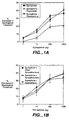
- Neither indomethacin treatment nor sympathectomy had any effect on the ability of epinephrine to induce hyperalgesia ( Figure 1B). This suggests that epinephrine acts directly on nociceptive DRG neurons.
- PKC protein kinase A
- Rp-cAMPs protein kinase A
- WIPTIDE ⁇ -opioid receptor agonist
- the dose for each inhibitor was 1 ⁇ g, except for WIPTIDE, which was administered in a 100ng dose.
- DAMGO was co-injected with epinephrine whereas the other inhibitors were applied 15 minutes prior to epinephrine injection.
- Table 1 all of these inhibitors significantly attenuated epinephrine-induced hyperalgesia, showing that epinephrine-mediated hyperalgesia is mediated by the PKC and PKA pathways and by ⁇ -opioid receptors.
- the same dose of BIM had no effect on PGE 2 -induced hyperalgesia but significantly attenuated isoproterenol-induced hyperalgesia.
- the epinephrine-induced hyperalgesia displayed by animals is due to epinephrine's stimulation of ⁇ -adrenergic receptors and PKC and PKA pathways in primary afferent nociceptors.
- PKC ⁇ -mutant mice are viable and cannot be distinguished from wild-type littermates in the normal cage environment. Moreover, hematoxylin and eosin staining of the brain, spinal cord and DRG neurons showed no anatomical abnormalities.
- Example 4 Administration of a Selective Inhibitor of PKC ⁇ Lessens Hyperalgesia in Response to a Mechanical Stimulus
- the nociceptive flexion reflex was quantified using an Ugo Basile analgesymeter that applies a constantly increasing force measured in grams (Stoelting, Chicago, IL; K. O. Aley, J. D. Levine, J. Neurosci. 17 , 8018-23 (1997)).
- the mean basal mechanical threshold for rats used in these experiments was 105.3+/-2.8 grams.
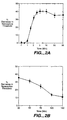
- the effects of hyperalgesia-inducing agents epinephrine (100ng) and PGE 2 (100ng) on mechanical nociceptive thresholds were determined by measuring paw withdrawal frequencies at 15, 20, and 25 minutes after administration of the hyperalgesic agent and then calculating the mean of these three readings.
- PKC ⁇ appears to be the only PKC isozyme involved in epinephrine-induced hyperalgesia.
- mice and rats were transcardially perfused with PBS (137 mM NaCl, 2.7 mM KCl, 1.47 mM KH 2 PO 4 , 8 mM Na 2 HPO 4 , 0.5 mM MgCl 2 , 0.9 mM CaCl 2 , pH 7.2) and then 4% paraformaldehyde in PBS.
- PBS 137 mM NaCl, 2.7 mM KCl, 1.47 mM KH 2 PO 4 , 8 mM Na 2 HPO 4 , 0.5 mM MgCl 2 , 0.9 mM CaCl 2 , pH 7.2
- PBS 137 mM NaCl, 2.7 mM KCl, 1.47 mM KH 2 PO 4 , 8 mM Na 2 HPO 4 , 0.5 mM MgCl 2 , 0.9 mM CaCl 2 , pH 7.2
- Spinal cords and DRGs were removed and placed in
- Sections (5-10 ⁇ m) were cut using a refrigerated microtome (Leica SM2000R), and treated with methanol:acetone (1:1) for 10 minutes at -20°C.
- DRG neurons were incubated at 25°C in PBS/1% normal goat serum/0.05% Tween-20 for 1 hour, and then in the same buffer containing polyclonal anti PKC ⁇ (1:300 dilution, Santa Cruz Biotechnology) for 1-2 hours.
- Sections were visualized using FITC-conjugated goat anti-rabbit IgG (1:50 dilution, Vector Laboratories, Burlingame, CA).
- PKC ⁇ immunoreactivity was present in small and medium sized DRG neurons and in the superficial laminae of the dorsal horn of the spinal cord where nociceptive afferents terminate.
- intradermal injection of a PKC ⁇ inhibitor peptide reduced epinephrine-induced hyperalgesia; this peptide was injected after the injection of hypotonic solution, an effective method for introducing peptides into peripheral nerve endings (L. K. West, L. Huang, Biochemistry 19 , 4418-4423 (1980)). Since other cell types in the dermis did not express PKC ⁇ , these results indicate that PKC ⁇ residing in DRG neurons is necessary for the hyperalgesic effect of epinephrine.
- Vincristine is a chemotherapeutic drug known to cause such hyperalgesia
- a rat model of vincristine-induced hyperalgesia was established as follows. Vincristine (100 ⁇ g/kg in saline; Sigma Chemical Catalog) was administered intravenously daily to each of 32 rats over a period of two weeks. After the second day of vincristine administration, the rats demonstrated an acute dose-dependent decrease in mechanical nociceptive thresholds and an increased response ("hyperalgesia") to non-noxious mechanical stimuli, administered by Ugo Basile analgesymeter, relative to control rats but did not show any significant motor deficits (as measured by Rotorod analysis).
- vincristine-treated rats displayed lowered chronic mechanical nociceptive thresholds and increased response to non-noxious mechanical stimuli 24 hours after the most recent vincristine treatment. Responses to mechanical stimuli gradually decreased to baseline during the two weeks following discontinuation of vincristine treatment.
- PKC ⁇ I PKC ⁇ inhibitory peptide
- Example 8 PKC ⁇ Modulates Pain Associated with Diabetic Neuropathy
- the Seltzer traumatic nerve injury model (Seltzer, Z. et al, Pain 43 , 205-218 (1990)) is used to investigate the role of PKCs in modulating hyperalgesia induced by traumatic nerve injury.
- rats receive no treatment or intradermal injections of sterile water at such site followed by intradermal injections of (1) 1 ⁇ g bisindolymaleimide, (2) 1 ⁇ g ⁇ V1-2, or (3) 1 ⁇ g S-V ⁇ V1-2.
- Responses to mechanical stimuli are subsequently tested, and inhibitors of PKC ⁇ are shown to at least partially reverse hyperalgesia associated with traumatic nerve injury.
- Example 3 The acetic acid writhing experiments reported in Example 3 indicate that PKC ⁇ contributes to inflammatory pain.
- Rats received intradermal hind paw injections of carrageenan, an inflammatory agent.
- carrageenan an inflammatory agent.
- the rats displayed mechanical hyperalgesia, as assessed by the Randall-Selitto paw-withdrawal test. This was considered an acute response to the carrageenan-induced inflammation.
- Prostaglandin E 2 (“PGE 2 "), 5-hydroxytryptamine (“5-HT,” serotonin) or CGS-21680 (an adenosine A 2 -selective receptor agonist) normally causes untreated rats (that is, rats that have not received carrageenan injections) to experience hyperalgesia lasting up to 6 hours, the hyperalgesia experienced by carrageenan-sensitized rats following administration of any one of these substances lasted up to 24 hours. This prolonged hyperalgesia was seen in such rats up to three weeks after the carrageenan injection.
- administering either at approximately the same time as the inflammatory agent giving rise to chronic, prolonged hyperalgesia or at about the same time as the hyperalgesia-inducing stimulus can lessen such chronic hyperalgesia.
- Administration of ⁇ V1-2 in lieu of BIM confirmed that these effects are due to the PKC ⁇ isozyme and showed that administration of a selective inhibitor of PKC ⁇ immediately before, during or after an inflammatory event lessens both acute pain due to such an event and interferes with the mechanisms that lead to chronic pain following such an event.
Landscapes
- Health & Medical Sciences (AREA)
- Chemical & Material Sciences (AREA)
- Life Sciences & Earth Sciences (AREA)
- General Health & Medical Sciences (AREA)
- Organic Chemistry (AREA)
- Veterinary Medicine (AREA)
- Public Health (AREA)
- Pharmacology & Pharmacy (AREA)
- Animal Behavior & Ethology (AREA)
- Engineering & Computer Science (AREA)
- Medicinal Chemistry (AREA)
- Bioinformatics & Cheminformatics (AREA)
- Proteomics, Peptides & Aminoacids (AREA)
- General Chemical & Material Sciences (AREA)
- Pain & Pain Management (AREA)
- Chemical Kinetics & Catalysis (AREA)
- Epidemiology (AREA)
- Zoology (AREA)
- Wood Science & Technology (AREA)
- Nuclear Medicine, Radiotherapy & Molecular Imaging (AREA)
- Immunology (AREA)
- Molecular Biology (AREA)
- General Engineering & Computer Science (AREA)
- Biotechnology (AREA)
- Analytical Chemistry (AREA)
- Microbiology (AREA)
- Physics & Mathematics (AREA)
- Biomedical Technology (AREA)
- Neurology (AREA)
- Biochemistry (AREA)
- Biophysics (AREA)
- Genetics & Genomics (AREA)
- Gastroenterology & Hepatology (AREA)
- Neurosurgery (AREA)
- Rheumatology (AREA)
- Medicines That Contain Protein Lipid Enzymes And Other Medicines (AREA)
- Pharmaceuticals Containing Other Organic And Inorganic Compounds (AREA)
- Acyclic And Carbocyclic Compounds In Medicinal Compositions (AREA)
- Enzymes And Modification Thereof (AREA)
Applications Claiming Priority (5)
| Application Number | Priority Date | Filing Date | Title |
|---|---|---|---|
| US9175598P | 1998-07-06 | 1998-07-06 | |
| US91755P | 1998-07-06 | ||
| US10376398P | 1998-10-09 | 1998-10-09 | |
| US103763P | 1998-10-09 | ||
| PCT/US1999/015265 WO2000001415A2 (en) | 1998-07-06 | 1999-07-06 | Use of inhibitors of protein kinase c epsilon to treat pain |
Publications (2)
| Publication Number | Publication Date |
|---|---|
| EP1093379A2 EP1093379A2 (en) | 2001-04-25 |
| EP1093379B1 true EP1093379B1 (en) | 2007-01-03 |
Family
ID=26784298
Family Applications (1)
| Application Number | Title | Priority Date | Filing Date |
|---|---|---|---|
| EP99932296A Expired - Lifetime EP1093379B1 (en) | 1998-07-06 | 1999-07-06 | Use of inhibitors of protein kinase c epsilon to treat pain |
Country Status (10)
| Country | Link |
|---|---|
| EP (1) | EP1093379B1 (https=) |
| JP (1) | JP2002519391A (https=) |
| AT (1) | ATE350032T1 (https=) |
| AU (1) | AU764760B2 (https=) |
| CA (1) | CA2336709A1 (https=) |
| DE (1) | DE69934689T2 (https=) |
| ES (1) | ES2283120T3 (https=) |
| IL (1) | IL140716A0 (https=) |
| NZ (1) | NZ508767A (https=) |
| WO (1) | WO2000001415A2 (https=) |
Families Citing this family (14)
| Publication number | Priority date | Publication date | Assignee | Title |
|---|---|---|---|---|
| US7790192B2 (en) | 1998-08-14 | 2010-09-07 | Accessclosure, Inc. | Apparatus and methods for sealing a vascular puncture |
| AU2003234185C1 (en) | 2002-04-22 | 2009-11-19 | The Board Of Trustees Of The Leland Stanford Junior University | Peptide inhibitors of protein kinase C |
| US6933275B2 (en) | 2002-05-01 | 2005-08-23 | The Board Of Trustees Of The Leland Stanford Junior University | Protein kinase C peptides for use in withdrawal |
| WO2004084889A1 (en) * | 2003-03-28 | 2004-10-07 | Pfizer Inc. | Use of protein kinase c inhibitor for suppressing sustained slow postsynaptic excitation (sspe) of enteric neurons |
| EP1631309A4 (en) * | 2003-05-16 | 2010-04-28 | Univ Leland Stanford Junior | Protein kinase c peptides for use in withdrawal |
| EP1670497A4 (en) | 2003-09-16 | 2009-07-15 | Garvan Inst Med Res | METHOD FOR IDENTIFYING MODULATORS OF PROTEIN KINASE C EPSILON (PKC Ε) AND METHOD FOR TREATING THEREOF CONVERTING DERIVED GLUCOSE METABOLISM |
| WO2006095086A2 (fr) * | 2005-03-07 | 2006-09-14 | Laurence Faure | Traçabilite des anomalies du cycle cellulaire ciblant l'oncologie et la neurodegenerescence. |
| EP1869205B1 (en) * | 2005-04-02 | 2010-07-14 | The Provost, Fellows And Scholars Of The College Of The Holy And Undivided Trinity Of Queen Elizabeth Near Dublin | Assays for determining compounds which modulate tram phosphorylation |
| US8575307B2 (en) | 2005-06-29 | 2013-11-05 | Hadasit Medical Research Services & Development Ltd. | Protein kinase C inhibitors for prevention of insulin resistance and type 2 diabetes |
| EP2177510A1 (en) | 2008-10-17 | 2010-04-21 | Universität des Saarlandes | Allosteric protein kinase modulators |
| JP2010090176A (ja) * | 2010-01-26 | 2010-04-22 | Board Of Trustees Of The Leland Stanford Junior Univ | 離脱症状における使用のためのプロテインキナーゼcペプチド |
| US8785648B1 (en) | 2010-08-10 | 2014-07-22 | The Regents Of The University Of California | PKC-epsilon inhibitors |
| WO2014081029A1 (ja) * | 2012-11-26 | 2014-05-30 | 学校法人近畿大学 | 抗がん剤による末梢神経障害の予防、治療、または軽減剤 |
| EP3180003B1 (en) | 2014-07-01 | 2022-01-12 | The Regents of the University of California | Pkc-epsilon inhibitors |
Family Cites Families (3)
| Publication number | Priority date | Publication date | Assignee | Title |
|---|---|---|---|---|
| US5141957A (en) * | 1990-11-02 | 1992-08-25 | Sphinx Pharmaceuticals Corporation | 1,4-bis-(amino-hydroxyalkylamino)-anthraquinones for inhibiting protein kinase c |
| US5783405A (en) * | 1994-02-01 | 1998-07-21 | Terrapin Technologies, Inc. | Rapid screening method for effectors of signal transduction |
| WO1997015575A1 (en) * | 1995-10-27 | 1997-05-01 | Procyon Pharmaceuticals, Inc. | Protein kinase c modulators. y. |
-
1999
- 1999-07-06 EP EP99932296A patent/EP1093379B1/en not_active Expired - Lifetime
- 1999-07-06 DE DE69934689T patent/DE69934689T2/de not_active Expired - Lifetime
- 1999-07-06 IL IL14071699A patent/IL140716A0/xx unknown
- 1999-07-06 AT AT99932296T patent/ATE350032T1/de not_active IP Right Cessation
- 1999-07-06 CA CA002336709A patent/CA2336709A1/en not_active Abandoned
- 1999-07-06 ES ES99932296T patent/ES2283120T3/es not_active Expired - Lifetime
- 1999-07-06 NZ NZ508767A patent/NZ508767A/en not_active IP Right Cessation
- 1999-07-06 JP JP2000557861A patent/JP2002519391A/ja active Pending
- 1999-07-06 AU AU48631/99A patent/AU764760B2/en not_active Ceased
- 1999-07-06 WO PCT/US1999/015265 patent/WO2000001415A2/en not_active Ceased
Also Published As
| Publication number | Publication date |
|---|---|
| ES2283120T3 (es) | 2007-10-16 |
| AU4863199A (en) | 2000-01-24 |
| EP1093379A2 (en) | 2001-04-25 |
| WO2000001415A2 (en) | 2000-01-13 |
| WO2000001415A3 (en) | 2000-04-13 |
| JP2002519391A (ja) | 2002-07-02 |
| DE69934689D1 (de) | 2007-02-15 |
| ATE350032T1 (de) | 2007-01-15 |
| DE69934689T2 (de) | 2007-10-25 |
| AU764760B2 (en) | 2003-08-28 |
| IL140716A0 (en) | 2002-02-10 |
| CA2336709A1 (en) | 2000-01-13 |
| NZ508767A (en) | 2003-12-19 |
Similar Documents
| Publication | Publication Date | Title |
|---|---|---|
| US6686334B2 (en) | Use of inhibitors of protein kinase C epsilon to treat pain | |
| EP1093379B1 (en) | Use of inhibitors of protein kinase c epsilon to treat pain | |
| EP2601964B1 (en) | Balanol compounds for use in treating pain | |
| Bhave et al. | Posttranslational mechanisms of peripheral sensitization | |
| D'arcangelo et al. | Interleukin‐6 inhibits neurotransmitter release and the spread of excitation in the rat cerebral cortex | |
| Johnson et al. | Evaluation of the permanent sympathectomy produced by the administration of guanethidine to adult rats. | |
| Baluk | Neurogenic inflammation in skin and airways | |
| Domek-Lopacinska et al. | Cyclic GMP metabolism and its role in brain physiology | |
| CA2481512A1 (en) | Peptide inhibitors of protein kinase c.gamma. for pain management | |
| Niimura et al. | Changes in phosphorylation of the NMDA receptor in the rat hippocampus induced by status epilepticus | |
| Ren et al. | Inflammation and hyperalgesia in rats neonatally treated with capsaicin: effects on two classes of nociceptive neurons in the superficial dorsal horn | |
| US12329756B2 (en) | Regulation of eIF4E activity for migraine therapy | |
| Larsson et al. | The enhancement of carbachol‐induced salivary secretion by VIP and CGRP in rat parotid gland is mimicked by forskolin | |
| Wang et al. | Metabotropic actions of the volatile anaesthetic sevoflurane increase protein kinase Mζ synthesis and induce immediate preconditioning protection of rat hippocampal slices | |
| JP2009508847A (ja) | 栄養状態、認知および生存を改善するための化合物 | |
| Juránek et al. | Evidence for the participation of glutamate in reflexes involving afferent, substance P‐containing nerve fibres in the rat | |
| D'Souza | Modulation of Spinal Dorsal Horn Long-Term Potentiation by Non-Ionotropic NMDA Receptor Activity | |
| GEPPETTI et al. | Multiple mechanisms of kinin and tachykinin receptor regulation of airway | |
| Zong et al. | Pergolide protects CA1 neurons from apoptosis in a gerbil model of global cerebral ischemia | |
| Dux et al. | Capsaicin-sensitive nociceptive innervation of the dura mater: implications for the pathomechanism of headache | |
| FIRING | SUSTAINED REPETITIVE FIRING (SRF) | |
| Barnes | Autonomic control of the airways | |
| Molander et al. | Neurochemical characterization of neuronal populations expressing protein kinase C gamma isoform in the spinal cord and gracile nucleus of the rat | |
| Deuchars et al. | Are sympathetic preganglionic neurones (SPNs) directly inhibited by GABAergic neurones in the central region of the rat spinal cord? | |
| DOMEK et al. | CYCLIC GMP METABOLISM AND ITS ROLE IN BRAIN PHYSIOLOGY. |
Legal Events
| Date | Code | Title | Description |
|---|---|---|---|
| PUAI | Public reference made under article 153(3) epc to a published international application that has entered the european phase |
Free format text: ORIGINAL CODE: 0009012 |
|
| 17P | Request for examination filed |
Effective date: 20010131 |
|
| AK | Designated contracting states |
Kind code of ref document: A2 Designated state(s): AT BE CH CY DE DK ES FI FR GB GR IE IT LI LU MC NL PT SE |
|
| AX | Request for extension of the european patent |
Free format text: AL;LT;LV;MK;RO;SI |
|
| 17Q | First examination report despatched |
Effective date: 20021119 |
|
| RAP1 | Party data changed (applicant data changed or rights of an application transferred) |
Owner name: THE REGENTS OF THE UNIVERSITY OF CALIFORNIA |
|
| RIN1 | Information on inventor provided before grant (corrected) |
Inventor name: LEVINE, JON D. Inventor name: MESSING, ROBERT O. |
|
| GRAP | Despatch of communication of intention to grant a patent |
Free format text: ORIGINAL CODE: EPIDOSNIGR1 |
|
| RIC1 | Information provided on ipc code assigned before grant |
Ipc: A61P 29/00 20060101ALI20060421BHEP Ipc: A61K 38/08 20060101ALI20060421BHEP Ipc: A61K 38/00 20060101ALI20060421BHEP Ipc: A61K 31/40 20060101AFI20060421BHEP |
|
| GRAS | Grant fee paid |
Free format text: ORIGINAL CODE: EPIDOSNIGR3 |
|
| GRAA | (expected) grant |
Free format text: ORIGINAL CODE: 0009210 |
|
| AK | Designated contracting states |
Kind code of ref document: B1 Designated state(s): AT BE CH CY DE DK ES FI FR GB GR IE IT LI LU MC NL PT SE |
|
| PG25 | Lapsed in a contracting state [announced via postgrant information from national office to epo] |
Ref country code: NL Free format text: LAPSE BECAUSE OF FAILURE TO SUBMIT A TRANSLATION OF THE DESCRIPTION OR TO PAY THE FEE WITHIN THE PRESCRIBED TIME-LIMIT Effective date: 20070103 Ref country code: LI Free format text: LAPSE BECAUSE OF FAILURE TO SUBMIT A TRANSLATION OF THE DESCRIPTION OR TO PAY THE FEE WITHIN THE PRESCRIBED TIME-LIMIT Effective date: 20070103 Ref country code: FI Free format text: LAPSE BECAUSE OF FAILURE TO SUBMIT A TRANSLATION OF THE DESCRIPTION OR TO PAY THE FEE WITHIN THE PRESCRIBED TIME-LIMIT Effective date: 20070103 Ref country code: DK Free format text: LAPSE BECAUSE OF FAILURE TO SUBMIT A TRANSLATION OF THE DESCRIPTION OR TO PAY THE FEE WITHIN THE PRESCRIBED TIME-LIMIT Effective date: 20070103 Ref country code: CH Free format text: LAPSE BECAUSE OF FAILURE TO SUBMIT A TRANSLATION OF THE DESCRIPTION OR TO PAY THE FEE WITHIN THE PRESCRIBED TIME-LIMIT Effective date: 20070103 Ref country code: AT Free format text: LAPSE BECAUSE OF FAILURE TO SUBMIT A TRANSLATION OF THE DESCRIPTION OR TO PAY THE FEE WITHIN THE PRESCRIBED TIME-LIMIT Effective date: 20070103 |
|
| REG | Reference to a national code |
Ref country code: GB Ref legal event code: FG4D |
|
| DAX | Request for extension of the european patent (deleted) | ||
| REF | Corresponds to: |
Ref document number: 69934689 Country of ref document: DE Date of ref document: 20070215 Kind code of ref document: P |
|
| REG | Reference to a national code |
Ref country code: SE Ref legal event code: TRGR |
|
| PG25 | Lapsed in a contracting state [announced via postgrant information from national office to epo] |
Ref country code: PT Free format text: LAPSE BECAUSE OF FAILURE TO SUBMIT A TRANSLATION OF THE DESCRIPTION OR TO PAY THE FEE WITHIN THE PRESCRIBED TIME-LIMIT Effective date: 20070604 |
|
| NLV1 | Nl: lapsed or annulled due to failure to fulfill the requirements of art. 29p and 29m of the patents act | ||
| REG | Reference to a national code |
Ref country code: CH Ref legal event code: PL |
|
| ET | Fr: translation filed | ||
| REG | Reference to a national code |
Ref country code: ES Ref legal event code: FG2A Ref document number: 2283120 Country of ref document: ES Kind code of ref document: T3 |
|
| PLBE | No opposition filed within time limit |
Free format text: ORIGINAL CODE: 0009261 |
|
| STAA | Information on the status of an ep patent application or granted ep patent |
Free format text: STATUS: NO OPPOSITION FILED WITHIN TIME LIMIT |
|
| 26N | No opposition filed |
Effective date: 20071005 |
|
| PG25 | Lapsed in a contracting state [announced via postgrant information from national office to epo] |
Ref country code: BE Free format text: LAPSE BECAUSE OF FAILURE TO SUBMIT A TRANSLATION OF THE DESCRIPTION OR TO PAY THE FEE WITHIN THE PRESCRIBED TIME-LIMIT Effective date: 20070103 |
|
| PG25 | Lapsed in a contracting state [announced via postgrant information from national office to epo] |
Ref country code: MC Free format text: LAPSE BECAUSE OF NON-PAYMENT OF DUE FEES Effective date: 20070731 Ref country code: GR Free format text: LAPSE BECAUSE OF FAILURE TO SUBMIT A TRANSLATION OF THE DESCRIPTION OR TO PAY THE FEE WITHIN THE PRESCRIBED TIME-LIMIT Effective date: 20070404 |
|
| PG25 | Lapsed in a contracting state [announced via postgrant information from national office to epo] |
Ref country code: CY Free format text: LAPSE BECAUSE OF FAILURE TO SUBMIT A TRANSLATION OF THE DESCRIPTION OR TO PAY THE FEE WITHIN THE PRESCRIBED TIME-LIMIT Effective date: 20070103 |
|
| PG25 | Lapsed in a contracting state [announced via postgrant information from national office to epo] |
Ref country code: LU Free format text: LAPSE BECAUSE OF NON-PAYMENT OF DUE FEES Effective date: 20070706 |
|
| PGFP | Annual fee paid to national office [announced via postgrant information from national office to epo] |
Ref country code: GB Payment date: 20120725 Year of fee payment: 14 Ref country code: IE Payment date: 20120725 Year of fee payment: 14 Ref country code: SE Payment date: 20120727 Year of fee payment: 14 |
|
| PGFP | Annual fee paid to national office [announced via postgrant information from national office to epo] |
Ref country code: IT Payment date: 20120724 Year of fee payment: 14 Ref country code: ES Payment date: 20120726 Year of fee payment: 14 Ref country code: DE Payment date: 20120727 Year of fee payment: 14 Ref country code: FR Payment date: 20120731 Year of fee payment: 14 |
|
| REG | Reference to a national code |
Ref country code: SE Ref legal event code: EUG |
|
| GBPC | Gb: european patent ceased through non-payment of renewal fee |
Effective date: 20130706 |
|
| REG | Reference to a national code |
Ref country code: IE Ref legal event code: MM4A |
|
| REG | Reference to a national code |
Ref country code: FR Ref legal event code: ST Effective date: 20140331 |
|
| PG25 | Lapsed in a contracting state [announced via postgrant information from national office to epo] |
Ref country code: SE Free format text: LAPSE BECAUSE OF NON-PAYMENT OF DUE FEES Effective date: 20130707 Ref country code: DE Free format text: LAPSE BECAUSE OF NON-PAYMENT OF DUE FEES Effective date: 20140201 Ref country code: GB Free format text: LAPSE BECAUSE OF NON-PAYMENT OF DUE FEES Effective date: 20130706 |
|
| REG | Reference to a national code |
Ref country code: DE Ref legal event code: R119 Ref document number: 69934689 Country of ref document: DE Effective date: 20140201 |
|
| PG25 | Lapsed in a contracting state [announced via postgrant information from national office to epo] |
Ref country code: IT Free format text: LAPSE BECAUSE OF NON-PAYMENT OF DUE FEES Effective date: 20130706 Ref country code: FR Free format text: LAPSE BECAUSE OF NON-PAYMENT OF DUE FEES Effective date: 20130731 |
|
| PG25 | Lapsed in a contracting state [announced via postgrant information from national office to epo] |
Ref country code: IE Free format text: LAPSE BECAUSE OF NON-PAYMENT OF DUE FEES Effective date: 20130706 |
|
| REG | Reference to a national code |
Ref country code: ES Ref legal event code: FD2A Effective date: 20150407 |
|
| PG25 | Lapsed in a contracting state [announced via postgrant information from national office to epo] |
Ref country code: ES Free format text: LAPSE BECAUSE OF NON-PAYMENT OF DUE FEES Effective date: 20130707 |