EP1085502B1 - Audio Teilbandkodierer mit differentiell kodierten Skalenfaktoren - Google Patents
Audio Teilbandkodierer mit differentiell kodierten Skalenfaktoren Download PDFInfo
- Publication number
- EP1085502B1 EP1085502B1 EP00119995A EP00119995A EP1085502B1 EP 1085502 B1 EP1085502 B1 EP 1085502B1 EP 00119995 A EP00119995 A EP 00119995A EP 00119995 A EP00119995 A EP 00119995A EP 1085502 B1 EP1085502 B1 EP 1085502B1
- Authority
- EP
- European Patent Office
- Prior art keywords
- sub
- scale
- bit stream
- scale factors
- band signals
- Prior art date
- Legal status (The legal status is an assumption and is not a legal conclusion. Google has not performed a legal analysis and makes no representation as to the accuracy of the status listed.)
- Expired - Lifetime
Links
Images






Classifications
-
- G—PHYSICS
- G10—MUSICAL INSTRUMENTS; ACOUSTICS
- G10L—SPEECH ANALYSIS TECHNIQUES OR SPEECH SYNTHESIS; SPEECH RECOGNITION; SPEECH OR VOICE PROCESSING TECHNIQUES; SPEECH OR AUDIO CODING OR DECODING
- G10L19/00—Speech or audio signals analysis-synthesis techniques for redundancy reduction, e.g. in vocoders; Coding or decoding of speech or audio signals, using source filter models or psychoacoustic analysis
- G10L19/02—Speech or audio signals analysis-synthesis techniques for redundancy reduction, e.g. in vocoders; Coding or decoding of speech or audio signals, using source filter models or psychoacoustic analysis using spectral analysis, e.g. transform vocoders or subband vocoders
- G10L19/0204—Speech or audio signals analysis-synthesis techniques for redundancy reduction, e.g. in vocoders; Coding or decoding of speech or audio signals, using source filter models or psychoacoustic analysis using spectral analysis, e.g. transform vocoders or subband vocoders using subband decomposition
- G10L19/0208—Subband vocoders
Definitions
- This invention relates to a method of sub-band coding.
- this invention relates to a method of sub-band decoding.
- this invention relates to a sub-band coding apparatus and a sub-band decoding apparatus.
- Japanese published unexamined patent application 10-336038 discloses a method of encoding an audio signal which includes a step of separating the audio signal into signals in sub-bands.
- the resultant sub-band signals are encoded frame by frame.
- scale factors are defined for the sub-band signals respectively. According to the method in Japanese application 10-336038 , every frame is divided into a plurality of small frames, and scale factors are reduced in number by making some of them common to plural small frames.
- the encoding-resultant sub-band signals, and data representative of scale factors are combined into a bit stream.
- a 1-frame-corresponding portion of the bit stream is composed of a first area assigned to the data of scale factors, and second and later areas corresponding to the respective small frames and assigned to the encoding-resultant sub-band signals. Specifically, the second area is loaded with samples of the encoding-resultant sub-band signals which correspond to a first small frame. The later areas are loaded with samples of the encoding-resultant sub-band signals which correspond to second and later small frames.
- Fig. 1 shows a sub-band coding apparatus according to a first embodiment of this invention.
- the coding apparatus of Fig. 1 receives an input digital audio signal such as a PCM audio signal.
- the coding apparatus of Fig. 1 processes the input digital audio signal frame by frame.
- frame means a predetermined time interval corresponding to a given number of successive samples of the input digital audio signal.
- the coding apparatus of Fig. 1 includes a band dividing processor 101 receiving the input digital audio signal.
- the band dividing processor 101 includes band dividing filters (quadrature mirror filters or band pass filters) for separating the input digital audio signal into signals in respective sub-bands which are referred to as first sub-band signals.
- the band dividing processor 101 further includes down-samplers or sub-samplers for reducing the numbers of samples of the first sub-band signals at a rate of 1/N during every fixed time interval, where "N" denotes the total number of the sub-bands.
- the down-samplers or the sub-samplers decimate samples of the first sub-band signals, and thereby convert the first sub-band signals into second sub-band signals respectively.
- the band dividing processor 101 outputs the second sub-band signals to a scale factor calculator 104 and a quantizer 107.
- Every frame is virtually divided into a given number of small frames.
- a set of N successive samples of the input digital audio signal corresponds to one small frame.
- a set of N samples of the respective second sub-band signals corresponds to one small frame.
- the scale factor calculator 104 For every frame (every predetermined time interval), the scale factor calculator 104 scales the second sub-band signals, and calculates scale factors of the second sub-band signals respectively.
- the scale factors represent magnifications of the second sub-band signals respectively.
- the scale factor calculator 104 informs a difference calculator 103 and a bit allocating section 106 of the calculated scale factors.
- the difference calculator 103 subtracts the scale factors of the present frame from the scale factors of the immediately preceding frame (the frame immediately preceding the present frame) for the sub-bands, respectively.
- the device 103 calculates the differences between the scale factors of the present frame and the scale factors of the immediately preceding frame for the sub-bands, respectively.
- the difference calculator 103 informs a sign-bit deciding section 102 of the subtraction results, that is, the calculated scale-factor differences.
- the device 103 calculates the absolute values of the calculated scale-factor differences.
- the difference calculator 103 informs a Huffman encoder (a variable-length encoder) 105 of the calculated absolute values of the scale-factor differences.
- the difference calculator 103 outputs data representative of the calculated absolute values of the scale-factor differences to the Huffman encoder 105.
- the device 102 decides the signs of the scale-factor differences and generates bits (sign bits) representing the decided signs of the scale-factor differences.
- the sign-bit deciding section 102 outputs the generated sign bits to a bit-stream composer 108.
- the sign-bit deciding section 102 operates as follows. For every frame, the sign-bit deciding section 102 determines whether each of the scale-factor differences is equal to or different from "0". In addition, the device 102 decides the signs of the scale-factor differences which are determined to be different from "0". The sign-bit deciding section 102 generates bits (sign bits) representing the decided signs of the non-0 scale-factor differences. The sign-bit deciding section 102 does not generate any sign bits for the scale-factor differences which are determined to be equal to "0". This action by the sign-bit deciding section 102 is effective in increasing the number of bits which can be allocated to quantization-resultant audio information. For every frame, the sign-bit deciding section 102 outputs the generated sign bits to the bit-stream composer 108.
- the device 105 encodes the data of the absolute values of the scale-factor differences into words of a Huffman code (a variable-length code), for example, a run-length Huffman code.
- the Huffman encoder 105 outputs the code words (the code data) representative of the absolute values of the scale-factor differences to the bit-stream composer 108.
- the bit allocating section 106 decides target numbers of bits allocated to quantization-resultant signal samples on the basis of the scale factors regarding the sub-bands respectively. For every frame, the bit allocating section 106 informs the quantizer 107 of the decided target bit numbers (the bit allocating information).
- the device 107 quantizes the second sub-band signals into quantization-resultant sub-band signals in response to the target bit numbers, respectively. Samples of each of the quantization-resultant sub-band signals have the same number of bits which is equal to the corresponding target bit number.
- the quantizer 107 outputs the quantization-resultant sub-band signals to the bit-stream composer 108.
- a suitable signal generator (not shown) outputs ancillary data to the bit-stream composer 108.
- the bit-stream composer 108 For every frame, the bit-stream composer 108 combines and multiplexes the sign bits from the sign-bit deciding section 102, the scale-factor difference code data from the Huffman encoder 105, the quantization-resultant sub-band signals from the quantizer 107, and the ancillary data into a 1-frame-corresponding bit stream of a given format.
- the bit-stream composer 108 outputs the 1-frame-corresponding bit stream to, for example, a transmission line.
- Every 1-frame-corresponding bit stream outputted from the bit-stream composer 108 has a sequence of a first area loaded with the scale-factor difference code data, a second area loaded with the sign bits, a third area loaded with the ancillary data, and a fourth area loaded with the quantization-resultant sub-band signals.
- the fourth area has a sequence of sub-areas corresponding to the small frames respectively.
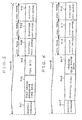
- Fig. 2 shows an example of the format of a 1-frame-corresponding bit stream outputted from the bit-stream composer 108 in the absence of the ancillary data.
- the 1-frame-corresponding bit stream in Fig. 2 has a sequence of a first area 201 loaded with the scale-factor difference code data, a second area 202 loaded with the sign bits, and third, fourth, and fifth areas 203, 204, and 205 loaded with the quantization-resultant sub-band signals.
- the third, fourth, and fifth areas 203, 204, and 205 correspond to first, second, and third small frames, respectively.
- the third area 203 stores samples of the quantization-resultant sub-band signals which correspond to the first small frame.
- the fourth area 204 stores samples of the quantization-resultant sub-band signals which correspond to the second small frame.
- the fifth area 204 stores samples of the quantization-resultant sub-band signals which correspond to the third small frame.
- the number of bits in one frame is determined by a transmission bit rate and the number of small frames. In the case where frames are fixed in length, a delay time in signal transmission decreases as the number of small frames is reduced.
- the difference calculator 103 computes the absolute values of the differences between the scale factors of the present frame and the scale factors of the immediately preceding frame
- the Huffman encoder 105 converts the data of the absolute values of the scale-factor differences into Huffman-code words which are transmitted via the bit-stream composer 108. Accordingly, in the case where the scale factors remain unchanged over a plurality of successive frames, the absolute values of the scale-factor differences continue to be zero. Thus, in this case, only a small number of bits representing the absolute values of the scale-factor differences are transmitted while a larger number of bits are used to indicate the transmitted audio information (the quantization-resultant sub-band signals).
- Fig. 3 shows a sub-band coding apparatus according to a second embodiment of this invention.
- the coding apparatus of Fig. 3 is similar to the coding apparatus of Fig. 1 except that a scale factor calculator 104A replaces the scale factor calculator 104.
- the sub-bands are separated into groups according to a perceptual model or a psychoacoustic model.
- the grouping of the sub-bands may be on a critical band basis or a coarser unit basis.
- the scale factor calculator 104A receives second sub-band signals from a band dividing processor 101.
- the scale factor calculator 104A separates the second sub-band signals into groups in accordance with the grouping of the sub-bands. For every frame (every predetermined time interval), the scale factor calculator 104A scales the second sub-band signals group by group, and calculates scale factors of the groups respectively.
- the scale factors represent magnifications of the second sub-band signals in the groups.
- the scale factor calculator 104A informs a difference calculator 103 and a bit allocating section 106 of the calculated scale factors.
- a mean number of bits allocated to quantization-resultant sub-band signals per frame has been measured under the following conditions.
- the total number of bits per frame is equal to 170.
- An input digital audio signal is a PCM audio signal representing female voice pops.
- the number of small frames for every frame is equal to 2.
- a transmission bit rate is equal to 128 kbps.
- the number of groups of scale factors is equal to 9.
- the scale factors are defined at 6-dB steps.
- the measured mean number of bits which occurs in the coding apparatus of Fig. 3 is equal to 147.
- 86.5% of all the bits (170 bits) are allocated to the quantization-resultant sub-band signals.
- the measured mean number of bits which occurs in a prior-art coding apparatus is equal to 134 (a fixed value).
- 134 a fixed value
- Fig. 4 shows a sub-band coding apparatus according to a third embodiment of this invention.
- the coding apparatus of Fig. 4 receives an input digital audio signal such as a PCM audio signal.
- the coding apparatus of Fig. 4 processes the input digital audio signal frame by frame.
- frame means a predetermined time interval corresponding to a given number of successive samples of the input digital audio signal.
- the coding apparatus of Fig. 4 includes a band dividing processor 301 receiving the input digital audio signal.
- the band dividing processor 301 includes band dividing filters for separating the input digital audio signal into signals in respective sub-bands which are referred to as first sub-band signals.
- the band dividing processor 301 further includes down-samplers or sub-samplers for reducing the numbers of samples of the first sub-band signals at a rate of 1/N during every fixed time interval, where "N" denotes the total number of the sub-bands.
- N denotes the total number of the sub-bands.
- the band dividing processor 301 outputs the second sub-band signals to a scale factor calculator 305 and a quantizer 310.
- Every frame is virtually divided into a given number of small frames.
- a set of N successive samples of the input digital audio signal corresponds to one small frame.
- a set of N samples of the respective second sub-band signals corresponds to one small frame.
- the scale factor calculator 305 For every frame (every predetermined time interval), the scale factor calculator 305 scales the second sub-band signals, and calculates scale factors of the second sub-band signals respectively.
- the scale factors represent magnifications of the second sub-band signals respectively.
- the scale factor calculator 305 informs a difference calculator 303, a flag controller 304, a scale-factor selector 307, and a bit allocating section 309 of the calculated scale factors.
- the difference calculator 303 subtracts the scale factors of the present frame from the scale factors of the immediately preceding frame (the frame immediately preceding the present frame) for the sub-bands, respectively.
- the device 303 calculates the differences between the scale factors of the present frame and the scale factors of the immediately preceding frame for the sub-bands, respectively.
- the difference calculator 303 informs a sign-bit deciding section 302 of the subtraction results, that is, the calculated scale-factor differences.
- the device 303 calculates the absolute values of the calculated scale-factor differences.
- the difference calculator 303 informs a Huffman encoder (a variable-length encoder) 306 of the calculated absolute values of the scale-factor differences.
- the difference calculator 303 outputs data representative of the calculated absolute values of the scale-factor differences to the Huffman encoder 306.
- the device 302 decides the signs of the scale-factor differences and generates bits (sign bits) representing the decided signs of the scale-factor differences.
- the sign-bit deciding section 302 outputs the generated sign bits to a code length comparator 308.
- the sign-bit deciding section 302 operates as follows. For every frame, the sign-bit deciding section 302 determines whether each of the scale-factor differences is equal to or different from "0". In addition, the device 302 decides the signs of the scale-factor differences which are determined to be different from "0". The sign-bit deciding section 302 generates bits (sign bits) representing the decided signs of the non-0 scale-factor differences. The sign-bit deciding section 302 does not generate any sign bits for the scale-factor differences which are determined to be equal to "0". This action by the sign-bit deciding section 302 is effective in increasing the number of bits which can be allocated to quantization-resultant audio information. For every frame, the sign-bit deciding section 302 outputs the generated sign bits to the code length comparator 308.
- the device 306 encodes the data of the absolute values of the scale-factor differences into words of a Huffman code (a variable-length code), for example, a run-length Huffman code.
- the Huffman encoder 306 outputs the code words (the code data) representative of the absolute values of the scale-factor differences to the code length comparator 308.
- the flag controller 304 decides whether or not each of the scale factors in the present frame is updated from that in the immediately preceding frame, that is, whether or not each of the scale factors in the present frame is different from that in the immediately preceding frame. For every frame, the flag controller 304 generates information flags on the basis of the decision results regarding the scale factors, respectively. Each of the information flags indicates whether or not the related scale factor in the present frame is updated from that in the immediately preceding frame. For every frame, the flag controller 304 outputs the generated information flags to the code length comparator 308.
- the device 307 selects one or more of the scale factors in the present frame which are updated (different) from those in the immediately preceding frame. For every frame, the scale-factor selector 307 informs the code length comparator 308 of the selected scale factor or the selected scale factors. Specifically, the scale-factor selector 307 outputs data representative of the selected scale factor or the selected scale factors to the code length comparator 308.
- the code length comparator 308 adds the total number of the sign bits outputted from the sign-bit deciding section 302 and the total number of bits of the scale-factor difference code data outputted from the Huffman encoder 306. This addition result is defined as a first code length (a first total bit number). For every frame, the code length comparator 308 adds the total number of the information flags outputted from the flag controller 304 and the total number of bits of the selected-scale-factor data outputted from the scale factor selector 307. This addition result is defined as a second code length (a second total bit number). The device 308 compares the first code length and the second code length with each other.
- the code length comparator 308 selects the sign bits outputted from the sign-bit deciding section 302 and the scale-factor difference code data outputted from the Huffman encoder 306 before transmitting them to a bit-stream composer 311.
- the code length comparator 308 selects the information flags outputted from the flag controller 304 and the selected-scale-factor data outputted from the scale factor selector 307 before transmitting them to the bit-stream composer 311.
- the code length comparator 308 For every frame, the code length comparator 308 generates selection information representing which of a set of the output signals from the devices 302 and 306 and a set of the output signals from the devices 304 and 307 is selected, that is, which of a set of the sign bits and the scale-factor difference code data and a set of the information flags and the selected-scale-factor data is selected.
- the code length comparator 308 outputs the generated selection information to the bit-stream composer 311.
- the code length comparator 308 subtracts the smaller of the first and second total bit numbers (the first and second code lengths) from a prescribed total number of bits per frame.
- the subtraction result is the number of usable bits, that is, bits which can be allocated to quantization-resultant audio information.
- the code length comparator 308 For every frame, the code length comparator 308 generates information representing the usable bit number.
- the code length comparator 308 outputs the generated usable-bit-number information to the bit allocating section 309.
- the bit allocating section 309 decides target numbers of bits allocated to quantization-resultant signal samples on the basis of the scale factors and also the usable-bit-number information regarding the sub-bands respectively. For every frame, the bit allocating section 309 informs the quantizer 310 of the decided target bit numbers (the bit allocating information).
- the device 310 quantizes the second sub-band signals into quantization-resultant sub-band signals in response to the target bit numbers, respectively. Samples of each of the quantization-resultant sub-band signals have the same number of bits which is equal to the corresponding target bit number.
- the quantizer 310 outputs the quantization-resultant sub-band signals to the bit-stream composer 311.
- the bit-stream composer 311 For every frame, the bit-stream composer 311 combines and multiplexes the selected signals (that is, selected one of the set of the sign bits and the scale-factor difference code data and the set of the information flags and the selected-scale-factor data) from the code length comparator 308, the selection information from the code length comparator 308, and the quantization-resultant sub-band signals from the quantizer 310 into a 1-frame-corresponding bit stream of a given format.
- the bit-stream composer 311 outputs the 1-frame-corresponding bit stream to, for example, a transmission line.
- Every 1-frame-corresponding bit stream outputted from the bit-stream composer 311 has a sequence of a first area loaded with the selection information, a second area loaded with the selected signals (that is, selected one of the set of the sign bits and the scale-factor difference code data and the set of the information flags and the selected-scale-factor data), and a third area loaded with the quantization-resultant sub-band signals.
- the third area has a sequence of sub-areas corresponding to the small frames respectively.
- Fig. 5 shows an example of the format of a 1-frame-corresponding bit stream outputted from the bit-stream composer 311 when the set of the sign bits and the scale-factor difference code data is selected.
- the 1-frame-corresponding bit stream in Fig. 5 has a sequence of a first area 401 loaded with the selection information, a second area 402, loaded with the scale-factor difference code data, a third area 403 loaded with the sign bits, and fourth, fifth, and sixth areas 404, 405, and 406 loaded with the quantization-resultant sub-band signals.
- the fourth, fifth, and sixth areas 404, 405, and 406 correspond to first, second, and third small frames, respectively.
- the fourth area 404 stores samples of the quantization-resultant sub-band signals which correspond to the first small frame.
- the fifth area 405 stores samples of the quantization-resultant sub-band signals which correspond to the second small frame.
- the sixth area 406 stores samples of the quantization-resultant sub-band signals which correspond to the third small frame.
- Fig. 6 shows an example of the format of a 1-frame-corresponding bit stream outputted from the bit-stream composer 311 when the set of the information flags and the selected-scale-factor data is selected.
- the 1-frame-corresponding bit stream in Fig. 6 has a sequence of a first area 407 loaded with the selection information, a second area 408 loaded with the information flags, a third area 409 loaded with the selected-scale-factor data, and fourth, fifth, and sixth areas 410, 411, and 412 loaded with the quantization-resultant sub-band signals.
- the fourth, fifth, and sixth areas 410, 411, and 412 correspond to first, second, and third small frames, respectively.
- the fourth area 410 stores samples of the quantization-resultant sub-band signals which correspond to the first small frame.
- the fifth area 411 stores samples of the quantization-resultant sub-band signals which correspond to the second small frame.
- the sixth area 412 stores samples of the quantization-resultant sub-band signals which correspond to the third small frame.
- ancillary data may be added to the bit stream outputted from the bit-stream composer 311 as in the coding apparatus of Fig. 1 .
- the number of bits in one frame is determined by a transmission bit rate and the number of small frames. In the case where frames are fixed in length, a delay time in signal transmission decreases as the number of small frames is reduced.
- the code length comparator 308 selects one of the set of the output signals from the devices 302 and 306 and the set of the output signals from the devices 304 and 307 which has a smaller code length (a smaller total bit number), and the signals in the selected set is transmitted via the bit-stream composer 311. Accordingly, a larger number of bits are used to indicate the transmitted audio information (the quantization-resultant sub-band signals).
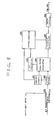
- Fig. 7 shows a sub-band coding apparatus according to a fourth embodiment of this invention.
- the coding apparatus of Fig. 7 is similar to the coding apparatus of Fig. 4 except that a scale factor calculator 305A replaces the scale factor calculator 305.
- the sub-bands are separated into groups according to a perceptual model or a psychoacoustic model.
- the grouping of the sub-bands may be on a critical band basis or a coarser unit basis.
- the scale factor calculator 305A receives second sub-band signals from a band dividing processor 301.
- the scale factor calculator 305A separates the second sub-band signals into groups in accordance with the grouping of the sub-bands. For every frame (every predetermined time interval), the scale factor calculator 305A scales the second sub-band signals group by group, and calculates scale factors of the groups respectively.
- the scale factors represent magnifications of the second sub-band signals in the groups.
- the scale factor calculator 305A informs a difference calculator 303, a flag controller 304, a scale-factor selector 307, and a bit allocating section 309 of the calculated scale factors.
- Fig. 8 shows a sub-band decoding apparatus according to a fifth embodiment of this invention.
- the decoding apparatus of Fig. 8 receives a bit stream from a coding apparatus, for example, the coding apparatus of Fig. 1 .
- the decoding apparatus of Fig. 8 processes the received bit stream frame by frame.
- the decoding apparatus of Fig. 8 includes an ancillary data extractor 501 receiving the bit stream. For every frame, the device 501 extracts ancillary data from the bit stream. The ancillary data extractor 501 outputs the extracted ancillary data to a suitable device (not shown). The ancillary data extractor 501 generates an ancillary-data-free bit stream as a result of the extraction of the ancillary data from the received bit stream. The ancillary data extractor 501 outputs the ancillary-data-free bit stream to a Huffman decoder (a variable-length decoder) 503.
- a Huffman decoder a variable-length decoder
- the Huffman decoder 503 extracts scale-factor difference code data from the ancillary-data-free bit stream.
- the device 503 decodes the extracted scale-factor difference code data into data of the absolute values of scale-factor differences.
- the Huffman decoder 503 outputs the data of the absolute values of scale-factor differences to a scale factor calculator 505.
- the Huffman decoder 503 generates a scale-factor-free bit stream as a result of the extraction of the scale-factor difference code data from the ancillary-data-free bit stream.
- the Huffman decoder 503 outputs the scale-factor-free bit stream to a sign-bit extractor 502.
- the device 502 For every frame, the device 502 extracts sign bits from the scale-factor-free bit stream.
- the sign-bit extractor 502 outputs the extracted sign bits to the scale factor calculator 505.
- the sign-bit extractor 502 generates a sign-bit-free bit stream as a result of the extraction of the sign bits from the scale-factor-free bit stream.
- the sign-bit extractor 502 outputs the sign-bit-free bit stream to a sample detector 506.
- the scale factor calculator 505 computes scale factors of the present frame on the basis of the absolute values of scale-factor differences, the sign bits, and previously-computed scale factors of the immediately preceding frame.
- the scale factor calculator 505 informs a bit allocation calculator 504 and an inverse quantizer 507 of the computed scale factors of the present frame.
- the bit allocation calculator 504 computes numbers of bits allocated to quantization-resultant signal samples on the basis of the scale factors regarding sub-bands respectively. For every frame, the bit allocation calculator 504 informs the sample detector 506 of the computed bit numbers (the bit allocating information).
- the sample detector 506 separates the sign-bit-free bit stream into samples of quantization-resultant sub-band signals in response to the bit allocating information.
- the sample detector 506 outputs the samples of the quantization-resultant sub-band signals to the inverse quantizer 507.
- the device 507 For every frame, the device 507 inversely quantizes the quantization-resultant sub-band signals into first original sub-band signals in response to the scale factors.
- the inverse quantizer 507 outputs the first original sub-band signals to a band combining processor 508.
- the band combining processor 508 includes up-samplers or interpolators for increasing the numbers of samples of the first original sub-band signals at a rate of N during every fixed time interval, where "N" denotes the total number of the sub-bands.
- the up-samplers or the interpolators convert the first original sub-band signals into second original sub-band signals.
- the band combining processor 508 further includes quadrature mirror filters or band pass filters through which the second original sub-band signals are passed. In the band combining processor 508, the sub-band signals outputted from the quadrature mirror filters or the band pass filters are combined into an original digital audio signal such as an original PCM audio signal. In this way, the band combining processor 508 recovers the original digital audio signal.
- the band combining processor 508 outputs the recovered digital audio signal.
- Fig. 9 shows a sub-band decoding apparatus according to a sixth embodiment of this invention.
- the decoding apparatus of Fig. 9 is similar to the decoding apparatus of Fig. 8 except that a sign-bit extractor 502A and a scale factor calculator 505A replace the sign-bit extractor 502 and the scale factor calculator 505 respectively.
- the decoding apparatus of Fig. 9 receives a bit stream from a coding apparatus, for example, the coding apparatus of Fig. 3 .
- sub-bands are separated into groups according to a perceptual model or a psychoacoustic model.
- the device 502A in the decoding apparatus of Fig. 9 extracts sign bits from a scale-factor-free bit stream.
- the extracted sign bits relate to scale-factor differences of the sub-band groups respectively.
- the sign-bit extractor 502A outputs the extracted sign bits to the scale factor calculator 505A.
- the sign-bit extractor 502A generates a sign-bit-free bit stream as a result of the extraction of the sign bits from the scale-factor-free bit stream.
- the sign-bit extractor 502A outputs the sign-bit-free bit stream to a sample detector 506.
- the scale factor calculator 505A computes scale factors of the present frame on the basis of the absolute values of scale-factor differences, the sign bits, and previously-computed scale factors of the immediately preceding frame for the sub-band groups respectively.
- the scale factor calculator 505A informs a bit allocation calculator 504 and an inverse quantizer 507 of the computed present-frame scale factors of the sub-band groups.
- Fig. 10 shows a sub-band decoding apparatus according to a seventh embodiment of this invention.
- the decoding apparatus of Fig. 10 receives a bit stream from a coding apparatus, for example, the coding apparatus of Fig. 4 .
- the decoding apparatus of Fig. 10 processes the received bit stream frame by frame.
- the decoding apparatus of Fig. 10 includes an ancillary data extractor 601 receiving the bit stream. For every frame, the device 601 extracts ancillary data from the bit stream. The ancillary data extractor 601 outputs the extracted ancillary data to a suitable device (not shown). The ancillary data extractor 601 generates an ancillary-data-free bit stream as a result of the extraction of the ancillary data from the received bit stream. The ancillary data extractor 601 outputs the ancillary-data-free bit stream to a bit-stream-type detector 604.
- the device 604 For every frame, the device 604 detects selection information in the ancillary-data-free bit stream.
- the detected selection information represents which of a set of sign bits and scale-factor difference code data and a set of information flags and selected-scale-factor data is selected.
- the bit-stream-type detector 604 removes the selection information from the ancillary-data-free bit stream to generate a selection-information-free bit stream.
- the bit-stream-type detector 604 outputs the selection-information-free bit stream to a Huffman decoder (a variable-length decoder) 606.
- the bit-stream-type detector 604 When the detected selection information represents that the set of the information flags and the selected-scale-factor data is selected, the bit-stream-type detector 604 outputs the selection-information-free bit stream to a flag detector 603.
- the Huffman decoder 606 and the following devices 605 and 608 effectively operate in the case where the set of the sign bits and the scale-factor difference code data is selected.
- the flag detector 603 and the following device 602 effectively operate in the case where the set of the information flags and the selected-scale-factor data is selected.
- the Huffman decoder 606 extracts scale-factor difference code data from the selection-information-free bit stream.
- the device 606 decodes the extracted scale-factor difference code data into data of the absolute values of scale-factor differences.
- the Huffman decoder 606 outputs the data of the absolute values of scale-factor differences to a scale factor calculator 608.
- the Huffman decoder 606 generates a scale-factor-free bit stream as a result of the extraction of the scale-factor difference code data from the selection-information-free bit stream.
- the Huffman decoder 606 outputs the scale-factor-free bit stream to a sign-bit extractor 605.
- the device 605 For every frame, the device 605 extracts sign bits from the scale-factor-free bit stream.
- the sign-bit extractor 605 outputs the extracted sign bits to the scale factor calculator 608.
- the sign-bit extractor 605 generates a sign-bit-free bit stream as a result of the extraction of the sign bits from the scale-factor-free bit stream.
- the sign-bit extractor 605 outputs the sign-bit-free bit stream to a sample detector 609.
- the scale factor calculator 608 computes scale factors of the present frame on the basis of the absolute values of scale-factor differences, the sign bits, and previously-computed scale factors of the immediately preceding frame.
- the scale factor calculator 605 informs a bit allocation calculator 607 and an inverse quantizer 610 of the computed scale factors of the present frame.
- the device 603 For every frame, the device 603 detects information flags in the selection-information-free bit stream. Each of the detected information flags indicates whether or not a related scale factor in the present frame is updated (different) from that in the immediately preceding frame.
- the flag detector 603 outputs the detected information flags to a scale factor extractor 602.
- the flag detector 603 removes the information flags from the selection-information-free bit stream to generate an information-flag-free bit stream.
- the flag detector 603 outputs the information-flag-free bit stream to the scale factor extractor 602.
- the device 602 extracts selected-scale-factor data from the information-flag-free bit stream.
- the scale factor extractor 602 calculates scale factors of the present frame on the basis of the information flags, the selected-scale-factor data, and previously-calculated scale factors of the immediately preceding frame.
- the scale factor extractor 602 informs the bit allocation calculator 607 and the inverse quantizer 610 of the calculated scale factors of the present frame.
- the scale factor extractor 602 generates a scale-factor-free bit stream as a result of the extraction of the selected-scale-factor data from the information-flag-free bit stream.
- the scale factor extractor 602 outputs the scale-factor-free bit stream to the sample detector 609.
- the bit allocation calculator 607 responds to the selection information detected by the bit-stream-type detector 604.
- the bit allocation calculator 607 uses the scale factors notified by the scale factor calculator 608.
- the bit allocation calculator 607 uses the scale factors notified by the scale factor extractor 602.
- the bit allocation calculator 607 computes numbers of bits allocated to quantization-resultant signal samples on the basis of the scale factors regarding sub-bands respectively. For every frame, the bit allocation calculator 607 informs the sample detector 609 of the computed bit numbers (the bit allocating information).
- the sample detector 609 responds to the selection information detected by the bit-stream-type detector 604.
- the sample detector 609 separates the output bit stream from the sign-bit extractor 605 into samples of quantization-resultant sub-band signals in response to the bit allocating information.
- the sample detector 609 outputs the samples of the quantization-resultant sub-band signals to the inverse quantizer 610.
- the sample detector 609 separates the output bit stream from the scale factor extractor 602 into samples of quantization-resultant sub-band signals in response to the bit allocating information.
- the sample detector 609 outputs the samples of the quantization-resultant sub-band signals to the inverse quantizer 610.
- the inverse quantizer 610 responds to the selection information detected by the bit-stream-type detector 604.
- the inverse quantizer 610 uses the scale factors notified by the scale factor calculator 608.
- the inverse quantizer 610 uses the scale factors notified by the scale factor extractor 602.
- the device 610 inversely quantizes the quantization-resultant sub-band signals into first original sub-band signals in response to the scale factors.
- the inverse quantizer 610 outputs the first original sub-band signals to a band combining processor 611.
- the band combining processor 611 includes up-samplers or interpolators for increasing the numbers of samples of the first original sub-band signals at a rate of N during every fixed time interval, where "N" denotes the total number of the sub-bands.
- the up-samplers or the interpolators convert the first original sub-band signals into second original sub-band signals.
- the band combining processor 611 further includes quadrature mirror filters or band pass filters through which the second original sub-band signals are passed. In the band combining processor 611, the sub-band signals outputted from the quadrature mirror filters or the band pass filters are combined into an original digital audio signal such as an original PCM audio signal. In this way, the band combining processor 611 recovers the original digital audio signal.
- the band combining processor 611 outputs the recovered digital audio signal.
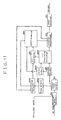
- Fig. 11 shows a sub-band decoding apparatus according to an eighth embodiment of this invention.
- the decoding apparatus of Fig. 11 is similar to the decoding apparatus of Fig. 10 except that a scale factor extractor 602A, a flag detector 603A, a sign-bit extractor 605A, and a scale factor calculator 608A replace the scale factor extractor 602, the flag detector 603, the sign-bit extractor 605, and the scale factor calculator 608 respectively.
- the decoding apparatus of Fig. 11 receives a bit stream from a coding apparatus, for example, the coding apparatus of Fig. 7 .
- sub-bands are separated into groups according to a perceptual model or a psychoacoustic model.
- the device 605A in the decoding apparatus of Fig. 11 extracts sign bits from a scale-factor-free bit stream.
- the extracted sign bits relate to scale-factor differences of the sub-band groups respectively.
- the sign-bit extractor 605A outputs the extracted sign bits to the scale factor calculator 608A.
- the sign-bit extractor 605A generates a sign-bit-free bit stream as a result of the extraction of the sign bits from the scale-factor-free bit stream.
- the sign-bit extractor 605A outputs the sign-bit-free bit stream to a sample detector 609.
- the scale factor calculator 608A computes scale factors of the present frame on the basis of the absolute values of scale-factor differences, the sign bits, and previously-computed scale factors of the immediately preceding frame for the sub-band groups respectively.
- the scale factor calculator 608A informs a bit allocation calculator 607 and an inverse quantizer 610 of the computed present-frame scale factors of the sub-band groups.
- the device 603A For every frame, the device 603A detects information flags in the selection-information-free bit stream.
- the detected information flags relate to scale factors of the sub-band groups, respectively. Each of the detected information flags indicates whether or not a related scale factor in the present frame is updated (different) from that in the immediately preceding frame.
- the flag detector 603A outputs the detected information flags to the scale factor extractor 602A.
- the flag detector 603A removes the information flags from the selection-information-free bit stream to generate an information-flag-free bit stream.
- the flag detector 603A outputs the information-flag-free bit stream to the scale factor extractor 602A.
- the device 602A extracts selected-scale-factor data from the information-flag-free bit stream.
- the scale factor extractor 602A calculates scale factors of the present frame on the basis of the information flags, the selected-scale-factor data, and previously-calculated scale factors of the immediately preceding frame for the sub-band groups respectively.
- the scale factor extractor 602A informs the bit allocation calculator 607 and the inverse quantizer 610 of the calculated scale factors of the present frame.
- the scale factor extractor 602A generates a scale-factor-free bit stream as a result of the extraction of the selected-scale-factor data from the information-flag-free bit stream.
- the scale factor extractor 602A outputs the scale-factor-free bit stream to the sample detector 609.
- An input digital audio signal is divided into sub-band signals in respective sub-bands.
- Scale factors of the respective sub-bands are determined on the basis of the sub-band signals for every frame. Calculation is made as to differences between the determined scale factors for a first frame and the determined scale factors for a second frame preceding the first frame. Absolute values of the calculated scale-factor differences are calculated, and data representative of the calculated absolute values are generated. The data representative of the calculated absolute values are encoded into data of a Huffman code. Sign bits are generated which represent signs of the calculated scale-factor differences.
- the sub-band signals are quantized in response to the determined scale factors for every frame to generate quantized samples of the sub-band signals.
- the Huffman-code data, the generated sign bits, and the quantized samples of the sub-band signals are combined into a bit stream.
Landscapes
- Engineering & Computer Science (AREA)
- Physics & Mathematics (AREA)
- Spectroscopy & Molecular Physics (AREA)
- Computational Linguistics (AREA)
- Signal Processing (AREA)
- Health & Medical Sciences (AREA)
- Audiology, Speech & Language Pathology (AREA)
- Human Computer Interaction (AREA)
- Acoustics & Sound (AREA)
- Multimedia (AREA)
- Compression, Expansion, Code Conversion, And Decoders (AREA)
- Transmission Systems Not Characterized By The Medium Used For Transmission (AREA)
Claims (20)
- Verfahren einer Subbandcodierung, mit den Schritten:Aufteilen eines eingegebenen digitalen Audiosignals in Subbandsignale der jeweiligen Subbänder;Bestimmen von Skalenfaktoren der jeweiligen Subbänder auf Grundlage der Subbandsignale für jeden Rahmen;Berechnen von Differenzen zwischen den bestimmten Skalenfaktoren eines ersten Rahmens und den bestimmten Skalenfaktoren eines zweiten Rahmens, der dem ersten Rahmen vorausgeht;Berechnen von Absolutwerten der berechneten Skalenfaktordifferenzen und Erzeugen von Daten, die für die berechneten Absolutwerte repräsentativ sind;Codieren der für die berechneten Absolutwerte repräsentativen Daten in Daten eines Huffman-Codes;Erzeugen von Vorzeichenbits, die Vorzeichen der berechneten Skalenfaktordifferenzen darstellen;Quantisieren der Subbandsignale in Erwiderung auf die bestimmten Skalenfaktoren für jeden Rahmen, um quantisierte Abtastwerte der Subbandsignale zu erzeugen; wobei im Fall, dass die Skalenfaktoren über eine Vielzahl von aufeinander folgenden Rahmen unverändert bleiben, nur eine geringe Anzahl von Bits verwendet wird, um die Absolutwerte der berechneten Skalenfaktordifferenzen darzustellen, während eine größere Anzahl von Bits verwendet wird, um die sich aus der Quantisierung ergebenden Subbandsignale zu bezeichnen; undKombinieren der Huffman-Code-Daten, der erzeugten Vorzeichenbits und der quantisierten Abtastwerte der Subbandsignale in einen Bitstrom.
- Verfahren einer Subbandcodierung gemäß Anspruch 1, zusätzlich mit dem Schritt:Trennen der Subbänder in Gruppen auf Grundlage eines Wahrnehmungsmodells, wobeider Bestimmungsschritt Skalenfaktoren von den jeweiligen Subbandgruppen auf Grundlage der Subbandsignale für jeden Rahmen bestimmt.
- Verfahren einer Subbandcodierung gemäß Anspruch 1, zusätzlich mit den Schritten:Erzeugen von Auswahlinformationen, die ein ausgewähltes Bitstromformat darstellen, wobei der Kombinationsschritt die erzeugten Auswahlinformationen, die Huffman-Code-Daten, die erzeugten Vorzeichenbits und die quantisierten Abtastwerte der Subbandsignale in einen Bitstrom eines ersten Formats kombiniert;Erzeugen von Informationskennzeichen, die angeben, ob die bestimmten Skalenfaktoren für den ersten Rahmen jeweils ausgehend von den bestimmten Skalenfaktoren für den zweiten Rahmen aktualisiert sind oder nicht;Auswählen von einem oder mehreren der Skalenfaktoren in dem ersten Rahmen, die ausgehend von denjenigen in dem zweiten Rahmen aktualisiert sind, und Erzeugen von ausgewählter-Skalenfaktor-Daten, die für den ausgewählten Skalenfaktor oder die ausgewählten Skalenfaktoren repräsentativ sind;Kombinieren der erzeugten Auswahlinformationen, der erzeugten Informationskennzeichen, der ausgewählter-Skalenfaktor-Daten und der quantisierten Abtastwerte der Subbandsignale in einen Bitstrom eines zweiten Formats; undAuswählen von einem des Bitstroms des ersten Formats und des Bitstroms des zweiten Formats als Ausgabebitstrom, um eine Anzahl von Bits zu maximieren, die den Abtastwerten der Subbandsignale zugewiesen sind.
- Verfahren einer Subbandkodierung gemäß Anspruch 2, zusätzlich mit den Schritten:Erzeugen von Auswahlinformationen, die ein ausgewähltes Bitstromformat darstellen, wobei der Kombinationsschritt die erzeugten Auswahlinformationen, die Huffman-Code-Daten, die erzeugten Vorzeichenbits und die quantisierten Abtastwerte der Subbandsignale in einen Bitstrom eines ersten Formats kombiniert;Erzeugen von Informationskennzeichen, die angeben, ob die bestimmten Skalenfaktoren für den ersten Rahmen jeweils ausgehend von den bestimmten Skalenfaktoren für den zweiten Rahmen aktualisiert sind oder nicht;Auswählen von einem oder mehreren der Skalenfaktoren in dem ersten Rahmen, die ausgehend von denjenigen in dem zweiten Rahmen aktualisiert sind, und Erzeugen von ausgewählter-Skalenfaktor-Daten, die für den ausgewählten Skalenfaktor oder die ausgewählten Skalenfaktoren repräsentativ sind;Kombinieren der erzeugten Auswahlinformationen, der erzeugten Informationskennzeichen, der ausgewählter-Skalenfaktor-Daten und der quantisierten Abtastwerte der Subbandsignale in einen Bitstrom eines zweiten Formats; undAuswählen von einem des Bitstroms des ersten Formats und des Bitstroms des zweiten Formats als Ausgabebitstrom, um eine Anzahl von Bits zu maximieren, die den Abtastwerten der Subbandsignale zugewiesen sind.
- Verfahren gemäß Anspruch 1, wobei der Vorzeichenbit-Erzeugungsschritt ein Verhindern einer Erzeugung eines Vorzeichenbits aufweist, das einer berechneten Skalenfaktordifferenz entspricht, die gleich Null ist.
- Verfahren gemäß Anspruch 1, wobei der Huffman-Code von einem Lauflängentyp ist.
- Verfahren gemäß Anspruch 1, zusätzlich mit dem Schritt eines Festlegens der bestimmten Skalenfaktoren auf Maximalwerte und eines Verhinderns, dass die bestimmten Skalenfaktoren während eines vorbestimmten Zeitintervalls aktualisiert werden.
- Verfahren einer Subbanddecodierung, das für einen durch das Verfahren gemäß Anspruch 1 erzeugten Bitstrom anwendbar ist, mit den Schritten:Extrahieren von Huffman-Code-Daten aus dem Bitstrom;Decodieren der extrahierten Huffman-Code-Daten in Daten, die für Absolutwerte von Skalenfaktordifferenzen repräsentativ sind;Extrahieren von Vorzeichenbits aus dem Bitstrom;Berechnen von Skalenfaktoren von jeweiligen Subbändern auf Grundlage der extrahierten Vorzeichenbits und der für die Absolutwerte der Skalenfaktordifferenzen repräsentativen Daten;Herleiten von ersten Subbandsignalen in den jeweiligen Subbändern aus dem Bitstrom in Erwiderung auf die berechneten Skalenfaktoren;inverses Quantisieren der ersten Subbandsignale in zweite Subbandsignale in Erwiderung auf die berechneten Skalenfaktoren; undKombinieren der zweiten Subbandsignale in ein ursprüngliches digitales Audiosignal.
- Verfahren einer Subbanddecodierung, das für einen durch das Verfahren gemäß Anspruch 2 erzeugten Bitstrom anwendbar ist, mit den Schritten:Extrahieren von Huffman-Code-Daten aus dem Bitstrom;Decodieren der extrahierten Huffman-Code-Daten in Daten, die für Absolutwerte von Skalenfaktordifferenzen repräsentativ sind;Extrahieren von Vorzeichenbits aus dem Bitstrom;Berechnen von Skalenfaktoren von jeweiligen Subbandgruppen auf Grundlage der extrahierten Vorzeichenbits und der für die Absolutwerte der Skalenfaktordifferenzen repräsentativen Daten;Herleiten von ersten Subbandsignalen in den jeweiligen Subbändern aus dem Bitstrom in Erwiderung auf die berechneten Skalenfaktoren;inverses Quantisieren der ersten Subbandsignale in zweite Subbandsignale in Erwiderung auf die berechneten Skalenfaktoren; undKombinieren der zweiten Subbandsignale in ein ursprüngliches digitales Audiosignal.
- Verfahren einer Subbanddecodierung, das für einen durch das Verfahren gemäß Anspruch 3 erzeugten Bitstrom anwendbar ist, mit den Schritten:Erfassen von Auswahlinformationen in dem Bitstrom;Entscheiden, ob der Bitstrom von einem ersten Format oder einem zweiten Format ist, auf Grundlage der erfassten ausgewählten Informationen;Extrahieren von Huffman-Code-Daten aus dem Bitstrom, wenn entschieden wird, dass der Bitstrom von dem ersten Format ist;Decodieren der extrahierten Huffman-Code-Daten in Daten, die für Absolutwerte von Skalenfaktordifferenzen repräsentativ sind;Extrahieren von Vorzeichenbits aus dem Bitstrom, wenn entschieden wird, dass der Bitstrom von dem ersten Format ist;Berechnen von ersten Skalenfaktoren von jeweiligen Subbändern auf Grundlage der extrahierten Vorzeichenbits und der für die Absolutwerte der Skalenfaktordifferenzen repräsentativen Daten;Extrahieren von Informationskennzeichen aus dem Bitstrom, wenn entschieden wird, dass der Bitstrom von dem zweiten Format ist;Extrahieren von ausgewählter-Skalenfaktor-Daten aus dem Bitstrom, wenn entschieden wird, dass der Bitstrom von dem zweiten Format ist;Berechnen von zweiten Skalenfaktoren von jeweiligen Subbändern auf Grundlage der extrahierten Informationskennzeichen und der extrahierten ausgewählter-Skalenfaktor-Daten;Herleiten von ersten Subbandsignalen in den jeweiligen Subbändern aus dem Bitstrom in Erwiderung auf die ersten Skalenfaktoren oder die zweiten Skalenfaktoren;inverses Quantisieren der ersten Subbandsignale in zweite Subbandsignale in Erwiderung auf die ersten Skalenfaktoren oder die zweiten Skalenfaktoren; undKombinieren der zweiten Subbandsignale in ein ursprüngliches digitales Audiosignal.
- Verfahren einer Subbanddecodierung, das für einen durch das Verfahren gemäß Anspruch 4 erzeugten Bitstrom anwendbar ist, mit den Schritten:Erfassen von Auswahlinformationen in dem Bitstrom;Entscheiden, ob der Bitstrom von einem ersten Format oder einem zweiten Format ist, auf Grundlage der erfassten ausgewählten Informationen;Extrahieren von Huffman-Code-Daten aus dem Bitstrom, wenn entschieden wird, dass der Bitstrom von dem ersten Format ist;Decodieren der extrahierten Huffman-Code-Daten in Daten, die für Absolutwerte von Skalenfaktordifferenzen repräsentativ sind;Extrahieren von Vorzeichenbits aus dem Bitstrom, wenn entschieden wird, dass der Bitstrom von dem ersten Format ist;Berechnen von ersten Skalenfaktoren von jeweiligen Subbandgruppen auf Grundlage der extrahierten Vorzeichenbits und der für die Absolutwerte der Skalenfaktordifferenzen repräsentativen Daten;Extrahieren von Informationskennzeichen aus dem Bitstrom, wenn entschieden wird, dass der Bitstrom von dem zweiten Format ist;Extrahieren von ausgewählter-Skalenfaktor-Daten aus dem Bitstrom, wenn entschieden wird, dass der Bitstrom von dem zweiten Format ist;Berechnen von zweiten Skalenfaktoren von den jeweiligen Subbandgruppen auf Grundlage der extrahierten Informationskennzeichen und der extrahierten ausgewählter-Skalenfaktor-Daten;Herleiten von ersten Subgandsignalen in den jeweiligen Subbändern aus dem Bitstrom in Erwiderung auf die ersten Skalenfaktoren oder die zweiten Skalenfaktoren;inverses Quantisieren der ersten Subbandsignale in zweite Subbandsignale in Erwiderung auf die ersten Skalenfaktoren oder die zweiten Skalenfaktoren; undKombinieren der zweiten Subbandsignale in ein ursprüngliches digitales Audiosignal.
- Verfahren gemäß Anspruch 8, wobei die Huffman-Code-Daten Lauflängen-Huffman-Code-Daten aufweisen.
- Subbandcodiervorrichtung mit:einer Einrichtung zum Aufteilen eines eingegebenen digitalen Audiosignals in Subbandsignale der jeweiligen Subbänder;einer Einrichtung zum Bestimmen von Skalenfaktoren der jeweiligen Subbänder auf Grundlage der Subbandsignale für jeden Rahmen;einer Einrichtung zum Berechnen von Differenzen zwischen den bestimmten Skalenfaktoren eines ersten Rahmens und den bestimmten Skalenfaktoren eines zweiten Rahmens, der dem ersten Rahmen vorausgeht;einer Einrichtung zum Berechnen von Absolutwerten der berechneten Skalenfaktordifferenzen und zum Erzeugen von Daten, die für die berechneten Absolutwerte repräsentativ sind;einer Einrichtung zum Codieren der für die berechneten Absolutwerte repräsentativen Daten in Daten eines Codes variabler Länge;einer Einrichtung zum Erzeugen von Vorzeichenbits, die Vorzeichen der berechneten Skalenfaktordifferenzen darstellen;einer Einrichtung zum Quantisieren der Subbandsignale in Erwiderung auf die bestimmten Skalenfaktoren für jeden Rahmen, um quantisierte Abtastwerte der Subbandsignale zu erzeugen; wobei im Fall, dass die Skalenfaktoren über eine Vielzahl von aufeinander folgenden Rahmen unverändert bleiben, nur eine geringe Anzahl von Bits verwendet wird, um die Absolutwerte der berechneten Skalenfaktordifferenzen darzustellen, während eine größere Anzahl von Bits verwendet wird, um die sich aus der Quantisierung ergebenen Subbandsignale zu bezeichnen; undeiner Einrichtung zum Kombinieren der Daten des Codes variabler Länge, der erzeugten Vorzeichenbits und der quantisierten Abtastwerte der Subbandsignale in einen Bitstrom.
- Subbandcodiervorrichtung gemäß Anspruch 13, zusätzlich mit:einer Einrichtung zum Trennen der Subbänder in Gruppen auf Grundlage eines Wahrnehmungsmodells, wobeidie Einrichtung zum Bestimmen Skalenfaktoren der jeweiligen Subbandgruppen auf Grundlage der Subbandsignale für jeden Rahmen bestimmt.
- Subbandcodiervorrichtung gemäß Anspruch 13, zusätzlich mit:einer Einrichtung zum Erzeugen von Informationskennzeichen, die angeben, ob die bestimmten Skalenfaktoren für den ersten Rahmen jeweils ausgehend von den bestimmten Skalenfaktoren für den zweiten Rahmen aktualisiert sind oder nicht;einer Einrichtung zum Auswählen von einem oder mehreren der Skalenfaktoren in dem ersten Rahmen, die ausgehend von denjenigen in dem zweiten Rahmen aktualisiert sind, und Erzeugen von ausgewählter-Skalenfaktor-Daten, die für den ausgewählten Skalenfaktor oder die ausgewählten Skalenfaktoren repräsentativ sind;einer Einrichtung zum Berechnen einer ersten Summe einer Gesamtzahl von Bits der Daten des Codes variabler Länge und einer Gesamtzahl von Bits der Vorzeichenbits;einer Einrichtung zum Berechnen einer zweiten Summe einer Gesamtzahl von Bits der Informationskennzeichen und einer Gesamtzahl von Bits der ausgewählter-Skalenfaktor-Daten;einer Einrichtung zum Entscheiden, ob die erste Summe kleiner ist als die zweite Summe oder nicht;einer Einrichtung zum Erzeugen von Auswahlinformationen gemäß einem Ergebnis der Entscheidung, ob die erste Summe kleiner ist als die zweite Summe oder nicht, wobeidie Einrichtung zum Kombinieren die erzeugten Auswahlinformationen, die Daten des Codes variabler Länge, die erzeugten Vorzeichenbits und die quantisierten Abtastwerte der Subbandsignale in einen Bitstrom kombiniert, wenn entschieden wird, dass die erste Summe kleiner ist als die zweite Summe, unddie Einrichtung zum Kombinieren die erzeugten Auswahlinformationen, die erzeugten Informationskennzeichen, die ausgewählter-Skalenfaktor-Daten und die quantisierten Abtastwerte der Subbandsignale in einen Bitstrom kombiniert, wenn entschieden wird, dass die erste Summe nicht kleiner ist als die zweite Summe.
- Subbandcodiervorrichtung gemäß Anspruch 14, zusätzlich mit:einer Einrichtung zum Erzeugen von Informationskennzeichen, die angeben, ob die bestimmten Skalenfaktoren für den ersten Rahmen jeweils ausgehend von den bestimmten Skalenfaktoren für den zweiten Rahmen aktualisiert sind oder nicht;einer Einrichtung zum Auswählen von einem oder mehreren der Skalenfaktoren in dem ersten Rahmen, die ausgehend von denjenigen in dem zweiten Rahmen aktualisiert sind, und Erzeugen von ausgewählter-Skalenfaktor-Daten, die für den ausgewählten Skalenfaktor oder die ausgewählten Skalenfaktoren repräsentativ sind;einer Einrichtung zum Berechnen einer ersten Summe einer Gesamtzahl von Bits der Daten des Codes variabler Länge und einer Gesamtzahl von Bits der Vorzeichenbits;einer Einrichtung zum Berechnen einer zweiten Summe einer Gesamtzahl von Bits der Informationskennzeichen und einer Gesamtzahl von Bits der ausgewählter-Skalenfaktor-Daten;einer Einrichtung zum Entscheiden, ob die erste Summe kleiner ist als die zweite Summe oder nicht;einer Einrichtung zum Erzeugen von Auswahlinformationen gemäß einem Ergebnis der Entscheidung, ob die erste Summe kleiner ist als die zweite Summe oder nicht, wobeidie Einrichtung zum Kombinieren die erzeugten Auswahlinformationen, die Daten des Codes variabler Länge, die erzeugten Vorzeichenbits und die quantisierten Abtastwerte der Subbandsignale in einen Bitstrom kombiniert, wenn entschieden wird, dass die erste Summe kleiner ist als die zweite Summe, unddie Einrichtung zum Kombinieren die erzeugten Auswahlinformationen, die erzeugten Informationskennzeichen, die ausgewählter-Skalenfaktor-Daten und die quantisierten Abtastwerte der Subbandsignale in einen Bitstrom kombiniert, wenn entschieden wird, dass die erste Summe nicht kleiner ist als die zweite Summe.
- Subbanddecodiervorrichtung mit:einer Einrichtung zum Extrahieren von Daten eines Codes variabler Länge aus einem Bitstrom;einer Einrichtung zum Decodieren der extrahierten Daten des Codes variabler Länge in Daten, die für Absolutwerte von Skalenfaktordifferenzen repräsentativ sind;einer Einrichtung zum Extrahieren von Vorzeichenbits aus dem Bitstrom;einer Einrichtung zum Berechnen von Skalenfaktoren von jeweiligen Subbändern auf Grundlage der extrahierten Vorzeichenbits und der für die Absolutwerte der Skalenfaktordifferenzen repräsentativen Daten;einer Einrichtung zum Herleiten von ersten Subbandsignalen der jeweiligen Subbänder aus dem Bitstrom in Erwiderung auf die berechneten Skalenfaktoren;einer Einrichtung zum inversen Quantisieren der ersten Subbandsignale in zweite Subbandsignale in Erwiderung auf die berechneten Skalenfaktoren; wobei die Anzahl von Bits, die den ersten Subbandsignalen zugewiesen sind, jeweils auf Grundlage der berechneten Skalenfaktoren bezüglich Subbändern berechnet wird; undeiner Einrichtung zum Kombinieren der zweiten Subbandsignale in ein ursprüngliches digitales Audiosignal.
- Subbanddecodiervorrichtung gemäß Anspruch 17, wobei:die Einrichtung zum Berechnen Skalenfaktoren von jeweiligen Subbandgruppen auf Grundlage der extrahierten Vorzeichenbits und der für die Absolutwerte der Skalenfaktordifferenzen repräsentativen Daten berechnet.
- Subbanddecodiervorrichtung gemäß Anspruch 17, wobei die Einrichtung zum Berechnen von Skalenfaktoren auf Grundlage der extrahierten Vorzeichenbits und der für die Absolutwerte der Skalenfaktordifferenzen repräsentativen Daten erste Skalenfaktoren berechnet, zusätzlich mit:einer Einrichtung zum Erfassen von Auswahlinformationen in einem Bitstrom;einer Einrichtung zum Entscheiden, ob der Bitstrom von einem ersten Format oder einem zweiten Format ist, auf Grundlage der erfassten ausgewählten Information;einer Einrichtung zum Extrahieren von Informationskennzeichen aus dem Bitstrom, wenn entschieden wird, dass der Bitstrom von dem zweiten Format ist;einer Einrichtung zum Extrahieren von ausgewählter-Skalenfaktor-Daten aus dem Bitstrom, wenn entschieden wird, dass der Bitstrom von dem zweiten Format ist;einer Einrichtung zum Berechnen von zweiten Skalenfaktoren von jeweiligen Subbändern auf Grundlage der extrahierten Informationskennzeichen und der extrahierten ausgewählter-Skalenfaktor-Daten, wobeidie Einrichtung zum Extrahieren von Daten des Codes variabler Länge arbeitet, wenn entschieden wird, dass der Bitstrom von dem ersten Format ist,die Einrichtung zum Decodieren der extrahierten Daten des Codes variabler Länge arbeitet, wenn entschieden wird, dass der Bitstrom von dem ersten Format ist,die Einrichtung zum Herleiten von ersten Subbandsignalen in den jeweiligen Subbändern aus dem Bitstrom in Erwiderung auf die ersten Skalenfaktoren oder die zweiten Skalenfaktoren arbeitet, unddie Einrichtung zum inversen Quantisieren der ersten Subbandsignale in zweite Subbandsignale in Erwiderung auf die ersten Skalenfaktoren oder die zweiten Skalenfaktoren arbeitet.
- Subbanddecodiervorrichtung gemäß Anspruch 18, wobei die Einrichtung zum Berechnen von Skalenfaktoren von jeweiligen Subbandgruppen auf Grundlage der extrahierten Vorzeichenbits und der für die Absolutwerte der Skalenfaktordifferenzen repräsentativen Daten erste Skalenfaktoren berechnet, zusätzlich mit:einer Einrichtung zum Erfassen von Auswahlinformationen in einem Bitstrom;einer Einrichtung zum Entscheiden, ob der Bitstrom von einem ersten Format oder einem zweiten Format ist, auf Grundlage der erfassten ausgewählten Informationen;einer Einrichtung zum Extrahieren von Informationskennzeichen aus dem Bitstrom, wenn entschieden wird, dass der Bitstrom von dem zweiten Format ist;einer Einrichtung zum Extrahieren von ausgewählter-Skalenfaktor-Daten aus dem Bitstrom, wenn entschieden wird, dass der Bitstrom von dem zweiten Format;einer Einrichtung zum Berechnen von zweiten Skalenfaktoren der jeweiligen Subbandgruppen auf Grundlage der extrahierten Informationskennzeichen und der extrahierten ausgewählter-Skalenfaktor-Daten, wobeidie Einrichtung zum Extrahieren von Daten des Codes variabler Länge arbeitet, wenn entschieden wird, dass der Bitstrom von dem ersten Format ist;die Einrichtung zum Decodieren der extrahierten Daten des Codes variabler Länge arbeitet, wenn entschieden wird, dass der Bitstrom von dem ersten Format ist,die Einrichtung zum Herleiten von ersten Subbandsignalen in den jeweiligen Subbändern aus dem Bitstrom in Erwiderung auf die ersten Skalenfaktoren oder die zweiten Skalenfaktoren arbeitet, unddie Einrichtung zum inversen Quantisieren der ersten Subbandsignale in zweite Subbandsignale in Erwiderung auf die ersten Skalenfaktoren oder die zweiten Skalenfaktoren arbeitet; undeine Einrichtung zum Kombinieren der zweiten Subbandsignale in ein ursprüngliches digitales Audiosignal.
Applications Claiming Priority (2)
| Application Number | Priority Date | Filing Date | Title |
|---|---|---|---|
| JP26442799A JP2001094433A (ja) | 1999-09-17 | 1999-09-17 | サブバンド符号化・復号方法 |
| JP26442799 | 1999-09-17 |
Publications (3)
| Publication Number | Publication Date |
|---|---|
| EP1085502A2 EP1085502A2 (de) | 2001-03-21 |
| EP1085502A3 EP1085502A3 (de) | 2002-07-24 |
| EP1085502B1 true EP1085502B1 (de) | 2008-02-20 |
Family
ID=17403041
Family Applications (1)
| Application Number | Title | Priority Date | Filing Date |
|---|---|---|---|
| EP00119995A Expired - Lifetime EP1085502B1 (de) | 1999-09-17 | 2000-09-14 | Audio Teilbandkodierer mit differentiell kodierten Skalenfaktoren |
Country Status (5)
| Country | Link |
|---|---|
| US (1) | US6625574B1 (de) |
| EP (1) | EP1085502B1 (de) |
| JP (1) | JP2001094433A (de) |
| CA (1) | CA2317322C (de) |
| DE (1) | DE60038082T2 (de) |
Families Citing this family (38)
| Publication number | Priority date | Publication date | Assignee | Title |
|---|---|---|---|---|
| US7016502B2 (en) | 2000-12-22 | 2006-03-21 | Sony Corporation | Encoder and decoder |
| JP2002196792A (ja) * | 2000-12-25 | 2002-07-12 | Matsushita Electric Ind Co Ltd | 音声符号化方式、音声符号化方法およびそれを用いる音声符号化装置、記録媒体、ならびに音楽配信システム |
| US7930170B2 (en) * | 2001-01-11 | 2011-04-19 | Sasken Communication Technologies Limited | Computationally efficient audio coder |
| JP4506039B2 (ja) | 2001-06-15 | 2010-07-21 | ソニー株式会社 | 符号化装置及び方法、復号装置及び方法、並びに符号化プログラム及び復号プログラム |
| KR100524065B1 (ko) * | 2002-12-23 | 2005-10-26 | 삼성전자주식회사 | 시간-주파수 상관성을 이용한 개선된 오디오 부호화및/또는 복호화 방법과 그 장치 |
| WO2005027096A1 (en) * | 2003-09-15 | 2005-03-24 | Zakrytoe Aktsionernoe Obschestvo Intel | Method and apparatus for encoding audio |
| US7630902B2 (en) * | 2004-09-17 | 2009-12-08 | Digital Rise Technology Co., Ltd. | Apparatus and methods for digital audio coding using codebook application ranges |
| JP4573670B2 (ja) * | 2005-02-25 | 2010-11-04 | ティーオーエー株式会社 | 符号化装置、符号化方法、復号化装置及び復号化方法 |
| US8270439B2 (en) * | 2005-07-08 | 2012-09-18 | Activevideo Networks, Inc. | Video game system using pre-encoded digital audio mixing |
| US8074248B2 (en) | 2005-07-26 | 2011-12-06 | Activevideo Networks, Inc. | System and method for providing video content associated with a source image to a television in a communication network |
| KR100857118B1 (ko) * | 2005-10-05 | 2008-09-05 | 엘지전자 주식회사 | 신호 처리 방법 및 이의 장치, 그리고 인코딩 및 디코딩방법 및 이의 장치 |
| EP1946063A4 (de) * | 2005-10-05 | 2009-08-12 | Lg Electronics Inc | Verfahren und vorrichtung zur signalverarbeitung und codierungs- und decodierungsverfahren und vorrichtung dafür |
| US7751485B2 (en) * | 2005-10-05 | 2010-07-06 | Lg Electronics Inc. | Signal processing using pilot based coding |
| US7752053B2 (en) * | 2006-01-13 | 2010-07-06 | Lg Electronics Inc. | Audio signal processing using pilot based coding |
| KR101281945B1 (ko) * | 2006-11-30 | 2013-07-03 | 삼성전자주식회사 | 오디오 코딩 장치 및 방법 |
| EP2116051A2 (de) | 2007-01-12 | 2009-11-11 | ActiveVideo Networks, Inc. | Mpeg-objekte und systeme und verfahren zur verwendung von mpeg-objekten |
| US9826197B2 (en) | 2007-01-12 | 2017-11-21 | Activevideo Networks, Inc. | Providing television broadcasts over a managed network and interactive content over an unmanaged network to a client device |
| JP5098453B2 (ja) * | 2007-06-12 | 2012-12-12 | カシオ計算機株式会社 | 音声符号化装置、音声復号装置、音声符号化方法、音声復号方法、及び、プログラム |
| WO2009001874A1 (ja) * | 2007-06-27 | 2008-12-31 | Nec Corporation | オーディオ符号化方法、オーディオ復号方法、オーディオ符号化装置、オーディオ復号装置、プログラム、およびオーディオ符号化・復号システム |
| WO2009038422A2 (en) * | 2007-09-20 | 2009-03-26 | Lg Electronics Inc. | A method and an apparatus for processing a signal |
| US8290782B2 (en) * | 2008-07-24 | 2012-10-16 | Dts, Inc. | Compression of audio scale-factors by two-dimensional transformation |
| WO2010053287A2 (en) * | 2008-11-04 | 2010-05-14 | Lg Electronics Inc. | An apparatus for processing an audio signal and method thereof |
| KR101078378B1 (ko) * | 2009-03-04 | 2011-10-31 | 주식회사 코아로직 | 오디오 부호화기의 양자화 방법 및 장치 |
| CN101902283B (zh) * | 2009-05-26 | 2014-06-18 | 鸿富锦精密工业(深圳)有限公司 | 编码调制方法及系统 |
| CN101609680B (zh) * | 2009-06-01 | 2012-01-04 | 华为技术有限公司 | 压缩编码和解码的方法、编码器和解码器以及编码装置 |
| TWI491179B (zh) * | 2009-06-24 | 2015-07-01 | Hon Hai Prec Ind Co Ltd | 編碼調制系統及方法 |
| US8194862B2 (en) * | 2009-07-31 | 2012-06-05 | Activevideo Networks, Inc. | Video game system with mixing of independent pre-encoded digital audio bitstreams |
| CA2814070A1 (en) | 2010-10-14 | 2012-04-19 | Activevideo Networks, Inc. | Streaming digital video between video devices using a cable television system |
| WO2012138660A2 (en) | 2011-04-07 | 2012-10-11 | Activevideo Networks, Inc. | Reduction of latency in video distribution networks using adaptive bit rates |
| US10409445B2 (en) | 2012-01-09 | 2019-09-10 | Activevideo Networks, Inc. | Rendering of an interactive lean-backward user interface on a television |
| US9800945B2 (en) | 2012-04-03 | 2017-10-24 | Activevideo Networks, Inc. | Class-based intelligent multiplexing over unmanaged networks |
| US9123084B2 (en) | 2012-04-12 | 2015-09-01 | Activevideo Networks, Inc. | Graphical application integration with MPEG objects |
| CN106941004B (zh) * | 2012-07-13 | 2021-05-18 | 华为技术有限公司 | 音频信号的比特分配的方法和装置 |
| WO2014145921A1 (en) | 2013-03-15 | 2014-09-18 | Activevideo Networks, Inc. | A multiple-mode system and method for providing user selectable video content |
| US9294785B2 (en) | 2013-06-06 | 2016-03-22 | Activevideo Networks, Inc. | System and method for exploiting scene graph information in construction of an encoded video sequence |
| EP3005712A1 (de) | 2013-06-06 | 2016-04-13 | ActiveVideo Networks, Inc. | Überlagerte darstellung einer benutzerschnittstelle auf quellvideoinhalten |
| US9219922B2 (en) | 2013-06-06 | 2015-12-22 | Activevideo Networks, Inc. | System and method for exploiting scene graph information in construction of an encoded video sequence |
| US9788029B2 (en) | 2014-04-25 | 2017-10-10 | Activevideo Networks, Inc. | Intelligent multiplexing using class-based, multi-dimensioned decision logic for managed networks |
Family Cites Families (14)
| Publication number | Priority date | Publication date | Assignee | Title |
|---|---|---|---|---|
| US3689840A (en) | 1971-04-29 | 1972-09-05 | Bell Telephone Labor Inc | Coding of sign information in dpcm systems |
| US5060242A (en) | 1989-02-24 | 1991-10-22 | General Electric Company | Non-destructive lossless image coder |
| NL9000338A (nl) * | 1989-06-02 | 1991-01-02 | Koninkl Philips Electronics Nv | Digitaal transmissiesysteem, zender en ontvanger te gebruiken in het transmissiesysteem en registratiedrager verkregen met de zender in de vorm van een optekeninrichting. |
| EP0559348A3 (de) | 1992-03-02 | 1993-11-03 | AT&T Corp. | Rateurregelschleifenprozessor für einen wahrnehmungsgebundenen Koder/Dekoder |
| JP3277398B2 (ja) * | 1992-04-15 | 2002-04-22 | ソニー株式会社 | 有声音判別方法 |
| JP3277425B2 (ja) | 1993-03-19 | 2002-04-22 | ソニー株式会社 | ディジタル信号の符号化方法、符号化用テーブル生成方法、符号化装置及び符号化方法 |
| KR950008637B1 (ko) * | 1993-04-08 | 1995-08-03 | 삼성전자주식회사 | 부밴드 코딩시스템의 신호처리장치 |
| JP3173218B2 (ja) * | 1993-05-10 | 2001-06-04 | ソニー株式会社 | 圧縮データ記録方法及び装置、圧縮データ再生方法、並びに記録媒体 |
| US5581653A (en) | 1993-08-31 | 1996-12-03 | Dolby Laboratories Licensing Corporation | Low bit-rate high-resolution spectral envelope coding for audio encoder and decoder |
| WO1995032499A1 (en) * | 1994-05-25 | 1995-11-30 | Sony Corporation | Encoding method, decoding method, encoding-decoding method, encoder, decoder, and encoder-decoder |
| JP3250376B2 (ja) * | 1994-06-13 | 2002-01-28 | ソニー株式会社 | 情報符号化方法及び装置並びに情報復号化方法及び装置 |
| JPH10336038A (ja) | 1997-05-29 | 1998-12-18 | Matsushita Electric Ind Co Ltd | オーディオ信号の符号化方法 |
| JP2001034432A (ja) | 1999-07-19 | 2001-02-09 | Fuji Xerox Co Ltd | ネットワーク機器の管理方法およびシステム |
| JP2001094432A (ja) * | 1999-09-17 | 2001-04-06 | Matsushita Electric Ind Co Ltd | サブバンド符号化・復号方法 |
-
1999
- 1999-09-17 JP JP26442799A patent/JP2001094433A/ja active Pending
-
2000
- 2000-08-25 US US09/645,326 patent/US6625574B1/en not_active Expired - Fee Related
- 2000-09-05 CA CA002317322A patent/CA2317322C/en not_active Expired - Fee Related
- 2000-09-14 EP EP00119995A patent/EP1085502B1/de not_active Expired - Lifetime
- 2000-09-14 DE DE60038082T patent/DE60038082T2/de not_active Expired - Fee Related
Also Published As
| Publication number | Publication date |
|---|---|
| DE60038082T2 (de) | 2009-02-19 |
| US6625574B1 (en) | 2003-09-23 |
| DE60038082D1 (de) | 2008-04-03 |
| CA2317322A1 (en) | 2001-03-17 |
| EP1085502A2 (de) | 2001-03-21 |
| CA2317322C (en) | 2004-03-23 |
| EP1085502A3 (de) | 2002-07-24 |
| JP2001094433A (ja) | 2001-04-06 |
Similar Documents
| Publication | Publication Date | Title |
|---|---|---|
| US6625574B1 (en) | Method and apparatus for sub-band coding and decoding | |
| EP0746116B1 (de) | MPEG Audio Dekoder | |
| US6807528B1 (en) | Adding data to a compressed data frame | |
| EP1101289B1 (de) | Verfahren zum einfügen von zusatzdaten in einen audiodatenstrom | |
| EP2267698B1 (de) | Entropische Kodierung mittels Anpassung des Kodierungsmodus zwischen Niveau- und Lauflängenniveau-Modus | |
| US6295009B1 (en) | Audio signal encoding apparatus and method and decoding apparatus and method which eliminate bit allocation information from the encoded data stream to thereby enable reduction of encoding/decoding delay times without increasing the bit rate | |
| EP0433015B1 (de) | Kodierungssystem mit variabler Bitrate | |
| JP4063508B2 (ja) | ビットレート変換装置およびビットレート変換方法 | |
| US7933417B2 (en) | Encoding device and decoding device | |
| EP0703677A2 (de) | Perzeptueller Teilbandkodierer | |
| EP0562777A1 (de) | Verfahren zur Sprachkodierung | |
| EP1310943B1 (de) | Verfahren und Vorrichtung zur Kodierung und Dekodierung von Sprachsignalen | |
| JP3158932B2 (ja) | 信号符号化装置及び信号復号化装置 | |
| JP3255022B2 (ja) | 適応変換符号化方式および適応変換復号方式 | |
| CA2338266C (en) | Coded voice signal format converting apparatus | |
| JPH07183857A (ja) | 伝送システム | |
| KR100266054B1 (ko) | 낮은 샘플링 속도에서 디지탈화된 오디오 신호를 코딩하는 방법 | |
| JP3011447B2 (ja) | 帯域分割符号化装置 | |
| JP3128339B2 (ja) | 符号化/復号化方式 | |
| JPH06259096A (ja) | 音声符号化装置 | |
| JP2001094432A (ja) | サブバンド符号化・復号方法 | |
| JPH07154268A (ja) | 帯域分割符号化装置 | |
| JPH1020893A (ja) | 符号器及び復号器 | |
| JPH0744500B2 (ja) | 可変レート伝送に適した符号化復号方式及び装置 | |
| JPH04233000A (ja) | 音声符号化装置 |
Legal Events
| Date | Code | Title | Description |
|---|---|---|---|
| PUAI | Public reference made under article 153(3) epc to a published international application that has entered the european phase |
Free format text: ORIGINAL CODE: 0009012 |
|
| AK | Designated contracting states |
Kind code of ref document: A2 Designated state(s): AT BE CH CY DE DK ES FI FR GB GR IE IT LI LU MC NL PT SE |
|
| AX | Request for extension of the european patent |
Free format text: AL;LT;LV;MK;RO;SI |
|
| PUAL | Search report despatched |
Free format text: ORIGINAL CODE: 0009013 |
|
| AK | Designated contracting states |
Kind code of ref document: A3 Designated state(s): AT BE CH CY DE DK ES FI FR GB GR IE IT LI LU MC NL PT SE |
|
| AX | Request for extension of the european patent |
Free format text: AL;LT;LV;MK;RO;SI |
|
| 17P | Request for examination filed |
Effective date: 20020917 |
|
| AKX | Designation fees paid |
Designated state(s): DE FI FR GB SE |
|
| GRAP | Despatch of communication of intention to grant a patent |
Free format text: ORIGINAL CODE: EPIDOSNIGR1 |
|
| GRAS | Grant fee paid |
Free format text: ORIGINAL CODE: EPIDOSNIGR3 |
|
| GRAA | (expected) grant |
Free format text: ORIGINAL CODE: 0009210 |
|
| AK | Designated contracting states |
Kind code of ref document: B1 Designated state(s): DE FI FR GB SE |
|
| REG | Reference to a national code |
Ref country code: GB Ref legal event code: FG4D |
|
| REF | Corresponds to: |
Ref document number: 60038082 Country of ref document: DE Date of ref document: 20080403 Kind code of ref document: P |
|
| PG25 | Lapsed in a contracting state [announced via postgrant information from national office to epo] |
Ref country code: FI Free format text: LAPSE BECAUSE OF FAILURE TO SUBMIT A TRANSLATION OF THE DESCRIPTION OR TO PAY THE FEE WITHIN THE PRESCRIBED TIME-LIMIT Effective date: 20080220 |
|
| ET | Fr: translation filed | ||
| PG25 | Lapsed in a contracting state [announced via postgrant information from national office to epo] |
Ref country code: SE Free format text: LAPSE BECAUSE OF FAILURE TO SUBMIT A TRANSLATION OF THE DESCRIPTION OR TO PAY THE FEE WITHIN THE PRESCRIBED TIME-LIMIT Effective date: 20080520 |
|
| RAP2 | Party data changed (patent owner data changed or rights of a patent transferred) |
Owner name: PANASONIC CORPORATION |
|
| PGFP | Annual fee paid to national office [announced via postgrant information from national office to epo] |
Ref country code: FR Payment date: 20080917 Year of fee payment: 9 |
|
| PLBE | No opposition filed within time limit |
Free format text: ORIGINAL CODE: 0009261 |
|
| STAA | Information on the status of an ep patent application or granted ep patent |
Free format text: STATUS: NO OPPOSITION FILED WITHIN TIME LIMIT |
|
| PGFP | Annual fee paid to national office [announced via postgrant information from national office to epo] |
Ref country code: GB Payment date: 20080922 Year of fee payment: 9 |
|
| 26N | No opposition filed |
Effective date: 20081121 |
|
| PGFP | Annual fee paid to national office [announced via postgrant information from national office to epo] |
Ref country code: DE Payment date: 20080930 Year of fee payment: 9 |
|
| GBPC | Gb: european patent ceased through non-payment of renewal fee |
Effective date: 20090914 |
|
| REG | Reference to a national code |
Ref country code: FR Ref legal event code: ST Effective date: 20100531 |
|
| PG25 | Lapsed in a contracting state [announced via postgrant information from national office to epo] |
Ref country code: FR Free format text: LAPSE BECAUSE OF NON-PAYMENT OF DUE FEES Effective date: 20090930 Ref country code: DE Free format text: LAPSE BECAUSE OF NON-PAYMENT OF DUE FEES Effective date: 20100401 |
|
| PG25 | Lapsed in a contracting state [announced via postgrant information from national office to epo] |
Ref country code: GB Free format text: LAPSE BECAUSE OF NON-PAYMENT OF DUE FEES Effective date: 20090914 |