EP1082437B1 - Xenobiotic related induction of gene expression of cytochrome P450 CYP3A4 - Google Patents
Xenobiotic related induction of gene expression of cytochrome P450 CYP3A4 Download PDFInfo
- Publication number
- EP1082437B1 EP1082437B1 EP99923306A EP99923306A EP1082437B1 EP 1082437 B1 EP1082437 B1 EP 1082437B1 EP 99923306 A EP99923306 A EP 99923306A EP 99923306 A EP99923306 A EP 99923306A EP 1082437 B1 EP1082437 B1 EP 1082437B1
- Authority
- EP
- European Patent Office
- Prior art keywords
- cyp3a4
- seq
- xrem
- gene
- expression
- Prior art date
- Legal status (The legal status is an assumption and is not a legal conclusion. Google has not performed a legal analysis and makes no representation as to the accuracy of the status listed.)
- Expired - Lifetime
Links
Images




Classifications
-
- C—CHEMISTRY; METALLURGY
- C12—BIOCHEMISTRY; BEER; SPIRITS; WINE; VINEGAR; MICROBIOLOGY; ENZYMOLOGY; MUTATION OR GENETIC ENGINEERING
- C12Q—MEASURING OR TESTING PROCESSES INVOLVING ENZYMES, NUCLEIC ACIDS OR MICROORGANISMS; COMPOSITIONS OR TEST PAPERS THEREFOR; PROCESSES OF PREPARING SUCH COMPOSITIONS; CONDITION-RESPONSIVE CONTROL IN MICROBIOLOGICAL OR ENZYMOLOGICAL PROCESSES
- C12Q1/00—Measuring or testing processes involving enzymes, nucleic acids or microorganisms; Compositions therefor; Processes of preparing such compositions
- C12Q1/68—Measuring or testing processes involving enzymes, nucleic acids or microorganisms; Compositions therefor; Processes of preparing such compositions involving nucleic acids
- C12Q1/6897—Measuring or testing processes involving enzymes, nucleic acids or microorganisms; Compositions therefor; Processes of preparing such compositions involving nucleic acids involving reporter genes operably linked to promoters
-
- A—HUMAN NECESSITIES
- A01—AGRICULTURE; FORESTRY; ANIMAL HUSBANDRY; HUNTING; TRAPPING; FISHING
- A01K—ANIMAL HUSBANDRY; AVICULTURE; APICULTURE; PISCICULTURE; FISHING; REARING OR BREEDING ANIMALS, NOT OTHERWISE PROVIDED FOR; NEW BREEDS OF ANIMALS
- A01K2267/00—Animals characterised by purpose
- A01K2267/03—Animal model, e.g. for test or diseases
- A01K2267/0393—Animal model comprising a reporter system for screening tests
Definitions
- the present invention relates to modulating or effecting gene expression and/or formation of human and non-human animal cytochrome P450 CYP3A subfamily enzymes.
- CYP3A4 A cytochrome P450 (P450) termed CYP3A4 is an important human gene that codes for an enzyme expressed in the liver, and to a lesser extent a range of other tissues. It is quantitatively the most abundant P450 in human liver.
- the CYP3A4 enzyme is pivotal to the metabolism of many exogenous chemicals (xenobiotics), including therapeutic drugs, as well as a range of endogenous compounds, such as steroid hormones. Changes in the level of expression of CYP3A4 can dramatically affect the rate of elimination of therapeutic drugs and thus impact on their effectiveness.
- a range of exogenous chemicals, including some therapeutic drugs, are able to increase the transcriptional rate of the CYP3A4 gene and hence the formation of the CYP3A4 enzyme.
- the result is the elimination of drugs metabolised by CYP3A4 being greatly increased thereby diminishing their therapeutic effect
- the present inventors have obtained a DNA molecule, lying approximately 7.5 kilobases 5' to the transcription initiation site of the human P450 CYP3A4 gene, that is responsible for the transcriptional induction of the CYP3A4 gene by xenobiotic inducers, including therapeutic drugs and is also involved in the constitutive expression of this gene.
- This nucleic acid molecule called a 'xenobiotic-responsive enhancer module' (XREM) by the present inventors, has a number of beneficial uses.
- the invention provides a genetic construct as defined in the claims.
- the invention also provides a method as defined in the claims.
- the present specification provides an isolated nucleic acid molecule including a nucleotide sequence forming a transcriptional enhancer of cytochrome P450 (P450) CYP3A4 production or expression.
- P450 cytochrome P450
- the isolated nucleic acid molecule includes a nucleotide sequence substantially as shown in Figure 1 (SEQ ID NO: 1), or a functionally equivalent nucleotide sequence or portion thereof encoding an enhancer of CYP3A4, or a sequence which hybridises to the nucleotide sequence of Figure 1 (SEQ ID NO: 1), or a sequence which shows at least 60% homology with the nucleotide sequence of Figure 1 (SEQ ID NO: 1). More preferably, the nucleic acid molecule has at least 80% homology with the nucleotide sequence of Figure 1 (SEQ ID NO: 1) and most preferably the nucleic acid molecule has at least 90% homology with that sequence.
- the present specification provides an isolated nucleic acid molecule including nuclear receptor response elements from the 5'-flanking region of CYP3A4.
- the response elements are XREM-DR3-1 GAA TGAACTTGC TGACCC TCT (SEQ ID NO: 2); XREM-ER6 CCT TGAAAT CATGTC GGTTCA AGC (SEQ ID NO: 3); XREM-DR6 AGG TGAATC ACAAGC TGAACT TCT (SEQ ID NO: 4); and XREM-DR3-2 ATA TATTGT TAT TGAACT ATC (SEQ ID NO: 5).
- SEQ ID NO: 1 can be used to identify other response elements.
- the present invention includes within its scope the use of response elements from the enhancer with intermediate or connecting sequences from other sources.
- the isolated nucleic acid molecule has a nucleotide sequence substantially as shown in Figure 1 (SEQ ID NO: 1).
- the CYP3A4 is human CYP3A4. It will be appreciated, however, that the present invention also relates to other human CYP3A subfamily enzymes and CYP3A subfamily enzymes from non-human animals.
- the induction of CYP3A4 is preferably by one or more xenobiotic inducers.
- the present specification also provides polynucleotides which hybridise to the sequence shown in Figure 1 (SEQ ID NO: 1).
- the polynucleotide hybridises to the sequence set out in Figure 1 (SEQ ID NO: 1) under high stringency.
- stringent conditions are those that (a) employ low ionic strength and high temperature for washing, for example, 0.015 M NaCl/0.0015 M sodium citrate/0.1% NaDodSO 4 at 50°C; (b) employ during hybridisation a denaturing agent such as formamide, for example, 50% (vol/vol) formamide with 0.1% bovine serum albumin, 0.1% Ficoll, 0.1% polyvinylpyrrolidone, 50 mM sodium phosphate buffer at pH 6.5 with 750 mM NaCl, 75 mM sodium citrate at 42°C; or (c) employ 50% formamide, 5 x SSC (0.75 M NaCl, 0.075 M sodium citrate), 50 mM sodium phosphate (pH 6.8), 0.1% sodium pyrophosphate, 5 x Denhardt's solution, sonicated salmon sperm DNA (50 g/ml). 0.1% SDS and 10% dextran sulfate at 42°C in 0.2 x SSC and 0.1%
- the polynucleotide capable of hybridising to the nucleotide sequence of Figure 1 may be less than 5000 nucleotides, however, it can be less than 1000 or even less than 500 nucleotides in length.
- the hybridising polynucleotides are at least 10, more preferably at least 18 nucleotides in length.
- the present invention provides a genetic construct suitable for use in measuring the induction of a reporter gene, the construct including a nucleic acid molecule according to the first aspect of the present invention (as defined in the claims) operably linked to a nucleic acid molecule encoding a reporter molecule.
- the nucleic acid molecule encoding the reporter molecule encodes an enzyme.
- the nucleic acid molecule encoding the reporter may encode the enzyme CYP3A4 or a functionally equivalent enzyme.
- suitable reporter molecules include firefly luciferase, beta-galactosidase, chloramphenicol acetyltransferase, alkaline phosphatase and green fluorescent protein.
- the nucleic acid may encode a messenger RNA (mRNA) that can be detected by standard techniques such as northern blotting or ribonuclease protection assays.
- mRNA messenger RNA
- nucleic acid molecule encoding the reporter molecule may be any nucleic acid molecule or gene that, when expressed, has a detectable activity.
- the nucleic acid molecule encoding reporter molecule does not have to be associated with the cytochrome P450 system although the inducer of transcription (XREM) used is derived from that gene system.
- XREM inducer of transcription
- nucleic acid molecule encoding the reporter gene may include more than one reporter molecule.
- the present specification describes an assay system including the construct of the invention such that on exposure of the system to a xenobiotic inducer, expression of the nucleic acid molecule encoding the reporter molecule is enhanced.
- the assay system includes within its scope cells containing the construct (XREM) and cell-free systems capable of supporting the function of the construct (XREM). Such cell-free systems typically contain cell extracts, such as nuclear extracts, but not always.
- the assay system also includes experimental systems that determine binding of compounds to the construct (XREM). These include DNase I footprinting and gel-retardation assays. These assay systems can be used to detect activation of the construct (XREM), but are not as convenient for mass screening of compounds as the reporter gene constructs. Preferably, the enhanced expression results in an increase in the activity of the reporter gene product.
- the cell may be any suitable cell including bacterial, plant or animal cells.
- the construct may exist as a separate genetic entity in the cell or be incorporated into the genome of the cell.
- the cell may form part of a transgenic animal.
- the present invention provides a method (as defined in the claims) for screening a compound for xenobiotic induction of CYP3A4 expression in a cell, the method including exposing an assay system of the present invention to the compound and measuring for the induction or the potential for expression of the nucleic acid molecule encoding the reporter molecule.
- the method according to the present invention is particularly suitable for screening new therapeutic drugs. Although there may be many potential drugs available at the developmental stage, if a drug induces CYP3A4 expression in vivo then its suitability as an effective therapeutic agent is reduced. In use, the drug's half life will be shorter due to being metabolised by the induced CYP3A4 enzyme in the liver of a patient. Another problem that can arise is that the drug causes the enhanced metabolism or elimination of other drugs given to the patient. Drug "cocktails" or combinations of drugs are often required to treat many diseases. If one of the drugs administered has the propensity to enhance the clearance of one or more other drugs used in the treatment of a particular disease, then this is highly undesirable and may result in the reduced efficacy of the treatment.
- the specification describes exposing a transgenic animal and measuring in the animal for induction of the reporter gene after exposure to the chemical or drug.
- the present specification provides the XREM as a genetic analysis tool.
- mutations responding to allelic variants in humans are introduced and their functional consequences observed.
- the XREM has a defined function of transcriptional regulation it can be used for the determination of allelic variation.
- the use may involve the determination of allelic variation within the XREM (relevant to constitutive expression) and the use of site directed mutation of the XREM to determine the impact of allelic variation.
- Mutant polynucleotides will possess one or more mutations which are deletions, insertions, or substitutions of nucleotide residues. Mutants can be either naturally occurring (that is to say, isolated from a natural source) or synthetic (for example, by performing site-directed mutagensis on the DNA). It is thus apparent that polynucleotides of the invention can be either naturally occurring or recombinant (that is to say prepared using recombinant DNA techniques).
- allelic variant will be a variant that is naturally occurring within an individual organism.
- Nucleotide sequences are homologous if they are related by divergence from a common ancestor. Consequently, a species homologue of the polynucleotide will be the equivalent polynucleotide which occurs naturally in another species. Within any one species a homologue may exist as numerous allelic variants, and these will be considered homologues of the polynucleotide. Allelic variants and species homologues can be obtained by following standard techniques known to those skilled in the art. Preferred species homologues include those obtained from representatives of the same Phylum, more preferably the same Class and even more preferably the same Order.
- substantially purified the present inventors mean a polynucleotide that has been separated from lipids, nucleic acids, other polypeptides or polynucleotides, and other contaminating molecules.
- active fragment the present inventors mean a fragment of a sequence shown in Figure 1 which encodes a transcriptional enhancer of cytochrome P450 (P450) termed CYP3A4
- CYP3A4 Human cytochrome P450 3A4
- CYP3A4 is an important gene in human clinical pharmacology. In addition to its pivotal role in the metabolism of therapeutic drugs and endogenous steroid hormones, recent studies have associated a non-coding polymorphisms in a putative regulatory region of this gene with both prostate cancer and the development of secondary leukaemia after cancer chemotherapy. An understanding of CYP3A4 gene regulation is important in the development of therapeutic drugs. In addition, CYP3A4 gene represents a novel target for pharmacological manipulation and a tool for both pharmacogenetic analysis and possibly disease prediction. However, a thorough understanding of CYP3A4 regulation and genetics is required to achieve these goals. This present invention is directed to a regulatory module within the 5'-flanking region of the CYP3A4 gene that is responsible for its xenobiotic induction and constitutive expression.
- the human hepatic P450s are membrane bound haemoproteins active in the metabolism of a broad range of lipophilic substrates. P450 proteins are of considerable relevance to medicine, not only because of their central role in drug and other xenobiotic metabolism, but also because of their many 'natural' or 'endogenous' lipophilic substrates. These include steroid hormones, fatty acids (especially leukotrienes), cholesterol, and bile salts. It is considered likely that the P450 system evolved because of its pivotal role in cholesterol and steroid metabolism.
- a small subset of constitutively expressed human hepatic P450s, including CYP3A4 are of particular interest because they are quantitatively the most important forms and catalyse a range of biologically important reactions.
- CYP3A4 the predominant cytochrome P450 found in human liver, comprises up to 60% of the total amount of hepatic cytochrome P450 protein.
- CYP3A4 is involved in the metabolism of an extensive range of drugs and endogenous steroids. It has been estimated that in excess of 60% of all therapeutic drugs are metabolised in full or in part by this enzyme. Changes in the level of expression of CYP3A4 can have a dramatic impact on the metabolism of therapeutic drugs and thus cause a number of important drug interactions. Also, the variable level of constitutive expression of this enzyme makes a major contribution to the inter-individual variability of oxidative drug metabolism.
- CYP3A4 is the major pathway of oxidative metabolism of steroid hormones, catalysing the 6 ⁇ -hydroxylation of several endogenous steroids such as cortisol, androstenedione and testosterone as well as the 2- and 4-hydroxylation of estradiol to form catachol estrogens.
- Two other CYP3A subfamily cytochromes P450 are found in man.
- CYP3A7 is mainly found in foetal liver while CYP3A5 is found mainly in adult liver as well as the lungs and kidneys.
- CYP3A4 is subject to multiple levels of transcriptional regulation. These include xenobiotic induction (for example, by some therapeutic drugs), tissue-specific regulation, as well as substantial variability in constitutive expression (up to 10-fold between individuals not exposed to known inducers or inhibitors).
- CYP3A genes in several mammalian species, including man, are transcriptionally-inducible by a number of structurally dissimilar therapeutic drugs.
- kb kilobases
- XREM xenobiotic-responsive enhancer module
- DNase I footprinting further shows that this region is rich in DNA-protein interactions and appears capable of binding several transcription factors of which the recently described human pregnane-X receptor (hPXR) (the pregnane-X receptor is identical to the pregnane-activated receptor (PAR) and the steroid-X receptor (SXR)) [1-3] is the most important for xenobiotic-induced regulation of CYP3A4.
- hPXR human pregnane-X receptor
- PAR pregnane-activated receptor
- SXR steroid-X receptor
- the present inventors have demonstrated that the hPXR forms the vital link between the xenobiotic inducer (eg, rifampicin) and elements within the XREM.
- rifampicin treatment typically induces the expression of the CYP3A4 gene 50-fold or more.
- a suitable reporter construct containing the XREM sequence is transfected into HepG2 cells, rifampicin treatment results in a 3- to 5-fold induction of reporter gene expression.
- co-transfection of the XREM-containing reporter gene construct with a hPXR expression vector restores full rifampicin induction ( Figure 3 ).
- the present inventors have also shown that other drugs, such as phenobarbitone and clotrimazole also act on the XREM via the hPXR ( Figure 4 ), demonstrating that this is a general mechanism for xenobiotic induction of the CYP3A4 gene.
- the hPXR is an orphan nuclear receptor, belonging to the nuclear receptor gene superfamily [4]. Studies from other laboratories suggest that it binds to DNA as a heterodimer with the retinoid-X receptor (RXR) [1-3].
- RXR retinoid-X receptor
- the present inventors have identified several putative nuclear receptor response elements within the XREM arranged as direct repeats with a 3 base spacer (DR3), direct repeats with a 6 base spacer (DR6) or everted repeats with a 6 base spacer (ER6) (Table 1). In order to evaluate the affinity of these putative response elements for hPXR-RXR heterodimers, electromobility shift assays (EMSA) were performed using with in-vitro transcribed/translated hPXR and RXR.
- ESA electromobility shift assays
- XREM When the XREM is deleted from reporter gene constructs containing the CYP3A4 5'-flanking region, no xenobiotic-inducible activity is seen, demonstrating that the XREM region is essential for the process of xenobiotic induction. Moreover, when the XREM is linked to a heterologous gene promoter, such as a minimal herpes simplex virus thymidine kinase promoter, xenobiotic induction is observed, demonstrating that the XREM is not absolutely reliant on other elements within the CYP3A4 gene.
- a heterologous gene promoter such as a minimal herpes simplex virus thymidine kinase promoter
- Prox-ER6, Table 1 an ER6 element within the proximal promoter region of the CYP3A4 gene. It is important to appreciate that the Prox-ER6 element has no xenobiotic-inducible activity in the absence of the XREM.
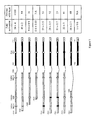
- an optimised DNA sequence for the analysis of the xenobiotic induction of the CYP3A4 gene has been determined. It includes the XREM region as well as bases -356 to +53 of the proximal CYP3A4 promoter and is termed construct #5 ( Figure 6 ). Typically, this DNA sequence is linked to a reporter gene and studied in a suitable cell or cell-free system.
- the present inventors have determined that the HepG2 cell line cultured in Dulbecco's Modified Eagle's Medium (DMEM) with 10% foetal bovine serum, transfected using a commercially available reagent (FuGene-6, Boehringer Mannheim, Mannheim, Germany) performs well. Tissue-specific and constitutive expression of CYP3A subfamily genes
- CYP3A4 The mechanisms determining the tissue-restricted and constitutive expression of CYP3A4 are probably similar, if not the same. Understanding these aspects of gene regulation are critical to a definitive explanation of why humans exhibit such marked inter-individual variability in CYP3A4-mediated drug metabolism.
- CYP3A subfamily P450s are predominantly expressed in the liver. However, there is significant tissue-restricted extrahepatic expression. CYP3A4 is expressed in significant amounts in small bowel, colon and pancreas, as well as in breast tissue. The relative levels of constitutive expression in the liver and intestine show little concordance, suggesting that different mechanisms operate in each tissue. While CYP3A4 is constitutively expressed in all adult human livers, there is a 10-fold variability of CYP3A4 mRNA between liver samples. Variability in intestinal expression is even more marked, with > 30-fold variation being reported.
- liver-specific factors are preferably required to support CYP3A4 transcription.
- a liver-derived cell line HepG2
- NIH-3T3 non-liver-derived line
- the present inventors know that HepG2 cells, despite being a human liver-derived cell line, do not constitutively express CYP3A4 in significant amounts.
- hCAR- ⁇ an unusual human orphan nuclear receptor
- Hear- ⁇ human constitutive androstane receptor- ⁇
- hCAR- ⁇ requires no ligand to transactivate regulatory DNA sequences and its expression is almost entirely restricted to the liver.
- deletion constructs show that the response of the CYP3A4 gene to the hCAR- ⁇ receptor is dependant on the XREM.
- hCAR- ⁇ -mediated constitutive expression was observed when the XREM was linked to the minimal thymidine kinase promoter, though at a lower level than observed with the native promoter.
- Preliminary experiments suggest that there is cooperativity between the XREMand the Prox-ER6 element in hCAR- ⁇ -mediated constitutive expression.
- the native promoter alone shows no response to hCAR- ⁇ cotransfection.
- Cytochrome P450 3A4 (CYP3A4), the predominant P450 expressed in adult human liver, is subject to transcriptional induction by variety of structurally unrelated xenobiotic compounds, including the antibiotic rifampicin.
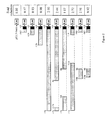
- the present inventors have transfected a human liver-derived cell line (HepG2) with various CYP3A4-luciferase reporter gene constructs containing a nested set of 5'-deletions of the CYP3A4 promoter. Rifampicin-inducible transcription of the reporter gene was only observed with the longest construct. Rifampicin treatment of cells transfected with the - 13000/+53-luciferase construct resulted in a 3- to 5 fold increase in reporter gene activity.
- This construct was activated in a dose-dependent manner by rifampicin with maximal induction at 5 ⁇ M.
- a further set of deletion clones were prepared and the responsive region localised to bases -7800 to -7200, approximately. Polymerase chain reaction-generated deletion mutants suggest that rather than being dependent on a short cis-acting element, the rifampicin-response is reliant upon the integrity of larger region encompassing several hundred bases.
- This region in conjunction with a minimal CYP3A4 promoter (-362 to +53) , was capable of conferring rifampicin-responsiveness on the reporter gene.
- the induction was independent of the orientation of the -7800/-7200 fragment and its position relative to the proximal promoter of CYP3A4.
- Heterologous reporter gene constructs containing the distal enhancer region of CYP3A4 ligated to the herpes simplex virus thymidine kinase promoter, were also capable of inducing luciferase expression following rifampicin treatment. Nucleotide sequence analysis of this region revealed a number of putative transcription factor binding sites.
- the present inventors have identified an enhancer region in the CYP3A4 gene capable of mediating transcriptional activation by rifampicin.
- the present inventors Using a series of deletion constructs of the CYP3A4 gene 5'-flanking region, the present inventors have discovered a DNA sequence, lying approximately 7.5 kilobases 5' to the transcription initiation site of the human P450 CYP3A4 gene, that is responsible for the transcriptional induction of the CYP3A4 gene by xenobiotic inducers, including therapeutic drugs.
- the present inventors have called this element a 'xenobiotic-responsive enhancer module' (XREM).
- XREM 'xenobiotic-responsive enhancer module'
- XREM may be capable of responding to a broad range of chemical compounds.
- the present inventors have used the XREM-containing DNA sequence from CYP3A4 to construct cell culture models that respond to xenobiotic inducers by increasing the transcription of the CYP3A4 gene in a manner analogous to that occurring in humans.
- the present inventors cotransfected a CYP3A4 5'-flanking region construct, containing the XREM and linked to a luciferase reporter, into HepG2 cells either with or without a hPXR expression construct (pSG-hPXR).
- the addition of the hPXR substantially increased the transcription rate of the reporter construct, both constitutively (treated with vehicle alone) and following the addition of a xenobiotic inducer (5 ⁇ M rifampicin).
- the hPXR has been shown to bind to cis-acting DNA response elements (PXRE) as a heterodimer with the retinoid-x receptor (RXR).
- PXRE cis-acting DNA response elements
- RXR retinoid-x receptor
- the PXRE seems to generally consist of a repeat of the sequence TGAACT, either as direct or everted/inverted repeats.
- the present inventors have identified a number of putative nuclear receptor response elements (PXREs) within the XREM shown in Table 1.
- the present inventors have performed gel mobility shift experiments with 32 P-labelled oligonucleotide probes to determine if hPXR-RXR heterodimers were capable of binding to the putative PXREs within the XREM.
- Mutation of XREM-DR6 also decreased transcription rate (to 52% of the wild-type) despite the apparent failure of this motif to bind a hPXR-RXR heterodimer in the gel-shift experiment. It is possible that this site binds other transcription factors or is a low-affinity site for hPXR-RXR.
- the XREM mediates the transcriptional induction of the CYP3A4 gene to many xenobiotics, not only rifampicin
- XREM containing DNA constructs are used to determine the effects of compounds on CYP3A gene transcription.
- These constructs include reporter genes to allow for the convenient measurement of gene activity.
- reporter genes include chloramphenicol acetyl transferase, luciferase, alkaline phosphatase and green fluorescent protein, though any detectable gene product, including messenger RNA (mRNA) could be used.
- mRNA messenger RNA
- Such gene constructs are introduced transiently or permanently into suitable cultured cells, or as a transgene in transgenic animals. Additional DNA constructs can be cotransfected along with the XREM-containing constructs to provide suitable conditions to answer particular questions regarding CYP3A gene regulation.
- Such cotransfected constructs include expression plasmids for hPXR and hCAR- ⁇ which the present inventors have demonstrated to interact with the XREM.
- Present studies have also shown that there are many protein-DNA interactions within the XREM so it is likely that other cotransfected constructs will prove useful for certain situations.
- Another area of application is the use of the XREM sequence to examine human genomic DNA for the presence of polymorphisms relevant to CYP3A4 gene expression.
- polymorphisms may be linked to several areas of use including the prediction of drug metabolising ability and disease associations.
- Induction of CYP3A subfamily enzymes by therapeutic drugs is generally considered to be an undesirable effect. Such induction may increase the elimination of the drug itself or co-administered drugs. This generally renders drugs less effective.
- the ability to screen potential drugs for CYP3A induction during the early development phase is a useful in that such drugs may be discarded in favour of ones that do possess this action.
- the information gained from such drug screening also allows the development of structure-function relationships, which indicate molecules or parts of molecules that have the propensity to induce CYP3A4.
- Such knowledge allows the use of rational drug design to synthesize new compounds that have more favourable characteristics. This process can be applied to existing drugs that undesirably induce CYP3As, such as those listed in Table 2. Table 2.
- Inducers of CYP3A4 can be used to accelerate the metabolism of xenobiotic toxins or endogenously produced substances that are CYP3A4 substrates.
- Inhibitors of CYP3A4 could be used to overcome the undesirable induction of CYP3A4 by therapeutic drugs, such as those listed in Table 2. It will be appreciated that there are many potential uses of drugs specifically designed to modulate CYP3A enzyme formation, other than those listed here. The XREM sequence is useful in identifying such drugs.
- the XREM as a tool for pharmacogenetic analysis / disease susceptibility
- CYP3A subfamily P450s are particularly involved in the metabolism of therapeutic drugs and endogenously produced steroid hormones. It is well recognised that there are marked inter-individual differences in the metabolism of CYP3A substrates (up to 20-fold), however, to date, no polymorphisms within the CYP3A4 protein coding region of the CYP3A4 gene have been found to account for these differences. This strongly suggests that it is the regulation of CYP3A gene expression that accounts for these inter-individual differences.
- XREM region of CYP3A4 is an important regulatory element for the transcriptional control of the expression of this gene. It follows that polymorphisms within the XREM could significantly effect gene transcription and the expression of CYP3A4 protein, thus explaining, at least in part, the inter-individual differences in CYP3A-mediated metabolism.
- XREM sequence and function provides a potentially powerful tool to search for CYP3A gene polymorphisms. Screening for such polymorphisms would be of considerable usefulness in determining the ability of an individual to metabolise drugs (pharmacogenetic analysis) or determine disease susceptibility (eg., prostate cancer).
- the method for carrying out such screening typically involves the amplification of the genomic DNA region of interest (in this case the XREM) using polymerase chain reaction (PCR).
- PCR product can then be examined for polymorphisms using one of several techniques such as restriction fragment length polymorphisms (RFLP), sequencing of DNA or single-stranded conformational polymorphisms (SSCP) of DNA.
- RFLP restriction fragment length polymorphisms
- SSCP single-stranded conformational polymorphisms
- cytochrome P450 gene As a genetic switch has been previously demonstrated using the CYP1A1 gene.
- XREM region of the CYP3A4 gene is capable of regulating transcription in response to xenobiotics as well as certain steroid hormone, it is potentially useful as a genetic switch within the broad context of molecular biology and directed gene expression.
- An example is the activation of a transgene in the liver of an animal via a PXR/XREM-dependant mechanism.
Landscapes
- Chemical & Material Sciences (AREA)
- Organic Chemistry (AREA)
- Life Sciences & Earth Sciences (AREA)
- Health & Medical Sciences (AREA)
- Genetics & Genomics (AREA)
- Zoology (AREA)
- Wood Science & Technology (AREA)
- Proteomics, Peptides & Aminoacids (AREA)
- Engineering & Computer Science (AREA)
- Analytical Chemistry (AREA)
- Immunology (AREA)
- Microbiology (AREA)
- Molecular Biology (AREA)
- Biotechnology (AREA)
- Biophysics (AREA)
- Physics & Mathematics (AREA)
- Biochemistry (AREA)
- Bioinformatics & Cheminformatics (AREA)
- General Engineering & Computer Science (AREA)
- General Health & Medical Sciences (AREA)
- Micro-Organisms Or Cultivation Processes Thereof (AREA)
- Measuring Or Testing Involving Enzymes Or Micro-Organisms (AREA)
Priority Applications (2)
| Application Number | Priority Date | Filing Date | Title |
|---|---|---|---|
| DK09177085.9T DK2154250T3 (da) | 1998-05-21 | 1999-05-20 | Ikke-humant transgent dyr til xenobiotisk relateret induktion af genudtryk af cytokrom CYP3A4 |
| EP09177085A EP2154250B1 (en) | 1998-05-21 | 1999-05-20 | Non-human transgenic animal for xenobiotic related induction of gene expression of cytochrome CYP3A4 |
Applications Claiming Priority (3)
| Application Number | Priority Date | Filing Date | Title |
|---|---|---|---|
| AUPP362898 | 1998-05-21 | ||
| AUPP3628A AUPP362898A0 (en) | 1998-05-21 | 1998-05-21 | Xenobiotic induction of gene expression |
| PCT/AU1999/000381 WO1999061622A1 (en) | 1998-05-21 | 1999-05-20 | Xenobiotic related induction of gene expression |
Publications (3)
| Publication Number | Publication Date |
|---|---|
| EP1082437A1 EP1082437A1 (en) | 2001-03-14 |
| EP1082437A4 EP1082437A4 (en) | 2003-03-19 |
| EP1082437B1 true EP1082437B1 (en) | 2009-12-16 |
Family
ID=3807879
Family Applications (2)
| Application Number | Title | Priority Date | Filing Date |
|---|---|---|---|
| EP99923306A Expired - Lifetime EP1082437B1 (en) | 1998-05-21 | 1999-05-20 | Xenobiotic related induction of gene expression of cytochrome P450 CYP3A4 |
| EP09177085A Expired - Lifetime EP2154250B1 (en) | 1998-05-21 | 1999-05-20 | Non-human transgenic animal for xenobiotic related induction of gene expression of cytochrome CYP3A4 |
Family Applications After (1)
| Application Number | Title | Priority Date | Filing Date |
|---|---|---|---|
| EP09177085A Expired - Lifetime EP2154250B1 (en) | 1998-05-21 | 1999-05-20 | Non-human transgenic animal for xenobiotic related induction of gene expression of cytochrome CYP3A4 |
Country Status (10)
| Country | Link |
|---|---|
| US (3) | US6984489B1 (da) |
| EP (2) | EP1082437B1 (da) |
| JP (1) | JP4446603B2 (da) |
| AT (1) | ATE452193T1 (da) |
| AU (2) | AUPP362898A0 (da) |
| CA (1) | CA2333016C (da) |
| DE (1) | DE69941813D1 (da) |
| DK (2) | DK2154250T3 (da) |
| ES (1) | ES2337967T3 (da) |
| WO (1) | WO1999061622A1 (da) |
Families Citing this family (16)
| Publication number | Priority date | Publication date | Assignee | Title |
|---|---|---|---|---|
| US6756491B2 (en) | 1998-01-09 | 2004-06-29 | The Salk Institute For Biological Studies | Steroid-activated nuclear receptors and uses therefor |
| US6984773B1 (en) | 1998-01-09 | 2006-01-10 | The Salk Institute For Biological Studies | Transgenic mice expressing a human SXR receptor polypeptide |
| AUPP362898A0 (en) | 1998-05-21 | 1998-06-11 | University Of Sydney, The | Xenobiotic induction of gene expression |
| AU2006200258B2 (en) * | 1999-12-09 | 2009-04-09 | The Salk Institute For Biological Studies | Novel steroid-activated nuclear receptors and uses therefor |
| US20020168623A1 (en) * | 2000-04-12 | 2002-11-14 | Judy Raucy | Compositions and methods for induction of proteins involved in xenobiotic metabolism |
| WO2002008451A2 (en) * | 2000-07-25 | 2002-01-31 | Epidauros Biotechnologie Ag | Assay for screening compounds for inducing drug metabolizing enzymes |
| JP2004506430A (ja) * | 2000-08-11 | 2004-03-04 | シティ・オブ・ホープ | Sxrによるトランス活性化の抗新生物剤et−743による阻害 |
| SE0003393D0 (sv) * | 2000-09-22 | 2000-09-22 | Pharmacia & Upjohn Ab | Promoter sequences |
| AUPR116100A0 (en) | 2000-11-01 | 2000-11-23 | University Of Sydney, The | P450 gene regulation |
| CA2426959C (en) * | 2000-11-01 | 2011-10-04 | The University Of Sydney | Transgenic animals for analysing cyp3a4 cytochrome p450 gene regulation |
| JP2005510205A (ja) * | 2001-04-12 | 2005-04-21 | ゼノジェン コーポレイション | チトクロム発現に関連するマウスおよびヒト転写制御エレメントの単離および同定 |
| AU2002253458A1 (en) * | 2002-04-09 | 2003-10-20 | Universitat Basel | Enhancer sequence of the 5-aminolevulinic synthase gene |
| WO2006064197A2 (en) * | 2004-12-13 | 2006-06-22 | Iti Scotland Limited | Transgenic animals for assessing drug metabolism and toxicity |
| WO2016208776A1 (ja) | 2015-06-25 | 2016-12-29 | 株式会社国際電気通信基礎技術研究所 | 多器官連関システムを基盤とした予測装置、及び予測プログラム |
| EP3466446B1 (en) | 2016-03-29 | 2023-12-27 | Karydo Therapeutix, Inc. | Pharmaceutical composition or food composition, and method for assessing effect of active ingredient in vivo |
| JP6432962B2 (ja) | 2016-03-29 | 2018-12-05 | 株式会社国際電気通信基礎技術研究所 | 腎機能低下、慢性腎疾患及び腎不全からなる群から選択される少なくとも一種の疾患を予防、又は治療するための有効成分の候補物質のスクリーニング方法 |
Family Cites Families (20)
| Publication number | Priority date | Publication date | Assignee | Title |
|---|---|---|---|---|
| US5851819A (en) | 1987-06-16 | 1998-12-22 | National Institutes Of Health | Vectors carrying MDR1 cDNA which confer multidrug resistance on transduced cells |
| US4997757A (en) | 1987-12-23 | 1991-03-05 | Genebiomed, Inc. | Process for detecting potential carcinogens |
| US5429948A (en) * | 1988-03-02 | 1995-07-04 | Gentest Corporation | Human cell line stably expressing 5cDNAS encoding procarcinogen-activating enzymes and related mutagenicity assays |
| GB9308271D0 (en) | 1993-04-21 | 1993-06-02 | Univ Edinburgh | Method of isolating and/or enriching and/or selectively propagating pluripotential animal cells and animals for use in said method |
| CA2128399A1 (en) * | 1993-07-20 | 1995-01-21 | Koji Hayashi | Method for safety evaluation of chemical compound using recombinant yeast expressing human cytochrome p450 |
| US6432639B1 (en) | 1997-09-10 | 2002-08-13 | Dna Sciences Laboratories, Inc. | Isolated CYP3A4 nucleic acid molecules and detection methods |
| US6756491B2 (en) | 1998-01-09 | 2004-06-29 | The Salk Institute For Biological Studies | Steroid-activated nuclear receptors and uses therefor |
| JP2002535241A (ja) | 1998-03-27 | 2002-10-22 | グラクソ グループ リミテッド | オーファン核内受容体 |
| AUPP362898A0 (en) | 1998-05-21 | 1998-06-11 | University Of Sydney, The | Xenobiotic induction of gene expression |
| EP1141359B1 (en) | 1998-12-17 | 2006-10-04 | Xenogen Corporation | Non-invasive evaluation of physiological response in a mammal |
| WO2001011951A1 (fr) | 1999-08-13 | 2001-02-22 | Kirin Beer Kabushiki Kaisha | Souris renfermant un cytochrome p450 humain |
| EP1088900A1 (en) | 1999-09-10 | 2001-04-04 | Epidauros Biotechnologie AG | Polymorphisms in the human CYP3A4, CYP3A7 and hPXR genes and their use in diagnostic and therapeutic applications |
| US20020168623A1 (en) | 2000-04-12 | 2002-11-14 | Judy Raucy | Compositions and methods for induction of proteins involved in xenobiotic metabolism |
| WO2002008451A2 (en) | 2000-07-25 | 2002-01-31 | Epidauros Biotechnologie Ag | Assay for screening compounds for inducing drug metabolizing enzymes |
| AU9119201A (en) | 2000-09-21 | 2002-04-02 | Baylor College Medicine | Screening systems and methods for identifying modulators of xenobiotic metabolism |
| US20020150915A1 (en) | 2000-09-22 | 2002-10-17 | Anders Berkenstam | Promoter sequences |
| CA2426959C (en) | 2000-11-01 | 2011-10-04 | The University Of Sydney | Transgenic animals for analysing cyp3a4 cytochrome p450 gene regulation |
| US6734582B2 (en) | 2001-04-10 | 2004-05-11 | International Business Machines Corporation | Linear actuator using a rotating motor |
| JP2005510205A (ja) | 2001-04-12 | 2005-04-21 | ゼノジェン コーポレイション | チトクロム発現に関連するマウスおよびヒト転写制御エレメントの単離および同定 |
| AUPR446701A0 (en) | 2001-04-18 | 2001-05-17 | Gene Stream Pty Ltd | Transgenic mammals for pharmacological and toxicological studies |
-
1998
- 1998-05-21 AU AUPP3628A patent/AUPP362898A0/en not_active Abandoned
-
1999
- 1999-05-20 ES ES99923306T patent/ES2337967T3/es not_active Expired - Lifetime
- 1999-05-20 EP EP99923306A patent/EP1082437B1/en not_active Expired - Lifetime
- 1999-05-20 EP EP09177085A patent/EP2154250B1/en not_active Expired - Lifetime
- 1999-05-20 AU AU40232/99A patent/AU758087B2/en not_active Ceased
- 1999-05-20 WO PCT/AU1999/000381 patent/WO1999061622A1/en not_active Ceased
- 1999-05-20 JP JP2000551006A patent/JP4446603B2/ja not_active Expired - Lifetime
- 1999-05-20 US US09/700,991 patent/US6984489B1/en not_active Expired - Fee Related
- 1999-05-20 DE DE69941813T patent/DE69941813D1/de not_active Expired - Lifetime
- 1999-05-20 DK DK09177085.9T patent/DK2154250T3/da active
- 1999-05-20 DK DK99923306.7T patent/DK1082437T3/da active
- 1999-05-20 CA CA2333016A patent/CA2333016C/en not_active Expired - Fee Related
- 1999-05-20 AT AT99923306T patent/ATE452193T1/de active
-
2006
- 2006-01-04 US US11/324,921 patent/US7638614B2/en not_active Expired - Fee Related
-
2009
- 2009-12-02 US US12/629,186 patent/US9029336B2/en not_active Expired - Fee Related
Non-Patent Citations (6)
| Title |
|---|
| BARWICK J.L. ET AL.: "Trans-species gene transfer for analysis of glucocorticoid-inducible transcriptional activation of transiently expressed human CYP3A4 and rabbit CYP3A6 in primary cultures of adult rat and rabbit hepatocytes", MOL. PHARM., vol. 50, 1998, pages 10 - 16, XP002987450 * |
| HASHIMOTO H. ET AL.: "Gene structure of CYP3A4, an adult-specific form of cytochrome P450 in human livers, and its transcriptional control", EUR. J. BIOCHEM., vol. 218, 1993, pages 585 - 595, XP001122143, DOI: doi:10.1111/j.1432-1033.1993.tb18412.x * |
| LAWN R.M.: "The isolation and characterization of linked delta- and beta-genes from a cloned library of human DNA", CELL, vol. 15, 1978, pages 1157 - 1174, XP027462158, DOI: doi:10.1016/0092-8674(78)90043-0 * |
| LEHMANN J.M. ET AL.: "The human orphan nuclear receptor PXR is activated by compounds that regulate CYP3A4 gene expression and cause drug interactions", J. CLIN. INVEST., vol. 102, no. 5, September 1998 (1998-09-01), pages 1016 - 1023, XP002943375, DOI: doi:10.1172/JCI3703 * |
| OGG M.S. ET AL.: "Development of an in vitro reporter gene assay to assess xenobiotic induction of the human CYP3A4 gene", EUROP. J. DRUG. META. PHARMACOKIN., vol. 22, no. 4, 1997, pages 311 - 313 * |
| YANAGIDA A. ET AL.: "A novel cis-acting DNA element required for a high level of inducible expression", MOL. CELL. BIOL., vol. 10, no. 4, April 1990 (1990-04-01), pages 1470 - 1475, XP001119266 * |
Also Published As
| Publication number | Publication date |
|---|---|
| US9029336B2 (en) | 2015-05-12 |
| JP4446603B2 (ja) | 2010-04-07 |
| AU4023299A (en) | 1999-12-13 |
| EP2154250B1 (en) | 2013-03-20 |
| AUPP362898A0 (en) | 1998-06-11 |
| ATE452193T1 (de) | 2010-01-15 |
| EP2154250A1 (en) | 2010-02-17 |
| CA2333016A1 (en) | 1999-12-02 |
| ES2337967T3 (es) | 2010-04-30 |
| EP1082437A4 (en) | 2003-03-19 |
| WO1999061622A1 (en) | 1999-12-02 |
| AU758087B2 (en) | 2003-03-13 |
| US7638614B2 (en) | 2009-12-29 |
| DE69941813D1 (de) | 2010-01-28 |
| DK1082437T3 (da) | 2010-04-12 |
| EP1082437A1 (en) | 2001-03-14 |
| US20100146652A1 (en) | 2010-06-10 |
| CA2333016C (en) | 2011-08-09 |
| DK2154250T3 (da) | 2013-06-17 |
| JP2002516107A (ja) | 2002-06-04 |
| US6984489B1 (en) | 2006-01-10 |
| US20060105385A1 (en) | 2006-05-18 |
Similar Documents
| Publication | Publication Date | Title |
|---|---|---|
| US9029336B2 (en) | Xenobiotic related induction of gene expression | |
| Garrett-Sinha et al. | A gene for a novel zinc-finger protein expressed in differentiated epithelial cells and transiently in certain mesenchymal cells | |
| Sher et al. | cDNA cloning, chromosomal mapping, and functional characterization of the human peroxisome proliferator activated receptor | |
| Meyer et al. | Mutational analysis of the SOX9 gene in campomelic dysplasia and autosomal sex reversal: lack of genotype/phenotype correlations | |
| Lau et al. | Activin βC and βE genes are not essential for mouse liver growth, differentiation, and regeneration | |
| Williamson et al. | A cis-acting control region is required exclusively for the tissue-specific imprinting of Gnas | |
| Ramsden et al. | Phenobarbital induction and tissue-specific expression of the rat CYP2B2 gene in transgenic mice. | |
| Stoltz et al. | The CYP2B2 phenobarbital response unit contains an accessory factor element and a putative glucocorticoid response element essential for conferring maximal phenobarbital responsiveness | |
| Kristiansen et al. | Association of a functional 17β-estradiol sensitive IL6-174G/C promoter polymorphism with early-onset type 1 diabetes in females | |
| US6432639B1 (en) | Isolated CYP3A4 nucleic acid molecules and detection methods | |
| Robert et al. | The orphan nuclear receptor NR4A1 regulates insulin-like 3 gene transcription in Leydig cells | |
| Liu et al. | Tandem-repeated zebrafish zp3 genes possess oocyte-specific promoters and are insensitive to estrogen induction | |
| Pilon et al. | Porcine SRY Promoter Is a Target for Steroidogenic Factor | |
| Fisher et al. | Activation of transcription as a general mechanism of 2, 3, 7, 8‐tetrachlorodibenzo‐p‐dioxin action | |
| Espey et al. | Characterization of ovarian carbonyl reductase gene expression during ovulation in the gonadotropin-primed immature rat | |
| JP2002521067A (ja) | ヒトのudp−グルクロノシルトランスフェラーゼ2b4(ugt2b4)、2b7(ugt2b7)及び2b15(ugt2b15)遺伝子の遺伝子型決定 | |
| Gonzalez | Control of constitutively-expressed developmentally-activated rat hepatic cytochrome P450 genes | |
| Alvares et al. | An upstream region of the enoyl-coenzyme A hydratase/3-hydroxyacyl-coenzyme A dehydrogenase gene directs luciferase expression in liver in response to peroxisome proliferators in transgenic mice | |
| Herbst et al. | SEZ-6: promoter selectivity, genomic structure and localized expression in the brain | |
| Quattrochi et al. | Characterization of DNA-binding proteins required for glucocorticoid induction of CYP3A23 | |
| Dzau et al. | Role of molecular biology in hypertension research. State of the Art lecture. | |
| Falkner et al. | The negative regulation of the rat aldehyde dehydrogenase 3 gene by glucocorticoids: involvement of a single imperfect palindromic glucocorticoid responsive element | |
| Murine | Similarities and Differences Between Human | |
| Ali | The generation and analysis of mice bearing a human alpha-1-antitrypsin gene construct containing the Z mutation | |
| Potter | Regulation of serum amyloid A gene expression in cultured cells |
Legal Events
| Date | Code | Title | Description |
|---|---|---|---|
| PUAI | Public reference made under article 153(3) epc to a published international application that has entered the european phase |
Free format text: ORIGINAL CODE: 0009012 |
|
| 17P | Request for examination filed |
Effective date: 20001219 |
|
| AK | Designated contracting states |
Kind code of ref document: A1 Designated state(s): AT BE CH CY DE DK ES FI FR GB GR IE IT LI LU MC NL PT SE |
|
| A4 | Supplementary search report drawn up and despatched |
Effective date: 20030131 |
|
| TPAC | Observations filed by third parties |
Free format text: ORIGINAL CODE: EPIDOSNTIPA |
|
| 17Q | First examination report despatched |
Effective date: 20050503 |
|
| TPAC | Observations filed by third parties |
Free format text: ORIGINAL CODE: EPIDOSNTIPA |
|
| 17Q | First examination report despatched |
Effective date: 20050503 |
|
| RTI1 | Title (correction) |
Free format text: XENOBIOTIC RELATED INDUCTION OF GENE EXPRESSION OF CYTOCHROME P450 CYP3A4 |
|
| GRAP | Despatch of communication of intention to grant a patent |
Free format text: ORIGINAL CODE: EPIDOSNIGR1 |
|
| RTI1 | Title (correction) |
Free format text: XENOBIOTIC RELATED INDUCTION OF GENE EXPRESSION OF CYTOCHROME P450 CYP3A4 |
|
| GRAS | Grant fee paid |
Free format text: ORIGINAL CODE: EPIDOSNIGR3 |
|
| GRAA | (expected) grant |
Free format text: ORIGINAL CODE: 0009210 |
|
| AK | Designated contracting states |
Kind code of ref document: B1 Designated state(s): AT BE CH CY DE DK ES FI FR GB GR IE IT LI LU MC NL PT SE |
|
| REG | Reference to a national code |
Ref country code: GB Ref legal event code: FG4D |
|
| REG | Reference to a national code |
Ref country code: CH Ref legal event code: EP |
|
| REG | Reference to a national code |
Ref country code: IE Ref legal event code: FG4D |
|
| REF | Corresponds to: |
Ref document number: 69941813 Country of ref document: DE Date of ref document: 20100128 Kind code of ref document: P |
|
| REG | Reference to a national code |
Ref country code: SE Ref legal event code: TRGR |
|
| REG | Reference to a national code |
Ref country code: NL Ref legal event code: T3 |
|
| REG | Reference to a national code |
Ref country code: DK Ref legal event code: T3 |
|
| PG25 | Lapsed in a contracting state [announced via postgrant information from national office to epo] |
Ref country code: FI Free format text: LAPSE BECAUSE OF FAILURE TO SUBMIT A TRANSLATION OF THE DESCRIPTION OR TO PAY THE FEE WITHIN THE PRESCRIBED TIME-LIMIT Effective date: 20091216 |
|
| REG | Reference to a national code |
Ref country code: ES Ref legal event code: FG2A Ref document number: 2337967 Country of ref document: ES Kind code of ref document: T3 |
|
| PG25 | Lapsed in a contracting state [announced via postgrant information from national office to epo] |
Ref country code: PT Free format text: LAPSE BECAUSE OF FAILURE TO SUBMIT A TRANSLATION OF THE DESCRIPTION OR TO PAY THE FEE WITHIN THE PRESCRIBED TIME-LIMIT Effective date: 20100416 |
|
| PLBE | No opposition filed within time limit |
Free format text: ORIGINAL CODE: 0009261 |
|
| STAA | Information on the status of an ep patent application or granted ep patent |
Free format text: STATUS: NO OPPOSITION FILED WITHIN TIME LIMIT |
|
| PG25 | Lapsed in a contracting state [announced via postgrant information from national office to epo] |
Ref country code: GR Free format text: LAPSE BECAUSE OF FAILURE TO SUBMIT A TRANSLATION OF THE DESCRIPTION OR TO PAY THE FEE WITHIN THE PRESCRIBED TIME-LIMIT Effective date: 20100317 Ref country code: CY Free format text: LAPSE BECAUSE OF FAILURE TO SUBMIT A TRANSLATION OF THE DESCRIPTION OR TO PAY THE FEE WITHIN THE PRESCRIBED TIME-LIMIT Effective date: 20091216 |
|
| 26N | No opposition filed |
Effective date: 20100917 |
|
| PGFP | Annual fee paid to national office [announced via postgrant information from national office to epo] |
Ref country code: LU Payment date: 20110603 Year of fee payment: 13 Ref country code: MC Payment date: 20110523 Year of fee payment: 13 |
|
| PGFP | Annual fee paid to national office [announced via postgrant information from national office to epo] |
Ref country code: CH Payment date: 20120523 Year of fee payment: 14 Ref country code: IE Payment date: 20120522 Year of fee payment: 14 Ref country code: DK Payment date: 20120521 Year of fee payment: 14 |
|
| PGFP | Annual fee paid to national office [announced via postgrant information from national office to epo] |
Ref country code: BE Payment date: 20120524 Year of fee payment: 14 |
|
| PGFP | Annual fee paid to national office [announced via postgrant information from national office to epo] |
Ref country code: IT Payment date: 20120529 Year of fee payment: 14 |
|
| PG25 | Lapsed in a contracting state [announced via postgrant information from national office to epo] |
Ref country code: MC Free format text: LAPSE BECAUSE OF NON-PAYMENT OF DUE FEES Effective date: 20120531 |
|
| PGFP | Annual fee paid to national office [announced via postgrant information from national office to epo] |
Ref country code: ES Payment date: 20120525 Year of fee payment: 14 |
|
| PGFP | Annual fee paid to national office [announced via postgrant information from national office to epo] |
Ref country code: AT Payment date: 20120522 Year of fee payment: 14 |
|
| PGFP | Annual fee paid to national office [announced via postgrant information from national office to epo] |
Ref country code: NL Payment date: 20130530 Year of fee payment: 15 |
|
| BERE | Be: lapsed |
Owner name: THE UNIVERSITY OF SYDNEY Effective date: 20130531 |
|
| REG | Reference to a national code |
Ref country code: CH Ref legal event code: PL |
|
| REG | Reference to a national code |
Ref country code: AT Ref legal event code: MM01 Ref document number: 452193 Country of ref document: AT Kind code of ref document: T Effective date: 20130531 |
|
| PG25 | Lapsed in a contracting state [announced via postgrant information from national office to epo] |
Ref country code: AT Free format text: LAPSE BECAUSE OF NON-PAYMENT OF DUE FEES Effective date: 20130531 Ref country code: CH Free format text: LAPSE BECAUSE OF NON-PAYMENT OF DUE FEES Effective date: 20130531 Ref country code: LI Free format text: LAPSE BECAUSE OF NON-PAYMENT OF DUE FEES Effective date: 20130531 |
|
| REG | Reference to a national code |
Ref country code: DK Ref legal event code: EBP Effective date: 20130531 |
|
| REG | Reference to a national code |
Ref country code: IE Ref legal event code: MM4A |
|
| PG25 | Lapsed in a contracting state [announced via postgrant information from national office to epo] |
Ref country code: IT Free format text: LAPSE BECAUSE OF NON-PAYMENT OF DUE FEES Effective date: 20130520 Ref country code: BE Free format text: LAPSE BECAUSE OF NON-PAYMENT OF DUE FEES Effective date: 20130531 |
|
| PG25 | Lapsed in a contracting state [announced via postgrant information from national office to epo] |
Ref country code: DK Free format text: LAPSE BECAUSE OF NON-PAYMENT OF DUE FEES Effective date: 20130531 Ref country code: IE Free format text: LAPSE BECAUSE OF NON-PAYMENT OF DUE FEES Effective date: 20130520 |
|
| PG25 | Lapsed in a contracting state [announced via postgrant information from national office to epo] |
Ref country code: LU Free format text: LAPSE BECAUSE OF NON-PAYMENT OF DUE FEES Effective date: 20120520 |
|
| PGFP | Annual fee paid to national office [announced via postgrant information from national office to epo] |
Ref country code: SE Payment date: 20140520 Year of fee payment: 16 |
|
| REG | Reference to a national code |
Ref country code: NL Ref legal event code: V1 Effective date: 20141201 |
|
| PG25 | Lapsed in a contracting state [announced via postgrant information from national office to epo] |
Ref country code: NL Free format text: LAPSE BECAUSE OF NON-PAYMENT OF DUE FEES Effective date: 20141201 |
|
| REG | Reference to a national code |
Ref country code: ES Ref legal event code: FD2A Effective date: 20150710 |
|
| PG25 | Lapsed in a contracting state [announced via postgrant information from national office to epo] |
Ref country code: ES Free format text: LAPSE BECAUSE OF NON-PAYMENT OF DUE FEES Effective date: 20130521 |
|
| PG25 | Lapsed in a contracting state [announced via postgrant information from national office to epo] |
Ref country code: SE Free format text: LAPSE BECAUSE OF NON-PAYMENT OF DUE FEES Effective date: 20150521 |
|
| REG | Reference to a national code |
Ref country code: FR Ref legal event code: PLFP Year of fee payment: 18 |
|
| PGFP | Annual fee paid to national office [announced via postgrant information from national office to epo] |
Ref country code: GB Payment date: 20160520 Year of fee payment: 18 |
|
| PGFP | Annual fee paid to national office [announced via postgrant information from national office to epo] |
Ref country code: FR Payment date: 20160520 Year of fee payment: 18 |
|
| PGFP | Annual fee paid to national office [announced via postgrant information from national office to epo] |
Ref country code: DE Payment date: 20170523 Year of fee payment: 19 |
|
| GBPC | Gb: european patent ceased through non-payment of renewal fee |
Effective date: 20170520 |
|
| REG | Reference to a national code |
Ref country code: FR Ref legal event code: ST Effective date: 20180131 |
|
| PG25 | Lapsed in a contracting state [announced via postgrant information from national office to epo] |
Ref country code: GB Free format text: LAPSE BECAUSE OF NON-PAYMENT OF DUE FEES Effective date: 20170520 |
|
| PG25 | Lapsed in a contracting state [announced via postgrant information from national office to epo] |
Ref country code: FR Free format text: LAPSE BECAUSE OF NON-PAYMENT OF DUE FEES Effective date: 20170531 |
|
| REG | Reference to a national code |
Ref country code: DE Ref legal event code: R119 Ref document number: 69941813 Country of ref document: DE |
|
| PG25 | Lapsed in a contracting state [announced via postgrant information from national office to epo] |
Ref country code: DE Free format text: LAPSE BECAUSE OF NON-PAYMENT OF DUE FEES Effective date: 20181201 |