EP1026125B1 - Process for producing fine metal oxide particles - Google Patents
Process for producing fine metal oxide particles Download PDFInfo
- Publication number
- EP1026125B1 EP1026125B1 EP98937804A EP98937804A EP1026125B1 EP 1026125 B1 EP1026125 B1 EP 1026125B1 EP 98937804 A EP98937804 A EP 98937804A EP 98937804 A EP98937804 A EP 98937804A EP 1026125 B1 EP1026125 B1 EP 1026125B1
- Authority
- EP
- European Patent Office
- Prior art keywords
- fine particles
- oxide
- organic solvent
- metal oxide
- water
- Prior art date
- Legal status (The legal status is an assumption and is not a legal conclusion. Google has not performed a legal analysis and makes no representation as to the accuracy of the status listed.)
- Expired - Lifetime
Links
- 239000002245 particle Substances 0.000 title claims description 44
- 150000004706 metal oxides Chemical class 0.000 title claims description 30
- 238000000034 method Methods 0.000 title claims description 21
- 229910001111 Fine metal Inorganic materials 0.000 title 1
- GWEVSGVZZGPLCZ-UHFFFAOYSA-N Titan oxide Chemical group O=[Ti]=O GWEVSGVZZGPLCZ-UHFFFAOYSA-N 0.000 claims description 74
- 239000010419 fine particle Substances 0.000 claims description 45
- 239000003960 organic solvent Substances 0.000 claims description 40
- XLYOFNOQVPJJNP-UHFFFAOYSA-N water Substances O XLYOFNOQVPJJNP-UHFFFAOYSA-N 0.000 claims description 39
- 229910044991 metal oxide Inorganic materials 0.000 claims description 29
- 229910001507 metal halide Inorganic materials 0.000 claims description 23
- 150000005309 metal halides Chemical class 0.000 claims description 23
- XJDNKRIXUMDJCW-UHFFFAOYSA-J titanium tetrachloride Chemical group Cl[Ti](Cl)(Cl)Cl XJDNKRIXUMDJCW-UHFFFAOYSA-J 0.000 claims description 19
- 238000004519 manufacturing process Methods 0.000 claims description 15
- 239000004408 titanium dioxide Substances 0.000 claims description 7
- 230000002209 hydrophobic effect Effects 0.000 claims description 5
- 230000003301 hydrolyzing effect Effects 0.000 claims description 2
- OGIDPMRJRNCKJF-UHFFFAOYSA-N titanium oxide Inorganic materials [Ti]=O OGIDPMRJRNCKJF-UHFFFAOYSA-N 0.000 description 33
- 230000007062 hydrolysis Effects 0.000 description 17
- 238000006460 hydrolysis reaction Methods 0.000 description 17
- 238000009826 distribution Methods 0.000 description 16
- LFQSCWFLJHTTHZ-UHFFFAOYSA-N Ethanol Chemical compound CCO LFQSCWFLJHTTHZ-UHFFFAOYSA-N 0.000 description 15
- ZMXDDKWLCZADIW-UHFFFAOYSA-N N,N-Dimethylformamide Chemical compound CN(C)C=O ZMXDDKWLCZADIW-UHFFFAOYSA-N 0.000 description 15
- 238000002441 X-ray diffraction Methods 0.000 description 14
- YXFVVABEGXRONW-UHFFFAOYSA-N Toluene Chemical compound CC1=CC=CC=C1 YXFVVABEGXRONW-UHFFFAOYSA-N 0.000 description 12
- 238000010438 heat treatment Methods 0.000 description 11
- 238000004458 analytical method Methods 0.000 description 10
- 230000005540 biological transmission Effects 0.000 description 10
- 238000010992 reflux Methods 0.000 description 10
- -1 titanium halide Chemical class 0.000 description 10
- FXHOOIRPVKKKFG-UHFFFAOYSA-N N,N-Dimethylacetamide Chemical compound CN(C)C(C)=O FXHOOIRPVKKKFG-UHFFFAOYSA-N 0.000 description 9
- 239000013078 crystal Substances 0.000 description 9
- 229940113088 dimethylacetamide Drugs 0.000 description 9
- 235000019441 ethanol Nutrition 0.000 description 9
- 238000004220 aggregation Methods 0.000 description 7
- 230000002776 aggregation Effects 0.000 description 7
- 239000000203 mixture Substances 0.000 description 7
- ZWEHNKRNPOVVGH-UHFFFAOYSA-N 2-Butanone Chemical compound CCC(C)=O ZWEHNKRNPOVVGH-UHFFFAOYSA-N 0.000 description 6
- OKKJLVBELUTLKV-UHFFFAOYSA-N Methanol Chemical compound OC OKKJLVBELUTLKV-UHFFFAOYSA-N 0.000 description 6
- VLKZOEOYAKHREP-UHFFFAOYSA-N n-Hexane Chemical compound CCCCCC VLKZOEOYAKHREP-UHFFFAOYSA-N 0.000 description 6
- CSCPPACGZOOCGX-UHFFFAOYSA-N Acetone Chemical compound CC(C)=O CSCPPACGZOOCGX-UHFFFAOYSA-N 0.000 description 5
- 229910052751 metal Inorganic materials 0.000 description 5
- 239000002184 metal Substances 0.000 description 5
- RVTZCBVAJQQJTK-UHFFFAOYSA-N oxygen(2-);zirconium(4+) Chemical compound [O-2].[O-2].[Zr+4] RVTZCBVAJQQJTK-UHFFFAOYSA-N 0.000 description 5
- 229910001928 zirconium oxide Inorganic materials 0.000 description 5
- RTZKZFJDLAIYFH-UHFFFAOYSA-N Diethyl ether Chemical compound CCOCC RTZKZFJDLAIYFH-UHFFFAOYSA-N 0.000 description 4
- LRHPLDYGYMQRHN-UHFFFAOYSA-N N-Butanol Chemical compound CCCCO LRHPLDYGYMQRHN-UHFFFAOYSA-N 0.000 description 4
- IMNFDUFMRHMDMM-UHFFFAOYSA-N N-Heptane Chemical compound CCCCCCC IMNFDUFMRHMDMM-UHFFFAOYSA-N 0.000 description 4
- VYPSYNLAJGMNEJ-UHFFFAOYSA-N Silicium dioxide Chemical compound O=[Si]=O VYPSYNLAJGMNEJ-UHFFFAOYSA-N 0.000 description 4
- FAPDDOBMIUGHIN-UHFFFAOYSA-K antimony trichloride Chemical compound Cl[Sb](Cl)Cl FAPDDOBMIUGHIN-UHFFFAOYSA-K 0.000 description 4
- FDNAPBUWERUEDA-UHFFFAOYSA-N silicon tetrachloride Chemical compound Cl[Si](Cl)(Cl)Cl FDNAPBUWERUEDA-UHFFFAOYSA-N 0.000 description 4
- IEXRMSFAVATTJX-UHFFFAOYSA-N tetrachlorogermane Chemical compound Cl[Ge](Cl)(Cl)Cl IEXRMSFAVATTJX-UHFFFAOYSA-N 0.000 description 4
- XOLBLPGZBRYERU-UHFFFAOYSA-N tin dioxide Chemical compound O=[Sn]=O XOLBLPGZBRYERU-UHFFFAOYSA-N 0.000 description 4
- HPGGPRDJHPYFRM-UHFFFAOYSA-J tin(iv) chloride Chemical compound Cl[Sn](Cl)(Cl)Cl HPGGPRDJHPYFRM-UHFFFAOYSA-J 0.000 description 4
- 239000010936 titanium Substances 0.000 description 4
- 229910052719 titanium Inorganic materials 0.000 description 4
- UBZYKBZMAMTNKW-UHFFFAOYSA-J titanium tetrabromide Chemical compound Br[Ti](Br)(Br)Br UBZYKBZMAMTNKW-UHFFFAOYSA-J 0.000 description 4
- DUNKXUFBGCUVQW-UHFFFAOYSA-J zirconium tetrachloride Chemical compound Cl[Zr](Cl)(Cl)Cl DUNKXUFBGCUVQW-UHFFFAOYSA-J 0.000 description 4
- DHKHKXVYLBGOIT-UHFFFAOYSA-N 1,1-Diethoxyethane Chemical compound CCOC(C)OCC DHKHKXVYLBGOIT-UHFFFAOYSA-N 0.000 description 3
- WEVYAHXRMPXWCK-UHFFFAOYSA-N Acetonitrile Chemical compound CC#N WEVYAHXRMPXWCK-UHFFFAOYSA-N 0.000 description 3
- UHOVQNZJYSORNB-UHFFFAOYSA-N Benzene Chemical compound C1=CC=CC=C1 UHOVQNZJYSORNB-UHFFFAOYSA-N 0.000 description 3
- YMWUJEATGCHHMB-UHFFFAOYSA-N Dichloromethane Chemical compound ClCCl YMWUJEATGCHHMB-UHFFFAOYSA-N 0.000 description 3
- XEKOWRVHYACXOJ-UHFFFAOYSA-N Ethyl acetate Chemical compound CCOC(C)=O XEKOWRVHYACXOJ-UHFFFAOYSA-N 0.000 description 3
- 229910052768 actinide Inorganic materials 0.000 description 3
- 150000001298 alcohols Chemical class 0.000 description 3
- 150000001408 amides Chemical class 0.000 description 3
- 238000007710 freezing Methods 0.000 description 3
- 230000008014 freezing Effects 0.000 description 3
- YBMRDBCBODYGJE-UHFFFAOYSA-N germanium oxide Inorganic materials O=[Ge]=O YBMRDBCBODYGJE-UHFFFAOYSA-N 0.000 description 3
- 229910052747 lanthanoid Inorganic materials 0.000 description 3
- 239000000463 material Substances 0.000 description 3
- 238000002156 mixing Methods 0.000 description 3
- BPUBBGLMJRNUCC-UHFFFAOYSA-N oxygen(2-);tantalum(5+) Chemical compound [O-2].[O-2].[O-2].[O-2].[O-2].[Ta+5].[Ta+5] BPUBBGLMJRNUCC-UHFFFAOYSA-N 0.000 description 3
- 239000000843 powder Substances 0.000 description 3
- BDERNNFJNOPAEC-UHFFFAOYSA-N propan-1-ol Chemical compound CCCO BDERNNFJNOPAEC-UHFFFAOYSA-N 0.000 description 3
- 239000011369 resultant mixture Substances 0.000 description 3
- 229910052814 silicon oxide Inorganic materials 0.000 description 3
- OEIMLTQPLAGXMX-UHFFFAOYSA-I tantalum(v) chloride Chemical compound Cl[Ta](Cl)(Cl)(Cl)Cl OEIMLTQPLAGXMX-UHFFFAOYSA-I 0.000 description 3
- 229910001887 tin oxide Inorganic materials 0.000 description 3
- QPFMBZIOSGYJDE-UHFFFAOYSA-N 1,1,2,2-tetrachloroethane Chemical compound ClC(Cl)C(Cl)Cl QPFMBZIOSGYJDE-UHFFFAOYSA-N 0.000 description 2
- KVNYFPKFSJIPBJ-UHFFFAOYSA-N 1,2-diethylbenzene Chemical compound CCC1=CC=CC=C1CC KVNYFPKFSJIPBJ-UHFFFAOYSA-N 0.000 description 2
- KBPLFHHGFOOTCA-UHFFFAOYSA-N 1-Octanol Chemical compound CCCCCCCCO KBPLFHHGFOOTCA-UHFFFAOYSA-N 0.000 description 2
- RGSFGYAAUTVSQA-UHFFFAOYSA-N Cyclopentane Chemical compound C1CCCC1 RGSFGYAAUTVSQA-UHFFFAOYSA-N 0.000 description 2
- YNQLUTRBYVCPMQ-UHFFFAOYSA-N Ethylbenzene Chemical compound CCC1=CC=CC=C1 YNQLUTRBYVCPMQ-UHFFFAOYSA-N 0.000 description 2
- AMQJEAYHLZJPGS-UHFFFAOYSA-N N-Pentanol Chemical compound CCCCCO AMQJEAYHLZJPGS-UHFFFAOYSA-N 0.000 description 2
- CTQNGGLPUBDAKN-UHFFFAOYSA-N O-Xylene Chemical compound CC1=CC=CC=C1C CTQNGGLPUBDAKN-UHFFFAOYSA-N 0.000 description 2
- OFBQJSOFQDEBGM-UHFFFAOYSA-N Pentane Chemical compound CCCCC OFBQJSOFQDEBGM-UHFFFAOYSA-N 0.000 description 2
- PWATWSYOIIXYMA-UHFFFAOYSA-N Pentylbenzene Chemical compound CCCCCC1=CC=CC=C1 PWATWSYOIIXYMA-UHFFFAOYSA-N 0.000 description 2
- WYURNTSHIVDZCO-UHFFFAOYSA-N Tetrahydrofuran Chemical compound C1CCOC1 WYURNTSHIVDZCO-UHFFFAOYSA-N 0.000 description 2
- 229910003074 TiCl4 Inorganic materials 0.000 description 2
- 150000001338 aliphatic hydrocarbons Chemical class 0.000 description 2
- RDOXTESZEPMUJZ-UHFFFAOYSA-N anisole Chemical compound COC1=CC=CC=C1 RDOXTESZEPMUJZ-UHFFFAOYSA-N 0.000 description 2
- 230000000844 anti-bacterial effect Effects 0.000 description 2
- 150000004945 aromatic hydrocarbons Chemical class 0.000 description 2
- QUKGYYKBILRGFE-UHFFFAOYSA-N benzyl acetate Chemical compound CC(=O)OCC1=CC=CC=C1 QUKGYYKBILRGFE-UHFFFAOYSA-N 0.000 description 2
- QARVLSVVCXYDNA-UHFFFAOYSA-N bromobenzene Chemical compound BrC1=CC=CC=C1 QARVLSVVCXYDNA-UHFFFAOYSA-N 0.000 description 2
- NMJJFJNHVMGPGM-UHFFFAOYSA-N butyl formate Chemical compound CCCCOC=O NMJJFJNHVMGPGM-UHFFFAOYSA-N 0.000 description 2
- OCKPCBLVNKHBMX-UHFFFAOYSA-N butylbenzene Chemical compound CCCCC1=CC=CC=C1 OCKPCBLVNKHBMX-UHFFFAOYSA-N 0.000 description 2
- 238000005119 centrifugation Methods 0.000 description 2
- 239000000919 ceramic Substances 0.000 description 2
- MVPPADPHJFYWMZ-UHFFFAOYSA-N chlorobenzene Chemical compound ClC1=CC=CC=C1 MVPPADPHJFYWMZ-UHFFFAOYSA-N 0.000 description 2
- NEHMKBQYUWJMIP-UHFFFAOYSA-N chloromethane Chemical compound ClC NEHMKBQYUWJMIP-UHFFFAOYSA-N 0.000 description 2
- RWGFKTVRMDUZSP-UHFFFAOYSA-N cumene Chemical compound CC(C)C1=CC=CC=C1 RWGFKTVRMDUZSP-UHFFFAOYSA-N 0.000 description 2
- NNBZCPXTIHJBJL-UHFFFAOYSA-N decalin Chemical compound C1CCCC2CCCCC21 NNBZCPXTIHJBJL-UHFFFAOYSA-N 0.000 description 2
- DIOQZVSQGTUSAI-UHFFFAOYSA-N decane Chemical compound CCCCCCCCCC DIOQZVSQGTUSAI-UHFFFAOYSA-N 0.000 description 2
- 239000006185 dispersion Substances 0.000 description 2
- 239000012153 distilled water Substances 0.000 description 2
- SNRUBQQJIBEYMU-UHFFFAOYSA-N dodecane Chemical compound CCCCCCCCCCCC SNRUBQQJIBEYMU-UHFFFAOYSA-N 0.000 description 2
- FKRCODPIKNYEAC-UHFFFAOYSA-N ethyl propionate Chemical compound CCOC(=O)CC FKRCODPIKNYEAC-UHFFFAOYSA-N 0.000 description 2
- IIEWJVIFRVWJOD-UHFFFAOYSA-N ethylcyclohexane Chemical compound CCC1CCCCC1 IIEWJVIFRVWJOD-UHFFFAOYSA-N 0.000 description 2
- ZSIAUFGUXNUGDI-UHFFFAOYSA-N hexan-1-ol Chemical compound CCCCCCO ZSIAUFGUXNUGDI-UHFFFAOYSA-N 0.000 description 2
- FUZZWVXGSFPDMH-UHFFFAOYSA-N hexanoic acid Chemical compound CCCCCC(O)=O FUZZWVXGSFPDMH-UHFFFAOYSA-N 0.000 description 2
- AOGQPLXWSUTHQB-UHFFFAOYSA-N hexyl acetate Chemical compound CCCCCCOC(C)=O AOGQPLXWSUTHQB-UHFFFAOYSA-N 0.000 description 2
- 150000002576 ketones Chemical class 0.000 description 2
- MRELNEQAGSRDBK-UHFFFAOYSA-N lanthanum(3+);oxygen(2-) Chemical compound [O-2].[O-2].[O-2].[La+3].[La+3] MRELNEQAGSRDBK-UHFFFAOYSA-N 0.000 description 2
- 150000002739 metals Chemical class 0.000 description 2
- UAEPNZWRGJTJPN-UHFFFAOYSA-N methylcyclohexane Chemical compound CC1CCCCC1 UAEPNZWRGJTJPN-UHFFFAOYSA-N 0.000 description 2
- ZWRUINPWMLAQRD-UHFFFAOYSA-N nonan-1-ol Chemical compound CCCCCCCCCO ZWRUINPWMLAQRD-UHFFFAOYSA-N 0.000 description 2
- BKIMMITUMNQMOS-UHFFFAOYSA-N nonane Chemical compound CCCCCCCCC BKIMMITUMNQMOS-UHFFFAOYSA-N 0.000 description 2
- TVMXDCGIABBOFY-UHFFFAOYSA-N octane Chemical compound CCCCCCCC TVMXDCGIABBOFY-UHFFFAOYSA-N 0.000 description 2
- 230000003287 optical effect Effects 0.000 description 2
- PVADDRMAFCOOPC-UHFFFAOYSA-N oxogermanium Chemical compound [Ge]=O PVADDRMAFCOOPC-UHFFFAOYSA-N 0.000 description 2
- PGMYKACGEOXYJE-UHFFFAOYSA-N pentyl acetate Chemical compound CCCCCOC(C)=O PGMYKACGEOXYJE-UHFFFAOYSA-N 0.000 description 2
- 230000001699 photocatalysis Effects 0.000 description 2
- AIFMYMZGQVTROK-UHFFFAOYSA-N silicon tetrabromide Chemical compound Br[Si](Br)(Br)Br AIFMYMZGQVTROK-UHFFFAOYSA-N 0.000 description 2
- 239000000243 solution Substances 0.000 description 2
- 239000002904 solvent Substances 0.000 description 2
- 238000001179 sorption measurement Methods 0.000 description 2
- 239000004094 surface-active agent Substances 0.000 description 2
- 229910001936 tantalum oxide Inorganic materials 0.000 description 2
- VJHDVMPJLLGYBL-UHFFFAOYSA-N tetrabromogermane Chemical compound Br[Ge](Br)(Br)Br VJHDVMPJLLGYBL-UHFFFAOYSA-N 0.000 description 2
- NLLZTRMHNHVXJJ-UHFFFAOYSA-J titanium tetraiodide Chemical compound I[Ti](I)(I)I NLLZTRMHNHVXJJ-UHFFFAOYSA-J 0.000 description 2
- 238000005406 washing Methods 0.000 description 2
- 239000008096 xylene Substances 0.000 description 2
- LSWWNKUULMMMIL-UHFFFAOYSA-J zirconium(iv) bromide Chemical compound Br[Zr](Br)(Br)Br LSWWNKUULMMMIL-UHFFFAOYSA-J 0.000 description 2
- ABSHBZODGOHLFR-UHFFFAOYSA-N 1,1,1-trichlorobutane Chemical compound CCCC(Cl)(Cl)Cl ABSHBZODGOHLFR-UHFFFAOYSA-N 0.000 description 1
- UOCLXMDMGBRAIB-UHFFFAOYSA-N 1,1,1-trichloroethane Chemical compound CC(Cl)(Cl)Cl UOCLXMDMGBRAIB-UHFFFAOYSA-N 0.000 description 1
- AVGQTJUPLKNPQP-UHFFFAOYSA-N 1,1,1-trichloropropane Chemical compound CCC(Cl)(Cl)Cl AVGQTJUPLKNPQP-UHFFFAOYSA-N 0.000 description 1
- SCYULBFZEHDVBN-UHFFFAOYSA-N 1,1-Dichloroethane Chemical compound CC(Cl)Cl SCYULBFZEHDVBN-UHFFFAOYSA-N 0.000 description 1
- SEQRDAAUNCRFIT-UHFFFAOYSA-N 1,1-dichlorobutane Chemical compound CCCC(Cl)Cl SEQRDAAUNCRFIT-UHFFFAOYSA-N 0.000 description 1
- KNKRKFALVUDBJE-UHFFFAOYSA-N 1,2-dichloropropane Chemical compound CC(Cl)CCl KNKRKFALVUDBJE-UHFFFAOYSA-N 0.000 description 1
- FQYVVSNFPLKMNU-UHFFFAOYSA-N 1,2-dipentylbenzene Chemical compound CCCCCC1=CC=CC=C1CCCCC FQYVVSNFPLKMNU-UHFFFAOYSA-N 0.000 description 1
- OCJBOOLMMGQPQU-UHFFFAOYSA-N 1,4-dichlorobenzene Chemical compound ClC1=CC=C(Cl)C=C1 OCJBOOLMMGQPQU-UHFFFAOYSA-N 0.000 description 1
- GDXHBFHOEYVPED-UHFFFAOYSA-N 1-(2-butoxyethoxy)butane Chemical compound CCCCOCCOCCCC GDXHBFHOEYVPED-UHFFFAOYSA-N 0.000 description 1
- QMSVNDSDEZTYAS-UHFFFAOYSA-N 1-bromo-1-chloroethane Chemical compound CC(Cl)Br QMSVNDSDEZTYAS-UHFFFAOYSA-N 0.000 description 1
- CYNYIHKIEHGYOZ-UHFFFAOYSA-N 1-bromopropane Chemical compound CCCBr CYNYIHKIEHGYOZ-UHFFFAOYSA-N 0.000 description 1
- DURPTKYDGMDSBL-UHFFFAOYSA-N 1-butoxybutane Chemical compound CCCCOCCCC DURPTKYDGMDSBL-UHFFFAOYSA-N 0.000 description 1
- VFWCMGCRMGJXDK-UHFFFAOYSA-N 1-chlorobutane Chemical compound CCCCCl VFWCMGCRMGJXDK-UHFFFAOYSA-N 0.000 description 1
- SQCZQTSHSZLZIQ-UHFFFAOYSA-N 1-chloropentane Chemical compound CCCCCCl SQCZQTSHSZLZIQ-UHFFFAOYSA-N 0.000 description 1
- RRQYJINTUHWNHW-UHFFFAOYSA-N 1-ethoxy-2-(2-ethoxyethoxy)ethane Chemical compound CCOCCOCCOCC RRQYJINTUHWNHW-UHFFFAOYSA-N 0.000 description 1
- BPIUIOXAFBGMNB-UHFFFAOYSA-N 1-hexoxyhexane Chemical compound CCCCCCOCCCCCC BPIUIOXAFBGMNB-UHFFFAOYSA-N 0.000 description 1
- HFZLSTDPRQSZCQ-UHFFFAOYSA-N 1-pyrrolidin-3-ylpyrrolidine Chemical compound C1CCCN1C1CNCC1 HFZLSTDPRQSZCQ-UHFFFAOYSA-N 0.000 description 1
- HQLKZWRSOHTERR-UHFFFAOYSA-N 2-Ethylbutyl acetate Chemical compound CCC(CC)COC(C)=O HQLKZWRSOHTERR-UHFFFAOYSA-N 0.000 description 1
- PTTPXKJBFFKCEK-UHFFFAOYSA-N 2-Methyl-4-heptanone Chemical compound CC(C)CC(=O)CC(C)C PTTPXKJBFFKCEK-UHFFFAOYSA-N 0.000 description 1
- QQZOPKMRPOGIEB-UHFFFAOYSA-N 2-Oxohexane Chemical compound CCCCC(C)=O QQZOPKMRPOGIEB-UHFFFAOYSA-N 0.000 description 1
- WOYWLLHHWAMFCB-UHFFFAOYSA-N 2-ethylhexyl acetate Chemical compound CCCCC(CC)COC(C)=O WOYWLLHHWAMFCB-UHFFFAOYSA-N 0.000 description 1
- OBOSXEWFRARQPU-UHFFFAOYSA-N 2-n,2-n-dimethylpyridine-2,5-diamine Chemical compound CN(C)C1=CC=C(N)C=N1 OBOSXEWFRARQPU-UHFFFAOYSA-N 0.000 description 1
- QMYGFTJCQFEDST-UHFFFAOYSA-N 3-methoxybutyl acetate Chemical compound COC(C)CCOC(C)=O QMYGFTJCQFEDST-UHFFFAOYSA-N 0.000 description 1
- MQWCXKGKQLNYQG-UHFFFAOYSA-N 4-methylcyclohexan-1-ol Chemical compound CC1CCC(O)CC1 MQWCXKGKQLNYQG-UHFFFAOYSA-N 0.000 description 1
- KEDNSMBVYXSBFC-UHFFFAOYSA-N 6-bromo-2-chloroquinoline-4-carbonyl chloride Chemical compound C1=C(Br)C=C2C(C(=O)Cl)=CC(Cl)=NC2=C1 KEDNSMBVYXSBFC-UHFFFAOYSA-N 0.000 description 1
- QGZKDVFQNNGYKY-UHFFFAOYSA-O Ammonium Chemical compound [NH4+] QGZKDVFQNNGYKY-UHFFFAOYSA-O 0.000 description 1
- CAHQGWAXKLQREW-UHFFFAOYSA-N Benzal chloride Chemical compound ClC(Cl)C1=CC=CC=C1 CAHQGWAXKLQREW-UHFFFAOYSA-N 0.000 description 1
- DKPFZGUDAPQIHT-UHFFFAOYSA-N Butyl acetate Natural products CCCCOC(C)=O DKPFZGUDAPQIHT-UHFFFAOYSA-N 0.000 description 1
- HEDRZPFGACZZDS-UHFFFAOYSA-N Chloroform Chemical compound ClC(Cl)Cl HEDRZPFGACZZDS-UHFFFAOYSA-N 0.000 description 1
- XDTMQSROBMDMFD-UHFFFAOYSA-N Cyclohexane Chemical compound C1CCCCC1 XDTMQSROBMDMFD-UHFFFAOYSA-N 0.000 description 1
- ZAFNJMIOTHYJRJ-UHFFFAOYSA-N Diisopropyl ether Chemical compound CC(C)OC(C)C ZAFNJMIOTHYJRJ-UHFFFAOYSA-N 0.000 description 1
- XTHFKEDIFFGKHM-UHFFFAOYSA-N Dimethoxyethane Chemical compound COCCOC XTHFKEDIFFGKHM-UHFFFAOYSA-N 0.000 description 1
- LYCAIKOWRPUZTN-UHFFFAOYSA-N Ethylene glycol Chemical compound OCCO LYCAIKOWRPUZTN-UHFFFAOYSA-N 0.000 description 1
- RJQXTJLFIWVMTO-TYNCELHUSA-N Methicillin Chemical compound COC1=CC=CC(OC)=C1C(=O)N[C@@H]1C(=O)N2[C@@H](C(O)=O)C(C)(C)S[C@@H]21 RJQXTJLFIWVMTO-TYNCELHUSA-N 0.000 description 1
- NTIZESTWPVYFNL-UHFFFAOYSA-N Methyl isobutyl ketone Chemical compound CC(C)CC(C)=O NTIZESTWPVYFNL-UHFFFAOYSA-N 0.000 description 1
- UIHCLUNTQKBZGK-UHFFFAOYSA-N Methyl isobutyl ketone Natural products CCC(C)C(C)=O UIHCLUNTQKBZGK-UHFFFAOYSA-N 0.000 description 1
- RJUFJBKOKNCXHH-UHFFFAOYSA-N Methyl propionate Chemical compound CCC(=O)OC RJUFJBKOKNCXHH-UHFFFAOYSA-N 0.000 description 1
- SUAKHGWARZSWIH-UHFFFAOYSA-N N,N‐diethylformamide Chemical compound CCN(CC)C=O SUAKHGWARZSWIH-UHFFFAOYSA-N 0.000 description 1
- 229920003171 Poly (ethylene oxide) Polymers 0.000 description 1
- XBDQKXXYIPTUBI-UHFFFAOYSA-M Propionate Chemical compound CCC([O-])=O XBDQKXXYIPTUBI-UHFFFAOYSA-M 0.000 description 1
- 241000191967 Staphylococcus aureus Species 0.000 description 1
- DHXVGJBLRPWPCS-UHFFFAOYSA-N Tetrahydropyran Chemical compound C1CCOCC1 DHXVGJBLRPWPCS-UHFFFAOYSA-N 0.000 description 1
- 229910010386 TiI4 Inorganic materials 0.000 description 1
- 229910021627 Tin(IV) chloride Inorganic materials 0.000 description 1
- 229910021550 Vanadium Chloride Inorganic materials 0.000 description 1
- XHCLAFWTIXFWPH-UHFFFAOYSA-N [O-2].[O-2].[O-2].[O-2].[O-2].[V+5].[V+5] Chemical compound [O-2].[O-2].[O-2].[O-2].[O-2].[V+5].[V+5] XHCLAFWTIXFWPH-UHFFFAOYSA-N 0.000 description 1
- SWTCCCJQNPGXLQ-UHFFFAOYSA-N acetaldehyde di-n-butyl acetal Natural products CCCCOC(C)OCCCC SWTCCCJQNPGXLQ-UHFFFAOYSA-N 0.000 description 1
- 150000001241 acetals Chemical class 0.000 description 1
- KXKVLQRXCPHEJC-UHFFFAOYSA-N acetic acid trimethyl ester Natural products COC(C)=O KXKVLQRXCPHEJC-UHFFFAOYSA-N 0.000 description 1
- 150000001255 actinides Chemical class 0.000 description 1
- 238000013019 agitation Methods 0.000 description 1
- 150000004703 alkoxides Chemical class 0.000 description 1
- 125000005037 alkyl phenyl group Chemical group 0.000 description 1
- 229910052787 antimony Inorganic materials 0.000 description 1
- WATWJIUSRGPENY-UHFFFAOYSA-N antimony atom Chemical compound [Sb] WATWJIUSRGPENY-UHFFFAOYSA-N 0.000 description 1
- 229910000410 antimony oxide Inorganic materials 0.000 description 1
- GHPGOEFPKIHBNM-UHFFFAOYSA-N antimony(3+);oxygen(2-) Chemical compound [O-2].[O-2].[O-2].[Sb+3].[Sb+3] GHPGOEFPKIHBNM-UHFFFAOYSA-N 0.000 description 1
- RPJGYLSSECYURW-UHFFFAOYSA-K antimony(3+);tribromide Chemical compound Br[Sb](Br)Br RPJGYLSSECYURW-UHFFFAOYSA-K 0.000 description 1
- 229940007550 benzyl acetate Drugs 0.000 description 1
- KCXMKQUNVWSEMD-UHFFFAOYSA-N benzyl chloride Chemical compound ClCC1=CC=CC=C1 KCXMKQUNVWSEMD-UHFFFAOYSA-N 0.000 description 1
- 230000003115 biocidal effect Effects 0.000 description 1
- 230000015572 biosynthetic process Effects 0.000 description 1
- JHXKRIRFYBPWGE-UHFFFAOYSA-K bismuth chloride Chemical compound Cl[Bi](Cl)Cl JHXKRIRFYBPWGE-UHFFFAOYSA-K 0.000 description 1
- 229910000416 bismuth oxide Inorganic materials 0.000 description 1
- TXKAQZRUJUNDHI-UHFFFAOYSA-K bismuth tribromide Chemical compound Br[Bi](Br)Br TXKAQZRUJUNDHI-UHFFFAOYSA-K 0.000 description 1
- 238000009835 boiling Methods 0.000 description 1
- 229910052810 boron oxide Inorganic materials 0.000 description 1
- ILAHWRKJUDSMFH-UHFFFAOYSA-N boron tribromide Chemical compound BrB(Br)Br ILAHWRKJUDSMFH-UHFFFAOYSA-N 0.000 description 1
- RDHPKYGYEGBMSE-UHFFFAOYSA-N bromoethane Chemical compound CCBr RDHPKYGYEGBMSE-UHFFFAOYSA-N 0.000 description 1
- GZUXJHMPEANEGY-UHFFFAOYSA-N bromomethane Chemical compound BrC GZUXJHMPEANEGY-UHFFFAOYSA-N 0.000 description 1
- CDQSJQSWAWPGKG-UHFFFAOYSA-N butane-1,1-diol Chemical compound CCCC(O)O CDQSJQSWAWPGKG-UHFFFAOYSA-N 0.000 description 1
- 229940043232 butyl acetate Drugs 0.000 description 1
- 238000001354 calcination Methods 0.000 description 1
- 229950005499 carbon tetrachloride Drugs 0.000 description 1
- 230000003197 catalytic effect Effects 0.000 description 1
- 238000006243 chemical reaction Methods 0.000 description 1
- 239000003795 chemical substances by application Substances 0.000 description 1
- HRYZWHHZPQKTII-UHFFFAOYSA-N chloroethane Chemical compound CCCl HRYZWHHZPQKTII-UHFFFAOYSA-N 0.000 description 1
- 229960001701 chloroform Drugs 0.000 description 1
- 150000001875 compounds Chemical class 0.000 description 1
- 239000002537 cosmetic Substances 0.000 description 1
- 229910021419 crystalline silicon Inorganic materials 0.000 description 1
- 229930007927 cymene Natural products 0.000 description 1
- 230000001419 dependent effect Effects 0.000 description 1
- TYIXMATWDRGMPF-UHFFFAOYSA-N dibismuth;oxygen(2-) Chemical compound [O-2].[O-2].[O-2].[Bi+3].[Bi+3] TYIXMATWDRGMPF-UHFFFAOYSA-N 0.000 description 1
- JKWMSGQKBLHBQQ-UHFFFAOYSA-N diboron trioxide Chemical compound O=BOB=O JKWMSGQKBLHBQQ-UHFFFAOYSA-N 0.000 description 1
- ZNRKKSGNBIJSRT-UHFFFAOYSA-L dibromotantalum Chemical compound Br[Ta]Br ZNRKKSGNBIJSRT-UHFFFAOYSA-L 0.000 description 1
- 229940117389 dichlorobenzene Drugs 0.000 description 1
- 229940019778 diethylene glycol diethyl ether Drugs 0.000 description 1
- AJNVQOSZGJRYEI-UHFFFAOYSA-N digallium;oxygen(2-) Chemical compound [O-2].[O-2].[O-2].[Ga+3].[Ga+3] AJNVQOSZGJRYEI-UHFFFAOYSA-N 0.000 description 1
- SBZXBUIDTXKZTM-UHFFFAOYSA-N diglyme Chemical compound COCCOCCOC SBZXBUIDTXKZTM-UHFFFAOYSA-N 0.000 description 1
- NKDDWNXOKDWJAK-UHFFFAOYSA-N dimethoxymethane Chemical compound COCOC NKDDWNXOKDWJAK-UHFFFAOYSA-N 0.000 description 1
- POLCUAVZOMRGSN-UHFFFAOYSA-N dipropyl ether Chemical compound CCCOCCC POLCUAVZOMRGSN-UHFFFAOYSA-N 0.000 description 1
- 238000001035 drying Methods 0.000 description 1
- 239000000839 emulsion Substances 0.000 description 1
- 150000002148 esters Chemical class 0.000 description 1
- 150000002170 ethers Chemical class 0.000 description 1
- 229940093499 ethyl acetate Drugs 0.000 description 1
- 229960003750 ethyl chloride Drugs 0.000 description 1
- 238000001914 filtration Methods 0.000 description 1
- 229910001195 gallium oxide Inorganic materials 0.000 description 1
- UPWPDUACHOATKO-UHFFFAOYSA-K gallium trichloride Chemical compound Cl[Ga](Cl)Cl UPWPDUACHOATKO-UHFFFAOYSA-K 0.000 description 1
- SRVXDMYFQIODQI-UHFFFAOYSA-K gallium(iii) bromide Chemical compound Br[Ga](Br)Br SRVXDMYFQIODQI-UHFFFAOYSA-K 0.000 description 1
- 229940052308 general anesthetics halogenated hydrocarbons Drugs 0.000 description 1
- 150000008282 halocarbons Chemical class 0.000 description 1
- 229910052736 halogen Inorganic materials 0.000 description 1
- 150000002367 halogens Chemical group 0.000 description 1
- DMEGYFMYUHOHGS-UHFFFAOYSA-N heptamethylene Natural products C1CCCCCC1 DMEGYFMYUHOHGS-UHFFFAOYSA-N 0.000 description 1
- CATSNJVOTSVZJV-UHFFFAOYSA-N heptan-2-one Chemical compound CCCCCC(C)=O CATSNJVOTSVZJV-UHFFFAOYSA-N 0.000 description 1
- TZMQHOJDDMFGQX-UHFFFAOYSA-N hexane-1,1,1-triol Chemical compound CCCCCC(O)(O)O TZMQHOJDDMFGQX-UHFFFAOYSA-N 0.000 description 1
- 238000007602 hot air drying Methods 0.000 description 1
- 229930195733 hydrocarbon Natural products 0.000 description 1
- 150000002430 hydrocarbons Chemical class 0.000 description 1
- 150000004679 hydroxides Chemical class 0.000 description 1
- 229910003437 indium oxide Inorganic materials 0.000 description 1
- PSCMQHVBLHHWTO-UHFFFAOYSA-K indium(iii) chloride Chemical compound Cl[In](Cl)Cl PSCMQHVBLHHWTO-UHFFFAOYSA-K 0.000 description 1
- PJXISJQVUVHSOJ-UHFFFAOYSA-N indium(iii) oxide Chemical compound [O-2].[O-2].[O-2].[In+3].[In+3] PJXISJQVUVHSOJ-UHFFFAOYSA-N 0.000 description 1
- 238000007603 infrared drying Methods 0.000 description 1
- 150000002602 lanthanoids Chemical class 0.000 description 1
- XKUYOJZZLGFZTC-UHFFFAOYSA-K lanthanum(iii) bromide Chemical compound Br[La](Br)Br XKUYOJZZLGFZTC-UHFFFAOYSA-K 0.000 description 1
- ICAKDTKJOYSXGC-UHFFFAOYSA-K lanthanum(iii) chloride Chemical compound Cl[La](Cl)Cl ICAKDTKJOYSXGC-UHFFFAOYSA-K 0.000 description 1
- AUHZEENZYGFFBQ-UHFFFAOYSA-N mesitylene Substances CC1=CC(C)=CC(C)=C1 AUHZEENZYGFFBQ-UHFFFAOYSA-N 0.000 description 1
- 125000001827 mesitylenyl group Chemical group [H]C1=C(C(*)=C(C([H])=C1C([H])([H])[H])C([H])([H])[H])C([H])([H])[H] 0.000 description 1
- UZKWTJUDCOPSNM-UHFFFAOYSA-N methoxybenzene Substances CCCCOC=C UZKWTJUDCOPSNM-UHFFFAOYSA-N 0.000 description 1
- 229940017219 methyl propionate Drugs 0.000 description 1
- GYNNXHKOJHMOHS-UHFFFAOYSA-N methyl-cycloheptane Natural products CC1CCCCCC1 GYNNXHKOJHMOHS-UHFFFAOYSA-N 0.000 description 1
- 229960003085 meticillin Drugs 0.000 description 1
- 244000005700 microbiome Species 0.000 description 1
- 150000007522 mineralic acids Chemical class 0.000 description 1
- 239000012046 mixed solvent Substances 0.000 description 1
- AJFDBNQQDYLMJN-UHFFFAOYSA-N n,n-diethylacetamide Chemical compound CCN(CC)C(C)=O AJFDBNQQDYLMJN-UHFFFAOYSA-N 0.000 description 1
- YKYONYBAUNKHLG-UHFFFAOYSA-N n-Propyl acetate Natural products CCCOC(C)=O YKYONYBAUNKHLG-UHFFFAOYSA-N 0.000 description 1
- SNMVRZFUUCLYTO-UHFFFAOYSA-N n-propyl chloride Chemical compound CCCCl SNMVRZFUUCLYTO-UHFFFAOYSA-N 0.000 description 1
- 229910000484 niobium oxide Inorganic materials 0.000 description 1
- URLJKFSTXLNXLG-UHFFFAOYSA-N niobium(5+);oxygen(2-) Chemical compound [O-2].[O-2].[O-2].[O-2].[O-2].[Nb+5].[Nb+5] URLJKFSTXLNXLG-UHFFFAOYSA-N 0.000 description 1
- DSYRJFDOOSKABR-UHFFFAOYSA-I niobium(v) bromide Chemical compound [Br-].[Br-].[Br-].[Br-].[Br-].[Nb+5] DSYRJFDOOSKABR-UHFFFAOYSA-I 0.000 description 1
- SIWVEOZUMHYXCS-UHFFFAOYSA-N oxo(oxoyttriooxy)yttrium Chemical compound O=[Y]O[Y]=O SIWVEOZUMHYXCS-UHFFFAOYSA-N 0.000 description 1
- VTRUBDSFZJNXHI-UHFFFAOYSA-N oxoantimony Chemical compound [Sb]=O VTRUBDSFZJNXHI-UHFFFAOYSA-N 0.000 description 1
- WKMKTIVRRLOHAJ-UHFFFAOYSA-N oxygen(2-);thallium(1+) Chemical compound [O-2].[Tl+].[Tl+] WKMKTIVRRLOHAJ-UHFFFAOYSA-N 0.000 description 1
- SOQBVABWOPYFQZ-UHFFFAOYSA-N oxygen(2-);titanium(4+) Chemical class [O-2].[O-2].[Ti+4] SOQBVABWOPYFQZ-UHFFFAOYSA-N 0.000 description 1
- HFPZCAJZSCWRBC-UHFFFAOYSA-N p-cymene Chemical compound CC(C)C1=CC=C(C)C=C1 HFPZCAJZSCWRBC-UHFFFAOYSA-N 0.000 description 1
- BNIXVQGCZULYKV-UHFFFAOYSA-N pentachloroethane Chemical compound ClC(Cl)C(Cl)(Cl)Cl BNIXVQGCZULYKV-UHFFFAOYSA-N 0.000 description 1
- YHBDIEWMOMLKOO-UHFFFAOYSA-I pentachloroniobium Chemical compound Cl[Nb](Cl)(Cl)(Cl)Cl YHBDIEWMOMLKOO-UHFFFAOYSA-I 0.000 description 1
- RPESBQCJGHJMTK-UHFFFAOYSA-I pentachlorovanadium Chemical compound [Cl-].[Cl-].[Cl-].[Cl-].[Cl-].[V+5] RPESBQCJGHJMTK-UHFFFAOYSA-I 0.000 description 1
- XNLICIUVMPYHGG-UHFFFAOYSA-N pentan-2-one Chemical compound CCCC(C)=O XNLICIUVMPYHGG-UHFFFAOYSA-N 0.000 description 1
- UWJJYHHHVWZFEP-UHFFFAOYSA-N pentane-1,1-diol Chemical compound CCCCC(O)O UWJJYHHHVWZFEP-UHFFFAOYSA-N 0.000 description 1
- TWSRVQVEYJNFKQ-UHFFFAOYSA-N pentyl propanoate Chemical compound CCCCCOC(=O)CC TWSRVQVEYJNFKQ-UHFFFAOYSA-N 0.000 description 1
- 230000000737 periodic effect Effects 0.000 description 1
- WVDDGKGOMKODPV-ZQBYOMGUSA-N phenyl(114C)methanol Chemical compound O[14CH2]C1=CC=CC=C1 WVDDGKGOMKODPV-ZQBYOMGUSA-N 0.000 description 1
- 239000011941 photocatalyst Substances 0.000 description 1
- 230000001376 precipitating effect Effects 0.000 description 1
- 238000004321 preservation Methods 0.000 description 1
- ULWHHBHJGPPBCO-UHFFFAOYSA-N propane-1,1-diol Chemical compound CCC(O)O ULWHHBHJGPPBCO-UHFFFAOYSA-N 0.000 description 1
- 229940090181 propyl acetate Drugs 0.000 description 1
- 239000011541 reaction mixture Substances 0.000 description 1
- 239000012266 salt solution Substances 0.000 description 1
- 150000003839 salts Chemical class 0.000 description 1
- APPHYFNIXVIIJR-UHFFFAOYSA-K scandium bromide Chemical compound Br[Sc](Br)Br APPHYFNIXVIIJR-UHFFFAOYSA-K 0.000 description 1
- DVMZCYSFPFUKKE-UHFFFAOYSA-K scandium chloride Chemical compound Cl[Sc](Cl)Cl DVMZCYSFPFUKKE-UHFFFAOYSA-K 0.000 description 1
- HYXGAEYDKFCVMU-UHFFFAOYSA-N scandium oxide Chemical compound O=[Sc]O[Sc]=O HYXGAEYDKFCVMU-UHFFFAOYSA-N 0.000 description 1
- 239000013535 sea water Substances 0.000 description 1
- APSBXTVYXVQYAB-UHFFFAOYSA-M sodium docusate Chemical compound [Na+].CCCCC(CC)COC(=O)CC(S([O-])(=O)=O)C(=O)OCC(CC)CCCC APSBXTVYXVQYAB-UHFFFAOYSA-M 0.000 description 1
- 238000000527 sonication Methods 0.000 description 1
- 238000001694 spray drying Methods 0.000 description 1
- 239000000126 substance Substances 0.000 description 1
- 150000003871 sulfonates Chemical class 0.000 description 1
- 150000003457 sulfones Chemical class 0.000 description 1
- 150000003462 sulfoxides Chemical class 0.000 description 1
- 238000003786 synthesis reaction Methods 0.000 description 1
- VZGDMQKNWNREIO-UHFFFAOYSA-N tetrachloromethane Chemical compound ClC(Cl)(Cl)Cl VZGDMQKNWNREIO-UHFFFAOYSA-N 0.000 description 1
- YLQBMQCUIZJEEH-UHFFFAOYSA-N tetrahydrofuran Natural products C=1C=COC=1 YLQBMQCUIZJEEH-UHFFFAOYSA-N 0.000 description 1
- CXWXQJXEFPUFDZ-UHFFFAOYSA-N tetralin Chemical compound C1=CC=C2CCCCC2=C1 CXWXQJXEFPUFDZ-UHFFFAOYSA-N 0.000 description 1
- GBECUEIQVRDUKB-UHFFFAOYSA-M thallium monochloride Chemical compound [Tl]Cl GBECUEIQVRDUKB-UHFFFAOYSA-M 0.000 description 1
- 229910003438 thallium oxide Inorganic materials 0.000 description 1
- PGAPATLGJSQQBU-UHFFFAOYSA-M thallium(i) bromide Chemical compound [Tl]Br PGAPATLGJSQQBU-UHFFFAOYSA-M 0.000 description 1
- LTSUHJWLSNQKIP-UHFFFAOYSA-J tin(iv) bromide Chemical compound Br[Sn](Br)(Br)Br LTSUHJWLSNQKIP-UHFFFAOYSA-J 0.000 description 1
- 150000003609 titanium compounds Chemical class 0.000 description 1
- JKNHZOAONLKYQL-UHFFFAOYSA-K tribromoindigane Chemical compound Br[In](Br)Br JKNHZOAONLKYQL-UHFFFAOYSA-K 0.000 description 1
- FAQYAMRNWDIXMY-UHFFFAOYSA-N trichloroborane Chemical compound ClB(Cl)Cl FAQYAMRNWDIXMY-UHFFFAOYSA-N 0.000 description 1
- DSERHVOICOPXEJ-UHFFFAOYSA-L uranyl carbonate Chemical compound [U+2].[O-]C([O-])=O DSERHVOICOPXEJ-UHFFFAOYSA-L 0.000 description 1
- 238000001291 vacuum drying Methods 0.000 description 1
- NQPDZGIKBAWPEJ-UHFFFAOYSA-N valeric acid Chemical compound CCCCC(O)=O NQPDZGIKBAWPEJ-UHFFFAOYSA-N 0.000 description 1
- 229910001935 vanadium oxide Inorganic materials 0.000 description 1
- ZOYIPGHJSALYPY-UHFFFAOYSA-K vanadium(iii) bromide Chemical compound [V+3].[Br-].[Br-].[Br-] ZOYIPGHJSALYPY-UHFFFAOYSA-K 0.000 description 1
- PXXNTAGJWPJAGM-UHFFFAOYSA-N vertaline Natural products C1C2C=3C=C(OC)C(OC)=CC=3OC(C=C3)=CC=C3CCC(=O)OC1CC1N2CCCC1 PXXNTAGJWPJAGM-UHFFFAOYSA-N 0.000 description 1
- 230000002747 voluntary effect Effects 0.000 description 1
- 229940105965 yttrium bromide Drugs 0.000 description 1
- 150000003754 zirconium Chemical class 0.000 description 1
Images
Classifications
-
- C—CHEMISTRY; METALLURGY
- C01—INORGANIC CHEMISTRY
- C01G—COMPOUNDS CONTAINING METALS NOT COVERED BY SUBCLASSES C01D OR C01F
- C01G1/00—Methods of preparing compounds of metals not covered by subclasses C01B, C01C, C01D, or C01F, in general
- C01G1/02—Oxides
-
- B—PERFORMING OPERATIONS; TRANSPORTING
- B82—NANOTECHNOLOGY
- B82Y—SPECIFIC USES OR APPLICATIONS OF NANOSTRUCTURES; MEASUREMENT OR ANALYSIS OF NANOSTRUCTURES; MANUFACTURE OR TREATMENT OF NANOSTRUCTURES
- B82Y30/00—Nanotechnology for materials or surface science, e.g. nanocomposites
-
- C—CHEMISTRY; METALLURGY
- C01—INORGANIC CHEMISTRY
- C01B—NON-METALLIC ELEMENTS; COMPOUNDS THEREOF; METALLOIDS OR COMPOUNDS THEREOF NOT COVERED BY SUBCLASS C01C
- C01B13/00—Oxygen; Ozone; Oxides or hydroxides in general
- C01B13/14—Methods for preparing oxides or hydroxides in general
- C01B13/32—Methods for preparing oxides or hydroxides in general by oxidation or hydrolysis of elements or compounds in the liquid or solid state or in non-aqueous solution, e.g. sol-gel process
-
- C—CHEMISTRY; METALLURGY
- C01—INORGANIC CHEMISTRY
- C01G—COMPOUNDS CONTAINING METALS NOT COVERED BY SUBCLASSES C01D OR C01F
- C01G17/00—Compounds of germanium
- C01G17/02—Germanium dioxide
-
- C—CHEMISTRY; METALLURGY
- C01—INORGANIC CHEMISTRY
- C01G—COMPOUNDS CONTAINING METALS NOT COVERED BY SUBCLASSES C01D OR C01F
- C01G19/00—Compounds of tin
- C01G19/02—Oxides
-
- C—CHEMISTRY; METALLURGY
- C01—INORGANIC CHEMISTRY
- C01G—COMPOUNDS CONTAINING METALS NOT COVERED BY SUBCLASSES C01D OR C01F
- C01G23/00—Compounds of titanium
- C01G23/04—Oxides; Hydroxides
- C01G23/047—Titanium dioxide
- C01G23/053—Producing by wet processes, e.g. hydrolysing titanium salts
- C01G23/0536—Producing by wet processes, e.g. hydrolysing titanium salts by hydrolysing chloride-containing salts
-
- C—CHEMISTRY; METALLURGY
- C01—INORGANIC CHEMISTRY
- C01G—COMPOUNDS CONTAINING METALS NOT COVERED BY SUBCLASSES C01D OR C01F
- C01G25/00—Compounds of zirconium
- C01G25/02—Oxides
-
- C—CHEMISTRY; METALLURGY
- C01—INORGANIC CHEMISTRY
- C01G—COMPOUNDS CONTAINING METALS NOT COVERED BY SUBCLASSES C01D OR C01F
- C01G30/00—Compounds of antimony
- C01G30/004—Oxides; Hydroxides; Oxyacids
- C01G30/005—Oxides
-
- C—CHEMISTRY; METALLURGY
- C01—INORGANIC CHEMISTRY
- C01G—COMPOUNDS CONTAINING METALS NOT COVERED BY SUBCLASSES C01D OR C01F
- C01G35/00—Compounds of tantalum
-
- C—CHEMISTRY; METALLURGY
- C01—INORGANIC CHEMISTRY
- C01P—INDEXING SCHEME RELATING TO STRUCTURAL AND PHYSICAL ASPECTS OF SOLID INORGANIC COMPOUNDS
- C01P2002/00—Crystal-structural characteristics
- C01P2002/70—Crystal-structural characteristics defined by measured X-ray, neutron or electron diffraction data
- C01P2002/72—Crystal-structural characteristics defined by measured X-ray, neutron or electron diffraction data by d-values or two theta-values, e.g. as X-ray diagram
-
- C—CHEMISTRY; METALLURGY
- C01—INORGANIC CHEMISTRY
- C01P—INDEXING SCHEME RELATING TO STRUCTURAL AND PHYSICAL ASPECTS OF SOLID INORGANIC COMPOUNDS
- C01P2004/00—Particle morphology
- C01P2004/51—Particles with a specific particle size distribution
- C01P2004/52—Particles with a specific particle size distribution highly monodisperse size distribution
-
- C—CHEMISTRY; METALLURGY
- C01—INORGANIC CHEMISTRY
- C01P—INDEXING SCHEME RELATING TO STRUCTURAL AND PHYSICAL ASPECTS OF SOLID INORGANIC COMPOUNDS
- C01P2004/00—Particle morphology
- C01P2004/60—Particles characterised by their size
- C01P2004/64—Nanometer sized, i.e. from 1-100 nanometer
-
- C—CHEMISTRY; METALLURGY
- C01—INORGANIC CHEMISTRY
- C01P—INDEXING SCHEME RELATING TO STRUCTURAL AND PHYSICAL ASPECTS OF SOLID INORGANIC COMPOUNDS
- C01P2006/00—Physical properties of inorganic compounds
- C01P2006/22—Rheological behaviour as dispersion, e.g. viscosity, sedimentation stability
Definitions
- This invention relates to a method for producing fine particles of metal oxide, and more specifically, relates to a method for producing fine particles of metal oxide with the feature of having narrower particle size distribution and moreover for producing the particles with little aggregation.
- Titanium dioxide herein after as titanium oxide
- titanium oxide is preferred as the metal oxide.
- fine particles of metal oxide having narrower particle size distribution and only a little of aggregation thereof is desired as high dimension accuracy material capable of micro-working.
- titanium oxide attracts attention as useful fine particle material in the field of photocatalyst, optical communication, cosmetics and so forth.
- Typical crystal types of titanium oxide are rutile type and anatase type.
- rutile type titanium oxide has not only excellent optical properties such as an ultraviolet light shielding property and a high refractive index, and excellent electrical properties such as an insulating property and a high dielectric property, but also excellent adsorption properties for basic antibiotic substances and uranyl carbonate in sea water.
- anatase type titanium oxide has, as its strong photocatalytic action, an antibacterial action for microorganisms and the like, and its antibacterial action is effective for O-157 and MRSA (methicillin-resistant Staphylococcus aureus). Further, anatase type titanium oxide is applied on lighting and the like to use it as a stain-proofing agent for lighting and the like, since anatase type titanium oxide has the catalytic action.
- rutile type one which is stable at a high temperature is more excellent in comparison with anatase type one which is easily generated at a low temperature.
- rutile type one has a higher refractive index and a higher adsorption property in comparison with those of anatase type one.
- anatase type one has a higher photocatalytic activity in comparison with that of rutile type one.
- titanium oxides Since the properties of titanium oxide are varied dependent upon its crystal type as mentioned above, it is desired to produce titanium oxides each of which has a high purity of either crystal type.
- noncrystalline titanium oxide usually becomes anatase type one at 300°C, and rutile type one at 600°C, and thus, its crystal type is controlled by heating at a high temperature.
- EP 0 395 912 A discloses a method for producing a titanium oxide-containing zirconium oxide powder, comprising reacting a titanium halide with a multivalent alcohol before mixing it with a zirconium salt solution, precipitating the salts as hydroxides and/or oxyhydrates, and calcining.
- H.K. Park et al., J. Am. Ceram. Soc. 1997, 80 (3), 743-749 relates to the synthesis of titanium oxide powders in the presence of a mixed solvent of n-propanol and water.
- CN 1097400 A (abstract) relates to the production of titanium oxide powders from titanium chloride in an organic solvent while passing ammonium gas into the mixture.
- an object of this invention is to provide a method, in which particle size is controlled easily, for producing fine particles of metal oxide, preferably titanium oxide, with the feature of having narrower particle size distribution and only a little of aggregation thereof.
- An another object of this invention is to provide the above described method in which where the metal oxide is titanium oxide, titanium oxide with desired crystal pattern can be produced by selection of solvent.
- This invention is a method for producing fine particles of metal oxide, the method comprising a step of hydrolyzing metal halide in the presence of organic solvent to obtain the fine particles of metal oxide, wherein the amount of the organic solvent is from 1,000 to 7,000 parts by volume to 100 parts by volume of water, and wherein the mean particle size of the fine particles of metal oxide is 20nm or less than 20nm.
- the metal halide is titanium tetrachloride and the metal oxide is titanium dioxide.
- Preferred is a method, wherein the organic solvent is hydrophilic and the titanium dioxide is anatase type.
- organic solvent is hydrophobic and titanium dioxide is rutile type.
- fine particles of metal oxide with mean particle size of 20nm or less than 20nm, narrower particle size distribution and only a little of aggregation thereof can be made.
- the method for producing fine particles of metal oxide of this invention is basically a method of hydrolysis of metal halide and this invention enables the achievement of the above-mentioned purposes by adding organic solvent, preferably in a large amount of the solvent, during the hydrolysis.
- metal oxide targeted by this invention are metal oxides obtained by hydrolysis of metal halide, for example, oxides of metals categorized in the III, IV and V groups of periodic table, such as silicon oxide, germanium oxide, tin oxide, titanium oxide, zirconium oxide, boron oxide, gallium oxide, indium oxide, thallium oxide, scandium oxide, yttrium oxide, lanthanum oxide, antimony oxide, bismuth oxide, vanadium oxide, niobium oxide, tantalum oxide, lanthanoid oxide and actinoid oxide, preferably, silicon oxide, germanium oxide, titanium oxide, zirconium oxide, tin oxide and tantalum oxide, more preferably, titanium oxide.
- oxides of metals categorized in the III, IV and V groups of periodic table such as silicon oxide, germanium oxide, tin oxide, titanium oxide, zirconium oxide, boron oxide, gallium oxide, indium oxide, thallium oxide, scandium oxide, yttrium oxide, lanthanum oxide
- Metal halides to be used to obtain the above-mentioned metal oxides by hydrolysis are metal halide represented by the general formula: MX n (wherein M is metal element, X is halogen and n is integral number corresponding to the valence of M).
- Example of such metal halide is, for example, silicon chloride, germanium chloride, tin chloride, titanium chloride, zirconium chloride, boron chloride, gallium chloride, indium chloride, thallium chloride, scandium chloride, yttrium chloride, lanthanum chloride, antimony chloride, bismuth chloride, vanadium chloride, niobium chloride, tantalum chloride, lanthanoid chloride, actinoid chloride, silicon bromide, germanium bromide, tin bromide, titanium bromide, zirconium bromide, boron bromide, gallium bromide, indium bromide, thallium bromide, scandium bromide, yttrium bromide, lanthanum bromide, antimony bromide, bismuth bromide, vanadium bromide, niobium bromide, tantalum bromide, lanthanoid bromide, act
- metal halides may be used alone or in any combination of two or more thereamong.
- Theoretical volume of water necessary to hydrolysis is determined by use of the above-mentioned formula.
- the amount of water is preferably from 1 to 100 times of this theoretical volume, more preferably in the range of from 1 to 10 times. Where there is too much water, aggregation of fine particles produced is likely to be significant.
- Water to be used in this invention may be service water, distilled water and ion-exchanged water.
- distilled water or ion-exchanged water is preferable, and ion-exchanged water with electric conductivity being 2 X 10 -6 ⁇ -1 cm -1 or less is more preferable.
- the organic solvent to be used in this invention is any organic solvent having its freezing point less than the temperature which metal halide is not hydrolyzed with water, is preferably one having its freezing point of 0 °C or lower, more preferably one having its freezing point of -10 °C or lower.
- Such organic solvent includes organic solvent not able to react with metal halide, such as alcohols, aliphatic hydrocarbons, aromatic hydrocarbons, halogenated hydrocarbons, ketones, esters, ethers, amides, sulfoxides, sulfones, sulfonate esters.
- metal halide such as alcohols, aliphatic hydrocarbons, aromatic hydrocarbons, halogenated hydrocarbons, ketones, esters, ethers, amides, sulfoxides, sulfones, sulfonate esters.
- organic solvents examples include methanol, ethanol, propanol, butanol, pentanol, hexanol, octanol, nonanol, benzyl alcohol, methylcyclohexanol, ethanediol, propanediol, butanediol, pentanediol, hexylenediol, octylenediol, hexanetriol, butyl formate, pentyl formate, methyl acetate, ethyl acetate, propyl acetate, butyl acetate, pentyl acetate, hexyl acetate, benzyl acetate, 3- methoxybutyl acetate, 2- ethylbutyl acetate, 2-ethylhexyl acetate, methyl propionate, ethyl propionate, butyl propionate, pentyl
- alcohols, amides and hydrocarbons are preferable, and ethyl alcohol, dimethylformamide, dimethylacetamide and toluene are more preferable.
- organic solvent may be used alone or in any combination of two or more thereamong.
- a method for mixing above-mentioned metal halide, water and organic solvent is not restricted.
- water may be mixed with organic solvent, and then metal halide may be added to the resultant mixture.
- metal halide may be added to the resultant mixture.
- the resultant mixture can be used as it is.
- surfactant such as sodium 1,2-bis-(2-ethylhexyloxycarbonyl) -1- ethane sulfonate and polyoxyethylene alkyl phenyl ether, agitation or sonication may be used to accomplish the uniformity of the mixture.
- surfactant such as sodium 1,2-bis-(2-ethylhexyloxycarbonyl) -1- ethane sulfonate and polyoxyethylene alkyl phenyl ether, agitation or sonication may be used to accomplish the uniformity of the mixture.
- surf actant for dispersion, the composition of this invention would be usually w/o type emulsion because of high content of organic solvent.
- metal halide may be added to water, and then organic solvent may be added to the resultant mixture.
- organic solvent may be added to the resultant mixture.
- the amount of water added to metal halide is in the above-mentioned range, and this invention is characterized in that a large amount of organic solvent is used with water. That is, the amount of organic solvent mixed with 100 parts by volume of water is from 1,000 to 7,000 parts by volume.
- Hydrolysis is done by heating the above-mentioned mixture. While hydrolysis temperature is not particularly restricted as long as hydrolysis is proceeded, the temperature is preferably close to the boiling point of the mixture or the dispersion in a view of accelerating reaction rate.
- the metal oxide is titanium oxide
- the crystal pattern of the titanium oxide produced can be changed depending on the kind of organic solvent. That is, the produced titanium oxide is anatase type where organic solvent to be used is hydrophilic, while the produced titanium oxide is rutile type where organic solvent is hydrophobic. This enables to obtain desired crystal type of titanium oxide suitable for various kinds of applications.
- hydrophilic organic solvent means organic solvent miscible with water under the room temperature
- examples of organic solvent preferably used in this invention are alcohols such as methanol, ethanol and butanol, amides such as dimethyl acetamide and dimethyl formamide, ketones such as acetone and methyl ethyl ketone.
- hydrophobic organic solvent means organic solvent non-miscible with water under the room temperature, and particularly preferable examples used in this invention are aromatic hydrocarbons such as benzene, toluene and xylene, aliphatic hydrocarbons such as hexane, heptane and octane.
- titanium halide used for hydrolysis in this invention examples include titanium chloride such as TiCl 4 , titanium bromide such as TiBr 4 and titanium iodide such as TiI 4 .
- TiCl 4 is most preferable.
- Fine particles of metal oxide produced by hydrolysis are separated from the reaction mixture by use of filtration, centrifugation and so forth, washed, and then dried by use of hot-air drying, infrared drying, spray drying or vacuum drying.
- Fine particles of metal oxide produced according to the above-described method have mean particle size of 20nm or smaller, and are unlikely to aggregate together during preservation, and thereby can be used as material for ceramic and other product as it is, or can be used after burning.
- Titanium tetrachloride 3.7 g was dissolved in 40 ml of dimethylformamide at about 10 °C before the resultant solution was transferred into a 100 ml-volume flask. Then 0.7 ml of water was added dropwise so as not to raise the temperature followed by heating them at 100 °C for 1 hour to hydrolyze the titanium tetrachloride. The procedures as set forth in Example 1 was repeated to obtain fine particles. An X-ray diffraction analysis of the resultant fine particles showed that it was anatase type crystalline titanium oxide. An analysis by transmission electron microscope showed that the particles had 2 - 4 nm particle size and narrow particle size distribution.
- tantalum chloride (TaCl 5 ) was dissolved in 40 ml of dimethylacetamide at about 10 °C, and then 0.9 ml of water was added dropwise so as not to raise the temperature.
- the flask was equipped with reflux condenser followed by heating at 100 °C for 1 hour to hydrolyze the tantalum chloride.
- the procedures as set forth in Example 1 were repeated to obtain 2.5 g of fine particles.
- An X-ray diffraction analysis of the resultant fine particles showed that it was crystalline tantalum oxide (Ta 2 O 5 ).
- An analysis by transmission electron microscope showed that the particles had 2 - 3 nm particle size and narrow particle size distribution.
- germanium chloride (GeCl 4 ) was dissolved in 40 ml of dimethylacetamide at about 10 °C, and then 0.7 ml of water was added dropwise so as not to raise the temperature.
- the flask was equipped with reflux condenser followed by heating at 100 °C for 1 hour to hydrolyze the germanium chloride.
- the procedures as set forth in Example 1 were repeated to obtain 1.8 g of fine particles.
- An X-ray diffraction analysis of the resultant fine particles showed that it was crystalline germanium oxide (GeO 2 ).
- An analysis by transmission electron microscope showed that the particles had 2-3 nm particle size and narrow particle size distribution.
- Any fine particles obtained by the above described examples has little or only a little of aggregation thereof and good dispersibility.
- metal halide is hydrolyzed with water in the presence of organic solvent, whereby fine particles of metal oxide having only a little of aggregation thereof and good dispersibility can be obtained.
- the particle size distribution also can be within considerable narrow range.
- crystal pattern of titanium oxide can be controlled as either atatase or rutile type by selecting hydrophilic or hydrophobic organic solvent, and such type can be selected in compliance with any application, and therefore, this invention provides a method for producing fine particles capable of controlling crystal pattern voluntary.
Landscapes
- Chemical & Material Sciences (AREA)
- Organic Chemistry (AREA)
- Inorganic Chemistry (AREA)
- Engineering & Computer Science (AREA)
- Nanotechnology (AREA)
- Condensed Matter Physics & Semiconductors (AREA)
- Life Sciences & Earth Sciences (AREA)
- Physics & Mathematics (AREA)
- General Life Sciences & Earth Sciences (AREA)
- Composite Materials (AREA)
- Environmental & Geological Engineering (AREA)
- General Physics & Mathematics (AREA)
- Materials Engineering (AREA)
- Crystallography & Structural Chemistry (AREA)
- Geology (AREA)
- Inorganic Compounds Of Heavy Metals (AREA)
- Catalysts (AREA)
- Cosmetics (AREA)
- Pharmaceuticals Containing Other Organic And Inorganic Compounds (AREA)
- Disinfection, Sterilisation Or Deodorisation Of Air (AREA)
- Oxygen, Ozone, And Oxides In General (AREA)
- Paper (AREA)
Description
- This invention relates to a method for producing fine particles of metal oxide, and more specifically, relates to a method for producing fine particles of metal oxide with the feature of having narrower particle size distribution and moreover for producing the particles with little aggregation. Titanium dioxide (herein after as titanium oxide) is preferred as the metal oxide.
- In late years, in the field of fine particle forming such as ceramic, fine particles of metal oxide having narrower particle size distribution and only a little of aggregation thereof is desired as high dimension accuracy material capable of micro-working. Particularly, titanium oxide attracts attention as useful fine particle material in the field of photocatalyst, optical communication, cosmetics and so forth.
- Typical crystal types of titanium oxide are rutile type and anatase type.
- It is known that rutile type titanium oxide has not only excellent optical properties such as an ultraviolet light shielding property and a high refractive index, and excellent electrical properties such as an insulating property and a high dielectric property, but also excellent adsorption properties for basic antibiotic substances and uranyl carbonate in sea water.
- It is known that anatase type titanium oxide has, as its strong photocatalytic action, an antibacterial action for microorganisms and the like, and its antibacterial action is effective for O-157 and MRSA (methicillin-resistant Staphylococcus aureus). Further, anatase type titanium oxide is applied on lighting and the like to use it as a stain-proofing agent for lighting and the like, since anatase type titanium oxide has the catalytic action.
- With regard to electrical properties, rutile type one which is stable at a high temperature is more excellent in comparison with anatase type one which is easily generated at a low temperature.
- It is known that rutile type one has a higher refractive index and a higher adsorption property in comparison with those of anatase type one. On the other hand, it is known that anatase type one has a higher photocatalytic activity in comparison with that of rutile type one.
- Since the properties of titanium oxide are varied dependent upon its crystal type as mentioned above, it is desired to produce titanium oxides each of which has a high purity of either crystal type.
- It is known that noncrystalline titanium oxide usually becomes anatase type one at 300°C, and rutile type one at 600°C, and thus, its crystal type is controlled by heating at a high temperature.
- As a method for producing fine particles of metal oxide, a method for producing them by hydrolysis of metal alkoxide with organic solvent is proposed in, for example, the Japanese Patent Application Laid-Open Gazette No.
Sho 61-266308 Hei 1-230407 - Another method in which inorganic acid solution is added to the mixture of organic titanium compound and water-miscible organic solvent followed by hydrolysis thus producing rutile type titanium oxide is proposed (the Japanese Patent Application Laid-Open Gazette No.
Hei 6-305730 -
EP 0 395 912 A - H.K. Park et al., J. Am. Ceram. Soc. 1997, 80 (3), 743-749 relates to the synthesis of titanium oxide powders in the presence of a mixed solvent of n-propanol and water.
-
CN 1097400 A (abstract) relates to the production of titanium oxide powders from titanium chloride in an organic solvent while passing ammonium gas into the mixture. - This invention was done on the background of the above-mentioned technical problems of the prior arts, and an object of this invention is to provide a method, in which particle size is controlled easily, for producing fine particles of metal oxide, preferably titanium oxide, with the feature of having narrower particle size distribution and only a little of aggregation thereof. An another object of this invention is to provide the above described method in which where the metal oxide is titanium oxide, titanium oxide with desired crystal pattern can be produced by selection of solvent.
- As a result of intensive efforts to achieve the above-mentioned purposes, the present inventors accomplished this invention described below.
- This invention is a method for producing fine particles of metal oxide, the method comprising a step of hydrolyzing metal halide in the presence of organic solvent to obtain the fine particles of metal oxide,
wherein the amount of the organic solvent is from 1,000 to 7,000 parts by volume to 100 parts by volume of water, and
wherein the mean particle size of the fine particles of metal oxide is 20nm or less than 20nm. - In the above-mentioned method of this invention, it is preferred that the metal halide is titanium tetrachloride and the metal oxide is titanium dioxide.
- Preferred is a method, wherein the organic solvent is hydrophilic and the titanium dioxide is anatase type.
- Alternatively, a method is preferred, wherein the organic solvent is hydrophobic and titanium dioxide is rutile type.
- According to this invention, fine particles of metal oxide with mean particle size of 20nm or less than 20nm, narrower particle size distribution and only a little of aggregation thereof can be made.
-
-
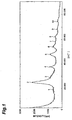
Fig. 1 is an X-ray diffraction pattern of anatase type crystalline titanium oxide of this invention. -
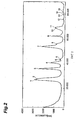
Fig. 2 is an X-ray diffraction pattern of rutile type crystalline titanium oxide of this invention. - This invention will be hereinafter explained in detail.
- The method for producing fine particles of metal oxide of this invention is basically a method of hydrolysis of metal halide and this invention enables the achievement of the above-mentioned purposes by adding organic solvent, preferably in a large amount of the solvent, during the hydrolysis.
- Examples of metal oxide targeted by this invention are metal oxides obtained by hydrolysis of metal halide, for example, oxides of metals categorized in the III, IV and V groups of periodic table, such as silicon oxide, germanium oxide, tin oxide, titanium oxide, zirconium oxide, boron oxide, gallium oxide, indium oxide, thallium oxide, scandium oxide, yttrium oxide, lanthanum oxide, antimony oxide, bismuth oxide, vanadium oxide, niobium oxide, tantalum oxide, lanthanoid oxide and actinoid oxide, preferably, silicon oxide, germanium oxide, titanium oxide, zirconium oxide, tin oxide and tantalum oxide, more preferably, titanium oxide.
- Metal halides to be used to obtain the above-mentioned metal oxides by hydrolysis are metal halide represented by the general formula: MXn (wherein M is metal element, X is halogen and n is integral number corresponding to the valence of M).
- Example of such metal halide is, for example, silicon chloride, germanium chloride, tin chloride, titanium chloride, zirconium chloride, boron chloride, gallium chloride, indium chloride, thallium chloride, scandium chloride, yttrium chloride, lanthanum chloride, antimony chloride, bismuth chloride, vanadium chloride, niobium chloride, tantalum chloride, lanthanoid chloride, actinoid chloride, silicon bromide, germanium bromide, tin bromide, titanium bromide, zirconium bromide, boron bromide, gallium bromide, indium bromide, thallium bromide, scandium bromide, yttrium bromide, lanthanum bromide, antimony bromide, bismuth bromide, vanadium bromide, niobium bromide, tantalum bromide, lanthanoid bromide, actinoid bromide, preferably silicon chloride, germanium chloride, titanium chloride, zirconium chloride, silicon bromide, germanium bromide, titanium bromide, zirconium bromide, more preferably titanium chloride (titanium tetrachloride).
- These metal halides may be used alone or in any combination of two or more thereamong.
- The hydrolysis of these metal halides is represented as the following formula:
MXn + 1/2nH2O -> MOn/2 + nHCl
(where n of MXn is 3 or 5, MOn/2 becomes M2O3 or M2O5) by using the above-mentioned general formula of MXn. - Theoretical volume of water necessary to hydrolysis is determined by use of the above-mentioned formula.
- In this invention, the amount of water is preferably from 1 to 100 times of this theoretical volume, more preferably in the range of from 1 to 10 times. Where there is too much water, aggregation of fine particles produced is likely to be significant.
- Water to be used in this invention may be service water, distilled water and ion-exchanged water. Among these water, distilled water or ion-exchanged water is preferable, and ion-exchanged water with electric conductivity being 2 X 10⁻⁶ Ω-1 cm-1 or less is more preferable.
- The organic solvent to be used in this invention is any organic solvent having its freezing point less than the temperature which metal halide is not hydrolyzed with water, is preferably one having its freezing point of 0 °C or lower, more preferably one having its freezing point of -10 °C or lower.
- Such organic solvent includes organic solvent not able to react with metal halide, such as alcohols, aliphatic hydrocarbons, aromatic hydrocarbons, halogenated hydrocarbons, ketones, esters, ethers, amides, sulfoxides, sulfones, sulfonate esters.
- Examples of such organic solvents are methanol, ethanol, propanol, butanol, pentanol, hexanol, octanol, nonanol, benzyl alcohol, methylcyclohexanol, ethanediol, propanediol, butanediol, pentanediol, hexylenediol, octylenediol, hexanetriol, butyl formate, pentyl formate, methyl acetate, ethyl acetate, propyl acetate, butyl acetate, pentyl acetate, hexyl acetate, benzyl acetate, 3- methoxybutyl acetate, 2- ethylbutyl acetate, 2-ethylhexyl acetate, methyl propionate, ethyl propionate, butyl propionate, pentyl propionate, dimethylformamide, dimethylacetamide, diethylformamide, diethylacetamide, dimethyl ketone, methyl ethyl ketone, pentanone, hexanone, methyl isobutyl ketone, heptanone, diisobutyl ketone, acetonitrile, diethyl ether, dipropyl ether, diisopropyl ether, dibutyl ether, dihexyl ether, anisole, tetrahydrofuran, tetrahydropyran, dimethoxyethane, diethoxyethane, dibutoxyethane, diethylene glycol dimethyl ether, diethylene glycol diethyl ether, ethylene glycol dibutyl ether, methylal, acetal, pentane, hexane, heptane, octane, nonane, decane, dodecane, toluene, xylene, ethylbenzene, cumene, mesitylene, tetrahydronaphthalene, butylbenzene, cymene, diethylbenzene, pentylbenzene, dipentylbenzene, cyclopentane, cyclohexane, methyl cyclohexane, ethyl cyclohexane, decalin, chloromethane, dichloromethane, trichloromethane, tetrachloromethane, chloroethane, dichloroethane, trichloroethane, tetrachloroethane, pentachloroethane, chloropropane, dichloropropane, trichloropropane, chlorobutane, dichlorobutane, trichlorobutane, chloropentane, chlorobenzene, dichlorobenzene, chlorotoluene, dichlorotoluene, bromomethane, bromoethane, bromopropane, bromobenzene, chlorobromoethane, and so forth. Among these, alcohols, amides and hydrocarbons are preferable, and ethyl alcohol, dimethylformamide, dimethylacetamide and toluene are more preferable. The above-mentioned organic solvent may be used alone or in any combination of two or more thereamong.
- A method for mixing above-mentioned metal halide, water and organic solvent is not restricted. For example, in the beginning step, water may be mixed with organic solvent, and then metal halide may be added to the resultant mixture. In this way, where water is mixed with organic solvent homogeneously, the resultant mixture can be used as it is.
- Where water can not be mixed with organic solvent homogeneously, surfactant such as sodium 1,2-bis-(2-ethylhexyloxycarbonyl) -1- ethane sulfonate and polyoxyethylene alkyl phenyl ether, agitation or sonication may be used to accomplish the uniformity of the mixture. Upon using surf actant for dispersion, the composition of this invention would be usually w/o type emulsion because of high content of organic solvent.
- Alternatively, in the beginning step, metal halide may be added to water, and then organic solvent may be added to the resultant mixture. In this way, it is necessary that the temperature of the mixture of water and metal halide is kept under the temperature not to occur hydrolysis before organic solvent is added. This is because it is an essential element of this invention that hydrolysis of metal halide is done in the presence of organic solvent.
- The amount of water added to metal halide is in the above-mentioned range, and this invention is characterized in that a large amount of organic solvent is used with water. That is, the amount of organic solvent mixed with 100 parts by volume of water is from 1,000 to 7,000 parts by volume.
- Hydrolysis is done by heating the above-mentioned mixture. While hydrolysis temperature is not particularly restricted as long as hydrolysis is proceeded, the temperature is preferably close to the boiling point of the mixture or the dispersion in a view of accelerating reaction rate.
- One embodiment of the invention in which the metal oxide is titanium oxide will be hereinbelow explained in detail. Under this invention in which titanium halide is hydrolyzed in the presence of organic solvent, the crystal pattern of the titanium oxide produced can be changed depending on the kind of organic solvent. That is, the produced titanium oxide is anatase type where organic solvent to be used is hydrophilic, while the produced titanium oxide is rutile type where organic solvent is hydrophobic. This enables to obtain desired crystal type of titanium oxide suitable for various kinds of applications.
- The term of hydrophilic organic solvent herein means organic solvent miscible with water under the room temperature, and examples of organic solvent preferably used in this invention are alcohols such as methanol, ethanol and butanol, amides such as dimethyl acetamide and dimethyl formamide, ketones such as acetone and methyl ethyl ketone. The term of hydrophobic organic solvent herein means organic solvent non-miscible with water under the room temperature, and particularly preferable examples used in this invention are aromatic hydrocarbons such as benzene, toluene and xylene, aliphatic hydrocarbons such as hexane, heptane and octane.
- Examples of titanium halide used for hydrolysis in this invention are titanium chloride such as TiCl4, titanium bromide such as TiBr4 and titanium iodide such as TiI4. Among these, TiCl4 is most preferable.
- The other conditions, such as mixing ratio of titanium halide, water and organic solvent and hydrolysis condition are the same as the above-described ones.
- Fine particles of metal oxide produced by hydrolysis are separated from the reaction mixture by use of filtration, centrifugation and so forth, washed, and then dried by use of hot-air drying, infrared drying, spray drying or vacuum drying.
- Fine particles of metal oxide produced according to the above-described method have mean particle size of 20nm or smaller, and are unlikely to aggregate together during preservation, and thereby can be used as material for ceramic and other product as it is, or can be used after burning.
- This invention will be hereinbelow explained in detail by some examples. However, this invention is not limited by the following examples.
- Three gram of titanium tetrachloride and 2 ml of water were added into a 100 ml-volume flask, and then 40 ml of dimethylformamide was added to them, and the flask was equipped with reflux condenser followed by heating at 100 °C for 1 hour to hydrolyze the titanium tetrachloride. The resultant sol was separated by centrifugation, and washed with ethanol and water followed by drying under reduced pressure to obtain fine particles. An X-ray diffraction analysis of the resultant fine particles showed that it was anatase type crystalline titanium oxide. The X-ray diffraction is shown as
Fig. 1 . An analysis by transmission electron microscope showed that the particles had 2 - 3 nm particle size and narrow particle size distribution. - Three gram of titanium tetrachloride and 2 ml of water were added into a 100 ml-volume flask, and then 40 ml of ethanol was added to them, and the flask was equipped with reflux condenser followed by heat-refluxing for 1 hour to hydrolyze the titanium tetrachloride. After washing, the resultant sol was treated by the same as set forth in Example 1 to obtain fine particles (provided that washing was done only with water). An X-ray diffraction analysis of the resultant fine particles showed that it was anatase type crystalline titanium oxide. An analysis by transmission electron microscope showed that the particles had 2 - 6 nm particle size and narrow particle size distribution.
- Three gram of titanium tetrachloride and 2 ml of water were added into a 100 ml-volume flask, and then 40 ml of toluene was added to them, and the flask was equipped with reflux condenser followed by heating at 100°C for 1 hour to hydrolyze the titanium tetrachloride. The procedures as set forth in Example 1 were repeated to obtain fine particles. An X-ray diffraction analysis of the resultant fine particles showed that it was rutile type crystalline titanium oxide. The X-ray diffraction is shown as
Fig. 2 . An analysis by transmission electron microscope showed that the particles had 2-7 nm particle size and narrow particle size distribution. - Titanium tetrachloride 3.7 g was dissolved in 40 ml of dimethylformamide at about 10 °C before the resultant solution was transferred into a 100 ml-volume flask. Then 0.7 ml of water was added dropwise so as not to raise the temperature followed by heating them at 100 °C for 1 hour to hydrolyze the titanium tetrachloride. The procedures as set forth in Example 1 was repeated to obtain fine particles. An X-ray diffraction analysis of the resultant fine particles showed that it was anatase type crystalline titanium oxide. An analysis by transmission electron microscope showed that the particles had 2 - 4 nm particle size and narrow particle size distribution.
- Three gram of silicon chloride (SiCl4) and 2 ml of water were added into a 100 ml-volume flask and then 40 ml of dimethylacetamide was added to them, and the flask was equipped with reflux condenser followed by heating at 100 °C for 1 hour to hydrolyze the silicon chloride. The procedures as set forth in Example 1 was repeated to obtain 1.2 g of fine particles. An X-ray diffraction analysis of the resultant fine particles showed that it was crystalline silicon oxide (SiO2). An analysis by transmission electron microscope showed that the particles had 3 - 5 nm particle size and narrow particle size distribution.
- with a 100 ml-volume flask, 5.8 g of antimony chloride (SbCl3) was dissolved in 40 ml of dimethylacetamide at about 10 °C, and then 0.9 ml of water was added dropwise so as not to raise the temperature. The flask was equipped with reflux condenser followed by heating at 100 °C for 1 hour to hydrolyze the antimony chloride. The procedures as set forth in Example 1 were repeated to obtain 2 g of fine particles. An X-ray diffraction analysis of the resultant fine particles showed that it was crystalline antimony oxide (Sb2O3). An analysis by transmission electron microscope showed that the particles had 2 - 5 nm particle size and narrow particle size distribution.
- With a 100 ml-volume flask, 5.1 g of tin chloride (SnCl4) was dissolved in 40 ml of dimethylacetamide at about 10 °C, and then 0.7 ml of water was added dropwise so as not to raise the temperature. The flask was equipped with reflux condenser followed by heating at 100 °C for 1 hour to hydrolyze the tin chloride. The procedures as set forth in Example 1 were repeated to obtain 2.5 g of fine particles. An X-ray diffraction analysis of the resultant fine particles showed that it was crystalline tin oxide (SnO2). An analysis by transmission electron microscope showed that the particles had 2 - 4 nm particle size and narrow particle size distribution.
- With a 100 ml-volume flask, 4.5 g of zirconium chloride (ZrCl4) was dissolved in 40 ml of dimethylacetamide at about 10 °C, and then 0.7 ml of water was added dropwise so as not to raise the temperature. The flask was equipped with reflux condenser followed by heating at 100 °C for 1 hour to hydrolyze the zirconium chloride. The procedures as set forth in Example 1 were repeated to obtain 2.1 g of fine particles. An X-ray diffraction analysis of the resultant fine particles showed that it was crystalline zirconium oxide (ZrO2). An analysis by transmission electron microscope showed that the particles had 3 - 5 nm particle size and narrow particle size distribution.
- With a 100 ml-volume flask, 7 g of tantalum chloride (TaCl5) was dissolved in 40 ml of dimethylacetamide at about 10 °C, and then 0.9 ml of water was added dropwise so as not to raise the temperature. The flask was equipped with reflux condenser followed by heating at 100 °C for 1 hour to hydrolyze the tantalum chloride. The procedures as set forth in Example 1 were repeated to obtain 2.5 g of fine particles. An X-ray diffraction analysis of the resultant fine particles showed that it was crystalline tantalum oxide (Ta2O5). An analysis by transmission electron microscope showed that the particles had 2 - 3 nm particle size and narrow particle size distribution.
- With a 100 ml-volume flask, 4.2 g of germanium chloride (GeCl4) was dissolved in 40 ml of dimethylacetamide at about 10 °C, and then 0.7 ml of water was added dropwise so as not to raise the temperature. The flask was equipped with reflux condenser followed by heating at 100 °C for 1 hour to hydrolyze the germanium chloride. The procedures as set forth in Example 1 were repeated to obtain 1.8 g of fine particles. An X-ray diffraction analysis of the resultant fine particles showed that it was crystalline germanium oxide (GeO2). An analysis by transmission electron microscope showed that the particles had 2-3 nm particle size and narrow particle size distribution.
- Any fine particles obtained by the above described examples has little or only a little of aggregation thereof and good dispersibility.
- According to this invention, metal halide is hydrolyzed with water in the presence of organic solvent, whereby fine particles of metal oxide having only a little of aggregation thereof and good dispersibility can be obtained. The particle size distribution also can be within considerable narrow range.
- Where metal halide is titanium tetrachloride and metal oxide is titanium oxide, crystal pattern of titanium oxide can be controlled as either atatase or rutile type by selecting hydrophilic or hydrophobic organic solvent, and such type can be selected in compliance with any application, and therefore, this invention provides a method for producing fine particles capable of controlling crystal pattern voluntary.
Claims (5)
- A method for producing fine particles of metal oxide, wherein said method comprising a step of hydrolyzing metal halide in the presence of organic solvent to obtain the fine particles of metal oxide,
wherein the amount of said organic solvent is from 1,000 to 7,000 parts by volume to 100 parts by volume of water,
wherein the mean particle size of said fine particles of metal oxide is 20 nm or smaller. - The method for producing fine particles of metal oxide according to claim 1, wherein the amount of water to hydrolyze the metal halide is from 1 to 10 times of the theoretical volume necessary to hydrolyze the metal halide.
- A method for producing fine particles of metal oxide according to Claim 1 or 2, wherein said metal halide is titanium tetrachloride and said metal oxide is titanium dioxide.
- A method for producing fine particles of metal oxide according to Claim 3, wherein said organic solvent is hydrophilic and said titanium dioxide is anatase type.
- A method for producing fine particles of metal oxide according to Claim 3, wherein said organic solvent is hydrophobic and said titanium dioxide is rutile type.
Applications Claiming Priority (7)
| Application Number | Priority Date | Filing Date | Title |
|---|---|---|---|
| JP23542097 | 1997-08-15 | ||
| JP23542097 | 1997-08-15 | ||
| JP29337697 | 1997-10-08 | ||
| JP29337697 | 1997-10-08 | ||
| JP21270298 | 1998-07-28 | ||
| JP21270298A JP4184487B2 (en) | 1997-08-15 | 1998-07-28 | Method for producing titanium dioxide fine particles |
| PCT/JP1998/003604 WO1999008963A1 (en) | 1997-08-15 | 1998-08-12 | Process for producing fine metal oxide particles |
Publications (3)
| Publication Number | Publication Date |
|---|---|
| EP1026125A1 EP1026125A1 (en) | 2000-08-09 |
| EP1026125A4 EP1026125A4 (en) | 2008-04-09 |
| EP1026125B1 true EP1026125B1 (en) | 2012-12-26 |
Family
ID=27329400
Family Applications (1)
| Application Number | Title | Priority Date | Filing Date |
|---|---|---|---|
| EP98937804A Expired - Lifetime EP1026125B1 (en) | 1997-08-15 | 1998-08-12 | Process for producing fine metal oxide particles |
Country Status (5)
| Country | Link |
|---|---|
| US (1) | US6328947B1 (en) |
| EP (1) | EP1026125B1 (en) |
| JP (1) | JP4184487B2 (en) |
| TW (1) | TW460406B (en) |
| WO (1) | WO1999008963A1 (en) |
Families Citing this family (37)
| Publication number | Priority date | Publication date | Assignee | Title |
|---|---|---|---|---|
| FR2789602B1 (en) * | 1999-02-17 | 2001-05-11 | Rhodia Chimie Sa | ORGANIC SOL AND SOLID COMPOUND BASED ON TITANIUM OXIDE AND AN AMPHIPHILIC COMPOUND AND METHODS OF PREPARATION |
| US6752979B1 (en) * | 2000-11-21 | 2004-06-22 | Very Small Particle Company Pty Ltd | Production of metal oxide particles with nano-sized grains |
| US7087100B2 (en) * | 2001-01-31 | 2006-08-08 | General Electric Company | Preparation of nanosized copper and copper compounds |
| US6808696B2 (en) * | 2001-03-28 | 2004-10-26 | Samsung Sdi Co., Ltd. | Method of preparing nanosized spherical vanadium oxide particle |
| JP2003073122A (en) * | 2001-09-04 | 2003-03-12 | Mitsui Chemicals Inc | Inorganic microparticle dispersion and composite material composition produced by using the same |
| US6962946B2 (en) * | 2001-11-21 | 2005-11-08 | 3M Innovative Properties Company | Nanoparticles having a rutile-like crystalline phase and method of preparing same |
| US6919029B2 (en) * | 2002-02-14 | 2005-07-19 | Trustees Of Stevens Institute Of Technology | Methods of preparing a surface-activated titanium oxide product and of using same in water treatment processes |
| ITFI20020052A1 (en) * | 2002-03-28 | 2003-09-29 | Consorzio Interuniversitario P | PROCESS FOR THE PREPARATION OF NANO - AND MICRO-PARTICLES OF HYDROXID METAL OXIDES OF THE SECOND GROUP AND TRANSITION, NANO-E MICRO |
| CA2494787A1 (en) * | 2002-08-07 | 2004-03-25 | Ishihara Sangyo Kaisha, Ltd. | Titanium dioxide pigments,method for production thereof and resin composition comprising the same |
| US6784049B2 (en) * | 2002-08-28 | 2004-08-31 | Micron Technology, Inc. | Method for forming refractory metal oxide layers with tetramethyldisiloxane |
| US7030042B2 (en) * | 2002-08-28 | 2006-04-18 | Micron Technology, Inc. | Systems and methods for forming tantalum oxide layers and tantalum precursor compounds |
| US7223441B2 (en) * | 2004-03-10 | 2007-05-29 | Pilkington North America, Inc. | Method for depositing gallium oxide coatings on flat glass |
| US20070004840A1 (en) * | 2004-05-19 | 2007-01-04 | Texas A&M University | Zinc oxide polymer nanocomposites and methods of producing zinc oxide polymer nanocomposites |
| US20060194910A1 (en) * | 2004-05-19 | 2006-08-31 | Nobuo Miyatake | Stabilization of polymers with zinc oxide nanoparticles |
| US7482382B2 (en) * | 2004-05-19 | 2009-01-27 | The Texas A&M University System | Process for preparing nano-sized metal oxide particles |
| EP1812340B1 (en) | 2004-06-25 | 2020-11-04 | Very Small Particle Company Pty Ltd | Method for producing fine-grained particles |
| JP4495162B2 (en) | 2004-08-26 | 2010-06-30 | 三井化学株式会社 | Rutile-type titanium oxide ultrafine particles |
| US20090061230A1 (en) * | 2004-11-02 | 2009-03-05 | Nanogate Ag | Synthesis of Titanium Dioxide Nanoparticles |
| CN1325577C (en) * | 2004-12-03 | 2007-07-11 | 中国科学院长春应用化学研究所 | Process for synthesizing organic ligand coated titanium dioxide nano particles |
| JP4306599B2 (en) | 2004-12-15 | 2009-08-05 | セイコーエプソン株式会社 | Pattern forming substrate, electro-optical device, and method of manufacturing electro-optical device |
| JP4077495B1 (en) * | 2006-11-10 | 2008-04-16 | ゆかコラボレーション株式会社 | Method for producing titanium oxide particle dispersion |
| US7468175B2 (en) * | 2006-12-13 | 2008-12-23 | Worthington Technologies, Llc | Highly photosensitive titanium dioxide and process for forming the same |
| US8344054B2 (en) * | 2007-07-24 | 2013-01-01 | The Texas A & M University System | Polymer nanocomposites including dispersed nanoparticles and inorganic nanoplatelets |
| JP5643091B2 (en) * | 2007-08-31 | 2014-12-17 | キャボット コーポレイションCabot Corporation | Method for preparing modified metal oxide nanoparticle dispersion |
| CN101560695B (en) * | 2008-04-18 | 2012-01-11 | 浙江师范大学 | Method for preparing binary magnetic oxide single crystal nanoplate |
| JP5916049B2 (en) * | 2011-04-21 | 2016-05-11 | 日本メナード化粧品株式会社 | Solid powder cosmetic |
| JP2013059741A (en) * | 2011-09-14 | 2013-04-04 | Toyota Motor Corp | Catalyst-supporting carrier and method for manufacturing the same |
| CN102442699A (en) * | 2011-09-28 | 2012-05-09 | 苏州大学 | Method for preparing nano zirconium oxide |
| KR101141725B1 (en) * | 2011-11-11 | 2012-05-03 | 한국기초과학지원연구원 | Manufacturing method of impurities doped titanium dioxide photocatalysts with excellent photo activity at visible light and ultraviolet light region |
| KR101135920B1 (en) * | 2012-01-27 | 2012-04-13 | 한국과학기술원 | Synthesis method of porous gallium oxide photocatalyst for preparation of hydrocarbons |
| CN103360854A (en) * | 2012-03-28 | 2013-10-23 | 厦门纳诺泰克科技有限公司 | High-transparency low-radiation energy-saving combined material for glass and preparation method thereof |
| KR101621831B1 (en) * | 2013-09-05 | 2016-05-17 | 쇼와 덴코 가부시키가이샤 | Ultrafine particles of titanium dioxide and process for producing the same |
| CN109233362B (en) * | 2017-05-25 | 2021-07-16 | 香港理工大学 | A kind of self-cleaning nanometer thermal insulation coating based on cesium tungsten bronze and preparation method thereof |
| CN110104635A (en) * | 2018-04-04 | 2019-08-09 | 朱晶晶 | Utilize the preparation method of the composite Nano electromagnetic wave absorbent material of graphene preparation |
| CN112239224A (en) * | 2019-07-16 | 2021-01-19 | 中国石油化工股份有限公司 | Method for recovering titanium tetrachloride |
| US11130152B2 (en) * | 2019-11-28 | 2021-09-28 | National Chung-Shan Institute Of Science And Technology | Method for the formation of tantalum carbides on graphite substrate |
| RU2724243C1 (en) * | 2020-02-03 | 2020-06-22 | Федеральное государственное бюджетное учреждение науки Ордена Трудового Красного Знамени Институт химии силикатов им. И.В. Гребенщикова Российской академии наук (ИХС РАН) | Method of producing photocatalytically active nanocrystalline titanium dioxide in anatase crystalline modification |
Family Cites Families (35)
| Publication number | Priority date | Publication date | Assignee | Title |
|---|---|---|---|---|
| US3068068A (en) * | 1960-11-14 | 1962-12-11 | Glidden Co | Rutile seed |
| US3105743A (en) * | 1961-12-04 | 1963-10-01 | Nat Lead Co | Preparation of substantially pure titanium dioxide |
| GB995859A (en) * | 1962-02-05 | 1965-06-23 | British Titan Products | Pigmentary titanium dioxide |
| US3178264A (en) * | 1962-09-28 | 1965-04-13 | American Cyanamid Co | Production of tio2 pigments of improved color by sulfate process |
| US3208866A (en) * | 1963-07-15 | 1965-09-28 | Du Pont | Tio2 manufacture |
| US3709984A (en) * | 1967-06-26 | 1973-01-09 | Nl Industries Inc | Photoreactive titanium dioxide material |
| FR2002099A1 (en) * | 1968-02-17 | 1969-10-03 | Titan Gmbh | |
| US4067954A (en) * | 1971-05-11 | 1978-01-10 | Deutsche Gold- Und Silber-Scheideanstalt Vormals Roessler | Process for the production of finely divided silicon dioxide having a large specific surface |
| JPS5550896B2 (en) * | 1973-04-06 | 1980-12-20 | ||
| GB1489927A (en) * | 1974-08-10 | 1977-10-26 | Tioxide Group Ltd | Titanium dioxide carrier |
| US4241042A (en) * | 1978-06-19 | 1980-12-23 | Montedison S.P.A. | Spherical titanium dioxide particles and process of manufacture |
| JPS59223231A (en) * | 1983-05-31 | 1984-12-15 | Teikoku Kako Kk | Manufacture of fine-grained rutile type titanium oxide |
| DE3688768T2 (en) * | 1985-03-05 | 1993-11-11 | Idemitsu Kosan Co | Process for the production of very fine spherical metal oxide particles. |
| JPH0610087B2 (en) * | 1985-05-22 | 1994-02-09 | 日本精鉱株式会社 | Method for producing finely powdered antimony trioxide-antimony pentoxide amorphous composite oxide |
| US4741894A (en) * | 1986-06-03 | 1988-05-03 | Morton Thiokol, Inc. | Method of producing halide-free metal and hydroxides |
| IT1197794B (en) * | 1986-07-31 | 1988-12-06 | Montedison Spa | PROCEDURE FOR THE PREPARATION OF FINE METALLIC OXIDE TROUSERS |
| DE3736686A1 (en) * | 1987-10-29 | 1989-05-11 | Fraunhofer Ges Forschung | METHOD FOR PRODUCING MONODISPER CERAMIC POWDERS |
| JP2600341B2 (en) * | 1987-11-17 | 1997-04-16 | 日本合成ゴム株式会社 | Method for producing particulate metal compound |
| US5169619A (en) * | 1988-05-28 | 1992-12-08 | Sakai Chemical Industry Co., Ltd. | Method of producing titanium oxides |
| GB8812759D0 (en) * | 1988-05-28 | 1988-06-29 | Tioxide Group Plc | Fine particulate material |
| US4923682A (en) * | 1989-03-30 | 1990-05-08 | Kemira, Inc. | Preparation of pure titanium dioxide with anatase crystal structure from titanium oxychloride solution |
| ATE96127T1 (en) | 1989-05-02 | 1993-11-15 | Lonza Ag | SINTERABLE ZIRCONIA POWDER AND PROCESS FOR ITS PRODUCTION. |
| US5030439A (en) * | 1989-10-17 | 1991-07-09 | Kerr-Mcgee Chemical Corporation | Method for producing particulate titanium oxides |
| GB9105980D0 (en) * | 1991-03-21 | 1991-05-08 | Tioxide Group Services Ltd | Method for preparing pigments |
| GB9302559D0 (en) * | 1993-02-10 | 1993-03-24 | Tioxide Specialties Dioxide | Preparation of titanium dioxide |
| JPH06305730A (en) * | 1993-04-19 | 1994-11-01 | Pola Chem Ind Inc | Production of rutile type titanium (iv) oxide |
| JP3278278B2 (en) * | 1994-02-10 | 2002-04-30 | キヤノン株式会社 | Hydrophobic titanium oxide fine powder |
| DE69517229T2 (en) | 1994-02-10 | 2000-11-09 | Canon K.K., Tokio/Tokyo | Toner for developing electrostatic images |
| JPH07232924A (en) * | 1994-02-18 | 1995-09-05 | Ishihara Sangyo Kaisha Ltd | Titanium oxide fine particles and method for producing the same |
| CN1032585C (en) * | 1994-04-28 | 1996-08-21 | 雷亚林 | Method for producing special titanium dioxide superfine powder |
| JPH0824666A (en) * | 1994-07-13 | 1996-01-30 | Kurita Water Ind Ltd | Immobilized photocatalyst |
| JPH0957113A (en) * | 1995-06-15 | 1997-03-04 | Toshiba Lighting & Technol Corp | Photocatalysts, incandescent bulbs, discharge lamps and lighting fixtures |
| KR0139437B1 (en) * | 1995-06-19 | 1998-06-01 | 윤덕용 | Process for preparing crystalline titania powder from titanium salt solution in water-alcohol mixed solvent |
| DE19543204C2 (en) * | 1995-11-20 | 1997-09-18 | Bayer Ag | Process for the production of nanodisperse titanium dioxide and its use |
| GB9600196D0 (en) * | 1996-01-05 | 1996-03-06 | Tioxide Group Services Ltd | Preparation of anatase titanium dioxide |
-
1998
- 1998-07-28 JP JP21270298A patent/JP4184487B2/en not_active Expired - Lifetime
- 1998-08-12 EP EP98937804A patent/EP1026125B1/en not_active Expired - Lifetime
- 1998-08-12 WO PCT/JP1998/003604 patent/WO1999008963A1/en not_active Ceased
- 1998-08-13 TW TW087113328A patent/TW460406B/en not_active IP Right Cessation
- 1998-08-14 US US09/134,732 patent/US6328947B1/en not_active Expired - Lifetime
Also Published As
| Publication number | Publication date |
|---|---|
| EP1026125A4 (en) | 2008-04-09 |
| JP4184487B2 (en) | 2008-11-19 |
| US6328947B1 (en) | 2001-12-11 |
| JPH11171543A (en) | 1999-06-29 |
| EP1026125A1 (en) | 2000-08-09 |
| WO1999008963A1 (en) | 1999-02-25 |
| TW460406B (en) | 2001-10-21 |
Similar Documents
| Publication | Publication Date | Title |
|---|---|---|
| US6328947B1 (en) | Method for producing fine particles of metal oxide | |
| JP2783417B2 (en) | Manufacturing method of rutile type titanium oxide sol | |
| EP1527017B1 (en) | Doped zinc oxide powder, process for its preparation, and its use | |
| US5403513A (en) | Titanium oxide sol and process for preparation thereof | |
| JP6401612B2 (en) | Method for producing high-purity metal oxide particles and material produced therefor | |
| JP3524342B2 (en) | Titanium dioxide sol and thin film for thin film formation | |
| JP3609262B2 (en) | Titanium oxide sol and method for producing the same | |
| Andrianainarivelo et al. | Non-hydrolytic sol–gel process: zirconium titanate gels | |
| JP2005528309A (en) | Nanoscale rutile or nanoscale oxides and methods for their production | |
| CN104071836A (en) | Titanium dioxide hollow nanosphere and preparation method thereof | |
| JP2590789B2 (en) | Method for producing organic-inorganic composite and inorganic hollow body | |
| JP3364261B2 (en) | Method for producing metal oxide fine particles | |
| JP2006016236A (en) | Method for producing metal oxide nanoparticle | |
| JPWO2009017212A1 (en) | Method for producing low halogen titanium oxide powder and low halogen titanium oxide powder | |
| CN101346304A (en) | Process for the manufacture of metal oxide nanoparticles having controlled properties and nanoparticles and articles produced therefrom | |
| JP5317486B2 (en) | Method for producing rutile type titanium oxide fine particles | |
| JP2007511459A (en) | Method for producing a rutile pigment from an aqueous titanium solution | |
| JP4540069B2 (en) | Composition for forming titanium oxide photocatalyst coating film, method for producing the same, coating film for photocatalyst, and coated product for photocatalyst | |
| CN105597726A (en) | Composite photocatalyst hydrosol | |
| KR20030093814A (en) | Method to manufacture silica powder using ultrasonic aerosol pyrolysis | |
| JPH11292520A (en) | Surface fluorinated metal oxide sol and method for producing the same | |
| Siwińska-Stefańska et al. | Advanced hybrid materials based on titanium dioxide for environmental and electrochemical applications | |
| CA2295578C (en) | Process for the preparation of ultra-fine powders of metal oxides | |
| RU2144505C1 (en) | Method of preparing titanium dioxide | |
| CN1188368C (en) | Process of preparing oxide sol by inorganic salt depositing and dispergating |
Legal Events
| Date | Code | Title | Description |
|---|---|---|---|
| PUAI | Public reference made under article 153(3) epc to a published international application that has entered the european phase |
Free format text: ORIGINAL CODE: 0009012 |
|
| 17P | Request for examination filed |
Effective date: 20000313 |
|
| AK | Designated contracting states |
Kind code of ref document: A1 Designated state(s): AT BE CH CY DE DK ES FI FR GB GR IE IT LI LU MC NL PT SE |
|
| RIN1 | Information on inventor provided before grant (corrected) |
Inventor name: MIYAZAWA, MAYUMI, RESEARCH LAB., SHOWA DENKO K.K. Inventor name: YAMASHITA, TAMOTSU, RESEARCH LAB., SHOWA DENKO K. Inventor name: TANAKA, JUN, SHOWA TITANIUM CO., LTD Inventor name: OHMORI, MASAHIRO, RESEARCH LAB., SHOWA DENKO K.K. Inventor name: INOUE, CHOZO, CENTR.RES.LAB. SHOWA DENKO K.K. Inventor name: NAKAMURA, KASUMI, RESEARCH LAB., SHOWA DENKO K.K. Inventor name: MONDEN RYUJI, OMACHI WORKS OF SHOWA DENKO K.K. |
|
| A4 | Supplementary search report drawn up and despatched |
Effective date: 20080306 |
|
| RIC1 | Information provided on ipc code assigned before grant |
Ipc: C01G 35/00 20060101ALI20080229BHEP Ipc: C01G 30/00 20060101ALI20080229BHEP Ipc: C01G 25/02 20060101ALI20080229BHEP Ipc: C01G 19/02 20060101ALI20080229BHEP Ipc: C01G 17/02 20060101ALI20080229BHEP Ipc: C01G 1/02 20060101ALI20080229BHEP Ipc: C01B 13/32 20060101ALI20080229BHEP Ipc: C01G 23/053 20060101AFI19990401BHEP |
|
| 17Q | First examination report despatched |
Effective date: 20080722 |
|
| GRAP | Despatch of communication of intention to grant a patent |
Free format text: ORIGINAL CODE: EPIDOSNIGR1 |
|
| GRAS | Grant fee paid |
Free format text: ORIGINAL CODE: EPIDOSNIGR3 |
|
| GRAA | (expected) grant |
Free format text: ORIGINAL CODE: 0009210 |
|
| AK | Designated contracting states |
Kind code of ref document: B1 Designated state(s): AT BE CH CY DE DK ES FI FR GB GR IE IT LI LU MC NL PT SE |
|
| REG | Reference to a national code |
Ref country code: GB Ref legal event code: FG4D |
|
| REG | Reference to a national code |
Ref country code: CH Ref legal event code: EP |
|
| REG | Reference to a national code |
Ref country code: AT Ref legal event code: REF Ref document number: 590344 Country of ref document: AT Kind code of ref document: T Effective date: 20130115 |
|
| REG | Reference to a national code |
Ref country code: DE Ref legal event code: R096 Ref document number: 69842923 Country of ref document: DE Effective date: 20130228 |
|
| PG25 | Lapsed in a contracting state [announced via postgrant information from national office to epo] |
Ref country code: SE Free format text: LAPSE BECAUSE OF FAILURE TO SUBMIT A TRANSLATION OF THE DESCRIPTION OR TO PAY THE FEE WITHIN THE PRESCRIBED TIME-LIMIT Effective date: 20121226 Ref country code: FI Free format text: LAPSE BECAUSE OF FAILURE TO SUBMIT A TRANSLATION OF THE DESCRIPTION OR TO PAY THE FEE WITHIN THE PRESCRIBED TIME-LIMIT Effective date: 20121226 |
|
| REG | Reference to a national code |
Ref country code: AT Ref legal event code: MK05 Ref document number: 590344 Country of ref document: AT Kind code of ref document: T Effective date: 20121226 |
|
| REG | Reference to a national code |
Ref country code: NL Ref legal event code: VDEP Effective date: 20121226 |
|
| PG25 | Lapsed in a contracting state [announced via postgrant information from national office to epo] |
Ref country code: GR Free format text: LAPSE BECAUSE OF FAILURE TO SUBMIT A TRANSLATION OF THE DESCRIPTION OR TO PAY THE FEE WITHIN THE PRESCRIBED TIME-LIMIT Effective date: 20130327 |
|
| PG25 | Lapsed in a contracting state [announced via postgrant information from national office to epo] |
Ref country code: ES Free format text: LAPSE BECAUSE OF FAILURE TO SUBMIT A TRANSLATION OF THE DESCRIPTION OR TO PAY THE FEE WITHIN THE PRESCRIBED TIME-LIMIT Effective date: 20130406 Ref country code: AT Free format text: LAPSE BECAUSE OF FAILURE TO SUBMIT A TRANSLATION OF THE DESCRIPTION OR TO PAY THE FEE WITHIN THE PRESCRIBED TIME-LIMIT Effective date: 20121226 Ref country code: BE Free format text: LAPSE BECAUSE OF FAILURE TO SUBMIT A TRANSLATION OF THE DESCRIPTION OR TO PAY THE FEE WITHIN THE PRESCRIBED TIME-LIMIT Effective date: 20121226 |
|
| PG25 | Lapsed in a contracting state [announced via postgrant information from national office to epo] |
Ref country code: NL Free format text: LAPSE BECAUSE OF FAILURE TO SUBMIT A TRANSLATION OF THE DESCRIPTION OR TO PAY THE FEE WITHIN THE PRESCRIBED TIME-LIMIT Effective date: 20121226 Ref country code: PT Free format text: LAPSE BECAUSE OF FAILURE TO SUBMIT A TRANSLATION OF THE DESCRIPTION OR TO PAY THE FEE WITHIN THE PRESCRIBED TIME-LIMIT Effective date: 20130426 |
|
| PG25 | Lapsed in a contracting state [announced via postgrant information from national office to epo] |
Ref country code: DK Free format text: LAPSE BECAUSE OF FAILURE TO SUBMIT A TRANSLATION OF THE DESCRIPTION OR TO PAY THE FEE WITHIN THE PRESCRIBED TIME-LIMIT Effective date: 20121226 |
|
| PGFP | Annual fee paid to national office [announced via postgrant information from national office to epo] |
Ref country code: DE Payment date: 20130807 Year of fee payment: 16 |
|
| PLBE | No opposition filed within time limit |
Free format text: ORIGINAL CODE: 0009261 |
|
| STAA | Information on the status of an ep patent application or granted ep patent |
Free format text: STATUS: NO OPPOSITION FILED WITHIN TIME LIMIT |
|
| PGFP | Annual fee paid to national office [announced via postgrant information from national office to epo] |
Ref country code: FR Payment date: 20130808 Year of fee payment: 16 Ref country code: GB Payment date: 20130807 Year of fee payment: 16 |
|
| 26N | No opposition filed |
Effective date: 20130927 |
|
| PG25 | Lapsed in a contracting state [announced via postgrant information from national office to epo] |
Ref country code: IT Free format text: LAPSE BECAUSE OF FAILURE TO SUBMIT A TRANSLATION OF THE DESCRIPTION OR TO PAY THE FEE WITHIN THE PRESCRIBED TIME-LIMIT Effective date: 20121226 |
|
| REG | Reference to a national code |
Ref country code: DE Ref legal event code: R097 Ref document number: 69842923 Country of ref document: DE Effective date: 20130927 |
|
| REG | Reference to a national code |
Ref country code: CH Ref legal event code: PL |
|
| PG25 | Lapsed in a contracting state [announced via postgrant information from national office to epo] |
Ref country code: LI Free format text: LAPSE BECAUSE OF NON-PAYMENT OF DUE FEES Effective date: 20130831 Ref country code: MC Free format text: LAPSE BECAUSE OF FAILURE TO SUBMIT A TRANSLATION OF THE DESCRIPTION OR TO PAY THE FEE WITHIN THE PRESCRIBED TIME-LIMIT Effective date: 20121226 Ref country code: CH Free format text: LAPSE BECAUSE OF NON-PAYMENT OF DUE FEES Effective date: 20130831 |
|
| REG | Reference to a national code |
Ref country code: IE Ref legal event code: MM4A |
|
| PG25 | Lapsed in a contracting state [announced via postgrant information from national office to epo] |
Ref country code: IE Free format text: LAPSE BECAUSE OF NON-PAYMENT OF DUE FEES Effective date: 20130812 |
|
| REG | Reference to a national code |
Ref country code: DE Ref legal event code: R119 Ref document number: 69842923 Country of ref document: DE |
|
| GBPC | Gb: european patent ceased through non-payment of renewal fee |
Effective date: 20140812 |
|
| REG | Reference to a national code |
Ref country code: DE Ref legal event code: R119 Ref document number: 69842923 Country of ref document: DE Effective date: 20150303 |
|
| REG | Reference to a national code |
Ref country code: FR Ref legal event code: ST Effective date: 20150430 |
|
| PG25 | Lapsed in a contracting state [announced via postgrant information from national office to epo] |
Ref country code: CY Free format text: LAPSE BECAUSE OF FAILURE TO SUBMIT A TRANSLATION OF THE DESCRIPTION OR TO PAY THE FEE WITHIN THE PRESCRIBED TIME-LIMIT Effective date: 20121226 |
|
| PG25 | Lapsed in a contracting state [announced via postgrant information from national office to epo] |
Ref country code: GB Free format text: LAPSE BECAUSE OF NON-PAYMENT OF DUE FEES Effective date: 20140812 Ref country code: LU Free format text: LAPSE BECAUSE OF NON-PAYMENT OF DUE FEES Effective date: 20130812 Ref country code: DE Free format text: LAPSE BECAUSE OF NON-PAYMENT OF DUE FEES Effective date: 20150303 |
|
| PG25 | Lapsed in a contracting state [announced via postgrant information from national office to epo] |
Ref country code: FR Free format text: LAPSE BECAUSE OF NON-PAYMENT OF DUE FEES Effective date: 20140901 |