EP1008799A1 - Process for transferring liquefied gases between containers - Google Patents
Process for transferring liquefied gases between containers Download PDFInfo
- Publication number
- EP1008799A1 EP1008799A1 EP98900186A EP98900186A EP1008799A1 EP 1008799 A1 EP1008799 A1 EP 1008799A1 EP 98900186 A EP98900186 A EP 98900186A EP 98900186 A EP98900186 A EP 98900186A EP 1008799 A1 EP1008799 A1 EP 1008799A1
- Authority
- EP
- European Patent Office
- Prior art keywords
- mixture
- container
- nonazeotropic
- filling
- transfer
- Prior art date
- Legal status (The legal status is an assumption and is not a legal conclusion. Google has not performed a legal analysis and makes no representation as to the accuracy of the status listed.)
- Withdrawn
Links
- 239000007789 gas Substances 0.000 title claims abstract description 150
- 238000000034 method Methods 0.000 title claims abstract description 47
- 239000000203 mixture Substances 0.000 claims abstract description 308
- 238000009835 boiling Methods 0.000 claims abstract description 60
- 239000007791 liquid phase Substances 0.000 claims abstract description 53
- 239000007788 liquid Substances 0.000 claims abstract description 50
- 239000013589 supplement Substances 0.000 claims abstract description 47
- 239000007792 gaseous phase Substances 0.000 claims abstract description 37
- RWRIWBAIICGTTQ-UHFFFAOYSA-N difluoromethane Chemical compound FCF RWRIWBAIICGTTQ-UHFFFAOYSA-N 0.000 claims description 48
- GTLACDSXYULKMZ-UHFFFAOYSA-N pentafluoroethane Chemical compound FC(F)C(F)(F)F GTLACDSXYULKMZ-UHFFFAOYSA-N 0.000 claims description 39
- LVGUZGTVOIAKKC-UHFFFAOYSA-N 1,1,1,2-tetrafluoroethane Chemical compound FCC(F)(F)F LVGUZGTVOIAKKC-UHFFFAOYSA-N 0.000 claims description 15
- UJPMYEOUBPIPHQ-UHFFFAOYSA-N 1,1,1-trifluoroethane Chemical compound CC(F)(F)F UJPMYEOUBPIPHQ-UHFFFAOYSA-N 0.000 claims description 13
- 238000002156 mixing Methods 0.000 claims description 11
- XPDWGBQVDMORPB-UHFFFAOYSA-N Fluoroform Chemical compound FC(F)F XPDWGBQVDMORPB-UHFFFAOYSA-N 0.000 claims description 9
- 239000000126 substance Substances 0.000 claims description 9
- VOPWNXZWBYDODV-UHFFFAOYSA-N Chlorodifluoromethane Chemical compound FC(F)Cl VOPWNXZWBYDODV-UHFFFAOYSA-N 0.000 claims description 8
- 238000012546 transfer Methods 0.000 claims description 8
- 239000003507 refrigerant Substances 0.000 abstract description 10
- 230000006835 compression Effects 0.000 abstract description 6
- 238000007906 compression Methods 0.000 abstract description 6
- 239000012530 fluid Substances 0.000 abstract description 5
- 230000035611 feeding Effects 0.000 description 18
- 238000001816 cooling Methods 0.000 description 14
- 239000002994 raw material Substances 0.000 description 11
- 230000000052 comparative effect Effects 0.000 description 7
- 238000001704 evaporation Methods 0.000 description 6
- 230000008020 evaporation Effects 0.000 description 6
- 238000005057 refrigeration Methods 0.000 description 4
- 230000001105 regulatory effect Effects 0.000 description 4
- 238000004458 analytical method Methods 0.000 description 3
- 238000009833 condensation Methods 0.000 description 3
- 230000005494 condensation Effects 0.000 description 3
- 238000005516 engineering process Methods 0.000 description 3
- NBVXSUQYWXRMNV-UHFFFAOYSA-N fluoromethane Chemical compound FC NBVXSUQYWXRMNV-UHFFFAOYSA-N 0.000 description 3
- 238000010438 heat treatment Methods 0.000 description 3
- 239000012071 phase Substances 0.000 description 3
- 238000004064 recycling Methods 0.000 description 3
- 230000000153 supplemental effect Effects 0.000 description 3
- 238000010792 warming Methods 0.000 description 3
- OHMHBGPWCHTMQE-UHFFFAOYSA-N 2,2-dichloro-1,1,1-trifluoroethane Chemical compound FC(F)(F)C(Cl)Cl OHMHBGPWCHTMQE-UHFFFAOYSA-N 0.000 description 2
- XKRFYHLGVUSROY-UHFFFAOYSA-N Argon Chemical compound [Ar] XKRFYHLGVUSROY-UHFFFAOYSA-N 0.000 description 2
- IJGRMHOSHXDMSA-UHFFFAOYSA-N Atomic nitrogen Chemical compound N#N IJGRMHOSHXDMSA-UHFFFAOYSA-N 0.000 description 2
- PXGOKWXKJXAPGV-UHFFFAOYSA-N Fluorine Chemical compound FF PXGOKWXKJXAPGV-UHFFFAOYSA-N 0.000 description 2
- ATUOYWHBWRKTHZ-UHFFFAOYSA-N Propane Chemical compound CCC ATUOYWHBWRKTHZ-UHFFFAOYSA-N 0.000 description 2
- 230000004075 alteration Effects 0.000 description 2
- 239000000470 constituent Substances 0.000 description 2
- 229910052731 fluorine Inorganic materials 0.000 description 2
- 239000011737 fluorine Substances 0.000 description 2
- 238000004817 gas chromatography Methods 0.000 description 2
- 230000001965 increasing effect Effects 0.000 description 2
- VNWKTOKETHGBQD-UHFFFAOYSA-N methane Chemical compound C VNWKTOKETHGBQD-UHFFFAOYSA-N 0.000 description 2
- 238000005070 sampling Methods 0.000 description 2
- 230000009469 supplementation Effects 0.000 description 2
- XLYOFNOQVPJJNP-UHFFFAOYSA-N water Substances O XLYOFNOQVPJJNP-UHFFFAOYSA-N 0.000 description 2
- YFMFNYKEUDLDTL-UHFFFAOYSA-N 1,1,1,2,3,3,3-heptafluoropropane Chemical compound FC(F)(F)C(F)C(F)(F)F YFMFNYKEUDLDTL-UHFFFAOYSA-N 0.000 description 1
- FYIRUPZTYPILDH-UHFFFAOYSA-N 1,1,1,2,3,3-hexafluoropropane Chemical compound FC(F)C(F)C(F)(F)F FYIRUPZTYPILDH-UHFFFAOYSA-N 0.000 description 1
- AWTOFSDLNREIFS-UHFFFAOYSA-N 1,1,2,2,3-pentafluoropropane Chemical compound FCC(F)(F)C(F)F AWTOFSDLNREIFS-UHFFFAOYSA-N 0.000 description 1
- WXGNWUVNYMJENI-UHFFFAOYSA-N 1,1,2,2-tetrafluoroethane Chemical compound FC(F)C(F)F WXGNWUVNYMJENI-UHFFFAOYSA-N 0.000 description 1
- WGZYQOSEVSXDNI-UHFFFAOYSA-N 1,1,2-trifluoroethane Chemical compound FCC(F)F WGZYQOSEVSXDNI-UHFFFAOYSA-N 0.000 description 1
- FRCHKSNAZZFGCA-UHFFFAOYSA-N 1,1-dichloro-1-fluoroethane Chemical compound CC(F)(Cl)Cl FRCHKSNAZZFGCA-UHFFFAOYSA-N 0.000 description 1
- NPNPZTNLOVBDOC-UHFFFAOYSA-N 1,1-difluoroethane Chemical compound CC(F)F NPNPZTNLOVBDOC-UHFFFAOYSA-N 0.000 description 1
- AHFMSNDOYCFEPH-UHFFFAOYSA-N 1,2-difluoroethane Chemical compound FCCF AHFMSNDOYCFEPH-UHFFFAOYSA-N 0.000 description 1
- BHNZEZWIUMJCGF-UHFFFAOYSA-N 1-chloro-1,1-difluoroethane Chemical compound CC(F)(F)Cl BHNZEZWIUMJCGF-UHFFFAOYSA-N 0.000 description 1
- BOUGCJDAQLKBQH-UHFFFAOYSA-N 1-chloro-1,2,2,2-tetrafluoroethane Chemical compound FC(Cl)C(F)(F)F BOUGCJDAQLKBQH-UHFFFAOYSA-N 0.000 description 1
- ZAMOUSCENKQFHK-UHFFFAOYSA-N Chlorine atom Chemical compound [Cl] ZAMOUSCENKQFHK-UHFFFAOYSA-N 0.000 description 1
- OTMSDBZUPAUEDD-UHFFFAOYSA-N Ethane Chemical compound CC OTMSDBZUPAUEDD-UHFFFAOYSA-N 0.000 description 1
- CBENFWSGALASAD-UHFFFAOYSA-N Ozone Chemical compound [O-][O+]=O CBENFWSGALASAD-UHFFFAOYSA-N 0.000 description 1
- 239000003570 air Substances 0.000 description 1
- 238000004378 air conditioning Methods 0.000 description 1
- 229910052786 argon Inorganic materials 0.000 description 1
- 125000004429 atom Chemical group 0.000 description 1
- 239000000460 chlorine Substances 0.000 description 1
- 229910052801 chlorine Inorganic materials 0.000 description 1
- 150000005827 chlorofluoro hydrocarbons Chemical class 0.000 description 1
- 238000002485 combustion reaction Methods 0.000 description 1
- 230000006378 damage Effects 0.000 description 1
- 230000003292 diminished effect Effects 0.000 description 1
- 238000004090 dissolution Methods 0.000 description 1
- 230000005484 gravity Effects 0.000 description 1
- 239000001307 helium Substances 0.000 description 1
- 229910052734 helium Inorganic materials 0.000 description 1
- SWQJXJOGLNCZEY-UHFFFAOYSA-N helium atom Chemical compound [He] SWQJXJOGLNCZEY-UHFFFAOYSA-N 0.000 description 1
- UKACHOXRXFQJFN-UHFFFAOYSA-N heptafluoropropane Chemical compound FC(F)C(F)(F)C(F)(F)F UKACHOXRXFQJFN-UHFFFAOYSA-N 0.000 description 1
- 229930195733 hydrocarbon Natural products 0.000 description 1
- 150000002430 hydrocarbons Chemical class 0.000 description 1
- 125000004435 hydrogen atom Chemical group [H]* 0.000 description 1
- 230000001939 inductive effect Effects 0.000 description 1
- 238000002347 injection Methods 0.000 description 1
- 239000007924 injection Substances 0.000 description 1
- 238000011835 investigation Methods 0.000 description 1
- 238000005259 measurement Methods 0.000 description 1
- 239000002184 metal Substances 0.000 description 1
- 239000002480 mineral oil Substances 0.000 description 1
- 235000010446 mineral oil Nutrition 0.000 description 1
- 238000012544 monitoring process Methods 0.000 description 1
- 229910052757 nitrogen Inorganic materials 0.000 description 1
- 239000003921 oil Substances 0.000 description 1
- MSSNHSVIGIHOJA-UHFFFAOYSA-N pentafluoropropane Chemical compound FC(F)CC(F)(F)F MSSNHSVIGIHOJA-UHFFFAOYSA-N 0.000 description 1
- 239000001294 propane Substances 0.000 description 1
- 239000011347 resin Substances 0.000 description 1
- 229920005989 resin Polymers 0.000 description 1
- 239000005060 rubber Substances 0.000 description 1
- 239000005437 stratosphere Substances 0.000 description 1
- 238000006467 substitution reaction Methods 0.000 description 1
- 238000012360 testing method Methods 0.000 description 1
- 239000012808 vapor phase Substances 0.000 description 1
Images


Classifications
-
- F—MECHANICAL ENGINEERING; LIGHTING; HEATING; WEAPONS; BLASTING
- F17—STORING OR DISTRIBUTING GASES OR LIQUIDS
- F17C—VESSELS FOR CONTAINING OR STORING COMPRESSED, LIQUEFIED OR SOLIDIFIED GASES; FIXED-CAPACITY GAS-HOLDERS; FILLING VESSELS WITH, OR DISCHARGING FROM VESSELS, COMPRESSED, LIQUEFIED, OR SOLIDIFIED GASES
- F17C7/00—Methods or apparatus for discharging liquefied, solidified, or compressed gases from pressure vessels, not covered by another subclass
- F17C7/02—Discharging liquefied gases
-
- F—MECHANICAL ENGINEERING; LIGHTING; HEATING; WEAPONS; BLASTING
- F17—STORING OR DISTRIBUTING GASES OR LIQUIDS
- F17C—VESSELS FOR CONTAINING OR STORING COMPRESSED, LIQUEFIED OR SOLIDIFIED GASES; FIXED-CAPACITY GAS-HOLDERS; FILLING VESSELS WITH, OR DISCHARGING FROM VESSELS, COMPRESSED, LIQUEFIED, OR SOLIDIFIED GASES
- F17C5/00—Methods or apparatus for filling containers with liquefied, solidified, or compressed gases under pressures
- F17C5/02—Methods or apparatus for filling containers with liquefied, solidified, or compressed gases under pressures for filling with liquefied gases
Definitions
- the present invention relates to a method for transfer-filling of a mixture of substances used as a working fluid for a vapor compression type refrigeration cycle, particularly a nonazeotropic liquefied gas mixture comprising at least two liquefied gases differing in boiling point as essential components.
- vapor compression type refrigeration cycle in which a fluid is cooled or heated by utilizing changes in the state of substances, namely evaporation and condensation, is widely used in heating and cooling equipment, refrigerators, hot water supply systems, and other equipment.
- various working fluids including fluorocarbon refrigerants have been developed and put to use.
- HCFC22 diochlorodifluoromethane
- HCFC22 is widely used in heating and cooling equipment for air conditioning.
- a nonazeotropic mixture tends to readily allow evaporation of a component having a lower boiling point and condensation of a high-boiling component and thus undergo changes in composition.
- This tendency is more pronounced in the case of evaporation, namely phase change from liquid to vapor.
- the resulting reduction in pressure or expansion of the gaseous phase causes evaporation of the lower-boiling component in the liquid phase.
- a change in composition amounting to about several percent may readily result.
- the primary object of the present invention is to provide a method for transfer-filling a nonazeotropic liquefied gas mixture which will cause little or no change in composition of the mixture.
- the present inventors made an intensive investigation into the art of transfer-filling liquefied gases for solving the problem of a change in composition arising on the occasion of transfer-filling of a nonazeotropic mixture of at least two liquefied gases differing in boiling point as stored in a first closed container to a second container from the liquid side of said mixture.
- a nonazeotropic mixture of at least two liquefied gases differing in boiling point as stored in a first closed container to a second container from the liquid side of said mixture.
- the supplement liquid (A) or supplement gas (B) mentioned below is introduced into the first container in an amount making up for a portion of the capacity of the first container that is equal to the decrease in volume of the liquid phase of the nonazeotropic mixture resulting from transfer-filling:
- Nonazeotropic mixture Mixture (i) (b) R407C HFC32 (40-60 wt %) + HFC125 (60-40 wt %) R404A HFC125 (40-60 wt %) + HFC143a (60-40 wt %) R408A HFC125 (40-60 wt %) + HFC143a (60-40 wt %)
- the compressed gas (ii) that can be used includes, but is not limited to, nitrogen, helium, argon, and air.
- the transfer-filling by using said supplement gas under the condition that a substance insoluble in the nonazeotropic mixture is disposed in the form of a layer on top of the nonazeotropic mixture in the first container.
- the insoluble substance layer prevents the pressurizing gas from contacting with said nonazeotropic mixture directly, whereby the dissolution of the pressurizing gas is prevented and the change in composition can be further diminished.
- the substance to be superimposed in the form of a layer on the nonazeotropic mixture in the first container is not particularly limited in kind provided that it is a substance insoluble in said nonazeotropic mixture and has a low specific gravity.
- any of mineral oil, synthetic oil, resin, rubber, metal, etc. can be used for this purpose.
- the volumetric proportions of the capacity of the first container 1 and the amount of the pressurizing gas present in the pressurizing gas container 5 may be set somewhere between the critical limit not causing exhaution of the liquid phase due to pressurization and the critical limit not causing a change in composition of the pressurizing gas.
- the preferred ratio of the pressurizing gas volume to the capacity of the first container is about 1/10 to 1/2.
- Fig. 2 is a schematic representation of the typical system for introducing a nonazeotropic mixture in liquid form into the first container on the occasion of transfer-filling.
- (1) represents a first container to be filled with a liquefied gas
- (2) a liquid draw-out piping belonging to the first container
- (7) raw material storage containers (8) a premixer,
- (9) a piping for liquid
- (10) a cooling means,
- (11) a piping for liquid circulation for the first container,
- (12) an analytical means (13) a premixing tank
- a liquid draw-out piping belonging to the premixing tank (15) a supplement liquid feed line
- (16) a liquid circulation piping belonging to the premixing tank
- (17) a second container into which the liquefied gas is to be transfer-filled
- (18) a piping for transfer-filling
- (19) a level gauge is a level gauge.
- the composition of the mixture in the first container 1 is preferably checked, as necessary, at regular intervals by analytical means 12, for example, a gas chromatograph.
- a supplement liquid is prepared, at an arbitrarily selected time, namely simultaneously with the step of preparing the nonazeotropic mixture in first container 1 or before or after said step, by feeding the raw material liquefied gases, each in a specified amount, to the premixer 8 from the raw material containers 7, for mixing up to give the same composition as the nonazeotropic mixture in the first container 1.
- This mixture is used for supplemental feeding into the first container 1.
- the nonazeotropic mixture in the premixing tank 13 is preferably maintained within a temperature range inducing little change in its composition by providing a temperature monitor (not shown) at an appropriate site of the premixing tank 13 and, as necessary, drawing out the mixture via the draw-out piping 14, cooling the same in the cooling means 10, for example a cooling condenser, and recycling the same to the premixing tank 13 via the liquid circulation piping 16.
- a temperature monitor not shown
- the first container 1 with a level gauge 19 to thereby monitor the volume of the liquid phase of the nonazeotropic mixture in the first container 1 and inject the supplement liquid in an amount corresponding to the decrease of said volume continuously or intermittently from the premixing tank 13 into the first container 1. Further, it is desirable to provide the premixing tank 13 with an appropriate level gauge, a weight measuring means and so on (not shown) to maintain the liquid volume at or above a predetermined level.
- the gas for supplementation is prepared, at an arbitrarily selected time, namely simultaneously with the step of preparing the nonazeotropic mixture in the first container or before or after said step, by feeding the raw material liquefied gases, in amounts respectively specified to give a liquefied gas mixture having the same composition as that of the nonazeotropic mixture in the first container 1 or a liquefied gas composed of at least one component of said nonazeotropic mixture and containing the component having the lowest boiling point of all the components of said mixture in a proportion larger than the proportion thereof in said nonazeotropic mixture, to the premixer 8 from the raw material containers 7 and, after mixing in the premixer 8, feeding the resulting mixture to the premixing tank 13.
Landscapes
- Engineering & Computer Science (AREA)
- Mechanical Engineering (AREA)
- General Engineering & Computer Science (AREA)
- Filling Or Discharging Of Gas Storage Vessels (AREA)
Abstract
The present invention provides a method for
transfer-filling a liquefied gas by drawing out a
nonazeotropic mixture stored in a first container and
containing at least two liquefied gases differing in
boiling point as essential components from a liquid phase
thereof and transfer-filling the mixture into a second
container, characterized in that the method comprises
filling the following supplement liquid (A) or supplement
gas (B) into said first container in an amount making up
for a portion of the capacity of said first container
that is equal to the decrease in volume of the liquid
phase of said nonazeotropic mixture resulting from
transfer-filling:
Description
The present invention relates to a method for
transfer-filling of a mixture of substances used as a
working fluid for a vapor compression type refrigeration
cycle, particularly a nonazeotropic liquefied gas mixture
comprising at least two liquefied gases differing in
boiling point as essential components.
The vapor compression type refrigeration cycle
in which a fluid is cooled or heated by utilizing changes
in the state of substances, namely evaporation and
condensation, is widely used in heating and cooling
equipment, refrigerators, hot water supply systems, and
other equipment. For such vapor compression type
refrigeration cycles, various working fluids including
fluorocarbon refrigerants have been developed and put to
use. Among them, HCFC22 (monochlorodifluoromethane) is
widely used in heating and cooling equipment for air
conditioning.
However, in recent years, the comprehension has
arisen that the release of chlorofluorohydrocarbons into
the atmosphere would destroy the ozone layer of the
stratosphere to thereby exert an annihilating influence
on the ecosystem of the earth, inclusive of the human
race. For that reason, it has already been
internationally stipulated that the use of those
substances should be restricted and, in the future,
totally prohibited. Under the circumstances, it is an
urgent mission to develop novel refrigerants free of
risks for destruction of the ozonosphere.
Accordingly, a number of nonazeotropic mixed
refrigerants has been proposed recently in an attempt to
make up for characteristics which cannot be provided by
any single refrigerant by using a mixture of refrigerants
(e.g. Japanese Unexamined Patent Publications Nos.
79288/1989 and 287688/1991 and Japanese Examined Patent
Publication No. 55942/1994).
In a phase change such as evaporation or
condensation, a nonazeotropic mixture tends to readily
allow evaporation of a component having a lower boiling
point and condensation of a high-boiling component and
thus undergo changes in composition. This tendency is
more pronounced in the case of evaporation, namely phase
change from liquid to vapor. The greater the difference
in boiling point between constituents of the mixture is,
the more remarkable said tendency is. Therefore, when
such a nonazeotropic mixture is transferred from one
container to another, it is common practice to draw out
the mixture from the liquid phase in order to avoid the
phase change. However, even when the liquid phase is
withdrawn, the resulting reduction in pressure or
expansion of the gaseous phase causes evaporation of the
lower-boiling component in the liquid phase. Where the
difference in boiling point between the components of the
mixture is great, a change in composition amounting to
about several percent may readily result.
However, even when the change in composition is
of the order of several percent, a marked change in
refrigerant performance occurs, with a decrease in
refrigerating capacity or efficiency and, in addition,
the safety features of the refrigerant, for example the
combustibility, are greatly influenced.
Therefore, there has been proposed a method for
transfer-filling a nonazeotropic mixture without a
compositional alteration that may arise from transfer-filling
which method comprises drawing out, for transfer-filling
into a second container, the liquid phase of a
nonazeotropic mixture from a first container containing
said mixture, under pressurization of said first
container from the vapor phase side thereof using a low-boiling
liquefied gas which is the lowest-boiling
component of said nonazeotropic mixture or a mixture
composed exclusively of the same liquefied gas components
as those of said nonazeotropic mixture and having a vapor
pressure corresponding to at least 1.1 times as high as
the vapor pressure of said nonazeotropic mixture at 20°C,
or using a compressed gas (cf. Japanese Unexamined Patent
Publication No. 4997/1996). However, this method is
disadvantageous in that the proportion of the low-boiling
component increases upon excessive pressurization with
the low-boiling liquefied gas or compressed gas.
The primary object of the present invention is
to provide a method for transfer-filling a nonazeotropic
liquefied gas mixture which will cause little or no
change in composition of the mixture.
The present inventors made an intensive
investigation into the art of transfer-filling liquefied
gases for solving the problem of a change in composition
arising on the occasion of transfer-filling of a
nonazeotropic mixture of at least two liquefied gases
differing in boiling point as stored in a first closed
container to a second container from the liquid side of
said mixture. As the result of an effort made to improve
the pressurization method described in Japanese
Unexamined Patent Publication No. 4997/1996, the
inventors found that when (A) a supplement liquid which
is the liquid phase of a mixture having the same
composition as that of the nonazeotropic mixture stored
in the first container or (B) a supplement gas which is
(i) (a) the gaseous phase of a liquefied gas mixture
having the same composition as that of the nonazeotropic
mixture stored in the first container or (b) a gaseous
phase composed of at least one component of said
nonazeotropic mixture and containing the component having
the lowest boiling point of all the components thereof in
a proportion larger than the proportion thereof in said
nonazeotropic mixture or (ii) a compressed gas is
injected into the first container at a rate necessary to
make up for a portion of the capacity of the first
container that is equal to the decrease in volume of the
liquid phase of the nonazeotropic liquefied gas mixture
to be subjected to transfer-filling, the change in
composition of the nonazeotropic mixture as resulting
from transfer-filling can be minimized. Based on this
finding, the present invention has been completed.
The present invention thus provides the
following technology:
In the present invention, there is no
particular limitation on the first container for storing
the nonazeotropic mixture and the second container to be
transfer-filled with said nonazeotropic mixture provided
that they are gastight.
The nonazeotropic mixture, which is to be
transfer-filled in accordance with the present invention,
is a nonazeotropic mixture of at least two different
liquefied gases selected from the group consisting of the
so-called fluorohydrocarbons, such as fluorohydrocarbons
and chlorofluorocarbons which are derived from
hydrocarbons such as methane, ethane, or propane by
partial substitution of either fluorine or fluorine and
chlorine for the hydrogen atom or atoms thereof and have
boiling points within the range of -85° to 40°C at
atmospheric pressure.
The liquefied gas mentioned above includes, but
is not limited to, trifluoromethane (HFC23) (boiling
point -82°C), difluoromethane (HFC32) (boiling point -
52°C), monofluoromethane (HFC41) (boiling point -79°C),
pentafluoroethane (HFC125) (boiling point -49°C),
1,1,2,2-tetrafluoroethane (HFC134) (boiling point -20°C),
1,1,1,2-tetrafluoroethane (HFC134a) (boiling point -
26°C), 1,1,2-trifluoroethane (HFC143) (boiling point
5°C), 1,1,1-trifluoroethane (HFC143a) (boiling point -
48°C), 1,2-difluoroethane (HFC152) (boiling point 31°C),
1,1-difluoroethane (HFC152a) (boiling point -25°C),
monofluroethane (HFC161) (boiling point -37°C),
1,1,1,2,2,3,3-heptafluoropropane (HFC227ca) (boiling
point -15°C), 1,1,1,2,3,3,3-heptafluoropropane (HFC227ea)
(boiling point -15°C), 1,1,1,2,3,3-hexafluoropropane
(HFC236ea) (boiling point 6°C), 1,1,2,2,3-pentafluoropropane
(HFC245ca) (boiling point 25°C),
1,1,1,3,3-pentafluoropropane (HFC245fa) (boiling point
15°C), chlorodifluoromethane (HCFC22) (boiling point -
41°C), 1,1-dichloro-2,2,2-trifluoroethane (HCFC123)
(boiling point 27°C), 1-chloro-1,2,2,2-tetrafluoroethane
(HCFC124) (boiling point -10°C), 1,1-dichloro-1-fluoroethane
(HCFC141b) (boiling point 32°C), and 1-chloro-1,1-difluoroethane
(HCFC142b) (boiling point -
10°C). Two or more of these gases are used.
Suitable examples of the nonazeotropic mixture
to which the present invention can be applied with
advantage are (a) a mixture of difluoromethane and
1,1,1,2-tetrafluroethane, (b) a mixture of difluoromethane,
pentafluoroethane and 1,1,1,2-tetrafluroethane,
(c) a mixture of pentafluoroethane, 1,1,1-trifluoroethane
and 1,1,1,2-tetrafluroethane, (d) a mixture of
trifluoromethane, difluoromethane and 1,1,1,2-tetrafluroethane,
(e) a mixture of difluoromethane and
pentafluoroethane, and (f) a mixture of
chlorodifluoromethane, 1,1,1-trifluoroethane and
pentafluoroethane, among other mixtures.
The proportions of the respective component of
the above mixtures are not limited but may vary according
to the combination of the components. As typical
specific nonazeotropic mixtures which are particularly
suited for the purpose of the present invention, there
may be mentioned (a) a mixture (R407C) of 23% by weight
of difluoromethane, 25% by weight of pentafluoroethane
and 52% by weight of 1,1,1,2-tetrafluoroethane, (b) a
mixture (R404A) of 44% by weight of pentafluoroethane,
52% by weight of 1,1,1-trifluoroethane and 4% by weight
of 1,1,1,2-tetrafluoroethane, and (c) a mixture (R408A)
of 47% by weight of chlorodifluoromethane, 46% by weight
of 1,1,1-trifluoroethane and 7% by weight of pentafluoroethane,
among others.
According to the method of the present
invention, in drawing out a nonazeotropic mixture stored
in a first container and containing at least two
liquefied gases differing in boiling point as essential
components from the liquid phase thereof and then
transferring and filling the mixture into a second
container, the supplement liquid (A) or supplement gas
(B) mentioned below is introduced into the first
container in an amount making up for a portion of the
capacity of the first container that is equal to the
decrease in volume of the liquid phase of the
nonazeotropic mixture resulting from transfer-filling:
In practicing the mode which comprises
introducing the liquid (A), among the above-mentioned
modes, for supplementation, the liquid phase of a
nonazeotropic mixture having the same composition as the
nonazeotropic mixture stored in the first container is
used and this liquid phase is continuously or
intermittently fed into the first container in such a
manner that it makes up for a portion of the capacity of
the first container that is equal to the decrease in
volume of the liquid phase of the nonazeotropic mixture
resulting from transfer-filling. For this purpose, the
first container is preferably provided with a level gauge
so as to set the amount of feeding according to the
change of the liquid level in the first container. In
the case of intermittent feeding, the feeding should be
made at intervals such that no substantial change will
occur in the composition of the nonazeotropic mixture.
The interval between feedings varies with different
compositions of the nonazeotropic mixture. Generally,
however, each feeding is preferably performed before the
decrease of the liquid in the first container amounts to
about 10 to 30% by volume.
When the mode of feeding the supplement gas (B)
is employed, the gas to be fed is (i) (a) the gaseous
phase of a liquefied gas mixture having the same
composition as that of the nonazeotropic mixture stored
in the first container or (b) a gaseous phase composed of
at least one component of said nonazeotropic mixture and
containing the component having the lowest boiling point
of all the components of said mixture in a proportion
larger than the proportion thereof in said nonazeotropic
mixture, or (ii) a compressed gas. The gas is introduced
under pressure from the gaseous phase side of the first
container.
Referring to the supplement gases (B), the
gaseous phase (i) (b) is only required to consist of at
least one component of said nonazeotropic mixture and
contain the component having the lowest boiling point of
all the components of said mixture in a proportion larger
than the proportion thereof in said nonazeotropic
mixture. The proportion of the lowest-boiling component
is preferably as high as possible and said gaseous phase
may even consist in a single component. Preferred
examples of the combination of nonazeotropic mixture and
mixture (i) (b) are as follows.
| Nonazeotropic mixture | Mixture (i) (b) |
| R407C | HFC32 (40-60 wt %) + HFC125 (60-40 wt %) |
| R404A | HFC125 (40-60 wt %) + HFC143a (60-40 wt %) |
| R408A | HFC125 (40-60 wt %) + HFC143a (60-40 wt %) |
The compressed gas (ii) that can be used
includes, but is not limited to, nitrogen, helium, argon,
and air.
When the mode of feeding the supplement gas is
used, the rate of flow of the pressurizing gas, that is
said supplement gas (i) or (ii), as introduced from the
gaseous phase side of the first container is preferably
so controlled that the decrease in volume of the liquid
phase of the nonazeotropic liquefied gas in the first
container, which is being transferred, is compensated for
by said supplement gas under the pressure of the gaseous
phase. For that purpose, the actual pressure to be
applied is appropriately 1.03 to 1.10 times the vapor
pressure of said nonazeotropic mixture. Outside this
range, it will be difficult to maintain the balance
between said pressure and the rate of flow for transfer-filling
or, in other words, to keep the composition
constant. The technology for pressurization for that
purpose is not limited to any particular method but, for
example, pressurization by warming or by means of a pump,
pressure adjustment using a pressure reducing valve or
the like means may be employed.
In accordance with the present invention, it is
also possible to carry out the transfer-filling by using
said supplement gas under the condition that a substance
insoluble in the nonazeotropic mixture is disposed in the
form of a layer on top of the nonazeotropic mixture in
the first container. In this mode of practice, the
insoluble substance layer prevents the pressurizing gas
from contacting with said nonazeotropic mixture directly,
whereby the dissolution of the pressurizing gas is
prevented and the change in composition can be further
diminished.
The substance to be superimposed in the form of
a layer on the nonazeotropic mixture in the first
container is not particularly limited in kind provided
that it is a substance insoluble in said nonazeotropic
mixture and has a low specific gravity. Thus, any of
mineral oil, synthetic oil, resin, rubber, metal, etc.
can be used for this purpose.
The transfer-filling method according to the
present invention is now described in detail, referring
to the accompanying drawings.
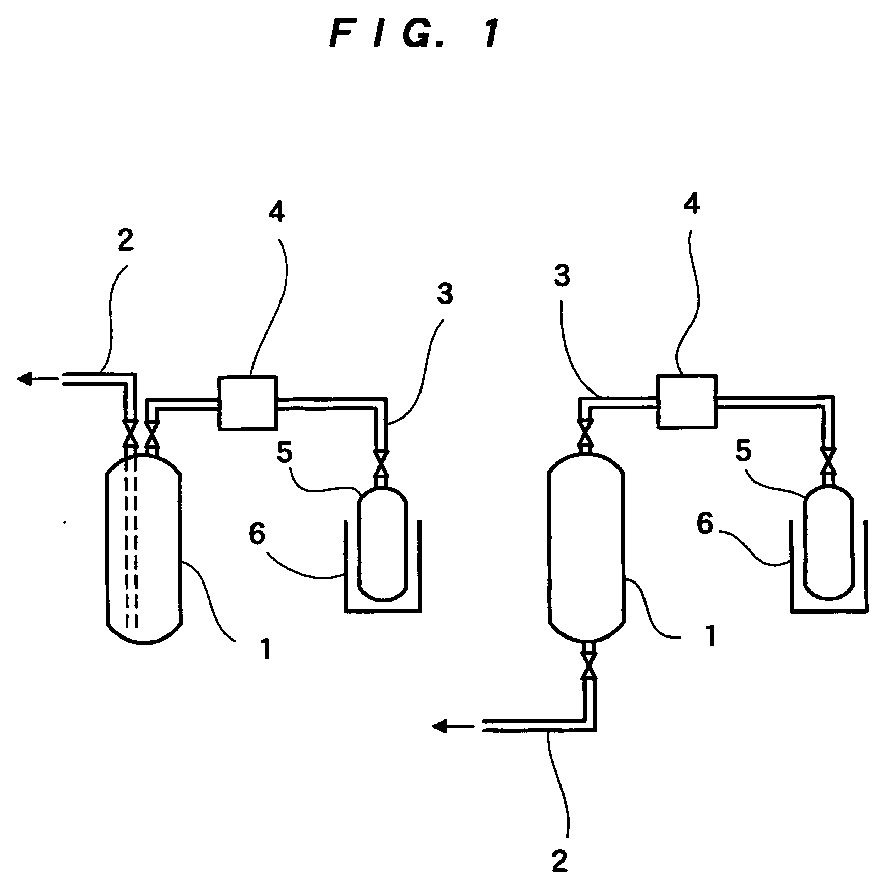
Fig. 1 is a schematic representation of the
mode of introducing a supplement gas into a first
container in the liquefied gas transfer-filling system
according to the present invention. In the figure, the
reference numeral (1) represents a first container to be
filled with the liquefied gas, (2) a draw-out piping on
the liquid side, (3) a piping for pressurization on the
vapor side, (4) a pressure regulating valve, (5) a pressurizing
gas container, and (6) a constant-temperature
bath.
The first container 1 is filled with said
nonazeotropic mixture composed of at least two liquefied
gases differing in boiling point. A mixed gas having the
same composition as that of said nonazeotropic mixture or
a mixed gas containing the same low-boiling component as
that contained in said nonazeotropic mixture but having a
higher vapor pressure is fed to the pressurizing gas
container 5 and warmed in the constant-temperature bath
6. On the occasion of transfer-filling of the liquefied
gas from the draw-out piping 2 on the liquid side by
opening an associated valve, the first container 1 is
simultaneously pressurized from the vapor side with the
pressurizing gas from the pressurizing gas container 5
through the vapor-side piping 3 while the pressurizing
gas pressure is adjusted by means of the pressure
regulating valve 4.
When the pressurizing gas is a liquefied gas,
the volumetric proportions of the capacity of the first
container 1 and the amount of the pressurizing gas
present in the pressurizing gas container 5 may be set
somewhere between the critical limit not causing
exhaution of the liquid phase due to pressurization and
the critical limit not causing a change in composition of
the pressurizing gas. Generally, the preferred ratio of
the pressurizing gas volume to the capacity of the first
container is about 1/10 to 1/2.
Preferred embodiments of the transfer-filling
method of the present invention are now described in
further detail referring to the drawings.
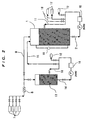
Fig. 2 is a schematic representation of the
typical system for introducing a nonazeotropic mixture in
liquid form into the first container on the occasion of
transfer-filling. In the figure, (1) represents a first
container to be filled with a liquefied gas, (2) a liquid
draw-out piping belonging to the first container, (7) raw
material storage containers, (8) a premixer, (9) a piping
for liquid, (10) a cooling means, (11) a piping for
liquid circulation for the first container, (12) an
analytical means, (13) a premixing tank, (14) a liquid
draw-out piping belonging to the premixing tank, (15) a
supplement liquid feed line, (16) a liquid circulation
piping belonging to the premixing tank, (17) a second
container into which the liquefied gas is to be transfer-filled,
(18) a piping for transfer-filling, and (19) a
level gauge.
The raw material storage containers (7) are
filled with the corresponding raw material liquefied
gases to be used as constituents of the nonazeotropic
mixture. Specified amounts of those raw material
liquefied gases are fed to the premixer 8 in which they
are mixed. The resulting mixture is fed through the
liquid line 9 to the first container 1, where further
mixing is done. The resulting mixture is stored in the
first container 1 as a nonazeotropic mixture having a
specified composition. This nonazeotropic mixture is
preferably maintained within a temperature range causing
little change in composition, as necessary, by extracting
it out through the draw-out piping 2, cooling the same in
the cooling means 10, for example a cooling condenser,
and recycling it to the first container 1 via the liquid
circulation piping 11. For this purpose, it is desirable
to provide a temperature monitor (not shown) at an
appropriate site of the first container 1. Furthermore,
the composition of the mixture in the first container 1
is preferably checked, as necessary, at regular intervals
by analytical means 12, for example, a gas chromatograph.
On the other hand, a supplement liquid is prepared,
at an arbitrarily selected time, namely simultaneously
with the step of preparing the nonazeotropic
mixture in first container 1 or before or after said
step, by feeding the raw material liquefied gases, each
in a specified amount, to the premixer 8 from the raw
material containers 7, for mixing up to give the same
composition as the nonazeotropic mixture in the first
container 1. This mixture is used for supplemental
feeding into the first container 1. On that occasion,
although the supplement liquid made up in the premixer 8
may be directly introduced into the first container 1 via
the liquid line 9, the method is preferred which
comprises feeding the supplement liquid made up in
premixer 8 to the premixing tank 13 and, after mixing up
therein, drawing out the mixture via the liquid draw-out
piping 14 belonging to premixing tank 13, and injecting
the same into the first container 1 via the supplement
liquid feeding line 15. In this method, it is possible
to correctly prepare a mixture having the same
composition as that of the nonazeotropic mixture in the
first container 1 by confirming, as necessary, the
composition after thorough mixing of the respective
components in the premixing tank 13 by the analytical
means 12, for example a gas chromatograph and, hence, it
is possible to substantially prevent alteration in
composition of the nonazeotropic mixture on the occasion
of injecting the supplement liquid into the first container
1. The nonazeotropic mixture in the premixing
tank 13 is preferably maintained within a temperature
range inducing little change in its composition by
providing a temperature monitor (not shown) at an
appropriate site of the premixing tank 13 and, as
necessary, drawing out the mixture via the draw-out
piping 14, cooling the same in the cooling means 10, for
example a cooling condenser, and recycling the same to
the premixing tank 13 via the liquid circulation piping
16.
On the occasion of transferring and filling the
nonazeotropic mixture from the first container 1 to a
second container 17 in the transfer-filling system shown
in Fig. 2, the nonazeotropic mixture drawn out from the
first container 1 via the liquid draw-out piping 2 is
transferred and filled into a container for transfer-filling
(second container) 17 via the transfer-filling
line 18 and, simultaneously or after partial transfer-filling,
the supplement liquid drawn out from the
premixing tank 13 via the liquid draw-out piping 14 is
injected, via the supplement feed piping 15, into the
first container 1, in an amount corresponding to the
decrease in liquid volume of the nonazeotropic mixture in
first container 1. For this purpose, it is desirable to
provide the first container 1 with a level gauge 19 to
thereby monitor the volume of the liquid phase of the
nonazeotropic mixture in the first container 1 and inject
the supplement liquid in an amount corresponding to the
decrease of said volume continuously or intermittently
from the premixing tank 13 into the first container 1.
Further, it is desirable to provide the premixing tank 13
with an appropriate level gauge, a weight measuring means
and so on (not shown) to maintain the liquid volume at or
above a predetermined level.
Fig. 3 is a schematic representation of an
example of the mode of injecting the gaseous phase of a
liquefied gas into the gaseous phase in the first
container on the occasion of transfer-filling. In the
figure, the reference numeral (20) represents a gas draw-out
piping belong to the premixing tank, (21) a gas
circulation piping belonging to the premixing tank, and
(22) a supplement gas feed line. The other reference
numerals respectively have the same meanings as in Fig.
2.
The method of mixing up the raw material
liquefied gases for preparing said nonazeotropic mixture
and storing the mixture in the first container 1 may be
the same as in the method described referring to Fig. 2.
The gas for supplementation is prepared, at an
arbitrarily selected time, namely simultaneously with the
step of preparing the nonazeotropic mixture in the first
container or before or after said step, by feeding the
raw material liquefied gases, in amounts respectively
specified to give a liquefied gas mixture having the same
composition as that of the nonazeotropic mixture in the
first container 1 or a liquefied gas composed of at least
one component of said nonazeotropic mixture and
containing the component having the lowest boiling point
of all the components of said mixture in a proportion
larger than the proportion thereof in said nonazeotropic
mixture, to the premixer 8 from the raw material
containers 7 and, after mixing in the premixer 8, feeding
the resulting mixture to the premixing tank 13. In the
premixing tank 13, a mixture having the specified
composition is correctly prepared by uniformly mixing the
respective components and then confirming, as necessary,
the composition using the analytical means 12, for
example a gas chromatograph. It is desirable that, in
the premixing tank 13, a temperature range where the
composition change is little be maintained by drawing
out, as necessary, the gaseous phase via the gas draw-out
piping 20 under monitoring with a suitable temperature
monitor (not shown), cooling the same in the cooling
means 10, for example a cooling condenser, and recycling
the same through the gas circulation piping 21 to the
premixing tank 13 from the liquid phase side thereof.
On the occasion of transferring and filling the
nonazeotropic mixture from the first container 1 to the
second container 17 in the transfer-filling system shown
in Fig. 3, the nonazeotropic mixture drawn out from the
first container 1 via the liquid draw-out piping 2 is
transferred and filled into a predetermined tank (second
container) 17 via the transfer-filling line 18 and,
simultaneously or after partial transfer-filling, the
supplement gas drawn out from the premixing tank 13 via
the gas draw-out piping 20 disposed on the gaseous phase
side of the premixing tank 13 is injected into the first
container 1 on the gaseous phase side thereof via the
supplement gas injection piping 22, at a rate such that
the decrease in volume of the liquid phase in the first
container 1 is compensated for by said supplement gas
under the pressure of the gaseous phase. The gaseous
phase in the premixing tank 13 is used as the supplement
gas. This gaseous phase may be the gas produced by
forced evaporation of the liquid phase in the premixing
tank 13, for example by heating. The pressure of the gas
in the premixing tank 13 is adjusted to a predetermined
level by waning, compression using a boosting pump,
pressure adjustment using a pressure reducing valve or
the like technique.
In this method, as in the method shown in Fig.
2, it is desirable that the first container 1 be provided
with a level gauge 19 to monitor the volume of the liquid
phase of the nonazeotropic mixture in the first container
1, so that the supplement gas can be injected continuously
or intermittently into the first container 1 from
the premixing tank 13 in an amount corresponding to the
decrease in liquid volume in first container 1. Further,
it is desirable that the premixing tank 13 be provided
with an appropriate level gauge, weight measuring means,
and/or the like (not shown) to thereby maintain the
amount of the liquid phase at or above a predetermined
level.
According to the technology of the present
invention, the change in composition on the occasion of
transfer-filling of a nonazeotropic mixture of
refrigerants used as a working fluid in the vapor
compression type refrigeration cycle can be markedly
reduced, with the result that the reduction in
refrigerant performance and the combustion risk thereof
can be successfully prevented.
The following examples and comparative examples
illustrate the present invention in further detail. The
scope of the invention should by no means be construed as
being limited to the examples insofar as not departing
from the scope of the appended claims.
A 2.25-liter container (hereinafter referred to
as "first container") was filled with 2 kg of a nonazeotropic
mixture of difluoromethane (HFC32), pentafluoroethane
(HFC125) and 1,1,1,2-tetrafluroethane (HFC134a) in
a weight ratio of 23/25/52, and a one-liter pressurizing
tank was filled with 800 g of a nonazeotropic mixture of
HFC32, HFC125 and HFC134a in a weight ratio of 23/25/52.
For increasing the vapor pressure, the vapor side of the
first container was connected to the vapor side of the
pressurizing tank via a piping, and a flow meter was
provided for flow rate measurement. While warming the
pressurizing tank at 30°C in a constant-temperature bath,
the first container was further pressurized by 0.08 MPa
from the vapor side thereof using a pressure regulating
valve and, at the same time, the nonazeotropic mixture
was transferred and filled into another empty container
at a rate of 12 grams per minute from the liquid side of
the first container using a pump. The transfer-filling
was performed at room temperature. A portion of the gas
during transfer-filling was collected via a sampling
valve disposed in an intermediate position of the liquid
side draw-out piping and analyzed for composition by gas
chromatography. The rate of flow of the pressurizing gas
was about 10.6 cm3 per minute.
In Comparative Example 1, transfer-filling was
carried out in the same manner while the piping on the
vapor side of the first container was closed.
The percentage transfer-filling rates and the
results of composition analysis of the gas samples taken
are shown in Table 1. The vapor pressure of
HFC32/HFC125/HFC134a (23/25/52 wt %) at 25°C was 1.21 MPa
and the vapor pressure at 30°C was 1.37 MPa.
| % Transfer filling | Composition (wt %) | |||||
| Example 1 | Comparative Example 1 | |||||
| HFC32 | HFC125 | HFC134a | HFC32 | HFC125 | HFC134a | |
| 0 | 23.0 | 25.0 | 52.0 | 23.0 | 25.0 | 52.0 |
| 10 | 23.0 | 25.0 | 52.0 | 23.0 | 25.0 | 52.0 |
| 20 | 23.0 | 25.0 | 52.0 | 22.9 | 24.9 | 52.2 |
| 30 | 23.0 | 25.0 | 52.0 | 22.8 | 24.9 | 52.3 |
| 40 | 23.0 | 25.0 | 52.0 | 22.7 | 24.8 | 52.5 |
| 50 | 23.0 | 25.0 | 52.0 | 22.6 | 24.8 | 52.6 |
| 60 | 23.0 | 25.0 | 52.0 | 22.5 | 24.7 | 52.8 |
| 70 | 23.0 | 25.0 | 52.0 | 22.4 | 24.6 | 53.0 |
| 80 | 23.0 | 25.0 | 52.0 | 22.2 | 24.4 | 53.4 |
| 90 | 23.3 | 25.1 | 51.6 | 21.7 | 24.0 | 54.3 |
Using a mixture of HFC32, HFC125 and HFC134a in
a weight ratio of 23/25/52 as the nonazeotropic mixture
and a mixture of HFC32 and HFC125 in a weight ratio of
50/50 as the pressurizing gas, the pressure in the first
container was further increased by 0.06 MPa and a test
was performed in the same manner as in Example 1. The
pressurizing gas had a sufficiently high pressure as
shown below and, therefore, the warming in the constant-temperature
bath was omitted. The rate of flow of the
pressurizing gas was about 10.5 cm3 per minute.
In Comparative Example 2, transfer-filling was
carried out in the same manner while the piping on the
vapor side of the first container was closed.
The percentage transfer-filling rates and the
results of composition analysis of the gas samples taken
are shown in Table 2. The vapor pressure of
HFC32/HFC125/HFC134a (23/25/52 wt %) at 25°C was 1.21 MPa
and the vapor pressure of HFC32/HFC125 (50/50 wt %) at
25°C was 1.66 MPa.
| % Transfer filling | Composition (wt %) | |||||
| Example 2 | Comparative Example 2 | |||||
| HFC32 | HFC125 | HFC134a | HFC32 | HFC125 | HFC134a | |
| 0 | 23.0 | 25.0 | 52.0 | 23.0 | 25.0 | 52.0 |
| 10 | 23.0 | 25.0 | 52.0 | 23.0 | 25.0 | 52.0 |
| 20 | 23.0 | 25.0 | 52.0 | 22.9 | 24.9 | 52.2 |
| 30 | 23.0 | 25.0 | 52.0 | 22.8 | 24.9 | 52.3 |
| 40 | 23.0 | 25.0 | 52.0 | 22.7 | 24.8 | 52.5 |
| 50 | 23.0 | 25.0 | 52.0 | 22.6 | 24.8 | 52.6 |
| 60 | 23.0 | 25.0 | 52.0 | 22.5 | 24.7 | 52.8 |
| 70 | 23.0 | 25.0 | 52.0 | 22.4 | 24.6 | 53.0 |
| 80 | 23.0 | 25.0 | 52.0 | 22.2 | 24.4 | 53.4 |
| 90 | 22.9 | 24.9 | 52.2 | 21.7 | 24.0 | 54.3 |
As is evident from the data compiled in Table 1
and Table 2, it is possible, by pressurizing from the
vapor side, to reduce the composition change drastically,
i.e. to 1/12 to 2/12, as compared with the case where no
pressurization is made.
According to the transfer-filling system shown
in Fig. 2, the method of injecting a supplement liquid
into a first container was carried out under the
following conditions.
The first container with a capacity of 14.6 m3
was filled with 14,000 kg of a nonazeotropic mixture
(R407C) of HFC32, HFC125 and HFC134a in a weight ratio of
23/25/52 and the nonazeotropic mixture was transferred
and filled from the liquid phase side of the first
container into another empty container at a rate of 25 kg
per minute.
Separately, a 2.2 m3 premixing tank was filled
with 2,000 kg of a mixture having the same composition as
that of the nonazeotropic mixture filled into the first
container. The first container was provided with a level
gauge, and the nonazeotropic mixture in the premixing
tank was drawn out from the liquid phase for feeding into
the first container in an amount corresponding to the
decrease in liquid volume in the first container, at each
time when the decrease in amount of the liquid phase in
first container amounted to 10% by volume.
During the above procedure, the mixture in the
first container and the mixture in the premixing tank
were each maintained at about 25°C by cooling with cold
water.
The mixture in the premixing tank was
supplemented by feeding, via a premixer, the required
amounts of raw material liquefied gases from the
respective raw material storage containers.
Such transfer-filling was continuously
repeated, and a portion of the nonazeotropic mixture
during transfer-filling was taken out periodically via a
sampling valve disposed in an intermediate position of
the draw-out piping belonging to the first container and
subjected to composition analysis by gas chromatography.
No substantial change in composition was found, with the
composition of the nonazeotropic mixture stored in the
first container being successfully kept constant.
Claims (10)
- A method for transfer-filling a liquefied gas by drawing out a nonazeotropic mixture stored in a first container and containing at least two liquefied gases differing in boiling point as essential components from a liquid phase thereof and transfer-filling the mixture into a second container, characterized in that the method comprises filling the following supplement liquid (A) or supplement gas (B) into said first container in an amount making up for a portion of the capacity of said first container that is equal to the decrease in volume of the liquid phase of said nonazeotropic mixture resulting from transfer-filling:(A) a supplement liquid which is the liquid phase of a liquefied gas mixture having the same composition as that of the nonazeotropic mixture stored in the first container;(B) a supplement gas which is (i) (a) a gaseous phase of a liquefied gas mixture having the same composition as that of the nonazeotropic mixture stored in the first container or (b) a gaseous phase composed of at least one component of said nonazeotropic mixture and containing the component having the lowest boiling point of all the components of said mixture in a proportion larger than the proportion thereof in said nonazeotropic mixture or (ii) a compressed gas.
- A method as claimed in Claim 1, wherein, in drawing out a nonazeotropic mixture stored in a first container and containing at least two liquefied gases differing in boiling point as essential components from the liquid phase thereof and transfer-filling the mixture into a second container, the liquid phase of a liquefied gas mixture stored in a premixing tank and having the same composition as that of the nonazeotropic mixture stored in said first container is drawn out from said premixing tank and said liquid phase is filled into said first container in an amount making up for a portion of the capacity of said first container that is equal to the decrease in volume of the liquid phase of said liquefied nonazeotropic gas mixture resulting from transfer-filling.
- A method as claimed in Claim 1 or 2 which comprises:(i) a step which comprises preparing a nonazeotropic mixture by mixing at least two liquefied gases differing in boiling point in a first container,(ii) a step which comprises preparing, simultaneously with said step (i) or before or after said step (i), a liquefied gas mixture having the same composition as that of the nonazeotropic mixture stored in the first container, in a premixing tank,(iii) a step which comprises transfer-filling the nonazeotropic mixture in said first container to a second container, and(iv) a step which comprises filling the liquid phase of the mixture in the premixing tank into the first container, simultaneously with said step (iii) or after partial transfer-filling of the nonazeotropic mixture in said step (iii), in an amount making up for a portion of the capacity of the first container that is equal to the decrease in volume of the liquid phase of said nonazeotropic mixture resulting from transfer-filling.
- A method as claimed in Claim 1, wherein the first container is pressurized from the gaseous phase side with the supplement gas by introducing the supplement gas into the first container at a feeding rate necessary to, under the pressure of the gaseous phase, make up for a portion of the capacity of the first container that is equal to the decrease in volume of the liquid phase of said nonazeotropic mixture resulting from transfer-filling.
- A method as claimed in Claim 4, wherein the supplement gas is filled into the first container under pressure from the gaseous phase side of said first container at a pressure corresponding to 1.03 to 1.10 times the vapor pressure of the nonazeotropic mixture to be transfer-filled.
- A method as claimed in Claim 1, 4 or 5, wherein, in drawing out a nonazeotropic mixture stored in the first container and containing at least two liquefied gases differing in boiling point as essential components from the liquid phase thereof and transfer-filling the mixture into a second container, the gaseous phase of a liquefied gas, which is either a liquefied gas mixture having the same composition as that of the nonazeotropic mixture stored in the first container or a liquefied gas composed of at least one component of said nonazeotropic mixture and containing the component having the lowest boiling point of all the components of said mixture in a proportion larger than the proportion thereof in said nonazeotropic mixture, is drawn out from the premixing tank and filled into the first container in an amount making up for a portion of the capacity of the first container that is equal to the decrease in volume of the liquid phase of said nonazeotropic mixture resulting from transfer-filling.
- A method as claimed in Claim 1, 4, 5 or 6 which comprises:(i) a step which comprises preparing a nonazeotropic mixture by mixing at least two liquefied gases differing in boiling point in a first container,(ii) a step which comprises preparing, simultaneously with said step (i) or before or after said step (i), a liquefied gas, which is either a liquefied gas mixture having the same composition as that of the nonazeotropic mixture in the first container or a liquefied gas composed of at least one component of said nonazeotropic mixture and containing the component having the lowest boiling point of all the components of said mixture in a proportion larger than the proportion thereof in said nonazeotropic mixture, in a premixing tank,(iii) a step which comprises transfer-filling the nonazeotropic mixture in the first container to a second container, and(iv) a step which comprises filling the gaseous phase in the premixing tank into the first container, simultaneously with said step (iii) or after transfer-filling of part of the nonazeotropic mixture in said step (iii), in an amount making up for a portion of the capacity of the first container that is equal to the decrease in volume of the liquid phase of said nonazeotropic mixture resulting from transfer-filling.
- A method as claimed in Claim 1, 4, 5, 6 or 7, wherein the method is practiced under the condition that a substance insoluble in the nonazeotropic mixture stored in the first container is disposed in the form of a layer on top of said mixture.
- A method as claimed in any of Claims 1 through 8, wherein the nonazeotropic mixture stored in the first container is a mixture of difluoromethane and 1,1,1,2-tetrafluoroethane, a mixture of difluoromethane, pentafluoroethane and 1,1,1,2-tetrafluoroethane, a mixture of pentafluoroethane, 1,1,1-trifluoroethane and 1,1,1,2-tetrafluoroethane, a mixture of trifluoromethane, difluoromethane and 1,1,1,2-tetrafluoroethane, a mixture of difluoromethane and pentafluoroethane, or a mixture of chlorodifluoromethane, 1,1,1-trifluoroethane and pentafluoroethane.
- A method as claimed in Claim 9, wherein the nonazeotropic mixture stored in the first container is a mixture composed of 23% by weight of difluoromethane, 25% by weight of pentafluoroethane and 52% by weight of 1,1,1,2-tetrafluoroethane, a mixture composed of 44% by weight of pentafluoroethane, 52% by weight of 1,1,1-trifluoroethane and 4% by weight of 1,1,1,2-tetrafluoroethane, or a mixture composed of 47% by weight of chlorodifluoromethane, 46% by weight of 1,1,1-trifluoroethane and 7% by weight of pentafluoroethane.
Applications Claiming Priority (5)
| Application Number | Priority Date | Filing Date | Title |
|---|---|---|---|
| JP436697 | 1997-01-14 | ||
| JP436697 | 1997-01-14 | ||
| JP9235711A JPH10259898A (en) | 1997-01-14 | 1997-09-01 | Liquefied gas transfer and filling method |
| JP23571197 | 1997-09-01 | ||
| PCT/JP1998/000044 WO1998030833A1 (en) | 1997-01-14 | 1998-01-08 | Process for transferring liquefied gases between containers |
Publications (2)
| Publication Number | Publication Date |
|---|---|
| EP1008799A1 true EP1008799A1 (en) | 2000-06-14 |
| EP1008799A4 EP1008799A4 (en) | 2004-06-09 |
Family
ID=26338113
Family Applications (1)
| Application Number | Title | Priority Date | Filing Date |
|---|---|---|---|
| EP98900186A Withdrawn EP1008799A4 (en) | 1997-01-14 | 1998-01-08 | METHOD FOR TRANSFERRING LIQUEFIED GAS BETWEEN CONTAINERS |
Country Status (12)
| Country | Link |
|---|---|
| US (1) | US6237348B1 (en) |
| EP (1) | EP1008799A4 (en) |
| JP (1) | JPH10259898A (en) |
| KR (1) | KR20000070102A (en) |
| CN (1) | CN1103421C (en) |
| AU (1) | AU732822B2 (en) |
| BR (1) | BR9806898A (en) |
| CA (1) | CA2277269C (en) |
| ID (1) | ID22784A (en) |
| MY (1) | MY120015A (en) |
| TW (1) | TW359737B (en) |
| WO (1) | WO1998030833A1 (en) |
Cited By (3)
| Publication number | Priority date | Publication date | Assignee | Title |
|---|---|---|---|---|
| WO2002084168A1 (en) * | 2001-04-12 | 2002-10-24 | Solvay Fluor Und Derivate Gmbh | Method and device for storing liquids and liquefied gases |
| DE102005019413A1 (en) * | 2005-04-25 | 2006-10-26 | Messer Group Gmbh | Process to charge an automotive airbag cartridge with gas under defined conditions of temperature and pressure |
| EP3636982A1 (en) * | 2018-10-09 | 2020-04-15 | WEISS UMWELTTECHNIK GmbH | Method and device for providing zeotropic coolant |
Families Citing this family (14)
| Publication number | Priority date | Publication date | Assignee | Title |
|---|---|---|---|---|
| US6112528A (en) * | 1998-12-18 | 2000-09-05 | Exxonmobil Upstream Research Company | Process for unloading pressurized liquefied natural gas from containers |
| JP4574801B2 (en) * | 1999-08-27 | 2010-11-04 | 住友精化株式会社 | Liquefied gas mixing equipment |
| EP1551707A1 (en) * | 2002-07-12 | 2005-07-13 | Honeywell International Inc. | Method and apparatus to minimize fractionation of fluid blend during transfer |
| JP2005134333A (en) * | 2003-10-31 | 2005-05-26 | Espec Corp | Gas flow measuring device and gas flow measuring method |
| EP1813855A1 (en) * | 2006-01-27 | 2007-08-01 | L'AIR LIQUIDE, Société Anonyme pour l'Etude et l'Exploitation des Procédés Georges Claude | Process and arrangement for filling a high pressure gas container with liquefied gas under hydrostatic pressure |
| JP2009024899A (en) * | 2007-07-17 | 2009-02-05 | Showa Denko Kk | Evaporator |
| US7832222B2 (en) * | 2007-12-07 | 2010-11-16 | Spx Corporation | Background tank fill based on refrigerant composition |
| KR101049151B1 (en) | 2008-12-10 | 2011-07-14 | 한국가스공사연구개발원 | Liquefied gas mixing device |
| JP5861727B2 (en) * | 2014-03-04 | 2016-02-16 | ダイキン工業株式会社 | Method for charging mixed refrigerant containing trans-1,3,3,3-tetrafluoropropene |
| CN104565807B8 (en) * | 2015-02-02 | 2019-04-26 | 山东赛普生物科技股份有限公司 | Liquid gas number filling apparatus without phase-change |
| CN104964724B (en) * | 2015-07-21 | 2018-10-30 | 苏州市兴鲁空分设备科技发展有限公司 | Fluid reservoir rate of evaporation device and its measurement method of use |
| CN107339606A (en) * | 2017-08-17 | 2017-11-10 | 丹阳市方蓝气体设备有限公司 | A kind of charging system for changing pressure |
| NO344169B1 (en) * | 2018-06-04 | 2019-09-30 | Waertsilae Gas Solutions Norway As | Method and system for storage and transport of liquefied petroleum gases |
| JP7011847B2 (en) * | 2019-12-27 | 2022-01-27 | Cpmホールディング株式会社 | Mixed refrigerant production equipment and mixed refrigerant production method |
Family Cites Families (13)
| Publication number | Priority date | Publication date | Assignee | Title |
|---|---|---|---|---|
| JPS62137497A (en) * | 1985-12-05 | 1987-06-20 | Sanken Setsubi Kogyo Kk | Fleon fluid reserving method |
| JPS62200099A (en) * | 1986-02-27 | 1987-09-03 | Mitsubishi Electric Corp | Very low temperature liquid supply system |
| US4905719A (en) * | 1987-12-30 | 1990-03-06 | Lawless James C | Flurocarbon pumping system |
| JPH0512261Y2 (en) * | 1988-08-26 | 1993-03-29 | ||
| JPH0655942B2 (en) * | 1989-11-30 | 1994-07-27 | 松下電器産業株式会社 | Working fluid |
| US5643492A (en) * | 1990-12-17 | 1997-07-01 | E. I. Du Pont De Nemours And Company | Constant boiling compositions of HFC-32, HFC-125 and HFC-134 A |
| JPH0750640Y2 (en) * | 1991-04-19 | 1995-11-15 | 日本酸素株式会社 | Low temperature liquefied gas supply device |
| JP2980448B2 (en) * | 1991-06-28 | 1999-11-22 | 出光興産株式会社 | Lubrication method for compression refrigeration cycle |
| JP3589247B2 (en) * | 1994-06-16 | 2004-11-17 | ダイキン工業株式会社 | Liquefied gas filling method |
| US6018952A (en) * | 1995-04-18 | 2000-02-01 | Daikin Industries, Ltd. | Method for charging refrigerant blend |
| JP3170585B2 (en) | 1996-03-25 | 2001-05-28 | 経済産業省産業技術総合研究所長 | Cold electron emission device |
| US5709093A (en) * | 1996-06-27 | 1998-01-20 | Alliedsignal Inc. | Process for minimizing compositional changes |
| JPH10160296A (en) * | 1996-11-28 | 1998-06-19 | Daikin Ind Ltd | Method for filling mixed refrigerant |
-
1997
- 1997-09-01 JP JP9235711A patent/JPH10259898A/en active Pending
-
1998
- 1998-01-08 EP EP98900186A patent/EP1008799A4/en not_active Withdrawn
- 1998-01-08 KR KR1019997006324A patent/KR20000070102A/en not_active Ceased
- 1998-01-08 CA CA002277269A patent/CA2277269C/en not_active Expired - Lifetime
- 1998-01-08 WO PCT/JP1998/000044 patent/WO1998030833A1/en not_active Ceased
- 1998-01-08 ID IDW990643A patent/ID22784A/en unknown
- 1998-01-08 BR BRPI9806898-9A patent/BR9806898A/en not_active IP Right Cessation
- 1998-01-08 AU AU53423/98A patent/AU732822B2/en not_active Expired
- 1998-01-08 CN CN98801809A patent/CN1103421C/en not_active Expired - Lifetime
- 1998-01-08 US US09/341,571 patent/US6237348B1/en not_active Expired - Lifetime
- 1998-01-12 TW TW087100313A patent/TW359737B/en not_active IP Right Cessation
- 1998-01-13 MY MYPI98000134A patent/MY120015A/en unknown
Cited By (6)
| Publication number | Priority date | Publication date | Assignee | Title |
|---|---|---|---|---|
| WO2002084168A1 (en) * | 2001-04-12 | 2002-10-24 | Solvay Fluor Und Derivate Gmbh | Method and device for storing liquids and liquefied gases |
| US6910337B2 (en) | 2001-04-12 | 2005-06-28 | Solvay Flour Und Derivate Gmbh | Method and apparatus for storing liquids and liquefied gases |
| DE102005019413A1 (en) * | 2005-04-25 | 2006-10-26 | Messer Group Gmbh | Process to charge an automotive airbag cartridge with gas under defined conditions of temperature and pressure |
| EP3636982A1 (en) * | 2018-10-09 | 2020-04-15 | WEISS UMWELTTECHNIK GmbH | Method and device for providing zeotropic coolant |
| CN111023635A (en) * | 2018-10-09 | 2020-04-17 | 伟思环境技术有限公司 | Method and apparatus for providing a non-azeotropic refrigerant |
| US11300338B2 (en) | 2018-10-09 | 2022-04-12 | Weiss Technik Gmbh | Method and device for providing zeotropic refrigerants |
Also Published As
| Publication number | Publication date |
|---|---|
| KR20000070102A (en) | 2000-11-25 |
| CN1103421C (en) | 2003-03-19 |
| CA2277269A1 (en) | 1998-07-16 |
| US6237348B1 (en) | 2001-05-29 |
| EP1008799A4 (en) | 2004-06-09 |
| BR9806898A (en) | 2000-03-21 |
| ID22784A (en) | 1999-12-09 |
| TW359737B (en) | 1999-06-01 |
| JPH10259898A (en) | 1998-09-29 |
| AU5342398A (en) | 1998-08-03 |
| WO1998030833A1 (en) | 1998-07-16 |
| CN1243570A (en) | 2000-02-02 |
| CA2277269C (en) | 2005-03-29 |
| AU732822B2 (en) | 2001-05-03 |
| MY120015A (en) | 2005-08-30 |
Similar Documents
| Publication | Publication Date | Title |
|---|---|---|
| US6237348B1 (en) | Process for transferring liquefied gases between containers | |
| CN1102729C (en) | Apparatus and method for charging three-component mixed refrigerant | |
| EP2675862B1 (en) | Method for preparing a ternary or higher zeotropic refrigerant mixture | |
| US6000230A (en) | Method for dividing and charging of non-azeotropic mixed refrigerant | |
| EP0767348B1 (en) | Method of filling refrigerant mixture | |
| JPWO1996033377A1 (en) | Refrigerant mixture filling method | |
| CA2227002C (en) | Process for producing mixed refrigerants | |
| JPH10160296A (en) | Method for filling mixed refrigerant | |
| US7028488B2 (en) | Method and apparatus to minimize fractionation of fluid blend during transfer | |
| Yang et al. | Measured and predicted thermodynamic properties of selected halon alternative/nitrogen mixtures | |
| US5709093A (en) | Process for minimizing compositional changes | |
| WO2020223196A1 (en) | Refrigerant blends in flooded systems | |
| EP3521397B1 (en) | Method for transfer-filling refrigerant composition | |
| EP0979855A1 (en) | Method for filling mixed refrigerant | |
| US1986959A (en) | Refrigerant composition | |
| JP3589247B2 (en) | Liquefied gas filling method | |
| JP3127138B2 (en) | Method for producing mixed refrigerant | |
| JPH1161110A (en) | Recycling method of residual refrigerant | |
| JP3575089B2 (en) | Method for forming a non-azeotropic mixed refrigerant | |
| KR20080080576A (en) | Refrigerant composition | |
| JPH11124569A (en) | Subdivision filling method of non-azeotropic mixed refrigerant | |
| HK1014976B (en) | Process for producing mixed refrigerants |
Legal Events
| Date | Code | Title | Description |
|---|---|---|---|
| PUAI | Public reference made under article 153(3) epc to a published international application that has entered the european phase |
Free format text: ORIGINAL CODE: 0009012 |
|
| 17P | Request for examination filed |
Effective date: 19990709 |
|
| AK | Designated contracting states |
Kind code of ref document: A1 Designated state(s): BE DE ES FR GB IT NL |
|
| A4 | Supplementary search report drawn up and despatched |
Effective date: 20040426 |
|
| 17Q | First examination report despatched |
Effective date: 20040716 |
|
| STAA | Information on the status of an ep patent application or granted ep patent |
Free format text: STATUS: THE APPLICATION IS DEEMED TO BE WITHDRAWN |
|
| 18D | Application deemed to be withdrawn |
Effective date: 20050412 |