EP0980441B1 - Methods for measuring cellular proliferation and destruction rates in vitro and in vivo - Google Patents
Methods for measuring cellular proliferation and destruction rates in vitro and in vivo Download PDFInfo
- Publication number
- EP0980441B1 EP0980441B1 EP98921082A EP98921082A EP0980441B1 EP 0980441 B1 EP0980441 B1 EP 0980441B1 EP 98921082 A EP98921082 A EP 98921082A EP 98921082 A EP98921082 A EP 98921082A EP 0980441 B1 EP0980441 B1 EP 0980441B1
- Authority
- EP
- European Patent Office
- Prior art keywords
- cell
- label
- cells
- dna
- methods
- Prior art date
- Legal status (The legal status is an assumption and is not a legal conclusion. Google has not performed a legal analysis and makes no representation as to the accuracy of the status listed.)
- Expired - Lifetime
Links
Images







Classifications
-
- A—HUMAN NECESSITIES
- A61—MEDICAL OR VETERINARY SCIENCE; HYGIENE
- A61K—PREPARATIONS FOR MEDICAL, DENTAL OR TOILETRY PURPOSES
- A61K31/00—Medicinal preparations containing organic active ingredients
- A61K31/66—Phosphorus compounds
- A61K31/665—Phosphorus compounds having oxygen as a ring hetero atom, e.g. fosfomycin
-
- C—CHEMISTRY; METALLURGY
- C12—BIOCHEMISTRY; BEER; SPIRITS; WINE; VINEGAR; MICROBIOLOGY; ENZYMOLOGY; MUTATION OR GENETIC ENGINEERING
- C12Q—MEASURING OR TESTING PROCESSES INVOLVING ENZYMES, NUCLEIC ACIDS OR MICROORGANISMS; COMPOSITIONS OR TEST PAPERS THEREFOR; PROCESSES OF PREPARING SUCH COMPOSITIONS; CONDITION-RESPONSIVE CONTROL IN MICROBIOLOGICAL OR ENZYMOLOGICAL PROCESSES
- C12Q1/00—Measuring or testing processes involving enzymes, nucleic acids or microorganisms; Compositions therefor; Processes of preparing such compositions
- C12Q1/48—Measuring or testing processes involving enzymes, nucleic acids or microorganisms; Compositions therefor; Processes of preparing such compositions involving transferase
-
- C—CHEMISTRY; METALLURGY
- C12—BIOCHEMISTRY; BEER; SPIRITS; WINE; VINEGAR; MICROBIOLOGY; ENZYMOLOGY; MUTATION OR GENETIC ENGINEERING
- C12Q—MEASURING OR TESTING PROCESSES INVOLVING ENZYMES, NUCLEIC ACIDS OR MICROORGANISMS; COMPOSITIONS OR TEST PAPERS THEREFOR; PROCESSES OF PREPARING SUCH COMPOSITIONS; CONDITION-RESPONSIVE CONTROL IN MICROBIOLOGICAL OR ENZYMOLOGICAL PROCESSES
- C12Q1/00—Measuring or testing processes involving enzymes, nucleic acids or microorganisms; Compositions therefor; Processes of preparing such compositions
- C12Q1/68—Measuring or testing processes involving enzymes, nucleic acids or microorganisms; Compositions therefor; Processes of preparing such compositions involving nucleic acids
-
- C—CHEMISTRY; METALLURGY
- C12—BIOCHEMISTRY; BEER; SPIRITS; WINE; VINEGAR; MICROBIOLOGY; ENZYMOLOGY; MUTATION OR GENETIC ENGINEERING
- C12Q—MEASURING OR TESTING PROCESSES INVOLVING ENZYMES, NUCLEIC ACIDS OR MICROORGANISMS; COMPOSITIONS OR TEST PAPERS THEREFOR; PROCESSES OF PREPARING SUCH COMPOSITIONS; CONDITION-RESPONSIVE CONTROL IN MICROBIOLOGICAL OR ENZYMOLOGICAL PROCESSES
- C12Q1/00—Measuring or testing processes involving enzymes, nucleic acids or microorganisms; Compositions therefor; Processes of preparing such compositions
- C12Q1/68—Measuring or testing processes involving enzymes, nucleic acids or microorganisms; Compositions therefor; Processes of preparing such compositions involving nucleic acids
- C12Q1/6809—Methods for determination or identification of nucleic acids involving differential detection
-
- C—CHEMISTRY; METALLURGY
- C12—BIOCHEMISTRY; BEER; SPIRITS; WINE; VINEGAR; MICROBIOLOGY; ENZYMOLOGY; MUTATION OR GENETIC ENGINEERING
- C12Q—MEASURING OR TESTING PROCESSES INVOLVING ENZYMES, NUCLEIC ACIDS OR MICROORGANISMS; COMPOSITIONS OR TEST PAPERS THEREFOR; PROCESSES OF PREPARING SUCH COMPOSITIONS; CONDITION-RESPONSIVE CONTROL IN MICROBIOLOGICAL OR ENZYMOLOGICAL PROCESSES
- C12Q1/00—Measuring or testing processes involving enzymes, nucleic acids or microorganisms; Compositions therefor; Processes of preparing such compositions
- C12Q1/70—Measuring or testing processes involving enzymes, nucleic acids or microorganisms; Compositions therefor; Processes of preparing such compositions involving virus or bacteriophage
-
- G—PHYSICS
- G01—MEASURING; TESTING
- G01N—INVESTIGATING OR ANALYSING MATERIALS BY DETERMINING THEIR CHEMICAL OR PHYSICAL PROPERTIES
- G01N33/00—Investigating or analysing materials by specific methods not covered by groups G01N1/00 - G01N31/00
- G01N33/48—Biological material, e.g. blood, urine; Haemocytometers
- G01N33/50—Chemical analysis of biological material, e.g. blood, urine; Testing involving biospecific ligand binding methods; Immunological testing
- G01N33/5005—Chemical analysis of biological material, e.g. blood, urine; Testing involving biospecific ligand binding methods; Immunological testing involving human or animal cells
-
- G—PHYSICS
- G01—MEASURING; TESTING
- G01N—INVESTIGATING OR ANALYSING MATERIALS BY DETERMINING THEIR CHEMICAL OR PHYSICAL PROPERTIES
- G01N33/00—Investigating or analysing materials by specific methods not covered by groups G01N1/00 - G01N31/00
- G01N33/48—Biological material, e.g. blood, urine; Haemocytometers
- G01N33/50—Chemical analysis of biological material, e.g. blood, urine; Testing involving biospecific ligand binding methods; Immunological testing
- G01N33/5005—Chemical analysis of biological material, e.g. blood, urine; Testing involving biospecific ligand binding methods; Immunological testing involving human or animal cells
- G01N33/5008—Chemical analysis of biological material, e.g. blood, urine; Testing involving biospecific ligand binding methods; Immunological testing involving human or animal cells for testing or evaluating the effect of chemical or biological compounds, e.g. drugs, cosmetics
- G01N33/5082—Supracellular entities, e.g. tissue, organisms
- G01N33/5088—Supracellular entities, e.g. tissue, organisms of vertebrates
-
- G—PHYSICS
- G01—MEASURING; TESTING
- G01N—INVESTIGATING OR ANALYSING MATERIALS BY DETERMINING THEIR CHEMICAL OR PHYSICAL PROPERTIES
- G01N33/00—Investigating or analysing materials by specific methods not covered by groups G01N1/00 - G01N31/00
- G01N33/48—Biological material, e.g. blood, urine; Haemocytometers
- G01N33/50—Chemical analysis of biological material, e.g. blood, urine; Testing involving biospecific ligand binding methods; Immunological testing
- G01N33/58—Chemical analysis of biological material, e.g. blood, urine; Testing involving biospecific ligand binding methods; Immunological testing involving labelled substances
- G01N33/60—Chemical analysis of biological material, e.g. blood, urine; Testing involving biospecific ligand binding methods; Immunological testing involving labelled substances involving radioactive labelled substances
Definitions
- the present invention relates to methods for measuring the proliferation and destruction rates of cells by measuring deoxyribonucleic acid (DNA) synthesis.
- the methods utilize non-radioactive stable isotope labels to endogenously label DNA synthesized through the de novo nucleotide synthesis pathway in a cell.
- the amount of label incorporated in the DNA. is measured as an indication of cellular proliferation.
- Such methods do not require radioactivity or potentially toxic metabolites, and are suitable for use both in vitro and in vivo. Therefore, the invention is useful for measuring cellular proliferation and/or cellular destruction rates in humans for the diagnosis of a variety of diseases or conditions in which cellular proliferation or destruction is involved.
- the invention also provides methods of screening an agent for a capacity to induce or inhibit cellular proliferation or cellular destruction and methods for measuring the proliferation or destruction of T cells in a subject infected with human immunodeficiency virus (HIV).
- HIV human immunodeficiency virus
- Control of cell proliferation is important in all multicellular organisms.
- a number of pathologic processes including cancer and acquired immunodeficiency syndrome (AIDS) (Ho et al., 1995, Nature 373 :123-126; Wei et al., 1995, Nature 373 :117-122; Adami et al., 1995, Mutat. Res. 333 :29-35), are characterized by failure of the normal regulation of cell turnover. Measurement of the in vivo turnover of cells would therefore have wide applications, if a suitable method were available. Prior to the present invention, direct and indirect techniques for measuring cell proliferation or destruction existed, but both types were flawed.
- Direct measurement of cell proliferation generally involves the incorporation of a labeled nucleoside into genomic DNA.
- examples include the tritiated thymidine ( 3 H-dT) and bromodeoxyuridine (BrdU) methods (Waldman et al. , 1991, Modem Pathol. 4 :718-722; Gratzner, 1982, Science 218 :474-475).
- 3 H-dT tritiated thymidine
- BadU bromodeoxyuridine
- the objective of anti-cancer therapies is to reduce tumor cell growth, which can be determined by whether tumor DNA is being synthesized or being broken down.
- efficacy of therapy is evaluated by indirect and imprecise methods such as apparent size by x-ray of the tumor.
- Efficacy of therapy and rational selection of combinations of therapies could be most directly determined on the basis of an individual tumor's biosynthetic and catabolic responsiveness to various interventions.
- the model used for bacterial infections in clinical medicine culture the organism and determine its sensitivities to antibiotics, then select an antibiotic to which it is sensitive - could then be used for cancer therapy as well.
- current management practices proceed without the ability to determine directly how well the therapeutic agents are working.
- a long-standing vision of oncologists is to be able to select chemotherapeutic agents the way antibiotics are chosen - on the basis of measured sensitivity to each drug by the tumor of the patient in question.
- the ability to measure cancer cell replication would place chemotherapy selection and research on an equal basis as antibiotic selection, with great potential for improved outcomes.
- the present invention relates to methods for measuring cellular proliferation and/or destruction rates by measuring DNA synthesis.
- it relates to the use of a non-radioactive stable isotope label to endogenously label DNA synthesized by the de novo nucleotide synthesis pathway in a cell.
- the label incorporated into the DNA during DNA synthesis is readily detectable by methods well known in the art.
- the amount of the incorporated label can be measured and calculated as an indication of cellular proliferation and destruction rates.
- the invention is based, in part, on the Applicants' discovery that DNA synthesis can be measured by labeling the deoxyribose ring with a stable isotope label through the de novo nucleotide synthesis pathway.
- Cellular proliferation was measured in vitro, in an animal model and in humans.
- the proliferation of two cell lines in log phase growth was measured by the methods of the invention and was shown to be in close quantitative agreement with the increased number of cells by direct cell counting, which is considered the least ambiguous measure of cell proliferation.
- the methods of the invention were also shown to be consistent with values estimated previously by independent techniques. For example, thymus and intestinal epithelium were shown to be rapid turnover tissues, while turnover of liver cells was much slower.
- the observed pattern of a lag phase followed by rapid appearance of a cohort of labeled granulocytes is also consistent with previous observation.
- the methods differ from conventional labeling techniques in 3 major respects.
- conventional isotopic methods label DNA through the known nucleoside salvage pathway
- the methods of the invention label deoxyribonucleotides in DNA by the known de novo nucleotide synthesis pathway (Fig. 1), through which purine and pyrimidine nucleotides are formed.
- Fig. 1 the de novo nucleotide synthesis pathway
- ribonucleotides are formed first from small precursor molecules (e.g., glucose, glucose-6-phosphate, ribose-5-phosphate, purine and pyrimidine bases, etc.) and are subsequently reduced to deoxyribonucleotides by ribonucleotide reductase.
- deoxyribonucleotide reductase Through the action of ribonucleotide reductase, three deoxyribonucleotides, dADP, dCDP, and dGDP, are produced directly. These deoxyribonucleotides are then phosphorylated by nucleoside diphosphate kinase to form corresponding deoxyribonucleotide triphosphates - dATP, dCTP, and dGTP.
- a fourth deoxyribonucleotide, dTTP is also formed from ribonucleotide reductase, after additional remodeling.
- Figure 1 which illustrates the de novo nucleotide synthesis pathway, also shows the pathway for endogenous labeling of DNA from stable isotope-labeled glucose.
- Labeling via the de novo nucleotide synthesis pathway is advantageous because in most cells that enter the S-phase of the cell cycle, the key enzymes controlling de novo synthesis of deoxyribonucleotide-triphosphates (dNTP's), in particular ribonucleotide reductase (RR), are upregulated, whereas the enzymes of the nucleoside salvage pathway (which represents an alternative pathway for formation of purine and pyrimidine nucleotides) are suppressed (Reichard, 1978, Fed. Proc. 37 :9-14; Reichard, 1988, Ann Rev. Biochem. 57 :349-374; Cohen et al., 1983, J. Biol. Chem. 258 :12334-12340; THOMAS SCOTT & MARY EAGLESON, CONCISE ENCYCLOPEDIA BIOCHEMISTRY 543-544 (2d ed. 1988).
- dNTP's deoxyribonucleotide-triphosphates
- RR
- the label can be detected in the methods of the invention in purine deoxyribonucleosides instead of pyrimidines (e.g., from 3 H-dT or BrdU).
- purine deoxyribonucleosides e.g., from 3 H-dT or BrdU.
- This is advantageous because the de novo synthesis pathway tends to be more active for purine than pyrimidine dNTP's (Reichard, 1978, Fed. Proc. 37 :9-14: Reichard, 1988, Ann Rev. Biochem. 57 :349-374; Cohen et al., 1983, J. Biol. Chem. 258 :12334-12340).
- regulatory deoxyribonucleotides have been shown in lymphocytes (Reichard, 1978, Fed. Proc. 37:9-14; Reichard, 1988, Ann Rev. Biochem.
- the methods of the invention which use stable isotope labels instead of non-stable radio-isotopes are safe for human use. Therefore, a wide variety of uses are encompassed by the invention, including, but not limited to, measurement of the rate of cellular proliferation and/or destruction in conditions where such information is of diagnostic value, such as cancer, AIDS, hematologic disorders, endocrine disorders, bone disorders and organ failure. Where non-toxic stable isotopes are employed, such cellular proliferation and destruction rates can be measured in vivo in a subject.
- the invention provides methods for measuring cellular proliferation or cellular destruction rates which comprise contacting a cell with a detectable amount of a stable isotope label which is incorporated into DNA via the de novo nucleotide synthesis pathway, and detecting the label in the DNA.
- the invention also provides methods for measuring the rates of cellular proliferation and/or cellular destruction in a subject. Such methods comprise contacting a cell with a detectable amount of a stable isotope label which is incorporated into DNA via the de novo nucleotide synthesis pathway and detecting the label in the DNA of the subject.
- methods for measuring the rates of proliferation and/or destruction of T cells in a subject infected with human immunodeficiency virus comprise administering a detectable amount of a stable isotope label to the subject, wherein the label is incorporated into DNA of the T cells of the subject via the de novo nucleotide synthesis pathway.
- the label in the DNA of the T cells of the subject is detected to measure the rates of proliferation and/or destruction of T cells in the subject.
- the invention also provides methods of screening an agent for a capacity to induce or inhibit cellular proliferation.
- Such methods comprise contacting a cell with the agent, contacting the cell with a detectable amount of a stable isotope label which is incorporated into DNA of the cell via the de novo nucleotide synthesis pathway, and detecting the label in the DNA.
- the amount of label compared to a control application in which the cell is not exposed to the agent, indicates the extent of cellular proliferation and thereby whether the agent induces or inhibits cellular proliferation.
- the invention provides methods of screening an agent for a capacity to induce or inhibit cellular proliferation in a subject exposed to the agent.
- Such methods comprise exposing the subject to the agent; administering a detectable amount of a stable isotope label to the subject, wherein the label is incorporated into DNA of the subject via de novo nucleotide synthesis pathway; and detecting the label in the DNA of a cell of interest in the subject indicating cellular proliferation in the subject.
- the amount of label relative to a control application in which the subject is not exposed to the agent indicates the extent of cellular proliferation and thereby whether the agent induces or inhibits cellular proliferation in the subject.
- methods for measuring cellular proliferation in a proliferating or dividing population of cells comprise: (a) contacting the proliferating population of cells with a detectable amount of a first label, wherein the first label comprises a stable isotope label which is incorporated into DNA via the de novo nucleotide synthesis pathway; (b) detecting the first label incorporated into the DNA to measure cellular proliferation in the proliferating population of cells; (c) contacting the proliferating population of cells with a detectable amount of a second label, wherein the second label comprises a radioactive isotope label which is incorporated into DNA via the de novo nucleotide synthesis pathway; and (d) detecting the second label incorporated the DNA to measure cellular proliferation in the proliferating population of cells.
- steps (a) and (b) are performed before steps (c) and (d).
- steps (c) and (d) are performed before steps (a) and (b).
- steps (a) and (c) can be performed simultaneously and steps (b) and (d) can be performed simultaneously.
- the present invention also includes methods for determining the susceptibility of a subject to a disease or disorder (including disorders which are not yet themselves disease, but which predispose the subject to a disease) which induces a change in a rate of cellular proliferation in the subject.
- Such methods comprise exposing the subject to a condition or an agent which can produce or induce the disease or disorder and administering a detectable amount of a stable isotope label to the subject.
- the label is incorporated into DNA of the subject via de novo nucleotide synthesis pathway.
- the label in the DNA of the subject is detected.
- An increase in label in the DNA of the subject compared to a control application in which the subject is not exposed to the condition or agent, indicates an increase in the rate of cellular proliferation and susceptibility of the subject to the disease or disorder.
- the invention also includes methods for determining the susceptibility of a subject to a disease which induces a change in a rate of cellular destruction (including disorders which are not yet themselves disease, but which predispose the subject to a disease) in a subject.
- These methods comprise exposing the subject to a condition or an agent which can produce the disease, administering a detectable amount of a stable isotope label to the subject, which label is incorporated into DNA of the subject via de novo nucleotide synthesis pathway, and detecting the label in the DNA of the subject.
- a loss of label in the DNA of the subject compared to a control application in which the subject is not exposed to the condition or agent indicates an increase in the rate of cellular destruction and susceptibility of the subject to the disease.
- the invention provides methods of labeling DNA in a cell which comprise contacting the cell with a detectable amount of a stable isotope label which is incorporated into DNA via de novo nucleotide synthesis pathway.
- DNA synthesis is also relatively specific for cell division because "unscheduled" DNA synthesis is quantitatively minor (Sawada et al. , 1995, Mutat. Res. 344 :109-116). Therefore, measurement of new DNA synthesis is essentially synonymous with measurement of cell proliferation.
- methods for measuring the rates of cellular proliferation and/or cellular destruction comprise contacting a cell with a detectable amount of a stable isotope label which is incorporated into DNA via the de novo nucleotide synthesis pathway and detecting the label incorporated into the DNA.
- a stable isotope label is a non-radioactive isotope label.
- a radioactive isotope label is a label comprising a radio-isotope.
- a radio-isotope is an isotopic form of an element (either natural or artificial) that exhibits radioactivity - the property of some nuclei of spontaneously emitting gamma rays or subatomic particles (e.g., alpha and beta rays).
- the cellular proliferation rate of a proliferating population of cells can be measured.
- a proliferating population of cells is a group of cells that are dividing and producing progeny.
- the amount of label incorporated in the DNA is measured as an indication of cellular proliferation.
- Measurement of the decay of labeled DNA over time i.e., measurement of the decline in signal of the label incorporated into the DNA serves as an indication of cellular destruction.
- 3 H-Thymidine is a potent anti-metabolite that has been used to kill dividing cells (Asher et al. , 1995, Leukemia and Lymphoma 19 :107-119); the toxicity of introducing radio-isotopes into DNA is avoided by the methods of the invention which utilize non-radioactive stable isotopes.
- methods of the invention employing non-radioactive stable isotopes are safe and especially useful for measuring cellular proliferation and/or cellular destruction rates in humans for the diagnosis, prevention, or management of diseases or disorders which induce or inhibit cellular proliferation or cellular destruction.
- nucleoside analogues e.g., BrdU
- methods of the invention which permit labeling with a non-toxic physiologic substrate (e.g., stable label) through endogenous synthetic pathways.
- Isotopic contamination by non-S-phase DNA synthesis is also minimized by labeling through the de novo nucleotide synthesis pathway, which is primarily active during S-phase.
- the variability of labeled pyrimidine nucleoside salvage uptake is resolved by labeling purine dNTP's via the de novo nucleotide synthesis pathway, the pyrimidine nucleotide salvage pathway being the route by which previously used labels, such as 3 H-deoxythymidine or BrdU, must traverse to enter DNA (Fig. 1), turning what was previously a disadvantage (low purine dNTP labeling from the nucleoside salvage pathway) into an advantage (high and constant purine dNTP labeling from the de novo pathway).
- the methods of the invention provide a precise quantitative measure for enumerating numbers of new cells as opposed to conventional methods which only detect the relative increase or decrease of cell numbers as compared to controls.
- the present invention also provides in vivo methods for measuring the proliferation or depletion of T cells in subjects infected with HIV. These methods are of benefit in ascertaining the rate of proliferation or destruction of T cells, including CD4 + and CD8 + cells, in various subjects, including humans infected with the HIV virus and/or suffering from AIDS.
- Such methods comprise endogenous labeling methods for measuring DNA synthesis using non-radioactive (stable isotopes) with mass spectrometric techniques as described in detail herein and in the Examples below.
- such methods comprise administering a detectable amount of a stable non-radioactive isotope label to the subject, wherein the label is incorporated into DNA of the subject via the de novo nucleotide synthesis pathway.
- the label in the DNA is detected to measure the proliferation or destruction of T cells.
- Such methods can be performed prior to or after anti-retroviral treatment of the subject for HIV infection. In this way, the effects of such treatments on T cell proliferation or destruction rates can be analyzed.
- the invention also provides in vitro and in vivo methods for screening an agent or compound for a capacity or ability to induce or inhibit cellular proliferation. Such screening methods are useful in identifying particular agents or compounds which stimulate or inhibit cellular proliferation. These methods are also useful in identifying "proliferogens" - agents or compounds which stimulate or encourage cellular proliferation or new cell production. In addition, such screening methods are of assistance in ascertaining whether a particular agent, substance, or compound is a potential carcinogen, because the ability of an agent, substance, or compound to induce cell proliferation is an important criterion indicating that it may be a carcinogen, separate from or independently from its capacity to damage DNA ( e.g.
- Screening methods of the invention are advantageous over previously available methods for a variety of reasons, including those outlined in detail above with regard to other methods of the invention.
- screening methods are of benefit because they do not require the use of toxic non-stable radio-isotopes; on the contrary, non-toxic stable isotopes can be employed with the screening methods of the invention.
- the invention provides methods of labeling DNA in a cell. Such methods comprise contacting a cell with a detectable amount of a stable isotope label which is incorporated into DNA via de novo nucleotide synthesis pathway. Such methods for labeling DNA are useful for the reasons described herein for other methods of the invention; in particular, such methods are useful for in vivo applications which call for detecting DNA in subjects, including humans, because they do not require the use of toxic non-stable radio-isotope labels.
- Such DNA labeling methods are performed using the techniques and procedures as described supra and infra in this disclosure regarding methods for measuring cellular proliferation and cellular destruction rates in vitro and in vivo (e.g., contacting a cell with a detectable amount of a stable isotope label, incorporating said label into DNA via the de novo synthesis pathway, and detecting the label in the DNA of the cell).
- a stable isotope label e.g. , [6,6- 2 H 2 ] glucose
- techniques for detection of such labels e.g., mass spectrometry
- the present invention relates to methods of measuring cellular proliferation by contacting a cell with a stable isotope label for its incorporation into DNA via the de novo nucleotide synthesis pathway. Detection of the incorporated label is used as a measure of DNA synthesis. Labeling DNA through the de novo nucleotide synthesis (endogenous) pathway has several advantages over conventional labeling methods through the nucleoside salvage (exogenous) pathway. These include non-toxicity, specificity for S-phase of the cell cycle and absence of re-incorporation of the label from catabolized DNA. The use of a non-radioactive label further avoids the risks of mutation.
- a stable isotope label is used to label the deoxyribose ring of DNA from glucose, precursors of glucose-6-phosphate or precursors of ribose-5-phosphate.
- suitable labels include, but are not limited to, deuterium-labeled glucose such as [6,6- 2 H 2 ] glucose, [1- 2 H 1 ] glucose, [3- 2 H 1 ] glucose, [ 2 H 7 ] glucose, and the like; 13 C-1 labeled glucose such as [1- 13 C 1 ] glucose, [U -3 C 6 ] glucose and the like; and 18 O-labeled glucose such as [1- 18 O 2 ] glucose and the like.
- Gluconeogenic precursors include, but are not limited to, 13 C-labeled glycerol such as [2- 13 C 1 ] glycerol and the like, a 13 C-labeled amino acid, deuterated water ( 2 H 2 O) and 13 C-labeled lactate, alanine, pyruvate, propionate or other non-amino acid precursors for gluconeogenesis.
- Metabolites which are converted to glucose-6-phosphate or ribose-5-phosphate include, but are not limited to, labeled ( 2 H or 13 C) hexoses such as [1- 2 H 1 ] galactose, [U- 13 C] fructose and the like; labeled ( 2 H or 13 C) pentoses such as [1- 13 C 1 ] ribose, [1- 2 H 1 ] xylitol and the like, labeled ( 2 H or 13 C) pentose phosphate pathway metabolites such as [1- 2 H 1 ] seduheptalose and the like, and labeled ( 2 H or 13 C) amino sugars such as [U- 13 C] glucosamine, [1- 2 H 1 ] N-acetylglucosamine and the like.
- labeled ( 2 H or 13 C) hexoses such as [1- 2 H 1 ] galactose, [U- 13 C] fructo
- the present invention also encompasses stable isotope labels which label purine and pyrimidine bases of DNA through the de novo nucleotide synthesis pathway.
- Various building blocks for endogenous purine synthesis can be used to label purines and they include, but are not limited to, 15 N-labeled amino acids such as [ 15 N] glycine, [ 15 N] glutamine, [ 15 N] aspartate and the like, 13 C-labeled precursors such as [1- 13 C 1 ] glycone, [3- 13 C 1 ] lactate, [ 13 C]HCO 3 , [ 13 C] methionine and the like, and 2 H-labeled precursors such as 2 H 2 O.
- 15 N-labeled amino acids such as [ 15 N] glycine, [ 15 N] glutamine, [ 15 N] aspartate and the like
- 13 C-labeled precursors such as [1- 13 C 1 ] glycone, [3- 13 C 1 ] lactate, [ 13 C]
- Various building blocks for endogenous pyrimidine synthesis can be used to label pyrimidines and they include, but are not limited to, 15 N-labeled amino acids such as [ 15 N] glutamine and the like, 13 C-labeled precursors such as [ 13 C]HCO 3 , [U- 13 C 4 ] aspartate and the like, and 2 H-labeled precursors ( 2 H 2 O).
- the level of incorporation of stable isotope label into the DNA of cells is determined by isolating the DNA from a cell population of interest and analyzing for isotope content a chemical portion of the DNA molecule that is able to incorporate label from an endogenous labeling pathway using standard analytical techniques, such as, for example, mass spectroscopy, nuclear magnetic resonance, and the like. Methods of sample preparation will depend on the particular analytical techniques used to detect the presence of the isotopic label, and will be apparent to those of skill in the art.
- the presence of the label is detected by mass spectrometry.
- tissue or cells of interest are collected (e.g., via tissue biopsy, blood draw, collection of secretia or excretion from the body, etc.) and the DNA extracted using standard techniques as are well-known in the art.
- standard techniques such as, for example, immuno-affinity chromatography, fluorescence-activated cell sorting, elutration, magnetic bead separation, density gradient centrifugation, etc.
- the DNA can then be hydrolyzed to deoxyribonucleosides using standard methods of hydrolysis as are well-known in the art.
- the DNA can be hydrolyzed enzymatically, such as for example with nucleases or phosphatases, or non-enzymatically with acids, bases or other methods of chemical hydrolysis.
- the DNA incorporating the stable isotope label can be detected and measured in intact DNA polymers without being hydrolyzed to deoxyribonucleosides.
- Deoxyribonucleosides are then prepared for mass spectrometric analysis using standard techniques (e.g. , synthesis of trimethylsilyl, methyl, acetyl, etc. derivatives; direct injection for liquid chromatography; direct probe sample introduction, etc .) and the level of incorporation of label into the deoxyribonucleosides determined.
- standard techniques e.g. , synthesis of trimethylsilyl, methyl, acetyl, etc. derivatives; direct injection for liquid chromatography; direct probe sample introduction, etc .
- the mass spectrometric analysis is of fragment potentially containing stable isotope label introduced from endogenous labeling pathway.
- the m/z 467-469 fragment of the deoxyadenosine or the m/z 557 and 559 fragment of the deoxyguanosine mass spectrum, which contain the intact deoxyribose ring could be analyzed after [6,6- 2 H 2 ] glucose administration, using a gas chromatograph/mass spectrometer under electron impact ionization and selected ion recording mode.
- the m/z 103 and 104 fragment of the deoxyadenosine mass spectrum could be analyzed after administration of [6,6- 2 H] glucose or [6- 13 C 1 ] glucose.
- the mass spectrometric fragment analyzed is from purine deoxyribonucleosides rather than pyrimidine deoxyribonucleosides.
- [6,6- 2 H 2 ] glucose was infused intravenously for 48 hrs at 1.25 g/hr to a healthy human subject with 550 CD4 + T cells per mm 3 of blood.
- Plasma glucose enrichment 11.9%
- dA* deoxyadenosine enrichment based on comparison to abundance corrected standard curve of [5,5- 2 H 2 ]deoxyadenosine
- f uncorrected calculated as dA enrichment divided by plasma glucose enrichment
- f corrected calculated as dA enrichment divided by 0.65 times plasma glucose enrichment (Macallan et al., 1998 Proc. Natl, Acad. Sci. USA 95: 708-713).
- an enrichment of deoxyadenosine (dA) was observed in two cell types incubated with a stable isotope label and grown as monolayers and in suspension.
- the dA enrichment correlated closely with the increase in cell numbers by direct counting. Therefore, the methods of the invention can be used to measure cellular proliferation in a variety of proliferative assays.
- bioassays which use cellular proliferation as a read-out in response to a growth factor, hormone, cytokine or inhibitory factor may be developed by using a stable isotope label which targets the de novo nucleotide synthesis pathway. Examples of such assays include lymphocyte activation by antigen and antigen-presenting cells, apoptosis of target cells induced by tumor necrosis factor and cytotoxicity of tumor cells by cytolytic lymphocytes.
- the methods of the invention using stable isotope labels do not involve radioactivity and potentially toxic metabolites, such methods are particularly useful as a diagnostic tool in measuring cellular proliferation and destruction rates in vivo in subjects, including humans.
- the methods of the invention are safe, more widely applicable, more easily performed, more sensitive, do not require preservation of cell or tissue anatomy and involve no radioactivity, and produce more accurate results because the de novo nucleotide synthesis pathway is constant and predominant, is not diluted and labels DNA via physiologic substrates rather than potentially toxic, non-physiologic metabolites.
- a wide variety of medical applications in which cellular proliferation and destruction play an important role are encompassed by the present invention.
- the methods of the invention can be used to determine the proliferation and destruction rates in cancer, infectious diseases, immune and hematologic conditions, organ failure and disorders of bone, muscle and endocrine organs.
- a patient could receive systemic or local administration of a stable isotope labeled precursor for the de novo nucleotide synthesis pathway (e.g., [6,6- 2 H 2 ] glucose at 1.25 g/hr for 24-48 hr intravenously) prior to initiation of chemotherapy, and again 1-2 weeks after starting chemotherapy.
- a small specimen of the turnover e.g., by skinny needle aspiration
- the dose of isotope precursor given is enough to allow incorporation into deoxyribonucleosides above the mass spectrometric detection limits. Samples are taken depending on tracer dilution and cell turnover rates.
- Anti-retrovirals in AIDS are intended to block viral replication (a biosynthetic process) in order to reduce CD4 + T cell death and turnover. Recent advances in AIDS treatment have focused precisely on these kinetic processes, although direct kinetic measurements were not available. The ability to measure directly these treatment end-points can radically change the nature of HIV therapeutics. Physicians can quickly determine whether to begin aggressive anti-retroviral treatment early in the disease for each individual patient. In a specific embodiment illustrated by way of example in Section 6, infra, the methods of the invention are used to measure accurately the proliferation and/or destruction rates of CD4 + cells in human immunodeficiency virus (HIV)-infected patients.
- HIV human immunodeficiency virus
- the methods of the invention are used to measure accurately and directly the proliferation or destruction rates of T cells, including CD4 and CD8 + cells, in vivo in subjects infected with the human immunodeficiency virus (HIV).
- T cells including CD4 and CD8 + cells
- HIV human immunodeficiency virus
- the isotope label suitable for use in vivo is prepared in accordance with conventional methods in the art using a physiologically and clinically acceptable solution. Proper solution is dependent upon the route of administration chosen. Suitable routes of administration can, for example, include oral, rectal, transmucosal, transcutaneous, or intestinal administration; parenteral delivery, including intramuscular, subcutaneous, intramedullary injections, as well as intrathecal, direct intraventricular, intravenous, intraperitoneal, intranasal, or intraocular injections.
- Determination of a detectable amount of the label is well within the capabilities of those skilled in the art.
- the invention also provides methods for screening an agent or compound for a capacity or ability to induce or inhibit cellular proliferation.
- Such methods comprise contacting a cell with or exposing a cell to a suspected toxic agent or compound.
- the cell is contacted with a detectable amount of a stable isotope label which is incorporated into DNA of the cell via the de novo nucleotide synthesis pathway as described herein for other methods of the invention for measuring cellular proliferation and destruction rates.
- the cell is contacted with or exposed to the agent or compound of interest prior to contacting it with the isotope label.
- the cell can be contacted with such agent or compound after it is contacted with the isotope label.
- the label is typically attached to a precursor of deoxyribose in the de novo nucleotide synthesis pathway, the precursor being incorporated into deoxyribose.
- the precursor is glucose and the label is attached to the glucose.
- the types of stable isotope labels that can be used with such methods are analogous to those described for other methods of the invention relating to measuring cellular proliferation and destruction rates.
- Detection procedures include those well known in the art and those described in this disclosure regarding methods for measuring cellular proliferation and destruction rates, including mass spectrometry.
- the DNA is typically - though not necessarily - hydrolyzed to deoxyribonucleosides prior to detecting the label in the DNA.
- the label can be detected in intact DNA polymers.
- the present invention also provides in vivo methods of screening an agent for its capacity or ability to induce or inhibit cellular proliferation in a subject exposed to an agent.
- Such methods comprise exposing the subject (or a cell of the subject) to the agent, and administering a detectable amount of a stable isotope label to the subject.
- the label is incorporated into DNA of the subject via the de novo nucleotide synthesis pathway.
- the label incorporated into the DNA of a cell of interest in the subject is detected to determine the degree of cellular proliferation of the cell of interest in the subject.
- the amount of label detected in the DNA - relative to a control application in which the same subject is not exposed to the agent or compared to a control group of comparable subjects not exposed to the agent - indicates the extent of cellular proliferation and thus whether the agent induces or inhibits cellular proliferation in the subject.
- the manner of administration, type of stable isotope label, and method of detection are analogous to those described for other methods of the invention relating to measuring cellular proliferation and destruction rates.
- the capacity of an agent to directly induce or inhibit cellular proliferation of a cell can be determined by directly exposing the cell of interest to the agent and then measuring the proliferation of the cell.
- the invention also provides methods of screening an agent for a capacity to indirectly induce or inhibit cellular proliferation; such methods comprise exposing one cell or a population of dividing cells of the subject to the agent and monitoring the rate of cellular proliferation of a second cell or second population of cells different from the first cell.
- the cell that is directly exposed to the agent can be from one tissue of the subject, while the cell of interest can be from a second tissue.
- the cell that is directly exposed to the agent can comprise a first type of cell line, while the cell of interest comprises a second type of cell line which is different from the first cell line.
- the capacity of the agent to induce or inhibit cellular proliferation indirectly in a second cell of interest is determined by detecting the incorporation of the label into the DNA of the second cell.
- cellular proliferation of the second cell is typically mediated by contact or association of the second cell with the first cell - or product of the first cell - which has been exposed to the agent.
- cellular proliferation can be measured in vitro and in vivo in animals and humans as described in detail herein for methods of the invention for measuring cellular proliferation.
- the compound or agent can be administered, for example, to a cell or tissue in vitro or to an organism in vivo, followed by measurement of cellular proliferation.
- the label can be incorporated into a precursor of deoxyribose, and the label can comprise a labeled glucose, as for other methods of the invention for measuring cellular proliferation described throughout this application.
- the DNA is hydrolyzed to deoxyribonucleosides and the label is detected by mass spectrometry.
- the DNA can be extracted from a variety of cells, including cells particularly at risk for cancer (e.g, breast, colon, or bronchial epithelial cells), lymphocytes, CD4 + T cells, or CD8 + T cells.
- Screening methods of the invention can employ either a non-radioactive stable isotope label or a radioactive label, including those described herein that are employed with methods for measuring cellular proliferation.
- Non-radioactive stable isotope labels are particularly advantageous because they are non-toxic and thus safe for use in animals and humans, as described in detail supra and infra in this disclosure.
- the screening methods of the present invention can be used to test a wide variety of compounds and agents for their respective abilities to induce cellular proliferation.
- Such compounds and agents include, but are not limited to, for example, carcinogens, suspected toxic agents, chemical compounds, mutagenic agents, pharmaceuticals, foods, inhaled particulates, solvents, particulates, gases, and noxious compounds in smoke (including cigarette and cigar smoke, and smoke produced by industrial processes), food additives, solvents, biochemical materials, hormones, drugs, pesticides, ground-water toxins, environmental pollutants, proliferogens which stimulate cellular proliferation, and any other compounds or agents that are known or suspected to increase the risk of cancer.
- Agents which can be screened for their capacity or ability to cause cellular proliferation also include, but are not limited to, for example, radon, microwave radiation, electromagnetic radiation, electromagnetic fields, radiation produced by cellular telephones, heat, and hazardous materials and conditions produced or present in industrial or occupational environments.
- the proliferation rates of cells that have not been exposed to agents or compounds of interest can be compared to the proliferation rates of cells that have been exposed to the agents or compounds of interest.
- screening methods can be used to compare the rate of cellular proliferation in a particular cell of interest before and after exposure to a specific agent or compound of interest, including those described herein.
- the isotope label suitable for use in vivo is prepared in accordance with conventional methods in the art using a physiologically and clinically acceptable solution. Proper solution is dependent upon the route of administration chosen. Suitable routes of administration can, for example, include oral, rectal, transmucosal, transcutaneous, or intestinal administration; parenteral delivery, including intramuscular, subcutaneous, intramedullary injections, as well as intrathecal, direct intraventricular, intravenous, intraperitoneal, intranasal, or intraocular injections.
- Determination of a detectable amount of the label is well within the capabilities of those skilled in the art.
- the present invention also provides methods for assessing or measuring the susceptibility of a subject, including animals and humans, to a disease which induces or inhibits cellular proliferation.
- Such methods comprise exposing the subject to a condition or an agent which causes or stimulates the disease and measuring the rate of cellular proliferation in the subject by the in vivo methods for measuring cellular proliferation in a cell of interest in the subject as described herein and throughout this application.
- Methods for measuring cellular proliferation in a subject comprise, for example, administering a detectable amount of a stable isotope label to the subject.
- the label is incorporated into DNA of the subject via the de novo nucleotide synthesis pathway.
- the label in the DNA of a cell of interest in the subject is detected to determine cellular proliferation in the cell of interest. See methods for measuring cellular proliferation described in detail throughout this application.
- the present invention provides methods for determining an individual's personal risk for acquiring a particular disease or medical condition that involves or induces cellular proliferation or cellular destruction. It is well known that individuals differ not only in their exposure to disease risk factors, but also in their susceptibility to risk factors. Current public health recommendations regarding risk reduction are generally collective rather than truly personalized; that is, an individual is classified according to known epidemiologic variables (as, for example, a post-menopausal caucasian female of Northern European ethnic background with low body weight and two pregnancies), and a statistical risk for a particular condition (such as breast cancer, endometrial cancer, osteoporosis, etc .) is estimated. Decisions regarding disease risk and potential benefits of preventative measures (such as using tamoxifen to reduce breast cancer risk) would ideally be personalized rather than based on statistical risks.
- the present invention provides methods for determining the susceptibility of a subject to a disease or disorder which changes or alters the rate of cellular proliferation and/or cellular destruction (e.g., induces or inhibits the rate of cellular proliferation and/or cellular destruction) in the subject.
- Such methods comprise exposing the subject to a condition or an agent which can produce the disease or disorder, administering a detectable amount of a stable isotope label to the subject, which label is incorporated into DNA of the subject via the de novo nucleotide synthesis pathway, and detecting the label in the DNA of the subject.
- the subject can be exposed to the agent or condition producing the disease or disorder in such a manner that the subject acquires only a transient or mild form of the disease.
- the agent can be administered in a low dosage which produces only a mild form of the disease or disorder.
- the disease or disorder induces cellular proliferation
- an increase in label in the DNA of the subject - compared to a control application in which the subject is not exposed to the condition or agent or compared to a control group of comparable subjects not exposed to the condition or agent - indicates an increase in the rate of cellular proliferation and evidences the individual subject's susceptibility to a disease or disorder.
- Such information provides a prediction of the subject's susceptibility to that disease or disorder.
- the rate of loss or decay of label in the DNA of the subject indicates a change in the rate of cellular destruction.
- a loss of label in the DNA of the subject e.g., a rapid loss
- a control application in which the subject is not exposed to the condition or agent or compared to a control group of other comparable subjects not exposed to the condition or agent - demonstrates an increase in the rate of cellular destruction and susceptibility of the subject to that disease.
- Such information provides a prediction of the subject's risk for such disease or disorder which increases the rate of cellular destruction.
- Such methods allow for personalization of risk assessment of acquiring a disease or condition involving altered rates of cellular proliferation or destruction by measurement of the actual rates of cell proliferation and/or destruction in an individual subject. These methods are useful because they permit an individual to make important decisions regarding his or her lifestyle (e.g., diet, occupation, habits, medications, etc .) and/or medical interventions ( e.g. , pharmaceuticals, hormones, vitamins, etc. ). By measuring an individual's specific susceptibility to a disease which involves altered rates of cellular proliferation or destruction, decisions pertaining to one's lifestyle or medical treatments can be based on an individual subject's actual risk of acquiring a particular disease - rather than being based on collective risk inferred statistics for a general population of individuals.
- his or her lifestyle e.g., diet, occupation, habits, medications, etc .
- medical interventions e.g. , pharmaceuticals, hormones, vitamins, etc.
- the effectiveness of a medical intervention, life-style intervention, or other intervention in an individual can also be directly measured rather than assumed (e.g. , to ascertain whether an intervention, such as tamoxifen therapy, is, in fact, successfully reducing proliferation of breast epithelial cells in a particular female subject at high risk for breast cancer).
- an intervention such as tamoxifen therapy
- the final common pathway leading to fibrotic lungs for all individuals is the activation of cells responsible for scarring (fibroblasts) to divide and to produce the protein comprising scars (collagen).
- fibroblasts cells responsible for scarring
- Such lung damage can be measured directly in at-risk humans using the methods of the invention.
- the proliferation of fibroblasts represents a cell proliferation process
- this pathogenesis is ideally suited for observation using the in vivo methods of the present invention for measuring cellular proliferation.
- the methods of the present invention are especially useful in this regard because they allow a clinician' or researcher to measure cellular proliferation processes precisely and directly in an individual ( e.g. , coal worker) - rather than looking for indirect signs of developing fibrogenesis and scarring and/or waiting for irreversible scarring to be manifested by x-ray or functional changes.
- the methods for determining a subject's risk or susceptibility to a particular disease or condition involving cellular proliferation typically comprise exposing the subject to an agent or condition which produces, induces, or stimulates the disease and measuring the rate of cellular proliferation in the subject by the in vivo methods for measuring cellular proliferation described throughout this application.
- An assessment of a subject's susceptibility or risk of acquiring Black Lung disease can be determined, for example, by administering orally to the subject a marker nutrient solution (i.e. , a solution containing a labeled compound which is ultimately incorporated into the DNA of the individual, as for other cellular proliferation measurement methods described herein), and then collecting the sputum (or lung washings). The label incorporated into the DNA is then detected.
- This procedure can be performed on a subject both before occupational exposure (i.e. , before starting to work in a coal mine) and after such exposure for a suitable period of time (e.g. , six months).
- a suitable period of time e.g. , six months.
- the ability to measure fibroblast proliferation in a individual's lungs directly is useful in determining the susceptibility of the individual to Black Lung disease. Such measurements is also extremely useful in monitoring or ascertaining the effectiveness of standard treatment therapies in patients suffering from diseases such as Black Lung disease or evaluating the effectiveness of new treatment therapies (e.g. , anti-oxidants, anti-fibrogenic factors, cytokine blockers, etc . (Lapp and Castranova, 1993, Occup. Med. 8(1) :35-56)) for such diseases.
- Such methods of the invention offer distinct advantages over currently employed methods; for example, with such methods, it is not necessary to wait for irreversible x-ray changes or loss of pulmonary function to develop before adjustments are made to an individual's treatment therapy. Early preemptive measures rather than after-the-fact responses can be determined and implemented.
- the information resulting from such methods would allow medical professionals to provide guidance to individuals that are resistant to the disease or condition as well as to individuals that are susceptible to the disease. Individuals that are not susceptible to the disease or condition might be advised to continue to work in the environment without fear of acquiring the disease, while disease-sensitive individuals might be counseled to changing jobs or try medical interventions that might reduce or prevent lung damage (see text above).
- the present invention also provides methods for measuring cellular proliferation and destruction rates which employ non-stable radioactive isotope labels to endogenously label DNA through the de novo nucleotide synthesis pathway in a cell.
- Such methods comprise contacting a cell with a detectable amount of a radioactive isotope label which is incorporated into DNA via the de novo nucleotide synthesis pathway, as described previously for methods utilizing non-radioactive stable isotopes.
- the radioactive isotope label is then detected in the DNA to measure the rate of cellular proliferation or destruction.
- radioactive isotope labels offer particular advantages and uses because such labels and the techniques for detecting such labels are often less expensive than non-radioactive stable isotope labels and the corresponding techniques for detecting stable isotope labels.
- radioactivity measurement techniques for detecting radioactive labels are typically much less costly to perform than are the standard mass spectrometric techniques utilized for detecting stable isotope labels.
- the invention also provides methods for measuring cellular proliferation in a proliferating or dividing population of cells that are dividing and producing progeny which employ both radioactive isotope labels and stable isotopes to endogenously label DNA through the de novo nucleotide synthesis pathway.
- Such methods comprise contacting the proliferating population of cells with a detectable amount of a stable isotope label which is incorporated into DNA via the de novo nucleotide synthesis pathway.
- the stable isotope label incorporated into the DNA is detected to determine the rate of cellular proliferation in the population of cells by techniques described herein, including mass spectrometric techniques.
- the proliferating population of cells is also contacted with a detectable amount of a radioactive isotope label, which incorporates into DNA via the de novo nucleotide synthesis pathway.
- the radioactive isotope label incorporated into the DNA is detected by standard radioactivity counting techniques to measure cellular proliferation in the proliferating population of cells.
- the proliferating population of cells can be contacted first with either the stable isotope label or the radioactive isotope label and, following incorporation of such label into the DNA, the amount of such label in the DNA can be measured and determined by the detection procedures described herein.
- the population of cells can be contacted simultaneously with the stable and radioactive isotope labels, and the detection of both such isotopes can be performed simultaneously.
- Methods of the invention utilizing both non-radioactive stable isotope labels and radioactive isotope labels are useful for performing double-labeling studies and for measuring cellular proliferation rates over time - even a short time (such as, e.g., several minutes or hours).
- a short time such as, e.g., several minutes or hours.
- the amount of each type of label incorporated into the DNA can be measured independently - without risk that the measurement of one type of label might interfere with the measurement of the other type of label.
- the stable and radioactive isotope labels are each attached to a precursor of deoxyribose in the de novo nucleotide synthesis pathway. Each precursor is then incorporated into deoxyribose of the DNA.
- the stable isotope and the radioactive isotope label each comprise a labeled glucose.
- a baseline measurement of cellular proliferation is first performed after contacting a cell with a detectable amount of a stable isotope label which is incorporated into the DNA via the de novo nucleotide synthesis pathway. Measurement of cellular proliferation is then repeated after contacting the cell with a radioactive isotope label which is also incorporated into the DNA via the de novo nucleotide synthesis pathway. In this way, a change in the rate of cellular proliferation over time is determined without interference or carry-over from the initial stable isotope labeled material.
- the second cellular proliferation measurement using radioactive isotope label can be conducted shortly after the first cellular proliferation measurement without waiting for the stable isotope label to be removed from or washed out of the system, because there is no risk that the stable isotope label with interfere with an accurate measurement of the radioactive label.
- the DNA incorporating the stable isotope label and/or the DNA incorporating the radioactive isotope label can be hydrolyzed to deoxyribonucleosides prior to detecting the label in the DNA or can be detected and measured in intact DNA polymers.
- the cellular proliferation rates of a variety of proliferating populations of cells can be measured by these methods.
- incorporation of the radioactive label into the DNA of a cell can be measured by a variety of well-known techniques, including radioactivity measurement techniques, such as liquid scintillation counting or gamma counting, and accelerator mass spectrometry.
- Accelerator mass spectrometry is particularly useful in measuring incorporation of certain radioactive labels (such as 14 C) into cellular DNA.
- accelerator mass spectrometry cannot be used to measure the incorporation of stable isotope labels (e.g., 13 C incorporation) into cellular DNA.
- accelerator mass spectrometry is typically expensive, it allows for detection of extremely low levels of radio-isotope incorporation (in particular, 14 C incorporation) into cellular DNA.
- radioactive label e.g., 14 C
- the stable isotope label can be detected by standard well-known techniques, including mass spectrometry, as described for other methods of the present invention.
- Radioactive isotope labels suitable for use with methods of the invention are known to those of ordinary skill in the art. Examples include the tritiated thymidine ( 3 H-dT) and bromodeoxyuridine (BrdU) (Waldman et al., 1991, Modem Pathol. 4 :718-722; Gratzner, 1982, Science 218 :474-475). Such radioactive isotope labels can be prepared as described supra for the stable isotope labels in accordance with conventional methods in the art using a physiologically and clinically acceptable solution. Proper solution is dependent upon the route of administration chosen.
- Procedures for labeling a precursor of DNA, such as deoxyribose, with a radioactive isotope label and incorporating such radioactive isotope label into DNA via the de novo nucleotide pathway are analogous to those described herein regarding methods for measuring cellular proliferation and destruction and as will be apparent to those of skill in the art based on the detailed disclosure provided herein.
- DNA was prepared from cells or tissues by phenol-chloroform-isoamyl alcohol extraction of cell suspensions or tissue homogenates. Yield and purity were confirmed by optical density. After heat denaturation, DNA was hydrolyzed enzymatically to deoxyribonucleosides by sequential digestion with nuclease P1, phosphodiesterase, and alkaline phosphatase, as described by Crain et al. (Crain, 1990, Methods Enzymol. 193 :782-790). Nucleoside yield and purity were confirmed by HPLC using a C-18 column and water-methanol gradient (Shigenaga et al., 1994, Methods Enzymol. 234 : 16-33).
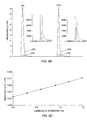
- Trimethylsilyl derivatives of nucleosides were synthesized by incubation of lyophilized hydrolysates with BSTFA:pyridine (4: 1) at 100°C for 1 hour. Samples were analyzed by GC-MS (DB-17 HT column, J&W Scientific, Folsom CA; HP 5890 GC and 5971MS, Hewlett Packard, Palo Alto, CA). Abundances of ions at mass to charge ratio (m/z) 467 and 469 were quantified under selected ion recording mode for deoxyadenosine (dA); and m/z 555 and 557 were monitored for deoxyguanosine (dG).
- the purines (dA and dG) gave larger peaks (Fig. 3) than the pyrimidines, resulting in greater sensitivity and a higher signal-to-noise ratio.
- plasma or culture media were deproteinized with perchloric acid and passed through anion and cation exchange columns (Neese et al., 1995, J. Biol. Chem. 270 :14452-14463).
- the glucose penta-acetate derivative was formed by incubation with acetic anhydride in pyridine.
- GC-MS analysis was performed as described previously (Neese et al., 1995, J. Biol. Chem 270 :14552-14663), monitoring m/z 331 and 333 under selected ion recording.
- HepG2 hepatocyte cell line
- H9 lymphocytic cell line
- MEM alpha-modified Dulbecco's minimum essential media
- H9 cells were grown in suspension in RPMI 1640. Both were grown in the presence of 10% dialyzed fetal calf serum and antibiotics (all reagents were obtained from Gibco-BRL, Gaithersburg, MD, except where stated).
- a heparinized blood sample was drawn at baseline and every 12 hr during the infusion, for estimation of plasma glucose enrichment.
- blood was collected daily for 10 days and granulocytes and mononuclear cells were separated by gradient centrifugation (Vacutainer CPT, Becton Dickinson, Franklin Lakes, NJ).
- Granulocyte DNA was extracted, hydrolyzed to nucleosides and analyzed by GC-MS, as described in Section 6.1.2, supra. All procedures received prior approval by the University of California at San Francisco Committee on Human Research and the University of California at Berkeley Committee for the Protection of Human Subjects, and written informed consent was obtained from subject for all procedures carried out.
- the dominant ions in the spectra were from the base moiety that were unlabeled from [6,6- 2 H 2 ] glucose.
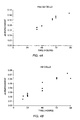
- dA The enrichment of dA derived from cells grown in media containing 10-15% [6,6- 2 H 2 ] glucose increased progressively with time (Figs. 4A and 4B). This was demonstrated for both a hepatocyte cell line (HepG2) grown as monolayers on plates, and for a T-lymphocytic cell line (H9) grown in suspension.
- HepG2 hepatocyte cell line
- H9 T-lymphocytic cell line
- GNG gluconeogenesis
- unlabeled amino acid precursors for GNG were present in the culture medium.
- some exchange of the label might have occurred during intracellular metabolism of glucose, either during glycolysis and passage through the tricarboxylic acid cycle or during the non-oxidative portion of the pentose-phosphate pathway (Wood et al., 1963, Biochemische Zeitschrift 338 :809-847).
- dA from H9 cells might approach closer than the Hep G2 cells to 100% of medium glucose enrichment. However, this was not found to be the case (Figs. 4A-4D, 5A and 5B).
- a more direct test would be the incorporation of GNG precursors into dA in DNA by HepG2 cells.
- both HepG2 and H9 were cultured in the presence of [2- 13 C 1 ] glycerol.
- Duplicate pairs of cell cultures were also grown in the presence of 10% [6,6- 2 H 2 ] glucose with and without the addition of unlabeled glycerol (100 ⁇ g/ml) .
- unlabeled glycerol did not affect labeling in H9 cells; in HepG2 cells, incorporation into dA was reduced by 7%.
- GNG precursors had only a small effect on the labeling of DNA in cells capable of GNG and GNG does not fully explain the intracellular dilution of dA.
- Uncorrected calculations use plasma glucose enrichments as precursor for DNA synthesis; corrected calculations use a correction factor of 0.65 x plasma glucose enrichment to account for dilution in the intracellular precursor pool (see text).
- a linear kinetic model was used for intestinal epithelium; an exponential model was used for thymus and liver.
- intestinal epithelial cells a life-span (linear) kinetic model was employed based on the assumption that new cells divided, lived for a fixed period of time and then died in the order in which they were formed, representing the progression of intestinal epithelial cells from crypt to villus tip (Lipkin, 1987, Physiol. Gastrointest. Tract , pp. 255-284, Ed. Johnson, L.R.).
- a turnover time of 2.8 ⁇ 0.4d was calculated (uncorrected, using plasma glucose enrichments to represent intracellular dATP) or 1.8 ⁇ 0.2d (corrected, using plasma glucose with a 35% intracellular dilution factor).
- thymus and liver a random replacement (exponential) model was applied. Thymus had a 10-times more rapid turnover than liver (Table 3).
- T cell proliferation rates in individuals infected with human immunodeficiency virus (HIV) was measured by the methods of the invention.
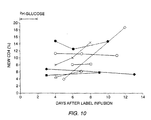
- An intravenous infusion of [6,6- 2 H 2 ] glucose was performed in men with well-maintained CD4 + T cell numbers (> 500/mm 3 ) or low CD4 + counts ( ⁇ 200/mm 3 ).
- the infusion was for 48 hr at 1.25 g [6,6- 2 H 2 ] glucose/hr, to achieve 10-15% proportion of labeled glucose molecules in the blood plasma (10-15% enrichment). Blood (20-30 cc) was collected daily during the infusion and for the following 10 days.
- Mononuclear cells were isolated using PT ® tubes; and CD4 + cells were then isolated using either magnetic bead immunoseparation (Dynabeads ® ) or fluorescent activated cell sorting to isolate 10 6 cells.
- DNA from isolated cells was recovered using a commercial kit (Quiagen ® ). DNA was hydrolyzed to free deoxyribonucleosides enzymatically with nuclease P 1 , phosphodiesterase, and alkaline phosphatase; the hydrolysate was derivatized with FSTFA to the trimethylsilyl derivatives of deoxyribonucleosides, which were injected into a table top GC-MS instrument.
- dA and dG peaks from the GC effluent were monitored by selected ion recording mass spectrometry and m/z 467 and 469 (for dA) and m/z 555 and 557 (for dG) were quantified, through comparison to standard curves of commercially labeled material analyzed concurrently (e.g., [5,5- 2 H 2 ] dA purchased from CIL, Cambridge, MA). Standard curves were abundance matched between standards and sendes to correct for concentration sensitivity of isotope ratios. Enrichments in dA and dG from CD4 + and CD8 + T cells were in the rate 0.00 to 1.50 percent labeled species.
- the T lymphocyte pool like all biochemical and cellular systems, exists in a dynamic state: cells die and are replaced by newly divided cells. Depletion of the CD4 + T cell pool occurs in HIV-1 infection, but the dynamic basis of this change remains controversial.
- TRF terminal restriction fragment
- the methods of the present invention allow measurement of DNA replication and cell proliferation by endogenous labeling with stable isotopes (Fig. 1), followed by isolation of cellular DNA, enzymatic hydrolysis to deoxyribonucleosides and analysis of isotope enrichment by gas chromatography/mass spectrometry (GC-MS), without involving use of radioactivity or potentially toxic metabolites.
- GC-MS gas chromatography/mass spectrometry
- Absolute T cell proliferation rates are then calculated as (k x pool size), where pool size equals measured blood count (T cells/ ⁇ L). Extrapolation to whole-body T cell absolute proliferation rates can then be performed as described elsewhere (Ho et al., 1995, Nature 373 :123-126; Wei et al. , 1995, Nature 373 :117-122) by multiplying x 10 6 ⁇ L/L) x (5 L blood volume) x (50).
- CD4 + were compared to CD8 + T cells within groups by paired T-test.
- the fractional replacement rate (k) for CD4 + T cells in normal, HIV-1 seronegative subjects was 0.0089 ⁇ 0.0052 d -1 (Table 4, Group I).
- the value of k for CD8 + T cells was 0.0100 ⁇ 0.0130 d -1 .
- Absolute proliferation rates of circulating T cells were 11.4 ⁇ 7.0 and 6.4 ⁇ 8.3 cells/ ⁇ L/day for CD4 + and CD8 + T cells, respectively.
- CD4 + turnover rate in these HIV-1-seronegative subjects is also higher than that previously estimated, using indirect means, to exist during late-stage HIV-1 disease (Ho et al. , 1995, Nature 373 :123-126; Wei et al. , 1995, Nature 373:117-122).
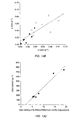
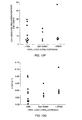
- the absolute rate of circulating CD8 + T cell proliferation was elevated in HIV-1 infection (28.3 ⁇ 17.4 cells/ ⁇ L/day or 7.1 ⁇ 4.4 x 10 9 cells/day in the whole body, Figs. 11A and 11B) compared to normal controls, and was greater, rather than less, than that found for CD4 + T cells.
- the measured T cell replacement rates in the bloodstream at this time were compared to the average accumulation rate of CD4 + T cells in blood during the first 6 week non-steady-state phase (i. e. , inferred from the difference between baseline and week 6 blood CD4 counts; see Fig. 12 legend).
- the average accumulation rate during the initial non-steady state period underestimated true replacement rates at steady-state and did not correlate well with measured values, even qualitatively (Fig. 12).
- T cell kinetics were documented in patients after a short-term HAART regimen (Figs. 11A and 11B). Whether or not the viral load decreased, the values for k and the absolute proliferation rates of CD4 + and CD8 + T cells were generally higher. T cell kinetics in Group III were not noticeably different for virologic responders (viral load ⁇ 500 copies/ml) and virologic failures (viral load > 500 copies/ml, Table 4, Figs. 11A and 11B).
- Figs. 11A and 11B Subjects on long-term HAART (Group IV, with sustained suppression of viral load for 12-24 months) exhibited still different kinetics (Figs. 11A and 11B): In this group of 5 individuals, the values for k and the absolute proliferation rates for CD4 + and CD8 + T cells were essentially back-to-normal values observed in HIV-1-seronegative subjects.
- T lymphocyte kinetics can be directly measured in human subjects using the stable isotope/FACS/GC-MS methods of the present invention described herein and above. A number of questions concerning the immunopathogenesis of HIV-1 can thereby be addressed.
- “Turnover” can represent either: (i) the absolute rate at which cells are formed and die (absolute proliferation rate, cells/day); or (ii) the fraction of the pool of cells that is replaced per day (k, d -1 ).
- pool size is typically determined by the absolute production rate (generally zero-order with respect to the end-product) and the rate constant for removal (which is generally first order with respect to the end-product) (Waterlow et al., PROTEIN TURNOVER IN MAMMALIAN TISSUES AND IN THE WHOLE BODY 198-211 (North-Holland Publishing Co., Amsterdam, 1978); Schimke, in MAMMALIAN PROTEIN METABOLISM 178-228 (H.N. Munro ed., Acad. Press, New York, 1970)).
- the relevant question in HIV-1 infection is whether accelerated destruction and/or impaired production of T cells drives CD4 + T cell depletion.
- a "blind homeostasis" model has been proposed (Roederer, 1995, Nature Med. 1(7): 621; Margolick et al., 1995, Nature Med. 1(7): 674-680) to explain reciprocal changes in circulating CD4 + and CD8 + T cell counts during the course of HIV-1 disease.
- This model postulates a T cell counter that does not distinguish between CD4 + and CD8 + T cells: if CD4 + T cells are destroyed, then CD8 + T cells are produced in greater quantities to fill the available T cell space.
- CD4 + and CD8 + T cell regeneration are proposed to be in competition for shared and limiting resources (e.g., antigen-presenting cells, co-stimulatory molecules, etc.).
- T cell proliferation should reflect mostly memory T cells - i.e., antigen-driven cell proliferation - and should not be associated with a more diverse T cell receptor (TCR) repertoire (Connors et al. , 1997, Nature Med. 3 :533).
- TCR T cell receptor
- proliferation after longer-term viral suppression if it is not antigen driven and particularly if it involves intrathymic maturation (McCune, 1997, Sem. Immunol. 9 :397), may include generation of naive T cells with attendant broadening of TCR repertoire diversity.
- telomeric TRF shortening has also been used as an index of T cell replicative history in HIV-1 infection (Wolthers et al., 1996, Science 274 :1543; Palmer et al., 1996, J. Exp. Med. 185 :1381). This method is especially problematic in HIV-1 infection because of a potential selection bias against proliferating cell populations ( see also Hellerstein and McCune, 1997, Immunity 7 :583). The problem is that if HIV-1 enters and kills activated cells preferentially, the TRF lengths of surviving cells may not reflect the replicative history of the general population. Neither Wolthers et al. nor Palmer et al.
- Patient #4 43 year old man with AIDS. Although the plasma viral load fell from 157,000 to ⁇ 500 on HAART, there was only a small increase in CD4 count (from 83 to 135 CD4/ ⁇ L). The absolute proliferation rate in this subject was only 4.4 cells/ ⁇ L/d (1.1 x 10 9 cells/d) compared to a mean of 19.2 cells/ ⁇ L/d for Group III as a whole. Patients of this type may reflect more advanced damage to T lymphopoietic systems and may be candidates for adjuvant immunostimulatory therapies (e.g ., interleukin-2, transplantation of thymic tissue or progenitor cells).
- adjuvant immunostimulatory therapies e.g ., interleukin-2, transplantation of thymic tissue or progenitor cells.
- Kinetics also provides clinically useful information regarding the time to initiate anti-retroviral therapy. If alterations in T cell dynamics ("stress”) precede alterations in T cell pool size (“strain”), measurements of the former can facilitate prevention of the latter.
- stress alterations in T cell dynamics
- strain alterations in T cell pool size
- the present invention provides methods for measuring T cell kinetics directly in humans. With such methods, fundamental questions about the immunopathogenesis of HIV-1 can be addressed.
- the results presented herein focus on T cell regenerating systems in the pathogenesis of HIV-1 disease and in the response to anti-retroviral therapy.
- the results also show that mechanisms other than direct HIV-1-mediated CD4 + T cell killing are the cause of most T cell turnover in advanced HIV-1 disease and that T cell turnover is antigen-driven in the post-HAART setting.
- the methods of the present invention are broadly applicable to other aspects of HIV-1 immunopathogenesis and therapy in vivo.
Landscapes
- Health & Medical Sciences (AREA)
- Life Sciences & Earth Sciences (AREA)
- Chemical & Material Sciences (AREA)
- Engineering & Computer Science (AREA)
- Immunology (AREA)
- Organic Chemistry (AREA)
- Molecular Biology (AREA)
- Proteomics, Peptides & Aminoacids (AREA)
- Analytical Chemistry (AREA)
- Wood Science & Technology (AREA)
- General Health & Medical Sciences (AREA)
- Biomedical Technology (AREA)
- Zoology (AREA)
- Biotechnology (AREA)
- Physics & Mathematics (AREA)
- Microbiology (AREA)
- Biochemistry (AREA)
- Urology & Nephrology (AREA)
- Hematology (AREA)
- Bioinformatics & Cheminformatics (AREA)
- Biophysics (AREA)
- Medicinal Chemistry (AREA)
- Cell Biology (AREA)
- General Engineering & Computer Science (AREA)
- Genetics & Genomics (AREA)
- Pathology (AREA)
- General Physics & Mathematics (AREA)
- Food Science & Technology (AREA)
- Tropical Medicine & Parasitology (AREA)
- Public Health (AREA)
- Animal Behavior & Ethology (AREA)
- Epidemiology (AREA)
- Veterinary Medicine (AREA)
- Pharmacology & Pharmacy (AREA)
- Toxicology (AREA)
- Virology (AREA)
- Measuring Or Testing Involving Enzymes Or Micro-Organisms (AREA)
- Investigating Or Analysing Biological Materials (AREA)
- Medicines Containing Antibodies Or Antigens For Use As Internal Diagnostic Agents (AREA)
- Pharmaceuticals Containing Other Organic And Inorganic Compounds (AREA)
Applications Claiming Priority (3)
| Application Number | Priority Date | Filing Date | Title |
|---|---|---|---|
| US857007 | 1997-05-15 | ||
| US08/857,007 US5910403A (en) | 1997-05-15 | 1997-05-15 | Methods for measuring cellular proliferation and destruction rates in vitro and in vivo |
| PCT/US1998/009479 WO1998051820A1 (en) | 1997-05-15 | 1998-05-08 | METHODS FOR MEASURING CELLULAR PROLIFERATION AND DESTRUCTION RATES IN VITRO AND $i(IN VIVO) |
Publications (2)
| Publication Number | Publication Date |
|---|---|
| EP0980441A1 EP0980441A1 (en) | 2000-02-23 |
| EP0980441B1 true EP0980441B1 (en) | 2007-04-11 |
Family
ID=25324953
Family Applications (1)
| Application Number | Title | Priority Date | Filing Date |
|---|---|---|---|
| EP98921082A Expired - Lifetime EP0980441B1 (en) | 1997-05-15 | 1998-05-08 | Methods for measuring cellular proliferation and destruction rates in vitro and in vivo |
Country Status (9)
| Country | Link |
|---|---|
| US (6) | US5910403A (enExample) |
| EP (1) | EP0980441B1 (enExample) |
| JP (1) | JP4510942B2 (enExample) |
| AT (1) | ATE359375T1 (enExample) |
| AU (1) | AU737119B2 (enExample) |
| CA (1) | CA2287781C (enExample) |
| DE (1) | DE69837537T2 (enExample) |
| DK (1) | DK0980441T3 (enExample) |
| WO (1) | WO1998051820A1 (enExample) |
Families Citing this family (52)
| Publication number | Priority date | Publication date | Assignee | Title |
|---|---|---|---|---|
| AU745236B2 (en) | 1997-02-14 | 2002-03-14 | George Washington University, The | An assay for the measurement of DNA synthesis rates |
| US5910403A (en) * | 1997-05-15 | 1999-06-08 | The Regents Of University Of California | Methods for measuring cellular proliferation and destruction rates in vitro and in vivo |
| CA2341157A1 (en) | 1998-08-31 | 2000-03-09 | University Of Washington | Stable isotope metabolic labeling for analysis of biopolymers |
| US6764817B1 (en) * | 1999-04-20 | 2004-07-20 | Target Discovery, Inc. | Methods for conducting metabolic analyses |
| JP4723725B2 (ja) | 1999-04-20 | 2011-07-13 | ターゲット ディスカバリー, インコーポレイテッド | 代謝経路を分析するための方法 |
| US7541184B2 (en) * | 2000-02-24 | 2009-06-02 | Invitrogen Corporation | Activation and expansion of cells |
| US7572631B2 (en) | 2000-02-24 | 2009-08-11 | Invitrogen Corporation | Activation and expansion of T cells |
| JP2004500891A (ja) | 2000-06-22 | 2004-01-15 | クリノミクス バイオサイエンシズ,インク. | 凍結組織マイクロアレイ及びその使用法 |
| US20020090652A1 (en) * | 2000-12-22 | 2002-07-11 | Fu Emil Wei-Ming | Inverse labeling method for the rapid identification of marker/target proteins |
| EP1383929A4 (en) * | 2001-04-04 | 2006-06-07 | Neurome Inc | GENES EXPRESSED IN DARMEPITHELIAL CELLS AND PEYERS 'PATCH M-CELLS |
| US7256047B2 (en) * | 2001-05-01 | 2007-08-14 | Board Of Regents, The University Of Texas System | Measurement of gluconeogenesis and intermediary metabolism using stable isotopes |
| US20050032243A1 (en) * | 2001-07-25 | 2005-02-10 | Pollack Gary M. | Method and apparatus for rapid determination of ligand-protein binding using charcoal adsorption |
| US20030077572A1 (en) * | 2001-10-11 | 2003-04-24 | Abramson Fred P. | Quantitative differential display using isotope ratio monitoring |
| ATE502578T1 (de) * | 2001-10-24 | 2011-04-15 | Univ California | Messung der protein-syntheseraten bei menschen und in experimentellen systemen durch verwendung von isotopisch markiertem wasser |
| US7449171B2 (en) * | 2002-02-12 | 2008-11-11 | The Regents Of The University Of California | Measurement of biosynthesis and breakdown rates of biological molecules that are inaccessible or not easily accessible to direct sampling, non-invasively, by label incorporation into metabolic derivatives and catabolic products |
| US20030180800A1 (en) * | 2002-03-22 | 2003-09-25 | Lee Wai-Nang Paul | Stable isotope based dynamic metabolic profiling of living organisms for characterization of metabolic diseases, drug testing and drug development |
| AU2003234688A1 (en) * | 2002-04-05 | 2003-10-27 | The Regents Of The University Of California | Method for isolating and measuring proliferation of long-term label retaining cells and stem cells |
| US20050084967A1 (en) * | 2002-06-28 | 2005-04-21 | Xcyte Therapies, Inc. | Compositions and methods for eliminating undesired subpopulations of T cells in patients with immunological defects related to autoimmunity and organ or hematopoietic stem cell transplantation |
| US20040175373A1 (en) * | 2002-06-28 | 2004-09-09 | Xcyte Therapies, Inc. | Compositions and methods for eliminating undesired subpopulations of T cells in patients with immunological defects related to autoimmunity and organ or hematopoietic stem cell transplantation |
| ES2422193T3 (es) * | 2002-06-28 | 2013-09-09 | Life Technologies Corp | Métodos para restaurar el repertorio inmune en pacientes con defectos inmunológicos relacionados con la autoinmunidad y trasplante de órganos o de células madre hematopoyéticas |
| WO2004011426A2 (en) | 2002-07-30 | 2004-02-05 | The Regents Of The University Of California | Method for automated, large-scale measurement of the molecular flux rates of the proteome or the organeome using mass spectrometry |
| DE20211783U1 (de) * | 2002-07-31 | 2002-11-07 | Fa. Hermann Heye i.Ins., 31683 Obernkirchen | Pressstempelmechanismus einer Glasformmaschine |
| EP1539999A2 (en) * | 2002-09-03 | 2005-06-15 | Neuronova AB | Method for retrospective birth dating of biomolecules, cells, tissues, organs and organisms |
| AU2003268416A1 (en) * | 2002-09-04 | 2004-03-29 | The Regents Of The University Of California | Methods for measuring rates of replication and death of nfectious microbial agents in an infected host organism |
| ATE415486T1 (de) * | 2002-09-13 | 2008-12-15 | Univ California | Verfahren zur messung der geschwindigkeiten des cholesterinrückwärtstransports in vivo als index für anti-artherogenese |
| US20070248540A1 (en) * | 2002-09-16 | 2007-10-25 | The Regents Of The University Of California | Biochemical methods for measuring metabolic fitness of tissues or whole organisms |
| US20040081994A1 (en) * | 2002-09-16 | 2004-04-29 | Hellerstein Marc K. | Biochemical methods for measuring metabolic fitness of tissues or whole organisms |
| CA2504313C (en) * | 2002-11-04 | 2012-01-17 | Marc K. Hellerstein | Deuterated glucose or fat tolerance tests for high-throughput measurement of the metabolism of sugars or fatty acids in the body |
| US7262020B2 (en) * | 2003-07-03 | 2007-08-28 | The Regents Of The University Of California | Methods for comparing relative flux rates of two or more biological molecules in vivo through a single protocol |
| US20050202406A1 (en) * | 2003-11-25 | 2005-09-15 | The Regents Of The University Of California | Method for high-throughput screening of compounds and combinations of compounds for discovery and quantification of actions, particularly unanticipated therapeutic or toxic actions, in biological systems |
| TW200538738A (en) | 2004-02-20 | 2005-12-01 | Univ California | Molecular flux rates through critical pathways measured by stable isotope labeling in vivo, as biomarkers of drug action and disease activity |
| EP1723252A4 (en) * | 2004-03-11 | 2009-07-29 | Univ California | TIMELY AND SPATIAL CHARACTERIZATION OF BIOSYNTHETIC EVENTS IN LIVING ORGANISMS THROUGH ISOTOPEN FINGERPRINTING UNDER CONDITIONS OF IMPROPER ISOTOPE GRADIENTS |
| US20050238577A1 (en) * | 2004-03-29 | 2005-10-27 | The Regents Of The University Of California | Isolation of epithelial cells or their biochemical contents from excreta after in vivo isotopic labeling |
| US20050255509A1 (en) * | 2004-03-30 | 2005-11-17 | Kinemed, Inc. | In vivo measurement of the relative fluxes through ribonucleotide reductase vs. deoxyribonucleoside pathways using isotopes |
| US20100092962A1 (en) * | 2004-07-07 | 2010-04-15 | Alexandre Loktionov | Method of Detecting Colorectal Cancer |
| EP1824516A4 (en) * | 2004-10-29 | 2008-11-05 | Target Discovery Inc | GLYCAN ANALYSIS WITH DEUTERATED GLUCOSE |
| JP4118918B2 (ja) * | 2005-02-28 | 2008-07-16 | シャープ株式会社 | 信号品質評価装置、情報記録再生装置、信号品質評価方法、記録条件決定方法、信号品質評価プログラム、信号品質評価プログラムを記録したコンピュータ読み取り可能な記録媒体 |
| US20060251576A1 (en) * | 2005-05-03 | 2006-11-09 | The Regents Of The University Of California | Methods for measuring cholesterol metabolism and transport |
| TW200711660A (en) | 2005-06-10 | 2007-04-01 | Univ California | Monitoring two dimensions of diabetes pathogenesis separately or concurrently (insulin sensitivity and beta-cell sufficiency): uses in diagnosis, prognosis, assessment of disease risk, and drug development |
| US20090155179A1 (en) * | 2005-09-06 | 2009-06-18 | Kinemed, Inc. | Kinetic biomarker for quantification of lymphoproliferation, clonal expansion, recruitment and trafficking in lymphoid tissues and of the in vivo actions of antigens and modulating thereon |
| US8150628B2 (en) * | 2005-12-30 | 2012-04-03 | The Invention Science Fund I, Llc | Establishing a biological recording timeline by artificial marking |
| US20070156345A1 (en) * | 2005-12-30 | 2007-07-05 | Hyde Roderick A | Modulating a biological recording with another biological recording |
| US20070156347A1 (en) * | 2005-12-30 | 2007-07-05 | Searete Llc | Using a biological recording to obtain time values |
| JP2011523848A (ja) | 2008-05-21 | 2011-08-25 | キネメッド, インコーポレイテッド | 運動ニューロン疾患の調節物質を用いる処置方法および組成物 |
| WO2013036885A1 (en) | 2011-09-08 | 2013-03-14 | The Regents Of The University Of California | Metabolic flux measurement, imaging and microscopy |
| EP3435088A1 (en) | 2011-12-07 | 2019-01-30 | GlaxoSmithKline LLC | Methods for determining total body skeletal muscle mass |
| US9557334B2 (en) | 2012-10-25 | 2017-01-31 | Run Them Sweet Llc | Formulations and methods to provide nutrition to human and other patients |
| JP2016502654A (ja) * | 2012-10-25 | 2016-01-28 | ラン・ゼム・スウィート・リミテッド・ライアビリティ・カンパニーRun Them Sweet, Llc | ヒトおよびその他の患者の栄養必要物を概算し、その栄養必要物を補助するための方法およびシステム |
| US9134319B2 (en) | 2013-03-15 | 2015-09-15 | The Regents Of The University Of California | Method for replacing biomarkers of protein kinetics from tissue samples by biomarkers of protein kinetics from body fluids after isotopic labeling in vivo |
| EP2972329A2 (en) | 2013-03-15 | 2016-01-20 | Kinemed, Inc. | Biomarkers |
| US9883524B2 (en) * | 2015-11-04 | 2018-01-30 | Huawei Technologies Co., Ltd. | Systems and methods for configuring air interfaces with low overhead |
| CN111239353A (zh) * | 2020-01-19 | 2020-06-05 | 辉源生物科技(上海)有限公司 | 一种人源柠檬酸转运蛋白抑制剂化合物的筛选方法 |
Family Cites Families (55)
| Publication number | Priority date | Publication date | Assignee | Title |
|---|---|---|---|---|
| US4065552A (en) * | 1975-05-05 | 1977-12-27 | Giovanni Giacomo Costa | Method of detecting malignant neoplasms |
| US4332784A (en) * | 1979-02-06 | 1982-06-01 | The Radiochemical Centre Limited | Dual isotope assays |
| US5317098A (en) * | 1986-03-17 | 1994-05-31 | Hiroaki Shizuya | Non-radioisotope tagging of fragments |
| DE3667103D1 (en) * | 1986-06-09 | 1989-12-28 | Bruker Analytische Messtechnik | Method for determining the turnover of organic material in living tissue and nmr spectrometer for performing this method |
| US4940658A (en) * | 1986-11-20 | 1990-07-10 | University Patents, Inc. | Assay for sulfhydryl amino acids and methods for detecting and distinguishing cobalamin and folic acid deficency |
| US5042488A (en) * | 1987-09-29 | 1991-08-27 | The Washington University | Methods employing deuterium for obtaining direct, observable deuterium magnetic resonance images in vivo and in situ |
| US6004781A (en) * | 1988-01-22 | 1999-12-21 | The General Hospital Corporation | Nucleic acid encoding Ig-CD4 fusion proteins |
| EP0467885A4 (en) * | 1989-03-20 | 1993-03-31 | Anticancer Inc. | Native-state method and system for determining viability and proliferative capacity of tissues -i(in vitro) |
| GB2229718B (en) * | 1989-03-22 | 1993-01-06 | Inst Molekularnoi Genetik | Method for preparing hydrogen-isotape labelled biologically active organic compounds |
| US5217903A (en) * | 1990-05-15 | 1993-06-08 | Trustees Of Boston University | Measuring connective tissue breakdown products in body fluids |
| CA2027714C (en) * | 1990-07-13 | 2003-01-28 | Kenneth W. Turtletaub | Method of measurement in biological systems |
| US5209919A (en) * | 1990-07-13 | 1993-05-11 | Regents Of The University Of California | Method of measurement in biological systems |
| US5597548A (en) * | 1990-07-18 | 1997-01-28 | Board Of Regents, The University Of Texas System | 13 C Isotopomer analyses in intact tissue using (13 C) homonuclear decoupling |
| US5394236A (en) * | 1992-02-03 | 1995-02-28 | Rutgers, The State University | Methods and apparatus for isotopic analysis |
| US5338686A (en) * | 1992-04-29 | 1994-08-16 | Hellerstein Marc K | Method for measuring in vivo synthesis of biopolymers |
| JP2960832B2 (ja) * | 1992-05-08 | 1999-10-12 | ペルマテック テクノロジー アクチェンゲゼルシャフト | エストラジオールの投与システム |
| US5366885A (en) * | 1992-06-09 | 1994-11-22 | Barranco Iii Sam C | Method and kit for testing tumors for drug sensitivity |
| US5506147A (en) * | 1993-04-15 | 1996-04-09 | Kolhouse; J. Fred | Non-invasive evaluation of maldigestion and malaborption |
| DE650396T1 (de) * | 1993-05-17 | 1995-11-30 | Amersham Int Plc | Vorrichtung und verfahren zum nachweis zellularer und biochemischer prozesse. |
| US5439803A (en) * | 1993-08-13 | 1995-08-08 | The Regents Of The University Of Michigan | Isotope and assay for glycolysis and the pentose phosphate pathway |
| US5910403A (en) | 1997-05-15 | 1999-06-08 | The Regents Of University Of California | Methods for measuring cellular proliferation and destruction rates in vitro and in vivo |
| US5961470A (en) | 1997-07-09 | 1999-10-05 | Wagner; David A. | Breath test for assessing hepatic function |
| US6468802B1 (en) | 1998-05-06 | 2002-10-22 | Isotechnika, Inc. | 13C glucose breath test for the diagnosis of diabetic indications and monitoring glycemic control |
| US6461870B2 (en) | 1998-05-06 | 2002-10-08 | Isotechnika Inc. | 13C glucose breath test for the diagnosis of diabetic indications and monitoring glycemic control |
| US6284219B1 (en) * | 1998-06-30 | 2001-09-04 | Phenome Sciences Inc. | In vivo determination of metabolic function for use in therapy management |
| US6625547B1 (en) * | 1998-08-05 | 2003-09-23 | Washington State University Research Foundation | Relative rates of cytochrome p450 metabolism |
| DE19839491A1 (de) * | 1998-08-29 | 2000-03-02 | Hermann Heumann | Verfahren zur Markierung von Biopolymeren mit Isotopen |
| CA2341157A1 (en) | 1998-08-31 | 2000-03-09 | University Of Washington | Stable isotope metabolic labeling for analysis of biopolymers |
| US6887712B1 (en) * | 1998-11-09 | 2005-05-03 | Atherogenics, Inc. | Methods and compositions to lower plasma cholesterol levels |
| US6764817B1 (en) * | 1999-04-20 | 2004-07-20 | Target Discovery, Inc. | Methods for conducting metabolic analyses |
| US6653090B1 (en) | 1999-11-05 | 2003-11-25 | University Of Alberta | Methods for measuring the metabolism of and screening for drugs in isolated hearts |
| DE60124265D1 (de) * | 2000-05-05 | 2006-12-14 | Purdue Research Foundation | Durch affinität ausgewählte unterschriftspeptide zur identifizierung und quantifizierung von proteinen |
| GB0106923D0 (en) | 2001-03-20 | 2001-05-09 | Univ Dundee | Liver function test |
| US7256047B2 (en) | 2001-05-01 | 2007-08-14 | Board Of Regents, The University Of Texas System | Measurement of gluconeogenesis and intermediary metabolism using stable isotopes |
| EP1421198A4 (en) | 2001-06-26 | 2006-08-30 | New York State Office Of Menta | SCREENING METHODS WITH HIGH CYCLE-BASED FLOW |
| ATE502578T1 (de) * | 2001-10-24 | 2011-04-15 | Univ California | Messung der protein-syntheseraten bei menschen und in experimentellen systemen durch verwendung von isotopisch markiertem wasser |
| US7449171B2 (en) | 2002-02-12 | 2008-11-11 | The Regents Of The University Of California | Measurement of biosynthesis and breakdown rates of biological molecules that are inaccessible or not easily accessible to direct sampling, non-invasively, by label incorporation into metabolic derivatives and catabolic products |
| US20030180800A1 (en) | 2002-03-22 | 2003-09-25 | Lee Wai-Nang Paul | Stable isotope based dynamic metabolic profiling of living organisms for characterization of metabolic diseases, drug testing and drug development |
| US20030180710A1 (en) | 2002-03-22 | 2003-09-25 | Lee Wai-Nang Paul | Method of enhancing the efficiency of a pharmaceutical business |
| AU2003234688A1 (en) | 2002-04-05 | 2003-10-27 | The Regents Of The University Of California | Method for isolating and measuring proliferation of long-term label retaining cells and stem cells |
| WO2004003493A2 (en) | 2002-06-26 | 2004-01-08 | The Regents Of The University Of California | Methods and kits for determining energy expenditure in living organisms by metabolic water production |
| WO2004011426A2 (en) | 2002-07-30 | 2004-02-05 | The Regents Of The University Of California | Method for automated, large-scale measurement of the molecular flux rates of the proteome or the organeome using mass spectrometry |
| AU2003268416A1 (en) | 2002-09-04 | 2004-03-29 | The Regents Of The University Of California | Methods for measuring rates of replication and death of nfectious microbial agents in an infected host organism |
| ATE415486T1 (de) * | 2002-09-13 | 2008-12-15 | Univ California | Verfahren zur messung der geschwindigkeiten des cholesterinrückwärtstransports in vivo als index für anti-artherogenese |
| US20040081994A1 (en) | 2002-09-16 | 2004-04-29 | Hellerstein Marc K. | Biochemical methods for measuring metabolic fitness of tissues or whole organisms |
| CA2504313C (en) | 2002-11-04 | 2012-01-17 | Marc K. Hellerstein | Deuterated glucose or fat tolerance tests for high-throughput measurement of the metabolism of sugars or fatty acids in the body |
| US7262020B2 (en) | 2003-07-03 | 2007-08-28 | The Regents Of The University Of California | Methods for comparing relative flux rates of two or more biological molecules in vivo through a single protocol |
| WO2005009597A2 (en) | 2003-07-03 | 2005-02-03 | The Regents Of The University Of California | Methods for comparing relative flux rates of two or more biological molecules in vivo through a single protocol |
| US20050202406A1 (en) * | 2003-11-25 | 2005-09-15 | The Regents Of The University Of California | Method for high-throughput screening of compounds and combinations of compounds for discovery and quantification of actions, particularly unanticipated therapeutic or toxic actions, in biological systems |
| TW200538738A (en) * | 2004-02-20 | 2005-12-01 | Univ California | Molecular flux rates through critical pathways measured by stable isotope labeling in vivo, as biomarkers of drug action and disease activity |
| EP1723252A4 (en) * | 2004-03-11 | 2009-07-29 | Univ California | TIMELY AND SPATIAL CHARACTERIZATION OF BIOSYNTHETIC EVENTS IN LIVING ORGANISMS THROUGH ISOTOPEN FINGERPRINTING UNDER CONDITIONS OF IMPROPER ISOTOPE GRADIENTS |
| US20050238577A1 (en) * | 2004-03-29 | 2005-10-27 | The Regents Of The University Of California | Isolation of epithelial cells or their biochemical contents from excreta after in vivo isotopic labeling |
| US20050255509A1 (en) * | 2004-03-30 | 2005-11-17 | Kinemed, Inc. | In vivo measurement of the relative fluxes through ribonucleotide reductase vs. deoxyribonucleoside pathways using isotopes |
| US20060251576A1 (en) * | 2005-05-03 | 2006-11-09 | The Regents Of The University Of California | Methods for measuring cholesterol metabolism and transport |
| TW200711660A (en) * | 2005-06-10 | 2007-04-01 | Univ California | Monitoring two dimensions of diabetes pathogenesis separately or concurrently (insulin sensitivity and beta-cell sufficiency): uses in diagnosis, prognosis, assessment of disease risk, and drug development |
-
1997
- 1997-05-15 US US08/857,007 patent/US5910403A/en not_active Expired - Lifetime
-
1998
- 1998-05-08 JP JP54933998A patent/JP4510942B2/ja not_active Expired - Lifetime
- 1998-05-08 WO PCT/US1998/009479 patent/WO1998051820A1/en not_active Ceased
- 1998-05-08 DE DE69837537T patent/DE69837537T2/de not_active Expired - Lifetime
- 1998-05-08 CA CA002287781A patent/CA2287781C/en not_active Expired - Lifetime
- 1998-05-08 US US09/075,309 patent/US6010846A/en not_active Expired - Lifetime
- 1998-05-08 AU AU73767/98A patent/AU737119B2/en not_active Expired
- 1998-05-08 AT AT98921082T patent/ATE359375T1/de not_active IP Right Cessation
- 1998-05-08 EP EP98921082A patent/EP0980441B1/en not_active Expired - Lifetime
- 1998-05-08 DK DK98921082T patent/DK0980441T3/da active
-
1999
- 1999-11-15 US US09/440,596 patent/US6461806B1/en not_active Expired - Lifetime
-
2002
- 2002-05-24 US US10/155,536 patent/US6808875B2/en not_active Expired - Lifetime
-
2004
- 2004-09-16 US US10/944,154 patent/US7022834B2/en not_active Expired - Lifetime
-
2005
- 2005-07-19 US US11/185,610 patent/US20060008796A1/en not_active Abandoned
Also Published As
| Publication number | Publication date |
|---|---|
| DE69837537T2 (de) | 2007-12-20 |
| CA2287781C (en) | 2008-11-18 |
| US20060008796A1 (en) | 2006-01-12 |
| DK0980441T3 (da) | 2007-09-03 |
| JP2001527558A (ja) | 2001-12-25 |
| AU737119B2 (en) | 2001-08-09 |
| CA2287781A1 (en) | 1998-11-19 |
| US20030068634A1 (en) | 2003-04-10 |
| DE69837537D1 (de) | 2007-05-24 |
| WO1998051820A1 (en) | 1998-11-19 |
| ATE359375T1 (de) | 2007-05-15 |
| US5910403A (en) | 1999-06-08 |
| US6010846A (en) | 2000-01-04 |
| US20050053992A1 (en) | 2005-03-10 |
| US6808875B2 (en) | 2004-10-26 |
| EP0980441A1 (en) | 2000-02-23 |
| US7022834B2 (en) | 2006-04-04 |
| JP4510942B2 (ja) | 2010-07-28 |
| AU7376798A (en) | 1998-12-08 |
| HK1026004A1 (en) | 2000-12-01 |
| US6461806B1 (en) | 2002-10-08 |
Similar Documents
| Publication | Publication Date | Title |
|---|---|---|
| US7022834B2 (en) | Isotopically labelled DNA | |
| Hellerstein et al. | Directly measured kinetics of circulating T lymphocytes in normal and HIV-1-infected humans | |
| US20030224420A1 (en) | Method for isolating and measuring proliferation of long-term label retaining cells and stem cells | |
| US7504233B2 (en) | Methods for determining the metabolism of sugars and fats in an individual | |
| US20070248540A1 (en) | Biochemical methods for measuring metabolic fitness of tissues or whole organisms | |
| Bertho et al. | New biological indicators to evaluate and monitor radiation-induced damage: an accident case report | |
| JP2007524835A (ja) | invivoにおいて単一プロトコルにより2以上の生体分子の相対流速を比較する方法 | |
| JP2005539069A (ja) | 組織または生物体の代謝適応能を測定するための生化学的方法 | |
| US20050255509A1 (en) | In vivo measurement of the relative fluxes through ribonucleotide reductase vs. deoxyribonucleoside pathways using isotopes | |
| Weimert et al. | Monitoring of inosine monophosphate dehydrogenase activity as a biomarker for mycophenolic acid effect: potential clinical implications | |
| US20060105339A1 (en) | Methods for measuring the rates of replication and death of microbial infectious agents in an infected | |
| El Hussein et al. | Immunophenotypic and genomic landscape of Richter transformation diffuse large B-cell lymphoma | |
| EP3956663B1 (en) | A method of profiling the energetic metabolism of a population of cells | |
| De Boer et al. | Estimating average cellular turnover from 5-bromo-2'-deoxyuridine (BrdU) measurements | |
| Corkish et al. | Approaches to investigate tissue-resident innate lymphocytes metabolism at the single-cell level | |
| Collins et al. | Effect of nucleoside reverse transcriptase inhibitors on mitochondrial DNA synthesis in rats and humans | |
| AU2023386214A1 (en) | Method and treatment | |
| Hu et al. | Pentose phosphate recycling driven by Gli1 contributes to chemotherapy resistance in cancer cells | |
| Wang et al. | The microbial communities and metabolic profiles of follicular fluid in patients with premature ovarian insufficiency | |
| HK1026004B (en) | Methods for measuring cellular proliferation and destruction rates in vitro and in vivo | |
| Cohen | California, Oakland, CA (US)(*) Notice: Subject to any disclaimer, the term of this | |
| Wang et al. | Mitochondrial DNA copy number is a potential biomarker for treatment choice between metformin and acarbose | |
| Martini et al. | Quantification of DNA synthesis from different pathways in cultured human fibroblasts and myocytes | |
| Meng et al. | Plasma and cellular markers of 3′‐azido‐3′‐dideoxythymidine (AZT) metabolism as indicators of DNA damage in cord blood mononuclear cells from infants receiving prepartum NRTIs | |
| Khurana et al. | Therapeutic drug monitoring of imatinib in patients of chronic myeloid leukemia-chronic phase |
Legal Events
| Date | Code | Title | Description |
|---|---|---|---|
| PUAI | Public reference made under article 153(3) epc to a published international application that has entered the european phase |
Free format text: ORIGINAL CODE: 0009012 |
|
| 17P | Request for examination filed |
Effective date: 19991208 |
|
| AK | Designated contracting states |
Kind code of ref document: A1 Designated state(s): AT BE CH CY DE DK ES FI FR GB GR IE IT LI LU MC NL PT SE |
|
| 17Q | First examination report despatched |
Effective date: 20040203 |
|
| GRAP | Despatch of communication of intention to grant a patent |
Free format text: ORIGINAL CODE: EPIDOSNIGR1 |
|
| GRAS | Grant fee paid |
Free format text: ORIGINAL CODE: EPIDOSNIGR3 |
|
| GRAA | (expected) grant |
Free format text: ORIGINAL CODE: 0009210 |
|
| AK | Designated contracting states |
Kind code of ref document: B1 Designated state(s): AT BE CH CY DE DK ES FI FR GB GR IE IT LI LU MC NL PT SE |
|
| PG25 | Lapsed in a contracting state [announced via postgrant information from national office to epo] |
Ref country code: FI Free format text: LAPSE BECAUSE OF FAILURE TO SUBMIT A TRANSLATION OF THE DESCRIPTION OR TO PAY THE FEE WITHIN THE PRESCRIBED TIME-LIMIT Effective date: 20070411 |
|
| REG | Reference to a national code |
Ref country code: GB Ref legal event code: FG4D |
|
| REG | Reference to a national code |
Ref country code: CH Ref legal event code: EP |
|
| REG | Reference to a national code |
Ref country code: IE Ref legal event code: FG4D |
|
| REF | Corresponds to: |
Ref document number: 69837537 Country of ref document: DE Date of ref document: 20070524 Kind code of ref document: P |
|
| PG25 | Lapsed in a contracting state [announced via postgrant information from national office to epo] |
Ref country code: SE Free format text: LAPSE BECAUSE OF FAILURE TO SUBMIT A TRANSLATION OF THE DESCRIPTION OR TO PAY THE FEE WITHIN THE PRESCRIBED TIME-LIMIT Effective date: 20070711 |
|
| PG25 | Lapsed in a contracting state [announced via postgrant information from national office to epo] |
Ref country code: ES Free format text: LAPSE BECAUSE OF FAILURE TO SUBMIT A TRANSLATION OF THE DESCRIPTION OR TO PAY THE FEE WITHIN THE PRESCRIBED TIME-LIMIT Effective date: 20070722 |
|
| ET | Fr: translation filed | ||
| REG | Reference to a national code |
Ref country code: DK Ref legal event code: T3 |
|
| PG25 | Lapsed in a contracting state [announced via postgrant information from national office to epo] |
Ref country code: PT Free format text: LAPSE BECAUSE OF FAILURE TO SUBMIT A TRANSLATION OF THE DESCRIPTION OR TO PAY THE FEE WITHIN THE PRESCRIBED TIME-LIMIT Effective date: 20070911 |
|
| REG | Reference to a national code |
Ref country code: CH Ref legal event code: NV Representative=s name: WILLIAM BLANC & CIE CONSEILS EN PROPRIETE INDUSTRI |
|
| REG | Reference to a national code |
Ref country code: HK Ref legal event code: GR Ref document number: 1026004 Country of ref document: HK |
|
| PG25 | Lapsed in a contracting state [announced via postgrant information from national office to epo] |
Ref country code: MC Free format text: LAPSE BECAUSE OF NON-PAYMENT OF DUE FEES Effective date: 20070531 |
|
| PLBE | No opposition filed within time limit |
Free format text: ORIGINAL CODE: 0009261 |
|
| STAA | Information on the status of an ep patent application or granted ep patent |
Free format text: STATUS: NO OPPOSITION FILED WITHIN TIME LIMIT |
|
| 26N | No opposition filed |
Effective date: 20080114 |
|
| PG25 | Lapsed in a contracting state [announced via postgrant information from national office to epo] |
Ref country code: GR Free format text: LAPSE BECAUSE OF FAILURE TO SUBMIT A TRANSLATION OF THE DESCRIPTION OR TO PAY THE FEE WITHIN THE PRESCRIBED TIME-LIMIT Effective date: 20070712 |
|
| PG25 | Lapsed in a contracting state [announced via postgrant information from national office to epo] |
Ref country code: IE Free format text: LAPSE BECAUSE OF NON-PAYMENT OF DUE FEES Effective date: 20070508 |
|
| PGFP | Annual fee paid to national office [announced via postgrant information from national office to epo] |
Ref country code: LU Payment date: 20080606 Year of fee payment: 11 |
|
| PGFP | Annual fee paid to national office [announced via postgrant information from national office to epo] |
Ref country code: AT Payment date: 20080421 Year of fee payment: 11 |
|
| PGFP | Annual fee paid to national office [announced via postgrant information from national office to epo] |
Ref country code: NL Payment date: 20080524 Year of fee payment: 11 |
|
| PG25 | Lapsed in a contracting state [announced via postgrant information from national office to epo] |
Ref country code: CY Free format text: LAPSE BECAUSE OF FAILURE TO SUBMIT A TRANSLATION OF THE DESCRIPTION OR TO PAY THE FEE WITHIN THE PRESCRIBED TIME-LIMIT Effective date: 20070411 |
|
| PG25 | Lapsed in a contracting state [announced via postgrant information from national office to epo] |
Ref country code: AT Free format text: LAPSE BECAUSE OF NON-PAYMENT OF DUE FEES Effective date: 20090508 |
|
| NLV4 | Nl: lapsed or anulled due to non-payment of the annual fee |
Effective date: 20091201 |
|
| PG25 | Lapsed in a contracting state [announced via postgrant information from national office to epo] |
Ref country code: NL Free format text: LAPSE BECAUSE OF NON-PAYMENT OF DUE FEES Effective date: 20091201 |
|
| REG | Reference to a national code |
Ref country code: CH Ref legal event code: PFA Owner name: THE REGENTS OF THE UNIVERSITY OF CALIFORNIA Free format text: THE REGENTS OF THE UNIVERSITY OF CALIFORNIA#OFFICE OF TECHNOLOGY TRANSFER, UNIVERSITY OF CALIFORNIA, OFFICE OF THE PRESIDENT, 1111 FRANKLIN STREET, 5TH FLOOR#OAKLAND, CALIFORNIA 94607-5200 (US) -TRANSFER TO- THE REGENTS OF THE UNIVERSITY OF CALIFORNIA#OFFICE OF TECHNOLOGY TRANSFER, UNIVERSITY OF CALIFORNIA, OFFICE OF THE PRESIDENT, 1111 FRANKLIN STREET, 5TH FLOOR#OAKLAND, CALIFORNIA 94607-5200 (US) |
|
| PG25 | Lapsed in a contracting state [announced via postgrant information from national office to epo] |
Ref country code: LU Free format text: LAPSE BECAUSE OF NON-PAYMENT OF DUE FEES Effective date: 20090508 |
|
| REG | Reference to a national code |
Ref country code: CH Ref legal event code: PCAR Free format text: NOVAGRAAF SWITZERLAND SA;CHEMIN DE L'ECHO 3;1213 ONEX (CH) |
|
| REG | Reference to a national code |
Ref country code: FR Ref legal event code: PLFP Year of fee payment: 19 |
|
| REG | Reference to a national code |
Ref country code: FR Ref legal event code: PLFP Year of fee payment: 20 |
|
| PGFP | Annual fee paid to national office [announced via postgrant information from national office to epo] |
Ref country code: DE Payment date: 20170530 Year of fee payment: 20 Ref country code: DK Payment date: 20170530 Year of fee payment: 20 Ref country code: FR Payment date: 20170525 Year of fee payment: 20 Ref country code: GB Payment date: 20170530 Year of fee payment: 20 Ref country code: CH Payment date: 20170527 Year of fee payment: 20 |
|
| PGFP | Annual fee paid to national office [announced via postgrant information from national office to epo] |
Ref country code: IT Payment date: 20170524 Year of fee payment: 20 Ref country code: BE Payment date: 20170529 Year of fee payment: 20 |
|
| REG | Reference to a national code |
Ref country code: DE Ref legal event code: R071 Ref document number: 69837537 Country of ref document: DE |
|
| REG | Reference to a national code |
Ref country code: DK Ref legal event code: EUP Effective date: 20180508 |
|
| REG | Reference to a national code |
Ref country code: CH Ref legal event code: PL |
|
| REG | Reference to a national code |
Ref country code: GB Ref legal event code: PE20 Expiry date: 20180507 |
|
| REG | Reference to a national code |
Ref country code: BE Ref legal event code: MK Effective date: 20180508 |
|
| PG25 | Lapsed in a contracting state [announced via postgrant information from national office to epo] |
Ref country code: GB Free format text: LAPSE BECAUSE OF EXPIRATION OF PROTECTION Effective date: 20180507 |