EP0976052B1 - Vorrichtung und verfahren zur erfassung von informationen unter verwendung von standardisierten objekten - Google Patents
Vorrichtung und verfahren zur erfassung von informationen unter verwendung von standardisierten objekten Download PDFInfo
- Publication number
- EP0976052B1 EP0976052B1 EP97948434A EP97948434A EP0976052B1 EP 0976052 B1 EP0976052 B1 EP 0976052B1 EP 97948434 A EP97948434 A EP 97948434A EP 97948434 A EP97948434 A EP 97948434A EP 0976052 B1 EP0976052 B1 EP 0976052B1
- Authority
- EP
- European Patent Office
- Prior art keywords
- standard
- document
- objects
- user
- computer
- Prior art date
- Legal status (The legal status is an assumption and is not a legal conclusion. Google has not performed a legal analysis and makes no representation as to the accuracy of the status listed.)
- Expired - Lifetime
Links
Images


Classifications
-
- G—PHYSICS
- G06—COMPUTING OR CALCULATING; COUNTING
- G06F—ELECTRIC DIGITAL DATA PROCESSING
- G06F16/00—Information retrieval; Database structures therefor; File system structures therefor
- G06F16/90—Details of database functions independent of the retrieved data types
- G06F16/95—Retrieval from the web
- G06F16/957—Browsing optimisation, e.g. caching or content distillation
- G06F16/9574—Browsing optimisation, e.g. caching or content distillation of access to content, e.g. by caching
Definitions
- This invention relates to the information processing field. More particularly, this invention relates to a retrieval mechanism for enhancing access to information using standard objects.
- the Internet is an interconnected network of computers.
- the World Wide Web is a network of Internet documents that supports embedded hyperlinks between documents, a graphical user interface, and extensive use of multimedia capabilities.
- a hyperlink is a network address embedded in a document. The hyperlink is activated when the user selects a highlighted item (such as a word, phrase, icon, or picture) displayed using a browser graphical interface.
- a browser is a utility at one computer, called a client, that looks for and browses information on other computers, called servers, all of which are connected via the Internet. Examples of browsers are IBM's Web Explorer, Netscape Navigator, and NCSA (National Center for Supercomputing Applications) Mosaic.
- the server computer typically has a program, called a "daemon", that runs continuously, waiting for and servicing requests from browsers at the client computers.
- a Uniform Resource Locator (URL), which is an address of the desired document at the server, via the browser at the client computer.
- the browser at the client computer uses this URL to communicate with an HTTP (HyperText Transfer Protocol) daemon executing on the WWW server computer.
- HTTP is the protocol used by WWW computers to communicate to each other using these hyperlinks.
- the HTTP daemon at the WWW server then transmits the document specified by the URL in HTML (HyperText Markup Language) format to the client browser for presentation to the user.
- the retrieved document may itself contain further embedded URLs linking to multimedia objects (such as bitmaps, sound files, or video files), so the client browser parses the retrieved document and downloads the linked multimedia objects for presentation via display or playback.
- multimedia objects can be downloaded from a server in one country to a client in another country with a possibly very different culture, the language or gesture depicted by the multimedia object may be unclear or misleading to the reader. This is unavoidable currently, since each multimedia object is downloaded from one specific location on one specific server, so all clients at all locations receive a copy of the same, possibly origin-specific, object.
- RAM random access memory
- disk caches that use media storage, such as fixed disk drives
- Caching thus requires fetching every object at least once from the appropriate Internet server.
- Caching mechanisms suffer from the problem that the cache contents are eventually recycled, that is, as more and more documents contain multimedia objects, the demand on the cache grows and eventually it fills up, so objects already in the cache are deleted to make room for newly fetched objects.
- the browser uses an algorithm to decide which cached object to delete, such as a first-in-first-out or least-recently-used algorithm. Once an object has been deleted from the cache, the browser must fetch it again from the server when the object is subsequently needed.
- a further feature of some browsers allows the user to specify documents and multimedia objects of the user's choice as being "permanently" cached, i.e., exempt from the deletion process previously described.
- a permanent cache suffers from the following two deficiencies. First, caching does not address in any way the aforementioned problems associated with the culture or language that originated the object being different from the culture or language of the viewing user. Second, a permanent cache has a limited ability to recognize that it already contains an object, which causes the browser to request the same object multiple times from a server even though the permanent cache already contains the object.
- This limited ability of the permanent cache to recognize an object stems from the fact that a permanent cache only keeps track of its cached objects by their complete URLs, including server name, directory name, and file name. Yet a document can link to the same object using different URLs, so that the permanent cache mistakenly believes that an object is not in the cache because its URL is different from when it was previously cached. For example, the same, identical object may exist on different servers or in different directories on the same server. Thus, the URLs of identical objects will be different, so the browser will unnecessarily retrieve the object multiple times even though the object is already contained in the permanent cache.
- US 5, 572, 643 discloses a method of browsing the web.
- the link is activated by the browser to request dowloading of a hypertext document from a remote server to a client.
- the client waits for a reply and/or as the hypertext document is being downloaded, the browser displays one or more different types of informational messages to the user.
- Such messages include, for example, advertisements etc.
- Bestavros A "Using speculation to reduce server load and service time on the WWA" Proceedings of the International Conference on Information and Knowledge Management CIC, CAM, New York, NIGH, US, November 1995 discloses a solution which services a client's request for a document by sending, in addition to the document requested, a number of other documents that the serer speculates will be requested by the client in the near future.
- the invention provides a document manager for operation at a client computer, wherein the client computer is connected via a network to a document-server computer, the document manager comprising: a name list of a plurality of objects in a standard-set, wherein the standard-set objects contain information for presentation to a user of the client computer; and a browser comprising: means for receiving a document from the document-server computer, wherein the document comprises at least one embedded link, wherein the embedded link specifies an address of a linked object, and wherein the address points to an object-server computer in the network; means for extracting a file name of the linked object from the embedded link; means for determining whether the file name exists in the name list; means, responsive to determining that the file name is not in the list for retrieving the linked object from the object-server computer and presenting information in the linked object to the user; and means, responsive to determining that the file name is in the name list, for presenting information in a corresponding standard-set object to the user instead of retrieving the linked object and without having
- a document manager uses a standard-set of objects.
- the document manager runs at a client computer and retrieves documents downloaded from a server computer across a communications medium.
- the documents can contain embedded links to objects, which are building blocks that make up or are associated with the documents.
- the client computer keeps a local copy of a standard-set of objects, so that when the client computer needs to present the linked objects to the user, the linked objects that are part of the standard-set do not need to be retrieved from the server by the client.
- the document manager parses the embedded link to the object and extracts the file name of the object. The document manager then searches a name list, which contains all the names of objects in the standard-set. If the file name from the link is in the name list, the document manager uses the object of the same name in the local copy of the standard-set. If the file name is not in the name list, the document manager retrieves the linked object using the full embedded link.
- the invention provides a method in a client computer for browsing, wherein the client computer is connected via a network to a document-server computer (150), comprising the machine executed steps of: receiving a document from the document-server computer (150), wherein the document comprises at least one embedded link, wherein the embedded link specifies an address of a linked object (163a, 163b), and wherein the address points to an object-server computer in the network (200); extracting a file name of the linked object from the embedded link; and determining whether the linked object (163a, 163b) has a corresponding object in a plurality of standard-set objects (190) by comparing the file name of the linked object to the names of the plurality of standard-set objects; when a corresponding standard-set object does not exist in the plurality of standard-set objects, retrieving the linked object from the object-server computer and presenting information in the linked object to a user; and when the corresponding object does exist in the plurality of standard-set objects, presenting information in the
- the invention provides a program product, the program product comprising: a name list of a plurality of standard-set objects, wherein the standard-set objects contain information for presentation to a user of a client computer; a browser that receives a document from a document-server computer connected via a network to the client computer, wherein the document comprises at least one embedded link, wherein the embedded link specifies an address of a linked object, and wherein the address points to an object-server computer in the network, the browser comprising: means for extracting a file name of the linked object from the embedded link; means, responsive to determining whether the file name exists in the name list and wherein the browser determines whether the file name exists in the name list; means, responsive to determining that the linked object does not have a corresponding object in the standard-set, the retrieving the linked object from the object-server computer and presenting information in the linked object to the user; and means, responsive to determining that the linked object does have a corresponding object in the standard-set, presenting information in
- the invention provides a client computer, wherein the client computer is connected via a network to a document-server computer (150), the client computer comprising: memory; a processor; a name list of a plurality of standard-set objects (190), wherein the standard-set objects contain information for presentation to a user of the client computer; and a browser, executing on the processor, wherein the browser receives a document from the document-server computer, wherein the document comprises at least one embedded link, wherein the embedded link specifies an address of a linked object (163a, 163b), and wherein the address points to an object-server computer in the network, the browser comprising: means for extracting a file name of the linked object from the embedded link; means for determining whether the file name exists in the name list (192); means, responsive to determining that file name is not in the name list, for retrieving the linked object from the object-server computer and presenting information in the linked object to the user; means, responsive to determining that file name is in the name list,
- network traffic is reduced and performance of the document manager is increased because the client needs to retrieve fewer linked objects from the server. Also, the user's comprehension of and satisfaction with the linked objects increase because the local copy of the standard-set can be specific to the user's locale, culture, or language.
- document manager uses a standard-set of objects.
- the document manager runs at a client computer and retrieves documents downloaded from a server computer across a communications medium.
- the documents can contain embedded links to objects, which are building blocks that make up or are associated with the documents.
- the client computer keeps a local copy of a standard-set of objects or a portion thereof, so that when the client computer needs to present the linked objects to the user, the linked objects that are part of the standard-set do not need to be retrieved from the server by the client.
- the document manager parses the embedded link to the object and extracts the file name of the object.
- the document manager searches a name list, which contains all the names of objects in the standard-set. If the file name from the link is in the name list, the document manager uses the object of the same name in the local copy of the standard-set. If the file name is not in the name list, the document manager retrieves the linked object using the full embedded link.
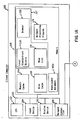
- FIG. 1 a block diagram of a data processing system in which a preferred embodiment may be implemented.
- Computer 100 functioning as a client is shown connected via network 200 to document-server computer 150 and to standard-set server computer 175.
- network 200 is the Internet, although it could be another kind of network such as a Local Area Network (LAN) or an Intranet.
- LAN Local Area Network
- Intranet an Intranet
- Client computer 100 contains Central Processing Unit (CPU) 102, which is a processor connected via bus 112 to input device 104, display device 106, network connection 108, and memory 110.
- CPU Central Processing Unit
- Input device 104 can be any suitable device for the user to give input to client computer 100; for example: a keyboard, keypad, light pen, touchscreen, button, mouse, trackball, or speech recognition unit could be used.
- Display device 106 could be any suitable output device, such as a display screen, text-to-speech converter, printer, television set, or audio player.
- input device 104 is shown as being separate from display device 106, they could be combined; for example: a display with an integrated touchscreen, a display with an integrated keyboard, or a speech-recognition unit combined with a text-to-speech converter.
- Memory 110 is storage sufficiently large to hold the necessary programming and data structures. While memory 110 is shown as a single entity, memory 110 may in fact comprise a plurality of storage devices, and that memory may exist at multiple levels, from high-speed registers and caches to lower speed but larger DRAM chips, to floppy-disk drives, fixed-disk drives, tape drives, CD-ROM drives, or optical drives.
- Memory 110 contains memory cache 114, disk cache 116, document manager 117, downloaded document 160a, and network processing program 124.
- Document manager 117 contains local standard-set objects 118, browser 120, and name list 122.
- Network processing program 124 contains instructions that, when executed on CPU 102, provide support for connecting client computer 100 to computers in network 200 such as document-server 150 and standard-set server computer 175.
- CPU 102 is suitably programmed by browser 120 as is further described in the description for Figs. 4 , 5 , and 6 .
- the function of browser 120 could be implemented by control circuitry through the use of logic gates, programmable-logic devices, or other hardware components in lieu of a processor-based system.
- Memory cache 114 is a RAM cache used to store fetched WWW documents and their associated multimedia objects, as will be later described under the description for Figs. 4 , 5 , and 6 .
- Disk cache 116 is a cache in secondary storage used to store fetched WWW documents and their associated multimedia objects, as will be later described under the description for Figs. 4 , 5 , and 6 .
- Local standard-set objects 118 are objects in the standard-set and may be specific to the user's locale. Local standard-set objects 118 may have been initially loaded from standard-set server 175. They may also be stored on a CD-ROM, a diskette, other secondary storage, or a Local Area Network or Intranet (not shown). Examples of local standard-set objects 118 are shown in Fig. 2 .
- name list 122 contains the names of all objects in standard-set 190, as is further described in Fig. 6 .
- name list 122 contains the names of all objects in local standard-set 118, as is further described in Fig. 5 .
- network connection 108 is a TCP/IP network connection, although it could be any type of suitable network connection.
- Client computer 100 is connected to network 200 via telephone lines, cable lines, or by wireless communications.
- Client computer 100 may be implemented using any suitable client computer, such as an IBM personal computer running the OS/2® operating system. Client computer 100 could be connected directly to network 200 via network connection 108 or could be connected indirectly, such as via a Local Area Network, not shown.
- client computer 100 could be connected directly to network 200 via network connection 108 or could be connected indirectly, such as via a Local Area Network, not shown.
- Document-server computer 150 contains Central Processing Unit (CPU) 152 connected via bus 153 to network connection 154 and memory 156.
- Network connection 154 connects document-server computer 150 to network 200.
- Memory 156 contains server daemon program 158, documents 160, and linked objects 163.
- FIG. 1 Although only one document-server computer is shown in Fig. 1 , there may actually be a multiplicity of document-server computers.
- document-server computer 150 is shown as being directly connected to network 200, it could be connected indirectly such as via a Local Area Network, not shown.
- Server daemon program 158 contains computer executable instructions that, when executed on CPU 152, provide support for connecting document-server computer 150 to network 200 via network connection 154 and responding to requests from client computer 100.
- Documents 160 are HTML (Hyper Text Markup Language) documents in the preferred embodiment. Documents 160 contain pointers to linked objects 163, as is further described under the description for Fig. 2 .
- HTML consists of tag specifications and text to be displayed. Tag specifications may or may not include tag modifiers that affect how the display text and multimedia objects are displayed.
- HTML documents are purely textual and are instructions to the browser as to what to display or play back, as well as attributes (such as size or location on the page) to apply to what is displayed or played back.
- a developer of an HTML document may directly hand generate the HTML text or may use one of many tools to assist in this generation. The developer may also develop, search for, or buy multimedia objects (digitized graphic, sound files, or video files) to specify in the HTML text so as to cause their display or play back by the browser upon parsing the HTML.
- Linked objects 163 are objects used by documents 160 and referenced by documents 160 via hyperlinks. Although linked objects 163 are shown as being contained in document-server computer 150, they could be on any server in network 200. Linked objects 163 are further described in Fig. 2 .
- Standard-set server computer 175 contains Central Processing Unit (CPU) 182 connected via bus 183 to network connection 184 and memory 186.
- Network connection 184 connects standard-set server computer 175 to network 200.
- Memory 186 contains server daemon program 188, standard-set objects 190, and name list 192.
- standard-set server computer 175 is shown as being directly connected to network 200, it could be connected indirectly such as via a Local Area Network.
- Server daemon program 188 contains computer executable instructions that, when executed on CPU 182, provide support for connecting standard-set server computer 175 to network 200 via network connection 184 and responding to requests from client computer 100.
- Standard-set multimedia objects 190 contain all locale-specific sets of standard multimedia objects. In the preferred embodiment, standard-set multimedia objects 190 is organized into directories with each separate locale having its locale-specific standard objects in a separate directory, as further described in Fig. 3 .
- Name list 192 contains the names of all objects in all locales of standard-set 190.
- Client computer 100, document-server computer 150, and standard-set server computer 175 may be implemented using any suitable server such as the AS/400® computer system, running the OS/400® operating system, both products of International Business Machines Corporation, located in Annonk, New York.
- Client computer 100, document-server computer 150, and standard-set server computer 175 could be other types of computer systems, whether they be microcomputers such as an Apple Macintosh or mainframe computers such as an IBM System/390, and still fall within the spirit and scope of this invention.
- client computer 100, document-server computer 150, and server computer 175 could be microcomputers such as described above but connected to a larger computer system.
- Client computer 100 could also be a computer such as an Internet appliance or thin client that does not have a fixed disk drive.
- the principles of the invention may apply to other computer applications, such as other mainframes, minicomputers, network servers, supercomputers, personal computers, or workstations, as well as other electronics applications. Therefore, while the discussion herein focuses on a particular application, the invention should not be limited to the particular hardware designs, software designs, communications protocols, performance parameters, or application-specific functions disclosed herein.
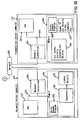
- Fig. 2 is a block diagram of an example of locale-specific, standard-set objects and their relationship to documents.
- Client computer 100 contains downloaded document 160a, local standard-set objects 118, and name list 122.
- client computer 100 in Mexico, is connected to document-server computer 150, in the United States, via network 200.
- Document-server computer 150 contains document 160 and linked objects 163.
- Local standard-set objects 118 could have been initially downloaded to client computer 100 from standard-set server computer 175 or could be loaded from CD-ROM or other storage.
- Document 160a downloaded from document 160 at server computer 150 contains HTML tags.
- Document 160 may contain embedded URLs that link to objects or documents on the same or other servers.
- Standard-set objects 118 could include text, bitmaps, audio, code, and video files named in a standard way.
- Code could include instructions capable of being executed on or interpreted by a computer, such as Java applications.
- Objects that would be candidates for inclusion in this set are those that would be typical choices by WWW document developers for embedding in their documents.
- Such objects might include the following: bullets of different colors and styles for enumerating list items; different "under construction” images (many WWW pages state that they are “under construction” and some include some kind of construction related bitmap image); left and right arrows labeled “previous” and “next”; paragraph or section separator lines; images exclaiming "new", “for sale”, or “moved”; mail-oriented, bitmap images (since often WWW documents include an e-mail address of a primary contact); construction sound files (to go along with the "under construction” images); sounds of digitized speech for the speaking of each numeral and special symbols (e.g. "dollars”); many different bitmaps to tile in the document background; and Java applications.
- Examples of graphical multimedia objects are images of the JPEG format (Joint Photographic Experts Group) or the GIF (Graphics Interchange Format) format.
- HTML provides the capability for multimedia objects to have a filename associated with them, which browsers typically retrieve from the same server as the HTML document came from.
- Browser 120 recognizes certain filenames as being part of the standard-set of objects and redirects the retrieval from local standard-set objects 118 on client computer 100.
- the normal HTML language itself is used unchanged and HTML documents embedding the standard-set objects are compatible with browsers that do not support this feature; they will retrieve the object from the server specified in the URL, as is normal.
- Browser 120 parses downloaded document 160a, extracts the file names (stdset1 gif and stdset2.gif in this example) from image tags 161a and 161b and determines that the file names are contained in name list 122. Consequently, browser 120 retrieves corresponding objects 118a and 118b from local standard-set objects 118 instead of downloading objects 163a and 163b from linked objects 163. Thus, in this example, browser 120 displays to the user the information in corresponding locale-specific Spanish objects 118a and 118b instead of English objects 163a and 163b, which may have been originally created by the document developer on document-server computer 150, downloaded from standard-set server computer 175, or copied from another source such as CD-ROM or a Local Area Network.
- Standard-set 118 is optionally segmented into subsets, each subset being specific to a particular language, culture, or locale. In this example, only one locale-specific subset, Spanish, is shown. But, standard-set 118 could optionally contain all locale-specific subsets with the browser 120 giving the user the choice of which locale-specific subset to use.
- Fig. 3 is a block diagram of an example of locale-specific, standard-set objects and a name list at a standard-set server computer.
- Standard set server computer 175 contains locale-specific standard-set objects 190 and name list 192.
- Locale-specific standard-set objects 190 contains all the objects for every locale. In this example, subsets of objects in the English and Spanish languages are shown.
- Fig. 4 depicts a flowchart of the process whereby browser 120 is used by a user to browse documents 160.
- the user activates browser 120.
- browser 120 optionally provides support for the user customizing standard-set objects 118 according to the user's preferences. For example, browser 120 could allow the user to add to and/or replace text fonts, button types, heading styles, or "under construction" icons in the standard-set.
- Standard-set 118 is optionally segmented into subsets, each subset being specific to a particular language, culture, or locale.
- the user's selected subset is optionally downloaded from standard-set server computer 175 or multiple locale-specific subsets of the standard-set could be stored locally such as on a CD-ROM, or a LAN, or in local storage to client computer 100, and the user selects one subset to use.
- standard-set objects 118 allows customization of document viewing to the user's language or culture. This could be helpful for computers that are located at an airport, library, or other such place where people of different cultural backgrounds frequent.
- Browser 120 is configured to be able to access any of these locale-specific subsets.
- the browser also allows the user to easily and quickly tell it the preferred locale. For example, a Japanese woman walks up to such a computer, and tells the browser she is Japanese. An American man walks up to another such computer, and tells it he is an American. If WWW documents that use standard-set objects are browsed by these users, not only will browsing efficiency be improved for them, but comprehension of the meaning of the documents will be increased because each will see the standard-set objects appropriately internationalized. Even if some objects as stored on the document-server would be sufficiently understood by all (which would not always be the case), to see or hear versions of such objects that have been internationalized for the user's specific locale provides the user with a higher level of satisfaction.
- browser 120 checks to see if the user wishes to exit. If the user wishes to exit, browser 120 terminates at block 260. If the user wishes to continue, browser 120 provides the user the capability to browse a document. The user selects document 160 on document-server computer 150. In the preferred embodiment, the user selects the desired WWW documents by specifying a URL to browser 120.
- a URL Uniform Resource Locator
- a URL is the citation system for the Internet, and it identifies the location address (both the server name and the location within the server) of the document of interest.
- browser 120 determines whether the document specified by the URL is already in memory cache 114 or disk cache 116. If the check at block 270 is true, browser 120 fetches the specified document from the appropriate cache at block 275 and continues to block 285. If the check at block 270 is false, browser 120 sends the user-specified URL via network 200 to document-server computer 150, as shown at block 280. Document-server computer 150 then transmits the HTML document located in documents 160 back to browser 120, which creates downloaded document 160a.
- browser 120 parses the HTML in the document, displays whatever text is displayable, and identifies any linked objects that need further processing.
- browser 120 checks whether there are any linked objects that still need processing. If there are linked objects that need processing, at block 295 browser 120 selects the next object to fetch.
- browser 120 fetches and presents the information in the next object.
- the preferred embodiment for block 300 is more fully described under the description for Fig. 6 , while an alternative embodiment for block 300 is more fully described under the description for Fig. 5 . After the object is presented to the user, flow continues back to block 290.
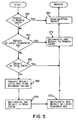
- FIG. 5 depicts the flowchart of the process whereby browser 120 fetches objects and presents them to the user in an alternative embodiment.
- browser 120 checks whether the object linked by downloaded document 160a is in memory cache 114 by comparing the full URL embedded in downloaded document 160a to the contents of memory cache 114. If the linked object is not found using its full URL, browser 120 extracts the file name from the embedded URL and compares it to the contents of memory cache 114.
- browser 120 checks whether the linked object has a corresponding object stored in local standard-set objects 118 by comparing the extracted file name to the contents of name list 122. If the linked object does not have a corresponding object in standard-set 118, at block 360 browser 120 checks whether the linked object is in disk cache 116 by comparing the URL embedded in downloaded document 160a to the contents of disk cache 116. If the linked object is not in disk cache 116, at block 365, browser 120 requests the linked object from linked objects 163 on document-server computer 150 using the embedded URL from document 160a.
- linked objects 163 could be at any network server.
- Browser 120 then optionally stores the linked object in disk cache 116 (block 370), optionally stores the linked object in local standard-set objects 118 and adds the file name to name list 122 (block 372), and optionally stores the linked object by full URL, or by file name only if the object was added to the local standard set, in memory cache 114 (block 375).
- Browser 120 then presents the object to the user via display device 106 by displaying it or playing it, according to the type of media the linked object is designed for, as shown at block 380. Flow now returns to Fig. 5 , block 290.
- the linked object is not in memory cache 114 (block 350), the linked object is not stored in local standard-set objects 118 (block 355), but the linked object is in disk cache 116 (block 360), then the flow of browser 120 goes to block 375 where the linked object is optionally stored by full URL in memory cache 114. Flow then continues to block 380, as described above.
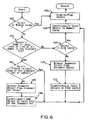
- Fig. 6 depicts the flowchart of the process whereby browser 120 fetches linked objects and presents them to the user in the preferred embodiment.
- browser 120 checks whether the linked object is in memory cache 114 by comparing the full URL embedded in downloaded document 160a to the contents of memory cache 114. If the linked object is not found using its full URL, browser 120 extracts the file name from the embedded URL and compares it to the contents of memory cache 114. (If a standard-set object has been cached in memory, it is known and stored by file name only.) If the linked object is again not in memory cache 114, then at block 455 browser 120 compares the extracted file name to the contents of name list 122.
- browser 120 checks whether the linked object has a corresponding object present in local standard-set objects 118 at block 460. If a corresponding object is not present in local standard-set objects 118, then, at block 470, browser 120 requests the linked object from locale-specific standard-set 190 at standard-set server computer 175. In the preferred embodiment, browser 120 modifies the embedded URL for the locale of its user, so as to use the appropriate directory of locale-specific set 190. In an alternative embodiment, browser 120 passes a parameter in the URL indicating its locale, and server 175 returns the appropriate object from standard set 190. Browser 120 then, at the user's option, adds the linked object to local standard-set objects 118 at block 480.
- Browser 120 then optionally stores the linked object by filename only in memory cache 114 at block 490, and presents information in the object to the user via display device 106 by displaying it, playing it, or executing it according to the type of media the linked object is designed for, as shown at block 500. Flow now returns to Fig. 5 , block 290.
- browser 120 checks whether the linked object is contained in disk cache 116 at block 505. If the linked object is contained in disk cache 116 (block 505), then flow continues to block 490, as described above. If the linked object is not in disk cache 116, then browser 120 requests the linked object from linked objects 163 in document-server computer 150 at block 510 and optionally stores the object in disk cache 116 at block 515, after which flow continues to block 490, as described above.
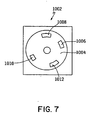
- Fig. 8 shows an article of manufacture or a computer program product including a storage medium for storing thereon program means for carrying out the method of this invention in the system of Fig. 1 . While the present invention has been described in the context of a computer system, the mechanisms of the present invention are capable of being distributed as a program product in a variety of forms, and the present invention applies equally regardless of the particular type of signal bearing media used to actually carry out the distribution. Examples of signal bearing media include: recordable type media, such as floppy disks and CD ROMs, and transmission type media such as digital and analog communications links.
- Floppy disk 1002 is intended for use with a data processing system, and includes magnetic storage medium 1004, and program means 1006, 1008, 1010, and 1012 recorded thereon, for directing browser 120 to facilitate the practice of this invention. It will be understood that such apparatus and articles of manufacture also fall within the spirit and scope of this invention.
Landscapes
- Engineering & Computer Science (AREA)
- Databases & Information Systems (AREA)
- Theoretical Computer Science (AREA)
- Data Mining & Analysis (AREA)
- Physics & Mathematics (AREA)
- General Engineering & Computer Science (AREA)
- General Physics & Mathematics (AREA)
- Information Transfer Between Computers (AREA)
- Computer And Data Communications (AREA)
- Document Processing Apparatus (AREA)
Claims (17)
- Dokumentverwaltungseinheit für den Betrieb in einem Clientcomputer, wobei der Clientcomputer über ein Netzwerk (200) mit einem Dokument-Servercomputer(150) verbunden ist, wobei die Dokumentverwaltungseinheit Folgendes umfasst:eine Namensliste (192) mit einer Vielzahl von Objekten in einem Standardsatz (190), wobei die Standardsatzobjekte Daten zur Übergabe an einen Benutzer des Clientcomputers beinhalten und wobei der Standardsatz in Teilsätze untergliedert ist, wobei jeder Teilsatz für eine bestimmte Sprache, Kultur oder Örtlichkeit kennzeichnend ist; undeinen Browser, der Folgendes umfasst:ein Mittel für das Empfangen einer Auswahl aus einem Teilsatz des zu verwendenden Standardsatzes von einem Benutzer;ein Mittel für das Empfangen eines Dokuments von dem Dokument-Servercomputer (150), wobei das Dokument mindestens eine eingebettete Verknüpfung umfasst, wobei die eingebettete Verknüpfung eine Adresse eines verknüpften Objekts (163a, 163b) ist und wobei die Adresse auf einen Objekt-Servercomputer in dem Netzwerk (200) zeigt;ein Mittel für das Gewinnen eines Dateinamens des verknüpften Objekts aus der eingebetteten Verknüpfung;ein Mittel für das Ermitteln, ob der Dateiname in der Namensliste (192) enthalten ist;ein Mittel, das auf die Feststellung reagiert, dass der Dateiname nicht in der Liste enthalten ist, für das Abrufen des verknüpften Objekts aus dem Objekt-Servercomputer und das Übergeben der Daten in dem verknüpften Objekt an den Benutzer; undein Mittel, das auf die Feststellung reagiert, dass der Dateiname in der Namensliste (192) enthalten ist, für das zugreifen auf das entsprechende Standardsatzobjekt aus dem Teilsatz, der von dem Benutzer angegeben wird;
undein Mittel für das Übergeben von Daten in dem entsprechenden Standardsatzobjekt an den Benutzer anstelle des Abrufens des verknüpften Objekts, wobei das entsprechende Standardsatzobjekt (190) einen Namen hat, der mit dem gewonnenen Dateinamen übereinstimmt. - Dokumentverwaltungseinheit nach Anspruch 1, wobei sich die Vielzahl von Standardsatzobjekten im Clientcomputer befindet.
- Dokumentverwaltungseinheit nach Anspruch 2, wobei der Browser des Weiteren zunächst die Vielzahl von Standardsatzobjekten (190) von einem Standardsatzservercomputer (175), der mit dem Netzwerk (200) verbunden ist, in den Clientcomputer lädt.
- Dokumentverwaltungseinheit nach Anspruch 1, wobei sich die Vielzahl von Standardsatzobjekten (190) in einem lokalen Netzwerk befindet, das mit dem Clientcomputer verbunden ist.
- Dokumentverwaltungseinheit nach Anspruch 1, wobei sich die Vielzahl von Standardsatzobjekten in einem Speicher befindet, der dem Clientcomputer angegliedert ist.
- Dokumentverwaltungseinheit nach einem beliebigen vorangegangenen Anspruch, wobei der Objekt-Servercomputer der Dokument-Servercomputer (150) ist.
- Dokumentverwaltungseinheit nach einem beliebigen der Ansprüche 1 bis 5, wobei der Objekt-Servercomputer ein anderer Computer als der Dokument-Servercomputer ist.
- Dokumentverwaltungseinheit nach einem beliebigen vorangegangenen Anspruch, wobei es sich bei den Daten in dem entsprechenden Standardsatzobjekt um Video-, Audio-, Grafik-, Text- oder Codedaten handelt.
- Dokumentverwaltungseinheit nach einem beliebigen vorangegangenen Anspruch, wobei sich die Sprache der Objekte des von dem Benutzer angegebenen Teilsatzes von der Sprache des verknüpften Objekts unterscheidet.
- Dokumentverwaltungseinheit nach Anspruch 9, wobei der Browser dem Benutzer die Möglichkeit gibt, die zu verwendende Sprache auszuwählen.
- Dokumentverwaltungseinheit nach einem beliebigen vorangegangenen Anspruch, wobei der Browser des Weiteren das verknüpfte Objekt (163a, 163b) zu der Vielzahl von Standardsatz-Objekten hinzufügt.
- Dokumentverwaltungseinheit nach einem beliebigen vorangegangenen Anspruch, wobei der Browser des Weiteren dem Benutzer ermöglicht, die Vielzahl von Standardsatzobjekten an seine Bedürfnisse anzupassen.
- Verfahren für das Webseiten-Navigieren (Browsen) auf einem Clientcomputer, wobei der Clientcomputer über ein Netzwerk (200) mit einem Dokument-Servercomputer (150) verbunden ist, wobei die Dokumentverwaltungseinheit Folgendes umfasst:eine Namensliste (192) mit einer Vielzahl von Objekten in einem Standardsatz (190), wobei die Standardsatzobjekte Daten zur Übergabe an einen Benutzer des Clientcomputers beinhalten und wobei der Standardsatz in Teilsätze untergliedert ist, wobei jeder Teilsatz für eine bestimmte Sprache, Kultur oderÖrtlichkeit kennzeichnend ist, wobei das Verfahren Folgendes umfasst:Empfangen einer Auswahl aus einem Teilsatz des zu verwendenden Standardsatzes von einem Benutzer;Empfangen eines Dokuments von dem Dokument-Servercomputer (150), wobei das Dokument mindestens eine eingebettete Verknüpfung umfasst, wobei die eingebettete Verknüpfung eine Adresse eines verknüpften Objekts (163a, 163b) ist und wobei die Adresse auf einen Objekt-Servercomputer in dem Netzwerk (200) zeigt;Gewinnen eines Dateinamens des verknüpften Objekts aus der eingebetteten Verknüpfung;Ermitteln, ob der Dateiname in der Namensliste (192) enthalten ist;als Reaktion auf die Feststellung, dass der Dateiname nicht in der Liste enthalten ist, Abrufen des verknüpften Objekts aus dem Objekt-Servercomputer und Übergeben der Daten in dem verknüpften Objekt an den Benutzer; undals Reaktion auf die Feststellung, dass der Dateiname in der Namensliste (192) enthalten ist, Zugreifen auf das entsprechende Standardsatzobjekt aus dem Teilsatz, der von dem Benutzer angegeben wird; undÜbergeben von Daten in dem entsprechenden Standardsatzobjekt an den Benutzer anstelle des Abrufens des verknüpften Objekts, wobei das entsprechende Standardsatzobjekt (190) einen Namen hat, der mit dem gewonnenen Dateinamen übereinstimmt.
- verfahren nach Anspruch 13, wobei die Daten in dem entsprechenden Standardsatzobjekt (190) an die Sprache des Benutzers des Clientcomputers angepasst werden.
- Verfahren nach Anspruch 13 oder 14, das des Weiteren das anfängliche Laden der Vielzahl von Standardsatzobjekten aus dem sekundären Speicher, der dem Clientcomputer zugehörig ist, umfasst.
- Computerprogramm, das ein Programmcodemittel umfasst, welches so gestaltet ist, dass es das Verfahren nach einem beliebigen der Ansprüche 13 bis 15 durchführen kann-, wenn das Programm auf einem Computer ausgeführt wird.
- Client-Computer, wobei der Clientcomputer über ein Netzwerk mit einem Dokument-Servercomputer (150) verbunden ist, wobei der Clientcomputer Folgendes umfasst:Speicher;einen Prozessor;eine Namensliste (192) mit einer Vielzahl von Objekten in einem Standardsatz (190), wobei die Standardsatzobjekte Daten zur Übergabe an einen Benutzer des Clientcomputers beinhalten und wobei der Standardsatz in Teilsätze untergliedert ist, wobei jeder Teilsatz für eine bestimmte Sprache, Kultur oder Örtlichkeit kennzeichnend ist; undeinen Browser, der Folgendes umfasst:ein Mittel für das Empfangen einer Auswahl aus einem Teilsatz des zu verwendenden Standardsatzes von einem Benutzer;ein Mittel für das Empfangen eines Dokuments von dem Dokument-Servercomputer (150), wobei das Dokument mindestens eine eingebettete Verknüpfung umfasst, wobei die eingebettete Verknüpfung eine Adresse eines verknüpften Objekts (163a, 163b) ist und wobei die Adresse auf einen Objekt-Servercomputer in dem Netzwerk (200) zeigt;ein Mittel für das Gewinnen eines Dateinamens des verknüpften Objekts aus der eingebetteten Verknüpfung;ein Mittel für das Ermitteln, ob der Dateiname in der Namensliste (192) enthalten ist;ein Mittel, das auf die Feststellung reagiert, dass der Dateiname nicht in der Liste enthalten ist, für das Abrufen des verknüpften Objekts aus dem Objekt-Servercomputer und das Übergeben der Daten in dem verknüpften Objekt an den Benutzer; undein Mittel, das auf die Feststellung reagiert, dass der Dateiname in der Namensliste (192) enthalten ist, für das Zugreifen auf das entsprechende Standardsatzobjekt aus dem Teilsatz, der von dem Benutzer angegeben wird;
undein Mittel für das Übergeben von Daten in dem entsprechenden Standardsatzobjekt an den Benutzer anstelle des Abrufens des verknüpften Objekts, wobei das entsprechende Standardsatzobjekt (190) einen Namen hat, der mit dem gewonnenen Dateinamen übereinstimmt.
Applications Claiming Priority (3)
| Application Number | Priority Date | Filing Date | Title |
|---|---|---|---|
| US08/771,735 US5913033A (en) | 1996-12-20 | 1996-12-20 | Apparatus and method for retrieving information using standard objects |
| US771735 | 1996-12-20 | ||
| PCT/US1997/021304 WO1998030947A2 (en) | 1996-12-20 | 1997-11-20 | An apparatus and method for retrieving information using standard objects |
Publications (3)
| Publication Number | Publication Date |
|---|---|
| EP0976052A2 EP0976052A2 (de) | 2000-02-02 |
| EP0976052A4 EP0976052A4 (de) | 2005-06-29 |
| EP0976052B1 true EP0976052B1 (de) | 2010-11-03 |
Family
ID=25092807
Family Applications (1)
| Application Number | Title | Priority Date | Filing Date |
|---|---|---|---|
| EP97948434A Expired - Lifetime EP0976052B1 (de) | 1996-12-20 | 1997-11-20 | Vorrichtung und verfahren zur erfassung von informationen unter verwendung von standardisierten objekten |
Country Status (6)
| Country | Link |
|---|---|
| US (1) | US5913033A (de) |
| EP (1) | EP0976052B1 (de) |
| JP (1) | JP3776939B2 (de) |
| KR (1) | KR100330620B1 (de) |
| DE (1) | DE69740043D1 (de) |
| WO (1) | WO1998030947A2 (de) |
Families Citing this family (86)
| Publication number | Priority date | Publication date | Assignee | Title |
|---|---|---|---|---|
| US6973656B1 (en) * | 1995-08-16 | 2005-12-06 | International Business Machines Corporation | Method and apparatus for linking data in a distributed data processing system |
| US6182127B1 (en) * | 1997-02-12 | 2001-01-30 | Digital Paper, Llc | Network image view server using efficent client-server tilting and caching architecture |
| US6597377B1 (en) * | 1997-02-25 | 2003-07-22 | International Business Machines Corporation | Web links objects |
| US7103794B2 (en) | 1998-06-08 | 2006-09-05 | Cacheflow, Inc. | Network object cache engine |
| US5983227A (en) * | 1997-06-12 | 1999-11-09 | Yahoo, Inc. | Dynamic page generator |
| US7058720B1 (en) * | 1997-06-30 | 2006-06-06 | Microsoft Corporation | Geographical client distribution methods, systems and computer program products |
| US6182129B1 (en) * | 1997-09-11 | 2001-01-30 | International Business Machines Corporation | Apparatus, methods and computer program products for managing sessions with host-based application using session vectors |
| US6216152B1 (en) * | 1997-10-27 | 2001-04-10 | Sun Microsystems, Inc. | Method and apparatus for providing plug in media decoders |
| US6128701A (en) * | 1997-10-28 | 2000-10-03 | Cache Flow, Inc. | Adaptive and predictive cache refresh policy |
| US6393526B1 (en) * | 1997-10-28 | 2002-05-21 | Cache Plan, Inc. | Shared cache parsing and pre-fetch |
| US8296396B2 (en) | 1998-02-10 | 2012-10-23 | Level 3 Communications, Llc | Delivering resources to clients in a distributed computing environment with rendezvous based on load balancing and network conditions |
| US7054935B2 (en) | 1998-02-10 | 2006-05-30 | Savvis Communications Corporation | Internet content delivery network |
| US6185598B1 (en) | 1998-02-10 | 2001-02-06 | Digital Island, Inc. | Optimized network resource location |
| US6684211B1 (en) * | 1998-04-01 | 2004-01-27 | Planetweb, Inc. | Multimedia communication and presentation |
| US6216153B1 (en) * | 1998-04-23 | 2001-04-10 | Cybersource Corporation | Non-extensible thin server that generates user interfaces via browser |
| US6591288B1 (en) * | 1998-05-19 | 2003-07-08 | Nortel Networks Limited | Data network accelerated access system |
| JP3789244B2 (ja) * | 1998-07-28 | 2006-06-21 | 富士通株式会社 | ハイパーテキスト表示装置およびハイパーテキスト表示システム |
| US6272398B1 (en) * | 1998-09-21 | 2001-08-07 | Siebolt Hettinga | Processor-based process control system with intuitive programming capabilities |
| US6363418B1 (en) * | 1998-10-16 | 2002-03-26 | Softbook Press, Inc. | On-line image caching control for efficient image display |
| EP1006462A3 (de) | 1998-12-01 | 2005-03-30 | Lucent Technologies Inc. | Verfahren und Vorrichtung zum dauerhaften Speichern von Web-Betriebsmitteln |
| US6564251B2 (en) | 1998-12-03 | 2003-05-13 | Microsoft Corporation | Scalable computing system for presenting customized aggregation of information |
| US6345292B1 (en) * | 1998-12-03 | 2002-02-05 | Microsoft Corporation | Web page rendering architecture |
| US6492995B1 (en) * | 1999-04-26 | 2002-12-10 | International Business Machines Corporation | Method and system for enabling localization support on web applications |
| US6745368B1 (en) | 1999-06-11 | 2004-06-01 | Liberate Technologies | Methods, apparatus, and systems for storing, retrieving and playing multimedia data |
| US6275470B1 (en) | 1999-06-18 | 2001-08-14 | Digital Island, Inc. | On-demand overlay routing for computer-based communication networks |
| US6510458B1 (en) * | 1999-07-15 | 2003-01-21 | International Business Machines Corporation | Blocking saves to web browser cache based on content rating |
| US6341306B1 (en) | 1999-08-13 | 2002-01-22 | Atomica Corporation | Web-based information retrieval responsive to displayed word identified by a text-grabbing algorithm |
| EP1395912A2 (de) * | 1999-09-07 | 2004-03-10 | Liberate Technologies LLC | Verfahren, geräte, und systeme zur speicherung, wiederauffindung und abspielen von multimedia daten |
| US8543901B1 (en) | 1999-11-01 | 2013-09-24 | Level 3 Communications, Llc | Verification of content stored in a network |
| AU2001249621A1 (en) * | 2000-03-31 | 2001-10-15 | Siebel Systems, Inc. | Thin client method and system for generating page delivery language output from applets, views, and screen definitions |
| US6958903B1 (en) | 2000-05-22 | 2005-10-25 | Cheryl Henry | Data storage device reader and method of using same |
| FR2809509B1 (fr) * | 2000-05-26 | 2003-09-12 | Bull Sa | Systeme et procede d'internationalisation du contenu de documents a balises dans un systeme informatique |
| WO2002008852A2 (en) * | 2000-07-19 | 2002-01-31 | Incredimail Ltd. | System and method for intelligent transmission of digital content embedded in electronic mail messages |
| US7401125B1 (en) * | 2000-10-10 | 2008-07-15 | Ricoh Corporation | System, computer program product and method for managing documents |
| US7088378B1 (en) * | 2000-11-24 | 2006-08-08 | Aktiebolaget Skf | System and method for providing information regarding mounting, dismounting and servicing a bearing or a seal |
| US7797431B2 (en) * | 2001-02-09 | 2010-09-14 | Willard Case | Enhanced data exchange and functionality control system and method |
| US7249190B2 (en) * | 2001-02-09 | 2007-07-24 | Comlet Technologies, Llc. | Enhanced data exchange and presentation/communication system |
| US7603703B2 (en) * | 2001-04-12 | 2009-10-13 | International Business Machines Corporation | Method and system for controlled distribution of application code and content data within a computer network |
| US20020174196A1 (en) * | 2001-04-30 | 2002-11-21 | Donohoe J. Douglas | Methods and systems for creating a multilingual web application |
| US20040049401A1 (en) * | 2002-02-19 | 2004-03-11 | Carr J. Scott | Security methods employing drivers licenses and other documents |
| US20020194296A1 (en) * | 2001-06-14 | 2002-12-19 | International Business Machines Corporation | Stopping a slow download of internally included objects in a downloaded HTML page on a web client |
| US20030001894A1 (en) * | 2001-06-29 | 2003-01-02 | International Business Machines Corporation | Method and apparatus for dynamically determining actions to perform for an object |
| US20030009486A1 (en) * | 2001-07-03 | 2003-01-09 | Hitachi, Ltd. | Data reducing method, system and program |
| US6963874B2 (en) * | 2002-01-09 | 2005-11-08 | Digital River, Inc. | Web-site performance analysis system and method utilizing web-site traversal counters and histograms |
| KR100935586B1 (ko) * | 2001-08-27 | 2010-01-07 | 코닌클리케 필립스 일렉트로닉스 엔.브이. | 캐시 방법 |
| KR100930190B1 (ko) | 2001-09-28 | 2009-12-07 | 레벨 3 시디엔 인터내셔널 | 구성 가능한 적응 글로벌 트래픽 제어 및 관리 |
| US7860964B2 (en) | 2001-09-28 | 2010-12-28 | Level 3 Communications, Llc | Policy-based content delivery network selection |
| US7373644B2 (en) | 2001-10-02 | 2008-05-13 | Level 3 Communications, Llc | Automated server replication |
| US20030079027A1 (en) | 2001-10-18 | 2003-04-24 | Michael Slocombe | Content request routing and load balancing for content distribution networks |
| US7711775B2 (en) * | 2001-10-24 | 2010-05-04 | Groove Networks, Inc. | Method and apparatus for managing software component downloads and updates |
| US6986136B2 (en) * | 2001-10-30 | 2006-01-10 | Hewlett-Packard Development Company, L.P. | Web-based imaging service enabling jobs to be interrupted gracefully |
| US20030101099A1 (en) * | 2001-11-29 | 2003-05-29 | Sheltz Steven Peter | Computerized method for the solicitation and sales of transactions |
| US7631035B2 (en) * | 2002-01-09 | 2009-12-08 | Digital River, Inc. | Path-analysis toolbar |
| US20030128231A1 (en) * | 2002-01-09 | 2003-07-10 | Stephane Kasriel | Dynamic path analysis |
| US20030131097A1 (en) * | 2002-01-09 | 2003-07-10 | Stephane Kasriel | Interactive path analysis |
| US9167036B2 (en) | 2002-02-14 | 2015-10-20 | Level 3 Communications, Llc | Managed object replication and delivery |
| US20050149853A1 (en) * | 2002-04-24 | 2005-07-07 | Fujitsu Limited | Document display program and method |
| US20030202009A1 (en) * | 2002-04-24 | 2003-10-30 | Stephane Kasriel | Integration toolbar |
| US8370420B1 (en) * | 2002-07-11 | 2013-02-05 | Citrix Systems, Inc. | Web-integrated display of locally stored content objects |
| US7979448B2 (en) * | 2003-06-25 | 2011-07-12 | International Business Machines Corporation | Mail and calendar tool and method |
| US7266557B2 (en) * | 2003-06-25 | 2007-09-04 | International Business Machines Corporation | File retrieval method and system |
| EP1669878A4 (de) * | 2003-09-30 | 2007-07-11 | Sony Corp | Informations-wiedergabeeinrichtung und -verfahren und programm |
| US7716168B2 (en) * | 2005-06-29 | 2010-05-11 | Microsoft Corporation | Modifying table definitions within a database application |
| US7546286B2 (en) * | 2004-02-19 | 2009-06-09 | Microsoft Corporation | Offline multi-table data editing and storage |
| US8135755B2 (en) | 2005-06-29 | 2012-03-13 | Microsoft Corporation | Templates in a schema editor |
| US7546291B2 (en) * | 2004-02-19 | 2009-06-09 | Microsoft Corporation | Data source task pane |
| JP4752260B2 (ja) * | 2004-12-13 | 2011-08-17 | 株式会社日立製作所 | 情報処理装置および情報処理方法 |
| US7954140B2 (en) * | 2004-12-28 | 2011-05-31 | The Weather Channel, Llc | Methods for persisting, organizing, and replacing perishable browser information using a browser plug-in |
| US7689631B2 (en) * | 2005-05-31 | 2010-03-30 | Sap, Ag | Method for utilizing audience-specific metadata |
| US7743026B2 (en) * | 2006-01-31 | 2010-06-22 | Microsoft Corporation | Redirection to local copies of server-based files |
| US8086946B2 (en) * | 2006-09-05 | 2011-12-27 | Adobe Systems Incorporated | Methods and apparatus for optimizing responsiveness of portable documents |
| US8037126B2 (en) | 2007-03-12 | 2011-10-11 | Citrix Systems, Inc. | Systems and methods of dynamically checking freshness of cached objects based on link status |
| US7809818B2 (en) * | 2007-03-12 | 2010-10-05 | Citrix Systems, Inc. | Systems and method of using HTTP head command for prefetching |
| US8701010B2 (en) | 2007-03-12 | 2014-04-15 | Citrix Systems, Inc. | Systems and methods of using the refresh button to determine freshness policy |
| US7783757B2 (en) | 2007-03-12 | 2010-08-24 | Citrix Systems, Inc. | Systems and methods of revalidating cached objects in parallel with request for object |
| US8504775B2 (en) | 2007-03-12 | 2013-08-06 | Citrix Systems, Inc | Systems and methods of prefreshening cached objects based on user's current web page |
| US7720936B2 (en) | 2007-03-12 | 2010-05-18 | Citrix Systems, Inc. | Systems and methods of freshening and prefreshening a DNS cache |
| US7584294B2 (en) | 2007-03-12 | 2009-09-01 | Citrix Systems, Inc. | Systems and methods for prefetching objects for caching using QOS |
| US8103783B2 (en) | 2007-03-12 | 2012-01-24 | Citrix Systems, Inc. | Systems and methods of providing security and reliability to proxy caches |
| US8074028B2 (en) | 2007-03-12 | 2011-12-06 | Citrix Systems, Inc. | Systems and methods of providing a multi-tier cache |
| CA2720353C (en) | 2008-04-04 | 2016-01-19 | Level 3 Communications, Llc | Handling long-tail content in a content delivery network (cdn) |
| US10924573B2 (en) | 2008-04-04 | 2021-02-16 | Level 3 Communications, Llc | Handling long-tail content in a content delivery network (CDN) |
| US9762692B2 (en) | 2008-04-04 | 2017-09-12 | Level 3 Communications, Llc | Handling long-tail content in a content delivery network (CDN) |
| US8161109B2 (en) * | 2009-07-15 | 2012-04-17 | Red Hat, Inc. | Client side culling of dynamic resources |
| US20140214698A1 (en) * | 2013-01-30 | 2014-07-31 | Kebron G. Dejene | Video signature system and method |
| US10178058B2 (en) | 2016-01-28 | 2019-01-08 | International Business Machines Corporation | Expanding captured portions of references in instant messaging systems |
Family Cites Families (16)
| Publication number | Priority date | Publication date | Assignee | Title |
|---|---|---|---|---|
| US5127003A (en) * | 1991-02-11 | 1992-06-30 | Simpact Associates, Inc. | Digital/audio interactive communication network |
| US5418908A (en) * | 1992-10-15 | 1995-05-23 | International Business Machines Corporation | System for automatically establishing a link between an electronic mail item and a remotely stored reference through a place mark inserted into the item |
| US5452447A (en) * | 1992-12-21 | 1995-09-19 | Sun Microsystems, Inc. | Method and apparatus for a caching file server |
| US5566302A (en) * | 1992-12-21 | 1996-10-15 | Sun Microsystems, Inc. | Method for executing operation call from client application using shared memory region and establishing shared memory region when the shared memory region does not exist |
| US5551055A (en) * | 1992-12-23 | 1996-08-27 | Taligent, Inc. | System for providing locale dependent user interface for presenting control graphic which has different contents or same contents displayed in a predetermined order |
| US5414808A (en) * | 1992-12-30 | 1995-05-09 | International Business Machines Corporation | Method for accessing and manipulating library video segments |
| US5737536A (en) * | 1993-02-19 | 1998-04-07 | Borland International, Inc. | System and methods for optimized access in a multi-user environment |
| US5644751A (en) * | 1994-10-03 | 1997-07-01 | International Business Machines Corporation | Distributed file system (DFS) cache management based on file access characteristics |
| US5630066A (en) * | 1994-12-20 | 1997-05-13 | Sun Microsystems, Inc. | System and method for locating object view and platform independent object |
| US5530852A (en) * | 1994-12-20 | 1996-06-25 | Sun Microsystems, Inc. | Method for extracting profiles and topics from a first file written in a first markup language and generating files in different markup languages containing the profiles and topics for use in accessing data described by the profiles and topics |
| JPH08237298A (ja) * | 1995-02-24 | 1996-09-13 | Matsushita Electric Ind Co Ltd | 電子メール転送装置 |
| US5710883A (en) * | 1995-03-10 | 1998-01-20 | Stanford University | Hypertext document transport mechanism for firewall-compatible distributed world-wide web publishing |
| US5732219A (en) * | 1995-03-17 | 1998-03-24 | Vermeer Technologies, Inc. | Computer system and computer-implemented process for remote editing of computer files |
| US5721908A (en) * | 1995-06-07 | 1998-02-24 | International Business Machines Corporation | Computer network for WWW server data access over internet |
| US5572643A (en) * | 1995-10-19 | 1996-11-05 | Judson; David H. | Web browser with dynamic display of information objects during linking |
| US5706502A (en) * | 1996-03-25 | 1998-01-06 | Sun Microsystems, Inc. | Internet-enabled portfolio manager system and method |
-
1996
- 1996-12-20 US US08/771,735 patent/US5913033A/en not_active Expired - Fee Related
-
1997
- 1997-11-20 WO PCT/US1997/021304 patent/WO1998030947A2/en not_active Ceased
- 1997-11-20 EP EP97948434A patent/EP0976052B1/de not_active Expired - Lifetime
- 1997-11-20 JP JP53085598A patent/JP3776939B2/ja not_active Expired - Fee Related
- 1997-11-20 KR KR1019997004355A patent/KR100330620B1/ko not_active Expired - Fee Related
- 1997-11-20 DE DE69740043T patent/DE69740043D1/de not_active Expired - Lifetime
Non-Patent Citations (1)
| Title |
|---|
| V. N. PADMANABHAN, J. C. MOGUL: "Improving HTTP latency", ELSEVIER, 1995, Berkley, California, pages 25 - 35, XP004001208 * |
Also Published As
| Publication number | Publication date |
|---|---|
| DE69740043D1 (de) | 2010-12-16 |
| KR20000069012A (ko) | 2000-11-25 |
| EP0976052A4 (de) | 2005-06-29 |
| JP2000513123A (ja) | 2000-10-03 |
| WO1998030947A3 (en) | 1999-10-21 |
| KR100330620B1 (ko) | 2002-03-29 |
| WO1998030947A2 (en) | 1998-07-16 |
| JP3776939B2 (ja) | 2006-05-24 |
| EP0976052A2 (de) | 2000-02-02 |
| US5913033A (en) | 1999-06-15 |
Similar Documents
| Publication | Publication Date | Title |
|---|---|---|
| US5913033A (en) | Apparatus and method for retrieving information using standard objects | |
| US7278092B2 (en) | System, method and apparatus for selecting, displaying, managing, tracking and transferring access to content of web pages and other sources | |
| US6356908B1 (en) | Automatic web page thumbnail generation | |
| US7360166B1 (en) | System, method and apparatus for selecting, displaying, managing, tracking and transferring access to content of web pages and other sources | |
| US6310601B1 (en) | Resizing images to improve network throughput | |
| US7562287B1 (en) | System, method and apparatus for selecting, displaying, managing, tracking and transferring access to content of web pages and other sources | |
| CN1173274C (zh) | 实现打印操作的方法、信息处理系统及网络系统 | |
| JP3083806B2 (ja) | 閲覧可能なオブジェクトの表示を選択的に不能にする方法およびシステム | |
| US9619784B2 (en) | Presenting image previews of webpages | |
| US6061699A (en) | Method and computer program product for extracting translatable material from browser program function codes using variables for displaying MRI | |
| US5826031A (en) | Method and system for prioritized downloading of embedded web objects | |
| US6021418A (en) | Apparatus and method for displaying control-objects | |
| US20050131992A1 (en) | System, method and apparatus for selecting, displaying, managing, tracking and transferring access to content of web pages and other sources | |
| JP5108967B2 (ja) | 遠隔に格納されたアプリケーション及び情報を配信する方法及びシステム | |
| US5787254A (en) | Web browser method and system for display and management of server latency | |
| US6597377B1 (en) | Web links objects | |
| US20080022229A1 (en) | Methods and systems for enhancing internet experiences using previews | |
| KR100373486B1 (ko) | 웹문서처리방법 | |
| US20040205496A1 (en) | Displaying subheadings and hyperlinks in a scrollable long document | |
| KR19990023316A (ko) | 웹 페이지 포맷 장치 및 방법 | |
| JPH11242620A (ja) | 情報処理装置、サーバ装置、情報提供システム、及び記録媒体 | |
| US6182140B1 (en) | Hot objects with multiple links in web browsers | |
| US20060150094A1 (en) | Web companion | |
| CN100553250C (zh) | 标记网页的方法和设备 | |
| WO2003014920A2 (en) | Display of a document on a client computer |
Legal Events
| Date | Code | Title | Description |
|---|---|---|---|
| PUAI | Public reference made under article 153(3) epc to a published international application that has entered the european phase |
Free format text: ORIGINAL CODE: 0009012 |
|
| 17P | Request for examination filed |
Effective date: 19990722 |
|
| AK | Designated contracting states |
Kind code of ref document: A2 Designated state(s): DE FR GB IE IT NL |
|
| A4 | Supplementary search report drawn up and despatched |
Effective date: 20050517 |
|
| RIC1 | Information provided on ipc code assigned before grant |
Ipc: 7G 06F 17/30 B Ipc: 7G 06F 13/00 A |
|
| GRAP | Despatch of communication of intention to grant a patent |
Free format text: ORIGINAL CODE: EPIDOSNIGR1 |
|
| GRAS | Grant fee paid |
Free format text: ORIGINAL CODE: EPIDOSNIGR3 |
|
| GRAA | (expected) grant |
Free format text: ORIGINAL CODE: 0009210 |
|
| AK | Designated contracting states |
Kind code of ref document: B1 Designated state(s): DE FR GB IE IT NL |
|
| REG | Reference to a national code |
Ref country code: GB Ref legal event code: FG4D |
|
| REG | Reference to a national code |
Ref country code: IE Ref legal event code: FG4D |
|
| REF | Corresponds to: |
Ref document number: 69740043 Country of ref document: DE Date of ref document: 20101216 Kind code of ref document: P |
|
| REG | Reference to a national code |
Ref country code: GB Ref legal event code: 746 Effective date: 20101130 |
|
| PGFP | Annual fee paid to national office [announced via postgrant information from national office to epo] |
Ref country code: FR Payment date: 20101203 Year of fee payment: 14 |
|
| REG | Reference to a national code |
Ref country code: NL Ref legal event code: VDEP Effective date: 20101103 |
|
| PG25 | Lapsed in a contracting state [announced via postgrant information from national office to epo] |
Ref country code: NL Free format text: LAPSE BECAUSE OF FAILURE TO SUBMIT A TRANSLATION OF THE DESCRIPTION OR TO PAY THE FEE WITHIN THE PRESCRIBED TIME-LIMIT Effective date: 20101103 |
|
| PLBE | No opposition filed within time limit |
Free format text: ORIGINAL CODE: 0009261 |
|
| STAA | Information on the status of an ep patent application or granted ep patent |
Free format text: STATUS: NO OPPOSITION FILED WITHIN TIME LIMIT |
|
| 26N | No opposition filed |
Effective date: 20110804 |
|
| PG25 | Lapsed in a contracting state [announced via postgrant information from national office to epo] |
Ref country code: IE Free format text: LAPSE BECAUSE OF NON-PAYMENT OF DUE FEES Effective date: 20101120 |
|
| REG | Reference to a national code |
Ref country code: DE Ref legal event code: R097 Ref document number: 69740043 Country of ref document: DE Effective date: 20110804 |
|
| PG25 | Lapsed in a contracting state [announced via postgrant information from national office to epo] |
Ref country code: IT Free format text: LAPSE BECAUSE OF FAILURE TO SUBMIT A TRANSLATION OF THE DESCRIPTION OR TO PAY THE FEE WITHIN THE PRESCRIBED TIME-LIMIT Effective date: 20101103 |
|
| REG | Reference to a national code |
Ref country code: FR Ref legal event code: ST Effective date: 20120731 |
|
| PG25 | Lapsed in a contracting state [announced via postgrant information from national office to epo] |
Ref country code: FR Free format text: LAPSE BECAUSE OF NON-PAYMENT OF DUE FEES Effective date: 20111130 |
|
| PGFP | Annual fee paid to national office [announced via postgrant information from national office to epo] |
Ref country code: GB Payment date: 20161124 Year of fee payment: 20 Ref country code: DE Payment date: 20161122 Year of fee payment: 20 |
|
| REG | Reference to a national code |
Ref country code: DE Ref legal event code: R071 Ref document number: 69740043 Country of ref document: DE |
|
| REG | Reference to a national code |
Ref country code: GB Ref legal event code: PE20 Expiry date: 20171119 |
|
| PG25 | Lapsed in a contracting state [announced via postgrant information from national office to epo] |
Ref country code: GB Free format text: LAPSE BECAUSE OF EXPIRATION OF PROTECTION Effective date: 20171119 |