EP0912192B1 - Gm-csf administration for the treatment and prevention of recurrence of brain tumors - Google Patents
Gm-csf administration for the treatment and prevention of recurrence of brain tumors Download PDFInfo
- Publication number
- EP0912192B1 EP0912192B1 EP97930090A EP97930090A EP0912192B1 EP 0912192 B1 EP0912192 B1 EP 0912192B1 EP 97930090 A EP97930090 A EP 97930090A EP 97930090 A EP97930090 A EP 97930090A EP 0912192 B1 EP0912192 B1 EP 0912192B1
- Authority
- EP
- European Patent Office
- Prior art keywords
- tumor
- brain tumor
- csf
- cells
- brain
- Prior art date
- Legal status (The legal status is an assumption and is not a legal conclusion. Google has not performed a legal analysis and makes no representation as to the accuracy of the status listed.)
- Expired - Lifetime
Links
- 208000003174 Brain Neoplasms Diseases 0.000 title claims abstract description 51
- 238000011282 treatment Methods 0.000 title claims description 21
- 102000004457 Granulocyte-Macrophage Colony-Stimulating Factor Human genes 0.000 title abstract 2
- 108010017213 Granulocyte-Macrophage Colony-Stimulating Factor Proteins 0.000 title abstract 2
- 230000002265 prevention Effects 0.000 title 1
- 108091007433 antigens Proteins 0.000 claims abstract description 57
- 102000036639 antigens Human genes 0.000 claims abstract description 57
- 239000000427 antigen Substances 0.000 claims abstract description 56
- 230000002093 peripheral effect Effects 0.000 claims abstract description 22
- 230000012010 growth Effects 0.000 claims abstract description 9
- 206010028980 Neoplasm Diseases 0.000 claims description 91
- 210000004881 tumor cell Anatomy 0.000 claims description 38
- 238000001802 infusion Methods 0.000 claims description 15
- 208000005017 glioblastoma Diseases 0.000 claims description 12
- 210000003714 granulocyte Anatomy 0.000 claims description 12
- 102000004269 Granulocyte Colony-Stimulating Factor Human genes 0.000 claims description 10
- 108010017080 Granulocyte Colony-Stimulating Factor Proteins 0.000 claims description 10
- 102000007651 Macrophage Colony-Stimulating Factor Human genes 0.000 claims description 10
- 108010046938 Macrophage Colony-Stimulating Factor Proteins 0.000 claims description 10
- 230000028993 immune response Effects 0.000 claims description 10
- 238000002347 injection Methods 0.000 claims description 10
- 239000007924 injection Substances 0.000 claims description 10
- 239000003814 drug Substances 0.000 claims description 5
- 238000002360 preparation method Methods 0.000 claims description 5
- 210000003169 central nervous system Anatomy 0.000 claims description 3
- 238000002679 ablation Methods 0.000 claims description 2
- 230000005764 inhibitory process Effects 0.000 claims 2
- 239000013592 cell lysate Substances 0.000 claims 1
- 238000000034 method Methods 0.000 abstract description 16
- 230000002401 inhibitory effect Effects 0.000 abstract description 2
- 210000004027 cell Anatomy 0.000 description 35
- 241001465754 Metazoa Species 0.000 description 26
- 206010018338 Glioma Diseases 0.000 description 18
- 230000000694 effects Effects 0.000 description 16
- 208000032612 Glial tumor Diseases 0.000 description 11
- 238000002513 implantation Methods 0.000 description 11
- 241000700159 Rattus Species 0.000 description 10
- 230000004614 tumor growth Effects 0.000 description 10
- LOKCTEFSRHRXRJ-UHFFFAOYSA-I dipotassium trisodium dihydrogen phosphate hydrogen phosphate dichloride Chemical compound P(=O)(O)(O)[O-].[K+].P(=O)(O)([O-])[O-].[Na+].[Na+].[Cl-].[K+].[Cl-].[Na+] LOKCTEFSRHRXRJ-UHFFFAOYSA-I 0.000 description 9
- 238000002560 therapeutic procedure Methods 0.000 description 9
- 108010002350 Interleukin-2 Proteins 0.000 description 8
- 102000000588 Interleukin-2 Human genes 0.000 description 8
- 210000004556 brain Anatomy 0.000 description 8
- 239000002953 phosphate buffered saline Substances 0.000 description 8
- 238000011260 co-administration Methods 0.000 description 6
- 210000000987 immune system Anatomy 0.000 description 6
- 210000002540 macrophage Anatomy 0.000 description 6
- 102000004127 Cytokines Human genes 0.000 description 5
- 108090000695 Cytokines Proteins 0.000 description 5
- 210000001744 T-lymphocyte Anatomy 0.000 description 5
- 210000001151 cytotoxic T lymphocyte Anatomy 0.000 description 5
- 230000004083 survival effect Effects 0.000 description 5
- 108010074328 Interferon-gamma Proteins 0.000 description 4
- 239000003795 chemical substances by application Substances 0.000 description 4
- 230000001900 immune effect Effects 0.000 description 4
- 210000004698 lymphocyte Anatomy 0.000 description 4
- 108090000623 proteins and genes Proteins 0.000 description 4
- 210000003491 skin Anatomy 0.000 description 4
- 230000009885 systemic effect Effects 0.000 description 4
- 241000282412 Homo Species 0.000 description 3
- 102100037850 Interferon gamma Human genes 0.000 description 3
- FAPWRFPIFSIZLT-UHFFFAOYSA-M Sodium chloride Chemical compound [Na+].[Cl-] FAPWRFPIFSIZLT-UHFFFAOYSA-M 0.000 description 3
- 108091008874 T cell receptors Proteins 0.000 description 3
- 102000016266 T-Cell Antigen Receptors Human genes 0.000 description 3
- 102000011117 Transforming Growth Factor beta2 Human genes 0.000 description 3
- 101800000304 Transforming growth factor beta-2 Proteins 0.000 description 3
- 108060008682 Tumor Necrosis Factor Proteins 0.000 description 3
- 102000000852 Tumor Necrosis Factor-alpha Human genes 0.000 description 3
- 230000008499 blood brain barrier function Effects 0.000 description 3
- 210000001218 blood-brain barrier Anatomy 0.000 description 3
- 201000011510 cancer Diseases 0.000 description 3
- 238000002512 chemotherapy Methods 0.000 description 3
- 230000007123 defense Effects 0.000 description 3
- 238000000338 in vitro Methods 0.000 description 3
- 210000003810 lymphokine-activated killer cell Anatomy 0.000 description 3
- 201000001441 melanoma Diseases 0.000 description 3
- 108090000765 processed proteins & peptides Proteins 0.000 description 3
- 230000004044 response Effects 0.000 description 3
- 238000011808 rodent model Methods 0.000 description 3
- 239000011780 sodium chloride Substances 0.000 description 3
- 238000007920 subcutaneous administration Methods 0.000 description 3
- 238000010254 subcutaneous injection Methods 0.000 description 3
- 239000007929 subcutaneous injection Substances 0.000 description 3
- 210000001519 tissue Anatomy 0.000 description 3
- MZOFCQQQCNRIBI-VMXHOPILSA-N (3s)-4-[[(2s)-1-[[(2s)-1-[[(1s)-1-carboxy-2-hydroxyethyl]amino]-4-methyl-1-oxopentan-2-yl]amino]-5-(diaminomethylideneamino)-1-oxopentan-2-yl]amino]-3-[[2-[[(2s)-2,6-diaminohexanoyl]amino]acetyl]amino]-4-oxobutanoic acid Chemical compound OC[C@@H](C(O)=O)NC(=O)[C@H](CC(C)C)NC(=O)[C@H](CCCN=C(N)N)NC(=O)[C@H](CC(O)=O)NC(=O)CNC(=O)[C@@H](N)CCCCN MZOFCQQQCNRIBI-VMXHOPILSA-N 0.000 description 2
- 206010009944 Colon cancer Diseases 0.000 description 2
- 201000008808 Fibrosarcoma Diseases 0.000 description 2
- 102100026878 Interleukin-2 receptor subunit alpha Human genes 0.000 description 2
- 241001529936 Murinae Species 0.000 description 2
- 208000007452 Plasmacytoma Diseases 0.000 description 2
- 206010039491 Sarcoma Diseases 0.000 description 2
- 150000001413 amino acids Chemical class 0.000 description 2
- 210000000612 antigen-presenting cell Anatomy 0.000 description 2
- 238000013459 approach Methods 0.000 description 2
- 239000012736 aqueous medium Substances 0.000 description 2
- 238000001574 biopsy Methods 0.000 description 2
- 210000000170 cell membrane Anatomy 0.000 description 2
- 230000003247 decreasing effect Effects 0.000 description 2
- 230000001419 dependent effect Effects 0.000 description 2
- 231100000673 dose–response relationship Toxicity 0.000 description 2
- 239000012636 effector Substances 0.000 description 2
- 238000002474 experimental method Methods 0.000 description 2
- 238000009169 immunotherapy Methods 0.000 description 2
- 238000001727 in vivo Methods 0.000 description 2
- 230000000977 initiatory effect Effects 0.000 description 2
- 230000005923 long-lasting effect Effects 0.000 description 2
- 230000000527 lymphocytic effect Effects 0.000 description 2
- 230000003211 malignant effect Effects 0.000 description 2
- 230000007246 mechanism Effects 0.000 description 2
- 230000001404 mediated effect Effects 0.000 description 2
- 239000000203 mixture Substances 0.000 description 2
- 108020003175 receptors Proteins 0.000 description 2
- 102000005962 receptors Human genes 0.000 description 2
- 230000000638 stimulation Effects 0.000 description 2
- 230000002195 synergetic effect Effects 0.000 description 2
- 238000001890 transfection Methods 0.000 description 2
- 238000012546 transfer Methods 0.000 description 2
- 230000002476 tumorcidal effect Effects 0.000 description 2
- 239000013603 viral vector Substances 0.000 description 2
- 206010048962 Brain oedema Diseases 0.000 description 1
- 241000282693 Cercopithecidae Species 0.000 description 1
- 206010011968 Decreased immune responsiveness Diseases 0.000 description 1
- 201000010915 Glioblastoma multiforme Diseases 0.000 description 1
- 102100036242 HLA class II histocompatibility antigen, DQ alpha 2 chain Human genes 0.000 description 1
- 102000018713 Histocompatibility Antigens Class II Human genes 0.000 description 1
- 108010027412 Histocompatibility Antigens Class II Proteins 0.000 description 1
- 101000930801 Homo sapiens HLA class II histocompatibility antigen, DQ alpha 2 chain Proteins 0.000 description 1
- 206010062016 Immunosuppression Diseases 0.000 description 1
- 102000008070 Interferon-gamma Human genes 0.000 description 1
- 108090001005 Interleukin-6 Proteins 0.000 description 1
- 108010002586 Interleukin-7 Proteins 0.000 description 1
- 102000015696 Interleukins Human genes 0.000 description 1
- 108010063738 Interleukins Proteins 0.000 description 1
- 206010058467 Lung neoplasm malignant Diseases 0.000 description 1
- 206010025323 Lymphomas Diseases 0.000 description 1
- 208000000172 Medulloblastoma Diseases 0.000 description 1
- 241000699670 Mus sp. Species 0.000 description 1
- 208000012902 Nervous system disease Diseases 0.000 description 1
- 206010029260 Neuroblastoma Diseases 0.000 description 1
- 208000025966 Neurological disease Diseases 0.000 description 1
- 231100000742 Plant toxin Toxicity 0.000 description 1
- 206010060862 Prostate cancer Diseases 0.000 description 1
- 108010076504 Protein Sorting Signals Proteins 0.000 description 1
- 108020004511 Recombinant DNA Proteins 0.000 description 1
- 208000006265 Renal cell carcinoma Diseases 0.000 description 1
- 208000007660 Residual Neoplasm Diseases 0.000 description 1
- 241000283984 Rodentia Species 0.000 description 1
- 230000006044 T cell activation Effects 0.000 description 1
- 230000024932 T cell mediated immunity Effects 0.000 description 1
- 206010042971 T-cell lymphoma Diseases 0.000 description 1
- 208000027585 T-cell non-Hodgkin lymphoma Diseases 0.000 description 1
- 102100030737 Transforming growth factor beta-2 proprotein Human genes 0.000 description 1
- 102100040247 Tumor necrosis factor Human genes 0.000 description 1
- 206010053613 Type IV hypersensitivity reaction Diseases 0.000 description 1
- 108020005202 Viral DNA Proteins 0.000 description 1
- 230000004913 activation Effects 0.000 description 1
- 239000013543 active substance Substances 0.000 description 1
- 231100000659 animal toxin Toxicity 0.000 description 1
- 230000003466 anti-cipated effect Effects 0.000 description 1
- 230000005809 anti-tumor immunity Effects 0.000 description 1
- 230000006023 anti-tumor response Effects 0.000 description 1
- 230000000890 antigenic effect Effects 0.000 description 1
- 239000002246 antineoplastic agent Substances 0.000 description 1
- 230000001640 apoptogenic effect Effects 0.000 description 1
- 239000008365 aqueous carrier Substances 0.000 description 1
- QVGXLLKOCUKJST-UHFFFAOYSA-N atomic oxygen Chemical compound [O] QVGXLLKOCUKJST-UHFFFAOYSA-N 0.000 description 1
- 230000003190 augmentative effect Effects 0.000 description 1
- 210000001185 bone marrow Anatomy 0.000 description 1
- 208000006752 brain edema Diseases 0.000 description 1
- 208000024055 brain glioblastoma Diseases 0.000 description 1
- 201000011609 brain glioblastoma multiforme Diseases 0.000 description 1
- 210000004899 c-terminal region Anatomy 0.000 description 1
- 238000004113 cell culture Methods 0.000 description 1
- 230000005889 cellular cytotoxicity Effects 0.000 description 1
- 230000008859 change Effects 0.000 description 1
- 239000012228 culture supernatant Substances 0.000 description 1
- 231100000433 cytotoxic Toxicity 0.000 description 1
- 229940127089 cytotoxic agent Drugs 0.000 description 1
- 230000001472 cytotoxic effect Effects 0.000 description 1
- 230000034994 death Effects 0.000 description 1
- 230000002939 deleterious effect Effects 0.000 description 1
- 210000004443 dendritic cell Anatomy 0.000 description 1
- 238000001514 detection method Methods 0.000 description 1
- 238000011161 development Methods 0.000 description 1
- 230000003292 diminished effect Effects 0.000 description 1
- -1 e.g. Substances 0.000 description 1
- 239000003623 enhancer Substances 0.000 description 1
- 210000002615 epidermis Anatomy 0.000 description 1
- 230000000763 evoking effect Effects 0.000 description 1
- 125000000524 functional group Chemical group 0.000 description 1
- 229940044627 gamma-interferon Drugs 0.000 description 1
- 238000001415 gene therapy Methods 0.000 description 1
- 230000002518 glial effect Effects 0.000 description 1
- 230000013595 glycosylation Effects 0.000 description 1
- 238000006206 glycosylation reaction Methods 0.000 description 1
- 244000144993 groups of animals Species 0.000 description 1
- 210000002443 helper t lymphocyte Anatomy 0.000 description 1
- 230000004727 humoral immunity Effects 0.000 description 1
- 230000002163 immunogen Effects 0.000 description 1
- 230000016784 immunoglobulin production Effects 0.000 description 1
- 230000001506 immunosuppresive effect Effects 0.000 description 1
- 230000001024 immunotherapeutic effect Effects 0.000 description 1
- 230000002779 inactivation Effects 0.000 description 1
- 238000001764 infiltration Methods 0.000 description 1
- 230000008595 infiltration Effects 0.000 description 1
- 238000011081 inoculation Methods 0.000 description 1
- 229940047122 interleukins Drugs 0.000 description 1
- 238000007917 intracranial administration Methods 0.000 description 1
- 238000001990 intravenous administration Methods 0.000 description 1
- 210000002664 langerhans' cell Anatomy 0.000 description 1
- 230000007774 longterm Effects 0.000 description 1
- 201000005296 lung carcinoma Diseases 0.000 description 1
- 239000012528 membrane Substances 0.000 description 1
- 210000000274 microglia Anatomy 0.000 description 1
- 239000003226 mitogen Substances 0.000 description 1
- ZAHQPTJLOCWVPG-UHFFFAOYSA-N mitoxantrone dihydrochloride Chemical compound Cl.Cl.O=C1C2=C(O)C=CC(O)=C2C(=O)C2=C1C(NCCNCCO)=CC=C2NCCNCCO ZAHQPTJLOCWVPG-UHFFFAOYSA-N 0.000 description 1
- 210000001577 neostriatum Anatomy 0.000 description 1
- 230000003204 osmotic effect Effects 0.000 description 1
- 229910052760 oxygen Inorganic materials 0.000 description 1
- 239000001301 oxygen Substances 0.000 description 1
- 206010033675 panniculitis Diseases 0.000 description 1
- 210000005105 peripheral blood lymphocyte Anatomy 0.000 description 1
- 230000003389 potentiating effect Effects 0.000 description 1
- 102000004196 processed proteins & peptides Human genes 0.000 description 1
- 230000000750 progressive effect Effects 0.000 description 1
- 230000002062 proliferating effect Effects 0.000 description 1
- 230000002035 prolonged effect Effects 0.000 description 1
- 201000001514 prostate carcinoma Diseases 0.000 description 1
- 102000004169 proteins and genes Human genes 0.000 description 1
- 230000005855 radiation Effects 0.000 description 1
- 238000001959 radiotherapy Methods 0.000 description 1
- 238000011552 rat model Methods 0.000 description 1
- 230000009257 reactivity Effects 0.000 description 1
- 230000009467 reduction Effects 0.000 description 1
- 230000001177 retroviral effect Effects 0.000 description 1
- 230000028327 secretion Effects 0.000 description 1
- 210000004304 subcutaneous tissue Anatomy 0.000 description 1
- 239000000126 substance Substances 0.000 description 1
- 239000006228 supernatant Substances 0.000 description 1
- 238000001356 surgical procedure Methods 0.000 description 1
- 238000012360 testing method Methods 0.000 description 1
- 229940124597 therapeutic agent Drugs 0.000 description 1
- 230000001225 therapeutic effect Effects 0.000 description 1
- 231100000331 toxic Toxicity 0.000 description 1
- 230000002588 toxic effect Effects 0.000 description 1
- 229940072041 transforming growth factor beta 2 Drugs 0.000 description 1
- 210000003171 tumor-infiltrating lymphocyte Anatomy 0.000 description 1
- 230000005951 type IV hypersensitivity Effects 0.000 description 1
- 208000027930 type IV hypersensitivity disease Diseases 0.000 description 1
- 241001430294 unidentified retrovirus Species 0.000 description 1
- 210000000689 upper leg Anatomy 0.000 description 1
- 238000002255 vaccination Methods 0.000 description 1
- 230000002792 vascular Effects 0.000 description 1
- 230000003612 virological effect Effects 0.000 description 1
- 230000003442 weekly effect Effects 0.000 description 1
Images


Classifications
-
- A—HUMAN NECESSITIES
- A61—MEDICAL OR VETERINARY SCIENCE; HYGIENE
- A61K—PREPARATIONS FOR MEDICAL, DENTAL OR TOILETRY PURPOSES
- A61K38/00—Medicinal preparations containing peptides
- A61K38/16—Peptides having more than 20 amino acids; Gastrins; Somatostatins; Melanotropins; Derivatives thereof
- A61K38/17—Peptides having more than 20 amino acids; Gastrins; Somatostatins; Melanotropins; Derivatives thereof from animals; from humans
- A61K38/19—Cytokines; Lymphokines; Interferons
- A61K38/193—Colony stimulating factors [CSF]
-
- A—HUMAN NECESSITIES
- A61—MEDICAL OR VETERINARY SCIENCE; HYGIENE
- A61K—PREPARATIONS FOR MEDICAL, DENTAL OR TOILETRY PURPOSES
- A61K39/00—Medicinal preparations containing antigens or antibodies
- A61K39/0005—Vertebrate antigens
- A61K39/0011—Cancer antigens
-
- A—HUMAN NECESSITIES
- A61—MEDICAL OR VETERINARY SCIENCE; HYGIENE
- A61P—SPECIFIC THERAPEUTIC ACTIVITY OF CHEMICAL COMPOUNDS OR MEDICINAL PREPARATIONS
- A61P35/00—Antineoplastic agents
-
- A—HUMAN NECESSITIES
- A61—MEDICAL OR VETERINARY SCIENCE; HYGIENE
- A61K—PREPARATIONS FOR MEDICAL, DENTAL OR TOILETRY PURPOSES
- A61K39/00—Medicinal preparations containing antigens or antibodies
- A61K2039/51—Medicinal preparations containing antigens or antibodies comprising whole cells, viruses or DNA/RNA
- A61K2039/515—Animal cells
- A61K2039/5152—Tumor cells
-
- A—HUMAN NECESSITIES
- A61—MEDICAL OR VETERINARY SCIENCE; HYGIENE
- A61K—PREPARATIONS FOR MEDICAL, DENTAL OR TOILETRY PURPOSES
- A61K39/00—Medicinal preparations containing antigens or antibodies
- A61K2039/555—Medicinal preparations containing antigens or antibodies characterised by a specific combination antigen/adjuvant
- A61K2039/55511—Organic adjuvants
- A61K2039/55522—Cytokines; Lymphokines; Interferons
Definitions
- This invention relates to the use of granulocyte/macrophage colony stimulating factor and brain tumor antigen for the preparation of a medicament for inhibiting the growth of brain tumors and preventing their reoccurrence.
- the invention demonstrates that the peripheral administration of GM-CSF in combination with brain tumor antigens effectively inhibits growth of tumor cells in the brain. After such treatment, animals are resistant to further tumor challenges.
- Glial derived brain tumors represent a population of tumors with the capacity to evade and ultimately inhibit the body's mechanism for tumor defense.
- Clinical observations of patients with glioblastoma suggest that both cell mediated and humoral immunity are suppressed. These patients display cutaneous anergy, decreased numbers of T-cells and diminished responses to mitogens and antigens.
- Their peripheral blood lymphocytes fail to produce ⁇ -interferon (IFN- ⁇ ), granulocyte/macrophage colony stimulating factor (GM-CSF) and tumor necrosis factor- ⁇ (TNF- ⁇ ) upon stimulation in vitro .
- IFN- ⁇ ⁇ -interferon
- GM-CSF granulocyte/macrophage colony stimulating factor
- TNF- ⁇ tumor necrosis factor- ⁇
- Gliomas have a low level of MHC Class I antigen expression and minimal tumor infiltration by lymphocytes. Sera from glioma patients suppresses normal lymphocyte function, as does culture supernatant from surgically removed glioblastomas. The "glioblastoma derived T-cell suppressor factor" (G-TSF) was isolated from such glioma supernatant.
- G-TSF glioblastoma derived T-cell suppressor factor
- GM-CSF inhibits the activity of normal T-cells and is homologous to transforming growth factor ⁇ 2 (TGF- ⁇ 2). This factor appears to be responsible for the decreased levels of p55 seen in T-cells from glioma patients.
- glioma I n vivo mmunological defense against brain tumors, e.g., glioma is limited to MHC-restricted, antigen-specific cytotoxic T-lymphocytes (CTL). There is no evidence for antibody production against glioma tissue associated antigens, and glioma cells are resistant to natural killer (NK) cells.
- CTL cytotoxic T-lymphocytes
- NK natural killer
- MHC-restricted cellular cytotoxicity begins with macrophages such as microglia in the brain, and Langerhan's cells in the epidermis. These sentinel cells phagocytose tumors and present digested peptide antigens on the macrophage's MHC II molecules.
- cytokines cause Langerhans' cells to migrate and differentiate into peripheral dendritic cells, thought to be the major source of immunological epitopes for T-cell activation.
- APC antigen presenting cells
- Th-1 cells' T-cell receptor (TCR) to which CD4 is coupled, binds to a specific MHC II restricted antigen on the APC.
- TCR T-cell receptor
- the activated macrophages release TNF- ⁇ to kill tumor cells.
- the activated CTL have CD8-coupled TCR's which interact with MHC I restricted antigens on tumor surfaces. This antigen-specific recognition actuates CTL to lyse and destroy the tumor cell.
- lymphocytic "effector” cells The events leading to CTL activation may be divided into tasks attributed to one of two functional groups: antigen presenting "sensor" cells and lymphocytic "effector” cells.
- Immunological therapies to date have primarily focused on augmenting the lymphocytic "effector” cells. Lymphocytes such as tumor-infiltrated lymphocytes, (TILs) or peripheral lymphokine-activated killer cells (LAK cells) have been harvested from patients, expanded or stimulated with Iymphokines ex vivo , and re-introduced back into the patient. The efficacy of this approach is dependent upon concurrent systemic infusion of IL-2.
- TILs tumor-infiltrated lymphocytes
- LAK cells peripheral lymphokine-activated killer cells
- Brain tumors e.g., gliomas
- GM-CSF has long been recognized as a proliferative factor for macrophages and granulocytes.
- Endogenous tumoricidal activity has been stimulated in animals immunized with tumor cell transfected with cytokines, including IL-2 into fibrosarcoma and colon carcinoma; TNF ⁇ into plasmacytoma and sarcoma; IL-7 into plasmacytoma; IFN ⁇ into neuroblastoma, fibrosarcoma, and sarcoma; IL-6 into lung carcinoma, and GM-CSF into colon carcinoma, melanoma, and prostate carcinoma.
- cytokines including IL-2 into fibrosarcoma and colon carcinoma; TNF ⁇ into plasmacytoma and sarcoma; IL-7 into plasmacytoma; IFN ⁇ into neuroblastoma, fibrosarcoma, and sarcoma; IL-6 into lung carcinoma, and GM-CSF into colon carcinoma, melanoma, and prostate carcinoma.
- GM-CSF When compared with other cytokines, GM-CSF alone (or in combination with IL-2), has been found to be the most potent stimulator of systemic antitumor immunity. Moreover, tumors transfected with the gene encoding GM-CSF evoked a long lasting immune response that was generalizable to the non-transfected cells.
- GM-CSF peripheral administration of GM-CSF in combination with irradiated brain tumor cells successfully stimulates the immune system.
- the effect crosses the blood-brain barrier, prohibits the continued growth of tumors in the brain, and protects the treated animal from further tumor challenges.
- GM-CSF in the absence of additional cytokines such as IL-2, when co-administered peripherally with brain tumor antigens (e.g., apoptotic irradiated tumor cells), adequately stimulates a long lasting immune response that prevents tumor growth in the brain.
- brain tumor antigens e.g., apoptotic irradiated tumor cells
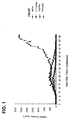
- Figure 1 is a graph showing the effects of peripheral co-administration of GM-CSF and inactivated 9L cells on the growth of 9L glioblastoma tumors in the flank of host animals.
- Figure 2 is a graph showing a dose response effect of GM-CSF co-administered with tumor antigen on the growth of brain tumors in the flank of host animals.
- Figure 3 is a graph comparing the effect of GM-CSF or tumor antigen administered alone with co-administration of both agents.
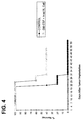
- Figure 4 is a graph showing the effect of peripheral co-administration of GM-CSF and tumor antigen on the growth of intracerebral 9L glioblastoma tumors.
- GM-CSF is a small, 144 amino acid protein having multiple sites of glycosylation, an N-terminal signal sequence, and a C-terminal receptor binding domain (Rasko and Gough In: The Cytokine Handbook , A. Thomson, et al, Academic Press, New York (1994) pages 349-369). Its three-dimensional structure is similar to that of the interleukins, although the amino acid sequences are not similar.
- GM-CSF Human, recombinant GM-CSF is commercially available from Immunex (Seattle, WA). GM-CSF is administered, preferably by continuous infusion, to peripheral, subcutaneous tissues, in an aqueous medium, e.g. PBS.
- aqueous medium e.g. PBS.
- Human clinical studies using GM-CSF to stimulate granulocytes and macrophages after chemotherapy have demonstrated patient tolerance of up to 2100 ⁇ g/day by intravenous infusion and up to 700 ⁇ g/day by subcutaneous injection without evidence of deleterious side effects.
- a useful dose range in murine studies was 0.1 ng - 10 ng/day; thus, the expected useful human clinical range of GM-CSF administered is about 200 ng - 1000 ⁇ g/day, and preferably about 1 ⁇ g - 500 ⁇ g/day. Most preferably, the expected human clinical dosage rate is in the range of about 5 ⁇ g - 40 ⁇ g/day.
- GM-CSF is administered by methods known for administration of a peptide therapeutic agent.
- administration is by injection, and most preferably by continuous infusion in an aqueous carrier such as phosphate buffered saline (PBS).
- PBS phosphate buffered saline
- tumor antigen includes inactivated (e.g. irradiated), whole and lysed tumor cells, and antigenic portions thereof (e.g., membranes, peptides, etc.).
- the tumor antigen is derived from the specific patient's tumor, e.g. from biopsy tissue or from explants of a removed tumor, or from cell culture of the patient's brain tumor cells.
- the patient's brain tumor cells are obtained by standard biopsy methods. Cells from excised tumor tissue can be directly used, or alternatively, cells of the excised tumor can be cultured and expanded under standard culture conditions to produce increased numbers of cells for use as tumor antigen.
- Tumor cells are inactivated by methods known in the field, the most common method being irradiation as described in the examples below. Other known inactivation methods include oxygen deprivation, use of plant and animal toxins, and chemotherapeutic agents. Lysed tumor cells may also be used as the tumor antigen, as well as cell membranes and specific tumor cell protein antigens.
- the tumor antigen is suspended in an aqueous medium, e.g., PBS.
- the amount of tumor antigen administered is that sufficient to induce an immune response.
- administration of five million irradiated tumor cells in 300 ⁇ l PBS was efficient in preventing tumor growth, when co-administered with GM-CSF.
- the expected useful human dose of irradiated tumor cells for subcutaneous injection is in the range of about one million to about 50 million cells, preferably about five million to 30 million cells.
- Administration of other types of tumor antigens e.g. cell membrane or purified tumor cell antigens are administered to deliver a like amount of antigen.
- GM-CSF and brain tumor antigen for the treatment of brain tumors is to a peripheral site, preferably by subcutaneous injection.
- Preferred peripheral sites for administration include the upper arm, thigh, and trunk areas of the body. It is preferred that tumor antigen is administered to the same peripheral location as GM-CSF administration.
- the preferred route of administration is continuous infusion of the GM-CSF (e.g., for at least about 20-30 days or more, depending upon immune response) with injection of the tumor antigen, e.g., at weekly intervals, beginning on the first day of GM-CSF administration. Continuous administration of GM-CSF appears to be more effective than bolus injections.
- Administration of GM-CSF is preferably continuous over the treatment period. Timing of tumor antigen administration is as needed to induce immune reactivity, and can be monitored by assessing change in tumor size (e.g., by MRI), immune response (e.g., by delayed type hypersensitivity skin test), and by measuring IFN-gamma secretion by the patient's TH-1 cells in response to tumor antigen.
- Tumor antigen is preferably injected by filling a syringe with inactivated antigen, e.g., irradiated tumor cells, and injecting near the tip of the plastic tubing where GM-CSF is being pumped out beneath the skin.
- inactivated antigen e.g., irradiated tumor cells
- Treatment with both GM-CSF and tumor antigen is preferably continued until immune response is detected and/or tumor ablation is achieved.
- the method of treating with GM-CSF in combination with tumor antigen is particularly useful in preventing tumor reoccurrence, for example, after tumor reduction techniques, such as surgical debulking removal, irradiation, and/or chemotherapy.
- Co-administration of GM-CSF and tumor antigen may effectively inhibits regrowth of tumor, e.g. from residual tumor cells.
- murine GM-CSF (R&D Systems) (0, 0.1, 1.0, or 10 ng/day; 1 million units/20 micrograms) was infused subcutaneously into the animal's right flank using surgically implanted osmotic minipumps (Alzet, model 2004). These minipumps were set to release GM-CSF at a rate of 0.25 ⁇ l per hour over a period of 28 days.
- the method of initiating tumors at the start of treatment mimics the surgical condition, where a tumor has been debulked, but some cells remain, post operatively, to induce reoccurrence of tumors.
- 9L glioblastoma cells were injected subcutaneously on days 0, 3, 7, 14 and 21 after tumor implantation.
- the 9L cells are syngeneic to the Fischer 344 rat strain rats, and were injected to stimulate an immune response. Prior to injection, these cells were irradiated with 6000 rads of 137 Cs.
- animals received additional inoculations of irradiated 9L cells into the site of GM-CSF infusion.
- GM-CSF infusion was halted after 28 days.
- Example 1 Since the experiments of Example 1 showed the most effective GM-CSF dose for 9L tumor regression was 10 ng/day, this concentration was then used to determine whether the infusion of GM-CSF alone would be sufficient to stimulate an immune response, as compared with the co-administration of GM-CSF and irradiated tumor cells. In this experiment, intraflank 9L tumors were established as described for Example 1.
- Treated animals received either (1) infusions of GM-CSF (10 ng/day), (2) infusions of GM-CSF plus irradiated tumor cells (five million cells in PBS), (3) infusions of saline plus irradiated tumor cells, or (4) no treatment.
- GM-CSF delivery and irradiated cell preparation and delivery was performed as described above for Example 1. Animals receiving irradiated tumor cells were inoculated during the day of tumor implantation (day 0) and at 3, 7, 14, and 21 days after the implantation of the non-irradiated tumor cells.
- GM-CSF delivery began on the day of tumor cell injection and followed continuously throughout the treatment protocol for 28 days.
- Non-treated animals exhibited a rapid rate of tumor growth (Figure 3).
- the mean tumor volume in this group was greater than 50,000 mm 3 by 37 days after tumor implantation.
- Animals treated with GM-CSF alone exhibited a similar rate of tumor growth.
- Animals treated with saline and irradiated cells displayed a somewhat slower rate of growth reaching a mean volume of approximately 30,000 mm 3 by 52 days after implantation.
- the rodent model has been used to study immunotherapeutic approaches for the treatment of other types of cancer, e.g. melanomas and lymphomas, in immunocompetent mice or rats. Clinical trials now indicate that the rodent model for immunotherapy is very predictive of what is observed in humans.
- the rat model provides an immune system similar to that of humans.
- the Fischer rat system also provides well-established syngeneic brain tumor lines that share identical immunological cell markers with the rat's normal cells, mimicking the case of human neoplasms.
Landscapes
- Health & Medical Sciences (AREA)
- Life Sciences & Earth Sciences (AREA)
- Veterinary Medicine (AREA)
- Public Health (AREA)
- Chemical & Material Sciences (AREA)
- General Health & Medical Sciences (AREA)
- Medicinal Chemistry (AREA)
- Pharmacology & Pharmacy (AREA)
- Animal Behavior & Ethology (AREA)
- Epidemiology (AREA)
- Immunology (AREA)
- Bioinformatics & Cheminformatics (AREA)
- Microbiology (AREA)
- Engineering & Computer Science (AREA)
- Gastroenterology & Hepatology (AREA)
- Zoology (AREA)
- Mycology (AREA)
- Proteomics, Peptides & Aminoacids (AREA)
- Oncology (AREA)
- Organic Chemistry (AREA)
- Nuclear Medicine, Radiotherapy & Molecular Imaging (AREA)
- General Chemical & Material Sciences (AREA)
- Chemical Kinetics & Catalysis (AREA)
- Medicines That Contain Protein Lipid Enzymes And Other Medicines (AREA)
- Medicines Containing Antibodies Or Antigens For Use As Internal Diagnostic Agents (AREA)
- Medicines Containing Material From Animals Or Micro-Organisms (AREA)
- Pharmaceuticals Containing Other Organic And Inorganic Compounds (AREA)
Applications Claiming Priority (3)
| Application Number | Priority Date | Filing Date | Title |
|---|---|---|---|
| US671251 | 1996-06-27 | ||
| US08/671,251 US5837231A (en) | 1996-06-27 | 1996-06-27 | GM-CSF administration for the treatment and prevention of recurrence of brain tumors |
| PCT/US1997/010540 WO1997049421A1 (en) | 1996-06-27 | 1997-06-18 | Gm-csf administration for the treatment and prevention of recurrence of brain tumors |
Publications (2)
| Publication Number | Publication Date |
|---|---|
| EP0912192A1 EP0912192A1 (en) | 1999-05-06 |
| EP0912192B1 true EP0912192B1 (en) | 2002-08-28 |
Family
ID=24693739
Family Applications (1)
| Application Number | Title | Priority Date | Filing Date |
|---|---|---|---|
| EP97930090A Expired - Lifetime EP0912192B1 (en) | 1996-06-27 | 1997-06-18 | Gm-csf administration for the treatment and prevention of recurrence of brain tumors |
Country Status (9)
| Country | Link |
|---|---|
| US (1) | US5837231A (da) |
| EP (1) | EP0912192B1 (da) |
| JP (1) | JP2000515127A (da) |
| AT (1) | ATE222769T1 (da) |
| AU (1) | AU3400297A (da) |
| CA (1) | CA2258608A1 (da) |
| DE (1) | DE69715000T2 (da) |
| DK (1) | DK0912192T3 (da) |
| WO (1) | WO1997049421A1 (da) |
Families Citing this family (25)
| Publication number | Priority date | Publication date | Assignee | Title |
|---|---|---|---|---|
| US6977074B2 (en) * | 1997-07-10 | 2005-12-20 | Mannkind Corporation | Method of inducing a CTL response |
| US6451840B1 (en) | 1997-12-05 | 2002-09-17 | Medical College Of Georgia Research Institute, Inc. | Regulation of T cell-mediated immunity by tryptophan |
| DE69940731D1 (de) * | 1998-05-26 | 2009-05-28 | Genitrix Llc | Zusammensetzungen und verfahren zur modulation einer immunantwort auf ein antigen durch verabreichung von zytokine-beladenen zellen |
| WO2000072686A1 (en) * | 1999-06-02 | 2000-12-07 | Cell Genesys, Inc. | Regulation of systemic immune responses utilizing cytokines and antigens |
| ES2292619T3 (es) * | 2000-09-15 | 2008-03-16 | Ortho-Mcneil Pharmaceutical, Inc. | Composiciones y metodos para inducir respuestas citologicas especificas de la celula t. |
| DE60220894T2 (de) * | 2001-03-12 | 2008-02-28 | Institute Of Gene And Brain Science | Verwendung von interleukin-12 zur behandlung von nervenschäden |
| US7388079B2 (en) * | 2002-11-27 | 2008-06-17 | The Regents Of The University Of California | Delivery of pharmaceutical agents via the human insulin receptor |
| US7695723B2 (en) * | 2002-12-31 | 2010-04-13 | Sygnis Bioscience Gmbh & Co. Kg | Methods of treating neurological conditions with hematopoietic growth factors |
| US20050186289A1 (en) * | 2003-04-01 | 2005-08-25 | Medical College Of Georgia Research Institute, Inc. | Regulation of T cell-mediated immunity by D isomers of inhibitors of indoleamine-2,3-dioxygenase |
| US7598287B2 (en) * | 2003-04-01 | 2009-10-06 | Medical College Of Georgia Research Institute, Inc. | Use of inhibitors of indoleamine-2,3-dioxygenase in combination with other therapeutic modalities |
| US20060234941A1 (en) * | 2005-04-15 | 2006-10-19 | The Gov. Of The Usa As Represented By The Secretary Of The Dept. Of Health & Human Services | Peptide epitopes of VEGFR-2/KDR that inhibit angiogenesis |
| US8053569B2 (en) * | 2005-10-07 | 2011-11-08 | Armagen Technologies, Inc. | Nucleic acids encoding and methods of producing fusion proteins |
| US8124095B2 (en) * | 2005-10-07 | 2012-02-28 | Armagen Technologies, Inc. | Fusion proteins for delivery of erythropoietin to the CNS |
| US8741260B2 (en) * | 2005-10-07 | 2014-06-03 | Armagen Technologies, Inc. | Fusion proteins for delivery of GDNF to the CNS |
| WO2007081878A2 (en) * | 2006-01-07 | 2007-07-19 | Medical College Of Georgia Research Institute, Inc. | Indoleamine 2,3-dioxygenase pathways in the generation of regulatory t cells |
| US8759297B2 (en) * | 2006-08-18 | 2014-06-24 | Armagen Technologies, Inc. | Genetically encoded multifunctional compositions bidirectionally transported between peripheral blood and the cns |
| WO2008137066A1 (en) * | 2007-05-02 | 2008-11-13 | The Board Of Regents Of The University Of Oklahoma | Use of compacted nucleic acid nanoparticles in non-viral treatments of ocular diseases |
| AU2008282496B2 (en) | 2007-07-27 | 2013-04-04 | Armagen Technologies, Inc. | Methods and compositions for increasing alpha-iduronidase activity in the CNS |
| CA2748889A1 (en) | 2009-03-18 | 2010-09-23 | Armagen Technologies, Inc. | Compositions and methods for blood-brain barrier delivery of igg-decoy receptor fusion proteins |
| EP2485761B1 (en) | 2009-10-09 | 2019-02-27 | Armagen, Inc. | Methods and compositions for increasing iduronate 2-sulfatase activity in the cns |
| CA2856329A1 (en) * | 2011-11-17 | 2013-05-23 | Glia Sp Z.O.O. | Compositions and methods for treating glioma |
| WO2013078392A1 (en) * | 2011-11-21 | 2013-05-30 | The University Of Chicago | Methods and compositions involving induced senescent cells for cancer treatment |
| AU2012346448B2 (en) | 2011-12-02 | 2017-09-14 | Armagen, Inc. | Methods and compositions for increasing arylsulfatase A activity in the CNS |
| CA3183703A1 (en) | 2012-05-16 | 2013-11-21 | Stemline Therapeutics, Inc. | Cancer stem cell targeted cancer vaccines |
| US10538589B2 (en) | 2015-01-14 | 2020-01-21 | Armagen Inc. | Methods and compositions for increasing N-acetylglucosaminidase (NAGLU) activity in the CNS using a fusion antibody comprising an anti-human insulin receptor antibody and NAGLU |
Family Cites Families (4)
| Publication number | Priority date | Publication date | Assignee | Title |
|---|---|---|---|---|
| US5833975A (en) * | 1989-03-08 | 1998-11-10 | Virogenetics Corporation | Canarypox virus expressing cytokine and/or tumor-associated antigen DNA sequence |
| US5208022A (en) * | 1988-05-19 | 1993-05-04 | State University Of New York (Suny) | Non-malignant cells coupled to adjuvants and their use in a method to induce anti-tumor immunity |
| US5165922A (en) * | 1990-05-22 | 1992-11-24 | Bristol-Myers Squibb Company | Synergistic tumor therapy with combinations of biologically active anti-tumor antibodies and chemotherapy |
| AU677165B2 (en) * | 1991-10-04 | 1997-04-17 | Johns Hopkins University School Of Medicine, The | The regulation of systemic immune responses utilizing cytokines and antigens |
-
1996
- 1996-06-27 US US08/671,251 patent/US5837231A/en not_active Expired - Lifetime
-
1997
- 1997-06-18 AU AU34002/97A patent/AU3400297A/en not_active Abandoned
- 1997-06-18 JP JP10503283A patent/JP2000515127A/ja active Pending
- 1997-06-18 WO PCT/US1997/010540 patent/WO1997049421A1/en not_active Ceased
- 1997-06-18 CA CA002258608A patent/CA2258608A1/en not_active Abandoned
- 1997-06-18 AT AT97930090T patent/ATE222769T1/de not_active IP Right Cessation
- 1997-06-18 DK DK97930090T patent/DK0912192T3/da active
- 1997-06-18 EP EP97930090A patent/EP0912192B1/en not_active Expired - Lifetime
- 1997-06-18 DE DE69715000T patent/DE69715000T2/de not_active Expired - Lifetime
Also Published As
| Publication number | Publication date |
|---|---|
| DK0912192T3 (da) | 2002-12-02 |
| US5837231A (en) | 1998-11-17 |
| DE69715000T2 (de) | 2003-01-02 |
| DE69715000D1 (de) | 2002-10-02 |
| ATE222769T1 (de) | 2002-09-15 |
| EP0912192A1 (en) | 1999-05-06 |
| AU3400297A (en) | 1998-01-14 |
| JP2000515127A (ja) | 2000-11-14 |
| CA2258608A1 (en) | 1997-12-31 |
| WO1997049421A1 (en) | 1997-12-31 |
Similar Documents
| Publication | Publication Date | Title |
|---|---|---|
| EP0912192B1 (en) | Gm-csf administration for the treatment and prevention of recurrence of brain tumors | |
| Rakhmilevich et al. | Gene gun-mediated IL-12 gene therapy induces antitumor effects in the absence of toxicity: a direct comparison with systemic IL-12 protein therapy | |
| Parney et al. | Glioma immunology and immunotherapy | |
| Seino et al. | Antitumor effect of locally produced CD95 ligand | |
| Zitvogel et al. | Cancer immunotherapy of established tumors with IL-12. Effective delivery by genetically engineered fibroblasts | |
| Nishimura et al. | The critical role of Th1-dominant immunity in tumor immunology | |
| ES2262242T3 (es) | Uso de ligandos de mhc de clase ii como adyuvantes para la vacunacion y lag-3 en el tratamiento del cancer. | |
| Foa et al. | IL2 treatment for cancer: from biology to gene therapy | |
| Mazzolini et al. | Gene therapy of cancer with interleukin-12 | |
| Fenstermaker et al. | Immunotherapeutic strategies for malignant glioma | |
| US20100221274A1 (en) | Method of administering a thymosin alpha 1 peptide | |
| KR101399591B1 (ko) | 동시 화학요법 및 면역요법 | |
| Wallenfriedman et al. | Effects of continuous localized infusion of granulocyte—macrophage colony—stimulating factor and inoculations of irradiated glioma cells on tumor regression | |
| US20040057935A1 (en) | Intratumoral delivery of dendritic cells | |
| AU2002363248A1 (en) | Method of administering a Thymosin alpha 1 peptide | |
| Mescher et al. | Immunotherapy of established murine tumors with large multivalent immunogen and cyclophosphamide | |
| Björkdahl et al. | Vaccination with B16 melanoma cells expressing a secreted form of interleukin-1β induces tumor growth inhibition and an enhanced immunity against the wild-type B16 tumor | |
| Tanriover et al. | The effects of systemic and intratumoral interleukin-12 treatment in C6 rat glioma model | |
| Das et al. | Immunotherapeutic treatment strategies for primary brain tumors | |
| Lasek et al. | Clinical trials with IL-12 in cancer immunotherapy | |
| US20020022017A1 (en) | Regulation of systemic immune responses utilizing soluble CD40 | |
| Liu et al. | Time course analysis and modulating effects of established brain tumor on active-specific immunotherapy | |
| Graf et al. | Contrasting effects of interleukin-2 secretion by rat glioma cells contingent upon anatomical location: accelerated tumorigenesis in the central nervous system and complete rejection in the periphery | |
| Lesniak et al. | Comparative analysis of paracrine immunotherapy in experimental brain tumors | |
| Won | Adoptive cell-based immunotherapy of cancer |
Legal Events
| Date | Code | Title | Description |
|---|---|---|---|
| PUAI | Public reference made under article 153(3) epc to a published international application that has entered the european phase |
Free format text: ORIGINAL CODE: 0009012 |
|
| 17P | Request for examination filed |
Effective date: 19990127 |
|
| AK | Designated contracting states |
Kind code of ref document: A1 Designated state(s): AT BE CH DE DK ES FI FR GB GR IE IT LI LU MC NL PT SE |
|
| RIC1 | Information provided on ipc code assigned before grant |
Free format text: 7A 61K 38/19 A, 7A 61K 39/00 B, 7A 61P 35/00 B |
|
| GRAG | Despatch of communication of intention to grant |
Free format text: ORIGINAL CODE: EPIDOS AGRA |
|
| 17Q | First examination report despatched |
Effective date: 20011029 |
|
| GRAG | Despatch of communication of intention to grant |
Free format text: ORIGINAL CODE: EPIDOS AGRA |
|
| GRAH | Despatch of communication of intention to grant a patent |
Free format text: ORIGINAL CODE: EPIDOS IGRA |
|
| GRAH | Despatch of communication of intention to grant a patent |
Free format text: ORIGINAL CODE: EPIDOS IGRA |
|
| GRAA | (expected) grant |
Free format text: ORIGINAL CODE: 0009210 |
|
| AK | Designated contracting states |
Kind code of ref document: B1 Designated state(s): AT BE CH DE DK ES FI FR GB GR IE IT LI LU MC NL PT SE |
|
| PG25 | Lapsed in a contracting state [announced via postgrant information from national office to epo] |
Ref country code: NL Free format text: LAPSE BECAUSE OF FAILURE TO SUBMIT A TRANSLATION OF THE DESCRIPTION OR TO PAY THE FEE WITHIN THE PRESCRIBED TIME-LIMIT Effective date: 20020828 Ref country code: GR Free format text: LAPSE BECAUSE OF FAILURE TO SUBMIT A TRANSLATION OF THE DESCRIPTION OR TO PAY THE FEE WITHIN THE PRESCRIBED TIME-LIMIT Effective date: 20020828 Ref country code: FI Free format text: LAPSE BECAUSE OF FAILURE TO SUBMIT A TRANSLATION OF THE DESCRIPTION OR TO PAY THE FEE WITHIN THE PRESCRIBED TIME-LIMIT Effective date: 20020828 Ref country code: BE Free format text: LAPSE BECAUSE OF FAILURE TO SUBMIT A TRANSLATION OF THE DESCRIPTION OR TO PAY THE FEE WITHIN THE PRESCRIBED TIME-LIMIT Effective date: 20020828 Ref country code: AT Free format text: LAPSE BECAUSE OF FAILURE TO SUBMIT A TRANSLATION OF THE DESCRIPTION OR TO PAY THE FEE WITHIN THE PRESCRIBED TIME-LIMIT Effective date: 20020828 |
|
| REF | Corresponds to: |
Ref document number: 222769 Country of ref document: AT Date of ref document: 20020915 Kind code of ref document: T |
|
| REG | Reference to a national code |
Ref country code: GB Ref legal event code: FG4D |
|
| REG | Reference to a national code |
Ref country code: CH Ref legal event code: EP |
|
| REF | Corresponds to: |
Ref document number: 69715000 Country of ref document: DE Date of ref document: 20021002 |
|
| REG | Reference to a national code |
Ref country code: IE Ref legal event code: FG4D |
|
| REG | Reference to a national code |
Ref country code: CH Ref legal event code: NV Representative=s name: E. BLUM & CO. PATENTANWAELTE |
|
| REG | Reference to a national code |
Ref country code: DK Ref legal event code: T3 |
|
| PG25 | Lapsed in a contracting state [announced via postgrant information from national office to epo] |
Ref country code: PT Free format text: LAPSE BECAUSE OF FAILURE TO SUBMIT A TRANSLATION OF THE DESCRIPTION OR TO PAY THE FEE WITHIN THE PRESCRIBED TIME-LIMIT Effective date: 20021211 |
|
| ET | Fr: translation filed | ||
| NLV1 | Nl: lapsed or annulled due to failure to fulfill the requirements of art. 29p and 29m of the patents act | ||
| PG25 | Lapsed in a contracting state [announced via postgrant information from national office to epo] |
Ref country code: ES Free format text: LAPSE BECAUSE OF FAILURE TO SUBMIT A TRANSLATION OF THE DESCRIPTION OR TO PAY THE FEE WITHIN THE PRESCRIBED TIME-LIMIT Effective date: 20030228 |
|
| PG25 | Lapsed in a contracting state [announced via postgrant information from national office to epo] |
Ref country code: LU Free format text: LAPSE BECAUSE OF NON-PAYMENT OF DUE FEES Effective date: 20030618 Ref country code: IE Free format text: LAPSE BECAUSE OF NON-PAYMENT OF DUE FEES Effective date: 20030618 |
|
| PG25 | Lapsed in a contracting state [announced via postgrant information from national office to epo] |
Ref country code: MC Free format text: LAPSE BECAUSE OF NON-PAYMENT OF DUE FEES Effective date: 20030630 |
|
| PLBE | No opposition filed within time limit |
Free format text: ORIGINAL CODE: 0009261 |
|
| STAA | Information on the status of an ep patent application or granted ep patent |
Free format text: STATUS: NO OPPOSITION FILED WITHIN TIME LIMIT |
|
| 26N | No opposition filed |
Effective date: 20030530 |
|
| REG | Reference to a national code |
Ref country code: IE Ref legal event code: MM4A |
|
| REG | Reference to a national code |
Ref country code: CH Ref legal event code: PFA Owner name: REGENTS OF THE UNIVERSITY OF MINNESOTA Free format text: REGENTS OF THE UNIVERSITY OF MINNESOTA#MORRILL HALL, 100 CHURCH STREET S.E.#MINNEAPOLIS MN 55455 (US) -TRANSFER TO- REGENTS OF THE UNIVERSITY OF MINNESOTA#MORRILL HALL, 100 CHURCH STREET S.E.#MINNEAPOLIS MN 55455 (US) |
|
| PGFP | Annual fee paid to national office [announced via postgrant information from national office to epo] |
Ref country code: FR Payment date: 20100630 Year of fee payment: 14 Ref country code: DK Payment date: 20100625 Year of fee payment: 14 |
|
| PGFP | Annual fee paid to national office [announced via postgrant information from national office to epo] |
Ref country code: CH Payment date: 20100625 Year of fee payment: 14 |
|
| PGFP | Annual fee paid to national office [announced via postgrant information from national office to epo] |
Ref country code: SE Payment date: 20100629 Year of fee payment: 14 Ref country code: IT Payment date: 20100628 Year of fee payment: 14 Ref country code: GB Payment date: 20100625 Year of fee payment: 14 Ref country code: DE Payment date: 20100629 Year of fee payment: 14 |
|
| REG | Reference to a national code |
Ref country code: CH Ref legal event code: PL |
|
| REG | Reference to a national code |
Ref country code: DK Ref legal event code: EBP |
|
| REG | Reference to a national code |
Ref country code: SE Ref legal event code: EUG |
|
| GBPC | Gb: european patent ceased through non-payment of renewal fee |
Effective date: 20110618 |
|
| PG25 | Lapsed in a contracting state [announced via postgrant information from national office to epo] |
Ref country code: IT Free format text: LAPSE BECAUSE OF NON-PAYMENT OF DUE FEES Effective date: 20110618 |
|
| REG | Reference to a national code |
Ref country code: FR Ref legal event code: ST Effective date: 20120229 |
|
| REG | Reference to a national code |
Ref country code: DE Ref legal event code: R119 Ref document number: 69715000 Country of ref document: DE Effective date: 20120103 |
|
| PG25 | Lapsed in a contracting state [announced via postgrant information from national office to epo] |
Ref country code: LI Free format text: LAPSE BECAUSE OF NON-PAYMENT OF DUE FEES Effective date: 20110630 Ref country code: CH Free format text: LAPSE BECAUSE OF NON-PAYMENT OF DUE FEES Effective date: 20110630 Ref country code: DE Free format text: LAPSE BECAUSE OF NON-PAYMENT OF DUE FEES Effective date: 20120103 Ref country code: FR Free format text: LAPSE BECAUSE OF NON-PAYMENT OF DUE FEES Effective date: 20110630 |
|
| PG25 | Lapsed in a contracting state [announced via postgrant information from national office to epo] |
Ref country code: GB Free format text: LAPSE BECAUSE OF NON-PAYMENT OF DUE FEES Effective date: 20110618 |
|
| PG25 | Lapsed in a contracting state [announced via postgrant information from national office to epo] |
Ref country code: DK Free format text: LAPSE BECAUSE OF NON-PAYMENT OF DUE FEES Effective date: 20110630 |
|
| PG25 | Lapsed in a contracting state [announced via postgrant information from national office to epo] |
Ref country code: SE Free format text: LAPSE BECAUSE OF NON-PAYMENT OF DUE FEES Effective date: 20110619 |