EP0806480A2 - Gengruppe für die Produktion von Frenolicin - Google Patents
Gengruppe für die Produktion von Frenolicin Download PDFInfo
- Publication number
- EP0806480A2 EP0806480A2 EP97107329A EP97107329A EP0806480A2 EP 0806480 A2 EP0806480 A2 EP 0806480A2 EP 97107329 A EP97107329 A EP 97107329A EP 97107329 A EP97107329 A EP 97107329A EP 0806480 A2 EP0806480 A2 EP 0806480A2
- Authority
- EP
- European Patent Office
- Prior art keywords
- seq
- base
- gene
- frenolicin
- sequences
- Prior art date
- Legal status (The legal status is an assumption and is not a legal conclusion. Google has not performed a legal analysis and makes no representation as to the accuracy of the status listed.)
- Withdrawn
Links
Images
Classifications
-
- C—CHEMISTRY; METALLURGY
- C12—BIOCHEMISTRY; BEER; SPIRITS; WINE; VINEGAR; MICROBIOLOGY; ENZYMOLOGY; MUTATION OR GENETIC ENGINEERING
- C12N—MICROORGANISMS OR ENZYMES; COMPOSITIONS THEREOF; PROPAGATING, PRESERVING, OR MAINTAINING MICROORGANISMS; MUTATION OR GENETIC ENGINEERING; CULTURE MEDIA
- C12N9/00—Enzymes; Proenzymes; Compositions thereof; Processes for preparing, activating, inhibiting, separating or purifying enzymes
-
- C—CHEMISTRY; METALLURGY
- C12—BIOCHEMISTRY; BEER; SPIRITS; WINE; VINEGAR; MICROBIOLOGY; ENZYMOLOGY; MUTATION OR GENETIC ENGINEERING
- C12N—MICROORGANISMS OR ENZYMES; COMPOSITIONS THEREOF; PROPAGATING, PRESERVING, OR MAINTAINING MICROORGANISMS; MUTATION OR GENETIC ENGINEERING; CULTURE MEDIA
- C12N15/00—Mutation or genetic engineering; DNA or RNA concerning genetic engineering, vectors, e.g. plasmids, or their isolation, preparation or purification; Use of hosts therefor
- C12N15/09—Recombinant DNA-technology
- C12N15/11—DNA or RNA fragments; Modified forms thereof; Non-coding nucleic acids having a biological activity
- C12N15/52—Genes encoding for enzymes or proenzymes
Definitions
- the present invention relates to the identification, isolation, and sequencing of the genes associated with the microbial production of the antibiotic frenolicin B, particularly from Streptomyces roseofulvus .
- Polyketides are a large, structurally diverse family of natural products, displaying a broad range of biological activities including antibiotic and pharmacological properties.
- polyketides are represented by the antibiotics tetracycline and erythromycin, the anticancer agent daunomycin, the immunosuppressants FK506 and rapamycin, and veterinary products such as frenolicin, monensin and avermectin.
- PKSs Polyketide synthases
- FOSs fatty acid synthases
- PKSs catalyze the biosynthesis of polyketides through repeated Claisen condensations between acylthioesters, usually acetyl, propionyl, malonyl or methylmalonyl. Following each condensation, they introduce structural variability into the product by catalyzing all, part, or none of a reductive cycle comprising a ketoreduction, dehydration, and enoylreduction on the ⁇ -keto group of the growing polyketide chain. After the carbon chain has grown to a length characteristic of each specific product, it is released from the synthase by thiolysis or acyltransfer.
- PKSs consist of families of enzymes which work together to produce a given polyketide.
- Streptomyces is an actinomycete producer of aromatic polyketides; in Streptomyces , it is known that PKS-mediated synthesis relies upon the products of at least three PKS open reading frames (ORFs).
- ORF1 encodes a ketosynthase (KS) and an acyltransferase (AT) active site;
- ORF2 encodes a protein similar to the ORF1 product but lacking the KS and AT motifs; and
- ORF3 encodes a discrete acyl carrier protein (ACP).
- Frenolicin B is a naphthoquinone polyketide which is widely used as an anticoccidial in domestic animals and birds.
- Iwai et al. in J. Antibiotics , 31 :10, 959-965 (1978) reported the isolation of two antibiotics of the frenolicin group, AM-3867 I and II, from the fermentation broth of Streptomyces roseofulvus strain No. AM-3867, a soil isolate.
- AM-3867 I was found to be a new antibiotic subsequently denoted frenolicin B, while the latter was identified as deoxyfrenolicin.
- ORFs 1,2,3,4 and 5 closely resemble the sequences of known components of type-II PKSs from other Streptomyces species: putative heterodimeric (ORF1+2) ketosynthase, acyl carrier protein, cyclase and ketoreductase, respectively.
- ORF1+2 putative heterodimeric
- ketosynthase ketosynthase
- acyl carrier protein acyl carrier protein
- cyclase and ketoreductase ketoreductase
- ORFX appears to represent a novel class of genes of unknown function present not only in the fren cluster, but also in other clusters of aromatic antibiotic biosynthetic genes in Streptomyces species. Attempts to introduce these genes into strain AK24158 to prove, by gene disruption, that the fren genes are indeed those that encode the frenolicin PKS were reported to be unsuccessful.
- This invention provides an isolated gene cluster comprising SEQ ID NO:22 encoding proteins which catalyze the biosynthesis of frenolicins in prokaryotio cells, and modified gene clusters having sufficient functional biochemical equivalence to SEQ ID NO:22 to likewise encode proteins which catalyze the biosynthesis of frenolicins. Also included are vectors comprising the gene cluster operatively linked to expression control sequences and host cells transformed with such vectors.
- each gene may be independently inserted into vectors operatively linked to expression control sequences.
- a method for the biosynthesis of frenolicins by a) transforming a host cell with a recombinant vector encoding the gene cluster of SEQ ID NO:22; b) expressing said vector in said host cell; and c) isolating the frenolicins produced therefrom is provided.
- isolated proteins of SEQ ID NOS:1 through 20 and biochemically equivalent variations thereof and isolated genes encoding such proteins are also provided.
- DNA sequence comprising at least one of the following DNA sequences:
- a "host cell” is a cell derived from a procaryotic microorganism which can be used as a recipient for recombinant vectors comprising the DNA sequences, especially the frenolicin gene clusters of this invention.
- the term includes the progeny of the original cell which has been transformed.
- the progeny of a single parental cell may not necessarily be completely identical in morphology or in genomic or total DNA complement to the original parent, due to accidental or deliberate mutation.
- Progeny of the parental cell which are sufficiently similar to the parent to be characterized by the relevant property, such as the presence of the specified DNA sequences are included in the definition.
- heterologous as it relates to nucleic acid sequences such as coding sequences and control sequences, denotes sequences that are not normally associated with a region of a recombinant construct, and/or are not normally associated with a particular cell.
- a heterologous region of a nucleic acid construct is an identifiable segment of nucleic acid within or attached to another nucleic acid molecule that is not found in association with the other molecule in nature.
- a heterologous region of a construct could include a coding sequence flanked by sequences not found in association with the coding sequence in nature.
- heterologous coding sequence is a construct where the coding sequence itself is not found in nature (e.g., synthetic sequences having codons different from the native gene).
- a host cell transformed with a construct which is not normally present in the host cell would be considered heterologous for purposes of this invention. Allelic variation or naturally occurring mutational events do not give rise to heterologous DNA, as used herein.
- a "coding sequence” is a nucleic acid sequence which is transcribed (in the case of DNA) or translated (in the case of mRNA) into a polypeptide in vitro or in vivo when placed under the control of appropriate regulatory sequences.
- the boundaries of the coding sequence are determined by a translation start codon at the 5' (amino) terminus and a translation stop codon at the 3' (carboxy) terminus.
- a transcription termination sequence will usually be located 3' to the coding sequence.
- nucleic acid sequence includes, but is not limited to, procaryotic and eucaryotic mRNA, cDNA from procaryotic and eucaryotic mRNA, genomic DNA, and synthetic DNA and RNA sequences, comprising the natural nucleoside bases adenine, guanine, cytosine, thymidine, and uracil.
- sequences having one or more other bases including, but not limited to 4-acetylcytosine, 8-hydroxy-N6-methyladenine, aziridinylcytosine, pseudoisocytosine, 5-(carboxyhydroxylmethyl)uracil, 5-fluorouracil, 5-bromouracil, 5-carboxymethylaminomethyl-2-thiouracil, 5-carboxymethylaminomethyluracil, dihydrouracil, inosine, N6-isopentenyladenine, 1-methyladenine, 1-methylpseudouracil, 1-methylguanine, 1-methylinosine, 2,2-dimethylguanine, 2-methyladenine, 2-methylguanine, 3-methylcytosine, 5-methylcytosine, N6-methyladenine, 7-methylguanine, 5-methylaminomethyluracil, 5-methoxyaminomethyl-2-thiouracil, beta-D-mannosylqueosine, 5'-methoxy
- control sequences refers to translational start and stop codons, promoter sequences, ribosome binding sites, polyadenylation signals, transcription termination sequences, upstream regulatory domains, enhancers, and the like, as necessary and sufficient for the transcription and translation of a given coding sequence in a defined host cell. All of these control sequences need not be present in a recombinant vector so long as those necessary and sufficient for the transcription and translation of the desired gene are present.
- operably or operatively linked refers to the configuration of the coding and control sequences so as to perform the desired function.
- control sequences operably linked to a coding sequence are capable of effecting the expression of the coding sequence.
- a coding sequence is operably linked to or under the control of transcriptional regulatory regions in a cell when DNA polymerase will bind the promoter sequence and transcribe the coding sequence into mRNA that can be translated into the encoded protein.
- the control sequences need not be contiguous with the coding sequence, so long as they function to direct the expression thereof.
- intervening untranslated yet transcribed sequences can be present between a promoter sequence and the coding sequence and the promoter sequence can still be considered “operably linked" to the coding sequence.
- selection marker is meant any genetic marker which can be used to select a population of cells which carry the marker in their genome.
- selection markers include: auxotrophic markers by which cells are selected by their ability to grow on minimal media with or without a nutrient or supplement, e.g., thymidine, diaminopimelic acid or biotin; metabolic markers by which cells are selected for their ability to grow on minimal media containing the appropriate sugar as the sole carbon source or the ability of cells to form colored colonies containing the appropriate dyes or chromogenic substrates; and drug resistance markers by which cells are selected by their ability to grow on media containing one or more of the appropriate drugs, e.g., tetracycline, ampicillin, kanamycin, streptomycin or nalidixic acid.
- auxotrophic markers by which cells are selected by their ability to grow on minimal media with or without a nutrient or supplement, e.g., thymidine, diaminopimelic acid or biotin
- metabolic markers by which cells
- Nucleic acid constructs generally will be provided as transcriptional cassettes.
- An intron optionally may be included in the construct, preferably 3 100 bp and placed 5' to the coding sequence. Generally it is preferred that the construct not become integrated into the host cell genome and the construct be introduced into the host as part of a non-integrating expression cassette.
- the constructs for use in the invention include vectors, transcriptional cassettes, translational cassettes and plasmids.
- the transcriptional and translational initiation sequences preferably comprise a transcriptional initiation regulatory region (also sometimes referred to as a "promoter") and a translational initiation regulatory region of untranslated 5'-sequences containing a "ribosome binding site," allowing ribosomes to bind to the mRNA and initiate translation at the start codon. It is preferred that all of the transcriptional and translational functional elements of the initiation control region be derived from or obtainable from the same gene. In some embodiments the promoter will be modified by the addition or deletion of sequences, or replaced with alternative sequences.
- obtainable is intended regulatory sequences sufficiently similar to those of the native gene to provide for the desired specificity of transcription and translation of the DNA sequence of interest. It includes natural and synthetic sequences as well as sequences which may be a combination of synthetic and natural sequences.
- any region may be used with the proviso that it provides the desired level of transcription of DNA sequence of interest.
- the transcriptional initiation region may be native to or homologous to the host cell, and/or to the DNA sequence to be transcribed, or foreign or heterologous to the host cell and/or the DNA sequence to be transcribed.
- foreign to the host cell is intended that the transcriptional initiation region is not found in the host into which the construct comprising the transcriptional initiation region is to be inserted.
- foreign to the DNA sequence is intended a transcriptional initiation region that is not normally associated with the DNA sequence of interest.
- a multiple cloning site Downstream from and under control of the transcriptional initiation regulatory regions is a multiple cloning site for insertion of a nucleic acid sequence of interest which will provide for one or more alterations of host genotype and modulation of host phenotype.
- the multiple cloning site may be employed for a variety of nucleic acid sequences in an efficient manner.
- the nucleic acid sequence inserted in the cloning site may have any open reading frame encoding a polypeptide of interest, with the proviso that where the coding sequence encodes a polypeptide of interest, it should lack cruptic splice sites which can block production of appropriate mRNA molecules and/or produce aberrantly spliced or abnormal mRNA molecules.
- the nucleic acid sequence may be cDNA; it also may be a sequence complementary to a genomic sequence, where the genomic sequence may be one or more of an open reading frame, an intron, a non-coding leader sequence, or any other sequence where the complementary sequence will inhibit transcription, messenger RNA processing, for example splicing, or translation.
- the termination region which is employed primarily will be one of convenience, since termination regions appear to be relatively interchangeable.
- the termination region may be native to the intended nucleic acid sequence of interest, or may be derived from another source.
- a transcription vector is constructed so that the particular coding sequence is located in the vector with the appropriate regulatory sequences, the positioning and orientation of the coding sequence with respect to the control sequences being such that the coding sequence is transcribed under the "control" of the control sequences. Modification of the sequences encoding the particular protein of interest may be desirable to achieve this end. For example, in some cases it may be necessary to modify the sequence so that it may be attached to the control sequences with the appropriate orientation; or to maintain the reading frame.
- the control sequences and other regulatory sequences may be ligated to the coding sequence prior to insertion into a vector.
- the coding sequence can be cloned directly into an expression vector which already contains the control sequences and an appropriate restriction site which is in reading frame with and under regulatory control of the control sequences.
- biochemically equivalent variations means protein or nucleic acid sequences which differ in some respect from the specific sequences disclosed herein, but nonetheless exhibit the same or substantially the same functionality.
- cDNA for example, this means that modified sequences which contain other nucleic acids than those specifically disclosed are encompassed, provided that the alternate cDNA encodes mRNA which in turn encodes a protein of this invention.
- modifications may involve the substitution of only a few nucleic acids, or many.
- the modifications may involve substitution of degenerate coding sequences or replacement of one coding sequence with another; introduction of non-natural nucleic acids is contemplated. It is not necessary for the alternate DNA to hybridize with that disclosed herein provided that the functional criterion is met.
- the strategy for sequencing the 24 kb frenolicin cluster was adapted from the approach used for large-scale genomic sequencing. Sections of the cluster were randomly digested into 400 - 1800 bp fragments from which libraries were constructed for automated sequencing. The sequence data was collected and manipulated using DNA Star software on a Macintosh Tronel.
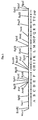
- the 24 kb frenolicin cluster is conveniently segmented by NotI into three large fragments (7.5, 9.0 and 9.5 kb) and one smaller fragment (1.5 kb).
- the smaller NotI fragment resides in the center of the PKS region of the frenolicin biosynthetic gene cluster and is flanked on both sides by the larger NotI fragments.
- Each of the NotI fragments from left to right in Figure 1 were subcloned into pBluescript to provide clones denoted Not6, Not7, Not2 and Not3, respectively.
- the three larger NotI fragments were used to generate separate libraries of MspI fragments for a shotgun sequencing strategy.
- Sequencing the 3' and 5'-ends of the NotI fragments provided sequence "anchors" to facilitate alignment of the sequence data to the mapped cluster.
- a random library was constructed from each NotI subclone by gel isolating 0.4 to 1.8 kb fragments after partial digestion with MspI. The fragments were ligated into the AccI site of pBluescript and transformed into a suitable E. coli host (DH5 ⁇ or XL 1-Blue) to form the individual libraries. These libraries were plated and a sufficient number of subclones selected to provide templates for double-stranded sequencing.
- Sequencing the templates was accomplished with Applied Biosystems (Foster City, CA) Taq dye-deoxy terminator cycle sequencing reactions which utilize polymerase chain reactions and fluorescently labeled nucleotides.
- the sequencing gel was read, the data collected, and sequence analyzed with the ABI 373A automated sequencer. As the sequence data was obtained it was aligned with the previously determined sequences to form overlapping, continuous regions of sequence (contigs). As sequence data accumulated, the contigs merged into longer contigs. In most regions both strands were sequenced three or four times, ultimately providing the definitive sequence of the whole cluster.
- Genes were located in the sequence as open reading frames (ORFs) having a high frequency of either G or C in the third position of its codons, this being a general property of Streptomyces genes (Bibb MJ, et al., Gene 30 :157 (1984)).
- ORFs open reading frames
- the amino acid sequences of genes located in this way were compared to sequences in the SWISS-PROT database.
- the nucleotide sequences of the putative genes also were compared to the Streptomyces DNA sequences in the GenBank database when the SWISS-PROT database appeared to be lacking certain sequences. In this way genes with sequence similarity to the genes in the frenolicin cluster were found and putative functions assigned.
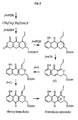
- the complete sequence of the frenolicin cluster is provided in SEQ ID NO:22. Starting from the left end of the cluster each gene is discussed below. The hypothetical pathway for frenolicin biosynthesis is shown in Figure 2 with the putative role of each gene product in the pathway indicated. The functions of the indicated genes are summarized in Table 1. The order of genes in the cluster appears to parallel the order of the biosynthetic steps. This feature has been reported previously for macrolide pathways (Donadio S, et al., 1991, Science 252:675), but not for aromatic polyketide pathways.
- Gene A (bases 636 to 2948 of SEQ ID NO:22 encoding the protein of SEQ ID NO:1) is thought to be the first gene in the cluster since there is a 1 kb non-coding region upstream of it and the 5' end of a partial gene upstream of that region is not homologous to any in the sequence databases.
- Genes A through D and F comprise a subcluster, which appears to be involved in efflux of frenolicin.
- the products of genes A through D may represent the components of an ABC transporter system.
- the characteristic features of ABC transporters include two ATP binding domains, each having two conserved sequence motifs, and two membrane domains, each having six membrane spanning sequences (Higgins CF, Ann Rev Cell Biol 8 :67 (1992)).
- the two ATP-binding domains and the two membrane domains may all be on the same polypeptide, as with the eukaryotic multiple drug resistance proteins, in which case the polypeptide consists of two halves that represent an internal duplication (Chen C et al., 1986, Cell 47:381).
- Bacterial systems often have the different domains on separate polypeptides, although it is likely that in all cases the membrane and ATP-binding components are assembled into a multimeric complex such that the three dimensional positioning of domains is similar in all transporters.
- Bacterial uptake systems generally have an additional component on the outside of the membrane that binds the substrate to be transported; efflux systems appear to lack this component (Reizer J, et al., Prot Sci 1 :1326 (1992)).
- Genes A and B (bases 2945 to 3916 of SEQ ID NO:22 encoding the protein of SEQ ID NO:2), and genes C (bases 4020 to 4844 of SEQ ID NO:22 encoding the protein of SEQ ID NO:3) and D (bases 4841 to 6415 of SEQ ID NO:22 encoding the protein of SEQ ID NO:4), are translationally coupled (meaning that the stop codon of one gene is adjacent to the start codon of the next), which is often the case for genes that are coexpressed with a precise stoichiometry.
- Gene D encodes a soluble 524 amino acid protein containing two ATP binding domains, each with two conserved sequence motifs.
- the gene D protein consists of two homologous halves, each with homology to the soluble component of the putative efflux system of S. peucetius , DrrB (Guilfoyle PG & Hutchinson CR, Proc Natl Acad Sci 88 :8553 (1991)), which is proposed to pump the anthracyclines, doxorubicin and daunorubicin, out of the cell.
- the gene D product also has homology with multidrug resistance pumps from many organisms.
- Gene C encodes a 274 amino acid protein having the six putative membrane spanning domains typical of such proteins and having good similarity to one of the two membrane components of several bacterial peptide permeases.
- gene C also contains a motif often seen in the membrane components of binding protein dependent uptake systems.
- Gene B translationally coupled to gene A, also encodes a protein with six putative membrane spanning sequences and shares sequence similarity with the other membrane component of the same bacterial peptide permeases mentioned above. Because genes A and B are translationally coupled, it seems probable that gene A has some role in transport; however, gene A does not have significant homology to other genes in the sequence databases.
- Gene F (bases 7344 to 8897 of SEQ ID NO:22 encoding the protein of SEQ ID NO:6) is homologous to the actinorhodin actVA-ORF1 gene (Caballero JL, et al., Mol Gen Genet 230 :401 (1991)) and somewhat less homologous to the actII-ORF2 gene (Fernandez-Moreno MA, et al., Cell 66 :769 (1991)). Both these genes have been proposed to be involved in actinorhodin efflux.
- Gene F is also similar to the cmcT gene of the cephamycin C cluster of Nocardia lacamdurans (Coque JJR, et al., EMBO J 12 :631 (1993)). Thus gene F may work in concert with genes A, B, C and D or may represent an independent efflux system that is not directly driven by ATP hydrolysis. In between genes D and F is gene E (bases 6533 to 7183 of SEQ ID NO:22 encoding the protein of SEQ ID NO:5), which encodes a 216 amino acid soluble protein with no significant similarity to other genes in the databases.
- Gene G (bases 9164 to 10012 of SEQ ID NO:22 encoding the protein of SEQ ID NO:7) encodes a protein with significant similarity to transcription activators in other polyketide gene clusters, including actII-ORF4 in the actinorhodin cluster (Fernandez-Moreno MA, et al., Cell 66 :769 (1991)) and dnrI in the daunorubicin cluster (Stutzman-Engwall KJ, et al., J Bact 174 :144 (1992)). It probably activates many of the other genes in the cluster through interaction with the putative promoter motif discussed below.
- actII-ORF4 in the actinorhodin cluster
- dnrI in the daunorubicin cluster
- the set of genes H, I, J and K all reside in a subcluster probably involved in the synthesis of the diketide starter unit (e.g., butyryl-ACP, crotonyl-ACP, hydroxybutyryl-ACP or acetoacetyl-ACP) and its transfer to the polyketide synthase to initiate frenolicin biosynthesis.
- the gene I (SEQ ID NO:9) protein has striking homology to the E.
- coli fabH protein which catalyzes the condensation of acetyl-CoA with malonyl-CoA to form acetoacetyl-ACP, and is believed to initiate fatty acid synthesis in type II systems (Tsay J-T, et al., 1992, J Biol Chem 267:6807).
- Tsay J-T et al., 1992, J Biol Chem 267:6807
- genes with weak similarity to fabH have been seen in the gene clusters for daunomycin (Ye J, et al., 1994, J Bacteriol 176:6270) and doxorubicin (Grimm A, et al., 1994, Gene 151:1), this is the first fabH homologue found in an aromatic polyketide gene cluster which has the conserved sequence motif surrounding the active site cysteine.
- a fabH homologue is not present in the actinorhodin cluster.
- gene M seems to confer loose chain length specificity when coexpressed with other polyketide synthase genes in a heterologous system (McDaniels R, et al., 1993, J Am Chem Soc 115:11671), the strains of S. roseofulvus discussed herein produce only the 18 carbon frenolicin and not 16 carbon structures such as nanaomycin or kalafungin.
- gene I bases 11628 to 10618 of SEQ ID NO:22 encoding the protein of SEQ ID NO:9 may play a key role in initiating frenolicin biosynthesis and ensuring the 18 carbon length.
- gene H (bases 10621 to 10105 of SEQ ID NO:22 encoding the protein of SEQ ID NO:8), which has weak similarity to various oxidoreductase geness and to a region of actI-ORF2 of the actinorhodin cluster.
- the product of gene H may be involved in reduction of acetoacetyl-ACP to butyryl-ACP.
- Gene J (bases 11809 to 12066 of SEQ ID NO:22 encoding the protein of SEQ ID NO:10) encodes an acyl carrier protein distinct from that of gene N (see below) which may be used by the gene I protein (along with the gene H protein) to form the starter unit.
- the protein of gene K (bases 13209 to 12154 of SEQ ID NO:22 encoding the protein of SEQ ID NO:11) is homologous to two putative acyl transferases from the gene clusters for doxorubicin (Grimm A, et al., 1994, Gene 151:1) and daunomycin (Ye J, et al., 1994, J Bacteriol 176:6270). They all contain the active site motif (GlyHisSer) typical of acyl transferases.
- the actinorhodin gene cluster does not contain homologs of either genes I or K.
- Genes L, M and N encode the core polyketide synthase complex and are homologous to the actI genes of the actinorodin cluster (Fernandez-Moreno MA, et al., 1992, J Biol Chem 267:19278).
- the gene L (bases 13409 to 14686 of SEQ ID NO:22 encoding the protein of SEQ ID NO:12) protein contains active site motifs for ⁇ -ketoacyl synthesis and acyl transfer.
- Gene M (bases 14767 to 16047 of SEQ ID NO:22 encoding the protein of SEQ ID NO:13) is homologous to gene L, but lacks the active site motifs. It is required for a functional polyketide synthase complex.
- Gene N (bases 16120 to 16371 of SEQ ID NO:22) encodes the protein of SEQ ID NO:14 which is an acyl carrier protein. Based on the proximities of the genes, it would seem that the polyketide synthase uses the gene N acyl carrier protein whereas the fabH homolog uses the gene J acyl carrier protein.
- Genes O, P, Q, and R comprise a fourth subcluster.
- Gene O (bases 16935 to 16453 of SEQ ID NO:22 encoding the protein of SEQ ID NO:15) is homologous to the actVI-ORFA gene of the actinorhodin cluster (Fernandez-Moreno MA, et al., 1994, J Biol Chem 269:24854), which is proposed to catalyze a step involving formation and dehydration of a hemiketal structure.
- Gene P (bases 17088 to 17903 of SEQ ID NO:22) encodes the protein of SEQ ID NO:16 which is homologous to the actIII ketoreductase of the actinorhodin cluster (Hallam SE, et al., 1988, Gene 74:305).
- Gene Q (bases 17903 to 18898 of SEQ ID NO:22) encodes the protein of SEQ ID NO:17 which is homologous to the actVII cyclase/dehydrase of the actinorhodin cluster (Fernandez-Moreno MA, et al., 1992, J Biol Chem 267:19278), which is proposed to catalyze the first cyclization reaction.
- Gene R (bases 18895 to 19839 of SEQ ID NO:22) encodes the protein of SEQ ID NO:18 which is highly similar to the actIV protein of the actinorhodin cluster, a cyclase/dehydrase involved in the second cyclization reaction (Fernandez-Moreno MA, et al., 1992, J Biol Chem 267:19278). Since gene R is translationally coupled to gene Q, which is translationally coupled to gene P, these three genes are within a single transcription unit.
- Gene S shows weak similarity to the actVA-ORF4, actVI-ORF1 and actVI-ORF2 genes within certain regions.
- the actVI- ORF1 and actVI-ORF2 gene products are proposed to catalyze a stereospecific keto reduction and a stereospecific enoyl reduction, respectively (Fernandez-Moreno MA, et al., 1994, J Biol Chem 269:24854).
- gene T (bases 22094 to 20904 of SEQ ID NO:22 encoding the protein of SEQ ID NO:20) is very similar to actVA-ORF5 (Caballero JL, et al., 1991, Mol Gen Genet 230:401), which encodes hydroxylation of the actVA intermediate (Cole SP, et al., 1987, J Antibiot 40:340), gene T probably encodes the analogous hydroxlase in frenolicin biosynthesis. Thus, gene S probably encodes one or both of the stereospecific reductions mentioned above.
- a putative promoter motif (two or more TGCA sequences separated by exactly 7 bases) lies about 20-50 bp upstream of the start codon of the first ORF of several putative operons in the actinorhodin and frenolicin gene clusters.
- Genes that are transcribed from promoters in the actinorhodin cluster containing this motif are known to be regulated by the actII-ORF4 gene product (Gramajo HC, et al., 1993, Mol Microbiol 7:837).
- gene G in the frenolicin cluster (which is homologous to the actII-ORF4 gene in the actinorhodin cluster) is most likely the regulatory factor involved in activating promoters in the frenolicin cluster that contain this motif. Many of the promoters containing this motif appear able to confer bidirectional transcription.
- G3PDH glyceraldehyde-3-phosphate dehydrogenases
- frenolicin cluster None of the genes in the sequenced region of the frenolicin cluster clearly encodes either the deoxyfrenolicin epoxidase or the frenolicin B reductase. The only genes that might encode one of these activities are A and E, which do not match anything in the database and have not been assigned a function. Frenolicins are toxic to Streptomyces and other bacteria, with frenolicin B being the most toxic, deoxyfrenolicin being less toxic, and frenolicin epoxide even less so. Thus, if either frenolicin B reductase or deoxyfrenolicin epoxidase activity is missing from the frenolicin gene cluster, transformants will be poisoned by the product that results.
- a distinct advantage of this replicon is that growth of transformants at elevated temperature (35 C instead of 28 C) prevents autonomous replication, thereby allowing selection for integration of the plasmid into the chromosome, which is required to provide genetically stable strains for industrial production.
- the backbone for propagation of these vectors in E. coli is either Litmus 28 or 38 (New England Biolabs, Beverly, Mass., USA), which are based on the pUC vectors.
- the Litmus vectors can be used because they include an M13 origin, allowing single stranded DNA to be isolated by infecting the E. coli host with M13 helper phage.
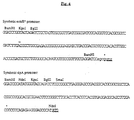
- the DNA sequences, gene or operon is/are joined to a strong Streptomyces promoter, particularly the tipA and ermE* promoters ( Figure 4).
- a gene or region of interest is amplified by PCR using primers that supply desired restriction sites and the PCR product is cloned into the appropriate vector, for example pErmE or pTipA ( Figure 5).
- Each promoter-gene chimeric construct is then conveniently moved into the shuttle vectors described above using restriction sites which reconstruct the two halves of the selectable marker (e.g., using the unique AseI site in the ampicillin resistance gene).
- the gene or region of interest can also be expressed from its native promoter, with higher levels of expression achieved by modifying the promoter or by introducing multiple copies of the construct. If over-expression of any of these genes leads to higher frenolicin titers, these vectors allow one to generate a stable production strain by forcing a homologous integration event by curing the plasmid at elevated temperature while maintaining selection pressure.
- Efficient promoter elements for transcription initiation in Streptomyces include ermE* and tipA, as well as promoters from many genes known to be expressed at high levels.
- Regulatory sequences may be joined to a gene of interest using a variety of standard techniques, including site-directed mutagenesis (Kunkel TA, 1985, Proc. Natl. Acad. Sci. U.S.A., 82:488-492) to create unique restriction sites at desired positions, synthesis of linker oligonucleotides, or amplification by PCR using primers that create desired restriction sites.
- a coding sequence of interest is joined to the regulatory sequences so as to confer initiation of translation at codon #1 of the gene.
- Host cells for the recombinant production of frenolicin may be derived from any organism with the capability of harboring a recombinant frenolicin gene cluster or corresponding DNA sequences of the present invention.
- the host cells of the present invention can be derived from either prokaryotic or eukaryotic organisms.
- preferred host cells are those constructed from the actinomycetes, a class of mycelial bacteria which are abundant producers of a number of polyketides.
- a particularly preferred genus for use with the present invention is Streptomyces .
- S. ambofaciens S . aureofacien s, S. avermitilis , S. azureus , S.
- cinnamonensis S. coelicolor , S. curacoi , S. erythraeus , S. fradiae , S. galilaeus , S. glaucescens , S. hygroscopicus , S. lividans , S. parvulus , S. peucetius , S. rimosus , S. roseofulvus , S. thermotolerans , S. violaceoruber , among others, will provide convenient host cells for the subject invention, with S. roseofulvus being preferred. See, e.g., Hopwood, D.A. and Sherman, D.H.
- streptomyces roseofulvus can be obtained from the ATCC as ATCC 19921 or ATCC 19805 or form the CBS as CBS 577.68.
- the DNA sequences of the present invention can also be prepared synthetically on the basis of the sequence information as herein disclosed by methods known in the art or described, e.g. in EP 747 483.
- the above-described cells can be genetically engineered by deleting any naturally occurring PKS genes therefrom, using standard techniques, such as by homologous recombination. (See, e.g., Khosla, C. et al., 1992, Molec. Microbiol. 6:3237).
- the gene sequences which collectively encode a replacement frenolicin gene cluster or a DNA sequence of the present invention or a functional equivalent can be inserted into one or more expression vectors, using methods known to those skilled in the art.
- Expression vectors will include control sequences operably linked to the desired frenolicin coding sequences.
- Suitable expression systems for use with the present invention include systems which function in eukaryotic and prokaryotic host cells.
- control elements for use in such systems include promoters, optionally containing operator sequences, and ribosome binding sites.
- Particularly useful promoters include control sequences derived from PKS gene clusters, such as those found 5' of transcription units in the actinorhodin or frenolicin clusters.
- other bacterial promoters such as those derived from genes that are expressed at high levels will also find use in the present constructs.
- Examples include promoter sequences derived from genes encoding catabolic enzymes (such as proteases or glycosidases), biosynthetic enzymes (such as those in the tryptophan operon), antibiotic resistance proteins (such as beta-lactamase), or bacteriophage structural proteins.
- catabolic enzymes such as proteases or glycosidases
- biosynthetic enzymes such as those in the tryptophan operon
- antibiotic resistance proteins such as beta-lactamase
- bacteriophage structural proteins such as beta-lactamase
- synthetic promoters such as the tac promoter (U.S. Patent No. 4,551,433), which do not occur in nature, will also find use in the present constructs.
- Other regulatory sequences may also be desirable which allow for regulation of expression of the frenolicin replacement sequences relative to the growth of the host cell.
- Regulatory sequences are known to those skilled in the art, and examples include those which cause the expression of a gene to be turned on or off in response to a chemical or physical stimulus, including the presence of a regulatory compound.
- Other types of regulatory elements may also be present in the vector, for example, those taken from genes that are expressed during a particular growth phase.
- Various selectable markers can be included in the recombinant expression vectors. Many markers are known which are useful in selecting for transformed cells and generally comprise a gene whose expression confers a selectable phenotype on transformed cells when the cells are grown in an appropriate selective medium. Such markers include, for example, genes which confer antibiotic resistance or the ability to grow on a minimal medium.
- frenolicin biosynthetic genes of interest and functional subunits thereof or DNA sequences of the present invention can be cloned into one or more recombinant vectors such that each is under the control of its own promoter.
- genes can be grouped as operons (both those found naturally in the frenolicin cluster or synthetically engineered) under the control of, e.g., a single promoter.
- Functional subunit sequences can include flanking restriction sites to allow for the easy deletion and/or insertion of other subunits so that hybrid PKSs can be generated. The design of such unique restriction sites is known to those skilled in the art and can be accomplished using the techniques described above, such as site-directed mutagenesis and PCR.
- protoplasts are typically prepared by digesting the cell wall with lysozyme and the protoplasts are treated with the transforming DNA in combination with various agents that stimulate its uptake, such as polyethylene glycol and divalent cations (Hopwood DA, et al., 1985, Genetic Manipulation of Streptomyces - A Laboratory Manual, John Innes Foundation, Norwich, UK). The protoplasts are subsequently allowed to regenerate into intact cells and transformants are selected. DNA can also be introduced into Streptomyces and other bacteria by electroporation. Once the PKS genes are expressed, the polyketide producing colonies can be identified and isolated using known techniques. The polyketides produced by the transformants under appropriate fermentation conditions can then be further processed.
- a representative protocol for the fermentation is that described by Iwai et al. in J. Antibiotics 31 :959 (1978) and Omura et al. in U.S. Patent No. 4,199,514.
- a microorganism e.g. a Streptomycetes roseofulvus , transformed with a vector of this invention, may be cultured in the presence of suitable carbon and nitrogen sources, such as cod liver oil, corn oil, glucose, maltose, etc. for carbon, and soybean powders, peptone, yeast, etc. for nitrogen. Fermentation may be carried out by cultivation under aerobic conditions at 20 to 35 C for about 100 to 150 hours.
- the culture broth may be separated into cells and filtrate, and the frenolicins extracted from the filtrate with a hydrophobic organic solvent, such as ethyl acetate, butyl acetate, benzene, etc.
- the frenolicins may then be separated from each other by conventional techniques, such as gel chromatography, and the intermediate compounds (epoxy and deoxyfrenolicins) converted to frenolicin B.
- the cell-free fermentation broth (preferably obtained by centrifugation) may be hydrogenated under atmospheric pressure at room temperature at pH 8-10 to convert the epoxide to deoxyfrenolicin. After hydrogenation, the pH is adjusted to 5.5 and air blown into the reaction mixture at 60 C to oxidize the deoxyfrenolicin to frenolicin B.
- the frenolicin B is then extracted and precipitated.
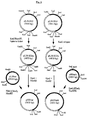
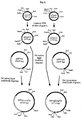
- Streptomyces/E. coli shuttle vectors pSSVtsr and pSSVaph Construction of the Streptomyces/E. coli shuttle vectors pSSVtsr and pSSVaph is shown in Figure 3.
- the pSGS Streptomyces replicon and the thiostrepton resistance gene were isolated as cassettes from the vector pGM160 (Muth et al., 1989), which was itself obtained from the vector pCZA168 (Solenberg and Baltz, 1991) by deletion of a transposon as a HindIII insert.
- Vector pGM160 was digested to completion with BamHI and partially with BclI, and the 2.6kb fragment containing the pSG5 Streptomyces replicon was gel isolated and ligated into both Litmus 28 and Litmus 38 (New England Biolabs).
- pL38SG5 was digested with KasI and the gel isolated 4.8kb fragment was religated to give pL38SG5a.
- pL28SG5 was digested with KasI and BamHI and the gel isolated 4.8kb fragment was ligated to the synthetic linker shown below to give pL28SG5a.
- the thiostrepton resistance marker was isolated from pCZA168 as a 1.1kb BclI/EcoRI fragment and cloned into the BamHI/EcoRI sites of Litmus 28 to give pL28tsr.
- fradiae was isolated as a 1.0 kb SacII fragment from pIJ680 (Hopwood et al., 1985) and cloned into pBluescript SK-(Stratagene, La Jolla, CA, USA) to give pBSaph.
- pL28tsr was cut with NdeI and the site was made blunt by filling in with the Klenow fragment of E. coli DNA polymerase I. The vector was then cut with HindIII and the resulting 1.1kb fragment was gel isolated. pL28SG5a was cut with HindIII and HpaI and the 5.2kb fragment was gel isolated. These two fragments were then ligated to give pSSVtsr*. pSSVtsr was derived from pSSVtsr* by cutting with BamHI and BglII and religating.
- pBSaph was cut with SpeI and the site was made blunt by filling in with the Klenow fragment of E. coli DNA polymerase I.
- the vector was then cut with Tsp509I and the 1.1kb fragment was gel isolated.
- pL38SG5a was cut with EcoRI and HpaI and the 5.2kb fragment was gel isolated. These two fragments were then ligated to give pSSVaph.
- the ermE* and tipA promoters were synthesized with convenient restriction sites.
- a series of overlapping oligonucleotides were synthesized on an ABI 392 DNA synthesizer and subsequently phosphorylated with T4 polynucleotide kinase. These oligonucleotides were then annealed by heating to 90 C and cooling slowly. After annealing, the fragments were ligated for four hours at room temperature with T4 ligase and then cut with KpnI and BamHI. The gel isolated fragments were cloned into the KpnI and BamHI sites of Litmus 29 to give vectors pTipA and pErmE ( Figure 5).
- the resulting PCR products were digested with BamHI (plus NdeI in the case of the product to be ligated into pTipA), gel isolated, and cloned into the BamHI site of pErmE or between the BamHI and NdeI sites of pTipA to give pErmTA and pTipTA, respectively.
- the pErmTA and pTipTA vectors were cut with AseI and StuI and the larger (2.8kb) fragment was gel isolated.
- the pSSVtsr and pSSVaph vectors were cut with AseI and SnaBI, and the larger (3.9kb) fragment was gel isolated.
- the pErmTA and pSSVtsr fragments were ligated together to give SSVtsr-ermTA.
- the pTipA and pSSVaph fragments were ligated together to give SSVaph-tipTA.
- the neomycin resistance gene is used for selection so that thiostrepton can be used for induction. Because AseI, SnaBI, StuI, BamHI and NdeI sites are absent from the frenolicin cluster, any of the frenolicin genes can be expressed using this strategy.
- Streptomyces were propagated in a methylation defective (dam-, dcm-) E. coli strain. Vector DNA isolated from this strain was used to transform S. lividans , S. coelicolor , S. roseofulvus . Streptomyces , including S. roseofulvus , was transformed using a procedure modified from that described previously (Hopwood D, et al., 1985, Genetic Manipulation of Streptomyces - A Laboratory Manual, The John Innes Foundation, Norwich, UK).
- modified YEME media Twenty five ml of modified YEME media (for each liter: 3g Difco yeast extract, 5g Difco Bacto-peptone, 3g Difco malt extract, 10g glucose, 250g sucrose; after autoclaving, MgCl 2 and glycine are added to 5mM and 0.1% final, respectively) in a 250ml baffled flask was inoculated with a spore suspension and incubated at 30 C for 5-8 days with shaking at 220 RPM.
- modified YEME media for each liter: 3g Difco yeast extract, 5g Difco Bacto-peptone, 3g Difco malt extract, 10g glucose, 250g sucrose; after autoclaving, MgCl 2 and glycine are added to 5mM and 0.1% final, respectively
- the resulting mycelia was washed twice in 10.3% sucrose and resuspended in 4ml lysis buffer (Hopwood et al., 1985, ibid.) containing 0.5 mg/ml lysozyme and 0.5 mg/ml achromopeptidase.
- 4ml lysis buffer (Hopwood et al., 1985, ibid.) containing 0.5 mg/ml lysozyme and 0.5 mg/ml achromopeptidase.
- the cell walls were digested for 10-15 min at room temperature and monitored microscopically. Remaining mycelial fragments were removed by passing the digest through a cotton plug and the protoplasts were washed twice in fresh protoplast buffer (Hopwood et al., 1985, ibid.) and stored at -80 C.
- Transformation was accomplished by incubating 50 ⁇ l aliquots of the thawed protoplasts with 0.5 - 5 ug plasmid DNA in a solution containing 10 ⁇ l of trace elements plus 500 ⁇ l of 25% PEG 6000 in transformation buffer (Hopwood et al., 1985, ibid.) for one minute at room temperature.
- the transformation was mixed with 500 ⁇ l of protoplast buffer and 100 - 500 ⁇ l aliquots were spread on regeneration plates (CM1-2 containing 10.3 % sucrose). Plates were overlaid after 24 hrs of incubation at 30 C with soft agar medium containing thiostrepton (to give 30 mg/l final) or neomycin (to give 10 mg/l final) and transformed cells isolated.
Landscapes
- Health & Medical Sciences (AREA)
- Life Sciences & Earth Sciences (AREA)
- Genetics & Genomics (AREA)
- Engineering & Computer Science (AREA)
- Chemical & Material Sciences (AREA)
- Zoology (AREA)
- Organic Chemistry (AREA)
- Biomedical Technology (AREA)
- Bioinformatics & Cheminformatics (AREA)
- Wood Science & Technology (AREA)
- Biotechnology (AREA)
- Molecular Biology (AREA)
- General Engineering & Computer Science (AREA)
- Microbiology (AREA)
- Biochemistry (AREA)
- General Health & Medical Sciences (AREA)
- Biophysics (AREA)
- Physics & Mathematics (AREA)
- Medicinal Chemistry (AREA)
- Plant Pathology (AREA)
- Micro-Organisms Or Cultivation Processes Thereof (AREA)
- Preparation Of Compounds By Using Micro-Organisms (AREA)
- Fodder In General (AREA)
- Pyrane Compounds (AREA)
- Heterocyclic Carbon Compounds Containing A Hetero Ring Having Oxygen Or Sulfur (AREA)
- Peptides Or Proteins (AREA)
Applications Claiming Priority (5)
| Application Number | Priority Date | Filing Date | Title |
|---|---|---|---|
| US1675396P | 1996-05-07 | 1996-05-07 | |
| US16753 | 1996-05-07 | ||
| US4293597P | 1997-04-04 | 1997-04-04 | |
| US42935 | 1997-04-04 | ||
| 1998-05-21 |
Publications (2)
| Publication Number | Publication Date |
|---|---|
| EP0806480A2 true EP0806480A2 (de) | 1997-11-12 |
| EP0806480A3 EP0806480A3 (de) | 1999-11-24 |
Family
ID=26689021
Family Applications (1)
| Application Number | Title | Priority Date | Filing Date |
|---|---|---|---|
| EP97107329A Withdrawn EP0806480A3 (de) | 1996-05-07 | 1997-05-02 | Gengruppe für die Produktion von Frenolicin |
Country Status (3)
| Country | Link |
|---|---|
| EP (1) | EP0806480A3 (de) |
| JP (1) | JPH1094395A (de) |
| CN (1) | CN1171443A (de) |
Cited By (1)
| Publication number | Priority date | Publication date | Assignee | Title |
|---|---|---|---|---|
| WO2002020542A3 (en) * | 2000-09-09 | 2002-05-30 | Degussa | Nucleotide sequences which code for the gap2 gene |
Families Citing this family (2)
| Publication number | Priority date | Publication date | Assignee | Title |
|---|---|---|---|---|
| US6495348B1 (en) | 1993-10-07 | 2002-12-17 | Regents Of The University Of Minnesota | Mitomycin biosynthetic gene cluster |
| US6600029B1 (en) | 1995-12-19 | 2003-07-29 | Regents Of The University Of Minnesota | Metabolic engineering of polyhydroxyalkanoate monomer synthases |
Family Cites Families (1)
| Publication number | Priority date | Publication date | Assignee | Title |
|---|---|---|---|---|
| US5593870A (en) * | 1994-09-14 | 1997-01-14 | Hoffmann-La Roche Inc. | Process for producing frenolicin B |
-
1997
- 1997-05-02 EP EP97107329A patent/EP0806480A3/de not_active Withdrawn
- 1997-05-06 CN CN 97109799 patent/CN1171443A/zh active Pending
- 1997-05-07 JP JP9116652A patent/JPH1094395A/ja active Pending
Cited By (1)
| Publication number | Priority date | Publication date | Assignee | Title |
|---|---|---|---|---|
| WO2002020542A3 (en) * | 2000-09-09 | 2002-05-30 | Degussa | Nucleotide sequences which code for the gap2 gene |
Also Published As
| Publication number | Publication date |
|---|---|
| CN1171443A (zh) | 1998-01-28 |
| EP0806480A3 (de) | 1999-11-24 |
| JPH1094395A (ja) | 1998-04-14 |
Similar Documents
| Publication | Publication Date | Title |
|---|---|---|
| Decker et al. | Cloning and characterization of a polyketide synthase gene from Streptomyces fradiae Tü2717, which carries the genes for biosynthesis of the angucycline antibiotic urdamycin A and a gene probably involved in its oxygenation | |
| EP0725778B1 (de) | Rekombinante herstellung von neuen polyketiden | |
| US6251636B1 (en) | Recombinant oleandolide polyketide synthase | |
| EP0910633B1 (de) | Hybridpolyketidesynthase I Gen | |
| EP1568774A2 (de) | Rekombinante Herstellung von Polyketiden | |
| US20090176969A1 (en) | Cloning genes from streptomyces cyaneogriseus subsp. noncyanogenus for biosynthesis of antibiotics and methods of use | |
| JP4902925B2 (ja) | ナイスタチンポリケチドシンターゼをコードする新規の遺伝子、およびそれらの取扱ならびに用途 | |
| Suwa et al. | Identification of two polyketide synthase gene clusters on the linear plasmid pSLA2-L in Streptomyces rochei | |
| JP2003528592A5 (de) | ||
| US5801032A (en) | Vectors and process for producing high purity 6,12-dideoxyerythromycin A by fermentation | |
| KR20010083061A (ko) | 천연 생산물 생산 능력을 적합한 생산 숙주로 전달하는 방법 | |
| MXPA97002451A (en) | Vectors and procedure for the production of 6,12-didesoxieritromycin a, of high purity, through fermentac | |
| WO2002059322A9 (en) | Compositions and methods relating to the daptomycin biosynthetic gene cluster | |
| US6960453B1 (en) | Hybrid polyketide synthases combining heterologous loading and extender modules | |
| US20040219645A1 (en) | Polyketides and their synthesis | |
| AU6805894A (en) | Genes encoding branched-chain alpha-ketoacid dehydrogenase complex from streptomyces avermitilis | |
| US6388099B2 (en) | Production of 8,8a-dihydroxy-6-deoxyerythronolide B | |
| JPH1094395A (ja) | フレノリシン遺伝子クラスター | |
| CN101302528B (zh) | 参与螺旋霉素生物合成的多肽、编码这些多肽的核苷酸序列及其应用 | |
| WO1996010581A1 (en) | Process for producing anthracyclines and intermediates thereof | |
| JP2004344173A (ja) | 新規ポリケチドの組換え産生 | |
| US20030077759A1 (en) | Plasmids for polyketide production | |
| CA2241139A1 (en) | Polyketide-associated sugar biosynthesis genes | |
| JP2003038175A6 (ja) | 新規ポリケチドの組換え産生 | |
| JP2003204784A6 (ja) | 新規ポリケチドの組換え産生 |
Legal Events
| Date | Code | Title | Description |
|---|---|---|---|
| PUAI | Public reference made under article 153(3) epc to a published international application that has entered the european phase |
Free format text: ORIGINAL CODE: 0009012 |
|
| 17P | Request for examination filed |
Effective date: 19970502 |
|
| AK | Designated contracting states |
Kind code of ref document: A2 Designated state(s): AT BE CH DE DK ES FR GB IT LI NL |
|
| PUAL | Search report despatched |
Free format text: ORIGINAL CODE: 0009013 |
|
| AK | Designated contracting states |
Kind code of ref document: A3 Designated state(s): AT BE CH DE DK ES FR GB IT LI NL |
|
| STAA | Information on the status of an ep patent application or granted ep patent |
Free format text: STATUS: THE APPLICATION IS DEEMED TO BE WITHDRAWN |
|
| 18D | Application deemed to be withdrawn |
Effective date: 19991201 |