EP0758232B1 - Verfahren zur modulierung der t-zell-antwort durch manipulation der transduktion der intrazellulären signale - Google Patents
Verfahren zur modulierung der t-zell-antwort durch manipulation der transduktion der intrazellulären signale Download PDFInfo
- Publication number
- EP0758232B1 EP0758232B1 EP95917184A EP95917184A EP0758232B1 EP 0758232 B1 EP0758232 B1 EP 0758232B1 EP 95917184 A EP95917184 A EP 95917184A EP 95917184 A EP95917184 A EP 95917184A EP 0758232 B1 EP0758232 B1 EP 0758232B1
- Authority
- EP
- European Patent Office
- Prior art keywords
- cell
- agent
- kinase
- antigen
- cells
- Prior art date
- Legal status (The legal status is an assumption and is not a legal conclusion. Google has not performed a legal analysis and makes no representation as to the accuracy of the status listed.)
- Expired - Lifetime
Links
Images






Classifications
-
- A—HUMAN NECESSITIES
- A61—MEDICAL OR VETERINARY SCIENCE; HYGIENE
- A61K—PREPARATIONS FOR MEDICAL, DENTAL OR TOILETRY PURPOSES
- A61K31/00—Medicinal preparations containing organic active ingredients
- A61K31/33—Heterocyclic compounds
- A61K31/335—Heterocyclic compounds having oxygen as the only ring hetero atom, e.g. fungichromin
- A61K31/365—Lactones
-
- A—HUMAN NECESSITIES
- A61—MEDICAL OR VETERINARY SCIENCE; HYGIENE
- A61K—PREPARATIONS FOR MEDICAL, DENTAL OR TOILETRY PURPOSES
- A61K31/00—Medicinal preparations containing organic active ingredients
-
- A—HUMAN NECESSITIES
- A61—MEDICAL OR VETERINARY SCIENCE; HYGIENE
- A61K—PREPARATIONS FOR MEDICAL, DENTAL OR TOILETRY PURPOSES
- A61K31/00—Medicinal preparations containing organic active ingredients
- A61K31/33—Heterocyclic compounds
- A61K31/335—Heterocyclic compounds having oxygen as the only ring hetero atom, e.g. fungichromin
- A61K31/35—Heterocyclic compounds having oxygen as the only ring hetero atom, e.g. fungichromin having six-membered rings with one oxygen as the only ring hetero atom
-
- A—HUMAN NECESSITIES
- A61—MEDICAL OR VETERINARY SCIENCE; HYGIENE
- A61P—SPECIFIC THERAPEUTIC ACTIVITY OF CHEMICAL COMPOUNDS OR MEDICINAL PREPARATIONS
- A61P35/00—Antineoplastic agents
-
- A—HUMAN NECESSITIES
- A61—MEDICAL OR VETERINARY SCIENCE; HYGIENE
- A61P—SPECIFIC THERAPEUTIC ACTIVITY OF CHEMICAL COMPOUNDS OR MEDICINAL PREPARATIONS
- A61P37/00—Drugs for immunological or allergic disorders
- A61P37/02—Immunomodulators
-
- A—HUMAN NECESSITIES
- A61—MEDICAL OR VETERINARY SCIENCE; HYGIENE
- A61P—SPECIFIC THERAPEUTIC ACTIVITY OF CHEMICAL COMPOUNDS OR MEDICINAL PREPARATIONS
- A61P37/00—Drugs for immunological or allergic disorders
- A61P37/02—Immunomodulators
- A61P37/04—Immunostimulants
-
- A—HUMAN NECESSITIES
- A61—MEDICAL OR VETERINARY SCIENCE; HYGIENE
- A61P—SPECIFIC THERAPEUTIC ACTIVITY OF CHEMICAL COMPOUNDS OR MEDICINAL PREPARATIONS
- A61P37/00—Drugs for immunological or allergic disorders
- A61P37/02—Immunomodulators
- A61P37/06—Immunosuppressants, e.g. drugs for graft rejection
-
- A—HUMAN NECESSITIES
- A61—MEDICAL OR VETERINARY SCIENCE; HYGIENE
- A61P—SPECIFIC THERAPEUTIC ACTIVITY OF CHEMICAL COMPOUNDS OR MEDICINAL PREPARATIONS
- A61P43/00—Drugs for specific purposes, not provided for in groups A61P1/00-A61P41/00
Definitions
- TCR T cell receptor
- MHC major histocompatibility complex
- TCR signalling can induce a state of anergy in the T cell. Subsequent appropriate presentation of antigen to an anergic T cell fails to elicit a proper response (see Schwartz, R.H. (1990) Science 248 :1349).
- a costimulatory signal can be triggered in a T cell through a T cell surface receptor, such as CD28.
- a T cell surface receptor such as CD28.
- suboptimal polyclonal stimulation of T cells e.g. by anti-CD3 antibodies or phorbol ester, either of which can provide a primary activation signal
- CD28 can be potentiated by crosslinking of CD28 with anti-CD28 antibodies
- CD28 ligands include members of the B7 family of proteins, such as B7-1 (CD80) and B7-2 (B70) (Freedman, A.S. et al. (1987) J . Immunol . 137 :3260-3267; Freeman, G.J. et al. (1989) J . Immunol . 143 :2714-2722; Freeman, GJ. et al. (1991) J . Exp . Med .
- CTLA4Ig fusion protein which binds to both B7-1 and B7-2 and blocks their interaction with CD28/CTLA4, has been used to inhibit rejection of allogeneic and xenogeneic grafts (see e.g., Turka, L.A. et al. (1992) Proc. Natl . Acad . Sci. USA 89 :11102-11105; Lenschow, D.J. et al.
- T cell costimulation is thought to involve an intracellular signal transduction pathway distinct from signalling through the TCR since the costimulatory pathway is resistant to the inhibitory effects of cyclosporin A (see June, C.H. et al. (1990) Immunology Today 11 :211-216)
- Protein tyrosine phosphorylation has been shown to occur in T cells upon CD28 ligation and it has been demonstrated that a protein tyrosine kinase inhibitor, herbimycin A, can inhibit CD28-induced IL-2 production (Vandenberghe, P. et al. (1992) J . Exp . Med 175 :951-960; Lu, Y. et al. (1992) J . Immunol . 149 :24-29).
- CD28 receptor can trigger signals in common with the antigen receptor as well as signals that are independent of the antigen receptor. Further the degree of CD28 receptor oligomerization is an important determinant in CD28-mediated signal transduction (Linsley, P.S. and Ledbetter, J.A. (1993) Annu . Rev . Immunol . 11 :191 and Ledbetter, J.A. et al. (1990) Blood 75 :1531).
- CD28 signal transduction is coupled to several signal transduction cascades and that the nature of the signal is regulated during T cell development.
- This invention relates to the regulation of T cell responses by manipulation of intracellular signal transduction.
- intracellular signalling events which occur upon costimulation of a T cell are manipulated.
- the invention encompasses in vitro methods for modulating T cell responses by inhibiting or stimulating one or more intracellular signals which result from ligation of a surface receptor on a T cell which binds a costimulatory molecule.
- CD28 receptor stimulation leads to the production of D3-phosphoinositides within a T cell.
- inhibition of the activity of phosphatidylinositol 3-kinase in a T cell can inhibit T cell responses, such as lymphokine production and cellular proliferation.
- One aspect of the invention pertains to methods for inhibiting a response by a T cell which expresses a surface receptor that binds a costimulatory molecule. These methods involve contacting the T cell with an agent which inhibits production of D3-phosphoinositides in the T cell.
- the agent is an inhibitor of a phosphatidylinositol 3-kinase, such as the fungal metabolite wortmannin or the bioflavenoid quercetin, or derivatives or analogues thereof (e.g. LY294002).
- the T cell is contacted with at least one additional agent which inhibits a different intracellular signal associated with costimulation, such as protein tyrosine phosphorylation.
- the T cell can be contacted both with an inhibitor of phosphatidylinositol 3-kinase and with an inhibitor of a protein tyrosine kinase.
- a preferred inhibitor of a protein tyrosine kinase is herbimycin A.
- protein tyrosine phosphorylation can be inhibited in a T cell by a tyrosine phosphatase or an activator of a tyrosine phosphatase.
- the T cell can be contacted with an inhibitor of phosphatidylinositol 3-kinase and with a molecule, e.g., an antibody, which binds to and activates a cellular tyrosine phosphatase, such as CD45 or Hcph.
- a molecule e.g., an antibody, which binds to and activates a cellular tyrosine phosphatase, such as CD45 or Hcph.
- the T cell is contacted with an inhibitor of a protein serine kinase or an activator of a serine phosphatase.
- the invention also provides methods for inducing unresponsiveness to an antigen in a T cell by triggering a primary, antigen-specific signal in a T cell while interfering with an intracellular signal associated with costimulation in the T cell.
- the T cell fails to receive a proper costimulatory signal in the presence of the antigen and antigen-specific unresponsiveness is induced in the T cell.
- an antigen-specific T cell is contacted with the antigen in a form suitable for stimulation of a primary activation signal in the T cell, together with an agent which inhibits production of D-3 phosphoinositides in the T cell.
- a T cell can be contacted with an antigen presented by an APC together with an inhibitor of phosphatidylinositol 3-kinase, such as wortmannin or quercetin or derivatives or analogues thereof (e.g. LY294002).
- an inhibitor of phosphatidylinositol 3-kinase such as wortmannin or quercetin or derivatives or analogues thereof (e.g. LY294002).
- other intracellular signals associated with costimulation such as protein tyrosine phosphorylation and/or protein serine phosphorylation, can be inhibited in the T cell.
- Methods for inhibiting T cell responses and for inducing T cell unresponsiveness are useful in situations where it is desirable to down-modulate an immune response.
- a transplant recipient e.g., of an organ graft or bone marrow graft etc.
- a subject suffering from an autoimmune disease or other disorder associated with an abnormal immune response e.g., an agent which inhibits signal transduction associated with costimulation (e.g., an inhibitor of inositol phosphate 3-kinase) can be administered to a subject or, alternatively, T cells can be obtained from the subject, treated in vitro as described herein and administered to the subject.
- Another aspect of the invention pertains to in vitro methods for stimulating a response by a T cell which has received a primary activation signal and expresses a surface receptor that binds a costimulatory molecule.
- These methods involve contacting the T cell with an agent which stimulates production of D-3 phosphoinositides in the T cell, such as an activator of phosphatidylinositol 3-kinase.
- the T cell is contacted with an agent which stimulates production of D-3 phosphoinositides and at least one additional agent which stimulates a different intracellular signal associated with costimulation, such as protein tyrosine phosphorylation.
- the T cell can be contacted with an activate of phosphatidylinositol 3-kinase together with an activator of a protein tyrosine kinase, such as pervanadate.
- the T cell is further contacted with a an agent which activates a protein serine kinase.
- an inhibitor of a cellular phosphatase such as CD45 or Hcph, can be used in conjunction with a PI3K activator.
- an antigen-specific T cell response is stimulated by contacting an antigen-specific T cell with the antigen together with an agent which stimulates production of D-3 phosphoinositides in the T cell, thereby stimulating both a primary activation signal and a costimulatory signal in the T cell.
- the antigen-specific T cell response is further stimulated by contacting the antigen-specific T cell with one or more agents which activate protein tyrosine and/or protein serine kinases.
- Methods for stimulating T cell responses are useful in situations where it is desirable to up-regulate an immune response. For example a response against a tumor in a tumor-bearing subject can be stimulated or a response against a pathogen (e.g., a bacteria, a virus, such as HIV, fungus, parasite etc.) in a subject can be stimulated. Additionally, the methods can be used to enhance the efficacy of vaccination.
- An agent which stimulates an intracellular signal associated with costimulation e.g., an activator of inositol phosphate 3-kinase
- T cells can be stimulated in vitro and then administered to a subject.
- a T cell which expresses a cell surface receptor (e.g., CD28) which binds a costimulatory molecule is utilized.
- a cell surface receptor e.g., CD28
- an intracellular signal transduction pathway associated with the receptor in the T cell is stimulated in the presence of an agent to be tested and an inhibitor is identified based upon its ability inhibit production of at least one D-3 phosphoinositide in a T cell.
- an activator the T cell is contacted with an agent to be tested and an activator is identified based upon its ability to stimulate production of at least one D-3 phosphoinositide in a T cell.
- the invention further pertains to a novel tyrosine-phosphorylated protein of approximately 67 kDa which is associated with CD28 in T cells stimulated through CD28.
- a novel tyrosine-phosphorylated protein of approximately 67 kDa which is associated with CD28 in T cells stimulated through CD28.
- This invention features in vitro methods for regulating T cell responses by modulating intracellular signals generated in a T cell upon costimulation, e.g. by binding of a surface receptor on the T cell to a costimulatory molecule.
- the invention pertains to modulation of the production of D-3 phosphoinositides in a T cell to inhibit or stimulate a costimulatory signal to thereby inhibit or stimulate T cell responses.
- Inhibition of a costimulatory signal by interfering with signal transduction associated with costimulation can further be used to induce T cell unresponsiveness.
- the invention is based, at least in part, on the discovery that stimulation of a T cell through the CD28 surface receptor leads to the production of D-3 phosphoinositides in a T cell and that an inhibitor of a phosphatidylinositol 3-kinase (also referred to herein as PI3K) inhibits production of D-3 phosphoinositides in the T cell upon CD28 ligation.
- PI3K phosphatidylinositol 3-kinase
- the invention is further based, at least in part, on the discovery that inhibition of PI3K activity in a T cell inhibits T cell responses, such as cytokine production and cellular proliferation.
- one aspect of the invention pertains to methods for inhibiting a response by a T cell by interfering with intracellular signal transduction associated with signal transduction.
- an intracellular signal is inhibited by contacting a T cell expressing a cell surface receptor that binds a costimulatory molecule with an agent which inhibits production of D-3 phosphoinositides in the T cell.
- a T cell expressing a cell surface receptor that binds a costimulatory molecule is intended to encompass T cells expressing CD28 and/or CTLA4, or other receptor capable of binding a costimulatory molecule such as B7-1, B7-2 or other B7 family member.
- a "response" by a T cell is intended to encompass T cell responses that occur upon triggering of a primary activation signal and a costimulatory signal in the T cell, and includes lymphokine production (e.g., IL-2 production) and T cell proliferation. Inhibition of a T cell response may involve complete blocking of the response (i.e., a lack of a response) or a reduction in the magnitude of the response (i.e., partial inhibition of the response).
- D-3 phosphoinositides is intended to include derivatives of phosphatidylinositol that are phosphorylated at the D-3 position of the inositol ring and encompasses the compounds phosphatidylinositol(3)-monophosphate (PtdIns(3)P), phosphatidylinositol(3,4)-bisphosphate (PtdIns(3,4)P 2 ), and phosphatidylinositol(3,4,5)-trisphosphate (PtdIns(3,4,5)P 3 ).
- PtdIns(3)P phosphatidylinositol(3)-monophosphate
- PtdIns(3,4)P 2 phosphatidylinositol(3,4)P 2
- PtdIns(3,4,5)P 3 phosphatidylinositol(3,4,5)P 3
- D-3 phosphoinositides are generated intracellularly by the activity of a phosphatidylinositol 3-kinase (PI3K).
- PI3K is a heterodimer composed of an 85 kDa subunit that binds tyrosyl-phosphorylated proteins via its SH2 domains and a 110 kDa catalytic subunit.
- PI3K was first identified as a lipid kinase that phosphorylates the D-3 position of the inositol ring of phosphatidylinositol, PtdIns (4)P, and PtdIns(4,5)P2.
- PI3K is in fact a dual-specificity kinase that possesses both lipid and serine kinase activities (Dhand, R. et al. (1994) EMBO J . 13 :522 and Carpenter, C.L. et al. (1993) Mol . Cell Biol . 13 :1657).
- the agent which inhibits production of a D-3 phosphoinositide in the T cell is an agent which inhibits the activity of a PI3K.
- a preferred agent which inhibits PI3K activity in a T cell is the fungal metabolite wortmannin, or derivatives or analogues thereof.
- Wortmannin is a potent PI3K inhibitor derived from T . wortmannii (Kyowa Hakko Kohyo Co. Ltd.) or from P . fumiculosum (Sigma).
- Wortmannin derivatives or analogues include compounds structurally related to wortmannin which retain the ability to inhibit PI3K and T cell responses.
- wortmannin derivatives and analogues examples include compounds structurally related to quercetin that retain the ability to inhibit PI3K and inhibit T cell responses.
- quercetin derivatives and analogues examples are disclosed in Vlahos, C.J. et al. (1994) J . Biol . Chem . 269 :5241-5284.
- a preferred quercetin derivative which inhibits PI3K activity is LY294002 (2-(4-morpholinyl)-8-phenyl-4H-1-benzopyran-4-one, Lilly Indianapolis, IN) (described in Vlahos et al. cited supra ).
- LY294002 (2-(4-morpholinyl)-8-phenyl-4H-1-benzopyran-4-one, Lilly Indianapolis, IN) (described in Vlahos et al. cited supra ).
- other inhibitors of PI3K for example those identified by methods described below, can be used.
- Another aspect of the invention involves inhibiting a response by a T cell by interfering with two or more intracellular signalling events associated with costimulation.
- CD28 stimulation has been shown to result in protein tyrosine phosphorylation in the T cell (see e.g., Vandenberghe, P. et al. (1992) J . Exp . Med 175 :951-960; Lu, Y. et al. (1992) J . Immunol . 149 :24-29).
- a T cell response is inhibited by contacting a T cell with a first agent which inhibits production of at least one D-3 phosphoinositide in the T cell and with a second agent which inhibits tyrosine phosphorylation in the T cell.
- the T cell can be contacted both with an agent which inhibits PI3K activity and with an agent which inhibits protein tyrosine kinase activity.
- a preferred protein tyrosine kinase inhibitor is one which inhibits src protein tyrosine kinases.
- the src protein tyrosine kinase inhibitor is herbimycin A, or a derivative or analogue thereof.
- Derivatives and analogues of herbimycin A include compounds which are structurally related to herbimycin A and retain the ability to inhibit the activity of protein tyrosine kinases.
- the agent which inhibits protein tyrosine phosphorylation is a protein tyrosine phosphatase or an activator of a protein tyrosine phosphatase.
- the protein tyrosine phosphatase can be a cellular protein tyrosine phosphatase within the T cell, such CD45 or Hcph.
- the activity of a cell surface tyrosine phosphatase on a T cell can be activated by contacting the T cell with a molecule which binds to the phsophatase and stimulates its activity.
- a molecule which binds to the phsophatase and stimulates its activity for example, an antibody directed against CD45 can be used to stimulate tyrosine phosphatase activity in a T cell expressing CD45 on its surface.
- the agent which inhibits protein tyrosine phosphorylation within the T cell is an anti-CD45 antibody, or a fragment thereof which retains the ability to stimulate the activity of CD45.
- antibody fragments include Fab and F(ab')2 fragments.
- Antibodies, or fragments thereof can be provided in a stimulatory form, for example multimerized or immobilized etc.
- T cells can be contacted with both a first agent which inhibits PI3K activity and a second agent which inhibits phospholipase C activity and/or inhibits increases in intracellular calcium levels.
- the tyrosine kinase inhibitor herbimycin A also inhibits CD28-induced calcium flux in T cells.
- T cell responses are inhibited by contacting T cells with an agent which inhibits PI3K activity and an agent which inhibits serine kinases.
- T cells are further contacted with an agent which inhibits protein tyrosine kinases.
- an agent which inhibits protein tyrosine kinases In yet other. embodiments of the invention a T cell response is inhibited by contacting the T cells with various combinations of agents which inhibit PI3K, protein tyrosine kinases, protein serine kinases, phospholipase C activity, or an agent which inhibits increases in intracellular calcium.
- T cell responses can be inhibited according to the methods of the invention in vitro .
- an agent which inhibits D-3 phosphoinositide production in a T cell can be administered to a subject at a dose and for a period of time sufficient to inhibit T cell responses.
- T cells can be obtained from a subject, contacted with the agent in vitro and readministered to the subject.
- subject is intended to include animals in which immune responses occur, e.g., mammals, including humans, monkeys, dogs, cats, rabbits, rats, mice, and transgenic species thereof.
- Subjects in which T cell responses can be inhibited include subjects in which it is desirable to downmodulate an immune response.
- Downmodulation is intended to encompass both partial and complete inhibition of T cell responses, such as lymphokine production and T cell proliferation.
- the methods are applicable, for example, to a subject suffering from an autoimmune disease or other disorder associated with an abnormal immune response, or a transplant recipient, such as a recipient of a bone marrow transplant or other organ transplant.
- a costimutatory signal is inhibited in a T cell to induce antigen-specific T cell unresponsiveness.
- another aspect of the invention pertains to methods for inducing T cell unresponsiveness to an antigen.
- T cell unresponsiveness refers to a reduction in or lack of a T cell response (e.g., proliferation, lymphokine secretion or induction of effector functions) by a T cell upon exposure to an antigen (or antigenic portion) to which the T cell has been rendered unresponsive.
- T cell unresponsiveness and “T cell anergy” are used interchangeably herein.
- T cell unresponsiveness to an antigen can be induced by triggering an antigen-specific primary activation signal in the T cell (e.g., activation through the TCR/CD3 complex) in the absence of a costimulatory signal.
- an antigen-specific primary activation signal in the T cell e.g., activation through the TCR/CD3 complex
- a costimulatory signal is blocked in a T cell by contacting the T cell with an agent which interferes with an intracellular signal associated with costimulation.
- T cell unresponsiveness to an antigen can be induced by contacting an antigen-specific T cell (i.e., a T cell expressing a TCR which recognizes the antigen) with the antigen in a form suitable to trigger a primary activation signal in the T cell in the presence of an agent which inhibits production of D-3 phosphoinositides in the T cell to inhibit a costimulatory signal.
- the antigen can be, for example, an autoantigen which stimulates an autoimmune reaction or an alloantigen which stimulates rejection of transplanted cells.
- the agent which inhibits production of D-3 phosphoinositides inhibits the activity of PI3K in the T cell, such as wortmannin or quercetin, or a derivative or analogue thereof (e.g., LY294002).
- additional agents which inhibit other intracellular signals associated with costimulation can also be used in conjunction with an agent which inhibits production of D-3 phosphoinositides in the T cell.
- the T cell can be contacted with a PI3K inhibitor together with a protein tyrosine kinase inhibitor, such as herbimycin A.
- an antigen-specific T cell is contacted with an antigen in a form suitable to trigger a primary activation signal in the T cell, which means that the antigen is presented to the T cell such that a signal is triggered in the T cell through the TCR/CD3 complex.
- the antigen can be presented to the T cell by an antigen presenting cell in conjunction with an MHC molecule.
- a syngeneic antigen presenting cell such as a B cell, macrophage, monocyte, dendritic cell, Langerhans cell, or other cell which can present antigen to a T cell, can be incubated with the T cell in the presence of the antigen such that the antigen presenting cell presents the antigen to the T cell.
- the T cell can be incubated with an allogeneic cell, which presents alloantigens to the T cell.
- an agent which inhibits production of D-3 phosphoinositides in a T cell is administered to a subject at a dose and for a period of time sufficient to induce T cell unresponsiveness to the antigen.
- antigen-specific T cells are contacted with the antigen endogenously (for example, an autoantigen expressed by cells endogenously).
- T cell unresponsiveness to an antigen can be induced in vitro.
- T cells are obtained from a subject, contacted in vitro with the antigen together with the agent to induce antigenic unresponsiveness, and then readministered to the subject.
- T cells obtained from a transplant recipient can be contacted with allogeneic cells from a graft donor together with an agent which inhibits D-3 phosphoinositide production in the T cells (e.g., wortmannin, quercetin, LY294002) and/or with one or more agents which inhibit one or more other intracellular signals associated with costimulation prior to transplantation of the graft into the recipient to induce alloantigen-specific T cell unresponsiveness.
- an agent which inhibits D-3 phosphoinositide production in the T cells e.g., wortmannin, quercetin, LY294002
- agents which inhibit one or more other intracellular signals associated with costimulation prior to transplantation of the graft into the recipient to induce alloantigen-specific T cell unresponsiveness.
- the recipient T cells which have been rendered unresponsive to the donor antigens are then readministered to the recipient.
- bone marrow to be transplanted can be contacted in vitro with allogeneic cells from the bone marrow recipient together with an agent which inhibits D-3 phosphoinositide production and/or other intracellular signals associated with costimulation to induce unresponsiveness in the donor T cells to recipient alloantigens.
- This pretreatment can be performed to inhibit graft versus host disease.
- the methods for inducing T cell unresponsiveness can be applied therapeutically in situations where it is desirable to downmodulate an immune response, such as transplantation, including organ transplants and bone marrow transplants (as discussed above), and autoimmune diseases and other disorders associated with an abnormal immune response.
- an immune response such as transplantation, including organ transplants and bone marrow transplants (as discussed above), and autoimmune diseases and other disorders associated with an abnormal immune response.
- autoimmune diseases or disorders associated with an inappropriate or abnormal immune response include rheumatoid arthritis, juvenile rheumatoid arthritis, psoriatic arthritis, allergies, contact dermatitis, psoriasis, leprosy reversal reactions, erythema nodosum leprosum, autoimmune uveitis, multiple sclerosis, allergic encephalomyelitis, systemic lupus erythematosus, acute necrotizing hemorrhagic encephalopathy, idiopathic bilateral progressive sensorineural hearing loss, aplastic anemia, pure red cell anemia, idiopathic thrombocytopenia, polychondritis.
- scleroderma Wegener's granulomatosis, chronic active hepatitis, myasthenia gravis, Stevens-Johnson syndrome, idiopathic sprue, lichen planus, Crohn's disease, Graves ophthalmopathy, sarcoidosis, primary biliary cirrhosis, primary juvenile diabetes, dry eye associated with Sjögren's syndrome, uveitis posterior, and interstitial lung fibrosis.
- Another aspect of the invention pertains to stimulating a T cell response by providing a costimulatory signal to a T cell. Delivery of a costimulatory signal, in conjunction with a primary activation signal, can generate a T cell response.
- a costimulatory signal is provided by contacting a T cell which has received a primary a activation signal with an agent which stimulates production of D-3 phosphoinositides in the T cell.
- a T cell "response” is intended to encompass production of at least one lymphokine by the T cell (e.g., IL-2) and/or proliferation by the T cell.
- a primary activation signal can be delivered to a T cell by stimulating the T cell through the TCR/CD3 complex, for example by anti-CD3 antibodies or by an MHC/antigen complex, or by use of an agent which mimics this stimulation, for example a phorbol ester (e.g., PMA).
- agent is intended to encompass chemicals and other pharmaceutical compounds which stimulate a costimulatory signal in a T cell without the requirement for an interaction betwen a T cell surface receptor and a costimulatory molecule.
- the agent may act intracellularly to stimulate a signal associated with costimulation.
- the agent is a non-proteinaceous compound.
- agent used in the method is intended to bypass the natural receptor:ligand costimulatory mechanism, the term agent is not intended to include a cell expressing a natural ligand of CD28/CTLA4 (e.g., expressing B7-1 and/or B7-2).
- production of D-3 phosphoinositides in the T cell is stimulated by contacting the T cell with an activator of PI3K.
- Activators of PI3K can be identified, for example, by methods described below. Additional agents which stimulate one or more other intracellular signals associated with costimulation can be used in conjuction with an acitivator of D-3 phosphoinositide production.
- the T cell can be contacted both with a first agent which stimulates PI3K activity and a second agent which stimulates protein tyrosine phosphorylation within the T cell.
- Protein tyrosine phosphorylation can be stimulated in the T cell, for example, by contacting a T cell with an activator of protein tyrosine kinases, such as pervanadate (see O'Shea, J.J. et al. (1992) Proc. Natl. Acad Sci. USA 89 :10306-103101; and Secrist, J.P. (1993) J . Biol . Chem . 268 :5886-5893).
- the T cell can also be contacted with a first agent which stimulates PI3K and a second agent which stimulates protein serine phosphorylation within the T cell, for example by contacting a T cell with an activator of protein serine kinases.
- the T cell is further contacted with a third agent which stimulates protein tyrosine phosphorylation.
- the T cell can be contacted both with an activator of PI3K and with an agent which inhibits the activity of a cellular protein tyrosine phosphatase, such as CD45, to increase the net amount of protein tyrosine phosphorylation in the T cell and/or with an agent which the activity of a cellular protein serine phosphatase.
- the method also encompasses stimulation of other intracellular signals associated with costimulation of a T cell, such as stimulation of phospholipase C activity and/or increases in intracellular calcium levels.
- Another embodiment of the invention provides a composition for stimulating a specific response to an antigen by an antigen-specific T cell.
- an antigen-specific T cell is contacted with the antigen together with an agent which stimulates production of D-3 phosphoinositides in the T cell, thereby triggering a costimulatory signal in the T cell.
- the agent which stimulates production of D-3 phosphoinositides in the T cell is an activator of PI3K.
- the T cell is contacted with the antigen in a form suitable for stimulating a primary activation signal in the T cell (e.g., through the TCR/CD3 complex), such as in conduction with an MHC molecule.
- An antigen presenting cell e.g., a B cell, macrophage, monocyte, dendritic cell, Langerhan cell, or other cell which can present antigen to a T cell
- the antigen e.g., a soluble antigen
- a cell expressing an antigen of interest can be incubated with the T cell.
- a tumor cell expressing tumor-associated antigens can be incubated with a T cell together with an agent which induces an intracellular costimulatory signal to induce a tumor-specific response.
- a cell infected with a pathogen e.g.
- a virus which presents antigens of the pathogen can be incubated with a T cell in the presence of the agent.
- the T cell can be contacted with one or more other agents which stimulate one or more additional intracellular signals associated with CD28 ligation, for example an activator of a protein tyrosine kinase, such as pervanadate or an activator of a serine kinase.
- An agent which stimulates a CD28-associated intracellular signal in T cells can be administered to a subject in vivo , or alternatively, a T cell can be obtained from a subject, stimulated in vitro , and readministered to the subject.
- the methods for stimulating T cell responses are useful in therapeutic situations where it is desirable to upregulate an immune response (e.g., induce a response or enhance an existing response).
- the method can be used to enhance a T cell response against tumor-associated antigens.
- Tumor cells from a subject typically express tumor-associated antigens but may be unable to stimulate a costimulatory signal in T cells (e.g., because they lacks expression of costimulatory molecules).
- tumor cells can be contacted with T cells from the subject together with an agent which stimulates D-3 phosphoinositides in the T cell to trigger a costimulatory signal in the T cell.
- T cells can be stimulated as described herein to induce or enhance responsiveness to pathogenic agents, such as viruses (e.g., human immunodeficiency virus), bacteria, parasites and fungi.
- pathogenic agents such as viruses (e.g., human immunodeficiency virus), bacteria, parasites and fungi.
- pathogenic agents such as viruses (e.g., human immunodeficiency virus), bacteria, parasites and fungi.
- the efficacy of vaccines against such pathogenic agents can be enhanced.
- an agent which stimulates D-3 phosphoinositide production in T cells can be administered to a subject infected with a pathogenic agent or can be coadministered with a vaccine to enhance the responsiveness of T cells to antigens of the vaccine.
- T cells can be cultured in vitro which anti
- Another application of the method for stimulating T cell responses pertains to patients who have impaired signal transduction through CD28 and/or other cell surface molecule(s) associated with costimulation (e.g., CTLA4).
- CD28 cell surface molecule
- costimulation e.g., CTLA4
- a patient with idiopathic thrombocytopenia has been reported to exhibit defective CD28-mediated signal transduction, presumably due to a congenital defect (see Perez-Blas, M. et al. (1991) Clin . Exp . Immunol . 85 :424-428).
- it may be possible to bypass the defect and restore CD28-dependent T cell activation by contacting T cells from the patient with one or more agents which stimulate intracellular signals generated upon normal CD28 ligation.
- a patient having a defect resulting in reduced or a lack of D-3 phosphoinositide production upon CD28 ligation can be treated by contacting T cells from the patient with an agent which stimulates production of D-3 phosphoinositides in the T cells.
- Another aspect of the invention pertains to screening assays for identifying inhibitors and activators of PI3K which can then be used to inhibit or stimulate, respectively, T cell responses.
- PI3K is a heterodimer consisting of a regulatory and a catalytic subunit.
- Two forms of the enzyme which preferentially use PtdIns(4,5)P 2 as a substrate and are inhibitable by wortmannin have been described (see Otsu, M et al. (1991) Cell 65 :91-104; Hu, P. et al. (1993) Mol. CelL Biol . 13 :7677-7688; and Hiles, I.D. et al. (1992) Cell 70 :419).
- a screening assay of the invention is based upon the ability of an inhibitor or activator of a PI3K to inhibit or stimulate, respectively, the production of at least one D-3 phosphoinositides in a T cell (preferably PtdIns(3,4,5)P 3 ).
- a T cell is stimulated through a cell surface receptor that binds a costimulatory molecule (i.e., a T cell which has received a costimulatory signal) in the presence and absence of a substance to be tested.
- a T cell which expresses CD28 is used in the assay.
- a T cell which expresses CTLA4 can be used.
- a costimulatory signal can be stimulated in the T cell by contacting the T cell with a ligand for CD28 or CTLA4.
- the ligand is a physiologic ligand, such as membrane-bound B7-1 or B7-2, rather than antibodies directed against the T cell surface receptor.
- a cell which naturally expresses B7-1 and/or B7-2 can be used or more preferably a cell (e.g., a CHO cell) which is transfected to express a costimulatory molecule is used.
- D-3 phosphinositides in the T cell results in reduced production of D-3 phosphinositides in the T cell relative to stimulation in the absence of the inhibitor.
- Production of D-3 phosphoinositides in the T cell can be measured by any suitable method known in the art. For example, production of D-3 phosphoinositides in the T cell can be measured by high pressure liquid chromatography (as described in the Examples). Alternatively, D-3 phosphoinositide production can be assessed by thin layer chromatography, e.g. as described in Okada, T. et al. (1994) J. Biol. Chem .
- D-3 phosphoinositides whose intracellular production can be assessed include PtdIns(3)P, PtdIns(3,4)P 2 and PtdIns(3,4,5)P 3 .
- production of PtdIns(3,4,5)P 3 in the T cell is detected in the presence or absence of the substance to be tested.
- a T cell which expresses a cell surface receptor which binds a costimulatory molecule is contacted with a substance to be tested.
- An activator of a PI3K is identified based upon its ability to stimulate production of at least one D-3 phosphoinositides in a T cell (preferably PtdIns(3,4,5)P 3 ).
- D-3 phosphoinositides preferably PtdIns(3,4,5)P 3
- the amount of a D-3 phosphoinositide in the T cell is increased relative to the amount of the D-3 phosphoinositide in the T cell in the absence of the substance.
- D-3 phosphoinositides e.g., PtdIns(3)P, PtdIns(3,4)P 2 and/or PtdIns(3,4,5)P 3
- standard methods such as high pressure liquid chromatography or thin layer chromatography, as discussed above.
- the ability of a substance to directly inhibit or stimulate the activity of a PI3K isolated from a cell is assessed and then a substance identified as an inhibitor or activator of the PI3K is contacted with a T cell to determine the ability of the substance to inhibit or stimulate a T cell response.
- a substance identified as an inhibitor or activator of the PI3K is contacted with a T cell to determine the ability of the substance to inhibit or stimulate a T cell response.
- a substrate e.g. PtdIns(4,5)P 2
- An inhibitor of the kinase activity of the PI3K will cause reduced phosphorylation of the substrate (relative to phosphorylation in the absence of the inhibitor), whereas an activator will cause increased phosphorylation of the substrate (relative to phosphorylation in the absence of the activator).
- An inhibitor or activator so identified in vitro is then contacted with a T cell to determine the ability of the inhibitor or activator to inhibit or stimulate, respectively, a T cell response (e.g., IL-2 production).
- the invention further pertains to a phosphotyrosine protein of approximately 67 kDa, which is associated with CD28 in Jurkat cells and peripheral blood T cells, as described in the Examples.
- This novel protein termed 67K, appears to be different from itk/emt protein tyrosine kinase, lck and PI3K and is most likely involved in a signal transduction pathway associated with CD28.
- the CD28 signal transduction pathway in which the 67K is involved is inhibited by blocking activation of the 67K, for example by blocking its phosphorylation.
- the signal transduction pathway associated with the 67K is blocked by inhibiting the interaction between the 67K and CD28.
- the signal transduction pathway associated with the 67K is stimulated by activating the 67K or by stimulating interaction of the 67K with CD28.
- Activation or inhibition of the signal transduction pathway involving the 67K can be performed with any of the above described embodiments resulting in blocking of T cell responses, or alternatively in stimulating T cells responses.
- CD28 + cells types in addition to T cells have been described which express CD28 on their surface. These cell types include plasma cells (see Kozbor, D. et al. (1987) J . Immunol . 138 :4128-4132) and bone marrow-derived mast cells. Stimulation of other CD28 + cells types through CD28 may also lead to production of D-3 phosphoinositides in the cells and generation of specific cell responses. Inhibition or activation of D-3 phosphoinositide production in these cells, by the methods described herein, may also be useful for inhibiting or stimulating responses by other CD28 + cell types.
- Jurkat cells were labeled with carrier-free [ 32 P]-orthophosphate ([ 32 Pi]) as follows: Jurkat cells were washed 3 times in phosphate-free media (DMEM/RPMI) and incubated for 10 minutes at 37 °C for 10 minutes between washes. The cells were resuspended in 10 ml phosphate-free media containing 20 mM HEPES, pH 7.4 and 5 % dialysed fetal calf serum (dialysed overnight against saline).
- carrier-free [ 32 P]-orthophosphate [ 32 Pi]
- Carrier-free [ 32 Pi] was added to the cells (1 mCi/10 ml cells) and the cells were incubated at 37 °C for 4 to 6 hours. After labeling, cells were washed 3 times with phosphate-free media and resuspended in RPMI 1640 containing 20 mM HEPES.
- the lower phase was removed and added to a tube containing 1 ⁇ 2 volume of 1 M HCl, 25 mM Na 2 EDTA, pH 7.0, 5 mM tetrabutylammonium sulphate.
- the samples were recentrifuged to separate phases, the bottom layer was removed and placed in a clean tube, and the sample was dried down in vacuo.
- Samples were deacylated by adding 1 ml methylamine reagent (40 % in water/methanol/n-butanol 4:4:1 v/v/v), vortexing and incubating at 53 °C for 40 minutes. Samples were placed on ice and then dried down in vacuo.
- the samples were resuspended in 0.5 ml sterile distilled water and vortexed to mix.
- the samples were extracted twice with 0.7 ml n-butanol:40-60% petroleum ether/ethyl formate (20:4:1 v/v/v).
- the bottom aqueous phase was dried in vacuo and stored at -70 °C prior to HPLC analysis.
- HPLC HPLC was performed using a gradient based on buffers A (water)/B [1.25 M (NH 4 ) 2 HPO 4 ] (adjusted to pH 3.8 with H 3 PO 4 at 25 °C) and a Partisphere SAX column (commercially obtained from Whatman). Deacylated phospholipid samples were resuspended in 0.1 ml distilled water and injected onto the column. The eluate was fed into a Canberra Packard A-500 Flo-One on-line beta -radiodetector, where it was mixed with three parts Flo-Scint IV scintillation cocktail and the results were analyzed on the Flo-One data program (Radiomatic, USA).
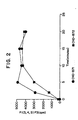
- PtdIns(3,4,5)P 3 The production of PtdIns(3,4,5)P 3 in Jurkat cells following stimulation with CHO-B7-1 or CHO-B7-2 cells for 0-20 minutes is shown in Figure 2.
- the results indicate that stimulation of CD28 with either B7-1 or B7-2 induces potent activation of PI3K (as assessed by PtdIns(3,4,5)P 3 production).
- the induction kinetics are slightly different for the two CD28 ligands: B7-1 stimulates activation earlier than B7-2, although both plateau to the same level. Stimulation of PtdIns(3,4,5)P 3 production by either B7-1 and B7-2 is very strong and persistent (ie., continues for more than 20 minutes).
- This example demonstrates that stimulation of T cells through CD28, either by its natural ligands B7-1 and B7-2 or by an anti-CD28 antibody, induces the production of D-3 phosphoinositides within T cells, indicating activation of PI3K upon CD28 ligation.
- CD28 shares in common B7-1 and B7-2 as physiological ligands, since Jurkat cells are CD28 + but CTLA4 - and cannot be induced to express CTLA4 (as shown in Lindsten, T. (1993) J. Immunol. 151:3489-3499).
- CTLA4 apparently is not required for B7-induced signal transduction and both B7-1 and B7-2 are physiologic ligands for CD28.
- EXAMPLE 2 A Phosphatidylinositol 3-Kinase Inhibitor Can Inhibit Production of D-3 Phosphoinositides Induced by CD28 Ligation
- the effect of an inhibitor of phosphatidylinositol 3-kinase on CD28-mediated production of D-3 phosphoinositides within Jurkat cells was examined.
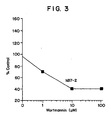
- Jurkat cells were labeled with orthophosphate and stimulated with CHO cells transfected to express B7-2, as described in Example 1. Additionally, during stimulation, the cells were incubated in the presence of various concentrations (0-100 mM) of the fungal metabolite wortmannin, which is an inhibitor of phosphatidylinositol 3-kinase.
- Wortmannin was obtained commercially from Sigma Chemical Co. and stored as a 10 mM solution in DMSO at -40 °C. It was diluted in medium immediately before addition to cells in culture.
- this example demonstrates that the generation of D-3 phosphoinositides intracellularly as a result of stimulation of T cells through CD28 can be inhibited by inhibiting the activity of phosphatidylinositol 3-kinase within the T cells.
- wortmannin which inhibits the activity of PI3K
- herbimycin A which inhibits the activity of protein tyrosine kinases.
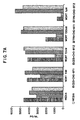
- Jurkat cells were stimulated with an anti-CD28 antibody, either in medium alone or in the presence of wortmannin or herbimycin A, and the mean calcium concentration (nM) in the cells was measured over several minutes following stimulation.
- herbimycin A was capable of inhibiting CD28 antibody-induced calcium flux.
- wortmannin was unable to inhibit CD28-antibody induced calcium flux.
- CHO cells transfected with a control plasmid (CHO-neo) or CHO cells transfected to express B7-1 or B7-2 are loaded with the tracer dye DilC22(3) (which generates red signals; obtained commercially from Molecular Probes).
- Jurkat cell-CHO cell conjugates are analyzed by flow cytometry. Conjugates consisting of T cells and CHO cells can be measured by gating on red signals and calcium levels can be measured in the T cells by gating on the blue and green signals. The results are displayed as a series of two paramater dot plots, shown in Figure 5. Calcium (indo-1 ratio) is on the Y axis and cell conjugates (red tracer) is on the X axis.
- Cells in the upper right quadrant represent Jurkat cells having high levels of calcium conjugated to CHO cells.
- Cells in the lower right quadrant represent Jurkat cells having normal calcium levels conjugated to CHO cells.
- Cells in the upper and lower left quadrants represent nonconjugated Jurkat cells having high or low levels of calcium, respectively.
- CD28 antibodies can have multiple and distinct effects on biochemical aspects of T cell signal transduction and activation (e.g., IL-2 production).
- EXAMPLE 5 A Phosphatidylinositol 3-Kinase Inhibitor Can Inhibit Production of Interleukin-2 Induced by CD28 Ligation
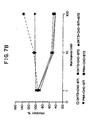
- wortmannin can inhibit IL-2 production stimulated by either B7-1 or B7-2 in conjunction with CD3 stimulation.
- Wortmannin-mediated inhibition of IL-2 production was dose dependent.
- the ID 50 for inhibition of B7-2-mediated stimulation was approximately 10 nM.
- the ID 50 for inhibition of B7-1-mediated stimulation was between 10 and 100 nM.
- T cell activation as assessed by production of IL-2 in response to stimulation through the TCR/CD3 complex and CD28, can be inhibited by treatment of the T cell with an agent which inhibits the activity of phosphatidylinositol 3-kinase within the T cell.
- Jurkat T cells (20 x 10 6 cells) were stimulated with anti-CD28 mAb 9.3 (10 ⁇ g) or with CHO cells expressing B7-1 or B7-2 (10 x 106 cells). The cells were labeled with 32 P orthophosphate, as described in Example 1, and either preincubated in medium containing vehicle diluent or in 3 ⁇ M herbimycin A. After 5 minutes the cells were lysed and PI 3-kinase assessed by measurement of PtdIns(3,4,5)P3 by HPLC as described in Example 1.
- herbimycin blocks activation of PI 3K in Jurkat cells stimulated with anti-CD28, but not in Jurkat cells stimulated with CHO-B7-1 or CHO-B7-2 cells, indicating the existence of herbimycin independent pathway for activation of PI 3-kinase by CD28.
- CD28 + T cells prepared by negative selection of peripheral blood T cells
- supernatants were harvested after 24 hours and analyzed for IL-2 content by ELISA.
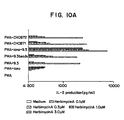
- T cells were stimulated with CD3 antibody OKT3 immobilized on beads with either CHO-B7-1 or CHO-B7-2 cells, or with 9.3 mAb in the presence or absence of ionomycin. Supernatants were collected after 24 hours and the amount of IL-2 determined by ELISA.
- CD28 does not require an essential signal provided by herbimycin sensitive tyrosine kinases or alternatively, that, a calcium signal may be able to bypass a requirement for an essential tyrosine kinase cascade that is triggered by CD28.
- EXAMPLE 8 Identification of a 67 kDa tyrosyl phoshoprotein associated with CD28.
- the immunoprecipitates were washed, eluted, and separated by SDS-PAGE under reducing conditions. After transfer, immunoblots were done using antiphosphotyrosine Ab 4G10 coupled to horse radish peroxidase. Tyrosine phosphorylated proteins were identified by chemiluminescence using ECL.
- Figure 11 represents an autoradiography of an immunoblot.
- a band with relative migration of ⁇ 67 kDa was identified in the CD28 immunoprecipitations.
- This band corresponding to the phosphoprotein appears rapidly after CD28 stimulation, within 3 minutes in Jurkat cells.
- a similar or identical protein has been identified in T cell blasts. This protein does not appear to be the itk/emt protein tyrosine kinase because antibodies to itk do not reveal itk in CD28 immunoprecipitates.
- the molecular weight of this CD28 associated protein is not consistent with lck or PI 3-kinase. Therefore, this is a novel CD28 associated protein.
- results show that a novel phosphotyrosine protein of approximately 67 kDa is associated with CD28 in Jurkat cells and in T cell blasts stimulated through CD28.
Landscapes
- Health & Medical Sciences (AREA)
- Pharmacology & Pharmacy (AREA)
- Veterinary Medicine (AREA)
- Public Health (AREA)
- Chemical & Material Sciences (AREA)
- General Health & Medical Sciences (AREA)
- Medicinal Chemistry (AREA)
- Animal Behavior & Ethology (AREA)
- Life Sciences & Earth Sciences (AREA)
- Immunology (AREA)
- Epidemiology (AREA)
- General Chemical & Material Sciences (AREA)
- Nuclear Medicine, Radiotherapy & Molecular Imaging (AREA)
- Chemical Kinetics & Catalysis (AREA)
- Bioinformatics & Cheminformatics (AREA)
- Engineering & Computer Science (AREA)
- Organic Chemistry (AREA)
- Transplantation (AREA)
- Medicines That Contain Protein Lipid Enzymes And Other Medicines (AREA)
- Pharmaceuticals Containing Other Organic And Inorganic Compounds (AREA)
- Measuring Or Testing Involving Enzymes Or Micro-Organisms (AREA)
- Medicines Containing Material From Animals Or Micro-Organisms (AREA)
- Investigating Or Analysing Biological Materials (AREA)
- Micro-Organisms Or Cultivation Processes Thereof (AREA)
- Magnetic Resonance Imaging Apparatus (AREA)
- Medicines Containing Antibodies Or Antigens For Use As Internal Diagnostic Agents (AREA)
- Peptides Or Proteins (AREA)
- Steroid Compounds (AREA)
Claims (46)
- Verfahren zur Hemmung einer Antwort durch eine T-Zelle, die einen Zelloberflächenrezeptor exprimiert, der ein kostimulatorisches Molekül bindet, umfassend das Inkontaktbringen der T-Zelle in vitro mit einem intrazellulären Agens, das die Bildung von D-3-Phosphoinositiden in der T-Zelle hemmt.
- Verfahren nach Anspruch 1, weiterhin umfassend das Inkontaktbringen der T-Zelle mit einem zweiten Agens, das die Protein-Tyrosinphosphorylierung in der T-Zelle hemmt.
- Verfahren nach Anspruch 2, wobei das zweite Agens ein Inhibitor einer Protein-Tyrosinkinase ist.
- Verfahren nach Anspruch 3, wobei der Inhibitor einer Protein-Tyrosinkinase Herbimycin A oder ein Derivat oder Analogon davon ist.
- Verfahren nach Anspruch 2, wobei das zweite Agens eine Tyrosinphosphatase oder ein Aktivator einer Tyrosinphosphatase ist.
- Verfahren nach Anspruch 5, wobei die Tyrosinphosphatase eine zelluläre Tyrosinphosphatase ist.
- Verfahren nach Anspruch 6, wobei die zelluläre Tyrosinphosphatase CD45 oder Hcph ist.
- Verfahren nach Anspruch 7, wobei das zweite Agens ein Molekül ist, das CD45 bindet und aktiviert.
- Verfahren nach Anspruch 8, wobei das zweite Agens ein anti-CD45-Antikörper oder ein Fragment davon ist.
- Verfahren zur Induzierung eines Nichtreagierens gegenüber einem Antigen in einer T-Zelle, die einen Zelloberflächenrezeptor exprimiert, der ein kostimulatorisches Molekül bindet, umfassend das Inkontaktbringen der T-Zelle in vitro mit einem Antigen und einem intrazellulären Agens, das die Bildung von D-3-Phosphoinositiden in der T-Zelle hemmt.
- Verfahren nach einem der Ansprüche 1 bis 10, wobei das Agens ein Inhibitor der Phosphatidylinosit-3-Kinase ist.
- Verfahren nach Anspruch 11, wobei der Inhibitor der Phosphatidylinosit-3-Kinase ausgewählt ist aus der Gruppe bestehend aus Wortmannin, Quercetin und LY294002 und Derivaten oder Analoga davon.
- Verfahren nach Anspruch 10, wobei das Antigen ein Alloantigen oder ein Autoantigen ist.
- Verfahren zur Stimulierung einer Antwort durch eine T-Zelle, die ein primäres Aktivierungssignal erhalten hat und einen Oberflächenrezeptor exprimiert, der ein kostimulatorisches Molekül bindet, umfassend das Inkontaktbringen der T-Zelle in vitro mit einem intrazellulären Agens, das die Bildung von D-3-Phosphoinositiden in der Zelle stimuliert.
- Verfahren nach Anspruch 14, wobei das Agens ein Aktivator der Phosphatidylinosit-3-Kinase ist.
- Verfahren nach einem der Ansprüche 1 bis 9, 14 oder 15, wobei die Antwort durch die T-Zelle die Bildung von zumindest einem Lymphokin umfasst.
- Verfahren nach Anspruch 16, wobei das Lymphokin Interleukin-2 ist.
- Verfahren nach einem der Ansprüche 1 bis 9 oder 14 bis 17, wobei die Antwort der T-Zelle Proliferation umfasst.
- Verfahren nach Anspruch 14 oder 15, weiterhin umfassend das Inkontaktbringen der T-Zelle mit einem zweiten Agens, das Protein-Tyrosinphosphorylierung in der T-Zelle stimuliert.
- Verfahren nach Anspruch 19, wobei das zweite Agens ein Aktivator einer Protein-Tyrosinkinase oder ein Inhibitor einer zellulären Tyrosinphosphatase ist.
- Verfahren nach Anspruch 20, wobei die zelluläre Tyrosinphosphatase CD45 ist.
- Verfahren zur Stimulierung einer Antwort gegen ein Antigen durch eine T-Zelle, die einen Zelloberflächenrezeptor exprimiert, der ein kostimulatorisches Molekül bindet, umfassend das Inkontaktbringen der T-Zelle in vitro mit dem Antigen und einem intrazellulären Agens, das die Bildung von D-3-Phosphoinositiden in der T-Zelle stimuliert.
- Verfahren nach Anspruch 22, wobei das Agens ein Aktivator der Phosphatidylinosit-3-Kinase ist.
- Verfahren nach Anspruch 22 oder 23, wobei das Antigen ein Tumorassoziiertes Antigen ist.
- Verfahren nach Anspruch 22 oder 23, wobei das Antigen von einem Pathogen stammt, das ausgewählt ist aus der Gruppe bestehend aus einem Bakterium, einem Virus, einem Pilz und einem Parasiten.
- Verfahren zur Identifizierung eines Inhibitors der Phosphatidylinosit-3-Kinase, umfassend:wobei eine reduzierte Menge von zumindest einem D-3-Phosphoinositid, das in der T-Zelle in Gegenwart des Agens gebildet wird, relativ zu einer Menge, die in der T-Zelle in Abwesenheit des Agens gebildet wird, anzeigt, dass das Agens ein Inhibitor einer Phosphatidylinosit-3-Kinase ist.(a) in vitro Bereitstellen einer T-Zelle die einen Rezeptor exprimiert, der ein kostimulatorisches Molekül bindet;(b) Stimulieren eines intrazellulären Signaltransduktionswegs in der T-Zelle, assoziiert mit Ligieren des Rezeptors in Gegenwart eines zu testenden Agens; und(c) Bestimmen der Menge von zumindest einem in der T-Zelle gebildeten D-3-Phosphoinositid,
- Verfahren nach Anspruch 26, wobei der Rezeptor CD28 ist.
- Verfahren nach Anspruch 26 oder 27, wobei die T-Zelle mit einem Liganden von CD28 in Kontakt gebracht wird.
- Verfahren nach Anspruch 28, wobei der Ligand von CD28 eine membrangebundene Form eines B-Lymphocyten-Aktivierungsantigens ist, das ausgewählt ist aus der Gruppe bestehend aus B7-1 und B7-2.
- Verfahren zur Identifizierung eines Aktivators der Phosphatidylinosit-3-Kinase, umfassend:(a) Inkontaktbringen in vitro einer T-Zelle, die einen Rezeptor exprimiert, der ein kostimulatorisches Molekül bindet, mit einem zu testenden Agens; und(b) Bestimmen der Menge von zumindest einem D-3-Phosphoinositid, wobei eine erhöhte Menge von zumindest einem in der Gegenwart des Agens in der T-Zelle gebildeten D-3-Phosphoinositid relativ zu einer Menge, die in der T-Zelle in Abwesenheit des Agens gebildet wird, anzeigt, dass das Agens ein Aktivator der Phophatidylinosit-3-Kinase ist.
- Verfahren nach einem der Ansprüche 26 bis 30, wobei die Bildung von zumindest einem D-3-Phosphoinositid in der T-Zelle durch Hochdruckflüssigkeitschromatographie gemessen wird.
- Verwendung eines intrazellulären Agens, das die Aktivität der Phosphatidylinosit-3-Kinase in einer T-Zelle hemmt, die einen Zelloberflächenrezeptor exprimiert, der ein kostimulatorisches Molekül bindet, weiterhin einschließend ein zweites Agens, das wie in den Ansprüchen 2 bis 9 definiert ist, für die Herstellung eines Arzneimittels zur Hemmung einer Antwort durch die T-Zelle, wobei dadurch eine Immunantwort herunterreguliert wird.
- Verwendung nach Anspruch 32, wobei das Agens wie in Anspruch 11 oder 12 definiert ist.
- Verwendung eines intrazellulären Agens, das die Bildung von D-3-Phosphoinositiden in einer T-Zelle stimuliert, die ein primäres Aktivierungssignal erhalten hat und einen Oberflächenrezeptor exprimiert, der ein kostimulatorisches Molekül bindet, für die Herstellung eines Arzneimittels zur Stimulierung einer Antwort durch die T-Zelle, wobei dadurch eine Immunantwort hinaufreguliert wird.
- Verwendung nach Anspruch 34, wobei das Agens ein Aktivator der Phosphatidylinosit-3-Kinase ist.
- Verwendung nach einem der Ansprüche 32, 34 oder 35, wobei die Antwort durch die T-Zelle so ist wie in einem der Ansprüche 16 bis 18 definiert.
- Verwendung nach Anspruch 34 oder 35, weiterhin einschließend ein zweites Agens, das wie in einem der Ansprüche 19 bis 21 definiert ist, für die Herstellung eines Arzneimittels.
- Verwendung eines Antigens und eines intrazellulären Agens, das die Bildung von D-3-Phosphoinositiden in einer T-Zelle stimuliert, die einen Zelloberflächenrezeptor exprimiert, der ein kostimulatorisches Molekül bindet, für die Herstellung eines Arzneimittels zur Stimulierung einer Antwort gegen ein Antigen durch die T-Zelle, wobei dadurch eine Immunantwort hinaufreguliert wird.
- Verwendung nach Anspruch 38, wobei das Agens oder Antigen wie in einem der Ansprüche 11 bis 13 definiert ist.
- Verfahren nach einem der Ansprüche 10 bis 13, weiterhin umfassend das Inkontaktbringen der T-Zelle mit, oder die Verwendung nach Anspruch 33, weiterhin umfassend für die Herstellung eines Arzneimittels, ein zweites/einem zweiten Agens, das die Protein-Tyrosinphosphorylierung in der T-Zelle hemmt.
- Verfahren nach einem der Ansprüche 1 oder 10 bis 13, weiterhin umfassend das Inkontaktbringen der T-Zelle mit, oder die Verwendung nach Anspruch 32 oder 33, weiterhin umfassend für die Herstellung eines Arzneimittels, ein zweites/einem zweiten Agens, das die Protein-Serinphosphorylierung in der T-Zelle hemmt.
- Verfahren nach einem der Ansprüche 2 bis 9, 40 oder 41, weiterhin umfassend das Inkontaktbringen der T-Zelle mit, oder die Verwendung nach einem der Ansprüche 32, 40 oder 41, weiterhin umfassend für die Herstellung eines Arzneimittels, ein drittes/einem dritten Agens, das die Protein-Serinphosphorylierung in der T-Zelle hemmt.
- Verfahren nach einem der Ansprüche 22 bis 25, weiterhin umfassend das Inkontaktbringen der T-Zelle mit, oder die Verwendung nach Anspruch 38 oder 39, weiterhin umfassend für die Herstellung eines Arzneimittels, ein zweites/einem zweiten Agens, das die Protein-Tyrosinphosphorylierung in der T-Zelle stimuliert.
- Verfahren nach einem der Ansprüche 14 bis 25, weiterhin umfassend das Inkontaktbringen der T-Zelle mit, oder die Verwendung nach einem der Ansprüche 34 bis 39, weiterhin umfassend für die Herstellung eines Arzneimittels, ein zweites/einem zweiten Agens, das die Protein-Serinphosphorylierung in der T-Zelle stimuliert.
- Verfahren nach einem der Ansprüche 19 bis 21 oder 43, weiterhin umfassend das Inkontaktbringen der T-Zelle mit, oder die Verwendung nach Anspruch 37 oder 43, weiterhin umfassend für die Herstellung eines Arzneimittels, ein drittes/einem dritten Agens, das die Protein-Serinphosphorylierung in der T-Zelle stimuliert.
- Isoliertes Protein mit etwa 67 kDa, das mit CD28 aus einer lysierten T-Zelle oder Jurkat-Zelle innerhalb von ungefähr drei Minuten nach Stimulierung durch den 9.3 mAb immunpräzipitiert werden kann.
Applications Claiming Priority (3)
| Application Number | Priority Date | Filing Date | Title |
|---|---|---|---|
| US245282 | 1994-04-29 | ||
| US08/245,282 US6632789B1 (en) | 1994-04-29 | 1994-04-29 | Methods for modulating T cell responses by manipulating intracellular signal transduction |
| PCT/US1995/005213 WO1995029673A1 (en) | 1994-04-29 | 1995-05-01 | Methods for modulating t cell responses by manipulating intracellular signal transduction |
Publications (2)
| Publication Number | Publication Date |
|---|---|
| EP0758232A1 EP0758232A1 (de) | 1997-02-19 |
| EP0758232B1 true EP0758232B1 (de) | 2004-09-08 |
Family
ID=22926047
Family Applications (1)
| Application Number | Title | Priority Date | Filing Date |
|---|---|---|---|
| EP95917184A Expired - Lifetime EP0758232B1 (de) | 1994-04-29 | 1995-05-01 | Verfahren zur modulierung der t-zell-antwort durch manipulation der transduktion der intrazellulären signale |
Country Status (8)
| Country | Link |
|---|---|
| US (2) | US6632789B1 (de) |
| EP (1) | EP0758232B1 (de) |
| JP (3) | JPH09512553A (de) |
| AT (1) | ATE275399T1 (de) |
| AU (1) | AU706761C (de) |
| CA (1) | CA2189055C (de) |
| DE (1) | DE69533475T2 (de) |
| WO (1) | WO1995029673A1 (de) |
Families Citing this family (60)
| Publication number | Priority date | Publication date | Assignee | Title |
|---|---|---|---|---|
| US6632789B1 (en) * | 1994-04-29 | 2003-10-14 | The United States Of America As Represented By The Secretary Of The Navy | Methods for modulating T cell responses by manipulating intracellular signal transduction |
| US6221841B1 (en) * | 1996-10-07 | 2001-04-24 | University Of Massachusetts Medical Center | General receptors for phosphoinositides and uses related thereto |
| US7670767B1 (en) * | 1997-01-16 | 2010-03-02 | The Regents Of The University Of California | Genetic alterations associated with cancer |
| IT1307787B1 (it) * | 1999-07-26 | 2001-11-19 | Univ Firenze | Processo per incrementare la motilita' degli spermatozoi e spermatozoia motilita' superiore cosi' ottenuti. |
| IL150571A0 (en) * | 2000-01-03 | 2003-02-12 | Tr Associates L L C | Novel chimeric proteins and methods for using the same |
| US6777439B2 (en) * | 2000-05-30 | 2004-08-17 | Advanced Research & Technology Institute, Inc. | Compositions and methods for identifying agents which modulate PTEN function and PI-3 kinase pathways |
| CA2454976C (en) * | 2001-07-26 | 2011-05-10 | Santen Pharmaceutical Co., Ltd. | Therapeutic agent for glaucoma comprising compound having pi3 kinase inhibitory action as active ingredient |
| GB0119865D0 (en) | 2001-08-14 | 2001-10-10 | Cancer Res Campaign Tech | DNA-PK inhibitors |
| GB0119863D0 (en) | 2001-08-14 | 2001-10-10 | Cancer Res Campaign Tech | DNA-PK inhibitors |
| US7049313B2 (en) | 2002-02-25 | 2006-05-23 | Kudos Pharmaceuticals Ltd. | ATM inhibitors |
| KR100504503B1 (ko) * | 2003-01-14 | 2005-08-01 | 엘지전자 주식회사 | 공기조화시스템 |
| US7429596B2 (en) * | 2003-06-20 | 2008-09-30 | The Regents Of The University Of California | 1H-pyrrolo [2,3-D] pyrimidine derivatives and methods of use thereof |
| AU2004265149A1 (en) | 2003-08-13 | 2005-02-24 | Kudos Pharmaceuticals Limited | Aminopyrones and their use as ATM inhibitors |
| BRPI0515498A (pt) | 2004-09-20 | 2008-07-29 | Kudos Pharm Ltd | inibidores de dna-pk |
| EP1831225A2 (de) | 2004-11-19 | 2007-09-12 | The Regents of the University of California | Entzündungshemmende pyrazolopyrimidine |
| JP2008521814A (ja) * | 2004-11-24 | 2008-06-26 | シェーリング コーポレイション | Dap−10およびその使用 |
| EP1848712A1 (de) | 2005-02-09 | 2007-10-31 | Kudos Pharmaceuticals Ltd | Atm-inhibitoren |
| AR053358A1 (es) | 2005-04-15 | 2007-05-02 | Cancer Rec Tech Ltd | Inhibidores de adn - pk |
| WO2007114926A2 (en) | 2006-04-04 | 2007-10-11 | The Regents Of The University Of California | Kinase antagonists |
| EP2094837B1 (de) | 2006-12-14 | 2012-04-25 | Medical Research Council | Verwendung von pi3k-, m-tor- und akt-inhibitoren zur induktion der foxp3-expression und zur erzeugung regulatorischer t-zellen |
| GB2467670B (en) * | 2007-10-04 | 2012-08-01 | Intellikine Inc | Chemical entities and therapeutic uses thereof |
| MX2010007419A (es) * | 2008-01-04 | 2010-11-12 | Intellikine Inc | Ciertas entidades quimicas, composiciones y metodos. |
| US8193182B2 (en) | 2008-01-04 | 2012-06-05 | Intellikine, Inc. | Substituted isoquinolin-1(2H)-ones, and methods of use thereof |
| US8993580B2 (en) | 2008-03-14 | 2015-03-31 | Intellikine Llc | Benzothiazole kinase inhibitors and methods of use |
| EP2252293B1 (de) | 2008-03-14 | 2018-06-27 | Intellikine, LLC | Kinasehemmer und verwendungsverfahren |
| EP2277881A4 (de) | 2008-04-18 | 2011-09-07 | Shionogi & Co | Heterocyclische verbindung mit inhibierender wirkung auf p13k |
| US20110224223A1 (en) * | 2008-07-08 | 2011-09-15 | The Regents Of The University Of California, A California Corporation | MTOR Modulators and Uses Thereof |
| BRPI0915231A2 (pt) | 2008-07-08 | 2018-06-12 | Intellikine Inc | compostos inibidores de quinase e métodos de uso |
| CA2738429C (en) | 2008-09-26 | 2016-10-25 | Intellikine, Inc. | Heterocyclic kinase inhibitors |
| EP2358720B1 (de) | 2008-10-16 | 2016-03-02 | The Regents of The University of California | Heteroarylkinasehemmer mit kondensierten ringen |
| US8476431B2 (en) * | 2008-11-03 | 2013-07-02 | Itellikine LLC | Benzoxazole kinase inhibitors and methods of use |
| JP5789252B2 (ja) | 2009-05-07 | 2015-10-07 | インテリカイン, エルエルシー | 複素環式化合物およびその使用 |
| WO2011047384A2 (en) | 2009-10-16 | 2011-04-21 | The Regents Of The University Of California | Methods of inhibiting ire1 |
| CA2799579A1 (en) | 2010-05-21 | 2011-11-24 | Intellikine, Inc. | Chemical compounds, compositions and methods for kinase modulation |
| AU2011309689B2 (en) | 2010-09-28 | 2015-01-15 | Hadasit Medical Research Services & Development Ltd. | Compositions and methods for treatment of hematological malignancies |
| JP2013545749A (ja) | 2010-11-10 | 2013-12-26 | インフィニティー ファーマシューティカルズ, インコーポレイテッド | 複素環化合物及びその使用 |
| ES2637113T3 (es) | 2011-01-10 | 2017-10-10 | Infinity Pharmaceuticals, Inc. | Procedimientos para preparar isoquinolinonas y formas sólidas de isoquinolinonas |
| US9295673B2 (en) | 2011-02-23 | 2016-03-29 | Intellikine Llc | Combination of mTOR inhibitors and P13-kinase inhibitors, and uses thereof |
| HK1198443A1 (en) | 2011-07-19 | 2015-04-24 | 无限药品股份有限公司 | Heterocyclic compounds and uses thereof |
| AR088218A1 (es) | 2011-07-19 | 2014-05-21 | Infinity Pharmaceuticals Inc | Compuestos heterociclicos utiles como inhibidores de pi3k |
| MX2014002542A (es) | 2011-08-29 | 2014-07-09 | Infinity Pharmaceuticals Inc | Compuestos heterociclicos y usos de los mismos. |
| CA2846496C (en) | 2011-09-02 | 2020-07-14 | The Regents Of The University Of California | Substituted pyrazolo[3,4-d]pyrimidines and uses thereof |
| US8940742B2 (en) | 2012-04-10 | 2015-01-27 | Infinity Pharmaceuticals, Inc. | Heterocyclic compounds and uses thereof |
| US8828998B2 (en) | 2012-06-25 | 2014-09-09 | Infinity Pharmaceuticals, Inc. | Treatment of lupus, fibrotic conditions, and inflammatory myopathies and other disorders using PI3 kinase inhibitors |
| JP2015532287A (ja) | 2012-09-26 | 2015-11-09 | ザ・リージエンツ・オブ・ザ・ユニバーシテイー・オブ・カリフオルニア | Ire1の調節 |
| AU2013337717B2 (en) | 2012-11-01 | 2018-10-25 | Infinity Pharmaceuticals, Inc. | Treatment of cancers using PI3 kinase isoform modulators |
| US9481667B2 (en) | 2013-03-15 | 2016-11-01 | Infinity Pharmaceuticals, Inc. | Salts and solid forms of isoquinolinones and composition comprising and methods of using the same |
| US9751888B2 (en) | 2013-10-04 | 2017-09-05 | Infinity Pharmaceuticals, Inc. | Heterocyclic compounds and uses thereof |
| PT3052485T (pt) | 2013-10-04 | 2021-10-22 | Infinity Pharmaceuticals Inc | Compostos heterocíclicos e suas utilizações |
| MX382033B (es) | 2014-03-19 | 2025-03-13 | Infinity Pharmaceuticals Inc | Compuestos heterocíclicos para utilizarlos en el tratamiento de trastornos mediados por pi3k-gamma. |
| WO2015160975A2 (en) | 2014-04-16 | 2015-10-22 | Infinity Pharmaceuticals, Inc. | Combination therapies |
| SI3151672T1 (sl) * | 2014-06-06 | 2021-03-31 | Bluebird Bio, Inc. | Izboljšani T-celični sestavki |
| WO2016054491A1 (en) | 2014-10-03 | 2016-04-07 | Infinity Pharmaceuticals, Inc. | Heterocyclic compounds and uses thereof |
| WO2017048702A1 (en) | 2015-09-14 | 2017-03-23 | Infinity Pharmaceuticals, Inc. | Solid forms of isoquinolinone derivatives, process of making, compositions comprising, and methods of using the same |
| WO2017161116A1 (en) | 2016-03-17 | 2017-09-21 | Infinity Pharmaceuticals, Inc. | Isotopologues of isoquinolinone and quinazolinone compounds and uses thereof as pi3k kinase inhibitors |
| WO2017214269A1 (en) | 2016-06-08 | 2017-12-14 | Infinity Pharmaceuticals, Inc. | Heterocyclic compounds and uses thereof |
| SG11201811237WA (en) | 2016-06-24 | 2019-01-30 | Infinity Pharmaceuticals Inc | Combination therapies |
| RU2020108454A (ru) | 2017-07-31 | 2021-09-02 | Дзе Трастиз Оф Коламбия Юниверсити Ин Дзе Сити Оф Нью Йорк | Соединения, композиции и способы лечения t-клеточного острого лимфобластного лейкоза |
| EP3809983B1 (de) | 2018-06-22 | 2025-08-27 | Mayo Foundation for Medical Education and Research | Verfahren und materialien zur verbesserung der reifung von arteriovenösen fisteln und zur aufrechterhaltung der funktionalität von arteriovenösen fisteln |
| WO2020010259A1 (en) * | 2018-07-06 | 2020-01-09 | Mayo Foundation For Medical Education And Research | Methods and materials for improving transplant outcomes |
Family Cites Families (5)
| Publication number | Priority date | Publication date | Assignee | Title |
|---|---|---|---|---|
| CA2003455C (en) | 1988-11-23 | 2000-02-22 | Craig B. Thompson | Immunotherapy involving cd28 stimulation |
| EP1488805A2 (de) * | 1992-04-07 | 2004-12-22 | The Regents of the University of Michigan | CD28 Immunregulationsweg |
| US5504103A (en) * | 1993-08-25 | 1996-04-02 | Eli Lilly And Company | Inhibition of phosphatidylinositol 3-kinase with 17 β-hydroxywortmannin and analogs thereof |
| US5525503A (en) * | 1993-09-28 | 1996-06-11 | Dana-Farber Cancer Institute, Inc. | Signal transduction via CD28 |
| US6632789B1 (en) * | 1994-04-29 | 2003-10-14 | The United States Of America As Represented By The Secretary Of The Navy | Methods for modulating T cell responses by manipulating intracellular signal transduction |
-
1994
- 1994-04-29 US US08/245,282 patent/US6632789B1/en not_active Expired - Lifetime
-
1995
- 1995-05-01 AU AU23982/95A patent/AU706761C/en not_active Expired
- 1995-05-01 AT AT95917184T patent/ATE275399T1/de not_active IP Right Cessation
- 1995-05-01 JP JP7528376A patent/JPH09512553A/ja active Pending
- 1995-05-01 CA CA2189055A patent/CA2189055C/en not_active Expired - Lifetime
- 1995-05-01 DE DE69533475T patent/DE69533475T2/de not_active Expired - Lifetime
- 1995-05-01 WO PCT/US1995/005213 patent/WO1995029673A1/en not_active Ceased
- 1995-05-01 EP EP95917184A patent/EP0758232B1/de not_active Expired - Lifetime
-
2003
- 2003-10-08 US US10/681,627 patent/US20040072766A1/en not_active Abandoned
-
2006
- 2006-11-22 JP JP2006315500A patent/JP2007056038A/ja active Pending
-
2010
- 2010-06-22 JP JP2010141945A patent/JP2010260868A/ja active Pending
Also Published As
| Publication number | Publication date |
|---|---|
| JPH09512553A (ja) | 1997-12-16 |
| US20040072766A1 (en) | 2004-04-15 |
| CA2189055C (en) | 2011-01-18 |
| WO1995029673A1 (en) | 1995-11-09 |
| DE69533475T2 (de) | 2005-09-22 |
| DE69533475D1 (de) | 2004-10-14 |
| ATE275399T1 (de) | 2004-09-15 |
| HK1014672A1 (en) | 1999-09-30 |
| JP2010260868A (ja) | 2010-11-18 |
| AU2398295A (en) | 1995-11-29 |
| EP0758232A1 (de) | 1997-02-19 |
| JP2007056038A (ja) | 2007-03-08 |
| US6632789B1 (en) | 2003-10-14 |
| AU706761C (en) | 2004-02-19 |
| CA2189055A1 (en) | 1995-11-09 |
| AU706761B2 (en) | 1999-06-24 |
Similar Documents
| Publication | Publication Date | Title |
|---|---|---|
| EP0758232B1 (de) | Verfahren zur modulierung der t-zell-antwort durch manipulation der transduktion der intrazellulären signale | |
| Li et al. | Superantigen-induced corticosteroid resistance of human T cells occurs through activation of the mitogen-activated protein kinase kinase/extracellular signal-regulated kinase (MEK-ERK) pathway | |
| Cannons et al. | Role of TNF receptor-associated factor 2 and p38 mitogen-activated protein kinase activation during 4-1BB-dependent immune response | |
| Gimferrer et al. | Relevance of CD6-mediated interactions in T cell activation and proliferation | |
| Jury et al. | Altered lipid raft–associated signaling and ganglioside expression in T lymphocytes from patients with systemic lupus erythematosus | |
| Janssen et al. | Regulation of activation-induced cell death of mature T-lymphocyte populations | |
| Zeyda et al. | Disruption of the interaction of T cells with antigen‐presenting cells by the active leflunomide metabolite teriflunomide: involvement of impaired integrin activation and immunologic synapse formation | |
| Brumbaugh et al. | Functional role for syk tyrosine kinase in natural killer cell–mediated natural cytotoxicity | |
| Nakaseko et al. | Cytotoxic T lymphocyte antigen 4 (CTLA-4) engagement delivers an inhibitory signal through the membrane-proximal region in the absence of the tyrosine motif in the cytoplasmic tail | |
| Payvandi et al. | Immunomodulatory drugs (IMiDs) increase the production of IL-2 from stimulated T cells by increasing PKC-θ activation and enhancing the DNA-binding activity of AP-1 but not NF-κB, OCT-1, or NF-AT | |
| Li et al. | Prolonged depletion of guanosine triphosphate induces death of insulin-secreting cells by apoptosis | |
| Xiao et al. | Mechanisms of isolevuglandin-protein adduct formation in inflammation and hypertension | |
| Hou et al. | SM934, a water-soluble derivative of arteminisin, exerts immunosuppressive functions in vitro and in vivo | |
| Ohnishi et al. | CD28 cross-linking augments TCR-mediated signals and costimulates superantigen responses. | |
| CA2194239A1 (en) | Methods for modulating t cell responses by manipulating a common cytokine receptor gamma chain | |
| Gawali et al. | Immune checkpoint inhibitors regulate K+ Channel activity in cytotoxic T lymphocytes of head and neck cancer patients | |
| Teng et al. | CD28-mediated cytotoxicity by the human leukemic NK cell line YT involves tyrosine phosphorylation, activation of phosphatidylinositol 3-kinase, and protein kinase C | |
| Brodsky et al. | Forskolin induces U937 cell line differentiation as a result of a sustained cAMP elevation | |
| Conrad et al. | Ryanodine receptor signaling is required for anti‐CD3‐induced T cell proliferation, interleukin‐2 synthesis, and interleukin‐2 receptor signaling | |
| Lorenz et al. | The cell and molecular basis of leukocyte common antigen (CD45)-triggered, lymphocyte function-associated antigen-1-/intercellular adhesion molecule-1-dependent, leukocyte adhesion | |
| AU2003200003B2 (en) | Methods for modulating T cell responses by manipulating intracellular signal transduction | |
| AU752918B2 (en) | Methods for modulating T cell responses by manipulating intracellular signal transduction | |
| Giusti et al. | Zoledronate decreases CTLA-4 in vivo and in vitro independently of its action on bone resorption | |
| Haeryfar et al. | Selective pharmacological inhibitors reveal differences between Thy-1-and T cell receptor-mediated signal transduction in mouse T lymphocytes | |
| Chen et al. | Stephanthraniline A suppressed CD4+ T cell-mediated immunological hepatitis through impairing PKCθ function |
Legal Events
| Date | Code | Title | Description |
|---|---|---|---|
| PUAI | Public reference made under article 153(3) epc to a published international application that has entered the european phase |
Free format text: ORIGINAL CODE: 0009012 |
|
| 17P | Request for examination filed |
Effective date: 19961128 |
|
| AK | Designated contracting states |
Kind code of ref document: A1 Designated state(s): AT BE CH DE DK ES FR GB GR IE IT LI LU MC NL PT SE |
|
| 17Q | First examination report despatched |
Effective date: 20000317 |
|
| RAP1 | Party data changed (applicant data changed or rights of an application transferred) |
Owner name: THE UNITED STATES OF AMERICA AS REPRESENTEND BY TH |
|
| GRAP | Despatch of communication of intention to grant a patent |
Free format text: ORIGINAL CODE: EPIDOSNIGR1 |
|
| GRAS | Grant fee paid |
Free format text: ORIGINAL CODE: EPIDOSNIGR3 |
|
| GRAA | (expected) grant |
Free format text: ORIGINAL CODE: 0009210 |
|
| AK | Designated contracting states |
Kind code of ref document: B1 Designated state(s): AT BE CH DE DK ES FR GB GR IE IT LI LU MC NL PT SE |
|
| PG25 | Lapsed in a contracting state [announced via postgrant information from national office to epo] |
Ref country code: NL Free format text: LAPSE BECAUSE OF FAILURE TO SUBMIT A TRANSLATION OF THE DESCRIPTION OR TO PAY THE FEE WITHIN THE PRESCRIBED TIME-LIMIT Effective date: 20040908 Ref country code: LI Free format text: LAPSE BECAUSE OF FAILURE TO SUBMIT A TRANSLATION OF THE DESCRIPTION OR TO PAY THE FEE WITHIN THE PRESCRIBED TIME-LIMIT Effective date: 20040908 Ref country code: IT Free format text: LAPSE BECAUSE OF FAILURE TO SUBMIT A TRANSLATION OF THE DESCRIPTION OR TO PAY THE FEE WITHIN THE PRESCRIBED TIME-LIMIT;WARNING: LAPSES OF ITALIAN PATENTS WITH EFFECTIVE DATE BEFORE 2007 MAY HAVE OCCURRED AT ANY TIME BEFORE 2007. THE CORRECT EFFECTIVE DATE MAY BE DIFFERENT FROM THE ONE RECORDED. Effective date: 20040908 Ref country code: ES Free format text: LAPSE BECAUSE OF FAILURE TO SUBMIT A TRANSLATION OF THE DESCRIPTION OR TO PAY THE FEE WITHIN THE PRESCRIBED TIME-LIMIT Effective date: 20040908 Ref country code: CH Free format text: LAPSE BECAUSE OF FAILURE TO SUBMIT A TRANSLATION OF THE DESCRIPTION OR TO PAY THE FEE WITHIN THE PRESCRIBED TIME-LIMIT Effective date: 20040908 Ref country code: BE Free format text: LAPSE BECAUSE OF FAILURE TO SUBMIT A TRANSLATION OF THE DESCRIPTION OR TO PAY THE FEE WITHIN THE PRESCRIBED TIME-LIMIT Effective date: 20040908 Ref country code: AT Free format text: LAPSE BECAUSE OF FAILURE TO SUBMIT A TRANSLATION OF THE DESCRIPTION OR TO PAY THE FEE WITHIN THE PRESCRIBED TIME-LIMIT Effective date: 20040908 |
|
| REG | Reference to a national code |
Ref country code: GB Ref legal event code: FG4D |
|
| REG | Reference to a national code |
Ref country code: CH Ref legal event code: EP |
|
| REG | Reference to a national code |
Ref country code: IE Ref legal event code: FG4D |
|
| REF | Corresponds to: |
Ref document number: 69533475 Country of ref document: DE Date of ref document: 20041014 Kind code of ref document: P |
|
| PG25 | Lapsed in a contracting state [announced via postgrant information from national office to epo] |
Ref country code: SE Free format text: LAPSE BECAUSE OF FAILURE TO SUBMIT A TRANSLATION OF THE DESCRIPTION OR TO PAY THE FEE WITHIN THE PRESCRIBED TIME-LIMIT Effective date: 20041208 Ref country code: GR Free format text: LAPSE BECAUSE OF FAILURE TO SUBMIT A TRANSLATION OF THE DESCRIPTION OR TO PAY THE FEE WITHIN THE PRESCRIBED TIME-LIMIT Effective date: 20041208 Ref country code: DK Free format text: LAPSE BECAUSE OF FAILURE TO SUBMIT A TRANSLATION OF THE DESCRIPTION OR TO PAY THE FEE WITHIN THE PRESCRIBED TIME-LIMIT Effective date: 20041208 |
|
| NLV1 | Nl: lapsed or annulled due to failure to fulfill the requirements of art. 29p and 29m of the patents act | ||
| REG | Reference to a national code |
Ref country code: CH Ref legal event code: PL |
|
| ET | Fr: translation filed | ||
| REG | Reference to a national code |
Ref country code: HK Ref legal event code: GR Ref document number: 1014672 Country of ref document: HK |
|
| PLBE | No opposition filed within time limit |
Free format text: ORIGINAL CODE: 0009261 |
|
| STAA | Information on the status of an ep patent application or granted ep patent |
Free format text: STATUS: NO OPPOSITION FILED WITHIN TIME LIMIT |
|
| RAP4 | Party data changed (patent owner data changed or rights of a patent transferred) |
Owner name: THE UNITED STATES OF AMERICA AS REPRESENTED BYTHE |
|
| 26N | No opposition filed |
Effective date: 20050609 |
|
| PG25 | Lapsed in a contracting state [announced via postgrant information from national office to epo] |
Ref country code: PT Free format text: LAPSE BECAUSE OF NON-PAYMENT OF DUE FEES Effective date: 20050208 |
|
| PGFP | Annual fee paid to national office [announced via postgrant information from national office to epo] |
Ref country code: LU Payment date: 20080606 Year of fee payment: 14 |
|
| PGFP | Annual fee paid to national office [announced via postgrant information from national office to epo] |
Ref country code: MC Payment date: 20080418 Year of fee payment: 14 |
|
| PGFP | Annual fee paid to national office [announced via postgrant information from national office to epo] |
Ref country code: IE Payment date: 20080528 Year of fee payment: 14 |
|
| PG25 | Lapsed in a contracting state [announced via postgrant information from national office to epo] |
Ref country code: MC Free format text: LAPSE BECAUSE OF NON-PAYMENT OF DUE FEES Effective date: 20090531 |
|
| REG | Reference to a national code |
Ref country code: IE Ref legal event code: MM4A |
|
| PG25 | Lapsed in a contracting state [announced via postgrant information from national office to epo] |
Ref country code: IE Free format text: LAPSE BECAUSE OF NON-PAYMENT OF DUE FEES Effective date: 20090501 |
|
| PG25 | Lapsed in a contracting state [announced via postgrant information from national office to epo] |
Ref country code: LU Free format text: LAPSE BECAUSE OF NON-PAYMENT OF DUE FEES Effective date: 20090501 |
|
| PGFP | Annual fee paid to national office [announced via postgrant information from national office to epo] |
Ref country code: GB Payment date: 20140430 Year of fee payment: 20 |
|
| PGFP | Annual fee paid to national office [announced via postgrant information from national office to epo] |
Ref country code: DE Payment date: 20140430 Year of fee payment: 20 Ref country code: FR Payment date: 20140509 Year of fee payment: 20 |
|
| REG | Reference to a national code |
Ref country code: DE Ref legal event code: R071 Ref document number: 69533475 Country of ref document: DE |
|
| REG | Reference to a national code |
Ref country code: GB Ref legal event code: PE20 Expiry date: 20150430 |
|
| PG25 | Lapsed in a contracting state [announced via postgrant information from national office to epo] |
Ref country code: GB Free format text: LAPSE BECAUSE OF EXPIRATION OF PROTECTION Effective date: 20150430 |