EP0712926B1 - Fish pancreatic disease virus - Google Patents
Fish pancreatic disease virus Download PDFInfo
- Publication number
- EP0712926B1 EP0712926B1 EP95202771A EP95202771A EP0712926B1 EP 0712926 B1 EP0712926 B1 EP 0712926B1 EP 95202771 A EP95202771 A EP 95202771A EP 95202771 A EP95202771 A EP 95202771A EP 0712926 B1 EP0712926 B1 EP 0712926B1
- Authority
- EP
- European Patent Office
- Prior art keywords
- virus
- fish
- cells
- fpdv
- days
- Prior art date
- Legal status (The legal status is an assumption and is not a legal conclusion. Google has not performed a legal analysis and makes no representation as to the accuracy of the status listed.)
- Expired - Lifetime
Links
Images


Classifications
-
- C—CHEMISTRY; METALLURGY
- C07—ORGANIC CHEMISTRY
- C07K—PEPTIDES
- C07K14/00—Peptides having more than 20 amino acids; Gastrins; Somatostatins; Melanotropins; Derivatives thereof
- C07K14/005—Peptides having more than 20 amino acids; Gastrins; Somatostatins; Melanotropins; Derivatives thereof from viruses
-
- A—HUMAN NECESSITIES
- A61—MEDICAL OR VETERINARY SCIENCE; HYGIENE
- A61K—PREPARATIONS FOR MEDICAL, DENTAL OR TOILETRY PURPOSES
- A61K39/00—Medicinal preparations containing antigens or antibodies
- A61K39/12—Viral antigens
-
- A—HUMAN NECESSITIES
- A61—MEDICAL OR VETERINARY SCIENCE; HYGIENE
- A61P—SPECIFIC THERAPEUTIC ACTIVITY OF CHEMICAL COMPOUNDS OR MEDICINAL PREPARATIONS
- A61P1/00—Drugs for disorders of the alimentary tract or the digestive system
-
- A—HUMAN NECESSITIES
- A61—MEDICAL OR VETERINARY SCIENCE; HYGIENE
- A61P—SPECIFIC THERAPEUTIC ACTIVITY OF CHEMICAL COMPOUNDS OR MEDICINAL PREPARATIONS
- A61P1/00—Drugs for disorders of the alimentary tract or the digestive system
- A61P1/18—Drugs for disorders of the alimentary tract or the digestive system for pancreatic disorders, e.g. pancreatic enzymes
-
- A—HUMAN NECESSITIES
- A61—MEDICAL OR VETERINARY SCIENCE; HYGIENE
- A61P—SPECIFIC THERAPEUTIC ACTIVITY OF CHEMICAL COMPOUNDS OR MEDICINAL PREPARATIONS
- A61P31/00—Antiinfectives, i.e. antibiotics, antiseptics, chemotherapeutics
- A61P31/04—Antibacterial agents
-
- A—HUMAN NECESSITIES
- A61—MEDICAL OR VETERINARY SCIENCE; HYGIENE
- A61P—SPECIFIC THERAPEUTIC ACTIVITY OF CHEMICAL COMPOUNDS OR MEDICINAL PREPARATIONS
- A61P31/00—Antiinfectives, i.e. antibiotics, antiseptics, chemotherapeutics
- A61P31/12—Antivirals
-
- A—HUMAN NECESSITIES
- A61—MEDICAL OR VETERINARY SCIENCE; HYGIENE
- A61P—SPECIFIC THERAPEUTIC ACTIVITY OF CHEMICAL COMPOUNDS OR MEDICINAL PREPARATIONS
- A61P37/00—Drugs for immunological or allergic disorders
- A61P37/02—Immunomodulators
- A61P37/04—Immunostimulants
-
- C—CHEMISTRY; METALLURGY
- C12—BIOCHEMISTRY; BEER; SPIRITS; WINE; VINEGAR; MICROBIOLOGY; ENZYMOLOGY; MUTATION OR GENETIC ENGINEERING
- C12N—MICROORGANISMS OR ENZYMES; COMPOSITIONS THEREOF; PROPAGATING, PRESERVING, OR MAINTAINING MICROORGANISMS; MUTATION OR GENETIC ENGINEERING; CULTURE MEDIA
- C12N7/00—Viruses; Bacteriophages; Compositions thereof; Preparation or purification thereof
-
- G—PHYSICS
- G01—MEASURING; TESTING
- G01N—INVESTIGATING OR ANALYSING MATERIALS BY DETERMINING THEIR CHEMICAL OR PHYSICAL PROPERTIES
- G01N33/00—Investigating or analysing materials by specific methods not covered by groups G01N1/00 - G01N31/00
- G01N33/48—Biological material, e.g. blood, urine; Haemocytometers
- G01N33/50—Chemical analysis of biological material, e.g. blood, urine; Testing involving biospecific ligand binding methods; Immunological testing
- G01N33/53—Immunoassay; Biospecific binding assay; Materials therefor
- G01N33/569—Immunoassay; Biospecific binding assay; Materials therefor for microorganisms, e.g. protozoa, bacteria, viruses
- G01N33/56983—Viruses
-
- A—HUMAN NECESSITIES
- A61—MEDICAL OR VETERINARY SCIENCE; HYGIENE
- A61K—PREPARATIONS FOR MEDICAL, DENTAL OR TOILETRY PURPOSES
- A61K39/00—Medicinal preparations containing antigens or antibodies
- A61K2039/51—Medicinal preparations containing antigens or antibodies comprising whole cells, viruses or DNA/RNA
- A61K2039/525—Virus
- A61K2039/5252—Virus inactivated (killed)
-
- A—HUMAN NECESSITIES
- A61—MEDICAL OR VETERINARY SCIENCE; HYGIENE
- A61K—PREPARATIONS FOR MEDICAL, DENTAL OR TOILETRY PURPOSES
- A61K39/00—Medicinal preparations containing antigens or antibodies
- A61K2039/55—Medicinal preparations containing antigens or antibodies characterised by the host/recipient, e.g. newborn with maternal antibodies
- A61K2039/552—Veterinary vaccine
-
- A—HUMAN NECESSITIES
- A61—MEDICAL OR VETERINARY SCIENCE; HYGIENE
- A61K—PREPARATIONS FOR MEDICAL, DENTAL OR TOILETRY PURPOSES
- A61K38/00—Medicinal preparations containing peptides
-
- A—HUMAN NECESSITIES
- A61—MEDICAL OR VETERINARY SCIENCE; HYGIENE
- A61K—PREPARATIONS FOR MEDICAL, DENTAL OR TOILETRY PURPOSES
- A61K39/00—Medicinal preparations containing antigens or antibodies
-
- C—CHEMISTRY; METALLURGY
- C12—BIOCHEMISTRY; BEER; SPIRITS; WINE; VINEGAR; MICROBIOLOGY; ENZYMOLOGY; MUTATION OR GENETIC ENGINEERING
- C12N—MICROORGANISMS OR ENZYMES; COMPOSITIONS THEREOF; PROPAGATING, PRESERVING, OR MAINTAINING MICROORGANISMS; MUTATION OR GENETIC ENGINEERING; CULTURE MEDIA
- C12N2720/00—MICROORGANISMS OR ENZYMES; COMPOSITIONS THEREOF; PROPAGATING, PRESERVING, OR MAINTAINING MICROORGANISMS; MUTATION OR GENETIC ENGINEERING; CULTURE MEDIA dsRNA viruses
- C12N2720/00011—Details
- C12N2720/10011—Birnaviridae
- C12N2720/10022—New viral proteins or individual genes, new structural or functional aspects of known viral proteins or genes
-
- C—CHEMISTRY; METALLURGY
- C12—BIOCHEMISTRY; BEER; SPIRITS; WINE; VINEGAR; MICROBIOLOGY; ENZYMOLOGY; MUTATION OR GENETIC ENGINEERING
- C12N—MICROORGANISMS OR ENZYMES; COMPOSITIONS THEREOF; PROPAGATING, PRESERVING, OR MAINTAINING MICROORGANISMS; MUTATION OR GENETIC ENGINEERING; CULTURE MEDIA
- C12N2720/00—MICROORGANISMS OR ENZYMES; COMPOSITIONS THEREOF; PROPAGATING, PRESERVING, OR MAINTAINING MICROORGANISMS; MUTATION OR GENETIC ENGINEERING; CULTURE MEDIA dsRNA viruses
- C12N2720/00011—Details
- C12N2720/10011—Birnaviridae
- C12N2720/10034—Use of virus or viral component as vaccine, e.g. live-attenuated or inactivated virus, VLP, viral protein
-
- C—CHEMISTRY; METALLURGY
- C12—BIOCHEMISTRY; BEER; SPIRITS; WINE; VINEGAR; MICROBIOLOGY; ENZYMOLOGY; MUTATION OR GENETIC ENGINEERING
- C12N—MICROORGANISMS OR ENZYMES; COMPOSITIONS THEREOF; PROPAGATING, PRESERVING, OR MAINTAINING MICROORGANISMS; MUTATION OR GENETIC ENGINEERING; CULTURE MEDIA
- C12N2770/00—MICROORGANISMS OR ENZYMES; COMPOSITIONS THEREOF; PROPAGATING, PRESERVING, OR MAINTAINING MICROORGANISMS; MUTATION OR GENETIC ENGINEERING; CULTURE MEDIA ssRNA viruses positive-sense
- C12N2770/00011—Details
- C12N2770/36011—Togaviridae
- C12N2770/36022—New viral proteins or individual genes, new structural or functional aspects of known viral proteins or genes
-
- C—CHEMISTRY; METALLURGY
- C12—BIOCHEMISTRY; BEER; SPIRITS; WINE; VINEGAR; MICROBIOLOGY; ENZYMOLOGY; MUTATION OR GENETIC ENGINEERING
- C12N—MICROORGANISMS OR ENZYMES; COMPOSITIONS THEREOF; PROPAGATING, PRESERVING, OR MAINTAINING MICROORGANISMS; MUTATION OR GENETIC ENGINEERING; CULTURE MEDIA
- C12N2770/00—MICROORGANISMS OR ENZYMES; COMPOSITIONS THEREOF; PROPAGATING, PRESERVING, OR MAINTAINING MICROORGANISMS; MUTATION OR GENETIC ENGINEERING; CULTURE MEDIA ssRNA viruses positive-sense
- C12N2770/00011—Details
- C12N2770/36011—Togaviridae
- C12N2770/36111—Alphavirus, e.g. Sindbis virus, VEE, EEE, WEE, Semliki
- C12N2770/36121—Viruses as such, e.g. new isolates, mutants or their genomic sequences
-
- C—CHEMISTRY; METALLURGY
- C12—BIOCHEMISTRY; BEER; SPIRITS; WINE; VINEGAR; MICROBIOLOGY; ENZYMOLOGY; MUTATION OR GENETIC ENGINEERING
- C12N—MICROORGANISMS OR ENZYMES; COMPOSITIONS THEREOF; PROPAGATING, PRESERVING, OR MAINTAINING MICROORGANISMS; MUTATION OR GENETIC ENGINEERING; CULTURE MEDIA
- C12N2770/00—MICROORGANISMS OR ENZYMES; COMPOSITIONS THEREOF; PROPAGATING, PRESERVING, OR MAINTAINING MICROORGANISMS; MUTATION OR GENETIC ENGINEERING; CULTURE MEDIA ssRNA viruses positive-sense
- C12N2770/00011—Details
- C12N2770/36011—Togaviridae
- C12N2770/36111—Alphavirus, e.g. Sindbis virus, VEE, EEE, WEE, Semliki
- C12N2770/36122—New viral proteins or individual genes, new structural or functional aspects of known viral proteins or genes
-
- C—CHEMISTRY; METALLURGY
- C12—BIOCHEMISTRY; BEER; SPIRITS; WINE; VINEGAR; MICROBIOLOGY; ENZYMOLOGY; MUTATION OR GENETIC ENGINEERING
- C12N—MICROORGANISMS OR ENZYMES; COMPOSITIONS THEREOF; PROPAGATING, PRESERVING, OR MAINTAINING MICROORGANISMS; MUTATION OR GENETIC ENGINEERING; CULTURE MEDIA
- C12N2770/00—MICROORGANISMS OR ENZYMES; COMPOSITIONS THEREOF; PROPAGATING, PRESERVING, OR MAINTAINING MICROORGANISMS; MUTATION OR GENETIC ENGINEERING; CULTURE MEDIA ssRNA viruses positive-sense
- C12N2770/00011—Details
- C12N2770/36011—Togaviridae
- C12N2770/36111—Alphavirus, e.g. Sindbis virus, VEE, EEE, WEE, Semliki
- C12N2770/36134—Use of virus or viral component as vaccine, e.g. live-attenuated or inactivated virus, VLP, viral protein
Definitions
- the virus which is a causative agent of fish pancreas disease.
- the virus may be used to provide a vaccine and/or a method of diagnosis of the disease.
- Pancreas Disease is a serious disease affecting Atlantic salmon (Salmon salar L). The disease causes lesions in the pancreas, including loss of pancreatic exocrine tissue and fibrosis, cardiac and skeletal muscle myopathies. It is believed that other salmonoid species, such as rainbow trout, wild Atlantic salmon, could also be infected by PD.
- the present invention reports the isolation of the causative agent of PD for the first time.
- the causative agent has now been found to be a spherical virus of 65.5 ⁇ 4.3nm in size, also referred to herein as FPDV virus. Without projections it has a diameter of 46.8 ⁇ 2.5nm, is chloroform and pH sensitive, resistant to inhibition by BUDR and on examination by electron microscope morphologically possesses similarities to a member of the Togavirus group.
- the Togavirus family is comprised of 3 genera, Alphaviruses (27 species), Rubiviruses (1 species) and Arteriviruses (1 species). When inoculated into freshwater salmon parr and marine salmon post-smolts it produces pancreas disease with its associated morphological changes in the pancreas, heart, and skeletal muscle.
- the present invention provides Fish Pancreas Disease Virus (FPDV).
- FPDV Fish Pancreas Disease Virus
- FPDV is a toga-like virus. It consists of spherical enveloped particles, having a particle size of 64-66nm as measured by electron microscopy and a density of 1.2g/ml in caesium chloride. Inoculation of 10 3.5 TCID 50 intraperitoneally into Atlantic salmon post-smolts held in sea water at 14°C causes the fish to develop symptoms of pancreatic disease, that is to become inappetant and to develop pancreatic acinar cell necrosis, cardiac necrosis and skeletal myopathy.
- FPDV virus having the above characteristics.
- the invention is not limited to any particular virus strain of FPDV, however embodiments of the invention are directed to the specific strain(s) of FPDV isolated and closely related strains thereof.
- closely related strains we mean any strain which shares similar genotypic and/or phenotypic characteristics to the strain(s) isolated.
- this phrase encompasses slightly modified forms of the virus which retain substantially the same functional activities. Thus, for example some amino acid or nucleotide additions, deletions or alterations have very little effect; if any, on the functional activities of the virus.
- FPDV a fish virus which serologically reacts with convalescent anti-FPDV antiserum or antiserum raised against the deposited FPDV sample (ECACC No. V94090731). More in particular a FPDV is a fish virus which gives a positive reaction with either of these antisera in an indirect fluorescent antibody test (IFA).
- IFA indirect fluorescent antibody test
- the virus of the present invention is in a form substantially free of other types of viral or microbial material.
- the present invention provides a vaccine to PD, said vaccine comprising FPDV.
- the vaccine may be, for example, an attenuated or inactivated form of FPDV itself.
- Inactivated forms of FPDV may be produced by heating a sample of FPDV, for example heating above 50°C, by treatment with chloroform, adjustment of pH or by any other suitable means.
- Attenuated forms of FPDV may be produced by prolonged passage of the virus in cell culture, often of a different species, or by growth at progressively higher temperatures, to select populations better adapted to a higher temperature. Development of plaque purification methods to select variants by plaque size has been used in other viruses and may be suitable here.
- Vaccines to other togaviruses are known in the art and thus the techniques of producing a suitable vaccine are available to the skilled practitioner. Mention may be made to Roerig et al in High Technology Route, to Virus Vaccines, ed Driesman, Bronson & Kennedy 1985, Page 142 and also to Leong et al in Annual Review of Fish . Diseases (1993) pages 225-240.
- the vaccine would be administered to young fish, for example salmon in the fresh-water stage.
- the vaccine may be added directly to the water containing the fish.
- the fish or a sample of the fish
- the fish could be inoculated directly.
- immunity may be conferred on the other fish due to the contact with the vaccinated fish.
- the present invention provides a diagnostic reagent for PD, said reagent comprising an antibody capable of binding selectively to FPDV.
- the diagnostic reagent may include a marker, such as a radioactive label, a chromophore, fluorophore, heavy metal, enzymic label, antibody label or the like.
- the diagnostic reagent may be immobilised (for example on a bead, rod, vessel surface or membrane) and the sample to be tested is brought into direct contact with said diagnostic reagent.
- the present invention provides a method of isolating FPDV.
- This method comprises identifying fish suffering from PD, preferably fish in the acute stage of PD (as defined by Munro et al, supra ).
- Affected tissues such as the pancreas or kidney
- CHSE-214 cells are co-cultivated with Chinook salmon embryo (CHSE-214) cells for an appropriate length of time, for example up to 35 days, especially approximately 28 days.
- CHSE-214 Chinook salmon embryo
- the present invention also provides a method of diagnosing PD, said method comprising the following steps:
- the method of diagnosis may be performed on any sample suspected to contain FPDV.
- tissue samples for example kidney, spleen, heart, pancreas, liver, gut or blood
- diagnosis procedure for example, tissue samples (for example kidney, spleen, heart, pancreas, liver, gut or blood) of the fish may be subjected to the diagnosis procedure.
- a blood sample for example kidney, spleen, heart, pancreas, liver, gut or blood
- the diagnostic test may be performed on a sample of the water which has been used to contain the fish.
- chinook salmon embryonic cell line (CHSE-214, Nims et al, 1970) was used throughout the investigation.
- Other cell lines used include epithelioma papulosum cyprini (EPC), fathead minnow (FHM), bluegill leponis macrochirus (BF2), Atlantic salmon (AS), rainbow trout gonad (RTG-2) and rainbow trout fibroblast (RTF) cells.
- Cells were maintained in Eagle's minimum essential medium (MEM) containing Earle's salts and sodium hydrogen carbonate 2.2 g/l supplemented with 200mM L-glutamine, 1% non-essential amino acids, 0.01M Hepes, penicillin 100 IU./ml, streptomycin 100 ⁇ g/ml and 10% foetal bovine serum (FBS) Gibco, Scotland. Cells were propagated in either 150cm 2 flasks or 24 well plates (Costar 3524) at 20°C.
- MEM Eagle's minimum essential medium
- FBS foetal bovine serum
- MEMM maintenance medium
- penicillin 500 IU ml -1 penicillin 500 IU ml -1
- streptomycin sulphate 500 ⁇ g ml -1
- amphotericin B 0.625 ⁇ g ml -1
- FBS FBS was reduced to 2%.
- Samples of kidney, spleen, heart, liver, pancreas and gut were taken from 20 individual fish during the acute phase of an outbreak of Pancreas disease in farmed Atlantic salmon on the west coast of Ireland. Samples from each fish were treated separately.
- kidney portions and other tissues from each fish were pooled and 10% homogenates prepared with MEMM using a pestle and mortar. These were centrifuged at 2500g for 15 minutes and 0.1ml of the supernatants were inoculated at final dilutions of 1:20, 1:50 and 1:100 in MEMM into 24 well plates containing CHSE-214 cells. These were incubated at 15°C for up to 28 days or until the appearance of CPE, when passage into CHSE cells and incubation at 15°C to a further 28 days was carried out.
- Virus growth in CHSE-214 cells was measured by inoculation of 0.1 ml of FPDV on to CHSE-214 cells in 24 well plates at a multiplicity of infection (MOI) of 1 TCID 50 /cell and allowing virus to absorb for 1 hour at 15°C. The innoculum was removed and the cells washed three times with MEMM, before replacing with 1 ml MEMM. Samples were removed for assay on postinoculation days (PID) 0, 2, 4, 6, 8, 10, 12, 14, 21 and 28 as follows. For extra-cellular virus samples, half of the culture medium was removed from each of 4 wells, pooled and centrifuged at 800 x g for 5 minutes to remove the cells. The supernatant contained extra-cellular virus.
- PID postinoculation days
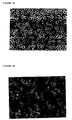
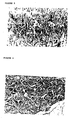
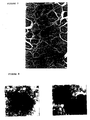
- Virus was isolated from two out of twenty kidney tissues submitted for examination. These had been co-cultivated with CHSE-214 cells for 28 days and then given further passages in CHSE-214 cells. No CPE was seen in the original co-cultivation cultures. On passage however, small discrete groups of cells which were pyknotic, vacuolated and irregular in appearance could be observed after 10 days incubation. After four further passages in CHSE-214 cells the CPE had become widespread (see Figure 1). Virus titres of 10 8.5 TCID 50 /ml were routinely obtained. Most of the affected cells remained attached to the monolayers. No syncytia or inclusion bodies were observed in any of the cultures. No virus was isolated from any of the tissue homogenates inoculated.
- Sensitivity to chloroform was determined by adding 0.05 ml chloroform to 1 ml of virus. The mixture was shaken for 10 minutes at ambient temperature then centrifuged at 400x g for 5 minutes to remove the chloroform. Residual infections virus was detected by titration in CHSE-214 cells. A control consisted of 0.05 ml of MEMM added to lml of virus instead of chloroform. Infectious Pancreatic Necrosis Virus (IPNV) and Viral Haemorrhagic Septicaemia virus (VHS) were also included as negative (non-sensitive) and positive (sensitive) virus controls respectively.
- IPNV Infectious Pancreatic Necrosis Virus
- VHS Viral Haemorrhagic Septicaemia virus
- IPNV infectivity was not affected when treated in the same way.
- Stability at pH 3.0 was determined by adding 0.1 ml virus to 0.9 ml MEM adjusted to pH 3.0, holding for 4 hours at 4°C then checking for residual infections virus by titrating in CHSE-214 cells at 15°C for 14 days. The experiment was repeated with FPDV added to MEM at pH 7.2 as a control. IPNV was included as a pH 3.0 stable virus control and infectious hematopoietic necrosis virus (IHN) was used as a pH 3.0 sensitive control.
- IHN infectious hematopoietic necrosis virus
- Tests for haemagglutination were carried out with chicken, guinea pig, rainbow trout, and Atlantic salmon erythrocytes is U-bottomed 96 well plates, by adding 0.1ml of a 0.8% suspension of red blood cells in phosphate buffered saline (PBS) pH 7.2 to 0.1ml of a FPDV pool prepared in CHSE-214 cells with a titre 10 7 TCID 50 /ml and incubating at 4°C, 15°C, and 37°C. Tests were examined after 1, 3 and 18 hours.
- PBS phosphate buffered saline
- the nucleic acid type of the virus was determined by growing the virus in the presence of the DNA inhibitor 5-bromo-2'-deoxyuridine (BUDR) with and without thymidine.
- BUDR DNA inhibitor 5-bromo-2'-deoxyuridine
- Groups of 4 wells in each of three 24-well plates containing CHSE-214 cells were inoculated with 0.1ml of ten-fold dilutions of virus, which were allowed to absorb for 1 hour at 15°C.
- MEMM with 1mM/ml BUDR or MEMM with 1mM/ml BUDR and 1mM/ml thymidine were added.
- the plates were incubated at 15°C for 14 days and examined for CPE.
- a fish RNA virus (IPN) and a DNA virus (lymphocystis) grown in BF2 cells were included as controls.
- the virus titre of the isolate and IPNV was not affected by the presence of BUDR in the medium whereas the fish DNA virus was inhibited. This indicates that the genome of the isolate is comprised of RNA.
- Virus suspensions for EM examinations consisted of either FPDV infected cell culture medium used without prior fixation or after the addition of glutaraldehyde (2% final conc.) for 1 hour at 4°C and subsequent ultracentrifugation at 100 000 x g for 4 hours, then resuspension of the pellet in a few drops of distilled water.
- a carbon coated copper grid was placed on top of a drop of virus suspension and allowed to stand for 10 minutes. Excess fluid was drained off and the grid was stained with 2% phosphotungstic acid (PTA) (pH 7.2) for 1 minute. It was examined in a Hitachie H7000 transmission EM at x 50,000 magnification.
- PTA 2% phosphotungstic acid
- Virus preparations not fixed in glutaraldehyde before EM examination contained mostly disrupted particles. indicating that pre-fixation is required to preserve the intact virion.
- Virus growth in CHSE-214 cells was measured by inoculation of 0.1ml of FPDV on to CHSE-214 cells in a 24 well plate at a multiplicity of 1.0 TCID 50 /cell and allowing it to absorb for 1 hour at 15°C. The virus was then removed and the cells washed twice with MEMM before replacing with 1ml MEMM. Samples were removed for assay on days 0, 7, 11, 14, 21, 28 post inoculation as follows. Half of the culture medium was removed from each of 4 wells pooled and centrifuged at 800x g for 5 minutes to remove the cells. The remaining 0.5ml of culture medium along with the adherent cells, removed by scraping were pooled, and then frozen and thawed once. Both samples were assayed separately for virus infectivity by titration in CHSE-214 cells at 15°C for 14 days.
- FPDV was inoculated into CHSE-214 cells at an MOI of 1.
- Cells and medium 400ml were harvested at 8 days post inoculation and frozen and thawed once at -70°C before centrifugation at 10,000x g for 30 minutes in a Beckman Type 35 angle rotor to remove cell debris. The supernatant was subjected to ultracentrifugation of 100,000x g for 4 hours.
- the resultant pellet was resuspended in a total of 2ml of PBS pH 7.2 and layered over a discontinuous CsCl gradient comprised of 5ml of 1.3g/ml CsCl and 4.5ml of 1.22g/ml CsCl.
- Infectivity was detected in fractions from CsCl gradients with densities from 1.08 to 1.26g/ml. The maximum infectivity was observed at a density of 1.2g/ml and this fraction also contained the greatest number of complete virus particles as assessed by EM examination.
- FPDV was tested for neutralisation by hyperimmune rabbit sera against Infectious Haematopoietic virus (IHN), Viral Haemorrhagic Septicaemia virus (VHS), Infectious Pancreatic Necrosis virus, strains Sp, Ab, and VR-299 (IPNV), Equine arteritis virus (EAV), Bovine Viral Diarrhoea virus (BVD), and Rubella virus. Equal volumes of 200 TCID 50 /0.1ml of FPDV was added to 0.1ml of two-fold dilutions of antisera and incubated at 15°C for 1 hour.
- IHN Infectious Haematopoietic virus
- VHS Viral Haemorrhagic Septicaemia virus
- IPNV Infectious Pancreatic Necrosis virus
- EAV Equine arteritis virus
- BBD Bovine Viral Diarrhoea virus
- Rubella virus Equal volumes of 200 TCID 50 /0.1ml of FP
- FPDV was not neutralised by antisera to IHNV, VHSV, IPNV, EAV, BVD or Rubella, indicating that it was not related to these virus groups.
- Atlantic salmon parr of mean weight 20g ⁇ 2.9g were maintained in circular 1.2m diameter tanks containing litres of partially re-circulated spring source water at 10-12°C. The fish were kept in these tanks for 2 weeks prior to inoculation to acclimatise and were fed on a commercially prepared diet to satiation. Tissues were removed from 10 fish and examined for the presence of Infectious Pancreas Necrosis virus (IPNV) and Pancreas Disease. Before inoculation fish were anaesthetised with 3-aminobenzoic acid ethyl ester (MS222).
- IPNV Infectious Pancreas Necrosis virus
- MS222 3-aminobenzoic acid ethyl ester
- Atlantic salmon post-smolts of mean weight 87g were maintained in 2 x 1.5m tanks containing sea water in a flow through system at 12-15°C. They were kept for 2 weeks to acclimatise prior to inoculation, and samples of tissue from 10 fish were cultured for the presence of IPNV and examined histologically for evidence of Pancreas disease.
- a FPDV pool was prepared by inoculating virus into CHSE-214 cells at a multiplicity of infection of 1 TCID 50 per cell and harvesting after 8 days incubation at 15°C. The cells were disrupted by freezing and thawing once at -70°C and the cell debris was removed by centrifugation at 10,000x g for 30 minutes. The resultant virus pool, titre 10 7.0 TCID 50 /ml was filtered through a 0.22 micron porosity Millipore filter and 0.1ml inoculated intraperitoneally into each of 100 fish. Fifty fin-clipped un-inoculated fish were added to each of the tanks as in-contact fish.
- samples of heart, spleen, kidney, liver, caecae/pancreas and muscle were taken from 10 test and 10 control fish for histological examination.
- Heart, spleen, kidney and caecae/pancreas samples were also taken from the same fish for virus isolation until day 28.
- days 14 or 15, 21, 28, 35 and 42 post-inoculation 5 in-contact fish were removed and tissues sampled for histological examination.
- In-contact fish were sampled for virus isolation on days 14 or 15 and 21 only.
- Samples for histological examination were fixed in 10% formaldehyde in buffered saline pH 7.0, embedded in paraffin wax and 5 micron sections cut on a Reichert Ultracut S microtome. These were stained with haematoxylin and eosin.
- Tissues were prepared as 10% homogenates in MEMM, using mortars and pestles, centrifuged at 2,500x g for 15 minutes then inoculated at final dilutions of 1:20 and 1:10 into each of 2 wells in a 24 well plate containing CHSE-214 cells and incubated at 15°C for 28 days.
- Virus was isolated from all tissues of the inoculated fish, but at different times post-inoculation (Table 5), with the heart tissue giving the best success rate.
- inactivated FPDV with added adjuvant when inoculated into salmon parr, can protect the fish from challenge with live FPDV.
- 11th passage FPDV was grown in CHSE cells and harvested at 6 days post inoculation and centrifuged at 1000 x g for 15 minutes. 600ml of the resulting supernatant was passed through an Amicon filter producing 25ml of concentrated FPDV at a titre of 10 7.5 TCID 50 ml -1 .
- FISH Salmon parr, average wt 27g, were kept in freshwater flow-through system for 1 or 2 weeks pre-vaccination. (Water temperature range 10-14°C).
- a fourth group D of 50 naive unvaccinated fish were also inoculated I/P with the same amount of FPDV to act as a positive control.
- the test involves addition of serum, containing FPDV antibody, to CHSE cells suspected of being infected with the virus. If virus is present the antibody will bind to the antigen present. Anti-salmon IgM prepared in rabbits is then added and will attach to the bound antibody. This attachment is detected by the addition of anti-rabbit serum conjugated to fluorescein isothiocyanate (FITC) which can be viewed as green fluorescence using a fluorescent microscope.
- FITC fluorescein isothiocyanate
- CHSE-214 cells are grown on 11mm diameter coverslips in 24-well plates (Costar) by seeding 45,000 cells in 0.5ml of growth medium (MEM+10% foetal bovine serum) per coverslip. The cultures are incubated at 20°C in a closed container with 3% CO 2 / air mixture for 48 hours before use.
- growth medium MEM+10% foetal bovine serum
- Positive serum - convalescent serum from FPDV affected salmon used at 1/50 dilution in phosphate buffered saline (PBS) pH 7.2.
- PBS phosphate buffered saline
- Negative control serum - salmon serum with no antibody to FPDV diluted 1/50 in PBS Negative control serum - salmon serum with no antibody to FPDV diluted 1/50 in PBS.
- Rabbit anti-salmon IgM - obtained commercially from Soren Schierbeck & Co, Helsingor, Denmark, diluted 1/50 in PBS.
- Anti-rabbit Ig/FITC obtained commercially from Nordic Imm. Labs., Berks, England, diluted 1/1000 in PBS.
- Test and control coverslips are overlaid with 50 ⁇ L of positive and negative sera and incubated at 35°C for 30 minutes in a humidified 100mm square petri dish. PBS is added to separate coverslips as reagent controls. All coverslips are then rinsed in PBS for 6 minutes (3 changes of 2 minutes each) and excess PBS is drained off on tissue paper. 50 ⁇ L of anti-salmon IgM is added to all coverslips and incubated for 30 minutes at 35°C. Further rinsing is carried out in PBS for 6 minutes and 50 ⁇ L of anti-rabbit/FITC is added to all coverslips which are incubated for 30 minutes at 35°C.
- a final rinsing is carried out for 6 minutes in PBS and the coverslips are examined under a 40x objective on a Labophot 2 fluorescence microscope with the coverslips under buffered glycerol saline pH 9.2. Green fluorescence similar to the positive controls, with absence of fluorescence in the negative controls indicates presence of FPDV antigen in cultures.
- the test involves addition of salmon serum to FPDV infected CHSE-214 cells. If antibody to FPDV is present in the serum it will bind to the virus infected cells. Anti-salmon IgM prepared in rabbits is then added to the preparation and will attach to any bound antibody. This attachment is recognised by addition of anti-rabbit serum conjugated to fluorescein thiocyanate (FITC) which can be viewed as green fluorescence (FITC) under a fluorescence microscope.
- FITC fluorescein thiocyanate
- FPDV infected cells are prepared by adding virus to CHSE-214 cell suspension containing 200,000 cells per ml, at a multiplicity of 1 and seeding 40 ⁇ L into each well of 12 well multispot slide (Hendley, Essex). The cultures are incubated in a 3% CO 2 /air atmosphere in a closed container at 20°C for 24 hours. They are then transferred to a 15°C incubator and incubated for a further 3 days before rinsing twice with phosphate buffered saline (PBS) pH 7.2, fixing with acetone for 5 minutes and storing at +4°C until used. Control CHSE-214 cultures without virus are prepared in the same way.
- PBS phosphate buffered saline
- Negative control serum - salmon serum with no antibody by SNT Negative control serum - salmon serum with no antibody by SNT.
- Rabbit anti-salmon IgM - obtained commercially from Soren Shierbeck & Co, Helsingor, Denmark.
- Anti-rabbit Ig/FITC obtained commercially from Nordic Imm. Labs. Berks, England.
- FPDV positive and negative multispot wells are overlaid with 30 ⁇ L of salmon test sera diluted 1/20 with PBS pH 7.2. Positive and negative sera at 1/20 dilution in PBS are also included in separate wells. Two wells on each slide also have PBS added as controls and slides are incubated at 35°C in a humidified 100mm 2 petri dish for 30 minutes. Following rinsing in PBS (three rinses of 2 minutes each) 30 ⁇ L of anti salmon IgM at a 1/50 dilution in PBS is added to all wells and the slides incubated for a further 30 minutes at 35°C.
- Virus RNA 14 C uridine.
- this label was chosen because it is detectable using X-ray film.
- RNA present in Act D-treated, infected cells was also investigated. Following extraction by the NP40 lysis method a smear of labelled RNA, increasing in intensity as molecular weight decreased, was observed. No distinctive candidate viral RNAs could be detected.
- RNA extracted from infected CHSE cells Intracellular RNA
- RNA extracted from virus present in the tissue culture supernatant Extracellular virus RNA
- Monolayers of CHSE cells in 75cm 2 plastic flasks were infected with FPDV (typically 10 4 TCID 50 ) . This was done by absorbing the virus contained in 2ml MEM media for 1 hour and then adding 17ml media without serum. At 7 days postinfection the media was removed and the cells scraped off the flasks into ice-cold PBS. Cell pellets prepared by centrifugation at 1500g for 5 minutes, were extracted using "RNA Isolator" (Genosys). Typically, cells from 2 flasks were extracted with 1ml extraction reagent.
- Supernatant medium (usually 700-900ml volumes) from infected CHSE cells was concentrated 5 or 6 fold by Amicon filtration and ultracentrifugation at 35000 rpm for 4 hours using the Beckman 8 x 70ml fixed angle rotor to produce crude virus pellets, which were shown to contain high titres of virus infectivity.
- crude virus pellets derived from 300-450ml supernatant were extracted with 1ml "RNA Isolator" reagent.
- RNA pellets were centrifuged after storage in EtOH at -20°C at 12000g for 10 minutes and dissolved in 20 ⁇ l RNAase free water.
- Intracellular RNA derived from the cells contained in approximately 0.25 flask monolayer and Extracellular virus RNA derived from 50-100ml supernatant were used.
- Transfection was performed with the "Lipofectin" (Gibco BRL) reagent using the method recommended by the manufacturers. Briefly, this involved mixing RNA solutions with tissue culture media containing Lipofectin and then incubating semiconfluent CHSE cells, grown in 24 well Costar plates, with the mixture (100 ⁇ l/1.5cm diameter well culture) for 5 to 6 hours before replacing the reagent transfection mixture with maintenance medium. Cultures were examined for cpe at daily intervals. Occasionally viral cpe was observed after 4 to 6 days following the subculture of transfected cultures, the subculturing procedure usually being performed 8 days after the transfection.
Landscapes
- Health & Medical Sciences (AREA)
- Life Sciences & Earth Sciences (AREA)
- Chemical & Material Sciences (AREA)
- Organic Chemistry (AREA)
- Engineering & Computer Science (AREA)
- Immunology (AREA)
- General Health & Medical Sciences (AREA)
- Medicinal Chemistry (AREA)
- Virology (AREA)
- Veterinary Medicine (AREA)
- Bioinformatics & Cheminformatics (AREA)
- Animal Behavior & Ethology (AREA)
- Pharmacology & Pharmacy (AREA)
- Public Health (AREA)
- Microbiology (AREA)
- Biochemistry (AREA)
- Biomedical Technology (AREA)
- Molecular Biology (AREA)
- Genetics & Genomics (AREA)
- General Chemical & Material Sciences (AREA)
- Chemical Kinetics & Catalysis (AREA)
- Nuclear Medicine, Radiotherapy & Molecular Imaging (AREA)
- Zoology (AREA)
- Hematology (AREA)
- Biotechnology (AREA)
- Wood Science & Technology (AREA)
- Urology & Nephrology (AREA)
- Food Science & Technology (AREA)
- General Physics & Mathematics (AREA)
- Communicable Diseases (AREA)
- Proteomics, Peptides & Aminoacids (AREA)
- Tropical Medicine & Parasitology (AREA)
- Cell Biology (AREA)
- Gastroenterology & Hepatology (AREA)
- General Engineering & Computer Science (AREA)
- Oncology (AREA)
- Physics & Mathematics (AREA)
- Analytical Chemistry (AREA)
- Biophysics (AREA)
- Pathology (AREA)
Applications Claiming Priority (6)
| Application Number | Priority Date | Filing Date | Title |
|---|---|---|---|
| GB9420956A GB9420956D0 (en) | 1994-10-18 | 1994-10-18 | Virus |
| GB9420956 | 1994-10-18 | ||
| GBGB9508704.5A GB9508704D0 (en) | 1995-04-28 | 1995-04-28 | Virus |
| GB9508704 | 1995-04-28 | ||
| GB9509425 | 1995-05-10 | ||
| GBGB9509425.6A GB9509425D0 (en) | 1995-05-10 | 1995-05-10 | "Virus" |
Publications (3)
| Publication Number | Publication Date |
|---|---|
| EP0712926A2 EP0712926A2 (en) | 1996-05-22 |
| EP0712926A3 EP0712926A3 (enExample) | 1996-07-03 |
| EP0712926B1 true EP0712926B1 (en) | 2003-10-08 |
Family
ID=27267435
Family Applications (1)
| Application Number | Title | Priority Date | Filing Date |
|---|---|---|---|
| EP95202771A Expired - Lifetime EP0712926B1 (en) | 1994-10-18 | 1995-10-13 | Fish pancreatic disease virus |
Country Status (9)
| Country | Link |
|---|---|
| US (2) | US5939073A (enExample) |
| EP (1) | EP0712926B1 (enExample) |
| JP (1) | JP3676449B2 (enExample) |
| AT (1) | ATE251667T1 (enExample) |
| CA (1) | CA2160764C (enExample) |
| DE (1) | DE69531891D1 (enExample) |
| DK (1) | DK0712926T3 (enExample) |
| NO (2) | NO317547B1 (enExample) |
| PT (1) | PT712926E (enExample) |
Families Citing this family (16)
| Publication number | Priority date | Publication date | Assignee | Title |
|---|---|---|---|---|
| EP0626635B1 (en) * | 1993-05-24 | 2003-03-05 | Sun Microsystems, Inc. | Improved graphical user interface with method for interfacing to remote devices |
| JP4323720B2 (ja) | 1998-05-08 | 2009-09-02 | インターベツト・インターナシヨナル・ベー・ベー | 魚膵臓病ウイルス構造タンパク質およびその使用 |
| US20030108901A1 (en) * | 2001-07-17 | 2003-06-12 | Kibenge Frederick S.B. | Serological test for ISAV in fish |
| US6936256B2 (en) * | 2001-08-10 | 2005-08-30 | University Of Maryland Biotechnology Institute | Sub-unit vaccine for infectious pancreatic necrosis virus |
| DE602004028029D1 (en) | 2003-10-07 | 2010-08-19 | Ingrid Dheur | Rwendung |
| DK179025B1 (da) | 2005-09-16 | 2017-08-28 | Intervet Int Bv | Fiskevaccine |
| US8753878B2 (en) | 2006-12-22 | 2014-06-17 | Ewos S.A. | Process and formulation for immunizing fish in aquaculture systems |
| CA2708167C (en) | 2007-12-19 | 2016-11-29 | David Francis Kirke | Vaccine antigens from piscirickettsia salmonis |
| NO333242B1 (no) * | 2008-02-08 | 2013-04-15 | Pharmaq As | Sammensetning, medisinsk anvendelse og fremgangsmate som omfatter salmonid alfavirus |
| NO346489B1 (no) * | 2008-02-08 | 2022-09-05 | Pharmaq As | Anvendelse av inaktivert SAV i fremstilling av en vaksine. |
| WO2012089749A1 (en) | 2010-12-29 | 2012-07-05 | Intervet International B.V. | Salmonid alphavirus protein e2 |
| WO2012130723A1 (en) | 2011-03-25 | 2012-10-04 | Intervet International B.V. | Salmonid alphavirus vaccine |
| EP3037823A1 (en) | 2014-12-22 | 2016-06-29 | BioMar Group A/S | Method for determining pathological tissue damage and diagnosing infectious disease in fish |
| KR102163242B1 (ko) * | 2018-06-05 | 2020-10-08 | 전남대학교산학협력단 | 무지개송어의 면역글로불린 m에 특이적인 단클론항체 및 이의 용도 |
| NO344938B1 (en) | 2018-12-13 | 2020-07-20 | Patogen As | Pancreas Disease Virus Markers |
| CN113122510A (zh) * | 2021-04-12 | 2021-07-16 | 中国水产科学研究院黑龙江水产研究所 | 一种传染性造血器官坏死病疫苗及其病毒在胖头鱥肌肉细胞上扩增的方法 |
Family Cites Families (1)
| Publication number | Priority date | Publication date | Assignee | Title |
|---|---|---|---|---|
| US5165925A (en) * | 1989-05-02 | 1992-11-24 | State Of Oregon Acting By And Through The State Board Of Higher Education On Behalf Of Oregon State University | Vaccine for immunizing fish against infectious pancreatic necrosis virus |
-
1995
- 1995-10-13 DK DK95202771T patent/DK0712926T3/da active
- 1995-10-13 DE DE69531891T patent/DE69531891D1/de not_active Expired - Lifetime
- 1995-10-13 AT AT95202771T patent/ATE251667T1/de active
- 1995-10-13 EP EP95202771A patent/EP0712926B1/en not_active Expired - Lifetime
- 1995-10-13 PT PT95202771T patent/PT712926E/pt unknown
- 1995-10-17 CA CA002160764A patent/CA2160764C/en not_active Expired - Lifetime
- 1995-10-17 NO NO19954135A patent/NO317547B1/no not_active IP Right Cessation
- 1995-10-18 JP JP27017295A patent/JP3676449B2/ja not_active Expired - Lifetime
- 1995-10-18 US US08/544,681 patent/US5939073A/en not_active Expired - Lifetime
-
1997
- 1997-05-08 US US08/854,057 patent/US5914260A/en not_active Expired - Lifetime
-
2011
- 2011-10-28 NO NO2011024C patent/NO2011024I2/no not_active IP Right Cessation
Also Published As
| Publication number | Publication date |
|---|---|
| NO954135D0 (no) | 1995-10-17 |
| NO317547B1 (no) | 2004-11-15 |
| CA2160764C (en) | 2002-09-03 |
| JPH08228770A (ja) | 1996-09-10 |
| NO954135L (no) | 1996-04-19 |
| DE69531891D1 (de) | 2003-11-13 |
| EP0712926A2 (en) | 1996-05-22 |
| DK0712926T3 (da) | 2004-02-09 |
| EP0712926A3 (enExample) | 1996-07-03 |
| JP3676449B2 (ja) | 2005-07-27 |
| US5939073A (en) | 1999-08-17 |
| CA2160764A1 (en) | 1996-04-19 |
| NO2011024I1 (no) | 2011-11-14 |
| NO2011024I2 (no) | 2015-09-07 |
| PT712926E (pt) | 2004-02-27 |
| ATE251667T1 (de) | 2003-10-15 |
| US5914260A (en) | 1999-06-22 |
Similar Documents
| Publication | Publication Date | Title |
|---|---|---|
| EP0712926B1 (en) | Fish pancreatic disease virus | |
| Nelson et al. | Isolation of a toga-like virus from farmed Atlantic salmon Salmo salar with pancreas disease | |
| Renault et al. | Herpesviruses associated with mortalities among Pacific oyster, Crassostrea gigas, in France-Comparative study | |
| Jung et al. | Herpesviral haematopoietic necrosis of goldfish, Carassius auratus (L.) | |
| Ashkenazi et al. | Tumorigenicity of simian papovavirus SV40 and of virus-transformed cells | |
| Afshar et al. | Viruses associated with bovine semen. | |
| Whittington et al. | Influence of environmental temperature on experimental infection of redfin perch (Perca fluviatilis) and rainbow trout (Oncorhynchus mykiss) with epizootic haematopoietic necrosis virus, an Australian iridovirus | |
| DOI et al. | Properties of a cytopathic agent isolated from a patient with subacute sclerosing panencephalitis in Japan | |
| Mayor et al. | Immunofluorescent, cytochemical, and microcytological studies on the growth of the simian vacuolating virus (SV-40) in tissue culture | |
| Adair et al. | Isolation of infectious pancreatic necrosis (IPN) virus from non‐salmonid fish | |
| Thormar et al. | Passage in Ferrets of Encephalitogenic Cell-Associated Measles Vims Isolated from Brain of a Patient with Subacute Sclerosing Panencephalitis | |
| Amend et al. | Characteristics of a previously unidentified virus from channel catfish (Ictalurus punctatus) | |
| McFerran | Egg drop syndrome, 1976 (EDS'76) | |
| Al-Busaidy et al. | Isolation and identification of arboviruses from the Sultanate of Oman | |
| McIntosh et al. | Replication of the insect Chilo iridescent virus (CIV) in a poikilothermic vertebrate cell line | |
| Koski | A RHABDOVIRUS ISOLATED FROM BROWN TROUT (SALMO TRUTTA m. LACUSTRIS (L.)) WITH LESIONS IN PARENCHYMATOUSn | |
| Lee et al. | Gill lamellar pillar cell necrosis, a new birnavirus disease in Japanese eels | |
| CA1243621A (en) | Propagation of group ii avian adeno (aa) virus in avian cell culture and vaccine produced | |
| Hedrick et al. | A small RNA virus isolated from salmonid fishes in California, USA | |
| CA2570050C (en) | Heart and skeletal muscle inflammation (hsmi) virus | |
| Coulter et al. | Identification of a cell-associated morbillivirus from cattle affected with malignant catarrhal fever: antigenic differentiation and cytologic characterization | |
| Lin et al. | Isolation of an apathogenic immunogenic strain of duck enteritis virus from waterfowl in California | |
| McAllister et al. | Isolation of infectious pancreatic necrosis virus (serotype Ab) from diverse species of estuarine fish | |
| EP1543113B1 (en) | Chicken astrovirus type 2 | |
| Neukirch | Isolation of an orthomyxovirus like agent from European eel (Anguilla anguilla) |
Legal Events
| Date | Code | Title | Description |
|---|---|---|---|
| PUAI | Public reference made under article 153(3) epc to a published international application that has entered the european phase |
Free format text: ORIGINAL CODE: 0009012 |
|
| PUAL | Search report despatched |
Free format text: ORIGINAL CODE: 0009013 |
|
| AK | Designated contracting states |
Kind code of ref document: A2 Designated state(s): AT BE CH DE DK ES FR GB GR IE IT LI LU MC NL PT SE |
|
| AK | Designated contracting states |
Kind code of ref document: A3 Designated state(s): AT BE CH DE DK ES FR GB GR IE IT LI LU MC NL PT SE |
|
| 17P | Request for examination filed |
Effective date: 19951013 |
|
| 17Q | First examination report despatched |
Effective date: 19990714 |
|
| GRAH | Despatch of communication of intention to grant a patent |
Free format text: ORIGINAL CODE: EPIDOS IGRA |
|
| RIC1 | Information provided on ipc code assigned before grant |
Ipc: 7G 01N 33/48 B Ipc: 7A 61K 39/12 B Ipc: 7C 12N 7/02 B Ipc: 7C 12N 7/00 A |
|
| RIC1 | Information provided on ipc code assigned before grant |
Ipc: 7G 01N 33/48 B Ipc: 7A 61K 39/12 B Ipc: 7C 12N 7/02 B Ipc: 7C 12N 7/00 A |
|
| GRAS | Grant fee paid |
Free format text: ORIGINAL CODE: EPIDOSNIGR3 |
|
| GRAA | (expected) grant |
Free format text: ORIGINAL CODE: 0009210 |
|
| AK | Designated contracting states |
Kind code of ref document: B1 Designated state(s): AT BE CH DE DK ES FR GB GR IE IT LI LU MC NL PT SE |
|
| PG25 | Lapsed in a contracting state [announced via postgrant information from national office to epo] |
Ref country code: LI Free format text: LAPSE BECAUSE OF FAILURE TO SUBMIT A TRANSLATION OF THE DESCRIPTION OR TO PAY THE FEE WITHIN THE PRESCRIBED TIME-LIMIT Effective date: 20031008 Ref country code: CH Free format text: LAPSE BECAUSE OF FAILURE TO SUBMIT A TRANSLATION OF THE DESCRIPTION OR TO PAY THE FEE WITHIN THE PRESCRIBED TIME-LIMIT Effective date: 20031008 Ref country code: BE Free format text: LAPSE BECAUSE OF FAILURE TO SUBMIT A TRANSLATION OF THE DESCRIPTION OR TO PAY THE FEE WITHIN THE PRESCRIBED TIME-LIMIT Effective date: 20031008 |
|
| REG | Reference to a national code |
Ref country code: GB Ref legal event code: FG4D |
|
| PG25 | Lapsed in a contracting state [announced via postgrant information from national office to epo] |
Ref country code: LU Free format text: LAPSE BECAUSE OF NON-PAYMENT OF DUE FEES Effective date: 20031013 |
|
| REG | Reference to a national code |
Ref country code: CH Ref legal event code: EP |
|
| PG25 | Lapsed in a contracting state [announced via postgrant information from national office to epo] |
Ref country code: MC Free format text: LAPSE BECAUSE OF NON-PAYMENT OF DUE FEES Effective date: 20031031 |
|
| REG | Reference to a national code |
Ref country code: IE Ref legal event code: FG4D |
|
| REF | Corresponds to: |
Ref document number: 69531891 Country of ref document: DE Date of ref document: 20031113 Kind code of ref document: P |
|
| PG25 | Lapsed in a contracting state [announced via postgrant information from national office to epo] |
Ref country code: GR Free format text: LAPSE BECAUSE OF FAILURE TO SUBMIT A TRANSLATION OF THE DESCRIPTION OR TO PAY THE FEE WITHIN THE PRESCRIBED TIME-LIMIT Effective date: 20040108 |
|
| PG25 | Lapsed in a contracting state [announced via postgrant information from national office to epo] |
Ref country code: DE Free format text: LAPSE BECAUSE OF FAILURE TO SUBMIT A TRANSLATION OF THE DESCRIPTION OR TO PAY THE FEE WITHIN THE PRESCRIBED TIME-LIMIT Effective date: 20040109 |
|
| PG25 | Lapsed in a contracting state [announced via postgrant information from national office to epo] |
Ref country code: ES Free format text: LAPSE BECAUSE OF FAILURE TO SUBMIT A TRANSLATION OF THE DESCRIPTION OR TO PAY THE FEE WITHIN THE PRESCRIBED TIME-LIMIT Effective date: 20040119 |
|
| REG | Reference to a national code |
Ref country code: SE Ref legal event code: TRGR |
|
| REG | Reference to a national code |
Ref country code: DK Ref legal event code: T3 |
|
| REG | Reference to a national code |
Ref country code: CH Ref legal event code: PL |
|
| ET | Fr: translation filed | ||
| PLBE | No opposition filed within time limit |
Free format text: ORIGINAL CODE: 0009261 |
|
| STAA | Information on the status of an ep patent application or granted ep patent |
Free format text: STATUS: NO OPPOSITION FILED WITHIN TIME LIMIT |
|
| 26N | No opposition filed |
Effective date: 20040709 |
|
| REG | Reference to a national code |
Ref country code: PT Ref legal event code: PC4A Owner name: INTERVET INTERNATIONAL B.V., NL Effective date: 20061114 |
|
| REG | Reference to a national code |
Ref country code: FR Ref legal event code: TP |
|
| NLS | Nl: assignments of ep-patents |
Owner name: INTERVET INTERNATIONAL B.V. Effective date: 20070208 |
|
| REG | Reference to a national code |
Ref country code: IE Ref legal event code: SPCF Free format text: SPC041/2011: 20111214 Spc suppl protection certif: SPC041/2011 Filing date: 20111214 |
|
| REG | Reference to a national code |
Ref country code: GB Ref legal event code: CTFF Free format text: PRODUCT NAME: NORVAX COMPACT PD EMULSION FOR INJECTION. SALMON PANCREAS DISEASE VIRUS (SPDV) STRAIN F93-125, 70 % RPP; REGISTERED: UK UK DEFRA VMD 20110810; UK 01708/4551 20110810 Spc suppl protection certif: SPC/GB12/002 Filing date: 20120105 |
|
| REG | Reference to a national code |
Ref country code: GB Ref legal event code: CTFW Free format text: PRODUCT NAME: NORVAX COMPACT PD EMULSION FOR INJECTION. SALMON PANCREAS DISEASE VIRUS (SPDV) STRAIN F93-125, 70 % RPP; REGISTERED: UK UK DEFRA VMD 20110810; UK 01708/4551 20110810 Spc suppl protection certif: SPC/GB12/002 Filing date: 20120105 |
|
| PGFP | Annual fee paid to national office [announced via postgrant information from national office to epo] |
Ref country code: DK Payment date: 20140924 Year of fee payment: 20 |
|
| PGFP | Annual fee paid to national office [announced via postgrant information from national office to epo] |
Ref country code: GB Payment date: 20140925 Year of fee payment: 20 |
|
| PGFP | Annual fee paid to national office [announced via postgrant information from national office to epo] |
Ref country code: PT Payment date: 20140414 Year of fee payment: 20 |
|
| PGFP | Annual fee paid to national office [announced via postgrant information from national office to epo] |
Ref country code: FR Payment date: 20140924 Year of fee payment: 20 Ref country code: SE Payment date: 20141007 Year of fee payment: 20 Ref country code: IE Payment date: 20141003 Year of fee payment: 20 |
|
| PGFP | Annual fee paid to national office [announced via postgrant information from national office to epo] |
Ref country code: NL Payment date: 20141009 Year of fee payment: 20 Ref country code: AT Payment date: 20140925 Year of fee payment: 20 |
|
| PGFP | Annual fee paid to national office [announced via postgrant information from national office to epo] |
Ref country code: IT Payment date: 20141015 Year of fee payment: 20 |
|
| REG | Reference to a national code |
Ref country code: NL Ref legal event code: MK Effective date: 20151012 |
|
| REG | Reference to a national code |
Ref country code: DK Ref legal event code: EUP Effective date: 20151013 |
|
| REG | Reference to a national code |
Ref country code: PT Ref legal event code: MM4A Free format text: MAXIMUM VALIDITY LIMIT REACHED Effective date: 20151013 |
|
| REG | Reference to a national code |
Ref country code: GB Ref legal event code: PE20 Expiry date: 20151012 |
|
| REG | Reference to a national code |
Ref country code: IE Ref legal event code: MK9A |
|
| REG | Reference to a national code |
Ref country code: AT Ref legal event code: MK07 Ref document number: 251667 Country of ref document: AT Kind code of ref document: T Effective date: 20151013 Ref country code: SE Ref legal event code: EUG |
|
| PG25 | Lapsed in a contracting state [announced via postgrant information from national office to epo] |
Ref country code: GB Free format text: LAPSE BECAUSE OF EXPIRATION OF PROTECTION Effective date: 20151012 Ref country code: IE Free format text: LAPSE BECAUSE OF EXPIRATION OF PROTECTION Effective date: 20151013 |
|
| PG25 | Lapsed in a contracting state [announced via postgrant information from national office to epo] |
Ref country code: PT Free format text: LAPSE BECAUSE OF EXPIRATION OF PROTECTION Effective date: 20151020 |
|
| REG | Reference to a national code |
Ref country code: IE Ref legal event code: SPCG Free format text: PRODUCT NAME: SALMON PANCREAS DISEASE VIRUS WHICH WHEN INJECTED INTRAPERITONEALLY AT A TITRE OF 10-3.5 TCID50 INTO ATLANTIC SALMON POST-SMOLTS HELD IN SEA WATER AT 14OC CAUSES THE FISH TO DEVELOP SYMPTOMS OF PANCREATIC DISEASE, WHEREIN: (A) SAID VIRUS IS THE VIRUS STRAIN AS DEPOSITED AT ECACC UNDER DEPOSIT NUMBER V94090731 OR CLOSELY RELATED STRAINS WHICH SHARE SIMILAR GENOTYPIC AND PHENOTYPIC CHARACTERISTICS TO SAID DEPOSITED VIRUS STRAIN, AND (B) SAID VIRUS REACTS SEROLOGICALLY WITH COVALESCENT ANTI-FPDV ANTISERUM OR ANTISERUM RAISED AGAINST THE DEPOSITED VIRUS STRAIN V94090731, AND (C) SAID VIRUS IS IN AN INACTIVATED FORM.; NAT REGISTRATION NO/DATE: 10996/213/001 20110819; FIRST REGISTRAT Spc suppl protection certif: 2011/041 Extension date: 20200505 Effective date: 20160314 |