EP0679717B1 - Soluble interferon -receptor, its preparation and use - Google Patents
Soluble interferon -receptor, its preparation and use Download PDFInfo
- Publication number
- EP0679717B1 EP0679717B1 EP94116559A EP94116559A EP0679717B1 EP 0679717 B1 EP0679717 B1 EP 0679717B1 EP 94116559 A EP94116559 A EP 94116559A EP 94116559 A EP94116559 A EP 94116559A EP 0679717 B1 EP0679717 B1 EP 0679717B1
- Authority
- EP
- European Patent Office
- Prior art keywords
- ifnar
- ifn
- soluble
- cells
- protein
- Prior art date
- Legal status (The legal status is an assumption and is not a legal conclusion. Google has not performed a legal analysis and makes no representation as to the accuracy of the status listed.)
- Expired - Lifetime
Links
Images




Classifications
-
- C—CHEMISTRY; METALLURGY
- C07—ORGANIC CHEMISTRY
- C07K—PEPTIDES
- C07K14/00—Peptides having more than 20 amino acids; Gastrins; Somatostatins; Melanotropins; Derivatives thereof
- C07K14/435—Peptides having more than 20 amino acids; Gastrins; Somatostatins; Melanotropins; Derivatives thereof from animals; from humans
- C07K14/705—Receptors; Cell surface antigens; Cell surface determinants
- C07K14/715—Receptors; Cell surface antigens; Cell surface determinants for cytokines; for lymphokines; for interferons
-
- A—HUMAN NECESSITIES
- A61—MEDICAL OR VETERINARY SCIENCE; HYGIENE
- A61P—SPECIFIC THERAPEUTIC ACTIVITY OF CHEMICAL COMPOUNDS OR MEDICINAL PREPARATIONS
- A61P1/00—Drugs for disorders of the alimentary tract or the digestive system
- A61P1/16—Drugs for disorders of the alimentary tract or the digestive system for liver or gallbladder disorders, e.g. hepatoprotective agents, cholagogues, litholytics
-
- A—HUMAN NECESSITIES
- A61—MEDICAL OR VETERINARY SCIENCE; HYGIENE
- A61P—SPECIFIC THERAPEUTIC ACTIVITY OF CHEMICAL COMPOUNDS OR MEDICINAL PREPARATIONS
- A61P25/00—Drugs for disorders of the nervous system
-
- A—HUMAN NECESSITIES
- A61—MEDICAL OR VETERINARY SCIENCE; HYGIENE
- A61P—SPECIFIC THERAPEUTIC ACTIVITY OF CHEMICAL COMPOUNDS OR MEDICINAL PREPARATIONS
- A61P31/00—Antiinfectives, i.e. antibiotics, antiseptics, chemotherapeutics
- A61P31/12—Antivirals
-
- A—HUMAN NECESSITIES
- A61—MEDICAL OR VETERINARY SCIENCE; HYGIENE
- A61P—SPECIFIC THERAPEUTIC ACTIVITY OF CHEMICAL COMPOUNDS OR MEDICINAL PREPARATIONS
- A61P35/00—Antineoplastic agents
-
- A—HUMAN NECESSITIES
- A61—MEDICAL OR VETERINARY SCIENCE; HYGIENE
- A61P—SPECIFIC THERAPEUTIC ACTIVITY OF CHEMICAL COMPOUNDS OR MEDICINAL PREPARATIONS
- A61P35/00—Antineoplastic agents
- A61P35/02—Antineoplastic agents specific for leukemia
-
- A—HUMAN NECESSITIES
- A61—MEDICAL OR VETERINARY SCIENCE; HYGIENE
- A61P—SPECIFIC THERAPEUTIC ACTIVITY OF CHEMICAL COMPOUNDS OR MEDICINAL PREPARATIONS
- A61P37/00—Drugs for immunological or allergic disorders
- A61P37/02—Immunomodulators
-
- A—HUMAN NECESSITIES
- A61—MEDICAL OR VETERINARY SCIENCE; HYGIENE
- A61P—SPECIFIC THERAPEUTIC ACTIVITY OF CHEMICAL COMPOUNDS OR MEDICINAL PREPARATIONS
- A61P37/00—Drugs for immunological or allergic disorders
- A61P37/02—Immunomodulators
- A61P37/06—Immunosuppressants, e.g. drugs for graft rejection
-
- A—HUMAN NECESSITIES
- A61—MEDICAL OR VETERINARY SCIENCE; HYGIENE
- A61P—SPECIFIC THERAPEUTIC ACTIVITY OF CHEMICAL COMPOUNDS OR MEDICINAL PREPARATIONS
- A61P43/00—Drugs for specific purposes, not provided for in groups A61P1/00-A61P41/00
-
- G—PHYSICS
- G01—MEASURING; TESTING
- G01N—INVESTIGATING OR ANALYSING MATERIALS BY DETERMINING THEIR CHEMICAL OR PHYSICAL PROPERTIES
- G01N33/00—Investigating or analysing materials by specific methods not covered by groups G01N1/00 - G01N31/00
- G01N33/48—Biological material, e.g. blood, urine; Haemocytometers
- G01N33/50—Chemical analysis of biological material, e.g. blood, urine; Testing involving biospecific ligand binding methods; Immunological testing
- G01N33/68—Chemical analysis of biological material, e.g. blood, urine; Testing involving biospecific ligand binding methods; Immunological testing involving proteins, peptides or amino acids
- G01N33/6863—Cytokines, i.e. immune system proteins modifying a biological response such as cell growth proliferation or differentiation, e.g. TNF, CNF, GM-CSF, lymphotoxin, MIF or their receptors
- G01N33/6866—Interferon
-
- A—HUMAN NECESSITIES
- A61—MEDICAL OR VETERINARY SCIENCE; HYGIENE
- A61K—PREPARATIONS FOR MEDICAL, DENTAL OR TOILETRY PURPOSES
- A61K38/00—Medicinal preparations containing peptides
-
- C—CHEMISTRY; METALLURGY
- C07—ORGANIC CHEMISTRY
- C07K—PEPTIDES
- C07K2319/00—Fusion polypeptide
Definitions
- the present invention relates to new forms of interferon ⁇ -receptors (IFN ⁇ -receptors), their preparation, compositions containing them, and uses thereof in diagnosis and therapy.
- IFN ⁇ -receptors interferon ⁇ -receptors
- Interferons belong to the family of cytokines which are cell-secreted proteins that typically act on target cells via specific plasma membrane receptors present on the surface of the target cells.
- a common feature of these receptors is the presence of an internal sequence of hydrophobic amino acids forming the transmembranal(TM) domain, which anchors the receptor in the outer membrane of the cell (Bazan, J.F., Proc.Natl.Acad.Sci. USA 87 6934-6938 (1990)).
- a human type I IFN receptor, designated IFN ⁇ -receptor protein (IFNAR) was characterized by cloning of its cDNA (Uze, G., and Gresser, I., Cell 60 , 225-234 (1990)).
- This cDNA encodes an IFNAR protein having a 21 amino acid-long hydrophobic transmembranal region, which separates an N-terminal extracellular (EC) domain of 436 amino acids, from a C-terminal intracellular (IC) domain of 100 amino acids (see Fig. 1, scheme 1). It has been shown that the EC domain is involved in ligand binding (Benoit, P., et al., J.Immunol. 150 , 707-716 (1993); Novick, D., et al., FEBS letters 314 , 445-448 (1992)).
- cytokine receptors lacking the transmembranal and intracellular domains, which are, however, not as a result of proteolytic cleavage, but due to a differential processing of the receptor gene transcripts (Raines, M.A. et al., Proc. Natl.Acad.Sci.USA, 88 , 8203-8207 (1991); Lust, J.A. et al., Cytokine 4 , 96-100 (1992)).
- These non-transmembranal or "soluble” forms are characterized by a novel amino acid sequence at the C-terminus, making them distinct proteins, with probably distinct functions.
- non-transmembranal or "soluble" IFN ⁇ -receptors have not been described.
- WO-A-92/18626 discloses soluble forms of the IFN receptors lacking the transmembrane and cytoplasmic domains.
- the present invention thus provides new IFN ⁇ -receptor proteins which have an amino acid sequence different from the IFN ⁇ -receptor cloned by Uze (supra). These receptors are recognized by monoclonal antibodies specific for the IFN ⁇ -receptor in non-membranal compartments of the cell. These soluble IFN receptors are likely to regulate the response of human cells to IFNs, either by competing with the cell membrane receptor for ligand binding, or else by carrying IFN-mediated functions within the cell.
- the present invention provides an isolated DNA sequence encoding a mammalian, soluble, non-membrane bound form of an interferon ⁇ -receptor (IFNAR).
- IFNAR interferon ⁇ -receptor
- the above IFNAR DNA sequence of the invention encodes a polypeptide product of prokaryotic or eukaryotic host expression having all or part of the primary structural conformation and the biological activity of mammalian soluble, non-membrane bound form of an IFNAR.
- the DNA sequence of the invention may be any one of the following:
- the above DNA sequence of the invention may encode all or part of the IFNAR form 1 or form 2, the sequences of which are depicted in Figure 7, which forms are described herein below in greater detail.
- the present invention also provides a recombinant expression vector comprising the above DNA sequence of the invention, and a process for preparing a mammalian, soluble, non-membrane bound form of an IFNAR or an analog thereof, comprising culturing a suitable host cell comprising the above vector under suitable conditions promoting expression.
- the present invention further provides a mammalian, soluble, non-membrane bound form of an IFNAR, or a mutein, fused protein, salt, functional derivative or active fraction thereof.
- the above soluble form of an IFNAR of the invention may be of human origin, may be the splice-deleted form 1 or form 2 of IFNAR having a molcular weight of about 55 kd or about 95 kd, respectively, and which may have, respectively, all or part of the sequence of amino acid residues greater than about 80% similar to the sequence of amino acids 1-434 or 1-496 depicted in Figure 7.
- the present invention further provides a composition containing, as active ingredient, any of the above IFNAR forms and a suitable diluent carrier and/or excipient.
- the composition may be used for inhibition, modulating or modifying the activities of IFN- ⁇ and IFN- ⁇ subtypes in cells or tissues.
- the composition may also be used for qualitative and/or quantitative diagnostic determination of the kinds of IFN- ⁇ or IFN- ⁇ subtypes in vivo or in vitro .
- the present invention also provides a pharmaceutical composition formulated from the above composition of the invention and a pharmaceutically acceptable diluent, carrier and/or excipient; the pharmaceutical composition being for the modulation, inhibition or modification of the activities of IFN- ⁇ and IFN- ⁇ subtypes in cells and/or tissues; or for the treatment of patients having excess amounts of IFNs as a result of IFN treatment or excess endogenous IFN production.
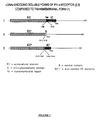
- Figure 1 shows a schematic representation, as is described in Example 1, of the cDNAs for
- Figure 2 shows a schematic representation of the soluble IFNAR cDNA form with the novel soluble (S) domain (lower part) in comparison to the known transmembranal IFNAR cDNA (upper part), as is described in Examples 1 and 2. Positions of the primers used for PCR reactions are indicated, as well as deletions and new junctions.
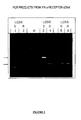
- Figure 3 shows a reproduction of an agarose gel electrophoresis, ethidium bromide stained, analysing the size of the PCR products from U266 R and U266 S cells, as is described in Examples 1 and 2.
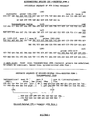
- Figure 4 illustrates a portion of the nucleotide sequence of the INFAR cDNA form with the novel S domain (second line of each numbered block), compared to the known transmembranal cDNA (first line of each numbered block) with the numbering according to transmembranal cDNA, as is described in Example 2.
- the position of primers is underlined, and the transmembranal domain is overlined.
- Lower part Amino acid sequence of novel IFNAR cDNA form 1, showing a frameshift creating 7 C-terminal residues unique to the cDNA form 1. Exon boundaries are indicated as previously reported (Lutfalla, G., et al., J.Biol.Chem. 267 , 2802-2809 (1992)).
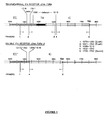
- Figure 5 shows a schematic representation of the soluble IFNAR cDNA form with the shortened IC' domain (lower part) in comparison to the known transmembranal IFNAR cDNA (upper part), as is described in Example 3. Positions of the primers used for PCR reactions are indicated, as well as deletions and new junctions.
- Figure 6 illustrates a portion of the nucleotide sequence from the IFNAR cDNA form with the shortened IC' domain according to the present invention (second line of each numbered block), compared to the known transmembranal cDNA (first line of each numbered block), as described in Example 3.
- the amino acid sequence of the IFNAR with the shortened IC' domain is shown in the third line; gaps indicate deleted sequences. Numbering according to transmembranal cDNA. The position of primers is underlined and the transmembranal domain is overlined. Exon boundaries are indicated as in Fig. 4.
- Figure 7 shows the amino acid sequences, as described in Example 3, of the spliced-deleted soluble IFNAR form 1 with the novel S domain underlined as well as the double-deleted form 2 with the shortened IC' domain and with the underlined 6-amino acid long extracellular region containing a cysteine, which is retained between the two deletions.
- the known transmembranal IFNAR is shown in comparison with its transmembranal domain underlined.
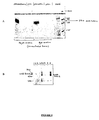
- Figure 8 shows a reproduction of Western immunoblots of proteins from U266 S and U266 R cells reacted with mAb#1 and mAb#2, as described in Example 4.
- Figure 9 shows reproductions of Western blots of recombinantly produced soluble IFNAR proteins secreted from transfected COS-7 cells (Fig. 9a) and recombinantly produced soluble IFNARs secreted from transfected COS-7 cells as well as associated with cell membranes, intracellular compartments (cytosol) and cell nuclei (Fig. 9b), as described in Example 5(a).
- Figure 10 shows a reproduction of an SDS-PAGE gel on which was separated immunoprecipitated products of the cross-linkage between recombinantly produced soluble Form 1 IFNAR and radiolabelled IFN, demonstrating the IFN-binding activity of recombinant soluble Form 1 IFNAR, as described in Example 5(a).
- the present invention is concerned with new forms of the human IFN ⁇ -receptor mRNAs and proteins, characterized by their synthesis in human cells through alternative splicing mechanisms.
- the sequence established for two new forms of IFN ⁇ -receptor cDNAs indicate that the corresponding mRNAs encode novel polypeptide sequences defining proteins which lack the transmembranal region.
- Such non-membranal IFNAR forms are demonstrated in the soluble cytoplasmic compartment of human cells.
- the proteins may also be secreted from the cell into the extracellular space, but are distinguished from other soluble receptor forms, which are derived from membrane bound receptors by proteolytic cleavage which released the extracellular domain of these receptors.
- soluble receptors as regulators of cytokine activities have been described (Fernandez-Botran, 1991).
- the one form containing the ligand binding, extracellular domain (EC) followed directly by the intra-cytoplasmic domain without the TM domain should still be able to function in transduction of signals such as those generated by cytokine binding, for example, within the interior of the cell.
- the other form in which the EC domain is followed by the S-domain would not function in signal transduction.
- the EC domain of the IFNAR (residues 22-427) is known to contain IFN binding activity (Benoit, P. et al., 1993; Novick D., et al 1992 see above). Therefore, the soluble IFNAR forms encoded in the cell mRNA according to the present invention, could either bind IFN and compete with IFN activity on the cell surface, acting as IFN antagonists, or regulate in other ways the activities of the multiple IFN subtypes.
- these proteins can also interact with other cellular proteins involved in the biological response to IFNs. This would not be the case for soluble IFN ⁇ -receptors produced by proteolytic cleavage outside the cell plasma membrane of normally membrane bound receptors.
- IFNs have antiviral, anti-proliferative and immunoregulatory functions (Baron, S. et al.(eds), Interferon: Principles and Medical Applications, The University of Texas Medical Branch at Galveston, (1992)). IFNs are used clinically to treat viral diseases (e.g. papillomatoses, hepatitis, etc.) malignancies (e.g. leukemias, hormone-dependent cancers, etc.) and immunological dysfunctions (e.g. multiple sclerosis).
- viral diseases e.g. papillomatoses, hepatitis, etc.
- malignancies e.g. leukemias, hormone-dependent cancers, etc.
- immunological dysfunctions e.g. multiple sclerosis
- IFNs may be naturally modulated by the different forms of the IFN ⁇ -receptor such as those of the present invention.
- excess of IFN may be detrimental and has been implicated in some auto-immune diseases, in graft rejections and hematopoietic deficiences (locus cited). These conditions may benefit from inhibitors of IFN action.
- cells can differ in their response to IFN- ⁇ and IFN- ⁇ subtypes (Rosenblum, M.G. et al., J. Interferon Res. 10 ,141-151 (1990)), and the cell response to IFN subtypes may be modulated by some of the cell-synthesized soluble IFNAR forms.
- novel IFNAR cDNAs will allow the production of the natural cell-synthesized soluble IFN ⁇ -receptor forms by recombinant DNA technology and the study of their functions by overexpression in transfected cells, or by addition to cell cultures.
- the soluble IFNAR forms according to the present invention may be used to prepare pharmaceutical compositions for inhibiting, modulating or modifying the activities of IFN- ⁇ and IFN- ⁇ subtypes.
- Such pharmaceutical compositions may be used, for example, for the treatment of various disorders, as noted above, in which patients have an excess of IFNs as a result of receiving large doses of IFN in therapy or as a result of abnormally high endogenous production of IFNs.
- the pharmaceutical compositions may be prepared by any of the well known procedures in which the active ingredient, soluble IFNAR, is admixed with pharmaceutically acceptable diluents, carriers or excipients. Actual dosages and modes of administration of such pharmaceutical compositions will be determined by the professional practitioners.
- the soluble IFNARs of the present invention may also be used to prepare compositions for diagnostic purposes, for example, for the qualitative and/or quantitative determination of the kinds of IFN- ⁇ and IFN- ⁇ subtypes in in vivo or in in vitro diagnostic assays.
- the soluble IFNARs may be labelled by any of the established labelling procedures, for examples, radio-labelling, fluorescent labelling, enzyme-linkage, antibody-linkage, etc. Preparation of the above compositions and application of the above compositions in diagnostic assays will be by any of the well-established procedures.
- the soluble IFNARs of the present invention may also be applied in affinity chromatographic methods for the purification of IFN- ⁇ and IFN- ⁇ subtypes.
- the soluble IFNARs may be attached to any of the known affinity chromatographic support matrices, using any of the standard methods therefor, for example, chemical cross-linking.
- muteins refers to analogs of the soluble IFNAR proteins in which one or more of the amino acid residues of the natural soluble IFNAR are replaced by different amino acid residues or are deleted, or one or more amino acid residues are added to the natural sequence of the soluble IFNAR, without changing considerably the activity of the resulting product.
- muteins are prepared by known synthesis and/or by site-directed mutagenesis techniques, or any other known technique suitable therefor.
- fused protein refers to a polypeptide comprising a soluble IFNAR according to the invention, or a mutein thereof fused with another protein which has an extended residence time in body fluids.
- the soluble IFNAR may thus be fused to another protein, polypeptide or the like, e.g. an immunoglobulin or a fragment thereof.
- salts herein refers to both salts of carboxyl groups and to acid addition salts of amino groups of a soluble IFNAR protein, muteins and fused proteins thereof.
- Salts of a carboxyl group may be formed by means known in the art and include inorganic salts, for example, sodium, calcium, ammonium, ferric or zinc salts, and the like, and salts with organic bases as those formed, for example, with amines, such as triethanolamine, arginine or lysine, piperidine, procaine and the like.
- Acid addition salts include, for example, salts with mineral acids such as, for example, hydrochloric acid or sulfuric acid, and salts with organic acids such as, for example, acetic acid or oxalic acid.
- “Functional derivatives” as used herein cover derivatives of a soluble IFNAR and its fused proteins and muteins, which may be prepared from the functional groups which occur as side chains on the residues or the N- or C-terminal groups, by means known in the art, and are included in the invention as long as they remain pharmaceutically acceptable, i.e. they do not destroy the activity of the protein and do not confer toxic properties on compositions containing it.
- These derivatives may, for example, include polyethylene glycol side-chains which may mask antigenic sites and extend the residence of a soluble IFNAR in body fluids.
- Other derivatives include aliphatic esters of the carboxyl groups, amides of the carboxyl groups by reaction with ammonia or with primary or secondary amines, N-acyl derivatives of free amino groups of the amino acid residues formed with acyl moieties (e.g. alkanoyl or carbocyclic aroyl groups) or O-acyl derivatives of free hydroxyl groups (for example that of seryl or threonyl residues) formed with acyl moieties.
- acyl moieties e.g. alkanoyl or carbocyclic aroyl groups
- O-acyl derivatives of free hydroxyl groups for example that of seryl or threonyl residues
- active fractions of the soluble IFNAR, its fused proteins and its muteins covers any fragment or precursors of the polypeptide chain of the protein molecule alone or together with associated molecules or residues linked thereto, e.g. sugar or phosphate residues, or aggregates of the protein molecule or the sugar residues by themselves, provided said fraction has the same biological activity and/or pharmaceutical activity.
- cDNA was produced by Reverse Transcriptase primed with an oligo-deoxyribonucleotide complementary to nucleotides 1729-1749 of the IFNAR cDNA (this primer is adjacent to the end of the coding frame of the transmembranal IFNAR cDNA, Fig. 1, scheme 1).
- the polymerase chain reaction (PCR) was then used to amplify DNA fragments of the above cDNA product, according to established procedures ((Ehrlich H.A., editor, PCR Technology, Stockton Press, New York, (1989)).
- Three pairs of sense/antisense primers were used, which correspond to the following nucleotides of the transmembranal IFNAR cDNA (see Fig. 2, upper part for numbering):
- reaction B the sense and antisense primers used had tails containing EcoRI and BamHI sites respectively; after digestion with these restriction enzymes, the products would be 10 bp longer than expected.
- reaction A the expected 173 bp product was observed when using RNA from U266 S cell (lane 1) whereas no product was observed when RNA from U266 R cells was used (lane 2). This result indicated that the IFN receptor transcripts of U266 R cells have some deletion in the region between nucleotides 1342 and 1515, which prevented one of the primers to initiate the PCR reaction.
- reaction B the expected 420 bp size product (as defined by primers 2 and 5 of Fig. 2), was observed with U266 S RNA.
- U266 R RNA the smaller product was observed, but the larger band was missing (lane 4). This result revealed the existence of transcripts with a deletion of approximately 160 bp in both U266 S and U266 R cells.
- reaction C the same product was observed with both U266 S and U266 R RNA, indicating no modification of this region between primers 4 and 5 of Fig. 2.
- a PCR reaction similar to B in Example 1 was carried out with RNA from U266 S cells.
- the primers used (primers 2 and 5 Fig. 2) had tails containing an EcoRI restriction site for primer 1331-1342, (shown in low case in Fig. 4) and a BamHI site for primer 1733-1752.
- the products were incubated with EcoRI and BamHI, and separated by agarose gel electrophoresis.
- the small 260 bp product was cut out from the gel and ligated into Bluescript® vector KS + (Stratagene Cloning System, LaJolla, CA), which had been cut by EcoRI and BamHI.
- the ligated plasmids were transfected into competent E.coli cells, transfectant colonies were isolated and plasmid DNA prepared. The presence of the 260 bp was verified by cutting with EcoRI and BamHI. Uncut plasmid DNA was sequenced by the dideoxynucleotide method from the T3 primer of the Bluescript® vector (Stratagene Cloning Systems, LaJolla, CA). The complementary strand was sequenced from an antisense primer 1601-1619. Fig.
- FIG. 4 shows the sequence obtained for the small PCR product in comparison to the sequence of the transmembranal IFNAR cDNA. A deletion from nucleotide 1362 to 1518 (157 bp) was observed, completely removing the transmembranal region (see Fig. 2).
- the PCR product obtained with U266 R RNA (as in Fig. 3, lane 4), was similarly cloned in Bluescript® vector and sequenced. The resulting plasmids yielded the same sequence as for the small PCR product of U266 S cells.
- the novel sequence obtained indicates that the entire exon X containing the transmembranal region is spliced out, and that the last 4 codons of exon IX are missing as well.
- This alternative splicing causes a frameshift after codon 427 (Glu) in the extracellular domain, and predicts a truncated protein with 7 amino acids Asn-Ile-Ser-Leu-Asn-Ser-His, not found in the previously known IFNAR protein (Fig. 4, lower part).
- This new form of the IFN- ⁇ receptor is designated as spliced-deleted form 1, and is characterized by a new domain S which follows the end-deleted EC domain (Fig. 2 lower part).
- IFNAR IFNAR with a double deletion
- This spliced-deleted form 2 was detected in PCR reactions carried out with a more upstream primer corresponding to nucleotides 1270-1290 of the IFNAR cDNA (primer 1 in Fig. 5).
- This sense primer with a 5' tail containing an EcoRI site was used in conjuction with the 1733-1752 antisense primer with a BamHI site (primer 5 in Fig. 5).
- the PCR products obtained with U266 R RNA were digested with EcoRI and BamHI, electrophoresed on agarose gel and the DNA band observed at approximately 300 bp, was cut out from the gel.
- this spliced-deleted form 2 has two in-phase deletions of nucleotides 1318 to 1341 (24 bp) in exon IX and of nucleotides 1360 to 1518 (159 bp, i.e. the end of exon IX and all of exon X).
- the structure of the spliced-deleted form 2 IFNAR cDNA is schematically shown in Fig. 5 (lower part).
- the extracellular domain is missing 8 codons following residue 413 (Glu) of the transmembranal form, continues with 6 amino acids (residues 422-427 still in exon IX), and after a further deletion of 53 amino acids (including the transmembranal region) continues in the intracytoplasmatic domain from Tyr-481.
- the predicted IC domain is 77 amino acids long instead of 100 in the transmembranal form.
- this spliced-deleted form 2 of the IFN ⁇ -receptor is shown in Fig. 7 (bottom), as compared to the truncated form 1 and the transmembranal form. It is notable that in form 2, the 6 amino acids (underlined in Fig. 7) which are found between the two deletions contain a cysteine, thereby conserving the 8 cysteine residues found in the extracellular domain of the transmembranal form and the splice-deleted form 1.
- the two new forms of the IFN- ⁇ receptor according to the present invention comprise 434 and 496 amino acids, respectively, while the transmembranal form (Fig. 7) comprises 557 amino acids.
- the two new forms are depicted in schemes 2 and 3 of Fig. 1.
- the proteins encoded by the two new forms of IFNAR cDNA were examined in U266 R cells, which do not contain RNA transcripts for the transmembranal form of IFNAR, but only the alternatively spliced-deleted forms.
- immunoblots were made with various monoclonal antibodies (mAbs) against the recombinant IFNAR protein. The results shown were obtained with two antibodies: mAb #1 or 64G12 (Benoit et al., 1993 see above); and mAb #2 or 21.4 (Novick et al., 1992 see above).
- mAb #2 recognized another form of the IFN ⁇ -receptor which migrates approximately as a 95 Kd protein, and which is present in both U266 S and U266 R cells (Fig. 8, left panel, lanes 3, 4).
- the 95 Kd protein is clearly abundant in the cytosol and absent from membranes (Fig. 8, right panel, lanes 6-10). It was verified that when this protein of about 95 Kd is first concentrated by immunoprecipitation by mAb #2, it is then recognized also by mAb #1 on immunoblots. This indicates that this cytosolic protein is a form of IFN ⁇ -receptor for which mAb #1 has lower affinity than mAb #2. That this 95 Kd protein is a product of spliced-deleted IFNAR mRNA is supported by the fact that it is present in both U266 S and U266 R cells, and that it is not membranal.
- IFNAR protein can be recognized by mAb against recombinant IFNAR indicates, on the one hand, that the different forms are closely related, i.e. have sequence identity, and on the other, that there exists heterogeneity of the receptor proteins.
- the 95 Kd cytosolic form could be the product of the splice-deleted form 2 cDNA described in Example 3. This protein could function in the cytoplasm in the residual response to IFN of U266 R cells.
- An early response of cells to IFN is the activation of transcription factors ISGF3 and IRF-1 which bind to the IFN responsive enhancers of a number of IFN-activated genes (Levy, D.E. et al., Genes Dev.
- IFN activates IRF-1 in U266 R cells, as well as in U266 S cells. This response to IFN could be mediated by a spliced-deleted IFNAR cDNA product in U266 R cells. In contrast, ISGF3 is induced only in U266 S cells, indicating it requires the membranal IFNAR protein.
- the 55 Kd protein may be the product of the truncated splice-deleted form 1 described in Example 2. This shorter truncated form, may be secreted from the cells and could act as a competitive inhibitor of IFN binding.
- EXAMPLE 5 Recombinant production of soluble IFNAR proteins, fusion products, fragments and muteins thereof
- the isolated cDNAs encoding the soluble Form 1 and 2 of the IFNAR protein were introduced, by the above noted standard procedures, into expression vectors with either the early or late SV40 promoters to provide pSVE3 or PSVL constructs, respectively.
- Fig. 9a shows a reproduction of an immunostained Western blot performed on samples obtained from the culture medium of the COS-7 cells.
- COS-7 cells transformed by the pSVL vector encoding the Form 1 IFNAR soluble protein were grown in standard culture medium, and samples were taken of the culture medium which contains the various proteins secreted by the cells. These samples were then separated by standard SDS-PAGE, and the thus separated proteins were then blotted onto a nitrocellulose filter by standard Western blot procedure.
- the Western blot was then stained using monoclonal antibody, mAb #1 (mAb 64G12, see Example 4). On each SDS-PAGE gel, and hence each Western blot, the following samples were analyzed:
- Fig. 9b shows a reproduction of a Western blot performed on samples obtained from COS-7 cells transformed with pSVL vectors encoding the Form 1 and Form 2 IFNAR proteins.
- the samples taken from the transformed COS-7 cells were as follows: culture medium samples i.e. containing proteins secreted by the cells; cell membrane samples, i.e. proteins produced by the cells and incorporated into the membranes; cytosol samples i.e. proteins produced by the cells and present in the intracellular compartment (cytosol) of the cells; and nuclei samples, i.e. proteins produced by the cells and associated with the nuclei or nuclear membranes.
- nuclei sample is obtained from the cell extract samples (from which the membranes and cytosol are separated and isolated) by standard procedures and includes also steps of washing of the nuclei sample with Triton® X-100. All the above samples were then separated by standard procedures on SDS-PAGE and Western blotted. The Western blot was then immunostained as above with mAb #1, to yield the blot shown in Fig.
- Lane 1 culture medium from COS-7 cells transformed with only the pSVL vector, without an IFNAR sequence, negative control
- Lane 2 culture medium from COS-7 cells transformed with the pSVL vector encoding Form 1 IFNAR
- Lane 3 culture medium from COS-7 cells transformed with the pSVL vector encoding Form 2 IFNAR
- Lane 4 membranes from COS-7 cells transformed with only the pSVL vector without an IFNAR sequence, negative control
- Lane 5 membranes from COS-7 cells transformed with the pSVL vector encoding the Form 2 IFNAR
- Lane 6 cytosol from COS-7 cells transformed with only the pSVL vector without an IFNAR sequence, negative control
- Lane 7 cytosol from COS-7 cells transformed with the pSVL vector encoding the Form 2 IFNAR
- Lane 8 nuclei from COS-7 cells transformed with only the pSVL vector without an IFNAR sequence
- Lane 9 nuclei from COS-7 cells transformed with the p
- Fig. 9b the form 1 soluble IFNAR (approx. 73 Kd) is successfully expressed and secreted into the transformed COS-7 cell culture medium, while the Form 2 soluble IFNAR protein is successfully expressed in the COS-7 cells, but is not secreted into the medium, (possibly in the Golgi membranes) and even more so in association with the cell nucleus.
- the Form 2 soluble IFNAR is larger than the Form 1 soluble IFNAR and shows two components of approx. 80 and 100 Kd.
- This different localization of the Form 1 and Form 2 cDNA products supports the notion that these cell-produced soluble receptors have distinct functions.
- U266 R cells lacking the transmembranal IFNAR protein can still respond to IFNs by activation of IRF-1 although activation of ISGF3 is lost.
- Lane 10 are as follows: Lane 1: culture medium from COS-7 cells transfected by the pSVL vector encoding the Form 1 soluble IFNAR, immunoprecipitation with anti-IFN- ⁇ -2 mAbs and cross-linking with 125 I-IFN ⁇ -2; Lane 2: the sample as in Lane 1, but with cross-linking in the presence of unlabelled (cold) IFN ⁇ -2 (x 50); Lane 3: the sample as in Lane 1, but immunoprecipitation with mAb #2 and cross-linking in the presence of cold IFN ⁇ -2 (x 50); Lane 4: the sample as in Lane 1, but immunoprecipitation with mAb #2; Lane 5: culture medium from COS-7 cells transfected only by the pSVL vector, without an IFNAR sequence and immunoprecipitation with anti-IFN ⁇ -2 mAbs, negative control.
- Lane 6 the sample as in Lane 5, but immunoprecipitation with mAb # 2, negative control
- Lane 7 culture medium from U266 R cells, immunoprecipitated with mAb#2 and cross-linking with labelled ( 125 I)-IFN ⁇ -2 and in the presence of cold IFN ⁇ -2
- Lane 8 the sample as in lane 7, but with cross-linking only with the labelled IFN ⁇ -2.
- the U266 R cells are capable of secreting the Form 1 IFNAR encoded by the corresponding mRNA present in these cells (Lane 8), demonstrating that the soluble receptor does not arise from cleavage of the membranal receptor, at least in these cells, rather it arises from the differentially spliced mRNA (Example 4).
- the mAb # 2 is capable of immunoprecipitating the soluble IFNAR protein, although it cannot do so for the membranal receptor extracted by detergents from the cell surface membranes (see Example 4).
- SV-40-derived expression vectors e.g. sPVL
- soluble Form 1 and Form 2 IFNARs which vectors when introduced (transfection) into COS-7 host cells result in the successful expression of recombinant Form 1 and Form 2 IFNARs.
- other vectors and host cells transfected therewith may be produced for the production of recombinant soluble IFNARs fusion proteins, fragments and muteins thereof, as follows:
- An isolated cDNA according to the invention is subjected to site directed mutagenesis with appropriate oligo-nucleotides so that a termination codon and a polyadenylation site are inserted after the last essential codon of the soluble IFNAR.
- This construct is then inserted into appropriately constructed expression vectors by techniques well known in the art (Maniatis et al. Molecular Cloning: A Laboratory Manual , Cold Spring Harbor Laboratory, New York, 1982).
- Double-stranded cDNA is linked to plasmid vectors by homopolymeric tailing or by restriction linking involving the use of synthetic DNA linkers or blunt-ended ligation techniques.
- DNA ligases are used to ligate the DNA molecules and undesirable joining is avoided by treatment of DNA strands with alkaline phosphatase.
- a fused protein comprising a soluble IFNAR and, e.g., the constant region of IgG 1 heavy chain
- the production of a fused protein comprising a soluble IFNAR and, e.g., the constant region of IgG 1 heavy chain may be carried out as follows: the DNA of a soluble IFNAR is subjected to site-directed mutagenesis with appropriate oligonucleotides so that a unique restriction site is introduced immediately after the coding sequence.
- a plasmid bearing the constant region of IgG 1 heavy chain e.g. pRKCO4 2 Fc 1 (Byrn R.A.
- the two fragments are then ligated to generate a new plasmid encoding a polypeptide precursor consisting of the N-terminal soluble IFNAR and about 227 C-terminal amino acids of IgG 1 heavy chain (hinge region and CH2 and CH3 domains).
- the DNA encoding the fused protein may be isolated from the plasmid by digestion with appropriate restriction enzymes and then inserted into an efficient expression vector.
- an expression vector In order to be capable of expressing a soluble IFNAR, its muteins or the fused proteins, an expression vector should comprise also specific nucleotide sequences containing transcriptional and translational regulatory information linked to the DNA coding for the desired protein in such a way as to permit gene expression and production of the protein.
- RNA polymerase a promoter recognizable by RNA polymerase, to which the polymerase binds and thus initiates the transcription process.
- promoters There are a variety of such promoters in use, which work with different efficiencies (strong and weak promoters). They are different for prokaryotic and eukaryotic cells.
- the promoters that can be used in the present invention may be either constitutive, for example, the int promoter of bacteriophage lambda, the bla promoter of the ⁇ -lactamase gene of pBR322, and the CAT promoter of the chloramphenicol acetyl transferase gene of pPR325, etc., or inducible, such as the prokaryotic promoters including the major right and left promoters of bacteriophage lambda (P L and P R ), the trp , recA , lacZ , lacI , ompF and gal promoters of E. coli , or the trp-lac hybrid promoter, etc. (Glick, B.R. (1987) J. Ind. Microbiol. 1 :277-282).
- ribosome-binding sites to ensure that the mRNA is efficiently translated.
- SD sequence Shine-Dalgarno sequence
- transcriptional and translational regulatory sequences may be employed, depending on the nature of the host. They may be derived from viral sources, such as adenovirus, bovine papilloma virus, Simian virus, or the like, where the regulatory signals are associated with a particular gene which has a high level of expression. Examples are the TK promoter of Herpes virus, the SV40 early promoter, the yeast ga14 gene promoter, etc. Transcriptional initiation regulatory signals may be selected which allow for repression and activation, so that expression of the genes can be modulated.
- the DNA molecule comprising the nucleotide sequence coding for a soluble IFNAR of the invention or its fragments or muteins or fused proteins thereof, and the operably linked transcriptional and translational regulatory signals is inserted into a vector which is capable of integrating the desired gene sequences into the host cell chromosome.
- a vector which is capable of integrating the desired gene sequences into the host cell chromosome.
- one or more markers which allow for selection of host cells which contain the expression vector is used.
- the marker may provide for prototrophy to an auxotropic host, biocide resistance, e.g., antibiotics, or heavy metals, such as copper, or the like.
- the selectable marker gene can either be directly linked to the DNA gene sequences to be expressed, or introduced into the same cell by cotransfection. Additional elements may also be needed for optimal synthesis of single chain binding protein mRNA. These elements may include splice signals, as well as transcription promoters, enhancers, and termination signals. cDNA expression vectors incorporating such elements include those described by Okayama, H., (1983) Mol.Cel.Biol. 3 :280.
- the introduced DNA molecule will be incorporated into a plasmid or viral vector capable of autonomous replication in the recipient host.
- Factors or importance in selecting a particular plasmid or viral vector include: the ease with which recipient cells that contain the vector may be recognized and selected from those recipient cells which do not contain the vector; the number of copies of the vector which are desired in a particular host; and whether it is desirable to be able to "shuttle" the vector between host cells of different species.
- Preferred prokaryotic vectors include plasmids such as those capable of replication in E. coli , for example, pBR322, ColE1, pSC101, pACYC 184, etc. (see Maniatis et al., op.cit.); Bacillus plasmids such as pC194, pC221, pT127, etc. (Gryczan, T., "The Molecular Biology of the Bacilli", Academic Press, NY (1982), pp. 307-329); Streptomyces plasmids including pIJ101 (Kendall, K.J. et al. (1987) J.Bacteriol.
- plasmids such as those capable of replication in E. coli , for example, pBR322, ColE1, pSC101, pACYC 184, etc. (see Maniatis et al., op.cit.); Bacillus plasmids such as pC
- Streptomyces bacteriophages such as ⁇ C31 (Chater, KF. et al., in "Sixth International Symposium on Actinomycetales Biology", Akademiai Kaido, Budapest, Hungary (1986), pp. 45-54), and Pseudomonas plasmids (John, J.F., et al. (1986) Rev. Infect. Dis. 8 :693-704), and Izaki, K. (1978) Jpn. J. Bacteriol. 33 :729-742).
- Preferred eukaryotic plasmids include BPV, vaccinia, SV40, 2-micron circle, etc., or their derivatives.
- Such plasmids are well known in the art (Botstein, D., et al. (1982) Miami Wint.Symp. 19 :265-274; Broach, JR., in "The Molecular Biology of the Yeast Saccharomyces: Life Cycle and Inheritance", Cold Spring Harbor Laboratory, Cold Spring Harbor, NY, pp. 445-470 (1981); Broach, J.R., (1982) Cell 28 :203-204; Bollon, D.P., et al. (1980) J. Clin. Hematol. Oncol. 10 :39-48; Maniatis, T., in “Cell Biology: A Comprehensive Treatise, Vol. 3: Gene Expression", Academic Press, NY, pp. 563-608 (1980)).
- the expression vector may be introduced into an appropriate host cell by any of a variety of suitable means, such as transformation, transfection, lipofection, conjugation, protoplast fusion, electroporation, calcium phosphate precipitation, direct microinjection, etc.
- Host cells to be used in this invention may be either prokaryotic or eukaryotic.
- Preferred prokaryotic hosts include bacteria such as E. coli , Bacillus, Streptomyces, Pseudomonas, Salmonella, Serratia, etc.
- the most preferred prokaryotic host is E. coli .
- Bacterial hosts of particular interest include E. coli K12 strain 294 (ATCC 31446), E. coli X1776 (ATCC 31537), E. coli W3110 (F - , lambda - , prototropic (ATCC 27325)), and other enterobacterium such as Salmonella typhimurium or Serratia narcescens and various Pseudomonas species. Under such conditions, the protein will not be glycosylated.
- the prokaryotic host must be compatible with the replicon and control sequences in the expression plasmid.
- Preferred eukaryotic hosts are mammalian cells, e.g., human, monkey, mouse and chinese hamster ovary (CHO) cells, because they provide post-translational modifications to protein molecules including correct folding, correct disulfide bond formation as well as glycosylation at correct sites. Also yeast cells and insect cells can carry out post-translational peptide modifications including high mannose glycosylation. A number of recombinant DNA strategies exist which utilize strong promoter sequences and high copy number of plasmids which can be utilized for production of the desired proteins in yeast and in insect cells. Yeast cells recognize leader sequences on cloned mammalian gene products and secrete peptides bearing leader sequences.
- mammalian cells e.g., human, monkey, mouse and chinese hamster ovary (CHO) cells, because they provide post-translational modifications to protein molecules including correct folding, correct disulfide bond formation as well as glycosylation at correct sites.
- the host cells After the introduction of the vector, the host cells are grown in a selective medium, which selects for the growth of vector-containing cells. Expression of the cloned gene sequence(s) results in the production of the soluble IFNAR, a fusion protein, or a mutein or a fragment thereof.
- the expressed protein is then isolated and purified by any conventional procedure involving extraction, precipitation, chromatography, electrophoresis, or the like, or by affinity chromatography, using anti-soluble IFNAR monoclonal antibodies immobilized on a gel matrix contained within a column. Crude preparations containing the soluble IFNAR are passed through the column whereby the soluble IFNAR will be bound to the column by the specific antibody while the impurities will pass through. After washing, the protein is eluted from the gel at a high or a low pH, eg. pH 11 or pH 2.
Landscapes
- Health & Medical Sciences (AREA)
- Life Sciences & Earth Sciences (AREA)
- Chemical & Material Sciences (AREA)
- Immunology (AREA)
- Organic Chemistry (AREA)
- Medicinal Chemistry (AREA)
- General Health & Medical Sciences (AREA)
- Engineering & Computer Science (AREA)
- Animal Behavior & Ethology (AREA)
- Public Health (AREA)
- Molecular Biology (AREA)
- Pharmacology & Pharmacy (AREA)
- General Chemical & Material Sciences (AREA)
- Veterinary Medicine (AREA)
- Chemical Kinetics & Catalysis (AREA)
- Nuclear Medicine, Radiotherapy & Molecular Imaging (AREA)
- Bioinformatics & Cheminformatics (AREA)
- Cell Biology (AREA)
- Hematology (AREA)
- Biomedical Technology (AREA)
- Biochemistry (AREA)
- Urology & Nephrology (AREA)
- Proteomics, Peptides & Aminoacids (AREA)
- Gastroenterology & Hepatology (AREA)
- Pathology (AREA)
- Genetics & Genomics (AREA)
- Oncology (AREA)
- Biophysics (AREA)
- Biotechnology (AREA)
- Microbiology (AREA)
- Zoology (AREA)
- Food Science & Technology (AREA)
- Physics & Mathematics (AREA)
- Analytical Chemistry (AREA)
- Toxicology (AREA)
- General Physics & Mathematics (AREA)
- Virology (AREA)
- Transplantation (AREA)
- Neurosurgery (AREA)
- Communicable Diseases (AREA)
Priority Applications (1)
| Application Number | Priority Date | Filing Date | Title |
|---|---|---|---|
| SI9430275T SI0679717T1 (en) | 1993-10-24 | 1994-10-20 | Soluble interferon -receptor, its preparation and use |
Applications Claiming Priority (2)
| Application Number | Priority Date | Filing Date | Title |
|---|---|---|---|
| IL10737893 | 1993-10-24 | ||
| IL10737893A IL107378A (en) | 1993-10-24 | 1993-10-24 | SOLUBLE INTERFERON alpha-RECEPTOR, ITS PREPARATION AND USE |
Publications (3)
| Publication Number | Publication Date |
|---|---|
| EP0679717A2 EP0679717A2 (en) | 1995-11-02 |
| EP0679717A3 EP0679717A3 (en) | 1997-04-23 |
| EP0679717B1 true EP0679717B1 (en) | 1999-08-25 |
Family
ID=101084347
Family Applications (1)
| Application Number | Title | Priority Date | Filing Date |
|---|---|---|---|
| EP94116559A Expired - Lifetime EP0679717B1 (en) | 1993-10-24 | 1994-10-20 | Soluble interferon -receptor, its preparation and use |
Country Status (13)
| Country | Link |
|---|---|
| US (1) | US5643749A (enExample) |
| EP (1) | EP0679717B1 (enExample) |
| JP (3) | JPH07236488A (enExample) |
| AT (1) | ATE183774T1 (enExample) |
| AU (1) | AU684103B2 (enExample) |
| CA (1) | CA2134030C (enExample) |
| DE (1) | DE69420251T2 (enExample) |
| DK (1) | DK0679717T3 (enExample) |
| ES (1) | ES2140489T3 (enExample) |
| GR (1) | GR3031354T3 (enExample) |
| IL (1) | IL107378A (enExample) |
| SI (1) | SI0679717T1 (enExample) |
| ZA (1) | ZA948345B (enExample) |
Cited By (3)
| Publication number | Priority date | Publication date | Assignee | Title |
|---|---|---|---|---|
| US7749735B2 (en) | 2001-12-31 | 2010-07-06 | Yeda Research And Development Co., Ltd. | IFNAR2 mutants, their production and use |
| WO2013003475A1 (en) | 2011-06-27 | 2013-01-03 | Cellscript, Inc. | Inhibition of innate immune response |
| US10947295B2 (en) | 2017-08-22 | 2021-03-16 | Sanabio, Llc | Heterodimers of soluble interferon receptors and uses thereof |
Families Citing this family (14)
| Publication number | Priority date | Publication date | Assignee | Title |
|---|---|---|---|---|
| WO1992018626A1 (fr) * | 1991-04-17 | 1992-10-29 | Laboratoire Europeen De Biotechnologie | POLYPEPTIDES HYDROSOLUBLES AYANT UNE HAUTE AFFINITE POUR LES INTERFERONS α ET $g(b) |
| US5780027A (en) * | 1995-07-14 | 1998-07-14 | Meiogen Biotechnology Corporation | Methods of treatment of down syndrome by interferon antagonists |
| US7063958B1 (en) * | 1996-01-16 | 2006-06-20 | The Rockefeller University | Nucleic acids db, the receptor for leptin |
| US5989839A (en) * | 1996-08-19 | 1999-11-23 | Ghassan I. Shaker | Use of MOLT4 CD69 expression to determine the presence and activity of interferon inhibitors |
| US20020119129A1 (en) | 1997-01-15 | 2002-08-29 | Yeda Research And Development Co. Ltd. | Novel IFN receptor 1 binding proteins, DNA encoding them, and methods of modulating cellular response to interferons |
| SI1019500T1 (sl) * | 1997-01-15 | 2007-02-28 | Yeda Res & Dev | Proteini, ki vezejo receptor 1 za ifn, dna, ki jih kodira, in postopki za regulacijo celicnega odziva na interferone |
| WO1998031796A1 (en) | 1997-01-15 | 1998-07-23 | Yeda Research And Development Co. Ltd. | Novel ifn receptor 1 binding proteins, dna encoding them, and methods of modulating cellular response to interferons |
| ZA9811634B (en) * | 1997-12-19 | 1999-06-22 | Applied Research Systems | Ifnar2/ifn complex |
| AUPP670698A0 (en) * | 1998-10-23 | 1998-11-19 | Monash University | A method of regulation |
| UA74557C2 (en) | 1999-09-03 | 2006-01-16 | Applied Research Systems | A method for producing a heterologous secreted protein from chinese hamster ovaries cells grown on microcarriers |
| EP1893646A2 (en) * | 2005-06-22 | 2008-03-05 | Genentech, Inc. | Methods and compositions for targeting ifnar2 |
| RU2411039C2 (ru) * | 2007-12-26 | 2011-02-10 | Валентина Васильевна Малиновская | Иммунокорригирующее средство для лечения заболеваний вирусной этиологии |
| ES2470816B1 (es) * | 2012-11-22 | 2015-04-01 | Servicio Andaluz De Salud | Proteína recombinante y usos en el diagnóstico de la esclerosis múltiple |
| CN109790526A (zh) | 2016-07-01 | 2019-05-21 | 分解治疗有限责任公司 | 优化的二核酸酶融合体和方法 |
Family Cites Families (4)
| Publication number | Priority date | Publication date | Assignee | Title |
|---|---|---|---|---|
| DE69024398T2 (de) * | 1989-04-19 | 1996-06-13 | Hoffmann La Roche | Auflösbare Interferon-gamma-Rezeptoren sowie Verfahren zu deren Herstellung |
| IL91562A0 (en) * | 1989-09-07 | 1990-04-29 | Yeda Res & Dev | Interferon-gamma receptor fragment and its production |
| WO1992018626A1 (fr) * | 1991-04-17 | 1992-10-29 | Laboratoire Europeen De Biotechnologie | POLYPEPTIDES HYDROSOLUBLES AYANT UNE HAUTE AFFINITE POUR LES INTERFERONS α ET $g(b) |
| IL106591A (en) * | 1992-09-03 | 2008-03-20 | Yeda Res & Dev | Interferon alpha/beta binding protein, its preparation and pharmaceutical compositions containing it |
-
1993
- 1993-10-24 IL IL10737893A patent/IL107378A/xx not_active IP Right Cessation
-
1994
- 1994-10-20 DE DE69420251T patent/DE69420251T2/de not_active Expired - Lifetime
- 1994-10-20 ES ES94116559T patent/ES2140489T3/es not_active Expired - Lifetime
- 1994-10-20 SI SI9430275T patent/SI0679717T1/xx unknown
- 1994-10-20 DK DK94116559T patent/DK0679717T3/da active
- 1994-10-20 EP EP94116559A patent/EP0679717B1/en not_active Expired - Lifetime
- 1994-10-20 AT AT94116559T patent/ATE183774T1/de active
- 1994-10-20 AU AU75977/94A patent/AU684103B2/en not_active Expired
- 1994-10-21 CA CA2134030A patent/CA2134030C/en not_active Expired - Lifetime
- 1994-10-24 ZA ZA948345A patent/ZA948345B/xx unknown
- 1994-10-24 JP JP6284046A patent/JPH07236488A/ja not_active Withdrawn
- 1994-10-24 US US08/328,256 patent/US5643749A/en not_active Expired - Lifetime
-
1999
- 1999-09-29 GR GR990402447T patent/GR3031354T3/el unknown
-
2004
- 2004-12-07 JP JP2004354550A patent/JP2005130865A/ja not_active Ceased
-
2006
- 2006-11-10 JP JP2006305759A patent/JP2007097593A/ja active Pending
Cited By (4)
| Publication number | Priority date | Publication date | Assignee | Title |
|---|---|---|---|---|
| US7749735B2 (en) | 2001-12-31 | 2010-07-06 | Yeda Research And Development Co., Ltd. | IFNAR2 mutants, their production and use |
| WO2013003475A1 (en) | 2011-06-27 | 2013-01-03 | Cellscript, Inc. | Inhibition of innate immune response |
| US10947295B2 (en) | 2017-08-22 | 2021-03-16 | Sanabio, Llc | Heterodimers of soluble interferon receptors and uses thereof |
| US12129288B2 (en) | 2017-08-22 | 2024-10-29 | Sanabio, Llc | Polynucleotides heterodimers of soluble interferon receptors and uses thereof |
Also Published As
| Publication number | Publication date |
|---|---|
| ATE183774T1 (de) | 1999-09-15 |
| CA2134030C (en) | 2010-06-29 |
| JP2005130865A (ja) | 2005-05-26 |
| DK0679717T3 (da) | 2000-03-13 |
| CA2134030A1 (en) | 1995-04-25 |
| GR3031354T3 (en) | 2000-01-31 |
| ES2140489T3 (es) | 2000-03-01 |
| ZA948345B (en) | 1995-07-17 |
| JP2007097593A (ja) | 2007-04-19 |
| EP0679717A2 (en) | 1995-11-02 |
| SI0679717T1 (en) | 1999-12-31 |
| JPH07236488A (ja) | 1995-09-12 |
| US5643749A (en) | 1997-07-01 |
| DE69420251T2 (de) | 2000-05-11 |
| EP0679717A3 (en) | 1997-04-23 |
| DE69420251D1 (de) | 1999-09-30 |
| AU684103B2 (en) | 1997-12-04 |
| IL107378A (en) | 2005-05-17 |
| AU7597794A (en) | 1995-05-11 |
| IL107378A0 (en) | 1994-01-25 |
Similar Documents
| Publication | Publication Date | Title |
|---|---|---|
| US5643749A (en) | Soluble interferon α-receptor, its preparation and use | |
| AU661008B2 (en) | Multimers of the soluble forms of TNF receptors, their preparation and pharmaceutical compositions containing them | |
| AU755794B2 (en) | Interleukin-18 binding proteins, their preparation and use | |
| EP0416652A2 (en) | Interferon-gamma receptor fragment and its production | |
| JPH04164099A (ja) | Tnf結合タンパク質 | |
| JP4044970B2 (ja) | Tnfリガンド | |
| JP3784078B2 (ja) | 可溶性ldlリセプター | |
| NZ277389A (en) | Bone morphogenetic protein (bmp) receptor kinase protein and dna, its production and use in identifying compounds which bind it | |
| US5821078A (en) | Nucleic acid encoding interferon-α/β binding protein | |
| JP3907661B2 (ja) | インターフェロン−α/β結合タンパク質、その製造法およびそれを含有する医薬組成物 | |
| AU688430B2 (en) | Interferon-alpha/beta binding protein, its preparation and use | |
| AU2003200442B2 (en) | Interleukin-18 binding proteins, their preparation and use | |
| JPH03123487A (ja) | 新規ポリペプチドの製造法 | |
| IL103052A (en) | Soluble interferon-alpha receptors,their preparation and pharmaceutical compositions containing them |
Legal Events
| Date | Code | Title | Description |
|---|---|---|---|
| PUAI | Public reference made under article 153(3) epc to a published international application that has entered the european phase |
Free format text: ORIGINAL CODE: 0009012 |
|
| AK | Designated contracting states |
Kind code of ref document: A2 Designated state(s): AT BE CH DE DK ES FR GB GR IE IT LI LU MC NL PT SE |
|
| RAX | Requested extension states of the european patent have changed |
Free format text: LT PAYMENT 941118;SI PAYMENT 941118 |
|
| PUAL | Search report despatched |
Free format text: ORIGINAL CODE: 0009013 |
|
| AK | Designated contracting states |
Kind code of ref document: A3 Designated state(s): AT BE CH DE DK ES FR GB GR IE IT LI LU MC NL PT SE |
|
| AX | Request for extension of the european patent |
Free format text: LT PAYMENT 941118;SI PAYMENT 941118 |
|
| 17P | Request for examination filed |
Effective date: 19970714 |
|
| 17Q | First examination report despatched |
Effective date: 19971028 |
|
| GRAG | Despatch of communication of intention to grant |
Free format text: ORIGINAL CODE: EPIDOS AGRA |
|
| GRAG | Despatch of communication of intention to grant |
Free format text: ORIGINAL CODE: EPIDOS AGRA |
|
| GRAH | Despatch of communication of intention to grant a patent |
Free format text: ORIGINAL CODE: EPIDOS IGRA |
|
| GRAH | Despatch of communication of intention to grant a patent |
Free format text: ORIGINAL CODE: EPIDOS IGRA |
|
| GRAA | (expected) grant |
Free format text: ORIGINAL CODE: 0009210 |
|
| AK | Designated contracting states |
Kind code of ref document: B1 Designated state(s): AT BE CH DE DK ES FR GB GR IE IT LI LU MC NL PT SE |
|
| AX | Request for extension of the european patent |
Free format text: LT PAYMENT 19941118;SI PAYMENT 19941118 |
|
| REF | Corresponds to: |
Ref document number: 183774 Country of ref document: AT Date of ref document: 19990915 Kind code of ref document: T |
|
| REG | Reference to a national code |
Ref country code: CH Ref legal event code: EP |
|
| ITF | It: translation for a ep patent filed | ||
| REF | Corresponds to: |
Ref document number: 69420251 Country of ref document: DE Date of ref document: 19990930 |
|
| ET | Fr: translation filed | ||
| REG | Reference to a national code |
Ref country code: IE Ref legal event code: FG4D |
|
| REG | Reference to a national code |
Ref country code: PT Ref legal event code: SC4A Free format text: AVAILABILITY OF NATIONAL TRANSLATION Effective date: 19991108 |
|
| REG | Reference to a national code |
Ref country code: DK Ref legal event code: T3 |
|
| REG | Reference to a national code |
Ref country code: CH Ref legal event code: NV Representative=s name: ISLER & PEDRAZZINI AG |
|
| PLBE | No opposition filed within time limit |
Free format text: ORIGINAL CODE: 0009261 |
|
| STAA | Information on the status of an ep patent application or granted ep patent |
Free format text: STATUS: NO OPPOSITION FILED WITHIN TIME LIMIT |
|
| 26N | No opposition filed | ||
| REG | Reference to a national code |
Ref country code: GB Ref legal event code: IF02 |
|
| REG | Reference to a national code |
Ref country code: SI Ref legal event code: IF |
|
| REG | Reference to a national code |
Ref country code: CH Ref legal event code: PCAR Free format text: ISLER & PEDRAZZINI AG;POSTFACH 1772;8027 ZUERICH (CH) |
|
| PGFP | Annual fee paid to national office [announced via postgrant information from national office to epo] |
Ref country code: GR Payment date: 20130916 Year of fee payment: 20 Ref country code: ES Payment date: 20130911 Year of fee payment: 20 Ref country code: NL Payment date: 20130910 Year of fee payment: 20 Ref country code: MC Payment date: 20130910 Year of fee payment: 20 |
|
| PGFP | Annual fee paid to national office [announced via postgrant information from national office to epo] |
Ref country code: IT Payment date: 20130906 Year of fee payment: 20 Ref country code: DK Payment date: 20131010 Year of fee payment: 20 |
|
| PGFP | Annual fee paid to national office [announced via postgrant information from national office to epo] |
Ref country code: PT Payment date: 20130422 Year of fee payment: 20 Ref country code: CH Payment date: 20131014 Year of fee payment: 20 Ref country code: FR Payment date: 20131009 Year of fee payment: 20 Ref country code: LU Payment date: 20131022 Year of fee payment: 20 Ref country code: DE Payment date: 20131016 Year of fee payment: 20 Ref country code: BE Payment date: 20131014 Year of fee payment: 20 Ref country code: AT Payment date: 20130926 Year of fee payment: 20 Ref country code: SE Payment date: 20131011 Year of fee payment: 20 Ref country code: IE Payment date: 20131010 Year of fee payment: 20 Ref country code: GB Payment date: 20131016 Year of fee payment: 20 |
|
| REG | Reference to a national code |
Ref country code: DE Ref legal event code: R071 Ref document number: 69420251 Country of ref document: DE |
|
| REG | Reference to a national code |
Ref country code: DE Ref legal event code: R071 Ref document number: 69420251 Country of ref document: DE |
|
| REG | Reference to a national code |
Ref country code: DK Ref legal event code: EUP Effective date: 20141020 |
|
| REG | Reference to a national code |
Ref country code: PT Ref legal event code: MM4A Free format text: MAXIMUM VALIDITY LIMIT REACHED Effective date: 20141020 |
|
| REG | Reference to a national code |
Ref country code: NL Ref legal event code: V4 Effective date: 20141020 |
|
| REG | Reference to a national code |
Ref country code: CH Ref legal event code: PL |
|
| REG | Reference to a national code |
Ref country code: GB Ref legal event code: PE20 Expiry date: 20141019 |
|
| REG | Reference to a national code |
Ref country code: SE Ref legal event code: EUG |
|
| REG | Reference to a national code |
Ref country code: IE Ref legal event code: MK9A |
|
| REG | Reference to a national code |
Ref country code: AT Ref legal event code: MK07 Ref document number: 183774 Country of ref document: AT Kind code of ref document: T Effective date: 20141020 |
|
| REG | Reference to a national code |
Ref country code: ES Ref legal event code: FD2A Effective date: 20150107 |
|
| REG | Reference to a national code |
Ref country code: GR Ref legal event code: MA Ref document number: 990402447 Country of ref document: GR Effective date: 20141021 |
|
| PG25 | Lapsed in a contracting state [announced via postgrant information from national office to epo] |
Ref country code: IE Free format text: LAPSE BECAUSE OF EXPIRATION OF PROTECTION Effective date: 20141020 Ref country code: ES Free format text: LAPSE BECAUSE OF EXPIRATION OF PROTECTION Effective date: 20141021 Ref country code: PT Free format text: LAPSE BECAUSE OF EXPIRATION OF PROTECTION Effective date: 20141028 Ref country code: GB Free format text: LAPSE BECAUSE OF EXPIRATION OF PROTECTION Effective date: 20141019 |