EP0660232B1 - Verfahren und Vorrichtung zur selektiven Verwendung eines geeigneten Objektbesitzrechtsmodells - Google Patents
Verfahren und Vorrichtung zur selektiven Verwendung eines geeigneten Objektbesitzrechtsmodells Download PDFInfo
- Publication number
- EP0660232B1 EP0660232B1 EP94119772A EP94119772A EP0660232B1 EP 0660232 B1 EP0660232 B1 EP 0660232B1 EP 94119772 A EP94119772 A EP 94119772A EP 94119772 A EP94119772 A EP 94119772A EP 0660232 B1 EP0660232 B1 EP 0660232B1
- Authority
- EP
- European Patent Office
- Prior art keywords
- program
- type
- service
- operating system
- programs
- Prior art date
- Legal status (The legal status is an assumption and is not a legal conclusion. Google has not performed a legal analysis and makes no representation as to the accuracy of the status listed.)
- Expired - Lifetime
Links
Images


Classifications
-
- G—PHYSICS
- G06—COMPUTING OR CALCULATING; COUNTING
- G06F—ELECTRIC DIGITAL DATA PROCESSING
- G06F9/00—Arrangements for program control, e.g. control units
- G06F9/06—Arrangements for program control, e.g. control units using stored programs, i.e. using an internal store of processing equipment to receive or retain programs
- G06F9/44—Arrangements for executing specific programs
- G06F9/448—Execution paradigms, e.g. implementations of programming paradigms
- G06F9/4488—Object-oriented
-
- Y—GENERAL TAGGING OF NEW TECHNOLOGICAL DEVELOPMENTS; GENERAL TAGGING OF CROSS-SECTIONAL TECHNOLOGIES SPANNING OVER SEVERAL SECTIONS OF THE IPC; TECHNICAL SUBJECTS COVERED BY FORMER USPC CROSS-REFERENCE ART COLLECTIONS [XRACs] AND DIGESTS
- Y10—TECHNICAL SUBJECTS COVERED BY FORMER USPC
- Y10S—TECHNICAL SUBJECTS COVERED BY FORMER USPC CROSS-REFERENCE ART COLLECTIONS [XRACs] AND DIGESTS
- Y10S707/00—Data processing: database and file management or data structures
- Y10S707/99931—Database or file accessing
-
- Y—GENERAL TAGGING OF NEW TECHNOLOGICAL DEVELOPMENTS; GENERAL TAGGING OF CROSS-SECTIONAL TECHNOLOGIES SPANNING OVER SEVERAL SECTIONS OF THE IPC; TECHNICAL SUBJECTS COVERED BY FORMER USPC CROSS-REFERENCE ART COLLECTIONS [XRACs] AND DIGESTS
- Y10—TECHNICAL SUBJECTS COVERED BY FORMER USPC
- Y10S—TECHNICAL SUBJECTS COVERED BY FORMER USPC CROSS-REFERENCE ART COLLECTIONS [XRACs] AND DIGESTS
- Y10S707/00—Data processing: database and file management or data structures
- Y10S707/99931—Database or file accessing
- Y10S707/99933—Query processing, i.e. searching
- Y10S707/99934—Query formulation, input preparation, or translation
-
- Y—GENERAL TAGGING OF NEW TECHNOLOGICAL DEVELOPMENTS; GENERAL TAGGING OF CROSS-SECTIONAL TECHNOLOGIES SPANNING OVER SEVERAL SECTIONS OF THE IPC; TECHNICAL SUBJECTS COVERED BY FORMER USPC CROSS-REFERENCE ART COLLECTIONS [XRACs] AND DIGESTS
- Y10—TECHNICAL SUBJECTS COVERED BY FORMER USPC
- Y10S—TECHNICAL SUBJECTS COVERED BY FORMER USPC CROSS-REFERENCE ART COLLECTIONS [XRACs] AND DIGESTS
- Y10S707/00—Data processing: database and file management or data structures
- Y10S707/99941—Database schema or data structure
- Y10S707/99942—Manipulating data structure, e.g. compression, compaction, compilation
-
- Y—GENERAL TAGGING OF NEW TECHNOLOGICAL DEVELOPMENTS; GENERAL TAGGING OF CROSS-SECTIONAL TECHNOLOGIES SPANNING OVER SEVERAL SECTIONS OF THE IPC; TECHNICAL SUBJECTS COVERED BY FORMER USPC CROSS-REFERENCE ART COLLECTIONS [XRACs] AND DIGESTS
- Y10—TECHNICAL SUBJECTS COVERED BY FORMER USPC
- Y10S—TECHNICAL SUBJECTS COVERED BY FORMER USPC CROSS-REFERENCE ART COLLECTIONS [XRACs] AND DIGESTS
- Y10S707/00—Data processing: database and file management or data structures
- Y10S707/99941—Database schema or data structure
- Y10S707/99944—Object-oriented database structure
- Y10S707/99945—Object-oriented database structure processing
-
- Y—GENERAL TAGGING OF NEW TECHNOLOGICAL DEVELOPMENTS; GENERAL TAGGING OF CROSS-SECTIONAL TECHNOLOGIES SPANNING OVER SEVERAL SECTIONS OF THE IPC; TECHNICAL SUBJECTS COVERED BY FORMER USPC CROSS-REFERENCE ART COLLECTIONS [XRACs] AND DIGESTS
- Y10—TECHNICAL SUBJECTS COVERED BY FORMER USPC
- Y10S—TECHNICAL SUBJECTS COVERED BY FORMER USPC CROSS-REFERENCE ART COLLECTIONS [XRACs] AND DIGESTS
- Y10S707/00—Data processing: database and file management or data structures
- Y10S707/99951—File or database maintenance
- Y10S707/99952—Coherency, e.g. same view to multiple users
- Y10S707/99953—Recoverability
-
- Y—GENERAL TAGGING OF NEW TECHNOLOGICAL DEVELOPMENTS; GENERAL TAGGING OF CROSS-SECTIONAL TECHNOLOGIES SPANNING OVER SEVERAL SECTIONS OF THE IPC; TECHNICAL SUBJECTS COVERED BY FORMER USPC CROSS-REFERENCE ART COLLECTIONS [XRACs] AND DIGESTS
- Y10—TECHNICAL SUBJECTS COVERED BY FORMER USPC
- Y10S—TECHNICAL SUBJECTS COVERED BY FORMER USPC CROSS-REFERENCE ART COLLECTIONS [XRACs] AND DIGESTS
- Y10S707/00—Data processing: database and file management or data structures
- Y10S707/99951—File or database maintenance
- Y10S707/99956—File allocation
- Y10S707/99957—Garbage collection
Definitions
- the invention relates generally to a method and system for ensuring the compatibility of an operating system with other computer programs, and, more specifically, to a method and system for ensuring the compatibility of an operating system having a first object ownership model with other programs having been developed for an operating system having a second, less rigorous object ownership model.
- An object as discussed herein is one of several standard data structures, each for storing data about a particular aspect of a program, such as a picture, also known as a bitmap, or a menu.
- An object may also contain methods, which are programs for interacting with the data contained in the object.
- a block of memory is reserved to hold the contents of the object.
- objects are stored in linked lists, such that either all of the objects of a given type are in the same list or all of the objects "owned" (ownership is described in more detail below) by a particular program are in the same list.
- a system of object ownership In order to ensure a certain level of reliability, many operating systems implement a system of object ownership.
- the operating system attributes ownership of each object of some, if not all, types to a particular program.
- a system of object ownership prevents the unnecessary use of some memory resources by permitting the operating system to automatically deallocate an object when the program to which its ownership is attributed terminates.
- a system of object ownership enables the operating system to prevent unauthorized access to an object by identifying, for each object, a program that is permitted to specify which other programs are authorized to access the object.
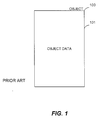
- FIG. 1 is a block diagram of an object as defined in an operating system that supports the Matez faire object ownership model. The diagram shows a réellez faire object 100, the sole contents of which are object data 101. In the case of a bitmap object, the object data 101 corresponds to the color value for each of a number of adjacent pixels.
- the Whyz faire object does not contain any indication of the identity of the program that allocated the object, the programs that may attempt to use the object, the programs that may attempt to deallocate the object, or the program that might be said to be the object's owner. To the contrary, the object has no owner.
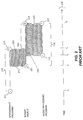
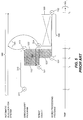
- Figure 2 is a timing diagram showing the informal sharing of a réellez faire object.
- the object is a bitmap object that contains a visual image of a toolbar that is allocated by a spreadsheet program and shared by the spreadsheet program and a word processing program.
- the timing diagram shows a time scale 200 having the following time graduations: time t 1 , time t 2 , time t 3 , time t 4 , and time t 5 .
- the timing diagram also shows a spreadsheet program running interval 210 during which the spreadsheet program is running, a word processing program running interval 230 during which the word processing program is running, and a bitmap object allocated interval 220 during which the toolbar bitmap object is allocated.
- a spreadsheet program launch node 211 shows that the spreadsheet program is launched at time t 1 .
- the launch starts the spreadsheet program running interval 210.
- a causation arrow 212 and an object allocation node 221 show that the spreadsheet program allocates the bitmap object at time t 2 .
- the spreadsheet program uses the bitmap object during object use range 222, from time t 2 until the spreadsheet program terminates at time t 4 .
- a word processing program launch node 231 shows that the word processing program is launched at time t 3 .
- the launch starts the word processing program turning interval 230.
- An object use range 223 shows that the word processing program begins using the bitmap object at time t 3 . Both objects continue to use, i.e., share, the bitmap object until time t 4 .
- the spreadsheet program terminates at time t 4 , as shown by a spreadsheet program termination node 213. Since the word processing program has not finished using the bitmap object, the spreadsheet program delegates responsibility for deallocating the bitmap object to the word processing program. This process involves the spreadsheet program sending a message to the word processing program indicating that the word processing program is now responsible for deallocating the bitmap object. The word processing program then continues to use the bitmap object, as shown by the object use range 223.
- a word processing program termination node 232 shows that the word processing program terminates at time t 5 .
- a causation arrow 233 and an object deallocation node 224 show that, because no other programs are using the bitmap object, the word processing program deallocates the bitmap object. After the word processing program deallocates the bitmap object at time t 5 , the bitmap object no longer exists or consumes space in memory.
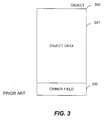
- Figure 3 is a block diagram of an object as defined in an operating system that supports a more rigorous object ownership model.
- the diagram shows a rigorous object 300.
- the object 300 contains object data 301 and an owner field 302.
- the owner field 302 contains an indication of the program to which ownership of the object is attributed and is typically stored within the object, as shown.
- the owner field may be stored together with the owner fields for other objects in a central location. Ownership of an object in most such operating systems is initially attributed to the program that allocated the object. Typically, ownership can later be transferred from the allocating program to another program.
- Revising an existing operating system to expand the set of object types that are owned further increases the reliability of the operating system. For example, an operating system may be revised to make a new type of object owned. Revising an operating system to expand the ways in which the operating system exercises control over owned objects likewise further increases the reliability of the operating system. For example, an operating system may implement automatic deallocation of owned objects, or may control the set of users or programs that may access owned objects.
- an operating system may implement automatic deallocation of owned objects.
- the allocating program fails to provide code for deallocating the objects that it has allocated. In such cases, the allocating program fails to ever deallocate such objects. Because no other program is responsible for deallocating the object, the object survives forever (i.e., until the operating system is restarted or otherwise clears all of its working memory), occupying valuable memory space.
- the allocating program may terminate abnormally. For example, in many operating systems, when the operating system detects a severe error such as a general protection violation or a page fault during the execution of a program, it can terminate the program unilaterally.
- the allocating program is terminated immediately without notice. Immediate termination prevents the allocating program from executing any code it has to deallocate the objects for which it has deallocation responsibility. In such cases of abnormal termination, the objects for which the allocating program has deallocation responsibility and which exist at the time of abnormal termination survive forever.
- An operating system that implements the automatic deallocation of objects overcomes these problems by immediately deallocating any objects owned by the terminated program. This usually involves traversing the linked lists that connect allocated objects, and deallocating any objects appearing in the linked lists whose owner field 302 indicates that it is owned by the terminated program.
- an operating system may control the set of users or programs that may access owned objects.
- Some computer systems use objects that contain sensitive information intended to be used for specific, limited purposes, but not otherwise made available to other programs or users. To this end, an operating system may be revised to control the set of users or programs that may access owned objects.
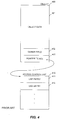
- Figure 4 is a block diagram of an object as defined in an operating system that controls the set of users or programs that may access owned objects.
- the object 400 contains object data 401, an owner field 402, and a pointer to an access control list 403.
- the owner field 402 contains an indication of the program to which ownership of the object is attributed.
- the pointer to an access control list 403 points to an access control list 410.
- the access control list 410 contains a series of list entries, including list entries 411 and 412. Each list entry identifies a program that is authorized to access the object 400.
- a list entry may designate a group of programs. Such a group may include the group of programs being executed for a particular user. Also, in some operating systems, a list entry may specify the particular type of access to be permitted by the designated programs, e.g., read, write, or invoke.
- the operating system when a program attempts to access the object 400, the operating system examines the list entries in the access control list 410 to determine if the program is authorized to access the object 400. If the operating system locates a list entry authorizing the program to access the object 400, then the operating system provides the program with access to the object, else the operating system returns without providing access to the object.
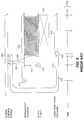
- FIG. 5 is a timing diagram that illustrates how a new operating system that implements automatic object deallocation can frustrate the attempts of old programs developed for operating systems without automatic object deallocation to informally share an object.
- the timing diagram depicts the consequences of the same series of events in connection with old programs shown in Figure 2 in an operating system that implements automatic object deallocation.
- the timing diagram shows a time scale 500 having the following time graduations: time t 1 , time t 2 , time t 3 , time t 4 , and time t 5 .
- the timing diagram also shows a spreadsheet program running interval 510 during which the spreadsheet program is running, a word processing program running interval 530 during which the word processing program is running, and a bitmap object allocated interval 520 during which the a bitmap object is allocated.
- the timing diagram further shows an automatic deallocation system running interval 540, which indicates that the portion of the operating system responsible for automatic object deallocation is always running.
- a spreadsheet program launch node 511 shows that the spreadsheet program is launched at time t 1 .
- the launch starts the spreadsheet program running interval 510.
- a causation arrow 512 and an object allocation node 521 show that the spreadsheet program allocates the bitmap object at time t 2 .
- the operating system sets the owner field 302 of the bitmap object to indicate that the spreadsheet program owns the bitmap object because the spreadsheet program allocated the bitmap object.
- the spreadsheet program uses the bitmap object during object use range 522, from time t 2 until the spreadsheet program terminates at time t 4 .
- a word processing program launch node 531 shows that the word processing program is launched at time t 3 .
- the launch starts the word processing program running interval 530.
- An object use range 523 shows that the word processing program begins using the bitmap object immediately at time t 3 . Both objects continue to use, i.e., share, the bitmap object until time t 4 .
- a spreadsheet program termination node 513 shows that the spreadsheet program terminates at time t 4 .
- causation arrow 541 shows that the automatic deallocation system deallocates the bitmap object as the spreadsheet program is terminating at t 4 because the spreadsheet program is the owner of the bitmap object.
- An object use range 523 shows that word processing program uses the bitmap object from t 3 until the spreadsheet program terminates at t 4 .
- An object nonuse range 533 shows that the word processing program is unable to use the bitmap object from t 4 until the word processing program terminates at t 5 . This amounts to a frustrated attempt by the word processing program to share the object during the object nonuse range 533. The same result occurs any time the program that allocated an object terminates before sharing of the object concludes.
- FIG. 6 is a timing diagram that illustrates how an operating system that implements object access control can frustrate the attempts of old programs developed for operating systems without object access control to informally share an object.
- the timing diagram depicts the consequences of the same series of events in connection with old programs shown in Figure 2 in an operating system that implements object access control.
- the timing diagram shows a time scale 600 having the following time graduations: time t 1 , time t 2 , time t 2.5 , time t 3 , time t 4 , and time t 5 .
- the timing diagram also shows a spreadsheet program running interval 610 during which the spreadsheet program is running, a word processing program running interval 630 during which the word processing program is running, and a bitmap object allocated interval 620 during which the bitmap object is allocated.
- the timing diagram further shows an access control system running interval 650, which indicates that the portion of the operating system responsible for object access control is always running.
- a spreadsheet program launch node 611 shows that the spreadsheet program is launched at time t 1 .
- the launch starts the spreadsheet program running interval 610.
- a causation arrow 612 and an object allocation node 621 show that, at time t 2 , the spreadsheet program allocates the bitmap object.
- the operating system sets the owner field 402 of the bitmap object to indicate that the spreadsheet program, because it allocated the bitmap object, owns the bitmap object. Because the old spreadsheet program was not developed with access control in mind, it does not explicitly designate any access control list entries to authorize the use of the object by other programs.
- the operating system sets the access control list pointer 403 to point to a default access control list designating access authorization only to the object's owner, the spreadsheet program.
- a causation arrow 651 shows that, at time t 2.5 , the spreadsheet program requests access to the object.
- the access control system receives the request, and examines the list entries in the access control list 410 to determine if the spreadsheet program is authorized to access the object 400.
- a causation arrow 652 shows that, because the access control system locates an access list entry authorizing access to the object by the spreadsheet program, the access control system provides the spreadsheet program with access to the object.
- the spreadsheet program uses the bitmap object during object use range 622, beginning at time t 2.5 .
- a word processing program launch node 631 shows that the word processing program is launched at time t 3 . The launch starts the word processing program running interval 630.
- a causation arrow 653 shows that, at time t 3 , the word processing program requests access to the object in order to share the object.
- the access control system receives the request, and examines the list entries in the access control list 410 to determine if the program is authorized to access the object 400.
- a causation arrow 654 shows that the access control system declines to provide the program with access to the object, because no access control list entry appears in the access control list authorizing access to the object by the word processing program. This amounts to a frustrated attempt by the word processing program to share the object during the object nonuse range 633. The same result occurs any time a program other than the one that allocated an object attempts to access the object.
- an operating system selectively applies an object ownership model with which running programs are compatible. This permits programs designed to be used with operating systems that do not apply a rigorous object ownership model to be used with an operating system capable of applying a rigorous object ownership model.
- the method and system has both an automatic object deallocation phase and an object access control phase. In the automatic deallocation control phase, the method and system defers the automatic deallocation of objects owned by programs that are incompatible with automatic object deallocation until a later time at which no such programs are still running. Instead of immediately deallocating the objects owned by a terminating program, the method and system designates them for deferred deallocation.
- the method and system checks to see whether any programs that are incompatible with automatic object deallocation are still running, and, if none are, the method and system deallocates all objects designated for deferred deallocation.
- the method and system allows special permissive access to objects owned by programs that are unable to authorize access to the object by other programs. Instead of denying access by a requesting program to an object owned by a program that is unable to authorize access to the object by other programs, the method and system allows the requesting program to access the object.
- the preferred embodiment of the present invention provides a method and system for ensuring the compatibility of an operating system having a first object ownership model with other programs developed for an operating system having a second, less rigorous object ownership model (old programs).
- a software compatibility facility detects when the operating system is about to apply its more rigorous object ownership model to an object. If the object is being used by an old program, then the software compatibility facility (the facility) preempts the application of the more rigorous object ownership model to the object, or, if possible, defers the application of the more rigorous object ownership model to the object until the object is no longer being used by an old program. Otherwise, the facility permits the operating system to apply the more rigorous object ownership model to the object.
- Implementations of the facility are described that ensure the compatibility of operating systems supporting rigorous object ownership models featuring automatic object deallocation or object access control with programs developed for an operating system with a less rigorous object ownership model.
- the adaptation of the implementations to compound programs that are comprised of two or more smaller subprograms, called modules, is also discussed.
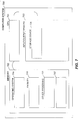
- FIG. 7 is a high-level block diagram of a general-purpose computer system (system) upon which the facility preferably operates.
- the computer system 700 contains a central processing unit (CPU) 701, a computer memory (memory) 702, and input/output devices 703.
- the memory 702 contains the operating system 704, the facility 705, and other programs 706 and 707.
- the programs 704-707 stored in the memory 702 execute on the CPU 701.
- the input/output devices contain a storage device 708, such as a hard disk drive. Programs may also be stored on the storage device 708 and paged into the memory 702 as needed.
- the facility is integrated within the operating system.
- the operating system contains the modified program launching service and program termination service that comprise the facility and that are described below, and the operating system need not be modified to include and use them.
- the operating system is an enhanced version of Microsoft Windows that is compatible with Windows 3.0 and Windows 3.1 applications, as well as Windows NT applications.
- the facility defers automatic object deallocation where necessary to ensure compatibility with old programs. Briefly, the facility defers the deallocation of all objects owned by a terminated old program until no old programs remain running on the system. These objects may then be safely deallocated, as no old program can be dependent on the continued existence of such objects if no old programs are running. (New programs either do not use the objects or have explicitly assumed ownership.)
- the facility operates in conjunction with an operating system that provides automatic object deallocation.
- the operating system provides four standard services that other programs can request: launch a program, allocate an object, change an object owner, and terminate a program.
- the standard program launching service loads and executes a specified program.
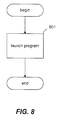
- Figure 8 is a flow diagram of the steps performed by the standard program launching service.
- the operating system actually launches the specified program. This usually includes loading the program from the storage device into memory and beginning execution. These steps then conclude.
- the standard object allocation service allocates memory for an object of a specified type and attributes ownership of the allocated object to the requesting program.
- the standard service for changing an object's owner reattributes the ownership of a specified object from its present owner to a specified program.
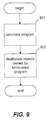
- FIG. 9 is a flow diagram of the steps performed by the standard program termination service.
- the operating system actually terminates the specified program. This usually involves removing the terminated program from a list of currently executing programs maintained by the operating system, as well as reclaiming all of the memory allocated to the terminated program.
- the operating system deallocates all the objects owned by the terminated program. This step involves examining all the allocated objects and deleting those allocated objects owned by the terminated program.
- the facility modifies the program launching and program termination services to defer the automatic deallocation of objects owned by terminated old programs until no old programs remain running.
- the modified program launching service increments a counter of running old programs.
- the modified program termination service identifies the objects that are owned by the program, and, instead of deallocating the objects immediately, it designates the objects as formerly owned by an old program.
- the counter value indicates that the last old program has terminated
- the modified program termination service deallocates each object that is designated as formerly owned by an old program.
- the modified services are discussed in more detail below in connection with Figures 11 and 12.
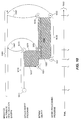
- Figure 10 is a timing diagram that illustrates the informal sharing of an object in an operating system having automatic object deallocation that is running in conjunction with the facility.
- the timing diagram depicts the consequences of the series of events in connection with old programs shown in Figure 2 in an operating system that implements automatic object deallocation that is running in conjunction with the facility.
- the timing diagram shows a time scale 1000 having the following time graduations: time t 1 , time t 2 , time t 3 , time t 4 , and time t 5 .
- the timing diagram also shows a spreadsheet program running interval 1010 during which the spreadsheet program is running, a word processing program running interval 1030 during which the word processing program is running, and a bitmap object allocated interval 1020 during which the a bitmap object is allocated.
- the timing diagram further shows an automatic deallocation system running interval 1040, which indicates that the portion of the operating system responsible for automatic object deallocation into which the facility is incorporated is always running.
- a program submits a request to the program launching service to launch the spreadsheet program.
- the requesting program is a program manager program designed to launch other programs in response to user commands.
- a spreadsheet launch node 1011 shows that a request to launch the spreadsheet program is made at time t 1 .
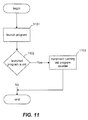
- Figure 11 is a flow diagram of the steps performed by the modified program launching service. Figure 11 may be compared to Figure 8 to discern the modifications to the program launching service of the operating system that are necessary to implement the facility. Briefly, in addition to actually launching the program, if the launched program is an old program, the modified program launching service implements the old program counter.
- step 1101 the facility performs the operations required to actually launch the spreadsheet program, i.e., loading the program and beginning its execution.
- step 1102 if the launched program is an old program, then the facility in step 1103 increments a counter of the number of old programs presently running, i.e., launched and not terminated (the running old program counter).
- the facility determines whether the launched program is an old program by checking a field in the header of the launched program set by the compiler used to compile the old program to indicate the version of the operating system for which the program was compiled. Since the spreadsheet program is an old program, the facility increments the running old program counter from zero to one.
- the object allocation service After the spreadsheet program is launched, it requests the object allocation service to allocate a bitmap object.
- the object allocation service allocates a bitmap object at time t 2 , as shown by a causation arrow 1012 and an object allocation node 1021.
- the object allocation service further attributes ownership of the object to the spreadsheet program by setting the owner field 302 of the bitmap object to indicate that the spreadsheet program owns the bitmap object.
- the object allocation service returns access information, such as a pointer, to the spreadsheet program that allows the spreadsheet program to access the bitmap object.
- the spreadsheet program proceeds to use the bitmap object during an object use range 1022, from time t 2 until the spreadsheet program terminates at time t 4 , accessing the bitmap object using the access information.
- the program launching service is requested to launch the word processing program as shown by a word processing program launch node 1031, and the running old program counter is incremented again, from one to two.
- the launch starts the word processing program running interval 1030.
- the word processing program and the spreadsheet program communicate to negotiate the informal sharing of the bitmap object.
- the spreadsheet program passes a copy of the access information for the bitmap object to the word processing program to permit the word processing program to use the object.
- An object use range 1023 shows that the word processing program begins using the bitmap object immediately at time t 3 . Both objects continue to use, i.e., share, the bitmap object until time t 4 .
- a spreadsheet program termination node 1013 shows that the spreadsheet program then requests the program termination service in order to terminate the spreadsheet program at time t 4 .
- Figure 12 is a flow diagram of the steps performed by the modified program termination service.
- Figure 12 may be compared to Figure 9 to discern the modifications to the program termination service of the operating system necessary to implement the facility.
- the modified program termination service designates the objects owned by the terminated program as owned by a terminated old program and only deallocates these objects, along with others so designated, if no other old programs remain active.
- the facility performs the operations required to actually terminate the spreadsheet program, freeing the memory in which the spreadsheet program is stored.
- step 1202 if the terminated program is an old program, then the facility continues at step 1203, else the facility continues at step 1207 to deallocate each object owned by the terminated program.
- step 1203 the facility designates each object owned by the terminated program as formerly owned by a terminated old program. This step involves traversing the linked lists that connect allocated objects to locate any objects appearing in the linked lists whose owner fields 302 indicates that they are owned by the terminated program, and either making the designation for each object within the object itself or within a central object management data structure. The completion of step 1203 is shown by an object designation node 1025.
- step 1204 the facility decrements the running old program counter from two to one. In step 1205, if the running old program counter is greater than zero, then these steps conclude, else it is safe to deallocate all of the designated objects and the facility continues at step 1206.
- step 1206 the facility deallocates all of the objects designated as formerly owned by a terminated old program. This step involves searching the object linked list or the central object management data structure for designated objects and deallocating them. These steps then conclude. Since the running old program counter is now equal to one, it is greater than zero. Step 1206 is therefore not executed, and the deallocation of the bitmap object is deferred, as shown by causation arrow 1041. This permits the word processing program to continue using the bitmap object.
- a word processing program termination node 1032 shows that the word processing program requests the program termination service to terminate the word processing program at time t 5 .
- the program termination service decrements the running old program counter from one to zero. Since the bitmap object has been marked "formerly allocated by old program," step 1203 will not modify field 302 of the bitmap object. Since the running old program counter is now zero, it is no longer greater than zero. Step 1206 is therefore executed, and the facility deallocates the bitmap object, which is designated as formerly owned by a terminated old program. The completion of step 1206 is shown by a bitmap object deallocation node 1024.
- An object use range 1023 shows that word processing program is able to use the bitmap object from t 3 until the word processing program terminates at t 5 , solving the problem illustrated in Figure 5 in which the automatic deallocation system deallocated the bitmap object before the word processing program that was sharing the bitmap object finished using the bitmap object.
- the facility uses different methods for determining when designated objects may be safely deallocated. For example, in a distributed processing system comprised of several connected computer systems, instead of maintaining a running old program counter for each computer system in distributed processing system, the facility preferably maintains a single running old program counter for the entire distributed processing system. The facility deallocates designated object only when the single running old program counter reaches zero. As another example, on a multi-user computer system that may be used by several users at once, the facility preferably maintains a running old program counter for each user, and when designating an object as formerly owned by a terminated old program, also designates the user that launched the terminated old program.
- the facility When the running old program counter for a particular user reaches zero, the facility preferably deallocates the objects designated as formerly owned by a terminated old program that was launched by the user.
- a multiple running old program counter approach may be applied for program groups of any nature, such as groups of particular types of programs. Other variations are also possible, including deallocating designated objects if no running old program has ever accessed a designated object, or if a specified period of time has passed since a running old program last accessed a designated object.
- Some operating systems support compound programs.
- a compound program is a program comprised of two or more smaller subprograms, called modules.
- Compound programs facilitate the reuse of existing code by permitting an existing module to be used by a new compound program.
- Some modules are formally shareable, which allows a single copy of them to be used by multiple compound programs simultaneously.
- Operating systems that support compound programs often oversee them by creating an administrative task (task) for each running compound program to maintain status information about each of the modules of the compound program. The entirety of a compound program may then be terminated by terminating the compound program's task.
- Some operating systems that support compound programs and object ownership apply object ownership at the task level, initially attributing the ownership of an object to the task that oversees the module that allocated it. Such operating systems usually also permit ownership to be reattributed to either a module or another task.
- ownership of objects allocated by a new module is preferably assigned to the allocating module's task.
- ownership of objects allocated by an old module is preferably assigned to the allocating module instead of the allocating module's task. Assigning the ownership of objects allocated by old modules requires modifying this aspect of the object allocation service.
- the program launching service and the program termination service preferably treat each module and each task as a separate program. The program launching service preferably increments the running old program count for each old task or old module launched.
- Figure 13 is a flow diagram of the steps performed by the modified program launching service for tasks.
- Figure 13 may be compared to Figure 11 to discern the modifications to the modified program launching service for programs that are necessary to implement the modified program launching service for tasks.
- the modified program launching service for tasks has additional steps that increment the old program counter for each module floated during the launch of a task.
- the facility performs the operations required to actually launch the specified program, i.e., loading the program and beginning its execution.
- the facility in step 1303 increments the running old program counter.
- the facility in step 1305 increments the running old program counter once for each old module loaded in step 1301, else these steps conclude. These steps then conclude.
- the program termination service when the program termination service is called for the task of a compound program, the program termination service preferably requests itself to terminate each of the modules of the compound program. If another compound program is using a given formally shareable module of the compound program whose task is being terminated, the termination of the module is aborted. If no other compound program is using the module and it is not an old module, then all of the objects owned by the module are immediately deallocated. If no other compound program is using the module and it is an old module, then all of the objects owned by the module are designated as formerly owned by an old program and not immediately deallocated.
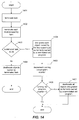
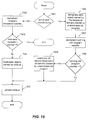
- Figure 14 is a flow diagram of the steps performed by the modified program termination service for tasks.
- Figure 14 may be compared to Figure 12 to discern the modifications to the program termination service for programs necessary to implement the program termination service for tasks.
- the program termination service for tasks adds a step in which it individually terminates each module loaded for use by the terminated task.
- the facility performs the operations required to actually terminate the task, freeing the memory in which the task is stored.
- the facility terminates each module loaded for use by the task. Further detail on step 1402 is discussed below in conjunction with Figure 15.
- step 1403 if the terminated task is in the old task, then the facility continues at step 1404, else the facility continues at step 1408 to deallocate each object owned by the terminated program.
- step 1404 the facility designates each object owned by the terminated task as formerly owned by a terminated old program.
- step 1405 the facility decrements the running old program counter.
- step 1406 if the running old program counter is greater than zero, then these steps conclude, else it is safe to deallocate all of the designated objects and the facility continues at step 1407.
- step 1407 the facility deallocates all of the objects designated as formerly owned by a terminated old program. This step involves searching the object linked list or the central object management data structure for designated objects and deallocating them. These steps then conclude.
- Figure 15 is a flow diagram of the steps performed by the modified program termination service for modules.
- Figure 15 may be compared to Figure 14 to discern the modifications to the modified program termination service for tasks necessary to implement the modified program termination service for modules.
- the modified program termination service for modules contains additional steps for managing the formally shareable aspect of new modules. That is, new modules may be formally shared by new tasks.
- an invocation counter reflecting the number of tasks presently using the module is incremented to show that the present task is using the module.
- the invocation counter is decremented, then checked. If the invocation counter, after being decremented, still indicates that tasks are using the module, the module is not unloaded, and the objects owned by it are not deallocated.
- Steps 1501 through 1509 are executed for each module loaded for the task.
- step 1501 if the terminated module is an old module, then the facility continues at step 1506, else the facility continues at step 1502.
- step 1502 the facility decrements the invocation counter associated with the terminated module.
- step 1503 if the invocation counter associated with the terminated module is greater than zero, then other tasks are still using the module and these steps conclude, else the facility continues at step 1504 to deallocate all of the objects owned by the module. Then, in step 1505, the facility unloads the module, freeing the memory occupied by it. These steps then conclude.
- step 1506 the facility designates each object owned by the module as formerly owned by a terminated old program.
- step 1507 the facility decrements the running old program counter.
- step 1508 if the running old program counter is greater than zero, then the facility continues at step 1505 to unload the module, else the facility continues at step 1509 to deallocate all of the objects designated as formerly owned by a terminated old program. After step 1509, the facility continues at step 1505 to unload the module.
- Accessing an object includes reading the object, writing to the object, or invoking a method of the object.
- the program to which ownership of the object is attributed may specify an authorized group of programs that the operating system is to allow to access to the allocated object.
- An object access service of the operating system then verifies that each program that requests access to a particular object is authorized to access the object. Since old programs do not anticipate access control or the steps required to specify an access control list, the implementation of the facility preferably modifies the object access service to permit any program to access objects owned by old programs.
- the facility initializes the object's access control list to a default configuration, e.g., full access for all old programs and read-only access for new programs in the system.
- the security manager detects that this is an object owned by an old program and assumes that all programs have full access to the object. In this embodiment, no special access control needs to be initialized.
Landscapes
- Engineering & Computer Science (AREA)
- Software Systems (AREA)
- Theoretical Computer Science (AREA)
- Physics & Mathematics (AREA)
- General Engineering & Computer Science (AREA)
- General Physics & Mathematics (AREA)
- Stored Programmes (AREA)
- Information Retrieval, Db Structures And Fs Structures Therefor (AREA)
- Storage Device Security (AREA)
Claims (16)
- Verfahren zur Verwendung in einem Computersystem (700) zur Gewährleistung der Kompatibilität eines Betriebssystems (704) einer ersten Art mit einem Programm einer zweiten Art, wobei das Betriebssystem (704) der ersten Art ein erstes Objektbesitzrechtsmodell zur Anwendung auf Objekte aufweist, die im Besitz von Programmen (706, 707) in dem Computersystem (700) sind, das Programm der zweiten Art für ein Betriebssystem einer zweiten Art entwickelt ist, das Betriebssystem der zweiten Art ein zweites, weniger rigoroses Objektbesitzrechtsmodell zur Anwendung auf Objekte aufweist und das Betriebssystem der ersten Art Dienste für Programme (706, 707) in dem Computersystem (700) bereitstellt und ein Merkmal aufweist, das mit dem Programm der zweiten Art inkompatibel ist, wobei das Verfahren gekennzeichnet ist durch die Schritte:wenn ein Dienst bereitgestellt wird, Bestimmen, ob der Dienst für ein Programm der zweiten Art bereitgestellt wird:wenn der Dienst nicht für ein Programm der zweiten Art bereitgestellt wird, Bereitstellen des Dienstes mit dem Merkmal unverändert; undwenn der Dienst für ein Programm der zweiten Art bereitgestellt wird, Bereitstellen des Dienstes mit dem Merkmal abgeändert, so dass Kompatibilität gewährleistet wird.
- Verfahren, wie in Anspruch 1 beansprucht, wobeidie Programme (706, 707) Objekte zuweisen und eine Beendigung verlangen können;ein Programm der ersten Art für das Betriebssystem (704) der ersten Art entwickelt ist;der Schritt zur Bereitsteilung des Dienstes mit dem unveränderten Merkmal die Schritte umfasst:unmittelbares Aufheben der Zuweisung von einem oder mehreren Objekten, die von dem Programm der ersten Art zugewiesen wurden, das eine Beendigung verlangt; undder Schritt der Bereitstellung des Dienstes mit dem abgeänderten Merkmal den Schritt umfasst:Aufheben der Zuweisung von einem oder mehreren Objekten zu einem späteren Zeitpunkt, die von dem Programm der zweiten Art zugewiesen wurden, das eine Beendigung verlangt.
- Verfahren, wie in Anspruch 1 beansprucht, wobeidas Betriebssystem (704) der ersten Art ein automatisches Schema zur Objektzuweisungsaufhebung ausführt, das automatische Schema zur Objektzuweisungsaufhebung bewirkt, dass das Betriebssystem (704) der ersten Art, wenn ein Programm (706, 707) beendet wird, automatisch die Zuweisung von jeglichen Objekten aufhebt, die von dem beendeten Programm (706, 707) zugewiesen wurden;das Programm der zweiten Art unter der Annahme arbeitet, dass jegliches Objekt, das von dem Programm der zweiten Art zugewiesen wird und dessen Zuweisung nicht nachfolgend durch das Programm der zweiten Art aufgehoben wird, weiterhin besteht;der Schritt zur Bestimmung, ob der Dienst für ein Programm der zweiten Art vorgesehen ist, wenn ein Programm (706, 707) beendet wird, den Schritt umfasst:Bestimmen, ob das beendete Programm das Programm der zweiten Art ist;der Schritt zur Bereitstellung des Dienstes mit abgeändertem Merkmal, wenn das beendete Programm als Programm der zweiten Art bestimmt wird, den Schritt umfasst:Bezeichnen einiger oder aller Objekte, die von dem beendeten Programm zugewiesen wurden, für eine aufgeschobene Zuweisungsaufhebung durch das Betriebssystem (704) der ersten Art; unddas Verfahren eine automatische Zuweisungsaufhebung durch das Betriebssystem (704) der ersten Art von allen Objekten aufschiebt, die für eine aufgeschobene Zuweisungsaufhebung bezeichnet worden sind, bis jegliche Programme der zweiten Art beendet worden sind.
- Verfahren, wie in Anspruch 3 beansprucht, wobeidas Programm (706, 707) ein Komponentenmodul eines Verbundprogramms ist, das Verbundprogramm eine Verwaltungsteilaufgabe umfasst, die das Betriebssystem (704) der ersten Art verwendet, um das Verbundprogramm zu verwalten, das Verbundprogramm des weiteren einen oder mehrere Komponentenmodule umfasst, wobei jedes Komponentenmodul Code für das Verbundprogramm umfasst; undder Bestimmungsschritt, ob der Dienst für ein Programm der zweiten Art bereitgestellt wird, wenn die Verwaltungsteilaufgabe des Verbundprogramms beendet ist, den Schritt umfasst:Bestimmen, ob die Verwaltungsteilaufgabe von der zweiten Art ist.
- Verfahren, wie in Anspruch 3 oder 4 beansprucht, wobeidas Programm (706, 707) eine Verwaltungsteilaufgabe eines Verbundprogramms ist, das Verbundprogramm die Verwaltungsteilaufgabe umfasst, die das Betriebssystem (704) der ersten Art verwendet, um das Verbundprogramm zu verwalten, das Verbundprogramm des weiteren einen oder mehrere Komponentenmodule umfasst, wobei jedes Komponentenmodul Code für das Verbundprogramm umfasst; undder Bestimmungsschritt, ob der Dienst für ein Programm der zweiten Art bereitgestellt wird, wenn der Komponentenmodul des Verbundprogramms beendet ist, den Schritt umfasst:Bestimmen, ob der Komponentenmodul von der zweiten Art ist.
- Verfahren, wie in Anspruch 1 beansprucht, wobeiein Programm der ersten Art für das Betriebssystem (704) der ersten Art entwickelt ist;der Schritt zur Bereitstellung des Dienstes mit dem abgeänderten Merkmal jedesmal, wenn ein Programm der zweiten Art gestartet wird, den Schritt umfasst:Erhöhen eines Zählers, der die Anzahl der laufenden Programme der zweiten Art zählt;der Schritt zur Bereitstellung des Dienstes mit dem unveränderten Merkmal jedesmal, wenn ein Programm der ersten Art beendet wird, den Schritt umfasst:Aufheben der Zuweisung von jedem Objekt, das durch das beendete Programm der ersten Art zugewiesen wurde;der Schritt zur Bereitstellung des Dienstes mit dem abgeänderten Merkmal jedesmal, wenn ein Programm der zweiten Art beendet wird, die Schritte umfasst:Bezeichnen eines jeden Objekts, das durch das beendete Programm der zweiten Art zugewiesen wurde, als ein von einem beendeten Programm der zweiten Art zugewiesenes, undVerringern des Zählers; unddas Verfahren des weiteren den Schritt umfasst:wenn der Zähler null erreicht, Aufheben der Zuweisung eines jeden Objekts, das als ein durch ein beendetes Programm der zweiten Art zugewiesenes bezeichnet ist.
- Verfahren, wie in einem der Ansprüche 1 bis 6 beansprucht, wobeidie Programme (706, 707) Objekte zuweisen und Zugriff auf die Objekte anfordern können;ein Programm der ersten Art für das Betriebssystem (704) der ersten Art entwickelt ist;der Schritt zur Bereitstellung des Dienstes mit dem unveränderten Merkmal, wenn das Programm der ersten Art Zugriff auf ein Objekt verlangt, das das Programm der ersten Art nicht zugewiesen hat, den Schritt umfasst:Verweigern des Zugriffs auf das Objekt; undder Schritt zur Bereitstellung des Dienstes mit dem abgeänderten Merkmal, wenn das Programm der zweiten Art Zugriff auf ein Objekt verlangt, das das Programm der zweiten Art nicht zugewiesen hat, den Schritt umfasst:Bereitstellen des Zugriffs auf das Objekt.
- Verfahren, wie in einem der Ansprüche 1 bis 7 beansprucht, wobeider Bestimmungsschritt, ob der Dienst für ein Programm der zweiten Art vorgesehen ist, den Schritt umfasst:Erfassen, wenn das Betriebssystem (704) der ersten Art dabei ist, das erste Objektbesitzrechtsmodell auf ein Objekt anzuwenden;der Schritt zur Bereitstellung des Dienstes mit dem abgeänderten Merkmal, wenn das Objekt von dem Programm der zweiten Art verwendet wird, den Schritt umfasst:Voraus-Anwenden des ersten Objektbesitzrechtsmodells auf das Objekt; undder Schritt zur Bereitstellung des Dienstes mit dem unveränderten Merkmal, wenn das Objekt nicht von dem Programm der zweiten Art verwendet wird, den Schritt umfasst:dem Betriebssystem (704) der ersten Art gestatten, das erste Objektbesitzrechtsmodell auf das Objekt anzuwenden.
- Verfahren, wie in einem der Ansprüche 1 bis 7 beansprucht, wobeider Bestimmungsschritt, ob der Dienst für ein Programm der zweiten Art vorgesehen ist, den Schritt umfasst:Erfassen, wenn das Betriebssystem (704) der ersten Art dabei ist, das erste Objektbesitzrechtsmodell auf ein Objekt anzuwenden;der Schritt zur Bereitstellung des Dienstes mit abgeändertem Merkmal, wenn das Objekt von dem Programm der zweiten Art verwendet wird, den Schritt umfasst:Aufschieben der Anwendung des ersten Objektbesitzrechtsmodells auf das Objekt, bis das Objekt nicht mehr von dem Programm der zweiten Art verwendet wird; undder Schritt zur Bereitstellung des Dienstes bei unverändertem Merkmal, wenn das Objekt nicht von dem Programm der zweiten Art verwendet wird, den Schritt umfasst:dem Betriebssystem (704) der ersten Art gestatten, das erste Objektbesitzrechtsmodell auf das Objekt anzuwenden.
- Verfahren, wie in einem der Ansprüche 1 bis 9 beansprucht, wobeiein Programm der ersten Art für das Betriebssystem (704) der ersten Art entwickelt ist, das Programm der ersten Art ein Objekt besitzt und eine Gruppe von Programmen bezeichnen kann, die auf das Objekt zugreifen können, um den Zugriff auf das Objekt zu beschränken, das im Besitz des Programms der ersten Art ist;das Programm der zweiten Art ein Objekt besitzt und unfähig ist, eine Gruppe von Programmen zu bezeichnen, um den Zugriff auf das Objekt zu beschränken, das im Besitz des Programms der zweiten Art ist;der Bestimmungsschritt, ob der Dienst für ein Programm der zweiten Art bereitgestellt wird, die Schritte umfasst:Erhalten einer Anforderung von einem anfordernden Programm, auf das sich im Besitz eines Programms (706, 707) befindende Objekt zuzugreifen, undBestimmen, ob das Programm, das das Objekt besitzt, das Programm der zweiten Art ist;der Schritt zur Bereitstellung des Dienstes mit dem unveränderten Merkmal, wenn das das Objekt besitzende Programm das Programm der ersten Art ist, den Schritt umfasst:wenn das anfordernde Programm aus der Gruppe von Programmen ist, Gewähren der Anforderung nach Zugriff auf das Objekt; undder Schritt zur Bereitstellung des Dienstes mit dem unveränderten Merkmal, wenn das das Objekt besitzende Programm von der ersten Art ist, den Schritt umfasst:wenn das anfordernde Programm aus einer vorbestimmten Voreinstellgruppe von Programmen ist, Gewähren dee Anforderung nach Zugriff auf das Objekt.
- Computerlesbares Medium, das Befehle zur Ausführung des computerisierten Verfahrens umfasst, wie es in einem der Ansprüche 1 bis 10 beansprucht ist.
- Computersystem zur Gewährleistung der Kompatibilität eines Betriebssystems (704) einer ersten Art mit einem Programm einer zweiten Art, wobei das Betriebssystem (704) der ersten Art ein erstes Objektbesitzrechtsmodell zur Anwendung auf Objekte aufweist, die im Besitz von Programmen (706, 707) in dem Computersystem (700) sind, das Programm der zweiten Art für ein Betriebssystem einer zweiten Art entwickelt ist, das Betriebssystem der zweiten Art ein zweites, weniger rigoroses Objektbesitzrechtsmodell zur Anwendung auf Objekte aufweist und das Betriebssystem der ersten Art Dienste für Programme (706, 707) in dem Computersystem (700) bereitstellt und ein Merkmal aufweist, das mit dem Programm der zweiten Art inkompatibel ist, wobei das Computersystem (700) gekennzeichnet ist durch:eine Einrichtung zur Bestimmung, wenn ein Dienst bereitgestellt wird, ob der Dienst für ein Programm der zweiten Art bereitgestellt ist;eine Einrichtung zur Bereitstellung des Dienstes mit dem Merkmal unverändert, wenn der Dienst nicht für ein Programm der zweiten Art bereitgestellt ist; undeine Einrichtung zur Bereitstellung des Dienstes mit dem Merkmal abgeändert, so dass Kompatibilität gewährleistet wird, wenn der Dienst für ein Programm der zweiten Art bereitgestellt wird.
- Computersystem, wie in Anspruch 12 beansprucht, wobeidie Programme (706, 707) gestartet und beendet werden können;ein Programm der ersten Art für das Betriebssystem (704) der ersten Art entwickelt ist;das Computersystem (700) Speicher zurückfordert, der von Objekten besetzt ist, die im Besitz von beendeten Programmen sind; unddas Computersystem (700) des weiteren umfasst:einen Anzeigespeicher zur Speicherung einer Anzeige, ob ein Programm der zweiten Art gestartet worden ist, das nachfolgend nicht beendet worden ist, undein Objekterkennungssystem zum Erkennen der Objekte, die im Besitz eines beendeten Programms der zweiten Art sind;die Einrichtung zur Bereitstellung des Dienstes mit unverändertem Merkmal umfasst:eine erste Objektzuweisungsaufhebungseinrichtung zur Zuweisungsaufhebung von einem oder mehreren Objekten, die im Besitz des Programms der ersten Art sind, unmittelbar nach Beendigung des Programms der ersten Art;die Einrichtung zur Bereitstellung des Dienstes mit abgeändertem Merkmal umfasst:eine zweite Objektzuweisungsaufhebungseinrichtung zur Zuweisungsaufhebung von einem oder mehreren Objekten, die durch das Objekterkennungssystem als im Besitz des beendeten Programms der zweiten Art erkannt werden, wenn der Anzeigespeicher anzeigt, dass keine Programm der zweiten Art gestartet worden sind, die nicht nachfolgend beendet wurden.
- Computersystem, wie in Anspruch 12 oder 13 beansprucht, wobeidas Computersystem (700) des weiteren umfasst:einen Objektverwalter zur Anwendung des ersten Objektsbesitzerrechtsmodells auf in dem Computersystem gespeicherte Objekte;die Bestimmungseinrichtung umfasst:eine Objektverwalterüberwachungseinrichtung zum Erkennen eines Objekts, bei dem das Betriebssystem (704) der ersten Art dabei ist, das erste Objektbesitzrechtsmodell anzuwenden,eine Objektbenutzungsüberwachungseinrichtung zum Erkennen von jeglichen Programmen, die das von der Objektverwalterüberwachungseinrichtung erkannte Objekt benutzen, undeine Programmunterscheidungseinrichtung zur Bestimmung, ob irgendwelche der von der Objektbenutzungsüberwachungseinrichtung erkannten Programme das Programm der zweiten Art ist; unddie Einrichtung zur Bereitstellung des Dienstes mit abgeändertem Merkmal umfasst:eine Objektverwattersteuerung zur Vorausführung der Operation des Objektverwalters, wenn die Programmunterscheidungseinrichtung bestimmt, dass irgendeines der von der Objektbenutzungsüberwachungseinrichtung erkannten Programme das Programm der zweiten Art ist.
- Computersystem, wie in einem der Ansprüche 12 bis 14 beansprucht, wobeidie Programm (706, 707) Objekte zuweisen und Zugriff auf Objekte anfordern können;ein Programm der ersten Art für das Betriebssystem (704) der ersten Art entwickelt ist, wobei das Programm der ersten Art ein Objekt besitzt und den Zugriff auf das Objekt selektiv beschränkt;die Bestimmungseinrichtung umfasst:einen Zugriffsanforderungsempfänger, der von einem anfordernden Programm eine Anforderung erhält, auf das Objekt im Besitz eines Programms (706, 707) zuzugreifen, undeine Programmunterscheidungseinrichtung, die bestimmt, ob das Programm, das das Objekt besitzt, das Programm der ersten Art oder das Programm der zweiten Art ist; unddas Computersystem (700) des weiteren umfasst:eine Zugriffssteuereinrichtung, die die von dem Zugriffsanforderungsempfänger erhaltene Anforderung gewährt, auf das Objekt zuzugreifen, wenn das Programm, das das Objekt besitzt, in einer dynamischen Gruppe von Programmen ist, wobei die dynamische Gruppe entweder eine erste Programmgruppe, wenn die Programmunterscheidungseinrichtung bestimmt, dass das Programm, das das Objekt besitzt, das Programm der ersten Art ist, oder eine zweite Programmgruppe umfasst, wenn die Programmunterscheidungseinrichtung bestimmt, dass das Programm, das das Objekt besitzt, das Programm der zweiten Art ist.
- Computersystem, wie in Anspruch 15 beansprucht, wobeidas Programm, das das Objekt besitzt, Programme bezeichnen kann, die auf das Objekt zugreifen können; unddas Computersystem (700) des weiteren umfasst:eine Einrichtung zur Definition der ersten Programmgruppe und der zweiten Programmgruppe, um eine vorbestimmte Voreinstellungsgruppe von Programmen einzuschließen.
Applications Claiming Priority (2)
| Application Number | Priority Date | Filing Date | Title |
|---|---|---|---|
| US08/168,633 US5432924A (en) | 1993-12-15 | 1993-12-15 | Method and system for selectively applying an appropriate object ownership model |
| US168633 | 1993-12-15 |
Publications (3)
| Publication Number | Publication Date |
|---|---|
| EP0660232A2 EP0660232A2 (de) | 1995-06-28 |
| EP0660232A3 EP0660232A3 (de) | 1998-01-28 |
| EP0660232B1 true EP0660232B1 (de) | 2000-08-23 |
Family
ID=22612313
Family Applications (1)
| Application Number | Title | Priority Date | Filing Date |
|---|---|---|---|
| EP94119772A Expired - Lifetime EP0660232B1 (de) | 1993-12-15 | 1994-12-14 | Verfahren und Vorrichtung zur selektiven Verwendung eines geeigneten Objektbesitzrechtsmodells |
Country Status (5)
| Country | Link |
|---|---|
| US (2) | US5432924A (de) |
| EP (1) | EP0660232B1 (de) |
| JP (1) | JP3459694B2 (de) |
| CA (1) | CA2138093A1 (de) |
| DE (1) | DE69425640T2 (de) |
Families Citing this family (42)
| Publication number | Priority date | Publication date | Assignee | Title |
|---|---|---|---|---|
| US5432924A (en) * | 1993-12-15 | 1995-07-11 | Microsoft Corporation | Method and system for selectively applying an appropriate object ownership model |
| US5524238A (en) * | 1994-03-23 | 1996-06-04 | Breakout I/O Corporation | User specific intelligent interface which intercepts and either replaces or passes commands to a data identity and the field accessed |
| US5564017A (en) * | 1994-06-30 | 1996-10-08 | International Business Machines Corporation | Procedure for safely terminating network programs during network logoff |
| US6571262B2 (en) * | 2000-02-14 | 2003-05-27 | Apple Computer, Inc. | Transparent local and distributed memory management system |
| US5687370A (en) * | 1995-01-31 | 1997-11-11 | Next Software, Inc. | Transparent local and distributed memory management system |
| US6434598B1 (en) | 1996-07-01 | 2002-08-13 | Sun Microsystems, Inc. | Object-oriented system, method and article of manufacture for a client-server graphical user interface (#9) framework in an interprise computing framework system |
| US6266709B1 (en) | 1996-07-01 | 2001-07-24 | Sun Microsystems, Inc. | Object-oriented system, method and article of manufacture for a client-server failure reporting process |
| US5987245A (en) | 1996-07-01 | 1999-11-16 | Sun Microsystems, Inc. | Object-oriented system, method and article of manufacture (#12) for a client-server state machine framework |
| US6304893B1 (en) | 1996-07-01 | 2001-10-16 | Sun Microsystems, Inc. | Object-oriented system, method and article of manufacture for a client-server event driven message framework in an interprise computing framework system |
| US6272555B1 (en) | 1996-07-01 | 2001-08-07 | Sun Microsystems, Inc. | Object-oriented system, method and article of manufacture for a client-server-centric interprise computing framework system |
| US6424991B1 (en) | 1996-07-01 | 2002-07-23 | Sun Microsystems, Inc. | Object-oriented system, method and article of manufacture for a client-server communication framework |
| US5999972A (en) | 1996-07-01 | 1999-12-07 | Sun Microsystems, Inc. | System, method and article of manufacture for a distributed computer system framework |
| US6038590A (en) | 1996-07-01 | 2000-03-14 | Sun Microsystems, Inc. | Object-oriented system, method and article of manufacture for a client-server state machine in an interprise computing framework system |
| US5848246A (en) | 1996-07-01 | 1998-12-08 | Sun Microsystems, Inc. | Object-oriented system, method and article of manufacture for a client-server session manager in an interprise computing framework system |
| US5854890A (en) * | 1996-10-15 | 1998-12-29 | National Instruments Corporation | Fieldbus function block shell with user selectable data ownership |
| US5903720A (en) * | 1996-12-13 | 1999-05-11 | Novell, Inc. | Object system capable of using different object authorization systems |
| US5915253A (en) * | 1996-12-13 | 1999-06-22 | Novell, Inc. | Method and system for implementing objects in a storage system |
| US6128772A (en) * | 1997-08-14 | 2000-10-03 | Unisys Corp. | Object-oriented apparatus and method in a computer system for establishing/altering the ownership relationship between objects |
| US6535928B1 (en) * | 1997-12-01 | 2003-03-18 | Recursion Software, Inc. | Method of determining the timing for reclaiming a remote object |
| US6385661B1 (en) * | 1998-10-19 | 2002-05-07 | Recursion Software, Inc. | System and method for dynamic generation of remote proxies |
| US6823338B1 (en) | 1998-11-19 | 2004-11-23 | International Business Machines Corporation | Method, mechanism and computer program product for processing sparse hierarchical ACL data in a relational database |
| US7093122B1 (en) * | 1999-01-22 | 2006-08-15 | Sun Microsystems, Inc. | Techniques for permitting access across a context barrier in a small footprint device using shared object interfaces |
| US6922835B1 (en) * | 1999-01-22 | 2005-07-26 | Sun Microsystems, Inc. | Techniques for permitting access across a context barrier on a small footprint device using run time environment privileges |
| US6633984B2 (en) * | 1999-01-22 | 2003-10-14 | Sun Microsystems, Inc. | Techniques for permitting access across a context barrier on a small footprint device using an entry point object |
| JP2000259417A (ja) * | 1999-03-12 | 2000-09-22 | Sony Corp | データ処理装置、データ処理方法及びプログラム提供媒体 |
| US6947965B2 (en) | 1999-11-30 | 2005-09-20 | Recursion Software, Inc. | System and method for communications in a distributed computing environment |
| US6678743B1 (en) | 1999-11-30 | 2004-01-13 | Recursion Software, Inc. | Method for moving objects in a distributed computing environment |
| US7398532B1 (en) * | 2000-03-02 | 2008-07-08 | Hewlett-Packard Development Company, L.P. | System and method for establishing a secure execution environment for a software process |
| US20070100830A1 (en) * | 2005-10-20 | 2007-05-03 | Ganesha Beedubail | Method and apparatus for access control list (ACL) binding in a data processing system |
| US8255887B2 (en) * | 2006-11-29 | 2012-08-28 | International Business Machines Corporation | Method and apparatus for re-using memory allocated for data structures used by software processes |
| US8161403B2 (en) * | 2007-12-05 | 2012-04-17 | International Business Machines Corporation | Returning passed objects in a surface based computing environment using a virtual bungee |
| US8332420B2 (en) * | 2010-01-20 | 2012-12-11 | Siemens Product Lifecycle Management Software Inc. | System and method for performing a database query |
| US8326813B2 (en) * | 2010-01-20 | 2012-12-04 | Siemens Product Lifecycle Management Software, Inc. | System and method for data management |
| US8290830B2 (en) | 2010-04-07 | 2012-10-16 | Siemens Product Lifecycle Management Software Inc. | System and method for visualization and comparison of physical assets using engineering design data |
| US8533237B2 (en) | 2011-09-23 | 2013-09-10 | Siemens Product Lifecycle Management Software Inc. | Data structure partitioning in product data management systems |
| US8458228B2 (en) | 2011-09-23 | 2013-06-04 | Siemens Product Lifecycle Management Software Inc. | Occurrence management in product data management systems |
| US9652495B2 (en) | 2012-03-13 | 2017-05-16 | Siemens Product Lifecycle Management Software Inc. | Traversal-free updates in large data structures |
| US9122740B2 (en) | 2012-03-13 | 2015-09-01 | Siemens Product Lifecycle Management Software Inc. | Bulk traversal of large data structures |
| US9874914B2 (en) | 2014-05-19 | 2018-01-23 | Microsoft Technology Licensing, Llc | Power management contracts for accessory devices |
| US9717006B2 (en) * | 2014-06-23 | 2017-07-25 | Microsoft Technology Licensing, Llc | Device quarantine in a wireless network |
| US10290287B1 (en) * | 2014-07-01 | 2019-05-14 | Xilinx, Inc. | Visualizing operation of a memory controller |
| FR3035239B1 (fr) * | 2015-04-17 | 2017-03-31 | Morpho | Procede de gestion d'une memoire de carte electronique |
Family Cites Families (16)
| Publication number | Priority date | Publication date | Assignee | Title |
|---|---|---|---|---|
| JPS60215250A (ja) * | 1984-08-29 | 1985-10-28 | Hitachi Ltd | デ−タ処理装置 |
| JP2523653B2 (ja) * | 1987-07-08 | 1996-08-14 | 株式会社日立製作所 | 仮想計算機システム |
| NZ226733A (en) * | 1987-12-21 | 1990-05-28 | Honeywell Bull | Coupling incompatible cpu to data processing system |
| JPH0296833A (ja) * | 1988-10-03 | 1990-04-09 | Nec Corp | 異機種ジョブ制御方式 |
| US5136712A (en) * | 1989-06-29 | 1992-08-04 | Digital Equipment Corporation | Temporary object handling system and method in an object based computer operating system |
| US5187790A (en) * | 1989-06-29 | 1993-02-16 | Digital Equipment Corporation | Server impersonation of client processes in an object based computer operating system |
| US5075845A (en) * | 1989-12-22 | 1991-12-24 | Intel Corporation | Type management and control in an object oriented memory protection mechanism |
| US5423023A (en) * | 1990-06-25 | 1995-06-06 | Prime Computer, Inc. | Method and apparatus for providing a user configurable system which integrates and manages a plurality of different task and software tools |
| JPH04302339A (ja) * | 1991-03-29 | 1992-10-26 | Nec Corp | 共有メモリエリア管理機構 |
| US5210872A (en) * | 1991-06-28 | 1993-05-11 | Texas Instruments Inc. | Critical task scheduling for real-time systems |
| US5274804A (en) * | 1991-11-20 | 1993-12-28 | Parcplace Systems | Automatic storage-reclamation postmortem finalization process |
| JPH05233358A (ja) * | 1992-02-18 | 1993-09-10 | Sharp Corp | コンピュータ装置 |
| DE69324840T2 (de) * | 1992-03-06 | 1999-09-09 | Microsoft Corp. | Verfahren zum Speichern von Programmen |
| US5483647A (en) * | 1992-12-17 | 1996-01-09 | Bull Hn Information Systems Inc. | System for switching between two different operating systems by invoking the server to determine physical conditions to initiate a physical connection transparent to the user |
| US5379432A (en) * | 1993-07-19 | 1995-01-03 | Taligent, Inc. | Object-oriented interface for a procedural operating system |
| US5432924A (en) * | 1993-12-15 | 1995-07-11 | Microsoft Corporation | Method and system for selectively applying an appropriate object ownership model |
-
1993
- 1993-12-15 US US08/168,633 patent/US5432924A/en not_active Expired - Lifetime
-
1994
- 1994-12-14 EP EP94119772A patent/EP0660232B1/de not_active Expired - Lifetime
- 1994-12-14 CA CA002138093A patent/CA2138093A1/en not_active Abandoned
- 1994-12-14 DE DE69425640T patent/DE69425640T2/de not_active Expired - Lifetime
- 1994-12-15 JP JP31184394A patent/JP3459694B2/ja not_active Expired - Lifetime
-
1995
- 1995-01-05 US US08/368,666 patent/US5717902A/en not_active Expired - Lifetime
Also Published As
| Publication number | Publication date |
|---|---|
| JPH07319714A (ja) | 1995-12-08 |
| DE69425640D1 (de) | 2000-09-28 |
| US5432924A (en) | 1995-07-11 |
| EP0660232A3 (de) | 1998-01-28 |
| DE69425640T2 (de) | 2000-12-28 |
| EP0660232A2 (de) | 1995-06-28 |
| CA2138093A1 (en) | 1995-06-16 |
| JP3459694B2 (ja) | 2003-10-20 |
| US5717902A (en) | 1998-02-10 |
Similar Documents
| Publication | Publication Date | Title |
|---|---|---|
| EP0660232B1 (de) | Verfahren und Vorrichtung zur selektiven Verwendung eines geeigneten Objektbesitzrechtsmodells | |
| US5826082A (en) | Method for reserving resources | |
| US5297283A (en) | Object transferring system and method in an object based computer operating system | |
| US5136712A (en) | Temporary object handling system and method in an object based computer operating system | |
| US6209088B1 (en) | Computer hibernation implemented by a computer operating system | |
| US4104718A (en) | System for protecting shared files in a multiprogrammed computer | |
| US5129083A (en) | Conditional object creating system having different object pointers for accessing a set of data structure objects | |
| US5832483A (en) | Distributed control interface for managing the interoperability and concurrency of agents and resources in a real-time environment | |
| EP0815512B1 (de) | Rechnersicherungssystem mit offenen dateien | |
| US5057996A (en) | Waitable object creation system and method in an object based computer operating system | |
| US6128713A (en) | Application programming interface enabling application programs to control allocation of physical memory in a virtual memory system | |
| US5598563A (en) | Method of loading device drivers from ROM without requirement of system to have any harddisks or floppy drives and without using config.sys file | |
| US5197148A (en) | Method for maintaining data availability after component failure included denying access to others while completing by one of the microprocessor systems an atomic transaction changing a portion of the multiple copies of data | |
| US5761680A (en) | Coherent film system access during defragmentation operations on a storage medium | |
| RU2163726C2 (ru) | Способ работы компьютерной системы | |
| US5187790A (en) | Server impersonation of client processes in an object based computer operating system | |
| US6223204B1 (en) | User level adaptive thread blocking | |
| US5796988A (en) | Method and system using dedicated location to share information between real mode and protected mode drivers | |
| US20100023702A1 (en) | Shared JAVA JAR files | |
| US5226176A (en) | System for selectively aborting operation or waiting to load required data based upon user response to non-availability of network load device | |
| KR20010108114A (ko) | 콘텍스트 배리어를 사용해서 소형 풋프린트 장치의 보안을구현하기 위한 기술 | |
| US6662364B1 (en) | System and method for reducing synchronization overhead in multithreaded code | |
| US7822723B2 (en) | Method, system, program and data structure for controlling access to sensitive functions | |
| US7103766B2 (en) | System and method for making BIOS routine calls from different hardware partitions | |
| WO2000062160A2 (en) | Method and system for dynamic injection of execution logic into a windowed operating system |
Legal Events
| Date | Code | Title | Description |
|---|---|---|---|
| PUAI | Public reference made under article 153(3) epc to a published international application that has entered the european phase |
Free format text: ORIGINAL CODE: 0009012 |
|
| AK | Designated contracting states |
Kind code of ref document: A2 Designated state(s): DE FR GB |
|
| PUAL | Search report despatched |
Free format text: ORIGINAL CODE: 0009013 |
|
| AK | Designated contracting states |
Kind code of ref document: A3 Designated state(s): DE FR GB |
|
| 17P | Request for examination filed |
Effective date: 19980515 |
|
| 17Q | First examination report despatched |
Effective date: 19981216 |
|
| GRAG | Despatch of communication of intention to grant |
Free format text: ORIGINAL CODE: EPIDOS AGRA |
|
| GRAG | Despatch of communication of intention to grant |
Free format text: ORIGINAL CODE: EPIDOS AGRA |
|
| GRAH | Despatch of communication of intention to grant a patent |
Free format text: ORIGINAL CODE: EPIDOS IGRA |
|
| GRAH | Despatch of communication of intention to grant a patent |
Free format text: ORIGINAL CODE: EPIDOS IGRA |
|
| GRAA | (expected) grant |
Free format text: ORIGINAL CODE: 0009210 |
|
| AK | Designated contracting states |
Kind code of ref document: B1 Designated state(s): DE FR GB |
|
| REF | Corresponds to: |
Ref document number: 69425640 Country of ref document: DE Date of ref document: 20000928 |
|
| ET | Fr: translation filed | ||
| PLBE | No opposition filed within time limit |
Free format text: ORIGINAL CODE: 0009261 |
|
| STAA | Information on the status of an ep patent application or granted ep patent |
Free format text: STATUS: NO OPPOSITION FILED WITHIN TIME LIMIT |
|
| 26N | No opposition filed | ||
| REG | Reference to a national code |
Ref country code: GB Ref legal event code: IF02 |
|
| PGFP | Annual fee paid to national office [announced via postgrant information from national office to epo] |
Ref country code: GB Payment date: 20131126 Year of fee payment: 20 |
|
| PGFP | Annual fee paid to national office [announced via postgrant information from national office to epo] |
Ref country code: FR Payment date: 20131126 Year of fee payment: 20 |
|
| PGFP | Annual fee paid to national office [announced via postgrant information from national office to epo] |
Ref country code: DE Payment date: 20131230 Year of fee payment: 20 |
|
| REG | Reference to a national code |
Ref country code: DE Ref legal event code: R071 Ref document number: 69425640 Country of ref document: DE |
|
| REG | Reference to a national code |
Ref country code: DE Ref legal event code: R071 Ref document number: 69425640 Country of ref document: DE |
|
| REG | Reference to a national code |
Ref country code: GB Ref legal event code: PE20 Expiry date: 20141213 |
|
| REG | Reference to a national code |
Ref country code: DE Ref legal event code: R082 Ref document number: 69425640 Country of ref document: DE Representative=s name: GRUENECKER, KINKELDEY, STOCKMAIR & SCHWANHAEUS, DE |
|
| PG25 | Lapsed in a contracting state [announced via postgrant information from national office to epo] |
Ref country code: GB Free format text: LAPSE BECAUSE OF EXPIRATION OF PROTECTION Effective date: 20141213 |
|
| REG | Reference to a national code |
Ref country code: GB Ref legal event code: 732E Free format text: REGISTERED BETWEEN 20150108 AND 20150114 |
|
| REG | Reference to a national code |
Ref country code: DE Ref legal event code: R082 Ref document number: 69425640 Country of ref document: DE Representative=s name: GRUENECKER PATENT- UND RECHTSANWAELTE PARTG MB, DE Effective date: 20150126 Ref country code: DE Ref legal event code: R081 Ref document number: 69425640 Country of ref document: DE Owner name: MICROSOFT TECHNOLOGY LICENSING, LLC, REDMOND, US Free format text: FORMER OWNER: MICROSOFT CORP., REDMOND, WASH., US Effective date: 20150126 |
|
| REG | Reference to a national code |
Ref country code: FR Ref legal event code: TP Owner name: MICROSOFT TECHNOLOGY LICENSING, LLC, US Effective date: 20150724 |