EP0636696A1 - Process for producing major histocompatibility antigen class ii protein and material having the same immobilized thereon - Google Patents
Process for producing major histocompatibility antigen class ii protein and material having the same immobilized thereon Download PDFInfo
- Publication number
- EP0636696A1 EP0636696A1 EP93922634A EP93922634A EP0636696A1 EP 0636696 A1 EP0636696 A1 EP 0636696A1 EP 93922634 A EP93922634 A EP 93922634A EP 93922634 A EP93922634 A EP 93922634A EP 0636696 A1 EP0636696 A1 EP 0636696A1
- Authority
- EP
- European Patent Office
- Prior art keywords
- protein
- mhc class
- major histocompatibility
- histocompatibility antigen
- superantigen
- Prior art date
- Legal status (The legal status is an assumption and is not a legal conclusion. Google has not performed a legal analysis and makes no representation as to the accuracy of the status listed.)
- Granted
Links
Images


Classifications
-
- C—CHEMISTRY; METALLURGY
- C12—BIOCHEMISTRY; BEER; SPIRITS; WINE; VINEGAR; MICROBIOLOGY; ENZYMOLOGY; MUTATION OR GENETIC ENGINEERING
- C12P—FERMENTATION OR ENZYME-USING PROCESSES TO SYNTHESISE A DESIRED CHEMICAL COMPOUND OR COMPOSITION OR TO SEPARATE OPTICAL ISOMERS FROM A RACEMIC MIXTURE
- C12P21/00—Preparation of peptides or proteins
- C12P21/02—Preparation of peptides or proteins having a known sequence of two or more amino acids, e.g. glutathione
-
- C—CHEMISTRY; METALLURGY
- C07—ORGANIC CHEMISTRY
- C07K—PEPTIDES
- C07K14/00—Peptides having more than 20 amino acids; Gastrins; Somatostatins; Melanotropins; Derivatives thereof
- C07K14/435—Peptides having more than 20 amino acids; Gastrins; Somatostatins; Melanotropins; Derivatives thereof from animals; from humans
- C07K14/705—Receptors; Cell surface antigens; Cell surface determinants
- C07K14/70503—Immunoglobulin superfamily
- C07K14/70539—MHC-molecules, e.g. HLA-molecules
-
- C—CHEMISTRY; METALLURGY
- C07—ORGANIC CHEMISTRY
- C07K—PEPTIDES
- C07K14/00—Peptides having more than 20 amino acids; Gastrins; Somatostatins; Melanotropins; Derivatives thereof
- C07K14/435—Peptides having more than 20 amino acids; Gastrins; Somatostatins; Melanotropins; Derivatives thereof from animals; from humans
- C07K14/46—Peptides having more than 20 amino acids; Gastrins; Somatostatins; Melanotropins; Derivatives thereof from animals; from humans from vertebrates
- C07K14/47—Peptides having more than 20 amino acids; Gastrins; Somatostatins; Melanotropins; Derivatives thereof from animals; from humans from vertebrates from mammals
Definitions
- the present invention relates to a process for producing major histocompatibility antigen class II protein (hereinafter referred to as "MHC class II" for short) occurring on the surface of antigen-presenting cells and the like, and MHC class II-bound materials in which MHC class II, ⁇ and/or ⁇ subunit of MHC class II, or a part thereof is bound to a carrier such as beads, fibers and hollow fibers via covalent bond, as well as a module for removing superantigens using the same.
- MHC class II major histocompatibility antigen class II protein
- This invention also relates to a method for detecting or quantifying superantigens using MHC class II or a part thereof having an affinity to superantigens, as well as an assay kit therefor.
- MHC class II occurs on the cell surfaces of B cells, macrophages, endothelium cells in blood vessels and the like. MHC class II is a glycoprotein used for distinguishing self from others. Recently, it was found that MHC class II is a binding protein which binds to a group of proteins called superantigens such as toxins of bacteria, and the subtypes of MHC class II in patients suffering from autoimmune diseases are peculiarly distributed, so that it is now regarded as importance in the field of medicine and immunology.
- Superantigens are a group of proteins which bind to MHC class II on antigen-presenting cells without being processed in the antigen-presenting cells unlike conventional antigens, and form complexes with MHC class II so as to stimulate T cells having a specific V region, thereby abnormally activate immune system.
- Superantigens hitherto confirmed include Staphylococcus aureus toxin, Streptococcus toxin, Yersinia toxin, some kinds of virus proteins and heat shock proteins. Superantigens may also be identified in the future.
- MHC class II At present, to isolate and obtain MHC class II, it is necessary to introduce MHC class II gene in mammalian cells or insect cells and express the gene, or it is necessary to purify naturally occurring MHC class II from cell membranes of B cells, macrophages, endothelium cells in blood vessels and the like.
- MHC class II Conventional materials to which MHC class II is bound include those in which whole cells expressing MHC class II on the cell surfaces are adsorbed on a plate, and those in which chemically synthesized amino acid sequence that is a part of a subunit of MHC class II is adsorbed on a material (J.K. Russel et al., Biochemical and Biophysical Research Communications, Vol. 168, 696 (1990)).
- a material for adsorbing superantigens As for a material for adsorbing superantigens, a material to which antibodies specific to superantigens are immobilized has been reported and the material is used for immunoassays of the superantigens.
- the present invention provides a process for producing MHC class II by using bacteria, thereby promoting productivity and ease of operation.
- bacterial cells grow fast, no expensive components such as fetal calf serum and growth factors are necessary to be contained in culture medium, and operations such as subculturing and replacement of culture medium are not necessary.
- proteins originating from mammals are not expressed in bacteria such as E. coli because of the problems such as the toxicity to bacteria and the like.
- the present inventors studied to improve various expression vectors and succeeded in expressing MHC class II in bacterial cells such as E. coli , yeasts and Bacillus subtilis , thereby made it possible to produce the protein efficiently in a large scale.
- the present invention provides, in the medical field, a blood-purification system for removing pathogenic substances including superantigens, which have affinities to MHC class II, and in the field of immunology, the present invention provides a material capable of binding the pathogenic substances including superantigens, which have affinities to MHC class II, that is used for isolating the pathogenic substances and for immunoassays for assaying the pathogenic substances.
- the material may have an unknown activity. Further, the freedom of optionally selecting the density of immobilized MHC class II is limited. As for the material on which a chemically synthesized partial amino acid sequence of the MHC class II subunit is adsorbed, although it can be used for detecting superantigens contained in a high concentration in a buffer, it cannot be used for removing superantigens from the blood because the adsorbed ligand may be liberated from the carrier.
- the binding ability of the partial sequence to superantigens is small, so that sufficient performance for detecting and quantifying superantigens cannot be obtained.
- the material on which an antibody is immobilized it is necessary to immobilize different antibodies each of which is specific to each type of superantigens respectively.
- the present invention aims at overcoming the above-mentioned problems in the prior art and has the following constitution. That is, the present invention provides
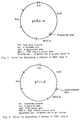
- Fig. 1 is a schematic view showing an expression vector for expressing MHC class II ⁇ subunit gene in E. coli .
- Fig. 2 is a schematic view showing an expression vector for expressing MHC class II ⁇ subunit gene in E. coli .
- Fig. 3 shows the relationship between the amount of removed TSST-1 from a buffer solution by MHC class II-bound beads and reaction time.
- Fig. 4 shows the relationship between the amount of removed TSST-1 from a buffer solution by MHC class II-bound hollow fibers and reaction time.
- Fig. 5 shows the relationship between the SEA level and the absorbance at 450 nm in enzyme immunoassay (sandwich method) employing a plate to which MHC class II, ⁇ subunit of MHC class II or a partial sequence of ⁇ subunit of MHC class II is bound.
- the gene encoding MHC class II used in the present invention was obtained by synthesizing DNA primers for PCR based on the reported DNA sequence (L. J. Stern et al., Cell, Vol. 68, p.465, (1992), D. A. Wettstein et al., J. Exp. Med. Vol. 174, p219, (1991)); and amplifying the gene in human cells such as B cells by conventional PCR method described in, for example, "PCR Method for Gene Amplification” (PROTEINS, NUCLEIC ACIDS AND ENZYMES, additional edition, Vol. 35, No. 17 (1990)).
- the protein encoded by the gene may be obtained by expressing the gene in E. coli cells, yeast cells, insect cells or mammalian cells according to a genetic recombination technique.
- E. coli cells in view of the growth rate, production efficiency and ease of operations such as culturing, it is preferred to employ E. coli cells, yeast cells and B. subtilis cells.
- the protein may be expressed by ligating the gene with one of various known expression vectors after adding to the gene or a fragment thereto an initiation codon, a termination codon, and if it is desired to secrete the protein outside the cells, a sequence for secretion, and by expressing the gene or the fragment thereof directly.
- the protein or a fragment thereof may be expressed in the form of a fused protein with another peptide, such as interleukin 2, maltose-binding protein, ⁇ -galactosidase, trpE or the like.
- hexamer of histidine or the like may be added as long as the activity of MHC class II is retained.
- MHC class II In view of the toxicity of MHC class II to the bacteria, it is preferred to form inclusion body in the form of a fused protein when the gene is expressed, or to employ a promoter having a high ability to control initiation of transcription, such as T7 ribonuclease promoter or heat shock promoter. It is also possible to introduce a recognition site of a protease (e.g., activated blood coagulation factor X (Factor Xa) and IgA protease) or a cleavage site by a chemical reagent (e.g., cyanogen bromide) between MHC class II and the other protein fused with MHC class II. By so doing, MHC class II may be separated from the other protein after expression of the gene.
- a protease e.g., activated blood coagulation factor X (Factor Xa) and IgA protease
- a chemical reagent e.g., cyanogen bromide
- MHC class II may be purified by known methods including precipitation by ammonium sulfate, ion-exchange chromatography, affinity chromatography, gel permeation chromatography and hydrophobic chromatography. Further, the method described in METHOD IN ENZYMOLOGY (Academic Press, 1980) may also be applied.
- the disulfide bond of the subunits may be corrected by adding protein disulfide isomerase, thioredoxin, prothionine, glutathione, ⁇ mercaptoethanol or the like.
- equimolar of the subunits are mixed and the mixture is left to stand at 4 - 60 o C, preferably 20 - 40 o C for not less than 5 minutes, preferably not less than 60 minutes.
- a denaturating agent e.g., 1 M urea, 10% acetonitrile and the like
- the reconstitution may be accomplished while dialyzing the mixture within the above-mentioned temperature range.
- the material according to the present invention to which MHC class II is bound may be obtained by binding the naturally occurring MHC class II or ⁇ and/or ⁇ subunit thereof or a part thereof obtained from cell membranes, or recombinant MHC class II obtained from transformed cells or bacteria, or ⁇ and/or ⁇ subunit thereof or a part thereof to a carrier such as beads, fibers, hollow fibers, textile, plate or tube via covalent bond.
- a carrier such as beads, fibers, hollow fibers, textile, plate or tube via covalent bond.
- MHC class II especially one produced by E. coli or a yeast is preferred since large amount of MHC class II can be obtained efficiently.
- MHC class II naturally occurring MHC class II isolated from antigen-presenting cells such as B cells and monocytes with or without stimulating the cells with ⁇ -interferon or the like may be employed.
- recombinant MHC class II purified from MHC class II-producing cells obtained by transforming mammalian cells such as CHO cells and L cells or insect cells may be employed. It is preferred to employ a recombinant MHC class II, especially one produced by E. coli , a yeast or B. subtilis , because a large amount of the protein can be obtained efficiently.
- the part of MHC class II to be bound to the carrier preferably has not less than 40 amino acid residues. More preferably, ⁇ , ⁇ complex is employed.
- MHC class II may be immobilized by utilizing covalent bond, ionic bond, coordinate bond or hydrophobic bond, or by inclusion method or by adsorption. To prevent liberation of the immobilized protein, binding the protein via covalent bond is best preferred.
- the carrier on which MHC class II is immobilized beads, fibers, hollow fibers, plates and tubes made of synthetic polymers such as polymethylmethacrylates, polystyrenes, polysulfones, polyallylamines, polyvinylalcohols and derivatives thereof; naturally occurring polymers such as cellulose, chitosan and derivatives thereof; and inorganic materials such as ceramics and metals may be employed.
- synthetic polymers such as polymethylmethacrylates, polystyrenes, polysulfones, polyallylamines, polyvinylalcohols and derivatives thereof; naturally occurring polymers such as cellulose, chitosan and derivatives thereof; and inorganic materials such as ceramics and metals
- polymeric compounds in which a functional group can easily be inserted are preferred as the material for binding MHC class II.
- the carrier is preferably in the form of hollow fibers, beads, fibers and textiles.
- the present inventors By studying the binding method of MHC class II to a carrier, by which the activity of MHC class II can be utilized at maximum, the present inventors succeeded in providing a module for purifying blood by which superantigens are specifically captured.
- the part of the protein has amino acid residues of not less than 30, preferably not less than 40.
- binding MHC class II constituted from ⁇ and ⁇ subunits are best preferred.
- the ⁇ subunit of MHC class II was prepared as follows: Between the Eco RI site and Xba I site of pUEF having a heat shock promoter, a sequence encoding ⁇ galactosidase and a sequence encoding the recognition site of activated blood coagulation factor, Factor Xa, the gene encoding ⁇ subunit of MHC class II was inserted (Fig. 1). E. coli was transformed with this vector. After culturing the E. coli cells at 30 o C for 8 hours, the temperature of the culture medium was raised to 42 o C and kept at this temperature for 15 minutes to induce the production of the protein. Thereafter, the temperature of the culture medium was lowered to 37 o C and the cells were cultured at this temperature for 2 hours. The E. coli cells were then harvested.
- MHC class II is produced in the form of a protein fused with ⁇ galactosidase
- the fused protein can be purified by using a column to which p-aminophenyl-1-thio- ⁇ -D-galactopyranoside is fixed. Further, since the fused protein has a recognition site of Factor Xa between ⁇ galactosidase and MHC class II, ⁇ subunit of MHC class II which does not contain the protective protein ⁇ galactosidase can be obtained by digesting the fused protein with Factor Xa after expressing the fused protein.
- ⁇ subunit of MHC class II was prepared as follows: The gene encoding ⁇ subunit of MHC class II was inserted between Eco RI site and Hind III site of pTI vector having tryptophan promoter, a sequence encoding trpE protein and a sequence encoding the recognition site of IgA protease (Fig. 2). E. coli was transformed with this vector. After culturing the E. coli cells at 37 o C for 8 hours in M9 medium, indole acrylic acid was added to induce the production of the protein. The cells were further cultured for 2 hours after the induction and E. coli cells were harvested from the culture medium.
- ⁇ subunit of MHC class II is produced in the form of a fused protein with trpE protein
- the desired protein is precipitated in the insoluble fraction.
- Tris buffer containing 2 M urea the desired fused protein was solubilized by using Tris buffer containing 8 M urea.
- the fused protein is solubilized, by adding 1 mM dithiothreitol or 2% ⁇ mercaptoethanol as a reducing agent, the recovery of the fused protein is promoted.
- fractionation based on molecular weight is performed by gel permeation chromatography so as to separate the desired fused protein from contaminating lipids and other highly insoluble proteins.
- the fraction containing the desired fused protein is dialyzed in 20 mM Tris-HCl buffer (pH 7.4) including 50 mM sodium chloride buffer. After the dialysis, no precipitate is formed so that 100% of the fused protein can be recovered. Although the desired protein is obtained in the soluble fraction without the above-mentioned fractionation according to molecular weight, most part of the obtained protein is precipitated in the insoluble fraction after dialysis.
- ⁇ subunit of MHC class II which does not contain trpE protein that is a protective protein can be obtained by digesting the obtained soluble fraction with IgA protease, and by purifying the ⁇ subunit by hydrophobic chromatography, ion-exchange chromatography, gel permeation chromatography or the like. The purification by hydrophobic chromatography or ion-exchange chromatography may be performed before the digestion by the protease.
- the ⁇ subunit and the ⁇ subunit of MHC class II prepared in Examples 1 and 2, respectively, are dissolved in Tris-HCl buffer (pH 7.4) containing 8 M urea, 10 mM magnesium chloride and 100 mM sodium chloride, to a concentration of 5 mg/ml each. Thereafter, the resulting solution is dialyzed in 10 mM magnesium chloride solution containing 1 M urea and in Tris-HCl buffer (pH 7.4) containing 100 mM sodium chloride at 4 o C. After the dialysis, the resultant is further dialyzed in 10 mM magnesium chloride solution containing no urea and in Tris-HCl buffer (pH 7.4) containing 100 mM sodium chloride. By these operations, MHC class II complex can be obtained.
- MHC class II produced by E. coli was bound to beads. This was accomplished as follows: MHC class II was dissolved in 5 ml of 50 mM borate buffer (pH 8.0) to a concentration of 1 mg/ml. To this aqueous solution, 1 ml of chitosan beads having succinimide groups were added and the resulting mixture was allowed to react at 4 o C for 8 hours. After the reaction, inactivation of the non-reacted functional groups and washing of non-reacted protein were performed with 50 ml of 0.5 M Tris-HCl buffer (pH 8.0). Amino acid analysis of the obtained beads revealed that the amount of the protein bound to the beads was 2.3 mg per 1 ml of beads.
- MHC class II produced by E. coli was bound to hollow fiber membranes as follows: MHC class II was dissolved in 5 ml of 50 mM borate buffer (pH 8.0) to a concentration of 1 mg/ml. To the obtained aqueous solution, 1 g of polysulfone hollow fibers having amino groups were added and the mixture was allowed to react at 4 o C for 8 hours.
- a module was prepared using 0.5 g of the thus obtained MHC class II-bound hollow fibers.
- a module was also prepared using 0.5 g of hollow fibers which were not reacted with MHC class II.
- a serum containing exotoxin of Staphylococcus aureus (TSST-1) in a concentration of 1 ng/ml was circulated in each module. As a result, as shown in Fig. 4, adsorption of the toxin was observed only with MHC class II-bound hollow fibers.
- MHC class II extracted from B cells, ⁇ subunit of MHC class II produced by E. coli , or a partial amino acid sequence of ⁇ subunit of MHC class II (30 amino acid residues which is said to have binding ability to superantigens) was dissolved in PBS to a concentration of 10 ⁇ g/ml.
- PBS solution containing 0.5% bovine serum albumin (BSA) was blocked with PBS containing 0.5% Tween 20.
- SEA which is exotoxin of Staphylococcus aureus and is a superantigen was reacted.
- SEA was reacted with a plate to which BSA alone was immobilized.
- anti-SEA monoclonal antibody labelled with biotin
- avidin-conjugated peroxidase and 3,3',5,5'-tetramethylbenzidine were sequentially reacted, and the generated color was measured.
- the results are shown in Fig. 5. Coloring was scarcely observed in the plate to which BSA alone was immobilized.
- major histocompatibility antigen class II protein which is hitherto produced by using mammalian cells or insect cells can be produced efficiently at a low cost in a large scale by using bacterial cells.
- the present invention also provides a material which is useful for adsorbing, separating, detecting or quantifying superantigens or the like, such as exotoxin of Staphylococcus aureus in aqueous solutions, body fluids such as blood and urine, foods and drinks.
- superantigens or the like such as exotoxin of Staphylococcus aureus in aqueous solutions, body fluids such as blood and urine, foods and drinks.
- the present invention may be effectively employed in studies in medicine, immunology and biochemistry as well as in clinical applications, for example, for constructing therapeutic systems for sepsis and autoimmune diseases.
Landscapes
- Health & Medical Sciences (AREA)
- Chemical & Material Sciences (AREA)
- Life Sciences & Earth Sciences (AREA)
- Organic Chemistry (AREA)
- Zoology (AREA)
- Proteomics, Peptides & Aminoacids (AREA)
- Biochemistry (AREA)
- General Health & Medical Sciences (AREA)
- Genetics & Genomics (AREA)
- Molecular Biology (AREA)
- Gastroenterology & Hepatology (AREA)
- Toxicology (AREA)
- Biophysics (AREA)
- Medicinal Chemistry (AREA)
- Immunology (AREA)
- Cell Biology (AREA)
- Engineering & Computer Science (AREA)
- Wood Science & Technology (AREA)
- Chemical Kinetics & Catalysis (AREA)
- General Chemical & Material Sciences (AREA)
- Microbiology (AREA)
- Biotechnology (AREA)
- Bioinformatics & Cheminformatics (AREA)
- General Engineering & Computer Science (AREA)
- Peptides Or Proteins (AREA)
- Preparation Of Compounds By Using Micro-Organisms (AREA)
- Measuring Or Testing Involving Enzymes Or Micro-Organisms (AREA)
- Immobilizing And Processing Of Enzymes And Microorganisms (AREA)
- Medicines Containing Antibodies Or Antigens For Use As Internal Diagnostic Agents (AREA)
- Apparatus Associated With Microorganisms And Enzymes (AREA)
Abstract
Description
- The present invention relates to a process for producing major histocompatibility antigen class II protein (hereinafter referred to as "MHC class II" for short) occurring on the surface of antigen-presenting cells and the like, and MHC class II-bound materials in which MHC class II, α and/or β subunit of MHC class II, or a part thereof is bound to a carrier such as beads, fibers and hollow fibers via covalent bond, as well as a module for removing superantigens using the same.
- This invention also relates to a method for detecting or quantifying superantigens using MHC class II or a part thereof having an affinity to superantigens, as well as an assay kit therefor.
- MHC class II occurs on the cell surfaces of B cells, macrophages, endothelium cells in blood vessels and the like. MHC class II is a glycoprotein used for distinguishing self from others. Recently, it was found that MHC class II is a binding protein which binds to a group of proteins called superantigens such as toxins of bacteria, and the subtypes of MHC class II in patients suffering from autoimmune diseases are peculiarly distributed, so that it is now regarded as importance in the field of medicine and immunology.
- Superantigens are a group of proteins which bind to MHC class II on antigen-presenting cells without being processed in the antigen-presenting cells unlike conventional antigens, and form complexes with MHC class II so as to stimulate T cells having a specific V region, thereby abnormally activate immune system.
- Superantigens hitherto confirmed include Staphylococcus aureus toxin, Streptococcus toxin, Yersinia toxin, some kinds of virus proteins and heat shock proteins. Superantigens may also be identified in the future.
- At present, to isolate and obtain MHC class II, it is necessary to introduce MHC class II gene in mammalian cells or insect cells and express the gene, or it is necessary to purify naturally occurring MHC class II from cell membranes of B cells, macrophages, endothelium cells in blood vessels and the like.
- However, for obtaining naturally occurring MHC class II from cell membranes in a large scale, a large number of cells are necessary because the amount of MHC class II on the surface of the membranes is small, so that this method takes a long time and a large cost even if cultured cells are employed.
- Similarly, for producing recombinant MHC class II by mammalian cells or insect cells by a genetic recombination technique, a large cost and a long time are required for culturing the cells.
- Although system for expressing major histocompatibility antigen class I protein by using Escherichia coli has been reported (K.C. Parker et al., Molecular Immunology, Vol. 29, 371 (1992)), no such an expression system is known for MHC class II.
- Conventional materials to which MHC class II is bound include those in which whole cells expressing MHC class II on the cell surfaces are adsorbed on a plate, and those in which chemically synthesized amino acid sequence that is a part of a subunit of MHC class II is adsorbed on a material (J.K. Russel et al., Biochemical and Biophysical Research Communications, Vol. 168, 696 (1990)).
- As for a material for adsorbing superantigens, a material to which antibodies specific to superantigens are immobilized has been reported and the material is used for immunoassays of the superantigens.
- The present invention provides a process for producing MHC class II by using bacteria, thereby promoting productivity and ease of operation.
- Unlike insect cells and mammalian cells, bacterial cells grow fast, no expensive components such as fetal calf serum and growth factors are necessary to be contained in culture medium, and operations such as subculturing and replacement of culture medium are not necessary.
- However, in many cases, proteins originating from mammals are not expressed in bacteria such as E. coli because of the problems such as the toxicity to bacteria and the like.
- The present inventors studied to improve various expression vectors and succeeded in expressing MHC class II in bacterial cells such as E. coli, yeasts and Bacillus subtilis, thereby made it possible to produce the protein efficiently in a large scale.
- The present invention provides, in the medical field, a blood-purification system for removing pathogenic substances including superantigens, which have affinities to MHC class II, and in the field of immunology, the present invention provides a material capable of binding the pathogenic substances including superantigens, which have affinities to MHC class II, that is used for isolating the pathogenic substances and for immunoassays for assaying the pathogenic substances.
- If the whole cells are immobilized on a carrier, since proteins other than MHC class II are also immobilized, the material may have an unknown activity. Further, the freedom of optionally selecting the density of immobilized MHC class II is limited. As for the material on which a chemically synthesized partial amino acid sequence of the MHC class II subunit is adsorbed, although it can be used for detecting superantigens contained in a high concentration in a buffer, it cannot be used for removing superantigens from the blood because the adsorbed ligand may be liberated from the carrier.
- Further, the binding ability of the partial sequence to superantigens is small, so that sufficient performance for detecting and quantifying superantigens cannot be obtained. With the material on which an antibody is immobilized, it is necessary to immobilize different antibodies each of which is specific to each type of superantigens respectively.
- The present invention aims at overcoming the above-mentioned problems in the prior art and has the following constitution. That is, the present invention provides
- (1) A process for producing major histocompatibility antigen class II protein, comprising the step of transforming a microorganism with a gene encoding said major histocompatibility antigen class II protein;
- (2) A material in which major histocompatibility antigen class II protein or a part thereof is bound via covalent bond;
- (3) A material in which α subunit of major histocompatibility antigen class II protein or a part thereof is bound via covalent bond;
- (4) A material in which β subunit of major histocompatibility antigen class II protein or a part thereof is bound via covalent bond;
- (5) A module for removing superantigens, comprising said material of any one of (2) - (4);
- (6) A method for detecting a superantigen by using major histocompatibility antigen class II protein or a part thereof having a length of not less than 40 amino acid residues, which part has an affinity to said superantigen; and
- (7) A method for quantifying a superantigen by using major histocompatibility antigen class II protein or a part thereof having a length of not less than 40 amino acid residues, which part has an affinity to said superantigen.
- Fig. 1 is a schematic view showing an expression vector for expressing MHC class II α subunit gene in E. coli.
- Fig. 2 is a schematic view showing an expression vector for expressing MHC class II β subunit gene in E. coli.
- Fig. 3 shows the relationship between the amount of removed TSST-1 from a buffer solution by MHC class II-bound beads and reaction time.
- Fig. 4 shows the relationship between the amount of removed TSST-1 from a buffer solution by MHC class II-bound hollow fibers and reaction time.
- Fig. 5 shows the relationship between the SEA level and the absorbance at 450 nm in enzyme immunoassay (sandwich method) employing a plate to which MHC class II, β subunit of MHC class II or a partial sequence of β subunit of MHC class II is bound.
- The gene encoding MHC class II used in the present invention was obtained by synthesizing DNA primers for PCR based on the reported DNA sequence (L. J. Stern et al., Cell, Vol. 68, p.465, (1992), D. A. Wettstein et al., J. Exp. Med. Vol. 174, p219, (1991)); and amplifying the gene in human cells such as B cells by conventional PCR method described in, for example, "PCR Method for Gene Amplification" (PROTEINS, NUCLEIC ACIDS AND ENZYMES, additional edition, Vol. 35, No. 17 (1990)). The protein encoded by the gene may be obtained by expressing the gene in E. coli cells, yeast cells, insect cells or mammalian cells according to a genetic recombination technique.
- Among the cells just mentioned above, in view of the growth rate, production efficiency and ease of operations such as culturing, it is preferred to employ E. coli cells, yeast cells and B. subtilis cells. The protein may be expressed by ligating the gene with one of various known expression vectors after adding to the gene or a fragment thereto an initiation codon, a termination codon, and if it is desired to secrete the protein outside the cells, a sequence for secretion, and by expressing the gene or the fragment thereof directly. Alternatively, the protein or a fragment thereof may be expressed in the form of a fused protein with another peptide, such as interleukin 2, maltose-binding protein, β-galactosidase, trpE or the like. Further, in view of ease of purification of the protein after expression, hexamer of histidine or the like may be added as long as the activity of MHC class II is retained.
- In view of the toxicity of MHC class II to the bacteria, it is preferred to form inclusion body in the form of a fused protein when the gene is expressed, or to employ a promoter having a high ability to control initiation of transcription, such as T7 ribonuclease promoter or heat shock promoter. It is also possible to introduce a recognition site of a protease (e.g., activated blood coagulation factor X (Factor Xa) and IgA protease) or a cleavage site by a chemical reagent (e.g., cyanogen bromide) between MHC class II and the other protein fused with MHC class II. By so doing, MHC class II may be separated from the other protein after expression of the gene. After expression, MHC class II may be purified by known methods including precipitation by ammonium sulfate, ion-exchange chromatography, affinity chromatography, gel permeation chromatography and hydrophobic chromatography. Further, the method described in METHOD IN ENZYMOLOGY (Academic Press, 1980) may also be applied. The disulfide bond of the subunits may be corrected by adding protein disulfide isomerase, thioredoxin, prothionine, glutathione, β mercaptoethanol or the like.
- To reconstitute MHC class II after expressing α subunit and β subunit separately, equimolar of the subunits are mixed and the mixture is left to stand at 4 - 60oC, preferably 20 - 40oC for not less than 5 minutes, preferably not less than 60 minutes.
- When mixing the subunits, a small amount of a denaturating agent (e.g., 1 M urea, 10% acetonitrile and the like) may be added, and the reconstitution may be accomplished while dialyzing the mixture within the above-mentioned temperature range.
- The material according to the present invention to which MHC class II is bound may be obtained by binding the naturally occurring MHC class II or α and/or β subunit thereof or a part thereof obtained from cell membranes, or recombinant MHC class II obtained from transformed cells or bacteria, or α and/or β subunit thereof or a part thereof to a carrier such as beads, fibers, hollow fibers, textile, plate or tube via covalent bond.
- It is preferred to use a recombinant MHC class II, especially one produced by E. coli or a yeast is preferred since large amount of MHC class II can be obtained efficiently.
- Thus, the present inventors studied expression and binding of MHC class II, as well as the carrier, to succeed in developing a material to which MHC class II is bound without losing its activity. The details will now be described.
- As the MHC class II, naturally occurring MHC class II isolated from antigen-presenting cells such as B cells and monocytes with or without stimulating the cells with γ-interferon or the like may be employed. Alternatively, recombinant MHC class II purified from MHC class II-producing cells obtained by transforming mammalian cells such as CHO cells and L cells or insect cells may be employed. It is preferred to employ a recombinant MHC class II, especially one produced by E. coli, a yeast or B. subtilis, because a large amount of the protein can be obtained efficiently. Even if a subunit of MHC class II or a part thereof is bound to a carrier, the material has a binding ability. However, in view of the strength of the binding, it is preferred that the part of MHC class II to be bound to the carrier preferably has not less than 40 amino acid residues. More preferably, α,β complex is employed.
- MHC class II may be immobilized by utilizing covalent bond, ionic bond, coordinate bond or hydrophobic bond, or by inclusion method or by adsorption. To prevent liberation of the immobilized protein, binding the protein via covalent bond is best preferred.
- When binding a protein to a carrier, amino group, carboxylic group or sulfide group of the protein is usually utilized. In view of the fact that the binding site to superantigens is located in the N-terminal region of MHC class II, it is preferred to utilize carboxylic group for binding the protein.
- As the carrier on which MHC class II is immobilized, beads, fibers, hollow fibers, plates and tubes made of synthetic polymers such as polymethylmethacrylates, polystyrenes, polysulfones, polyallylamines, polyvinylalcohols and derivatives thereof; naturally occurring polymers such as cellulose, chitosan and derivatives thereof; and inorganic materials such as ceramics and metals may be employed. Among these, polymeric compounds in which a functional group can easily be inserted are preferred as the material for binding MHC class II. In view of the ease of operation and large surface area, the carrier is preferably in the form of hollow fibers, beads, fibers and textiles.
- By studying the binding method of MHC class II to a carrier, by which the activity of MHC class II can be utilized at maximum, the present inventors succeeded in providing a module for purifying blood by which superantigens are specifically captured.
- Further, in a method for detecting or quantifying superantigens, by using MHC class II, α subunit of MHC class II, β subunit of MHC class II or a part thereof, it was attained for capturing all superantigens by using one material in which the protein or a part thereof is immobilized.
- Since the binding ability to superantigens is influenced by three-dimensional structure of the protein, in order to firmly binding superantigens, the part of the protein has amino acid residues of not less than 30, preferably not less than 40. To immobilize the whole subunit is more preferred and binding MHC class II constituted from α and β subunits are best preferred.
- The invention will now be described by way of examples thereof. It should be noted, however, the present invention is not restricted to the examples.
- The α subunit of MHC class II was prepared as follows:
Between the Eco RI site and Xba I site of pUEF having a heat shock promoter, a sequence encoding β galactosidase and a sequence encoding the recognition site of activated blood coagulation factor, Factor Xa, the gene encoding α subunit of MHC class II was inserted (Fig. 1). E. coli was transformed with this vector. After culturing the E. coli cells at 30oC for 8 hours, the temperature of the culture medium was raised to 42oC and kept at this temperature for 15 minutes to induce the production of the protein. Thereafter, the temperature of the culture medium was lowered to 37oC and the cells were cultured at this temperature for 2 hours. The E. coli cells were then harvested. - Since MHC class II is produced in the form of a protein fused with β galactosidase, the fused protein can be purified by using a column to which p-aminophenyl-1-thio-β-D-galactopyranoside is fixed. Further, since the fused protein has a recognition site of Factor Xa between β galactosidase and MHC class II, α subunit of MHC class II which does not contain the protective protein β galactosidase can be obtained by digesting the fused protein with Factor Xa after expressing the fused protein.
- β subunit of MHC class II was prepared as follows:
The gene encoding β subunit of MHC class II was inserted between Eco RI site and Hind III site of pTI vector having tryptophan promoter, a sequence encoding trpE protein and a sequence encoding the recognition site of IgA protease (Fig. 2). E. coli was transformed with this vector. After culturing the E. coli cells at 37oC for 8 hours in M9 medium, indole acrylic acid was added to induce the production of the protein. The cells were further cultured for 2 hours after the induction and E. coli cells were harvested from the culture medium. - Since β subunit of MHC class II is produced in the form of a fused protein with trpE protein, the desired protein is precipitated in the insoluble fraction. After washing the insoluble fraction with Tris buffer containing 2 M urea, the desired fused protein was solubilized by using Tris buffer containing 8 M urea. When the fused protein is solubilized, by adding 1 mM dithiothreitol or 2% β mercaptoethanol as a reducing agent, the recovery of the fused protein is promoted. Immediately after the solubilization, fractionation based on molecular weight is performed by gel permeation chromatography so as to separate the desired fused protein from contaminating lipids and other highly insoluble proteins. Thereafter, the fraction containing the desired fused protein is dialyzed in 20 mM Tris-HCl buffer (pH 7.4) including 50 mM sodium chloride buffer. After the dialysis, no precipitate is formed so that 100% of the fused protein can be recovered. Although the desired protein is obtained in the soluble fraction without the above-mentioned fractionation according to molecular weight, most part of the obtained protein is precipitated in the insoluble fraction after dialysis.
- β subunit of MHC class II which does not contain trpE protein that is a protective protein can be obtained by digesting the obtained soluble fraction with IgA protease, and by purifying the β subunit by hydrophobic chromatography, ion-exchange chromatography, gel permeation chromatography or the like. The purification by hydrophobic chromatography or ion-exchange chromatography may be performed before the digestion by the protease.
- The α subunit and the β subunit of MHC class II prepared in Examples 1 and 2, respectively, are dissolved in Tris-HCl buffer (pH 7.4) containing 8 M urea, 10 mM magnesium chloride and 100 mM sodium chloride, to a concentration of 5 mg/ml each. Thereafter, the resulting solution is dialyzed in 10 mM magnesium chloride solution containing 1 M urea and in Tris-HCl buffer (pH 7.4) containing 100 mM sodium chloride at 4oC. After the dialysis, the resultant is further dialyzed in 10 mM magnesium chloride solution containing no urea and in Tris-HCl buffer (pH 7.4) containing 100 mM sodium chloride. By these operations, MHC class II complex can be obtained.
- MHC class II produced by E. coli was bound to beads. This was accomplished as follows: MHC class II was dissolved in 5 ml of 50 mM borate buffer (pH 8.0) to a concentration of 1 mg/ml. To this aqueous solution, 1 ml of chitosan beads having succinimide groups were added and the resulting mixture was allowed to react at 4oC for 8 hours. After the reaction, inactivation of the non-reacted functional groups and washing of non-reacted protein were performed with 50 ml of 0.5 M Tris-HCl buffer (pH 8.0). Amino acid analysis of the obtained beads revealed that the amount of the protein bound to the beads was 2.3 mg per 1 ml of beads. In an aqueous solution containing exotoxin of Staphylococcus aureus (TSST-1) in a concentration of 1 ng/ml, 0.5 ml of the thus obtained MHC class II-bound beads were added. For comparison, 0.5 ml of chitosan beads having succinimide groups, which were reacted only with Tris-HCl buffer were also separately added to the TSST-1 solution. As shown in Fig. 3, adsorption of the toxin was observed only in the solution to which MHC class II-bound beads were added. Thus, it was confirmed that MHC class II was bound to the beads via covalent bond while retaining the binding ability to the toxin. In Fig. 3, ○ indicates the results of the test using MHC class II-bound beads and ● indicates the results of the test using non-reacted beads. Only with MHC class II-bound beads, the reduction of TSST-1 concentration was observed.
- MHC class II produced by E. coli was bound to hollow fiber membranes as follows: MHC class II was dissolved in 5 ml of 50 mM borate buffer (pH 8.0) to a concentration of 1 mg/ml. To the obtained aqueous solution, 1 g of polysulfone hollow fibers having amino groups were added and the mixture was allowed to react at 4oC for 8 hours.
- To the reaction mixture, carbodiimide was added as a catalyst. Amino acid analysis of the obtained hollow fibers revealed that 2.0 mg of protein was bound per 1 g of the hollow fibers. A module was prepared using 0.5 g of the thus obtained MHC class II-bound hollow fibers. For comparison, a module was also prepared using 0.5 g of hollow fibers which were not reacted with MHC class II. A serum containing exotoxin of Staphylococcus aureus (TSST-1) in a concentration of 1 ng/ml was circulated in each module. As a result, as shown in Fig. 4, adsorption of the toxin was observed only with MHC class II-bound hollow fibers. Thus, it was proved that removal of the toxin from blood can be attained by MHC class II-bound hollow fibers. In Fig. 4, ○ indicates the results of the test using MHC class II-bound hollow fibers and ● indicates the results of the test using non-reacted hollow fibers. Only with MHC class II-bound hollow fibers, the reduction of TSST-1 concentration was observed.
- MHC class II extracted from B cells, β subunit of MHC class II produced by E. coli, or a partial amino acid sequence of β subunit of MHC class II (30 amino acid residues which is said to have binding ability to superantigens) was dissolved in PBS to a concentration of 10 µg/ml. Each of the solutions was placed in an amount of 0.1 ml in the wells of a 96-well microplate having amino groups, and carbodiimide as a catalyst was added thereto. Each of the mixtures was left to stand overnight at 4oC to immobilize the protein. After blocking the wells with PBS solution containing 0.5% bovine serum albumin (BSA), the wells were washed with a washing solution (PBS containing 0.05% Tween 20).
- With the thus prepared MHC class II-bound plate, SEA which is exotoxin of Staphylococcus aureus and is a superantigen was reacted. As a control, SEA was reacted with a plate to which BSA alone was immobilized. Thereafter, anti-SEA monoclonal antibody (labelled with biotin), avidin-conjugated peroxidase, and 3,3',5,5'-tetramethylbenzidine were sequentially reacted, and the generated color was measured. The results are shown in Fig. 5. Coloring was scarcely observed in the plate to which BSA alone was immobilized. Coloring was observed in the plates to which MHC class II (about 400 amino acid residues), β subunit (about 200 amino acid residues), or the peptide having a partial amino acid sequence (50 amino acid residues or 30 amino acid residues) was bound, so that binding of SEA was confirmed. ○ indicates the results obtained with the MHC class II-bound plate, △ indicates the results obtained with the β subunit-bound plate, ● indicates the results obtained with the partial amino acid sequence of β subunit-bound plate (50 amino acid residues), ▲ indicates the results obtained with the partial amino acid sequence of β subunit-bound plate (30 amino acid residues), and ■ indicates the results obtained in the control (BSA-immobilized plate).
- With the increase in the number of amino acid residues, detection sensitivity is increased, and with an sequence having not less than 50 amino acid residues, SEA at a concentration of 1 µg/ml can be detected. With the MHC class II-bound plate and the β subunit of MHC class II-bound plate, the relationship between the coloring and SEA level is linear within the range of the SEA level from 0 to 1 µg/ml and from 10³ to 10⁶ ng/ml, respectively. Thus, it was proved that quantification of SEA can be attained.
- By the present invention, major histocompatibility antigen class II protein which is hitherto produced by using mammalian cells or insect cells can be produced efficiently at a low cost in a large scale by using bacterial cells.
- The present invention also provides a material which is useful for adsorbing, separating, detecting or quantifying superantigens or the like, such as exotoxin of Staphylococcus aureus in aqueous solutions, body fluids such as blood and urine, foods and drinks. Thus, the present invention may be effectively employed in studies in medicine, immunology and biochemistry as well as in clinical applications, for example, for constructing therapeutic systems for sepsis and autoimmune diseases.
Claims (17)
- A process for producing major histocompatibility antigen class II protein, comprising the step of transforming a microorganism with a gene encoding said major histocompatibility antigen class II protein.
- The process for producing major histocompatibility antigen class II protein according to claim 1, wherein said microorganism is selected from the group consisting of Escherichia coli, yeasts and Bacillus subtilis.
- The process for producing major histocompatibility antigen class II protein according to claim 1, wherein said gene encoding said major histocompatibility antigen class II protein is expressed in a host cell so that an insoluble protein is produced, and said insoluble protein is then modified to a soluble protein.
- The process for producing major histocompatibility antigen class II protein according to claim 1, wherein α subunit and β subunit of said major histocompatibility antigen class II protein are separately produced and said protein is then reconstituted from said subunits
- A material in which major histocompatibility antigen class II protein or a part thereof is bound via covalent bond.
- A material in which α subunit of major histocompatibility antigen class II protein or a part thereof is bound via covalent bond.
- A material in which β subunit of major histocompatibility antigen class II protein or a part thereof is bound via covalent bond.
- The material according to any one of claims 5 - 7, wherein hollow fiber membranes, fibers, beads or textiles are used as carriers for binding the protein.
- A module for removing superantigens, comprising said material according to any one of claims 5 - 7.
- The module according to claim 9, which is a module for purifying blood.
- A method for detecting a superantigen by using major histocompatibility antigen class II protein or a part thereof having a length of not less than 40 amino acid residues, which part has an affinity to said superantigen.
- A method for detecting a superantigen by using α subunit of major histocompatibility antigen class II protein or a part thereof having a length of not less than 40 amino acid residues, which part has an affinity to said superantigen.
- A method for detecting a superantigen by using β subunit of major histocompatibility antigen class II protein or a part thereof having a length of not less than 40 amino acid residues, which part has an affinity to said superantigen.
- A method for quantifying a superantigen by using major histocompatibility antigen class II protein or a part thereof having a length of not less than 40 amino acid residues, which part has an affinity to said superantigen.
- A method for quantifying a superantigen by using α subunit of major histocompatibility antigen class II protein or a part thereof having a length of not less than 40 amino acid residues, which part has an affinity to said superantigen.
- A method for detecting a superantigen by using β subunit of major histocompatibility antigen class II protein or a part thereof having a length of not less than 40 amino acid residues, which part has an affinity to said superantigen.
- A kit for detecting and/or quantifying the superantigen in accordance with the method claimed in any one of claims 11 - 16.
Priority Applications (1)
| Application Number | Priority Date | Filing Date | Title |
|---|---|---|---|
| EP01114291A EP1138766A3 (en) | 1992-10-15 | 1993-10-15 | Process for preparing major histocompatibility antigen class II protein and materials having the same immobilized thereon |
Applications Claiming Priority (16)
| Application Number | Priority Date | Filing Date | Title |
|---|---|---|---|
| JP27743092 | 1992-10-15 | ||
| JP27743092 | 1992-10-15 | ||
| JP277430/92 | 1992-10-15 | ||
| JP34591592 | 1992-12-25 | ||
| JP345915/92 | 1992-12-25 | ||
| JP34591792 | 1992-12-25 | ||
| JP34591892 | 1992-12-25 | ||
| JP34591792 | 1992-12-25 | ||
| JP34591692 | 1992-12-25 | ||
| JP34591692 | 1992-12-25 | ||
| JP34591892 | 1992-12-25 | ||
| JP345916/92 | 1992-12-25 | ||
| JP345917/92 | 1992-12-25 | ||
| JP345918/92 | 1992-12-25 | ||
| JP34591592 | 1992-12-25 | ||
| PCT/JP1993/001480 WO1994009148A1 (en) | 1992-10-15 | 1993-10-15 | Process for producing major histocompatibility antigen class ii protein and material having the same immobilized thereon |
Related Child Applications (1)
| Application Number | Title | Priority Date | Filing Date |
|---|---|---|---|
| EP01114291A Division EP1138766A3 (en) | 1992-10-15 | 1993-10-15 | Process for preparing major histocompatibility antigen class II protein and materials having the same immobilized thereon |
Publications (3)
| Publication Number | Publication Date |
|---|---|
| EP0636696A1 true EP0636696A1 (en) | 1995-02-01 |
| EP0636696A4 EP0636696A4 (en) | 1998-01-07 |
| EP0636696B1 EP0636696B1 (en) | 2002-09-04 |
Family
ID=27530641
Family Applications (2)
| Application Number | Title | Priority Date | Filing Date |
|---|---|---|---|
| EP01114291A Withdrawn EP1138766A3 (en) | 1992-10-15 | 1993-10-15 | Process for preparing major histocompatibility antigen class II protein and materials having the same immobilized thereon |
| EP93922634A Expired - Lifetime EP0636696B1 (en) | 1992-10-15 | 1993-10-15 | Process for producing recombinant major histocompatibility antigen class ii protein in microorganisms |
Family Applications Before (1)
| Application Number | Title | Priority Date | Filing Date |
|---|---|---|---|
| EP01114291A Withdrawn EP1138766A3 (en) | 1992-10-15 | 1993-10-15 | Process for preparing major histocompatibility antigen class II protein and materials having the same immobilized thereon |
Country Status (10)
| Country | Link |
|---|---|
| US (1) | US6630315B1 (en) |
| EP (2) | EP1138766A3 (en) |
| JP (3) | JP2003070470A (en) |
| KR (1) | KR0169751B1 (en) |
| AT (1) | ATE223485T1 (en) |
| AU (1) | AU674891B2 (en) |
| CA (1) | CA2125871A1 (en) |
| DE (1) | DE69332268T2 (en) |
| ES (1) | ES2182832T3 (en) |
| WO (1) | WO1994009148A1 (en) |
Cited By (9)
| Publication number | Priority date | Publication date | Assignee | Title |
|---|---|---|---|---|
| WO2002072631A3 (en) * | 2001-03-14 | 2003-11-06 | Dakocytomation Denmark As | Mhc molecule constructs and their usesfor diagnosis and therapy |
| US10030065B2 (en) | 2007-07-03 | 2018-07-24 | Dako Denmark A/S | MHC multimers, methods for their generation, labeling and use |
| US10336808B2 (en) | 2007-03-26 | 2019-07-02 | Dako Denmark A/S | MHC peptide complexes and uses thereof in infectious diseases |
| US10369204B2 (en) | 2008-10-02 | 2019-08-06 | Dako Denmark A/S | Molecular vaccines for infectious disease |
| US10611818B2 (en) | 2007-09-27 | 2020-04-07 | Agilent Technologies, Inc. | MHC multimers in tuberculosis diagnostics, vaccine and therapeutics |
| US10722562B2 (en) | 2008-07-23 | 2020-07-28 | Immudex Aps | Combinatorial analysis and repair |
| US10968269B1 (en) | 2008-02-28 | 2021-04-06 | Agilent Technologies, Inc. | MHC multimers in borrelia diagnostics and disease |
| US11992518B2 (en) | 2008-10-02 | 2024-05-28 | Agilent Technologies, Inc. | Molecular vaccines for infectious disease |
| US12258373B2 (en) | 2018-12-17 | 2025-03-25 | Immudex Aps | Panel comprising Borrelia MHC multimers |
Families Citing this family (63)
| Publication number | Priority date | Publication date | Assignee | Title |
|---|---|---|---|---|
| JPH10511652A (en) * | 1994-12-23 | 1998-11-10 | ラボラトワール・オン・ソシエテ・アノニム | Use of MHC-II binding and / or MHC-II mimetic molecules for the prevention and / or treatment of inflammatory diseases |
| US8197430B1 (en) | 1998-05-22 | 2012-06-12 | Biopheresis Technologies, Inc. | Method and system to remove cytokine inhibitor in patients |
| US6620382B1 (en) | 1998-05-22 | 2003-09-16 | Biopheresis Technologies, Llc. | Method and compositions for treatment of cancers |
| US6379708B1 (en) * | 1999-11-20 | 2002-04-30 | Cytologic, Llc | Method for enhancing immune responses in mammals |
| US20040072262A1 (en) | 2002-10-11 | 2004-04-15 | Montero-Julian Felix A. | Methods and systems for detecting MHC class I binding peptides |
| US20040248205A1 (en) * | 2003-04-16 | 2004-12-09 | Stern Lawrence J. | Major histocompatibility complex (MHC)-peptide arrays |
| EP1746420A4 (en) * | 2004-05-14 | 2008-05-28 | Toray Industries | Method of rapidly and easily detecting target substance and enzymoimmunological kit |
| JP4839674B2 (en) * | 2004-05-14 | 2011-12-21 | 東レ株式会社 | Method for quickly and easily detecting a target substance and enzyme immunological kit therefor |
| EP1781313A4 (en) | 2004-06-17 | 2009-08-26 | Beckman Coulter Inc | Mycobacterium tuberculosis epitopes and methods of use thereof |
| WO2007008488A2 (en) * | 2005-07-06 | 2007-01-18 | Henry M. Jackson Foundation For The Advancement Of Military Medicine, Inc. | Stable quantitation and detection of immune response levels with non-zero background peptides |
| US20070065514A1 (en) * | 2005-09-22 | 2007-03-22 | Howell Mark D | Method for enhancing immune responses in mammals |
| JP5713377B2 (en) | 2005-12-28 | 2015-05-07 | ザ スクリプス リサーチ インスティテュート | Natural antisense and non-coding RNA transcripts as drug targets |
| US20080075690A1 (en) * | 2006-09-22 | 2008-03-27 | Mark Douglas Howell | Method for enhancing immune responses in mammals |
| GB0817244D0 (en) | 2008-09-20 | 2008-10-29 | Univ Cardiff | Use of a protein kinase inhibitor to detect immune cells, such as T cells |
| CA2739464C (en) | 2008-10-03 | 2020-03-31 | Curna, Inc. | Treatment of apolipoprotein-a1 related diseases by inhibition of natural antisense transcript to apolipoprotein-a1 |
| KR101866152B1 (en) | 2008-12-04 | 2018-06-08 | 큐알엔에이, 인크. | Treatment of tumor suppressor gene related diseases by inhibition of natural antisense transcript to the gene |
| KR101829469B1 (en) | 2008-12-04 | 2018-03-30 | 큐알엔에이, 인크. | Treatment of erythropoietin (epo) related diseases by inhibition of natural antisense transcript to epo |
| MX2011005912A (en) | 2008-12-04 | 2011-06-17 | Opko Curna Llc | Treatment of vascular endothelial growth factor (vegf) related diseases by inhibition of natural antisense transcript to vegf. |
| WO2010093904A2 (en) | 2009-02-12 | 2010-08-19 | Curna, Inc. | Treatment of brain derived neurotrophic factor (bdnf) related diseases by inhibition of natural antisense transcript to bdnf |
| EP2408919B1 (en) | 2009-03-16 | 2017-10-18 | CuRNA, Inc. | Treatment of nuclear factor (erythroid-derived 2)-like 2 (nrf2) related diseases by inhibition of natural antisense transcript to nrf2 |
| EP2408920B1 (en) | 2009-03-17 | 2017-03-08 | CuRNA, Inc. | Treatment of delta-like 1 homolog (dlk1) related diseases by inhibition of natural antisense transcript to dlk1 |
| WO2010129746A2 (en) | 2009-05-06 | 2010-11-11 | Curna, Inc. | Treatment of tristetraproline (ttp) related diseases by inhibition of natural antisense transcript to ttp |
| CN102459596B (en) | 2009-05-06 | 2016-09-07 | 库尔纳公司 | Treatment of Lipid Transport and Metabolism Gene-Associated Diseases by Inhibition of Natural Antisense Transcripts Targeting Lipid Transport and Metabolism Genes |
| WO2010129861A2 (en) | 2009-05-08 | 2010-11-11 | Curna, Inc. | Treatment of dystrophin family related diseases by inhibition of natural antisense transcript to dmd family |
| WO2010135329A2 (en) | 2009-05-18 | 2010-11-25 | Curna, Inc. | Treatment of reprogramming factor related diseases by inhibition of natural antisense transcript to a reprogramming factor |
| CN102549158B (en) | 2009-05-22 | 2017-09-26 | 库尔纳公司 | By suppressing to treat the disease that TFE3 is related to IRS albumen 2 (IRS2) for transcription factor E3 (TFE3) natural antisense transcript |
| CA2764683A1 (en) | 2009-05-28 | 2010-12-02 | Joseph Collard | Treatment of antiviral gene related diseases by inhibition of natural antisense transcript to an antiviral gene |
| JP5944311B2 (en) | 2009-06-16 | 2016-07-05 | クルナ・インコーポレーテッド | Treatment of collagen gene-related diseases by suppression of natural antisense transcripts against collagen genes |
| CN102612560B (en) | 2009-06-16 | 2017-10-17 | 库尔纳公司 | By suppressing to treat the related diseases of PON1 for the natural antisense transcript of PON1 (PON1) |
| US8859515B2 (en) | 2009-06-24 | 2014-10-14 | Curna, Inc. | Treatment of tumor necrosis factor receptor 2 (TNFR2) related diseases by inhibition of natural antisense transcript to TNFR2 |
| CA2765815A1 (en) | 2009-06-26 | 2010-12-29 | Opko Curna, Llc | Treatment of down syndrome gene related diseases by inhibition of natural antisense transcript to a down syndrome gene |
| US20120252869A1 (en) | 2009-07-24 | 2012-10-04 | Opko Curna, Llc | Treatment of sirtuin (sirt) related diseases by inhibition of natural antisense transcript to a sirtuin (sirt) |
| JP6128848B2 (en) | 2009-08-05 | 2017-05-17 | クルナ・インコーポレーテッド | Treatment of insulin gene (INS) -related diseases by suppression of natural antisense transcripts against the insulin gene (INS) |
| CA2770104C (en) | 2009-08-11 | 2019-03-19 | Opko Curna, Llc | Treatment of adiponectin (adipoq) related diseases by inhibition of natural antisense transcript to an adiponectin (adipoq) |
| WO2011022606A2 (en) | 2009-08-21 | 2011-02-24 | Curna, Inc. | Treatment of 'c terminus of hsp70-interacting protein' (chip) related diseases by inhibition of natural antisense transcript to chip |
| KR101892760B1 (en) | 2009-08-25 | 2018-08-28 | 큐알엔에이, 인크. | Treatment of 'iq motif containing gtpase activating protein' (iqgap) related diseases by inhibition of natural antisense transcript to iqgap |
| KR101802540B1 (en) | 2009-09-25 | 2017-11-28 | 큐알엔에이, 인크. | Treatment of filaggrin (flg) related diseases by modulation of flg expression and activity |
| WO2011084455A2 (en) | 2009-12-16 | 2011-07-14 | Opko Curna, Llc. | Treatment of membrane bound transcription factor peptidase, site 1 (mbtps1) related diseases by inhibition of natural antisense transcript to mbtps1 |
| ES2661387T3 (en) | 2009-12-23 | 2018-03-28 | Curna, Inc. | Treatment of diseases related to hepatocyte growth factor (hgf) by inhibition of the natural antisense transcript to hgf |
| JP6031356B2 (en) | 2009-12-23 | 2016-11-24 | カッパーアールエヌエー,インコーポレイテッド | Treatment of uncoupling protein 2 (UCP2) -related diseases by inhibition of natural antisense transcripts against UCP2. |
| US8962585B2 (en) | 2009-12-29 | 2015-02-24 | Curna, Inc. | Treatment of tumor protein 63 (p63) related diseases by inhibition of natural antisense transcript to p63 |
| KR101838305B1 (en) | 2009-12-29 | 2018-03-13 | 큐알엔에이, 인크. | Treatment of nuclear respiratory factor 1 (nrf1) related diseases by inhibition of natural antisense transcript to nrf1 |
| DK2519632T3 (en) | 2009-12-31 | 2018-07-23 | Curna Inc | TREATMENT OF INSULIN RECEPTOR SUBSTRATE 2- (IRS2) RELATED DISEASES BY INHIBITION OF NATURAL ANTISENSE TRANSCRIPTION TO IRS2 AND TRANSCRIPTION FACTOR E3 (TFE3) |
| EP2521784B1 (en) | 2010-01-04 | 2017-12-06 | CuRNA, Inc. | Treatment of interferon regulatory factor 8 (irf8) related diseases by inhibition of natural antisense transcript to irf8 |
| CN102822342B (en) | 2010-01-06 | 2017-05-10 | 库尔纳公司 | Treatment of Pancreatic Developmental Gene-Related Diseases by Inhibiting Natural Antisense Transcripts of Pancreatic Developmental Genes |
| US9200277B2 (en) | 2010-01-11 | 2015-12-01 | Curna, Inc. | Treatment of sex hormone binding globulin (SHBG) related diseases by inhibition of natural antisense transcript to SHBG |
| CN102782135A (en) | 2010-01-25 | 2012-11-14 | 库尔纳公司 | Treatment of RNase H1 related diseases by inhibition of natural antisense transcript to RNase H1 |
| WO2011103528A2 (en) | 2010-02-22 | 2011-08-25 | Opko Curna Llc | Treatment of pyrroline-5-carboxylate reductase 1 (pycr1) related diseases by inhibition of natural antisense transcript to pycr1 |
| CA2795145C (en) | 2010-04-02 | 2019-01-22 | Curna, Inc. | Treatment of colony-stimulating factor 3 (csf3) related diseases by inhibition of natural antisense transcript to csf3 |
| KR101900962B1 (en) | 2010-04-09 | 2018-09-20 | 큐알엔에이, 인크. | Treatment of fibroblast growth factor 21 (fgf21) related diseases by inhibition of natural antisense transcript to fgf21 |
| WO2011139387A1 (en) | 2010-05-03 | 2011-11-10 | Opko Curna, Llc | Treatment of sirtuin (sirt) related diseases by inhibition of natural antisense transcript to a sirtuin (sirt) |
| TWI531370B (en) | 2010-05-14 | 2016-05-01 | 可娜公司 | Treatment of PAR4-related diseases by inhibiting PAR4 natural anti-strand transcript |
| RU2620978C2 (en) | 2010-05-26 | 2017-05-30 | Курна, Инк. | Treatment of diseases associated with methionine sulfoxide reductase a (msra), by msra natural antisense transcript inhibition |
| CA2799207C (en) | 2010-05-26 | 2019-03-26 | Curna, Inc. | Treatment of atonal homolog 1 (atoh1) related diseases by inhibition of natural antisense transcript to atoh1 |
| KR101914309B1 (en) | 2010-06-23 | 2018-11-02 | 큐알엔에이, 인크. | Treatment of sodium channel voltage-gated, alpha subunit (scna) related diseases by inhibition of natural abtisense transcript to scna |
| NO2593547T3 (en) | 2010-07-14 | 2018-04-14 | ||
| CA2813901C (en) | 2010-10-06 | 2019-11-12 | Curna, Inc. | Treatment of sialidase 4 (neu4) related diseases by inhibition of natural antisense transcript to neu4 |
| JP6049623B2 (en) | 2010-10-22 | 2016-12-21 | カッパーアールエヌエー,インコーポレイテッド | Treatment of IDUA-related diseases by inhibition of natural antisense transcripts to α-L-iduronidase (IDUA) |
| US10000752B2 (en) | 2010-11-18 | 2018-06-19 | Curna, Inc. | Antagonat compositions and methods of use |
| WO2012071238A2 (en) | 2010-11-23 | 2012-05-31 | Opko Curna Llc | Treatment of nanog related diseases by inhibition of natural antisense transcript to nanog |
| RU2620980C2 (en) | 2011-06-09 | 2017-05-30 | Курна, Инк. | Treatment of diseases associated with frataxin (fxn), by inhibiting natural antisense fxn transcript |
| US10583128B2 (en) | 2011-09-06 | 2020-03-10 | Curna, Inc. | Treatment of diseases related to alpha subunits of sodium channels, voltage-gated (SCNxA) with small molecules |
| EP2825648B1 (en) | 2012-03-15 | 2018-09-05 | CuRNA, Inc. | Treatment of brain derived neurotrophic factor (bdnf) related diseases by inhibition of natural antisense transcript to bdnf |
Family Cites Families (12)
| Publication number | Priority date | Publication date | Assignee | Title |
|---|---|---|---|---|
| CA1295562C (en) * | 1982-07-30 | 1992-02-11 | Bernard Francois Mach | DNA SEQUENCES CODING FOR THE DR.beta.-CHAIN LOCUS OF THE HUMAN LYMPHOCYTE ANTIGEN COMPLEX AND POLYPEPTIDES, DIAGNOSTIC TYPING PROCESSES AND PRODUCTS RELATED THERETO |
| US5194425A (en) * | 1988-06-23 | 1993-03-16 | Anergen, Inc. | Mhc-mediated toxic conjugates useful in ameliorating autoimmunity |
| US5130297A (en) * | 1988-06-23 | 1992-07-14 | Anergen, Inc. | Conjugates useful in ameliorating autoimmunity MHC-II-peptide |
| US5260422A (en) * | 1988-06-23 | 1993-11-09 | Anergen, Inc. | MHC conjugates useful in ameliorating autoimmunity |
| AU5445190A (en) * | 1989-04-18 | 1990-11-16 | Bernard Mach | Proteins which regulate the expression of vertebrate mhc class ii genes, dna sequences encoding them and pharmaceutical compositions |
| IL92629A0 (en) * | 1989-12-10 | 1990-08-31 | Yeda Res & Dev | Direct binding of t-cell epitopes to mhc gene products on intact living antigen presenting cells and the use thereof for identifying epitopes causing autoimmune diseases and pharmaceutical compositions for treating such diseases |
| US5364762A (en) * | 1990-03-21 | 1994-11-15 | Board Of Trustees Of The Leland Stanford Junior University | Major histocompatibility complex (MHC) molecules |
| JPH06506056A (en) * | 1990-10-30 | 1994-07-07 | イミュロジック ファーマシューティカル コーポレイション | Peptide binding assay using MHC antigen |
| JPH07501526A (en) * | 1991-11-19 | 1995-02-16 | アナージェン,インコーポレイティド | MHC subunit conjugates useful in ameliorating adverse immune responses |
| US5292641A (en) * | 1991-12-13 | 1994-03-08 | Sangstat Medical Corporation | Alloantigen testing by binding assay |
| US5583031A (en) * | 1992-02-06 | 1996-12-10 | President And Fellows Of Harvard College | Empty major histocompatibility class II heterodimers |
| WO1994006813A1 (en) * | 1992-09-15 | 1994-03-31 | The Rockefeller University | Major histocompatibility complex molecules and modifications thereof |
-
1993
- 1993-10-15 DE DE69332268T patent/DE69332268T2/en not_active Expired - Fee Related
- 1993-10-15 WO PCT/JP1993/001480 patent/WO1994009148A1/en not_active Ceased
- 1993-10-15 AT AT93922634T patent/ATE223485T1/en not_active IP Right Cessation
- 1993-10-15 ES ES93922634T patent/ES2182832T3/en not_active Expired - Lifetime
- 1993-10-15 CA CA002125871A patent/CA2125871A1/en not_active Abandoned
- 1993-10-15 EP EP01114291A patent/EP1138766A3/en not_active Withdrawn
- 1993-10-15 AU AU51613/93A patent/AU674891B2/en not_active Ceased
- 1993-10-15 KR KR1019940702037A patent/KR0169751B1/en not_active Expired - Fee Related
- 1993-10-15 EP EP93922634A patent/EP0636696B1/en not_active Expired - Lifetime
-
1997
- 1997-09-11 US US08/929,157 patent/US6630315B1/en not_active Expired - Fee Related
-
2002
- 2002-08-07 JP JP2002229842A patent/JP2003070470A/en active Pending
- 2002-08-07 JP JP2002229843A patent/JP2003130872A/en active Pending
-
2003
- 2003-08-21 JP JP2003208174A patent/JP2004049238A/en active Pending
Cited By (14)
| Publication number | Priority date | Publication date | Assignee | Title |
|---|---|---|---|---|
| NO20034020L (en) * | 2001-03-14 | 2003-11-06 | Dynal Biotech Asa | New MHC Molecular Compounds, and Methods for Using These Compounds for Diagnosis and Therapy, and the Use of MHC Molecules |
| AU2002240818B2 (en) * | 2001-03-14 | 2008-06-19 | Agilent Technologies, Inc. | MHC molecule constructs and their uses for diagnosis and therapy |
| AU2002240818C1 (en) * | 2001-03-14 | 2008-11-06 | Agilent Technologies, Inc. | MHC molecule constructs and their uses for diagnosis and therapy |
| EP2336167A1 (en) * | 2001-03-14 | 2011-06-22 | Dako Denmark A/S | MHC molecule constructs and their uses for diagnosis and therapy |
| AU2008202862B2 (en) * | 2001-03-14 | 2011-09-29 | Agilent Technologies, Inc. | Novel MHC molecule constructs, and methods of employing these constructs for diagnosis and therapy, and uses of MHC molecules |
| WO2002072631A3 (en) * | 2001-03-14 | 2003-11-06 | Dakocytomation Denmark As | Mhc molecule constructs and their usesfor diagnosis and therapy |
| US10336808B2 (en) | 2007-03-26 | 2019-07-02 | Dako Denmark A/S | MHC peptide complexes and uses thereof in infectious diseases |
| US10030065B2 (en) | 2007-07-03 | 2018-07-24 | Dako Denmark A/S | MHC multimers, methods for their generation, labeling and use |
| US10611818B2 (en) | 2007-09-27 | 2020-04-07 | Agilent Technologies, Inc. | MHC multimers in tuberculosis diagnostics, vaccine and therapeutics |
| US10968269B1 (en) | 2008-02-28 | 2021-04-06 | Agilent Technologies, Inc. | MHC multimers in borrelia diagnostics and disease |
| US10722562B2 (en) | 2008-07-23 | 2020-07-28 | Immudex Aps | Combinatorial analysis and repair |
| US10369204B2 (en) | 2008-10-02 | 2019-08-06 | Dako Denmark A/S | Molecular vaccines for infectious disease |
| US11992518B2 (en) | 2008-10-02 | 2024-05-28 | Agilent Technologies, Inc. | Molecular vaccines for infectious disease |
| US12258373B2 (en) | 2018-12-17 | 2025-03-25 | Immudex Aps | Panel comprising Borrelia MHC multimers |
Also Published As
| Publication number | Publication date |
|---|---|
| KR0169751B1 (en) | 1999-01-15 |
| CA2125871A1 (en) | 1994-04-28 |
| WO1994009148A1 (en) | 1994-04-28 |
| DE69332268D1 (en) | 2002-10-10 |
| ES2182832T3 (en) | 2003-03-16 |
| JP2003130872A (en) | 2003-05-08 |
| EP1138766A3 (en) | 2003-05-02 |
| AU674891B2 (en) | 1997-01-16 |
| US6630315B1 (en) | 2003-10-07 |
| EP0636696B1 (en) | 2002-09-04 |
| EP0636696A4 (en) | 1998-01-07 |
| EP1138766A2 (en) | 2001-10-04 |
| AU5161393A (en) | 1994-05-09 |
| ATE223485T1 (en) | 2002-09-15 |
| DE69332268T2 (en) | 2003-08-14 |
| KR940703925A (en) | 1994-12-12 |
| JP2004049238A (en) | 2004-02-19 |
| JP2003070470A (en) | 2003-03-11 |
Similar Documents
| Publication | Publication Date | Title |
|---|---|---|
| EP0636696B1 (en) | Process for producing recombinant major histocompatibility antigen class ii protein in microorganisms | |
| CN103443120B (en) | Novel Immunoglobulin Binding Polypeptides | |
| US5464759A (en) | Sequential oligonucleotide syntheses using immunoaffinity techniques | |
| EP0131142A2 (en) | Process for recovering a cell wall protein | |
| CN116813783B (en) | Anti-human CD28 engineering antibody and application thereof | |
| AU623361B2 (en) | Selective removal of immune complexes | |
| JPS60214897A (en) | Production of protein | |
| EP3543251B1 (en) | Solid support containing igg-binding peptide, and method for separating igg | |
| Langley et al. | Another individual (JR) whose red blood cells appear to carry a hybrid MNSs sialoglycoprotein | |
| KR102041119B1 (en) | Reagent for assaying anti-treponema pallidum antibody | |
| JPS6190672A (en) | Treatment of fluids using porous hollow fiber having physiologically active substance fixed thereto | |
| Wojczyk et al. | Purification of a secreted form of recombinant rabies virus glycoprotein: comparison of two affinity tags | |
| WO2020194968A1 (en) | Method for producing extracellular membrane vesicle-binding carrier | |
| EP0244147A2 (en) | Purification process for hybrid proteins | |
| JP3603374B2 (en) | Fusion protein and material on which the fusion protein is immobilized | |
| JPWO1994009148A1 (en) | Method for producing major histocompatibility antigen class 2 protein and material immobilized with the protein | |
| US20200016512A1 (en) | Affinity separation matrix for purifying immunoglobulin | |
| EP0688224B1 (en) | A mutant crp-protein and methods and materials for making and using it | |
| JPH0975090A (en) | Cell attachment member | |
| Assouline et al. | Processing of fusion proteins with immobilized factor Xa | |
| CA2474880A1 (en) | Production of hybridoma producing antihuman cenp-a peptide monoclonal antibody and method of using the same | |
| JPH0364173B2 (en) | ||
| JPH05261281A (en) | Carrier for immobilizing bioactive substance and its production | |
| CA1065305A (en) | PROCESS FOR THE ENRICHMENT OF THE PREGNANCY-SPECIFIC .beta.1-GLYCOPROTEIN | |
| CN120309736A (en) | A high-affinity fusion protein mutant for recognizing DMF5-TCR and its application |
Legal Events
| Date | Code | Title | Description |
|---|---|---|---|
| PUAI | Public reference made under article 153(3) epc to a published international application that has entered the european phase |
Free format text: ORIGINAL CODE: 0009012 |
|
| 17P | Request for examination filed |
Effective date: 19940704 |
|
| AK | Designated contracting states |
Kind code of ref document: A1 Designated state(s): AT BE CH DE DK ES FR GB GR IE IT LI LU MC NL PT SE |
|
| RHK1 | Main classification (correction) |
Ipc: C12N 15/12 |
|
| A4 | Supplementary search report drawn up and despatched |
Effective date: 19971119 |
|
| AK | Designated contracting states |
Kind code of ref document: A4 Designated state(s): AT BE CH DE DK ES FR GB GR IE IT LI LU MC NL PT SE |
|
| 17Q | First examination report despatched |
Effective date: 19990804 |
|
| GRAG | Despatch of communication of intention to grant |
Free format text: ORIGINAL CODE: EPIDOS AGRA |
|
| RTI1 | Title (correction) |
Free format text: PROCESS FOR PRODUCING RECOMBINANT MAJOR HISTOCOMPATIBILITY ANTIGEN CLASS II PROTEIN IN MICROORGANISMS |
|
| GRAG | Despatch of communication of intention to grant |
Free format text: ORIGINAL CODE: EPIDOS AGRA |
|
| GRAH | Despatch of communication of intention to grant a patent |
Free format text: ORIGINAL CODE: EPIDOS IGRA |
|
| GRAH | Despatch of communication of intention to grant a patent |
Free format text: ORIGINAL CODE: EPIDOS IGRA |
|
| GRAA | (expected) grant |
Free format text: ORIGINAL CODE: 0009210 |
|
| AK | Designated contracting states |
Kind code of ref document: B1 Designated state(s): BE DE ES FR GB IT NL SE |
|
| REF | Corresponds to: |
Ref document number: 223485 Country of ref document: AT Date of ref document: 20020915 Kind code of ref document: T |
|
| REG | Reference to a national code |
Ref country code: GB Ref legal event code: FG4D |
|
| REG | Reference to a national code |
Ref country code: CH Ref legal event code: EP |
|
| RBV | Designated contracting states (corrected) |
Designated state(s): BE DE ES FR GB IT NL SE |
|
| REG | Reference to a national code |
Ref country code: CH Ref legal event code: PK |
|
| REG | Reference to a national code |
Ref country code: IE Ref legal event code: FG4D |
|
| REF | Corresponds to: |
Ref document number: 69332268 Country of ref document: DE Date of ref document: 20021010 |
|
| REG | Reference to a national code |
Ref country code: ES Ref legal event code: FG2A Ref document number: 2182832 Country of ref document: ES Kind code of ref document: T3 |
|
| ET | Fr: translation filed | ||
| PLBE | No opposition filed within time limit |
Free format text: ORIGINAL CODE: 0009261 |
|
| STAA | Information on the status of an ep patent application or granted ep patent |
Free format text: STATUS: NO OPPOSITION FILED WITHIN TIME LIMIT |
|
| REG | Reference to a national code |
Ref country code: IE Ref legal event code: MM4A |
|
| 26N | No opposition filed |
Effective date: 20030605 |
|
| PGFP | Annual fee paid to national office [announced via postgrant information from national office to epo] |
Ref country code: NL Payment date: 20081015 Year of fee payment: 16 Ref country code: DE Payment date: 20081014 Year of fee payment: 16 |
|
| PGFP | Annual fee paid to national office [announced via postgrant information from national office to epo] |
Ref country code: ES Payment date: 20081030 Year of fee payment: 16 |
|
| PGFP | Annual fee paid to national office [announced via postgrant information from national office to epo] |
Ref country code: SE Payment date: 20081022 Year of fee payment: 16 Ref country code: BE Payment date: 20081010 Year of fee payment: 16 Ref country code: IT Payment date: 20081028 Year of fee payment: 16 |
|
| PGFP | Annual fee paid to national office [announced via postgrant information from national office to epo] |
Ref country code: FR Payment date: 20081014 Year of fee payment: 16 |
|
| PGFP | Annual fee paid to national office [announced via postgrant information from national office to epo] |
Ref country code: GB Payment date: 20081015 Year of fee payment: 16 |
|
| BERE | Be: lapsed |
Owner name: *TORAY INDUSTRIES INC. Effective date: 20091031 |
|
| REG | Reference to a national code |
Ref country code: NL Ref legal event code: V1 Effective date: 20100501 |
|
| EUG | Se: european patent has lapsed | ||
| REG | Reference to a national code |
Ref country code: FR Ref legal event code: ST Effective date: 20100630 |
|
| PG25 | Lapsed in a contracting state [announced via postgrant information from national office to epo] |
Ref country code: NL Free format text: LAPSE BECAUSE OF NON-PAYMENT OF DUE FEES Effective date: 20100501 Ref country code: FR Free format text: LAPSE BECAUSE OF NON-PAYMENT OF DUE FEES Effective date: 20091102 Ref country code: DE Free format text: LAPSE BECAUSE OF NON-PAYMENT OF DUE FEES Effective date: 20100501 |
|
| PG25 | Lapsed in a contracting state [announced via postgrant information from national office to epo] |
Ref country code: BE Free format text: LAPSE BECAUSE OF NON-PAYMENT OF DUE FEES Effective date: 20091031 |
|
| PG25 | Lapsed in a contracting state [announced via postgrant information from national office to epo] |
Ref country code: GB Free format text: LAPSE BECAUSE OF NON-PAYMENT OF DUE FEES Effective date: 20091015 |
|
| REG | Reference to a national code |
Ref country code: ES Ref legal event code: FD2A Effective date: 20110328 |
|
| PG25 | Lapsed in a contracting state [announced via postgrant information from national office to epo] |
Ref country code: IT Free format text: LAPSE BECAUSE OF NON-PAYMENT OF DUE FEES Effective date: 20091015 |
|
| PG25 | Lapsed in a contracting state [announced via postgrant information from national office to epo] |
Ref country code: SE Free format text: LAPSE BECAUSE OF NON-PAYMENT OF DUE FEES Effective date: 20091016 |
|
| PG25 | Lapsed in a contracting state [announced via postgrant information from national office to epo] |
Ref country code: ES Free format text: LAPSE BECAUSE OF NON-PAYMENT OF DUE FEES Effective date: 20110315 |
|
| PG25 | Lapsed in a contracting state [announced via postgrant information from national office to epo] |
Ref country code: ES Free format text: LAPSE BECAUSE OF NON-PAYMENT OF DUE FEES Effective date: 20091016 |